SCR 164: National Health Center Week.
- Session Year: 2023-2024
- House: Senate
- Latest Version Date: 2024-08-21
Current Status:
Passed
(2024-08-21: Chaptered by Secretary of State. Res. Chapter 172, Statutes of 2024.)
Introduced
In Committee
First Chamber
In Committee
Second Chamber
Enacted
What does this bill do?
This resolution proclaims August 4–10, 2024, as National Health Center Week in California and highlights the role of community health centers that serve millions of Californians. It encourages people to visit their local community health center and celebrate the partnership between those centers and the communities they serve.
The summary is provided by generative AI which can make mistakes. For original language, please view the details in the table below.
This measure would proclaim the week of August 4, 2024, to August 10, 2024, inclusive, as National Health Center Week and would encourage Californians to take part in this week by visiting their local community health center and celebrating the important partnership between Californias community health centers and the communities they serve.
This measure would proclaim the week of August 4, 2024, to August 10, 2024, inclusive, as National Health Center Week and would encourage Californians to take part in this week by visiting their local community health center and celebrating the important partnership between Californias community health centers and the communities they serve.
This measure would proclaim the week of August 4, 2024, to August 10, 2024, inclusive, as National Health Center Week and would encourage Californians to take part in this week by visiting their local community health center and celebrating the important partnership between Californias community health centers and the communities they serve.
WHEREAS, For over 50 years, community health centers have provided high-quality, affordable, and comprehensive primary and preventive health care in Californias medically underserved communities, delivering value to, and having a significant impact on, Californias health care system; and
WHEREAS, Californias community health centers provide high-quality comprehensive care to 7.7 million people, which is more than one in five Californians. Over 1,270 community health centers in California provide the full spectrum of care to everyone who walks through their doors, regardless of their ability to pay, immigration status, or individual circumstances; and
WHEREAS, As the countrys largest primary care network, community health centers are the health care home for over 30 million Americans in over 14,000 communities across the nation. One in 11 people in the United States gets their care at a community health center; and
WHEREAS, Community health centers are a critical element of the health system, serving rural, suburban, and urban populations and often providing the only accessible and dependable source of primary care in their communities. Nationwide, community health centers serve one in every five residents of rural areas; and
WHEREAS, Community health centers serve as beacons of essential resources and support in the face of disasters and pandemics and will continue to respond quickly to care for Americas most vulnerable and underserved communities. Community health centers have administered over 22 million COVID-19 tests and over 24 million vaccines nationally to date; and
WHEREAS, Every day, community health centers develop new approaches to integrating a wide range of services beyond primary care, including oral health, vision, behavioral health, and pharmacy services, to meet the needs and challenges of their communities. Community health centers have more than doubled their behavioral health workforce in the last decade to meet Californians and Americans growing need for behavioral health services; and
WHEREAS, Community health centers are governed by patient-majority boards, ensuring patients get to make their own health care decisions; and
WHEREAS, Community health centers are on the front lines of emerging health care crises, providing access to care for our nations veterans, addressing the opioid epidemic, and responding to public health threats in the wake of natural disasters. Community health centers operate close to 1,000 mobile units, providing accessible health services in hundreds of rural and urban communities; and
WHEREAS, Community health centers are rooted in the history of the civil rights movement. A group of activists, among them medical students and doctors from the Medical Committee for Human Rights, descended upon rural Mississippi during what became known as Freedom Summer. In early 1965, freedom marchers were brutally attacked on what became known as Bloody Sunday as they crossed the Edmund Pettus Bridge on the road from Selma to Montgomery, Alabama. Those marchers would later become the cofounders of the health center movement, provided lifesaving medical treatment to several of the marchers who had been beaten with bull whips and billy clubs. Among the wounded was the young civil rights leader, John Lewis, who would survive the skull fracture he sustained that day and spend a lifetime fighting for social justice and as a champion of community health centers; and
WHEREAS, These civil rights activists witnessed the success of the community health center model in apartheid South Africa to address the stark health care disparities Black people experienced because of the structural racism in accessing quality health care. They brought the vision of community health centers to America and launched the first center in Mississippi that was focused on community-oriented primary care; and
WHEREAS, The community health center model continues to prove an effective means of overcoming barriers to health care access, including geography, income, and insurance status, improving health outcomes, and reducing health care system costs; and
WHEREAS, Community health centers reduce overall costs of care by helping manage patients chronic conditions, which keeps patients out of more expensive health care settings like hospital emergency rooms; and
WHEREAS, National Health Center Week offers the opportunity to celebrate Americas more than 14,000 community health center sites, including over 3,000 school-based health centers. We honor their dedicated staff, board members, patients, and all those responsible for their continued success and growth since the first community health centers opened their doors more than 50 years ago; and
WHEREAS, During National Health Center Week, we celebrate the legacy of community health centers and their vital role in shaping the past, present, and future of our health care system; now, therefore, be it
Resolved by the Senate of the State of California, the Assembly thereof concurring, That the Legislature hereby proclaims the week of August 4, 2024, to August 10, 2024, inclusive, as National Health Center Week and encourages all Californians to take part in this week by visiting their local community health center and celebrating the important partnership between Californias community health centers and the communities they serve; and be it further,
Resolved, That the Secretary of the Senate transmit copies of this resolution to the author for appropriate distribution.
|
Date
|
Status
|
|---|---|
| Aug 21, 2024 | Chaptered by Secretary of State. Res. Chapter 172, Statutes of 2024. |
| Aug 21, 2024 | Enrolled and filed with the Secretary of State at 2 p.m. |
| Aug 15, 2024 | In Senate. Ordered to engrossing and enrolling. |
| Aug 15, 2024 | Read. Adopted. (Ayes 75. Noes 0. Page 6322.) Ordered to the Senate. |
| Aug 8, 2024 | From committee: Be adopted. Ordered to consent calendar. (Ayes 8. Noes 0.) (August 8). |
| Aug 8, 2024 | Referred to Com. on RLS. |
| Aug 5, 2024 | In Assembly. Held at Desk. |
| Aug 5, 2024 | Read. Adopted. (Ayes 40. Noes 0. Page 4950.) Ordered to the Assembly. |
| Jul 3, 2024 | From committee: Ordered to third reading. |
| Jun 25, 2024 | Introduced. Referred to Com. on RLS. |
|
Date
|
Description
|
Location
|
Votes
|
|
|---|---|---|---|---|
| Aug 15, 2024 | SCR 164 Durazo Consent Calendar Second Day Regular Session | Assembly Floor |
Passed |
|
| Aug 8, 2024 | Be adopted. To Consent Calendar. | Assembly Standing Committee on Rules |
Passed |
|
| Aug 5, 2024 | Senate 3rd Reading SCR164 Durazo | Senate Floor |
Passed |
This list shows positions taken on this bill by organizations on the date displayed, which is linked to the original source.
Positions by individuals are not included.
|
Organization
|
Position
|
Date
|
|---|---|---|
| California Primary Care Association | ** Support |
Date of Hearing: August 8, 2024
ASSEMBLY COMMITTEE ON RULES
Blanca Pacheco, Chair
SBPCA Bill Id:SCR 164
Author:(Durazo) – As Introduced Ver:
SENATE VOTE:
SUBJECT: National Health Center Week.
SUMMARY: Proclaims the week of August 4, 2024, to August 10, 2024, inclusive, as National Health Center Week. Specifically, this resolution makes the following legislative findings:
- For over 50 years, community health centers have provided high-quality, affordable, and comprehensive primary and preventive health care in California’s medically underserved communities, delivering value to, and having a significant impact on, our health care system.
- California’s community health centers provide high-quality comprehensive care to 7.7 million people, which is more than one in five Californians. Over 1,270 community health centers in California provide the full spectrum of care to everyone who walks through their doors, regardless of their ability to pay, immigration status, or individual circumstances.
- Community health centers are a critical element of the health system, serving rural, suburban, and urban populations and often providing the only accessible and dependable source of primary care in their communities. Nationwide, community health centers serve one in every five residents of rural areas.
- Community health centers are on the front lines of emerging health care crises, providing access to care for our nation’s veterans, addressing the opioid epidemic, and responding to public health threats in the wake of natural disasters. Community health centers operate close to 1,000 mobile units, providing accessible health services in hundreds of rural and urban communities.
- National Health Center Week offers the opportunity to celebrate America’s more than 14,000 community health center sites, including over 3,000 school-based health centers. We honor their dedicated staff, board members, patients, and all those responsible for their continued success and growth since the first community health centers opened their doors.
FISCAL EFFECT: This resolution is keyed non-fiscal by Legislative Counsel.
REGISTERED SUPPORT / OPPOSITION:
Support
None on file
Opposition
None on file
Analysis Prepared by: Michael Erke / RLS. / (916) 319-2800
SENATE RULES COMMITTEE Office of Senate Floor Analyses (916) 651-1520 Fax: (916) 327-4478 | SCR 164 |
THIRD READING
Bill No: SCR 164
Author: Durazo (D)
Introduced: 6/25/24
SUBJECT: National Health Center Week
SOURCE: California Primary Care Association
DIGEST:
This resolution proclaims the week of August 4, 2024, to August 10, 2024, inclusive, as National Health Center Week and would encourage Californians to take part in this week by visiting their local community health center and celebrating the important partnership between California’s community health centers and the communities they serve.
ANALYSIS: This resolution makes the following legislative findings:
- California’s community health centers provide high-quality comprehensive care to 7.7 million people, which is more than one in five Californians. Over 1,270 community health centers in California provide the full spectrum of care to everyone who walks through their doors, regardless of their ability to pay, immigration status, or individual circumstances.
- As the country’s largest primary care network, community health centers are the health care home for over 30 million Americans in over 14,000 communities across the nation. One in 11 people in the United States gets their care at a community health center.
- Community health centers are a critical element of the health system, serving rural, suburban, and urban populations and often providing the only accessible and dependable source of primary care in their communities. Nationwide, community health centers serve one in every five residents of rural areas.
- The community health center model continues to prove an effective means of overcoming barriers to health care access, including geography, income, and insurance status, improving health outcomes, and reducing health care system costs.
- Community health centers reduce overall costs of care by helping manage patients’ chronic conditions, which keeps patients out of more expensive health care settings like hospital emergency rooms.
- National Health Center Week offers the opportunity to celebrate America’s more than 14,000 community health center sites, including over 3,000 school-based health centers. We honor their dedicated staff, board members, patients, and all those responsible for their continued success and growth since the first community health centers opened their doors more than 50 years ago.
This resolution proclaims the week of August 4, 2024, to August 10, 2024, inclusive, as National Health Center Week and would encourage Californians to take part in this week by visiting their local community health center and celebrating the important partnership between California’s community health centers and the communities they serve.
Comments
According to the author, “I proudly introduce SCR 164 to recognize and celebrate National Health Center Week, which highlights the vital contributions of health centers in our communities. Health centers represent compassion, accessibility, and a commitment to ensuring that every person, regardless of their circumstances, has access to quality healthcare. This observance also recognizes the dedicated healthcare workers who provide essential services to millions of underserved people, regardless of their ability to pay. Recognizing the impact of health centers on our nation's health and well-being affirms our commitment to accessible and affordable healthcare for all.”
Related/Prior Legislation
SCR 83 (Menjivar, 2023) – Adopted in Senate.
FISCAL EFFECT: Appropriation: No Fiscal Com.: No Local: No
SUPPORT: (Verified 7/22/24)
California Primary Care Association (source)
OPPOSITION: (Verified 7/22/24)
None received
Prepared by: Aizenia Randhawa / SFA / (916) 651-1520
7/31/24 15:31:03
**** END ****

Bill Author
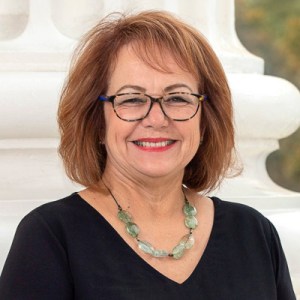
Bill Co-Author(s):