AB 356: Health care districts: County of San Diego.
- Session Year: 2025-2026
- House: Assembly
- Latest Version Date: 2025-06-26
Current Status:
In Progress
(2025-07-10: From committee: Do pass and re-refer to Com. on L. GOV. (Ayes 9. Noes 0.) (July 9). Re-referred to Com. on L. GOV.)
Introduced
In Committee
Awaiting First Chamber Vote
Passed First Chamber
In Committee
Awaiting Second Chamber Vote
Passed Second Chamber
Enacted
Existing law, The Local Health Care District Law, authorizes the organization, incorporation, and management of local health care districts. Existing law establishes the Department of Health Care Access and Information to oversee and administer various health programs related to health care infrastructure, such as health policy and planning, health professions development, and facilities design review and construction, among others.
This bill would require the department to convene a working group to study and make recommendations regarding the provision of health care services in the northern San Diego region. The bill would require that the working group include representatives of certain health care districts, among other entities, and that it issue a report to the Legislature, on or before June 1, 2026, with its findings and recommendations. The bill would repeal these provisions on June 1, 2030.
This bill would make legislative findings and declarations as to the necessity of a special statute for the northern region of the County of San Diego.
Existing law, The Local Health Care District Law, authorizes the organization, incorporation, and management of local health care districts. Existing law establishes the Department of Health Care Access and Information to oversee and administer various health programs related to health care infrastructure, such as health policy and planning, health professions development, and facilities design review and construction, among others.
This bill would require the department to convene a working group to study and make recommendations regarding the provision of health care services in the northern San Diego region. The bill would require that the working group include representatives of certain health care districts districts, among other entities, and that it issue a report to the Legislature, on or before June 1, 2026, with its findings and recommendations. The bill would repeal these provisions on June 1, 2030.
This bill would make legislative findings and declarations as to the necessity of a special statute for the northern region of the County of San Diego.
Existing law, The Local Health Care District Law, authorizes the organization, incorporation, and management of local health care districts. Existing law establishes the Department of Health Care Access and Information to oversee and administer various health programs related to health care infrastructure, such as health policy and planning, health professions development, and facilities design review and construction, among others.
This bill would require the department to convene a working group to study and make recommendations regarding the provision of health care services in the northern San Diego region. The bill would require that the working group include representatives of certain health care districts and that it issue a report to the Legislature, on or before June 1, 2026, with its findings and recommendations. The bill would repeal these provisions on June 1, 2030.
This bill would make legislative findings and declarations as to the necessity of a special statute for the northern region of the County of San Diego.
Existing law provides for the licensure and regulation of health facilities, including general acute care hospitals, by the State Department of Public Health. Under existing law, a violation of those provisions is a misdemeanor.This bill would require the department to conduct a study on the practice of general acute care hospitals, health systems, and licensed health care providers that are billing or seeking payment from patients for a facility fee that is not covered by the patients health insurance carrier. The bill would require the department to prepare a report with the findings of the study and to submit that report to the Legislature.Existing law provides for the licensure and regulation of health facilities facilities, including general acute care hospitals, by the State Department of Public Health. Under existing law, a violation of those provisions is a misdemeanor.
This bill would express the intent of the Legislature to enact legislation to address the imposition of facility fees on consumers by health facilities to maintain high-cost equipment, regardless of whether the consumers receive care using this high-cost equipment.This bill would require the department to conduct a study on the practice of general acute care hospitals, health systems, and licensed health care providers that are billing or seeking payment from patients for a facility fee that is not covered by the patients health insurance carrier. The bill would require the department to prepare a report with the findings of the study and to submit that report to the Legislature.
Existing law provides for the licensure and regulation of health facilities by the State Department of Public Health. Under existing law, a violation of those provisions is a misdemeanor.
This bill would express the intent of the Legislature to enact legislation to address the imposition of facility fees on consumers by health facilities to maintain high-cost equipment, regardless of whether the consumers receive care using this high-cost equipment.
This act shall be known, and may be cited, as the Health Care Districts: County of San Diego Act.
127576.(a)The Department of Health Care Access and Information shall convene a working group to study and make recommendations regarding the provision of health care services in health care districts in the northern region of the County of San Diego.
(b)The working group shall include representatives of each of the following areas:
(1)The Palomar Health Care District.
(2)The Fallbrook Health Care District.
(3)The Tri-City Health Care District.
(4)The San Diego Local Agency Formation Commission.
(4)(5)The San Diego Delegation of the California Legislature.
(5)(6)Hospitals operating in the County of San Diego.
(6)(7)Trade associations representing health care districts.
(7)(8)Trade associations representing hospitals.
(8)(9)Trade associations representing special districts.
(9)(10)Those representing labor interests engaged in health care in the northern region of the County of San Diego and any other relevant stakeholder interests, as determined by the department.
(c)This chapter does not affect or limit any other statutory, regulatory, or contractual obligations of public health care providers or health care districts operating in the San Diego region.
127577.The working group established pursuant to Section 127576 shall do both of the following:
(a)Review and discuss the statutory or other responsibilities of each health care district to provide health care services to the communities they serve and evaluate their capacity to meet those responsibilities.
(b)Examine whether current resources, funding, and organizational structures in the northern region of the County of San Diego can fulfill the goal of providing adequate health care access to all residents, including underserved and vulnerable communities.
127578.(a)The working group shall convene as soon as practicable following the operative date of this chapter.
(b)On or before June 1, 2026, the working group shall submit its findings and recommendations to the California Legislature, and shall make these findings available to any relevant county or state agencies upon request.
(c)(1)A report to be submitted pursuant to subdivision (b) shall be submitted in compliance with Section 9795 of the Government Code.
(2)Pursuant to Section 10231.5 of the Government Code, this chapter is repealed on June 1, 2030.
SEC. 2.The Legislature finds and declares that a special statute is necessary and that a general statute cannot be made applicable within the meaning of Section 16 of Article IV of the California Constitution because of the uniquely integrated services provided by the local health districts of the northern region of the County of San Diego.
This act shall be known, and may be cited, as the Health Care Districts: County of San Diego Act.
127576.(a)The Department of Health Care Access and Information shall convene a working group to study and make recommendations regarding the provision of health care services in health care districts in the northern region of the County of San Diego.
(b)The working group shall include representatives of each of the following areas:
(1)The Palomar Health Care District.
(2)The Fallbrook Health Care District.
(3)The Tri-City Health Care District.
(4)The San Diego Delegation of the California Legislature.
(5)The University of California hospitals.(5)Hospitals operating in the County of San Diego.
(6)Trade associations representing health care districts.
(7)Trade associations representing hospitals.
(8)Trade associations representing special districts.
(9)Any Those representing labor interests engaged in health care in the northern region of the County of San Diego and any other relevant stakeholder interests, as determined by the department.
(c)This chapter does not affect or limit any other statutory, regulatory, or contractual obligations of public health care providers or health care districts operating in the San Diego region.
127577.The working group established pursuant to Section 127576 shall do both of the following:
(a)Review and discuss the statutory or other responsibilities of each health care district to provide health care services to the communities they serve and evaluate their capacity to meet those responsibilities.
(b)Examine whether current resources, funding, and organizational structures in the northern region of the County of San Diego can fulfill the goal of providing adequate health care access to all residents, including underserved and vulnerable communities.
127578.(a)The working group shall convene as soon as practicable following the operative date of this chapter.
(b)On or before June 1, 2026, the working group shall submit its findings and recommendations to the California Legislature, and shall make these findings available to any relevant county or state agencies upon request.
(c)(1)A report to be submitted pursuant to subdivision (b) shall be submitted in compliance with Section 9795 of the Government Code.
(2)Pursuant to Section 10231.5 of the Government Code, this chapter is repealed on June 1, 2030.
SEC. 2.The Legislature finds and declares that a special statute is necessary and that a general statute cannot be made applicable within the meaning of Section 16 of Article IV of the California Constitution because of the uniquely integrated services provided by the local health districts of the northern region of the County of San Diego.
This act shall be known, and may be cited, as the Health Care Districts: County of San Diego Act.
127576.(a)The Department of Health Care Access and Information shall convene a working group to study and make recommendations regarding the provision of health care services in health care districts in the northern region of the County of San Diego.
(b)The working group shall include representatives of each of the following areas:
(1)The Palomar Health Care District.
(2)The Fallbrook Health Care District.
(3)The Tri-City Health Care District.
(4)The San Diego Delegation of the California Legislature.
(5)The University of California hospitals.
(6)Trade associations representing health care districts.
(7)Trade associations representing hospitals.
(8)Trade associations representing special districts.
(9)Any other relevant stakeholder interests, as determined by the department.
(c)This chapter does not affect or limit any other statutory, regulatory, or contractual obligations of public health care providers or health care districts operating in the San Diego region.
127577.The working group established pursuant to Section 127576 shall do both of the following:
(a)Review and discuss the statutory or other responsibilities of each health care district to provide health care services to the communities they serve and evaluate their capacity to meet those responsibilities.
(b)Examine whether current resources, funding, and organizational structures in the northern region of the County of San Diego can fulfill the goal of providing adequate health care access to all residents, including underserved and vulnerable communities.
127578.(a)The working group shall convene as soon as practicable following the operative date of this chapter.
(b)On or before June 1, 2026, the working group shall submit its findings and recommendations to the California Legislature, and shall make these findings available to any relevant county or state agencies upon request.
(c)(1)A report to be submitted pursuant to subdivision (b) shall be submitted in compliance with Section 9795 of the Government Code.
(2)Pursuant to Section 10231.5 of the Government Code, this chapter is repealed on June 1, 2030.
SEC. 2.The Legislature finds and declares that a special statute is necessary and that a general statute cannot be made applicable within the meaning of Section 16 of Article IV of the California Constitution because of the uniquely integrated services provided by the local health districts of the northern region of the County of San Diego.
SECTION 1.Section 1272.2 is added to the Health and Safety Code, to read:1272.2.(a)The department shall conduct a study on the practice of general acute care hospitals, health systems, and licensed health care providers that are billing or seeking payment from patients for a facility fee that is not covered by the patients health insurance carrier.(b)The department shall prepare a report with the findings of the study conducted pursuant to subdivision (a), and shall submit that report to the Legislature, in accordance with Section 9795 of the Government Code.(a)The department shall conduct a study on the practice of general acute care hospitals, health systems, and licensed health care providers that are billing or seeking payment from patients for a facility fee that is not covered by the patients health insurance carrier.
(b)The department shall prepare a report with the findings of the study conducted pursuant to subdivision (a), and shall submit that report to the Legislature, in accordance with Section 9795 of the Government Code.
SECTION 1.It is the intent of the Legislature to enact legislation to address the imposition of facility fees on consumers by health facilities to maintain high-cost equipment, regardless of whether the consumers receive care using this high-cost equipment.It is the intent of the Legislature to enact legislation to address the imposition of facility fees on consumers by health facilities to maintain high-cost equipment, regardless of whether the consumers receive care using this high-cost equipment.
|
Date
|
Status
|
|---|---|
| Jul 10, 2025 | From committee: Do pass and re-refer to Com. on L. GOV. (Ayes 9. Noes 0.) (July 9). Re-referred to Com. on L. GOV. |
| Jun 26, 2025 | From committee chair, with author's amendments: Amend, and re-refer to committee. Read second time, amended, and re-referred to Com. on HEALTH. |
| Jun 24, 2025 | In committee: Set, first hearing. Hearing canceled at the request of author. |
| Jun 18, 2025 | Referred to Coms. on HEALTH and L. GOV. |
| Jun 4, 2025 | In Senate. Read first time. To Com. on RLS. for assignment. |
| Jun 3, 2025 | Read third time. Passed. Ordered to the Senate. (Ayes 63. Noes 4. Page 1970.) |
| May 28, 2025 | Read third time and amended. Ordered to third reading. (Page 1756.) |
| May 27, 2025 | Read second time. Ordered to third reading. |
| May 23, 2025 | From committee: Do pass. (Ayes 11. Noes 0.) (May 23). |
| May 14, 2025 | In committee: Set, first hearing. Referred to suspense file. |
| Apr 30, 2025 | From committee: Do pass and re-refer to Com. on APPR. (Ayes 13. Noes 0.) (April 29). Re-referred to Com. on APPR. |
| Apr 23, 2025 | In committee: Set, first hearing. Hearing canceled at the request of author. |
| Apr 10, 2025 | Re-referred to Com. on HEALTH. |
| Apr 9, 2025 | From committee chair, with author's amendments: Amend, and re-refer to Com. on HEALTH. Read second time and amended. |
| Mar 18, 2025 | Re-referred to Com. on HEALTH. |
| Mar 17, 2025 | Referred to Com. on HEALTH. |
| Mar 17, 2025 | From committee chair, with author's amendments: Amend, and re-refer to Com. on HEALTH. Read second time and amended. |
| Jan 31, 2025 | From printer. May be heard in committee March 2. |
| Jan 30, 2025 | Read first time. To print. |
|
Date
|
Description
|
Location
|
Votes
|
|
|---|---|---|---|---|
| Jul 9, 2025 | Do pass, but first be re-referred to the Committee on [Local Government] | Senate Standing Committee on Health |
Passed |
|
| Jun 3, 2025 | AB 356 Patel Assembly Third Reading | Assembly Floor |
Passed |
|
| May 23, 2025 | Do pass. | Assembly Standing Committee on Appropriations |
Passed |
|
| Apr 29, 2025 | Do pass and be re-referred to the Committee on [Appropriations] | Assembly Standing Committee on Health |
Passed |
This list shows positions taken on this bill by organizations on the date displayed, which is linked to the original source.
Positions by individuals are not included.
|
Organization
|
Position
|
Date
|
|---|---|---|
| Association of California Healthcare Districts | ** Against | |
| California Association of Local Agency Formation Commission | ** Support | |
| District Hospital Leadership Forum | ** Against | |
| Palomar Health | ** Against | |
| San Diego LAFCO | ** Support | |
| San Diego Local Agency Formation Commission | ** Support |
SENATE COMMITTEE ON LOCAL GOVERNMENT
Senator María Elena Durazo, Chair
2025 - 2026 Regular
Bill No: | AB 356 | Hearing Date: | 7/16/25 |
Author: | Patel | Fiscal: | Yes |
Version: | 6/26/25 | Consultant: | Favorini-Csorba |
Health care districts: County of San Diego
Establishes a working group to study the provision of health care services in healthcare districts in the northern region of San Diego County.
Background
Local government boundaries. The Legislature has the authority to create, dissolve, or otherwise modify the boundaries and services of local governments. Beginning in 1963, the Legislature delegated the ongoing responsibility to control the boundaries of cities, county service areas, and most special districts to local agency formation commissions (LAFCOs) in each county. The responsibilities and authority of LAFCOs have been modified in subsequent legislation, including a major revision of the LAFCO statutes in the Cortese-Knox-Hertzberg Local Government Reorganization Act of 2000 (CKH Act) (AB 2838, Hertzberg).
Local governments can only exercise their powers and provide services where LAFCO allows them to. LAFCOs’ boundary decisions must be consistent with spheres of influence that LAFCOs adopt to show the future boundaries and service areas of the cities and special districts. Before LAFCOs can adopt their spheres of influence, they must prepare municipal service reviews (MSRs) which analyze population growth, public facilities, and service demands. LAFCOs may also conduct special studies of local governments.
MSRs and efficient service delivery. MSRs are a key tool that LAFCOs use to achieve their statutory purposes to, among other things, encourage the efficient provision of government services and the orderly formation and development of local agencies. MSRs must contain determinations with respect to each of the following:
- Growth and population projections for the affected area;
- The location and characteristics of any disadvantaged unincorporated communities within or contiguous to the sphere of influence;
- Present and planned capacity of public facilities, adequacy of public services, and infrastructure needs or deficiencies;
- Financial ability of agencies to provide services;
- Status of, and opportunities for, shared facilities;
- Accountability for community service needs, including governmental structure and operational efficiencies; and
- Any other matter related to effective or efficient service delivery, as required by commission policy.
In conducting an MSR, LAFCOs must comprehensively review all of the agencies that provide the identified service or services within the designated geographic area. LAFCOs can, but are not required to, assess various alternatives for improving efficiency and affordability of infrastructure and service delivery within and contiguous to the sphere of influence, including, but not limited to, the consolidation of governmental agencies.
Healthcare districts. Near the end of World War II, California faced a severe shortage of hospital beds. To respond to the inadequacy of acute care services in rural areas, the Legislature enacted the Local Hospital District Law to provide medically underserved areas without access to hospital facilities the ability to form special districts that could be a source of tax dollars for constructing and operating community hospitals. SB 1169 (Maddy, 1994) changed the name of the law to “The Local Healthcare District Law” to better reflect the shift in the provision of healthcare services outside hospital settings.
There are currently 76 healthcare districts in California. Most of these were established in the first two decades following enactment of the Local Hospital District Law to build and operate hospitals. However, over the years, many of these healthcare districts have closed or sold their hospitals. Only 33 healthcare districts own and operate hospitals, while a handful of others own either the hospital or the land and lease the hospital to another entity to operate the hospital. The remainder operate ambulance services, clinics, skilled nursing facilities, or do not provide any direct health services.
Healthcare districts, like other special districts, are subject to review in a municipal service review or special study by a LAFCO to examine the efficiency and effectiveness of the services they provide. Similarly, healthcare districts must also receive approval from LAFCO to exercise its powers or change its boundaries.
A five-member board of directors manages each healthcare district. Each member must be a registered voter residing in the district and serves a four-year term, with the exception of the initial board. The board of supervisors of the county with the greatest share of land in the district appoints the initial board. Upon appointment, the board selects two members by lot to serve two-year terms with the remaining three serving four-year terms.
Most healthcare districts receive a share of local property taxes. Some levy special parcel taxes, and some charge for services. Some healthcare districts generate revenues from district resources, such as property lease income, and some districts receive grants from public and private sources.
Distressed hospitals. Hospitals across the state have had to confront a multitude of challenges over the last several years. The COVID-19 pandemic led to an unprecedented surge in patients and required a surge in the need for healthcare workers. These challenges piled onto of existing challenges, such as increasing expenses and the need for infrastructure improvements. For hospitals with significant numbers of patients from disadvantaged communities, hospitals are heavily reliant on reimbursement from Medi-Cal, the state’s program to provide health care services to qualified, low-income individuals.
Over the past couple of years, many community hospitals have faced fiscal challenges, and in some cases bankruptcy. Since 2015, nine rural hospitals have closed, with many more at risk of closing. For example, Watsonville Community Hospital (WCH), a hospital that provides service across southern Santa Cruz and northern Monterey counties, filed for bankruptcy under private ownership on December 5, 2021. SB 418 (Laird, 2022) created the Pajaro Valley Healthcare District, and AB 178 (Ting, 2022) allocated $25 million to it, so that the newly created healthcare district could acquire the hospital through bankruptcy proceedings.
In January 2023, Madera Community Hospital, which served predominately rural areas in the Central Valley closed its facilities, and in March 2023 filed for bankruptcy. Residents now face a 45-minute drive to the next nearest hospital in Fresno. Other hospitals risk similar fates without additional resources.
To respond to these financial challenges that hospitals face, AB 112 (Committee on Budget, 2023) gave $150 million to the newly created Distressed Hospital Loan Program, which offers interest-free, working capital loans to financially distressed hospitals while they implement turnaround strategies to regain financial viability.
San Diego County healthcare districts. There are four healthcare districts in San Diego County, three of which are located in northern San Diego County:
- Palomar Health. Palomar Health is the largest, owns and operates two hospitals: Palomar Medical Center Escondido, a 288-bed acute care hospital that opened in 2012 after district voters approved a $496 million bond measure in 2004, with the only trauma center in northern San Diego County; and Palomar Medical Center Poway, formerly known as Pomerado Hospital, a 124-bed acute care hospital with an adjoining 129-bed skilled nursing facility. Prior to constructing the new hospital in Escondido, Palomar operated the original Palomar Hospital in downtown Escondido, and after opening the new facility, continued to operate the old campus for a few more years, specializing in labor and delivery, pediatrics, and neonatal intensive care, but this campus was closed in 2015 to consolidate services at the Escondido and Poway facilities. Palomar receives approximately $25.5 million in property tax revenue from the 1% ad valorem tax assessed on property values within its boundaries.
- Tri-City Healthcare District. Tri-City is located on the north coast of San Diego County, including the Cities of Vista, Oceanside, and Carlsbad. Tri-City owns and operates Tri-City Medical Center in Oceanside, an acute care hospital licensed for 386 beds. Tri-City receives approximately $11.7 million in property tax revenue from the 1% ad valorem tax on assessed property values within its boundaries.
- Fallbrook Regional Health District. Fallbrook is the smallest of the San Diego healthcare districts, located in unincorporated areas just to the north of Tri-City, and bordered by Camp Pendleton to the west, and Palomar Health to the east. Fallbrook Hospital District was formed in 1950 (later renamed the Fallbrook Regional Health District) to help shore up support for a small community hospital. A 20-bed facility was built and opened in 1960, later expanded to a 50-bed facility, but after years of losing money, was forced to close in December 2015. Fallbrook Regional Health District no longer owns or operates a health facility, but uses its revenue from its property tax base for grants to enhance community health. Fallbrook receives approximately $2.3 million in property tax revenue.
Palomar Health Financial Struggles. According to a December 2, 2024 article in Becker’s Hospital Review, Palomar Health posted a $165 million annual operating loss for the fiscal year that ended June 30, 2024, a -18.5% margin. This compared to only a $29.5 million loss (-3% margin) million in the prior fiscal year. Moody’s downgraded Palomar Health’s rating to “B2,” reflecting “very thin” cash balances and ongoing cash flow losses, and that prior financial challenges were exacerbated by a cyberattack on the system’s outpatient arm. The San Diego Union-Tribune published an article about their finances on December 8, 2024, stated that Palomar Health was asking lenders not to enforce borrowing terms that could push them into bankruptcy. According to this article, Palomar has large debt service payments, resulting from the close-to $1 billion construction of their new Escondido hospital, financed in part with $496 million in general obligation bonds paid for through a special parcel tax levy that voters approved in 2004. The article states that several key developments have recently challenged Palomar’s profitability, including Kaiser Permanente opening nearby San Marco Medical Center in 2023, repatriating some services that it previously contracted with Palomar to provide. The article quoted Palomar executives as saying that plans to increase the number of services offered at its main Escondido campus have been slower to materialize than initially estimated.
Palomar Health was awarded $8.6 million from the Distressed Hospital Loan Program, with a due date of December 20, 2024. The recently enacted Budget Act of 2025 included an extension for this bridge loan, with a monthly payment program beginning in December 2025, discharging the loan after 24 payments.
San Diego LAFCO is currently conducting an MSR on the four health care districts in San Diego County, including Palomar, Tri-City, Fallbrook, and Grossmont. This MSR serves as a follow-up to an earlier MSR completed in 2015. San Diego LAFCO expects to release a complete MSR draft for public review by October 2025.
Discussions with LAFCO staff indicate that Palomar is in a precarious financial position, with debt exceeding 1.8x its capital assets and total obligations of $1.7 billion, which indicates potential insolvency. LAFCO staff also note that Palomar has operational and governance issues, including:
- Limited financial reporting. Recent financial disclosures exclude key components like employed physicians, obscuring true financial health.
- Management concerns. The introduction of Mesa Rock, an independent management company, raises questions about oversight and accountability.
- Transparency concerns. The scope and accuracy of financial performance reports are questionable, potentially misleading stakeholders.
The author wants to review healthcare service provision in northern San Diego County.
Proposed Law
Assembly Bill 356 requires the Department of Health Care Access and Information to convene a working group to study and make recommendations regarding the provision of health care services in healthcare districts in the northern region of San Diego County.
The working group must include representatives of each of the following areas:
- Each of the three healthcare districts in northern San Diego County;
- San Diego LAFCO;
- The San Diego Delegation of the California Legislature;
- Hospitals operating in San Diego County;
- Trade associations representing healthcare districts;
- Trade associations representing hospitals;
- Trade associations representing special districts; and
- Those representing labor interests engaged in health care in the northern region of the County of San Diego and any other relevant stakeholder interests, as determined by the department.
AB 356 directs the working group to:
- Review and discuss the statutory or other responsibilities of each healthcare district to provide health care services to the communities they serve and evaluate their capacity to meet those responsibilities; and
- Examine whether current resources, funding, and organizational structures in the northern region of San Diego County can fulfill the goal of providing adequate health care access to all residents, including underserved and vulnerable communities.
The working group must convene as soon as practicable following the enactment of the bill and report to the Legislature on or before June 1, 2026 on its findings and recommendations to the California Legislature.
AB 356 sunsets on June 1, 2030 and includes other technical provisions to implement the bill.
Comments
1. Purpose of the bill. According to the author, “Public health care districts are essential pillars of California's health care system, providing accessible, culturally competent, and affordable care, especially to underserved and vulnerable communities. In San Diego County, public health care districts represent a critical public investment designed to ensure democratic accountability and responsiveness to local health needs. However, governance instability and financial distress facing the Palomar Health Care District—a cornerstone of health care for nearly 850,000 residents—threatened access to essential healthcare services. Similar instability occurred for Tri-City Healthcare District (Palomar’s neighboring district). Now, both Tri-City and Palomar have partnered with large hospital groups to move towards stability. In the past year, these entities have seen massive changes, and at this point of inflection, it is more important than ever to analyze the adequacy of healthcare services to ensure that all partners in the group continue to prioritize and maintain a high level of healthcare. Furthermore, by analyzing the entire healthcare ecosystem of North County San Diego, this bill takes a proactive step, without any further delays, to ensure San Diegans continue to receive the healthcare they need. By addressing these pressing issues, we can safeguard vital health care access, protect vulnerable populations, and maintain the public accountability and community-specific care that residents depend upon.”
2. Adding value. One of the main purposes of LAFCOs is to leave decisions about local service provision to local elected officials that have greater context and understanding of issues on the ground. For this reason, the courts often refer to LAFCOs as the Legislature’s watchdog over boundary changes. The CKH Act charges them with ensuring that local agencies—including healthcare districts—deliver governmental services efficiently and effectively. To fulfill this mission, LAFCOs conduct MSRs to identify service deficiencies and propose governance changes that may improve service delivery. AB 356 establishes, outside of the regular LAFCO process, a working group for reviewing services provided by healthcare districts in northern San Diego County. The bill tasks the working group specifically with reviewing the responsibilities of healthcare districts to provide healthcare services, as well as examining whether current resources, funding, and organizational structures can fulfill the goal of providing adequate healthcare. These responsibilities appear to have significant overlap with the purposes of San Diego LAFCO’s upcoming MSR, which is expected to analyze the fiscal health and governance of healthcare districts in this area. However, the working group may be able to offer additional technical recommendations relating to specific health care services because of the inclusion of various healthcare industry representatives. The Committee may wish to consider whether the report required by AB 356 will provide sufficient value over the local LAFCO process.
3. Crystal ball. Healthcare districts have been the subject of repeated scrutiny over the last several years. In 2017, the Assembly Local Government Committee held an oversight hearing on healthcare districts and found that of the 79 healthcare districts in existence at the time, many provided no direct healthcare services and instead only provide grants to other organizations. That same year the Little Hoover Commission issued a report that LAFCOs could do more to assess whether every healthcare district should continue to operate. In a few cases, healthcare districts have been subject to legislative efforts to dissolve or reorganize them, including:
- AB 2471 (Quirk, 2016) would have required the Alameda County LAFCO to order the Eden Township Healthcare District’s dissolution if the District met specified criteria. This bill died on the Senate Inactive File;
- SB 522 (Glazer, 2018) dissolved the existing Board of Directors of the West Contra Costa Healthcare District and required the Board of Supervisors of Contra Costa County to either serve as or appoint the district board;
- AB 903 (Frazier, 2021) would have dissolved the Los Medanos Community Healthcare District and designated the County of Contra Costa as the successor agency to the district. This bill failed passage in the Senate Governance and Finance Committee; and
- AB 918 (Garcia, 2024) created the Imperial Valley Healthcare District to provide healthcare services across Imperial County and dissolved Pioneers and Heffernan Memorial Healthcare Districts.
While AB 356 only requires a report to the Legislature with recommendations, it could set the stage for future legislation to take direct action on healthcare districts in northern San Diego County outside of the LAFCO process.
4. Another county heard from. The Senate Rules Committee has ordered a double-referral of AB 356: first to the Committee on Health, which approved AB 356 at its July 9th hearing on a vote of 9-0, and second to the Committee on Local Government. Due to the timing of the Committee’s respective hearings, amendments agreed to in the Committee on Health will be taken in the Committee on Local Government. The amendments:
- Grant the working group until July 1, 2027 to provide the report with its findings and recommendations; and
- Make clarifying changes to the hospital representation on the working group.
5. Special legislation. Section 16 of Article IV of the California Constitution prohibits special legislation when a general law can apply. AB 356 contains findings and declarations explaining the need for legislation that applies only to northern San Diego County because of the uniquely integrated services provided by the local health districts of the area.
Assembly Actions
Assembly Health Committee: 13-0
Assembly Appropriations Committee: 11-0
Assembly Floor: 63-4
Support and Opposition
(7/11/25)
Support: California Association of Local Agency Formation Commission
San Diego Lafco
Opposition: Association of California Healthcare Districts (ACHD)
District Hospital Leadership Forum
Palomar Health
-- END --
SENATE COMMITTEE ON HEALTH
Senator Caroline Menjivar, Chair
BILL NO: AB 356
AUTHOR: | Patel | ||
VERSION: | June 26, 2025 | ||
HEARING DATE: | July 9, 2025 | ||
CONSULTANT: | Vincent D. Marchand | ||
SUBJECT: Health care districts: County of San Diego
SUMMARY:
Requires the Department of Health Care Access and Information to convene a working group to study and make recommendations regarding the provision of health care services in health care districts in the northern region of the County of San Diego.
Existing law:
- Establishes “The Local Health Care District Law,” under which a local hospital district may be organized, incorporated, and managed. Permits a district to include incorporated or unincorporated territory, or both, in any one or more counties. Requires health care districts to be governed by an elected board of five members, who are required to live within the health care district. [HSC §32000, et seq., §32001 and §32100]
- Provides local health care districts with certain powers, including establishing and operating health facilities or other health care programs, and to establish and operate, or provide assistance in the operation of, free clinics, diagnostic and testing centers, health education programs, wellness and prevention programs, rehabilitation, aftercare, and any other health care services providers, groups, and organizations that are necessary for the maintenance of good physical and mental health in the communities served by the district. [HSC §32121]
- Designates the Department of Health Care Access and Information (HCAI) as the state agency designated to collect health facility data for use by all state agencies, including various financial data reports. [HSC §128730, et seq.]
This bill:
- Enacts the Health Care Districts: County of San Diego Act to require HCAI to convene a working group to study and make recommendations regarding the provision of health care services in health care districts in the northern region of the County of San Diego.
- Requires the working group to include representatives of each of the following areas:
- The Palomar Health Care District;
- The Fallbrook Health Care District;
- The Tri-City Health Care District;
- The San Diego Delegation of the California Legislature;
- Hospitals operating in the County of San Diego;
- Trade associations representing health care districts;
- Trade associations representing hospitals;
- Trade associations representing special districts; and,
- Those representing labor interests engaged in health care in the northern region of the County of San Diego and any other relevant stakeholder interests, as determined by HCAI.
- Requires the working group to do both of the following:
- Review and discuss the statutory or other responsibilities of each health care district to provide health care services to the communities they serve and evaluate their capacity to meet those responsibilities; and,
- Examine whether current resources, funding, and organizational structures in the northern region of the County of San Diego can fulfill the goal of providing adequate health care access to all residents, including underserved and vulnerable communities.
- Requires the working group to convene as soon as practicable following the operative date of this bill, and to submit its findings and recommendations to the Legislature on or before June 1, 2026. Requires the findings to be made available to any relevant county or state agencies upon request.
- Specifies that this bill does not affect or limit any other statutory, regulatory, or contractual obligations of public health care providers or health care districts operating in the San Diego region.
FISCAL EFFECT:
According to the Assembly Appropriations Committee, HCAI estimates a one-time, General Fund cost of $250,000 for subject matter experts contracting to support/facilitate meetings and report development, consulting resources for logistics and administration, and meeting facilities expenses. HCAI assumes this is a one-year activity and notes the earliest it could finalize a report would be June 2027, given that funding would not be available until July 1, 2026.
PRIOR VOTES:
Assembly Floor: | 63 - 4 |
Assembly Appropriations Committee: | 11 - 0 |
Assembly Health Committee: | 13 - 0 |
COMMENTS:
- Author’s statement. According to the author, public health care districts are essential pillars of California's health care system, providing accessible, culturally competent, and affordable care, especially to underserved and vulnerable communities. In San Diego County, public health care districts represent a critical public investment designed to ensure democratic accountability and responsiveness to local health needs. However, the current instability and financial distress facing the Palomar Health Care District—a cornerstone of health care for nearly 850,000 residents—threatens access to essential healthcare services. The closure of the Fallbrook Regional Health Care District's hospital has already created a health care desert, underscoring the potential consequences of inaction. Without proactive collaboration, oversight, and strategic solutions, the viability of these crucial public health services in North San Diego County are at risk. This legislation seeks to convene stakeholders, evaluate systemic challenges, and recommend solutions to ensure the long-term sustainability and effectiveness of health care districts in the region. By addressing these pressing issues, we can safeguard vital health care access, protect vulnerable populations, and maintain the public accountability and community-specific care that residents depend upon.
- Overview of health care districts. The Local Hospital District Law was established in 1945 to authorize special districts to build and operate hospitals and other health care facilities in underserved areas. Legislation in 1994 renamed it the Local Health Care District Law to reflect the fact that health care was increasingly being provided outside of the hospital setting. Health care districts are a form of special district. Special districts are local governments that are legally separate from counties and cities, and they have the authority to build public works projects and run programs, and the power to impose taxes to raise funds to pay for these services. Special districts have the ability to enter into contracts, purchase property, exercise eminent domain, issue debt, and hire staff. Each health care district is governed by a locally elected five-member board of directors, and are subject to state policies and regulations as applied by each county’s Local Agency Formation Commission.
There are currently 76 health care districts, and most of these were established in the first two decades following enactment of the Local Hospital District Law to build and operate hospitals. However, over the years, many of these health care districts have closed or sold their hospitals. Only 33 health care districts own and operate hospitals, while a handful of others own either the hospital or the land and lease the hospital to another entity to operate the hospital. The remainder operate ambulance services, clinics, skilled nursing facilities, or do not provide any direct health services. Most health care districts receive a share of local property taxes, which varies among districts. Some health care districts have received two-thirds approval to levy special “parcel taxes.” Health care districts can also generate revenues from other resources, including property lease income and interest earnings from investments, or by creating debt to borrow money for capital projects. - Description of San Diego County health care districts. There are four health care districts in San Diego County, though one of them, Grossmont Health Care District, is located in southern San Diego County and is not included in this bill. Descriptions of the three health care districts in northern San Diego County follow.
- Palomar Health Care District. Palomar Health is the largest, owns and operates two hospitals: Palomar Medical Center Escondido, a 288-bed acute care hospital that opened in 2012 after district voters approved a $496 million bond measure in 2004, with the only trauma center in northern San Diego County; and Palomar Medical Center Poway, formerly known as Pomerado Hospital, a 124-bed acute care hospital with an adjoining 129-bed skilled nursing facility. Prior to constructing the new hospital in Escondido, Palomar operated the original Palomar Hospital in downtown Escondido, and after opening the new facility, continued to operate the old campus for a few more years, specializing in labor and delivery, pediatrics, and neonatal intensive care, but this campus was closed in 2015 to consolidate services at the Escondido and Poway facilities. Palomar receives approximately $25.5 million in property tax revenue from the 1% ad valorem tax assessed on property values within its boundaries.
- Tri-City Health Care District. Tri-City is located on the north coast of San Diego County, including the Cities of Vista, Oceanside, and Carlsbad. Tri-City owns and operates Tri-City Medical Center in Oceanside, an acute care hospital licensed for 386 beds. Tri-City receives approximately $11.7 million in property tax revenue from the 1% ad valorem tax on assessed property values within its boundaries.
- Fallbrook Regional Health District. Fallbrook is the smallest of the San Diego health care districts, located in unincorporated areas just to the north of Tri-City, and bordered by Camp Pendleton to the west, and Palomar Health to the east. Fallbrook Hospital District was formed in 1950 (later renamed the Fallbrook Regional Health District) to help shore up support for a small community hospital. A 20-bed facility was built and opened in 1960, later expanded to a 50-bed facility, but after years of losing money, was forced to close in December 2015. Fallbrook Regional Health District no longer owns or operates a health facility, but uses its revenue from its property tax base for grants to enhance community health. Fallbrook receives approximately $2.3 million in property tax revenue.
- Palomar Health is financially struggling. According to a December 2, 2024 article in Becker’s Hospital Review, Palomar Health posted a $165 million annual operating loss for the fiscal year that ended June 30, 2024, a -18.5% margin. This compared to only a $29.5 million loss (-3% margin) million in the prior fiscal year. Moody’s downgraded Palomar Health’s rating to “B2,” reflecting “very thin” cash balances and ongoing cash flow losses, and that prior financial challenges were exacerbated by a cyberattack on the system’s outpatient arm. The San Diego Union-Tribune published an article about their finances on December 8, 2024, stated that Palomar Health was asking lenders not to enforce borrowing terms that could push them into bankruptcy. According to this article, Palomar has large debt service payments, resulting from the close-to $1 billion construction of their new Escondido hospital, financed in part with $496 million in general obligation bonds paid for through a special parcel tax levy that voters approved in 2004. The article states that several key developments have recently challenged Palomar’s profitability, including Kaiser Permanente opening nearby San Marco Medical Center in 2023, repatriating some services that it previously contracted with Palomar to provide. The article quoted Palomar executives as saying that plans to increase the number of services offered at its main Escondido campus have been slower to materialize than initially estimated.
The Budget Act of 2022 authorized $40 million in bridge loans for district hospitals, following an earlier $40 million loan program authorized in the Budget Act of 2021. These bridge loan programs were intended to bridge a cash flow gap for district hospitals who were struggling coming out of the COVID-19 pandemic and due to a transition from fiscal year to calendar year for certain Medi-Cal payments. The bridge loans were interest free, but were intended to have a two-year repayment term as it was expected that hospitals would return to a better fiscal situation. Palomar Health was awarded $8.6 million from this loan program, with a due date of December 20, 2024. However, the California Health Facilities Financing Authority (which administers the loan program) was concerned that if it were to issue a letter of default on the unpaid bridge loans, it could potentially trigger actions by other debt holders of the two hospitals owned by Palomar Health, which could put Palomar Health in a precarious financial situation. The recently enacted Budget Act of 2025 included an extension for this bridge loan, with a monthly payment program beginning in December 2025, discharging the loan after 24 payments.
On March 7, 2025, the San Diego Union-Tribune published an article stating that Palomar Health directors approved borrowing $20 million from UC San Diego Health. The article included this quote from UC San Diego Health: “If we allow any health system to fail, patient access will suffer and our staff and facilities will feel the strain. Ensuring community-wide stability while planning for the future is the only way we can continue to deliver outstanding patient care, drive groundbreaking research, and inspire the next generation of health care providers.” The article stated that Palomar is currently engaged in a turnaround effort, and its executive told bond investors in a recent meeting on the more than $700 million in revenue bond debt that the operation is about halfway to a goal of $150 million in savings necessary to regain financial stability. - San Diego’s Local Agency Formation Commission conducting a Municipal Service Review. Each county has a local agency formation commission (LAFCO) that is charged with overseeing the boundaries of cities, county service areas, and special districts, including health care districts. Cities and special districts can only exercise their powers and provide servicers where LAFCO determines their boundaries are, and boundary decisions must be consistent with spheres of influence that LAFCO’s adopt. To inform spheres of influence, and to guide the orderly development of local communities, LAFCOs prepare municipal service reviews (MSRs), which analyze population growth and projections, present and planned service capacities, adequacy of services relative to community needs, financial standing, opportunities for shared facilities, and accountability of governmental structure and alternatives.
According to San Diego’s LAFCO (SD LAFCO), consistent with the five-year rolling study schedule, it has initiated a comprehensive MSR on the four health care districts in San Diego County, including Palomar, Tri-City, Fallbrook, and Grossmont. This MSR serves as a follow up to an earlier MSR completed in 2015. SD LAFCO expects a complete MSR draft to be released for public review by October of 2025. - Legislature recently consolidated health care districts in Imperial Valley. Normally, health care districts are formed according to procedures laid out in the Local Health Care District Law, the District Organization Law, and LAFCO Law. These procedures provide opportunities for local agencies and voters to weigh in on the question of district formation, and includes an analysis by the LAFCO of the proposed formation. Additionally, a majority of voters must approve of the district formation. However, in response to the struggling financial condition of El Centro Regional Medical Center (owned by the City of El Centro, but managed by UC San Diego Health pursuant to a management agreement approved in 2015), AB 918 (Garcia, Chapter 549, Statutes of 2023) was enacted to create the Imperial Valley Healthcare District (IVHD). AB 918 also simultaneously dissolved the two existing health care districts in that county: Pioneers Memorial Healthcare District, which owned and operated a 107-bed hospital in Brawley; and Heffernan Memorial Healthcare District, which had closed its acute care hospital in Calexico in 1998 and was no longer offering direct care services. The goal of the author was to establish a countywide health care district that would take over the struggling El Centro Regional Medical Center, as well as Pioneers Memorial Hospital, to achieve economies of scale through a consolidation of hospital providers in the County.
This was controversial, with the Imperial County LAFCO opposing the Legislature circumventing the health care district formation process. Following the enactment of the bill, Pioneers Memorial Health Care District sued to prevent their consolidation into the new IVHD. However, the judge ruled against Pioneers, and in March of 2025, the El Centro city council voted to approve the transfer of El Centro Regional Medical Center to IVHD. The process of merging the two hospitals into IVHD is expected to take some time. - Double referral. This bill is double referred. Should it pass out of this Committee, it will be referred to the Senate Local Government Committee.
- Prior legislation. AB 918 (Garcia, Chapter 549, Statutes of 2023) created the Imperial Valley Healthcare District to provide healthcare services across Imperial County, and dissolved Pioneers and Heffernan Memorial Healthcare Districts.
SB 418 (Laird, Chapter 1, Statutes of 2022) established the Pajaro Valley Healthcare District to take over management of the bankrupt Watsonville Community Hospital.
AB 903 (Frazier of 2021) would have dissolved the Los Medanos Community Healthcare District and designated the County of Contra Costa as the successor agency to the district. AB 903 failed passage in the Senate Committee on Governance and Finance. - Support. SD LAFCO, which was recently added to the working group in this bill at its request, states that it supports this bill’s intent to bring together state, regional, and local stakeholders to explore long-term strategies for effective and equitable healthcare services. SD LAFCO states that by adding SD LAFCO to the proposed working group, will, among other benefits, provide a legislative bridge for SD LAFCO to connect the MSR that it is working toward completing along with its recommendations to the working group, and in doing so provide stakeholders with relevant and timely information in proceeding in greater detail as it sees fit.
- Opposition. Palomar Health opposes this bill, stating that it could unintentionally hinder local progress, duplicate efforts already underway, and divert critical resources away from patient care. Palomar states that, like many hospitals across California, it is navigating a strained healthcare landscape. Participating in a new, state-mandated study – on a five-month timeline – would impose an added administrative burden on already overextended health care districts. Palomar states that SD LAFCO is already conducting a comprehensive MSR of the very health districts identified in this bill, which is scheduled for release later this year. This bill would duplicate this effort while potentially generating conflicting findings. Palomar urges the Legislature to consider alternative approaches that invest directly in local healthcare solutions, which could include targeted funding for health districts, grants for innovation in care delivery, and collaborative models that allow health systems to share and scale effective practices. This bill, while well-intentioned, introduces unnecessary layers that may delay or dilute the very progress we’ve been working so hard to achieve.
The Association of California Healthcare Districts and the District Hospital Leadership Forum submitted a joint letter of opposition, stating that while a discussion at a higher level is warranted amongst stakeholders, this discussion would be more fruitful if supported by the findings from the MSR currently being prepared by SD LAFCO. - Policy comments.
- Timeline may be too aggressive. This bill requires the working group to be convened as soon as possible, and for the report to be made to the Legislature by June 1, 2026, only five months after this bill would take effect. HCAI states that it believes this activity would take at least one year, and funding would not be available until the next Budget Act takes effect on July 1, 2026, therefore July 1, 2027 would be the earliest it could complete the report. The author may wish to adjust the timeline to reflect HCAI’s analysis of the timeline.
- There are a lot of hospitals in San Diego County. Among other required participants in the working group, this bill requires representatives from “hospitals operating in the County of San Diego.” This could be interpreted to require a representative from every hospital in San Diego County, including acute psychiatric hospitals and specialty hospitals, as well as representatives from each hospital in a larger system. Sharp HealthCare, for example, operates at least four acute care hospitals in San Diego County. Given the size of the working group, the author may wish to consider specifying that this means representatives of licensed general acute care hospitals, and for hospital systems, one person designated to represent that system.
SUPPORT AND OPPOSITION:
Support: California Association of Local Agency Formation Commissions
San Diego Local Agency Formation Commission
Oppose: Association of California Healthcare Districts
District Hospital Leadership Forum
Palomar Health
-- END --
ASSEMBLY THIRD READING
ATR Bill Id:AB 356
Author:(Patel)
As Amended Ver:May 28, 2025
Majority vote
SUMMARY
Requires the Department of Health Care Access and Information (HCAI) to convene a working group to study and make recommendations regarding the provision of health care services in health care districts in the northern region of the County of San Diego. Requires the working group to include representatives of certain health care districts, hospitals operating in the County of San Diego, and those representing labor interests engaged in health care in the northern region of the County of San Diego, and to issue a report to the Legislature, on or before June 1, 2026 with its findings and recommendations.
Major Provisions
COMMENTS
Health Care Districts. Near the end of World War II, California faced a severe shortage of hospital beds. To respond to the inadequacy of acute care services in rural areas, the Legislature enacted the Local Hospital District Law to provide medically underserved areas without access to hospital facilities the ability to form special districts that could be a source of tax dollars for constructing and operating community hospitals. SB 1169 (Maddy), Chapter 696, Statutes of 1994 changed the name of the law to "The Local Healthcare District Law" to better reflect the shift in the provision of healthcare services outside hospital settings.
The powers and duties granted to healthcare districts under existing law have remained largely unchanged while the demographics of areas the districts serve, access and provision of healthcare services, and the districts themselves have vastly changed. For example, following the change in law in 1994, 14 healthcare districts have filed for bankruptcy, and over one-third of the healthcare districts in California have either closed or sold their hospital, thus moving away from the original legislative intent of "hospital districts."
State law allows healthcare districts to exercise various powers, including to lease or own property; build and operate healthcare facilities and services, including emergency services, free clinics, diagnostic and testing centers, health education programs, wellness and prevention programs, rehabilitation, and aftercare; to provide assistance to other entities to carry out those services; and to sell their assets. Healthcare districts, like other special districts, are subject to review in a municipal service review or special study by a Local Agency Formation Commission (LAFCO) to examine the efficiency and effectiveness of the services they provide. Similarly, healthcare districts must also receive approval from LAFCO to exercise its powers or change its boundaries.
New healthcare districts can be formed according to procedures laid out in the Local Healthcare District Law, the District Organization Law, and LAFCO Law. These procedures provide multiple opportunities for local agencies and voters to weigh in on the question of district formation. These procedures include: an impartial analysis by the LAFCO of the proposed formation; a determination that the district is "feasible, economically sound, and for the public interest," and a requirement that a majority of voters approve of the formation of the district.
A five-member board of directors manages each healthcare district. Each member must be a registered voter residing in the district and serves a four-year term, with the exception of the initial board. The board of supervisors of the county with the greatest share of land in the district appoints the initial board. Upon appointment, the board selects two members by lot to serve two-year terms with the remaining three serving four-year terms.
Most healthcare districts receive a share of local property taxes; some levy special parcel taxes, and some charge for services. Some healthcare districts generate revenues from district resources, such as property lease income; and some districts receive grants from public and private sources.
Palomar Healthcare District. The healthcare districts in San Diego County represent a significant public investment in the healthcare system. Fallbrook Regional Healthcare District no longer operates a hospital, creating a care desert in portions of San Diego. Fallbrook serves approximately 57,000 residents. Tri-City serves 414,928 residents and operates a 386-bed general acute care hospital.
However, according to recent press reports, systemic issues exist across these local governments that need to be addressed. Specifically, they center around Palomar Healthcare District, which operates two district hospitals, Palomar Medical Center Escondido and Palomar Medical Center Poway. Combined the hospitals serve well above the statewide average for Medi-Cal patients and are essential to the care continuum.
Palomar Health serves nearly 850,000 residents and reported $165 million in operational loss in fiscal year 2024 and has over $700 million in outstanding debt. Palomars' Bond rating has been downgraded.
Mesa Rock. Palomar Health is also currently undergoing a Fair Political Practices Commission investigation regarding "Mesa Rock," and its governance structure.
In February of 2024 Palomar Health's board of directors approved a 15-year management services-agreement that made its top management begin working for a private nonprofit company, a decision the board said was intended to stabilize the public health care district's declining finances. However, according to press reports, some in the community were uncomfortable with the move, calling it a hasty reduction of the elected hospital board's administrative powers. A majority of the board said they believe the unique agreement with Mesa Rock Health Care Services would better equip the state's largest public health care district to compete and collaborate with private providers, such as Kaiser Permanente, Sharp HealthCare and Scripps Health.
On Jan. 27, 2025 a board majority agreed to suspend the Mesa Rock agreement for at least 12 months. According to board documents, the pause is due to "declines in Palomar Health's financial performance caused by broad market trends that disproportionately impact safety-net hospitals" and as the district enters "a forbearance agreement and two-year financial turnaround plan with Assured Guaranty." After approving the Mesa Rock agreement last February, Palomar Health suffered a $165 million operating loss in fiscal year 2024. The district has two years to turn its finances around. Given Palomar's financial standing, Mesa Rock has not taken any of the 1% revenue it was entitled to under the agreement.
Competition from other not-for profit hospitals could also potentially exacerbate Palomar's financial issues. Kaiser Permanente San Marcos is located within three-miles of Palomar Health, and, Scripps Health has stated its intent to build another hospital in the same region, creating additional market pressures that could affect the public healthcare district.
According to the Author
Public healthcare districts are essential pillars of California's healthcare system, providing accessible, culturally competent, and affordable care, especially to underserved and vulnerable communities. In San Diego County, public healthcare districts represent a critical public investment designed to ensure democratic accountability and responsiveness to local health needs. However, the current instability and financial distress facing the Palomar Healthcare District, a cornerstone of healthcare for nearly 850,000 residents, threatens access to essential healthcare services. The closure of the Fallbrook Regional Healthcare District's hospital has already created a healthcare desert, underscoring the potential consequences of inaction. Without proactive collaboration, oversight, and strategic solutions, the viability of these crucial public health services in North San Diego County is at risk. The author states that this bill seeks to convene stakeholders, evaluate systemic challenges, and recommend solutions to ensure the long-term sustainability and effectiveness of healthcare districts in the region. The author concludes that by addressing these pressing issues, we can safeguard vital health care access, protect vulnerable populations, and maintain the public accountability and community-specific care that residents depend upon.
Arguments in Support
None.
Arguments in Opposition
Palomar Health (PH) is opposed to this bill stating that while they understand the goal of strengthening health care access, it believes this bill could unintentionally hinder local progress, duplicate efforts already underway, and divert critical resources away from patient care.
PH states that as a public, community-based health care district—not a private, profit-driven system – it is governed by local leaders and committed to providing care to every patient who walks through its doors, regardless of ability to pay. PH states its trauma center alone spans a service area of 2,204 square miles, attending over one million residents from southern Riverside County to the Anza Borrego desert and the coastline. When every second counts, it is the hospital that saves lives.
Palomar states that, like many hospitals across California, is navigating a strained healthcare landscape: more than 50% of hospitals are operating at a loss, and 20% are at risk of closure. Despite these challenges, Palomar continues to deliver more than $120 million in charity care annually. Participating in a new, state-mandated study—on a five-month timeline—would impose an added administrative burden on already overextended health care districts. Additional oversight and reporting obligations risk pulling resources away from essential services such as emergency care, infrastructure upgrades, and community-based health programs. These trade-offs must be carefully weighed.
San Diego's Local Agency Formation Commission (LAFCO) is already conducting a comprehensive Municipal Service Review (MSR) of the very health districts identified in this bill, including Palomar, Fallbrook, Grossmont, and Tri-City. That review, which includes significant public input and stakeholder engagement, is scheduled for release in June 2025. This bill would duplicate this effort, adding confusion and administrative complexity, while potentially generating conflicting findings. PH believes the most productive path forward is to leverage the MSR already in progress and to support implementation strategies based on its findings. PH concludes that they would rather consider alternative approaches to this bill that invest directly in local health care solutions. This could include targeted funding for health districts, grants for innovation in care delivery, and collaborative models that allow health systems to share and scale effective practices. In its experience, local, community-led efforts are more responsive and impactful than top-down directives.
FISCAL COMMENTS
According to the Assembly Appropriations Committee, HCAI estimates General Fund costs of $250,000 one-time for subject matter expert contracting to support/facilitate meetings and report development, consulting resources for logistics and administration, and meeting facilities expenses. HCAI assumes this is a one-year activity and notes the earliest it could finalize a report would be June 2027, given that funding would not be available until July 1, 2026.
VOTES
ASM HEALTH: 13-0-3
YES: Bonta, Addis, Aguiar-Curry, Arambula, Carrillo, Flora, Mark González, Krell, Patel, Celeste Rodriguez, Schiavo, Sharp-Collins, Stefani
ABS, ABST OR NV: Chen, Patterson, Sanchez
ASM APPROPRIATIONS: 11-0-4
YES: Wicks, Arambula, Calderon, Caloza, Elhawary, Fong, Mark González, Hart, Pacheco, Pellerin, Solache
ABS, ABST OR NV: Sanchez, Dixon, Ta, Tangipa
UPDATED
VERSION: May 28, 2025
CONSULTANT: Lara Flynn / HEALTH / (916) 319-3744 FN: 0000938
ASSEMBLY THIRD READING
ATR Bill Id:AB 356
Author:(Patel)
As Amended Ver:April 9, 2025
Majority vote
SUMMARY
Requires the Department of Health Care Access and Information (HCAI) to convene a working group to study and make recommendations regarding the provision of health care services in health care districts in the northern region of the County of San Diego. Requires the working group to include representatives of certain health care districts, and to issue a report to the Legislature, on or before June 1, 2026 with its findings and recommendations.
Major Provisions
COMMENTS
Health Care Districts. Near the end of World War II, California faced a severe shortage of hospital beds. To respond to the inadequacy of acute care services in rural areas, the Legislature enacted the Local Hospital District Law to provide medically underserved areas without access to hospital facilities the ability to form special districts that could be a source of tax dollars for constructing and operating community hospitals. SB 1169 (Maddy), Chapter 696, Statutes of 1994 changed the name of the law to "The Local Healthcare District Law" to better reflect the shift in the provision of healthcare services outside hospital settings.
The powers and duties granted to healthcare districts under existing law have remained largely unchanged while the demographics of areas the districts serve, access and provision of healthcare services, and the districts themselves have vastly changed. For example, following the change in law in 1994, 14 healthcare districts have filed for bankruptcy, and over one-third of the healthcare districts in California have either closed or sold their hospital, thus moving away from the original legislative intent of "hospital districts."
State law allows healthcare districts to exercise various powers, including to lease or own property; build and operate healthcare facilities and services, including emergency services, free clinics, diagnostic and testing centers, health education programs, wellness and prevention programs, rehabilitation, and aftercare; to provide assistance to other entities to carry out those services; and to sell their assets. Healthcare districts, like other special districts, are subject to review in a municipal service review or special study by a Local Agency Formation Commission (LAFCO) to examine the efficiency and effectiveness of the services they provide. Similarly, healthcare districts must also receive approval from LAFCO to exercise its powers or change its boundaries.
New healthcare districts can be formed according to procedures laid out in the Local Healthcare District Law, the District Organization Law, and LAFCO Law. These procedures provide multiple opportunities for local agencies and voters to weigh in on the question of district formation. These procedures include: an impartial analysis by the LAFCO of the proposed formation; a determination that the district is "feasible, economically sound, and for the public interest," and a requirement that a majority of voters approve of the formation of the district.
A five-member board of directors manages each healthcare district. Each member must be a registered voter residing in the district and serves a four-year term, with the exception of the initial board. The board of supervisors of the county with the greatest share of land in the district appoints the initial board. Upon appointment, the board selects two members by lot to serve two-year terms with the remaining three serving four-year terms.
Most healthcare districts receive a share of local property taxes; some levy special parcel taxes, and some charge for services. Some healthcare districts generate revenues from district resources, such as property lease income; and some districts receive grants from public and private sources.
Palomar Healthcare District. The healthcare districts in San Diego County represent a significant public investment in the healthcare system. Fallbrook Regional Healthcare District no longer operates a hospital, creating a care desert in portions of San Diego. Fallbrook serves approximately 57,000 residents. Tri-City serves 414,928 residents and operates a 386-bed general acute care hospital.
However, according to recent press reports, systemic issues exist across these local governments that need to be addressed. Specifically, they center around Palomar Healthcare District, which operates two district hospitals, Palomar Medical Center Escondido and Palomar Medical Center Poway. Combined the hospitals serve well above the statewide average for Medi-Cal patients and are essential to the care continuum.
Palomar Health serves nearly 850,000 residents and reported $165 million in operational loss in fiscal year 2024 and has over $700 million in outstanding debt. Palomars' Bond rating has been downgraded.
Mesa Rock. Palomar Health is also currently undergoing a Fair Political Practices Commission investigation regarding "Mesa Rock," and its governance structure.
In February of 2024 Palomar Health's board of directors approved a 15-year management services-agreement that made its top management begin working for a private nonprofit company, a decision the board said was intended to stabilize the public health care district's declining finances. However, according to press reports, some in the community were uncomfortable with the move, calling it a hasty reduction of the elected hospital board's administrative powers. A majority of the board said they believe the unique agreement with Mesa Rock Health Care Services would better equip the state's largest public health care district to compete and collaborate with private providers, such as Kaiser Permanente, Sharp HealthCare and Scripps Health.
On Jan. 27, 2025 a board majority agreed to suspend the Mesa Rock agreement for at least 12 months. According to board documents, the pause is due to "declines in Palomar Health's financial performance caused by broad market trends that disproportionately impact safety-net hospitals" and as the district enters "a forbearance agreement and two-year financial turnaround plan with Assured Guaranty." After approving the Mesa Rock agreement last February, Palomar Health suffered a $165 million operating loss in fiscal year 2024. The district has two years to turn its finances around. Given Palomar's financial standing, Mesa Rock has not taken any of the 1% revenue it was entitled to under the agreement.
Competition from other not-for profit hospitals could also potentially exacerbate Palomar's financial issues. Kaiser Permanente San Marcos is located within three-miles of Palomar Health, and, Scripps Health has stated its intent to build another hospital in the same region, creating additional market pressures that could affect the public healthcare district.
According to the Author
Public healthcare districts are essential pillars of California's healthcare system, providing accessible, culturally competent, and affordable care, especially to underserved and vulnerable communities. In San Diego County, public healthcare districts represent a critical public investment designed to ensure democratic accountability and responsiveness to local health needs. However, the current instability and financial distress facing the Palomar Healthcare District, a cornerstone of healthcare for nearly 850,000 residents, threatens access to essential healthcare services. The closure of the Fallbrook Regional Healthcare District's hospital has already created a healthcare desert, underscoring the potential consequences of inaction. Without proactive collaboration, oversight, and strategic solutions, the viability of these crucial public health services in North San Diego County is at risk. The author states that this bill seeks to convene stakeholders, evaluate systemic challenges, and recommend solutions to ensure the long-term sustainability and effectiveness of healthcare districts in the region. The author concludes that by addressing these pressing issues, we can safeguard vital health care access, protect vulnerable populations, and maintain the public accountability and community-specific care that residents depend upon.
Arguments in Support
None.
Arguments in Opposition
Palomar Health (PH) is opposed to this bill stating that while they understand the goal of strengthening health care access, it believes this bill could unintentionally hinder local progress, duplicate efforts already underway, and divert critical resources away from patient care.
PH states that as a public, community-based health care district—not a private, profit-driven system – it is governed by local leaders and committed to providing care to every patient who walks through its doors, regardless of ability to pay. PH states its trauma center alone spans a service area of 2,204 square miles, attending over one million residents from southern Riverside County to the Anza Borrego desert and the coastline. When every second counts, it is the hospital that saves lives.
Palomar states that, like many hospitals across California, is navigating a strained healthcare landscape: more than 50% of hospitals are operating at a loss, and 20% are at risk of closure. Despite these challenges, Palomar continues to deliver more than $120 million in charity care annually. Participating in a new, state-mandated study—on a five-month timeline—would impose an added administrative burden on already overextended health care districts. Additional oversight and reporting obligations risk pulling resources away from essential services such as emergency care, infrastructure upgrades, and community-based health programs. These trade-offs must be carefully weighed.
San Diego's Local Agency Formation Commission (LAFCO) is already conducting a comprehensive Municipal Service Review (MSR) of the very health districts identified in this bill, including Palomar, Fallbrook, Grossmont, and Tri-City. That review, which includes significant public input and stakeholder engagement, is scheduled for release in June 2025. This bill would duplicate this effort, adding confusion and administrative complexity, while potentially generating conflicting findings. PH believes the most productive path forward is to leverage the MSR already in progress and to support implementation strategies based on its findings. PH concludes that they would rather consider alternative approaches to this bill that invest directly in local health care solutions. This could include targeted funding for health districts, grants for innovation in care delivery, and collaborative models that allow health systems to share and scale effective practices. In its experience, local, community-led efforts are more responsive and impactful than top-down directives.
FISCAL COMMENTS
According to the Assembly Appropriations Committee, HCAI estimates General Fund costs of $250,000 one-time for subject matter expert contracting to support/facilitate meetings and report development, consulting resources for logistics and administration, and meeting facilities expenses. HCAI assumes this is a one-year activity and notes the earliest it could finalize a report would be June 2027, given that funding would not be available until July 1, 2026.
VOTES
ASM HEALTH: 13-0-3
YES: Bonta, Addis, Aguiar-Curry, Arambula, Carrillo, Flora, Mark González, Krell, Patel, Celeste Rodriguez, Schiavo, Sharp-Collins, Stefani
ABS, ABST OR NV: Chen, Patterson, Sanchez
ASM APPROPRIATIONS: 11-0-4
YES: Wicks, Arambula, Calderon, Caloza, Elhawary, Fong, Mark González, Hart, Pacheco, Pellerin, Solache
ABS, ABST OR NV: Sanchez, Dixon, Ta, Tangipa
UPDATED
VERSION: April 9, 2025
CONSULTANT: Lara Flynn / HEALTH / (916) 319-2097 FN: 0000820
Date of Hearing: May 14, 2025
ASSEMBLY COMMITTEE ON APPROPRIATIONS
Buffy Wicks, Chair
ABPCA Bill Id:AB 356
Author:(Patel) – As Amended Ver:April 9, 2025
Policy Committee: | Health | Vote: | 13 - 0 |
|
| ||
|
|
Urgency: No State Mandated Local Program: No Reimbursable: No
SUMMARY:
This bill requires the Department of Health Care Access and Information (HCAI) convene a working group to study and make recommendations regarding the provision of health care services in the northern San Diego region. The bill requires the working group include representatives of specified health care districts and issue a report of its findings and recommendations to the Legislature on or before June 1, 2026.
Specifically, this bill:
- Requires the working group include representatives of each of the following:
- The Palomar Health Care District (Palomar).
- The Fallbrook Health Care District.
- The Tri-City Health Care District.
- The San Diego Delegation of the California Legislature.
- The University of California hospitals.
- Trade associations representing health care districts.
- Trade associations representing hospitals.
- Trade associations representing special districts.
- Any other relevant stakeholder interests, as determined by HCAI.
- The Palomar Health Care District (Palomar).
- Requires the working group convene as soon as practicable following the operative date of this chapter, and do both of the following:
- Review and discuss the statutory or other responsibilities of each health care district to provide health services to the communities it serves and evaluate its capacity to meet those responsibilities.
- Examine whether current resources and organizational structures in the northern region of the County of San Diego can provide adequate health care access to all residents, including underserved and vulnerable communities.
- Review and discuss the statutory or other responsibilities of each health care district to provide health services to the communities it serves and evaluate its capacity to meet those responsibilities.
- Requires, on or before June 1, 2026, the working group submit its findings and recommendations to the Legislature, and make these findings available to any relevant county or state agencies upon request.
- Is repealed on June 1, 2030.
FISCAL EFFECT:
HCAI estimates General Fund costs of $250,000 one-time for subject matter expert contracting to support/facilitate meetings and report development, consulting resources for logistics and administration, and meeting facilities expenses. HCAI assumes this is a one-year activity and notes the earliest it could finalize a report would be June 2027, given that funding would not be available until July 1, 2026.
COMMENTS:
The author states systemic issues among the healthcare districts in San Diego County need to be addressed. Specifically, Palomar Medical Center Escondido and Palomar Medical Center Poway together have a patient population that is well above the statewide average for proportion of Medi-Cal patients and are essential to the care continuum. The author cites the following problems, among others, as needing further examination by the Legislature and state:
- Palomar serves nearly 850,000 residents.
- Palomar reported $165 million operational losses in fiscal year 2024 and over $700 million in outstanding debt.
- The Fair Political Practices Commission is investigating Palomar regarding Mesa Rock, a governance structure.
- Palomar’s bond rating has been downgraded from BBB to BB+.
- Not-for-profit and non-profit hospital competition will drive continued distress: Kaiser Permanente San Marcos is located within three miles of Palomar Health, and Scripps has stated its intent to build another hospital in the same region, creating additional market pressures that could collapse the public healthcare district.
- Fallbrook Regional Healthcare District no longer operates a hospital, creating a care desert in portions of San Diego.
Analysis Prepared by: Allegra Kim / APPR. / (916) 319-2081
Date of Hearing: April 29, 2025
ASSEMBLY COMMITTEE ON HEALTH
Mia Bonta, Chair
ABPCA Bill Id:AB 356
Author:(Patel) – As Amended Ver:April 9, 2025
SUBJECT: Health care districts: County of San Diego.
SUMMARY: Requires the Department of Health Care Access and Information (HCAI) to convene a working group to study and make recommendations regarding the provision of health care services in health care districts in the northern region of the County of San Diego. Specifically, this bill:
- Requires HCAI to convene a working group to study and make recommendations regarding the provision of health care services in health care districts in the northern region of the County of San Diego.
- Requires the working group to include representatives of each of the following areas:
- The Palomar Health Care District;
- The Fallbrook Health Care District;
- The Tri-City Health Care District;
- The San Diego Delegation of the California Legislature;
- The University of California hospitals;
- Trade associations representing health care districts;
- Trade associations representing hospitals;
- Trade associations representing special districts; and,
- Any other relevant stakeholder interests, as determined by HCAI.
- Specifies that this bill does not affect or limit any other statutory, regulatory, or contractual obligations of public health care providers or health care districts operating in the San Diego region.
- Requires the working group described in 1) above to do both of the following:
- Review and discuss the statutory or other responsibilities of each health care district to provide health care services to the communities they serve and evaluate their capacity to meet those responsibilities; and,
- Examine whether current resources, funding, and organizational structures in the northern region of the County of San Diego can fulfill the goal of providing adequate health care access to all residents, including underserved and vulnerable communities.
- Requires the working group to convene as soon as practicable following the operative date of this bill, and on or before June 1, 2026, to submit its findings and recommendations to the California Legislature, and to make these findings available to any relevant county or state agencies upon request.
- Repeals the provisions of this bill is on June 1, 2030.
- Finds and declares that a special statute is necessary and that a general statute cannot be made applicable because of the uniquely integrated services provided by the local health districts of the northern region of the County of San Diego.
EXISTING LAW:
- Establishes Department of Health Care Access and Information (HCAI) in the California Health and Human Services Agency to expand equitable access to quality, affordable health care for all Californians through resilient facilities, actionable information, and the health workforce each community needs. [Health and Safety Code (HSC) § 127000, et seq.]
- Establishes the California Health Facilities Financing Authority (CHFFA) within the office of the State Treasurer to be the State's vehicle for providing financial assistance to public and non-profit health care providers through loans, grants, and tax-exempt bonds. [Government Code (GOV) § 15430 et seq.]
- Authorizes CHFFA to make secured or unsecured loans to, or purchase secured or unsecured loans of, any participating health institution in accordance with an agreement between CHFFA and the participating health institution to refinance indebtedness incurred by that participating health institution or a participating health institution that controls or manages, is controlled or managed by, is under common control or management with, or is affiliated with that participating health institution, in connection with projects undertaken or for health facilities acquired or for working capital. [GOV § 15432 (j)]
- Establishes the Distressed Hospital Loan Program (DHLP) until January 1, 2032, which will provide interest free cashflow loans to not-for-profit hospitals and public hospitals, as defined, in significant financial distress, or to governmental entities representing closed hospitals. Requires HCAI to administer the DHLP and to enter into an interagency agreement with CHFFA to implement the DHLP. [HSC § 129381]
- Establishes “The Local Health Care District Law,” under which a local hospital district may be organized, incorporated and managed. Permits a district to include incorporated or unincorporated territory, or both, in any one or more counties. Requires health care districts to be governed by an elected board of five members, who are required to live within the healthcare district. [HSC § 32000 et seq., § 32001, § 32100]
- Provides local health care districts with certain powers, including establishing and operating health facilities or other health care programs, and to establish and operate, or provide assistance in the operation of, free clinics, diagnostic and testing centers, health education programs, wellness and prevention programs, rehabilitation, aftercare, and any other health care services providers, groups, and organizations that are necessary for the maintenance of good physical and mental health in the communities served by the district. [HSC § 32121]
FISCAL EFFECT: Unknown. This bill has not been analyzed by a fiscal committee.
COMMENTS:
- PURPOSE OF THIS BILL. According to the author, public healthcare districts are essential pillars of California's healthcare system, providing accessible, culturally competent, and affordable care, especially to underserved and vulnerable communities. In San Diego County, public healthcare districts represent a critical public investment designed to ensure democratic accountability and responsiveness to local health needs. However, the current instability and financial distress facing the Palomar Healthcare District, a cornerstone of healthcare for nearly 850,000 residents, threatens access to essential healthcare services. The closure of the Fallbrook Regional Healthcare District's hospital has already created a healthcare desert, underscoring the potential consequences of inaction. Without proactive collaboration, oversight, and strategic solutions, the viability of these crucial public health services in North San Diego County is at risk. The author states that this bill seeks to convene stakeholders, evaluate systemic challenges, and recommend solutions to ensure the long-term sustainability and effectiveness of healthcare districts in the region. The author concludes that by addressing these pressing issues, we can safeguard vital health care access, protect vulnerable populations, and maintain the public accountability and community-specific care that residents depend upon.
- BACKGROUND.
- Health Care Districts. Near the end of World War II, California faced a severe shortage of hospital beds. To respond to the inadequacy of acute care services in rural areas, the Legislature enacted the Local Hospital District Law to provide medically underserved areas without access to hospital facilities the ability to form special districts that could be a source of tax dollars for constructing and operating community hospitals. SB 1169 (Maddy), Chapter 696, Statutes of 1994 changed the name of the law to “The Local Healthcare District Law” to better reflect the shift in the provision of healthcare services outside hospital settings.
The powers and duties granted to healthcare districts under existing law have remained largely unchanged while the demographics of areas the districts serve, access and provision of healthcare services, and the districts themselves have vastly changed. For example, following the change in law in 1994, fourteen healthcare districts have filed for bankruptcy, and over one-third of the healthcare districts in California have either closed or sold their hospital, thus moving away from the original legislative intent of “hospital districts.”
State law allows healthcare districts to exercise various powers, including to lease or own property; build and operate healthcare facilities and services, including emergency services, free clinics, diagnostic and testing centers, health education programs, wellness and prevention programs, rehabilitation, and aftercare; to provide assistance to other entities to carry out those services; and to sell their assets. Healthcare districts, like other special districts, are subject to review in a municipal service review or special study by a LAFCO to examine the efficiency and effectiveness of the services they provide. Similarly, healthcare districts must also receive approval from LAFCO to exercise its powers or change its boundaries.
New healthcare districts can be formed according to procedures laid out in the Local Healthcare District Law, the District Organization Law, and LAFCO Law. These procedures provide multiple opportunities for local agencies and voters to weigh in on the question of district formation. These procedures include: an impartial analysis by the LAFCO of the proposed formation; a determination that the district is “feasible, economically sound, and for the public interest,” and a requirement that a majority of voters approve of the formation of the district.
A five-member board of directors manages each healthcare district. Each member must be a registered voter residing in the district and serves a four-year term, with the exception of the initial board. The board of supervisors of the county with the greatest share of land in the district appoints the initial board. Upon appointment, the board selects two members by lot to serve two-year terms with the remaining three serving four-year terms.
Most healthcare districts receive a share of local property taxes; some levy special parcel taxes, and some charge for services. Some healthcare districts generate revenues from district resources, such as property lease income; and some districts receive grants from public and private sources.
- Palomar Healthcare District. The healthcare districts in San Diego County represent a significant public investment in the healthcare system. Fallbrook Regional Healthcare District no longer operates a hospital, creating a care desert in portions of San Diego. Fallbrook serves approximately 57,000 residents. Tri-City serves 414,928 residents and operates a 386-bed general acute care hospital.
However, according to recent press reports, systemic issues exist across these local governments that need to be addressed. Specifically, they center around Palomar Healthcare District, which operates two district hospitals, Palomar Medical Center Escondido and Palomar Medical Center Poway. Combined the hospitals serve well above the statewide average for Medi-Cal patients and are essential to the care continuum.
Palomar Health serves nearly 850,000 residents and reported $165 million in operational loss in fiscal year 2024 and has over $700 million in outstanding debt. Palomars’ Bond rating has been downgraded.
- Mesa Rock. Palomar Health is also currently undergoing a Fair Political Practices Commission investigation regarding “Mesa Rock,” and its governance structure.
In February of 2024 Palomar Health’s board of directors approved a 15-year management services-agreement that made its top management begin working for a private nonprofit company, a decision the board said was intended to stabilize the public health care district’s declining finances. However, according to press reports, some in the community were uncomfortable with the move, calling it a hasty reduction of the elected hospital board’s administrative powers. A majority of the board said they believe the unique agreement with Mesa Rock Health Care Services would better equip the state’s largest public health care district to compete and collaborate with private providers, such as Kaiser Permanente, Sharp HealthCare and Scripps Health.
On Jan. 27, 2025 a board majority agreed to suspend the Mesa Rock agreement for at least 12 months. According to board documents, the pause is due to “declines in Palomar Health’s financial performance caused by broad market trends that disproportionately impact safety-net hospitals” and as the district enters “a forbearance agreement and two-year financial turnaround plan with Assured Guaranty.” After approving the Mesa Rock agreement last February, Palomar Health suffered a $165 million operating loss in fiscal year 2024. The district has two years to turn its finances around. Given Palomar’s financial standing, Mesa Rock has not taken any of the 1% revenue it was entitled to under the agreement.
Competition from other not-for profit hospitals could also potentially exacerbate Palomar’s financial issues. Kaiser Permanente San Marcos is located within 3-miles of Palomar Health, and, Scripps Health has stated its intent to build another hospital in the same region, creating additional market pressures that could affect the public healthcare district.
- OPPOSE UNLESS AMENDED. Scripps Health and Rady Children’s Hospital are opposed to this bill unless it is amended, noting that they should be included in any discussions or studies related to health care service provision in the region. They note that excluding key stakeholders diminishes the value and comprehensiveness of the proposed working group, as it overlooks one of the region’s most prominent health care providers.
- OPPOSITION. Palomar Health (PH) is opposed to this bill stating that while they understand the goal of strengthening health care access, it believes this bill could unintentionally hinder local progress, duplicate efforts already underway, and divert critical resources away from patient care.
PH states that as a public, community-based health care district—not a private, profit-driven system – it is governed by local leaders and committed to providing care to every patient who walks through its doors, regardless of ability to pay. PH states its trauma center alone spans a service area of 2,204 square miles, attending over one million residents from southern Riverside County to the Anza Borrego desert and the coastline. When every second counts, it is the hospital that saves lives.
Palomar states that, like many hospitals across California, is navigating a strained healthcare landscape: more than 50% of hospitals are operating at a loss, and 20% are at risk of closure. Despite these challenges, Palomar continues to deliver more than $120 million in charity care annually. Participating in a new, state-mandated study—on a five-month timeline—would impose an added administrative burden on already overextended health care districts. Additional oversight and reporting obligations risk pulling resources away from essential services such as emergency care, infrastructure upgrades, and community-based health programs. These trade-offs must be carefully weighed.
San Diego’s Local Agency Formation Commission (LAFCO) is already conducting a comprehensive Municipal Service Review (MSR) of the very health districts identified in this bill, including Palomar, Fallbrook, Grossmont, and Tri-City. That review, which includes significant public input and stakeholder engagement, is scheduled for release in June 2025. This bill would duplicate this effort, adding confusion and administrative complexity, while potentially generating conflicting findings. PH believes the most productive path forward is to leverage the MSR already in progress and to support implementation strategies based on its findings. PH concludes that they would rather consider alternative approaches to this bill that invest directly in local health care solutions. This could include targeted funding for health districts, grants for innovation in care delivery, and collaborative models that allow health systems to share and scale effective practices. In its experience, local, community-led efforts are more responsive and impactful than top-down directives.
- RELATED LEGISLATION. AB 448 (Patel) requires the California Health Facilities Financing Authority (CHFFA) to extend the repayment period for nondesignated public hospitals (NDPHs) participating in a bridge loan program authorized under the Budget Act of 2022 which CHFFA has determined are unable to repay their loan within the time required. Delays the repayment timeframe by requiring the NDPH to begin monthly repayments on the loan 36 months after the date of that loan, and requires the NDPH to discharge the loan within 60 months of the date of that loan, instead of the NDPH being required to repay and discharge the loan within 24 months of the date of the loan under the existing Budget Bill Language (BBL) from the Budget Act of 2022. AB 448 is pending in the Assembly Health Committee.
- PREVIOUS LEGISLATION. AB 2098 (Garcia) of 2024 would have extended the repayment requirements for nondesignated public hospitals participating in a California Health Facilities Financing Authority loan program to require monthly repayments on the loan 24 months after the date of that loan. AB 2098 was vetoed by Governor Newsome, who stated in part, “Hospitals are critical to the health and safety of our communities, and it is a priority of my Administration to assist hospitals that are struggling financially. For this reason, together with the Legislature, in 2022 we funded the Public Hospital Bridge Loan Program II with $40 million, and we authorized $300 million for the Distressed Hospital Loan Program. Many of the hospitals affected by this bill received both. While I support efforts to ensure loan repayment requirements are feasible, this bill would advantage one subset of hospital loans above others that did not receive such an extension. Extending the timeline for repayment will affect our budget structure in the out years, and would be better discussed as a part of the annual budget process.”
REGISTERED SUPPORT / OPPOSITION:
Support
None on file
Opposition
Association of California Healthcare Districts
District Hospital Leadership Forum
Palomar Health
Analysis Prepared by: Lara Flynn / HEALTH / (916) 319-2097
Discussed in Hearing
 20MIN
Senate Standing Committee on Health
 1MIN
Assembly Floor
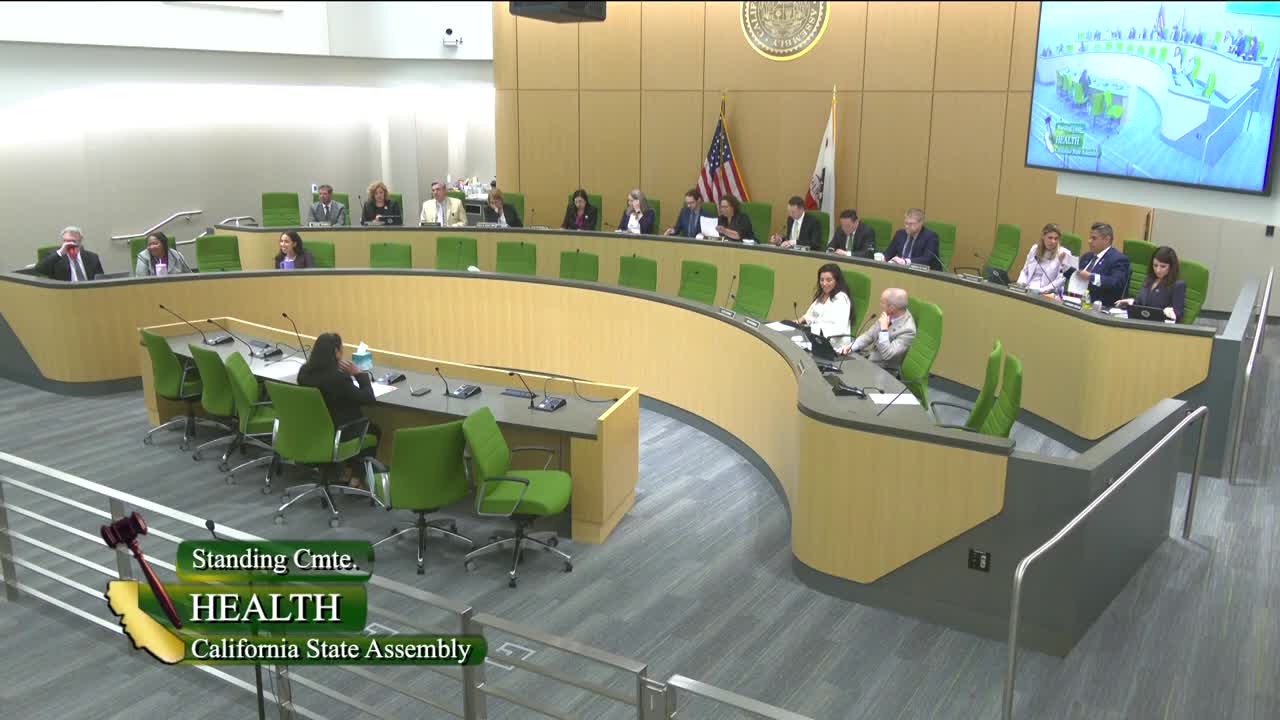 6MIN
Assembly Standing Committee on Health
Bill Author

Bill Co-Author(s):