AB 111: Personal Income Tax Law: exclusion: student loan debt: discharge of fees: higher education emergency grants.
- Session Year: 2023-2024
- House: Assembly
- Latest Version Date: 2023-05-15
Current Status:
Passed
(2023-05-15: Chaptered by Secretary of State - Chapter 5, Statutes of 2023.)
Introduced
In Committee
First Chamber
In Committee
Second Chamber
Enacted
(1)The Personal Income Tax Law, in modified conformity with federal income tax law, generally defines gross income as income from whatever source derived, except as specifically excluded, and provides various exclusions from gross income. Existing law authorizes the Chancellor of the California Community Colleges to discharge unpaid fees due or owed by a student to a community college district.
This bill would exclude from an individuals gross income, for taxable years beginning on or after January 1, 2022, and before January 1, 2027, any amount relating to the discharge of unpaid fees due or owed by a student pursuant to that law.
(2)Existing federal law authorizes various specified higher education emergency grants to support students and higher education institutions with expenses and financial needs related to the COVID-19 pandemic.
This bill would, for taxable years beginning on or after January 1, 2020, and before January 1, 2028, exclude from an individuals gross income specified higher education emergency grants received by a student in postsecondary education, as specified.
(3)Existing federal law excludes from gross income the amount of certain student loans discharged, in whole or in part, after December 31, 2020, and before January 1, 2026.
This bill would, for taxable years beginning on or after January 1, 2021, and before January 1, 2026, exclude from an individuals gross income the amount of certain student loans discharged, in whole or in part, after December 31, 2020, and before January 1, 2026, in conformity with that federal law.
(4)This bill would appropriate $20,000 from the General Fund to the Franchise Tax Board for the purpose of administering the provisions of this bill.
(5)Existing law requires any bill authorizing a new tax expenditure to contain, among other things, specific goals, purposes, and objectives that the tax expenditure will achieve, detailed performance indicators, and data collection requirements.
The bill would also include additional information required for any bill authorizing a new tax expenditure.
This bill would make findings and declarations related to a gift of public funds.
This bill would declare that it is to take effect immediately as a bill providing for appropriations related to the Budget Bill.
(1)The Personal Income Tax Law, in modified conformity with federal income tax law, generally defines gross income as income from whatever source derived, except as specifically excluded, and provides various exclusions from gross income. Existing law authorizes the Chancellor of the California Community Colleges to discharge unpaid fees due or owed by a student to a community college district.
This bill would exclude from an individuals gross income, for taxable years beginning on or after January 1, 2022, and before January 1, 2027, any amount relating to the discharge of unpaid fees due or owed by a student pursuant to that law.
(2)Existing federal law authorizes various specified higher education emergency grants to support students and higher education institutions with expenses and financial needs related to the COVID-19 pandemic.
This bill would, for taxable years beginning on or after January 1, 2020, and before January 1, 2028, exclude from an individuals gross income specified higher education emergency grants received by a student in postsecondary education, as specified.
(3)Existing federal law excludes from gross income the amount of certain student loans discharged, in whole or in part, after December 31, 2020, and before January 1, 2026.
This bill would, for taxable years beginning on or after January 1, 2021, and before January 1, 2026, exclude from an individuals gross income the amount of certain student loans discharged, in whole or in part, after December 31, 2020, and before January 1, 2026, in conformity with that federal law.
(4)This bill would appropriate $20,000 from the General Fund to the Franchise Tax Board for the purpose of administering the provisions of this bill.
(5)Existing law requires any bill authorizing a new tax expenditure to contain, among other things, specific goals, purposes, and objectives that the tax expenditure will achieve, detailed performance indicators, and data collection requirements.
The bill would also include additional information required for any bill authorizing a new tax expenditure.
This bill would make findings and declarations related to a gift of public funds.
This bill would declare that it is to take effect immediately as a bill providing for appropriations related to the Budget Bill.
(1)The Personal Income Tax Law, in modified conformity with federal income tax law, generally defines gross income as income from whatever source derived, except as specifically excluded, and provides various exclusions from gross income. Existing law authorizes the Chancellor of the California Community Colleges to discharge unpaid fees due or owed by a student to a community college district.
This bill would exclude from an individuals gross income, for taxable years beginning on or after January 1, 2022, and before January 1, 2027, any amount relating to the discharge of unpaid fees due or owed by a student pursuant to that law.
(2)Existing federal law authorizes various specified higher education emergency grants to support students and higher education institutions with expenses and financial needs related to the COVID-19 pandemic.
This bill would, for taxable years beginning on or after January 1, 2020, and before January 1, 2028, exclude from an individuals gross income specified higher education emergency grants received by a student in postsecondary education, as specified.
(3)Existing federal law excludes from gross income the amount of certain student loans discharged, in whole or in part, after December 31, 2020, and before January 1, 2026.
This bill would, for taxable years beginning on or after January 1, 2021, and before January 1, 2026, exclude from an individuals gross income the amount of certain student loans discharged, in whole or in part, after December 31, 2020, and before January 1, 2026, in conformity with that federal law.
(4)This bill would appropriate $20,000 from the General Fund to the Franchise Tax Board for the purpose of administering the provisions of this bill.
(5)Existing law requires any bill authorizing a new tax expenditure to contain, among other things, specific goals, purposes, and objectives that the tax expenditure will achieve, detailed performance indicators, and data collection requirements.
The bill would also include additional information required for any bill authorizing a new tax expenditure.
This bill would make findings and declarations related to a gift of public funds.
This bill would declare that it is to take effect immediately as a bill providing for appropriations related to the Budget Bill.
This bill would express the intent of the Legislature to enact statutory changes, relating to the Budget Act of 2023.This bill would express the intent of the Legislature to enact statutory changes changes, relating to the Budget Act of 2023.
This bill would express the intent of the Legislature to enact statutory changes relating to the Budget Act of 2023.
(a)For taxable years beginning on or after January 1, 2022, and before January 1, 2027, gross income does not include any amount relating to the discharge of any unpaid fees due or owed by a student to a community college which was discharged pursuant to subparagraph (G) of paragraph (3) of subdivision (a) of Section 32527 of the Education Code.
(b)(1)For the purposes of complying with Section 41, the Legislature finds and declares that the purpose of the exclusion allowed by this section is to provide financial relief to community college students affected by the adverse impacts of the economic disruptions and hardships resulting from the COVID-19 emergency.
(2)The performance indicators used to determine whether the exclusion is achieving its stated purpose are the number of students that had fees discharged pursuant to subparagraph (G) of paragraph (3) of subdivision (a) of Section 32527 of the Education Code, and the total dollar value of those fees discharged.
(3)The report required to be submitted by the Chancellors Office of the California Community Colleges to the Legislature, as required by paragraph (5) of subdivision (a) of Section 32527 of the Education Code, shall constitute reporting for the purpose of complying with Section 41.
(c)This section shall remain in effect only until December 1, 2027, and as of that date is repealed.
SEC. 2.Section 17131.22 is added to the Revenue and Taxation Code, to read:17131.22.(a)For taxable years beginning on or after January 1, 2020, and before January 1, 2028, gross income does not include amounts of certain emergency financial aid grants received by a student in postsecondary education pursuant to, or described in, any of the following:
(1)Section 3504 or 18004 of the Coronavirus Aid, Relief, and Economic Security Act (CARES Act) (Public Law 116-136).
(2)Section 314 of Division M or Section 277 of Division N of the Consolidated Appropriations Act, 2021 (Public Law 116-260).
(3)Section 2003 of the American Rescue Plan Act of 2021 (Public Law 117-2).
(b)(1)For purposes of complying with Section 41, as it pertains to this section, the Legislature finds and declares as follows:
(A)The specific goal, purpose, and objective of the exclusion is to provide financial relief to recipients of specified pandemic relief funds.
(B)The performance indicators for the Legislature to use in determining if the exclusion has achieved this goal shall be the number of taxpayers excluding specified pandemic relief from income based on this section, and the total dollar value of income so excluded.
(2)The Legislative Analysts Office shall, no later than November 1, 2028, submit a report to the Legislature, in accordance with Section 9795 of the Government Code, that estimates the number of taxpayers with specified pandemic relief excluded from income, and estimates the total dollar value of the specified pandemic relief received, to the extent data is available.
(c)This section shall remain in effect only until December 1, 2028, and as of that date is repealed.
SEC. 3.Section 17144.8 of the Revenue and Taxation Code is amended to read:17144.8.(a)Section 108(f)(5) of the Internal Revenue Code, relating to discharges on account of death or disability, as added by Section 11031(a) of the federal Tax Cuts and Jobs Act (Public Law 115-97), shall apply except as otherwise provided.
(b)Section 108(f)(5)(A) of the Internal Revenue Code, as added by Section 11031(a) of the federal Tax Cuts and Jobs Act (Public Law 115-97), is modified by substituting the phrase after December 31, 2018, in lieu of the phrase after December 31, 2017, and before January 1, 2026.
(c)(1)For taxable years beginning on or after January 1, 2021, and before January 1, 2026, the amendments made by Section 9675(a) of the American Rescue Plan Act of 2021 (Public Law 117-2) to Section 108(f)(5) of the Internal Revenue Code, relating to the special rule for discharges in 2021 through 2025, shall apply.
(2)(A)For purposes of complying with Section 41, as it pertains to this subdivision, the Legislature funds and declares as follows:
(i)The specific goal, purpose, and objective of the exclusion is to provide financial relief to taxpayers with discharges of student loan debt.
(ii)The performance indicators for the Legislature to use in determining if the exclusion has achieved this goal shall be the number of taxpayers excluding discharge of indebtedness income based on this subdivision, and the total dollar value of income so excluded.
(B)The Legislative Analysts Office shall, no later than October 1, 2026, submit a report to the Legislature, in accordance with Section 9795 of the Government Code, that estimates the number of taxpayers with discharged student loan debt excluded from income, and estimates the total dollar value of the debt discharged, to the extent data is available.
SEC. 4.The sum of twenty thousand dollars ($20,000) is hereby appropriated from the General Fund to the Franchise Tax Board for the purpose of administering the student loan forgiveness program and student emergency assistance provisions of Section 17144.8 of the Revenue and Taxation Code as amended by this act, and Sections 17131.21 and 17131.22 of the Revenue and Taxation Code as added by this act.
SEC. 5.The Legislature hereby finds and declares that the exclusions authorized by Section 17131.21 of the Revenue and Taxation Code, as added by this act, and by Section 17144.8 of the Revenue and Taxation Code, as amended by this act, serve the public purpose of lessening the tax burden on individuals who have their student loans or student tuition and service fees discharged and does not constitute a gift of public funds within the meaning of Section 6 of Article XVI of the California Constitution.
SEC. 6.This act is a bill providing for appropriations related to the Budget Bill within the meaning of subdivision (e) of Section 12 of Article IV of the California Constitution, has been identified as related to the budget in the Budget Bill, and shall take effect immediately.
(a)For taxable years beginning on or after January 1, 2022, and before January 1, 2027, gross income does not include any amount relating to the discharge of any unpaid fees due or owed by a student to a community college which was discharged pursuant to subparagraph (G) of paragraph (3) of subdivision (a) of Section 32527 of the Education Code.
(b)(1)For the purposes of complying with Section 41, the Legislature finds and declares that the purpose of the exclusion allowed by this section is to provide financial relief to community college students affected by the adverse impacts of the economic disruptions and hardships resulting from the COVID-19 emergency.
(2)The performance indicators used to determine whether the exclusion is achieving its stated purpose are the number of students that had fees discharged pursuant to subparagraph (G) of paragraph (3) of subdivision (a) of Section 32527 of the Education Code, and the total dollar value of those fees discharged.
(3)The report required to be submitted by the Chancellors Office of the California Community Colleges to the Legislature, as required by paragraph (5) of subdivision (a) of Section 32527 of the Education Code, shall constitute reporting for the purpose of complying with Section 41.
(c)This section shall remain in effect only until December 1, 2027, and as of that date is repealed.
SEC. 2.Section 17131.22 is added to the Revenue and Taxation Code, to read:17131.22.(a)For taxable years beginning on or after January 1, 2020, and before January 1, 2028, gross income does not include amounts of certain emergency financial aid grants received by a student in postsecondary education pursuant to, or described in, any of the following:
(1)Section 3504 or 18004 of the Coronavirus Aid, Relief, and Economic Security Act (CARES Act) (Public Law 116-136).
(2)Section 314 of Division M or Section 277 of Division N of the Consolidated Appropriations Act, 2021 (Public Law 116-260).
(3)Section 2003 of the American Rescue Plan Act of 2021 (Public Law 117-2).
(b)(1)For purposes of complying with Section 41, as it pertains to this section, the Legislature finds and declares as follows:
(A)The specific goal, purpose, and objective of the exclusion is to provide financial relief to recipients of specified pandemic relief funds.
(B)The performance indicators for the Legislature to use in determining if the exclusion has achieved this goal shall be the number of taxpayers excluding specified pandemic relief from income based on this section, and the total dollar value of income so excluded.
(2)The Legislative Analysts Office shall, no later than November 1, 2028, submit a report to the Legislature, in accordance with Section 9795 of the Government Code, that estimates the number of taxpayers with specified pandemic relief excluded from income, and estimates the total dollar value of the specified pandemic relief received, to the extent data is available.
(c)This section shall remain in effect only until December 1, 2028, and as of that date is repealed.
SEC. 3.Section 17144.8 of the Revenue and Taxation Code is amended to read:17144.8.(a)Section 108(f)(5) of the Internal Revenue Code, relating to discharges on account of death or disability, as added by Section 11031(a) of the federal Tax Cuts and Jobs Act (Public Law 115-97), shall apply except as otherwise provided.
(b)Section 108(f)(5)(A) of the Internal Revenue Code, as added by Section 11031(a) of the federal Tax Cuts and Jobs Act (Public Law 115-97), is modified by substituting the phrase after December 31, 2018, in lieu of the phrase after December 31, 2017, and before January 1, 2026.
(c)(1)For taxable years beginning on or after January 1, 2021, and before January 1, 2026, the amendments made by Section 9675(a) of the American Rescue Plan Act of 2021 (Public Law 117-2) to Section 108(f)(5) of the Internal Revenue Code, relating to the special rule for discharges in 2021 through 2025, shall apply.
(2)(A)For purposes of complying with Section 41, as it pertains to this subdivision, the Legislature funds and declares as follows:
(i)The specific goal, purpose, and objective of the exclusion is to provide financial relief to taxpayers with discharges of student loan debt.
(ii)The performance indicators for the Legislature to use in determining if the exclusion has achieved this goal shall be the number of taxpayers excluding discharge of indebtedness income based on this subdivision, and the total dollar value of income so excluded.
(B)The Legislative Analysts Office shall, no later than October 1, 2026, submit a report to the Legislature, in accordance with Section 9795 of the Government Code, that estimates the number of taxpayers with discharged student loan debt excluded from income, and estimates the total dollar value of the debt discharged, to the extent data is available.
SEC. 4.The sum of twenty thousand dollars ($20,000) is hereby appropriated from the General Fund to the Franchise Tax Board for the purpose of administering the student loan forgiveness program and student emergency assistance provisions of Section 17144.8 of the Revenue and Taxation Code as amended by this act, and Sections 17131.21 and 17131.22 of the Revenue and Taxation Code as added by this act.
SEC. 5.The Legislature hereby finds and declares that the exclusions authorized by Section 17131.21 of the Revenue and Taxation Code, as added by this act, and by Section 17144.8 of the Revenue and Taxation Code, as amended by this act, serve the public purpose of lessening the tax burden on individuals who have their student loans or student tuition and service fees discharged and does not constitute a gift of public funds within the meaning of Section 6 of Article XVI of the California Constitution.
SEC. 6.This act is a bill providing for appropriations related to the Budget Bill within the meaning of subdivision (e) of Section 12 of Article IV of the California Constitution, has been identified as related to the budget in the Budget Bill, and shall take effect immediately.
(a)For taxable years beginning on or after January 1, 2022, and before January 1, 2027, gross income does not include any amount relating to the discharge of any unpaid fees due or owed by a student to a community college which was discharged pursuant to subparagraph (G) of paragraph (3) of subdivision (a) of Section 32527 of the Education Code.
(b)(1)For the purposes of complying with Section 41, the Legislature finds and declares that the purpose of the exclusion allowed by this section is to provide financial relief to community college students affected by the adverse impacts of the economic disruptions and hardships resulting from the COVID-19 emergency.
(2)The performance indicators used to determine whether the exclusion is achieving its stated purpose are the number of students that had fees discharged pursuant to subparagraph (G) of paragraph (3) of subdivision (a) of Section 32527 of the Education Code, and the total dollar value of those fees discharged.
(3)The report required to be submitted by the Chancellors Office of the California Community Colleges to the Legislature, as required by paragraph (5) of subdivision (a) of Section 32527 of the Education Code, shall constitute reporting for the purpose of complying with Section 41.
(c)This section shall remain in effect only until December 1, 2027, and as of that date is repealed.
SEC. 2.Section 17131.22 is added to the Revenue and Taxation Code, to read:17131.22.(a)For taxable years beginning on or after January 1, 2020, and before January 1, 2028, gross income does not include amounts of certain emergency financial aid grants received by a student in postsecondary education pursuant to, or described in, any of the following:
(1)Section 3504 or 18004 of the Coronavirus Aid, Relief, and Economic Security Act (CARES Act) (Public Law 116-136).
(2)Section 314 of Division M or Section 277 of Division N of the Consolidated Appropriations Act, 2021 (Public Law 116-260).
(3)Section 2003 of the American Rescue Plan Act of 2021 (Public Law 117-2).
(b)(1)For purposes of complying with Section 41, as it pertains to this section, the Legislature finds and declares as follows:
(A)The specific goal, purpose, and objective of the exclusion is to provide financial relief to recipients of specified pandemic relief funds.
(B)The performance indicators for the Legislature to use in determining if the exclusion has achieved this goal shall be the number of taxpayers excluding specified pandemic relief from income based on this section, and the total dollar value of income so excluded.
(2)The Legislative Analysts Office shall, no later than November 1, 2028, submit a report to the Legislature, in accordance with Section 9795 of the Government Code, that estimates the number of taxpayers with specified pandemic relief excluded from income, and estimates the total dollar value of the specified pandemic relief received, to the extent data is available.
(c)This section shall remain in effect only until December 1, 2028, and as of that date is repealed.
SEC. 3.Section 17144.8 of the Revenue and Taxation Code is amended to read:17144.8.(a)Section 108(f)(5) of the Internal Revenue Code, relating to discharges on account of death or disability, as added by Section 11031(a) of the federal Tax Cuts and Jobs Act (Public Law 115-97), shall apply except as otherwise provided.
(b)Section 108(f)(5)(A) of the Internal Revenue Code, as added by Section 11031(a) of the federal Tax Cuts and Jobs Act (Public Law 115-97), is modified by substituting the phrase after December 31, 2018, in lieu of the phrase after December 31, 2017, and before January 1, 2026.
(c)(1)For taxable years beginning on or after January 1, 2021, and before January 1, 2026, the amendments made by Section 9675(a) of the American Rescue Plan Act of 2021 (Public Law 117-2) to Section 108(f)(5) of the Internal Revenue Code, relating to the special rule for discharges in 2021 through 2025, shall apply.
(2)(A)For purposes of complying with Section 41, as it pertains to this subdivision, the Legislature funds and declares as follows:
(i)The specific goal, purpose, and objective of the exclusion is to provide financial relief to taxpayers with discharges of student loan debt.
(ii)The performance indicators for the Legislature to use in determining if the exclusion has achieved this goal shall be the number of taxpayers excluding discharge of indebtedness income based on this subdivision, and the total dollar value of income so excluded.
(B)The Legislative Analysts Office shall, no later than October 1, 2026, submit a report to the Legislature, in accordance with Section 9795 of the Government Code, that estimates the number of taxpayers with discharged student loan debt excluded from income, and estimates the total dollar value of the debt discharged, to the extent data is available.
SEC. 4.The sum of twenty thousand dollars ($20,000) is hereby appropriated from the General Fund to the Franchise Tax Board for the purpose of administering the student loan forgiveness program and student emergency assistance provisions of Section 17144.8 of the Revenue and Taxation Code as amended by this act, and Sections 17131.21 and 17131.22 of the Revenue and Taxation Code as added by this act.
SEC. 5.The Legislature hereby finds and declares that the exclusions authorized by Section 17131.21 of the Revenue and Taxation Code, as added by this act, and by Section 17144.8 of the Revenue and Taxation Code, as amended by this act, serve the public purpose of lessening the tax burden on individuals who have their student loans or student tuition and service fees discharged and does not constitute a gift of public funds within the meaning of Section 6 of Article XVI of the California Constitution.
SEC. 6.This act is a bill providing for appropriations related to the Budget Bill within the meaning of subdivision (e) of Section 12 of Article IV of the California Constitution, has been identified as related to the budget in the Budget Bill, and shall take effect immediately.
SECTION 1.It is the intent of the Legislature to enact statutory changes, relating to the Budget Act of 2023.It is the intent of the Legislature to enact statutory changes changes, relating to the Budget Act of 2023.
It is the intent of the Legislature to enact statutory changes relating to the Budget Act of 2023.
|
Date
|
Status
|
|---|---|
| May 15, 2023 | Chaptered by Secretary of State - Chapter 5, Statutes of 2023. |
| May 15, 2023 | Approved by the Governor. |
| May 4, 2023 | Enrolled and presented to the Governor at 11 a.m. |
| May 4, 2023 | Senate amendments concurred in. To Engrossing and Enrolling. (Ayes 77. Noes 0. Page 1457.). |
| May 4, 2023 | In Assembly. Concurrence in Senate amendments pending. May be considered on or after May 6 pursuant to Assembly Rule 77. |
| May 4, 2023 | Assembly Rule 77 suspended. |
| May 4, 2023 | Assembly Rule 63 suspended. (Page 1454.) |
| May 4, 2023 | Read third time. Passed. Ordered to the Assembly. (Ayes 38. Noes 0. Page 997.). |
| May 3, 2023 | Read second time. Ordered to third reading. |
| May 2, 2023 | From committee: Do pass. (Ayes 18. Noes 0.) (May 2). |
| Apr 28, 2023 | From committee chair, with author's amendments: Amend, and re-refer to committee. Read second time, amended, and re-referred to Com. on B. & F.R. |
| Apr 12, 2023 | Referred to Com. on B. & F.R. |
| Mar 23, 2023 | In Senate. Read first time. To Com. on RLS. for assignment. |
| Mar 23, 2023 | Read third time. Passed. Ordered to the Senate. (Ayes 60. Noes 14. Page 834.) |
| Mar 21, 2023 | Read second time. Ordered to third reading. |
| Mar 20, 2023 | Withdrawn from committee. |
| Mar 20, 2023 | Ordered to second reading. |
| Mar 20, 2023 | Assembly Rule 96 suspended. (Ayes 61. Noes 17. Page 732.) |
| Feb 2, 2023 | Re-referred to Com. on BUDGET. |
| Feb 1, 2023 | From committee chair, with author's amendments: Amend, and re-refer to Com. on BUDGET. Read second time and amended. |
| Jan 26, 2023 | Referred to Com. on BUDGET. |
| Jan 10, 2023 | From printer. May be heard in committee February 9. |
| Jan 9, 2023 | Read first time. To print. |
|
Date
|
Description
|
Location
|
Votes
|
|
|---|---|---|---|---|
| May 4, 2023 | AB 111 BUDGET Concurrence in Senate Amendments By TING | Assembly Floor |
Passed |
|
| May 4, 2023 | Assembly 3rd Reading AB111 BUDGET (Ting) By Skinner | Senate Floor |
Passed |
|
| May 2, 2023 | Do pass | Senate Standing Committee on Budget and Fiscal Review |
Passed |
|
| Mar 23, 2023 | AB 111 Budget Assembly Third Reading By TING | Assembly Floor |
Passed |
This list shows positions taken on this bill by organizations on the date displayed, which is linked to the original source.
Positions by individuals are not included.
(Without Reference to File)
CONCURRENCE IN SENATE AMENDMENTS
CSA1 Bill Id:AB 111
Author:(Committee on Budget)
As Amended Ver:April 28, 2023
Majority vote. Budget Bill Appropriations Takes Effect Immediately
SUMMARY
Clarifies that there is no state tax liability from certain higher education loan and fee relief given to Californians as part of the COVID-19 emergency.
Senate Amendments
- For taxable years beginning on or after January 1, 2021, and before January 1, 2026, excludes from an individual's gross income the amount of certain student loans discharged, in whole or in part, after December 31, 2020, and before January 1, 2026, in conformity with exclusions in existing federal law.
- For taxable years beginning on or after January 1, 2022, and before January 1, 2027, excludes from an individual's gross income, any amount relating to the discharge of unpaid fees due or owed by a student pursuant to existing law that authorizes the Chancellor of the California Community Colleges to discharge unpaid fees due or owed by a student to a community college district.
- For taxable years beginning on or after January 1, 2020, and before January 1, 2028, excludes from an individual's gross income specified higher education emergency grants received by a student in postsecondary education, as specified. Existing federal law authorizes various specified higher education emergency grants to support students and higher education institutions with expenses and financial needs related to the COVID-19 pandemic.
- Appropriates $20,000 General Fund to the Franchise Tax Board for the purpose of administering the provisions of this bill.
- Requires reporting from the Legislative Analyst's Office on the number and total dollar amount of individuals benefiting from the provisions of this bill by November 1, 2028, to the extent data is available.
COMMENTS
During the COVID-19 Pandemic Emergency, government used many tools to help stabilize the impact of the pandemic on workers and the economy. Student loan repayments were paused by the federal government and the state provided Community Colleges the ability to discharge unpaid fees. As part of this effort, on August 24, 2022, President Biden announced the Student Loan Debt Relief Plan to forgive up to $20,000 per borrower of debt relief for certain borrowers. At the time of writing this analysis, this program is currently paused while being reviewed by the courts.
Most COVID-19 relief had been exempted from taxation from the federal and state governments, so it was assumed the existing conformity measures in place would apply for the debt forgiveness. However, questions were raised in the media about whether this Student Loan Debt Relief Plan would fall within existing law and could potentially be taxable at the State as income. On September 9, 2022, Speaker Rendon and Pro Tem Toni Atkins made a joint statement that a clarifying statutory fix in a budget trailer bill would be enacted to end any ambiguity about the tax treatment of this COVID-19 relief. Thus, this bill is part of a package that amends the 2022 budget act and removes any doubt that these important COVID-19 relief provisions will not be taxed.
According to the Author
This bill provides needed clarity to Californians that they will not owe state taxes on potential student loan debt forgiveness and community college fee relief.
Arguments in Support
None on file.
Arguments in Opposition
None on file.
FISCAL COMMENTS
This bill will cost $20,000 to administer, but is not expected to impact forecasted state revenues.
Until recently, it was assumed the California's tax treatment for loan forgiveness would be the same as the federal government, but concerns were raised that without statutory clarification this could not happen automatically. The State did not project or anticipate that individuals receiving federal student loan forgiveness would be taxed by the State nor would the relief given to Community College fees be taxable, and the baseline revenue estimates for the state budget do not assume revenue from either provision. If the state had intended to tax this forgiveness as income, the impact of taxing loan forgiveness could have been as much as $850 million in 2023-24 and $450 million in 2024-25 and the taxing of community college fees could have generated tens of millions of dollars of potential revenue.
This bill is to clarify that the State intends to conform to federal tax treatment of the loans, so it has no impact on the revenues assumed in the Governor's 2023 budget proposal.
VOTES:
ASSEMBLY FLOOR: 60-14-6
YES: Addis, Aguiar-Curry, Alvarez, Arambula, Bains, Bauer-Kahan, Bennett, Berman, Boerner Horvath, Bonta, Bryan, Calderon, Juan Carrillo, Wendy Carrillo, Connolly, Mike Fong, Friedman, Gabriel, Garcia, Gipson, Grayson, Haney, Hart, Holden, Irwin, Jackson, Jones‑Sawyer, Kalra, Lee, Low, Lowenthal, McCarty, McKinnor, Muratsuchi, Stephanie Nguyen, Ortega, Pacheco, Papan, Pellerin, Petrie-Norris, Quirk-Silva, Ramos, Reyes, Luz Rivas, Robert Rivas, Rodriguez, Blanca Rubio, Santiago, Schiavo, Soria, Ting, Valencia, Villapudua, Ward, Weber, Wicks, Wilson, Wood, Zbur, Rendon
NO: Alanis, Megan Dahle, Davies, Dixon, Essayli, Flora, Vince Fong, Gallagher, Hoover, Lackey, Jim Patterson, Joe Patterson, Sanchez, Ta
ABS, ABST OR NV: Cervantes, Chen, Maienschein, Mathis, Waldron, Wallis
UPDATED
VERSION: April 28, 2023
CONSULTANT: Christian Griffith / BUDGET / (916) 319-2099 FN: 0000291
SENATE RULES COMMITTEE Office of Senate Floor Analyses (916) 651-1520 Fax: (916) 327-4478 | AB 111 |
THIRD READING
Bill No: AB 111
Author: Committee on Budget
Amended: 4/28/23 in Senate
Vote: 21- Urgency
SENATE BUDGET & FISCAL REVIEW COMMITTEE: 18-0, 5/2/23
AYES: Skinner, Niello, Becker, Caballero, Dahle, Durazo, Eggman, Grove, Laird, McGuire, Menjivar, Min, Newman, Ochoa Bogh, Padilla, Roth, Seyarto, Smallwood-Cuevas
ASSEMBLY FLOOR: Not relevant
SUBJECT: Personal Income Tax Law: exclusion: student loan debt: discharge of fees: higher education emergency grants
SOURCE: Author
DIGEST:
This bill, a budget trailer bill, makes necessary changes to personal income tax law to implement the Budget Act of 2022 and to clarify that student loan debt relief and other pandemic relief provided to students through post-secondary education institutions would not be taxed as personal income.
ANALYSIS:
This bill, specifically:
- Excludes, for taxable years beginning on or after January 1, 2021, and before January 1, 2026, from an individual’s gross income the amount of certain student loans discharged, in whole or in part, after December 31, 2020, and before January 1, 2026, in conformity with exclusions in existing federal law.
- Excludes, for taxable years beginning on or after January 1, 2022, and before January 1, 2027, from an individual’s gross income, any amount relating to the discharge of unpaid fees due or owed by a student pursuant to existing law that authorizes the Chancellor of the California Community Colleges to discharge unpaid fees due or owed by a student to a community college district.
- Excludes, for taxable years beginning on or after January 1, 2020, and before January 1, 2028, from an individual’s gross income specified higher education emergency grants received by a student in postsecondary education, as specified. Existing federal law authorizes various specified higher education emergency grants to support students and higher education institutions with expenses and financial needs related to the COVID-19 pandemic.
- Appropriates $20,000 General Fund to the Franchise Tax Board for the purpose of administering the provisions of this bill.
- Requires reporting from the Legislative Analyst’s Office on the number and total dollar amount of individuals benefiting from the provisions of this bill by November 1, 2028, to the extent data is available.
FISCAL EFFECT: Appropriation: Yes Fiscal Com.: Yes Local: No
According to the Senate Budget and Fiscal Review Committee, this bill provides statutory clarification that California's tax treatment for loan forgiveness will conform to that of the federal government. The state did not project or anticipate that individuals receiving federal student loan forgiveness would be taxed by the state, and the baseline revenue estimates for the 2023-24 budget do not assume revenue from the federal loan forgiveness program. If the state had intended to tax this forgiveness as income, the impact could have been as much as $850 million in 2023-24 and $450 million in 2024-25. This bill clarifies that the state will conform to federal tax treatment of the loans, and no impact on the revenues has been assumed in the Governor's 2023 Budget proposal.
The fiscal impact of excluding fee waivers and other post-secondary pandemic relief from taxable income is estimated to be minor, but potentially up to the low tens of millions. In, addition, this bill appropriates $20,000 in General Fund for the Franchise Tax Board to implement the program.
SUPPORT: (Verified 5/1/23)
None received
OPPOSITION: (Verified 5/1/23)
Prepared by: Elisa Wynne / B. & F.R. / (916) 651-4103
5/3/23 14:45:25
**** END ****
SENATE COMMITTEE ON
Senator Nancy Skinner, Chair
2023 - 2024 Regular
Bill No: Hearing Date: May 2, 2023
Author: | Committee on Budget | ||
Version: | As amended | ||
Urgency: | Fiscal: | ||
Consultant: | |||
Subject:
Summary: This budget trailer bill makes necessary changes to personal income tax law to implement the Budget Act of 2022 and to clarify that student loan debt relief and other pandemic relief provided to students through post-secondary education institutions would not be taxed as personal income.
Proposed Law:
Specifically this bill would:
- For taxable years beginning on or after January 1, 2021, and before January 1, 2026, excludes from an individual’s gross income the amount of certain student loans discharged, in whole or in part, after December 31, 2020, and before January 1, 2026, in conformity with exclusions in existing federal law.
- For taxable years beginning on or after January 1, 2022, and before January 1, 2027, excludes from an individual’s gross income, any amount relating to the discharge of unpaid fees due or owed by a student pursuant to existing law that authorizes the Chancellor of the California Community Colleges to discharge unpaid fees due or owed by a student to a community college district.
- For taxable years beginning on or after January 1, 2020, and before January 1, 2028, excludes from an individual’s gross income specified higher education emergency grants received by a student in postsecondary education, as specified. Existing federal law authorizes various specified higher education emergency grants to support students and higher education institutions with expenses and financial needs related to the COVID-19 pandemic.
- Appropriates $20,000 General Fund to the Franchise Tax Board for the purpose of administering the provisions of this bill.
- Requires reporting from the Legislative Analyst’s Office on the number and total dollar amount of individuals benefiting from the provisions of this bill by November 1, 2028, to the extent data is available.
Fiscal Effect:
This bill provides statutory clarification that California's tax treatment for loan forgiveness will conform to that of the federal government. The state did not project or anticipate that individuals receiving federal student loan forgiveness would be taxed by the state, and the baseline revenue estimates for the 2023-24 budget do not assume revenue from the federal loan forgiveness program. If the state had intended to tax this forgiveness as income, the impact could have been as much as $850 million in 2023-24 and $450 million in 2024-25. This bill clarifies that the State will conform to federal tax treatment of the loans, and no impact on the revenues has been assumed in the Governor's 2023 budget proposal.
The fiscal impact of excluding fee waivers and other post-secondary pandemic relief from taxable income is estimated to be minor, but potentially up to the low tens of millions. In, addition, this bill appropriates $20,000 in General Fund for the Franchise Tax Board to implement the program.
Support:
None on File
Opposed:
None on File
-- END --
SENATE COMMITTEE ON BUDGET AND FISCAL REVIEW
Senator Nancy Skinner, Chair
2023 - 2024 Regular
Bill No: AB 111 Hearing Date: May 2, 2023
Author: | |||
Version: | April 28, 2023 As amended | ||
Urgency: | No | Fiscal: | Yes |
Consultant: | Elisa Wynne | ||
Subject: Personal Income Tax Law: exclusion: student loan debt: discharge of fees: higher education emergency grants
Summary: This budget trailer bill makes necessary changes to personal income tax law to implement the Budget Act of 2022 and to clarify that student loan debt relief and other pandemic relief provided to students through post-secondary education institutions would not be taxed as personal income.
Proposed Law:
Specifically this bill would:
- For taxable years beginning on or after January 1, 2021, and before January 1, 2026, excludes from an individual’s gross income the amount of certain student loans discharged, in whole or in part, after December 31, 2020, and before January 1, 2026, in conformity with exclusions in existing federal law.
- For taxable years beginning on or after January 1, 2022, and before January 1, 2027, excludes from an individual’s gross income, any amount relating to the discharge of unpaid fees due or owed by a student pursuant to existing law that authorizes the Chancellor of the California Community Colleges to discharge unpaid fees due or owed by a student to a community college district.
- For taxable years beginning on or after January 1, 2020, and before January 1, 2028, excludes from an individual’s gross income specified higher education emergency grants received by a student in postsecondary education, as specified. Existing federal law authorizes various specified higher education emergency grants to support students and higher education institutions with expenses and financial needs related to the COVID-19 pandemic.
- Appropriates $20,000 General Fund to the Franchise Tax Board for the purpose of administering the provisions of this bill.
- Requires reporting from the Legislative Analyst’s Office on the number and total dollar amount of individuals benefiting from the provisions of this bill by November 1, 2028, to the extent data is available.
Fiscal Effect:
This bill provides statutory clarification that California's tax treatment for loan forgiveness will conform to that of the federal government. The state did not project or anticipate that individuals receiving federal student loan forgiveness would be taxed by the state, and the baseline revenue estimates for the 2023-24 budget do not assume revenue from the federal loan forgiveness program. If the state had intended to tax this forgiveness as income, the impact could have been as much as $850 million in 2023-24 and $450 million in 2024-25. This bill clarifies that the State intend to conform to federal tax treatment of the loans, so has no impact on the revenues has been assumed in the Governor's 2023 budget proposal. The fiscal impact of excluding fee waivers and other post-secondary pandemic relief from taxable income is estimated to be minor, but potentially up to the low tens of millions. In, addition, this bill appropriates $20,000 in General Fund for the Franchise Tax Board to implement the program.
Support:
None on File
Opposed:
None on File
-- END --
ASSEMBLY THIRD READING
ATR Bill Id:AB 111
Author:(Committee on Budget)
As Amended Ver:February 1, 2023
Majority vote. Budget Bill Appropriation Takes Effect Immediately
SUMMARY
This bill expresses the intent of the Legislature to enact statutory changes relating to the Budget Act of 2023.
Major Provisions
COMMENTS
According to the Author
Arguments in Support
Arguments in Opposition
FISCAL COMMENTS
VOTES
UPDATED
VERSION: February 1, 2023
CONSULTANT: Christian Griffith / BUDGET / (916) 319-2099 FN: 0000045
Discussed in Hearing
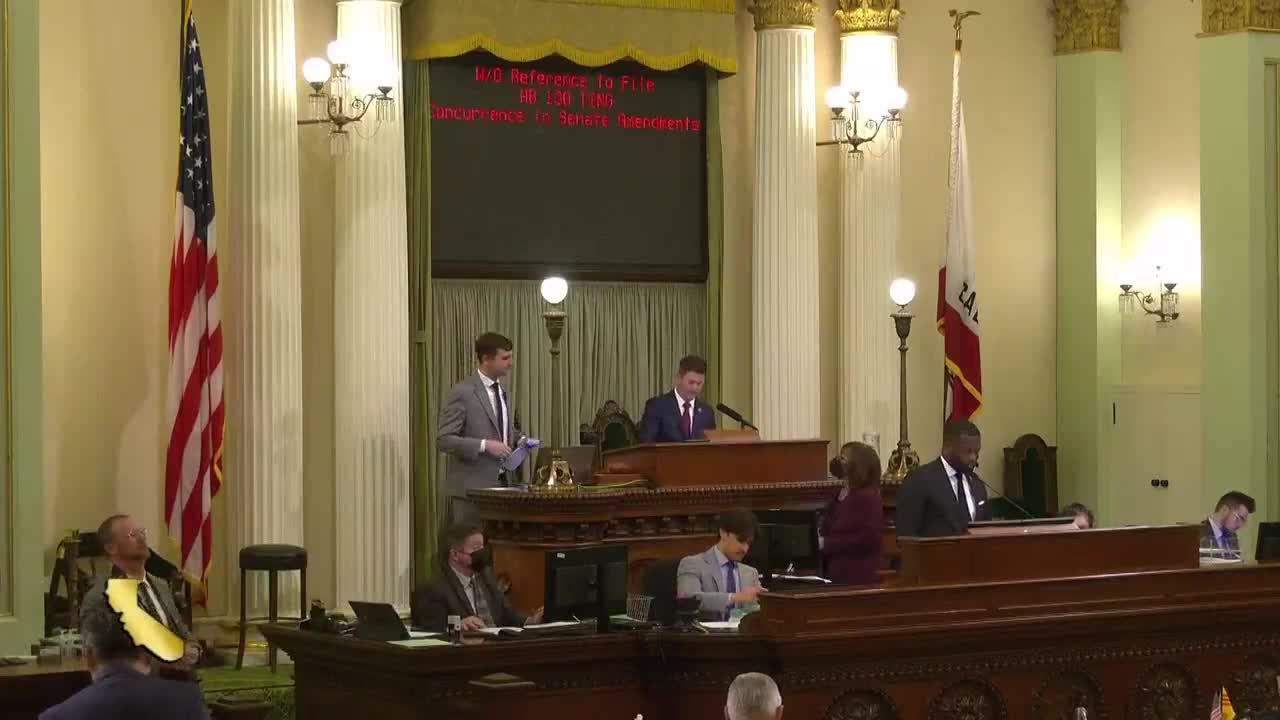 2MIN
Assembly Floor
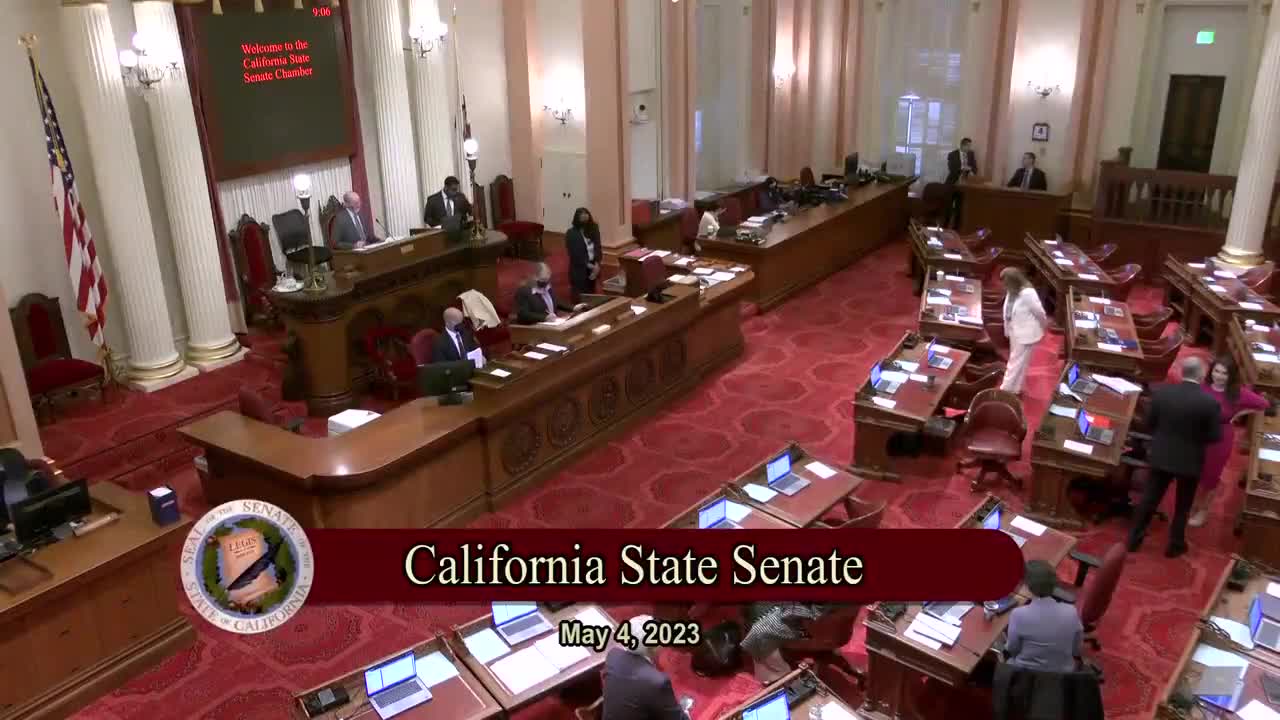 3MIN
Senate Floor
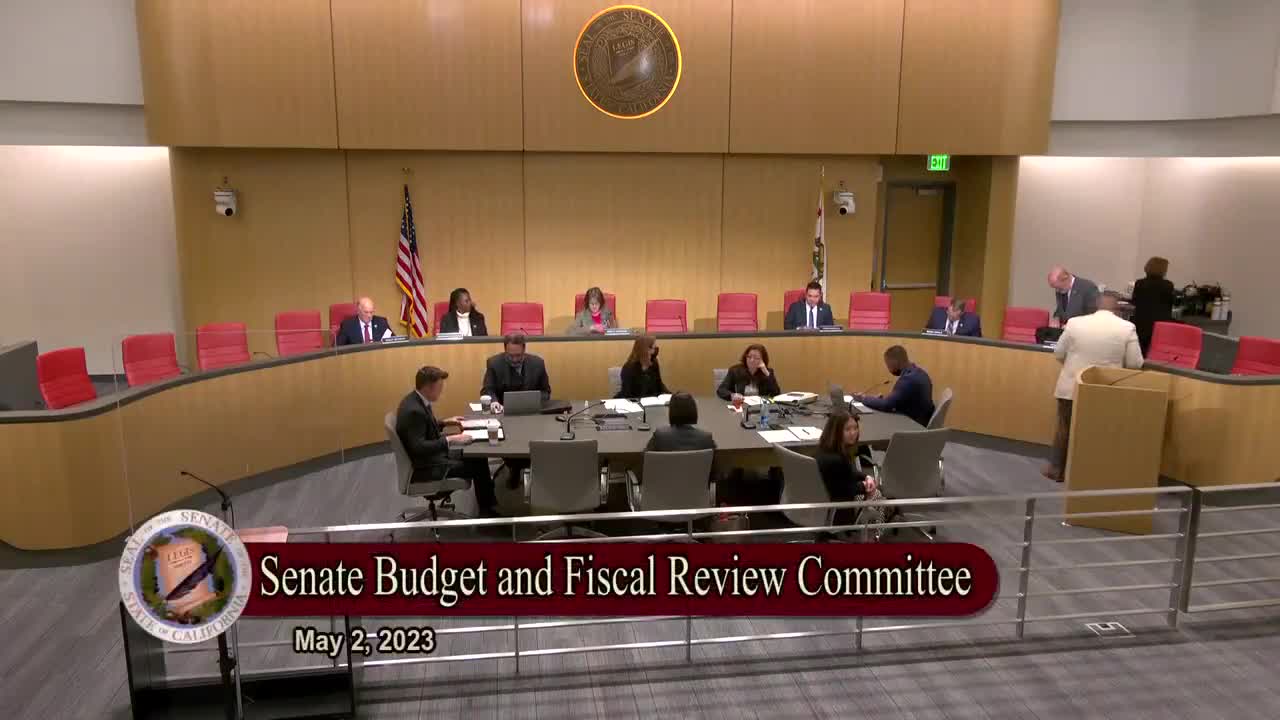 5MIN
Senate Standing Committee on Budget and Fiscal Review
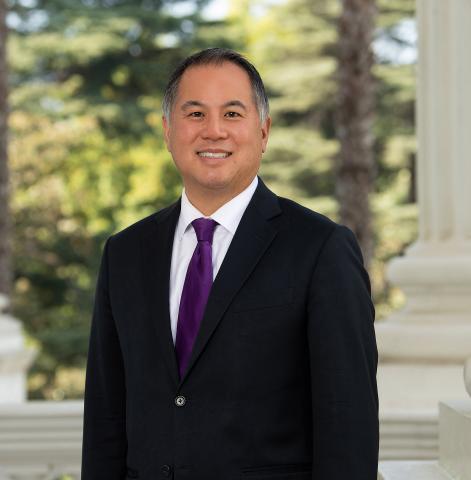
Bill Author
Bill Co-Author(s):