AB 1797: State crustacean.
- Session Year: 2023-2024
- House: Assembly
- Latest Version Date: 2024-09-27
Current Status:
Passed
(2024-09-27: Chaptered by Secretary of State - Chapter 667, Statutes of 2024.)
Introduced
In Committee
First Chamber
In Committee
Second Chamber
Enacted
Existing law establishes the state flag and the states emblems, including, among other things, the golden poppy as the official state flower, the California redwood as the official state tree, and the California gray whale as the official state marine mammal.
This bill would establish the Dungeness crab (Metacarcinus magister) as the official state crustacean. The bill would also make related findings and declarations.
The Legislature finds and declares all of the following:
(a)In California, the most abundant crab is the Metacarcinus magister, or Dungeness crab.
(b)Metacarcinus magister, known as Dungeness crab, is an iconic California coast specialty and has long supported fishing ports up and down northern and central California. Recreational crab fishing also bolsters local hospitality businesses, bringing patrons to incredible coastal restaurants and inns.
(c)Dungeness crabs are an essential part of Californias ecosystem and economy.
(d)While Dungeness crabs inhabit a wide variety of ocean floor habitats, they generally prefer sandy or soft-bottom areas and are commonly found at depths ranging from the intertidal to 300 feet.
(e)Dungeness crabs boast an impressive anatomy, featuring four pairs of armored legs, a formidable duo of claws, and an exoskeleton or protective shell that shields them from the elements.
(f)Dungeness crabs are opportunistic predators and scavengers, feeding on bivalves, fish, shrimp, isopods, and other organisms, which contributes to a healthy ecosystem.
(g)Both commercial and recreational crab fisheries exist in California. The fisheries have slightly different seasons within the two distinct management areas: northern and central, which are divided at the Sonoma-Mendocino County line.
(h)California Dungeness crabs are sold both domestically and exported. Typically, crabs are cooked and sold whole in the shell, or the cooked meat is picked prior to sale and sold fresh or frozen.
(i)Naming Metacarcinus magister as the official state crustacean of California will promote appreciation, study, and education of Dungeness crabs in this state, as both an environmental and economic commodity.
SEC. 2.Section 425.15 is added to the Government Code, to read:425.15.The Dungeness crab (Metacarcinus magister) is the official state crustacean.
(a)The Legislature finds and declares all of the following:
(a)In California, the most abundant crab is the Metacarcinus magister, or Dungeness crab.
(b)Metacarcinus magister, known as Dungeness crab, is an iconic California coast specialty and has long supported fishing ports up and down northern and central California. Recreational crab fishing also bolsters local hospitality businesses, bringing patrons to incredible coastal restaurants and inns.
(c)Dungeness crab crabs are an essential part of Californias ecosystem and economy.
(d)While Dungeness crab crabs inhabit a wide variety of ocean floor habitats, they generally prefer sandy or soft-bottom areas and are commonly found at depths ranging from the intertidal to 300 feet.
(e)Dungeness crabs boast an impressive anatomy, featuring four pairs of armored legs, a formidable duo of claws, and an exoskeleton or protective shell that shields them from the elements.
(e)(f)Dungeness crab crabs are opportunistic predators and scavengers, feeding on bivalves, fish, shrimp, isopods, and other organisms, which contributes to a healthy ecosystem.
(f)(g)Both commercial and recreational crab fisheries exist in California. The fisheries have slightly different seasons within the two distinct management areas: northern and central, which are divided at the Sonoma-Mendocino County line.
(g)(h)California Dungeness crab crabs are sold both domestically and exported. Typically, crabs are cooked and sold whole in the shell, or the cooked meat is picked prior to sale and sold fresh or frozen.
(h)(i)Naming Metacarcinus magister as the official state crustacean of California will promote appreciation, study, and education of Dungeness crab crabs in this state, as both an environmental and economic commodity.
SEC. 2.Section 425.15 is added to the Government Code, to read:425.15.The Dungeness crab (Metacarcinus magister) is the official state crustacean.
(a)In California, the most abundant crab is the Metacarcinus magister, or Dungeness crab.
(b)Metacarcinus magister, known as Dungeness crab, is an iconic California coast specialty and has long supported fishing ports up and down northern and central California. Recreational crab fishing also bolsters local hospitality businesses, bringing patrons to incredible coastal restaurants and inns.
(c)Dungeness crab are an essential part of Californias ecosystem and economy.
(d)While Dungeness crab inhabit a wide variety of ocean floor habitats, they generally prefer sandy or soft-bottom areas and are commonly found at depths ranging from the intertidal to 300 feet.
(e)Dungeness crab are opportunistic predators and scavengers, feeding on bivalves, fish, shrimp, isopods, and other organisms, which contributes to a healthy ecosystem.
(f)Both commercial and recreational crab fisheries exist in California. The fisheries have slightly different seasons within the two distinct management areas: northern and central, which are divided at the Sonoma-Mendocino County line.
(g)Crab fishing efforts on the northern California coast are concentrated near Crescent City, Eureka, and north of Fort Bragg. In the central coast region, fishing occurs near Morro Bay, Monterey Bay, Half Moon Bay, San Francisco, and Bodega Bay.(h)(g)California Dungeness crab are sold both domestically and exported. Typically, crabs are cooked and sold whole in the shell, or the cooked meat is picked prior to sale and sold fresh or frozen.
(i)(h)Naming Metacarcinus magister as the official state crustacean of California will promote appreciation, study, and education of Dungeness crab in this state, as both an environmental and economic commodity.
SEC. 2.Section 425.15 is added to the Government Code, to read:425.15.The Dungeness crab (Metacarcinus magister) is the official state crustacean.
REVISIONS: HeadingLines 3 and 4.(a)In California, the most abundant crab is the Metacarcinus magister, or Dungeness crab.
(b)Metacarcinus magister, known as Dungeness crab, is an iconic California coast specialty and has long supported fishing ports up and down northern and central California. Recreational crab fishing also bolsters local hospitality businesses, bringing patrons to incredible coastal restaurants and inns.
(c)Dungeness crab are an essential part of Californias ecosystem and economy.
(d)While Dungeness crab inhabit a wide variety of ocean floor habitats, they generally prefer sandy or soft-bottom areas and are commonly found at depths ranging from the intertidal to 300 feet.
(e)Dungeness crab are opportunistic predators and scavengers, feeding on bivalves, fish, shrimp, isopods, and other organisms, which contributes to a healthy ecosystem.
(f)Both commercial and recreational crab fisheries exist in California. The fisheries have slightly different seasons within the two distinct management areas: northern and central, which are divided at the Sonoma-Mendocino County line.
(g)Crab fishing efforts on the northern California coast are concentrated near Crescent City, Eureka, and north of Fort Bragg. In the central coast region, fishing occurs near Morro Bay, Monterey Bay, Half Moon Bay, San Francisco, and Bodega Bay.
(h)California Dungeness crab are sold both domestically and exported. Typically, crabs are cooked and sold whole in the shell, or the cooked meat is picked prior to sale and sold fresh or frozen.
(i)Naming Metacarcinus magister as the official state crustacean of California will promote appreciation, study, and education of Dungeness crab in this state, as both an environmental and economic commodity.
SEC. 2.Section 425.15 is added to the Government Code, to read:425.15.The Dungeness crab (Metacarcinus magister) is the official state crustacean.
|
Date
|
Status
|
|---|---|
| Sep 27, 2024 | Chaptered by Secretary of State - Chapter 667, Statutes of 2024. |
| Sep 27, 2024 | Approved by the Governor. |
| Aug 28, 2024 | Enrolled and presented to the Governor at 4 p.m. |
| Aug 22, 2024 | Senate amendments concurred in. To Engrossing and Enrolling. (Ayes 61. Noes 0. Page 6436.). |
| Aug 20, 2024 | In Assembly. Concurrence in Senate amendments pending. May be considered on or after August 22 pursuant to Assembly Rule 77. |
| Aug 19, 2024 | Read third time. Passed. Ordered to the Assembly. (Ayes 40. Noes 0. Page 5199.). |
| May 29, 2024 | Read second time. Ordered to third reading. |
| May 28, 2024 | From committee: Do pass. (Ayes 11. Noes 0.) (May 28). |
| May 14, 2024 | From committee chair, with author's amendments: Amend, and re-refer to committee. Read second time, amended, and re-referred to Com. on G.O. |
| May 1, 2024 | Referred to Com. on G.O. |
| Apr 1, 2024 | In Senate. Read first time. To Com. on RLS. for assignment. |
| Apr 1, 2024 | Read third time. Passed. Ordered to the Senate. (Ayes 72. Noes 0. Page 4534.) |
| Mar 20, 2024 | Read second time. Ordered to Consent Calendar. |
| Mar 19, 2024 | From committee: Do pass. To Consent Calendar. (Ayes 13. Noes 0.) (March 19). |
| Mar 19, 2024 | Coauthors revised. |
| Feb 12, 2024 | Re-referred to Com. on W., P., & W. |
| Feb 8, 2024 | From committee chair, with author's amendments: Amend, and re-refer to Com. on W., P., & W. Read second time and amended. |
| Jan 22, 2024 | Referred to Com. on W., P., & W. |
| Jan 5, 2024 | From printer. May be heard in committee February 4. |
| Jan 4, 2024 | Read first time. To print. |
|
Date
|
Description
|
Location
|
Votes
|
|
|---|---|---|---|---|
| Aug 22, 2024 | AB 1797 Wood Concurrence in Senate Amendments | Assembly Floor |
Passed |
|
| Aug 19, 2024 | Assembly 3rd Reading AB1797 Wood et al. By Laird | Senate Floor |
Passed |
|
| May 28, 2024 | Do pass | Senate Standing Committee on Governmental Organization |
Passed |
|
| Apr 1, 2024 | AB 1797 Wood Consent Calendar Second Day Regular Session | Assembly Floor |
Passed |
|
| Mar 19, 2024 | Do pass. To Consent Calendar. | Assembly Standing Committee on Water, Parks, and Wildlife |
Passed |
This list shows positions taken on this bill by organizations on the date displayed, which is linked to the original source.
Positions by individuals are not included.
CONCURRENCE IN SENATE AMENDMENTS
CSA1 Bill Id:AB 1797
Author:(Wood)
As Amended Ver:May 14, 2024
Majority vote
SUMMARY
Declares that the Dungeness crab (Metacarcinus magister) is the official state crustacean of California and makes findings and declarations regarding the ecological and social value of the Dungeness crab.
Senate Amendments
- Adds a declaration regarding the anatomy of the Dungeness crab.
- Makes technical changes.
COMMENTS
Crustaceans are a select group of arthropods that includes shrimp, barnacles, crayfish, lobsters, crabs, and isopods (e.g., roly polies). The California Department of Fish and Wildlife regulates commercial fishing seasons for several crustaceans including Dungeness crab, ghost and pink shrimp, golden and ridgeback prawns, spiny lobster, rock crab, and tanner crab. The Dungeness crab is the most abundant crab in California.
Readers Dungeness. Dungeness crab play multiple roles in the ecosystem: opportunistic predator, scavenger, and prey item. Dungeness crab feed on a wide range of prey items, including bivalves, fish, and shrimp and also scavenge for prey items buried within the sediment. All life stages of Dungeness crab are important prey items for many species of fish, octopus, other crab, and sea otters. The primary threats to this species include predation by sea otters, ocean acidification, habitat damage, and overfishing. Dungeness crabs reach sexual maturity after three years with an estimated maximum life span from eight to 13 years. A large male Dungeness crab can exceed 10 inches in shell width.
Prior to 1974, the common name of the Dungeness crab in California was "the market crab," indicating its economical and dietary prevalence. Around 99% of the Dungeness crab on the U.S. market comes from domestic sources. Harvests have ranged from 8 million to 54 million pounds, peaking approximately every 10 years. The Dungeness crab fishery in California supports an economically important commercial sector as well as a popular recreational sector. Dungeness crab is an important fishery along the entire West Coast, and management measures in California, Oregon and Washington are coordinated through the Tri-State Dungeness crab Committee, overseen by the Pacific States Marine Fisheries Commission.
According to the Author
"The Dungeness crab is an iconic crustacean and one that has made a significant contribution to the economies of coastal communities in California and to those in the commercial fishing industry. The industry supports fishing ports and bolsters retail and hospitality businesses, bringing patrons to restaurants and inns. It is a key delicacy that is often at high demand when Californians ring in the New Year. We must recognize, however that the Dungeness crab industry is not without its challenges. We need to ensure that the fishing industry, the ocean and its inhabitants are all protected."
Arguments in Support
None on file
Arguments in Opposition
None on file
FISCAL COMMENTS
Unknown. This bill is keyed non-fiscal.
VOTES:
ASM WATER, PARKS, AND WILDLIFE: 13-0-2
YES: Papan, Mathis, Addis, Alanis, Alvarez, Bennett, Bonta, Gallagher, Davies, Luz Rivas, Schiavo, Villapudua, Weber
ABS, ABST OR NV: Garcia, Hart
ASSEMBLY FLOOR: 72-0-8
YES: Addis, Aguiar-Curry, Alanis, Arambula, Bains, Bauer-Kahan, Bennett, Berman, Boerner, Bonta, Calderon, Juan Carrillo, Wendy Carrillo, Chen, Connolly, Davies, Dixon, Essayli, Flora, Mike Fong, Vince Fong, Friedman, Gabriel, Gallagher, Garcia, Gipson, Grayson, Hart, Holden, Hoover, Irwin, Jackson, Jones-Sawyer, Kalra, Lackey, Lee, Lowenthal, Maienschein, McCarty, McKinnor, Muratsuchi, Stephanie Nguyen, Ortega, Pacheco, Papan, Joe Patterson, Pellerin, Petrie-Norris, Quirk-Silva, Ramos, Rendon, Reyes, Luz Rivas, Rodriguez, Blanca Rubio, Sanchez, Santiago, Schiavo, Soria, Ta, Ting, Valencia, Villapudua, Waldron, Wallis, Ward, Weber, Wicks, Wilson, Wood, Zbur, Robert Rivas
ABS, ABST OR NV: Alvarez, Bryan, Cervantes, Megan Dahle, Haney, Low, Mathis, Jim Patterson
SENATE FLOOR: 40-0-0
YES: Allen, Alvarado-Gil, Archuleta, Ashby, Atkins, Becker, Blakespear, Bradford, Caballero, Cortese, Dahle, Dodd, Durazo, Eggman, Glazer, Gonzalez, Grove, Hurtado, Jones, Laird, Limón, McGuire, Menjivar, Min, Newman, Nguyen, Niello, Ochoa Bogh, Padilla, Portantino, Roth, Rubio, Seyarto, Skinner, Smallwood-Cuevas, Stern, Umberg, Wahab, Wiener, Wilk
UPDATED
VERSION: May 14, 2024
CONSULTANT: Stephanie Mitchell / W., P., & W. / (916) 319-2096 FN: 0004208
SENATE RULES COMMITTEE Office of Senate Floor Analyses (916) 651-1520 Fax: (916) 327-4478 | AB 1797 |
THIRD READING
Bill No: AB 1797
Author: Wood (D), et al.
Amended: 5/14/24 in Senate
Vote: 21
SENATE GOVERNMENTAL ORG. COMMITTEE: 11-0, 5/28/24
AYES: Dodd, Wilk, Archuleta, Glazer, Jones, Nguyen, Padilla, Portantino, Roth, Seyarto, Smallwood-Cuevas
NO VOTE RECORDED: Alvarado-Gil, Ashby, Bradford, Ochoa Bogh, Rubio
ASSEMBLY FLOOR: 72-0, 4/1/24 (Consent) - See last page for vote
SUBJECT: State crustacean
SOURCE: Author
DIGEST:
This bill establishes the Dungeness crab (Matacarcinus magister) as the official state crustacean.
ANALYSIS: Existing law establishes the state flag and the state’s emblems, including, among other things, the golden poppy as the official state flower and the California redwood as the official state tree.
This bill establishes the Dungeness crab (Metacarcinus magister) as the official state crustacean and includes related legislative findings and declarations.
Background
Crab Your Enthusiasm: A Dungeness Story. Dungeness crab range from Alaska to Mexico and are found primarily north of Monterey Bay. Although they inhabit a wide variety of ocean floor habitats, they generally prefer sandy- or soft-bottom areas and are commonly found at depths ranging from the intertidal to 300 feet, but may occupy depths as deep as 750 feet.
A veritable invertebrate marine Swiss Army Knife, the Dungeness crab plays multiple roles in the ecosystem: opportunistic predator, scavenger, and prey item. A Dungeness crab’s diet is a seafood buffet, including bivalves, fish, and shrimp while also scavenging for prey buried within the sediment. All life stages of the Dungeness crab are on the menu for many species of fish, octopus, other crab, sea otters, and hungry humans. The primary threats to this species include predation by sea otters, ocean acidification, habitat damage, and overfishing. Dungeness crabs reach sexual maturity after three years with an estimated maximum life span from eight to 13 years. A large Dungeness crab can exceed 10 inches in shell width.
The Dungeness crab gets its name from the port of Dungeness located on the Olympic Peninsula in Washington State, where they were first harvested commercially. This area was in turn named after the coastal area of Kent, England. Back in California, they were known as the “market crab” prior to 1974, a nod to their economic and dietary significance. Today, about 99 percent of the Dungeness crab market in the U.S. is sourced domestically, with harvests peaking every decade between eight million and 54 million pounds.
The Dungeness crab fishery in California supports an economically important commercial sector as well as a popular recreational sector. Dungeness crab is an important fishery along the entire West Coast, and management measures in California, Oregon, and Washington are coordinated through the Tri-State Dungeness Crab Committee, overseen by the Pacific States Marine Fisheries Commission. The recreational fishery for Dungeness crab is open this year from November 4, 2023 through July 30, 2024 in Del Norte, Humboldt, and Mendocino counties. The recreational daily bag limit is 10 crabs, and the minimum size limit is 5¾ inches at which time the crab will weigh between two and three pounds.
On San Francisco’s Fisherman’s Wharf where tourists flock and seagulls squawk, the Dungeness crab takes center stage. Any visitor will often see Dungeness crabs fresh from the Pacific Ocean, showcased in tanks at seafood stalls and restaurants along the pier. The smell of fresh seafood wafts through the air, mingling with the salty breeze, creating an atmosphere that’s part carnival, part culinary heaven, and essentially San Francisco. These crabs are typically prepared in various ways, from classic steamed and served with melted butter, to being incorporated into rich and flavorful cioppino – a traditional San Francisco seafood stew.

Figure 1Retrieved from: www.7x7.com/how-to-catch-your-own-crab-in-the-bay-area-1787048816.html
Crustacean Corner. Crustaceans are a select group of arthropods that includes shrimp, barnacles, crayfish, lobsters, crabs, and isopods (commonly known as roly-polies, pill bugs, sow bugs, woodlice, doodlebugs, potato bugs, or cheeselogs). Carcinization is an evolutionary phenomenon whereby a non-crab-like crustacean evolves into a crab-like form. This process is a classic example of convergent evolution, where different species independently evolve similar traits. Carcinization has occurred multiple times among crustaceans, leading to the emergence of crab-like body shapes in groups that are not true crabs.
California’s Official State Emblems. California is renowned for its diverse landscapes, rich history, global influence, and its industrious and vibrant people. Boasting a unique array of official symbols, the state represents its natural beauty, historical significance, and cultural identity. These symbols serve as reminders for residents and visitors alike, emphasizing the state's distinct identity and the importance of preserving its heritage for future generations. As California continues to evolve and grow, its state emblems are intended to remain steadfast symbols of the state’s past, present, and future.
For example, the golden poppy (Eschscholzia californica) is recognized as the Official State Flower and represents the state’s vibrant landscapes and wildflower fields. Many people believe that laws prohibit cutting or damaging the California poppy because of its designation as the state flower. In fact, there is no law protecting the California poppy, but the designation endears a special appreciation of the flower and perpetuated the myth that no one may pick them. Designated in 1903, it symbolizes the beauty of California’s natural environment.
Additionally, a number of the state’s official emblems lean heavily on California’s Gold Rush history. The official state motto – “Eureka” – is a Greek word that translates to “I have found it.” In the context of California, the motto is closely tied to the California Gold Rush of 1848-1855. Gold discovered at Sutter's Mill in 1848 sparked a massive influx of fortune-seekers who flocked to California to seek wealth and prosperity. Native gold is designated as the official State Mineral and mineralogic emblem. “The Golden State” serves as the official State Nickname and Bodie is the official state gold rush ghost town.
Furthermore, the motto “Eureka” represents the broader concept of innovation and progress that has come to define California over time. California, being at the forefront of technological advancements, scientific research, and cultural shifts, exemplifies the spirit of discovery and the pursuit of the unknown, particularly as we enter the Age of Artificial Intelligence, led once again by our very own state.
More recent additions to the list of official state emblems include the pallid bat recognized as the official state bat in 2023 by SB 732 (Menjivar, Chapter 502, Statutes of 2023) and the California Golden Chanterelle as the official state mushroom by AB 261 (Kalra, Chapter 644, Statutes of 2023). California is now represented by 44 state symbols, 40 of which are codified: state amphibian, animal, bat, bird, colors, dance, dinosaur, fabric, flower, flag, folk dance, fossil, gemstone, gold rush ghost town, grass, historical society, insect, LGBTQ veterans memorial, lichen, marine fish, marine mammal, marine reptile, military museum, mineral, motto, mushroom, nickname, nuts, prehistoric artifact, retile, rock, seal, silver rush ghost town, soil, song, sport, tall ship, tartan, tree, and Vietnam veterans memorial.
Almost Official. There have been a number of recent unsuccessful measures proposing to establish various official state emblems. For example, AB 868 (E. Garcia, 2021) proposed to establish the date shake as the official state milkshake. That bill was approved by the Assembly but never heard in the Senate Governmental Organization Committee. AB 1769 (Voepel, 2018) would have established the California Vaquero Horse as the official state horse. That bill was never heard in the Assembly Governmental Organization Committee. SB 73 (Hueso, 2017) would have established the “San Salvador” as the official state ship of exploration, that bill was never heard in the Senate Governmental Organization Committee.
In 2006, Governor Schwarzenegger vetoed AB 1253 (Migden, 2006), which would have established Zinfandel as California’s official state wine—a designation strongly opposed by many in the state’s wine industry. The bill was amended to simply designate Zinfandel as “California’s historic wine,” and eventually vetoed by Governor Schwarzenegger who wrote, “California wines have inspired authors, artists and Oscar-winning motion pictures. Singling one out for special recognition would be inappropriate.”
The importance of state emblems in California, as well as in any other state, lies in their ability to convey the unique identity, values, and history of the region. As such, when proposing new official state emblems, it is crucial to give careful consideration to the emblem's significance to the state and its resonance with both current and future residents. Emblems serve as reminders of the state's heritage and represent the collective consciousness of its people. By recognizing emblems that hold deep meaning and relevance, California can effectively celebrate its past, present, and future, while inspiring residents to appreciate and preserve the state's legacy. It may be important to consider whether there comes a time when designating additional state emblems reaches a point of diminishing returns.
A Crabby Solution for Every Problem? Designating a new state symbol can briefly stir a media response, but may not materially accomplish any policy goal such as supporting habitat, research, or protections for the identified symbol. Further, a February 1, 2024 article in CalMatters titled “A bill for every problem? Why California lawmakers introduce longshots,” cites a 2002 Legislative Analyst’s Office estimate that “each bill cost at least $18,000 to go from introduction to passage: Each bill is given a title and number, goes through analysis by committee staff and is printed out. An updated dollar figure from the legislative analyst was not available, but adjusting for inflation, each bill costs in the neighborhood of $30,000.” However, the article goes on to note that, “[e]ven Jerry Brown, who famously vetoed a bill with the message, ‘Not every human problem deserves a law,’ signed a majority of those sent to his desk while he was governor.”
This bill is one of three legislative proposals attempting to codify a novel state emblem that the Senate will consider. In addition to the official state crustacean, AB 1850 (Pellerin, 2024) seeks to name the banana slug as the official state slug, and AB 2504 (Dixon, 2024) establishes the shell of the black abalone as the official state seashell. As these invertebrates battle it out for official state recognition, perhaps the bills themselves will succumb to carcinization and go through a convergent evolution via amendment into one omnibus state emblem vehicle.
Comments
Author Statement. According to the author’s office, “the Dungeness crab is an iconic crustacean and one that has made a significant contribution to the economies of coastal communities in California and to those in the commercial fishing industry. The industry supports fishing ports and bolsters retail and hospitality businesses, bringing patrons in to restaurants and inns. It is a key delicacy that is often at high demand when Californians ring in the New Year. We must recognize, however that the Dungeness crab industry is not without its challenges. We need to ensure that the fishing industry, the ocean and its inhabitants are all protected.”
Related/Prior Legislation
AB 1850 (Pellerin, 2024) establishes the banana slug (Ariolimax) as the official state slug. (Pending on the Senate Floor)
AB 2504 (Dixon, 2024) establishes the shell of the black abalone (Haliotis cracherodii) as the official state sea shell. (Pending on the Senate Floor)
AB 3118 (Wallis, 2024) establishes solar energy as the official state energy. (Never heard in the Assembly Utilities and Energy Committee)
SB 732 (Menjivar, Chapter 502, Statutes of 2023) established the pallid bat (Antrozous pallidus) as the official state bat of California.
AB 261 (Kalra, Chapter 644, Statutes of 2023) established the California Golden Chanterelle (Cantharellus californicus) as the official state mushroom.
SB 80 (McGuire, Chapter 757, Statutes of 2021) instituted numerous changes to the commercial Dungeness and rock crab fisheries, including the establishment of eviscerated crab fisheries, among other provisions.
FISCAL EFFECT: Appropriation: No Fiscal Com.: No Local: No
SUPPORT: (Verified 5/28/24)
None received
OPPOSITION: (Verified 5/28/24)
None received
ASSEMBLY FLOOR: 72-0, 4/1/24
AYES: Addis, Aguiar-Curry, Alanis, Arambula, Bains, Bauer-Kahan, Bennett, Berman, Boerner, Bonta, Calderon, Juan Carrillo, Wendy Carrillo, Chen, Connolly, Davies, Dixon, Essayli, Flora, Mike Fong, Vince Fong, Friedman, Gabriel, Gallagher, Garcia, Gipson, Grayson, Hart, Holden, Hoover, Irwin, Jackson, Jones-Sawyer, Kalra, Lackey, Lee, Lowenthal, Maienschein, McCarty, McKinnor, Muratsuchi, Stephanie Nguyen, Ortega, Pacheco, Papan, Joe Patterson, Pellerin, Petrie-Norris, Quirk-Silva, Ramos, Rendon, Reyes, Luz Rivas, Rodriguez, Blanca Rubio, Sanchez, Santiago, Schiavo, Soria, Ta, Ting, Valencia, Villapudua, Waldron, Wallis, Ward, Weber, Wicks, Wilson, Wood, Zbur, Robert Rivas
NO VOTE RECORDED: Alvarez, Bryan, Cervantes, Megan Dahle, Haney, Low, Mathis, Jim Patterson
Prepared by: Brian Duke / G.O. / (916) 651-1530
5/29/24 14:37:13
**** END ****
SENATE COMMITTEE ON GOVERNMENTAL ORGANIZATION
Senator Bill Dodd
Chair
2023 - 2024 Regular
Bill No: AB Hearing Date: 5/28/2024
Author: | Wood | ||
Version: | Amended | ||
Urgency: | Fiscal: | ||
Consultant: | |||
SUBJECT:
DIGEST: This bill establishes the Dungeness crab (Metacarcinus magister) as the official state crustacean.
ANALYSIS:
Existing law:
- Establishes the Bear Flag as the State Flag of California, as specified.
- Establishes the following state emblems:
- “Eureka” as the official State Motto.
- “The Golden State” as the official State Nickname.
- The golden poppy (Eschscholzia californica) as the official State Flower, and April 6th of each year as California Poppy Day.
- West Coast Swing Dance as the official state dance.
- “I Love You, California,” a song published in 1913 with lyrics by F.B. Silverwood and music by A.F. Frankenstein, as the official state song.
- The California redwood (Sequoia sempervirens, Sequoia gigantea) as the official state tree.
- The almond (Prunus dulcis, Prunus amygdalus), walnut, pistachio, and pecan each as the official state nut.
- The California desert tortoise (Gopherus agassizii) as the official state reptile. The Pacific leatherback sea turtle (Dermochelys coriacea) as the official state marine reptile.
- The California red-legged frog (Rana draytonii) as the official state amphibian.
- The California valley quail (Lophortyx californica) as the official bird and avifaunal emblem of the State.
- “The Californian” as the official state tall ship.
- Denim as the official state fabric.
- Blue and gold as the official colors of the State, as specified.
- The official State Tartan is a pattern with green and blue squares, separated by charcoal bands, with gold seams, redwood stripes, and sky blue stripes, created by following a specific thread sequence.
- The California dog-face butterfly (Zerene eurdice) as the official State insect.
- Lace lichen (Ramalina menziesii) as the official state lichen.
- Surfing as the official state sport.
- The California Grizzly Bear (Ursus Californicus) as depicted in outline, details, and in colors on the official representation in the custody of the Secretary of State, as the state animal.
- Native gold as the official State Mineral and mineralogic emblem.
- Serpentine as the official State Rock and lithologic emblem.
- Benitoite as the official state gemstone.
- The California grey whale (Eschrichtius robustus) as the official state Marine Mammal.
- The garibaldi (Hypsypops rubicundus) as the official state marine fish.
- The Augustynolophus morrisi as the official state dinosaur. The saber-toothed cat (Smilodon californicus) as the official state fossil.
- The Chipped Stone Bear (bear-shaped eccentric) as the official state prehistoric artifiact.
- The San Joaquin Soil as the official soil of California, as specified.
- Purple needlegrass, or Nassella pulchra, as the official state grass.
- California Golden Chanterelle (Cantharellus californicus) as the official state mushroom.
- The pallid bat (Antrozous pallidus) as the official state bat.
- The LGBTQ Veterans Memorial at the Desert Memorial Park in Cathedral City as the official state LGBTQ veterans memorial.
- The California Historical Society as the official state historical society.
- The California State Military Museum and Resource Center as the official state military museum.
- Bodie as the official state gold rush ghost town.
- Calico as the official state silver rush ghost town.
- The California Vietnam Veterans Memorial as the official state Vietnam veterans war memorial.
This bill establishes the Dungeness crab (Metacarcinus magister) as the official state crustacean and includes related legislative findings and declarations.
Background
Author Statement. According to the author’s office, “the Dungeness crab is an iconic crustacean and one that has made a significant contribution to the economies of coastal communities in California and to those in the commercial fishing industry. The industry supports fishing ports and bolsters retail and hospitality businesses, bringing patrons in to restaurants and inns. It is a key delicacy that is often at high demand when Californians ring in the New Year. We must recognize, however that the Dungeness crab industry is not without its challenges. We need to ensure that the fishing industry, the ocean and its inhabitants are all protected.”
Crab Your Enthusiasm: A Dungeness Story. Dungeness crab range from Alaska to Mexico and are found primarily north of Monterey Bay. Although they inhabit a wide variety of ocean floor habitats, they generally prefer sandy- or soft-bottom areas and are commonly found at depths ranging from the intertidal to 300 feet, but may occupy depths as deep as 750 feet.
A veritable invertebrate marine Swiss Army Knife, the Dungeness crab plays multiple roles in the ecosystem: opportunistic predator, scavenger, and prey item. A Dungeness crab’s diet is a seafood buffet, including bivalves, fish, and shrimp while also scavenging for prey buried within the sediment. All life stages of the Dungeness crab are on the menu for many species of fish, octopus, other crab, sea otters, and hungry humans. The primary threats to this species include predation by sea otters, ocean acidification, habitat damage, and overfishing. Dungeness crabs reach sexual maturity after three years with an estimated maximum life span from eight to 13 years. A large Dungeness crab can exceed 10 inches in shell width.
The Dungeness crab gets its name from the port of Dungeness located on the Olympic Peninsula in Washington State, where they were first harvested commercially. This area was in turn named after the coastal area of Kent, England. Back in California, they were known as the “market crab” prior to 1974, a nod to their economic and dietary significance. Today, about 99 percent of the Dungeness crab market in the U.S. is sourced domestically, with harvests peaking every decade between eight million and 54 million pounds.
The Dungeness crab fishery in California supports an economically important commercial sector as well as a popular recreational sector. Dungeness crab is an important fishery along the entire West Coast, and management measures in California, Oregon, and Washington are coordinated through the Tri-State Dungeness Crab Committee, overseen by the Pacific States Marine Fisheries Commission. The recreational fishery for Dungeness crab is open this year from November 4, 2023 through July 30, 2024 in Del Norte, Humboldt, and Mendocino counties. The recreational daily bag limit is 10 crabs, and the minimum size limit is 5¾ inches at which time the crab will weigh between two and three pounds.
On San Francisco’s Fisherman’s Wharf where tourists flock and seagulls squawk, the Dungeness crab takes center stage. Any visitor will often see Dungeness crabs fresh from the Pacific Ocean, showcased in tanks at seafood stalls and restaurants along the pier. The smell of fresh seafood wafts through the air, mingling with the salty breeze, creating an atmosphere that’s part carnival, part culinary heaven, and essentially San Francisco. These crabs are typically prepared in various ways, from classic steamed and served with melted butter, to being incorporated into rich and flavorful cioppino – a traditional San Francisco seafood stew.
Figure Retrieved from: www.7x7.com/how-to-catch-your-own-crab-in-the-bay-area-1787048816.html
Crustacean Corner. Crustaceans are a select group of arthropods that includes shrimp, barnacles, crayfish, lobsters, crabs, and isopods (commonly known as roly-polies, pill bugs, sow bugs, woodlice, doodlebugs, potato bugs, or cheeselogs). Carcinization is an evolutionary phenomenon whereby a non-crab-like crustacean evolves into a crab-like form. This process is a classic example of convergent evolution, where different species independently evolve similar traits. Carcinization has occurred multiple times among crustaceans, leading to the emergence of crab-like body shapes in groups that are not true crabs.
California’s Official State Emblems. California is renowned for its diverse landscapes, rich history, global influence, and its industrious and vibrant people. Boasting a unique array of official symbols, the state represents its natural beauty, historical significance, and cultural identity. These symbols serve as reminders for residents and visitors alike, emphasizing the state's distinct identity and the importance of preserving its heritage for future generations. As California continues to evolve and grow, its state emblems are intended to remain steadfast symbols of the state’s past, present, and future.
For example, the golden poppy (Eschscholzia californica) is recognized as the Official State Flower and represents the state’s vibrant landscapes and wildflower fields. Many people believe that laws prohibit cutting or damaging the California poppy because of its designation as the state flower. In fact, there is no law protecting the California poppy, but the designation endears a special appreciation of the flower and perpetuated the myth that no one may pick them. Designated in 1903, it symbolizes the beauty of California’s natural environment.
Additionally, a number of the state’s official emblems lean heavily on California’s Gold Rush history. The official state motto – “Eureka” – is a Greek word that translates to “I have found it.” In the context of California, the motto is closely tied to the California Gold Rush of 1848-1855. Gold discovered at Sutter's Mill in 1848 sparked a massive influx of fortune-seekers who flocked to California to seek wealth and prosperity. Native gold is designated as the official State Mineral and mineralogic emblem. “The Golden State” serves as the official State Nickname and Bodie is the official state gold rush ghost town.
Furthermore, the motto “Eureka” represents the broader concept of innovation and progress that has come to define California over time. California, being at the forefront of technological advancements, scientific research, and cultural shifts, exemplifies the spirit of discovery and the pursuit of the unknown, particularly as we enter the Age of Artificial Intelligence, led once again by our very own state.
More recent additions to the list of official state emblems include the pallid bat recognized as the official state bat in 2023 by SB 732 (Menjivar, Chapter 502, Statutes of 2023) and the California Golden Chanterelle as the official state mushroom by AB 261 (Kalra, Chapter 644, Statutes of 2023).
Almost Official. There have been a number of recent unsuccessful measures proposing to establish various official state emblems. For example, AB 868 (E. Garcia, 2021) proposed to establish the date shake as the official state milkshake. That bill was approved by the Assembly but never heard in the Senate Governmental Organization Committee. AB 1769 (Voepel, 2018) would have established the California Vaquero Horse as the official state horse. That bill was never heard in the Assembly Governmental Organization Committee. SB 73 (Hueso, 2017) would have established the “San Salvador” as the official state ship of exploration, that bill was never heard in the Senate Governmental Organization Committee.
In 2006, Governor Schwarzenegger vetoed AB 1253 (Migden, 2006), which would have established Zinfandel as California’s official state wine—a designation strongly opposed by many in the state’s wine industry. The bill was amended to simply designate Zinfandel as “California’s historic wine,” and eventually vetoed by Governor Schwarzenegger who wrote, “California wines have inspired authors, artists and Oscar-winning motion pictures. Singling one out for special recognition would be inappropriate.”
The importance of state emblems in California, as well as in any other state, lies in their ability to convey the unique identity, values, and history of the region. As such, when proposing new official state emblems, it is crucial to give careful consideration to the emblem's significance to the state and its resonance with both current and future residents. Emblems serve as reminders of the state's heritage and represent the collective consciousness of its people. By recognizing emblems that hold deep meaning and relevance, California can effectively celebrate its past, present, and future, while inspiring residents to appreciate and preserve the state's legacy. It may be important to consider whether there comes a time when designating additional state emblems reaches a point of diminishing returns.
A Crabby Solution for Every Problem? Designating a new state symbol can briefly stir a media response, but may not materially accomplish any policy goal such as supporting habitat, research, or protections for the identified symbol. Further, a February 1, 2024 article in CalMatters titled “A bill for every problem? Why California lawmakers introduce longshots,” cites a 2002 Legislative Analyst’s Office (LAO) estimate that “each bill cost at least $18,000 to go from introduction to passage: Each bill is given a title and number, goes through analysis by committee staff and is printed out. An updated dollar figure from the legislative analyst was not available, but adjusting for inflation, each bill costs in the neighborhood of $30,000.” However, the article goes on to note that, “[e]ven Jerry Brown, who famously vetoed a bill with the message, ‘Not every human problem deserves a law,’ signed a majority of those sent to his desk while he was governor.”
This bill is one of three legislative proposals attempting to codify a novel state emblem that this committee will consider. In addition to the official state crustacean, AB 1850 (Pellerin, 2024) seeks to name the banana slug as the official state slug, and AB 2504 (Dixon, 2024) would establish the shell of the black abalone as the official state seashell. As these invertebrates battle it out for official state recognition, perhaps the bills will succumb to carcinization and experience convergent evolution via amendment into one omnibus state emblem vehicle.
Prior/Related Legislation
AB 1850 (Pellerin, 2024) would establish the banana slug (Ariolimax) as the official state slug. (Pending in the Senate Governmental Organization Committee)
AB 2504 (Dixon, 2024) would establish the shell of the black abalone (Haliotis cracherodii) as the official state sea shell. (Pending in the Senate Governmental Organization Committee)
AB 3118 (Wallis, 2024) would establish solar energy as the official state energy. (Never heard in the Assembly Utilities and Energy Committee)
SB 732 (Menjivar, Chapter 502, Statutes of 2023) established the pallid bat (Antrozous pallidus) as the official state bat of California.
AB 261 (Kalra, Chapter 644, Statutes of 2023) established the California Golden Chanterelle (Cantharellus californicus) as the official state mushroom.
SB 80 (McGuire, Chapter 757, Statutes of 2021) instituted numerous changes to the commercial Dungeness and rock crab fisheries, including the establishment of eviscerated crab fisheries, among other provisions.
AB 868 (E. Garcia, 2021) would have established the date shake as the official state milkshake. (Never heard in the Senate Governmental Organization Committee)
SB 1310 (McGuire, Chapter 663, Statutes of 2018) revised numerous provisions related to the management of the Dungeness crab fishery by the Department of Fish and Wildlife, and implemented recommendations by the Dungeness Crab Task Force, among other things.
SB 1287 (McGuire, Chapter 542, Statutes of 2016) established a program and fee for the retrieval of lost or abandoned Dungeness crab traps and makes other changes relative to Dungeness crab permits and emergency fisheries closures.
SB 369 (Evans, Chapter 335, Statutes of 2011) established a Dungeness crab trap limit program, reestablishes the Dungeness crab taskforce and makes other related changes.
AB 825 (Blakeslee, Chapter 478, Statutes of 2009) allows the incidental take of rock crab with Dungeness crab traps, and vice versa, provided that the crab taken incidentally is taken in season and in compliance with all other applicable law and regulations, and repeals the prohibition on possession of both species aboard the same vessel at the same time.
SB 1690 (Wiggins, Chapter 727, Statutes of 2008) required the Ocean Protection Council to make a grant, upon appropriation of funding by the Legislature, for a Dungeness crab task force, and specified the membership and duties of the task force.
FISCAL EFFECT: Appropriation: No Fiscal Com.: No Local: No
SUPPORT:
None received
OPPOSITION:
None received
Date of Hearing: March 19, 2024
ASSEMBLY COMMITTEE ON WATER, PARKS, AND WILDLIFE
Diane Papan, Chair
ABPCA Bill Id:AB 1797 (
Author:Wood) – As Amended Ver:February 8, 2024
SUBJECT: State crustacean
SUMMARY: Declares that the Dungeness crab (Metacarcinus magister) is the official state crustacean of California and makes findings and declarations regarding the ecological and social value of the Dungeness crab.
EXISTING LAW:
- Declares, among other official emblems, that:
- The golden poppy (Eschscholzia californica) is the state flower (Government Code § 421);
- The California redwood (Sequoia sempervirens, Sequoia gigantean) is the state tree (Government Code § 422);
- The California red-legged frog (Rana draytonii) is the state amphibian (Government Code § 422.7);
- The California desert tortoise (Gopherus agassizii) is the state reptile (Government Code § 422.5);
- The California dog-face butterfly (Zerene eurydice) is the state insect (Government Code § 424.5); and
- The pallid bat (Antrozous pallidus) is the state bat (Government Code § 425.12).
- Does not identify an official state crustacean.
FISCAL EFFECT: None. This bill is keyed non-fiscal.
COMMENTS:
- Purpose of this bill. This bill declares that the Dungeness crab (Metacarcinus magister) is the official state crustacean of California in order to promote the appreciation, study, and education of Dungeness crabs in California. According to the author, “The Dungeness crab is an iconic crustacean and one that has made a significant contribution to the economies of coastal communities in California and to those in the commercial fishing industry. The industry supports fishing ports and bolsters retail and hospitality businesses, bringing patrons to restaurants and inns. It is a key delicacy that is often at high demand when Californians ring in the New Year. We must recognize, however that the Dungeness crab industry is not without its challenges. We need to ensure that the fishing industry, the ocean and its inhabitants are all protected.”
- Background. California is renowned for its diverse landscapes, rich history, global influence, and its industrious and colorful people. The state represents its natural beauty, historical significance, and cultural identity with a unique array of official symbols. To celebrate this diversity, the state designates a number of state emblems that serve as reminders for residents and visitors alike of the state's distinct identity and the importance of preserving its heritage for future generations. As California continues to evolve and grow, its state emblems are intended to remain steadfast symbols of the state’s past, present, and future.
Crustaceans are a select group of arthropods that includes shrimp, barnacles, crayfish, lobsters, crabs, and isopods (i.e. roly polies). The California Department of Fish and Wildlife (CDFW) regulates commercial fishing seasons for several crustaceans including Dungeness crab, ghost and pink shrimp, golden and ridgeback prawns, spiny lobster, rock crab, and tanner crab. The Dungeness crab is the most abundant crab in California.
The readers Dungeness. Dungeness crab range from Alaska to Mexico and are found primarily north of Monterey Bay. Although they inhabit a wide variety of ocean floor habitats, they generally prefer sandy- or soft-bottom areas and are commonly found at depths ranging from the intertidal to 300 feet (91.4 meters), but may occupy depths as deep as 750 feet (228.6 meters).[1]
Dungeness crab play multiple roles in the ecosystem: opportunistic predator, scavenger, and prey item. Dungeness crab feed on a wide range of prey items, including bivalves, fish, and shrimp and also scavenge for prey items buried within the sediment. All life stages of Dungeness crab are important prey items for many species of fish, octopus, other crab, and sea otters. The primary threats to this species include predation by sea otters, ocean acidification, habitat damage, and overfishing. Dungeness crabs reach sexual maturity after three years with an estimated maximum life span from 8 to 13 years. A large male Dungeness crab can exceed 10 inches in shell width.
Dungeness crab gets its name from the port of Dungeness located on the Olympic Peninsula in Washington State, where they were harvested commercially for the first time. This area was in turn named after the coastal area of Kent, England.
Shell corporations. Prior to 1974, the common name of the Dungeness crab in California was “the market crab,” indicating its economical and dietary prevalence. Around 99% of the Dungeness crab on the U.S. market comes from domestic sources.[2] Harvests have ranged from 8 million to 54 million pounds, peaking approximately every 10 years. The Dungeness crab fishery in California supports an economically important commercial sector as well as a popular recreational sector. Dungeness crab is an important fishery along the entire West Coast, and management measures in California, Oregon and Washington are coordinated through the Tri-State Dungeness crab Committee, overseen by the Pacific States Marine Fisheries Commission (PSMFC). The recreational fishery for Dungeness crab is open this year from November 4, 2023 through July 30, 2024 in Del Norte, Humboldt and Mendocino counties. The recreational daily bag limit is 10 crabs, and the minimum size limit is 5¾ inches at which time the crab will weigh between 2 and 3 pounds.
- Policy considerations. California is now represented by 44 symbols, 40 of which are codified: state amphibian, animal, bat, bird, colors, dance, dinosaur, fabric, flower, flag, folk dance, fossil, gemstone, gold rush ghost town, grass, historical society, insect, LGBTQ veterans memorial, lichen, marine fish, marine mammal, marine reptile, military museum, mineral, motto, mushroom, nickname, nuts, prehistoric artifact, reptile, rock, seal, silver rush ghost town, soil, song, sport, tall ship, tartan, tree, and Vietnam veterans memorial. (Government Code § 420–429.9). See “Related legislation” for a collection of current and unsuccessful state symbol legislation. The Committee may wish to consider, at what point does adding additional symbols make the designation meaningless?
Symbols present heartwarming opportunity for reflection, recognition, and civic engagement. Designating a new state symbol may briefly stir a media response, but does not materially accomplish any policy goal such as supporting habitat, research, or protections for the identified symbol. A 2002 LAO report estimates that each bill costs at least $18,000, which is over $30,000 today. So is it worth the cost? Other options are available to the Legislature, such as Resolutions, to establish state symbols. The Golden Trout (state fresh water fish), the California Coastal Trail (state trail), the California Consolidated Drum Band (state fife and drum band), and the Pasadena Playhouse (state theater) have all been established via resolutions. The Committee may wish to consider whether legislation is the most appropriate mechanism to provide recognition to any potential symbol?
- Related legislation. AB 868 (Garcia) of 2021 would have established the date shake as the official state milkshake. AB 868 died in the Senate Governmental Organization Committee.
AB 1769 (Voepel) of 2018 would have established the California Vaquero Horse as the official state horse. AB 1769 died in the Assembly Governmental Organization Committee.
SB 73 (Hueso) of 2017 would have established the “San Salvador” as the official state ship of exploration. SB 73 died in the Senate Governmental Organization Committee.
AB 2470 (Nielsen) of 2012 would have established the sculpture in the Norther California Veterans Cemetery as the official state memorial for Vietnam veterans. AB 2470 died in the Assembly Veterans Affairs Committee.
AB 2063 (Huffman) of 2010 would have established the Chinook salmon as the official state anadromous fish. AB 2063 was vetoed by the governor.
SB 624 (Romero) of 2009 would have removed serpentine as the official state rock and lithological emblem. SB 624 died in the Assembly Rules Committee.
SB 1253 (Migden) of 2006 would have established zinfandel as the historic wine of California. SB 1253 was vetoed by the governor.
AB 2636 (House) of 2000 would have established the almond as the official state nut. AB 2636 died in the Assembly Governmental Organization Committee.
AB 1850 (Pellerin) of the current legislative session establishes the banana slug as the official state slug. AB 1850 is pending before this Committee.
AB 2504 (Dixon) of the current legislative session establishes the black abalone as the official state seashell. AB 2504 is pending before this Committee.
AB 3118 (Wallis) of the current legislative session establishes solar energy as the official state energy. AB 3118 is pending before the Assembly Committee on Utilities and Energy.
REGISTERED SUPPORT / OPPOSITION:
Support
None on file
Opposition
None on file
Analysis Prepared by: Stephanie Mitchell / W., P., & W. / (916) 319-2096
Discussed in Hearing
 1MIN
Assembly Floor
 1MIN
Senate Floor
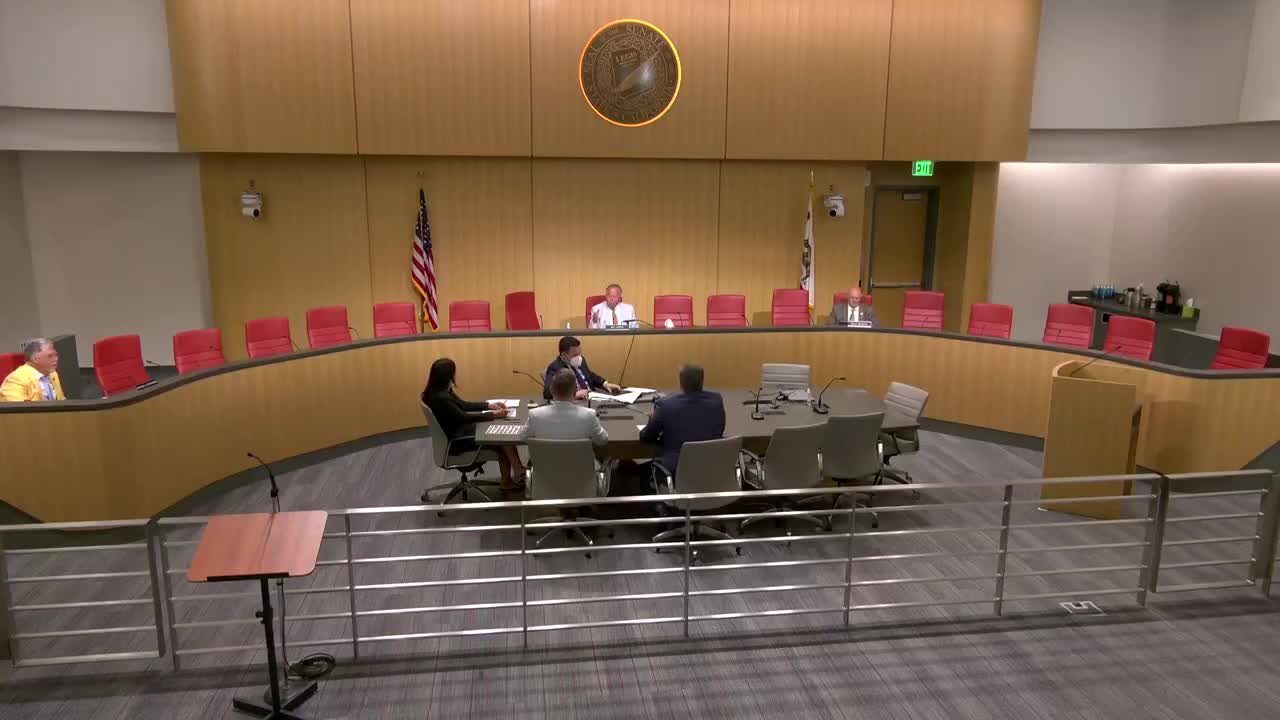 4MIN
Senate Standing Committee on Governmental Organization
Bill Author