AB 2132: Health care services: tuberculosis.
- Session Year: 2023-2024
- House: Assembly
- Latest Version Date: 2024-09-29
Current Status:
Passed
(2024-09-29: Chaptered by Secretary of State - Chapter 951, Statutes of 2024.)
Introduced
In Committee
First Chamber
In Committee
Second Chamber
Enacted
Existing law provides for the licensure and regulation of health facilities and clinics, including primary care clinics, by the State Department of Public Health. A violation of these provisions is generally a crime. Existing law requires an adult patient receiving primary care services in certain health care settings to be offered a screening test for hepatitis B and hepatitis C, as specified.
This bill would require a patient who is 18 years of age or older receiving health care services in a facility, clinic, center, office, or other setting, where primary care services are provided, to be offered tuberculosis screening, if tuberculosis risk factors are identified, to the extent these services are covered under the patients health care coverage, except as specified. The bill would also require the health care provider to offer the patient followup health care or refer the patient to a health care provider who can provide followup health care if a screening test is positive. The bill would prohibit a health care provider that fails to comply with these provisions from being subject to any disciplinary action related to their licensure or certification, or to any civil or criminal liability, for that failure. The bill would make related findings and declarations.
Existing law establishes the Medi-Cal program, which is administered by the State Department of Health Care Services and under which qualified low-income individuals receive health care services through managed care or fee-for-service delivery systems. The Medi-Cal program is, in part, governed and funded by federal Medicaid program provisions. Existing law requires the department to adopt an option made available under federal Medicaid law to pay allowable tuberculosis-related services for persons infected with tuberculosis, as specified.
This bill would require a Medi-Cal managed care plan to ensure access to care for latent tuberculosis infection and active tuberculosis disease and coordination with local health department tuberculosis control programs for plan enrollees with active tuberculosis disease, as specified.
Existing law provides for the licensure and regulation of health facilities and clinics, including primary care clinics, by the State Department of Public Health. A violation of these provisions is generally a crime. Existing law requires an adult patient receiving primary care services in certain health care settings to be offered a screening test for hepatitis B and hepatitis C, as specified.
This bill would require a patient who is 18 years of age or older receiving health care services in a facility, clinic, center, office, or other setting, where primary care services are provided, to be offered tuberculosis screening, if tuberculosis risk factors are identified, to the extent these services are covered under the patients health care coverage, except as specified. The bill would also require the health care provider to offer the patient followup health care or refer the patient to a health care provider who can provide followup health care if a screening test is positive. The bill would prohibit a health care provider that fails to comply with these provisions from being subject to any disciplinary action related to their licensure or certification, or to any civil or criminal liability, for that failure. The bill would make related findings and declarations.
Existing law establishes the Medi-Cal program, which is administered by the State Department of Health Care Services and under which qualified low-income individuals receive health care services through managed care or fee-for-service delivery systems. The Medi-Cal program is, in part, governed and funded by federal Medicaid program provisions. Existing law requires the department to adopt an option made available under federal Medicaid law to pay allowable tuberculosis-related services for persons infected with tuberculosis, as specified.
This bill would require a Medi-Cal managed care plan to ensure access to care for latent tuberculosis infection and active tuberculosis disease and coordination with local health department tuberculosis control programs for plan enrollees with active tuberculosis disease, as specified.
Existing law provides for the licensure and regulation of health facilities and clinics, including primary care clinics, by the State Department of Public Health. A violation of these provisions is generally a crime. Existing law requires an adult patient receiving primary care services in certain health care settings to be offered a screening test for hepatitis B and hepatitis C, as specified.
This bill would require a patient who is 18 years of age or older receiving health care services in a facility, clinic, center, office, or other setting, where primary care services are provided, to be offered the tuberculosis (TB) risk assessment and TB screening test, if TB tuberculosis screening, if tuberculosis risk factors are identified, to the extent these services are covered under the patients health care coverage, except as specified. The bill would also require the health care provider to offer the patient followup health care or refer the patient to a health care provider who can provide followup health care if a screening test is positive. The bill would prohibit a health care provider that fails to comply with these provisions from being subject to any disciplinary action related to their licensure or certification, or to any civil or criminal liability, for that failure. The bill would require the State Department of Public Health to work with stakeholders to implement these provisions, and to notify primary care facilities about these provisions. The bill would make related findings and declarations.
Existing law establishes the Medi-Cal program, which is administered by the State Department of Health Care Services and under which qualified low-income individuals receive health care services through managed care or fee-for-service delivery systems. The Medi-Cal program is, in part, governed and funded by federal Medicaid program provisions. Existing law requires the department to adopt an option made available under federal Medicaid law to pay allowable TB-related tuberculosis-related services for persons infected with TB, tuberculosis, as specified.
This bill would require a Medi-Cal managed care plan to ensure access to care for latent TB tuberculosis infection and active TB tuberculosis disease and coordination with local health department TB tuberculosis control programs for plan enrollees with active TB tuberculosis disease, as specified.
Existing law provides for the licensure and regulation of health facilities and clinics, including primary care clinics, by the State Department of Public Health. A violation of these provisions is generally a crime. Existing law requires an adult patient receiving primary care services in certain health care settings to be offered a screening test for hepatitis B and hepatitis C, as specified.
This bill would require a patient who is 18 years of age or older receiving health care services in a facility, clinic, center, office, or other setting, as specified, where primary care services are provided, to be offered the tuberculosis (TB) risk assessment and TB screening test, if TB risk factors are identified, to the extent these services are covered under the patients health insurance, care coverage, except as specified. The bill would also require the health care provider or health care entity to offer the patient followup health care or refer the patient to a health care provider who can provide followup health care if a screening test is positive. The bill would prohibit a health care provider who that fails to comply with these provisions from being subject to any disciplinary action related to their licensure or certification, or to any civil or criminal liability, for that failure. The bill would require the State Department of Public Health to work with stakeholders to implement these provisions and provisions, and to notify primary care facilities about these provisions. The bill would make related findings and declarations.
Existing law establishes the Medi-Cal program, which is administered by the State Department of Health Care Services and under which qualified low-income individuals receive health care services through managed care or fee-for-service delivery systems. The Medi-Cal program is, in part, governed and funded by federal Medicaid program provisions. Existing law requires the department to adopt an option made available under federal Medicaid law to pay allowable TB-related services for persons infected with TB, as specified.
This bill would require a Medi-Cal managed care plan to ensure access to care for latent TB infection and active TB disease and coordination with local health department TB control programs for plan enrollees with active TB disease, as specified.
Existing law provides for the licensure and regulation of health facilities and clinics, including primary care clinics, by the State Department of Public Health. A violation of these provisions is a crime. Existing law requires an adult patient receiving primary care services in certain health care settings to be offered a screening test for hepatitis B and hepatitis C, as specified.
This bill would require an adult patient receiving primary a patient who is 18 years of age or older receiving health care services in a facility, clinic, unlicensed clinic, center, office, or other setting, as specified, to be offered a the tuberculosis (TB) risk assessment and TB screening test, if TB risk factors are identified, to the extent these services are covered under the patients health insurance, unless the health care provider reasonably believes certain conditions apply. except as specified. The bill would also require the health care provider or health care entity to offer the patient followup health care or refer the patient to a health care provider who can provide followup health care if a screening test is positive, as specified. positive. The bill would prohibit a health care provider who fails to comply with these provisions from being subject to any disciplinary action related to their licensure or certification, or to any civil or criminal liability liability, for that failure. The bill would require the State Department of Public Health to work with stakeholders to implement these provisions and notify primary care facilities about these provisions. The bill would make related findings and declarations.
Existing law provides for the licensure and regulation of health facilities and clinics, including primary care clinics, by the State Department of Public Health. A violation of these provisions is a crime. Existing law requires an adult patient receiving primary care services in certain health care settings to be offered a screening test for hepatitis B and hepatitis C, as specified.
This bill would require an adult patient receiving primary care services in a facility, clinic, unlicensed clinic, center, office, or other setting, as specified, to be offered a tuberculosis (TB) risk assessment and TB screening test, if TB risk factors are identified, to the extent these services are covered under the patients health insurance, unless the health care provider reasonably believes certain conditions apply. The bill would also require the health care provider to offer the patient followup health care or refer the patient to a health care provider who can provide followup health care if a screening test is positive, as specified. The bill would prohibit a health care provider who fails to comply with these provisions from being subject to any disciplinary action related to their licensure or certification, or to any civil or criminal liability for that failure. The bill would make related findings and declarations.
Existing law provides for the licensure and regulation of health facilities and clinics, including primary care clinics, by the State Department of Public Health. A violation of these provisions is a crime. Existing law requires an adult patient receiving primary care services in certain health care settings to be offered a screening test for hepatitis B and hepatitis C, as specified.
This bill would require an adult patient receiving primary care services in a facility, clinic, unlicensed clinic, center, office, or other setting, as specified, to be offered a tuberculosis (TB) risk assessment and TB screening test, if TB risk factors are identified, to the extent these services are covered under the patients health insurance, unless the health care provider reasonably believes certain conditions apply. The bill would also require the health care provider to offer the patient followup health care or refer the patient to a health care provider who can provide followup health care if a screening test is positive, as specified. The bill would prohibit a health care provider who fails to comply with these provisions from being subject to any disciplinary action related to their licensure or certification, or to any civil or criminal liability for that failure. The bill would make related findings and declarations.
The Legislature finds and declares all of the following:
(a)According to the World Health Organization, an estimated 10,600,000 people fell ill with tuberculosis during 2022. Despite being a preventable and curable disease, 1,300,000 people died from tuberculosis in 2022, making it the worlds second leading infectious killer after COVID-19.
(b)According to the federal Centers for Disease Control and Prevention, tuberculosis incidence in the United States increased 16 percent during 2023 as compared to 2022, returning to the number of tuberculosis cases last observed in 2013. Since 2020, tuberculosis case counts and rates have increased each year. This postpandemic increase in cases highlights the importance of continuing to engage communities with higher tuberculosis rates and their medical providers in tuberculosis elimination efforts and strengthening the capacity of public health programs to carry out critical disease control and prevention strategies.
(c)Tuberculosis is a life-threatening disease. It spreads through the air with profound medical and economic consequences. More than 2,000,000 Californians (6 percent of the population) have a latent tuberculosis infection, of whom only 23 percent are aware of their infection and just 13 percent have been treated. In 2023, California reported 2,113 new active tuberculosis disease cases (a 15-percent increase from the 1,842 cases in 2022) with an incidence of 5.4 cases out of every 100,000 California residents. This is nearly double the national tuberculosis incidence of 2.9 out of every 100,000 people. Tuberculosis cases in California have increased every year since 2020, representing a total increase of 24 percent over the last four years, returning to case numbers not seen since before the COVID-19 pandemic. Among people with tuberculosis disease, one-half are hospitalized and one in six dies within five years of diagnosis. A tuberculosis hospitalization is twice as expensive as, and four times longer than, a hospitalization for other conditions, which is usually about 11 days. In 2023, California medical and societal costs of TB reached $265,000,000.
(d)Tuberculosis does not impact Californians equally. People born in countries where tuberculosis is endemic and people living in economically disadvantaged communities are more often impacted by tuberculosis. The tuberculosis disease rate among people born outside the United States is 13 times higher than United States-born people. Tuberculosis disease rates among people who are non-United States-born Asian or Black are 43 and 28 times higher, respectively, than United States-born White people. The tuberculosis disease rate among non-United States-born Hispanic people is 21 times that of United States-born White people. Furthermore, people living in census tracts with low socioeconomic status have higher tuberculosis disease incidence rates than those living in high socioeconomic status census tracts, whether measured by education level, poverty, crowding, or California Healthy Places Index quartiles. Additionally, a person with tuberculosis disease who is experiencing homelessness is 30 percent more likely to die with tuberculosis disease than a person who is not experiencing homelessness.
(e)The bacteria that causes tuberculosis can remain in a latent status for many years without symptoms. Detection of latent tuberculosis infection by a screening test, followed by preventive treatment, can greatly reduce the risk of later active tuberculosis disease. Assessment based on tuberculosis risk factors identified in the latest United States Preventive Services Task Force screening recommendations and present in the California tuberculosis risk assessment can help to identify persons who may have undiagnosed latent tuberculosis infection, or active tuberculosis disease if further diagnostic testing indicates, so it can be treated.
(f)Currently, high-risk patients receiving primary care services do not routinely undergo tuberculosis risk assessments and tuberculosis screening tests with followup for positive results.
SEC. 2.Chapter 4 (commencing with Section 121560) is added to Part 5 of Division 105 of the Health and Safety Code, to read:4.Tuberculosis Tests for Adults in Primary Care Settings121560.(a)A patient who is 18 years of age or older and who receives health care services in a facility, clinic, center, office, or other setting, where primary care services are provided, shall be offered a tuberculosis screening, including, but not limited to, assessment for tuberculosis risk and appropriate followup, if tuberculosis risk factors are identified, to the extent these services are covered under the patients health care coverage, based on the latest screening indications recommended by the State Department of Public Health, the federal Centers for Disease Control and Prevention, the American Thoracic Society, or the United States Preventive Services Task Force.
(b)Subdivision (a) does not apply if any of the following situations exist, unless a health care provider determines that the tuberculosis risk assessment, tuberculosis screening test, or both, should be offered again:
(1)The patient is being treated for a life-threatening emergency.
(2)The patient has previously been the subject of the tuberculosis risk assessment, tuberculosis screening test, or both, and has no new tuberculosis risk factors since the last tuberculosis risk assessment or tuberculosis screening test.
(3)(A)The patient has had a documented, previously positive Interferon-Gamma Release Assay (IGRA) test or has previously tested positive by any other test, licensed by the United States Food and Drug Administration, for a latent tuberculosis infection.
(B)If the patient has no documented followup health care, followup is required in accordance with subdivision (c).
(4)The patient lacks the capacity to consent to the tuberculosis risk assessment, tuberculosis screening test, or both, and consent cannot be obtained from a person legally authorized to make medical decisions on the patients behalf.
(c)If a patient accepts the offer of the tuberculosis screening test and the test is positive, a health care provider shall offer the patient followup health care or refer the patient to a health care provider who can provide followup health care.
(d)This section does not apply to the emergency department of a general acute care hospital as defined in subdivision (a) of Section 1250.
(e)This section shall not affect the scope of practice of any health care provider or diminish any authority or legal or professional obligation of any health care provider to offer a tuberculosis risk assessment, tuberculosis screening test, or both, or to provide services or care for the patient of a tuberculosis risk assessment, tuberculosis screening test, or both.
(f)A health care provider that fails to comply with the requirements of this section shall not be subject to any disciplinary actions related to their licensure or certification, or to any civil or criminal liability, because of the health care providers failure to comply with the requirements of this section.
SEC. 3.Section 14197.07 is added to the Welfare and Institutions Code, to read:14197.07.(a)A Medi-Cal managed care plan shall ensure access to care for latent tuberculosis infection and active tuberculosis disease and coordination with local health department tuberculosis control programs for plan enrollees with active tuberculosis disease, including, but not limited to, both of the following:
(1)Arranging for and coordinating outpatient diagnostic and treatment services to all plan enrollees with suspected or active tuberculosis disease to minimize delays in initiating isolation and treatment of infectious patients. These outpatient services shall include physical examination, drug therapy, laboratory testing, and radiology.
(2)Consulting with local health departments to assess the risk of noncompliance with drug therapy for each plan enrollee who requires placement on antituberculosis drug therapy, in accordance with the plans existing contract with the department.
(b)For purposes of this section, Medi-Cal managed care plan has the same meaning as set forth in Section 14197.08.
The Legislature finds and declares all of the following:
(a)According to the World Health Organization, an estimated 10,600,000 people fell ill with tuberculosis during 2022. Despite being a preventable and curable disease, 1,300,000 people died from tuberculosis in 2022, making it the worlds second leading infectious killer after COVID-19.
(b)According to the federal Centers for Disease Control and Prevention, tuberculosis incidence in the United States increased 16 percent during 2023 as compared to 2022, returning to the number of tuberculosis cases last observed in 2013. Since 2020, tuberculosis case counts and rates have increased each year. This postpandemic increase in cases highlights the importance of continuing to engage communities with higher tuberculosis rates and their medical providers in tuberculosis elimination efforts and strengthening the capacity of public health programs to carry out critical disease control and prevention strategies.
(c)Tuberculosis is a life-threatening disease. It spreads through the air with profound medical and economic consequences. More than 2,000,000 Californians (6 percent of the population) have a latent tuberculosis infection, of whom only 23 percent are aware of their infection and just 13 percent have been treated. In 2023, California reported 2,113 new active tuberculosis disease cases (a 15-percent increase from the 1,842 cases in 2022) with an incidence of 5.4 cases out of every 100,000 California residents. This is nearly double the national tuberculosis incidence of 2.9 out of every 100,000 people. Tuberculosis cases in California have increased every year since 2020, representing a total increase of 24 percent over the last four years, returning to case numbers not seen since before the COVID-19 pandemic. Among people with tuberculosis disease, one-half are hospitalized and one in six dies within five years of diagnosis. A tuberculosis hospitalization is twice as expensive as, and four times longer than, a hospitalization for other conditions, which is usually about 11 days. In 2023, California medical and societal costs of TB reached $265,000,000.
(d)Tuberculosis does not impact Californians equally. People born in countries where tuberculosis is endemic and people living in economically disadvantaged communities are more often impacted by tuberculosis. The tuberculosis disease rate among people born outside the United States is 13 times higher than United States-born people. Tuberculosis disease rates among people who are non-United States-born Asian or Black are 43 and 28 times higher, respectively, than United States-born White people. The tuberculosis disease rate among non-United States-born Hispanic people is 21 times that of United States-born White people. Furthermore, people living in census tracts with low socioeconomic status have higher tuberculosis disease incidence rates than those living in high socioeconomic status census tracts, whether measured by education level, poverty, crowding, or California Healthy Places Index quartiles. Additionally, a person with tuberculosis disease who is experiencing homelessness is 30 percent more likely to die with tuberculosis disease than a person who is not experiencing homelessness.
(e)The bacteria that causes tuberculosis can remain in a latent status for many years without symptoms. Detection of latent tuberculosis infection by a screening test, followed by preventive treatment, can greatly reduce the risk of later active tuberculosis disease. Assessment based on tuberculosis risk factors identified in the latest United States Preventive Services Task Force screening recommendations and present in the California tuberculosis risk assessment can help to identify persons who may have undiagnosed latent tuberculosis infection, or active tuberculosis disease if further diagnostic testing indicates, so it can be treated.
(f)Currently, high-risk patients receiving primary care services do not routinely undergo tuberculosis risk assessments and tuberculosis screening tests with followup for positive results.
SEC. 2.Chapter 4 (commencing with Section 121560) is added to Part 5 of Division 105 of the Health and Safety Code, to read:4.Tuberculosis Tests for Adults in Primary Care Settings121560.(a)A patient who is 18 years of age or older and who receives health care services in a facility, clinic, center, office, or other setting, where primary care services are provided, shall be offered a tuberculosis screening, including, but not limited to, assessment for tuberculosis risk and appropriate followup, if tuberculosis risk factors are identified, to the extent these services are covered under the patients health care coverage, based on the latest screening indications recommended by the State Department of Public Health, the federal Centers for Disease Control and Prevention, the American Thoracic Society, or the United States Preventive Services Task Force.
(b)Subdivision (a) does not apply if any of the following situations exist, unless a health care provider determines that the tuberculosis risk assessment, tuberculosis screening test, or both, should be offered again:
(1)The patient is being treated for a life-threatening emergency.
(2)The patient has previously been the subject of the tuberculosis risk assessment, tuberculosis screening test, or both, and has no new tuberculosis risk factors since the last tuberculosis risk assessment or tuberculosis screening test.
(3)(A)The patient has had a documented, previously positive Interferon-Gamma Release Assay (IGRA) test or has previously tested positive by any other test, licensed by the United States Food and Drug Administration, for a latent tuberculosis infection.
(B)If the patient has no documented followup health care, followup is required in accordance with subdivision (c).
(4)The patient lacks the capacity to consent to the tuberculosis risk assessment, tuberculosis screening test, or both, and consent cannot be obtained from a person legally authorized to make medical decisions on the patients behalf.
(c)If a patient accepts the offer of the tuberculosis screening test and the test is positive, a health care provider shall offer the patient followup health care or refer the patient to a health care provider who can provide followup health care.
(d)This section does not apply to the emergency department of a general acute care hospital as defined in subdivision (a) of Section 1250.
(e)This section shall not affect the scope of practice of any health care provider or diminish any authority or legal or professional obligation of any health care provider to offer a tuberculosis risk assessment, tuberculosis screening test, or both, or to provide services or care for the patient of a tuberculosis risk assessment, tuberculosis screening test, or both.
(f)A health care provider that fails to comply with the requirements of this section shall not be subject to any disciplinary actions related to their licensure or certification, or to any civil or criminal liability, because of the health care providers failure to comply with the requirements of this section.
SEC. 3.Section 14197.07 is added to the Welfare and Institutions Code, to read:14197.07.(a)A Medi-Cal managed care plan shall ensure access to care for latent tuberculosis infection and active tuberculosis disease and coordination with local health department tuberculosis control programs for plan enrollees with active tuberculosis disease, including, but not limited to, both of the following:
(1)Arranging for and coordinating outpatient diagnostic and treatment services to all plan enrollees with suspected or active tuberculosis disease to minimize delays in initiating isolation and treatment of infectious patients. These outpatient services shall include physical examination, drug therapy, laboratory testing, and radiology.
(2)Consulting with local health departments to assess the risk of noncompliance with drug therapy for each plan enrollee who requires placement on antituberculosis drug therapy, in accordance with the plans existing contract with the department.
(b)For purposes of this section, Medi-Cal managed care plan has the same meaning as set forth in Section 14197.08.
The Legislature finds and declares all of the following:
(a)According to the World Health Organization, an estimated 10,600,000 people fell ill with tuberculosis (TB) during 2022. Despite being a preventable and curable disease, 1,300,000 people died from TB tuberculosis in 2022, making it the worlds second leading infectious killer after COVID-19.
(b)According to the federal Centers for Disease Control and Prevention, TB tuberculosis incidence in the United States increased 16 percent during 2023 as compared to 2022, returning to the number of TB tuberculosis cases last observed in 2013. Since 2020, TB tuberculosis case counts and rates have increased each year. This postpandemic increase in cases highlights the importance of continuing to engage communities with higher TB tuberculosis rates and their medical providers in TB tuberculosis elimination efforts and strengthening the capacity of public health programs to carry out critical disease control and prevention strategies.
(c)TB Tuberculosis is a life-threatening disease. It spreads through the air with profound medical and economic consequences. More than 2,000,000 Californians (6 percent of the population) have a latent TB infection (LTBI), tuberculosis infection, of whom only 23 percent are aware of their infection and just 13 percent have been treated. In 2023, California reported 2,113 new active TB tuberculosis disease cases (a 15-percent increase from the 1,842 cases in 2022) with an incidence of 5.4 cases out of every 100,000 California residents. This is nearly double the national TB tuberculosis incidence of 2.9 out of every 100,000 people. TB Tuberculosis cases in California have increased every year since 2020, representing a total increase of 24 percent over the last four years, returning to case numbers not seen since before the COVID-19 pandemic. Among people with TB tuberculosis disease, one-half are hospitalized and one in six dies within five years of diagnosis. A TB tuberculosis hospitalization is twice as expensive as, and four times longer than, a hospitalization for other conditions, which is usually about 11 days. In 2023, California medical and societal costs of TB reached $265,000,000.
(d)TB Tuberculosis does not impact Californians equally. People born in countries where TB tuberculosis is endemic and people living in economically disadvantaged communities are more often impacted by TB. tuberculosis. The TB tuberculosis disease rate among people born outside the United States is 13 times higher than United States-born people. TB Tuberculosis disease rates among people who are non-United States-born Asian or Black are 43 and 28 times higher, respectively, than United States-born White people. The TB tuberculosis disease rate among non-United States-born Hispanic people is 21 times that of United States-born White people. Furthermore, people living in census tracts with low socioeconomic status have higher TB tuberculosis disease incidence rates than those living in high socioeconomic status census tracts, whether measured by education level, poverty, crowding, or California Healthy Places Index quartiles. Additionally, a person with TB tuberculosis disease who is experiencing homelessness is 30 percent more likely to die with TB tuberculosis disease than a person who is not experiencing homelessness.
(e)The bacteria that causes TB tuberculosis can remain in a latent status for many years without symptoms. Detection of LTBI latent tuberculosis infection by a screening test, followed by preventive treatment, can greatly reduce the risk of later active TB tuberculosis disease. Assessment based on TB tuberculosis risk factors identified in the latest United States Preventive Services Task Force screening recommendations and present in the California TB tuberculosis risk assessment can help to identify persons who may have undiagnosed latent TB tuberculosis infection, or active TB tuberculosis disease if further diagnostic testing indicates, so it can be treated.
(f)Currently, high-risk patients receiving primary care services do not routinely undergo TB tuberculosis risk assessments and TB tuberculosis screening tests with followup for positive results.
SEC. 2.Section 1316.8 is added to the Health and Safety Code, to read:1316.8.(a)A patient who is 18 year of age or older and who receives health care services in a facility, clinic, center, office, or other setting, where primary care services are provided, shall be offered the tuberculosis (TB) risk assessment distributed by the State Department of Public Health and TB screening test, if TB risk factors are identified, to the extent these services are covered under the patients health care coverage, based on the latest screening indications recommended by the United States Preventive Services Task Force.(b)Subdivision (a) does not apply if any of the following situations exist unless a health care provider determines that the TB risk assessment, TB screening test, or both, should be offered again:(1)The patient is being treated for a life-threatening emergency.(2)The patient has previously been the subject of the TB risk assessment, TB screening test, or both, and has no new TB risk factors since the last TB risk assessment or TB screening test.(3)(A)The patient has had a documented, previously positive Interferon-Gamma Release Assay (IGRA) test or has previously tested positive for a latent TB infection (LTBI).(B)If the patient has no documented followup health care, followup is required in accordance with subdivision (c).(4)The patient lacks capacity to consent to the TB risk assessment, TB screening test, or both.(c)If a patient accepts the offer of the TB screening test and the test is positive, a health care provider shall offer the patient followup health care or refer the patient to a health care provider who can provide followup health care.(d)This section does not apply to the emergency department of a general acute care hospital as defined in subdivision (a) of Section 1250.(e)This section shall not affect the scope of practice of any health care provider or diminish any authority or legal or professional obligation of any health care provider to offer a TB risk assessment, TB screening test, or both, or to provide services or care for the patient of a TB risk assessment, TB screening test, or both.(f)A health care provider that fails to comply with the requirements of this section shall not be subject to any disciplinary actions related to their licensure or certification, or to any civil or criminal liability, because of the health care providers failure to comply with the requirements of this section.(g)Section 1290 does not apply to a violation of this section.(h)The State Department of Public Health shall do both of the following:(1)Work with stakeholders, including, but not limited to, primary care clinics, health care providers, and TB experts, to implement this section.(2)Notify primary care facilities about the requirements of this section.(i)For purposes of this section, the following definitions apply:(1)Followup health care includes evaluating the patient for a diagnosis of TB infection or active TB disease and providing medical management and treatment according to the latest clinical practice guidelines recommended by the federal Centers for Disease Control and Prevention, the American Thoracic Society, or the State Department of Public Health for California-specific TB management.(2)Tuberculosis risk assessment or TB risk assessment means the California Adult Tuberculosis Risk Assessment and User Guide developed by the State Department of Public Health, in consultation with the California Tuberculosis Controllers Association, to be used to conduct TB risk assessments and identify TB risk factors pursuant to this section.(3)Tuberculosis screening test or TB screening test means either an approved intradermal tuberculin skin test (TST), IGRA blood test, which is the preferred approach, or any other test for TB infection that is recommended by the federal Centers for Disease Control and Prevention and licensed by the United States Food and Drug Administration.SEC. 2.Chapter 4 (commencing with Section 121560) is added to Part 5 of Division 105 of the Health and Safety Code, to read:4.Tuberculosis Tests for Adults in Primary Care Settings 121560.(a)A patient who is 18 years of age or older and who receives health care services in a facility, clinic, center, office, or other setting, where primary care services are provided, shall be offered a tuberculosis screening, including, but not limited to, assessment for tuberculosis risk and appropriate followup, if tuberculosis risk factors are identified, to the extent these services are covered under the patients health care coverage, based on the latest screening indications recommended by the State Department of Public Health, the federal Centers for Disease Control and Prevention, the American Thoracic Society, or the United States Preventive Services Task Force.
(b)Subdivision (a) does not apply if any of the following situations exist, unless a health care provider determines that the tuberculosis risk assessment, tuberculosis screening test, or both, should be offered again:
(1)The patient is being treated for a life-threatening emergency.
(2)The patient has previously been the subject of the tuberculosis risk assessment, tuberculosis screening test, or both, and has no new tuberculosis risk factors since the last tuberculosis risk assessment or tuberculosis screening test.
(3)(A)The patient has had a documented, previously positive Interferon-Gamma Release Assay (IGRA) test or has previously tested positive by any other test, licensed by the United States Food and Drug Administration, for a latent tuberculosis infection.
(B)If the patient has no documented followup health care, followup is required in accordance with subdivision (c).
(4)The patient lacks the capacity to consent to the tuberculosis risk assessment, tuberculosis screening test, or both, and consent cannot be obtained from a person legally authorized to make medical decisions on the patients behalf.
(c)If a patient accepts the offer of the tuberculosis screening test and the test is positive, a health care provider shall offer the patient followup health care or refer the patient to a health care provider who can provide followup health care.
(d)This section does not apply to the emergency department of a general acute care hospital as defined in subdivision (a) of Section 1250.
(e)This section shall not affect the scope of practice of any health care provider or diminish any authority or legal or professional obligation of any health care provider to offer a tuberculosis risk assessment, tuberculosis screening test, or both, or to provide services or care for the patient of a tuberculosis risk assessment, tuberculosis screening test, or both.
(f)A health care provider that fails to comply with the requirements of this section shall not be subject to any disciplinary actions related to their licensure or certification, or to any civil or criminal liability, because of the health care providers failure to comply with the requirements of this section.
SEC. 3.Section 14197.07 is added to the Welfare and Institutions Code, to read:14197.07.(a)A Medi-Cal managed care plan shall ensure access to care for latent tuberculosis (TB) infection and active TB tuberculosis disease and coordination with local health department TB tuberculosis control programs for plan enrollees with active TB tuberculosis disease, including, but not limited to, both of the following:
(1)Arranging for and coordinating outpatient diagnostic and treatment services to all plan enrollees with suspected or active TB tuberculosis disease to minimize delays in initiating isolation and treatment of infectious patients. These outpatient services shall include physical examination, drug therapy, laboratory testing, and radiology.
(2)Consulting with local health departments to assess the risk of noncompliance with drug therapy for each plan enrollee who requires placement on anti-TB antituberculosis drug therapy, in accordance with the plans existing contract with the department.
(b)For purposes of this section, Medi-Cal managed care plan has the same meaning as set forth in Section 14197.08.
The Legislature finds and declares all of the following:
(a)According to the World Health Organization, an estimated 10,600,000 people fell ill with tuberculosis (TB) during 2022. Despite being a preventable and curable disease, 1,300,000 people died from TB in 2022, making it the worlds second leading infectious killer after COVID-19.
(b)According to the federal Centers for Disease Control and Prevention, TB incidence in the United States increased 16 percent during 2023 as compared to 2022, returning to the number of TB cases last observed in 2013. Since 2020, TB case counts and rates have increased each year. This postpandemic increase in cases highlights the importance of continuing to engage communities with higher TB rates and their medical providers in TB elimination efforts and strengthening the capacity of public health programs to carry out critical disease control and prevention strategies.
(c)TB is a life-threatening disease. It spreads through the air with profound medical and economic consequences. More than 2,000,000 Californians (6 percent of the population) have a latent TB infection (LTBI), of whom only 23 percent are aware of their infection and just 13 percent have been treated. In 2023, California reported 2,113 new active TB disease cases (a 15-percent increase from the 1,842 cases in 2022) with an incidence of 5.4 cases out of every 100,000 California residents. This is nearly double the national TB incidence of 2.9 out of every 100,000 people. TB cases in California have increased every year since 2020, representing a total increase of 24 percent over the last four years, returning to case numbers not seen since before the COVID-19 pandemic. Among people with TB disease, one-half are hospitalized and one in six dies within five years of diagnosis. A TB hospitalization is twice as expensive as, and four times longer than, a hospitalization for other conditions, which is usually about 11 days. In 2023, California medical and societal costs of TB reached $265,000,000.
(d)TB does not impact Californians equally. People born in countries where TB is endemic and people living in economically disadvantaged communities are more often impacted by TB. The TB disease rate among people born outside the United States is 13 times higher than United States-born people. TB disease rates among a person who is people who are non-United States-born Asian or Black are 43 and 28 times higher, respectively, than a United States-born White person. people. The TB disease rate among non-United States-born Hispanic people is 21 times that of a United States-born White person. people. Furthermore, people living in census tracts with low socioeconomic status have higher TB disease incidence rates than those living in high socioeconomic status census tracts, whether measured by education level, poverty, crowding, or California Healthy Places Index quartiles. Additionally, a person with TB disease who is experiencing homelessness is 30 percent more likely to die with TB disease than a person who is not experiencing homelessness.
(e)The bacteria that causes TB can remain in a latent status for many years without symptoms. Detection of LTBI by a screening test, followed by preventive treatment, can greatly reduce the risk of later active TB disease. Assessment based on TB risk factors identified in the latest United States Preventive Services Task Force screening recommendations and present in the California TB risk assessment can help to identify persons who may have undiagnosed latent TB infection, or active TB disease if further diagnostic testing indicates, so it can be treated.
(f)Currently, high-risk patients receiving primary care services do not routinely undergo TB risk assessments and TB screening tests with followup for positive results.
SEC. 2.Section 1316.8 is added to the Health and Safety Code, to read:1316.8.(a)A patient who is 18 year of age or older and who receives health care services in a facility, clinic, center, office, or other setting setting, where primary care services are provided, shall be offered the tuberculosis (TB) risk assessment distributed by the State Department of Public Health and TB screening test, if TB risk factors are identified, to the extent these services are covered under the patients health insurance, care coverage, based on the latest screening indications recommended by the United States Preventive Services Task Force.
(b)Subdivision (a) does not apply if any of the following situations exist unless a health care provider determines that the TB risk assessment, TB screening test, or both, should be offered again:
(1)The patient is being treated for a life-threatening emergency.
(2)The patient has previously been the subject of the TB risk assessment, TB screening test, or both, and has no new TB risk factors since the last TB risk assessment or TB screening test.
(3)(A)The patient has had a documented, previously positive Interferon-Gamma Release Assay (IGRA) test or has previously tested positive for a latent TB infection (LTBI).
(B)If the patient has no documented followup health care, followup is required in accordance with subdivision (c).
(4)The patient lacks capacity to consent to the TB risk assessment, TB screening test, or both.
(c)If a patient accepts the offer of the TB screening test and the test is positive, a health care provider or health care entity shall offer the patient followup health care or refer the patient to a health care provider who can provide followup health care.
(d)This section does not apply to the emergency department of a general acute care hospital as defined in subdivision (a) of Section 1250.
(e)This section shall not affect the scope of practice of any health care provider or diminish any authority or legal or professional obligation of any health care provider to offer a TB risk assessment, TB screening test, or both, or to provide services or care for the patient of a TB risk assessment, TB screening test, or both.
(f)A health care provider that fails to comply with the requirements of this section shall not be subject to any disciplinary actions related to their licensure or certification, or to any civil or criminal liability, because of the health care providers failure to comply with the requirements of this section.
(g)Section 1290 does not apply to a violation of this section.
(h)The State Department of Public Health shall do both of the following:
(1)Work with stakeholders, including, but not limited to, primary care clinics, health care providers, and TB experts, to implement this section.
(2)Notify primary care facilities about the requirements of this section.
(i)For purposes of this section, the following definitions apply:
(1)Followup health care includes evaluating the patient for a diagnosis of TB infection or active TB disease and providing medical management and treatment according to the latest clinical practice guidelines recommended by the federal Centers for Disease Control and Prevention, the American Thoracic Society, or the State Department of Public Health for California-specific TB management.
(2)Health care entity includes a payer, provider, or fully integrated health care system.(3)(2)Tuberculosis risk assessment or TB risk assessment means the California Adult Tuberculosis Risk Assessment and User Guide developed by the State Department of Public Health, in consultation with the California Tuberculosis Controllers Association, to be used to conduct TB risk assessments and identify TB risk factors pursuant to this section.
(4)(3)Tuberculosis screening test or TB screening test means either an approved intradermal tuberculin skin test (TST), IGRA blood test, which is the preferred approach, or any other test for TB infection that is recommended by the federal Centers for Disease Control and Prevention and licensed by the United States Food and Drug Administration.
SEC. 3.Section 14197.07 is added to the Welfare and Institutions Code, to read:14197.07.(a)A Medi-Cal managed care plan shall ensure access to care for latent tuberculosis (TB) infection and active TB disease and coordination with local health department TB control programs for plan enrollees with active TB disease, including, but not limited to, both of the following:
(1)Arranging for and coordinating outpatient diagnostic and treatment services to all plan enrollees with suspected or active TB disease to minimize delays in initiating isolation and treatment of infectious patients. These outpatient services shall include physical examination, drug therapy, laboratory testing, and radiology.
(2)Consulting with local health departments to assess the risk of noncompliance with drug therapy for each plan enrollee who requires placement on anti-TB drug therapy, in accordance with the plans existing contract with the department.
(b)For purposes of this section, Medi-Cal managed care plan has the same meaning as set forth in Section 14197.08.
The Legislature finds and declares all of the following:
(a)According to the World Health Organization, an estimated 10,600,000 people fell ill with tuberculosis (TB) during 2022. Despite being a preventable and curable disease, 1,300,000 people died from TB in 2022, making it the worlds second leading infectious killer after COVID-19.
(b)According to the federal Centers for Disease Control and Prevention, TB incidence in the United States increased during 2022, compared with that during 2020 and 2021, but remained lower than incidence during the prepandemic years. After a substantial 20.2-percent decline in 2020 and partial rebound (a 9.8-percent increase) in 2021, incidence appears to be returning to prepandemic levels among United States-born and non-United States-born populations.(c)TB is a life-threatening disease. It spreads through the air with profound medical and economic consequences. More than 2,000,000 Californians (6 percent of the population) are infected with TB, of whom only 20 percent are aware of their infection and just 12 percent have been treated. In 2022, California reported 1,848 new TB cases (a 5-percent increase from the 1,749 cases in 2021), approximately 5 (4.7) out of every 100,000 California residents. This is nearly double the national TB incidence of 2.5 out of every 100,000 persons. Among people with TB disease, one-half are hospitalized and one in six dies within five years of diagnosis. TB hospitalizations are twice as expensive as and four times longer than hospitalizations for other conditions, which is usually about 11 days. In 2022, California medical and societal costs of TB reached $217,000,000.(d)TB does not impact Californians equally. Those born in countries where TB is endemic, and those living in economically disadvantaged communities, are more often impacted by TB disease. The TB disease rate among people born outside the United States is 13 times higher than United States-born persons. TB disease rates among people who are non-United States-born Asian or Black are 73 and 38 times higher, respectively, than United States-born White people. The TB disease rate among non-United States-born Hispanic people is 34 times that of United States-born White people. Furthermore, persons living in census tracts with low socioeconomic status have higher TB disease incidence rates than those living in high socioeconomic status census tracts, whether measured by education level, poverty, crowding, or California Healthy Places Index (HPI) quartiles. Additionally, persons with TB disease who experience homelessness are 30 percent more likely to die with TB disease than those not experiencing homelessness.(b)According to the federal Centers for Disease Control and Prevention, TB incidence in the United States increased 16 percent during 2023 as compared to 2022, returning to the number of TB cases last observed in 2013. Since 2020, TB case counts and rates have increased each year. This postpandemic increase in cases highlights the importance of continuing to engage communities with higher TB rates and their medical providers in TB elimination efforts and strengthening the capacity of public health programs to carry out critical disease control and prevention strategies.
(c)TB is a life-threatening disease. It spreads through the air with profound medical and economic consequences. More than 2,000,000 Californians (6 percent of the population) have a latent TB infection (LTBI), of whom only 23 percent are aware of their infection and just 13 percent have been treated. In 2023, California reported 2,113 new active TB disease cases (a 15-percent increase from the 1,842 cases in 2022) with an incidence of 5.4 cases out of every 100,000 California residents. This is nearly double the national TB incidence of 2.9 out of every 100,000 people. TB cases in California have increased every year since 2020, representing a total increase of 24 percent over the last four years, returning to case numbers not seen since before the COVID-19 pandemic. Among people with TB disease, one-half are hospitalized and one in six dies within five years of diagnosis. A TB hospitalization is twice as expensive as, and four times longer than, a hospitalization for other conditions, which is usually about 11 days. In 2023, California medical and societal costs of TB reached $265,000,000.
(d)TB does not impact Californians equally. People born in countries where TB is endemic and people living in economically disadvantaged communities are more often impacted by TB. The TB disease rate among people born outside the United States is 13 times higher than United States-born people. TB disease rates among a person who is non-United States-born Asian or Black are 43 and 28 times higher, respectively, than a United States-born White person. The TB disease rate among non-United States-born Hispanic people is 21 times that of a United States-born White person. Furthermore, people living in census tracts with low socioeconomic status have higher TB disease incidence rates than those living in high socioeconomic status census tracts, whether measured by education level, poverty, crowding, or California Healthy Places Index quartiles. Additionally, a person with TB disease who is experiencing homelessness is 30 percent more likely to die with TB disease than a person who is not experiencing homelessness.
(e)The bacteria that causes TB can remain in a latent status for many years without symptoms. Detection of LTBI by a screening test, followed by preventive treatment, can greatly reduce the risk of later active TB disease. Assessment based on TB risk factors identified in the latest United States Preventive Services Task Force screening recommendations and present in the California TB risk assessment can help identify persons who may have undiagnosed latent TB infection, or active TB disease if further diagnostic testing indicates, so it can be treated.
(e)(f)Currently, high-risk patients receiving primary care services do not routinely undergo a TB risk assessment and TB screening test. TB risk assessments and TB screening tests with followup for positive results.
SEC. 2.Section 1316.8 is added to the Health and Safety Code, to read:1316.8.(a)An adult patient A patient who is 18 year of age or older and who receives primary health care services in a facility, clinic, unlicensed clinic, center, office, or other setting where primary care services are provided, shall be offered a the tuberculosis (TB) risk assessment distributed by the State Department of Public Health and TB screening test, if TB risk factors are identified, to the extent these services are covered under the patients health insurance, based on the latest screening indications recommended by the United States Preventive Services Task Force, unless the health care provider reasonably believes that one of the following conditions applies: Force.
(b)Subdivision (a) does not apply if any of the following situations exist unless a health care provider determines that the TB risk assessment, TB screening test, or both, should be offered again:
(1)The patient is being treated for a life-threatening emergency.
(2)(A)The patient has previously been offered or has been the subject of a the TB risk assessment, TB screening test, or both, and has no new TB risk factors since the last TB risk assessment or TB screening test.
(B)This paragraph does not apply if the health care provider determines that a TB risk assessment, TB screening test, or both should be offered again.(3)(A)The patient has had a documented, previously positive Interferon-Gamma Release Assays Assay (IGRA) test or has previously tested positive for a latent tuberculosis TB infection (LTBI).
(B)If the patient has no documented followup health care, followup is required in accordance with subdivision (c).
(4)The patient lacks capacity to consent to a the TB risk assessment, TB screening test, or both.
(5)The patient is being treated in the emergency department of a general acute care hospital, as defined in subdivision (a) of Section 1250.(b)(c)If a patient accepts the offer of the TB screening test and the test is positive, a health care provider or health care entity shall offer the patient followup health care or refer the patient to a health care provider who can provide followup health care.
(d)This section does not apply to the emergency department of a general acute care hospital as defined in subdivision (a) of Section 1250.
(c)(e)This section shall not affect the scope of practice of any health care provider or diminish any authority or legal or professional obligation of any health care provider to offer a TB risk assessment, TB screening test, or both, or to provide services or care for the patient of a TB risk assessment, TB screening test, or both.
(d)(f)A health care provider that fails to comply with the requirements of this section shall not be subject to any disciplinary actions related to their licensure or certification, or to any civil or criminal liability, because of the health care providers failure to comply with the requirements of this section.
(e)(g)Section 1290 does not apply to a violation of this section.
(h)The State Department of Public Health shall do both of the following:
(1)Work with stakeholders, including, but not limited to, primary care clinics, health care providers, and TB experts, to implement this section.
(2)Notify primary care facilities about the requirements of this section.
(f)(i)For purposes of this section, the following definitions apply:
(1)Followup health care includes evaluating the patient for a diagnosis of TB infection or active TB disease and providing medical management and treatment for TB according to the latest national clinical practice guidelines recommended by the federal Centers for Disease Control and Prevention and the American Thoracic Society. Prevention, the American Thoracic Society, or the State Department of Public Health for California-specific TB management.
(2)Health care entity includes a payer, provider, or fully integrated health care system.
(2)(3)Tuberculosis risk assessment or TB risk assessment means a risk assessment questionnaire the California Adult Tuberculosis Risk Assessment and User Guide developed by the State Department of Public Health, in consultation with the California Tuberculosis Controllers Association, to be used to conduct TB risk assessments and identify TB risk factors pursuant to this section.
(3)(4)Tuberculosis screening test or TB screening test means either an approved intradermal tuberculin test skin test (TST), IGRA blood test, which is the preferred approach, or any other test for TB infection that is recommended by the federal Centers for Disease Control and Prevention and licensed by the United States Food and Drug Administration.
The Legislature finds and declares all of the following:
(a)According to the World Health Organization, an estimated 10,600,000 people fell ill with tuberculosis (TB) during 2022. Despite being a preventable and curable disease, 1,300,000 people died from TB in 2022, making it the worlds second leading infectious killer after COVID-19.
(b)According to the federal Centers for Disease Control and Prevention, TB incidence in the United States increased during 2022, compared with that during 2020 and 2021, but remained lower than incidence during the prepandemic years. After a substantial 20.2-percent decline in 2020 and partial rebound (a 9.8-percent increase) in 2021, incidence appears to be returning to prepandemic levels among United States-born and non-United States-born populations.
(c)TB is a life-threatening disease. It spreads through the air with profound medical and economic consequences. More than 2,000,000 Californians (6 percent of the population) are infected with TB, of whom only 20 percent are aware of their infection and just 12 percent have been treated. In 2022, California reported 1,848 new TB cases (a 5-percent increase from the 1,749 cases in 2021), approximately 5 (4.7) out of every 100,000 California residents. This is nearly double the national TB incidence of 2.5 out of every 100,000 persons. Among people with TB disease, one-half are hospitalized and one in six dies within five years of diagnosis. TB hospitalizations are twice as expensive as and four times longer than hospitalizations for other conditions, which is usually about 11 days. In 2022, California medical and societal costs of TB reached $217,000,000.
(d)TB does not impact Californians equally. Those born in countries where TB is endemic, and those living in economically disadvantaged communities, are more often impacted by TB disease. The TB disease rate among people born outside the United States is 13 times higher than United States-born persons. TB disease rates among people who are non-United States-born Asian or Black are 73 and 38 times higher, respectively, than United States-born White people. The TB disease rate among non-United States-born Hispanic people is 34 times that of United States-born White people. Furthermore, persons living in census tracts with low socioeconomic status have higher TB disease incidence rates than those living in high socioeconomic status census tracts, whether measured by education level, poverty, crowding, or California Healthy Places Index (HPI) quartiles. Additionally, persons with TB disease who experience homelessness are 30 percent more likely to die with TB disease than those not experiencing homelessness.
(e)Currently, patients receiving primary care services do not routinely undergo a TB risk assessment and TB screening test.
SEC. 2.Section 1316.8 is added to the Health and Safety Code, to read:1316.8.(a)An adult patient who receives primary care services in a facility, clinic, unlicensed clinic, center, office, or other setting where primary care services are provided, shall be offered a tuberculosis (TB) risk assessment and TB screening test, if TB risk factors are identified, to the extent these services are covered under the patients health insurance, based on the latest screening indications recommended by the United States Preventive Services Task Force, unless the health care provider reasonably believes that one of the following conditions applies:
(1)The patient is being treated for a life-threatening emergency.
(2)(A)The patient has previously been offered or has been the subject of a TB risk assessment, TB screening test, or both, and has no new TB risk factors since the last TB risk assessment or TB screening test.
(B)This paragraph does not apply if the health care provider determines that a TB risk assessment, TB screening test, or both should be offered again.
(3)The patient has a documented, previously positive Interferon-Gamma Release Assays (IGRA) test or has previously tested positive for a latent tuberculosis infection (LTBI).
(3)(4)The patient lacks capacity to consent to a TB risk assessment, TB screening test, or both.
(4)(5)The patient is being treated in the emergency department of a general acute care hospital, as defined in subdivision (a) of Section 1250.
(b)If a patient accepts the offer of the TB screening test and the test is positive, a health care provider shall offer the patient followup health care or refer the patient to a health care provider who can provide followup health care.
(c)This section shall not affect the scope of practice of any health care provider or diminish any authority or legal or professional obligation of any health care provider to offer a TB risk assessment, TB screening test, or both, or to provide services or care for the patient of a TB risk assessment, TB screening test, or both.
(d)A health care provider that fails to comply with the requirements of this section shall not be subject to any disciplinary actions related to their licensure or certification, or to any civil or criminal liability, because of the health care providers failure to comply with the requirements of this section.
(e)Section 1290 does not apply to a violation of this section.
(f)For purposes of this section, the following definitions apply:
(1)Followup health care includes providing medical management and treatment for TB according to the latest national clinical practice guidelines recommended by the federal Centers for Disease Control and Prevention and the American Thoracic Society.
(2)Tuberculosis risk assessment or TB risk assessment means a risk assessment questionnaire developed by the State Department of Public Health, in consultation with the California Tuberculosis Controllers Association, to be used to conduct TB risk assessments pursuant to this section.
(3)Tuberculosis screening test or TB screening test means either an approved intradermal tuberculin test or any other test for TB infection that is recommended by the federal Centers for Disease Control and Prevention and licensed by the United States Food and Drug Administration.
REVISIONS: HeadingLine 2.The Legislature finds and declares all of the following:
(a)According to the World Health Organization, an estimated 10,600,000 people fell ill with tuberculosis (TB) during 2022. Despite being a preventable and curable disease, 1,300,000 people died from TB in 2022, making it the worlds second leading infectious killer after COVID-19.
(b)According to the federal Centers for Disease Control and Prevention, TB incidence in the United States increased during 2022, compared with that during 2020 and 2021, but remained lower than incidence during the prepandemic years. After a substantial 20.2-percent decline in 2020 and partial rebound (a 9.8-percent increase) in 2021, incidence appears to be returning to prepandemic levels among United States-born and non-United States-born populations.
(c)TB is a life-threatening disease. It spreads through the air with profound medical and economic consequences. More than 2,000,000 Californians (6 percent of the population) are infected with TB, of whom only 20 percent are aware of their infection and just 12 percent have been treated. In 2022, California reported 1,848 new TB cases (a 5-percent increase from the 1,749 cases in 2021), approximately 5 (4.7) out of every 100,000 California residents. This is nearly double the national TB incidence of 2.5 out of every 100,000 persons. Among people with TB disease, one-half are hospitalized and one in six dies within five years of diagnosis. TB hospitalizations are twice as expensive as and four times longer than hospitalizations for other conditions, which is usually about 11 days. In 2022, California medical and societal costs of TB reached $217,000,000.
(d)TB does not impact Californians equally. Those born in countries where TB is endemic, and those living in economically disadvantaged communities, are more often impacted by TB disease. The TB disease rate among people born outside the United States is 13 times higher than United States-born persons. TB disease rates among people who are non-United States-born Asian or Black are 73 and 38 times higher, respectively, than United States-born White people. The TB disease rate among non-United States-born Hispanic people is 34 times that of United States-born White people. Furthermore, persons living in census tracts with low socioeconomic status have higher TB disease incidence rates than those living in high socioeconomic status census tracts, whether measured by education level, poverty, crowding, or California Healthy Places Index (HPI) quartiles. Additionally, persons with TB disease who experience homelessness are 30 percent more likely to die with TB disease than those not experiencing homelessness.
(e)Currently, patients receiving primary care services do not routinely undergo a TB risk assessment and TB screening test.
SEC. 2.Section 1316.8 is added to the Health and Safety Code, to read:1316.8.(a)An adult patient who receives primary care services in a facility, clinic, unlicensed clinic, center, office, or other setting where primary care services are provided, shall be offered a tuberculosis (TB) risk assessment and TB screening test, if TB risk factors are identified, to the extent these services are covered under the patients health insurance, based on the latest screening indications recommended by the United States Preventive Services Task Force, unless the health care provider reasonably believes that one of the following conditions applies:
(1)The patient is being treated for a life-threatening emergency.
(2)(A)The patient has previously been offered or has been the subject of a TB risk assessment, TB screening test, or both, and has no new TB risk factors since the last TB risk assessment or TB screening test.
(B)This paragraph does not apply if the health care provider determines that a TB risk assessment, TB screening test, or both should be offered again.
(3)The patient lacks capacity to consent to a TB risk assessment, TB screening test, or both.
(4)The patient is being treated in the emergency department of a general acute care hospital, as defined in subdivision (a) of Section 1250.
(b)If a patient accepts the offer of the TB screening test and the test is positive, a health care provider shall offer the patient followup health care or refer the patient to a health care provider who can provide followup health care.
(c)This section shall not affect the scope of practice of any health care provider or diminish any authority or legal or professional obligation of any health care provider to offer a TB risk assessment, TB screening test, or both, or to provide services or care for the patient of a TB risk assessment, TB screening test, or both.
(d)A health care provider that fails to comply with the requirements of this section shall not be subject to any disciplinary actions related to their licensure or certification, or to any civil or criminal liability, because of the health care providers failure to comply with the requirements of this section.
(e)Section 1290 does not apply to a violation of this section.
(f)For purposes of this section, the following definitions apply:
(1)Followup health care includes providing medical management and treatment for TB according to the latest national clinical practice guidelines recommended by the federal Centers for Disease Control and Prevention and the American Thoracic Society.
(2)Tuberculosis risk assessment or TB risk assessment means a risk assessment questionnaire developed by the State Department of Public Health, in consultation with the California Tuberculosis Controllers Association, to be used to conduct TB risk assessments pursuant to this section.
(3)Tuberculosis screening test or TB screening test means either an approved intradermal tuberculin test or any other test for TB infection that is recommended by the federal Centers for Disease Control and Prevention and licensed by the United States Food and Drug Administration.
|
Date
|
Status
|
|---|---|
| Sep 29, 2024 | Chaptered by Secretary of State - Chapter 951, Statutes of 2024. |
| Sep 29, 2024 | Approved by the Governor. |
| Sep 10, 2024 | Enrolled and presented to the Governor at 4:30 p.m. |
| Aug 28, 2024 | Senate amendments concurred in. To Engrossing and Enrolling. (Ayes 75. Noes 0.). |
| Aug 28, 2024 | In Assembly. Concurrence in Senate amendments pending. May be considered on or after August 30 pursuant to Assembly Rule 77. |
| Aug 28, 2024 | Assembly Rule 77 suspended. |
| Aug 27, 2024 | Read third time. Passed. Ordered to the Assembly. (Ayes 38. Noes 0.). |
| Aug 19, 2024 | Read second time. Ordered to third reading. |
| Aug 15, 2024 | Read second time and amended. Ordered returned to second reading. |
| Aug 15, 2024 | From committee: Amend, and do pass as amended. (Ayes 7. Noes 0.) (August 15). |
| Aug 5, 2024 | In committee: Referred to APPR suspense file. |
| Jul 3, 2024 | From committee: Do pass and re-refer to Com. on APPR. (Ayes 11. Noes 0.) (July 2). Re-referred to Com. on APPR. |
| Jun 25, 2024 | Read second time and amended. Re-referred to Com. on JUD. |
| Jun 24, 2024 | From committee: Amend, and do pass as amended and re-refer to Com. on JUD. (Ayes 11. Noes 0.) (June 19). |
| Jun 10, 2024 | From committee chair, with author's amendments: Amend, and re-refer to committee. Read second time, amended, and re-referred to Com. on HEALTH. |
| Jun 4, 2024 | In committee: Set, first hearing. Hearing canceled at the request of author. |
| May 29, 2024 | Referred to Coms. on HEALTH and JUD. |
| May 22, 2024 | In Senate. Read first time. To Com. on RLS. for assignment. |
| May 21, 2024 | Read third time. Passed. Ordered to the Senate. (Ayes 70. Noes 0. Page 5422.) |
| May 20, 2024 | Read second time. Ordered to third reading. |
| May 16, 2024 | From committee: Do pass. (Ayes 15. Noes 0.) (May 16). |
| Apr 10, 2024 | In committee: Set, first hearing. Referred to APPR. suspense file. |
| Mar 19, 2024 | From committee: Do pass and re-refer to Com. on APPR. (Ayes 13. Noes 1.) (March 19). Re-referred to Com. on APPR. |
| Mar 19, 2024 | Coauthors revised. |
| Feb 28, 2024 | Re-referred to Com. on HEALTH. |
| Feb 27, 2024 | From committee chair, with author's amendments: Amend, and re-refer to Com. on HEALTH. Read second time and amended. |
| Feb 20, 2024 | Referred to Com. on HEALTH. |
| Feb 7, 2024 | From printer. May be heard in committee March 8. |
| Feb 6, 2024 | Read first time. To print. |
|
Date
|
Description
|
Location
|
Votes
|
|
|---|---|---|---|---|
| Aug 28, 2024 | AB 2132 Low Concurrence in Senate Amendments | Assembly Floor |
Passed |
|
| Aug 27, 2024 | Assembly 3rd Reading AB2132 Low et al. By Wiener | Senate Floor |
Passed |
|
| Aug 15, 2024 | Do pass as amended | Senate Standing Committee on Appropriations |
Passed |
|
| Aug 5, 2024 | Placed on suspense file | Senate Standing Committee on Appropriations |
Passed |
|
| Jul 2, 2024 | Do pass, but first be re-referred to the Committee on [Appropriations] | Senate Standing Committee on Judiciary |
Passed |
|
| Jun 19, 2024 | Do pass as amended, but first amend, and re-refer to the Committee on [Judiciary] | Senate Standing Committee on Health |
Passed |
|
| May 21, 2024 | AB 2132 Low Assembly Third Reading | Assembly Floor |
Passed |
|
| May 16, 2024 | Do pass. | Assembly Standing Committee on Appropriations |
Passed |
|
| Mar 19, 2024 | Do pass and be re-referred to the Committee on [Appropriations] | Assembly Standing Committee on Health |
Passed |
This list shows positions taken on this bill by organizations on the date displayed, which is linked to the original source.
Positions by individuals are not included.
|
Organization
|
Position
|
Date
|
|---|---|---|
| Alameda County Board of Supervisors | ** Support | |
| API Health Parity Coalition of San Francisco | ** Support | |
| Asian & Pacific Islander Health Parity Coalition | ** Support | |
| Asian Americans for Community Involvement | ** Support | |
| Asian and Pacific Islander Council of San Francisco | ** Support | |
| Asian Pacific and Pacific Islander Health Parity Coalition | ** Support | |
| Association of Asian Pacific Community Health Organizations | ** Support | |
| Breathe California | ** Support | |
| California Academy of Preventative Medicine | ** Support | |
| California Academy of Preventive Medicine | ** Support | |
| California Consortium for Urban Indian Health | ** Support | |
| California Pan-Ethnic Health Network | ** Support | |
| CALIFORNIA PRIMARY CARE ASSOCIATION ADVOCATES | ** Against | |
| California Rural Indian Health Board | * Support | Jul 2, 2024 |
| California TB Controllers Association | ** Support | |
| California Tuberculosis Controllers Association | * Support | Jun 19, 2024 |
| California Tuberculosis Elimination Advisory Committee | * Support | Jun 19, 2024 |
| California Womens Law Center | ** Support | |
| City and County of San Francisco | ** Support | |
| City of San Francisco | * Support | Jul 2, 2024 |
| Coalition for a Tuberculosis Free California | ** Support | |
| Community Youth Center of San Francisco | ** Support | |
| County Health Executives Association Of California | * Support | Jul 2, 2024 |
| County of Contra Costa | ** Support | |
| County of Santa Clara | ** Support | |
| End the Epidemics | ** Support | |
| Health Officers Association Of California | ** Support | |
| Indian Health Center of Santa Clara Valley | ** Support | |
| NICOS Chinese Health Coalition | ** Support | |
| North East Medical Services | ** Support | |
| On Lok Senior Health Services | ** Support | |
| Santa Clara County Board of Supervisors | * Support | Jul 2, 2024 |
| Self-Help for the Elderly | ** Support | |
| SF Hep B Free - Bay Area | ** Support | |
| SF Hep B Free – Bay Area | ** Support | |
| Somos TB | ** Support | |
| Sunset Chinese Cultural District | ** Support | |
| The Coalition for a TB-Free California | ** Support | |
| Together Against TB | ** Support | |
| Tuberculosis Elimination Alliance | ** Support | |
| Vietnamese American Cancer Foundation | ** Support | |
| We are TB | ** Support |
CONCURRENCE IN SENATE AMENDMENTS
CSA1 Bill Id:AB 2132
Author:(Low)
As Amended Ver:August 15, 2024
Majority vote
SUMMARY
Requires an adult patient receiving primary care services in specified health care settings, to be offered a tuberculosis (TB) risk assessment and TB screening test, if certain conditions apply.
Senate Amendments
- Require a Medi-Cal managed care plan to ensure access to care for latent TB infection and active TB disease and coordination with local health department TB control programs for plan enrollees with active TB disease; and,
- Delete the requirement that the Department of Public Health (DPH) work with stakeholders to implement the provisions of this bill, and to notify primary care facilities about this bill.
COMMENTS
TB is a life-threatening disease that spreads through the air when a person sick with TB coughs. However, not everyone infected with the bacteria becomes sick, people that are infected but are not sick have latent tuberculosis infection (LTBI), which may not progress to active TB disease for many years. People living with LTBI may not know they are carrying the disease until it is too late. For those diagnosed with active TB disease, half are hospitalized and one in six die within five years of diagnosis. Those who survive can suffer from lifelong disability.
- TB in California. According to the DPH report, "TB in California: 2022 Snapshot," 86% of all TB cases in California were attributed to the progression of LTBI into active TB disease. Of the estimated 2 million Californians infected with TB, only 20% are aware of their infection and just 12% have been treated. If current trends continue, there will be an estimated 4,200 deaths from TB in 2040 that could have been prevented. Despite the high prevalence of TB in California, many people do not ever undergo a TB risk assessment and screening. The report also notes that TB disproportionately affects racial and ethnic minority groups, as well as those with low socioeconomic status: certain Asian, Latinx, and Black populations are 34 to 73 times more likely to have TB compared to US-born whites. People who are born in or who frequently travel to places where TB is prevalent, such as Asia, Africa, and Latin America, are also at risk of contracting the disease. According to a 2021 DPH report, "Cost and Consequences of Tuberculosis in California," those living and working in congregate living settings, such as persons experiencing homelessness, incarcerated persons, and persons in long-term care facilities, are more likely to contract the disease. Persons with TB who experience homelessness are 30% more likely to die with TB than those not experiencing homelessness.
- United States Preventive Services Task Force (USPSTF) screening recommendations. The USPSTF makes recommendations about the effectiveness of specific preventive care services for patients without obvious related signs or symptoms to improve the health of people nationwide. It bases its recommendations on the evidence of both the benefits and harms of the service and an assessment of the balance. The USPSTF does not consider the costs of providing a service in this assessment. The USPSTF recognizes that clinical decisions involve more considerations than evidence alone. The USPSTF is committed to mitigating the health inequities that prevent many people from fully benefiting from preventive services. Systemic or structural racism results in policies and practices, including health care delivery, which can lead to inequities in health. The USPSTF recognizes that race, ethnicity, and gender are all social rather than biological constructs. However, they are also often important predictors of health risk.The USPSTF concludes with moderate certainty that there is a moderate net benefit in preventing active tuberculosis disease by screening for LTBI in persons at increased risk for tuberculosis infection. Populations at increased risk for LTBI, based on increased prevalence of active disease and increased risk of exposure, include persons who were born in, or are former residents of, countries with high TB prevalence and persons who live in, or have lived in, high-risk congregate settings (e.g., homeless shelters or correctional facilities). USPSTF notes that clinicians can consult their local or state health departments for more information about populations at increased risk in their community, since local demographic patterns may vary across the US. The USPSTF found no evidence on the optimal frequency of screening for LTBI, and states that in the absence of evidence, a reasonable approach is to repeat screening based on specific risk factors; screening frequency could range from one-time-only screening among persons at low risk for future TB exposure to annual screening among those who are at continued risk of exposure.
- Clinics and outpatient settings. Community clinics and health centers are nonprofit, tax-exempt clinics that are licensed as community or free clinics, and provide services to patients on a sliding fee scale basis or, in the case of free clinics, at no charge to the patients. These include federally designated community health centers, migrant health centers, rural health centers, and frontier health centers. California is home to nearly 1,000 community clinics serving more than 5.6 million patients (or one in seven Californians) annually through over 17 million patient encounters. More than 50% of these patients are Hispanic and 43% speak a primary language other than English. Outpatient settings also include physicians' offices which are regulated by the Medical Board of California.
- Coverage of TB screening and tests.
- The Patient Protection and Affordable Care Act preventive care benefits for adults. All Marketplace health plans and many other plans must cover certain preventive services without charging a copayment when delivered by a doctor or other provider in the plan's network, including TB screening for certain adults without symptoms at high risk.
- Medi-Cal. Medi-Cal, California's Medicaid program, provides essential health services to eligible beneficiaries. Screening is recommended for individuals at increased risk of exposure to TB and, consequently, at an increased risk of LTBI.
According to the Author
The recent rise in TB cases in Santa Clara County, a 19% increase from 2022 to 2023, presents a significant public health challenge that demands swift action. The author states that by increasing access to TB screening, this bill ensures early detection and treatment to save lives.
Arguments in Support
The Coalition for a TB Free California (CTBFC) supports this bill and states that before the onset of the COVID-19 pandemic, TB was the number one infectious disease killer worldwide, claiming more than 1.5 million lives every year. Californians are disproportionately affected by the disease; every year, about 2,000 Californians are diagnosed with TB disease, approximately five out of every 100,000 California residents, nearly double the national incidence rate. In 2022, 86% of all TB cases in California were attributed to the progression of LTBI to active TB disease. Those with LTBI may harbor the bacteria in their bodies for many years before it progresses to active TB and may not know they are infected until it is too late. For those diagnosed with active TB disease, half are hospitalized and one in six die within five years of diagnosis. Those who survive can suffer from lifelong disability. CTBFC concludes that this bill would prevent these unnecessary deaths by bringing awareness to the infection and disease, especially for those infected but not aware.
Arguments in Opposition
California Primary Care Association (CPCA) Advocates are opposed to this bill unless it is amended, and state that quality public health policy requires prioritizing interventions based on risk assessments and epidemiological data. CPCA notes that they have concerns with the "one-size-fits-all approach" under this bill, requiring all adult patients to be tested for TB every time they receive primary care in a clinic, hospital, or doctor's office. CPCA concludes that rather than a blanket mandate, we should focus on high-risk groups, improve access to voluntary testing, and invest in education, prevention, and access to treatment.
FISCAL COMMENTS
According to the Senate Appropriations Committee, unknown ongoing costs for the Department of Health Care Services for state administration to oversee Medi-Cal managed care plan compliance and unknown potential ongoing costs for increased TB risk assessment, screening and services in the Medi-Cal program (General Fund and federal funds).
VOTES:
ASM HEALTH: 13-1-2
YES: Bonta, Waldron, Aguiar-Curry, Arambula, Wendy Carrillo, Flora, Vince Fong, Haney, Jones-Sawyer, Maienschein, Joe Patterson, Rodriguez, Schiavo
NO: Weber
ABS, ABST OR NV: McCarty, Santiago
ASM APPROPRIATIONS: 15-0-0
YES: Wicks, Sanchez, Arambula, Bryan, Calderon, Wendy Carrillo, Dixon, Mike Fong, Grayson, Haney, Hart, Jim Patterson, Pellerin, Ta, Villapudua
ASSEMBLY FLOOR: 70-0-10
YES: Addis, Aguiar-Curry, Alanis, Alvarez, Arambula, Bains, Bauer-Kahan, Bennett, Berman, Boerner, Bonta, Bryan, Calderon, Juan Carrillo, Wendy Carrillo, Chen, Connolly, Davies, Dixon, Essayli, Flora, Mike Fong, Vince Fong, Gallagher, Garcia, Gipson, Grayson, Haney, Hoover, Irwin, Jackson, Jones-Sawyer, Kalra, Lackey, Lee, Low, Lowenthal, Maienschein, McCarty, Muratsuchi, Stephanie Nguyen, Ortega, Pacheco, Papan, Jim Patterson, Joe Patterson, Pellerin, Petrie-Norris, Quirk-Silva, Ramos, Rendon, Reyes, Rodriguez, Blanca Rubio, Sanchez, Santiago, Schiavo, Soria, Ta, Ting, Valencia, Villapudua, Waldron, Wallis, Ward, Wicks, Wilson, Wood, Zbur, Robert Rivas
ABS, ABST OR NV: Cervantes, Megan Dahle, Friedman, Gabriel, Hart, Holden, Mathis, McKinnor, Luz Rivas, Weber
SENATE FLOOR: 40-0-0
YES: Allen, Alvarado-Gil, Archuleta, Ashby, Atkins, Becker, Blakespear, Bradford, Caballero, Cortese, Dahle, Dodd, Durazo, Eggman, Glazer, Gonzalez, Grove, Hurtado, Jones, Laird, Limón, McGuire, Menjivar, Min, Newman, Nguyen, Niello, Ochoa Bogh, Padilla, Portantino, Roth, Rubio, Seyarto, Skinner, Smallwood-Cuevas, Stern, Umberg, Wahab, Wiener, Wilk
UPDATED
VERSION: August 15, 2024
CONSULTANT: Lara Flynn / HEALTH / (916) 319-2097 FN: 0004170
SENATE RULES COMMITTEE Office of Senate Floor Analyses (916) 651-1520 Fax: (916) 327-4478 | AB 2132 |
THIRD READING
Bill No: AB 2132
Author: Low (D), et al.
Amended: 8/15/24 in Senate
Vote: 21
SENATE HEALTH COMMITTEE: 11-0, 6/19/24
AYES: Roth, Nguyen, Glazer, Gonzalez, Grove, Hurtado, Limón, Menjivar, Rubio, Smallwood-Cuevas, Wiener
SENATE JUDICIARY COMMITTEE: 11-0, 7/2/24
AYES: Umberg, Wilk, Allen, Ashby, Caballero, Durazo, Laird, Niello, Roth, Stern, Wahab
SENATE APPROPRIATIONS COMMITTEE: 7-0, 8/15/24
AYES: Caballero, Jones, Ashby, Becker, Bradford, Seyarto, Wahab
ASSEMBLY FLOOR: 70-0, 5/21/24 - See last page for vote
SUBJECT: Health care services: tuberculosis
SOURCE: Coalition for a Tuberculosis Free California
North East Medical Services
SF Hep B Free – Bay Area
DIGEST:
This bill requires a patient 18 years or older who receives health care services in a facility, clinic, center, office, or other setting where primary care services are provided, to be offered a tuberculosis (TB) screening.
ANALYSIS:
Existing law:
- Establishes the California Department of Public Health (CDPH), directed by a state Public Health Officer (PHO), to be vested with all the duties, powers, purposes, functions, responsibilities, and jurisdiction as they relate to public health and licensing of health facilities, as specified. Gives the PHO broad authority to detect, monitor, and prevent the spread of communicable disease in the state. [Health and Safety Code (HSC) §131050 and §120130, et seq.]
- Requires CDPH to maintain a program for the control of tuberculosis (TB) and to be the lead agency for all TB control and prevention activities at the state level. [HSC §121350 and §121357]
- Requires health care providers who treat a person for active TB, persons in charge of a health facility, or persons in charge of a clinic providing outpatient treatment for active TB to promptly report to the local health officer (LHO) at the times that the LHO requires, but no less frequently than when there are reasonable grounds to believe that a person has active TB, and when a person ceases treatment for TB. [HSC §121362]
- Requires health care providers who treat a person for active TB, examine or cause to be examined, all household contacts or refer them to the LHO for examination and to promptly notify the LHO of the referral. Requires nonhousehold contacts and household contacts not examined by a health care provider, when required by the LHO, to submit to examination. [HSC §121363]
This bill:
- Requires a patient 18 years or older who receives health care services in a facility, clinic, center, office, or other setting where primary care services are provided, to be offered a TB screening, including, but not limited to, assessment for TB risk and appropriate followup, if risk factors are identified, to the extent these services are covered under the patient’s health care coverage, based on the latest screening indications recommended by CDPH, the federal Centers for Disease Control and Prevention (CDC), the American Thoracic Society, or the United States Preventive Services Task Force (USPSTF).
- Exempts the following situations from this requirement:
- The patient is being treated for a life-threatening emergency;
- The patient has previously been the subject of a TB risk assessment and/or screening test, and has no new TB risk factors since the last assessment/test;
- The patient has a documented, previously positive Interferon-Gamma Release Assay (IGRA) test or has previously tested positive for a latent TB infection (LTBI); or,
- The patient lacks capacity to consent to a TB risk assessment and/or TB screening test.
- Requires a health care provider, if a patient accepts the offer of the TB screening test and the test is positive, to offer the patient followup health care or refer the patient to a health care provider who can provide followup care.
- Specifies that this bill does not apply to a hospital emergency department. Prohibits this bill from affecting the scope of practice of any health care provider or diminish any authority or legal or professional obligation of any health care provider to offer a TB risk assessment and/or screening test, or to provide services or care for the patient of a TB risk assessment and/or screening test.
- Prohibits a health care provider that fails to comply with this bill from being subject to any disciplinary actions related to their licensure or certification, or to any civil or criminal liability, because of the health care provider’s failure to comply with the requirements of this section. Specifies that existing law related to violations of facility licensing law does not apply to this bill.
- Requires Medi-Cal managed care plans to ensure access to care for LTBI and active TB and coordination with local health department TB control programs for plan enrollees with active TB, including, but not limited to:
- Arranging for and coordinating outpatient diagnostic and treatment services to all plan enrollees with suspected or active TB to minimize delays in initiating isolation and treatment of infectious patients. These outpatient services must include physical examination, drug therapy, laboratory testing, and radiology; and,
- Consulting with local health departments to assess the risk of noncompliance with drug therapy for each plan enrollee who requires placement on anti-TB drug therapy, in accordance with the plan’s existing contract with the Department of Health Care Services.
Comments
- Author’s statement. According to the author, the recent rise in TB cases in Santa Clara County, a 19% increase from 2022 to 2023, presents a significant public health challenge that demands swift action. By increasing access to TB screening, this bill ensures early detection and treatment to save lives.
- Background. According to CDPH, TB is an illness caused by the bacteria Mycobacterium tuberculosis, which usually affects the lungs and spreads through the air when a person sick with TB coughs. Not everyone infected with the bacteria becomes sick. People that have been infected but are not sick have LTBI. Active TB can be contracted from travel or living in a congregate housing setting, so many impacted populations include people who immigrated from or travelled to highly impacted regions like Asia, Africa, and Latin America. Homeless populations of those who live in congregate housing are also highly impacted. In 2023, 2,113 new TB cases were reported, a 15% increase compared with 1,842 in 2022. Since 2020, TB cases in California have been increasing each year for a total increase of 24% over the last four years, returning to case numbers not seen since before the COVID-19 pandemic. The vast majority of TB cases (85%) were attributable to progression of LTBI to active TB, while an estimated 5% of cases were in persons who arrived in California from outside the United States with active TB disease, and another 10% resulted from recent transmission. Over two million Californians are estimated to have LTBI, but only 23% are aware of their infection and only 13% have been treated. People can contract LBTI and not see symptoms for 30 years, until their infection switches over to active TB disease. The TB rate among people born outside the U.S. (16.6 per 100,000) was 13 times higher than the rate among U.S.-born persons (1.3 per 100,000). Nearly half of the cases in people born outside the U.S. occurred more than 20 years after U.S. arrival. Among the five most frequent countries of birth outside of the U.S., the TB rate was highest among people born in the Philippines (47.3 per 100,000) and Vietnam (36.6 per 100,000), followed by India (20.6 per 100,000), China (14.8 per 100,000) and Mexico (11.8 per 100,000). The percentage of people with TB who die has been increasing: in 2010, 8.4% of people with TB died, in 2020, 13% of people with TB died, and in 2021, 12% of people with TB died.
- Screening and treatment. According to CDPH guidelines for preventing TB, routine assessment of TB risk followed by testing and treatment are crucial to preventing TB and its associated morbidity and mortality. However, routine testing of low risk populations is not recommended and may result in unnecessary evaluations and treatment because of falsely positive test results. The USPSTF makes evidence-based recommendations about clinical preventive services such as screenings, counseling services, and preventive medications. USPSTF assigns one of five letter grades (A, B, C, D, or I) which describe the strength of a recommendation. Grades A and B are recommended for practitioners, C should be selectively offered, D is not recommended, and I means there is insufficient evidence. USPSTF recommends screening for LTBI in asymptomatic adults at increased risk (B recommendation). Several antibiotics are available for the treatment of LTBI; the most common (and recommended by the CDC) are three to four months or six to nine months in course.
- Clinics and outpatient settings. Community clinics and health centers are nonprofit, tax-exempt clinics that are licensed as community or free clinics, and provide services to patients on a sliding fee scale basis or, in the case of free clinics, at no charge to the patients. These include federally designated community health centers, migrant health centers, rural health centers, and frontier health centers. California is home to nearly 1,000 community clinics serving more than 5.6 million patients (or one in seven Californians) annually through over 17 million patient encounters. More than 50% of these patients are Hispanic and 43% speak a primary language other than English. Outpatient settings also include physicians’ offices, which are regulated by the Medical Board of California.
FISCAL EFFECT: Appropriation: No Fiscal Com.: Yes Local: No
According to the Senate Appropriations Committee, unknown ongoing costs for the Department of Health Care Services for state administration to oversee Medi-Cal managed care plan compliance and unknown potential ongoing costs for increased TB risk assessment, screening and services in the Medi-Cal program (General Fund and federal funds).
SUPPORT: (Verified 8/7/24)
Coalition for a Tuberculosis Free California (co-source)
North East Medical Services (co-source)
SF Hep B Free – Bay Area (co-source)
Alameda County Board of Supervisors
API Health Parity Coalition of San Francisco
Asian Americans for Community Involvement
Asian Pacific and Pacific Islander Health Parity Coalition
Asian and Pacific Islander Council of San Francisco
Association of Asian Pacific Community Health Organizations
Breathe California
California Academy of Preventative Medicine
California Consortium for Urban Indian Health
California Pan-Ethnic Health Network
California Women’s Law Center
City and County of San Francisco
Community Youth Center of San Francisco
County of Contra Costa
County of Santa Clara
End the Epidemics
Health Officers Association of California
Indian Health Center of Santa Clara Valley
NICOS Chinese Health Coalition
On Lok Senior Health Services
Self-Help for the Elderly
Sunset Chinese Cultural District
Together Against TB
Vietnamese American Cancer Foundation
One individual
OPPOSITION: (Verified 8/7/24)
None received
ARGUMENTS IN SUPPORT: The Coalition for a TB-Free California, North East Medical Services, and SF Hep B Free – Bay Area are the cosponsors of this bill and state that in 2022, 86% of all TB cases in California were attributed to the progression of LTBI to active TB disease. Those with LTBI may harbor the bacteria in their bodies for many years before it progresses to active TB and may not know they are infected until it is too late. For those diagnosed with active TB disease, half are hospitalized and one in six die within five years of diagnosis. Those who survive can suffer from lifelong disability. The cosponsors note that of the estimated two million Californians infected with TB, only 20% are aware of their infection and only 12% have been treated for it. If current trends continue, there will be an estimated 4,200 deaths from TB in 2040 that could have been prevented. They state that this bill would prevent these unnecessary deaths by bringing awareness to the infection and disease, especially for those infected but not aware, by requiring primary care physicians to offer a TB risk assessment and TB screening, if TB risk factors are identified, to an adult patient whose insurance covers these services.
The California Pan-Ethnic Health Network (CPEHN) supports this bill and states that TB disproportionately affects racial and ethnic minority groups, persons living in low socioeconomic census tracts, and those born in or who travel frequently to countries where TB is endemic, such as Asia, Africa, and Latin America. Non-US-born Asian, Latinx, and Black populations are 34 to 73 times more likely to have TB compared to US-born whites. In addition, those living and working in congregate living settings, such as persons experiencing homelessness, incarcerated persons, and persons in long-term care facilities, are more likely to contract the disease. People with TB who experience homelessness are 30% more likely to die from TB disease than those not experiencing homelessness. TB is preventable, especially for the millions of Californians whose latent infections have not yet progressed to active TB disease. The infection is detectable with a one-time test, and treatment can clear the TB bacteria from the body. The cost to prevent TB for one person is low ($790) compared with the costs of diagnosing and treating one person with active TB disease ($43,900). In 2022, the California medical and societal costs of TB reached $217 million. Prevention, awareness, timely diagnoses, and treatment are key to eliminating the TB epidemic as well as reducing health disparities for people of color and immigrants.
ARGUMENTS IN OPPOSITION: Oppose unless amended. California Primary Care Association (CPCA) Advocates write that adequate testing is an important tool in combating the spread of potentially deadly or disabling infections and diseases, but this bill has gone too far in legislating the practice of medicine, which will unintentionally prevent clinicians from following the best standard of care for their individual patient. CPCA states that quality public health policy requires prioritizing interventions based on risk assessments and epidemiological data. Which is why they have concerns with the “one-size-fits-all approach” under this bill, requiring all adult patients to be tested for TB every time they receive primary care in a clinic, hospital, or doctor’s office. Rather than a blanket mandate, we should focus on high-risk groups, improve access to voluntary testing, and invest in education, prevention, and access to treatment.
ASSEMBLY FLOOR: 70-0, 5/21/24
AYES: Addis, Aguiar-Curry, Alanis, Alvarez, Arambula, Bains, Bauer-Kahan, Bennett, Berman, Boerner, Bonta, Bryan, Calderon, Juan Carrillo, Wendy Carrillo, Chen, Connolly, Davies, Dixon, Essayli, Flora, Mike Fong, Vince Fong, Gallagher, Garcia, Gipson, Grayson, Haney, Hoover, Irwin, Jackson, Jones-Sawyer, Kalra, Lackey, Lee, Low, Lowenthal, Maienschein, McCarty, Muratsuchi, Stephanie Nguyen, Ortega, Pacheco, Papan, Jim Patterson, Joe Patterson, Pellerin, Petrie-Norris, Quirk-Silva, Ramos, Rendon, Reyes, Rodriguez, Blanca Rubio, Sanchez, Santiago, Schiavo, Soria, Ta, Ting, Valencia, Villapudua, Waldron, Wallis, Ward, Wicks, Wilson, Wood, Zbur, Robert Rivas
NO VOTE RECORDED: Cervantes, Megan Dahle, Friedman, Gabriel, Hart, Holden, Mathis, McKinnor, Luz Rivas, Weber
Prepared by: Melanie Moreno / HEALTH / (916) 651-4111
8/18/24 18:22:22
SENATE COMMITTEE ON APPROPRIATIONS
Senator Anna Caballero, Chair
2023 - 2024 Regular Session
AB 2132 (Low) - Health care services: tuberculosis
Version: June 25, 2024 | Policy Vote: HEALTH 11 - 0, JUD. 11 - 0 |
Urgency: No | Mandate: No |
Hearing Date: August 15, 2024 | Consultant: Agnes Lee |
Bill Summary:
AB 2132 would require a patient 18 years or older who receives health care services in a facility, clinic, center, office, or other setting where primary care services are provided, to be offered a tuberculosis (TB) risk assessment test and a TB screening test, as specified.
*********** ANALYSIS ADDENDUM – SUSPENSE FILE ***********
The following information is revised to reflect amendments
adopted by the committee on August 15, 2024
Fiscal Impact:
Unknown ongoing costs for the Department of Health Care Services for state administration to oversee Medi-Cal managed care plan compliance and unknown potential ongoing costs for increased TB risk assessment, screening and services in the Medi-Cal program (General Fund and federal funds).
Author Amendments:
Delete the requirements for the California Department of Public Health to work with stakeholders and to notify primary care facilities regarding implementation of the bill’s provisions; and make clarifying and technical changes.
-- END --
SENATE COMMITTEE ON APPROPRIATIONS
Senator Anna Caballero, Chair
2023 - 2024 Regular Session
AB 2132 (Low) - Health care services: tuberculosis
Version: June 25, 2024 | Policy Vote: HEALTH 11 - 0, JUD. 11 - 0 |
Urgency: No | Mandate: No |
Hearing Date: August 5, 2024 | Consultant: Agnes Lee |
Bill Summary:
AB 2132 would require a patient 18 years or older who receives health care services in a facility, clinic, center, office, or other setting where primary care services are provided, to be offered a tuberculosis (TB) risk assessment test and a TB screening test, as specified.
Fiscal Impact:
- The California Department of Public Health (CDPH) estimates a one-time cost of $96,000 in 2024-25 and ongoing costs of approximately $166,000 beginning in 2025-26 for workload related to assessing facilities’ compliance during periodic re-licensure surveys and complaint investigations (Licensing and Certification Fund).
- Unknown ongoing costs for the Department of Health Care Services (DHCS) for state administration to oversee Medi-Cal managed care plan compliance and unknown potential ongoing costs for increased TB risk assessment, screening and services in the Medi-Cal program (General Fund and federal funds).
Background:
Current law establishes the CDPH, directed by a state Public Health Officer, to be vested with all the duties, powers, purposes, functions, responsibilities, and jurisdiction as they relate to public health and licensing of health facilities. The Public Health Officer has broad authority to detect, monitor, and prevent the spread of communicable disease in the state. Current law requires CDPH to maintain a program for the control of TB and to be the lead agency for all TB control and prevention activities at the state level. Current law requires health care providers who treat persons for active TB, persons in charge of a health facility, or persons in charge of a clinic providing outpatient treatment for active TB to promptly report to the local health officer (LHO) at the times that the LHO requires, but no less frequently than when there are reasonable grounds to believe that a person has active TB, and when a person ceases treatment for TB.
According to CDPH guidelines for preventing TB, routine assessment of TB risk followed by testing and treatment are crucial to preventing TB and its associated morbidity and mortality. However, routine testing of low risk populations is not recommended and may result in unnecessary evaluations and treatment because of falsely positive test results. The United States Preventive Services Task Force (USPSTF) makes evidence-based recommendations about clinical preventive services such as screenings, counseling services, and preventive medications. USPSTF assigns one of five letter grades (A, B, C, D, or I) which describe the strength of a recommendation. Grades A and B are recommended for practitioners, C should be selectively offered, D is not recommended, and I means there is insufficient evidence. The USPSTF recommends screening for latent TB infection in asymptomatic adults at increased risk (B recommendation).
Proposed Law:
Specific provisions of the bill would:
- Require a patient who is 18 year of age or older and who receives health care services in a facility, clinic, center, office, or other setting, where primary care services are provided, to be offered the TB risk assessment distributed by the CDPH and TB screening test, if TB risk factors are identified, to the extent these services are covered under the patient’s health care coverage, based on the latest screening indications recommended by the USPSTF.
- Require that if a patient accepts the offer of the TB screening test and the test is positive, a health care provider must offer the patient follow-up health care or refer the patient to a health care provider who can provide follow-up health care.
- Require CDPH to work with stakeholders, including, but not limited to, primary care clinics, health care providers, and TB experts, to implement the requirements and to notify primary care facilities about the requirements.
- Require Medi-Cal managed care plans to ensure access to care for latent TB infection and active TB disease and coordination with local health department TB control programs for plan enrollees with active TB disease, as specified.
-- END --
Senator Thomas Umberg, Chair
2023-2024 Regular Session
Bill No: AB 2132 (Author:Low)
Version: June 25, 2024
Hearing Date: July 2, 2024
Fiscal: Yes
Urgency: No
Consultant: CK
SUBJECT
Health care services
DIGEST
This bill requires an adult patient receiving primary care services in specified health care settings, to be offered a tuberculosis (TB) risk assessment and TB screening test, if certain conditions apply, and followup care if the patient tests positive. The bill provides that no liability attaches for a health care provider’s failure to comply with these requirements.
EXECUTIVE SUMMARY
According to the World Health Organization, an estimate 10.6 million people fell ill with TB worldwide in 2022 with a total of 1.3 million people dying from TB. In 2022, almost 2,000 new TB cases were reported in California in 45 of California’s local health jurisdictions. This is despite the fact that this infection is preventable and curable.
To respond to this increased incidence of TB in our communities, this bill requires patients to be offered TB risk assessment and screening tests if TB risk factors are identified based on the latest screening indications recommended by the United States Preventive Services Task Force (USPSTF), to the extent these services are covered under the patient’s health insurance, and certain conditions are met. No liability attaches, however, for a health care provider’s violation of this bill’s provisions.
This bill is supported by various governmental entities and health care organizations, including the County of Santa Clara and the Coalition for a TB Free California. It is opposed by the California Primary Care Association Advocates. This bill passed out of the Senate Health Committee on a vote of 11 to 0.
PROPOSED CHANGES TO THE LAW
Existing law:
- Provides that any person who violates specified portions of the Health and Safety Code, or who willfully or repeatedly violates any rule or regulation adopted thereunder is guilty of a misdemeanor and upon conviction thereof shall be punished by a fine or by imprisonment, or by both the fine and imprisonment. (Health & Saf. Code § 1290.)
- Establishes the Department of Public Health (CDPH), directed by a state Public Health Officer (PHO), to be vested with all the duties, powers, purposes, functions, responsibilities, and jurisdiction as they relate to public health and licensing of health facilities, as specified. Gives the PHO broad authority to detect, monitor, and prevent the spread of communicable disease in the state. (Health & Saf. Code § 131050 and § 120130 et seq.)
- Exempts various types of clinics from licensure and regulation by CDPH, including any place or establishment owned or operated as a clinic or office by one or more licensed health care practitioners and used as an office for the practice of their profession, and any clinic operated as an outpatient department of a hospital. (Health & Saf. Code § 1206.)
- Requires every health care provider, knowing of or in attendance on a case or suspected case of a disease on the list of reportable diseases and conditions, to be reported as required to CDPH, including TB. (17 C.C.R. §§ 2500, 2593, 2641.5- 2643.20, and 2800-2812.)
- Requires an adult patient who receives primary care services in a facility, clinic, unlicensed clinic, center, office, or other setting where primary care services are provided, to be offered a hepatitis B screening test and a hepatitis C screening test, to the extent these services are covered under the patient’s health insurance, based on the latest screening indications recommended by the USPSTF, unless the health care provider reasonably believes that specified conditions apply, including that the patient is being treated for a life-threatening emergency or the patient lacks capacity to consent to such tests. (Health & Saf. Code § 1316.7.)
This bill:
- Provides that an adult patient who receives primary care services in a facility, clinic, unlicensed clinic, center, office, or other setting where primary care services are provided, shall be offered a TB risk assessment and TB screening test, if TB risk factors are identified, to the extent these services are covered under the patient’s health care coverage, based on the latest screening indications recommended by the USPSTF, unless the health care provider reasonably believes that one of the following conditions applies:
- The patient is being treated for a life-threatening emergency.
- The patient has previously been offered or has been the subject of a TB risk assessment, TB screening test, or both, and has no new TB risk factors since the last TB risk assessment or TB screening test, unless the health care provider determines that they should be offered again.
- The patient has a documented, previously positive Interferon-Gamma Release Assays (IGRA) test or has previously tested positive for a latent TB infection (LTBI).
- The patient lacks capacity to consent to the assessment or test.
- The patient is being treated in the emergency department of a general acute care hospital, as defined.
- Requires a health care provider, if a patient accepts the offer of the TB screening test and the test is positive, to offer the patient followup health care or refer the patient to a health care provider who can provide followup health care.
- Clarifies that it does not affect the scope of practice of any health care provider or diminish any authority or legal or professional obligation of any health care provider to offer a TB risk assessment, TB screening test, or both, or to provide services or care for the patient of a TB risk assessment, TB screening test, or both.
- Provides that a health care provider that fails to comply with these requirements shall not be subject to any disciplinary actions related to their licensure or certification, or to any civil or criminal liability, because of the health care provider’s failure to comply with these requirements.
- States that the penalties provided for in Section 1290 of the Health and Safety Code do not apply to a violation of this section.
- Defines the following terms:
- “Followup health care” includes providing medical management and treatment for TB according to the latest national clinical practice guidelines recommended by the federal Centers for Disease Control and Prevention and the American Thoracic Society.
- “Tuberculosis risk assessment” or “TB risk assessment” means a risk assessment questionnaire developed by CDPH, in consultation with the California Tuberculosis Controllers Association, to be used to conduct TB risk assessments pursuant to this section.
- “Tuberculosis screening test” or “TB screening test” means either an approved intradermal tuberculin test or any other test for TB infection that is recommended by the federal Centers for Disease Control and Prevention and licensed by the United States Food and Drug Administration.
- Provides that a Medi-Cal managed care plan shall ensure access to care for latent TB infection and active TB disease and coordination with local health department TB control programs for plan enrollees with active TB disease, including, but not limited to, both of the following:
- Arranging for and coordinating outpatient diagnostic and treatment services to all plan enrollees with suspected or active TB disease to minimize delays in initiating isolation and treatment of infectious patients. These outpatient services shall include physical examination, drug therapy, laboratory testing, and radiology.
- Consulting with local health departments to assess the risk of noncompliance with drug therapy for each plan enrollee who requires placement on anti-TB drug therapy, in accordance with the plan’s existing contract with the department.
COMMENTS
- Author’s comment
According to the author: “The recent rise in TB cases in Santa Clara County, a 19 percent increase from 2022 to 2023, presents a significant public health challenge that demands swift action. By increasing access to TB screening, AB 2132 ensures early detection and treatment to save lives.”
- This bill requires health care providers to offer TB risk assessments and screening tests under certain circumstances
TB is an infectious disease that most often affects the lungs and is caused by a type of bacteria. It spreads through the air when infected people cough, sneeze or spit. Despite TB being preventable and curable, about a quarter of the global population is estimated to have been infected with TB bacteria.[1]
According to CDPH, not everyone who gets infected with TB becomes sick.[2] Those that are infected but not sick have latent TB infection (LTBI). California’s annual TB incidence is nearly double the national incidence rate with the vast majority of those cases attributable to the progression of LTBI.
This bill seeks to root out TB infections more systematically by requiring specified health facilities to provide TB risk assessments and screening tests to adult patients if TB risk factors are identified and the services are covered by the patient’s insurance, unless certain conditions are believed to apply. The goal is to expand the response to latent TB, not to punish health care professionals. Therefore, the bill specifically provides that health care providers that fail to comply are not subject to any disciplinary actions related to their licensure or certification, or to any civil or criminal liability for such failure.
This approach closely models that carried out in AB 789 (Low, Ch. 470, Stats. 2021), which requires similar screenings at these facilities for hepatitis B and C.
- Stakeholder positions
The County of Santa Clara explains their support:
TB is a preventable and curable infectious disease that can cause serious illness and death. In Santa Clara County, TB cases are on the rise, with the number of new TB cases increasing nineteen percent from 2022 to 2023. Santa Clara County has one of the highest TB case rates in California and in the country. It is estimated that 170,000 people in Santa Clara County have latent TB infection (LTBI), which is not contagious but can progress into an infectious form called active tuberculosis or TB disease. Five to ten percent of all people with LTBI will develop TB disease within their lifetime. This rate is much higher in children under 5 years of age and people with conditions which compromise their immune system. Significantly decreasing the number of people with TB disease will require more individuals with risk factors for TB to receive testing and treatment.
To address TB cases, our County’s TB Prevention and Control program supports individuals with confirmed or suspected TB disease to help ensure completion of TB treatment as well as to identify and evaluate close contacts who may need treatment for LTBI or TB disease. This program also works with local healthcare providers to increase TB screenings and treatment as part of routine care. AB 2132 will help the County work with other healthcare providers by raising awareness and encouraging providers outside of the County health system to screen for TB risk factors, administer TB tests, and provide LTBI treatment when tests are positive. This will create a coordinated effort among our health systems to decrease TB infection in our community.
The California Primary Care Association (CPCA) writes in an oppose unless amended position:
CPCA Advocates has long supported healthcare access for all Californians, including comprehensive infectious disease testing. Adequate testing is an important tool in combating the spread of potentially deadly or disabling infections and diseases. Unfortunately, we believe AB 2132 has gone too far in legislating the practice of medicine, which will unintentionally prevent clinicians from following the best standard of care for their individual patient.
Quality public health policy requires prioritizing interventions based on risk assessments and epidemiological data. Which is why we have concerns with the “one-size-fits-all approach” under this bill, requiring all adult patients to be tested for TB every time they receive primary care in a clinic, hospital, or doctor’s office. Rather than a blanket mandate, we should focus on high-risk groups, improve access to voluntary testing, and invest in education, prevention, and access to treatment.
SUPPORT
Asian Americans for Community Involvement
Asian and Pacific Islander Council of San Francisco (API Council)
Asian & Pacific Islander Health Parity Coalition
Association of Asian Pacific Community Health Organizations (AAPCHO)
Breathe California
Breathe California of the Bay Area, Golden Gate and Central Coast
California Academy of Preventive Medicine
California Pan - Ethnic Health Network
California TB Controllers Association
City and County of San Francisco
Coalition for a Tuberculosis Free California
Community Youth Center of San Francisco
Contra Costa County
County of Santa Clara
End the Epidemics: Californians Mobilizing to End HIV, Viral Hepatitis, STIS, and Overdose
Health Officers Association of California
Nicos Chinese Health Coalition
North East Medical Services
On Lok Senior Health Services
Self-help for the Elderly
SF Hep B Free - Bay Area
Sunset Chinese Cultural District
Together Against TB
Tuberculosis Elimination Alliance
Vietnamese American Cancer Foundation
OPPOSITION
California Primary Care Association Advocates
RELATED LEGISLATION
Pending Legislation: SB 1333 (Eggman, 2024) authorizes CDPH and local health departments (LHD) to disclose personally identifying information in public health records of persons with HIV or AIDS for the coordination of, linkage to, or reengagement in care, as determined by CDPH or a LHD. SB 1333 is currently in the Assembly Health Committee.
Prior Legislation: AB 789 (Low, Ch. 470, Stats. 2021) See Comment 2.
PRIOR VOTES:
Senate Health Committee (Ayes 11, Noes 0)
Assembly Floor (Ayes 70, Noes 0)
Assembly Appropriations Committee (Ayes 15, Noes 0)
Assembly Health Committee (Ayes 13, Noes 1)
**************
TB (November 7, 2023) World Health Organization, https://www.who.int/news-room/fact-sheets/detail/tuberculosis. All internet citations are current as of June 3, 2024. ↑
TB in California: 2022 Snapshot (May 26, 2023) CDPH, https://www.cdph.ca.gov/Programs/CID/DCDC/CDPH%20Document%20Library/TBCB-TB-Snapshot-2022.pdf. ↑
SENATE COMMITTEE ON HEALTH
Senator Richard Roth, Chair
BILL NO: AB 2132
AUTHOR: | Low | ||
VERSION: | June 10, 2024 | ||
HEARING DATE: | June 19, 2024 | ||
CONSULTANT: | Melanie Moreno | ||
SUBJECT: Health care services
SUMMARY:
Requires a patient 18 years or older who receives health care services in a facility, clinic, center, office, or other setting where primary care services are provided, to be offered a tuberculosis (TB) risk assessment test and a TB screening test.
Existing law:
- Establishes the California Department of Public Health (CDPH), directed by a state Public Health Officer (PHO), to be vested with all the duties, powers, purposes, functions, responsibilities, and jurisdiction as they relate to public health and licensing of health facilities, as specified. Gives the PHO broad authority to detect, monitor, and prevent the spread of communicable disease in the state. [HSC §131050 and §120130, et seq.]
- Requires CDPH to maintain a program for the control of tuberculosis (TB) and to be the lead agency for all TB control and prevention activities at the state level. [HSC §121350 and §121357]
- Requires health care providers who treat a person for active TB, persons in charge of a health facility, or persons in charge of a clinic providing outpatient treatment for active TB to promptly report to the local health officer (LHO) at the times that the LHO requires, but no less frequently than when there are reasonable grounds to believe that a person has active TB, and when a person ceases treatment for TB. [HSC §121362]
- Requires health care providers who treat a person for active TB, examine or cause to be examined, all household contacts or refer them to the LHO for examination and to promptly notify the LHO of the referral. Requires nonhousehold contacts and household contacts not examined by a health care provider, when required by the LHO, to submit to examination. [HSC §121363]
This bill:
- Requires a patient 18 years or older who receives health care services in a facility, clinic, center, office, or other setting where primary care services are provided, to be offered CDPH’s TB risk assessment test and a TB screening test, if TB risk factors are identified, to the extent these services are covered under the patient’s health insurance, based on the latest screening indications recommended by the United States Preventive Services Task Force (USPSTF). Exempts the following situations from this requirement:
- The patient is being treated for a life-threatening emergency;
- The patient has previously been the subject of a TB risk assessment and/or screening test, and has no new TB risk factors since the last assessment/test;
- The patient has a documented, previously positive Interferon-Gamma Release Assay (IGRA) test or has previously tested positive for a latent TB infection (LTBI); or,
- The patient lacks capacity to consent to a TB risk assessment and/or TB screening test.
- Requires a health care provider or a health care entity, if a patient accepts the offer of the TB screening test and the test is positive, to offer the patient follow-up health care or refer the patient to a health care provider who can provide follow-up care. Defines “follow-up health care” as including evaluating the patient for a diagnosis of TB infection or active TB disease and providing medical management and treatment according to the latest clinical practice guidelines recommended by the federal Centers for Disease Control and Prevention (CDC), the American Thoracic Society, or CDPH for California-specific TB management.
- Specifies that this bill does not apply to a hospital emergency department. Prohibits this bill from affecting the scope of practice of any health care provider or diminish any authority or legal or professional obligation of any health care provider to offer a TB risk assessment, TB screening test, or both, or to provide services or care for the patient of a TB risk assessment, TB screening test, or both.
- Prohibits a health care provider that fails to comply with this bill from being subject to any disciplinary actions related to their licensure or certification, or to any civil or criminal liability, because of the health care provider’s failure to comply with the requirements of this section. Specifies that existing law related to violations of facility licensing law does not apply to this bill.
- Requires CDPH to work with stakeholders, including, but not limited to, primary care clinics, health care providers, and TB experts, to implement this bill and to notify primary care facilities about this bill’s requirements.
FISCAL EFFECT:
According to the Assembly Appropriations Committee, CDPH anticipates annual, ongoing costs of $67,000 to expand surveyor duties to verify facility compliance with the TB risk assessment and screening test requirement during re-licensure surveys, beginning in fiscal year (FY) 2025-26 (Licensing and Certification Program Fund). Cost pressure of an unknown amount to the Department of Health Care Services (DHCS) to pay for an increase in TB testing and treatment of Medi-Cal beneficiaries, potentially offset by reduced treatment costs due to prevented TB transmission in future years. In October 2023, 1.4 million individuals were enrolled in fee-for-service (FFS) Medi-Cal. A published simulation study suggests that adopting recommendations for TB risk assessment and testing would result in a large increase in testing in the first two years of implementation. Medi-Cal covers three types of TB tests, with reimbursement rates at $3.36 for a skin test or $43.39 or $69.78, depending on the type, for a blood test. If this bill results in an additional 1% of the Medi-Cal FFS population receiving TB testing over the first two years of implementation, at an average cost of $20 per test, costs to DHCS would be $280,000 (General Fund, federal funds). According to a report from the CDPH TB Control Branch, the costs of diagnosing and treating one person with active TB averages $43,900. Approximately 2,000 new TB cases are reported in California per year. If 10 additional FFS Medi-Cal beneficiaries receive TB treatment after risk assessment and testing as a result of this bill, the additional costs for treatment could be $439,000 (General Fund, federal funds).
PRIOR VOTES:
Assembly Floor: | 70 - 0 |
Assembly Appropriations Committee: | 15 - 0 |
Assembly Health Committee: | 13 - 1 |
COMMENTS:
- Author’s statement. According to the author, the recent rise in TB cases in Santa Clara County, a 19% increase from 2022 to 2023, presents a significant public health challenge that demands swift action. By increasing access to TB screening, this bill ensures early detection and treatment to save lives.
- Background. According to CDPH, TB is an illness caused by the bacteria Mycobacterium tuberculosis, which usually affects the lungs and spreads through the air when a person sick with TB coughs. Not everyone infected with the bacteria becomes sick. People that have been infected but are not sick have LTBI. Active TB can be contracted from travel or living in a congregate housing setting, so many impacted populations include people who immigrated from or travelled to highly impacted regions like Asia, Africa, and Latin America. Homeless populations of those who live in congregate housing are also highly impacted. In 2023, 2,113 new TB cases were reported, a 15% increase compared with 1,842 in 2022. Since 2020, TB cases in California have been increasing each year for a total increase of 24% over the last four years, returning to case numbers not seen since before the COVID-19 pandemic. The vast majority of TB cases (85%) were attributable to progression of LTBI to active TB, while an estimated 5% of cases were in persons who arrived in California from outside the United States with active TB disease, and another 10% resulted from recent transmission. Over two million Californians are estimated to have LTBI, but only 23% are aware of their infection and only 13% have been treated. People can contract LBTI and not see symptoms for 30 years, until their infection switches over to active TB disease. The TB rate among people born outside the U.S. (16.6 per 100,000) was 13 times higher than the rate among U.S.-born persons (1.3 per 100,000). Nearly half of the cases in people born outside the U.S. occurred more than 20 years after U.S. arrival. Among the five most frequent countries of birth outside of the U.S., the TB rate was highest among people born in the Philippines (47.3 per 100,000) and Vietnam (36.6 per 100,000), followed by India (20.6 per 100,000), China (14.8 per 100,000) and Mexico (11.8 per 100,000). The percentage of people with TB who die has been increasing: in 2010, 8.4% of people with TB died, in 2020, 13% of people with TB died, and in 2021, 12% of people with TB died.
- Screening and treatment. According to CDPH guidelines for preventing TB, routine assessment of TB risk followed by testing and treatment are crucial to preventing TB and its associated morbidity and mortality. However, routine testing of low risk populations is not recommended and may result in unnecessary evaluations and treatment because of falsely positive test results. The USPSTF makes evidence-based recommendations about clinical preventive services such as screenings, counseling services, and preventive medications. USPSTF assigns one of five letter grades (A, B, C, D, or I) which describe the strength of a recommendation. Grades A and B are recommended for practitioners, C should be selectively offered, D is not recommended, and I means there is insufficient evidence. USPSTF recommends screening for LTBI in asymptomatic adults at increased risk (B recommendation). Several antibiotics are available for the treatment of LTBI; the most common (and recommended by the CDC) are three to four months or six to nine months in course.
- Clinics and outpatient settings. Community clinics and health centers are nonprofit, tax-exempt clinics that are licensed as community or free clinics, and provide services to patients on a sliding fee scale basis or, in the case of free clinics, at no charge to the patients. These include federally designated community health centers, migrant health centers, rural health centers, and frontier health centers. California is home to nearly 1,000 community clinics serving more than 5.6 million patients (or one in seven Californians) annually through over 17 million patient encounters. More than 50% of these patients are Hispanic and 43% speak a primary language other than English. Outpatient settings also include physicians’ offices, which are regulated by the Medical Board of California.
- Double referral. This bill is double referred. Should it pass out of this Committee, it will be referred to the Senate Judiciary Committee.
- Previous legislation. AB 789 (Low, Chapter 470, Statutes of 2021) requires adult patients who receive primary care services in any setting where primary care services are provided to be offered a hepatitis B and hepatitis C screening test, based on the latest recommended screening indications.
AB 835 (Nazarian of 2021) would have required patients 12 years or older who has blood drawn in the emergency department (ED) to be offered an HIV test. AB 835 was held on
the Senate Appropriations Committee Suspense File.
AB 2439 (Nazarian, Chapter 668, Statutes of 2016) created a pilot project to assess and make recommendations regarding the effectiveness of the routine offering of an HIV test in the ED of a hospital.
AB 521 (Nazarian of 2015) would have required a patient admitted as an inpatient to a hospital through the ED that had blood drawn after being admitted to the hospital, and who consented, to be offered an HIV test. AB 521 was vetoed by Governor Brown, who stated in part: "…hospitals are not appropriately staffed nor are they the place to provide counseling, routine preventive screenings, or follow-up care for sensitive HIV testing. Limited resources would be better spent supporting outreach and education activities by existing providers which have the staff and training for HIV testing and follow-up care."
- Support. The Coalition for a TB-Free California, North East Medical Services, and SF Hep B Free – Bay Area are the cosponsors of this bill and state that in 2022, 86% of all TB cases in California were attributed to the progression of LTBI to active TB disease. Those with LTBI may harbor the bacteria in their bodies for many years before it progresses to active TB and may not know they are infected until it is too late. For those diagnosed with active TB disease, half are hospitalized and one in six die within five years of diagnosis. Those who survive can suffer from lifelong disability. The cosponsors note that of the estimated two million Californians infected with TB, only 20% are aware of their infection and only 12% have been treated for it. If current trends continue, there will be an estimated 4,200 deaths from TB in 2040 that could have been prevented. They state that this bill would prevent these unnecessary deaths by bringing awareness to the infection and disease, especially for those infected but not aware, by requiring primary care physicians to offer a TB risk assessment and TB screening, if TB risk factors are identified, to an adult patient whose insurance covers these services.
The California Pan-Ethnic Health Network (CPEHN) supports this bill and states that TB disproportionately affects racial and ethnic minority groups, persons living in low socioeconomic census tracts, and those born in or who travel frequently to countries where TB is endemic, such as Asia, Africa, and Latin America. Non-US-born Asian, Latinx, and Black populations are 34 to 73 times more likely to have TB compared to US-born whites. In addition, those living and working in congregate living settings, such as persons experiencing homelessness, incarcerated persons, and persons in long-term care facilities, are more likely to contract the disease. People with TB who experience homelessness are 30% more likely to die from TB disease than those not experiencing homelessness. TB is preventable, especially for the millions of Californians whose latent infections have not yet progressed to active TB disease. The infection is detectable with a one-time test, and treatment can clear the TB bacteria from the body. The cost to prevent TB for one person is low ($790) compared with the costs of diagnosing and treating one person with active TB disease ($43,900). In 2022, the California medical and societal costs of TB reached $217 million. CPEHN concludes that prevention, awareness, timely diagnoses and treatment are key to eliminating the TB epidemic as well as reducing health disparities for people of color and immigrants.
- Oppose unless amended. California Primary Care Association (CPCA) Advocates write that adequate testing is an important tool in combating the spread of potentially deadly or disabling infections and diseases, but this bill has gone too far in legislating the practice of medicine, which will unintentionally prevent clinicians from following the best standard of care for their individual patient. CPCA states that quality public health policy requires prioritizing interventions based on risk assessments and epidemiological data. Which is why they have concerns with the “one-size-fits-all approach” under this bill, requiring all adult patients to be tested for TB every time they receive primary care in a clinic, hospital, or doctor’s office. Rather than a blanket mandate, we should focus on high-risk groups, improve access to voluntary testing, and invest in education, prevention, and access to treatment.
- Amendments. In line with the author’s intent to ensure that Medi-Cal managed care plans comply with a DHCS Memorandum of Understanding to local health departments related to TB follow up care, this bill should be amended as follows:
On page 5, line 37: delete “or health care entity” and on page 6, delete lines 36-37.
Add a new WIC section to read:
14197.07 (a) A Medi-Cal managed care plan, as defined in subdivision (c)(1) of Section 14197.08, shall ensure access to care for latent tuberculosis infection and active tuberculosis disease and coordination with local health department tuberculosis control programs for plan enrollees with active tuberculosis disease, including, but not limited to:
- Arranging for and coordinating outpatient diagnostic and treatment services to all plan enrollees with suspected or active tuberculosis disease to minimize delays in initiating isolation and treatment of infectious patients. These outpatient services shall include physical examination, drug therapy, laboratory testing, and radiology.
- Consulting with local health departments to assess the risk of noncompliance with drug therapy for each plan enrollee who requires placement on anti-TB drug therapy, in accordance with the plan’s existing contract with the department.
SUPPORT AND OPPOSITION:
Support: Coalition for a Tuberculosis Free California (co-sponsor)
North East Medical Services (co-sponsor)
SF Hep B Free – Bay Area (co-sponsor)
Alameda County Board of Supervisors
API Health Parity Coalition of San Francisco
Asian Americans for Community Involvement
Asian Pacific and Pacific Islander Health Parity Coalition
Asian and Pacific Islander Council of San Francisco
Association of Asian Pacific Community Health Organizations
Breathe California
California Academy of Preventative Medicine
California Consortium for Urban Indian Health
California Pan-Ethnic Health Network
California Women’s Law Center
City and County of San Francisco
Community Youth Center of San Francisco
County of Contra Costa
County of Santa Clara
End the Epidemics
Health Officers Association of California
Indian Health Center of Santa Clara Valley
NICOS Chinese Health Coalition
On Lok Senior Health Services
Self-Help for the Elderly
Sunset Chinese Cultural District
Together Against TB
Vietnamese American Cancer Foundation
One individual
Oppose: California Primary Care Association Advocates (unless amended)
-- END --
ASSEMBLY THIRD READING
ATR Bill Id:AB 2132
Author:(Low)
As Amended Ver:February 27, 2024
Majority vote
SUMMARY
Requires an adult patient receiving primary care services in specified health care settings, to be offered a tuberculosis (TB) risk assessment and TB screening test, if certain conditions apply.
Major Provisions
COMMENTS
Tuberculosis is a life-threatening disease that spreads through the air when a person sick with TB coughs. However, not everyone infected with the bacteria becomes sick, people that are infected but are not sick have latent tuberculosis infection (LTBI), which may not progress to active TB disease for many years. People living with LTBI may not know they are carrying the disease until it is too late. For those diagnosed with active TB disease, half are hospitalized and one in six die within five years of diagnosis. Those who survive can suffer from lifelong disability.
- TB in California. According to the Department of Public Health (DPH) report, "TB in California: 2022 Snapshot," 86% of all TB cases in California were attributed to the progression of LTBI into active TB disease. Of the estimated 2 million Californians infected with TB, only 20% are aware of their infection and just 12% have been treated. If current trends continue, there will be an estimated 4,200 deaths from TB in 2040 that could have been prevented. Despite the high prevalence of TB in California, many people do not ever undergo a TB risk assessment and screening.
The report also notes that TB disproportionately affects racial and ethnic minority groups, as well as those with low socioeconomic status: certain Asian, Latinx, and Black populations are 34 to 73 times more likely to have TB compared to US-born whites. People who are born in or who frequently travel to places where TB is prevalent, such as Asia, Africa, and Latin America, are also at risk of contracting the disease. According to a 2021 DPH report, "Cost and Consequences of Tuberculosis in California," those living and working in congregate living settings, such as persons experiencing homelessness, incarcerated persons, and persons in long-term care facilities, are more likely to contract the disease. Persons with TB who experience homelessness are 30% more likely to die with TB than those not experiencing homelessness.
- United States Preventive Services Task Force (USPSTF) screening recommendations. The USPSTF makes recommendations about the effectiveness of specific preventive care services for patients without obvious related signs or symptoms to improve the health of people nationwide. It bases its recommendations on the evidence of both the benefits and harms of the service and an assessment of the balance. The USPSTF does not consider the costs of providing a service in this assessment. The USPSTF recognizes that clinical decisions involve more considerations than evidence alone. The USPSTF is committed to mitigating the health inequities that prevent many people from fully benefiting from preventive services. Systemic or structural racism results in policies and practices, including health care delivery, which can lead to inequities in health. The USPSTF recognizes that race, ethnicity, and gender are all social rather than biological constructs. However, they are also often important predictors of health risk.
The USPSTF concludes with moderate certainty that there is a moderate net benefit in preventing active tuberculosis disease by screening for LTBI in persons at increased risk for tuberculosis infection. Populations at increased risk for LTBI, based on increased prevalence of active disease and increased risk of exposure, include persons who were born in, or are former residents of, countries with high TB prevalence and persons who live in, or have lived in, high-risk congregate settings (e.g., homeless shelters or correctional facilities). USPSTF notes that clinicians can consult their local or state health departments for more information about populations at increased risk in their community, since local demographic patterns may vary across the US. The USPSTF found no evidence on the optimal frequency of screening for LTBI, and states that in the absence of evidence, a reasonable approach is to repeat screening based on specific risk factors; screening frequency could range from one-time-only screening among persons at low risk for future TB exposure to annual screening among those who are at continued risk of exposure.
- Clinics and outpatient settings. Community clinics and health centers are nonprofit, tax-exempt clinics that are licensed as community or free clinics, and provide services to patients on a sliding fee scale basis or, in the case of free clinics, at no charge to the patients. These include federally designated community health centers, migrant health centers, rural health centers, and frontier health centers. California is home to nearly 1,000 community clinics serving more than 5.6 million patients (or one in seven Californians) annually through over 17 million patient encounters. More than 50% of these patients are Hispanic and 43% speak a primary language other than English.
Outpatient settings also include physicians' offices which are regulated by the Medical Board of California.
- Coverage of TB screening and tests.
- ACA preventive care benefits for adults. All Marketplace health plans and many other plans must cover certain preventive services without charging a copayment when delivered by a doctor or other provider in the plan's network, including TB screening for certain adults without symptoms at high risk.
- Medi-Cal. Medi-Cal, California's Medicaid program, provides essential health services to eligible beneficiaries. Screening is recommended for individuals at increased risk of exposure to TB and, consequently, at an increased risk of LTBI.
According to the Author
The recent rise in TB cases in Santa Clara County, a 19% increase from 2022 to 2023, presents a significant public health challenge that demands swift action. The author states that by increasing access to TB screening, this bill ensures early detection and treatment to save lives.
Arguments in Support
The Coalition for a TB-Free California, North East Medical Services, and SF Hep B Free – Bay Area are the cosponsors of this bill and state that in 2022, 86% of all TB cases in California were attributed to the progression of LTBI to active TB disease. Those with LTBI may harbor the bacteria in their bodies for many years before it progresses to active TB and may not know they are infected until it is too late. For those diagnosed with active TB disease, half are hospitalized and one in six die within five years of diagnosis. Those who survive can suffer from lifelong disability. The cosponsors note that of the estimated 2 million Californians infected with TB, only 20% are aware of their infection and only 12% have been treated for it. If current trends continue, there will be an estimated 4,200 deaths from TB in 2040 that could have been prevented. The state that this bill would prevent these unnecessary deaths by bringing awareness to the infection and disease, especially for those infected but not aware by requiring primary care physicians to offer a TB risk assessment and TB screening, if TB risk factors are identified, to an adult patient whose insurance covers these services.
The California Pan-Ethnic Health Network (CPEHN) supports this bill and states that TB disproportionately impacts racial and ethnic minority groups, persons living in low socioeconomic census tracts, and those born in or who travel frequently to countries where TB is endemic, such as Asia, Africa, and Latin America. Non-US-born Asian, Latinx, and Black populations are 34 to 73 times more likely to have TB compared to US-born whites. In addition, those living and working in congregate living settings, such as persons experiencing homelessness, incarcerated persons, and persons in long-term care facilities, are more likely to contract the disease. People with TB who experience homelessness are 30% more likely to die from TB disease than those not experiencing homelessness. TB is preventable, especially for the millions of Californians whose latent infections have not yet progressed to active TB disease. The infection is detectable with a one-time test, and treatment can clear the TB bacteria from the body. The cost to prevent TB for one person is low ($790) compared with the costs of diagnosing and treating one person with active TB disease ($43,900). In 2022, the California medical and societal costs of TB reached $217 million. CPEHN concludes that prevention, awareness, timely diagnoses and treatment are key to eliminating the TB epidemic as well as reducing health disparities for people of color and immigrants.
Arguments in Oppose unless Amended
The California Academy of Preventive Medicine states that they are eager to support this bill, but that it should require DPH to both notify all primary care providers of the bills' requirements, and (regardless of what information has been distributed in the past) to distribute the guidelines, including the assessment questionnaire, screening tests, follow-up preventive treatment for latent TB, and full treatment of active TB disease, as required to comply.
FISCAL COMMENTS
According to the Assembly Appropriations Committee, DPH anticipates annual, ongoing costs of $67,000 to expand surveyor duties to verify facility compliance with the TB risk assessment and screening test requirement during re-licensure surveys, beginning in fiscal year (FY) 2025-26 (Licensing and Certification Program Fund). Cost pressure of an unknown amount to the Department of Health Care Services (DHCS) to pay for an increase in TB testing and treatment of Medi-Cal beneficiaries, potentially offset by reduced treatment costs due to prevented TB transmission in future years. In October 2023, 1.4 million individuals were enrolled in fee-for-service (FFS) Medi-Cal. A published simulation study suggests that adopting recommendations for TB risk assessment and testing would result in a large increase in testing in the first two years of implementation. Medi-Cal covers three types of TB tests, with reimbursement rates at $3.36 for a skin test or $43.39 or $69.78, depending on the type, for a blood test. If this bill results in an additional 1% of the Medi-Cal FFS population receiving TB testing over the first two years of implementation, at an average cost of $20 per test, costs to DHCS would be $280,000 (General Fund, federal funds). According to a report from the DPH TB Control Branch, the costs of diagnosing and treating one person with active TB averages $43,900. Approximately 2,000 new TB cases are reported in California per year. If 10 additional FFS Medi-Cal beneficiaries receive TB treatment after risk assessment and testing as a result of this bill, the additional costs for treatment could be $439,000 (General Fund, federal funds).
VOTES
ASM HEALTH: 13-1-2
YES: Bonta, Waldron, Aguiar-Curry, Arambula, Wendy Carrillo, Flora, Vince Fong, Haney, Jones-Sawyer, Maienschein, Joe Patterson, Rodriguez, Schiavo
NO: Weber
ABS, ABST OR NV: McCarty, Santiago
ASM APPROPRIATIONS: 15-0-0
YES: Wicks, Sanchez, Arambula, Bryan, Calderon, Wendy Carrillo, Dixon, Mike Fong, Grayson, Haney, Hart, Jim Patterson, Pellerin, Ta, Villapudua
UPDATED
VERSION: February 27, 2024
CONSULTANT: Lara Flynn / HEALTH / (916) 319-2097 FN: 0003209
Date of Hearing: April 10, 2024
ASSEMBLY COMMITTEE ON APPROPRIATIONS
Buffy Wicks, Chair
ABPCA Bill Id:AB 2132
Author:(Low) – As Amended Ver:February 27, 2024
Policy Committee: | Health | Vote: | 13 - 1 |
|
| ||
|
|
Urgency: No State Mandated Local Program: No Reimbursable: No
SUMMARY:
This bill requires a health facility, clinic, unlicensed clinic, center, office, or other setting providing primary care services to offer, under specified conditions, an adult patient a tuberculosis (TB) risk assessment and a TB screening test, and to offer the patient follow-up health care or refer the patient to a health care provider who can provide follow-up care, as appropriate. This bill also prohibits disciplinary action against a health care provider for failure to comply with the provisions of this bill.
FISCAL EFFECT:
The California Department of Public Health (CDPH) anticipates annual, ongoing costs of $67,000 to expand surveyor duties to verify facility compliance with the TB risk assessment and screening test requirement during re-licensure surveys, beginning in fiscal year (FY) 2025-26 (Licensing and Certification Program Fund).
Cost pressure of an unknown amount to the Department of Health Care Services (DHCS) to pay for an increase in TB testing and treatment of Medi-Cal beneficiaries, potentially offset by reduced treatment costs due to prevented TB transmission in future years. In October 2023, 1.4 million individuals were enrolled in fee-for-service (FFS) Medi-Cal. A published simulation study suggests that adopting recommendations for TB risk assessment and testing would result in a large increase in testing in the first two years of implementation. Medi-Cal covers three types of TB tests, with reimbursement rates at $3.36 for a skin test or $43.39 or $69.78, depending on the type, for a blood test. If this bill results in an additional 1% of the Medi-Cal FFS population receiving TB testing over the first two years of implementation, at an average cost of $20 per test, costs to DHCS would be $280,000 (General Fund, federal funds).
According to a report from the CDPH TB Control Branch, the costs of diagnosing and treating one person with active TB averages $43,900. Approximately 2,000 new TB cases are reported in California per year. If ten additional FFS Medi-Cal beneficiaries receive TB treatment after risk assessment and testing as a result of this bill, the additional costs for treatment could be $439,000 (General Fund, federal funds).
According to the Legislative Analyst’s Office, the General Fund faces a structural deficit in the tens of billions of dollars over the next several fiscal years.
COMMENTS:
- Purpose. According to the author:
The recent rise in TB cases in Santa Clara County, a 19 percent increase from 2022 to 2023, presents a significant public health challenge that demands swift action. By increasing access to TB screening, [this bill] ensures early detection and treatment to save lives.
- Background.
TB Infection. TB is a life-threatening disease that usually affects the lungs and spreads through the air when a person who is sick with TB coughs. Many people who are infected with the TB bacteria have latent TB infection (LTBI), which means they are not sick and their infection may not progress to active TB disease for many years, if ever. According to CDPH, more than 2 million Californians have LTBI, and only 20% are aware of their infection and 12% have been treated.
Of people with active TB disease, half are hospitalized and one in six die within five years of diagnosis. Those who survive can suffer from lifelong disability. CDPH reports 85% of all TB cases in California were attributed to the progression of LTBI into active TB disease.
TB Risk Assessment. Testing for LTBI is recommended based on a risk assessment, a tool a health care provider uses to determine whether a patient should get tested for TB. A patient should get tested for TB infection if they: (a) have spent at least one month in a country with an elevated TB rate, (b) have or will have immunosuppression, (c) have ever had close contact with someone with infectious TB, or (d) have been homeless or incarcerated.
US Preventive Services Taskforce (USPSTF) Recommendations. The USPSTF concludes there is a moderate net benefit in active TB disease screening for LTBI in persons at increased risk for TB infection, including persons who were born in, or are former residents of, countries with high TB prevalence, and persons who live in, or have lived in, high-risk congregate settings, such as homeless shelters or correctional facilities.
- Prior Legislation. AB 789 (Low), Chapter 470, Statutes of 2021, requires an adult patient who receives primary care services to be offered a hepatitis B and hepatitis C screening test according to the latest recommendations from the USPSTF, and to the extent these services are covered under the patient's health insurance.
Analysis Prepared by: Allegra Kim / APPR. / (916) 319-2081
Date of Hearing: March 19, 2024
ASSEMBLY COMMITTEE ON HEALTH
Mia Bonta, Chair
ABPCA Bill Id:AB 2132 (
Author:(Low) – As Amended Ver:February 27, 2024
SUBJECT: Health care services.
SUMMARY: Requires an adult patient receiving primary care services in specified health care settings, to be offered a tuberculosis (TB) risk assessment and TB screening test, if certain conditions apply. Specifically, this bill:
- Requires an adult patient receiving primary care services in a facility, clinic, unlicensed clinic, center, office, or other setting where primary care services are provided, to be offered a TB risk assessment and screening test, if TB risk factors are identified, and to the extent these services are covered under the patient’s health insurance.
- Requires the screening to be based on the latest screening indications recommended by the United States Preventive Services Task Force (USPSTF), unless the health care provider reasonably believes that one of the following conditions applies:
- The patient is being treated for a life-threatening emergency; or,
- The patient has previously been offered or has been the subject of a TB risk assessment, TB screening test, or both, and has no new TB risk factors since the last TB risk assessment or screening test.
- Specifies that the provisions of 2) above do not apply if the health care provider determines that:
- A TB risk assessment, TB screening test, or both should be offered again;
- The patient has a documented, previously positive Interferon-Gamma Release Assays test or has previously tested positive for a latent tuberculosis infection (LTBI);
- The patient lacks capacity to consent to a TB risk assessment, TB screening test, or both; or,
- The patient is being treated in the emergency department (ED) of a general acute care hospital (GACH).
- Requires a health care provider, if a patient accepts the offer of the TB screening test and the test is positive, to offer the patient follow-up health care or refer the patient to a health care provider who can provide follow-up health care.
- Prohibits the provisions of this bill from affecting the scope of practice of any health care provider or diminishing any authority or legal or professional obligation of any health care provider to offer a TB risk assessment, TB screening test, or both, or to provide services or care for the patient of a TB risk assessment, TB screening test, or both.
- Prohibits a health care provider that fails to comply with the provisions of this bill from being subject to any disciplinary actions related to their licensure or certification, or to any civil or criminal liability, because of the health care provider’s failure to comply. Exempts health care providers who fail to comply with the provisions of this bill from health facility licensing violations related to the operation or maintenance of a long-term health care facility.
- Defines the following, for purposes of this bill:
- “Follow-up health care,” to include providing medical management and treatment for TB according to the latest national clinical practice guidelines recommended by the federal Centers for Disease Control and Prevention (CDC) and the American Thoracic Society;
- “Tuberculosis risk assessment” or “TB risk assessment” to mean a risk assessment questionnaire developed by the Department of Public Health (DPH), in consultation with the California Tuberculosis Controllers Association, to be used to conduct TB risk assessments pursuant to the provisions of this bill; and,
- “Tuberculosis screening test” or “TB screening test” to mean either an approved intradermal tuberculin test or any other test for TB infection that is recommended by the CDC and licensed by the United States Food and Drug Administration.
- Finds and declares that according to the World Health Organization, an estimated 10,600,000 people fell ill with TB during 2022. Despite being a preventable and curable disease, 1,300,000 people died from TB in 2022, making it the world’s second leading infectious killer after COVID-19.
EXISTING LAW:
- Establishes DPH, directed by a state Public Health Officer (PHO), to be vested with all the duties, powers, purposes, functions, responsibilities, and jurisdiction as they relate to public health and licensing of health facilities, as specified. Gives the PHO broad authority to detect, monitor, and prevent the spread of communicable disease in the state. [Health and Safety Code (HSC) §131050 and §120130, et seq.]
- Exempts various types of clinics from licensure and regulation by DPH, including any place or establishment owned or operated as a clinic or office by one or more licensed health care practitioners and used as an office for the practice of their profession, and any clinic operated as an outpatient department of a hospital. [HSC §1206]
- Defines “outpatient setting,” for purposes of establishing standards for accreditation of surgical settings that are not otherwise licensed, as any facility, clinic, unlicensed clinic, center, office, or other setting that is not part of a GACH, and where anesthesia, except local anesthesia or peripheral nerve blocks, is used in compliance with the community standard of practice in doses that have the probability of placing a patient at risk for loss of the patient’s life-preserving protective reflexes. [HSC §1248]
- Requires every health care provider, knowing of or in attendance on a case or suspected case of a disease on the list of reportable diseases and conditions, to be reported as required to DPH, including TB. [Title 17, California Code of Regulations (CCR) §2500, §2593, §2641.5- 2643.20, and §2800-2812]
- Requires a person who works in a health facility, service or operation, or who has occupational TB exposure in public health services in connection with health care to be periodically screened for TB [Title 22, CCR Div. 5, Chapters 1-12]
- Requires an adult patient who receives primary care services to be offered a hepatitis B and C screening test according to the latest recommendations from the USPSTF, and to the extent these services are covered under the patient's health insurance, unless the patient lacks capacity to consent to the test, or is being treated in the ED of a GACH. [HSC §1316.7]
- Establishes the Department of Managed Health Care to regulate health plans and the California Department of Insurance to regulate health insurance. [HSC §1340, et seq. and Insurance Code (INS) §106, et seq.]
- Establishes as California's essential health benefits benchmark under the Patient Protection and Affordable Care Act (ACA), the Kaiser Small Group Health Maintenance Organization, existing California health insurance mandates, and the 10 ACA mandated benefits, including prescription drug coverage. [HSC § 1367.005 and INS § 10112.27]
- Requires a group or individual non-grandfathered health plan contract, at a minimum, to provide coverage for and not impose any cost-sharing requirements for any of the following:
- Evidence-based items or services that have in effect a rating of “A” or “B” in the recommendations of the USPSTF, as periodically updated. Indicates the current recommendations of the USPSTF regarding breast cancer screening, mammography, and prevention is considered the most current other than those issued in or around November 2009;
- Immunizations that have in effect a recommendation, as periodically updated, from the Advisory Committee on Immunization Practices of the CDC with respect to the individual involved;
- With respect to infants, children, and adolescents, evidence-informed preventive care and screenings provided in the comprehensive guidelines, as periodically updated, supported by the United States Health Resources and Services Administration (HRSA); and,
- With respect to women, those additional preventive care and screenings as provided for in comprehensive guidelines supported by HRSA. [HSC §1367.002 and INS §10112.2]
- Evidence-based items or services that have in effect a rating of “A” or “B” in the recommendations of the USPSTF, as periodically updated. Indicates the current recommendations of the USPSTF regarding breast cancer screening, mammography, and prevention is considered the most current other than those issued in or around November 2009;
FISCAL EFFECT: None.
COMMENTS:
- PURPOSE OF THIS BILL. According to the author, the recent rise in TB cases in Santa Clara County, a 19% increase from 2022 to 2023, presents a significant public health challenge that demands swift action. The author states that by increasing access to TB screening, this bill ensures early detection and treatment to save lives.
- BACKGROUND. Tuberculosis is a life-threatening disease that spreads through the air when a person sick with TB coughs. However, not everyone infected with the bacteria becomes sick, people that are infected but are not sick have LTBI, which may not progress to active TB disease for many years. People living with LTBI may not know they are carrying the disease until it is too late. For those diagnosed with active TB disease, half are hospitalized and one in six die within five years of diagnosis. Those who survive can suffer from lifelong disability.
- TB in California. According to the DPH report, “TB in California: 2022 Snapshot,” 86% of all TB cases in California were attributed to the progression of LTBI into active TB disease. Of the estimated 2 million Californians infected with TB, only 20% are aware of their infection and just 12% have been treated. If current trends continue, there will be an estimated 4,200 deaths from TB in 2040 that could have been prevented. Despite the high prevalence of TB in California, many people do not ever undergo a TB risk assessment and screening.
- TB in California. According to the DPH report, “TB in California: 2022 Snapshot,” 86% of all TB cases in California were attributed to the progression of LTBI into active TB disease. Of the estimated 2 million Californians infected with TB, only 20% are aware of their infection and just 12% have been treated. If current trends continue, there will be an estimated 4,200 deaths from TB in 2040 that could have been prevented. Despite the high prevalence of TB in California, many people do not ever undergo a TB risk assessment and screening.
The report also notes that TB disproportionately affects racial and ethnic minority groups, as well as those with low socioeconomic status: certain Asian, Latinx, and Black populations are 34 to 73 times more likely to have TB compared to US-born whites. People who are born in or who frequently travel to places where TB is prevalent, such as Asia, Africa, and Latin America, are also at risk of contracting the disease. According to a 2021 DPH report, “Cost and Consequences of Tuberculosis in California,” those living and working in congregate living settings, such as persons experiencing homelessness, incarcerated persons, and persons in long-term care facilities, are more likely to contract the disease. Persons with TB who experience homelessness are 30% more likely to die with TB than those not experiencing homelessness.
- USPSTF screening recommendations. The USPSTF makes recommendations about the effectiveness of specific preventive care services for patients without obvious related signs or symptoms to improve the health of people nationwide. It bases its recommendations on the evidence of both the benefits and harms of the service and an assessment of the balance. The USPSTF does not consider the costs of providing a service in this assessment. The USPSTF recognizes that clinical decisions involve more considerations than evidence alone. The USPSTF is committed to mitigating the health inequities that prevent many people from fully benefiting from preventive services. Systemic or structural racism results in policies and practices, including health care delivery, that can lead to inequities in health. The USPSTF recognizes that race, ethnicity, and gender are all social rather than biological constructs. However, they are also often important predictors of health risk.
The USPSTF concludes with moderate certainty that there is a moderate net benefit in preventing active tuberculosis disease by screening for LTBI in persons at increased risk for tuberculosis infection. Populations at increased risk for LTBI, based on increased prevalence of active disease and increased risk of exposure, include persons who were born in, or are former residents of, countries with high TB prevalence and persons who live in, or have lived in, high-risk congregate settings (e.g., homeless shelters or correctional facilities). USPSTF notes that clinicians can consult their local or state health departments for more information about populations at increased risk in their community, since local demographic patterns may vary across the US. The USPSTF found no evidence on the optimal frequency of screening for LTBI, and states that in the absence of evidence, a reasonable approach is to repeat screening based on specific risk factors; screening frequency could range from one-time-only screening among persons at low risk for future TB exposure to annual screening among those who are at continued risk of exposure. - Clinics and outpatient settings. Community clinics and health centers are nonprofit, tax-exempt clinics that are licensed as community or free clinics, and provide services to patients on a sliding fee scale basis or, in the case of free clinics, at no charge to the patients. These include federally designated community health centers, migrant health centers, rural health centers, and frontier health centers. California is home to nearly 1,000 community clinics serving more than 5.6 million patients (or one in seven Californians) annually through over 17 million patient encounters. More than 50% of these patients are Hispanic and 43% speak a primary language other than English.
Outpatient settings also include physicians’ offices which are regulated by the Medical Board of California. - Coverage of TB screening and tests.
- ACA preventive care benefits for adults. All Marketplace health plans and many other plans must cover certain preventive services without charging a copayment when delivered by a doctor or other provider in the plan’s network, including TB screening for certain adults without symptoms at high risk.
- Medi-Cal. Medi-Cal, California’s Medicaid program, provides essential health services to eligible beneficiaries. Screening is recommended for individuals at increased risk of exposure to TB and, consequently, at an increased risk of LTBI.
- USPSTF screening recommendations. The USPSTF makes recommendations about the effectiveness of specific preventive care services for patients without obvious related signs or symptoms to improve the health of people nationwide. It bases its recommendations on the evidence of both the benefits and harms of the service and an assessment of the balance. The USPSTF does not consider the costs of providing a service in this assessment. The USPSTF recognizes that clinical decisions involve more considerations than evidence alone. The USPSTF is committed to mitigating the health inequities that prevent many people from fully benefiting from preventive services. Systemic or structural racism results in policies and practices, including health care delivery, that can lead to inequities in health. The USPSTF recognizes that race, ethnicity, and gender are all social rather than biological constructs. However, they are also often important predictors of health risk.
- SUPPORT. The Coalition for a TB-Free California, North East Medical Services, and SF Hep B Free – Bay Area are the cosponsors of this bill and state that in 2022, 86% of all TB cases in California were attributed to the progression of LTBI to active TB disease. Those with LTBI may harbor the bacteria in their bodies for many years before it progresses to active TB and may not know they are infected until it is too late. For those diagnosed with active TB disease, half are hospitalized and one in six die within five years of diagnosis. Those who survive can suffer from lifelong disability. The cosponsors note that of the estimated 2 million Californians infected with TB, only 20% are aware of their infection and only 12% have been treated for it. If current trends continue, there will be an estimated 4,200 deaths from TB in 2040 that could have been prevented. The state that this bill would prevent these unnecessary deaths by bringing awareness to the infection and disease, especially for those infected but not aware by requiring primary care physicians to offer a TB risk assessment and TB screening, if TB risk factors are identified, to an adult patient whose insurance covers these services.
The California Pan-Ethnic Health Network (CPEHN) supports this bill and states that TB disproportionately impacts racial and ethnic minority groups, persons living in low socioeconomic census tracts, and those born in or who travel frequently to countries where TB is endemic, such as Asia, Africa, and Latin America. Non-US-born Asian, Latinx, and Black populations are 34 to 73 times more likely to have TB compared to US-born whites. In addition, those living and working in congregate living settings, such as persons experiencing homelessness, incarcerated persons, and persons in long-term care facilities, are more likely to contract the disease. People with TB who experience homelessness are 30% more likely to die from TB disease than those not experiencing homelessness. TB is preventable, especially for the millions of Californians whose latent infections have not yet progressed to active TB disease. The infection is detectable with a one-time test, and treatment can clear the TB bacteria from the body. The cost to prevent TB for one person is low ($790) compared with the costs of diagnosing and treating one person with active TB disease ($43,900). In 2022, the California medical and societal costs of TB reached $217 million. CPEHN concludes that prevention, awareness, timely diagnoses and treatment are key to eliminating the TB epidemic as well as reducing health disparities for people of color and immigrants. - PREVIOUS LEGISLATION. AB 789 (Low), Chapter 470, Statutes of 2021, requires an adult patient who receives primary care services to be offered a hepatitis B and C screening test according to the latest recommendations from the USPSTF, and to the extent these services are covered under the patient's health insurance, unless the patient lacks capacity to consent to the test, or is being treated in the ED of a GACH.
REGISTERED SUPPORT / OPPOSITION:
Support
The Coalition for a TB-Free California (cosponsor)
North East Medical Services (cosponsor)
SF Hep B Free – Bay Area (cosponsor)
API Health Parity Coalition of San Francisco
Asian Americans for Community Involvement
Asian and Pacific Islander Council of San Francisco (API Council)
Association of Asian Pacific Community Health Organizations (AAPCHO)
Breathe California of The Bay Area, Golden Gate and Central Coast
California Consortium for Urban Indian Health
California Pan - Ethnic Health Network
Community Youth Center of San Francisco
Indian Health Center of Santa Clara Valley
Nicos Chinese Health Coalition
On Lok Senior Health Services
Somos TB
Sunset Chinese Cultural District
Together Against TB
We are TB
Opposition
None on file.
Analysis Prepared by: Lara Flynn / HEALTH / (916) 319-2097
Discussed in Hearing
 40SEC
Assembly Floor
 59SEC
Senate Floor
 4MIN
Senate Standing Committee on Judiciary
 11MIN
Senate Standing Committee on Health
 51SEC
Assembly Floor
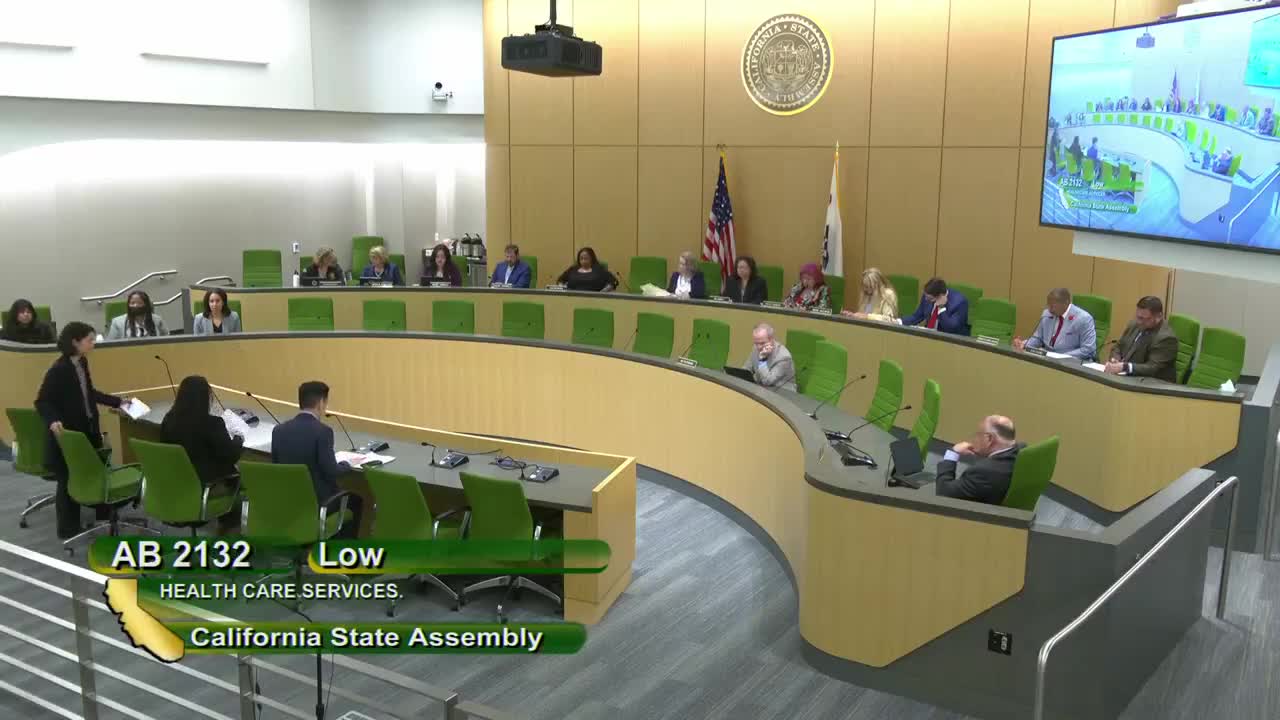 19MIN
Assembly Standing Committee on Health
Bill Author