AB 2275: Trustees of the California State University: appointees.
- Session Year: 2023-2024
- House: Assembly
- Latest Version Date: 2024-07-15
Current Status:
Passed
(2024-07-15: Chaptered by Secretary of State - Chapter 103, Statutes of 2024.)
Introduced
In Committee
First Chamber
In Committee
Second Chamber
Enacted
Existing law establishes the California State University, under the administration of the Board of Trustees of the California State University, as one of the 3 segments of public postsecondary education in the state. Existing law provides for the membership of the Trustees of the California State University to include 5 specified ex officio members, 16 appointive members appointed by the Governor and subject to confirmation by the Senate, one representative of the alumni associations, 2 student members appointed by the Governor, and a faculty member appointed by the Governor.
This bill would require the members of the board to be selected from outstanding lay citizens of California who have a strong interest in the further development and improvement of the California State University, and would specify that members of the board, to the greatest extent possible, should be inclusive and representative of the many demographic groups found in California, and that the board should reflect diversity of race and gender, and include, among others, disabled persons and veterans. The bill would also provide that each member of the board should bring their own best thinking and personal views to the boards discussion, as specified.
(a)The board shall be composed of the following five ex officio members: the Governor, the Lieutenant Governor, the Superintendent of Public Instruction, the Speaker of the Assembly, and the person named by the trustees to serve as the Chancellor of the California State University; a representative of the alumni associations of the state university, selected for a two-year term by the alumni council, California State University, which representative shall not be an employee of the California State University during the two-year term; and 16 appointive members appointed by the Governor and subject to confirmation by two-thirds of the membership of the Senate.
(b)(1)Two students from the California State University, who shall have at least sophomore year standing at the institutions they attend, and who remain in good standing as students during their respective terms, shall also be appointed by the Governor to serve on the board for two-year terms.
(2)In selecting students as members of the board, the Governor shall appoint the students from lists of names of at least two, but not more than five, persons furnished by the governing board of any statewide student organization that represents the students of the California State University and the student body organizations of the campuses of the California State University. Any appointment to fill a vacancy of a student member shall be effective only for the remainder of the term of the student members office that became vacated.
(3)The term of office of one student member of the board shall commence on July 1 of an even-numbered year and expire on June 30 two years thereafter. The term of office of the other student member of the board shall commence on July 1 of an odd-numbered year and expire on June 30 two years thereafter. Notwithstanding paragraph (1), a student member who graduates from the student members college or university on or after January 1 of the second year of the student members term of office may serve the remainder of the term. If the Governor has not appointed a successor pursuant to this subdivision, a student member whose term of office expires on June 30 of any year may remain in office until January 1 of the following year, or until a successor is appointed by the Governor, whichever occurs first.
(4)A student member shall have the student members tuition fee waived for the duration of the student members term of office.
(c)(1)A faculty member from the California State University, who shall be tenured at the California State University campus at which the faculty member teaches, shall also be appointed by the Governor to serve on the board for a two-year term. In the selection of a faculty member as a member of the board, the Governor shall appoint the faculty member from a list of names of at least two persons furnished by the Academic Senate of the California State University.
(2)The faculty member of the board appointed by the Governor pursuant to this subdivision shall not participate on any subcommittee of the board responsible for collective bargaining negotiations.
(3)The two-year term of office of the faculty member of the board shall commence on July 1, and, if the Governor has not appointed a successor under paragraph (1), the faculty member may remain in office after the term expires for one additional year, or until a successor is appointed by the Governor, whichever occurs first.
(d)(1)Members of the board shall be selected from outstanding lay citizens of California who have a strong interest in the further development and improvement of the California State University.
(2)Members of the board, to the greatest extent possible, should be inclusive and representative of the many demographic groups found in California, and the board should reflect diversity of race and gender, and should include, among others, disabled persons and veterans. In furtherance of the mission of the California State University, a member of the board should embrace the basic role and responsibility of a member of the board to bring their own best thinking and personal views to the boards discussion, determining their own position on each issue rather than being bound to represent or advocate for the positions of a particular organization or constituency.
REVISIONS: HeadingLine 2.|
Date
|
Status
|
|---|---|
| Jul 15, 2024 | Chaptered by Secretary of State - Chapter 103, Statutes of 2024. |
| Jul 15, 2024 | Approved by the Governor. |
| Jul 1, 2024 | Enrolled and presented to the Governor at 4 p.m. |
| Jun 20, 2024 | In Assembly. Ordered to Engrossing and Enrolling. |
| Jun 20, 2024 | Read third time. Passed. Ordered to the Assembly. (Ayes 36. Noes 0. Page 4626.). |
| Jun 18, 2024 | Read second time. Ordered to Consent Calendar. |
| Jun 17, 2024 | From committee: Be ordered to second reading file pursuant to Senate Rule 28.8 and ordered to Consent Calendar. |
| Jun 5, 2024 | From committee: Do pass and re-refer to Com. on APPR with recommendation: To Consent Calendar. (Ayes 7. Noes 0.) (June 5). Re-referred to Com. on APPR. |
| May 8, 2024 | Referred to Com. on ED. |
| Apr 25, 2024 | In Senate. Read first time. To Com. on RLS. for assignment. |
| Apr 25, 2024 | Read third time. Passed. Ordered to the Senate. (Ayes 75. Noes 0. Page 4998.) |
| Apr 18, 2024 | Read second time. Ordered to Consent Calendar. |
| Apr 17, 2024 | From committee: Do pass. To Consent Calendar. (Ayes 15. Noes 0.) (April 17). |
| Apr 3, 2024 | From committee: Do pass and re-refer to Com. on APPR. with recommendation: To Consent Calendar. (Ayes 11. Noes 0.) (April 2). Re-referred to Com. on APPR. |
| Apr 3, 2024 | Coauthors revised. |
| Feb 26, 2024 | Referred to Com. on HIGHER ED. |
| Feb 9, 2024 | From printer. May be heard in committee March 10. |
| Feb 8, 2024 | Read first time. To print. |
|
Date
|
Description
|
Location
|
Votes
|
|
|---|---|---|---|---|
| Jun 20, 2024 | Consent Calendar 2nd AB2275 Mike Fong et al. | Senate Floor |
Passed |
|
| Jun 5, 2024 | Do pass, but first be re-referred to the Committee on [Appropriations] with the recommendation: To Consent Calendar | Senate Standing Committee on Education |
Passed |
|
| Apr 25, 2024 | AB 2275 Mike Fong Consent Calendar Second Day Regular Session | Assembly Floor |
Passed |
|
| Apr 17, 2024 | Do pass. To Consent Calendar. | Assembly Standing Committee on Appropriations |
Passed |
|
| Apr 2, 2024 | Do pass and be re-referred to the Committee on [Appropriations] with recommendation: To Consent Calendar | Assembly Standing Committee on Higher Education |
Passed |
This list shows positions taken on this bill by organizations on the date displayed, which is linked to the original source.
Positions by individuals are not included.
|
Organization
|
Position
|
Date
|
|---|---|---|
| California Faculty Association | ** Support |
SENATE RULES COMMITTEE Office of Senate Floor Analyses (916) 651-1520 Fax: (916) 327-4478 | AB 2275 |
CONSENT
Bill No: AB 2275
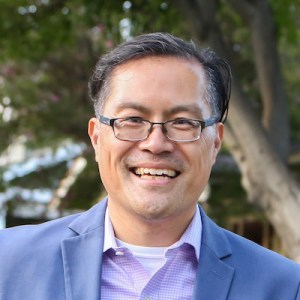
Author: Mike Fong (D), et al.
Introduced: 2/8/24
Vote: 21
SENATE EDUCATION COMMITTEE: 7-0, 6/5/24
AYES: Newman, Jones, Cortese, Glazer, Gonzalez, Smallwood-Cuevas, Wilk
SENATE APPROPRIATIONS COMMITTEE: Senate Rule 28.8
ASSEMBLY FLOOR: 75-0, 4/25/24 (Consent) - See last page for vote
SUBJECT: Trustees of the California State University: appointees
SOURCE: California Faculty Association
DIGEST:
This bill requires members of the California State University (CSU) Board of Trustees to be selected from outstanding lay citizens who have a strong interest in CSU, and to the greatest extent possible, be inclusive and representative of the demographic diversity of California.
ANALYSIS:
Existing law:
- Establishes the CSU system, comprised of 23 campuses, and bestows upon the CSU Trustees, through the Board of Trustees, the power, duties, and functions with respect to the management, administration, and control of the CSU system. (Education Code (EC) § 66600, § 66606, and § 89000 et. seq.)
- Establishes the membership of the Board of Trustees to include 25 voting members as follows:
- Five ex officio members:
- The Governor.
- The Lieutenant Governor.
- The Superintendent of Public Instruction.
- The Speaker of the Assembly.
- The Chancellor of the CSU.
- The Governor.
- A representative of the alumni associations of the CSU, selected for a two-year term by the CSU alumni council.
- Sixteen appointive members appointed by the Governor and subject to confirmation by two-thirds of the membership of the Senate.
- Two students from the CSU, who shall have at least sophomore year standing at the institutions they attend, and who remain in good standing as students during their respective terms.
- A faculty member from the CSU, who shall be tenured at the CSU campus at which the faculty member teaches. (EC § 66602)
- Five ex officio members:
This bill:
- Requires that members of the CSU Board of Trustees be selected from outstanding lay citizens of California who have a strong interest in the further development and improvement of the CSU.
- Provides that members of the Board of Trustees, to the greatest extent possible, should be inclusive and representative of the many demographic groups found in California, and the Board of Trustees should reflect diversity of race and gender, and should include, among others, disabled persons and veterans.
- Provides that, in furtherance of the mission of the CSU, a member of the Board of Trustees should embrace the basic role and responsibility to bring their own best thinking and personal views to the discussion, determining their own position on each issue rather than being bound to represent or advocate for the positions of a particular organization or constituency.
Comments
- Need for this bill. According to the author, “As a former trustee of the Los Angeles Community College District, I understand the role of a governing board in overseeing higher education institutions and the importance of fostering an environment where all students can succeed. AB 2275 will ensure that representation and diversity, in all forms, are considered in the appointment of members to the CSU Board of Trustees. This will not only reaffirm the importance of our state’s diversity, but also ensure that the perspectives and lived experiences of CSU students are represented at the highest level.”
- Parity. Existing law already requires the California Community Colleges Board of Governors and the University of California Board of Regents to be inclusive and representative of the many demographic groups found in California. The CSU does not have a similar requirement in law; this bill provides parity.
Related/Prior Legislation
AB 2070 (Cervantes, 2024) would expand the membership of the CSU Board of Trustees to include a second faculty member. AB 2070 is on the inactive file on the Assembly Floor.
AB 2516 (Santiago, 2024) would expand the Board of Trustees to include a bargaining unit representative. AB 2516 is on the inactive file on the Assembly Floor.
FISCAL EFFECT: Appropriation: No Fiscal Com.: Yes Local: No
SUPPORT: (Verified 6/17/24)
California Faculty Association (source)
OPPOSITION: (Verified 6/17/24)
None received
ASSEMBLY FLOOR: 75-0, 4/25/24
AYES: Addis, Aguiar-Curry, Alanis, Alvarez, Arambula, Bains, Bauer-Kahan, Bennett, Berman, Bonta, Bryan, Calderon, Juan Carrillo, Wendy Carrillo, Cervantes, Chen, Connolly, Davies, Dixon, Essayli, Flora, Mike Fong, Vince Fong, Friedman, Gabriel, Garcia, Gipson, Grayson, Haney, Holden, Hoover, Irwin, Jackson, Jones-Sawyer, Kalra, Lackey, Lee, Low, Lowenthal, Maienschein, McCarty, McKinnor, Muratsuchi, Stephanie Nguyen, Ortega, Pacheco, Papan, Jim Patterson, Joe Patterson, Pellerin, Petrie-Norris, Quirk-Silva, Ramos, Rendon, Reyes, Luz Rivas, Rodriguez, Blanca Rubio, Sanchez, Santiago, Schiavo, Soria, Ta, Ting, Valencia, Villapudua, Waldron, Wallis, Ward, Weber, Wicks, Wilson, Wood, Zbur, Robert Rivas
NO VOTE RECORDED: Boerner, Megan Dahle, Gallagher, Hart, Mathis
Prepared by: Lynn Lorber / ED. / (916) 651-4105
6/18/24 10:49:54
**** END ****
SENATE COMMITTEE ON EDUCATION
Senator Josh Newman, Chair
2023 - 2024 Regular
Bill No: Hearing Date: June 5, 2024
Author: | Mike Fong | ||
Version: |
| ||
Urgency: | Fiscal: | ||
Consultant: | |||
Subject: .
SUMMARY
This bill requires members of the California State University (CSU) Board of Trustees to be selected from outstanding lay citizens who have a strong interest in CSU, and to the greatest extent possible, be inclusive and representative of the demographic diversity of California.
BACKGROUND
Existing law:
- Establishes the CSU system, comprised of 23 campuses, and bestows upon the CSU Trustees, through the Board of Trustees, the power, duties, and functions with respect to the management, administration, and control of the CSU system. (Education Code (EC) § 66600, § 66606, and § 89000 et. seq.)
- Establishes the membership of the Board of Trustees to include 25 voting members as follows:
- Five ex officio members:
- The Governor.
- The Lieutenant Governor.
- The Superintendent of Public Instruction.
- The Speaker of the Assembly.
- The Chancellor of the CSU.
- The Governor.
- A representative of the alumni associations of the CSU, selected for a two-year term by the CSU alumni council.
- Sixteen appointive members appointed by the Governor and subject to confirmation by two-thirds of the membership of the Senate.
- Two students from the CSU, who shall have at least sophomore year standing at the institutions they attend, and who remain in good standing as students during their respective terms.
- A faculty member from the CSU, who shall be tenured at the CSU campus at which the faculty member teaches. (EC § 66602)
- Five ex officio members:
ANALYSIS
This bill:
- Requires that members of the CSU Board of Trustees be selected from outstanding lay citizens of California who have a strong interest in the further development and improvement of the CSU.
- Provides that members of the Board of Trustees, to the greatest extent possible, should be inclusive and representative of the many demographic groups found in California, and the Board of Trustees should reflect diversity of race and gender, and should include, among others, disabled persons and veterans.
- Provides that, in furtherance of the mission of the CSU, a member of the Board of Trustees should embrace the basic role and responsibility to bring their own best thinking and personal views to the discussion, determining their own position on each issue rather than being bound to represent or advocate for the positions of a particular organization or constituency.
STAFF COMMENTS
- Need for this bill. According to the author, “As a former trustee of the Los Angeles Community College District, I understand the role of a governing board in overseeing higher education institutions and the importance of fostering an environment where all students can succeed. AB 2275 will ensure that representation and diversity, in all forms, are considered in the appointment of members to the CSU Board of Trustees. This will not only reaffirm the importance of our state’s diversity, but also ensure that the perspectives and lived experiences of CSU students are represented at the highest level.”
- Parity. Existing law already requires the California Community Colleges Board of Governors and the University of California Board of Regents to be inclusive and representative of the many demographic groups found in California. The CSU does not have a similar requirement in law; this bill provides parity.
- Fiscal impact. According to the Assembly Appropriations Committee analysis, this bill would not have a fiscal impact.
- Related legislation.
AB 2070 (Cervantes) expands the membership of the CSU Board of Trustees to include a second faculty member. AB 2070 is on the inactive file on the Assembly Floor.
AB 2516 (Santiago, 2024) expands the Board of Trustees to include a bargaining unit representative. AB 2516 is on the inactive file on the Assembly Floor.
SUPPORT
California Faculty Association (sponsor)
OPPOSITION
None received
-- END --
Date of Hearing: April 17, 2024
ASSEMBLY COMMITTEE ON APPROPRIATIONS
Buffy Wicks, Chair
ABPCA Bill Id:AB 2275
Author:(Mike Fong) – As Introduced Ver:February 8, 2024
Policy Committee: | Higher Education | Vote: | 11 - 0 |
|
| ||
|
|
Urgency: No State Mandated Local Program: No Reimbursable: No
SUMMARY:
This bill requires that members of the California State University (CSU) board of trustees, to the greatest extent possible, be inclusive and representative of the many demographic groups found in California, among other requirements. The bill also states that the board should reflect diversity of race and gender, and include disabled persons and veterans.
FISCAL EFFECT:
No fiscal impact.
COMMENTS:
- Background. The CSU board of trustees oversees the CSU. The board of trustees holds the authority to adopt regulations and policies pertaining to the overall operations of the CSU, including educational policy decisions, budgeting, and campus planning. The board consists of 25 voting members. Of these, 16 members are members of the public who are appointed by the Governor and subject to confirmation by two-thirds of the membership of the state Senate. The remainder of trustees are comprised of five ex-officio members, a representative of the CSU alumni association, two students, and one tenured faculty member.
- Related Legislation. AB 2070 (Cervantes) requires the CSU board of trustees to include an additional faculty member appointed by the Governor. The bill is pending in this committee.
AB 2516 (Santiago) adds a bargaining unit representative selected for a two-year term by the California State University Labor Council to the CSU board of trustees. The bill is pending in this committee.
Analysis Prepared by: Natasha Collins / APPR. / (916) 319-2081
Date of Hearing: April 2, 2024
ASSEMBLY COMMITTEE ON HIGHER EDUCATION
Mike Fong, Chair
ABPCA Bill Id:AB 2275 (
Author:Mike Fong) – As Introduced Ver:February 8, 2024
SUBJECT: Trustees of the California State University: appointees
SUMMARY: Require the members of the California State University (CSU) Board of Trustees (BOT) selected from outstanding lay citizens of California who have a strong interest in the further development and improvement of the CSU, and would specify that members of the board, to the greatest extent possible, should be inclusive and representative of the many demographic groups found in California, and that the BOT should reflect diversity of race and gender, and include, among others, disabled persons and veterans. The bill would also provide that each member of the board should bring their own best thinking and personal views to the BOT discussion, as specified.
EXISTING LAW:
- Establishes the CSU system, comprised of 23 campuses, and bestows upon the CSU Trustees, through the BOT, the power, duties, and functions with respect to the management, administration, and control of the CSU system (Education Code (EDC) Sections 66606 and 89000 et. seq.).
- Establishes the membership of the BOT to include 25 voting members as follows:
- Five ex-officio members including the Governor, the Lieutenant Governor, the Superintendent of Public Instruction, the Speaker of the Assembly, and the person named by the trustees to serve as the Chancellor of the CSU;
- A representative of the CSU alumni associations, who is appointed to serve a two-year term by the alumni council and is not employed by the California State University while on the board;
- Sixteen members of the public, who are appointed by the Governor and confirmed by two-thirds of the California State Senate for an eight-year term;
- Two students, who are at least sophomores and attend a campus of the CSU, are appointed by the Governor from a list of two to five names provided by the California State Student Association (CSSA); and,
- One student representative is appointed for a two-year term beginning on July 1 of an even number year and ending on June 30 two years later. The second student representative is appointed to a two-year term beginning on July 1 of an odd number year and ending on June 30 two years later; and,
- Students appointed will have their tuition fee waived for the duration of their term of office on the BOT.
- One tenured faculty member from the CSU is appointed by the Governor to serve on the board for two years. The Governor selects the faculty member from a list of names provided by the systemwide Academic Senate of the CSU.
- The faculty member is not permitted to participate on any subcommittee of the BOT which is responsible for collective bargaining negotiations; and,
- The appointed faculty member will begin their two year term on July 1 and if the Governor has not appointed a successor by the end of the term, the faculty member may remain on the BOT for one additional year or until the Governor appoints a successor; whichever occurs first (EDC Section 66602).
- Establishes the Board of Governors (BOG) of the California Community Colleges (CCC) and specifies that members of the board will be selected from outstanding lay citizens of California who have a strong interest in the further development and improvement of the CCC, and that embers of the board, to the greatest extent possible, should be inclusive and representative of the many demographic groups found in California, and the board should reflect diversity of race and gender, and should include, among others, disabled persons and veterans.
- In furtherance of the mission of the CCC, a member of the board should embrace the basic role and responsibility of a member of the board to bring his or her own best thinking and personal views to the board’s discussion, determining his or her own position on each issue rather than being bound to represent or advocate for the positions of a particular organization or constituency. (EDC Sections 71000 and 71002)
- Specifies that the Regents of the University of California (UC) will be comprised of able persons broadly reflective of the economic, cultural, and social diversity of the State, including ethnic minorities and women. However, it is not intended that formulas or specific ratios be applied in the selection of regents. (Constitution of the State of California, Article IX, Section 9(d))
FISCAL EFFECT: Unknown
COMMENTS: Purpose. According to the author, “as a former trustee of the Los Angeles Community College District, I understand the role of a governing board in overseeing higher education institutions and the importance of fostering an environment where all students can succeed. AB 2275 will ensure that representation and diversity, in all forms, is considered in the appointment of members to the CSU Board of Trustees. This will not only reaffirm the importance of our state’s diversity, but also ensure that the perspectives and lived experiences of CSU students are represented at the highest level.”
California State University and the Board of Trustees. Originally established in 1875, as a college for teachers in San Francisco, the CSU has since expanded to include 23 campuses who enroll over 450,000 students. The CSU provides nearly half of the bachelor degrees in the state and has an alumni base of over three million students and counting. To oversee the nation’s largest four year public university, the State established the BOT.
The BOT is endowed with the authority to adopt regulations and policies pertaining to the overall operations of the CSU including educational policy decisions, budgeting, and campus planning. The membership of the board is comprised of 25 members each with term limits and voting privileges, who are selected and appointed through various manners.
Member | Term Limit | How the Trustee is chosen to serve: |
Five ex officio members (Governor, Lieutenant Governor, Superintendent of Public Instruction, Speaker of the Assembly, and Chancellor of the CSU) | Term of their elected or appointed office. | The Governor, Lieutenant Governor, and Superintendent of Public Instruction, are elected in a statewide election and are immediately appointed to the Board. The Speaker of the Assembly is an elected official in the California State Assembly who is selected by their peers to lead the State Assembly. The Chancellor of the CSU is appointed by the BOT after an exhaustive nationwide search and is immediately appointed as a member of the BOT. |
Two student members who attend a CSU campus and are at least in their sophomore year (or have taken at least 30 units). | Each are appointed for two-year terms that are staggered so that one student begins their term on July 1 in an odd numbered year and the other student’s term begins the following year (even numbered year) on July 1. Both students’ terms end on June 30 after two years (one in an odd numbered year and one in an even numbered year). | Appointed by the Governor from list of at least two to five students provided by CSSA. |
16 members of the public | One eight–year term | When their term expires, the Governor will appoint a member of the public to replace the outgoing member of the board and the new appointee is approved by 2/3 of the Senate. |
One tenured faculty member | One two – year term. The faculty trustee is permitted to remain on the BOT past the expiration of their term for one year if the Governor has not appointed a replacement. | Appointed by the Governor from a list of faculty provided by the systemwide CSU Academic Senate. |
An alumni of the CSU system | One two–year term. | Appointed by the Alumni Council of CSU and the appointee may not be employed by the CSU during their tenure on the board. |
CCC and UC statements. As noted in the “existing law” section, the CCC BOG is statutorily required, and the Regents of the UC are constitutionally required, to be inclusive and representative of the many demographic groups found in California. The CSU does not have a similar requirement in code.
The CCC’s requirement was codified in AB 1572 (Holden, Chapter 496, Statutes of 2014). At the time, the law specified only that individuals be selected from outstanding lay citizens of California who have a strong interest in the further development and improvement of the public community colleges.
The decision was made that the requirements be expanded to include consideration of appointments to the BOG that, to the greatest extent possible, attempts to provide for a diverse BOG that is representative of as many of the unique demographic groups of persons found in California, including but not limited to: disabled persons, veterans, racial and gender. In addition, language was included clarifying that all appointments embrace the basic role and responsibility of a member of the BOG to bring their own best thinking and personal views to the Board’s discussion, determining their own positions on the issues rather than being bound to represent or advocate the positions of a particular organization or constituency.
Committee staff notes that the statement proposed in AB 2275 (Mike Fong) is essentially identical to the CCC’s statement codified in AB 1557 (Holden).
Arguments in support. The California Faculty Association (CFA) supports that AB 2275 (Mike Fong), “…emphasizes that the Board should, to the greatest extent possible, be inclusive and representative of the diverse demographic groups found across California. This includes an imperative for the Board to reflect a variety of races, genders, as well as include disabled persons and veterans. The California Faculty Association believes that the strength of our educational institutions lies in their diversity and inclusivity. The proposed changes encapsulated in AB 2275 align with our vision for a university system that mirrors the rich diversity of our state. By ensuring that the Board of Trustees comprises individuals from a wide array of backgrounds and experiences, we can foster a more inclusive environment that better serves the varied needs of our students, faculty, and communities.”
“Furthermore, the bill's directive for Board members to bring their unique perspectives and independent thought to discussions, rather than representing the narrow interests of specific groups, reinforces the importance of individual accountability and integrity in our university governance”
Prior legislation. AB 1557 (Holden), Chapter 496, Statutes of 2014, specifies that members of the CCC BOG should be inclusive and representative of the many demographic groups in the state.
REGISTERED SUPPORT / OPPOSITION:
Support
California Faculty Association
Opposition
None on file
Analysis Prepared by: Kevin J. Powers / HIGHER ED. / (916) 319-3960
Bill Author
Bill Co-Author(s):
