AB 2376: Chemical dependency recovery hospitals.
- Session Year: 2023-2024
- House: Assembly
- Latest Version Date: 2024-09-27
Current Status:
Passed
(2024-09-27: Chaptered by Secretary of State - Chapter 637, Statutes of 2024.)
Introduced
In Committee
First Chamber
In Committee
Second Chamber
Enacted
What does this bill do?
This bill expands chemical dependency recovery services for hospitals and patients by adding medications for addiction treatment and medically supervised voluntary inpatient detox to the core services, while excluding emergency care or medical admission for severe, life‑threatening intoxication or withdrawal. It lets general acute care and acute psychiatric hospitals offer those services as a supplemental program in the same building, in a separate campus building that meets structural rules, or in beds licensed for other services if staff have the right skills and nurse‑to‑patient ratios are met. If a program meets federal “Part 2” rules (privacy rules that protect substance use treatment records), the hospital must follow those confidentiality protections.
The summary is provided by generative AI which can make mistakes. For original language, please view the details in the table below.
Existing law provides for the licensure and regulation by the State Department of Public Health of certain health facilities, including a chemical dependency recovery hospital, which is defined to mean a health facility that provides 24-hour inpatient care for persons who have a dependency on alcohol or other drugs, or both alcohol and other drugs. Existing law requires all beds in a chemical dependency recovery hospital to be designated for chemical dependency recovery services, as specified. Existing law authorizes chemical dependency recovery services to be provided in a freestanding facility, within a hospital building that only provides chemical recovery services, or within a distinct part of a hospital, as defined. Existing law also authorizes chemical dependency recovery services to be provided within a hospital building that has been removed from general acute care use. Existing law requires chemical dependency recovery services to comply with specified regulatory requirements for basic services, and optional services if the facility is approved by the department to provide them. Existing law only authorizes the colocation of chemical dependency recovery services as a distinct part with other services or distinct parts of its parent hospital, as specified. Existing law requires a separately licensed chemical dependency recovery hospital that is not a distinct part of a general acute care hospital to have agreements with one or more general acute care hospitals to provide specified additional services.
This bill would expand the definition of chemical dependency recovery services to include medications for addiction treatment and medically supervised voluntary inpatient detoxification, but would specify that it does not include certain treatment of severe, potentially life threatening, intoxication and withdrawal syndromes. The bill would delete the requirement for chemical dependency recovery as a supplemental service to be provided in a distinct part of a general acute care hospital or acute psychiatric hospital, and instead would authorize those facilities to provide chemical dependency recovery services as a supplemental service within the same building or in a separate building on campus that meets specified structural requirements of a freestanding chemical dependency recovery hospital. The bill would also authorize chemical dependency recovery services to be provided in a general acute care hospital or acute psychiatric hospital without a distinct part, or outside the distinct part, in beds that are licensed for a service other than chemical dependency recovery if certain conditions are satisfied. The bill would require a general acute care hospital, acute psychiatric hospital, or distinct unit thereof, providing chemical dependency recovery services that meet specified federal program requirements, to provide the confidentiality protections required by specified federal regulations to the hospitals or units patients with a substance use disorder. The bill would also authorize the department to implement, interpret, or make specific these provisions by means of an All Facilities Letter or similar instruction.
Existing law provides for the licensure and regulation by the State Department of Public Health of certain health facilities, including a chemical dependency recovery hospital, which is defined to mean a health facility that provides 24-hour inpatient care for persons who have a dependency on alcohol or other drugs, or both alcohol and other drugs. Existing law requires all beds in a chemical dependency recovery hospital to be designated for chemical dependency recovery services, as specified. Existing law authorizes chemical dependency recovery services to be provided in a freestanding facility, within a hospital building that only provides chemical recovery services, or within a distinct part of a hospital, as defined. Existing law also authorizes chemical dependency recovery services to be provided within a hospital building that has been removed from general acute care use. Existing law requires chemical dependency recovery services to comply with specified regulatory requirements for basic services, and optional services if the facility is approved by the department to provide them. Existing law only authorizes the colocation of chemical dependency recovery services as a distinct part with other services or distinct parts of its parent hospital, as specified. Existing law requires a separately licensed chemical dependency recovery hospital that is not a distinct part of a general acute care hospital to have agreements with one or more general acute care hospitals to provide specified additional services.
This bill would expand the definition of chemical dependency recovery services to include medications for addiction treatment and medically managed supervised voluntary inpatient detoxification. detoxification, but would specify that it does not include certain treatment of severe, potentially life threatening, intoxication and withdrawal syndromes. The bill would delete the requirement for chemical dependency recovery as a supplemental service to be provided in a distinct part of a general acute care hospital or acute psychiatric hospital, and instead would authorize those facilities to provide chemical dependency recovery services as a supplemental service within the same building or in a separate building on campus that meets specified structural requirements of a freestanding chemical dependency recovery hospital. The bill would also authorize chemical dependency recovery services to be provided in a general acute care hospital or acute psychiatric hospital without a distinct part, or outside the distinct part, in beds that are licensed for a service other than chemical dependency recovery if certain conditions are satisfied. The bill would require a general acute care hospital, acute psychiatric hospital, or distinct unit thereof, providing chemical dependency recovery services that meet specified federal program requirements, to provide the confidentiality protections required by specified federal regulations to the hospitals or units patients with a substance use disorder. The bill would delete the requirements for chemical dependency services to be provided in a hospital building that provides only chemical dependency recovery services, or has been removed from general acute care use. The bill would also authorize the department to implement, interpret, or make specific these provisions by means of an All Facilities Letter or similar instruction.
Existing law provides for the licensure and regulation by the State Department of Public Health of certain health facilities, including a chemical dependency recovery hospital, which is defined to mean a health facility that provides 24-hour inpatient care for persons who have a dependency on alcohol or other drugs, or both alcohol and other drugs. Existing law requires all beds in a chemical dependency recovery hospital to be designated for chemical dependency recovery services, as specified. Existing law authorizes chemical dependency recovery services to be provided in a freestanding facility, within a hospital building that only provides chemical recovery services, or within a distinct part of a hospital, as defined. Existing law also authorizes chemical dependency recovery services to be provided within a hospital building that has been removed from general acute care use. Existing law requires chemical dependency recovery services to comply with specified regulatory requirements for basic services, and optional services if the facility is approved by the department to provide them. Existing law only authorizes the colocation of chemical dependency recovery services as a distinct part with other services or distinct parts of its parent hospital, as specified. Existing law requires a separately licensed chemical dependency recovery hospital that is not a distinct part of a general acute care hospital to have agreements with one or more general acute care hospitals to provide specified additional services.
This bill would expand the definition of chemical dependency recovery services to include medications for addiction treatment and medically managed voluntary inpatient detoxification. The bill would delete the requirement for chemical dependency recovery as a supplemental service to be provided in a distinct part of a general acute care hospital or acute psychiatric hospital, and instead would authorize those facilities to provide chemical dependency recovery services as a supplemental service within the same building or in a separate building on campus that meets specified structural requirements of a freestanding chemical dependency recovery hospital. The bill would require a general acute care hospital, acute psychiatric hospital, or distinct unit thereof, providing chemical dependency recovery services that meet specified federal program requirements, to provide the confidentiality protections required by specified federal regulations to the hospitals or units patients with a substance use disorder. The bill would delete the requirements for chemical dependency services to be provided in a hospital building that provides only chemical dependency recovery services, or has been removed from general acute care use.
Existing law provides for the licensure and regulation by the State Department of Public Health of certain health facilities, including a chemical dependency recovery hospital, which is defined to mean a health facility that provides 24-hour inpatient care for persons who have a dependency on alcohol or other drugs, or both alcohol and other drugs. Existing law requires all beds in a chemical dependency recovery hospital to be designated for chemical dependency recovery services, as specified. Existing law authorizes chemical dependency recovery services to be provided in a freestanding facility, within a hospital building that only provides chemical recovery services, or within a distinct part of a hospital, as defined. Existing law also authorizes chemical dependency recovery services to be provided within a hospital building that has been removed from general acute care use. Existing law requires chemical dependency recovery services to comply with specified regulatory requirements for basic services, and optional services if the facility is approved by the department to provide them. Existing law only authorizes the colocation of chemical dependency recovery services as a distinct part with other services or distinct parts of its parent hospital, as specified. Existing law requires a separately licensed chemical dependency recovery hospital that is not a distinct part of a general acute care hospital to have agreements with one or more general acute care hospitals to provide specified additional services.
This bill would expand the definition of chemical dependency recovery services to include medications for addiction treatment and medically managed voluntary inpatient detoxification. The bill would delete the requirement for chemical dependency recovery as a supplemental service to be provided in a distinct part of a general acute care hospital or acute psychiatric hospital, and instead would authorize those facilities to provide chemical dependency recovery services as a supplemental service within the same building or in a separate building on campus that meets specified structural requirements of a freestanding chemical dependency recovery hospital. The bill would delete the requirements for chemical dependency services to be provided in a hospital building that provides only chemical dependency recovery services, or has been removed from general acute care use.
Existing law establishes the Medi-Cal program, which is administered by the State Department of Health Care Services and under which qualified low-income individuals receive health care services. The Medi-Cal program is, in part, governed and funded by federal Medicaid program provisions. Existing law sets forth a schedule of benefits under the Medi-Cal program.This bill would state the intent of the Legislature to enact legislation to allow for acute care hospitals that accept Medi-Cal coverage to directly bill for inpatient detox services and Medically Assisted Treatment for substance abuse issues, as specified.Existing law establishes the Medi-Cal program, which is administered by the State Department of Health Care Services and under which qualified low-income individuals receive health care services. The Medi-Cal program is, in part, governed and funded by federal Medicaid program provisions. Existing law sets forth a schedule of benefits under the Medi-Cal program.
This bill would state the intent of the Legislature to enact legislation to allow for acute care hospitals that accept Medi-Cal coverage to directly bill for inpatient detox services and Medically Assisted Treatment for substance abuse issues, as specified.
(a)(1)Chemical dependency recovery hospital means a health facility that provides 24-hour inpatient chemical dependency recovery services for persons who have a dependency on alcohol or other drugs, or both alcohol and other drugs. Each facility shall have a medical director who is a physician and surgeon licensed to practice in this state.
(2)Chemical dependency recovery services shall include, but not be limited to, the following basic services: medications for addiction treatment, medically supervised voluntary inpatient detoxification, patient counseling, group therapy, physical conditioning, family therapy, outpatient services, and dietetic services, but does not include emergency department services or medical inpatient admission for treatment of severe, potentially life-threatening, intoxication and withdrawal syndromes.
(b)The Legislature finds and declares that problems related to the inappropriate use of alcohol or other drugs, or both alcohol and other drugs, are widespread and adversely affect the general welfare of the people of the State of California. It is the intent of the Legislature to expand access to chemical dependency recovery services, and to support persons receiving those services, while ensuring the safety and quality of care for all patients in a health facility. It is also the intent of the Legislature that the chemical dependency recovery hospital will provide an innovative inpatient treatment with medications, as well as a program for persons who have a dependency on alcohol or drugs, or both alcohol and other drugs. The Legislature further finds and declares that significant cost reductions can be achieved by chemical dependency recovery hospitals when both of the following conditions exist:
(1)Architectural requirements established by the department encourage a flexible and open construction approach that significantly reduces capital construction costs and allows for the use of nonfreestanding facilities.
(2)Programs are designed to provide comprehensive inpatient treatment while permitting substantial flexibility in the use of qualified personnel to meet the specific needs of the patients of the facility.
(c)A separately licensed chemical dependency recovery hospital that is not a part of a general acute care hospital shall have agreements with one or more general acute care hospitals providing for 24-hour emergency service and pharmacy, laboratory, and any other services that the department may require.
(d)All beds in a separately licensed chemical dependency recovery hospital shall be designated for chemical dependency recovery services. Chemical dependency recovery beds shall be used exclusively for alcohol or other drug dependency treatment, or both alcohol and other drug dependency treatment.
(e)(1)General acute care hospitals and acute psychiatric hospitals may provide chemical dependency recovery services as a supplemental service within the same building, or in a separate building on campus that meets the structural requirements of a freestanding chemical dependency recovery hospital described in the OSHPD 6 requirements of the most recent version of the California Building Code.
(2)Chemical dependency recovery services may be provided in a general acute care hospital or acute psychiatric hospital without a distinct part, or outside the hospitals distinct part, in beds that are licensed for a service other than chemical dependency recovery. A general acute care hospital or acute psychiatric hospital providing chemical dependency recovery services that are not in a distinct part shall do both of the following:
(A)Require all staff treating a patient receiving chemical dependency recovery services to have the appropriate competencies for chemical dependency recovery and for other care they provide in the unit in which the patient has been placed, consistent with their role in patient care.
(B)Meet the nurse-to-patient staffing ratios for the unit in which the patient has been placed.
(3)Chemical dependency recovery services shall comply with the basic services requirements, and optional services requirements if the facility is approved by the department to provide them, for chemical dependency recovery hospitals in Chapter 11 (commencing with Section 79001) of Division 5 of Title 22 of the California Code of Regulations.
(4)Chemical dependency recovery services provided pursuant to this subdivision shall not require a separate license.
(5)When a general acute care hospital, acute psychiatric hospital, or distinct unit thereof providing chemical dependency recovery services under paragraph (1) meets the definition of a part 2 program, as defined in Section 2.11 of Title 42 of the Code of Federal Regulations, the general acute care hospital, acute psychiatric hospital, or distinct unit thereof shall provide the confidentiality protections required by Part 2 (commencing with Section 2.1) of Subchapter A of Chapter I of Title 42 of the Code of Federal Regulations to the hospitals or units patients with a substance use disorder.
(f)Chemical dependency recovery services may be provided in a freestanding facility, within a hospital building. Notwithstanding any other law, chemical dependency recovery services may be provided within a hospital building that has been removed from general acute care use.
(g)Chemical dependency recovery services may be colocated with other services of its parent general acute care hospital or acute psychiatric hospital.
(h)A reference in any statute to Section 1250 shall be deemed and construed to also be a reference to this section.
(i)Notwithstanding any other law, the department may, without taking any regulatory actions pursuant to Chapter 3.5 (commencing with Section 11340) of Part 1 of Division 3 of Title 2 of the Government Code, implement, interpret, or make specific this section by means of an All Facilities Letter or similar instruction.
(a)(1)Chemical dependency recovery hospital means a health facility that provides 24-hour inpatient chemical dependency recovery services for persons who have a dependency on alcohol or other drugs, or both alcohol and other drugs. Each facility shall have a medical director who is a physician and surgeon licensed to practice in this state.
(2)Chemical dependency recovery services shall include, but not be limited to, the following basic services: medications for addiction treatment, medically managed supervised voluntary inpatient detoxification, patient counseling, group therapy, physical conditioning, family therapy, outpatient services, and dietetic services. services, but does not include emergency department services or medical inpatient admission for treatment of severe, potentially life-threatening, intoxication and withdrawal syndromes.
(b)The Legislature finds and declares that problems related to the inappropriate use of alcohol or other drugs, or both alcohol and other drugs, are widespread and adversely affect the general welfare of the people of the State of California. It is the intent of the Legislature to expand access to chemical dependency recovery services, and to support persons receiving those services, while ensuring the safety and quality of care for all patients in a health facility. It is also the intent of the Legislature that the chemical dependency recovery hospital will provide an innovative inpatient treatment with medications, as well as a program for persons who have a dependency on alcohol or drugs, or both alcohol and other drugs. The Legislature further finds and declares that significant cost reductions can be achieved by chemical dependency recovery hospitals when both of the following conditions exist:
(1)Architectural requirements established by the department encourage a flexible and open construction approach that significantly reduces capital construction costs and allows for the use of nonfreestanding facilities.
(2)Programs are designed to provide comprehensive inpatient treatment while permitting substantial flexibility in the use of qualified personnel to meet the specific needs of the patients of the facility.
(c)A separately licensed chemical dependency recovery hospital that is not a part of a general acute care hospital shall have agreements with one or more general acute care hospitals providing for 24-hour emergency service and pharmacy, laboratory, and any other services that the department may require.
(d)All beds in a separately licensed chemical dependency recovery hospital shall be designated for chemical dependency recovery services. Chemical dependency recovery beds shall be used exclusively for alcohol or other drug dependency treatment, or both alcohol and other drug dependency treatment.
(e)(1)(A)General acute care hospitals and acute psychiatric hospitals may provide chemical dependency recovery services as a supplemental service within the same building, or in a separate building on campus that meets the structural requirements of a freestanding chemical dependency recovery hospital described in the OSHPD 6 requirements of the most recent version of the California Building Code.
(B)When a general acute care hospital, acute psychiatric hospital, or distinct unit thereof, providing chemical dependency recovery services under subparagraph (A) meets the definition of a Part 2 program, as defined in Section 2.11 of Title 42 of the Code of Federal Regulations, the general acute care hospital, acute psychiatric hospital, or distinct unit thereof, shall provide the confidentiality protections required by Part 2 (commencing with Section 2.1) of Subchapter A of Chapter I of Title 42 of the Code of Federal Regulations to the hospitals or units patients with a substance use disorder.(2)Chemical dependency recovery services may be provided in a general acute care hospital or acute psychiatric hospital without a distinct part, or outside the hospitals distinct part, in beds that are licensed for a service other than chemical dependency recovery. A general acute care hospital or acute psychiatric hospital providing chemical dependency recovery services that are not in a distinct part shall do both of the following:
(A)Require all staff treating a patient receiving chemical dependency recovery services to have the appropriate competencies for chemical dependency recovery and for other care they provide in the unit in which the patient has been placed, consistent with their role in patient care.
(B)Meet the nurse-to-patient staffing ratios for the unit in which the patient has been placed.
(2)(3)Chemical dependency recovery services shall comply with the basic services requirements, and optional services requirements if the facility is approved by the department to provide them. them, for chemical dependency recovery hospitals in Chapter 11 (commencing with Section 79001) of Division 5 of Title 22 of the California Code of Regulations.
(3)(4)Chemical dependency recovery services provided pursuant to this subdivision shall not require a separate license.
(5)When a general acute care hospital, acute psychiatric hospital, or distinct unit thereof providing chemical dependency recovery services under paragraph (1) meets the definition of a part 2 program, as defined in Section 2.11 of Title 42 of the Code of Federal Regulations, the general acute care hospital, acute psychiatric hospital, or distinct unit thereof shall provide the confidentiality protections required by Part 2 (commencing with Section 2.1) of Subchapter A of Chapter I of Title 42 of the Code of Federal Regulations to the hospitals or units patients with a substance use disorder.
(f)Chemical dependency recovery services may be provided in a freestanding facility, within a hospital building. Notwithstanding any other law, chemical dependency recovery services may be provided within a hospital building that has been removed from general acute care use.
(g)Chemical dependency recovery services may be colocated with other services of its parent general acute care hospital or acute psychiatric hospital.
(h)A reference in any statute to Section 1250 shall be deemed and construed to also be a reference to this section.
(i)Notwithstanding any other law, the department may, without taking any regulatory actions pursuant to Chapter 3.5 (commencing with Section 11340) of Part 1 of Division 3 of Title 2 of the Government Code, implement, interpret, or make specific this section by means of an All Facilities Letter or similar instruction.
(a)(1)Chemical dependency recovery hospital means a health facility that provides 24-hour inpatient chemical dependency recovery services for persons who have a dependency on alcohol or other drugs, or both alcohol and other drugs. Each facility shall have a medical director who is a physician and surgeon licensed to practice in this state.
(2)Chemical dependency recovery services shall include, but not be limited to, the following basic services: medications for addiction treatment, medically managed voluntary inpatient detoxification, patient counseling, group therapy, physical conditioning, family therapy, outpatient services, and dietetic services.
(b)The Legislature finds and declares that problems related to the inappropriate use of alcohol or other drugs, or both alcohol and other drugs, are widespread and adversely affect the general welfare of the people of the State of California. It is the intent of the Legislature that the chemical dependency recovery hospital will provide an innovative inpatient treatment with medications, as well as a program for persons who have a dependency on alcohol or drugs, or both alcohol and other drugs. The Legislature further finds and declares that significant cost reductions can be achieved by chemical dependency recovery hospitals when both of the following conditions exist:
(1)Architectural requirements established by the department encourage a flexible and open construction approach that significantly reduces capital construction costs and allows for the use of nonfreestanding facilities.
(2)Programs are designed to provide comprehensive inpatient treatment while permitting substantial flexibility in the use of qualified personnel to meet the specific needs of the patients of the facility.
(c)A separately licensed chemical dependency recovery hospital that is not a part of a general acute care hospital shall have agreements with one or more general acute care hospitals providing for 24-hour emergency service and pharmacy, laboratory, and any other services that the department may require.
(d)All beds in a separately licensed chemical dependency recovery hospital shall be designated for chemical dependency recovery services. Chemical dependency recovery beds shall be used exclusively for alcohol or other drug dependency treatment, or both alcohol and other drug dependency treatment.
(e)(1)(A)General acute care hospitals and acute psychiatric hospitals may provide chemical dependency recovery services as a supplemental service within the same building, or in a separate building on campus that meets the structural requirements of a freestanding chemical dependency recovery hospital described in the OSHPD 6 requirements of the most recent version of the California Building Code.
(B)When a general acute care hospital, acute psychiatric hospital, or distinct unit thereof, providing chemical dependency recovery services under subparagraph (A) meets the definition of a Part 2 program, as defined in Section 2.11 of Title 42 of the Code of Federal Regulations, the general acute care hospital, acute psychiatric hospital, or distinct unit thereof, shall provide the confidentiality protections required by Part 2 (commencing with Section 2.1) of Subchapter A of Chapter I of Title 42 of the Code of Federal Regulations to the hospitals or units patients with a substance use disorder.
(2)Chemical dependency recovery services shall comply with the basic services requirements, and optional services requirements if the facility is approved by the department to provide them, for chemical dependency recovery hospitals in Chapter 11 (commencing with Section 79001) of Division 5 of Title 22 of the California Code of Regulations. them.
(3)Chemical dependency recovery services provided pursuant to this subdivision shall not require a separate license.
(f)Chemical dependency recovery services may be provided in a freestanding facility, within a hospital building.
(g)Chemical dependency recovery services may be colocated with other services of its parent general acute care hospital or acute psychiatric hospital.
(h)A reference in any statute to Section 1250 shall be deemed and construed to also be a reference to this section.
(a)(1)Chemical dependency recovery hospital means a health facility that provides 24-hour inpatient chemical dependency recovery services for persons who have a dependency on alcohol or other drugs, or both alcohol and other drugs. Each facility shall have a medical director who is a physician and surgeon licensed to practice in this state.
(2)Chemical dependency recovery services shall include, but not be limited to, the following basic services: medications for addiction treatment, medically managed voluntary inpatient detoxification, patient counseling, group therapy, physical conditioning, family therapy, outpatient services, and dietetic services.
(b)The Legislature finds and declares that problems related to the inappropriate use of alcohol or other drugs, or both alcohol and other drugs, are widespread and adversely affect the general welfare of the people of the State of California. It is the intent of the Legislature that the chemical dependency recovery hospital will provide an innovative inpatient treatment with medications, as well as a program for persons who have a dependency on alcohol or drugs, or both alcohol and other drugs. The Legislature further finds and declares that significant cost reductions can be achieved by chemical dependency recovery hospitals when both of the following conditions exist:
(1)Architectural requirements established by the department encourage a flexible and open construction approach that significantly reduces capital construction costs and allows for the use of nonfreestanding facilities.
(2)Programs are designed to provide comprehensive inpatient treatment while permitting substantial flexibility in the use of qualified personnel to meet the specific needs of the patients of the facility.
(c)A separately licensed chemical dependency recovery hospital that is not a distinct part of a general acute care hospital shall have agreements with one or more general acute care hospitals providing for 24-hour emergency service and pharmacy, laboratory, and any other services that the department may require.
(d)All beds in a separately licensed chemical dependency recovery hospital shall be designated for chemical dependency recovery services. Chemical dependency recovery beds shall be used exclusively for alcohol or other drug dependency treatment, or both alcohol and other drug dependency treatment.
(e)(1)General acute care hospitals and acute psychiatric hospitals may provide chemical dependency recovery services as a supplemental service. service within the same building, or in a separate building on campus that meets the structural requirements of a freestanding chemical dependency recovery hospital described in the OSHPD 6 requirements of the most recent version of the California Building Code.
(1)Chemical dependency recovery as a supplemental service shall be provided in a distinct part of a general acute care hospital or acute psychiatric hospital.(A)Distinct part means an identifiable unit of a hospital or a freestanding facility accommodating beds, and related services, including, but not limited to, contiguous rooms, a wing, a floor, or a building that is approved by the department for a specific purpose.(B)A distinct part may not be licensed under another distinct part of a health facility.(2)Beds in a general acute care hospital or acute psychiatric hospital classified as chemical dependency recovery beds shall be within the distinct part.(3)(2)Chemical dependency recovery services shall comply with the basic services requirements, and optional services requirements if the facility is approved by the department to provide them, for chemical dependency recovery hospitals in Chapter 11 (commencing with Section 79001) of Division 5 of Title 22 of the California Code of Regulations.
(4)(3)Chemical dependency recovery services provided pursuant to this subdivision shall not require a separate license.
(f)Chemical dependency recovery services may be provided in a freestanding facility, within a hospital building that only provides chemical dependency recovery services, or within a distinct part. Notwithstanding any other law, chemical dependency recovery services may be provided within a hospital building that has been removed from general acute care use. building.
(g)Chemical dependency recovery services may only be colocated as a distinct part with other services or distinct parts of its parent general acute care hospital or acute psychiatric hospital.
(h)A reference in any statute to Section 1250 shall be deemed and construed to also be a reference to this section.
SECTION 1.It is the intent of the Legislature to enact legislation to allow for acute care hospitals that accept Medi-Cal coverage to directly bill for inpatient detox services and Medically Assisted Treatment for substance abuse issues provided in emergency departments, without limitation.It is the intent of the Legislature to enact legislation to allow for acute care hospitals that accept Medi-Cal coverage to directly bill for inpatient detox services and Medically Assisted Treatment for substance abuse issues provided in emergency departments, without limitation.
|
Date
|
Status
|
|---|---|
| Sep 27, 2024 | Chaptered by Secretary of State - Chapter 637, Statutes of 2024. |
| Sep 27, 2024 | Approved by the Governor. |
| Sep 9, 2024 | Enrolled and presented to the Governor at 3:30 p.m. |
| Aug 28, 2024 | Senate amendments concurred in. To Engrossing and Enrolling. (Ayes 76. Noes 0.). |
| Aug 28, 2024 | In Assembly. Concurrence in Senate amendments pending. May be considered on or after August 30 pursuant to Assembly Rule 77. |
| Aug 28, 2024 | Assembly Rule 77 suspended. |
| Aug 27, 2024 | Read third time. Passed. Ordered to the Assembly. (Ayes 40. Noes 0.). |
| Aug 26, 2024 | Read second time. Ordered to third reading. |
| Aug 23, 2024 | Read third time and amended. Ordered to second reading. |
| Aug 19, 2024 | Read second time. Ordered to third reading. |
| Aug 15, 2024 | From committee: Do pass. (Ayes 7. Noes 0.) (August 15). |
| Aug 5, 2024 | In committee: Referred to APPR suspense file. |
| Jul 3, 2024 | From committee: Amend, and do pass as amended and re-refer to Com. on APPR with recommendation: To Consent Calendar. (Ayes 11. Noes 0.) (July 3). |
| Jul 3, 2024 | Read second time and amended. Re-referred to Com. on APPR. |
| Jun 26, 2024 | In committee: Hearing postponed by committee. |
| Jun 5, 2024 | Referred to Com. on HEALTH. |
| May 23, 2024 | In Senate. Read first time. To Com. on RLS. for assignment. |
| May 22, 2024 | Read third time. Passed. Ordered to the Senate. (Ayes 72. Noes 0. Page 5473.) |
| May 20, 2024 | Read second time. Ordered to third reading. |
| May 16, 2024 | From committee: Do pass. (Ayes 15. Noes 0.) (May 16). |
| May 8, 2024 | In committee: Set, first hearing. Referred to APPR. suspense file. |
| Apr 17, 2024 | From committee: Do pass and re-refer to Com. on APPR. with recommendation: To Consent Calendar. (Ayes 16. Noes 0.) (April 16). Re-referred to Com. on APPR. |
| Apr 1, 2024 | Re-referred to Com. on HEALTH. |
| Mar 21, 2024 | Referred to Com. on HEALTH. |
| Mar 21, 2024 | From committee chair, with author's amendments: Amend, and re-refer to Com. on HEALTH. Read second time and amended. |
| Feb 13, 2024 | From printer. May be heard in committee March 14. |
| Feb 12, 2024 | Read first time. To print. |
|
Date
|
Description
|
Location
|
Votes
|
|
|---|---|---|---|---|
| Aug 28, 2024 | AB 2376 Bains Concurrence in Senate Amendments | Assembly Floor |
Passed |
|
| Aug 27, 2024 | Assembly 3rd Reading AB2376 Bains By Wiener | Senate Floor |
Passed |
|
| Aug 15, 2024 | Do pass | Senate Standing Committee on Appropriations |
Passed |
|
| Aug 5, 2024 | Placed on suspense file | Senate Standing Committee on Appropriations |
Passed |
|
| Jul 3, 2024 | Do pass as amended, but first amend, and re-refer to the Committee on [Appropriations] with the recommendation: To Consent Calendar | Senate Standing Committee on Health |
Passed |
|
| May 22, 2024 | AB 2376 Bains Assembly Third Reading | Assembly Floor |
Passed |
|
| May 16, 2024 | Do pass. | Assembly Standing Committee on Appropriations |
Passed |
|
| Apr 16, 2024 | Do pass and be re-referred to the Committee on [Appropriations] with recommendation: To Consent Calendar | Assembly Standing Committee on Health |
Passed |
This list shows positions taken on this bill by organizations on the date displayed, which is linked to the original source.
Positions by individuals are not included.
|
Organization
|
Position
|
Date
|
|---|---|---|
| CA Bridge | ** Support | |
| California Academy Of Family Physicians | ** Support | |
| California Association of Alcohol and Drug Program Executives | ** Support | |
| California Chapter of the American College of Emergency Physicians | ** Support | |
| County of Santa Clara | ** Support | |
| Public Health Institute | ** Support |
CONCURRENCE IN SENATE AMENDMENTS
CSA1 Bill Id:AB 2376
Author:(Bains)
As Amended Ver:August 23, 2024
Majority vote
SUMMARY
Expands the definition of "chemical dependency recovery services (CDRS)" to include medications for addiction treatment and medically managed voluntary inpatient detoxification. Deletes the requirement for chemical dependency recovery as a supplemental service to be provided in a distinct part of a general acute care hospital or acute psychiatric hospital, and instead would authorize those facilities to provide CDRS as a supplemental service within the same building or in a separate building on campus that meets specified structural requirements of a freestanding chemical dependency recovery hospital (CDRH). Deletes the requirements for chemical dependency services to be provided in a hospital building that provides only CDRS, or has been removed from general acute care use.
Senate Amendments
- Require a hospital providing CDRS to provide confidentiality protections required by federal regulations;
- Clarify that CDRS does not include certain treatment of severe, potentially life threatening, intoxication and withdrawal symptoms;
- Authorize CDRS to be provided in general acute care hospitals, or acute psychiatric hospitals without a "distinct part" in beds that are licensed for a service other than CDRS, if certain conditions are satisfied; and,
- Authorizes the Department of Public Health to implement, interpret or make specific the provisions of this bill by means of an all facilities letter or similar instruction.
COMMENTS
- Need for addiction treatment in California. According to an April 2023 California Health Policy Strategies policy brief, "Fatal Overdoses in California: 2017-2021," overdoses killed nearly 11,000 people in California in 2021, a 54% increase over 2015. Overdose disproportionately impacts vulnerable populations. Since 2017, deaths have risen among teenagers (15 to 19) by 370%; and Black and Latinx Californians by 200%. Currently, 5.3 million Californians have a substance use disorder (SUD), but only 10% receive treatment. According to the Journal of Emergency Medicine, the emergency department (ED) is often the only source of healthcare for patients from historically marginalized backgrounds.
- Access to SUD Treatment. According to Department of Health Care Access and Information data, over 1.1 million individuals who presented in a California ED were diagnosed with a SUD in 2021; this is about one in seven visits. More than half are Medi-Cal beneficiaries.
In 2015, research conducted at the Yale School of Medicine showed that if patients in opioid withdrawal were immediately started on the medication buprenorphine in the ED, as opposed to being referred elsewhere to start treatment at a later date, the likelihood they'd remain in treatment 30 days later doubled.
- CalBridge. Through the State Opioid Response, the Behavioral Health Pilot Project, and the CalBridge Behavioral Health Navigator Program, CalBridge has engaged 276 of the state's 331 EDs to become the single most significant source of new medication assisted treatment (MAT) initiations in 2020 to 2022. These EDs now serve approximately 50,000 patients annually. Through this work, California has implemented the most significant and fastest expansion of ED MAT in the country.
A January 2024 study in the Journal of the American Medical Association (JAMA), "Emergency Department Access to Buprenorphine for Opioid Use Disorder," shows that when patients are offered treatment from the ED setting, 85% accept it. Another JAMA study has shown that patients who begin treatment from the ED are nearly twice as likely to be in treatment after 40 days compared with those who did not receive treatment. Increasing the ability of a patient to begin their addiction treatment in the hospital will decrease the likelihood that the patient will reenter their community and experience an overdose.
Untreated addiction is a major driver of both health care costs and mortality. A February 2019 review by the US Government Accountability Office found that adults who have untreated addiction and behavioral health challenges have significantly higher health care costs than adults overall, in particular related to ED visits that could have been prevented with earlier treatment.
- CDRHs. CDRH are the medical model facilities that treat those with SUDs, versus the Department of Health Care Services' licensed residential treatment facilities, which are the nonmedical, social model. CDRHs allows the most comprehensive range of chemical dependency (CD) services including inpatient medical withdrawal management to longer term CD rehabilitation/residential, to intensive CD outpatient programs. According to information provided by the author, there are only ten licensed CDRHs in the state, and many are not located near acute care hospitals. This bill will allow hospitals to establish CDRS within the same building as other acute care services, rather than in a "distinct part," provided the facility meets existing state codes that govern acute care delivery.
According to the Author
As a family physician and an addiction medicine specialist, she knows we need to use every tool available to help people with SUDs, and it is particularly critical to intervene early in the progression of the disease. The author states that California's emergency rooms see over a million patients annually who have a SUD. While the vast majority of hospitals in the state now offer medication treatment for addiction in their EDs, only a handful are licensed to provide CDRS, in part because California law significantly restricts where those services can be offered within existing hospitals. This bill will give hospitals the flexibility to use their existing campuses and facilities to provide inpatient addiction treatment, increasing the likelihood that patients who need ongoing help will receive it.
Arguments in Support
The California Chapter of the American College of Emergency Physicians (California ACEP), supports this bill. AB 2376. California ACEP states that emergency physicians care for millions of patients who struggle with addiction, whether to alcohol or to opiates and want to be part of an effective solution to their treatment. There is a significant gap between those who seek treatment for substance use disorders and those who receive it. Every day, California EDs face the challenge of providing effective, appropriate, and timely care to these patients and connecting them to the appropriate resources to support their recovery. California ACEP concludes that this bill will expand the available services by giving hospitals the flexibility to use their existing campuses and facilities to provide inpatient addiction treatment.
Arguments in Opposition
There is no known opposition to this bill.
FISCAL COMMENTS
According to the Senate Appropriations Committee, DPH estimates costs of $133,000 in 2024-25, $226,000 in 2025-26 and 2026-27, $156,000 in 2027-28, and $54,000 in 2028-29 and ongoing thereafter for state administration (Licensing and Certification Fund).
VOTES:
ASM HEALTH: 16-0-0
YES: Bonta, Waldron, Aguiar-Curry, Arambula, Wendy Carrillo, Flora, Haney, Jones-Sawyer, Maienschein, McCarty, Joe Patterson, Rodriguez, Sanchez, Santiago, Schiavo, Weber
ASM APPROPRIATIONS: 15-0-0
YES: Wicks, Sanchez, Arambula, Bryan, Calderon, Wendy Carrillo, Dixon, Mike Fong, Grayson, Haney, Hart, Jim Patterson, Pellerin, Ta, Villapudua
ASSEMBLY FLOOR: 72-0-8
YES: Addis, Aguiar-Curry, Alanis, Alvarez, Arambula, Bains, Bauer-Kahan, Bennett, Berman, Boerner, Bonta, Bryan, Juan Carrillo, Wendy Carrillo, Chen, Connolly, Davies, Dixon, Flora, Mike Fong, Vince Fong, Gabriel, Gallagher, Garcia, Gipson, Grayson, Haney, Hart, Hoover, Irwin, Jackson, Jones-Sawyer, Kalra, Lackey, Lee, Low, Lowenthal, Maienschein, McCarty, McKinnor, Muratsuchi, Stephanie Nguyen, Ortega, Pacheco, Papan, Jim Patterson, Joe Patterson, Pellerin, Petrie-Norris, Quirk-Silva, Ramos, Rendon, Reyes, Rodriguez, Blanca Rubio, Sanchez, Santiago, Schiavo, Soria, Ta, Ting, Valencia, Villapudua, Waldron, Wallis, Ward, Weber, Wicks, Wilson, Wood, Zbur, Robert Rivas
ABS, ABST OR NV: Calderon, Cervantes, Megan Dahle, Essayli, Friedman, Holden, Mathis, Luz Rivas
SENATE FLOOR: 40-0-0
YES: Allen, Alvarado-Gil, Archuleta, Ashby, Atkins, Becker, Blakespear, Bradford, Caballero, Cortese, Dahle, Dodd, Durazo, Eggman, Glazer, Gonzalez, Grove, Hurtado, Jones, Laird, Limón, McGuire, Menjivar, Min, Newman, Nguyen, Niello, Ochoa Bogh, Padilla, Portantino, Roth, Rubio, Seyarto, Skinner, Smallwood-Cuevas, Stern, Umberg, Wahab, Wiener, Wilk
UPDATED
VERSION: August 23, 2024
CONSULTANT: Lara Flynn / HEALTH / (916) 319-2097 FN: 0004382
SENATE RULES COMMITTEE Office of Senate Floor Analyses (916) 651-1520 Fax: (916) 327-4478 | AB 2376 |
THIRD READING
Bill No: AB 2376
Author: Bains (D)
Amended: 8/23/24 in Senate
Vote: 21
SENATE HEALTH COMMITTEE: 11-0, 7/3/24
AYES: Roth, Nguyen, Glazer, Gonzalez, Grove, Hurtado, Limón, Menjivar, Rubio, Smallwood-Cuevas, Wiener
SENATE APPROPRIATIONS COMMITTEE: 7-0, 8/15/24
AYES: Caballero, Jones, Ashby, Becker, Bradford, Seyarto, Wahab
ASSEMBLY FLOOR: 72-0, 5/22/24 - See last page for vote
SUBJECT: Chemical dependency recovery hospitals
SOURCE: CA Bridge
DIGEST:
This bill (1) permits a general acute care hospital or acute psychiatric hospital to provide chemical dependency recovery services (CDRS) as a supplemental service within the same building, or in a separate building on campus that meets specified structural requirements; (2) expands these services to include medications for addiction treatment and medically managed voluntary inpatient detoxification; and deletes the requirements for CDRS to be provided in a hospital building that provides only these services, or has been removed from general acute care use.
Senate Floor Amendments of 8/23/24 incorporate technical assistance from the Governor Newsom’s Administration to make the following clarifications regarding CDRS provided outside of a specified hospital’s distinct part or freestanding facility:
- Specify that CDRS does not include emergency department services or medical inpatient admission for treatment of severe, potentially life-threatening, intoxication, and withdrawal syndromes;
- Require all of a specified hospital’s staff treating a patient for CDRS to have the appropriate competencies for CDR and for other care they provide in the unit;
- Meet the nurse-to-patient staffing ratios for the unit where the patient is placed;
- Restore the provision permitting specified hospitals to provide CDRS as a supplemental service within the same building or in a separate building on a campus that meets certain structural requirements;
- Restore the provision permitting CDRS to be provided within a hospital building that has been removed from general acute care use; and,
- Permit the Department of Public Health to implement, interpret, and make specific the provisions in this bill by means other than the state’s rulemaking procedures and standards.
ANALYSIS:
Existing law:
- Licenses and regulates health facilities by the California Department of Public Health (CDPH) for the treatment of individuals who are admitted for a period of 24 hours or longer, including general acute care hospitals (GACHs) and acute psychiatric hospitals (APHs). [Health and Safety Code (HSC) §1250, et seq.]
- Establishes chemical dependency recovery hospitals (CDRHs) licensed by CDPH to provide 24-hour inpatient care for persons who have a dependency on alcohol and/or other drugs. Requires each CDRH to have a medical director who is a physician licensed to practice in this state. [HSC §1250.3]
- Permits GACHs and APHs to provide CDRS as a supplemental service to be provided in a distinct part of the hospital. Defines “distinct part” as an identifiable unit of a hospital or a freestanding facility accommodating beds, and related services, including, but not limited to, contiguous rooms, a wing, a floor, or a building that is approved by CDPH for a specific purpose. [HSC §1250.3]
- Requires a separately licensed CDRH that is not a distinct part of a GACH to have agreements with one or more GACHs providing for 24-hour emergency service and pharmacy, laboratory, and any other services that DPH requires. [HSC §1250.3]
- Requires all beds in a CDRH to be designated for CDRS. Requires CDRS to include, but not be limited to, patient counseling, group therapy, physical conditioning, family therapy, outpatient services, and dietetic services. Requires CDRH beds to be used exclusively for alcohol or other drug dependency treatment, or both alcohol and other drug dependency treatment. [HSC §1250.3]
- Permits CDRS to be provided within a hospital building that has been removed from general acute care use. Permits these services only to be co-located as a distinct part with other services or distinct parts of its parent GACH or APH. [HSC §1250.3]
- Exempts all freestanding CDRHs from seismic requirements. [HSC §1275.2]
- Prohibits a person from treating someone with a substance use disorder (SUD) for addiction to a narcotic drug, except in narcotic treatment programs licensed by the Department of Health Care Services (DHCS), among other specified settings. Requires a narcotic controlled substance in the continuing treatment of addiction to a controlled substance to be used only in DHCS-licensed NTPs. [HSC §11217]
- Makes a legislative declaration that CDRHs provide an innovative inpatient treatment program for persons with SUDs, and significant cost reductions when architectural requirements established by CDPH encourages a flexible and open construction approach that significantly reduces capital construction costs and allows for the use of non-freestanding facilities, and programs are designed to provide comprehensive inpatient treatment while permitting substantial flexibility in the use of qualified personnel to meet the specific needs of patients. [HSC §1250.3]
This bill:
- Permits GACHs and APHs to provide CDRS as a supplemental service within the same building, or in a separate building on campus that meets the structural requirements of a freestanding CDRH, rather than in a distinct part of each hospital.
- Expands CDRS to include medications for addiction treatment and medically managed voluntary inpatient detoxification.
- Requires all beds in a separately licensed CDRH to be designated for CDRS.
- Requires GAHCs and APHs, or distinct units thereof, to provide the confidentiality protections, required by federal law for SUD patients, to the hospital’s or unit’s patients with a SUD.
- Specifies CDRS does not include emergency department services or medical inpatient admission for treatment of severe, potentially life-threatening, intoxication, and withdrawal syndromes.
- Requires all of a specified hospital’s staff treating a patient for CDRS to have the appropriate competencies for CDR and for other care they provide in the unit.
- Requires specified hospitals to meet the nurse-to-patient staffing ratios for the unit where the patient is placed.
- Permits CDPH to implement, interpret, and make specific the provisions in this bill by means other than the state’s rulemaking procedures and standards.
Comments
- Author’s statement. According to the author, as a family physician and an addiction medicine specialist, she knows we need to use every tool available to help people with a SUD. It is particularly critical to intervene early in the progression of the disease, and that is why she has brought forward this bill. California’s EDs see over a million patients annually who have a SUD. While the vast majority of hospitals in the state now offer medication treatment for addiction in their ED, only a handful are licensed to provide chemical dependency recovery services (CDRS) in part because California law significantly restricts where those services can be offered within existing hospitals. This bill will give hospitals the flexibility to use their existing campuses and facilities to provide inpatient addiction treatment, increasing the likelihood that patients who need ongoing help will receive it.
- CDRHs. CDRHs are the medical model facilities that treat those with SUDs, versus the California Department of Health Care Services’ licensed residential treatment facilities, which are the nonmedical, social model. CDRHs allows the most comprehensive range of chemical dependency services, including inpatient medical withdrawal management to longer term rehabilitation/residential to intensive outpatient programs. According to CDPH, there are 24 facilities in the state that have CDRS beds: (a) eight independently licensed CDRHs with a total of 477 CDRS beds; (b) two CDRHs licensed as distinct parts of hospitals with a total of 66 CDRS beds; (c) six GACHs with a total of 142 CDRS beds; and, (d) eight APHs with a total of 109 CDRS beds.
- Prevalence of SUDs in California. A 2022 California Health Care Foundation (CHCF) publication, from the entitled “Substance Use in California: Prevalence and Treatment”, reported that substance use in California is widespread with over half of Californians over age 12 reporting using alcohol in the past month and 20% reporting using marijuana in the past year. According to the report, 9% of Californians have met the criteria for a SUD within the last year. While the health care system is moving toward acknowledging SUDs as a chronic illness, only about 10% of people with a SUD within the last year, received treatment. Overdose deaths from both opioids and psychostimulants (such as amphetamines), are rapidly increasing. This issue, compounded by the increased availability of fentanyl, has resulted in a ten-fold increase in fentanyl-related deaths between 2015 and 2019. The California Department of Public Health’s Opioid Overdose Dashboard reported 7,385 deaths related to any opioid overdose in 2022, with 6,473 (87.7%) of those deaths fentanyl related.
- CA Bridge. According to Bridge to Treatment’s website, a study from the Public Health Institute’s CA Bridge and partners, found that through this project, patients with opioid use disorder (OUD) were twice as likely to continue receiving medical treatment for addiction if treatment was started in the ED. Key findings reinforce EDs as critical access points to highly effective, life-saving medication for addiction treatment and follow-up care, including that patient interest in buprenorphine, a medication for addiction treatment, was high: of 464 study participants with confirmed OUD, 86% accepted buprenorphine treatment in the ED. This population was nearly two times more likely to remain engaged in OUD treatment 30 days post-discharge compared to those who did not receive treatment in the ED (50% compared to 23%). According to Bridge to Treatment, there is an urgent need for large-scale interventions to reduce overdose deaths, and EDs are uniquely positioned to provide access to crucial addiction treatment. Annual drug overdose deaths in the U.S. surpassed 100,000 in 2022, marking a 50% increase since 2015. EDs see a growing number of overdose patients, many of whom are at high risk of dying within a year after discharge, often just two days later. Yet despite proven benefits of buprenorphine treatment, it has not become the standard of care in most EDs nationwide. Through the CA Bridge program, California has led the nation in creating widespread access to buprenorphine in EDs, and this study demonstrates the value of this approach. Nationally, only 10% of people with OUD are receiving treatment, a fact often attributed to the myth that people with OUD are not interested in medical treatment for addiction. However, the high rate of acceptance of buprenorphine in this study shows that, in fact, the vast majority of people will accept treatment when it is easy to access and offered in a convenient location. The study further shows that removing barriers such as complex intake processes, providing patient navigation, and reducing stigma through harm reduction strategies encourages patients to pursue and sustain treatment. These practices are important tactics all EDs can implement to combat the opioid crisis, ultimately reducing overdose deaths and improving quality of life for people with OUD.
FISCAL EFFECT: Appropriation: No Fiscal Com.: Yes Local: No
According to the Senate Appropriations Committee, CDPH estimates costs of $133,000 in 2024-25, $226,000 in 2025-26 and 2026-27, $156,000 in 2027-28, and $54,000 in 2028-29 and ongoing thereafter for state administration (Licensing and Certification Fund).
SUPPORT: (Verified 8/23/24)
CA Bridge (source)
California Academy of Family Physicians
California Association of Alcohol and Drug Program Executives
California Chapter of the American College of Emergency Physicians
County of Santa Clara
OPPOSITION: (Verified 8/23/24)
None received
ARGUMENTS IN SUPPORT: CA Bridge states it has supported the largest and fastest expansion of medication for addiction treatment in 85% of California’s EDs. Their work supporting addiction treatment from the ED has helped them understand and identify gaps in treatment access throughout the hospital landscape and health care system, and they believe this bill will support patients in entering treatment in a non-stigmatizing manner from the hospital rather than forcing them to leave the hospital to wait to enter treatment. CA Bridge furthers states that many patients who present to the hospital needing treatment are unhoused, have unstable housing, or need extra time in a safe place until a treatment bed becomes available in their community. This bill will make it easier for hospitals to support patients in entering treatment without experiencing a gap that would threaten their ability to succeed in treatment.
ASSEMBLY FLOOR: 72-0, 5/22/24
AYES: Addis, Aguiar-Curry, Alanis, Alvarez, Arambula, Bains, Bauer-Kahan, Bennett, Berman, Boerner, Bonta, Bryan, Juan Carrillo, Wendy Carrillo, Chen, Connolly, Davies, Dixon, Flora, Mike Fong, Vince Fong, Gabriel, Gallagher, Garcia, Gipson, Grayson, Haney, Hart, Hoover, Irwin, Jackson, Jones-Sawyer, Kalra, Lackey, Lee, Low, Lowenthal, Maienschein, McCarty, McKinnor, Muratsuchi, Stephanie Nguyen, Ortega, Pacheco, Papan, Jim Patterson, Joe Patterson, Pellerin, Petrie-Norris, Quirk-Silva, Ramos, Rendon, Reyes, Rodriguez, Blanca Rubio, Sanchez, Santiago, Schiavo, Soria, Ta, Ting, Valencia, Villapudua, Waldron, Wallis, Ward, Weber, Wicks, Wilson, Wood, Zbur, Robert Rivas
NO VOTE RECORDED: Calderon, Cervantes, Megan Dahle, Essayli, Friedman, Holden, Mathis, Luz Rivas
Prepared by: Reyes Diaz / HEALTH / (916) 651-4111
8/25/24 13:35:29
**** END ****
SENATE RULES COMMITTEE Office of Senate Floor Analyses (916) 651-1520 Fax: (916) 327-4478 | AB 2376 |
THIRD READING
Bill No: AB 2376
Author: Bains (D)
Amended: 7/3/24 in Senate
Vote: 21
SENATE HEALTH COMMITTEE: 11-0, 7/3/24
AYES: Roth, Nguyen, Glazer, Gonzalez, Grove, Hurtado, Limón, Menjivar, Rubio, Smallwood-Cuevas, Wiener
SENATE APPROPRIATIONS COMMITTEE: 7-0, 8/15/24
AYES: Caballero, Jones, Ashby, Becker, Bradford, Seyarto, Wahab
ASSEMBLY FLOOR: 72-0, 5/22/24 - See last page for vote
SUBJECT: Chemical dependency recovery hospitals
SOURCE: CA Bridge
DIGEST:
This bill (1)
permits a general acute care hospital or acute psychiatric hospital to provide chemical dependency recovery services (CDRS) as a supplemental service within the same building, or in a separate building on campus that meets specified structural requirements; (2) expands these services to include medications for addiction treatment and medically managed voluntary inpatient detoxification; and 93) deletes the requirements for CDRS to be provided in a hospital building that provides only these services, or has been removed from general acute care use.
ANALYSIS:
Existing law:
- Licenses and regulates health facilities by the California Department of Public Health (CDPH) for the treatment of individuals who are admitted for a period of 24 hours or longer, including general acute care hospitals (GACHs) and acute psychiatric hospitals (APHs). [HSC §1250, et seq.]
- Establishes chemical dependency recovery hospitals (CDRHs) licensed by CDPH to provide 24-hour inpatient care for persons who have a dependency on alcohol and/or other drugs. Requires each CDRH to have a medical director who is a physician licensed to practice in this state. [HSC §1250.3]
- Permits GACHs and APHs to provide CDRS as a supplemental service to be provided in a distinct part of the hospital. Defines “distinct part” as an identifiable unit of a hospital or a freestanding facility accommodating beds, and related services, including, but not limited to, contiguous rooms, a wing, a floor, or a building that is approved by CDPH for a specific purpose. [HSC §1250.3]
- Requires a separately licensed CDRH that is not a distinct part of a GACH to have agreements with one or more GACHs providing for 24-hour emergency service and pharmacy, laboratory, and any other services that DPH requires. [HSC §1250.3]
- Requires all beds in a CDRH to be designated for CDRS. Requires CDRS to include, but not be limited to, patient counseling, group therapy, physical conditioning, family therapy, outpatient services, and dietetic services. Requires CDRH beds to be used exclusively for alcohol or other drug dependency treatment, or both alcohol and other drug dependency treatment. [HSC §1250.3]
- Permits CDRS to be provided within a hospital building that has been removed from general acute care use. Permits these services only to be co-located as a distinct part with other services or distinct parts of its parent GACH or APH. [HSC §1250.3]
- Exempts all freestanding CDRHs from seismic requirements. [HSC §1275.2]
- Prohibits a person from treating someone with a SUD for addiction to a narcotic drug, except in narcotic treatment programs licensed by the Department of Health Care Services (DHCS), among other specified settings. Requires a narcotic controlled substance in the continuing treatment of addiction to a controlled substance to be used only in DHCS-licensed NTPs. [HSC §11217]
- Makes a Legislative declaration that CDRHs provide an innovative inpatient treatment program for persons with SUDs, and significant cost reductions when architectural requirements established by CDPH encourages a flexible and open construction approach that significantly reduces capital construction costs and allows for the use of non-freestanding facilities, and programs are designed to provide comprehensive inpatient treatment while permitting substantial flexibility in the use of qualified personnel to meet the specific needs of patients. [HSC §1250.3]
This bill:
- Permits GACHs and APHs to provide CDRS as a supplemental service within the same building, or in a separate building on campus that meets the structural requirements of a freestanding CDRH, rather than in a distinct part of each hospital.
- Expands CDRS to include medications for addiction treatment and medically managed voluntary inpatient detoxification.
- Requires all beds in a separately licensed CDRH to be designated for CDRS.
- Requires GAHCs and APHs, or distinct units thereof, to provide the confidentiality protections, required by federal law for SUD patients, to the hospital’s or unit’s patients with a SUD.
Comments
- Author’s statement. According to the author, as a family physician and an addiction medicine specialist, she knows we need to use every tool available to help people with a SUD. It is particularly critical to intervene early in the progression of the disease, and that is why she has brought forward this bill. California’s EDs see over a million patients annually who have a SUD. While the vast majority of hospitals in the state now offer medication treatment for addiction in their ED, only a handful are licensed to provide chemical dependency recovery services (CDRS) in part because California law significantly restricts where those services can be offered within existing hospitals. This bill will give hospitals the flexibility to use their existing campuses and facilities to provide inpatient addiction treatment, increasing the likelihood that patients who need ongoing help will receive it.
- CDRHs. CDRHs are the medical model facilities that treat those with SUDs, versus the California Department of Health Care Services’ licensed residential treatment facilities, which are the nonmedical, social model. CDRHs allows the most comprehensive range of chemical dependency services, including inpatient medical withdrawal management to longer term rehabilitation/residential to intensive outpatient programs. According to CDPH, there are 24 facilities in the state that have CDRS beds: eight independently licensed CDRHs with a total of 477 CDRS beds; two CDRHs licensed as distinct parts of hospitals with a total of 66 CDRS beds; six GACHs with a total of 142 CDRS beds; and, eight APHs with a total of 109 CDRS beds.
- Prevalence of SUDs in California. A 2022 California Health Care Foundation (CHCF) publication, from the entitled “Substance Use in California: Prevalence and Treatment”, reported that substance use in California is widespread with over half of Californians over age 12 reporting using alcohol in the past month and 20% reporting using marijuana in the past year. According to the report, 9% of Californians have met the criteria for a SUD within the last year. While the health care system is moving toward acknowledging SUDs as a chronic illness, only about 10% of people with a SUD within the last year, received treatment. Overdose deaths from both opioids and psychostimulants (such as amphetamines), are rapidly increasing. This issue, compounded by the increased availability of fentanyl, has resulted in a ten-fold increase in fentanyl-related deaths between 2015 and 2019. The California Department of Public Health’s Opioid Overdose Dashboard reported 7,385 deaths related to any opioid overdose in 2022, with 6,473 (87.7%) of those deaths fentanyl related.
- CA Bridge. According to Bridge to Treatment’s website, a study from the Public Health Institute’s CA Bridge and partners, found that through this project, patients with opioid use disorder (OUD) were twice as likely to continue receiving medical treatment for addiction if treatment was started in the ED. Key findings reinforce EDs as critical access points to highly effective, life-saving medication for addiction treatment and follow-up care, including that patient interest in buprenorphine, a medication for addiction treatment, was high: of 464 study participants with confirmed OUD, 86% accepted buprenorphine treatment in the ED. This population was nearly two times more likely to remain engaged in OUD treatment 30 days post-discharge compared to those who did not receive treatment in the ED (50% compared to 23%). According to Bridge to Treatment, there is an urgent need for large-scale interventions to reduce overdose deaths, and EDs are uniquely positioned to provide access to crucial addiction treatment. Annual drug overdose deaths in the U.S. surpassed 100,000 in 2022, marking a 50% increase since 2015. EDs see a growing number of overdose patients, many of whom are at high risk of dying within a year after discharge, often just two days later. Yet despite proven benefits of buprenorphine treatment, it has not become the standard of care in most EDs nationwide. Through the CA Bridge program, California has led the nation in creating widespread access to buprenorphine in EDs, and this study demonstrates the value of this approach. Nationally, only 10% of people with OUD are receiving treatment, a fact often attributed to the myth that people with OUD are not interested in medical treatment for addiction. However, the high rate of acceptance of buprenorphine in this study shows that, in fact, the vast majority of people will accept treatment when it is easy to access and offered in a convenient location. The study further shows that removing barriers such as complex intake processes, providing patient navigation, and reducing stigma through harm reduction strategies encourages patients to pursue and sustain treatment. These practices are important tactics all EDs can implement to combat the opioid crisis, ultimately reducing overdose deaths and improving quality of life for people with OUD.
FISCAL EFFECT: Appropriation: No Fiscal Com.: Yes Local: No
According to the Senate Appropriations Committee, CDPH estimates costs of $133,000 in 2024-25, $226,000 in 2025-26 and 2026-27, $156,000 in 2027-28, and $54,000 in 2028-29 and ongoing thereafter for state administration (Licensing and Certification Fund).
SUPPORT: (Verified 8/14/24)
CA Bridge (source)
California Academy of Family Physicians
California Association of Alcohol and Drug Program Executives
California Chapter of the American College of Emergency Physicians
County of Santa Clara
OPPOSITION: (Verified 8/14/24)
None received
ARGUMENTS IN SUPPORT: CA Bridge states it has supported the largest and fastest expansion of medication for addiction treatment in 85% of California’s EDs. Their work supporting addiction treatment from the ED has helped them understand and identify gaps in treatment access throughout the hospital landscape and health care system, and they believe this bill will support patients in entering treatment in a non-stigmatizing manner from the hospital rather than forcing them to leave the hospital to wait to enter treatment. CA Bridge furthers states that many patients who present to the hospital needing treatment are unhoused, have unstable housing, or need extra time in a safe place until a treatment bed becomes available in their community. This bill will make it easier for hospitals to support patients in entering treatment without experiencing a gap that would threaten their ability to succeed in treatment.
ASSEMBLY FLOOR: 72-0, 5/22/24
AYES: Addis, Aguiar-Curry, Alanis, Alvarez, Arambula, Bains, Bauer-Kahan, Bennett, Berman, Boerner, Bonta, Bryan, Juan Carrillo, Wendy Carrillo, Chen, Connolly, Davies, Dixon, Flora, Mike Fong, Vince Fong, Gabriel, Gallagher, Garcia, Gipson, Grayson, Haney, Hart, Hoover, Irwin, Jackson, Jones-Sawyer, Kalra, Lackey, Lee, Low, Lowenthal, Maienschein, McCarty, McKinnor, Muratsuchi, Stephanie Nguyen, Ortega, Pacheco, Papan, Jim Patterson, Joe Patterson, Pellerin, Petrie-Norris, Quirk-Silva, Ramos, Rendon, Reyes, Rodriguez, Blanca Rubio, Sanchez, Santiago, Schiavo, Soria, Ta, Ting, Valencia, Villapudua, Waldron, Wallis, Ward, Weber, Wicks, Wilson, Wood, Zbur, Robert Rivas
NO VOTE RECORDED: Calderon, Cervantes, Megan Dahle, Essayli, Friedman, Holden, Mathis, Luz Rivas
Prepared by: Reyes Diaz / HEALTH / (916) 651-4111
8/18/24 9:07:40
**** END ****
SENATE COMMITTEE ON
Senator Anna Caballero, Chair
2023 - 2024 Regular Session
AB 2376 (Bains) - Chemical dependency recovery hospitals
Version: | Policy Vote: |
Urgency: | Mandate: |
Hearing Date: | Consultant: |
Bill Summary:
AB 2376 would make revisions to existing licensing requirements for chemical dependency recovery hospitals.
Fiscal Impact:
The California Department of Public Health (CDPH) estimates costs of $133,000 in 2024-25, $226,000 in 2025-26 and 2026-27, $156,000 in 2027-28, and $54,000 in 2028-29 and ongoing thereafter for state administration (Licensing and Certification Fund).
Background:
Current law requires CDPH to license chemical dependency recovery hospitals (CDRHs) to provide 24-hour inpatient care for persons who have a dependency on alcohol and/or other drugs. Each CDRH must have a medical director who is a physician licensed to practice in this state. Current law requires all beds in a CDRH to be designated for CDRH services and specifies that “CDRH services” includes, but is not limited to, patient counseling, group therapy, physical conditioning, family therapy, outpatient services, and dietetic services. CDRH beds must be used exclusively for alcohol or other drug dependency treatment, or both alcohol and other drug dependency treatment. Current law requires a separately licensed CDRH that is not a distinct part of a general acute care hospital (GACH) to have agreements with one or more GACHs providing for 24-hour emergency service and pharmacy, laboratory, and any other services that CDPH requires.
Current law authorizes GACHs and acute psychiatric hospitals (APHs) to provide CDRH services as a supplemental service in a distinct part of the hospital. A “distinct part” is an identifiable unit of a hospital or a freestanding facility accommodating beds, and related services, including, but not limited to, contiguous rooms, a wing, a floor, or a building that is approved by CDPH for a specific purpose. Current law also permits CDRH services to be provided within a hospital building that has been removed from general acute care use.
Proposed Law:
Specific provisions of the bill would:
- Expand CDRH services to include medications for addiction treatment and medically managed voluntary inpatient detoxification.
- Delete the authority for GACHs and APHs to provide CDRH services as a supplemental service in a distinct part of the hospital and instead authorize GACHs and APHs to provide CDRH within the same building, or in a separate building on campus that meets the structural requirements of a freestanding chemical dependency recovery hospital, as specified.
- Delete the authority for CDRH services to be provided within a hospital building that has been removed from general acute care use.
-- END --
SENATE COMMITTEE ON HEALTH
Senator Richard Roth, Chair
BILL NO: AB 2376
AUTHOR: | Bains | ||
VERSION: | March 21, 2024 | ||
HEARING DATE: | July 3, 2024 | ||
CONSULTANT: | Reyes Diaz | ||
SUBJECT: Chemical dependency recovery hospitals
SUMMARY:
Permits a general acute care hospital or acute psychiatric hospital to provide chemical dependency recovery services (CDRS) as a supplemental service within the same building, or in a separate building on campus that meets specified structural requirements. Expands these services to include medications for addiction treatment and medically managed voluntary inpatient detoxification. Deletes the requirements for CDRS to be provided in a hospital building that provides only these services, or has been removed from general acute care use.
Existing federal law:
- Requires records of the identity, diagnosis, prognosis, or treatment of any patient maintained in connection with any program or activity relating to substance abuse education, prevention, training, treatment, rehabilitation, or research conducted, regulated, or directly or indirectly assisted by any department or agency of the U.S. to be confidential and be disclosed only after prior written consent of the patient. Includes the following definitions:
- “Diagnosis” means any reference to an individual’s substance use disorder (SUD) or to a condition identified as having been caused by that SUD made for the purpose of treatment or referral for treatment;
- “Disclose” means to communicate any information identifying a patient as being or having been diagnosed with a SUD, having or having had a SUD, or being or having been referred for treatment of a SUD either directly, by reference to publicly available information, or through verification of such identification by another person;
- “Records” means any information, whether recorded or not, created by, received, or acquired by a Part 2 program (such as participating providers of the Medicare program, or those authorized to conduct maintenance treatment or withdrawal management) relating to a patient (e.g., diagnosis, treatment and referral for treatment information, billing information, emails, voice mails, and texts), and including patient identifying information. [42 USC §290dd-2, 42 CFR Part 2 §2.11]
- Specifies that the above regulations would not apply to emergency department (ED) personnel who refer a patient to the intensive care unit for an apparent overdose, unless the primary function of such personnel is the provision of SUD diagnosis, treatment, or referral for treatment and they are identified as providing such services, or the ED has promoted itself to the community as a provider of such services. [42 CFR Part 2 §2.12(e)(1)]
Existing state law:
- Licenses and regulates health facilities by the California Department of Public Health (CDPH) for the treatment of individuals who are admitted for a period of 24 hours or longer, including general acute care hospitals (GACHs) and acute psychiatric hospitals (APHs). [HSC §1250, et seq.]
- Establishes chemical dependency recovery hospitals (CDRHs) licensed by CDPH to provide 24-hour inpatient care for persons who have a dependency on alcohol and/or other drugs. Requires each CDRH to have a medical director who is a physician licensed to practice in this state. [HSC §1250.3]
- Permits GACHs and APHs to provide CDRS as a supplemental service to be provided in a distinct part of the hospital. Defines “distinct part” as an identifiable unit of a hospital or a freestanding facility accommodating beds, and related services, including, but not limited to, contiguous rooms, a wing, a floor, or a building that is approved by CDPH for a specific purpose. [HSC §1250.3]
- Requires a separately licensed CDRH that is not a distinct part of a GACH to have agreements with one or more GACHs providing for 24-hour emergency service and pharmacy, laboratory, and any other services that DPH requires. [HSC §1250.3]
- Requires all beds in a CDRH to be designated for CDRS. Requires CDRS to include, but not be limited to, patient counseling, group therapy, physical conditioning, family therapy, outpatient services, and dietetic services. Requires CDRH beds to be used exclusively for alcohol or other drug dependency treatment, or both alcohol and other drug dependency treatment. [HSC §1250.3]
- Permits CDRS to be provided within a hospital building that has been removed from general acute care use. Permits these services only to be co-located as a distinct part with other services or distinct parts of its parent GACH or APH. [HSC §1250.3]
- Exempts all freestanding CDRHs from seismic requirements. [HSC §1275.2]
- Prohibits a person from treating someone with a SUD for addiction to a narcotic drug, except in narcotic treatment programs licensed by the Department of Health Care Services (DHCS), among other specified settings. Requires a narcotic controlled substance in the continuing treatment of addiction to a controlled substance to be used only in DHCS-licensed NTPs. [HSC §11217]
- Makes a Legislative declaration that CDRHs provide an innovative inpatient treatment program for persons with SUDs, and significant cost reductions when architectural requirements established by CDPH encourages a flexible and open construction approach that significantly reduces capital construction costs and allows for the use of non-freestanding facilities, and programs are designed to provide comprehensive inpatient treatment while permitting substantial flexibility in the use of qualified personnel to meet the specific needs of patients. [HSC §1250.3]
This bill:
- Permits GACHs and APHs to provide CDRS as a supplemental service within the same building, or in a separate building on campus that meets the structural requirements of a freestanding CDRH, rather than in a distinct part of each hospital.
- Expands CDRS to include medications for addiction treatment and medically managed voluntary inpatient detoxification.
- Requires all beds in a separately licensed CDRH to be designated for CDRS.
FISCAL EFFECT:
According to the Assembly Appropriations Committee, CDPH estimates annual costs of $248,000 in fiscal years (FYs) 2024-25 through FY 2027-28, and an ongoing costs of $82,000 thereafter (Licensing and Certification Review Fund). Costs through FY 2027-28 cover staff to revise regulations to define the staffing and spacing requirements for medications for addiction treatment and medically managed voluntary inpatient detoxification services, as well as to review and approve regulations. Ongoing costs include a 0.25 equivalent staff position beginning in FY 2024-25 to assess facilities’ compliance with revised CDRH requirements and conduct licensure surveys and complaint investigations.
PRIOR VOTES:
Assembly Floor: | 72 - 0 |
Assembly Appropriations Committee: | 15 - 0 |
Assembly Health Committee: | 16 - 0 |
COMMENTS:
- Author’s statement. According to the author, as a family physician and an addiction medicine specialist, she knows we need to use every tool available to help people with a SUD. It is particularly critical to intervene early in the progression of the disease, and that is why she has brought forward this bill. California’s EDs see over a million patients annually who have a SUD. While the vast majority of hospitals in the state now offer medication treatment for addiction in their ED, only a handful are licensed to provide chemical dependency recovery services (CDRS) in part because California law significantly restricts where those services can be offered within existing hospitals. This bill will give hospitals the flexibility to use their existing campuses and facilities to provide inpatient addiction treatment, increasing the likelihood that patients who need ongoing help will receive it.
- CDRHs. CDRHs are the medical model facilities that treat those with SUDs, versus the California Department of Health Care Services’ licensed residential treatment facilities, which are the nonmedical, social model. CDRHs allows the most comprehensive range of chemical dependency services, including inpatient medical withdrawal management to longer term rehabilitation/residential to intensive outpatient programs. According to CDPH, there are 24 facilities in the state that have CDRS beds: 8 independently licensed CDRHs with a total of 477 CDRS beds; 2 CDRHs licensed as distinct parts of hospitals with a total of 66 CDRS beds; 6 GACHs with a total of 142 CDRS beds; and, 8 APHs with a total of 109 CDRS beds.
- Prevalence of SUDs in California. A 2022 California Health Care Foundation (CHCF) publication, from the entitled “Substance Use in California: Prevalence and Treatment”, reported that substance use in California is widespread with over half of Californians over age 12 reporting using alcohol in the past month and 20% reporting using marijuana in the past year. According to the report, 9% of Californians have met the criteria for a SUD within the last year. While the health care system is moving toward acknowledging SUDs as a chronic illness, only about 10% of people with a SUD within the last year, received treatment. Overdose deaths from both opioids and psychostimulants (such as amphetamines), are rapidly increasing. This issue, compounded by the increased availability of fentanyl, has resulted in a ten-fold increase in fentanyl-related deaths between 2015 and 2019. The California Department of Public Health’s Opioid Overdose Dashboard reported 7,385 deaths related to any opioid overdose in 2022, with 6,473 (87.7%) of those deaths fentanyl related.
- CA Bridge. According to Bridge to Treatment’s website, a study from the Public Health Institute’s CA Bridge and partners, found that through this project, patients with opioid use disorder (OUD) were twice as likely to continue receiving medical treatment for addiction if treatment was started in the ED. Key findings reinforce EDs as critical access points to highly effective, life-saving medication for addiction treatment and follow-up care, including that patient interest in buprenorphine, a medication for addiction treatment, was high: of 464 study participants with confirmed OUD, 86% accepted buprenorphine treatment in the ED. This population was nearly two times more likely to remain engaged in OUD treatment 30 days post-discharge compared to those who did not receive treatment in the ED (50% compared to 23%). According to Bridge to Treatment, there is an urgent need for large-scale interventions to reduce overdose deaths, and EDs are uniquely positioned to provide access to crucial addiction treatment. Annual drug overdose deaths in the U.S. surpassed 100,000 in 2022, marking a 50% increase since 2015. EDs see a growing number of overdose patients, many of whom are at high risk of dying within a year after discharge, often just two days later. Yet despite proven benefits of buprenorphine treatment, it has not become the standard of care in most EDs nationwide. Through the CA Bridge program, California has led the nation in creating widespread access to buprenorphine in EDs, and this study demonstrates the value of this approach. Nationally, only 10% of people with OUD are receiving treatment, a fact often attributed to the myth that people with OUD are not interested in medical treatment for addiction. However, the high rate of acceptance of buprenorphine in this study shows that, in fact, the vast majority of people will accept treatment when it is easy to access and offered in a convenient location. The study further shows that removing barriers such as complex intake processes, providing patient navigation, and reducing stigma through harm reduction strategies encourages patients to pursue and sustain treatment. These practices are important tactics all EDs can implement to combat the opioid crisis, ultimately reducing overdose deaths and improving quality of life for people with OUD.
- Prior legislation. AB 2096 (Mullin, Chapter 233, Statutes of 2022) permits CDRH services to be co-located as a distinct part with other services or distinct parts of its parent facility. AB 2096 permits CDRH services to be provided within a hospital building that has been removed from general acute care use, recasts existing law, and makes other conforming changes.
- Support. CA Bridge states it has supported the largest and fastest expansion of medication for addiction treatment in 85% of California’s EDs. Their work supporting addiction treatment from the ED has helped them understand and identify gaps in treatment access throughout the hospital landscape and health care system, and they believe this bill will support patients in entering treatment in a non-stigmatizing manner from the hospital rather than forcing them to leave the hospital to wait to enter treatment. CA Bridge furthers states that many patients who present to the hospital needing treatment are unhoused, have unstable housing, or need extra time in a safe place until a treatment bed becomes available in their community. This bill will make it easier for hospitals to support patients in entering treatment without experiencing a gap that would threaten their ability to succeed in treatment.
- Higher federal confidentiality standards for those treating SUD patients. The author and sponsor of this bill state that a hospital should be given flexibility to add CDRS across existing campuses and facilities to provide inpatient addiction treatment, given that there aren’t many CDRHs licensed in this state. Federal statute and regulations are very broad in the protections afforded those with SUDs and hold providers of SUD services to greater standard for protecting patient confidentiality—though federal rules have been loosened some over the years to allow for communication of this information among providers treating SUD patients. Under the provisions of this bill, it is possible that some EDs will now fall under the federal definition of a part 2 program, depending on how they implement the provisions, such as whether any person in the ED will be able to provide the expanded services, or if dedicated staff will be performing certain functions. While this analysis does not address these higher standards of federal confidentiality protections, because this bill expands the settings in which CDRS have been traditionally provided, the author and sponsor may wish to consider what safeguards can be adopted as the provisions in this bill are implemented in spaces that have not been used to providing these services.
SUPPORT AND OPPOSITION:
Support: CA Bridge (sponsor)
California Academy of Family Physicians
California Association of Alcohol and Drug Program Executives
California Chapter of the American College of Emergency Physicians
County of Santa Clara
Oppose: None received
-- END --
SENATE COMMITTEE ON HEALTH
Senator Richard Roth, Chair
BILL NO: AB 2376
AUTHOR: | Bains | ||
VERSION: | March 21, 2024 | ||
HEARING DATE: | June 26, 2024 | ||
CONSULTANT: | Reyes Diaz | ||
SUBJECT: Chemical dependency recovery hospitals
SUMMARY:
Permits a general acute care hospital or acute psychiatric hospital to provide chemical dependency recovery hospital (CDRH) services as a supplemental service within the same building, or in a separate building on campus that meets specified structural requirements. Expands these services to include medications for addiction treatment and medically managed voluntary inpatient detoxification. Deletes the requirements for CDRH services to be provided in a hospital building that provides only these services, or has been removed from general acute care use.
Existing federal law: Requires records of the identity, diagnosis, prognosis, or treatment of any patient maintained in connection with any program or activity relating to substance abuse education, prevention, training, treatment, rehabilitation, or research conducted, regulated, or directly or indirectly assisted by any department or agency of the U.S. to be confidential and be disclosed only after prior written consent of the patient. Includes the following definitions:
- “Diagnosis” means any reference to an individual’s substance use disorder (SUD) or to a condition identified as having been caused by that SUD made for the purpose of treatment or referral for treatment;
- “Disclose” means to communicate any information identifying a patient as being or having been diagnosed with a SUD, having or having had a SUD, or being or having been referred for treatment of a SUD either directly, by reference to publicly available information, or through verification of such identification by another person;
- “Records” means any information, whether recorded or not, created by, received, or acquired by a Part 2 program (such as participating providers of the Medicare program, or those authorized to conduct maintenance treatment or withdrawal management) relating to a patient (e.g., diagnosis, treatment and referral for treatment information, billing information, emails, voice mails, and texts), and including patient identifying information. [42 USC §290dd-2, 42 CFR Part 2 §2.11]
Existing state law:
- Licenses and regulates health facilities by the California Department of Public Health (CDPH) for the treatment of individuals who are admitted for a period of 24 hours or longer, including general acute care hospitals (GACHs) and acute psychiatric hospitals (APHs). [HSC §1250, et seq.]
- Establishes CDRHs, licensed by CDPH, to provide 24-hour inpatient care for persons who have a dependency on alcohol and/or other drugs. Requires each CDRH to have a medical director who is a physician licensed to practice in this state. [HSC §1250.3]
- Permits GACHs and APHs to provide CDRH services as a supplemental service to be provided a distinct part of the hospital. Defines “distinct part” as an identifiable unit of a hospital or a freestanding facility accommodating beds, and related services, including, but not limited to, contiguous rooms, a wing, a floor, or a building that is approved by CDPH for a specific purpose. [HSC §1250.3]
- Requires a separately licensed CDRH that is not a distinct part of a GACH to have agreements with one or more GACHs providing for 24-hour emergency service and pharmacy, laboratory, and any other services that DPH requires. [HSC §1250.3]
- Requires all beds in a CDRH to be designated for CDRH services. Specifies that “CDRH services” includes, but is not limited to, patient counseling, group therapy, physical conditioning, family therapy, outpatient services, and dietetic services. Requires CDRH beds to be used exclusively for alcohol or other drug dependency treatment, or both alcohol and other drug dependency treatment. [HSC §1250.3]
- Permits CDRH services to be provided within a hospital building that has been removed from general acute care use. Permits these services only to be co-located as a distinct part with other services or distinct parts of its parent GACH or APH. [HSC §1250.3]
- Exempts all freestanding CDRHs from seismic requirements. [HSC §1275.2]
- Makes a Legislative declaration that CDRHs provide an innovative inpatient treatment program for persons with SUDs, and significant cost reductions when architectural requirements established by CDPH encourage a flexible and open construction approach that significantly reduces capital construction costs and allows for the use of non-freestanding facilities, and programs are designed to provide comprehensive inpatient treatment while permitting substantial flexibility in the use of qualified personnel to meet the specific needs of patients. [HSC §1250.3]
This bill:
- Permits GACHs and APHs to provide CDRH services as a supplemental service within the same building, or in a separate building on campus that meets the structural requirements of a freestanding CDRH, rather than in a distinct part of each hospital.
- Expands CDRH services to include medications for addiction treatment and medically managed voluntary inpatient detoxification.
- Requires all beds in a separately licensed CDRH to be designated for CDRH services.
FISCAL EFFECT:
According to the Assembly Appropriations Committee, CDPH estimates annual costs of $248,000 in fiscal years (FYs) 2024-25 through FY 2027-28, and an ongoing costs of $82,000 thereafter (Licensing and Certification Review Fund). Costs through FY 2027-28 cover staff to revise regulations to define the staffing and spacing requirements for medications for addiction treatment and medically managed voluntary inpatient detoxification services, as well as to review and approve regulations. Ongoing costs include a 0.25 equivalent staff position beginning in FY 2024-25 to assess facilities’ compliance with revised CDRH requirements and conduct licensure surveys and complaint investigations.
PRIOR VOTES:
Assembly Floor: | 72 - 0 |
Assembly Appropriations Committee: | 15 - 0 |
Assembly Health Committee: | 16 - 0 |
COMMENTS:
- Author’s statement. According to the author, as a family physician and an addiction medicine specialist, she knows we need to use every tool available to help people with a SUD. It is particularly critical to intervene early in the progression of the disease, and that is why she has brought forward this bill. California’s emergency departments (EDs) see over a million patients annually who have a SUD. While the vast majority of hospitals in the state now offer medication treatment for addiction in their ED, only a handful are licensed to provide chemical dependency recovery services (CDRS) in part because California law significantly restricts where those services can be offered within existing hospitals. This bill will give hospitals the flexibility to use their existing campuses and facilities to provide inpatient addiction treatment, increasing the likelihood that patients who need ongoing help will receive it.
- CDRHs. CDRHs are the medical model facilities that treat those with SUDs, versus the California Department of Health Care Services’ licensed residential treatment facilities, which are the nonmedical, social model. CDRHs allows the most comprehensive range of CD services, including inpatient medical withdrawal management to longer term CD rehabilitation/residential to intensive CD outpatient programs. There are only two CDRHs in northern California, and a severe overall shortage of CD services at a time when SUDs are rising during the pandemic. In 2022, the analysis from this Committee on AB 2096 (Mullin, Chapter 233, Statutes of 2022) stated that at that time California had seven independently licensed CDRHs, with a total of 429 beds, and two CDRHs licensed as “distinct part” facilities under a hospital license with a total of 66 beds. Committee staff was unable to received updated information from CDPH in time for the hearing on this bill.
- Prevalence of SUDs in California. A 2022 California Health Care Foundation (CHCF) publication, from the entitled “Substance Use in California: Prevalence and Treatment”, reported that substance use in California is widespread with over half of Californians over age 12 reporting using alcohol in the past month and 20% reporting using marijuana in the past year. According to the report, 9% of Californians have met the criteria for a SUD within the last year. While the health care system is moving toward acknowledging SUDs as a chronic illness, only about 10% of people with a SUD within the last year, received treatment. Overdose deaths from both opioids and psychostimulants (such as amphetamines), are rapidly increasing. This issue, compounded by the increased availability of fentanyl, has resulted in a ten-fold increase in fentanyl-related deaths between 2015 and 2019. The California Department of Public Health’s Opioid Overdose Dashboard reported 7,385 deaths related to any opioid overdose in 2022, with 6,473 (87.7%) of those deaths fentanyl related.
- CA Bridge. According to Bridge to Treatment’s website, a study from the Public Health Institute’s CA Bridge and partners, found that through this project patients with opioid use disorder (OUD) were twice as likely to continue receiving medical treatment for addiction if treatment was started in the ED. Key findings reinforce EDs as critical access points to highly effective, life-saving medication for addiction treatment and follow-up care, including that patient interest in buprenorphine, a medication for addiction treatment, was high: of 464 study participants with confirmed OUD, 86% accepted buprenorphine treatment in the ED. This population was nearly two times more likely to remain engaged in OUD treatment 30 days post-discharge compared to those who did not receive treatment in the ED (50% compared to 23%). According to Bridge to Treatment, there is an urgent need for large-scale interventions to reduce overdose deaths, and EDs are uniquely positioned to provide access to crucial addiction treatment. Annual drug overdose deaths in the U.S. surpassed 100,000 in 2022, marking a 50% increase since 2015. EDs see a growing number of overdose patients, many of whom are at high risk of dying within a year after discharge, often just two days later. Yet despite proven benefits of buprenorphine treatment, it has not become the standard of care in most EDs nationwide. Through the CA Bridge program, California has led the nation in creating widespread access to buprenorphine in EDs, and this study demonstrates the value of this approach. Nationally, only 10% of people with OUD are receiving treatment, a fact often attributed to the myth that people with OUD are not interested in medical treatment for addiction. However, the high rate of acceptance of buprenorphine in this study shows that, in fact, the vast majority of people will accept treatment when it is easy to access and offered in a convenient location. The study further shows that removing barriers such as complex intake processes, providing patient navigation, and reducing stigma through harm reduction strategies encourages patients to pursue and sustain treatment. These practices are important tactics all EDs can implement to combat the opioid crisis, ultimately reducing overdose deaths and improving quality of life for people with OUD.
- Prior legislation. AB 2096 (Mullin, Chapter 233, Statutes of 2022) permits CDRH services to be co-located as a distinct part with other services or distinct parts of its parent facility. AB 2096 permits CDRH services to be provided within a hospital building that has been removed from general acute care use, recasts existing law, and makes other conforming changes.
- Support. CA Bridge states it has supported the largest and fastest expansion of medication for addiction treatment in 85% of California’s EDs. Their work supporting addiction treatment from the ED has helped them understand and identify gaps in treatment access throughout the hospital landscape and health care system, and they believe this bill will support patients in entering treatment in a non-stigmatizing manner from the hospital rather than forcing them to leave the hospital to wait to enter treatment. CA Bridge furthers states that many patients who present to the hospital needing treatment are unhoused, have unstable housing, or need extra time in a safe place until a treatment bed becomes available in their community. This bill will make it easier for hospitals to support patients in entering treatment without experiencing a gap that would threaten their ability to succeed in treatment.
- Amendments. The author and sponsor of this bill state that a hospital should be given flexibility to add CDRH services across existing campuses and facilities to provide inpatient addiction treatment, given that there aren’t many CDRHs licensed in this state. However, federal statute and regulations are very broad in the privacy protections afforded those with SUDs. In practice, EDs and other parts of a hospital may not be equipped to meet the confidentiality standards afforded SUD patients, such as in crowded and noisy EDs that provide little privacy, or in other parts of the hospital where shared rooms are common. The author may wish to amend this bill to ensure that GAHCs and APHs providing CDRH services maintain the confidentiality of the patients receiving those services.
The author may also wish to consider a technical amendment to delete one remaining instance of the term “supplemental,” as the other instance of the term was previously deleted and used to clarify “distinct part.”
SUPPORT AND OPPOSITION:
Support: CA Bridge (sponsor)
California Academy of Family Physicians
Oppose: None received
-- END --
ASSEMBLY THIRD READING
ATR Bill Id:AB 2376
Author:(Bains)
As Amended Ver:March 21, 2024
Majority vote
SUMMARY
Expands the definition of "chemical dependency recovery services (CDRS)" to include medications for addiction treatment and medically managed voluntary inpatient detoxification. Deletes the requirement for chemical dependency recovery as a supplemental service to be provided in a distinct part of a general acute care hospital or acute psychiatric hospital, and instead would authorize those facilities to provide CDRS as a supplemental service within the same building or in a separate building on campus that meets specified structural requirements of a freestanding chemical dependency recovery hospital (CDRH). Deletes the requirements for chemical dependency services to be provided in a hospital building that provides only CDRS, or has been removed from general acute care use.
Major Provisions
COMMENTS
- Need for addiction treatment in California. According to an April 2023 California Health Policy Strategies policy brief, "Fatal Overdoses in California: 2017-2021," overdoses killed nearly 11,000 people in California in 2021, a 54% increase over 2015. Overdose disproportionately impacts vulnerable populations. Since 2017, deaths have risen among teenagers (15 to 19) by 370%; and Black and Latinx Californians by 200%. Currently, 5.3 million Californians have a substance use disorder (SUD), but only 10% receive treatment. According to the Journal of Emergency Medicine, the emergency department (ED) is often the only source of healthcare for patients from historically marginalized backgrounds.
- Access to SUD Treatment. According to Department of Health Care Access and Information data, over 1.1 million individuals who presented in a California ED were diagnosed with a SUD in 2021; this is about one in seven visits. More than half are Medi-Cal beneficiaries.
In 2015, research conducted at the Yale School of Medicine showed that if patients in opioid withdrawal were immediately started on the medication buprenorphine in the ED, as opposed to being referred elsewhere to start treatment at a later date, the likelihood they'd remain in treatment 30 days later doubled.
- CalBridge. Through the State Opioid Response, the Behavioral Health Pilot Project, and the CalBridge Behavioral Health Navigator Program, CalBridge has engaged 276 of the state's 331 EDs to become the single most significant source of new medication assisted treatment (MAT) initiations in 2020 to 2022. These EDs now serve approximately 50,000 patients annually. Through this work, California has implemented the most significant and fastest expansion of ED MAT in the country.
A January 2024 study in the Journal of the American Medical Association (JAMA), "Emergency Department Access to Buprenorphine for Opioid Use Disorder," shows that when patients are offered treatment from the ED setting, 85% accept it. Another JAMA study has shown that patients who begin treatment from the ED are nearly twice as likely to be in treatment after 40 days compared with those who did not receive treatment. Increasing the ability of a patient to begin their addiction treatment in the hospital will decrease the likelihood that the patient will reenter their community and experience an overdose.
Untreated addiction is a major driver of both health care costs and mortality. A February 2019 review by the US Government Accountability Office found that adults who have untreated addiction and behavioral health challenges have significantly higher health care costs than adults overall, in particular related to ED visits that could have been prevented with earlier treatment.
- CDRHs. CDRH are the medical model facilities that treat those with SUDs, versus the Department of Health Care Services' licensed residential treatment facilities, which are the nonmedical, social model. CDRHs allows the most comprehensive range of chemical dependency (CD) services including inpatient medical withdrawal management to longer term CD rehabilitation/residential, to intensive CD outpatient programs. According to information provided by the author, there are only ten licensed CDRHs in the state, and many are not located near acute care hospitals.
This bill will allow hospitals to establish CDRS within the same building as other acute care is provided, provided the facility meets existing state codes that govern acute care delivery.
According to the Author
As a family physician and an addiction medicine specialist, she knows we need to use every tool available to help people with SUDs, and it is particularly critical to intervene early in the progression of the disease. The author states that California's emergency rooms see over a million patients annually who have a SUD. While the vast majority of hospitals in the state now offer medication treatment for addiction in their EDs, only a handful are licensed to provide CDRS, in part because California law significantly restricts where those services can be offered within existing hospitals. This bill will give hospitals the flexibility to use their existing campuses and facilities to provide inpatient addiction treatment, increasing the likelihood that patients who need ongoing help will receive it.
Arguments in Support
CalBridge , a program of the Public Health Institute, supports this bill and states that they have supported the largest and fastest expansion of medication for addiction treatment in 85% of California's EDs'. CalBridge's work supporting addiction treatment from the ED has helped them understand and identify gaps in treatment throughout the hospital landscape and healthcare system. CalBridge states that this bill will support patients in entering treatment in a non-stigmatizing manner from the hospital rather than forcing them to leave the hospital to wait to enter treatment. Many patients who present to the hospital needing treatment are unhoused, have unstable housing, or need extra time in a safe place until a treatment bed becomes available in their community. CalBridge concludes that this bill will make it easier for hospitals to support patients in entering treatment without experiencing a gap that would threaten their ability to enter and succeed in treatment.
Arguments in Opposition
There is no known opposition to this bill.
FISCAL COMMENTS
According to the Assembly Appropriations Committee, the Department of Public Health estimates annual costs of $248,000 in fiscal years (FYs) 2024-25 through FY 2027-28, and an ongoing cost of $82,000 thereafter (Licensing and Certification Review Fund). Costs through FY 2027-28 cover staff to revise regulations to define the staffing and spacing requirements for medications for addiction treatment and medically managed voluntary inpatient detoxification services, as well as to review and approve regulations. Ongoing costs include a 0.25 equivalent staff position beginning in FY 2024-25 to assess facilities' compliance with revised CDRS requirements and conduct licensure surveys and complaint investigations.
VOTES
ASM HEALTH: 16-0-0
YES: Bonta, Waldron, Aguiar-Curry, Arambula, Wendy Carrillo, Flora, Haney, Jones-Sawyer, Maienschein, McCarty, Joe Patterson, Rodriguez, Sanchez, Santiago, Schiavo, Weber
ASM APPROPRIATIONS: 15-0-0
YES: Wicks, Sanchez, Arambula, Bryan, Calderon, Wendy Carrillo, Dixon, Mike Fong, Grayson, Haney, Hart, Jim Patterson, Pellerin, Ta, Villapudua
UPDATED
VERSION: March 21, 2024
CONSULTANT: Lara Flynn / HEALTH / (916) 319-2097 FN: 0003115
Date of Hearing: May 8, 2024
ASSEMBLY COMMITTEE ON APPROPRIATIONS
Buffy Wicks, Chair
ABPCA Bill Id:AB 2376
Author:(Bains) – As Amended Ver:March 21, 2024
Policy Committee: | Health | Vote: | 16 - 0 |
|
| ||
|
|
Urgency: No State Mandated Local Program: No Reimbursable: No
SUMMARY:
This bill expands the definition of “chemical dependency recovery services” (CDRS) to include medications for addiction treatment and medically managed voluntary inpatient detoxification. The bill also authorizes a general acute care hospital or acute psychiatric hospital to provide CDRS as a supplemental service within the same building or in a separate building on campus.
FISCAL EFFECT:
The California Department of Public Health estimates annual costs of $248,000 in fiscal years (FYs) 2024-25 through FY 2027-28, and an ongoing cost of $82,000 thereafter (Licensing and Certification Review Fund). Costs through FY 2027-28 cover staff to revise regulations to define the staffing and spacing requirements for medications for addiction treatment and medically managed voluntary inpatient detoxification services, as well as to review and approve regulations. Ongoing costs include a 0.25 equivalent staff position beginning in FY 2024-25 to assess facilities’ compliance with revised CDRS requirements and conduct licensure surveys and complaint investigations.
COMMENTS:
- Purpose. California Bridge (CalBridge), a program of the Public Health Institute, is the sponsor of the bill. The author states:
As a family physician and an addiction medicine specialist, I know we need to use every tool available to help people with substance use disorders. It is particularly critical to intervene early in the progression of the disease, and that is why I have brought forward AB 2376.
California’s emergency rooms see over a million patients annually who have a substance use disorder. While the vast majority of hospitals in the state now offer medication treatment for addiction in their ED, only a handful are licensed to provide chemical dependency recovery services (CDRS), in part because California law significantly restricts where those services can be offered within existing hospitals. AB 2376 will give hospitals the flexibility to use their existing campuses and facilities to provide inpatient addiction treatment, increasing the likelihood that patients who need ongoing help will receive it.
- Background.
Chemical Dependency Recovery Hospitals (CDRHs). CDRHs represent medical model facilities that treat those with substance use disorders, in contrast to the Department of Health Care Services’ licensed residential treatment facilities, which represent the nonmedical, social model. CDRHs allow the most comprehensive range of chemical dependency (CD) services, including inpatient medical withdrawal management, longer term CD rehabilitation/residential programs, and intensive CD outpatient programs. According to information provided by the author, there are only ten licensed CDRHs in the state, and many are not located near acute care hospitals.
A January 2024 study in JAMA (Journal of the American Medical Association), “Emergency Department Access to Buprenorphine for Opioid Use Disorder,” shows that when patients are offered buprenorphine treatment in the emergency department (ED), 85% accept it. Other studies show that patients who begin buprenorphine treatment from the ED are roughly twice as likely to be in treatment after 30 or 40 days, compared with those who did not receive treatment in the ED.
This bill allows hospitals to establish CDRS within the same building where other acute care is provided, if the facility meets existing state codes that govern acute care delivery.
CalBridge. According to information the author provided, through the State Opioid Response, the Behavioral Health Pilot Project, and the CalBridge Behavioral Health Navigator Program, CalBridge has engaged 276 of the state’s 331 EDs to become the state’s single greatest source of new medication assisted treatment (MAT) initiations in 2020 to 2022. California has implemented the most significant and fastest expansion of ED MAT in the country. These EDs now serve approximately 50,000 patients annually. The author has submitted to the Assembly and Senate budget committees a request for $4 million to fund CalBridge to provide technical assistance to EDs for CDRS. - Prior Legislation. AB 2096 (Mullin), Chapter 233, Statutes of 2022, permits CDRH services to be co-located as a distinct part with other services or distinct parts of a parent facility, and allows CDRH services to be provided within a hospital building that has been removed from general acute care use.
Analysis Prepared by: Allegra Kim / APPR. / (916) 319-2081
Date of Hearing: April 16, 2024
ASSEMBLY COMMITTEE ON HEALTH
Mia Bonta, Chair
ABPCA Bill Id:AB 2376
Author:(Bains) – As Amended Ver:March 21, 2024
SUBJECT: Chemical dependency recovery hospitals.
SUMMARY: Expands the definition of “chemical dependency recovery services (CDRS)” to include medications for addiction treatment and medically managed voluntary inpatient detoxification. Deletes the requirement for chemical dependency recovery as a supplemental service to be provided in a distinct part of a general acute care hospital (GACH) or acute psychiatric hospital (APH), and instead would authorize those facilities to provide CDRS as a supplemental service within the same building or in a separate building on campus that meets specified structural requirements of a freestanding chemical dependency recovery hospital (CDRH). Deletes the requirements for chemical dependency services to be provided in a hospital building that provides only CDRS, or has been removed from general acute care use.
EXISTING LAW:
- Licenses and regulates health facilities, which are facilities licensed for the treatment of individuals who are admitted for a period of 24 hours or longer, by the Department of Public Health (DPH), including GACHs. [Health & Safety Code (HSC) §1250, et seq.]
- Establishes CDRHs, licensed by DPH, to provide 24-hour inpatient care for persons who have a dependency on alcohol or other drugs, or both alcohol and other drugs and includes the following basic services: patient counseling, group therapy, physical conditioning, family therapy, outpatient services, and dietetic services. Requires each CDRH to have a medical director who is a physician licensed to practice in this state. [HSC §1250.3]
- Permits CDRH services to be provided in a freestanding facility, within a hospital building that only provides chemical recovery service, or within a distinct part, as defined. Defines “distinct part” as an identifiable unit of a hospital or a freestanding facility accommodating beds, and related services, including, but not limited to, contiguous rooms, a wing, a floor, or a building that is approved by DPH for a specific purpose. [Ibid.]
- Requires a separately licensed CDRH that is not a distinct part of a GACH to have agreements with one or more GACHs providing for 24-hour emergency service and pharmacy, laboratory, and any other services that DPH requires. [Ibid.]
- Requires all beds in a CDRH to be designated for CDRS. Requires chemical dependency recovery beds to be used exclusively for alcohol or other drug dependency treatment, or both alcohol and other drug dependency treatment. [Ibid.]
- Exempts all freestanding CDRHs from seismic requirements. [HSC §1275.2]
- Makes a Legislative declaration that significant cost reductions can be achieved by CDRHs when architectural requirements established by DPH encourage a flexible and open construction approach that significantly reduces capital construction costs, and programs are designed to provide comprehensive inpatient treatment while permitting substantial flexibility in the use of qualified personnel to meet the specific needs of the patients of the CDRH. [HSC §1250.3]
FISCAL EFFECT: Unknown. This bill has not yet been analyzed by a fiscal committee.
COMMENTS:
- PURPOSE OF THIS BILL. According to the author, as a family physician and an addiction medicine specialist, she knows we need to use every tool available to help people with substance use disorders (SUDs), and it is particularly critical to intervene early in the progression of the disease. The author states that California’s emergency rooms (ERs) see over a million patients annually who have a SUD. While the vast majority of hospitals in the state now offer medication treatment for addiction in their emergency departments (EDs), only a handful are licensed to provide chemical dependency recovery services (CDRS), in part because California law significantly restricts where those services can be offered within existing hospitals. This bill will give hospitals the flexibility to use their existing campuses and facilities to provide inpatient addiction treatment, increasing the likelihood that patients who need ongoing help will receive it.
- BACKGROUND.
- Need for addiction treatment in California. According to an April 2023 California Health Policy Strategies policy brief, “Fatal Overdoses in California: 2017-2021,” overdoses killed nearly 11,000 people in California in 2021, a 54% increase over 2015. Overdose disproportionately impacts vulnerable populations. Since 2017, deaths have risen among teenagers (15 to 19) by 370%; and Black and Latinx Californians by 200%. Currently, 5.3 million Californians have a SUD, but only 10% receive treatment. According to the Journal of Emergency Medicine, the ER is often the only source of healthcare for patients from historically marginalized backgrounds.
- Access to SUD Treatment. According to Department of Health Care Access and Information data, over 1.1 million individuals who presented in a California ED were diagnosed with a SUD in 2021; this is about one in seven visits. More than half are Medi-Cal beneficiaries.
- Need for addiction treatment in California. According to an April 2023 California Health Policy Strategies policy brief, “Fatal Overdoses in California: 2017-2021,” overdoses killed nearly 11,000 people in California in 2021, a 54% increase over 2015. Overdose disproportionately impacts vulnerable populations. Since 2017, deaths have risen among teenagers (15 to 19) by 370%; and Black and Latinx Californians by 200%. Currently, 5.3 million Californians have a SUD, but only 10% receive treatment. According to the Journal of Emergency Medicine, the ER is often the only source of healthcare for patients from historically marginalized backgrounds.
In 2015, research conducted at the Yale School of Medicine showed that if patients in opioid withdrawal were immediately started on the medication buprenorphine in the ED, as opposed to being referred elsewhere to start treatment at a later date, the likelihood they’d remain in treatment 30 days later doubled.
- CalBridge. Through the State Opioid Response, the Behavioral Health Pilot Project, and the CalBridge Behavioral Health Navigator Program, CalBridge has engaged 276 of the state’s 331 EDs to become the single most significant source of new medication assisted treatment (MAT) initiations in 2020 to 2022. These EDs now serve approximately 50,000 patients annually. Through this work, California has implemented the most significant and fastest expansion of ED MAT in the country.
A January 2024 study in the Journal of the American Medical Association (JAMA), “Emergency Department Access to Buprenorphine for Opioid Use Disorder,” shows that when patients are offered treatment from the ED setting, 85% accept it. Another JAMA study has shown that patients who begin treatment from the ED are nearly twice as likely to be in treatment after 40 days compared with those who did not receive treatment. Increasing the ability of a patient to begin their addiction treatment in the hospital will decrease the likelihood that the patient will reenter their community and experience an overdose.
Untreated addiction is a major driver of both health care costs and mortality. A February 2019 review by the US Government Accountability Office found that adults who have untreated addiction and behavioral health challenges have significantly higher health care costs than adults overall, in particular related to ED visits that could have been prevented with earlier treatment.
- CDRHs. CDRH are the medical model facilities that treat those with SUDs, versus the Department of Health Care Services’ licensed residential treatment facilities, which are the nonmedical, social model. CDRHs allows the most comprehensive range of chemical dependency (CD) services including inpatient medical withdrawal management to longer term CD rehabilitation/residential, to intensive CD outpatient programs. According to information provided by the author, there are only ten licensed CDRHs in the state, and many are not located near acute care hospitals.
This bill will allow hospitals to establish CDRS within the same building as other acute care is provided, provided the facility meets existing state codes that govern acute care delivery.
- CDRHs. CDRH are the medical model facilities that treat those with SUDs, versus the Department of Health Care Services’ licensed residential treatment facilities, which are the nonmedical, social model. CDRHs allows the most comprehensive range of chemical dependency (CD) services including inpatient medical withdrawal management to longer term CD rehabilitation/residential, to intensive CD outpatient programs. According to information provided by the author, there are only ten licensed CDRHs in the state, and many are not located near acute care hospitals.
- SUPPORT. CA Bridge (CB), a program of the Public Health Institute, supports this bill and states that they have supported the largest and fastest expansion of medication for addiction treatment in 85% of California’s EDs’. CB’s work supporting addiction treatment from the ED has helped them understand and identify gaps in treatment throughout the hospital landscape and healthcare system. CB states that this bill will support patients in entering treatment in a non-stigmatizing manner from the hospital rather than forcing them to leave the hospital to wait to enter treatment. Many patients who present to the hospital needing treatment are unhoused, have unstable housing, or need extra time in a safe place until a treatment bed becomes available in their community. CB concludes that this bill will make it easier for hospitals to support patients in entering treatment without experiencing a gap that would threaten their ability to enter and succeed in treatment.
- PREVIOUS LEGISLATION. AB 2096 (Mullin), Chapter 233, Statutes of 2022, permits CDRH services to be co-located as a distinct part with other services or distinct parts of its parent facility, as specified. Permits CDRH services to be provided within a hospital building that has been removed from general acute care use.
REGISTERED SUPPORT / OPPOSITION:
Support
Public Health Institute
Opposition
None on file.
Analysis Prepared by: Lara Flynn / HEALTH / (916) 319-2097
Discussed in Hearing
 1MIN
Assembly Floor
 2MIN
Senate Floor
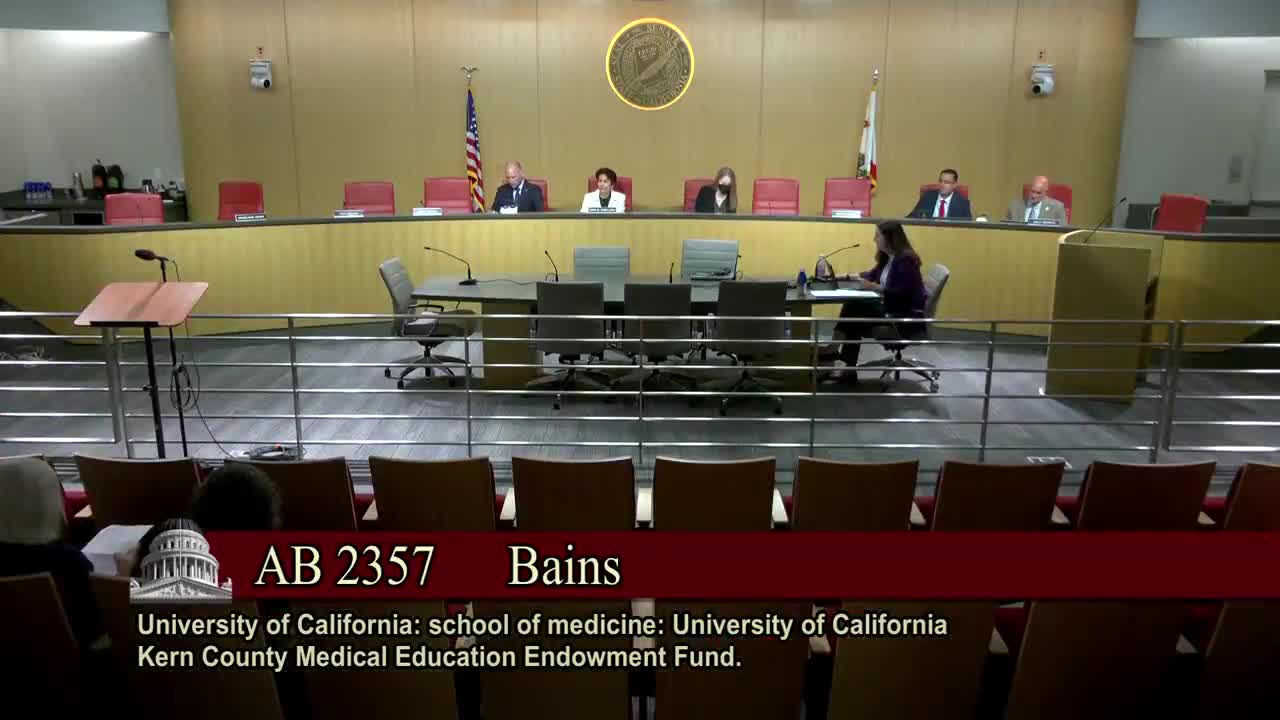 1MIN
Senate Standing Committee on Appropriations
 1MIN
Assembly Floor
Bill Author

Bill Co-Author(s):