AB 2428: Medi-Cal: Community-Based Adult Services.
- Session Year: 2023-2024
- House: Assembly
- Latest Version Date: 2024-08-26
Current Status:
Failed
(2024-09-14: Vetoed by Governor.)
Introduced
In Committee
First Chamber
In Committee
Second Chamber
Enacted
Existing law establishes the Medi-Cal program, which is administered by the State Department of Health Care Services and under which qualified low-income individuals receive health care services. The Medi-Cal program is, in part, governed and funded by federal Medicaid program provisions. Existing law requires the department to standardize applicable covered Medi-Cal benefits provided by Medi-Cal managed care plans under comprehensive risk contracts with the department on a statewide basis and across all models of Medi-Cal managed care, in accordance with the Terms and Conditions of the California Advancing and Innovating Medi-Cal (CalAIM) initiative.
Existing law requires, commencing January 1, 2022, that Community-Based Adult Services (CBAS) continue to be available as a capitated benefit for a qualified Medi-Cal beneficiary under a comprehensive risk contract with an applicable Medi-Cal managed care plan. For contract periods during which that provision is implemented, existing law requires each applicable plan to reimburse a network provider furnishing CBAS to a Medi-Cal beneficiary enrolled in that plan, and requires each network provider of CBAS to accept the payment amount that the network provider of CBAS would be paid for the service in the Medi-Cal fee-for-service delivery system, as specified, unless the plan and network provider mutually agree to reimbursement in a different amount.
This bill, for purposes of the mutual agreement between a Medi-Cal managed care plan and a network provider, would require that the reimbursement be in an amount equal to or greater than the amount paid for the service in the Medi-Cal fee-for-service delivery system.
Existing law establishes the Medi-Cal program, which is administered by the State Department of Health Care Services and under which qualified low-income individuals receive health care services. The Medi-Cal program is, in part, governed and funded by federal Medicaid program provisions. Existing law requires the department to standardize applicable covered Medi-Cal benefits provided by Medi-Cal managed care plans under comprehensive risk contracts with the department on a statewide basis and across all models of Medi-Cal managed care, in accordance with the Terms and Conditions of the California Advancing and Innovating Medi-Cal (CalAIM) initiative.
Existing law requires, commencing January 1, 2022, that Community-Based Adult Services (CBAS) continue to be available as a capitated benefit for a qualified Medi-Cal beneficiary under a comprehensive risk contract with an applicable Medi-Cal managed care plan. For contract periods during which that provision is implemented, existing law requires each applicable plan to reimburse a network provider furnishing CBAS to a Medi-Cal beneficiary enrolled in that plan, and requires each network provider of CBAS to accept the payment amount that the network provider of CBAS would be paid for the service in the Medi-Cal fee-for-service delivery system, as specified, unless the plan and network provider mutually agree to reimbursement in a different amount.
This bill, for purposes of the mutual agreement between a Medi-Cal managed care plan and a network provider, would require that the reimbursement be in an amount equal to or greater than the amount paid for the service in the Medi-Cal fee-for-service delivery system.
Existing law establishes the Medi-Cal program, which is administered by the State Department of Health Care Services and under which qualified low-income individuals receive health care services. The Medi-Cal program is, in part, governed and funded by federal Medicaid program provisions. Existing law requires the department to standardize applicable covered Medi-Cal benefits provided by Medi-Cal managed care plans under comprehensive risk contracts with the department on a statewide basis and across all models of Medi-Cal managed care, in accordance with the Terms and Conditions of the California Advancing and Innovating Medi-Cal (CalAIM) initiative.
Existing law requires, commencing January 1, 2022, that Community-Based Adult Services (CBAS) continue to be available as a capitated benefit for a qualified Medi-Cal beneficiary under a comprehensive risk contract with an applicable Medi-Cal managed care plan. For contract periods during which that provision is implemented, existing law requires each applicable plan to reimburse a network provider furnishing CBAS to a Medi-Cal beneficiary enrolled in that plan, and requires each network provider of CBAS to accept the payment amount that the network provider of CBAS would be paid for the service in the Medi-Cal fee-for-service delivery system, as specified, unless the plan and network provider mutually agree to reimbursement in a different amount.
This bill, for purposes of the mutual agreement between a Medi-Cal managed care plan and a network provider, would require that the reimbursement be in an amount equal to or greater than the amount paid for the service in the Medi-Cal fee-for-service delivery system. Under the bill, no later than January 1, 2025, for payments commencing on July 1, 2019, a Medi-Cal managed care plan that has not reimbursed a network provider furnishing CBAS according to those provisions would be required to reimburse the network provider the difference between the amount required and the amount that has been paid.
Existing law requires that capitation rates paid by the department to an applicable Medi-Cal managed care plan be actuarially sound and account for the payment levels in the above-described provisions as applicable.This bill would prohibit the changes made by the bill to the above-described reimbursement from being construed as requiring the department to retroactively recalculate the capitation rates for purposes of any reimbursement of the difference between the amount required and the amount that has been paid.Existing law establishes the Medi-Cal program, which is administered by the State Department of Health Care Services and under which qualified low-income individuals receive health care services. The Medi-Cal program is, in part, governed and funded by federal Medicaid program provisions. Existing law requires the department to standardize applicable covered Medi-Cal benefits provided by Medi-Cal managed care plans under comprehensive risk contracts with the department on a statewide basis and across all models of Medi-Cal managed care, in accordance with the Terms and Conditions of the California Advancing and Innovating Medi-Cal (CalAIM) initiative.
Existing law requires, commencing January 1, 2022, that Community-Based Adult Services (CBAS) continue to be available as a capitated benefit for a qualified Medi-Cal beneficiary under a comprehensive risk contract with an applicable Medi-Cal managed care plan. For contract periods during which that provision is implemented, existing law requires each applicable plan to reimburse a network provider furnishing CBAS to a Medi-Cal beneficiary enrolled in that plan, and requires each network provider of CBAS to accept the payment amount that the network provider of CBAS would be paid for the service in the Medi-Cal fee-for-service delivery system, as specified, unless the plan and network provider mutually agree to reimbursement in a different amount.
This bill, for purposes of the mutual agreement between a Medi-Cal managed care plan and a network provider, would require that the reimbursement be in an amount equal to or greater than the amount paid for the service in the Medi-Cal fee-for-service delivery system. Under the bill, no later than January 1, 2025, for payments commencing on July 1, 2019, a Medi-Cal managed care plan that has not reimbursed a network provider furnishing CBAS according to those provisions would be required to reimburse the network provider the difference between the amount required and the amount that has been paid.
Existing law requires that capitation rates paid by the department to an applicable Medi-Cal managed care plan be actuarially sound and account for the payment levels in the above-described provisions as applicable.
This bill would prohibit the changes made by the bill to the above-described reimbursement from being construed as requiring the department to retroactively recalculate the capitation rates for purposes of any reimbursement of the difference between the amount required and the amount that has been paid.
(a)Notwithstanding any other law, the department shall standardize applicable covered Medi-Cal benefits provided by Medi-Cal managed care plans under comprehensive risk contracts with the department on a statewide basis and across all models of Medi-Cal managed care in accordance with this section and the CalAIM Terms and Conditions.
(b)(1)Notwithstanding any other law, commencing January 1, 2023, subject to subdivision (f) of Section 14184.102, the department shall include, or continue to include, skilled nursing facility services as capitated benefits in the comprehensive risk contract with each Medi-Cal managed care plan.
(2)For contract periods from January 1, 2023, to December 31, 2025, inclusive, during which paragraph (1) is implemented, each Medi-Cal managed care plan shall reimburse a network provider furnishing skilled nursing facility services to a Medi-Cal beneficiary enrolled in that plan, and each network provider of skilled nursing facility services shall accept the payment amount the network provider of skilled nursing facility services would be paid for those services in the Medi-Cal fee-for-service delivery system, as defined by the department in the Medi-Cal State Plan and guidance issued pursuant to subdivision (d) of Section 14184.102. For contract periods commencing on or after January 1, 2026, during which paragraph (1) is implemented, the department may elect to continue the payment requirement described in this paragraph, subject to subdivision (f) of Section 14184.102.
(3)For contract periods during which paragraph (1) is implemented, capitation rates paid by the department to a Medi-Cal managed care plan shall be actuarially sound and shall account for the payment levels described in paragraph (2) as applicable. The department may require Medi-Cal managed care plans and network providers of skilled nursing facility services to submit information that the department deems necessary to implement this subdivision, at the times and in the form and manner specified by the department.
(c)(1)Notwithstanding any other law, commencing January 1, 2024, subject to subdivision (f) of Section 14184.102, the department shall include, or continue to include, institutional long-term care services not described in subdivision (b) as capitated benefits in the comprehensive risk contract with each Medi-Cal managed care plan.
(2)For contract periods from January 1, 2024, to December 31, 2025, inclusive, during which paragraph (1) is implemented, each Medi-Cal managed care plan shall reimburse a network provider furnishing institutional long-term care services not described in subdivision (b) to a Medi-Cal beneficiary enrolled in that plan, and each network provider of institutional long-term care services not described in subdivision (b) shall accept the payment amount the network provider of institutional long-term care services would be paid for those services in the Medi-Cal fee-for-service delivery system, as defined by the department in the Medi-Cal State Plan and guidance issued pursuant to subdivision (d) of Section 14184.102. For contract periods commencing on or after January 1, 2026, during which paragraph (1) is implemented, the department may elect to continue the payment requirement described in this paragraph, subject to subdivision (f) of Section 14184.102.
(3)For contract periods during which paragraph (1) is implemented, capitation rates paid by the department to a Medi-Cal managed care plan shall be actuarially sound and shall account for the payment levels described in paragraph (2), as applicable. The department may require Medi-Cal managed care plans and network providers of institutional long-term care services to submit information that the department deems necessary to implement this subdivision, at the times and in the form and manner specified by the department.
(4)The department shall convene, in collaboration with the State Department of Developmental Services (DDS), a workgroup to address transition of intermediate care facility/developmentally disabled (ICF/DD) facilities, and Intermediate Care Facility for the Developmentally Disabled-Nursing (ICF/DD-N) and Intermediate Care Facility for the Developmentally Disabled-Habilitative (ICF/DD-H) Homes from the Medi-Cal fee-for-service delivery system to the Medi-Cal managed care delivery system to ensure a smooth transition to CalAIM.
(d)(1)Notwithstanding any other law, commencing January 1, 2022, the department shall include donor and recipient organ transplant surgeries, as described in Section 14132.69 and in the CalAIM Terms and Conditions, and donor and recipient bone marrow transplants, as described in Section 14133.8 and in the CalAIM Terms and Conditions, as capitated benefits in the comprehensive risk contract with each Medi-Cal managed care plan.
(2)For contract periods from January 1, 2022, to December 31, 2024, inclusive, during which paragraph (1) is implemented, each applicable Medi-Cal managed care plan shall reimburse a provider furnishing organ or bone marrow transplant surgeries to a Medi-Cal beneficiary enrolled in that plan, and each provider of organ or bone marrow transplant surgeries shall accept the payment amount the provider of organ or bone marrow transplant surgeries would be paid for those services in the Medi-Cal fee-for-service delivery system, as defined by the department in the Medi-Cal State Plan and guidance issued pursuant to subdivision (d) of Section 14184.102. For contract periods commencing on or after January 1, 2025, during which paragraph (1) is implemented, the department may elect to continue the payment requirement described in this paragraph, subject to subdivision (f) of Section 14184.102.
(3)For contract periods during which paragraph (1) is implemented, capitation rates paid by the department to a Medi-Cal managed care plan shall be actuarially sound and shall account for the payment levels described in paragraph (2) as applicable. The department may require Medi-Cal managed care plans and providers of organ or bone marrow transplant surgeries to submit information that the department deems necessary to implement this subdivision, at the times and in the form and manner specified by the department.
(e)(1)Notwithstanding any other law, commencing January 1, 2022, Community-Based Adult Services (CBAS), as described in Section 14186.3, shall continue to be available as a capitated benefit for a qualified Medi-Cal beneficiary under a comprehensive risk contract with an applicable Medi-Cal managed care plan, in accordance with the CalAIM Terms and Conditions.
(2)CBAS shall only be available as a covered Medi-Cal benefit for a qualified Medi-Cal beneficiary under a comprehensive risk contract with an applicable Medi-Cal managed care plan. Medi-Cal beneficiaries who are eligible for CBAS shall enroll in an applicable Medi-Cal managed care plan in order to receive those services, except for beneficiaries exempt from mandatory enrollment in a Medi-Cal managed care plan pursuant to the CalAIM Terms and Conditions and Section 14184.200.
(3)CBAS shall be delivered in accordance with applicable state and federal law, including, but not limited to, the federal home and community-based settings regulations set forth in Sections 441.301(c)(4), 441.530(a)(1), and 441.710(a)(1) of Title 42 of the Code of Federal Regulations, and related subregulatory guidance and any amendment issued thereto.
(4)For contract periods during which paragraph (1) is implemented, each applicable Medi-Cal managed care plan shall reimburse a network provider furnishing CBAS to a Medi-Cal beneficiary enrolled in that plan, and each network provider of CBAS shall accept the payment amount that the network provider of CBAS would be paid for the service in the Medi-Cal fee-for-service delivery system, as defined by the department in guidance issued pursuant to subdivision (d) of Section 14184.102, unless the Medi-Cal managed care plan and network provider mutually agree to reimbursement in an amount equal to or greater than the amount paid for the service in the Medi-Cal fee-for-service delivery system.
(5)For contract periods during which paragraph (1) is implemented, capitation rates paid by the department to an applicable Medi-Cal managed care plan shall be actuarially sound and shall account for the payment levels described in paragraph (4) as applicable. The department may require applicable Medi-Cal managed care plans and network providers of CBAS to submit information that the department deems necessary to implement this subdivision, at the times and in the form and manner specified by the department.
(f)Notwithstanding any other law, including, but not limited to, subdivision (a), the department may not transfer responsibility for specialty mental health services in the Counties of Sacramento and Solano from the Medi-Cal managed care plan responsible for those services on July 1, 2022, in those counties until no sooner than all of the following requirements have been met:
(1)The requirements of Section 14184.403 have been implemented.
(2)Each county and Medi-Cal managed care plan has submitted to the department a transition plan that contains provisions for continuity of care or the transfer of care.
(3)Notice has been provided to affected beneficiaries, including the ability of beneficiaries to request continuity of care pursuant to mental health and substance use disorder information notices issued by the department.
(g)For purposes of this section, the following definitions apply:
(1)Comprehensive risk contract has the same meaning as set forth in Section 438.2 of Title 42 of the Code of Federal Regulations.
(2)Institutional long-term care services has the same meaning as set forth in the CalAIM Terms and Conditions and, subject to subdivision (f) of Section 14184.102, includes at a minimum all of the following:
(A)Skilled nursing facility services.
(B)Subacute facility services.
(C)Pediatric subacute facility services.
(D)Intermediate care facility services.
(3)Network provider has the same meaning as set forth in Section 438.2 of Title 42 of the Code of Federal Regulations.
(a)Notwithstanding any other law, the department shall standardize those applicable covered Medi-Cal benefits provided by Medi-Cal managed care plans under comprehensive risk contracts with the department on a statewide basis and across all models of Medi-Cal managed care in accordance with this section and the CalAIM Terms and Conditions.
(b)(1)Notwithstanding any other law, commencing January 1, 2023, subject to subdivision (f) of Section 14184.102, the department shall include, or continue to include, skilled nursing facility services as capitated benefits in the comprehensive risk contract with each Medi-Cal managed care plan.
(2)For contract periods from January 1, 2023, to December 31, 2025, inclusive, during which paragraph (1) is implemented, each Medi-Cal managed care plan shall reimburse a network provider furnishing skilled nursing facility services to a Medi-Cal beneficiary enrolled in that plan, and each network provider of skilled nursing facility services shall accept the payment amount the network provider of skilled nursing facility services would be paid for those services in the Medi-Cal fee-for-service delivery system, as defined by the department in the Medi-Cal State Plan and guidance issued pursuant to subdivision (d) of Section 14184.102. For contract periods commencing on or after January 1, 2026, during which paragraph (1) is implemented, the department may elect to continue the payment requirement described in this paragraph, subject to subdivision (f) of Section 14184.102.
(3)For contract periods during which paragraph (1) is implemented, capitation rates paid by the department to a Medi-Cal managed care plan shall be actuarially sound and shall account for the payment levels described in paragraph (2) as applicable. The department may require Medi-Cal managed care plans and network providers of skilled nursing facility services to submit information that the department deems necessary to implement this subdivision, at the times and in the form and manner specified by the department.
(c)(1)Notwithstanding any other law, commencing January 1, 2024, subject to subdivision (f) of Section 14184.102, the department shall include, or continue to include, institutional long-term care services not described in subdivision (b) as capitated benefits in the comprehensive risk contract with each Medi-Cal managed care plan.
(2)For contract periods from January 1, 2024, to December 31, 2025, inclusive, during which paragraph (1) is implemented, each Medi-Cal managed care plan shall reimburse a network provider furnishing institutional long-term care services not described in subdivision (b) to a Medi-Cal beneficiary enrolled in that plan, and each network provider of institutional long-term care services not described in subdivision (b) shall accept the payment amount the network provider of institutional long-term care services would be paid for those services in the Medi-Cal fee-for-service delivery system, as defined by the department in the Medi-Cal State Plan and guidance issued pursuant to subdivision (d) of Section 14184.102. For contract periods commencing on or after January 1, 2026, during which paragraph (1) is implemented, the department may elect to continue the payment requirement described in this paragraph, subject to subdivision (f) of Section 14184.102.
(3)For contract periods during which paragraph (1) is implemented, capitation rates paid by the department to a Medi-Cal managed care plan shall be actuarially sound and shall account for the payment levels described in paragraph (2), as applicable. The department may require Medi-Cal managed care plans and network providers of institutional long-term care services to submit information that the department deems necessary to implement this subdivision, at the times and in the form and manner specified by the department.
(4)The department shall convene, in collaboration with the State Department of Developmental Services (DDS), a workgroup to address transition of intermediate care facility/developmentally disabled (ICF/DD) facilities, and Intermediate Care Facility for the Developmentally Disabled-Nursing (ICF/DD-N) and Intermediate Care Facility for the Developmentally Disabled-Habilitative (ICF/DD-H) Homes from the Medi-Cal fee-for-service delivery system to the Medi-Cal managed care delivery system to ensure a smooth transition to CalAIM.
(d)(1)Notwithstanding any other law, commencing January 1, 2022, the department shall include donor and recipient organ transplant surgeries, as described in Section 14132.69 and in the CalAIM Terms and Conditions, and donor and recipient bone marrow transplants, as described in Section 14133.8 and in the CalAIM Terms and Conditions, as capitated benefits in the comprehensive risk contract with each Medi-Cal managed care plan.
(2)For contract periods from January 1, 2022, to December 31, 2024, inclusive, during which paragraph (1) is implemented, each applicable Medi-Cal managed care plan shall reimburse a provider furnishing organ or bone marrow transplant surgeries to a Medi-Cal beneficiary enrolled in that plan, and each provider of organ or bone marrow transplant surgeries shall accept the payment amount the provider of organ or bone marrow transplant surgeries would be paid for those services in the Medi-Cal fee-for-service delivery system, as defined by the department in the Medi-Cal State Plan and guidance issued pursuant to subdivision (d) of Section 14184.102. For contract periods commencing on or after January 1, 2025, during which paragraph (1) is implemented, the department may elect to continue the payment requirement described in this paragraph, subject to subdivision (f) of Section 14184.102.
(3)For contract periods during which paragraph (1) is implemented, capitation rates paid by the department to a Medi-Cal managed care plan shall be actuarially sound and shall account for the payment levels described in paragraph (2) as applicable. The department may require Medi-Cal managed care plans and providers of organ or bone marrow transplant surgeries to submit information that the department deems necessary to implement this subdivision, at the times and in the form and manner specified by the department.
(e)(1)Notwithstanding any other law, commencing January 1, 2022, Community-Based Adult Services (CBAS), as described in Section 14186.3, shall continue to be available as a capitated benefit for a qualified Medi-Cal beneficiary under a comprehensive risk contract with an applicable Medi-Cal managed care plan, in accordance with the CalAIM Terms and Conditions.
(2)CBAS shall only be available as a covered Medi-Cal benefit for a qualified Medi-Cal beneficiary under a comprehensive risk contract with an applicable Medi-Cal managed care plan. Medi-Cal beneficiaries who are eligible for CBAS shall enroll in an applicable Medi-Cal managed care plan in order to receive those services, except for beneficiaries exempt from mandatory enrollment in a Medi-Cal managed care plan pursuant to the CalAIM Terms and Conditions and Section 14184.200.
(3)CBAS shall be delivered in accordance with applicable state and federal law, including, but not limited to, the federal home and community-based settings regulations set forth in Sections 441.301(c)(4), 441.530(a)(1), and 441.710(a)(1) of Title 42 of the Code of Federal Regulations, and related subregulatory guidance and any amendment issued thereto.
(4)For contract periods during which paragraph (1) is implemented, each applicable Medi-Cal managed care plan shall reimburse a network provider furnishing CBAS to a Medi-Cal beneficiary enrolled in that plan, and each network provider of CBAS shall accept the payment amount that the network provider of CBAS would be paid for the service in the Medi-Cal fee-for-service delivery system, as defined by the department in guidance issued pursuant to subdivision (d) of Section 14184.102, unless the Medi-Cal managed care plan and network provider mutually agree to reimbursement in an amount equal to or greater than the amount paid for the service in the Medi-Cal fee-for-service delivery system.
(5)For contract periods during which paragraph (1) is implemented, capitation rates paid by the department to an applicable Medi-Cal managed care plan shall be actuarially sound and shall account for the payment levels described in paragraph (4) as applicable. The department may require applicable Medi-Cal managed care plans and network providers of CBAS to submit information that the department deems necessary to implement this subdivision, at the times and in the form and manner specified by the department.
(f)Notwithstanding any other law, including, but not limited to, subdivision (a), the department may not transfer responsibility for specialty mental health services in the Counties of Sacramento and Solano from the Medi-Cal managed care plan responsible for those services on July 1, 2022, in those counties until no sooner than all of the following requirements have been met:
(1)The requirements of Section 14184.403 have been implemented.
(2)Each county and Medi-Cal managed care plan has submitted to the department a transition plan that contains provisions for continuity of care or the transfer of care.
(3)Notice has been provided to affected beneficiaries, including the ability of beneficiaries to request continuity of care pursuant to mental health and substance use disorder information notices issued by the department.
(g)For purposes of this section, the following definitions apply:
(1)Comprehensive risk contract has the same meaning as set forth in Section 438.2 of Title 42 of the Code of Federal Regulations.
(2)Institutional long-term care services has the same meaning as set forth in the CalAIM Terms and Conditions and, subject to subdivision (f) of Section 14184.102, includes at a minimum all of the following:
(A)Skilled nursing facility services.
(B)Subacute facility services.
(C)Pediatric subacute facility services.
(D)Intermediate care facility services.
(3)Network provider has the same meaning as set forth in Section 438.2 of Title 42 of the Code of Federal Regulations.
(a)Notwithstanding any other law, the department shall standardize those applicable covered Medi-Cal benefits provided by Medi-Cal managed care plans under comprehensive risk contracts with the department on a statewide basis and across all models of Medi-Cal managed care in accordance with this section and the CalAIM Terms and Conditions.
(b)(1)Notwithstanding any other law, commencing January 1, 2023, subject to subdivision (f) of Section 14184.102, the department shall include, or continue to include, skilled nursing facility services as capitated benefits in the comprehensive risk contract with each Medi-Cal managed care plan.
(2)For contract periods from January 1, 2023, to December 31, 2025, inclusive, during which paragraph (1) is implemented, each Medi-Cal managed care plan shall reimburse a network provider furnishing skilled nursing facility services to a Medi-Cal beneficiary enrolled in that plan, and each network provider of skilled nursing facility services shall accept the payment amount the network provider of skilled nursing facility services would be paid for those services in the Medi-Cal fee-for-service delivery system, as defined by the department in the Medi-Cal State Plan and guidance issued pursuant to subdivision (d) of Section 14184.102. For contract periods commencing on or after January 1, 2026, during which paragraph (1) is implemented, the department may elect to continue the payment requirement described in this paragraph, subject to subdivision (f) of Section 14184.102.
(3)For contract periods during which paragraph (1) is implemented, capitation rates paid by the department to a Medi-Cal managed care plan shall be actuarially sound and shall account for the payment levels described in paragraph (2) as applicable. The department may require Medi-Cal managed care plans and network providers of skilled nursing facility services to submit information that the department deems necessary to implement this subdivision, at the times and in the form and manner specified by the department.
(c)(1)Notwithstanding any other law, commencing January 1, 2024, subject to subdivision (f) of Section 14184.102, the department shall include, or continue to include, institutional long-term care services not described in subdivision (b) as capitated benefits in the comprehensive risk contract with each Medi-Cal managed care plan.
(2)For contract periods from January 1, 2024, to December 31, 2025, inclusive, during which paragraph (1) is implemented, each Medi-Cal managed care plan shall reimburse a network provider furnishing institutional long-term care services not described in subdivision (b) to a Medi-Cal beneficiary enrolled in that plan, and each network provider of institutional long-term care services not described in subdivision (b) shall accept the payment amount the network provider of institutional long-term care services would be paid for those services in the Medi-Cal fee-for-service delivery system, as defined by the department in the Medi-Cal State Plan and guidance issued pursuant to subdivision (d) of Section 14184.102. For contract periods commencing on or after January 1, 2026, during which paragraph (1) is implemented, the department may elect to continue the payment requirement described in this paragraph, subject to subdivision (f) of Section 14184.102.
(3)For contract periods during which paragraph (1) is implemented, capitation rates paid by the department to a Medi-Cal managed care plan shall be actuarially sound and shall account for the payment levels described in paragraph (2), as applicable. The department may require Medi-Cal managed care plans and network providers of institutional long-term care services to submit information that the department deems necessary to implement this subdivision, at the times and in the form and manner specified by the department.
(4)The department shall convene, in collaboration with the State Department of Developmental Services (DDS), a workgroup to address transition of intermediate care facility/developmentally disabled (ICF/DD) facilities, and Intermediate Care Facility for the Developmentally Disabled-Nursing (ICF/DD-N) and Intermediate Care Facility for the Developmentally Disabled-Habilitative (ICF/DD-H) Homes from the Medi-Cal fee-for-service delivery system to the Medi-Cal managed care delivery system to ensure a smooth transition to CalAIM.
(d)(1)Notwithstanding any other law, commencing January 1, 2022, the department shall include donor and recipient organ transplant surgeries, as described in Section 14132.69 and in the CalAIM Terms and Conditions, and donor and recipient bone marrow transplants, as described in Section 14133.8 and in the CalAIM Terms and Conditions, as capitated benefits in the comprehensive risk contract with each Medi-Cal managed care plan.
(2)For contract periods from January 1, 2022, to December 31, 2024, inclusive, during which paragraph (1) is implemented, each applicable Medi-Cal managed care plan shall reimburse a provider furnishing organ or bone marrow transplant surgeries to a Medi-Cal beneficiary enrolled in that plan, and each provider of organ or bone marrow transplant surgeries shall accept the payment amount the provider of organ or bone marrow transplant surgeries would be paid for those services in the Medi-Cal fee-for-service delivery system, as defined by the department in the Medi-Cal State Plan and guidance issued pursuant to subdivision (d) of Section 14184.102. For contract periods commencing on or after January 1, 2025, during which paragraph (1) is implemented, the department may elect to continue the payment requirement described in this paragraph, subject to subdivision (f) of Section 14184.102.
(3)For contract periods during which paragraph (1) is implemented, capitation rates paid by the department to a Medi-Cal managed care plan shall be actuarially sound and shall account for the payment levels described in paragraph (2) as applicable. The department may require Medi-Cal managed care plans and providers of organ or bone marrow transplant surgeries to submit information that the department deems necessary to implement this subdivision, at the times and in the form and manner specified by the department.
(e)(1)Notwithstanding any other law, commencing January 1, 2022, Community-Based Adult Services (CBAS), as described in Section 14186.3, shall continue to be available as a capitated benefit for a qualified Medi-Cal beneficiary under a comprehensive risk contract with an applicable Medi-Cal managed care plan, in accordance with the CalAIM Terms and Conditions.
(2)CBAS shall only be available as a covered Medi-Cal benefit for a qualified Medi-Cal beneficiary under a comprehensive risk contract with an applicable Medi-Cal managed care plan. Medi-Cal beneficiaries who are eligible for CBAS shall enroll in an applicable Medi-Cal managed care plan in order to receive those services, except for beneficiaries exempt from mandatory enrollment in a Medi-Cal managed care plan pursuant to the CalAIM Terms and Conditions and Section 14184.200.
(3)CBAS shall be delivered in accordance with applicable state and federal law, including, but not limited to, the federal home and community-based settings regulations set forth in Sections 441.301(c)(4), 441.530(a)(1), and 441.710(a)(1) of Title 42 of the Code of Federal Regulations, and related subregulatory guidance and any amendment issued thereto.
(4)(A)For contract periods during which paragraph (1) is implemented, each applicable Medi-Cal managed care plan shall reimburse a network provider furnishing CBAS to a Medi-Cal beneficiary enrolled in that plan, and each network provider of CBAS shall accept the payment amount that the network provider of CBAS would be paid for the service in the Medi-Cal fee-for-service delivery system, as defined by the department in guidance issued pursuant to subdivision (d) of Section 14184.102, unless the Medi-Cal managed care plan and network provider mutually agree to reimbursement in an amount equal to or greater than the amount paid for the service in the Medi-Cal fee-for-service delivery system.
(B)No later than January 1, 2025, for payments commencing on July 1, 2019, a Medi-Cal managed care plan that has not reimbursed a network provider furnishing CBAS according to subparagraph (A) shall reimburse the network provider the difference between the amount required pursuant to subparagraph (A) and the amount that has been paid.(5)(A)For contract periods during which paragraph (1) is implemented, capitation rates paid by the department to an applicable Medi-Cal managed care plan shall be actuarially sound and shall account for the payment levels described in paragraph (4) as applicable. The department may require applicable Medi-Cal managed care plans and network providers of CBAS to submit information that the department deems necessary to implement this subdivision, at the times and in the form and manner specified by the department.
(B)The changes made to paragraph (4) by the act that added this subparagraph shall not be construed as requiring the department to retroactively recalculate the capitation rates under subparagraph (A) for purposes of any reimbursement of the difference that is described in subparagraph (B) of paragraph (4).(f)Notwithstanding any other law, including, but not limited to, subdivision (a), the department may not transfer responsibility for specialty mental health services in the Counties of Sacramento and Solano from the Medi-Cal managed care plan responsible for those services on July 1, 2022, in those counties until no sooner than all of the following requirements have been met:
(1)The requirements of Section 14184.403 have been implemented.
(2)Each county and Medi-Cal managed care plan has submitted to the department a transition plan that contains provisions for continuity of care or the transfer of care.
(3)Notice has been provided to affected beneficiaries, including the ability of beneficiaries to request continuity of care pursuant to mental health and substance use disorder information notices issued by the department.
(g)For purposes of this section, the following definitions apply:
(1)Comprehensive risk contract has the same meaning as set forth in Section 438.2 of Title 42 of the Code of Federal Regulations.
(2)Institutional long-term care services has the same meaning as set forth in the CalAIM Terms and Conditions and, subject to subdivision (f) of Section 14184.102, includes at a minimum all of the following:
(A)Skilled nursing facility services.
(B)Subacute facility services.
(C)Pediatric subacute facility services.
(D)Intermediate care facility services.
(3)Network provider has the same meaning as set forth in Section 438.2 of Title 42 of the Code of Federal Regulations.
(a)Notwithstanding any other law, the department shall standardize those applicable covered Medi-Cal benefits provided by Medi-Cal managed care plans under comprehensive risk contracts with the department on a statewide basis and across all models of Medi-Cal managed care in accordance with this section and the CalAIM Terms and Conditions.
(b)(1)Notwithstanding any other law, commencing January 1, 2023, subject to subdivision (f) of Section 14184.102, the department shall include, or continue to include, skilled nursing facility services as capitated benefits in the comprehensive risk contract with each Medi-Cal managed care plan.
(2)For contract periods from January 1, 2023, to December 31, 2025, inclusive, during which paragraph (1) is implemented, each Medi-Cal managed care plan shall reimburse a network provider furnishing skilled nursing facility services to a Medi-Cal beneficiary enrolled in that plan, and each network provider of skilled nursing facility services shall accept the payment amount the network provider of skilled nursing facility services would be paid for those services in the Medi-Cal fee-for-service delivery system, as defined by the department in the Medi-Cal State Plan and guidance issued pursuant to subdivision (d) of Section 14184.102. For contract periods commencing on or after January 1, 2026, during which paragraph (1) is implemented, the department may elect to continue the payment requirement described in this paragraph, subject to subdivision (f) of Section 14184.102.
(3)For contract periods during which paragraph (1) is implemented, capitation rates paid by the department to a Medi-Cal managed care plan shall be actuarially sound and shall account for the payment levels described in paragraph (2) as applicable. The department may require Medi-Cal managed care plans and network providers of skilled nursing facility services to submit information that the department deems necessary to implement this subdivision, at the times and in the form and manner specified by the department.
(c)(1)Notwithstanding any other law, commencing January 1, 2024, subject to subdivision (f) of Section 14184.102, the department shall include, or continue to include, institutional long-term care services not described in subdivision (b) as capitated benefits in the comprehensive risk contract with each Medi-Cal managed care plan.
(2)For contract periods from January 1, 2024, to December 31, 2025, inclusive, during which paragraph (1) is implemented, each Medi-Cal managed care plan shall reimburse a network provider furnishing institutional long-term care services not described in subdivision (b) to a Medi-Cal beneficiary enrolled in that plan, and each network provider of institutional long-term care services not described in subdivision (b) shall accept the payment amount the network provider of institutional long-term care services would be paid for those services in the Medi-Cal fee-for-service delivery system, as defined by the department in the Medi-Cal State Plan and guidance issued pursuant to subdivision (d) of Section 14184.102. For contract periods commencing on or after January 1, 2026, during which paragraph (1) is implemented, the department may elect to continue the payment requirement described in this paragraph, subject to subdivision (f) of Section 14184.102.
(3)For contract periods during which paragraph (1) is implemented, capitation rates paid by the department to a Medi-Cal managed care plan shall be actuarially sound and shall account for the payment levels described in paragraph (2), as applicable. The department may require Medi-Cal managed care plans and network providers of institutional long-term care services to submit information that the department deems necessary to implement this subdivision, at the times and in the form and manner specified by the department.
(4)The department shall convene, in collaboration with the State Department of Developmental Services (DDS), a workgroup to address transition of intermediate care facility/developmentally disabled (ICF/DD) facilities, and Intermediate Care Facility for the Developmentally Disabled-Nursing (ICF/DD-N) and Intermediate Care Facility for the Developmentally Disabled-Habilitative (ICF/DD-H) Homes from the Medi-Cal fee-for-service delivery system to the Medi-Cal managed care delivery system to ensure a smooth transition to CalAIM.
(d)(1)Notwithstanding any other law, commencing January 1, 2022, the department shall include donor and recipient organ transplant surgeries, as described in Section 14132.69 and in the CalAIM Terms and Conditions, and donor and recipient bone marrow transplants, as described in Section 14133.8 and in the CalAIM Terms and Conditions, as capitated benefits in the comprehensive risk contract with each Medi-Cal managed care plan.
(2)For contract periods from January 1, 2022, to December 31, 2024, inclusive, during which paragraph (1) is implemented, each applicable Medi-Cal managed care plan shall reimburse a provider furnishing organ or bone marrow transplant surgeries to a Medi-Cal beneficiary enrolled in that plan, and each provider of organ or bone marrow transplant surgeries shall accept the payment amount the provider of organ or bone marrow transplant surgeries would be paid for those services in the Medi-Cal fee-for-service delivery system, as defined by the department in the Medi-Cal State Plan and guidance issued pursuant to subdivision (d) of Section 14184.102. For contract periods commencing on or after January 1, 2025, during which paragraph (1) is implemented, the department may elect to continue the payment requirement described in this paragraph, subject to subdivision (f) of Section 14184.102.
(3)For contract periods during which paragraph (1) is implemented, capitation rates paid by the department to a Medi-Cal managed care plan shall be actuarially sound and shall account for the payment levels described in paragraph (2) as applicable. The department may require Medi-Cal managed care plans and providers of organ or bone marrow transplant surgeries to submit information that the department deems necessary to implement this subdivision, at the times and in the form and manner specified by the department.
(e)(1)Notwithstanding any other law, commencing January 1, 2022, Community-Based Adult Services (CBAS), as described in Section 14186.3, shall continue to be available as a capitated benefit for a qualified Medi-Cal beneficiary under a comprehensive risk contract with an applicable Medi-Cal managed care plan, in accordance with the CalAIM Terms and Conditions.
(2)CBAS shall only be available as a covered Medi-Cal benefit for a qualified Medi-Cal beneficiary under a comprehensive risk contract with an applicable Medi-Cal managed care plan. Medi-Cal beneficiaries who are eligible for CBAS shall enroll in an applicable Medi-Cal managed care plan in order to receive those services, except for beneficiaries exempt from mandatory enrollment in a Medi-Cal managed care plan pursuant to the CalAIM Terms and Conditions and Section 14184.200.
(3)CBAS shall be delivered in accordance with applicable state and federal law, including, but not limited to, the federal home and community-based settings regulations set forth in Sections 441.301(c)(4), 441.530(a)(1), and 441.710(a)(1) of Title 42 of the Code of Federal Regulations, and related subregulatory guidance and any amendment issued thereto.
(4)(A)For contract periods during which paragraph (1) is implemented, each applicable Medi-Cal managed care plan shall reimburse a network provider furnishing CBAS to a Medi-Cal beneficiary enrolled in that plan, and each network provider of CBAS shall accept the payment amount that the network provider of CBAS would be paid for the service in the Medi-Cal fee-for-service delivery system, as defined by the department in guidance issued pursuant to subdivision (d) of Section 14184.102, unless the Medi-Cal managed plan and network provider mutually agree to reimbursement in a different amount. an amount equal to or greater than the amount paid for the service in the Medi-Cal fee-for-service delivery system.
(B)No later than January 1, 2025, for payments commencing on July 1, 2019, a Medi-Cal managed care plan that has not reimbursed a network provider furnishing CBAS according to subparagraph (A) shall reimburse the network provider the difference between the amount required pursuant to subparagraph (A) and the amount that has been paid.
(5)(A)For contract periods during which paragraph (1) is implemented, capitation rates paid by the department to an applicable Medi-Cal managed care plan shall be actuarially sound and shall account for the payment levels described in paragraph (4) as applicable. The department may require applicable Medi-Cal managed care plans and network providers of CBAS to submit information that the department deems necessary to implement this subdivision, at the times and in the form and manner specified by the department.
(B)The changes made to paragraph (4) by the act that added this subparagraph shall not be construed as requiring the department to retroactively recalculate the capitation rates under subparagraph (A) for purposes of any reimbursement of the difference that is described in subparagraph (B) of paragraph (4).
(f)Notwithstanding any other law, including, but not limited to, subdivision (a), the department may not transfer responsibility for specialty mental health services in the Counties of Sacramento and Solano from the Medi-Cal managed care plan responsible for those services on July 1, 2022, in those counties until no sooner than all of the following requirements have been met:
(1)The requirements of Section 14184.403 have been implemented.
(2)Each county and Medi-Cal managed care plan has submitted to the department a transition plan that contains provisions for continuity of care or the transfer of care.
(3)Notice has been provided to affected beneficiaries, including the ability of beneficiaries to request continuity of care pursuant to mental health and substance use disorder information notices issued by the department.
(g)For purposes of this section, the following definitions apply:
(1)Comprehensive risk contract has the same meaning as set forth in Section 438.2 of Title 42 of the Code of Federal Regulations.
(2)Institutional long-term care services has the same meaning as set forth in the CalAIM Terms and Conditions and, subject to subdivision (f) of Section 14184.102, includes at a minimum all of the following:
(A)Skilled nursing facility services.
(B)Subacute facility services.
(C)Pediatric subacute facility services.
(D)Intermediate care facility services.
(3)Network provider has the same meaning as set forth in Section 438.2 of Title 42 of the Code of Federal Regulations.
REVISIONS: HeadingLine 3.|
Date
|
Status
|
|---|---|
| Sep 14, 2024 | Vetoed by Governor. |
| Aug 28, 2024 | Enrolled and presented to the Governor at 4 p.m. |
| Aug 22, 2024 | Senate amendments concurred in. To Engrossing and Enrolling. (Ayes 63. Noes 0. Page 6431.). |
| Aug 20, 2024 | In Assembly. Concurrence in Senate amendments pending. May be considered on or after August 22 pursuant to Assembly Rule 77. |
| Aug 20, 2024 | Read third time. Passed. Ordered to the Assembly. (Ayes 40. Noes 0. Page 5244.). |
| Aug 19, 2024 | Read second time. Ordered to third reading. |
| Aug 15, 2024 | Read second time and amended. Ordered returned to second reading. |
| Aug 15, 2024 | From committee: Amend, and do pass as amended. (Ayes 7. Noes 0.) (August 15). |
| Jul 1, 2024 | In committee: Referred to suspense file. |
| Jun 20, 2024 | From committee: Do pass and re-refer to Com. on APPR with recommendation: To Consent Calendar. (Ayes 11. Noes 0.) (June 19). Re-referred to Com. on APPR. |
| May 29, 2024 | Referred to Com. on HEALTH. |
| May 22, 2024 | In Senate. Read first time. To Com. on RLS. for assignment. |
| May 21, 2024 | Read third time. Passed. Ordered to the Senate. (Ayes 73. Noes 0. Page 5374.) |
| May 20, 2024 | Read second time. Ordered to third reading. |
| May 16, 2024 | Read second time and amended. Ordered returned to second reading. |
| May 16, 2024 | From committee: Amend, and do pass as amended. (Ayes 11. Noes 0.) (May 16). |
| May 16, 2024 | Assembly Rule 63 suspended. |
| May 8, 2024 | In committee: Set, first hearing. Referred to APPR. suspense file. |
| Apr 10, 2024 | From committee: Do pass and re-refer to Com. on APPR. (Ayes 16. Noes 0.) (April 9). Re-referred to Com. on APPR. |
| Apr 10, 2024 | Coauthors revised. |
| Feb 26, 2024 | Referred to Com. on HEALTH. |
| Feb 14, 2024 | From printer. May be heard in committee March 15. |
| Feb 13, 2024 | Read first time. To print. |
|
Date
|
Description
|
Location
|
Votes
|
|
|---|---|---|---|---|
| Aug 22, 2024 | AB 2428 Calderon Concurrence in Senate Amendments | Assembly Floor |
Passed |
|
| Aug 20, 2024 | Assembly 3rd Reading AB2428 Calderon et al. By Dodd | Senate Floor |
Passed |
|
| Aug 15, 2024 | Do pass as amended | Senate Standing Committee on Appropriations |
Passed |
|
| Jul 1, 2024 | Placed on suspense file | Senate Standing Committee on Appropriations |
Passed |
|
| Jun 19, 2024 | Do pass, but first be re-referred to the Committee on [Appropriations] with the recommendation: To Consent Calendar | Senate Standing Committee on Health |
Passed |
|
| May 21, 2024 | AB 2428 Calderon Assembly Third Reading | Assembly Floor |
Passed |
|
| May 16, 2024 | Do pass as amended. | Assembly Standing Committee on Appropriations |
Passed |
|
| Apr 9, 2024 | Do pass and be re-referred to the Committee on [Appropriations] | Assembly Standing Committee on Health |
Passed |
This list shows positions taken on this bill by organizations on the date displayed, which is linked to the original source.
Positions by individuals are not included.
|
Organization
|
Position
|
Date
|
|---|---|---|
| AARP | ** Support | |
| Alameda County Board of Supervisors | ** Support | |
| Alzheimer'S Association, State Policy Office | ** Support | |
| alzheimer's greater los angeles | ** Support | |
| alzheimer's orange county | ** Support | |
| Alzheimer'S San Diego | ** Support | |
| Angeles Del Sol Adult Day Health Care | ** Support | |
| ARCA, Inc. | ** Support | |
| Arcadia Adult Day Health Care Center | ** Support | |
| Association Of Regional Center Agencies | ** Support | |
| Avenidas | ** Support | |
| Beverly Adult Day Health Care Center | ** Support | |
| C&C Carson Adult Day Health Care Center | ** Support | |
| California Academy Of Family Physicians | ** Support | |
| California Association For Adult Day Services | ** Support | |
| California Association of Adult Day Services | * Support | Jul 1, 2024 |
| California Coalition on Family Caregiving | ** Support | |
| California Council Of Community Behavioral Health Agencies | ** Support | |
| California Work and Family Coalition | ** Support | |
| Circle of Friends Adult Day Health Care | ** Support | |
| Commonwealth Adult Day Health Care Center | ** Support | |
| Daylight Adult Day Health Care Center | ** Support | |
| E&V Adult Day Health Care Center | ** Support | |
| Easterseals Southern California | ** Support | |
| El Arca, Inc. | ** Support | |
| El Monte Adult Day Health Care Center | ** Support | |
| Elderly Care Everywhere | ** Support | |
| Family Bridges | ** Support | |
| Family Caregiver Alliance | ** Support | |
| Get Together Adult Day Health Care Center | ** Support | |
| Golden Castle ADHC Center | ** Support | |
| Hearts & Minds Activity Center | ** Support | |
| Hollywood Adult Day Health Care Center | ** Support | |
| HomeAvenue, INC. Dba Home Avenue Adult Day Health Care Center | ** Support | |
| Justice in Aging | ** Support | |
| Laguna Adult Day Health Center | ** Support | |
| LeadingAge California | ** Support | |
| Lily Adult Day Health Care Center | ** Support | |
| Loving Care Adult Day Health Care | ** Support | |
| Monte del Sol Adult Day Health Care | ** Support | |
| On Lok Senior Health Services | ** Support | |
| ONEgeneration | ** Support | |
| ONEgeneration Adult Day Healthcare Program | ** Support | |
| Placer Independent Resource Services | ** Support | |
| Poway Adult Day Health Care Center | ** Support | |
| Prime One Care Adult Day Health Care | ** Support | |
| Reimagine | ** Support | |
| Reimagine Network | ** Support | |
| Salida del Sol | ** Support | |
| Senior Services Coalition of Alameda County | ** Support | |
| Steppingstone Health | ** Support | |
| Sunny Adult Day Health Care Center | ** Support | |
| Sunny Cal ADHC | ** Support | |
| Sunny Cal Adult Day Health Care Center | ** Support | |
| Sunny Day Adult Day Health Care | ** Support | |
| The Neighborhood House Association | ** Support | |
| Yolo Adult Day Health Center | ** Support | |
| Yolo Healthy Aging Alliance | ** Support |
GOVERNOR'S VETO
GV Bill Id:AB 2428
Author:(Calderon)
As Enrolled Ver:August 26, 2024
2/3 vote
SUMMARY
Requires Medi-Cal managed care plans to reimburse Community-Based Adult Services (CBAS) providers for CBAS services at a level equal to or greater than the fee-for-service (FFS) Medi-Cal rate for the service.
Senate Amendments
Add a coauthor and make a minor technical change.
Governor's Veto Message
This bill would require Medi-Cal managed care plans to reimburse Community-Based Adult Service (CBAS) providers at a rate that is equal to or greater than the amount paid in the Medi-Cal fee-for-service (FFS) delivery system.
I support the intent of this bill to ensure that CBAS providers of adult day health care services to older and disabled adults receive the FFS rate. However, codifying this requirement is unnecessary to achieve this goal. This year's Budget Act included $16 million in annual payment increases for CBAS providers, effective January 1, 2025. These payment increases are intended to accomplish the same goal, without creating a precedent in the law for one provider type. I have directed the Department of Health Care Services to work with managed care plans to modify their contracts to ensure that CBAS providers caring for older and disabled Californians are receiving these rate increases.
COMMENTS
- Home and Community Based Services (HCBS), and CBAS. Access to HCBS is essential to allowing many older, frail, and disabled individuals to maintain physical and mental health and independence, as well as to prevent or delay unnecessary or premature institutionalization. CBAS (formerly Adult Day Health Center (ADHC) services) is a community-based health program that provides daytime services to older persons and adults with chronic medical, cognitive, mental health conditions, and/or disabilities who are at risk of needing institutional care. These services often delay or prevent institutionalization and maintain individuals in their homes for as long as possible. CBAS services are center-based, and include an individual assessment; professional nursing services; physical, occupational and speech therapies; mental health services; therapeutic activities; social services; personal care; a meal; nutritional counseling; and, transportation to and from the participant's residence and the CBAS center.
- Fiscal Condition of CBAS Centers. California Association for Adult Day Services (CAADS), this bill's sponsor and the entity representing CBAS centers, indicates a survey conducted this year shows 76% of CBAS centers are operating at a deficit and 22% are at high risk of closure, compared to 9% in 2023. CAADS notes Medi-Cal reimbursement rates have not increased in the last 15 years, despite the rate of inflation for these services increasing by 61%. Based on data from CDA, CAADS reports from 2020 to 2023, 18 centers have closed, or 6% of current CBAS centers.
- Medi-Cal Managed Care and Capitation Rate-Setting. Existing law makes CBAS a benefit for qualifying Medi-Cal beneficiaries enrolled in a Medi-Cal managed care plan. The Department of Health Care Services (DHCS) contracts with Medi-Cal managed care plans to deliver services to the overwhelming majority of Medi-Cal enrollees. Capitation rates paid to Medi-Cal managed care plans must be actuarially sound per federal statute and regulation. A number of factors are considered in rate development, including base rates and various types of adjustments.
Under federal regulations, states can establish minimum fee schedules for managed care providers. For instance, last year's health trailer bill, AB 118 (Committee on Budget), Chapter 42, Statutes of 2023, sets certain Medi-Cal FFS rates at 87.5% of the Medicare rate for the service, and requires each managed care plan to reimburse their network providers "at least the amount the network provider would be paid for those services in the Medi-Cal FFS delivery system."
- 10% Budget Cut and "AB 97 Buyback." In 2011, the health-related budget trailer bill, AB 97 (Committee on Budget), Chapter 3, Statutes of 2011, enacted a series of Medi-Cal cost reduction measures, including a 10% provider payment reduction to CBAS. Once the 10% rate cut was were restored in 2019, DHCS subsequently adjusted managed care capitation rates in order to "buy back" the cost of restoring the 10% rate cuts for many providers. In other words, the increased cost associated with restoring the CBAS rate to $76.27 was "baked in" to the capitation rates paid to the plans, on the assumption the plans would in turn pay these increased rates to the centers. However, passing the rate increase onto CBAS centers was not mandatory for the plans, as plans generally have the ability to negotiate payment rates with providers. CAADS asserts the Legislature and Administration made a good-faith assumption that the dollars allocated specifically to restore rates for CBAS providers would reach those providers, and most plans did pass on the rates to CBAS providers; however, CAADS indicates that several did not. This bill sets a minimum payment rate for CBAS services to ensure centers receive rates commensurate with the restoration of the 10% payment reduction.
According to the Author
This bill requires Medi-Cal managed care plans to reimburse CBAS providers at a rate equal to or greater than the amount paid for the service by the Medi-Cal FFS delivery system. The author states CBAS is a community-based health program that provides daytime services to more than 35,000 low-income, multicultural and ethnically diverse, seniors living with chronic medical, cognitive, mental health conditions or disabilities. The author points out, with the elderly population in California expected to grow more than three times as fast as the total population, this bill ensures CBAS will continue playing a vital role in enabling seniors to age gracefully. California Association for Adult Day Services (CAADS) is the bill's sponsor.
Arguments in Support
CAADS, aging advocacy organizations, and a large cadre of ADHCs/CBAS providers support this bill. CAADS argues that although funding was restored, some plans did not immediately restore rates for CBAS providers in their network. CAADS argues that since 2019, CBAS providers that contract with these Managed Care Organizations have been reimbursed at the reduced rate of $68.60 per day per recipient instead of the restored rate of $76.27. CAADS notes there is an inherent imbalance of negotiating power between CBAS centers and plans because of their reliance on Medi-Cal, often resulting in CBAS providers being underpaid from "take it or leave it" contracts. AARP writes in strong support that CBAS provides essential services that keep older Californians in their homes and communities, helps to reduce isolation, engages participants in a variety of enrichment and educational activities, and provides family caregivers with much-needed respite.
Arguments in Opposition
There is no known opposition.
FISCAL COMMENTS
According to the Assembly Appropriations Committee:
DHCS estimates annual costs up to $600,000 (50% General Fund, 50% federal funds) for staff to ensure compliance with the provisions of this bill.
According to the Legislative Analyst's Office, the General Fund faces a structural deficit in the tens of billions of dollars over the next several fiscal years.
VOTES
ASM HEALTH: 16-0-0
YES: Bonta, Waldron, Aguiar-Curry, Arambula, Wendy Carrillo, Flora, Haney, Jones-Sawyer, Maienschein, McCarty, Joe Patterson, Rodriguez, Sanchez, Santiago, Schiavo, Weber
ASM APPROPRIATIONS: 11-0-4
YES: Wicks, Arambula, Bryan, Calderon, Wendy Carrillo, Mike Fong, Grayson, Haney, Hart, Pellerin, Villapudua
ABS, ABST OR NV: Sanchez, Dixon, Jim Patterson, Ta
ASSEMBLY FLOOR: 73-0-7
YES: Addis, Aguiar-Curry, Alanis, Alvarez, Arambula, Bains, Bauer-Kahan, Bennett, Berman, Boerner, Bonta, Bryan, Calderon, Juan Carrillo, Wendy Carrillo, Chen, Connolly, Davies, Dixon, Essayli, Flora, Mike Fong, Vince Fong, Gallagher, Garcia, Gipson, Grayson, Haney, Hart, Hoover, Irwin, Jackson, Jones-Sawyer, Kalra, Lackey, Lee, Low, Lowenthal, Maienschein, McCarty, McKinnor, Muratsuchi, Stephanie Nguyen, Ortega, Pacheco, Papan, Jim Patterson, Joe Patterson, Pellerin, Petrie-Norris, Quirk-Silva, Ramos, Rendon, Reyes, Rodriguez, Blanca Rubio, Sanchez, Santiago, Schiavo, Soria, Ta, Ting, Valencia, Villapudua, Waldron, Wallis, Ward, Weber, Wicks, Wilson, Wood, Zbur, Robert Rivas
ABS, ABST OR NV: Cervantes, Megan Dahle, Friedman, Gabriel, Holden, Mathis, Luz Rivas
SENATE FLOOR: 40-0-0
YES: Allen, Alvarado-Gil, Archuleta, Ashby, Atkins, Becker, Blakespear, Bradford, Caballero, Cortese, Dahle, Dodd, Durazo, Eggman, Glazer, Gonzalez, Grove, Hurtado, Jones, Laird, Limón, McGuire, Menjivar, Min, Newman, Nguyen, Niello, Ochoa Bogh, Padilla, Portantino, Roth, Rubio, Seyarto, Skinner, Smallwood-Cuevas, Stern, Umberg, Wahab, Wiener, Wilk
ASSEMBLY FLOOR: 63-0-16
YES: Alanis, Alvarez, Arambula, Bains, Bennett, Berman, Boerner, Bryan, Calderon, Juan Carrillo, Wendy Carrillo, Chen, Connolly, Megan Dahle, Davies, Dixon, Essayli, Flora, Friedman, Gabriel, Gallagher, Garcia, Gipson, Grayson, Hart, Hoover, Jackson, Jones-Sawyer, Kalra, Lackey, Lee, Lowenthal, Maienschein, Mathis, McCarty, Muratsuchi, Stephanie Nguyen, Pacheco, Papan, Jim Patterson, Joe Patterson, Pellerin, Quirk-Silva, Ramos, Rendon, Reyes, Luz Rivas, Rodriguez, Blanca Rubio, Sanchez, Santiago, Schiavo, Soria, Ta, Ting, Valencia, Villapudua, Waldron, Wallis, Ward, Wood, Zbur, Robert Rivas
ABS, ABST OR NV: Addis, Aguiar-Curry, Bauer-Kahan, Bonta, Cervantes, Mike Fong, Haney, Holden, Irwin, Low, McKinnor, Ortega, Petrie-Norris, Weber, Wicks, Wilson
UPDATED
VERSION: August 26, 2024
CONSULTANT: Lisa Murawski / HEALTH / (916) 319-2097 FN: 0005078
CONCURRENCE IN SENATE AMENDMENTS
CSA1 Bill Id:AB 2428
Author:(Calderon)
As Amended Ver:August 15, 2024
Majority vote
SUMMARY
Requires Medi-Cal managed care plans to reimburse Community-Based Adult Services (CBAS) providers for CBAS services at a level equal to or greater than the fee-for-service (FFS) Medi-Cal rate for the service.
Senate Amendments
Add a coauthor and make a minor technical change.
COMMENTS
- Home and Community Based Services (HCBS), and CBAS. Access to HCBS is essential to allowing many older, frail, and disabled individuals to maintain physical and mental health and independence, as well as to prevent or delay unnecessary or premature institutionalization. CBAS (formerly Adult Day Health Center (ADHC) services) is a community-based health program that provides daytime services to older persons and adults with chronic medical, cognitive, mental health conditions, and/or disabilities who are at risk of needing institutional care. These services often delay or prevent institutionalization and maintain individuals in their homes for as long as possible. CBAS services are center-based, and include an individual assessment; professional nursing services; physical, occupational and speech therapies; mental health services; therapeutic activities; social services; personal care; a meal; nutritional counseling; and, transportation to and from the participant's residence and the CBAS center.
- Fiscal Condition of CBAS Centers. California Association for Adult Day Services (CAADS), this bill's sponsor and the entity representing CBAS centers, indicates a survey conducted this year shows 76% of CBAS centers are operating at a deficit and 22% are at high risk of closure, compared to 9% in 2023. CAADS notes Medi-Cal reimbursement rates have not increased in the last 15 years, despite the rate of inflation for these services increasing by 61%. Based on data from CDA, CAADS reports from 2020 to 2023, 18 centers have closed, or 6% of current CBAS centers.
- Medi-Cal Managed Care and Capitation Rate-Setting. Existing law makes CBAS a benefit for qualifying Medi-Cal beneficiaries enrolled in a Medi-Cal managed care plan. The Department of Health Care Services (DHCS) contracts with Medi-Cal managed care plans to deliver services to the overwhelming majority of Medi-Cal enrollees. Capitation rates paid to Medi-Cal managed care plans must be actuarially sound per federal statute and regulation. A number of factors are considered in rate development, including base rates and various types of adjustments.
Under federal regulations, states can establish minimum fee schedules for managed care providers. For instance, last year's health trailer bill, AB 118 (Committee on Budget), Chapter 42, Statutes of 2023, sets certain Medi-Cal FFS rates at 87.5% of the Medicare rate for the service, and requires each managed care plan to reimburse their network providers "at least the amount the network provider would be paid for those services in the Medi-Cal FFS delivery system."
- 10% Budget Cut and "AB 97 Buyback." In 2011, the health-related budget trailer bill, AB 97 (Committee on Budget), Chapter 3, Statutes of 2011, enacted a series of Medi-Cal cost reduction measures, including a 10% provider payment reduction to CBAS. Once the 10% rate cut was were restored in 2019, DHCS subsequently adjusted managed care capitation rates in order to "buy back" the cost of restoring the 10% rate cuts for many providers. In other words, the increased cost associated with restoring the CBAS rate to $76.27 was "baked in" to the capitation rates paid to the plans, on the assumption the plans would in turn pay these increased rates to the centers. However, passing the rate increase onto CBAS centers was not mandatory for the plans, as plans generally have the ability to negotiate payment rates with providers. CAADS asserts the Legislature and Administration made a good-faith assumption that the dollars allocated specifically to restore rates for CBAS providers would reach those providers, and most plans did pass on the rates to CBAS providers; however, CAADS indicates that several did not. This bill sets a minimum payment rate for CBAS services to ensure centers receive rates commensurate with the restoration of the 10% payment reduction.
According to the Author
This bill requires Medi-Cal managed care plans to reimburse CBAS providers at a rate equal to or greater than the amount paid for the service by the Medi-Cal FFS delivery system. The author states CBAS is a community-based health program that provides daytime services to more than 35,000 low-income, multicultural and ethnically diverse, seniors living with chronic medical, cognitive, mental health conditions or disabilities. The author points out, with the elderly population in California expected to grow more than three times as fast as the total population, this bill ensures CBAS will continue playing a vital role in enabling seniors to age gracefully. California Association for Adult Day Services (CAADS) is the bill's sponsor.
Arguments in Support
CAADS, aging advocacy organizations, and a large cadre of ADHCs/CBAS providers support this bill. CAADS argues that although funding was restored, some plans did not immediately restore rates for CBAS providers in their network. CAADS argues that since 2019, CBAS providers that contract with these Managed Care Organizations have been reimbursed at the reduced rate of $68.60 per day per recipient instead of the restored rate of $76.27. CAADS notes there is an inherent imbalance of negotiating power between CBAS centers and plans because of their reliance on Medi-Cal, often resulting in CBAS providers being underpaid from "take it or leave it" contracts. AARP writes in strong support that CBAS provides essential services that keep older Californians in their homes and communities, helps to reduce isolation, engages participants in a variety of enrichment and educational activities, and provides family caregivers with much-needed respite.
Arguments in Opposition
There is no known opposition.
FISCAL COMMENTS
According to the Assembly Appropriations Committee:
DHCS estimates annual costs up to $600,000 (50% General Fund, 50% federal funds) for staff to ensure compliance with the provisions of this bill.
According to the Legislative Analyst's Office, the General Fund faces a structural deficit in the tens of billions of dollars over the next several fiscal years.
VOTES:
ASM HEALTH: 16-0-0
YES: Bonta, Waldron, Aguiar-Curry, Arambula, Wendy Carrillo, Flora, Haney, Jones-Sawyer, Maienschein, McCarty, Joe Patterson, Rodriguez, Sanchez, Santiago, Schiavo, Weber
ASM APPROPRIATIONS: 11-0-4
YES: Wicks, Arambula, Bryan, Calderon, Wendy Carrillo, Mike Fong, Grayson, Haney, Hart, Pellerin, Villapudua
ABS, ABST OR NV: Sanchez, Dixon, Jim Patterson, Ta
ASSEMBLY FLOOR: 73-0-7
YES: Addis, Aguiar-Curry, Alanis, Alvarez, Arambula, Bains, Bauer-Kahan, Bennett, Berman, Boerner, Bonta, Bryan, Calderon, Juan Carrillo, Wendy Carrillo, Chen, Connolly, Davies, Dixon, Essayli, Flora, Mike Fong, Vince Fong, Gallagher, Garcia, Gipson, Grayson, Haney, Hart, Hoover, Irwin, Jackson, Jones-Sawyer, Kalra, Lackey, Lee, Low, Lowenthal, Maienschein, McCarty, McKinnor, Muratsuchi, Stephanie Nguyen, Ortega, Pacheco, Papan, Jim Patterson, Joe Patterson, Pellerin, Petrie-Norris, Quirk-Silva, Ramos, Rendon, Reyes, Rodriguez, Blanca Rubio, Sanchez, Santiago, Schiavo, Soria, Ta, Ting, Valencia, Villapudua, Waldron, Wallis, Ward, Weber, Wicks, Wilson, Wood, Zbur, Robert Rivas
ABS, ABST OR NV: Cervantes, Megan Dahle, Friedman, Gabriel, Holden, Mathis, Luz Rivas
SENATE FLOOR: 40-0-0
YES: Allen, Alvarado-Gil, Archuleta, Ashby, Atkins, Becker, Blakespear, Bradford, Caballero, Cortese, Dahle, Dodd, Durazo, Eggman, Glazer, Gonzalez, Grove, Hurtado, Jones, Laird, Limón, McGuire, Menjivar, Min, Newman, Nguyen, Niello, Ochoa Bogh, Padilla, Portantino, Roth, Rubio, Seyarto, Skinner, Smallwood-Cuevas, Stern, Umberg, Wahab, Wiener, Wilk
UPDATED
VERSION: August 15, 2024
CONSULTANT: Lisa Murawski / HEALTH / (916) 319-2097 FN: 0004300
SENATE RULES COMMITTEE Office of Senate Floor Analyses (916) 651-1520 Fax: (916) 327-4478 | AB 2428 |
THIRD READING
Bill No: AB 2428
Author: Calderon (D), et al.
Amended: 8/15/24 in Senate
Vote: 21
SENATE HEALTH COMMITTEE: 11-0, 6/19/24
AYES: Roth, Nguyen, Glazer, Gonzalez, Grove, Hurtado, Limón, Menjivar, Rubio, Smallwood-Cuevas, Wiener
SENATE APPROPRIATIONS COMMITTEE: 7-0, 8/15/24
AYES: Caballero, Jones, Ashby, Becker, Bradford, Seyarto, Wahab
ASSEMBLY FLOOR: 73-0, 5/21/24 - See last page for vote
SUBJECT: Medi-Cal: Community-Based Adult Services
SOURCE: California Association for Adult Day Services
DIGEST:
This bill requires Medi-Cal managed care plans to reimburse Community-Based Adult Services providers at a rate that is equal to or greater than the amount paid for the service in the Medi-Cal fee-for-service delivery system.
ANALYSIS:
Existing law:
- Establishes the Medi-Cal program, which is administered by the Department of Health Care Services (DHCS), and under which qualified low-income individuals receive health care services. [Welfare & Institutions Code (WIC) §14000, et seq.]
- Authorizes the DHCS Director to contract, on a bid or nonbid basis, with any qualified individual, organization, or entity to provide services to, arrange for, or case manage the care of Medi-Cal beneficiaries and establishes managed care models that DHCS contracts with in each county. [WIC §14087.3, 14089, 14087.98, 14087.967, 14087.5]
- Defines a Medi-Cal managed care plan (Medi-Cal plan) as any individual, organization, or entity that enters into a comprehensive risk contract with the department to provide covered full-scope health care services to enrolled Medi-Cal beneficiaries. [WIC §14184.101]
- Establishes Community-Based Adult Services (CBAS) as a Medi-Cal benefit covered under every Medi-Cal plan contract and available only through Medi-Cal plans. [WIC §14186.3]
- Requires each Medi-Cal plan to reimburse a network provider furnishing CBAS to a Medi-Cal beneficiary enrolled in that plan. [WIC §14184.201]
- Requires each network CBAS provider to accept the payment amount the network provider would be paid for the service in the Medi-Cal fee-for-service (FFS) delivery system, unless the Medi-Cal and network provider mutually agree to reimbursement in a different amount. [WIC §14184.201]
- Requires DHCS to pay capitation rates to Medi-Cal plans that are actuarially sound and account for the payment level described in 6) above. Allows DHCS to require Medi-Cal plans and network providers that DHCS deems necessary to set such rates. [WIC §14184.201]
- Prohibits a state from directing payments from a Medicaid managed care plan to a provider with certain exceptions, including adopting minimum or maximum fee schedules for network providers providing a particular service using state plan approved rates or other rates and adopting uniform dollar or percentage increases for network providers providing a particular service. [42 CFR §438.6]
This bill requires Medi-Cal plans to reimburse CBAS providers at a rate that is equal to or greater than the amount paid for the service in the Medi-Cal fee-for-service delivery system.
Comments
- Author’s statement. According to the author, this bill requires Medi-Cal plans to reimburse CBAS providers at a rate equal to or greater than the amount paid for the service by the Medi-Cal fee-for-service delivery system. CBAS is a community-based health program that provides daytime services to more than 35,000 low-income, multicultural and ethnically diverse, seniors living with chronic medical, cognitive, mental health conditions or disabilities. With the elderly population in California expected to grow more than three times as fast as the total population, this bill ensures CBAS will continue playing a vital role in enabling seniors to age gracefully.
- CBAS. CBAS replaced the former Adult Day Health Care (ADHC) program in 2012, which was an optional benefit included in California’s Medicaid State Plan. CBAS was originally authorized under the 2012 “Bridge to Reform” Medi-Cal 2020 1115 waiver. CBAS is a community-based day health program that provides services to older persons and adults with chronic medical, cognitive, or mental health conditions and/or disabilities that are at risk of needing institutional care. The purpose is to delay or prevent institutionalization and maintain individuals in their homes and communities for as long as possible. There are approximately 259 CBAS centers statewide. In addition to meeting Medi-Cal program and waiver requirements, CBAS providers must maintain an ADHC license. Under an interagency agreement, CBAS is administered among DHCS, the California Department of Public Health, and the California Department of Aging (CDA). CDA certifies licensed ADHC centers as Medi-Cal CBAS providers. CDA is responsible for initial certification of new CBAS centers as Medi-Cal providers, certification renewal, providing ongoing training and technical assistance to centers, and initiating adverse certification actions against centers that are substantially out of compliance with program requirements.
CBAS is an alternative to institutionalization for those individuals who are capable of living at home with the aid of appropriate health, rehabilitative and personal care and social services. CBAS stresses partnership with the participant, the family or caregiver, the primary care physician, and the community in working toward maintaining personal independence. Each CBAS center has a multidisciplinary team of health professionals who conduct a comprehensive assessment of each potential participant to determine and plan services needed to meet the individual's specific health and social needs. Services provided at the center include the following: professional nursing services; physical, occupational and speech therapies; mental health services; therapeutic activities; social services; personal care; hot meals and nutritional counseling; and transportation to and from the participant’s residence. As of December 2023, there were 37,465 participants in the program. According to a November 2022 UCLA Center for Health Policy Research study, results show that more than 240,000 people who are potentially eligible for CBAS are not receiving those services, and future demand for those services is expected to grow by 8% by 2050.
- CBAS provider payments. CBAS providers serve predominantly Medi-Cal recipients. In December 2023, nearly 97% of the participants were in Medi-Cal and the other 3% were private pay. As such, CBAS providers are almost entirely dependent on the Medi-Cal rate. In 2011, the health budget trailer bill which eliminated the previous ADHC program, AB 97 (Committee on Budget, Chapter 3, Statutes of 2011), also reduced the provider payments for what is now CBAS by 10%. While these rates were subsequently restored in the 2019-2020 state budget, the refunded rate was added into the Medi-Cal plans’ capitated rate without an explicit corresponding requirement to pay the providers the restored rate. Information provided by the sponsors (California Association for Adult Day Services) shows that four Medi-Cal plans still pay the current fee-for-service rate minus 10%. In other words, instead of receiving a $76.27 daily rate for CBAS services, they receive $68.60. Current state law requires that Medi-Cal plans pay either the FFS rate, unless the Medi-Cal and network provider mutually agree to reimbursement in a different amount. Because Medi-Cal plans are the only payers for these services, the sponsor argues that they have no choice but to agree to the offered rate.
This bill requires the current Medi-Cal FFS rate to be the minimum daily rate a Medi-Cal plan must pay for CBAS services as is permitted under federal law, unless a higher rate is negotiated. Subsequent provider rate increases such as the Managed Care Organization tax direct DHCS to set a rate and then direct Medi-Cal plans to pay network providers at least the Medi-Cal FFS rate that would be paid for those services as set forth in the approved Medi-Cal state plan and guidance. (See WIC §14105.201.)
FISCAL EFFECT: Appropriation: No Fiscal Com.: Yes Local: No
According to the Senate Appropriations Committee, this bill:
- DHCS indicates the bill would require federal approval as a directed payment methodology. DHCS estimates costs of $638,000 ($319,000 General Fund and $319,000 federal funds) in 2025-26 and $602,000 ($301,000 General Fund and $301,000 federal funds) ongoing thereafter for state administration.
- Unknown potential ongoing costs to the extent the bill would result in higher CBAS reimbursement rates (General Fund and federal funds).
SUPPORT: (Verified 8/14/24)
California Association for Adult Day Services (source)
AARP
Alameda County Board of Supervisors
Alzheimer's Association State Policy Office
Alzheimer's Greater Los Angeles
Alzheimer's Orange County
Alzheimer's San Diego
Angeles Del Sol Adult Day Health Care
Arcadia Adult Day Health Care Center
Association of Regional Center Agencies
Avenidas
Beverly Adult Day Health Care Center
C&C Carson Adult Day Health Care Center
California Academy of Family Physicians
California Coalition on Family Caregiving
California Council of Community Behavioral Health Agencies
California Work and Family Coalition
Circle of Friends Adult Day Health Care
Commonwealth Adult Day Health Care Center
E&V Adult Day Health Care Center
Easterseals Southern California
El Arca, Inc.
El Monte Adult Day Health Care Center
Elderly Care Everywhere
E&V Adult Day Health Care Center
Family Bridges
Family Caregiver Alliance
GetTogether Adult Day Health Care Center
Golden Castle ADHC Center
Hearts & Minds Activity Center
HomeAvenue, Inc. dba Home Avenue Adult Day Health Care Center
Justice in Aging
Laguna Adult Day Health Center
LeadingAge California
Lily Adult Day Health Care Center
Loving Care Adult Day Health Care
Monte del Sol Adult Day Health Care
On Lok Senior Health Services
ONEgeneration Adult Day Healthcare Program
Placer Independent Resource Services
Prime One Care Adult Day Health Care
Poway Adult Day Health Care Center
Reimagine Network
Salida del Sol
Senior Services Coalition of Alameda County
SteppingStone Health
Sunny Cal Adult Day Health Care Center
The Neighborhood House Association
Yolo Adult Day Health Center
Yolo Healthy Aging Alliance
2 individuals
OPPOSITION: (Verified 8/14/24)
None received
ARGUMENTS IN SUPPORT: This bill is sponsored by the California Association for Adult Day Services who write in a coalition letter of ADHC centers, that four Medi-Cal plans did not restore provider rates when the rates were restored in the 2019-2020 budget. Given that almost all of their enrollees are in Medi-Cal, they have little opportunity to shift costs to other payers. They also state that this bill will not generate new General Fund costs as actuarial equivalent rate increases have already been provided to Medi-Cal plans. Finally, they present findings of a survey that shows that despite high demand for their services, 76% of the responding centers are operating at a deficit and 22% are at high risk of closure. Would they have received rate increases corresponding to the cost of living increase since 2009, the rate would be 62% higher.
ASSEMBLY FLOOR: 73-0, 5/21/24
AYES: Addis, Aguiar-Curry, Alanis, Alvarez, Arambula, Bains, Bauer-Kahan, Bennett, Berman, Boerner, Bonta, Bryan, Calderon, Juan Carrillo, Wendy Carrillo, Chen, Connolly, Davies, Dixon, Essayli, Flora, Mike Fong, Vince Fong, Gallagher, Garcia, Gipson, Grayson, Haney, Hart, Hoover, Irwin, Jackson, Jones-Sawyer, Kalra, Lackey, Lee, Low, Lowenthal, Maienschein, McCarty, McKinnor, Muratsuchi, Stephanie Nguyen, Ortega, Pacheco, Papan, Jim Patterson, Joe Patterson, Pellerin, Petrie-Norris, Quirk-Silva, Ramos, Rendon, Reyes, Rodriguez, Blanca Rubio, Sanchez, Santiago, Schiavo, Soria, Ta, Ting, Valencia, Villapudua, Waldron, Wallis, Ward, Weber, Wicks, Wilson, Wood, Zbur, Robert Rivas
NO VOTE RECORDED: Cervantes, Megan Dahle, Friedman, Gabriel, Holden, Mathis, Luz Rivas
Prepared by: Jen Flory / HEALTH / (916) 651-4111
8/18/24 17:50:04
**** END ****
SENATE COMMITTEE ON APPROPRIATIONS
Senator Anna Caballero, Chair
2023 - 2024 Regular Session
AB 2428 (Calderon) - Medi-Cal: Community-Based Adult Services
Version: May 16, 2024 | Policy Vote: HEALTH 11 - 0 |
Urgency: No | Mandate: No |
Hearing Date: August 15, 2024 | Consultant: Agnes Lee |
Bill Summary:
AB 2428 would require Medi-Cal managed care plans to reimburse Community-Based Adult Services (CBAS) providers at a rate that is equal to or greater than the amount paid for the service in the Medi-Cal fee-for-service delivery system.
*********** ANALYSIS ADDENDUM – SUSPENSE FILE ***********
The following information is revised to reflect amendments
adopted by the committee on August 15, 2024
Fiscal Impact:
- The Department of Health Care Services (DHCS) indicates the bill would require federal approval as a directed payment methodology. The DHCS estimates costs of $638,000 ($319,000 General Fund and $319,000 federal funds) in 2025-26 and $602,000 ($301,000 General Fund and $301,000 federal funds) ongoing thereafter for state administration.
- Unknown potential ongoing costs to the extent the bill would result in higher CBAS reimbursement rates (General Fund and federal funds).
Author Amendments:
Add a co-author.
-- END --
SENATE COMMITTEE ON APPROPRIATIONS
Senator Anna Caballero, Chair
2023 - 2024 Regular Session
AB 2428 (Calderon) - Medi-Cal: Community-Based Adult Services
Version: May 16, 2024 | Policy Vote: HEALTH 11 - 0 |
Urgency: No | Mandate: No |
Hearing Date: July 1, 2024 | Consultant: Agnes Lee |
Bill Summary:
AB 2428 would require Medi-Cal managed care plans to reimburse Community-Based Adult Services (CBAS) providers at a rate that is equal to or greater than the amount paid for the service in the Medi-Cal fee-for-service delivery system.
Fiscal Impact:
- The Department of Health Care Services (DHCS) indicates the bill would require federal approval as a directed payment methodology. DHCS estimates costs of $638,000 ($319,000 General Fund and $319,000 federal funds) in 2025-26 and $602,000 ($301,000 General Fund and $301,000 federal funds) ongoing thereafter for state administration.
- Unknown potential ongoing costs to the extent the bill would result in higher CBAS reimbursement rates (General Fund and federal funds).
Background:
The Medi-Cal program provides health coverage for eligible low-income individuals. Current law establishes CBAS as a Medi-Cal benefit covered under every Medi-Cal plan contract and available only through Medi-Cal plans.
CBAS is a community-based day health program that provides services to older persons and adults with chronic medical, cognitive, or mental health conditions and/or disabilities who are at risk of needing institutional care. The purpose is to delay or prevent institutionalization and maintain individuals in their homes and communities for as long as possible. Each CBAS center has a multidisciplinary team of health professionals who conduct a comprehensive assessment of each potential participant to determine and plan services needed to meet the individual's specific health and social needs. Services provided at the center include the following: professional nursing services; physical, occupational and speech therapies; mental health services; therapeutic activities; social services; personal care; hot meals and nutritional counseling; and transportation to and from the participant’s residence.
Current law requires each Medi-Cal plan to reimburse a network provider furnishing CBAS to a Medi-Cal beneficiary enrolled in that plan. Current law requires each network CBAS provider to accept the payment amount the network provider would be paid for the service in the Medi-Cal fee-for-service delivery system, unless the Medi-Cal plan and network provider mutually agree to reimbursement in a different amount.
Proposed Law:
AB 2428 would, for purposes of the mutual agreement for reimbursement between a Medi-Cal plan and a CBAS network provider, require that the amount be equal to or greater than the amount paid for the service in the Medi-Cal fee-for-service delivery system.
-- END --
SENATE COMMITTEE ON HEALTH
Senator Richard Roth, Chair
BILL NO: AB 2428
AUTHOR: | Calderon | ||
VERSION: | May 16, 2024 | ||
HEARING DATE: | June 19, 2024 | ||
CONSULTANT: | Jen Flory | ||
SUBJECT: Medi-Cal: Community-Based Adult Services
SUMMARY:
Requires Medi-Cal managed care plans to reimburse Community-Based Adult Services providers at a rate that is equal to or greater than the amount paid for the service in the Medi-Cal fee-for-service delivery system.
Existing law:
- Establishes the Medi-Cal program, which is administered by the Department of Health Care Services (DHCS), and under which qualified low-income individuals receive health care services. [WIC §14000, et seq.]
- Authorizes the DHCS Director to contract, on a bid or nonbid basis, with any qualified individual, organization, or entity to provide services to, arrange for, or case manage the care of Medi-Cal beneficiaries and establishes managed care models that DHCS contracts with in each county. [WIC §14087.3, 14089, 14087.98, 14087.967, 14087.5]
- Defines a Medi-Cal managed care plan (Medi-Cal plan) as any individual, organization, or entity that enters into a comprehensive risk contract with the department to provide covered full-scope health care services to enrolled Medi-Cal beneficiaries. [WIC §14184.101]
- Establishes Community-Based Adult Services (CBAS) as a Medi-Cal benefit covered under every Medi-Cal plan contract and available only through Medi-Cal plans. [WIC §14186.3]
- Requires each Medi-Cal plan to reimburse a network provider furnishing CBAS to a Medi-Cal beneficiary enrolled in that plan. [WIC §14184.201]
- Requires each network CBAS provider to accept the payment amount the network provider would be paid for the service in the Medi-Cal fee-for-service (FFS) delivery system, unless the Medi-Cal and network provider mutually agree to reimbursement in a different amount. [WIC §14184.201]
- Requires DHCS to pay capitation rates to Medi-Cal plans that are actuarially sound and account for the payment level described in 6) above. Allows DHCS to require Medi-Cal plans and network providers that DHCS deems necessary to set such rates. [WIC §14184.201]
- Prohibits a state from directing payments from a Medicaid managed care plan to a provider with certain exceptions, including adopting minimum or maximum fee schedules for network providers providing a particular service using state plan approved rates or other rates and adopting uniform dollar or percentage increases for network providers providing a particular service. [42 CFR §438.6]
This bill: Requires Medi-Cal plans to reimburse CBAS providers at a rate that is equal to or greater than the amount paid for the service in the Medi-Cal fee-for-service delivery system.
FISCAL EFFECT:
According to the Assembly Appropriations Committee, DHCS estimates annual costs up to $600,000 (50% General Fund, 50% federal funds) for staff to ensure compliance with the provisions of this bill.
PRIOR VOTES:
Assembly Floor: | 73 - 0 |
Assembly Appropriations Committee: | 11 - 0 |
Assembly Health Committee: | 16 - 0 |
COMMENTS:
- Author’s statement. According to the author, this bill requires Medi-Cal plans to reimburse CBAS providers at a rate equal to or greater than the amount paid for the service by the Medi-Cal fee-for-service delivery system. CBAS is a community-based health program that provides daytime services to more than 35,000 low-income, multicultural and ethnically diverse, seniors living with chronic medical, cognitive, mental health conditions or disabilities. With the elderly population in California expected to grow more than three times as fast as the total population, this bill ensures CBAS will continue playing a vital role in enabling seniors to age gracefully.
- CBAS. CBAS replaced the former Adult Day Health Care (ADHC) program in 2012, which was an optional benefit included in California’s Medicaid State Plan. CBAS was originally authorized under the 2012 “Bridge to Reform” Medi-Cal 2020 1115 waiver. CBAS is a community-based day health program that provides services to older persons and adults with chronic medical, cognitive, or mental health conditions and/or disabilities that are at risk of needing institutional care. The purpose is to delay or prevent institutionalization and maintain individuals in their homes and communities for as long as possible. There are approximately 259 CBAS centers statewide. In addition to meeting Medi-Cal program and waiver requirements, CBAS providers must maintain an ADHC license. Under an interagency agreement, CBAS is administered among DHCS, the California Department of Public Health, and the California Department of Aging (CDA). CDA certifies licensed ADHC centers as Medi-Cal CBAS providers. CDA is responsible for initial certification of new CBAS centers as Medi-Cal providers, certification renewal, providing ongoing training and technical assistance to centers, and initiating adverse certification actions against centers that are substantially out of compliance with program requirements.
CBAS is an alternative to institutionalization for those individuals who are capable of living at home with the aid of appropriate health, rehabilitative and personal care and social services. CBAS stresses partnership with the participant, the family or caregiver, the primary care physician, and the community in working toward maintaining personal independence. Each CBAS center has a multidisciplinary team of health professionals who conduct a comprehensive assessment of each potential participant to determine and plan services needed to meet the individual's specific health and social needs. Services provided at the center include the following: professional nursing services; physical, occupational and speech therapies; mental health services; therapeutic activities; social services; personal care; hot meals and nutritional counseling; and transportation to and from the participant’s residence. As of December 2023, there were 37,465 participants in the program. According to a November 2022 UCLA Center for Health Policy Research study, results show that more than 240,000 people who are potentially eligible for CBAS are not receiving those services, and future demand for those services is expected to grow by 8% by 2050.
- CBAS provider payments. CBAS providers serve predominantly Medi-Cal recipients. In December 2023, nearly 97% of the participants were in Medi-Cal and the other 3% were private pay. As such, CBAS providers are almost entirely dependent on the Medi-Cal rate. In 2011, the health budget trailer bill which eliminated the previous ADHC program,
AB 97 (Committee on Budget, Chapter 3, Statutes of 2011), also reduced the provider payments for what is now CBAS by 10%. While these rates were subsequently restored in the 2019-2020 state budget, the refunded rate was added into the Medi-Cal plans’ capitated rate without an explicit corresponding requirement to pay the providers the restored rate. Information provided by the sponsors (California Association for Adult Day Services) shows that four Medi-Cal plans still pay the current fee-for-service rate minus 10%. In other words, instead of receiving a $76.27 daily rate for CBAS services, they receive $68.60. Current state law requires that Medi-Cal plans pay either the FFS rate, unless the Medi-Cal and network provider mutually agree to reimbursement in a different amount. Because Medi-Cal plans are the only payers for these services, the sponsor argues that they have no choice but to agree to the offered rate.
This bill would require the current Medi-Cal FFS rate to be the minimum daily rate a Medi-Cal plan must pay for CBAS services as is permitted under federal law, unless a higher rate is negotiated. Subsequent provider rate increases such as the Managed Care Organization tax direct DHCS to set a rate and then direct Medi-Cal plans to pay network providers at least the Medi-Cal FFS rate that would be paid for those services as set forth in the approved Medi-Cal state plan and guidance. (See WIC §14105.201.)
- Prior legislation. AB 133 (Committee on Budget, Chapter 143, Statutes of 2021) reauthorized CBAS as a Medi-Cal plan benefit under the California Advancing and Innovating Medi-Cal initiative.
AB 97 (Committee on Budget, Chapter 3, Statutes of 2011) imposed a 10% rate cut on a number of Medi-Cal fee-for-service rates, including CBAS.
- Support. This bill is sponsored by the California Association for Adult Day Services who write in a coalition letter of ADHC centers, that four Medi-Cal plans did not restore provider rates when the rates were restored in the 2019-2020 budget. Given that almost all of their enrollees are in Medi-Cal, they have little opportunity to shift costs to other payers. They also state that this bill will not generate new General Fund costs as actuarial equivalent rate increases have already been provided to Medi-Cal plans. Finally, they present findings of a survey that shows that despite high demand for their services, 76% of the responding centers are operating at a deficit and 22% are at high risk of closure. Would they have received rate increases corresponding to the cost of living increase since 2009, the rate would be 62% higher.
SUPPORT AND OPPOSITION:
Support: California Association for Adult Day Services (sponsor)
AARP
Alzheimer's Association State Policy Office
Alzheimer's Greater Los Angeles
Alzheimer's Orange County
Alzheimer's San Diego
Angeles Del Sol Adult Day Health Care
Arcadia Adult Day Health Care Center
Association of Regional Center Agencies
Avenidas
Beverly Adult Day Health Care Center
C&C Carson Adult Day Health Care Center
California Academy of Family Physicians
California Coalition on Family Caregiving
California Work and Family Coalition
Commonwealth Adult Day Health Care Center
E&V Adult Day Health Care Center
Easterseals Southern California
El Arca, Inc.
El Monte Adult Day Health Care Center
Elderly Care Everywhere
E&V Adult Day Health Care Center
Family Bridges
Family Caregiver Alliance
GetTogether Adult Day Health Care Center
Hearts & Minds Activity Center
HomeAvenue, Inc. dba Home Avenue Adult Day Health Care Center
Justice in Aging
Laguna Adult Day Health Center
LeadingAge California
Lily Adult Day Health Care Center
Loving Care Adult Day Health Care
Monte del Sol Adult Day Health Care
On Lok Senior Health Services
ONEgeneration Adult Day Healthcare Program
Placer Independent Resource Services
Prime One Care Adult Day Health Care
Poway Adult Day Health Care Center
Reimagine Network
Salida del Sol
Senior Services Coalition of Alameda County
SteppingStone Health
Sunny Cal Adult Day Health Care Center
The Neighborhood House Association
Yolo Adult Day Health Center
Yolo Healthy Aging Alliance
Oppose: None received.
-- END --
ASSEMBLY THIRD READING
ATR Bill Id:AB 2428
Author:(Calderon)
As Amended Ver:May 16, 2024
Majority vote
SUMMARY
Requires Medi-Cal managed care plans to reimburse Community-Based Adult Services (CBAS) providers for CBAS services at a level equal to or greater than the fee-for-service (FFS) Medi-Cal rate for the service.
Major Provisions
COMMENTS
- Home and Community Based Services (HCBS), and CBAS. Access to HCBS is essential to allowing many older, frail, and disabled individuals to maintain physical and mental health and independence, as well as to prevent or delay unnecessary or premature institutionalization. CBAS (formerly Adult Day Health Center (ADHC) services) is a community-based health program that provides daytime services to older persons and adults with chronic medical, cognitive, mental health conditions, and/or disabilities who are at risk of needing institutional care. These services often delay or prevent institutionalization and maintain individuals in their homes for as long as possible. CBAS services are center-based, and include an individual assessment; professional nursing services; physical, occupational and speech therapies; mental health services; therapeutic activities; social services; personal care; a meal; nutritional counseling; and, transportation to and from the participant's residence and the CBAS center.
- Fiscal Condition of CBAS Centers. California Association for Adult Day Services (CAADS), this bill's sponsor and the entity representing CBAS centers, indicates a survey conducted this year shows 76% of CBAS centers are operating at a deficit and 22% are at high risk of closure, compared to 9% in 2023. CAADS notes Medi-Cal reimbursement rates have not increased in the last 15 years, despite the rate of inflation for these services increasing by 61%. Based on data from CDA, CAADS reports from 2020 to 2023, 18 centers have closed, or 6% of current CBAS centers.
- Medi-Cal Managed Care and Capitation Rate-Setting. Existing law makes CBAS a benefit for qualifying Medi-Cal beneficiaries enrolled in a Medi-Cal managed care plan. The Department of Health Care Services (DHCS) contracts with Medi-Cal managed care plans to deliver services to the overwhelming majority of Medi-Cal enrollees. Capitation rates paid to Medi-Cal managed care plans must be actuarially sound per federal statute and regulation. A number of factors are considered in rate development, including base rates and various types of adjustments.
Under federal regulations, states can establish minimum fee schedules for managed care providers. For instance, last year's health trailer bill, AB 118 (Committee on Budget), Chapter 42, Statutes of 2023, sets certain Medi-Cal FFS rates at 87.5% of the Medicare rate for the service, and requires each managed care plan to reimburse their network providers "at least the amount the network provider would be paid for those services in the Medi-Cal FFS delivery system."
- 10% Budget Cut and "AB 97 Buyback." In 2011, the health-related budget trailer bill, AB 97 (Committee on Budget), Chapter 3, Statutes of 2011, enacted a series of Medi-Cal cost reduction measures, including a 10% provider payment reduction to CBAS. Once the 10% rate cut was were restored in 2019, DHCS subsequently adjusted managed care capitation rates in order to "buy back" the cost of restoring the 10% rate cuts for many providers. In other words, the increased cost associated with restoring the CBAS rate to $76.27 was "baked in" to the capitation rates paid to the plans, on the assumption the plans would in turn pay these increased rates to the centers. However, passing the rate increase onto CBAS centers was not mandatory for the plans, as plans generally have the ability to negotiate payment rates with providers. CAADS asserts the Legislature and Administration made a good-faith assumption that the dollars allocated specifically to restore rates for CBAS providers would reach those providers, and most plans did pass on the rates to CBAS providers; however, CAADS indicates that several did not.
According to the Author
This bill requires Medi-Cal managed care plans to reimburse CBAS providers at a rate equal to or greater than the amount paid for the service by the Medi-Cal FFS delivery system. The author states CBAS is a community-based health program that provides daytime services to more than 35,000 low-income, multicultural and ethnically diverse, seniors living with chronic medical, cognitive, mental health conditions or disabilities. The author points out, with the elderly population in California expected to grow more than three times as fast as the total population, this bill ensures CBAS will continue playing a vital role in enabling seniors to age gracefully. California Association for Adult Day Services (CAADS) is the bill's sponsor.
Arguments in Support
CAADS, aging advocacy organizations, and a large cadre of ADHCs/CBAS providers support this bill. CAADS argues that although funding was restored, some plans did not immediately restore rates for CBAS providers in their network. CAADS argues that since 2019, CBAS providers that contract with these Managed Care Organizations have been reimbursed at the reduced rate of $68.60 per day per recipient instead of the restored rate of $76.27. CAADS notes there is an inherent imbalance of negotiating power between CBAS centers and plans because of their reliance on Medi-Cal, often resulting in CBAS providers being underpaid from "take it or leave it" contracts. AARP writes in strong support that CBAS provides essential services that keep older Californians in their homes and communities, helps to reduce isolation, engages participants in a variety of enrichment and educational activities, and provides family caregivers with much-needed respite.
Arguments in Opposition
There is no known opposition.
FISCAL COMMENTS
According to the Assembly Appropriations Committee:
DHCS estimates annual costs up to $600,000 (50% General Fund, 50% federal funds) for staff to ensure compliance with the provisions of this bill.
According to the Legislative Analyst's Office, the General Fund faces a structural deficit in the tens of billions of dollars over the next several fiscal years.
VOTES
ASM HEALTH: 16-0-0
YES: Bonta, Waldron, Aguiar-Curry, Arambula, Wendy Carrillo, Flora, Haney, Jones-Sawyer, Maienschein, McCarty, Joe Patterson, Rodriguez, Sanchez, Santiago, Schiavo, Weber
ASM APPROPRIATIONS: 11-0-4
YES: Wicks, Arambula, Bryan, Calderon, Wendy Carrillo, Mike Fong, Grayson, Haney, Hart, Pellerin, Villapudua
ABS, ABST OR NV: Sanchez, Dixon, Jim Patterson, Ta
UPDATED
VERSION: May 16, 2024
CONSULTANT: Lisa Murawski / HEALTH / (916) 319-2097 FN: 0003357
Date of Hearing: May 8, 2024
ASSEMBLY COMMITTEE ON APPROPRIATIONS
Buffy Wicks, Chair
ABPCA Bill Id:AB 2428
Author:(Calderon) – As Introduced Ver:February 13, 2024
Policy Committee: | Health | Vote: | 16 - 0 |
|
| ||
|
|
Urgency: No State Mandated Local Program: No Reimbursable: No
SUMMARY:
This bill requires a Medi-Cal managed care plan to pay a minimum fee to Community-Based Adult Services (CBAS) providers for CBAS services, retroactive to July 1, 2019, and prohibits this requirement from being construed to require the Department of Health Care Services (DHCS) to retroactively recalculate the plan’s capitation rates.
FISCAL EFFECT:
DHCS estimates a fiscal impact of $8.5 million to reimburse CBAS providers for the difference between actual reimbursement amounts and mutually agreed upon rates for dates of service July 1, 2019 through December 31, 2023, assuming payment in fiscal year (FY) 2025-26 (General Fund). DHCS contends requiring MCPs to retroactively reimburse CBAS providers would not be permissible under federal law; therefore, the state would be solely responsible for the payments.
COMMENTS:
- Purpose. The sponsor of this bill is The California Association for Adult Day Services (CAADS). According to the author:
Assembly Bill 2428 requires Medi-Cal managed care plans to reimburse Community-Based Adult Day Services (CBAS) providers at a rate equal to or greater than the amount paid for the service by the Medi-Cal fee-for-service delivery system. CBAS is a community-based health program that provides daytime services to more than 35,000 low-income, multicultural and ethnically diverse, seniors living with chronic medical, cognitive, mental health conditions or disabilities. With the elderly population in California expected to grow more than three times as fast as the total population, this bill ensures CBAS will continue playing a vital role in enabling seniors to age gracefully.
- Background.
Home and Community Based Services (HCBS) and CBAS. Access to HCBS is essential to allowing many older, frail, and disabled individuals to maintain physical and mental health and independence, as well as to prevent or delay unnecessary or premature institutionalization. CBAS (formerly Adult Day Health Center (ADHC) services) is a community-based health program that provides daytime services to older persons and adults with chronic medical, cognitive, or mental health conditions or disabilities who are at risk of needing institutional care. CBAS may delay or prevent institutionalization, maintaining individuals in their homes for as long as possible. CBAS services are center-based, and include an individual assessment; professional nursing services; physical, occupational and speech therapies; mental health services; therapeutic activities; social services; personal care; a meal; nutrition counseling; and transportation to and from the participant's residence and the CBAS center. Many CBAS centers started to serve ethnic communities.
There are 295 CBAS centers in 26 counties. In addition to meeting Medi-Cal program and waiver requirements, a CBAS provider must maintain an ADHC license. Under an interagency agreement, the CBAS program is administered among DHCS, DPH, and the California Department of Aging (CDA). CDA certifies licensed ADHC centers as Medi-Cal CBAS providers.
Need for CBAS. CDA initiated a needs assessment, which estimated more than 240,000 people who are potentially eligible for CBAS statewide in 2020 were not receiving these services. The number of those who were actually served by CBAS in that year was around 38,000. Only 4% of Black or African American individuals who qualified received CBAS services.
Fiscal Condition of CBAS Centers. CAADS, this bill’s sponsor, states a survey conducted this year shows 76% of CBAS centers are operating at a deficit and 22% are at high risk of closure, compared to 9% in 2023. CAADS notes Medi-Cal reimbursement rates have not increased in the last 15 years, despite the rate of inflation for these services increasing by 61%. CAADS reports that from 2020 to 2023, 18 centers closed.
Medi-Cal Managed Care and Capitation Rate-Setting. Existing law requires CBAS continue to be available as a capitated benefit for qualified Medi-Cal beneficiaries with an applicable Medi-Cal managed care plan. DHCS contracts with Medi-Cal managed care plans to deliver services to the overwhelming majority of Medi-Cal enrollees. State Medicaid programs pay managed care plans to cover a defined package of benefits for an enrolled population through fixed periodic payments, also referred to as capitation payments. Capitation payment rates are typically established prospectively and remain in effect for a 12-month rating period, per federal regulations, regardless of changes in health care costs or use of services. The rates are based on actuarial estimates of the amounts necessary to cover the anticipated health care costs of covered enrollees as well as plan administration, reserves, and profit.
10% Budget Cut and Restoration. In 2011, the health trailer bill, AB 97 (Committee on Budget), Chapter 3, Statutes of 2011, enacted a series of Medi-Cal cost reduction measures, including a 10% provider payment reduction to CBAS. Effective July 1, 2019, Medi-Cal restored the CBAS facility payment rates to levels in effect prior to the AB 97 10% rate reduction, and expected managed care pricing to increase correspondingly. If a managed care plan was paying a CBAS rate less than $76.27 (the state fee schedule CBAS daily rate without the AB 97 10% reduction applied), an adjustment was made to raise the unit cost to $76.27. If a plan was paying CBAS daily rates in excess of this amount, no adjustment was made. The increased cost associated with restoring the rate to $76.27 was incorporated into the capitation rates paid to the plans, on the assumption the plans would in turn pay these increased rates to the centers. However, passing the rate increase onto CBAS centers was not mandatory for the plans, as plans generally have the ability to negotiate payment rates with providers. Most plans did pass on the rates to CBAS providers; however, CAADS indicates on behalf of CBAS providers that several did not.
Retroactivity. As noted, on a practical basis, plans have been made whole for the costs of restoring the 10% cut to CBAS rates, effective July 1, 2019. However, the requirement for retroactivity, coupled with the prohibition on further rate adjustment to account for the costs of the rate adjustment, might not be allowable under federal rules.
Analysis Prepared by: Allegra Kim / APPR. / (916) 319-2081
Date of Hearing: April 9, 2024
ASSEMBLY COMMITTEE ON HEALTH
Mia Bonta, Chair
ABPCA Bill Id:AB 2428
Author:((Calderon) – As Introduced Ver:February 13, 2024
SUBJECT: Medi-Cal: Community-Based Adult Services.
SUMMARY: Requires Medi-Cal managed care plans to pay a minimum fee to Community-Based Adult Services (CBAS) providers for CBAS services, retroactive to July 1, 2019, and prohibits this requirement from being construed to require the Department of Health Care Services (DHCS) to retroactively recalculate the plans’ capitation rates.
EXISTING LAW:
- Establishes the Medi-Cal Program, administered by DHCS, to provide comprehensive health benefits to low-income individuals who meet specified eligibility criteria. [Welfare and Institutions Code (WIC) § 14000 et seq.]
- Notwithstanding any other law, commencing January 1, 2012, makes CBAS a Medi-Cal benefit covered under every managed care health plan contract, and commencing January 1, 2022, requires CBAS to continue to be available as a Medi-Cal benefit only through managed care health plans. [WIC § 14186.3]
- Requires each Medi-Cal managed care plan (MCP) to reimburse a network provider furnishing CBAS to a Medi-Cal beneficiary enrolled in that plan. [WIC § 14184.201]
- Requires each network provider of CBAS to accept the payment amount the network provider of CBAS would be paid for the service in the Medi-Cal fee-for-service (FFS) delivery system, unless the MCP and network provider mutually agree to reimbursement in a different amount. [Ibid.]
- Increases Medi-Cal FFS rates for a targeted list of services and providers (not including CBAS), and requires MCPs to reimburse those same targeted network providers at least the FFS rate for the listed services. [WIC § 14105.201]
FISCAL EFFECT: Unknown. This bill has not yet been analyzed by a fiscal committee.
COMMENTS:
- PURPOSE OF THIS BILL. According to the author, this bill requires Medi-Cal managed care plans to reimburse CBAS providers at a rate equal to or greater than the amount paid for the service by the Medi-Cal FFS delivery system. The author states CBAS is a community-based health program that provides daytime services to more than 35,000 low-income, multicultural and ethnically diverse, seniors living with chronic medical, cognitive, mental health conditions or disabilities. The author points out, with the elderly population in California expected to grow more than three times as fast as the total population, this bill ensures CBAS will continue playing a vital role in enabling seniors to age gracefully. California Association for Adult Day Services (CAADS) is the bill’s sponsor.
- BACKGROUND.
- Home and Community Based Services (HCBS), and CBAS. Access to HCBS is essential to allowing many older, frail, and disabled individuals to maintain physical and mental health and independence, as well as to prevent or delay unnecessary or premature institutionalization. CBAS (formerly Adult Day Health Center (ADHC) services) is a community-based health program that provides daytime services to older persons and adults with chronic medical, cognitive, mental health conditions, and/or disabilities who are at risk of needing institutional care. These services often delay or prevent institutionalization and maintain individuals in their homes for as long as possible. CBAS services are center-based, and include an individual assessment; professional nursing services; physical, occupational and speech therapies; mental health services; therapeutic activities; social services; personal care; a meal; nutritional counseling; and, transportation to and from the participant's residence and the CBAS center.
- Recent History and Oversight of CBAS in California. On March 31, 2012, the ADHC benefit ended as an optional benefit under California’s Medicaid State Plan. ADHC continues as a licensed health facility category under California law, licensed by the Department of Public Health (DPH). Former ADHC participants who met more stringent CBAS eligibility standards began receiving CBAS services in approved centers on April 1, 2012. There are approximately 259 CBAS centers statewide. In addition to meeting Medi-Cal program and waiver requirements, CBAS providers must maintain an ADHC license.
- Home and Community Based Services (HCBS), and CBAS. Access to HCBS is essential to allowing many older, frail, and disabled individuals to maintain physical and mental health and independence, as well as to prevent or delay unnecessary or premature institutionalization. CBAS (formerly Adult Day Health Center (ADHC) services) is a community-based health program that provides daytime services to older persons and adults with chronic medical, cognitive, mental health conditions, and/or disabilities who are at risk of needing institutional care. These services often delay or prevent institutionalization and maintain individuals in their homes for as long as possible. CBAS services are center-based, and include an individual assessment; professional nursing services; physical, occupational and speech therapies; mental health services; therapeutic activities; social services; personal care; a meal; nutritional counseling; and, transportation to and from the participant's residence and the CBAS center.
Under an interagency agreement, the CBAS Program is administered among the DHCS, the DPH, and the California Department of Aging (CDA). CDA certifies licensed ADHC centers as Medi-Cal CBAS providers.
- Demand for CBAS. CDA contracted with the University of California, Los Angeles Center for Health Policy Research to conduct a needs assessment for CBAS and another HCBS program called Multipurpose Senior Services Program. According to these projections, more than 240,000 people who are potentially eligible for CBAS statewide in 2020 were not receiving these services. This is more than six times the number (38,373) of those who were actually served by CBAS in that year. A comparison of users versus estimated eligible users of CBAS suggests untapped opportunities to serve a younger population (18 to 49 years of age), more Black or African American individuals, and more people who identify as biracial or multiracial. Only 4% of Black or African American individuals who qualified received CBAS services.
- Fiscal Condition of CBAS Centers. CAADS, this bill’s sponsor and the entity representing CBAS centers, indicates a survey conducted this year shows 76% of CBAS centers are operating at a deficit and 22% are at high risk of closure, compared to nine percent in 2023. CAADS notes Medi-Cal reimbursement rates have not increased in the last 15 years, despite the rate of inflation for these services increasing by 61%. Based on data from CDA, CAADS reports from 2020 to 2023, 18 centers have closed, or six percent of current CBAS centers.
- Medi-Cal Managed Care and Capitation Rate-Setting. Existing law requires that CBAS continue to be available as a capitated benefit for qualified Medi-Cal beneficiaries with an applicable Medi-Cal managed care plan. DHCS contracts with Medi-Cal managed care plans to deliver services to the overwhelming majority of Medi-Cal enrollees.
- Demand for CBAS. CDA contracted with the University of California, Los Angeles Center for Health Policy Research to conduct a needs assessment for CBAS and another HCBS program called Multipurpose Senior Services Program. According to these projections, more than 240,000 people who are potentially eligible for CBAS statewide in 2020 were not receiving these services. This is more than six times the number (38,373) of those who were actually served by CBAS in that year. A comparison of users versus estimated eligible users of CBAS suggests untapped opportunities to serve a younger population (18 to 49 years of age), more Black or African American individuals, and more people who identify as biracial or multiracial. Only 4% of Black or African American individuals who qualified received CBAS services.
According to MacPAC, a federal entity that tracks and advises on Medicaid policy, state Medicaid programs pay plans to cover a defined package of benefits for an enrolled population through fixed periodic payments, also referred to as capitation payments. Capitation payment rates are typically established prospectively and remain in effect for the duration of the 12-month rating period, per federal regulations, regardless of changes in health care costs or use of services. The rates are based on actuarial estimates of the amounts necessary to cover the anticipated health care costs of covered enrollees as well as plan administration, reserves, and profit.
MacPAC notes the federal standard for payment adequacy in managed care is the actuarial soundness rule, a standard established in statute and defined in regulations that require a qualified actuary to certify that the capitation rates should cover anticipated costs and appropriately balance profit and risk.
A number of factors are considered in rate development, including base rates and various types of adjustments.
- Ten Percent Budget Cut and “AB 97 Buyback.” In 2011, the health-related budget trailer bill, AB 97 (Committee on Budget), Chapter 3, Statutes of 2011, enacted a series of Medi-Cal cost reduction measures, including a 10% provider payment reduction to CBAS. Once the 10% rate cut was were restored, DHCS subsequently adjusted managed care capitation rates in order to “buy back” the cost of restoring the 10% rate cuts for many providers. According to the DHCS 2021 Rate Certification Report produced by Mercer, DHCS’s contracted actuarial firm, effective July 1, 2019, the restoration of the CBAS facility payment rates to levels in effect prior to the AB 97 10% rate reduction was expected to produce corresponding pricing pressures in managed care. As a result, an adjustment was applied in developing the rates.
Based on the review of CBAS data, if it was observed that a plan was paying a CBAS rate less than $76.27 (the state fee schedule CBAS daily rate without the AB 97 10% reduction applied), an adjustment was made in these instances to raise the unit cost to $76.27. If a plan was paying CBAS daily rates in excess of this amount, no adjustment was made. In other words, the increased cost associated with restoring the rate to $76.27 was “baked in” to the capitation rates paid to the plans, on the assumption the plans would in turn pay these increased rates to the centers. However, passing the rate increase onto CBAS centers was not mandatory for the plans, as plans generally have the ability to negotiate payment rates with providers. The Legislature and Administration made a good-faith assumption that the dollars allocated specifically to restore rates for CBAS providers would reach those providers, and most plans did pass on the rates to CBAS providers; however, CAADS indicates on behalf of CBAS providers that several did not. - Directed Payments. One exception to the flexibility of plans to negotiate payment rates with providers relates to federal rules on “directed payments.” Under federal regulations (42 Code of Federal Regulations 438.6), states cannot direct managed care plans to make payments to particular providers; however, states can establish minimum fee schedules for managed care providers. For instance, last year’s health trailer bill, AB 118 (Committee on Budget), Chapter 42, Statutes of 2023, sets certain Medi-Cal FFS rates at 87.5% of the Medicare rate for the service, and requires each managed care plan to reimburse their network providers “at least the amount the network provider would be paid for those services in the Medi-Cal FFS delivery system.” CAADS notes that given the application of a minimum fee schedule in AB 118, a similar construct included in this bill would not set a precedent in Medi-Cal. However, directed payments reduce flexibility for plans, increase complexity of program administration, and require federal approval. In any case, the unique situation addressed by this bill may not form a solid basis to establish precedent for other directed payment proposals.
- Retroactivity. As noted, on a practical basis, plans have been made whole for the costs of restoring the 10% cut to CBAS rates, effective July 1, 2019. However, the requirement for retroactivity, coupled with the prohibition on further rate adjustment to account for the costs of the rate adjustment, appears fairly novel and it is unclear whether federal rules would allow this. Technical assistance from DHCS and potentially the Centers for Medicare & Medicaid Services would be required to understand whether the retroactivity portion of the bill is federally allowable in this particular case.
- Ten Percent Budget Cut and “AB 97 Buyback.” In 2011, the health-related budget trailer bill, AB 97 (Committee on Budget), Chapter 3, Statutes of 2011, enacted a series of Medi-Cal cost reduction measures, including a 10% provider payment reduction to CBAS. Once the 10% rate cut was were restored, DHCS subsequently adjusted managed care capitation rates in order to “buy back” the cost of restoring the 10% rate cuts for many providers. According to the DHCS 2021 Rate Certification Report produced by Mercer, DHCS’s contracted actuarial firm, effective July 1, 2019, the restoration of the CBAS facility payment rates to levels in effect prior to the AB 97 10% rate reduction was expected to produce corresponding pricing pressures in managed care. As a result, an adjustment was applied in developing the rates.
- SUPPORT. CAADS, aging advocacy organizations, and a large cadre of ADHCs/CBAS providers support this bill. CAADS argues that although funding was restored, four MCPs- HealthNet, Blue Shield, Molina, and Kaiser— did not immediately restore rates for CBAS providers in their network. CAADS argues that since 2019, CBAS providers that contract with these Managed Care Organizations (MCOs) have been reimbursed at the reduced rate of $68.60 per day per recipient instead of the restored rate of $76.27. CAADS notes there is an inherent imbalance of negotiating power between CBAS centers and plans because of their reliance on Medi-Cal, often resulting in CBAS providers being underpaid from “take it or leave it” contracts. CAADS concludes that reimbursement rates are not based on the actual cost of doing business, which is part of why CBAS centers are closing around the state. AARP writes in strong support that CBAS provides essential services that keep older Californians in their homes and communities, helps to reduce isolation, engages participants in a variety of enrichment and educational activities, and provides family caregivers with much-needed respite.
- PREVIOUS LEGISLATION.
- AB 118 applies a minimum fee schedule for targeted services and providers, to be funded initially via a tax on Medi-Cal managed care plans (the MCO Tax).
- AB 133 (Committee on Budget), Chapter 143, Statutes of 2021, reauthorized CBAS as a managed care benefit under the California Advancing and Innovating Medi-Cal initiative.
- AB 97 imposed 10% rate cuts on a number of Medi-Cal FFS rates.
REGISTERED SUPPORT / OPPOSITION:
Support
California Association for Adult Day Services (sponsor)
AARP
Alzheimer's Association State Policy Office
Alzheimer's Greater Los Angeles
Alzheimer's Orange County
Alzheimer's San Diego
ARCA, Inc.
Arcadia Adult Day Health Care Center
Association of Regional Center Agencies
Beverly Adult Day Health Care Center
C&C Carson Adult Day Health Care Center
California Coalition on Family Caregiving
Circle of Friends Adult Day Health Care
Commonwealth Adult Day Health Care Center
Daylight Adult Day Health Care Center
E&V Adult Day Health Care Center
El Monte Adult Day Health Care Center
Family Bridges
Family Caregiver Alliance
GetTogether Adult Day Health Care Center
Golden Castle ADHC Center
Hearts & Minds Activity Center
Hollywood Adult Day Health Care Center
HomeAvenue, INC. Dba Home Avenue Adult Day Health Care Center
Justice in Aging
Laguna Adult Day Health Center
LeadingAge California
On Lok Senior Health Services
ONEgeneration
Placer Independent Resource Services
Poway Adult Day Health Care Center
Reimagine
Reimagine Network
Senior Services Coalition of Alameda County
Steppingstone Health
Sunny Adult Day Health Care Center
Sunny Cal ADHC
SunnyDay Adult Day Health Care
The Neighborhood House Association
Yolo Adult Day Health Center
Yolo Healthy Aging Alliance
Opposition
None on file.
Analysis Prepared by: Lisa Murawski / HEALTH / (916) 319-2097

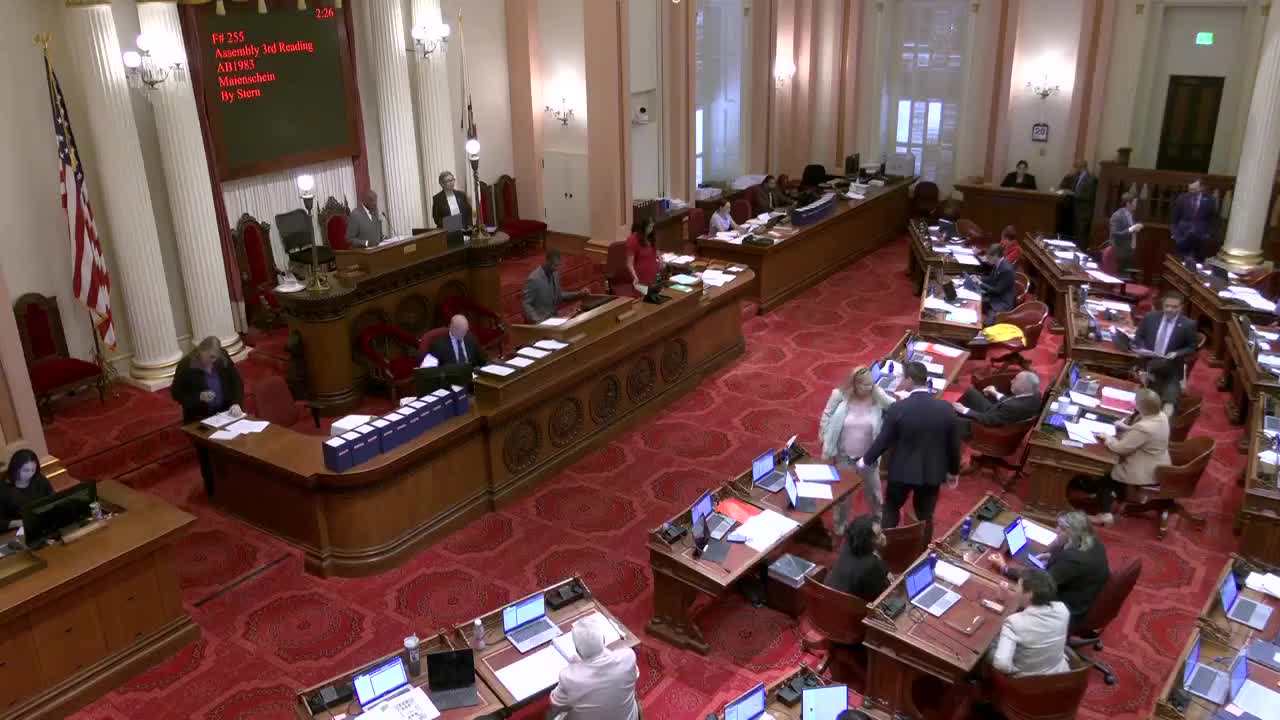
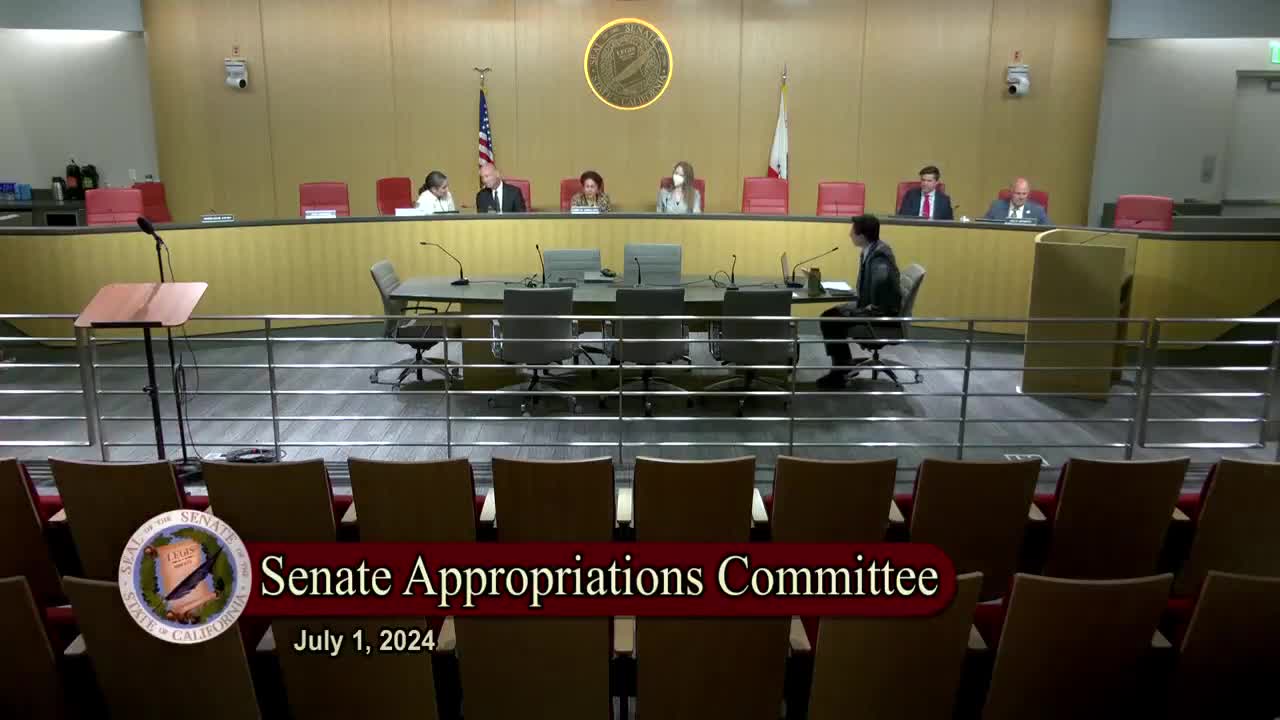

Bill Author