AB 2435: California Health Benefit Exchange.
- Session Year: 2023-2024
- House: Assembly
- Latest Version Date: 2024-09-14
Current Status:
Passed
(2024-09-14: Chaptered by Secretary of State - Chapter 236, Statutes of 2024.)
Introduced
In Committee
First Chamber
In Committee
Second Chamber
Enacted
Existing federal law, the Patient Protection and Affordable Care Act (PPACA), requires each state to establish an American Health Benefit Exchange to facilitate the purchase of qualified health benefit plans by qualified individuals and qualified small employers. Existing state law creates the California Health Benefit Exchange, also known as Covered California, governed by an executive board, to facilitate the enrollment of qualified individuals and qualified small employers in qualified health plans as required under PPACA. Existing law specifies the powers of the executive board. Existing law authorizes the executive board to adopt necessary rules and regulations by emergency regulations until January 1, 2025, with the exception of regulations implementing prescribed provisions relating to criminal background history checks for persons with access to confidential, personal, or financial information. Existing law authorizes the Office of Administrative Law to approve more than 2 readoptions of emergency regulations until January 1, 2030. Existing law provides that these extensions apply to a regulation adopted before January 1, 2022.
This bill would extend the authority of the executive board to adopt necessary rules and regulations by emergency regulations until January 1, 2030, and would extend the authority of the Office of Administrative Law to approve more than 2 readoptions of emergency regulations until January 1, 2035. The bill would provide that these prescribed time extensions apply to a regulation adopted before January 1, 2025.
Existing federal law, the Patient Protection and Affordable Care Act (PPACA), requires each state to establish an American Health Benefit Exchange to facilitate the purchase of qualified health benefit plans by qualified individuals and qualified small employers. Existing state law creates the California Health Benefit Exchange, also known as Covered California, governed by an executive board, to facilitate the enrollment of qualified individuals and qualified small employers in qualified health plans as required under PPACA. Existing law specifies the powers of the executive board. Existing law authorizes the executive board to adopt necessary rules and regulations by emergency regulations until January 1, 2025, with the exception of regulations implementing prescribed provisions relating to criminal background history checks for persons with access to confidential, personal, or financial information. Existing law authorizes the Office of Administrative Law to approve more than 2 readoptions of emergency regulations until January 1, 2030. Existing law provides that these extensions apply to a regulation adopted before January 1, 2022.
This bill would extend the authority of the executive board to adopt necessary rules and regulations by emergency regulations until January 1, 2030, and would extend the authority of the Office of Administrative Law to approve more than 2 readoptions of emergency regulations until January 1, 2035. The bill would provide that these prescribed time extensions apply to a regulation adopted before January 1, 2025.
Existing federal law, the Patient Protection and Affordable Care Act (PPACA), requires each state to establish an American Health Benefit Exchange to facilitate the purchase of qualified health benefit plans by qualified individuals and qualified small employers. Existing state law creates the California Health Benefit Exchange, also known as Covered California, governed by an executive board, to facilitate the enrollment of qualified individuals and qualified small employers in qualified health plans as required under PPACA. Existing law specifies the powers of the executive board. Existing law authorizes the executive board to adopt necessary rules and regulations by emergency regulations until January 1, 2025, with the exception of regulations implementing prescribed provisions relating to criminal background history checks for persons with access to confidential, personal, or financial information. Existing law authorizes the Office of Administrative Law to approve more than 2 readoptions of emergency regulations until January 1, 2030. Existing law provides that these extensions apply to a regulation adopted before January 1, 2022.
This bill would extend the authority of the executive board to adopt necessary rules and regulations by emergency regulations until January 1, 2030, and would extend the authority of the Office of Administrative Law to approve more than 2 readoptions of emergency regulations until January 1, 2035. The bill would provide that these prescribed time extensions apply to a regulation adopted before January 1, 2025.
(a)The board may do the following:
(1)With respect to individual coverage made available in the Exchange, collect premiums and assist in the administration of subsidies.
(2)Enter into contracts.
(3)Sue and be sued.
(4)Receive and accept gifts, grants, or donations of moneys from an agency of the United States, an agency of the state, and a municipality, county, or other political subdivision of the state.
(5)Receive and accept gifts, grants, or donations from individuals, associations, private foundations, and corporations, in compliance with the conflict of interest provisions to be adopted by the board at a public meeting.
(6)(A)Adopt rules and regulations, as necessary. Until January 1, 2030, necessary rules and regulations, except those implementing Section 1043, may be adopted as emergency regulations in accordance with the Administrative Procedure Act (Chapter 3.5 (commencing with Section 11340) of Part 1 of Division 3 of Title 2). The adoption of emergency regulations pursuant to this section shall be deemed to be an emergency and necessary for the immediate preservation of the public peace, health and safety, or general welfare. Notwithstanding Chapter 3.5 (commencing with Section 11340) of Part 1 of Division 3 of Title 2, including subdivisions (e) and (h) of Section 11346.1, an emergency regulation adopted pursuant to this section shall be repealed by operation of law unless the adoption, amendment, or repeal of the regulation is promulgated by the board pursuant to Chapter 3.5 (commencing with Section 11340) of Part 1 of Division 3 of Title 2 within five years of the initial adoption of the emergency regulation. A rule or regulation adopted pursuant to this section shall be discussed by the board during at least one properly noticed board meeting before the board meeting at which the board adopts the rule or regulation. Notwithstanding subdivision (h) of Section 11346.1, until January 1, 2035, the Office of Administrative Law may approve more than two readoptions of an emergency regulation adopted pursuant to this section.
(B)The amendments made to this paragraph by the act that added this subparagraph also shall apply to a regulation adopted pursuant to this section before January 1, 2025.
(7)Collaborate with the State Department of Health Care Services and the Managed Risk Medical Insurance Board, to the extent possible, to allow an individual the option to remain enrolled with the individuals carrier and provider network if the individual experiences a loss of eligibility of premium tax credits and becomes eligible for the Medi-Cal program, or loses eligibility for the Medi-Cal program and becomes eligible for premium tax credits through the Exchange.
(8)Share information with relevant state departments, consistent with the confidentiality provisions in Section 1411 of the federal act, necessary for the administration of the Exchange.
(9)Require carriers participating in the Exchange to make available to the Exchange and regularly update an electronic directory of contracting health care providers so that individuals seeking coverage through the Exchange can search by health care provider name to determine which health plans in the Exchange include that health care provider in their network. The board may also require a carrier to provide regularly updated information to the Exchange as to whether a health care provider is accepting new patients for a particular health plan. The Exchange may provide an integrated and uniform consumer directory of health care providers indicating which carriers the providers contract with and whether the providers are currently accepting new patients. The Exchange may also establish methods by which health care providers may transmit relevant information directly to the Exchange, rather than through a carrier.
(10)Make available supplemental coverage for enrollees of the Exchange to the extent permitted by the federal act, provided that General Fund money is not used to pay the cost of that coverage. Supplemental coverage offered in the Exchange shall be subject to the charge imposed under subdivision (n) of Section 100503.
(b)The Exchange shall only collect information from individuals or designees of individuals necessary to administer the Exchange and consistent with the federal act.
(c)(1)The board shall have the authority to standardize products to be offered through the Exchange. A product standardized by the board pursuant to this subdivision shall be discussed by the board during at least one properly noticed board meeting before the board meeting at which the board adopts the standardized products to be offered through the Exchange.
(2)The adoption, amendment, or repeal of a regulation by the board to implement this subdivision is exempt from the rulemaking provisions of the Administrative Procedure Act (Chapter 3.5 (commencing with Section 11340) of Part 1 of Division 3 of Title 2).
(a)The board may do the following:
(1)With respect to individual coverage made available in the Exchange, collect premiums and assist in the administration of subsidies.
(2)Enter into contracts.
(3)Sue and be sued.
(4)Receive and accept gifts, grants, or donations of moneys from an agency of the United States, an agency of the state, and a municipality, county, or other political subdivision of the state.
(5)Receive and accept gifts, grants, or donations from individuals, associations, private foundations, and corporations, in compliance with the conflict of interest provisions to be adopted by the board at a public meeting.
(6)(A)Adopt rules and regulations, as necessary. Until January 1, 2030, necessary rules and regulations, except those implementing Section 1043, may be adopted as emergency regulations in accordance with the Administrative Procedure Act (Chapter 3.5 (commencing with Section 11340) of Part 1 of Division 3 of Title 2). The adoption of emergency regulations pursuant to this section shall be deemed to be an emergency and necessary for the immediate preservation of the public peace, health and safety, or general welfare. Notwithstanding Chapter 3.5 (commencing with Section 11340) of Part 1 of Division 3 of Title 2, including subdivisions (e) and (h) of Section 11346.1, an emergency regulation adopted pursuant to this section shall be repealed by operation of law unless the adoption, amendment, or repeal of the regulation is promulgated by the board pursuant to Chapter 3.5 (commencing with Section 11340) of Part 1 of Division 3 of Title 2 within five years of the initial adoption of the emergency regulation. A rule or regulation adopted pursuant to this section shall be discussed by the board during at least one properly noticed board meeting before the board meeting at which the board adopts the rule or regulation. Notwithstanding subdivision (h) of Section 11346.1, until January 1, 2035, the Office of Administrative Law may approve more than two readoptions of an emergency regulation adopted pursuant to this section.
(B)The amendments made to this paragraph by the act that added this subparagraph also shall apply to a regulation adopted pursuant to this section before January 1, 2025.
(7)Collaborate with the State Department of Health Care Services and the Managed Risk Medical Insurance Board, to the extent possible, to allow an individual the option to remain enrolled with the individuals carrier and provider network if the individual experiences a loss of eligibility of premium tax credits and becomes eligible for the Medi-Cal program, or loses eligibility for the Medi-Cal program and becomes eligible for premium tax credits through the Exchange.
(8)Share information with relevant state departments, consistent with the confidentiality provisions in Section 1411 of the federal act, necessary for the administration of the Exchange.
(9)Require carriers participating in the Exchange to make available to the Exchange and regularly update an electronic directory of contracting health care providers so that individuals seeking coverage through the Exchange can search by health care provider name to determine which health plans in the Exchange include that health care provider in their network. The board may also require a carrier to provide regularly updated information to the Exchange as to whether a health care provider is accepting new patients for a particular health plan. The Exchange may provide an integrated and uniform consumer directory of health care providers indicating which carriers the providers contract with and whether the providers are currently accepting new patients. The Exchange may also establish methods by which health care providers may transmit relevant information directly to the Exchange, rather than through a carrier.
(10)Make available supplemental coverage for enrollees of the Exchange to the extent permitted by the federal act, provided that General Fund money is not used to pay the cost of that coverage. Supplemental coverage offered in the Exchange shall be subject to the charge imposed under subdivision (n) of Section 100503.
(b)The Exchange shall only collect information from individuals or designees of individuals necessary to administer the Exchange and consistent with the federal act.
(c)(1)The board shall have the authority to standardize products to be offered through the Exchange. A product standardized by the board pursuant to this subdivision shall be discussed by the board during at least one properly noticed board meeting before the board meeting at which the board adopts the standardized products to be offered through the Exchange.
(2)The adoption, amendment, or repeal of a regulation by the board to implement this subdivision is exempt from the rulemaking provisions of the Administrative Procedure Act (Chapter 3.5 (commencing with Section 11340) of Part 1 of Division 3 of Title 2).
(a)The board may do the following:
(1)With respect to individual coverage made available in the Exchange, collect premiums and assist in the administration of subsidies.
(2)Enter into contracts.
(3)Sue and be sued.
(4)Receive and accept gifts, grants, or donations of moneys from an agency of the United States, an agency of the state, and a municipality, county, or other political subdivision of the state.
(5)Receive and accept gifts, grants, or donations from individuals, associations, private foundations, and corporations, in compliance with the conflict of interest provisions to be adopted by the board at a public meeting.
(6)(A)Adopt rules and regulations, as necessary. Until January 1, 2025, 2030, necessary rules and regulations, except those implementing Section 1043, may be adopted as emergency regulations in accordance with the Administrative Procedure Act (Chapter 3.5 (commencing with Section 11340) of Part 1 of Division 3 of Title 2). The adoption of emergency regulations pursuant to this section shall be deemed to be an emergency and necessary for the immediate preservation of the public peace, health and safety, or general welfare. Notwithstanding Chapter 3.5 (commencing with Section 11340) of Part 1 of Division 3 of Title 2, including subdivisions (e) and (h) of Section 11346.1, an emergency regulation adopted pursuant to this section shall be repealed by operation of law unless the adoption, amendment, or repeal of the regulation is promulgated by the board pursuant to Chapter 3.5 (commencing with Section 11340) of Part 1 of Division 3 of Title 2 within five years of the initial adoption of the emergency regulation. A rule or regulation adopted pursuant to this section shall be discussed by the board during at least one properly noticed board meeting before the board meeting at which the board adopts the rule or regulation. Notwithstanding subdivision (h) of Section 11346.1, until January 1, 2030, 2035, the Office of Administrative Law may approve more than two readoptions of an emergency regulation adopted pursuant to this section.
(B)The amendments made to this paragraph by the act that added this subparagraph also shall apply to a regulation adopted pursuant to this section before January 1, 2022. 2025.
(7)Collaborate with the State Department of Health Care Services and the Managed Risk Medical Insurance Board, to the extent possible, to allow an individual the option to remain enrolled with the individuals carrier and provider network if the individual experiences a loss of eligibility of premium tax credits and becomes eligible for the Medi-Cal program, or loses eligibility for the Medi-Cal program and becomes eligible for premium tax credits through the Exchange.
(8)Share information with relevant state departments, consistent with the confidentiality provisions in Section 1411 of the federal act, necessary for the administration of the Exchange.
(9)Require carriers participating in the Exchange to make available to the Exchange and regularly update an electronic directory of contracting health care providers so that individuals seeking coverage through the Exchange can search by health care provider name to determine which health plans in the Exchange include that health care provider in their network. The board may also require a carrier to provide regularly updated information to the Exchange as to whether a health care provider is accepting new patients for a particular health plan. The Exchange may provide an integrated and uniform consumer directory of health care providers indicating which carriers the providers contract with and whether the providers are currently accepting new patients. The Exchange may also establish methods by which health care providers may transmit relevant information directly to the Exchange, rather than through a carrier.
(10)Make available supplemental coverage for enrollees of the Exchange to the extent permitted by the federal act, provided that General Fund money is not used to pay the cost of that coverage. Supplemental coverage offered in the Exchange shall be subject to the charge imposed under subdivision (n) of Section 100503.
(b)The Exchange shall only collect information from individuals or designees of individuals necessary to administer the Exchange and consistent with the federal act.
(c)(1)The board shall have the authority to standardize products to be offered through the Exchange. A product standardized by the board pursuant to this subdivision shall be discussed by the board during at least one properly noticed board meeting before the board meeting at which the board adopts the standardized products to be offered through the Exchange.
(2)The adoption, amendment, or repeal of a regulation by the board to implement this subdivision is exempt from the rulemaking provisions of the Administrative Procedure Act (Chapter 3.5 (commencing with Section 11340) of Part 1 of Division 3 of Title 2).
|
Date
|
Status
|
|---|---|
| Sep 14, 2024 | Chaptered by Secretary of State - Chapter 236, Statutes of 2024. |
| Sep 14, 2024 | Approved by the Governor. |
| Aug 27, 2024 | Enrolled and presented to the Governor at 12 p.m. |
| Aug 20, 2024 | In Assembly. Ordered to Engrossing and Enrolling. |
| Aug 20, 2024 | Read third time. Passed. Ordered to the Assembly. (Ayes 32. Noes 8. Page 5226.). |
| Jun 18, 2024 | Read second time. Ordered to third reading. |
| Jun 17, 2024 | From committee: Be ordered to second reading pursuant to Senate Rule 28.8. |
| Jun 11, 2024 | From committee: Do pass and re-refer to Com. on APPR. (Ayes 10. Noes 5.) (June 11). Re-referred to Com. on APPR. |
| May 29, 2024 | From committee: Do pass and re-refer to Com. on G.O. (Ayes 9. Noes 1.) (May 29). Re-referred to Com. on G.O. |
| May 1, 2024 | Referred to Coms. on HEALTH and G.O. |
| Apr 22, 2024 | In Senate. Read first time. To Com. on RLS. for assignment. |
| Apr 22, 2024 | Read third time. Passed. Ordered to the Senate. (Ayes 53. Noes 13. Page 4917.) |
| Apr 11, 2024 | Read second time. Ordered to third reading. |
| Apr 10, 2024 | From committee: Do pass. (Ayes 10. Noes 4.) (April 10). |
| Apr 3, 2024 | From committee: Do pass and re-refer to Com. on APPR. (Ayes 11. Noes 0.) (April 2). Re-referred to Com. on APPR. |
| Feb 26, 2024 | Referred to Com. on HEALTH. |
| Feb 14, 2024 | From printer. May be heard in committee March 15. |
| Feb 13, 2024 | Read first time. To print. |
|
Date
|
Description
|
Location
|
Votes
|
|
|---|---|---|---|---|
| Aug 20, 2024 | Assembly 3rd Reading AB2435 Maienschein By Padilla | Senate Floor |
Passed |
|
| Jun 11, 2024 | Do pass, but first be re-referred to the Committee on [Appropriations] | Senate Standing Committee on Governmental Organization |
Passed |
|
| May 29, 2024 | Do pass, but first be re-referred to the Committee on [Governmental Organization] | Senate Standing Committee on Health |
Passed |
|
| Apr 22, 2024 | AB 2435 Maienschein Assembly Third Reading | Assembly Floor |
Passed |
|
| Apr 10, 2024 | Do pass. | Assembly Standing Committee on Appropriations |
Passed |
|
| Apr 2, 2024 | Do pass and be re-referred to the Committee on [Appropriations] | Assembly Standing Committee on Health |
Passed |
This list shows positions taken on this bill by organizations on the date displayed, which is linked to the original source.
Positions by individuals are not included.
|
Organization
|
Position
|
Date
|
|---|---|---|
| California Agents And Health Insurance Professionals | * Support | Jun 11, 2024 |
| California Medical Association | * Against | May 29, 2024 |
| California Pan - Ethnic Health Network | ** Support | |
| Covered California | * Support | Apr 2, 2024 |
| Elderly Care Everywhere | * Support | Jun 11, 2024 |
| Health Access California | * Support | Jun 11, 2024 |
| National Health Law Program | ** Support | |
| STIU California | * Support | Apr 2, 2024 |
SENATE RULES COMMITTEE Office of Senate Floor Analyses (916) 651-1520 Fax: (916) 327-4478 | AB 2435 |
THIRD READING
Bill No: AB 2435
Author: Maienschein (D)
Introduced: 2/13/24
Vote: 21
SENATE HEALTH COMMITTEE: 9-1, 5/29/24
AYES: Roth, Glazer, Gonzalez, Hurtado, Limón, Menjivar, Rubio, Smallwood-Cuevas, Wiener
NOES: Grove
NO VOTE RECORDED: Nguyen
SENATE GOVERNMENTAL ORG. COMMITTEE: 10-5, 6/11/24
AYES: Dodd, Wilk, Archuleta, Ashby, Bradford, Glazer, Padilla, Portantino, Roth, Rubio
NOES: Alvarado-Gil, Jones, Nguyen, Ochoa Bogh, Seyarto
NO VOTE RECORDED: Smallwood-Cuevas
SENATE APPROPRIATIONS COMMITTEE: Senate Rule 28.8
ASSEMBLY FLOOR: 53-13, 4/22/24 - See last page for vote
SUBJECT: California Health Benefit Exchange
SOURCE: Author
DIGEST:
This bill extends emergency regulation authority for Covered California until 2030 with authority for two readoptions until January 1, 2035.
ANALYSIS:
Existing law:
- Establishes Covered California as an independent entity in state government not affiliated with any state agency or department, governed by a five-member board. Requires the Covered California Executive Board (Board) to establish and use a competitive process to select participating carriers and other contractors, and to make health insurance available to individuals and small businesses as authorized under the federal Affordable Care Act (ACA). Covered California is California’s state based exchange/marketplace under the ACA. [GOV §100500 -100522]
- Authorizes the Board to adopt rules and regulations as necessary, and, until January 1, 2025, adopt emergency regulations in accordance with the Administrative Procedures Act (APA). Requires a rule or regulation adopted pursuant to this authority to be discussed by the Board during at least one properly noticed Board meeting, before the meeting at which the Board adopts the rule or regulation. Permits, until January 1, 2030, the Office of Administrative Law to approve more than two readoptions of an emergency regulation adopted pursuant to this authority. [GOV §100504]
- Requires changes made pursuant to 2) above to also apply to a regulation adopted before January 1, 2022. [GOV §100504]
This bill:
- Extends the authority for Covered California to adopt rules and regulations using emergency regulation authority until January 1, 2030.
- Authorizes the Office of Administrative Law to approve more than two readoptions until January 1, 2035.
- Requires the changes made pursuant to this bill to apply to a regulation adopted before January 1, 2025.
Comments
- Author’s statement. According to the author, “Covered California, as an independent public entity, has a responsibility to adapt swiftly to changes in health care laws and regulations, particularly those stemming from the ACA. The extension of emergency rulemaking authority is essential to ensure Covered California can effectively implement and update policies, such as new state subsidies and revised regulations in response to federal changes, in a timely manner. The proposed extension will empower Covered California to continue serving its mission of providing affordable health care coverage to Californians while navigating the complex and evolving health care landscape.”
- Background from Covered California. According to Covered California, without this deemed emergency authority, it would need to go through the permanent rulemaking process before adopting or amending any new regulations, which takes between 18 and 24 months. Current federal policy discussions regarding the ACA and the federal regulations promulgated each year indicate the potential for significant changes to rules governing health benefit Exchanges. In addition, recent and anticipated policy changes at the state level further require Covered California to respond quickly. Notably, these changes are occurring even more rapidly and the need to effectively implement them is more urgent. These changes and their profound consequences on Californians’ health, wellbeing, and economic security make it even more important for Covered California to ensure individuals have immediate access to affordable, high quality health care. Covered California does not use department “letters” or other mechanisms to issue guidance or offer interpretations of policy or procedural changes. As such, new policy change implemented without a promulgated rule could be considered an “underground regulation” subject to legal challenge.
- Process. When promulgating emergency regulations, Covered California must first introduce the proposed regulations to the public as a discussion item during one of its monthly, publicly noticed Board meetings. After receiving public feedback, both during that initial Board presentation and via further stakeholder engagement, Covered California puts forth finalized language for approval by the Board at its next meeting. Once it receives Board approval, Covered California then begins the emergency rulemaking process which also requires a five-business-day comment period. This ensures that the public is provided at least three opportunities to review and comment on proposed regulations, as well as time for stakeholders to engage with Covered California staff to further develop or potentially modify proposed regulations before the Board takes action. Once Covered California has completed the emergency rulemaking process, it must complete the permanent rulemaking process within five years. According to Covered California, with this two-step process of adopting regulations, the public is afforded greater public participation and input in shaping its regulations than they would otherwise be afforded through the regular rulemaking process.
- Examples. If Covered California’s emergency rulemaking authority expires it has to use the regular rulemaking process, and as such needed regulatory changes may not be effective in a timely manner. If temporary federal subsidies expire, regulations will be needed to reconcile those changes. Additionally, a number of recently enacted and proposed laws require swift changes to Covered California’s current regulations. For example, Covered California has recently needed or will soon need to:
- Adopt regulations to implement California state enhanced cost-sharing subsidies for Californians up to 600% of the Federal Poverty Level and revise as required by its enabling authority;
- Adopt regulations to implement a state subsidy program for workers who have lost minimum essential coverage from an employer or joint labor management trust fund as a result of a strike, lockout, or other labor dispute;
- Revise regulations to extend financial assistance to family members whose health coverage available through an employer is unaffordable;
- Revise regulations to extend eligibility for coverage and financial assistance to children who are Deferred Action for Child Arrivals (DACA) recipients;
- Revise its eligibility, enrollment, and appeals regulations in response to the federal Department of Health and Human Services annual Benefit and Payment Parameters Rule, which often requires time-sensitive changes to special enrollment period eligibility, financial assistance eligibility, and verification requirements, and provides other optional policies for states to take advantage of to enable consumers to enroll more easily in better and more affordable coverage; and
- Potentially adopt regulations to implement a program to provide coverage and financial assistance to Californians otherwise ineligible because of their immigration status.
FISCAL EFFECT: Appropriation: No Fiscal Com.: Yes Local: No
SUPPORT: (Verified 6/17/24)
California Agents & Health Insurance Professionals
California Pan Ethnic Health Network
Health Access California
National Health Law Program
OPPOSITION: (Verified 6/17/24)
California Medical Association
ARGUMENTS IN SUPPORT: The California Pan-Ethnic Health Network writes this bill will improve health equity by ensuring Covered California has the flexibility needed to comply with changes to federal and state laws and regulations that require immediate action. The National Health Law Program writes this bill will ensure that Covered California has the necessary extended emergency rulemaking authority to continue implementing and updating current policies to respond to market needs and changes in state and federal laws and regulations. Along with providing Covered California with the continuity and flexibility, it needs to fulfill its mission of ensuring access to affordable, quality health care for all Californians. Health Access California writes given the ever-changing landscape for health care and the ACA, prior extensions of Covered California’s emergency rulemaking authority have been enacted to give Covered California the flexibility needed to comply with changes to federal and state laws and regulations. The existing authority still preserves the ability of stakeholders to actively comment and participate in rulemakings, as Health Access does often. Covered California staff are careful to consult extensively with consumer advocates and health plans in the development of regulations and to ensure that emergency regulations are discussed at two public board meetings or even more if controversial. The California Agents & Health Insurance Professionals write that this bill is crucial for maintaining the effectiveness and adaptability of Covered California’s operations in the face of evolving health care landscapes.
ARGUMENTS IN OPPOSITION: The California Medical Association (CMA) writes the APA and other laws governing rule-making processes are designed to ensure important participation from the public, meaningful discussions with stakeholders and thoughtful regulations and rules that implement legislative measures for the good of all Californians. The APA even acts as an oversight mechanism for the Legislature by allowing their input and feedback to be considered during the process. However, in the last several years there has been a proliferation of exemptions to the APA and granting Offices, Departments and Agencies the ability to make regulations through emergency rule-making authority which bypasses the traditional process by which these entities must notice and receive input from interested and affected parties. The notification and comment periods are shorter and there are little to no means available for changes to be made to the proposed rules. CMA is worried about the increase of state entities’ use of emergency rule-making authority long after the original “emergency” has receded or been resolved. If the APA is too onerous or costly, then it should be updated and modernized.
ASSEMBLY FLOOR: 53-13, 4/22/24
AYES: Addis, Aguiar-Curry, Arambula, Bauer-Kahan, Bennett, Berman, Boerner, Bonta, Bryan, Calderon, Wendy Carrillo, Connolly, Mike Fong, Friedman, Garcia, Gipson, Grayson, Haney, Irwin, Jackson, Jones-Sawyer, Kalra, Lee, Low, Maienschein, McCarty, McKinnor, Muratsuchi, Stephanie Nguyen, Ortega, Pacheco, Papan, Pellerin, Petrie-Norris, Quirk-Silva, Ramos, Rendon, Luz Rivas, Rodriguez, Blanca Rubio, Santiago, Schiavo, Soria, Ting, Valencia, Villapudua, Ward, Weber, Wicks, Wilson, Wood, Zbur, Robert Rivas
NOES: Chen, Davies, Dixon, Essayli, Flora, Vince Fong, Gallagher, Hoover, Jim Patterson, Joe Patterson, Sanchez, Ta, Wallis
NO VOTE RECORDED: Alanis, Alvarez, Bains, Juan Carrillo, Cervantes, Megan Dahle, Gabriel, Hart, Holden, Lackey, Lowenthal, Mathis, Reyes, Waldron
Prepared by: Teri Boughton / HEALTH / (916) 651-4111
6/18/24 10:49:55
**** END ****
SENATE COMMITTEE ON GOVERNMENTAL ORGANIZATION
Senator Bill Dodd
Chair
2023 - 2024 Regular
Bill No: AB Hearing Date: 6/11/2024
Author: | Maienschein | ||
Version: | Introduced | ||
Urgency: | Fiscal: | ||
Consultant: | |||
SUBJECT:
DIGEST: This bill extends the authority of the executive board of the California Health Benefit Exchange (Covered California) to adopt necessary rules and regulations by emergency regulations until January 1, 2030, and extends the authority of the Office of Administrative Review (OAL) to approve more than two re-adoptions of emergency regulations until January 1, 2035, as specified.
ANALYSIS:
Existing law:
- The federal Patient Protection and Affordable Care Act (ACA) requires each state to establish an American Health Benefit Exchange to facilitate the purchase of qualified health benefit plans by qualified individuals and qualified small employers.
- State law creates Covered California, governed by an executive board, to facilitate the enrollment of qualified individuals and qualified small employers in qualified health plans as required under the ACA.
- Specifies the powers of the executive board and authorizes the executive board to adopt necessary rules and regulations by emergency regulations until January 1, 2025, with the exception of regulations implementing prescribed provisions relating to criminal background history checks for persons with access to confidential, personal, or financial information.
- Authorizes OAL to approve more than two re-adoptions of emergency regulations until January 1, 2030, and provides that these extension apply to a regulation adopted before January 1, 2022.
- The Administrative Procedures Act (APA) governs the procedure for the adoption, amendment, or repeal of regulations by state agencies and for the review of those regulatory actions by OAL.
- Requires the OAL to provide for the publication of the California Regulatory Notice Register and to include specified information in the register, including notices of proposed action prepared by regulatory agencies, a summary of regulations filed with the Secretary of State (SOS), and a summary of regulation decisions issued, as specified.
- Defines “emergency” to mean a situation that calls for immediate action to avoid serious harm to the public peace, health, safety, or general welfare.
This bill:
- Extends the authority of the executive board to adopt necessary rules and regulations by emergency regulations until January 1, 2030, and would extend the authority of OAL to approve more than two re-adoptions of emergency regulations until January 1, 2035.
- Provides that the above prescribed time extensions apply to a regulation adopted before January 1, 2025.
Background
Author Statement. According to the author’s office, “Covered California, as an independent public entity, has a responsibility to adapt swiftly to changes in health care laws and regulations, particularly those stemming from the ACA. The extension of emergency rulemaking authority is essential to ensure Covered California can effectively implement and update policies, such as new state subsidies and revised regulations in response to federal changes, in a timely manner. The proposed extension will empower Covered California to continue serving its mission of providing affordable health care coverage to Californians while navigating the complex and evolving health care landscape.”
Office of Administrative Law. Established in July, 1980, OAL ensures that agency regulations are clear, necessary, legally valid, and available to the public. Since its creation, OAL has been and continues to be responsible for reviewing administrative regulations proposed by over 200 state agencies for compliance with the standards set forth in California’s Administrative Procedure Act, for transmitting these regulations to the Secretary of State and for publishing regulations in the California Code of Regulations.
OAL assists state regulatory agencies through a formal training program, as well as through other less formal methods, to understand and comply with the Administrative Procedure Act. OAL also accepts petitions challenging alleged underground regulations–those rules issued by state agencies, which meet the APA’s definition of a “regulation” but were not adopted pursuant to the APA process and are not expressly exempt. OAL also oversees the publication and distribution, in print and online, of the California Code of Regulations and the California Regulatory Notice Register.
Rulemaking Process. OAL is responsible for ensuring that California state agencies comply with the rulemaking procedures and standards set forth in California’s APA. A “regulation” is any rule, regulation, order or standard of general application or the amendment, supplement, or revision of any rule, regulation, order, or standard adopted by any state agency to implement, interpret, or make specific the law enforced or administered by it. When adopting regulations, every department, division, office, officer, bureau, board or commission in the executive branch of the California state government must follow the rulemaking procedures in the APA (Government Code section 11340 et seq.) and regulations adopted by OAL, unless expressly exempted by statute from some or all of these requirements.
The APA requirements are designed to provide the public with a meaningful opportunity to participate in the adoption of regulations or rules that have the force of law by California state agencies and to ensure the creation of an adequate record for the OAL and judicial review.
Regulations subject to the APA are generally adopted through the “Regular” or “Emergency” rulemaking processes. The rulemaking process used by an agency to adopt regulations will dictate what procedural requirements must be followed, including but not limited to the contents of the rulemaking record, timeframes, opportunities for public participation, OAL’s review, and effective dates for the regulations.
Emergency Rulemaking Processes. The method an agency uses to adopt regulations determines the procedural requirements, including the contents of the rulemaking record, timeframes, opportunities for public participation, OAL review, and the effective dates for the regulations. A state agency may adopt emergency regulations when immediate action is necessary to prevent serious harm to public peace, health, safety, or general welfare, or if a statute designates a situation as an emergency under the APA.
Emergency regulations are designed to prevent serious harm and require prompt action. Therefore, the emergency rulemaking process is significantly shorter than the regular rulemaking process. OAL reviews emergency regulations to ensure they comply with the APA's emergency rulemaking requirements. This process typically includes a brief period for public notice and comments, followed by a review and decision by OAL. Additionally, some agencies have specific requirements for emergency rulemakings unique to them. It is important to note that Covered California's emergency rulemaking authority has been extended multiple times since its inception.
To approve an emergency regulation, an agency must demonstrate an emergency exists with specific facts and substantial evidence. If the emergency was known in advance, the agency must explain why it wasn’t addressed through nonemergency regulations. The public can comment on proposed emergency rulemakings during a five-day period after OAL posts the notice. In urgent cases, OAL may approve an emergency regulation without public comment.
The agency must submit several documents to OAL, including the proposed emergency regulation text, a finding of emergency, an agency statement of facts demonstrating the emergency, and other required information. OAL has 10 days to review the proposed emergency rulemaking. If approved, OAL files the regulation with the Secretary of State. If disapproved, OAL provides written reasons for the disapproval.
An approved emergency regulation is effective upon filing and remains in effect for 180 days, extendable by up to two 90-day re-adoptions. To make an emergency regulation permanent, the agency must adopt it through the regular rulemaking process before the emergency period ends. A timely submitted certificate of compliance allows the emergency regulation to stay in effect during OAL’s review, which must be completed within 30 working days.
Patient Protection and Affordable Care Act. Enacted in March 2010, the ACA provides the framework, policies, regulations, and guidelines for implementing comprehensive health care reform by the states. The ACA expanded access to quality, affordable insurance and health care. Since January 1, 2014, insurers can no longer deny coverage or charge higher premiums based on preexisting conditions. These aspects of the ACA, along with tax credits for low- and middle-income people buying insurance independently in new health benefit exchanges, make it easier for people with preexisting conditions to gain insurance coverage.
The ACA required exchanges, also known as Marketplaces, to be established in every state by January 1, 2024. If a state did not establish one, the federal government would do so. The primary purpose of these Marketplaces is to enable low- and moderate-income individuals and small employers to obtain affordable health coverage. Individuals and small businesses can purchase private health insurance through various Marketplace models throughout the United States.
Each state electing to establish a Marketplace must adopt the federal standards and have a state law or regulation that implements these standards. The Marketplaces are required to perform several functions, including determining eligibility and enrolling individuals in appropriate plans, conducting plan management activities, assisting consumers, ensuring plan accountability, and providing financial management.
Covered California. California was the first state to enact legislation creating an exchange under the ACA. Current federal policy discussions regarding the ACA indicate the potential for significant changes to rules governing exchanges. According to Covered California, it will need extended emergency rulemaking authority to account for new federal and state requirements and to continue implementing and updating current policies to respond to market needs and emergency circumstances.
For example, Covered California states that they recently needed or will soon need to:
- Adopt regulations to implement California state enhanced cost-sharing subsidies for Californians up to 600 percent of the federal poverty level and revise as required by its enabling authority;
- Adopt regulations to implement a state subsidy program for workers who have lost minimum essential coverage from an employer or joint labor management trust fund as a result of a strike, lockout, or other labor dispute;
- Revise regulations to extend financial assistance to family members whose health coverage available through an employer is unaffordable;
- Revise regulations to extend eligibility for coverage and financial assistance to Deferred Action for Childhood Arrivals (DACA) recipients;
- Revise its eligibility, enrollment, and appeals regulations in response to the federal Health and Human Services annual Benefit and Payment Parameters Rule, which often requires time-sensitive changes to special enrollment period eligibility, financial assistance eligibility, and verification requirements, and provides other optional policies for states to take advantage of to enable consumers to enroll more easily in better and more affordable coverage; and,
- Potentially adopt regulations to implement a program to provide coverage and financial assistance to Californians otherwise ineligible because of their immigration status.
Most recently, AB 133 (Committee on Budget, Chapter 143, Statutes of 2021) extended Covered California’s emergency rulemaking authority until January 1, 2025. Recognizing the importance of transparency and public participation in the rulemaking process, AB 133 also maintained the requirement that any emergency regulation must be publicly discussed by the Covered California executive board during at least one publicly noticed meeting before the regulation is voted on by the board at a second publicly noticed meeting.
This requirement, which has been Covered California’s longstanding practice, ensures that the public is provided at least two opportunities to review and comment on proposed regulations, as well as ample time for stakeholders to engage with Covered California staff to further develop or potentially modify proposed regulations before the executive board takes any action.
Additionally, once Covered California has completed the emergency rulemaking process, it must then complete the permanent rulemaking process within five years. This process allows for another round of public engagement through comments at board meetings and established public comment periods applied to permanent rulemaking generally.
Further Extension of Emergency Rulemaking Authority. This bill once again extends the emergency rulemaking authority of the executive board governing Covered California, the state’s Health Benefit Exchange, established under the ACA. Under existing law, the executive board of Covered California is empowered to adopt necessary rules and regulations through emergency regulations until January 1, 2025, with OAL authorized to approve more than two re-adoptions of these regulations until January 1, 2030. This bill extends that emergency rulemaking authority until January 1, 2030, and further extends OAL’s authority to approve multiple re-adoptions until January 1, 2035. These extensions would apply to any regulation adopted before January 1, 2025.
Prior/Related Legislation
AB 2749 (Wood, 2024) revises the criteria for a qualifying individual to receive financial assistance as a result of a labor dispute under Covered California, as specified. (Pending in the Senate Health Committee)
AB 4 (Arambula, 2023) requires Covered California, in consultation with stakeholders and the Legislature, to develop options for expanding access to affordable health care coverage to Californians regardless of immigration status and report these options to the Governor and Legislature. (Pending in the Senate Appropriations Committee)
AB 2530 (Wood, Chapter 695, Statutes of 2022) requires Covered California to administer a program of financial assistance beginning July 1, 2023, to help Californians obtain and maintain health benefits through Covered California if they lose employer-provided health care coverage as a result of a labor dispute.
SB 455 (Leyva, 2021) would have extended Covered California’s emergency regulation authority until January 1, 2027, and would have authorized OAL to approve more than two re-adoptions of an emergency regulation until January 1, 2032. (Held in the Assembly Rules Commitee)
AB 133 (Committee on Budget, Chapter 143, Statutes of 2021) among other things, extended Covered California’s emergency rulemaking authority until January 1, 2025.
SB 1245 (Leyva, Chapter 417, Statutes of 2018) extended the emergency regulatory authority of Covered California until January 1, 2022, with two re-adoptions until January 1, 2027.
SB 833 (Committee on Budget & Fiscal Review, Chapter 30, Statutes of 2016) among other things, extended the emergency regulation authority for Covered California until January 1, 2019, to implement the eligibility, enrollment, and appeals processes for the individual and small business exchanges, as specified.
SB 75 (Committee on Budget & Fiscal Review, Chapter 18, Statutes of 2015) among other things, extended the authority of Covered California to adopt emergency regulations until January 1, 2017, as specified.
SB 857 (Committee on Budget & Fiscal Review, Chapter 31, Statutes of 2014) among other things, allowed Covered California more than two re-adoptions of emergency regulations until January 1, 2017, as specified.
AB 1602 (Perez, Chapter 655, Statutes of 2010) among other things, implemented Section 1311 of the ACA related to the establishment of an American Health Benefit Exchange in California and its administrative authority, as specified.
FISCAL EFFECT: Appropriation: No Fiscal Com.: Yes Local: No
SUPPORT:
California Agents & Health Insurance Professionals
California Pan-Ethnic Health Network
Health Access California
National Health Law Program
OPPOSITION:
California Medical Association
ARGUMENTS IN SUPPORT: In support of the bill, Health Access California writes that since its creation, “Covered California has received emergency rulemaking authority in order to meet and act on immediate federal actions related to ACA implementation. The early days and years of the ACA necessitated such authority, which made Covered California adaptive and proactive in promulgating rules for implementation, which Health Access supported. Given the ever-changing landscape for health care and the ACA, prior extensions of Covered California’s emergency rulemaking authority have been enacted to give Covered
California the flexibility needed to comply with changes to federal and state laws and regulations. The existing authority still preserves the ability of stakeholders to actively comment and participate in rulemakings, as Health Access does often. Covered California staff are careful to consult extensively with consumers advocates and health plans in the development of regulations and to ensure that emergency regulations are discussed at two public board meetings or even more if controversial.”
Further, “Covered California’s emergency rulemaking authority expires at the end of 2024. AB 2435 will ensure that Covered California has the necessary extended emergency rulemaking authority to continue implementing and updating current policies to respond to market needs and changes in state and federal laws and regulations. It is crucial for maintaining the effectiveness and adaptability of Covered California’s operations in the face of evolving health care landscapes.”
ARGUMENTS IN OPPOSITION: In opposition to the bill, the California Medical Association (CMA) writes that, “CMA is worried about the increase of state entities’ use of emergency rule-making authority long after the original ‘emergency’ has receded or been resolved. If the APA is too onerous or costly, then it should be updated and modernized. AB 2435 would limit the ability of stakeholders and members of the public to comment on any rules and regulations being proposed by Covered CA through this exemption, not only those that would bring California into compliance with new federal requirements and guidelines. Emergency rule-making authority should only be used when absolutely justified and should be appropriately narrowed to true emergencies.”
DUAL REFERRAL: Senate Health Committee (9-1) & Senate Governmental Organization Committee
SENATE COMMITTEE ON HEALTH
Senator Richard Roth, Chair
BILL NO: AB 2435
AUTHOR: | Maienschein | ||
VERSION: | February 13, 2024 | ||
HEARING DATE: | May 29, 2024 | ||
CONSULTANT: | Teri Boughton | ||
SUBJECT: California Health Benefit Exchange
SUMMARY:
Extends emergency regulation authority for Covered California until 2030 with authority for two readoptions until January 1, 2035.
Existing law:
- Establishes Covered California as an independent entity in state government not affiliated with any state agency or department, governed by a five-member board. Requires the Covered California Executive Board (Board) to establish and use a competitive process to select participating carriers and other contractors, and to make health insurance available to individuals and small businesses as authorized under the federal Affordable Care Act (ACA). Covered California is California’s state based exchange/marketplace under the ACA. [GOV §100500 -100522]
- Authorizes the Board to adopt rules and regulations as necessary, and, until January 1, 2025, adopt emergency regulations in accordance with the Administrative Procedures Act (APA). Requires a rule or regulation adopted pursuant to this authority to be discussed by the Board during at least one properly noticed Board meeting, before the meeting at which the Board adopts the rule or regulation. Permits, until January 1, 2030, the Office of Administrative Law to approve more than two readoptions of an emergency regulation adopted pursuant to this authority. [GOV §100504]
- Requires changes made pursuant to 2) above to also apply to a regulation adopted before January 1, 2022. [GOV §100504]
This bill:
- Extends the authority for Covered California to adopt rules and regulations using emergency regulation authority until January 1, 2030.
- Authorizes the Office of Administrative Law to approve more than two readoptions until January 1, 2035.
- Requires the changes made pursuant to this bill to apply to a regulation adopted before January 1, 2025.
FISCAL EFFECT:
According to the Assembly Appropriations Committee, no state costs.
PRIOR VOTES:
Assembly Floor: | 53 - 13 |
Assembly Appropriations Committee: | 10 - 4 |
Assembly Health Committee: | 11 - 0 |
COMMENTS:
- Author’s statement. According to the author, Covered California, as an independent public entity, has a responsibility to adapt swiftly to changes in health care laws and regulations, particularly those stemming from the ACA. The extension of emergency rulemaking authority is essential to ensure Covered California can effectively implement and update policies, such as new state subsidies and revised regulations in response to federal changes, in a timely manner. The proposed extension will empower Covered California to continue serving its mission of providing affordable health care coverage to Californians while navigating the complex and evolving health care landscape.
- Background from Covered California. According to Covered California, without this deemed emergency authority, it would need to go through the permanent rulemaking process before adopting or amending any new regulations, which takes between 18 and 24 months. Current federal policy discussions regarding the ACA and the federal regulations promulgated each year indicate the potential for significant changes to rules governing health benefit Exchanges. In addition, recent and anticipated policy changes at the state level further require Covered California to respond quickly. Notably, these changes are occurring even more rapidly and the need to effectively implement them is more urgent. These changes and their profound consequences on Californians’ health, wellbeing, and economic security make it even more important for Covered California to ensure individuals have immediate access to affordable, high quality health care. Covered California does not use department “letters” or other mechanisms to issue guidance or offer interpretations of policy or procedural changes. As such, new policy change implemented without a promulgated rule could be considered an “underground regulation” subject to legal challenge.
- Process. When promulgating emergency regulations, Covered California must first introduce the proposed regulations to the public as a discussion item during one of its monthly, publicly noticed Board meetings. After receiving public feedback, both during that initial Board presentation and via further stakeholder engagement, Covered California puts forth finalized language for approval by the Board at its next meeting. Once it receives Board approval, Covered California then begins the emergency rulemaking process which also requires a five-business-day comment period. This ensures that the public is provided at least three opportunities to review and comment on proposed regulations, as well as time for stakeholders to engage with Covered California staff to further develop or potentially modify proposed regulations before the Board takes action. Once Covered California has completed the emergency rulemaking process, it must complete the permanent rulemaking process within five years. According to Covered California, with this two-step process of adopting regulations, the public is afforded greater public participation and input in shaping its regulations than they would otherwise be afforded through the regular rulemaking process.
- Examples. If Covered California’s emergency rulemaking authority expires it has to use the regular rulemaking process, and as such needed regulatory changes may not be effective in a timely manner. If temporary federal subsidies expire, regulations will be needed to reconcile those changes. Additionally, a number of recently enacted and proposed laws require swift changes to Covered California’s current regulations. For example, Covered California has recently needed or will soon need to:
- Adopt regulations to implement California state enhanced cost-sharing subsidies for Californians up to 600% of the Federal Poverty Level and revise as required by its enabling authority;
- Adopt regulations to implement a state subsidy program for workers who have lost minimum essential coverage from an employer or joint labor management trust fund as a result of a strike, lockout, or other labor dispute;
- Revise regulations to extend financial assistance to family members whose health coverage available through an employer is unaffordable;
- Revise regulations to extend eligibility for coverage and financial assistance to children who are Deferred Action for Child Arrivals (DACA) recipients;
- Revise its eligibility, enrollment, and appeals regulations in response to the federal Department of Health and Human Services annual Benefit and Payment Parameters Rule, which often requires time-sensitive changes to special enrollment period eligibility, financial assistance eligibility, and verification requirements, and provides other optional policies for states to take advantage of to enable consumers to enroll more easily in better and more affordable coverage; and,
- Potentially adopt regulations to implement a program to provide coverage and financial assistance to Californians otherwise ineligible because of their immigration status.
- Double referral. This bill is double referred. Should it pass out of this Committee, it will be referred to the Committee on Governmental Organization.
- Prior legislation. AB 133 (Committee on Budget, Chapter 143, Statutes of 2021) extends Covered California’s emergency rulemaking authority until January 1, 2025.
SB 1245 (Leyva, Chapter 417, Statutes of 2018) extends Covered California’s emergency regulatory authority until January 1, 2022, with two readoptions until January 1, 2027. Requires Covered California to discuss regulations during at least one properly noticed board meeting prior to adoption.
SB 833 (Committee on Budget & Fiscal Review, Chapter 30, Statutes of 2016) extends the emergency regulation authority for Covered California until January 1, 2019 as well as other changes.
SB 900 (Alquist, Chapter 659, Statutes of 2010) and AB 1602 (Perez, Chapter 655, Statutes of 2010) establishes Covered California.
- Support. The California Pan-Ethnic Health Network writes this bill will improve health equity by ensuring Covered California has the flexibility needed to comply with changes to federal and state laws and regulations that require immediate action. The National Health Law Program writes this bill will ensure that Covered California has the necessary extended emergency rulemaking authority to continue implementing and updating current policies to respond to market needs and changes in state and federal laws and regulations. Along with providing Covered California with the continuity and flexibility, it needs to fulfill its mission of ensuring access to affordable, quality health care for all Californians. Health Access California writes given the ever-changing landscape for health care and the ACA, prior extensions of Covered California’s emergency rulemaking authority have been enacted to give Covered California the flexibility needed to comply with changes to federal and state laws and regulations. The existing authority still preserves the ability of stakeholders to actively comment and participate in rulemakings, as Health Access does often. Covered California staff are careful to consult extensively with consumer advocates and health plans in the development of regulations and to ensure that emergency regulations are discussed at two public board meetings or even more if controversial. The California Agents & Health Insurance Professionals write that this bill is crucial for maintaining the effectiveness and adaptability of Covered California’s operations in the face of evolving health care landscapes.
- Opposition. The California Medical Association (CMA) writes the APA and other laws governing rule-making processes are designed to ensure important participation from the public, meaningful discussions with stakeholders and thoughtful regulations and rules that implement legislative measures for the good of all Californians. The APA even acts as an oversight mechanism for the Legislature by allowing their input and feedback to be considered during the process. However, in the last several years there has been a proliferation of exemptions to the APA and granting Offices, Departments and Agencies the ability to make regulations through emergency rule-making authority which bypasses the traditional process by which these entities must notice and receive input from interested and affected parties. The notification and comment periods are shorter and there are little to no means available for changes to be made to the proposed rules. CMA is worried about the increase of state entities’ use of emergency rule-making authority long after the original “emergency” has receded or been resolved. If the APA is too onerous or costly, then it should be updated and modernized.
SUPPORT AND OPPOSITION:
Support: California Agents & Health Insurance Professionals
California Pan Ethnic Health Network
Health Access California
National Health Law Program
Oppose: California Medical Association
-- END --
ASSEMBLY THIRD READING
ATR Bill Id:AB 2435
Author:(Maienschein)
As Introduced Ver:February 13, 2024
Majority vote
SUMMARY
Extends California's Health Benefit Exchange (the "Exchange" or "Covered California") authority to adopt necessary rules and regulations by emergency regulations in accordance with the Administrative Procedure Act (APA) from January 1, 2025 to 2030 and the authority of the Office of Administrative Law (OAL) to approve more than two re-adoptions of emergency regulations from January 1, 2030 to 2035. Makes conforming changes to apply extensions to a regulation adopted before 2025.
Major Provisions
COMMENTS
- Federal Patient Protection and Affordable Care Act (ACA). Enacted in March 2010, the ACA provides the framework, policies, regulations and guidelines for the implementation of comprehensive health care reform by the states. The ACA expands access to quality, affordable insurance and health care. As of January 1, 2014, insurers are no longer able to deny coverage or charge higher premiums based on preexisting conditions. These aspects of the ACA, along with tax credits for low and middle income people buying insurance on their own in new health benefit exchanges, make it easier for people with preexisting conditions to gain insurance coverage.
The ACA required exchanges, also known as Marketplaces, to be established in every state by January 1, 2014, otherwise the federal government will establish one in the state. The central purpose of these Marketplaces is to enable low and moderate income individuals, and small employers to obtain affordable health coverage. Individuals and small businesses are able to purchase private health insurance through a variety of insurance Marketplace models throughout the United States. Each state electing to establish a Marketplace must adopt the federal standards in law and rule, and have in effect a state law or regulation that implements these standards. The Marketplaces are required to carry out a number of different functions, including determining eligibility and enrolling individuals in appropriate plans; conducting plan management activities; assisting consumers; ensuring plan accountability; and providing financial management.
- Covered California. California was the first state in the nation to enact legislation creating an Exchange under the ACA. Current federal policy discussions regarding the ACA indicate the potential for significant changes to rules governing Exchanges. According to Covered California, it will need extended emergency rulemaking authority to account for new federal and state requirements and to continue implementing and updating current policies to respond to market needs and emergency circumstances. For example, Covered California states it recently needed or will soon need to:
- Adopt regulations to implement California state enhanced cost-sharing subsidies for Californians up to 600% of the federal poverty level and revise as required by its enabling authority;
- Adopt regulations to implement a state subsidy program for workers who have lost minimum essential coverage from an employer or joint labor management trust fund as a result of a strike, lockout, or other labor dispute;
- Revise regulations to extend financial assistance to family members whose health coverage available through an employer is unaffordable;
- Revise regulations to extend eligibility for coverage and financial assistance to Deferred Action for Childhood Arrivals recipients;
- Revise its eligibility, enrollment, and appeals regulations in response to the federal Health and Human Services annual Benefit and Payment Parameters Rule, which often requires time-sensitive changes to special enrollment period eligibility, financial assistance eligibility, and verification requirements, and provides other optional policies for states to take advantage of to enable consumers to enroll more easily in better and more affordable coverage; and,
- Potentially adopt regulations to implement a program to provide coverage and financial assistance to Californians otherwise ineligible because of their immigration status.
Most recently, Assembly Bill 133 (Committee on Budget), Chapter 143, Statutes of 2021, extended Covered California's emergency rulemaking authority until January 1, 2025. Recognizing that transparency and public participation in the rulemaking process, AB 133 also maintained the requirement that any emergency regulation must be publicly discussed by the Covered California board during at least one publicly noticed meeting before the regulation is subsequently voted on by the board at a second publicly noticed meeting. This requirement, which has been Covered California's longstanding practice, ensures that the public is provided at least two opportunities to review and comment on proposed regulations, as well as ample time for stakeholders to engage with Covered California staff to further develop or potentially modify proposed regulations before the board takes any action. Additionally, once Covered California has completed the emergency rulemaking process, Covered California must then complete the permanent rulemaking process within five years. This process allows for another round of public engagement through comments at board meetings and established public comment periods applied to permanent rulemaking generally.
- Rulemaking Process. The OAL is responsible for ensuring that California state agencies comply with the rulemaking procedures and standards set forth in California's APA. A "regulation" is any rule, regulation, order or standard of general application or the amendment, supplement, or revision of any rule, regulation, order, or standard adopted by any state agency to implement, interpret, or make specific the law enforced or administered by it. The APA requirements are designed to provide the public with a meaningful opportunity to participate in the adoption of regulations or rules that have the force of law by California state agencies and to ensure the creation of an adequate record for the OAL and judicial review. Regulations subject to the APA are generally adopted through the "Regular" or "Emergency" rulemaking processes. The rulemaking process used by an agency to adopt regulations will dictate what procedural requirements must be followed, including but not limited to the contents of the rulemaking record, timeframes, and opportunities for public participation, OAL's review and effective dates for the regulations. According to the OAL, a state agency may adopt emergency regulations in response to a situation that calls for immediate action to avoid serious harm to the public peace, health, safety, or general welfare, or if a statute deems a situation to be an emergency under the APA. Since emergency regulations are intended to avoid serious harm and require immediate action, the emergency rulemaking process is substantially abbreviated compared to the regular rulemaking process. OAL reviews emergency regulations for compliance with the APA's emergency rulemaking requirements. The emergency rulemaking process generally includes a brief public notice period, a brief public comment period, review by OAL and an OAL decision. In addition, some agencies have requirements related to emergency rulemakings that are unique to that particular agency. It should be noted that Covered California's emergency rulemaking authority has been extended several times since its establishment.
According to the Author
Covered California, as an independent public entity, has a responsibility to adapt swiftly to changes in health care laws and regulations, particularly those stemming from the ACA. The extension of emergency rulemaking authority is essential to ensure Covered California can effectively implement and update policies, such as new state subsidies and revised regulations in response to federal changes, in a timely manner. The author concludes that the proposed extension will empower Covered California to continue serving its mission of providing affordable health care coverage to Californians while navigating the complex and evolving health care landscape.
Arguments in Support
Health Access California (HAC) states that Covered California has received emergency rulemaking authority in order to meet and act on immediate federal actions related to ACA implementation. The early days and years of the ACA necessitated such authority, which made Covered California adaptive and proactive in promulgating rules for implementation, which Health Access supported. Given the ever-changing landscape for health care and the ACA, prior extensions of Covered California's emergency rulemaking authority have been enacted to give Covered California the flexibility needed to comply with changes to federal and state laws and regulations. The existing authority still preserves the ability of stakeholders to actively comment and participate in rulemakings, as HAC does often. Covered California staff are careful to consult extensively with consumers advocates and health plans in the development of regulations and to ensure that emergency regulations are discussed at two public board meetings or even more if controversial. The California Agents & Health Insurance Professionals (CAHIP) write that this bill additionally provides Covered California with the continuity and flexibility it needs to fulfill its mission of ensuring access to affordable, quality health care for Californians. CAHIP concludes that this bill is crucial for maintaining the effectiveness and adaptability of Covered California's operations in the face of evolving health care landscapes.
Arguments in Opposition
The California Medical Association (CMA) writes that the APA acts as an oversight mechanism for the Legislature by allowing their input and feedback to be considered during the process. However, in the last several years there has been a proliferation of exemptions to the APA and granting Offices, Departments and Agencies the ability to make regulations through emergency rule-making authority which bypasses the traditional process by which these entities must notice and receive input from interested and affected parties. The notification and comment periods are shorter and there are little to no means available for changes to be made to the proposed rules. CMA is worried about the increase of state entities' use of emergency rule-making authority long after the original "emergency" has receded or been resolved. If the APA is too onerous or costly, then it should be updated and modernized. According to CMA, this bill would limit the ability of stakeholders and members of the public to comment on any rules and regulations being proposed by Covered California through this exemption, not only those that would bring California into compliance with new federal requirements and guidelines. CMA concludes that emergency rule-making authority should only be used when absolutely justified and should be appropriately narrowed to true emergencies.
FISCAL COMMENTS
According to the Assembly Appropriations Committee, no state costs.
VOTES
ASM HEALTH: 11-0-5
YES: Bonta, Aguiar-Curry, Arambula, Wendy Carrillo, Haney, Jones-Sawyer, Maienschein, Rodriguez, Santiago, Schiavo, Weber
ABS, ABST OR NV: Waldron, Flora, McCarty, Joe Patterson, Sanchez
ASM APPROPRIATIONS: 10-4-1
YES: Wicks, Arambula, Bryan, Calderon, Mike Fong, Grayson, Haney, Hart, Pellerin, Villapudua
NO: Sanchez, Dixon, Jim Patterson, Ta
ABS, ABST OR NV: Wendy Carrillo
UPDATED
VERSION: February 13, 2024
CONSULTANT: Kristene Mapile / HEALTH / (916) 319-2097 FN: 0002711
Date of Hearing: April 10, 2024
ASSEMBLY COMMITTEE ON APPROPRIATIONS
Buffy Wicks, Chair
ABPCA Bill Id:AB 2435
Author:(Maienschein) – As Introduced Ver:February 13, 2024
Policy Committee: | Health | Vote: | 11 - 0 |
|
| ||
|
|
Urgency: No State Mandated Local Program: No Reimbursable: No
SUMMARY:
This bill extends, from January 1, 2025, to January 1, 2030, the authority of California’s Health Benefit Exchange (“Covered California”) to adopt necessary rules and regulations by emergency regulations in accordance with the Administrative Procedure Act (APA). This bill also extends, from January 1, 2030, to January 1, 2035, the authority of the Office of Administrative Law (OAL) to approve more than two re-adoptions of emergency regulations.
FISCAL EFFECT:
No state costs.
COMMENTS:
- Purpose. According to the author:
Covered California, as an independent public entity, has a responsibility to adapt swiftly to changes in health care laws and regulations, particularly those stemming from the [federal] Affordable Care Act (ACA). The extension of emergency rulemaking authority is essential to ensure Covered California can effectively implement and update policies, such as new state subsidies and revised regulations in response to federal changes, in a timely manner. The proposed extension will empower Covered California to continue serving its mission of providing affordable health care coverage to Californians while navigating the complex and evolving health care landscape.
- Background.
ACA. Enacted in March 2010, the ACA provides the framework, policies, regulations and guidelines for the implementation of comprehensive health care reform by the states to expand access to quality, affordable insurance and health care. Insurers are no longer able to deny coverage or charge higher premiums based on preexisting conditions. These aspects of the ACA, along with tax credits for low- and middle-income people buying insurance on their own in new health benefit exchanges, make it easier for people with preexisting conditions to obtain insurance coverage.
The ACA required every state to establish an Exchange, also known as a Marketplace, by January 1, 2014. The central purpose of these Marketplaces is to enable low- and moderate-income individuals, and small employers to obtain affordable health coverage. Individuals and small businesses are able to purchase private health insurance through a variety of insurance Marketplace models throughout the U.S. Each state electing to establish a Marketplace must adopt the federal standards, and have in effect state laws or regulations that implements these standards. The Marketplaces are required to carry out a number of different functions, including determining eligibility and enrolling individuals in appropriate plans; conducting plan management activities; assisting consumers; ensuring plan accountability; and providing financial management.
Covered California and Emergency Rulemaking. California was the first state to enact legislation creating an Exchange under the ACA. Federal policy discussions regarding the ACA indicate the potential for significant changes to rules governing Exchanges. According to Covered California, it will need extended emergency rulemaking authority to account for new federal and state requirements and to continue implementing and updating current policies to respond to market needs and emergency circumstances. For example, Covered California states it recently needed or will soon need to:- Adopt regulations to implement state enhanced cost-sharing subsidies for Californians up to 600% of the federal poverty level.
- Adopt regulations to implement a state subsidy program for workers who have lost coverage from an employer or as a result of a strike, lockout, or other labor dispute.
- Revise regulations to extend financial assistance to family members whose health coverage available through an employer is unaffordable.
- Revise regulations to extend eligibility for coverage and financial assistance to Deferred Action for Childhood Arrivals (DACA) recipients.
- Revise eligibility, enrollment, and appeals regulations in response to new federal rules.
Most recently, Assembly Bill 133 (Committee on Budget), Chapter 143, Statutes of 2021, extended Covered California’s emergency rulemaking authority until January 1, 2025. AB 133 also maintained the requirement that any emergency regulation must be publicly discussed by the Covered California board during at least one publicly noticed meeting before the regulation is subsequently voted on by the board at a second publicly noticed meeting. This requirement has been Covered California’s longstanding practice and ensures that the public is provided at least two opportunities to review and comment on proposed regulations, as well as ample time for stakeholders to engage with Covered California staff to further develop or potentially modify proposed regulations before the board takes any action. Additionally, once Covered California has completed the emergency rulemaking process, Covered California must then complete the permanent rulemaking process within five years, which provides more opportunities for public engagement.
- Opposition. The California Medical Association (CMA) writes that the APA acts as an oversight mechanism for the Legislature, and that in the last several years there has been a proliferation of exemptions to the APA and granting the ability to make regulations through emergency rule-making authority. CMA contends that if the APA is too onerous or costly, then it should be updated and modernized. CMA argues this bill would limit the ability of stakeholders and members of the public to comment on any rules and regulations being proposed by Covered California, and concludes emergency rule-making authority should be appropriately applied to true emergencies.
- Prior Legislation.
- AB 2530 (Wood), Chapter 695, Statutes of 2022, requires Covered California to administer a financial assistance program to help Californians obtain and maintain health benefits if they lose employer-provided health care coverage due to a labor dispute.
- AB 133 (Committee on Budget), Chapter 143, Statutes of 2021, extends until January 1, 2025, Covered California’s emergency rulemaking authority.
- SB 1245 (Leyva), Chapter 417, Statutes of 2018, extends Covered California’s emergency rulemaking authority until January 1, 2022, with two readoptions until January 1, 2027, and requires Covered California to discuss the proposed regulations during at least one properly noticed board meeting prior to their adoption.
- SB 833 (Committee on Budget & Fiscal Review), Chapter 30, Statues of 2016, extends the emergency regulation authority for Covered California until January 1, 2019.
- AB X1 2 (Pan), Chapter 1, Statutes of 2013-14 First Extraordinary Session, and SB X1 2 (Hernandez), Chapter 2, Statutes of 2013-14 First Extraordinary Session, establish ACA health insurance market reforms specific to individual purchasers, such as prohibiting coverage denial based on preexisting conditions, and make conforming changes to small employer health insurance laws.
Analysis Prepared by: Allegra Kim / APPR. / (916) 319-2081
Date of Hearing: April 2, 2024
ASSEMBLY COMMITTEE ON HEALTH
Mia Bonta, Chair
ABPCA Bill Id:AB 2435
Author:((Maienschein) – As Introduced Ver:February 13, 2024
SUBJECT: California Health Benefit Exchange.
SUMMARY: Extends California’s Health Benefit Exchange (the “Exchange” or “Covered California”) authority to adopt necessary rules and regulations by emergency regulations in accordance with the Administrative Procedure Act (APA) from January 1, 2025 to 2030 and the authority of the Office of Administrative Law (OAL) to approve more than two re-adoptions of emergency regulations from January 1, 2030 to 2035. Makes conforming changes to apply extensions to a regulation adopted before 2025.
EXISTING LAW:
- Establishes the federal Patient Protection and Affordable Care Act (ACA), which enacts various health care coverage market reforms. Requires each state, by January 1, 2014, to establish an Exchange that makes qualified health plans (QHPs) available to qualified individuals and qualified employers. Requires, if a state does not establish an Exchange, the federal government to administer the Exchange. Establishes requirements for the Exchange and for QHPs participating in the Exchange, and defines who is eligible to purchase coverage in the Exchange. Allows, under the ACA and effective January 1, 2014, eligible individual taxpayers, an advance premium tax credit (APTC) based on the individual’s income for coverage under a QHP offered in the Exchange. Requires a reduction in cost-sharing for individuals with specified incomes. Provides that lawfully present immigrants are also eligible for the APTC and cost sharing reductions. [42 United States Code 300gg, et seq.]
- Establishes, in state government, Covered California or the Exchange, as an independent public entity not affiliated with an agency or department, and requires the Exchange to compare and make available through selective contracting health insurance for individual and small business purchasers as authorized under the ACA. Specifies the powers and duties of the Covered California board governing the Exchange, and requires the board to facilitate the purchase of QHPs though the Exchange by qualified individuals and small employers. [Government Code (GOV) §100500-100522]
- Authorizes Covered California’s board to adopt, until January 1, 2025, any necessary rules and regulations to implement the eligibility, enrollment, and appeals processes for individual and small business, changes to small business, to be adopted as emergency regulations in accordance with the APA, as specified. [GOV §100504(a)(6)(A)]
- Requires any emergency regulation adopted pursuant to 3) above to be repealed by operation of law unless the adoption, amendment, or repeal of the regulation is promulgated by the Covered California board, as specified, within five years of the initial adoption of the emergency regulation. Authorizes, until January 1, 2030, the OAL to approve more than two readoptions of an emergency regulation adopted pursuant to 3) above. Requires a rule or regulation adopted to be discussed by the board during at least one properly noticed board meeting before the board meeting at which the board adopts the rule or regulation. [Ibid.]
- Authorizes the Covered California board to standardize products offered through the Exchange. Requires any products standardized by the board to be discussed by the board during at least one properly noticed board meeting prior to the board meeting at which the board adopts the standardized products to be offered through the Exchange. [GOV §100504(c)(1))]
FISCAL EFFECT: Unknown. This bill has not yet been analyzed by a fiscal committee.
COMMENTS:
- PURPOSE OF THIS BILL. According to the author, Covered California, as an independent public entity, has a responsibility to adapt swiftly to changes in health care laws and regulations, particularly those stemming from the ACA. The extension of emergency rulemaking authority is essential to ensure Covered California can effectively implement and update policies, such as new state subsidies and revised regulations in response to federal changes, in a timely manner. The author concludes that the proposed extension will empower Covered California to continue serving its mission of providing affordable health care coverage to Californians while navigating the complex and evolving health care landscape.
- BACKGROUND.
- ACA. Enacted in March 2010, the ACA provides the framework, policies, regulations and guidelines for the implementation of comprehensive health care reform by the states. The ACA expands access to quality, affordable insurance and health care. As of January 1, 2014, insurers are no longer able to deny coverage or charge higher premiums based on preexisting conditions. These aspects of the ACA, along with tax credits for low and middle income people buying insurance on their own in new health benefit exchanges, make it easier for people with preexisting conditions to gain insurance coverage.
The ACA required exchanges, also known as Marketplaces, to be established in every state by January 1, 2014, otherwise the federal government will establish one in the state. The central purpose of these Marketplaces is to enable low and moderate income individuals, and small employers to obtain affordable health coverage. Individuals and small businesses are able to purchase private health insurance through a variety of insurance Marketplace models throughout the United States. Each state electing to establish a Marketplace must adopt the federal standards in law and rule, and have in effect a state law or regulation that implements these standards. The Marketplaces are required to carry out a number of different functions, including determining eligibility and enrolling individuals in appropriate plans; conducting plan management activities; assisting consumers; ensuring plan accountability; and providing financial management.
- Covered California. California was the first state in the nation to enact legislation creating an Exchange under the ACA. Current federal policy discussions regarding the ACA indicate the potential for significant changes to rules governing Exchanges. According to Covered California, it will need extended emergency rulemaking authority to account for new federal and state requirements and to continue implementing and updating current policies to respond to market needs and emergency circumstances. For example, Covered California states it recently needed or will soon need to:
- Adopt regulations to implement California state enhanced cost-sharing subsidies for Californians up to 600% of the federal poverty level and revise as required by its enabling authority;
- Adopt regulations to implement a state subsidy program for workers who have lost minimum essential coverage from an employer or joint labor management trust fund as a result of a strike, lockout, or other labor dispute;
- Revise regulations to extend financial assistance to family members whose health coverage available through an employer is unaffordable;
- Revise regulations to extend eligibility for coverage and financial assistance to Deferred Action for Childhood Arrivals (DACA) recipients;
- Revise its eligibility, enrollment, and appeals regulations in response to the federal Health and Human Services annual Benefit and Payment Parameters Rule, which often requires time-sensitive changes to special enrollment period eligibility, financial assistance eligibility, and verification requirements, and provides other optional policies for states to take advantage of to enable consumers to enroll more easily in better and more affordable coverage; and,
- Potentially adopt regulations to implement a program to provide coverage and financial assistance to Californians otherwise ineligible because of their immigration status.
- Covered California. California was the first state in the nation to enact legislation creating an Exchange under the ACA. Current federal policy discussions regarding the ACA indicate the potential for significant changes to rules governing Exchanges. According to Covered California, it will need extended emergency rulemaking authority to account for new federal and state requirements and to continue implementing and updating current policies to respond to market needs and emergency circumstances. For example, Covered California states it recently needed or will soon need to:
Most recently, Assembly Bill 133 (Committee on Budget), Chapter 143, Statutes of 2021, extended Covered California’s emergency rulemaking authority until January 1, 2025. Recognizing that transparency and public participation in the rulemaking process, AB 133 also maintained the requirement that any emergency regulation must be publicly discussed by the Covered California board during at least one publicly noticed meeting before the regulation is subsequently voted on by the board at a second publicly noticed meeting. This requirement, which has been Covered California’s longstanding practice, ensures that the public is provided at least two opportunities to review and comment on proposed regulations, as well as ample time for stakeholders to engage with Covered California staff to further develop or potentially modify proposed regulations before the board takes any action. Additionally, once Covered California has completed the emergency rulemaking process, Covered California must then complete the permanent rulemaking process within five years. This process allows for another round of public engagement through comments at board meetings and established public comment periods applied to permanent rulemaking generally.
- Rulemaking Process. The OAL is responsible for ensuring that California state agencies comply with the rulemaking procedures and standards set forth in California’s APA. A “regulation” is any rule, regulation, order or standard of general application or the amendment, supplement, or revision of any rule, regulation, order, or standard adopted by any state agency to implement, interpret, or make specific the law enforced or administered by it. When adopting regulations, every department, division, office, officer, bureau, board or commission in the executive branch of the California state government must follow the rulemaking procedures in the APA and regulations adopted by the OAL, unless expressly exempted by statute from some or all of these requirements. The APA requirements are designed to provide the public with a meaningful opportunity to participate in the adoption of regulations or rules that have the force of law by California state agencies and to ensure the creation of an adequate record for the OAL and judicial review. Regulations subject to the APA are generally adopted through the “Regular” or “Emergency” rulemaking processes. The rulemaking process used by an agency to adopt regulations will dictate what procedural requirements must be followed, including but not limited to the contents of the rulemaking record, timeframes, opportunities for public participation, OAL’s review and effective dates for the regulations. According to the OAL, a state agency may adopt emergency regulations in response to a situation that calls for immediate action to avoid serious harm to the public peace, health, safety, or general welfare, or if a statute deems a situation to be an emergency under the APA. Since emergency regulations are intended to avoid serious harm and require immediate action, the emergency rulemaking process is substantially abbreviated compared to the regular rulemaking process. OAL reviews emergency regulations for compliance with the APA’s emergency rulemaking requirements. The emergency rulemaking process generally includes a brief public notice period, a brief public comment period, review by OAL and an OAL decision. In addition, some agencies have requirements related to emergency rulemakings that are unique to that particular agency. It should be noted that Covered California’s emergency rulemaking authority has been extended several times since its establishment.
- SUPPORT. Health Access California (HAC) states that Covered California has received emergency rulemaking authority in order to meet and act on immediate federal actions related to ACA implementation. The early days and years of the ACA necessitated such authority, which made Covered California adaptive and proactive in promulgating rules for implementation, which Health Access supported. Given the ever-changing landscape for health care and the ACA, prior extensions of Covered California’s emergency rulemaking authority have been enacted to give Covered California the flexibility needed to comply with changes to federal and state laws and regulations. The existing authority still preserves the ability of stakeholders to actively comment and participate in rulemakings, as HAC does often. Covered California staff are careful to consult extensively with consumers advocates and health plans in the development of regulations and to ensure that emergency regulations are discussed at two public board meetings or even more if controversial. The California Agents & Health Insurance Professionals (CAHIP) write that this bill additionally provides Covered California with the continuity and flexibility it needs to fulfill its mission of ensuring access to affordable, quality health care for Californians. CAHIP concludes that this bill is crucial for maintaining the effectiveness and adaptability of Covered California’s operations in the face of evolving health care landscapes.
- OPPOSITION. The California Medical Association (CMA) writes that the APA acts as an oversight mechanism for the Legislature by allowing their input and feedback to be considered during the process. However, in the last several years there has been a proliferation of exemptions to the APA and granting Offices, Departments and Agencies the ability to make regulations through emergency rule-making authority which bypasses the traditional process by which these entities must notice and receive input from interested and affected parties. The notification and comment periods are shorter and there are little to no means available for changes to be made to the proposed rules. CMA is worried about the increase of state entities’ use of emergency rule-making authority long after the original “emergency” has receded or been resolved. If the APA is too onerous or costly, then it should be updated and modernized. According to CMA, this bill would limit the ability of stakeholders and members of the public to comment on any rules and regulations being proposed by Covered California through this exemption, not only those that would bring California into compliance with new federal requirements and guidelines. CMA concludes that emergency rule-making authority should only be used when absolutely justified and should be appropriately narrowed to true emergencies.
- RELATED LEGISLATION. AB 4 (Arambula) requires the Exchange to administer a program to allow persons otherwise not able to obtain coverage by reason of immigration status to enroll in health insurance coverage in a manner as substantially similar to other Californians as feasible given existing federal law and rules. Requires the Exchange to undertake outreach, marketing, and other efforts to ensure enrollment. AB 4 is pending in Senate Appropriations Committee.
- PREVIOUS LEGISLATION.
- AB 2530 (Wood), Chapter 695, Statutes of 2022, requires the Exchange to administer a program of financial assistance beginning July 1, 2023, to help Californians obtain and maintain health benefits through the Exchange if they lose employer-provided health care coverage as a result of a labor dispute.
- AB 133 (Committee on Budget), Chapter 143, Statutes of 2021, extends Covered California’s emergency rulemaking authority until January 1, 2025.
- SB 1245 (Leyva), Chapter 417, Statutes of 2018, extends Covered California’s emergency rulemaking authority until January 1, 2022, with two readoptions until January 1, 2027. Requires the Exchange to discuss the regulations during at least one properly noticed board meeting prior to its adoption by Covered California.
- SB 833 (Committee on Budget & Fiscal Review), Chapter 30, Statues of 2016, extends the emergency regulation authority for Covered California until January 1, 2019, to implement the eligibility, enrollment and appeals processes for the individual and small business exchanges, and changes to the small business exchange, or legislation, that is enacted prior to December 31, 2016.
- AB X1 2 (Pan), Chapter 1, Statutes of 2013-14 First Extraordinary Session and SB X1 2 (Hernandez), Chapter 2, Statutes of 2013-14 First Extraordinary Session, establish health insurance market reforms contained in the ACA specific to individual purchasers, such as prohibiting insurers from denying coverage based on preexisting conditions; and, make conforming changes to small employer health insurance laws resulting from final federal regulations.
- AB 1083 (Monning), Chapter 854, Statutes of 2012, establishes reforms in the small group health insurance market to implement the ACA.
- AB 1602 (John A Pérez), Chapter 655, Statutes of 2010, and SB 900 (Alquist), Chapter 659, Statutes of 2010, establishes the Exchange in California and its powers and duties.
REGISTERED SUPPORT / OPPOSITION:
Support
California Agents & Health Insurance Professionals
California Pan - Ethnic Health Network
Health Access California
National Health Law Program
Opposition
California Medical Association
Analysis Prepared by: Kristene Mapile / HEALTH / (916) 319-2097
Discussed in Hearing
 3MIN
Senate Floor
 6MIN
Senate Standing Committee on Governmental Organization
 6MIN
Senate Standing Committee on Health
 1MIN
Assembly Floor
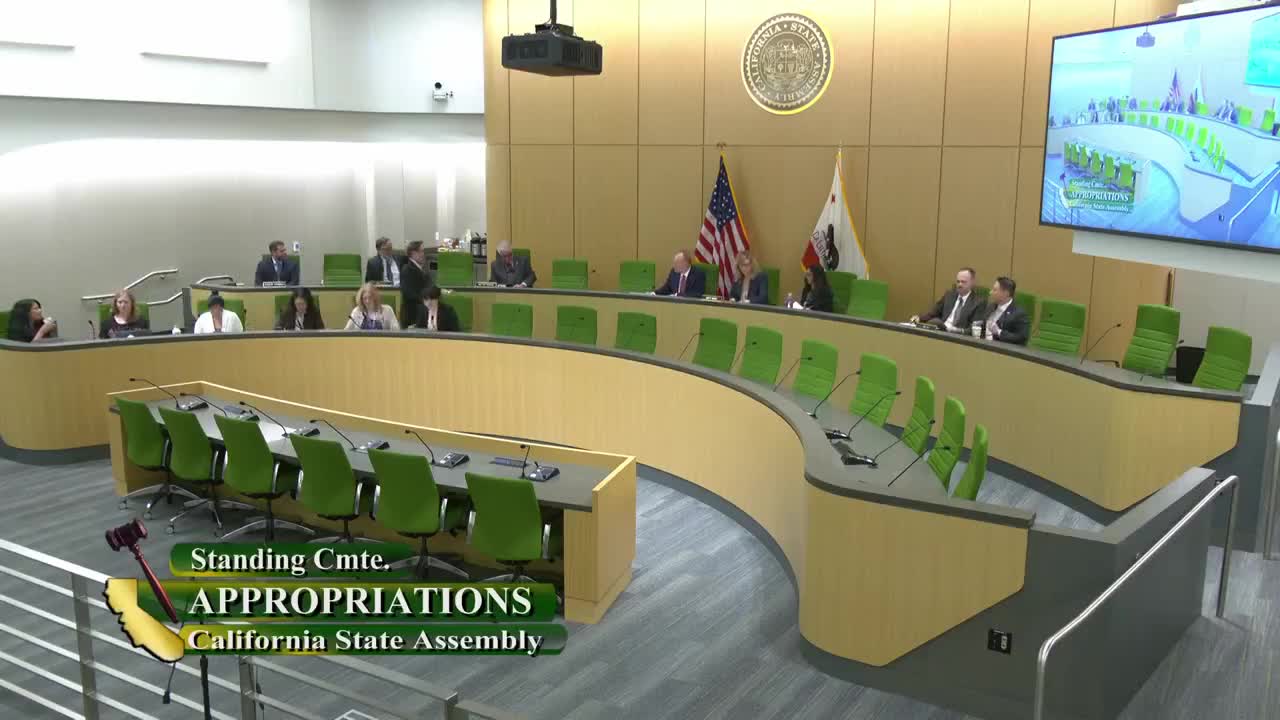 1MIN
Assembly Standing Committee on Appropriations
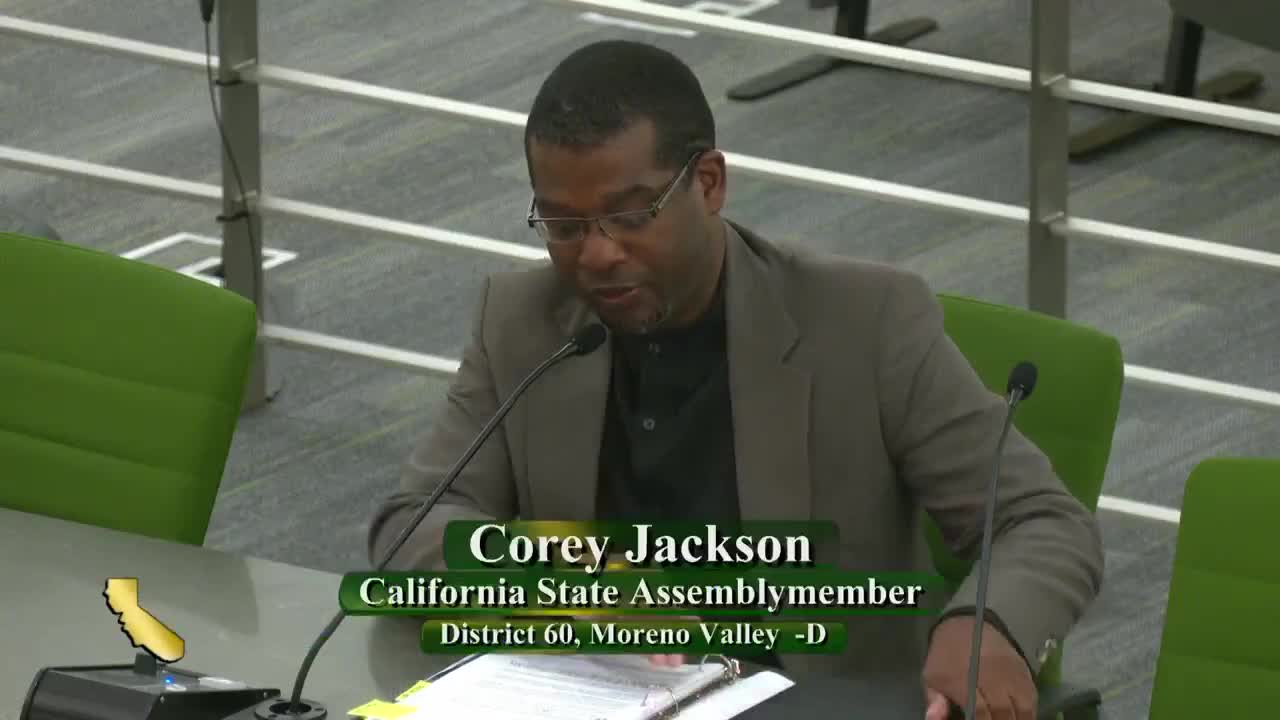 18MIN
Assembly Standing Committee on Health
Bill Author

Bill Co-Author(s):