AB 264: Community colleges: Lunar New Year holiday.
- Session Year: 2023-2024
- House: Assembly
- Latest Version Date: 2023-10-08
Current Status:
Passed
(2023-10-08: Chaptered by Secretary of State - Chapter 517, Statutes of 2023.)
Introduced
In Committee
First Chamber
In Committee
Second Chamber
Enacted
Existing law establishes various holidays in this state, including Lunar New Year. Existing law requires community colleges to close on specified holidays, including February 12, known as Lincoln Day, and the third Monday in February, known as Washington Day. Existing law entitles certain community college employees to be given time off with pay for specified holidays, including for Lincoln Day and Washington Day.
This bill would authorize the governing board of a community college district, pursuant to a memorandum of understanding, to replace closing on Lincoln Day or Washington Day with the date corresponding with the second new moon following the winter solstice, or the third new moon following the winter solstice should an intercalary month intervene, known as Lunar New Year. The bill would require that certain community college employees, in lieu of a paid holiday for Lincoln Day or Washington Day, receive a paid holiday for the Lunar New Year if the governing board of the community college replaces closing on Lincoln Day or Washington Day with closing on Lunar New Year.
Existing law requires the Governor to proclaim various days in honor of a person, status, or event, including Lunar New Year. Existing law requires community colleges to close on specified holidays, including February 12, known as Lincoln Day, and the third Monday in February, known as Washington Day. Existing law entitles certain community college employees to be given time off with pay for specified holidays, including for Lincoln Day and Washington Day.
This bill would authorize the governing board of a community college district, pursuant to a memorandum of understanding, to replace closing on Lincoln Day or Washington Day with the date corresponding with the second new moon following the winter solstice, or the third new moon following the winter solstice should an intercalary month intervene, known as Lunar New Year. The bill would require that certain community college employees, in lieu of a paid holiday for Lincoln Day or Washington Day, receive a paid holiday for the Lunar New Year if the governing board of the community college replaces closing on Lincoln Day or Washington Day with closing on Lunar New Year.
Existing law requires the Governor to proclaim various days in honor of a person, status, or event, including Lunar New Year. Existing law requires community colleges to close on specified holidays, including February 12, known as Lincoln Day, and the third Monday in February, known as Washington Day.
This bill would authorize the governing board of a community college district, pursuant to a memorandum of understanding, to replace closing on Lincoln Day or Washington Day with the date corresponding with the second new moon following the winter solstice, or the third new moon following the winter solstice should an intercalary month intervene, known as Lunar New Year.
Except as otherwise provided the community colleges shall continue in session or close on specified holidays as follows:
(a)The community colleges shall close on January 1, the third Monday in January, commencing in the 198990 fiscal year, known as Dr. Martin Luther King, Jr. Day, February 12 known as Lincoln Day, the third Monday in February known as Washington Day, the last Monday in May known as Memorial Day, July 4, the first Monday in September known as Labor Day, November 11 known as Veterans Day, that Thursday in November proclaimed by the President as Thanksgiving Day, and December 25.
(b)Any contractual provision between any community college district and its employees in effect on the effective date of the act that adds this subdivision shall prevail over any conflict regarding Dr. Martin Luther King, Jr. Day until the termination date of the contract or upon termination by mutual agreement of the parties, whichever occurs first.
(c)The Governor in appointing any other day for a public fast, thanksgiving, or holiday may provide whether the community colleges shall close on the day. If the Governor does not provide whether the community colleges shall close, they shall continue in session on all special or limited holidays appointed by the Governor, but shall close on all other days appointed by the Governor for a public fast, thanksgiving, or holiday.
(d)(1)The community colleges shall close on every day appointed by the President as a public fast, thanksgiving, or holiday, unless it is a special or limited holiday.
(2)For purposes of this subdivision, appointed by the President includes the President signing into law legislation that creates a nationwide federal holiday, including the legal public holidays listed in subsection (a) of Section 6103 of Title 5 of the United States Code, but does not include Columbus Day. This definition is declaratory of existing law.
(e)The community colleges shall continue in session on all legal holidays other than those designated by or pursuant to this section, and shall hold proper exercises commemorating the day.
(f)When any of the holidays on which the schools would be closed fall on Sunday, the community colleges shall close on the Monday following, except that (1) if Lincoln Day falls on a Sunday, the community colleges may observe this holiday on the preceding or following Friday, the following Monday, or the following Tuesday, and maintain classes on the date specified in subdivision (a) where applicable, or (2) if Lincoln Day falls on a Monday, the community colleges may observe this holiday on the preceding or following Friday, that Monday, or the following Tuesday, and maintain classes on the date specified in subdivision (a) where applicable.
(g)When any of the holidays on which the schools would be closed, except Lincoln Day, fall on Saturday, the community colleges shall close on the preceding Friday, and that Friday shall be declared a state holiday.
(h)If any holiday on which the community colleges are required to close pursuant to subdivision (a) occurs under federal law on a date different than the date specified in subdivision (a), the governing board of any community college district may close the community colleges of the district on the date recognized by federal law and maintain classes on the date specified in subdivision (a).
(i)When Veterans Day would fall on Tuesday, the governing board of a community college district may close the colleges on the preceding Monday, and maintain classes on the date specified in subdivision (a). When Veterans Day would fall on Wednesday, the governing board of a community college district may close the colleges on either the preceding Monday or the following Friday, and maintain classes on the date specified in subdivision (a). When Veterans Day would fall on Thursday, the governing board of a community college district may close the colleges on the following Friday, and maintain classes on the date specified in subdivision (a).
(j)When Lincoln Day would fall on Tuesday, the governing board of a community college district may close the colleges on the preceding Monday, the preceding Friday, or the following Friday, and maintain classes on the date specified in subdivision (a) where appropriate. When Lincoln Day would fall on Wednesday, the governing board of a community college district may close the colleges on the preceding Monday, the preceding Friday, or the following Friday, and maintain classes on the date specified in subdivision (a). When Lincoln Day would fall on Thursday, the governing board of a community college district may close the colleges on the preceding Friday or the following Friday, and maintain classes on the date specified in subdivision (a). When Lincoln Day falls on Saturday, the governing board of a community college district may close the colleges on the preceding Friday or the following Friday, and maintain classes on the date specified in subdivision (a) where appropriate.
(k)In addition to the holidays specified in subdivision (a), a community college may close on March 31, known as Cesar Chavez Day, if the governing board, pursuant to a memorandum of understanding reached pursuant to Chapter 10.7 (commencing with Section 3540) of Division 4 of Title 1 of the Government Code, agrees to close the community college for that purpose.
(l)In addition to the holidays specified in subdivision (a), a community college may close on April 24, known as Genocide Remembrance Day, and the fourth Friday in September, known as Native American Day, if the governing board, pursuant to a memorandum of understanding reached pursuant to Chapter 10.7 (commencing with Section 3540) of Division 4 of Title 1 of the Government Code, agrees to close the community college for that purpose.
(m)In addition to the holidays specified in subdivision (a), Glendale Community College may close on April 24, known as Genocide Remembrance Day, if the governing board, pursuant to a memorandum of understanding reached pursuant to Chapter 10.7 (commencing with Section 3540) of Division 4 of Title 1 of the Government Code, agrees to close the community college for that purpose.
(n)Notwithstanding subdivision (a), a community college may replace closing on February 12, Lincoln Day, or the third Monday in February, Washington Day, with the date corresponding with the second new moon following the winter solstice, or the third new moon following the winter solstice should an intercalary month intervene, known as Lunar New Year, if the governing board of the community college district, pursuant to a memorandum of understanding reached pursuant to Chapter 10.7 (commencing with Section 3540) of Division 4 of Title 1 of the Government Code, agrees to close the community college for that purpose. When Lunar New Year falls on another holiday, the community college shall observe Lunar New Year on a preceding or following weekday.
(o)This section shall not be interpreted as authorizing a community college district governing board to maintain community colleges in its district for a lesser number of days during the college year than the minimum established by law.
SEC. 2.Section 88203 of the Education Code is amended to read:88203.(a)(1)All probationary or permanent employees who are part of the classified service shall be entitled to the following paid holidays if they are in a paid status during any portion of the working day immediately preceding or succeeding the holiday:
(A)January 1.
(B)February 12 known as Lincoln Day.
(C)The third Monday in February known as Washington Day.
(D)The last Monday in May known as Memorial Day.
(E)July 4.
(F)The first Monday in September known as Labor Day.
(G)November 11 known as Veterans Day.
(H)That Thursday in November proclaimed by the President as Thanksgiving Day.
(I)December 25.
(J)Every day appointed by the President, or the Governor of this state, as provided for in subdivisions (c) and (d) of Section 79020 for a public fast, thanksgiving, or holiday.
(K)Any day declared a holiday under Section 1318 for classified or academic employees.
(2)College recesses during the Christmas and Easter periods shall not be considered holidays for classified employees who are normally required to work during that period; provided, however, that this shall not be construed as affecting vacation rights specified in this section.
(3)For purposes of this section, appointed by the President includes the President signing into law legislation that creates a nationwide federal holiday, including the legal public holidays listed in subsection (a) of Section 6103 of Title 5 of the United States Code, but does not include Columbus Day. This definition is declaratory of existing law.
(b)Regular employees of the community college district who are not normally assigned to duty during the community college holidays of December 25 and January 1 shall be paid for those two holidays if they were in a paid status during any portion of the working day of their normal assignment immediately preceding or succeeding the holiday period.
(c)When a holiday listed in this section falls on a Sunday, the following Monday shall be deemed to be the holiday in lieu of the day observed. When a holiday listed in this section falls on a Saturday, the preceding Friday shall be deemed to be the holiday in lieu of the day observed. When a classified employee is required to work on any of the holidays listed in this section, they shall be paid compensation, or given compensating time off, for such work, in addition to the regular pay received for the holiday, at the rate of time and one-half their regular rate of pay.
(d)Article 3 (commencing with Section 79020) of Chapter 8 of Part 48 shall not be construed to in any way limit this section, nor shall anything in this section be construed to prohibit the governing board of a community college district from adopting separate work schedules for the academic and the classified services, or from providing holiday pay for employees who have not been in paid status on the days specified in this section. Notwithstanding the adoption of separate work schedules for the academic and the classified services, on any schoolday during which students would otherwise have been in attendance, but are not and for which faculty receive regular pay, classified personnel shall also receive regular pay whether or not they are required to report for duty that day.
(e)In addition to the other paid holidays specified in this section, the classified service may be entitled to a paid holiday on March 31 known as Cesar Chavez Day, a paid holiday on April 24 known as Genocide Remembrance Day, and a paid holiday on the fourth Friday in September known as Native American Day, if they are in a paid status during any portion of the working day immediately preceding or succeeding the holiday, if the governing board of the community college district, pursuant to a memorandum of understanding reached pursuant to Chapter 10.7 (commencing with Section 3540) of Division 4 of Title 1 of the Government Code, agrees to the paid holiday.
(f)In lieu of a paid holiday on February 12, Lincoln Day, or the third Monday in February, Washington Day, as specified in this section, the classified service shall be entitled to a paid holiday on the date corresponding to the Lunar New Year holiday selected pursuant to subdivision (n) of Section 79020, if they are in a paid status during any portion of the working day immediately preceding or succeeding the Lunar New Year holiday, if the governing board of the community college district, pursuant to a memorandum of understanding reached pursuant to Chapter 10.7 (commencing with Section 3540) of Division 4 of Title 1 of the Government Code, agrees to the replacement holiday pursuant to subdivision (n) of Section 79020.
(g)This section shall apply to community college districts that have adopted the merit system in the same manner and effect as if it were a part of Article 3 (commencing with Section 88060).
Except as otherwise provided the community colleges shall continue in session or close on specified holidays as follows:
(a)The community colleges shall close on January 1, the third Monday in January, commencing in the 198990 fiscal year, known as Dr. Martin Luther King, Jr. Day, February 12 known as Lincoln Day, the third Monday in February known as Washington Day, the last Monday in May known as Memorial Day, July 4, the first Monday in September known as Labor Day, November 11 known as Veterans Day, that Thursday in November proclaimed by the President as Thanksgiving Day, and December 25.
(b)Any contractual provision between any community college district and its employees in effect on the effective date of the act that adds this subdivision shall prevail over any conflict regarding Dr. Martin Luther King, Jr. Day until the termination date of the contract or upon termination by mutual agreement of the parties, whichever occurs first.
(c)The Governor in appointing any other day for a public fast, thanksgiving, or holiday may provide whether the community colleges shall close on the day. If the Governor does not provide whether the community colleges shall close, they shall continue in session on all special or limited holidays appointed by the Governor, but shall close on all other days appointed by the Governor for a public fast, thanksgiving, or holiday.
(d)(1)The community colleges shall close on every day appointed by the President as a public fast, thanksgiving, or holiday, unless it is a special or limited holiday.
(2)For purposes of this subdivision, appointed by the President includes the President signing into law legislation that creates a nationwide federal holiday, including the legal public holidays listed in subsection (a) of Section 6103 of Title 5 of the United States Code, but does not include Columbus Day. This definition is declaratory of existing law.
(e)The community colleges shall continue in session on all legal holidays other than those designated by or pursuant to this section, and shall hold proper exercises commemorating the day.
(f)When any of the holidays on which the schools would be closed fall on Sunday, the community colleges shall close on the Monday following, except that (1) if Lincoln Day falls on a Sunday, the community colleges may observe this holiday on the preceding or following Friday, the following Monday, or the following Tuesday, and maintain classes on the date specified in subdivision (a) where applicable, or (2) if Lincoln Day falls on a Monday, the community colleges may observe this holiday on the preceding or following Friday, that Monday, or the following Tuesday, and maintain classes on the date specified in subdivision (a) where applicable.
(g)When any of the holidays on which the schools would be closed, except Lincoln Day, fall on Saturday, the community colleges shall close on the preceding Friday, and that Friday shall be declared a state holiday.
(h)If any holiday on which the community colleges are required to close pursuant to subdivision (a) occurs under federal law on a date different than the date specified in subdivision (a), the governing board of any community college district may close the community colleges of the district on the date recognized by federal law and maintain classes on the date specified in subdivision (a).
(i)When Veterans Day would fall on Tuesday, the governing board of a community college district may close the colleges on the preceding Monday, and maintain classes on the date specified in subdivision (a). When Veterans Day would fall on Wednesday, the governing board of a community college district may close the colleges on either the preceding Monday or the following Friday, and maintain classes on the date specified in subdivision (a). When Veterans Day would fall on Thursday, the governing board of a community college district may close the colleges on the following Friday, and maintain classes on the date specified in subdivision (a).
(j)When Lincoln Day would fall on Tuesday, the governing board of a community college district may close the colleges on the preceding Monday, the preceding Friday, or the following Friday, and maintain classes on the date specified in subdivision (a) where appropriate. When Lincoln Day would fall on Wednesday, the governing board of a community college district may close the colleges on the preceding Monday, the preceding Friday, or the following Friday, and maintain classes on the date specified in subdivision (a). When Lincoln Day would fall on Thursday, the governing board of a community college district may close the colleges on the preceding Friday or the following Friday, and maintain classes on the date specified in subdivision (a). When Lincoln Day falls on Saturday, the governing board of a community college district may close the colleges on the preceding Friday or the following Friday, and maintain classes on the date specified in subdivision (a) where appropriate.
(k)In addition to the holidays specified in subdivision (a), a community college may close on March 31, known as Cesar Chavez Day, if the governing board, pursuant to a memorandum of understanding reached pursuant to Chapter 10.7 (commencing with Section 3540) of Division 4 of Title 1 of the Government Code, agrees to close the community college for that purpose.
(l)In addition to the holidays specified in subdivision (a), a community college may close on April 24, known as Genocide Remembrance Day, and the fourth Friday in September, known as Native American Day, if the governing board, pursuant to a memorandum of understanding reached pursuant to Chapter 10.7 (commencing with Section 3540) of Division 4 of Title 1 of the Government Code, agrees to close the community college for that purpose.
(m)In addition to the holidays specified in subdivision (a), Glendale Community College may close on April 24, known as Genocide Remembrance Day, if the governing board, pursuant to a memorandum of understanding reached pursuant to Chapter 10.7 (commencing with Section 3540) of Division 4 of Title 1 of the Government Code, agrees to close the community college for that purpose.
(n)Notwithstanding subdivision (a), a community college may replace closing on February 12, Lincoln Day, or the third Monday in February, Washington Day, with the date corresponding with the second new moon following the winter solstice, or the third new moon following the winter solstice should an intercalary month intervene, known as Lunar New Year, if the governing board of the community college district, pursuant to a memorandum of understanding reached pursuant to Chapter 10.7 (commencing with Section 3540) of Division 4 of Title 1 of the Government Code, agrees to close the community college for that purpose. When Lunar New Year falls on another holiday, the community college shall observe Lunar New Year on a preceding or following weekday.
(o)This section shall not be interpreted as authorizing a community college district governing board to maintain community colleges in its district for a lesser number of days during the college year than the minimum established by law.
SEC. 2.Section 88203 of the Education Code is amended to read:88203.All (a)(1)All probationary or permanent employees who are part of the classified service shall be entitled to the following paid holidays if they are in a paid status during any portion of the working day immediately preceding or succeeding the holiday: January 1, February holiday:
(A)January 1.
(B)February 12 known as Lincoln Day, the Day.
(C)The third Monday in February known as Washington Day, the Day.
(D)The last Monday in May known as Memorial Day, July 4, the Day.
(E)July 4.
(F)The first Monday in September known as Labor Day, November Day.
(G)November 11 known as Veterans Day, that Day.
(H)That Thursday in November proclaimed by the President as Thanksgiving Day, December 25, every Day.
(I)December 25.
(J)Every day appointed by the President, or the Governor of this state, as provided for in subdivisions (c) and (d) of Section 79020 for a public fast, thanksgiving, or holiday, or any holiday.
(K)Any day declared a holiday under Section 1318 for classified or academic employees. College
(2)College recesses during the Christmas and Easter periods shall not be considered holidays for classified employees who are normally required to work during that period; provided, however, that this shall not be construed as affecting vacation rights specified in this section. For
(3)For purposes of this section, appointed by the President includes the President signing into law legislation that creates a nationwide federal holiday, including the legal public holidays listed in subsection (a) of Section 6103 of Title 5 of the United States Code, but does not include Columbus Day. This definition is declaratory of existing law.
Regular
(b)Regular employees of the community college district who are not normally assigned to duty during the community college holidays of December 25 and January 1 shall be paid for those two holidays if they were in a paid status during any portion of the working day of their normal assignment immediately preceding or succeeding the holiday period.
When
(c)When a holiday herein listed in this section falls on a Sunday, the following Monday shall be deemed to be the holiday in lieu of the day observed. When a holiday herein listed in this section falls on a Saturday, the preceding Friday shall be deemed to be the holiday in lieu of the day observed. When a classified employee is required to work on any of said holidays, the holidays listed in this section, they shall be paid compensation, or given compensating time off, for such work, in addition to the regular pay received for the holiday, at the rate of time and one-half their regular rate of pay.
Article
(d)Article 3 (commencing with Section 79020) of Chapter 8 of Part 48 of this division shall not be construed to in any way limit this section, nor shall anything in this section be construed to prohibit the governing board of a community college district from adopting separate work schedules for the academic and the classified services, or from providing holiday pay for employees who have not been in paid status on the days specified herein. in this section. Notwithstanding the adoption of separate work schedules for the academic and the classified services, on any schoolday during which students would otherwise have been in attendance, but are not and for which faculty receive regular pay, classified personnel shall also receive regular pay whether or not they are required to report for duty that day.
In
(e)In addition to the other paid holidays specified in this section, the classified service may be entitled to a paid holiday on March 31 known as Cesar Chavez Day, a paid holiday on April 24 known as Genocide Remembrance Day, and a paid holiday on the fourth Friday in September known as Native American Day, if they are in a paid status during any portion of the working day immediately preceding or succeeding the holiday, if the governing board, board of the community college district, pursuant to a memorandum of understanding reached pursuant to Chapter 10.7 (commencing with Section 3540) of Division 4 of Title 1 of the Government Code, agrees to the paid holiday.
(f)In lieu of a paid holiday on February 12, Lincoln Day, or the third Monday in February, Washington Day, as specified in this section, the classified service shall be entitled to a paid holiday on the date corresponding to the Lunar New Year holiday selected pursuant to subdivision (n) of Section 79020, if they are in a paid status during any portion of the working day immediately preceding or succeeding the Lunar New Year holiday, if the governing board of the community college district, pursuant to a memorandum of understanding reached pursuant to Chapter 10.7 (commencing with Section 3540) of Division 4 of Title 1 of the Government Code, agrees to the replacement holiday pursuant to subdivision (n) of Section 79020.
This
(g)This section shall apply to community college districts that have adopted the merit system in the same manner and effect as if it were a part of Article 3 (commencing with Section 88060).
Except as otherwise provided the community colleges shall continue in session or close on specified holidays as follows:
(a)The community colleges shall close on January 1, the third Monday in January, commencing in the 198990 fiscal year, known as Dr. Martin Luther King, Jr. Day, February 12 known as Lincoln Day, the third Monday in February known as Washington Day, the last Monday in May known as Memorial Day, July 4, the first Monday in September known as Labor Day, November 11 known as Veterans Day, that Thursday in November proclaimed by the President as Thanksgiving Day, and December 25.
(b)Any contractual provision between any community college district and its employees in effect on the effective date of the act that adds this subdivision shall prevail over any conflict regarding Dr. Martin Luther King, Jr. Day until the termination date of the contract or upon termination by mutual agreement of the parties, whichever occurs first.
(c)The Governor in appointing any other day for a public fast, thanksgiving, or holiday may provide whether the community colleges shall close on the day. If the Governor does not provide whether the community colleges shall close, they shall continue in session on all special or limited holidays appointed by the Governor, but shall close on all other days appointed by the Governor for a public fast, thanksgiving, or holiday.
(d)(1)The community colleges shall close on every day appointed by the President as a public fast, thanksgiving, or holiday, unless it is a special or limited holiday.
(2)For purposes of this subdivision, appointed by the President includes the President signing into law legislation that creates a nationwide federal holiday, including the legal public holidays listed in subsection (a) of Section 6103 of Title 5 of the United States Code, but does not include Columbus Day. This definition is declaratory of existing law.
(e)The community colleges shall continue in session on all legal holidays other than those designated by or pursuant to this section, and shall hold proper exercises commemorating the day.
(f)When any of the holidays on which the schools would be closed fall on Sunday, the community colleges shall close on the Monday following, except that (1) if Lincoln Day falls on a Sunday, the community colleges may observe this holiday on the preceding or following Friday, the following Monday, or the following Tuesday, and maintain classes on the date specified in subdivision (a) where applicable, or (2) if Lincoln Day falls on a Monday, the community colleges may observe this holiday on the preceding or following Friday, that Monday, or the following Tuesday, and maintain classes on the date specified in subdivision (a) where applicable.
(g)When any of the holidays on which the schools would be closed, except Lincoln Day, fall on Saturday, the community colleges shall close on the preceding Friday, and that Friday shall be declared a state holiday.
(h)If any holiday on which the community colleges are required to close pursuant to subdivision (a) occurs under federal law on a date different than the date specified in subdivision (a), the governing board of any community college district may close the community colleges of the district on the date recognized by federal law and maintain classes on the date specified in subdivision (a).
(i)When Veterans Day would fall on Tuesday, the governing board of a community college district may close the colleges on the preceding Monday, and maintain classes on the date specified in subdivision (a). When Veterans Day would fall on Wednesday, the governing board of a community college district may close the colleges on either the preceding Monday or the following Friday, and maintain classes on the date specified in subdivision (a). When Veterans Day would fall on Thursday, the governing board of a community college district may close the colleges on the following Friday, and maintain classes on the date specified in subdivision (a).
(j)When Lincoln Day would fall on Tuesday, the governing board of a community college district may close the colleges on the preceding Monday, the preceding Friday, or the following Friday, and maintain classes on the date specified in subdivision (a) where appropriate. When Lincoln Day would fall on Wednesday, the governing board of a community college district may close the colleges on the preceding Monday, the preceding Friday, or the following Friday, and maintain classes on the date specified in subdivision (a). When Lincoln Day would fall on Thursday, the governing board of a community college district may close the colleges on the preceding Friday or the following Friday, and maintain classes on the date specified in subdivision (a). When Lincoln Day falls on Saturday, the governing board of a community college district may close the colleges on the preceding Friday or the following Friday, and maintain classes on the date specified in subdivision (a) where appropriate.
(k)In addition to the holidays specified in subdivision (a), a community college may close on March 31, known as Cesar Chavez Day, if the governing board, pursuant to a memorandum of understanding reached pursuant to Chapter 10.7 (commencing with Section 3540) of Division 4 of Title 1 of the Government Code, agrees to close the community college for that purpose.
(l)In addition to the holidays specified in subdivision (a), a community college may close on April 24, known as Genocide Remembrance Day, and the fourth Friday in September, known as Native American Day, if the governing board, pursuant to a memorandum of understanding reached pursuant to Chapter 10.7 (commencing with Section 3540) of Division 4 of Title 1 of the Government Code, agrees to close the community college for that purpose.
(m)In addition to the holidays specified in subdivision (a), Glendale Community College may close on April 24, known as Genocide Remembrance Day, if the governing board, pursuant to a memorandum of understanding reached pursuant to Chapter 10.7 (commencing with Section 3540) of Division 4 of Title 1 of the Government Code, agrees to close the community college for that purpose.
(n)Notwithstanding subdivision (a), a community college may replace closing on February 12, Lincoln Day, or the third Monday in February, Washington Day, with the date corresponding with the second new moon following the winter solstice, or the third new moon following the winter solstice should an intercalary month intervene, known as Lunar New Year, if the governing board of the community college district, pursuant to a memorandum of understanding reached pursuant to Chapter 10.7 (commencing with Section 3540) of Division 4 of Title 1 of the Government Code, agrees to close the community college for that purpose. When Lunar New Year falls on another holiday, the community college shall observe Lunar New Year on a preceding or following weekday.
(n)(o)This section shall not be interpreted as authorizing a community college district governing board to maintain community colleges in its district for a lesser number of days during the college year than the minimum established by law.
REVISIONS: HeadingLine 3.|
Date
|
Status
|
|---|---|
| Oct 8, 2023 | Chaptered by Secretary of State - Chapter 517, Statutes of 2023. |
| Oct 8, 2023 | Approved by the Governor. |
| Sep 13, 2023 | Enrolled and presented to the Governor at 3 p.m. |
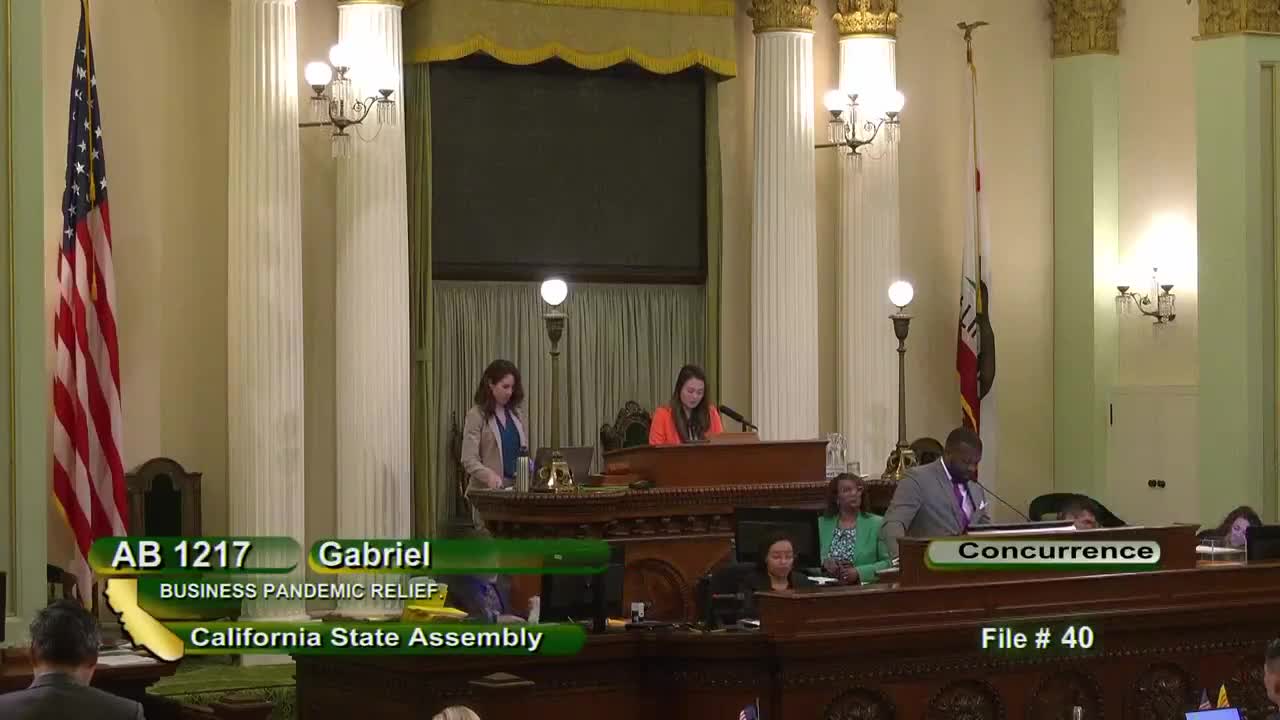
| Sep 7, 2023 | Senate amendments concurred in. To Engrossing and Enrolling. (Ayes 79. Noes 0. Page 3038.). |
| Sep 7, 2023 | Assembly Rule 77 suspended. (Page 3011.) |
| Sep 6, 2023 | In Assembly. Concurrence in Senate amendments pending. May be considered on or after September 8 pursuant to Assembly Rule 77. |
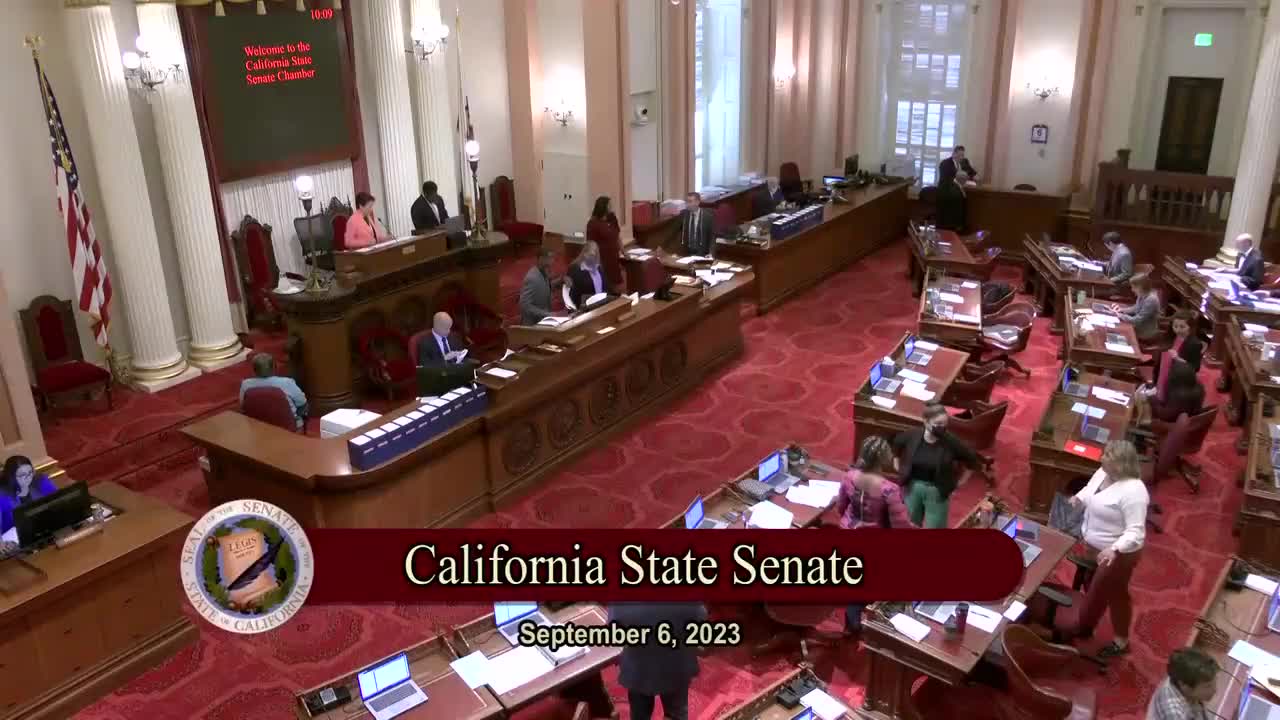
| Sep 6, 2023 | Read third time. Passed. Ordered to the Assembly. (Ayes 34. Noes 0. Page 2387.). |
| Jun 13, 2023 | Read second time and amended. Ordered to third reading. |
| Jun 12, 2023 | From committee: Amend, and do pass as amended. (Ayes 6. Noes 0.) (June 7). |
| May 3, 2023 | Referred to Com. on ED. |
| Apr 10, 2023 | In Senate. Read first time. To Com. on RLS. for assignment. |
| Apr 10, 2023 | Read third time. Passed. Ordered to the Senate. (Ayes 68. Noes 0. Page 1075.) |
| Mar 23, 2023 | Read second time. Ordered to third reading. |
| Mar 22, 2023 | From committee: Do pass. (Ayes 12. Noes 0.) (March 21). |
| Mar 22, 2023 | Coauthors revised. |
| Feb 2, 2023 | Referred to Com. on HIGHER ED. |
| Jan 20, 2023 | From printer. May be heard in committee February 19. |
| Jan 19, 2023 | Read first time. To print. |
|
Date
|
Description
|
Location
|
Votes
|
|
|---|---|---|---|---|
| Sep 7, 2023 | AB 264 Ting Concurrence in Senate Amendments | Assembly Floor |
Passed |
|
| Sep 6, 2023 | Assembly 3rd Reading AB264 Ting et al. By Min | Senate Floor |
Passed |
|
| Jun 7, 2023 | Do pass as amended | Senate Standing Committee on Education |
Passed |
|
| Apr 10, 2023 | AB 264 Ting Assembly Third Reading | Assembly Floor |
Passed |
|
| Mar 21, 2023 | Do pass. | Assembly Standing Committee on Higher Education |
Passed |
This list shows positions taken on this bill by organizations on the date displayed, which is linked to the original source.
Positions by individuals are not included.
|
Organization
|
Position
|
Date
|
|---|---|---|
| Asian Pacific Islander Trustee and Administrator Caucus of the Community College League of | ** Support | |
| California | ** Support | |
| Chinese American Democratic Club | ** Support | |
| Chinese Chamber of Commerce of San Francisco | ** Support | |
| Faculty Association Of California Community Colleges | ** Support | |
| San Francisco Community College District | ** Support |
CONCURRENCE IN SENATE AMENDMENTS
CSA1 Bill Id:AB 264
Author:(Ting, et al.)
As Amended Ver:June 13, 2023
Majority vote
SUMMARY
Provides community college districts an avenue to recognize Lunar New Year as an academic holiday and to close the campus for students and staff.
Senate Amendments
Provides a technical amendment to amend a second section of the Education Code 88203, pertaining to holidays for selected staff of community colleges, to include the provision of the Lunar New Year Holiday and therefore would enable probationary or permanent classified staff of community colleges to partake in the Lunar New Year Holiday if permitted by the district.
COMMENTS
Lunar New Year. According to the Smithsonian National Museum of Asian Art, Lunar New Year is a celebration of the arrival of spring and the beginning of a new year based on the lunisolar calendar. The holiday is a cultural holiday in China, Japan, South Korea, Vietnam, and other countries with a significant Chinese population. The Encyclopedia Britannica explains the lunar calendar, as a calendar based on the cycles of the moon, and therefore dates of the holiday vary slightly from year to year one tries to align the holidays to dates on Gregorian calendars. Traditionally, Lunar New Year is a time reserved for celebrating with family and honoring one's ancestors. The National Geographic Society highlighted that Lunar New Year is a 3,000 year old tradition which was reintroduced in the 20th century as the Spring Festival once the Gregorian calendar was adopted. In some countries, the celebration lasts for nine days with each day reserved for a different type of celebration including traditions recognized by Western cultures such as the gifting of red envelopes, parties, firecrackers, and the lion dance.
Asian American population in California and at the CCC. In January 2023, the Public Policy Institute published a study on the population of California and found that California is home to over 39 million people, of whom 15.2% identify as Asian or Pacific Islander. In 2013, the Pew Research Center concluded that 2/3 of Chinese, Korean, Japanese, and Vietnamese people living in the United States celebrate Lunar New Year. The California Commission on Asian and Pacific Islander American Affairs, in their support letter for AB 2596 (Low), Chapter 792, Statue of 2022, identified California as home to the largest Asian American, Native Hawaiian, and Pacific Islander population in the nation. The current population of the CCC is comprised of faculty, staff, and students. Of the 82,645 CCC employees for the fall 2022 semester, 9,552 identify as Asian, and of the 1.2 million CCC students enrolled for the fall 2022 semester, 128,769 identify as Asian.
State Holidays versus CCC holidays. State Holidays are enacted in one of two ways, either the Government Code Section dedicated to State Holidays is updated by an act of legislation, or the Governor of the State or the President of the United States appoints a day as a public fast, thanksgiving, or holiday. However, having a "State Holiday" in the law does not guarantee employees a day off from their employer. California law does not require private employers to provide employees with paid holidays and places limits on paid holiday for government workers. City and county workers are bound by the charters, ordinances, or the resolutions adopted by the particular city or county for paid holidays and some state workers must include paid holidays in their collective bargaining agreement with the Governor. All other state employees, who do not collectively bargain, receive the following holidays, January 1, the third Monday in January, the third Monday in February, March 31, the last Monday in May, July 4, the first Monday in September, November 11, Thanksgiving Day, the day after Thanksgiving, and December 25, as listed in Government Code Section 19853. Additionally, these employees may elect to use one of their personal holidays on either Lunar New Year, April 24, known as Genocide Remembrance day, June 19, or Juneteenth or the fourth Friday of September, known as Native American day.
Despite AB 2595 (Low) establishing Lunar New Year as a state holiday, the measure did not update the Education Code which mandates the closing of community colleges in recognition of a holiday. Education Code 79020 provides a list of holidays resulting in mandatory closures of community colleges. The legally mandated academic holidays include: New Year's Day (January 1); Dr. Martin Luther King, Jr Day (the third Monday in January); Lincoln Day (February 12); Washington Day (third Monday in February); Memorial Day (the last Monday in May); Juneteenth (June 19); Independence Day (July 4); Labor Day (the first Monday in September); Veterans Day (November 11); Thanksgiving Day (date proclaimed by the U.S. President); and, Christmas Day (December 25).
In addition to the above list of legally mandated holidays, community college districts are endowed with the authority to provide additional paid holidays for staff and school closures for students on Cesar Chavez Day (March 31), Genocide Remembrance Day (April 24), and Native American Day (the fourth Friday in September). However, these holidays must be negotiated through a memorandum of understanding by local governing boards and the employees of the district/colleges within the district. This bill would seek to add Lunar New Year as an optional paid holiday for community colleges.
Academic Calendars. Education Code Section 70902 lists the obligations of the local governing board of a community college district. Specifically, the code authorizes governing board of the community college district to adopt the academic calendar including the holidays it will observe. The adoption of the academic calendar is based on an array of factors including the collective bargaining agreements between faculty and staff, the California Code of Regulations around the number of hours students must be in a classroom to maintain accreditation, and the federal requirements for units of credit. The traditional academic calendar is comprised of 35 weeks of instruction and evaluation according to the California Code of Regulation Title 5 Section 55700. Therefore, for each holiday that is adopted, an additional academic day must be added to the calendar. This bill seeks to circumvent this process by empowering community college districts to swap the currently mandated holidays of either, Lincoln Day (February 12) or Washington Day (the third Monday in February), with the day each year that corresponds with Lunar New Year. Therefore, should This bill be adopted a community college district would not need to rearrange its academic calendar in order to add the new holiday. Furthermore, This bill respects the collective bargaining process between academic and classified staff and the governing board of the community college district. The board and the unions would still have to enter into an agreement to recognize Lunar New Year as the new holiday instead of Lincoln Day or Washington Day.
One could argue, since Lunar New Year is already a state holiday and with Governor Newsom providing an executive proclamation regarding Lunar New Year on January 22, 2023, that an avenue by which community college districts could recognize Lunar New Year as a holiday already exists. The Governor would simply need to tell community colleges through an executive proclamation that they are required close on Lunar New Year each year a proclamation is issued. However, this method would be chaotic, as each year, the community colleges would have to wait for the proclamation to determine whether they would close or not. This bill appears to be a thoughtful and pragmatic approach to identifying Lunar New Year as a holiday for community colleges.
The importance of recognizing Lunar New Year. In May 2022, the Public Policy Institute of California identified the population of Californians who identify as Asian American and Pacific Islanders as having the largest percentile increase in the population of any major racial or ethnic groups since 2010, with a growth of 25%. With such a rising population, it is imperative for California to recognize this emergence of culture as part of the statewide narrative to prevent instances of othering. In June 2022, California Attorney General Rob Bonta released the 2021 Hate Crime Report; noting the staggering statistic that anti-Asian hate crime events had increased 177.5% from 2020 to 2021. The rise was directly correlated to the national rhetoric surrounding the COVID – 19 pandemic. "The Post-Pandemic Agenda for Community Well-being among Asian Americans, Native Americans, Native Hawaiians, and Pacific Islanders in California" a report published by the UCLA Center for Health Policy Research found that one in four Asian Americans indicated they had experienced a hate crime, and one in five worried about becoming a hate-crime victim. One of the simplest ways to highlight and honor a culture is to recognize the holidays that are important to a culture and to celebrate the holiday's history. By honoring and celebrating Lunar New Year, the community colleges would be identifying and honoring the culture of Asian American students. This bill would increase diversity and promote inclusion by establishing a pathway for community colleges to close campuses in recognition of Lunar New Year.
According to the Author
As delineated by the Author, "there are over 6 million Asian Americans in California and nearly two-thirds of Asian Americans celebrate Lunar New Year. In order to promote cultural understanding and acceptance, AB 264 would provide community colleges the flexibility to observe Lunar New Year as a holiday. Lunar New Year is officially recognized as a state holiday in California, and the Legislature should give community colleges the ability to recognize Lunar New Year as a school holiday."
Arguments in Support
As expressed by the City College of San Francisco, "Lunar New Year has historically been celebrated as the most socially, culturally, and economically important occasion by billions of Asian Pacific Islanders around the world. California recently recognized the importance of Lunar New Year by adopting AB 2596 (Low) to designate the occasion as a state holiday. However, the law does not apply to community colleges and 170,000 Asian Pacific Islander students attending California community colleges and 8,500 students attending City College of San Francisco each semester still have to decide between celebrating Lunar New Year with their families or attending and preparing for college classes. AB 264 (Ting) is supported locally by the community, students, and educators, and comes months after the City College of San Francisco Board of Trustees unanimously passed a resolution by Board President Alan Wong urging the state legislature to amend the California Community College Education Code to allow Lunar New Year observance."
Arguments in Opposition
None on file.
FISCAL COMMENTS
No fiscal impact.
VOTES:
ASM HIGHER EDUCATION: 12-0-0
YES: Mike Fong, Ta, Addis, Arambula, Gabriel, Irwin, Low, Ortega, Sanchez, Santiago, Wallis, Weber
ASSEMBLY FLOOR: 68-0-12
YES: Addis, Aguiar-Curry, Alanis, Alvarez, Arambula, Bains, Bennett, Berman, Boerner Horvath, Bonta, Calderon, Juan Carrillo, Wendy Carrillo, Cervantes, Connolly, Megan Dahle, Dixon, Flora, Mike Fong, Vince Fong, Friedman, Gabriel, Gallagher, Garcia, Gipson, Grayson, Haney, Hart, Holden, Hoover, Irwin, Jackson, Jones-Sawyer, Kalra, Lackey, Lee, Low, Lowenthal, Maienschein, Mathis, McCarty, Muratsuchi, Stephanie Nguyen, Ortega, Pacheco, Papan, Joe Patterson, Pellerin, Ramos, Reyes, Luz Rivas, Robert Rivas, Rodriguez, Blanca Rubio, Santiago, Schiavo, Soria, Ta, Ting, Villapudua, Waldron, Wallis, Ward, Weber, Wicks, Wood, Zbur, Rendon
ABS, ABST OR NV: Bauer-Kahan, Bryan, Chen, Davies, Essayli, McKinnor, Jim Patterson, Petrie-Norris, Quirk-Silva, Sanchez, Valencia, Wilson
SENATE FLOOR: 35-0-5
YES: Allen, Alvarado-Gil, Archuleta, Ashby, Atkins, Becker, Blakespear, Bradford, Caballero, Cortese, Dahle, Dodd, Durazo, Eggman, Glazer, Gonzalez, Grove, Hurtado, Laird, Limón, McGuire, Menjivar, Min, Newman, Nguyen, Padilla, Portantino, Roth, Rubio, Skinner, Smallwood-Cuevas, Stern, Umberg, Wahab, Wiener
ABS, ABST OR NV: Jones, Niello, Ochoa Bogh, Seyarto, Wilk
UPDATED
VERSION: June 13, 2023
CONSULTANT: Ellen Cesaretti-Monroy / HIGHER ED. / (916) 319-3960 FN: 0001834
SENATE RULES COMMITTEE Office of Senate Floor Analyses (916) 651-1520 Fax: (916) 327-4478 | AB 264 |
THIRD READING
Bill No: AB 264
Author: Ting (D), Mike Fong (D), Low (D) and Stephanie Nguyen (D), et al.
Amended: 6/13/23 in Senate
Vote: 21
SENATE EDUCATION COMMITTEE: 6-0, 6/7/23
AYES: Newman, Cortese, Glazer, McGuire, Smallwood-Cuevas, Wilk
NO VOTE RECORDED: Ochoa Bogh
ASSEMBLY FLOOR: 68-0, 4/10/23 - See last page for vote
SUBJECT: Community colleges: Lunar New Year holiday
SOURCE: Author
DIGEST:
This bill authorizes a community college to close to observe Lunar New Year, as specified.
ANALYSIS:
Existing law:
- Requires community colleges to continue in session or close on specified holidays as follows:
- Requires community colleges to close on January 1st, the third Monday in January, known as “Dr. Martin Luther King, Jr. Day,” February 12th known as “Lincoln Day,” the third Monday in February known as “Washington Day,” the last Monday in May known as “Memorial Day,” July 4th, the first Monday in September known as “Labor Day,” November 11th known as “Veterans Day,” that Thursday in November proclaimed by the President as “Thanksgiving Day,” and December 25th.
- Requires community colleges to close on every day appointed by the President as a public fast, thanksgiving, or holiday, unless it is a special or limited holiday; requires community colleges to continue in session on all legal holidays other than those designated in statute, and requires community colleges to hold proper exercises commemorating the day. (Education Code (EC) § 79020)
- Requires community colleges to close on January 1st, the third Monday in January, known as “Dr. Martin Luther King, Jr. Day,” February 12th known as “Lincoln Day,” the third Monday in February known as “Washington Day,” the last Monday in May known as “Memorial Day,” July 4th, the first Monday in September known as “Labor Day,” November 11th known as “Veterans Day,” that Thursday in November proclaimed by the President as “Thanksgiving Day,” and December 25th.
- Authorizes community colleges to be closed, in addition to the holidays prescribed above, on:
- The fourth Friday in September, known as “Native American Day,” if the governing board agrees to close the community college for that purpose.
- March 31, known as “Cesar Chavez Day,” if the governing board agrees to close the community college for that purpose.
- April 24, known as “Genocide Remembrance Day,” if the governing board agrees to close the community college for that purpose. (EC § 79020 and § 88203)
- The fourth Friday in September, known as “Native American Day,” if the governing board agrees to close the community college for that purpose.
- Authorizes Glendale Community College, in addition to the optional holidays listed above, to be closed on April 24, known as “Armenian Genocide Remembrance Day,” if the governing board agrees to close the community college for that purpose. (EC § 79020 and § 88203)
- Requires the California Community Colleges (CCCs) to provide at least 175 days of instruction. (California Code of Regulations, Title 5, § 55701)
- Recognizes the date corresponding with the second new moon following the winter solstice, or the third new moon following the winter solstice should an intercalary month intervene, known as “Lunar New Year” and as a state holiday, authorizing eligible state employees to elect to receive eight hours of holiday credit for the date corresponding with Lunar New Year in lieu of receiving eight hours of personal credit, as specified. (Government Code § 6700 and § 19853)
This bill:
- Authorizes a community college to replace closing on February 12, Lincoln Day, or the third Monday in February, Washington Day, with the date corresponding with the second new moon following the winter solstice, or the third new moon following the winter solstice should an intercalary month intervene, known as “Lunar New Year,” if the governing board of the community college district agrees to close the community college for that purpose.
- Requires the community college to observe Lunar New Year on a preceding or following weekday when Lunar New Year falls on another holiday.
Comments
- Need for the bill. According to the author, “there are over 6 million Asian Americans in California and nearly two-thirds of Asian Americans celebrate Lunar New Year. In order to promote cultural understanding and acceptance, AB 264 would provide community colleges the flexibility to observe Lunar New Year as a holiday. Lunar New Year is officially recognized as a state holiday in California, and the Legislature should give community colleges the ability to recognize Lunar New Year as a school holiday.”
- Days that community colleges are closed. The state has prescribed specified holidays. Existing law requires community colleges to close on specified holidays, and authorizes community colleges to close on additional holidays or days of recognition. The days that community colleges are required to be closed do not completely correspond with designated state holidays; for example, Lunar New Year is a designated state holiday but not specified as a day that community colleges must close, or are even authorized to close. Since Lunar New Year is a state holiday, the Governor could issue an executive proclamation to require community colleges to close for Lunar New Year, but would necessitate annual action to do via executive proclamation. This bill authorizes, but does not require, community colleges to close on Lunar New Year.
- Academic Calendars. As noted in the Assembly Higher Education Committee analysis, the adoption of the academic calendar is based on an array of factors including the collective bargaining agreements between faculty and staff, the minimum days of instruction required by the California Code of Regulations, and the federal requirements for units of credit. Therefore, for each holiday that is adopted, an additional academic day must be added to the calendar. This bill creatively empowers community college districts to swap the currently mandated holidays of either Lincoln Day (February 12) or Washington Day (the third Monday in February), with the day each year that corresponds with Lunar New Year. As a result, community colleges would not necessarily need to adjust their academic calendars to close for Lunar New Year.
FISCAL EFFECT: Appropriation: No Fiscal Com.: No Local: No
SUPPORT: (Verified 6/12/23)
None received
OPPOSITION: (Verified 6/12/23)
None received
ASSEMBLY FLOOR: 68-0, 4/10/23
AYES: Addis, Aguiar-Curry, Alanis, Alvarez, Arambula, Bains, Bennett, Berman, Boerner Horvath, Bonta, Calderon, Juan Carrillo, Wendy Carrillo, Cervantes, Connolly, Megan Dahle, Dixon, Flora, Mike Fong, Vince Fong, Friedman, Gabriel, Gallagher, Garcia, Gipson, Grayson, Haney, Hart, Holden, Hoover, Irwin, Jackson, Jones-Sawyer, Kalra, Lackey, Lee, Low, Lowenthal, Maienschein, Mathis, McCarty, Muratsuchi, Stephanie Nguyen, Ortega, Pacheco, Papan, Joe Patterson, Pellerin, Ramos, Reyes, Luz Rivas, Robert Rivas, Rodriguez, Blanca Rubio, Santiago, Schiavo, Soria, Ta, Ting, Villapudua, Waldron, Wallis, Ward, Weber, Wicks, Wood, Zbur, Rendon
NO VOTE RECORDED: Bauer-Kahan, Bryan, Chen, Davies, Essayli, McKinnor, Jim Patterson, Petrie-Norris, Quirk-Silva, Sanchez, Valencia, Wilson
Prepared by: Lynn Lorber / ED. / (916) 651-4105
6/14/23 13:17:04
**** END ****
264
SENATE COMMITTEE ON EDUCATION
Senator Josh Newman, Chair
2023 - 2024 Regular
Bill No: AB 264 Hearing Date: June 7, 2023
Author: | |||
Version: | January 19, 2023 | ||
Urgency: | No | Fiscal: | No |
Consultant: | Lynn Lorber | ||
Subject: Community colleges: Lunar New Year holiday.
SUMMARY
This bill authorizes a community college to close to observe Lunar New Year, as specified.
BACKGROUND
Existing law:
- Requires community colleges to continue in session or close on specified holidays as follows:
- Requires community colleges to close on January 1st, the third Monday in January, known as “Dr. Martin Luther King, Jr. Day,” February 12th known as “Lincoln Day,” the third Monday in February known as “Washington Day,” the last Monday in May known as “Memorial Day,” July 4th, the first Monday in September known as “Labor Day,” November 11th known as “Veterans Day,” that Thursday in November proclaimed by the President as “Thanksgiving Day,” and December 25th.
- Requires community colleges to close on every day appointed by the President as a public fast, thanksgiving, or holiday, unless it is a special or limited holiday; requires community colleges to continue in session on all legal holidays other than those designated in statute, and requires community colleges to hold proper exercises commemorating the day. (Education Code (EC) § 79020)
- Requires community colleges to close on January 1st, the third Monday in January, known as “Dr. Martin Luther King, Jr. Day,” February 12th known as “Lincoln Day,” the third Monday in February known as “Washington Day,” the last Monday in May known as “Memorial Day,” July 4th, the first Monday in September known as “Labor Day,” November 11th known as “Veterans Day,” that Thursday in November proclaimed by the President as “Thanksgiving Day,” and December 25th.
- Authorizes community colleges to be closed, in addition to the holidays prescribed above, on:
- The fourth Friday in September, known as “Native American Day,” if the governing board agrees to close the community college for that purpose.
- March 31, known as “Cesar Chavez Day,” if the governing board agrees to close the community college for that purpose.
- April 24, known as “Genocide Remembrance Day,” if the governing board agrees to close the community college for that purpose. (EC § 79020 and § 88203)
- The fourth Friday in September, known as “Native American Day,” if the governing board agrees to close the community college for that purpose.
- Authorizes Glendale Community College, in addition to the optional holidays listed above, to be closed on April 24, known as “Armenian Genocide Remembrance Day,” if the governing board agrees to close the community college for that purpose. (EC § 79020 and § 88203)
- Requires the California Community Colleges (CCCs) to provide at least 175 days of instruction. (California Code of Regulations, Title 5, § 55701)
- Recognizes the date corresponding with the second new moon following the winter solstice, or the third new moon following the winter solstice should an intercalary month intervene, known as “Lunar New Year” and as a state holiday, authorizing eligible state employees to elect to receive eight hours of holiday credit for the date corresponding with Lunar New Year in lieu of receiving eight hours of personal credit, as specified. (Government Code § 6700 and § 19853)
ANALYSIS
This bill:
- Authorizes a community college to replace closing on February 12, Lincoln Day, or the third Monday in February, Washington Day, with the date corresponding with the second new moon following the winter solstice, or the third new moon following the winter solstice should an intercalary month intervene, known as “Lunar New Year,” if the governing board of the community college district agrees to close the community college for that purpose.
- Requires the community college to observe Lunar New Year on a preceding or following weekday when Lunar New Year falls on another holiday.
STAFF COMMENTS
- Need for the bill. According to the author, “there are over 6 million Asian Americans in California and nearly two-thirds of Asian Americans celebrate Lunar New Year. In order to promote cultural understanding and acceptance, AB 264 would provide community colleges the flexibility to observe Lunar New Year as a holiday. Lunar New Year is officially recognized as a state holiday in California, and the Legislature should give community colleges the ability to recognize Lunar New Year as a school holiday.”
- Days that community colleges are closed. The state has prescribed specified holidays. Existing law requires community colleges to close on specified holidays, and authorizes community colleges to close on additional holidays or days of recognition. The days that community colleges are required to be closed do not completely correspond with designated state holidays; for example, Lunar New Year is a designated state holiday but not specified as a day that community colleges must close, or are even authorized to close. Since Lunar New Year is a state holiday, the Governor could issue an executive proclamation to require community colleges to close for Lunar New Year, but would necessitate annual action to do via executive proclamation. This bill authorizes, but does not require, community colleges to close on Lunar New Year.
- Academic Calendars. As noted in the Assembly Higher Education Committee analysis, the adoption of the academic calendar is based on an array of factors including the collective bargaining agreements between faculty and staff, the minimum days of instruction required by the California Code of Regulations, and the federal requirements for units of credit. Therefore, for each holiday that is adopted, an additional academic day must be added to the calendar. This bill creatively empowers community college districts to swap the currently mandated holidays of either Lincoln Day (February 12) or Washington Day (the third Monday in February), with the day each year that corresponds with Lunar New Year. As a result, community colleges would not necessarily need to adjust their academic calendars to close for Lunar New Year.
- Technical amendment. Two distinct sections of the Education Code (EC) authorize community colleges to close on specified days; however, this bill amends only one of those sections. Staff recommends an amendment to add the provisions of this bill to EC section 88203.
- Prior legislation
AB 2596 (Low) Chapter 792, Statutes of 2022, recognized the Lunar Year as a state holiday and authorizes state employees, with specified exceptions, to elect to receive eight hours of holiday credit for the Lunar New Year in lieu of receiving eight hours of personal holiday credit, as specified.
AB 1801 (Nazarian) Chapter 761, Statutes of 2022, added April 24, known as “Genocide Remembrance Day,” to the list of state holidays. Additionally, this bill authorizes state employees to elect to take time off with pay in recognition of “Genocide Remembrance Day,” as specified, and authorizes community colleges and public schools to close on April 24, known as “Genocide Remembrance Day, as specified.
AB 1655 (Jones-Sawyer) Chapter 753, Statutes of 2022, added June 19, known as “Juneteenth,” to the list of state holidays and authorizes state employees to elect to take time off with pay in recognition of Juneteenth, as specified.
AB 1872 (Low, 2022) would have made the day of a statewide general election in even-numbered years a state holiday, and eliminates Washington Day (sometimes referred to as Presidents’ Day) as a holiday in those years. AB 1872 was held in the Assembly Appropriations Committee.
SB 383 (Stone, 2017) would have required state employees be given time off with pay for the day after Thanksgiving, or for Yom Kippur, whichever day is chosen by the employee and recognizes Yom Kippur as a state holiday. SB 383 failed passage in the Senate Governmental Organization Committee.
AB 674 (Low, 2017) would have made the first Tuesday after the first Monday in November of each year in which a statewide or national election is held as a state holiday. AB 674 was held in the Assembly Appropriations Committee.
SUPPORT
None received
OPPOSITION
None received
-- END --
ASSEMBLY THIRD READING
ATR Bill Id:AB 264
Author:(Ting, et al.)
As Introduced Ver:January 19, 2023
Majority vote
SUMMARY
Provides community college districts an avenue to recognize Lunar New Year as an academic holiday and to close the campus for students and staff.
Major Provisions
- Defines Lunar New Year as the second new moon following a winter solstice or the third new moon following the winter solstice should an intercalary month intervene.
- Permits a community college district to recognize Lunar New Year as an academic holiday and close the community colleges within its boundaries, only if the community college district elects to replace the closure date of Lunar New Year with either approved holiday, February 12, known as Lincoln Day, or the third Monday of February, known as Washington Day.
- Permits a community college to observe Lunar New Year on a preceding or following weekday, should Lunar New Year fall on another holiday.
COMMENTS
Lunar New Year. According to the Smithsonian National Museum of Asian Art, Lunar New Year is a celebration of the arrival of spring and the beginning of a new year based on the lunisolar calendar. The holiday is a cultural holiday in China, Japan, South Korea, Vietnam, and other countries with a significant Chinese population. The Encyclopedia Britannica explains the lunar calendar, as a calendar based on the cycles of the moon, and therefore dates of the holiday vary slightly from year to year one tries to align the holidays to dates on Gregorian calendars. Traditionally, Lunar New Year is a time reserved for celebrating with family and honoring one's ancestors. The National Geographic Society highlighted that Lunar New Year is a 3,000 year old tradition which was reintroduced in the 20th century as the Spring Festival once the Gregorian calendar was adopted. In some countries, the celebration lasts for nine days with each day reserved for a different type of celebration including traditions recognized by Western cultures such as the gifting of red envelopes, parties, firecrackers, and the lion dance.
Asian American population in California and at the CCC. In January 2023, the Public Policy Institute published a study on the population of California and found that California is home to over 39 million people, of whom 15.2% identify as Asian or Pacific Islander. In 2013, the Pew Research Center concluded that 2/3 of Chinese, Korean, Japanese, and Vietnamese people living in the United States celebrate Lunar New Year. The California Commission on Asian and Pacific Islander American Affairs, in their support letter for AB 2596 (Low), Chapter 792, Statue of 2022, identified California as home to the largest Asian American, Native Hawaiian, and Pacific Islander population in the nation. The current population of the CCC is comprised of faculty, staff, and students. Of the 82,645 CCC employees for the fall 2022 semester, 9,552 identify as Asian, and of the 1.2 million CCC students enrolled for the fall 2022 semester, 128,769 identify as Asian.
State Holidays versus CCC holidays. State Holidays are enacted in one of two ways, either the Government Code Section dedicated to State Holidays is updated by an act of legislation, or the Governor of the State or the President of the United States appoints a day as a public fast, thanksgiving, or holiday. However, having a "State Holiday" in the law does not guarantee employees a day off from their employer. California law does not require private employers to provide employees with paid holidays and places limits on paid holiday for government workers. City and county workers are bound by the charters, ordinances, or the resolutions adopted by the particular city or county for paid holidays and some state workers must include paid holidays in their collective bargaining agreement with the Governor. All other state employees, who do not collectively bargain, receive the following holidays, January 1, the third Monday in January, the third Monday in February, March 31, the last Monday in May, July 4, the first Monday in September, November 11, Thanksgiving Day, the day after Thanksgiving, and December 25, as listed in Government Code Section 19853. Additionally, these employees may elect to use one of their personal holidays on either Lunar New Year, April 24, known as Genocide Remembrance day, June 19, or Juneteenth or the fourth Friday of September, known as Native American day.
Despite AB 2595 (Low) establishing Lunar New Year as a state holiday, the measure did not update the Education Code which mandates the closing of community colleges in recognition of a holiday. Education Code 79020 provides a list of holidays resulting in mandatory closures of community colleges. The legally mandated academic holidays include: New Year's Day (January 1); Dr. Martin Luther King, Jr Day (the third Monday in January); Lincoln Day (February 12); Washington Day (third Monday in February); Memorial Day (the last Monday in May); Juneteenth (June 19); Independence Day (July 4); Labor Day (the first Monday in September); Veterans Day (November 11); Thanksgiving Day (date proclaimed by the U.S. President); and, Christmas Day (December 25).
In addition to the above list of legally mandated holidays, community college districts are endowed with the authority to provide additional paid holidays for staff and school closures for students on Cesar Chavez Day (March 31), Genocide Remembrance Day (April 24), and Native American Day (the fourth Friday in September). However, these holidays must be negotiated through a memorandum of understanding by local governing boards and the employees of the district/colleges within the district. This bill, AB 264 (Ting) would seek to add Lunar New Year as an optional paid holiday for community colleges.
Academic Calendars. Education Code Section 70902 lists the obligations of the local governing board of a community college district. Specifically, the code authorizes governing board of the community college district to adopt the academic calendar including the holidays it will observe. The adoption of the academic calendar is based on an array of factors including the collective bargaining agreements between faculty and staff, the California Code of Regulations around the number of hours students must be in a classroom to maintain accreditation, and the federal requirements for units of credit. The traditional academic calendar is comprised of 35 weeks of instruction and evaluation according to the California Code of Regulation Title 5 Section 55700. Therefore, for each holiday that is adopted, an additional academic day must be added to the calendar. This bill seeks to circumvent this process by empowering community college districts to swap the currently mandated holidays of either, Lincoln Day (February 12) or Washington Day (the third Monday in February), with the day each year that corresponds with Lunar New Year. Therefore, should this bill be adopted a community college district would not need to rearrange its academic calendar in order to add the new holiday. Furthermore, this bill respects the collective bargaining process between academic and classified staff and the governing board of the community college district. The board and the unions would still have to enter into an agreement to recognize Lunar New Year as the new holiday instead of Lincoln Day or Washington Day.
One could argue, since Lunar New Year is already a state holiday and with Governor Newsom providing an executive proclamation regarding Lunar New Year on January 22, 2023, that an avenue by which community college districts could recognize Lunar New Year as a holiday already exists. The Governor would simply need to tell community colleges through an executive proclamation that they are required close on Lunar New Year each year a proclamation is issued. However, this method would be chaotic, as each year, the community colleges would have to wait for the proclamation to determine whether they would close or not. This bill appears to be a thoughtful and pragmatic approach to identifying Lunar New Year as a holiday for community colleges.
The importance of recognizing Lunar New Year. In May 2022, the Public Policy Institute of California identified the population of Californians who identify as Asian American and Pacific Islanders as having the largest percentile increase in the population of any major racial or ethnic groups since 2010, with a growth of 25%. With such a rising population, it is imperative for California to recognize this emergence of culture as part of the statewide narrative to prevent instances of othering. In June 2022, California Attorney General, Rob Bonta, released the 2021 Hate Crime Report; noting the staggering statistic that anti-Asian hate crime events had increased 177.5% from 2020 to 2021. The rise was directly correlated to the national rhetoric surrounding the COVID – 19 pandemic. "The Post-Pandemic Agenda for Community Well-being among Asian Americans, Native Americans, Native Hawaiians, and Pacific Islanders in California" a report published by the UCLA Center for Health Policy Research found that one in four Asian Americans indicated they had experienced a hate crime, and one in five worried about becoming a hate-crime victim. One of the simplest ways to highlight and honor a culture is to recognize the holidays that are important to a culture and to celebrate the holiday's history. By honoring and celebrating Lunar New Year, the community colleges would be identifying and honoring the culture of Asian American students. This bill would increase diversity and promote inclusion by establishing a pathway for community colleges to close campuses in recognition of Lunar New Year.
According to the Author
As delineated by the Author, "there are over 6 million Asian Americans in California and nearly two-thirds of Asian Americans celebrate Lunar New Year. In order to promote cultural understanding and acceptance, AB 264 would provide community colleges the flexibility to observe Lunar New Year as a holiday. Lunar New Year is officially recognized as a state holiday in California, and the Legislature should give community colleges the ability to recognize Lunar New Year as a school holiday."
Arguments in Support
As expressed by the City College of San Francisco, "Lunar New Year has historically been celebrated as the most socially, culturally, and economically important occasion by billions of Asian Pacific Islanders around the world. California recently recognized the importance of Lunar New Year by adopting AB 2596 (Low) to designate the occasion as a state holiday. However, the law does not apply to community colleges and 170,000 Asian Pacific Islander students attending California community colleges and 8,500 students attending City College of San Francisco each semester still have to decide between celebrating Lunar New Year with their families or attending and preparing for college classes. AB 264 (Ting) is supported locally by the community, students, and educators, and comes months after the City College of San Francisco Board of Trustees unanimously passed a resolution by Board President Alan Wong urging the state legislature to amend the California Community College Education Code to allow Lunar New Year observance."
Arguments in Opposition
None on file.
FISCAL COMMENTS
No fiscal impact.
VOTES
ASM HIGHER EDUCATION: 12-0-0
YES: Mike Fong, Ta, Addis, Arambula, Gabriel, Irwin, Low, Ortega, Sanchez, Santiago, Wallis, Weber
UPDATED
VERSION: January 19, 2023
CONSULTANT: Ellen Cesaretti-Monroy / HIGHER ED. / (916) 319-3960 FN: 0000165
Date of Hearing: March 21, 2023
ASSEMBLY COMMITTEE ON HIGHER EDUCATION
Mike Fong, Chair
ABPCA Bill Id:AB 264 (
Author:Ting) – As Introduced Ver:January 19, 2023
SUBJECT: Community colleges: Lunar New Year holiday
SUMMARY: Provides community colleges districts an avenue to recognize Lunar New Year as an academic holiday and to close the campus for students and staff. Specifically, this bill:
- Defines Lunar New Year as the second new moon following a winter solstice or the third new moon following the winter solstice should an intercalary month intervene.
- Permits a community college district to recognize Lunar New Year as an academic holiday and close the community colleges within its boundaries, only if the community college district elects to replace the closure date of Lunar New Year with either approved holiday, February 12, known as Lincoln Day, or the third Monday of February, known as Washington Day.
- Permits a community college to observe Lunar New Year on a preceding or following weekday, should Lunar New Year fall on another holiday.
EXISTING LAW:
- Establishes the California Community Colleges (CCC) under the administration of the Board of Governors of the CCC, as one of the segments of public postsecondary education in this state. The CCC shall be comprised of community college districts (Education Code (EDC) Section 70900).
- Establishes that CCC districts are under the control of a board of trustees, known as the governing board, who has the authority to establish, maintain, operate, and govern one or more community colleges, within its district as specified. Permits districts to establish policies for and the approval of courses of instruction and educational programs (EDC Section 70902).
- Codifies holidays for the CCC to either remain open or close as follows:
- CCC will close on the following dates: January 1, the third Monday in January (Dr. Martin Luther King, Jr. Day), February 12 (Lincoln Day), the third Monday in February (Washington Day), the last Monday in May (Memorial Day), July 4, the first Monday in September (Labor Day), November 11 (Veterans Day), that Thursday in November proclaimed by the President (Thanksgiving Day), and December 25 (Christmas);
- Any date authorized by the Governor of California as a public fast, thanksgiving, or holiday will include provisions as to whether the community colleges will remain open or closed. If not specified the community colleges are authorized to continue in session;
- CCC will close on any date appointed by the President as a national federal holiday that does not include Columbus day;
- CCC are permitted to close on March 31, Cesar Chavez day, on April 24, Genocide Remembrance Day, and on the fourth Friday in September, Native American Day, if authorized by their community college district; and,
- Glendale Community College is permitted to close on April 24, known as Genocide Remembrance Day, if permitted by their governing board (EDC Section 79020).
FISCAL EFFECT: Unknown
COMMENTS: Need for the bill. As delineated by the Author, “there are over 6 million Asian Americans in California and nearly two-thirds of Asian Americans celebrate Lunar New Year. In order to promote cultural understanding and acceptance, AB 264 would provide community colleges the flexibility to observe Lunar New Year as a holiday. Lunar New Year is officially recognized as a state holiday in California, and the Legislature should give community colleges the ability to recognize Lunar New Year as a school holiday.”
Lunar New Year. According to the Smithsonian National Museum of Asian Art, Lunar New Year is a celebration of the arrival of spring and the beginning of a new year based on the lunisolar calendar. The holiday is a cultural holiday in China, Japan, South Korea, Vietnam, and other countries with a significant Chinese population. The Encyclopedia Britannica explains the lunar calendar, as a calendar based on the cycles of the moon, and therefore dates of the holiday vary slightly from year to year one tries to align the holidays to dates on Gregorian calendars. Traditionally, Lunar New Year is a time reserved for celebrating with family and honoring one’s ancestors. The National Geographic Society highlighted that Lunar New Year is a 3,000 year old tradition which was reintroduced in the 20th century as the Spring Festival once the Gregorian calendar was adopted. In some countries, the celebration lasts for nine days with each day reserved for a different type of celebration including traditions recognized by Western cultures such as the gifting of red envelopes, parties, firecrackers, and the lion dance.
Asian American population in California and at the CCC. In January 2023, the Public Policy Institute published a study on the population of California and found that California is home to over 39 million people, of whom 15.2% identify as Asian or Pacific Islander. In 2013, the Pew Research Center concluded that 2/3 of Chinese, Korean, Japanese, and Vietnamese people living in the United States celebrate Lunar New Year. The California Commission on Asian and Pacific Islander American Affairs, in their support letter for AB 2596 (Low), Chapter 792, Statue of 2022, identified California as home to the largest Asian American, Native Hawaiian, and Pacific Islander population in the nation. The current population of the CCC is comprised of faculty, staff, and students. Of the 82,645 CCC employees for the fall 2022 semester, 9,552 identify as Asian, and of the 1.2 million CCC students enrolled for the fall 2022 semester, 128,769 identify as Asian.
State Holidays versus CCC holidays. State Holidays are enacted in one of two ways, either the Government Code Section dedicated to State Holidays is updated by an act of legislation, or the Governor of the State or the President of the United States appoints a day as a public fast, thanksgiving, or holiday. However, having a “State Holiday” in the law does not guarantee employees a day off from their employer. California law does not require private employers to provide employees with paid holidays and places limits on paid holiday for government workers. City and county workers are bound by the charters, ordinances, or the resolutions adopted by the particular city or county for paid holidays and some state workers must include paid holidays in their collective bargaining agreement with the Governor. All other state employees, who do not collectively bargain, receive the following holidays, January 1, the third Monday in January, the third Monday in February, March 31, the last Monday in May, July 4, the first Monday in September, November 11, Thanksgiving Day, the day after Thanksgiving, and December 25, as listed in Government Code Section 19853. Additionally, these employees may elect to use one of their personal holidays on either Lunar New Year, April 24, known as Genocide Remembrance day, June 19, or Juneteenth or the fourth Friday of September, known as Native American day.
Despite AB 2595 (Low) establishing Lunar New Year as a state holiday, the measure did not update the Education Code which mandates the closing of community colleges in recognition of a holiday. Education Code 79020 provides a list of holidays resulting in mandatory closures of community colleges. The legally mandated academic holidays include:
- New Year’s Day (January 1);
- Dr. Martin Luther King, Jr Day (the third Monday in January);
- Lincoln Day (February 12);
- Washington Day (third Monday in February);
- Memorial Day (the last Monday in May);
- Juneteenth (June 19);
- Independence Day (July 4);
- Labor Day (the first Monday in September);
- Veterans Day (November 11);
- Thanksgiving Day (date proclaimed by the U.S. President); and,
- Christmas Day (December 25).
In addition to the above list of legally mandated holidays, community college districts are endowed with the authority to provide additional paid holidays for staff and school closures for students on Cesar Chavez Day (March 31), Genocide Remembrance Day (April 24), and Native American Day (the fourth Friday in September). However these holidays must be negotiated through a memorandum of understanding by local governing boards and the employees of the district/colleges within the district.
AB 264 (Ting) would seek to add Lunar New Year as an optional paid holiday for community colleges.
Academic Calendars. Education Code Section 70902 lists the obligations of the local governing board of a community college district. Specifically, the code authorizes governing board of the community college district to adopt the academic calendar including the holidays it will observe. The adoption of the academic calendar is based on an array of factors including the collective bargaining agreements between faculty and staff, the California Code of Regulations around the number of hours students must be in a classroom to maintain accreditation, and the federal requirements for units of credit. The traditional academic calendar is comprised of 35 weeks of instruction and evaluation according to the California Code of Regulation Title 5 Section 55700. Therefore, for each holiday that is adopted, an additional academic day must be added to the calendar. AB 264 (Ting) seeks to circumvent this process by empowering community college districts to swap the currently mandated holidays of either, Lincoln Day (February 12) or Washington Day (the third Monday in February), with the day each year that corresponds with Lunar New Year. Therefore, should AB 264 (Ting) be adopted a community college district would not need to rearrange its academic calendar in order to add the new holiday. Furthermore, AB 264 (Ting) respects the collective bargaining process between academic and classified staff and the governing board of the community college district. The board and the unions would still have to enter into an agreement to recognize Lunar New Year as the new holiday instead of Lincoln Day or Washington Day.
One could argue, since Lunar New Year is already a state holiday and with Governor Newsom providing an executive proclamation regarding Lunar New Year on January 22, 2023, that an avenue by which community college districts could recognize Lunar New Year as a holiday already exits. The Governor would simply need to tell community colleges through an executive proclamation that they are required close on Lunar New Year each year a proclamation is issued. However, this method would be chaotic, as each year, the community colleges would have to wait for the proclamation to determine whether they would close or not. AB 264 (Ting) appears to be a thoughtful and pragmatic approach to identifying Lunar New Year as a holiday for the community colleges.
The importance of recognizing Lunar New Year. In May 2022, the Public Policy Institute of California identified the population of Californians who identify as Asian American and Pacific Islanders as having the largest percentile increase in the population of any major racial or ethnic groups since 2010, with a growth of 25%. With such a rising population, it is imperative for California to recognize this emergence of culture as part of the statewide narrative to prevent instances of othering. In June 2022, California Attorney General Rob Bonta released the 2021 Hate Crime Report; noting the staggering statistic that anti-Asian hate crime events had increased 177.5% from 2020 to 2021. The rise was directly correlated to the national rhetoric surrounding the COVID – 19 pandemic. “The Post-Pandemic Agenda for Community Well-being among Asian Americans, Native Americans, Native Hawaiians, and Pacific Islanders in California” a report published by the UCLA Center for Health Policy Research found that one in four Asian Americans indicated they had experienced a hate crime, and one in five worried about becoming a hate-crime victim. In his address to Cornell College, Dr. Martin Luther King Jr. is quoted as, “I am convinced that men hate each other because they fear each other. They fear each other because they don’t know each other, and they don’t know each other because they don’t communicate with each other.” One of the simplest ways to highlight and honor a culture is to recognize the holidays that are important to a culture and to celebrate the holiday’s history. By honoring and celebrating Lunar New Year, the community colleges would be identifying and honoring the culture of Asian American students. AB 264 (Ting) would increase diversity and promote inclusion by establishing a pathway for community colleges to close campuses in recognition of Lunar New Year.
Arguments in Support. As expressed by the City College of San Francisco, “Lunar New Year has historically been celebrated as the most socially, culturally, and economically important occasion by billions of Asian Pacific Islanders around the world. California recently recognized the importance of Lunar New Year by adopting AB 2596 (Low) to designate the occasion as a state holiday. However, the law does not apply to community colleges and 170,000 Asian Pacific Islander students attending California community colleges and 8,500 students attending City College of San Francisco each semester still have to decide between celebrating Lunar New Year with their families or attending and preparing for college classes. AB 264 (Ting) is supported locally by the community, students, and educators, and comes months after the City College of San Francisco Board of Trustees unanimously passed a resolution by Board President Alan Wong urging the state legislature to amend the California Community College Education Code to allow Lunar New Year observance.”
Previous Legislation. AB 2595 (Low), Chapter 792, Statutes of 2022, recognizes Lunar New Year as a state holiday and authorizes eligible state employees to elect to receive eight hours of holiday credit for the date corresponding with Lunar New Year in lieu of receiving eight hours of personal credit, as specified.
REGISTERED SUPPORT / OPPOSITION:
Support
Asian Pacific Islander Trustee and Administrator Caucus of the Community College League of
California
Chinese American Democratic Club
Chinese Chamber of Commerce of San Francisco
Faculty Association of California Community Colleges
San Francisco Community College District
Opposition
None on file.
Analysis Prepared by: Ellen Cesaretti-Monroy / HIGHER ED. / (916) 319-3960
Discussed in Hearing
View Older Hearings