AB 2678: Vehicles: high-occupancy vehicle lanes.
- Session Year: 2023-2024
- House: Assembly
- Latest Version Date: 2024-09-22
Current Status:
Passed
(2024-09-22: Chaptered by Secretary of State - Chapter 414, Statutes of 2024.)
Introduced
In Committee
First Chamber
In Committee
Second Chamber
Enacted
What does this bill do?
This bill extends California’s authorization for certain low-emission and advanced-technology vehicles that display DMV-issued decals to use carpool (HOV) lanes without meeting the usual passenger requirements by keeping the law in effect until January 1, 2027. It also keeps the state program tied to existing federal permission, including any federal extensions beyond September 30, 2025.
The summary is provided by generative AI which can make mistakes. For original language, please view the details in the table below.
Existing state law authorizes the Department of Transportation to designate certain lanes for the exclusive use of high-occupancy vehicles (HOVs).
Existing federal law authorizes, until September 30, 2025, a state to allow specified alternate fuel and plug-in electric or hybrid vehicles to use lanes designated for HOVs.
Existing state law authorizes the Department of Motor Vehicles to issue decals or other identifiers to qualified vehicles, as specified. Existing state law allows a vehicle displaying a valid decal or identifier issued pursuant to these provisions to be operated in a lane designated for the exclusive use of HOVs regardless of the occupancy of the vehicle.
These existing state laws, by operation of their provisions, become inoperative on the date the federal authorization expires. Existing state law also repeals these provisions on September 30, 2025.
This bill would extend the repeal date of these provisions until January 1, 2027.
Existing state law authorizes the Department of Transportation to designate certain lanes for the exclusive use of high-occupancy vehicles (HOVs).
Existing federal law authorizes, until September 30, 2025, a state to allow specified alternate fuel and plug-in electric or hybrid vehicles to use lanes designated for HOVs.
Existing state law authorizes the Department of Motor Vehicles to issue decals or other identifiers to qualified vehicles, as specified. Existing state law allows a vehicle displaying a valid decal or identifier issued pursuant to these provisions to be operated in a lane designated for the exclusive use of HOVs regardless of the occupancy of the vehicle.
These existing state laws, by operation of their provisions, become inoperative on the date the federal authorization expires. Existing state law also repeals these provisions on September 30, 2025.
This bill would cancel the repeal of these provisions on September 30, 2025, and continue the operation of these provisions until the expiration of the federal authorization, currently September 30, 2025.This bill would extend the repeal date of these provisions until January 1, 2027.
Existing state law authorizes the Department of Transportation to designate certain lanes for the exclusive use of high-occupancy vehicles (HOVs).
Existing federal law authorizes, until September 30, 2025, a state to allow specified alternate fuel and plug-in electric or hybrid vehicles to use lanes designated for HOVs.
Existing state law authorizes the Department of Motor Vehicles to issue decals or other identifiers to qualified vehicles, as specified. Existing state law allows a vehicle displaying a valid decal or identifier issued pursuant to these provisions to be operated in a lane designated for the exclusive use of HOVs regardless of the occupancy of the vehicle.
These existing state laws, by operation of their provisions, become inoperative on the date the federal authorization expires. Existing state law also repeals these provisions on September 30, 2025.
This bill would cancel the repeal of these provisions on September 30, 2025, and continue the operation of these provisions until the expiration of the federal authorization, currently September 30, 2025.
It is the intent of the Legislature in enacting this legislation to continue the existing authorizations for ultra-low emission vehicles (ULEVs), super ultra-low emission vehicles (SULEVs), advanced technology partial zero-emission vehicles (AT PZEVs), and transitional zero-emission vehicles (TZEVs) that display a valid identifier issued by the Department of Motor Vehicles to use high-occupancy vehicle (HOV) lanes until the federal authorization expires, including any extensions granted by the federal government beyond September 30, 2025.
SEC. 2.Section 5205.5 of the Vehicle Code is amended to read:5205.5.(a)(1)For purposes of implementing Section 21655.9, the department shall make available for issuance, for a fee determined by the department to be sufficient to reimburse the department for the reasonable costs incurred pursuant to this section, and pursuant to the eligibility provisions in subdivision (b), distinctive decals, labels, and other identifiers that clearly distinguish the following vehicles from other vehicles:
(A)A vehicle that meets the states super ultra-low emission vehicle (SULEV) standard for exhaust emissions and the federal inherently low-emission vehicle (ILEV) evaporative emission standard, as defined in Part 88 (commencing with Section 88.101-94) of Title 40 of the Code of Federal Regulations.
(B)A vehicle that was produced during the 2004 model year or earlier and meets the states ultra-low emission vehicle (ULEV) standard for exhaust emissions and the federal ILEV standard. A decal, label, or other identifier issued pursuant to this paragraph is valid until January 1, 2019.
(C)A vehicle that meets the states enhanced advanced technology partial zero-emission vehicle (enhanced AT PZEV) standard or transitional zero-emission vehicle (TZEV) standard.
(2)(A)A decal, label, or other identifier issued pursuant to subparagraph (A) or (C) of paragraph (1) before January 1, 2017, is valid until January 1, 2019.
(B)(i)A decal, label, or other identifier issued pursuant to subparagraph (A) or (C) of paragraph (1) on or after January 1, 2017, and before March 1, 2018, is valid until January 1, 2019.
(ii)A decal, label, or other identifier issued pursuant to subparagraph (A) or (C) of paragraph (1) between March 1, 2018, and January 1, 2019, is valid until January 1, 2022.
(iii)A decal, label, or other identifier issued pursuant to subparagraph (A) or (C) of paragraph (1) on or after March 1, 2018, for a vehicle that had been issued a decal, label, or other identifier pursuant to subparagraph (A) or (C) of paragraph (1) between January 1, 2017, and March 1, 2018, is valid until January 1, 2022.
(C)Except as provided in clause (iii) of subparagraph (B), a decal, label, or other identifier issued pursuant to subparagraph (A) or (C) of paragraph (1) on or after January 1, 2019, is valid until January 1 of the fourth year after the year of issuance.
(3)(A)Notwithstanding the validity timeframe specified in clause (iii) of subparagraph (B) of paragraph (2), commencing January 1, 2020, and until January 1, 2024, a decal, label, or other identifier may be issued pursuant to subparagraph (A) or (C) of paragraph (1) for a vehicle that had previously been issued a decal, label, or other identifier, and the decal, label, or other identifier shall be valid until January 1, 2024, if the applicant for the decal, label, or other identifier has a household income at or below 80 percent of the state median income, as designated by the Department of Housing and Community Developments list of state income limits adopted pursuant to Section 50093 of the Health and Safety Code. The determination of income eligibility shall be made by a governmental or nonprofit entity selected by the department, in a format prescribed by the department.
(B)A person who obtained a decal, label, or other identifier for a vehicle prior to January 1, 2017, shall not be issued another decal, label, or other identifier pursuant to this paragraph, notwithstanding the persons qualifying income.
(C)The department shall report to the Legislature the number of decals, labels, and other identifiers issued pursuant to this paragraph. The report shall be issued after January 1, 2023, but before June 1, 2023.
(4)Except as provided in clause (iii) of subparagraph (B) of paragraph (2) and paragraph (3), a vehicle shall not be issued a decal, label, or other identifier more than once.
(b)(1)The department shall not issue a decal, label, or other identifier to an applicant who has received a consumer rebate pursuant to the Clean Vehicle Rebate Project, established as part of the Air Quality Improvement Program pursuant to Article 3 (commencing with Section 44274) of Chapter 8.9 of Part 5 of Division 26 of the Health and Safety Code, for a vehicle purchased on or after January 1, 2018, unless the rebate was issued to a buyer whose gross annual income falls below one hundred fifty thousand dollars ($150,000) for a person who files a tax return as a single person, two hundred four thousand dollars ($204,000) for a person who files a tax return as a head of household, and three hundred thousand dollars ($300,000) for a person who files a joint tax return.
(2)The department shall collaborate with the State Air Resources Board to establish procedures to implement this subdivision, including, but not limited to, all of the following:
(A)The application form for a decal, label, or other identifier issued pursuant to this section and the application for a rebate under the Clean Vehicle Rebate Project shall include a statement indicating that the applicant cannot participate in both programs unless the applicant meets the income restrictions in paragraph (1). Each application shall require the applicant to provide a signature to confirm that the applicant understands this condition.
(B)Notify consumers of the eligibility criteria and conditions using existing education and outreach efforts.
(C)Establish appropriate compliance and enforcement measures.
(D)Establish information sharing between the department and the board to implement the requirements of this subdivision.
(c)The department shall include a summary of the provisions of this section on each motor vehicle registration renewal notice, or on a separate insert, if space is available and the summary can be included without incurring additional printing or postage costs.
(d)The Department of Transportation shall remove individual HOV lanes, or portions of those lanes, during periods of peak congestion from the access provisions provided in subdivision (a), following a finding by the Department of Transportation as follows:
(1)The lane, or portion of the lane, exceeds a level of service C, as discussed in subdivision (b) of Section 65089 of the Government Code.
(2)The operation or projected operation of the vehicles described in subdivision (a) in these lanes, or portions of those lanes, will significantly increase congestion.
(3)The finding shall also demonstrate the infeasibility of alleviating the congestion by other means, including, but not limited to, reducing the use of the lane by noneligible vehicles or further increasing vehicle occupancy.
(e)The State Air Resources Board shall publish and maintain a list of all vehicles eligible for participation in the programs described in this section. The board shall provide that list to the department.
(f)(1)For purposes of subdivision (a), the Department of the California Highway Patrol and the department, in consultation with the Department of Transportation, shall design and specify the placement of the decal, label, or other identifier on the vehicle. Each decal, label, or other identifier issued for a vehicle shall display a unique number, which shall be printed on, or affixed to, the vehicle registration.
(2)Except as provided in clause (iii) of subparagraph (B) of paragraph (2) of subdivision (a), decals, labels, or other identifiers issued pursuant to subparagraph (A) or (C) of paragraph (1) of subdivision (a) before January 1, 2019, shall be distinguishable from the decals, labels, or other identifiers issued on or after January 1, 2019.
(g)If the Metropolitan Transportation Commission, serving as the Bay Area Toll Authority, grants toll-free and reduced-rate passage on toll bridges under its jurisdiction to a vehicle pursuant to Section 30102.5 of the Streets and Highways Code, it shall also grant the same toll-free and reduced-rate passage to a vehicle displaying a valid identifier issued by the department pursuant to subparagraph (A) or (B) of paragraph (1) of subdivision (a).
(h)(1)Notwithstanding Section 21655.9, and except as provided in paragraph (2), a vehicle described in subdivision (a) that displays a valid decal, label, or identifier issued pursuant to this section shall be granted a toll-free or reduced-rate passage in high-occupancy toll lanes as described in Section 149.7 of the Streets and Highways Code unless prohibited by federal law.
(2)(A)Paragraph (1) does not apply to the imposition of a toll imposed for passage on a toll road or toll highway, that is not a high-occupancy toll lane as described in Section 149.7 of the Streets and Highways Code.
(B)Paragraph (1) does not apply to the imposition of a toll charged for crossing a state-owned bridge.
(i)If the Director of Transportation determines that federal law does not authorize the state to allow vehicles that are identified by distinctive decals, labels, or other identifiers on vehicles described in subdivision (a) to use highway lanes or highway access ramps for high-occupancy vehicles regardless of vehicle occupancy, the Director of Transportation shall submit a notice of that determination to the Secretary of State.
(j)This section shall become inoperative on the date the federal authorization pursuant to Section 166 of Title 23 of the United States Code expires, or the date the Secretary of State receives the notice described in subdivision (i), whichever occurs first.
(k)If this section becomes inoperative pursuant to subdivision (j) the driver of a vehicle with an otherwise valid decal, label, or other identifier issued pursuant to this section shall not be cited for a violation of Section 21655.9 within 60 days of the date that this section becomes inoperative.
(l)This section shall remain in effect only until January 1, 2027, and as of that date is repealed.
SEC. 3.Section 21655.9 of the Vehicle Code is amended to read:21655.9.(a)(1)Whenever the Department of Transportation or a local authority authorizes or permits exclusive or preferential use of highway lanes or highway access ramps for high-occupancy vehicles pursuant to Section 21655.5, the use of those lanes or ramps shall also be extended to vehicles that are issued distinctive decals, labels, or other identifiers pursuant to Section 5205.5 regardless of vehicle occupancy or ownership.
(2)A local authority during periods of peak congestion shall suspend for a lane the access privileges extended pursuant to paragraph (1) for those vehicles issued distinctive decals, labels, or other identifiers pursuant to Section 5205.5, if a periodic review of lane performance by that local authority discloses both of the following factors regarding the lane:
(A)The lane, or a portion of the lane, exceeds a level of service C, as described in subdivision (b) of Section 65089 of the Government Code.
(B)The operation or projected operation of vehicles in the lane, or a portion of the lane, will significantly increase congestion.
(b)A person shall not drive a vehicle described in subdivision (a) of Section 5205.5 with a single occupant upon a high-occupancy vehicle lane pursuant to this section unless the decal, label, or other identifier issued pursuant to Section 5205.5 is properly displayed on the vehicle, and the vehicle registration described in Section 5205.5 is with the vehicle.
(c)A person shall not operate or own a vehicle displaying a decal, label, or other identifier, as described in Section 5205.5, if that decal, label, or identifier was not issued for that vehicle pursuant to Section 5205.5. A violation of this subdivision is a misdemeanor.
(d)If the provisions in Section 5205.5 authorizing the department to issue decals, labels, or other identifiers to hybrid and alternative fuel vehicles become inoperative, vehicles displaying those decals, labels, or other identifiers shall not access high-occupancy vehicle lanes without meeting the occupancy requirements otherwise applicable to those lanes.
(e)(1)This section shall become inoperative on the date the federal authorization pursuant to Section 166 of Title 23 of the United States Code expires, or the date the Secretary of State receives the notice described in subdivision (i) of Section 5205.5, whichever occurs first.
(2)With respect to a vehicle described in subparagraph (B) of paragraph (1) of subdivision (a) of Section 5205.5, this section shall become inoperative on January 1, 2019.
(f)(1)The Department of Transportation shall prepare and submit a report to the Legislature on or before December 1, 2017, on the degradation status of high-occupancy vehicle lanes on the state highway system.
(2)The requirement that a report be submitted pursuant to paragraph (1) shall be inoperative on December 1, 2021, pursuant to Section 10231.5 of the Government Code.
(3)A report submitted pursuant to paragraph (1) shall be submitted in compliance with Section 9795 of the Government Code.
(g)This section shall remain in effect only until January 1, 2027, and as of that date is repealed.
It is the intent of the Legislature in enacting this legislation to continue the existing authorizations for ultra-low emission vehicles (ULEVs), super ultra-low emission vehicles (SULEVs), advanced technology partial zero-emission vehicles (AT PZEVs), and transitional zero-emission vehicles (TZEVs) that display a valid identifier issued by the Department of Motor Vehicles to use high-occupancy vehicle (HOV) lanes until the federal authorization expires, including any extensions granted by the federal government beyond September 30, 2025.
SEC. 2.Section 5205.5 of the Vehicle Code is amended to read:5205.5.(a)(1)For purposes of implementing Section 21655.9, the department shall make available for issuance, for a fee determined by the department to be sufficient to reimburse the department for the reasonable costs incurred pursuant to this section, and pursuant to the eligibility provisions in subdivision (b), distinctive decals, labels, and other identifiers that clearly distinguish the following vehicles from other vehicles:
(A)A vehicle that meets the states super ultra-low emission vehicle (SULEV) standard for exhaust emissions and the federal inherently low-emission vehicle (ILEV) evaporative emission standard, as defined in Part 88 (commencing with Section 88.101-94) of Title 40 of the Code of Federal Regulations.
(B)A vehicle that was produced during the 2004 model year or earlier and meets the states ultra-low emission vehicle (ULEV) standard for exhaust emissions and the federal ILEV standard. A decal, label, or other identifier issued pursuant to this paragraph is valid until January 1, 2019.
(C)A vehicle that meets the states enhanced advanced technology partial zero-emission vehicle (enhanced AT PZEV) standard or transitional zero-emission vehicle (TZEV) standard.
(2)(A)A decal, label, or other identifier issued pursuant to subparagraph (A) or (C) of paragraph (1) before January 1, 2017, is valid until January 1, 2019.
(B)(i)A decal, label, or other identifier issued pursuant to subparagraph (A) or (C) of paragraph (1) on or after January 1, 2017, and before March 1, 2018, is valid until January 1, 2019.
(ii)A decal, label, or other identifier issued pursuant to subparagraph (A) or (C) of paragraph (1) between March 1, 2018, and January 1, 2019, is valid until January 1, 2022.
(iii)A decal, label, or other identifier issued pursuant to subparagraph (A) or (C) of paragraph (1) on or after March 1, 2018, for a vehicle that had been issued a decal, label, or other identifier pursuant to subparagraph (A) or (C) of paragraph (1) between January 1, 2017, and March 1, 2018, is valid until January 1, 2022.
(C)Except as provided in clause (iii) of subparagraph (B), a decal, label, or other identifier issued pursuant to subparagraph (A) or (C) of paragraph (1) on or after January 1, 2019, is valid until January 1 of the fourth year after the year of issuance.
(3)(A)Notwithstanding the validity timeframe specified in clause (iii) of subparagraph (B) of paragraph (2), commencing January 1, 2020, and until January 1, 2024, a decal, label, or other identifier may be issued pursuant to subparagraph (A) or (C) of paragraph (1) for a vehicle that had previously been issued a decal, label, or other identifier, and the decal, label, or other identifier shall be valid until January 1, 2024, if the applicant for the decal, label, or other identifier has a household income at or below 80 percent of the state median income, as designated by the Department of Housing and Community Developments list of state income limits adopted pursuant to Section 50093 of the Health and Safety Code. The determination of income eligibility shall be made by a governmental or nonprofit entity selected by the department, in a format prescribed by the department.
(B)A person who obtained a decal, label, or other identifier for a vehicle prior to January 1, 2017, shall not be issued another decal, label, or other identifier pursuant to this paragraph, notwithstanding the persons qualifying income.
(C)The department shall report to the Legislature the number of decals, labels, and other identifiers issued pursuant to this paragraph. The report shall be issued after January 1, 2023, but before June 1, 2023.
(4)Except as provided in clause (iii) of subparagraph (B) of paragraph (2) and paragraph (3), a vehicle shall not be issued a decal, label, or other identifier more than once.
(b)(1)The department shall not issue a decal, label, or other identifier to an applicant who has received a consumer rebate pursuant to the Clean Vehicle Rebate Project, established as part of the Air Quality Improvement Program pursuant to Article 3 (commencing with Section 44274) of Chapter 8.9 of Part 5 of Division 26 of the Health and Safety Code, for a vehicle purchased on or after January 1, 2018, unless the rebate was issued to a buyer whose gross annual income falls below one hundred fifty thousand dollars ($150,000) for a person who files a tax return as a single person, two hundred four thousand dollars ($204,000) for a person who files a tax return as a head of household, and three hundred thousand dollars ($300,000) for a person who files a joint tax return.
(2)The department shall collaborate with the State Air Resources Board to establish procedures to implement this subdivision, including, but not limited to, all of the following:
(A)The application form for a decal, label, or other identifier issued pursuant to this section and the application for a rebate under the Clean Vehicle Rebate Project shall include a statement indicating that the applicant cannot participate in both programs unless the applicant meets the income restrictions in paragraph (1). Each application shall require the applicant to provide a signature to confirm that the applicant understands this condition.
(B)Notify consumers of the eligibility criteria and conditions using existing education and outreach efforts.
(C)Establish appropriate compliance and enforcement measures.
(D)Establish information sharing between the department and the board to implement the requirements of this subdivision.
(c)The department shall include a summary of the provisions of this section on each motor vehicle registration renewal notice, or on a separate insert, if space is available and the summary can be included without incurring additional printing or postage costs.
(d)The Department of Transportation shall remove individual HOV lanes, or portions of those lanes, during periods of peak congestion from the access provisions provided in subdivision (a), following a finding by the Department of Transportation as follows:
(1)The lane, or portion of the lane, exceeds a level of service C, as discussed in subdivision (b) of Section 65089 of the Government Code.
(2)The operation or projected operation of the vehicles described in subdivision (a) in these lanes, or portions of those lanes, will significantly increase congestion.
(3)The finding shall also demonstrate the infeasibility of alleviating the congestion by other means, including, but not limited to, reducing the use of the lane by noneligible vehicles or further increasing vehicle occupancy.
(e)The State Air Resources Board shall publish and maintain a list of all vehicles eligible for participation in the programs described in this section. The board shall provide that list to the department.
(f)(1)For purposes of subdivision (a), the Department of the California Highway Patrol and the department, in consultation with the Department of Transportation, shall design and specify the placement of the decal, label, or other identifier on the vehicle. Each decal, label, or other identifier issued for a vehicle shall display a unique number, which shall be printed on, or affixed to, the vehicle registration.
(2)Except as provided in clause (iii) of subparagraph (B) of paragraph (2) of subdivision (a), decals, labels, or other identifiers issued pursuant to subparagraph (A) or (C) of paragraph (1) of subdivision (a) before January 1, 2019, shall be distinguishable from the decals, labels, or other identifiers issued on or after January 1, 2019.
(g)If the Metropolitan Transportation Commission, serving as the Bay Area Toll Authority, grants toll-free and reduced-rate passage on toll bridges under its jurisdiction to a vehicle pursuant to Section 30102.5 of the Streets and Highways Code, it shall also grant the same toll-free and reduced-rate passage to a vehicle displaying a valid identifier issued by the department pursuant to subparagraph (A) or (B) of paragraph (1) of subdivision (a).
(h)(1)Notwithstanding Section 21655.9, and except as provided in paragraph (2), a vehicle described in subdivision (a) that displays a valid decal, label, or identifier issued pursuant to this section shall be granted a toll-free or reduced-rate passage in high-occupancy toll lanes as described in Section 149.7 of the Streets and Highways Code unless prohibited by federal law.
(2)(A)Paragraph (1) does not apply to the imposition of a toll imposed for passage on a toll road or toll highway, that is not a high-occupancy toll lane as described in Section 149.7 of the Streets and Highways Code.
(B)Paragraph (1) does not apply to the imposition of a toll charged for crossing a state-owned bridge.
(i)If the Director of Transportation determines that federal law does not authorize the state to allow vehicles that are identified by distinctive decals, labels, or other identifiers on vehicles described in subdivision (a) to use highway lanes or highway access ramps for high-occupancy vehicles regardless of vehicle occupancy, the Director of Transportation shall submit a notice of that determination to the Secretary of State.
(j)This section shall become inoperative on the date the federal authorization pursuant to Section 166 of Title 23 of the United States Code expires, or the date the Secretary of State receives the notice described in subdivision (i), whichever occurs first.
(k)If this section becomes inoperative pursuant to subdivision (j) the driver of a vehicle with an otherwise valid decal, label, or other identifier issued pursuant to this section shall not be cited for a violation of Section 21655.9 within 60 days of the date that this section becomes inoperative.
(l)This section is repealed as of September 30, 2025.SEC. 3.Section 21655.9 of the Vehicle Code is amended to read:21655.9.(a)(1)Whenever the Department of Transportation or a local authority authorizes or permits exclusive or preferential use of highway lanes or highway access ramps for high-occupancy vehicles pursuant to Section 21655.5, the use of those lanes or ramps shall also be extended to vehicles that are issued distinctive decals, labels, or other identifiers pursuant to Section 5205.5 regardless of vehicle occupancy or ownership.
(2)A local authority during periods of peak congestion shall suspend for a lane the access privileges extended pursuant to paragraph (1) for those vehicles issued distinctive decals, labels, or other identifiers pursuant to Section 5205.5, if a periodic review of lane performance by that local authority discloses both of the following factors regarding the lane:
(A)The lane, or a portion of the lane, exceeds a level of service C, as described in subdivision (b) of Section 65089 of the Government Code.
(B)The operation or projected operation of vehicles in the lane, or a portion of the lane, will significantly increase congestion.
(b)A person shall not drive a vehicle described in subdivision (a) of Section 5205.5 with a single occupant upon a high-occupancy vehicle lane pursuant to this section unless the decal, label, or other identifier issued pursuant to Section 5205.5 is properly displayed on the vehicle, and the vehicle registration described in Section 5205.5 is with the vehicle.
(c)A person shall not operate or own a vehicle displaying a decal, label, or other identifier, as described in Section 5205.5, if that decal, label, or identifier was not issued for that vehicle pursuant to Section 5205.5. A violation of this subdivision is a misdemeanor.
(d)If the provisions in Section 5205.5 authorizing the department to issue decals, labels, or other identifiers to hybrid and alternative fuel vehicles become inoperative, vehicles displaying those decals, labels, or other identifiers shall not access high-occupancy vehicle lanes without meeting the occupancy requirements otherwise applicable to those lanes.
(e)(1)This section shall become inoperative on the date the federal authorization pursuant to Section 166 of Title 23 of the United States Code expires, or the date the Secretary of State receives the notice described in subdivision (i) of Section 5205.5, whichever occurs first.
(2)With respect to a vehicle described in subparagraph (B) of paragraph (1) of subdivision (a) of Section 5205.5, this section shall become inoperative on January 1, 2019.
(f)(1)The Department of Transportation shall prepare and submit a report to the Legislature on or before December 1, 2017, on the degradation status of high-occupancy vehicle lanes on the state highway system.
(2)The requirement that a report be submitted pursuant to paragraph (1) shall be inoperative on December 1, 2021, pursuant to Section 10231.5 of the Government Code.
(3)A report submitted pursuant to paragraph (1) shall be submitted in compliance with Section 9795 of the Government Code.
(g)This section is repealed as of September 30, 2025.|
Date
|
Status
|
|---|---|
| Sep 22, 2024 | Chaptered by Secretary of State - Chapter 414, Statutes of 2024. |
| Sep 22, 2024 | Approved by the Governor. |
| Sep 11, 2024 | Enrolled and presented to the Governor at 4 p.m. |
| Aug 30, 2024 | In Assembly. Ordered to Engrossing and Enrolling. |
| Aug 29, 2024 | Read third time. Passed. Ordered to the Assembly. (Ayes 35. Noes 3.). |
| Aug 19, 2024 | Read second time. Ordered to third reading. |
| Aug 15, 2024 | From committee: Do pass. (Ayes 5. Noes 1.) (August 15). |
| Aug 5, 2024 | In committee: Referred to APPR suspense file. |
| Jun 26, 2024 | From committee: Do pass and re-refer to Com. on APPR. (Ayes 13. Noes 1.) (June 25). Re-referred to Com. on APPR. |
| Jun 5, 2024 | Referred to Com. on TRANS. |
| May 23, 2024 | In Senate. Read first time. To Com. on RLS. for assignment. |
| May 22, 2024 | Read third time. Passed. Ordered to the Senate. (Ayes 71. Noes 0. Page 5497.) |
| May 20, 2024 | Read second time. Ordered to third reading. |
| May 16, 2024 | From committee: Do pass. (Ayes 15. Noes 0.) (May 16). |
| Apr 24, 2024 | In committee: Set, first hearing. Referred to APPR. suspense file. |
| Apr 9, 2024 | From committee: Do pass and re-refer to Com. on APPR. (Ayes 15. Noes 0.) (April 8). Re-referred to Com. on APPR. |
| Mar 19, 2024 | Re-referred to Com. on TRANS. |
| Mar 18, 2024 | From committee chair, with author's amendments: Amend, and re-refer to Com. on TRANS. Read second time and amended. |
| Mar 4, 2024 | Referred to Com. on TRANS. |
| Feb 15, 2024 | From printer. May be heard in committee March 16. |
| Feb 14, 2024 | Read first time. To print. |
|
Date
|
Description
|
Location
|
Votes
|
|
|---|---|---|---|---|
| Aug 29, 2024 | Assembly 3rd Reading AB2678 Wallis By Umberg | Senate Floor |
Passed |
|
| Aug 15, 2024 | Do pass | Senate Standing Committee on Appropriations |
Passed |
|
| Aug 5, 2024 | Placed on suspense file | Senate Standing Committee on Appropriations |
Passed |
|
| Jun 25, 2024 | Do pass, but first be re-referred to the Committee on [Appropriations] | Senate Standing Committee on Transportation |
Passed |
|
| May 22, 2024 | AB 2678 Wallis Assembly Third Reading | Assembly Floor |
Passed |
|
| May 16, 2024 | Do pass. | Assembly Standing Committee on Appropriations |
Passed |
|
| Apr 8, 2024 | Do pass and be re-referred to the Committee on [Appropriations] | Assembly Standing Committee on Transportation |
Passed |
This list shows positions taken on this bill by organizations on the date displayed, which is linked to the original source.
Positions by individuals are not included.
|
Organization
|
Position
|
Date
|
|---|---|---|
| Alliance For Automotive Innovation | ** Support | |
| American Honda Motor Co., Inc. | * Support | Apr 8, 2024 |
| BMW | * Support | Jun 25, 2024 |
| California Electric Transportation Coalition | * Support | Jun 26, 2024 |
| Calstar | * Support | Jun 25, 2024 |
| CALSTART | * Support | Apr 8, 2024 |
| Center for Sustainable Energy | * Support | Jun 25, 2024 |
SENATE RULES COMMITTEE Office of Senate Floor Analyses (916) 651-1520 Fax: (916) 327-4478 | AB 2678 |
THIRD READING
Bill No: AB 2678
Author: Wallis (R)
Amended: 3/18/24 in Assembly
Vote: 21
SENATE TRANSPORTATION COMMITTEE: 13-1, 6/25/24
AYES: Cortese, Allen, Archuleta, Becker, Blakespear, Dodd, Gonzalez, Laird, Limón, Newman, Nguyen, Seyarto, Umberg
NOES: Dahle
NO VOTE RECORDED: Niello
SENATE APPROPRIATIONS COMMITTEE: 5-1, 8/15/24
AYES: Caballero, Ashby, Becker, Seyarto, Wahab
NOES: Jones
NO VOTE RECORDED: Bradford
ASSEMBLY FLOOR: 71-0, 5/22/24 - See last page for vote
SUBJECT: Vehicles: high-occupancy vehicle lanes
SOURCE: Author
DIGEST:
This bill extends the repeal date of provisions authorizing vehicles with a Clean Air Vehicle (CAV) decal to drive in High Occupancy Vehicle (HOV) lanes to January 1, 2027, if permitted by federal law.
ANALYSIS:
Existing federal law:
Authorizes states to authorize CAVs in HOV lanes until September 30, 2025. (23 United States Code 166)
Existing state law:
- Directs DMV to issue CAV decals until January 1, 2019, as follows:
- White decals are available for an unlimited number of vehicles that meet California’s super ultra-low emission vehicle standard for exhaust emissions and the federal inherently low-emission vehicle evaporative emission standard. Vehicles that meet these requirements are certified pure zero-emission vehicles (ZEV) (100% battery electric or hydrogen fuel cell). Liquefied petroleum gas (LPG) and compressed natural gas (CNG) fueled vehicles also qualify for white CAV decals.
- Green decals are available for vehicles that meet California's enhanced advanced technology partial zero-emission vehicle (AT PZEV) requirement or transitional zero-emission vehicles (TZEV) standard. Vehicles that meet these requirements are usually plug-in Hybrids. (Vehicle Code Section (VEH) 5205.5)
- Requires white and green decals that were issued prior to January 1, 2017, to expire on January 1, 2019.
- Provides that a decal for a CAV (that has the same emission standards as the white and green decal vehicles) that has been issued between January 1, 2017, and January 1, 2019, to be valid until January 1, 2022.
- Provides that a decal for a CAV (that has the same emission standards as the white and green decal vehicles) that has been issued on or after January 1, 2019, to be valid until January 1st of the fourth year after issuance.
- Sunsets the CAV program on September 30, 2025.
- Authorizes drivers displaying a CAV decal to use HOV lanes and freeway ramps, regardless of occupancy level, until such time as the Department of Transportation (Caltrans) determines that federal law does not authorize the state to allow these vehicles to use HOV lanes or ramps. (VEH 21655.9)
- Requires Caltrans to remove individual HOV lanes, or HOV lane segments, during periods of peak congestion from these CAVs access provisions if it finds that the lane exceeds a level of service C (generally meaning at or near free-flowing traffic with minimal delays) and that the operation or projected operation of CAVs will significantly increase HOV lane congestion.
- Requires that, if Caltrans determines HOV lane access is no longer authorized for CAVs under federal law, Caltrans is to notify the Secretary of State; subsequently, the authority to access HOV lanes by these vehicles will become inoperative (VEH 5205.5).
This bill:
Extends the repeal date of provisions authorizing ultra-low emission vehicles (ULEVs), super ultra-low emission vehicles (SULEVs), AT PZEVs, and TZEVs with a CAV decal issued by DMV to drive in HOV lanes to January 1, 2027, if permitted by federal law (the Federal authorization currently expires on September 30, 2025).
Comments
- Purpose of the bill. According to the author, “California’s current program allowing HOV lane access for ZEVs has proven to be an incentive for Californians to make the transition to ZEVs. Assuming continued federal authorization, a one year extension of the program will continue to provide incentives to buyers to transition to ZEVs and give the state additional data on ZEV adoption. Previous guardrails placed on this program to protect HOV lanes from degradation remain in place. While California leads the country in ZEV adoption, recent reports have indicated a slower growth rate for sales, making it is prudent to leave the program in place for an additional year for continued evaluation and to avoid a major disruption of adoption rates.”
- History of CAV decals and HOV access. HOV lane access for single-occupant clean vehicles was first authorized in 1999 with the passage of AB 71 (Cunneen, Chapter 330, Statutes of 1999). Over the years, this access has expanded and shifted to encourage the purchase of more fuel-efficient vehicles. Recently, AB 544 (Bloom, Chapter 630, Statutes of 2017) established the current version of the CAV decal program, until the expiration of federal authorization on September 30, 2025. Under this version of the program, decals issued in 2019 and later have staggered expiration dates on January 1 of the fourth year after the year of issuance. This bill would extend this program until January 1, 2027 if permitted by federal law.
AB 544 also modified the Clean Air Vehicle Rebate Project’s (CVRP) eligibility requirements. This modification prohibited the DMV from issuing a decal for a vehicle purchased on or after January 1, 2018, if the applicant received a CVRP rebate and has an income above a specified limit ($150,000 for single filers, $204,000 for head-of-household filers and $300,000 for joint filers). SB 957 (Lara, Chapter 367, Statutes of 2018) allowed the DMV to issue a CAV decal for a CAV that had previously been issued a decal, if the owner of the vehicles household income is at or below 80% of the state’s median income and the owner has not obtained a CAV decal for that same vehicle prior to January 1, 2017. Those decals were in effect from January of 2020 to January of 2024.
- CAV decals and ZEV goals. The Legislature has set several goals to reduce GHG emissions and address climate change. The Global Warming Solutions Act of 2006, AB 32 (Nuñez, Chapter 488, Statutes of 2006), and subsequent companion legislation SB 32 (Pavley, Chapter 249, Statutes of 2016) required California to reduce statewide GHG emissions to 40% below the 1990 level by 2030. CARB is responsible for developing a Scoping Plan to detail how the state will achieve its GHG emissions reduction targets.
Nearly 40% of California's GHG emissions are generated by the transportation sector, which includes both the light-duty (passenger) and medium- and heavy-duty fleets. In the transportation sector, measures to reduce GHG emissions include requiring the use of low-carbon fuels, cleaner vehicles, and strategies to promote sustainable communities and improved transportation choices that reduce growth in the number of vehicle miles traveled.
At the end of 2020, Governor Newsom issued Executive Order (EO) N-79-20, which requires 100% of in-state sales of new passenger cars and trucks to be zero-emission by 2035. EO N-79-20 charges CARB with developing and proposing passenger vehicle and truck regulations requiring increasing volumes of new ZEVs sold in the State towards that goal.
CAV decals were designed to be one of the benefits of purchasing a ZEV. Besides providing single occupancy access to HOV lanes, they are required to provide discounted or free tolls for bridges and in high occupancy toll (HOT) lanes. Of the 11 HOT lanes in the state, four charge no toll for vehicles with a CAV decal. The other HOT lanes provide a discount on tolls. These benefits of the decal were meaningful to consumers. In 2014, a University of California Institute of Transportation Studies (UCITS) report on the subject, when asked about their primary motivation to buy a car 57% of Plug-in Prius, 34% of Chevrolet Volt, and 38% of Nissan LEAF owners identified the CAV decal. Additionally the California Energy Commission found that, ZEV sales in 2014 accounted for 2.98% of the State’s new car sales while today they account for 25% of new car sales. These increases in new CAV sales have also created a more robust used CAV market in the state benefiting those who cannot afford new CAVs. Together, these data provide evidence that the program has indeed been successful in driving consumer behavior towards clean vehicles. Other ongoing state incentives and outside factors like rising gas prices, the availability of higher performing ZEVs, and an increasingly accessible charging network have played roles as well. This makes it difficult to quantify the exact impact the CAV decal program has currently on CAV purchasing in the state.
This question is further explored in a 2023 report from UCITS. It notes that the incentive the CAV decal provides would likely only support a small increase in ZEV sales moving forward. Moreover, car owners disproportionally from middle and high-income suburban commuter populations are the largest beneficiaries. Data presented above from 2014 indicates that the CAV program affected consumer behavior influencing them to buy CAVs. However, the updated report from UCITS argues that those consumers that were influenced by the program have already made the switch and continuing the incentive into the future will not result in the same significant increase in CAV sales seen from 2014 to 2023.
- HOV lane degradation, congestion, and vehicle miles traveled. The federal government requires traffic in HOV lanes to move at a certain speed. Annually, Caltrans must complete an HOV Facilities Degradation Report to assess if the state is in compliance with federal law. An HOV facility is considered degraded if the average traffic speed during the morning or evening weekday peak hour period is less than 45 mph for more than 10% of the time over a consecutive 180-day period. Recent reports have found that 22% to 40% of the state’s HOV facilities do not meet federal requirements. According to the July 2023 report, in 2022 “Of the 1,130 lane-miles monitored during the morning peak hour period, about 22% (245 lane-miles) were degraded. Of the 1,130 lane-miles monitored during the afternoon peak hour period, approximately 36% (410 lane-miles) were degraded. District 7 (Los Angeles area), District 8 (Riverside and San Bernardino Counties), and District 12 (Orange County) had the most degradation. Approximately 40% of District 7, District 8, and District 12 HOV facilities that operated in both peak hour periods experienced degradation in both peak hour periods.” During that same period, Los Angeles accounted for 29% of the state’s active CAV decals, Orange County accounted for 18% of the state’s active CAV decals and San Bernardino/Riverside accounted for 8% of the state's active decals. Under the program, Caltrans is allowed to remove lanes or portions of lanes from the program if congestion occurs and the segment exceeds a specified level of service. However, degradation alone is not sufficient to prompt removal of a lane or portion of a lane from the program.
The CAV decal program by nature increases the ease with which drivers of CAVs can travel by opening up HOV lane access and decreasing or eliminating the price of tolls. While this has likely contributed to increased ZEV sales in the state it has also likely contributed to the steady increase in VMT statewide from 2013 to 2019. Beginning on July 1, 2020, agencies analyzing the transportation impacts of new projects were required to consider VMT instead of level of service when determining the appropriateness of a project. If the state is asking agencies to consider VMT when designing and planning projects should this also be a consideration for proposed legislation around programs that may impact VMT?
Reducing VMT has become one of the state’s major strategies to decrease transportation emissions, congestion, and road degradation. By making it cheaper and faster for CAVs to travel on the state’s roadways this program incentivizes driving and likely contributes to increasing VMT. While these increases would be coming from vehicles that release limited emissions, simply having more vehicles on the road, regardless of how clean, may lead to higher demands for road repair and increase the need for highway expansion.
- Federal preemption. Federal authorization for states to enact programs allowing CAVs to operate in HOV lanes regardless of the number of passengers expires on September 30, 2025, as does the state’s authorization for issuing CAV decals. Should the federal government decide late next year to extend the authority for states to permit CAVs in HOV and HOT lanes, the Legislature would not have an opportunity to weigh in on whether we should extend or modify the state’s existing program.
By extending the sunset for this program until January 1, 2027, the Legislature has the opportunity in 2026 to evaluate if the state should have a CAV decal program. However, this evaluation could also happen in the event of a lapse in the program during 2026. A one year lapse could provide interesting data and a more updated comparison of CAV sales with and without the program. Based on this yearlong pause and evaluation, the Legislature could then reinstate the program in 2027 if extended by the Federal government. Either way, if the Federal government does not extend the authority for states to operate these programs beyond September 30, 2025, this bill and existing law would end the program on that date, keeping California in compliance with federal law.
FISCAL EFFECT: Appropriation: No Fiscal Com.: Yes Local: No
According to the Senate Appropriations Committee:
The Department of Motor Vehicles (DMV) estimates one-time costs of approximately $260,000 for staff time, printing, and postage to identify and notify existing decal holders of their new CAV decal expiration dates. Staff estimates additional DMV administrative costs in the range of $1.5 million annually to process new CAV decal applications through the extended operative period of the program. These costs would be fully offset by the payment of the $22 fee paid by applicants. See Staff Comments. (Motor Vehicle Account*)
The California Air Resources Board (CARB) estimates additional ongoing costs of approximately $152,000 annually for 1.0 PY of staff through the extended operative period of the program, to continue to evaluate and verify vehicles eligible for the CAV decal program, coordinate with DMV, and respond to customer inquiries about the program. (Motor Vehicle Account*)
The Department of Transportation (Caltrans) indicates that it would incur absorbable costs related to continued analysis and reporting activities required under federal law through the extended operative period of the program. (State Highway Account*)
* Staff notes that these costs would only be incurred to the extent federal authorization is extended beyond the current September 30, 20255 expiration date.
SUPPORT: (Verified 8/15/24)
Alliance for Automotive Innovation
OPPOSITION: (Verified 8/15/24)
None received
ASSEMBLY FLOOR: 71-0, 5/22/24
AYES: Addis, Aguiar-Curry, Alanis, Alvarez, Arambula, Bains, Bauer-Kahan, Berman, Boerner, Bonta, Bryan, Juan Carrillo, Wendy Carrillo, Chen, Connolly, Davies, Dixon, Flora, Mike Fong, Vince Fong, Gabriel, Gallagher, Garcia, Gipson, Grayson, Haney, Hart, Hoover, Irwin, Jackson, Jones-Sawyer, Kalra, Lackey, Lee, Low, Lowenthal, Maienschein, McCarty, McKinnor, Muratsuchi, Stephanie Nguyen, Ortega, Pacheco, Papan, Jim Patterson, Joe Patterson, Pellerin, Petrie-Norris, Quirk-Silva, Ramos, Rendon, Reyes, Rodriguez, Blanca Rubio, Sanchez, Santiago, Schiavo, Soria, Ta, Ting, Valencia, Villapudua, Waldron, Wallis, Ward, Weber, Wicks, Wilson, Wood, Zbur, Robert Rivas
NO VOTE RECORDED: Bennett, Calderon, Cervantes, Megan Dahle, Essayli, Friedman, Holden, Mathis, Luz Rivas
Prepared by: Benjamin O'Brien-Hokanson / TRANS. / (916) 651-4121
8/18/24 9:19:27
**** END ****
SENATE COMMITTEE ON
Senator Anna Caballero, Chair
2023 - 2024 Regular Session
AB 2678 (Wallis) - Vehicles: high-occupancy vehicle lanes
Version: | Policy Vote: |
Urgency: | Mandate: |
Hearing Date: | Consultant: |
Bill Summary:
AB 2678 would extend the sunset on the Clean Air Vehicle (CAV) program, which authorizes the operation of certain vehicles displaying a CAV decal in high-occupancy vehicle (HOV) lanes, regardless of occupancy levels, from September 30, 2025 until January 1, 2027, contingent upon extended federal authorization.
Fiscal Impact:
- The Department of Motor Vehicles (DMV) estimates one-time costs of approximately $260,000 for staff time, printing, and postage to identify and notify existing decal holders of their new CAV decal expiration dates. Staff estimates additional DMV administrative costs in the range of $1.5 million annually to process new CAV decal applications through the extended operative period of the program. These costs would be fully offset by the payment of the $22 fee paid by applicants. See Staff Comments. (Motor Vehicle Account*)
- The California Air Resources Board (CARB) estimates additional ongoing costs of approximately $152,000 annually for 1.0 PY of staff through the extended operative period of the program, to continue to evaluate and verify vehicles eligible for the CAV decal program, coordinate with DMV, and respond to customer inquiries about the program. (Motor Vehicle Account*)
- The Department of Transportation (Caltrans) indicates that it would incur absorbable costs related to continued analysis and reporting activities required under federal law through the extended operative period of the program. (State Highway Account*)
* Staff notes that these costs would only be incurred to the extent federal authorization is extended beyond the current September 30, 20255 expiration date.
Background:
Existing federal law authorizes states to allow certain alternative fuel, plug-in electric, and plug-in hybrid motor vehicles with a single occupant to use high-occupancy vehicle (HOV) lanes until September 30, 2025. If the vehicles cause a degradation of HOV lane operations, the state must limit or discontinue clean air vehicle use of the lanes. Existing law authorizes Caltrans to ban clean air vehicles from HOV lanes if unacceptable congestion levels can be attributed to those vehicles.
Existing law, the CAV program, exempts certain clean air and alternative fuel vehicles from HOV lane occupancy requirements until September 30, 2025 if the vehicle displays a specified decal issued by DMV. CAV decals may be issued to qualifying applicants upon payment of a fee sufficient to cover DMV’s costs to implement and administer the CAV program, which is currently set at $22 for all new and replacement decals. CAV decals are valid until the fourth year after the year of issuance, or until the program’s expiration date. In addition to providing single occupancy access to HOV lanes, vehicles displaying a CAV decal may also benefit from free or reduced tolls on bridges and high-occupancy toll (HOT) lanes.
Proposed Law:
AB 2678 would extend the repeal date of the CAV program, which authorizes eligible vehicles displaying a CAV decal to drive in HOV lanes, regardless of occupancy requirements, from September 30, 2025 until January 1, 2027. This extension would only be valid to the extent federal authorization for qualified vehicles to operate in HOV lanes is also extended.
Related Legislation:
SB 957 (Lara), Chap. 367/2018, authorized DMV to issue a CAV decal for a CAV that has previously been issued a decal, if the owner of the vehicle is low-income and has not obtained a CAV decal for that same vehicle prior to January 1, 2017. Decals issued under this provision expired as of January 1, 2024.
AB 544 (Bloom), Chap. 630/2017, modified the CAV program to limit eligibility and specify a four-year decal validity period, and extended the program to September 30, 2025, as specified.
Staff Comments:
Existing law authorizes DMV to charge a fee sufficient to cover its costs in implementing the CAV program, which is currently set at $22 for all new and replacement decals. DMV indicates that extending the program until January 1, 2027 will result in ongoing administrative costs to continue to process over 100,000 transactions annually through the 2026 calendar year. All DMV costs for processing and issuance of decals would be covered by the payment of the $22 fee. DMV would incur one-time costs to notify existing decal holders of the revised expiration date of their CAV decals, as follows:
- Approximately 81,000 customers who were issued CAV decals in 2022 (yellow decals), which would expire January 1, 2026 under the bill.
- Approximately 90,000 customers who were issued CAV decals in 2023 (green decals), which would expire January 1, 2027 under the bill.
- Likely over 100,000 customers who will be issued a CAV decal in 2024 (red decals), which would expire January 1, 2027 under the bill.
Under existing law, CARB establishes the official list of vehicles eligible for CAV decals. To accomplish this, CARB staff evaluate vehicle eligibility based on vehicle emissions certification and legislative criteria, assess eligibility of specialty vehicles, coordinate with automakers to interpret vehicle identification number decoders, maintain shared datasets on eligibility approvals and zero-emission vehicle models with DMV staff, maintain a public vehicle eligibility list, and respond to public inquiries about the program. Since 2020, the number of eligible vehicles has increased by 430%, and the number of decals issued has increased by about 60%. These figures are expected to continue to increase, considering market acceleration of clean cars in California.
The Legislative Analyst’s Office (LAO) recently published a report as part of its analysis of the Governor’s proposed 2024-25 Budget entitled “Insolvency Risks for Environmental and Transportation Special Funds” that includes an evaluation of the Motor Vehicle Account (MVA). The report noted that the MVA is expected to fully exhaust its reserves and become insolvent in 2025-26 (Budget Year +1). Specifically, the administration projects expenditures will exceed available resources by roughly $140 million in 2025-26. Absent actions to address the MVA fund condition, approving any new proposals that would increase MVA expenditures would exacerbate the structural imbalance and hasten the insolvency timeline.
-- END --
SENATE COMMITTEE ON TRANSPORTATION
Senator Dave Cortese, Chair
2023 - 2024 Regular
Bill No: Hearing Date: 6/25/2024
Author: | Wallis | ||
Version: | 3/18/2024 Amended | ||
Urgency: | No | Fiscal: | Yes |
Consultant: | Benjamin O'Brien-Hokanson | ||
SUBJECT:
DIGEST: This bill extends the repeal date of provisions authorizing vehicles with a Clean Air Vehicle (CAV) decal to drive in High Occupancy Vehicle (HOV) lanes to January 1, 2027, if permitted by federal law.
ANALYSIS:
Existing Federal law:
- Authorizes states to authorize CAVs in HOV lanes until September 30, 2025. (23 United States Code 166)
Existing State Law:
- Directs DMV to issue CAV decals until January 1, 2019, as follows:
- White decals are available for an unlimited number of vehicles that meet California’s super ultra-low emission vehicle standard for exhaust emissions and the federal inherently low-emission vehicle evaporative emission standard. Vehicles that meet these requirements are certified pure zero-emission vehicles (ZEV) (100% battery electric or hydrogen fuel cell). Liquefied petroleum gas (LPG) and compressed natural gas (CNG) fueled vehicles also qualify for white CAV decals.
- Green decals are available for vehicles that meet California's enhanced advanced technology partial zero-emission vehicle (AT PZEV) requirement or transitional zero-emission vehicles (TZEV) standard. Vehicles that meet these requirements are usually plug-in Hybrids. (Vehicle Code Section (VEH) 5205.5)
- Requires white and green decals that were issued prior to January 1, 2017, to expire on January 1, 2019.
- Provides that a decal for a CAV (that has the same emission standards as the white and green decal vehicles) that has been issued between January 1, 2017, and January 1, 2019, to be valid until January 1, 2022.
- Provides that a decal for a CAV (that has the same emission standards as the white and green decal vehicles) that has been issued on or after January 1, 2019, to be valid until January 1st of the fourth year after issuance.
- Sunsets the CAV program on September 30, 2025.
- Authorizes drivers displaying a CAV decal to use HOV lanes and freeway ramps, regardless of occupancy level, until such time as the Department of Transportation (Caltrans) determines that federal law does not authorize the state to allow these vehicles to use HOV lanes or ramps. (VEH 21655.9)
- Requires Caltrans to remove individual HOV lanes, or HOV lane segments, during periods of peak congestion from these CAVs access provisions if it finds that the lane exceeds a level of service C (generally meaning at or near free-flowing traffic with minimal delays) and that the operation or projected operation of CAVs will significantly increase HOV lane congestion.
- Requires that, if Caltrans determines HOV lane access is no longer authorized for CAVs under federal law, Caltrans is to notify the Secretary of State; subsequently, the authority to access HOV lanes by these vehicles will become inoperative. (VEH 5205.5)
This bill:
- Extends the repeal date of provisions authorizing ultra-low emission vehicles (ULEVs), super ultra-low emission vehicles (SULEVs), AT PZEVs, and TZEVs with a CAV decal issued by DMV to drive in HOV lanes to January 1, 2027, if permitted by federal law (the Federal authorization currently expires on September 30, 2025).
COMMENTS:
- Purpose of the bill. According to the author, “California’s current program allowing HOV lane access for ZEVs has proven to be an incentive for Californians to make the transition to ZEVs. Assuming continued federal authorization, a one year extension of the program will continue to provide incentives to buyers to transition to ZEVs and give the state additional data on ZEV adoption. Previous guardrails placed on this program to protect HOV lanes from degradation remain in place. While California leads the country in ZEV adoption, recent reports have indicated a slower growth rate for sales, making it is prudent to leave the program in place for an additional year for continued evaluation and to avoid a major disruption of adoption rates.”
- History of CAV decals and HOV access. HOV lane access for single-occupant clean vehicles was first authorized in 1999 with the passage of AB 71 (Cunneen). Over the years, this access has expanded and shifted to encourage the purchase of more fuel-efficient vehicles. Recently, AB 544 (Bloom, 2017) established the current version of the CAV decal program, until the expiration of federal authorization on September 30, 2025. Under this version of the program, decals issued in 2019 and later have staggered expiration dates on January 1 of the fourth year after the year of issuance. This bill would extend this program until January 1, 2027 if permitted by federal law.
AB 544 also modified the Clean Air Vehicle Rebate Project’s (CVRP) eligibility requirements. This modification prohibited the DMV from issuing a decal for a vehicle purchased on or after January 1, 2018, if the applicant received a CVRP rebate and has an income above a specified limit ($150,000 for single filers, $204,000 for head-of-household filers and $300,000 for joint filers). SB 957 (Lara, 2018) allowed the DMV to issue a CAV decal for a CAV that had previously been issued a decal, if the owner of the vehicles household income is at or below 80% of the state’s median income and the owner has not obtained a CAV decal for that same vehicle prior to January 1, 2017. Those decals were in effect from January of 2020 to January of 2024.
- CAV decals and ZEV goals. The Legislature has set several goals to reduce GHG emissions and address climate change. The Global Warming Solutions Act of 2006, AB 32 (Nuñez, 2006), and subsequent companion legislation SB 32 (Pavley, 2016) requires California to reduce statewide GHG emissions to 40% below the 1990 level by 2030. CARB is responsible for developing a Scoping Plan to detail how the state will achieve its GHG emissions reduction targets.
Nearly 40% of California's GHG emissions are generated by the transportation sector, which includes both the light-duty (passenger) and medium- and heavy-duty fleets. In the transportation sector, measures to reduce GHG emissions include requiring the use of low-carbon fuels, cleaner vehicles, and strategies to promote sustainable communities and improved transportation choices that reduce growth in the number of vehicle miles traveled.
At the end of 2020, Governor Newsom issued Executive Order (EO) N-79-20, which requires 100% of in-state sales of new passenger cars and trucks to be zero-emission by 2035. EO N-79-20 charges CARB with developing and proposing passenger vehicle and truck regulations requiring increasing volumes of new ZEVs sold in the State towards that goal.
CAV decals were designed to be one of the benefits of purchasing a ZEV. Besides providing single occupancy access to HOV lanes, they are required to provide discounted or free tolls for bridges and in high occupancy toll (HOT) lanes. Of the 11 HOT lanes in the state, four charge no toll for vehicles with a CAV decal. The other HOT lanes provide a discount on tolls. These benefits of the decal were meaningful to consumers. In 2014, a University of California Institute of Transportation Studies (UCITS) report on the subject, when asked about their primary motivation to buy a car 57% of Plug-in Prius, 34% of Chevrolet Volt, and 38% of Nissan LEAF owners identified the CAV decal. Additionally the California Energy Commission found that, ZEV sales in 2014 accounted for 2.98% of the State’s new car sales while today they account for 25% of new car sales. These increases in new CAV sales have also created a more robust used CAV market in the state benefiting those who cannot afford new CAVs. Together, these data provide evidence that the program has indeed been successful in driving consumer behavior towards clean vehicles. Other ongoing state incentives and outside factors like rising gas prices, the availability of higher performing ZEVs, and an increasingly accessible charging network have played roles as well. This makes it difficult to quantify the exact impact the CAV decal program has currently on CAV purchasing in the state.
This question is further explored in a 2023 report from UCITS. It notes that the incentive the CAV decal provides would likely only support a small increase in ZEV sales moving forward. Moreover, car owners disproportionally from middle and high-income suburban commuter populations are the largest beneficiaries. Data presented above from 2014 indicates that the CAV program affected consumer behavior influencing them to buy CAVs. However, the updated report from UCITS argues that those consumers that were influenced by the program have already made the switch and continuing the incentive into the future will not result in the same significant increase in CAV sales seen from 2014 to 2023.
- HOV lane degradation, congestion, and vehicle miles traveled. The federal government requires traffic in HOV lanes to move at a certain speed. Annually, Caltrans must complete an HOV Facilities Degradation Report to assess if the state is in compliance with federal law. An HOV facility is considered degraded if the average traffic speed during the morning or evening weekday peak hour period is less than 45 mph for more than 10% of the time over a consecutive 180-day period. Recent reports have found that 22% to 40% of the state’s HOV facilities do not meet federal requirements. According to the July 2023 report, in 2022 “Of the 1,130 lane-miles monitored during the morning peak hour period, about 22% (245 lane-miles) were degraded. Of the 1,130 lane-miles monitored during the afternoon peak hour period, approximately 36% (410 lane-miles) were degraded. District 7 (Los Angeles area), District 8 (Riverside and San Bernardino Counties), and District 12 (Orange County) had the most degradation. Approximately 40% of District 7, District 8, and District 12 HOV facilities that operated in both peak hour periods experienced degradation in both peak hour periods.” During that same period, Los Angeles accounted for 29% of the state’s active CAV decals, Orange County accounted for 18% of the state’s active CAV decals and San Bernardino/Riverside accounted for 8% of the state's active decals. Under the program, Caltrans is allowed to remove lanes or portions of lanes from the program if congestion occurs and the segment exceeds a specified level of service. However, degradation alone is not sufficient to prompt removal of a lane or portion of a lane from the program.
The CAV decal program by nature increases the ease with which drivers of CAVs can travel by opening up HOV lane access and decreasing or eliminating the price of tolls. While this has likely contributed to increased ZEV sales in the state it has also likely contributed to the steady increase in VMT statewide from 2013 to 2019. Beginning on July 1, 2020, agencies analyzing the transportation impacts of new projects were required to consider VMT instead of level of service when determining the appropriateness of a project. If the state is asking agencies to consider VMT when designing and planning projects should this also be a consideration for proposed legislation around programs that may impact VMT?
Reducing VMT has become one of the state’s major strategies to decrease transportation emissions, congestion, and road degradation. By making it cheaper and faster for CAVs to travel on the state’s roadways this program incentivizes driving and likely contributes to increasing VMT. While these increases would be coming from vehicles that release limited emissions, simply having more vehicles on the road, regardless of how clean, may lead to higher demands for road repair and increase the need for highway expansion.
- Federal preemption. Federal authorization for states to enact programs allowing CAVs to operate in HOV lanes regardless of the number of passengers expires on September 30, 2025, as does the state’s authorization for issuing CAV decals. Should the federal government decide late next year to extend the authority for states to permit CAVs in HOV and HOT lanes, the Legislature would not have an opportunity to weigh in on whether we should extend or modify the state’s existing program.
By extending the sunset for this program until January 1, 2027, the Legislature has the opportunity in 2026 to evaluate if the state should have a CAV decal program. However, this evaluation could also happen in the event of a lapse in the program during 2026. A one year lapse could provide interesting data and a more updated comparison of CAV sales with and without the program. Based on this yearlong pause and evaluation, the Legislature could then reinstate the program in 2027 if extended by the Federal government. Either way, if the Federal government does not extend the authority for states to operate these programs beyond September 30, 2025, this bill and existing law would end the program on that date, keeping California in compliance with federal law.
Related Legislation:
SB 957 (Lara, Chapter 367, Statutes of 2018) - Allows the DMV to issue a CAV decal for a CAV that has previously been issued a decal, if the owner of the vehicle is low-income and has not obtained a CAV decal for that same vehicle prior to January 1, 2017.
AB 544 (Bloom, Chapter 630, Statutes of 2017) - Modifies the CAV program and creates a new program to take effect when the program sunsets in 2019.
SB 838 (Committee on Budget and Fiscal Review, Chapter 339, Statutes of 2016) - Eliminated the cap on the number of green HOV lane decals that could be issued.
AB 1964 (Bloom of 2016) - Was similar to AB 544. AB 1964 died on the Senate Floor.
AB 95 (Committee on Budget, Chapter 12, Statutes of 2015) - Further expanded the number of available green decals.
AB 1721 (Linder, Chapter 526, Statutes of 2014) - Provides toll-free or reduced-rate passage for single-occupant, low-emission vehicles with a CAV decal.
AB 2013 (Muratsuchi, Chapter 527, Statutes of 2014) - Expanded the number of available green decals.
SB 853 (Committee on Budget and Fiscal Review, Chapter 27, Statutes of 2014) -Expanded the number of available green decals.
SB 286 (Yee, Chapter 414, Statutes of 2013) - Extended the green decal program to January 1, 2019.
SB 266 (Blumenfield, Chapter 405, Statues of 2013) - Extended the white decal program to January 1, 2019.
SB 535 (Yee, Chapter 215, Statutes of 2010) - Replaced the hybrid yellow decal program with a new green and white decal program aimed at incentivizing the purchase of enhanced advanced technology partial zero-emission vehicles.
AB 2628 (Pavley, Chapter 725, Statutes of 2006) - Expanded the HOV lane access by allowing hybrid vehicles to use the lanes.
AB 71 (Cunneen, Chapter 330, Statutes of 1999) - First authorized access to HOV lanes for certain vehicles.
FISCAL EFFECT: Appropriation: No Fiscal Com.: Yes Local: No
According to the Assembly Appropriations Committee:
Should the federal government extend the repeal date of the authorization for single occupant vehicles in HOV lanes, the Department of Motor Vehicles (DMV) would incur one-time costs of approximately $215,000 for staff time, printing, and postage to notify existing decal holders of the new expiration dates (Motor Vehicle Account (MVA.)) DMV notes its ongoing costs related to processing new decal applications will continue to be offset by an administrative service fee paid by decal applicants. The current fee is $22.
The Air Resources Board (ARB) estimates ongoing annual costs of approximately $152,000 for one new position (MVA) to assist with vehicle eligibility verification and consumer assistance. See below for more details.
The MVA is expected to fully exhaust its reserves and become insolvent in fiscal year 2025‑26. The LAO further warns that the MVA, absent corrective action, such as revenue increases or spending reductions, will experience a negative fund balance of $1.4 billion in fiscal year 2028‑29.
The California Department of Transportation notes its costs are minor and absorbable.
POSITIONS: (Communicated to the committee before noon on Wednesday,
June 19, 2024.)
SUPPORT:
Alliance for Automotive Innovation
OPPOSITION:
None Received
-- END --
ASSEMBLY THIRD READING
ATR Bill Id:AB 2678
Author:(Wallis)
As Amended Ver:March 18, 2024
Majority vote
SUMMARY
Extends the repeal date of provisions authorizing vehicles with a Clean Air Vehicle (CAV) decal to drive in High Occupancy Vehicle (HOV) lanes to January 1, 2027, if permitted by federal law.
Major Provisions
COMMENTS
CAV decals and zero-emission vehicles (ZEV) goals: The Legislature has set several goals to reduce GHG emissions and address climate change. The Global Warming Solutions Act of 2006, AB 32 (Nuñez), Chapter 488, Statutes of 2006 and subsequent companion legislation SB 32 (Pavley), Chapter 249, Statutes of 2016, requires California to reduce statewide GHG emissions to 40% below the 1990 level by 2030. The 1990 level is an aggregated statewide limit and is not sector- or facility-specific. CARB is responsible for developing a Scoping Plan to detail how the state will achieve its GHG emissions reduction targets mandated by law.
Nearly 40% of California's GHG emissions are generated by the transportation sector, which includes both the light-duty (passenger) and medium- and heavy-duty fleets. Heavy-duty diesel trucks also contribute to unhealthy levels of ozone, inhalable particulate matter, carbon monoxide, NOx, and sulfur dioxide, affecting local air quality. In the transportation sector, measures to reduce GHG emissions include requiring the use of low-carbon fuels, cleaner vehicles, and strategies to promote sustainable communities and improved transportation choices that reduce growth in number of vehicle miles traveled.
To further these efforts, at the end of 2020, Governor Newsom issued Executive Order (EO) N-79-20 which requires 100% of in-state sales of new passenger cars and trucks to be zero-emission by 2035. EO N-79-20 charges CARB with developing and proposing passenger vehicle and truck regulations requiring increasing volumes of new ZEVs sold in the State towards that goal.
CAV decals were designed to be one of the benefits of purchasing a ZEV. Besides providing single occupancy access to HOV lanes, they also are required to provide discounted or free tolls for bridges and in high occupancy toll (HOT) lanes. Of the 11 HOT lanes in the state, four charge no toll for vehicles with a CAV decal. The other HOT lanes provide a 15% or 50% discount on tolls.
Initially, the CAV decal provided an incentive for people to buy ZEVs and hybrids. According to the 2014 University of California Institute of Transportation Studies (UCITS) report Exploring the Impact of High Occupancy Vehicle (HOV) Lane Access on Plug-in Vehicle Sales and Usage in California "When asked about their primary motivation to buy a car 57% of Plug-in Priuses, 34% of Volts and 38% of LEAFs identified it as the HOV sticker."
According to the California Energy Commission, ZEV sales in 2014 only accounted for 2.98% of the state's car sales. Today, ZEVs account for 25% of the new car sales.
According to the 2023 report Accessing the Potential Impacts of Toll Discounts on Zero-Emission Vehicle Adoption from the National Center for Sustainable Transportation at UC Davis ITS, the incentive the CAV decal provides would likely only support a small increase in ZEV sales. Moreover, car owners disproportionally from middle and high-income suburban commuters are the beneficiaries.
Under current law, California's successful program that allows ZEVs to access HOV lanes is scheduled to sunset in 2025. Efforts are underway at the federal level to extend the federal authorization for this state program. However due to the unusual timing of the existing sunset date in California statute (September 30, 2025) which aligns with the federal law, legislation is needed this year to ensure the program does not lapse, should a federal extension be granted."
HOV Lane Degradation: The federal government requires traffic in HOV lanes to move at a certain speed. Annually, Caltrans must complete an HOV Facilities Degradation Report to assess if the state is in compliance with federal law. An HOV facility is considered degraded if the average traffic speed during the morning or evening weekday peak hour period is less than 45 mph for more than 10% of the time over a consecutive 180-day period. Recent reports have found that 22% to 40% of the state's HOV facilities do not meet federal requirements. According to the July 2023 report, in 2022 "Of the 1,130 lane-miles monitored during the morning peak hour period, about 22% (245 lane-miles) were degraded. Of the 1,130 lane-miles monitored during the afternoon peak hour period, approximately 36% (410 lane-miles) were degraded. District 7 (Los Angeles area), District 8 (Riverside and San Bernardino Counties), and District 12 (Orange County) had the most degradation. Approximately 40% of District 7, District 8, and District 12 HOV facilities that operated in both peak hour periods experienced degradation in both peak hour periods." During that same period, Los Angeles accounted for 29% of the state's active CAV decals, Orange County accounted for 18% of the state's active CAV decals and San Bernardino/ Riverside accounted for 8% of the state's active decals.
CAV History: HOV lane access for single-occupant clean vehicles was first authorized in 1999 with the passage of AB 71 (Cunneen), Chapter 330, Statutes of 1999. Over the years, this access was expanded to encourage the purchase of more fuel-efficient vehicles. However, the addition of hybrid vehicles in 2004 eventually resulted in lane degradation. As a result, that program was allowed to sunset and was replaced. Since then, numerous bills have been enacted that modified and expanded the program. More recently, AB 544 (Bloom), Chapter 630, Statutes of 2017 established a new CAV program, until the expiration of federal authorization on September 30, 2025, under which decals issued in 2019 and later will have staggered expiration dates on January 1 of the fourth year after the year of issuance. AB 544 also modified the Clean Air Vehicle Rebate Project's (CVRP) eligibility requirements. This modification prohibited the DMV from issuing a decal for a vehicle purchased on or after January 1, 2018, if the applicant received a CVRP rebate and has an income above a specified limit ($150,000 for single filers, $204,000 for head-of-household filers and $300,000 for joint filers). Finally, SB 957 (Lara) Chapter 367, Statutes of 2018, authorized CAV decals whose sticker has expired to obtain a new one if the owner's household income is at or below 80% of the state median income and the owner has not previously obtained a CAV sticker for the same vehicle. Those stickers were only in effect from January of 2020 to January of 2024.
Committee Comments: Federal authorization for CAV vehicles to operate in California expires on September 30, 2025, as does the state's authorization for issuing CAV decals. Should the federal government decide late next year to extend the authority for states to permit CAVs in HOV and HOT lanes, the Legislature would not have an opportunity to weigh in on whether we should extend or modify the state's existing program.
California ZEV adoption is far ahead of the rest of the country. In 2023, California accounted for 34% of all ZEV sales. By extending the sunset for this program until January 1, 2027, the Legislature has the opportunity in 2026 to evaluate if the state should have a CAV decal program. If the Federal government does not extend the authority for CAVs to operate beyond September 30, 2025, this bill and existing law would end the program on that date, keeping California in compliance with federal law.
According to the Author
"California's current program allowing HOV lane access for ZEVs has proven to be an incentive for Californians to make the transition to ZEVs. Assuming continued federal authorization, a one year extension of the program will continue to provide incentives to buyers to transition to ZEVs and give the state additional data on ZEV adoption. Previous guardrails placed on this program to protect HOV lanes from degradation remain in place. While California leads the country in ZEV adoption, recent reports have indicated a slower growth rate for sales, making it is prudent to leave the program in place for an additional year for continued evaluation and to avoid a major disruption of adoption rates."
Arguments in Support
The Alliance for Automotive Innovation, writing in support of this bill, argues "The Auto Innovators have been a proud partner in helping California reach its ambitious climate goals. In 2023, 25% of new cars sold in California were ZEVs, which is well ahead of the California Air Resources Board's 2012 target of 15% by 2025. Helping in reaching that goal, no doubt, is the policy of letting ZEVs access HOV lanes: a significant incentive that encourages car buyers to choose a ZEV.
Arguments in Opposition
None on file
FISCAL COMMENTS
According to Assembly Appropriations Committee:
1) Should the federal government extend the repeal date of the authorization for single occupant vehicles in HOV lanes, the Department of Motor Vehicles (DMV) would incur one-time costs of approximately $215,000 for staff time, printing, and postage to notify existing decal holders of the new expiration dates (Motor Vehicle Account (MVA.)) DMV notes its ongoing costs related to processing new decal applications will continue to be offset by an administrative service fee paid by decal applicants. The current fee is $22.
2) The Air Resources Board (ARB) estimates ongoing annual costs of approximately $152,000 for one new position (MVA) to assist with vehicle eligibility verification and consumer assistance. See below for more details.
The MVA is expected to fully exhaust its reserves and become insolvent in fiscal year 2025‑26. The LAO further warns that the MVA, absent corrective action, such as revenue increases or spending reductions, will experience a negative fund balance of $1.4 billion in fiscal year 2028‑29.
3) The California Department of Transportation notes its costs are minor and absorbable.
VOTES
ASM TRANSPORTATION: 15-0-0
YES: Wilson, Davies, Aguiar-Curry, Berman, Juan Carrillo, Hart, Hoover, Jackson, Lowenthal, Papan, Sanchez, Ting, Wallis, Ward, Wicks
ASM APPROPRIATIONS: 15-0-0
YES: Wicks, Sanchez, Arambula, Bryan, Calderon, Wendy Carrillo, Dixon, Mike Fong, Grayson, Haney, Hart, Jim Patterson, Pellerin, Ta, Villapudua
UPDATED
VERSION: March 18, 2024
CONSULTANT: David Sforza / TRANS. / (916) 319-2093 FN: 0003038
Date of Hearing: April 24, 2024
ASSEMBLY COMMITTEE ON APPROPRIATIONS
Buffy Wicks, Chair
ABPCA Bill Id:AB 2678
Author:(Wallis) – As Amended Ver:March 18, 2024
Policy Committee: | Transportation | Vote: | 15 - 0 |
|
| ||
|
|
Urgency: No State Mandated Local Program: No Reimbursable: No
SUMMARY:
This bill extends the repeal date of provisions authorizing vehicles with a Clean Air Vehicle (CAV) decal to drive in High Occupancy Vehicle (HOV) lanes to January 1, 2027, if permitted by federal law.
FISCAL EFFECT:
1) Should the federal government extend the repeal date of the authorization for single occupant vehicles in HOV lanes, the Department of Motor Vehicles (DMV) would incur one-time costs of approximately $215,000 for staff time, printing, and postage to notify existing decal holders of the new expiration dates (Motor Vehicle Account (MVA.)) DMV notes its ongoing costs related to processing new decal applications will continue to be offset by an administrative service fee paid by decal applicants. The current fee is $22.
2) The Air Resources Board (ARB) estimates ongoing annual costs of approximately $152,000 for one new position (MVA) to assist with vehicle eligibility verification and consumer assistance. See below for more details.
The MVA is expected to fully exhaust its reserves and become insolvent in fiscal year 2025‑26. The LAO further warns that the MVA, absent corrective action, such as revenue increases or spending reductions, will experience a negative fund balance of $1.4 billion in fiscal year 2028‑29.
3) The California Department of Transportation notes its costs are minor and absorbable.
COMMENTS:
1) Purpose. According to the author:
California’s current program allowing HOV lane access for ZEVs has proven to be an incentive for Californians to make the transition to ZEVs. Assuming continued federal authorization, a one year extension of the program will continue to provide incentives to buyers to transition to ZEVs and give the state additional data on ZEV adoption. Previous guardrails placed on this program to protect HOV lanes from degradation remain in place.
2) Background. The DMV issues CAV decals that allow vehicles meeting specified emissions standards single occupancy use of HOV or carpool lanes. The program is intended to promote the increased adoption of cleaner vehicles. According to the California Energy Commission, zero-emission vehicle (ZEV) sales in 2014 accounted for only 2.98% of the state’s car sales. Today, ZEVs account for 25% of new car sales. In addition to providing single occupancy access to HOV lanes, vehicles with CAV decals are also eligible for reduced rates or exemptions from toll charges imposed on high occupancy toll (HOT) lanes. According to the Assembly Transportation Committee analysis of this bill, of the 11 HOT lanes in the state, four charge no toll for vehicles with a CAV decal, and the others provide a 15% or 50% discount on tolls. According to the DMV, since the program started in January 2001, the department has issued more than one million decals to cars that meet the state’s criteria.
States wishing to allow certain vehicles with a single occupant access to HOV lanes must receive federal authorization to do so. Federal authorization permitting CAVs in HOV and HOT lanes in California expires on September 30, 2025, as does the state’s authorization for issuing CAV decals. The Assembly Transportation Committee analysis of this bill notes that by extending the sunset for this program to January 1, 2027, the Legislature has the opportunity in 2026 to evaluate if the state should have a CAV decal program. If the federal government does not extend the authority for CAVs to operate beyond September 30, 2025, this bill and existing law would end the program on that date, keeping California in compliance with federal law.
Writing in support, a coalition of organization contends:
Efforts are underway at the federal level to extend the federal authorization for this state program. However, due to the unusual timing of the existing sunset date in California statute (September 30, 2025) which aligns with the federal law, legislation is needed this year to ensure the program does not lapse, should a federal extension be granted.
The existing program, in place since January 2019, protects against congestion in HOV lanes by limiting HOV-lane access for new ZEVs to three years and allowing Cal Trans to remove lanes, or portions of lanes, from the program if congestion occurs. Should federal law be extended, AB 2678 allows California’s program to continue uninterrupted, while maintaining these protections against congestion.
ARB establishes the official list of vehicles eligible for HOV decals. ARB staff evaluate vehicle eligibility based on vehicle emissions certification and legislative criteria, assess eligibility of specialty and upfit vehicles, coordinate with automakers to interpret vehicle identification number decoders, maintain shared datasets on eligibility approvals and zero-emission vehicle models with DMV staff, maintain a public vehicle eligibility list, and respond to public inquiries about the program. Since 2020, the number of eligible vehicles has increased by 430%, and the number of decals issued has increased by about 60%. These numbers are expected to grow in the coming years given market acceleration of clean cars in California, thereby creating additional workload for ARB.
Analysis Prepared by: Nikita Koraddi / APPR. / (916) 319-2081
Date of Hearing: April 8, 2024
ASSEMBLY COMMITTEE ON TRANSPORTATION
Lori D. Wilson, Chair
ABPCA Bill Id:AB 2678 (
Author:Wallis) – As Amended Ver:March 18, 2024
SUBJECT: Vehicles: high-occupancy vehicle lanes
SUMMARY: Extends the repeal date of provisions authorizing vehicles with a Clean Air Vehicle (CAV) decal to drive in High Occupancy Vehicle (HOV) lanes to January 1, 2027, if permitted by federal law.
EXISTING LAW:
- Existing federal law authorizes states to authorize CAVs in HOV lanes until September 30, 2025. (23 United States Code 166)
- Directs DMV to issue CAV decals until January 1, 2019, as follows:
- White decals are available for an unlimited number of vehicles that meet California’s super ultra-low emission vehicle standard for exhaust emissions and the federal inherently low-emission vehicle evaporative emission standard. Vehicles that meet these requirements are certified pure zero-emission vehicles (ZEV) (100% battery electric or hydrogen fuel cell). Liquefied petroleum gas (LPG) and compressed natural gas (CNG) fueled vehicles also qualify for white CAV decals.
- Green decals are available for vehicles that meet California's enhanced advanced technology partial zero-emission vehicle (AT PZEV) requirement or transitional zero-emission vehicles (TZEV) standard. Vehicles that meet these requirements are usually plug-in Hybrids. (Vehicle Code Section (VEH) 5205.5)
- Requires white and green decals that were issued prior to January 1, 2017, to expire on January 1, 2019. (VEH 5205.5)
- Provides that a decal for a CAV (that has the same emission standards as the white and green decal vehicles) that has been issued between January 1, 2017, and January 1, 2019, to be valid until January 1, 2022. (VEH 5205.5)
- Provides that a decal for a CAV (that has the same emission standards as the white and green decal vehicles) that has been issued on or after January 1, 2019, to be valid until January 1st of the fourth year after issuance. (VEH 5205.5)
- Sunsets the CAV program on September 30, 2025. (VEH 5205.5)
- Authorizes drivers displaying a CAV decal to use HOV lanes and freeway ramps, regardless of occupancy level, until such time as the Department of Transportation (Caltrans) determines that federal law does not authorize the state to allow these vehicles to use HOV lanes or ramps. (VEH 21655.9)
- Requires Caltrans to remove individual HOV lanes, or HOV lane segments, during periods of peak congestion from these CAVs access provisions if it finds that the lane exceeds a level of service C (generally meaning at or near free-flowing traffic with minimal delays) and that the operation or projected operation of CAVs will significantly increase HOV lane congestion. (VEH 21655.9)
- Requires that, if Caltrans determines HOV lane access is no longer authorized for CAVs under federal law, Caltrans is to notify the Secretary of State; subsequently, the authority to access HOV lanes by these vehicles will become inoperative. (VEH 5205.5)
FISCAL EFFECT: Unknown
COMMENTS:
CAV decals and ZEV goals: The Legislature has set several goals to reduce GHG emissions and address climate change. The Global Warming Solutions Act of 2006, AB 32 (Nuñez), Chapter 488, Statutes of 2006 and subsequent companion legislation SB 32 (Pavley), Chapter 249, Statutes of 2016, requires California to reduce statewide GHG emissions to 40% below the 1990 level by 2030. The 1990 level is an aggregated statewide limit and is not sector- or facility-specific. CARB is responsible for developing a Scoping Plan to detail how the state will achieve its GHG emissions reduction targets mandated by law.
Nearly 40% of California's GHG emissions are generated by the transportation sector, which includes both the light-duty (passenger) and medium- and heavy-duty fleets. Heavy-duty diesel trucks also contribute to unhealthy levels of ozone, inhalable particulate matter, carbon monoxide, NOx, and sulfur dioxide, affecting local air quality. In the transportation sector, measures to reduce GHG emissions include requiring the use of low-carbon fuels, cleaner vehicles, and strategies to promote sustainable communities and improved transportation choices that reduce growth in number of vehicle miles traveled.
To further these efforts, at the end of 2020, Governor Newsom issued Executive Order (EO) N-79-20 which requires 100% of in-state sales of new passenger cars and trucks to be zero-emission by 2035. EO N-79-20 charges CARB with developing and proposing passenger vehicle and truck regulations requiring increasing volumes of new ZEVs sold in the State towards that goal.
According to the author, “California’s current program allowing HOV lane access for ZEVs has proven to be an incentive for Californians to make the transition to ZEVs. Assuming continued federal authorization, a one year extension of the program will continue to provide incentives to buyers to transition to ZEVs and give the state additional data on ZEV adoption. Previous guardrails placed on this program to protect HOV lanes from degradation remain in place. While California leads the country in ZEV adoption, recent reports have indicated a slower growth rate for sales, making it is prudent to leave the program in place for an additional year for continued evaluation and to avoid a major disruption of adoption rates.”
CAV decals were designed to be one of the benefits of purchasing a ZEV. Besides providing single occupancy access to HOV lanes, they also are required to provide discounted or free tolls for bridges and in high occupancy toll (HOT) lanes. Of the 11 HOT lanes in the state, four charge no toll for vehicles with a CAV decal. The other HOT lanes provide a 15% or 50% discount on tolls.
Initially, the CAV decal provided an incentive for people to buy ZEVs and hybrids. According to the 2014 University of California Institute of Transportation Studies (UCITS) report Exploring the Impact of High Occupancy Vehicle (HOV) Lane Access on Plug-in Vehicle Sales and Usage in California “When asked about their primary motivation to buy a car 57% of Plug-in Priuses, 34% of Volts and 38% of LEAFs identified it as the HOV sticker.”
According to the California Energy Commission, ZEV sales in 2014 only accounted for 2.98% of the state’s car sales. Today, ZEVs account for 25% of the new car sales.
According to the 2023 report Accessing the Potential Impacts of Toll Discounts on Zero-Emission Vehicle Adoption from the National Center for Sustainable Transportation at UC Davis ITS, the incentive the CAV decal provides would likely only support a small increase in ZEV sales. Moreover, car owners disproportionally from middle and high-income suburban commuters are the beneficiaries.
The Alliance for Automotive Innovation, writing in support of this bill, argues “The Auto Innovators have been a proud partner in helping California reach its ambitious climate goals. In 2023, 25% of new cars sold in California were ZEVs, which is well ahead of the California Air Resources Board’s 2012 target of 15% by 2025. Helping in reaching that goal, no doubt, is the policy of letting ZEVs access HOV lanes: a significant incentive that encourages car buyers to choose a ZEV.
Under current law, California’s successful program that allows ZEVs to access HOV lanes is scheduled to sunset in 2025. Efforts are underway at the federal level to extend the federal authorization for this state program. However due to the unusual timing of the existing sunset date in California statute (September 30, 2025) which aligns with the federal law, legislation is needed this year to ensure the program does not lapse, should a federal extension be granted.”
HOV Lane Degradation: The federal government requires traffic in HOV lanes to move at a certain speed. Annually, Caltrans must complete an HOV Facilities Degradation Report to assess if the state is in compliance with federal law. An HOV facility is considered degraded if the average traffic speed during the morning or evening weekday peak hour period is less than 45 mph for more than 10% of the time over a consecutive 180-day period. Recent reports have found that 22% to 40% of the state’s HOV facilities do not meet federal requirements. According to the July 2023 report, in 2022 “Of the 1,130 lane-miles monitored during the morning peak hour period, about 22% (245 lane-miles) were degraded. Of the 1,130 lane-miles monitored during the afternoon peak hour period, approximately 36% (410 lane-miles) were degraded. District 7 (Los Angeles area), District 8 (Riverside and San Bernardino Counties), and District 12 (Orange County) had the most degradation. Approximately 40% of District 7, District 8, and District 12 HOV facilities that operated in both peak hour periods experienced degradation in both peak hour periods.” During that same period, Los Angeles accounted for 29% of the state’s active CAV decals, Orange County accounted for 18% of the state’s active CAV decals and San Bernardino/ Riverside accounted for 8% of the state's active decals.
CAV History: HOV lane access for single-occupant clean vehicles was first authorized in 1999 with the passage of AB 71 (Cunneen), Chapter 330, Statutes of 1999. Over the years, this access was expanded to encourage the purchase of more fuel-efficient vehicles. However, the addition of hybrid vehicles in 2004 eventually resulted in lane degradation. As a result, that program was allowed to sunset and was replaced. Since then, numerous bills have been enacted that modified and expanded the program. More recently, AB 544 (Bloom), Chapter 630, Statutes of 2017 established a new CAV program, until the expiration of federal authorization on September 30, 2025, under which decals issued in 2019 and later will have staggered expiration dates on January 1 of the fourth year after the year of issuance. AB 544 also modified the Clean Air Vehicle Rebate Project’s (CVRP) eligibility requirements. This modification prohibited the DMV from issuing a decal for a vehicle purchased on or after January 1, 2018, if the applicant received a CVRP rebate and has an income above a specified limit ($150,000 for single filers, $204,000 for head-of-household filers and $300,000 for joint filers). Finally, SB 957 (Lara) Chapter 367, Statutes of 2018, authorized CAV decals whose sticker has expired to obtain a new one if the owner’s household income is at or below 80% of the state median income and the owner has not previously obtained a CAV sticker for the same vehicle. Those stickers were only in effect from January of 2020 to January of 2024.
Committee Comments: Federal authorization for CAV vehicles to operate in California expires on September 30, 2025, as does the state’s authorization for issuing CAV decals. Should the federal government decide late next year to extend the authority for states to permit CAVs in HOV and HOT lanes, the Legislature would not have an opportunity to weigh in on whether we should extend or modify the state’s existing program.
California ZEV adoption is far ahead of the rest of the country. In 2023, California accounted for 34% of all ZEV sales. By extending the sunset for this program until January 1, 2027, the Legislature has the opportunity in 2026 to evaluate if the state should have a CAV decal program. If the Federal government does not extend the authority for CAVs to operate beyond September 30, 2025, this bill and existing law would end the program on that date, keeping California in compliance with federal law.
Previous Legislation: SB 957 (Lara), Chapter 367, Statutes of 2018, authorized CAV decals whose sticker has expired to obtain a new one if the owner’s household income is at or below 80% of the state median income and the owner has not previously obtained a CAV sticker for the same vehicle. Those stickers were only in effect from January of 2020 to January of 2024.
AB 544 (Bloom), Chapter 630, Statutes of 2017, modifies the CAV program and creates a new program to take effect when the program sunsets in 2019.
SB 838 (Committee on Budget and Fiscal Review), Chapter 339, Statutes of 2016, eliminated the cap on the number of green HOV lane decals that could be issued. SB 838 also required Caltrans to prepare and submit a report to the Legislature by December 1, 2017, on the degradation status of HOV lanes on the state highway system.
AB 1964 (Bloom) of 2016, was similar to AB 544. AB 1964 died on the Senate Floor.
AB 1721 (Linder), Chapter 526, Statutes of 2014, provides toll-free or reduced-rate passage for single-occupant, low-emission vehicles with a CAV decal.
SB 853 (Committee on Budget and Fiscal Review), Chapter 27, Statutes of 2014, among other provisions, expanded the number of available green decals from 40,000 to 55,000, AB 2013 (Muratsuchi), Chapter 527, Statutes of 2014, expanded the number from 55,000 to 70,000, and AB 95 (Committee on Budget), Chapter 12, Statutes of 2015, expanded the number from 70,000 to 85,000.
SB 535 (Yee), Chapter 215, Statutes of 2010, essentially replaced the hybrid yellow decal program with a new program aimed at incentivizing the purchase of enhanced advanced technology partial zero-emission vehicles. The new program was capped at 40,000 vehicles and was originally scheduled to sunset on January 1, 2015. Sunset dates for both the green decal and white decal programs were subsequently extended to January 1, 2019, by SB 286 (Yee), Chapter 414, Statutes of 2013, and AB 266 (Blumenfield), Chapter, 405, Statutes of 2013.
AB 2628 (Pavley), Chapter 725, Statutes of 2006, expanded the HOV lane access by allowing hybrid vehicles to use the lanes.
AB 71 (Cunneen), Chapter 330, Statutes of 1999, first authorized access to HOV lanes for certain vehicles.
REGISTERED SUPPORT / OPPOSITION:
Support
Alliance for Automotive Innovation
Opposition
One Individual
Analysis Prepared by: David Sforza / TRANS. / (916) 319-2093
Discussed in Hearing
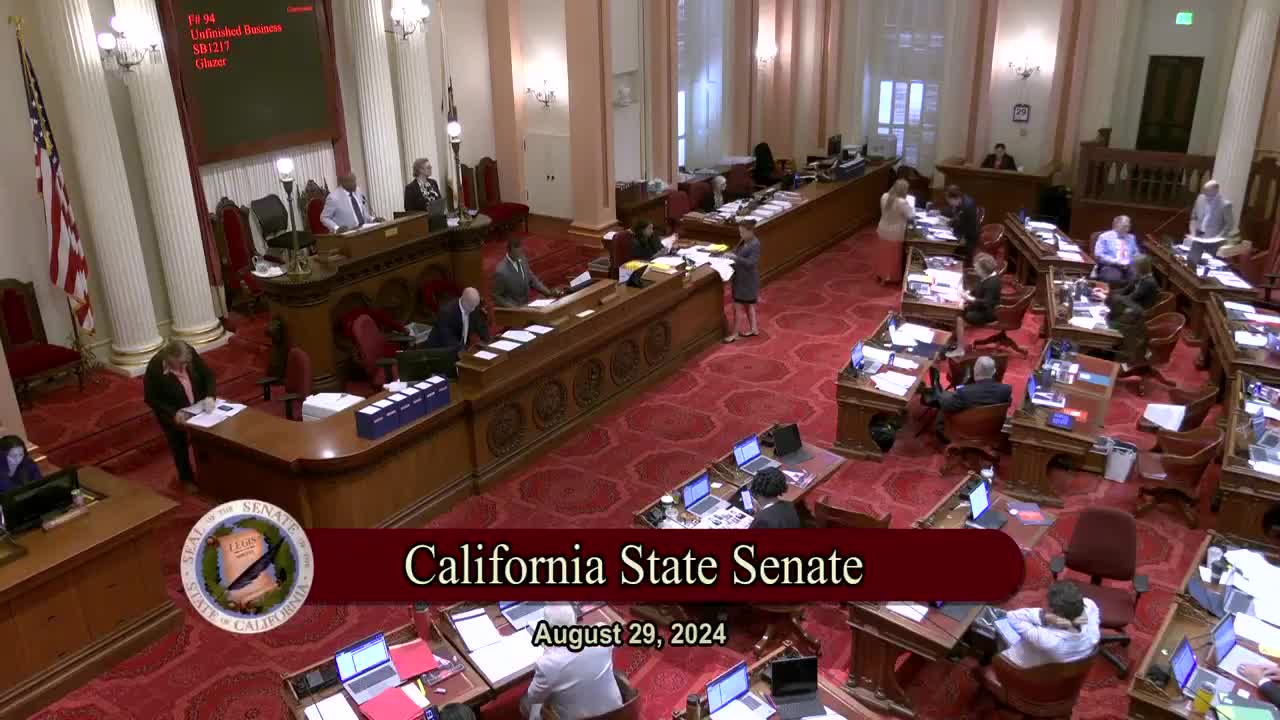 2MIN
Senate Floor
 6MIN
Senate Standing Committee on Transportation
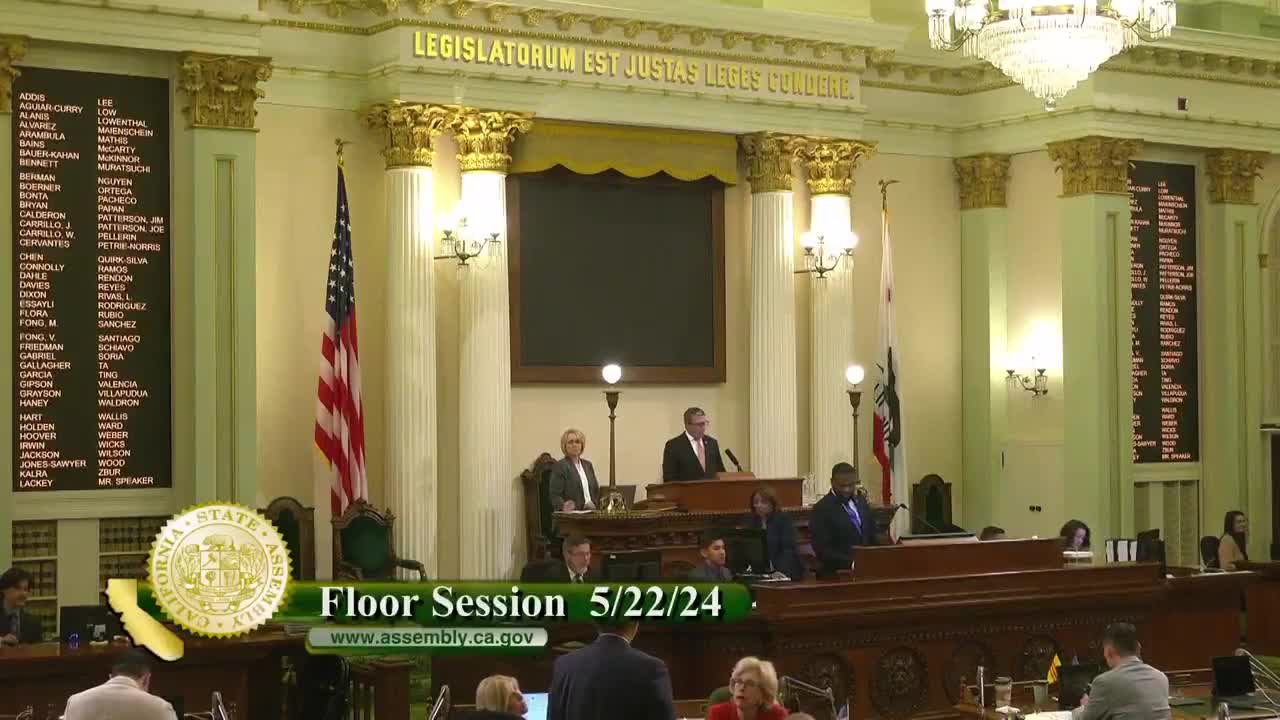 1MIN
Assembly Floor
 6MIN
Assembly Standing Committee on Transportation
Bill Author

Bill Co-Author(s):