AB 3031: LGBTQ+ Commission.
- Session Year: 2023-2024
- House: Assembly
- Latest Version Date: 2024-08-29
Current Status:
Failed
(2024-09-28: Vetoed by Governor.)
Introduced
In Committee
First Chamber
In Committee
Second Chamber
Enacted
What does this bill do?
Creates an LGBTQ+ Commission within the Governor’s Office of Land Use and Climate Innovation to advise the Governor, Legislature, and state agencies on issues affecting California’s LGBTQ+ community. The commission would have nine members appointed by the Governor, the Assembly Speaker, and the Senate Committee on Rules. It may hold public hearings and quarterly meetings, gather data, accept gifts and grants, run fundraising events, and must report policy recommendations to the Governor and Legislature each year.
The summary is provided by generative AI which can make mistakes. For original language, please view the details in the table below.
Existing law establishes within the state government various commissions, including, but not limited to, the Commission on the State of Hate, the Commission on the Status of Women and Girls, and the California Commission on Disability Access.
This bill would establish the LGBTQ+ Commission within the Governors Office of Land Use and Climate Innovation. The bill would provide for the appointment of 9 members, appointed by the Governor, the Speaker of the Assembly, and the Senate Committee on Rules. The bill would require members of the commission to serve at the pleasure of the appointing power, to be appointed for terms of four years, except as specified, and to elect one of their number to serve as chairperson of the commission. The bill would authorize the commission to appoint officers from its membership and form advisory committees, as specified, in order to carry out and fulfill its duties, and require the commission to determine the powers and duties of appointed officers and advisory committee chairpersons. The bill would establish the goals of the commission, which would include, among other things, acting in an advisory capacity to the Legislature and the Governor on policy matters affecting the states LGBTQ+ community and its members.
The bill would require the commission to have the powers and authority necessary to carry out its duties, including conducting fundraising activities that may require a payment or purchase to attend. The bill would, commencing April 1, 2026, require the commission to convene quarterly meetings to identify the statewide needs of the LGBTQ+ community and to assist in implementing supportive policies and initiatives to address the needs of the LGBTQ+ community. The bill would require the commission to submit a report summarizing certain information and making specified policy recommendations to the Legislature and the Governor by January 1, 2028, and annually thereafter.
The bill would establish the LGBTQ+ Commission Fund as a fund in the State Treasury to carry out the bills provisions in support of the commission, upon appropriation by the Legislature in the annual Budget Act. The bill would require all moneys collected or received by the commission from gifts, bequests, or donation to, subject to the approval of the Department of Finance, be deposited in the treasury to the credit of the fund, as specified. The bill would authorize the commission to accept gifts and grants from any source, as specified, to help perform its functions, and to seek out funding and in-kind contributions from specified sources, including foundations, in order to carry out the work of the commission.
Existing law, the Bagley-Keene Open Meeting Act, generally requires, with specified exceptions for authorized closed sessions, that the meetings of state bodies be open and public and that all persons be permitted to attend.
This bill would specify that the act does not apply to, among other things, any fundraising event held or organized by the commission, provided that a majority of members of the commission do not hear, discuss, or deliberate upon any item that is within the subject matter jurisdiction of the commission.
The bill would repeal its provisions on January 1, 2035.
Existing law establishes within the state government various commissions, including, but not limited to, the Commission on the State of Hate, the Commission on the Status of Women and Girls, and the California Commission on Disability Access.
This bill would establish the LGBTQ+ Commission in the state government. within the Governors Office of Land Use and Climate Innovation. The bill would provide for the appointment of 9 members, appointed by the Governor, the Speaker of the Assembly, and the Senate Committee on Rules. The bill would require members of the commission to serve at the pleasure of the appointing power, to be appointed for terms of four years, except as specified, and to elect one of their number to serve as chairperson of the commission. The bill would authorize the commission to appoint officers from its membership and form advisory committees, as specified, in order to carry out and fulfill its duties, and require the commission to determine the powers and duties of appointed officers and advisory committee chairpersons. The bill would establish the goals of the commission, which would include, among other things, acting in an advisory capacity to the Legislature and the Governor on policy matters affecting the states LGBTQ+ community and its members.
The bill would require the commission to have the powers and authority necessary to carry out its duties, including conducting fundraising activities that may require a payment or purchase to attend. The bill would, commencing July 1, 2025, April 1, 2026, require the commission to convene quarterly meetings to identify the statewide needs of the LGBTQ+ community and to assist in implementing supportive policies and initiatives to address the needs of the LGBTQ+ community. The bill would require the commission to submit a report summarizing certain information and making specified policy recommendations to the Legislature and the Governor by January 1, 2027, 2028, and annually thereafter.
The bill would establish the LGBTQ+ Commission Fund as a fund in the State Treasury to carry out the bills provisions in support of the commission, upon appropriation by the Legislature in the annual Budget Act. The bill would require all moneys collected or received by the commission from gifts, bequests, or donation to, subject to the approval of the Department of Finance, be deposited in the treasury to the credit of the fund, as specified. The bill would authorize the commission to accept gifts and grants from any source, as specified, to help perform its functions, and to seek out funding and in-kind contributions from specified sources, including foundations, in order to carry out the work of the commission.
Existing law, the Bagley-Keene Open Meeting Act, generally requires, with specified exceptions for authorized closed sessions, that the meetings of state bodies be open and public and that all persons be permitted to attend.
This bill would specify that the act does not apply to, among other things, any fundraising event held or organized by the commission, provided that a majority of members of the commission do not hear, discuss, or deliberate upon any item that is within the subject matter jurisdiction of the commission.
The bill would repeal its provisions on January 1, 2035.
Existing law establishes within the state government various commissions, including, but not limited to, the Commission on the State of Hate, the Commission on the Status of Women and Girls, and the California Commission on Disability Access.
This bill would establish the LGBTQ+ Commission in the state government. The bill would provide for the appointment of 9 members, appointed by the Governor, the Speaker of the Assembly, and the Senate Committee on Rules. The bill would require members of the commission to serve at the pleasure of the appointing power, to be appointed for terms of four years, except as specified, and to elect one of their number to serve as chairperson of the commission. The bill would authorize the commission to appoint officers from its membership and form advisory committees, as specified, in order to carry out and fulfill its duties, and require the commission to determine the powers and duties of appointed officers and advisory committee chairpersons. The bill would establish the goals of the commission, which would include, among other things, acting in an advisory capacity to the Legislature and the Governor on policy matters affecting the states LGBTQ+ community and its members. The
The bill would require the commission to have the powers and authority necessary to carry out its duties, including conducting fundraising activities that may require a payment or purchase to attend. The bill would, commencing July 1, 2025, require the commission to convene quarterly meetings to identify the statewide needs of the LGBTQ+ community and to assist in implementing supportive policies and initiatives to address the needs of the LGBTQ+ community. The bill would require the commission to submit a report summarizing certain information and making specified policy recommendations to the Legislature and the Governor by January 1, 2027, and annually thereafter.
The bill would establish the LGBTQ+ Commission Fund as a fund in the State Treasury to carry out the bills provisions in support of the commission, upon appropriation by the Legislature in the annual Budget Act. The bill would require all moneys collected or received by the commission from gifts, bequests, or donation to, subject to the approval of the Department of Finance, be deposited in the treasury to the credit of the fund, as specified.
Existing law, the Bagley-Keene Open Meeting Act, generally requires, with specified exceptions for authorized closed sessions, that the meetings of state bodies be open and public and that all persons be permitted to attend.
This bill would specify that the act does not apply to, among other things, any fundraising event held or organized by the commission, provided that a majority of members of the commission do not hear, discuss, or deliberate upon any item that is within the subject matter jurisdiction of the commission.
The bill would repeal its provisions on January 1, 2035.
Existing law establishes within the state government various commissions, including, but not limited to, the Commission on the State of Hate, the Commission on the Status of Women and Girls, and the California Commission on Disability Access.
This bill would establish the LGBTQ+ Commission in the state government. The bill would provide for the appointment of 9 members, appointed by the Governor, the Speaker of the Assembly, and the Senate Committee on Rules. The bill would establish the goals of the commission, which would include, among other things, acting in an advisory capacity to the Legislature and the Governor on policy matters affecting the states LGBTQ+ community and its members. The bill would, commencing July 1, 2025, require the commission to convene quarterly meetings to identify the statewide needs of the LGBTQ+ community and to assist in implementing supportive policies and initiatives to address the needs of the LGBTQ+ community. The bill would require the commission to submit a report summarizing certain information and making specified policy recommendations to the Legislature and the Governor by January 1, 2027, and annually thereafter.
(a)There is hereby established in state government the LGBTQ+ Commission within the Governors Office of Land Use and Climate Innovation. The commission shall be composed of nine members, as follows:
(1)Five members appointed by the Governor.
(2)Two members appointed by the Speaker of the Assembly.
(3)Two members appointed by the Senate Committee on Rules.
(b)Appointments to the commission shall be considered among individuals who represent the geographical, racial, gender, diverse identities, ethnic, socioeconomic, cultural, age, and educational diversity of Californias LGBTQ+ community.
(c)The members of the commission shall serve at the pleasure of the appointing power and shall be appointed for terms of four years, except those who are first appointed, who shall serve for the following terms:
(1)Three members appointed by the Governor, one member appointed by the Speaker of the Assembly, and one member appointed by the Senate Committee on Rules shall be appointed for a term of three years.
(2)Two members appointed by the Governor, one member appointed by the Speaker of the Assembly, and one member appointed by the Senate Committee on Rules shall be appointed for a term of four years.
(d)The members shall elect one of their number to serve as chairperson of the commission.
(e)(1)The commission may appoint officers from its membership and form advisory committees, as needed, in order to carry out and fulfill its duties under this subdivision. The commission shall determine the powers and duties of appointed officers and advisory committee chairpersons.
(2)Any advisory committee formed by the commission shall be led by an advisory chairperson, who is a member of the commission, and may be comprised of member or nonmember advisers who possess specialized knowledge or experience to inform the work and further the goals of the commission, ensure that the work of the commission reflects the current experience of the states diverse population and communities, and promulgate the recommendations, practices, strategies, tools, and resources developed by the commission.
(f)The commission shall have the following goals:
(1)Act in an advisory capacity to the Legislature and the Governor on policy matters affecting the states LGBTQ+ community and its members.
(2)Engage in factfinding, data collection, and information gathering on matters impacting the states LGBTQ+ community, including LGBTQ+ experiences and needs.
(3)Review, evaluate, and assess programs affecting the states LGBTQ+ community.
(4)Provide the Legislature and the Governor with information and recommendations for actions to be taken by the Governor and the Legislature, including, but not limited to, policy solutions and legislation that will help the state respond to the needs of the states LGBTQ+ community.
8015.1.(a)The commission shall have the powers and authority necessary to carry out the duties imposed upon it by this chapter, including, but not limited to, the following:
(1)To employ administrative, technical, and other personnel as may be necessary for the performance of its powers and duties.
(2)To hold hearings, make and sign any agreements, and to do or perform any acts that may be necessary, desirable, or proper to carry out the purposes of this chapter.
(3)To cooperate with, and secure the cooperation of, any department, division, board, bureau, commission, or other agency of the state to facilitate it to properly carry out its powers and duties.
(4)To accept any federal funds granted, by act of Congress or by executive order, for all or any of the purposes of this chapter.
(5)(A)To accept any gifts, donations, grants, or bequests for all or any of the purposes of this chapter, and to conduct fundraising activities that may require a payment or purchase to attend.
(B)Notwithstanding any other law, the Bagley-Keene Open Meeting Act (Article 9 (commencing with Section 11120) of Chapter 1 of Part 1 of Division 3) shall not apply during either of the following circumstances:
(i)Any fundraising event held or organized by the commission, provided that a majority of members of the commission do not hear, discuss, or deliberate upon any item that is within the subject matter jurisdiction of the commission.
(ii)Any meetings conducted by the commission solely for purposes of raising funds for the LGBTQ+ Commission Fund, provided that a majority of members of the commission do not hear, discuss, or deliberate upon any item that is within the subject matter jurisdiction of the commission.
(b)(1)Commencing April 1, 2026, the commission shall convene quarterly meetings to identify the statewide needs of the LGBTQ+ community and to assist in implementing supportive policies and initiatives to address the needs of the LGBTQ+ community, including, but not limited to, the following:
(A)Identifying systemic inequalities and barriers that affect the LGBTQ+ community.
(B)Identifying methods to improve and protect the health, safety, and well-being of the states LGBTQ+ community and its members across all levels of state and local government.
(C)Monitoring state policy proposals, including legislation and regulations affecting the LGBTQ+ community.
(D)Working with state agencies to assess programs and policies that affect the LGBTQ+ community.
(E)Coordinating with other related commissions to address issues of mutual concern.
(F)Working as a liaison between the public and private sectors to eliminate barriers to economic and health equity for the LGBTQ+ community.
(G)Holding public hearings and gathering input on issues related to the unique problems and needs of the LGBTQ+ community.
(H)Identifying challenges that impact current and former LGBTQ+ foster youth.
(2)(A)Notwithstanding Section 10231.5, the commission shall submit a report to the Legislature and the Governor by January 1, 2028, and annually thereafter, summarizing the information gathered under paragraph (1) and making policy recommendations to address the needs of the LGBTQ+ community.
(B)A report to be submitted under subparagraph (A) shall be submitted in compliance with Section 9795.
8015.2.(a)The LGBTQ+ Commission Fund is hereby created as a fund in the State Treasury to carry out this chapter in support of the commission, upon appropriation by the Legislature in the annual Budget Act. Subject to the approval of the Department of Finance, all moneys collected or received by the commission from gifts, bequests, or donations shall be deposited in the State Treasury to the credit of the LGBTQ+ Commission Fund, in accordance with the terms of the gift or donation from which the moneys are derived and in accordance with Sections 8647, 11005, 11005.1, and 16302 of the Government Code.
(b)The commission may accept gifts and grants from any source, public or private, to help perform its functions pursuant to this chapter.
(c)The commission may seek out funding and in-kind contributions from foundations, nonprofit organizations, public and private entities, and other individuals or groups in order to carry out the work of the commission.
8015.3.This chapter shall remain in effect only until January 1, 2035, and as of that date is repealed.
(a)There is hereby established in state government the LGBTQ+ Commission. Commission within the Governors Office of Land Use and Climate Innovation. The commission shall be composed of nine members, as follows:
(1)Five members appointed by the Governor.
(2)Two members appointed by the Speaker of the Assembly.
(3)Two members appointed by the Senate Committee on Rules.
(b)Appointments to the commission shall be considered among individuals who represent the geographical, racial, gender, diverse identities, ethnic, socioeconomic, cultural, age, and educational diversity of Californias LGBTQ+ community.
(c)The members of the commission shall serve at the pleasure of the appointing power and shall be appointed for terms of four years, except those who are first appointed, who shall serve for the following terms:
(1)Three members appointed by the Governor, one member appointed by the Speaker of the Assembly, and one member appointed by the Senate Committee on Rules shall be appointed for a term of three years.
(2)Two members appointed by the Governor, one member appointed by the Speaker of the Assembly, and one member appointed by the Senate Committee on Rules shall be appointed for a term of four years.
(d)The members shall elect one of their number to serve as chairperson of the commission.
(e)(1)The commission may appoint officers from its membership and form advisory committees, as needed, in order to carry out and fulfill its duties under this subdivision. The commission shall determine the powers and duties of appointed officers and advisory committee chairpersons.
(2)Any advisory committee formed by the commission shall be led by an advisory chairperson, who is a member of the commission, and may be comprised of member or nonmember advisers who possess specialized knowledge or experience to inform the work and further the goals of the commission, ensure that the work of the commission reflects the current experience of the states diverse population and communities, and promulgate the recommendations, practices, strategies, tools, and resources developed by the commission.
(f)The commission shall have the following goals:
(1)Act in an advisory capacity to the Legislature and the Governor on policy matters affecting the states LGBTQ+ community and its members.
(2)Engage in factfinding, data collection, and information gathering on matters impacting the states LGBTQ+ community, including LGBTQ+ experiences and needs.
(3)Review, evaluate, and assess programs affecting the states LGBTQ+ community.
(4)Provide the Legislature and the Governor with information and recommendations for actions to be taken by the Governor and the Legislature, including, but not limited to, policy solutions and legislation that will help the state respond to the needs of the states LGBTQ+ community.
8015.1.(a)The commission shall have the powers and authority necessary to carry out the duties imposed upon it by this chapter, including, but not limited to, the following:
(1)To employ administrative, technical, and other personnel as may be necessary for the performance of its powers and duties.
(2)To hold hearings, make and sign any agreements, and to do or perform any acts that may be necessary, desirable, or proper to carry out the purposes of this chapter.
(3)To cooperate with, and secure the cooperation of, any department, division, board, bureau, commission, or other agency of the state to facilitate it to properly carry out its powers and duties.
(4)To accept any federal funds granted, by act of Congress or by executive order, for all or any of the purposes of this chapter.
(5)(A)To accept any gifts, donations, grants, or bequests for all or any of the purposes of this chapter, and to conduct fundraising activities that may require a payment or purchase to attend.
(B)Notwithstanding any other law, the Bagley-Keene Open Meeting Act (Article 9 (commencing with Section 11120) of Chapter 1 of Part 1 of Division 3) shall not apply during either of the following circumstances:
(i)Any fundraising event held or organized by the commission, provided that a majority of members of the commission do not hear, discuss, or deliberate upon any item that is within the subject matter jurisdiction of the commission.
(ii)Any meetings conducted by the commission solely for purposes of raising funds for the LGBTQ+ Commission Fund, provided that a majority of members of the commission do not hear, discuss, or deliberate upon any item that is within the subject matter jurisdiction of the commission.
(b)(1)Commencing July 1, 2025, April 1, 2026, the commission shall convene quarterly meetings to identify the statewide needs of the LGBTQ+ community and to assist in implementing supportive policies and initiatives to address the needs of the LGBTQ+ community, including, but not limited to, the following:
(A)Identifying systemic inequalities and barriers that affect the LGBTQ+ community.
(B)Identifying methods to improve and protect the health, safety, and well-being of the states LGBTQ+ community and its members across all levels of state and local government.
(C)Monitoring state policy proposals, including legislation and regulations affecting the LGBTQ+ community.
(D)Working with state agencies to assess programs and policies that affect the LGBTQ+ community.
(E)Coordinating with other related commissions to address issues of mutual concern.
(F)Working as a liaison between the public and private sector sectors to eliminate barriers to economic and health equity for the LGBTQ+ community.
(G)Holding public hearings and gathering input on issues related to the unique problems and needs of the LGBTQ+ community.
(H)Identifying challenges that impact current and former LGBTQ+ foster youth.
(2)(A)Notwithstanding Section 10231.5, the commission shall submit a report to the Legislature and the Governor by January 1, 2027, 2028, and annually thereafter, summarizing the information gathered under paragraph (1) and making policy recommendations to address the needs of the LGBTQ+ community.
(B)A report to be submitted under subparagraph (A) shall be submitted in compliance with Section 9795.
8015.2.(a)The LGBTQ+ Commission Fund is hereby created as a fund in the State Treasury to carry out this chapter in support of the commission, upon appropriation by the Legislature in the annual Budget Act. Subject to the approval of the Department of Finance, all moneys collected or received by the commission from gifts, bequests, or donations shall be deposited in the State Treasury to the credit of the LGBTQ+ Commission Fund, in accordance with the terms of the gift or donation from which the moneys are derived and in accordance with Sections 8647, 11005, 11005.1, and 16302 of the Government Code.
(b)The commission may accept gifts and grants from any source, public or private, to help perform its functions pursuant to this chapter.
(c)The commission may seek out funding and in-kind contributions from foundations, nonprofit organizations, public and private entities, and other individuals or groups in order to carry out the work of the commission.
8015.3.This chapter shall remain in effect only until January 1, 2035, and as of that date is repealed.
(a)There is hereby established in state government the LGBTQ+ Commission. The commission shall be composed of nine members, as follows:
(1)Five members appointed by the Governor.
(2)Two members appointed by the Speaker of the Assembly.
(3)Two members appointed by the Senate Committee on Rules.
(b)Appointments to the commission shall be considered among individuals who represent the geographical, racial, gender, diverse identities, ethnic, socioeconomic, cultural, age, and educational diversity of Californias LGBTQ+ community.
(c)The members of the commission shall serve at the pleasure of the appointing power and shall be appointed for terms of four years, except those who are first appointed, who shall serve for the following terms:
(1)Three members appointed by the Governor, one member appointed by the Speaker of the Assembly, and one member appointed by the Senate Committee on Rules shall be appointed for a term of three years.
(2)Two members appointed by the Governor, one member appointed by the Speaker of the Assembly, and one member appointed by the Senate Committee on Rules shall be appointed for a term of four years.
(d)The members shall elect one of their number to serve as chairperson of the commission.
(e)(1)The commission may appoint officers from its membership and form advisory committees, as needed, in order to carry out and fulfill its duties under this subdivision. The commission shall determine the powers and duties of appointed officers and advisory committee chairpersons.
(2)Any advisory committee formed by the commission shall be led by an advisory chairperson, who is a member of the commission, and may be comprised of member or nonmember advisers who possess specialized knowledge or experience to inform the work and further the goals of the commission, ensure that the work of the commission reflects the current experience of the states diverse population and communities, and promulgate the recommendations, practices, strategies, tools, and resources developed by the commission.
(c)(f)The commission shall have the following goals:
(1)Act in an advisory capacity to the Legislature and the Governor on policy matters affecting the states LGBTQ+ community and its members.
(2)Engage in fact finding, factfinding, data collection, and information gathering on matters impacting the states LGBTQ+ community, including LGBTQ+ experiences and needs.
(3)Review, evaluate, and assess programs affecting the states LGBTQ+ community.
(4)Provide the Legislature and the Governor with information and recommendations for actions to be taken by the Governor and the Legislature, including, but not limited to, policy solutions and legislation that will help the state respond to the needs of the states LGBTQ+ community.
(d)Commencing July 1, 2025, the commission shall convene quarterly meetings to identify the statewide needs of the LGBTQ+ community and to assist in implementing supportive policies and initiatives to address the needs of the LGBTQ+ community, including, but not limited to, the following:(1)Identifying systemic inequalities and barriers that affect the LGBTQ+ community.(2)Identifying methods to improve and protect the health, safety, and well-being of the states LGBTQ+ community and its members across all levels of state and local government.(3)Monitoring state policy proposals including legislation and regulations affecting the LGBTQ+ community.(4)Working with state agencies to assess programs and policies that affect the LGBTQ+ community.(5)Coordinating with other related commissions to address issues of mutual concern.(6)Working as a liaison between the public and private sector to eliminate barriers to economic and health equity for the LGBTQ+ community.(7)Holding public hearings and gathering input on issues related to the unique problems and needs of the LGBTQ+ community.(8)Identifying challenges that impact current and former LGBTQ+ foster youth.(e)(1)Notwithstanding Section 10231.5, the commission shall submit a report to the Legislature and the Governor by January 1, 2027, and annually thereafter, summarizing the information gathered under subdivision (d) and making policy recommendations to address the needs of the LGBTQ+ community.(2)A report to be submitted under paragraph (1) shall be submitted in compliance with Section 9795.8015.1.(a)The commission shall have the powers and authority necessary to carry out the duties imposed upon it by this chapter, including, but not limited to, the following:
(1)To employ administrative, technical, and other personnel as may be necessary for the performance of its powers and duties.
(2)To hold hearings, make and sign any agreements, and to do or perform any acts that may be necessary, desirable, or proper to carry out the purposes of this chapter.
(3)To cooperate with, and secure the cooperation of, any department, division, board, bureau, commission, or other agency of the state to facilitate it to properly carry out its powers and duties.
(4)To accept any federal funds granted, by act of Congress or by executive order, for all or any of the purposes of this chapter.
(5)(A)To accept any gifts, donations, grants, or bequests for all or any of the purposes of this chapter, and to conduct fundraising activities that may require a payment or purchase to attend.
(B)Notwithstanding any other law, the Bagley-Keene Open Meeting Act (Article 9 (commencing with Section 11120) of Chapter 1 of Part 1 of Division 3) shall not apply during either of the following circumstances:
(i)Any fundraising event held or organized by the commission, provided that a majority of members of the commission do not hear, discuss, or deliberate upon any item that is within the subject matter jurisdiction of the commission.
(ii)Any meetings conducted by the commission solely for purposes of raising funds for the LGBTQ+ Commission Fund, provided that a majority of members of the commission do not hear, discuss, or deliberate upon any item that is within the subject matter jurisdiction of the commission.
(b)(1)Commencing July 1, 2025, the commission shall convene quarterly meetings to identify the statewide needs of the LGBTQ+ community and to assist in implementing supportive policies and initiatives to address the needs of the LGBTQ+ community, including, but not limited to, the following:
(A)Identifying systemic inequalities and barriers that affect the LGBTQ+ community.
(B)Identifying methods to improve and protect the health, safety, and well-being of the states LGBTQ+ community and its members across all levels of state and local government.
(C)Monitoring state policy proposals, including legislation and regulations affecting the LGBTQ+ community.
(D)Working with state agencies to assess programs and policies that affect the LGBTQ+ community.
(E)Coordinating with other related commissions to address issues of mutual concern.
(F)Working as a liaison between the public and private sector to eliminate barriers to economic and health equity for the LGBTQ+ community.
(G)Holding public hearings and gathering input on issues related to the unique problems and needs of the LGBTQ+ community.
(H)Identifying challenges that impact current and former LGBTQ+ foster youth.
(2)(A)Notwithstanding Section 10231.5, the commission shall submit a report to the Legislature and the Governor by January 1, 2027, and annually thereafter, summarizing the information gathered under paragraph (1) and making policy recommendations to address the needs of the LGBTQ+ community.
(B)A report to be submitted under subparagraph (A) shall be submitted in compliance with Section 9795.
8015.2.The LGBTQ+ Commission Fund is hereby created as a fund in the State Treasury to carry out this chapter in support of the commission, upon appropriation by the Legislature in the annual Budget Act. Subject to the approval of the Department of Finance, all moneys collected or received by the commission from gifts, bequests, or donations shall be deposited in the State Treasury to the credit of the LGBTQ+ Commission Fund, in accordance with the terms of the gift or donation from which the moneys are derived and in accordance with Sections 8647, 11005, 11005.1, and 16302 of the Government Code.
8015.3.This chapter shall remain in effect only until January 1, 2035 and as of that date is repealed.
(a)There is hereby established in state government the LGBTQ+ Commission. The commission shall be composed of nine members, as follows:
(1)Five members appointed by the Governor.
(2)Two members appointed by the Speaker of the Assembly.
(3)Two members appointed by the Senate Committee on Rules.
(b)Appointments to the commission shall be considered among individuals who represent the geographical, racial, gender, diverse identities, ethnic, socioeconomic, cultural, age, and educational diversity of Californias LGBTQ+ community.
(c)The commission shall have the following goals:
(1)Act in an advisory capacity to the Legislature and the Governor on policy matters affecting the states LGBTQ+ community and its members.
(2)Engage in fact finding, data collection, and information gathering on matters impacting the states LGBTQ+ community, including LGBTQ+ experiences and needs.
(3)Review, evaluate, and assess programs affecting the states LGBTQ+ community.
(4)Provide the Legislature and the Governor with information and recommendations for actions to be taken by the Governor and the Legislature, including, but not limited to, policy solutions and legislation that will help the state respond to the needs of the states LGBTQ+ community.
(d)Commencing July 1, 2025, the commission shall convene quarterly meetings to identify the statewide needs of the LGBTQ+ community and to assist in implementing supportive policies and initiatives to address the needs of the LGBTQ+ community, including, but not limited to, the following:
(1)Identifying systemic inequalities and barriers that affect the LGBTQ+ community.
(2)Identifying methods to improve and protect the health, safety, and well-being of the states LGBTQ+ community and its members across all levels of state and local government.
(3)Monitoring state policy proposals including legislation and regulations affecting the LGBTQ+ community.
(4)Working with state agencies to assess programs and policies that affect the LGBTQ+ community.
(5)Coordinating with other related commissions to address issues of mutual concern.
(6)Working as a liaison between the public and private sector to eliminate barriers to economic and health equity for the LGBTQ+ community.
(7)Holding public hearings and gathering input on issues related to the unique problems and needs of the LGBTQ+ community.
(8)Identifying challenges that impact current and former LGBTQ+ foster youth.
(e)(1)Notwithstanding Section 10231.5, the commission shall submit a report to the Legislature and the Governor by January 1, 2027, and annually thereafter, summarizing the information gathered under subdivision (d) and making policy recommendations to address the needs of the LGBTQ+ community.
(2)A report to be submitted under paragraph (1) shall be submitted in compliance with Section 9795.
(a)There is hereby established in state government the LGBTQ+ Commission. The commission shall be composed of nine members, as follows:
(1)Five members appointed by the Governor.
(2)Two members appointed by the Speaker of the Assembly.
(3)Two members appointed by the Senate Committee on Rules.
(b)Appointments to the commission shall be considered among individuals who represent the geographical, racial, gender, diverse identities, ethnic, socioeconomic, cultural, age, and educational diversity of Californias LGBTQ+ community.
(c)The commission shall have the following goals:
(1)Act in an advisory capacity to the Legislature and the Governor on policy matters affecting the states LGBTQ+ community and its members.
(2)Engage in fact finding, data collection, and information gathering on matters impacting the states LGBTQ+ community, including LGBTQ+ experiences and needs.
(3)Review, evaluate, and assess programs affecting the states LGBTQ+ community.
(4)Provide the Legislature and the Governor with information and recommendations for actions to be taken by the Governor and the Legislature, including, but not limited to, policy solutions and legislation that will help the state respond to the needs of the states LGBTQ+ community.
(d)Commencing July 1, 2025, the commission shall convene quarterly meetings to identify the statewide needs of the LGBTQ+ community and to assist in implementing supportive policies and initiatives to address the needs of the LGBTQ+ community, including, but not limited to, the following:
(1)Identifying systemic inequalities and barriers that affect the LGBTQ+ community.
(2)Identifying methods to improve and protect the health, safety, and well-being of the states LGBTQ+ community and its members across all levels of state and local government.
(3)Monitoring state legislation affecting the LGBTQ+ community.
(4)Working with state agencies to assess programs and policies that affect the LGBTQ+ community.
(5)Coordinating with other related commissions to address issues of mutual concern.
(6)Working as a liaison between the public and private sector to eliminate barriers to economic and health equity for the LGBTQ+ community.
(7)Holding public hearings and gathering input on issues related to the unique problems and needs of the LGBTQ+ community.
(e)(1)Notwithstanding Section 10231.5, the commission shall submit a report to the Legislature and the Governor by January 1, 2027, and annually thereafter, summarizing the information gathered under subdivision (d) and making policy recommendations to address the needs of the LGBTQ+ community.
(2)A report to be submitted under paragraph (1) shall be submitted in compliance with Section 9795.
|
Date
|
Status
|
|---|---|
| Sep 28, 2024 | Vetoed by Governor. |
| Sep 5, 2024 | Enrolled and presented to the Governor at 4 p.m. |
| Aug 27, 2024 | Senate amendments concurred in. To Engrossing and Enrolling. (Ayes 65. Noes 0.). |
| Aug 27, 2024 | Assembly Rule 77 suspended. |
| Aug 26, 2024 | In Assembly. Concurrence in Senate amendments pending. May be considered on or after August 28 pursuant to Assembly Rule 77. |
| Aug 26, 2024 | Read third time. Passed. Ordered to the Assembly. (Ayes 31. Noes 0.). |
| Aug 19, 2024 | Read second time. Ordered to third reading. |
| Aug 15, 2024 | Read second time and amended. Ordered returned to second reading. |
| Aug 15, 2024 | From committee: Amend, and do pass as amended. (Ayes 5. Noes 0.) (August 15). |
| Aug 5, 2024 | In committee: Referred to APPR suspense file. |
| Jun 26, 2024 | Read second time and amended. Re-referred to Com. on APPR. |
| Jun 25, 2024 | From committee: Amend, and do pass as amended and re-refer to Com. on APPR. (Ayes 10. Noes 0.) (June 25). |
| Jun 19, 2024 | From committee: Do pass and re-refer to Com. on G.O. (Ayes 8. Noes 0.) (June 18). Re-referred to Com. on G.O. |
| Jun 5, 2024 | Referred to Coms. on JUD. and G.O. |
| May 23, 2024 | In Senate. Read first time. To Com. on RLS. for assignment. |
| May 22, 2024 | Read third time. Passed. Ordered to the Senate. (Ayes 62. Noes 0. Page 5523.) |
| May 20, 2024 | Read second time. Ordered to third reading. |
| May 16, 2024 | From committee: Do pass. (Ayes 11. Noes 1.) (May 16). |
| Apr 24, 2024 | In committee: Set, first hearing. Referred to APPR. suspense file. |
| Apr 15, 2024 | Re-referred to Com. on APPR. |
| Apr 11, 2024 | Read second time and amended. |
| Apr 10, 2024 | From committee: Amend, and do pass as amended and re-refer to Com. on APPR. (Ayes 5. Noes 0.) (April 9). |
| Mar 11, 2024 | Referred to Com. on HUM. S. |
| Feb 17, 2024 | From printer. May be heard in committee March 18. |
| Feb 16, 2024 | Read first time. To print. |
|
Date
|
Description
|
Location
|
Votes
|
|
|---|---|---|---|---|
| Aug 27, 2024 | AB 3031 Lee Concurrence in Senate Amendments | Assembly Floor |
Passed |
|
| Aug 26, 2024 | Assembly 3rd Reading AB3031 Lee et al. By Laird | Senate Floor |
Passed |
|
| Aug 15, 2024 | Do pass as amended | Senate Standing Committee on Appropriations |
Passed |
|
| Aug 5, 2024 | Placed on suspense file | Senate Standing Committee on Appropriations |
Passed |
|
| Jun 25, 2024 | Do pass as amended, but first amend, and re-refer to the Committee on [Appropriations] | Senate Standing Committee on Governmental Organization |
Passed |
|
| Jun 18, 2024 | Do pass, but first be re-referred to the Committee on [Governmental Organization] | Senate Standing Committee on Judiciary |
Passed |
|
| May 22, 2024 | AB 3031 Lee Assembly Third Reading | Assembly Floor |
Passed |
|
| May 16, 2024 | Do pass. | Assembly Standing Committee on Appropriations |
Passed |
|
| Apr 9, 2024 | Do pass as amended and be re-referred to the Committee on [Appropriations] | Assembly Standing Committee on Human Services |
Passed |
This list shows positions taken on this bill by organizations on the date displayed, which is linked to the original source.
Positions by individuals are not included.
|
Organization
|
Position
|
Date
|
|---|---|---|
| American Association of University Women San Jose | ** Support | |
| American Association Of University Women - California | ** Support | |
| API Equality-LA | ** Support | |
| APLA Health | ** Support | |
| BAYMEC | ** Support | |
| California Academy of Child and Adolescent Psychiatry | ** Support | |
| California Commission on the Status of Women and Girls | ** Support | |
| California Democratic Party | ** Support | |
| California Dental Association | ** Support | |
| California League of United Latin American Citizens | ** Support | |
| California Legislative LGBTQ Caucus | ** Support | |
| California LGBTQ Health and Human Services Network | ** Support | |
| California Transcends | ** Support | |
| Calpride | ** Support | |
| Children Now | ** Support | |
| City of Gilroy Council Member Zach Hilton | ** Support | |
| County of Los Angeles Board of Supervisors | ** Support | |
| County of Santa Clara | ** Support | |
| Courage California | ** Support | |
| Department of Insurance | ** Support | |
| El/La Para TransLatinas | ** Support | |
| Equality California | ** Support | |
| GlendaleOUT | ** Support | |
| GLSEN | ** Support | |
| GLSEN San Diego County | ** Support | |
| GUSD Parents for Public Schools | ** Support | |
| Iranian American Democrats of California | ** Support | |
| LGBT Community Network | ** Support | |
| Long Beach Forward | ** Support | |
| Lyric | ** Support | |
| National Asian Pacific American Families Against Substance Abuse | ** Support | |
| Oasis Legal Services | ** Support | |
| Parivar Bay Area | ** Support | |
| Political Solutions Inc | * Support | Jun 26, 2024 |
| Pomona Valley Pride | ** Support | |
| Positive Images | ** Support | |
| PRC | ** Support | |
| Pride At the Pier | ** Support | |
| Radiant Health Centers | ** Support | |
| Riverside LGBTQ+ Pride | ** Support | |
| Sacramento LGBT Community Center | ** Support | |
| San Diego Pride | ** Support | |
| San Mateo County Pride Center | ** Support | |
| Santa Clara County Board of Supervisors | * Support | Apr 9, 2024 |
| Santa Clara County Office Of Education | ** Support | |
| Santa Monica Democratic Club | ** Support | |
| Somos Familia Valle | ** Support | |
| SPIRITT Family Services | ** Support | |
| The Center for Sexuality & Gender Diversity | ** Support | |
| the san diego lgbt community center | ** Support | |
| The Translatin@ Coalition | ** Support | |
| The Trevor Project | ** Support | |
| Transfamily Support Services | ** Support | |
| Transgender Health and Wellness Center | ** Support | |
| Transgender Resource, Advocacy & Network Service | ** Support | |
| TransYouth Liberation | ** Support | |
| TruEvolution | ** Support | |
| Voices for Progress | ** Support |
GOVERNOR'S VETO
GV Bill Id:AB 3031
Author:(Lee and Low)
As Enrolled Ver:August 29, 2024
2/3 vote
SUMMARY
Establishes the LGBTQ+ Commission within the Governor's Office of Land Use and Climate Innovation.
Senate Amendments
- Add that the Commission will be within the Governor's Office of Land Use and Climate Innovation.
- Specify that the Commission members shall serve four years except those who are first appointed and shall serve for the following:
- Three members appointed by the Governor, one member appointed by the Speaker of the Assembly, and one member appointed by the Senate Committee on Rules shall be appointed for a term of three years.
- Two members appointed by the Governor, one member appointed by the Speaker of the Assembly, and one member appointed by the Senate Committee on Rules shall be appointed for a term of four years.
- Permit the Commission to appoint officers and form advisory committees.
- Grant the Commission the authority necessary to carry out the duties, as specified.
- Move the proposed commencement date of specified quarterly meetings from July 1, 2025, to April 1, 2026.
- Extend the proposed report due date from January 1, 2027, to January 1, 2028.
Governor’s Veto Message
This bill would create the LGBTQ+ Commission within the Governor's Office of Land Use and Climate Innovation to advise and make recommendations to the Legislature and Governor on policy matters affecting the state's LGBTQ+ community.
California leads the nation in celebrating people for who they are - fighting against hate through a comprehensive strategy and seeking to enshrine LGBTQ+ equality in the state's Constitution this November. Protecting and supporting the rights of LGBTQ+ people to equal treatment under the law has been a focus of this administration since day one, and it is work that I personally have championed throughout my career. Continuing this work to advance equity and fight against discrimination is integrated into the administration's ongoing effort to tackle disparities and strengthen our commitment to a California For All. While I appreciate the author's intent to provide a separate, additional venue for policy recommendations, this bill would lead to ongoing costs in the millions of dollars.
In partnership with the Legislature this year, my Administration has enacted a balanced budget that avoids deep program cuts to vital services and protected investments in education, health care, climate, public safety, housing, and social service programs that millions of Californians rely on. It is important to remain disciplined when considering bills with significant fiscal implications that are not included in the budget, such as this measure.
COMMENTS
Background: According to the Public Policy Institute of California (PPIC) about 2.7 million or 9.1% of California adults identify as lesbian, gay, bisexual or transgender — the largest share of any highly populated state and one that is "considerably higher" than the national figure of 7.9%. LGBTQ+ individuals represent a rather large group of the state yet do not adequately sit at enough tables or receive equitable treatment in day-to-day life. There is already clear evidence that the history of societal and institutional exclusion and discrimination against LGBTQ+ communities has resulted in disparities in health, housing, education, and other outcomes for those communities.
According to a report released by the California State Auditor in April 2023, the National Institutes of Health has designated sexual and gender minorities, defined as individuals who do not identify as heterosexual or cisgender, as a health disparity population, which means a population that disproportionately experiences differences in health outcomes that are often preventable.
Over the past decade, the specific struggles of the transgender and gender nonconforming communities have become part of the American zeitgeist and contributed to political tension and cultural conflicts. The LGBTQ+ community's progress has ignited violence, hateful rhetoric, and blatant discrimination. A 2011 National Transgender Discrimination Survey found that 90% of transgender people experienced mistreatment or discrimination at work or took action to avoid such discrimination. Nearly 47% of those surveyed lost their jobs, were denied a promotion, or were denied a job as a direct result of discrimination because they were transgender.
In June 2023, the California Attorney General's (AG) office released the first State of Pride Report which gave an update on the current state of policies designed to defend the rights of the LGBTQ+ community, and statistics in California as well as across the nation. The Report stated that "Between 2021 and 2022 there were over 391 reported hate crime events motivated by sexual orientation bias (an increase of 29% from the previous year), and 45 hate crimes motivated by anti-transgender or anti-gender nonconforming bias (an increase of 55%)."
Mental Health in the LGBTQ+ Community. This country is currently facing a mental health crisis, but this crisis is exacerbated in certain communities, one of those being the LGBTQ+ community. LGBTQ+ youth are found to particularly face mental health challenges. According to the Trevor Project, 45% of LGBTQ+ youth seriously considered suicide in 2022. LGBTQ+ youth do not possess an inherent predisposition to suicide risk due to their sexual orientation or gender identity. Instead, they face heightened risks due to the mistreatment and societal stigmatization they endure. Dr. Jonah DeChants, a research scientist with the Trevor Project stated, "Recent political attacks aimed at transgender and nonbinary youth have not only threatened their access to health care, support systems, and affirming spaces at school, they've also negatively impacted their mental health."
LGBTQ+ youth subjected to anti-LGBTQ+ victimization, such as physical threats, discrimination, or exposure to conversion therapy, reported over twice the rate of suicide attempts in the previous year compared to those who did not encounter any of these adversities. Despite the reported disproportionate need for mental health, many youth experience trouble accessing it. This graph shows why youth are reporting that mental health care is inaccessible:
Housing Instability for LGBTQ+ Youth. LGBTQ+ youth experiencing homelessness reported higher rates of mental health challenges, compared to their stably housed LGBTQ+ peers, according to a recent study conducted by the Trevor Project on homelessness and housing instability among LGBTQ+ youth. The study also found that, overall, 28% of LGBTQ+ youth reported experiencing homelessness or housing instability at some point in their lives, and LGBTQ+ youth who reported experiencing homelessness or housing instability had higher rates of victimization, being in foster care, and food insecurity, compared to their stably housing LGBTQ peers. Additionally, the study found that lesbian, gay, and bisexual youth experiencing homelessness report higher rates of depression, post-traumatic stress disorder, self-harm, suicidal ideation, or suicide attempts than their straight, cisgender peers experiencing homelessness.
According to research by Laura E. Durso and Gary Gates and published in Serving Our Youth: Findings From A National Survey Of Service Providers Working With Lesbian, Gay, Bisexual, And Transgender Youth Who Are Homeless Or At Risk Of Becoming Homeless, one common reason for becoming homeless is aging out of, or running away from, the child welfare system, where harassment and violence of LGBT youth frequently occur.
LGBTQ+ Foster Youth. LGBTQ youth within the child welfare system frequently encounter numerous placements, often being placed in congregate care settings after being labeled hard to place. According to a research article, LGBTQ Youth and Their Families by Diane Elize and published in the Child Welfare for the 21st Century: A Handbook of Practices, Policies, and Programs, congregate care can pose significant risks to LGBTQ youth, making them vulnerable to victimization. Furthermore, achieving permanency in placement becomes less likely for those in congregate care. Consequently, the instability resulting from multiple placements may also contribute to compelling some LGBTQ youth to flee from the child welfare system or face homelessness upon aging out of care."
Elize also found that, "Notably, youth who are transgender and/or gender-expansive often have a difficult time in child welfare systems. Violence enacted upon people who are LGBTQ is often not because they are 'out' as LGBTQ, but because service providers, caretakers, and peers are policing the youth's gender behaviors." Heterosexism and other biases against children who are LGBTQ and are in foster homes can lead to youth experiencing multiple placements and being placed in group homes or residential facilities. Youth who are LGBTQ may choose the 'safety' of the streets over foster homes and other placements."
Equity Implications: Despite clear evidence of discrimination and a large percentage of LGBTQ+ individuals in California, the progress is slow and, at times, backward. There have been strides in the past decade, but the high suicide rates, hate crimes, and general discrimination highlight that LGBTQ+ people are not participating in enough discussions and/or do not have the opportunities to weigh in on policies that impact communities. A commission dedicated to considering equity in parts of government has the potential to further equity.
According to the Author
"The LGBTQ+ Commission will recognize the lived experiences of LGBTQ+ community members. As a state-level body, the Commission will play an important role in informing policy and programs for the LGBTQ+ community, and is another important step forward to ensure that everyone can live authentically and inclusively in our community."
Arguments in Support
Equality California, the sponsors of this bill, write "Having a state-level LGBTQ+ Commission that focuses on disparities harming California's LGBTQ+ community and elevates our community's unique experiences and concerns is invaluable. The Commission will be an important demonstration of California's commitment to being a civil rights leader and will help ensure that the voices of the most vulnerable members in our community are heard at the highest levels of government."
"The California Legislative LGBTQ Caucus also writes in support, "[This bill] is an important step towards making sure that every LGBTQ+ person can live safely and authentically in California. [This bill] will empower the LGBTQ+ community with independent representation to advise the Legislature and Governor on policy matters, providing recommendations for identifying and reducing systemic inequities. Beginning July 1, 2025, the Commission will convene quarterly meetings to identify statewide needs and assist lawmakers in implementing supportive policies and initiatives. In addition to its critical mandate, the LGBTQ+ Commission will be designed to include individuals that reflect the richness of California's diverse LGBTQ+ community.
"[This bill] recognizes and empowers the lived experiences of LGBTQ+ community members. For these reasons, the California Legislative LGBTQ Caucus is proud to sponsor this 2024 priority bill."
Arguments in Opposition
No opposition on file.
FISCAL COMMENTS
According to the Senate Appropriations Committee on August 15, 2024, unknown, ongoing state costs (General Fund) likely in mid-hundreds of thousands of dollars annually to establish and continue the operation of the commission. These costs include support staff for the commission as well as operating expenses and equipment. The bill does not provide for per diem or reimbursement of commissioner travel or other expenses. For comparison, the Commission on Asian and Pacific Islander American Affairs had a fiscal year 2023-24 budget of $665,000 with three full-time staff and 13 members.
VOTES
ASM HUMAN SERVICES: 5-0-2
YES: Lee, Calderon, Gipson, Jackson, Ortega
ABS, ABST OR NV: Essayli, Mathis
ASM APPROPRIATIONS: 11-1-3
YES: Wicks, Arambula, Bryan, Calderon, Wendy Carrillo, Mike Fong, Grayson, Haney, Hart, Pellerin, Villapudua
NO: Jim Patterson
ABS, ABST OR NV: Sanchez, Dixon, Ta
ASSEMBLY FLOOR: 62-0-18
YES: Addis, Aguiar-Curry, Alanis, Alvarez, Arambula, Bains, Bauer-Kahan, Bennett, Berman, Boerner, Bonta, Bryan, Juan Carrillo, Wendy Carrillo, Chen, Connolly, Mike Fong, Gabriel, Garcia, Gipson, Grayson, Haney, Hart, Hoover, Irwin, Jackson, Jones-Sawyer, Kalra, Lee, Low, Lowenthal, Maienschein, McCarty, McKinnor, Muratsuchi, Stephanie Nguyen, Ortega, Pacheco, Papan, Pellerin, Petrie-Norris, Quirk-Silva, Ramos, Rendon, Reyes, Rodriguez, Blanca Rubio, Santiago, Schiavo, Soria, Ting, Valencia, Villapudua, Waldron, Wallis, Ward, Weber, Wicks, Wilson, Wood, Zbur, Robert Rivas
ABS, ABST OR NV: Calderon, Cervantes, Megan Dahle, Davies, Dixon, Essayli, Flora, Vince Fong, Friedman, Gallagher, Holden, Lackey, Mathis, Jim Patterson, Joe Patterson, Luz Rivas, Sanchez, Ta
SENATE FLOOR: 32-0-8
YES: Allen, Alvarado-Gil, Archuleta, Ashby, Atkins, Becker, Blakespear, Bradford, Caballero, Cortese, Dodd, Durazo, Eggman, Glazer, Gonzalez, Hurtado, Laird, Limón, McGuire, Menjivar, Min, Newman, Padilla, Portantino, Roth, Rubio, Skinner, Smallwood-Cuevas, Stern, Umberg, Wahab, Wiener
ABS, ABST OR NV: Dahle, Grove, Jones, Nguyen, Niello, Ochoa Bogh, Seyarto, Wilk
ASSEMBLY FLOOR: 65-0-14
YES: Addis, Aguiar-Curry, Alanis, Alvarez, Arambula, Bains, Bauer-Kahan, Bennett, Berman, Boerner, Bonta, Bryan, Calderon, Juan Carrillo, Wendy Carrillo, Chen, Connolly, Mike Fong, Friedman, Gabriel, Garcia, Gipson, Grayson, Haney, Hart, Holden, Hoover, Irwin, Jackson, Jones-Sawyer, Kalra, Lee, Low, Lowenthal, Maienschein, McCarty, McKinnor, Muratsuchi, Stephanie Nguyen, Pacheco, Papan, Pellerin, Petrie-Norris, Quirk-Silva, Ramos, Rendon, Reyes, Luz Rivas, Rodriguez, Blanca Rubio, Santiago, Schiavo, Soria, Ting, Valencia, Villapudua, Waldron, Wallis, Ward, Weber, Wicks, Wilson, Wood, Zbur, Robert Rivas
ABS, ABST OR NV: Cervantes, Megan Dahle, Davies, Dixon, Essayli, Flora, Gallagher, Lackey, Mathis, Ortega, Jim Patterson, Joe Patterson, Sanchez, Ta
UPDATED
VERSION: August 29, 2024
CONSULTANT: Alexandria Smith / HUM. S. / (916) 319-2089 FN: 0005171
CONCURRENCE IN SENATE AMENDMENTS
CSA1 Bill Id:AB 3031
Author:(Lee and Low)
As Amended Ver:August 15, 2024
Majority vote
SUMMARY
Establishes the LGBTQ+ Commission within the Governor's Office of Land Use and Climate Innovation.
Senate Amendments
- Add that the Commission will be within the Governor's Office of Land Use and Climate Innovation.
- Specify that the Commission members shall serve four years except those who are first appointed and shall serve for the following:
- Three members appointed by the Governor, one member appointed by the Speaker of the Assembly, and one member appointed by the Senate Committee on Rules shall be appointed for a term of three years.
- Two members appointed by the Governor, one member appointed by the Speaker of the Assembly, and one member appointed by the Senate Committee on Rules shall be appointed for a term of four years.
- Permit the Commission to appoint officers and form advisory committees.
- Grant the Commission the authority necessary to carry out the duties, as specified.
- Move the proposed commencement date of specified quarterly meetings from July 1, 2025, to April 1, 2026.
- Extend the proposed report due date from January 1, 2027, to January 1, 2028.
COMMENTS
Background: According to the Public Policy Institute of California (PPIC) about 2.7 million or 9.1% of California adults identify as lesbian, gay, bisexual or transgender — the largest share of any highly populated state and one that is "considerably higher" than the national figure of 7.9%. LGBTQ+ individuals represent a rather large group of the state yet do not adequately sit at enough tables or receive equitable treatment in day-to-day life. There is already clear evidence that the history of societal and institutional exclusion and discrimination against LGBTQ+ communities has resulted in disparities in health, housing, education, and other outcomes for those communities.
According to a report released by the California State Auditor in April 2023, the National Institutes of Health has designated sexual and gender minorities, defined as individuals who do not identify as heterosexual or cisgender, as a health disparity population, which means a population that disproportionately experiences differences in health outcomes that are often preventable.
Over the past decade, the specific struggles of the transgender and gender nonconforming communities have become part of the American zeitgeist and contributed to political tension and cultural conflicts. The LGBTQ+ community's progress has ignited violence, hateful rhetoric, and blatant discrimination. A 2011 National Transgender Discrimination Survey found that 90% of transgender people experienced mistreatment or discrimination at work or took action to avoid such discrimination. Nearly 47% of those surveyed lost their jobs, were denied a promotion, or were denied a job as a direct result of discrimination because they were transgender.
In June 2023, the California Attorney General's (AG) office released the first State of Pride Report which gave an update on the current state of policies designed to defend the rights of the LGBTQ+ community, and statistics in California as well as across the nation. The Report stated that "Between 2021 and 2022 there were over 391 reported hate crime events motivated by sexual orientation bias (an increase of 29% from the previous year), and 45 hate crimes motivated by anti-transgender or anti-gender nonconforming bias (an increase of 55%)."
Mental Health in the LGBTQ+ Community. This country is currently facing a mental health crisis, but this crisis is exacerbated in certain communities, one of those being the LGBTQ+ community. LGBTQ+ youth are found to particularly face mental health challenges. According to the Trevor Project, 45% of LGBTQ+ youth seriously considered suicide in 2022. LGBTQ+ youth do not possess an inherent predisposition to suicide risk due to their sexual orientation or gender identity. Instead, they face heightened risks due to the mistreatment and societal stigmatization they endure. Dr. Jonah DeChants, a research scientist with the Trevor Project stated, "Recent political attacks aimed at transgender and nonbinary youth have not only threatened their access to health care, support systems, and affirming spaces at school, they've also negatively impacted their mental health."
LGBTQ+ youth subjected to anti-LGBTQ+ victimization, such as physical threats, discrimination, or exposure to conversion therapy, reported over twice the rate of suicide attempts in the previous year compared to those who did not encounter any of these adversities. Despite the reported disproportionate need for mental health, many youth experience trouble accessing it. This graph shows why youth are reporting that mental health care is inaccessible:
Housing Instability for LGBTQ+ Youth. LGBTQ+ youth experiencing homelessness reported higher rates of mental health challenges, compared to their stably housed LGBTQ+ peers, according to a recent study conducted by the Trevor Project on homelessness and housing instability among LGBTQ+ youth. The study also found that, overall, 28% of LGBTQ+ youth reported experiencing homelessness or housing instability at some point in their lives, and LGBTQ+ youth who reported experiencing homelessness or housing instability had higher rates of victimization, being in foster care, and food insecurity, compared to their stably housing LGBTQ peers. Additionally, the study found that lesbian, gay, and bisexual youth experiencing homelessness report higher rates of depression, post-traumatic stress disorder, self-harm, suicidal ideation, or suicide attempts than their straight, cisgender peers experiencing homelessness.
According to research by Laura E. Durso and Gary Gates and published in Serving Our Youth: Findings From A National Survey Of Service Providers Working With Lesbian, Gay, Bisexual, And Transgender Youth Who Are Homeless Or At Risk Of Becoming Homeless, one common reason for becoming homeless is aging out of, or running away from, the child welfare system, where harassment and violence of LGBT youth frequently occur.
LGBTQ+ Foster Youth. LGBTQ youth within the child welfare system frequently encounter numerous placements, often being placed in congregate care settings after being labeled hard to place. According to a research article, LGBTQ Youth and Their Families by Diane Elize and published in the Child Welfare for the 21st Century: A Handbook of Practices, Policies, and Programs, congregate care can pose significant risks to LGBTQ youth, making them vulnerable to victimization. Furthermore, achieving permanency in placement becomes less likely for those in congregate care. Consequently, the instability resulting from multiple placements may also contribute to compelling some LGBTQ youth to flee from the child welfare system or face homelessness upon aging out of care."
Elize also found that, "Notably, youth who are transgender and/or gender-expansive often have a difficult time in child welfare systems. Violence enacted upon people who are LGBTQ is often not because they are 'out' as LGBTQ, but because service providers, caretakers, and peers are policing the youth's gender behaviors." Heterosexism and other biases against children who are LGBTQ and are in foster homes can lead to youth experiencing multiple placements and being placed in group homes or residential facilities. Youth who are LGBTQ may choose the 'safety' of the streets over foster homes and other placements."
Equity Implications: Despite clear evidence of discrimination and a large percentage of LGBTQ+ individuals in California, the progress is slow and, at times, backward. There have been strides in the past decade, but the high suicide rates, hate crimes, and general discrimination highlight that LGBTQ+ people are not participating in enough discussions and/or do not have the opportunities to weigh in on policies that impact communities. A commission dedicated to considering equity in parts of government has the potential to further equity.
According to the Author
"The LGBTQ+ Commission will recognize the lived experiences of LGBTQ+ community members. As a state-level body, the Commission will play an important role in informing policy and programs for the LGBTQ+ community, and is another important step forward to ensure that everyone can live authentically and inclusively in our community."
Arguments in Support
Equality California, the sponsors of this bill, write "Having a state-level LGBTQ+ Commission that focuses on disparities harming California's LGBTQ+ community and elevates our community's unique experiences and concerns is invaluable. The Commission will be an important demonstration of California's commitment to being a civil rights leader and will help ensure that the voices of the most vulnerable members in our community are heard at the highest levels of government."
"The California Legislative LGBTQ Caucus also writes in support, "[This bill] is an important step towards making sure that every LGBTQ+ person can live safely and authentically in California. [This bill] will empower the LGBTQ+ community with independent representation to advise the Legislature and Governor on policy matters, providing recommendations for identifying and reducing systemic inequities. Beginning July 1, 2025, the Commission will convene quarterly meetings to identify statewide needs and assist lawmakers in implementing supportive policies and initiatives. In addition to its critical mandate, the LGBTQ+ Commission will be designed to include individuals that reflect the richness of California's diverse LGBTQ+ community.
"[This bill] recognizes and empowers the lived experiences of LGBTQ+ community members. For these reasons, the California Legislative LGBTQ Caucus is proud to sponsor this 2024 priority bill."
Arguments in Opposition
No opposition on file.
FISCAL COMMENTS
According to the Senate Appropriations Committee on August 15, 2024, Unknown, ongoing state costs (General Fund) likely in mid-hundreds of thousands of dollars annually to establish and continue the operation of the commission. These costs include support staff for the commission as well as operating expenses and equipment. The bill does not provide for per diem or reimbursement of commissioner travel or other expenses. For comparison, the Commission on Asian and Pacific Islander American Affairs had a fiscal year 2023-24 budget of $665,000 with
three full-time staff and 13 members.
VOTES:
ASM HUMAN SERVICES: 5-0-2
YES: Lee, Calderon, Gipson, Jackson, Ortega
ABS, ABST OR NV: Essayli, Mathis
ASM APPROPRIATIONS: 11-1-3
YES: Wicks, Arambula, Bryan, Calderon, Wendy Carrillo, Mike Fong, Grayson, Haney, Hart, Pellerin, Villapudua
NO: Jim Patterson
ABS, ABST OR NV: Sanchez, Dixon, Ta
ASSEMBLY FLOOR: 62-0-18
YES: Addis, Aguiar-Curry, Alanis, Alvarez, Arambula, Bains, Bauer-Kahan, Bennett, Berman, Boerner, Bonta, Bryan, Juan Carrillo, Wendy Carrillo, Chen, Connolly, Mike Fong, Gabriel, Garcia, Gipson, Grayson, Haney, Hart, Hoover, Irwin, Jackson, Jones-Sawyer, Kalra, Lee, Low, Lowenthal, Maienschein, McCarty, McKinnor, Muratsuchi, Stephanie Nguyen, Ortega, Pacheco, Papan, Pellerin, Petrie-Norris, Quirk-Silva, Ramos, Rendon, Reyes, Rodriguez, Blanca Rubio, Santiago, Schiavo, Soria, Ting, Valencia, Villapudua, Waldron, Wallis, Ward, Weber, Wicks, Wilson, Wood, Zbur, Robert Rivas
ABS, ABST OR NV: Calderon, Cervantes, Megan Dahle, Davies, Dixon, Essayli, Flora, Vince Fong, Friedman, Gallagher, Holden, Lackey, Mathis, Jim Patterson, Joe Patterson, Luz Rivas, Sanchez, Ta
SENATE FLOOR: 32-0-8
YES: Allen, Alvarado-Gil, Archuleta, Ashby, Atkins, Becker, Blakespear, Bradford, Caballero, Cortese, Dodd, Durazo, Eggman, Glazer, Gonzalez, Hurtado, Laird, Limón, McGuire, Menjivar, Min, Newman, Padilla, Portantino, Roth, Rubio, Skinner, Smallwood-Cuevas, Stern, Umberg, Wahab, Wiener
ABS, ABST OR NV: Dahle, Grove, Jones, Nguyen, Niello, Ochoa Bogh, Seyarto, Wilk
UPDATED
VERSION: August 15 2024
CONSULTANT: Alexandria Smith / HUM. S. / (916) 319-2089 FN: 0004719
SENATE RULES COMMITTEE Office of Senate Floor Analyses (916) 651-1520 Fax: (916) 327-4478 | AB 3031 |
THIRD READING
Bill No: AB 3031
Author: Lee (D) and Low (D), et al.
Amended: 8/15/24 in Senate
Vote: 21
SENATE JUDICIARY COMMITTEE: 8-0, 6/18/24
AYES: Umberg, Allen, Ashby, Caballero, Durazo, Roth, Stern, Wahab
NO VOTE RECORDED: Wilk, Laird, Niello
SENATE GOVERNMENTAL ORG. COMMITTEE: 10-0, 6/25/24
AYES: Dodd, Alvarado-Gil, Archuleta, Ashby, Bradford, Glazer, Padilla, Roth, Rubio, Smallwood-Cuevas
NO VOTE RECORDED: Wilk, Jones, Nguyen, Ochoa Bogh, Portantino, Seyarto
SENATE APPROPRIATIONS COMMITTEE: 5-0, 8/15/24
AYES: Caballero, Ashby, Becker, Bradford, Wahab
NO VOTE RECORDED: Jones, Seyarto
ASSEMBLY FLOOR: 62-0, 5/22/24 - See last page for vote
SUBJECT: LGBTQ+ Commission
SOURCE: Equality California
DIGEST:
This bill establishes the LGBTQ+ Commission with the goals of acting in an advisory capacity to the Legislature and the Governor, engaging in fact finding and data collection, reviewing and assessing programs affecting the state’s LGBTQ+ community, and providing the Legislature and Governor with information and recommendations to address the needs of California’s LGBTQ+ community.
ANALYSIS:
Existing law:
- Establishes the Lesbian, Gay, Bisexual, and Transgender Disparities Reduction Act, which requires specified state entities, in the course of collecting demographic data directly or by contract as to the ancestry or ethnic origin of Californians, to also collect voluntary self-identification information pertaining to sexual orientation, gender identity, and intersexuality. (Gov. Code § 8310.8.)
- Provides that no person in the State of California shall be unlawfully denied full and equal access to the benefits of, or be unlawfully subjected to discrimination under, any program or activity administered or funded by the state, on the basis of their sex, race, color, religion, ancestry, national origin, ethnic group identification, age, mental disability, physical disability, medical condition, genetic information, marital status, or sexual orientation, shall be unlawfully denied full and equal access to the benefits of, or be unlawfully subjected to discrimination under, any program or activity that is conducted, operated, or administered by the state or by any state agency, is funded directly by the state, or receives any financial assistance from the state. (Gov. Code § 11135.)
- Requires the Superintendent of Education to convene an advisory task force to identify the needs of LGBTQ+ students and make recommendations to the Legislature, Governor, and Superintendent. (Education Code § 219.)
This bill:
- Establishes the LGBTQ+ Commission within the Governor’s Office of Land Use and Climate Innovation to be composed of nine members, appointed with consideration to individuals who represent the geographical, racial, gender, diverse identities, ethnic, socioeconomic, cultural, age, and educational diversity of California’s lesbian, gay, bisexual, transgender, queer, questioning, and other (LGBTQ+) community as follows:
- five members appointed by the Governor;
- two members appointed by the Speaker of the Assembly;
- two members appointed by the Senate Committee on Rules.
- Establishes the LGBTQ+ Commission’s goals to:
- act in an advisory capacity to the Legislature and the Governor on policy matters affecting the state’s LGBTQ+ community and its members;
- engage in fact finding, data collection, and information gathering on matters impacting the state’s LGBTQ+ community, including LGBTQ+ experiences and needs;
- review, evaluate, and assess programs affecting the state’s LGBTQ+ community; and,
- provide the Legislature and the Governor with information and recommendations for actions to be taken by the Governor and the Legislature, including, but not limited to, policy solutions and legislation that will help the state respond to the needs of the state’s LGBTQ+ community.
- Requires the LGBTQ+ Commission to convene quarterly meetings beginning April 1, 2026, to identify the statewide needs of the LGBTQ+ community and to assist in implementing supportive policies and initiatives to address the needs of the LGBTQ+ community, including, but not limited to, the following:
- identifying systemic inequalities and barriers that affect the LGBTQ+ community;
- identifying methods to improve and protect the health, safety, and well-being of the state’s LGBTQ+ community and its members across all levels of state and local government;
- monitoring state legislation and regulations affecting the LGBTQ+ community;
- working with state agencies to assess programs and policies that affect the LGBTQ+ community;
- coordinating with other related commissions to address issues of mutual concern;
- working as a liaison between the public and private sectors to eliminate barriers to economic and health equity for the LGBTQ+ community;
- holding public hearings and gathering input on issues related to the unique problems and needs of the LGBTQ+ community; and
- identifying challenges that impact current and former LGBTQ+ foster youth.
- Requires the LGBTQ+ Commission to submit a report to the Legislature and the Governor by January 1, 2028, and annually thereafter, summarizing the information gathered as described in 3) above and making policy recommendation to address the needs of the LGBTQ+ community.
- Specifies that this report shall be submitted in compliance with the requirements under Government Code section 9795.
- Creates the LGBTQ+ Commission Fund in the State Treasury to support the Commission upon appropriation by the Legislature, and directs that all funds collected or received from gifts, bequests, or donations be deposited in the State Treasury to the credit of the LGBTQ+ Commission Fund, subject to the approval of the Department of Finance and as specified.
- Specifies that the Commission may accept gifts and grants from any source, public or private, to help perform its functions, and provides that the Commission may seek out funding and in-kind contributions from foundations, nonprofit organizations, public and private entities, and other individuals or groups in order to carry out its work.
- According to the author, “California is one of the most diverse states in the country. According to the Public Policy Institute of California, we have the largest share of adults who identify as lesbian, gay, bisexual or transgender, compared to any other highly populated state. About 2.7 million or roughly 9% of Californian adults identify as lesbian, gay, bisexual or transgender.
“But there continue to be attempts at silencing the LGBTQ+ community in California and across the U.S. Between 2021 to 2022, there were over 391 reported hate crime events motivated by sexual orientation bias in California, an increase of 29% from the previous year. Meanwhile, local school boards are also moving to reverse the gains made by the LGBTQ+ community, whether it be banning displays of the pride flag or requiring parental notifications of students’ gender identities. In addition, more than 200 pieces of anti-LGBTQ+ legislation in over 40 state legislatures were introduced in 2022, according to the State of Pride Report by the California Department of Justice. As a state level body, the LGBTQ+ Commission will play an important role in informing policy and programs for the LGBTQ+ community, and is another important step forward to ensure that everyone can live authentically and inclusively in our community.”
FISCAL EFFECT: Appropriation: No Fiscal Com.: Yes Local: No
According to the Senate Appropriations Committee: Unknown, ongoing state costs (General Fund) likely in mid-hundreds of thousands of dollars annually to establish and continue the operation of the commission. These costs include support staff for the commission as well as operating expenses and equipment. The bill does not provide for per diem or reimbursement of commissioner travel or other expenses. For comparison, the Commission on Asian and Pacific Islander American Affairs had a fiscal year 2023-24 budget of $665,000 with three full-time staff and 13 members.
SUPPORT: (Verified 8/16/24)
Equality California (source)
American Association of University Women San Jose
American Association of University Women - California
API Equality-la
APLA Health
BAYMEC
California Academy of Child and Adolescent Psychiatry
California Commission on The Status of Women and Girls
California Democratic Party
California Dental Association
California Legislative LGBTQ Caucus
California LGBTQ Health and Human Services Network
California League of United Latin American Citizens
California TRANScends
Calpride
Children Now
City of Gilroy Council Member Zach Hilton
County of Los Angeles Board of Supervisors
County of Santa Clara
Courage California
Department of Insurance
El/la Para Translatinas
Glendaleout
GLSEN
GLSEN San Diego County
GUSD Parents for Public Schools
Iranian American Democrats of California
LGBT Community Network
Long Beach Forward
LYRIC
National Asian Pacific American Families Against Substance Abuse
Oasis Legal Services
Parivar Bay Area
Pomona Valley Pride
Positive Images
PRC
Pride At the Pier
Radiant Health Centers
Riverside LGBTQ+ Pride
Sacramento LGBT Community Center
San Diego Pride
San Mateo County Pride Center
Santa Clara County Office of Education
Santa Monica Democratic Club
Somos Familia Valle
SPIRITT Family Services
The Center for Sexuality & Gender Diversity
The San Diego LGBT Community Center
The Translatin@ Coalition
The Trevor Project
Transfamily Support Services
Transgender Health and Wellness Center
Transgender Resource, Advocacy & Network Service
Transyouth Liberation
Truevolution
Voices for Progress
OPPOSITION: (Verified 8/16/24)
None received
ASSEMBLY FLOOR: 62-0, 5/22/24
AYES: Addis, Aguiar-Curry, Alanis, Alvarez, Arambula, Bains, Bauer-Kahan, Bennett, Berman, Boerner, Bonta, Bryan, Juan Carrillo, Wendy Carrillo, Chen, Connolly, Mike Fong, Gabriel, Garcia, Gipson, Grayson, Haney, Hart, Hoover, Irwin, Jackson, Jones-Sawyer, Kalra, Lee, Low, Lowenthal, Maienschein, McCarty, McKinnor, Muratsuchi, Stephanie Nguyen, Ortega, Pacheco, Papan, Pellerin, Petrie-Norris, Quirk-Silva, Ramos, Rendon, Reyes, Rodriguez, Blanca Rubio, Santiago, Schiavo, Soria, Ting, Valencia, Villapudua, Waldron, Wallis, Ward, Weber, Wicks, Wilson, Wood, Zbur, Robert Rivas
NO VOTE RECORDED: Calderon, Cervantes, Megan Dahle, Davies, Dixon, Essayli, Flora, Vince Fong, Friedman, Gallagher, Holden, Lackey, Mathis, Jim Patterson, Joe Patterson, Luz Rivas, Sanchez, Ta
Prepared by: Ian Dougherty / JUD. / (916) 651-4113
8/19/24 12:41:05
**** END ****
SENATE COMMITTEE ON
Senator Anna Caballero, Chair
2023 - 2024 Regular Session
AB 3031 (Lee) - LGBTQ+ Commission
Version: | Policy Vote: |
Urgency: | Mandate: |
Hearing Date: | Consultant: |
Bill Summary:
AB 3031 establishes the LGBTQ+ Commission in the state government.
*********** ANALYSIS ADDENDUM – SUSPENSE FILE ***********
The following information is revised to reflect amendments
adopted by the committee on August 15, 2024
Fiscal Impact:
Unknown, ongoing state costs (General Fund) likely in mid-hundreds of thousands of dollars annually to establish and continue the operation of the commission. These costs include support staff for the commission as well as operating expenses and equipment. The bill does not provide for per diem or reimbursement of commissioner travel or other expenses. For comparison, the Commission on Asian and Pacific Islander American Affairs had a fiscal year 2023-24 budget of $665,000 with three full-time staff and 13 members
Author Amendments:
The amendments add a coauthor, delay implementation to April 1, 2026, and make other technical and clarifying changes.
Committee Amendments:
The amendments specify that the commission is established within the within the Governor’s Office of Planning and Research and that the commission can accept donations, as specified.
-- END --
SENATE COMMITTEE ON APPROPRIATIONS
Senator Anna Caballero, Chair
2023 - 2024 Regular Session
AB 3031 (Lee) - LGBTQ+ Commission
Version: June 26, 2024 | Policy Vote: JUD. 8 - 0, G.O. 10 - 0 |
Urgency: No | Mandate: No |
Hearing Date: August 5, 2024 | Consultant: Liah Burnley |
Bill Summary:
AB 3031 establishes the LGBTQ+ Commission in the state government.
Fiscal Impact:
Unknown, ongoing state costs (General Fund) likely in mid-hundreds of thousands of dollars annually to establish and continue the operation of the commission. These costs include support staff for the commission as well as operating expenses and equipment. The bill does not provide for per diem or reimbursement of commissioner travel or other expenses. For comparison, the Commission on Asian and Pacific Islander American Affairs had a fiscal year 2023-24 budget of $665,000 with three full-time staff and 13 members.
Background:
According to the Public Policy Institute of California (PPIC) about 2.7 million or 9.1%, of California adults identify as lesbian, gay, bisexual or transgender — the largest share of any highly populated state and one that is “considerably higher” than the national figure of 7.9%. There is clear evidence that the history of societal and institutional exclusion and discrimination against the LGBTQ+ community has resulted in disparities in health, housing, education, and other outcomes for this community.
In June 2023, the California Attorney General’s office released the first State of Pride Report, which provided an update on the current state of policies designed to defend the rights of the LGBTQ+ community in California as well as across the nation. The report stated “Between 2021 and 2022 there were over 391 reported hate crime events motivated by sexual orientation bias (an increase of 29% from the previous year), and 45 hate crimes motivated by anti-transgender or anti-gender nonconforming bias (an increase of 55%).”
This bill establishes a state-level commission dedicated to providing the LGBTQ+ community an opportunity to inform and advise the Legislature and the Governor on issues of importance their community.
Proposed Law:
- Establishes a commission in state government consisting of nine members appointed with consideration to individuals who represent the geographical, racial, gender, diverse identities, ethnic, socioeconomic, cultural, age, and educational diversity of California’s lesbian, gay, bisexual, transgender, queer and/or questioning, and other non-cisgender identities and sexualities (LGBTQ+) community.
- Requires five members of the commission be appointed by the Governor, two members be appointed by the Speaker of the Assembly, and two members be appointed by the Senate Committee on Rules.
- Requires the commission to have the following goals:
- Act in an advisory capacity to the Legislature and the Governor on policy matters affecting the state’s LGBTQ+ community and its members;
- Engage in fact finding, data collection, and information gathering on matters impacting the state’s LGBTQ+ community, including LGBTQ+ experiences and needs;
- Review, evaluate, and assess programs affecting the state’s LGBTQ+ community;
- Provide the Legislature and the Governor with information and recommendations for actions to be taken by the Governor and the Legislature, including policy solutions and legislation to help the state respond to the needs of the state’s LGBTQ+ community;
- Requires the commission to convene quarterly meetings, beginning July 1, 2025, to identify the statewide needs of the LGBTQ+ community and to assist in implementing supportive policies and initiatives, as specified.
- Requires the commission to submit a report to the Legislature and the Governor by January 1, 2027, and annually thereafter, summarizing the information gathered and making policy recommendations to address the needs of the LGBTQ+ community.
-- END --
SENATE COMMITTEE ON GOVERNMENTAL ORGANIZATION
Senator Bill Dodd
Chair
2023 - 2024 Regular
Bill No: AB Hearing Date: 6/25/2024
Author: | Lee, et al. | ||
Version: | Amended | ||
Urgency: | Fiscal: | ||
Consultant: | |||
SUBJECT:
DIGEST: This bill establishes the LGBTQ+ Commission in state government with goals to, among other things, act in an advisory capacity to the Legislature and Governor on policy matters affecting the state’s LGBTQ+ community and its members, as specified.
ANALYSIS:
Existing law:
- Establishes within the state government various commissions, including, but not limited to, the Commission on the State of Hate, the Commission on the Status of Women and Girls, and the California Commission on Disability Access, as specified.
- The Bagley-Keene Open Meetings Act (Bagley-Keene) requires, with specified exceptions, that all meetings of a state body be open and public and all person be permitted to attend any meeting of a state body.
- Requires any report that is required or requested by law to be submitted by a state or local agency to a committee of the Legislature or the Members of either house of the Legislature generally, to instead be submitted as a printed copy to the Secretary of the Senate, as an electronic copy to the Chief Clerk of the Assembly, and as an electronic or printed copy to the Legislative Counsel.
This bill:
- Establishes in state government the LGBTQ+ Commission (Commission) composed of the following nine members:
- Five members appointed by the Governor.
- Two members appointed by the Speaker of the Assembly.
- Two members appointed by the Senate Committee on Rules.
- Requires that the appointments to the Commission be considered among individuals who represent the geographical, racial, gender, diverse identities, ethnic, socioeconomic, cultural, age, and educational diversity of California’s LGBTQ+ community.
- Requires the Commission to have the following goals:
- Act in an advisory capacity to the Legislature and the Governor on policy matters affecting the state’s LGBTQ+ community and its members.
- Engage in fact finding, data collection, and information gathering on matters impacting the state’s LGBTQ+ community, including LGBTQ+ experiences and needs.
- Review, evaluate, and assess programs affecting the state’s LGBTQ+ community.
- Provide the Legislature and the Governor with information and recommendations for actions to be taken by the Governor and the Legislature, including, but not limited to, policy solutions and legislation that will help the state respond to the state’s LGBTQ+ community.
- Requires the Commission, starting July 1, 2025, to convene quarterly meetings to identify the statewide needs of the LGBTQ+ community and to assist in implementing supportive policies and initiatives to address the needs of the LGBTQ+ community, including, but not limited to, the following:
- Identifying systemic inequalities and barriers that affect the LGBTQ+ community.
- Identifying methods to improve and protect the health, safety, and well-being of the state’s LGBTQ+ community and its members across all levels of state and local government.
- Monitoring state policy proposals including legislation and regulations affecting the LGBTQ+ community.
- Working with state agencies to assess programs and policies that affect the LGBTQ+ community.
- Coordinating with other related commissions to address issues of mutual concern.
- Working as a liaison between the public and private sector to eliminate barriers to economic and health equity for the LGBTQ+ community.
- Holding public hearings and gathering input on issues related to the unique problems and needs of the LGBTQ+ community.
- Identifying challenges that impact current and former LGBTQ+ foster youth.
- Requires the Commission to submit a report to the Legislature and the Governor by January 1, 2027, and annually thereafter, summarizing the information gathered pursuant to the above requirements and making policy recommendations to address the needs of the LGBTQ+ community, as specified.
Background
Author Statement. According to the author’s office, “California is one of the most diverse states in the country. According to the Public Policy Institute of California, we have the largest share of adults who identify as lesbian, gay, bisexual or transgender, compared to any other highly populated state. About 2.7 million or roughly 9 percent of Californian adults identify as lesbian, gay, bisexual or transgender. “But there continue to be attempts at silencing the LGBTQ+ community in California and across the U.S. Between 2021 to 2022, there were over 391 reported hate crime events motivated by sexual orientation bias in California, an increase of 29% from the previous year. Meanwhile, local school boards are also moving to reverse the gains made by the LGBTQ+ community, whether it be banning displays of the pride flag or requiring parental notifications of students’ gender identities.”
Additionally, “more than 200 pieces of anti-LGBTQ+ legislation in over 40 state legislatures were introduced in 2022, according to the State of Pride Report by the California Department of Justice. As a state level body, the LGBTQ+ Commission will play an important role in informing policy and programs for the LGBTQ+ community, and is another important step forward to ensure that everyone can live authentically and inclusively in our community.”
California’s LGBTQ+ Community. California boasts the nation’s largest share of LGBTQ+ community members with over 2.7 million individuals identifying as LGBTQ+, representing approximately 9.1 percent of all California adults according to the Public Policy Institute of California (PPIC). This is the largest percentage of any other highly populated state and is “considerably higher” than the national figure of 7.9 percent. However, there is already clear evidence that the history of societal and institutional exclusion and discrimination against LGBTQ+ communities has resulted in disparities in health, housing, education, and other outcomes for those communities.
In June, 2023, California Attorney General (AG) Rob Bonta released the first California Department of Justice State of Pride Report which states, “[u]nfortunately, hate crimes have risen dramatically here in California. Between 2021 and 2022 there were over 391 reported hate crime events motivated by sexual orientation bias (an increase of 29 percent from the previous year), and 45 hate crimes motivated by anti-transgender or anti-gender non-conforming bias (an increase of 55 percent).” Further, the report notes that, “[a]cross the nation, including in California, there have been countless efforts to shame and silence LGBTQ+ people, and deny them of their very humanity – from a rise in hate crimes, to threats against LGBTQ+ retailers, to bans on LGBTQ+ oriented books, to the denial of services.”
This surge of discriminatory hate is particularly impactful on LGBTQ+ youth. In more than a dozen states, essential healthcare for transgender minors has been prohibited. Medical professionals and hospitals providing care to the LGBTQ+ community face threats. LGBTQ+ youth are being targeted and bullied at rates four times higher than their non-LGBTQ+ peers. This escalating hostility affects their physical and mental health, with nearly half of LGBTQ+ youth seriously contemplating suicide in 2022.
Examples can be found in California and across the nation. In August of 2023, a California woman named Laura Ann Carleton was fatally shot outside of her clothing and home décor shop she owned in Cedar Glen by an individual who was upset over the rainbow Pride flag she was flying on her store front. In September of 2023, officials in Davis were investigating a series of bomb threats made to several schools in the Davis Joint Unified School District and the Yolo County Library. The threats were all similar and shared derogatory language against the LGBTQ+ community. This came after photos of a school in the area celebrating Pride month went viral on a social media platform.
In late May of this year, the United Stated Department of State issued a warning to U.S. citizens abroad to “exercise increased caution,” and to “[s]tay alert in locations frequented by tourists, including Pride celebrations.” That advisory was quickly followed by a Federal Bureau of Investigation (FBI) and Department of Homeland Security (DHS) warning that “[f]oreign terrorist organizations or supporters may seek to exploit increased gatherings associated with the upcoming June 2024 Pride Month.” While the warnings didn’t specify any particular gatherings or locations, law enforcement agencies highlighted that messages from the Islamic State (IS) group, shared in English in February 2023, contained rhetoric targeting LGBTQ+ events and venues.
In June 2022, a group of apparent Proud Boys members attempted to force themselves inside Mojo’s Lounge & Bar in Woodland to violently interrupt a drag event that had to be cancelled due to increased threats of anti-LGTBTQ+ violence. Additionally, a handful of school districts in California instituted controversial forced outing policies during contentious school board meetings throughout 2023. In response to this, voters have recalled a number of school board members driving these policies, including the recently recalled President of the Temecula Valley Unified School District. However in March of this year, voters in Huntington Beach prohibited the flying of the rainbow Pride flag on city property. The city’s Measure B was approved with 58 percent of the vote and prohibits the display of Pride, breast cancer awareness, and religious flags.
Mental Health in the LGBTQ+ Community. The nation is currently grappling with a mental health crisis, which is acutely affecting certain communities including those who identify as LGBTQ+. The Trevor Project reports that in 2022, 45 percent of LGBTQ+ youth seriously considered suicide. This heightened risk isn’t due to their sexual orientation or gender identity, but rather the mistreatment and societal stigmatization they endure. Dr. Jonah DeChants, a research scientist with the Trevor Project, highlighted, “[r]ecent political attacks aimed at transgender and nonbinary youth have not only threatened their access to health care, support systems, and affirming spaces at school, they’ve also negatively impacted their mental health.”
LGBTQ+ youth who face anti-LGBTQ+ victimization – such as physical threats, discrimination, or exposure to conversion therapy – reported more than double the rate of suicide attempts in the past year compared to those who did not encounter these adversities. Despite the significant need for mental health services, many LGBTQ+ youth struggle to access the care they need.
Housing Instability in the LGBTQ+ Community. LGBTQ+ youth facing homelessness report significantly higher rates of mental health challenges compared to their stably housed LGBTQ+ peers, according to a recent study by the Trevor Project on homelessness and housing instability. The study revealed that 28 percent of LGBTQ+ youth have experienced homelessness or housing instability at some point in their lives. Those who have faced these housing challenges also reported higher rates of victimization, foster care involvement, and food insecurity compared to their stably housed peers. Additionally, lesbian, gay, and bisexual youth experiencing homelessness report higher rates of depression, PTSD, self-harm, suicidal ideation, and suicide attempts than their straight, cisgender peers in similar situations.
Research by Laura E. Durso and Gary Gates, published in Serving Our Youth: Findings From a National Survey of Service Providers Working With Lesbian, Gay, Bisexual, And Transgender Youth Who Are Homeless Or At Risk Of Becoming Homeless, indicates that a common reason for LGBTQ+ youth becoming homeless is aging out of or running away from the child welfare system, where they frequently face harassment and violence.
LGBTQ+ Foster Youth. LGBTQ+ youth within the child welfare system often endure numerous placements, frequently ending up in congregate care settings after being labeled as hard to place. According to Diane Elze’s research article “LGBTQ Youth and Their Families,” congregate care can pose significant risks to LGBTQ+ youth, making them vulnerable to victimization and decreasing their chances of achieving permanent placement. This instability often compels some LGBTQ+ youth to flee the child welfare system or face homelessness upon aging out of care.
Elze also found that transgender and gender-expansive youth often have a particularly difficult time in child welfare systems. Violence against LGBTQ+ individuals often occurs not because they are openly LGBTQ+, but because service providers, caretakers, and peers police their gender behaviors. Heterosexism and other biases in foster homes can lead to multiple placements and eventual placement in group homes or residential facilities. As a result, some LGBTQ+ youth may choose the perceived safety of the streets over foster homes and other placements.
LGBTQ+ Commission. This bill establishes, in state government, the LGBTQ+ Commission, composed of nine members, to: act in an advisory capacity to the Legislature and Governor on policy matters affecting the state’s LGBTQ+ community and its members; engage in fact finding, data collection, and information gathering on matters impacting the state’s LGBTQ+ community, including LGBTQ+ experiences and needs; review, evaluate, and assess programs affecting the state’s LGBTQ+ community; and, provide the Legislature and the Governor with information and recommendations for actions to be taken, including, but not limited to, policy solutions and legislation that will help the state respond to the needs of the state’s LGBTQ+ community.
The bill provides for five commissioner appointments by the Governor, and two each by the Speaker of the Assembly and the Senate Committee on Rules. Appointments to the commission will be considered among individuals who represent the geographical, racial, gender, diverse identities, ethnic, socioeconomic, cultural, age, and educational diversity of California’s LGBTQ+ community.
The LGBTQ+ Commission will be required to convene quarterly meetings to identify statewide needs of the LGBTQ+ community and to assist in implementing supportive policies and initiatives to address the needs of the LGBTQ+ community, including, but not limited to: identifying systemic inequalities and barriers that affect the LGBTQ+ community; identifying methods to improve and protect the health, safety, and well-being of the state’s LGBTQ+ community and its members across all levels of state and local government; monitoring state policy proposals including legislation and regulations affecting LGBTQ+ community; working with state agencies to assess programs and policies that affect the LGBTQ+ community; coordinating with other related commissions to address issues of mutual concern; working as a liaison between the public and private sector to eliminate barriers to economic and health equity for the LGBTQ+ community; holding public hearings and gathering input on issues related to the unique problems and needs of the LGBTQ+ community; and, identifying challenges that impact current and former LGBTQ+ foster youth.
Policy Consideration. As currently drafted, and proposed to be amended per below, this bill does not specify whether the LGBTQ+ Commission is to be housed within an existing state entity, or whether it is intended to be a new autonomous state entity. Generally, if a bill proposing to establish a new commission does not specifically require the new commission be an autonomous stand-alone entity, the Department of Finance (DOF) will assign the new commission to an existing state entity. This is done to conserve financial resources by relying on the existing workforce and infrastructure of established state agencies. If this bill is to proceed, the author may wish to consider clarifying this point, possible reducing the potential cost of implementation.
Additionally, as proposed to be amended, this bill will require the LGBTQ+ Commission to begin quarterly meetings no later than July 1, 2025. If this bill is signed, it will take effect on January 1, 2025. This may cause a problem because during the fall of 2024, when state entities are creating their budget change proposals (BCPs) for upcoming fiscal year (FY), the LGBTQ+ Commission may not yet be signed into law, and may not be included in a BCP which could cause delays in securing funding to stand up the new commission. As such, the author may wish to work to secure funding for the upcoming FY or consider granting the new commission additional time to become established.
Finally, this bill does not spell out LGBTQ+, as other bills addressing the community have. As such, the author may wish to amend the bill at some point to reference lesbian, gay, bisexual, transgender, queer, questioning, and plus (LGBTQ+) in the section of the bill that establishes the Commission.
Senate Judiciary Committee Amendments. This bill was recently heard and approved by the Senate Judiciary Committee, where the author agreed to accept the following amendments, which clarify and expand upon the appointment requirements and duties on the commission, establish the LGBTQ+ Commission Fund, and add a sunset date of January 1, 2035, as specified:
Amendment #1: 8015.(c)The members of the commission shall serve at the pleasure of the appointing power and shall be appointed for terms of four years, except those who are first appointed, who shall serve for the following terms:
- Three members appointed by the Governor, one member appointed by the Speaker of the Assembly, and one member appointed by the Senate Committee on Rules shall be appointed for a term of three years.
- Two members appointed by the Governor, and one member appointed by the Speaker of the Assembly, and one member appointed by the Senate Committee on Rules shall be appointed for a term of four years.
(d) The members shall elect one of their number to serve as chairperson of the commission.
(e)(1) The commission may appoint officers from its member and form advisory committees, as needed, in order to carry out and fulfill its duties under this subdivision. The commission shall determine the powers and duties of appointed officers and advisory committee chairpersons.
(2)Any advisory committee formed by the commission shall be led by an advisory chairperson, who is a member of the commission, and may be comprised of member or nomember advisers who possess specialized knowledge or experience to inform the work and further the goals of the commission, ensure that the work of the commission reflects the current experience of the state’s diverse population and communities, and promulgate the recommendations, practices, strategies, tools, and resources developed by the commission.
Amendment #2: On page 2, strike out lines 30 to 32, inclusive, strike out page 3 and insert:
8015.1.(a) The commission shall have the powers and authority necessary to carry out the duties imposed upon it by this chapter, including, but not limited to, the following:
(1) To employ administrative, technical, and other personnel as may be necessary for the performance of its powers and duties.
(2) To hold hearings, make and sign any agreements, and to do or perform any acts that may be necessary, desirable, or proper to carry out the purposes of this chapter.
(3) To cooperate with, and secure the cooperation of, any department, division, board, bureau, commission, or other agency of the state to facilitate it to properly carry out its powers and duties.
(4) To accept any federal funds granted, by an act of Congress or by executive order, for all or any of the purposes of this chapter.
(5)(A) To accept any gifts, donations, grants, or bequest for all or any of the purposes of this chapter, and to conduct fundraising activities that may require a payment or purchase to attend.
(B) Notwithstanding any other law, the Bagley-Keene Open Meeting Act (Article 9 (commencing with Section 11120) of Chapter 1 of Part 1 of Division 3) shall not apply during either of the following circumstances:
(i) Any fundraising event held or organized by the commission, provided that a majority of members of the commission do not hear, discuss, or deliberate upon any item that is within the subject matter jurisdiction of the commission.
(ii) Any meetings conducted by the commission solely for purposes of raising funds for the LGBTQ+ Commission Fund, provided that a majority of members of the commission do not hear, discuss, or deliberate upon any item that is within the subject matter jurisdiction of the commission.
(b)(1) Commencing July 1, 2025, the commission shall convene quarterly meetings to identify the statewide needs of the LGBTQ+ community and to assist in implementing supportive policies and initiatives to address the needs of the LGBTQ+ community, including, but not limited to, the following:
(A) Identifying system inequalities and barriers that affect the LGBTQ+ community.
(B) Identifying methods to improve and protect the health, safety, and well-being of the state’s LGBTQ+ community and its members across all levels of state and local government.
(C) Monitoring state policy proposals, including legislation and regulations affecting the LGBTQ+ community.
(D) Working with state agencies to assess programs and policies that affect the LGBTQ+ community.
(E) Coordinating with other related commissions to address issues of mutual concern.
(F) Working as a liaison between the public and private sector to eliminate barriers to economic and health equity for the LGBTQ+ community.
(G) Holding public hearings and gathering input on issues related to the unique problems and needs of the LGBTQ+ community.
(H) Identifying challenges that impact current and former LGBTQ+ foster youth.
(2)(A) Notwithstanding Section 10231.5, the commission shall submit a report to the Legislature and the Governor by January 1, 2027, and annually thereafter, summarizing the information gathered under paragraph (1) and making policy recommendations to address the needs of the LGBTQ+ community.
(B) A report submitted under subparagraph (A) shall be submitted in compliance with Section 9795.
8015.2. The LGBTQ Commission Fund is hereby created as a fund in the State Treasury to carry out this chapter in support of the commission, upon appropriation by the Legislature in the annual Budget Act. Subject to the approval of the Department of Finance, all moneys collected or received by the commission from gifts, bequests, or donations shall be deposited in the State Treasury to the credit of the LGBTQ+ Commission Fund, in accordance with the terms of the gift or donation from which the moneys are derived and in accordance with Sections 8647, 11005, 11005.1, and 16302 of the Government Code.
8015.3 This Chapter shall remain in effect only until January 1, 2035, and as of that date is repealed.
Amendment #3: Makes conforming changes and adds a coauthor.
Prior/Related Legislation
SB 990 (Padilla, 2024) requires the Office of Emergency Services to update the State Emergency Plan to include proposed policies and best practices for local government and nongovernmental entities to equitably serve LGBTQ+ communities during an emergency or natural disaster, as specified. (Pending in the Assembly Emergency Management Committee)
AB 1955 (Ward, 2024) the Support Academic Futures and Educators for Today’s Youth (SAFETY) Act requires the California Department of Education (CDE) to develop supports and community resources for the support of parents, guardians, and families of LGBTQ+ pupils, as specified, and prohibits local education agencies from enacting or enforcing any forced outing of pupils policies, as specified. (Pending Concurrence in Senate Amendments)
AB 2802 (Maienschein, 2024) requires counties and providers of Transitional Housing Placement (THP) Programs to allow participants to choose who they share living spaces with regardless of gender identity and expands the type of nonparticipant that a participant can share a bedroom or unit with to include a sibling and co-parent and allows current participants to refuse to share a unit with a nonparticipant. Additionally, this bill authorizes the Department of Social Services (DSS) to implement the changes made by this bill by means of all-county letters or similar instructions from the department until regulations are adopted, as specified. (Pending in the Senate Governmental Organization Committee)
SB 857 (Laird, Chapter 228, Statutes of 2023) requires the Superintendent of Public Instruction (SPI), on or before July 1, 2024, to convene an advisory task force to identify the statewide needs of LGBTQ+ pupils and report its findings to the Legislature, the SPI, and the Governor by January 1, 2026, as specified.
AB 5 (Zbur, Chapter 220, Statutes of 2023) requires the California Department of Education (CDE) to complete the development of an online training curriculum and online delivery platform by July 1, 2025, and requires local educational agencies (LEAs) to provide and require at least one hour of training annually to all certificated staff, beginning with the 2025-26 school year through the 2029-30 school year, on cultural competency in supporting LGBTQ+ students, as specified.
AB 2969 (Low, Chapter 105, Statutes of 2018) requires the Governor to annually proclaim the month of June as LGBTQ+ Pride Month.
FISCAL EFFECT: Appropriation: No Fiscal Com.: Yes Local: No
SUPPORT:
California Legislative LGBTQ Caucus (Co-source)
Equality California (Co-source)
American Association of University Women – California
American Association of University Women – San Jose
API Equality – LA
APLA Health
California Academy of Child and Adolescent Psychiatry
California Commission on the Status of Women & Girls
California Democratic Party
California Dental Association
California Insurance Commissioner Ricardo Lara
California LULAC
California TRANScends
City of Gilroy Council Member Zach Hilton
County of Santa Clara
Courage California
El/La Para TransLatinas
glendaleOUT
GLSEN
GLSEN San Diego County
GUSD Parents for Pubic Schools
Iranian American Democrats of California
LGBT Community Network
Long Beach Forward
LYRIC
Oasis Legal Services
Parivar Bay Area
Positive Images
Pride at the Pier
Sacramento LGBT Community Center
San Mateo County Pride Center
Santa Clara County Office of Education
Santa Monica Democratic Club
Somos Familia Valle
SPIRITT Family Services
The Center for Sexuality & Gender Diversity
The TransLatin@ Coalition
The Trevor Project
TransFamily Support Services
Transgender Health and Wellness Center
Transgender Resource, Advocacy & Network Service
TransYouth Liberation
Voices for Progress
OPPOSITION:
None received
ARGUMENTS IN SUPPORT: In support of the bill, Equality California writes that, “California is one of the most diverse states in the county. According to the Public Policy Institute of California, the Golden State has the largest share of adults who identify as LGBTQ+ compared to any other highly populated state, with 2.7 million or roughly 9 percent of California adults identifying as LGBTQ+. California in recent years has become a national leader in the fight for LGBTQ+ civil rights, passing laws that protect access to gender-affirming care, expand inclusive education, and ensure that major statewide anti-discrimination protections cover sexual orientation and gender identity. In this dangerous moment for LGBTQ+ Americans, California’s commitment to the health, safety, and dignity of LGBTQ+ people is needed now more than ever.”
Further, “[d]espite California coming a long way in the fight for full, lived equality for LGBTQ+ people, our state is not immune to the wave of anti-LGBTQ+ hate, violence, and extremism sweeping the country. Between 2021 to 2022, there were over 391 reported hate incidents motivated by sexual orientation bias in California, an increase of 29 percent from the previous year. Hate crimes motivated by anti-transgender or anti-gender nonconforming bias increased 55 percent. Local school boards are also moving to reverse hard-fought civil rights protections for the LGBTQ+ community, including imposing ‘forced outing’ policies for LGBTQ+ students and banning LGBTQ+-inclusive curriculum. Nationally, over 500 anti-LGBTQ+ bills were introduced in 2023 in more than 40 states, with 84 of them being signed into law. Nearly 500 anti-LGBTQ+ bills were introduced across the nation within the first three months of 2024 alone.”
DUAL REFERRAL: Senate Judiciary Committee (8-0) & Senate Governmental Organization Committee
Senator Thomas Umberg, Chair
2023-2024 Regular Session
Bill No: AB 3031 (Author:Lee)
Version: April 11, 2024
Hearing Date: June 18, 2024
Fiscal: Yes
Urgency: No
Consultant: ID
SUBJECT
LGBTQ+ Commission
DIGEST
This bill establishes the LGBTQ+ Commission with the goals of acting in an advisory capacity to the Legislature and the Governor, engaging in fact finding and data collection, reviewing and assessing programs affecting the state’s LGBTQ+ community, and providing the Legislature and Governor with information and recommendations to address the needs of California’s LGBTQ+ community.
EXECUTIVE SUMMARY
There are 2.7 million LGBTQ+ people in California, comprising 9.1% of the state’s adult population. California’s LGBTQ+ community represents a broad swath of the state’s population and its racial diversity. However, LGBTQ+ people in California and throughout the nation have long experienced discrimination, threats of harm, familial rejection, and denials of their basic rights. In recent years, the LGBTQ+ community has come under significant attack across the country and in California. Thus, while the state has made significant strides in protecting its LGBTQ+ communities, much more work is needed to ensure LGBTQ+ individuals’ rights, health, equity, and prosperity. This bill aims to address the needs of California’s LGBTQ+ community through the creation of a statewide LGBTQ+ Commission (hereafter, Commission), which would make recommendations to the Legislature and the Governor. The Commission will consist of nine members appointed by the Governor and the Legislature, as specified. The Commission would be required to meet quarterly starting July 1, 2025, and to submit annual reports to the Legislature and Governor on the information it has collected and its policy recommendations annually beginning January 1, 2027. AB 3031 is sponsored by Equality California and supported by a variety of democratic clubs, professional associations, and local governments. The Committee has received no timely opposition. If AB 3031 passes this Committee, it will next be heard in the Senate Committee on Governmental Organization.
PROPOSED CHANGES TO THE LAW
Existing law:
- Establishes the Lesbian, Gay, Bisexual, and Transgender Disparities Reduction Act, which requires specified state entities, in the course of collecting demographic data directly or by contract as to the ancestry or ethnic origin of Californians, to also collect voluntary self-identification information pertaining to sexual orientation, gender identity, and intersexuality. (Gov. Code § 8310.8.)
- Provides that no person in the State of California shall be unlawfully denied full and equal access to the benefits of, or be unlawfully subjected to discrimination under, any program or activity administered or funded by the state, on the basis of their sex, race, color, religion, ancestry, national origin, ethnic group identification, age, mental disability, physical disability, medical condition, genetic information, marital status, or sexual orientation, shall be unlawfully denied full and equal access to the benefits of, or be unlawfully subjected to discrimination under, any program or activity that is conducted, operated, or administered by the state or by any state agency, is funded directly by the state, or receives any financial assistance from the state. (Gov. Code § 11135.)
- Requires the Superintendent of Education to convene an advisory task force to identify the needs of LGBTQ+ students and make recommendations to the Legislature, Governor, and Superintendent. (Edu. Code § 219.)
This bill:
- Establishes the LGBTQ+ Commission to be composed of nine members, appointed with consideration to individuals who represent the geographical, racial, gender, diverse identities, ethnic, socioeconomic, cultural, age, and educational diversity of California’s lesbian, gay, bisexual, transgender, queer, questioning, and other (LGBTQ+) community as follows:
- five members appointed by the Governor;
- two members appointed by the Speaker of the Assembly;
- two members appointed by the Senate Committee on Rules.
- Establishes the LGBTQ+ Commission’s goals to:
- act in an advisory capacity to the Legislature and the Governor on policy matters affecting the state’s LGBTQ+ community and its members;
- engage in fact finding, data collection, and information gathering on matters impacting the state’s LGBTQ+ community, including LGBTQ+ experiences and needs;
- review, evaluate, and assess programs affecting the state’s LGBTQ+ community; and,
- provide the Legislature and the Governor with information and recommendations for actions to be taken by the Governor and the Legislature, including, but not limited to, policy solutions and legislation that will help the state respond to the needs of the state’s LGBTQ+ community.
- Requires the LGBTQ+ Commission to convene quarterly meetings beginning July 1, 2025, to identify the statewide needs of the LGBTQ+ community and to assist in implementing supportive policies and initiatives to address the needs of the LGBTQ+ community, including, but not limited to, the following:
- identifying systemic inequalities and barriers that affect the LGBTQ+ community;
- identifying methods to improve and protect the health, safety, and well-being of the state’s LGBTQ+ community and its members across all levels of state and local government;
- monitoring state legislation and regulations affecting the LGBTQ+ community;
- working with state agencies to assess programs and policies that affect the LGBTQ+ community;
- coordinating with other related commissions to address issues of mutual concern;
- working as a liaison between the public and private sector to eliminate barriers to economic and health equity for the LGBTQ+ community;
- holding public hearings and gathering input on issues related to the unique problems and needs of the LGBTQ+ community; and
- identifying challenges that impact current and former LGBTQ+ foster youth.
- Requires the LGBTQ+ Commission to submit a report to the Legislature and the Governor by January 1, 2027, and annually thereafter, summarizing the information gathered as described in 3) above and making policy recommendation to address the needs of the LGBTQ+ community.
- Specifies that this report shall be submitted in compliance with the requirements under Government Code section 9795.
COMMENTS
- Author’s statement
According to the author:
California is one of the most diverse states in the country. According to the Public Policy Institute of California, we have the largest share of adults who identify as lesbian, gay, bisexual or transgender, compared to any other highly populated state. About 2.7 million or roughly 9% of Californian adults identify as lesbian, gay, bisexual or transgender.
But there continue to be attempts at silencing the LGBTQ+ community in California and across the U.S. Between 2021 to 2022, there were over 391 reported hate crime events motivated by sexual orientation bias in California, an increase of 29% from the previous year. Meanwhile, local school boards are also moving to reverse the gains made by the LGBTQ+ community, whether it be banning displays of the pride flag or requiring parental notifications of students’ gender identities. In addition, more than 200 pieces of anti-LGBTQ+ legislation in over 40 state legislatures were introduced in 2022, according to the State of Pride Report by the California Department of Justice.
As a state level body, the LGBTQ+ Commission will play an important role in informing policy and programs for the LGBTQ+ community, and is another important step forward to ensure that everyone can live authentically and inclusively in our community.
- California’s LGBTQ+ population and continued issues facing the LGBTQ community
Lesbian, gay, bisexual, transgender, and queer (LGBTQ) individuals have always been a part of California’s communities. It is estimated that there are 2.7 million LGBTQ people in California, comprising 9.1% of the state’s adult population.[1] California’s LGBTQ community represents a broad swath of the state’s population, and reflects the state’s racial diversity. LGBTQ people contribute to California’s communities, raise families, participate in the education system, and are a vibrant and valued part of California.
However, because of prejudice and misunderstanding, LGBTQ people in California and throughout the nation have long experienced discrimination, threats of harm, familial rejection, and denials of their basic rights. They have been denied employment opportunities or experienced harassment in the workplace. And they have been denied the rights to enjoy and access the same benefits that non-LGBTQ individuals enjoy. According to the Center for American Progress, 36% of LGBTQ Americans report facing some form of discrimination in the previous year, and more than 62% of transgender Americans reported experiencing discrimination.[2] This discrimination often happens in public spaces, at work, or in school. In fact, 35% of LGBTQ Americans report that discrimination negatively affected their ability to be hired, with a staggering 53% percent of transgender individuals reporting that discrimination moderately or significantly negatively impacted their ability to be hired.[3] This impact was most significantly reported by lower-income LGBTQ+ individuals.
This discrimination and hate has a serious impact on LGBTQ+ individuals. 52% of LGBTQ+ people reported that their psychological well-being was negatively affected to a moderate or significant degree by discrimination.[4] Moreover, many LGBTQ+ individuals change their behavior to avoid discrimination or harm, such as by hiding or not discussing their significant other, avoiding displays of affection in public spaces, or hiding or not disclosing their identity. The Center for American Progress’s study showed that two-thirds of LGBTQ+ Americans report changing their behavior to avoid discrimination based on their sexual orientation, with another 55% of transgender individuals reporting changing their behavior to do so.[5] In addition, more than half of LGBTQ+ individuals reported hiding a personal relationship to avoid discrimination, and around a third reported avoiding houses of worship, public places, family, certain work places, and law enforcement in order to avoid discrimination.[6]
In addition to discrimination, LGBTQ+ individuals often experience inequities and discrimination in healthcare, and a lack of LGBTQ-sensitive medical care. 33% of LGBTQ+ individuals report experiencing disrespectful or unfair treatment in access to medical care & gender-affirming care.[7] Transgender individuals in particular experience discrimination and disparities in healthcare, with nearly half in a nationwide survey reporting a medical provider being visibly uncomfortable while treating them and reporting that they were intentionally mis-gendered.[8] 34% report medical doctors or providers refused to provide gender-affirming healthcare.[9]
LGBTQ individuals face challenges and discrimination in school and at home as well. According to the California LGBTQ Youth Report produced by the Human Rights Campaign, only 32% of LGBTQ students say they can be themselves at school as an LGBTQ person, and 28% and 50% report having been threatened with physical violence or been teased or bullied because of their actual or perceived sexual orientation or gender identity.[10] Many also experience discrimination and rejection at home: only 36% of LGBTQ youth, and fewer than one in three transgender and gender non-binary youth, report their home being an LGBTQ-affirming space.[11] Many LGBTQ+ individuals experience familial and housing instability due to this rejection, and many are even kicked out of their homes for who they are. In fact, 28% of LGBTQ youth report experiencing homelessness or housing instability at some point in their lives.[12] These LGBTQ+ youth may leave their home to reside with other family, live with a friend or partner, experience homelessness, or end up in the foster care system. Such unsupportive environments have serious consequences for LGBTQ+ youth as well, as the Trevor Project reports that 45% of LGBTQ+ youth seriously considered taking their own lives in the past year.[13] Those who have unsupportive families or school environments experience significantly higher rates of suicidality than those who do not.
Lastly, LGBTQ+ people continue to experience physical attacks and hate crimes because of their identity. 36% of LGBTQ+ youth report that they have been physically threatened or harmed due to their sexual orientation or gender identity.[14] And in recent years, hate crimes toward LGBTQ+ Californians has increased. According to the Attorney General, hate crimes involving sexual orientation bias increased 47.8% in 2021, and between 2021 and 2022, hate crimes based on sexual orientation bias increased by 29%, while hate crimes against transgender individuals increased by 55%.[15]
- California’s progress on protecting the rights of and promoting the prosperity of its LGBTQ+ residents
The state of California has come a long way over the years in combating discrimination against LGBTQ individuals and protecting LGBTQ rights. It has ended its discriminatory laws against same-sex sexual activity, and has extended protections against discrimination in employment, housing, and public accommodations to protect against sexual orientation or gender identity discrimination. In 2011, the Legislature passed AB 9 (Ammiano, Ch. 723, Stats. 2011) to require public schools to adopt an enumerated anti-bullying policy that explicitly lists protections based on sexual orientation and gender identity. That same year, the Legislature enacted the FAIR Act (SB 48 (Leno), Ch. 81, Stats. 2011) to mandate the inclusion of LGBTQ individuals in school history and social science curriculum. A few years later the Legislature also enacted AB 1266 (Ammiano, Ch. 85, Stats. 2013) to require that a student at a public school be able to participate in gender-specific programs and activities, including school sports, and use school facilities consistent with their gender identity. In 2017, the Legislature enacted SB 179 (Atkins, Ch. 853, Stats. 2017), a landmark piece of legislation to recognize “non-binary” as a third gender marker in California’s codes, allowing people in the state to obtain a new birth certificate, driver’s license or identification card reflecting their gender as non-binary without having to obtain a court order. (Atkins, Ch. 853, Stats. 2017) In addition, in 2018 the Legislature passed ACR 260 (Low, Res. Ch. 190, Stats. 2018), calling for a coordinated effort among state agencies and the Legislature to draft laws, policies, regulations, and other state agency guidance in a manner that is inclusive of transgender people and people who do not identify with the gender binary.
Even more recently, the Legislature continued making progress for LGBTQ+ rights. In 2023, the Legislature enacted SB 407 (Wiener, Ch. 226, Stats. 2023), SB 760 (Newman, Ch. 227, Stats. 2023), and SB 857 (Laird, Ch. 228, Stats. 2023) to strengthen laws that ensure that LGBTQ+ foster youth are placed in homes affirming of their LGBTQ+ identities, require public schools in California to provide at least one accessible all-gender restroom for students to use safely and comfortably during school hours, and to convene an advisory taskforce to identify the needs of and solutions for LGBTQ+ students. The state also took the first steps toward repealing the constitutionally-void provisions of the state’s Constitution that define a marriage as between a man and a woman. (ACA 5 (Low), Ch. 125, Stats. 2023.)
However, significant challenges remain for the LGBTQ+ Californians, and in recent years, the LGBTQ+ community has been under attack. In 2023, the Human Rights Campaign identified over 520 anti-LGBTQ+ bills introduced in state legislatures throughout the country, with over 220 of those bills specifically targeting transgender and gender non-binary people.[16] So far in 2024, the ACLU is tracking 515 anti-LGBTQ+ bills that have been introduced across the country since the start of the year.[17] Local attacks on the LGBTQ+ community have developed within California as well. Just within the past year, local school boards, including a school board in Chino Hills, have passed policies requiring schools and teachers to forcibly out their students to their parents if the student identifies as transgender or asks to go by different pronouns or a name that differs from the name and gender they were assigned at birth.[18] In addition, the state has seen schools ban the LGBTQ+ pride flag and books on LGBTQ+ topics and leaders, and has seen violent groups threaten and attack LGBTQ+ events and drag shows.[19] While the state has fought back against these attacks, more is clearly needed to ensure the rights, health, safety, equity, and prosperity of California’s LGBTQ+ community.
- AB 3031 proposes to help protect LGBTQ+ people and address these issues through the formation of a statewide LGBTQ+ Commission
To help address these issues and find solutions to some of the above-mentioned issues for the state’s LGBTQ+ population, AB 3031 proposes to create a statewide Commission on LGBTQ+ issues and policies. The author proposes this Commission in order to identify the statewide needs of the LGBTQ+ community, to assist in implementing policies and initiatives to address the needs of the community, and to act in an advisory capacity to the Legislature and Governor on policy matters affecting the LGBTQ+ community. The author asserts that the Commission “will play an important role in informing policy and programs for the LGBTQ+ community, and is another important step forward to ensure that everyone can live authentically and inclusively in our community.”
The Commission would be composed of nine members, with five being appointed by the Governor, and two each being appointed by leadership of both houses. AB 3031 specifies that appointments to the Commission must be considered among individuals who represent the geographical, racial, gender, ethnic, socioeconomic, cultural, age, educational, and other diversity of the state’s LGBTQ+ community. AB 3031 specifies some of the tasks for the Commission, including monitoring state policy proposals and regulations affecting the LGBTQ+ community, coordinating with other related commissions to address issues of mutual concern, holding public hearings and gathering input, working with state agencies to assess their programs and policies’ that impact the LGBTQ+ community, and identifying challenges that impact LGBTQ+ foster youth. The Commission must meet quarterly starting in 2025, and submit a report to the Legislature and the Governor by January 1, 2027, and every year thereafter, summarizing the information gathered by the Commission and its policy recommendations.
Commissions are not an entirely new concept in California. In 1965, the state established the California Commission on the Status of Women (CSW). Other commissions created by the state have included the California State Lands Commission and the California Coastal Commission. The CSW ultimately became a permanent agency of the state. While the CSW initially was created for the purpose of developing recommendations, its scope also expanded over the years to include acting as an information center on the status of women’s needs, and to administer various programs.[20] In its 50-year history, the CSW has undoubtedly made a significant impact on policymaking and helped advance equality and progress for women in California. AB 3031 envisions a similar commission aimed at addressing the needs and finding solutions for California’s LGBTQ community.
- Amendments
The author has agreed to take amendments that clarify the authorities that the Commission possesses and the terms for which Commission members serve. The amendments will also create the LGBTQ+ Commission fund to carry out the Commission’s mission, upon appropriation of the Legislature. Because this bill is being heard in the Committee on Governmental Organization shortly after this Committee, the author will take these amendments in that committee.
SUPPORT
Equality California (sponsor)
AAUW California
American Association of University Women
American Association of University Women, San Jose Branch
API Equality-LA
APLA Health
BAYMEC
California Academy of Child and Adolescent Psychiatry
California Commission on the Status of Women & Girls
California Democratic Party
California Dental Association
California TRANScends
CA LULAC
County of Santa Clara
Courage California
El/La Para TransLatinas
Gilroy City Council Member Zach Hilton
GlendaleOUT
GLSEN
GLSEN San Diego
GUSD Parents for Public Schools
Insurance Commissioner Ricardo Lara
Iranian American Democrats of California
LGBT Community Network
Long Beach Forward
LYRIC
Oasis Legal Services
Parivar Bay Area
Positive Images
Pride at the Pier
Sacramento LGBT Community Center
San Mateo County Pride Center
Santa Clara County Office of Education
Santa Monica Democratic Club
Somos Familia Valle
SPIRITT Family Services
The Center for Sexuality & Gender Diversity
The TransLatin@ Coalition
The Trevor Project
TransFamily Support Services
Transgender Health & Wellness Center
Transgender Resource, Advocacy and Network Service
TransYouth Liberation
Voices for Progress
OPPOSITION
None received
RELATED LEGISLATION
Pending Legislation: None known.
Prior Legislation:
SB 857 (Laird, Stats. 2023) requires the Superintendent of Education to convene an advisory task force to identify the needs of LGBTQ+ students and make recommendations to the Legislature, Governor, and Superintendent.
ACR 260 (Low, Res. Ch. 190, Stats. 2018), calls for a coordinated effort among state agencies to draft laws, policies, regulations, and other state agency guidance in a manner that is gender neutral and inclusive of transgender people and people who do not identify with the gender binary.
AB 959 (Chiu, Ch. 565, Stats. 2015) created the Lesbian, Gay, Bisexual, and Transgender Disparities Reduction Act, to require specified state entities, in the course of collecting demographic data directly or by contract as to the ancestry or ethnic origin of Californians, to also collect voluntary self-identification information pertaining to sexual orientation, gender identity, and intersexuality.
PRIOR VOTES:
Assembly Floor (Ayes 62, Noes 0)
Assembly Appropriations Committee (Ayes 11, Noes 1)
Assembly Human Services Committee (Ayes 5, Noes 0)
**************
Hans Johnson, California’s LGBT Population, Public Policy Institute of California (Jun. 28, 2022), available at https://www.ppic.org/blog/californias-lgbt-population/ ↑
Caroline Medina & Lindsay Mahowald, “Discrmination and barriers to well-being; the state of the LGBTQI+ community in 2022,” Center for American Progress (Jan. 12, 2023), available at https://www.americanprogress.org/article/discrimination-and-barriers-to-well-being-the-state-of-the-lgbtqi-community-in-2022/. ↑
Id. ↑
Id. ↑
Id. ↑
Id. ↑
Alex Montero et al, “LGBT Adults’ Experiences with Discrimination and Health Care Disparities: Findings from the KFF Survey of Racism, Discrimination, and Health,” Kaiser Family Foundation (Apr. 2, 2024), available at https://www.kff.org/report-section/lgbt-adults-experiences-with-discrimination-and-health-care-disparities-findings/. ↑
Medina, supra note 2. ↑
Id. ↑
Vincent Pompei, California LGBTQ Youth Report, Human Rights Campaign Foundation (2019). ↑
The Trevor Project, “2022 National Survey on LGBTQ Youth Mental Health,” (accessed Jun. 6, 2024), available at https://www.thetrevorproject.org/survey-2022/. ↑
The Trevor Project, Homelessness and Housing Instability Among LGBTQ Youth, (Feb. 3, 2022), available at https://www.thetrevorproject.org/research-briefs/homelessness-and-housing-instability-among-lgbtq-youth-feb-2022/ (hereafter Homelessness Among LGBTQ Youth). ↑
Id. ↑
The Trevor Project, supra note 11. ↑
California Attorney General, 2021: Hate Crime in California, Cal. Dept. of Justice (Jun. 28, 2022); California Attorney General, State of Pride Report, Cal. Dept. of Justice (Jun. 2023). ↑
Cullen Peele, “Roundup of Anti-LGBTQ+ Legislation Advancing in States Across the Country,” Human Rights Campaign (May 23, 2023), available at https://www.hrc.org/press-releases/roundup-of-anti-lgbtq-legislation-advancing-in-states-across-the-country. ↑
ACLU, “Mapping Attacks on LGBTQ Rights in U.S. State Legislatures in 2024,” (as of May 31, 2024), available at https://www.aclu.org/legislative-attacks-on-lgbtq-rights-2024. ↑
Jordan Darling, “Teachers, students reeling over Chino Valley policy to out transgender children to parents,” Daily Bulletin (Jul. 21, 2023), available at https://www.dailybulletin.com/2023/07/21/teachers-students-reeling-over-chino-valley-policy-to-out-transgender-children-to-parents/. ↑
Claire Thornton, “California schools join growing list of districts across the country banning Pride flags,’ USA Today (Sept. 14, 2023), available at https://www.usatoday.com/story/news/nation/2023/09/14/lgbtq-pride-flags-banned-by-california-school-districts/70850498007/; Carolyn Jones, “California pushing back on school book bans,” (Sept. 12, 2023), available at https://calmatters.org/education/k-12-education/2023/09/california-book-bans/; Lucy Hodgman, “Woodland bar stormed by hateful protestors after violent threats cancel LGBTQ event,” The Sacramento Bee (Jul. 1, 2022), available at https://www.sacbee.com/news/local/crime/article263095433.html. ↑
See, “About the Commission,” California Commission on the Status of Women (2024), https://women.ca.gov/about-us/. ↑
ASSEMBLY THIRD READING
ATR Bill Id:AB 3031
Author:(Lee and Low)
As Amended Ver:April 11, 2024
Majority vote
SUMMARY
Establishes the LGBTQ+ Commission.
Major Provisions
- Establishes the LGBTQ+ Commission to be composed of nine members appointed with consideration to individuals who represent the geographical, racial, gender, diverse identities, ethnic, socioeconomic, cultural, age, and educational diversity of California's lesbian, gay, bisexual, transgender, queer and/or questioning, and other non-cishet gender identities and sexualities (LGBTQ+) community as follows:
- Five members appointed by the Governor.
- Two members appointed by the Speaker of the Assembly.
- Two members appointed by the Senate Committee on Rules.
- Establishes the LGBTQ+ Commission's goals to:
- Act in an advisory capacity to the Legislature and the Governor on policy matters affecting the state's LGBTQ+ community and its members;
- Engage in fact finding, data collection, and information gathering on matters impacting the state's LGBTQ+ community, including LGBTQ+ experiences and needs;
- Review, evaluate, and assess programs affecting the state's LGBTQ+ community; and,
- Provide the Legislature and the Governor with information and recommendations for actions to be taken by the Governor and the Legislature, including, but not limited to, policy solutions and legislation that will help the state respond to the needs of the state's LGBTQ+ community.
- Requires the LGBTQ+ Commission to convene quarterly meetings beginning on July 1, 2025, to identify the statewide needs of the LGBTQ+ community and to assist in implementing supportive policies and initiatives to address the needs of the LGBTQ+ community, including, but not limited to, the following:
- Identifying systemic inequalities and barriers that affect the LGBTQ+ community;
- Identifying methods to improve and protect the health, safety, and well-being of the state's LGBTQ+ community and its members across all levels of state and local government;
- Monitoring state policy proposals including legislation and regulation affecting the LGBTQ+ community;
- Working with state agencies to assess programs and policies that affect the LGBTQ+ community;
- Coordinating with other related commissions to address issues of mutual concern.
- Working as a liaison between the public and private sector to eliminate barriers to economic and health equity for the LGBTQ+ community; and,
- Holding public hearings and gathering input on issues related to the unique problems and needs of the LGBTQ+ community.
- Identifying challenges that impact current and former LGBTQ+ foster youth
- Requires the LGBTQ+ Commission to submit a report by January 1, 2027, and annually thereafter, summarizing the information gathered as described in 3), above, and making policy recommendation to address the needs of the LGBTQ+ community.
COMMENTS
Background: According to the Public Policy Institute of California (PPIC) about 2.7 million or 9.1% of California adults identify as lesbian, gay, bisexual or transgender — the largest share of any highly populated state and one that is "considerably higher" than the national figure of 7.9%. LGBTQ+ individuals represent a rather large group of the state yet do not adequately sit at enough tables or receive equitable treatment in day-to-day life. There is already clear evidence that the history of societal and institutional exclusion and discrimination against LGBTQ+ communities has resulted in disparities in health, housing, education, and other outcomes for those communities.
According to a report released by the California State Auditor in April 2023, the National Institutes of Health has designated sexual and gender minorities, defined as individuals who do not identify as heterosexual or cisgender, as a health disparity population, which means a population that disproportionately experiences differences in health outcomes that are often preventable.
Over the past decade, the specific struggles of the transgender and gender nonconforming communities have become part of the American zeitgeist and contributed to political tension and cultural conflicts. The LGBTQ+ community's progress has ignited violence, hateful rhetoric, and blatant discrimination. A 2011 National Transgender Discrimination Survey found that 90% of transgender people experienced mistreatment or discrimination at work or took action to avoid such discrimination. Nearly 47% of those surveyed lost their jobs, were denied a promotion, or were denied a job as a direct result of discrimination because they were transgender.
In June 2023, the California Attorney General's (AG) office released the first State of Pride Report which gave an update on the current state of policies designed to defend the rights of the LGBTQ+ community, and statistics in California as well as across the nation. The Report stated that "Between 2021 and 2022 there were over 391 reported hate crime events motivated by sexual orientation bias (an increase of 29% from the previous year), and 45 hate crimes motivated by anti-transgender or anti-gender nonconforming bias (an increase of 55%)."
Mental Health in the LGBTQ+ Community. This country is currently facing a mental health crisis, but this crisis is exacerbated in certain communities, one of those being the LGBTQ+ community. LGBTQ+ youth are found to particularly face mental health challenges. According to the Trevor Project, 45% of LGBTQ+ youth seriously considered suicide in 2022. LGBTQ+ youth do not possess an inherent predisposition to suicide risk due to their sexual orientation or gender identity. Instead, they face heightened risks due to the mistreatment and societal stigmatization they endure. Dr. Jonah DeChants, a research scientist with the Trevor Project stated, "Recent political attacks aimed at transgender and nonbinary youth have not only threatened their access to health care, support systems, and affirming spaces at school, they've also negatively impacted their mental health."
LGBTQ+ youth subjected to anti-LGBTQ+ victimization, such as physical threats, discrimination, or exposure to conversion therapy, reported over twice the rate of suicide attempts in the previous year compared to those who did not encounter any of these adversities. Despite the reported disproportionate need for mental health, many youth experience trouble accessing it. This graph shows why youth are reporting that mental health care is inaccessible:
Housing Instability for LGBTQ+ Youth. LGBTQ+ youth experiencing homelessness reported higher rates of mental health challenges, compared to their stably housed LGBTQ+ peers, according to a recent study conducted by the Trevor Project on homelessness and housing instability among LGBTQ+ youth. The study also found that, overall, 28% of LGBTQ+ youth reported experiencing homelessness or housing instability at some point in their lives, and LGBTQ+ youth who reported experiencing homelessness or housing instability had higher rates of victimization, being in foster care, and food insecurity, compared to their stably housing LGBTQ peers. Additionally, the study found that lesbian, gay, and bisexual youth experiencing homelessness report higher rates of depression, post-traumatic stress disorder, self-harm, suicidal ideation, or suicide attempts than their straight, cisgender peers experiencing homelessness.
According to research by Laura E. Durso and Gary Gates and published in Serving Our Youth: Findings From A National Survey Of Service Providers Working With Lesbian, Gay, Bisexual, And Transgender Youth Who Are Homeless Or At Risk Of Becoming Homeless, one common reason for becoming homeless is aging out of or running away from the child welfare system, where harassment and violence of LGBT youth frequently occur.
LGBTQ+ Foster Youth. LGBTQ youth within the child welfare system frequently encounter numerous placements, often being placed in congregate care settings after being labeled hard to place. According to a research article, LGBTQ Youth and Their Families by Diane Elize and published in the Child Welfare for the 21st Century: A Handbook of Practices, Policies, and Programs, congregate care can pose significant risks to LGBTQ youth, making them vulnerable to victimization. Furthermore, achieving permanency in placement becomes less likely for those in congregate care. Consequently, the instability resulting from multiple placements may also contribute to compelling some LGBTQ youth to flee from the child welfare system or face homelessness upon aging out of care."
Elize also found that, "Notably, youth who are transgender and/or gender-expansive often have a difficult time in child welfare systems. Violence enacted upon people who are LGBTQ is often not because they are 'out' as LGBTQ, but because service providers, caretakers, and peers are policing the youth's gender behaviors." Heterosexism and other biases against children who are LGBTQ and are in foster homes can lead to youth experiencing multiple placements and being placed in group homes or residential facilities. Youth who are LGBTQ may choose the 'safety' of the streets over foster homes and other placements.”
Equity Implications: Despite clear evidence of discrimination and a large percentage of LGBTQ+ individuals in California, the progress is slow and, at times, backward. There have been strides in the past decade, but the high suicide rates, hate crimes, and general discrimination highlight that LGBTQ+ people are not participating in enough discussions and/or do not have the opportunities to weigh in on policies that impact communities. A commission dedicated to considering equity in parts of government has the potential to further equity.
According to the Author
"The LGBTQ+ Commission will recognize the lived experiences of LGBTQ+ community members. As a state-level body, the Commission will play an important role in informing policy and programs for the LGBTQ+ community, and is another important step forward to ensure that everyone can live authentically and inclusively in our community."
Arguments in Support
Equality California, the sponsors of this bill, write "Having a state-level LGBTQ+ Commission that focuses on disparities harming California's LGBTQ+ community and elevates our community's unique experiences and concerns is invaluable. The Commission will be an important demonstration of California’s commitment to being a civil rights leader and will help ensure that the voices of the most vulnerable members in our community are heard at the highest levels of government."
"The California Legislative LGBTQ Caucus also writes in support, "[This bill] is an important step towards making sure that every LGBTQ+ person can live safely and authentically in California. [This bill] will empower the LGBTQ+ community with independent representation to advise the Legislature and Governor on policy matters, providing recommendations for identifying and reducing systemic inequities. Beginning July 1, 2025, the Commission will convene quarterly meetings to identify statewide needs and assist lawmakers in implementing supportive policies and initiatives. In addition to its critical mandate, the LGBTQ+ Commission will be designed to include individuals that reflect the richness of California's diverse LGBTQ+ community.
"[This bill] recognizes and empowers the lived experiences of LGBTQ+ community members. For these reasons, the California Legislative LGBTQ Caucus is proud to sponsor this 2024 priority bill."
Arguments in Opposition
No opposition on file.
FISCAL COMMENTS
According to the Assembly Committee on Appropriations on April 11, 2024:
Estimated General Fund costs of an unknown amount, but likely in mid-hundreds of thousands of dollars annually to establish and continue the operation of the commission. These costs include support staff for the commission as well as operating expenses and equipment. The bill does not provide for per diem or reimbursement of commissioner travel or other expenses.
For comparison, the Commission on Asian and Pacific Islander American Affairs had a fiscal year 2023-24 budget of $665,000 with three full-time staff and 13 members
VOTES
ASM HUMAN SERVICES: 5-0-2
YES: Lee, Calderon, Gipson, Jackson, Ortega
ABS, ABST OR NV: Essayli, Mathis
ASM APPROPRIATIONS: 11-1-3
YES: Wicks, Arambula, Bryan, Calderon, Wendy Carrillo, Mike Fong, Grayson, Haney, Hart, Pellerin, Villapudua
NO: Jim Patterson
ABS, ABST OR NV: Sanchez, Dixon, Ta
UPDATED
VERSION: April 11, 2024
CONSULTANT: Alexandria Smith / HUM. S. / (916) 319-2089 FN: 0003175
Date of Hearing: April 24, 2024
ASSEMBLY COMMITTEE ON APPROPRIATIONS
Buffy Wicks, Chair
ABPCA Bill Id:AB 3031
Author:(Lee) – As Amended Ver:April 11, 2024
Policy Committee: | Human Services | Vote: | 5 - 0 |
|
| ||
|
|
Urgency: No State Mandated Local Program: No Reimbursable: No
SUMMARY:
This bill establishes the LGBTQ+ Commission (commission) to formally advise and make recommendations to the Legislature and the Governor on issues affecting California’s LGBTQ+ community and its members.
Specifically, this bill:
- Establishes the commission in state government consisting of nine members appointed with consideration to individuals who represent the geographical, racial, gender, diverse identities, ethnic, socioeconomic, cultural, age, and educational diversity of California’s lesbian, gay, bisexual, transgender, queer and/or questioning, and other non-cisgender identities and sexualities (LGBTQ+) community.
- Requires five members of the commission be appointed by the Governor, two members be appointed by the Speaker of the Assembly, and two members be appointed by the Senate Committee on Rules.
- Requires the commission to have the following goals:
- Act in an advisory capacity to the Legislature and the Governor on policy matters affecting the state’s LGBTQ+ community and its members.
- Engage in fact finding, data collection, and information gathering on matters impacting the state’s LGBTQ+ community, including LGBTQ+ experiences and needs.
- Review, evaluate, and assess programs affecting the state’s LGBTQ+ community.
- Provide the Legislature and the Governor with information and recommendations for actions to be taken by the Governor and the Legislature, including policy solutions and legislation to help the state respond to the needs of the state’s LGBTQ+ community.
- Requires the commission to convene quarterly meetings, beginning July 1, 2025, to identify the statewide needs of the LGBTQ+ community and to assist in implementing supportive policies and initiatives, as specified.
- Requires the commission to submit a report to the Legislature and the Governor by January 1, 2027, and annually thereafter, summarizing the information gathered and making policy recommendations to address the needs of the LGBTQ+ community.
FISCAL EFFECT:
Estimated General Fund costs of an unknown amount, but likely in mid-hundreds of thousands of dollars annually to establish and continue the operation of the commission. These costs include support staff for the commission as well as operating expenses and equipment. The bill does not provide for per diem or reimbursement of commissioner travel or other expenses.
For comparison, the Commission on Asian and Pacific Islander American Affairs had a fiscal year 2023-24 budget of $665,000 with three full-time staff and 13 members.
COMMENTS:
- Purpose. According to the author:
The LGBTQ+ Commission will recognize the lived experiences of LGBTQ+ community members. As a state-level body, the Commission will play an important role in informing policy and programs for the LGBTQ+ community, and is another important step forward to ensure that everyone can live authentically and inclusively in our community.
- Background. According to the Public Policy Institute of California (PPIC) about 2.7 million or 9.1%, of California adults identify as lesbian, gay, bisexual or transgender — the largest share of any highly populated state and one that is “considerably higher” than the national figure of 7.9%. There is clear evidence that the history of societal and institutional exclusion and discrimination against the LGBTQ+ community has resulted in disparities in health, housing, education, and other outcomes for this community.
In June 2023, the California Attorney General’s office released the first State of Pride Report, which provided an update on the current state of policies designed to defend the rights of the LGBTQ+ community in California as well as across the nation. The report stated “Between 2021 and 2022 there were over 391 reported hate crime events motivated by sexual orientation bias (an increase of 29% from the previous year), and 45 hate crimes motivated by anti-transgender or anti-gender nonconforming bias (an increase of 55%).”
This bill establishes a state-level commission dedicated to providing the LGBTQ+ community an opportunity to inform and advise the Legislature and the Governor on issues of importance their community.
Analysis Prepared by: Jennifer Swenson / APPR. / (916) 319-2081
Date of Hearing: April 9, 2024
ASSEMBLY COMMITTEE ON HUMAN SERVICES
Alex Lee, Chair
ABPCA Bill Id:AB 3031 (
Author:Lee) – As Introduced Ver:February 16, 2024
SUBJECT: LGBTQ+ Commission
SUMMARY: Establishes the LGBTQ+ Commission. Specifically, this bill:
- Establishes the LGBTQ+ Commission to be composed of nine members appointed with consideration to individuals who represent the geographical, racial, gender, diverse identities, ethnic, socioeconomic, cultural, age, and educational diversity of California’s lesbian, gay, bisexual, transgender, queer and/or questioning, and other non-cishet gender identities and sexualities (LGBTQ+) community as follows:
- Five members appointed by the Governor.
- Two members appointed by the Speaker of the Assembly.
- Two members appointed by the Senate Committee on Rules.
- Establishes the LGBTQ+ Commission’s goals to:
- Act in an advisory capacity to the Legislature and the Governor on policy matters affecting the state’s LGBTQ+ community and its members;
- Engage in fact finding, data collection, and information gathering on matters impacting the state’s LGBTQ+ community, including LGBTQ+ experiences and needs;
- Review, evaluate, and assess programs affecting the state’s LGBTQ+ community; and,
- Provide the Legislature and the Governor with information and recommendations for actions to be taken by the Governor and the Legislature, including, but not limited to, policy solutions and legislation that will help the state respond to the needs of the state’s LGBTQ+ community.
- Requires the LGBTQ+ Commission to convene quarterly meetings beginning on July 1, 2025, to identify the statewide needs of the LGBTQ+ community and to assist in implementing supportive policies and initiatives to address the needs of the LGBTQ+ community, including, but not limited to, the following:
- Identifying systemic inequalities and barriers that affect the LGBTQ+ community;
- Identifying methods to improve and protect the health, safety, and well-being of the state’s LGBTQ+ community and its members across all levels of state and local government;
- Monitoring state legislation affecting the LGBTQ+ community;
- Working with state agencies to assess programs and policies that affect the LGBTQ+ community;
- Coordinating with other related commissions to address issues of mutual concern.
- Working as a liaison between the public and private sector to eliminate barriers to economic and health equity for the LGBTQ+ community; and,
- Holding public hearings and gathering input on issues related to the unique problems and needs of the LGBTQ+ community.
- Requires the LGBTQ+ Commission to submit a report by January 1, 2027, and annually thereafter, summarizing the information gathered as described in 3) above and making policy recommendation to address the needs of the LGBTQ+ community.
EXISTING LAW:
- Establishes the Lesbian, Gay, Bisexual, and Transgender Disparities Reduction Act, which requires specified state entities, in the course of collecting demographic data directly or by contract as to the ancestry or ethnic origin of Californians, to also collect voluntary self-identification information pertaining to sexual orientation, gender identity, and intersexuality. (Government Code [GOV] § 8310.8.)
- States that no person in the State of California, on the basis of sex, race, color, religion, ancestry, national origin, ethnic group identification, age, mental disability, physical disability, medical condition, genetic information, marital status, or sexual orientation, shall be unlawfully denied full and equal access to the benefits of, or be unlawfully subjected to discrimination under, any program or activity that is conducted, operated, or administered by the state or by any state agency, is funded directly by the state, or receives any financial assistance from the state. (GOV § 11135)
FISCAL EFFECT: Unknown, this bill has not been analyzed by a fiscal committee.
COMMENTS:
Background: According to the Public Policy Institute of California (PPIC) about 2.7 million or 9.1% of California adults identify as lesbian, gay, bisexual or transgender — the largest share of any highly populated state and one that is “considerably higher” than the national figure of 7.9%. LGBTQ+ individuals represent a rather large group of the state yet do not adequately sit at enough tables or receive equitable treatment in day-to-day life. There is already clear evidence that the history of societal and institutional exclusion and discrimination against LGBTQ+ communities has resulted in disparities in health, housing, education, and other outcomes for those communities.
According to a report released by the California State Auditor in April 2023, the National Institutes of Health has designated sexual and gender minorities, defined as individuals who do not identify as heterosexual or cisgender, as a health disparity population, which means a population that disproportionately experiences differences in health outcomes that are often preventable.
Over the past decade, the specific struggles of the transgender and gender nonconforming communities have become part of the American zeitgeist and contributed to political tension and cultural conflicts. The LGBTQ+ community’s progress has ignited violence, hateful rhetoric, and blatant discrimination. A 2011 National Transgender Discrimination Survey found that 90% of transgender people experienced mistreatment or discrimination at work or took action to avoid such discrimination. Nearly 47% of those surveyed lost their jobs, were denied a promotion, or were denied a job as a direct result of discrimination because they were transgender.
In June 2023, the California Attorney General’s (AG) office released the first State of Pride Report which gave an update on the current state of policies designed to defend the rights of the LGBTQ+ community, and statistics in California as well as across the nation. The Report stated that “Between 2021 and 2022 there were over 391 reported hate crime events motivated by sexual orientation bias (an increase of 29% from the previous year), and 45 hate crimes motivated by anti-transgender or anti-gender nonconforming bias (an increase of 55%).”
Mental Health in the LGBTQ+ Community. This country is currently facing a mental health crisis, but this crisis is exacerbated in certain communities, one of those being the LGBTQ+ community. LGBTQ+ youth are found to particularly face mental health challenges. According to the Trevor Project, 45% of LGBTQ+ youth seriously considered suicide in 2022. LGBTQ+ youth do not possess an inherent predisposition to suicide risk due to their sexual orientation or gender identity. Instead, they face heightened risks due to the mistreatment and societal stigmatization they endure. Dr. Jonah DeChants, a research scientist with the Trevor Project stated, “Recent political attacks aimed at transgender and nonbinary youth have not only threatened their access to health care, support systems, and affirming spaces at school, they’ve also negatively impacted their mental health.”
LGBTQ+ youth subjected to anti-LGBTQ+ victimization, such as physical threats, discrimination, or exposure to conversion therapy, reported over twice the rate of suicide attempts in the previous year compared to those who did not encounter any of these adversities. Despite the reported disproportionate need for mental health, many youth experience trouble accessing it. This graph shows why youth are reporting that mental health care is inaccessible:
Housing Instability for LGBTQ+ Youth. LGBTQ+ youth experiencing homelessness reported higher rates of mental health challenges, compared to their stably housed LGBTQ+ peers, according to a recent study conducted by the Trevor Project on homelessness and housing instability among LGBTQ+ youth. The study also found that, overall, 28% of LGBTQ+ youth reported experiencing homelessness or housing instability at some point in their lives, and LGBTQ+ youth who reported experiencing homelessness or housing instability had higher rates of victimization, being in foster care, and food insecurity, compared to their stably housing LGBTQ peers. Additionally, the study found that lesbian, gay, and bisexual youth experiencing homelessness report higher rates of depression, post-traumatic stress disorder, self-harm, suicidal ideation, or suicide attempts than their straight, cisgender peers experiencing homelessness.
According to research by Laura E. Durso and Gary Gates and published in Serving Our Youth: Findings From A National Survey Of Service Providers Working With Lesbian, Gay, Bisexual, And Transgender Youth Who Are Homeless Or At Risk Of Becoming Homeless, one common reason for becoming homeless is aging out of or running away from the child welfare system, where harassment and violence of LGBT youth frequently occur.
LGBTQ+ Foster Youth. LGBTQ youth within the child welfare system frequently encounter numerous placements, often being placed in congregate care settings after being labeled hard to place. According to a research article, LGBTQ Youth and Their Families by Diane Elize and published in the Child Welfare for the 21st Century: A Handbook of Practices, Policies, and Programs, congregate care can pose significant risks to LGBTQ youth, making them vulnerable to victimization. Furthermore, achieving permanency in placement becomes less likely for those in congregate care. Consequently, the instability resulting from multiple placements may also contribute to compelling some LGBTQ youth to flee from the child welfare system or face homelessness upon aging out of care.”
Elize also found that, “Notably, youth who are transgender and/or gender-expansive often have a difficult time in child welfare systems. Violence enacted upon people who are LGBTQ is often not because they are ‘out’ as LGBTQ, but because service providers, caretakers, and peers are policing the youth’s gender behaviors.” Heterosexism and other biases against children who are LGBTQ and are in foster homes can lead to youth experiencing multiple placements and being placed in group homes or residential facilities. Youth who are LGBTQ may choose the ‘safety’ of the streets over foster homes and other placements.”
Author’s Statement: According to the Author, “The LGBTQ+ Commission will recognize the lived experiences of LGBTQ+ community members. As a state-level body, the Commission will play an important role in informing policy and programs for the LGBTQ+ community, and is another important step forward to ensure that everyone can live authentically and inclusively in our community.”
Equity Implications: Despite clear evidence of discrimination and a large percentage of LGBTQ+ individuals in California, the progress is slow and, at times, backward. There have been strides in the past decade, but the high suicide rates, hate crimes, and general discrimination highlight that LGBTQ+ people are not participating in enough discussions and/or do not have the opportunities to weigh in on policies that impact communities. A commission dedicated to considering equity in parts of government has the potential to further equity.
Policy Considerations: As noted, foster youth face unique challenges and are overrepresented in the child welfare system.
LGBTQ+ young people are over-represented in foster care. A 2019 study by Children’s Rights found that 30.4% of youth in foster care identify as LGBTQ+ and 5% as transgender, compared to 11.2% and 1.17% of youth not in foster care.
As such, the Author may wish to compel this commission to include foster youth challenges when discussing policies.
The Legislature sets policy goals via proposed bills and it is important to weigh in on proposed legislation. Based on legislation passed by this body, the Administration also sets policy via regulations. Regulations are equally important for a commission to consider and weigh in on.
As such, the Author may wish to compel this commission to also weigh in on regulatory matters.
Proposed Committee Amendments: In order to address the above policy considerations, the Committee proposes the author take the following amendments:
(d) Commencing July 1, 2025, the commission shall convene quarterly meetings to identify the statewide needs of the LGBTQ+ community and to assist in implementing supportive policies and initiatives to address the needs of the LGBTQ+ community, including, but not limited to, the following:
(1) Identifying systemic inequalities and barriers that affect the LGBTQ+ community.
(2) Identifying methods to improve and protect the health, safety, and well-being of the state’s LGBTQ+ community and its members across all levels of state and local government.
(3) Monitoring state policy proposals including legislation and regulation affecting the LGBTQ+ community.
(4) Working with state agencies to assess programs and policies that affect the LGBTQ+ community.
(5) Coordinating with other related commissions to address issues of mutual concern.
(6) Working as a liaison between the public and private sector to eliminate barriers to economic and health equity for the LGBTQ+ community.
(7) Holding public hearings and gathering input on issues related to the unique problems and needs of the LGBTQ+ community.
(8) Identifying challenges that impact current and former LGBTQ+ foster youth
REGISTERED SUPPORT / OPPOSITION:
Support
Equality California (Co-Sponsor)
California Academy of Child and Adolescent Psychiatry
California Dental Association
County of Santa Clara
Santa Monica Democratic Club
Opposition
None on file.
Analysis Prepared by: Alexandria Smith / HUM. S. / (916) 319-2089
Discussed in Hearing
 42SEC
Assembly Floor
 2MIN
Senate Floor
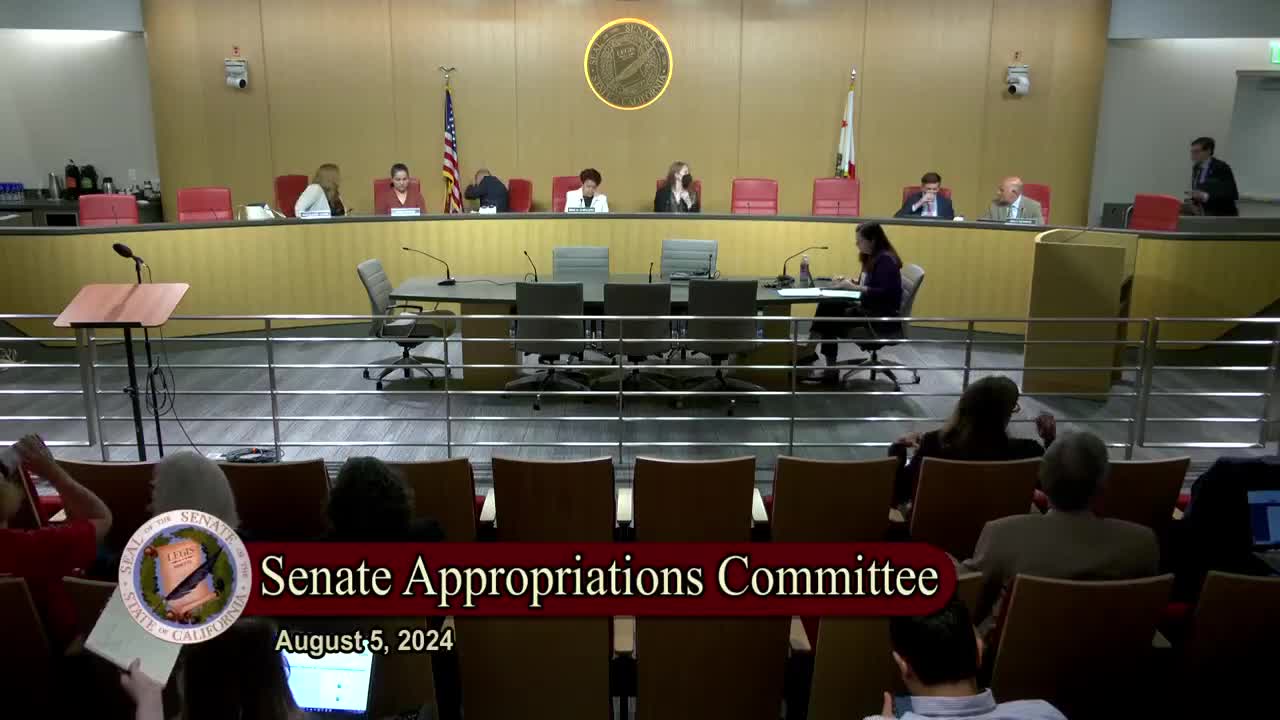 1MIN
Senate Standing Committee on Appropriations
 4MIN
Senate Standing Committee on Governmental Organization
 7MIN
Senate Standing Committee on Judiciary
 45SEC
Assembly Floor
 9MIN





