AB 917: Low-cost automobile insurance program.
- Session Year: 2023-2024
- House: Assembly
- Latest Version Date: 2023-10-07
Current Status:
Passed
(2023-10-07: Chaptered by Secretary of State - Chapter 350, Statutes of 2023.)
Introduced
In Committee
First Chamber
In Committee
Second Chamber
Enacted
Existing law establishes, within the California Automobile Assigned Risk Plan, a low-cost automobile insurance program for all counties in California.
Existing law, until January 1, 2025, requires the California Automobile Assigned Risk Plan to report to the Insurance Commissioner on an annual basis on the status of the program and, on or before March 15 of each year, requires the commissioner to prepare and propose a plan in a report to the Legislature setting forth the commissioners methods to inform households eligible for the program about the availability of low-cost automobile insurance. Existing law, on or before March 15 of each year, requires the commissioner to submit a combined report to the Legislature.
This bill would, instead, require the commissioner to submit the combined report to the Legislature on or before March 15, 2024, and on or before March 15 every 5 years thereafter. The bill would, instead, require the commissioner to submit the annual report on the methods to inform households eligible for the program to the Legislature on or before March 15, 2024, March 15, 2025, and March 15, 2026, and every 5 years thereafter. The bill would require this annual report to be posted on specified internet websites beginning with the report due on or before March 15, 2024. The bill would remove the January 1, 2025, sunset date, thereby extending the operation of the California Automobile Assigned Risk Plan indefinitely, and would make conforming changes.
Existing law establishes, within the California Automobile Assigned Risk Plan, a low-cost automobile insurance program for all counties in California.
Existing law, until January 1, 2025, requires the California Automobile Assigned Risk Plan to report to the Insurance Commissioner on an annual basis on the status of the program and, on or before March 15 of each year, requires the commissioner to prepare and propose a plan in a report to the Legislature setting forth the commissioners methods to inform households eligible for the program about the availability of low-cost automobile insurance. Existing law, on or before March 15 of each year, requires the commissioner to submit a combined report to the Legislature.
This bill would, instead, require the commissioner to submit the combined report to the Legislature on or before March 15, 2024, and on or before March 15 every 5 years thereafter. The bill would, instead, require the commissioner to submit the annual report on the methods to inform households eligible for the program to the Legislature on or before March 15, 2024, March 15, 2025, and March 15, 2026, and every 5 years thereafter. The bill would require this annual report to be posted on specified internet websites beginning with the report due on or before March 15, 2024. The bill would remove the January 1, 2025, sunset date, thereby extending the operation of the California Automobile Assigned Risk Plan indefinitely, and would make conforming changes.
Existing law establishes, within the California Automobile Assigned Risk Plan, a low-cost automobile insurance program for all counties in California.
Existing law, until January 1, 2025, requires the California Automobile Assigned Risk Plan to report to the Insurance Commissioner on an annual basis on the status of the program and, on or before March 15 of each year, requires the commissioner to prepare and propose a plan in a report to the Legislature setting forth the commissioners methods to inform households eligible for the program about the availability of low-cost automobile insurance. Existing law, on or before March 15 of each year, requires the commissioner to submit a combined report to the Legislature.
This bill would, instead, require the commissioner to submit the combined report to the Legislature on or before March 15, 2024, and on or before March 15 every 5 years thereafter. The bill would, instead, require the commissioner to submit the annual report on the methods to inform households eligible for the program to the Legislature on or before March 15, 2024, March 15, 2025, and March 15, 2026, and every 5 years thereafter. The bill would require this annual report to be posted on specified internet websites beginning with the report due on or before March 15, 2024. The bill would remove the January 1, 2025, sunset date, thereby extending the operation of the California Automobile Assigned Risk Plan indefinitely, and would make conforming changes.
Existing law establishes, within the California Automobile Assigned Risk Plan, a low-cost automobile insurance program for all counties in California. Existing law provides a rebuttable presumption that a driver is qualified to purchase a low-cost automobile insurance policy if the person meets and claims to meet specified requirements.
This bill would make technical, nonsubstantive changes to this provision.Existing law, until January 1, 2025, requires the California Automobile Assigned Risk Plan to report to the Insurance Commissioner on an annual basis on the status of the program and, on or before March 15 of each year, requires the commissioner to prepare and propose a plan in a report to the Legislature setting forth the commissioners methods to inform households eligible for the program about the availability of low-cost automobile insurance. Existing law, on or before March 15 of each year, requires the commissioner to submit a combined report to the Legislature.
This bill would, instead, require the commissioner to submit the combined report to the Legislature on or before March 15, 2024, and on or before March 15 every 5 years thereafter. The bill would remove the January 1, 2025, sunset date, thereby extending the operation of the California Automobile Assigned Risk Plan indefinitely, and would make conforming changes.
Existing law establishes, within the California Automobile Assigned Risk Plan, a low-cost automobile insurance program for all counties in California. Existing law provides a rebuttable presumption that a driver is qualified to purchase a low-cost automobile insurance policy if the person meets and claims to meet specified requirements.
This bill would make technical, nonsubstantive changes to this provision.
(a)The California Automobile Assigned Risk Plan shall report to the commissioner on an annual basis, and at those additional times as it deems prudent, on the status of the program. The report shall include data regarding new policies, renewed policies, and policy cancellations or nonrenewals.
(b)The department shall combine the reports pursuant to subdivision (a) with the report required by Section 11629.85 and submit the combined report to the Legislature on or before March 15, 2024, and on or before March 15 every five years thereafter.
(c)A report submitted pursuant to subdivision (b) shall be submitted in compliance with Section 9795 of the Government Code.
SEC. 2.Section 11629.85 of the Insurance Code is amended to read:11629.85.(a)(1)Notwithstanding Section 10231.5 of the Government Code, on or before March 15, 2024, and on or before March 15 every year thereafter, the commissioner shall prepare and propose a plan in a report setting forth the methods the commissioner intends to implement to inform households eligible for the program about the availability of low-cost automobile insurance.
(2)The commissioner shall submit the report identified in paragraph (1) to the Legislature on an annual basis on or before March 15, 2024, March 15, 2025, and March 15, 2026, and every five years thereafter, beginning with the report due on or before March 15, 2031.
(3)The report identified in paragraph (1) shall be posted on the departments and the California Automobile Assigned Risk Plans internet websites, beginning with the report due on or before March 15, 2024.
(b)The plan shall include, at a minimum, a brief description of methods proposed to be used, anticipated costs, sources of revenue, goals, targets, objectives, and a justification of the proposed methods. The plan shall also explain how the department proposes to work in cooperation with the California Automobile Assigned Risk Plan, the social service agencies, the Department of Motor Vehicles, and community-based organizations in order to inform eligible households of the existence of the program.
(c)The plan shall also include all of the following:
(1)The commissioners determination regarding whether the program has been successful, based on the criteria specified in subdivision (d), and an explanation regarding that success or lack thereof.
(2)In cooperation with the California Automobile Assigned Risk Plan, structural characteristics of the program that may require statutory revision in order for the program to succeed or to improve upon existing success.
(3)Impediments to success of the program that can reasonably be overcome by revision to the strategies adopted by the department.
(4)A detailed explanation of the departments use for the program of funds assessed pursuant to Section 1872.81 for the reporting period.
(5)For the previous five calendar years, a list of the total low-cost auto premiums for each county in which the program was available.
(d)The program is successful if the following occur:
(1)The program generated sufficient premiums to cover losses incurred under policies issued under the program, and expenses incurred by the program, as calculated pursuant to subdivision (c) of Section 11629.72.
(2)The program served the public purpose of offering access to automobile insurance to otherwise underserved communities in the program areas.
(3)The program offered access to automobile insurance to previously uninsured motorists seeking affordable coverage in the program areas.
(4)The programs outreach efforts lead uninsured motorists to contact a producer, and the driver obtains any auto insurance policy that complies with California law.
(e)Any written or oral advertisements, including, but not limited to, paid or unpaid commercial or noncommercial advertising, by the department with reference to the low-cost automobile insurance program shall reference the department and shall not reference the commissioner by name or office, or include the commissioners voice, image, or likeness. The department shall not participate with any nongovernmental entity that produces or intends to produce advertisements or educational material that include the name of the commissioner or their voice, image, or likeness, and that are intended to make eligible households aware of the existence of low-cost automobile insurance.
(f)A report submitted pursuant to subdivision (a) shall be submitted in compliance with Section 9795 of the Government Code.
SEC. 3.Section 11629.89 of the Insurance Code is repealed.(a)The California Automobile Assigned Risk Plan shall report to the commissioner on an annual basis, and at those additional times as it deems prudent, on the status of the program. The report shall include data regarding new policies, renewed policies, and policy cancellations or nonrenewals.
(b)The department shall combine the reports pursuant to subdivision (a) with the report required by Section 11629.85 and submit the combined report to the Legislature on or before March 15, 2024, and on or before March 15 every five years thereafter.
(c)A report submitted pursuant to subdivision (b) shall be submitted in compliance with Section 9795 of the Government Code.
SEC. 2.Section 11629.85 of the Insurance Code is amended to read:11629.85.(a)(1)Notwithstanding Section 10231.5 of the Government Code, on or before March 15, 2024, and on or before March 15 every year thereafter, the commissioner shall prepare and propose a plan in a report setting forth the methods the commissioner intends to implement to inform households eligible for the program about the availability of low-cost automobile insurance.
(2)The commissioner shall submit the report identified in paragraph (1) to the Legislature on an annual basis on or before March 15, 2024, March 15, 2025, and March 15, 2026, and every five years thereafter, beginning with the report due on or before March 15, 2031.
(3)The report identified in paragraph (1) shall be posted on the departments and the California Automobile Assigned Risk Plans internet websites, beginning with the report due on or before March 15, 2024.
(b)The plan shall include, at a minimum, a brief description of methods proposed to be used, anticipated costs, sources of revenue, goals, targets, objectives, and a justification of the proposed methods. The plan shall also explain how the department proposes to work in cooperation with the California Automobile Assigned Risk Plan, the social service agencies, the Department of Motor Vehicles, and community-based organizations in order to inform eligible households of the existence of the program.
(c)The plan shall also include all of the following:
(1)The commissioners determination regarding whether the program has been successful, based on the criteria specified in subdivision (d), and an explanation regarding that success or lack thereof.
(2)In cooperation with the California Automobile Assigned Risk Plan, structural characteristics of the program that may require statutory revision in order for the program to succeed or to improve upon existing success.
(3)Impediments to success of the program that can reasonably be overcome by revision to the strategies adopted by the department.
(4)A detailed explanation of the departments use for the program of funds assessed pursuant to Section 1872.81 for the reporting period.
(5)For the previous five calendar years, a list of the total low-cost auto premiums for each county in which the program was available.
(d)The program is successful if the following occur:
(1)The program generated sufficient premiums to cover losses incurred under policies issued under the program, and expenses incurred by the program, as calculated pursuant to subdivision (c) of Section 11629.72.
(2)The program served the public purpose of offering access to automobile insurance to otherwise underserved communities in the program areas.
(3)The program offered access to automobile insurance to previously uninsured motorists seeking affordable coverage in the program areas.
(4)The programs outreach efforts lead uninsured motorists to contact a producer, and the driver obtains any auto insurance policy that complies with California law.
(e)Any written or oral advertisements, including, but not limited to, paid or unpaid commercial or noncommercial advertising, by the department with reference to the low-cost automobile insurance program shall reference the department and shall not reference the commissioner by name or office, or include the commissioners voice, image, or likeness. The department shall not participate with any nongovernmental entity that produces or intends to produce advertisements or educational material that include the name of the commissioner or their voice, image, or likeness, and that are intended to make eligible households aware of the existence of low-cost automobile insurance.
(f)A report submitted pursuant to subdivision (a) shall be submitted in compliance with Section 9795 of the Government Code.
SEC. 3.Section 11629.89 of the Insurance Code is repealed.(a)The California Automobile Assigned Risk Plan shall report to the commissioner on an annual basis, and at those additional times as it deems prudent, on the status of the program. The report shall include data regarding new policies, renewed policies, and policy cancellations or nonrenewals.
(b)The department shall combine the reports pursuant to subdivision (a) with the report required by Section 11629.85 and submit the combined report to the Legislature on or before March 15, 2024, and on or before March 15 every five years thereafter.
(c)A report submitted pursuant to subdivision (b) shall be submitted in compliance with Section 9795 of the Government Code.
SEC. 2.Section 11629.85 of the Insurance Code is amended to read:11629.85.(a)(1)Notwithstanding Section 10231.5 of the Government Code, on or before March 15, 2024, and on or before March 15 every five years year thereafter, the commissioner shall prepare and propose a plan in a report to the Legislature setting forth the methods the commissioner intends to implement to inform households eligible for the program about the availability of low-cost automobile insurance.
(2)The commissioner shall submit the report identified in paragraph (1) to the Legislature on an annual basis on or before March 15, 2024, March 15, 2025, and March 15, 2026, and every five years thereafter, beginning with the report due on or before March 15, 2031.
(3)The report identified in paragraph (1) shall be posted on the departments and the California Automobile Assigned Risk Plans internet websites, beginning with the report due on or before March 15, 2024.
(b)The plan shall include, at a minimum, a brief description of methods proposed to be used, anticipated costs, sources of revenue, goals, targets, objectives, and a justification of the proposed methods. The plan shall also explain how the department proposes to work in cooperation with the California Automobile Assigned Risk Plan, the social service agencies, the Department of Motor Vehicles, and community-based organizations in order to inform eligible households of the existence of the program.
(c)The plan shall also include all of the following:
(1)The commissioners determination regarding whether the program has been successful, based on the criteria specified in subdivision (d), and an explanation regarding that success or lack thereof.
(2)In cooperation with the California Automobile Assigned Risk Plan, structural characteristics of the program that may require statutory revision in order for the program to succeed or to improve upon existing success.
(3)Impediments to success of the program that can reasonably be overcome by revision to the strategies adopted by the department.
(4)A detailed explanation of the departments use for the program of funds assessed pursuant to Section 1872.81 for the reporting period.
(5)For the previous five calendar years, a list of the total low-cost auto premium premiums for each county in which the program was available.
(d)The program is successful if the following occur:
(1)The program generated sufficient premiums to cover losses incurred under policies issued under the program, and expenses incurred by the program, as calculated pursuant to subdivision (c) of Section 11629.72.
(2)The program served the public purpose of offering access to automobile insurance to otherwise underserved communities in the program areas.
(3)The program offered access to automobile insurance to previously uninsured motorists seeking affordable coverage in the program areas.
(4)The programs outreach efforts lead uninsured motorists to contact a producer, and the driver obtains any auto insurance policy that complies with California law.
(e)Any written or oral advertisements, including, but not limited to, paid or unpaid commercial or noncommercial advertising, by the department with reference to the low-cost automobile insurance program shall reference the department and shall not reference the commissioner by name or office, or include the commissioners voice, image, or likeness. The department shall not participate with any nongovernmental entity that produces or intends to produce advertisements or educational material that include the name of the commissioner or their voice, image, or likeness, and that are intended to make eligible households aware of the existence of low-cost automobile insurance.
(f)A report submitted pursuant to subdivision (a) shall be submitted in compliance with Section 9795 of the Government Code.
SEC. 3.Section 11629.89 of the Insurance Code is repealed.(a)The California Automobile Assigned Risk Plan shall report to the commissioner on an annual basis, and at those additional times as it deems prudent, on the status of the program. The report shall include data regarding new policies, renewed policies, and policy cancellations or nonrenewals.
(b)The department shall combine the report reports pursuant to subdivision (a) with the report required by Section 11629.85 and submit the combined report to the Legislature on or before March 15 of each year. 15, 2024, and on or before March 15 every five years thereafter.
(c)A report submitted pursuant to subdivision (b) shall be submitted in compliance with Section 9795 of the Government Code.
SEC. 2.Section 11629.85 of the Insurance Code is amended to read:11629.85.(a)Notwithstanding Section 10231.5 of the Government Code, on or before March 15 of each year, 15, 2024, and on or before March 15 every five years thereafter, the commissioner shall prepare and propose a plan in a report to the Legislature setting forth the methods the commissioner intends to implement to inform households eligible for the program about the availability of low-cost automobile insurance.
(b)The plan shall include, at a minimum, a brief description of methods proposed to be used, anticipated costs, sources of revenue, goals, targets, objectives, and a justification of the proposed methods. The plan shall also explain how the department proposes to work in cooperation with the California Automobile Assigned Risk Plan, the social service agencies, the Department of Motor Vehicles, and community-based organizations in order to inform eligible households of the existence of the program.
(c)The plan shall also include all of the following:
(1)The commissioners determination regarding whether the program has been successful, based on the criteria specified in subdivision (d), and an explanation regarding that success or lack thereof.
(2)In cooperation with the California Automobile Assigned Risk Plan, structural characteristics of the program that may require statutory revision in order for the program to succeed or to improve upon existing success.
(3)Impediments to success of the program that can reasonably be overcome by revision to the strategies adopted by the department.
(4)A detailed explanation of the departments use for the program of funds assessed pursuant to Section 1872.81 for the previous fiscal year. reporting period.
(5)For the previous five calendar year, years, a list of the total low-cost auto premium for each county in which the program was available.
(d)The program is successful if the following occur:
(1)The program generated sufficient premiums to cover losses incurred under policies issued under the program, and expenses incurred by the program, as calculated pursuant to subdivision (c) of Section 11629.72.
(2)The program served the public purpose of offering access to automobile insurance to otherwise underserved communities in the program areas.
(3)The program offered access to automobile insurance to previously uninsured motorists seeking affordable coverage in the program areas.
(4)The programs outreach efforts lead uninsured motorists to contact a producer, and the driver obtains any auto insurance policy that complies with California law.
(e)Any written or oral advertisements, including, but not limited to, paid or unpaid commercial or noncommercial advertising, by the department with reference to the low-cost automobile insurance program shall reference the department and shall not reference the commissioner by name or office, or include the commissioners voice, image, or likeness. The department shall not participate with any nongovernmental entity that produces or intends to produce advertisements or educational material that include the name of the commissioner or his or her their voice, image, or likeness, and that are intended to make eligible households aware of the existence of low-cost automobile insurance.
(f)A report submitted pursuant to subdivision (a) shall be submitted in compliance with Section 9795 of the Government Code.
SEC. 3.Section 11629.89 of the Insurance Code is repealed.11629.89.This article shall remain in effect only until January 1, 2025, and as of that date is repealed.SECTION 1.Section 11629.731 of the Insurance Code is amended to read:11629.731.A person who meets the requirements of subdivision (a) of Section 11629.73, and who claims that they meet the requirements of subdivisions (b) to (e), inclusive, of Section 11629.73 based entirely or partially on a drivers license and driving experience obtained other than in the United States or Canada, shall be entitled to a rebuttable presumption that they are qualified to purchase a low-cost automobile insurance policy under the program if they have been licensed to drive pursuant to a license obtained in the United States or Canada for at least the previous 18 months and meet the criteria of subdivisions (b) to (e), inclusive, for that period.A person who meets the requirements of subdivision (a) of Section 11629.73, and who claims that he or she meets they meet the requirements of subdivisions (b) to (e), inclusive, of Section 11629.73 based entirely or partially on a drivers license and driving experience obtained other than in the United States or Canada, shall be entitled to a rebuttable presumption that he or she is they are qualified to purchase a low-cost automobile insurance policy under the program if he or she has they have been licensed to drive pursuant to a license obtained in the United States or Canada for at least the previous 18 months and meets meet the criteria of subdivisions (b) to (e), inclusive, for that period.
|
Date
|
Status
|
|---|---|
| Oct 7, 2023 | Chaptered by Secretary of State - Chapter 350, Statutes of 2023. |
| Oct 7, 2023 | Approved by the Governor. |
| Sep 14, 2023 | Enrolled and presented to the Governor at 4:30 p.m. |
| Sep 7, 2023 | Senate amendments concurred in. To Engrossing and Enrolling. (Ayes 79. Noes 0. Page 3041.). |
| Sep 7, 2023 | Assembly Rule 77 suspended. (Page 3011.) |
| Sep 6, 2023 | In Assembly. Concurrence in Senate amendments pending. May be considered on or after September 8 pursuant to Assembly Rule 77. |
| Sep 6, 2023 | Read third time. Passed. Ordered to the Assembly. (Ayes 40. Noes 0. Page 2394.). |
| Aug 15, 2023 | Read second time. Ordered to third reading. |
| Aug 14, 2023 | From committee: Be ordered to second reading pursuant to Senate Rule 28.8. |
| Jul 3, 2023 | Read second time and amended. Re-referred to Com. on APPR. |
| Jun 29, 2023 | From committee: Amend, and do pass as amended and re-refer to Com. on APPR. (Ayes 7. Noes 0.) (June 28). |
| May 31, 2023 | Referred to Com. on INS. |
| May 23, 2023 | In Senate. Read first time. To Com. on RLS. for assignment. |
| May 22, 2023 | Read third time. Passed. Ordered to the Senate. (Ayes 77. Noes 0. Page 1694.) |
| May 11, 2023 | Read second time. Ordered to third reading. |
| May 10, 2023 | From committee: Do pass. (Ayes 15. Noes 0.) (May 10). |
| Apr 26, 2023 | From committee: Do pass and re-refer to Com. on APPR. (Ayes 14. Noes 0.) (April 26). Re-referred to Com. on APPR. |
| Mar 20, 2023 | Re-referred to Com. on INS. |
| Mar 16, 2023 | Referred to Com. on INS. |
| Mar 16, 2023 | From committee chair, with author's amendments: Amend, and re-refer to Com. on INS. Read second time and amended. |
| Feb 15, 2023 | From printer. May be heard in committee March 17. |
| Feb 14, 2023 | Read first time. To print. |
|
Date
|
Description
|
Location
|
Votes
|
|
|---|---|---|---|---|
| Sep 7, 2023 | AB 917 Ortega Concurrence in Senate Amendments | Assembly Floor |
Passed |
|
| Sep 6, 2023 | Assembly 3rd Reading AB917 Ortega et al. By Rubio | Senate Floor |
Passed |
|
| Jun 28, 2023 | Do pass as amended, but first amend, and re-refer to the Committee on [Appropriations] | Senate Standing Committee on Insurance |
Passed |
|
| May 22, 2023 | AB 917 Ortega Assembly Third Reading | Assembly Floor |
Passed |
|
| May 10, 2023 | Do pass. | Assembly Standing Committee on Appropriations |
Passed |
|
| Apr 26, 2023 | Do pass and be re-referred to the Committee on [Appropriations] | Assembly Standing Committee on Insurance |
Passed |
This list shows positions taken on this bill by organizations on the date displayed, which is linked to the original source.
Positions by individuals are not included.
|
Organization
|
Position
|
Date
|
|---|---|---|
| California Department of Insurance | ** Support | |
| California Low Cost Auto Insurance Program | * Support | Jun 28, 2023 |
| Consumer Federation Of California | ** Support | |
| Personal Insurance Federation Of California | ** Support | |
| Strategic Actions for a Just Economy | ** Support |
CONCURRENCE IN SENATE AMENDMENTS
CSA1 Bill Id:AB 917
Author:(Ortega)
As Amended Ver:July 3, 2023
Majority vote
SUMMARY
Makes permanent the California Low-Cost Auto (CLCA) Insurance program.
- Eliminates the January 1, 2025 sunset date.
- Requires the California Department of Insurance (CDI) to submit a report to the Legislature on an annual basis, on or before March 15, 2024, March 15, 2025, and March 15, 2026, and every five years thereafter, beginning with the report due on or before March 15, 2031.
Senate Amendments
- Requires the report to Legislature to be provided on an annual basis on or before March 15, 2024, March 15, 2025, and March 15, 2026, and every five years thereafter, beginning with the report due on or before March 15, 2031 instead of every five years after March 15, 2024.
- Requires the report to be posted on CDIs and the California Automobile Assigned Risk Plan's internet websites, beginning with the report due on or before March 15, 2024.
COMMENTS
Every driver in California is required to have auto insurance. The CLCA program, which began in 2000, is a state-sponsored program that makes auto insurance affordable. It's designed to provide income-eligible drivers affordable rates to meet California's financial responsibility limits. At inception, CLCA began as a pilot program for the counties of Los Angeles and San Francisco. In 2006, CLCA expanded to all 58 counties. According to CDI, CLCA has provided auto insurance coverage to more than 196,589 drivers since the start. In the year 2022, there was a total of 9,981 new applications assigned, 13,984 canceled policies, 15,948 renewed policies, and 1,427 policies reinstated. At the end of 2022, there were 16,371 active policies. According to California Automotive Assigned Risk Plan (CAARP), approximately 77% of applications assigned were from uninsured motorists at the time of their CLCA policy application. Currently, there are about 20,000 policies enrolled in the CLCA program. To be eligible for the CLCA program, an individual must have a valid California driver's license, own a vehicle valued at $25,000 or less, be at least 16 years of age, have a good driving record, and meet income eligibility requirements.
Considering the CLCA program has been around for over 20 years and endured sunset extension after sunset extension, it seems reasonable to make this beneficial program permanent. According to CDI, the CLCA program has proven success by keeping rates sufficient to meet statutory rate-setting standards, serving underserved communities, and offering access to previously uninsured motorists, thus reducing the number of uninsured drivers.
According to the Author
CLCA is a program that improves the lives of low-income communities across the state by providing low-cost car insurance to low-income drivers. The CLCA allows people to keep the use of their cars, which is an essential resource for workers to travel to their jobs. The CLCA was created in 2000 as a pilot program and the program's sunset date has been extended every few years since then as it has proven to be an effective tool to provide affordable auto insurance to low-income drivers. To ensure that the CLCA program continues, AB 917 would eliminate the sunset date and make the program permanent
Arguments in Support
According to CDI, since its inception, the CLCA Program has proven to be a reliable resource for income-eligible individuals needing auto insurance. There continues to be a need for this program, making the sunset date unnecessary. This program helps prevent drivers from driving uninsured in our state, especially during times of financial strain. To ensure that this effective program continues to provide needed auto insurance to income-eligible drivers, AB 917 would remove the sunset date and make this program permanent.
Arguments in Opposition
None on file.
FISCAL COMMENTS
According to the Assembly Appropriations Committee, absorbable costs to CDI to continue the low-cost automobile insurance program indefinitely (Insurance Fund). CDI notes that existing law requires insurers doing business in California to pay an annual special purpose assessment and CDI may use up to $0.05 of assessment revenues to notify insurers and other members of the public about the program's existence. Additionally, rates for program policies must be sufficient to cover losses incurred and expenses, including the costs of administration, underwriting, taxes, commissions, and claims adjusting.
VOTES:
ASM INSURANCE: 14-0-0
YES: Calderon, Essayli, Berman, Cervantes, Chen, Vince Fong, Gipson, Grayson, Jones‑Sawyer, Ortega, Rodriguez, Soria, Valencia, Wood
ASM APPROPRIATIONS: 15-0-1
YES: Holden, Megan Dahle, Bryan, Calderon, Wendy Carrillo, Dixon, Mike Fong, Addis, Lowenthal, Papan, Pellerin, Robert Rivas, Sanchez, Weber, Wilson
ABS, ABST OR NV: Mathis
ASSEMBLY FLOOR: 77-0-3
YES: Addis, Aguiar-Curry, Alanis, Alvarez, Arambula, Bains, Bauer-Kahan, Bennett, Berman, Boerner, Bonta, Bryan, Calderon, Juan Carrillo, Wendy Carrillo, Cervantes, Connolly, Megan Dahle, Davies, Dixon, Essayli, Flora, Mike Fong, Vince Fong, Friedman, Gabriel, Gallagher, Garcia, Gipson, Grayson, Haney, Hart, Holden, Hoover, Irwin, Jackson, Jones‑Sawyer, Kalra, Lee, Low, Lowenthal, Maienschein, Mathis, McCarty, McKinnor, Muratsuchi, Stephanie Nguyen, Ortega, Pacheco, Papan, Jim Patterson, Joe Patterson, Pellerin, Petrie-Norris, Ramos, Reyes, Luz Rivas, Robert Rivas, Rodriguez, Blanca Rubio, Sanchez, Santiago, Schiavo, Soria, Ta, Ting, Valencia, Villapudua, Waldron, Wallis, Ward, Weber, Wicks, Wilson, Wood, Zbur, Rendon
ABS, ABST OR NV: Chen, Lackey, Quirk-Silva
SENATE FLOOR: 40-0-0
YES: Allen, Alvarado-Gil, Archuleta, Ashby, Atkins, Becker, Blakespear, Bradford, Caballero, Cortese, Dahle, Dodd, Durazo, Eggman, Glazer, Gonzalez, Grove, Hurtado, Jones, Laird, Limón, McGuire, Menjivar, Min, Newman, Nguyen, Niello, Ochoa Bogh, Padilla, Portantino, Roth, Rubio, Seyarto, Skinner, Smallwood-Cuevas, Stern, Umberg, Wahab, Wiener, Wilk
UPDATED
VERSION: July 3, 2023
CONSULTANT: Kathleen O'Malley / INS. / (916) 319-2086 FN: 0001875
SENATE RULES COMMITTEE Office of Senate Floor Analyses (916) 651-1520 Fax: (916) 327-4478 | AB 917 |
THIRD READING
Bill No: AB 917
Author: Ortega (D), et al.
Amended: 7/3/23 in Senate
Vote: 21
SENATE INSURANCE COMMITTEE: 7-0, 6/28/23
AYES: Rubio, Nguyen, Ashby, Jones, McGuire, Niello, Portantino
SENATE APPROPRIATIONS COMMITTEE: Senate Rule 28.8
ASSEMBLY FLOOR: 77-0, 5/22/23 - See last page for vote
SUBJECT: Low-cost automobile insurance program
SOURCE: Author
DIGEST:
This bill makes the California Automobile Assigned Risk Plan (CAARP) permanent by eliminating the sunset date; and changes the requirement that the Insurance Commissioner (IC) submit a report to the legislature on CAARP and the Low Cost Automobile Insurance Program (Low Cost Auto) from annually to every five years, beginning March 15, 2026.
ANALYSIS:
Existing law:
- Establishes the CAARP for the purposes of providing automobile bodily injury and property damage liability insurance to applicants who in good faith are entitled to but are unable to procure that insurance through ordinary methods.
- Requires that the cost of the plan, including any personnel and contracting costs, be fairly apportioned among the subscribing insurers;
- Requires the plan to address standards for determining eligibility; apportion eligible applicants among insurers; provide for rules for administering and operating the plan; and explain the basis for premium charges; and describe other procedures; and
- Requires that rates shall not be excessive, inadequate, nor unfairly discriminatory, and shall be actuarially sound so as to result in no subsidy of the plan.
- Establishes the Low Cost Auto Program within CAARP to provide low-cost auto liability policies, as specified.
- Requires the CAARP Plan to report specified information to the IC annually, and requires the IC to report to the legislature specified information regarding the CAARP and the Low Cost Auto program on an annual basis by March 15.
- Repeals the CAARP on January 1, 2025, unless extended.
This bill:
- Requires the IC to submit a report to the legislature on the CAARP and Low Cost Auto programs on or before March 15, 2026 and every five years thereafter.
- Requires CDI to post the CAARP annual advisory panel report on its website.
- Deletes, permanently, the sunset on the programs.
Background
The CAARP was originally created in 1947 to provide insurance to those who could not otherwise acquire it due to a poor driving record. CAARP assigns applicants for coverage randomly to auto insurers based on each insurer's portion of the voluntary market. Over time, CAARP has become the primary source of low-cost insurance. Although it started as a pilot program in 2000, it is now a statewide program, and the sunset has been extended four times.
Every driver in California is required to have auto insurance. The Low Cost Auto program helps make auto insurance affordable by providing income-eligible drivers affordable rates to meet California's financial responsibility limits. At inception, Low Cost Auto began as a pilot program for the counties of Los Angeles and San Francisco. In 2006, the program expanded to all 58 counties. According to the California Department of Insurance (CDI), Low Cost Auto has provided auto insurance coverage to more than 196,589 drivers since the start. In the year 2022, there was a total of 9,981 new applications assigned, 13,984 canceled policies, 15,948 renewed policies, and 1,427 policies reinstated. At the end of 2022, there were 16,371 active policies. According to CAARP, approximately 77% of applications assigned were from uninsured motorists at the time of their policy application. Currently, there are about 20,000 policies enrolled in the Low Cost Auto program. To be eligible for the program, an individual must have a valid California driver's license, own a vehicle valued at $25,000 or less, be at least 16 years of age, have a good driving record, and meet income eligibility requirements.
FISCAL EFFECT: Appropriation: No Fiscal Com.: Yes Local: No
SUPPORT: (Verified 8/15/23)
California Department of Insurance
Consumer Federation of California
Strategic Actions for a Just Economy
OPPOSITION: (Verified 8/15/23)
None received
ARGUMENTS IN SUPPORT: According to CDI, since its inception, the low-cost auto program has proven to be a reliable resource for income-eligible individuals needing auto insurance. There continues to be a need for this program, making the sunset date unnecessary. This program helps prevent drivers from driving uninsured in our state, especially during times of financial strain. To ensure that this effective program continues to provide needed auto insurance to income-eligible drivers, AB 917 removes the sunset date and makes this program permanent.
According to the author, California’s Low Cost Auto Program is a program that improves the lives of low-income communities across the state by providing low-cost car insurance to low-income drivers. The program allows people to keep the use of their cars, which is an essential resource for workers to travel to their jobs. The Low Cost Auto program was created in 2000 as a pilot program and the program’s sunset date has been extended every few years since, as it has proven to be an effective tool to provide affordable auto insurance to low-income drivers. To ensure that the program continues
ASSEMBLY FLOOR: 77-0, 5/22/23
AYES: Addis, Aguiar-Curry, Alanis, Alvarez, Arambula, Bains, Bauer-Kahan, Bennett, Berman, Boerner, Bonta, Bryan, Calderon, Juan Carrillo, Wendy Carrillo, Cervantes, Connolly, Megan Dahle, Davies, Dixon, Essayli, Flora, Mike Fong, Vince Fong, Friedman, Gabriel, Gallagher, Garcia, Gipson, Grayson, Haney, Hart, Holden, Hoover, Irwin, Jackson, Jones-Sawyer, Kalra, Lee, Low, Lowenthal, Maienschein, Mathis, McCarty, McKinnor, Muratsuchi, Stephanie Nguyen, Ortega, Pacheco, Papan, Jim Patterson, Joe Patterson, Pellerin, Petrie-Norris, Ramos, Reyes, Luz Rivas, Robert Rivas, Rodriguez, Blanca Rubio, Sanchez, Santiago, Schiavo, Soria, Ta, Ting, Valencia, Villapudua, Waldron, Wallis, Ward, Weber, Wicks, Wilson, Wood, Zbur, Rendon
NO VOTE RECORDED: Chen, Lackey, Quirk-Silva
Prepared by: Erin Ryan / INS. / (916) 651-4110
8/16/23 10:24:57
**** END ****
SENATE COMMITTEE ON INSURANCE
Senator Susan Rubio, Chair
2023 - 2024 Regular
Bill No: AB 917 Hearing Date: June 28, 2023
Author: | Ortega | ||
Version: | March 16, 2023 | ||
Urgency: | No | Fiscal: | Yes |
Consultant: | Erin Ryan | ||
SUBJECT: Low-cost automobile insurance program
DIGEST:
Would make the California Automobile Assigned Risk Plan (CAARP) permanent by eliminating the sunset date; and would change the requirement that the Insurance Commissioner (IC) submit a report to the legislature on CAARP and the Low Cost Automobile Insurance Program (Low Cost Auto) from annually to every five years, beginning March 15, 2024.
ANALYSIS:
Existing law:
- Establishes the CAARP for the purposes of providing automobile bodily injury and property damage liability insurance to applicants who in good faith are entitled to but are unable to procure that insurance through ordinary methods.
- Requires that the cost of the plan, including any personnel and contracting costs, be fairly apportioned among the subscribing insurers;
- Requires the plan to address standards for determining eligibility; apportion eligible applicants among insurers; provide for rules for administering and operating the plan; and explain the basis for premium charges; and describe other procedures; and
- Requires that rates shall not be excessive, inadequate, nor unfairly discriminatory, and shall be actuarially sound so as to result in no subsidy of the plan.
- Establishes the Low Cost Auto Program within CAARP to provide low-cost auto liability policies, as specified.
- Requires the CAARP Plan to report specified information to the IC annually, and requires the IC to report to the legislature specified information regarding the CAARP and the Low Cost Auto program on an annual basis by March 15.
- Repeals the CAARP on January 1, 2025, unless extended.
This bill:
- Would require the IC to submit a report to the legislature on the CAARP and Low Cost Auto programs on or before March 15, 2024 and every five years thereafter.
- Would permanently delete the sunset on the programs.
Background
The CAARP was originally created in 1947 to provide insurance to those who could not otherwise acquire it due to a poor driving record. CAARP assigns applicants for coverage randomly to auto insurers based on each insurer's portion of the voluntary market. Over time, CAARP has become the primary source of low-cost insurance. Although it started as a pilot program in 2000, it is now a statewide program, and the sunset has been extended four times.
Every driver in California is required to have auto insurance. The Low Cost Auto program helps make auto insurance affordable by providing income-eligible drivers affordable rates to meet California's financial responsibility limits. At inception, Low Cost Auto began as a pilot program for the counties of Los Angeles and San Francisco. In 2006, the program expanded to all 58 counties. According to the California Department of Insurance (CDI), Low Cost Auto has provided auto insurance coverage to more than 196,589 drivers since the start. In the year 2022, there was a total of 9,981 new applications assigned, 13,984 canceled policies, 15,948 renewed policies, and 1,427 policies reinstated. At the end of 2022, there were 16,371 active policies. According to CAARP, approximately 77% of applications assigned were from uninsured motorists at the time of their policy application. Currently, there are about 20,000 policies enrolled in the Low Cost Auto program. To be eligible for the program, an individual must have a valid California driver's license, own a vehicle valued at $25,000 or less, be at least 16 years of age, have a good driving record, and meet income eligibility requirements.
Questions
SB 1107 (Dodd, Chap. 717, Statutes of 2022) beginning January 1, 2025 increases the amount of liability insurance coverage an owner or operator of a motor vehicle is required to maintain to $30,000 for bodily injury or death of one person, $60,000 for bodily injury or death of all persons, and $15,000 for damage to the property of others as a result of any one accident. Those limits will increase to $50,000/$100,000/$25,000 effective Jan 1, 2035. This is the first increase in these limits since 1967. The current minimum limits are $15,000, $30,000, and $5,000 respectively. These may impact the low-cost auto program, both in terms of cost of policies and the number of consumers turning to the program. An advisory committee convened by the CDI to review the program and make recommendations supported eliminating the sunset, but also recommended keeping financial responsibility requirements at current levels for low-cost auto policies. Should the CDI continue to report annually to the legislature at least until the new requirements have a chance to take effect? In addition, should the CDI post it’s the CAARP advisory panel annual review of the program on its website?
Suggested Amendments
On page 2, lines 8-12, amend to specify that the report to the legislature will be every five years beginning with the report on March 15, 2026.
ADD a requirement that CDI post the CAARP annual advisory panel report on its website.
ADD Senator Rubio as a coauthor.
Related/Prior Legislation
SB 1107 (Dodd, Chap. 717, Statutes of 2022) increased financial responsibility limits for all automobile policies in California beginning January 1, 2025
SB 570 (Rubio, Chap. 275, Statutes of 2019) extended the sunset on the low cost auto program to January 1, 2025
ARGUMENTS IN SUPPORT:
According to CDI, since its inception, the low-cost auto program has proven to be a reliable resource for income-eligible individuals needing auto insurance. There continues to be a need for this program, making the sunset date unnecessary. This program helps prevent drivers from driving uninsured in our state, especially during times of financial strain. To ensure that this effective program continues to provide needed auto insurance to income-eligible drivers, AB 917 would remove the sunset date and make this program permanent.
According to the author, California’s Low Cost Auto Program is a program that improves the lives of low-income communities across the state by providing low-cost car insurance to low-income drivers. The program allows people to keep the use of their cars, which is an essential resource for workers to travel to their jobs. The Low Cost Auto program was created in 2000 as a pilot program and the program’s sunset date has been extended every few years since, as it has proven to be an effective tool to provide affordable auto insurance to low-income drivers. To ensure that the program continues, AB 917 would eliminate the sunset date and make the program permanent.
ARGUMENTS IN OPPOSITION:
None received
SUPPORT:
California Department of Insurance
Consumer Federation of California
OPPOSITION:
None received
-- END --
ASSEMBLY THIRD READING
ATR Bill Id:AB 917
Author:(Ortega)
As Amended Ver:March 16, 2023
Majority vote
SUMMARY
Makes permanent the California Low-Cost Auto (CLCA) Insurance program.
Major Provisions
- Eliminates the January 1, 2025 sunset date.
- Requires the California Department of Insurance (CDI) to submit a report to the Legislature on or before March 15, 2024 and on or before March 15 every five years thereafter.
- Makes other technical and non-substantive changes.
COMMENTS
Every driver in California is required to have auto insurance. The CLCA program, which began in 2000, is a state-sponsored program that makes auto insurance affordable. It's designed to provide income-eligible drivers affordable rates to meet California's financial responsibility limits. At inception, CLCA began as a pilot program for the counties of Los Angeles and San Francisco. In 2006, CLCA expanded to all 58 counties. According to CDI, CLCA has provided auto insurance coverage to more than 196,589 drivers since the start. In the year 2022, there was a total of 9,981 new applications assigned, 13,984 canceled policies, 15,948 renewed policies, and 1,427 policies reinstated. At the end of 2022, there were 16,371 active policies. According to California Automotive Assigned Risk Plan (CAARP), approximately 77% of applications assigned were from uninsured motorists at the time of their CLCA policy application. Currently, there are about 20,000 policies enrolled in the CLCA program. To be eligible for the CLCA program, an individual must have a valid California driver's license, own a vehicle valued at $25,000 or less, be at least 16 years of age, have a good driving record, and meet income eligibility requirements.
Considering the CLCA program has been around for over 20 years and endured sunset extension after sunset extension, it seems reasonable to make this beneficial program permanent. According to CDI, the CLCA program has proven success by keeping rates sufficient to meet statutory rate-setting standards, serving underserved communities, and offering access to previously uninsured motorists, thus reducing the number of uninsured drivers.
According to the Author
CLCA is a program that improves the lives of low-income communities across the state by providing low-cost car insurance to low-income drivers. The CLCA allows people to keep the use of their cars, which is an essential resource for workers to travel to their jobs. The CLCA was created in 2000 as a pilot program and the program's sunset date has been extended every few years since then as it has proven to be an effective tool to provide affordable auto insurance to low-income drivers. To ensure that the CLCA program continues, this bill would eliminate the sunset date and make the program permanent
Arguments in Support
According to CDI, since its inception, the CLCA Program has proven to be a reliable resource for income-eligible individuals needing auto insurance. There continues to be a need for this program, making the sunset date unnecessary. This program helps prevent drivers from driving uninsured in our state, especially during times of financial strain. To ensure that this effective program continues to provide needed auto insurance to income-eligible drivers, AB 917 would remove the sunset date and make this program permanent.
Arguments in Opposition
None on file.
FISCAL COMMENTS
According to the Assembly Appropriations Committee, absorbable costs to the CDI to continue the low-cost automobile insurance program indefinitely (Insurance Fund). CDI notes that existing law requires insurers doing business in California to pay an annual special purpose assessment and CDI may use up to $0.05 of assessment revenues to notify insurers and other members of the public about the program's existence. Additionally, rates for program policies must be sufficient to cover losses incurred and expenses, including the costs of administration, underwriting, taxes, commissions, and claims adjusting.
VOTES
ASM INSURANCE: 14-0-0
YES: Calderon, Essayli, Berman, Cervantes, Chen, Vince Fong, Gipson, Grayson, Jones‑Sawyer, Ortega, Rodriguez, Soria, Valencia, Wood
ASM APPROPRIATIONS: 15-0-1
YES: Holden, Megan Dahle, Bryan, Calderon, Wendy Carrillo, Dixon, Mike Fong, Addis, Lowenthal, Papan, Pellerin, Robert Rivas, Sanchez, Weber, Wilson
ABS, ABST OR NV: Mathis
UPDATED
VERSION: March 16, 2023
CONSULTANT: Kathleen O'Malley / INS. / (916) 319-2086 FN: 0000344
Date of Hearing: May 10, 2023
ASSEMBLY COMMITTEE ON APPROPRIATIONS
Chris Holden, Chair
ABPCA Bill Id:AB 917
Author:(Ortega) – As Amended Ver:March 16, 2023
Policy Committee: | Insurance | Vote: | 14 - 0 |
|
| ||
|
|
Urgency: No State Mandated Local Program: No Reimbursable: No
SUMMARY:
This bill removes the January 1, 2025, sunset date for the California Low-Cost Auto (CLCA) insurance program within the California Automobile Assigned Risk Plan and requires the Insurance Commissioner to submit the program report to the Legislature every five years, instead of annually.
FISCAL EFFECT:
Absorbable costs to the California Department of Insurance (CDI) to continue the low-cost automobile insurance program indefinitely (Insurance Fund). CDI notes that existing law requires insurers doing business in California to pay an annual special purpose assessment and CDI may use up to $0.05 of assessment revenues to notify insurers and other members of the public about the program’s existence. Additionally, rates for program policies must be sufficient to cover losses incurred and expenses, including the costs of administration, underwriting, taxes, commissions, and claims adjusting.
COMMENTS:
- Purpose. According to the author, the CLCA insurance program “was created in 2000 as a pilot program and the program’s sunset date has been extended every few years since then as it has proven to be an effective tool to provide affordable auto insurance to low-income drivers.” The author proposes to eliminate the sunset date to ensure the program continues.
- CLCA. Existing law requires every driver in California to have auto insurance. The state-sponsored CLCA program began in 2000 as a pilot program in the counties of Los Angeles and San Francisco to provide income-eligible drivers affordable auto insurance rates. CLCA expanded to cover all 58 counties in 2006. According to the CDI, CLCA has provided coverage to more than 196,500 drivers since the program’s inception, with the majority of drivers uninsured at the time of their application. To be eligible for CLCA, an individual must have a valid California driver’s license, own a vehicle valued at $25,000 or less, be at least 16 years old, have a good driving record, and meet specified income thresholds. There are currently approximately 20,000 active policies under the program.
Prior legislation to extend CLCA’s sunset date also contained programmatic changes. Most recently, for example, SB 570 (Rubio), Chapter 274, Statutes of 2019, which extended the sunset date to January 1, 2025, also eliminated a gender surcharge, expanded program access to students, and eased income eligibility reporting requirements. This bill does not make any program changes, but repeals the program’s sunset date and shifts the program’s annual report requirement to instead be due every five years.
Analysis Prepared by: Irene Ho / APPR. / (916) 319-2081
Date of Hearing: April 26, 2023
ASSEMBLY COMMITTEE ON INSURANCE
Lisa Calderon, Chair
ABPCA Bill Id:AB 917 (
Author:Ortega) – As Amended Ver:March 16, 2023
SUBJECT: Low-cost automobile insurance program
SUMMARY: Makes permanent the California Low-Cost Auto (CLCA) Insurance program. Specifically, this bill:
- Eliminates the January 1, 2025 sunset date.
- Requires the California Department of Insurance (CDI) to submit a report to the Legislature on or before March 15, 2024 and on or before March 15 every 5 years thereafter.
- Makes other technical and non-substantive changes.
EXISTING LAW:
- Requires CDI to submit a report on CLCA to the Legislature on or before March 15 each year. (Insurance (Ins.) Code, Section 11629.81)
- Establishes the CLCA within the California Automobile Assigned Risk Plan (CAARP) until January 1, 2025, a low-cost automobile insurance program for all counties in California. (Ins. Code, Section 11629.7)
- Provides liability coverage from any one accident in amounts of $10,000 for bodily injury or death per person, up to $20,000 for bodily injury or death per accident, and $3,000 for property damage per accident. (Ins. Code, Section 11629.71)
FISCAL EFFECT: Unknown
COMMENTS:
Purpose: According to the author, “CLCA is a program that improves the lives of low-income communities across the state by providing low-cost car insurance to low-income drivers. The CLCA allows people to keep the use of their cars, which is an essential resource for workers to travel to their jobs. The CLCA was created in 2000 as a pilot program and the program’s sunset date has been extended every few years since then as it has proven to be an effective tool to provide affordable auto insurance to low-income drivers. To ensure that the CLCA program continues, AB 917 would eliminate the sunset date and make the program permanent.”
Background: Every driver in California is required to have auto insurance. The CLCA program, which began in 2000, is a state-sponsored program that makes auto insurance affordable. It’s designed to provide income-eligible drivers affordable rates to meet California’s financial responsibility limits. At inception, CLCA began as a pilot program for the counties of Los Angeles and San Francisco. In 2006, CLCA expanded to all 58 counties. According to CDI, CLCA has provided auto insurance coverage to more than 196,589 drivers since the start. In the year 2022, there was a total of 9,981 new applications assigned, 13,984 canceled policies, 15,948 renewed policies, and 1,427 policies reinstated. At the end of 2022, there were 16,371 active policies. According to CAARP, approximately 77% of applications assigned were from uninsured motorists at the time of their CLCA policy application. Currently, there are about 20,000 policies enrolled in the CLCA program. To be eligible for the CLCA program, an individual must have a valid California driver’s license, own a vehicle valued at $25,000 or less, be at least 16 years of age, have a good driving record, and meet income eligibility requirements.
Considering the CLCA program has been around for over 20 years and endured sunset extension after sunset extension, it seems reasonable to make this beneficial program permanent. According to CDI, the CLCA program has proven success by keeping rates sufficient to meet statutory rate-setting standards, serving underserved communities, and offering access to previously uninsured motorists, thus reducing the number of uninsured drivers.
Moving forward: As in print, this measure is purely an elimination of the sunset date and changes the required report from every year to every 5 years. Should this measure evolve during the legislative process and morph into a measure that makes significant and new changes to the CLCA program, the committee retains the ability to call the bill back and determine whether a sunset date extension is better suited to further evaluate the CLCA program at a later date.
Previous Legislation: SB 570 (Rubio) Chapter 274, Statutes of 2019: This measure made several programmatic changes to the CLCA Insurance Program: eliminated a gender surcharge, expanded access to students, eased income eligibility reporting requirements, simplified the consumer notice, and extended the sunset to January 1, 2025.
SB 1273 (Lara) Chapter 487, Statutes of 2014: This measure extended, until January 1, 2020, the sunset date on the CLCA; expanded eligibility criteria to include drivers with less than three years of continuous driving experience and assessed a surcharge on those drivers; and mad other changes designed to increase participation.
SB 476 (Steinberg) Chapter 347, Statutes of 2013: This measure required a special purpose assessment of $0.25 until January 1, 2016, on each vehicle insured under an insurance policy issued in this state by the insurer and authorized the CDI to use up to $0.05 of the $0.25 assessment to notify insurers and other members of the public about the existence of the CLCA insurance program.
AB 1024 (Hueso) Chapter 401, Statutes of 2011: This measure authorized producers to sell CLCA policies through an Internet website, required CAARP to create a website for referring consumers to certified agents or brokers for the purchase of low-cost automobile insurance, and required the Department of Motor Vehicles to update the insert regarding the CLCA insurance program that is included in registration renewals to reflect the online program established by this bill.
AB 1597 (Jones) Chapter 234, Statutes of 2010: This bill extended the program sunset date to 2016 and made various statutory changes to conform its operations to standard California administrative practices and to provide for more efficient administration of CAARP.
AB 725 (Jones), 2009-10 Legislative Session, would have extended the sunset date and made other changes. Vetoed by Governor Schwarzenegger.
SB 20 (Escutia) Chapter 435, Statutes of 2005: This measure extended the sunset date on the pilot programs until January 1, 2011, and also expanded the low cost auto insurance programs to the Counties of Alameda, Fresno, Orange, Riverside, San Bernardino, and San Diego and made the expansion of the program subject to the discretion of the Commissioner (the program was extended to all counties after this bill).
SB 1427 (Escutia) Chapter 742, Statutes of 2002: This measure extended the sunset date of the pilot programs to 2007; reduced the premium; changed the gross annual household income limit from 150 percent to 250 percent of the federal poverty level; and established other duties to make the program more available to eligible consumers.
SB 171 (Escutia) Chapter 794, Statutes of 1999: This measure established the CLCA Insurance Pilot program in the County of Los Angeles until January 1, 2004.
SB 527 (Speier) Chapter 807, Statutes of 1999: This measure established the CLCA program in the County of San Francisco until January 1, 2004.
REGISTERED SUPPORT / OPPOSITION:
Support
California Department of Insurance
Support If Amended
Personal Insurance Federation of California
Opposition
None on file.
Analysis Prepared by: Kathleen O'Malley / INS. / (916) 319-2086
Discussed in Hearing
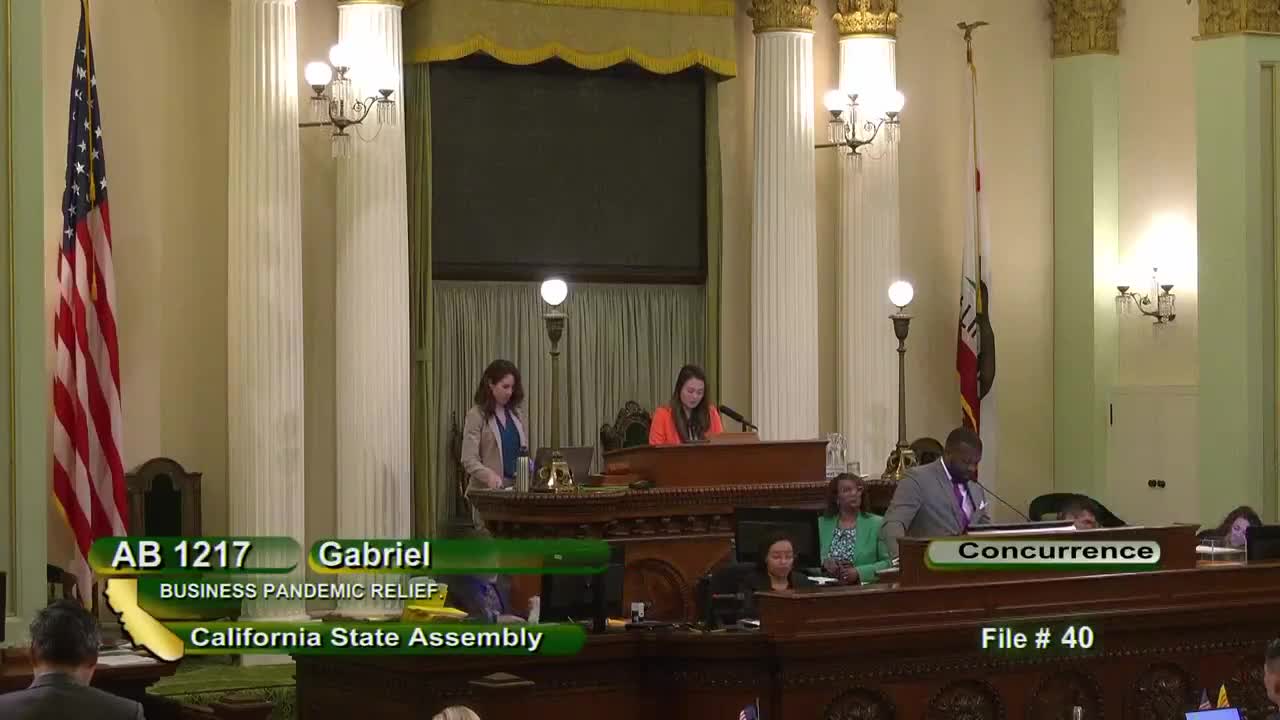 41SEC
Assembly Floor
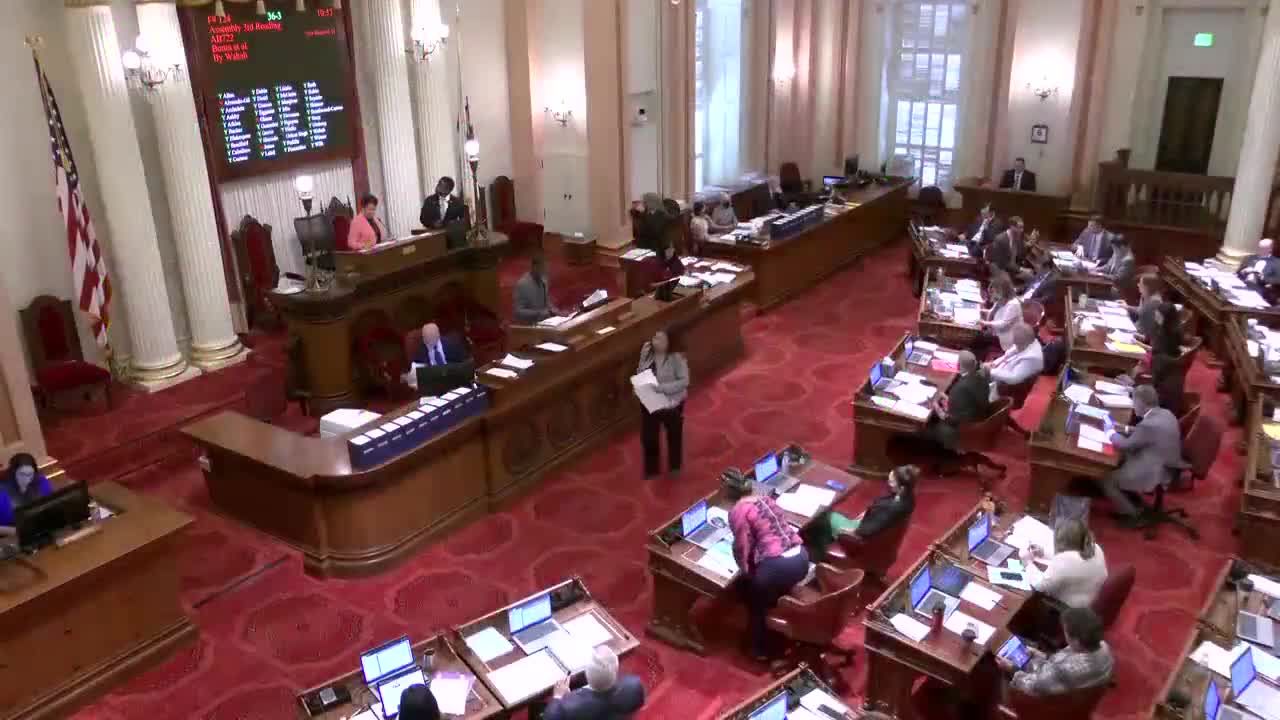 1MIN
Senate Floor
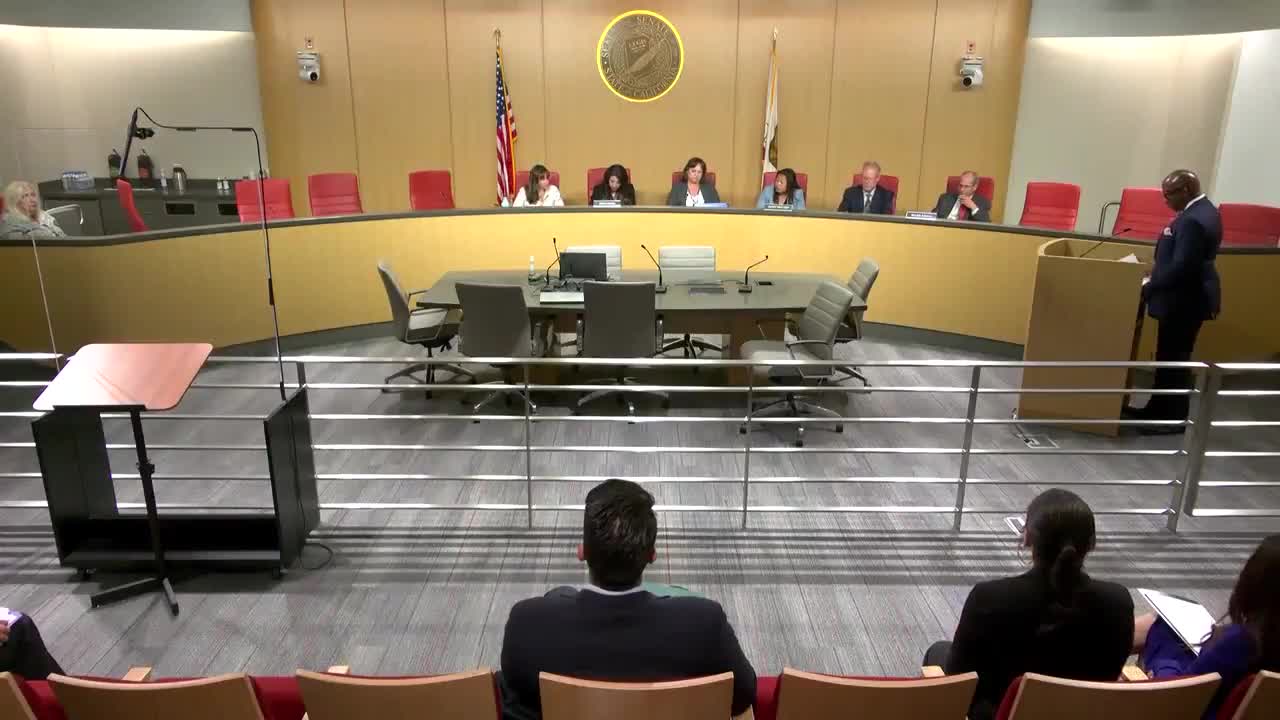 4MIN
Senate Standing Committee on Insurance
 1MIN
Assembly Floor
 2MIN
Assembly Standing Committee on Appropriations
 7MIN
Assembly Standing Committee on Insurance
58SEC
Assembly Standing Committee on Insurance
Bill Author

Bill Co-Author(s):