AB 922: Prepared Meals Delivery Program.
- Session Year: 2023-2024
- House: Assembly
- Latest Version Date: 2024-09-05
Current Status:
Failed
(2024-09-20: Vetoed by Governor.)
Introduced
In Committee
First Chamber
In Committee
Second Chamber
Enacted
What does this bill do?
Creates a Prepared Meals Delivery Program that would fund a community group to deliver discounted, restaurant-prepared meals directly to unhoused people in Alameda County. The chosen group must give people information about CalFresh (the state food benefits program) and Alameda County must report counts, locations, costs, spending breakdowns, and service needs to the state for evaluation.
The summary is provided by generative AI which can make mistakes. For original language, please view the details in the table below.
Existing law establishes various nutrition and housing assistance programs within the jurisdiction of the State Department of Social Services, including, among others, the CalFresh program, the State Emergency Food Assistance Program (CalFood), the Bringing Families Home Program, and the CalWORKs Housing Support Program.
This bill would, subject to an appropriation by the Legislature in the annual Budget Act or another statute for this purpose, require the department to establish the Prepared Meals Delivery Program for the purpose of providing meals to unhoused individuals. The bill would require the County of Alameda to participate in the program and to select a community-based organization as a grantee of funding for the program based on a bidding process, as specified.
The bill would require the delivery of food directly to unhoused encampments, as specified. The bill would require the grantee to provide to recipients information on enrollment within the CalFresh program as part of the grantees meal delivery services.
The bill would require the County of Alameda to submit periodic reports of performance data to the department during the course of implementing the program, as specified. The bill would require the department, no later than June 1, 2026, to submit a report to the Legislature evaluating the effectiveness of the program.
By creating new duties for the County of Alameda, the bill would impose a state-mandated local program.
This bill would make legislative findings and declarations as to the necessity of a special statute for the County of Alameda.
The California Constitution requires the state to reimburse local agencies and school districts for certain costs mandated by the state. Statutory provisions establish procedures for making that reimbursement.
This bill would provide that, if the Commission on State Mandates determines that the bill contains costs mandated by the state, reimbursement for those costs shall be made pursuant to the statutory provisions noted above.
Existing law establishes various nutrition and housing assistance programs within the jurisdiction of the State Department of Social Services, including, among others, the CalFresh program, the State Emergency Food Assistance Program (CalFood), the Bringing Families Home Program, and the CalWORKs Housing Support Program.
This bill would would, subject to an appropriation by the Legislature in the annual Budget Act or another statute for this purpose, require the department to establish the Prepared Meals Delivery Program for the purpose of providing meals to unhoused individuals, in order to contribute to lasting food security and a path to stable, permanent housing. individuals. The bill would require the County of Alameda to participate in the program and to select a community-based organization as a grantee of funding for the program based on a bidding process, as specified.
The bill would require the delivery of food directly to unhoused encampments, as specified, with an average cost of $14.50 per meal per day. specified. The bill would require the grantee to provide to recipients information on enrollment within the CalFresh program as part of the grantees meal delivery services.
The bill would require the County of Alameda to submit periodic reports of performance data to the department during the course of implementing the program. program, as specified. The bill would require the department, no later than June 1, 2026, to submit a report to the Legislature evaluating the effectiveness of the program.
By creating new duties for the County of Alameda, the bill would impose a state-mandated local program.
The bill would appropriate $6,000,000 from the General Fund to the department, for allocation to the County of Alameda over 3 years, for the purpose of implementing the program.This bill would make legislative findings and declarations as to the necessity of a special statute for the County of Alameda.
The California Constitution requires the state to reimburse local agencies and school districts for certain costs mandated by the state. Statutory provisions establish procedures for making that reimbursement.
This bill would provide that, if the Commission on State Mandates determines that the bill contains costs mandated by the state, reimbursement for those costs shall be made pursuant to the statutory provisions noted above.
Existing law establishes various nutrition and housing assistance programs within the jurisdiction of the State Department of Social Services, including, among others, the CalFresh program, the State Emergency Food Assistance Program (CalFood), the Bringing Families Home Program, and the CalWORKs Housing Support Program.
This bill would require the department to establish the Prepared Meals Delivery Program for the purpose of providing meals to unhoused individuals, in order to contribute to lasting food security and a path to stable, permanent housing. The bill would require the County of Alameda to participate in the program and to select a community-based organization as a grantee of funding for the program based on a bidding process, as specified.
The bill would require the delivery of food directly to unhoused encampments, as specified, with an average cost of $14.50 per meal per day. The bill would require the grantee to provide to recipients information on enrollment within the CalFresh program as part of the grantees meal delivery services.
The bill would require the County of Alameda to submit periodic reports of performance data to the department during the course of implementing the program. The bill would require the department, no later than June 1, 2026, to submit a report to the Legislature evaluating the effectiveness of the program.
By creating new duties for the County of Alameda, the bill would impose a state-mandated local program.
The bill would appropriate $6,000,000 from the General Fund to the department, for allocation to the County of Alameda over 3 years, for the purpose of implementing the program.
This bill would make legislative findings and declarations as to the necessity of a special statute for the County of Alameda.
The California Constitution requires the state to reimburse local agencies and school districts for certain costs mandated by the state. Statutory provisions establish procedures for making that reimbursement.
This bill would provide that, if the Commission on State Mandates determines that the bill contains costs mandated by the state, reimbursement for those costs shall be made pursuant to the statutory provisions noted above.
The Legislature finds and declares all of the following:
(a)It is the intent of the Legislature for this act to establish a meal delivery program to provide meals to unhoused individuals in order to contribute to lasting food security and a path to stable, permanent housing for unhoused individuals.
(b)Unlike other public-private partnerships that require federal registration, meals provided through meal delivery programs require less burden on small businesses that are not otherwise involved or familiar with the provision of social services.
(c)Meal delivery programs also deliver to offsite locations where food assistance is needed most, removing the daily barrier of long travel between encampments and retail centers that are less tolerant of temporary shelters.
SEC. 2.Chapter 5.6 (commencing with Section 18320) is added to Part 6 of Division 9 of the Welfare and Institutions Code, to read:5.6.Prepared Meals Delivery Program18320.(a)Subject to an appropriation by the Legislature in the annual Budget Act or another statute for this purpose, the State Department of Social Services shall establish the Prepared Meals Delivery Program for the purpose of providing meals to unhoused individuals.
(b)The County of Alameda shall participate in the program and shall select a community-based organization as a grantee of funding for the program based on a bidding process in accordance with applicable laws. The successful bidder shall demonstrate that it has a track record of successfully providing meal services for the unhoused community, and that it has known relationships with identified partners that will be providing the services.
(c)With an average cost that shall be discounted from retail cost, the food shall be delivered directly to unhoused encampments as identified by the community-based organization grantee, through a restaurant-based accessible prepared meal model. The grantee shall provide to recipients information on enrollment within the CalFresh program as part of the grantees meal delivery services.
(d)(1)The County of Alameda shall submit periodic reports of performance data to the department during the course of implementing the program, including, but not limited to, all of the following:
(A)The number of individuals served.
(B)The ZIP Code of the location where individuals are served.
(C)The average cost to serve each individual.
(D)An accounting of how funds were spent, including the percentage of funds that went to administration and operation.
(E)Information gathered from individuals served regarding needed services.
(2)No later than June 1, 2026, the department shall submit a report to the Legislature, in accordance with Section 9795 of the Government Code, evaluating the effectiveness of the program. This paragraph shall become inoperative on June 1, 2030.
SEC. 3.The Legislature finds and declares that a special statute is necessary and that a general statute cannot be made applicable within the meaning of Section 16 of Article IV of the California Constitution because of the unique circumstances of the County of Alameda with regard to its readiness to participate in the Prepared Meals Delivery Program based on the countys available infrastructure and services.
SEC. 4.If the Commission on State Mandates determines that this act contains costs mandated by the state, reimbursement to local agencies and school districts for those costs shall be made pursuant to Part 7 (commencing with Section 17500) of Division 4 of Title 2 of the Government Code.
The Legislature finds and declares all of the following:
(a)It is the intent of the Legislature for this act to establish a meal delivery program to provide meals to unhoused individuals in order to contribute to lasting food security and a path to stable, permanent housing for unhoused individuals.
(b)Unlike other public-private partnerships that require federal registration, meals provided through meal delivery programs require less burden on small businesses that are not otherwise involved or familiar with the provision of social services.
(c)Meal delivery programs also deliver to offsite locations where food assistance is needed most, removing the daily barrier of long travel between encampments and retail centers that are less tolerant of temporary shelters.
SECTION 1.SEC. 2.Chapter 5.6 (commencing with Section 18320) is added to Part 6 of Division 9 of the Welfare and Institutions Code, to read:5.6.Prepared Meals Delivery Program18320.(a)The Subject to an appropriation by the Legislature in the annual Budget Act or another statute for this purpose, the State Department of Social Services shall establish the Prepared Meals Delivery Program for the purpose of providing meals to unhoused individuals, in order to contribute to lasting food security and a path to stable, permanent housing. individuals.
(b)The County of Alameda shall participate in the program and shall select a community-based organization as a grantee of funding for the program based on a bidding process in accordance with applicable laws. The successful bidder shall demonstrate that it has a track record of successfully providing meal services for the unhoused community, and that it has known relationships with identified partners that will be providing the services.
(c)With an average cost of fourteen dollars and fifty cents ($14.50) per meal per day, that shall be discounted from retail cost, the food shall be delivered directly to unhoused encampments as identified by the community-based organization grantee, through a restaurant-based accessible prepared meal model. The grantee shall provide to recipients information on enrollment within the CalFresh program as part of the grantees meal delivery services.
(d)(1)The County of Alameda shall submit periodic reports of performance data to the department during the course of implementing the program. program, including, but not limited to, all of the following:
(A)The number of individuals served.
(B)The ZIP Code of the location where individuals are served.
(C)The average cost to serve each individual.
(D)An accounting of how funds were spent, including the percentage of funds that went to administration and operation.
(E)Information gathered from individuals served regarding needed services.
(2)No later than June 1, 2026, the department shall submit a report to the Legislature, in accordance with Section 9795 of the Government Code, evaluating the effectiveness of the program. This paragraph shall become inoperative on June 1, 2030.
(e)For the purpose of implementing the program described in this section, the sum of six million dollars ($6,000,000) is hereby appropriated from the General Fund to the department for allocation to the County of Alameda over three years.SEC. 2.SEC. 3.The Legislature finds and declares that a special statute is necessary and that a general statute cannot be made applicable within the meaning of Section 16 of Article IV of the California Constitution because of the unique circumstances of the County of Alameda with regard to its readiness to participate in the Prepared Meals Delivery Program based on the countys available infrastructure and services.
SEC. 3.SEC. 4.If the Commission on State Mandates determines that this act contains costs mandated by the state, reimbursement to local agencies and school districts for those costs shall be made pursuant to Part 7 (commencing with Section 17500) of Division 4 of Title 2 of the Government Code.
(a)The State Department of Social Services shall establish the Prepared Meals Delivery Program for the purpose of providing meals to unhoused individuals, in order to contribute to lasting food security and a path to stable, permanent housing.
(b)The County of Alameda shall participate in the program and shall select a community-based organization as a grantee of funding for the program based on a bidding process in accordance with applicable laws. The successful bidder shall demonstrate that it has a track record of successfully providing meal services for the unhoused community, and that it has known relationships with identified partners that will be providing the services.
(c)With an average cost of fourteen dollars and fifty cents ($14.50) per meal per day, the food shall be delivered directly to unhoused encampments as identified by the community-based organization grantee, through a restaurant-based accessible prepared meal model. The grantee shall provide to recipients information on enrollment within the CalFresh program as part of the grantees meal delivery services.
(d)(1)The County of Alameda shall submit periodic reports of performance data to the department during the course of implementing the program.
(2)No later than June 1, 2026, the department shall submit a report to the Legislature, in accordance with Section 9795 of the Government Code, evaluating the effectiveness of the program. This paragraph shall become inoperative on June 1, 2030.
(e)For the purpose of implementing the program described in this section, the sum of six million dollars ($6,000,000) is hereby appropriated from the General Fund to the department for allocation to the County of Alameda over three years.
SEC. 2.The Legislature finds and declares that a special statute is necessary and that a general statute cannot be made applicable within the meaning of Section 16 of Article IV of the California Constitution because of the unique circumstances of the County of Alameda with regard to its readiness to participate in the Prepared Meals Delivery Program based on the countys available infrastructure and services.
SEC. 3.If the Commission on State Mandates determines that this act contains costs mandated by the state, reimbursement to local agencies and school districts for those costs shall be made pursuant to Part 7 (commencing with Section 17500) of Division 4 of Title 2 of the Government Code.
|
Date
|
Status
|
|---|---|
| Sep 20, 2024 | Vetoed by Governor. |
| Sep 12, 2024 | Enrolled and presented to the Governor at 4 p.m. |
| Aug 31, 2024 | In Assembly. Ordered to Engrossing and Enrolling. |
| Aug 31, 2024 | Read third time. Passed. Ordered to the Assembly. (Ayes 29. Noes 8.). |
| Aug 19, 2024 | Read second time. Ordered to third reading. |
| Aug 15, 2024 | From committee: Do pass. (Ayes 4. Noes 2.) (August 15). |
| Aug 5, 2024 | In committee: Referred to APPR suspense file. |
| Jul 2, 2024 | From committee: Do pass and re-refer to Com. on APPR. (Ayes 3. Noes 0.) (July 1). Re-referred to Com. on APPR. |
| Jun 4, 2024 | In committee: Set, first hearing. Failed passage. Reconsideration granted. |
| May 1, 2024 | Referred to Com. on HUMAN S. |
| Jan 30, 2024 | In Senate. Read first time. To Com. on RLS. for assignment. |
| Jan 30, 2024 | Read third time. Passed. Ordered to the Senate. (Ayes 61. Noes 10. Page 3969.) |
| Jan 23, 2024 | Read second time. Ordered to third reading. |
| Jan 22, 2024 | Read second time and amended. Ordered returned to second reading. |
| Jan 18, 2024 | In committee: Set, second hearing. Referred to APPR. suspense file. |
| Jan 18, 2024 | From committee: Amend, and do pass as amended. (Ayes 12. Noes 3.) (January 18). |
| May 10, 2023 | In committee: Set, first hearing. Hearing canceled at the request of author. |
| Apr 26, 2023 | From committee: Do pass and re-refer to Com. on APPR. (Ayes 5. Noes 2.) (April 25). Re-referred to Com. on APPR. |
| Apr 18, 2023 | In committee: Set, first hearing. Hearing canceled at the request of author. |
| Feb 23, 2023 | Referred to Com. on HUM. S. |
| Feb 15, 2023 | From printer. May be heard in committee March 17. |
| Feb 14, 2023 | Read first time. To print. |
|
Date
|
Description
|
Location
|
Votes
|
|
|---|---|---|---|---|
| Aug 31, 2024 | Assembly 3rd Reading AB922 Wicks By Wahab | Senate Floor |
Passed |
|
| Aug 15, 2024 | Do pass | Senate Standing Committee on Appropriations |
Passed |
|
| Aug 5, 2024 | Placed on suspense file | Senate Standing Committee on Appropriations |
Passed |
|
| Jul 1, 2024 | Do pass, but first be re-referred to the Committee on [Appropriations] | Senate Standing Committee on Human Services |
Passed |
|
| Jun 3, 2024 | [First] hearing set for [06-04-2024]: Failed passage in Committee. Reconsideration granted | Senate Standing Committee on Human Services |
Passed |
|
| Jun 3, 2024 | Do pass, but first be re-referred to the Committee on [Appropriations] | Senate Standing Committee on Human Services |
Failed |
|
| Jan 30, 2024 | AB 922 Wicks Assembly Third Reading | Assembly Floor |
Passed |
|
| Jan 18, 2024 | Do pass as amended. | Assembly Standing Committee on Appropriations |
Passed |
|
| Apr 25, 2023 | Do pass and be re-referred to the Committee on [Appropriations] | Assembly Standing Committee on Human Services |
Passed |
This list shows positions taken on this bill by organizations on the date displayed, which is linked to the original source.
Positions by individuals are not included.
|
Organization
|
Position
|
Date
|
|---|---|---|
| Alameda County Board of Supervisors | ** Support | |
| Alameda County Social Services Agency | * Support | Apr 25, 2023 |
| Alma Bar Cocina | ** Support | |
| Bhk/so Good & Delicious INC. | ** Support | |
| Boss Bay Area | ** Support | |
| Community Kitchens | * Support | Jun 3, 2024 |
| Community Kitchens Oakland | * Support | Apr 25, 2023 |
| County Of Alameda | * Support | Jun 3, 2024 |
| County Welfare Directors Association of California | ** Support | |
| Homies Empowerment | ** Support | |
| Los Cocos Restaurante Salvadoreno | ** Support | |
| Mela Bistro Modern Ethiopian | ** Support | |
| Oakland City Of | ** Support | |
| Otaez Mexican Restaurant | ** Support | |
| People’s Programs | ** Support | |
| Ratto's International Market and Deli | ** Support | |
| Senior Services Coalition of Alameda County | ** Support | |
| Sister to Sister 2, INC. Dba Serenity House | ** Support | |
| The East Oakland Collective | ** Support | |
| West Oakland Punks With Lunch | ** Support | |
| Willie's Kitchen | ** Support | |
| Xingones Restaurant | ** Support |
GOVERNOR'S VETO
GV Bill Id:AB 922
Author:(Wicks)
As Enrolled Ver:September 5, 2024
2/3 vote
SUMMARY
Establishes the "Prepared Meals Delivery Program" (PMDP) in Alameda County.
Major Provisions:
- Requires the California Department of Social Services (CDSS), subject to an appropriation, to establish the PMDP for the purpose of providing meals to unhoused individuals.
- Requires Alameda County to participate in the program and select a community-based organization (CBO) as a grantee of funding for the program based on a bidding process in accordance with applicable laws.
- Requires the successful bidder to demonstrate that it has a track record of successfully providing meal services for the unhoused community, and that it has known relationships with identified partners that will be providing the services.
- Requires the food, with an average cost to be discounted from retail cost, to be delivered directly to unhoused encampments, as identified by the CBO grantee, through a restaurant-based accessible prepared meal model. Further requires the grantee to provide to recipients information on enrollment within the CalFresh program as part of the grantee's meal delivery services.
- Requires Alameda County to submit periodic reports of performance data to CDSS during the course of implementing the program, including, but not limited to, all of the following:
- The number of individuals served;
- The ZIP Code of the location where individuals are served;
- The average cost to serve individuals;
- An accounting of how funds were spent, including the percentage of funds that went to administration and operation; and,
- Information gathered from individuals served regarding needed services.
- Requires, no later than June 1, 2026, CDSS to submit a report to the Legislature evaluating the effectiveness of the program.
- States that the Legislature finds and declares that a special statute is necessary and that a general statute cannot be made applicable within the meaning of the California Constitution that states all laws of a general nature have uniform operation and a local or special statute is invalid if a general statute can be made applicable, because of the unique circumstances of Alameda County with regard to its readiness to participate in the PMDP based on the county's available infrastructure and services.
- Makes findings and declarations related to the benefits of meal delivery programs in order to contribute to lasting food security and a path to stable, permanent housing for unhoused individuals.
Governor’s Veto Message
This bill would require the Department of Social Services to establish a Prepared Meals Delivery Program for unhoused individuals and require Alameda County to participate.
I am supportive of efforts to transition our homeless population into supportive services, including access to treatment, food, and housing. Together with the Legislature, through both policy and budget actions, we have bolstered our state and local resources to help those who are homeless. This bill, however, is unfunded. Estimated costs to implement this bill are in the millions of dollars from the General Fund, depending on the number of counties that participate. This proposal should be considered as a part of our annual budget process.
In partnership with the Legislature this year, my Administration has enacted a balanced budget that avoids deep program cuts to vital services and protected investments in education, health care, climate, public safety, housing, and social service programs that millions of Californians rely on. It is important to remain disciplined when considering bills with significant fiscal implications that are not included in the budget, such as this measure.
COMMENTS
Background: Homelessness. The United States Department of Housing and Urban Development (HUD) conducts an annual report using data from local Continuums of Care (CoCs), known as the Point in Time (PIT) count. CoCs provide data to HUD regarding the number of individuals experiencing homeless on any given night, including individuals experiencing homelessness who are "sheltered" and living in temporary shelters and those who are "unsheltered" or living out in the open. In the 2022 Annual Homelessness Assessment Report, HUD found that 145,983 individuals experiencing homelessness lived in California, and of those, 111,206 were unsheltered. The impacts of homelessness are substantial and lasting. Housing insecurity is correlated with adverse health effects, including high rates of chronic disease, illness, and a broad range of mental health and substance use issues. The health, personal, and economic challenges that homeless individual’s face and the lack of coordinated services to address these problems often lead to a cycle of housing instability and health deterioration. These compounded factors only make it more difficult to exit homelessness and create barriers to the resources necessary for self-sufficiency.
The 2022 PIT report shows 21.5% increase in unhoused in Alameda County from 2019 to 2022. There are over 9,747 unhoused residents countywide, of which 7,100 residents in Alameda County are completely unsheltered. The 2022 PIT report also found that only 36% of unhoused residents are receiving food assistance. This bill would require PMDP grantees to provide recipients information on enrollment within the CalFresh program.
CalFresh. In California, Supplemental Nutrition Assistance Program (SNAP) funds are administered through the CalFresh program. SNAP is the federal program that provides states funds to offer nutritional benefits to low-income individuals and families. The United States Department of Agriculture (USDA) sets SNAP eligibility standards and includes income tests, work requirements, and required documentation to apply for the benefit. The benefit is meant to assist with access to food and is distributed through various sources, depending on the state. Formerly known as food stamps, the program provides specific eligibility requirements and funding to states, with implementation at the local level conducted through the county. CalFresh is under the purview of CDSS and is facilitated through the county human services agencies. Federal, state, and local governments share in the financial obligation of the program's administration. Individuals can complete the CalFresh application online, over the phone, in-person at their county CalFresh office, or through the mail. Eligible individuals in the state receive benefits through electronic cards, known as electronic benefit transfer cards, to purchase food items and seeds and plants that can be grown as food at home.
The USDA also sets the gross and net income requirements. As these requirements are set at the federal level, California has little flexibility in setting eligibility criteria for applicants and recipients. If a family passes the gross income test, the net income test is computed, and the amount is determined by deducting certain income from a household’s gross income. Currently, the maximum allowable gross income is 200% of the Federal Poverty Level, although households with elderly members or members with disabilities are not subject to gross income criteria. Effective October 1, 2022, through September 30, 2023, the maximum annual gross income for a household size of three is $46,080. Because CalFresh is funded federally, California has some, but limited, flexibility in changing eligibility for CalFresh. When computing income for purposes of determining CalFresh eligibility, certain income is exempt, such as in-kind benefits, meals, clothing, employer-provided housing, vendor payments, or money paid to a third party for a household expense by a person or organization outside of the household, among others.
Restaurant Meals Program (RMP) and Great Plates Delivered. Federal rules related to SNAP, and therefore CalFresh, prohibit the purchase of certain items, such as alcohol, vitamins and medicines, pet foods, food that will be eaten in the store, and hot foods. California began a pilot for the RMP in the early 2000s. In 2021, AB 942 (Weber), Chapter 814, Statutes of 2019, was enacted and now all 58 counties in California participate in RMP. RMP allows certain eligible CalFresh recipients who are experiencing homelessness, are over 60 years of age, have a disability, or a spouse of someone over 60 years of age, and/or have a disability to purchase hot and prepared foods from participating restaurants that would otherwise be prohibited. This is due to the unique challenges faced by these populations as it relates to ability to prepare food, and lack of access to necessary equipment. It can be hard for unhoused residents to find a food bank or even a participating RMP vendor due to barriers to transportation that many unhoused individuals face. "Whether it's to get to social service appointments, food banks, shelters, or any other resource, much time and energy is devoted to transportation…Many homeless people average 10-15 miles per day of walking" (Invisible People, “Being Homeless Takes a Lot of Work," Vantol, 2021).
On April 24, 2020, Governor Gavin Newsom announced the launch of a program called Great Plates Delivered. According to the Governor's Office, the program was designed to support adults 65 and older and adults 60-64 who are at high-risk from COVID-19 by delivering three meals a day, and also providing economic stimulus to local businesses and workers who were struggling to stay afloat during the COVID crisis. The Great Plates Delivered program ended on July 9, 2021, due to the end of federal program funding.
The provisions of this bill would go beyond how the RMP serves people and would build off of the model of the Great Plates program by delivering food to the unhoused so individuals are not forced to travel long distances in order to eat.
According to the Author
"Lack of support for accessible meal programs undermines efforts to reduce the unhoused population and is a barrier to healthy outcomes for our most vulnerable community members. Lack of accessibility means that the homeless and those living on the margins have to invest a disproportionate quantity of resources accessing nutrition, leaving less time for work, school, parenting and all the other activities individuals need to engage in to be fully integrated and independent members of the community. This inaccessibility is a barrier to independence and healthy life outcomes for our most vulnerable community members.
"This proposal would be informed by the lessons learned from the Great Plates program and would address the State's homeless humanitarian crisis. As a restaurant-based accessible meal model, the Great Plates program supported restaurants during the pandemic by providing an additional service base during COVID-related disruptions. The industry has yet to fully recover, so the "Peoples Plate" program as a restaurant-based accessible meal models will support restaurants and jobs throughout the state. In addition, this restaurant-based program will help create an industry-based surcharge model on restaurant dining that will help provide long-term sustainable funding for the meal program.
"The urgent need to address homelessness is significant across the state. Every county in California is trying to tackle the affordable housing crisis that is increasing the size of our unhoused population. Every $100 increase in median rent is associated with a 9 percent increase in the estimated homelessness rate, according to a 2020 report by the U.S. Government Accountability Office.
"The poverty rate in Oakland is twice as high as the national average and the cost of living is 54% higher than the national average. The poverty rate in east and west Oakland is twice as high as the rest of Oakland and nearly three times the national average. A household of living at or below the poverty line in Oakland could not afford the median rent for single room apartment with 100% of their income. Over 50% of Alameda County’s unhoused community live in Oakland."
Arguments in Support
The County of Alameda writes in support that, "Free congregate meal programs (aka "soup kitchens") supported by food banks are inaccessible to the clients they aim to serve and tend to increase marginalization of the unhoused as shown by research recently conducted by Chicago Council on Global Affairs. Similarly, CalFresh's Restaurant Meals Program provides access to few meal options outside of fast food in many counties. Other channels of governmental funding for prepared meals are focused on youth and senior meal programs, but practically nothing for unhoused adults who are the primary homeless demographic.
"Supportive services with free meal programs have proven to be effective at helping establish trust with the unhoused community and building rapport is essential for housing outreach teams to effectively offer safe, suitable housing options. Meal provision can be a critical tool in nurturing trust and collaborative partnership with the unhoused. The Prepared Meals Delivery Program would provide counties with the resources to enhance their work with community groups currently providing services for the unhoused."
Arguments in Opposition
No opposition on file.
FISCAL COMMENTS
According to the Assembly Appropriations Committee on January 18, 2024:
Estimated ongoing General Fund (GF) cost pressures of an unknown amount, potentially in the millions of dollars annually, to fund the program. For illustration, if 300 individuals were delivered one meal per day for one year, at a cost of $10 per meal, the annual cost would be $1.1 million. The bill requires Alameda County to participate, but does not preclude other counties from participating.
Estimated ongoing GF costs in the low- to mid-hundreds of thousands of dollars annually to CDSS for staff to establish, monitor and report on the program, contingent upon appropriation by the Legislature to fund the program.
Costs of an unknown amount, but likely minor, to the County of Alameda to submit periodic performance reports to CDSS. These costs are potentially reimbursable by the state, subject to a determination by the Commission on State Mandates.
VOTES
ASM HUMAN SERVICES: 5-2-1
YES: Jackson, Arambula, Bonta, Bryan, Calderon
NO: Sanchez, Alanis
ABS, ABST OR NV: Garcia
ASM APPROPRIATIONS: 12-3-1
YES: Holden, Arambula, Wood, Calderon, Connolly, Mike Fong, Grayson, Haney, Hart, Lowenthal, Pellerin, Villapudua
NO: Sanchez, Dixon, Ta
ABS, ABST OR NV: Megan Dahle
ASSEMBLY FLOOR: 61-10-9
YES: Aguiar-Curry, Alvarez, Arambula, Bains, Bauer-Kahan, Bennett, Berman, Boerner, Bonta, Bryan, Calderon, Juan Carrillo, Wendy Carrillo, Cervantes, Connolly, Mike Fong, Friedman, Gabriel, Garcia, Gipson, Grayson, Haney, Hart, Holden, Irwin, Jackson, Jones-Sawyer, Kalra, Lee, Low, Lowenthal, Maienschein, McCarty, McKinnor, Muratsuchi, Stephanie Nguyen, Ortega, Pacheco, Papan, Pellerin, Petrie-Norris, Quirk-Silva, Ramos, Rendon, Reyes, Luz Rivas, Rodriguez, Blanca Rubio, Santiago, Schiavo, Soria, Ting, Valencia, Villapudua, Ward, Weber, Wicks, Wilson, Wood, Zbur, Robert Rivas
NO: Alanis, Chen, Davies, Dixon, Essayli, Gallagher, Mathis, Sanchez, Ta, Wallis
ABS, ABST OR NV: Addis, Megan Dahle, Flora, Vince Fong, Hoover, Lackey, Jim Patterson, Joe Patterson, Waldron
SENATE FLOOR: 30-8-2
YES: Allen, Archuleta, Ashby, Atkins, Becker, Bradford, Caballero, Cortese, Dodd, Durazo, Eggman, Glazer, Gonzalez, Hurtado, Laird, Limón, McGuire, Menjivar, Min, Newman, Padilla, Portantino, Roth, Rubio, Skinner, Smallwood-Cuevas, Stern, Umberg, Wahab, Wiener
NO: Alvarado-Gil, Dahle, Jones, Nguyen, Niello, Ochoa Bogh, Seyarto, Wilk
ABS, ABST OR NV: Blakespear, Grove
UPDATED
VERSION: September 5, 2024
CONSULTANT: Alexandria Smith / HUM. S. / (916) 319-2089 FN: 0005122
SENATE RULES COMMITTEE Office of Senate Floor Analyses (916) 651-1520 Fax: (916) 327-4478 | AB 922 |
THIRD READING
Bill No: AB 922
Author: Wicks (D)
Amended: 1/22/24 in Assembly
Vote: 21
SENATE HUMAN SERVICES COMMITTEE: 2-1, 6/3/24
AYES: Blakespear, Menjivar
NOES: Ochoa Bogh
NO VOTE RECORDED: Alvarado-Gil, Hurtado
SENATE HUMAN SERVICES COMMITTEE: 3-0, 7/1/24
AYES: Blakespear, Limón, Menjivar
NO VOTE RECORDED: Alvarado-Gil, Ochoa Bogh
SENATE APPROPRIATIONS COMMITTEE: 4-2, 8/15/24
AYES: Caballero, Ashby, Becker, Wahab
NOES: Jones, Seyarto
NO VOTE RECORDED: Bradford
ASSEMBLY FLOOR: 61-10, 1/30/24 - See last page for vote
SUBJECT: Prepared Meals Delivery Program
SOURCE: Alameda County Board of Supervisors
DIGEST:
This bill requires the California Department of Social Services (CDSS) to establish the Prepared Meals Delivery Program for the purpose of providing meals to unhoused individuals, subject to an appropriation. This bill requires the County of Alameda to participate in the Prepared Meals Delivery Program, and requires the County of Alameda to perform program-related functions.
ANALYSIS:
Existing law:
- Establishes under federal law the Supplemental Nutrition Assistance Program (SNAP) to promote the general welfare and to safeguard the health and wellbeing of the nation’s population by raising the levels of nutrition among low-income households. (7 USC Section 2011 et seq.)
- Establishes the CalFresh program to administer the provision of federal SNAP benefits to families and individuals meeting specified criteria. (WIC 18900 et seq.)
- Defines “eligible foods” to include any food or food product intended for human consumption except alcoholic beverages, tobacco, and hot foods and hot food products prepared for immediate consumption; meals prepared and delivered by an authorized meal delivery service or meals served by an authorized communal dining facility for the elderly, Social Security Income households or both, to households eligible to use SNAP benefits for communal dining; among others, as specified. (7 CFR 271.2)
- Establishes the Restaurant Meals Program (RMP) under SNAP to allow eligible recipients who are experiencing homelessness, are elderly, or have a disability to purchase hot, prepared food from participating restaurants. (7 USC 2020, WIC 18919 et seq.)
- Defines “restaurant” to include, but is not limited to, an on-campus qualifying food facility, an eat-in establishment, a grocery store delicatessen, and a takeaway-only restaurant. (WIC 18919(g))
This bill:
- States the Legislature’s intent for this act to establish a meal delivery program to provide meals to unhoused individuals in order to contribute to lasting food security and a path to stable, permanent housing for unhoused individuals. States that, unlike other public-private partnerships that require federal registration, meals provided through meal delivery programs require less burden on small businesses that are not otherwise involved or familiar with the provision of social services. States that meal delivery programs also deliver to offsite locations where food assistance is needed most, removing the daily barrier of long travel between encampments and retail centers that are less tolerant of temporary shelters.
- Requires CDSS, subject to an appropriation in the annual Budget Act or another statute for this purpose, to establish the Prepared Meals Delivery Program for the purpose of providing meals to unhoused individuals.
- Requires the County of Alameda to participate in the Prepared Meals Delivery Program and to select a community-based organization as a grantee of funding for the Prepared Meals Delivery Program based on a bidding process, as specified. Requires the successful bidder to demonstrate that it has a track record of successfully providing meal services for the unhoused community, and that it has known relationships with identified partners that will be providing the services.
- With an average cost that shall be discounted from retail cost, requires food to be delivered directly to unhoused encampments as identified by the community-based organization grantee through a restaurant-based accessible prepared meal model. Requires the grantee to provide information to recipients on enrollment into the CalFresh program as part of meal delivery services.
- Requires the County of Alameda to submit periodic reports of performance data to CDSS during the course of implementing the Prepared Meals Delivery Program, including, but not limited to, all of the following:
- The number of individuals served.
- The ZIP Code of the location where individuals are served.
- The average cost to serve each individual.
- An accounting for how funds were spent, including the percentage of funds that went to administration and operation.
- Information gathered from individuals served regarding needed services.
- Requires CDSS, no later than June 1, 2026, to submit a report to the Legislature, as specified, evaluating the effectiveness of the Prepared Meals Delivery Program. Makes this provision inoperative on June 1, 2030.
- States legislative findings and declarations that a special statute is necessary and that a general statue cannot be made applicable within the meaning of the California Constitution because of the unique circumstances of the County of Alameda with regard to its readiness to participate in the Prepared Meals Delivery Program based on the county’s available infrastructure and services.
- States if the Commission on State Mandates determines that this act contains costs mandated by the state, reimbursement to local agencies for those costs shall be made pursuant to Part 7 of Division 4 of Title 2 of Government Code.
Background
Homelessness in California. Since 2016, homelessness in the U.S. has been growing at an increasing rate. Homelessness has been correlated with a number of negative effects, including high rates of chronic disease and acute illness, mental health and substance use issues, greater exposure to violence, malnutrition, extreme weather, and criminal charges. The health, personal, and economic challenges faced by individuals and families experiencing chronic homelessness and the lack of effective, coordinated services to address these problems often lead to a cycle of housing instability and health deterioration. Persistent homelessness impedes access to needed health and employment services. Additionally, the conditions of homelessness often make it more difficult to exit homelessness by creating barriers to the resources necessary to obtain income through training, education, and employment.
In 2023, California counted 181,399 people experiencing homelessness, 68% of which were unsheltered. California’s unsheltered homeless population accounted for 49 percent of all people experiencing unsheltered homelessness in the U.S. (123,423 people), over nine times the number of unsheltered people in Oregon, the state with the next highest number (13,004).
In 2022, the Alameda County Point-in-Time count showed a 21.5 percent increase in people experiencing homelessness in Alameda County between 2019 and 2022. There are over 9,747 residents experiencing homelessness countywide, of which 7,100 residents in Alameda County are completely unsheltered. The 2022 Point-in-Time report also found that only 36 percent of residents experiencing homelessness are receiving food assistance. It can be hard for people experiencing homelessness to find a food bank or even a participating Restaurant Meals Program vendor due to travel barriers. According to Invisible People, “Whether it’s to get to social service appointments, food banks, shelters, or any other resource, much time and energy is devoted to transportation… Many homeless people average 10-15 miles per day of walking”.
Food Insecurity in California. Food is a basic need and is becoming harder to obtain for more and more Californians. The combined effects of the COVID-19 pandemic, housing and food related inflation, wildfires, and drought have had a great effect on food security across the state. In 2020, the overall rate of food insecurity remained steady nationally at about 10.5 percent of U.S. households. Yet, the rate of food insecurity among Black households rose to 21.7 percent (3.63 million), and for Hispanic/Latinx households the rate rose to 17.2 percent (3.18 million). This indicates that Black and Hispanic households were more heavily impacted by food insecurity in 2020 than other racial and ethnic groups. As of early 2022, one of every ten adults in California report that they struggle to consistently put enough food on their table.
People experiencing food insecurity are disproportionately affected by chronic diseases such as heart disease, obesity, diabetes, and high blood pressure. In addition, not having enough healthy food can have serious impacts on a child’s physical and mental health, academic achievement, and future economic prosperity. Research shows an association between food insecurity and delayed development in young children; risk of chronic illnesses like asthma and anemia; and behavioral problems like hyperactivity, anxiety, and aggression in school-age children.
CalFresh. CalFresh, California’s version of federal SNAP benefits and the state’s largest nutrition assistance program, provides monthly food benefits to qualified low-income individuals and families to assist with the purchase of the food they need to maintain adequate nutrition levels. During fiscal year 2022–23, the total caseload for CalFresh was 2,943,081, a 13.1 percent change from the prior fiscal year.
The CalFresh program is administered by CDSS at the state level and by counties at the local level. CalFresh benefits are federally funded and national income eligibility standards and benefit levels are established by the federal government. Although benefits are federally funded, costs to administer the program are shared by state, county, and federal governments.
California determines CalFresh eligibility by checking whether the applicant’s gross monthly income is 200 percent of the federal poverty level or less for their household size. Households with seniors or disabled members are not subject to the gross income criteria; however, their net monthly income must be 100 percent of the federal poverty level or below. The benefit amount a household may receive is dependent upon various circumstances such as household size, countable income, and monthly household expenses. Benefits are made available to recipients on an EBT card, which is similar to an automated teller machine card and allows an individual to purchase food at point-of-sale devices in stores and farmers’ markets.
Restaurant Meals Program (RMP) For most recipients, federal SNAP rules limit the purchase of items with SNAP benefits to only non-prepared food items, such as breads, meats, fruits, and vegetables. Non-food items such as pet food and soap, as well as any hot foods or foods that will be eaten in the store, cannot be purchased using SNAP benefits. A growing number of advocates and academics have warned that many Americans “no longer have the time, skills, resources or physical ability to prepare the kinds of recipes” envisioned at the launch of the nutrition assistance program.
The RMP was created to help expand access to food for people who are aged 60 or older (or their spouse), living with a disability (or their spouse), or experiencing homelessness who do not have a place to store and cook food. The RMP enables qualified SNAP recipients to purchase hot prepared food in authorized restaurants.
In September 2021, CDSS expanded the RMP statewide with the implementation of AB 942 (Weber, Chapter 814, Statutes of 2019), with CDSS administering the RMP in counties that have chosen to opt-out of running the program locally. According to CDSS, in July 2021, there were 204,772 unique CalFresh clients making RMP purchases statewide. As of June 2022, there were 2,358 restaurants that are federally authorized to participate in California’s RMP.
Great Plates Delivered. On April 24, 2020, Governor Newsom announced the launch of the Great Plates Delivered program, a first-in-the-nation emergency program to help seniors and other adults at high risk from COVID-19 to stay home and stay healthy by delivering three nutritious meals a day. The Great Plates Delivered program was established to serve older Californians who were ineligible for other nutrition programs, such as CalFresh, and earned less than 600% of the federal poverty limit. The Great Plates Delivered program enlisted community restaurants to prepare meals, which supported local restaurant workers and owners who had lost business during the pandemic.
The Great Plates Delivered program was managed jointly by the California Governor’s Office of Emergency Services (Cal OES), the California Department of Aging, and the California Health and Human Services Agency. The program received 75 percent Federal Emergency Management Agency reimbursement, and the remaining 25 percent was funded through state and local funds. The program was operational in 40 of the state’s 58 counties, including Alameda County. According to Cal OES, the program delivered over 37 million meals to eligible participants across 41 local governments (10 Area Agencies on Aging, 10 counties, and 21 cities) and served over 55,000 older Californians. According to a report by the Berkeley Food Institute, estimated spending through March 2021 totaled $557 million.
Alameda County Emergency Food Vendor Program. In response to a rapid increase in residents’ needs for food assistance during the COVID-19 crisis, Alameda County established the Emergency Food Vendor Program to deliver prepared meals to people experiencing homelessness, shut-in seniors, and COVID patients. The County funded the program using federal Coronavirus Aid, Relief, and Economic Security (CARES) Act and American Rescue Plan Act (ARPA) funds to pay for meals and delivery. According to the bill sponsors, the Emergency Food Vendor Program utilized a “meals plus” model, which linked meal recipients with other support services such as housing assistance agencies and health clinics. Alameda County’s Emergency Food Vendor Program ended in 2021.
Comments
This bill seeks to make it easier for individuals who are unhoused to have access to food. The unhoused population may be unable to benefit from food or meal services due to lack of access to kitchen storage, cooking tools, or physical distance from soup kitchens or restaurants that participate in the RMP.
This bill would create the Prepared Meals Delivery Program at CDSS as a statewide version of Alameda County’s Emergency Food Vendor Program. The bill specifies that Alameda County must participate, but does not specify whether other counties may participate in the program.
Related/Prior Legislation
AB 2100 (Carrillo, 2021) would have required CDSS to seek federal waivers to allow the CalFresh Restaurant Meal Program (RMP) to be expanded to serve all CalFresh recipients, not just adults aged 60 or older and their spouses, people with disabilities and their spouses, and people experiencing homelessness. This bill would also have expanded the eligible places a person could get food to include military commissaries and “locations within a grocery store where one can purchase ready-to-eat foods.” AB 2100 was held on the suspense file in the Senate Appropriations Committee.
AB 942 (Weber, Chapter 814, Statutes of 2019) required the CDSS to establish a statewide Restaurant Meals Program (RMP).
FISCAL EFFECT: Appropriation: No Fiscal Com.: Yes Local: Yes
According to the Senate Appropriations Committee,
- “Unknown General Fund costs for providing meals, potentially millions, depending on the number of counties that participate in the program.”
- “Unknown General Fund costs to the CDSS for state administration.”
- “Costs to Alameda County for administration would be potentially reimbursable by the state, subject to a determination by the Commission on State Mandates.”
SUPPORT:
Alameda County Board of Supervisors (source)
Alma Bar Cocina
Bhk/so Good & Delicious INC.
Boss Bay Area
County Welfare Directors Association of California
Homies Empowerment
Los Cocos Restaurante Salvadoreno
Mela Bistro Modern Ethiopian
Oakland; City of
Otaez Mexican Restaurant
People’s Programs
Ratto's International Market and Deli
Sister to Sister 2, INC. Dba Serenity House
The East Oakland Collective
West Oakland Punks With Lunch
Willie's Kitchen
Xingones Restaurant
OPPOSITION:
None received
ASSEMBLY FLOOR: 61-10, 1/30/24
AYES: Aguiar-Curry, Alvarez, Arambula, Bains, Bauer-Kahan, Bennett, Berman, Boerner, Bonta, Bryan, Calderon, Juan Carrillo, Wendy Carrillo, Cervantes, Connolly, Mike Fong, Friedman, Gabriel, Garcia, Gipson, Grayson, Haney, Hart, Holden, Irwin, Jackson, Jones-Sawyer, Kalra, Lee, Low, Lowenthal, Maienschein, McCarty, McKinnor, Muratsuchi, Stephanie Nguyen, Ortega, Pacheco, Papan, Pellerin, Petrie-Norris, Quirk-Silva, Ramos, Rendon, Reyes, Luz Rivas, Rodriguez, Blanca Rubio, Santiago, Schiavo, Soria, Ting, Valencia, Villapudua, Ward, Weber, Wicks, Wilson, Wood, Zbur, Robert Rivas
NOES: Alanis, Chen, Davies, Dixon, Essayli, Gallagher, Mathis, Sanchez, Ta, Wallis
NO VOTE RECORDED: Addis, Megan Dahle, Flora, Vince Fong, Hoover, Lackey, Jim Patterson, Joe Patterson, Waldron
Prepared by: Diana Dominguez / HUMAN S. / (916) 651-1524
8/16/24 12:47:26
SENATE COMMITTEE ON
Senator Anna Caballero, Chair
2023 - 2024 Regular Session
AB 922 (Wicks) - Prepared Meals Delivery Program
Version: | Policy Vote: |
Urgency: | Mandate: |
Hearing Date: | Consultant: |
Bill Summary:
AB 922 would require the California Department of Social Services (CDSS) to establish the Prepared Meals Delivery Program for the purpose of providing meals to unhoused individuals.
Fiscal Impact:
- Unknown General Fund costs for providing meals, potentially millions, depending on the number of counties that participate in the program.
- Unknown General Fund costs to the CDSS for state administration.
- Costs to Alameda County for administration would be potentially reimbursable by the state, subject to a determination by the Commission on State Mandates.
Background:
The CalFresh program provides monthly food benefits to qualified low-income individuals and families to assist with the purchase of the food they need to maintain adequate nutrition levels. The program is administered by CDSS at the state level and by counties at the local level. CalFresh benefits are federally funded and national income eligibility standards and benefit levels are established by the federal government. Although benefits are federally funded, costs to administer the program are shared by state, county, and federal governments.
CalFresh benefits are available to recipients through an EBT card, which is similar to an automated teller machine card and allows an individual to purchase food at point-of-sale devices in stores and farmers’ markets. The Restaurant Meals Program (RMP) was created to help expand access to food for people who are aged 60 or older (or their spouse), living with a disability (or their spouse), or experiencing homelessness who do not have a place to store and cook food. The RMP enables qualified CalFresh recipients to purchase hot prepared food in authorized restaurants.
In 2020, Alameda County established the Emergency Food Vendor Program to deliver prepared meals to people experiencing homelessness, shut-in seniors, and COVID patients. Alameda County funded the program using federal Coronavirus Aid, Relief, and Economic Security (CARES) Act and American Rescue Plan Act (ARPA) funds to pay for meals and delivery. Alameda County’s Emergency Food Vendor Program ended in 2021.
Proposed Law:
Specific provisions of the bill would:
- Require the CDSS, subject to an appropriation, to establish the Prepared Meals Delivery Program for the purpose of providing meals to unhoused individuals.
- Require Alameda County to participate in the program and to select a community-based organization as a grantee of funding for the program based on a bidding process, as specified.
- Require the food to be delivered directly to unhoused encampments as identified by the community-based organization grantee, through a restaurant-based accessible prepared meal model.
- Require the grantee to provide to recipients information on enrollment within the CalFresh program as part of the grantee’s meal delivery services.
- Require CDSS, no later than June 1, 2026, to submit a report to the Legislature evaluating the effectiveness of the program.
-- END --
SENATE COMMITTEE ON HUMAN SERVICES
Senator Alvarado-Gil, Chair
2023 - 2024 Regular
Bill No: | AB 922 | ||
Author: | Wicks | ||
Version: | January 22, 2024 | Hearing Date: | July 1, 2024 |
Urgency: | No | Fiscal: | Yes |
Consultant: | Diana Dominguez | ||
Subject: Prepared Meals Delivery Program
SUMMARY
This bill requires the California Department of Social Services (CDSS) to establish the Prepared Meals Delivery Program for the purpose of providing meals to unhoused individuals, subject to an appropriation. This bill requires the County of Alameda to participate in the Prepared Meals Delivery Program, and requires the County of Alameda to select, through a bidding process, a community-based organization as a grantee for program funding. This bill requires the County of Alameda to submit performance data reports to CDSS during program implementation, and requires CDSS to submit a program effectiveness report to the Legislature by June 1, 2026.
ABSTRACT
Existing Law:
- Establishes under federal law the Supplemental Nutrition Assistance Program (SNAP) to promote the general welfare and to safeguard the health and wellbeing of the nation’s population by raising the levels of nutrition among low-income households. (7 USC Section 2011 et seq.)
- Establishes the CalFresh program to administer the provision of federal SNAP benefits to families and individuals meeting specified criteria. (WIC 18900 et seq.)
- Defines “eligible foods” to include any food or food product intended for human consumption except alcoholic beverages, tobacco, and hot foods and hot food products prepared for immediate consumption; meals prepared and delivered by an authorized meal delivery service or meals served by an authorized communal dining facility for the elderly, Social Security Income households or both, to households eligible to use SNAP benefits for communal dining; among others, as specified. (7 CFR 271.2)
- Establishes the Restaurant Meals Program (RMP) under SNAP to allow eligible recipients who are experiencing homelessness, are elderly, or have a disability to purchase hot, prepared food from participating restaurants. (7 USC 2020, WIC 18919 et seq.)
- Defines “restaurant” to include, but is not limited to, an on-campus qualifying food facility, an eat-in establishment, a grocery store delicatessen, and a takeaway-only restaurant. (WIC 18919(g))
This Bill:
- States the Legislature’s intent for this act to establish a meal delivery program to provide meals to unhoused individuals in order to contribute to lasting food security and a path to stable, permanent housing for unhoused individuals. States that, unlike other public-private partnerships that require federal registration, meals provided through meal delivery programs require less burden on small businesses that are not otherwise involved or familiar with the provision of social services. States that meal delivery programs also deliver to offsite locations where food assistance is needed most, removing the daily barrier of long travel between encampments and retail centers that are less tolerant of temporary shelters.
- Requires CDSS, subject to an appropriation in the annual Budget Act or another statute for this purpose, to establish the Prepared Meals Delivery Program for the purpose of providing meals to unhoused individuals.
- Requires the County of Alameda to participate in the Prepared Meals Delivery Program and to select a community-based organization as a grantee of funding for the Prepared Meals Delivery Program based on a bidding process, as specified. Requires the successful bidder to demonstrate that it has a track record of successfully providing meal services for the unhoused community, and that it has known relationships with identified partners that will be providing the services.
- With an average cost that shall be discounted from retail cost, requires food to be delivered directly to unhoused encampments as identified by the community-based organization grantee through a restaurant-based accessible prepared meal model. Requires the grantee to provide information to recipients on enrollment into the CalFresh program as part of meal delivery services.
- Requires the County of Alameda to submit periodic reports of performance data to CDSS during the course of implementing the Prepared Meals Delivery Program, including, but not limited to, all of the following:
- The number of individuals served.
- The ZIP Code of the location where individuals are served.
- The average cost to serve each individual.
- An accounting for how funds were spent, including the percentage of funds that went to administration and operation.
- Information gathered from individuals served regarding needed services.
- Requires CDSS, no later than June 1, 2026, to submit a report to the Legislature, as specified, evaluating the effectiveness of the Prepared Meals Delivery Program. Makes this provision inoperative on June 1, 2030.
- States legislative findings and declarations that a special statute is necessary and that a general statue cannot be made applicable within the meaning of the California Constitution because of the unique circumstances of the County of Alameda with regard to its readiness to participate in the Prepared Meals Delivery Program based on the county’s available infrastructure and services.
- States if the Commission on State Mandates determines that this act contains costs mandated by the state, reimbursement to local agencies for those costs shall be made pursuant to Part 7 of Division 4 of Title 2 of Government Code.
FISCAL IMPACT
According to the Assembly Appropriations Committee analysis:
- “Estimated ongoing General Fund cost pressures of an unknown amount, potentially in the millions of dollars annually, to fund the program. For illustration, if 300 individuals were delivered one meal per day for one year, at a cost of $10 per meal, the annual cost would be $1.1 million. The bill requires Alameda County to participate, but does not preclude other counties from participating.
- Estimated ongoing General Fund costs in the low- to mid-hundreds of thousands of dollars annually to CDSS for staff to establish, monitor, and report on the Program, contingent upon appropriation by the Legislature to fund the Program.
- Costs of an unknown amount, but likely minor, to the County of Alameda to submit periodic performance reports to CDSS. These costs are potentially reimbursable by the state, subject to a determination by the Commission on State Mandates.”
BACKGROUND AND DISCUSSION
Purpose of the Bill:
According to the author, “Meal provision is a critical tool in nurturing trust and collaborative partnership with the unhoused. Supportive services with free meal programs have proven to be effective at establishing trust with the unhoused community; building this rapport is essential for housing outreach teams to effectively offer safe, suitable housing options. The Prepared Meals Delivery Program supported by AB 922 would provide counties with resources to enhance their work with community groups currently providing services with the unhoused, and help ensure that committed resources contribute to lasting food security and a path to stable, permanent housing. In addition, the bill supports small, local restaurants who continue to be challenged after the strain and uncertainty of the pandemic with record low unemployment rates, a high cost of goods, low profit margins, and competition for labor by fast food restaurants that are now required to pay $20 per hour wages, following the passage of AB 1228.”
Homelessness in California
Since 2016, homelessness in the U.S. has been growing at an increasing rate. Homelessness has been correlated with a number of negative effects, including high rates of chronic disease and acute illness, mental health and substance use issues, greater exposure to violence, malnutrition, extreme weather, and criminal charges. The health, personal, and economic challenges faced by individuals and families experiencing chronic homelessness and the lack of effective, coordinated services to address these problems often lead to a cycle of housing instability and health deterioration. Persistent homelessness impedes access to needed health and employment services. Additionally, the conditions of homelessness often make it more difficult to exit homelessness by creating barriers to the resources necessary to obtain income through training, education, and employment.
As a condition for federal funding, the U.S. Department of Housing and Urban Development (HUD) requires local community Continuums of Care to conduct an annual Point-in-Time count of people experiencing homelessness. The Point-in-Time count includes people experiencing homelessness who are “sheltered” or living in temporary shelters, and those who are “unsheltered” or living out in the open or in places not designated for or ordinarily used as a regular sleeping accommodation for people (i.e., the streets, vehicles, parks). In 2023, California counted 181,399 people experiencing homelessness, 68% of which were unsheltered. California’s unsheltered homeless population accounted for 49 percent of all people experiencing unsheltered homelessness in the U.S. (123,423 people), over nine times the number of unsheltered people in Oregon, the state with the next highest number (13,004).[1]
The 2022 Alameda Point-in-Time count[2] shows a 21.5 percent increase in people experiencing homelessness in Alameda County between 2019 and 2022. There are over 9,747 residents experiencing homelessness countywide, of which 7,100 residents in Alameda County are completely unsheltered. The 2022 Point-in-Time report also found that only 36 percent of residents experiencing homelessness are receiving food assistance. It can be hard for people experiencing homelessness to find a food bank or even a participating Restaurant Meals Program vendor due to travel barriers. According to Invisible People, “Whether it’s to get to social service appointments, food banks, shelters, or any other resource, much time and energy is devoted to transportation… Many homeless people average 10-15 miles per day of walking”[3].
Food Insecurity in California
Food is a basic need and is becoming harder to obtain for more and more Californians. The combined effects of the COVID-19 pandemic, housing and food related inflation, wildfires, and drought have had a great effect on food security across the state. In 2020, the overall rate of food insecurity remained steady nationally at about 10.5 percent of U.S. households. Yet, the rate of food insecurity among Black households rose to 21.7 percent (3.63 million), and for Hispanic/Latinx households the rate rose to 17.2 percent (3.18 million). This indicates that Black and Hispanic households were more heavily impacted by food insecurity in 2020 than other racial and ethnic groups.[4] As of early 2022, one of every ten adults in California report that they struggle to consistently put enough food on their table.[5]
People experiencing food insecurity are disproportionately affected by chronic diseases such as heart disease, obesity, diabetes, and high blood pressure. In addition, not having enough healthy food can have serious impacts on a child’s physical and mental health, academic achievement, and future economic prosperity. Research shows an association between food insecurity and delayed development in young children; risk of chronic illnesses like asthma and anemia; and behavioral problems like hyperactivity, anxiety, and aggression in school-age children.
CalFresh
CalFresh, California’s version of federal SNAP benefits, provides monthly food benefits to qualified low-income individuals and families to assist with the purchase of the food they need to maintain adequate nutrition levels. CalFresh is the largest nutrition assistance program in California. During fiscal year 2022–23, the total caseload for CalFresh was 2,943,081, a 13.1 percent change from the prior fiscal year.[6]
The CalFresh program is administered by CDSS at the state level and by counties at the local level. CalFresh benefits are federally funded and national income eligibility standards and benefit levels are established by the federal government. Although benefits are federally funded, costs to administer the program are shared by state, county, and federal governments.
California determines CalFresh eligibility by checking whether the applicant’s gross monthly income is 200 percent of the federal poverty level or less for their household size. That means for a household of three in California, the maximum gross monthly income for CalFresh eligibility is $3,840. For a household of one in California, the maximum gross monthly income for CalFresh eligibility is $2,266.[7] Households with seniors or disabled members are not subject to the gross income criteria; however, their net monthly income must be 100 percent of the federal poverty level or below.
The benefit amount a household may receive is dependent upon various circumstances such as household size, countable income, and monthly household expenses. Benefits are made available to recipients on an EBT card, which is similar to an automated teller machine card and allows an individual to purchase food at point-of-sale devices in stores and farmers’ markets. As a result of the federal Families First Coronavirus Response Act, all CalFresh recipients received the maximum allowable benefit amount based on household size during the federal COVID-19 public health emergency declaration. The COVID-19 public health emergency declaration ended on May 11, 2023.
Restaurant Meals Program (RMP)
For most recipients, federal SNAP rules limit the purchase of items with SNAP benefits to only non-prepared food items, such as breads, cereals, meats, fruits, vegetables, and seeds or plants that a household can grow in order to produce food. Non-food items such as pet food and soap, as well as any hot foods or foods that will be eaten in the store cannot be purchased using SNAP benefits. A growing number of advocates and academics have warned that many Americans “no longer have the time, skills, resources or physical ability to prepare the kinds of recipes” envisioned at the launch of the nutrition assistance program.[8]
The RMP was created to help expand access to food for people who are aged 60 or older (or their spouse), living with a disability (or their spouse), or experiencing homelessness who do not have a place to store and cook food. The RMP enables qualified SNAP recipients to purchase hot prepared food in authorized restaurants.
Seven states—Arizona, California, Illinois, Maryland, Michigan, Rhode Island, and Virginia—operate a RMP. The California RMP was previously offered as a county option. In September 2021, CDSS expanded the RMP statewide with the implementation of AB 942 (Weber, Chapter 814, Statutes of 2019), with CDSS administering the RMP in counties that have chosen to opt-out of running the program locally. According to CDSS, in July 2021, there were 204,772 unique CalFresh clients making RMP purchases statewide. As of June 2022, there were 2,358 restaurants that are federally authorized to participate in California’s RMP.
Great Plates Delivered
On April 24, 2020, Governor Newsom announced the launch of the Great Plates Delivered program, a first-in-the-nation emergency program to help seniors and other adults at high risk from COVID-19 to stay home and stay healthy by delivering three nutritious meals a day. The Great Plates Delivered program was established to serve older Californians who were ineligible for other nutrition programs, such as CalFresh and the Older Americans Act Elderly Nutrition Program, and earn less than 600% of the federal poverty limit. The Great Plates Delivered program enlisted community restaurants to prepare meals, which supported local restaurant workers and owners who had lost business during the pandemic.
The Great Plates Delivered program was managed jointly by the California Governor’s Office of Emergency Services (Cal OES), the California Department of Aging, and the California Health and Human Services Agency. The program received 75 percent Federal Emergency Management Agency reimbursement, and the remaining 25 percent was funded through state and local funds. The program was operational in 40 of the state’s 58 counties, including Alameda County. According to Cal OES, the program delivered over 37 million meals to eligible participants across 41 local governments (10 Area Agencies on Aging, 10 counties, and 21 cities) and served over 55,000 older Californians.[9] According to a report[10] by the Berkeley Food Institute, estimated spending through March 2021 totaled $557 million.
Alameda County Emergency Food Vendor Program
In 2020, Alameda County saw a rapid increase in residents’ needs for emergency food assistance due to unprecedented job layoffs and furloughs, social distancing requirements, and mandatory stay-at-home orders during the COVID-19 crisis. The County received a 120 percent increase in the number of applications for CalFresh and the Alameda County Food Bank reported an 800 percent increase in daily calls to their emergency food helpline.[11] In response, Alameda County established the Emergency Food Vendor Program to deliver prepared meals to people experiencing homelessness, shut-in seniors, and COVID patients. The County funded the program using federal Coronavirus Aid, Relief, and Economic Security (CARES) Act and American Rescue Plan Act (ARPA) funds to pay for meals and delivery for over eight million prepared meals over 15 months.[12] According to the bill sponsors, the Emergency Food Vendor Program utilized a “meals plus” model, which linked meal recipients with other support services such as housing assistance agencies and health clinics. Alameda County’s Emergency Food Vendor Program ended in 2021.
This bill would establish a statewide Prepared Meals Delivery Program at CDSS with targeted support for the unhoused population, to build on the successes of the Great Places Delivered program and Alameda County’s Emergency Food Vendor Program. This bill would require Alameda County to participate.
Related/Prior Legislation:
AB 2100 (Carrillo, 2021) would have required CDSS to seek federal waivers to allow the CalFresh Restaurant Meal Program (RMP) to be expanded to serve all CalFresh recipients, not just adults aged 60 or older and their spouses, people with disabilities and their spouses, and people experiencing homelessness. This bill would also have expanded the eligible places a person could get food to include military commissaries and “locations within a grocery store where one can purchase ready-to-eat foods.” AB 2100 was held on the suspense file in the Senate Appropriations Committee.
AB 942 (Weber, Chapter 814, Statutes of 2019) required the CDSS to establish a statewide Restaurant Meals Program (RMP).
COMMENTS
This bill seeks to make it easier for individuals who are unhoused to have access to food. The unhoused population may be unable to benefit from food or meal services due to lack of access to kitchen storage, cooking tools, or physical distance from soup kitchens or restaurants that participate in the RMP.
This bill would create the Prepared Meals Delivery Program at CDSS as a statewide version of Alameda County’s Emergency Food Vendor Program. The bill specifies that Alameda County must participate, but does not specify whether other counties may participate in the program. The author may wish to consider adding language to specify whether this program would be created as a pilot program in Alameda County only, or to name which counties or what number of counties may participate or opt in.
This bill requires Alameda County to select a community-based organization as a grantee for Prepared Meals Delivery Program funding. The author may wish to consider amending this language to allow for “one or more” grantees, as the Alameda County Emergency Food Vendor Program used a network of community-based organizations to make and distribute meals.
This bill requires the grantee to provide to meal recipients information on enrollment into the CalFresh program. The author may wish to consider adding housing placement resources to the information the grantee must provide, as provided in the Alameda County program.
PRIOR VOTES
Assembly Floor: | 61 - 10 |
Assembly Appropriations Committee: | 12 - 3 |
Assembly Human Services Committee: | 5 - 2 |
POSITIONS
Support:
Alameda County Board of Supervisors (Sponsor)
Alma Bar Cocina
Bhk/so Good & Delicious INC.
Boss Bay Area
County Welfare Directors Association of California
Homies Empowerment
Los Cocos Restaurante Salvadoreno
Mela Bistro Modern Ethiopian
Oakland; City of
Otaez Mexican Restaurant
People’s Programs
Ratto's International Market and Deli
Sister to Sister 2, INC. Dba Serenity House
The East Oakland Collective
West Oakland Punks With Lunch
Willie's Kitchen
Xingones Restaurant
Oppose:
None
-- END --
https://www.huduser.gov/portal/sites/default/files/pdf/2023-AHAR-Part-1.pdf ↑
https://everyonehome.org/wp-content/uploads/2022/12/2022-Alameda-County-PIT-Report_9.22.22-FINAL-3.pdf ↑
https://invisiblepeople.tv/being-homeless-takes-a-lot-of-work/ ↑
https://www.ers.usda.gov/topics/food-nutrition-assistance/food-security-in-the-u-s/key-statistics-graphics/ ↑
https://www.census.gov/data-tools/demo/hhp/#/?measures=FOODSCARCE&periodSelector=41&s_state=00006 ↑
https://www.cdss.ca.gov/Portals/9/Additional-Resources/Fiscal-and-Financial-Information/Local-Assistance-Estimates/2024-25/2024-25-May-Revision-Caseload-Packet.pdf ↑
https://www.cdss.ca.gov/inforesources/cdss-programs/calfresh/eligibility-and-issuance-requirements ↑
https://www.pewtrusts.org/en/research-and-analysis/blogs/stateline/2022/01/04/more-americans-can-use-food-stamps-for-restaurants-prepared-meals ↑
https://news.caloes.ca.gov/a-comprehensive-look-landmark-covid-19-relief-program-great-plates-delivered-wraps-up-operations/ ↑
https://food.berkeley.edu/wp-content/uploads/2021/05/GREAT-PLATES_WEB_FINAL.pdf ↑
https://view.officeapps.live.com/op/view.aspx?src=https%3A%2F%2Fwww.acgov.org%2Fgsaapp%2Fpurchasing % 2FbidContent_ftp%2FrfpDocs%2FRFQ%2523901941.DOCX&wdOrigin=BROWSELINK ↑
https://www.acgov.org/board/bos_calendar/documents/DocsAgendaReg_PAL_11_28_22/PAL/FY_23_24_ Budget_request_prepared_meals_delivery_unhoused.pdf ↑
SENATE COMMITTEE ON HUMAN SERVICES
Senator Alvarado-Gil, Chair
2023 - 2024 Regular
Bill No: | AB 922 | ||
Author: | Wicks | ||
Version: | January 22, 2024 | Hearing Date: | June 3, 2024 |
Urgency: | No | Fiscal: | Yes |
Consultant: | Diana Dominguez | ||
Subject: Prepared Meals Delivery Program
SUMMARY
This bill requires the California Department of Social Services (CDSS) to establish the Prepared Meals Delivery Program for the purpose of providing meals to unhoused individuals, subject to an appropriation. This bill requires the County of Alameda to participate in the Prepared Meals Delivery Program, and requires the County of Alameda to select, through a bidding process, a community-based organization as a grantee for program funding. This bill requires the County of Alameda to submit performance data reports to CDSS during program implementation, and requires CDSS to submit a program effectiveness report to the Legislature by June 1, 2026.
ABSTRACT
Existing Law:
- Establishes under federal law the Supplemental Nutrition Assistance Program (SNAP) to promote the general welfare and to safeguard the health and wellbeing of the nation’s population by raising the levels of nutrition among low-income households. (7 USC Section 2011 et seq.)
- Establishes the CalFresh program to administer the provision of federal SNAP benefits to families and individuals meeting specified criteria. (WIC 18900 et seq.)
- Defines “eligible foods” to include any food or food product intended for human consumption except alcoholic beverages, tobacco, and hot foods and hot food products prepared for immediate consumption; meals prepared and delivered by an authorized meal delivery service or meals served by an authorized communal dining facility for the elderly, Social Security Income households or both, to households eligible to use SNAP benefits for communal dining; among others, as specified. (7 CFR 271.2)
- Establishes the Restaurant Meals Program (RMP) under SNAP to allow eligible recipients who are experiencing homelessness, are elderly, or have a disability to purchase hot, prepared food from participating restaurants. (7 USC 2020, WIC 18919 et seq.)
- Defines “restaurant” to include, but is not limited to, an on-campus qualifying food facility, an eat-in establishment, a grocery store delicatessen, and a takeaway-only restaurant. (WIC 18919(g))
This Bill:
- States the Legislature’s intent for this act to establish a meal delivery program to provide meals to unhoused individuals in order to contribute to lasting food security and a path to stable, permanent housing for unhoused individuals. States that, unlike other public-private partnerships that require federal registration, meals provided through meal delivery programs require less burden on small businesses that are not otherwise involved or familiar with the provision of social services. States that meal delivery programs also deliver to offsite locations where food assistance is needed most, removing the daily barrier of long travel between encampments and retail centers that are less tolerant of temporary shelters.
- Requires CDSS, subject to an appropriation in the annual Budget Act or another statute for this purpose, to establish the Prepared Meals Delivery Program for the purpose of providing meals to unhoused individuals.
- Requires the County of Alameda to participate in the Prepared Meals Delivery Program and to select a community-based organization as a grantee of funding for the Prepared Meals Delivery Program based on a bidding process, as specified. Requires the successful bidder to demonstrate that it has a track record of successfully providing meal services for the unhoused community, and that it has known relationships with identified partners that will be providing the services.
- With an average cost that shall be discounted from retail cost, requires food to be delivered directly to unhoused encampments as identified by the community-based organization grantee through a restaurant-based accessible prepared meal model. Requires the grantee to provide information to recipients on enrollment into the CalFresh program as part of meal delivery services.
- Requires the County of Alameda to submit periodic reports of performance data to CDSS during the course of implementing the Prepared Meals Delivery Program, including, but not limited to, all of the following:
- The number of individuals served.
- The ZIP Code of the location where individuals are served.
- The average cost to serve each individual.
- An accounting for how funds were spent, including the percentage of funds that went to administration and operation.
- Information gathered from individuals served regarding needed services.
- Requires CDSS, no later than June 1, 2026, to submit a report to the Legislature, as specified, evaluating the effectiveness of the Prepared Meals Delivery Program. Makes this provision inoperative on June 1, 2030.
- States legislative findings and declarations that a special statute is necessary and that a general statue cannot be made applicable within the meaning of the California Constitution because of the unique circumstances of the County of Alameda with regard to its readiness to participate in the Prepared Meals Delivery Program based on the county’s available infrastructure and services.
- States if the Commission on State Mandates determines that this act contains costs mandated by the state, reimbursement to local agencies for those costs shall be made pursuant to Part 7 of Division 4 of Title 2 of Government Code.
FISCAL IMPACT
According to the Assembly Appropriations Committee analysis:
- “Estimated ongoing General Fund cost pressures of an unknown amount, potentially in the millions of dollars annually, to fund the program. For illustration, if 300 individuals were delivered one meal per day for one year, at a cost of $10 per meal, the annual cost would be $1.1 million. The bill requires Alameda County to participate, but does not preclude other counties from participating.
- Estimated ongoing General Fund costs in the low- to mid-hundreds of thousands of dollars annually to CDSS for staff to establish, monitor, and report on the Program, contingent upon appropriation by the Legislature to fund the Program.
- Costs of an unknown amount, but likely minor, to the County of Alameda to submit periodic performance reports to CDSS. These costs are potentially reimbursable by the state, subject to a determination by the Commission on State Mandates.”
BACKGROUND AND DISCUSSION
Purpose of the Bill:
According to the author, “Meal provision is a critical tool in nurturing trust and collaborative partnership with the unhoused. Supportive services with free meal programs have proven to be effective at establishing trust with the unhoused community; building this rapport is essential for housing outreach teams to effectively offer safe, suitable housing options. The Prepared Meals Delivery Program supported by AB 922 would provide counties with resources to enhance their work with community groups currently providing services with the unhoused, and help ensure that committed resources contribute to lasting food security and a path to stable, permanent housing. In addition, the bill supports small, local restaurants who continue to be challenged after the strain and uncertainty of the pandemic with record low unemployment rates, a high cost of goods, low profit margins, and competition for labor by fast food restaurants that are now required to pay $20 per hour wages, following the passage of AB 1228.”
Homelessness in California
Since 2016, homelessness in the U.S. has been growing at an increasing rate. Homelessness has been correlated with a number of negative effects, including high rates of chronic disease and acute illness, mental health and substance use issues, greater exposure to violence, malnutrition, extreme weather, and criminal charges. The health, personal, and economic challenges faced by individuals and families experiencing chronic homelessness and the lack of effective, coordinated services to address these problems often lead to a cycle of housing instability and health deterioration. Persistent homelessness impedes access to needed health and employment services. Additionally, the conditions of homelessness often make it more difficult to exit homelessness by creating barriers to the resources necessary to obtain income through training, education, and employment.
As a condition for federal funding, the U.S. Department of Housing and Urban Development (HUD) requires local community Continuums of Care to conduct an annual Point-in-Time count of people experiencing homelessness. The Point-in-Time count includes people experiencing homelessness who are “sheltered” or living in temporary shelters, and those who are “unsheltered” or living out in the open or in places not designated for or ordinarily used as a regular sleeping accommodation for people (i.e., the streets, vehicles, parks). In 2023, California counted 181,399 people experiencing homelessness, 68% of which were unsheltered. California’s unsheltered homeless population accounted for 49 percent of all people experiencing unsheltered homelessness in the U.S. (123,423 people), over nine times the number of unsheltered people in Oregon, the state with the next highest number (13,004).[1]
The 2022 Alameda Point-in-Time count[2] shows a 21.5 percent increase in people experiencing homelessness in Alameda County between 2019 and 2022. There are over 9,747 residents experiencing homelessness countywide, of which 7,100 residents in Alameda County are completely unsheltered. The 2022 Point-in-Time report also found that only 36 percent of residents experiencing homelessness are receiving food assistance. It can be hard for people experiencing homelessness to find a food bank or even a participating Restaurant Meals Program vendor due to travel barriers. According to Invisible People, “Whether it’s to get to social service appointments, food banks, shelters, or any other resource, much time and energy is devoted to transportation… Many homeless people average 10-15 miles per day of walking”[3].
Food Insecurity in California
Food is a basic need and is becoming harder to obtain for more and more Californians. The combined effects of the COVID-19 pandemic, housing and food related inflation, wildfires, and drought have had a great effect on food security across the state. In 2020, the overall rate of food insecurity remained steady nationally at about 10.5 percent of U.S. households. Yet, the rate of food insecurity among Black households rose to 21.7 percent (3.63 million), and for Hispanic/Latinx households the rate rose to 17.2 percent (3.18 million). This indicates that Black and Hispanic households were more heavily impacted by food insecurity in 2020 than other racial and ethnic groups.[4] As of early 2022, one of every ten adults in California report that they struggle to consistently put enough food on their table.[5]
People experiencing food insecurity are disproportionately affected by chronic diseases such as heart disease, obesity, diabetes, and high blood pressure. In addition, not having enough healthy food can have serious impacts on a child’s physical and mental health, academic achievement, and future economic prosperity. Research shows an association between food insecurity and delayed development in young children; risk of chronic illnesses like asthma and anemia; and behavioral problems like hyperactivity, anxiety, and aggression in school-age children.
CalFresh
CalFresh, California’s version of federal SNAP benefits, provides monthly food benefits to qualified low-income individuals and families to assist with the purchase of the food they need to maintain adequate nutrition levels. CalFresh is the largest nutrition assistance program in California. During fiscal year 2022–23, the total caseload for CalFresh was 2,943,081, a 13.1 percent change from the prior fiscal year.[6]
The CalFresh program is administered by CDSS at the state level and by counties at the local level. CalFresh benefits are federally funded and national income eligibility standards and benefit levels are established by the federal government. Although benefits are federally funded, costs to administer the program are shared by state, county, and federal governments.
California determines CalFresh eligibility by checking whether the applicant’s gross monthly income is 200 percent of the federal poverty level or less for their household size. That means for a household of three in California, the maximum gross monthly income for CalFresh eligibility is $3,840. For a household of one in California, the maximum gross monthly income for CalFresh eligibility is $2,266.[7] Households with seniors or disabled members are not subject to the gross income criteria; however, their net monthly income must be 100 percent of the federal poverty level or below.
The benefit amount a household may receive is dependent upon various circumstances such as household size, countable income, and monthly household expenses. Benefits are made available to recipients on an EBT card, which is similar to an automated teller machine card and allows an individual to purchase food at point-of-sale devices in stores and farmers’ markets. As a result of the federal Families First Coronavirus Response Act, all CalFresh recipients received the maximum allowable benefit amount based on household size during the federal COVID-19 public health emergency declaration. The COVID-19 public health emergency declaration ended on May 11, 2023.
Restaurant Meals Program (RMP)
For most recipients, federal SNAP rules limit the purchase of items with SNAP benefits to only non-prepared food items, such as breads, cereals, meats, fruits, vegetables, and seeds or plants that a household can grow in order to produce food. Non-food items such as pet food and soap, as well as any hot foods or foods that will be eaten in the store cannot be purchased using SNAP benefits. A growing number of advocates and academics have warned that many Americans “no longer have the time, skills, resources or physical ability to prepare the kinds of recipes” envisioned at the launch of the nutrition assistance program.[8]
The RMP was created to help expand access to food for people who are aged 60 or older (or their spouse), living with a disability (or their spouse), or experiencing homelessness who do not have a place to store and cook food. The RMP enables qualified SNAP recipients to purchase hot prepared food in authorized restaurants.
Seven states—Arizona, California, Illinois, Maryland, Michigan, Rhode Island, and Virginia—operate a RMP. The California RMP was previously offered as a county option. In September 2021, CDSS expanded the RMP statewide with the implementation of AB 942 (Weber, Chapter 814, Statutes of 2019), with CDSS administering the RMP in counties that have chosen to opt-out of running the program locally. According to CDSS, in July 2021, there were 204,772 unique CalFresh clients making RMP purchases statewide. As of June 2022, there were 2,358 restaurants that are federally authorized to participate in California’s RMP.
Great Plates Delivered
On April 24, 2020, Governor Newsom announced the launch of the Great Plates Delivered program, a first-in-the-nation emergency program to help seniors and other adults at high risk from COVID-19 to stay home and stay healthy by delivering three nutritious meals a day. The Great Plates Delivered program was established to serve older Californians who were ineligible for other nutrition programs, such as CalFresh and the Older Americans Act Elderly Nutrition Program, and earn less than 600% of the federal poverty limit. The Great Plates Delivered program enlisted community restaurants to prepare meals, which supported local restaurant workers and owners who had lost business during the pandemic.
The Great Plates Delivered program was managed jointly by the California Governor’s Office of Emergency Services (Cal OES), the California Department of Aging, and the California Health and Human Services Agency. The program received 75 percent Federal Emergency Management Agency reimbursement, and the remaining 25 percent was funded through state and local funds. The program was operational in 40 of the state’s 58 counties, including Alameda County. According to Cal OES, the program delivered over 37 million meals to eligible participants across 41 local governments (10 Area Agencies on Aging, 10 counties, and 21 cities) and served over 55,000 older Californians.[9] According to a report[10] by the Berkeley Food Institute, estimated spending through March 2021 totaled $557 million.
Alameda County Emergency Food Vendor Program
In 2020, Alameda County saw a rapid increase in residents’ needs for emergency food assistance due to unprecedented job layoffs and furloughs, social distancing requirements, and mandatory stay-at-home orders during the COVID-19 crisis. The County received a 120 percent increase in the number of applications for CalFresh and the Alameda County Food Bank reported an 800 percent increase in daily calls to their emergency food helpline.[11] In response, Alameda County established the Emergency Food Vendor Program to deliver prepared meals to people experiencing homelessness, shut-in seniors, and COVID patients. The County funded the program using federal Coronavirus Aid, Relief, and Economic Security (CARES) Act and American Rescue Plan Act (ARPA) funds to pay for meals and delivery for over eight million prepared meals over 15 months.[12] According to the bill sponsors, the Emergency Food Vendor Program utilized a “meals plus” model, which linked meal recipients with other support services such as housing assistance agencies and health clinics. Alameda County’s Emergency Food Vendor Program ended in 2021.
This bill would establish a statewide Prepared Meals Delivery Program at CDSS with targeted support for the unhoused population, to build on the successes of the Great Places Delivered program and Alameda County’s Emergency Food Vendor Program. This bill would require Alameda County to participate.
Related/Prior Legislation:
AB 2100 (Carrillo, 2021) would have required CDSS to seek federal waivers to allow the CalFresh Restaurant Meal Program (RMP) to be expanded to serve all CalFresh recipients, not just adults aged 60 or older and their spouses, people with disabilities and their spouses, and people experiencing homelessness. This bill would also have expanded the eligible places a person could get food to include military commissaries and “locations within a grocery store where one can purchase ready-to-eat foods.” AB 2100 was held on the suspense file in the Senate Appropriations Committee.
AB 942 (Weber, Chapter 814, Statutes of 2019) required the CDSS to establish a statewide Restaurant Meals Program (RMP).
COMMENTS
This bill seeks to make it easier for individuals who are unhoused to have access to food. The unhoused population may be unable to benefit from food or meal services due to lack of access to kitchen storage, cooking tools, or physical distance from soup kitchens or restaurants that participate in the RMP.
This bill would create the Prepared Meals Delivery Program at CDSS as a statewide version of Alameda County’s Emergency Food Vendor Program. The bill specifies that Alameda County must participate, but does not specify whether other counties may participate in the program. The author may wish to consider adding language to specify whether this program would be created as a pilot program in Alameda County only, or to name which counties or what number of counties may participate or opt in.
This bill requires Alameda County to select a community-based organization as a grantee for Prepared Meals Delivery Program funding. The author may wish to consider amending this language to allow for “one or more” grantees, as the Alameda County Emergency Food Vendor Program used a network of community-based organizations to make and distribute meals.
This bill requires the grantee to provide to meal recipients information on enrollment into the CalFresh program. The author may wish to consider adding housing placement resources to the information the grantee must provide, as provided in the Alameda County program.
PRIOR VOTES
Assembly Floor: | 61 - 10 |
Assembly Appropriations Committee: | 12 - 3 |
Assembly Human Services Committee: | 5 - 2 |
POSITIONS
Support:
Alameda County Board of Supervisors (Sponsor)
Alma Bar Cocina
Bhk/so Good & Delicious INC.
Boss Bay Area
County Welfare Directors Association of California
Homies Empowerment
Los Cocos Restaurante Salvadoreno
Mela Bistro Modern Ethiopian
Oakland; City of
Otaez Mexican Restaurant
People’s Programs
Ratto's International Market and Deli
Sister to Sister 2, INC. Dba Serenity House
The East Oakland Collective
West Oakland Punks With Lunch
Willie's Kitchen
Xingones Restaurant
Oppose:
None
-- END --
https://www.huduser.gov/portal/sites/default/files/pdf/2023-AHAR-Part-1.pdf ↑
https://everyonehome.org/wp-content/uploads/2022/12/2022-Alameda-County-PIT-Report_9.22.22-FINAL-3.pdf ↑
https://invisiblepeople.tv/being-homeless-takes-a-lot-of-work/ ↑
https://www.ers.usda.gov/topics/food-nutrition-assistance/food-security-in-the-u-s/key-statistics-graphics/ ↑
https://www.census.gov/data-tools/demo/hhp/#/?measures=FOODSCARCE&periodSelector=41&s_state=00006 ↑
https://www.cdss.ca.gov/Portals/9/Additional-Resources/Fiscal-and-Financial-Information/Local-Assistance-Estimates/2024-25/2024-25-May-Revision-Caseload-Packet.pdf ↑
https://www.cdss.ca.gov/inforesources/cdss-programs/calfresh/eligibility-and-issuance-requirements ↑
https://www.pewtrusts.org/en/research-and-analysis/blogs/stateline/2022/01/04/more-americans-can-use-food-stamps-for-restaurants-prepared-meals ↑
https://news.caloes.ca.gov/a-comprehensive-look-landmark-covid-19-relief-program-great-plates-delivered-wraps-up-operations/ ↑
https://food.berkeley.edu/wp-content/uploads/2021/05/GREAT-PLATES_WEB_FINAL.pdf ↑
https://view.officeapps.live.com/op/view.aspx?src=https%3A%2F%2Fwww.acgov.org%2Fgsaapp%2Fpurchasing % 2FbidContent_ftp%2FrfpDocs%2FRFQ%2523901941.DOCX&wdOrigin=BROWSELINK ↑
https://www.acgov.org/board/bos_calendar/documents/DocsAgendaReg_PAL_11_28_22/PAL/FY_23_24_ Budget_request_prepared_meals_delivery_unhoused.pdf ↑
ASSEMBLY THIRD READING
ATR Bill Id:AB 922
Author:(Wicks)
As Amended Ver:January 22, 2024
Majority Vote
SUMMARY
Establishes the "Prepared Meals Delivery Program" (PMDP) in Alameda County.
Major Provisions
- Requires the California Department of Social Services (CDSS), subject to an appropriation, to establish the PMDP for the purpose of providing meals to unhoused individuals.
- Requires Alameda County to participate in the program and select a community-based organization (CBO) as a grantee of funding for the program based on a bidding process in accordance with applicable laws.
- Requires the successful bidder to demonstrate that it has a track record of successfully providing meal services for the unhoused community, and that it has known relationships with identified partners that will be providing the services.
- Requires the food, with an average cost to be discounted from retail cost, to be delivered directly to unhoused encampments, as identified by the CBO grantee, through a restaurant-based accessible prepared meal model. Further requires the grantee to provide to recipients information on enrollment within the CalFresh program as part of the grantee's meal delivery services.
- Requires Alameda County to submit periodic reports of performance data to CDSS during the course of implementing the program, including, but not limited to, all of the following:
- The number of individuals served;
- The ZIP Code of the location where individuals are served;
- The average cost to serve individuals;
- An accounting of how funds were spent, including the percentage of funds that went to administration and operation; and,
- Information gathered from individuals served regarding needed services.
- Requires, no later than June 1, 2026, CDSS to submit a report to the Legislature evaluating the effectiveness of the program.
- States that the Legislature finds and declares that a special statute is necessary and that a general statute cannot be made applicable within the meaning of the California Constitution that states all laws of a general nature have uniform operation and a local or special statute is invalid if a general statute can be made applicable, because of the unique circumstances of Alameda County with regard to its readiness to participate in the PMDP based on the county's available infrastructure and services.
- Makes findings and declarations related to the benefits of meal delivery programs in order to contribute to lasting food security and a path to stable, permanent housing for unhoused individuals.
COMMENTS
Background: Homelessness. The United States Department of Housing and Urban Development (HUD) conducts an annual report using data from local Continuums of Care (CoCs), known as the Point in Time (PIT) count. CoCs provide data to HUD regarding the number of individuals experiencing homeless on any given night, including individuals experiencing homelessness who are "sheltered" and living in temporary shelters and those who are "unsheltered" or living out in the open. In the 2022 Annual Homelessness Assessment Report, HUD found that 145,983 individuals experiencing homelessness lived in California, and of those, 111,206 were unsheltered. The impacts of homelessness are substantial and lasting. Housing insecurity is correlated with adverse health effects, including high rates of chronic disease, illness, and a broad range of mental health and substance use issues. The health, personal, and economic challenges that homeless individual’s face and the lack of coordinated services to address these problems often lead to a cycle of housing instability and health deterioration. These compounded factors only make it more difficult to exit homelessness and create barriers to the resources necessary for self-sufficiency.
The 2022 PIT report shows 21.5% increase in unhoused in Alameda County from 2019 to 2022. There are over 9,747 unhoused residents countywide, of which 7,100 residents in Alameda County are completely unsheltered. The 2022 PIT report also found that only 36% of unhoused residents are receiving food assistance. This bill would require PMDP grantees to provide recipients information on enrollment within the CalFresh program.
CalFresh. In California, Supplemental Nutrition Assistance Program (SNAP) funds are administered through the CalFresh program. SNAP is the federal program that provides states funds to offer nutritional benefits to low-income individuals and families. The United States Department of Agriculture (USDA) sets SNAP eligibility standards and includes income tests, work requirements, and required documentation to apply for the benefit. The benefit is meant to assist with access to food and is distributed through various sources, depending on the state. Formerly known as food stamps, the program provides specific eligibility requirements and funding to states, with implementation at the local level conducted through the county. CalFresh is under the purview of CDSS and is facilitated through the county human services agencies. Federal, state, and local governments share in the financial obligation of the program’s administration. Individuals can complete the CalFresh application online, over the phone, in-person at their county CalFresh office, or through the mail. Eligible individuals in the state receive benefits through electronic cards, known as electronic benefit transfer cards, to purchase food items and seeds and plants that can be grown as food at home.
The USDA also sets the gross and net income requirements. As these requirements are set at the federal level, California has little flexibility in setting eligibility criteria for applicants and recipients. If a family passes the gross income test, the net income test is computed, and the amount is determined by deducting certain income from a household’s gross income. Currently, the maximum allowable gross income is 200% of the Federal Poverty Level, although households with elderly members or members with disabilities are not subject to gross income criteria. Effective October 1, 2022, through September 30, 2023, the maximum annual gross income for a household size of three is $46,080. Because CalFresh is funded federally, California has some, but limited, flexibility in changing eligibility for CalFresh. When computing income for purposes of determining CalFresh eligibility, certain income is exempt, such as in-kind benefits, meals, clothing, employer-provided housing, vendor payments, or money paid to a third party for a household expense by a person or organization outside of the household, among others.
Restaurant Meals Program (RMP) and Great Plates Delivered. Federal rules related to SNAP, and therefore CalFresh, prohibit the purchase of certain items, such as alcohol, vitamins and medicines, pet foods, food that will be eaten in the store, and hot foods. California began a pilot for the RMP in the early 2000s. In 2021, AB 942 (Weber), Chapter 814, Statutes of 2019, was enacted and now all 58 counties in California participate in RMP. RMP allows certain eligible CalFresh recipients who are experiencing homelessness, are over 60 years of age, have a disability, or a spouse of someone over 60 years of age, and/or have a disability to purchase hot and prepared foods from participating restaurants that would otherwise be prohibited. This is due to the unique challenges faced by these populations as it relates to ability to prepare food, and lack of access to necessary equipment. It can be hard for unhoused residents to find a food bank or even a participating RMP vendor due to barriers to transportation that many unhoused individuals face. "Whether it's to get to social service appointments, food banks, shelters, or any other resource, much time and energy is devoted to transportation…Many homeless people average 10-15 miles per day of walking" (Invisible People, “Being Homeless Takes a Lot of Work," Vantol, 2021).
On April 24, 2020, Governor Gavin Newsom announced the launch of a program called Great Plates Delivered. According to the Governor's Office, the program was designed to support adults 65 and older and adults 60-64 who are at high-risk from COVID-19 by delivering three meals a day, and also providing economic stimulus to local businesses and workers who were struggling to stay afloat during the COVID crisis. The Great Plates Delivered program ended on July 9, 2021, due to the end of federal program funding.
The provisions of this bill would go beyond how the RMP serves people and would build off of the model of the Great Plates program by delivering food to the unhoused so individuals are not forced to travel long distances in order to eat.
According to the Author
"Lack of support for accessible meal programs undermines efforts to reduce the unhoused population and is a barrier to healthy outcomes for our most vulnerable community members. Lack of accessibility means that the homeless and those living on the margins have to invest a disproportionate quantity of resources accessing nutrition, leaving less time for work, school, parenting and all the other activities individuals need to engage in to be fully integrated and independent members of the community. This inaccessibility is a barrier to independence and healthy life outcomes for our most vulnerable community members.
"This proposal would be informed by the lessons learned from the Great Plates program and would address the State's homeless humanitarian crisis. As a restaurant-based accessible meal model, the Great Plates program supported restaurants during the pandemic by providing an additional service base during COVID-related disruptions. The industry has yet to fully recover, so the "Peoples Plate" program as a restaurant-based accessible meal models will support restaurants and jobs throughout the state. In addition, this restaurant-based program will help create an industry-based surcharge model on restaurant dining that will help provide long-term sustainable funding for the meal program.
"The urgent need to address homelessness is significant across the state. Every county in California is trying to tackle the affordable housing crisis that is increasing the size of our unhoused population. Every $100 increase in median rent is associated with a 9 percent increase in the estimated homelessness rate, according to a 2020 report by the U.S. Government Accountability Office.
"The poverty rate in Oakland is twice as high as the national average and the cost of living is 54% higher than the national average. The poverty rate in east and west Oakland is twice as high as the rest of Oakland and nearly three times the national average. A household of living at or below the poverty line in Oakland could not afford the median rent for single room apartment with 100% of their income. Over 50% of Alameda County’s unhoused community live in Oakland."
Arguments in Support
The County of Alameda writes in support that, "Free congregate meal programs (aka "soup kitchens") supported by food banks are inaccessible to the clients they aim to serve and tend to increase marginalization of the unhoused as shown by research recently conducted by Chicago Council on Global Affairs. Similarly, CalFresh's Restaurant Meals Program provides access to few meal options outside of fast food in many counties. Other channels of governmental funding for prepared meals are focused on youth and senior meal programs, but practically nothing for unhoused adults who are the primary homeless demographic.
"Supportive services with free meal programs have proven to be effective at helping establish trust with the unhoused community and building rapport is essential for housing outreach teams to effectively offer safe, suitable housing options. Meal provision can be a critical tool in nurturing trust and collaborative partnership with the unhoused. The Prepared Meals Delivery Program would provide counties with the resources to enhance their work with community groups currently providing services for the unhoused."
Arguments in Opposition
None on file.
FISCAL COMMENTS
According to the Assembly Appropriations Committee on January 18, 2024:
Estimated ongoing General Fund (GF) cost pressures of an unknown amount, potentially in the millions of dollars annually, to fund the program. For illustration, if 300 individuals were delivered one meal per day for one year, at a cost of $10 per meal, the annual cost would be $1.1 million. The bill requires Alameda County to participate, but does not preclude other counties from participating.
Estimated ongoing GF costs in the low- to mid-hundreds of thousands of dollars annually to CDSS for staff to establish, monitor and report on the program, contingent upon appropriation by the Legislature to fund the program.
Costs of an unknown amount, but likely minor, to the County of Alameda to submit periodic performance reports to CDSS. These costs are potentially reimbursable by the state, subject to a determination by the Commission on State Mandates.
VOTES
ASM HUMAN SERVICES: 5-2-1
YES: Jackson, Arambula, Bonta, Bryan, Calderon
NO: Sanchez, Alanis
ABS, ABST OR NV: Garcia
ASM APPROPRIATIONS: 12-3-1
YES: Holden, Arambula, Wood, Calderon, Connolly, Mike Fong, Grayson, Haney, Hart, Lowenthal, Pellerin, Villapudua
NO: Sanchez, Dixon, Ta
ABS, ABST OR NV: Megan Dahle
UPDATED
VERSION: January 22, 2024
CONSULTANT: Alexandria Smith / HUM. S. / (916) 319-2089 FN: 0002604
Date of Hearing: January 18, 2024
ASSEMBLY COMMITTEE ON APPROPRIATIONS
Chris Holden, Chair
ABPCA Bill Id:AB 922
Author:(Wicks) – As Introduced Ver:February 14, 2023
Policy Committee: | Human Services | Vote: | 5 - 2 |
|
| ||
|
|
Urgency: No State Mandated Local Program: Yes Reimbursable: Yes
SUMMARY:
This bill appropriates $6 million from the state General Fund (GF) to establish a Prepared Meals Delivery Program (program) in Alameda County.
Specifically, this bill:
- Requires the California Department of Social Services (CDSS) to establish the program to provide meals to unhoused individuals.
- Appropriates $6 million from the state GF to CDSS for allocation to Alameda County over three years for purposes of the program.
- Requires Alameda County to participate in the program and select a community-based organization as a grantee of funding for the program based on an established bidding process.
- Requires the successful bidder to demonstrate known relationships with identified service providers and a track record of successfully providing meal services for the unhoused community.
- Requires food be delivered directly to unhoused encampments as identified by the grantee, through a restaurant-based accessible prepared meal model, with an average cost of $14.50 per meal per day. The grantee must provide to recipients information on enrollment in the CalFresh program as part of the meal delivery services.
- Requires Alameda County to submit periodic reports to CDSS during the course of implementing the program.
- Requires, by June 1, 2026, CDSS to submit a report to the Legislature evaluating the effectiveness of the program.
FISCAL EFFECT:
- Estimated ongoing GF costs of an unknown amount, potentially in the millions of dollars annually, to fund the program. For illustration, if 200 individuals were delivered one meal per day for one year, at a cost of $14.50 per meal, the annual cost would be $1.01 million. The bill appropriates $6 million from the GF to CDSS for allocation to Alameda County to implement the program. The bill requires Alameda County to participate, but does not preclude other counties from participating (although it provides no funding to such a county).
- Estimated ongoing GF costs in the low- to mid-hundreds of thousands of dollars annually to CDSS for staff to establish, monitor and report on the program.
- Costs of an unknown amount, but likely minor, to the County of Alameda to submit periodic performance reports to CDSS. These costs are potentially reimbursable by the state, subject to a determination by the Commission on State Mandates.
COMMENTS:
- Purpose. The author of this bill seeks to ensure that unhoused individuals in Alameda County have access to food by creating a food delivery program. While California helps eligible individuals in need of food through statewide food assistance programs, some individuals may be unable to access these programs due to distance and travel constraints. This bill addresses these constraints by establishing a program to deliver food to unhoused individuals.
- Background. According to the 2022 Alameda Point in Time (PIT) count there are over 9,747 unhoused residents in Alameda County, of which 7,100 residents are unsheltered. The 2022 PIT report also found that only 36% of unhoused residents are receiving food assistance. Advocates suggest unhoused residents oftentimes struggle to travel the distance to a foodbank or a participating restaurant vendor.
CalFresh. The CalFresh program is California’s version of the federal Supplemental Nutrition Assistance Program (SNAP), which provides monthly food assistance to qualifying low‑income households. CalFresh benefits are federally funded and income eligibility standards and benefit levels are established by the federal government. On average, an individual receives approximately $196 per month in food assistance. Families receive more depending on income and household size.
Under SNAP rules, CalFresh recipients are limited to purchasing only non-prepared food items. However, due to lack of necessary facilities or limited physical abilities, eligible recipients who are homeless, elderly or have disabilities may have difficulty preparing their own meals. In recognition of this, SNAP allows states the option of offering a Restaurant Meals Program (RMP), which allows elderly, disabled or homeless SNAP recipients to purchase hot, prepared food in authorized restaurants and facilities. California’s RMP is a statewide program with all 58 counties participating.
This bill uses a restaurant-based model to deliver prepared foods to unhoused homeless individuals. The grantee under the bill must provide program recipients with information on enrollment in CalFresh as part of its delivery service.
Great Plates Delivered Program. According to the author, the proposal in this bill will be informed by lessons learned from the Great Plates Delivered program, a restaurant-based accessible meal model whose purpose was to deliver meals to seniors and other adults at high risk from COVID-19, while supporting local restaurants struggling to stay open during the pandemic.
Analysis Prepared by: Jennifer Swenson / APPR. / (916) 319-2081
Date of Hearing: May 10, 2023
ASSEMBLY COMMITTEE ON APPROPRIATIONS
Chris Holden, Chair
ABPCA Bill Id:AB 922
Author:(Wicks) – As Introduced Ver:February 14, 2023
Policy Committee: | Human Services | Vote: | 5 - 2 |
|
| ||
|
|
Urgency: No State Mandated Local Program: Yes Reimbursable: Yes
SUMMARY:
This bill appropriates $6 million from the state General Fund (GF) to establish a Prepared Meals Delivery Program (program) in Alameda County.
Specifically, this bill:
- Requires the California Department of Social Services (CDSS) to establish the program to provide meals to unhoused individuals.
- Appropriates $6 million the state GF to CDSS for allocation to Alameda County over three years for purposes of the program.
- Requires Alameda County to participate in the program and select a community-based organization as a grantee of funding for the program based on an established bidding process.
- Requires the successful bidder to demonstrate a track record of successfully providing meal services for the unhoused community, and that it has known relationships with service providers.
- Requires the food be delivered directly to unhoused encampments as identified by the grantee, through a restaurant-based accessible prepared meal model, with an average cost of $14.50 per meal per day. The grantee must provide to recipients information on enrollment in the CalFresh program as part of the meal delivery services.
- Requires Alameda County to submit periodic reports to CDSS during the course of implementing the program.
- Requires, by June 1, 2026, CDSS to submit a report to the Legislature evaluating the effectiveness of the program.
FISCAL EFFECT:
- Estimated ongoing GF costs of an unknown amount, potentially in the millions of dollars annually, to fund the program. For illustration, if 200 individuals were delivered one meal per day for one year, at a cost of $14.50 per meal, the annual cost would be $1.01 million. The bill appropriates $6 million from the GF to CDSS for allocation to Alameda County to implement the program. The bill requires Alameda County to participate, but does not preclude other counties from participating (although it provides no funding).
- Estimated ongoing GF costs in the low- to mid-hundreds of thousands of dollars annually to CDSS for staff to establish, monitor and report on the program.
COMMENTS:
- Purpose. The author of this bill seeks to ensure that unhoused individuals in Alameda County have access to food by creating a food delivery program. While California helps eligible individuals in need of food through statewide food assistance programs, some individuals may be unable to access these programs due to distance and travel constraints. This bill addresses these constraints by establishing a program to deliver food to unhoused individuals.
- Background. The 2022 Alameda Point in Time (PTI) count shows a 21.5% increase in the unhoused homeless population in Alameda County from 2019 to 2022. There are over 9,747 unhoused residents countywide, of which 7,100 residents in Alameda County are unsheltered. The 2022 PIT report also found that only 36% of unhoused residents are receiving food assistance. Advocates suggest it can be difficult for unhoused residents to find a foodbank or even a participating restaurant vendor due to the travel barrier.
CalFresh. The CalFresh program is California’s version of the federal Supplemental Nutrition Assistance Program (SNAP), which provides monthly food assistance to qualifying low‑income households. CalFresh benefits are federally funded and national income eligibility standards and benefit levels are established by the federal government. Costs to administer the program are shared among the federal government, the state and counties. On average, an individual receives approximately $262 per month ($196 per month after all pandemic benefits expire). Families receive more depending on income and household size. As of January 2023, over 5.3 million individuals were receiving CalFresh.
Restaurant Meals Program (RMP). Under SNAP rules, CalFresh recipients are limited to purchasing only non-prepared food items. However, due to lack of necessary facilities or limited physical abilities, eligible recipients who are homeless, elderly or have disabilities may have difficulty preparing their own meals. In recognition of this, SNAP allows states the option of offering an RMP, which allows elderly, disabled or homeless SNAP recipients to purchase hot, prepared food in authorized restaurants and facilities. The RMP is a statewide program with all 58 counties participating.
This bill uses a restaurant-based model to deliver prepared foods to unhoused homeless individuals. The grantee under the bill must provide program recipients with information on enrollment in CalFresh as part of its delivery service.
Great Plates Program. According to the author, the proposal in this bill will be informed by the lessons learned from the Great Plates program as follows:
As a restaurant-based accessible meal model, the Great Plates program supported restaurants during the pandemic by providing an additional service base during COVID-related disruptions. The industry has yet to fully recover, so the “Peoples Plate” program as a restaurant-based accessible meal models will support restaurants and jobs throughout the state. In addition, this restaurant-based program will help create an industry-based surcharge model on restaurant dining that will help provide long-term sustainable funding for the meal program.
Analysis Prepared by: Jennifer Swenson / APPR. / (916) 319-2081
Date of Hearing: April 25, 2023
ASSEMBLY COMMITTEE ON HUMAN SERVICES
Corey A. Jackson, Chair
ABPCA Bill Id:AB 922 (
Author:Wicks) – As Introduced Ver:February 14, 2023
SUBJECT: Prepared Meals Delivery Program
SUMMARY: Establishes the Prepared Meals Delivery Program (PMDP) in Alameda County. Specifically, this bill:
- Requires the California Department of Social Services (CDSS) to establish the PMDP to provide meals to unhoused individuals, in order to contribute to lasting food security and a path to stable, permanent housing.
- Requires Alameda County to participate in the program and select a community-based organization (CBO) as a grantee of funding for the program based on a bidding process in accordance with applicable laws.
- Requires the successful bidder to demonstrate that it has a track record of successfully providing meal services for the unhoused community, and that it has known relationships with identified partners that will be providing the services.
- Provides that with an average cost of $14.50 per meal per day, the food must be delivered directly to unhoused encampments as identified by the CBO grantee, through a restaurant-based accessible prepared meal model. The grantee must provide to recipients information on enrollment within the CalFresh program as part of the grantee’s meal delivery services.
- Requires Alameda County to submit periodic reports of performance data to CDSS during the course of implementing the program.
- Requires, no later than June 1, 2026, CDSS to submit a report evaluating the effectiveness of the program to the Legislature.
- Provides that for the purpose of implementing the PMDP, the sum of $6 million is appropriated from the General Fund to CDSS for allocation to Alameda County over three years.
- States that the Legislature finds and declares that a special statute is necessary and that a general statute cannot be made applicable within the meaning of Section 16 of Article IV of the California Constitution because of the unique circumstances of Alameda County with regard to its readiness to participate in the PMDP based on the county’s available infrastructure and services.
EXISTING LAW:
- Establishes under federal law the “Supplemental Nutrition Assistance Program” (SNAP) to promote the general welfare and to safeguard the health and wellbeing of the nation’s population by raising the levels of nutrition among low-income households. (7 United States Code [U.S.C.] Section 2011 et seq.)
- Establishes the “Restaurant Meals Program” (RMP) under SNAP to allow eligible recipients who are experiencing homelessness, are elderly, or have a disability to purchase hot, prepared food from participating restaurants. (7 USC 2020, Welfare and Institutions Code Section [WIC] 18919 et seq.)
- Defines “eligible food” as: any food or food product intended for human consumption, except alcoholic beverages, tobacco, hot foods and hot food products prepared for immediate consumption; seeds and plants to grow foods for the personal consumption of eligible households; meals prepared and delivered by an authorized meal delivery services to households eligible to use SNAP benefits to purchase delivered meals, or meals served by an authorized communal dining facility for the elderly, for Social Security Income households or both, to households eligible to use SNAP benefits for communal dining, among others, as specified. (7 Code of Federal Regulations 271.2)
- Specifies “restaurant” includes, but is not limited to, an on-campus qualifying food facility, an eat-in establishment, a grocery store delicatessen, and a takeaway-only restaurant (WIC 18919(g))
- Requires all moneys allocated to CDSS for the State Emergency Food Assistance Program (CalFood) to be used for the purchase, storage, and transportation of food grown or produced in California. Prohibits storage and transportation expenditures from exceeding 15% of the CalFood Program fund’s annual budget. (WIC 18995(b)(2)(A))
FISCAL EFFECT: Unknown, this bill has not been analyzed by a fiscal committee.
COMMENTS:
Background: Homelessness. The United States Department of Housing and Urban Development (HUD) conducts an annual report using data from local Continuums of Care (CoCs), known as the Point in Time (PIT) count. CoCs provide data to HUD regarding the number of individuals experiencing homeless on any given night, including individuals experiencing homelessness who are "sheltered" and living in temporary shelters and those who are "unsheltered" or living out in the open. In the 2022 Annual Homelessness Assessment Report (AHAR), HUD found that 145,983 individuals experiencing homelessness lived in California, and of those, 111,206 were unsheltered. The impacts of homelessness are substantial and lasting. Housing insecurity is correlated with adverse health effects, including high rates of chronic disease, illness, and a broad range of mental health and substance use issues. The health, personal, and economic challenges that homeless individual’s face and the lack of coordinated services to address these problems often lead to a cycle of housing instability and health deterioration. These compounded factors only make it more difficult to exit homelessness and create barriers to the resources necessary for self-sufficiency.
The 2022 Alameda PIT count shows 21.5% increase in unhoused in Alameda County from 2019 to 2022. There are over 9,747 unhoused residents countywide, of which 7,100 residents in Alameda County are completely unsheltered. The 2022 PIT report also found that only 36% of unhoused residents are receiving food assistance. It can be hard for unhoused residents to find a foodbank or even a participating RMP vendor due to the travel barrier. “Whether it’s to get to social service appointments, food banks, shelters, or any other resource, much time and energy is devoted to transportation…Many homeless people average 10-15 miles per day of walking” (Invisible People, “Being Homeless Takes a Lot of Work,” Vantol, 2021).
CalFresh. In California, SNAP funds are administered through the CalFresh program. SNAP is the federal program that provides states funds to offer nutritional benefits to low-income individuals and families. The United States Department of Agriculture (USDA) sets SNAP eligibility standards and includes income tests, work requirements, and required documentation to apply for the benefit. The benefit is meant to assist with access to food and is distributed through various sources, depending on the state. Formerly known as food stamps, the program provides specific eligibility requirements and funding to states, with implementation at the local level conducted through the county. CalFresh is under the purview of CDSS and is facilitated through the county human services agencies. Federal, state, and local governments share in the financial obligation of the program’s administration. Individuals can complete the CalFresh application online, over the phone, in-person at their county CalFresh office, or through the mail. Eligible individuals in the state receive benefits through electronic cards, known as electronic benefit transfer cards, to purchase food items and seeds and plants that can be grown as food at home.
The USDA also sets the gross and net income requirements. As these requirements are set at the federal level, California has little flexibility in setting eligibility criteria for applicants and recipients. If a family passes the gross income test, the net income test is computed, and the amount is determined by deducting certain income from a household’s gross income. Currently, the maximum allowable gross income is 200% of the Federal Poverty Level, although households with elderly members or members with disabilities are not subject to gross income criteria. Effective October 1, 2022, through September 30, 2023, the maximum annual gross income for a household size of three is $46,080. Because CalFresh is funded federally, California has some, but limited flexibility, in changing eligibility for CalFresh. When computing income for purposes of determining CalFresh eligibility, certain income is exempt, such as in-kind benefits, meals, clothing, employer-provided housing, vendor payments, or money paid to a third party for a household expense by a person or organization outside of the household, among others.
Restaurant Meals Program. Federal rules related to SNAP, and therefore CalFresh, prohibit the purchase of certain items, such as alcohol, vitamins and medicines, pet foods, food that will be eaten in the store, and hot foods. California began a pilot for the RMP in the early 2000s. In 2021, AB 942 (Weber), Chapter 814, Statutes of 2019, was enacted and now all 58 counties in California participate in RMP. RMP allows certain eligible CalFresh recipients who are experiencing homelessness, are over 60 years of age, have a disability, or a spouse of someone over 60 years of age, and/or have a disability to purchase hot and prepared foods from participating restaurants that would otherwise be prohibited. This is due to the unique challenges faced by these populations as it relates to ability to prepare food, and lack of access to necessary equipment. This bill would go beyond how the RMP serves people by delivering the food so individuals are not forced to travel long distances.
Author’s Statement: According to the Author, “Lack of support for accessible meal programs undermines efforts to reduce the unhoused population and is a barrier to healthy outcomes for our most vulnerable community members. Lack of accessibility means that the homeless and those living on the margins have to invest a disproportionate quantity of resources accessing nutrition, leaving less time for work, school, parenting and all the other activities individuals need to engage in to be fully integrated and independent members of the community. This inaccessibility is a barrier to independence and healthy life outcomes for our most vulnerable community members.
“This proposal would be informed by the lessons learned from the Great Plates program and would address the State’s homeless humanitarian crisis. As a restaurant-based accessible meal model, the Great Plates program supported restaurants during the pandemic by providing an additional service base during COVID-related disruptions. The industry has yet to fully recover, so the “Peoples Plate” program as a restaurant-based accessible meal models will support restaurants and jobs throughout the state. In addition, this restaurant-based program will help create an industry-based surcharge model on restaurant dining that will help provide long-term sustainable funding for the meal program.
“The urgent need to address homelessness is significant across the state. Every county in California is trying to tackle the affordable housing crisis that is increasing the size of our unhoused population. Every $100 increase in median rent is associated with a 9 percent increase in the estimated homelessness rate, according to a 2020 report by the U.S. Government Accountability Office.
“The poverty rate in Oakland is twice as high as the national average and the cost of living is 54% higher than the national average. The poverty rate in east and west Oakland is twice as high as the rest of Oakland and nearly three times the national average. A household of living at or below the poverty line in Oakland could not afford the median rent for single room apartment with 100% of their income. Over 50% of Alameda County’s unhoused community live in Oakland.”
Need for this bill: This bill seeks to ensure that unhoused individuals have access to food by creating a program that will deliver food. While California helps eligible individuals who are in need of food by providing CalFresh and the RMP, there are individuals that are unable to access this food due to distance to the location(s). This bill could increase access to food.
Equity Implications: In order to qualify for CalFresh benefits, household gross annual income may not exceed 200% of the FPL; a household of three may not earn more than $46,080 annually. As a result, CalFresh serves low-income Californians who rely on food supports to meet their nutritional needs. For vulnerable populations, such as older adults, individuals with disabilities, and individuals experiencing homelessness, the RMP provides flexibility to account for the fact that these populations may not have the ability to prepare food, or may not have access to the necessary equipment to prepare food. However, the current program does not account for individuals that meet the RMP requirements, but also are not ambulatory.
In order to make food assistance equitable, food assistance must consider factors about the individual’s lifestyle such as homelessness.
Policy Considerations: This bill’s intent is laudable; however, the language is vague and unclear which could lead to unintended implementation consequences. Should this bill move out of this Committee, the author should address the following in the future:
- Clarification about eligible counties. This bill references Alameda County as the intended recipient of money for this program, but does not explicitly exclude other counties.
- References to specific costs. This bill references an exact cost of $14.50 as the average cost per meal per day. While this may be true, there is no data source to confirm and placing this in statute without evidence poses significant problems. Additionally, this number will change from year to year and this could impact the amount recipients could receive which does not seem to align with this bill’s intent.
- Clarification on data requested. This bill requires performance data to be reported periodically, but does not identify data points or what “periodically” means. Without this specification, data received might not be useful, consistent, or timely.
- Intent and program purposes. This bill places the intent and program purposes within statute. The placement of the language is unusual.
- Clear responsibilities for implementation. This bill requires CDSS to establish the program, but then requires Alameda County to participate and select a CBO. The implementation responsibility is unclear.
- Clarification on eligible CBOs. The bill describes a successful bidder as someone that demonstrates that it has a track record of successfully providing meal services for the unhoused community, and that it has known relationships with identified partners that will be providing the services. However, it is unclear how that might be demonstrated, or if this if this is the best way to select a CBO.
RELATED AND PRIOR LEGISLATION:
AB 2100 (Carrillo) of 2022, would have required CDSS to apply for federal waivers, and, if granted, expand the RMP to include all CalFresh recipients. AB 2100 also would have expanded the locations where CalFresh benefits under the RMP could be used. AB 2100 was held on the Senate Appropriations Committee suspense file.
AB 942 (Weber), Chapter 814, Statutes of 2019, established the "Access to Safe Food Choices and Food Security Act of 2019" to establish a statewide RMP.
AB 612 (Weber), Chapter 804, Statutes of 2019, allowed CDSS to enter into an agreement with the Chancellor of the California Community Colleges (CCCs) in order to allow any qualifying food facility located on a CCC campus to participate in the RMP, even if the CCC campus is located in a county that does not participate in the RMP.
AB 1894 (Weber), Chapter 746, Statutes of 2018, allowed CDSS to enter into a memorandum of understanding with the CSU Chancellor in order to allow any qualifying food facility located on a CSU campus to participate in the RMP, even if the CSU campus is located in a county that does not participate in the RMP.
AB 282 (Wiener), Chapter 355, Statutes of 2017, required CDSS to communicate with counties regarding how to participate in the RMP, among other things.
REGISTERED SUPPORT / OPPOSITION:
Support
County of Alameda
County Welfare Directors Association of California (CWDA)
Senior Services Coalition of Alameda County
Opposition
None on file
Analysis Prepared by: Alexandria Smith / HUM. S. / (916) 319-2089



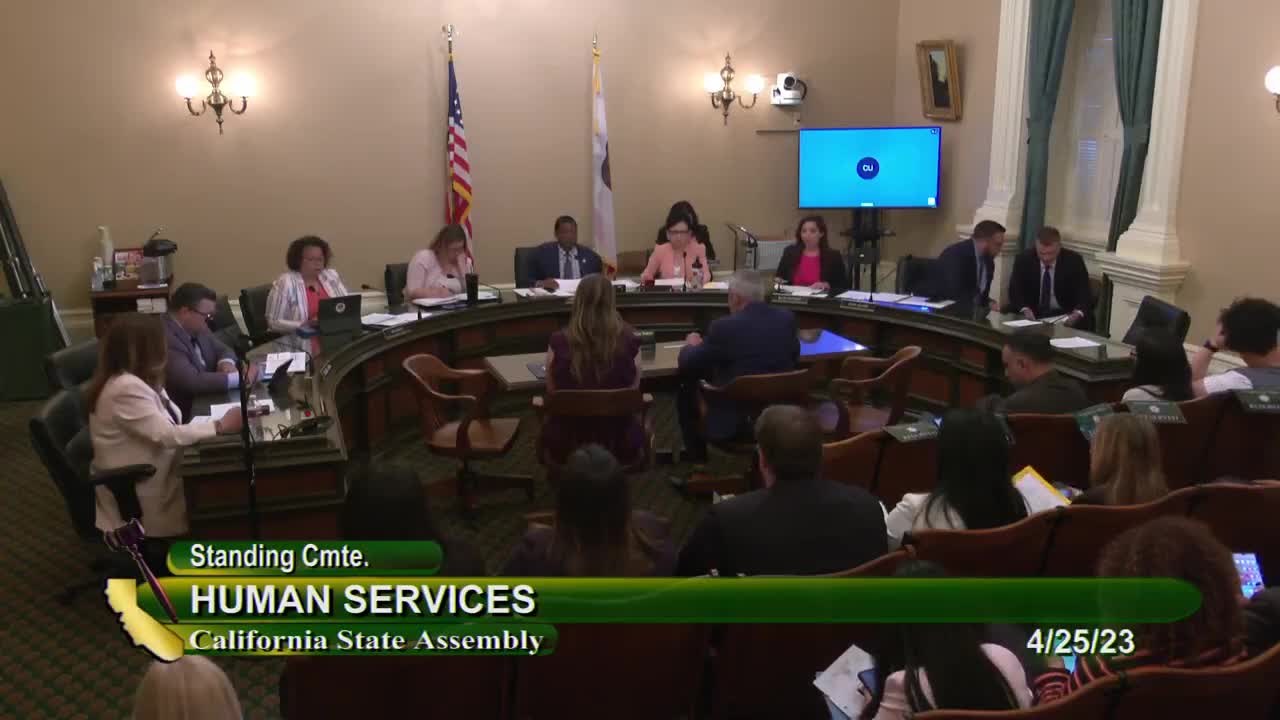
Bill Author

Bill Co-Author(s):