AB 952: Dental coverage disclosures.
- Session Year: 2023-2024
- House: Assembly
- Latest Version Date: 2023-07-27
Current Status:
Passed
(2023-07-27: Chaptered by Secretary of State - Chapter 125, Statutes of 2023.)
Introduced
In Committee
First Chamber
In Committee
Second Chamber
Enacted
What does this bill do?
This bill requires health plans and insurers that provide dental coverage to disclose whether that coverage is regulated by the State of California. They must make that information available through a provider portal or on request and include the words "State Regulated" on electronic or physical ID cards.
The summary is provided by generative AI which can make mistakes. For original language, please view the details in the table below.
Existing law, the Knox-Keene Health Care Service Plan Act of 1975, provides for the licensure and regulation of health care service plans by the Department of Managed Health Care and makes a willful violation of the acts requirements a crime. Existing law provides for the regulation of health insurers by the Department of Insurance. Existing law imposes specified coverage and disclosure requirements on health care service plans and health insurers, including specialized plans and insurers, that cover dental services.
This bill would require a health care service plan or health insurer that issues, sells, renews, or offers a contract covering dental services, including a specialized health care service plan or specialized health insurer covering dental services, to disclose whether an enrollees or insureds dental coverage is State Regulated through a provider portal, if available, or otherwise upon request, on or after January 1, 2025. The bill would require a plan or insurer to include the statement State Regulated, if the enrollees or insureds dental coverage is subject to regulation by the appropriate department, on an electronic or physical identification card, or both if available, for contracts covering dental services issued on or after January 1, 2025. Because a willful violation of these provisions by a health care service plan would be a crime, the bill would impose a state-mandated local program.
The California Constitution requires the state to reimburse local agencies and school districts for certain costs mandated by the state. Statutory provisions establish procedures for making that reimbursement.
This bill would provide that no reimbursement is required by this act for a specified reason.
Existing law, the Knox-Keene Health Care Service Plan Act of 1975, provides for the licensure and regulation of health care service plans by the Department of Managed Health Care and makes a willful violation of the acts requirements a crime. Existing law provides for the regulation of health insurers by the Department of Insurance. Existing law imposes specified coverage and disclosure requirements on health care service plans and health insurers, including specialized plans and insurers, that cover dental services.
This bill would require a health care service plan or health insurer that issues, sells, renews, or offers a contract covering dental services, including a specialized health care service plan or specialized health insurer covering dental services, to disclose whether an enrollees or insureds dental coverage is State Regulated through a provider portal, if available, or otherwise upon request, on or after January 1, 2025. The bill would require a plan or insurer to include the statement State Regulated, if the enrollees or insureds dental coverage is subject to regulation by the appropriate department, on an electronic or physical identification card, or both if available, for contracts covering dental services issued on or after January 1, 2025. Because a willful violation of these provisions by a health care service plan would be a crime, the bill would impose a state-mandated local program.
The California Constitution requires the state to reimburse local agencies and school districts for certain costs mandated by the state. Statutory provisions establish procedures for making that reimbursement.
This bill would provide that no reimbursement is required by this act for a specified reason.
Existing law, the Knox-Keene Health Care Service Plan Act of 1975, provides for the licensure and regulation of health care service plans by the Department of Managed Health Care and makes a willful violation of the acts requirements a crime. Existing law provides for the regulation of health insurers by the Department of Insurance. Existing law imposes specified coverage and disclosure requirements on health care service plans and health insurers, including specialized plans and insurers, that cover dental services.
This bill would require a health care service plan or health insurer that issues, sells, renews, or offers a contract covering dental services, or including a specialized health care service plan or specialized health insurer covering dental services, to disclose whether or not an enrollees or insureds dental coverage is subject to regulation by the appropriate department at the time a treatment plan is communicated to the plan or insurer. The bill would also require that plan or insurer to include whether or not an enrollees or insureds dental coverage is subject to regulation by the appropriate department on an identification card, membership card, coverage card, or other documentation of coverage. State Regulated through a provider portal, if available, or otherwise upon request, on or after January 1, 2025. The bill would require a plan or insurer to include the statement State Regulated, if the enrollees or insureds dental coverage is subject to regulation by the appropriate department, on an electronic or physical identification card, or both if available, for contracts covering dental services issued on or after January 1, 2025. Because a willful violation of these provisions by a health care service plan would be a crime, the bill would impose a state-mandated local program.
The California Constitution requires the state to reimburse local agencies and school districts for certain costs mandated by the state. Statutory provisions establish procedures for making that reimbursement.
This bill would provide that no reimbursement is required by this act for a specified reason.
Existing law, the Knox-Keene Health Care Service Plan Act of 1975, provides for the licensure and regulation of health care service plans by the Department of Managed Health Care and makes a willful violation of the acts requirements a crime. Existing law provides for the regulation of health insurers by the Department of Insurance. Existing law imposes specified coverage and disclosure requirements on health care service plans and health insurers, including specialized plans and insurers, that cover dental services.
This bill would require a health care service plan or health insurer that issues, sells, renews, or offers a contract covering dental services, or a specialized health care service plan or specialized health insurer covering dental services, to disclose whether or not an enrollees or insureds dental coverage is subject to regulation by the appropriate department at the time a treatment plan is communicated to the plan or insurer. The bill would also require that plan or insurer to include whether or not an enrollees or insureds dental coverage is subject to regulation by the appropriate department on an identification card, membership card, coverage card, or other documentation of coverage. Because a willful violation of these provisions by a health care service plan would be a crime, the bill would impose a state-mandated local program.
The California Constitution requires the state to reimburse local agencies and school districts for certain costs mandated by the state. Statutory provisions establish procedures for making that reimbursement.
This bill would provide that no reimbursement is required by this act for a specified reason.
(a)To assist a provider in determining if an enrollees health care service plan coverage is regulated by the State of California, the health care service plan shall disclose whether the enrollees dental coverage is State Regulated through a provider portal, if available, or otherwise upon request, on or after January 1, 2025.
(b)A health care service plan shall include the statement State Regulated if the enrollees dental coverage is subject to regulation by the department on an electronic or physical identification card, or both if available, for contracts covering dental services issued on or after January 1, 2025.
(c)For purposes of this section, health care service plan means a health care service plan that issues, sells, renews, or offers a contract covering dental services, including a specialized health care service plan covering dental services.
SEC. 2.Section 10120.42 is added to the Insurance Code, to read:10120.42.(a)To assist a provider in determining if an insureds dental coverage is regulated by the State of California, the health insurer shall disclose whether the insureds dental coverage is State Regulated through a provider portal, if available, or otherwise upon request, on or after January 1, 2025.
(b)A health insurer shall include the statement State Regulated if the insureds dental coverage is subject to regulation by the department, on an electronic or physical identification card, or both if available, for policies covering dental services issued on or after January 1, 2025.
(c)For purposes of this section, health insurer means a health insurer that issues, sells, renews, or offers a policy covering dental services, including a specialized health insurer covering dental services.
SEC. 3.No reimbursement is required by this act pursuant to Section 6 of Article XIIIB of the California Constitution because the only costs that may be incurred by a local agency or school district will be incurred because this act creates a new crime or infraction, eliminates a crime or infraction, or changes the penalty for a crime or infraction, within the meaning of Section 17556 of the Government Code, or changes the definition of a crime within the meaning of Section 6 of Article XIIIB of the California Constitution.
(a)To assist a provider in determining if an enrollees health care service plan coverage is regulated by the State of California, the health care service plan shall disclose whether the enrollees dental coverage is State Regulated through a provider portal, if available, or otherwise upon request, on or after January 1, 2025.
(b)A health care service plan shall include the statement State Regulated if the enrollees dental coverage is subject to regulation by the department on an electronic or physical identification card, or both if available, for contracts covering dental services issued on or after January 1, 2025.
(c)For purposes of this section, health care service plan means a health care service plan that issues, sells, renews, or offers a contract covering dental services, including a specialized health care service plan covering dental services.
SEC. 2.Section 10120.42 is added to the Insurance Code, to read:10120.42.(a)To assist a provider in determining if an insureds dental coverage is regulated by the State of California, the health insurer shall disclose whether the insureds dental coverage is State Regulated through a provider portal, if available, or otherwise upon request, on or after January 1, 2025.
(b)A health insurer shall include the statement State Regulated if the insureds dental coverage is subject to regulation by the department, on an electronic or physical identification card, or both if available, for policies covering dental services issued on or after January 1, 2025.
(c)For purposes of this section, health insurer means a health insurer that issues, sells, renews, or offers a policy covering dental services, including a specialized health insurer covering dental services.
SEC. 3.No reimbursement is required by this act pursuant to Section 6 of Article XIIIB of the California Constitution because the only costs that may be incurred by a local agency or school district will be incurred because this act creates a new crime or infraction, eliminates a crime or infraction, or changes the penalty for a crime or infraction, within the meaning of Section 17556 of the Government Code, or changes the definition of a crime within the meaning of Section 6 of Article XIIIB of the California Constitution.
(a)To assist a provider in determining if an enrollees health care service plan coverage is regulated by the State of California, the health care service plan shall disclose whether the enrollees dental coverage is State Regulated through a provider portal, if available, or otherwise upon request, on or after January 1, 2025.
(b)A health care service plan shall include the statement State Regulated if the enrollees dental coverage is subject to regulation by the department on an electronic or physical identification card, or both if available, for contracts covering dental services issued on or after January 1, 2025.
(c)For purposes of this section, health care service plan means a health care service plan that issues, sells, renews, or offers a contract covering dental services or services, including a specialized health care service plan covering dental services.
SEC. 2.Section 10120.42 is added to the Insurance Code, to read:10120.42.(a)At the time that an insureds treatment plan is communicated by a provider to a health insurer for purposes of eligibility and benefit determination, the health insurer shall disclose whether or not the insureds dental coverage is subject to regulation by the department.(b)An identification card, membership card, coverage card, or other documentation of coverage issued to a policyholder or insured by a health insurer shall include whether or not the insureds dental coverage is subject to regulation by the department.10120.42.(a)To assist a provider in determining if an insureds dental coverage is regulated by the State of California, the health insurer shall disclose whether the insureds dental coverage is State Regulated through a provider portal, if available, or otherwise upon request, on or after January 1, 2025.
(b)A health insurer shall include the statement State Regulated if the insureds dental coverage is subject to regulation by the department, on an electronic or physical identification card, or both if available, for policies covering dental services issued on or after January 1, 2025.
(c)For purposes of this section, health insurer means a health insurer that issues, sells, renews, or offers a policy covering dental services or services, including a specialized health insurer covering dental services.
SEC. 3.No reimbursement is required by this act pursuant to Section 6 of Article XIIIB of the California Constitution because the only costs that may be incurred by a local agency or school district will be incurred because this act creates a new crime or infraction, eliminates a crime or infraction, or changes the penalty for a crime or infraction, within the meaning of Section 17556 of the Government Code, or changes the definition of a crime within the meaning of Section 6 of Article XIIIB of the California Constitution.
(a)At the time that an enrollees treatment plan is communicated by a provider to a health care service plan for purposes of eligibility and benefit determination, the health care service plan shall disclose whether or not the enrollees dental coverage is subject to regulation by the department.
(b)An identification card, membership card, coverage card, or other documentation of coverage issued to a contractholder or enrollee by a health care service plan shall include whether or not the enrollees dental coverage is subject to regulation by the department.
(c)For purposes of this section, health care service plan means a health care service plan that issues, sells, renews, or offers a contract covering dental services or a specialized health care service plan covering dental services.
SEC. 2.Section 10120.42 is added to the Insurance Code, to read:10120.42.(a)At the time that an insureds treatment plan is communicated by a provider to a health insurer for purposes of eligibility and benefit determination, the health insurer shall disclose whether or not the insureds dental coverage is subject to regulation by the department.
(b)An identification card, membership card, coverage card, or other documentation of coverage issued to a policyholder or insured by a health insurer shall include whether or not the insureds dental coverage is subject to regulation by the department.
(c)For purposes of this section, health insurer means a health insurer that issues, sells, renews, or offers a policy covering dental services or a specialized health insurer covering dental services.
SEC. 3.No reimbursement is required by this act pursuant to Section 6 of Article XIIIB of the California Constitution because the only costs that may be incurred by a local agency or school district will be incurred because this act creates a new crime or infraction, eliminates a crime or infraction, or changes the penalty for a crime or infraction, within the meaning of Section 17556 of the Government Code, or changes the definition of a crime within the meaning of Section 6 of Article XIIIB of the California Constitution.
|
Date
|
Status
|
|---|---|
| Jul 27, 2023 | Chaptered by Secretary of State - Chapter 125, Statutes of 2023. |
| Jul 27, 2023 | Approved by the Governor. |
| Jul 25, 2023 | Enrolled and presented to the Governor at 4 p.m. |
| Jul 13, 2023 | Senate amendments concurred in. To Engrossing and Enrolling. (Ayes 72. Noes 0. Page 2642.). |
| Jun 29, 2023 | In Assembly. Concurrence in Senate amendments pending. May be considered on or after July 1 pursuant to Assembly Rule 77. |
| Jun 29, 2023 | Read third time. Passed. Ordered to the Assembly. (Ayes 39. Noes 0. Page 1828.). |
| Jun 27, 2023 | Read second time. Ordered to Consent Calendar. |
| Jun 26, 2023 | From committee: Be ordered to second reading file pursuant to Senate Rule 28.8 and ordered to Consent Calendar. |
| Jun 14, 2023 | From committee: Do pass and re-refer to Com. on APPR with recommendation: To Consent Calendar. (Ayes 12. Noes 0.) (June 14). Re-referred to Com. on APPR. |
| Jun 6, 2023 | From committee chair, with author's amendments: Amend, and re-refer to committee. Read second time, amended, and re-referred to Com. on HEALTH. |
| May 10, 2023 | Referred to Com. on HEALTH. |
| May 2, 2023 | In Senate. Read first time. To Com. on RLS. for assignment. |
| May 1, 2023 | Read third time. Passed. Ordered to the Senate. (Ayes 74. Noes 0. Page 1408.) |
| Apr 20, 2023 | Read second time. Ordered to third reading. |
| Apr 19, 2023 | From committee: Do pass. (Ayes 15. Noes 0.) (April 19). |
| Mar 22, 2023 | From committee: Do pass and re-refer to Com. on APPR. (Ayes 13. Noes 0.) (March 21). Re-referred to Com. on APPR. |
| Feb 23, 2023 | Referred to Com. on HEALTH. |
| Feb 15, 2023 | From printer. May be heard in committee March 17. |
| Feb 14, 2023 | Read first time. To print. |
|
Date
|
Description
|
Location
|
Votes
|
|
|---|---|---|---|---|
| Jul 13, 2023 | AB 952 Wood Concurrence in Senate Amendments | Assembly Floor |
Passed |
|
| Jun 29, 2023 | Consent Calendar AB952 Wood | Senate Floor |
Passed |
|
| Jun 14, 2023 | Do pass, but first be re-referred to the Committee on [Appropriations] with the recommendation: To Consent Calendar | Senate Standing Committee on Health |
Passed |
|
| May 1, 2023 | AB 952 Wood Assembly Third Reading | Assembly Floor |
Passed |
|
| Apr 19, 2023 | Do pass. | Assembly Standing Committee on Appropriations |
Passed |
|
| Mar 21, 2023 | Do pass and be re-referred to the Committee on [Appropriations] | Assembly Standing Committee on Health |
Passed |
This list shows positions taken on this bill by organizations on the date displayed, which is linked to the original source.
Positions by individuals are not included.
|
Organization
|
Position
|
Date
|
|---|---|---|
| American Association of Endodontists | ** Support | |
| American Federation of State, County, and Municipal Employees | ** Support | |
| Association of Dental Support Organizations | ** Support | |
| California Association Of Dental Plans | * Against Unless Amend | Mar 21, 2023 |
| California Association Of Orthodontists | ** Support | |
| California Dental Association | ** Support | |
| California Dental Hygienists Association | ** Support | |
| California Society of Pediatric Dentistry | ** Support | |
| California Society of Periodontists | ** Support | |
| Children Now | * Support | Mar 21, 2023 |
| Union Of American Physicians And Dentists | ** Support |
CONCURRENCE IN SENATE AMENDMENTS
CSA1 Bill Id:AB 952
Author:(Wood)
As Amended Ver:June 6, 2023
Majority vote
SUMMARY
Requires a health plan or health insurer that issues, sells, renews, or offers a contract covering dental services, or a specialized health plan or specialized health insurer covering dental services, to disclose whether or not an enrollee's or insured's dental coverage is "State Regulated" to assist a provider and to also make it available through the provider's portal, if available, or upon request, on or after January 1, 2025. Requires a health plan or insurer to include the statement "State Regulated" on an enrollee or insured's electronic or physical identification car, or both if available, on or after January 1, 2025.
Senate Amendments
Require the statement "State Regulated" through a provider portal or on an enrollee or insured's electronic or physical identification card, or both if available, on or after January 1, 2025.
COMMENTS
- Health care in California. According to a 2018 University of California report, "A Path to Universal Coverage and Unified Health Care Financing in California," California experienced dramatic expansions of coverage under the federal Patient Protection and Affordable Care Act (ACA). Prior to the ACA, the number of uninsured residents approached 7 million, or about 17% of the non-elderly population; post-ACA, it has fallen to around to 3 million (about 7%). California embraced the Medicaid expansion available under the ACA. In addition, in 2016, California expanded Medi-Cal to all children, (and most recently, adults) regardless of immigration status, using state funds. As a result of these and other policy and administrative actions, Medi-Cal enrollment is approximately 15 million (updated from November 2022). Coverage through employment continues to be the dominant source of coverage for Californians, accounting for about 17.5 million people. About 6 million Californians with employer-sponsored coverage are in self-insured arrangements subject to the Employee Retirement Income Security Act of 1974 (ERISA) and over which the state has limited regulatory oversight. ERISA prevents states from directly regulating private employer health insurance arrangements.
- Health Insurance Regulation. In California, regulation and oversight of fully insured employee health benefit plans is split between two state departments, the Department of Managed Health Care (DMHC) and California Department of Insurance (CDI). DMHC primarily regulates Health Maintenance Organization (HMOs), but also has jurisdiction over some Preferred Provider Organization (PPO) plans. CDI has jurisdiction over all other types of health insurance, including plans that offer traditional health insurance products, such as indemnity plans and some PPO plans.
- There are essentially three relevant regulatory frameworks for health insurance: State regulation by DMHC, by CDI; and, regulation of self-insured employee health benefit plans by the federal Department of Labor. Each regulator is governed by its own set of laws and consumers are caught in the middle sometimes guessing which laws and appeal rights apply.
- Dental Coverage. According to the California Dental Association (CDA), sponsor of this bill, California has made great strides in increasing access to care, with an estimated 86% of individuals who have some form of dental coverage. Of those with coverage, 50% receive their dental benefits through their employer. Most dental benefit plans are "fully insured" and regulated at the state level by the DMHC or CDI. Fully insured plans must comply with all California's rules and regulations; however, some employers offer self-insured plans. These plans are regulated at the federal level in accordance with ERISA, and are exempt from state level rules and regulations. Despite numerous California laws and regulations intended to protect patients and require value from dental insurance, roughly 40% of Californians have coverage through plans exempt from these requirements. The difference between California and federally regulated plans can be extensive and often complicate the billing process in dental offices. Dental offices know state laws and expect plans to comply with these rules. Oftentimes a dental office does not know if a patient's dental plan is exempt from state law until after the billing process has been completed and there is some kind of surprise denial or billing exemption. Dentists need to know which type of plan a patient has in order to be able to communicate what the plan covers, who the appropriate regulator is, and where a patient can go to resolve a conflict with the plan. This lack of transparency from dental plans can be confusing and frustrating, for both the patient and provider.
While states do not have the authority to regulate ERISA plans, additional transparency and accountability measures can be put into place at the state level. According to CDA, at least six other states have passed legislation or regulations requiring dental plans to disclose whether plans are fully insured or self-insured. These disclosures are a simple yet effective way of increasing transparency between dental plans, dentists, and patients.
According to the Author
This bill makes it easier for both dental providers and consumers to know which regulator has oversight over their health plan contract or insurance policy. While state law does not govern self-insured products (in which the employer serves as the insurer for its employees' health benefits), notification from this bill will make it easier for consumers to identify who to call or where to complain if the need arises.
Arguments in Support
CDA, sponsor, writes that while ERISA plans are not subject to California's more stringent insurance laws due to preemption, accountability measures can still be put in place at a state level to address this issue. This bill helps address these issues by creating more transparency around plan type, which will help avoid confusion and frustration for both the provider and patient. Receiving notification of what type of plan a patient has is critical to a dental office communicating plan coverage to a patient and providing information about what entity regulates the plan and who should be contacted if a conflict results with the plan. These disclosures are a simple, yet effective way to increase transparency between dental plans, patients, and providers. CDA concludes that by providing these disclosures, this bill will help protect patient-provider relationships, which in turn will foster increased access to oral health care in California.
Arguments in Opposition Unless Amended
The California Association of Dental Plans (CADP) was formerly in an oppose unless amended position on this bill and with the amendments taken in Senate Health Committee, CADP is now neutral.
FISCAL COMMENTS
According to Senate Appropriations Committee, pursuant to Senate Rule 28.8, negligible state costs.
VOTES:
ASM HEALTH: 13-0-2
YES: Wood, Waldron, Aguiar-Curry, Arambula, Boerner Horvath, Vince Fong, Maienschein, McCarty, Joe Patterson, Rodriguez, Santiago, Villapudua, Weber
ABS, ABST OR NV: Wendy Carrillo, Flora
ASM APPROPRIATIONS: 15-0-1
YES: Holden, Megan Dahle, Calderon, Wendy Carrillo, Dixon, Mike Fong, Hart, Lowenthal, Mathis, Papan, Pellerin, Robert Rivas, Sanchez, Weber, Wilson
ABS, ABST OR NV: Bryan
ASSEMBLY FLOOR: 74-0-6
YES: Addis, Aguiar-Curry, Alvarez, Arambula, Bains, Bauer-Kahan, Bennett, Berman, Boerner, Bonta, Bryan, Calderon, Juan Carrillo, Wendy Carrillo, Cervantes, Chen, Connolly, Megan Dahle, Davies, Dixon, Mike Fong, Vince Fong, Friedman, Gabriel, Garcia, Gipson, Grayson, Haney, Hart, Holden, Hoover, Irwin, Jackson, Jones-Sawyer, Kalra, Lackey, Lee, Low, Lowenthal, Maienschein, Mathis, McCarty, Muratsuchi, Stephanie Nguyen, Ortega, Pacheco, Papan, Jim Patterson, Joe Patterson, Pellerin, Petrie-Norris, Quirk-Silva, Ramos, Reyes, Luz Rivas, Robert Rivas, Rodriguez, Blanca Rubio, Sanchez, Santiago, Schiavo, Ta, Ting, Valencia, Villapudua, Waldron, Wallis, Ward, Weber, Wicks, Wilson, Wood, Zbur, Rendon
ABS, ABST OR NV: Alanis, Essayli, Flora, Gallagher, McKinnor, Soria
SENATE FLOOR: 39-0-1
YES: Allen, Archuleta, Ashby, Atkins, Becker, Blakespear, Bradford, Caballero, Cortese, Dahle, Dodd, Durazo, Eggman, Glazer, Gonzalez, Grove, Hurtado, Jones, Laird, Limón, McGuire, Menjivar, Min, Newman, Nguyen, Niello, Ochoa Bogh, Padilla, Portantino, Roth, Rubio, Seyarto, Skinner, Smallwood-Cuevas, Stern, Umberg, Wahab, Wiener, Wilk
ABS, ABST OR NV: Alvarado-Gil
UPDATED
VERSION: June 6, 2023
CONSULTANT: Kristene Mapile / HEALTH / (916) 319-2097 FN: 0001185
SENATE RULES COMMITTEE Office of Senate Floor Analyses (916) 651-1520 Fax: (916) 327-4478 | AB 952 |
CONSENT
Bill No: AB 952
Author: Wood (D)
Amended: 6/6/23 in Senate
Vote: 21
SENATE HEALTH COMMITTEE: 12-0, 6/14/23
AYES: Eggman, Nguyen, Glazer, Gonzalez, Grove, Hurtado, Limón, Menjivar, Roth, Rubio, Wahab, Wiener
SENATE APPROPRIATIONS COMMITTEE: Senate Rule 28.8
ASSEMBLY FLOOR: 74-0, 5/1/23 - See last page for vote
SUBJECT: Dental coverage disclosures
SOURCE: California Dental Association
DIGEST:
This bill requires a health plan or health insurer to disclose when dental coverage is state regulated on an electronic or physical identification card and through a provider portal or upon request for plans and policies issued on or after January 1, 2025.
ANALYSIS:
Existing law:
- Establishes the Department of Managed Health Care (DMHC) to regulate health plans under the Knox-Keene Health Care Service Plan Act of 1975 (Knox-Keene Act) and the California Department of Insurance (CDI) to regulate health and other insurers. [HSC §1340, et seq., and INS §106, et seq.]
- Establishes the federal Employee Retirement Income Security Act of 1974 (ERISA) which regulates certain self-funded or self-insured plans. ERISA does not preempt the regulation of health insurance. [29 U.S.C. §1144]
This bill:
- Requires a health plan or health insurer to disclose whether or not the enrollee’s dental coverage is state regulated through a provider portal, if available, or otherwise upon request, and on an electronic or physical identification card, or both if available, for contracts and policies issued on or after January 1, 2025.
- Defines “health plan” as a health plan that issues, sells, renews, or offers a contract covering dental services or a specialized health plan covering dental services; and, a “health insurer” as a health insurer that issues, sells, renews, or offers a policy covering dental services, including a specialized health plan or insurer covering dental services.
Comments
According to the author, this bill makes it easier for both dental providers and consumers to know whether or not their dental coverage is state regulated. While state law does not govern self-insured products (in which the employer serves as the insurer for its employees’ health benefits), notification from this bill will make it easier for providers to determine whether or not the services provided to their patient is subject to state laws and for consumers to identify if their dental coverage is subject to state regulation.
Dental Coverage Background. This bill’s sponsor, the California Dental Association (CDA), provided the committee with a 2021 report by the Progressive Policy Institute (PPI), which indicates that 80% of Americans have some form of dental coverage: two-thirds have private dental coverage through an employer and 7% purchase stand-alone dental plans. Not quite half of covered Americans (77 million) are in self-insured plans and slightly more than half (88 million) are in state-regulated insurance. The remainder are in publicly funded coverage programs such as Medicaid, TriCare, or Medicare Advantage.
Self-funded/self-insured plans. According to the 2022 Employer Health Benefits Survey published by the Kaiser Family Foundation, many large employers self-fund or pay for some or all health services for their workers directly from their own funds, rather than through the purchase of health insurance. Nationally, 65% of covered workers, including 20% of covered workers at small firms and 82% in large firms, are enrolled in plans that are self-funded. The percentage of covered workers in self-funded plans in 2022 is similar to the percentage in 2021. Many health insurance companies act as third party administrators and pay the claims for employers of self-funded plans making it difficult for consumers and providers to determine if the coverage is self-insured or insured through the insurance company. The Centers for Medicare and Medicaid Services website indicates private employment-based (self-funded) group health plans are regulated by the U.S. Department of Labor. Non-Federal governmental plans are regulated by the federal Department of Health and Human Services.
ERISA. The U.S. Department of Labor indicates that ERISA sets minimum standards for most voluntarily established retirement and (self-funded) health plans in private industry to provide protection for individuals in these plans. ERISA requires plans to provide participants with plan information, including information about plan features and funding; provides fiduciary responsibilities for those who manage and control plan assets; requires plans to establish a grievance and appeals process for participants to get benefits from their plans; and, gives participants the right to sue for benefits and breaches of fiduciary duty. In general, ERISA does not cover group health plans established or maintained by governmental entities, churches for their employees, or plans which are maintained solely to comply with applicable workers compensation, unemployment, or disability laws.
ERISA Updates. A May 23, 2023 article published in ADA News reports that the American Dental Association is proposing updates to ERISA to improve transparency in dental insurance markets that would require insurers and plans to state expressly who is a fiduciary and is exercising discretion for the plan, which would help the relationship between the beneficiaries and the companies who process their claims. It would also help the authority of the states to regulate the companies who provide such services and clarify for state regulators and beneficiaries which plans do and do not offer the consumer protections found under state insurance laws.
FISCAL EFFECT: Appropriation: No Fiscal Com.: Yes Local: Yes
SUPPORT: (Verified 6/26/23)
California Dental Association (source)
American Association of Endodontists
American Federation of State, County, and Municipal Employees
Association of Dental Support Organizations
California Association of Orthodontists
California Dental Hygienists’ Association
California Society of Pediatric Dentistry
California Society of Periodontists
Union of American Physicians and Dentists
OPPOSITION: (Verified 6/26/23)
None received
ARGUMENTS IN SUPPORT: The California Dental Association writes California has made great strides in increasing access to oral health care, with an estimated 86% of individuals having some form of dental coverage. Of those with coverage, 50% receive those benefits through their employer. Some employers offer “self-insured” plans, which are regulated at the federal level in accordance with ERISA. ERISA plans are exempt from state-level rules and regulations intended to protect patients and ensure they are receiving value from their dental insurance. Over 40% of Californians have coverage from dental plans that are exempt from California laws and regulations. It can be difficult to determine if a dental plan is regulated by the state or federal law. Often, a dental office does not know if a patient’s plan is self-funded or fully funded until after the billing process has been completed, when a plan has denied coverage or cited a billing exemption for services already rendered. This lack of transparency can be confusing and frustrating for both the patient and provider and impedes the patient-provider relationship. While ERISA plans are not subject to California’s more stringent insurance laws due to preemption, accountability measures can still be put in place at a state level to address this issue. This bill helps address these issues by creating more transparency around plan type, which will help avoid confusion and frustration for both the provider and patient.
ASSEMBLY FLOOR: 74-0, 5/1/23
AYES: Addis, Aguiar-Curry, Alvarez, Arambula, Bains, Bauer-Kahan, Bennett, Berman, Boerner, Bonta, Bryan, Calderon, Juan Carrillo, Wendy Carrillo, Cervantes, Chen, Connolly, Megan Dahle, Davies, Dixon, Mike Fong, Vince Fong, Friedman, Gabriel, Garcia, Gipson, Grayson, Haney, Hart, Holden, Hoover, Irwin, Jackson, Jones-Sawyer, Kalra, Lackey, Lee, Low, Lowenthal, Maienschein, Mathis, McCarty, Muratsuchi, Stephanie Nguyen, Ortega, Pacheco, Papan, Jim Patterson, Joe Patterson, Pellerin, Petrie-Norris, Quirk-Silva, Ramos, Reyes, Luz Rivas, Robert Rivas, Rodriguez, Blanca Rubio, Sanchez, Santiago, Schiavo, Ta, Ting, Valencia, Villapudua, Waldron, Wallis, Ward, Weber, Wicks, Wilson, Wood, Zbur, Rendon
NO VOTE RECORDED: Alanis, Essayli, Flora, Gallagher, McKinnor, Soria
Prepared by: Teri Boughton / HEALTH / (916) 651-4111
6/28/23 11:07:36
**** END ****
SENATE COMMITTEE ON HEALTH
Senator Dr. Susan Talamantes Eggman, Chair
BILL NO: AB 952
AUTHOR: | Wood | ||
VERSION: | June 6, 2023 Amended | ||
HEARING DATE: | June 14, 2023 | ||
CONSULTANT: | Teri Boughton | ||
SUBJECT: Dental coverage disclosures
SUMMARY:
Requires a health plan or health insurer to disclose when dental coverage is state regulated on an electronic or physical identification card and through a provider portal or upon request for plans and policies issued on or after January 1, 2025.
Existing law:
- Establishes the Department of Managed Health Care (DMHC) to regulate health plans under the Knox-Keene Health Care Service Plan Act of 1975 (Knox-Keene Act) and the California Department of Insurance (CDI) to regulate health and other insurers. [HSC §1340, et seq., and INS §106, et seq.]
- Establishes the federal Employee Retirement Income Security Act of 1974 (ERISA) which regulates certain self-funded or self-insured plans. ERISA does not preempt the regulation of health insurance. [29 U.S.C. §1144]
This bill:
- Requires a health plan or health insurer to disclose whether or not the enrollee’s dental coverage is state regulated through a provider portal, if available, or otherwise upon request, and on an electronic or physical identification card, or both if available, for contracts and policies issued on or after January 1, 2025.
- Defines “health plan” as a health plan that issues, sells, renews, or offers a contract covering dental services or a specialized health plan covering dental services; and, a “health insurer” as a health insurer that issues, sells, renews, or offers a policy covering dental services, including a specialized health plan or insurer covering dental services.
FISCAL EFFECT:
According to the Assembly Appropriations Committee, no costs to CDI and minor and absorbable costs to DMHC.
PRIOR VOTES:
Assembly Floor: | 74 - 0 |
Assembly Appropriations Committee: | 15 - 0 |
Assembly Health Committee: | 13 - 0 |
COMMENTS:
- Author’s statement. According to the author, this bill makes it easier for both dental providers and consumers to know whether or not their dental coverage is state regulated. While state law does not govern self-insured products (in which the employer serves as the insurer for its employees’ health benefits), notification from this bill will make it easier for providers to determine whether or not the services provided to their patient is subject to state laws and for consumers to identify if their dental coverage is subject to state regulation.
- Self-funded/self-insured plans. According to the 2022 Employer Health Benefits Survey published by the Kaiser Family Foundation, many large employers self-fund or pay for some or all health services for their workers directly from their own funds, rather than through the purchase of health insurance. Nationally, 65% of covered workers, including 20% of covered workers at small firms and 82% in large firms, are enrolled in plans that are self-funded. The percentage of covered workers in self-funded plans in 2022 is similar to the percentage in 2021. Many health insurance companies act as third party administrators and pay the claims for employers of self-funded plans making it difficult for consumers and providers to determine if the coverage is self-insured or insured through the insurance company. The Centers for Medicare and Medicaid Services website indicates private employment-based (self-funded) group health plans are regulated by the U.S. Department of Labor. Non-Federal governmental plans are regulated by the federal Department of Health and Human Services.
- ERISA. The U.S. Department of Labor indicates that ERISA sets minimum standards for most voluntarily established retirement and (self-funded) health plans in private industry to provide protection for individuals in these plans. ERISA requires plans to provide participants with plan information, including information about plan features and funding; provides fiduciary responsibilities for those who manage and control plan assets; requires plans to establish a grievance and appeals process for participants to get benefits from their plans; and, gives participants the right to sue for benefits and breaches of fiduciary duty. In general, ERISA does not cover group health plans established or maintained by governmental entities, churches for their employees, or plans which are maintained solely to comply with applicable workers compensation, unemployment, or disability laws.
- ERISA Updates. A May 23, 2023 article published in ADA News reports that the American Dental Association is proposing updates to ERISA to improve transparency in dental insurance markets that would require insurers and plans to state expressly who is a fiduciary and is exercising discretion for the plan, which would help the relationship between the beneficiaries and the companies who process their claims. It would also help the authority of the states to regulate the companies who provide such services and clarify for state regulators and beneficiaries which plans do and do not offer the consumer protections found under state insurance laws.
- Related legislation. AB 1048 (Wicks) prohibits a large group health plan or insurer that covers dental services, as specified, from issuing, amending, renewing, or offering a plan contract or policy that imposes a dental waiting period provision or preexisting condition provision, as defined, upon an enrollee or insured. AB 1048 requires DMHC and CDI to establish the appropriate methodology, factors, and assumptions to determine whether a rate change for a plan contract or policy of health insurance covering dental services, as specified, is unreasonable, or not justified, under the applicable requirements of the rate review provisions. AB 1048 requires the health plan or insurer to file, with regulators, the required information at least annually and to file 120 days before any change that would affect rates. AB 1048 is pending in the Senate Rules Committee.
- Prior legislation. AB 954 (Wood, Chapter 540, Statutes of 2019) authorizes a health plan or insurer that issues, sells, renews, or offers a plan contract or policy covering dental services, including a specialized health plan contract or specialized policy of health insurance, or a contracting entity, as defined, to grant a third party access to a provider network contract, or access to services or discounts provided pursuant to that provider network contract if certain criteria are met, including if a health plan’s or health insurer’s provider network contract clearly identifies the third-party access provision and the provider network contract allows a provider to opt out of third-party access.
AB 2035 (Coto) of 2010 would have required an administrator providing administrative services for a self-funded dental benefit plan to provide a claimant with a written notice of the claimant’s right to an appeal, the appeal process, and certain other information in the case of an adverse benefit determination on a claim, as provided. AB 2035 was not heard in the Senate Health Committee.
AB 745 (Coto) of 2009 would have required an administrator providing administrative services for a self-funded dental benefit plan to include certain language in explanation of benefits documents and in forms sent to claimants in response to claims for benefits. AB 745 was vetoed by Governor Schwarzenegger, who stated:
This bill is unnecessary. The federal DOL has already adopted requirements governing self-funded benefit plans and their disclosure statements. Appropriate complaint and contact information is already included in order for patients and providers to seek redress.
- Support. The California Dental Association, sponsor of this bill, writes California has made great strides in increasing access to oral health care, with an estimated 86% of individuals having some form of dental coverage. Of those with coverage, 50% receive those benefits through their employer. Some employers offer “self-insured” plans, which are regulated at the federal level in accordance with ERISA. ERISA plans are exempt from state-level rules and regulations intended to protect patients and ensure they are receiving value from their dental insurance. Over 40% of Californians have coverage from dental plans that are exempt from California laws and regulations. It can be difficult to determine if a dental plan is regulated by the state or federal law. Often, a dental office does not know if a patient’s plan is self-funded or fully funded until after the billing process has been completed, when a plan has denied coverage or cited a billing exemption for services already rendered. This lack of transparency can be confusing and frustrating for both the patient and provider and impedes the patient-provider relationship. While ERISA plans are not subject to California’s more stringent insurance laws due to preemption, accountability measures can still be put in place at a state level to address this issue. This bill helps address these issues by creating more transparency around plan type, which will help avoid confusion and frustration for both the provider and patient.
SUPPORT AND OPPOSITION:
Support: California Dental Association (sponsor)
American Federation of State, County, and Municipal Employees
American Association of Endodontists
California Association of Orthodontists
California Society of Pediatric Dentistry
California Society of Periodontists
Union of American Physicians and Dentists
Oppose: None received.
-- END --
ASSEMBLY THIRD READING
ATR Bill Id:AB 952
Author:(Wood)
As Introduced Ver:February 14, 2023
Majority vote
SUMMARY
Requires a health care service plan (health plan) or health insurer that issues, sells, renews, or offers a contract covering dental services, or a specialized health plan or specialized health insurer covering dental services, to disclose whether or not an enrollee's or insured's dental coverage is subject to regulation by the Department of Managed Health Care (DMHC) or California Department of Insurance (CDI) at the time a treatment plan is communicated to the plan or insurer. Requires a health plan or insurer include whether or not an enrollee's or insured's dental coverage is subject to regulation by the appropriate department on an identification card, membership card, coverage card, or other documentation of coverage.
Major Provisions
COMMENTS
- Health care in California. According to a 2018 University of California report, "A Path to Universal Coverage and Unified Health Care Financing in California," California experienced dramatic expansions of coverage under the federal Patient Protection and Affordable Care Act (ACA). Prior to the ACA, the number of uninsured residents approached 7 million, or about 17% of the non-elderly population; post-ACA, it has fallen to around to 3 million (about 7%). California embraced the Medicaid expansion available under the ACA. In addition, in 2016, California expanded Medi-Cal to all children, (and most recently, adults) regardless of immigration status, using state funds. As a result of these and other policy and administrative actions, Medi-Cal enrollment is approximately 15 million (updated from November 2022). Coverage through employment continues to be the dominant source of coverage for Californians, accounting for about 17.5 million people. About 6 million Californians with employer-sponsored coverage are in self-insured arrangements subject to the Employee Retirement Income Security Act of 1974 (ERISA) and over which the state has limited regulatory oversight. ERISA prevents states from directly regulating private employer health insurance arrangements.
- Health Insurance Regulation. In California, regulation and oversight of fully insured employee health benefit plans is split between two state departments, the DMHC and CDI. DMHC primarily regulates HMOs, but also has jurisdiction over some PPO plans. CDI has jurisdiction over all other types of health insurance, including plans that offer traditional health insurance products, such as indemnity plans and some PPO plans.
- There are essentially three relevant regulatory frameworks for health insurance: State regulation by DMHC, by CDI; and, regulation of self-insured employee health benefit plans by the federal Department of Labor. Each regulator is governed by its own set of laws and consumers are caught in the middle sometimes guessing which laws and appeal rights apply.
- Dental Coverage. According to the California Dental Association (CDA), sponsor of this bill, California has made great strides in increasing access to care, with an estimated 86% of individuals who have some form of dental coverage. Of those with coverage, 50% receive their dental benefits through their employer. Most dental benefit plans are "fully insured" and regulated at the state level by the DMHC or CDI. Fully insured plans must comply with all California's rules and regulations; however, some employers offer self-insured plans. These plans are regulated at the federal level in accordance with ERISA, and are exempt from state level rules and regulations. Despite numerous California laws and regulations intended to protect patients and require value from dental insurance, roughly 40% of Californians have coverage through plans exempt from these requirements. The difference between California and federally regulated plans can be extensive and often complicate the billing process in dental offices. Dental offices know state laws and expect plans to comply with these rules. Oftentimes a dental office does not know if a patient's dental plan is exempt from state law until after the billing process has been completed and there is some kind of surprise denial or billing exemption. Dentists need to know which type of plan a patient has in order to be able to communicate what the plan covers, who the appropriate regulator is, and where a patient can go to resolve a conflict with the plan. This lack of transparency from dental plans can be confusing and frustrating, for both the patient and provider.
While states do not have the authority to regulate ERISA plans, additional transparency and accountability measures can be put into place at the state level. According to CDA, at least six other states have passed legislation or regulations requiring dental plans to disclose whether plans are fully insured or self-insured. These disclosures are a simple yet effective way of increasing transparency between dental plans, dentists, and patients.
According to the Author
This bill makes it easier for both dental providers and consumers to know which regulator has oversight over their health plan contract or insurance policy. While state law does not govern self-insured products (in which the employer serves as the insurer for its employees' health benefits), notification from this bill will make it easier for consumers to identify who to call or where to complain if the need arises.
Arguments in Support
CDA, sponsor, writes that while ERISA plans are not subject to California's more stringent insurance laws due to preemption, accountability measures can still be put in place at a state level to address this issue. This bill helps address these issues by creating more transparency around plan type, which will help avoid confusion and frustration for both the provider and patient. Receiving notification of what type of plan a patient has is critical to a dental office communicating plan coverage to a patient and providing information about what entity regulates the plan and who should be contacted if a conflict results with the plan. These disclosures are a simple, yet effective way to increase transparency between dental plans, patients, and providers. CDA concludes that by providing these disclosures, this bill will help protect patient-provider relationships, which in turn will foster increased access to oral health care in California.
Arguments in Opposition Unless Amended
The California Association of Dental Plans (CADP), states that CADP has concerns regarding the operational process for such disclosure. This bill references an identification card, membership card, coverage card, or other documentation of coverage issued to a policyholder. However, many dental plans have already or are currently phasing out such physical cards in lieu of electronic or application-based solutions that are more convenient and desired by consumers. Dental benefit plans could disclose the appropriate regulatory authority to dental providers via online portals, provider call centers and electronic claim transactions at various stages of the benefit process. CADP states that this bill only references an enrollee's treatment plan when submitted for eligibility and benefit determination. CADP members are committed to promptly participating in dialogue to fully understand the issues this bill seeks to address and to offer options to resolve those issues.
FISCAL COMMENTS
According to the Assembly Appropriations Committee, no costs to CDI and minor and absorbable costs to DMHC.
VOTES
ASM HEALTH: 13-0-2
YES: Wood, Waldron, Aguiar-Curry, Arambula, Boerner Horvath, Vince Fong, Maienschein, McCarty, Joe Patterson, Rodriguez, Santiago, Villapudua, Weber
ABS, ABST OR NV: Wendy Carrillo, Flora
ASM APPROPRIATIONS: 15-0-1
YES: Holden, Megan Dahle, Calderon, Wendy Carrillo, Dixon, Mike Fong, Hart, Lowenthal, Mathis, Papan, Pellerin, Robert Rivas, Sanchez, Weber, Wilson
ABS, ABST OR NV: Bryan
UPDATED
VERSION: February 14, 2023
CONSULTANT: Kristene Mapile / HEALTH / (916) 319-2097 FN: 0000212
Date of Hearing: April 19, 2023
ASSEMBLY COMMITTEE ON APPROPRIATIONS
Chris Holden, Chair
ABPCA Bill Id:AB 952
Author:(Wood) – As Introduced Ver:February 14, 2023
Policy Committee: | Health | Vote: | 13 - 0 |
|
| ||
|
|
Urgency: No State Mandated Local Program: Yes Reimbursable: No
SUMMARY:
This bill requires a health care service plan (health plan), specialized health plan, health insurer, or specialized health insurer that offers a contract covering dental services to disclose whether the dental coverage is subject to regulation by the Department of Managed Health Care (DMHC) or California Department of Insurance (CDI) when a treatment plan is communicated to the health plan or insurer. This bill also requires a health plan or insurer to include whether an enrollee’s or insured’s dental coverage is subject to regulation by the appropriate department on an identification card, membership card, coverage card, or other documentation of coverage.
FISCAL EFFECT:
No costs to CDI and minor and absorbable costs to DMHC.
COMMENTS:
- Purpose. According to the author, this bill makes it easier for both dental providers and consumers to know which regulator has oversight over their health plan contract or insurance policy. While state law does not govern self-insured products (in which the employer serves as the insurer for its employees’ health benefits), notification from this bill will make it easier for consumers to identify whom to call or where to complain if the need arises.
According to the California Dental Association (CDA), sponsor of this bill, most dental benefit plans are “fully insured” and regulated at the state level by the DMHC or CDI. However, many employers provide dental coverage through employer self-insured plans, which are regulated at the federal level under the Employee Retirement Income Security Act of 1974 (ERISA), and are exempt from state rules and regulations. The difference between California and federally regulated plans can be extensive and often complicate the billing process in dental offices. Dental offices know state laws and expect plans to comply with these rules. Often, a dental office does not know if a patient’s dental plan is exempt from state law until after the billing process has been completed and there is a surprise denial or exemption. CDA argues dentists need to know which type of plan a patient has in order to be able to communicate what the plan covers, who the appropriate regulator is, and where a patient can go to resolve a conflict with the plan. This lack of transparency from dental plans can be confusing and frustrating, for both the patient and provider.
- Implementation Concern. The California Association of Dental Plans (CADP) has concerns regarding the operational process for disclosures required by this bill. This bill references a card or other documentation of coverage issued to a policyholder. However, many dental plans have already or are currently phasing out such physical cards in lieu of electronic or application-based solutions that are more convenient and desired by consumers. CADP argues dental plans should disclose the appropriate regulatory authority to dental providers via online portals, provider call centers and electronic claim transactions at various stages of the benefit process.
- Related Legislation. AB 1048 (Wicks) prohibits a health plan or health insurer that covers dental services from issuing, amending, renewing, or offering a plan contract or policy that imposes a dental waiting period or preexisting condition provision. AB 1048 is pending in Assembly Health Committee.
- Prior Legislation. AB 2035 (Coto), of the 2009-10 Legislative Session, would have required an administrator for a self-funded dental benefit plan to provide a claimant with a written notice of the claimant’s right to an appeal, the appeal process, and certain other information in the case of an adverse benefit determination on a claim, as provided. AB 2035 was held in Senate Health Committee.
Analysis Prepared by: Allegra Kim / APPR. / (916) 319-2081
Date of Hearing: March 21, 2023
ASSEMBLY COMMITTEE ON HEALTH
Jim Wood, Chair
ABPCA Bill Id:AB 952
Author:(Wood) – As Introduced Ver:February 14, 2023
SUBJECT: Dental coverage disclosures.
SUMMARY: Requires a health care service plan (health plan) or health insurer that issues, sells, renews, or offers a contract covering dental services, or a specialized health plan or specialized health insurer covering dental services, to disclose whether or not an enrollee’s or insured’s dental coverage is subject to regulation by the Department of Managed Health Care (DMHC) or California Department of Insurance (CDI) at the time a treatment plan is communicated to the plan or insurer. Requires a health plan or insurer include whether or not an enrollee’s or insured’s dental coverage is subject to regulation by the appropriate department on an identification card, membership card, coverage card, or other documentation of coverage.
EXISTING LAW:
- Establishes the DMHC to regulate health plans and CDI to regulate health insurance. [Health and Safety Code (HSC) §1340 et seq. and Insurance Code (INS) §106 et seq.]
- Requires a health plan and health insurer to annually provide to DMHC and CDI the number of enrollees, by product type, as of December 31 of the prior year, that receive health care coverage under a health plan contract or health insurance policy that covers individuals, small groups, large groups, or administrative services only business lines. Requires the inclusion of enrollment in specific product types including, but not limited to, Health Maintenance Organization (HMO), point-of-services, Preferred Provider Organization (PPO), grandfathered and Medi-Cal Managed Care. [HSC §1348.95 and INS §10127.19]
- Requires DMHC and CDI to publicly report the data in 2) above, including posting on each department’s Website. Requires the DMHC and CDI to consult with each other to ensure that the data reported is comparable and consistent, does not duplicate existing reporting requirements, and utilizes existing reporting formats. [HSC §1348.95 and INS §10127.19]
- Requires health plans to publish on specified documents, including every plan contract, on every evidence of coverage, on copies of plan grievance procedures, on plan complaint forms, in part, the following information: “The California Department of Managed Health Care is responsible for regulating health care service plans. If you have a grievance against your health plan, you should first telephone your health plan and use your health plan’s grievance process before contacting the department.” [HSC §1368.02]
FISCAL EFFECT: Unknown. This bill has not yet been analyzed by a fiscal committee.
COMMENTS:
- PURPOSE OF THIS BILL. According to the author, this bill makes it easier for both dental providers and consumers to know which regulator has oversight over their health plan contract or insurance policy. While state law does not govern self-insured products (in which the employer serves as the insurer for its employees’ health benefits), notification from this bill will make it easier for consumers to identify who to call or where to complain if the need arises.
- BACKGROUND.
- Health care in California. According to a 2018 University of California report, “A Path to Universal Coverage and Unified Health Care Financing in California,” California experienced dramatic expansions of coverage under the federal Patient Protection and Affordable Care Act (ACA). Prior to the ACA, the number of uninsured residents approached 7 million, or about 17% of the non-elderly population; post-ACA, it has fallen to around to 3 million (about 7%). California embraced the Medicaid expansion available under the ACA. In addition, in 2016, California expanded Medi-Cal to all children, (and most recently, adults) regardless of immigration status, using state funds. As a result of these and other policy and administrative actions, Medi-Cal enrollment is approximately 15 million (updated from November 2022). Coverage through employment continues to be the dominant source of coverage for Californians, accounting for about 17.5 million people. About 6 million Californians with employer-sponsored coverage are in self-insured arrangements subject to the Employee Retirement Income Security Act of 1974 (ERISA) and over which the state has limited regulatory oversight. ERISA prevents states from directly regulating private employer health insurance arrangements.
- Health Insurance Regulation. In California, regulation and oversight of fully insured employee health benefit plans is split between two state departments, the DMHC and CDI. DMHC primarily regulates HMOs, but also has jurisdiction over some PPO plans. CDI has jurisdiction over all other types of health insurance, including plans that offer traditional health insurance products, such as indemnity plans and some PPO plans.
There are essentially three relevant regulatory frameworks for health insurance: state regulation by DMHC, by CDI; and, regulation of self-insured employee health benefit plans by the federal Department of Labor (DOL). Each regulator is governed by its own set of laws and consumers are caught in the middle sometimes guessing which laws and appeal rights apply. - Dental Coverage. According to the California Dental Association (CDA), sponsor of this bill, California has made great strides in increasing access to care, with an estimated 86% of individuals who have some form of dental coverage. Of those with coverage, 50% receive their dental benefits through their employer. Most dental benefit plans are “fully insured” and regulated at the state level by the DMHC or CDI. Fully insured plans must comply with all California’s rules and regulations; however, some employers offer self-insured plans. These plans are regulated at the federal level in accordance with ERISA, and are exempt from state level rules and regulations. Despite numerous California laws and regulations intended to protect patients and require value from dental insurance, roughly 40% of Californians have coverage through plans exempt from these requirements. The difference between California and federally regulated plans can be extensive and often complicate the billing process in dental offices. Dental offices know state laws and expect plans to comply with these rules. Oftentimes a dental office does not know if a patient’s dental plan is exempt from state law until after the billing process has been completed and there is some kind of surprise denial or billing exemption. Dentists need to know which type of plan a patient has in order to be able to communicate what the plan covers, who the appropriate regulator is, and where a patient can go to resolve a conflict with the plan. This lack of transparency from dental plans can be confusing and frustrating, for both the patient and provider.
While states do not have the authority to regulate ERISA plans, additional transparency and accountability measures can be put into place at the state level. According to CDA, at least six other states have passed legislation or regulations requiring dental plans to disclose whether plans are fully insured or self-insured. These disclosures are a simple yet effective way of increasing transparency between dental plans, dentists, and patients.
- SUPPORT. CDA, sponsor, writes that while ERISA plans are not subject to California’s more stringent insurance laws due to preemption, accountability measures can still be put in place at a state level to address this issue. This bill helps address these issues by creating more transparency around plan type, which will help avoid confusion and frustration for both the provider and patient. Receiving notification of what type of plan a patient has is critical to a dental office communicating plan coverage to a patient and providing information about what entity regulates the plan and who should be contacted if a conflict results with the plan. These disclosures are a simple, yet effective way to increase transparency between dental plans, patients, and providers. CDA concludes that by providing these disclosures, this bill will help protect patient-provider relationships, which in turn will foster increased access to oral health care in California.
- OPPOSE UNLESS AMENDED. The California Association of Dental Plans (CADP), states that CADP has concerns regarding the operational process for such disclosure. This bill references an identification card, membership card, coverage card, or other documentation of coverage issued to a policyholder. However, many dental plans have already or are currently phasing out such physical cards in lieu of electronic or application-based solutions that are more convenient and desired by consumers. Dental benefit plans could disclose the appropriate regulatory authority to dental providers via online portals, provider call centers and electronic claim transactions at various stages of the benefit process. CADP states that this bill only references an enrollee’s treatment plan when submitted for eligibility and benefit determination. CADP members are committed to promptly participating in dialogue to fully understand the issues this bill seeks to address and to offer options to resolve those issues.
- RELATED LEGISLATION. AB 1048 (Wicks) prohibits a health plan or health insurer that covers dental services, and a specialized health plan or health insurer that covers dental services, from issuing, amending, renewing, or offering a plan contract or policy that imposes a dental waiting period provision or preexisting condition provision, as defined, upon an enrollee or insured. Requires DMHC and CDI to establish the appropriate methodology, factors, and assumptions to determine whether a rate change for a specialized health plan contract or specialized health insurance policy covering dental services is unreasonable, or not justified, under the applicable requirements of specified rate review provisions. AB 1048 is currently pending in Assembly Health Committee.
- PREVIOUS LEGISLATION.
- AB 954 (Wood), Chapter 540, Statutes of 2019, authorizes a health plan or health insurer that issues, sells, renews, or offers a plan contract or policy covering dental services, including a specialized health plan contract or specialized policy of health insurance, or a contracting entity, as defined, to grant a third party access to a provider network contract entered into on or after January 1, 2020, or access to services or discounts provided pursuant to that provider network contract if certain criteria are met, including if a health care services plan’s or health insurer’s provider network contract clearly identifies the third-party access provision and the provider network contract allows a provider to opt out of third-party access.
- AB 2035 (Coto) of 2010 would have required an administrator providing administrative services for a self-funded dental benefit plan to provide a claimant with a written notice of the claimant’s right to an appeal, the appeal process, and certain other information in the case of an adverse benefit determination on a claim, as provided. AB 2035 died in Senate Health Committee.
- AB 745 (Coto) of 2009 would have required an administrator providing administrative services for a self-funded dental benefit plan to include certain language in explanation of benefits documents and in forms sent to claimants in response to claims for benefits. Governor Schwarzenegger vetoed this bill and indicated:
“This bill is unnecessary. The federal DOL has already adopted requirements governing self-funded benefit plans and their disclosure statements. Appropriate complaint and contact information is already included in order for patients and providers to seek redress.
For this reason, I am unable to sign this bill.”
REGISTERED SUPPORT / OPPOSITION:
Support
California Dental Association (sponsor)
California Association of Orthodontists
California Society of Pediatric Dentistry
California Society of Periodontists
Union of American Physicians and Dentists
Opposition
None on file.
Analysis Prepared by: Kristene Mapile / HEALTH / (916) 319-2097
Discussed in Hearing
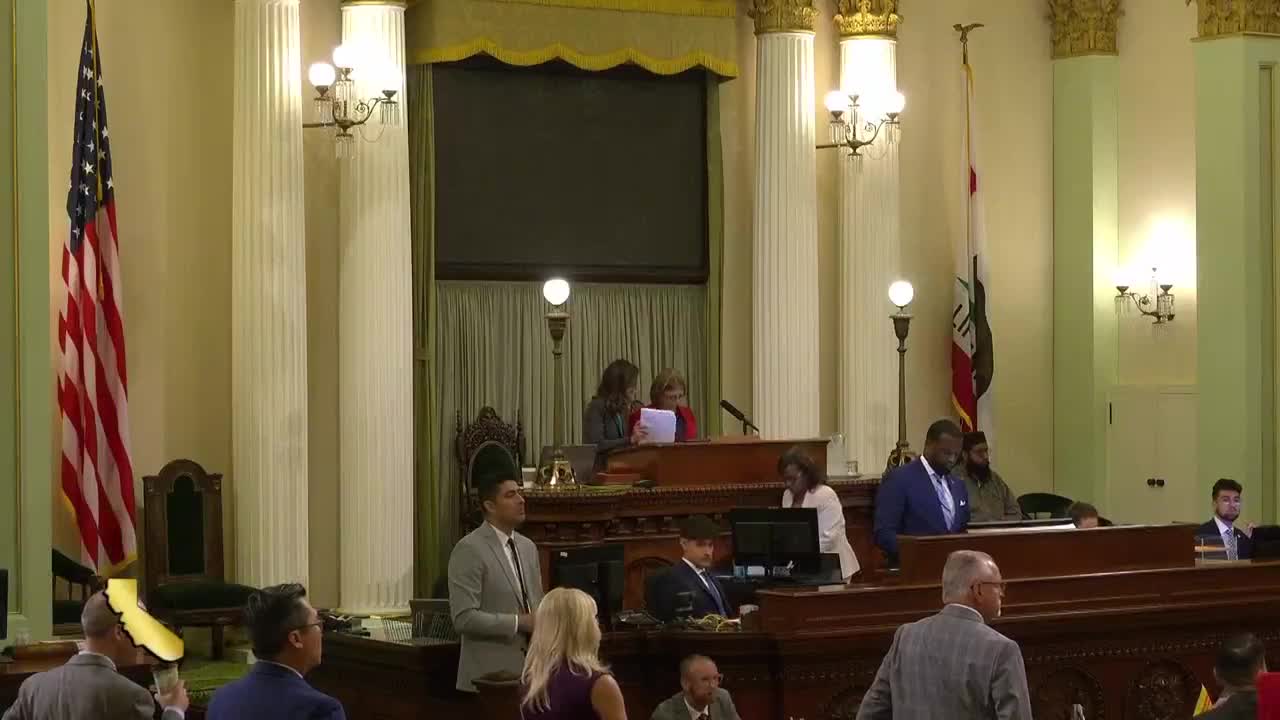 58SEC
Assembly Floor
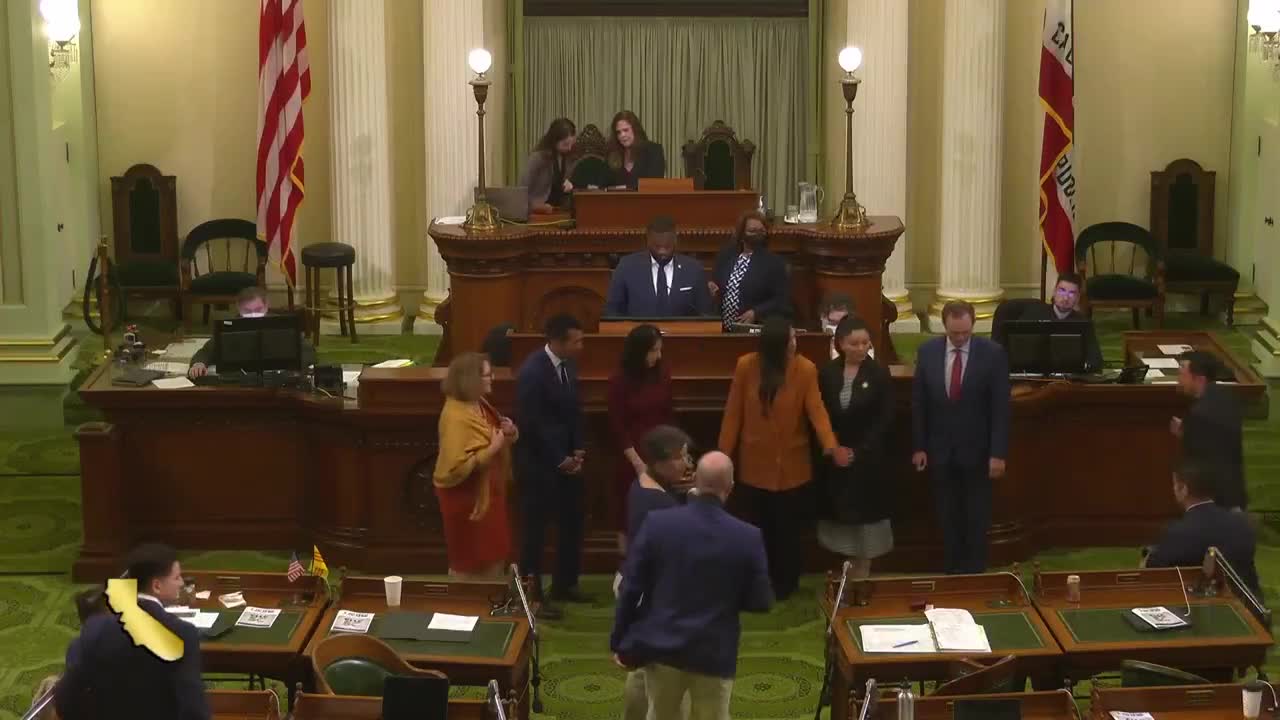 1MIN
Assembly Floor
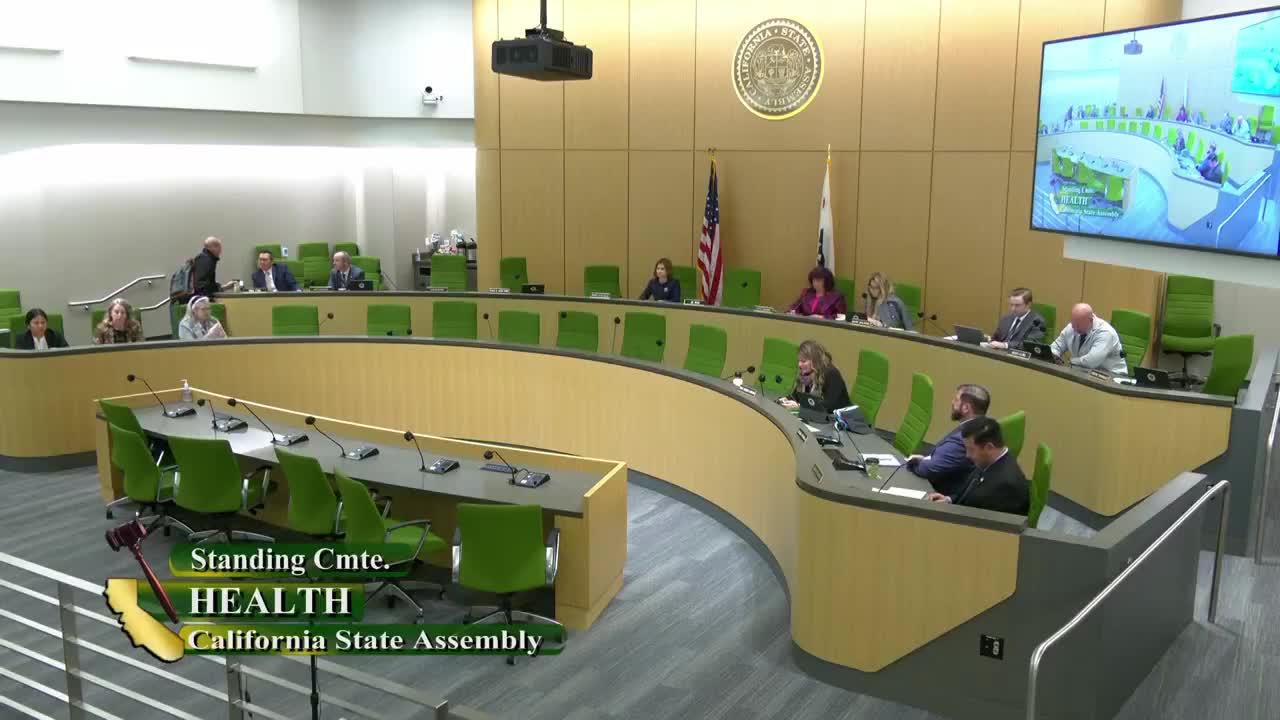 5MIN
Assembly Standing Committee on Health
Bill Author

Bill Co-Author(s):