ACR 147: California’s First-Generation College Celebration Day.
- Session Year: 2023-2024
- House: Assembly
- Latest Version Date: 2024-07-02
Current Status:
Passed
(2024-07-02: Chaptered by Secretary of State - Res. Chapter 136, Statutes of 2024.)
Introduced
In Committee
First Chamber
In Committee
Second Chamber
Enacted
This measure would designate November 8, 2024, as Californias First-Generation College Celebration Day. The measure would urge all higher education institutions in the state to celebrate Californias First-Generation College Celebration Day, recognize the significant role of first-generation college students in developing the states future workforce, celebrate the federal Higher Education Act of 1965, and support first-generation college students with opportunities and equity in completing their desired degree programs.
This measure would designate November 8, 2024, as Californias First-Generation College Celebration Day. The measure would urge all higher education institutions in the state to celebrate Californias First-Generation College Celebration Day, recognize the significant role of first-generation college students in developing the states future workforce, celebrate the federal Higher Education Act of 1965, and support first-generation college students with opportunities and equity in completing their desired degree programs.
This measure would designate November 8, 2024, as Californias First-Generation College Celebration Day. The measure would urge all higher education institutions in the state to celebrate Californias First-Generation College Celebration Day, recognize the significant role of first-generation college students in developing the states future workforce, celebrate the federal Higher Education Act of 1965, and support first-generation college students with opportunities and equity in completing their desired degree programs.
WHEREAS, November 8 is the anniversary of the signing of the federal Higher Education Act of 1965 (20 U.S.C. 1001 et seq.) by President Lyndon B. Johnson on November 8, 1965; and
WHEREAS, The Higher Education Act of 1965 focused on increasing postsecondary access and success for students, particularly for low-income and first-generation college students; and
WHEREAS, The Higher Education Act of 1965 helped usher in programs necessary for postsecondary access, retention, and completion for low-income and first-generation college students, including the Federal TRIO programs (20 U.S.C. 1070a11 et seq.) and the Federal Pell Grant program (20 U.S.C. 1070a); and
WHEREAS, Several programs provide services for individuals from first-generation and historically disadvantaged backgrounds to progress through the academic pipeline, including, but not limited to, all of the following programs:
(1)The Federal TRIO programs are the primary national efforts supporting underrepresented students in postsecondary education and are designed to identify individuals from low-income and first-generation backgrounds in order to prepare them for postsecondary education, provide them with support services, and motivate and prepare them for doctoral degree programs.
(2)The Puente Project and its mission to increase the number of educationally underrepresented students who enroll in four-year colleges and universities, who earn college and university degrees, and who return to their communities as mentors and leaders for future generations.
(3)The Educational Opportunity Program (EOP), which was created in the late 1960s to overcome economic and social barriers that prevented minorities and underrepresented students from attaining a college education; today, all 23 California State University campuses have an EOP to provide access and support services for students from first-generation and historically disadvantaged backgrounds.
(4)Umoja programs at the California Community Colleges, the California State University, and the University of California, which are committed to the academic success, personal growth, and self-actualization of African American and other students.
(5)The Asian American, Native Hawaiian, and Pacific Islander (AANHPI) Student Achievement Program at the California State University and the California Community Colleges, which provide culturally responsive services to enhance student educational experiences and promote higher education success for low-income, underserved, and first-generation AANHPI students and other underrepresented students; and
WHEREAS, The Federal Pell Grant program is the primary federal investment of financial aid for low-income college students, and is used by students at higher education institutions of their choice; and
WHEREAS, First-generation college student is an individual whose parents did not complete a baccalaureate degree, or, in the case of an individual who regularly resided with and received support from only one parent, an individual whose parent did not complete a baccalaureate degree; and
WHEREAS, First-generation college students may face additional academic, financial, and social challenges that lead to disparate outcomes in college access and completion and disparate labor market outcomes compared to their peers with parents who attended at least some college; and
WHEREAS, Fifty-six percent of all college students currently pursuing degrees are first-generation college students; and
WHEREAS, The Legislature recognizes that the immediate aftermath of the COVID-19 pandemic highlighted the disparities that first-generation college students experience compared to their peers; and
WHEREAS, In 2017, the Council for Opportunity in Education and the Center for First-generation Student Success jointly launched the inaugural First-Generation College Celebration; and
WHEREAS, The First-Generation College Celebration has continued to grow, and institutions of higher education, corporations, nonprofit organizations, and elementary and secondary schools now celebrate November 8 as National First-Generation College Celebration Day; now, therefore, be it
Resolved by the Assembly of the State of California, the Senate thereof concurring, That the Legislature hereby designates November 8, 2024, as Californias First-Generation College Celebration Day; and be it further
Resolved, That the Legislature urges all higher education institutions in the state to do all of the following:
(1)Celebrate Californias First-Generation College Celebration Day.
(2)Recognize the significance of first-generation college students in developing the states future workforce.
(3)Celebrate the federal Higher Education Act of 1965 and programs under that act that provide access to higher education to first-generation and historically disadvantaged students.
(4)Support first-generation college students by providing opportunities and equity in completing their desired degree programs; and be it further
Resolved, That the Chief Clerk of the Assembly transmit copies of this resolution to the author for appropriate distribution.
|
Date
|
Status
|
|---|---|
| Jul 2, 2024 | Chaptered by Secretary of State - Res. Chapter 136, Statutes of 2024. |
| Jul 2, 2024 | Enrolled and filed with the Secretary of State at 3 p.m. |
| Jun 20, 2024 | In Assembly. Ordered to Engrossing and Enrolling. |
| Jun 20, 2024 | Adopted and to Assembly. (Ayes 36. Noes 0. Page 4628.) |
| Jun 18, 2024 | Read second time. Ordered to Consent Calendar. |
| Jun 17, 2024 | From committee: Be ordered to second reading file pursuant to Senate Rule 28.8 and ordered to Consent Calendar. |
| Jun 5, 2024 | From committee: Be adopted, and re-refer to Com. on APPR with recommendation: To Consent Calendar. (Ayes 7. Noes 0.) (June 5). Re-referred to Com. on APPR. |
| May 8, 2024 | Referred to Com. on ED. |
| Apr 30, 2024 | In Senate. To Com. on RLS. |
| Apr 29, 2024 | Adopted and to Senate. (Ayes 74. Noes 0. Page 5033.) |
| Apr 29, 2024 | Coauthors revised. |
| Apr 24, 2024 | From committee: Be adopted. To Consent Calendar. (Ayes 14. Noes 0.) (April 24). |
| Apr 10, 2024 | From committee: Be adopted, and re-refer to Com. on APPR. Re-referred. (Ayes 11. Noes 0.) (April 9). Re-referred to Com. on APPR. |
| Mar 4, 2024 | Referred to Com. on HIGHER ED. |
| Feb 17, 2024 | From printer. |
| Feb 16, 2024 | Introduced. To print. |
|
Date
|
Description
|
Location
|
Votes
|
|
|---|---|---|---|---|
| Jun 20, 2024 | Consent Calendar 2nd ACR147 Alvarez et al. | Senate Floor |
Passed |
|
| Jun 5, 2024 | Be adopted, but first be re-referred to the Committee on [Appropriations] with recommendation: To Consent Calendar | Senate Standing Committee on Education |
Passed |
|
| Apr 29, 2024 | ACR 147 Alvarez Consent Calendar Second Day Regular Session | Assembly Floor |
Passed |
|
| Apr 24, 2024 | Be adopted. To Consent Calendar. | Assembly Standing Committee on Appropriations |
Passed |
|
| Apr 9, 2024 | Without recommendation, and be re-referred to Committee on [Appropriations] | Assembly Standing Committee on Higher Education |
Passed |
|
| Apr 9, 2024 | Be adopted and re-referred to the Committee on [Appropriations] | Assembly Standing Committee on Higher Education |
Passed |
This list shows positions taken on this bill by organizations on the date displayed, which is linked to the original source.
Positions by individuals are not included.
|
Organization
|
Position
|
Date
|
|---|---|---|
| California Student Aid Commission | * Support | Apr 9, 2024 |
| City Of Kerman | * Support | Apr 9, 2024 |
| Community College League of California | * Support | Apr 9, 2024 |
| Faculty Association Of California Community Colleges | * Support | Apr 9, 2024 |
| MANA de San Diego | * Support | Apr 9, 2024 |
SENATE RULES COMMITTEE Office of Senate Floor Analyses (916) 651-1520 Fax: (916) 327-4478 | ACR 147 |
CONSENT
Bill No: ACR 147
Author: Alvarez (D), et al.
Introduced: 2/16/24
Vote: 21
SENATE EDUCATION COMMITTEE: 7-0, 6/5/24
AYES: Newman, Jones, Cortese, Glazer, Gonzalez, Smallwood-Cuevas, Wilk
SENATE APPROPRIATIONS COMMITTEE: Senate Rule 28.8
ASSEMBLY FLOOR: 74-0, 4/29/24 (Consent) - See last page for vote
SUBJECT: California’s First-Generation College Celebration Day
SOURCE: MANA De San Diego
DIGEST:
This resolution designates November 8, 2024, as “California’s First-Generation College Celebration Day” and urges all California higher education institutions to recognize and celebrate the day in support of first-generation college students.
ANALYSIS:
Existing federal law establishes the Higher Education Act, which governs the administration of federal funding for higher education programs, including federal financial aid, for the purpose of ensuring every person has access to higher education. (United States Code, Title 20, Chapter 28, Subchapter 1, Part A, Section 1001 et seq.)
This resolution:
- Resolves all of the following:
- That the Legislature designates November 8, 2024, as “California’s First-Generation College Celebration Day.”
- Recognize the significance of first-generation college students in developing the state’s future workforce.
- Celebrate the federal Higher Education Act of 1965 and programs under that act that provide access to higher education to first-generation and historically disadvantaged students.
- Support first-generation college students by providing opportunities and equity in completing their desired degree programs.
- That copies of this resolution be transmitted to the author for appropriate distribution.
- Makes a number of findings and declarations related to the federal Higher Education Act of 1965 and various programs operating on California college campuses that support first-generation college students, including the Federal TRIO programs, the Puente Project, Educational Opportunity Program (EOP), Umoja programs, and the Asian American, Native Hawaiian, and Pacific Islander (AANHPI) Student Achievement Program.
Comments
- Need for this measure. According to the author, “As a first-generation college graduate and former Puente student in high school and TRIO McNair Scholar in college, I have experienced firsthand these remarkable programs that led to my college success. I’ve also worked for the TRIO Program and understand the genuine commitment that staff has for the students they serve. Without these program efforts, many of our first-generation students would not be completing their higher education dreams. We must acknowledge at the State Legislature the importance of these programs to first-generation students by celebrating an official day.”
- Why is this important? In this resolution, a first-generation college student is defined as an individual whose parents did not complete a baccalaureate degree. These students face the realities of missing a valuable source of preparation and guidance that comes with having parents who have completed college. As a result, they are likely to experience significant challenges in accessing college, succeeding academically once they enroll, and completing their degree. Despite these challenges, many succeed, and degree attainment often means improved economic conditions for themselves and their children. According to the Center for First Generation Student Success’ 2020 factsheet, the median income of first-generation students’ parents was $41,000 in both 2016 and 2020, but the median income of continuing-generation students’ parents increased from $90,000 in 2016 to $103,000 in 2020. College success can be life changing for these students. The Center for First Generation Student Success indicates that, across postsecondary education, there is a renewed focus on first-generation college students due to shifting populations entering higher education, continual increases in first-generation college student enrollment, the debate surrounding rising tuition and costs, and genuine desires for a rise in graduation rates and a better-prepared workforce. The inaugural celebration launched in 2017, hundreds of higher education institutions and k-12 schools have joined in recognizing the achievements of the first-generation community on and around November 8.
- First-generation college students in California. As indicated in the Assembly Higher Education Committee analysis, the California Community College (CCC) DataMart system identified 433,792 first-generation students attending a CCC in the fall of 2023. In the of fall 2023, the California State University (CSU) reported that approximately 136,300 undergraduate students had parents who did not attend college, and the University of California (UC) reported that 37 percent of undergraduates identified as first-generation college students. Several programs have been established on campuses to support first-generation students and other under-resourced students succeed in college, including all of the following:
- The Educational Opportunity Program (EOP), established in 1969, focuses on providing support programs to help first-generation and economically disadvantaged students succeed in their undergraduate programs. While the EOP is primarily on California State University campuses, a version of EOP also exists on CCC campuses and is called Extended Opportunity Programs and Services.
- The Puente Project was originally established by Chabot College and has since expanded to community colleges across that state. Puente Project primary goal is to help community college students successfully transfer to four-year universities by providing academic and mentoring support.
- The Umoja program is a nationally recognized program currently offered at the CCC, CSU, and UC and is focused on assisting Black students matriculate to graduation.
- Asian American, Native American, and Pacific Islander (AANHPI) Student Achievement Program at CSU and UC. It is designed to provide tailored academic assistance for underserved and first-generation AANHPI students.
In recent years, the Legislature has taken action to support these programs by specifically appropriating funds for them through the budget process.
- Federal programs provide support to first-generation college students and other vulnerable student populations through the Higher Education Act. In April 2023, the Congressional Research Services (CRS) published a primer on “The Higher Education Act.” The CRS summarized the Higher Education Act of 1964 as the authorizing legislation for numerous federal aid programs that provide support to both individuals pursuing postsecondary education and higher education institutions. Contained within the Higher Education Act are the following sections:
- Titles II, III, and V provide institutional aid and support, including funding for historically Black colleges and Hispanic serving institutions.
- Title IV authorizes the federal government’s major student financial aid programs, including the Federal Pell Grant and the TRIO programs.
- Federal Pell Grants are the largest source of grant aid provided by the federal government for students seeking to attend postsecondary education institutions. Pell grant is a need-based program that provides qualifying students up to $7,395 (in the 2024-2025 award year) each year. Pell grant is provided for no more than 12 terms, or roughly six years, and it can be prorated if the student enrolls in less than a full-time course load.
d) TRIO programs are six discretionary grant programs designed to provide financial assistance to help students from disadvantaged backgrounds prepare for and complete postsecondary education. TRIO programs primarily serve students who are first-generation, low-income, students with disabilities, students at risk for academic failure, veterans, homeless youth, foster youth, or/and individuals who are underrepresented in graduate education. TRIO programs include the following:
- Education Opportunity Centers – offers counseling and information on college admissions to qualified adults who wish to either enter or continue their postsecondary education journey. The goal of the centers is to increase the number of adult participants who enroll in postsecondary education.
- Ronald E. McNair Postbaccalaureate Achievement - assists undergraduate students in the preparation required for doctoral study. The program provides research opportunities, internships, counseling, tutoring, and stipends to help disadvantaged students pursue their doctoral degrees. Funding is provided to institutions of higher education to help prepare eligible students for doctoral studies.
- Student Support Services – provides awards to postsecondary education institutions for the purpose of developing and providing programs to help assist and motivate students towards successful completion of their postsecondary education. For example, an institution may receive funding and establish academic tutoring opportunities or additional financial aid support for students.
- Talent Search – the purpose of the program is to increase the number of youth from disadvantaged backgrounds who complete both high school and college. The program identifies and assists these individuals by providing academic, career, and financial counseling to help encourage completion.
- Training Program for Federal TRIO Program Staff – is a grant program specifically designed to support training to enhance the skills and expertise of staff who are employed in Federal TRIO programs.
- Upward Bound – serves high school students from low-income families and high school students who would be considered first-generation college students. The program provides academic instruction, tutoring, counseling, and mentoring to help students who are underrepresented in higher education persist to enrollment in higher education.
- Upward Bound Math-Science – similar to Upward Bound but specifically targets underrepresented, low-income, or first-generation high school students who wish to enroll in math and science majors in college.
- Veterans Upward Bound – serves veterans by motivating and assisting them in developing academic skills necessary to successfully graduate from a postsecondary education institution.
It appears that both the state and federal levels acknowledge the need to close resource gaps for these students and the importance that their academic success.
FISCAL EFFECT: Appropriation: No Fiscal Com.: No Local: No
SUPPORT: (Verified 6/18/24)
MANA De San Diego (source)
California Student Aid Commission
Community College League of California
Universidad Popular
OPPOSITION: (Verified 6/18/24)
None received
ASSEMBLY FLOOR: 74-0, 4/29/24
AYES: Addis, Aguiar-Curry, Alanis, Arambula, Bains, Bauer-Kahan, Bennett, Berman, Boerner, Bonta, Bryan, Calderon, Juan Carrillo, Wendy Carrillo, Cervantes, Chen, Connolly, Davies, Dixon, Essayli, Flora, Mike Fong, Vince Fong, Friedman, Gabriel, Gallagher, Garcia, Gipson, Grayson, Haney, Hart, Holden, Hoover, Irwin, Jackson, Jones-Sawyer, Kalra, Lackey, Lee, Low, Lowenthal, Maienschein, McCarty, McKinnor, Muratsuchi, Stephanie Nguyen, Ortega, Pacheco, Papan, Jim Patterson, Joe Patterson, Pellerin, Petrie-Norris, Quirk-Silva, Ramos, Reyes, Luz Rivas, Rodriguez, Santiago, Schiavo, Soria, Ta, Ting, Valencia, Villapudua, Waldron, Wallis, Ward, Weber, Wicks, Wilson, Wood, Zbur, Robert Rivas
NO VOTE RECORDED: Alvarez, Megan Dahle, Mathis, Rendon, Blanca Rubio, Sanchez
Prepared by: Olgalilia Ramirez / ED. / (916) 651-4105
6/18/24 13:52:41
**** END ****
SENATE COMMITTEE ON EDUCATION
Senator Josh Newman, Chair
2023 - 2024 Regular
Bill No: ACR 147 Hearing Date: June 5, 2024
Author: | |||
Version: | February 16, 2024 | ||
Urgency: |
| Fiscal: | Yes |
Consultant: | Olgalilia Ramirez | ||
Subject: California’s First-Generation College Celebration Day.
SUMMARY
This measure designates November 8, 2024, as “California’s First-Generation College Celebration Day” and urges all California higher education institutions to recognize and celebrate the day in support of first-generation college students.
BACKGROUND
Existing federal law establishes the Higher Education Act, which governs the
administration of federal funding for higher education programs, including federal financial aid, for the purpose of ensuring every person has access to higher education. (United States Code, Title 20, Chapter 28, Subchapter 1, Part A, Section 1001 et seq.)
ANALYSIS
This measure:
- Resolves all of the following:
- That the Legislature designates November 8, 2024, as “California’s First-
Generation College Celebration Day.”
- Recognize the significance of first-generation college students in
developing the state’s future workforce.
- Celebrate the federal Higher Education Act of 1965 and programs under
that act that provide access to higher education to first-generation and
historically disadvantaged students.
- Support first-generation college students by providing opportunities and
equity in completing their desired degree programs.
- That copies of this resolution be transmitted to the author for appropriate
distribution.
- Makes a number of findings and declarations related to the federal Higher Education Act of 1965 and various programs operating on California college campuses that support first-generation college students, including the Federal TRIO programs, the Puente Project, Educational Opportunity Program (EOP), Umoja programs, and the Asian American, Native Hawaiian, and Pacific Islander (AANHPI) Student Achievement Program.
STAFF COMMENTS
- Need for this measure. According to the author, “As a first-generation college graduate and former Puente student in high school and TRIO McNair Scholar in college, I have experienced firsthand these remarkable programs that led to my college success. I’ve also worked for the TRIO Program and understand the genuine commitment that staff has for the students they serve. Without these program efforts, many of our first-generation students would not be completing their higher education dreams. We must acknowledge at the State Legislature the importance of these programs to first-generation students by celebrating an official day.”
- Why is this important? In this measure, a first-generation college student is defined as an individual whose parents did not complete a baccalaureate degree. These students face the realities of missing a valuable source of preparation and guidance that comes with having parents who have completed college. As a result, they are likely to experience significant challenges in accessing college, succeeding academically once they enroll, and completing their degree. Despite these challenges, many succeed, and degree attainment often means improved economic conditions for themselves and their children. According to the Center for First Generation Student Success’ 2020 factsheet, the median income of first-generation students’ parents was $41,000 in both 2016 and 2020, but the median income of continuing-generation students’ parents increased from $90,000 in 2016 to $103,000 in 2020. College success can be life changing for these students. The Center for First Generation Student Success indicates that, across postsecondary education, there is a renewed focus on first-generation college students due to shifting populations entering higher education, continual increases in first-generation college student enrollment, the debate surrounding rising tuition and costs, and genuine desires for a rise in graduation rates and a better-prepared workforce. The inaugural celebration launched in 2017, hundreds of higher education institutions and k-12 schools have joined in recognizing the achievements of the first-generation community on and around November 8.
- First-generation college students in California. As indicated in the Assembly Higher Education Committee analysis, the California Community College (CCC) DataMart system identified 433,792 first-generation students attending a CCC in the fall of 2023. In the of fall 2023, the California State University (CSU) reported that approximately 136,300 undergraduate students had parents who did not attend college, and the University of California (UC) reported that 37 percent of undergraduates identified as first-generation college students. Several programs have been established on campuses to support first-generation students and other under-resourced students succeed in college, including all of the following:
- The Educational Opportunity Program (EOP), established in 1969, focuses on providing support programs to help first-generation and economically disadvantaged students succeed in their undergraduate programs. While the EOP is primarily on California State University campuses, a version of EOP also exists on CCC campuses and is called Extended Opportunity Programs and Services.
- The Puente Project was originally established by Chabot College and has since expanded to community colleges across that state. Puente Project primary goal is to help community college students successfully transfer to four-year universities by providing academic and mentoring support.
- The Umoja program is a nationally recognized program currently offered at the CCC, CSU, and UC and is focused on assisting Black students matriculate to graduation.
- Asian American, Native American, and Pacific Islander (AANHPI) Student Achievement Program at CSU and UC. It is designed to provide tailored academic assistance for underserved and first-generation AANHPI students.
In recent years, the Legislature has taken action to support these programs by specifically appropriating funds for them through the budget process.
- Federal programs provide support to first-generation college students and other vulnerable student populations through the Higher Education Act. In April 2023, the Congressional Research Services (CRS) published a primer on “The Higher Education Act.” The CRS summarized the Higher Education Act of 1964 as the authorizing legislation for numerous federal aid programs that provide support to both individuals pursuing postsecondary education and higher education institutions. Contained within the Higher Education Act are the following sections:
- Titles II, III, and V provide institutional aid and support, including funding for historically Black colleges and Hispanic serving institutions.
- Title IV authorizes the federal government’s major student financial aid programs, including the Federal Pell Grant and the TRIO programs.
- Federal Pell Grants are the largest source of grant aid provided by the federal government for students seeking to attend postsecondary education institutions. Pell grant is a need-based program that provides qualifying students up to $7,395 (in the 2024-2025 award year) each year. Pell grant is provided for no more than 12 terms, or roughly six years, and it can be prorated if the student enrolls in less than a full-time course load.
- TRIO programs are six discretionary grant programs designed to provide financial assistance to help students from disadvantaged backgrounds prepare for and complete postsecondary education. TRIO programs primarily serve students who are first-generation, low-income, students with disabilities, students at risk for academic failure, veterans, homeless youth, foster youth, or/and individuals who are underrepresented in graduate education. TRIO programs include the following:
- Education Opportunity Centers – offers counseling and information on college admissions to qualified adults who wish to either enter or continue their postsecondary education journey. The goal of the centers is to increase the number of adult participants who enroll in postsecondary education.
- Ronald E. McNair Postbaccalaureate Achievement - assists undergraduate students in the preparation required for doctoral study. The program provides research opportunities, internships, counseling, tutoring, and stipends to help disadvantaged students pursue their doctoral degrees. Funding is provided to institutions of higher education to help prepare eligible students for doctoral studies.
- Student Support Services – provides awards to postsecondary education institutions for the purpose of developing and providing programs to help assist and motivate students towards successful completion of their postsecondary education. For example, an institution may receive funding and establish academic tutoring opportunities or additional financial aid support for students.
- Talent Search – the purpose of the program is to increase the number of youth from disadvantaged backgrounds who complete both high school and college. The program identifies and assists these individuals by providing academic, career, and financial counseling to help encourage completion.
- Training Program for Federal TRIO Program Staff – is a grant program specifically designed to support training to enhance the skills and expertise of staff who are employed in Federal TRIO programs.
- Upward Bound – serves high school students from low-income families and high school students who would be considered first-generation college students. The program provides academic instruction, tutoring, counseling, and mentoring to help students who are underrepresented in higher education persist to enrollment in higher education.
- Upward Bound Math-Science – similar to Upward Bound but specifically targets underrepresented, low-income, or first-generation high school students who wish to enroll in math and science majors in college.
- Veterans Upward Bound – serves veterans by motivating and assisting them in developing academic skills necessary to successfully graduate from a postsecondary education institution.
It appears that both the state and federal levels acknowledge the need to close resource gaps for these students and the importance that their academic success.
SUPPORT
California Student Aid Commission
Community College League of California
Universidad Popular
OPPOSITION
None received
-- END --
Date of Hearing: April 24, 2024
ASSEMBLY COMMITTEE ON APPROPRIATIONS
Buffy Wicks, Chair
ABPCA Bill Id:ACR 147
Author:(Alvarez) – As Introduced Ver:February 16, 2024
Policy Committee: | Higher Education | Vote: | 11 - 0 |
|
| ||
|
|
Urgency: State Mandated Local Program: Reimbursable: No
SUMMARY:
This measure designates November 8, 2024, as California’s First-Generation College Celebration Day and urges all higher education institutions in the state to celebrate the day, recognize the significant role of first-generation college students in developing the state’s future workforce, celebrate the federal Higher Education Act of 1965, and support first-generation college students with opportunities and equity in completing their desired degree programs.
FISCAL EFFECT:
No state cost.
COMMENTS:
Background. A first-generation college student is a college student whose parents did not complete a baccalaureate degree. 56% of all college students are first-generation college students. First-generation college students may face challenges in college-going that their peers with parents who attended at least some college do not. In 2017, the Council for Opportunity in Education and the Center for First-generation Student Success jointly launched the “First-Generation College Celebration.” Over time, the celebrations have grown to include various colleges, universities, and other organizations.
This bill designates for California a First-Generation College Celebration Day.
Analysis Prepared by: Natasha Collins / APPR. / (916) 319-2081
Date of Hearing: April 9, 2024
ASSEMBLY COMMITTEE ON HIGHER EDUCATION
Mike Fong, Chair
ABPCA Bill Id:ACR 147 (
Author:Alvarez) – As Introduced Ver:February 16, 2024
SUBJECT: California’s First-Generation College Celebration Day
SUMMARY: Designates November 8, 2024, as “California’s First-Generation College Celebration Day” and urges higher education institutions in California to recognize and celebrate the day to further support first-generation college students. Specifically, this bill:
- Designates, on behalf of the Legislature, November 8, 2024, as “California’s First-Generation College Celebration Day.”
- Urges, on behalf of the Legislature, for higher education institutions in California to do all the following:
- Celebrate “California’s First-Generation College Celebration Day;”
- Recognize the significance first-generation college students in developing the state’s future workforce;
- Celebrate the Federal Higher Education Act of 1965 and the programs established by the act which assist first-generation and historically disadvantaged students in gaining access to higher education; and,
- Support first-generation students by providing opportunities and equity in completing their desired degree.
- Requires the Chief Clerk of the Assembly to transit copies of the resolution to the author (Assemblymember Alvarez) for distribution.
- Makes various findings and declarations related to the Federal Higher Education Act of 1965 and various programs on California postsecondary campuses, all of which support underrepresented students; including, but not limited to:
- The Federal Higher Education Act of 1965 signed into law by President Lyndon B. Johnson on November 8, 1965 and is responsible for various programs designed to exclusively help low-income and first-generation students access higher education; and,
- Various programs have been established to provide services to first-generation and underrepresented students in postsecondary education. These programs include Puente Project, Educational Opportunity Program, Umoja, and Asian American, Native Hawaiian, and Pacific Islander Student Achievement Program.
EXISTING LAW: Federal law.
- Establishes the Higher Education Act, which governs the administration of federal funding for higher education programs, including federal financial aid, for the purpose of ensuring every person has access to higher education (United States Code, Title 20, Chapter 28, Subchapter 1, Part A, Section 1001 et seq.).
FISCAL EFFECT: Unknown
COMMENTS: Need for the measure. As enumerated by the author, “As a first-generation college graduate and former Puente student in high school and TRIO McNair Scholar in college, I have experienced firsthand these remarkable programs that led to my college success. I’ve also worked for the TRIO Program and understand the genuine commitment that staff has for the students they serve. Without these program efforts, many of our first-generation students would not be completing their higher education dreams. We must acknowledge at the State Legislature the importance of these programs to first-generation students by celebrating an official day.”
In 2017, the Council for Opportunity in Education and the Center for First-generation Student Success instituted the inaugural “First-Generation College Celebration Day.” The purpose of the day was to establish a narrative where colleges and universities celebrate the success of first-generation college students, faculty, and staff. Since the inaugural, “First-Generation College Celebration Day,” the celebration has expanded to include national recognition with U.S. Senate Resolution 500 in 2023 by U.S. Senator Warnock of Georgia. The resolution recognized November 8, 2023 as “First-Generation College Celebration Day” and urged the people of the United States to celebrate the important role that first-generation college students play in helping to develop the future workforce.”
ACR 147 (Alvarez), builds upon the 2023 U.S. Senate Resolution 500 by establishing the first “California First-Generation College Celebration Day” beginning on November 8, 2024 and encourages colleges and universities within California to mark the occasion, by celebrating and supporting first-generation college students. ACR 147 (Alvarez) does not create a holiday for purposes of a day off from work or school, but rather raises awareness of the importance of equity and access by highlighting programs that help first-generation students succeed in postsecondary education.
The Higher Education Act of 1965. In April 2023, the Congressional Research Services (CRS) published a primer on “The Higher Education Act”. The CRS summarized the Higher Education Act of 1964 as the authorizing legislation for numerous federal aid programs which provide support to both individual pursuing a postsecondary education and the institutions of higher education. Contained within the Higher Education Act are the following sections:
- Title II, III, and V provide institutional aid and support, including funding for historically Black colleges and Hispanic serving institutions; and,
- Title IV – authorizes the federal government’s major student financial aid programs, including Federal Pell Grant and the TRIO programs;
Federal Pell Grants (Pell) are the largest source of grant aid provided by the federal government for students seeking to attend postsecondary education institutions. Pell is a need-based program that provides up to $7,395 (in the 2024-2025 award year) each year to qualifying students. Typically, Pell is awarded to an undergraduate student with exceptional need and in recent years has been expanded to include eligible incarcerated students. The Pell is provided for no more than 12 terms or roughly six years and it can be prorated if the student enrolls in less than a full-time course load.
TRIO Programs are six discretionary grant programs designed to provide financial assistance to help students from disadvantaged backgrounds prepare and complete postsecondary education. TRIO Programs primarily serve students who are first-generation, low-income, students with disabilities, students at risk for academic failure, veterans, homeless youth, foster youth, or/and individuals who are underrepresented in graduate education. TRIO programs include the following:
- Education Opportunity Centers – a program designed to offer counseling and information on college admissions to qualified adults who either wish to enter or continue their postsecondary education journey. The goal of the centers is to increase the number of adult participants who enroll in postsecondary education;
- Ronald E. McNair Postbaccalaurreate Achievement – assists undergraduate students in the preparation required for doctoral study. The program provides research opportunities, internships, counseling, tutoring and stipends to help disadvantage students pursue their doctoral degrees. Funding is provided to institutions of higher education to help prepare eligible students for doctoral studies;
- Student Support Services – provides awards to postsecondary education institutions for the purpose of developing and providing programs to help assist and motivate students towards successful completion of their postsecondary education. For example, an institution may receive the funding and establish academic tutoring opportunities or additional financial aid support for students;
- Talent Search – the purpose of the program is to increase the number of youth from disadvantaged backgrounds who complete both high school and college. The program identifies and assists these individuals by providing academic, career, and financial counseling to help encourage completion;
- Training Program for Federal TRIO Program Staff – is a grant program specifically designed to support training to enhance the skills and expertise of staff who are employed in Federal TRIO programs;
- Upward Bound – serves high school students from low-income families and high school students who would be considered first-generation college students. The program provides academic instruction, tutoring, counseling, and mentoring to help students who are underrepresented in higher education persist to enrollment in higher education;
- Upward Bound Math-Science – same as Upward Bound but specifically targets underrepresented, low-income, or first-generation high school students who wish to enroll in math and science majors in college; and,
- Veterans Upward Bound – serves veterans by motivating and assisting them in developing academic skills necessary to successfully graduate from a postsecondary education institution.
First-generation college students in California. California is home to the largest and most diverse postsecondary education system in the United States. One of the primary goals of the public higher education systems is to increase diversity, equity, and inclusion; which begins by increasing access for first-generation and underrepresented students. The California Community College DataMart system, identified 433,792 first-generation students attending a California Community College in the fall 2023. The Academic and Student Affair Institutional Research and Analysis Department of the California State University, found in fall 2023, 136, 292 undergraduate students had parents who did not attend college. The University of California in fall 2023, reported 37% of undergraduates identified as first-generation college students.
To support first-generation students, an array of programs have been established on campus to help students from all backgrounds succeed in their higher education goals. The Educational Opportunity Program (EOP), established in 1969, focuses on providing support programs to help first-generation and economically disadvantaged students succeed in their undergraduate programs. While the EOP is primarily on CSU campuses, a version of EOP also exists on CCC campuses and is called Extended Opportunity Programs and Services. The Puente Project was originally established by Chabot College and has since expanded to community colleges across that state. Puente Project primary goal is to help community college students successfully transfer to four-year universities by providing academic and mentoring support. The Umoja program is nationally recognized program, currently offered at the CCC, CSU, and UC and is focused on assisting Black students matriculate to graduation. Both the CSU and the CCC have an Asian American, Native American, and Pacific Islander (AANHPI) Student Achievement Program designed to provide tailored academic assistance for underserved and first-generation AANHPI students. The goals of all the programs listed above are aligned with ACR 147 (Alvarez) as each wishes to acknowledged the lived experience of first-generation students, provide academic supports to ensure equity with their peers, and celebrate the success of these students.
Arguments in support. As enumerated by the Faculty Association of California Community Colleges, “ACR 147 should be passed because it will provide much-needed recognition and support to the large number of first-generation college students enrolled in community colleges across the state. First-generation students frequently face unique challenges and barriers to success, such as unfamiliarity with the college setting, limited access to resources and support systems, and financial constraints. By establishing a day to celebrate and support these students, the bill would raise awareness of their experiences and the importance of providing them with the resources and opportunities they require to succeed academically.
REGISTERED SUPPORT / OPPOSITION:
Support
Community College League of California
Faculty Association of California Community College
Opposition
None on file.
Analysis Prepared by: Ellen Cesaretti-Monroy / HIGHER ED. / (916) 319-3960
Discussed in Hearing
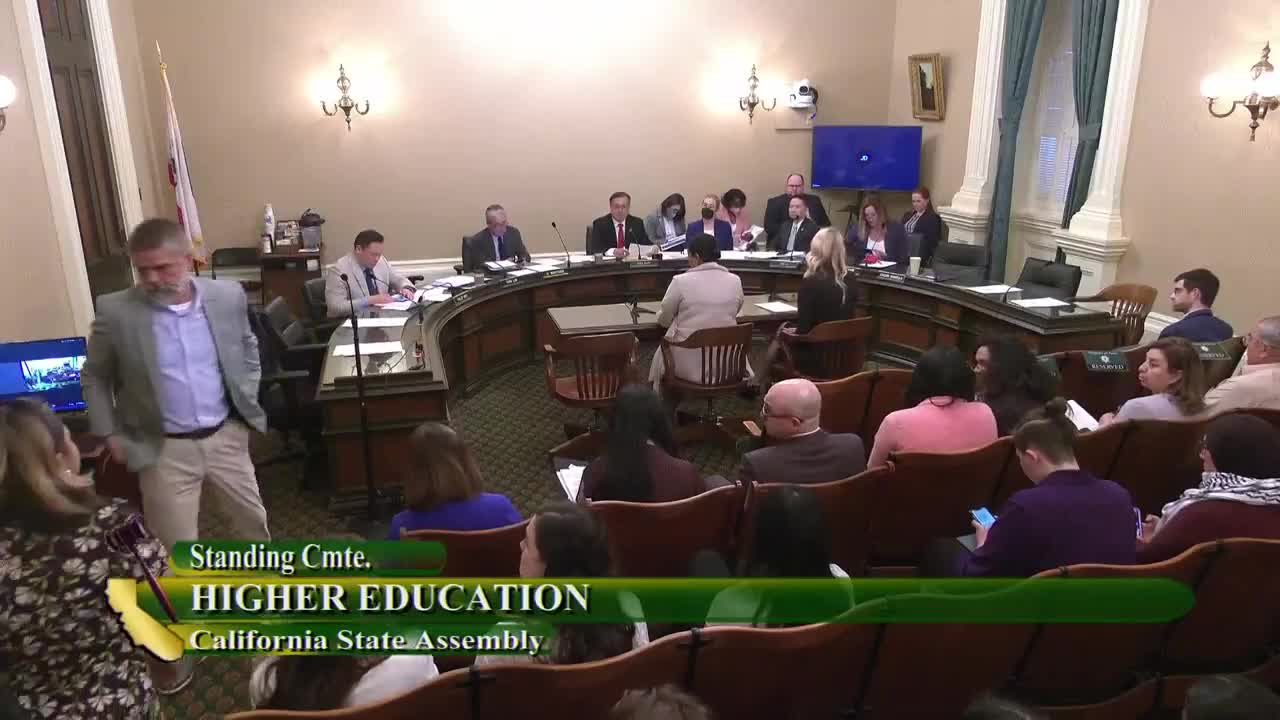 9MIN
Assembly Standing Committee on Higher Education
Bill Author
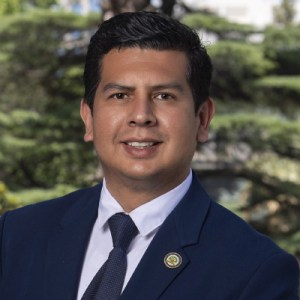
Bill Co-Author(s):