AJR 4: Medicare: ACO REACH Model.
- Session Year: 2023-2024
- House: Assembly
- Latest Version Date: 2023-09-14
Current Status:
Passed
(2023-09-14: Chaptered by Secretary of State - Res. Chapter 172, Statutes of 2023.)
Introduced
In Committee
First Chamber
In Committee
Second Chamber
Enacted
What does this bill do?
This resolution asks the President to immediately end the ACO REACH model in Medicare. It says REACH lets private companies keep money not spent on care, creating incentives to limit treatment, and that ending it would protect seniors and people with disabilities and preserve Medicare’s traditional access to doctors.
The summary is provided by generative AI which can make mistakes. For original language, please view the details in the table below.
This measure would request the President of the United States to immediately end the Accountable Care Organization (ACO) Realizing Equity, Access, and Community Health (REACH) Model under the federal Medicare Program, with the stated goal of eliminating corporate profiteering and expanding consumer-directed access to care established through Traditional Medicare.
This measure would request the President of the United States to immediately end the Accountable Care Organization (ACO) Realizing Equity, Access, and Community Health (REACH) Model under the federal Medicare Program, with the stated goal of eliminating corporate profiteering and expanding consumer-directed access to care established through Traditional Medicare.
This measure would request the President of the United States to immediately end the Accountable Care Organization (ACO) Realizing Equity, Access, and Community Health (REACH) Model under the federal Medicare Program, with the stated goal of eliminating corporate profiteering and expanding consumer-directed access to care established through Traditional Medicare.
This measure would request the President of the United States to immediately end the Accountable Care Organization (ACO) Realizing Equity, Access, and Community Health (REACH) Model under the federal Medicare Program, with the stated goal of eliminating corporate profiteering and expanding consumer-directed access to care established through Traditional Medicare.
WHEREAS, For 57 years, the federal Medicare Program has been a vital part of the social safety net of this country, providing guaranteed health care for millions of seniors and people with disabilities who might otherwise be reduced to poverty by medical bills; and
WHEREAS, Unlike private insurers, Medicare generally allows patients to see any doctor who is enrolled in Medicare, and the program is able to keep its administrative costs to a minimum by generally paying providers directly; and
WHEREAS, According to a report by the State Department of Health Care Services, Profile of the California Medicare Population, released in February 2022, the states Medicare population grew 11.3 percent from approximately 5,800,000 beneficiaries in 2016 to approximately 6,500,000 beneficiaries in 2021; and
WHEREAS, California is experiencing a historic demographic shift; according to the states Master Plan for Aging, nearly one-quarter of the states population will be older adults and seniors by 2030, many of whom will require affordable and accessible health care services provided by Medicare; and
WHEREAS, Instead of filling the gaps in Medicares coverage, the federal government has increasingly used Medicare funds to pay private insurance companies, significantly increasing its administrative costs, burdening doctors with extra paperwork, and providing new opportunities for fraudulent billing by private insurers; and
WHEREAS, In 2020, private insurers like Humana and United Healthcare charged Medicare over $12,000,000,000, paying for diagnoses that were not actually treated; and
WHEREAS, The ongoing privatization has created a $350,000,000,000 market that Wall Street and private equity firms are rushing to exploit, undermining Medicares solvency and putting crucial decisions about patient care in the hands of private insurers, rather than doctors; and
WHEREAS, During the final months of the Trump Administration, the Global and Professional Direct Contracting (GPDC) Model was launched, intended to privatize Traditional Medicare by enrolling millions of Medicare recipients in private direct contracting entities (DCEs) without their consent, or even knowledge; and
WHEREAS, The DCE program was launched without congressional approval, oversight, or even discussion; and
WHEREAS, In early 2022, the Biden Administration responded to public protests of DCE by not ending it, but by making essential cosmetic and programmatic changes and rebranding it as the Accountable Care Organization (ACO) Realizing Equity, Access, and Community Health (REACH) Model; and
WHEREAS, The REACH payment model creates dangerous incentives to restrict care. Traditional Medicare pays doctors and hospitals directly for care, but the REACH payment model pays ACOs a monthly payment to cover a defined portion of each seniors medical expenses. ACO participants are then allowed to keep as profit and overhead what they do not pay for in health services, a powerful financial incentive to ration seniors care; and
WHEREAS, The REACH payment model not only threatens seniors care; it would drain Medicare of billions of dollars of needed revenue each year. Traditional Medicare spends 98 percent of its budget on patient care, but REACH ACOs could spend as little as 60 percent of Medicare payments on care, keeping up to 40 percent of revenues for their own profit and overhead; and
WHEREAS, In January 2023, officials from the federal Center for Medicare and Medicaid Innovation (CMMI) informed the Board of Administration of the California Public Employees Retirement System (CalPERS) that REACH enrollment increased nationally from 1.8 million in 2022 to 2.1 million in 2023, a 16.7-percent jump, with 132 organizations (27 of them serving California enrollees) participating as REACH ACOs, many of which are owned by private equity groups. Additionally, CMMI officials informed the board, there will not be any more than 132 organizations in the model, and most likely no more than 2.1 million beneficiaries ... ; and
WHEREAS, The statements from CMMI indicate a temporary moratorium on REACH expansion. However, the program enrolled 2.1 million Americans without their full knowledge or consent. Continued operation of the ACO REACH Model serves as a perpetual threat to Traditional Medicare, including the tens of millions of Traditional Medicare enrollees, until the program is terminated outright; and
WHEREAS, California represents at least 10 percent of the nations Medicare population, while at least 20 percent of all participating ACO REACH entities operate in California; and
WHEREAS, President Joseph Biden, throughout his career in public service, has uplifted older adults, seniors, and people with disabilities by expanding access to health care. President Biden is duly credited for his efforts to pass the Affordable Care Act, which aligned federal funding to implement, and later expand, vital programs for millions of Californians. Furthermore, the Biden Administration has taken historic measures via Executive Order and legislation to make systematic improvements to Americas long-term care infrastructure, including President Bidens unwavering support to protect and improve Medicare and Social Security; and
WHEREAS, It is within the power of the Biden Administration to end the program with a stroke of a pen; now, therefore, be it
Resolved by the Assembly and the Senate of the State of California, jointly, That the Legislature requests President Joseph Biden to end the ACO REACH Model immediately, thereby eliminating corporate profiteering and expanding consumer-directed access to care established through Traditional Medicare; and be it further
Resolved, That the Chief Clerk of the Assembly transmit copies of this resolution to the President of the United States, to the Secretary of the United States Department of Health and Human Services, to the Administrator of the federal Centers for Medicare and Medicaid Services, to the Speaker of the House of Representatives, to the Majority Leader of the Senate, to each Senator and Representative from California in the Congress of the United States, and to the author for appropriate distribution.
WHEREAS, For 57 years, the federal Medicare Program has been a vital part of the social safety net of this country, providing guaranteed health care for millions of seniors and people with disabilities who might otherwise be reduced to poverty by medical bills; and
WHEREAS, Unlike private insurers, Medicare generally allows patients to see any doctor who is enrolled in Medicare, and the program is able to keep its administrative costs to a minimum by generally paying providers directly; and
WHEREAS, According to a report by the State Department of Health Care Services, Profile of the California Medicare Population, released in February 2022, the states Medicare population grew 11.3 percent from approximately 5,800,000 beneficiaries in 2016 to approximately 6,500,000 beneficiaries in 2021; and
WHEREAS, California is experiencing a historic demographic shift; according to the states Master Plan for Aging, nearly one-quarter of the states population will be older adults and seniors by 2030, many of whom will require affordable and accessible health care services provided by Medicare; and
WHEREAS, Instead of filling the gaps in Medicares coverage, the federal government has increasingly used Medicare funds to pay private insurance companies, significantly increasing its administrative costs, burdening doctors with extra paperwork, and providing new opportunities for fraudulent billing by private insurers; and
WHEREAS, In 2020, private insurers like Humana and United Healthcare charged Medicare over $12,000,000,000, paying for diagnoses that were not actually treated; and
WHEREAS, The ongoing privatization has created a $350,000,000,000 market that Wall Street and private equity firms are rushing to exploit, undermining Medicares solvency and putting crucial decisions about patient care in the hands of private insurers, rather than doctors; and
WHEREAS, During the final months of the Trump Administration, the Global and Professional Direct Contracting (GPDC) Model was launched, intended to privatize Traditional Medicare by enrolling millions of Medicare recipients in private direct contracting entities (DCEs) without their consent, or even knowledge; and
WHEREAS, The DCE program was launched without congressional approval, oversight, or even discussion; and
WHEREAS, In early 2022, the Biden Administration responded to public protests of DCE by not ending it, but by making essential cosmetic changes and rebranding it as the Accountable Care Organization (ACO) Realizing Equity, Access, and Community Health (REACH) Model; and
WHEREAS, The REACH payment model creates dangerous incentives to restrict care. Traditional Medicare pays doctors and hospitals directly for care, but the REACH payment model pays ACOs a monthly payment to cover a defined portion of each seniors medical expenses. ACO participants are then allowed to keep as profit and overhead what they do not pay for in health services, a powerful financial incentive to ration seniors care; and
WHEREAS, The REACH payment model not only threatens seniors care; it would drain Medicare of billions of dollars of needed revenue each year. Traditional Medicare spends 98 percent of its budget on patient care, but REACH ACOs could spend as little as 60 percent of Medicare payments on care, keeping up to 40 percent of revenues for their own profit and overhead; and
WHEREAS, In January 2023, officials from the federal Center for Medicare and Medicaid Innovation (CMMI) informed the Board of Administration of the California Public Employees Retirement System (CalPERS) that REACH enrollment increased nationally from 1.8 million in 2022 to 2.1 million in 2023, a 16.7-percent jump, with 132 organizations (27 of them serving California enrollees) participating as REACH ACOs, many of which are owned by private equity groups. Additionally, CMMI officials informed the board, there will not be any more than 132 organizations in the model, and most likely no more than 2.1 million beneficiaries ... ; and
WHEREAS, The statements from CMMI indicate a temporary moratorium on REACH expansion. However, the program enrolled 2.1 million Americans without their full knowledge or consent. Continued operation of the ACO REACH Model serves as a perpetual threat to Traditional Medicare, including the tens of millions of Traditional Medicare enrollees, until the program is terminated outright; and
WHEREAS, It is within the power of the Biden Administration to end the program with a stroke of a pen; now, therefore, be it
Resolved by the Assembly and the Senate of the State of California, jointly, That the Legislature requests President Joseph Biden to end the ACO REACH Model immediately, thereby eliminating corporate profiteering and expanding consumer-directed access to care established through Traditional Medicare; and be it further
Resolved, That the Chief Clerk of the Assembly transmit copies of this resolution to the President of the United States, to the Secretary of the United States Department of Health and Human Services, to the Administrator of the federal Centers for Medicare and Medicaid Services, to the Speaker of the House of Representatives, to the Majority Leader of the Senate, to each Senator and Representative from California in the Congress of the United States, and to the author for appropriate distribution.
|
Date
|
Status
|
|---|---|
| Sep 14, 2023 | Chaptered by Secretary of State - Res. Chapter 172, Statutes of 2023. |
| Sep 14, 2023 | Enrolled and filed with the Secretary of State at 4 p.m. |
| Sep 7, 2023 | In Assembly. Ordered to Engrossing and Enrolling. |
| Sep 7, 2023 | Adopted and to Assembly. (Ayes 30. Noes 6. Page 2475.) |
| Jul 13, 2023 | From committee: Be adopted. Ordered to Third Reading. (Ayes 10. Noes 0.) (July 12). |
| Jun 14, 2023 | Referred to Com. on HEALTH. |
| Jun 1, 2023 | In Senate. To Com. on RLS. |
| May 31, 2023 | Adopted and to Senate. (Ayes 63. Noes 15. Page 2002.) |
| May 31, 2023 | Coauthors revised. |
| May 25, 2023 | Amended. Ordered to third reading. |
| May 1, 2023 | Read second time. Ordered to third reading. |
| Apr 27, 2023 | Withdrawn from committee. |
| Apr 27, 2023 | Ordered to second reading. |
| Apr 26, 2023 | From committee: Be adopted, and re-refer to Com. on APPR. Re-referred. (Ayes 12. Noes 3.) (April 25). Re-referred to Com. on APPR. |
| Apr 20, 2023 | Referred to Com. on HEALTH. |
| Apr 13, 2023 | From printer. |
| Apr 12, 2023 | Introduced. To print. |
|
Date
|
Description
|
Location
|
Votes
|
|
|---|---|---|---|---|
| Sep 7, 2023 | Assembly 3rd Reading AJR4 Schiavo et al. By McGuire | Senate Floor |
Passed |
|
| Jul 12, 2023 | Be adopted. Ordered to third reading | Senate Standing Committee on Health |
Passed |
|
| May 31, 2023 | AJR 4 Schiavo Assembly Third Reading | Assembly Floor |
Passed |
|
| Apr 25, 2023 | Be adopted and re-referred to the Committee on [Appropriations] | Assembly Standing Committee on Health |
Passed |
This list shows positions taken on this bill by organizations on the date displayed, which is linked to the original source.
Positions by individuals are not included.
|
Organization
|
Position
|
Date
|
|---|---|---|
| American Federation of State, County and Municipal Employees, Retiree Chapter | ** Support | |
| California Alliance For Retired Americans | ** Support | |
| California OneCare | ** Support | |
| California State Retirees | ** Support | |
| Central Labor Council, Contra Costa County | ** Support | |
| Culver City Democratic Club | * Support | Jul 12, 2023 |
| democratic party of contra costa county | ** Support | |
| Democrats of Rossmoor | ** Support | |
| Diablo Valley Democrats | ** Support | |
| Glenn County Democrats | ** Support | |
| Gray Panthers of San Francisco | ** Support | |
| Healthcare for All | * Support | Jul 12, 2023 |
| Healthcare for All California | ** Support | |
| Healthcare for All Working Group | ** Support | |
| Healthy California Now | ** Support | |
| Humboldt Progressive Democrats | ** Support | |
| Indivisible Napa | ** Support | |
| Lift Up Contra Costa Action | ** Support | |
| Medicare | * Support | Jul 12, 2023 |
| Movement to End Privatization of Medicare | ** Support | |
| Our Revolution, East Bay | ** Support | |
| Physicians for a National Health Program | * Support | Jul 12, 2023 |
| Physicians for a National Health Program | * Support | Jul 12, 2023 |
| Physicians for a National Health Program California | ** Support | |
| Progressive Democrats Of America | ** Support | |
| San Ramon Valley Democratic Club | ** Support | |
| Senior & Disability Action | ** Support | |
| Sonoma County Democratic Party | ** Support | |
| Therapists for Single Payer | ** Support | |
| Wellstone Democratic Renewal Club | ** Support |
SENATE RULES COMMITTEE Office of Senate Floor Analyses (916) 651-1520 Fax: (916) 327-4478 | AJR 4 |
THIRD READING
Bill No: AJR 4
Author: Schiavo (D), et al.
Amended: 5/25/23 in Assembly
Vote: 21
SENATE HEALTH COMMITTEE: 10-0, 7/12/23
AYES: Eggman, Glazer, Gonzalez, Hurtado, Limón, Menjivar, Roth, Rubio, Wahab, Wiener
NO VOTE RECORDED: Nguyen, Grove
ASSEMBLY FLOOR: 63-15, 5/31/23 - See last page for vote
ASSEMBLY HEALTH COMMITTEE: 12-3, 4/25/23
AYES: Wood, Waldron, Aguiar-Curry, Arambula, Boerner, Wendy Carrillo, Maienschein, McCarty, Rodriguez, Santiago, Villapudua, Weber
NOES: Flora, Vince Fong, Joe Patterson
SUBJECT: Medicare: ACO REACH Model
SOURCE: California Alliance for Retired Americans
DIGEST:
This resolution requests the President of the United States to immediately end the Accountable Care Organization Realizing Equity, Access, and Community Health model under the federal Medicare Program, with the stated goal of eliminating corporate profiteering and expanding consumer-directed access to care established through Traditional Medicare.
ANALYSIS:
Existing federal law:
- Establishes the Medicare Program, which is a public health insurance program for persons who are 65 years of age or older and specified persons with disabilities who are under 65 years of age. [42 USC §1395 et al.]
- Establishes the Medicare Shared Saving Program to promote accountability for a patient population, coordinate items and services under Medicare Parts A and B, and encourage investment in infrastructure and redesigned care processes for high quality and efficient service delivery. Authorizes groups of providers of services and suppliers meeting specified criteria to work together to manage and coordinate care for Medicare fee-for-service beneficiaries through an accountable care organization (ACO). [42 USC §1395jjj]
- Establishes the Center for Medicare and Medicaid Innovation (CMMI) to test innovative payment and service delivery models to reduce program expenditures while preserving or enhancing the quality of care furnished to individuals under the Medicare and Medicaid programs. [42 USC §1315a]
This resolution:
- Declares that for 57 years, the federal Medicare Program has been a vital part of the social safety net of this country, providing guaranteed health care for millions of seniors and people with disabilities who might otherwise be reduced to poverty by medical bills; and, unlike private insurers, Medicare generally allows patients to see any doctor who is enrolled in Medicare, and the program is able to keep its administrative costs to a minimum by generally paying providers directly.
- Finds that California is experiencing a historic demographic shift; according to the state’s Master Plan for Aging, nearly one-quarter of the state’s population will be older adults and seniors by 2030, many of whom will require affordable and accessible health care services provided by Medicare.
- Finds that instead of filling the gaps in Medicare’s coverage, the federal government has increasingly used Medicare funds to pay private insurance companies, increasing its administrative costs, burdening doctors with extra paperwork, and providing new opportunities for fraudulent billing by private insurers.
- Finds that in 2020, private insurers like Humana and United Healthcare charged Medicare over $12 billion, paying for diagnoses that were not actually treated; and the ongoing privatization has created a $350 billion market that Wall Street and private equity firms are rushing to exploit, undermining Medicare’s solvency and putting crucial decisions about patient care in the hands of private insurers, rather than doctors.
- Finds that during the final months of the Trump Administration, the Global and Professional Direct Contracting (GPDC) Model was launched, intended to privatize Traditional Medicare by enrolling millions of Medicare recipients in private direct contracting entities (DCEs) without their consent or knowledge; and the DCE program was launched without congressional approval, oversight, or discussion.
- Finds that in early 2022, the Biden Administration responded to public protests of DCE by making cosmetic and programmatic changes and rebranding it as the ACO Realizing Equity, Access, and Community Health (REACH) Model.
- Finds that the ACO REACH model creates dangerous incentives to restrict care. Traditional Medicare pays doctors and hospitals directly for care, but the REACH payment model pays ACOs a monthly payment to cover a defined portion of each senior’s medical expenses. ACO participants are allowed to keep as profit and overhead what they do not pay for in health services. The REACH payment model would drain Medicare of billions of dollars of needed revenue each year. Traditional Medicare spends 98% of its budget on patient care, but REACH ACOs could spend as little as 60% of Medicare payments on care, keeping up to 40% of revenues for their own profit and overhead.
- Finds that the program enrolled 2.1 million Americans without their full knowledge or consent. Continued operation of the ACO REACH Model serves as a threat to Traditional Medicare until the program is terminated.
- Finds that California represents at least 10% of the nation’s Medicare population, while at least 20% of all participating ACO REACH entities operate in California.
- Finds that President Biden has uplifted older adults, seniors, and people with disabilities by expanding access to health care throughout his career. President Biden is credited for his efforts to pass the Affordable Care Act, which expanded vital programs for millions of Californians. The Biden Administration has taken measures to make improvements to America’s long-term care infrastructure, including President Biden’s unwavering support to protect and improve Medicare and Social Security.
- Finds that it is within the power of the Biden Administration to end the program with a stroke of a pen.
- Requests that President Biden to end the ACO REACH Model immediately, thereby eliminating corporate profiteering and expanding consumer-directed access to care established through Traditional Medicare.
- Calls upon the Chief Clerk of the Assembly to transmit copies of this resolution to the President, the Secretary of the United States Department of Health and Human Services, the Administrator of the federal Centers for Medicare and Medicaid Services, the Speaker of the House of Representatives, the Majority Leader of the Senate, each Senator and Representative from California in the Congress of the United States, and the author for appropriate distribution.
Comments
- Author’s statement. According to the author, this resolution requests the Biden Administration to dissolve the ACO-REACH program. Our nation’s Medicare Program has kept eligible seniors and people with disabilities from dying and out of poverty for close to 60 years by keeping administrative costs to a minimum and allowing patients a choice in selecting their physician. Since the mid-90s the federal government has increasingly used Medicare to pay private insurers (Medicare Part C, now often referred to as Medicare Advantage) to administer our county’s Medicare program. Some of the providers of the ACO REACH are private equity firms that are rushing to exploit and undermine Medicare’s solvency by over diagnosing and inflated billing practices. As a state with 20% of the nation’s ACO REACH providers, California has the most to lose by not urging action.
- Privatization in Medicare. Medicare is the federal insurance program for people who are age 65 or older or for those with certain disabilities that is funded largely through payroll taxes. Traditional Medicare includes Part A, which covers inpatient hospital care and is free to most people. Medicare Part B covers doctors’ services or other outpatient care. Services covered by Part A and Part B are reimbursed on a fee-for-service arrangement which allows enrollees to get care from any provider enrolled in the federal Medicare program. Because these two parts of the traditional Medicare coverage do not cover all health care services needed and because as a large federal program, there are always efforts to cut costs, there have been several attempts to work with the commercial market to fill in gaps or reduce costs. For example, Medicare Part D offers prescription drug coverage through commercial plans for people enrolled in Part A and Part B. Medicare Part C, also known as Medicare Advantage plans, provides the services for Part A and Part B (and usually Part D prescription coverage as well) through a commercial plan such as a health maintenance organization, preferred provider organization, or a special needs plan for people with specific health needs or who are also enrolled in Medicaid. Finally, there are also Medigap insurance policies for people enrolled in traditional Medicare Parts A and B that covers services not covered by Parts A and B. While these commercial products have filled in gaps in the traditional Medicare program, they have not been proven to save the federal government money. For example, a January 2023 presentation from the Medicare Payment Advisory Commission shows that although Medicare Advantage enrollees receive less services than traditional Medicare enrollees, Medicare Advantage plan payments are consistently higher than the payments for traditional Medicare.
- ACOs. An ACO is a health care organization that ties provider reimbursements to quality metrics and reductions in the cost of care. They use alternative payment models to traditional fee-for-service payment, usually in the form of capitation. This move away from fee-for-service payments is intended to reward providers who improve the health of their patients rather than those who provide the most health care services. The Affordable Care Act authorized CMS to create the Medicare Shared Savings Program which allowed for the establishment of ACO contracts with Medicare in an effort to promote care coordination in Medicare Part A and B.
According to CMS, ACOs are groups of doctors, hospitals, and other health care providers, who come together voluntarily to give coordinated care to the Medicare patients they serve. Coordinated care helps ensure that patients, especially the chronically ill, get the right care at the right time, with the goal of avoiding unnecessary duplication of services and preventing medical errors. When an ACO succeeds in both delivering high-quality care and spending health care dollars more wisely, it will share in the savings it achieves for the Medicare program. In addition to the Medicare Shared Savings Program, CMS also has other ACO programs including the ACO Investment Model to test pre-paid savings in rural and underserved areas, the Comprehensive ESRD Care Initiative for beneficiaries receiving dialysis services; and the Pioneer ACO Model for health care organizations and providers already experienced in coordinating care for patients across care settings.
- ACO REACH. The current ACO REACH program is a reworking of on an earlier Trump Administration program the Global and Professional Direct Contracting (GDPC) Model developed by CMMI as a pilot. The goals of the GDPC model were to improve access to providers personally engaged in their patients’ healthcare delivery and to provide strong incentives to improve quality of care by shifting payment away from fee-for-service towards value-based capitated payments. However, many consumers have not welcomed this model. Unlike the most common forms of commercial Medicare, patients did not choose to enroll in the GDPC. Concerns were also raised about the involvement of private equity firms in some of these ACOs and how profits could be generated. In response to public criticism, CMS revamped the GDPC model stating that the redesigned ACO REACH Model reflects the priorities of the Biden-Harris Administration and responds to feedback from stakeholders and participants. According to CMS, ACO REACH makes the following changes to the GPDC model:
- Advance Health Equity to Bring the Benefits of Accountable Care to Underserved Communities. ACO REACH will test an innovative payment approach to better support care delivery and coordination for patients in underserved communities and will require that all model participants develop and implement a robust health equity plan to identify underserved communities and implement initiatives to measurably reduce health disparities within their beneficiary populations.
- Promote Provider Leadership and Governance. ACO REACH requires at least 75% control of each ACO's governing body generally must be held by participating providers or their designated representatives, compared to 25% during the first two Performance Years of the GPDC model. In addition, the ACO REACH Model goes beyond prior ACO initiatives by requiring at least two beneficiary advocates on the governing board (at least one Medicare beneficiary and at least one consumer advocate), both of whom must hold voting rights.
- Protect Beneficiaries and the Model with More Participant Vetting, Monitoring and Greater Transparency. CMS will ask for additional information on applicants’ ownership, leadership, and governing board to gain better visibility into ownership interests and affiliations to ensure participants’ interests align with CMS’s vision. CMS will employ increased up-front screening of applicants, robust monitoring of participants, and greater transparency into the model’s progress during implementation, even before final evaluation results, and will share more information on the participants and their work to improve care. Last, CMS will also explore stronger protections against inappropriate coding and risk score growth.
Despite these changes, the ACO REACH model has still garnered criticism. Just prior to its relaunch, in December 2022, a number of members of Congress, led by Representative Jayapal and Senator Warren wrote a public letter to CMS stating that the ACO REACH model provides an opportunity for health care insurers with a history of defrauding and abusing Medicare and ripping off taxpayers to further encroach on the Medicare system. They asked that CMS closely examine the participants in the ACO REACH program, including those transitioning from the GPDC program, and take action to prevent those with histories of fraud and abuse from participating in the newly designed program in 2023. Their letter cited a preliminary review conducted by Physician for a National Health Program that identified at least ten participating organizations that have documented cases of defrauding Medicare and other government health programs, including organizations operating ACOs in California.
FISCAL EFFECT: Appropriation: Fiscal Com.: No Local:
SUPPORT: (Verified 8/10/23)
California Alliance for Retired Americans (source)
American Federation of State, County and Municipal Employees, Retiree Chapter
California OneCare
California State Retirees
Central Labor Council, Contra Costa County
Democratic Party of Contra Costa County
Democrats of Rossmoor
Diablo Valley Democrats
Glenn County Democrats
Gray Panthers of San Francisco
Healthcare for All – California
Healthcare for All Working Group
Healthy California Now
Humboldt Progressive Democrats
Indivisible Napa
Lift Up Contra Costa Action
Movement to End Privatization of Medicare
Our Revolution, East Bay
Physicians for a National Health Program California
Progressive Democrats of America
San Ramon Valley Democratic Club
Senior & Disability Action
Sonoma County Democratic Party
Therapists for Single Payer
Wellstone Democratic Renewal Club
Five individuals
OPPOSITION: (Verified 8/10/23)
None received
ARGUMENTS IN SUPPORT: According to the California Alliance for Retired Americans, sponsors of this bill, the ACO REACH pilot program undermines the core, consumer-directed, principles of Traditional Medicare by auto-aligning enrollees into ACOs who are equipped with incentives to maximize profits over delivering quality care. Additionally, Medicare auto-aligns beneficiaries into an ACO based on their relationship with an ACO-affiliated primary care provider which could have led to millions of traditional Medicare beneficiaries being automatically enrolled into a ACO without their full knowledge or consent. To date, at least 27 of the participating 132 ACOs (nearly 21% of all participating entities) are serving California REACH-aligned beneficiaries. Moreover, changes to anyone’s healthcare plan can be a daunting experience, especially for seniors who made the conscious choice to enroll in traditional Medicare. Under this program, 2.1 million traditional Medicare beneficiaries had their choice rescinded, potentially leading to disruptions in ongoing treatment and/or experiencing a complete overhaul to their access and delivery of their healthcare. Once a beneficiary is auto-aligned into a REACH entity, the onus is on the beneficiary to terminate their plan - which can be an arduous and needlessly confusing process.
ASSEMBLY FLOOR: 63-15, 5/31/23
AYES: Addis, Aguiar-Curry, Alvarez, Arambula, Bains, Bauer-Kahan, Bennett, Berman, Boerner, Bonta, Bryan, Calderon, Juan Carrillo, Wendy Carrillo, Cervantes, Connolly, Mike Fong, Friedman, Gabriel, Garcia, Gipson, Grayson, Haney, Hart, Holden, Irwin, Jackson, Jones-Sawyer, Kalra, Lee, Low, Lowenthal, Maienschein, McCarty, McKinnor, Muratsuchi, Stephanie Nguyen, Ortega, Pacheco, Papan, Pellerin, Petrie-Norris, Quirk-Silva, Ramos, Reyes, Luz Rivas, Robert Rivas, Rodriguez, Blanca Rubio, Santiago, Schiavo, Soria, Ting, Valencia, Villapudua, Waldron, Ward, Weber, Wicks, Wilson, Wood, Zbur, Rendon
NOES: Alanis, Chen, Megan Dahle, Davies, Dixon, Essayli, Flora, Vince Fong, Gallagher, Hoover, Lackey, Mathis, Joe Patterson, Sanchez, Ta
NO VOTE RECORDED: Jim Patterson, Wallis
Prepared by: Jen Flory / HEALTH / (916) 651-4111
8/10/23 15:15:35
SENATE COMMITTEE ON HEALTH
Senator Dr. Susan Talamantes Eggman, Chair
BILL NO: AJR 4
AUTHOR: | Schiavo | ||
VERSION: | May 25, 2023 | ||
HEARING DATE: | July 12, 2023 | ||
CONSULTANT: | Jen Flory | ||
SUBJECT: Medicare: ACO REACH Model
SUMMARY:
Requests the President of the United States to immediately end the Accountable Care Organization Realizing Equity, Access, and Community Health model under the federal Medicare Program, with the stated goal of eliminating corporate profiteering and expanding consumer-directed access to care established through Traditional Medicare.
Existing federal law:
- Establishes the Medicare Program, which is a public health insurance program for persons who are 65 years of age or older and specified persons with disabilities who are under 65 years of age. [42 USC §1395 et al.]
- Establishes the Medicare Shared Saving Program to promote accountability for a patient population, coordinate items and services under Medicare Parts A and B, and encourage investment in infrastructure and redesigned care processes for high quality and efficient service delivery. Authorizes groups of providers of services and suppliers meeting specified criteria to work together to manage and coordinate care for Medicare fee-for-service beneficiaries through an accountable care organization (ACO). [42 USC §1395jjj]
- Establishes the Center for Medicare and Medicaid Innovation (CMMI) to test innovative payment and service delivery models to reduce program expenditures while preserving or enhancing the quality of care furnished to individuals under the Medicare and Medicaid programs. [42 USC §1315a]
This resolution:
- Declares that for 57 years, the federal Medicare Program has been a vital part of the social safety net of this country, providing guaranteed health care for millions of seniors and people with disabilities who might otherwise be reduced to poverty by medical bills; and, unlike private insurers, Medicare generally allows patients to see any doctor who is enrolled in Medicare, and the program is able to keep its administrative costs to a minimum by generally paying providers directly.
- Finds that California is experiencing a historic demographic shift; according to the state’s Master Plan for Aging, nearly one-quarter of the state’s population will be older adults and seniors by 2030, many of whom will require affordable and accessible health care services provided by Medicare.
- Finds that instead of filling the gaps in Medicare’s coverage, the federal government has increasingly used Medicare funds to pay private insurance companies, increasing its administrative costs, burdening doctors with extra paperwork, and providing new opportunities for fraudulent billing by private insurers.
- Finds that in 2020, private insurers like Humana and United Healthcare charged Medicare over $12 billion, paying for diagnoses that were not actually treated; and the ongoing privatization has created a $350 billion market that Wall Street and private equity firms are rushing to exploit, undermining Medicare’s solvency and putting crucial decisions about patient care in the hands of private insurers, rather than doctors.
- Finds that during the final months of the Trump Administration, the Global and Professional Direct Contracting (GPDC) Model was launched, intended to privatize Traditional Medicare by enrolling millions of Medicare recipients in private direct contracting entities (DCEs) without their consent or knowledge; and the DCE program was launched without congressional approval, oversight, or discussion.
- Finds that in early 2022, the Biden Administration responded to public protests of DCE by making cosmetic and programmatic changes and rebranding it as the ACO Realizing Equity, Access, and Community Health (REACH) Model.
- Finds that the ACO REACH model creates dangerous incentives to restrict care. Traditional Medicare pays doctors and hospitals directly for care, but the REACH payment model pays ACOs a monthly payment to cover a defined portion of each senior’s medical expenses. ACO participants are allowed to keep as profit and overhead what they do not pay for in health services. The REACH payment model would drain Medicare of billions of dollars of needed revenue each year. Traditional Medicare spends 98% of its budget on patient care, but REACH ACOs could spend as little as 60% of Medicare payments on care, keeping up to 40% of revenues for their own profit and overhead.
- Finds that the program enrolled 2.1 million Americans without their full knowledge or consent. Continued operation of the ACO REACH Model serves as a threat to Traditional Medicare until the program is terminated.
- Finds that California represents at least 10% of the nation’s Medicare population, while at least 20% of all participating ACO REACH entities operate in California.
- Finds that President Biden has uplifted older adults, seniors, and people with disabilities by expanding access to health care throughout his career. President Biden is credited for his efforts to pass the Affordable Care Act, which expanded vital programs for millions of Californians. The Biden Administration has taken measures to make improvements to America’s long-term care infrastructure, including President Biden’s unwavering support to protect and improve Medicare and Social Security.
- Finds that it is within the power of the Biden Administration to end the program with a stroke of a pen.
- Requests that President Biden to end the ACO REACH Model immediately, thereby eliminating corporate profiteering and expanding consumer-directed access to care established through Traditional Medicare.
- Calls upon the Chief Clerk of the Assembly to transmit copies of this resolution to the President, the Secretary of the United States Department of Health and Human Services, the Administrator of the federal Centers for Medicare and Medicaid Services, the Speaker of the House of Representatives, the Majority Leader of the Senate, each Senator and Representative from California in the Congress of the United States, and the author for appropriate distribution.
PRIOR VOTES:
Assembly Floor: | 63 - 15 |
Assembly Health Committee: | 12 - 3 |
COMMENTS:
- Author’s statement. According to the author, this resolution requests the Biden Administration to dissolve the ACO-REACH program. Our nation’s Medicare Program has kept eligible seniors and people with disabilities from dying and out of poverty for close to 60 years by keeping administrative costs to a minimum and allowing patients a choice in selecting their physician. Since the mid-90s the federal government has increasingly used Medicare to pay private insurers (Medicare Part C, now often referred to as Medicare Advantage) to administer our county’s Medicare program. Some of the providers of the ACO REACH are private equity firms that are rushing to exploit and undermine Medicare’s solvency by over diagnosing and inflated billing practices. As a state with 20% of the nation’s ACO REACH providers, California has the most to lose by not urging action.
- Privatization in Medicare. Medicare is the federal insurance program for people who are age 65 or older or for those with certain disabilities that is funded largely through payroll taxes. Traditional Medicare includes Part A, which covers inpatient hospital care and is free to most people. Medicare Part B covers doctors’ services or other outpatient care. Services covered by Part A and Part B are reimbursed on a fee-for-service arrangement which allows enrollees to get care from any provider enrolled in the federal Medicare program. Because these two parts of the traditional Medicare coverage do not cover all health care services needed and because as a large federal program, there are always efforts to cut costs, there have been several attempts to work with the commercial market to fill in gaps or reduce costs. For example, Medicare Part D offers prescription drug coverage through commercial plans for people enrolled in Part A and Part B. Medicare Part C, also known as Medicare Advantage plans, provides the services for Part A and Part B (and usually Part D prescription coverage as well) through a commercial plan such as a health maintenance organization, preferred provider organization, or a special needs plan for people with specific health needs or who are also enrolled in Medicaid. Finally, there are also Medigap insurance policies for people enrolled in traditional Medicare Parts A and B that covers services not covered by Parts A and B. While these commercial products have filled in gaps in the traditional Medicare program, they have not been proven to save the federal government money. For example, a January 2023 presentation from the Medicare Payment Advisory Commission shows that although Medicare Advantage enrollees receive less services than traditional Medicare enrollees, Medicare Advantage plan payments are consistently higher than the payments for traditional Medicare.
- ACOs. An ACO is a health care organization that ties provider reimbursements to quality metrics and reductions in the cost of care. They use alternative payment models to traditional fee-for-service payment, usually in the form of capitation. This move away from fee-for-service payments is intended to reward providers who improve the health of their patients rather than provide the most health care services. The Affordable Care Act authorized CMS to create the Medicare Shared Savings Program which allowed for the establishment of ACO contracts with Medicare in an effort to promote care coordination in Medicare Part A and B.
According to CMS, ACOs are groups of doctors, hospitals, and other health care providers, who come together voluntarily to give coordinated care to the Medicare patients they serve. Coordinated care helps ensure that patients, especially the chronically ill, get the right care at the right time, with the goal of avoiding unnecessary duplication of services and preventing medical errors. When an ACO succeeds in both delivering high-quality care and spending health care dollars more wisely, it will share in the savings it achieves for the Medicare program. In addition to the Medicare Shared Savings Program, CMS also has other ACO programs including the ACO Investment Model to test pre-paid savings in rural and underserved areas, the Comprehensive ESRD Care Initiative for beneficiaries receiving dialysis services; and the Pioneer ACO Model for health care organizations and providers already experienced in coordinating care for patients across care settings.
- ACO REACH. The current ACO REACH program is a reworking of on an earlier Trump Administration program the Global and Professional Direct Contracting (GDPC) Model developed by CMMI as a pilot. The goals of the GDPC model were to improve access to providers personally engaged in their patients’ healthcare delivery and to provide strong incentives to improve quality of care by shifting payment away from fee-for-service towards value-based capitated payments. However, many consumers have not welcomed this model. Unlike the most common forms of commercial Medicare, patients did not choose to enroll in the GDPC. Concerns were also raised about the involvement of private equity firms in some of these ACOs and how profits could be generated. In response to public criticism, CMS revamped the GDPC model stating that the redesigned ACO REACH Model reflects the priorities of the Biden-Harris Administration and responds to feedback from stakeholders and participants. ACO REACH will enable CMS to test an ACO model that can inform the Medicare Shared Savings Program and future models by making important changes to the GPDC Model in three areas:
- Advance Health Equity to Bring the Benefits of Accountable Care to Underserved Communities. The ACO REACH model promotes health equity and focuses on bringing the benefits of accountable care to Medicare beneficiaries in underserved communities. ACO REACH will test an innovative payment approach to better support care delivery and coordination for patients in underserved communities and will require that all model participants develop and implement a robust health equity plan to identify underserved communities and implement initiatives to measurably reduce health disparities within their beneficiary populations.
- Promote Provider Leadership and Governance. The ACO REACH Model includes policies to ensure doctors and other health care providers continue to play a primary role in accountable care. At least 75% control of each ACO's governing body generally must be held by participating providers or their designated representatives, compared to 25% during the first two Performance Years of the GPDC Model. In addition, the ACO REACH Model goes beyond prior ACO initiatives by requiring at least two beneficiary advocates on the governing board (at least one Medicare beneficiary and at least one consumer advocate), both of whom must hold voting rights.
- Protect Beneficiaries and the Model with More Participant Vetting, Monitoring and Greater Transparency. CMS will ask for additional information on applicants’ ownership, leadership, and governing board to gain better visibility into ownership interests and affiliations to ensure participants’ interests align with CMS’s vision. CMS will employ increased up-front screening of applicants, robust monitoring of participants, and greater transparency into the model’s progress during implementation, even before final evaluation results, and will share more information on the participants and their work to improve care. Last, CMS will also explore stronger protections against inappropriate coding and risk score growth.
Despite these changes, the ACO REACH model has still garnered criticism. Just prior to its relaunch, in December 2022, a number of members of Congress, led by Representative Jayapal and Senator Warren wrote a public letter to CMS stating that the ACO REACH model provides an opportunity for health care insurers with a history of defrauding and abusing Medicare and ripping off taxpayers to further encroach on the Medicare system. They asked that CMS closely examine the participants in the ACO REACH program, including those transitioning from the GPDC program, and take action to prevent those with histories of fraud and abuse from participating in the newly designed program in 2023. Their letter cited a preliminary review conducted by Physician for a National Health Program that identified at least ten participating organizations that have documented cases of defrauding Medicare and other government health programs, including organizations operating ACOs in California.
- Support. According to the California Alliance for Retired Americans, sponsors of this bill, the ACO REACH pilot program undermines the core, consumer-directed, principles of Traditional Medicare by auto-aligning enrollees into ACOs who are equipped with incentives to maximize profits over delivering quality care. Additionally, Medicare auto-aligns beneficiaries into an ACO based on their relationship with an ACO-affiliated primary care provider which could have led to millions of traditional Medicare beneficiaries being automatically enrolled into a ACO without their full knowledge or consent. To date, at least 27 of the participating 132 ACOs (nearly 21% of all participating entities) are serving California REACH-aligned beneficiaries. Moreover, changes to anyone’s healthcare plan can be a daunting experience, especially for seniors who made the conscious choice to enroll in traditional Medicare. Under this program, 2.1 million traditional Medicare beneficiaries had their choice rescinded, potentially leading to disruptions in ongoing treatment and/or experiencing a complete overhaul to their access and delivery of their healthcare. Once a beneficiary is auto-aligned into a REACH entity, the onus is on the beneficiary to terminate their plan - which can be an arduous and needlessly confusing process.
- Policy comment. The statement in this resolution “REACH ACOs could spend as little as 60 percent of Medicare payments on care, keeping up to 40 percent of revenues for their own profit and overhead” appears to be based on a September 2021 Health Affairs article that stated that the DCE model (a type of ACO) has an implicit but irrelevant medical loss ratio of approximately 60%. This was based on a presumption that the entity would engage in aggressive risk coding of its participants. Risk coding involves identifying the health condition of a participant in order to determine the capitation or other payment rate to the ACO. The article then went on to explain how guardrails could be imposed on Medicare ACOs to avoid this scenario. Although this number has been cited by opponents of ACO REACH, it is not clear that the ACO REACH risk coding methods are subject to this level of abuse that leads to only 60% of the payments to the ACO being spent on patient care.
SUPPORT AND OPPOSITION:
Support: California Alliance for Retired Americans (sponsor)
California OneCare
California State Retirees
Gray Panthers of San Francisco
Healthcare for All – California
Movement to End Privatization of Medicare
Oppose: None received.
-- END --
ASSEMBLY THIRD READING
ATR Bill Id:AJR 4
Author:(Schiavo)
As Amended Ver:May 25, 2023
Majority vote
SUMMARY
Urges President Joseph Biden to end the Accountable Care Organization (ACO) Realizing Equity, Access, and Community Health (REACH) Model immediately, thereby eliminating corporate profiteering and expanding consumer-directed access to care established through Traditional Medicare (TM).
Major Provisions
COMMENTS
- Medicare. Medicare is a government national health insurance program in the United States (US) that began in 1965 under the Social Security Administration and is now administered by the Centers for Medicare and Medicaid Services (CMS). It primarily provides health insurance for Americans aged 65 and older, but also for some younger people with disability status as determined by the Social Security Administration, including people with end stage renal disease and amyotrophic lateral sclerosis (ALS or Lou Gehrig's disease).
In 2018, according to the 2019 Medicare Trustees Report, Medicare provided health insurance for over 59.9 million individuals – more than 52 million people aged 65 and older and about 8 million younger people. According to annual Medicare Trustees reports and research by the government's MedPAC group, Medicare covers about half of healthcare expenses of those enrolled. Enrollees almost always cover most of the remaining costs by taking additional private insurance and/or by joining a public Part C or Part D Medicare health plan (see below). In 2020, federal government spending on Medicare was $776.2 billion.
No matter which of those two options the beneficiaries choose – or if they choose to do nothing, beneficiaries also have other healthcare-related costs. These additional costs can include deductibles and co-pays; the costs of uncovered services – such as for long-term custodial, dental, hearing, and vision care; the cost of annual physical exams (for those not on Part C health plans that include physicals); and the costs related to basic Medicare's lifetime and per-incident limits. Medicare is funded by a combination of a specific payroll tax, beneficiary premiums, and surtaxes from beneficiaries, co-pays and deductibles, and general United States Treasury revenue.
- Global and Professional Direct Contracting (GPDC) Model. During the final months of the Trump Administration, the GPDC Model was launched. GPDC was a voluntary, ACO model designed to put patients at the center of their care. Building upon lessons-learned from initiatives involving Medicare ACOs, such as the Medicare Shared Savings Program and the Next Generation ACO Model, this model provided greater individualized attention to a beneficiary's specific health care needs within TM, and changed financial incentives to reward high quality care.
The GPDC Model aimed to improve beneficiaries' experience of care. Beneficiaries were aligned to an entity participating in the model if they chose a primary care doctor who was part of a direct contracting entity (DCE) (another word for ACO) participating in the model. Beneficiaries maintained the right to opt out of model-related aspects of care and could elect to see any provider they chose without being restricted to a network. Beneficiaries aligned to DCEs participating in the GPDC Model could have benefited from aspects of the model such as increased access to telehealth and in-home skilled care for beneficiaries who are not otherwise eligible for home health services. All beneficiaries aligned to a DCE in the GPDC model remained in TM and retained all of their rights and privileges, including the freedom to see any Medicare provider.
The GPDC Model was intended to also benefit participating organizations by reducing practices' administrative burden, allowing health care providers greater flexibility in how they deliver care, and rewarding them for improving quality. By tying payments to improvements in the quality of care provided, health care providers were incentivized to collaborate across multiple treatment plans, spend more time with patients with complex, chronic conditions and ultimately, improve patient health outcomes.
- ACO REACH. In early 2023, the Biden Administration responded to public protests of GPDC not by ending it; but by making essentially modifications and rebranding it as the ACO REACH Model. The redesigned ACO REACH Model reflects the priorities of the Biden-Harris Administration and responds to feedback from stakeholders and participants. ACO REACH will enable CMS to test an ACO model that can inform the Medicare Shared Savings Program and future models by making important changes to the GPDC Model in three areas:
- Advance Health Equity to Bring the Benefits of Accountable Care to Underserved Communities;
- Promote Provider Leadership and Governance; and,
- Protect Beneficiaries and the Model with More Participant Vetting, Monitoring and Greater Transparency.
- ACO Controversy. Healthcare Dive, a newsletter and website that covers health related topics such as IT, policy and regulation, insurance, digital health, payer-provider partnerships, and value based care, reported in April of 2022, that controversy around a direct contracting model the Biden Administration rebranded and redesigned earlier in the year following pressure from progressive Democratic lawmakers and single-payer advocates was excessive and not based in fact. Grassroots opposition to the Trump-era model (GPDC), in which physicians could accept either full or partial capitation as payment in traditional Medicare, escalated late last year. Critics slammed direct contracting as a thinly veiled effort to privatize the Medicare fee-for-service program, even as hundreds of providers voiced their support.
Supporters said holding physicians accountable for outcomes meant patients would be more likely to receive team-based, preventative care that improved outcomes while lowering costs. However, critics argued the model was a step toward privatizing Medicare by allowing a variety of entities, including those owned by private equity firms, to manage patient care, and would increase costs in the cash-strapped program while harming patient access. Antagonistic rhetoric around the model grew in intensity late last year, with members of Physicians for a National Health Program, which supports a single-payer system, staged a protest in front of the Health and Human Services building in Washington, D.C., in December.
The issue eventually caught the attention of lawmakers and direct contracting came under increased fire during a February 2022 hearing of the Senate Finance Committee. Chairwoman Elizabeth Warren, D-Mass., called on the administration to end the model immediately, saying in opening remarks that direct contracting would open the door for "insurers that are already scamming Medicare and dozens of investor-owned organizations" to cover beneficiaries while pocketing "as much as 40% in profits. President Biden should not permit Medicare to be handed over to corporate profiteers,"
Opponents of the ACO Model point to the abuses and fraud that have occurred within the Medicare Advantage (MA) marketplace as a precursor to the potential hazards of ACO REACH. The anti- direct contracting advocates see MA and ACO entities as profit-hungry actors in the health care space that deny claims and de-prioritize patient health.
A New York Times review of dozens of fraud lawsuits, inspector general audits and investigations by watchdogs shows how major health insurers exploited the MA program to inflate their profits by billions of dollars. Eight of the 10 biggest MA insurers – representing more than two-thirds of the market – have submitted inflated bills, according to the federal audits. And four of the five largest players – UnitedHealth, Humana, Elevance and Kaiser – have faced federal lawsuits alleging that efforts to overdiagnose their customers crossed the line into fraud. The fifth company, CVS Health, which owns Aetna, told investors its practices were being investigated by the Department of Justice. Most of the insurers disputed the allegations in the lawsuits and said the federal audits were flawed. They said their aim in documenting more conditions was to improve care by accurately describing their patients' health. The additional diagnoses led to $12 billion in overpayments in 2020, according to an estimate from the group that advises Medicare on payment policies – enough to cover hearing and vision care for every American over 65. Another estimate, from a former top government health official, suggested the overpayments in 2020 were double that, more than $25 billion.
However, despite the concerns raised over MA and ACOs, regulators maintained it would be disruptive to cull the model completely. More than 200 provider groups called on the government to amend direct contracting instead. In late February 2022, the CMS announced it would retain the model — albeit with numerous changes and a new name: ACO REACH Model.
- National Association of ACOs (NAACOS). According to the NAACOS, in an effort to lower the rate of Medicare spending and improve the quality of care, CMMI launched a new alternative payment model built off the success of various value-based payment models. Under the ACE REACH model, participating ACOs take responsibility for the quality and total cost of care of a defined set of patients. If ACOs lower spending below a defined benchmark and hit quality targets, they earn the right to share savings generated. The model is part of a portfolio of value-based care efforts to place Medicare on a more sustainable financial path and improve patient care. NAACOS prepared a chart relaying Fiction and Facts related to ACO REACH.
According to the Author
ACO REACH threatens the fundamental, consumer-directed, Traditional Medicare that currently serves over 3 million Californians. REACH rescinds that choice by auto aligning TM beneficiaries into managed care systems (ACOs) with limited health networks who are incentivized to maximize profits by restricting care.
Arguments in Support
The California Alliance for Retired Americans (CARA), sponsor of this Resolution, states that ACO REACH undermines the core, consumer-directed principles of TM by auto-aligning enrollees into ACO's who are equipped with incentives to maximize profits over delivering quality care. CARA continues by stating that ACO REACH is a dangerous pilot program that establishes the foundation for the outright privatization of TM. To date, at least 27 of the 132 participating ACOs are serving California REACH-aligned beneficiaries. CARA also states that widespread abuses in MA resulting in billions of dollars in overpayments is an unsustainable payment (and care) model. They are gravely concerned that the DCE Model, which was implemented under the previous administration, and borrows elements from MA, is also deeply flawed with its dangerous profiteering incentives and inclusion of plans with a history of documented Medicare fraud. ACO REACH is a continuation of direct contracting with greater potential for fraud as plans are equipped with greater profiteering incentives. CARA concludes by stating that placing millions of TM beneficiaries into the hands of for-profit, Wall Street backed, health plans with minimal requirements for ensuring timely, accessible, quality care while incentivizing profiteering is antithetical to Medicare's promise and threatens to upend California's progress to attain equitable health care options for our gaining community.
Arguments in Opposition
There is no known opposition.
FISCAL COMMENTS
None.
VOTES
ASM HEALTH: 12-3-0
YES: Wood, Waldron, Aguiar-Curry, Arambula, Boerner, Wendy Carrillo, Maienschein, McCarty, Rodriguez, Santiago, Villapudua, Weber
NO: Flora, Vince Fong, Joe Patterson
UPDATED
VERSION: May 25, 2023
CONSULTANT: Judith Babcock, Lisa Murawski / HEALTH / (916) 319-2097 FN: 0000986
ASSEMBLY THIRD READING
ATR Bill Id:AJR 4
Author:(Schiavo)
As Introduced Ver:April 12, 2023
Majority vote
SUMMARY
Urges President Joseph Biden to end the Accountable Care Organization (ACO) Realizing Equity, Access, and Community Health (REACH) Model immediately, thereby eliminating corporate profiteering and expanding consumer-directed access to care established through Traditional Medicare (TM).
Major Provisions
COMMENTS
- Medicare. Medicare is a government national health insurance program in the United States (US) that began in 1965 under the Social Security Administration and is now administered by the Centers for Medicare and Medicaid Services (CMS). It primarily provides health insurance for Americans aged 65 and older, but also for some younger people with disability status as determined by the Social Security Administration, including people with end stage renal disease and amyotrophic lateral sclerosis (ALS or Lou Gehrig's disease).
In 2018, according to the 2019 Medicare Trustees Report, Medicare provided health insurance for over 59.9 million individuals—more than 52 million people aged 65 and older and about 8 million younger people. According to annual Medicare Trustees reports and research by the government's MedPAC group, Medicare covers about half of healthcare expenses of those enrolled. Enrollees almost always cover most of the remaining costs by taking additional private insurance and/or by joining a public Part C or Part D Medicare health plan (see below). In 2020, federal government spending on Medicare was $776.2 billion.
No matter which of those two options the beneficiaries choose – or if they choose to do nothing, beneficiaries also have other healthcare-related costs. These additional costs can include deductibles and co-pays; the costs of uncovered services – such as for long-term custodial, dental, hearing, and vision care; the cost of annual physical exams (for those not on Part C health plans that include physicals); and the costs related to basic Medicare's lifetime and per-incident limits. Medicare is funded by a combination of a specific payroll tax, beneficiary premiums, and surtaxes from beneficiaries, co-pays and deductibles, and general United States Treasury revenue.
- Global and Professional Direct Contracting (GPDC) Model. During the final months of the Trump Administration, the GPDC Model was launched. GPDC was a voluntary, ACO model designed to put patients at the center of their care. Building upon lessons-learned from initiatives involving Medicare ACOs, such as the Medicare Shared Savings Program and the Next Generation ACO Model, this model provided greater individualized attention to a beneficiary's specific health care needs within TM, and changed financial incentives to reward high quality care.
The GPDC Model aimed to improve beneficiaries' experience of care. Beneficiaries were aligned to an entity participating in the model if they chose a primary care doctor who was part of a direct contracting entity (DCE) (another word for ACO) participating in the model. Beneficiaries maintained the right to opt out of model-related aspects of care and could elect to see any provider they chose without being restricted to a network. Beneficiaries aligned to DCEs participating in the GPDC Model could have benefited from aspects of the model such as increased access to telehealth and in-home skilled care for beneficiaries who are not otherwise eligible for home health services. All beneficiaries aligned to a DCE in the GPDC model remained in TM and retained all of their rights and privileges, including the freedom to see any Medicare provider.
The GPDC Model was intended to also benefit participating organizations by reducing practices' administrative burden, allowing health care providers greater flexibility in how they deliver care, and rewarding them for improving quality. By tying payments to improvements in the quality of care provided, health care providers were incentivized to collaborate across multiple treatment plans, spend more time with patients with complex, chronic conditions and ultimately, improve patient health outcomes.
- ACO REACH. In early 2023, the Biden Administration responded to public protests of GPDC not by ending it; but by making essentially modifications and rebranding it as the ACO REACH Model. The redesigned ACO REACH Model reflects the priorities of the Biden-Harris Administration and responds to feedback from stakeholders and participants. ACO REACH will enable CMS to test an ACO model that can inform the Medicare Shared Savings Program and future models by making important changes to the GPDC Model in three areas:
- Advance Health Equity to Bring the Benefits of Accountable Care to Underserved Communities;
- Promote Provider Leadership and Governance; and,
- Protect Beneficiaries and the Model with More Participant Vetting, Monitoring and Greater Transparency.
- ACO Controversy. Healthcare Dive, a newsletter and website that covers health related topics such as IT, policy and regulation, insurance, digital health, payer-provider partnerships, and value based care, reported in April of 2022, that controversy around a direct contracting model the Biden Administration rebranded and redesigned earlier in the year following pressure from progressive Democratic lawmakers and single-payer advocates was excessive and not based in fact. Grassroots opposition to the Trump-era model (GPDC), in which physicians could accept either full or partial capitation as payment in traditional Medicare, escalated late last year. Critics slammed direct contracting as a thinly veiled effort to privatize the Medicare fee-for-service program, even as hundreds of providers voiced their support.
Supporters said holding physicians accountable for outcomes meant patients would be more likely to receive team-based, preventative care that improved outcomes while lowering costs. However, critics argued the model was a step toward privatizing Medicare by allowing a variety of entities, including those owned by private equity firms, to manage patient care, and would increase costs in the cash-strapped program while harming patient access. Antagonistic rhetoric around the model grew in intensity late last year, with members of Physicians for a National Health Program, which supports a single-payer system, staged a protest in front of the Health and Human Services building in Washington, D.C., in December.
The issue eventually caught the attention of lawmakers and direct contracting came under increased fire during a February 2022 hearing of the Senate Finance Committee. Chairwoman Elizabeth Warren, D-Mass., called on the administration to end the model immediately, saying in opening remarks that direct contracting would open the door for "insurers that are already scamming Medicare and dozens of investor-owned organizations" to cover beneficiaries while pocketing "as much as 40% in profits. President Biden should not permit Medicare to be handed over to corporate profiteers,"
Opponents of the ACO Model point to the abuses and fraud that have occurred within the Medicare Advantage (MA) marketplace as a precursor to the potential hazards of ACO REACH. The anti- direct contracting advocates see MA and ACO entities as profit-hungry actors in the health care space that deny claims and de-prioritize patient health.
A New York Times review of dozens of fraud lawsuits, inspector general audits and investigations by watchdogs shows how major health insurers exploited the MA program to inflate their profits by billions of dollars. Eight of the 10 biggest MA insurers – representing more than two-thirds of the market – have submitted inflated bills, according to the federal audits. And four of the five largest players — UnitedHealth, Humana, Elevance and Kaiser – have faced federal lawsuits alleging that efforts to overdiagnose their customers crossed the line into fraud. The fifth company, CVS Health, which owns Aetna, told investors its practices were being investigated by the Department of Justice. Most of the insurers disputed the allegations in the lawsuits and said the federal audits were flawed. They said their aim in documenting more conditions was to improve care by accurately describing their patients' health. The additional diagnoses led to $12 billion in overpayments in 2020, according to an estimate from the group that advises Medicare on payment policies – enough to cover hearing and vision care for every American over 65. Another estimate, from a former top government health official, suggested the overpayments in 2020 were double that, more than $25 billion.
However, despite the concerns raised over MA and ACOs, regulators maintained it would be disruptive to cull the model completely. More than 200 provider groups called on the government to amend direct contracting instead. In late February 2022, the CMS announced it would retain the model — albeit with numerous changes and a new name: ACO REACH Model.
- National Association of ACOs (NAACOS). According to the NAACOS, in an effort to lower the rate of Medicare spending and improve the quality of care, CMMI launched a new alternative payment model built off the success of various value-based payment models. Under the ACE REACH model, participating ACOs take responsibility for the quality and total cost of care of a defined set of patients. If ACOs lower spending below a defined benchmark and hit quality targets, they earn the right to share savings generated. The model is part of a portfolio of value-based care efforts to place Medicare on a more sustainable financial path and improve patient care. NAACOS prepared a chart relaying Fiction and Facts related to ACO REACH.
According to the Author
ACO REACH threatens the fundamental, consumer-directed, Traditional Medicare that currently serves over 3 million Californians. REACH rescinds that choice by auto aligning TM beneficiaries into managed care systems (ACOs) with limited health networks who are incentivized to maximize profits by restricting care.
Arguments in Support
The California Alliance for Retired Americans (CARA), sponsor of this Resolution, states that ACO REACH undermines the core, consumer-directed principles of TM by auto-aligning enrollees into ACO's who are equipped with incentives to maximize profits over delivering quality care. CARA continues by stating that ACO REACH is a dangerous pilot program that establishes the foundation for the outright privatization of TM. To date, at least 27 of the 132 participating ACOs are serving California REACH-aligned beneficiaries. CARA also states that widespread abuses in MA resulting in billions of dollars in overpayments is an unsustainable payment (and care) model. They are gravely concerned that the DCE Model, which was implemented under the previous administration, and borrows elements from MA, is also deeply flawed with its dangerous profiteering incentives and inclusion of plans with a history of documented Medicare fraud. ACO REACH is a continuation of direct contracting with greater potential for fraud as plans are equipped with greater profiteering incentives. CARA concludes by stating that placing millions of TM beneficiaries into the hands of for-profit, Wall Street backed, health plans with minimal requirements for ensuring timely, accessible, quality care while incentivizing profiteering is antithetical to Medicare's promise and threatens to upend California's progress to attain equitable health care options for our gaining community.
Arguments in Opposition
There is no known opposition.
FISCAL COMMENTS
None.
VOTES
ASM HEALTH: 12-3-0
YES: Wood, Waldron, Aguiar-Curry, Arambula, Boerner, Wendy Carrillo, Maienschein, McCarty, Rodriguez, Santiago, Villapudua, Weber
NO: Flora, Vince Fong, Joe Patterson
UPDATED
VERSION: April 12, 2023
CONSULTANT: Judy Babcock, Lisa Murawski / HEALTH / (916) 319-2097 FN: 0000248
Date of Hearing: April 25, 2023
ASSEMBLY COMMITTEE ON HEALTH
Jim Wood, Chair
ABPCA Bill Id:AJR 4
Author:(Schiavo) – As Introduced Ver:April 12, 2023
SUBJECT: Medicare: ACO REACH Model.
SUMMARY: Urges President Joseph Biden to end the Accountable Care Organization (ACO) Realizing Equity, Access, and Community Health (REACH) Model immediately, thereby eliminating corporate profiteering and expanding consumer-directed access to care established through Traditional Medicare (TM). Specifically, this resolution:
- Makes a number of Legislative findings, including:
- For 57 years, the federal Medicare Program has been a vital part of the social safety net of this country, providing guaranteed health care for millions of seniors and people with disabilities who might otherwise be reduced to poverty by medical bills;
- Unlike private insurers, Medicare generally allows patients to see any doctor who is enrolled in Medicare, and the program is able to keep its administrative costs to a minimum by generally paying providers directly;
- According to a report by the State Department of Health Care Services, “Profile of the California Medicare Population,” released in February 2022, the state’s Medicare population grew 11.3 percent from approximately 5,800,000 beneficiaries in 2016 to approximately 6,500,000 beneficiaries in 2021;
- California is experiencing a historic demographic shift. According to the state’s Master Plan for Aging, nearly one-quarter of the state’s population will be older adults and seniors by 2030, many of whom will require affordable and accessible health care services provided by Medicare;
- Instead of filling the gaps in Medicare’s coverage, the federal government has increasingly used Medicare funds to pay private insurance companies, significantly increasing its administrative costs, burdening doctors with extra paperwork, and providing new opportunities for fraudulent billing by private insurers;
- In 2020, private insurers like Humana and United Healthcare charged Medicare over $12 billion, paying for diagnoses that were not actually treated;
- The ongoing privatization has created a $350 billion market that Wall Street and private equity firms are rushing to exploit, undermining Medicare’s solvency and putting crucial decisions about patient care in the hands of private insurers, rather than doctors;
- During the final months of the Trump Administration, the Global and Professional Direct Contracting (GPDC) Model was launched, intending to privatize TM by enrolling millions of Medicare recipients in private direct contracting entities (DCEs) without their consent, or even knowledge;
- The DCE program was launched without congressional approval, oversight, or even discussion;
- In early 2022, the Biden Administration responded to public protests of DCE by not ending it, but by making essentially cosmetic changes and rebranding it as the ACO REACH Model;
- The REACH payment model creates dangerous incentives to restrict care. TM pays doctors and hospitals directly for care, but the REACH payment model pays ACOs a monthly payment to cover a defined portion of each senior’s medical expenses. ACO participants are then allowed to keep as profit and overhead what they do not pay for in health services, a powerful financial incentive to ration seniors’ care;
- The REACH payment model not only threatens seniors’ care; it would drain Medicare of billions of dollars of needed revenue each year. TM spends 98% of its budget on patient care, but REACH ACOs could spend as little as 60% of Medicare payments on care, keeping up to 40% of revenues for their own profit and overhead;
- In January 2023, officials from the federal Center for Medicare and Medicaid Innovation (CMMI) informed the Board of Administration of the California Public Employees’ Retirement System that REACH enrollment increased nationally from 1.8 million in 2022 to 2.1 million in 2023, a 16.7% jump, with 132 organizations (27 of them serving California enrollees) participating as REACH ACOs, many of which are owned by private equity groups. Additionally, CMMI officials informed the board, “there will not be any more than 132 organizations in the model, and most likely no more than 2.1 million beneficiaries;”
- The statements from CMMI indicate a temporary moratorium on REACH expansion. However, the program enrolled 2.1 million Americans without their full knowledge or consent. Continued operation of the ACO REACH Model serves as a perpetual threat to TM, including the tens of millions of TM enrollees, until the program is terminated outright; and,
- It is within the power of the Biden Administration to end the program with a stroke of a pen.
EXISTING LAW: Establishes, in federal law, the Medicare Program, which is a public health insurance program for persons who are 65 years of age or older and specified persons with disabilities who are under 65 years of age. [Medicare Part A (42 U.S.C. Sec. 1395c et seq.); Medicare Part B (42 U.S.C. Sec. 1395j et seq.)].
FISCAL EFFECT: None.
COMMENTS:
- BACKGROUND.
- Medicare. Medicare is a government national health insurance program in the United States (US), that began in 1965 under the Social Security Administration and is now administered by the Centers for Medicare and Medicaid Services (CMS). It primarily provides health insurance for Americans aged 65 and older, but also for some younger people with disability status as determined by the SSA, including people with end stage renal disease and amyotrophic lateral sclerosis (ALS or Lou Gehrig's disease).
In 2018, according to the 2019 Medicare Trustees Report, Medicare provided health insurance for over 59.9 million individuals—more than 52 million people aged 65 and older and about 8 million younger people. According to annual Medicare Trustees reports and research by the government's MedPAC group, Medicare covers about half of healthcare expenses of those enrolled. Enrollees almost always cover most of the remaining costs by taking additional private insurance and/or by joining a public Part C or Part D Medicare health plan (see below). In 2020, federal government spending on Medicare was $776.2 billion.
No matter which of those two options the beneficiaries choose—or if they choose to do nothing, beneficiaries also have other healthcare-related costs. These additional costs can include deductibles and co-pays; the costs of uncovered services—such as for long-term custodial, dental, hearing, and vision care; the cost of annual physical exams (for those not on Part C health plans that include physicals); and the costs related to basic Medicare's lifetime and per-incident limits. Medicare is funded by a combination of a specific payroll tax, beneficiary premiums, and surtaxes from beneficiaries, co-pays and deductibles, and general US Treasury revenue.
- Medicare Parts. Medicare is divided into four Parts: A, B, C, and D. Part A covers hospital, skilled nursing, and hospice services. Part B covers outpatient services. Part D covers self-administered prescription drugs. Additionally, Part C is an alternative that allows patients to choose their own plans that provide the same services as Parts A and B, but with additional benefits. The specific details on these four plans are as follows:
- Part A covers hospital (inpatient, formally admitted only), skilled nursing (only after being formally admitted to a hospital for three days and not for custodial care), home health care, and hospice services;
- Part B covers outpatient services including some providers' services while inpatient at a hospital, outpatient hospital charges, most provider office visits even if the office is "in a hospital," durable medical equipment, and most professionally administered prescription drugs;
- Part C is an alternative called Managed Medicare or Medicare Advantage (MA), which allows patients to choose health plans with at least the same service coverage as Parts A and B (and most often more), often the benefits of Part D, and always an annual out-of-pocket expense limit which A and B lack. A beneficiary must enroll in Parts A and B first before signing up for Part C; and,
- Part D covers mostly self-administered prescription drugs.
- Medicare Parts. Medicare is divided into four Parts: A, B, C, and D. Part A covers hospital, skilled nursing, and hospice services. Part B covers outpatient services. Part D covers self-administered prescription drugs. Additionally, Part C is an alternative that allows patients to choose their own plans that provide the same services as Parts A and B, but with additional benefits. The specific details on these four plans are as follows:
- GPDC. During the final months of the Trump Administration, the GPDC Model was launched. GPDC was a voluntary, ACO model designed to put patients at the center of their care. Building upon lessons-learned from initiatives involving Medicare ACOs, such as the Medicare Shared Savings Program and the Next Generation ACO Model, this model provided greater individualized attention to a beneficiary’s specific health care needs within TM, and changed financial incentives to reward high quality care.
The GPDC Model aimed to improve beneficiaries’ experience of care. Beneficiaries were aligned to an entity participating in the model if they chose a primary care doctor who was part of a DCE (another word for ACO) participating in the model. Beneficiaries maintained the right to opt out of model-related aspects of care and could elect to see any provider they chose without being restricted to a network. Beneficiaries aligned to DCEs participating in the GPDC Model could have benefited from aspects of the model such as increased access to telehealth and in-home skilled care for beneficiaries who are not otherwise eligible for home health services. All beneficiaries aligned to a DCE in the GPDC model remained in TM and retained all of their rights and privileges, including the freedom to see any Medicare provider.
The GPDC Model was intended to also benefit participating organizations by reducing practices’ administrative burden, allowing health care providers greater flexibility in how they deliver care, and rewarding them for improving quality. By tying payments to improvements in the quality of care provided, health care providers were incentivized to collaborate across multiple treatment plans, spend more time with patients with complex, chronic conditions and ultimately, improve patient health outcomes. - ACO REACH. In early 2023, the Biden Administration responded to public protests of GPDC not by ending it; but by making essentially modifications and rebranding it as the ACO REACH Model. The redesigned ACO REACH Model reflects the priorities of the Biden-Harris Administration and responds to feedback from stakeholders and participants. ACO REACH will enable CMS to test an ACO model that can inform the Medicare Shared Savings Program and future models by making important changes to the GPDC Model in three areas:
- Advance Health Equity to Bring the Benefits of Accountable Care to Underserved Communities. The ACO REACH Model promotes health equity and focuses on bringing the benefits of accountable care to Medicare beneficiaries in underserved communities. ACO REACH will test an innovative payment approach to better support care delivery and coordination for patients in underserved communities and will require that all model participants develop and implement a robust health equity plan to identify underserved communities and implement initiatives to measurably reduce health disparities within their beneficiary populations;
- Promote Provider Leadership and Governance. The ACO REACH Model includes policies to ensure doctors and other health care providers continue to play a primary role in accountable care. At least 75% control of each ACO's governing body generally must be held by participating providers or their designated representatives, compared to 25% during the first two Performance Years of the GPDC Model. In addition, the ACO REACH Model goes beyond prior ACO initiatives by requiring at least two beneficiary advocates on the governing board (at least one Medicare beneficiary and at least one consumer advocate), both of whom must hold voting rights; and,
- Protect Beneficiaries and the Model with More Participant Vetting, Monitoring and Greater Transparency. CMS will ask for additional information on applicants’ ownership, leadership, and governing board to gain better visibility into ownership interests and affiliations to ensure participants’ interests align with CMS’s vision. Enhanced oversight will include increased up-front screening of applicants, robust monitoring of participants, and greater transparency into the model’s progress during implementation, even before final evaluation results, and sharing more information the participants and their work to improve care. Lastly, CMS will also explore stronger protections against inappropriate coding and risk score growth.
- ACO Controversy. Healthcare Dive, a newsletter and website that covers health related topics such as IT, policy and regulation, insurance, digital health, payer-provider partnerships, and value based care, reported in April of 2022, that controversy around a direct contracting model the Biden administration rebranded and redesigned earlier in the year following pressure from progressive Democratic lawmakers and single-payer advocates was excessive and not based in fact. Grassroots opposition to the Trump-era model (GDPC), in which physicians could accept either full or partial capitation as payment in traditional Medicare, escalated late last year. Critics slammed direct contracting as a thinly veiled effort to privatize the Medicare fee-for-service program, even as hundreds of providers voiced their support.
Supporters said holding physicians accountable for outcomes meant patients would be more likely to receive team-based, preventative care that improved outcomes while lowering costs. However, critics argued the model was a step toward privatizing Medicare by allowing a variety of entities, including those owned by private equity firms, to manage patient care, and would increase costs in the cash-strapped program while harming patient access. Antagonistic rhetoric around the model grew in intensity late last year, with members of Physicians for a National Health Program, which supports a single-payer system, staged a protest in front of the Health and Human Services building in Washington, D.C., in December.
The issue eventually caught the attention of lawmakers and direct contracting came under increased fire during a February 2022 hearing of the Senate Finance Committee. Chairwoman Elizabeth Warren, D-Mass., called on the administration to end the model immediately, saying in opening remarks that direct contracting would open the door for “insurers that are already scamming Medicare and dozens of investor-owned organizations” to cover beneficiaries while pocketing “as much as 40% in profits. President Biden should not permit Medicare to be handed over to corporate profiteers,”
Opponents of the ACO Model point to the abuses and fraud that have occurred within the MA marketplace as a precursor to the potential hazards of ACO REACH. The anti- direct contracting advocates see MA and ACO entities as profit-hungry actors in the health care space that deny claims and de-prioritize patient health.
A New York Times review of dozens of fraud lawsuits, inspector general audits and investigations by watchdogs shows how major health insurers exploited the MA program to inflate their profits by billions of dollars. Eight of the 10 biggest MA insurers — representing more than two-thirds of the market — have submitted inflated bills, according to the federal audits. And four of the five largest players — UnitedHealth, Humana, Elevance and Kaiser — have faced federal lawsuits alleging that efforts to overdiagnose their customers crossed the line into fraud. The fifth company, CVS Health, which owns Aetna, told investors its practices were being investigated by the Department of Justice. Most of the insurers disputed the allegations in the lawsuits and said the federal audits were flawed. They said their aim in documenting more conditions was to improve care by accurately describing their patients’ health. The additional diagnoses led to $12 billion in overpayments in 2020, according to an estimate from the group that advises Medicare on payment policies — enough to cover hearing and vision care for every American over 65. Another estimate, from a former top government health official, suggested the overpayments in 2020 were double that, more than $25 billion.
However, despite the concerns raised over MA and ACOs, regulators maintained it would be disruptive to cull the model completely. More than 200 provider groups called on the government to amend direct contracting instead. In late February 2022, the CMS announced it would retain the model — albeit with numerous changes and a new name: ACO REACH Model.
- National Association of ACOs (NAACOS). According to the NAACOS, in an effort to lower the rate of Medicare spending and improve the quality of care, CMMI launched a new alternative payment model built off the success of various value-based payment models. Under the ACE REACH model, participating ACOs take responsibility for the quality and total cost of care of a defined set of patients. If ACOs lower spending below a defined benchmark and hit quality targets, they earn the right to share savings generated. The model is part of a portfolio of value-based care efforts to place Medicare on a more sustainable financial path and improve patient care. NAACOS prepared a chart relaying Fiction and Facts related to ACO REACH.
Fiction | Fact |
Fiction | Fact |
Fiction | Fact |
Fiction | Fact |
Fiction | Fact |
Fiction | Fact |
- SUPPORT. The California Alliance for Retired Americans (CARA), sponsor of this Resolution, states that ACO REACH undermines the core, consumer-directed principles of TM by auto-aligning enrollees into ACO’s who are equipped with incentives to maximize profits over delivering quality care. CARA continues by stating that ACO REACH is a dangerous pilot program that establishes the foundation for the outright privatization of TM. To date, at least 27 of the 132 participating ACOs are serving California REACH-aligned beneficiaries. CARA also states that widespread abuses in MA resulting in billions of dollars in overpayments is an unsustainable payment (and care) model. They are gravely concerned that the DCE Model, which was implemented under the previous administration, and borrows elements from MA, is also deeply flawed with its dangerous profiteering incentives and inclusion of plans with a history of documented Medicare fraud. ACO REACH is a continuation of direct contracting with greater potential for fraud as plans are equipped with greater profiteering incentives. CARA concludes by stating that placing millions of TM beneficiaries into the hands of for-profit, Wall Street backed, health plans with minimal requirements for ensuring timely, accessible, quality care while incentivizing profiteering is antithetical to Medicare’s promise and threatens to upend California’s progress to attain equitable health care options for our gaining community.
REGISTERED SUPPORT / OPPOSITION:
Support
California Alliance for Retired Americans (sponsor)
Movement to End Privatization of Medicare
Opposition
None on file.
Analysis Prepared by: Judith Babcock / HEALTH / (916) 319-2097


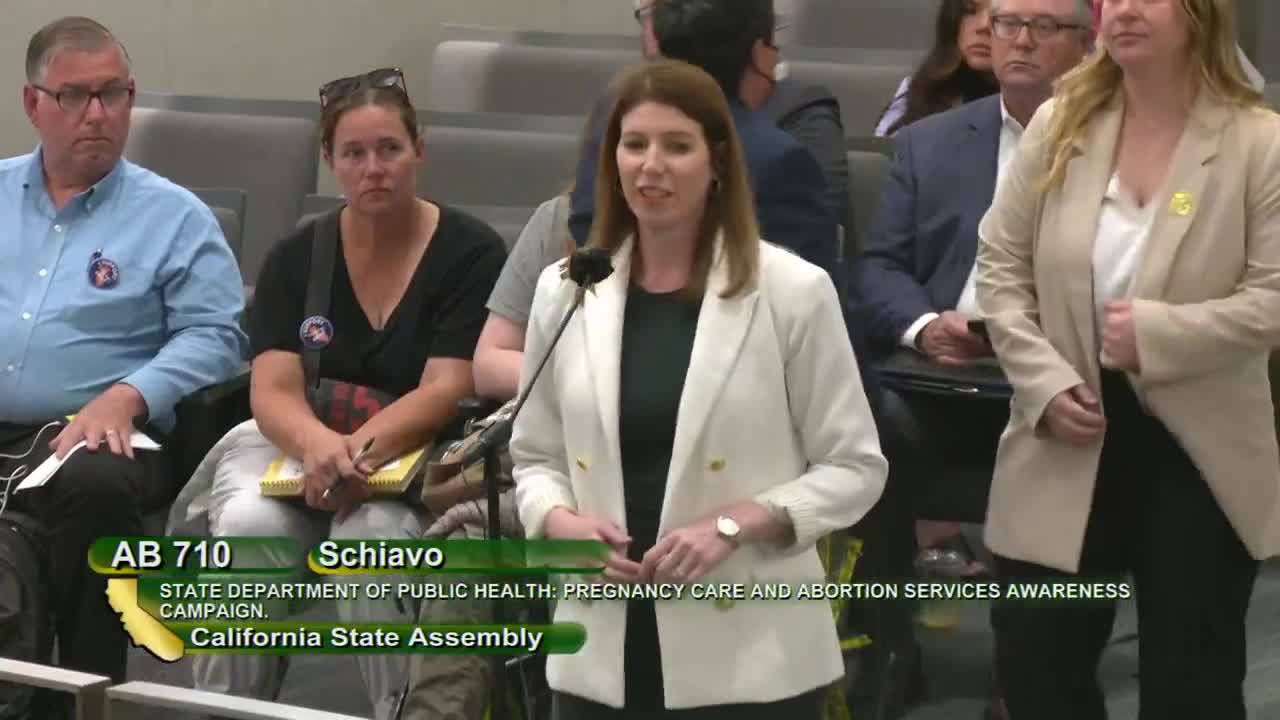
Bill Author

Bill Co-Author(s):