SB 228: Civilian youth opportunities program.
- Session Year: 2023-2024
- House: Senate
- Latest Version Date: 2023-10-10
Current Status:
Passed
(2023-10-10: Chaptered by Secretary of State. Chapter 703, Statutes of 2023.)
Introduced
In Committee
First Chamber
In Committee
Second Chamber
Enacted
Existing law authorizes the Adjutant General to conduct a civilian youth opportunities program, known as the National Guard Youth ChalleNGe Program, consisting of a residential program and post-residential mentoring to serve at-risk teens in areas of the state, including, but not limited to, the San Joaquin Valley and northern California, as specified.
This bill would require the Adjutant General to additionally conduct that program in western Riverside County.
(a)(1)Subject to subdivision (b), the Adjutant General may enter into a cooperative agreement with the governing board of a school district or a county office of education for the purpose of establishing, pursuant to existing statutory authority in the Education Code, a military academy to be operated as a charter school, pursuant to Part 26.8 (commencing with Section 47600) of Division 4 of Title 2 of the Education Code, or as one of the existing alternative education options, available under the Education Code. The program would provide a structured, disciplined environment that would be conducive to learning in a college preparatory environment. In addition to academic skills, students would develop leadership, self-esteem, and a strong sense of community. An academy established pursuant to this section shall comply with the Education Code.
(2)Pursuant to Section 509 of Title 32 of the United States Code and subject to subdivision (b), the Adjutant General shall conduct a civilian youth opportunities program, to be known as the National Guard Youth ChalleNGe Program, which shall consist of at least a 22-week residential program and a 12-month post-residential mentoring period. The program shall serve at-risk teens in areas of the state, including, but not limited to, the San Joaquin Valley, western Riverside County, and northern California, and shall be subject to all of the following:
(A)The program shall seek to improve life skills and employment potential of participants by providing military-based leadership development, promoting fellowship and community service, developing life-coping skills and job skills, improving physical fitness, providing health and hygiene training, and assisting participants to receive a high school diploma or its equivalent.
(B)(i)The Adjutant General may accept federal funding to implement a National Guard Youth ChalleNGe Program. The Adjutant General may appoint a director and other service members and employees, permanent or temporary, to operate the program.
(ii)The Adjutant General may appoint a current member of the State Guard who possesses a bachelors degree in psychology or social work to serve as a counselor within the program.
(C)The Military Department shall enter into a memorandum of agreement with an appropriate school district or a county office of education for the purpose of providing educational services for students enrolled in a National Guard Youth ChalleNGe Program. The school district or county office of education with which the department contracts shall be responsible for ensuring compliance with any applicable requirements imposed by the Education Code.
(b)A new program, except for the California Cadet Corps, may only be established as provided in subdivision (a) if funds are appropriated for purposes of the program in the annual Budget Act or any other act.
(a)(1)Subject to subdivision (b), the Adjutant General may enter into a cooperative agreement with the governing board of a school district or a county office of education for the purpose of establishing, pursuant to existing statutory authority in the Education Code, a military academy to be operated as a charter school, pursuant to Part 26.8 (commencing with Section 47600) of Division 4 of Title 2 of the Education Code, or as one of the existing alternative education options, available under the Education Code. The program would provide a structured, disciplined environment that would be conducive to learning in a college preparatory environment. In addition to academic skills, students would develop leadership, self-esteem, and a strong sense of community. An academy established pursuant to this section shall comply with the Education Code.
(2)Pursuant to Section 509 of Title 32 of the United States Code and subject to subdivision (b), the Adjutant General shall conduct a civilian youth opportunities program, to be known as the National Guard Youth ChalleNGe Program, which shall consist of at least a 22-week residential program and a 12-month post-residential mentoring period. The program shall serve at-risk teens in areas of the state, including, but not limited to, the San Joaquin Valley Valley, western Riverside County, and Northern northern California, and shall be subject to all of the following:
(A)The program shall seek to improve life skills and employment potential of participants by providing military-based leadership development, promoting fellowship and community service, developing life-coping skills and job skills, improving physical fitness, providing health and hygiene training, and assisting participants to receive a high school diploma or its equivalent.
(B)(i)The Adjutant General may accept federal funding to implement a National Guard Youth ChalleNGe Program. The Adjutant General may appoint a director and other service members and employees, permanent or temporary, to operate the program.
(ii)The Adjutant General may appoint a current member of the State Guard who possesses a bachelors degree in psychology or social work to serve as a counselor within the program.
(C)The Military Department shall enter into a memorandum of agreement with an appropriate school district or a county office of education for the purpose of providing educational services for students enrolled in a National Guard Youth ChalleNGe Program. The school district or county office of education with which the department contracts shall be responsible for ensuring compliance with any applicable requirements imposed by the Education Code.
(b)A new program, except for the California Cadet Corps, may only be established as provided in subdivision (a) if funds are appropriated for purposes of the program in the annual Budget Act or any other act.
|
Date
|
Status
|
|---|---|
| Oct 10, 2023 | Chaptered by Secretary of State. Chapter 703, Statutes of 2023. |
| Oct 10, 2023 | Approved by the Governor. |
| Sep 13, 2023 | Enrolled and presented to the Governor at 4 p.m. |
| Sep 7, 2023 | In Senate. Ordered to engrossing and enrolling. |
| Sep 7, 2023 | Read third time. Passed. (Ayes 79. Noes 0. Page 2992.) Ordered to the Senate. |
| Sep 5, 2023 | Read second time. Ordered to third reading. |
| Sep 1, 2023 | From committee: Do pass. (Ayes 16. Noes 0.) (September 1). |
| Aug 16, 2023 | August 16 set for first hearing. Placed on suspense file. |
| Jun 21, 2023 | From committee: Do pass and re-refer to Com. on APPR. with recommendation: To consent calendar. (Ayes 9. Noes 0.) (June 20). Re-referred to Com. on APPR. |
| Jun 8, 2023 | Referred to Com. on M. & V.A. |
| May 25, 2023 | In Assembly. Read first time. Held at Desk. |
| May 25, 2023 | Read third time. Passed. (Ayes 40. Noes 0. Page 1296.) Ordered to the Assembly. |
| May 23, 2023 | Ordered to special consent calendar. |
| May 18, 2023 | Read second time. Ordered to third reading. |
| May 18, 2023 | From committee: Do pass. (Ayes 7. Noes 0. Page 1161.) (May 18). |
| May 12, 2023 | Set for hearing May 18. |
| May 8, 2023 | May 8 hearing: Placed on APPR suspense file. |
| May 1, 2023 | Set for hearing May 8. |
| Apr 24, 2023 | From committee: Do pass and re-refer to Com. on APPR with recommendation: To consent calendar. (Ayes 4. Noes 0. Page 855.) (April 24). Re-referred to Com. on APPR. |
| Apr 12, 2023 | Set for hearing April 24. |
| Feb 1, 2023 | Referred to Com. on M. & V.A. |
| Jan 24, 2023 | From printer. May be acted upon on or after February 23. |
| Jan 23, 2023 | Introduced. Read first time. To Com. on RLS. for assignment. To print. |
|
Date
|
Description
|
Location
|
Votes
|
|
|---|---|---|---|---|
| Sep 7, 2023 | SB 228 Roth Senate Third Reading By Schiavo | Assembly Floor |
Passed |
|
| Sep 1, 2023 | Do pass. | Assembly Standing Committee on Appropriations |
Passed |
|
| Jun 20, 2023 | Do pass and be re-referred to the Committee on [Appropriations] with recommendation: To Consent Calendar | Assembly Standing Committee on Military and Veterans Affairs |
Passed |
|
| May 25, 2023 | Special Consent SB228 Roth | Senate Floor |
Passed |
|
| May 18, 2023 | Do pass | Senate Standing Committee on Appropriations |
Passed |
|
| May 8, 2023 | Placed on suspense file | Senate Standing Committee on Appropriations |
Passed |
|
| Apr 24, 2023 | Do pass, but first be re-referred to the Committee on [Appropriations] with the recommendation: To Consent Calendar | Senate Standing Committee on Military and Veterans Affairs |
Passed |
This list shows positions taken on this bill by organizations on the date displayed, which is linked to the original source.
Positions by individuals are not included.
|
Organization
|
Position
|
Date
|
|---|---|---|
| california hawaii state conference of the naacp | ** Support |
SENATE THIRD READING
STR Bill Id:SB 228
Author:(Roth)
As Introduced Ver:January 23, 2023
Majority vote
SUMMARY
This bill, subject to an appropriation and existing law requirements, adds western Riverside County to the list of regions where the Adjutant General of the California Military Department (CMD) must establish a National Guard Youth ChalleNGe academy, an alternative high school for at-risk teens.
Major Provisions
Adds western Riverside County to the list of regions where the Adjutant General of the California Military Department (CMD) must establish a National Guard Youth ChalleNGe academy, an alternative high school consisting of at least a 22-week residential program and a 12-month post-residential mentoring period.
COMMENTS
The National Guard Youth Challenge Program (NGYCP) was established in 1993 to help high school students who are experiencing difficulty in completing traditional high school. There are currently 40 programs operating in 28 states, Puerto Rico and the District of Columbia. NGYCP is authorized and funded through the Department of Defense (DoD), with management and oversight from the National Guard Bureau. The federal program provides matching funds at 75 percent of the program cost to the implementing state.
Program participants, called cadets, are housed together for the first 22 weeks of the program. During these weeks, the program immerses cadets in a quasi-military environment in which they focus on discipline, academic excellence, teamwork, physical fitness, leadership, and service to the community.
The program encourages cadets to obtain a GED and to seek further education and training or employment during the one-year post-residential phase of the program. Eligibility is limited to students ages 16 to 18 who have dropped out or been expelled from high school and are U.S. citizens or legal residents, un- or underemployed, drug free, physically and mentally capable of participating in the program, and have either no police record or a police record limited to juvenile status offenses.Under current law the Adjutant General is required to conduct a National Guard Youth ChalleNGe Program to serve high school students at-risk in areas that include, but are not limited to, the San Joaquin Valley and northern California.There are ChalleNGe programs in California: Sunburst Youth Challenge Academy, in Los Alamitos; Grizzly Youth Academy, in San Luis Obispo; and Discovery Challenge Academy, in Lathrop.
According to the Author
"The Youth Challenge Program will create a structured quasi-military environment to help our region's youth attain a high school diploma outside of a traditional school setting, whilst also learning self-discipline, leadership, and responsibility. California is currently graduating approximately 1,200 students per year in its three existing Challenge Programs, which makes them the most successful in the nation. This successful program should be replicated and provided as an option to the at-risk youth in Inland Southern California."
Arguments in Support
The California Hawaii State Conference of the NAACP states: "The CA/HI NAACP's principal objective is to ensure the political, educational, social, and economic equality of minority citizens in California and eliminate race prejudice. It will be possible for the National Guard Youth Challenge Program to potentially reach more at-risk children by expanding the program to western Riverside County. For these reasons, CA/HI NAACP respectfully supports SB 228 (Roth)."
Arguments in Opposition
None on file.
FISCAL COMMENTS
According to the Assembly Appropriations Committee:
- National Guard Youth Challenge Programs require a federal/state/local partnership. Federal funding provides 75% of the operating costs, and the receiving state provides 25%. Local governments provide civilian teachers and educational administration. State law specifies a new program may only be established if funds are appropriated for this purpose.
Based on fiscal year 2022-23 baseline funding for CMD's third Youth ChalleNGe Program, Discovery Youth ChalleNGe Academy in Lathrop, with an annual enrollment of 320 cadets, CMG estimates a fourth program will require approximately $5.3 million annually in federal funding, with annual state General Fund (GF) match of approximately $1.8 million.
Local school districts and the local county office of education support a Youth ChalleNGe academy within their jurisdiction via existing K-12 average daily attendance (ADA) funding. The amount of additional ADA funding this bill would require is unknown and dependent on the number of students served by the program this bill requires CMD to establish.
- CMD indicates a need for approximately $500,000 (GF) to study the feasibility of a location near March Air Reserve Base in Riverside County for the additional Youth ChalleNGe Program. This funding is provided in the 2023-24 state budget. If the study finds a program is possible, unknown, one-time state funding would also be needed to secure, upgrade, and construct needed facilities and buildings, such as barracks and classrooms, for the new program.
VOTES
SENATE FLOOR: 40-0-0
YES: Allen, Alvarado-Gil, Archuleta, Ashby, Atkins, Becker, Blakespear, Bradford, Caballero, Cortese, Dahle, Dodd, Durazo, Eggman, Glazer, Gonzalez, Grove, Hurtado, Jones, Laird, Limón, McGuire, Menjivar, Min, Newman, Nguyen, Niello, Ochoa Bogh, Padilla, Portantino, Roth, Rubio, Seyarto, Skinner, Smallwood-Cuevas, Stern, Umberg, Wahab, Wiener, Wilk
ASM MILITARY AND VETERANS AFFAIRS: 9-0-2
YES: Soria, Davies, Addis, Boerner, Juan Carrillo, Mathis, Petrie-Norris, Ta, Valencia
ABS, ABST OR NV: Alvarez, Muratsuchi
ASM APPROPRIATIONS: 16-0-0
YES: Holden, Megan Dahle, Bryan, Calderon, Wendy Carrillo, Dixon, Mike Fong, Hart, Lowenthal, Mathis, Papan, Pellerin, Sanchez, Soria, Weber, Wilson
UPDATED
VERSION: January 23, 2023
CONSULTANT: Christian Burkin / M. & V.A. / (916) 319-3550 FN: 0001439
Date of Hearing: August 16, 2023
ASSEMBLY COMMITTEE ON APPROPRIATIONS
Chris Holden, Chair
SBPCA Bill Id:SB 228
Author:(Roth) – As Introduced Ver:January 23, 2023
Policy Committee: | Military and Veterans Affairs | Vote: | 9 - 0 |
|
| ||
|
|
Urgency: No State Mandated Local Program: No Reimbursable: No
SUMMARY:
This bill, subject to an appropriation and existing law requirements, adds western Riverside County to the list of regions where the Adjutant General of the California Military Department (CMD) must establish a National Guard Youth ChalleNGe academy, an alternative high school for at-risk teens.
FISCAL EFFECT:
- National Guard Youth Challenge Programs require a federal/state/local partnership. Federal funding provides 75% of the operating costs, and the receiving state provides 25%. Local governments provide civilian teachers and educational administration. State law specifies a new program may only be established if funds are appropriated for this purpose.
Based on fiscal year 2022-23 baseline funding for CMD’s third Youth ChalleNGe Program, Discovery Youth ChalleNGe Academy in Lathrop, with an annual enrollment of 320 cadets, CMG estimates a fourth program will require approximately $5.3 million annually in federal funding, with annual state General Fund (GF) match of approximately $1.8 million.
Local school districts and the local county office of education support a Youth ChalleNGe academy within their jurisdiction via existing K-12 average daily attendance (ADA) funding. The amount of additional ADA funding this bill would require is unknown and dependent on the number of students served by the program this bill requires CMD to establish.
- CMD indicates a need for approximately $500,000 (GF) to study the feasibility of a location near March Air Reserve Base in Riverside County for the additional Youth ChalleNGe Program. This funding is provided in the 2023-24 state budget. If the study finds a program is possible, unknown, one-time state funding would also be needed to secure, upgrade, and construct needed facilities and buildings, such as barracks and classrooms, for the new program.
COMMENTS:
- Purpose. According to the author:
The Youth Challenge Program will create a structured quasi-military environment to help our region’s youth attain a high school diploma outside of a traditional school setting, whilst also learning self-discipline, leadership, and responsibility. California is currently graduating approximately 1,200 students per year in its three existing Challenge Programs, which makes them the most successful in the nation. This successful program should be replicated and provided as an option to the at-risk youth in Inland Southern California.
- Background. The Youth Challenge Program was established by the United States Congress in 1993 to provide an educational program for at-risk youth who had dropped out or were at risk of dropping out of high school. The program is authorized and funded through the Department of Defense (DoD), with management and oversight from the National Guard Bureau (NGB). The federal program provides matching funds at 75% of the program cost to the implementing state. There are 40 programs operating in 28 states, Puerto Rico and the District of Columbia. The CMD participates in this program through a cooperative agreement with NGB.
AB 1518 (Eggman), Chapter 648, Statutes of 2014, authorized the California National Guard Youth ChalleNGe Program and required, at a minimum, the program serve the San Joaquin Valley and northern California, subject to the availability of funding. The program requires the CMD to enter into a memorandum of agreement with the appropriate school district or county office of education to provide educational services for students enrolled in the program.
The program, set in a quasi-military environment, serves students ages 16 to 18 years who have dropped out of school or are not progressing towards graduation. In partnership with the local county office of education, the program consist of two phases—a 5 ½ month residential phase, followed by a 12-month post-residential phase involving screened and trained mentors who provide guidance and support to students.
There are three Youth ChalleNGe academies operating in California: the Grizzly Youth ChalleNGe Academy, located near San Luis Obispo; the Sunburst Youth ChalleNGe Academy, located in Los Alamitos in Orange County; and the Discovery ChalleNGe Academy, located in Lathrop in San Joaquin County. CMD indicates these programs draw students from outside their immediate areas and all three programs have a waitlist of between 10 and 32 students. Some waitlisted students are placed in the next available class, but some miss the age window and are unable to attend the program.
This bill, subject to state funding and a cooperative agreement with a local school district or county office education, requires CMD to conduct a National Guard Youth ChalleNGe academy in western Riverside County.
Analysis Prepared by: Jennifer Swenson / APPR. / (916) 319-2081
Date of Hearing:
ASSEMBLY COMMITTEE ON MILITARY AND VETERANS AFFAIRS
Esmeralda Soria, Chair
SBPCA Bill Id:SB 228
Author:(Roth) – As Introduced Ver:January 23, 2023
SENATE VOTE: 40-0
SUBJECT: Civilian youth opportunities program
SUMMARY: Designates another state region where high school students at-risk of dropping out must be served by a youth alternative high school operated by the California Military Department. Specifically, this bill:
- Adds “western Riverside County” to the list of regions where at-risk students must be served by the National Guard Youth ChalleNGe Program established by the Adjutant General under existing authority.
EXISTING LAW:
- Federal law authorizes the Secretary of Defense to use the National Guard to conduct a civilian youth opportunities program – to be known as the National Guard Youth Challenge Program, which consists of at least a 22-week residential program and a 12-month post-residential mentoring period. (Title 32 United States Code § 509).
- Permits the Adjutant General to enter into a cooperative agreement with the governing board of a school district or a county office of education for the purpose of establishing, pursuant to existing statutory authority in the Education Code, a military academy to be operated as a charter school, pursuant to Part 26.8 (commencing with Section 47600) of Division 4 of Title 2 of the Education Code, or as one of the existing alternative education options, available under the Education Code. (Military and Veterans Code Section 532)
- Requires the Adjutant General to conduct a civilian youth opportunities program, to be known as the “National Guard Youth ChalleNGe Program.” (Military and Veterans Code Section 532)
- Requires the National Guard Youth ChalleNGe Program under this chapter must consist of at least a 22-week residential program and a 12-month post-residential mentoring period, and serve at-risk teens in areas of the state, including, but not limited to, the San Joaquin Valley and Northern California. (Military and Veterans Code Section 532)
- Requires that the program seek to improve life skills and employment potential of participants by providing military-based leadership development, promoting fellowship and community service, developing life-coping skills and job skills, improving physical fitness, providing health and hygiene training, and assisting participants to receive a high school diploma or its equivalent. (Military and Veterans Code Section 532)
- Permits the Adjutant General to accept federal funding to implement a National Guard Youth ChalleNGe Program. (Military and Veterans Code Section 532)
- Permits the Adjutant General to appoint a director and other service members and employees, permanent or temporary, to operate the program. (Military and Veterans Code Section 532)
- Permits the Adjutant General to appoint a current member of the State Guard who possesses a bachelor’s degree in psychology or social work to serve as a counselor within the program.
- Requires that the Military Department enter into a memorandum of agreement with an appropriate school district or a county office of education for the purpose of providing educational services for students enrolled in a National Guard Youth ChalleNGe Program. (Military and Veterans Code Section 532)
- Specifies that the school district or county office of education with which the department contracts is responsible for ensuring compliance with any applicable requirements imposed by the Education Code. (Military and Veterans Code Section 532)
- Provides that a new CalGuard Youth Program, except for the California Cadet Corps, may only be established as provided in this section if funds are appropriated for purposes of the program in the annual Budget Act or any other act. (Military and Veterans Code Section 532)
FISCAL EFFECT: According to the Senate Committee on Appropriations:
- State costs to secure federal funding to operate an additional. The California Military Department (CMD) notes that there is a 75 percent/25 percent split for federal/state funding to operate the program. CMD estimates standing up a fourth ChalleNGe Program will require approximately $5.3 million annually in federal funding, with annual state matching funding of approximately $1.8 million (General Fund).
- Unknown additional Average Daily Attendance funding, dependent on the number of students served by the program.
COMMENTS: This bill codifies in state law a requirement that the Adjutant General conduct a National Guard Youth ChalleNGe Program to serve high school students at-risk of dropout in western Riverside County, in addition to the existing requirements that programs serve students in the San Joaquin Valley and northern California.
According to the author:
“The Youth Challenge Program will create a structured quasi-military environment to help our region’s youth attain a high school diploma outside of a traditional school setting, whilst also learning self-discipline, leadership, and responsibility. California is currently graduating approximately 1,200 students per year in its three existing Challenge Programs, which makes them the most successful in the nation. This successful program should be replicated and provided as an option to the at-risk youth in Inland Southern California.”
According to the National Guard, the Youth Challenge Program (NGYCP) was established by in 1993 to turn around the lives of young men and women between the ages of 16 and 18 who are experiencing difficulty in completing traditional high school. There are currently 40 programs operating in 28 states, Puerto Rico and the District of Columbia. NGYCP is authorized and funded through the Department of Defense (DoD), with management and oversight from the National Guard Bureau. The federal program provides matching funds at 75 percent of the program cost to the implementing state.
Program participants, called cadets, are housed together, often on a National Guard base or at a training center, for the first 22 weeks of the program. During these weeks, the program immerses cadets in a quasi-military environment in which they focus on discipline, academic excellence, teamwork, physical fitness, leadership, and service to the community.
The program encourages cadets to obtain a GED and to seek further education and training or employment during the one-year post-residential phase of the program. Individuals ages 16–18 who have dropped out or been expelled from high school and are U.S. citizens or legal residents, un- or underemployed, drug free, physically and mentally capable of participating in the program, and have either no police record or a police record limited to juvenile status offenses are eligible to apply for admission to a program in their state of residence.
A 2012 study of the NYGCP by the RAND Corporation, “A Cost-Benefit Analysis of the National Guard Youth ChalleNGe Program” concluded that the program is extremely cost effective, with a return on investment of $2.66 for every dollar spent.
According to the California Department of Education (CDE), California’s four and five-year high school graduation rates hit all-time highs in 2021-22. The four-year cohort graduation rate measures the number of students who started as freshmen and graduated with their peers four years later. That rate rose to 87.0 percent, up from 83.6 percent in 2020-2021. The four-year cohort graduation rate for students designated as “socioeconomically disadvantaged” rose from 80.4 percent to 84.5 percent.
Need for a new school
There are three ChalleNGe academies now operating in California: the Grizzly Youth ChalleNGe Academy, located near San Luis Obispo; the Sunburst Youth Challenge Academy located in Los Alamitos, California; and the Discovery ChalleNGe Academy, in Lathrop. These programs draw students from outside their immediate areas, but both proximity and their operation under local school districts make them particularly useful and convenient to local students, parents and educators. The California Military Department (CMD) says that all three programs have a waitlist of between 10 and 32 students. Some waitlisted students are placed in the next available class, but some miss the window and are unable to attend the program. According to the CMD most students from the Inland Empire attending a ChalleNGe school go to the Sunburst academy, in Los Alamitos.
Suitable property
March Air Force Base (now March Air Reserve Base) in western Riverside County was re-aligned in 1996 from an active duty base to a reserve base, resulting in about 4,400 acres of property being declared surplus. The March Joint Powers Authority (March JPA) was established to plan for and carry through on new uses for surplus land, including reuse of existing facilities. According to the author, the CMD and March DPA are working together on the potential acquisition by the state of a vacant building near, but outside, the base proper.
Related legislation
AB 1518 (Eggman, Chapter 648, Statutes of 2014) codified the authority for the existing California National Guard Youth ChalleNGe Program and specified certain geographic areas to be served, subject to the availability of funding.
REGISTERED SUPPORT / OPPOSITION:
Support
California Hawaii State Conference of the NAACP
Opposition
None on file.
Analysis Prepared by: Christian Burkin / M. & V.A. / (916) 319-3550
SENATE RULES COMMITTEE Office of Senate Floor Analyses (916) 651-1520 Fax: (916) 327-4478 | SB 228 |
THIRD READING
Bill No: SB 228
Author: Roth (D)
Introduced: 1/23/23
Vote: 21
SENATE MILITARY & VETERANS COMMITTEE: 4-0, 4/24/23
AYES: Archuleta, Grove, Alvarado-Gil, Menjivar
NO VOTE RECORDED: Umberg
SENATE APPROPRIATIONS COMMITTEE: 7-0, 5/18/23
AYES: Portantino, Jones, Ashby, Bradford, Seyarto, Wahab, Wiener
SUBJECT: Civilian youth opportunities program
SOURCE: Author
DIGEST:
This bill authorizes the operation of an additional civilian youth opportunities program, known as the “National Guard Youth ChalleNGe Program,” in western Riverside County.
ANALYSIS:
Existing law:
- Authorizes the Secretary of Defense to use the California National Guard (CalGuard) to conduct a civilian youth opportunities program – the National Guard Youth ChalleNGe Program, which consists of at least a 22-week residential program and a 12-month post-residential mentoring period. (Title 32 United States Code § 509)
- Provides that the Adjutant General of the CalGuard may enter into a cooperative agreement with the governing board of a school district or a county office of education for the purpose of establishing, pursuant to existing authority in the Education Code, a military academy to be operated as a charter school or as one of the existing alternative education options available under the Education Code.
- Provides that a new CalGuard Youth Program, except for the California Cadet Corps, may only be established as provided in this section if funds are appropriated for purposes of the program in the annual Budget Act or any other act. (Military and Veterans Code § 532)
This bill adds western Riverside County to the list of areas of the state in which the program shall serve at-risk teens.
Background
Students dropping out of high school is an enduring challenge for both California and the nation. Data from the California Department of Education indicated that more than 47,000 California high school students dropped out of school in 2020-2021. To combat the societal strain upon the nation when students drop of high school, The United States Congress established the Youth Challenge Program in 1993 under United States Code, title 32, section 509. The law tasked the National Guard Bureau (NGB) to develop an educational program for the thousands of at-risk youths who were dropping out of high school daily. The California Military Department (CMD) participates in this program through a cooperative agreement with NGB.
The CMD Youth Challenge Program provides an alternative educational opportunity set in a quasi-military environment for students ages 16-18 who have dropped out of school or are not progressing towards graduation. In partnership with the County Office of Education, programs consist of two phases—a 5 ½ month residential phase, followed by a 12-month post-residential phase involving screened and trained mentors who provide guidance and support to students.
These programs draw high school dropouts (or students at-risk of dropping out) from across the nation. At-risk students enrolling in Challenge programs are often youth from socioeconomically challenged and /or migrant, English-learning backgrounds. The California Department of Education’s 2020-21 Four-Year Adjusted Cohort Graduation Rate reported a high school graduation rate of 80.4% for socioeconomically disadvantaged students which is significantly lower when compared to a 90.5% rate for non-disadvantaged students. Historically, over one-third of our Challenge graduates receive their high school diploma during the residential or post-residential phase of the program.
In 2012, the RAND Corporation published, A Cost-Benefit Analysis of the National Guard Youth ChalleNGe Program and determined that the program is extremely cost effective, with a return on investment of $2.66 for every dollar spent.
Comments
There are 40 Challenge Programs nationwide. In California there are:
- California’s first ChalleNGe academy, the Grizzly Youth Challenge Academy, was established in 1998 at Camp San Luis Obispo.
- The second program, Sunburst Youth Challenge academy, was established in 2007 at Joint Forces Training Base, Los Alamitos.
- The newest program, Discovery challenge Academy, I sin San Joaquin County at the Sharpe Army Depot in Lathrop.
California’s three Challenge Academies graduate approximately 1,200 cadets per year and are the most successful Challenge programs in the nation.
Due to the success of the current Challenge Academies, as well as increased student drop-out rate, an academy to service the western Riverside County area is more than appropriate.
FISCAL EFFECT: Appropriation: No Fiscal Com.: Yes Local: No
According to the Senate Appropriations Committee,
- To the extent that western Riverside County exercises the authority in the bill to operate an additional National Guard Youth ChalleNGe Program, then there will be state costs to secure federal funding. The California Military Department (CMD) notes that there is a 75 percent/25 percent split for federal/state funding to operate the program. CMD estimates standing up a fourth ChalleNGe Program will require approximately $5.3 million annually in federal funding, with annual state matching funding of approximately $1.8 million (General Fund).
- Unknown additional Average Daily Attendance funding, dependent on the number of students served by the program.
SUPPORT: (Verified 5/19/23)
California-Hawaii State Conference of the NAACP
OPPOSITION: (Verified 5/19/23)
None received
Prepared by: Jenny Callison / MVA / (916) 651-1503
5/20/23 12:41:03
**** END ****
SENATE COMMITTEE ON APPROPRIATIONS
Senator Anthony Portantino, Chair
2023 - 2024 Regular Session
SB 228 (Roth) - Civilian youth opportunities program
Version: January 23, 2023 | Policy Vote: M.&V.A. 4 - 0 |
Urgency: No | Mandate: No |
Hearing Date: May 8, 2023 | Consultant: Janelle Miyashiro |
Bill Summary:
SB 228 would authorize the operation of an additional civilian youth opportunities program, known as the “National Guard Youth ChalleNGe Program,” in western Riverside County.
Fiscal Impact:
- To the extent that western Riverside County exercises the authority in the bill to operate an additional National Guard Youth ChalleNGe Program, then there will be state costs to secure federal funding. The California Military Department (CMD) notes that there is a 75 percent/25 percent split for federal/state funding to operate the program. CMD estimates standing up a fourth ChalleNGe Program will require approximately $5.3 million annually in federal funding, with annual state matching funding of approximately $1.8 million (General Fund).
- Unknown additional Average Daily Attendance funding, dependent on the number of students served by the program.
Background:
The United States Congress established the Youth ChalleNGe Program in 1993 under United States Code, title 32, section 509. The law tasked the National Guard Bureau (NGB) to develop an educational program for the thousands of at-risk youths who were dropping out of high school daily. The CMD participates in this program through a cooperative agreement with NGB.
The CMD Youth Challenge Program provides an alternative educational opportunity set in a quasi-military environment for students ages 16-18 who have dropped out of school or are not progressing towards graduation. In partnership with the County Office of Education, programs consist of two phases—a 5 ½ month residential phase, followed by a 12-month post-residential phase involving screened and trained mentors who provide guidance and support to students.
These programs draw high school dropouts (or students at-risk of dropping out) from across the nation. At-risk students enrolling in Challenge programs are often youth from socioeconomically challenged and /or migrant, English-learning backgrounds. The California Department of Education’s 2020-21 Four-Year Adjusted Cohort Graduation Rate reported a high school graduation rate of 80.4% for socioeconomically disadvantaged students which is significantly lower when compared to a 90.5% rate for non-disadvantaged students. Historically, over one-third of our Challenge graduates receive their high school diploma during the residential or post-residential phase of the program.
Proposed Law:
- Authorizes the Adjutant General to enter into a cooperative agreement with the governing board of a school district or county office education to conduct a civilian youth opportunities program, known as the “National Guard Youth ChalleNGe Program,” in western Riverside County.
-- END --
SENATE COMMITTEE ON MILITARY AND VETERANS AFFAIRS
Senator Bob Archuleta, Chair
2023 - 2024 Regular
Bill No: SB 228 Hearing Date: 4/24/23
Author: | Roth | ||
Version: | 1/23/23 As Introduced | ||
Urgency: | No | Fiscal: | Yes |
Consultant: | Jenny Callison | ||
Subject: Civilian youth opportunities program
DESCRIPTION
Summary:
This bill lays the groundwork to open a Youth Challenge Program in Western Riverside County.
Existing law:
- Authorizes the Secretary of Defense to use the California National Guard (CalGuard) to conduct a civilian youth opportunities program – the National Guard Youth ChalleNGe Program, which consists of at least a 22-week residential program and a 12-month post-residential mentoring period. (Title 32 United States Code § 509)
- Provides that the Adjutant General of the CalGuard may enter into a cooperative agreement with the governing board of a school district or a county office of education for the purpose of establishing, pursuant to existing authority in the Education Code, a military academy to be operated as a charter school or as one of the existing alternative education options available under the Education Code.
- Provides that a new CalGuard Youth Program, except for the California Cadet Corps, may only be established as provided in this section if funds are appropriated for purposes of the program in the annual Budget Act or any other act. (Military and Veterans Code § 532)
This bill:
Adds western Riverside County to the list of areas of the state in which the program shall serve at-risk teens.
BACKGROUND
Students dropping out of high school is an enduring challenge for both California and the nation. Data from the California Department of Education indicated that more than 47,000 California high school students dropped out of school in 2020-2021. To combat the societal strain upon the nation when students drop of high school, The United States Congress established the Youth Challenge Program in 1993 under United States Code, title 32, section 509. The law tasked the National Guard Bureau (NGB) to develop an educational program for the thousands of at-risk youths who were dropping out of high school daily. The California Military Department (CMD) participates in this program through a cooperative agreement with NGB.
The CMD Youth Challenge Program provides an alternative educational opportunity set in a quasi-military environment for students ages 16-18 who have dropped out of school or are not progressing towards graduation. In partnership with the County Office of Education, programs consist of two phases—a 5 ½ month residential phase, followed by a 12-month post-residential phase involving screened and trained mentors who provide guidance and support to students.
These programs draw high school dropouts (or students at-risk of dropping out) from across the nation. At-risk students enrolling in Challenge programs are often youth from socioeconomically challenged and /or migrant, English-learning backgrounds. The California Department of Education’s 2020-21 Four-Year Adjusted Cohort Graduation Rate reported a high school graduation rate of 80.4% for socioeconomically disadvantaged students which is significantly lower when compared to a 90.5% rate for non-disadvantaged students. Historically, over one-third of our Challenge graduates receive their high school diploma during the residential or post-residential phase of the program.
In 2012, the RAND Corporation published, A Cost-Benefit Analysis of the National Guard Youth ChalleNGe Program and determined that the program is extremely cost effective, with a return on investment of $2.66 for every dollar spent.
COMMENT
There are 40 Challenge Programs nationwide. In California there are:
- California’s first ChalleNGe academy, the Grizzly Youth Challenge Academy, was established in 1998 at Camp San Luis Obispo.
- The second program, Sunburst Youth Challenge academy, was established in 2007 at Joint Forces Training Base, Los Alamitos.
- The newest program, Discovery challenge Academy, I sin San Joaquin County at the Sharpe Army Depot in Lathrop.
California’s three Challenge Academies graduate approximately 1,200 cadets per year and are the most successful Challenge programs in the nation.
Due to the success of the current Challenge Academies, as well as increased student drop-out rate, an academy to service the western Riverside County area is more than appropriate.
POSITIONS
Sponsor: Author.
Support: CALIFORNIA-HAWAII STATE CONFERENCE OF THE NAACP
Oppose: None on file.
-- END --
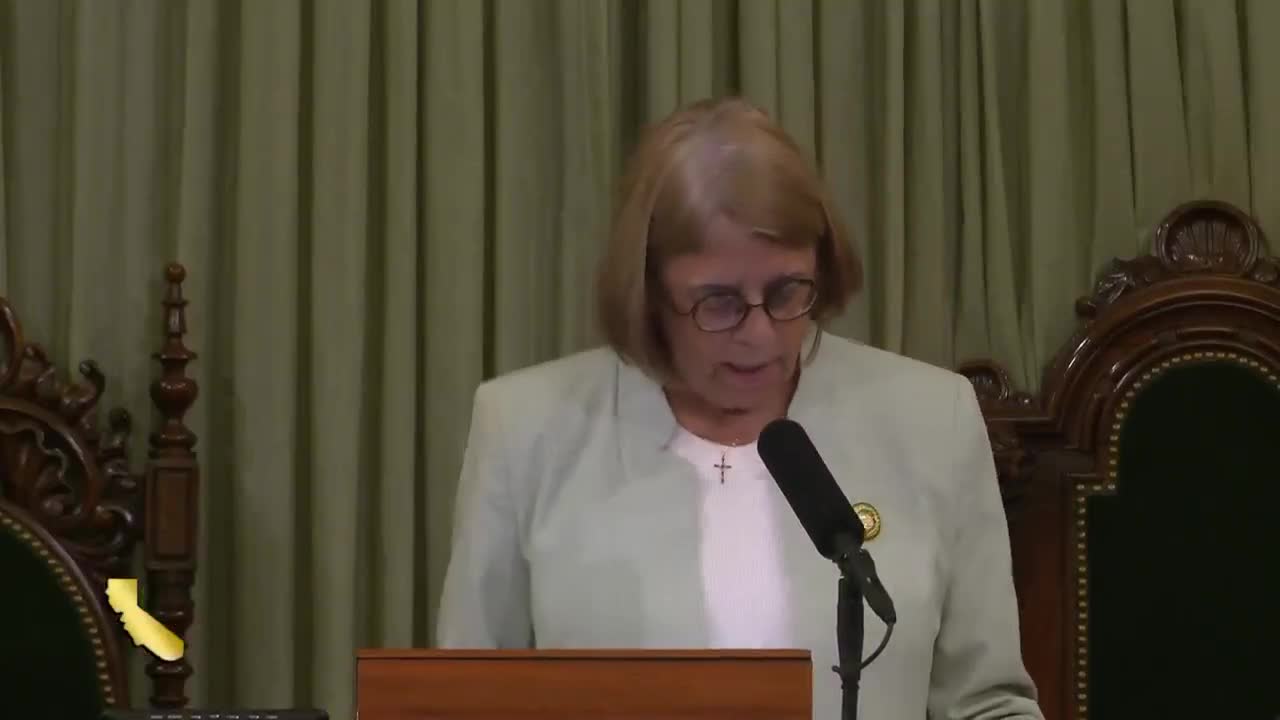
Bill Author

Bill Co-Author(s):