SB 257: Health care coverage: diagnostic imaging.
- Session Year: 2023-2024
- House: Senate
- Latest Version Date: 2023-09-14
Current Status:
Failed
(2024-01-25: Stricken from file.)
Introduced
In Committee
First Chamber
In Committee
Second Chamber
Enacted
What does this bill do?
The bill requires health plans, health insurance policies, and self‑insured employer benefit plans to cover screening mammograms and medically necessary diagnostic breast imaging — including diagnostic mammograms, breast MRI, ultrasound, and other tests — without out‑of‑pocket costs (like deductibles, copays, or coinsurance) for enrollees and insureds. It also covers follow‑up imaging after an abnormal result and testing for people with breast‑cancer risk factors (such as family history or a known genetic mutation); high‑deductible health plans only waive out‑of‑pocket costs after the yearly deductible is met.
The summary is provided by generative AI which can make mistakes. For original language, please view the details in the table below.
Existing law, the Knox-Keene Health Care Service Plan Act of 1975, provides for the licensure and regulation of health care service plans by the Department of Managed Health Care, and makes a willful violation of the act a crime. Existing law provides for the regulation of health insurers by the Department of Insurance. Existing law requires a health care service plan contract issued, amended, delivered, or renewed on or after January 1, 2000, or an individual or group policy of disability insurance or self-insured employee welfare benefit plan to provide coverage for mammography for screening or diagnostic purposes upon referral by specified professionals. Under existing law, mammography performed pursuant to those requirements or that meets the current recommendations of the United States Preventive Services Task Force is provided to an enrollee or an insured without cost sharing.
This bill would require a health care service plan contract, a policy of health insurance that provides hospital, medical, or surgical coverage, or a self-insured employee welfare benefit plan issued, amended, or renewed on or after January 1, 2025, to provide coverage without imposing cost sharing for, among other things, screening mammography and medically necessary diagnostic breast imaging, including diagnostic breast imaging following an abnormal mammography result and for an enrollee or insured indicated to have a risk factor associated with breast cancer, except as specified.
The California Constitution requires the state to reimburse local agencies and school districts for certain costs mandated by the state. Statutory provisions establish procedures for making that reimbursement.
This bill would provide that no reimbursement is required by this act for a specified reason.
Existing law, the Knox-Keene Health Care Service Plan Act of 1975, provides for the licensure and regulation of health care service plans by the Department of Managed Health Care, and makes a willful violation of the act a crime. Existing law provides for the regulation of health insurers by the Department of Insurance. Existing law requires a health care service plan contract issued, amended, delivered, or renewed on or after January 1, 2000, or an individual or group policy of disability insurance or self-insured employee welfare benefit plan to provide coverage for mammography for screening or diagnostic purposes upon referral by specified professionals. Under existing law, mammography performed pursuant to those requirements or that meets the current recommendations of the United States Preventive Services Task Force is provided to an enrollee or an insured without cost sharing.
This bill would require a health care service plan contract, a policy of disability health insurance that provides hospital, medical, or surgical coverage, or a self-insured employee welfare benefit plan issued, amended, or renewed on or after January 1, 2025, to provide coverage without imposing cost sharing for, among other things, screening mammography and medically necessary diagnostic breast imaging, including diagnostic breast imaging following an abnormal mammography result and for an enrollee or insured indicated to have a risk factor associated with breast cancer, except as specified.
The California Constitution requires the state to reimburse local agencies and school districts for certain costs mandated by the state. Statutory provisions establish procedures for making that reimbursement.
This bill would provide that no reimbursement is required by this act for a specified reason.
Existing law, the Knox-Keene Health Care Service Plan Act of 1975, provides for the licensure and regulation of health care service plans by the Department of Managed Health Care, and makes a willful violation of the act a crime. Existing law provides for the regulation of health insurers by the Department of Insurance. Existing law requires a health care service plan contract issued, amended, delivered, or renewed on or after January 1, 2000, or an individual or group policy of disability insurance or self-insured employee welfare benefit plan to provide coverage for mammography for screening or diagnostic purposes upon referral by specified professionals. Under existing law, mammography performed pursuant to those requirements or that meets the current recommendations of the United States Preventive Services Task Force is provided to an enrollee or an insured without cost sharing.
This bill would require a health care service plan contract, a policy of disability insurance that provides hospital, medical, or surgical coverage, or a self-insured employee welfare benefit plan issued, amended, or renewed on or after January 1, 2025, to provide coverage without imposing cost sharing for, among other things, screening mammography and medically necessary diagnostic breast imaging, including diagnostic breast imaging following an abnormal mammography result and for an enrollee or insured indicated to have a risk factor associated with breast cancer, except as specified.
The California Constitution requires the state to reimburse local agencies and school districts for certain costs mandated by the state. Statutory provisions establish procedures for making that reimbursement.
This bill would provide that no reimbursement is required by this act for a specified reason.
(a)(1)A health care service plan contract issued, amended, or renewed on or after January 1, 2000, excluding a specialized health care service plan contract, shall provide coverage for mammography for screening or diagnostic purposes upon referral by a participating nurse practitioner, participating certified nurse-midwife, participating physician assistant, or participating physician, providing care to the patient and operating within the scope of practice provided under existing law.
(2)This subdivision does not prevent application of copayment or deductible provisions in a plan, nor shall this subdivision be construed to require that a plan be extended to cover any other procedures under an individual or a group health care service plan contract.
(b)(1)A health care service plan contract issued, amended, or renewed on or after January 1, 2025, excluding a specialized health care service plan contract, shall provide coverage without imposing cost sharing for screening mammography, medically necessary diagnostic or supplemental breast examinations, diagnostic mammography, tests for screening or diagnostic purposes, and medically necessary diagnostic breast imaging, including diagnostic breast imaging following an abnormal mammography result and for an enrollee indicated to have a risk factor associated with breast cancer, including family history or known genetic mutation. Diagnostic breast imaging includes breast magnetic resonance imaging, breast ultrasound, and other clinically indicated diagnostic testing. Diagnostic breast imaging, diagnostic mammography, and diagnostic and supplemental breast examinations, or other clinically indicated diagnostic testing are covered under this subdivision to the extent it is consistent with nationally recognized evidence-based clinical guidelines.
(2)Paragraph (1) shall apply to a health care service plan contract that meets the definition of a high deductible health plan set forth in Section 223(c)(2) of Title 26 of the United States Code only after an enrollees deductible has been satisfied for the year.
(c)(1)This section does not authorize an enrollee to receive the services required to be covered by this section if those services are furnished by a nonparticipating provider, except as specified in paragraph (2).
(2)A plan shall arrange for the provision of services required by this section from providers outside the plans network if those services are unavailable within the network to ensure timely access to covered health care services consistent with Section 1367.03.
(d)Subdivision (b) does not preclude a health care service plan that provides coverage for out-of-network benefits from imposing cost-sharing requirements for the items or services described in this section that are delivered by an out-of-network provider, except in the situation described in paragraph (2) of subdivision (c) and as otherwise required by law.
(e)For the purposes of this section:
(1)Breast magnetic resonance imaging means a diagnostic tool that uses a powerful magnetic field, radio waves, and a computer to produce detailed pictures of the structures within the breast.
(2)Breast ultrasound means a noninvasive diagnostic tool that uses high-frequency sound.
(3)Cost sharing means a deductible, coinsurance, or copayment, and any maximum limitation on the application of that deductible, coinsurance, or copayment, or a similar out-of-pocket expense.
(4)Diagnostic breast examination means a medically necessary and appropriate examination of the breast, including an examination using diagnostic mammography, breast magnetic resonance imaging, breast ultrasound, or other clinically indicated diagnostic testing that is either of the following:
(A)Used to evaluate an abnormality seen or suspected from a screening examination for breast cancer.
(B)Necessary based on personal or family medical history or additional factors, including known genetic mutations, that may increase the individuals risk of breast cancer.
(5)Diagnostic mammography means a diagnostic tool that uses x-ray and is designed to evaluate an abnormality in the breast.
(6)Supplemental breast examination means a medically necessary and appropriate examination of the breast, including an examination using breast magnetic resonance imaging, breast ultrasound, or other clinically indicated diagnostic testing, that is either of the following:
(A)Used to screen for breast cancer when an abnormality is not seen or suspected.
(B)Necessary based on personal or family medical history or additional factors, including known genetic mutations, that may increase the individuals risk of breast cancer.
SEC. 2.Section 10123.81 of the Insurance Code is amended to read:10123.81.(a)(1)A disability insurance policy or self-insured employee welfare benefit plan shall be deemed to provide coverage for mammography for screening or diagnostic purposes upon the referral of a participating nurse practitioner, participating certified nurse-midwife, participating physician assistant, or participating physician, providing care to the patient and operating within the scope of practice provided under existing law.
(2)This subdivision does not prevent the application of copayment or deductible provisions in a policy, nor does this section require that a policy be extended to cover any other procedures under an individual or a group policy.
(b)(1)A health insurance policy that provides hospital, medical, or surgical coverage or a self-insured employee welfare benefit plan issued, amended, or renewed on or after January 1, 2025, shall provide coverage without imposing cost sharing for screening mammography, medically necessary diagnostic or supplemental breast examinations, diagnostic mammography, tests for screening or diagnostic purposes, and medically necessary diagnostic breast imaging, including diagnostic breast imaging following an abnormal mammography result and for an insured indicated to have a risk factor associated with breast cancer, including family history or known genetic mutation. Diagnostic breast imaging includes breast magnetic resonance imaging, breast ultrasound, and other clinically indicated diagnostic testing. Diagnostic breast imaging, diagnostic mammography, and diagnostic and supplemental breast examinations, or other clinically indicated diagnostic testing are covered under this subdivision to the extent it is consistent with nationally recognized evidence-based clinical guidelines.
(2)Paragraph (1) shall apply to a health insurance policy that meets the definition of a high deductible health plan set forth in Section 223(c)(2) of Title 26 of the United States Code only after an enrollees deductible has been satisfied for the year.
(c)(1)This section does not authorize an insured to receive the services required to be covered by this section if those services are furnished by a nonparticipating provider, except as specified in paragraph (2).
(2)An insurer shall arrange for the provision of services required by this section from providers outside the insurers contracted network if those services are unavailable within the network to ensure timely access to covered health care services consistent with Sections 10133 and 10133.54.
(d)This section does not apply to specialized health insurance, Medicare supplement insurance, CHAMPUS supplement insurance, or TRI-CARE supplement insurance, or to hospital indemnity, accident-only, or specified disease insurance.
(e)Subdivision (b) does not preclude a disability insurer that provides coverage for out-of-network benefits from imposing cost-sharing requirements for the items or services described in this section that are delivered by an out-of-network provider, except in the situation described in paragraph (2) of subdivision (c) and as otherwise required by law.
(f)For the purposes of this section:
(1)Breast magnetic resonance imaging means a diagnostic tool that uses a powerful magnetic field, radio waves, and a computer to produce detailed pictures of the structures within the breast.
(2)Breast ultrasound means a noninvasive diagnostic tool that uses high-frequency sound.
(3)Cost sharing means a deductible, coinsurance, or copayment, and any maximum limitation on the application of that deductible, coinsurance, or copayment, or a similar out-of-pocket expense.
(4)Diagnostic breast examination means a medically necessary and appropriate examination of the breast, including an examination using diagnostic mammography, breast magnetic resonance imaging, breast ultrasound, or other clinically indicated diagnostic testing that is either of the following:
(A)Used to evaluate an abnormality seen or suspected from a screening examination for breast cancer.
(B)Necessary based on personal or family medical history or additional factors, including known genetic mutations, that may increase the individuals risk of breast cancer.
(5)Diagnostic mammography means a diagnostic tool that uses x-ray and is designed to evaluate an abnormality in the breast.
(6)Supplemental breast examination means a medically necessary and appropriate examination of the breast, including an examination using breast magnetic resonance imaging, breast ultrasound, or other clinically indicated diagnostic testing that is either of the following:
(A)Used to screen for breast cancer when an abnormality is not seen or suspected.
(B)Necessary based on personal or family medical history or additional factors, including known genetic mutations, that may increase the individuals risk of breast cancer.
SEC. 3.No reimbursement is required by this act pursuant to Section 6 of Article XIIIB of the California Constitution because the only costs that may be incurred by a local agency or school district will be incurred because this act creates a new crime or infraction, eliminates a crime or infraction, or changes the penalty for a crime or infraction, within the meaning of Section 17556 of the Government Code, or changes the definition of a crime within the meaning of Section 6 of Article XIIIB of the California Constitution.
(a)(1)A health care service plan contract issued, amended, or renewed on or after January 1, 2000, excluding a specialized health care service plan contract, shall provide coverage for mammography for screening or diagnostic purposes upon referral by a participating nurse practitioner, participating certified nurse-midwife, participating physician assistant, or participating physician, providing care to the patient and operating within the scope of practice provided under existing law.
(2)This subdivision does not prevent application of copayment or deductible provisions in a plan, nor shall this subdivision be construed to require that a plan be extended to cover any other procedures under an individual or a group health care service plan contract.
(b)(1)A health care service plan contract issued, amended, or renewed on or after January 1, 2025, excluding a specialized health care service plan contract, shall provide coverage without imposing cost sharing for screening mammography, medically necessary diagnostic or supplemental breast examinations, diagnostic mammography, tests for screening or diagnostic purposes, and medically necessary diagnostic breast imaging, including diagnostic breast imaging following an abnormal mammography result and for an enrollee indicated to have a risk factor associated with breast cancer, including family history or known genetic mutation. Diagnostic breast imaging includes breast magnetic resonance imaging, breast ultrasound, and other clinically indicated diagnostic testing. Diagnostic breast imaging, diagnostic mammography, and diagnostic and supplemental breast examinations, or other clinically indicated diagnostic testing are covered under this subdivision to the extent it is consistent with nationally recognized evidence-based clinical guidelines.
(2)Paragraph (1) shall apply to a health care service plan contract that meets the definition of a high deductible health plan set forth in Section 223(c)(2) of Title 26 of the United States Code only after an enrollees deductible has been satisfied for the year.
(c)(1)This section does not authorize an enrollee to receive the services required to be covered by this section if those services are furnished by a nonparticipating provider, except as specified in paragraph (2).
(2)A plan shall arrange for the provision of services required by this section from providers outside the plans network if those services are unavailable within the network to ensure timely access to covered health care services consistent with Section 1367.03.
(d)Subdivision (b) does not preclude a health care service plan that provides coverage for out-of-network benefits from imposing cost-sharing requirements for the items or services described in this section that are delivered by an out-of-network provider, except in the situation described in paragraph (2) of subdivision (c) and as otherwise required by law.
(e)For the purposes of this section:
(1)Breast magnetic resonance imaging means a diagnostic tool that uses a powerful magnetic field, radio waves, and a computer to produce detailed pictures of the structures within the breast.
(2)Breast ultrasound means a noninvasive diagnostic tool that uses high-frequency sound.
(3)Cost sharing means a deductible, coinsurance, or copayment, and any maximum limitation on the application of that deductible, coinsurance, or copayment, or a similar out-of-pocket expense.
(4)Diagnostic breast examination means a medically necessary and appropriate examination of the breast, including an examination using diagnostic mammography, breast magnetic resonance imaging, breast ultrasound, or other clinically indicated diagnostic testing that is either of the following:
(A)Used to evaluate an abnormality seen or suspected from a screening examination for breast cancer.
(B)Necessary based on personal or family medical history or additional factors, including known genetic mutations, that may increase the individuals risk of breast cancer.
(5)Diagnostic mammography means a diagnostic tool that uses x-ray and is designed to evaluate an abnormality in the breast.
(6)Supplemental breast examination means a medically necessary and appropriate examination of the breast, including an examination using breast magnetic resonance imaging, breast ultrasound, or other clinically indicated diagnostic testing, that is either of the following:
(A)Used to screen for breast cancer when an abnormality is not seen or suspected.
(B)Necessary based on personal or family medical history or additional factors, including known genetic mutations, that may increase the individuals risk of breast cancer.
SEC. 2.Section 10123.81 of the Insurance Code is amended to read:10123.81.(a)(1)A disability insurance policy or self-insured employee welfare benefit plan shall be deemed to provide coverage for mammography for screening or diagnostic purposes upon the referral of a participating nurse practitioner, participating certified nurse-midwife, participating physician assistant, or participating physician, providing care to the patient and operating within the scope of practice provided under existing law.
(2)This subdivision does not prevent the application of copayment or deductible provisions in a policy, nor does this section require that a policy be extended to cover any other procedures under an individual or a group policy.
(b)(1)A disability health insurance policy that provides hospital, medical, or surgical coverage or a self-insured employee welfare benefit plan issued, amended, or renewed on or after January 1, 2025, shall provide coverage without imposing cost sharing for screening mammography, medically necessary diagnostic or supplemental breast examinations, diagnostic mammography, tests for screening or diagnostic purposes, and medically necessary diagnostic breast imaging, including diagnostic breast imaging following an abnormal mammography result and for an insured indicated to have a risk factor associated with breast cancer, including family history or known genetic mutation. Diagnostic breast imaging includes breast magnetic resonance imaging, breast ultrasound, and other clinically indicated diagnostic testing. Diagnostic breast imaging, diagnostic mammography, and diagnostic and supplemental breast examinations, or other clinically indicated diagnostic testing are covered under this subdivision to the extent it is consistent with nationally recognized evidence-based clinical guidelines.
(2)Paragraph (1) shall apply to a health insurance policy that meets the definition of a high deductible health plan set forth in Section 223(c)(2) of Title 26 of the United States Code only after an enrollees deductible has been satisfied for the year.
(c)(1)This section does not authorize an insured to receive the services required to be covered by this section if those services are furnished by a nonparticipating provider, except as specified in paragraph (2).
(2)An insurer shall arrange for the provision of services required by this section from providers outside the insurers contracted network if those services are unavailable within the network to ensure timely access to covered health care services consistent with Sections 10133 and 10133.54.
(d)This section does not apply to specialized health insurance, Medicare supplement insurance, CHAMPUS supplement insurance, or TRI-CARE supplement insurance, or to hospital indemnity, accident-only, or specified disease insurance.
(e)Subdivision (b) does not preclude a disability insurer that provides coverage for out-of-network benefits from imposing cost-sharing requirements for the items or services described in this section that are delivered by an out-of-network provider, except in the situation described in paragraph (2) of subdivision (c) and as otherwise required by law.
(f)For the purposes of this section:
(1)Breast magnetic resonance imaging means a diagnostic tool that uses a powerful magnetic field, radio waves, and a computer to produce detailed pictures of the structures within the breast.
(2)Breast ultrasound means a noninvasive diagnostic tool that uses high-frequency sound.
(3)Cost sharing means a deductible, coinsurance, or copayment, and any maximum limitation on the application of that deductible, coinsurance, or copayment, or a similar out-of-pocket expense.
(4)Diagnostic breast examination means a medically necessary and appropriate examination of the breast, including an examination using diagnostic mammography, breast magnetic resonance imaging, breast ultrasound, or other clinically indicated diagnostic testing that is either of the following:
(A)Used to evaluate an abnormality seen or suspected from a screening examination for breast cancer.
(B)Necessary based on personal or family medical history or additional factors, including known genetic mutations, that may increase the individuals risk of breast cancer.
(5)Diagnostic mammography means a diagnostic tool that uses x-ray and is designed to evaluate an abnormality in the breast.
(6)Supplemental breast examination means a medically necessary and appropriate examination of the breast, including an examination using breast magnetic resonance imaging, breast ultrasound, or other clinically indicated diagnostic testing that is either of the following:
(A)Used to screen for breast cancer when an abnormality is not seen or suspected.
(B)Necessary based on personal or family medical history or additional factors, including known genetic mutations, that may increase the individuals risk of breast cancer.
SEC. 3.No reimbursement is required by this act pursuant to Section 6 of Article XIIIB of the California Constitution because the only costs that may be incurred by a local agency or school district will be incurred because this act creates a new crime or infraction, eliminates a crime or infraction, or changes the penalty for a crime or infraction, within the meaning of Section 17556 of the Government Code, or changes the definition of a crime within the meaning of Section 6 of Article XIIIB of the California Constitution.
(a)On or after January 1, 2000, each health care service plan contract, except (1)A health care service plan contract issued, amended, or renewed on or after January 1, 2000, excluding a specialized health care service plan contract, that is issued, amended, delivered, or renewed shall be deemed to shall provide coverage for mammography for screening or diagnostic purposes upon referral by a participating nurse practitioner, participating certified nurse-midwife, participating physician assistant, or participating physician, providing care to the patient and operating within the scope of practice provided under existing law.
(b)(2)This section subdivision does not prevent application of copayment or deductible provisions in a plan, nor shall this section subdivision be construed to require that a plan be extended to cover any other procedures under an individual or a group health care service plan contract. This section does not authorize a plan enrollee to receive the services required to be covered by this section if those services are furnished by a nonparticipating provider, unless the plan enrollee is referred to that provider by a participating physician, nurse practitioner, or certified nurse-midwife providing care.
(b)(1)A health care service plan contract issued, amended, or renewed on or after January 1, 2025, excluding a specialized health care service plan contract, shall provide coverage without imposing cost sharing for screening mammography, medically necessary diagnostic or supplemental breast examinations, diagnostic mammography, tests for screening or diagnostic purposes, and medically necessary diagnostic breast imaging, including diagnostic breast imaging following an abnormal mammography result and for an enrollee indicated to have a risk factor associated with breast cancer, including family history or known genetic mutation. Diagnostic breast imaging includes breast magnetic resonance imaging, breast ultrasound, and other clinically indicated diagnostic testing. Diagnostic breast imaging, diagnostic mammography, and diagnostic and supplemental breast examinations, or other clinically indicated diagnostic testing are covered under this subdivision to the extent it is consistent with nationally recognized evidence-based clinical guidelines.
(2)Paragraph (1) shall apply to a health care service plan contract that meets the definition of a high deductible health plan set forth in Section 223(c)(2) of Title 26 of the United States Code only after an enrollees deductible has been satisfied for the year.
(c)(1)This section does not authorize an enrollee to receive the services required to be covered by this section if those services are furnished by a nonparticipating provider, except as specified in paragraph (2).
(2)A plan shall arrange for the provision of services required by this section from providers outside the plans network if those services are unavailable within the network to ensure timely access to covered health care services consistent with Section 1367.03.
(d)Subdivision (b) does not preclude a health care service plan that provides coverage for out-of-network benefits from imposing cost-sharing requirements for the items or services described in this section that are delivered by an out-of-network provider, except in the situation described in paragraph (2) of subdivision (c) and as otherwise required by law.
(e)For the purposes of this section:
(1)Breast magnetic resonance imaging means a diagnostic tool that uses a powerful magnetic field, radio waves, and a computer to produce detailed pictures of the structures within the breast.
(2)Breast ultrasound means a noninvasive diagnostic tool that uses high-frequency sound.
(3)Cost sharing means a deductible, coinsurance, or copayment, and any maximum limitation on the application of that deductible, coinsurance, or copayment, or a similar out-of-pocket expense.
(4)Diagnostic breast examination means a medically necessary and appropriate examination of the breast, including an examination using diagnostic mammography, breast magnetic resonance imaging, breast ultrasound, or other clinically indicated diagnostic testing that is either of the following:
(A)Used to evaluate an abnormality seen or suspected from a screening examination for breast cancer.
(B)Necessary based on personal or family medical history or additional factors, including known genetic mutations, that may increase the individuals risk of breast cancer.
(5)Diagnostic mammography means a diagnostic tool that uses x-ray and is designed to evaluate an abnormality in the breast.
(6)Supplemental breast examination means a medically necessary and appropriate examination of the breast, including an examination using breast magnetic resonance imaging, breast ultrasound, or other clinically indicated diagnostic testing, that is either of the following:
(A)Used to screen for breast cancer when an abnormality is not seen or suspected.
(B)Necessary based on personal or family medical history or additional factors, including known genetic mutations, that may increase the individuals risk of breast cancer.
SEC. 2.Section 10123.81 of the Insurance Code is amended to read:10123.81.(a)An individual or group policy of (1)A disability insurance policy or self-insured employee welfare benefit plan shall be deemed to provide coverage for mammography for screening or diagnostic purposes upon the referral of a participating nurse practitioner, participating certified nurse-midwife, participating physician assistant, or participating physician, providing care to the patient and operating within the scope of practice provided under existing law.
(b)(2)This section subdivision does not prevent the application of copayment or deductible provisions in a policy, nor does this section require that a policy be extended to cover any other procedures under an individual or a group policy. This section does not authorize a policyholder to receive the services required to be covered by this section if those services are furnished by a nonparticipating provider, unless the policyholder is referred to that provider by a participating physician, nurse practitioner, or certified nurse-midwife providing care.
(b)(1)A disability insurance policy that provides hospital, medical, or surgical coverage or a self-insured employee welfare benefit plan issued, amended, or renewed on or after January 1, 2025, shall provide coverage without imposing cost sharing for screening mammography, medically necessary diagnostic or supplemental breast examinations, diagnostic mammography, tests for screening or diagnostic purposes, and medically necessary diagnostic breast imaging, including diagnostic breast imaging following an abnormal mammography result and for an insured indicated to have a risk factor associated with breast cancer, including family history or known genetic mutation. Diagnostic breast imaging includes breast magnetic resonance imaging, breast ultrasound, and other clinically indicated diagnostic testing. Diagnostic breast imaging, diagnostic mammography, and diagnostic and supplemental breast examinations, or other clinically indicated diagnostic testing are covered under this subdivision to the extent it is consistent with nationally recognized evidence-based clinical guidelines.
(2)Paragraph (1) shall apply to a health insurance policy that meets the definition of a high deductible health plan set forth in Section 223(c)(2) of Title 26 of the United States Code only after an enrollees deductible has been satisfied for the year.
(c)(1)This section does not authorize an insured to receive the services required to be covered by this section if those services are furnished by a nonparticipating provider, except as specified in paragraph (2).
(2)An insurer shall arrange for the provision of services required by this section from providers outside the insurers contracted network if those services are unavailable within the network to ensure timely access to covered health care services consistent with Sections 10133 and 10133.54.
(c)(d)This section shall does not apply to specialized health insurance, Medicare supplement insurance, CHAMPUS supplement insurance, or TRI-CARE supplement insurance, or to hospital indemnity, accident-only, or specified disease insurance.
(e)Subdivision (b) does not preclude a disability insurer that provides coverage for out-of-network benefits from imposing cost-sharing requirements for the items or services described in this section that are delivered by an out-of-network provider, except in the situation described in paragraph (2) of subdivision (c) and as otherwise required by law.
(f)For the purposes of this section:
(1)Breast magnetic resonance imaging means a diagnostic tool that uses a powerful magnetic field, radio waves, and a computer to produce detailed pictures of the structures within the breast.
(2)Breast ultrasound means a noninvasive diagnostic tool that uses high-frequency sound.
(3)Cost sharing means a deductible, coinsurance, or copayment, and any maximum limitation on the application of that deductible, coinsurance, or copayment, or a similar out-of-pocket expense.
(4)Diagnostic breast examination means a medically necessary and appropriate examination of the breast, including an examination using diagnostic mammography, breast magnetic resonance imaging, breast ultrasound, or other clinically indicated diagnostic testing that is either of the following:
(A)Used to evaluate an abnormality seen or suspected from a screening examination for breast cancer.
(B)Necessary based on personal or family medical history or additional factors, including known genetic mutations, that may increase the individuals risk of breast cancer.
(5)Diagnostic mammography means a diagnostic tool that uses x-ray and is designed to evaluate an abnormality in the breast.
(6)Supplemental breast examination means a medically necessary and appropriate examination of the breast, including an examination using breast magnetic resonance imaging, breast ultrasound, or other clinically indicated diagnostic testing that is either of the following:
(A)Used to screen for breast cancer when an abnormality is not seen or suspected.
(B)Necessary based on personal or family medical history or additional factors, including known genetic mutations, that may increase the individuals risk of breast cancer.
SEC. 3.No reimbursement is required by this act pursuant to Section 6 of Article XIIIB of the California Constitution because the only costs that may be incurred by a local agency or school district will be incurred because this act creates a new crime or infraction, eliminates a crime or infraction, or changes the penalty for a crime or infraction, within the meaning of Section 17556 of the Government Code, or changes the definition of a crime within the meaning of Section 6 of Article XIIIB of the California Constitution.
|
Date
|
Status
|
|---|---|
| Jan 25, 2024 | Veto sustained. |
| Jan 25, 2024 | Stricken from file. |
| Oct 7, 2023 | In Senate. Consideration of Governor's veto pending. |
| Oct 7, 2023 | Vetoed by the Governor. |
| Sep 18, 2023 | Enrolled and presented to the Governor at 3 p.m. |
| Sep 12, 2023 | Assembly amendments concurred in. (Ayes 39. Noes 0. Page 2671.) Ordered to engrossing and enrolling. |
| Sep 11, 2023 | In Senate. Concurrence in Assembly amendments pending. |
| Sep 11, 2023 | Read third time. Passed. (Ayes 79. Noes 0. Page 3150.) Ordered to the Senate. |
| Sep 8, 2023 | Read third time and amended. |
| Sep 8, 2023 | Ordered to third reading. |
| Sep 5, 2023 | Read second time. Ordered to third reading. |
| Sep 1, 2023 | From committee: Do pass. (Ayes 15. Noes 1.) (September 1). |
| Aug 23, 2023 | August 23 set for first hearing. Placed on suspense file. |
| Jun 28, 2023 | From committee: Do pass and re-refer to Com. on APPR. (Ayes 15. Noes 0.) (June 27). Re-referred to Com. on APPR. |
| Jun 8, 2023 | Referred to Com. on HEALTH. |
| May 26, 2023 | In Assembly. Read first time. Held at Desk. |
| May 26, 2023 | Read third time. Passed. (Ayes 35. Noes 0. Page 1326.) Ordered to the Assembly. |
| May 18, 2023 | Read second time. Ordered to third reading. |
| May 18, 2023 | From committee: Do pass. (Ayes 6. Noes 0. Page 1162.) (May 18). |
| May 12, 2023 | Set for hearing May 18. |
| Apr 10, 2023 | April 10 hearing: Placed on APPR suspense file. |
| Apr 3, 2023 | Set for hearing April 10. |
| Mar 30, 2023 | From committee: Do pass and re-refer to Com. on APPR. (Ayes 12. Noes 0. Page 574.) (March 29). Re-referred to Com. on APPR. |
| Mar 16, 2023 | Set for hearing March 29. |
| Feb 9, 2023 | Referred to Com. on HEALTH. |
| Jan 31, 2023 | From printer. May be acted upon on or after March 2. |
| Jan 30, 2023 | Introduced. Read first time. To Com. on RLS. for assignment. To print. |
|
Date
|
Description
|
Location
|
Votes
|
|
|---|---|---|---|---|
| Sep 12, 2023 | Unfinished Business SB257 Portantino et al. Concurrence | Senate Floor |
Passed |
|
| Sep 11, 2023 | SB 257 Portantino Senate Third Reading By Weber | Assembly Floor |
Passed |
|
| Sep 1, 2023 | Do pass. | Assembly Standing Committee on Appropriations |
Passed |
|
| Jun 27, 2023 | Do pass and be re-referred to the Committee on [Appropriations] | Assembly Standing Committee on Health |
Passed |
|
| May 26, 2023 | Senate 3rd Reading SB257 Portantino et al. | Senate Floor |
Passed |
|
| May 18, 2023 | Do pass | Senate Standing Committee on Appropriations |
Passed |
|
| Apr 10, 2023 | Placed on suspense file | Senate Standing Committee on Appropriations |
Passed |
|
| Mar 29, 2023 | Do pass, but first be re-referred to the Committee on [Appropriations] | Senate Standing Committee on Health |
Passed |
This list shows positions taken on this bill by organizations on the date displayed, which is linked to the original source.
Positions by individuals are not included.
|
Organization
|
Position
|
Date
|
|---|---|---|
| AdvaMed | * Support | Mar 29, 2023 |
| Albie Aware Breast Cancer Foundation | ** Support | |
| American Association of University Women San Jose | ** Support | |
| American Association Of University Women, California | ** Support | |
| American Cancer Society Cancer Action Network | ** Support | |
| American College Of Obstetricians And Gynecologists District Ix | ** Support | |
| AmericaS Health Insurance Plans | ** Against | |
| Association Of California Life And Health Insurance Companies | ** Against | |
| Association of California Life and Health Insurance Companies California Association of Health Plans | ** Against | |
| Biocom | ** Support | |
| California Academy Of Family Physicians | ** Support | |
| California Academy of Preventive Medicine | ** Support | |
| California Association Of Health Plans | ** Against | |
| California Chamber Of Commerce | ** Against | |
| California Chronic Care Coalition | ** Support | |
| California Life Sciences | ** Support | |
| California Medical Association | ** Support | |
| California Professional Firefighters | ** Support | |
| California Radiological Society | ** Support | |
| California Society Of Plastic Surgeons | ** Support | |
| California State Council of Service Employees International Union | ** Support | |
| City Of Hope National Medical Center | ** Support | |
| City of Hope National Medical CenterColor Health, INC. | ** Support | |
| Color Health, Inc. | ** Support | |
| Department Of Finance | ** Against | |
| Medical Imaging And Technology Alliance | ** Support | |
| National Association Of Social Workers, California Chapter | ** Support | |
| National Health Law Program | ** Support | |
| Susan G. Koman | ** Support | |
| western center on law and poverty | ** Support |
SENATE RULES COMMITTEE Office of Senate Floor Analyses (916) 651-1520 Fax: (916) 327-4478 | SB 257 |
VETO
Bill No: SB 257
Author: Portantino (D), et al.
Amended: 9/8/23
Vote: 27
SENATE HEALTH COMMITTEE: 12-0, 3/29/23
AYES: Eggman, Nguyen, Glazer, Gonzalez, Grove, Hurtado, Limón, Menjivar, Roth, Rubio, Wahab, Wiener
SENATE APPROPRIATIONS COMMITTEE: 6-0, 5/18/23
AYES: Portantino, Jones, Ashby, Bradford, Wahab, Wiener
NO VOTE RECORDED: Seyarto
SENATE FLOOR: 35-0, 5/26/23
AYES: Allen, Archuleta, Ashby, Atkins, Becker, Blakespear, Bradford, Cortese, Dahle, Dodd, Durazo, Eggman, Glazer, Gonzalez, Grove, Hurtado, Jones, Laird, Limón, McGuire, Menjivar, Min, Newman, Nguyen, Niello, Ochoa Bogh, Padilla, Portantino, Roth, Skinner, Smallwood-Cuevas, Umberg, Wahab, Wiener, Wilk
NO VOTE RECORDED: Alvarado-Gil, Caballero, Rubio, Seyarto, Stern
SENATE FLOOR: 39-0, 9/12/23
AYES: Allen, Alvarado-Gil, Archuleta, Ashby, Atkins, Becker, Blakespear, Bradford, Cortese, Dahle, Dodd, Durazo, Eggman, Glazer, Gonzalez, Grove, Hurtado, Jones, Laird, Limón, McGuire, Menjivar, Min, Newman, Nguyen, Niello, Ochoa Bogh, Padilla, Portantino, Roth, Rubio, Seyarto, Skinner, Smallwood-Cuevas, Stern, Umberg, Wahab, Wiener, Wilk
NO VOTE RECORDED: Caballero
ASSEMBLY FLOOR: 79-0, 9/11/23 - See last page for vote
SUBJECT: Health care coverage: diagnostic imaging
SOURCE: American Colleges of Obstetricians and Gynecologists District IX Susan G. Koman
DIGEST:
This bill requires health care coverage without imposing cost-sharing for screening mammography, medically necessary diagnostic or supplemental breast examinations, diagnostic mammography, tests for screening or diagnostic purposes, and medically necessary diagnostic breast imaging, including diagnostic breast imaging following an abnormal mammography result and for an enrollee or insured indicated to have a risk factor associated with breast cancer, including family history or known genetic mutation.
ANALYSIS:
Existing law:
- Establishes the Department of Managed Health Care (DMHC) to regulate health plans and the California Department of Insurance (CDI) to regulate health insurance. [HSC §1340, et seq. and INS §106, et seq.]
- Deems mammography for screening or diagnostic purposes covered if there is a referral by a participating nurse practitioner, participating certified nurse-midwife, participating physician assistant, or participating physician providing care to the patient and operating within the scope of practice provided under existing law. Applies this provision to health plans, individual and group policies of disability insurance, and self-insured employee welfare benefit plans.[HSC §1367.65 and INS §10123.81]
This bill:
- Prohibits, on or after January 1, 2025, health plan and health insurance coverage or a self-insured employee welfare benefit plan from imposing cost-sharing for screening mammography, medically necessary diagnostic or supplemental breast examinations, diagnostic mammography, tests for screening or diagnostic purposes, and medically necessary diagnostic breast imaging, including diagnostic breast imaging following an abnormal mammography result and for an enrollee indicated to have a risk factor associated with breast cancer, including family history or known genetic mutation.
- Requires diagnostic breast imaging to include breast magnetic resonance imaging, breast ultrasound, and other clinically indicated diagnostic testing. Requires diagnostic breast imaging, diagnostic mammography, and diagnostic and supplemental breast examinations, or other clinically indicated diagnostic testing, to be covered to the extent consistent with nationally recognized evidence-based clinical guidelines.
- Applies 1) and 2) above to a plan contract that meets the definition of a “high deductible health plan,” as set forth federal law only after an enrollee’s or insured’s deductible has been satisfied for the year.
- Clarifies that this bill does not authorize enrollees or insureds to receive services when those services are provided from providers outside the plan’s or insurer’s network unless those services are unavailable within the network consistent with timely access standards, as specified in law.
- Permits a health plan or disability insurer that provides coverage for out-of-network benefits to impose cost-sharing requirements for the items or services described in this bill that are delivered by an out-of-network provider, except as otherwise required by law.
- Defines “Diagnostic breast examination” as a medically necessary and appropriate examination of the breast, including an examination using diagnostic mammography, breast magnetic resonance imaging, breast ultrasound, or other clinically indicated diagnostic testing that is either of the following:
- Used to evaluate an abnormality seen or suspected from a screening examination for breast cancer; or,
- Necessary based on personal or family medical history or additional factors, including known genetic mutations, that may increase the individual’s risk of breast cancer.
- Defines “Supplemental breast examination” as a medically necessary and appropriate examination of the breast, including an examination using breast magnetic resonance imaging, breast ultrasound, or other clinically indicated diagnostic testing, that is either of the following:
- Used to screen for breast cancer when an abnormality is not seen or suspected; or,
- Necessary based on personal or family medical history or additional factors, including know genetic mutations that may increase the individual’s risk of breast cancer.
Comments
According to the author, breast cancer is the second leading cause of death among women of all races. Although it is rare, men can also get breast cancer. Patients who receive abnormal results on a breast cancer screening or who have a genetic risk factor associated with breast cancer, including family history or known genetic mutation, can be instructed to undergo follow-up testing to ensure that the abnormality is not cancerous. However, health insurance companies in California provide full coverage only for the initial screening mammogram and impose significant cost-sharing for diagnostic imaging if the patients are directed to additional screenings. Such costs cause many to delay or avoid appointments following an abnormal mammography result. This bill provides coverage without imposing cost-sharing for medically necessary diagnostic breast imaging, including diagnostic breast imaging following abnormal mammography, and for an enrollee indicated to have a genetic risk factor associated with breast cancer, including family history or known genetic mutation.
Related/Prior Legislation
SB 974 (Portantino, 2022) was substantially similar to this bill. SB 974 was vetoed by the Governor, who stated:
Breast cancer screenings save lives, which is why health plans must provide coverage for mammograms. However, this bill proposes to implement a standard that is not included by the USPSTF and HRSA. The USPSTF is currently in the process of updating their recommendations on breast cancer screening; until those recommendations are released, this bill is premature.
Furthermore, the bill prohibits health plans and insurance policies from imposing cost-sharing for these services, which exceed the requirements of the federal Affordable Care Act, and will result in increased health care costs. According to CHBRP, this bill would increase premiums by $117,550,000, a significant impact that would be felt by many Californians. The State must weigh the potential benefits of all mandates with the comprehensive costs to the entire delivery system.
FISCAL EFFECT: Appropriation: No Fiscal Com.: Yes Local: Yes
According to the Assembly Appropriations Committee:
- Minor and absorbable costs to the DMHC.
- CDI estimates costs of $37,000 in fiscal year 2024-25 to review insurance policies for compliance with this bill (Insurance Fund).
- Based on the California Health Benefits Review Program (CHBRP) analyses for SB 974 (Portantino), of the 2021-22 Legislative Session, and AB 2024 (Friedman), of the 2021-22 Legislative Session, which were similar to this bill, this bill will increase aggregate premiums for CalPERS by $5.4 million (0.09%). The state pays for approximately 60% of CalPERS enrollees (Public Employees Health Care Fund, special funds).
- No increases in costs to the Department of Health Care Services, as Medi-Cal already covers breast imaging without cost sharing.
- Based on the previous CHBRP estimates, this bill will reduce aggregate cost sharing by $73.8 million, but increase overall health expenditures by $43.7 million for enrollees in DMHC-regulated plans and CDI-regulated policies, due to a $117.6 million increase in total health insurance premiums paid by employers and enrollees for newly covered benefits. However, most of these costs are not borne by the state.
SUPPORT: (Verified 9/7/23)
American Colleges of Obstetricians and Gynecologists District IX (co-source)
Susan G. Koman (co-source)
Albie Aware Breast Cancer Foundation
American Association of University Women, California
American Association of University Women, San Jose
American Cancer Society Cancer Action Network
Biocom
California Academy of Family Physicians
California Academy of Preventive Medicine
California Chronic Care Coalition
California Life Sciences
California Medical Association
California Professional Firefighters
California Radiological Society
California Society of Plastic Surgeons
California State Council of Service Employees International Union
City of Hope National Medical Center
Color Health, Inc.
Medical Imaging and Technology Alliance
National Association of Social Workers, California Chapter
National Health Law Program
Western Center on Law and Poverty
OPPOSITION: (Verified 9/7/23)
America’s Health Insurance Plans
Association of California Life and Health Insurance Companies
California Association of Health Plans
California Chamber of Commerce
Department of Finance
ARGUMENTS IN SUPPORT: Susan G. Koman, one of the co-sponsors of this bill, writes this bill will eliminate out-of-pocket costs for medically necessary diagnostic and supplemental breast imaging. Eliminating this financial barrier will ensure Californians have access to no-cost diagnostic services that allow them to identify breast cancer cases earlier and begin treatment sooner and will greatly increase patients’ chances of survival. Individuals at a higher risk of breast cancer or those requiring follow-up imaging due to an abnormal mammogram result face hundreds to thousands of dollars in patient cost sharing. This bill ensures fair and equitable access to these services by eliminating the out-of-pocket costs for medically necessary imaging tests. According to the American Colleges of Obstetricians and Gynecologists District IX, the other co-sponsor of this bill, regular breast screening can help find cancer at an early and more curable stage. A woman may be at high risk of breast cancer if she has certain risk factors including a family history of breast cancer, ovarian cancer, or other inherited types of cancer; BRCA1 and BRCA2 mutations; chest radiation treatments at a young age; and a history of high-risk breast biopsy results. Screening also can find problems in the breasts that are not cancer. Using x-ray technology, mammography is currently the primary tool used to screen for breast cancer and other problems, but other diagnostic breast imaging may be utilized as well. Despite these advantages of increased cancer detection, not all private insurer and health plans cover this diagnostic testing and many still require patients to pay out-of-pocket. The ability to pay for breast cancer screening – whether it be for lack of coverage or high-cost sharing – should not be an impediment for patients to receive this care.This bill eliminates this problem by removing the financial barriers of co-pays and deductibles for these life-saving screening tests.
ARGUMENTS IN OPPOSITION: The California Association of Health Plans, the Association of California Life and Health Insurance Companies, and America’s Health Insurance Plans write in opposition to this along with 22 other health insurance mandate bills. These bills include mandates for health plans and insurers to cover specific services, as well as bills that eliminate cost sharing and limit utilization management, which have similar cost impacts as coverage mandates. Moreover, they will increase costs, reduce choice and competition, and further incent some employers and individuals to avoid state regulation by seeking alternative coverage options. State mandates increase costs of coverage – especially for families who buy coverage without subsidies, small business owners who cannot or do not wish to self-insure, and California taxpayers who foot the bill for the state’s share of those mandates. Benefit mandates that do not promote evidence-based medicine can lead to lower quality care, over- or misutilization of services, and higher costs for treatments that may be ineffective, less safe, or higher cost than other, new or trusted services. California is rightly focused on achieving both universal coverage and cost containment at a time when the national conversation has shifted toward lower costs through less comprehensive options. The California Chamber of Commerce writes employer-based health care coverage is usually one of the largest expenses a business experiences and, while this bill is well-intentioned, it will unintentionally exacerbate health care affordability issues.
GOVERNOR'S VETO MESSAGE:
This bill would require health plans to provide coverage without cost-sharing for screening mammography, medically necessary diagnostic or supplemental breast examinations, diagnostic mammography, testing for screening or diagnostic purposes, and medically necessary diagnostic breast imaging. I appreciate the author's efforts to improve access to preventive health care services, particularly breast cancer. Breast cancer screenings save lives, which is why health plans already must provide coverage for primary screening mammograms, without cost sharing for women aged 40 to 74. However, this bill exceeds the cost sharing provisions under the Affordable Care Act. As such, this policy would result in unknown costs to health plans passed on to consumers through premiums. The State must weigh the potential benefits of all new mandates with the comprehensive costs to the entire delivery system.
ASSEMBLY FLOOR: 79-0, 9/11/23
AYES: Addis, Aguiar-Curry, Alanis, Alvarez, Arambula, Bains, Bauer-Kahan, Bennett, Berman, Boerner, Bonta, Bryan, Calderon, Juan Carrillo, Wendy Carrillo, Cervantes, Chen, Connolly, Megan Dahle, Davies, Dixon, Flora, Mike Fong, Vince Fong, Friedman, Gabriel, Gallagher, Garcia, Gipson, Grayson, Haney, Hart, Holden, Hoover, Irwin, Jackson, Jones-Sawyer, Kalra, Lackey, Lee, Low, Lowenthal, Maienschein, Mathis, McCarty, McKinnor, Muratsuchi, Stephanie Nguyen, Ortega, Pacheco, Papan, Jim Patterson, Joe Patterson, Pellerin, Petrie-Norris, Quirk-Silva, Ramos, Rendon, Reyes, Luz Rivas, Rodriguez, Blanca Rubio, Sanchez, Santiago, Schiavo, Soria, Ta, Ting, Valencia, Villapudua, Waldron, Wallis, Ward, Weber, Wicks, Wilson, Wood, Zbur, Robert Rivas
NO VOTE RECORDED: Essayli
Prepared by: Teri Boughton / HEALTH / (916) 651-4111
10/19/23 10:43:07
**** END ****
SENATE RULES COMMITTEE Office of Senate Floor Analyses (916) 651-1520 Fax: (916) 327-4478 | SB 257 |
UNFINISHED BUSINESS
Bill No: SB 257
Author: Portantino (D), et al.
Amended: 9/8/23
Vote: 21
SENATE HEALTH COMMITTEE: 12-0, 3/29/23
AYES: Eggman, Nguyen, Glazer, Gonzalez, Grove, Hurtado, Limón, Menjivar, Roth, Rubio, Wahab, Wiener
SENATE APPROPRIATIONS COMMITTEE: 6-0, 5/18/23
AYES: Portantino, Jones, Ashby, Bradford, Wahab, Wiener
NO VOTE RECORDED: Seyarto
SENATE FLOOR: 35-0, 5/26/23
AYES: Allen, Archuleta, Ashby, Atkins, Becker, Blakespear, Bradford, Cortese, Dahle, Dodd, Durazo, Eggman, Glazer, Gonzalez, Grove, Hurtado, Jones, Laird, Limón, McGuire, Menjivar, Min, Newman, Nguyen, Niello, Ochoa Bogh, Padilla, Portantino, Roth, Skinner, Smallwood-Cuevas, Umberg, Wahab, Wiener, Wilk
NO VOTE RECORDED: Alvarado-Gil, Caballero, Rubio, Seyarto, Stern
ASSEMBLY FLOOR: 79-0, 9/11/23 - See last page for vote
SUBJECT: Health care coverage: diagnostic imaging
SOURCE: American Colleges of Obstetricians and Gynecologists District IX
Susan G. Koman
DIGEST:
This bill requires health care coverage without imposing cost-sharing for screening mammography, medically necessary diagnostic or supplemental breast examinations, diagnostic mammography, tests for screening or diagnostic purposes, and medically necessary diagnostic breast imaging, including diagnostic breast imaging following an abnormal mammography result and for an enrollee or insured indicated to have a risk factor associated with breast cancer, including family history or known genetic mutation.
Assembly Amendments
make a technical correction and add coauthors.
ANALYSIS:
Existing law:
- Establishes the Department of Managed Health Care (DMHC) to regulate health plans and the California Department of Insurance (CDI) to regulate health insurance. [HSC §1340, et seq. and INS §106, et seq.]
- Deems mammography for screening or diagnostic purposes covered if there is a referral by a participating nurse practitioner, participating certified nurse-midwife, participating physician assistant, or participating physician providing care to the patient and operating within the scope of practice provided under existing law. Applies this provision to health plans, individual and group policies of disability insurance, and self-insured employee welfare benefit plans.[HSC §1367.65 and INS §10123.81]
This bill:
- Prohibits, on or after January 1, 2025, health plan and health insurance coverage or a self-insured employee welfare benefit plan from imposing cost-sharing for screening mammography, medically necessary diagnostic or supplemental breast examinations, diagnostic mammography, tests for screening or diagnostic purposes, and medically necessary diagnostic breast imaging, including diagnostic breast imaging following an abnormal mammography result and for an enrollee indicated to have a risk factor associated with breast cancer, including family history or known genetic mutation.
- Requires diagnostic breast imaging to include breast magnetic resonance imaging, breast ultrasound, and other clinically indicated diagnostic testing. Requires diagnostic breast imaging, diagnostic mammography, and diagnostic and supplemental breast examinations, or other clinically indicated diagnostic testing, to be covered to the extent consistent with nationally recognized evidence-based clinical guidelines.
- Applies 1) and 2) above to a plan contract that meets the definition of a “high deductible health plan,” as set forth federal law only after an enrollee’s or insured’s deductible has been satisfied for the year.
- Clarifies that this bill does not authorize enrollees or insureds to receive services when those services are provided from providers outside the plan’s or insurer’s network unless those services are unavailable within the network consistent with timely access standards, as specified in law.
- Permits a health plan or disability insurer that provides coverage for out-of-network benefits to impose cost-sharing requirements for the items or services described in this bill that are delivered by an out-of-network provider, except as otherwise required by law.
- Defines “Diagnostic breast examination” as a medically necessary and appropriate examination of the breast, including an examination using diagnostic mammography, breast magnetic resonance imaging, breast ultrasound, or other clinically indicated diagnostic testing that is either of the following:
- Used to evaluate an abnormality seen or suspected from a screening examination for breast cancer; or,
- Necessary based on personal or family medical history or additional factors, including known genetic mutations, that may increase the individual’s risk of breast cancer.
- Defines “Supplemental breast examination” as a medically necessary and appropriate examination of the breast, including an examination using breast magnetic resonance imaging, breast ultrasound, or other clinically indicated diagnostic testing, that is either of the following:
- Used to screen for breast cancer when an abnormality is not seen or suspected; or,
- Necessary based on personal or family medical history or additional factors, including know genetic mutations that may increase the individual’s risk of breast cancer.
Comments
According to the author, breast cancer is the second leading cause of death among women of all races. Although it is rare, men can also get breast cancer. Patients who receive abnormal results on a breast cancer screening or who have a genetic risk factor associated with breast cancer, including family history or known genetic mutation, can be instructed to undergo follow-up testing to ensure that the abnormality is not cancerous. However, health insurance companies in California provide full coverage only for the initial screening mammogram and impose significant cost-sharing for diagnostic imaging if the patients are directed to additional screenings. Such costs cause many to delay or avoid appointments following an abnormal mammography result. This bill provides coverage without imposing cost-sharing for medically necessary diagnostic breast imaging, including diagnostic breast imaging following abnormal mammography, and for an enrollee indicated to have a genetic risk factor associated with breast cancer, including family history or known genetic mutation.
Related/Prior Legislation
SB 974 (Portantino, 2022) was substantially similar to this bill. SB 974 was vetoed by the Governor, who stated:
Breast cancer screenings save lives, which is why health plans must provide coverage for mammograms. However, this bill proposes to implement a standard that is not included by the USPSTF and HRSA. The USPSTF is currently in the process of updating their recommendations on breast cancer screening; until those recommendations are released, this bill is premature.
Furthermore, the bill prohibits health plans and insurance policies from imposing cost-sharing for these services, which exceed the requirements of the federal Affordable Care Act, and will result in increased health care costs. According to CHBRP, this bill would increase premiums by $117,550,000, a significant impact that would be felt by many Californians. The State must weigh the potential benefits of all mandates with the comprehensive costs to the entire delivery system.
FISCAL EFFECT: Appropriation: No Fiscal Com.: Yes Local: Yes
According to the Assembly Appropriations Committee:
- Minor and absorbable costs to the DMHC.
- CDI estimates costs of $37,000 in fiscal year 2024-25 to review insurance policies for compliance with this bill (Insurance Fund).
- Based on the California Health Benefits Review Program (CHBRP) analyses for SB 974 (Portantino), of the 2021-22 Legislative Session, and AB 2024 (Friedman), of the 2021-22 Legislative Session, which were similar to this bill, this bill will increase aggregate premiums for CalPERS by $5.4 million (0.09%). The state pays for approximately 60% of CalPERS enrollees (Public Employees Health Care Fund, special funds).
- No increases in costs to the Department of Health Care Services, as Medi-Cal already covers breast imaging without cost sharing.
- Based on the previous CHBRP estimates, this bill will reduce aggregate cost sharing by $73.8 million, but increase overall health expenditures by $43.7 million for enrollees in DMHC-regulated plans and CDI-regulated policies, due to a $117.6 million increase in total health insurance premiums paid by employers and enrollees for newly covered benefits. However, most of these costs are not borne by the state.
SUPPORT: (Verified 9/7/23)
American Colleges of Obstetricians and Gynecologists District IX (co-source)
Susan G. Koman (co-source)
Albie Aware Breast Cancer Foundation
American Association of University Women, California
American Association of University Women, San Jose
American Cancer Society Cancer Action Network
Biocom
California Academy of Family Physicians
California Academy of Preventive Medicine
California Chronic Care Coalition
California Life Sciences
California Medical Association
California Professional Firefighters
California Radiological Society
California Society of Plastic Surgeons
California State Council of Service Employees International Union
City of Hope National Medical Center
Color Health, Inc.
Medical Imaging and Technology Alliance
National Association of Social Workers, California Chapter
National Health Law Program
Western Center on Law and Poverty
OPPOSITION: (Verified 9/7/23)
America’s Health Insurance Plans
Association of California Life and Health Insurance Companies
California Association of Health Plans
California Chamber of Commerce
Department of Finance
ARGUMENTS IN SUPPORT: Susan G. Koman, one of the cosponsors of this bill, writes this bill will eliminate out-of-pocket costs for medically necessary diagnostic and supplemental breast imaging. Eliminating this financial barrier will ensure Californians have access to no-cost diagnostic services that allow them to identify breast cancer cases earlier and begin treatment sooner and will greatly increase patients’ chances of survival. Individuals at a higher risk of breast cancer or those requiring follow-up imaging due to an abnormal mammogram result face hundreds to thousands of dollars in patient cost sharing. This bill ensures fair and equitable access to these services by eliminating the out-of-pocket costs for medically necessary imaging tests. According to the American Colleges of Obstetricians and Gynecologists District IX, the other cosponsor of this bill, regular breast screening can help find cancer at an early and more curable stage. A woman may be at high risk of breast cancer if she has certain risk factors including a family history of breast cancer, ovarian cancer, or other inherited types of cancer; BRCA1 and BRCA2 mutations; chest radiation treatments at a young age; and a history of high-risk breast biopsy results. Screening also can find problems in the breasts that are not cancer. Using x-ray technology, mammography is currently the primary tool used to screen for breast cancer and other problems, but other diagnostic breast imaging may be utilized as well. Despite these advantages of increased cancer detection, not all private insurer and health plans cover this diagnostic testing and many still require patients to pay out-of-pocket. The ability to pay for breast cancer screening – whether it be for lack of coverage or high-cost sharing – should not be an impediment for patients to receive this care.This bill eliminates this problem by removing the financial barriers of co-pays and deductibles for these life-saving screening tests.
ARGUMENTS IN OPPOSITION: The California Association of Health Plans, the Association of California Life and Health Insurance Companies, and America’s Health Insurance Plans write in opposition to this along with 22 other health insurance mandate bills. These bills include mandates for health plans and insurers to cover specific services, as well as bills that eliminate cost sharing and limit utilization management, which have similar cost impacts as coverage mandates. Moreover, they will increase costs, reduce choice and competition, and further incent some employers and individuals to avoid state regulation by seeking alternative coverage options. State mandates increase costs of coverage – especially for families who buy coverage without subsidies, small business owners who cannot or do not wish to self-insure, and California taxpayers who foot the bill for the state’s share of those mandates. Benefit mandates that do not promote evidence-based medicine can lead to lower quality care, over- or misutilization of services, and higher costs for treatments that may be ineffective, less safe, or higher cost than other, new or trusted services. California is rightly focused on achieving both universal coverage and cost containment at a time when the national conversation has shifted toward lower costs through less comprehensive options. The California Chamber of Commerce writes employer-based health care coverage is usually one of the largest expenses a business experiences and, while this bill is well-intentioned, it will unintentionally exacerbate health care affordability issues.
ASSEMBLY FLOOR: 79-0, 9/11/23
AYES: Addis, Aguiar-Curry, Alanis, Alvarez, Arambula, Bains, Bauer-Kahan, Bennett, Berman, Boerner, Bonta, Bryan, Calderon, Juan Carrillo, Wendy Carrillo, Cervantes, Chen, Connolly, Megan Dahle, Davies, Dixon, Flora, Mike Fong, Vince Fong, Friedman, Gabriel, Gallagher, Garcia, Gipson, Grayson, Haney, Hart, Holden, Hoover, Irwin, Jackson, Jones-Sawyer, Kalra, Lackey, Lee, Low, Lowenthal, Maienschein, Mathis, McCarty, McKinnor, Muratsuchi, Stephanie Nguyen, Ortega, Pacheco, Papan, Jim Patterson, Joe Patterson, Pellerin, Petrie-Norris, Quirk-Silva, Ramos, Rendon, Reyes, Luz Rivas, Rodriguez, Blanca Rubio, Sanchez, Santiago, Schiavo, Soria, Ta, Ting, Valencia, Villapudua, Waldron, Wallis, Ward, Weber, Wicks, Wilson, Wood, Zbur, Robert Rivas
NO VOTE RECORDED: Essayli
Prepared by: Teri Boughton / HEALTH / (916) 651-4111
9/11/23 19:51:26
**** END ****
SENATE THIRD READING
STR Bill Id:SB 257
Author:(Portantino)
As Amended Ver:September 8, 2023
Majority vote
SUMMARY
Requires a health plan contract or a health insurance policy that provides hospital, medical, or surgical coverage, or a self-insured employee welfare benefit plan to provide coverage without cost-sharing for screening mammography and medically necessary diagnostic breast imaging, including diagnostic breast imaging following an abnormal mammography result and for an enrollee or insured indicated to have a risk factor associated with breast cancer, except as specified.
Major Provisions
COMMENTS
According to the California Health Benefits Review Program (CHBRP), breast cancer in California occurs predominantly in females. The annual breast cancer incidence rate in California is 122/100,000 or about 32,000 new cases diagnosed annually. The American Cancer Society estimates an average breast cancer death rate of 19/100,000 or about 4,700 breast cancer deaths annually in California. Breast cancer does occur in males, but at a much lower rate with about 170 cases diagnosed and 40 deaths annually in California. Rate Differences in breast cancer incidence and mortality by race and ethnicity persist. Although the most recent data (2012-2016) for age-adjusted incidence of breast cancer remains highest among California's non-Hispanic white (NHW) women (140/100,000), followed by non-Hispanic Black (NHB) women (129/100,000), non-Hispanic Asian and Pacific Islander (NHA/PI) women (102/100,000), and Hispanic women (91/100,000), mortality rates remain highest among NHB women. NHB have a breast cancer mortality rate of 31/100,000, followed by NHW women (21/100,000), and Hispanic women (16/100,000). NHA/PI have the lowest breast cancer mortality rate of 13/100,000.
- California's Preventive Services. California codified the Patient Protection and Affordable Care Act (ACA's) mandate that most plans must cover a set of preventive services at no cost-sharing in SB 406 (Pan), Chapter 302, Statutes of 2020. For women age 40 to 74, the federal Preventive Services mandate, through reference to the recommendations of the United States Health Resources and Services Administration, already prohibits cost-sharing for primary screening mammography. This bill amends existing law as follows:
- For women aged 40-74 years, this bill prohibits cost-sharing for all medically necessary breast imaging when used for any of the following purposes: i) diagnostic; ii) primary screening for those not known to be at higher risk; or, iii) supplemental screening for those at high risk for breast cancer. This bill expands an existing prohibition on cost-sharing for primary screening mammography to also prohibit cost-sharing for supplemental screening and diagnostic breast imaging;
- For others, women and men, at high risk for breast cancer, this bill creates a new cost-sharing prohibition for all medically necessary breast imaging when used for either of the following purposes: i) diagnostic; or, ii) supplemental screening for those at high risk for breast cancer.
- For others, women and men, not known to be at higher risk, this bill creates a new cost-sharing prohibition for all medically necessary breast imaging when used for diagnostic purposes.
- CHBRP analysis. AB 1996 (Thomson), Chapter 795, Statutes of 2002, requests the University of California to assess legislation proposing a mandated benefit or service and prepare a written analysis with relevant data on the medical, economic, and public health impacts of proposed health plan and health insurance benefit mandate legislation. CHBRP was created in response to AB 1996. SB 125 (Hernandez), Chapter 9, Statutes of 2015, added an impact assessment on essential health benefits, and legislation that impacts health insurance benefit designs, cost-sharing, premiums, and other health insurance topics. CHBRP reviewed SB 974 (Portantino) of 2022 and AB 2024 (Friedman) of 2022, which is similar to this bill and stated the following in its analysis:
- Enrollees covered. At baseline, 35% of enrollees with health insurance that would be subject to this bill have benefit coverage for breast imaging that does not include cost-sharing for any breast imaging, including imaging for diagnostic and supplemental screening purposes. These are the Medi-Cal beneficiaries enrolled in the Department of Managed Health Care (DMHC)-regulated plans, who generally have no applicable cost-sharing, including no applicable deductibles. Postmandate, 100% of enrollees in DMHC-regulated plans or California Department of Insurance (CDI)-regulated policies would have $0 cost share for medically necessary breast imaging. At baseline, 942,908 enrollees have breast imaging annually. Utilization is unevenly distributed by age and gender, with services mostly utilized among women aged 50-74 years. A significant number of breast imaging services, however, are performed for enrollees who are younger or older than the clinical guidelines would indicate for population-based screening. Postmandate, breast imaging utilization is estimated to increase by an average of 4.05% for all types of breast imaging, ranging from 0.81% to 7.01% depending on the type.
- Impact on expenditures. CHBRP estimates this bill would increase total net annual expenditures by $43,742,000, or 0.0293%, for commercial/California Public Employees' Retirement System (CalPERS) enrollees in DMHC-regulated plans and CDI-regulated policies. This is due to a $117,550,000 increase in total health insurance premiums paid by employers and enrollees for newly covered benefits, adjusted by a decrease of $73,808,000 in enrollee expenses for covered and/or noncovered benefits.
- At baseline, for three of the types of breast imaging used for supplemental/ diagnostic purposes (mammography, breast magnetic resonance imaging, and breast ultrasound), cost-sharing is present for less than half of the services, 42%, 46% and 47%, respectively. For digital breast tomosynthesis, cost-sharing is present for 7% of services. Postmandate, all supplemental/diagnostic breast imaging would be provided without cost-sharing. This bill would result in an additional 38,226 enrollees to become new users of or to make additional use of supplemental/diagnostic breast imaging. As a group, these enrollees would see the $74 million reduction in cost-sharing. The average per supplemental/diagnostic breast imaging service cost-sharing that this bill would prohibit (for enrollees for whom cost-sharing had been applicable) would be between $104.40 (for an enrollee in a large group market plan or policy) and $212.70 (for an enrollee in an individual market plan or policy). For enrollees in plans and polices with applicable deductibles, especially those enrolled in high deductible plans and polices, the reduction in total out-of-pocket spending could be greater. Depending on the enrollee's spend towards the deductible in that plan/policy year, the enrollee could have been, at baseline, responsible for the full unit cost of the breast imaging test;
- Medi-Cal - No impact would be expected on the premiums paid to enroll Medi-Cal beneficiaries in DMHC-regulated plans, as their coverage generally includes no cost-sharing;
- CalPERS - Aggregate premiums for CalPERS would increase by $5,386,000 (0.09%);
- Covered California – Premiums for all persons purchasing individual market plans and policies through Covered California would increase by $25,687,000 (0.14%); and,
- Number of Uninsured in California – Since the change in average premiums does not exceed 1% for any market segment, CHBRP expects no measurable change in the number of uninsured persons due to this bill.
According to the Author
Breast cancer is the second leading cause of death among women of all races. Although it is rare, men can also get breast cancer. Patients who receive abnormal results on a breast cancer screening or who have a genetic risk factor associated with breast cancer, including family history or known genetic mutation, can be instructed to undergo follow-up testing to ensure that the abnormality is not cancerous. However, the author states that health insurance companies in California provide full coverage only for the initial screening mammogram and impose significant cost-sharing for diagnostic imaging if the patients are directed to additional screenings. Such costs cause many to delay or avoid appointments following an abnormal mammography result. The author concludes that this bill provides coverage without imposing cost-sharing for medically necessary diagnostic breast imaging, including diagnostic breast imaging following abnormal mammography, and for an enrollee indicated to have a genetic risk factor associated with breast cancer, including family history or known genetic mutation.
Arguments in Support
The American Cancer Society Cancer Action Network (ACS CAN) write that individuals facing high out-of-pocket costs associated with screening and diagnostic imaging are less likely to have their recommended follow-up imaging. This can mean the person will delay diagnosis and care until the cancer has spread to other parts of the body, making it much deadlier and more costly to treat. Thanks to the ACA, widespread access to preventive screening mammography is available to millions of people at no cost. However, an estimated 16% of screening mammograms require a follow-up diagnostic exam to completely rule out breast cancer or confirm the need for a biopsy if an abnormality is detected. Diagnostic imaging is also often recommended as the primary breast imaging for breast cancer survivors, women at high risk for breast cancer, and those who have undergone a lumpectomy followed by radiation therapy. Unfortunately, these patients often face exorbitant costs ranging from hundreds to thousands of dollars for follow-up diagnostic imaging. ACS CAN concludes that patients who incur high expenses prior to even starting treatment run a much higher risk of financial hardship and often put off needed care.
Arguments in Opposition
The California Chamber of Commerce (Chamber) writes in opposition that when health plans and insurers are required to cover new services or to waive/limit cost-sharing requirements for certain services, premiums for all enrollees and purchasers go up. This is true even though only some enrollees will utilize the mandated product or services, or benefit from the reduction in cost-sharing. CHBRP analyzed the cost impact of a substantially similar bill that was vetoed last year, SB 974, and concluded that if the mandate went into effect, it would increase employer and enrollee health care premiums by $117,550,000 adjusted by a decrease of $73,808,000 in enrollee expenses for covered and/or noncovered benefits. Additionally, while this bill is certainly well intentioned, it approaches health care affordability with a piecemeal approach. This bill favors one disease over other diseases. When looking at the coverage mandate cost increases in isolation they seem tolerable, however, this bill must be considered in context. Premiums for employers and enrollees consistently increase year after year due to a number of issues including benefit mandates. The 2022 Kaiser Family Foundation Employer Health Benefits Survey indicated that the average premium for family coverage has increased 20% over the last five years and 43% over the last 10 years. Additionally, annual premiums for employer-sponsored family health coverage reached $22,463 in 2022, with workers on average paying $6,106 toward the cost of their coverage. The Chamber states that California should not increase health care coverage costs for employers and employees with another mandate.
The Department of Finance writes that this bill will significantly increase health care premiums and create potential ongoing costs and pressures to the General Fund that are not included in the 2023-24 budget plan. This bill would also increase cost pressures to a greater extent for excluding other health conditions from cost sharing.
FISCAL COMMENTS
According to the Assembly Appropriations Committee:
- Minor and absorbable costs to the DMHC.
- CDI estimates costs of $37,000 in fiscal year 2024-25 to review insurance policies for compliance with this bill (Insurance Fund).
- Based on the CHBRP analyses for SB 974 (Portantino), of the 2021-22 Legislative Session, and AB 2024 (Friedman), of the 2021-22 Legislative Session, which were similar to this bill, this bill will increase aggregate premiums for CalPERS by $5.4 million (0.09%). The state pays for approximately 60% of CalPERS enrollees (Public Employees Health Care Fund, special funds).
- No increases in costs to the Department of Health Care Services, as Medi-Cal already covers breast imaging without cost sharing.
- Based on the previous CHBRP estimates, this bill will reduce aggregate cost sharing by $73.8 million, but increase overall health expenditures by $43.7 million for enrollees in DMHC-regulated plans and CDI-regulated policies, due to a $117.6 million increase in total health insurance premiums paid by employers and enrollees for newly covered benefits. However, most of these costs are not borne by the state.
VOTES
SENATE FLOOR: 35-0-5
YES: Allen, Archuleta, Ashby, Atkins, Becker, Blakespear, Bradford, Cortese, Dahle, Dodd, Durazo, Eggman, Glazer, Gonzalez, Grove, Hurtado, Jones, Laird, Limón, McGuire, Menjivar, Min, Newman, Nguyen, Niello, Ochoa Bogh, Padilla, Portantino, Roth, Skinner, Smallwood‑Cuevas, Umberg, Wahab, Wiener, Wilk
ABS, ABST OR NV: Alvarado-Gil, Caballero, Rubio, Seyarto, Stern
ASM HEALTH: 15-0-0
YES: Wood, Waldron, Aguiar-Curry, Arambula, Boerner, Wendy Carrillo, Flora, Vince Fong, Maienschein, McCarty, Joe Patterson, Rodriguez, Santiago, Villapudua, Weber
ASM APPROPRIATIONS: 15-1-0
YES: Holden, Megan Dahle, Bryan, Calderon, Wendy Carrillo, Mike Fong, Hart, Lowenthal, Mathis, Papan, Pellerin, Sanchez, Soria, Weber, Wilson
NO: Dixon
UPDATED
VERSION: September 8, 2023
CONSULTANT: Kristene Mapile / HEALTH / (916) 319-2097 FN: 0002113
SENATE THIRD READING
STR Bill Id:SB 257
Author:(Portantino)
As Introduced Ver:January 30, 2023
Majority vote
SUMMARY
Requires a health plan contract, a disability insurance policy that provides hospital, medical, or surgical coverage, or a self-insured employee welfare benefit plan to provide coverage without cost-sharing for screening mammography and medically necessary diagnostic breast imaging, including diagnostic breast imaging following an abnormal mammography result and for an enrollee or insured indicated to have a risk factor associated with breast cancer, except as specified.
Major Provisions
COMMENTS
According to the California Health Benefits Review Program (CHBRP), breast cancer in California occurs predominantly in females. The annual breast cancer incidence rate in California is 122/100,000 or about 32,000 new cases diagnosed annually. The American Cancer Society estimates an average breast cancer death rate of 19/100,000 or about 4,700 breast cancer deaths annually in California. Breast cancer does occur in males, but at a much lower rate with about 170 cases diagnosed and 40 deaths annually in California. Rate Differences in breast cancer incidence and mortality by race and ethnicity persist. Although the most recent data (2012-2016) for age-adjusted incidence of breast cancer remains highest among California’s non-Hispanic white (NHW) women (140/100,000), followed by non-Hispanic Black (NHB) women (129/100,000), non-Hispanic Asian and Pacific Islander (NHA/PI) women (102/100,000), and Hispanic women (91/100,000), mortality rates remain highest among NHB women. NHB have a breast cancer mortality rate of 31/100,000, followed by NHW women (21/100,000), and Hispanic women (16/100,000). NHA/PI have the lowest breast cancer mortality rate of 13/100,000.
- California’s Preventive Services. California codified the Patient Protection and Affordable Care Act (ACA’s) mandate that most plans must cover a set of preventive services at no cost-sharing in SB 406 (Pan), Chapter 302, Statutes of 2020. For women age 40 to 74, the federal Preventive Services mandate, through reference to the recommendations of the United States Health Resources and Services Administration, already prohibits cost-sharing for primary screening mammography. This bill amends existing law as follows:
- For women aged 40-74 years, this bill prohibits cost-sharing for all medically necessary breast imaging when used for any of the following purposes: i) diagnostic; ii) primary screening for those not known to be at higher risk; or, iii) supplemental screening for those at high risk for breast cancer. This bill expands an existing prohibition on cost-sharing for primary screening mammography to also prohibit cost-sharing for supplemental screening and diagnostic breast imaging;
- For others, women and men, at high risk for breast cancer, this bill creates a new cost-sharing prohibition for all medically necessary breast imaging when used for either of the following purposes: (1) diagnostic; or, (2) supplemental screening for those at high risk for breast cancer.
- For others, women and men, not known to be at higher risk, this bill creates a new cost-sharing prohibition for all medically necessary breast imaging when used for diagnostic purposes.
- CHBRP analysis. AB 1996 (Thomson), Chapter 795, Statutes of 2002, requests the University of California to assess legislation proposing a mandated benefit or service and prepare a written analysis with relevant data on the medical, economic, and public health impacts of proposed health plan and health insurance benefit mandate legislation. CHBRP was created in response to AB 1996. SB 125 (Hernandez), Chapter 9, Statutes of 2015, added an impact assessment on essential health benefits, and legislation that impacts health insurance benefit designs, cost-sharing, premiums, and other health insurance topics. CHBRP reviewed SB 974 (Portantino) of 2022 and AB 2024 (Friedman) of 2022, which is similar to this bill and stated the following in its analysis:
- Enrollees covered. At baseline, 35% of enrollees with health insurance that would be subject to this bill have benefit coverage for breast imaging that does not include cost-sharing for any breast imaging, including imaging for diagnostic and supplemental screening purposes. These are the Medi-Cal beneficiaries enrolled in the Department of Managed Health Care (DMHC)-regulated plans, who generally have no applicable cost-sharing, including no applicable deductibles. Postmandate, 100% of enrollees in DMHC-regulated plans or California Department of Insurance (CDI)-regulated policies would have $0 cost share for medically necessary breast imaging. At baseline, 942,908 enrollees have breast imaging annually. Utilization is unevenly distributed by age and gender, with services mostly utilized among women aged 50-74 years. A significant number of breast imaging services, however, are performed for enrollees who are younger or older than the clinical guidelines would indicate for population-based screening. Postmandate, breast imaging utilization is estimated to increase by an average of 4.05% for all types of breast imaging, ranging from 0.81% to 7.01% depending on the type.
- Impact on expenditures. CHBRP estimates this bill would increase total net annual expenditures by $43,742,000, or 0.0293%, for commercial/California Public Employees’ Retirement System (CalPERS) enrollees in DMHC-regulated plans and CDI-regulated policies. This is due to a $117,550,000 increase in total health insurance premiums paid by employers and enrollees for newly covered benefits, adjusted by a decrease of $73,808,000 in enrollee expenses for covered and/or noncovered benefits.
- At baseline, for three of the types of breast imaging used for supplemental/ diagnostic purposes (mammography, breast magnetic resonance imaging, and breast ultrasound), cost-sharing is present for less than half of the services, 42%, 46% and 47%, respectively. For digital breast tomosynthesis, cost-sharing is present for 7% of services. Postmandate, all supplemental/diagnostic breast imaging would be provided without cost-sharing. This bill would result in an additional 38,226 enrollees to become new users of or to make additional use of supplemental/diagnostic breast imaging. As a group, these enrollees would see the $74 million reduction in cost-sharing. The average per supplemental/diagnostic breast imaging service cost-sharing that this bill would prohibit (for enrollees for whom cost-sharing had been applicable) would be between $104.40 (for an enrollee in a large group market plan or policy) and $212.70 (for an enrollee in an individual market plan or policy). For enrollees in plans and polices with applicable deductibles, especially those enrolled in high deductible plans and polices, the reduction in total out-of-pocket spending could be greater. Depending on the enrollee’s spend towards the deductible in that plan/policy year, the enrollee could have been, at baseline, responsible for the full unit cost of the breast imaging test;
- Medi-Cal - No impact would be expected on the premiums paid to enroll Medi-Cal beneficiaries in DMHC-regulated plans, as their coverage generally includes no cost-sharing;
- CalPERS - Aggregate premiums for CalPERS would increase by $5,386,000 (0.09%);
- Covered California – Premiums for all persons purchasing individual market plans and policies through Covered California would increase by $25,687,000 (0.14%); and,
- Number of Uninsured in California – Since the change in average premiums does not exceed 1% for any market segment, CHBRP expects no measurable change in the number of uninsured persons due to this bill.
According to the Author
Breast cancer is the second leading cause of death among women of all races. Although it is rare, men can also get breast cancer. Patients who receive abnormal results on a breast cancer screening or who have a genetic risk factor associated with breast cancer, including family history or known genetic mutation, can be instructed to undergo follow-up testing to ensure that the abnormality is not cancerous. However, the author states that health insurance companies in California provide full coverage only for the initial screening mammogram and impose significant cost-sharing for diagnostic imaging if the patients are directed to additional screenings. Such costs cause many to delay or avoid appointments following an abnormal mammography result. The author concludes that this bill provides coverage without imposing cost-sharing for medically necessary diagnostic breast imaging, including diagnostic breast imaging following abnormal mammography, and for an enrollee indicated to have a genetic risk factor associated with breast cancer, including family history or known genetic mutation.
Arguments in Support
The American Cancer Society Cancer Action Network (ACS CAN) write that individuals facing high out-of-pocket costs associated with screening and diagnostic imaging are less likely to have their recommended follow-up imaging. This can mean the person will delay diagnosis and care until the cancer has spread to other parts of the body, making it much deadlier and more costly to treat. Thanks to the ACA, widespread access to preventive screening mammography is available to millions of people at no cost. However, an estimated 16% of screening mammograms require a follow-up diagnostic exam to completely rule out breast cancer or confirm the need for a biopsy if an abnormality is detected. Diagnostic imaging is also often recommended as the primary breast imaging for breast cancer survivors, women at high risk for breast cancer, and those who have undergone a lumpectomy followed by radiation therapy. Unfortunately, these patients often face exorbitant costs ranging from hundreds to thousands of dollars for follow-up diagnostic imaging. ACS CAN concludes that patients who incur high expenses prior to even starting treatment run a much higher risk of financial hardship and often put off needed care.
Arguments in Opposition
The California Chamber of Commerce (Chamber) writes in opposition that when health plans and insurers are required to cover new services or to waive/limit cost-sharing requirements for certain services, premiums for all enrollees and purchasers go up. This is true even though only some enrollees will utilize the mandated product or services, or benefit from the reduction in cost-sharing. CHBRP analyzed the cost impact of a substantially similar bill that was vetoed last year, SB 974, and concluded that if the mandate went into effect, it would increase employer and enrollee health care premiums by $117,550,000 adjusted by a decrease of $73,808,000 in enrollee expenses for covered and/or noncovered benefits. Additionally, while this bill is certainly well intentioned, it approaches health care affordability with a piecemeal approach. This bill favors one disease over other diseases. When looking at the coverage mandate cost increases in isolation they seem tolerable, however, this bill must be considered in context. Premiums for employers and enrollees consistently increase year after year due to a number of issues including benefit mandates. The 2022 Kaiser Family Foundation Employer Health Benefits Survey indicated that the average premium for family coverage has increased 20% over the last five years and 43% over the last 10 years. Additionally, annual premiums for employer-sponsored family health coverage reached $22,463 in 2022, with workers on average paying $6,106 toward the cost of their coverage. The Chamber states that California should not increase health care coverage costs for employers and employees with another mandate.
The Department of Finance writes that this bill will significantly increase health care premiums and create potential ongoing costs and pressures to the General Fund that are not included in the 2023-24 budget plan. This bill would also increase cost pressures to a greater extent for excluding other health conditions from cost sharing.
FISCAL COMMENTS
According to the Assembly Appropriations Committee:
- Minor and absorbable costs to the DMHC.
- CDI estimates costs of $37,000 in fiscal year 2024-25 to review insurance policies for compliance with this bill (Insurance Fund).
- Based on the CHBRP analyses for SB 974 (Portantino), of the 2021-22 Legislative Session, and AB 2024 (Friedman), of the 2021-22 Legislative Session, which were similar to this bill, this bill will increase aggregate premiums for CalPERS by $5.4 million (0.09%). The state pays for approximately 60% of CalPERS enrollees (Public Employees Health Care Fund, special funds).
- No increases in costs to the Department of Health Care Services, as Medi-Cal already covers breast imaging without cost sharing.
- Based on the previous CHBRP estimates, this bill will reduce aggregate cost sharing by $73.8 million, but increase overall health expenditures by $43.7 million for enrollees in DMHC-regulated plans and CDI-regulated policies, due to a $117.6 million increase in total health insurance premiums paid by employers and enrollees for newly covered benefits. However, most of these costs are not borne by the state.
VOTES
SENATE FLOOR: 35-0-5
YES: Allen, Archuleta, Ashby, Atkins, Becker, Blakespear, Bradford, Cortese, Dahle, Dodd, Durazo, Eggman, Glazer, Gonzalez, Grove, Hurtado, Jones, Laird, Limón, McGuire, Menjivar, Min, Newman, Nguyen, Niello, Ochoa Bogh, Padilla, Portantino, Roth, Skinner, Smallwood-Cuevas, Umberg, Wahab, Wiener, Wilk
ABS, ABST OR NV: Alvarado-Gil, Caballero, Rubio, Seyarto, Stern
ASM HEALTH: 15-0-0
YES: Wood, Waldron, Aguiar-Curry, Arambula, Boerner, Wendy Carrillo, Flora, Vince Fong, Maienschein, McCarty, Joe Patterson, Rodriguez, Santiago, Villapudua, Weber
ASM APPROPRIATIONS: 15-1-0
YES: Holden, Megan Dahle, Bryan, Calderon, Wendy Carrillo, Mike Fong, Hart, Lowenthal, Mathis, Papan, Pellerin, Sanchez, Soria, Weber, Wilson
NO: Dixon
UPDATED
VERSION: January 30, 2023
CONSULTANT: Kristene Mapile / HEALTH / (916) 319-2097 FN: 0001569
Date of Hearing: August 23, 2023
ASSEMBLY COMMITTEE ON APPROPRIATIONS
Chris Holden, Chair
SBPCA Bill Id:SB 257
Author:(Portantino) – As Introduced Ver:January 30, 2023
Policy Committee: | Health | Vote: | 15 - 0 |
|
| ||
|
|
Urgency: No State Mandated Local Program: Yes Reimbursable: No
SUMMARY:
This bill requires a health care service plan contract (health plan), disability insurance policy, or a self-insured employee welfare benefit plan to provide, without cost sharing, coverage for screening mammography, medically necessary diagnostic or supplemental breast examinations, diagnostic mammography, tests for screening or diagnostic purposes, and medically necessary diagnostic breast imaging.
Specifically, this bill:
- Requires a health plan contract, a disability insurance policy that provides hospital, medical, or surgical coverage, or a self-insured employee welfare benefit plan issued, amended, or renewed on or after January 1, 2025, as specified, to provide, without cost sharing, coverage for screening mammography, medically necessary diagnostic or supplemental breast examinations, diagnostic mammography, tests for screening or diagnostic purposes, and medically necessary diagnostic breast imaging, including diagnostic breast imaging following an abnormal mammography result and for an enrollee or insured indicated to have a risk factor associated with breast cancer, including family history or known genetic mutation.
- Specifies that diagnostic breast imaging includes breast magnetic resonance imaging (MRI), breast ultrasound, and other clinically indicated diagnostic testing.
- Clarifies that diagnostic breast imaging, diagnostic mammography, and diagnostic and supplemental breast examinations, or other clinically indicated diagnostic testing are covered to the extent consistent with nationally recognized evidence-based clinical guidelines.
- Applies 1), above, to a health plan contract or insurance policy that meets the federal definition of a high deductible health plan only after an enrollee or insured has met their deductible for the year.
- Requires a health plan or policy to arrange for providers outside the plan’s network to provide the required services if needed to ensure timely access to services, as specified.
FISCAL EFFECT:
- Minor and absorbable costs to the Department of Managed Health Care (DMHC).
- The California Department of Insurance (CDI) estimates costs of $37,000 in fiscal year (FY) 2024-25 to review insurance policies for compliance with this bill (Insurance Fund).
- Based on the California Health Benefits Review Program (CHBRP) analyses for SB 974 (Portantino), of the 2021-22 Legislative Session, and AB 2024 (Friedman), of the 2021-22 Legislative Session, which were similar to this bill, this bill will increase aggregate premiums for the California Public Employees’ Retirement System (CalPERS) by $5.4 million (0.09%). The state pays for approximately 60% of CalPERS enrollees (Public Employees Health Care Fund, special funds).
- No increases in costs to the Department of Health Care Services, as Medi-Cal already covers breast imaging without cost sharing.
- Based on the previous CHBRP estimates, this bill will reduce aggregate cost sharing by $73.8 million, but increase overall health expenditures by $43.7 million for enrollees in DMHC-regulated plans and CDI-regulated policies, due to a $117.6 million increase in total health insurance premiums paid by employers and enrollees for newly covered benefits. However, most of these costs are not borne by the state.
COMMENTS:
- Purpose. This bill is sponsored by Susan G. Komen. According to the author:
Breast cancer is the second leading cause of death among women of all races. Although it is rare, men can also get breast cancer. Patients who receive abnormal results on a breast cancer screening or who have a genetic risk factor associated with breast cancer, including family history or known genetic mutation, can be instructed to undergo follow-up testing to ensure that the abnormality is not cancerous. However, health insurance companies in California provide full coverage only for the initial screening mammogram and impose significant cost-sharing for diagnostic imaging if the patients are directed to additional screenings. Such costs cause many to delay or avoid appointments following an abnormal mammography result. SB 257 provides coverage without imposing cost-sharing for medically necessary diagnostic breast imaging, including diagnostic breast imaging following abnormal mammography, and for an enrollee indicated to have a genetic risk factor associated with breast cancer, including family history or known genetic mutation.
- Background. Mammography is the first step in early detection of breast cancer. Early detection of breast cancer is not possible without the medically necessary diagnostic follow-up or additional supplemental imaging required to rule out breast cancer or confirm the need for a biopsy. An estimated 12% to 16% of women screened with modern digital mammography require follow-up imaging. California codified the federal Affordable Care Act’s mandate that most plans cover a set of preventive services with no cost-sharing in SB 406 (Pan), Chapter 302, Statutes of 2020. For women age 40 to 74, federal law already prohibits cost-sharing for primary screening mammography.
- CHBRP Analysis.
- Utilization. CHBRP estimated the bills would result in an additional 38,226 enrollees using supplemental or diagnostic breast imaging. As a group, these enrollees would see a $74 million reduction in cost-sharing. For enrollees who had cost-sharing requirements, the average amount of cost-sharing per supplemental or diagnostic breast imaging service that this bill would prevent would be between $104.40 (large group market plan or policy) and $212.70 (individual market plan or policy). For those in plans and polices with applicable deductibles, especially those enrolled in high deductible plans and polices, the reduction in total out-of-pocket spending could be greater.
- Medical Effectiveness. Although there is a preponderance of evidence that digital breast tomosynthesis (DBT) and breast MRI are effective for increased detection of breast cancer when used in a supplemental role, and clear and convincing evidence that DBT and MRI are effective for the diagnosis of breast cancer, the evidence is inconclusive regarding the risks and harms associated with supplementary screening imaging for breast cancer.
- Public Health. This bill would have an unknown effect on breast cancer morbidity and mortality on a population level. CHBRP projects an additional 38,226 enrollees would obtain an additional 91,161 breast imaging tests. Results would vary and many would yield negative results (no cancer detected). Some would yield false-positive results that would require unnecessary recall treatment (biopsy) and costs. A smaller number would yield earlier cancer detection. The marginal impact of the earlier cancer detection is unknown, as is the marginal impact of the additional adverse events stemming from false-positives (such as physical pain, anxiety, added biopsy expense, and overtreatment). Measurable impacts at the population level are unlikely, though some persons could experience improved outcomes and some could experience more adverse events.
- Long-term Effects. CHBRP estimates that assuming that current technology remains in place, utilization of breast imaging in years following the first year postmandate will be relatively stable. Postmandate, CHBRP does not anticipate long term population-level measurable change in the annual number of cancer treatments since the additional imaging results in earlier, but not additional, diagnoses. On the person level, some persons might receive less intensive cancer treatments because cancers were identified at an earlier stage than otherwise would have occurred. However, others might experience adverse impacts due to unnecessary treatment related to false positive imaging results.
- Utilization. CHBRP estimated the bills would result in an additional 38,226 enrollees using supplemental or diagnostic breast imaging. As a group, these enrollees would see a $74 million reduction in cost-sharing. For enrollees who had cost-sharing requirements, the average amount of cost-sharing per supplemental or diagnostic breast imaging service that this bill would prevent would be between $104.40 (large group market plan or policy) and $212.70 (individual market plan or policy). For those in plans and polices with applicable deductibles, especially those enrolled in high deductible plans and polices, the reduction in total out-of-pocket spending could be greater.
- Prior Legislation.
- AB 2024 (Friedman), of the 2021-22 Legislative Session, was similar to this bill and was held on the Senate Appropriations Committee’s suspense file.
- SB 974 (Portantino), of the 2021-22 Legislative Session, was also similar to this bill and was vetoed by Governor Newsom, with the following message:
…[t]his bill proposes to implement a standard that is not included by the United States Preventive Services Task Force (USPSTF) and the federal United States Health Resources and Services Administration. The USPSTF is currently in the process of updating their recommendations on breast cancer screening; until those recommendations are released, this bill is premature.
Furthermore, the bill prohibits health plans and insurance policies from imposing cost-sharing for these services, which exceed the requirements of the federal Affordable Care Act, and will result in increased health care costs. According to the California Health Benefits Review Program, this bill would increase premiums by $117,550,000, a significant impact that would be felt by many Californians. The State must weigh the potential benefits of all mandates with the comprehensive costs to the entire delivery system.
For these reasons, I cannot sign this bill.
Analysis Prepared by: Allegra Kim / APPR. / (916) 319-2081
Date of Hearing: June 27, 2023
ASSEMBLY COMMITTEE ON HEALTH
Jim Wood, Chair
SBPCA Bill Id:SB 257
Author:(Portantino) – As Introduced Ver:January 30, 2023
SENATE VOTE: 35-0
SUBJECT: Health care coverage: diagnostic imaging.
SUMMARY: Requires a health plan contract, a disability insurance policy that provides hospital, medical, or surgical coverage, or a self-insured employee welfare benefit plan to provide coverage without cost-sharing for screening mammography and medically necessary diagnostic breast imaging, including diagnostic breast imaging following an abnormal mammography result and for an enrollee or insured indicated to have a risk factor associated with breast cancer, except as specified. Specifically, this bill:
- Requires a health plan contract, a disability insurance policy that provides hospital, medical, or surgical coverage, or a self-insured employee welfare benefit plan issued, amended, or renewed on or after January 1, 2025, as specified, to cover without cost-sharing screening mammography, medically necessary diagnostic or supplemental breast examinations, diagnostic mammography, tests for screening or diagnostic purposes, and medically necessary diagnostic breast imaging, including diagnostic breast imaging following an abnormal mammography result and for an enrollee or insured indicated to have a risk factor associated with breast cancer, including family history or known genetic mutation.
- Specifies that diagnostic breast imaging includes breast magnetic resonance imaging (MRI), breast ultrasound, and other clinically indicated diagnostic testing, and that diagnostic breast imaging, diagnostic mammography, and diagnostic and supplemental breast examinations, or other clinically indicated diagnostic testing are covered under this bill to the extent it is consistent with nationally recognized evidence-based clinical guidelines.
- Applies 1) above to a health plan contract or insurance policy that meets the federal definition of a high deductible health plan only after an enrollee or insured’s deductible has been satisfied for the year.
- Prohibits an enrollee or insured from receiving the services by a nonparticipating provider, except if those services are unavailable within the network to ensure timely access to covered health care services, as specified. Permits a health plan or insurer that provides coverage for out-of-network benefits from imposing cost-sharing requirements for the items or services that are delivered by an out-of-network provider, except as specified.
- Defines the following:
- Breast MRI as a diagnostic tool that uses a powerful magnetic field, radio waves, and a computer to produce detailed pictures of the structures within the breast;
- Breast ultrasound as a noninvasive diagnostic tool that uses high-frequency sound;
- Cost-sharing as a deductible, coinsurance, or copayment, and any maximum limitation on the application of that deductible, coinsurance, or copayment, or a similar out-of-pocket expense;
- Diagnostic breast examination as a medically necessary and appropriate examination of the breast, including an examination using diagnostic mammography, breast MRI, breast ultrasound, or other clinically indicated diagnostic testing that is either of the following:
- Used to evaluate an abnormality seen or suspected from a screening examination for breast cancer; or,
- Necessary based on personal or family medical history or additional factors, including known genetic mutations, that may increase the individual’s risk of breast cancer.
- Diagnostic mammography as a diagnostic tool that uses X-ray and is designed to evaluate an abnormality in the breast.
- Supplemental breast examination as a medically necessary and appropriate examination of the breast, including an examination using breast MRI, breast ultrasound, or other clinically indicated diagnostic testing, that is either of the following:
- Used to screen for breast cancer when an abnormality is not seen or suspected; or,
- Necessary based on personal or family medical history or additional factors, including known genetic mutations, that may increase the individual’s risk of breast cancer.
EXISTING LAW:
- Establishes the Department of Managed Health Care (DMHC) to regulate health plans and the California Department of Insurance (CDI) to regulate health insurance. [Health and Safety Code (HSC) §1340, et seq. and Insurance Code (INS) §106, et seq.]
- Establishes as California's essential health benefits (EHBs) benchmark under the Patient Protection and Affordable Care Act (ACA), the Kaiser Small Group Health Maintenance Organization, existing California health insurance mandates, and the 10 ACA mandated benefits, including prescription drug coverage. [HSC § 1367.005 and INS § 10112.27]
- Requires a group or individual nongrandfathered health plan contract, at a minimum, to provide coverage for and not impose any cost-sharing requirements for any of the following:
- Evidence-based items or services that have in effect a rating of “A” or “B” in the recommendations of the United States Preventive Services Task Force (USPSTF), as periodically updated. Indicates the current recommendations of the USPSTF regarding breast cancer screening, mammography, and prevention is considered the most current other than those issued in or around November 2009;
- Immunizations that have in effect a recommendation, as periodically updated, from the Advisory Committee on Immunization Practices of the federal Centers for Disease Control and Prevention with respect to the individual involved;
- With respect to infants, children, and adolescents, evidence-informed preventive care and screenings provided in the comprehensive guidelines, as periodically updated, supported by the United States Health Resources and Services Administration (HRSA); and,
- With respect to women, those additional preventive care and screenings as provided for in comprehensive guidelines supported by HRSA. [HSC §1367.002 and INS §10112.2]
- Defines “basic health care services” as all of the following:
- Physician services, including consultation and referral;
- Hospital inpatient services and ambulatory care services;
- Diagnostic laboratory and therapeutic radiologic services;
- Home health services;
- Preventive health services;
- Emergency health care services, including ambulance and ambulance transport services and out-of-area coverage. Basic health care services includes ambulance and ambulance transport services provided through the 911 emergency response system; and,
- Hospice care, as specified. [HSC § 1345]
- Deems mammography for screening or diagnostic purposes covered if there is a referral by a participating nurse practitioner, participating certified nurse-midwife, participating physician assistant, or participating physician providing care to the patient and operating within the scope of practice provided under existing law. Applies this provision to health plans, individual and group policies of disability insurance, and self-insured employee welfare benefit plans. [HSC §1367.65 and INS §10123.81]
- Permits an enrollee or insured to receive the services in 5) above when furnished by a nonparticipating provider, if the enrollee or insured is referred to that provider by a participating physician, nurse practitioner, or certified nurse-midwife providing care. [HSC §1367.65 and INS §10123.81]
FISCAL EFFECT: According to the Senate Appropriations Committee:
- DMHC estimates minor, absorbable costs;
- CDI estimates costs of $37,000 for staffing (Insurance Fund); and,
- Unknown, ongoing General Fund cost increases related to increased state expenditures for CalPERS health plan benefits.
COMMENTS:
- PURPOSE OF THIS BILL. According to the author, breast cancer is the second leading cause of death among women of all races. Although it is rare, men can also get breast cancer. Patients who receive abnormal results on a breast cancer screening or who have a genetic risk factor associated with breast cancer, including family history or known genetic mutation, can be instructed to undergo follow-up testing to ensure that the abnormality is not cancerous. However, the author states that health insurance companies in California provide full coverage only for the initial screening mammogram and impose significant cost-sharing for diagnostic imaging if the patients are directed to additional screenings. Such costs cause many to delay or avoid appointments following an abnormal mammography result. The author concludes that this bill provides coverage without imposing cost-sharing for medically necessary diagnostic breast imaging, including diagnostic breast imaging following abnormal mammography, and for an enrollee indicated to have a genetic risk factor associated with breast cancer, including family history or known genetic mutation.
- BACKGROUND. According to the California Health Benefits Review Program (CHBRP), breast cancer in California occurs predominantly in females. The annual breast cancer incidence rate in California is 122/100,000 or about 32,000 new cases diagnosed annually. The American Cancer Society estimates an average breast cancer death rate of 19/100,000 or about 4,700 breast cancer deaths annually in California. Breast cancer does occur in males, but at a much lower rate with about 170 cases diagnosed and 40 deaths annually in California. Rate Differences in breast cancer incidence and mortality by race and ethnicity persist. Although the most recent data (2012-2016) for age-adjusted incidence of breast cancer remains highest among California’s non-Hispanic white (NHW) women (140/100,000), followed by non-Hispanic Black (NHB) women (129/100,000), non-Hispanic Asian and Pacific Islander (NHA/PI) women (102/100,000), and Hispanic women (91/100,000), mortality rates remain highest among NHB women. NHB have a breast cancer mortality rate of 31/100,000, followed by NHW women (21/100,000), and Hispanic women (16/100,000). NHA/PI have the lowest breast cancer mortality rate of 13/100,000.
CHBRP writes that primary screening mammography is a first step in the detection of breast cancers for women at any risk level. Patients who are considered above average or high risk for cancer may undergo additional imaging, known as supplemental screening, with other types of imaging such as breast MRI, breast ultrasound, or digital breast tomosynthesis (DBT). Patients with abnormalities upon screening mammography and/or clinical exam may undergo additional imaging for diagnosis and/or they may directly undergo a biopsy of the suspicious area(s) to confirm whether there is a malignancy in the breast tissue. It should be noted that although clinical terminology refers to imaging exams as “diagnostic,” breast cancer is diagnosed based on examination of breast tissue by a pathologist (usually from biopsy). By enabling the detection of certain forms of invasive cancer at an earlier stage of disease, breast imaging exams have the potential to reduce breast cancer morbidity and mortality. Achieving appropriate care is the goal; according to most practice guidelines, supplemental screening, usually with breast MRI, is recommended for those women with a high lifetime risk of breast cancer.
- California’s Preventive Services. California codified the ACA’s mandate that most plans must cover a set of preventive services at no cost-sharing in SB 406 (Pan), Chapter 302, Statutes of 2020. For women age 40 to 74, the federal Preventive Services mandate, through reference to the recommendations of HRSA, already prohibits cost-sharing for primary screening mammography. This bill amends existing law as follows:
- For women aged 40-74 years, this bill prohibits cost-sharing for all medically necessary breast imaging when used for any of the following purposes: (1) diagnostic; (2) primary screening for those not known to be at higher risk; or, (3) supplemental screening for those at high risk for breast cancer. This bill expands an existing prohibition on cost-sharing for primary screening mammography to also prohibit cost-sharing for supplemental screening and diagnostic breast imaging;
- For others, women and men, at high risk for breast cancer, this bill creates a new cost-sharing prohibition for all medically necessary breast imaging when used for either of the following purposes: (1) diagnostic; or, (2) supplemental screening for those at high risk for breast cancer.
- For others, women and men, not known to be at higher risk, this bill creates a new cost-sharing prohibition for all medically necessary breast imaging when used for diagnostic purposes.
- CHBRP analysis. AB 1996 (Thomson), Chapter 795, Statutes of 2002, requests the University of California to assess legislation proposing a mandated benefit or service and prepare a written analysis with relevant data on the medical, economic, and public health impacts of proposed health plan and health insurance benefit mandate legislation. CHBRP was created in response to AB 1996. SB 125 (Hernandez), Chapter 9, Statutes of 2015, added an impact assessment on EHBs, and legislation that impacts health insurance benefit designs, cost-sharing, premiums, and other health insurance topics. CHBRP reviewed SB 974 (Portantino) of 2022 and AB 2024 (Friedman) of 2022, which is similar to this bill and stated the following in its analysis:
- Enrollees covered. At baseline, 35% of enrollees with health insurance that would be subject to this bill have benefit coverage for breast imaging that does not include cost-sharing for any breast imaging, including imaging for diagnostic and supplemental screening purposes. These are the MediCal beneficiaries enrolled in DMHC-regulated plans, who generally have no applicable cost-sharing, including no applicable deductibles. Postmandate, 100% of enrollees in DMHC-regulated plans or CDI-regulated policies would have $0 cost share for medically necessary breast imaging. At baseline, 942,908 enrollees have breast imaging annually. Utilization is unevenly distributed by age and gender, with services mostly utilized among women aged 50-74 years. A significant number of breast imaging services, however, are performed for enrollees who are younger or older than the clinical guidelines would indicate for population-based screening. Postmandate, breast imaging utilization is estimated to increase by an average of 4.05% for all types of breast imaging, ranging from 0.81% to 7.01% depending on the type.
- Impact on expenditures. CHBRP estimates this bill would increase total net annual expenditures by $43,742,000, or 0.0293%, for commercial/CalPERS enrollees in DMHC-regulated plans and CDI-regulated policies. This is due to a $117,550,000 increase in total health insurance premiums paid by employers and enrollees for newly covered benefits, adjusted by a decrease of $73,808,000 in enrollee expenses for covered and/or noncovered benefits.
- At baseline, for three of the types of breast imaging used for supplemental/ diagnostic purposes (mammography, breast MRI, and breast ultrasound), cost-sharing is present for less than half of the services, 42%, 46% and 47%, respectively. For DBT, cost-sharing is present for 7% of services. Postmandate, all supplemental/diagnostic breast imaging would be provided without cost-sharing. This bill would result in an additional 38,226 enrollees to become new users of or to make additional use of supplemental/diagnostic breast imaging. As a group, these enrollees would see the $74 million reduction in cost-sharing. The average per supplemental/diagnostic breast imaging service cost-sharing that this bill would prohibit (for enrollees for whom cost-sharing had been applicable) would be between $104.40 (for an enrollee in a large group market plan or policy) and $212.70 (for an enrollee in an individual market plan or policy). For enrollees in plans and polices with applicable deductibles, especially those enrolled in high deductible plans and polices, the reduction in total out-of-pocket spending could be greater. Depending on the enrollee’s spend towards the deductible in that plan/policy year, the enrollee could have been, at baseline, responsible for the full unit cost of the breast imaging test;
- Medi-Cal - No impact would be expected on the premiums paid to enroll Medi-Cal beneficiaries in DMHC-regulated plans, as their coverage generally includes no cost-sharing;
- CalPERS - Aggregate premiums for CalPERS would increase by $5,386,000 (0.09%);
- Covered California – Premiums for all persons purchasing individual market plans and policies through Covered California would increase by $25,687,000 (0.14%); and,
- Number of Uninsured in California – Since the change in average premiums does not exceed 1% for any market segment, CHBRP expects no measurable change in the number of uninsured persons due to this bill.
- EHBs. This bill does not appear to exceed the definition of EHBs in California.
- Medical effectiveness. CHBRP notes that the medical effectiveness of mammography for primary screening has been widely recognized in the United States and abroad for more than 25 years. There is a preponderance of evidence that DBT and breast MRI are effective for increased detection of breast cancer when used in a supplemental role. There is limited evidence that ultrasound is effective for the increased detection of breast cancer when used in a supplemental role. There is clear and convincing evidence that DBT and MRI are effective for the diagnosis of breast cancer. The evidence is inconclusive regarding the risks and harms associated with supplementary screening imaging for breast cancer.
- Public health. This bill would produce an unknown impact on breast cancer morbidity and mortality. An additional 38,226 enrollees would obtain an additional 91,161 breast imaging tests. Results would vary and many would yield negative results (no cancer detected). Some would yield false-positive results that would require unnecessary recall treatment (biopsy) and costs. A smaller number would yield earlier cancer detection. The marginal impact of the earlier cancer detection is unknown, as is the marginal impact of the additional adverse events stemming from false-positives (i.e., physical pain, anxiety, added biopsy expense, and overtreatment). Measurable impacts at the population level are unlikely, though some persons could experience improved outcomes and some could experience more adverse events.
- Long-term impacts. CHBRP estimates that assuming that current technology remains in place, utilization of breast imaging in years following the first year postmandate will be relatively stable. Postmandate, CHBRP does not anticipate long term population-level measurable change in the annual number of cancer treatments since the additional imaging results in earlier, but not additional, diagnoses. On the person level, some persons might receive less intensive cancer treatments because cancers were identified at an earlier stage than otherwise would have occurred. However, others might experience adverse impacts due to unnecessary treatment related to false positive imaging results.
- Enrollees covered. At baseline, 35% of enrollees with health insurance that would be subject to this bill have benefit coverage for breast imaging that does not include cost-sharing for any breast imaging, including imaging for diagnostic and supplemental screening purposes. These are the MediCal beneficiaries enrolled in DMHC-regulated plans, who generally have no applicable cost-sharing, including no applicable deductibles. Postmandate, 100% of enrollees in DMHC-regulated plans or CDI-regulated policies would have $0 cost share for medically necessary breast imaging. At baseline, 942,908 enrollees have breast imaging annually. Utilization is unevenly distributed by age and gender, with services mostly utilized among women aged 50-74 years. A significant number of breast imaging services, however, are performed for enrollees who are younger or older than the clinical guidelines would indicate for population-based screening. Postmandate, breast imaging utilization is estimated to increase by an average of 4.05% for all types of breast imaging, ranging from 0.81% to 7.01% depending on the type.
- California’s Preventive Services. California codified the ACA’s mandate that most plans must cover a set of preventive services at no cost-sharing in SB 406 (Pan), Chapter 302, Statutes of 2020. For women age 40 to 74, the federal Preventive Services mandate, through reference to the recommendations of HRSA, already prohibits cost-sharing for primary screening mammography. This bill amends existing law as follows:
- SUPPORT. The American Cancer Society Cancer Action Network (ACS CAN) write that individuals facing high out-of-pocket costs associated with screening and diagnostic imaging are less likely to have their recommended follow-up imaging. This can mean the person will delay diagnosis and care until the cancer has spread to other parts of the body, making it much deadlier and more costly to treat. Thanks to the ACA, widespread access to preventive screening mammography is available to millions of people at no cost. However, an estimated 16% of screening mammograms require a follow-up diagnostic exam to completely rule out breast cancer or confirm the need for a biopsy if an abnormality is detected. Diagnostic imaging is also often recommended as the primary breast imaging for breast cancer survivors, women at high risk for breast cancer, and those who have undergone a lumpectomy followed by radiation therapy. Unfortunately, these patients often face exorbitant costs ranging from hundreds to thousands of dollars for follow-up diagnostic imaging. ACS CAN concludes that patients who incur high expenses prior to even starting treatment run a much higher risk of financial hardship and often put off needed care.
- OPPOSITION. The California Chamber of Commerce (Chamber) writes in oppositionthat when health plans and insurers are required to cover new services or to waive/limit cost-sharing requirements for certain services, premiums for all enrollees and purchasers go up. This is true even though only some enrollees will utilize the mandated product or services, or benefit from the reduction in cost-sharing. CHBRP analyzed the cost impact of a substantially similar bill that was vetoed last year, SB 974, and concluded that if the mandate went into effect, it would increase employer and enrollee health care premiums by $117,550,000 adjusted by a decrease of $73,808,000 in enrollee expenses for covered and/or noncovered benefits. Additionally, while this bill is certainly well intentioned, it approaches health care affordability with a piecemeal approach. This bill favors one disease over other diseases. When looking at the coverage mandate cost increases in isolation they seem tolerable, however, this bill must be considered in context. Premiums for employers and enrollees consistently increase year after year due to a number of issues including benefit mandates. The 2022 Kaiser Family Foundation Employer Health Benefits Survey indicated that the average premium for family coverage has increased 20% over the last five years and 43% over the last 10 years. Additionally, annual premiums for employer-sponsored family health coverage reached $22,463 in 2022, with workers on average paying $6,106 toward the cost of their coverage. The Chamber states that California should not increase health care coverage costs for employers and employees with another mandate.
- RELATED LEGISLATION.
- SB 421 (Limon) makes permanent existing law provisions that prohibit an individual or group health plan contract or health insurance policy, that provides coverage for prescribed, orally administered anticancer medications used to kill or slow the growth of cancerous cells from requiring an enrollee or insured to pay a total amount of copayments and coinsurance that exceeds $250 for an individual prescription of up to a 30-day supply of a prescribed orally administered anticancer medication, as specified. SB 421 is pending in Assembly Appropriations Committee.
- SB 496 (Limon) requires a health plan contract or health insurance policy issued, amended, or renewed on or after July 1, 2024, to provide coverage for medically necessary biomarker testing, as prescribed, including whole genome sequencing, for the purposes of diagnosis, treatment, appropriate management, or ongoing monitoring of an enrollee’s or insured’s disease or condition to guide treatment decisions if the test is supported by medical and scientific evidence, as prescribed. SB 496 is pending in Assembly Health Committee.
- PREVIOUS LEGISLATION.
- SB 974 (Portantino) of 2022 which is similar to this bill was vetoed by Governor Newsom with the following message:
This bill would require a health care service plan contract issued, amended, or renewed on or after January 1, 2024, to provide coverage without imposing cost-sharing for screening mammography, medically necessary diagnostic or supplemental breast examinations, diagnostic mammography, testing for screening or diagnostic purposes, and medically necessary diagnostic breast imaging.
Breast cancer screenings save lives, which is why health plans must provide coverage for mammograms. However, this bill proposes to implement a standard that is not included by the United States Preventive Services Task Force (USPSTF) and the federal United States Health Resources and Services Administration. The USPSTF is currently in the process of updating their recommendations on breast cancer screening; until those recommendations are released, this bill is premature.
Furthermore, the bill prohibits health plans and insurance policies from imposing cost-sharing for these services, which exceed the requirements of the federal Affordable Care Act, and will result in increased health care costs. According to the California Health Benefits Review Program, this bill would increase premiums by $117,550,000, a significant impact that would be felt by many Californians. The State must weigh the potential benefits of all mandates with the comprehensive costs to the entire delivery system.
For these reasons, I cannot sign this bill.
- AB 2024 (Friedman) of 2022 was similar to SB 974 and held in Senate Appropriations Committee.
- SB 406 codifies existing ACA law into state law that prohibits lifetime or annual limits in health plan and health insurance policies and requires coverage of preventative health services without cost-sharing.
REGISTERED SUPPORT / OPPOSITION:
Support
Susan G. Komen (sponsor)
American Association of University Women (AAUW) San Jose
American Cancer Society Cancer Action Network INC.
American College of Obstetricians and Gynecologists District IX
California Academy of Preventive Medicine
California Chronic Care Coalition
California Life Sciences
California Medical Association
California Professional Firefighters
California State Council of Service Employees International Union (SEIU California)
City of Hope National Medical CenterColor Health, INC.
National Association of Social Workers, California Chapter
National Health Law Program
Opposition
America’s Health Insurance Plans
Association of California Life & Health Insurance Companies
California Association of Health Plans
California Chamber of Commerce
Analysis Prepared by: Kristene Mapile / HEALTH / (916) 319-2097
SENATE RULES COMMITTEE Office of Senate Floor Analyses (916) 651-1520 Fax: (916) 327-4478 | SB 257 |
THIRD READING
Bill No: SB 257
Author: Portantino (D), et al.
Introduced: 1/30/23
Vote: 21
SENATE HEALTH COMMITTEE: 12-0, 3/29/23
AYES: Eggman, Nguyen, Glazer, Gonzalez, Grove, Hurtado, Limón, Menjivar, Roth, Rubio, Wahab, Wiener
SENATE APPROPRIATIONS COMMITTEE: 6-0, 5/18/23
AYES: Portantino, Jones, Ashby, Bradford, Wahab, Wiener
NO VOTE RECORDED: Seyarto
SUBJECT: Health care coverage: diagnostic imaging
SOURCE: American Colleges of Obstetricians and Gynecologists District IX
Susan G. Koman
DIGEST:
This bill requires health care coverage without imposing cost-sharing for screening mammography, medically necessary diagnostic or supplemental breast examinations, diagnostic mammography, tests for screening or diagnostic purposes, and medically necessary diagnostic breast imaging, including diagnostic breast imaging following an abnormal mammography result and for an enrollee or insured indicated to have a risk factor associated with breast cancer, including family history or known genetic mutation.
ANALYSIS:
Existing law:
- Establishes the Department of Managed Health Care (DMHC) to regulate health plans and the California Department of Insurance (CDI) to regulate health insurance. [HSC §1340, et seq. and INS §106, et seq.]
- Deems mammography for screening or diagnostic purposes covered if there is a referral by a participating nurse practitioner, participating certified nurse-midwife, participating physician assistant, or participating physician providing care to the patient and operating within the scope of practice provided under existing law. Applies this provision to health plans, individual and group policies of disability insurance, and self-insured employee welfare benefit plans.[HSC §1367.65 and INS §10123.81]
This bill:
- Prohibits, on or after January 1, 2025, health plan and disability insurance coverage or a self-insured employee welfare benefit plan from imposing cost-sharing for screening mammography, medically necessary diagnostic or supplemental breast examinations, diagnostic mammography, tests for screening or diagnostic purposes, and medically necessary diagnostic breast imaging, including diagnostic breast imaging following an abnormal mammography result and for an enrollee indicated to have a risk factor associated with breast cancer, including family history or known genetic mutation.
- Requires diagnostic breast imaging to include breast magnetic resonance imaging, breast ultrasound, and other clinically indicated diagnostic testing. Requires diagnostic breast imaging, diagnostic mammography, and diagnostic and supplemental breast examinations, or other clinically indicated diagnostic testing, to be covered to the extent consistent with nationally recognized evidence-based clinical guidelines.
- Applies 1) and 2) above to a plan contract that meets the definition of a “high deductible health plan,” as set forth federal law only after an enrollee’s or insured’s deductible has been satisfied for the year.
- Clarifies that this bill does not authorize enrollees or insureds to receive services when those services are provided from providers outside the plan’s or insurer’s network unless those services are unavailable within the network consistent with timely access standards, as specified in law.
- Permits a health plan or disability insurer that provides coverage for out-of-network benefits to impose cost-sharing requirements for the items or services described in this bill that are delivered by an out-of-network provider, except as otherwise required by law.
- Defines “Diagnostic breast examination” as a medically necessary and appropriate examination of the breast, including an examination using diagnostic mammography, breast magnetic resonance imaging, breast ultrasound, or other clinically indicated diagnostic testing that is either of the following:
- Used to evaluate an abnormality seen or suspected from a screening examination for breast cancer; or,
- Necessary based on personal or family medical history or additional factors, including known genetic mutations, that may increase the individual’s risk of breast cancer.
- Defines “Supplemental breast examination” as a medically necessary and appropriate examination of the breast, including an examination using breast magnetic resonance imaging, breast ultrasound, or other clinically indicated diagnostic testing, that is either of the following:
- Used to screen for breast cancer when an abnormality is not seen or suspected; or,
- Necessary based on personal or family medical history or additional factors, including know genetic mutations that may increase the individual’s risk of breast cancer.
Comments
According to the author, breast cancer is the second leading cause of death among women of all races. Although it is rare, men can also get breast cancer. Patients who receive abnormal results on a breast cancer screening or who have a genetic risk factor associated with breast cancer, including family history or known genetic mutation, can be instructed to undergo follow-up testing to ensure that the abnormality is not cancerous. However, health insurance companies in California provide full coverage only for the initial screening mammogram and impose significant cost-sharing for diagnostic imaging if the patients are directed to additional screenings. Such costs cause many to delay or avoid appointments following an abnormal mammography result. This bill provides coverage without imposing cost-sharing for medically necessary diagnostic breast imaging, including diagnostic breast imaging following abnormal mammography, and for an enrollee indicated to have a genetic risk factor associated with breast cancer, including family history or known genetic mutation.
Affordable Care Act (ACA). Under the ACA, non-grandfathered group and individual health insurance plans and policies must cover certain preventive services without cost-sharing when delivered by in-network providers. The ACA prohibits copayments, coinsurance, and deductibles for preventive services that are determined based on recommendations by specified federally recognized groups and federal agencies, and must be covered without cost-sharing when provided in-network as soon as 12 months after a recommendation appears. For women, this includes mammograms, screenings for cervical cancer, prenatal care, and other services as provided for in comprehensive guidelines supported by HRSA. The Women’s Preventive Services Initiative (WPSI) and a panel administered by the American College of Obstetricians and Gynecologists (ACOG), under a cooperative agreement, conducts scientifically rigorous reviews to develop recommendations for updated guidelines. Current WPSI guidelines supported by HRSA for Breast Cancer Screening for Average-Risk Women are that average-risk women initiate mammography screening no earlier than age 40 and no later than age 50. Screening mammography should occur at least biennially and as frequent as annually. Screenings should continue through at least age 74 and age alone should not be the basis to discontinue screening. These recommendations are for women at average risk of breast cancer. Women at an increased risk should also under go periodic mammography screening, however, recommendations for additional services are beyond the scope of the recommendation.
Risk assessment. According to the WPSI, 2016 Recommendations for Preventive Services for Women: Final Report to the U.S. Department of Health and Human Services, Health Resources & Services Administration, major risk factors for breast cancer include increasing age; family history of breast or ovarian cancer (especially among first-degree relatives and onset before age 50 years); history of atypical hyperplasia or other nonmalignant high-risk breast lesions; previous breast biopsy; and, extremely dense breast tissue. Women considered at high risk for breast cancer (previous breast or ovarian cancer; BRCA1/2 mutation carrier; previous high-dose radiation to the chest) should also undergo periodic mammography screening and may require additional follow-up beyond the scope of this recommendation.
CHBRP analysis. AB 1996 (Thomson, Chapter 795, Statutes of 2002) requested the University of California to assess legislation proposing a mandated benefit or service and prepare a written analysis with relevant data on the medical, economic, and public health impacts of proposed health plan and health insurance benefit mandate legislation. CHBRP was created in response to AB 1996, and reviewed SB 974 (Portantino of 2022) and AB 2024 (Friedman of 2022), which are similar to this bill. Key findings include:
Coverage impacts and enrollees covered. At baseline, 35% of enrollees with health insurance that would be subject to this bill have benefit coverage for breast imaging that does not include cost-sharing for any breast imaging, including imaging for diagnostic and supplemental screening purposes. These are the Medi-Cal beneficiaries enrolled in DMHC-regulated plans, who generally have no applicable cost-sharing – including no applicable deductibles. Postmandate, 100% of enrollees in DMHC-regulated plans or CDI-regulated policies would have $0 cost share for medically necessary breast imaging.
Medical effectiveness. Although primary screening is not the focus of this analysis, CHBRP notes that the medical effectiveness of mammography for primary screening has been widely recognized in the United States and abroad for more than 25 years. There is a preponderance of evidence that DBT and breast MRI are effective for increased detection of breast cancer when used in a supplemental role. There is limited evidence that ultrasound is effective for the increased detection of breast cancer when used in a supplemental role. There is clear and convincing evidence that DBT and MRI are effective (sensitivity and specificity) for the diagnosis of breast cancer. The evidence is inconclusive regarding the risks and harms associated with supplementary screening imaging for breast cancer.
Utilization. At baseline, 942,908 enrollees have breast imaging annually. Utilization is unevenly distributed by age and gender, with services mostly utilized among women aged 50-74 years. A significant number of breast imaging services, however, are performed for enrollees who are younger or older than the clinical guidelines would indicate for population-based screening. Postmandate, utilization of breast imaging is estimated to increase by an average of 4.05% for all types of breast imaging, ranging from 0.81% to 7.01% depending on the type.
CalPERS: Aggregate premiums for CalPERS would increase by $5,386,000 (0.09%).
Impact on expenditures. This bill would increase total net annual expenditures by $43,742,000, or 0.0293%, for commercial/CalPERS enrollees in DMHC-regulated plans and CDI-regulated policies. This is due to an $117,550,000 increase in total health insurance premiums paid by employers and enrollees for newly covered benefits, adjusted by a decrease of $73,808,000 in enrollee expenses for covered and/or noncovered benefits. Cost-sharing: At baseline, for three of the types of breast imaging used for supplemental/diagnostic purposes (mammography, breast MRI, and breast ultrasound) cost-sharing is present for less than half of the services, 42%, 46% and 47%, respectively. For the fourth (DBT), cost-sharing is present for 7% of services. Postmandate, all supplemental/diagnostic breast imaging would be provided without cost-sharing. This bill would result in an additional 38,226 enrollees to become new users of or to make additional use of supplemental/diagnostic breast imaging. The average per supplemental/diagnostic breast imaging service cost-sharing that this bill prohibits (for enrollees for whom cost-sharing had been applicable) would be between $104.40 (for an enrollee in a large-group market plan or policy) and $212.70 (for an enrollee in an individual market plan or policy). For enrollees in plans and polices with applicable deductibles, especially those enrolled in high deductible plans and polices, the reduction in total out-of-pocket spending could be greater. Depending on what the enrollee’s spend towards the deductible in that plan/policy year, the enrollee could have been, at baseline, responsible for the full unit cost of the breast imaging test.
Public health. This bill produces an unknown impact on breast cancer morbidity and mortality. An additional 38,226 enrollees would obtain an additional 91,161 breast imaging tests. Results would vary. Many would yield negative results (no cancer detected). Some would yield false-positive results that would require unnecessary recall treatment (biopsy) and costs. A smaller number would yield earlier cancer detection. The marginal impact of the earlier cancer detection is unknown, as is the marginal impact of the additional adverse events stemming from false-positives (i.e., physical pain, anxiety, added biopsy expense, and overtreatment). Measurable impacts at the population level are unlikely, though some persons could experience improved outcomes and some could experience more adverse events.
EHBs. CHBRP believes this bill would not exceed EHBs.
Related/Prior Legislation
SB 974 of 2022 was substantially similar to this bill. SB 974 was vetoed by the Governor, who stated:
Breast cancer screenings save lives, which is why health plans must provide coverage for mammograms. However, this bill proposes to implement a standard that is not included by the USPSTF and HRSA. The USPSTF is currently in the process of updating their recommendations on breast cancer screening; until those recommendations are released, this bill is premature.
Furthermore, the bill prohibits health plans and insurance policies from imposing cost-sharing for these services, which exceed the requirements of the federal Affordable Care Act, and will result in increased health care costs. According to CHBRP, this bill would increase premiums by $117,550,000, a significant impact that would be felt by many Californians. The State must weigh the potential benefits of all mandates with the comprehensive costs to the entire delivery system.
FISCAL EFFECT: Appropriation: No Fiscal Com.: Yes Local: Yes
According to the Senate Appropriations Committee:
- The DMHC estimates minor, absorbable costs.
- The CDI estimates costs of $37,000 for staffing (Insurance Fund).
- Unknown, ongoing General Fund cost increases related to increased state expenditures for CalPERS health plan benefits.
SUPPORT: (Verified 5/17/23)
American Colleges of Obstetricians and Gynecologists District IX (co-source)
Susan G. Koman (co-source)
American Association of University Women, California
American Association of University Women, San Jose
American Cancer Society Cancer Action Network
Biocom
California Academy of Family Physicians
California Chronic Care Coalition
California Life Sciences
California Medical Association
California Professional Firefighters
California Radiological Society
California Society of Plastic Surgeons
City of Hope National Medical Center
Medical Imaging and Technology Alliance
National Association of Social Workers, California Chapter
National Health Law Program
Western Center on Law and Poverty
OPPOSITION: (Verified 5/17/23)
America’s Health Insurance Plans
Association of California Life and Health Insurance Companies
California Association of Health Plans
California Chamber of Commerce
ARGUMENTS IN SUPPORT: Susan G. Koman, one of the cosponsors of this bill, writes this bill will eliminate out-of-pocket costs for medically necessary diagnostic and supplemental breast imaging. Eliminating this financial barrier will ensure Californians have access to no-cost diagnostic services that allow them to identify breast cancer cases earlier and begin treatment sooner and will greatly increase patients’ chances of survival. Individuals at a higher risk of breast cancer or those requiring follow-up imaging due to an abnormal mammogram result face hundreds to thousands of dollars in patient cost sharing. This bill would ensure fair and equitable access to these services by eliminating the out-of-pocket costs for medically necessary imaging tests. According to the American Colleges of Obstetricians and Gynecologists District IX, the other cosponsor of this bill, regular breast screening can help find cancer at an early and more curable stage. A woman may be at high risk of breast cancer if she has certain risk factors including a family history of breast cancer, ovarian cancer, or other inherited types of cancer; BRCA1 and BRCA2 mutations; chest radiation treatments at a young age; and a history of high-risk breast biopsy results. Screening also can find problems in the breasts that are not cancer. Using x-ray technology, mammography is currently the primary tool used to screen for breast cancer and other problems, but other diagnostic breast imaging may be utilized as well. Despite these advantages of increased cancer detection, not all private insurer and health plans cover this diagnostic testing and many still require patients to pay out-of-pocket. The ability to pay for breast cancer screening – whether it be for lack of coverage or high-cost sharing – should not be an impediment for patients to receive this care.This bill eliminates this problem by removing the financial barriers of co-pays and deductibles for these life-saving screening tests.
ARGUMENTS IN OPPOSITION: The California Association of Health Plans, the Association of California Life and Health Insurance Companies, and America’s Health Insurance Plans write in opposition to this along with 22 other health insurance mandate bills. These bills include mandates for health plans and insurers to cover specific services, as well as bills that eliminate cost sharing and limit utilization management, which have similar cost impacts as coverage mandates. Moreover, they will increase costs, reduce choice and competition, and further incent some employers and individuals to avoid state regulation by seeking alternative coverage options. State mandates increase costs of coverage – especially for families who buy coverage without subsidies, small business owners who cannot or do not wish to self-insure, and California taxpayers who foot the bill for the state’s share of those mandates. Benefit mandates that do not promote evidence-based medicine can lead to lower quality care, over- or misutilization of services, and higher costs for treatments that may be ineffective, less safe, or higher cost than other, new or trusted services. California is rightly focused on achieving both universal coverage and cost containment at a time when the national conversation has shifted toward lower costs through less comprehensive options. The California Chamber of Commerce writes employer-based health care coverage is usually one of the largest expenses a business experiences and, while this bill is well-intentioned, it will unintentionally exacerbate health care affordability issues.
Prepared by: Teri Boughton / HEALTH / (916) 651-4111
5/20/23 12:41:09
**** END ****
SENATE COMMITTEE ON APPROPRIATIONS
Senator Anthony Portantino, Chair
2023 - 2024 Regular Session
SB 257 (Portantino) - Health care coverage: diagnostic imaging
Version: January 30, 2023 | Policy Vote: HEALTH 12 - 0 |
Urgency: No | Mandate: Yes |
Hearing Date: April 10, 2023 | Consultant: Agnes Lee |
Bill Summary:
SB 257 would require health care coverage without imposing cost-sharing for screening mammography, medically necessary diagnostic or supplemental breast examinations, diagnostic mammography, tests for screening or diagnostic purposes, and medically necessary diagnostic breast imaging, including diagnostic breast imaging following an abnormal mammography result and for an enrollee or insured indicated to have a risk factor associated with breast cancer, including family history or known genetic mutation.
Fiscal Impact:
- The Department of Managed Health Care (DMHC) estimates minor, absorbable costs.
- The California Department of Insurance (CDI) estimates costs of $37,000 for staffing (Insurance Fund).
- Unknown, ongoing General Fund cost increases related to increased state expenditures for CalPERS health plan benefits.
Background:
The DMHC regulates health plans under the Knox-Keene Act and CDI regulates health and other insurance. Existing law requires health plans, health insurers or self-insured employee welfare benefit plans to provide coverage for mammography for screening or diagnostic purposes upon referral by a participating nurse practitioner, participating certified nurse-midwife, participating physician assistant, or participating physician, providing care to the patient and operating within their scope of practice.
Under the federal Affordable Care Act (ACA), non-grandfathered group and individual health insurance plans and policies must cover certain preventive services without cost-sharing when delivered by in-network providers. The ACA prohibits copayments, coinsurance, and deductibles for preventive services that are determined based on recommendations by specified federally recognized groups and federal agencies, and must be covered without cost-sharing when provided in-network as soon as 12 months after a recommendation appears. Currently, health plans generally cover the initial screening mammograms at no cost to the enrollee, based on the federal guidelines. However, health plans may impose cost-sharing on other medically necessary diagnostic testing and related imaging/exams.
Proposed Law:
Specific provisions of the bill would:
- Prohibit, on or after January 1, 2025, health plan and disability insurance coverage or a self-insured employee welfare benefit plan from imposing cost-sharing for screening mammography, medically necessary diagnostic or supplemental breast examinations, diagnostic mammography, tests for screening or diagnostic purposes, and medically necessary diagnostic breast imaging, including diagnostic breast imaging following an abnormal mammography result and for an enrollee indicated to have a risk factor associated with breast cancer, including family history or known genetic mutation.
- Require diagnostic breast imaging to include breast magnetic resonance imaging, breast ultrasound, and other clinically indicated diagnostic testing; and require diagnostic breast imaging, diagnostic mammography, and diagnostic and supplemental breast examinations, or other clinically indicated diagnostic testing, to be covered to the extent consistent with nationally recognized evidence-based clinical guidelines.
- Would apply the provisions above to a plan contract that meets the definition of a “high deductible health plan,” as set forth federal law only after an enrollee’s or insured’s deductible has been satisfied for the year.
- Clarify that this bill does not authorize enrollees or insureds to receive services when those services are provided from providers outside the plan’s or insurer’s network unless those services are unavailable within the network consistent with timely access standards, as specified in law.
- Permit a health plan or disability insurer that provides coverage for out-of-network benefits to impose cost-sharing requirements for the items or services described in this bill that are delivered by an out-of-network provider, except as otherwise required by law.
Related Legislation:
SB 974 (Portantino, 2022) was substantially similar to this bill. SB 974 was vetoed by the Governor. The veto message included, “Furthermore, the bill prohibits health plans and insurance policies from imposing cost-sharing for these services, which exceed the requirements of the federal Affordable Care Act, and will result in increased health care costs. According to the California Health Benefits Review Program, this bill would increase premiums by $117,550,000, a significant impact that would be felt by many Californians. The State must weigh the potential benefits of all mandates with the comprehensive costs to the entire delivery system.”
Staff Comments:
According to the California Health Benefits Review Program (CHBRP) analysis for SB 974 (Portantino, 2022), the bill would have increased total net annual expenditures by $43,742,000 for commercial/CalPERS enrollees in DMHC-regulated plans and CDI-regulated policies. This is due to a $117,550,000 increase in total health insurance premiums paid by employers and enrollees for newly covered benefits, adjusted by a decrease of $73,808,000 in enrollee expenses for covered and/or noncovered benefits. This estimate includes an increase of annual state expenditures for CalPERS funded health plans of about $5.4 million.
-- END --
SENATE COMMITTEE ON HEALTH
Senator Dr. Susan Talamantes Eggman, Chair
BILL NO: SB 257
AUTHOR: | Portantino | ||
VERSION: | January 30, 2023 | ||
HEARING DATE: | March 29, 2023 | ||
CONSULTANT: | Teri Boughton | ||
SUBJECT: Health care coverage: diagnostic imaging
SUMMARY:
Requires health care coverage without imposing cost-sharing for screening mammography, medically necessary diagnostic or supplemental breast examinations, diagnostic mammography, tests for screening or diagnostic purposes, and medically necessary diagnostic breast imaging, including diagnostic breast imaging following an abnormal mammography result and for an enrollee or insured indicated to have a risk factor associated with breast cancer, including family history or known genetic mutation.
Existing law:
- Establishes the Department of Managed Health Care (DMHC) to regulate health plans and the California Department of Insurance (CDI) to regulate health insurance. [HSC §1340, et seq. and INS §106, et seq.]
- Deems mammography for screening or diagnostic purposes covered if there is a referral by a participating nurse practitioner, participating certified nurse-midwife, participating physician assistant, or participating physician providing care to the patient and operating within the scope of practice provided under existing law. Applies this provision to health plans, individual and group policies of disability insurance, and self-insured employee welfare benefit plans.[HSC §1367.65 and INS §10123.81]
- Permits a plan enrollee or insured to receive the services in 2) above when furnished by a nonparticipating provider, if the enrollee or insured is referred to that provider by a participating physician, nurse practitioner, or certified nurse-midwife providing care. [HSC §1367.65 and INS §10123.81]
- Exempts specialized health insurance and health plans, Medicare supplement insurance, CHAMPUS supplement insurance, TRI-CARE supplement insurance, hospital indemnity, accident-only, and specified disease insurance from 2) and 3) above. [HSC §1367.65 and INS §10123.81]
- Requires a group or individual nongrandfathered health plan contract, at a minimum, to provide coverage for and not impose any cost-sharing requirements for any of the following:
- Evidence-based items or services that have in effect a rating of “A” or “B” in the recommendations of the United States Preventive Services Task Force (USPSTF), as periodically updated. Indicates the current recommendations of the USPSTF regarding breast cancer screening, mammography, and prevention is considered the most current other than those issued in or around November 2009;
- Immunizations that have in effect a recommendation, as periodically updated, from the Advisory Committee on Immunization Practices of the federal Centers for Disease Control and Prevention (CDC) with respect to the individual involved;
- With respect to infants, children, and adolescents, evidence-informed preventive care and screenings provided in the comprehensive guidelines, as periodically updated, supported by the United States Health Resources and Services Administration (HRSA); and,
- With respect to women, those additional preventive care and screenings as provided for in comprehensive guidelines supported by HRSA. [HSC §1367.002 and INS §10112.2]
- Establishes Covered California as California’s health benefit exchange for individual and small business purchasers as authorized under the federal Patient Protection and Affordable Care Act (ACA). [GOV §100500 -100522]
- Establishes levels of coverage for the nongrandfathered individual and small group markets that may not vary by more than plus or minus a specified amount, including for a bronze level, which requires a health plan contract or disability policy to provide a level of coverage that is actuarially equivalent to 60% of the full actuarial value of the benefits provided under the plan contract or policy. [HSC §1367.008, §1367.0085, §1367.009 and INS §10112.295, §10112.296,§10112.297]
This bill:
- Prohibits, on or after January 1, 2025, health plan and disability insurance coverage or a self-insured employee welfare benefit plan from imposing cost-sharing for screening mammography, medically necessary diagnostic or supplemental breast examinations, diagnostic mammography, tests for screening or diagnostic purposes, and medically necessary diagnostic breast imaging, including diagnostic breast imaging following an abnormal mammography result and for an enrollee indicated to have a risk factor associated with breast cancer, including family history or known genetic mutation.
- Requires diagnostic breast imaging to include breast magnetic resonance imaging, breast ultrasound, and other clinically indicated diagnostic testing. Requires diagnostic breast imaging, diagnostic mammography, and diagnostic and supplemental breast examinations, or other clinically indicated diagnostic testing, to be covered to the extent consistent with nationally recognized evidence-based clinical guidelines.
- Applies 1) and 2) above to a plan contract that meets the definition of a “high deductible health plan,” as set forth federal law only after an enrollee’s or insured’s deductible has been satisfied for the year.
- Clarifies that this bill does not authorize enrollees or insureds to receive services when those services are provided from providers outside the plan’s or insurer’s network unless those services are unavailable within the network consistent with timely access standards, as specified in law.
- Permits a health plan or disability insurer that provides coverage for out-of-network benefits to impose cost-sharing requirements for the items or services described in this bill that are delivered by an out-of-network provider, except as otherwise required by law.
- Establishes the following definitions:
- “Breast magnetic resonance imaging” means a diagnostic tool that uses a powerful magnetic field, radio waves, and a computer to produce detailed pictures of the structures within the breast.
- “Breast ultrasound” means a noninvasive diagnostic tool that uses high-frequency sound.
- “Cost sharing” means a deductible, coinsurance, or copayment, and any maximum limitation on the application of that deductible, coinsurance, or copayment, or a similar out-of-pocket expense.
- “Diagnostic breast examination” means a medically necessary and appropriate examination of the breast, including an examination using diagnostic mammography, breast magnetic resonance imaging, breast ultrasound, or other clinically indicated diagnostic testing that is either of the following:
- Used to evaluate an abnormality seen or suspected from a screening examination for breast cancer; or,
- Necessary based on personal or family medical history or additional factors, including known genetic mutations, that may increase the individual’s risk of breast cancer.
- “Diagnostic mammography” means a diagnostic tool that uses x-ray and is designed to evaluate an abnormality in the breast.
- “Supplemental breast examination” means a medically necessary and appropriate examination of the breast, including an examination using breast magnetic resonance imaging, breast ultrasound, or other clinically indicated diagnostic testing, that is either of the following:
- Used to screen for breast cancer when an abnormality is not seen or suspected; or,
- Necessary based on personal or family medical history or additional factors, including know genetic mutations that may increase the individual’s risk of breast cancer.
FISCAL EFFECT:
This bill has not been analyzed by a fiscal committee.
COMMENTS:
- Author’s statement. According to the author, breast cancer is the second leading cause of death among women of all races. Although it is rare, men can also get breast cancer. Patients who receive abnormal results on a breast cancer screening or who have a genetic risk factor associated with breast cancer, including family history or known genetic mutation, can be instructed to undergo follow-up testing to ensure that the abnormality is not cancerous. However, health insurance companies in California provide full coverage only for the initial screening mammogram and impose significant cost-sharing for diagnostic imaging if the patients are directed to additional screenings. Such costs cause many to delay or avoid appointments following an abnormal mammography result. This bill provides coverage without imposing cost-sharing for medically necessary diagnostic breast imaging, including diagnostic breast imaging following abnormal mammography, and for an enrollee indicated to have a genetic risk factor associated with breast cancer, including family history or known genetic mutation.
- Affordable Care Act (ACA). Under the ACA, non-grandfathered group and individual health insurance plans and policies must cover certain preventive services without cost-sharing when delivered by in-network providers. The ACA prohibits copayments, coinsurance, and deductibles for preventive services that are determined based on recommendations by specified federally recognized groups and federal agencies, and must be covered without cost-sharing when provided in-network as soon as 12 months after a recommendation appears. For women, this includes mammograms, screenings for cervical cancer, prenatal care, and other services as provided for in comprehensive guidelines supported by HRSA. The Women’s Preventive Services Initiative (WPSI) and a panel administered by the American College of Obstetricians and Gynecologists (ACOG), under a cooperative agreement, conducts scientifically rigorous reviews to develop recommendations for updated guidelines. Current WPSI guidelines supported by HRSA for Breast Cancer Screening for Average-Risk Women are that average-risk women initiate mammography screening no earlier than age 40 and no later than age 50. Screening mammography should occur at least biennially and as frequent as annually. Screenings should continue through at least age 74 and age alone should not be the basis to discontinue screening. These recommendations are for women at average risk of breast cancer. Women at an increased risk should also under go periodic mammography screening, however, recommendations for additional services are beyond the scope of the recommendation.
- Risk assessment. According to the WPSI, 2016 Recommendations for Preventive Services for Women: Final Report to the U.S. Department of Health and Human Services, Health Resources & Services Administration, major risk factors for breast cancer include increasing age; family history of breast or ovarian cancer (especially among first-degree relatives and onset before age 50 years); history of atypical hyperplasia or other nonmalignant high-risk breast lesions; previous breast biopsy; and, extremely dense breast tissue. Women considered at high risk for breast cancer (previous breast or ovarian cancer; BRCA1/2 mutation carrier; previous high-dose radiation to the chest) should also undergo periodic mammography screening and may require additional follow-up beyond the scope of this recommendation.
- USPSTF Recommendations: The USPSTF breast cancer screening guidelines are in the process of being updated. The current recommendation from 2016 is:
Population | Recommendation | Grade |
Women aged 50 to 74 | Biennial screening mammography for women aged 50 to 74 years. | B |
Women aged 40 to 49 years | Screening prior to age 50 years should be an individual decision. Women who place a higher value on the potential benefit than harms may choose biennial screening between 40 and 49 years of age. For women at average risk, most of the benefit of mammography results from biennial screening during ages 50 to 74 years. Of all age groups, women aged 60 to 69 years are most likely to avoid breast cancer death through mammography screening. Mammography screening in women aged 40 to 49 years may reduce the risk for breast cancer death, the number of deaths averted is smaller than that in older women and the number of false-positives results and unnecessary biopsies is larger. The balance of benefits and harms is likely to improve as women move from their early to late 40s. In addition to false-positive results and unnecessary biopsies, all women undergoing regular screening mammography are at risk for the diagnosis and treatment of noninvasive and invasive breast cancer that would otherwise not have become a threat to their health, or even apparent, during their lifetime (known as over diagnosis). Beginning mammography screening at a younger age and screening more frequently may increase the risk for over diagnosis and subsequent overtreatment. Women with a parent, sibling, or child with breast cancer are at a higher risk for breast cancer and thus may benefit more than average-risk women from beginning screening in their 40s. Go to the Clinical Considerations section for information on implementation of the C recommendation. | C |
All Women | The USPSTF concludes that the current evidence is insufficient to assess the benefits and harms of digital breast tomosynthesis (DBT) as a primary screening method for breast cancer. | I |
Women with dense breasts | The USPSTF concludes that the current evidence is insufficient to assess the balance of benefits and harms of adjunctive screening for breast cancer using breast ultrasonography, magnetic resonance imaging (MRI), DBT, or other methods in women identified to have dense breasts on an otherwise negative screening mammogram. | I |
Women aged 75 years or older | The USPSTF concludes that the current evidence is insufficient to assess the balance of benefits and harms of screening mammography in women aged 75 years and older. | I |
- CHBRP analysis. AB 1996 (Thomson, Chapter 795, Statutes of 2002) requests the University of California to assess legislation proposing a mandated benefit or service and prepare a written analysis with relevant data on the medical, economic, and public health impacts of proposed health plan and health insurance benefit mandate legislation. CHBRP was created in response to AB 1996, and reviewed SB 974 (Portantino of 2022) and AB 2024 (Friedman of 2022), which are similar to this bill. Key findings include:
- Coverage impacts and enrollees covered. At baseline, 35% of enrollees with health insurance that would be subject to this bill have benefit coverage for breast imaging that does not include cost-sharing for any breast imaging, including imaging for diagnostic and supplemental screening purposes. These are the Medi-Cal beneficiaries enrolled in DMHC-regulated plans, who generally have no applicable cost-sharing – including no applicable deductibles. Postmandate, 100% of enrollees in DMHC-regulated plans or CDI-regulated policies would have $0 cost share for medically necessary breast imaging.
- Medical effectiveness. Although primary screening is not the focus of this analysis, CHBRP notes that the medical effectiveness of mammography for primary screening has been widely recognized in the United States and abroad for more than 25 years. There is a preponderance of evidence that DBT and breast MRI are effective for increased detection of breast cancer when used in a supplemental role. There is limited evidence that ultrasound is effective for the increased detection of breast cancer when used in a supplemental role. There is clear and convincing evidence that DBT and MRI are effective (sensitivity and specificity) for the diagnosis of breast cancer. The evidence is inconclusive regarding the risks and harms associated with supplementary screening imaging for breast cancer.
- Coverage impacts and enrollees covered. At baseline, 35% of enrollees with health insurance that would be subject to this bill have benefit coverage for breast imaging that does not include cost-sharing for any breast imaging, including imaging for diagnostic and supplemental screening purposes. These are the Medi-Cal beneficiaries enrolled in DMHC-regulated plans, who generally have no applicable cost-sharing – including no applicable deductibles. Postmandate, 100% of enrollees in DMHC-regulated plans or CDI-regulated policies would have $0 cost share for medically necessary breast imaging.
- Utilization. At baseline, 942,908 enrollees have breast imaging annually. Utilization is unevenly distributed by age and gender, with services mostly utilized among women aged 50-74 years. A significant number of breast imaging services, however, are performed for enrollees who are younger or older than the clinical guidelines would indicate for population-based screening. Postmandate, utilization of breast imaging is estimated to increase by an average of 4.05% for all types of breast imaging, ranging from 0.81% to 7.01% depending on the type.
- CalPERS: Aggregate premiums for CalPERS would increase by $5,386,000 (0.09%).
- Impact on expenditures. This bill would increase total net annual expenditures by $43,742,000, or 0.0293%, for commercial/CalPERS enrollees in DMHC-regulated plans and CDI-regulated policies. This is due to an $117,550,000 increase in total health insurance premiums paid by employers and enrollees for newly covered benefits, adjusted by a decrease of $73,808,000 in enrollee expenses for covered and/or noncovered benefits. Cost-sharing: At baseline, for three of the types of breast imaging used for supplemental/diagnostic purposes (mammography, breast MRI, and breast ultrasound) cost-sharing is present for less than half of the services, 42%, 46% and 47%, respectively. For the fourth (DBT), cost-sharing is present for 7% of services.
- CalPERS: Aggregate premiums for CalPERS would increase by $5,386,000 (0.09%).
Postmandate, all supplemental/diagnostic breast imaging would be provided without cost-sharing. This bill would result in an additional 38,226 enrollees to become new users of or to make additional use of supplemental/diagnostic breast imaging. The average per supplemental/diagnostic breast imaging service cost-sharing that this bill would prohibit (for enrollees for whom cost-sharing had been applicable) would be between $104.40 (for an enrollee in a large-group market plan or policy) and $212.70 (for an enrollee in an individual market plan or policy). For enrollees in plans and polices with applicable deductibles, especially those enrolled in high deductible plans and polices, the reduction in total out-of-pocket spending could be greater. Depending on what the enrollee’s spend towards the deductible in that plan/policy year, the enrollee could have been, at baseline, responsible for the full unit cost of the breast imaging test.
- Public health. This bill would produce an unknown impact on breast cancer morbidity and mortality. An additional 38,226 enrollees would obtain an additional 91,161 breast imaging tests. Results would vary. Many would yield negative results (no cancer detected). Some would yield false-positive results that would require unnecessary recall treatment (biopsy) and costs. A smaller number would yield earlier cancer detection. The marginal impact of the earlier cancer detection is unknown, as is the marginal impact of the additional adverse events stemming from false-positives (i.e., physical pain, anxiety, added biopsy expense, and overtreatment). Measurable impacts at the population level are unlikely, though some persons could experience improved outcomes and some could experience more adverse events.
- EHBs. CHBRP believes this bill would not exceed EHBs.
- Public health. This bill would produce an unknown impact on breast cancer morbidity and mortality. An additional 38,226 enrollees would obtain an additional 91,161 breast imaging tests. Results would vary. Many would yield negative results (no cancer detected). Some would yield false-positive results that would require unnecessary recall treatment (biopsy) and costs. A smaller number would yield earlier cancer detection. The marginal impact of the earlier cancer detection is unknown, as is the marginal impact of the additional adverse events stemming from false-positives (i.e., physical pain, anxiety, added biopsy expense, and overtreatment). Measurable impacts at the population level are unlikely, though some persons could experience improved outcomes and some could experience more adverse events.
- Prior legislation. SB 974 of 2022 was substantially similar to this bill. SB 974 was vetoed by the Governor, who stated:
Breast cancer screenings save lives, which is why health plans must provide coverage for mammograms. However, this bill proposes to implement a standard that is not included by the USPSTF and HRSA. The USPSTF is currently in the process of updating their recommendations on breast cancer screening; until those recommendations are released, this bill is premature.
Furthermore, the bill prohibits health plans and insurance policies from imposing cost-sharing for these services, which exceed the requirements of the federal Affordable Care Act, and will result in increased health care costs. According to CHBRP, this bill would increase premiums by $117,550,000, a significant impact that would be felt by many Californians. The State must weigh the potential benefits of all mandates with the comprehensive costs to the entire delivery system.
AB 2024 (Friedman) of 2022 would have required a health plan, health insurer, or self-insured employee welfare benefit plan to cover screening mammography, medically necessary diagnostic or supplemental breast examinations, or tests for screening or diagnostic purposes upon the referral of a participating providers, as specified, and, prohibits a plan contract or insurance policy from imposing a deductible, coinsurance, copayment, or any other cost-sharing requirement for screening mammography, medically necessary diagnostic or supplemental breast examinations, or testing. AB 2024 was held on the Senate Appropriations Committee suspense file.
AB 137 (Portantino, Chapter 436, Statutes of 2013) requires every individual or group health plan or policy of health insurance to provide coverage for mammography, for screening or diagnostic purposes, upon the referral by a participating nurse practitioner, participating certified nurse-midwife, participating physician assistant, or participating physician, as specified, based on medical need regardless of age.
- Support. Susan G. Koman, one of the cosponsors of this bill, writes this bill will eliminate out-of-pocket costs for medically necessary diagnostic and supplemental breast imaging. Eliminating this financial barrier will ensure Californians have access to no-cost diagnostic services that allow them to identify breast cancer cases earlier and begin treatment sooner and will greatly increase patients’ chances of survival. Individuals at a higher risk of breast cancer or those requiring follow-up imaging due to an abnormal mammogram result face hundreds to thousands of dollars in patient cost sharing. This bill would ensure fair and equitable access to these services by eliminating the out-of-pocket costs for medically necessary imaging tests. According to the American College of OB/GYN’s District IX, the other cosponsor of this bill, regular breast screening can help find cancer at an early and more curable stage. A woman may be at high risk of breast cancer if she has certain risk factors including a family history of breast cancer, ovarian cancer, or other inherited types of cancer; BRCA1 and BRCA2 mutations; chest radiation treatments at a young age; and a history of high-risk breast biopsy results. Screening also can find problems in the breasts that are not cancer. Using x-ray technology, mammography is currently the primary tool used to screen for breast cancer and other problems, but other diagnostic breast imaging may be utilized as well. Despite these advantages of increased cancer detection, not all private insurer and health plans cover this diagnostic testing and many still require patients to pay out-of-pocket. The ability to pay for breast cancer screening – whether it be for lack of coverage or high-cost sharing – should not be an impediment for patients to receive this care.
This bill eliminates this problem by removing the financial barriers of co-pays and deductibles for these life-saving screening tests.
- Opposition. The California Association of Health Plans, the Association of California Life and Health Insurance Companies, and America’s Health Insurance Plans write in opposition to this along with 22 other health insurance mandate bills. These bills include mandates for health plans and insurers to cover specific services, as well as bills that eliminate cost sharing and limit utilization management, which have similar cost impacts as coverage mandates. Moreover, they will increase costs, reduce choice and competition, and further incent some employers and individuals to avoid state regulation by seeking alternative coverage options. State mandates increase costs of coverage – especially for families who buy coverage without subsidies, small business owners who cannot or do not wish to self-insure, and California taxpayers who foot the bill for the state’s share of those mandates. Benefit mandates that do not promote evidence-based medicine can lead to lower quality care, over- or misutilization of services, and higher costs for treatments that may be ineffective, less safe, or higher cost than other, new or trusted services. California is rightly focused on achieving both universal coverage and cost containment at a time when the national conversation has shifted toward lower costs through less comprehensive options. The California Chamber of Commerce writes employer-based health care coverage is usually one of the largest expenses a business experiences and, while this bill is well-intentioned, it will unintentionally exacerbate health care affordability issues.
- Policy comment. There are tradeoffs that come with cost-sharing prohibitions with respect to certain bronze high deductible health plans offered through Covered California and their mirrored products available in the health insurance market outside of Covered California. Covered California notes that bills containing a cost-sharing mandate have to be assessed to determine impact on Covered California’s ability to set standard benefit designs that are compliant with federal and state actuarial value requirements. As such, when cost-sharing prohibitions become law and have an impact on actuarial value requirements it necessitates cost-sharing increases for other services.
SUPPORT AND OPPOSITION:
Support: American Colleges of Obstetricians and Gynecologists District IX (cosponsor)
Susan G. Koman (cosponsor)
Biocom
California Chronic Care Coalition
California Life Sciences
California Medical Association
California Professional Firefighters
California Radiological Society
Oppose: America’s Health Insurance Plans
Association of California Life and Health Insurance Companies California Association of Health Plans
California Chamber of Commerce
-- END --

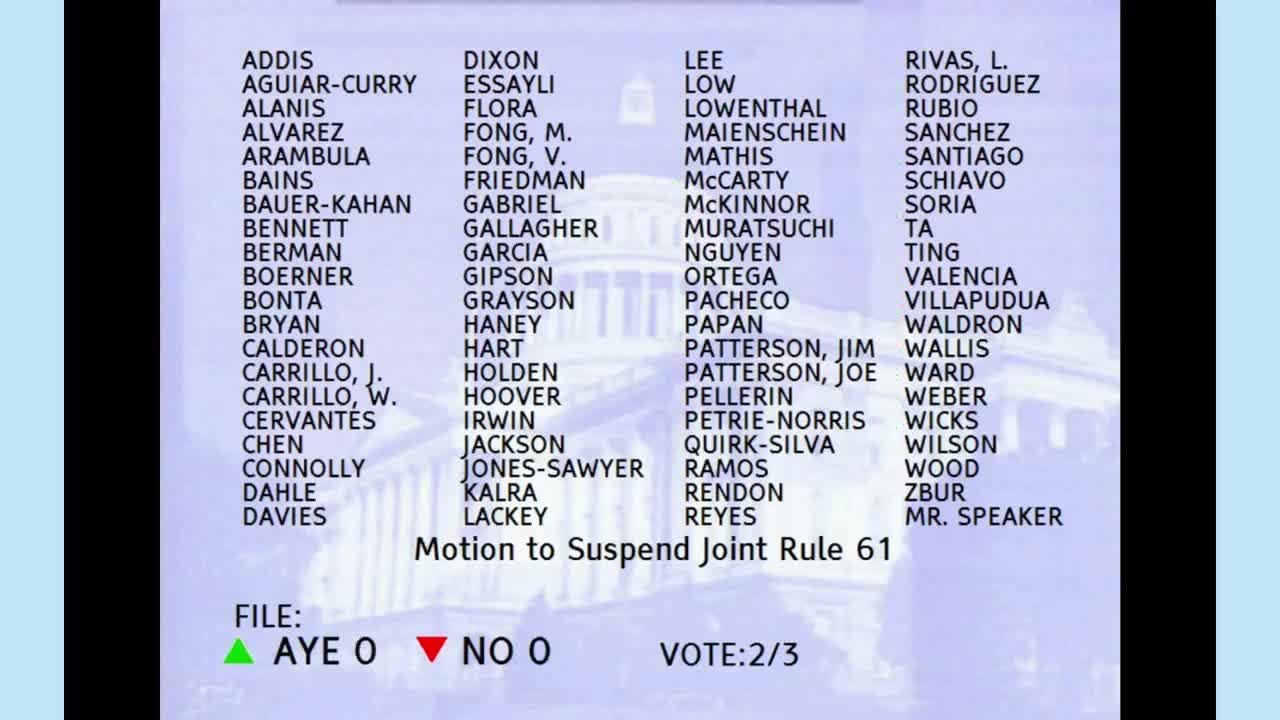




Bill Author

Bill Co-Author(s):