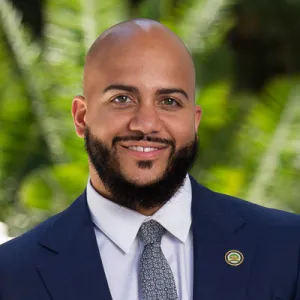
SB 474: Canteens.
- Session Year: 2023-2024
- House: Senate
- Latest Version Date: 2023-10-08
Current Status:
Passed
(2023-10-08: Chaptered by Secretary of State. Chapter 609, Statutes of 2023.)
Introduced
In Committee
First Chamber
In Committee
Second Chamber
Enacted
Existing law authorizes the Department of Corrections and Rehabilitation to maintain canteens at its facilities, as specified. Existing law requires the sale prices of the articles offered for sale to be fixed by the Director of Corrections at the amounts that will, as far as possible, render each canteen self-supporting.
This bill would instead require the department to maintain a canteen at its active facilities, as specified. The bill would, until January 1, 2028, prohibit the sale prices of the articles offered for sale from exceeding a 35% markup above the price of the articles paid to the vendors. The bill would, commencing on January 1, 2028, require the sale amounts of the articles to be offered for sale to be fixed by the secretary at amounts that will render each canteen self-supporting.
Existing law authorizes the Department of Corrections and Rehabilitation to maintain canteens at its facilities, as specified. Existing law requires the sale prices of the articles offered for sale to be fixed by the Director of Corrections at the amounts that will, as far as possible, render each canteen self-supporting.
This bill would instead require the department to maintain a canteen at its active facilities, as specified. The bill would, commencing on January 1, 2024, until January 1, 2028, prohibit the sale prices of the articles offered for sale from exceeding a 50% 35% markup above the price of the articles paid to the vendors. The bill would, commencing on January 1, 2025, prohibit the sale prices of the articles from exceeding a 40% markup above the price of the articles paid to the vendors. The bill would, commencing on January 1, 2026, prohibit the sale prices of the articles from exceeding a 30% markup above the price of the articles paid to the vendors. The bill would, commencing on January 1, 2027, prohibit the sale prices of the articles from exceeding a 20% markup above the price of the articles paid to the vendors and, commencing on January 1, 2028, prohibit the sale prices of the articles from exceeding a 10% markup above the price of the articles paid to the vendors. 2028, require the sale amounts of the articles to be offered for sale to be fixed by the secretary at amounts that will render each canteen self-supporting.
Existing law authorizes the Department of Corrections and Rehabilitation to maintain canteens at its facilities, as specified. Existing law requires the sale prices of the articles offered for sale to be fixed by the Director of Corrections at the amounts that will, as far as possible, render each canteen self-supporting.
This bill would instead require the department to maintain a canteen at its active facilities, as specified, and would prohibit the sale prices of the articles offered for sale from exceeding 10% above the amount paid to the vendors.This bill would instead require the department to maintain a canteen at its active facilities, as specified. The bill would, commencing on January 1, 2024, prohibit the sale prices of the articles offered for sale from exceeding a 50% markup above the price of the articles paid to the vendors. The bill would, commencing on January 1, 2025, prohibit the sale prices of the articles from exceeding a 40% markup above the price of the articles paid to the vendors. The bill would, commencing on January 1, 2026, prohibit the sale prices of the articles from exceeding a 30% markup above the price of the articles paid to the vendors. The bill would, commencing on January 1, 2027, prohibit the sale prices of the articles from exceeding a 20% markup above the price of the articles paid to the vendors and, commencing on January 1, 2028, prohibit the sale prices of the articles from exceeding a 10% markup above the price of the articles paid to the vendors.
Existing law authorizes the Department of Corrections and Rehabilitation to maintain canteens at its facilities, as specified. Existing law requires the sale prices of the articles offered for sale to be fixed by the Director of Corrections at the amounts that will, as far as possible, render each canteen self-supporting.
This bill would instead require the department to maintain a canteen at its active facilities, as specified, and would prohibit the sale prices of the articles offered for sale from exceeding the price of the articles 10% above the amount paid to the vendors.
Existing law authorizes the Department of Corrections and Rehabilitation to maintain canteens at its facilities, as specified. Existing law requires the sale prices of the articles offered for sale to be fixed by the Director of Corrections at the amounts that will, as far as possible, render each canteen self-supporting.
This bill would instead require the department to maintain a canteen at its active facilities, as specified, and would prohibit the sale prices of the articles offered for sale from exceeding the price of the articles paid to the vendors.
This act shall be known, and may be cited, as the Basic Affordable Supplies for Incarcerated Californians Act or BASIC Act.
SEC. 2.The Legislature finds and declares all of the following:
(a)It is essential that incarcerated Californians and their loved ones are protected from price gouging and excessive cost pressures related to incarceration that negatively impact their financial stability. Research shows that economic stability is critical to preventing recidivism and supporting positive reentry outcomes.
(b)In 2020, an Inmate Welfare Fund (IWF) audit report found that canteen items are marked up an average of 65 percent of the price paid to the vendor, contributing significantly to economic burdens faced by incarcerated people and their loved ones, who are already saddled with justice-related fees, fines, and debt. Incarcerated people earn eight cents ($0.08) to thirty-seven cents ($0.37) an hour, averaging thirty-six dollars ($36) a month before fees and deductions, but pay similar or, at times, above market rate prices for essential items sold at a canteen.
(c)In 2020, a report by Impact Justice found that 60 percent of formerly incarcerated people surveyed said that they could not afford canteen purchases while incarcerated, while 75 percent of those surveyed reported that their access to adequate food was restricted by their personal or family finances. A research study from the Ella Baker Center for Human Rights has shown that nearly two in three families with an incarcerated family member are unable to meet their families basic needs due to the costs of incarceration, and that nearly one-half of families are unable to afford conviction-related costs. The financial burdens associated with incarceration tend to fall most heavily on women of color from low-income communities.
(d)Items sold in prison canteen stores are integral to the health and well-being of incarcerated people. Items purchased are primarily essential goods, including food, personal hygiene products, over the counter medication, health products, and stationery to maintain communication with loved ones. Research shows that many incarcerated people rely on canteen purchases for a majority of their caloric intake, and that the quality and quantity of food and personal care items provided by prisons is inadequate to sustain a healthy life. For incarcerated people with chronic medical conditions, the ability to purchase ointments and medications at a canteen is critical to the management of their health.
(e)Programs and services that are currently funded through the IWF support community safety and well-being, provide rehabilitative programming, education, recreation, family connection, and access to essential items. Thus, these programs and services, including innovative programming grants, victim offender dialogue grants, and the visitor program, generate a broad public benefit and are important investments that must be supported by general fund dollars rather than by the incarcerated population and their families who are disproportionately impoverished and people of color. These programs must be preserved despite changes made to IWF markups or funding decreases due to other circumstances.
(f)There is momentum across the nation to limit markups on canteen and commissary markups in multiple states, including, among others, the States of Nebraska, Nevada, Massachusetts, and Virginia. Additionally, the City and County of San Francisco has eliminated markups on items sold in the commissary at county jails.
SEC. 3.Section 5005 of the Penal Code is amended to read:5005.(a)The department shall maintain a canteen at an active prison or institution under its jurisdiction for the sale to incarcerated persons of toilet articles, candy, notions, and other sundries, and shall provide the necessary facilities, equipment, personnel, and merchandise for the canteen. The secretary shall specify what commodities shall be sold in the canteen. The sale prices of the articles offered for sale shall not exceed a 35-percent markup above the amount paid to the vendors.
(b)The department shall undertake to insure against damage or loss of canteen and handicraft materials, supplies, and equipment owned by the Inmate Welfare Fund as provided in Section 5006.
(c)The canteen operations at any prison or institution referred to in this section shall be audited biennially by the Department of Finance, and at the end of each intervening fiscal year, each prison or institution shall prepare a statement of operations. At least one copy of any audit report or statement of operations shall be posted at the canteen and at least one copy shall be available to incarcerated persons at the library of each prison or institution.
(d)This section shall remain in effect only until January 1, 2028, and as of that date is repealed.
SEC. 4.Section 5005 is added to the Penal Code, to read:5005.(a)The department shall maintain a canteen at an active prison or institution under its jurisdiction for the sale to incarcerated persons of toilet articles, candy, notions, and other sundries, and shall provide the necessary facilities, equipment, personnel, and merchandise for the canteen. The secretary shall specify what commodities shall be sold in the canteen. The sale prices of the articles offered for sale shall be fixed by the secretary at the amounts that will, as far as possible, render each canteen self-supporting.
(b)The department shall undertake to insure against damage or loss of canteen and handicraft materials, supplies, and equipment owned by the Inmate Welfare Fund as provided in Section 5006.
(c)The canteen operations at any prison or institution referred to in this section shall be audited biennially by the Department of Finance, and at the end of each intervening fiscal year, each prison or institution shall prepare a statement of operations. At least one copy of any audit report or statement of operations shall be posted at the canteen and at least one copy shall be available to incarcerated persons at the library of each prison or institution.
(d)This section shall become operative on January 1, 2028.
This act shall be known, and may be cited, as the Basic Affordable Supplies for Incarcerated Californians Act or BASIC Act.
SEC. 2.The Legislature finds and declares all of the following:
(a)It is essential that incarcerated Californians and their loved ones are protected from price gouging and excessive cost pressures related to incarceration that negatively impact their financial stability. Research shows that economic stability is critical to preventing recidivism and supporting positive reentry outcomes.
(b)In 2020, an Inmate Welfare Fund (IWF) audit report found that canteen items are marked up an average of 65 percent of the price paid to the vendor, contributing significantly to economic burdens faced by incarcerated people and their loved ones, who are already saddled with justice-related fees, fines, and debt. Incarcerated people earn eight cents ($0.08) to thirty-seven cents ($0.37) an hour, averaging thirty-six dollars ($36) a month before fees and deductions, but pay similar or, at times, above market rate prices for essential items sold at a canteen.
(c)In 2020, a report by Impact Justice found that 60 percent of formerly incarcerated people surveyed said that they could not afford canteen purchases while incarcerated, while 75 percent of those surveyed reported that their access to adequate food was restricted by their personal or family finances. A research study from the Ella Baker Center for Human Rights has shown that nearly two in three families with an incarcerated family member are unable to meet their families basic needs due to the costs of incarceration, and that nearly one-half of families are unable to afford conviction-related costs. The financial burdens associated with incarceration tend to fall most heavily on women of color from low-income communities.
(d)Items sold in prison canteen stores are integral to the health and well-being of incarcerated people. Items purchased are primarily essential goods, including food, personal hygiene products, over the counter medication, health products, and stationery to maintain communication with loved ones. Research shows that many incarcerated people rely on canteen purchases for a majority of their caloric intake, and that the quality and quantity of food and personal care items provided by prisons is inadequate to sustain a healthy life. For incarcerated people with chronic medical conditions, the ability to purchase ointments and medications at a canteen is critical to the management of their health.
(e)Programs and services that are currently funded through the IWF support community safety and well-being, provide rehabilitative programming, education, recreation, family connection, and access to essential items. Thus, these programs and services, including innovative programming grants, victim offender dialogue grants, and the visitor program, generate a broad public benefit and are important investments that must be supported by general fund dollars rather than by the incarcerated population and their families who are disproportionately impoverished and people of color. These programs must be preserved despite changes made to IWF markups or funding decreases due to other circumstances.
(f)There is momentum across the nation to limit markups on canteen and commissary markups in multiple states, including, among others, the States of Nebraska, Nevada, Massachusetts, and Virginia. Additionally, the City and County of San Francisco has eliminated markups on items sold in the commissary at county jails.
SEC. 3.Section 5005 of the Penal Code is amended to read:5005.(a)The department shall maintain a canteen at an active prison or institution under its jurisdiction for the sale to incarcerated persons of toilet articles, candy, notions, and other sundries, and shall provide the necessary facilities, equipment, personnel, and merchandise for the canteen. The secretary shall specify what commodities shall be sold in the canteen. The sale prices of the articles offered for sale shall not exceed a 50-percent 35-percent markup above the amount paid to the vendors. The
(b)The department shall undertake to insure against damage or loss of canteen and handicraft materials, supplies, and equipment owned by the Inmate Welfare Fund as provided in Section 5006.
(b)(c)The canteen operations at any prison or institution referred to in this section shall be audited biennially by the Department of Finance, and at the end of each intervening fiscal year, each prison or institution shall prepare a statement of operations. At least one copy of any audit report or statement of operations shall be posted at the canteen and at least one copy shall be available to incarcerated persons at the library of each prison or institution.
(c)(d)This section shall remain in effect only until January 1, 2025, 2028, and as of that date is repealed.
SEC. 4.Section 5005 is added to the Penal Code, to read:5005.(a)The department shall maintain a canteen at an active prison or institution under its jurisdiction for the sale to incarcerated persons of toilet articles, candy, notions, and other sundries, and shall provide the necessary facilities, equipment, personnel, and merchandise for the canteen. The secretary shall specify what commodities shall be sold in the canteen. The sale prices of the articles offered for sale shall not exceed a 40-percent markup above the price of the articles paid to the vendors. The department shall undertake to insure against damage or loss of canteen and handicraft materials, supplies, and equipment owned by the Inmate Welfare Fund as provided in Section 5006.(b)The canteen operations at any prison or institution referred to in this section shall be audited biennially by the Department of Finance, and at the end of each intervening fiscal year, each prison or institution shall prepare a statement of operations. At least one copy of any audit report or statement of operations shall be posted at the canteen and at least one copy shall be available to incarcerated persons at the library of each prison or institution.(c)This section shall become operative on January 1, 2025.(d)This section shall remain in effect only until January 1, 2026, and as of that date is repealed. SEC. 5.Section 5005 is added to the Penal Code, to read:5005.(a)The department shall maintain a canteen at an active prison or institution under its jurisdiction for the sale to incarcerated persons of toilet articles, candy, notions, and other sundries, and shall provide the necessary facilities, equipment, personnel, and merchandise for the canteen. The secretary shall specify what commodities shall be sold in the canteen. The sale prices of the articles offered for sale shall not exceed a 30-percent markup above the price of the articles paid to the vendors. The department shall undertake to insure against damage or loss of canteen and handicraft materials, supplies, and equipment owned by the Inmate Welfare Fund as provided in Section 5006.(b)The canteen operations at any prison or institution referred to in this section shall be audited biennially by the Department of Finance, and at the end of each intervening fiscal year, each prison or institution shall prepare a statement of operations. At least one copy of any audit report or statement of operations shall be posted at the canteen and at least one copy shall be available to incarcerated persons at the library of each prison or institution.(c)This section shall become operative on January 1, 2026. (d)This section shall remain in effect only until January 1, 2027, and as of that date is repealed.SEC. 6.Section 5005 is added to the Penal Code, to read:5005.(a)The department shall maintain a canteen at an active prison or institution under its jurisdiction for the sale to incarcerated persons of toilet articles, candy, notions, and other sundries, and shall provide the necessary facilities, equipment, personnel, and merchandise for the canteen. The secretary shall specify what commodities shall be sold in the canteen. The sale prices of the articles offered for sale shall not exceed a 20-percent markup above the price of the articles paid to the vendors. The department shall undertake to insure against damage or loss of canteen and handicraft materials, supplies, and equipment owned by the Inmate Welfare Fund as provided in Section 5006.(b)The canteen operations at any prison or institution referred to in this section shall be audited biennially by the Department of Finance, and at the end of each intervening fiscal year, each prison or institution shall prepare a statement of operations. At least one copy of any audit report or statement of operations shall be posted at the canteen and at least one copy shall be available to incarcerated persons at the library of each prison or institution.(c)This section shall become operative on January 1, 2027. (d)This section shall remain in effect only until January 1, 2028, and as of that date is repealed.SEC. 7.Section 5005 is added to the Penal Code, to read:5005.(a)The department shall maintain a canteen at an active prison or institution under its jurisdiction for the sale to incarcerated persons of toilet articles, candy, notions, and other sundries, and shall provide the necessary facilities, equipment, personnel, and merchandise for the canteen. The secretary shall specify what commodities shall be sold in the canteen. The sale prices of the articles offered for sale shall not exceed a 10-percent markup above the price of the articles paid to the vendors. The department shall undertake to insure against damage or loss of canteen and handicraft materials, supplies, and equipment owned by the Inmate Welfare Fund as provided in Section 5006.(b)The canteen operations at any prison or institution referred to in this section shall be audited biennially by the Department of Finance, and at the end of each intervening fiscal year, each prison or institution shall prepare a statement of operations. At least one copy of any audit report or statement of operations shall be posted at the canteen and at least one copy shall be available to incarcerated persons at the library of each prison or institution.(c)This section shall become operative on January 1, 2028. SEC. 4.Section 5005 is added to the Penal Code, to read:5005.(a)The department shall maintain a canteen at an active prison or institution under its jurisdiction for the sale to incarcerated persons of toilet articles, candy, notions, and other sundries, and shall provide the necessary facilities, equipment, personnel, and merchandise for the canteen. The secretary shall specify what commodities shall be sold in the canteen. The sale prices of the articles offered for sale shall be fixed by the secretary at the amounts that will, as far as possible, render each canteen self-supporting.
(b)The department shall undertake to insure against damage or loss of canteen and handicraft materials, supplies, and equipment owned by the Inmate Welfare Fund as provided in Section 5006.
(c)The canteen operations at any prison or institution referred to in this section shall be audited biennially by the Department of Finance, and at the end of each intervening fiscal year, each prison or institution shall prepare a statement of operations. At least one copy of any audit report or statement of operations shall be posted at the canteen and at least one copy shall be available to incarcerated persons at the library of each prison or institution.
(d)This section shall become operative on January 1, 2028.
This act shall be known, and may be cited, as the Basic Affordable Supplies for Incarcerated Californians Act or BASIC Act.
SEC. 2.The Legislature finds and declares all of the following:
(a)It is essential that incarcerated Californians and their loved ones are protected from price gouging and excessive cost pressures related to incarceration that negatively impact their financial stability. Research shows that economic stability is critical to preventing recidivism and supporting positive reentry outcomes.
(b)In 2020, an Inmate Welfare Fund (IWF) audit report found that canteen items are marked up an average of 65 percent of the price paid to the vendor, contributing significantly to economic burdens faced by incarcerated people and their loved ones, who are already saddled with justice-related fees, fines, and debt. Incarcerated people earn eight cents ($0.08) to thirty-seven cents ($0.37) an hour, averaging thirty-six dollars ($36) a month before fees and deductions, but pay similar or, at times, above market rate prices for essential items sold at a canteen.
(c)In 2020, a report by Impact Justice found that 60 percent of formerly incarcerated people surveyed said that they could not afford canteen purchases while incarcerated, while 75 percent of those surveyed reported that their access to adequate food was restricted by their personal or family finances. A research study from the Ella Baker Center for Human Rights has shown that nearly two in three families with an incarcerated family member are unable to meet their families basic needs due to the costs of incarceration, and that nearly one-half of families are unable to afford conviction-related costs. The financial burdens associated with incarceration tend to fall most heavily on women of color from low-income communities.
(d)Items sold in prison canteen stores are integral to the health and well-being of incarcerated people. Items purchased are primarily essential goods, including food, personal hygiene products, over the counter medication, health products, and stationery to maintain communication with loved ones. Research shows that many incarcerated people rely on canteen purchases for a majority of their caloric intake, and that the quality and quantity of food and personal care items provided by prisons is inadequate to sustain a healthy life. For incarcerated people with chronic medical conditions, the ability to purchase ointments and medications at a canteen is critical to the management of their health.
(e)Programs and services that are currently funded through the IWF support community safety and well-being, provide rehabilitative programming, education, recreation, family connection, and access to essential items. Thus, these programs and services, including innovative programming grants, victim offender dialogue grants, and the visitor program, generate a broad public benefit and are important investments that must be supported by general fund dollars rather than by the incarcerated population and their families who are disproportionately impoverished and people of color. These programs must be preserved despite changes made to IWF markups or funding decreases due to other circumstances.
(f)There is momentum across the nation to limit markups on canteen and commissary markups in multiple states, including, among others, the States of Nebraska, Nevada, Massachusetts, and Virginia. Additionally, the City and County of San Francisco has eliminated markups on items sold in the commissary at county jails.
SEC. 3.Section 5005 of the Penal Code is amended to read:5005.(a)The department shall maintain a canteen at an active prison or institution under its jurisdiction for the sale to incarcerated persons of toilet articles, candy, notions, and other sundries, and shall provide the necessary facilities, equipment, personnel, and merchandise for the canteen. The secretary shall specify what commodities shall be sold in the canteen. The sale prices of the articles offered for sale shall not exceed 10 percent a 50-percent markup above the amount paid to the vendors. The department shall undertake to insure against damage or loss of canteen and handicraft materials, supplies, and equipment owned by the Inmate Welfare Fund as provided in Section 5006.
(b)The canteen operations at any prison or institution referred to in this section shall be audited biennially by the Department of Finance, and at the end of each intervening fiscal year, each prison or institution shall prepare a statement of operations. At least one copy of any audit report or statement of operations shall be posted at the canteen and at least one copy shall be available to incarcerated persons at the library of each prison or institution.
(c)This section shall remain in effect only until January 1, 2025, and as of that date is repealed.
SEC. 4.Section 5005 is added to the Penal Code, to read:5005.(a)The department shall maintain a canteen at an active prison or institution under its jurisdiction for the sale to incarcerated persons of toilet articles, candy, notions, and other sundries, and shall provide the necessary facilities, equipment, personnel, and merchandise for the canteen. The secretary shall specify what commodities shall be sold in the canteen. The sale prices of the articles offered for sale shall not exceed a 40-percent markup above the price of the articles paid to the vendors. The department shall undertake to insure against damage or loss of canteen and handicraft materials, supplies, and equipment owned by the Inmate Welfare Fund as provided in Section 5006.
(b)The canteen operations at any prison or institution referred to in this section shall be audited biennially by the Department of Finance, and at the end of each intervening fiscal year, each prison or institution shall prepare a statement of operations. At least one copy of any audit report or statement of operations shall be posted at the canteen and at least one copy shall be available to incarcerated persons at the library of each prison or institution.
(c)This section shall become operative on January 1, 2025.
(d)This section shall remain in effect only until January 1, 2026, and as of that date is repealed.
SEC. 5.Section 5005 is added to the Penal Code, to read:5005.(a)The department shall maintain a canteen at an active prison or institution under its jurisdiction for the sale to incarcerated persons of toilet articles, candy, notions, and other sundries, and shall provide the necessary facilities, equipment, personnel, and merchandise for the canteen. The secretary shall specify what commodities shall be sold in the canteen. The sale prices of the articles offered for sale shall not exceed a 30-percent markup above the price of the articles paid to the vendors. The department shall undertake to insure against damage or loss of canteen and handicraft materials, supplies, and equipment owned by the Inmate Welfare Fund as provided in Section 5006.
(b)The canteen operations at any prison or institution referred to in this section shall be audited biennially by the Department of Finance, and at the end of each intervening fiscal year, each prison or institution shall prepare a statement of operations. At least one copy of any audit report or statement of operations shall be posted at the canteen and at least one copy shall be available to incarcerated persons at the library of each prison or institution.
(c)This section shall become operative on January 1, 2026.
(d)This section shall remain in effect only until January 1, 2027, and as of that date is repealed.
SEC. 6.Section 5005 is added to the Penal Code, to read:5005.(a)The department shall maintain a canteen at an active prison or institution under its jurisdiction for the sale to incarcerated persons of toilet articles, candy, notions, and other sundries, and shall provide the necessary facilities, equipment, personnel, and merchandise for the canteen. The secretary shall specify what commodities shall be sold in the canteen. The sale prices of the articles offered for sale shall not exceed a 20-percent markup above the price of the articles paid to the vendors. The department shall undertake to insure against damage or loss of canteen and handicraft materials, supplies, and equipment owned by the Inmate Welfare Fund as provided in Section 5006.
(b)The canteen operations at any prison or institution referred to in this section shall be audited biennially by the Department of Finance, and at the end of each intervening fiscal year, each prison or institution shall prepare a statement of operations. At least one copy of any audit report or statement of operations shall be posted at the canteen and at least one copy shall be available to incarcerated persons at the library of each prison or institution.
(c)This section shall become operative on January 1, 2027.
(d)This section shall remain in effect only until January 1, 2028, and as of that date is repealed.
SEC. 7.Section 5005 is added to the Penal Code, to read:5005.(a)The department shall maintain a canteen at an active prison or institution under its jurisdiction for the sale to incarcerated persons of toilet articles, candy, notions, and other sundries, and shall provide the necessary facilities, equipment, personnel, and merchandise for the canteen. The secretary shall specify what commodities shall be sold in the canteen. The sale prices of the articles offered for sale shall not exceed a 10-percent markup above the price of the articles paid to the vendors. The department shall undertake to insure against damage or loss of canteen and handicraft materials, supplies, and equipment owned by the Inmate Welfare Fund as provided in Section 5006.
(b)The canteen operations at any prison or institution referred to in this section shall be audited biennially by the Department of Finance, and at the end of each intervening fiscal year, each prison or institution shall prepare a statement of operations. At least one copy of any audit report or statement of operations shall be posted at the canteen and at least one copy shall be available to incarcerated persons at the library of each prison or institution.
(c)This section shall become operative on January 1, 2028.
This act shall be known, and may be cited, as the Basic Affordable Supplies for Incarcerated Californians Act or BASIC Act.
SEC. 2.The Legislature finds and declares all of the following:
(a)It is essential that incarcerated Californians and their loved ones are protected from price gouging and excessive cost pressures related to incarceration that negatively impact their financial stability. Research shows that economic stability is critical to preventing recidivism and supporting positive reentry outcomes.
(b)In 2020, an Inmate Welfare Fund (IWF) audit report found that canteen items are marked up an average of 65 percent of the price paid to the vendor, contributing significantly to economic burdens faced by incarcerated people and their loved ones, who are already saddled with justice-related fees, fines, and debt. Incarcerated people earn eight cents ($0.08) to thirty-seven cents ($0.37) an hour, averaging thirty-six dollars ($36) a month before fees and deductions, but pay similar or, at times, above market rate prices for essential items sold at a canteen.
(c)In 2020, a report by Impact Justice found that 60 percent of formerly incarcerated people surveyed said that they could not afford canteen purchases while incarcerated, while 75 percent of those surveyed reported that their access to adequate food was restricted by their personal or family finances. A research study from the Ella Baker Center for Human Rights has shown that nearly two in three families with an incarcerated family member are unable to meet their families basic needs due to the costs of incarceration, and that nearly one-half of families are unable to afford conviction-related costs. The financial burdens associated with incarceration tend to fall most heavily on women of color from low-income communities.
(d)Items sold in prison canteen stores are integral to the health and well-being of incarcerated people. Items purchased are primarily essential goods, including food, personal hygiene products, over the counter medication, health products, and stationery to maintain communication with loved ones. Research shows that many incarcerated people rely on canteen purchases for a majority of their caloric intake, and that the quality and quantity of food and personal care items provided by prisons is inadequate to sustain a healthy life. For incarcerated people with chronic medical conditions, the ability to purchase ointments and medications at a canteen is critical to the management of their health.
(e)Programs and services that are currently funded through the IWF support community safety and well-being, provide rehabilitative programming, education, recreation, family connection, and access to essential items. Thus, these programs and services, including innovative programming grants, victim offender dialogue grants, and the visitor program, generate a broad public benefit and are important investments that must be supported by general fund dollars rather than by the incarcerated population and their families who are disproportionately impoverished and people of color. These programs must be preserved despite changes made to IWF markups or funding decreases due to other circumstances.
(f)There is momentum across the nation to limit markups on canteen and commissary markups in multiple states, including, among others, the States of Nebraska, Nevada, Massachusetts, and Virginia. Additionally, the City and County of San Francisco has eliminated markups on items sold in the commissary at county jails.
SEC. 3.Section 5005 of the Penal Code is amended to read:5005.(a)The department shall maintain a canteen at an active prison or institution under its jurisdiction for the sale to incarcerated persons of toilet articles, candy, notions, and other sundries, and shall provide the necessary facilities, equipment, personnel, and merchandise for the canteen. The secretary shall specify what commodities shall be sold in the canteen. The sale prices of the articles offered for sale shall not exceed the price of the articles 10 percent above the amount paid to the vendors. The department shall undertake to insure against damage or loss of canteen and handicraft materials, supplies, and equipment owned by the Inmate Welfare Fund as provided in Section 5006.
(b)The canteen operations at any prison or institution referred to in this section shall be audited biennially by the Department of Finance, and at the end of each intervening fiscal year, each prison or institution shall prepare a statement of operations. At least one copy of any audit report or statement of operations shall be posted at the canteen and at least one copy shall be available to incarcerated persons at the library of each prison or institution.
This act shall be known, and may be cited, as the Basic Affordable Supplies for Incarcerated Californians Act or BASIC Act.
SEC. 2.The Legislature finds and declares all of the following:
(a)It is essential that incarcerated Californians and their loved ones are protected from price gouging and excessive cost pressures related to incarceration that negatively impact their financial stability. Research shows that economic stability is critical to preventing recidivism and supporting positive reentry outcomes.
(b)In 2020, an Inmate Welfare Fund (IWF) audit report found that canteen items are marked up an average of 65 percent of the price paid to the vendor, contributing significantly to economic burdens faced by incarcerated people and their loved ones, who are already saddled with justice-related fees, fines, and debt. Incarcerated people earn eight cents ($0.08) to thirty-seven cents ($0.37) an hour, averaging thirty-six dollars ($36) a month before fees and deductions, but pay similar or, at times, above market rate prices for essential items sold at a canteen.
(c)In 2020, a report by Impact Justice found that 60 percent of formerly incarcerated people surveyed said that they could not afford canteen purchases while incarcerated, while 75 percent of those surveyed reported that their access to adequate food was restricted by their personal or family finances. A research study from the Ella Baker Center for Human Rights has shown that nearly two in three families with an incarcerated family member are unable to meet their families basic needs due to the costs of incarceration, and that nearly one-half of families are unable to afford conviction-related costs. The financial burdens associated with incarceration tend to fall most heavily on women of color from low-income communities.
(d)Items sold in prison canteen stores are integral to the health and well-being of incarcerated people. Items purchased are primarily essential goods, including food, personal hygiene products, over the counter medication, health products, and stationery to maintain communication with loved ones. Research shows that many incarcerated people rely on canteen purchases for a majority of their caloric intake, and that the quality and quantity of food and personal care items provided by prisons is inadequate to sustain a healthy life. For incarcerated people with chronic medical conditions, the ability to purchase ointments and medications at a canteen is critical to the management of their health.
(e)Programs and services that are currently funded through the IWF support community safety and well-being, provide rehabilitative programming, education, recreation, family connection, and access to essential items. Thus, these programs and services, including innovative programming grants, victim offender dialogue grants, and the visitor program, generate a broad public benefit and are important investments that must be supported by general fund dollars rather than by the incarcerated population and their families who are disproportionately impoverished and people of color. These programs must be preserved despite changes made to IWF markups or funding decreases due to other circumstances.
(f)There is momentum across the nation to limit markups on canteen and commissary markups in multiple states, including, among others, the States of Nebraska, Nevada, Massachusetts, and Virginia. Additionally, the City and County of San Francisco has eliminated markups on items sold in the commissary at county jails.
SECTION 1.SEC. 3.Section 5005 of the Penal Code is amended to read:5005.(a)The department shall maintain a canteen at an active prison or institution under its jurisdiction for the sale to incarcerated persons of toilet articles, candy, notions, and other sundries, and shall provide the necessary facilities, equipment, personnel, and merchandise for the canteen. The secretary shall specify what commodities shall be sold in the canteen. The sale prices of the articles offered for sale shall not exceed the price of the articles paid to the vendors. The department shall undertake to insure against damage or loss of canteen and handicraft materials, supplies, and equipment owned by the Inmate Welfare Fund as provided in Section 5006.
(b)The canteen operations at any prison or institution referred to in this section shall be audited biennially by the Department of Finance, and at the end of each intervening fiscal year, each prison or institution shall prepare a statement of operations. At least one copy of any audit report or statement of operations shall be posted at the canteen and at least one copy shall be available to incarcerated persons at the library of each prison or institution.
(a)The department may shall maintain a canteen at any an active prison or institution under its jurisdiction for the sale to persons confined therein incarcerated persons of toilet articles, candy, notions, and other sundries, and may shall provide the necessary facilities, equipment, personnel, and merchandise for the canteen. The director secretary shall specify what commodities shall be sold in the canteen. The sale prices of the articles offered for sale shall be fixed by the director at the amounts that will, as far as possible, render each canteen self-supporting. not exceed the price of the articles paid to the vendors. The department may shall undertake to insure against damage or loss of canteen and handicraft materials, supplies supplies, and equipment owned by the Inmate Welfare Fund of the Department of Corrections as provided in Section 5006.
The
(b)The canteen operations at any prison or institution referred to in this section shall be audited biennially by the Department of Finance, and at the end of each intervening fiscal year, each prison or institution shall prepare a statement of operations. At least one copy of any audit report or statement of operations shall be posted at the canteen and at least one copy shall be available to inmates incarcerated persons at the library of each prison or institution.
|
Date
|
Status
|
|---|---|
| Oct 8, 2023 | Chaptered by Secretary of State. Chapter 609, Statutes of 2023. |
| Oct 8, 2023 | Approved by the Governor. |
| Sep 21, 2023 | Enrolled and presented to the Governor at 4 p.m. |
| Sep 14, 2023 | Assembly amendments concurred in. (Ayes 35. Noes 5. Page 2843.) Ordered to engrossing and enrolling. |
| Sep 13, 2023 | In Senate. Concurrence in Assembly amendments pending. |
| Sep 13, 2023 | Read third time. Passed. (Ayes 77. Noes 1. Page 3431.) Ordered to the Senate. |
| Sep 7, 2023 | Read third time and amended. |
| Sep 7, 2023 | Ordered to third reading. |
| Sep 7, 2023 | Assembly Rule 69 suspended. |
| Sep 5, 2023 | Read second time. Ordered to third reading. |
| Sep 1, 2023 | Read second time and amended. Ordered to second reading. |
| Sep 1, 2023 | From committee: Do pass as amended. (Ayes 11. Noes 1.) (September 1). |
| Aug 23, 2023 | August 23 set for first hearing. Placed on suspense file. |
| Jun 28, 2023 | From committee: Do pass and re-refer to Com. on APPR. (Ayes 8. Noes 0.) (June 27). Re-referred to Com. on APPR. |
| Jun 1, 2023 | Referred to Com. on PUB. S. |
| May 25, 2023 | In Assembly. Read first time. Held at Desk. |
| May 24, 2023 | Read third time. Passed. (Ayes 34. Noes 5. Page 1278.) Ordered to the Assembly. |
| May 22, 2023 | Read second time. Ordered to third reading. |
| May 18, 2023 | Read second time and amended. Ordered to second reading. |
| May 18, 2023 | From committee: Do pass as amended. (Ayes 5. Noes 2. Page 1171.) (May 18). |
| May 12, 2023 | Set for hearing May 18. |
| Apr 17, 2023 | April 17 hearing: Placed on APPR suspense file. |
| Apr 10, 2023 | Set for hearing April 17. |
| Mar 29, 2023 | From committee: Do pass and re-refer to Com. on APPR. (Ayes 5. Noes 0. Page 579.) (March 28). Re-referred to Com. on APPR. |
| Mar 20, 2023 | From committee with author's amendments. Read second time and amended. Re-referred to Com. on PUB S. |
| Mar 6, 2023 | Set for hearing March 28. |
| Feb 22, 2023 | Referred to Com. on PUB S. |
| Feb 14, 2023 | From printer. May be acted upon on or after March 16. |
| Feb 13, 2023 | Introduced. Read first time. To Com. on RLS. for assignment. To print. |
|
Date
|
Description
|
Location
|
Votes
|
|
|---|---|---|---|---|
| Sep 14, 2023 | Unfinished Business SB474 Becker et al. Concurrence | Senate Floor |
Passed |
|
| Sep 13, 2023 | SB 474 Becker Senate Third Reading By Bryan | Assembly Floor |
Passed |
|
| Sep 1, 2023 | Do pass as amended. | Assembly Standing Committee on Appropriations |
Passed |
|
| Jun 27, 2023 | Do pass and be re-referred to the Committee on [Appropriations] | Assembly Standing Committee on Public Safety |
Passed |
|
| May 24, 2023 | Senate 3rd Reading SB474 Becker et al. | Senate Floor |
Passed |
|
| May 18, 2023 | Do pass as amended | Senate Standing Committee on Appropriations |
Passed |
|
| Apr 17, 2023 | Placed on suspense file | Senate Standing Committee on Appropriations |
Passed |
|
| Mar 28, 2023 | Do pass, but first be re-referred to the Committee on [Appropriations] | Senate Standing Committee on Public Safety |
Passed |
This list shows positions taken on this bill by organizations on the date displayed, which is linked to the original source.
Positions by individuals are not included.
|
Organization
|
Position
|
Date
|
|---|---|---|
| A New Way of Life Reentry Project | ** Support | |
| Aclu California Action | ** Support | |
| All of Us or None San Diego | ** Support | |
| Alliance San Diego | ** Support | |
| Anti-Recidivism Coalition | ** Support | |
| Asian Solidarity Collective | ** Support | |
| Black Panther Party - San Diego | ** Support | |
| Blameless and Forever Free Ministries | ** Support | |
| Brooke Jenkins, San Francisco District Attorney | ** Support | |
| Buen Vecino | ** Support | |
| Cair California | ** Support | |
| California Alliance for Youth and Community Justice | ** Support | |
| California Coalition for Women Prisoners | ** Support | |
| California Families Against Solitary Confinement | ** Support | |
| California Immigrant Policy Center | ** Support | |
| California Public Defenders Association | ** Support | |
| Californians for Safety and Justice | ** Support | |
| Californians United for a Responsible Budget | ** Support | |
| Center on Juvenile and Criminal Justice | ** Support | |
| Change Begins With Me | ** Support | |
| City and County of San Francisco | ** Support | |
| Communities United for Restorative Youth Justice | ** Support | |
| Community Advocates for Just and Moral Governance | ** Support | |
| Dee Hill Foundation | * Support | Jun 27, 2023 |
| Del Cerro for Black Lives Matter | ** Support | |
| Democratic Club of Vista | ** Support | |
| DEMOCRATIC WOMANS CLUB OF SAN DIEGO COUNTY | ** Support | |
| Disability Rights California | ** Support | |
| Ella Baker Center For Human Rights | ** Support | |
| Empowering Women Impacted by Incarceration | ** Support | |
| Escondido Democratic Club | ** Support | |
| Families United to End LWOP | ** Support | |
| Families United to End Lwop - Fuel | ** Support | |
| Felony Murder Elimination Project | ** Support | |
| Fresno Barrios Unidos | ** Support | |
| Friends Committee On Legislation Of California | ** Support | |
| Grip Training Institute | ** Support | |
| Hillcrest Indivisible | ** Support | |
| Indivisible 92116 | ** Support | |
| Initiate Justice | ** Support | |
| Interfaith Worker Justice San Diego | ** Support | |
| Jesse’s Place Org | ** Support | |
| Legal Aid At Work | ** Support | |
| Legal Services for Prisoners with Children | ** Support | |
| milpa | ** Support | |
| Milpa Collective | ** Support | |
| Muslim American Society | ** Support | |
| Muslim American Society - Public Affairs & Civic Engagement | ** Support | |
| National Association Of Social Workers, California Chapter | ** Support | |
| National Institute for Criminal Justice Reform | ** Support | |
| Orange County Rapid Response Network | ** Support | |
| Partnership for the Advancement of New Americans | ** Support | |
| Pillars of the Community | ** Support | |
| Prosecutors Alliance California | ** Support | |
| Racial Justice Coalition of San Diego | ** Support | |
| Restore Oakland, Inc. | ** Support | |
| Returning Home Foundation | ** Support | |
| Rise Up San Diego | ** Support | |
| Riverside All of Us or None | ** Support | |
| Rolling for Rights | ** Support | |
| Rtime Co. | ** Support | |
| Safe Return Project | ** Support | |
| San Francisco District Attorney's Office | ** Support | |
| San Francisco Financial Justice Project | ** Support | |
| San Francisco Mayor London Breed | ** Support | |
| San Francisco Public Defender | ** Support | |
| San Francisco Treasurer José Cisneros | ** Support | |
| San Marcos Democratic Club | ** Support | |
| Santa Cruz Barrios Unidos | ** Support | |
| Secure Justice | ** Support | |
| Showing Up for Racial Justice Santa Cruz County | ** Support | |
| Showing Up For Racial Justice, Bay Area | ** Support | |
| Showing Up for Racial Justice, San Diego | ** Support | |
| Sister Warriors Freedom Coalition | ** Support | |
| Sister Warriors Freedom Coalition; Social Workers for Equity & Leadership Southeast Asia Resource Action Center | ** Support | |
| Social Workers for Equity & Leadership | ** Support | |
| Southeast Asia Resource Action Center | ** Support | |
| Starting Over | ** Support | |
| Team Justice San Diego | ** Support | |
| The Place4grace | ** Support | |
| Think Dignity | ** Support | |
| Transformative In-Prison Workgroup | ** Support | |
| transitions clinic network | ** Support | |
| Uncommon Law | ** Support | |
| Universidad Popular | ** Support | |
| Uprise Theatre | ** Support | |
| Women'S Foundation California | ** Support | |
| Worth Rises | ** Support | |
| Young Women’s Freedom Center | ** Support |
SENATE RULES COMMITTEE Office of Senate Floor Analyses (916) 651-1520 Fax: (916) 327-4478 | SB 474 |
UNFINISHED BUSINESS
Bill No: SB 474
Author: Becker (D), et al.
Amended: 9/7/23
Vote: 21
SENATE PUBLIC SAFETY COMMITTEE: 5-0, 3/28/23
AYES: Wahab, Ochoa Bogh, Bradford, Skinner, Wiener
SENATE APPROPRIATIONS COMMITTEE: 5-2, 5/18/23
AYES: Portantino, Ashby, Bradford, Wahab, Wiener
NOES: Jones, Seyarto
SENATE FLOOR: 34-5, 5/24/23
AYES: Allen, Alvarado-Gil, Archuleta, Ashby, Atkins, Becker, Blakespear, Bradford, Caballero, Cortese, Dodd, Durazo, Eggman, Glazer, Gonzalez, Grove, Laird, Limón, McGuire, Menjivar, Min, Newman, Ochoa Bogh, Padilla, Portantino, Roth, Rubio, Skinner, Smallwood-Cuevas, Stern, Umberg, Wahab, Wiener, Wilk
NOES: Dahle, Jones, Nguyen, Niello, Seyarto
NO VOTE RECORDED: Hurtado
ASSEMBLY FLOOR: 77-1, 9/13/23 - See last page for vote
SUBJECT: Canteens
SOURCE: Ella Baker Center for Human Rights
Legal Aid At Work
Legal Services for Prisoners with Children
MILPA Collective
Women’s Foundation California
DIGEST:
This bill requires the California Department of Corrections and Rehabilitation (CDCR) to maintain a canteen at any active prison; requires CDCR to provide the necessary facilities, equipment, personnel, and merchandise for the canteen; and prohibits the sale prices of the items offered in the canteen from exceeding 10% above the amount paid to the vendors.
Assembly Amendments cap the sale prices of items offered in the canteen at 35% above the amount paid to the vendors until January 1, 2028.
ANALYSIS:
Existing law:
- Provides that CDCR may maintain a canteen at any prison or institution under its jurisdiction for the sale to persons confined therein of toilet articles, candy, notions, and other sundries, and may provide the necessary facilities, equipment, personnel, and merchandise for the canteen. Requires the director to specify what commodities are sold in the canteen. (Pen. Code, § 5005.)
- Requires that the sale prices of the articles offered for sale be fixed by the director at the amounts that will, as far as possible, render each canteen self-supporting. (Pen. Code, § 5005.)
This bill:
- Requires CDCR to maintain a canteen at any active prison or institution under its jurisdiction for the sale to incarcerated persons of toilet articles, candy, notions, and other sundries and requires CDCR to provide the necessary facilities, equipment, personnel, and merchandise for the canteen.
- Prohibits the sale prices of the articles offered for sale from exceeding 10% above the amount paid to the vendors.
- Includes uncodified legislative findings and declarations.
- Makes other technical and conforming changes.
Background
Existing law authorizes CDCR to maintain and operate a canteen at any of the state’s prisons where the incarcerated population can purchase toiletries, stationery, snacks, and other personal items. The department sets the prices of the items sold at the canteen, and existing law provides that the sale prices must be set at the amounts that will, as far as possible, render each canteen self-supporting. (Pen. Code, § 5005.) Under existing law, any proceeds from the operation of the canteens are deposited into the Inmate Welfare Fund (IWF). (Pen. Code, 5006.) The money in the fund is to be used solely for the benefit and welfare of the incarcerated population. (Id.) Specifically, funds from the IWF may be used for:
- The establishment, maintenance, employment of personnel for, and purchase of items for sale to incarcerated individuals at canteens maintained at the state institutions.
- The establishment, maintenance, employment of personnel, and necessary expenses in connection with the operation of the hobby shops at institutions under the jurisdiction of the department.
- Educational programs, hobby and recreational programs, which may include physical education activities and hobby craft classes, inmate family visiting services, leisure-time activities, and assistance with obtaining photo identification from the Department of Motor Vehicles.
- Funding for programming by not-for-profit organizations.
Advocates argue that canteen items have unreasonably high prices compared to the prices of the same or similar items available to the general public. A 2020 report published by Initiate Justice found that 60% of the formerly incarcerated individuals surveyed by the organization could not afford canteen purchases while incarcerated, and some individuals reported that they had resorted to extreme measures to gain access to canteen items such as engaging in gang activity and sexual relationships. (Leslie Soble, Kathryn Stroud, and Marika Weinstein, Eating Behind Bars: Ending the Hidden Punishment of Food in Prison (2020) p. 11 available at <https://impactjustice.org/wp-content/uploads/IJ-Eating-Behind-Bars.pdf .)
FISCAL EFFECT: Appropriation: No Fiscal Com.: Yes Local: No
According to the Assembly Appropriations Committee:
CDCR estimates annual revenue loss of approximately $29 million resulting from this bill. Currently, revenue from canteen sales is deposited into the Inmate Welfare Fund (IWF) and funds the operation of canteens and other programs and services for incarcerated people. If this bill is chaptered, CDCR would require additional support from the General Fund to continue fully funding those programs and services.
SUPPORT: (Verified 9/11/23)
Ella Baker Center for Human Rights (co-source)
Legal Aid At Work (co-source)
Legal Services for Prisoners with Children (co-source)
MILPA Collective (co-source)
Women’s Foundation California (co-source)
A New Way of Life Reentry Project
ACLU California Action
All of Us or None San Diego
Alliance San Diego
Anti-Recidivism Coalition
Asian Solidarity Collective
Black Panther Party - San Diego
CAIR California
California Alliance for Youth and Community Justice
California Coalition for Women Prisoners
California Families Against Solitary Confinement
California Public Defenders Association
Californians for Safety and Justice
Californians United for A Responsible Budget
Center on Juvenile and Criminal Justice
City and County of San Francisco
Communities United for Restorative Youth Justice
Community Advocates for Just and Moral Governance
Del Cerro for Black Lives Matter
Disability Rights California
Empowering Women Impacted by Incarceration
Families United to End LWOP
Fresno Barrios Unidos
Friends Committee on Legislation of California
GRIP Training Institute
Hillcrest Indivisible
Indivisible 92116
Initiate Justice
Interfaith Worker Justice - San Diego
Jesse’s Place Org
MILPA
Muslim American Society - Public Affairs & Civic Engagement
National Association of Social Workers, California Chapter
Partnership for the Advancement of New Americans
Pillars of the Community
Prosecutors Alliance California
Racial Justice Coalition of San Diego
Restore Oakland, Inc.
Rise Up- San Diego
Riverside All of Us or None
Rolling for Rights
RTime Co.
San Francisco District Attorney's Office
San Francisco Financial Justice Project
San Francisco Mayor London Breed
San Francisco Public Defender
San Francisco Treasurer José Cisneros
Santa Cruz Barrios Unidos
Secure Justice
Showing Up for Racial Justice Bay Area
Showing Up for Racial Justice, San Diego
Showing Up for Racial Justice Santa Cruz County
Sister Warriors Freedom Coalition; Social Workers for Equity & Leadership Southeast Asia Resource Action Center
Starting Over
Team Justice San Diego
The Place4grace
Think Dignity
Transformative In-Prison Workgroup
Transitions Clinic Network
UnCommon Law
Universidad Popular
Uprise Theatre
Worth Rises
Young Women’s Freedom Center
Over 600 individuals
OPPOSITION: (Verified 9/11/23)
ASSEMBLY FLOOR: 77-1, 9/13/23
Ayes: Addis, Aguiar-Curry, Alanis, Alvarez, Arambula, Bains, Bauer-Kahan, Bennett, Berman, Boerner, Bonta, Bryan, Calderon, Juan Carrillo, Wendy Carrillo, Cervantes, Chen, Connolly, Megan Dahle, Davies, Dixon, Essayli, Mike Fong, Vince Fong, Friedman, Gabriel, Gallagher, Garcia, Gipson, Grayson, Haney, Hart, Holden, Hoover, Irwin, Jackson, Jones-Sawyer, Kalra, Lackey, Lee, Low, Lowenthal, Maienschein, Mathis, McCarty, McKinnor, Muratsuchi, Stephanie Nguyen, Ortega, Pacheco, Papan, Jim Patterson, Joe Patterson, Pellerin, Petrie-Norris, Quirk-Silva, Ramos, Rendon, Reyes, Luz Rivas, Rodriguez, Blanca Rubio, Santiago, Schiavo, Soria, Ta, Ting, Valencia, Waldron, Wallis, Ward, Weber, Wicks, Wilson, Wood, Zbur, Robert Rivas
Noes: Sanchez
No Vote Recorded: Flora, Villapudua
Prepared by: Stephanie Jordan / PUB. S. /
9/14/23 10:00:58
**** END ****
SENATE THIRD READING
STR Bill Id:SB 474
Author:(Becker)
As Amended Ver:September 7, 2023
Majority vote
SUMMARY
Requires the Department of Corrections and Rehabilitation (CDCR) to maintain a canteen at active prisons or institution under its jurisdiction and cap the markup of the items sold.
Major Provisions
- Require the price of articles sold in canteens not to exceed a 35% markup above the amount paid to vendors.
- Sunset this limitation on markup on January 1, 2028.
- Require, beginning January 1, 2028, the Secretary of CDCR to fix the sale prices of articles offered for sale at the canteen at amounts that will, as far as possible, render each canteen self-supporting.
COMMENTS
According to the Author
"Incarcerated people and their families incur expenses and additional cost pressures that other people do not. This added financial burden disproportionately falls on low income, families of color. In addition to rising costs related to inflation, families of incarcerated people also have to bear the cost of canteen markups to provide basic necessities for their loved ones, including but not limited to food, hygiene items, and health supplements.
"Canteen items are marked up an average of 65%, but can exceed 200% of what the average consumer would pay at their local store. Given wages for most incarcerated people range between eight and thirty-seven cents an hour, canteen purchases already take an exorbitant amount of their income. Markups can push these items out of reach entirely. According to Impact Justice, in 2020, 60% of incarcerated people surveyed said they could not afford canteen purchases and 75% reported that they experienced limited access to food due to their or their family's finances. Additionally, The Ella Baker Center reports nearly 2 in 3 families with an incarcerated family member were unable to meet their family's basic needs – including food and housing needs – due to the financial burdens of incarceration.
"Canteen markups economically drain over $30 million each year from impacted families, and lead to families having to make tough decisions over whether to provide food for their incarcerated loved one or cover their own basic needs.
"The BASIC(s) Act aims to alleviate the unnecessary cost pressures associated with incarceration by limiting markups on prison canteen goods to no more than 10% of the price paid to the vendor so all incarcerated persons can access food, hygiene, and health items. Everyone deserves access to basic necessities, including our incarcerated Californians."
Arguments in Support
- According to the Ella Baker Center for Human Rights (EBC), "Eliminating mark-ups at CDCR will promote economic security for families impacted by incarceration, helping to reduce their reliance on government-assistance programs and redirect scarce financial resources towards family connection, long-term goals and reentry costs.
Investing in financial stability for justice-involved families is also a critical and evidence-based strategy for improving reentry outcomes and preventing recidivism; it represents a smart investment in public safety for all Californians, as well as a smart financial investment that will save tax-payer dollars from being spent on unnecessary reincarceration. […]
Lastly, the cost of operating canteens will undoubtedly decrease over time as California continues to reduce its prison population and close housing units and entire prisons, as outlined by Governor Newsom –inevitability leading to fewer prison canteens.
- According to one Private Individual, "I am currently incarcerated at Ironwood State prison in California.
Inmate wages have not been raised in over 40 years, but the prices on canteen keep rising […] I don't get paid for my job here at prison and its already hard on my family to put money on my books. So raising these prices constantly doesn't do anything but prevent me from being able to buy food. I went from 200 pounds to 174 in the course of 3 months all because these prices on canteen keep rising and I'm not able to afford the food or hygiene
Arguments in Opposition
None on file.
FISCAL COMMENTS
According to the Assembly Appropriations Committee, revenue loss (Inmate Welfare Fund (IWF)) to CDCR, possibly in the millions of dollars annually, with losses likely increasing until 2028 and plateauing thereafter. This bill implements markup caps on canteen sales by CDCR over a five-year period, starting with a 50% markup cap in January 2024 and decreasing the amount of allowable markup until a 10% ongoing markup cap is imposed in January 2028. Currently, revenue from canteen sales is deposited into the IWF, which funds the operation of canteens and other programs and services for incarcerated people. If this bill is enacted, CDCR may require additional support from the General Fund to fund those programs and services at the current level.
VOTES
SENATE FLOOR: 34-5-1
YES: Allen, Alvarado-Gil, Archuleta, Ashby, Atkins, Becker, Blakespear, Bradford, Caballero, Cortese, Dodd, Durazo, Eggman, Glazer, Gonzalez, Grove, Laird, Limón, McGuire, Menjivar, Min, Newman, Ochoa Bogh, Padilla, Portantino, Roth, Rubio, Skinner, Smallwood-Cuevas, Stern, Umberg, Wahab, Wiener, Wilk
NO: Dahle, Jones, Nguyen, Niello, Seyarto
ABS, ABST OR NV: Hurtado
ASM PUBLIC SAFETY: 8-0-0
YES: Jones-Sawyer, Alanis, Bonta, Bryan, Lackey, Ortega, Santiago, Jackson
ASM APPROPRIATIONS: 11-1-4
YES: Holden, Bryan, Calderon, Wendy Carrillo, Mike Fong, Hart, Lowenthal, Papan, Pellerin, Weber, Wilson
NO: Sanchez
ABS, ABST OR NV: Megan Dahle, Dixon, Mathis, Soria
UPDATED
VERSION: September 7, 2023
CONSULTANT: Liah Burnley / PUB. S. / (916) 319-3744 FN: 0002094
SENATE THIRD READING
STR Bill Id:SB 474
Author:(Becker)
As Amended Ver:September 1, 2023
Majority vote
SUMMARY
Requires the price of articles sold in canteens at the Department of Corrections and Rehabilitation (CDCR) not to exceed specified markups above the amount paid to vendors.
Major Provisions
- Requires CDCR to maintain a canteen at active prisons or institutions under its jurisdiction.
- Requires, commencing on January 1, 2024, CDCR to prohibit the sale prices of the articles offered for sale at canteens from exceeding a 50% markup above the price paid to vendors.
- Requires, commencing on January 1, 2025, CDCR to prohibit the sale prices of the articles offered for sale at canteens from exceeding a 40% markup above the price paid to vendors.
- Requires, commencing on January 1, 2026, CDCR to prohibit the sale prices of the articles offered for sale at canteens from exceeding a 30% markup above the price paid to vendors.
- Requires, commencing on January 1, 2027, CDCR to prohibit the sale prices of the articles offered for sale at canteens from exceeding a 20% markup above the price paid to vendors.
- Requires, commencing on January 1, 2028, CDCR to prohibit the sale prices of the articles offered for sale at canteens from exceeding a 10% markup above the price paid to vendors.
COMMENTS
According to the Author
"Incarcerated people and their families incur expenses and additional cost pressures that other people do not. This added financial burden disproportionately falls on low income, families of color. In addition to rising costs related to inflation, families of incarcerated people also have to bear the cost of canteen markups to provide basic necessities for their loved ones, including but not limited to food, hygiene items, and health supplements.
"Canteen items are marked up an average of 65%, but can exceed 200% of what the average consumer would pay at their local store. Given wages for most incarcerated people range between eight and thirty-seven cents an hour, canteen purchases already take an exorbitant amount of their income. Markups can push these items out of reach entirely. According to Impact Justice, in 2020, 60% of incarcerated people surveyed said they could not afford canteen purchases and 75% reported that they experienced limited access to food due to their or their family's finances. Additionally, The Ella Baker Center reports nearly 2 in 3 families with an incarcerated family member were unable to meet their family's basic needs – including food and housing needs – due to the financial burdens of incarceration.
"Canteen markups economically drain over $30 million each year from impacted families, and lead to families having to make tough decisions over whether to provide food for their incarcerated loved one or cover their own basic needs.
"The BASIC(s) Act aims to alleviate the unnecessary cost pressures associated with incarceration by limiting markups on prison canteen goods to no more than 10% of the price paid to the vendor so all incarcerated persons can access food, hygiene, and health items. Everyone deserves access to basic necessities, including our incarcerated Californians."
Arguments in Support
- According to the Ella Baker Center for Human Rights (EBC), "Eliminating mark-ups at CDCR will promote economic security for families impacted by incarceration, helping to reduce their reliance on government-assistance programs and redirect scarce financial resources towards family connection, long-term goals and reentry costs.
Investing in financial stability for justice-involved families is also a critical and evidence-based strategy for improving reentry outcomes and preventing recidivism; it represents a smart investment in public safety for all Californians, as well as a smart financial investment that will save tax-payer dollars from being spent on unnecessary reincarceration. […]
Lastly, the cost of operating canteens will undoubtedly decrease over time as California continues to reduce its prison population and close housing units and entire prisons, as outlined by Governor Newsom –inevitability leading to fewer prison canteens.
- According to one Private Individual, "I am currently incarcerated at Ironwood State prison in California.
Inmate wages have not been raised in over 40 years, but the prices on canteen keep rising […] I don't get paid for my job here at prison and its already hard on my family to put money on my books. So raising these prices constantly doesn't do anything but prevent me from being able to buy food. I went from 200 pounds to 174 in the course of 3 months all because these prices on canteen keep rising and I'm not able to afford the food or hygiene.
Arguments in Opposition
None on file.
FISCAL COMMENTS
According to the Assembly Appropriations Committee, revenue loss (Inmate Welfare Fund (IWF)) to CDCR, possibly in the millions of dollars annually, with losses likely increasing until 2028 and plateauing thereafter. This bill implements markup caps on canteen sales by CDCR over a five-year period, starting with a 50% markup cap in January 2024 and decreasing the amount of allowable markup until a 10% ongoing markup cap is imposed in January 2028. Currently, revenue from canteen sales is deposited into the IWF, which funds the operation of canteens and other programs and services for incarcerated people. If this bill is enacted, CDCR may require additional support from the General Fund to fund those programs and services at the current level.
VOTES
SENATE FLOOR: 34-5-1
YES: Allen, Alvarado-Gil, Archuleta, Ashby, Atkins, Becker, Blakespear, Bradford, Caballero, Cortese, Dodd, Durazo, Eggman, Glazer, Gonzalez, Grove, Laird, Limón, McGuire, Menjivar, Min, Newman, Ochoa Bogh, Padilla, Portantino, Roth, Rubio, Skinner, Smallwood-Cuevas, Stern, Umberg, Wahab, Wiener, Wilk
NO: Dahle, Jones, Nguyen, Niello, Seyarto
ABS, ABST OR NV: Hurtado
ASM PUBLIC SAFETY: 8-0-0
YES: Jones-Sawyer, Alanis, Bonta, Bryan, Lackey, Ortega, Santiago, Jackson
ASM APPROPRIATIONS: 11-1-4
YES: Holden, Bryan, Calderon, Wendy Carrillo, Mike Fong, Hart, Lowenthal, Papan, Pellerin, Weber, Wilson
NO: Sanchez
ABS, ABST OR NV: Megan Dahle, Dixon, Mathis, Soria
UPDATED
VERSION: September 1, 2023
CONSULTANT: Liah Burnley / PUB. S. / (916) 319-3744 FN: 0001580
Date of Hearing: August 23, 2023
ASSEMBLY COMMITTEE ON APPROPRIATIONS
Chris Holden, Chair
SBPCA Bill Id:SB 474
Author:(Becker) – As Amended Ver:May 18, 2023
Policy Committee: | Public Safety | Vote: | 8 - 0 |
|
| ||
|
|
Urgency: No State Mandated Local Program: No Reimbursable: No
SUMMARY:
This bill prohibits the California Department of Corrections and Rehabilitation (CDCR) from selling a canteen item for more than 10% above the amount CDCR paid a vendor for the item.
FISCAL EFFECT:
CDCR estimates annual revenue loss of approximately $29 million resulting from this bill. Currently, revenue from canteen sales is deposited into the Inmate Welfare Fund (IWF) and funds the operation of canteens and other programs and services for incarcerated people. If this bill is chaptered, CDCR would require additional support from the General Fund to continue fully funding those programs and services.
The Department of Finance opposes this bill because it “results in significant General Fund impacts not included in the Administration’s spending plan.”
COMMENTS:
- Purpose. According to the author:
Canteen items are marked up an average of 65%, but can exceed 200% of what the average consumer would pay at their local store. Given wages for most incarcerated people range between eight and thirty-seven cents an hour, canteen purchases already take an exorbitant amount of their income. Markups can push these items out of reach entirely. According to Impact Justice, in 2020, 60% of incarcerated people surveyed said they could not afford canteen purchases and 75% reported that they experienced limited access to food due to their or their family’s finances. Additionally, The Ella Baker Center reports nearly 2 in 3 families with an incarcerated family member were unable to meet their family’s basic needs – including food and housing needs – due to the financial burdens of incarceration.
- Background. Existing law allows CDCR to operate a canteen at any prison or institution to sell incarcerated people toiletries, food, and other personal items. Under current law, CDCR may set canteen prices at any level that renders each canteen self-supporting. The proceeds from canteen sales are deposited into the IWF. The money in the fund may be used only for the benefit and welfare of incarcerated people, including educational programs, recreational programs, family visitation programs, programming by non-profit organizations, and the establishment, personnel, and maintenance for canteens and hobby shops at state prisons.
As noted above, items sold by CDCR at canteens are marked up significantly above wholesale price, and these costs are borne either by incarcerated people themselves or friends and family members who pay into their CDCR accounts. Incarcerated people who work for CDCR or the California Prison Industry Authority typically earn $0.08 to $1.00 per hour, so it can take hours or days of work to earn enough to purchase something like a tube of toothpaste. DOF’s audit of canteen operations in 2021 reported net canteen sales of approximately $89.4 million across all CDCR institutions. Less the cost of goods sold ($55 million), personal services including non-inmate staffing ($25 million), inmate pay ($67,705), and other expenses, CDCR’s total net income from canteen sales was $9.3 million in 2021.
This bill caps CDCR’s canteen markup at 10%. As discussed above, this will cause a significant reduction in revenue to the IWF, and if additional support is not provided from the General Fund, would likely result in a corresponding reduction in the programs and services funded by the IWF. Reduction in available IWF funds may be offset in other ways; for example, the 2023-24 budget includes $21 million from the General Fund for RIGHT Grant 2.0, which funds community-based organizations that provide programming in prisons.
- Statement in Support. According to a coalition of groups supporting this bill, including the Ella Baker Center for Human Rights, Legal Services for Prisoners with Children, Uncommon Law, and Western Center on Law and Policy:
By capping mark-ups on CDCR canteens at 10%, this bill will promote economic security for families impacted by incarceration, helping to reduce their reliance on government-assistance programs and redirect scarce financial resources towards family connection, long-term goals and reentry costs. Investing in financial stability for justice-involved families is also a critical and evidence-based strategy for improving reentry outcomes and preventing recidivism; it represents a smart investment in public safety for all Californians, as well as a smart financial investment that will save tax-payer dollars from being spent on unnecessary reincarceration.
There is no registered opposition for this bill.
- Prior Legislation. SB 1371 (Bradford), of the 2021-2022 Legislative Session, would have required CDCR to adopt a five-year implementation schedule to increase the wages of people incarcerated in state prisons. SB 1371 was vetoed by the Governor.
SB 555 (Mitchell), of the 2019-2020 Legislative Session, among other provisions, would have required that the sale prices of the items in a county jail canteen are offered for sale at the cost paid to the vendor. SB 555 was vetoed by the Governor.
Analysis Prepared by: Annika Carlson / APPR. / (916) 319-2081
Date of Hearing: June 27, 2023
Counsel: Liah Burnley
ASSEMBLY COMMITTEE ON PUBLIC SAFETY
Reginald Byron Jones-Sawyer, Sr., Chair
SBPCA Bill Id:SB 474
Author:(Becker) – As Amended Ver:May 18, 2023
SUMMARY: Requires the price of articles sold in canteens at the Department of Corrections and Rehabilitation (CDCR) not to exceed 10% above the amount paid to vendors. Specifically, this bill:
- Requires CDCR to maintain a canteen at active prisons or institutions under its jurisdiction.
- Requires CDCR to provide necessary facilities, equipment, personnel and merchandise for the canteen.
- Requires CDCR to undertake to insure against damage or loss of canteen and handicraft materials, supplies and equipment owned by the Inmate Welfare Fund (IWF).
- Requires the price of articles sold in the canteen not to exceed 10% above the amount paid to the vendors.
EXISTING LAW:
- Permits CDCR to maintain a canteen at any prison or institution under its jurisdiction to sell incarcerated person toilet articles, candy, notions, and other sundries. (Pen. Code, § 5005.)
- Permits CDCR to provide the necessary facilities, equipment, personnel, and merchandise for the canteen. (Pen. Code, § 5005.)
- Permits CDCR to undertake to insure against damage or loss of canteen and handicraft materials, supplies and equipment owned by the IWF. (Pen. Code, § 5005.)
- Provides that the sale prices of the articles offered for sale in the canteen shall be fixed by CDCR at the amounts that will, as far as possible, render each canteen self-supporting. (Pen. Code, § 5005.)
- Requires all net proceeds from the operation of canteens to be deposited in the IWF. The moneys in the fund shall constitute a trust held by the Secretary of CDCR for the benefit and welfare, of all of persons incarcerated at CDCR instructions. (Pen. Code, § 5006, subd. (b).)
- Requires the Department of Finance (DOF) to conduct a biennial audit of canteen operations at any prison or institution and requires the audit to be available to incarcerated persons, as specified. (Pen. Code, § 5005.)
- Establishes the IWF and provides that all moneys held for the benefit of persons incarcerated at CDCR facilities shall be deposited therein. The money in the fund shall be used solely for the benefit and welfare of persons incarcerated at CDCR institutions, including, among other things, for the establishment, maintenance, employment of personnel for, and purchase of items for sale to incarcerated persons at canteens maintained at the state institutions. (Pen. Code, § 5006, subd. (a)(1).)
FISCAL EFFECT: Unknown.
COMMENTS:
- Author's Statement: According to the author, “Incarcerated people and their families incur expenses and additional cost pressures that other people do not. This added financial burden disproportionately falls on low income, families of color. In addition to rising costs related to inflation, families of incarcerated people also have to bear the cost of canteen markups to provide basic necessities for their loved ones, including but not limited to food, hygiene items, and health supplements.
“Canteen items are marked up an average of 65%, but can exceed 200% of what the average consumer would pay at their local store. Given wages for most incarcerated people range between eight and thirty-seven cents an hour, canteen purchases already take an exorbitant amount of their income. Markups can push these items out of reach entirely. According to Impact Justice, in 2020, 60% of incarcerated people surveyed said they could not afford canteen purchases and 75% reported that they experienced limited access to food due to their or their family’s finances. Additionally, The Ella Baker Center reports nearly 2 in 3 families with an incarcerated family member were unable to meet their family’s basic needs – including food and housing needs – due to the financial burdens of incarceration.
“Canteen markups economically drain over $30 million each year from impacted families, and lead to families having to make tough decisions over whether to provide food for their incarcerated loved one or cover their own basic needs.
“The BASIC(s) Act aims to alleviate the unnecessary cost pressures associated with incarceration by limiting markups on prison canteen goods to no more than 10% of the price paid to the vendor so all incarcerated persons can access food, hygiene, and health items. Everyone deserves access to basic necessities, including our incarcerated Californians.”
- Prison Canteens: Existing law permits, but does not require, CDCR to maintain a canteen at any prison or institution under its jurisdiction for the sale of toilet articles, candy, notions, and other sundries to incarcerated people. (Pen. Code, § 5005.) CDCR is statutorily authorized, but not required, to provide the necessary facilities, equipment, personnel, and merchandise for the canteen. (Ibid.) Title 15 regulations do require each CDCR facility to establish a canteen enabling incarcerated prisons to make purchases of approved merchandise. (Cal. Code Regs., tit. 15 §§ 3090 – 3095.) Despite the permissive statutory language, canteens are currently operated in all correctional institutions. (DOF, Office of State Audits and Evaluations, Report No. 22-5225-029 (Jan. 2023) at p. 9 <https://esd.dof.ca.gov/reports/reportPdf/98602576-41DE-ED11-A820-00224843A957/Department%20of%20Corrections%20and%20Rehabilitation%20Financial%20Combined%20Inmate%20Welfare%20Fund%20for%20the%20Fiscal%20Year%20Ended%20June%2030,%202021> [June 8, 2023].)
Under current law, the sale prices of the articles offered for sale in the canteen is fixed by the Secretary of CDCR at the amounts that will, as far as possible, “render each canteen self-supporting.” (Pen. Code, § 5005.) Pursuant to regulations, facility staff are required to “consult with representatives of the inmate population when determining items to be stocked in the canteen for resale.” (Cal. Code Regs., tit. § 3090, subd. (a).) However, the Penal Code vests CDCR with broad discretion to set the price of items sold in the canteen. (See In re Hamilton (1996) 41 Cal.App.4th 926, 934-935.) In In re Hamilton, the court of appeal held that the imposition by CDCR of a 10% surcharge on items bought or sold by incarcerated persons is within CDCR’s discretion, including purchases at the prison canteen. (In re Hamilton, supra, 41 Cal.App.4th at pp. 934-935.) The court observed, “The Legislature has vested [CDCR] with considerable discretionary power by which to attain the goal of a self-supporting program. The subject surcharge clearly falls within the ambit of this power.” (Id. at p. 933.) The court concluded that the surcharge was necessary to “defray costs.” (Id. at pp. 934-935.) The court elaborated that, Penal Code section 5005 requires only that the canteens “as far as possible” “attempt” to be self-supporting. Thus, prison canteens may price items to generate net proceeds, so long as those proceeds are used in the manner required by law. (Ibid.)
The DOF is required to conduct biennial audits of canteen operations. (Pen. Code, § 5005.) In its most recent audit for Fiscal Year 2021, the DOF reports that the net canteen sales across all CDCR institutions was $89,465,128. The cost of the goods sold totaled $54,938,660. The gross margin from canteen sales totaled $34,526,468 and canteen expenses totaled $25,180,743. As such, the total income from canteen sales across all CDCR institutions was $9,345,725. (DOF, Office of State Audits and Evaluations, Report No. 22-5225-029, supra at p.33.)
$9.3 million in proceeds is likely more than adequate to render the canteens “self-supporting” and “defray costs.” Of note, the income from canteen sales is raised directly from incarcerated persons. The combined pay for all incarcerated persons across all of CDCR’s institutions for the fiscal year relating to canteen operations was $67,705—a mere fraction of a percent of the total income from canteen sales. (DOF, Office of State Audits and Evaluations, Report No. 22-5225-029, supra at p.33.) Though canteen prices continue to rise, the State has not raised pay for incarcerated persons[1], including the pay of those that work the canteens.
Advocates argue that canteen items have unreasonably high prices compared to the prices of the same or similar items available to the general public. A 2020 report published by Initiate Justice found that 60% of the formerly incarcerated individuals surveyed by the organization could not afford canteen purchases while incarcerated and in some prisons, prices are inflated compared to identical products in grocery stores. (Leslie Soble, Kathryn Stroud, and Marika Weinstein, Eating Behind Bars: Ending the Hidden Punishment of Food in Prison (2020) at p. 11, 62-64 < https://impactjustice.org/wp-content/uploads/IJ-Eating-Behind-Bars.pdf> [June 8, 2023].)
The size of the prison commissary industry is difficult to estimate, but likely exceeds $1.6 billion in annual revenue. (Stephen Raher, The Company Store and the Literally Captive Market: Consumer Law in Prisons and Jails, 17 Hastings Race & Poverty L.J. 3 (2020).) “It is difficult to see prison-retail prices as anything other than premium rates charged for inexpensive, run-of-the mill goods or services.” (Id., at p. 25.) Commentators have opined that the prison-retail industry is an exploitative “business model based on using the coercive power of the state to extract revenue from poor people in the form of exorbitant prices for phone calls or junk food.” (Ibid.)
According to background information provided by the author, “In the past five years, the average markup on canteen items was 65% above the price paid to the vendor … . [C]anteen prices have skyrocketed, worsening the undue financial burden on incarcerated people. With state prison minimum wage set at $0.08 cents an hour, a purchase of toothpaste (currently $6 at Chuckawalla State Prison […]) can take half of someone’s monthly income.” (Aljazeera, Rising Prices Behind Bars Hammer Imprisoned People in the US (Jan. 3, 2023) <https://www.aljazeera.com/news/2023/1/3/rising-prices-behind-bars-hammer-incarcerated-people-in-the-us> [June 8, 2023].)
This bill would delete provisions of existing law requiring the sale price of articles sold in the canteen to be fixed by CDCR and instead, would require the price of articles sold in the canteen not to exceed 10% above the amount paid to the vendors.
- Arguments in Support:
- According to the Ella Baker Center for Human Rights (EBC), “Eliminating mark-ups at CDCR will promote economic security for families impacted by incarceration, helping to reduce their reliance on government-assistance programs and redirect scarce financial resources towards family connection, long-term goals and reentry costs.
- According to the Ella Baker Center for Human Rights (EBC), “Eliminating mark-ups at CDCR will promote economic security for families impacted by incarceration, helping to reduce their reliance on government-assistance programs and redirect scarce financial resources towards family connection, long-term goals and reentry costs.
“Investing in financial stability for justice-involved families is also a critical and evidence-based strategy for improving reentry outcomes and preventing recidivism; it represents a smart investment in public safety for all Californians, as well as a smart financial investment that will save tax-payer dollars from being spent on unnecessary reincarceration. […]
“Lastly, the cost of operating canteens will undoubtedly decrease over time as California continues to reduce its prison population and close housing units and entire prisons, as outlined by Governor Newsom –inevitability leading to fewer prison canteens.”
- According to one Private Individual, “I am currently incarcerated at Ironwood State prison in California.
“Inmate wages have not been raised in over 40 years, but the prices on canteen keep rising […] I don’t get paid for my job here at prison and its already hard on my family to put money on my books. So raising these prices constantly doesn’t do anything but prevent me from being able to buy food. I went from 200 pounds to 174 in the course of 3 months all because these prices on canteen keep rising and I’m not able to afford the food or hygiene.”
- According to one Private Individual, “I am currently incarcerated at Ironwood State prison in California.
- Related Legislation:
- SB 390 (Cortese), would, among other things, adds to the list of civil rights afforded to incarcerated persons the right to access, or purchase, religious clothing and headwear, not exceeding the purchase price and normal taxes of the item. SB 390 is being heard in this committee today.
- SB 799 (Durazo), would require CDCR to allow family visitors to bring certain items for approved family visits. SB 799 is pending hearing in this committee.
- SB 390 (Cortese), would, among other things, adds to the list of civil rights afforded to incarcerated persons the right to access, or purchase, religious clothing and headwear, not exceeding the purchase price and normal taxes of the item. SB 390 is being heard in this committee today.
- Prior Legislation:
- SB 1008 (Becker), Chapter 827, Statutes of 2022, requires CDCR to provide voice communication services to incarcerated persons free of charge.
- AB 1782 (Jones-Sawyer), of the 2021-2022 Legislative Session, would have renamed the IWF the Incarcerated Peoples’ Welfare fund and would have required money in the fund to be expended solely for the benefit, education, and welfare of incarcerated people. AB 1782 was vetoed.
- SB 555 (Mitchell), of the 2019-2020 Legislative Session, would have required, in part, that IWF funds be expended solely for the benefit, education, and welfare of the individuals incarcerated in the jail. SB 555 was vetoed.
- SB 1008 (Becker), Chapter 827, Statutes of 2022, requires CDCR to provide voice communication services to incarcerated persons free of charge.
REGISTERED SUPPORT / OPPOSITION:
Support
A New Way of Life Reentry Project
ACLU California Action
All of Us or None San Diego
Alliance San Diego
Anti Recidivism Coalition
Anti-recidivism Coalition
Asian Solidarity Collective
Black Panther Party - San Diego
Blameless and Forever Free Ministries
Brooke Jenkins, San Francisco District Attorney
Buen Vecino
Cair California
Cair San Diego
California Alliance for Youth and Community Justice
California Coalition for Women Prisoners
California Families Against Solitary Confinement
California Immigrant Policy Center
California Public Defenders Association
Californians for Safety and Justice
Californians United for A Responsible Budget
Center on Juvenile and Criminal Justice
Change Begins With Me (INDIVISIBLE)
City and County of San Francisco
Communities United for Restorative Youth Justice (CURYJ)
Community Advocates for Just and Moral Governance
Del Cerro for Black Lives Matter
Democratic Club of Vista
Democratic Woman's Club of San Diego County
Disability Rights California
Ella Baker Center for Human Rights
Empowering Women Impacted by Incarceration
Escondido Democratic Club
Families United to End Lwop
Families United to End Lwop - Fuel
Felony Murder Elimination Project
Fresno Barrios Unidos
Friends Committee on Legislation of California
Grip Training Institute
Hillcrest Indivisible
Indivisible 92116
Indivisible CA Statestrong
Initiate Justice
Initiate Justice Action
Interfaith Worker Justice - San Diego
Jesse's Place Org
Legal Aid At Work
Legal Services for Prisoners With Children
Milpa
Milpa Collective
Muslim American Society
Muslim American Society - Public Affairs & Civic Engagement (MASPACE)
National Association of Social Workers, California Chapter
National Institute for Criminal Justice Reform
Orange County Rapid Response Network
Partnership for The Advancement of New Americans
Pillars of The Community
Prosecutors Alliance California
Racial Justice Coalition of San Diego
Restore Oakland, INC.
Returning Home Foundation
Rise Up San Diego
Rise Up- San Diego
Riverside All of Us or None
Rolling for Rights
Rtime Co.
Safe Return Project
San Francisco Financial Justice Project
San Francisco Mayor London Breed
San Francisco Public Defender
San Francisco Treasurer José Cisneros
San Marcos Democratic Club
Santa Cruz Barrios Unidos INC.
Secure Justice
Showing Up for Racial Justice (SURJ) Bay Area
Showing Up for Racial Justice (SURJ) San Diego
Showing Up for Racial Justice North County San Diego
Showing Up for Racial Justice Santa Cruz County
Showing Up for Racial Justice, San Diego (SURJ-SD)
Sister Warriors Freedom Coalition
Social Workers for Equity & Leadership
Southeast Asia Resource Action Center
Starting Over, INC.
Team Justice
The Place4grace
Think Dignity
Transformative In-prison Workgroup
Transitions Clinic Network
Uncommon Law
Universidad Popular
Uprise Theatre
Women's Foundation of California
Worth Rises
Young Women's Freedom Center
2,030 Private Individuals
Opposition
None Submitted.
Analysis Prepared by: Liah Burnley / PUB. S. / (916) 319-3744
Generally, the average pay for incarcerated people is $0.08 to $0.37 an hour before fees and deductions (Cal. Code Regs., tit. 15, § 3041.2.) Recent measures to increase prison pay have failed passage by the Legislature. (See, e.g., SB 1371 (Bradford), of the 2021-2022 Legislative Session [would have required CDCR to adopt a 5-year implementation plan to increase inmate wages; SB 1371 was vetoed]; ACA 3 (Kamlager), of the 2021-2022 Legislative Session [would have removed language in the state Constitution that allows involuntary servitude as punishment to a crime; ACA 3 was ordered to the Senate Inactive File].) ↑
SENATE RULES COMMITTEE Office of Senate Floor Analyses (916) 651-1520 Fax: (916) 327-4478 | SB 474 |
THIRD READING
Bill No: SB 474
Author: Becker (D), et al.
Amended: 5/18/23
Vote: 21
SENATE PUBLIC SAFETY COMMITTEE: 5-0, 3/28/23
AYES: Wahab, Ochoa Bogh, Bradford, Skinner, Wiener
SENATE APPROPRIATIONS COMMITTEE: 5-2, 5/18/23
AYES: Portantino, Ashby, Bradford, Wahab, Wiener
NOES: Jones, Seyarto
SUBJECT: Canteens
SOURCE: Ella Baker Center for Human Rights
Legal Aid At Work
Legal Services for Prisoners with Children
MILPA Collective
Women’s Foundation California
DIGEST:
This bill requires the California Department of Corrections and Rehabilitation (CDCR) to maintain a canteen at any active prison; requires CDCR to provide the necessary facilities, equipment, personnel, and merchandise for the canteen; and prohibits the sale prices of the items offered in the canteen from exceeding 10% above the amount paid to the vendors.
ANALYSIS:
Existing law:
- Provides that CDCR may maintain a canteen at any prison or institution under its jurisdiction for the sale to persons confined therein of toilet articles, candy, notions, and other sundries, and may provide the necessary facilities, equipment, personnel, and merchandise for the canteen. Requires the director to specify what commodities are sold in the canteen. (Pen. Code, § 5005.)
- Requires that the sale prices of the articles offered for sale be fixed by the director at the amounts that will, as far as possible, render each canteen self-supporting. (Pen. Code, § 5005.)
This bill:
- Requires CDCR to maintain a canteen at any active prison or institution under its jurisdiction for the sale to incarcerated persons of toilet articles, candy, notions, and other sundries and requires CDCR to provide the necessary facilities, equipment, personnel, and merchandise for the canteen.
- Prohibits the sale prices of the articles offered for sale from exceeding 10% above the amount paid to the vendors.
- Includes uncodified legislative findings and declarations.
- Makes other technical and conforming changes.
Background
Existing law authorizes CDCR to maintain and operate a canteen at any of the state’s prisons where the incarcerated population can purchase toiletries, stationery, snacks, and other personal items. The department sets the prices of the items sold at the canteen, and existing law provides that the sale prices must be set at the amounts that will, as far as possible, render each canteen self-supporting. (Pen. Code, § 5005.) Under existing law, any proceeds from the operation of the canteens are deposited into the Inmate Welfare Fund (IWF). (Pen. Code, 5006.) The money in the fund is to be used solely for the benefit and welfare of the incarcerated population. (Id.) Specifically, funds from the IWF may be used for:
- The establishment, maintenance, employment of personnel for, and purchase of items for sale to incarcerated individuals at canteens maintained at the state institutions.
- The establishment, maintenance, employment of personnel, and necessary expenses in connection with the operation of the hobby shops at institutions under the jurisdiction of the department.
- Educational programs, hobby and recreational programs, which may include physical education activities and hobby craft classes, inmate family visiting services, leisure-time activities, and assistance with obtaining photo identification from the Department of Motor Vehicles.
- Funding for programming by not-for-profit organizations.
Advocates argue that canteen items have unreasonably high prices compared to the prices of the same or similar items available to the general public. A 2020 report published by Initiate Justice found that 60% of the formerly incarcerated individuals surveyed by the organization could not afford canteen purchases while incarcerated, and some individuals reported that they had resorted to extreme measures to gain access to canteen items such as engaging in gang activity and sexual relationships. (Leslie Soble, Kathryn Stroud, and Marika Weinstein, Eating Behind Bars: Ending the Hidden Punishment of Food in Prison (2020) p. 11 available at <https://impactjustice.org/wp-content/uploads/IJ-Eating-Behind-Bars.pdf .)
This bill does three things with respect to CDCR’s canteens. First, it requires rather than authorizes CDCR to maintain a canteen at any active prison. Second, it requires rather than authorizes CDCR to provide the necessary facilities, equipment, personnel, and merchandise for the canteen. Finally, this bill prohibits the sale prices of the items offered in the canteen from exceeding 10% above the amount paid to the vendors.
FISCAL EFFECT: Appropriation: No Fiscal Com.: Yes Local: No
According to the Senate Appropriations Committee, ongoing General Fund costs, likely in the millions, in order to continue the operation of canteens at every institution and maintain funding for inmate programs that are supported by sales of canteen items at current markup rates (General Fund).
SUPPORT: (Verified 5/18/23)
Ella Baker Center for Human Rights (co-source)
Legal Aid At Work (co-source)
Legal Services for Prisoners with Children (co-source)
MILPA Collective (co-source)
Women’s Foundation California (co-source)
A New Way of Life Reentry Project
ACLU California Action
All of Us or None San Diego
Alliance San Diego
Anti-Recidivism Coalition
Asian Solidarity Collective
Black Panther Party - San Diego
CAIR California
California Alliance for Youth and Community Justice
California Coalition for Women Prisoners
California Families Against Solitary Confinement
California Public Defenders Association
Californians for Safety and Justice
Californians United for A Responsible Budget
Center on Juvenile and Criminal Justice
City and County of San Francisco
Communities United for Restorative Youth Justice
Community Advocates for Just and Moral Governance
Del Cerro for Black Lives Matter
Disability Rights California
Empowering Women Impacted by Incarceration
Families United to End LWOP
Fresno Barrios Unidos
Friends Committee on Legislation of California
GRIP Training Institute
Hillcrest Indivisible
Indivisible 92116
Initiate Justice
Interfaith Worker Justice - San Diego
Jesse’s Place Org
Muslim American Society - Public Affairs & Civic Engagement
Partnership for the Advancement of New Americans
Pillars of the Community
Prosecutors Alliance California
Racial Justice Coalition of San Diego
Restore Oakland, Inc.
Rise Up- San Diego
Riverside All of Us or None
Rolling for Rights
RTime Co.
San Francisco Financial Justice Project
San Francisco Mayor London Breed
San Francisco Public Defender
San Francisco Treasurer José Cisneros
Santa Cruz Barrios Unidos
Secure Justice
Showing Up for Racial Justice Bay Area
Showing Up for Racial Justice, San Diego
Showing Up for Racial Justice Santa Cruz County
Sister Warriors Freedom Coalition; Social Workers for Equity & Leadership Southeast Asia Resource Action Center
Starting Over
Team Justice San Diego
The Place4grace
Think Dignity
Transformative In-Prison Workgroup
Transitions Clinic Network
UnCommon Law
Universidad Popular
Uprise Theatre
Worth Rises
Young Women’s Freedom Center
Over 600 individuals
OPPOSITION: (Verified 5/18/23)
None received
Prepared by: Stephanie Jordan / PUB. S. /
5/23/23 13:10:21
**** END ****
SENATE COMMITTEE ON APPROPRIATIONS
Senator Anthony Portantino, Chair
2023 - 2024 Regular Session
SB 474 (Becker) - Canteens
Version: March 20, 2023 | Policy Vote: PUB. S. 5 - 0 |
Urgency: No | Mandate: No |
Hearing Date: May 18, 2023 | Consultant: Matthew Fleming |
Bill Summary:
SB 474 would require the California Department of Corrections and Rehabilitation (CDCR) to maintain a canteen at any active prison and prohibit the sale prices of the items offered in the canteen from exceeding the price paid to the vendors.
*********** ANALYSIS ADDENDUM – SUSPENSE FILE ***********
The following information is revised to reflect amendments
adopted by the committee on May 18, 2023
Fiscal Impact:
Ongoing General Fund costs, likely in the millions, in order to continue the operation of canteens at every institution and maintain funding for inmate programs that are supported by sales of canteen items at current markup rates (General Fund).
Committee Amendments:
Limit the markup on items sold at canteens to 10 percent.
-- END --
SENATE COMMITTEE ON APPROPRIATIONS
Senator Anthony Portantino, Chair
2023 - 2024 Regular Session
SB 474 (Becker) - Canteens
Version: March 20, 2023 | Policy Vote: PUB. S. 5 - 0 |
Urgency: No | Mandate: No |
Hearing Date: April 17, 2023 | Consultant: Matthew Fleming |
Bill Summary:
SB 474 would require the California Department of Corrections and Rehabilitation (CDCR) to maintain a canteen at any active prison and prohibit the sale prices of the items offered in the canteen from exceeding the price paid to the vendors.
Fiscal Impact:
CDCR reports costs of approximately $36 million annually in order to continue the operation of canteens at every institution and maintain funding for inmate programs that are supported by sales item markups (General Fund). See Staff Comments for additional detail.
Background:
Existing law authorizes CDCR to maintain and operate a canteen at any of the state’s prisons where the incarcerated population can purchase toiletries, stationery, snacks, and other personal items. The department sets the prices of the items sold at the canteen, and existing law provides that the sale prices must be set at the amounts that will, as far as possible, render each canteen self-supporting. Under existing law, any proceeds from the operation of the canteens are deposited into the Inmate Welfare Fund (IWF). The money in the fund is to be used solely for the benefit and welfare of the incarcerated population. Specifically, funds from the IWF may be used for:
- The establishment, maintenance, employment of personnel for, and purchase of items for sale to incarcerated individuals at canteens maintained at the state institutions.
- The establishment, maintenance, employment of personnel, and necessary expenses in connection with the operation of the hobby shops at institutions under the jurisdiction of the department.
- Educational programs, hobby and recreational programs, which may include physical education activities and hobby craft classes, inmate family visiting services, leisure-time activities, and assistance with obtaining photo identification from the Department of Motor Vehicles.
- Funding for programming by not-for-profit organizations.
Advocates argue that canteen items have unreasonably high prices compared to the prices of the same or similar items available to the general public. A 2020 report published by Initiate Justice found that 60% of the formerly incarcerated individuals surveyed by the organization could not afford canteen purchases while incarcerated, and some individuals reported that they had resorted to extreme measures to gain access to canteen items such as engaging in gang activity and sexual relationships.
Proposed Law:
- Requires CDCR to maintain a canteen at any active prison or institution under its jurisdiction for the sale to incarcerated persons of toilet articles, candy, notions, and other sundries and requires CDCR to provide the necessary facilities, equipment, personnel, and merchandise for the canteen.
- Prohibits the sale prices of the articles offered for sale from exceeding the price of the articles paid to the vendors
Related Legislation:
- SB 1371 (Bradford, 2022) would have required the CDCR to adopt a five-year implementation schedule to increase the wages of individuals incarcerated in the state’s prisons. SB 1371 was vetoed by the Governor.
- SB 555 (Mitchell, 2020), among other provisions, would have required that the sale prices of the items in a county jail canteen are offered for sale at the cost paid to the vendor. SB 555 was vetoed by the Governor.
Staff Comments:
Profits generated from canteen item sales are deposited into the IWF. The IWF, in turn, funds a number of grants and programs that benefit incarcerated individuals and their families. The Innovative Program Grants Awards project, for example, will provide $4 million in grants per year for 3 terms ($12 million total) to eligible non-profit organizations to fund innovative programs for incarcerated persons in one or more California State Institutions. The grant period begins on July 1, 2022 and ends on June 30, 2025. Funding for these grants may be reduced or eliminated under the provisions of SB 474, unless support is provided from the General Fund.
-- END --
SENATE COMMITTEE ON PUBLIC SAFETY
Senator Aisha Wahab, Chair
2023 - 2024 Regular
Bill No: SB 474 Hearing Date: March 28, 2023
Author: | Becker | ||
Version: | March 20, 2023 | ||
Urgency: | No | Fiscal: | Yes |
Consultant: | SJ | ||
Subject: Canteens
HISTORY
Source: Ella Baker Center for Human Rights
Legal Aid At Work
Legal Services for Prisoners with Children
MILPA Collective
Women’s Foundation California
Prior Legislation: SB 555 (Mitchell), vetoed in 2020
Support: A New Way of Life Reentry Project; ACLU California Action; All of Us or None San Diego; Alliance San Diego; Anti-Recidivism Coalition; Asian Solidarity Collective; Black Panther Party - San Diego; CAIR California; California Alliance for Youth and Community Justice; California Coalition for Women Prisoners; California Families Against Solitary Confinement; California Public Defenders Association; Californians for Safety and Justice; Californians United for A Responsible Budget; Communities United for Restorative Youth Justice; Community Advocates for Just and Moral Governance; Del Cerro for Black Lives Matter; Families United to End LWOP; Fresno Barrios Unidos; Friends Committee on Legislation of California; Hillcrest Indivisible; Indivisible 92116; Initiate Justice; Interfaith Worker Justice - San Diego; Jesse’s Place Org; MILPA; Muslim American Society - Public Affairs & Civic Engagement; Partnership for The Advancement of New Americans; Pillars of the Community; Prosecutors Alliance California; Racial Justice Coalition of San Diego; Restore Oakland, Inc.; Rise Up- San Diego; Riverside All of Us or None; Rolling for Rights; RTime Co.; San Francisco Financial Justice Project; Santa Cruz Barrios Unidos; Secure Justice; Showing Up for Racial Justice Bay Area; Showing Up for Racial Justice Santa Cruz County; Sister Warriors Freedom Coalition; Social Workers for Equity & Leadership; Southeast Asia Resource Action Center; Team Justice San Diego; The Place4grace; Think Dignity; Transformative In-Prison Workgroup; Transitions Clinic Network; UnCommon Law; Universidad Popular; Uprise Theatre; Worth Rises; Young Women’s Freedom Center; over 600 individuals
Opposition: None known
PURPOSE
The purpose of this bill is to: (1) require the California Department of Corrections and Rehabilitation (CDCR) to maintain a canteen at any active prison; (2) require CDCR to provide the necessary facilities, equipment, personnel, and merchandise for the canteen; and (3) prohibit the sale prices of the items offered in the canteen from exceeding the price paid to the vendors.
Existing law provides that CDCR may maintain a canteen at any prison or institution under its jurisdiction for the sale to persons confined therein of toilet articles, candy, notions, and other sundries, and may provide the necessary facilities, equipment, personnel, and merchandise for the canteen. Requires the director to specify what commodities are sold in the canteen. (Pen. Code, § 5005.)
Existing law requires that the sale prices of the articles offered for sale be fixed by the director at the amounts that will, as far as possible, render each canteen self-supporting. (Pen. Code, § 5005.)
This bill requires CDCR to maintain a canteen at any active prison or institution under its jurisdiction for the sale to incarcerated persons of toilet articles, candy, notions, and other sundries and requires CDCR to provide the necessary facilities, equipment, personnel, and merchandise for the canteen.
This bill prohibits the sale prices of the articles offered for sale from exceeding the price of the articles paid to the vendors.
This bill includes uncodified legislative findings and declarations.
This bill makes other technical and conforming changes.
COMMENTS
- Need For This Bill
According to the author:
Incarcerated people and their families incur expenses and additional cost pressures that other people do not. This added financial burden disproportionately falls on low income, families of color. In addition to rising costs related to inflation, families of incarcerated people also have to bear the cost of canteen markups to provide basic necessities for their loved ones, including but not limited to food, hygiene items, and health supplements.
Canteen items are marked up an average of 65%, but can exceed 200% of what the average consumer would pay at their local store. Given wages for most incarcerated people range between eight and thirty-seven cents an hour, canteen purchases already take an exorbitant amount of their income. Markups can push these items out of reach entirely. According to Impact Justice, in 2020, 60% of incarcerated people surveyed said they could not afford canteen purchases and 75% reported that they experienced limited access to food due to their or their family’s finances. Additionally, the Ella Baker Center reports nearly 2 in 3 families with an incarcerated family member were unable to meet their family’s basic needs – including food and housing needs – due to the financial burdens of incarceration.
Canteen markups economically drain over $80 million each year from impacted families, and lead to families having to make tough decisions over whether to provide food for their incarcerated loved one or cover their own basic needs.
The BASIC(s) Act aims to alleviate the unnecessary cost pressures associated with incarceration by eliminating markups on prison canteen goods so that all incarcerated persons can access food, hygiene, and health items. Everyone deserves access to basic necessities, including our incarcerated Californians.
- Canteen
Existing law authorizes CDCR to maintain and operate a canteen at any of the state’s prisons where the incarcerated population can purchase toiletries, stationery, snacks, and other personal items. The department sets the prices of the items sold at the canteen, and existing law provides that the sale prices must be set at the amounts that will, as far as possible, render each canteen self-supporting. (Pen. Code, § 5005.) Under existing law, any proceeds from the operation of the canteens are deposited into the Inmate Welfare Fund (IWF). (Pen. Code, 5006.) The money in the fund is to be used solely for the benefit and welfare of the incarcerated population. (Id.). Specifically, funds from the IWF may be used for:
- The establishment, maintenance, employment of personnel for, and purchase of items for sale to incarcerated individuals at canteens maintained at the state institutions.
- The establishment, maintenance, employment of personnel, and necessary expenses in connection with the operation of the hobby shops at institutions under the jurisdiction of the department.
- Educational programs, hobby and recreational programs, which may include physical education activities and hobby craft classes, inmate family visiting services, leisure-time activities, and assistance with obtaining photo identification from the Department of Motor Vehicles.
- Funding for programming by not-for-profit organizations.
Advocates argue that canteen items have unreasonably high prices compared to the prices of the same or similar items available to the general public. A 2020 report published by Initiate Justice found that 60% of the formerly incarcerated individuals surveyed by the organization could not afford canteen purchases while incarcerated, and some individuals reported that they had resorted to extreme measures to gain access to canteen items such as engaging in gang activity and sexual relationships. (Leslie Soble, Kathryn Stroud, and Marika Weinstein, Eating Behind Bars: Ending the Hidden Punishment of Food in Prison (2020) p. 11 available at <https://impactjustice.org/wp-content/uploads/IJ-Eating-Behind-Bars.pdf>.)
This bill does three things with respect to CDCR’s canteens. First, it requires rather than authorizes CDCR to maintain a canteen at any active prison. Second, it requires rather than authorizes CDCR to provide the necessary facilities, equipment, personnel, and merchandise for the canteen. Finally, this bill prohibits the sale prices of the items offered in the canteen from exceeding the price paid to the vendors.
- Argument in Support
The California Coalition for Women Prisoners writes:
This important bill would eliminate excessive mark-ups on items sold at canteens across California state prisons, relieving tens of thousands of impoverished Californians from the burden of purchasing overpriced essential items. These savings will help to establish more financial stability for families impacted by incarceration, and ultimately strengthen community health, public safety and re-entry outcomes.
Prison canteens are a critical resource for incarcerated people, who often rely on canteen purchases in order to meet their basic needs. Research shows that the majority of canteen spending is on food and essential hygiene items that incarcerated people do not have adequate access to, and that many incarcerated people rely on canteen food for a significant portion of their daily caloric intake. Commonly purchased items aside from food include toilet paper, soap, shower sandals, menstrual products and over-the-counter medical supplies.
In recent years, canteen prices have skyrocketed causing undue financial burden on incarcerated people who rely on canteen purchases for essential goods. According to CDCR’s records, the average markup across CDCR canteen items between 2019-2022 was roughly 65% above the price paid to the vendor. Overpriced products sold at CDCR canteens economically drain over 80 million dollars each year from low-income families of color, who are already disproportionately impacted by inflation. In California, the minimum wage for incarcerated people is only eight cents an hour before fees and deductions – meaning it could take an entire month’s wage to afford a single essential item such as toothpaste. In a 2020 report from Impact Justice, three-fifths of the formerly incarcerated people surveyed said they could not afford canteen purchases, and 75% reported that access to food was limited by their own or their family’s finances. … These barriers have only increased since 2020 with the onset of the pandemic and rising inflation rates.
Incarcerated families and their loved ones are already saddled with copious, justice-related fees, fines, and debt, at the same time that their economic opportunities are diminished. …[N]early 2 in 3 families with an incarcerated family member were unable to meet their family’s basic needs – including food and housing – due to the financial burdens of incarceration. Nearly half of the families surveyed were unable to afford the costs associated with a conviction.
Eliminating mark-ups at CDCR canteens will provide relief to tens of thousands of families who are burdened by the pressures of incarceration and poverty, and allow them to redirect scarce financial resources towards long-term needs and reentry costs. This would represent a step forward for California’s leadership in combating poverty, racial inequity, and mass incarceration, following on the heels of recent, bold reforms in our state to repeal administrative fees in the criminal system (AB 1869) and eliminate fees for prison phone calls (SB 1008). Investing in financial stability for justice-involved families is a critical and evidence-based strategy for improving reentry outcomes, and is an investment in public safety for all Californians.
-- END --