SB 510: State civil service: probationary periods.
- Session Year: 2023-2024
- House: Senate
- Latest Version Date: 2023-07-13
Current Status:
Passed
(2023-07-13: Chaptered by Secretary of State. Chapter 74, Statutes of 2023.)
Introduced
In Committee
First Chamber
In Committee
Second Chamber
Enacted
What does this bill do?
This bill clarifies that a state civil service employee’s probationary (trial) period begins on the first day they report to work or start performing the job. It keeps the State Personnel Board’s power to set probation lengths—normally six months, up to one year. The board may also extend probation for absences or, with agreement and approval, add up to six months to allow reasonable disability accommodations.
The summary is provided by generative AI which can make mistakes. For original language, please view the details in the table below.
The California Constitution establishes the state civil service for state employees, with specified exceptions. Existing law requires the State Personnel Board to establish a probationary period for each class of employee in state service, which is generally required to be 6 months, unless the board establishes a longer period not to exceed one year, and requires that the period be served, upon appointment.
This bill would recast these provisions to specify that the probationary period commences on the first day that the employee reports to work or begins performing the job duties. The bill would make other conforming and nonsubstantive changes to those provisions.
Existing law deems any notice or other communication required by law to be mailed by registered mail to or by the state, or any officer or agency thereof, to be mailed in sufficient compliance with that law if the mailing of the notice or other communication is by certified mail or another means of physical delivery that provides a receipt.This bill would make nonsubstantive changes to this provision.Existing law deems any notice or other communication required by law to be mailed by registered mail to or by the state, or any officer or agency thereof, to be mailed in sufficient compliance with that law if the mailing of the notice or other communication is by certified mail or another means of physical delivery that provides a receipt.
This bill would make nonsubstantive changes to this provision.
(a)The board shall establish the length of the probationary period for each class to be six months, unless the board establishes a longer period of not more than one year. The probationary period commences on the first day the employee reports to work or begins performing the job duties.
(b)By rule, the board may:
(1)Increase the length of individual probationary periods by adding periods of time to any periods of time an employee, while serving as a probationer, is absent from the employees position.
(2)Require an additional probationary period not to exceed the length of the probationary period of the class in which the probationer was appointed when the probationary employee returns after an extended period of absence and the remainder of the probationary period is insufficient to evaluate the probationary employees current performance.
(c)Upon written agreement between an appointing power and an employee who alleges they have a disability, as defined in Section 12926, subject to approval of the agreement by the board, the employees probationary period may be extended for a period, not to exceed six months, to allow the appointing power to provide a reasonable accommodation to the employee and the employee to demonstrate, before the probationary period ends, the ability to perform satisfactorily the essential functions of the position with reasonable accommodation. Nothing in this subdivision may relieve an appointing power from complying with applicable law requiring reasonable accommodation or prohibiting discrimination based on disability, and no employee, as a condition of an agreement to extend the probationary period, may be required to waive or release any rights they may have under applicable law requiring reasonable accommodation or prohibiting discrimination based on disability.
(a)The board shall establish for each class the length of the probationary period. period for each class to be six months, unless the board establishes a longer period of not more than one year. The probationary period that shall be served upon appointment shall be six months unless the board establishes a longer period of not more than one year. commences on the first day the employee reports to work or begins performing the job duties.
(b)By rule, the board may:
(1)Increase the length of individual probationary periods by adding periods of time to any periods of time an employee, while serving as a probationer, is absent from his or her the employees position.
(2)Require an additional probationary period not to exceed the length of the probationary period of the class in which the probationer was appointed when the probationary employee returns after an extended period of absence and the remainder of the probationary period is insufficient to evaluate his or her the probationary employees current performance.
(c)Upon written agreement between an appointing power and an employee who alleges that he or she has they have a disability, as defined in Section 12926, subject to approval of the agreement by the board, the employees probationary period may be extended for a period, not to exceed six months, to allow the appointing power to provide a reasonable accommodation to the employee and the employee to demonstrate, before the probationary period ends, the ability to perform satisfactorily the essential functions of the position with reasonable accommodation. Nothing in this subdivision may relieve an appointing power from complying with applicable law requiring reasonable accommodation or prohibiting discrimination based on disability, and no employee, as a condition of an agreement to extend the probationary period, may be required to waive or release any rights he or she they may have under applicable law requiring reasonable accommodation or prohibiting discrimination based on disability.
SECTION 1.Section 8311 of the Government Code is amended to read:8311.Wherever a notice or other communication is required by any law to be mailed by registered mail to or by the state, or any officer or agency thereof, the mailing of the notice or other communication by certified mail or any other means of physical delivery that provides a receipt shall be deemed to be a sufficient compliance with the requirements of that law.Wherever any a notice or other communication is required by any law to be mailed by registered mail to or by the state, or any officer or agency thereof, the mailing of such the notice or other communication by certified mail or any other means of physical delivery that provides a receipt shall be deemed to be a sufficient compliance with the requirements of such that law.
|
Date
|
Status
|
|---|---|
| Jul 13, 2023 | Chaptered by Secretary of State. Chapter 74, Statutes of 2023. |
| Jul 13, 2023 | Approved by the Governor. |
| Jul 11, 2023 | Enrolled and presented to the Governor at 11 a.m. |
| Jul 3, 2023 | In Senate. Ordered to engrossing and enrolling. |
| Jul 3, 2023 | Read third time. Passed. (Ayes 69. Noes 0. Page 2541.) Ordered to the Senate. |
| Jun 29, 2023 | Read second time. Ordered to consent calendar. |
| Jun 28, 2023 | From committee: Do pass. Ordered to consent calendar. (Ayes 14. Noes 0.) (June 28). |
| Jun 14, 2023 | From committee: Do pass and re-refer to Com. on APPR. (Ayes 7. Noes 0.) (June 14). Re-referred to Com. on APPR. |
| May 11, 2023 | Referred to Com. on P.E. & R. |
| May 1, 2023 | In Assembly. Read first time. Held at Desk. |
| May 1, 2023 | Read third time. Passed. (Ayes 37. Noes 0. Page 961.) Ordered to the Assembly. |
| Apr 25, 2023 | Read second time. Ordered to consent calendar. |
| Apr 24, 2023 | From committee: Be ordered to second reading pursuant to Senate Rule 28.8 and ordered to consent calendar. |
| Apr 18, 2023 | Set for hearing April 24. |
| Apr 13, 2023 | From committee: Do pass and re-refer to Com. on APPR with recommendation: To consent calendar. (Ayes 5. Noes 0. Page 712.) (April 12). Re-referred to Com. on APPR. |
| Apr 3, 2023 | Set for hearing April 12. |
| Mar 29, 2023 | Re-referred to Com. on L., P.E. & R. |
| Mar 20, 2023 | From committee with author's amendments. Read second time and amended. Re-referred to Com. on RLS. |
| Feb 22, 2023 | Referred to Com. on RLS. |
| Feb 15, 2023 | From printer. May be acted upon on or after March 17. |
| Feb 14, 2023 | Introduced. Read first time. To Com. on RLS. for assignment. To print. |
|
Date
|
Description
|
Location
|
Votes
|
|
|---|---|---|---|---|
| Jul 3, 2023 | SB 510 Laird Consent Calendar Second Day Regular Session | Assembly Floor |
Passed |
|
| Jun 28, 2023 | Do pass. To Consent Calendar. | Assembly Standing Committee on Appropriations |
Passed |
|
| Jun 14, 2023 | Do pass and be re-referred to the Committee on [Appropriations] | Assembly Standing Committee on Public Employment and Retirement |
Passed |
|
| May 1, 2023 | Consent Calendar SB510 Laird | Senate Floor |
Passed |
|
| Apr 12, 2023 | Do pass, but first be re-referred to the Committee on [Appropriations] with the recommendation: To Consent Calendar | Senate Standing Committee on Labor, Public Employment and Retirement |
Passed |
This list shows positions taken on this bill by organizations on the date displayed, which is linked to the original source.
Positions by individuals are not included.
|
Organization
|
Position
|
Date
|
|---|---|---|
| State Personnel Board | * Support | Jun 14, 2023 |
Date of Hearing: June 28, 2023
ASSEMBLY COMMITTEE ON APPROPRIATIONS
Chris Holden, Chair
SBPCA Bill Id:SB 510
Author:(Laird) – As Amended Ver:March 20, 2023
Policy Committee: | Public Employment and Retirement | Vote: | 7 - 0 |
|
| ||
|
|
Urgency: No State Mandated Local Program: No Reimbursable: No
SUMMARY:
This bill specifies that, for state civil service positions, an employee’s probationary period commences on the first day the employee reports to work or begins performing job duties.
FISCAL EFFECT:
No state costs. According to the State Personnel Board, this bill would not change current practice.
COMMENTS:
- Background. In March 2022, the California Third District Court of Appeals held in the Michaels versus State Personnel Board and Public Employee Retirement System case that under existing statute, a state employee’s probationary period begins upon “appointment,” and appointment means when the state employee accepts the state employer’s offer of employment.
However, the State Personnel Board and the California Human Resources Department have historically measured the start of a state employee’s probationary period from the time the state employee reports to work or begins performing the job duties. This bill modifies existing law to conform to the State Personnel Board and the California Human Resources Department’s historical practice.
The bill has no registered opposition.
- Prior Legislation. SB 647 (Laird), of the 2021-22 Legislative Session, would have revised the definition of “appointment” to the civil service to mean the date a person officially reports to work to a position in state civil service or the date designated by the appointing authority, whichever is earlier. The bill was opposed by CAL FIRE local 2881. This bill was held in the Assembly Committee on Public Employment and Retirement.
Analysis Prepared by: Natasha Collins / APPR. / (916) 319-2081
Date of Hearing: June 14, 2023
ASSEMBLY COMMITTEE ON PUBLIC EMPLOYMENT AND RETIREMENT
Tina S. McKinnor, Chair
SBPCA Bill Id:SB 510
Author:(Laird) – As Amended Ver:March 20, 2023
SENATE VOTE: 37-0
SUBJECT: State civil service: probationary periods
SUMMARY: Recasts by specifying provisions in existing law relating to probationary periods in the state civil service. Specifically, this bill:
- Modifies existing statutory provisions regarding the State Personnel Board’s (SPB) obligation to establish the length of probationary periods for each class to be six months, unless the SPB establishes a longer period of not more than one year.
- Specifies that the probationary period commences on the first day that the employee reports to work or begins performing job duties. (Emphasis added.)
- Make other conforming, technical, and clarifying changes for these purposes.
EXISTING LAW:
- Creates the state civil service that includes every officer and employee of the state except a limited number of specified, exempted officers and employees. Existing law also requires that the state make “permanent appointment and promotion in the civil service under a general system based on merit ascertained by competitive examination.” Case law and custom refer to this provision as the merit principle and it governs the administration of the state’s civil service system.[1]
- Establishes the SPB to enforce the civil service statutes and prescribe probationary periods and classifications, adopt other rules authorized by statute, and review disciplinary actions.[2]
- Establishes the State Civil Service Act to facilitate the operation of the Constitution’s merit principle for the state civil service.[3]
- Creates the California Department of Human Resources (CalHR) and vests it with the powers, duties, and authorities necessary to operate the state civil service system pursuant to Article VII of the California Constitution, the Government Code, the merit principle, and applicable rules duly adopted by the State Personnel Board.[4]
- Requires that an employee serve a probationary period under the following circumstances:[5]
- When the employee enters or is promoted in the state civil service by permanent appointment from an employment list;
- Upon reinstatement after a break in continuity of service resulting from a permanent separation, or
- After any other type of appointment situation not specifically excepted from the probationary period requirement by statute or by board rule.
- Requires the SPB to establish for each class the length of the probationary period, and provides that the probationary period is a six-month minimum, unless the SPB establishes a longer period of not more than one year.[6]
- Defines “appointment” to mean the offer to and acceptance by a person of a position in the State civil service.[7]
- Provides, pursuant to recent case law, that a probationary period in state service begins when the state offers a person a civil service position and the person accepts the offer.[8]
FISCAL EFFECT: This bill was passed by the Senate Appropriations Committee pursuant to Senate Rule 28.8.
COMMENTS: According to information provided by the author, “This definition of appointment was enacted in 1945 and has been left undisturbed ever since. Under the current statutory definition as recently confirmed in [the Michaels decision], a civil servant’s appointment is effective on the date they accept the offer, regardless of whether they begin or report to work on the same date.
In the civil service, the probationary period is when the appointing authority can evaluate the work and efficiency of a probationer to determine whether the employee performs satisfactorily such as to pass probation and gain status as a civil servant. If the appointing authority determines the probationer has not satisfactorily performed, the appointing authority may reject the probationer within the probationary period.
The Michaels case has caused confusion as to when the probationary period begins leaving some to believe that the probationary period begins immediately upon the acceptance of an offer of employment regardless of when the employee begins work. Such a result diminishes the appointing authority’s opportunity to evaluate and observe a probationer’s performance, and is not the current practice or interpretation of the Michaels case. The appointing authority should have the benefit of the entire probationary period, whether it be six months or one year, to fully and fairly evaluate the probationer’s performance.
For these purposes, the author states that, because the current statutory provision regarding probation relating to the state civil service is “unclear, arbitrary, and undermines an appointing authority’s ability to evaluate and observe an employee’s performance for the entire probationary period, [this bill] clarifies that the probationary period for a civil service appointment begins on the date the employee starts performing the duties of the job, and not the date they accept the job offer which can be weeks before they start the job. Dedicated and talented civil servants, whose work impacts the lives of millions of Californians, will benefit from [this bill] which provides legal certainty to both employees and appointing authorities.”
- Background
In March 2022, the California Third District Court of Appeal held in the Michaels case that existing statute provides that a state employee’s probationary period begins upon “appointment,” and “appointment” means when the state employee accepts the state employer’s offer of employment.[9]
Although the statute is quite clear, and as adjudicated in the Michaels case, the SPB’s and CalHR’s historical practice of measuring the start of a probationary period from the time the employee reports to work or begins performing the job duties conflict with existing law. As such, this bill modifies existing law to conform to the SPB’s and CalHR’s historical practice of measuring the start of a probationary period from the first day that the employee reports to work or begins performing the job duties.
- This Bill
As opposed to operating or administering the law in a manner that does not violate statute, public entities must comply with the enacted statute, unless, upon a reasonable interpretation of the enacted statute, additional clarity is necessary to resolve an ambiguity through the promulgation of regulations by the administering entity, and which would permit the administering entity to effectively implement the statute as intended by its legislative enactment. (Emphases added.)[10]
Under this context, it is noted that it is unusual for the law, as enacted by the Legislature, to be modified to conform to administrative agency interpretation and historical implementation of the statute, regardless of when the statute became effective. However, what this bill proposes may represent a particular instance of where such an unusual modification to the law may be appropriate. (Emphases added.)
Operationally, this bill would afford a state employer discretionary authority to either establish that the probationary period commences: i) on the first day that the employee reports to work, or ii) when the employee begins to perform the job duties; whereas, currently, the probationary period commences as stated in “5)” and “6)” under “Existing Law,” above. (Emphases added.) This flexibility would allow a state employer to determine, as appropriate and applicable, when to begin assessing the competency and quality of an employee’s work performance relating to their specific job duties.
Given this proposed statutory discretionary authority, and to ensure consistent administration of the statute affecting all employees of a state employing agency, such agencies are exceedingly encouraged to take all necessary steps to ensure consistent application of the law as applied to each employee of a state agency employer to mitigate or eliminate potential legal allegations of unfair, uneven, disparate, or subjective application of the statute among employees, with particular regard as to those who are in the same employment classification and performing the same job duties based on the description of those job duties in the employer’s employment vacancy (or hire) announcement.
- Equity Solutions and Maximizing Benefits for Underserved and Marginalized Communities
Pursuant to House Resolution (HR) 39 (Gipson, 2021), to continue the Assembly’s commitment to investing in equity solutions and maximizing benefits for underserved and marginalized communities, legislative analyses of the Assembly must discuss the equity impact that a bill will, or may, have on such communities, if any.
This bill does not present a particular focus towards addressing equity in relation to maximizing benefits for underserved or marginalized communities as articulated in HR 39.
- Prior or Related Legislation
SB 647 (Laird, 2022) proposed to revise the definition of “appointment” to the civil service to mean the date that a person officially reports to work to a position in state civil service or the date designated by the appointing authority, whichever is earlier, and proposed to declare the Legislature’s intent that the revised definition apply to all current and future employees and that the revision merely codifies the current state practice that the date of a civil service “appointment” is interpreted to be the date that a person officially reports to work or the date designated by the appointing authority, whichever is earlier. This bill was held in the Assembly Committee on Public Employment and Retirement.
Assembly Bill 1571 (Santiago, 2023) proposes to amend existing law to authorize the State Personnel Board (SPB), in accordance with its duties, to declare a civil service appointment void from the beginning whenever the appointment of an employee has been made and accepted in the absence of good faith. This bill is currently in the Assembly Committee on Public Employment and Retirement.
REGISTERED SUPPORT / OPPOSITION:
Support
None on file.
Opposition
None on file.
Analysis Prepared by: Michael Bolden / P. E. & R. / (916) 319-3957
Sections 1 and 4, art. VII, Cal. Const. ↑
Sections 2 and 3, art. VII, Cal. Const. ↑
Section 18500 of the Government (Gov.) Code. ↑
Section 18502 of the Gov. Code. ↑
Section 19171 of the Gov. Code. ↑
Section 19170 of the Gov. Code. ↑
Section 18525 of the Gov. Code. ↑
Michaels v. State Personnel Bd. and Pub. Empl. Ret. Sys. (2021) 76 Cal.App.5th 560. ↑
Ref. fn. 8. ↑
The emphasis here relates to the “Deference Rule” which is a rule that helps to guide courts in interpreting statutes, and in which it instructs courts to “defer to reasonable interpretation by an administrative agency.” (See Whitcomb Hotel, Inc. v. California Employment Comm., (1944) 24 Cal.2d.753, 757.) The committee also is informed that although this rule currently exists in California, the United States Supreme Court may be reconsidering its long-standing decision in Chevron U.S.A. v. Natural Resources Defense Council, Inc., et al. (1984) 467 U.S. 837, relating to administrative agency interpretation of federal laws, which could serve as persuasive in similar cases before other courts of law, notwithstanding adjudicative jurisdictional boundaries. ↑
SENATE RULES COMMITTEE Office of Senate Floor Analyses (916) 651-1520 Fax: (916) 327-4478 | SB 510 |
CONSENT
Bill No: SB 510
Author: Laird (D)
Amended: 3/20/23
Vote: 21
SENATE LABOR, PUB. EMP. & RET. COMMITTEE: 5-0, 4/12/23
AYES: Cortese, Wilk, Durazo, Laird, Smallwood-Cuevas
SENATE APPROPRIATIONS COMMITTEE: Senate Rule 28.8
SUBJECT: State civil service: probationary periods
SOURCE: Author
DIGEST:
This bill clarifies that a state employee’s probationary period commences on the first day the employee reports to work or begins performing the job duties instead of six months from the employee’s appointment date.
ANALYSIS:
Existing law:
- Creates the state civil service that includes every officer and employee of the state except a limited number of specified, exempted officers and employees. Existing law also requires that the state make “permanent appointment and promotion in the civil service under a general system based on merit ascertained by competitive examination.” Case law and custom refer to this provision as the merit principle and it governs the administration of the state’s civil service system. (CA CONST. art. VII, §1 and §4)
- Creates the State Personnel Board (SPB) to enforce the civil service statutes and prescribe probationary periods and classifications, adopt other rules authorized by statute, and review disciplinary actions. (CA CONST. art. VII, § 2 and §3)
- Establishes the State Civil Service Act to facilitate the operation of the Constitution’s merit principle for the state civil service. (GC § 18500).
- Creates the California Department of Human Resources (CalHR) and vests it with the powers, duties, and authorities necessary to operate the state civil service system pursuant to Article VII of the California Constitution, the Government Code, the merit principle, and applicable rules duly adopted by the State Personnel Board. (GC § 18502)
- Requires that an employee serve a probationary period under the following circumstances: (a) when the employee enters or is promoted in the state civil service by permanent appointment from an employment list, (b) upon reinstatement after a break in continuity of service resulting from a permanent separation, or (c) after any other type of appointment situation not specifically excepted from the probationary period requirement by statute or by board rule. (GC § 19171)
- Requires SPB to establish for each class the length of the probationary period but also provides that the probationary period that shall be served upon appointment shall be six months unless the board establishes a longer period of not more than one year. (GC § 19170)
- Defines “Appointment” to mean the offer to and acceptance by a person of a position in the State civil service. (GC § 18525)
- Provides pursuant to recent case law that a probationary period in state service begins when the state offers a person a civil service position and the person accepts the offer. (Michaels v. State Personnel Bd. and Pub. Empl. Ret. Sys. (2022) Super. Ct. No. 34-2018-80002910. Case No. C090196)
This bill:
- Modifies existing statutory provisions regarding SPB’s obligation to establish the length of probationary periods for each class to specify that the probationary period commences on the first day that the employee reports to work or begins performing the job duties.
- Makes other conforming and nonsubstantive changes to those provisions.
Comments
Need for this bill? In March 2022, the California Third District Court of Appeal held in the Michaels case that existing statute provides that a state employee’s probationary period begins upon “appointment” and “appointment” means when the state employee accepts the state employer’s offer of employment. This clear statutory reading conflicts with SPB and CalHR’s practice of measuring the start of a probationary period from the time the employee reports to work or begins performing the job duties. This bill modifies existing statute to conform to SPB and CalHR’s historical practice of measuring the start of a probationary period from the first day that the employee reports to work or begins performing the job duties.
Related/Prior Legislation
SB 647 (Laird, 2022) would have revised the definition of “Appointment” to the civil service to mean the date that a person officially reports to work to a position in state civil service or the date designated by the appointing authority, whichever is earlier. The bill also would have declared the Legislature’s intent that the revised definition apply to all current and future employees and that the revision merely codifies the current state practice that the date of a civil service “appointment” is interpreted to be the date that a person officially reports to work or the date designated by the appointing authority, whichever is earlier. The Assembly Public Employment and Retirement Committee held the bill.
FISCAL EFFECT: Appropriation: No Fiscal Com.: Yes Local: No
SUPPORT: (Verified 4/25/23)
None received
OPPOSITION: (Verified 4/25/23)
None received
ARGUMENTS IN SUPPORT: According to the author:
The Michaels case has caused confusion as to when the probationary period begins, leaving some to believe that the probationary period begins immediately upon the acceptance of an offer of employment regardless of when the employee begins work. Such a result diminishes the appointing authority’s opportunity to evaluate and observe a probationer’s performance, and is not the current practice or interpretation of the Michaels case. The appointing authority should have the benefit of the entire probationary period whether it be six months or one year to fully and fairly evaluate the probationer’s performance.
Amending this statute will provide clarity and certainty to appointing authorities and probationers as to when the probationary period begins.
Prepared by: Glenn Miles / L., P.E. & R. / (916) 651-1556
4/26/23 15:11:49
**** END ****
SENATE COMMITTEE ON LABOR, PUBLIC EMPLOYMENT AND RETIREMENT
Senator Dave Cortese, Chair
2023 - 2024 Regular
Bill No: SB 510 Hearing Date: April 12, 2023
Author: | Laird | ||
Version: | March 20, 2023 | ||
Urgency: | No | Fiscal: | Yes |
Consultant: | Glenn Miles | ||
SUBJECT: State civil service: probationary periods.
KEY ISSUE
Should the state clarify that a state employee’s probationary period commences on the first day the employee reports to work or begins performing the job duties instead of six months from the employee’s appointment date?
ANALYSIS
Existing law:
- Creates the state civil service that includes every officer and employee of the state except a limited number of specified, exempted officers and employees. Existing law also requires that the state make “permanent appointment and promotion in the civil service under a general system based on merit ascertained by competitive examination.” Case law and custom refer to this provision as the merit principle and it governs the administration of the state’s civil service system. (CA CONST. art. VII, §1 and §4)
- Creates the State Personnel Board (SPB) to enforce the civil service statutes and prescribe probationary periods and classifications, adopt other rules authorized by statute, and review disciplinary actions. (CA CONST. art. VII, § 2 and §3)
- Establishes the State Civil Service Act to facilitate the operation of the Constitution’s merit principle for the state civil service. (GC § 18500).
- Creates the California Department of Human Resources (CalHR) and vests it with the powers, duties, and authorities necessary to operate the state civil service system pursuant to Article VII of the California Constitution, the Government Code, the merit principle, and applicable rules duly adopted by the State Personnel Board. (GC § 18502)
- Requires that an employee serve a probationary period under the following circumstances: (a) when the employee enters or is promoted in the state civil service by permanent appointment from an employment list, (b) upon reinstatement after a break in continuity of service resulting from a permanent separation, or (c) after any other type of appointment situation not specifically excepted from the probationary period requirement by statute or by board rule. (GC § 19171)
- Requires SPB to establish for each class the length of the probationary period but also provides that the probationary period that shall be served upon appointment shall be six months unless the board establishes a longer period of not more than one year. (GC § 19170)
- Defines “Appointment” to mean the offer to and acceptance by a person of a position in the State civil service. (GC § 18525)
- Provides pursuant to recent case law that a probationary period in state service begins when the state offers a person a civil service position and the person accepts the offer. (Michaels v. State Personnel Bd. and Pub. Empl. Ret. Sys. (2022) Super. Ct. No. 34-2018-80002910. Case No. C090196)
This bill:
- Modifies existing statutory provisions regarding SPB’s obligation to establish the length of probationary periods for each class to specify that the probationary period commences on the first day that the employee reports to work or begins performing the job duties.
- The bill would make other conforming and nonsubstantive changes to those provisions.
COMMENTS
1. Need for this bill?
In March 2022, the California Third District Court of Appeal held in the Michaels case that existing statute provides that a state employee’s probationary period begins upon “appointment” and “appointment” means when the state employee accepts the state employer’s offer of employment. This clear statutory reading conflicts with SPB and CalHR’s practice of measuring the start of a probationary period from the time the employee reports to work or begins performing the job duties. This bill would modify existing statute to conform to SPB and CalHR’s historical practice of measuring the start of a probationary period from the first day that the employee reports to work or begins performing the job duties.
SB 647 (Laird, 2022) would have revised the definition of “Appointment” to the civil service to mean the date that a person officially reports to work to a position in state civil service or the date designated by the appointing authority, whichever is earlier. The bill also would have declared the Legislature’s intent that the revised definition apply to all current and future employees and that the revision merely codifies the current state practice that the date of a civil service “appointment” is interpreted to be the date that a person officially reports to work or the date designated by the appointing authority, whichever is earlier.
The bill was problematic and unsuccessful because changing the definition of “Appointment” would have impacted seniority systems among certain classes of state employees and because the retroactive application would have conflicted with the finality of judgment in the Michaels case, thereby inappropriately abrogating the plaintiff’s legitimate due process rights and infringing upon the judicial branch’s power. In contrast, SB 510’s approach contains neither of those defects. Otherwise, its fate would likely follow that of SB 647.
2. Proponent Arguments
According to the author,
“The Michaels case has caused confusion as to when the probationary period begins, leaving some to believe that the probationary period begins immediately upon the acceptance of an offer of employment regardless of when the employee begins work. Such a result diminishes the appointing authority’s opportunity to evaluate and observe a probationer’s performance, and is not the current practice or interpretation of the Michaels case. The appointing authority should have the benefit of the entire probationary period whether it be six months or one year to fully and fairly evaluate the probationer’s performance.
Amending this statute will provide clarity and certainty to appointing authorities and probationers as to when the probationary period begins.”
3. Opponent Arguments:
None received
4. Prior Legislation:
SB 647 (Laird, 2022) would have revised the definition of “Appointment” to the civil service to mean the date that a person officially reports to work to a position in state civil service or the date designated by the appointing authority, whichever is earlier. The bill also would have declared the Legislature’s intent that the revised definition apply to all current and future employees and that the revision merely codifies the current state practice that the date of a civil service “appointment” is interpreted to be the date that a person officially reports to work or the date designated by the appointing authority, whichever is earlier. The Assembly Public Employment and Retirement Committee held the bill.
SUPPORT
None received
OPPOSITION
None received
-- END --
Discussed in Hearing
 3MIN
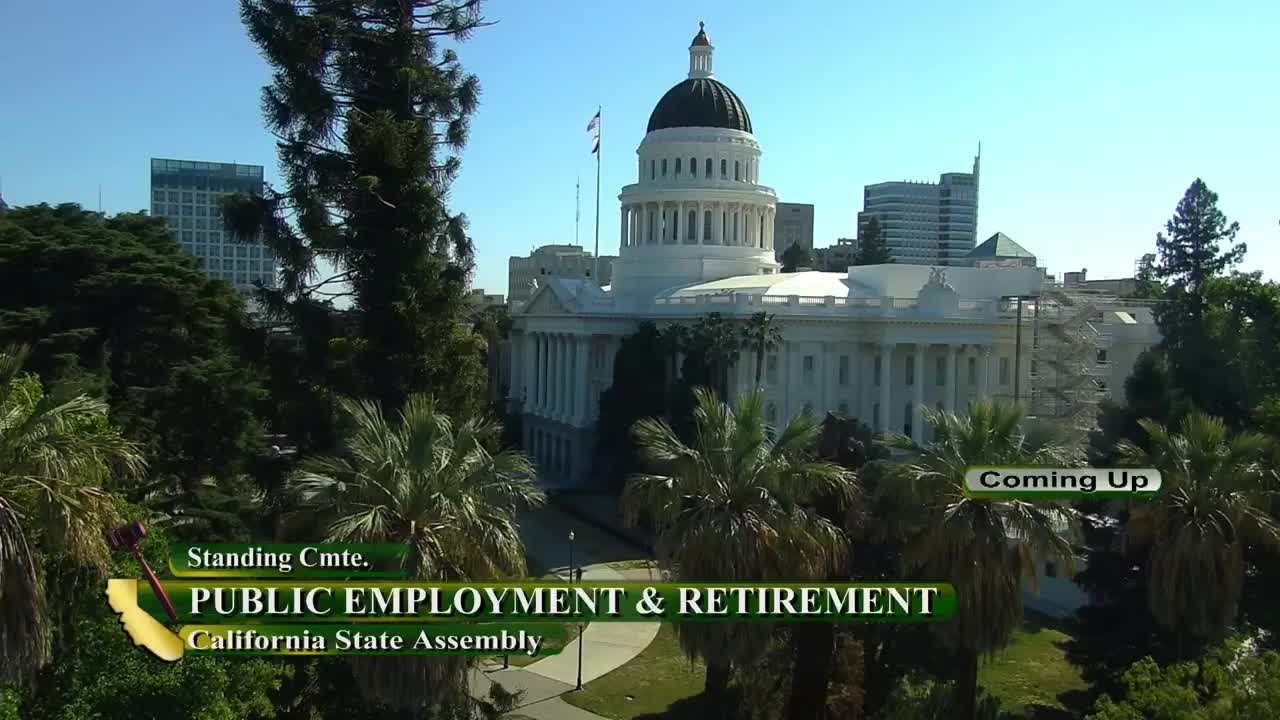
Assembly Standing Committee on Public Employment and Retirement
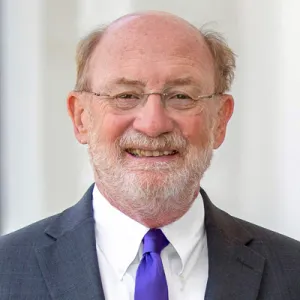
Bill Author
Bill Co-Author(s):