SB 628: State Healthy Food Access Policy.
- Session Year: 2023-2024
- House: Senate
- Latest Version Date: 2023-10-13
Current Status:
Passed
(2023-10-13: Chaptered by Secretary of State. Chapter 879, Statutes of 2023.)
Introduced
In Committee
First Chamber
In Committee
Second Chamber
Enacted
What does this bill do?
The bill declares that California’s official policy recognizes every person’s right to access sufficient, affordable, healthy food. It tells state agencies—such as Social Services, Food and Agriculture, Health Care Services, Education, and Public Health—to consider that policy when making or changing rules, policies, or grant criteria about distributing food. It also says the law does not create a new duty for the state to provide food or require extra spending on food systems.
The summary is provided by generative AI which can make mistakes. For original language, please view the details in the table below.
Existing law establishes various food assistance programs, including, among others, the federal Supplemental Nutrition Assistance Program (SNAP), known in California as CalFresh, under which supplemental nutrition assistance benefits allocated to the state by the federal government are distributed to eligible individuals by each county.
This bill would declare that it is the established policy of the state that every human being has the right to access sufficient affordable and healthy food. The bill would require all relevant state agencies to consider this state policy when revising, adopting, or establishing policies, regulations, and grant criteria when those policies, regulations, and grant criteria are pertinent to the distribution of sufficient affordable food.
Existing law establishes various food assistance programs, including, among others, the federal Supplemental Nutrition Assistance Program (SNAP), known in California as CalFresh, under which supplemental nutrition assistance benefits allocated to the state by the federal government are distributed to eligible individuals by each county.
This bill would declare that it is the established policy of the state that every human being has the right to access sufficient affordable and healthy food. The bill would require all relevant state agencies to consider this state policy when revising, adopting, or establishing policies, regulations, and grant criteria when those policies, regulations, and grant criteria are pertinent to the distribution of sufficient affordable food. The bill would also require, by January 1, 2026, the State Department of Social Services, in consultation with the Department of Food and Agriculture and the Department of Conservation, to submit a report to the Legislature relating to food access and recommendations to increase the availability of sufficient affordable and healthy food, and to consult with higher education institutions and collect relevant data for purposes of preparing that report.
Existing law establishes various food assistance programs, including, among others, the federal Supplemental Nutrition Assistance Program (SNAP), known in California as CalFresh, under which supplemental nutrition assistance benefits allocated to the state by the federal government are distributed to eligible individuals by each county.
This bill would declare that it is the established policy of the state that every human being has the right to access sufficient affordable and healthy food. The bill would require all relevant state agencies to consider this state policy when revising, adopting, or establishing policies, regulations, and grant criteria when those policies, regulations, and grant criteria are pertinent to the distribution of sufficient affordable and adequate food. The bill would also require, by January 1, 2025, 2026, the State Department of Social Services, in consultation with the Department of Food and Agricultures Farm Equity Advisor Agriculture and the Department of Conservation, to submit a report to the Legislature relating to food access and recommendations to increase the availability of sufficient affordable and healthy food. food, and to consult with higher education institutions and collect relevant data for purposes of preparing that report.
Existing law establishes various food assistance programs, including, among others, the federal Supplemental Nutrition Assistance Program (SNAP), known in California as CalFresh, under which supplemental nutrition assistance benefits allocated to the state by the federal government are distributed to eligible individuals by each county.
This bill would declare that it is the established policy of the state that every human being has the right to access sufficient affordable and healthy food. The bill would require all relevant state agencies to consider this state policy when revising, adopting, or establishing policies, regulations, and grant criteria when those policies, regulations, and grant criteria are pertinent to the distribution of sufficient affordable and adequate food. The bill would also require, by January 1, 2025, the State Department of Social Services, in consultation with the Department of Food and Agricultures Farm Equity Advisor and the Department of Conservation, to submit a report to the Legislature relating to food access and recommendations to increase the availability of sufficient affordable and healthy food.
The Legislature finds and declares all of the following:
(a)Food security exists when all people, at all times, have physical and economic access to sufficient, safe, and nutritious food to meet their dietary needs and food preferences for an active and healthy life.
(b)The COVID-19 pandemic has exacerbated hunger for many, particularly for populations who are barred from SNAP due to their immigration status, those that struggle with their mental health, and those who are unhoused. These groups were unable to utilize the many benefits associated with SNAP participation.
(c)The four guideposts in determining food security are availability, stability of supply, access, and use.
(d)Nations and states that have dependable trade relationships and sustainable natural resources are more successful in providing food security.
(e)The worlds population is expected to grow significantly in the coming years and there is growing concern that global crop yields are not increasing at the rate required to support that population growth.
(f)Climate change is already, and is likely to continue, threatening food production and certain aspects of food quality globally, as well as food prices and distribution systems.
(g)Crop yields are predicted to decline because of the combined effects of changes in rainfall, severe weather patterns, increasing competition from weeds, and pest infestations. Livestock and fish production are also projected to decline. Prices are expected to rise in response to declining food production and increases in the price of petroleum, which is used in pesticides and fertilizers and for transporting food.
(h)Adaptation activities are needed to reduce impacts of the anticipated food security challenges.
(i)More than 50 years since the first White House Conference on Food, Nutrition, and Health, the United States has yet to end hunger and is facing an urgent, nutrition-related health crisis, the rising prevalence of diet-related diseases such as type 2 diabetes, obesity, hypertension, and certain cancers. The consequences of food insecurity and diet-related diseases are significant, far reaching, and disproportionately impact historically underserved communities. Food insecurity and diet-related diseases are largely preventable if we prioritize the health of the nation. Making progress requires collective, sustained action and mobilization across every segment of society.
(j)President Joseph Biden announced a goal of ending hunger and increasing healthy eating and physical activity by 2030 so fewer Americans experience diet-related disease, while reducing related health disparities.
SEC. 2.Chapter 9.5 (commencing with Section 18700) is added to Part 6 of Division 9 of the Welfare and Institutions Code, to read:9.5.State Healthy Food Access Policy18700.(a)(1)It is hereby declared to be the established policy of the state that every human being has the right to access sufficient affordable and healthy food.
(2)Food insecurity is defined as the occasional or constant lack of access to the food one needs to live a healthy life and the uncertainty of being able to acquire enough food to meet the needs of an individual or household due to insufficient money or other resources.
(b)All relevant state agencies, including, but not limited to, the State Department of Social Services, the Department of Food and Agriculture, the State Department of Health Care Services, the State Department of Education, and the State Department of Public Health, shall consider this state policy when revising, adopting, or establishing policies, regulations, and grant criteria when those policies, regulations, and criteria are pertinent to the distribution of sufficient affordable food.
(c)This section does not expand any obligation of the state to provide food or nutrition assistance or to require the expenditure of additional resources to develop food infrastructure.
18701.(a)By January 1, 2026, the State Department of Social Services, in consultation with the Department of Food and Agriculture and the Department of Conservation, shall submit a report to the Legislature that addresses all of the following:(1)The number of people who currently use food and nutrition assistance programs and the number of people predicted to use food and nutrition assistance programs in 5 years, 10 years, 20 years, and 50 years.(2)The barriers to accessing food, food assistance, and nutrition assistance programs currently faced by low-income Californians, including unique barriers faced by individuals who are Black, Indigenous, and people of color and by families with infants and children.(3)The steps the state is taking to address any barriers to accessing food and maximizing state and federal food assistance programs.(4)The steps the state is taking to increase acceptance of food and nutrition assistance benefits at farmers markets.(5)The steps the state is taking to distribute information about existing funds and resources for healthy food programs and projects, particularly in underserved communities.(6)The steps the state can take to decrease the cost of food, now and in the future.(7)The number of people that agricultural enterprises in California feed, both inside and outside of the state.(8)The predominant diet trends regarding consumption.(9)The anticipated impact changing water availability and needs, changing weather, and changing climate patterns will have on the states ability to ensure people have access to sufficient, affordable, culturally appropriate food for a healthy diet.(10)An identification of the resource demands of foods grown in California and that are the most adaptable to the changing climate.(11)The departments recommendations on all of the following:(A)How local, regional, and state governments can remove barriers to nutritious food choices, including the inequitable access to food due to systemic racism, and ensure that a vibrant and sustainable food system is available across all communities statewide, including to fully maximize federal nutrition programs and identify where state programs are needed to fill gaps in the federal food safety net to ensure food security for every Californian.(B)How to mitigate any anticipated negative impacts to the food supply from changing water needs, changing weather, and changing climate patterns.(C)The feasibility and necessity of shifting land use to address the impact of changing water needs, changing weather, and changing climate patterns.(D)Methods to promote public and private funding and resources for healthy food programs and projects, and outreach for current and future food and nutrition assistance program participation.(E) How to increase healthy food accessibility through new and existing grocery stores, corner stores, farmers markets, roadside stands, and other vendors.(F)Any other topic related to increasing the availability of sufficient affordable and healthy food.(b)The departments specified in subdivision (a) shall consult with higher education institutions and collect relevant data for purposes of preparing the report required by this section.(c)(1) A report to be submitted pursuant to subdivision (a) shall be submitted in compliance with Section 9795 of the Government Code.(2)Pursuant to Section 10231.5 of the Government Code, this section is repealed on January 1, 2030.The Legislature finds and declares all of the following:
(a)Food security exists when all people, at all times, have physical and economic access to sufficient, safe, and nutritious food to meet their dietary needs and food preferences for an active and healthy life.
(b)The COVID-19 pandemic has exacerbated hunger for many, particularly for populations who are barred from SNAP due to their immigration status, those that struggle with their mental health, and those who are unhoused. These groups were unable to utilize the many benefits associated with SNAP participation.
(c)The four guideposts in determining food security are availability, stability of supply, access, and use.
(d)Nations and states that have dependable trade relationships and sustainable natural resources are more successful in providing food security.
(e)The worlds population is expected to grow significantly in the coming years and there is growing concern that global crop yields are not increasing at the rate required to support that population growth.
(f)Climate change is already, and is likely to continue, threatening food production and certain aspects of food quality globally, as well as food prices and distribution systems.
(g)Crop yields are predicted to decline because of the combined effects of changes in rainfall, severe weather patterns, increasing competition from weeds, and pest infestations. Livestock and fish production are also projected to decline. Prices are expected to rise in response to declining food production and increases in the price of petroleum, which is used in pesticides and fertilizers and for transporting food.
(h)Adaptation activities are needed to reduce impacts of the anticipated food security challenges.
(i)More than 50 years since the first White House Conference on Food, Nutrition, and Health, the United States has yet to end hunger and is facing an urgent, nutrition-related health crisis, the rising prevalence of diet-related diseases such as type 2 diabetes, obesity, hypertension, and certain cancers. The consequences of food insecurity and diet-related diseases are significant, far reaching, and disproportionately impact historically underserved communities. Food insecurity and diet-related diseases are largely preventable if we prioritize the health of the nation. Making progress requires collective, sustained action and mobilization across every segment of society.
(j)President Joseph Biden announced a goal of ending hunger and increasing healthy eating and physical activity by 2030 so fewer Americans experience diet-related disease, while reducing related health disparities.
SEC. 2.Chapter 9.5 (commencing with Section 18700) is added to Part 6 of Division 9 of the Welfare and Institutions Code, to read:9.5.State Healthy Food Access Policy18700.(a)(1)It is hereby declared to be the established policy of the state that every human being has the right to access sufficient affordable and healthy food.
(2)Food insecurity is defined as the occasional or constant lack of access to the food one needs to live a healthy life and the uncertainty of being able to acquire enough food to meet the needs of an individual or household due to insufficient money or other resources.
(b)All relevant state agencies, including, but not limited to, the State Department of Social Services, the Department of Food and Agriculture, the State Department of Health Care Services, the State Department of Education, and the State Department of Public Health, shall consider this state policy when revising, adopting, or establishing policies, regulations, and grant criteria when those policies, regulations, and criteria are pertinent to the distribution of sufficient affordable and adequate food.
(c)This section does not expand any obligation of the state to provide food or nutrition assistance or to require the expenditure of additional resources to develop food infrastructure.
18701.(a)By January 1, 2025, 2026, the State Department of Social Services, in consultation with the Department of Food and Agricultures Farm Equity Advisor Agriculture and the Department of Conservation, shall submit a report to the Legislature that addresses all of the following:
(1)The number of people who currently use food and nutrition assistance programs and the number of people predicted to use food and nutrition assistance programs in 5 years, 10 years, 20 years, and 50 years.
(2)The barriers to accessing food and food assistance food, food assistance, and nutrition assistance programs currently faced by low-income Californians, including unique barriers faced by individuals who are Black, Indigenous, and people of color and by families with infants and children.
(3)The steps the state is taking to address any barriers to accessing food and maximizing state and federal food assistance programs.
(4)The steps the state is taking to increase acceptance of food and nutrition assistance benefits at farmers markets.
(5)The steps the state is taking to distribute information about existing funds and resources for healthy food programs and projects, particularly in underserved communities.
(4)(6)The steps the state can take to decrease the cost of food food, now and in the future.
(5)(7)The number of people that agricultural enterprises in California feed, both inside and outside of the state.
(6)(8)The predominant diet trends regarding consumption.
(7)(9)The anticipated impact changing water availability and needs, changing weather, and changing climate patterns will have on the states ability to ensure people have access to sufficient, affordable, culturally appropriate, and adequate appropriate food for a healthy diet.
(8)(10)An identification of the resource demands of foods grown in California and that are the most adaptable to the changing climate.
(9)(11)The departments recommendations on all of the following:
(A)How local, regional, and state governments can remove barriers to adequate, nutritious food choices, including the inequitable access to food due to systemic racism, and ensure that a vibrant and sustainable food system is available across all communities statewide, including to fully maximize federal nutrition programs and identify where state programs are needed to fill gaps in the federal food safety net to ensure food security for every Californian.
(B)How to mitigate any anticipated negative impacts to the food supply from changing water needs, changing weather, and changing climate patterns.
(C)The feasibility and necessity of shifting land use to address the impact of changing water needs, changing weather, and changing climate patterns.
(D)Methods to promote public and private funding and resources for healthy food programs and projects, and outreach for current and future food and nutrition assistance program participation.
(E) How to increase healthy food accessibility through new and existing grocery stores, corner stores, farmers markets, roadside stands, and other vendors.
(D)(F)Any other topic related to increasing the availability of sufficient affordable and healthy food.
(b)The departments specified in subdivision (a) shall consult with higher education institutions and collect relevant data for purposes of preparing the report required by this section.
(b)(c)(1) A report to be submitted pursuant to subdivision (a) shall be submitted in compliance with Section 9795 of the Government Code.
(2)Pursuant to Section 10231.5 of the Government Code, this section is repealed on January 1, 2029. 2030.
The Legislature finds and declares all of the following:
(a)Food security exists when all people, at all times, have physical and economic access to sufficient, safe, and nutritious food to meet their dietary needs and food preferences for an active and healthy life.
(b)The COVID-19 pandemic has exacerbated hunger for many, particularly for populations who are barred from SNAP due to their immigration status, those that struggle with their mental health, and those who are unhoused. These groups were unable to utilize the many benefits associated with SNAP participation.
(c)The four guideposts in determining food security are availability, stability of supply, access, and use.
(d)Nations and states that have dependable trade relationships and sustainable natural resources are more successful in providing food security.
(e)The worlds population is expected to grow significantly in the coming years and there is growing concern that global crop yields are not increasing at the rate required to support that population growth.
(f)Climate change is already, and is likely to continue, threatening food production and certain aspects of food quality globally, as well as food prices and distribution systems.
(g)Crop yields are predicted to decline because of the combined effects of changes in rainfall, severe weather patterns, increasing competition from weeds, and pest infestations. Livestock and fish production are also projected to decline. Prices are expected to rise in response to declining food production and increases in the price of petroleum, which is used in pesticides and fertilizers and for transporting food.
(h)Adaptation activities are needed to reduce impacts of the anticipated food security challenges.
(i)More than 50 years since the first White House Conference on Food, Nutrition, and Health, the United States has yet to end hunger and is facing an urgent, nutrition-related health crisis, the rising prevalence of diet-related diseases such as type 2 diabetes, obesity, hypertension, and certain cancers. The consequences of food insecurity and diet-related diseases are significant, far reaching, and disproportionately impact historically underserved communities. Food insecurity and diet-related diseases are largely preventable if we prioritize the health of the nation. Making progress requires collective, sustained action and mobilization across every segment of society.
(j)President Joseph Biden announced a goal of ending hunger and increasing healthy eating and physical activity by 2030 so fewer Americans experience diet-related disease, while reducing related health disparities.
SEC. 2.Chapter 9.5 (commencing with Section 18700) is added to Part 6 of Division 9 of the Welfare and Institutions Code, to read:9.5.State Healthy Food Access Policy18700.(a)It is hereby declared to be the established policy of the state that every human being has the right to access sufficient affordable and healthy food.
(b)All relevant state agencies, including, but not limited to, the State Department of Social Services, the Department of Food and Agriculture, the State Department of Health Care Services, the State Department of Education, and the State Department of Public Health, shall consider this state policy when revising, adopting, or establishing policies, regulations, and grant criteria when those policies, regulations, and criteria are pertinent to the distribution of sufficient affordable and adequate food.
(c)This section does not expand any obligation of the state to provide food or nutrition assistance or to require the expenditure of additional resources to develop food infrastructure.
18701.(a)By January 1, 2025, the State Department of Social Services, in consultation with the Department of Food and Agricultures Farm Equity Advisor and the Department of Conservation, shall submit a report to the Legislature that addresses all of the following:
(1)The number of people who currently use food assistance programs and the number of people predicted to use food assistance programs in 5 years, 10 years, 20 years, and 50 years.
(2)The barriers to accessing food and food assistance programs currently faced by low-income Californians, including unique barriers faced by individuals who are Black, Indigenous, and people of color and by families with infants and children.
(3)The steps the state is taking to address any barriers to accessing food and maximizing state and federal food assistance programs.
(4)The steps the state can take to decrease the cost of food now and in the future.
(5)The number of people that agricultural enterprises in California feed, both inside and outside of the state.
(6)The predominant diet trends regarding consumption.
(7)The anticipated impact changing water availability and needs, changing weather, and changing climate patterns will have on the states ability to ensure people have access to sufficient, affordable, culturally appropriate, and adequate food for a healthy diet.
(8)An identification of the resource demands of foods grown in California and that are the most adaptable to the changing climate.
(9)The departments recommendations on all of the following:
(A)How local, regional, and state governments can remove barriers to adequate, nutritious food choices, including the inequitable access to food due to systemic racism, and ensure that a vibrant and sustainable food system is available across all communities statewide, including to fully maximize federal nutrition programs and identify where state programs are needed to fill gaps in the federal food safety net to ensure food security for every Californian.
(B)How to mitigate any anticipated negative impacts to the food supply from changing water needs, changing weather, and changing climate patterns.
(C)The feasibility and necessity of shifting land use to address the impact of changing water needs, changing weather, and changing climate patterns.
(D)Any other topic related to increasing the availability of sufficient affordable and healthy food.
(b)(1) A report to be submitted pursuant to subdivision (a) shall be submitted in compliance with Section 9795 of the Government Code.
(2)Pursuant to Section 10231.5 of the Government Code, this section is repealed on January 1, 2029.
|
Date
|
Status
|
|---|---|
| Oct 13, 2023 | Chaptered by Secretary of State. Chapter 879, Statutes of 2023. |
| Oct 13, 2023 | Approved by the Governor. |
| Sep 21, 2023 | Enrolled and presented to the Governor at 4 p.m. |
| Sep 14, 2023 | Assembly amendments concurred in. (Ayes 36. Noes 3. Page 2846.) Ordered to engrossing and enrolling. |
| Sep 13, 2023 | In Senate. Concurrence in Assembly amendments pending. |
| Sep 13, 2023 | Read third time. Passed. (Ayes 71. Noes 0. Page 3461.) Ordered to the Senate. |
| Sep 5, 2023 | Read second time. Ordered to third reading. |
| Sep 1, 2023 | Read second time and amended. Ordered to second reading. |
| Sep 1, 2023 | From committee: Do pass as amended. (Ayes 12. Noes 1.) (September 1). |
| Aug 16, 2023 | August 16 set for first hearing. Placed on suspense file. |
| Jul 12, 2023 | From committee: Do pass and re-refer to Com. on APPR. (Ayes 5. Noes 0.) (July 11). Re-referred to Com. on APPR. |
| Jun 29, 2023 | From committee with author's amendments. Read second time and amended. Re-referred to Com. on HUM. S. |
| Jun 20, 2023 | June 20 set for first hearing canceled at the request of author. |
| Jun 1, 2023 | Referred to Com. on HUM. S. |
| May 25, 2023 | In Assembly. Read first time. Held at Desk. |
| May 24, 2023 | Read third time. Passed. (Ayes 35. Noes 2. Page 1276.) Ordered to the Assembly. |
| May 18, 2023 | Read second time. Ordered to third reading. |
| May 18, 2023 | From committee: Do pass. (Ayes 5. Noes 1. Page 1177.) (May 18). |
| May 12, 2023 | Set for hearing May 18. |
| May 1, 2023 | May 1 hearing: Placed on APPR suspense file. |
| Apr 21, 2023 | Set for hearing May 1. |
| Apr 18, 2023 | From committee: Do pass and re-refer to Com. on APPR. (Ayes 4. Noes 0. Page 748.) (April 17). Re-referred to Com. on APPR. |
| Mar 13, 2023 | Set for hearing April 17. |
| Mar 1, 2023 | Referred to Com. on HUMAN S. |
| Feb 17, 2023 | From printer. May be acted upon on or after March 19. |
| Feb 16, 2023 | Introduced. Read first time. To Com. on RLS. for assignment. To print. |
|
Date
|
Description
|
Location
|
Votes
|
|
|---|---|---|---|---|
| Sep 14, 2023 | Unfinished Business SB628 Hurtado Concurrence | Senate Floor |
Passed |
|
| Sep 13, 2023 | SB 628 Hurtado Senate Third Reading By Wilson | Assembly Floor |
Passed |
|
| Sep 1, 2023 | Do pass as amended. | Assembly Standing Committee on Appropriations |
Passed |
|
| Jul 11, 2023 | Do pass and be re-referred to the Committee on [Appropriations] | Assembly Standing Committee on Human Services |
Passed |
|
| May 24, 2023 | Senate 3rd Reading SB628 Hurtado | Senate Floor |
Passed |
|
| May 18, 2023 | Do pass | Senate Standing Committee on Appropriations |
Passed |
|
| May 1, 2023 | Placed on suspense file | Senate Standing Committee on Appropriations |
Passed |
|
| Apr 17, 2023 | Do pass, but first be re-referred to the Committee on [Appropriations] | Senate Standing Committee on Human Services |
Passed |
This list shows positions taken on this bill by organizations on the date displayed, which is linked to the original source.
Positions by individuals are not included.
|
Organization
|
Position
|
Date
|
|---|---|---|
| California Catholic Conference | ** Support | |
| California Community Action Partnership Association | * Support | Jul 11, 2023 |
| Catholic Charities San Francisco, Marin, San Mateo Counties | ** Support | |
| Coalition of California Welfare Rights Organizations | * Support | Jul 11, 2023 |
| Community Action Partnership of Kern | ** Support | |
| Mixteco Indigena Community Organizing Project | * Support | Jul 11, 2023 |
| National Association Of Social Workers, California Chapter | ** Support |
SENATE RULES COMMITTEE Office of Senate Floor Analyses (916) 651-1520 Fax: (916) 327-4478 | SB 628 |
UNFINISHED BUSINESS
Bill No: SB 628
Author: Hurtado (D)
Amended: 9/1/23
Vote: 21
SENATE HUMAN SERVICES COMMITTEE: 4-0, 4/17/23
AYES: Alvarado-Gil, Ochoa Bogh, Menjivar, Wahab
NO VOTE RECORDED: Hurtado
SENATE APPROPRIATIONS COMMITTEE: 5-1, 5/18/23
AYES: Portantino, Ashby, Bradford, Wahab, Wiener
NOES: Jones
NO VOTE RECORDED: Seyarto
SENATE FLOOR: 35-2, 5/24/23
AYES: Allen, Alvarado-Gil, Archuleta, Ashby, Atkins, Becker, Blakespear, Bradford, Caballero, Cortese, Dodd, Durazo, Eggman, Glazer, Gonzalez, Hurtado, Laird, Limón, McGuire, Menjivar, Min, Newman, Nguyen, Ochoa Bogh, Padilla, Portantino, Roth, Rubio, Skinner, Smallwood-Cuevas, Stern, Umberg, Wahab, Wiener, Wilk
NOES: Jones, Niello
NO VOTE RECORDED: Dahle, Grove, Seyarto
ASSEMBLY FLOOR: 71-0, 9/13/23 - See last page for vote
SUBJECT: State Healthy Food Access Policy
SOURCE: Author
DIGEST:
This bill declares that it is the established policy of the state that every human being has the right to access sufficient, affordable, and healthy food and requires all relevant state agencies to consider this policy when revising, adopting, or establishing policies, regulations, and grant criteria when those policies, regulations, and criteria are pertinent to the distribution of sufficient affordable food.
Assembly Amendments
define the term “food insecurity”, remove the requirement that California Department of Social Services (CDSS) submits a report to the Legislature with specified data and in consultation with other state agencies by January 1, 2026; and remove the January 1, 2030 repeal date from this bill.
ANALYSIS:
Existing law:
- Creates the CDFA and requires it to promote and protect the agricultural industry of the state. Further requires CDFA to seek to enhance, protect, and perpetuate the ability of the private sector to produce food and fiber in a way that benefits the general welfare and economy of the state. Requires CDFA to seek to maintain the economic well-being of agriculturally dependent rural communities in this state. (Food and Agriculture Code (FAC) 100 et seq.)
- Creates the DOC and requires that the work department shall be divided into at least the California Geological Survey, the Geologic Energy Management Division, the Division of Land Resource Protection, and the Division of Mine Reclamation. (Public Resources Code 600 et seq.)
- Creates the CDSS and places within it the authority to administer the CalFresh and other state-operated social services programs. (WIC 10550 et seq.)
This bill:
- States legislative findings and declarations regarding food security, how climate change threatens food production and how the COVID-19 pandemic exacerbates hunger for many.
- Declares it the established policy of the state that every human being has the right to access sufficient affordable and healthy food.
- Requires all relevant state agencies, including, but not limited to, CDSS, CDFA, State Department of Education (CDE), the California Department of Health Care Services (DHCS), and the State Department of Public Health (CDPH) to consider this state policy when revising, adopting, or establishing policies, regulations, and grant criteria, when those policies, regulations, and criteria are pertinent to the distribution of sufficient affordable food.
- Specifies that the bill does not expand any obligation of the state to provide food or nutrition assistance or to require the expenditure of additional resources to develop food infrastructure.
- Defines “food insecurity” to mean the occasional or constant lack of access to the food one needs to live a healthy life and the uncertainty of being able to acquire enough food to meet the needs of an individual or household due to insufficient money or other resources.
Background
Hunger. Hunger is a statewide problem, one that can affect people from all backgrounds. While California is the greatest food-producing state in the country, about 10 million of California’s children and adults face food insecurity, according to the California Association of Food Banks. They also report that, on average, one out of every four Californians does not know where their next meal will come from and Black and Latinx families with children experience greater levels of hunger.
Hunger is a national problem. Many Americans, as exposed by the COVID-19 pandemic, are just one job loss, unexpected car maintenance, accident, or medical crisis away from food insecurity. Food insecurity is the “lack of consistent access to enough food for every person in a household to live an active, healthy life. This can be a temporary situation for a family or can last a long time.” The U.S. Department of Agriculture (USDA) Economic Research Services found that a little over 10 percent or 13.5 million American households were food insecure throughout 2021. The most recent data on food insecurity from the USDA found that in 2021:
- Nearly 20 percent of African America individuals lived in a food insecure household, and they are almost three times as likely to face hunger as white individuals. Twenty-two percent of African American children lived in food insecure households and were almost three times more likely to face hunger than white children.
- Latinos were 2.5 times more likely to experience food insecurity than white individuals, with 1 in 6 Latinx individuals experienced food insecurity. Eighteen and a half percent of Latinx children lived in food insecure households and were twice as likely as white children to face hunger.
Hunger takes a severe toll on seniors' health and nutrition - putting them at risk for chronic health conditions like depression, asthma, and diabetes. Some seniors are more likely to face hunger due to racial and economic inequality. Seniors are more likely to face hunger if they identify as Black, Latino, or Native America; have lower incomes; or have a disability. Feeding America shares the following national statistics on hunger by subpopulation:
- The rate of hunger among seniors aged 60 and older has increased by 38 percent since 2001.
- 63 percent of senior households served by the Feeding America network are forced to choose between food and medical care.
- Households served by the Feeding America network that include an adult age 50 or older are at an increased risk of having someone with a chronic health condition, including diabetes (41 percent) and high blood pressure (70 percent).
- In 2019, 2.2 million households in rural communities faced hunger.
Because of limited financial resources, those who are food insecure sometime use cost cutting measures to stretch budgets that are harmful to their health, such as: engaging in cost-related medication underuse or non-adherence; postponing or declining medical care; forgoing the foods needed for special medical diets; purchasing a low-cost diet that relies on energy-dense, but nutrient-poor, foods; diluting or rationing infant formula; and making trade-offs between food and other basic necessities, like housing, utilities, transportation. Moreover, the impacts of childhood hunger are well known. Children who live in households experiencing food insecurity are at higher risk of health, academic, behavioral, and emotional problems than those who are not.
Food Assistance Programs. There are a number of food assistance programs operated throughout the state and administered by the California Departments of Aging, CDE, CDSS, and CDPH. The following is a brief description of some of the largest and most well-known programs.
CalFresh, California’s version of federal SNAP, provides monthly food benefits to qualified low-income individuals and families to assist with the purchase of the food they need to maintain adequate nutrition levels.
CDE administers two federally funded meal programs that target school age children, the National School Lunch Program (NSLP) and the School Breakfast Program (SBP). Both programs provide free or reduced priced healthy meals to income eligible students. Beginning in the 2022-23 school year, California became the first state to implement and fully fund a Universal Meals Program (UMP) for school children grades PK-12. The UMP allows for all students who request a meal to be able to receive meals regardless of their eligibility for NSLP or SBP. Students may receive up to two free meals during the school day.
CDPH administers a federally-funded program called the California Special Supplemental Nutrition Program for Women, Infants, and Children (WIC). WIC provides, at no cost to participants, supplemental foods, nutrition education, and health care referrals to low-income pregnant, breastfeeding and postpartum women, infants, and children up to age five who are determined to be at nutritional risk.
There are numerous nutrition programs that provide meals for older adults. These services are typically offered at congregate nutrition sites or through home delivered meals. Both congregate nutrition and home delivered meals serve broad populations, with preference given to those in the greatest economic or social need. Federally funded Home-Delivered Nutrition Programs, commonly referred to as Meals on Wheels, is a longstanding program that delivers healthy meals to older adults who cannot go out and purchase food and/or prepare meals in their homes.
This bill requires all relevant state agencies, including, but not limited to, CDSS, CDFA, CDE, and CDPH to consider this state policy when revising, adopting, or establishing policies, regulations, and grant criteria, when those policies, regulations, and criteria are pertinent to the distribution of sufficient, affordable, and adequate food.
Barriers to Food Assistance. Obtaining food assistance typically requires paperwork, which is often cited as the largest barrier to accessing the CalFresh and other assistance programs. There are many ways to streamline bureaucracies, and, in recent years, work has been done to identify and eliminate barriers to accessing nutrition assistance. This work includes enhancing county guidance to increase their implementation of online and phone applications, making recipients who are eligible for Medi-Cal categorically eligible for CalFresh, removing asset tests and finger imaging requirements, integrating CalFresh with other social service programs, including California Work Opportunity and Responsibility to Kids (CalWORKs), and WIC. California also eliminated the “cashout” policy, which made CalFresh newly available to about 500,000 SSI/SSP recipients. Most recently, California became the first state, beginning in the 2022-23 school year, to provide two free meals to all public school aged children who request them.
About one in eight (12 percent) of Californians receive CalFresh. However, historically, California’s CalFresh participation rate has been at or near the lowest in the nation, with only about 70 percent of eligible recipients enrolled in CalFresh. This means about 30 percent of those eligible are not receiving CalFresh. According to the most recent pre-pandemic data, only 19 percent of eligible older Californians were enrolled in CalFresh, which is the lowest rate of any state in the nation. While numerous factors contribute to California’s low take up rate for CalFresh, two commonly cited reasons for low enrollment are the complicated enrollment and recertification processes, especially for people who are elderly or disabled. Additional barriers to senior participation in CalFresh include social and linguistic isolation, lack of knowledge about the benefit, confusion about eligibility requirements, difficulty filling out an application and stigma.
For the immigrant community poor translation services and misinformation on eligibility have also been identified as barriers to food assistance. Churn, the circumstance in which people become dis-enrolled and have to reapply for CalFresh due to missing paperwork or other program requirements, is also a persistent issue. During the pandemic, churn was decreased as the state and federal government’s required that people not be discontinued from assistance programs such as CalFresh and Medi-Cal. However, as we move back to pre-pandemic policies, there will likely be an increased number of people losing their assistance benefit again, although they are eligible.
People who live in rural areas often face hunger at higher rates, in part because of the unique challenges living remotely presents. These challenges include lack of transportation when the nearest grocery store, food pantry, or food bank can be hours away, job opportunities that are more concentrated in low-wage industries, and higher rates of unemployment and underemployment.
Related/Prior Legislation
SB 600 (Menjivar, 2023) requires CDSS, upon an appropriation, to create the CalFresh Minimum Benefit Program to provide additional state-funded CalFresh nutrition benefits to all eligible households who receive a minimum CalFresh monthly benefit, as provided. Some of the provisions of this bill were included in the 2023 Budget Bill. The bill was held in the Assembly Human Services Committee.
SB 245 (Hurtado, 2023) removes the 55 years and older age limit for noncitizens eligible for the California Food Assistance Program (CFAP) if the noncitizens satisfy all eligibility criteria for participation in CalFresh except any requirements related to immigration status. The bill was held the Assembly Human Services Committee.
AB 311 (Santiago, 2023) is identical to SB 245 (Hurtado, 2023). The bill was held in the Senate Human Services Committee.
SB 187 (Committee on Budget and Fiscal Review, Chapter 50, Statutes of 2022) removed the requirement that CFAP applicants provide a social security number if they do not have one and eliminates the work requirement for CFAP participants when the CFAP expansion is implemented.
SB 108 (Hurtado, 2021) like SB 628 (2023), would have declared that it is the established policy of the state that every human being has the right to access sufficient, affordable, and healthy food, and would have required state agencies to consider that policy as provided. The bill was held in the Assembly Appropriations Committee.
FISCAL EFFECT: Appropriation: No Fiscal Com.: Yes Local: No
According to the Assembly Appropriations Committee, costs of an unknown amount, but likely minor, to various state agencies to consider the right to food policy while revising or designing regulations, grant programs or other policies that impact the distribution or availability of food.
SUPPORT: (Verified 9/13/23)
California Catholic Conference
Catholic Charities San Francisco, Marin, San Mateo Counties
Community Action Partnership of Kern
National Association of Social Workers, California Chapter
OPPOSITION: (Verified 9/13/23)
ASSEMBLY FLOOR: 71-0, 9/13/23
AYES: Addis, Aguiar-Curry, Alanis, Alvarez, Arambula, Bains, Bennett, Berman, Boerner, Bonta, Bryan, Calderon, Juan Carrillo, Wendy Carrillo, Cervantes, Connolly, Megan Dahle, Davies, Dixon, Essayli, Flora, Mike Fong, Friedman, Gabriel, Garcia, Gipson, Grayson, Haney, Hart, Holden, Irwin, Jackson, Kalra, Lackey, Lee, Low, Lowenthal, Maienschein, Mathis, McCarty, McKinnor, Muratsuchi, Stephanie Nguyen, Ortega, Pacheco, Papan, Jim Patterson, Pellerin, Petrie-Norris, Quirk-Silva, Ramos, Rendon, Reyes, Rodriguez, Blanca Rubio, Santiago, Schiavo, Soria, Ta, Ting, Valencia, Villapudua, Waldron, Wallis, Ward, Weber, Wicks, Wilson, Wood, Zbur, Robert Rivas
NO VOTE RECORDED: Bauer-Kahan, Chen, Vince Fong, Gallagher, Hoover, Jones-Sawyer, Joe Patterson, Luz Rivas, Sanchez
Prepared by: Bridgett Hankerson / HUMAN S. / (916) 651-1524
9/14/23 10:02:40
**** END ****
SENATE THIRD READING
STR Bill Id:SB 628
Author:(Hurtado)
As Amended Ver:September 1, 2023
Majority vote
SUMMARY
Declares that every human being has the right to access sufficient affordable and healthy food as an established state policy. Requires relevant stage agencies to consider this state policy when revising, adopting, or establishing policies, regulations, and grant criteria when those policies, regulations, and criteria are pertinent to the distribution of sufficient affordable and adequate food.
Major Provisions
- Makes legislative findings and declarations related to food security and the negative impacts of climate change on food production, distribution, quality, and pricing, as well as the rising prevalence of diet-related diseases such as diabetes, obesity, hypertension, and certain cancers.
- Declares the established policy of the state be that every human being has the right to access sufficient affordable and healthy food.
- Defines "food insecurity" as the occasional or constant lack of access to the food one needs to live a healthy life and the uncertainty of being able to acquire enough food to meet the needs of an individual or household due to insufficient money or other resources.
- Requires all relevant state agencies, including, but not limited to, CDSS, the Department of Food and Agriculture (CDFA), the California Department of Health Care Services (DHCS), the California Department of Education (CDE), and the California Department of Public Health (CDPH), to consider 2), above, when revising, adopting, or establishing policies, regulations, and grant criteria when those policies, regulations, and criteria are pertinent to the distribution of sufficient affordable food.
- Provides that 4), above, does not expand any obligation of the state to provide food or nutrition assistance or to require the expenditure of additional resources to develop food infrastructure.
COMMENTS
Background. Food Insecurity, Food Deserts, and Food Swamps in California. While California produces nearly half of the nation’s fruits and vegetables, about eight million Californians currently struggle with food insecurity–Black, Latinx, and Native American have higher rates. Food insecurity can be impacted by a number of factors, including limited access to healthy foods, the price of food, and the ability to store and prepare food. Individuals who live in food deserts often face barriers to gain access to healthy food and impacts people’s choices of stores to shop for food due to distance, having no private transportation or having to utilize public transit, or traveling several miles on foot to the closest budget-friendly grocery store or food bank.
Families living in urban areas and some rural areas shop at gas stations, convenience stores or liquor stores for their routine groceries, which typically lack fresh fruit and vegetables and provide an overabundance of processed foods high in calories, sugars, fat, and artificial ingredients at significantly higher prices, known as "food swamps." As a result of food deserts and food swamps, California is experiencing a rising prevalence of diet-related diseases such as diabetes, obesity, hypertension, and certain cancers, particularly among urban Latinx and Black communities, as well as rural Indigenous populations who disproportionately live in food deserts.
Food and Nutrition Assistance Programs. The federal government administers numerous food and nutrition assistance programs aimed at increasing food security by providing tens of millions of children and low-income adult’s access to food, a healthy diet, and nutrition education: CalFresh (federally known as SNAP), provides monthly benefits to eligible low-income households to purchase food items; WIC, which supports low-income pregnant, breastfeeding, and postpartum women, infants, and children younger than age five in families who are found to be at nutritional risk; and, various child nutrition programs, which provide nutritious meals and snacks at low or no cost to children in participating schools, childcare centers or other organizations. Starting with the 2022–23 school year, all children in California regardless of income are receiving free breakfast and lunch through the Universal Meals Program.
Barriers to Food and Nutrition Assistance Programs. Two commonly cited reasons for low enrollment in CalFresh are the complicated enrollment and recertification processes, especially for people who are elderly or disabled. Additional barriers to senior participation include social and linguistic isolation, lack of knowledge about the benefit, confusion about eligibility requirements, difficulty filling out an application and stigma. For the immigrant community, poor translation services and misinformation on eligibility have also been identified as barriers to food assistance.
According to the Author
"California feeds the world, but not all of its residents know where their next meal will come from. This problem is likely to get worse as climate change, drought, and population growth threaten our ability to produce and distribute the food we need. With this significant problem in mind, [this bill] prepares for the future. The bill declares the Human Right to Food state policy. It also requires reporting on the future of food in California, including what the impacts of climate change and population growth will have on our ability to produce and feed our population. [This bill] also sheds light on what we can and should do to shift land use to support our future food needs, and what we can do to decrease the cost of food."
Arguments in Support
National Association of Social Workers writes, "…there are many reasons why food stability will increase, such as climate change, which will impact crop yields and the world’s growing population. This bill, by declaring that it is the state policy to ensure that every human being has the right to access sufficient affordable and healthy food, will focus the state on developing policies toward this goal."
Arguments in Opposition
No opposition on file
FISCAL COMMENTS
According to the Assembly Appropriations Committee on September 1, 2023, costs of an unknown amount, but likely minor, to various state agencies to consider the right to food policy while revising or designing regulations, grant programs or other policies that impact the distribution or availability of food.
VOTES
SENATE FLOOR: 35-2-3
YES: Allen, Alvarado-Gil, Archuleta, Ashby, Atkins, Becker, Blakespear, Bradford, Caballero, Cortese, Dodd, Durazo, Eggman, Glazer, Gonzalez, Hurtado, Laird, Limón, McGuire, Menjivar, Min, Newman, Nguyen, Ochoa Bogh, Padilla, Portantino, Roth, Rubio, Skinner, Smallwood- Cuevas, Stern, Umberg, Wahab, Wiener, Wilk
NO: Jones, Niello
ABS, ABST OR NV: Dahle, Grove, Seyarto
ASM HUMAN SERVICES: 5-0-3
YES: Jackson, Arambula, Bonta, Bryan, Garcia
ABS, ABST OR NV: Sanchez, Alanis, Calderon
ASM APPROPRIATIONS: 12-1-3
YES: Holden, Bryan, Calderon, Wendy Carrillo, Mike Fong, Hart, Lowenthal, Mathis, Papan, Pellerin, Weber, Wilson
NO: Dixon
ABS, ABST OR NV: Megan Dahle, Sanchez, Soria
UPDATED
VERSION: September 1, 2023
CONSULTANT: Bri-Ann Hernandez / HUM. S. / (916) 319-2089 FN: 0001583
Date of Hearing: August 16, 2023
ASSEMBLY COMMITTEE ON APPROPRIATIONS
Chris Holden, Chair
SBPCA Bill Id:SB 628
Author:(Hurtado) – As Amended Ver:June 29, 2023
Policy Committee: | Human Services | Vote: | 5 - 0 |
|
| ||
|
|
Urgency: No State Mandated Local Program: No Reimbursable: No
SUMMARY:
This bill declares it is the established policy of the state that every human being has the right to access sufficient affordable and healthy food, and requires all relevant state agencies to consider this policy when revising, adopting, or establishing pertinent policies, regulations, and grant criteria. This bill also requires the California Department of Social Services (CDSS), in consultation with others, to submit a report to the Legislature by January 1, 2026, relating to food access and containing recommendations to increase the availability of sufficient affordable and healthy food.
Specifically, this bill:
- Declares the established policy of the state be that every human being has the right to access sufficient affordable and healthy food.
- Requires every relevant state agency, including, but not limited to, CDSS, the Department of Food and Agriculture (CDFA), the California Department of Health Care Services (DHCS), the California Department of Education (CDE), and the California Department of Public Health (CDPH), to consider the state policy described above when revising, adopting, or establishing policies, regulations, and grant criteria when pertinent to the distribution of sufficient affordable food.
- States the provisions of this bill do not expand any obligation of the state to provide food or nutrition assistance or to require the expenditure of additional resources to develop food infrastructure.
- Requires, by January 1, 2026, CDSS, in consultation with CDFA and the Department of Conservation (DOC), to submit a report to the Legislature addressing a number of specified factors, including, among others, barriers to accessing food, food assistance, and nutrition assistance faced by low-income Californians, steps to decrease the cost of food, anticipated impacts of changing water needs, changing weather and changing climate patterns on the state’s ability to ensure people have sufficient food, and CDSS’s recommendations on these issues and any other topic related to increasing the availability of sufficient affordable and healthy food.
- Requires the departments specified in 4, above, to consult with higher education institutions and collect relevant data for purposes of preparing the report to the Legislature.
FISCAL EFFECT:
- CDSS estimates one-time costs of $300,000 (General Fund) over two years for one limited-term staff position to lead the development and production of the required report, including facilitating collaboration with other departments.
- CDFA and DOC each estimate minor and absorbable costs to consult with CDSS and higher education institutions for purposes of the report.
- Costs of an unknown amount, but likely minor, to higher education institutions to consult with CDSS and others for purposes of the report.
- Costs of an unknown amount, but likely minor, to various state agencies to consider the right to food policy while revising or designing regulations, grant programs or other policies that impact the distribution or availability of food.
COMMENTS:
- Purpose. This bill seeks to address food insecurity in California by identifying current barriers to food access as well as anticipated impacts of water needs and climate change on future access. According to the author:
California feeds the world, but not all of its residents know where their next meal will come from. This problem is likely to get worse as climate change, drought, and population growth threaten our ability to produce and distribute the food we need. With this significant problem in mind, [this bill] prepares for the future. The bill declares the Human Right to Food state policy. It also requires reporting on the future of food in California, including the impacts of climate change and population growth on our ability to produce food and feed our population. [This bill] also sheds light on what we can and should do to shift land use to support our future food needs, and what we can do to decrease the cost of food.
- Background. Food insecurity means having limited, uncertain or inconsistent access to the quality and quantity of food that is necessary to live a healthy life. According to the California Association of Food Banks, after the COVID-19 pandemic began, food insecurity in California spiked to unprecedented levels with more than 25% of California households experiencing food insecurity—2.5 times higher than the rate of food insecurity before the COVID-19 pandemic. In 2022, food insecurity for households with children in California remained high at 25.8%, with disparities for Black and Latino households at 28.7% and 31.2%, respectively.
California, with the aid of the federal government, has several programs to address food insecurity, including CalFresh, food banks and food hubs, allowing the use of EBT cards at farmers’ markets, and school breakfast and lunch programs for children, among others.
According to reports from the California Natural Resources Agency on California’s Climate Adaptation Strategy, global warming can cause drought, higher temperatures, saltwater contamination through rising sea levels, flooding and increased risk of pests, all of which pose a serious threat to California’s agricultural industry. Because California feeds not only its own residents, but also the entire U.S. and other countries as well, production declines could lead to food shortages and higher prices. This bill requires a report that takes these impacts into consideration when assessing the future of food access.
- Prior Legislation. SB 108 (Hurtado), of the 2021-22 Legislative Session, was similar to this bill and would have declared it is the established policy of the state that every human being has the right to access sufficient, affordable, and healthy food, and would have required state agencies to consider that policy. SB 108 was held on this committee’s suspense file.
Analysis Prepared by: Jennifer Swenson / APPR. / (916) 319-2081
Date of Hearing: July 11, 2023
ASSEMBLY COMMITTEE ON HUMAN SERVICES
Corey A. Jackson, Chair
SBPCA Bill Id:SB 628
Author:(Hurtado) – As Amended Ver:June 29, 2023
SENATE VOTE: 35-2
SUBJECT: State Healthy Food Access Policy
SUMMARY: Declares that every human being has the right to access sufficient affordable and healthy food as an established state policy. Requires relevant stage agencies to consider this state policy when revising, adopting, or establishing policies, regulations, and grant criteria when those policies, regulations, and criteria are pertinent to the distribution of sufficient affordable and adequate food. Requires the California Department of Social Services (CDSS), in consultation with specified state departments, to collect relevant data and submit a report to the Legislature that includes recommendations on increasing the availability of sufficient affordable and healthy food. Specifically, this bill:
- Makes legislative findings and declarations related to food security and the negative impacts of climate change on food production, distribution, quality, and pricing, as well as the rising prevalence of diet-related diseases such as diabetes, obesity, hypertension, and certain cancers.
- Declares the established policy of the state be that every human being has the right to access sufficient affordable and healthy food.
- Defines “food insecurity” as the occasional or constant lack of access to the food one needs to live a healthy life and the uncertainty of being able to acquire enough food to meet the needs of an individual or household due to insufficient money or other resources.
- Requires all relevant state agencies, including, but not limited to, CDSS, the Department of Food and Agriculture (CDFA), the California Department of Health Care Services (DHCS), the California Department of Education (CDE), and the California Department of Public Health (CDPH), to consider 2) above when revising, adopting, or establishing policies, regulations, and grant criteria when those policies, regulations, and criteria are pertinent to the distribution of sufficient affordable food.
- Provides that 4) above does not expand any obligation of the state to provide food or nutrition assistance or to require the expenditure of additional resources to develop food infrastructure.
- Requires CDSS, in consultation with CDFA and the Department of Conservation (DOC), to collect data and submit a report to the Legislature by January 1, 2026, on all of the following:
- The number of people who currently use food and nutrition assistance programs and the number of people predicted to use food and nutrition assistance programs in 5 years, 10 years, 20 years, and 50 years;
- The barriers to accessing food, food assistance, and nutrition assistance programs currently faced by low-income Californians, including unique barriers faced by individuals who are Black, Indigenous, and people of color and by families with infants and children;
- The steps the state is taking to address any barriers to accessing food and maximizing state and federal food assistance programs;
- The steps the state is taking to increase acceptance of food and nutrition assistance benefits at farmers’ markets;
- The steps the state is taking to distribute information about existing funds and resources for healthy food programs and projects, particularly in underserved communities;
- The steps the state can take to decrease the cost of food, now and in the future;
- The number of people that agricultural enterprises in California feed, both inside and outside of the state;
- The predominant diet trends regarding consumption;
- The anticipated impact changing water availability and needs, changing weather, and changing climate patterns will have on the state’s ability to ensure people have access to sufficient, affordable, and culturally appropriate food for a healthy diet;
- An identification of the resource demands of foods grown in California and that are the most adaptable to the changing climate;
- CDSS’ recommendations on all of the following:
- How local, regional, and state governments can remove barriers to nutritious food choices, including the inequitable access to food due to systemic racism, and ensure that a vibrant and sustainable food system is available across all communities statewide, including to fully maximize federal nutrition programs and identify where state programs are needed to fill gaps in the federal food safety net to ensure food security for every Californian;
- How to mitigate any anticipated negative impacts to the food supply from changing water needs, changing weather, and changing climate patterns;
- The feasibility and necessity of shifting land use to address the impact of changing water needs, changing weather, and changing climate patterns;
- Methods to promote public and private funds and resources for healthy food programs and projects, and outreach for current and future food and nutrition assistance program participation;
- How to increase healthy food accessibility through new and existing grocery stores, corner stores, farmers’ markets, roadside stands, and other vendors; and,
- Any other topic related to increasing the availability of sufficient affordable and healthy food.
- Requires all specified departments in 4) above to consult with higher education institutions and collect relevant data for purposes of preparing the report to the Legislature.
- Sunsets 6) and 7) above on January 1, 2030.
EXISTING LAW:
- Establishes under federal law the “Supplemental Nutrition Assistance Program” (SNAP) pursuant to the Food Stamp Act of 1964. (7 United States Code [USC] Section 2011 et seq.)
- Establishes the “CalFresh” program to administer the provision of federal SNAP benefits to families and individuals meeting certain criteria, as specified. (Welfare and Institutions Code Section [WIC] 18900 et seq.)
- Establishes the “Restaurant Meals Program” (RMP) under SNAP to allow eligible recipients who are experiencing homelessness, are elderly, or have a disability to purchase hot, prepared food from participating restaurants. (7 USC 2020, WIC 18919 et seq.)
- Specifies “restaurant” includes, but is not limited to, an on-campus qualifying food facility, an eat-in establishment, a grocery store delicatessen, and a takeaway-only restaurant (WIC 18919(g))
- Requires CDSS to establish the “California Food Assistance Program” (CFAP) to provide assistance for persons who are not eligible for federal SNAP benefits due solely to their immigration status, as specified. (WIC 18930 et seq.)
- Requires CFAP to utilize existing CalFresh and electronic benefits transfer (EBT) system infrastructure to the extent permissible by federal law. (WIC 18930(b))
- Requires the CDFA, headed by the Secretary of Food and Agriculture, to promote and protect the agricultural industry of the state. (Food and Agricultural Code Section 3 et seq.)
- Requires the California Healthy Food Financing Initiative Council to implement an initiative to expand access to nutritious food in underserved, urban, and rural communities and to eliminate food deserts in California (Health and Safety Code 104660)
FISCAL EFFECT: According to the Senate Appropriations Committee analysis on May 1 2023, on a prior version of this bill:
- CDSS estimates one-time costs of $300,000 in General Fund (GF) cost pressures over two years for a two-year limited term staff position to develop the report.
- CDFA estimates that the Farm Equity Advisor’s consultative role would constitute about 15% of the Advisors time for a period of six months at a cost of $14,659 in GF.
- DOC estimates costs would be minor and absorbable.
COMMENTS:
Background. Food Insecurity, Food Deserts, and Food Swamps in California. The United States Department of Agriculture (USDA) defines “food insecurity” as the occasional or constant lack of access to the food that one needs in order to live a healthy, active life. While California produces nearly half of the nation’s fruits and vegetables, about 8 million Californians currently struggle with food insecurity, representing 20.3% of the state’s population. Black, Latinx, Native American, and other Californians who identify with two or more racial categories have higher rates of food insecurity compared to their non-Latino, white counterparts. Data from the United States Census Bureau’s Household Pulse Survey shows that by March 2022, food insecurity for households with children in California was at 25.8%, with deep disparities for Black and Latinx households at 28.7% and 31.2%, respectively. For individuals who face food insecurity, the choice is often between nurturing their physical health or maintaining other aspects of their lives, such as purchasing necessary medications or paying rent to maintain housing. Lack of adequate food can have long-term consequences, particularly for children’s health and well-being. Studies show a link between deficiencies in key nutrients among children who are food insecure, and behavioral issues and mental health conditions, which can have negative impacts on children’s educational attainment and economic well-being.
Food insecurity can be impacted by a number of factors, including limited access to healthy foods, the price of food, and the ability to store and prepare food. Access to food is calculated by distance of a consumer residence to the nearest supermarket, supercenter, grocery store, or farmer’s market. Specifically, USDA defines “limited access” as living more than a mile from a large grocery store for urban communities and more than 10 miles for rural areas. The main factor used to classify a low-income community as a food desert is distance from nutritional food retailers. Individuals who live in food deserts often face barriers to gain access to healthy food and impacts people’s choices of stores to shop for food due to distance, having no private transportation or having to utilize public transit, or traveling several miles on foot to the closest budget-friendly grocery store. Consumers without cars are dependent on food sources in their closest proximity. In 2016, the California Endowment’s FreshWorks Food Access Report stated that “nearly one million Californians, 45% of whom are low-income, live without access to nearby supermarkets or large grocery stores.” Research suggests that land-use policies have facilitated the development of larger supermarkets in predominately wealthy and suburban neighborhoods and away from low-income neighborhoods, known as “supermarket redlining.” This often translates into families living in urban areas and some rural areas shopping at gas stations, convenience stores or liquor stores for their routine groceries, which typically lack fresh fruit and vegetables and provide an overabundance of processed foods high in calories, sugars, fat, and artificial ingredients at significantly higher prices, known as “food swamps.” The problem increases in rural food desert areas, where closing the distance to nutritional food access on foot can be challenging.
While increasing healthier food options may lead to greater food security, food consumption data shows that eliminating food deserts and increasing full-service grocery stores alone does not lead to healthier eating, as poor dietary habits are created over time within a given community that has a low supply of healthy foods. Therefore, demand for healthy food is less incentivized. This creates a circular problem and requires both policy changes and education to move communities beyond poor nutrition. As a result of food deserts and food swamps, California is experiencing a rising prevalence of diet-related diseases such as diabetes, obesity, hypertension, and certain cancers, particularly among urban Latinx and Black communities, as well as rural Indigenous populations who disproportionately live in food deserts and face greater food insecurity. One study found that residents who lived in areas with no supermarkets nearby were 25-46% less likely to have a healthy diet. Health disparities related to food access and consumption are associated with residential segregation, low incomes, and neighborhood deprivation.
Healthy Food Financing Initiative. The federal government launched the Healthy Food Financing Initiative in 2010 to confront the challenges of food deserts and provide funding to community-based nonprofits to finance healthy food projects in underserved communities. In response, California’s Governor, Jerry Brown signed into law AB 581, (Pérez), Chapter 505, Statutes of 2011, the California Healthy Food Financing Initiative (CHFFI) to improve the availability of healthy, affordable, and high-quality food in underserved urban and rural areas and to eliminate food deserts. Through the CHFFI, the CDFA convened an advisory group to develop recommendations on ways to increase access to healthy foods, which addressed how the infrastructure that moves food from farmers to consumers disadvantages certain communities. The 2012 CDFA report to the Legislature titled, “Improving Food Access in California”, states that “sufficient” food access requires the following components:
- Proximity: the distance residents have to travel to reach outlets that sell healthy foods, including travel costs;
- Variety: access to a variety of healthy food choices;
- Quality; and,
- Affordability: affordable sticker price as well as the ability to use nutrition program benefits (e.g. CalFresh or the Special Supplemental Nutrition Program for Women, Infants, and Children [WIC]) in addition to cash.
The report further outlines recommendations to increase access to sufficient food, including:
- Support regional food hubs: a food hub is a business or organization that actively manages the aggregation, distribution, and marketing of local and regional food products primarily from small to mid-sized producers to wholesalers, retailers, and/or institutional buyers. Examples include schools, WIC stores, and corner stores. Food hubs support small and mid-size growers that otherwise have difficulty reaching smaller consumers because the cost of bringing their product to multiple consumers is too high given the amount of product they are supplying. Small and mid-size growers do not, individually, grow a sufficient variety or quantity to meet the demand of institutional buyers and smaller stores who need a variety of products. By combining their products with that of other growers through a food hub, these smaller producers can together supply the quantity and variety of food demanded.
- Increase new grocery stores in underserved areas: full service grocery stores often charge about 10% less than small corner stores and may decrease the price of food in existing stores due to increased competition. New stores can also contribute to neighborhood revitalization and increased property values in the surrounding area.
- Increase healthy food sold at existing stores: existing stores, mostly corner stores, are already located and frequented by residents in underserved areas. Increasing the amount of healthy food stores carry brings healthier food close to residents and in a greater variety. Corner stores would need to increase their cold storage space, like updating or acquiring new refrigeration units, to carry a wider selection of perishable produce.
- Promote acceptance of EBT and WIC at farmers’ markets and other food retailers: CalFresh and WIC need to be accepted where people shop for food – whether at small or large stores, or farmer’s markets and other vendors. An increasing number of farmer’s markets are accepting CalFresh and WIC.
- Increase CalFresh participation: as of January 2023, about 5.2 million were eligible for CalFresh. Compared to the national SNAP participation rate of 82%, California has a 70% participation rate. California also has the second lowest working poor participation rate, with only 59% of California’s eligible working poor participating to a national rate of 74%. Increasing participation rates can give residents of underserved communities additional funds, making healthy food more affordable.
- Support farmers market nutrition program participation: the WIC Farmers Market Nutrition Program and Senior Farmers’ Market Nutrition Program are significantly underutilized, which provides eligible participants with the ability to buy fresh fruits, vegetables, and herbs at farmer’s markets.
- Increase healthy food incentive programs: even with nutrition assistance programs such as CalFresh and WIC, many struggle with food insecurity. Incentive programs offer a way to stretch limited food dollars even further by reducing the price of healthy food purchases relative to other purchases.
- Support healthy school meals: because schools are often the largest source of food for children in underserved communities, any efforts to increase access to healthier food should also include school meals and snacks. Nutrition standards for school meals were recently updated at the federal level related to added sugars, milk, sodium, and whole grains.
- Support urban agriculture: community and school gardens and other types of urban agriculture can increase the amount of healthy food available in urban areas. Urban agricultural areas can also reconnect city residents with the food system, emphasize the importance of eating fresh fruits and vegetables, and increase resident’s desire to do so.
Because California has limited new resources, the report emphasized the above recommendations to be implemented with existing state, federal and private resources. As of June 2022, the USDA announced an additional $22.6 million investment on top of prior allocations in the past decade for these purposes. As written, the bill’s reporting requirement does not explicitly achieve all of these recommendations, but it does enumerate the option of including any other topic related to increasing the availability of sufficient affordable and healthy food – which the 2012 recommendations listed above could be updated and expanded upon.
Climate Change Impacts on Food Production, Distribution, Quality and Pricing. Agriculture is among the greatest contributors to global warming, emitting more greenhouse gases than cars, trucks, trains, and airplanes combined. Agriculture is also very sensitive to weather and climate, which heavily relies on land, water, and other natural resources that climate affects. Climate change, such as extreme heat, droughts, and floods, is expected to increase and is likely to affect food security at the global, regional, and local level. The impacts of climate change has the potential to disrupt food availability, reduce access to food, and affect food quality. Specifically, climate change could make it more difficult to grow crops, raise animals, and catch fish in the same ways and same places as we have done in the past. For example, projected increases in temperatures, changes in precipitation patterns, changes in extreme weather events, and reductions in water availability may all result in reduced agricultural productivity. Furthermore, increases in the frequency and severity of extreme weather events can also interrupt food delivery and contribute to spoilage and contamination. Consequently, spikes in food prices after extreme events are expected to be more frequent in the future.
While California’s population has slightly decreased in the last few years, global population growth is expected to increase by more than 35% by 2050, which may magnify the effects of climate change on food security. Despite having to produce double the amount of crops to feed a projected 9 billion people worldwide, only 55% of the world’s crop calories end up being eaten by humans, while another 50% of total food weight is lost or wasted before consumption. Similar to the challenges faced with efforts to decrease food deserts and increase healthy food options and full-scale grocery stores, according to the Food and Agriculture Organization of the United Nations (FAO), increasing food production alone is not sufficient to achieve food security, but rather, by reducing poverty through safety net programs.
To balance the need to double the availability of food while simultaneously cutting the environmental harm caused by agriculture, the USDA approved the sales of lab-made meat cultivated by two private companies, Good Meat and Upside. This bill would declare that it is the established policy of the state that every human being has the right to access sufficient affordable and healthy food. The bill also requires all relevant state agencies to consider this state policy when revising, adopting, or establishing policies, regulations, and grant criteria when those policies, regulations, and grant criteria are pertinent to the distribution of sufficient affordable food. This bill further requires CDSS, in consultation with the CDFA and DOC, to collect existing data and submit a report to the Legislature relating to food access and recommendations to increase the availability of sufficient affordable and healthy food. With these significant advances in food and biotechnology, this bill would consider and assess the viability of using public benefits to purchase cultivated meat through food and nutrition assistance programs.
Food and Nutrition Assistance Programs. The federal government administers numerous food and nutrition assistance programs aimed at increasing food security by providing tens of millions of children and low-income adult’s access to food, a healthy diet, and nutrition education. Nutrition assistance programs provide eligible households with monthly benefits they can use to purchase nutritious foods while food assistance programs encompasses nutrition assistance programs, but also includes the ability to purchase hot, prepared meals with public benefits. As a result of the COVID-19 pandemic, the USDA has also launched additional temporary programs and implemented numerous policy changes that expanded the scope and coverage of existing programs. Some of the federally funded food and nutrition assistance programs California administers includes, but is not limited to:
- CalFresh (federally known as SNAP) provides monthly benefits to eligible low-income households to purchase food items. CalFresh benefits are federally funded and administrated by the USDA at the federal level and by CDSS at the state level; as such, it is the responsibility of the USDA to set specific eligibility requirements for SNAP programs across the country in addition to the gross and net income tests, work requirements, and other documentation requirements that is prescribed by the USDA. Effective October 1, 2022, through September 30, 2023, the maximum annual gross income for a household size of three is $46,080. About 4.8 million Californians – one in eight – participate in CalFresh each month as of September 2022.
- Pandemic-EBT (P-EBT) was a temporary federally funded program that extended CalFresh benefits due to the COVID-19 pandemic. Beginning in October 2020, eligibility for P-EBT expanded to include children under six not enrolled in school if they were living in households receiving SNAP benefits and living in an area where schools were closed or operating with reduces hours or attendance. In January 2021, P-EBT benefits increased by about 15% to include reimbursement for an after-school snack. In March 2021, P-EBT was further expanded to cover summer months when schools are typically closed. P-EBT benefits will end by September 30, 2023, following the end of the federal public health emergency declaration. California also had given the maximum benefits available for each household size during the pandemic; however, those emergency allotments ended March 26, 2023, meaning for some single-person households, CalFresh benefits decreased from $281 to as little as $23 a month.
- WIC is a federally funded nutrition program that provides grants to states to support low-income pregnant, breastfeeding, and postpartum women; infants in low-income families; and children younger than age five in families who are found to be at nutritional risk. Benefits include tailored food packages designed to meet the nutritional needs of participants. Participants receive an EBT card to purchase their food packages at authorized retailers. WIC serves about 1 million participants each month.
- Child nutrition programs, including the National School Lunch Program, the School Breakfast Program (SBP), the Child and Adult Care Food Program, and the Summer Food Service Program are federally funded programs that provide nutritious meals and snacks at low or no cost to children in participating schools, childcare centers or other organizations like community centers, churches, camps or other public sites where children gather. In return, participating schools, childcare centers, daycare homes or adult daycare facilities are reimbursed by the USDA for all qualifying meals and snacks served under the programs. In 2020, California became one of the first states in the country to pass a Universal Meals Program. Starting with the 2022–23 school year, all children in California regardless of income are receiving free breakfast and lunch.
While the federal government has made strides to address food insecurity nationwide, not all food options are eligible for purchase and not all persons are eligible for food and nutrition assistance programs through the federal government. As such, California has taken steps to bridge that gap, which includes, but is not limited to the following programs:
- RMP: Federal SNAP rules prohibit the purchase of certain items, such as alcohol, vitamins and medicines, pet foods, food that will be eaten in the store, and hot foods. The RMP is a state option that permits certain CalFresh recipients who may not have the ability to prepare meals for themselves to purchase ready-to-eat food. To be eligible for the RMP, an individual must be an adult age 60 or older, have a disability, or be experiencing homelessness.
- CFAP: Federal law prohibits CalFresh benefits to undocumented immigrants. However, California provides state-funded food benefits through CFAP for a limited group of qualified non-citizens who are not eligible for federal benefits due to their immigration status, including lawful permanent residents, refugees and those seeking asylum, Cuban/Haitian entrants, battered spouses and children, and victims of trafficking. There have been a variety of legislative efforts attempting to expand CFAP to a wider array of immigrants. Like CalFresh, CFAP benefits are provided via EBT cards and can only be used to purchase food products authorized under CalFresh.
Food Banks. In addition to food and nutrition assistance programs, California has dozens of food banks throughout the state. Food banks collect and distribute food to hunger-relief entities, such as food pantries or food closets, which in turn distribute the food within their local communities, without requiring households or individuals to verify eligibility. Oftentimes, people turn to food banks when their CalFresh benefits are reduced or are entirely kicked off the program to make up the difference. According to a June 2023 article by CalMatters, the reduction in extra CalFresh benefits for 5.3 million Californians coupled with inflation is leading the statewide food banks associations to sound the alarm of an imminent “catastrophic hunger crisis.” The rising costs of groceries and the high cost of living in California no longer makes basic essentials like eggs and milk affordable. For example, the average cost of a dozen eggs in California reached $7 in January 2023 compared to $2 a dozen in December of 2021.
The article continues to state, “instead of functioning as sources of emergency aid, food banks say they are becoming long-term supermarkets for Californians facing food insecurity” for people in their 20s to people of retirement age. This has led to unprecedented spikes in demand for food. For example, the Sacramento Food Bank & Family Services reported that they served 305,000 and 280,000 in March and April of 2023, whereas before the COVID-19 pandemic, the food bank served around 150,000 people per month. The Berkeley Food Pantry reported consistently running out of nutritious foods that are often more expensive at groceries stores, like fresh vegetables, meat, eggs and dairy products. Food banks have also expressed concerns about the federal debt ceiling agreement, which would impose additional work requirements on food aid recipients.
Barriers to Food and Nutrition Assistance Programs. Two commonly cited reasons for low enrollment in CalFresh are the complicated enrollment and recertification processes, especially for people who are elderly or disabled. Additional barriers to senior participation include social and linguistic isolation, lack of knowledge about the benefit, confusion about eligibility requirements, difficulty filling out an application and stigma. For the immigrant community, poor translation services and misinformation on eligibility have also been identified as barriers to food assistance. People who have become dis-enrolled and have to reapply for CalFresh due to missing paperwork or other program requirements is also a persistent issue. During the pandemic, this phenomenon had decreased as the state and federal government required that people not be discontinued from assistance programs such as CalFresh and Medi-Cal. However, as we move back to pre-pandemic policies, there will likely be an increased number of people losing their assistance benefit again, although they are eligible.
Author’s Statement: According to the author, “California feeds the world, but not all of its residents know where their next meal will come from. This problem is likely to get worse as climate change, drought, and population growth threaten our ability to produce and distribute the food we need.
“With this significant problem in mind, [this bill] prepares for the future. The bill declares the Human Right to Food state policy. It also requires reporting on the future of food in California, including what the impacts of climate change and population growth will have on our ability to produce and feed our population. [This bill] also sheds light on what we can and should do to shift land use to support our future food needs, and what we can do to decrease the cost of food.”
Need for this bill: The provisions of this bill seek to establish as state policy the human right to access sufficient affordable and healthy food. Under this bill, all relevant state agencies, including, but not limited to, CDSS, CDFA, DHCS, CDE, and CDPH are required to consider this state policy when revising, adopting, or establishing policies, regulations, and grant criteria when those policies, regulations, and criteria are pertinent to the distribution of sufficient affordable and adequate food. This bill also requires CDSS, in consultation with other specified state departments, to collect existing data and submit a report to the Legislature that addresses current and future projections of participants using food and nutrition assistance programs and barriers to accessing these programs, as well as the availability of sufficient affordable and healthy food through the lens of climate change.
The provisions of this bill seek to build upon the report of the California Healthy Food Financing Initiative published in 2012 listing out recommendations for the state to take to eliminate food deserts and increase food security by adding additional measures, including, but not limited to: a) the steps the state is taking to increase acceptance of food and nutrition assistance benefits at farmers’ markets; b) steps the state is taking to distribute information about existing funds and resources for healthy food programs and projects, particularly in underserved communities; c) predominant diet trends regarding consumption; d) ways to decrease the cost of food now and in the future; and, e) an identification of the resource demands of foods grown in the state and that are most adaptable to the changing climate.
Equity Implications: Lack of access to healthy foods is a public health issue and disproportionately impacts vulnerable communities. Ensuring nutritional stability is key for improved outcomes, particularly among low-income individuals, pregnant women, households with children, Black and Latinxs, immigrants, people who are disabled, and the elderly who often face greater food hardship.
According to an analysis conducted by the Center on Budget and Policy Priorities on the Census Bureau’s Household Pulse Survey in 2021, 18 million adults said their household didn’t get enough to eat sometimes or often in the last seven days. The COVID-19 pandemic exacerbated hardships, as food insecurity and poverty levels rose across the nation. In 2022, food insecurity for households with children in California was at 25.8%, with deep disparities for Black and Latinx households at 28.7% and 31.2%, respectively.
Over one-fifth of children in Black and Latinx households didn’t eat enough – three times the rate for white children. This level of food hardship among children is unprecedented in recent decades and may mean that families have so few resources they cannot protect children from food insecurity. The Urban Institute found that throughout the COVID-19 pandemic, households with at least one non-citizen member faced higher rates of food insecurity than households where all members are citizens. With significant reductions in CalFresh benefits as a result of the federal public health emergency coming to an end, California will face significantly higher rates of food insecurity across households for generations to come.
This bill attempts to directly address inequities in hunger experienced by vulnerable populations through a report that examines the intersection of accessing healthy foods and food and nutrition assistance programs with persistent climate change patterns.
RELATED AND PRIOR LEGISLATION:
SB 108 (Hurtado) of 2021, was similar to this bill and would have declared that it is the established policy of the state that every human being has the right to access sufficient, affordable, and healthy food, and would have required state agencies to consider that policy as provided. SB 108 was held on the Assembly Appropriations Committee suspense file.
AB 2100 (Carrillo) of 2022, would have required CDSS to apply for federal waivers, and, if granted, expand the RMP to include all CalFresh recipients. AB 2100 also would have expanded the locations where CalFresh benefits under the RMP could be used. AB 2100 was held on the Senate Appropriations Committee suspense file.
SB 907 (Pan), Chapter 605, Statutes of 2022, among other things, established new certified farmers’ markets that accept payment via EBT, primarily in underserved communities, including but not limited to, those in food deserts or with high CalFresh participation.
AB 221 (Santiago) of 2021, would have required CDSS to provide a food assistance benefit statewide to low-income California residents, regardless of their immigration status; contract with certain entities to issue the benefit; and in consultation with a workgroup, conduct a study to provide recommendations and solutions for a permanent food assistance program for low-income California residents experiencing food insecurity, regardless of their immigration status. AB 221 was held on the Senate Appropriations Committee suspense file.
AB 942 (Weber), Chapter 814, Statutes of 2019, established the "Access to Safe Food Choices and Food Security Act of 2019" to establish a statewide RMP, as specified.
AB 1894 (Weber), Chapter 746, Statutes of 2018, allowed CDSS to enter into a memorandum of understanding with the California State University (CSU) Chancellor in order to allow any qualifying food facility located on a CSU campus to participate in the RMP, even if the CSU campus is located in a county that does not participate in the RMP.
SB 854 (Committee on Budget and Fiscal Review), Chapter 51, Statutes of 2018, created the “Healthy Stores Refrigeration Grant Program” to award grants to qualified entities, for the purchase of energy-efficient refrigeration units by a small business or corner store that is located in a food desert. Requires a small business or corner store that purchases a refrigeration unit with grant funding to stock the unit with California-grown fresh fruits, nuts, and vegetables.
SB 282 (Wiener), Chapter 355, Statutes of 2017, required CDSS to communicate with counties regarding how to participate in the RMP, among other things.
AB 1348 (Aguiar-Curry), Chapter 620, Statutes of 2017, required CDFA to ensure the inclusion of socially disadvantaged farmers and ranchers in the development, adoption, implementation, and enforcement of food and agriculture laws, regulations, and policies and programs.
AB 1747 (Weber), Chapter 290, Statutes of 2016, provided the state with several new tools to draw down federal resources. AB 1747 also improved coordination between anti-hunger efforts on college campuses and anti-hunger efforts in the surrounding communities.
AB 1661 (Bonta) of 2014, would have established the “Healthy Options for Everyone (HOPE) Act of 2014” to authorize the creation of “HOPE Incentive Zones” designed to increase the availability of fresh fruits and vegetables, and other grown foods. AB 1661 was held on the Assembly Appropriations Committee suspense file.
AB 581 (Pérez), Chapter 505, Statutes of 2011, created the CHFFI, the CHFFI fund and the CHFFI Council, for the purpose of expanding access to healthy foods in underserved communities. Required the CDFA Secretary of California to prepare recommended actions to be taken to promote food access within California.
REGISTERED SUPPORT / OPPOSITION:
Support
Community Action Partnership of Kern
National Association of Social Workers, California Chapter
Opposition
None on file
Analysis Prepared by: Bri-Ann Hernandez / HUM. S. / (916) 319-2089
SENATE RULES COMMITTEE Office of Senate Floor Analyses (916) 651-1520 Fax: (916) 327-4478 | SB 628 |
THIRD READING
Bill No: SB 628
Author: Hurtado (D)
Introduced: 2/16/23
Vote: 21
SENATE HUMAN SERVICES COMMITTEE: 4-0, 4/17/23
AYES: Alvarado-Gil, Ochoa Bogh, Menjivar, Wahab
NO VOTE RECORDED: Hurtado
SENATE APPROPRIATIONS COMMITTEE: 5-1, 5/18/23
AYES: Portantino, Ashby, Bradford, Wahab, Wiener
NOES: Jones
NO VOTE RECORDED: Seyarto
SUBJECT: State Healthy Food Access Policy
SOURCE: Author
DIGEST:
This bill declares that it is the established policy of the state that every human being has the right to access sufficient, affordable, and healthy food and requires all relevant state agencies to consider this policy when revising, adopting, or establishing policies, regulations, and grant criteria. This bill also requires the California Department of Social Services (CDSS), in consultation with the California Department of Food and Agriculture (CDFA) Farm Equity Advisor, and the Department of Conservation (DOC), to submit a report to the Legislature by January 1, 2025, relating to food access and recommendations to increase the availability of sufficient affordable and healthy food, as provided.
ANALYSIS:
Existing law:
- Creates the CDFA and requires it to promote and protect the agricultural industry of the state. Further requires CDFA to seek to enhance, protect, and perpetuate the ability of the private sector to produce food and fiber in a way that benefits the general welfare and economy of the state. Requires CDFA to seek to maintain the economic well-being of agriculturally dependent rural communities in this state. (Food and Agriculture Code (FAC) 100 et seq.))
- Creates the DOC and requires that the work department shall be divided into at least the California Geological Survey, the Geologic Energy Management Division, the Division of Land Resource Protection, and the Division of Mine Reclamation. (Public Resources Code 600 et seq.)
- Creates the CDSS and places within it the authority to administer the CalFresh and other state-operated social services programs. (WIC 10550 et seq.)
This bill:
- States legislative findings and declarations regarding food security, how climate change threatens food production and how the COVID-19 pandemic exacerbates hunger for many. Further declares it the established policy of the state that every human being has the right to access sufficient, affordable, and healthy food.
- Requires all relevant state agencies, including, but not limited to, CDSS, CDFA, State Department of Education (CDE), and the State Department of Public Health (CDPH) to consider this state policy when revising, adopting, or establishing policies, regulations, and grant criteria, when those policies, regulations, and criteria are pertinent to the distribution of sufficient, affordable, and adequate food.
- Specifies that the bill does not expand any obligation of the state to provide food or nutrition assistance or to require the expenditure of additional resources to develop food infrastructure.
- Requires CDSS by January 1, 2025, in consultation with the CDFA Farm Equity Advisor and DOC, to submit a report to the Legislature that addresses all of the following:
- The number of people who currently use food assistance programs and the number of people predicted to use food assistance programs in five years, 10 years, 20 years, and 50 years.
- The barriers to accessing food and food assistance programs currently faced by low-income Californians, including unique barriers faced by individuals who are Black, Indigenous, and people of color, and by families with infants and children.
- The steps the state is taking to address any barriers to accessing food and maximizing state and federal food assistance programs.
- The steps the state can take to decrease the cost of food now and in the future.
- The number of people that agricultural enterprises in California feed, both inside and outside of the state.
- The predominant diet trends regarding consumption.
- The anticipated impact changing water availability and needs, changing weather, and changing climate patterns will have on the state’s ability to ensure people have access to sufficient, affordable and culturally appropriate, and adequate food for a healthy diet.
- An identification of the resource demands of foods grown in California and that are the most adaptable to the changing climate.
- The departments’ recommendations on all of the following:
- How local, regional, and state governments can remove barriers to adequate, nutritious food choices, including the inequitable access to food due to systemic racism, and ensure that a vibrant and sustainable food system is available across all communities statewide, as specified.
- How to mitigate any anticipated negative impacts to the food supply from changing water needs, changing weather, and changing climate patterns.
- The feasibility and necessity of shifting land use to address the impact of changing water needs, changing weather, and changing climate patterns.
- Any other topic related to increasing the availability of sufficient affordable and healthy food.
- Sunsets the provisions of the bill on January 1, 2029.
Background
Hunger. Hunger is a statewide problem, one that can affect people from all backgrounds. While California is the greatest food-producing state in the country, about 10 million of California’s children and adults face food insecurity, according to the California Association of Food Banks. They also report that, on average, one out of every four Californians does not know where their next meal will come from and Black and Latinx families with children experience greater levels of hunger.
Hunger is a national problem. Many Americans, as exposed by the COVID-19 pandemic, are just one job loss, unexpected car maintenance, accident, or medical crisis away from food insecurity. Food insecurity is the “lack of consistent access to enough food for every person in a household to live an active, healthy life. This can be a temporary situation for a family or can last a long time.” The U.S. Department of Agriculture (USDA) Economic Research Services found that a little over 10 percent or 13.5 million American households were food insecure throughout 2021. The most recent data on food insecurity from the USDA found that in 2021:
- Nearly 20 percent of African America individuals lived in a food insecure household, and they are almost three times as likely to face hunger as white individuals. Twenty-two percent of African American children lived in food insecure households and were almost three times more likely to face hunger than white children.
- Latinos were 2.5 times more likely to experience food insecurity than white individuals, with 1 in 6 Latinx individuals experienced food insecurity. Eighteen and a half percent of Latinx children lived in food insecure households and were twice as likely as white children to face hunger.
Hunger takes a severe toll on seniors' health and nutrition - putting them at risk for chronic health conditions like depression, asthma, and diabetes. Some seniors are more likely to face hunger due to racial and economic inequality. Seniors are more likely to face hunger if they identify as Black, Latino, or Native America; have lower incomes; or have a disability. Feeding America shares the following national statistics on hunger by subpopulation:
- The rate of hunger among seniors aged 60 and older has increased by 38 percent since 2001.
- 63 percent of senior households served by the Feeding America network are forced to choose between food and medical care.
- Households served by the Feeding America network that include an adult age 50 or older are at an increased risk of having someone with a chronic health condition, including diabetes (41 percent) and high blood pressure (70 percent).
- In 2019, 2.2 million households in rural communities faced hunger.
Because of limited financial resources, those who are food insecure sometime use cost cutting measures to stretch budgets that are harmful to their health, such as: engaging in cost-related medication underuse or non-adherence; postponing or declining medical care; forgoing the foods needed for special medical diets; purchasing a low-cost diet that relies on energy-dense, but nutrient-poor, foods; diluting or rationing infant formula; and making trade-offs between food and other basic necessities, like housing, utilities, transportation. Moreover, the impacts of childhood hunger are well known. Children who live in households experiencing food insecurity are at higher risk of health, academic, behavioral, and emotional problems than those who are not.
Food Assistance Programs. There are a number of food assistance programs operated throughout the state and administered by the California Departments of Aging, CDE, CDSS, and CDPH. The following is a brief description of some of the largest and most well-known programs.
CalFresh, California’s version of federal SNAP, provides monthly food benefits to qualified low-income individuals and families to assist with the purchase of the food they need to maintain adequate nutrition levels.
CDE administers two federally funded meal programs that target school age children, the National School Lunch Program (NSLP) and the School Breakfast Program (SBP). Both programs provide free or reduced priced healthy meals to income eligible students. Beginning in the 2022-23 school year, California became the first state to implement and fully fund a Universal Meals Program (UMP) for school children grades PK-12. The UMP allows for all students who request a meal to be able to receive meals regardless of their eligibility for NSLP or SBP. Students may receive up to two free meals during the school day.
CDPH administers a federally-funded program called the California Special Supplemental Nutrition Program for Women, Infants, and Children (WIC). WIC provides, at no cost to participants, supplemental foods, nutrition education, and health care referrals to low-income pregnant, breastfeeding and postpartum women, infants, and children up to age five who are determined to be at nutritional risk.
There are numerous nutrition programs that provide meals for older adults. These services are typically offered at congregate nutrition sites or through home delivered meals. Both congregate nutrition and home delivered meals serve broad populations, with preference given to those in the greatest economic or social need. Federally funded Home-Delivered Nutrition Programs, commonly referred to as Meals on Wheels, is a longstanding program that delivers healthy meals to older adults who cannot go out and purchase food and/or prepare meals in their homes.
This bill requires all relevant state agencies, including, but not limited to, CDSS, CDFA, CDE, and CDPH to consider this state policy when revising, adopting, or establishing policies, regulations, and grant criteria, when those policies, regulations, and criteria are pertinent to the distribution of sufficient, affordable, and adequate food.
Barriers to Food Assistance. Obtaining food assistance typically requires paperwork, which is often cited as the largest barrier to accessing the CalFresh and other assistance programs. There are many ways to streamline bureaucracies, and, in recent years, work has been done to identify and eliminate barriers to accessing nutrition assistance. This work includes enhancing county guidance to increase their implementation of online and phone applications, making recipients who are eligible for Medi-Cal categorically eligible for CalFresh, removing asset tests and finger imaging requirements, integrating CalFresh with other social service programs, including California Work Opportunity and Responsibility to Kids (CalWORKs), and WIC. California also eliminated the “cashout” policy, which made CalFresh newly available to about 500,000 SSI/SSP recipients. Most recently, California became the first state, beginning in the 2022-23 school year, to provide two free meals to all public school aged children who request them.
About one in eight (12 percent) of Californians receive CalFresh. However, historically, California’s CalFresh participation rate has been at or near the lowest in the nation, with only about 70 percent of eligible recipients enrolled in CalFresh. This means about 30 percent of those eligible are not receiving CalFresh. According to the most recent pre-pandemic data, only 19 percent of eligible older Californians were enrolled in CalFresh, which is the lowest rate of any state in the nation. While numerous factors contribute to California’s low take up rate for CalFresh, two commonly cited reasons for low enrollment are the complicated enrollment and recertification processes, especially for people who are elderly or disabled. Additional barriers to senior participation in CalFresh include social and linguistic isolation, lack of knowledge about the benefit, confusion about eligibility requirements, difficulty filling out an application and stigma.
For the immigrant community poor translation services and misinformation on eligibility have also been identified as barriers to food assistance. Churn, the circumstance in which people become dis-enrolled and have to reapply for CalFresh due to missing paperwork or other program requirements, is also a persistent issue. During the pandemic, churn was decreased as the state and federal government’s required that people not be discontinued from assistance programs such as CalFresh and Medi-Cal. However, as we move back to pre-pandemic policies, there will likely be an increased number of people losing their assistance benefit again, although they are eligible.
People who live in rural areas often face hunger at higher rates, in part because of the unique challenges living remotely presents. These challenges include lack of transportation when the nearest grocery store, food pantry, or food bank can be hours away, job opportunities that are more concentrated in low-wage industries, and higher rates of unemployment and underemployment.
Related/Prior Legislation
SB 600 (Menjivar, 2023) requires CDSS, upon an appropriation, to create the CalFresh Minimum Benefit Program to provide additional state-funded CalFresh nutrition benefits to all eligible households who receive a minimum CalFresh monthly benefit, as provided. The bill is waiting to be on the Senate Floor.
SB 245 (Hurtado, 2023) removes the 55 years and older age limit for noncitizens eligible for the California Food Assistance Program (CFAP) if the noncitizens satisfy all eligibility criteria for participation in CalFresh except any requirements related to immigration status. The bill is waiting to be heard on the Senate Floor.
AB 311 (Santiago, 2023) is identical to SB 245 (Hurtado, 2023). The bill is waiting to be heard on the Assembly Floor.
SB 187 (Committee on Budget and Fiscal Review, Chapter 50, Statutes of 2022) removed the requirement that CFAP applicants provide a social security number if they do not have one and eliminates the work requirement for CFAP participants when the CFAP expansion is implemented.
SB 108 (Hurtado, 2021) like SB 628 (2023), would have declared that it is the established policy of the state that every human being has the right to access sufficient, affordable, and healthy food, and would have required state agencies to consider that policy as provided. The bill was held in the Assembly Appropriations Committee.
FISCAL EFFECT: Appropriation: No Fiscal Com.: Yes Local: No
According to the Senate Appropriations Committee:
- CDSS estimates one-time costs of $300,000 (General Fund) over two years for a two-year limited term staff position to develop the report.
- CDFA estimates that the Farm Equity Advisor’s consultative role would constitute about 15 percent of the Advisor’s time for a period of six months, at a cost of $14,659 (General Fund).
- DOC estimates costs would be minor and absorbable.
SUPPORT: (Verified 5/19/23)
California Catholic Conference
National Association of Social Workers, California Chapter
OPPOSITION: (Verified 5/19/23)
None received
Prepared by: Bridgett Hankerson / HUMAN S. / (916) 651-1524
5/20/23 13:00:38
**** END ****
SENATE COMMITTEE ON APPROPRIATIONS
Senator Anthony Portantino, Chair
2023 - 2024 Regular Session
SB 628 (Hurtado) - State Healthy Food Access Policy
Version: February 16, 2023 | Policy Vote: HUMAN S. 4 - 0 |
Urgency: No | Mandate: No |
Hearing Date: May 1, 2023 | Consultant: Agnes Lee |
Bill Summary:
SB 628 would declare that it is the established policy of the state that every human being has the right to access sufficient, affordable and healthy food and would require all relevant state agencies to consider this policy when revising, adopting, or establishing policies, regulations, and grant criteria. The bill would require the California Department of Social Services (CDSS), in consultation with the California Department of Food and Agriculture (CDFA) Farm Equity Advisor, and the Department of Conservation (DOC), to submit a report to the Legislature by January 1, 2025 relating to food access and recommendations to increase the availability of sufficient affordable and healthy food.
Fiscal Impact:
- CDSS estimates one-time costs of $300,000 (General Fund) over two years for a two-year limited term staff position to develop the report.
- CDFA estimates that the Farm Equity Advisor’s consultative role would constitute about 15 percent of the Advisor’s time for a period of 6 months, at a cost of $14,659 (General Fund).
- DOC estimates costs would be minor and absorbable.
Background:
The state administers a number of food assistance programs. CalFresh, administered by CDSS, provides monthly federal food benefits to qualified low-income individuals and families to assist with the purchase of the food they need to maintain adequate nutrition levels. The California Department of Education (CDE) administers the federal National School Lunch Program and the School Breakfast Program. The California Department of Public Health (CDPH) administers the federal Women, Infants, and Children (WIC) program which provides supplemental nutrition to low-income pregnant, breastfeeding and postpartum women, infants, and children up to age five who are determined to be at nutritional risk. The California Department of Aging (CDA) administers several nutrition programs that provide meals for older adults.
The CDFA was established to promote and protect the agricultural industry of the state. CDFA is required to enhance, protect, and perpetuate the ability of the private sector to produce food and fiber in a way that benefits the general welfare and economy of the state. The stated goals of the CDFA are:
- Ensure that only safe and quality food reaches the consumer.
- Protect against invasion of exotic pests and diseases.
- Promote California agriculture and food products both at home and abroad.
- Ensure an equitable and orderly marketplace for California's agricultural products.
- Build coalitions supporting the state's agricultural infrastructure to meet evolving industry needs.
Within the Department of Conservation, the Division of Land Resource Protection (DLRP) works to conserve California’s agricultural lands. DLRP provides information, and technical and financial assistance to partners to protect California’s agricultural land and promote sustainable growth.
Proposed Law:
Specific provisions of the bill would:
- Declare it the established policy of the state that every human being has the right to access sufficient, affordable and healthy food.
- Require all relevant state agencies to consider this state policy when revising, adopting, or establishing policies, regulations, and grant criteria, when those policies, regulations, and criteria are pertinent to the distribution of sufficient, affordable and adequate food.
- Specify that the bill does not expand any obligation of the state to provide food or nutrition assistance or to require the expenditure of additional resources to develop food infrastructure.
- Require CDSS by January 1, 2025, in consultation with the CDFA Farm Equity Advisor and DOC, to submit a report to the Legislature relating to food access and recommendations to increase the availability of sufficient affordable and healthy food.
- Sunset the provisions of the bill on January 1, 2029.
Related Legislation: SB 108 (Hurtado, 2021) was similar to this bill. The bill was held on the suspense file in the Assembly Appropriations Committee.
-- END --
SENATE COMMITTEE ON HUMAN SERVICES
Senator Alvarado-Gil, Chair
2023 - 2024 Regular
Bill No: | SB 628 | ||
Author: | Hurtado | ||
Version: | February 16, 2023 | Hearing Date: | April 17, 2023 |
Urgency: | No | Fiscal: | Yes |
Consultant: | Bridgett Hankerson | ||
Subject: State Healthy Food Access Policy
SUMMARY
This bill declares that it is the established policy of the state that every human being has the right to access sufficient, affordable, and healthy food and requires all relevant state agencies to consider this policy when revising, adopting, or establishing policies, regulations, and grant criteria. The bill also requires the California Department of Social Services (CDSS), in consultation with the California Department of Food and Agriculture (CDFA) Farm Equity Advisor, and the Department of Conservation (DOC), to submit a report to the Legislature by January 1, 2025 relating to food access and recommendations to increase the availability of sufficient affordable and healthy food, as provided.
ABSTRACT
Existing Law:
- Creates the CDFA and requires it to promote and protect the agricultural industry of the state. Further requires CDFA to seek to enhance, protect, and perpetuate the ability of the private sector to produce food and fiber in a way that benefits the general welfare and economy of the state. Requires CDFA to seek to maintain the economic well-being of agriculturally dependent rural communities in this state. (Food and Agriculture Code (FAC) 100 et seq.))
- Creates the DOC and requires that the work department shall be divided into at least the California Geological Survey, the Geologic Energy Management Division, the Division of Land Resource Protection, and the Division of Mine Reclamation. (Public Resources Code 600 et seq.)
- Creates the CDSS and places within it the authority to administer the CalFresh and other state-operated social services programs. (WIC 10550 et seq.)
This Bill:
States legislative findings and declarations regarding food security, how climate change threatens food production and how the COVID-19 pandemic exacerbates hunger for many.
Declares it the established policy of the state that every human being has the right to access sufficient, affordable, and healthy food.
- Requires all relevant state agencies, including, but not limited to, CDSS, CDFA, State Department of Education (CDE), and the State Department of Public Health (CDPH) to consider this state policy when revising, adopting, or establishing policies, regulations, and grant criteria, when those policies, regulations, and criteria are pertinent to the distribution of sufficient, affordable, and adequate food.
- Specifies that the bill does not expand any obligation of the state to provide food or nutrition assistance or to require the expenditure of additional resources to develop food infrastructure.
- Requires CDSS by January 1, 2025, in consultation with the CDFA Farm Equity Advisor and DOC, to submit a report to the Legislature that addresses all of the following:
- The number of people who currently use food assistance programs and the number of people predicted to use food assistance programs in 5 years, 10 years, 20 years, and 50 years.
- The barriers to accessing food and food assistance programs currently faced by low-income Californians, including unique barriers faced by individuals who are Black, Indigenous, and people of color, and by families with infants and children.
- The steps the state is taking to address any barriers to accessing food and maximizing state and federal food assistance programs.
- The steps the state can take to decrease the cost of food now and in the future.
- The number of people that agricultural enterprises in California feed, both inside and outside of the state.
- The predominant diet trends regarding consumption.
- The anticipated impact changing water availability and needs, changing weather, and changing climate patterns will have on the state’s ability to ensure people have access to sufficient, affordable and culturally appropriate, and adequate food for a healthy diet.
- An identification of the resource demands of foods grown in California and that are the most adaptable to the changing climate.
- The departments’ recommendations on all of the following:
- How local, regional, and state governments can remove barriers to adequate, nutritious food choices, including the inequitable access to food due to systemic racism, and ensure that a vibrant and sustainable food system is available across all communities statewide, as specified.
- How to mitigate any anticipated negative impacts to the food supply from changing water needs, changing weather, and changing climate patterns.
- The feasibility and necessity of shifting land use to address the impact of changing water needs, changing weather, and changing climate patterns.
- Any other topic related to increasing the availability of sufficient affordable and healthy food.
- Sunsets the provisions of the bill on January 1, 2029.
FISCAL IMPACT
This bill has not yet been analyzed by a fiscal committee.
BACKGROUND AND DISCUSSION
Purpose of the Bill:
According to the author, “California feeds the world, but not all of its residents know where their next meal will come from. This problem is likely to get worse as climate change, drought, and population growth threaten our ability to produce and distribute the food we need. With this significant problem in mind, SB 628 prepares for the future. The bill declares the Human Right to Food state policy. It also requires reporting on the future of food in California, including what the impacts of climate change and population growth will have on our ability to produce and feed our population. [This bill] also sheds light on what we can and should do to shift land use to support our future food needs, and what we can do to decrease the cost of food.”
Hunger
Hunger is a statewide problem, one that can affect people from all backgrounds. While California is the greatest food-producing state in the country, about 10 million of California’s children and adults face food insecurity, according to the California Association of Food Banks.[1] They also report that, on average, one out of every four Californians does not know where their next meal will come from and Black and Latinx families with children experience greater levels of hunger.
Hunger is a national problem. Many Americans, as exposed by the COVID-19 pandemic, are just one job loss, unexpected car maintenance, accident, or medical crisis away from food insecurity. Food insecurity is the “lack of consistent access to enough food for every person in a household to live an active, healthy life. This can be a temporary situation for a family or can last a long time.”[2] The U.S. Department of Agriculture (USDA) Economic Research Services found that a little over 10 percent or 13.5 million American households were food insecure throughout 2021. The most recent data on food insecurity from the USDA found that in 2021:
- Nearly 20 percent of African America individuals lived in a food insecure household, and they are almost three times as likely to face hunger as white individuals. Twenty-two percent of African American children lived in food insecure households and were almost three times more likely to face hunger than white children.
- Latinos were 2.5 times more likely to experience food insecurity than white individuals, with 1 in 6 Latinx individuals experienced food insecurity. Eighteen and a half percent of Latinx children lived in food insecure households and were twice as likely as white children to face hunger.[3]
Hunger takes a severe toll on seniors' health and nutrition - putting them at risk for chronic health conditions like depression, asthma, and diabetes. Some seniors are more likely to face hunger due to racial and economic inequality. Seniors are more likely to face hunger if they identify as Black, Latino, or Native America; have lower incomes; or have a disability. Feeding America shares the following national statistics on hunger by subpopulation[4]:
- The rate of hunger among seniors aged 60 and older has increased by 38 percent since 2001.
- 63 percent of senior households served by the Feeding America network are forced to choose between food and medical care.
- Households served by the Feeding America network that include an adult age 50 or older are at an increased risk of having someone with a chronic health condition, including diabetes (41 percent) and high blood pressure (70 percent).
- In 2019, 2.2 million households in rural communities faced hunger.
Because of limited financial resources, those who are food insecure sometime use cost cutting measures to stretch budgets that are harmful to their health, such as: engaging in cost-related medication underuse or non-adherence; postponing or declining medical care; forgoing the foods needed for special medical diets; purchasing a low-cost diet that relies on energy-dense, but nutrient-poor, foods; diluting or rationing infant formula; and making trade-offs between food and other basic necessities, like housing, utilities, transportation. Moreover, the impacts of childhood hunger are well known. Children who live in households experiencing food insecurity are at higher risk of health, academic, behavioral, and emotional problems than those who are not.
Hunger is also a worldwide problem. According to a report titled, The State of Food Security and Nutrition in the World 2022: Repurposing food and agricultural policies to make healthy diets more affordable, “between 702 and 828 million people were affected by hunger in 2021. The number has grown by about 150 million since the outbreak of the COVID-19 pandemic – 103 million more people between 2019 and 2020 and 46 million more in 2021, considering the middle of the projected range. Around 2.3 billion people in the world were moderately or severely food insecure in 2021, or nearly 30 percent of the global population – more than 350 million more people than in 2019, the year before the COVID-19 pandemic unfolded.” [5]
Food Assistance Programs
There are a number of food assistance programs operated throughout the state and administered by the California Departments of Aging, CDE, CDSS, and CDPH. The following is a brief description of some of the largest and most well-known programs.
CalFresh, California’s version of federal SNAP, provides monthly food benefits to qualified low-income individuals and families to assist with the purchase of the food they need to maintain adequate nutrition levels. With 3 million households (and over 5.26 million people) receiving benefits, CalFresh is the largest nutrition assistance program in California. CalFresh benefits are 100 percent federally funded and CDSS oversees the administration of CalFresh. Income eligibility standards and benefit levels for the program are established by the federal government, with one standard used nationally.
In addition to CalFresh, the Summer Food Service Program (SFSP) and Pandemic Electronic Benefits Transfer Program (P-EBT) are both federally funded and administered by the CDSS. P-EBT is a federal food program operated in response to COVID-19 related school and child care closures. P-EBT will end in September 2023, due to the end of the public health emergency declaration. The SFSP provides lunches to individuals 18 and under during the summer months when children are unable to get meals at school.
Those in need of food assistance can also get help from thousands of food distribution sites. Food banks collect and distribute food to hunger-relief entities, such as food pantries or food closets, which in turn distribute the food within their local communities. They distribute bags or boxes of food directly to needy families and individuals without requiring those families or individuals verify eligibility.
CDE administers two federally funded meal programs that target school age children, the National School Lunch Program (NSLP) and the School Breakfast Program (SBP). Both programs provide free or reduced priced healthy meals to income eligible students. Beginning in the 2022-23 school year, California became the first state to implement and fully fund a Universal Meals Program (UMP) for school children grades PK-12. The UMP allows for all students who request a meal to be able to receive meals regardless of their eligibility for NSLP or SBP. Students may receive up to two free meals during the school day.
CDPH administers a federally-funded program called the California Special Supplemental Nutrition Program for Women, Infants, and Children (WIC). WIC provides, at no cost to participants, supplemental foods, nutrition education, and health care referrals to low-income pregnant, breastfeeding and postpartum women, infants, and children up to age five who are determined to be at nutritional risk. To be eligible for WIC, applicants must be determined by a health professional to be at nutritional risk (i.e., have certain medical-based or diet-based risk conditions).
There are numerous nutrition programs that provide meals for older adults. These services are typically offered at congregate nutrition sites or through home delivered meals. Both congregate nutrition and home delivered meals serve broad populations, with preference given to those in the greatest economic or social need. Before COVID-19, many older adults received nutrition assistance in congregate settings, such as in senior centers, and through Area Agencies on Aging (AAAs), Community-Based Adult Services, Adult Day Services, and Multi-Purposes Senior Services Programs. Federally funded Home-Delivered Nutrition Programs, commonly referred to as Meals on Wheels, is a longstanding program that delivers healthy meals to older adults who cannot go out and purchase food and/or prepare meals in their homes. Meals on Wheels is primarily funded by the Older Americans Act and often administered by local AAAs and overseen by the California Department of Aging.
This bill would require all relevant state agencies, including, but not limited to, CDSS, CDFA, CDE, and CDPH to consider this state policy when revising, adopting, or establishing policies, regulations, and grant criteria, when those policies, regulations, and criteria are pertinent to the distribution of sufficient, affordable, and adequate food.
Barriers to Food Assistance
Obtaining food assistance typically requires paperwork, which is often cited as the largest barrier to accessing the CalFresh and other assistance programs. There are many ways to streamline bureaucracies, and, in recent years, work has been done to identify and eliminate barriers to accessing nutrition assistance. This work includes enhancing county guidance to increase their implementation of online and phone applications, making recipients who are eligible for Medi-Cal categorically eligible for CalFresh, removing asset tests and finger imaging requirements, integrating CalFresh with other social service programs, including California Work Opportunity and Responsibility to Kids (CalWORKs), and WIC. California also eliminated the “cashout” policy, which made CalFresh newly available to about 500,000 SSI/SSP recipients. Most recently, California became the first state, beginning in the 2022-23 school year, to provide two free meals to all public school aged children who request them.
About 1 in 8 (12 percent) of Californians receive CalFresh. However, historically, California’s CalFresh participation rate has been at or near the lowest in the nation, with only about 70 percent of eligible recipients enrolled in CalFresh. This means about 30 percent of those eligible are not receiving CalFresh. According to the most recent pre-pandemic data, only 19 percent of eligible older Californians are enrolled in CalFresh, which is the lowest rate of any state in the nation. While numerous factors contribute to California’s low take up rate for CalFresh, two commonly cited reasons for low enrollment are the complicated enrollment and recertification processes, especially for people who are elderly or disabled. Additional barriers to senior participation in CalFresh include social and linguistic isolation, lack of knowledge about the benefit, confusion about eligibility requirements, difficulty filling out an application and stigma. For the immigrant community poor translation services and misinformation on eligibility have also been identified as barriers to food assistance. Churn, the circumstance in which people become dis-enrolled and have to reapply for CalFresh due to missing paperwork or other program requirements, is also a persistent issue. During the pandemic, churn was decreased as the state and federal government’s required that people not be discontinued from assistance programs such as CalFresh and Medi-Cal. However, as we move back to pre-pandemic policies, there will likely be an increased number of people losing their assistance benefit again, although they are eligible.
People who live in rural areas often face hunger at higher rates, in part because of the unique challenges living remotely presents. These challenges include lack of transportation when the nearest grocery store, food pantry, or food bank can be hours away, job opportunities that are more concentrated in low-wage industries, and higher rates of unemployment and underemployment.
Related/Prior Legislation:
SB 600 (Menjivar, 2023) requires CDSS, upon an appropriation, to create the CalFresh Minimum Benefit Program to provide additional state-funded CalFresh nutrition benefits to all eligible households who receive a minimum CalFresh monthly benefit, as provided. This bill is scheduled to be heard in this Committee on April 17, 2023.
SB 245 (Hurtado, 2023) removes the 55 years and older age limit for noncitizens eligible for the California Food Assistance Program (CFAP) if the noncitizens satisfy all eligibility criteria for participation in CalFresh except any requirements related to immigration status. This bill is waiting to be heard in the Senate Appropriations Committee.
AB 311 (Santiago, 2023) is identical to SB 245 (Hurtado, 2023). This bill is waiting to be heard in the Assembly Human Services Committee.
SB 187 (Committee on Budget and Fiscal Review, Chapter 50, Statutes of 2022) removes the requirement that CFAP applicants provide a social security number if they do not have one and eliminates the work requirement for CFAP participants when the CFAP expansion is implemented.
SB 108 (Hurtado, 2021) like SB 628 (2023), would have declared that it is the established policy of the state that every human being has the right to access sufficient, affordable, and healthy food, and would have required state agencies to consider that policy as provided. The bill was held in the Assembly Appropriations Committee.
AB 135 (Committee on Budget, Chapter 85, Statutes of 2021) provides $5 million in the 2021 Budget Act to expand food assistance CFAP to individuals 55 years of age or older who are ineligible for CalFresh benefits due solely to their immigration status.
SB 464 (Hurtado, 2021) is identical to SB 245 (Hurtado, 2022), and would have expanded eligibility for CFAP to households that are ineligible for CalFresh benefits due solely to their immigration status. This bill was held in the Assembly Appropriations Committee. However, some of the contents of the bill were later incorporated into the 2021 Budget Act through AB 135.
AB 221 (Santiago, 2021) would have required CDSS to provide a food assistance benefit statewide to low-income California residents, regardless of their immigration status; contract with certain entities to issue the benefit; and in consultation with a workgroup, conduct a study to provide recommendations and solutions for a permanent food assistance program for low-income California residents experiencing food insecurity, regardless of their immigration status. This bill was held in the Senate Appropriations Committee.
SB 107 (Wiener, 2021) requires CDSS to develop a CalFresh user-centered application for seniors 60 years of age or older and for people with disabilities who are eligible to be enrolled in the Elderly Simplified Application Project. It gives an individual the option to apply, report, and recertify for CalFresh in person, by mail, online, or by telephone, and permits an individual to complete the interview requirement and client signature by telephone, as specified.
SB 882 (Wiener, 2020) would have required CDSS to expand its participation in the federal ESAP by developing a user-centered application for seniors and waiving the semi-annual reporting for ESAP households. The bill also would have given an individual the option to apply, report, and recertify for CalFresh in person, by mail, online, or by telephone and permitted an individual to complete the interview requirement and client signature by telephone. This bill was held in the Senate Appropriations Committee.
AB 1811 (Committee on Budget, Chapter 35, Statutes of 2018) granted CalFresh eligibility to recipients of Supplemental Security Income, State Supplementary Payment, or both as of June 1, 2019, among other things.
AB 191 (Bocanegra, Chapter 669, Statutes of 2013) streamlined CalFresh eligibility for Medi-Cal recipients and their families by making low-income households with a Medi-Cal recipient (with gross income up to 200 percent FPL) categorically eligible for CalFresh, thereby removing a CalFresh income barrier, and improving alignment between CalFresh and Medi-Cal.
AB 6 (Fuentes, Chapter 501, Statutes of 2011) modernized CalFresh by moving California to semi-annual reporting, eliminating finger imaging for CalFresh, and implementing a "Heat and Eat" program.
AB 69 (Beall, Chapter 502, Statues of 2011) allowed counties to identify, through the Social Security Administration (SSA) benefits database, seniors who may be eligible for CalFresh benefits in order to enroll them in the program and improve their nutrition.
AB 433 (Beall, Chapter 625, Statutes of 2008) required CDSS to establish categorical eligibility for the Food Stamp Program, thereby removing the asset test for CalFresh eligibility and application. The bill also renamed and rebranded food stamps as CalFresh since “food stamps” no longer existed.
COMMENTS
This bill requires CDSS, in consultation with the CDFA Farm Equity Advisor and DOC, to complete a report to the Legislature that will include, among other things, the barriers to accessing food assistance currently faced by low-income Californians, steps the state is taking to address any such barriers, and make recommendations on how the state, local and regional governments can mitigate anticipated negative impacts on the food supply due to changing water, weather and climate patterns. California has been conducting a Climate Change Assessment, which “contributes to the scientific foundation for understanding climate-related vulnerability at the local scale and informing resilience actions, while also directly informing State policies, plans, programs, and guidance, to promote effective and integrated action to safeguard California from climate change.” However the Climate Change Assessment does not address how climate change will affect food access. Additionally, although work has been done to identify and address access barriers for some of California’s nutrition programs, (e.g. CalFresh), a systematic examination of such barriers across all food assistance programs that also incorporates anticipated impacts of changing climate appears yet to have been initiated.
POSITIONS
Support:
California Catholic Conference
National Association of Social Workers, California Chapter
Oppose:
None received
-- END --
USDA, Economic Research Service using data from U.S. Department of Commerce, Bureau of the Census, 2021, Current
Population Survey Food Security Supplement. https://www.ers.usda.gov/publications/pub-details/?pubid=104655 ↑
Ibid. ↑
https://www.feedingamerica.org/ ↑
FAO, IFAD, UNICEF, WFP and WHO. 2022. The State of Food Security and Nutrition in the World 2022. Repurposing food and agricultural policies to make healthy diets more affordable. Rome, FAO. ↑


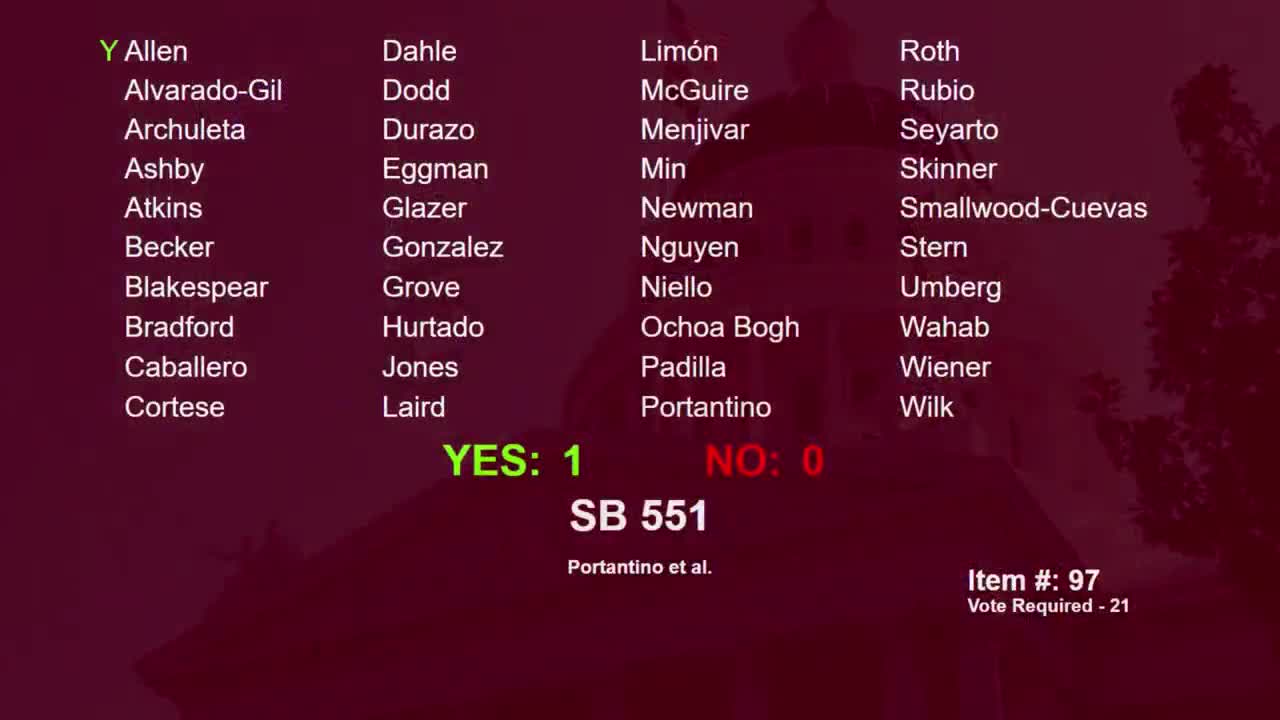
Bill Author

Bill Co-Author(s):