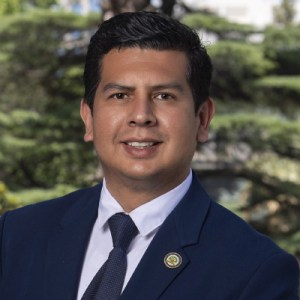
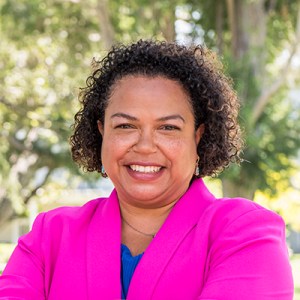
SB 633: California DREAM Loan Program: DREAM grants.
- Session Year: 2023-2024
- House: Senate
- Latest Version Date: 2023-10-08
Current Status:
Passed
(2023-10-08: Chaptered by Secretary of State. Chapter 622, Statutes of 2023.)
Introduced
In Committee
First Chamber
In Committee
Second Chamber
Enacted
What does this bill do?
The bill allows participating University of California and California State University campuses to award DREAM grants to students who filed the state Dream Act application and previously received a Cal Grant, Middle Class Scholarship, or campus need‑based aid. These grants come from unspent DREAM program funds, are set by the campus up to a student’s financial need (with priority for instructional programs), and do not count toward the program’s loan borrowing limits.
The summary is provided by generative AI which can make mistakes. For original language, please view the details in the table below.
Existing law establishes the California DREAM Loan Program, which provides a student attending a participating campus of the University of California or California State University with a loan, referred to as a DREAM loan, if the student satisfies specified requirements, including a requirement that the student be exempt from paying nonresident tuition or meets equivalent requirements adopted by the Regents of the University of California, and that the student be enrolled in an instructional program, as defined, or, commencing with the 202021 academic year, a graduate program.
This bill would, commencing with the 202425 academic year, authorize participating institutions to award DREAM grants to grant-eligible students, as defined, if the institution has unawarded funds in the institutions DREAM revolving fund, as specified. The bill would require the amount of the DREAM grant offered to an individual student to be determined by the institution, not to exceed the students financial need, and would prohibit a DREAM grant awarded pursuant to these provisions from counting towards the annual or aggregate borrowing limits established for the California DREAM Loan Program.
Existing law establishes the California DREAM Loan Program, which provides a student attending a participating campus of the University of California or California State University with a loan, referred to as a DREAM loan, if the student satisfies specified requirements, including a requirement that the student be exempt from paying nonresident tuition or meets equivalent requirements adopted by the Regents of the University of California, and that the student be enrolled in an instructional program, as defined, or, commencing with the 202021 academic year, a graduate program.
This bill would, commencing with the 202425 academic year, authorize participating institutions to award DREAM grants to grant-eligible students, as defined, if the institution has unawarded funds in the institutions DREAM revolving fund, as specified. The bill would require the amount of the DREAM grant offered to an individual student to be determined by the institution, not to exceed the students financial need, and would prohibit a DREAM grant awarded pursuant to these provisions from counting towards the annual or aggregate borrowing limits established for the DREAM Loan Program.
As used in this article, the following terms have the following meanings:
(a)An academic year is July 1 to June 30, inclusive. The start date of a session shall determine the academic year in which it is included.
(b)Award year means one academic year, or the equivalent, of attendance at a qualifying institution.
(c)Commission means the Student Aid Commission.
(d)Cost of attendance means the students tuition and fees, books and supplies, living expenses, transportation expenses, and any other student expenses used to calculate a students financial need for purposes of federal Title IV student aid programs.
(e)Enrollment status means part-time status or full-time status of a student at a qualifying institution.
(f)Expected family contribution means a students expected family contribution calculated, pursuant to subdivision (a) of Section 69506, according to the federal methodology (as established by Title IV of the federal Higher Education Act of 1965, as amended (20 U.S.C. Sec. 1070 et seq.)).
(g)Financial need means a students financial need calculated pursuant to the federal financial need methodology (as established by Title IV of the federal Higher Education Act of 1965, as amended (20 U.S.C. Sec. 1070 et seq.)).
(h)Graduate program means a program of study leading to a graduate or professional degree, including, but not limited to, a teaching credential, the prerequisite for which is a baccalaureate degree or undergraduate degree.
(i)Grant-eligible student means a student who has applied for financial aid using the application established by the commission pursuant to subdivision (b) of Section 69508.5, known as the Dream Act Application and has been previously awarded a Cal Grant, Middle Class Scholarship, or institutional need-based financial aid.
(j)Instructional program means a program of study that results in the award of a baccalaureate degree or undergraduate certificate, or undergraduate coursework in a program of study leading directly to a first professional degree for which no baccalaureate degree or undergraduate degree is awarded.
(k)Participating institution means any campus of the California State University or the University of California that elects to participate in the DREAM Program pursuant to the requirements specified for a qualifying institution as set forth in this article.
(l)Satisfactory academic progress means those criteria required by applicable federal standards published in Title 34 of the Code of Federal Regulations. A participating institution may adopt regulations defining satisfactory academic progress in a manner that duplicates those federal standards, provided that, to the extent consistent with applicable federal standards, the regulations adopted by the participating institution provide that homelessness, as defined as a homeless individual within the meaning of the federal McKinney-Vento Homeless Assistance Act (42 U.S.C. Sec. 11302(a)), or as defined as a homeless child or youth, as defined in subsection (2) of Section 725 of the federal McKinney-Vento Homeless Assistance Act (42 U.S.C. Sec. 11434a(2)), is an extenuating circumstance for students who are otherwise unable to meet the requirements deemed to constitute satisfactory academic progress at that institution. The institution may consider this extenuating circumstance, in its discretion, to the extent consistent with federal standards, to alter or excuse compliance with those progress requirements.
SEC. 2.Section 70035.5 is added to the Education Code, to read:70035.5.(a)It is the intent of the Legislature to establish the DREAM grant program.
(b)Commencing with the 202425 academic year, a grant-eligible student attending a participating institution may receive a DREAM grant pursuant to this section.
(c)Each participating institution may award DREAM grants to grant-eligible students if that institution has unawarded funds in the institutions DREAM revolving fund that were new state, institutional matching, or loan repayment funds deposited during the previous academic year pursuant to Section 70035.
(d)DREAM grants shall be provided during the academic year immediately following the academic year in which there was an unawarded DREAM revolving fund balance.
(e)In a given academic year, a DREAM grant shall not exceed a students financial need.
(f)The amount of a DREAM grant offered to an individual student by a participating institution shall be determined by the institution. Priority shall be given to DREAM grants for instructional programs.
(g)A DREAM grant awarded pursuant to this section shall not count towards the annual and aggregate borrowing limits described in subdivision (a) of Section 70034.
SEC. 3.Section 70036 of the Education Code is amended to read:70036.Each participating institution is responsible for all the following:
(a)The participating institution shall determine a students eligibility for a DREAM loan.
(b)The participating institution shall award DREAM loan funds to students.
(c)The participating institution shall provide entrance and exit loan counseling to borrowers that is generally comparable to that required by federal student loan programs. Exit loan counseling shall include, but is not limited to, information about DREAM loan repayment, including repayment options, forbearance, deferment, discharge, and forgiveness.
(d)The participating institution shall service DREAM loans, collect DREAM loan repayments, and perform all of the due diligence required by the federal Fair Credit Reporting Act (15 U.S.C. Sec. 1681 et seq.).
(e)The participating institution shall establish mechanisms for recording the annual amount of the DREAM loan borrowed by each recipient, and the aggregate amount of DREAM loans borrowed by each recipient, in order to comply with the annual and aggregate borrowing limits set forth in Section 70034.
(f)The participating institution shall post information about the DREAM loan on the institutions internet website. That information shall include, but is not limited to, DREAM loan eligibility requirements, DREAM loan interest rates for the past five years, how to apply for and accept a DREAM loan, and information about DREAM loan repayment, including repayment options, forbearance, deferment, discharge, and forgiveness. The participating institution shall update its internet website to include information about administrative relief granted to borrowers.
(g)The participating institution shall award DREAM grants to grant-eligible students.
As used in this article, the following terms have the following meanings:
(a)An academic year is July 1 to June 30, inclusive. The start date of a session shall determine the academic year in which it is included.
(b)Award year means one academic year, or the equivalent, of attendance at a qualifying institution.
(c)Commission means the Student Aid Commission.
(d)Cost of attendance means the students tuition and fees, books and supplies, living expenses, transportation expenses, and any other student expenses used to calculate a students financial need for purposes of federal Title IV student aid programs.
(e)Enrollment status means part-time status or full-time status of a student at a qualifying institution.
(f)Expected family contribution means a students expected family contribution calculated, pursuant to subdivision (a) of Section 69506, according to the federal methodology (as established by Title IV of the federal Higher Education Act of 1965, as amended (20 U.S.C. Sec. 1070 et seq.)).
(g)Financial need means a students financial need calculated pursuant to the federal financial need methodology (as established by Title IV of the federal Higher Education Act of 1965, as amended (20 U.S.C. Sec. 1070 et seq.)).
(h)Graduate program means a program of study leading to a graduate or professional degree, including, but not limited to, a teaching credential, the prerequisite for which is a baccalaureate degree or undergraduate degree.
(i)Grant-eligible student means a student who has applied for financial aid using the application established by the commission pursuant to subdivision (b) of Section 69508.5, known as the Dream Act Application and has been previously awarded a Cal Grant, Middle Class Scholarship, or institutional need-based financial aid.
(j)Instructional program means a program of study that results in the award of a baccalaureate degree or undergraduate certificate, or undergraduate coursework in a program of study leading directly to a first professional degree for which no baccalaureate degree or undergraduate degree is awarded.
(k)Participating institution means any campus of the California State University or the University of California that elects to participate in the DREAM Program pursuant to the requirements specified for a qualifying institution as set forth in this article.
(l)Satisfactory academic progress means those criteria required by applicable federal standards published in Title 34 of the Code of Federal Regulations. A participating institution may adopt regulations defining satisfactory academic progress in a manner that duplicates those federal standards, provided that, to the extent consistent with applicable federal standards, the regulations adopted by the participating institution provide that homelessness, as defined as a homeless individual within the meaning of the federal McKinney-Vento Homeless Assistance Act (42 U.S.C. Sec. 11302(a)), or as defined as a homeless child or youth, as defined in subsection (2) of Section 725 of the federal McKinney-Vento Homeless Assistance Act (42 U.S.C. Sec. 11434a(2)), is an extenuating circumstance for students who are otherwise unable to meet the requirements deemed to constitute satisfactory academic progress at that institution. The institution may consider this extenuating circumstance, in its discretion, to the extent consistent with federal standards, to alter or excuse compliance with those progress requirements.
SEC. 2.Section 70035.5 is added to the Education Code, to read:70035.5.(a)It is the intent of the Legislature to establish the DREAM grant program.
(b)Commencing with the 202425 academic year, a grant-eligible student attending a participating institution may receive a DREAM grant pursuant to this section.
(c)Each participating institution may award DREAM grants to grant-eligible students if that institution has unawarded funds in the institutions DREAM revolving fund that were new state, institutional matching, or loan repayment funds deposited during the previous academic year pursuant to Section 70035.
(d)DREAM grants shall be provided during the academic year immediately following the academic year in which there was an unawarded DREAM revolving fund balance.
(e)In a given academic year, a DREAM grant shall not exceed a students financial need.
(f)The amount of a DREAM grant offered to an individual student by a participating institution shall be determined by the institution. A Priority shall be given to DREAM grants for instructional programs.
(g)A DREAM grant awarded pursuant to this section shall not count towards the annual and aggregate borrowing limits described in subdivision (a) of Section 70034.
SEC. 3.Section 70036 of the Education Code is amended to read:70036.Each participating institution is responsible for all the following:
(a)The participating institution shall determine a students eligibility for a DREAM loan.
(b)The participating institution shall award DREAM loan funds to students.
(c)The participating institution shall provide entrance and exit loan counseling to borrowers that is generally comparable to that required by federal student loan programs. Exit loan counseling shall include, but is not limited to, information about DREAM loan repayment, including repayment options, forbearance, deferment, discharge, and forgiveness.
(d)The participating institution shall service DREAM loans, collect DREAM loan repayments, and perform all of the due diligence required by the federal Fair Credit Reporting Act (15 U.S.C. Sec. 1681 et seq.).
(e)The participating institution shall establish mechanisms for recording the annual amount of the DREAM loan borrowed by each recipient, and the aggregate amount of DREAM loans borrowed by each recipient, in order to comply with the annual and aggregate borrowing limits set forth in Section 70034.
(f)The participating institution shall post information about the DREAM loan on the institutions internet website. That information shall include, but is not limited to, DREAM loan eligibility requirements, DREAM loan interest rates for the past five years, how to apply for and accept a DREAM loan, and information about DREAM loan repayment, including repayment options, forbearance, deferment, discharge, and forgiveness. The participating institution shall update its internet website to include information about administrative relief granted to borrowers.
(g)The participating institution shall award DREAM grants to grant-eligible students.
REVISIONS: HeadingLine 2.As used in this article, the following terms have the following meanings:
(a)An academic year is July 1 to June 30, inclusive. The start date of a session shall determine the academic year in which it is included.
(b)Award year means one academic year, or the equivalent, of attendance at a qualifying institution.
(c)Commission means the Student Aid Commission.
(d)Cost of attendance means the students tuition and fees, books and supplies, living expenses, transportation expenses, and any other student expenses used to calculate a students financial need for purposes of federal Title IV student aid programs.
(e)Enrollment status means part-time status or full-time status of a student at a qualifying institution.
(f)Expected family contribution means a students expected family contribution calculated, pursuant to subdivision (a) of Section 69506, according to the federal methodology (as established by Title IV of the federal Higher Education Act of 1965, as amended (20 U.S.C. Sec. 1070 et seq.)).
(g)Financial need means a students financial need calculated pursuant to the federal financial need methodology (as established by Title IV of the federal Higher Education Act of 1965, as amended (20 U.S.C. Sec. 1070 et seq.)).
(h)Graduate program means a program of study leading to a graduate or professional degree, including, but not limited to, a teaching credential, the prerequisite for which is a baccalaureate degree or undergraduate degree.
(i)Grant-eligible student means a student who has applied for financial aid using the application established by the commission pursuant to subdivision (b) of Section 69508.5, known as the Dream Act Application and has been previously awarded a Cal Grant, Middle Class Scholarship, or institutional need-based financial aid.
(i)(j)Instructional program means a program of study that results in the award of a baccalaureate degree or undergraduate certificate, or undergraduate coursework in a program of study leading directly to a first professional degree for which no baccalaureate degree or undergraduate degree is awarded.
(j)(k)Participating institution means any campus of the California State University or the University of California that elects to participate in the DREAM Program pursuant to the requirements specified for a qualifying institution as set forth in this article.
(k)(l)Satisfactory academic progress means those criteria required by applicable federal standards published in Title 34 of the Code of Federal Regulations. A participating institution may adopt regulations defining satisfactory academic progress in a manner that duplicates those federal standards, provided that, to the extent consistent with applicable federal standards, the regulations adopted by the participating institution provide that homelessness, as defined as a homeless individual within the meaning of the federal McKinney-Vento Homeless Assistance Act (42 U.S.C. Sec. 11302(a)), or as defined as a homeless child or youth, as defined in subsection (2) of Section 725 of the federal McKinney-Vento Homeless Assistance Act (42 U.S.C. Sec. 11434a(2)), is an extenuating circumstance for students who are otherwise unable to meet the requirements deemed to constitute satisfactory academic progress at that institution. The institution may consider this extenuating circumstance, in its discretion, to the extent consistent with federal standards, to alter or excuse compliance with those progress requirements.
SEC. 2.Section 70035.5 is added to the Education Code, to read:70035.5.(a)It is the intent of the Legislature to establish the DREAM grant program.
(b)Commencing with the 202425 academic year, a grant-eligible student attending a participating institution may receive a DREAM grant pursuant to this section.
(c)Each participating institution may award DREAM grants to grant-eligible students if that institution has unawarded funds in the institutions DREAM revolving fund that were new state, institutional matching, or loan repayment funds deposited during the previous academic year pursuant to Section 70035.
(d)DREAM grants shall be provided during the academic year immediately following the academic year in which there was an unawarded DREAM revolving fund balance.
(e)In a given academic year, a DREAM grant shall not exceed a students financial need.
(f)The amount of a DREAM grant offered to an individual student by a participating institution shall be determined by the institution. A DREAM grant awarded pursuant to this section shall not count towards the annual and aggregate borrowing limits described in subdivision (a) of Section 70034.
SEC. 3.Section 70036 of the Education Code is amended to read:70036.Each participating institution is responsible for all the following:
(a)The participating institution shall determine a students eligibility for a DREAM loan.
(b)The participating institution shall award DREAM loan funds to students.
(c)The participating institution shall provide entrance and exit loan counseling to borrowers that is generally comparable to that required by federal student loan programs. Exit loan counseling shall include, but is not limited to, information about DREAM loan repayment, including repayment options, forbearance, deferment, discharge, and forgiveness.
(d)The participating institution shall service DREAM loans, collect DREAM loan repayments, and perform all of the due diligence required by the federal Fair Credit Reporting Act (15 U.S.C. Sec. 1681 et seq.).
(e)The participating institution shall establish mechanisms for recording the annual amount of the DREAM loan borrowed by each recipient, and the aggregate amount of DREAM loans borrowed by each recipient, in order to comply with the annual and aggregate borrowing limits set forth in Section 70034.
(f)The participating institution shall post information about the DREAM loan on the institutions internet website. That information shall include, but is not limited to, DREAM loan eligibility requirements, DREAM loan interest rates for the past five years, how to apply for and accept a DREAM loan, and information about DREAM loan repayment, including repayment options, forbearance, deferment, discharge, and forgiveness. The participating institution shall update its internet website to include information about administrative relief granted to borrowers.
(g)The participating institution shall award DREAM grants to grant-eligible students.
|
Date
|
Status
|
|---|---|
| Oct 8, 2023 | Chaptered by Secretary of State. Chapter 622, Statutes of 2023. |
| Oct 8, 2023 | Approved by the Governor. |
| Sep 13, 2023 | Enrolled and presented to the Governor at 4 p.m. |
| Sep 7, 2023 | In Senate. Ordered to engrossing and enrolling. |
| Sep 7, 2023 | Read third time. Passed. (Ayes 65. Noes 11. Page 3012.) Ordered to the Senate. |
| Sep 5, 2023 | Read second time. Ordered to third reading. |
| Sep 1, 2023 | From committee: Do pass. (Ayes 12. Noes 4.) (September 1). |
| Sep 1, 2023 | Coauthors revised. |
| Jun 28, 2023 | June 28 set for first hearing. Placed on suspense file. |
| Jun 14, 2023 | From committee: Do pass and re-refer to Com. on APPR. (Ayes 9. Noes 2.) (June 13). Re-referred to Com. on APPR. |
| May 26, 2023 | Referred to Com. on HIGHER ED. |
| May 15, 2023 | In Assembly. Read first time. Held at Desk. |
| May 15, 2023 | Read third time. Passed. (Ayes 32. Noes 5. Page 1076.) Ordered to the Assembly. |
| May 2, 2023 | Read second time. Ordered to third reading. |
| May 1, 2023 | From committee: Be ordered to second reading pursuant to Senate Rule 28.8. |
| Apr 21, 2023 | Set for hearing May 1. |
| Apr 18, 2023 | Read second time and amended. Re-referred to Com. on APPR. |
| Apr 17, 2023 | From committee: Do pass as amended and re-refer to Com. on APPR. (Ayes 6. Noes 0. Page 682.) (April 12). |
| Mar 21, 2023 | Set for hearing April 12. |
| Mar 1, 2023 | Referred to Com. on ED. |
| Feb 17, 2023 | From printer. May be acted upon on or after March 19. |
| Feb 16, 2023 | Introduced. Read first time. To Com. on RLS. for assignment. To print. |
|
Date
|
Description
|
Location
|
Votes
|
|
|---|---|---|---|---|
| Sep 7, 2023 | SB 633 Gonzalez Senate Third Reading By Bonta | Assembly Floor |
Passed |
|
| Sep 1, 2023 | Do pass. | Assembly Standing Committee on Appropriations |
Passed |
|
| Jun 13, 2023 | Do pass and be re-referred to the Committee on [Appropriations] | Assembly Standing Committee on Higher Education |
Passed |
|
| May 15, 2023 | Senate 3rd Reading SB633 Gonzalez | Senate Floor |
Passed |
|
| Apr 12, 2023 | Do pass as amended, but first amend, and re-refer to the Committee on [Appropriations] | Senate Standing Committee on Education |
Passed |
This list shows positions taken on this bill by organizations on the date displayed, which is linked to the original source.
Positions by individuals are not included.
|
Organization
|
Position
|
Date
|
|---|---|---|
| California Faculty Associaiton | * Support | Jun 13, 2023 |
| California Federation of Teachers, AFL-CIO | ** Support | |
| California State University, Office Of The Chancellor | ** Support | |
| California Student Aid Commission | * Support | Jun 13, 2023 |
| California Undocumented Higher Education Coalition | * Support | Jun 13, 2023 |
| National Association Of Social Workers, California Chapter | ** Support | |
| UC Merced | * Support | Jun 13, 2023 |
| University of California | ** Support | |
| University Of California Student Association | ** Support |
SENATE THIRD READING
STR Bill Id:SB 633
Author:(Gonzalez)
As Amended Ver:April 18, 2023
Majority vote
SUMMARY
Creates the California DREAM Grant Program to provide grants to certain students attending a University of California (UC) or a California State University (CSU) and allows UC and CSU to fund the program using unspent California DREAM Loan Program funds.
Major Provisions
- Authorizes, commencing with the 2024-25 academic year, a CSU or UC campus that participates in the DREAM Loan Program to award DREAM grants to eligible students if that campus has unawarded funds in the institution's DREAM Loan revolving fund that were new state, institutional matching, or loan repayment funds deposited during the previous academic year.
- Requires DREAM grants be provided during the academic year immediately following the academic year in which there was an unawarded DREAM revolving fund balance.
- Requires the amount of the DREAM grant offered to an individual student to be determined by the institution, not to exceed the student's financial need and prohibits a DREAM grant awarded to these provisions from counting towards the annual or aggregate borrowing limits established for the DREAM Loan Program.
- Requires priority be granted to DREAM grants for instructional programs, as defined by current law.
- Defines "grant-eligible student" to mean a student who has applied for financial aid using the application established by the California Student Aid Commission known as the DREAM Act Application and has been previously awarded a Cal Grant, Middle Class Scholarship, or institutional need-based financial aid.
- Requires each DREAM Loan participating campus responsible for awarding DREAM grants to grant-eligible students.
- States that it is the intent of the Legislature to establish a DREAM grant program.
COMMENTS
Background. In 2014 the Legislature enacted SB 1210 (Lara), Chapter 754, Statutes of 2014, which established the California DREAM Loan Program, an affordable loan option that is offered at UC and CSU for undergraduate AB 540 [(Firebaugh), Chapter 814, Statutes of 2001] students to assist in financing their education. The loan was designed to mirror federal student loan programs with including provisions that placed a cap on loan amounts and low interest rates.
In 2019, the Legislature enacted SB 354 (Durazo), Chapter 526, Statutes of 2019, which expanded the provisions of the DREAM Loan Program to include eligible graduate students seeking a graduate or professional degree program.
Since the enactment of AB 540, several legislative measures have modified or expanded eligibility for the exemption from nonresident tuition in order to better accommodate the diverse student population.
Under current law, CSAC is only permitted to provide undocumented students with state financial aid if they apply for aid through the California Dream Act Application (CADAA).
The CADAA. In 2011, AB 131 (Cedillo), Chapter 604, Statutes of 2011, allowed students with AB 540 status to apply and be eligible for state financial aid such as the Cal Grant. AB 131 also charged CSAC with establishing and administering procedures and forms to enable eligible undocumented students' access to state aid. As a result, CSAC developed the CADAA and made it available to students in Fall 2012. Aid was dispersed for CADAA applicants in the Summer of 2013.
California DREAM Loan Program. Existing law establishes the California DREAM Loan Program, a voluntary campus-based student loan program, patterned after the Federal Direct Loan Program. Both the State and the university contribute a 1:1 match to the loan fund until the Program becomes self-sustaining. This Program serves undocumented AB 540 students at the UC and CSU who, under the terms of the California Dream Act, became eligible for State and institutional grant programs but are ineligible for federal student loan programs. A student can borrow up to $4,000 annually not to exceed $40,000 in the aggregate. During the 2020-21 academic year, 464 CSU students received an average award of $3,162 for undergraduates and $3,322 for graduates. In 2020-22 academic year, 946 UC recipients received an average award of $3,307.
According to UC's data, the average DREAM Loan balance at the time of repayment for students who borrowed over a period of four years is $12,790. This is less than the average federal student loan debt load held by California graduates.
DREAM grants would only be available at CSU or UC campuses that participate in the DREAM Loan program. According to the author's office, there are approximately 14,000 to 17,000 undocumented students attending the UC and CSU.
According to a March 1, 2023, report by the CSAC, entitled, Renewing the Dream – Improving Financial Aid & College Affordability for California's Undocumented Students, as of 2021-22 CSAC data, among undocumented students in postsecondary education (approximately 53%), who fill out a CADAA, only 30% ultimately enroll and receive state financial aid. Moreover, overall, only 14% of the State's estimated undocumented student population in higher education receives financial aid to support their higher education goals.
The table below shows the number of CADAA Applications versus AB 540 Students by Segment for 2021-22:
Public Segment | Number of CADAA Applicants | Number of AB 540 Students |
CCC | 11,529 | 62,417 |
CSU | 6,877 | 9,500 |
UC | 3,386 | 4,469 |
The CSAC report, in part, recommended that the State create a state-funded grant that can offset the financial burden undocumented students absorb because they are not eligible for the federal Pell Grant. This measure, seeks to address some of the policy recommendations of the report.
DREAM grant awards. Under the provisions of this measure, a UC or CSU campus may establish a grant program with unused DREAM Loan funds. Each participating institution would determine the amount of a student's DREAM grant. The amount cannot exceed the student's remaining financial need related to the total cost of college attendance. Further, the measure does not preclude a DREAM Loan recipient from receiving a grant.
However, it is unclear if loan recipients who must repay the amount borrowed would have preferential consideration for a grant.
According to the Author
"California is one of the most diverse states in the nation and the state has taken numerous historic steps to support undocumented students. Many of these students are enrolled in higher education, working to obtain degrees and skills to live a better life and give back to their community while contributing to the local economy. However, being able to pay for college continues to be a challenge for many students but for undocumented students this presents a higher barrier as college remains unaffordable."
The author contends that, "while California has taken significant steps to provide access to financial aid, such as creating the California DREAM Loan Program, students without work authorization face unique challenges that keep them from taking advantage of loan programs."
Further the author states that, "with SB 633, the state has the opportunity to expand the DREAM Loan Program by providing public higher education institutions with the ability to repurpose unused funds that would help provide financial assistance to undocumented students. A DREAM grant will help offset the total cost of attendance for UC and CSU undergraduates and provide subsidies for students to graduate."
Arguments in Support
According to the UC, sponsors of this measure, "SB 633 would expand the utilization of existing Dream Loan funds and address a new problem facing many undocumented students. As a result of federal court decisions relating to [Deferred Action for Childhood Arrivals] DACA, fewer of UC's undocumented students are receiving work authorization through the program. UC now has three consecutive first-year classes that are ineligible to receive DACA and work authorization. This is problematic at the undergraduate level because the University's Education Financing Model assumes that all students will work part-time to contribute towards their educational costs. It is also creating difficulties at the graduate level, which often requires students to teach or conduct paid research."
The UC contends that, "with authority to repurpose unexpended balances in the Dream Loan program to provide grants to undocumented AB 540 students, UC could continue to help the same students who are the intended beneficiaries of the Dream Loan program. At UC, the grants would offset the work expectation for UC undergraduates and allow students to continue to pursue their education. Through their hard work and perseverance, these students have earned the opportunity to attend UC. Their accomplishments should not be disregarded, or their future jeopardized because of their immigration status."
Arguments in Opposition
None on file.
FISCAL COMMENTS
According to the Assembly Appropriations Committee:
- Minor and absorbable General Fund (GF) costs to UC and CSU to administer the new grant program authorized by this bill.
- GF and special fund shifts, of an unknown but potentially significant amount, from the California DREAM Loan Program to the California DREAM Grant Program. Fund shifts could total in the millions of dollars depending on the decisions of UC and CSU.
VOTES
SENATE FLOOR: 32-5-3
YES: Allen, Alvarado-Gil, Archuleta, Ashby, Atkins, Becker, Blakespear, Bradford, Caballero, Cortese, Dodd, Durazo, Eggman, Glazer, Gonzalez, Hurtado, Laird, Limón, McGuire, Menjivar, Min, Newman, Niello, Ochoa Bogh, Padilla, Portantino, Roth, Skinner, Stern, Umberg, Wahab, Wiener
NO: Dahle, Grove, Jones, Nguyen, Seyarto
ABS, ABST OR NV: Rubio, Smallwood-Cuevas, Wilk
ASM HIGHER EDUCATION: 9-2-1
YES: Mike Fong, Arambula, Gabriel, Irwin, Low, Ortega, Santiago, Wallis, Weber
NO: Ta, Sanchez
ABS, ABST OR NV: Addis
ASM APPROPRIATIONS: 12-4-0
YES: Holden, Bryan, Calderon, Wendy Carrillo, Mike Fong, Hart, Lowenthal, Papan, Pellerin, Soria, Weber, Wilson
NO: Megan Dahle, Dixon, Mathis, Sanchez
UPDATED
VERSION: April 18, 2023
CONSULTANT: Jeanice Warden / HIGHER ED. / (916) 319-3960 FN: 0001552
Date of Hearing: June 28, 2023
ASSEMBLY COMMITTEE ON APPROPRIATIONS
Chris Holden, Chair
SBPCA Bill Id:SB 633
Author:(Gonzalez) – As Amended Ver:April 18, 2023
Policy Committee: | Higher Education | Vote: | 9 - 2 |
|
| ||
|
|
Urgency: No State Mandated Local Program: No Reimbursable: No
SUMMARY:
This bill creates the California DREAM Grant Program to provide grants to certain students attending a University of California (UC) or a California State University (CSU) and allows UC and CSU to fund the program using unspent California DREAM Loan Program funds.
Specifically, this bill, commencing in the 2024-25 academic year, allows a UC or CSU to award a DREAM grant to a grant-eligible student if the institution has unawarded funds in the institution’s California DREAM Loan Program. The amounts to be provided to an individual student are to be determined by the participating institution. The bill defines a “grant-eligible student” as a student who has applied for financial aid using a California Dream Act Application and has been previously awarded a Cal Grant, Middle Class Scholarship, or need-based institutional aid.
FISCAL EFFECT:
- Minor and absorbable General Fund (GF) costs to UC and CSU to administer the new grant program authorized by this bill.
- GF and special fund shifts, of an unknown but potentially significant amount, from the California DREAM Loan Program to the California DREAM Grant Program. Fund shifts could total in the millions of dollars depending on the decisions of UC and CSU.
COMMENTS:
- Purpose. According to the author:
With SB 633, the state has the opportunity to expand the California DREAM Loan Program by providing public higher education institutions with the ability to repurpose unused funds that would help provide financial assistance to undocumented students. A DREAM grant will help offset the total cost of attendance for UC and CSU undergraduates and provide subsidies for students to graduate.
This bill is sponsored by UC.
- Background. SB 1210 (Lara), Chapter 754, Statutes of 2014, established the California DREAM Loan Program. The program is a voluntary, campus-based student loan program for undocumented students attending a UC or a CSU. (According to the author’s office, there are approximately 14,000 to 17,000 undocumented students attending either the UC or the CSU.) Statute requires participating campuses to provide a dollar-for-dollar institutional match for any state funding provided to the program. The program is designed to mirror federal student loan programs, which undocumented students do not have access to. Specifically, statute authorizing the California DREAM Loan Program requires interest rates for a student loan to match federal interest rates.
The 2015-16 state budget specified funding was available from UC’s and CSU’s base budget allocations for the California DREAM Loan Program, though it did not designate a dollar amount for this purpose. The 2017-18 state budget provided $3 million in one-time GF ($2 million to CSU and $1 million to the UC) for the DREAM Loan Program. Since that time, UC has supported the program with a combination of GF (set aside from the university’s base support) and other institutional funds. At CSU, the program is primarily supported by state lottery funds. In addition, loan repayments support the program.
According to Legislative Analyst’s Office, in the 2020-21 academic year, about 900 UC students received DREAM loan disbursements totaling about $2.8 million, and about 460 CSU students received disbursements totaling about $1.5 million. UC and CSU indicate that participation is down from previous years, possibly due to decreased living costs for students who moved home during the pandemic, as well as the availability of emergency grants. In addition, due to a recent injunction, the U.S. Citizenship and Immigration Services is not able to grant any new work authorizations to undocumented students. For this reason, it has been difficult for undocumented students to pay back student loans granted through the California DREAM Loan Program. UC reports it now has three consecutive freshman classes with undocumented students who are ineligible to receive work authorizations.
Due to drops in participation and loan amounts, both UC and CSU indicate they have unspent funds from prior years. UC has a total of about $20 million in unspent DREAM Loan Program funds in reserve and CSU has a total of about $3 million in unspent DREAM Loan Program funds in reserve.
This bill would allow UC and CSU to use unspent California DREAM Loan Program funding to provide grants to certain undocumented students.
- Prior Legislation. AB 183 (Committee on Budget), Chapter 54, Statutes of 2022, the higher education budget trailer bill, authorizes the Department of Finance to transfer unspent funds from the Dreamer Service Incentive Grant Program to UC and CSU for the California Dream Loan Program.
AB 2004, (Cristina Garcia) Chapter 484, Statutes of 2022, establishes additional requirements for campuses participating in the California DREAM Loan Program. Specifically, the bill requires that, by January 1, 2024, CSU and UC establish loan forgiveness options for DREAM loan borrowers with similar standards as those set for federal student loan forgiveness programs, including the Public Service Loan Forgiveness Program, Teacher Loan Forgiveness Program, and student loan forgiveness programs for healthcare workers and nurses. In addition, the bill sets limits on the amount a student may borrow.
SB 354 (Durazo), Chapter 526, Statutes of 2019, expands the California DREAM Loan Program to graduate students.
Analysis Prepared by: Natasha Collins / APPR. / (916) 319-2081
Date of Hearing: June 13, 2023
ASSEMBLY COMMITTEE ON HIGHER EDUCATION
Mike Fong, Chair
SBPCA Bill Id:SB 633
Author:(Gonzalez) – As Amended Ver:April 18, 2023
SENATE VOTE: 32-5
SUBJECT: California DREAM Loan Program: DREAM grants.
SUMMARY: Authorizes, commencing with the 2024-25 academic year, a California State University (CSU) or University of California (UC) campus that participates in the DREAM Loan Program to award DREAM grants to eligible students, as defined, if that campus has unawarded funds in the institution’s DREAM Loan revolving fund. Specifically, this bill:
- Authorizes, commencing with the 2024-25 academic year, a CSU or UC campus that participates in the DREAM Loan Program to award DREAM grants to eligible students if that campus has unawarded funds in the institution’s DREAM Loan revolving fund that were new state, institutional matching, or loan repayment funds deposited during the previous academic year.
- Requires DREAM grants be provided during the academic year immediately following the academic year in which there was an unawarded DREAM revolving fund balance.
- Requires the amount of the DREAM grant offered to an individual student to be determined by the institution, not to exceed the student’s financial need and prohibits a DREAM grant awarded to these provisions from counting towards the annual or aggregate borrowing limits established for the DREAM Loan Program.
- Requires priority be granted to DREAM grants for instructional programs, as defined by current law.
- Defines “grant-eligible student” to mean a student who has applied for financial aid using the application established by the California Student Aid Commission known as the DREAM Act Application and has been previously awarded a Cal Grant, Middle Class Scholarship, or institutional need-based financial aid.
- Requires each DREAM Loan participating campus responsible for awarding DREAM grants to grant-eligible students.
- States that it is the intent of the Legislature to establish a DREAM grant program.
EXISTING LAW:
- Establishes the California Student Aid Commission (CSAC) for the purpose of administering specified student financial aid programs (Education Code (EC) Section 69510, et seq.).
- Authorizes, beginning January 1, 2013, AB 540 students to be eligible to apply for, and participate in, any student financial aid program administered by the State of California to the full extent permitted by federal law (EC Section 66021.6).
- Authorizes, AB 540 students attending UC, CSU, or the California Community Colleges (CCC) to be eligible to receive a scholarship derived from nonstate funds, as received by the respective segment for the purpose of scholarships (EC Section 66021.7).
- Establishes the DREAM Loan Program at UC and CSU campuses that elect to participate in the program. Under the program, an AB 540 student meeting specified requirements, including demonstrating financial need, may obtain a loan of up to $4,000 per academic year, up to a maximum of $20,000 as an undergraduate student. No more than $20,000 as a graduate students. The repayment term for the loan is 10 years, and repayment commences following a six-month grace period beginning when the student graduates or ceases to maintain at least half-time enrollment. Eligibility for deferment or forbearance of loan repayments is consistent with the federal direct student loan program (EC Section 70033).
- Specifies that the proportion of program funding used for instructional programs and for graduate programs be determined at the discretion of the participating institution and that priority be given to loans for instructional programs. Current law further defines “instructional programs” to mean a program of study that results in the award of a baccalaureate degree or undergraduate certificate, or undergraduate coursework in a program of study leading directly to a first professional degree for which no baccalaureate degree or undergraduate degree is awarded (EC Section 70032 (i) and 70034 (a)(6)).
- Requires, by January 1, 2020, a UC and the CSU campuses participating in the state DREAM Loan Program to adopt procedures allowing a borrower to select an income-based repayment plan for the repayment of a DREAM Loan (EC Section 70034 (d)).
- Requires the annual Budget Act to allocate funding to participating institutions based on the number of AB 540 students who applied for state financial aid in the prior academic year. Participating institutions must at least match the state allocation using the institution's discretionary funds. Both the state and local funding is deposited into a DREAM revolving fund. Loan repayments are also deposited into the revolving fund and are intended to reduce the annual state and campus contributions equally (EC Section 70035).
FISCAL EFFECT: According to the Senate Appropriations Committee, pursuant to Senate Rule 28.8, negligible state costs.
COMMENTS: Background. In 2014 the Legislature enacted SB 1210 (Lara), Chapter 754, Statutes of 2014, which established the California DREAM Loan Program, an affordable loan option that is offered at UC and CSU for undergraduate AB 540 [(Firebaugh), Chapter 814, Statutes of 2001] students to assist in financing their education. The loan was designed to mirror federal student loan programs with including provisions that placed a cap on loan amounts and low interest rates.
In 2019, the Legislature enacted SB 354 (Durazo), Chapter 526, Statutes of 2019, which expanded the provisions of the DREAM Loan Program to include eligible graduate students seeking a graduate or professional degree program.
Since the enactment of AB 540, several legislative measures have modified or expanded eligibility for the exemption from nonresident tuition in order to better accommodate the diverse student population.
Under current law, CSAC is only permitted to provide undocumented students with state financial aid if they apply for aid through the California Dream Act Application (CADAA).
The CADAA. In 2011, AB 131 (Cedillo), Chapter 604, Statutes of 2011, allowed students with AB 540 status to apply and be eligible for state financial aid such as the Cal Grant. AB 131 also charged CSAC with establishing and administering procedures and forms to enable eligible undocumented students' access to state aid. As a result, CSAC developed the CADAA and made it available to students in Fall 2012. Aid was dispersed for CADAA applicants in the Summer of 2013.
Need for the measure. According to the author, “California is one of the most diverse states in the nation and the state has taken numerous historic steps to support undocumented students. Many of these students are enrolled in higher education, working to obtain degrees and skills to live a better life and give back to their community while contributing to the local economy. However, being able to pay for college continues to be a challenge for many students but for undocumented students this presents a higher barrier as college remains unaffordable.”
The author contends that, “while California has taken significant steps to provide access to financial aid, such as creating the California DREAM Loan Program, students without work authorization face unique challenges that keep them from taking advantage of loan programs.”
Further the author states that, “with SB 633, the state has the opportunity to expand the DREAM Loan Program by providing public higher education institutions with the ability to repurpose unused funds that would help provide financial assistance to undocumented students. A DREAM grant will help offset the total cost of attendance for UC and CSU undergraduates and provide subsidies for students to graduate.”
DREAM grants would only be available at CSU or UC campuses that participate in the DREAM Loan program. According to the author’s office, there are approximately 14,000 to 17,000 undocumented students attending the UC and CSU.
California DREAM Loan Program. Existing law establishes the California DREAM Loan Program, a voluntary campus-based student loan program, patterned after the Federal Direct Loan Program. Both the State and the university contribute a 1:1 match to the loan fund until the Program becomes self-sustaining. This Program serves undocumented AB 540 students at the UC and CSU who, under the terms of the California Dream Act, became eligible for State and institutional grant programs but are ineligible for federal student loan programs. A student can borrow up to $4,000 annually not to exceed $40,000 in the aggregate. During the 2020-21 academic year, 464 CSU students received an average award of $3,162 for undergraduates and $3,322 for graduates. In 2020-22 academic year, 946 UC recipients received an average award of $3,307.
According to UC’s data, the average DREAM Loan balance at the time of repayment for students who borrowed over a period of four years is $12,790. This is less than the average federal student loan debt load held by California graduates.
According to a March 1, 2023, report by the CSAC, entitled, Renewing the Dream – Improving Financial Aid & College Affordability for California’s Undocumented Students, as of 2021-22 CSAC data, among undocumented students in postsecondary education (approximately 53%), who fill out a CADAA, only 30% ultimately enroll and receive state financial aid. Moreover, overall, only 14% of the State’s estimated undocumented student population in higher education receives financial aid to support their higher education goals.
The table below shows the number of CADAA Applications versus AB 540 Students by Segment for 2021-22:
Public Segment | Number of CADAA Applicants | Number of AB 540 Students |
CCC | 11,529 | 62,417 |
CSU | 6,877 | 9,500 |
UC | 3,386 | 4,469 |
The CSAC report, in part, recommended that the State create a state-funded grant that can offset the financial burden undocumented students absorb because they are not eligible for the federal Pell Grant. This measure, seeks to address some of the policy recommendations of the report.
DREAM grant awards. Under the provisions of this measure, a UC or CSU campus may establish a grant program with unused DREAM Loan funds. Each participating institution would determine the amount of a student’s DREAM grant. The amount cannot exceed the student’s remaining financial need related to the total cost of college attendance. Committee Staff understands that the awards would be decided annually based on availability of funds. Further, the measure does not preclude a DREAM Loan recipient from receiving a grant.
However, it is unclear if loan recipients who must repay the amount borrowed would have preferential consideration for a grant.
Moving forward, the author may wish to clarify who may receive preferential consideration for a grant.
Arguments in support. According to the UC, sponsors of this measure, “SB 633 would expand the utilization of existing Dream Loan funds and address a new problem facing many undocumented students. As a result of federal court decisions relating to [Deferred Action for Childhood Arrivals] DACA, fewer of UC’s undocumented students are receiving work authorization through the program. UC now has three consecutive first-year classes that are ineligible to receive DACA and work authorization. This is problematic at the undergraduate level because the University’s Education Financing Model assumes that all students will work part-time to contribute towards their educational costs. It is also creating difficulties at the graduate level, which often requires students to teach or conduct paid research.”
The UC contends that, “with authority to repurpose unexpended balances in the Dream Loan program to provide grants to undocumented AB 540 students, UC could continue to help the same students who are the intended beneficiaries of the Dream Loan program. At UC, the grants would offset the work expectation for UC undergraduates and allow students to continue to pursue their education. Through their hard work and perseverance, these students have earned the opportunity to attend UC. Their accomplishments should not be disregarded, or their future jeopardized because of their immigration status.”
Related legislation. AB 1540 (Mike Fong) of 2023, which is awaiting action in the Senate, in part, authorizes CSAC to collect an AB 540 affidavit from a student. Additionally, the measure, also in response to the aforementioned CSAC report recommendations, requires the CSU and the CCC, and requests the UC and independent institutions of higher education, to accept an AB 540 affidavit provided by CSAC.
REGISTERED SUPPORT / OPPOSITION:
Support
California Faculty Association
California Federation of Teachers, AFL-CIO
California State University, Office of The Chancellor
California Student Aid Commission
National Association of Social Workers, California Chapter
University of California (Sponsor)
University of California Student Association
Opposition
None on file.
Analysis Prepared by: Jeanice Warden / HIGHER ED. / (916) 319-3960
SENATE RULES COMMITTEE Office of Senate Floor Analyses (916) 651-1520 Fax: (916) 327-4478 | SB 633 |
THIRD READING
Bill No: SB 633
Author: Gonzalez (D)
Amended: 4/18/23
Vote: 21
SENATE EDUCATION COMMITTEE: 6-0, 4/12/23
AYES: Newman, Ochoa Bogh, Cortese, Glazer, McGuire, Smallwood-Cuevas
NO VOTE RECORDED: Wilk
SENATE APPROPRIATIONS COMMITTEE: Senate Rule 28.8
SUBJECT: California DREAM Loan Program: DREAM grants
SOURCE: University of California
DIGEST:
This bill authorizes, commencing with the 2024-25 academic year, a California State University (CSU) or University of California (UC) campus that participates in the DREAM Loan program to award DREAM grants to eligible students, as defined, if that campus has unawarded funds in the institution’s DREAM Loan revolving fund.
ANALYSIS:
Existing law:
- Authorizes, beginning January 1, 2013, AB 540 students to be eligible to apply for, and participate in, any student financial aid program administered by the State of California to the full extent permitted by federal law. (Education Code (EC) § 66021.6.)
- Authorizes, AB 540 students attending UC, CSU, or the California Community Colleges (CCC) to be eligible to receive a scholarship derived from nonstate funds, as received by the respective segment for the purpose of scholarships. (EC § 66021.7)
- Establishes the DREAM Loan Program at UC and CSU campuses that elect to participate in the program. Under the program, an AB 540 student meeting specified requirements, including demonstrating financial need, may obtain a loan of up to $4,000 per academic year, up to a maximum of $20,000 as an undergraduate student. No more than $20,000 as a graduate students. The repayment term for the loan is 10 years, and repayment commences following a six-month grace period beginning when the student graduates or ceases to maintain at least half-time enrollment. Eligibility for deferment or forbearance of loan repayments is consistent with the federal direct student loan program. (EC § 70033)
- Specifies that the proportion of program funding used for instructional programs and for graduate programs be determined at the discretion of the participating institution and that priority be given to loans for instructional programs. Current law further defines “instructional programs” to mean a program of study that results in the award of a baccalaureate degree or undergraduate certificate, or undergraduate coursework in a program of study leading directly to a first professional degree for which no baccalaureate degree or undergraduate degree is awarded. (EC § 70032 (i) and 70034 (a)(6))
- Requires, by January 1, 2020, a UC and the CSU campuses participating in the state DREAM Loan Program to adopt procedures allowing a borrower to select an income-based repayment plan for the repayment of a DREAM Loan. (EC § 70034 (d))
- Requires the annual Budget Act to allocate funding to participating institutions based on the number of AB 540 students who applied for state financial aid in the prior academic year. Participating institutions must at least match the state allocation using the institution's discretionary funds. Both the state and local funding is deposited into a DREAM revolving fund. Loan repayments are also deposited into the revolving fund and are intended to reduce the annual state and campus contributions equally. (EC § 70035)
This bill:
- Authorizes, commencing with the 2024-25 academic year, a CSU or UC campus that participates in the DREAM Loan program to award DREAM grants to eligible students if that campus has unawarded funds in the institution’s DREAM Loan revolving fund that were new state, institutional matching, or loan repayment funds deposited during the previous academic year.
- Requires DREAM grants be provided during the academic year immediately following the academic year in which there was an unawarded DREAM revolving fund balance.
- Requires the amount of the DREAM grant offered to an individual student to be determined by the institution, not to exceed the student’s financial need and prohibits a DREAM grant awarded to these provisions from counting towards the annual or aggregate borrowing limits established for the DREAM Loan program.
- Requires priority be granted to DREAM grants for instructional programs, as defined by current law.
- Defines “Grant-eligible student” to mean a student who has applied for financial aid using the application established by the California Student Aid Commission known as the DREAM Act Application and has been previously awarded a Cal Grant, Middle Class Scholarship, or institutional need-based financial aid.
- Makes each DREAM Loan participating campus responsible for awarding DREAM grants to grant-eligible students.
- States that it is the intent of the Legislature to establish a DREAM grant program.
Comments
- Need for the bill. According to the UC, the demand among undocumented students for the DREAM Loan has not kept pace with the amounts appropriated for the program. In addition to the state’s $2.5 million in funding, the UC and CSU provide funds to replenish the DREAM loan fund balance. It is estimated that more than $10 million in funding is going unused in the program from multiple years of funding exceeding the demand for DREAM loans. However, hundreds of students who lack work authorization need funding to stay in school. The UC now has three consecutive freshman classes that are ineligible to receive DACA and work authorization. These students have limited access to career-relevant and sustainable work opportunities during college and after graduation and on top of that, many of these students do not qualify for critical safety net programs like CalFresh.
The author states, “With SB 633, the state has the opportunity to expand the DREAM Loan Program by providing public higher education institutions with the ability to repurpose unused funds that would help provide financial assistance to undocumented students. A DREAM grant will help offset the total cost of attendance for UC and CSU undergraduates and provide subsidies to graduate student fellowships.”
- California DREAM Loan program. Existing law establishes the California DREAM Loan Program, a voluntary campus-based student loan program, patterned after the Federal Direct Loan Program. Both the State and the university contribute (1:1 match) to the loan fund until the program becomes self-sustaining. This program serves undocumented AB 540 students at UC and CSU who, under the terms of the California Dream Act, became eligible for state and institutional grant programs but are ineligible for federal student loan programs. A student can borrow up to $4,000 annually not to exceed $40,000 in the aggregate. During the 2020-2021 academic year, 464 CSU students received an average award of $3,162 for undergraduates and $3,322 for graduates. In 2020-22 academic year, 946 UC recipients received an average award of $3,307. According to UC’s data, the average DREAM loan balance at the time of repayment for students who borrowed over a period of four years is $12,790. This is less than the average federal student loan debt load held by California graduates.
- DREAM grant awards. Under this bill’s provisions, a campus may establish a grant program with unused DREAM loan funds. Each participating institution would determine the amount of a student’s DREAM grant. This amount cannot exceed the student’s remaining financial need related to total cost of college attendance. It appears that awards would be decided annually based on availability of funds. This bill does not preclude a DREAM Loan recipient from receiving a grant. However, it is unclear if loan recipients who must repay the amount borrowed would have preferential consideration for a grant.
- Who is eligible for a DREAM grant? To be eligible for a DREAM grant, a student must have an unmet financial need, have applied for financial aid through the DREAM Act Application, and have been awarded a Cal Grant, Middle Class Scholarship, or institutional need-based financial aid. DREAM Act applicants are undocumented students who qualify for the AB 540 nonresident tuition waiver. Nonresidents residing in California who have attended or earned the equivalent number of credits at a California high school or CCC campus for a minimum of three years as defined are eligible for AB 540 nonresident tuition exemption. DREAM grants would only be available at CSU or UC campuses that participate in the DREAM Loan program. According to the author’s office, there are approximately 14,000 to 17,000 undocumented students attending UCs and CSU.
FISCAL EFFECT: Appropriation: No Fiscal Com.: Yes Local: No
SUPPORT: (Verified 5/2/23)
University of California (source)
California Student Aid Commission
National Association of Social Workers, California Chapter
OPPOSITION: (Verified 5/2/23)
None received
Prepared by: Olgalilia Ramirez / ED. / (916) 651-4105
5/3/23 15:01:48
**** END ****
SENATE COMMITTEE ON EDUCATION
Senator Josh Newman, Chair
2023 - 2024 Regular
Bill No: Hearing Date: April 12, 2023
Author: | Gonzalez | ||
Version: |
| ||
Urgency: | Fiscal: | ||
Consultant: | |||
Subject: .
SUMMARY
This bill authorizes, commencing with the 2024-25 academic year, a California State University (CSU) or University of California (UC) campus that participates in the DREAM Loan program to award DREAM grants to eligible students, as defined, if that campus has unawarded funds in the institution’s DREAM Loan revolving fund.
BACKGROUND
Existing law:
- Authorizes, beginning January 1, 2013, AB 540 students to be eligible to apply for, and participate in, any student financial aid program administered by the State of California to the full extent permitted by federal law. (EC § 66021.6.)
2) Authorizes, beginning January 1, 2013, AB 540 students attending University of
California (UC), CSU(CSU), or the California Community Colleges (CCC) to be eligible to receive a scholarship derived from nonstate funds, as received by the respective segment for the purpose of scholarships. (EC § 66021.7)
3) Establishes the DREAM Loan Program at UC and CSU campuses that elect to participate in the program. Under the program, an AB 540 student meeting specified requirements, including demonstrating financial need, may obtain a loan of up to $4,000 per academic year, up to a maximum of $20,000. The repayment term for the loan is 10 years, and repayment commences following a six-month grace period beginning when the student graduates or ceases to maintain at least half-time enrollment. Eligibility for deferment or forbearance of loan repayments is consistent with the federal direct student loan program. (EC § 70033)
4) Requires the annual Budget Act to allocate funding to participating institutions
based on the number of AB 540 students who applied for state financial aid in the prior academic year. Participating institutions must at least match the state allocation using the institution's discretionary funds. Both the state and local funding is deposited into a DREAM revolving fund. Loan repayments are also deposited into the revolving fund and are intended to reduce the annual state and campus contributions equally. (EC § 70035)
5) Requires, by January 1, 2020, a UC and the CSU campuses participating in the state DREAM Loan Program to adopt procedures allowing a borrower to select an income-based repayment plan for the repayment of a DREAM Loan. (EC § 70034 (d))
ANALYSIS
This bill:
- Authorizes, commencing with the 2024-25 academic year, a CSU or UC campus that participates in the DREAM Loan program to award DREAM grants to eligible students if that campus has unawarded funds in the institution’s DREAM Loan revolving fund that were new state, institutional matching, or loan repayment funds deposited during the previous academic year.
- Requires DREAM grants be provided during the academic year immediately following the academic year in which there was an unawarded DREAM revolving fund balance.
- Requires the amount of the DREAM grant offered to an individual student to be determined by the institution, not to exceed the student’s financial need and prohibits a DREAM grant awarded to these provisions from counting towards the annual or aggregate borrowing limits established for the DREAM Loan program.
- Defines “Grant-eligible student” to mean a student who has applied for financial aid using the application established by the California Student Aid Commission known as the DREAM Act Application and has been previously awarded a Cal Grant, Middle Class Scholarship, or institutional need-based financial aid.
- Makes each DREAM Loan participating campus responsible for awarding DREAM grants to grant-eligible students.
- State’s that it is the intent of the Legislature to establish a DREAM grant program.
STAFF COMMENTS
- Need for the bill. According to the UC, the demand among undocumented students for the DREAM Loan has not kept pace with the amounts appropriated for the program. In addition to the State’s $2.5 million in funding, the UC and CSU provide funds to replenish the DREAM loan fund balance. It is estimated that more than $10 million in funding is going unused in the program from multiple years of funding exceeding the demand for DREAM loans. However, hundreds of students who lack work authorization need funding to stay in school. The UC now has three consecutive freshman classes that are ineligible to receive DACA and work authorization. These students have limited access to career-relevant and sustainable work opportunities during college and after graduation and on top of that, many of these students do not qualify for critical safety net programs like CalFresh.
The author states, “With SB 633, the state has the opportunity to expand the DREAM Loan Program by providing public higher education institutions with the ability to repurpose unused funds that would help provide financial assistance to undocumented students. A DREAM grant will help offset the total cost of attendance for UC and CSU undergraduates and provide subsidies to graduate student fellowships.”
- California DREAM Loan program. Existing law establishes the California DREAM Loan Program, a voluntary campus-based student loan program, patterned after the Federal Direct Loan Program. Both the State and the university contribute (1:1 match) to the loan fund until the program becomes self-sustaining. This program serves undocumented AB 540 students at UC and CSU who, under the terms of the California Dream Act, became eligible for state and institutional grant programs but are ineligible for federal student loan programs. A student can borrow up to $4,000 annually not to exceed $40,000 in the aggregate. During the 2020-2021 academic year, 464 CSU students received an average award of $3,162 for undergraduates and $3,322 for graduates. In 2020-22 academic year, 946 UC recipients received an average award of $3,307. According to UC’s data, the average DREAM loan balance at the time of repayment for students who borrowed over a period of 4 years is $12,790. This is less than the average federal student loan debt load held by California graduates.
- DREAM grant awards. Under the bill’s provisions, a campus may establish a grant program with unused DREAM loan funds. Each participating institution would determine the amount of a student’s DREAM grant. This amount cannot exceed the student’s remaining financial need related to total cost of college attendance. It appears that awards would be decided annually based on availability of funds. The bill does not preclude a DREAM Loan recipient from receiving a grant. However, it is unclear if loan recipients who must repay the amount borrowed would have preferential consideration for a grant.
- Who is eligible for a DREAM grant? To be eligible for a DREAM grant, a student must have an unmet financial need, have applied for financial aid through the DREAM Act Application, and have been awarded a Cal Grant, Middle Class Scholarship, or institutional need-based financial aid. DREAM Act applicants are undocumented students who qualify for the AB 540 nonresident tuition waiver. Nonresidents residing in California who have attended or earned the equivalent number of credits at a California high school or California community college campus for a minimum of three years as defined are eligible for AB 540 nonresident tuition exemption. DREAM grants would only be available at CSU or UC campuses that participate in the DREAM Loan program. According to the author’s office, there are approximately 14,000 to 17,000 undocumented students attending UCs and CSU.
- Preference given to undergraduates in DREAM Loan program. Under the DREAM Loan policy, undergraduate programs are to receive priority for loan funds over graduate programs. For consistency and parity with the DREAM loan program, staff recommends that the bill be amended so that priority be given to grants for instructional programs.
SUPPORT
University of California (sponsor)
California Student Aid Commission
National Association of Social Workers, California Chapter
OPPOSITION
None received
-- END --
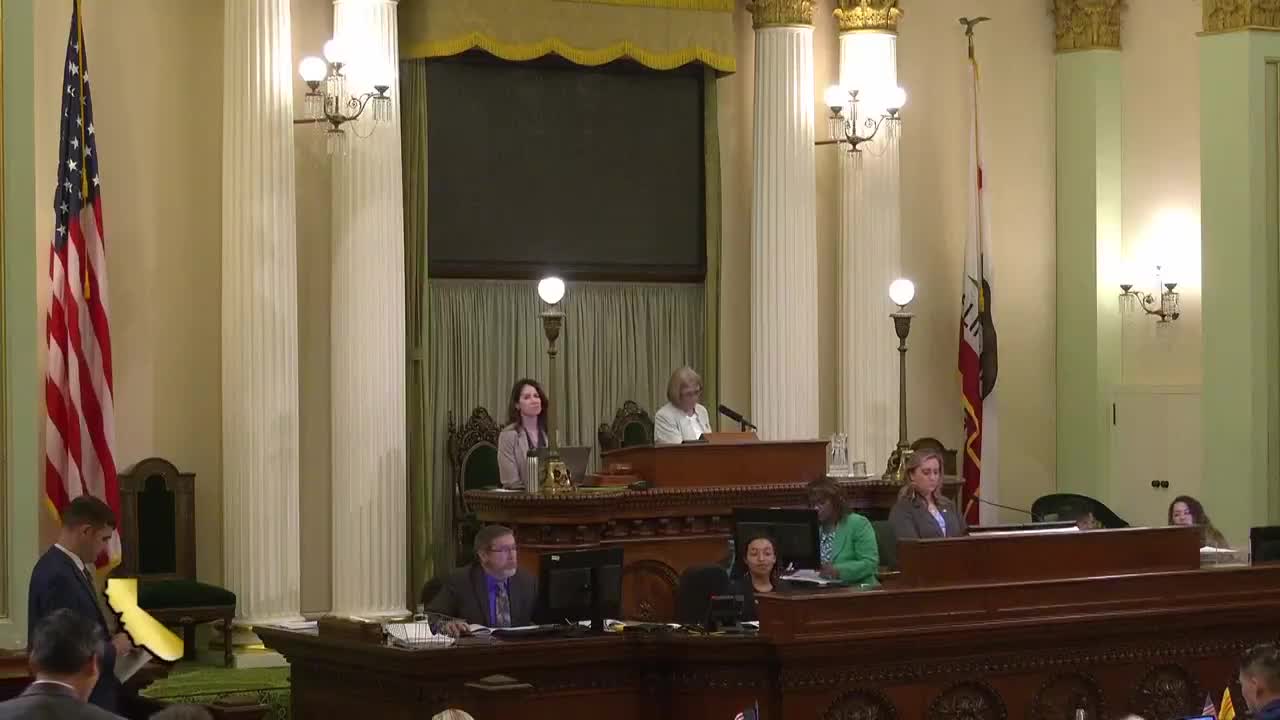
Discussed in Hearing
 1MIN
Assembly Floor
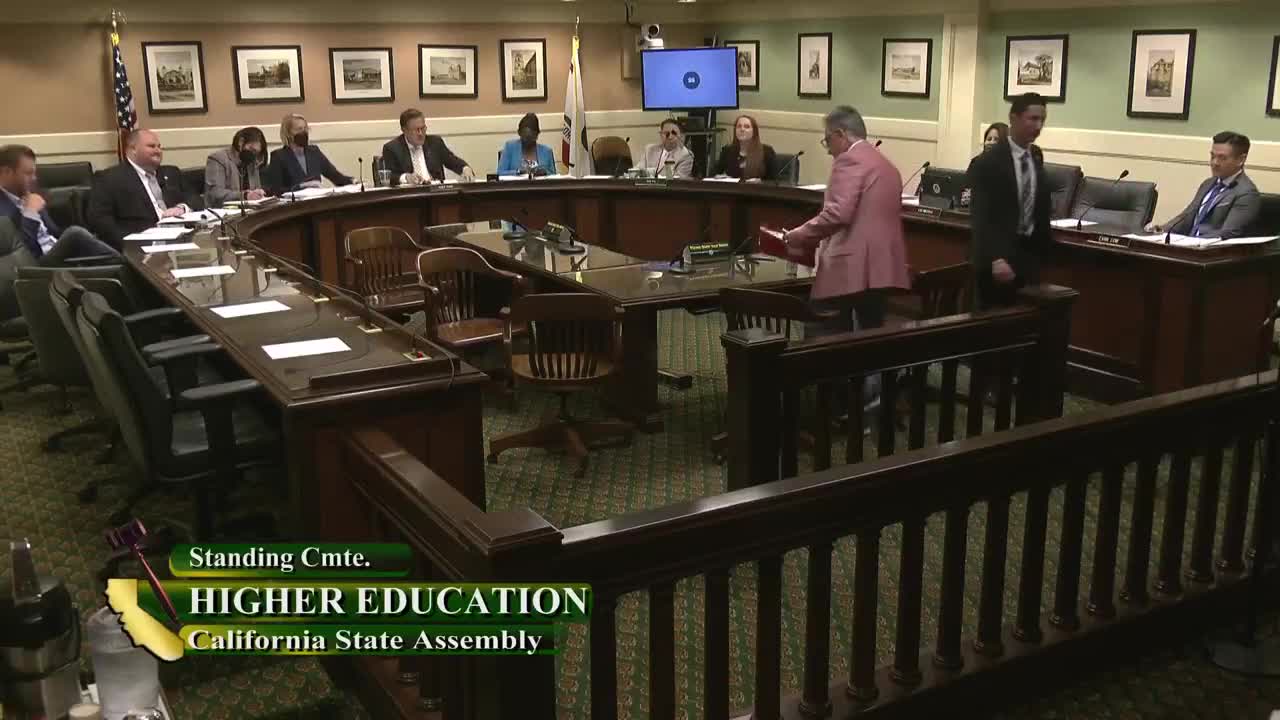 22MIN
Assembly Standing Committee on Higher Education
 2MIN
Senate Floor
 22MIN
Senate Standing Committee on Education
22MIN
Senate Budget and Fiscal Review Subcommittee No. 1 on Education
Bill Author