SB 654: Local agencies: public property: airport leases.
- Session Year: 2023-2024
- House: Senate
- Latest Version Date: 2023-09-01
Current Status:
Passed
(2023-09-01: Chaptered by Secretary of State. Chapter 155, Statutes of 2023.)
Introduced
In Committee
First Chamber
In Committee
Second Chamber
Enacted
Existing law authorizes a local agency to lease or sublease property owned, leased, or otherwise controlled by it for a period not to exceed 50 years for airport purposes or purposes incidental to aircraft.
This bill would authorize a local agency and the leaseholder, with respect to a lease or sublease entered into pursuant to the above-described authority, to amend the lease or sublease to extend the duration of the lease or sublease, to terminate the lease or sublease and enter into a new lease or sublease, or to transfer an existing lease or sublease, as specified.
Existing law authorizes a local agency to lease or sublease property owned, leased, or otherwise controlled by it for a period not to exceed 50 years for airport purposes or purposes incidental to aircraft.
This bill would authorize an airport sponsor, as defined, a local agency and the leaseholder, with respect to a lease or sublease entered into pursuant to the above-described authority, to amend the lease or sublease to extend the duration of the lease or sublease, to terminate the lease or sublease and enter into a new lease or sublease, or to transfer an existing lease or sublease, as specified.
Existing law authorizes a local agency to lease or sublease property owned, leased, or otherwise controlled by it for a period not to exceed 50 years for airport purposes or purposes incidental to aircraft.
This bill would authorize a local agency an airport sponsor, as defined, and the leaseholder, with respect to a lease or sublease entered into pursuant to the above-described authority, to amend the lease or sublease to extend the duration of the lease or sublease or sublease, to terminate the lease or sublease and enter into a new lease or sublease. sublease, or to transfer an existing lease or sublease, as specified.
Existing law authorizes a local agency to lease or sublease property owned, leased, or otherwise controlled by it for a period not to exceed 50 years for airport purposes or purposes incidental to aircraft.
This bill would authorize a local agency and the leaseholder, with respect to a lease or sublease entered into pursuant to the above-described authority, to amend the lease or sublease to extend the duration of the lease or sublease or to terminate the lease or sublease and enter into a new lease or sublease.
(a)A local agency may lease or sublease property owned, leased, or otherwise controlled by it for a period not to exceed 50 years for airport purposes or purposes incidental to aircraft, including all of the following:
(1)Manufacture of aircraft, airplane engines, and aircraft equipment, parts, and accessories.
(2)Construction and maintenance of hangars, mooring masts, flying fields, signal lights, radio equipment, service shops, conveniences, appliances, works, structures, and other air navigation, aircraft, and airplane engine manufacturing plants and facilities.
(b)A local agency and the leaseholder may do any of the following with respect to a lease or sublease entered into pursuant to subdivision (a):
(1)Amend the lease or sublease to extend the duration of the lease or sublease, up to a maximum of 50 years per extension.
(2)Terminate the lease or sublease and enter into a new lease or sublease consistent with the requirements of subdivision (a), up to a term of 50 years, with the same or a related party, to provide for the addition of improvements to the leasehold for the sustainability of the airport.
(3)Transfer an existing lease or sublease to a new or related entity and issue a new lease not to exceed a term of 50 years.
(a)An airport sponsor A local agency may lease or sublease property owned, leased, or otherwise controlled by it for a period not to exceed 50 years for airport purposes or purposes incidental to aircraft, including all of the following:
(1)Manufacture of aircraft, airplane engines, and aircraft equipment, parts, and accessories.
(2)Construction and maintenance of hangars, mooring masts, flying fields, signal lights, radio equipment, service shops, conveniences, appliances, works, structures, and other air navigation, aircraft, and airplane engine manufacturing plants and facilities.
(b)An airport sponsor A local agency and the leaseholder may do any of the following with respect to a lease or sublease entered into pursuant to subdivision (a):
(1)Amend the lease or sublease to extend the duration of the lease or sublease, up to a maximum of 50 years per extension.
(2)Terminate the lease or sublease and enter into a new lease or sublease consistent with the requirements of subdivision (a), up to a term of 50 years, with the same or a related party, to provide for the addition of improvements to the leasehold for the sustainability of the airport.
(3)Transfer an existing lease or sublease to a new or related entity and issue a new lease not to exceed a term of 50 years.
(c)For purposes of this section, airport sponsor means a local agency or the private owner of a public-use airport.(a)A local agency An airport sponsor may lease or sublease property owned, leased, or otherwise controlled by it for a period not to exceed 50 years for airport purposes or purposes incidental to aircraft, including all of the following:
(1)Manufacture of aircraft, airplane engines, and aircraft equipment, parts, and accessories.
(2)Construction and maintenance of hangars, mooring masts, flying fields, signal lights, radio equipment, service shops, conveniences, appliances, works, structures, and other air navigation, aircraft, and airplane engine manufacturing plants and facilities.
(b)A local agency An airport sponsor and the leaseholder may do either any of the following with respect to a lease or sublease entered into pursuant to subdivision (a):
(1)Amend the lease or sublease to extend the duration of the lease or sublease. sublease, up to a maximum of 50 years per extension.
(2)Terminate the lease or sublease and enter into a new lease or sublease consistent with the requirements of subdivision (a). (a), up to a term of 50 years, with the same or a related party, to provide for the addition of improvements to the leasehold for the sustainability of the airport.
(3)Transfer an existing lease or sublease to a new or related entity and issue a new lease not to exceed a term of 50 years.
(c)For purposes of this section, airport sponsor means a local agency or the private owner of a public-use airport.
(a)A local agency may lease or sublease property owned, leased, or otherwise controlled by it for a period not to exceed 50 years for airport purposes or purposes incidental to aircraft, including: including all of the following:
(a)(1)Manufacture of aircraft, airplane engines, and aircraft equipment, parts, and accessories.
(b)(2)Construction and maintenance of hangars, mooring masts, flying fields, signal lights, radio equipment, service shops, conveniences, appliances, works, structures, and other air navigation, aircraft, and airplane engine manufacturing plants and facilities.
(b)A local agency and the leaseholder may do either of the following with respect to a lease or sublease entered into pursuant to subdivision (a):
(1)Amend the lease or sublease to extend the duration of the lease or sublease.
(2)Terminate the lease or sublease and enter into a new lease or sublease consistent with the requirements of subdivision (a).
|
Date
|
Status
|
|---|---|
| Sep 1, 2023 | Chaptered by Secretary of State. Chapter 155, Statutes of 2023. |
| Sep 1, 2023 | Approved by the Governor. |
| Aug 22, 2023 | Enrolled and presented to the Governor at 2 p.m. |
| Aug 17, 2023 | In Senate. Ordered to engrossing and enrolling. |
| Aug 17, 2023 | Read third time. Passed. (Ayes 75. Noes 0. Page 2740.) Ordered to the Senate. |
| Jun 29, 2023 | Read second time. Ordered to third reading. |
| Jun 28, 2023 | From committee: Do pass. (Ayes 8. Noes 0.) (June 28). |
| May 4, 2023 | Referred to Com. on L. GOV. |
| Apr 24, 2023 | In Assembly. Read first time. Held at Desk. |
| Apr 24, 2023 | Read third time. Passed. (Ayes 39. Noes 0. Page 850.) Ordered to the Assembly. |
| Apr 13, 2023 | Read second time and amended. Ordered to third reading. |
| Apr 12, 2023 | From committee: Do pass as amended. (Ayes 8. Noes 0. Page 684.) (April 12). |
| Mar 29, 2023 | From committee with author's amendments. Read second time and amended. Re-referred to Com. on GOV. & F. |
| Mar 21, 2023 | Set for hearing April 12. |
| Mar 1, 2023 | Referred to Com. on GOV. & F. |
| Feb 17, 2023 | From printer. May be acted upon on or after March 19. |
| Feb 16, 2023 | Introduced. Read first time. To Com. on RLS. for assignment. To print. |
|
Date
|
Description
|
Location
|
Votes
|
|
|---|---|---|---|---|
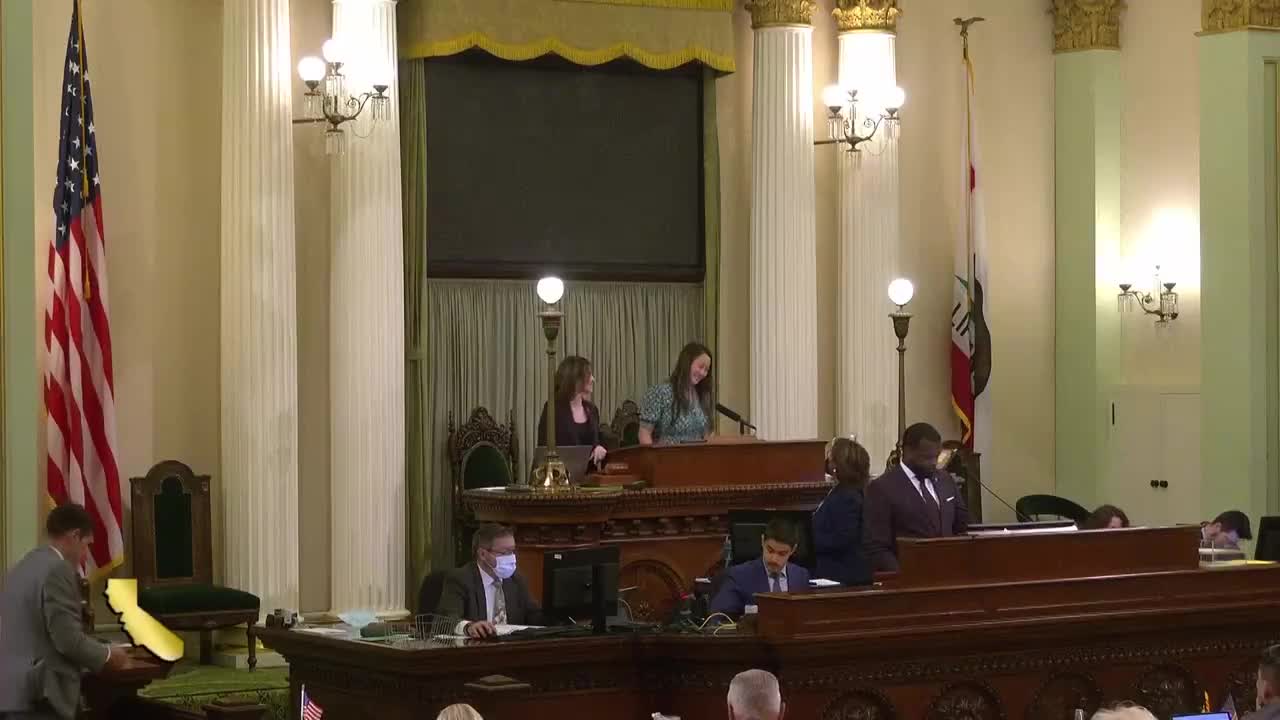
| Aug 17, 2023 | SB 654 Jones Senate Third Reading By Boerner | Assembly Floor |
Passed |
|
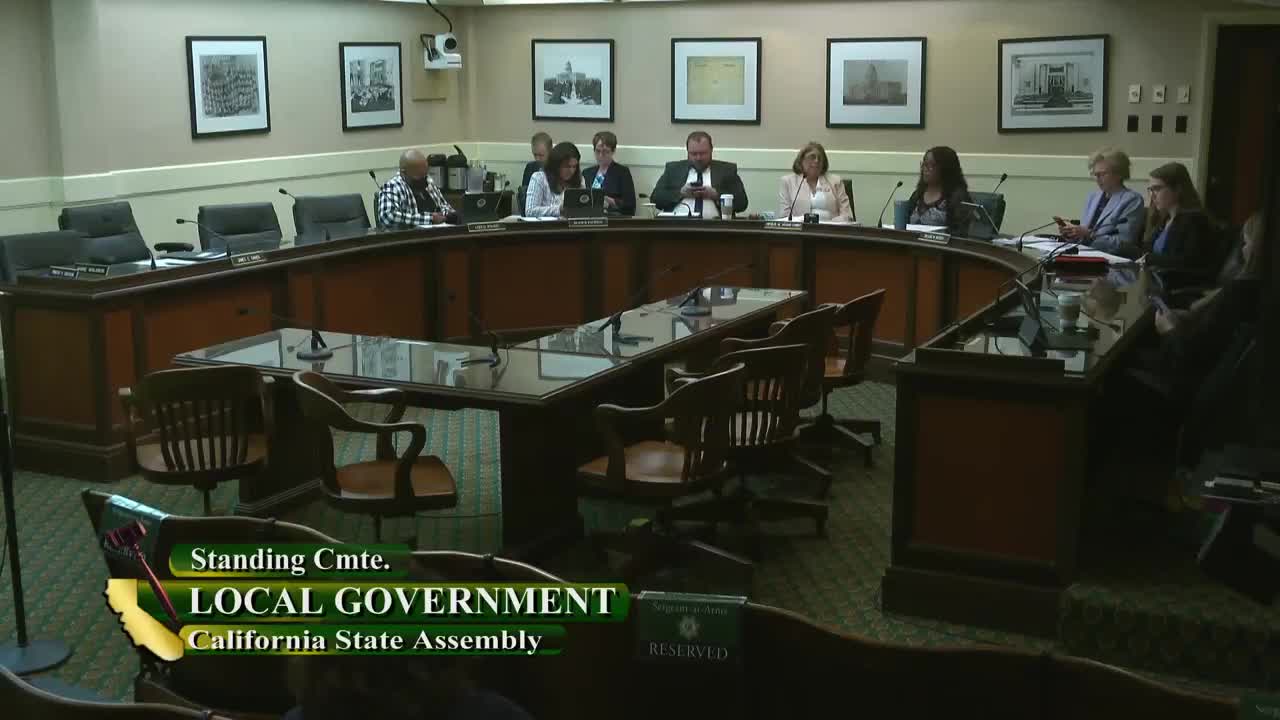
| Jun 28, 2023 | Do pass. | Assembly Standing Committee on Local Government |
Passed |
|
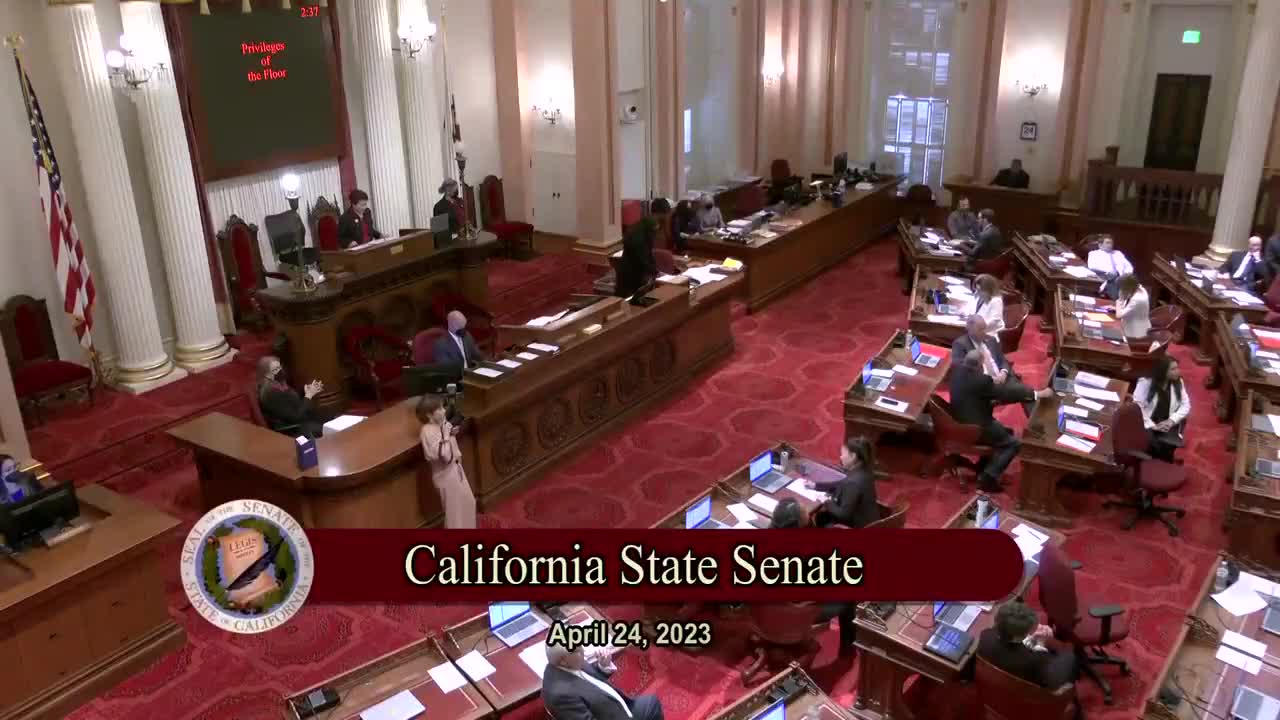
| Apr 24, 2023 | Senate 3rd Reading SB654 Jones | Senate Floor |
Passed |
|
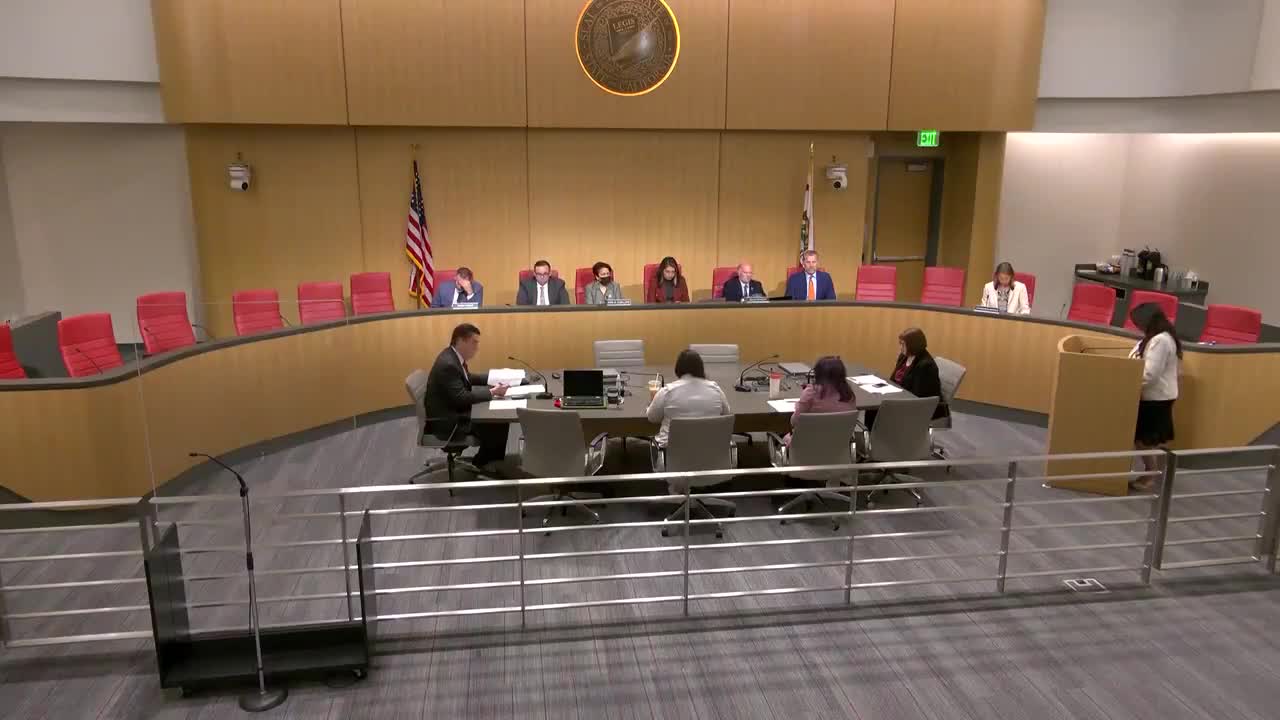
| Apr 12, 2023 | Do pass as amended | Senate Standing Committee on Governance and Finance |
Passed |
This list shows positions taken on this bill by organizations on the date displayed, which is linked to the original source.
Positions by individuals are not included.
|
Organization
|
Position
|
Date
|
|---|---|---|
| Aircraft Owners And Pilots Association | * Support | Jun 28, 2023 |
| AIRWORLD LLC | ** Support | |
| Carlsbad Jet Center | ** Support | |
| Construction Laborers Pension Trust for Southern California | ** Support | |
| MITRE Aviation | * Support | Apr 12, 2023 |
| National Air Transportation Association | ** Support | |
| Sonoma Aviation | * Support | Apr 12, 2023 |
| TDA Investment Group | * Support | Jun 28, 2023 |
| TDA Investment Group | * Support | Apr 12, 2023 |
SENATE THIRD READING
STR Bill Id:SB 654
Author:(Jones)
As Amended Ver:April 13, 2023
Majority vote
SUMMARY
Clarifies existing law that limits aviation-related leases between a local agency and a leaseholder to 50 years.
Major Provisions
- Allows a local agency and the leaseholder to do any of the following with respect to a lease or sublease entered into for airport purposes or purposes incidental to aircraft, as specified:
- Amend the lease or sublease to extend the duration of the lease or sublease, up to a maximum of 50 years per extension.
- Terminate the lease or sublease and enter into a new lease or sublease, as specified, up to a term of 50 years, with the same or a related party, to provide for the addition of improvements to the leasehold for the sustainability of the airport.
- Transfer an existing lease or sublease to a new or related entity and issue a new lease not to exceed a term of 50 years.
- Makes technical and conforming changes.
COMMENTS
According to OfficialUSA.com, there are 246 public airports across the state. The California Airports Council (CAC), a nonprofit organization that represents commercial service airports in California, notes there are 31 publicly-owned airports in California that are licensed by the Federal Aviation Administration (FAA) for commercial airline service operations. The state's airports range from very large to very small. California has two of the nation's top ten passenger airports: Los Angeles International and San Francisco International. Conversely, the CAC states that 12 California airports are serviced by only one airline. Many small California airports provide service to larger in-state airports, which ensures access to long-distance air travel options for Californians living away from large population centers.
The CAC's 2011 annual report notes that California's airports generate significant economic activity, with significant investments in California's aviation infrastructure that create thousands of design, engineering, environmental review, construction and permanent employment opportunities throughout the state. It states, "The Federal Aviation Administration awarded California airports $239 million in Airport Improvement Grants in 2011 used to fund capital, safety and technology projects. These investments are intended to increase operational and environmental efficiency as well as meet future capacity demands…California commercial airports generated $2.5 billion in revenues in 2011 and issued $1.7 billion worth of bonds. Over half a million Californians are employed at commercial airports with another 700,000 jobs supporting aviation operations including supplies and fuel sales, ground transportation, industrial, professional and environmental management services. About 13.6% of all aviation jobs in the United States are in California."
The State Aeronautics Act governs the creation and operation of airports in California. Under the Act, a county that has an airport with scheduled airline service or a general aviation airport must have an airport land use commission (ALUC). The ALUC must adopt an airport land use compatibility plan for every public use airport in that county to protect airports from encroachment by incompatible uses and protect areas adjacent to airports from noise and safety hazards.
According to the FAA, the operation of an airport involves complex relationships between a sponsor, defined in federal law as a public agency or the private owner of a public-use airport, and its tenants. In most instances, the sponsor will turn to private enterprise to provide the aeronautical services that make the airport attractive and self-sustaining. To this end, airports commonly enter into long-term public-private partnerships. These are contractual arrangements between a governmental agency airport owner and a private entity, usually an aviation-related company and its financial partners. The private entity makes lease payments to the government agency, either annually or in a lump sum up-front. The lease agreement spells out the ongoing relationship under which the private entity is responsible to operate, manage, and improve the facility at its own expense. The government agency serves as the regulator of the private partner's performance for the duration of the agreement.
In its 2009 Airport Compliance Manual, the FAA notes that it does not review all leases, nor is a sponsor required to obtain FAA approval before entering into a lease. However, the FAA specifies that most tenant ground leases of 30 to 35 years are sufficient to retire a tenant's initial financing and provide a reasonable return for the tenant's development of major facilities. Furthermore, the FAA states that leases that exceed 50 years may be considered a disposal of the property, given that the term of the lease will likely exceed the useful life of the structures erected on the property. As a result, the FAA recommends that sponsors and tenants not consent to proposed lease terms that exceed 50 years.
Consistent with this FAA recommendation, existing state law authorizes a local agency to lease or sublease property owned, leased, or otherwise controlled by it for a period not to exceed 50 years for airport purposes or purposes incidental to aircraft.
According to the Author
"Current California law surrounding airport and hanger lease renewals has a distinct lack of clarity. This unintentional legal gray area has led to widely differing policies from county to county. The law was intended to prevent lease durations of longer than 50 years at a time. However, some counties, such as San Diego County, have misinterpreted the law to mean that they are unable to extend a lease in circumstances where it would result in a total lease duration of longer than 50 years.
"These policies discourages leaseholders from making investments into new or improved facilities. Capital investments in these facilities often take decades to amortize, making it impossible to recoup investment in an aging facility when the remaining lease term is coming to an end. The state should be encouraging investment and improvement in these facilities, not inhibiting new development."
Arguments in Support
The Aircraft Owners and Pilots Association (AOPA), in support of this bill, write, "California's general aviation and commercial airports are critical components of the state's transportation system and for training the next generation of aircraft operators and pilots. Aircraft hangars are not only in short supply but require constant maintenance to protect aircraft and to ensure they remain airworthy. Keeping an aircraft airworthy is critical to the safety of flight and for the safety of both the pilot and their passengers.
"The Federal Aviation Administration (FAA) has established a maximum lease term of 50 years due in large part to its view that the usable lifespan on that infrastructure would be 50 years – absent any modifications or improvements. Should a tenant wish to renegotiate a lease term with the airport sponsor, there are no references or inferences where 50 years is viewed as a cumulative cap on the length of a lease. Moreover, there are no references to 50 years being interpreted as a cumulative cap in either the Airport Compliance Manual or FAA Advisory Circulars, which provide guidance to airport sponsors.
"AOPA would like to thank the author for introducing SB 654 as it seeks to clarify this ambiguity at the state level. If airports are concluding the language of the Airport Compliance Manual as a 50-year cumulative cap, there is no documentation supporting that assertion."
Arguments in Opposition
None on file
FISCAL COMMENTS
None
VOTES
SENATE FLOOR: 39-0-1
YES: Allen, Alvarado-Gil, Archuleta, Ashby, Atkins, Becker, Blakespear, Bradford, Caballero, Cortese, Dodd, Durazo, Eggman, Glazer, Gonzalez, Grove, Hurtado, Jones, Laird, Limón, McGuire, Menjivar, Min, Newman, Nguyen, Niello, Ochoa Bogh, Padilla, Portantino, Roth, Rubio, Seyarto, Skinner, Smallwood-Cuevas, Stern, Umberg, Wahab, Wiener, Wilk
ABS, ABST OR NV: Dahle
ASM LOCAL GOVERNMENT: 8-0-0
YES: Aguiar-Curry, Dixon, Boerner, Grayson, Pacheco, Ramos, Waldron, Wilson
UPDATED
VERSION: April 13, 2023
CONSULTANT: Angela Mapp / L. GOV. / (916) 319-3958 FN: 0001179
Date of Hearing: June 28, 2023
ASSEMBLY COMMITTEE ON LOCAL GOVERNMENT
Cecilia Aguiar-Curry, Chair
SBPCA Bill Id:SB 654
Author:(Jones) – As Amended Ver:April 13, 2023
SENATE VOTE: 39-0
SUBJECT: Local agencies: public property: airport leases.
SUMMARY: Clarifies existing law that limits aviation-related leases between a local agency and a leaseholder to 50 years. Specifically, this bill:
- Allows a local agency and the leaseholder to do any of the following with respect to a lease or sublease entered into for airport purposes or purposes incidental to aircraft, as specified:
- Amend the lease or sublease to extend the duration of the lease or sublease, up to a maximum of 50 years per extension.
- Terminate the lease or sublease and enter into a new lease or sublease, as specified, up to a term of 50 years, with the same or a related party, to provide for the addition of improvements to the leasehold for the sustainability of the airport.
- Transfer an existing lease or sublease to a new or related entity and issue a new lease not to exceed a term of 50 years.
- Makes technical and conforming changes.
EXISTING LAW:
- Authorizes a local agency to perform various activities in connection with the erection or maintenance of airports and related facilities. [Government Code (GOV) §§ 50470 – 50479]
- Allows a local agency to lease or sublease property owned, leased, or otherwise controlled by it for not to exceed 50 years for airport purposes or purposes incidental to aircraft, including:
- Manufacture of aircraft, airplane engines, and aircraft equipment, parts, and accessories.
- Construction and maintenance of hangars, mooring masts, flying fields, signal lights, radio equipment, service shops, conveniences, appliances, works, structures, and other air navigation, aircraft, and airplane engine manufacturing plants and facilities. (GOV § 50478)
FISCAL EFFECT: None
COMMENTS:
- Background. According to OfficialUSA.com, there are 246 public airports across the state. The California Airports Council (CAC), a nonprofit organization that represents commercial service airports in California, notes there are 31 publicly-owned airports in California that are licensed by the Federal Aviation Administration (FAA) for commercial airline service operations. The state’s airports range from very large to very small. California has two of the nation’s top ten passenger airports: Los Angeles International and San Francisco International. Conversely, the CAC states that 12 California airports are serviced by only one airline. Many small California airports provide service to larger in-state airports, which ensures access to long-distance air travel options for Californians living away from large population centers.
The CAC’s 2011 annual report notes that California’s airports generate significant economic activity, with significant investments in California’s aviation infrastructure that create thousands of design, engineering, environmental review, construction and permanent employment opportunities throughout the state. It states, “The Federal Aviation Administration awarded California airports $239 million in Airport Improvement Grants in 2011 used to fund capital, safety and technology projects. These investments are intended to increase operational and environmental efficiency as well as meet future capacity demands…California commercial airports generated $2.5 billion in revenues in 2011 and issued $1.7 billion worth of bonds. Over half a million Californians are employed at commercial airports with another 700,000 jobs supporting aviation operations including supplies and fuel sales, ground transportation, industrial, professional and environmental management services. About 13.6% of all aviation jobs in the United States are in California.”
The State Aeronautics Act governs the creation and operation of airports in California. Under the Act, a county that has an airport with scheduled airline service or a general aviation airport must have an airport land use commission (ALUC). The ALUC must adopt an airport land use compatibility plan for every public use airport in that county to protect airports from encroachment by incompatible uses and protect areas adjacent to airports from noise and safety hazards.
- Airport Leasing Practices. According to the FAA, the operation of an airport involves complex relationships between a sponsor, defined in federal law as a public agency or the private owner of a public-use airport, and its tenants. In most instances, the sponsor will turn to private enterprise to provide the aeronautical services that make the airport attractive and self-sustaining. To this end, airports commonly enter into long-term public-private partnerships. These are contractual arrangements between a governmental agency airport owner and a private entity, usually an aviation-related company and its financial partners. The private entity makes lease payments to the government agency, either annually or in a lump sum up-front. The lease agreement spells out the ongoing relationship under which the private entity is responsible to operate, manage, and improve the facility at its own expense. The government agency serves as the regulator of the private partner’s performance for the duration of the agreement.
In its 2009 Airport Compliance Manual, the FAA notes that it does not review all leases, nor is a sponsor required to obtain FAA approval before entering into a lease. However, the FAA specifies that most tenant ground leases of 30 to 35 years are sufficient to retire a tenant’s initial financing and provide a reasonable return for the tenant’s development of major facilities. Furthermore, the FAA states that leases that exceed 50 years may be considered a disposal of the property, given that the term of the lease will likely exceed the useful life of the structures erected on the property. As a result, the FAA recommends that sponsors and tenants not consent to proposed lease terms that exceed 50 years.
Consistent with this FAA recommendation, existing state law authorizes a local agency to lease or sublease property owned, leased, or otherwise controlled by it for a period not to exceed 50 years for airport purposes or purposes incidental to aircraft.
- Author’s Statement. According to the author, “Current California law surrounding airport and hanger lease renewals has a distinct lack of clarity. This unintentional legal gray area has led to widely differing policies from county to county. The law was intended to prevent lease durations of longer than 50 years at a time. However, some counties, such as San Diego County, have misinterpreted the law to mean that they are unable to extend a lease in circumstances where it would result in a total lease duration of longer than 50 years.
“These policies discourages leaseholders from making investments into new or improved facilities. Capital investments in these facilities often take decades to amortize, making it impossible to recoup investment in an aging facility when the remaining lease term is coming to an end. The state should be encouraging investment and improvement in these facilities, not inhibiting new development.”
- Bill Summary. This bill authorizes a local agency and a leaseholder to do any of the following with respect to an airport lease or sublease:
- Amend the lease or sublease to extend the duration of the lease or sublease, up to a maximum of 50 years per extension.
- Terminate the lease or sublease and enter into a new lease or sublease, as specified, up to 50 years, with the same or a related party, to provide for the addition of improvements to the leasehold for the sustainability of the airport.
- Transfer an existing lease or sublease to a new or related entity and issue a new lease not to exceed a term of 50 years.
This bill is sponsored by the author.
- Policy Considerations. The Committee may wish to consider the following:
- Highest and Best Use? While it might benefit a local agency to extend or otherwise alter airport leases as specified in this bill, it could also be argued that strictly limiting leases to a maximum of 50 years is also a benefit to the local agency. Issuing new leases or re-negotiating existing leases allows a lessor to change lease terms – including rents. The more frequently leases expire, the more opportunities the agency has to select a tenant (whether existing or new) that will offer the greatest value to the agency. This, in turn, could provide more options to maximize the agency’s revenues and the taxpayers’ dollars. The Committee may wish to consider if the clarifications proposed by this bill advance the interests of local agencies, and promote the highest and best use of public resources.
- Necessity? As noted in the Senate Governance and Finance Committee analysis of this bill, “There is nothing in current law that prohibits the creation of multiple leases with combined terms over 50 years with the same entity so long as no single lease is for more than a 50-year term. Current law also does not prevent a local agency and tenant from mutually agreeing to cancel a current 30-year lease and enter into a new 50-year lease. Thus, it is not clear that changing the law as proposed in this bill will have any effect on altering San Diego County’s policy. Furthermore, the bill only authorizes, but does not require, local agencies to participate in specified leasing activities, meaning the County can still interpret the law as it sees fit. As a result, the Committee may wish to consider whether the changes in this bill are justified.”
- Arguments in Support. The Aircraft Owners and Pilots Association (AOPA), in support of this bill, write, “California’s general aviation and commercial airports are critical components of the state’s transportation system and for training the next generation of aircraft operators and pilots. Aircraft hangars are not only in short supply but require constant maintenance to protect aircraft and to ensure they remain airworthy. Keeping an aircraft airworthy is critical to the safety of flight and for the safety of both the pilot and their passengers.
“The Federal Aviation Administration (FAA) has established a maximum lease term of 50 years due in large part to its view that the usable lifespan on that infrastructure would be 50 years – absent any modifications or improvements. Should a tenant wish to renegotiate a lease term with the airport sponsor, there are no references or inferences where 50 years is viewed as a cumulative cap on the length of a lease. Moreover, there are no references to 50 years being interpreted as a cumulative cap in either the Airport Compliance Manual or FAA Advisory Circulars, which provide guidance to airport sponsors.
“AOPA would like to thank the author for introducing SB 654 as it seeks to clarify this ambiguity at the state level. If airports are concluding the language of the Airport Compliance Manual as a 50-year cumulative cap, there is no documentation supporting that assertion.”
- Arguments in Opposition. None on file.
REGISTERED SUPPORT / OPPOSITION:
Support
Aircraft Owners and Pilots Association
Airworld LLC
Carlsbad Jet Center
Construction Laborers Pension Trust for Southern California
National Air Transportation Association
Opposition
None on file
Analysis Prepared by: Angela Mapp / L. GOV. / (916) 319-3958
SENATE RULES COMMITTEE Office of Senate Floor Analyses (916) 651-1520 Fax: (916) 327-4478 | SB 654 |
THIRD READING
Bill No: SB 654
Author: Jones (R)
Amended: 4/13/23
Vote: 21
SENATE GOVERNANCE & FIN. COMMITTEE: 8-0, 4/12/23
AYES: Caballero, Seyarto, Blakespear, Dahle, Durazo, Glazer, Skinner, Wiener
SUBJECT: Local agencies: public property: airport leases
SOURCE: Author
DIGEST:
This bill makes clarifying changes to current law limiting aviation-related lease terms to 50 years.
ANALYSIS:
Existing law:
- Establishes the State Aeronautics Act, which governs the creation and operation of airports in California and requires a county that has an airport with scheduled airline service or a general aviation airport to have an airport land use commission.
- Authorizes a local agency to lease or sublease property owned, leased, or otherwise controlled by it for a period not to exceed 50 years for airport purposes or purposes incidental to aircraft.
This bill:
- Clarifies that airport leases or subleases can be extended up to a maximum of 50 years per extension.
- Authorizes local agencies and leaseholders to participate in specified leasing activities for purposes of facility improvements and airport sustainability.
Background
According to the California Airports Council (CAC), a nonprofit organization that represents commercial service airports in California, there are 31 publicly-owned airports in California that are licensed by the Federal Aviation Administration (FAA) to have commercial airline service operations. The state’s airports range from very large to very small: California has two of the nation’s top ten passenger airports, Los Angeles International and San Francisco International. Conversely, the CAC states that 12 California airports are serviced by only one airline.
The FAA states that the operation of an airport involves complex relationships between a sponsor, defined in federal law as a public agency or the private owner of a public-use airport, and its aeronautical tenants. In most instances, the sponsor will turn to private enterprise to provide the aeronautical services that make the airport attractive and self-sustaining. To this end, airports commonly enter into long-term public-private partnerships. These are contractual arrangements between a governmental agency airport owner and a private entity, usually an aviation-related company and its financial partners. The private entity pays lease payments to the government agency, either annually or in a lump sum up-front. The lease agreement spells out the ongoing relationship under which the private entity is responsible to operate, manage, and improve the facility at its own expense. The government agency serves as the regulator of the private partner’s performance for the duration of the agreement.
In its most recent 2009 Airport Compliance Manual, the FAA notes that it does not review all leases, nor is a sponsor required to obtain FAA approval before entering into a lease. However, the FAA specifies that most tenant ground leases of 30 to 35 years are sufficient to retire a tenant’s initial financing and provide a reasonable return for the tenant’s development of major facilities. Furthermore, the FAA states that leases that exceed 50 years may be considered a disposal of the property given that the term of the lease will likely exceed the useful life of the structures erected on the property. As a result, the FAA recommends that sponsors and tenants should not consent to proposed lease terms that exceed 50 years.
In recognition of the FAA’s policy, current law limits aviation-related leases to a maximum period of 50 years. However, according to the author, San Diego County, which owns and manages several airports, has recently interpreted the law more restrictively, concluding that it prevents a local agency from canceling a tenant’s existing lease and creating a new lease if the combined terms exceed 50 years. The author states this interpretation has caused concern and confusion among leaseholders, tenants, and business owners on County airport properties.
Comments
- Purpose of the bill. According to the author, “Current California law surrounding airport and hanger lease renewals has a distinct lack of clarity. This unintentional legal gray area has led to widely differing policies from county to county. The law was intended to prevent lease durations of longer than 50 years at a time. However, some counties, such as San Diego County, have misinterpreted the law to mean that they are unable to extend a lease in circumstances where it would result in a total lease duration of longer than 50 years. These policies discourage leaseholders from making investments into new or improved facilities. Capital investments in these facilities often take decades to amortize making it impossible to recoup investment in an aging facility when the remaining lease term is coming to an end. The state should be encouraging investment and improvement in these facilities, not inhibiting new development.”
- Is this bill necessary? No other airports owned and operated by local agencies in California have reported interpreting current law in a manner similar to San Diego County. Additionally, there is nothing in current law that prohibits the creation of multiple leases with combined terms over 50 years with the same entity so long as no single lease is for more than a 50-year term. Current law also does not prevent a local agency and tenant from mutually agreeing to cancel a current 30-year lease and enter into a new 50-year lease. Furthermore, this bill only authorizes, but does not require, local agencies to participate in specified leasing activities, meaning San Diego County can still interpret the law as it sees fit. Thus, it is not clear that changing the law as proposed in this bill will have any effect on altering the County’s policy.
FISCAL EFFECT: Appropriation: No Fiscal Com.: No Local: No
SUPPORT: (Verified 4/13/23)
AIRWORLD LLC
Carlsbad Jet Center
Construction Laborers Pension Trust for Southern California
National Air Transportation Association
OPPOSITION: (Verified 4/13/23)
None received
ARGUMENTS IN SUPPORT: According to the National Air Transportation Association:
“SB 654 addresses ambiguity in the current state code about the extension of airport leases, which has led to inconsistent interpretation and implementation by local jurisdictions. By ensuring that airport leases and subleases can be extended for a maximum of 50 years, SB 654 will enable long-term sustainability of airport infrastructure developments, which often require a sufficient length of time for lessees to amortize and justify necessary capital expenditures.”
Prepared by: Cassie Royce / GOV. & F. / (916) 651-4119
4/14/23 13:24:44
**** END ****
SENATE COMMITTEE ON GOVERNANCE AND FINANCE
Senator Anna M. Caballero, Chair
2023 - 2024 Regular
Bill No: | SB 654 | Hearing Date: | 4/12/23 |
Author: | Jones | Tax Levy: | No |
Version: | 3/29/23 | Fiscal: | No |
Consultant: | Royce, Favorini-Csorba | ||
Local agencies: public property: airport leases
Makes clarifying changes to current law limiting aviation-related lease terms to 50 years.
Background
California’s airports. According to OfficialUSA.com[1], there are 246 public airports across the state. The California Airports Council (CAC), a nonprofit organization that represents commercial service airports in California, notes there are 31 publicly-owned airports in California that are licensed by the Federal Aviation Administration (FAA) to have commercial airline service operations. The state’s airports range from very large to very small: California has two of the nation’s top ten passenger airports, Los Angeles International and San Francisco International. Conversely, the CAC states that 12 California airports are serviced by only one airline. Many small California airports provide service to larger in-state airports, which ensures access to long-distance air travel options for Californians living away from large population centers.
Airport land use. The State Aeronautics Act governs the creation and operation of airports in California. Under the Act, a county that has an airport with scheduled airline service or a general aviation airport must have an airport land use commission (ALUC). The ALUC must adopt an airport land use compatibility plan for every public use airport in that county to protect airports from encroachment by incompatible uses and protect areas adjacent to airports from noise and safety hazards.
Airport leasing practices. According to the FAA, the operation of an airport involves complex relationships between a sponsor, defined in federal law as a public agency or the private owner of a public-use airport, and its aeronautical tenants. In most instances, the sponsor will turn to private enterprise to provide the aeronautical services that make the airport attractive and self-sustaining. To this end, airports commonly enter into long-term public-private partnerships. These are contractual arrangements between a governmental agency airport owner and a private entity, usually an aviation-related company and its financial partners. The private entity pays lease payments to the government agency, either annually or in a lump sum up-front. The lease agreement spells out the ongoing relationship under which the private entity is responsible to operate, manage, and improve the facility at its own expense. The government agency serves as the regulator of the private partner’s performance for the duration of the agreement.
In its most recent 2009 Airport Compliance Manual, the FAA notes that it does not review all leases, nor is a sponsor required to obtain FAA approval before entering into a lease. However, the FAA specifies that most tenant ground leases of 30 to 35 years are sufficient to retire a tenant’s initial financing and provide a reasonable return for the tenant’s development of major facilities. Furthermore, the FAA states that leases that exceed 50 years may be considered a disposal of the property given that the term of the lease will likely exceed the useful life of the structures erected on the property. As a result, the FAA recommends that sponsors and tenants should not consent to proposed lease terms that exceed 50 years.
In recognition of the FAA’s policy, current law authorizes a local agency to lease or sublease property owned, leased, or otherwise controlled by it for a period not to exceed 50 years for airport purposes or purposes incidental to aircraft. However, according to the author, San Diego County, which owns and manages several airports, has recently interpreted the law more restrictively, concluding that it prevents a local agency from canceling a tenant’s existing lease and creating a new lease if the combined terms exceed 50 years. The author states this interpretation has caused concern and confusion among leaseholders, tenants, and business owners on County airport properties.
Seeking to avoid further confusion, the author wants to specify that the current 50-year limit on airport leases applies to each lease extension or renewal, rather than cumulatively, for purposes of facility improvements and airport sustainability.
Proposed Law
Senate Bill 654 authorizes an airport sponsor and leaseholder to do any of the following with respect to a lease or sublease:
- Amend the lease or sublease to extend the duration of the lease or sublease, up to a maximum of 50 years per extension;
- Terminate the lease or sublease and enter into a new lease or sublease, as specified, up to 50 years, with the same or a related party, to provide for the addition of improvements to the leasehold for the sustainability of the airport; and,
- Transfer an existing lease or sublease to a new or related entity and issue a new lease not to exceed a term of 50 years.
The bill defines “airport sponsor” to mean “a local agency or the private owner of a public-use airport,” consistent with the definition of this term in federal law.
State Revenue Impact
No estimate.
Comments
1. Purpose of the bill. According to the author, “Current California law surrounding airport and hanger lease renewals has a distinct lack of clarity. This unintentional legal gray area has led to widely differing policies from county to county. The law was intended to prevent lease durations of longer than 50 years at a time. However, some counties, such as San Diego County, have misinterpreted the law to mean that they are unable to extend a lease in circumstances where it would result in a total lease duration of longer than 50 years. These policies discourage leaseholders from making investments into new or improved facilities. Capital investments in these facilities often take decades to amortize making it impossible to recoup investment in an aging facility when the remaining lease term is coming to an end. The state should be encouraging investment and improvement in these facilities, not inhibiting new development.”
2. A local issue? No other airports owned and operated by local agencies in California have reported interpreting current law in a manner similar to San Diego County. Should state law be changed in response to what appears to be an interpretation of the law that is unique to San Diego County?
3. Is this bill necessary? There is nothing in current law that prohibits the creation of multiple leases with combined terms over 50 years with the same entity so long as no single lease is for more than a 50-year term. Current law also does not prevent a local agency and tenant from mutually agreeing to cancel a current 30-year lease and enter into a new 50-year lease. Thus, it is not clear that changing the law as proposed in this bill will have any effect on altering San Diego County’s policy. Furthermore, the bill only authorizes, but does not require, local agencies to participate in specified leasing activities, meaning the County can still interpret the law as it sees fit. As a result, the Committee may wish to consider whether the changes in this bill are justified.
4. Technical. The bill defines “airport sponsor” to mean “a local agency or the private owner of a public-use airport” to mirror the definition in federal law. However, there does not appear to be any publicly-used airport in California that is privately owned. For this reason, the Committee may wish to amend the bill to strike this definition and revert to “local agency” in existing law.
Support and Opposition
(4/7/23)
Support:
Carlsbad Jet Center
Construction Laborers Pension Trust for Southern California
National Air Transportation Association
Opposition: None submitted.
-- END --
Discussed in Hearing
 1MIN
Assembly Floor
 6MIN
Assembly Standing Committee on Local Government
 1MIN
Senate Floor
 14MIN
Senate Standing Committee on Governance and Finance
Bill Author

Bill Co-Author(s):