SB 729: Health care coverage: treatment for infertility and fertility services.
- Session Year: 2023-2024
- House: Senate
- Latest Version Date: 2024-09-29
Current Status:
Passed
(2024-09-29: Chaptered by Secretary of State. Chapter 930, Statutes of 2024.)
Introduced
In Committee
First Chamber
In Committee
Second Chamber
Enacted
Existing law, the Knox-Keene Health Care Service Plan Act of 1975, provides for the licensure and regulation of health care service plans by the Department of Managed Health Care and makes a willful violation of the act a crime. Existing law provides for the regulation of disability insurers by the Department of Insurance. Existing law imposes various requirements and restrictions on health care service plans and disability insurers, including, among other things, a requirement that every group health care service plan contract or disability insurance policy that is issued, amended, or renewed on or after January 1, 1990, offer coverage for the treatment of infertility, except in vitro fertilization.
This bill would require large and small group health care service plan contracts and disability insurance policies issued, amended, or renewed on or after July 1, 2025, to provide coverage for the diagnosis and treatment of infertility and fertility services. With respect to large group health care service plan contracts and disability insurance policies, the bill would require coverage for a maximum of 3 completed oocyte retrievals, as specified. The bill would revise the definition of infertility, and would remove the exclusion of in vitro fertilization from coverage. The bill would also delete a requirement that a health care service plan contract and disability insurance policy provide infertility treatment under agreed-upon terms that are communicated to all group contractholders and policyholders. The bill would prohibit a health care service plan or disability insurer from placing different conditions or coverage limitations on fertility medications or services, or the diagnosis and treatment of infertility and fertility services, than would apply to other conditions, as specified. The bill would make these requirements inapplicable to a religious employer, as defined, and specified contracts and policies.
Because the violation of these provisions by a health care service plan would be a crime, the bill would impose a state-mandated local program.
The California Constitution requires the state to reimburse local agencies and school districts for certain costs mandated by the state. Statutory provisions establish procedures for making that reimbursement.
This bill would provide that no reimbursement is required by this act for a specified reason.
Existing law, the Knox-Keene Health Care Service Plan Act of 1975, provides for the licensure and regulation of health care service plans by the Department of Managed Health Care and makes a willful violation of the act a crime. Existing law provides for the regulation of disability insurers by the Department of Insurance. Existing law imposes various requirements and restrictions on health care service plans and disability insurers, including, among other things, a requirement that every group health care service plan contract or disability insurance policy that is issued, amended, or renewed on or after January 1, 1990, offer coverage for the treatment of infertility, except in vitro fertilization.
This bill would require large and small group health care service plan contracts and disability insurance policies issued, amended, or renewed on or after July 1, 2025, to provide coverage for the diagnosis and treatment of infertility and fertility services. With respect to large group health care service plan contracts and disability insurance policies, the bill would require coverage for a maximum of 3 completed oocyte retrievals, as specified. The bill would revise the definition of infertility, and would remove the exclusion of in vitro fertilization from coverage. The bill would also delete a requirement that a health care service plan contract and disability insurance policy provide infertility treatment under agreed-upon terms that are communicated to all group contractholders and policyholders. The bill would prohibit a health care service plan or disability insurer from placing different conditions or coverage limitations on fertility medications or services, or the diagnosis and treatment of infertility and fertility services, than would apply to other conditions, as specified. The bill would make these requirements inapplicable to a religious employer, as defined, and specified contracts and policies.
Because the violation of these provisions by a health care service plan would be a crime, the bill would impose a state-mandated local program.
The California Constitution requires the state to reimburse local agencies and school districts for certain costs mandated by the state. Statutory provisions establish procedures for making that reimbursement.
This bill would provide that no reimbursement is required by this act for a specified reason.
Existing law, the Knox-Keene Health Care Service Plan Act of 1975, provides for the licensure and regulation of health care service plans by the Department of Managed Health Care and makes a willful violation of the act a crime. Existing law provides for the regulation of disability insurers by the Department of Insurance. Existing law imposes various requirements and restrictions on health care service plans and disability insurers, including, among other things, a requirement that every group health care service plan contract or disability insurance policy that is issued, amended, or renewed on or after January 1, 1990, offer coverage for the treatment of infertility, except in vitro fertilization.
This bill would require large and small group health care service plan contracts and disability insurance policies issued, amended, or renewed on or after January 1, 2024, July 1, 2025, to provide coverage for the diagnosis and treatment of infertility and fertility services. With respect to large group health care service plan contracts and disability insurance policies, the bill would require coverage for a maximum of 3 completed oocyte retrievals, as specified. The bill would revise the definition of infertility, and would remove the exclusion of in vitro fertilization from coverage. The bill would also delete a requirement that a health care service plan contract and disability insurance policy provide infertility treatment under agreed-upon terms that are communicated to all group contractholders and policyholders. The bill would prohibit a health care service plan or disability insurer from placing different conditions or coverage limitations on fertility medications or services, or the diagnosis and treatment of infertility and fertility services, than would apply to other conditions, as specified. The bill would make these requirements inapplicable to a religious employer, as defined, and specified contracts and policies.
Because the violation of these provisions by a health care service plan would be a crime, the bill would impose a state-mandated local program.
The California Constitution requires the state to reimburse local agencies and school districts for certain costs mandated by the state. Statutory provisions establish procedures for making that reimbursement.
This bill would provide that no reimbursement is required by this act for a specified reason.
Existing law, the Knox-Keene Health Care Service Plan Act of 1975, provides for the licensure and regulation of health care service plans by the Department of Managed Health Care and makes a willful violation of the act a crime. Existing law provides for the regulation of disability insurers by the Department of Insurance. Existing law imposes various requirements and restrictions on health care service plans and disability insurers, including, among other things, a requirement that every group health care service plan contract or disability insurance policy that is issued, amended, or renewed on or after January 1, 1990, offer coverage for the treatment of infertility, except in vitro fertilization.
This bill would require large group, small group, and individual and small group health care service plan contracts and disability insurance policies issued, amended, or renewed on or after January 1, 2024, to provide coverage for the diagnosis and treatment of infertility and fertility services. With respect to large group health care service plan contracts and disability insurance policies, the bill would require coverage for a maximum of 3 completed oocyte retrievals, as specified. The bill would revise the definition of infertility, and would remove the exclusion of in vitro fertilization from coverage. The bill would also delete a requirement that a health care service plan contract and disability insurance policy provide infertility treatment under agreed-upon terms that are communicated to all group contractholders and policyholders. The bill would prohibit a health care service plan or disability insurer from placing different conditions or coverage limitations on fertility medications or services, or the diagnosis and treatment of infertility and fertility services, than would apply to other conditions, as specified. The bill would make these requirements inapplicable to a religious employer, as defined, and specified contracts and policies.
With respect to a health care service plan, the bill would not apply to a specialized health care service plan contract or Medi-Cal managed care health care service plan contracts or any entity that enters into a contract with the State Department of Health Care Services for the delivery of health care services pursuant to specified provisions. With respect to a disability insurer, the bill would not apply to accident-only, specified disease, hospital indemnity, Medicare supplement, or specialized disability insurance policies.Because the violation of these provisions by a health care service plan would be a crime, the bill would impose a state-mandated local program.
The California Constitution requires the state to reimburse local agencies and school districts for certain costs mandated by the state. Statutory provisions establish procedures for making that reimbursement.
This bill would provide that no reimbursement is required by this act for a specified reason.
Existing law, the Knox-Keene Health Care Service Plan Act of 1975, provides for the licensure and regulation of health care service plans by the Department of Managed Health Care and makes a willful violation of the act a crime. Existing law provides for the regulation of disability insurers by the Department of Insurance. Existing law imposes various requirements and restrictions on health care service plans and disability insurers, including, among other things, a requirement that every group health care service plan contract or disability insurance policy that is issued, amended, or renewed on or after January 1, 1990, offer coverage for the treatment of infertility, except in vitro fertilization.
This bill would require large group, small group, and individual health care service care plan contracts and disability insurance policies issued, amended, or renewed on or after January 1, 2024, to provide coverage for the diagnosis and treatment of infertility and fertility services. The bill would revise the definition of infertility, and would remove the exclusion of in vitro fertilization from coverage. The bill would also delete a requirement that a health care service plan contract and disability insurance policy provide infertility treatment under agreed-upon terms that are communicated to all group contractholders and policyholders. The bill would prohibit a health care service plan or disability insurer from placing different conditions or coverage limitations on fertility medications or services, or the diagnosis and treatment of infertility and fertility services, than would apply to other conditions, as specified. With
With respect to a health care service plan, the bill would not apply to a specialized health care service plan contract or a Medi-Cal managed care health care service plan contracts or any entity that enters into a contract with the State Department of Health Care Services for the delivery of health care services pursuant to specified provisions. With respect to a disability insurer, the bill would not apply to accident-only, specified disease, hospital indemnity, Medicare supplement, or specialized disability insurance policies. Because
Because the violation of these provisions by a health care service plan would be a crime, the bill would impose a state-mandated local program.
The California Constitution requires the state to reimburse local agencies and school districts for certain costs mandated by the state. Statutory provisions establish procedures for making that reimbursement.
This bill would provide that no reimbursement is required by this act for a specified reason.
Existing law, the Knox-Keene Health Care Service Plan Act of 1975, provides for the licensure and regulation of health care service plans by the Department of Managed Health Care and makes a willful violation of the act a crime. Existing law provides for the regulation of health disability insurers by the Department of Insurance. Existing law imposes various requirements and restrictions on health care service plans and health disability insurers, including, among other things, a requirement that every group health care service plan contract or health disability insurance policy that is issued, amended, or renewed on or after January 1, 1990, offer coverage for the treatment of infertility, except in vitro fertilization.
This bill would require a health care service plan contract or health insurance policy that is large group, small group, and individual health care service care contracts and disability insurance policies issued, amended, or renewed on or after January 1, 2024, to provide coverage for the diagnosis and treatment of infertility and fertility services. The bill would revise the definition of infertility, and would remove the exclusion of in vitro fertilization from coverage. The bill would also delete a requirement that a health care service plan contract and health disability insurance policy provide infertility treatment under agreed-upon terms that are communicated to all group contractholders and policyholders. The bill would prohibit a health care service plan or health disability insurer from placing different conditions or coverage limitations on fertility medications or services, or the diagnosis and treatment of infertility and fertility services, than would apply to other conditions, as specified. With respect to a health care service plan, the bill would not apply to a specialized health care service plan contract or a Medi-Cal managed care health care service plan contracts or any entity that enters into a contract with the State Department of Health Care Services for the delivery of health care services pursuant to specified provisions. With respect to a disability insurer, the bill would not apply to accident-only, specified disease, hospital indemnity, Medicare supplement, or specialized disability insurance policies. Because the violation of these provisions by a health care service plan would be a crime, the bill would impose a state-mandated local program.
The California Constitution requires the state to reimburse local agencies and school districts for certain costs mandated by the state. Statutory provisions establish procedures for making that reimbursement.
This bill would provide that no reimbursement is required by this act for a specified reason.
Existing law, the Knox-Keene Health Care Service Plan Act of 1975, provides for the licensure and regulation of health care service plans by the Department of Managed Health Care and makes a willful violation of the act a crime. Existing law provides for the regulation of health insurers by the Department of Insurance. Existing law imposes various requirements and restrictions on health care service plans and health insurers, including, among other things, a requirement that every group health care service plan contract or health insurance policy that is issued, amended, or renewed on or after January 1, 1990, offer coverage for the treatment of infertility, except in vitro fertilization.
This bill would require a health care service plan contract or health insurance policy that is issued, amended, or renewed on or after January 1, 2024, to provide coverage for the diagnosis and treatment of infertility and fertility services. The bill would revise the definition of infertility, and would remove the exclusion of in vitro fertilization from coverage. The bill would also delete a requirement that a health care service plan contract and health insurance policy provide infertility treatment under agreed-upon terms that are communicated to all group contractholders and policyholders. The bill would prohibit a health care service plan or health insurer from placing different conditions or coverage limitations on fertility medications or services, or the diagnosis and treatment of infertility and fertility services, than would apply to other conditions, as specified. With respect to a health care service plan, the bill would not apply to Medi-Cal managed care health care service plan contracts or any entity that enters into a contract with the State Department of Health Care Services for the delivery of health care services pursuant to specified provisions. Because the violation of these provisions by a health care service plan would be a crime, the bill would impose a state-mandated local program.
The California Constitution requires the state to reimburse local agencies and school districts for certain costs mandated by the state. Statutory provisions establish procedures for making that reimbursement.
This bill would provide that no reimbursement is required by this act for a specified reason.
(a)(1)A large group health care service plan contract, except a specialized health care service plan contract, that is issued, amended, or renewed on or after July 1, 2025, shall provide coverage for the diagnosis and treatment of infertility and fertility services, including a maximum of three completed oocyte retrievals with unlimited embryo transfers in accordance with the guidelines of the American Society for Reproductive Medicine (ASRM), using single embryo transfer when recommended and medically appropriate.
(2)A small group health care service plan contract, except a specialized health care service plan contract, that is issued, amended, or renewed on or after July 1, 2025, shall offer coverage for the diagnosis and treatment of infertility and fertility services. This paragraph shall not be construed to require a small group health care service plan contract to provide coverage for infertility services.
(3)A health care service plan shall include notice of the coverage specified in this section in the plans evidence of coverage.
(b)For purposes of this section, infertility means a condition or status characterized by any of the following:
(1)A licensed physicians findings, based on a patients medical, sexual, and reproductive history, age, physical findings, diagnostic testing, or any combination of those factors. This definition shall not prevent testing and diagnosis of infertility before the 12-month or 6-month period to establish infertility in paragraph (3).
(2)A persons inability to reproduce either as an individual or with their partner without medical intervention.
(3)The failure to establish a pregnancy or to carry a pregnancy to live birth after regular, unprotected sexual intercourse. For purposes of this section, regular, unprotected sexual intercourse means no more than 12 months of unprotected sexual intercourse for a person under 35 years of age or no more than 6 months of unprotected sexual intercourse for a person 35 years of age or older. Pregnancy resulting in miscarriage does not restart the 12-month or 6-month time period to qualify as having infertility.
(c)The contract may not include any of the following:
(1)Any exclusion, limitation, or other restriction on coverage of fertility medications that are different from those imposed on other prescription medications.
(2)Any exclusion or denial of coverage of any fertility services based on a covered individuals participation in fertility services provided by or to a third party. For purposes of this section, third party includes an oocyte, sperm, or embryo donor, gestational carrier, or surrogate that enables an intended recipient to become a parent.
(3)Any deductible, copayment, coinsurance, benefit maximum, waiting period, or any other limitation on coverage for the diagnosis and treatment of infertility, except as provided in subdivision (a) that are different from those imposed upon benefits for services not related to infertility.
(d)This section does not in any way deny or restrict any existing right or benefit to coverage and treatment of infertility or fertility services under an existing law, plan, or policy.
(e)Consistent with Section 1365.5, coverage for the treatment of infertility and fertility services shall be provided without discrimination on the basis of age, ancestry, color, disability, domestic partner status, gender, gender expression, gender identity, genetic information, marital status, national origin, race, religion, sex, or sexual orientation. This subdivision shall not be construed to interfere with the clinical judgment of a physician and surgeon.
(f)This section does not apply to Medi-Cal managed care health care service plan contracts or any entity that enters into a contract with the State Department of Health Care Services for the delivery of health care services pursuant to Chapter 7 (commencing with Section 14000), Chapter 8 (commencing with Section 14200), Chapter 8.75 (commencing with Section 14591), or Chapter 8.9 (commencing with Section 14700) of Part 3 of Division 9 of the Welfare and Institutions Code.
(g)This section shall not apply to a religious employer, as defined in Section 1367.25.
(h)This section shall not apply to a health care benefit plan or contract entered into with the Board of Administration of the Public Employees Retirement System pursuant to the Public Employees Medical and Hospital Care Act (Part 5 (commencing with Section 22750) of Division 5 of Title 2 of the Government Code) until July 1, 2027.
SEC. 3.Section 10119.6 of the Insurance Code is repealed.SEC. 4.Section 10119.6 is added to the Insurance Code, to read:10119.6.(a)(1)A large group disability insurance policy, except a specialized disability insurance policy, that is issued, amended, or renewed on or after July 1, 2025, shall provide coverage for the diagnosis and treatment of infertility and fertility services, including a maximum of three completed oocyte retrievals with unlimited embryo transfers in accordance with the guidelines of the American Society for Reproductive Medicine (ASRM), using single embryo transfer when recommended and medically appropriate.
(2)A small group disability insurance policy, except a disability insurance policy described in paragraph (4), that is issued, amended, or renewed on or after July 1, 2025, shall offer coverage for the diagnosis and treatment of infertility and fertility services. This paragraph shall not be construed to require a small group disability insurance policy to provide coverage for infertility services.
(3)A disability insurer shall include notice of the coverage specified in this section in the insurers evidence of coverage.
(4)This section shall not apply to accident-only, specified disease, hospital indemnity, Medicare supplement, or specialized disability insurance policies.
(b)For purposes of this section, infertility means a condition or status characterized by any of the following:
(1)A licensed physicians findings, based on a patients medical, sexual, and reproductive history, age, physical findings, diagnostic testing, or any combination of those factors. This definition shall not prevent testing and diagnosis before the 12-month or 6-month period to establish infertility in paragraph (3).
(2)A persons inability to reproduce either as an individual or with their partner without medical intervention.
(3)The failure to establish a pregnancy or to carry a pregnancy to live birth after regular, unprotected sexual intercourse. For purposes of this section regular, unprotected sexual intercourse means no more than 12 months of unprotected sexual intercourse for a person under 35 years of age or no more than 6 months of unprotected sexual intercourse for a person 35 years of age or older. Pregnancy resulting in miscarriage does not restart the 12-month or 6-month time period to qualify as having infertility.
(c)The policy may not include any of the following:
(1)Any exclusion, limitation, or other restriction on coverage of fertility medications that are different from those imposed on other prescription medications.
(2)Any exclusion or denial of coverage of any fertility services based on a covered individuals participation in fertility services provided by or to a third party. For purposes of this section, third party includes an oocyte, sperm, or embryo donor, gestational carrier, or surrogate that enables an intended recipient to become a parent.
(3)Any deductible, copayment, coinsurance, benefit maximum, waiting period, or any other limitation on coverage for the diagnosis and treatment of infertility, except as provided in subdivision (a) that are different from those imposed upon benefits for services not related to infertility.
(d)This section does not in any way deny or restrict any existing right or benefit to coverage and treatment of infertility or fertility services under an existing law, plan, or policy.
(e)This section applies to every disability insurance policy that is issued, amended, or renewed to residents of this state regardless of the situs of the contract.
(f)Consistent with Section 10140, coverage for the treatment of infertility and fertility services shall be provided without discrimination on the basis of age, ancestry, color, disability, domestic partner status, gender, gender expression, gender identity, genetic information, marital status, national origin, race, religion, sex, or sexual orientation. This subdivision shall not be construed to interfere with the clinical judgment of a physician and surgeon.
(g)This section shall not apply to a religious employer, as defined in Section 10123.196.
(h)This section shall not apply to a health care benefit plan or policy entered into with the Board of Administration of the Public Employees Retirement System pursuant to the Public Employees Medical and Hospital Care Act (Part 5 (commencing with Section 22750) of Division 5 of Title 2 of the Government Code) until July 1, 2027.
SEC. 5.No reimbursement is required by this act pursuant to Section 6 of Article XIIIB of the California Constitution because the only costs that may be incurred by a local agency or school district will be incurred because this act creates a new crime or infraction, eliminates a crime or infraction, or changes the penalty for a crime or infraction, within the meaning of Section 17556 of the Government Code, or changes the definition of a crime within the meaning of Section 6 of Article XIIIB of the California Constitution.
(a)(1)A large group health care service plan contract, except a specialized health care service plan contract, that is issued, amended, or renewed on or after July 1, 2025, shall provide coverage for the diagnosis and treatment of infertility and fertility services, including a maximum of three completed oocyte retrievals with unlimited embryo transfers in accordance with the guidelines of the American Society for Reproductive Medicine (ASRM), using single embryo transfer when recommended and medically appropriate.
(2)A small group health care service plan contract, except a specialized health care service plan contract, that is issued, amended, or renewed on or after July 1, 2025, shall offer coverage for the diagnosis and treatment of infertility and fertility services. This paragraph shall not be construed to require a small group health care service plan contract to provide coverage for infertility services.
(3)A health care service plan shall include notice of the coverage specified in this section in the plans evidence of coverage.
(b)For purposes of this section, infertility means a condition or status characterized by any of the following:
(1)A licensed physicians findings, based on a patients medical, sexual, and reproductive history, age, physical findings, diagnostic testing, or any combination of those factors. This definition shall not prevent testing and diagnosis of infertility before the 12-month or 6-month period to establish infertility in paragraph (3).
(2)A persons inability to reproduce either as an individual or with their partner without medical intervention.
(3)The failure to establish a pregnancy or to carry a pregnancy to live birth after regular, unprotected sexual intercourse. For purposes of this section, regular, unprotected sexual intercourse means no more than 12 months of unprotected sexual intercourse for a person under 35 years of age or no more than 6 months of unprotected sexual intercourse for a person 35 years of age or older. Pregnancy resulting in miscarriage does not restart the 12-month or 6-month time period to qualify as having infertility.
(c)The contract may not include any of the following:
(1)Any exclusion, limitation, or other restriction on coverage of fertility medications that are different from those imposed on other prescription medications.
(2)Any exclusion or denial of coverage of any fertility services based on a covered individuals participation in fertility services provided by or to a third party. For purposes of this section, third party includes an oocyte, sperm, or embryo donor, gestational carrier, or surrogate that enables an intended recipient to become a parent.
(3)Any deductible, copayment, coinsurance, benefit maximum, waiting period, or any other limitation on coverage for the diagnosis and treatment of infertility, except as provided in subdivision (a) that are different from those imposed upon benefits for services not related to infertility.
(d)This section does not in any way deny or restrict any existing right or benefit to coverage and treatment of infertility or fertility services under an existing law, plan, or policy.
(e)Consistent with Section 1365.5, coverage for the treatment of infertility and fertility services shall be provided without discrimination on the basis of age, ancestry, color, disability, domestic partner status, gender, gender expression, gender identity, genetic information, marital status, national origin, race, religion, sex, or sexual orientation. This subdivision shall not be construed to interfere with the clinical judgment of a physician and surgeon.
(f)This section does not apply to Medi-Cal managed care health care service plan contracts or any entity that enters into a contract with the State Department of Health Care Services for the delivery of health care services pursuant to Chapter 7 (commencing with Section 14000), Chapter 8 (commencing with Section 14200), Chapter 8.75 (commencing with Section 14591), or Chapter 8.9 (commencing with Section 14700) of Part 3 of Division 9 of the Welfare and Institutions Code.
(g)This section shall not apply to a religious employer, as defined in Section 1367.25.
(h)This section shall not apply to a health care benefit plan or contract entered into with the Board of Administration of the Public Employees Retirement System pursuant to the Public Employees Medical and Hospital Care Act (Part 5 (commencing with Section 22750) of Division 5 of Title 2 of the Government Code) until July 1, 2027.
SEC. 3.Section 10119.6 of the Insurance Code is repealed.SEC. 4.Section 10119.6 is added to the Insurance Code, to read:10119.6.(a)(1)A large group disability insurance policy, except a specialized disability insurance policy, that is issued, amended, or renewed on or after July 1, 2025, shall provide coverage for the diagnosis and treatment of infertility and fertility services, including a maximum of three completed oocyte retrievals with unlimited embryo transfers in accordance with the guidelines of the American Society for Reproductive Medicine (ASRM), using single embryo transfer when recommended and medically appropriate.
(2)A small group disability insurance policy, except a disability insurance policy described in paragraph (4), that is issued, amended, or renewed on or after July 1, 2025, shall offer coverage for the diagnosis and treatment of infertility and fertility services. This paragraph shall not be construed to require a small group disability insurance policy to provide coverage for infertility services.
(3)A disability insurer shall include notice of the coverage specified in this section in the insurers evidence of coverage.
(4)This section shall not apply to accident-only, specified disease, hospital indemnity, Medicare supplement, or specialized disability insurance policies.
(b)For purposes of this section, infertility means a condition or status characterized by any of the following:
(1)A licensed physicians findings, based on a patients medical, sexual, and reproductive history, age, physical findings, diagnostic testing, or any combination of those factors. This definition shall not prevent testing and diagnosis before the 12-month or 6-month period to establish infertility in paragraph (3).
(2)A persons inability to reproduce either as an individual or with their partner without medical intervention.
(3)The failure to establish a pregnancy or to carry a pregnancy to live birth after regular, unprotected sexual intercourse. For purposes of this section regular, unprotected sexual intercourse means no more than 12 months of unprotected sexual intercourse for a person under 35 years of age or no more than 6 months of unprotected sexual intercourse for a person 35 years of age or older. Pregnancy resulting in miscarriage does not restart the 12-month or 6-month time period to qualify as having infertility.
(c)The policy may not include any of the following:
(1)Any exclusion, limitation, or other restriction on coverage of fertility medications that are different from those imposed on other prescription medications.
(2)Any exclusion or denial of coverage of any fertility services based on a covered individuals participation in fertility services provided by or to a third party. For purposes of this section, third party includes an oocyte, sperm, or embryo donor, gestational carrier, or surrogate that enables an intended recipient to become a parent.
(3)Any deductible, copayment, coinsurance, benefit maximum, waiting period, or any other limitation on coverage for the diagnosis and treatment of infertility, except as provided in subdivision (a) that are different from those imposed upon benefits for services not related to infertility.
(d)This section does not in any way deny or restrict any existing right or benefit to coverage and treatment of infertility or fertility services under an existing law, plan, or policy.
(e)This section applies to every disability insurance policy that is issued, amended, or renewed to residents of this state regardless of the situs of the contract.
(f)Consistent with Section 10140, coverage for the treatment of infertility and fertility services shall be provided without discrimination on the basis of age, ancestry, color, disability, domestic partner status, gender, gender expression, gender identity, genetic information, marital status, national origin, race, religion, sex, or sexual orientation. This subdivision shall not be construed to interfere with the clinical judgment of a physician and surgeon.
(g)This section shall not apply to a religious employer, as defined in Section 10123.196.
(h)This section shall not apply to a health care benefit plan or policy entered into with the Board of Administration of the Public Employees Retirement System pursuant to the Public Employees Medical and Hospital Care Act (Part 5 (commencing with Section 22750) of Division 5 of Title 2 of the Government Code) until July 1, 2027.
SEC. 5.No reimbursement is required by this act pursuant to Section 6 of Article XIIIB of the California Constitution because the only costs that may be incurred by a local agency or school district will be incurred because this act creates a new crime or infraction, eliminates a crime or infraction, or changes the penalty for a crime or infraction, within the meaning of Section 17556 of the Government Code, or changes the definition of a crime within the meaning of Section 6 of Article XIIIB of the California Constitution.
(a)(1)A large group health care service plan contract, except a specialized health care service plan contract, that is issued, amended, or renewed on or after January 1, 2024, July 1, 2025, shall provide coverage for the diagnosis and treatment of infertility and fertility services, including a maximum of three completed oocyte retrievals with unlimited embryo transfers in accordance with the guidelines of the American Society for Reproductive Medicine (ASRM), using single embryo transfer when recommended and medically appropriate.
(2)A small group health care service plan contract, except a specialized health care service plan contract, that is issued, amended, or renewed on or after January 1, 2024, July 1, 2025, shall offer coverage for the diagnosis and treatment of infertility and fertility services. This paragraph shall not be construed to require a small group health care service plan contract to provide coverage for infertility services.
(3)A health care service plan shall include notice of the coverage specified in this section in the plans evidence of coverage.
(b)For purposes of this section, infertility means a condition or status characterized by any of the following:
(1)A licensed physicians findings, based on a patients medical, sexual, and reproductive history, age, physical findings, diagnostic testing, or any combination of those factors. This definition shall not prevent testing and diagnosis of infertility before the 12-month or 6-month period to establish infertility in paragraph (3).
(2)A persons inability to reproduce either as an individual or with their partner without medical intervention.
(3)The failure to establish a pregnancy or to carry a pregnancy to live birth after regular, unprotected sexual intercourse. For purposes of this section, regular, unprotected sexual intercourse means no more than 12 months of unprotected sexual intercourse for a person under 35 years of age or no more than 6 months of unprotected sexual intercourse for a person 35 years of age or older. Pregnancy resulting in miscarriage does not restart the 12-month or 6-month time period to qualify as having infertility.
(c)The contract may not include any of the following:
(1)Any exclusion, limitation, or other restriction on coverage of fertility medications that are different from those imposed on other prescription medications.
(2)Any exclusion or denial of coverage of any fertility services based on a covered individuals participation in fertility services provided by or to a third party. For purposes of this section, third party includes an oocyte, sperm, or embryo donor, gestational carrier, or surrogate that enables an intended recipient to become a parent.
(3)Any deductible, copayment, coinsurance, benefit maximum, waiting period, or any other limitation on coverage for the diagnosis and treatment of infertility, except as provided in subdivision (a) that are different from those imposed upon benefits for services not related to infertility.
(d)This section does not in any way deny or restrict any existing right or benefit to coverage and treatment of infertility or fertility services under an existing law, plan, or policy.
(e)Consistent with Section 1365.5, coverage for the treatment of infertility and fertility services shall be provided without discrimination on the basis of age, ancestry, color, disability, domestic partner status, gender, gender expression, gender identity, genetic information, marital status, national origin, race, religion, sex, or sexual orientation. This subdivision shall not be construed to interfere with the clinical judgment of a physician and surgeon.
(f)This section does not apply to Medi-Cal managed care health care service plan contracts or any entity that enters into a contract with the State Department of Health Care Services for the delivery of health care services pursuant to Chapter 7 (commencing with Section 14000), Chapter 8 (commencing with Section 14200), Chapter 8.75 (commencing with Section 14591), or Chapter 8.9 (commencing with Section 14700) of Part 3 of Division 9 of the Welfare and Institutions Code.
(g)This section shall not apply to a religious employer, as defined in Section 1367.25.
(h)This section shall not apply to a health care benefit plan or contract entered into with the Board of Administration of the Public Employees Retirement System pursuant to the Public Employees Medical and Hospital Care Act (Part 5 (commencing with Section 22750) of Division 5 of Title 2 of the Government Code) until July 1, 2027.
SEC. 3.Section 10119.6 of the Insurance Code is repealed.SEC. 4.Section 10119.6 is added to the Insurance Code, to read:10119.6.(a)(1)A large group disability insurance policy, except a specialized disability insurance policy, that is issued, amended, or renewed on or after January 1, 2024, July 1, 2025, shall provide coverage for the diagnosis and treatment of infertility and fertility services, including a maximum of three completed oocyte retrievals with unlimited embryo transfers in accordance with the guidelines of the American Society for Reproductive Medicine (ASRM), using single embryo transfer when recommended and medically appropriate.
(2)A small group disability insurance policy, except a disability insurance policy described in paragraph (4), that is issued, amended, or renewed on or after January 1, 2024, July 1, 2025, shall offer coverage for the diagnosis and treatment of infertility and fertility services. This paragraph shall not be construed to require a small group disability insurance policy to provide coverage for infertility services.
(3)A disability insurer shall include notice of the coverage specified in this section in the insurers evidence of coverage.
(4)This section shall not apply to accident-only, specified disease, hospital indemnity, Medicare supplement, or specialized disability insurance policies.
(b)For purposes of this section, infertility means a condition or status characterized by any of the following:
(1)A licensed physicians findings, based on a patients medical, sexual, and reproductive history, age, physical findings, diagnostic testing, or any combination of those factors. This definition shall not prevent testing and diagnosis before the 12-month or 6-month period to establish infertility in paragraph (3).
(2)A persons inability to reproduce either as an individual or with their partner without medical intervention.
(3)The failure to establish a pregnancy or to carry a pregnancy to live birth after regular, unprotected sexual intercourse. For purposes of this section regular, unprotected sexual intercourse means no more than 12 months of unprotected sexual intercourse for a person under 35 years of age or no more than 6 months of unprotected sexual intercourse for a person 35 years of age or older. Pregnancy resulting in miscarriage does not restart the 12-month or 6-month time period to qualify as having infertility.
(c)The policy may not include any of the following:
(1)Any exclusion, limitation, or other restriction on coverage of fertility medications that are different from those imposed on other prescription medications.
(2)Any exclusion or denial of coverage of any fertility services based on a covered individuals participation in fertility services provided by or to a third party. For purposes of this section, third party includes an oocyte, sperm, or embryo donor, gestational carrier, or surrogate that enables an intended recipient to become a parent.
(3)Any deductible, copayment, coinsurance, benefit maximum, waiting period, or any other limitation on coverage for the diagnosis and treatment of infertility, except as provided in subdivision (a) that are different from those imposed upon benefits for services not related to infertility.
(d)This section does not in any way deny or restrict any existing right or benefit to coverage and treatment of infertility or fertility services under an existing law, plan, or policy.
(e)This section applies to every disability insurance policy that is issued, amended, or renewed to residents of this state regardless of the situs of the contract.
(f)Consistent with Section 10140, coverage for the treatment of infertility and fertility services shall be provided without discrimination on the basis of age, ancestry, color, disability, domestic partner status, gender, gender expression, gender identity, genetic information, marital status, national origin, race, religion, sex, or sexual orientation. This subdivision shall not be construed to interfere with the clinical judgment of a physician and surgeon.
(g)This section shall not apply to a religious employer, as defined in Section 10123.196.
(h)This section shall not apply to a health care benefit plan or policy entered into with the Board of Administration of the Public Employees Retirement System pursuant to the Public Employees Medical and Hospital Care Act (Part 5 (commencing with Section 22750) of Division 5 of Title 2 of the Government Code) until July 1, 2027.
SEC. 5.No reimbursement is required by this act pursuant to Section 6 of Article XIIIB of the California Constitution because the only costs that may be incurred by a local agency or school district will be incurred because this act creates a new crime or infraction, eliminates a crime or infraction, or changes the penalty for a crime or infraction, within the meaning of Section 17556 of the Government Code, or changes the definition of a crime within the meaning of Section 6 of Article XIIIB of the California Constitution.
(a)(1)A large group health care service plan contract, except a specialized health care service plan contract, that is issued, amended, or renewed on or after January 1, 2024, shall provide coverage for the diagnosis and treatment of infertility and fertility services. The coverage required by this section includes services, of services, including a maximum of three completed oocyte retrievals with unlimited embryo transfers in accordance with the guidelines of the American Society for Reproductive Medicine (ASRM), using single embryo transfer when recommended and medically appropriate.
(2)A small group health care service plan contract, except a specialized health care service plan contract, that is issued, amended, or renewed on or after January 1, 2024, shall offer coverage for the diagnosis and treatment of infertility and fertility services. This paragraph shall not be construed to require a small group health care service plan contract to provide coverage for infertility services.
(3)An individual health care service plan contract, except a specialized health care service plan contract, that is issued, amended, or renewed on or after January 1, 2024, shall offer coverage for the diagnosis and treatment of infertility and fertility services. This paragraph shall not be construed to require an individual health care service plan contract to provide coverage for infertility services.(4)(3)A health care service plan shall include notice of the coverage specified in this section in the plans evidence of coverage.
(b)For purposes of this section, infertility means a disease, condition, condition or status characterized by any of the following:
(1)A licensed physicians findings, based on a patients medical, sexual, and reproductive history, age, physical findings, diagnostic testing, or any combination of those factors. This definition shall not prevent testing and diagnosis of infertility before the 12-month or 6-month period to establish infertility in paragraph (3).
(2)A persons inability to reproduce either as an individual or with their partner without medical intervention.
(3)The failure to establish a pregnancy or to carry a pregnancy to live birth after regular, unprotected sexual intercourse. For purposes of this section, regular, unprotected sexual intercourse means no more than 12 months of unprotected sexual intercourse for a person under 35 years of age or no more than 6 months of unprotected sexual intercourse for a person 35 years of age or older. Pregnancy resulting in miscarriage does not restart the 12-month or 6-month time period to qualify as having infertility.
(c)The contract may not include any of the following:
(1)Any exclusion, limitation, or other restriction on coverage of fertility medications that are different from those imposed on other prescription medications.
(2)Any exclusion or denial of coverage of any fertility services based on a covered individuals participation in fertility services provided by or to a third party. For purposes of this section, third party includes an oocyte, sperm, or embryo donor, gestational carrier, or surrogate that enables an intended recipient to become a parent.
(3)Any deductible, copayment, coinsurance, benefit maximum, waiting period, or any other limitation on coverage for the diagnosis and treatment of infertility, except as provided in subdivision (a) that are different from those imposed upon benefits for services not related to infertility.
(d)This section does not in any way deny or restrict any existing right or benefit to coverage and treatment of infertility or fertility services under an existing law, plan, or policy.
(e)Consistent with Section 1365.5, coverage for the treatment of infertility and fertility services shall be provided without discrimination on the basis of age, ancestry, color, disability, domestic partner status, gender, gender expression, gender identity, genetic information, marital status, national origin, race, religion, sex, or sexual orientation. This subdivision shall not be construed to interfere with the clinical judgment of a physician and surgeon.
(f)This section does not apply to Medi-Cal managed care health care service plan contracts or any entity that enters into a contract with the State Department of Health Care Services for the delivery of health care services pursuant to Chapter 7 (commencing with Section 14000), Chapter 8 (commencing with Section 14200), Chapter 8.75 (commencing with Section 14591), or Chapter 8.9 (commencing with Section 14700) of Part 3 of Division 9 of the Welfare and Institutions Code.
(g)This section shall not apply to a religious employer, as defined in Section 1367.25.
SEC. 3.Section 10119.6 of the Insurance Code is repealed.SEC. 4.Section 10119.6 is added to the Insurance Code, to read:10119.6.(a)(1)A large group disability insurance policy, except a specialized disability insurance policy, that is issued, amended, or renewed on or after January 1, 2024, shall provide coverage for the diagnosis and treatment of infertility and fertility services. The coverage required by this section includes services, including services, including a maximum of three completed oocyte retrievals with unlimited embryo transfers in accordance with the guidelines of the American Society for Reproductive Medicine (ASRM), using single embryo transfer when recommended and medically appropriate.
(2)A small group disability insurance policy, except a disability insurance policy described in paragraph (4), that is issued, amended, or renewed on or after January 1, 2024, shall offer coverage for the diagnosis and treatment of infertility and fertility services. This paragraph shall not be construed to require a small group disability insurance policy to provide coverage for infertility services.
(3)An individual disability insurance policy, except a disability insurance policy described in paragraph (4), that is issued, amended, or renewed on or after January 1, 2024, shall offer coverage for the diagnosis and treatment of infertility and fertility services. This paragraph shall not be construed to require an individual disability insurance policy to provide coverage for infertility services.(4)(3)A disability insurer shall include notice of the coverage specified in this section in the insurers evidence of coverage.
(5)(4)This section shall not apply to accident-only, specified disease, hospital indemnity, Medicare supplement, or specialized disability insurance policies.
(b)For purposes of this section, infertility means a disease, condition, condition or status characterized by any of the following:
(1)A licensed physicians findings, based on a patients medical, sexual, and reproductive history, age, physical findings, diagnostic testing, or any combination of those factors. This definition shall not prevent testing and diagnosis before the 12-month or 6-month period to establish infertility in paragraph (3).
(2)A persons inability to reproduce either as an individual or with their partner without medical intervention.
(3)The failure to establish a pregnancy or to carry a pregnancy to live birth after regular, unprotected sexual intercourse. For purposes of this section regular, unprotected sexual intercourse means no more than 12 months of unprotected sexual intercourse for a person under 35 years of age or no more than 6 months of unprotected sexual intercourse for a person 35 years of age or older. Pregnancy resulting in miscarriage does not restart the 12-month or 6-month time period to qualify as having infertility.
(c)The policy may not include any of the following:
(1)Any exclusion, limitation, or other restriction on coverage of fertility medications that are different from those imposed on other prescription medications.
(2)Any exclusion or denial of coverage of any fertility services based on a covered individuals participation in fertility services provided by or to a third party. For purposes of this section, third party includes an oocyte, sperm, or embryo donor, gestational carrier, or surrogate that enables an intended recipient to become a parent.
(3)Any deductible, copayment, coinsurance, benefit maximum, waiting period, or any other limitation on coverage for the diagnosis and treatment of infertility, except as provided in subdivision (a) that are different from those imposed upon benefits for services not related to infertility.
(d)This section does not in any way deny or restrict any existing right or benefit to coverage and treatment of infertility or fertility services under an existing law, plan, or policy.
(e)This section applies to every disability insurance policy that is issued, amended, or renewed to residents of this state regardless of the situs of the contract.
(f)Consistent with Section 10140, coverage for the treatment of infertility and fertility services shall be provided without discrimination on the basis of age, ancestry, color, disability, domestic partner status, gender, gender expression, gender identity, genetic information, marital status, national origin, race, religion, sex, or sexual orientation. This subdivision shall not be construed to interfere with the clinical judgment of a physician and surgeon.
(g)This section shall not apply to a religious employer, as defined in Section 10123.196.
SEC. 5.No reimbursement is required by this act pursuant to Section 6 of Article XIIIB of the California Constitution because the only costs that may be incurred by a local agency or school district will be incurred because this act creates a new crime or infraction, eliminates a crime or infraction, or changes the penalty for a crime or infraction, within the meaning of Section 17556 of the Government Code, or changes the definition of a crime within the meaning of Section 6 of Article XIIIB of the California Constitution.
(a)(1)A large group health care service plan contract, except a specialized health care service plan contract, that is issued, amended, or renewed on or after January 1, 2024, shall provide coverage for the diagnosis and treatment of infertility and fertility services. The coverage required by this section includes services, of completed oocyte retrievals with unlimited embryo transfers in accordance with the guidelines of the American Society for Reproductive Medicine (ASRM), using single embryo transfer when recommended and medically appropriate.
(2)A small group health care service plan contract, except a specialized health care service plan contract, that is issued, amended, or renewed on or after January 1, 2024, shall offer coverage for the diagnosis and treatment of infertility and fertility services. This paragraph shall not be construed to require a small group health care service plan contract to provide coverage for infertility services.
(3)An individual health care service plan contract, except a specialized health care service plan contract, that is issued, amended, or renewed on or after January 1, 2024, shall offer coverage for the diagnosis and treatment of infertility and fertility services. This paragraph shall not be construed to require an individual health care service plan contract to provide coverage for infertility services.
(4)A health care service plan shall include notice of the coverage specified in this section in the plans evidence of coverage.
(b)For purposes of this section, infertility means a disease, condition, or status characterized by any of the following:
(1)A licensed physicians findings, based on a patients medical, sexual, and reproductive history, age, physical findings, diagnostic testing, or any combination of those factors. This definition shall not prevent testing and diagnosis of infertility prior to before the 12-month or 6-month period to establish infertility in paragraph (3).
(2)A persons inability to reproduce either as an individual or with their partner without medical intervention.
(3)The failure to establish a pregnancy or to carry a pregnancy to live birth after regular, unprotected sexual intercourse. For purposes of this section, regular, unprotected sexual intercourse means no more than 12 months of unprotected sexual intercourse for a person under 35 years of age or no more than 6 months of unprotected sexual intercourse for a person 35 years of age or older. Pregnancy resulting in miscarriage does not restart the 12-month or 6-month time period to qualify as having infertility.
(c)The contract may not include any of the following:
(1)Any exclusion, limitation, or other restriction on coverage of fertility medications that are different from those imposed on other prescription medications.
(2)Any exclusion or denial of coverage of any fertility services based on a covered individuals participation in fertility services provided by or to a third party. For purposes of this section, third party includes an oocyte, sperm, or embryo donor, gestational carrier, or surrogate that enables an intended recipient to become a parent.
(3)Any deductible, copayment, coinsurance, benefit maximum, waiting period, or any other limitation on coverage for the diagnosis and treatment of infertility, except as provided in subdivision (a) that are different from those imposed upon benefits for services not related to infertility.
(d)This section does not in any way deny or restrict any existing right or benefit to coverage and treatment of infertility or fertility services under an existing law, plan, or policy.
(e)Consistent with Section 1365.5, coverage for the treatment of infertility and fertility services shall be provided without discrimination on the basis of age, ancestry, color, disability, domestic partner status, gender, gender expression, gender identity, genetic information, marital status, national origin, race, religion, sex, or sexual orientation. This subdivision shall not be construed to interfere with the clinical judgment of a physician and surgeon.
(f)This section does not apply to Medi-Cal managed care health care service plan contracts or any entity that enters into a contract with the State Department of Health Care Services for the delivery of health care services pursuant to Chapter 7 (commencing with Section 14000), Chapter 8 (commencing with Section 14200), Chapter 8.75 (commencing with Section 14591), or Chapter 8.9 (commencing with Section 14700) of Part 3 of Division 9 of the Welfare and Institutions Code.
SEC. 3.Section 10119.6 of the Insurance Code is repealed.SEC. 4.Section 10119.6 is added to the Insurance Code, to read:10119.6.(a)(1)A large group disability insurance policy, except a specialized disability insurance policy, that is issued, amended, or renewed on or after January 1, 2024, shall provide coverage for the diagnosis and treatment of infertility and fertility services. The coverage required by this section includes services, including completed oocyte retrievals with unlimited embryo transfers in accordance with the guidelines of the American Society for Reproductive Medicine (ASRM), using single embryo transfer when recommended and medically appropriate.
(2)A small group disability insurance policy, except a disability insurance policy described in paragraph (4), that is issued, amended, or renewed on or after January 1, 2024, shall offer coverage for the diagnosis and treatment of infertility and fertility services. This paragraph shall not be construed to require a small group disability insurance policy to provide coverage for infertility services.
(3)An individual disability insurance policy, except a disability insurance policy described in paragraph (4), that is issued, amended, or renewed on or after January 1, 2024, shall offer coverage for the diagnosis and treatment of infertility and fertility services. This paragraph shall not be construed to require an individual disability insurance policy to provide coverage for infertility services.
(4)A disability insurer shall include notice of the coverage specified in this section in the insurers evidence of coverage.
(5)This section shall not apply to accident-only, specified disease, hospital indemnity, Medicare supplement, or specialized disability insurance policies.
(b)For purposes of this section, infertility means a disease, condition, or status characterized by any of the following:
(1)A licensed physicians findings, based on a patients medical, sexual, and reproductive history, age, physical findings, diagnostic testing, or any combination of those factors. This definition shall not prevent testing and diagnosis prior to before the 12-month or 6-month period to establish infertility in paragraph (3).
(2)A persons inability to reproduce either as an individual or with their partner without medical intervention.
(3)The failure to establish a pregnancy or to carry a pregnancy to live birth after regular, unprotected sexual intercourse. For purposes of this section regular, unprotected sexual intercourse means no more than 12 months of unprotected sexual intercourse for a person under 35 years of age or no more than 6 months of unprotected sexual intercourse for a person 35 years of age or older. Pregnancy resulting in miscarriage does not restart the 12-month or 6-month time period to qualify as having infertility.
(c)The policy may not include any of the following:
(1)Any exclusion, limitation, or other restriction on coverage of fertility medications that are different from those imposed on other prescription medications.
(2)Any exclusion or denial of coverage of any fertility services based on a covered individuals participation in fertility services provided by or to a third party. For purposes of this section, third party includes an oocyte, sperm, or embryo donor, gestational carrier, or surrogate that enables an intended recipient to become a parent.
(3)Any deductible, copayment, coinsurance, benefit maximum, waiting period, or any other limitation on coverage for the diagnosis and treatment of infertility, except as provided in subdivision (a) that are different from those imposed upon benefits for services not related to infertility.
(d)This section does not in any way deny or restrict any existing right or benefit to coverage and treatment of infertility or fertility services under an existing law, plan, or policy.
(e)This section applies to every disability insurance policy that is issued, amended, or renewed to residents of this state regardless of the situs of the contract.
(f)Consistent with Section 10140, coverage for the treatment of infertility and fertility services shall be provided without discrimination on the basis of age, ancestry, color, disability, domestic partner status, gender, gender expression, gender identity, genetic information, marital status, national origin, race, religion, sex, or sexual orientation. This subdivision shall not be construed to interfere with the clinical judgment of a physician and surgeon.
SEC. 5.No reimbursement is required by this act pursuant to Section 6 of Article XIIIB of the California Constitution because the only costs that may be incurred by a local agency or school district will be incurred because this act creates a new crime or infraction, eliminates a crime or infraction, or changes the penalty for a crime or infraction, within the meaning of Section 17556 of the Government Code, or changes the definition of a crime within the meaning of Section 6 of Article XIIIB of the California Constitution.
(a)A health care service plan contract that covers hospital, medical, or surgical expenses (1)A large group health care service plan contract, except a specialized health care service plan contract, that is issued, amended, or renewed on or after January 1, 2024, shall provide coverage for the diagnosis and treatment of infertility and fertility services. The coverage required by this subdivision section includes services, of completed oocyte retrievals with unlimited embryo transfers in accordance with the guidelines of the American Society for Reproductive Medicine (ASRM), using single embryo transfer when recommended and medically appropriate. Every health care service plan shall include notice of the coverage specified in this section in the plans evidence of coverage.
(2)A small group health care service plan contract, except a specialized health care service plan contract, that is issued, amended, or renewed on or after January 1, 2024, shall offer coverage for the diagnosis and treatment of infertility and fertility services. This paragraph shall not be construed to require a small group health care service plan contract to provide coverage for infertility services.
(3)An individual health care service plan contract, except a specialized health care service plan contract, that is issued, amended, or renewed on or after January 1, 2024, shall offer coverage for the diagnosis and treatment of infertility and fertility services. This paragraph shall not be construed to require an individual health care service plan contract to provide coverage for infertility services.
(4)A health care service plan shall include notice of the coverage specified in this section in the plans evidence of coverage.
(b)For purposes of this section, infertility means a condition disease, condition, or status characterized by any of the following:
(1)A licensed physicians findings, based on a patients medical, sexual, and reproductive history, age, physical findings, diagnostic testing, or any combination of those factors. This definition shall not prevent testing and diagnosis of infertility prior to the 12-month or 6-month period to establish infertility in paragraph (3).
(2)A persons inability to reproduce either as an individual or with their partner without medical intervention.
(3)The failure to establish a pregnancy or to carry a pregnancy to live birth after regular, unprotected sexual intercourse. For purposes of this section, regular, unprotected sexual intercourse means no more than 12 months of unprotected sexual intercourse for a person under 35 years of age or no more than 6 months of unprotected sexual intercourse for a person 35 years of age or older. Pregnancy resulting in miscarriage does not restart the 12-month or 6-month time period to qualify as having infertility.
(c)The contract may not include any of the following:
(1)Any exclusion, limitation, or other restriction on coverage of fertility medications that are different from those imposed on other prescription medications.
(2)Any exclusion or denial of coverage of any fertility services based on a covered individuals participation in fertility services provided by or to a third party. For purposes of this section, third party includes an oocyte, sperm, or embryo donor, gestational carrier, or surrogate that enables an intended recipient to become a parent.
(3)Any deductible, copayment, coinsurance, benefit maximum, waiting period, or any other limitation on coverage for the diagnosis and treatment of infertility, except as provided in subdivision (a) that are different from those imposed upon benefits for services not related to infertility.
(d)This section does not in any way deny or restrict any existing right or benefit to coverage and treatment of infertility or fertility services under an existing law, plan, or policy.
(e)Consistent with Section 1365.5, coverage for the treatment of infertility and fertility services shall be provided without discrimination on the basis of age, ancestry, color, disability, domestic partner status, gender, gender expression, gender identity, genetic information, marital status, national origin, race, religion, sex, or sexual orientation. This subdivision shall not be construed to interfere with the clinical judgment of a physician and surgeon.
(f)This section does not apply to Medi-Cal managed care health care service plan contracts or any entity that enters into a contract with the State Department of Health Care Services for the delivery of health care services pursuant to Chapter 7 (commencing with Section 14000), Chapter 8 (commencing with Section 14200), Chapter 8.75 (commencing with Section 14591), or Chapter 8.9 (commencing with Section 14700) of Part 3 of Division 9 of the Welfare and Institutions Code.
SEC. 3.Section 10119.6 of the Insurance Code is repealed.SEC. 4.Section 10119.6 is added to the Insurance Code, to read:10119.6.(a)A policy of disability insurance that covers hospital, medical, or surgical expenses (1)A large group disability insurance policy, except a specialized disability insurance policy, that is issued, amended, or renewed on or after January 1, 2024, shall provide coverage for the diagnosis and treatment of infertility and fertility services. The coverage required by this subdivision section includes services, including completed oocyte retrievals with unlimited embryo transfers in accordance with the guidelines of the American Society for Reproductive Medicine (ASRM), using single embryo transfer when recommended and medically appropriate. Every insurer shall include notice of the coverage specified in this section in the insurers evidence of coverage.
(2)A small group disability insurance policy, except a disability insurance policy described in paragraph (4), that is issued, amended, or renewed on or after January 1, 2024, shall offer coverage for the diagnosis and treatment of infertility and fertility services. This paragraph shall not be construed to require a small group disability insurance policy to provide coverage for infertility services.
(3)An individual disability insurance policy, except a disability insurance policy described in paragraph (4), that is issued, amended, or renewed on or after January 1, 2024, shall offer coverage for the diagnosis and treatment of infertility and fertility services. This paragraph shall not be construed to require an individual disability insurance policy to provide coverage for infertility services.
(4)A disability insurer shall include notice of the coverage specified in this section in the insurers evidence of coverage.
(5)This section shall not apply to accident-only, specified disease, hospital indemnity, Medicare supplement, or specialized disability insurance policies.
(b)For purposes of this section, infertility means condition a disease, condition, or status characterized by any of the following:
(1)A licensed physicians findings, based on a patients medical, sexual, and reproductive history, age, physical findings, diagnostic testing, or any combination of those factors. This definition shall not prevent testing and diagnosis prior to the 12-month or 6-month period to establish infertility in paragraph (3).
(2)A persons inability to reproduce either as an individual or with their partner without medical intervention.
(3)The failure to establish a pregnancy or to carry a pregnancy to live birth after regular, unprotected sexual intercourse. For purposes of this section regular, unprotected sexual intercourse means no more than 12 months of unprotected sexual intercourse for a person under 35 years of age or no more than 6 months of unprotected sexual intercourse for a person 35 years of age or older. Pregnancy resulting in miscarriage does not restart the 12-month or 6-month time period to qualify as having infertility.
(c)The policy may not include any of the following:
(1)Any exclusion, limitation, or other restriction on coverage of fertility medications that are different from those imposed on other prescription medications.
(2)Any exclusion or denial of coverage of any fertility services based on a covered individuals participation in fertility services provided by or to a third party. For purposes of this section, third party includes an oocyte, sperm, or embryo donor, gestational carrier, or surrogate that enables an intended recipient to become a parent.
(3)Any deductible, copayment, coinsurance, benefit maximum, waiting period, or any other limitation on coverage for the diagnosis and treatment of infertility, except as provided in subdivision (a) that are different from those imposed upon benefits for services not related to infertility.
(d)This section does not in any way deny or restrict any existing right or benefit to coverage and treatment of infertility or fertility services under an existing law, plan, or policy.
(e)This section applies to every disability insurance policy that is issued, amended, or renewed to residents of this state regardless of the situs of the contract.
(f)Consistent with Section 10140, coverage for the treatment of infertility and fertility services shall be provided without discrimination on the basis of age, ancestry, color, disability, domestic partner status, gender, gender expression, gender identity, genetic information, marital status, national origin, race, religion, sex, or sexual orientation. This subdivision shall not be construed to interfere with the clinical judgment of a physician and surgeon.
SEC. 5.No reimbursement is required by this act pursuant to Section 6 of Article XIIIB of the California Constitution because the only costs that may be incurred by a local agency or school district will be incurred because this act creates a new crime or infraction, eliminates a crime or infraction, or changes the penalty for a crime or infraction, within the meaning of Section 17556 of the Government Code, or changes the definition of a crime within the meaning of Section 6 of Article XIIIB of the California Constitution.
(a)A health care service plan contract that covers hospital, medical, or surgical expenses that is issued, amended, or renewed on or after January 1, 2024, shall provide coverage for the diagnosis and treatment of infertility and fertility services. The coverage required by this subdivision includes services, of completed oocyte retrievals with unlimited embryo transfers in accordance with the guidelines of the American Society for Reproductive Medicine (ASRM), using single embryo transfer when recommended and medically appropriate. Every health care service plan shall include notice of the coverage specified in this section in the plans evidence of coverage.
(b)For purposes of this section, infertility means a condition or status characterized by any of the following:
(1)A licensed physicians findings, based on a patients medical, sexual, and reproductive history, age, physical findings, diagnostic testing, or any combination of those factors. This definition shall not prevent testing and diagnosis of infertility prior to the 12-month or 6-month period to establish infertility in paragraph (3).
(2)A persons inability to reproduce either as an individual or with their partner without medical intervention.
(3)The failure to establish a pregnancy or to carry a pregnancy to live birth after regular, unprotected sexual intercourse. For purposes of this section, regular, unprotected sexual intercourse means no more than 12 months of unprotected sexual intercourse for a person under 35 years of age or no more than 6 months of unprotected sexual intercourse for a person 35 years of age or older. Pregnancy resulting in miscarriage does not restart the 12-month or 6-month time period to qualify as having infertility.
(c)The contract may not include any of the following:
(1)Any exclusion, limitation, or other restriction on coverage of fertility medications that are different from those imposed on other prescription medications.
(2)Any exclusion or denial of coverage of any fertility services based on a covered individuals participation in fertility services provided by or to a third party. For purposes of this section, third party includes an oocyte, sperm, or embryo donor, gestational carrier, or surrogate that enables an intended recipient to become a parent.
(3)Any deductible, copayment, coinsurance, benefit maximum, waiting period, or any other limitation on coverage for the diagnosis and treatment of infertility, except as provided in subdivision (a) that are different from those imposed upon benefits for services not related to infertility.
(d)This section does not in any way deny or restrict any existing right or benefit to coverage and treatment of infertility or fertility services under an existing law, plan, or policy.
(e)Consistent with Section 1365.5, coverage for the treatment of infertility and fertility services shall be provided without discrimination on the basis of age, ancestry, color, disability, domestic partner status, gender, gender expression, gender identity, genetic information, marital status, national origin, race, religion, sex, or sexual orientation. This subdivision shall not be construed to interfere with the clinical judgment of a physician and surgeon.
(f)This section does not apply to Medi-Cal managed care health care service plan contracts or any entity that enters into a contract with the State Department of Health Care Services for the delivery of health care services pursuant to Chapter 7 (commencing with Section 14000), Chapter 8 (commencing with Section 14200), Chapter 8.75 (commencing with Section 14591), or Chapter 8.9 (commencing with Section 14700) of Part 3 of Division 9 of the Welfare and Institutions Code.
SEC. 3.Section 10119.6 of the Insurance Code is repealed.10119.6.(a)On and after January 1, 1990, every insurer issuing, renewing, or amending a policy of disability insurance that covers hospital, medical, or surgical expenses on a group basis shall offer coverage of infertility treatment, except in vitro fertilization, under those terms and conditions as may be agreed upon between the group policyholder and the insurer. Every insurer shall communicate the availability of that coverage to all group policyholders and to all prospective group policyholders with whom they are negotiating.(b)For purposes of this section, infertility means either (1) the presence of a demonstrated condition recognized by a licensed physician and surgeon as a cause of infertility, or (2) the inability to conceive a pregnancy or to carry a pregnancy to a live birth after a year or more of regular sexual relations without contraception. Treatment for infertility means procedures consistent with established medical practices in the treatment of infertility by licensed physicians and surgeons, including, but not limited to, diagnosis, diagnostic tests, medication, surgery, and gamete intrafallopian transfer. In vitro fertilization means the laboratory medical procedures involving the actual in vitro fertilization process.(c)This section shall not be construed to deny or restrict in any way any existing right or benefit to coverage and treatment of infertility under an existing law, plan, or policy.(d)This section shall not be construed to require any employer that is a religious organization to offer coverage for forms of treatment of infertility in a manner inconsistent with the religious organizations religious and ethical principles.(e)(1)This section shall not be construed to require any insurer, which is a subsidiary of an entity whose owner or corporate member is a religious organization, to offer coverage for treatment of infertility in a manner inconsistent with that religious organizations religious and ethical principles.(2)For purposes of this subdivision, subsidiary of a specified corporation means a corporation more than 45 percent of the voting power of which is owned directly, or indirectly through one or more subsidiaries, by the specified corporation.(f)This section applies to every disability insurance policy that is issued, amended, or renewed to residents of this state regardless of the situs of the contract.(g)Consistent with Section 10140, coverage for the treatment of infertility shall be offered and, if purchased, provided without discrimination on the basis of age, ancestry, color, disability, domestic partner status, gender, gender expression, gender identity, genetic information, marital status, national origin, race, religion, sex, or sexual orientation. Nothing in this subdivision shall be construed to interfere with the clinical judgment of a physician and surgeon.SEC. 4.Section 10119.6 is added to the Insurance Code, to read:10119.6.(a)A policy of disability insurance that covers hospital, medical, or surgical expenses that is issued, amended, or renewed on or after January 1, 2024, shall provide coverage for the diagnosis and treatment of infertility and fertility services. The coverage required by this subdivision includes services, including completed oocyte retrievals with unlimited embryo transfers in accordance with the guidelines of the American Society for Reproductive Medicine (ASRM), using single embryo transfer when recommended and medically appropriate. Every insurer shall include notice of the coverage specified in this section in the insurers evidence of coverage.
(b)For purposes of this section, infertility means condition or status characterized by any of the following:
(1)A licensed physicians findings, based on a patients medical, sexual, and reproductive history, age, physical findings, diagnostic testing, or any combination of those factors. This definition shall not prevent testing and diagnosis prior to the 12-month or 6-month period to establish infertility in paragraph (3).
(2)A persons inability to reproduce either as an individual or with their partner without medical intervention.
(3)The failure to establish a pregnancy or to carry a pregnancy to live birth after regular, unprotected sexual intercourse. For purposes of this section regular, unprotected sexual intercourse means no more than 12 months of unprotected sexual intercourse for a person under 35 years of age or no more than 6 months of unprotected sexual intercourse for a person 35 years of age or older. Pregnancy resulting in miscarriage does not restart the 12-month or 6-month time period to qualify as having infertility.
(c)The policy may not include any of the following:
(1)Any exclusion, limitation, or other restriction on coverage of fertility medications that are different from those imposed on other prescription medications.
(2)Any exclusion or denial of coverage of any fertility services based on a covered individuals participation in fertility services provided by or to a third party. For purposes of this section, third party includes an oocyte, sperm, or embryo donor, gestational carrier, or surrogate that enables an intended recipient to become a parent.
(3)Any deductible, copayment, coinsurance, benefit maximum, waiting period, or any other limitation on coverage for the diagnosis and treatment of infertility, except as provided in subdivision (a) that are different from those imposed upon benefits for services not related to infertility.
(d)This section does not in any way deny or restrict any existing right or benefit to coverage and treatment of infertility or fertility services under an existing law, plan, or policy.
(e)This section applies to every disability insurance policy that is issued, amended, or renewed to residents of this state regardless of the situs of the contract.
(f)Consistent with Section 10140, coverage for the treatment of infertility and fertility services shall be provided without discrimination on the basis of age, ancestry, color, disability, domestic partner status, gender, gender expression, gender identity, genetic information, marital status, national origin, race, religion, sex, or sexual orientation. This subdivision shall not be construed to interfere with the clinical judgment of a physician and surgeon.
SEC. 5.No reimbursement is required by this act pursuant to Section 6 of Article XIIIB of the California Constitution because the only costs that may be incurred by a local agency or school district will be incurred because this act creates a new crime or infraction, eliminates a crime or infraction, or changes the penalty for a crime or infraction, within the meaning of Section 17556 of the Government Code, or changes the definition of a crime within the meaning of Section 6 of Article XIIIB of the California Constitution.
|
Date
|
Status
|
|---|---|
| Sep 29, 2024 | Chaptered by Secretary of State. Chapter 930, Statutes of 2024. |
| Sep 29, 2024 | Approved by the Governor. |
| Sep 9, 2024 | Enrolled and presented to the Governor at 3 p.m. |
| Aug 29, 2024 | Assembly amendments concurred in. (Ayes 31. Noes 8. Page 5635.) Ordered to engrossing and enrolling. |
| Aug 28, 2024 | In Senate. Concurrence in Assembly amendments pending. |
| Aug 28, 2024 | Read third time. Passed. (Ayes 62. Noes 1. Page 6696.) Ordered to the Senate. |
| Aug 22, 2024 | Read third time and amended. |
| Aug 22, 2024 | Ordered to third reading. |
| Aug 19, 2024 | Read second time. Ordered to third reading. |
| Aug 15, 2024 | From committee: Do pass. (Ayes 11. Noes 3.) (August 15). |
| Sep 1, 2023 | September 1 hearing postponed by committee. |
| Aug 23, 2023 | August 23 set for first hearing. Placed on suspense file. |
| Aug 14, 2023 | Read second time and amended. Re-referred to Com. on APPR. |
| Jul 13, 2023 | From committee: Do pass as amended and re-refer to Com. on APPR. (Ayes 10. Noes 1.) (July 11). |
| Jun 1, 2023 | Referred to Com. on HEALTH. |
| May 25, 2023 | In Assembly. Read first time. Held at Desk. |
| May 24, 2023 | Read third time. Passed. (Ayes 31. Noes 3. Page 1273.) Ordered to the Assembly. |
| May 22, 2023 | Read second time. Ordered to third reading. |
| May 18, 2023 | Read second time and amended. Ordered to second reading. |
| May 18, 2023 | From committee: Do pass as amended. (Ayes 5. Noes 2. Page 1181.) (May 18). |
| May 12, 2023 | Set for hearing May 18. |
| May 8, 2023 | May 8 hearing: Placed on APPR suspense file. |
| May 2, 2023 | Set for hearing May 8. |
| May 1, 2023 | Read second time and amended. Re-referred to Com. on APPR. |
| Apr 27, 2023 | From committee: Do pass as amended and re-refer to Com. on APPR. (Ayes 11. Noes 0. Page 941.) (April 26). |
| Apr 12, 2023 | Set for hearing April 26. |
| Mar 1, 2023 | Referred to Com. on HEALTH. |
| Feb 21, 2023 | From printer. May be acted upon on or after March 20. |
| Feb 17, 2023 | Introduced. Read first time. To Com. on RLS. for assignment. To print. |
|
Date
|
Description
|
Location
|
Votes
|
|
|---|---|---|---|---|
| Aug 29, 2024 | Unfinished Business SB729 Menjivar et al. Concurrence | Senate Floor |
Passed |
|
| Aug 28, 2024 | SB 729 Menjivar Senate Third Reading By Wicks | Assembly Floor |
Passed |
|
| Aug 15, 2024 | Do pass. | Assembly Standing Committee on Appropriations |
Passed |
|
| Jul 11, 2023 | Do pass as amended and be re-referred to the Committee on [Appropriations] | Assembly Standing Committee on Health |
Passed |
|
| May 24, 2023 | Senate 3rd Reading SB729 Menjivar et al. | Senate Floor |
Passed |
|
| May 18, 2023 | Do pass as amended | Senate Standing Committee on Appropriations |
Passed |
|
| May 8, 2023 | Placed on suspense file | Senate Standing Committee on Appropriations |
Passed |
|
| Apr 26, 2023 | Do pass as amended, but first amend, and re-refer to the Committee on [Appropriations] | Senate Standing Committee on Health |
Passed |
This list shows positions taken on this bill by organizations on the date displayed, which is linked to the original source.
Positions by individuals are not included.
|
Organization
|
Position
|
Date
|
|---|---|---|
| A Seat at the Table Books | ** Support | |
| ABD/Skywatchers | ** Support | |
| Academy of California Adoption – ART Lawyers | ** Support | |
| ACARAL | ** Support | |
| ACCE Action | ** Support | |
| Access Reproductive Justice | ** Support | |
| Aclu California Action | ** Support | |
| Alliance for Fertility Preservation | ** Support | |
| Alliance for Fertility Preservation | * Support | Jul 11, 2023 |
| Amador County Arts Council | ** Support | |
| America'S Health Insurance Plans | ** Against | |
| American Atheists | ** Support | |
| American Society For Reproductive Medicine | ** Support | |
| API Equality-LA | ** Support | |
| APLA Health | ** Support | |
| Asian Americans Advancing Justice Southern California | ** Support | |
| Association Of California Life And Health Insurance Companies | ** Against | |
| Bienestar Human Services | ** Support | |
| Black Women For Wellness Action Project | ** Support | |
| Board of Supervisors for the City and County of San Francisco | ** Support | |
| BreastfeedLA | ** Support | |
| Cactus Cancer Society | * Support | Jul 11, 2023 |
| California Academy Of Family Physicians | ** Support | |
| California Association Of Health Plans | ** Against | |
| California Calls | ** Support | |
| California Chamber Of Commerce | ** Against | |
| California Democratic Party | ** Support | |
| California Department of Insurance | ** Support | |
| California Family Council | * Against | Jul 11, 2023 |
| California LGBTQ Health and Human Services Network | ** Support | |
| California Life Sciences | ** Support | |
| California NOW | ** Support | |
| California Nurse-Midwives Association | * Support | Jul 11, 2023 |
| California Pan-Ethnic Health Network | ** Support | |
| California State Council of Service Employees International Union | ** Support | |
| California State University, Fresno | ** Support | |
| California Transcends | ** Support | |
| Carlsbad Chamber of Commerce | ** Against | |
| Casa Neighborhoods | ** Support | |
| Center For Bioethics And Culture Network | ** Against | |
| Central California 2SLGBTQIA Collaborative | ** Support | |
| Children Now | ** Support | |
| Connecting for Better Health | ** Support | |
| Courage California | ** Support | |
| El/La Para TransLatinas | ** Support | |
| Ella Baker Center For Human Rights | ** Support | |
| End the Epidemics | ** Support | |
| Equal Rights Advocates | ** Support | |
| Equality California | ** Support | |
| Gender Justice LA | ** Support | |
| Gender Spectrum | ** Support | |
| Glide | ** Support | |
| GLSEN | ** Support | |
| GLSEN San Diego County | ** Support | |
| Greater High Desert Chamber of Commerce | ** Against | |
| Greater Irvine Chamber of Commerce | ** Against | |
| Greater Riverside Chamber of Commerce | ** Against | |
| Hadassah | ** Support | |
| Harvey milk LGBTQ Democratic Club California | ** Support | |
| Health Access | ** Support | |
| HealthRight 360 | ** Support | |
| Institute for Immigrant & LGBTQ Justice | ** Support | |
| Insurance Commissioner Ricardo Lara | ** Support | |
| Insure the Uninsured Project | ** Support | |
| International Fertility Law Group | ** Support | |
| Invisible Men | ** Support | |
| Jewish Center for Justice | ** Support | |
| jewish community relations council of sacramento | ** Support | |
| Jewish Community Relations Council of Silicon Valley | ** Support | |
| Jewish Democratic Club of Silicon Valley | ** Support | |
| Jewish Democratic Club of Solano County | ** Support | |
| Jewish Family & Children's Service of Long Beach and Orange County | ** Support | |
| Jewish Family & Community Services East Bay | ** Support | |
| Jewish Family Services of Silicon Valley | ** Support | |
| Jewish Family Services San Diego | ** Support | |
| Jewish Federation Of Greater Los Angeles The | ** Support | |
| Jewish Federation of Greater Santa Barbara | ** Support | |
| Jewish Federation of The Greater San Gabriel and Pomona Valleys | ** Support | |
| Jewish Federation Of The Sacramento Region | ** Support | |
| Jewish Long Beach | ** Support | |
| Jewish Public Affairs Committee | ** Support | |
| Justice in Aging | ** Support | |
| JVS SoCal | ** Support | |
| LA Canada Flintridge Chamber of Commerce | ** Against | |
| Lavender Alliance at Sac State | ** Support | |
| Lawyers' Committee for Civil Rights of the San Francisco Bay Area | ** Support | |
| LGBT Community Network | ** Support | |
| LGBTQ Center OC | ** Support | |
| LGBTQ+ Collaborative | ** Support | |
| LGBTQ+ Rural Resource Center | ** Support | |
| livermore valley chamber of commerce | ** Against | |
| Long Beach Area Chamber of Commerce | ** Against | |
| Los Angeles LGBT Center | ** Support | |
| Lyon-Martin Health Services | ** Support | |
| Mariposa County Chamber of Commerce | ** Against | |
| Maternal and Child Health Access | ** Support | |
| MDRx Pharmacy | ** Against | |
| Mission Viejo Chamber of Commerce | ** Against | |
| NARAL Pro-Choice California | ** Support | |
| National Association of Social Workers | * Support | Jul 11, 2023 |
| National Association Of Social Workers, California Chapter | ** Support | |
| National Federation Of Independent Business | ** Against | |
| National Health Law Program | ** Support | |
| Newport Beach Chamber of Commerce | ** Against | |
| NorCal Outreach Project Center | ** Support | |
| Oasis Legal Services | ** Support | |
| Orchid Angel Consulting | ** Support | |
| Our Duty | ** Against | |
| Our Family Coalition | ** Support | |
| Palos Verdes Peninsula Chamber Of Commerce | ** Against | |
| Parivar Bay Area | ** Support | |
| Planned Parenthood Affiliates Of California | * Support | Jul 11, 2023 |
| Pomona Valley Pride | ** Support | |
| Positive Images LGBTQIAL+ Center | ** Support | |
| PRC | ** Support | |
| Progressive Zionists of California | ** Support | |
| Public Law Center | ** Support | |
| Queer Hmong Intersectional Pride | ** Support | |
| Radiant Health Centers | ** Support | |
| Rainbow Pride Youth Alliance | ** Support | |
| Rancho Cordova Area Chamber of Commerce | ** Against | |
| Reproductive Freedom for All | ** Support | |
| Resolve: The National Infertility Association | ** Support | |
| Sacramento LGBT Community Center | ** Support | |
| San Diego Pride | ** Support | |
| San Francisco Pretrial Diversion Project | ** Support | |
| San Joaquin Pride Center | ** Support | |
| Santa Clarita Valley Chamber of Commerce | ** Against | |
| SEIU California | ** Support | |
| sf lgbt center | ** Support | |
| Simi Valley Chamber of Commerce | ** Against | |
| Solano Pride Center | ** Support | |
| Somos Familia Valle | ** Support | |
| Somos Familia Valle Central | ** Support | |
| Stanford Medical School | * Support | Jul 11, 2023 |
| Still Bisexual | ** Support | |
| Stonewall Alliance of Chico | ** Support | |
| The Center for Bioethics and Culture Network | ** Against | |
| The Center for Sexuality & Gender Diversity | ** Support | |
| The Children's Partnership | ** Support | |
| The Gubbio Project | ** Support | |
| the san diego lgbt community center | ** Support | |
| The Source Lgbt+ Center | ** Support | |
| The Trevor Project | ** Support | |
| The Women's Building | ** Support | |
| Tom Homann LGBT Law Association | ** Support | |
| Training In Early Abortion For Comprehensive Healthcare | ** Support | |
| Transfamily Support Services | ** Support | |
| transgender advocates for justice & accountability coalition | ** Support | |
| Transgender Health and Wellness Center | ** Support | |
| Transgender Resource, Advocacy & Network Service | ** Support | |
| TransYouth Liberation | ** Support | |
| TruEvolution | ** Support | |
| Tulare Chamber of Commerce | ** Against | |
| Venice Family Clinic | ** Support | |
| Viet Rainbow of Orange County | ** Support | |
| Voices for Progress | ** Support | |
| West Ventura County Business Alliance | ** Against | |
| Women'S Foundation California | ** Support | |
| Youth Leadership Institute | ** Support |
SENATE RULES COMMITTEE Office of Senate Floor Analyses (916) 651-1520 Fax: (916) 327-4478 | SB 729 |
UNFINISHED BUSINESS
Bill No: SB 729
Author: Menjivar (D), et al.
Amended: 8/22/24
Vote: 21
SENATE HEALTH COMMITTEE: 11-0, 4/26/23
AYES: Eggman, Glazer, Gonzalez, Grove, Hurtado, Limón, Menjivar, Roth, Rubio, Wahab, Wiener
NO VOTE RECORDED: Nguyen
SENATE APPROPRIATIONS COMMITTEE: 5-2, 5/18/23
AYES: Portantino, Ashby, Bradford, Wahab, Wiener
NOES: Jones, Seyarto
SENATE FLOOR: 31-3, 5/24/23
AYES: Allen, Archuleta, Ashby, Atkins, Becker, Blakespear, Bradford, Caballero, Cortese, Dodd, Durazo, Eggman, Glazer, Gonzalez, Hurtado, Laird, Limón, McGuire, Menjivar, Min, Newman, Padilla, Portantino, Roth, Rubio, Skinner, Smallwood-Cuevas, Stern, Umberg, Wahab, Wiener
NOES: Jones, Niello, Seyarto
NO VOTE RECORDED: Alvarado-Gil, Dahle, Grove, Nguyen, Ochoa Bogh, Wilk
ASSEMBLY FLOOR: 62-1, 8/28/24 - See last page for vote
SUBJECT: Health care coverage: treatment for infertility and fertility services
SOURCE: Insurance Commissioner Ricardo Lara
Alliance for Fertility Preservation
American Society for Reproductive Medicine
Equality California
NARAL Pro-Choice California
Our Family Coalition
RESOLVE: The National Infertility Association
SEIU California
DIGEST:
This bill requires a health plan contract or policy of disability insurance sold in the large group market (employers with more than 100 covered individuals) to provide coverage for the diagnosis and treatment of infertility and fertility services, including services of a maximum of three completed oocyte retrievals with unlimited embryo transfers in accordance with the guidelines of the American Society for Reproductive Medicine (ASRM) using single embryo transfer when recommended and medically appropriate.
Assembly Amendments
delay implementation to July 1, 2025, exempt CalPERS until July 1, 2027, limit the large group requirements to a maximum of three completed oocyte retrievals, delete the individual market requirement to offer to cover the diagnosis and treatment of infertility, and add an exemption for religious employers.
ANALYSIS:
Existing law:
- Establishes the Department of Managed Health Care (DMHC) to regulate health plans under the Knox-Keene Health Care Services Plan Act of 1975; the California Department of Insurance (CDI) to regulate health and other insurers. [HSC §1340, et seq., INS §106, et seq.,]
- Requires health plan contracts and health insurance policies to offer group coverage for the treatment of infertility, except in vitro fertilization (IVF), under those terms and conditions as may be agreed upon between the group subscriber or policy holder and the plan. [HSC §1374.55 and INS §10119.6]
This bill:
- Requires a large group health plan contract or policy of disability insurance that is issued, amended, or renewed on or after July 1, 2025, to provide coverage for the diagnosis and treatment of infertility and fertility services, including services of a maximum of three completed oocyte retrievals with unlimited embryo transfers in accordance with the guidelines of the ASRM using single embryo transfer when recommended and medically appropriate.
- Exempts a health benefit plan or policy entered into with the Board of Administration of the Public Employees’ Medical and Hospital Act (CalPERS) until July 1, 2027, and religious employers.
- Requires for small group contracts and health insurance policies issued, amended, or renewed on or after July 1, 2025, to offer coverage for the diagnosis and treatment of infertility and fertility services.
Comments
According to the author, this bill would expand access to fertility care for all Californians, including coverage for IVF. It will ensure that queer couples no longer have to pay more out of pocket to start families than non-queer families. It will increase access to care, help reduce inequities in health and economic status, and bring the law up-to-date on medical advancements in IVF and its uses. This bill is critical to achieving full-lived equality for LGBTQ+ people, as well as advancing well-rounded and comprehensive health care for all Californians.
FISCAL EFFECT: Appropriation: No Fiscal Com.: Yes Local: Yes
According to the Assembly Appropriations Committee:
- CDI estimates costs of $5,000 in fiscal year (FY) 2023-24 and $14,000 in FY 2024-25 to review policy forms for compliant language (Insurance Fund).
- DMHC estimates the costs of approximately:
- $287,000 in FY 2023-24;
- $679,000 in FY 2024-25; and,
- $2 million in FY 2025-26, and annually thereafter (Managed Care Fund).
- Covered California estimates minor and absorbable costs.
- According to CHBRP, premiums in CalPERS would increase by over $31 million in FY 2023-24 and $49 million in FY 2024-25. More than 50% of these costs would be paid by the state (Public Employees Health Care Fund).
SUPPORT: (Verified 8/28/24)
Insurance Commissioner Ricardo Lara (co-source)
Alliance for Fertility Preservation (co-source)
American Society for Reproductive Medicine (co-source)
Equality California (co-source)
NARAL Pro-Choice California (co-source)
Our Family Coalition (co-source)
RESOLVE: The National Infertility Association (co-source)
SEIU California (co-source)
A Seat at the Table Books
ABD/Skywatchers
Academy of California Adoption – ART Lawyers
ACARAL
ACCE Action
ACLU California Action
Access Reproductive Justice
Amador County Arts Council
American Atheists
API Equality-LA
APLA Health
Asian Americans Advancing Justice Southern California
Bienstar Human Services
Black Women for Wellness Action Project
Board of Supervisors of the City and County of San Francisco
BreastfeedLA
California Academy of Family Physicians
California Calls
California Democratic Party
California Department of Insurance
California LGBTQ Health and Human Services Network
California Life Sciences
California Now
California Pan-Ethnic Health Network
California State Council of Service Employees International Union
California State University, Fresno
California TRANScends
CASA Neighborhoods
Central California 2SLGBTQIA Collaborative
Children Now
Connecting for Better Health
Courage California
El/La Para Translatinas
Ella Baker Center for Human Right
End the Epidemics
Equal Rights Advocates
Gender Justice LA
Gender Spectrum
GLIDE
GLSEN
GLSEN San Diego County
Hadassah
Harvey milk LGBTQ Democratic Club California
Health Access
HealthRIGHT 360
Institute for Immigrant & LGBTQ Justice
Insure the Uninsured Project
International Fertility Law Group
Invisible Men
Jewish Center for Justice
Jewish Community Relations Council of Sacramento
Jewish Community Relations Council of Silicon Valley
Jewish Democratic Club of Silicon Valley
Jewish Democratic Club of Solano County
Jewish Family & Children's Service of Long Beach and Orange County
Jewish Family & Community Services East Bay
Jewish Family Service San Diego
Jewish Family Services of Silicon Valley
Jewish Federation of Greater Los Angeles, the
Jewish Federation of Greater Santa Barbara
Jewish Federation of the Greater San Gabriel and Pomona Valleys
Jewish Federation of the Sacramento Region
Jewish Long Beach
Jewish Public Affairs Committee
Justice in Aging
JVS SoCal
Lavender Alliance at Sac State
Lawyers' Committee for Civil Rights of the San Francisco Bay Area
LGBT Community Network
LGBTQ Center OC
LGBTQ+ Collaborative
LGBTQ+ Rural Resource Center
Los Angeles LGBT Center
Lyon-Martin Health Services
Maternal and Child Health Access
National Association of Social Workers, California Chapter
National Health Law Program
NorCal Outreach Project Center
Oasis Legal Services
Orchid Angel Consulting
Parivar Bay Area
Pomona Valley Pride
Positive Images LGBTQIA+ Center
PRC
Progressive Zionists of California
Public Law Center
Queer Hmong Intersectional Pride
Radiant Health Centers
Rainbow Pride Youth Alliance
Reproductive Freedom for All
Sacramento LGBT Community Center
San Diego Pride
San Francisco Pretrial Diversion Project
San Joaquin Pride Center
SF LGBT Center
Solano Pride Center
Somos Familia Valle
Somos Familia Valle Central
Still Bisexual
Stonewall Alliance of Chico
The Center for Sexuality & Gender Diversity
The Children's Partnership
The Gubbio Project
The San Diego LGBTQ+ Community Center
The Source LGBT+ Center
The Trevor Project
The Women's Building
Tom Homann LGBTQ+ Law Association
Training in Early Abortion for Comprehensive Healthcare
TransFamily Support Services
Transgender Advocates for Justice and Accountability Coalition
Transgender Health and Wellness Center
Transgender Resource, Advocacy & Network Service
TransYouth Liberation
TruEvolution
Venice Family Clinic
Viet Rainbow of Orange County
Voices for Progress
Women's Foundation California
Youth Leadership Institute
2 Individuals
OPPOSITION: (Verified 8/28/24)
America's Health Insurance Plans
Association of California Life and Health Insurance Companies
California Association of Health Plans
California Chamber of Commerce
Carlsbad Chamber of Commerce
Greater High Desert Chamber of Commerce
Greater Irvine Chamber of Commerce
Greater Riverside Chamber of Commerce
LA Canada Flintridge Chamber of Commerce
Livermore Valley Chamber of Commerce
Long Beach Area Chamber of Commerce
Mariposa County Chamber of Commerce
MDRx Pharmacy
Mission Viejo Chamber of Commerce
National Federation of Independent Business
Newport Beach Chamber of Commerce
Our Duty
Palos Verdes Peninsula Chamber of Commerce
Rancho Cordova Area Chamber of Commerce
Santa Clarita Valley Chamber of Commerce
Simi Valley Chamber of Commerce
The Center for Bioethics and Culture Network
Tulare Chamber of Commerce
West Ventura County Business Alliance
Three Individuals
ARGUMENTS IN SUPPORT: American Society for Reproductive Medicine writes the current “mandate to offer” is more than 30 years old; includes a heteronormative definition of infertility that discriminates against the LGBTQ+ community and unpartnered individuals; excludes IVF, the standard of care for some patients; and allows employers to deny offering coverage for any reason. It is past time for this law to be updated. Equality California writes for the LGBTQ+ community, fertility and family-building is often an extremely complicated process. For same-sex couples, access to fertility doctors, potential donor gametes, and options to intrauterine insemination and IVF are critically important. For transgender parents, fertility can be even more complicated because it can be heavily impacted by the medical necessities of transition. Proponents write that the bill will also ensure that LGBTQ+ couples are not unfairly excluded from coverage. This bill is critical to achieving full lived equality for LGBTQ+ people and advancing reproductive freedom for all Californians. The CDC’s most recent National Survey of Family Growth reports that about 12% of women and nearly 9% of men under the age of 44 in the United States seek advice, testing, or treatment for infertility at some point in their life. The Pacific Fertility Center of Los Angeles estimates that one in eight opposite-sex couples will struggle with infertility to some degree, and that ratio does not even include any measure of the unique family building challenges faced by LGBTQ+ couples. As a Reproductive Freedom state, California still has significant work to do to ensure that all people can make personal decisions about their reproductive lives and futures. Hormone therapy alone can cost as much as $2,000 and intrauterine insemination can cost more than $5,000. IVF can run anywhere between $24,000 and $38,015 depending on the clinic and whether a patient needs donor eggs or sperm.
ARGUMENTS IN OPPOSITION: The California Association of Health Plans, the Association of California Life and Health Insurance Companies, and America’s Health Insurance Plans write in opposition to this along with other health insurance mandate bills, that state mandates increase costs of coverage, especially for families who buy coverage without subsidies, small business owners who cannot or do not wish to self-insure, and California taxpayers who foot the bill for the state’s share of those mandates. The California Chamber of Commerce and others write that employer-based health care coverage is usually one of the most formidable expenses a business experiences and, while this bill is well-intentioned, it will unintentionally exacerbate health care affordability issues. Their concern stems from the massive premium increase associated with the new coverage that California’s employers and employees will have to pay for. MDRx writes an infertility benefit mandate is likely to result in the loss of millions of dollars in financial assistance for California's uninsured and underinsured residents. Fertility drug manufacturers provide an estimated 10-15 million dollars in prescription drug assistance to uninsured California residents on an annual basis, with a disproportionate share going to minority residents seeking to start families. An IVF insurance mandate will likely lead to the termination or drastic pull-back of these financial assistance programs for uninsured Californians. This will result in further financial hardship for these residents, who will be forced to pay out of pocket or forgo treatment altogether.
ASSEMBLY FLOOR: 62-1, 8/28/24
AYES: Addis, Aguiar-Curry, Alanis, Alvarez, Arambula, Bains, Bauer-Kahan, Bennett, Berman, Boerner, Bonta, Bryan, Calderon, Juan Carrillo, Wendy Carrillo, Connolly, Davies, Mike Fong, Friedman, Gabriel, Garcia, Gipson, Grayson, Haney, Hart, Holden, Irwin, Jackson, Jones-Sawyer, Kalra, Lee, Low, Lowenthal, Maienschein, Mathis, McCarty, McKinnor, Muratsuchi, Stephanie Nguyen, Pacheco, Papan, Pellerin, Petrie-Norris, Quirk-Silva, Ramos, Rendon, Reyes, Luz Rivas, Rodriguez, Blanca Rubio, Santiago, Soria, Ting, Valencia, Waldron, Wallis, Ward, Wicks, Wilson, Wood, Zbur, Robert Rivas
NOES: Jim Patterson
NO VOTE RECORDED: Cervantes, Chen, Megan Dahle, Dixon, Essayli, Flora, Gallagher, Hoover, Lackey, Ortega, Joe Patterson, Sanchez, Schiavo, Ta, Villapudua, Weber
Prepared by: Teri Boughton / HEALTH / (916) 651-4111
8/29/24 10:52:25
**** END ****
SENATE RULES COMMITTEE Office of Senate Floor Analyses (916) 651-1520 Fax: (916) 327-4478 | SB 729 |
UNFINISHED BUSINESS
Bill No: SB 729
Author: Menjivar (D), et al.
Amended: 8/22/24
Vote: 21
SENATE HEALTH COMMITTEE: 11-0, 4/26/23
AYES: Eggman, Glazer, Gonzalez, Grove, Hurtado, Limón, Menjivar, Roth, Rubio, Wahab, Wiener
NO VOTE RECORDED: Nguyen
SENATE APPROPRIATIONS COMMITTEE: 5-2, 5/18/23
AYES: Portantino, Ashby, Bradford, Wahab, Wiener
NOES: Jones, Seyarto
SENATE FLOOR: 31-3, 5/24/23
AYES: Allen, Archuleta, Ashby, Atkins, Becker, Blakespear, Bradford, Caballero, Cortese, Dodd, Durazo, Eggman, Glazer, Gonzalez, Hurtado, Laird, Limón, McGuire, Menjivar, Min, Newman, Padilla, Portantino, Roth, Rubio, Skinner, Smallwood-Cuevas, Stern, Umberg, Wahab, Wiener
NOES: Jones, Niello, Seyarto
NO VOTE RECORDED: Alvarado-Gil, Dahle, Grove, Nguyen, Ochoa Bogh, Wilk
ASSEMBLY FLOOR: 46-0, 8/28/24
(Roll call vote not available)
SUBJECT: Health care coverage: treatment for infertility and fertility services
SOURCE: Insurance Commissioner Ricardo Lara
Alliance for Fertility Preservation
American Society for Reproductive Medicine
Equality California
NARAL Pro-Choice California
Our Family Coalition
RESOLVE: The National Infertility Association
SEIU California
DIGEST:
This bill requires a health plan contract or policy of disability insurance sold in the large group market (employers with more than 100 covered individuals) to provide coverage for the diagnosis and treatment of infertility and fertility services, including services of a maximum of three completed oocyte retrievals with unlimited embryo transfers in accordance with the guidelines of the American Society for Reproductive Medicine (ASRM) using single embryo transfer when recommended and medically appropriate.
Assembly Amendments
delay implementation to July 1, 2025, exempt CalPERS until July 1, 2027, limit the large group requirements to a maximum of three completed oocyte retrievals, delete the individual market requirement to offer to cover the diagnosis and treatment of infertility, and add an exemption for religious employers.
ANALYSIS:
Existing law:
- Establishes the Department of Managed Health Care (DMHC) to regulate health plans under the Knox-Keene Health Care Services Plan Act of 1975; the California Department of Insurance (CDI) to regulate health and other insurers. [HSC §1340, et seq., INS §106, et seq.,]
- Requires health plan contracts and health insurance policies to offer group coverage for the treatment of infertility, except in vitro fertilization (IVF), under those terms and conditions as may be agreed upon between the group subscriber or policy holder and the plan. [HSC §1374.55 and INS §10119.6]
This bill:
- Requires a large group health plan contract or policy of disability insurance that is issued, amended, or renewed on or after July 1, 2025, to provide coverage for the diagnosis and treatment of infertility and fertility services, including services of a maximum of three completed oocyte retrievals with unlimited embryo transfers in accordance with the guidelines of the ASRM using single embryo transfer when recommended and medically appropriate.
- Exempts a health benefit plan or policy entered into with the Board of Administration of the Public Employees’ Medical and Hospital Act (CalPERS) until July 1, 2027, and religious employers.
- Requires for small group contracts and health insurance policies issued, amended, or renewed on or after July 1, 2025, to offer coverage for the diagnosis and treatment of infertility and fertility services.
Comments
According to the author, this bill would expand access to fertility care for all Californians, including coverage for IVF. It will ensure that queer couples no longer have to pay more out of pocket to start families than non-queer families. It will increase access to care, help reduce inequities in health and economic status, and bring the law up-to-date on medical advancements in IVF and its uses. This bill is critical to achieving full-lived equality for LGBTQ+ people, as well as advancing well-rounded and comprehensive health care for all Californians.
FISCAL EFFECT: Appropriation: No Fiscal Com.: Yes Local: Yes
According to the Assembly Appropriations Committee:
- CDI estimates costs of $5,000 in fiscal year (FY) 2023-24 and $14,000 in FY 2024-25 to review policy forms for compliant language (Insurance Fund).
- DMHC estimates the costs of approximately:
- $287,000 in FY 2023-24;
- $679,000 in FY 2024-25; and,
- $2 million in FY 2025-26, and annually thereafter (Managed Care Fund).
- Covered California estimates minor and absorbable costs.
- According to CHBRP, premiums in CalPERS would increase by over $31 million in FY 2023-24 and $49 million in FY 2024-25. More than 50% of these costs would be paid by the state (Public Employees Health Care Fund).
SUPPORT: (Verified 8/28/24)
Insurance Commissioner Ricardo Lara (co-source)
Alliance for Fertility Preservation (co-source)
American Society for Reproductive Medicine (co-source)
Equality California (co-source)
NARAL Pro-Choice California (co-source)
Our Family Coalition (co-source)
RESOLVE: The National Infertility Association (co-source)
SEIU California (co-source)
A Seat at the Table Books
ABD/Skywatchers
Academy of California Adoption – ART Lawyers
ACARAL
ACCE Action
ACLU California Action
Access Reproductive Justice
Amador County Arts Council
American Atheists
API Equality-LA
APLA Health
Asian Americans Advancing Justice Southern California
Bienstar Human Services
Black Women for Wellness Action Project
Board of Supervisors of the City and County of San Francisco
BreastfeedLA
California Academy of Family Physicians
California Calls
California Democratic Party
California Department of Insurance
California LGBTQ Health and Human Services Network
California Life Sciences
California Now
California Pan-Ethnic Health Network
California State Council of Service Employees International Union
California State University, Fresno
California TRANScends
CASA Neighborhoods
Central California 2SLGBTQIA Collaborative
Children Now
Connecting for Better Health
Courage California
El/La Para Translatinas
Ella Baker Center for Human Right
End the Epidemics
Equal Rights Advocates
Gender Justice LA
Gender Spectrum
GLIDE
GLSEN
GLSEN San Diego County
Hadassah
Harvey milk LGBTQ Democratic Club California
Health Access
HealthRIGHT 360
Institute for Immigrant & LGBTQ Justice
Insure the Uninsured Project
International Fertility Law Group
Invisible Men
Jewish Center for Justice
Jewish Community Relations Council of Sacramento
Jewish Community Relations Council of Silicon Valley
Jewish Democratic Club of Silicon Valley
Jewish Democratic Club of Solano County
Jewish Family & Children's Service of Long Beach and Orange County
Jewish Family & Community Services East Bay
Jewish Family Service San Diego
Jewish Family Services of Silicon Valley
Jewish Federation of Greater Los Angeles, the
Jewish Federation of Greater Santa Barbara
Jewish Federation of the Greater San Gabriel and Pomona Valleys
Jewish Federation of the Sacramento Region
Jewish Long Beach
Jewish Public Affairs Committee
Justice in Aging
JVS SoCal
Lavender Alliance at Sac State
Lawyers' Committee for Civil Rights of the San Francisco Bay Area
LGBT Community Network
LGBTQ Center OC
LGBTQ+ Collaborative
LGBTQ+ Rural Resource Center
Los Angeles LGBT Center
Lyon-Martin Health Services
Maternal and Child Health Access
National Association of Social Workers, California Chapter
National Health Law Program
NorCal Outreach Project Center
Oasis Legal Services
Orchid Angel Consulting
Parivar Bay Area
Pomona Valley Pride
Positive Images LGBTQIA+ Center
PRC
Progressive Zionists of California
Public Law Center
Queer Hmong Intersectional Pride
Radiant Health Centers
Rainbow Pride Youth Alliance
Reproductive Freedom for All
Sacramento LGBT Community Center
San Diego Pride
San Francisco Pretrial Diversion Project
San Joaquin Pride Center
SF LGBT Center
Solano Pride Center
Somos Familia Valle
Somos Familia Valle Central
Still Bisexual
Stonewall Alliance of Chico
The Center for Sexuality & Gender Diversity
The Children's Partnership
The Gubbio Project
The San Diego LGBTQ+ Community Center
The Source LGBT+ Center
The Trevor Project
The Women's Building
Tom Homann LGBTQ+ Law Association
Training in Early Abortion for Comprehensive Healthcare
TransFamily Support Services
Transgender Advocates for Justice and Accountability Coalition
Transgender Health and Wellness Center
Transgender Resource, Advocacy & Network Service
TransYouth Liberation
TruEvolution
Venice Family Clinic
Viet Rainbow of Orange County
Voices for Progress
Women's Foundation California
Youth Leadership Institute
2 Individuals
OPPOSITION: (Verified 8/28/24)
America's Health Insurance Plans
Association of California Life and Health Insurance Companies
California Association of Health Plans
California Chamber of Commerce
Carlsbad Chamber of Commerce
Greater High Desert Chamber of Commerce
Greater Irvine Chamber of Commerce
Greater Riverside Chamber of Commerce
LA Canada Flintridge Chamber of Commerce
Livermore Valley Chamber of Commerce
Long Beach Area Chamber of Commerce
Mariposa County Chamber of Commerce
MDRx Pharmacy
Mission Viejo Chamber of Commerce
National Federation of Independent Business
Newport Beach Chamber of Commerce
Our Duty
Palos Verdes Peninsula Chamber of Commerce
Rancho Cordova Area Chamber of Commerce
Santa Clarita Valley Chamber of Commerce
Simi Valley Chamber of Commerce
The Center for Bioethics and Culture Network
Tulare Chamber of Commerce
West Ventura County Business Alliance
Three Individuals
ARGUMENTS IN SUPPORT: American Society for Reproductive Medicine writes the current “mandate to offer” is more than 30 years old; includes a heteronormative definition of infertility that discriminates against the LGBTQ+ community and unpartnered individuals; excludes IVF, the standard of care for some patients; and allows employers to deny offering coverage for any reason. It is past time for this law to be updated. Equality California writes for the LGBTQ+ community, fertility and family-building is often an extremely complicated process. For same-sex couples, access to fertility doctors, potential donor gametes, and options to intrauterine insemination and IVF are critically important. For transgender parents, fertility can be even more complicated because it can be heavily impacted by the medical necessities of transition. Proponents write that the bill will also ensure that LGBTQ+ couples are not unfairly excluded from coverage. This bill is critical to achieving full lived equality for LGBTQ+ people and advancing reproductive freedom for all Californians. The CDC’s most recent National Survey of Family Growth reports that about 12% of women and nearly 9% of men under the age of 44 in the United States seek advice, testing, or treatment for infertility at some point in their life. The Pacific Fertility Center of Los Angeles estimates that one in eight opposite-sex couples will struggle with infertility to some degree, and that ratio does not even include any measure of the unique family building challenges faced by LGBTQ+ couples. As a Reproductive Freedom state, California still has significant work to do to ensure that all people can make personal decisions about their reproductive lives and futures. Hormone therapy alone can cost as much as $2,000 and intrauterine insemination can cost more than $5,000. IVF can run anywhere between $24,000 and $38,015 depending on the clinic and whether a patient needs donor eggs or sperm.
ARGUMENTS IN OPPOSITION: The California Association of Health Plans, the Association of California Life and Health Insurance Companies, and America’s Health Insurance Plans write in opposition to this along with other health insurance mandate bills, that state mandates increase costs of coverage, especially for families who buy coverage without subsidies, small business owners who cannot or do not wish to self-insure, and California taxpayers who foot the bill for the state’s share of those mandates. The California Chamber of Commerce and others write that employer-based health care coverage is usually one of the most formidable expenses a business experiences and, while this bill is well-intentioned, it will unintentionally exacerbate health care affordability issues. Their concern stems from the massive premium increase associated with the new coverage that California’s employers and employees will have to pay for. MDRx writes an infertility benefit mandate is likely to result in the loss of millions of dollars in financial assistance for California's uninsured and underinsured residents. Fertility drug manufacturers provide an estimated 10-15 million dollars in prescription drug assistance to uninsured California residents on an annual basis, with a disproportionate share going to minority residents seeking to start families. An IVF insurance mandate will likely lead to the termination or drastic pull-back of these financial assistance programs for uninsured Californians. This will result in further financial hardship for these residents, who will be forced to pay out of pocket or forgo treatment altogether.
Click here to enter text.
Prepared by: Teri Boughton / HEALTH / (916) 651-4111
8/28/24 22:39:34
**** END ****
SENATE THIRD READING
STR Bill Id:SB 729
Author:(Menjivar)
As Amended Ver:August 22, 2024
Majority vote
SUMMARY
Requires large group health plan contracts and disability insurance policies on or after July 1, 2025, as specified, to provide coverage for the diagnosis and treatment of infertility and fertility services. Requires small group health plan contracts and disability insurance policies to offer coverage for infertility and fertility services. Revises the definition of infertility, and removes the exclusion of in vitro fertilization (IVF) from coverage. Prohibits a health plan or disability insurer from placing different conditions or coverage limitations on fertility medications or services, or the diagnosis and treatment of infertility and fertility services, than applies to other conditions, as specified. Exempts health care benefit plans or contracts or policies entered into with the Board of Administration of the California Public Employees' Retirement System (CalPERS) until July 1, 2027.
Major Provisions
COMMENTS
According to the California Health Benefit Review Program (CHBRP), infertility is the inability to have a child and is a complex condition that can take many forms. For a live baby to be born without medical intervention, several conditions must be met:
- An egg (oocyte) must be released from an ovary;
- Sperm must join with (fertilize) the egg;
- A fertilized egg must be able to move through the fallopian tube toward the uterus;
- The fertilized egg must attach (implant) to the lining of the uterus to begin pregnancy; and,
- The fertilized egg must develop to an embryo and then fetus in the uterus and be gestated (carried) until live birth occurs.
Infertility may result from a problem with any one of these steps, or a combination of several steps. There are numerous medical causes of infertility, and an individual can have more than one cause of infertility. Within a couple, one or both partners can have a cause of infertility. In the United States, results from a prospective cohort study of almost 400 women presenting at eight infertility practices showed that 58% of infertility cases were attributable to female factors, 7% were attributable to male factors, 31% were attributable to both male and female factors, and 4% were not directly attributable to either partner. Infertility can be congenital or arise during a person's lifetime including due to cancer treatment or gender-affirming care. Treatments for infertility can target the cause of infertility, and many treatments, including IVF, are options for a number of different causes of infertility. Persons in same-sex relationships or who are not in a relationship also are unable to achieve pregnancy without additional intervention as they lack either the male or female components necessary for fertilization and pregnancy. These persons could have the above medical causes of infertility as well.
Out-of-pocket costs are significant and may impact overall utilization of infertility treatments. Based on cost diaries, a 2014 study estimated that the median out-of-pocket cost of infertility treatments ranges from $912 for medications alone, up to $19,234 for one cycle of IVF, with each additional cycle of IVF costing $6,995 with the use of frozen embryo transfers. On average, couples undergo 3.7 cycles of IVF, which means that an average couple utilizing IVF might accrue up to $40,219 in out-of-pocket treatment costs for infertility treatment. Costs were even higher for couples utilizing donor eggs. Treatments for infertility are also complex and time-consuming, with one study estimating that a single cycle of IVF could account for 15.6 work-day equivalents, mostly in administrative time. CHBRP cited a recent study in the United States showing that patients and families requested $52 million in fertility related funds via crowdfunding over the last eight years, which suggests an unmet financial burden associated with fertility expenses.
- CHBRP analysis. CHBRP states the following in its analysis of the introduced version of this bill:
- Impact on expenditures. At the request of the Senate Committee on Health, CHBRP produced estimates of impacts for four scenarios, based on current and previous iterations of introduced or amended versions of bills that included infertility mandates in California.
- Scenario 1 – This bill, as introduced, would require coverage of infertility treatments with cost sharing the same as major medical, for all commercial and CalPERS enrollees with state-regulated health insurance.
- Scenario 2 – The current version of this bill reflects scenario 2, which requires coverage of infertility treatments with cost sharing the same as major medical, for commercial and CalPERS enrollees with state-regulated health insurance in the large-group market (excludes enrollees in individual and small group market plans and policies). Amendments in Senate Health Committee reflect scenario 2.
- Scenario 3 – Would require coverage of infertility treatments with cost sharing the same as major medical, for all commercial and CalPERS enrollees with state-regulated health insurance; lifetime limit of $75,000 is applied.
- Scenario 4 – Would require coverage of infertility treatments with 50% cost sharing, for all commercial and CalPERS enrollees with state-regulated health insurance.
- Impact on expenditures. At the request of the Senate Committee on Health, CHBRP produced estimates of impacts for four scenarios, based on current and previous iterations of introduced or amended versions of bills that included infertility mandates in California.
Since Scenario 2 only requires coverage of fertility services for enrollees in the large group market and CalPERS, the nine million enrollees in this group are approximately two-thirds the size of the population with coverage subject to scenario 1. Benefit coverage is higher at baseline: approximately 33% of enrollees have coverage that includes IVF, although no enrollees have coverage compliant with the cost-sharing component. Large-group employers are more likely to offer health insurance that includes coverage for infertility treatments. Additionally, because of the high coverage of services at baseline for this population, the reduction in cost sharing from 50% to the same as for other services outweighs the added cost sharing from new utilization. This, in combination with the smaller population, contributes to the overall lower expenditure impact from Scenario 2 as compared with scenario 1. Scenario 2 would increase total net annual expenditures by $182,747,000, or 0.12%, in year 1 for enrollees with large-group or CalPERS Department of Managed Health Care (DMHC)-regulated plans and California Department of Insurance (CDI)-regulated policies. In year 2 postmandate, total expenditures would increase by $329,941,000 (0.21%).
- Essential Health Benefits (EHBs). This bill does not exceed EHBs because the large group market is not subject to EHBs.
- Medical effectiveness. CHBRP found the following during its medical effectiveness review:
- Clear and convincing evidence that IVF is an effective treatment for infertility, resulting in increased pregnancy rates and birth rates;
- A preponderance of evidence that certain harms are increased among children conceived via IVF, including preterm birth, low birthweight, certain congenital malformations, and infant death. However, it is important to note that risk for some harms is higher for multiple gestation pregnancies and outcomes can be mitigated by single embryo transfers;
- Clear and convincing evidence that infertility treatment health insurance mandates are associated with an increase in utilization of infertility treatments;
- Clear and convincing evidence that IVF insurance mandates are associated with a decrease in the number of embryos transferred per IVF cycle and a decrease in the proportion of cycles transferring two or more embryos, and that these decreases are more pronounced among younger women; and,
- Clear and convincing evidence that IVF mandates are associated with lower pregnancy rates resulting from IVF postmandate compared to premandate time periods (due to a decrease in embryos transferred), and a lower likelihood of other adverse birth outcomes, including rates of multiple births.
- Public health. See Assembly Health Committee analysis.
According to the Author
This bill would expand access to fertility care for all Californians, including coverage for IVF. It will ensure that queer couples no longer have to pay more out-of-pocket to start families than non-queer families. It will increase access to care, help reduce inequities in health and economic status, and bring the law up-to-date on medical advancements in IVF and its uses. The author concludes that this bill is critical to achieving full lived equality for LGBTQ+ people, as well as advancing well-rounded and comprehensive health care for all Californians.
Arguments in Support
Equality California and number of supporters write that this bill will ensure that LGBTQ+ people are not excluded from coverage. This bill is critical to achieving full lived equality for LGBTQ+ people and advancing reproductive freedom for all Californians. Supporters write that this bill will expand access to fertility care by removing the IVF exclusion and mandating coverage of fertility care for large group health plans regulated by the DMHC and CDI. Just like mandating coverage for other essential health care services, like gender-affirming care, substance use, and mental health services, there is always a cost associated with removing discrimination from health insurance. However, there is also a corresponding savings to the people who are currently being discriminated against. Supporters write that this bill will increase access to care, help reduce inequities in health and economic status, and bring existing law up-to-date on medical advancements in IVF and its uses.
Arguments in Opposition
The California Chamber of Commerce and numerous organizations write that when health plans and insurers are required to cover new services or to waive/limit cost-sharing requirements for certain services, premiums for all enrollees and purchasers go up. This is true even though only some enrollees will utilize the mandated product or services, or benefit from the reduction in cost-sharing. Premiums for employers and enrollees consistently increase year after year due to a number of issues including benefit mandates. The 2022 Kaiser Family Foundation Employer Health Benefits Survey indicated that the average premium for family coverage has increased 20% over the last five years and 43% over the last 10 years. Additionally, annual premiums for employer-sponsored family health coverage reached $22,463 in 2022, with workers on average paying $6,106 toward the cost of their coverage.
The Center for Bioethics and Culture Network writes that changing the definition of "infertility" from a medical condition to allowing a person or couple with no infertility diagnosis or expanding medical care as a right for any human to utilize healthcare coverage does more harm than good. As an attempt to remove financial barriers for those that could not biologically reproduce (not because of infertility, but because of relationship status), this bill imposes health insurance coverage of medically dangerous services.
The Department of Finance is opposed to this bill, as it creates costs and pressures not included in the Administration's spending plan. To the extent this bill results in additional assessments on health plans and insurers, consumers may face increased health care premiums.
FISCAL COMMENTS
According to the Assembly Appropriations Committee,
- CDI estimates costs of $5,000 in fiscal year (FY) 2023-24 and $14,000 in FY 2024-25 to review policy forms for compliant language (Insurance Fund).
- DMHC estimates the costs of approximately:
- $287,000 in FY 2023-24;
- $679,000 in FY 2024-25; and,
- $2 million in FY 2025-26, and annually thereafter (Managed Care Fund).
- Covered California estimates minor and absorbable costs.
- According to CHBRP, premiums in CalPERS would increase by over $31 million in FY 2023-24 and $49 million in FY 2024-25. More than 50% of these costs would be paid by the state (Public Employees Health Care Fund).
VOTES
SENATE FLOOR: 31-3-6
YES: Allen, Archuleta, Ashby, Atkins, Becker, Blakespear, Bradford, Caballero, Cortese, Dodd, Durazo, Eggman, Glazer, Gonzalez, Hurtado, Laird, Limón, McGuire, Menjivar, Min, Newman, Padilla, Portantino, Roth, Rubio, Skinner, Smallwood-Cuevas, Stern, Umberg, Wahab, Wiener
NO: Jones, Niello, Seyarto
ABS, ABST OR NV: Alvarado-Gil, Dahle, Grove, Nguyen, Ochoa Bogh, Wilk
ASM HEALTH: 10-1-4
YES: Wood, Waldron, Aguiar-Curry, Arambula, Boerner, Wendy Carrillo, Maienschein, McCarty, Rodriguez, Santiago
NO: Vince Fong
ABS, ABST OR NV: Flora, Joe Patterson, Villapudua, Weber
ASM APPROPRIATIONS: 11-3-1
YES: Wicks, Arambula, Bryan, Calderon, Wendy Carrillo, Mike Fong, Grayson, Haney, Hart, Pellerin, Villapudua
NO: Sanchez, Dixon, Ta
ABS, ABST OR NV: Jim Patterson
UPDATED
VERSION: August 22, 2024
CONSULTANT: Kristene Mapile / HEALTH / (916) 319-2097 FN: 0004466
SENATE THIRD READING
STR Bill Id:SB 729
Author:(Menjivar)
As Amended Ver:August 14, 2023
Majority vote
SUMMARY
Requires large group health plan contracts and disability insurance policies, as specified, to provide coverage for the diagnosis and treatment of infertility and fertility services. Requires small group health plan contracts and disability insurance policies to offer coverage for infertility and fertility services. Revises the definition of infertility, and removes the exclusion of in vitro fertilization (IVF) from coverage. Prohibits a health plan or disability insurer from placing different conditions or coverage limitations on fertility medications or services, or the diagnosis and treatment of infertility and fertility services, than applies to other conditions, as specified.
Major Provisions
COMMENTS
According to the California Health Benefit Review Program (CHBRP), infertility is the inability to have a child and is a complex condition that can take many forms. For a live baby to be born without medical intervention, several conditions must be met:
- An egg (oocyte) must be released from an ovary;
- Sperm must join with (fertilize) the egg;
- A fertilized egg must be able to move through the fallopian tube toward the uterus;
- The fertilized egg must attach (implant) to the lining of the uterus to begin pregnancy; and,
- The fertilized egg must develop to an embryo and then fetus in the uterus and be gestated (carried) until live birth occurs.
Infertility may result from a problem with any one of these steps, or a combination of several steps. There are numerous medical causes of infertility, and an individual can have more than one cause of infertility. Within a couple, one or both partners can have a cause of infertility. In the United States, results from a prospective cohort study of almost 400 women presenting at eight infertility practices showed that 58% of infertility cases were attributable to female factors, 7% were attributable to male factors, 31% were attributable to both male and female factors, and 4% were not directly attributable to either partner. Infertility can be congenital or arise during a person's lifetime including due to cancer treatment or gender-affirming care. Treatments for infertility can target the cause of infertility, and many treatments, including IVF, are options for a number of different causes of infertility. Persons in same-sex relationships or who are not in a relationship also are unable to achieve pregnancy without additional intervention as they lack either the male or female components necessary for fertilization and pregnancy. These persons could have the above medical causes of infertility as well.
Out-of-pocket costs are significant and may impact overall utilization of infertility treatments. Based on cost diaries, a 2014 study estimated that the median out-of-pocket cost of infertility treatments ranges from $912 for medications alone, up to $19,234 for one cycle of IVF, with each additional cycle of IVF costing $6,995 with the use of frozen embryo transfers. On average, couples undergo 3.7 cycles of IVF, which means that an average couple utilizing IVF might accrue up to $40,219 in out-of-pocket treatment costs for infertility treatment. Costs were even higher for couples utilizing donor eggs. Treatments for infertility are also complex and time-consuming, with one study estimating that a single cycle of IVF could account for 15.6 work-day equivalents, mostly in administrative time. CHBRP cited a recent study in the United States showing that patients and families requested $52 million in fertility related funds via crowdfunding over the last eight years, which suggests an unmet financial burden associated with fertility expenses.
- CHBRP analysis. CHBRP states the following in its analysis of the introduced version of this bill:
- Impact on expenditures. At the request of the Senate Committee on Health, CHBRP produced estimates of impacts for four scenarios, based on current and previous iterations of introduced or amended versions of bills that included infertility mandates in California.
- Scenario 1 – This bill, as introduced, would require coverage of infertility treatments with cost sharing the same as major medical, for all commercial and California Public Employees' Retirement System (CalPERS) enrollees with state-regulated health insurance.
- Scenario 2 – The current version of this bill reflects scenario 2, which requires coverage of infertility treatments with cost sharing the same as major medical, for commercial and CalPERS enrollees with state-regulated health insurance in the large-group market (excludes enrollees in individual and small group market plans and policies). Amendments in Senate Health Committee reflect scenario 2.
- Scenario 3 – Would require coverage of infertility treatments with cost sharing the same as major medical, for all commercial and CalPERS enrollees with state-regulated health insurance; lifetime limit of $75,000 is applied.
- Scenario 4 – Would require coverage of infertility treatments with 50% cost sharing, for all commercial and CalPERS enrollees with state-regulated health insurance.
- Impact on expenditures. At the request of the Senate Committee on Health, CHBRP produced estimates of impacts for four scenarios, based on current and previous iterations of introduced or amended versions of bills that included infertility mandates in California.
Since Scenario 2 only requires coverage of fertility services for enrollees in the large group market and CalPERS, the 9 million enrollees in this group are approximately two-thirds the size of the population with coverage subject to scenario 1. Benefit coverage is higher at baseline: approximately 33% of enrollees have coverage that includes IVF, although no enrollees have coverage compliant with the cost-sharing component. Large-group employers are more likely to offer health insurance that includes coverage for infertility treatments. Additionally, because of the high coverage of services at baseline for this population, the reduction in cost sharing from 50% to the same as for other services outweighs the added cost sharing from new utilization. This, in combination with the smaller population, contributes to the overall lower expenditure impact from Scenario 2 as compared with scenario 1. Scenario 2 would increase total net annual expenditures by $182,747,000, or 0.12%, in year 1 for enrollees with large-group or CalPERS Department of Managed Health Care (DMHC)-regulated plans and California Department of Insurance (CDI)-regulated policies. In year 2 postmandate, total expenditures would increase by $329,941,000 (0.21%).
- Essential Health Benefits (EHBs). This bill does not exceed EHBs because the large group market is not subject to EHBs.
- Medical effectiveness. CHBRP found the following during its medical effectiveness review:
- Clear and convincing evidence that IVF is an effective treatment for infertility, resulting in increased pregnancy rates and birth rates;
- A preponderance of evidence that certain harms are increased among children conceived via IVF, including preterm birth, low birthweight, certain congenital malformations, and infant death. However, it is important to note that risk for some harms is higher for multiple gestation pregnancies and outcomes can be mitigated by single embryo transfers;
- Clear and convincing evidence that infertility treatment health insurance mandates are associated with an increase in utilization of infertility treatments;
- Clear and convincing evidence that IVF insurance mandates are associated with a decrease in the number of embryos transferred per IVF cycle and a decrease in the proportion of cycles transferring two or more embryos, and that these decreases are more pronounced among younger women; and,
- Clear and convincing evidence that IVF mandates are associated with lower pregnancy rates resulting from IVF postmandate compared to premandate time periods (due to a decrease in embryos transferred), and a lower likelihood of other adverse birth outcomes, including rates of multiple births.
- Public health. See Assembly Health Committee analysis.
According to the Author
This bill would expand access to fertility care for all Californians, including coverage for IVF. It will ensure that queer couples no longer have to pay more out-of-pocket to start families than non-queer families. It will increase access to care, help reduce inequities in health and economic status, and bring the law up-to-date on medical advancements in IVF and its uses. The author concludes that this bill is critical to achieving full lived equality for LGBTQ+ people, as well as advancing well-rounded and comprehensive health care for all Californians.
Arguments in Support
Equality California and number of supporters write that this bill will ensure that LGBTQ+ people are not excluded from coverage. This bill is critical to achieving full lived equality for LGBTQ+ people and advancing reproductive freedom for all Californians. Supporters write that this bill will expand access to fertility care by removing the IVF exclusion and mandating coverage of fertility care for large group health plans regulated by the DMHC and CDI. Just like mandating coverage for other essential health care services, like gender-affirming care, substance use, and mental health services, there is always a cost associated with removing discrimination from health insurance. However, there is also a corresponding savings to the people who are currently being discriminated against. Supporters write that this bill will increase access to care, help reduce inequities in health and economic status, and bring existing law up-to-date on medical advancements in IVF and its uses.
Arguments in Opposition
The California Chamber of Commerce and numerous organizations write that when health plans and insurers are required to cover new services or to waive/limit cost-sharing requirements for certain services, premiums for all enrollees and purchasers go up. This is true even though only some enrollees will utilize the mandated product or services, or benefit from the reduction in cost-sharing. Premiums for employers and enrollees consistently increase year after year due to a number of issues including benefit mandates. The 2022 Kaiser Family Foundation Employer Health Benefits Survey indicated that the average premium for family coverage has increased 20% over the last five years and 43% over the last 10 years. Additionally, annual premiums for employer-sponsored family health coverage reached $22,463 in 2022, with workers on average paying $6,106 toward the cost of their coverage.
The Center for Bioethics and Culture Network writes that changing the definition of "infertility" from a medical condition to allowing a person or couple with no infertility diagnosis or expanding medical care as a right for any human to utilize healthcare coverage does more harm than good. As an attempt to remove financial barriers for those that could not biologically reproduce (not because of infertility, but because of relationship status), this bill imposes health insurance coverage of medically dangerous services.
The Department of Finance is opposed to this bill, as it creates costs and pressures not included in the Administration's spending plan. To the extent this bill results in additional assessments on health plans and insurers, consumers may face increased health care premiums.
FISCAL COMMENTS
According to the Assembly Appropriations Committee,
- CDI estimates costs of $5,000 in fiscal year (FY) 2023-24 and $14,000 in FY 2024-25 to review policy forms for compliant language (Insurance Fund).
- DMHC estimates the costs of approximately:
- $287,000 in FY 2023-24;
- $679,000 in FY 2024-25; and,
- $2 million in FY 2025-26, and annually thereafter (Managed Care Fund).
- Covered California estimates minor and absorbable costs.
- According to CHBRP, premiums in CalPERS would increase by over $31 million in FY 2023-24 and $49 million in FY 2024-25. More than 50% of these costs would be paid by the state (Public Employees Health Care Fund).
VOTES
SENATE FLOOR: 31-3-6
YES: Allen, Archuleta, Ashby, Atkins, Becker, Blakespear, Bradford, Caballero, Cortese, Dodd, Durazo, Eggman, Glazer, Gonzalez, Hurtado, Laird, Limón, McGuire, Menjivar, Min, Newman, Padilla, Portantino, Roth, Rubio, Skinner, Smallwood-Cuevas, Stern, Umberg, Wahab, Wiener
NO: Jones, Niello, Seyarto
ABS, ABST OR NV: Alvarado-Gil, Dahle, Grove, Nguyen, Ochoa Bogh, Wilk
ASM HEALTH: 10-1-4
YES: Wood, Waldron, Aguiar-Curry, Arambula, Boerner, Wendy Carrillo, Maienschein, McCarty, Rodriguez, Santiago
NO: Vince Fong
ABS, ABST OR NV: Flora, Joe Patterson, Villapudua, Weber
ASM APPROPRIATIONS: 11-3-1
YES: Wicks, Arambula, Bryan, Calderon, Wendy Carrillo, Mike Fong, Grayson, Haney, Hart, Pellerin, Villapudua
NO: Sanchez, Dixon, Ta
ABS, ABST OR NV: Jim Patterson
UPDATED
VERSION: August 14, 2023
CONSULTANT: Kristene Mapile / HEALTH / (916) 319-2097 FN: 0004041
Date of Hearing: August 23, 2023
ASSEMBLY COMMITTEE ON APPROPRIATIONS
Chris Holden, Chair
SBPCA Bill Id:SB 729
Author:(Menjivar) – As Amended Ver:August 14, 2023
Policy Committee: | Health | Vote: | 10 - 1 |
|
| ||
|
|
Urgency: No State Mandated Local Program: Yes Reimbursable: No
SUMMARY:
This bill requires a large group health plan contract or insurance policy to provide, and a small group health plan or insurance policy to offer, coverage for the diagnosis and treatment of infertility and fertility services. This bill also revises the definition of infertility and requires fertility services to be provided without discrimination on the basis of specified characteristics.
Specifically, this bill:
- Requires a large group health plan or insurance policy, except a specialized health plan or insurance policy, issued, amended, or renewed on or after January 1, 2024, to provide coverage for the diagnosis and treatment of infertility and fertility services, including a maximum of three completed oocyte retrievals with unlimited embryo transfers in accordance with the guidelines of the American Society for Reproductive Medicine, using single embryo transfer when recommended and medically appropriate.
- Requires a small group health plan or insurance policy, except a specialized health plan or insurance policy issued, amended, or renewed on or after January 1, 2024, to offer coverage for the diagnosis and treatment of infertility and fertility services. Clarifies this requirement does not require a small group health plan or insurance policy to provide coverage for infertility services.
- Requires a health plan or insurance policy to include notice of the infertility and fertility coverage in the plan’s evidence of coverage.
- Removes the exclusion of in vitro fertilization (IVF) from services a health plan or insurance policy must cover.
- Defines, for purposes of this bill, infertility to mean a condition or status characterized by any of the following:
- A licensed physician’s findings, as specified, based on a patient’s medical, sexual, and reproductive history, age, physical findings, diagnostic testing, or any combination of those factors.
- A person’s inability to reproduce either as an individual or with their partner without medical intervention.
- The failure to establish a pregnancy or to carry a pregnancy to live birth after regular, unprotected sexual intercourse, where “regular, unprotected sexual intercourse” means no more than 12 months of unprotected sexual intercourse for a person under 35 years of age or no more than 6 months of unprotected sexual intercourse for a person 35 years of age or older. Pregnancy resulting in miscarriage does not restart the 12-month or 6-month time period to qualify as having infertility.
- Prohibits a health plan or insurance policy from including any of the following:
- An exclusion, limitation, or other restriction on coverage of fertility medications that are different from those imposed on other prescription medications.
- An exclusion or denial of coverage of any fertility services based on a covered individual’s participation in fertility services provided by or to a third party. For purposes of this section, “third party” includes an oocyte, sperm, or embryo donor, gestational carrier, or surrogate that enables an intended recipient to become a parent.
- A deductible, copayment, coinsurance, benefit maximum, waiting period, or any other limitation on coverage for the diagnosis and treatment of infertility, except as provided in subdivision (a) that are different from those imposed upon benefits for services not related to infertility.
- An exclusion, limitation, or other restriction on coverage of fertility medications that are different from those imposed on other prescription medications.
- Requires a health plan or insurer to provide coverage for the treatment of infertility and fertility services without discrimination on the basis of age, ancestry, color, disability, domestic partner status, gender, gender expression, gender identity, genetic information, marital status, national origin, race, religion, sex, or sexual orientation.
- Exempts a Medi-Cal managed care plan, an entity that contracts with the Department of Health Care Services, and a religious employer, as defined, from the provisions of this bill.
FISCAL EFFECT:
- The California Department of Insurance (CDI) estimates costs of $5,000 in fiscal year (FY) 2023-24 and $14,000 in FY 2024-25 to review policy forms for compliant language (Insurance Fund).
- The Department of Managed Health Care (DMHC) estimates the costs of approximately:
- $287,000 in FY 2023-24.
- $679,000 in FY 2024-25.
- $2 million in FY 2025-26, and annually thereafter (Managed Care Fund).
- Covered California estimates minor and absorbable costs.
- According to the California Health Benefit Review Program (CHBRP), premiums in the California Public Employees Retirement System (CalPERS) would increase by over $31 million in FY 2023-24 and $49 million in FY 2024-25. More than 50% of these costs would be paid by the state (Public Employees Health Care Fund).
- CHBRP estimates overall spending on health plan and insurance policy premiums and enrollees’ out-of-pocket expenses to increase by $183 million in FY 2023-24 and $330 million in FY 2024-25. These costs would be borne by enrollees and public and private employers. As noted below, this could be a significant underestimate because it is based on a scenario in which the health plans and policies purchased in the individual market are not subject to the bill.
COMMENTS:
- Purpose. This bill is sponsored by Equality California, Our Family Coalition, American Society for Reproductive Medicine, Alliance for Fertility Preservation, RESOLVE: The National Infertility Association, and The California Department of Insurance (Insurance Commissioner Lara). According to the author:
SB 729 would expand access to fertility care for all Californians, including coverage for IVF. It will ensure that queer couples no longer have to pay more out of pocket to start families than non-queer families. It will increase access to care, help reduce inequities in health and economic status, and bring the law up-to-date on medical advancements in IVF and its uses. SB 729 is critical to achieving full lived equality for LGBTQ+ people, as well as advancing well-rounded and comprehensive health care for all Californians.
- CHBRP Report. At the request of the Senate Committee on Health, CHBRP produced estimates of impacts for four scenarios, based on current and previous iterations of bills that included fertility treatment mandates in California. This analysis includes estimates from CHBRP’s scenario 2, which requires coverage of infertility treatments with cost sharing the same as major medical, for commercial and CalPERS enrollees with state-regulated health coverage in the large group market. Scenario 2 excludes enrollees in the individual and small group market, whereas this bill as amended includes small group health plans and policies. Under scenario 2, the number of enrollees with compliant coverage increases by 205%, to 9 million, and overall spending on health plan and insurance policy premiums increases by $183 million in FY 2023-24 and $330 million in FY 2024-25. Compared to this bill’s likely effects, scenario 2 likely underestimates the fiscal effects.
CHBRP’s scenario 1 assumes health plans and policies purchased in both the individual and small group markets are mandated to cover fertility treatment, and would therefore likely significantly overestimate the fiscal effects of this bill. In addition, scenario 1 would exceed essential health benefits, which also adds state costs. Under scenario 1, the number of enrollees with compliant coverage increases by 334.5%, to 14 million, and overall spending on health plan and insurance policy premiums and enrollees’ out-of-pocket expenses increase by $352 million in FY 2023-24 and $638 million in FY 2024-25.
- Previous Legislation.
- SB 600 (Portantino), Chapter 853, Statutes of 2019, clarified, when a covered treatment may cause iatrogenic infertility to an enrollee, standard fertility preservation services are a basic health care service and are not within the scope of coverage for infertility treatment. SB 600 exempted Medi-Cal managed care contracts and other entities that contract with DHCS for the Medi-Cal program.
- AB 2029 (Wicks), of the 2021-22 Legislative Session, would have required a large group health plan or policy to provide coverage for the diagnosis and treatment of infertility and fertility services up to a lifetime maximum benefit of $75,000, and a small group health plan or policy to offer coverage for the treatment of infertility, as specified. AB 2029 would have revised the definition of infertility, and removed the exclusion of IVF from coverage. AB 2029 was held on this committee’s suspense file.
- AB 2781 (Wicks) of 2020 and AB 767 (Wicks) of 2019, as introduced, were substantially similar to this bill. AB 2781 was not set per the author’s request and AB 767 was subsequently amended to another subject.
Analysis Prepared by: Allegra Kim / APPR. / (916) 319-2081
Date of Hearing: July 11, 2023
ASSEMBLY COMMITTEE ON HEALTH
Jim Wood, Chair
SBPCA Bill Id:SB 729
Author:(Menjivar) – As Amended Ver:May 18, 2023
SENATE VOTE: 31-3
SUBJECT: Health care coverage: treatment for infertility and fertility services.
SUMMARY: Requires health plan contracts and disability insurance policies, as specified, to provide coverage for the diagnosis and treatment of infertility and fertility services. Revises the definition of infertility, and removes the exclusion of in vitro fertilization (IVF) from coverage. Prohibits a health plan or disability insurer from placing different conditions or coverage limitations on fertility medications or services, or the diagnosis and treatment of infertility and fertility services, than applies to other conditions, as specified. Specifically, this bill:
- Requires a large group health plan contract or disability insurance policy, issued, amended, or renewed on or after January 1, 2024, to provide coverage for the diagnosis and treatment of infertility and fertility services. Includes services, of completed oocyte retrievals with unlimited embryo transfers in accordance with the guidelines of the American Society for Reproductive Medicine (ASRM), using single embryo transfer when recommended and medically appropriate.
- Requires an individual or small group health plan contract or disability insurance policy, issued, amended, or renewed on or after January 1, 2024, to offer coverage for the diagnosis and treatment of infertility and fertility services. Specifies that this bill does not require an individual or small group health plan contract or insurance policy to provide coverage for infertility services.
- Defines infertility as a disease, condition, or status characterized by any of the following:
- A licensed physician’s findings, based on a patient’s medical, sexual, and reproductive history, age, physical findings, diagnostic testing, or any combination of those factors. Specifies that this definition does not prevent testing and diagnosis of infertility before the 12 month or six month period to establish infertility in 3) c) below;
- A person’s inability to reproduce either as an individual or with their partner without medical intervention; or,
- The failure to establish a pregnancy or to carry a pregnancy to live birth after regular, unprotected sexual intercourse. Defines regular, unprotected sexual intercourse as no more than 12 months of unprotected sexual intercourse for a person under 35 years of age or no more than six months of unprotected sexual intercourse for a person 35 years of age or older. Pregnancy resulting in miscarriage does not restart the 12-month or 6-month time period to qualify as having infertility.
- Prohibits any of the following in a health plan contract or insurance policy:
- Any exclusion, limitation, or other restriction on coverage of fertility medications that are different from those imposed on other prescription medications;
- Any exclusion or denial of coverage of any fertility services based on a covered individual’s participation in fertility services provided by or to a third party. Includes as a third party an oocyte, sperm, or embryo donor, gestational carrier, or surrogate that enables an intended recipient to become a parent; or,
- Any deductible, copayment, coinsurance, benefit maximum, waiting period, or any other limitation on coverage for the diagnosis and treatment of infertility, except as provided in 1) above that are different from those imposed upon benefits for services not related to infertility.
- Requires coverage for the treatment of infertility and fertility services to be provided without discrimination on the basis of age, ancestry, color, disability, domestic partner status, gender, gender expression, gender identity, genetic information, marital status, national origin, race, religion, sex, or sexual orientation consistent with existing non-discrimination law. Prohibits provisions of this bill from interfering with the clinical judgment of a physician and surgeon or in any way denying or restricting any existing right or benefit to coverage and treatment of infertility or fertility services under an existing law, plan, or policy.
- Exempts from the provisions of this bill, Medi-Cal managed care health plan contracts or any entity that enters into a contract with the Department of Health Care Services (DHCS), as specified.
EXISTING LAW:
- Establishes the Department of Managed Health Care (DMHC) to regulate health plans under the Knox-Keene Health Care Service Plan Act of 1975 and the California Department of Insurance (CDI) to regulate health insurers. [Health and Safety Code (HSC) §1340, et seq., and Insurance Code (INS) §106, et seq.]
- Establishes as California's essential health benefits (EHBs) benchmark under the Patient Protection and Affordable Care Act (ACA), the Kaiser Small Group Health Maintenance Organization plan, existing California health insurance mandates, and the 10 ACA mandated benefits, including prescription drug coverage. [HSC §1367.005 and INS §10112.27]
- Defines “basic health care services” as all of the following:
- Physician services, including consultation and referral;
- Hospital inpatient services and ambulatory care services;
- Diagnostic laboratory and therapeutic radiologic services;
- Home health services;
- Preventive health services;
- Emergency health care services, including ambulance and ambulance transport services and out-of-area coverage. Basic health care services includes ambulance and ambulance transport services provided through the 911 emergency response system; and,
- Hospice care, as specified. [HSC §1345]
- Requires, on and after January 1, 1990, every health plan contract or insurance policy that is issued, amended, or renewed that covers hospital, medical, or surgical expenses on a group basis, where the plan is not a health maintenance organization as defined, to offer coverage for the treatment of infertility, except IVF, under those terms and conditions as may be agreed upon between the group subscriber and the plan. Requires every plan or insurer to communicate the availability of that coverage to all group contract holders and to all prospective group contract holders with whom they are negotiating. Defines the following:
- Infertility as either: i) the presence of a demonstrated condition recognized by a licensed physician and surgeon as a cause of infertility; or, ii) the inability to conceive a pregnancy or to carry a pregnancy to a live birth after a year or more of regular sexual relations without contraception;
- Treatment for infertility as procedures consistent with established medical practices in the treatment of infertility by licensed physicians and surgeons including, but not limited to, diagnosis, diagnostic tests, medication, surgery, and gamete intrafallopian transfer; and,
- IVF as the laboratory medical procedures involving the actual IVF process. [HSC §1374.55 and INS §10119.6]
- Prohibits 4) above from being construed to deny or restrict in any way any existing right or benefit to coverage and treatment of infertility under an existing law, plan, or policy; to require any employer that is a religious organization to offer coverage for forms of treatment of infertility in a manner inconsistent with the religious organization’s religious and ethical principles; or, to require any plan, which is a subsidiary of an entity whose owner or corporate member is a religious organization, to offer coverage for treatment of infertility in a manner inconsistent with that religious organization’s religious and ethical principles. Ibid.
- Requires coverage for the treatment of infertility to be offered and, if purchased, provided without discrimination on the basis of age, ancestry, color, disability, domestic partner status, gender, gender expression, gender identity, genetic information, marital status, national origin, race, religion, sex, or sexual orientation. Ibid.
- Authorizes a religious employer to request a health plan contract or insurance policy without coverage for Federal Drug Administration (FDA)-approved contraceptive methods that are contrary to the religious employer’s religious tenets, as specified. Defines religious employer as an entity for which each of the following is true:
- The inculcation of religious values is the purpose of the entity;
- The entity primarily employs persons who share the religious tenets of the entity;
- The entity serves primarily persons who share the religious tenets of the entity; and,
- The entity is a nonprofit organization as described in federal law. [HSC §1367.25 and INS §10123.1945]
- Prohibits a health plan or insurer from refusing to enter into a contract or accepting an application because of race, color, national origin, ancestry, religion, sex, marital status, sexual orientation, or age. [HSC §1365.5 and INS §10140]
FISCAL EFFECT: According to the Senate Appropriations Committee:
- The DMHC estimates ongoing costs in the low millions for state administration (Managed Care Fund).
- The CDI estimates one-time costs of $5,000 in 2023-24 and $14,000 in 2024-25 to administer the provisions (Insurance Fund).
- Unknown increase, potentially tens of millions, in annual CalPERS employer premium expenditures.
COMMENTS:
- PURPOSE OF THIS BILL. According to the author, this bill would expand access to fertility care for all Californians, including coverage for IVF. It will ensure that queer couples no longer have to pay more out-of-pocket to start families than non-queer families. It will increase access to care, help reduce inequities in health and economic status, and bring the law up-to-date on medical advancements in IVF and its uses. The author concludes that this bill is critical to achieving full lived equality for LGBTQ+ people, as well as advancing well-rounded and comprehensive health care for all Californians.
- BACKGROUND. According to the California Health Benefit Review Program (CHBRP), infertility is the inability to have a child and is a complex condition that can take many forms. For a live baby to be born without medical intervention, several conditions must be met:
- An egg (oocyte) must be released from an ovary;
- Sperm must join with (fertilize) the egg;
- A fertilized egg must be able to move through the fallopian tube toward the uterus’
- The fertilized egg must attach (implant) to the lining of the uterus to begin pregnancy; and,
- The fertilized egg must develop to an embryo and then fetus in the uterus and be gestated (carried) until live birth occurs.
Infertility may result from a problem with any one of these steps, or a combination of several steps. There are numerous medical causes of infertility, and an individual can have more than one cause of infertility. Within a couple, one or both partners can have a cause of infertility. In the United States, results from a prospective cohort study of almost 400 women presenting at eight infertility practices showed that 58% of infertility cases were attributable to female factors, 7% were attributable to male factors, 31% were attributable to both male and female factors, and 4% were not directly attributable to either partner. Infertility can be congenital or arise during a person’s lifetime including due to cancer treatment or gender-affirming care. Treatments for infertility can target the cause of infertility, and many treatments, including IVF, are options for a number of different causes of infertility. Persons in same-sex relationships or who are not in a relationship also are unable to achieve pregnancy without additional intervention as they lack either the male or female components necessary for fertilization and pregnancy. These persons could have the above medical causes of infertility as well.
Out-of-pocket costs are significant and may impact overall utilization of infertility treatments. Based on cost diaries, a 2014 study estimated that the median out-of-pocket cost of infertility treatments ranges from $912 for medications alone, up to $19,234 for one cycle of IVF, with each additional cycle of IVF costing $6,995 with the use of frozen embryo transfers. On average, couples undergo 3.7 cycles of IVF, which means that an average couple utilizing IVF might accrue up to $40,219 in out-of-pocket treatment costs for infertility treatment. Costs were even higher for couples utilizing donor eggs. Treatments for infertility are also complex and time-consuming, with one study estimating that a single cycle of IVF could account for 15.6 work-day equivalents, mostly in administrative time. CHBRP cited a recent study in the United States showing that patients and families requested $52 million in fertility related funds via crowdfunding over the last eight years, which suggests an unmet financial burden associated with fertility expenses.
- CHBRP analysis. AB 1996 (Thomson), Chapter 795, Statutes of 2002, requests the University of California to assess legislation proposing a mandated benefit or service and prepare a written analysis with relevant data on the medical, economic, and public health impacts of proposed health plan and health insurance benefit mandate legislation. CHBRP was created in response to AB 1996. SB 125 (Hernandez), Chapter 9, Statutes of 2015, added an impact assessment on EHBs, and legislation that impacts health insurance benefit designs, cost sharing, premiums, and other health insurance topics. CHBRP states the following in its analysis of the introduced version of this bill:
- Impact on expenditures. At the request of the Senate Committee on Health, CHBRP produced estimates of impacts for four scenarios, based on current and previous iterations of introduced or amended versions of bills that included infertility mandates in California.
- Scenario 1 – This bill, as introduced, would require coverage of infertility treatments with cost sharing the same as major medical, for all commercial and CalPERS enrollees with state-regulated health insurance.
- Scenario 2 – The current version of this bill reflects scenario 2, which requires coverage of infertility treatments with cost sharing the same as major medical, for commercial and CalPERS enrollees with state-regulated health insurance in the large-group market (excludes enrollees in individual and small group market plans and policies). Amendments in Senate Health Committee reflect scenario 2.
- Scenario 3 – Would require coverage of infertility treatments with cost sharing the same as major medical, for all commercial and CalPERS enrollees with state-regulated health insurance; lifetime limit of $75,000 is applied.
- Scenario 4 – Would require coverage of infertility treatments with 50% cost sharing, for all commercial and CalPERS enrollees with state-regulated health insurance.
- Impact on expenditures. At the request of the Senate Committee on Health, CHBRP produced estimates of impacts for four scenarios, based on current and previous iterations of introduced or amended versions of bills that included infertility mandates in California.
- CHBRP analysis. AB 1996 (Thomson), Chapter 795, Statutes of 2002, requests the University of California to assess legislation proposing a mandated benefit or service and prepare a written analysis with relevant data on the medical, economic, and public health impacts of proposed health plan and health insurance benefit mandate legislation. CHBRP was created in response to AB 1996. SB 125 (Hernandez), Chapter 9, Statutes of 2015, added an impact assessment on EHBs, and legislation that impacts health insurance benefit designs, cost sharing, premiums, and other health insurance topics. CHBRP states the following in its analysis of the introduced version of this bill:
Since scenario 2 only requires coverage of fertility services for enrollees in the large group market and CalPERS, the 9 million enrollees in this group are approximately two-thirds the size of the population with coverage subject to scenario 1. Benefit coverage is higher at baseline: approximately 33% of enrollees have coverage that includes IVF, although no enrollees have coverage compliant with the cost-sharing component. Large-group employers are more likely to offer health insurance that includes coverage for infertility treatments. Additionally, because of the high coverage of services at baseline for this population, the reduction in cost sharing from 50% to the same as for other services outweighs the added cost sharing from new utilization. This, in combination with the smaller population, contributes to the overall lower expenditure impact from scenario 2 as compared with scenario 1. Scenario 2 would increase total net annual expenditures by $182,747,000, or 0.12%, in year 1 for enrollees with large-group or CalPERS DMHC-regulated plans and CDI-regulated policies. In year 2 postmandate, total expenditures would increase by $329,941,000 (0.21%).
- EHBs. This bill does not exceed EHBs because the large group market is not subject to EHBs.
- Medical effectiveness. CHBRP found the following during its medical effectiveness review:
- Clear and convincing evidence that IVF is an effective treatment for infertility, resulting in increased pregnancy rates and birth rates;
- A preponderance of evidence that certain harms are increased among children conceived via IVF, including preterm birth, low birthweight, certain congenital malformations, and infant death. However, it is important to note that risk for some harms is higher for multiple gestation pregnancies and outcomes can be mitigated by single embryo transfers;
- Clear and convincing evidence that infertility treatment health insurance mandates are associated with an increase in utilization of infertility treatments;
- Clear and convincing evidence that IVF insurance mandates are associated with a decrease in the number of embryos transferred per IVF cycle and a decrease in the proportion of cycles transferring two or more embryos, and that these decreases are more pronounced among younger women; and,
- Clear and convincing evidence that IVF mandates are associated with lower pregnancy rates resulting from IVF postmandate compared to premandate time periods (due to a decrease in embryos transferred), and a lower likelihood of other adverse birth outcomes, including rates of multiple births.
- Public health. CHBRP found evidence that mental health and quality of life would improve for the additional 3,000 to 5,000 persons and couples who would have live birth deliveries resulting from infertility treatments postmandate. CHBRP also found evidence that engaging in infertility treatments may result in short-term psychosocial harms. Evidence-based literature also indicates that the inability to have wanted children is associated with stress, anxiety, depression, and quality-of-life deficits that decreases upon the achievement of a successful pregnancy through treatment.
CHBRP estimates that infertility mandates would decrease the rate of multiple gestation pregnancies such that for enrollees without coverage for IVF, 6.7% are twin births and 0.3% are multiple births (i.e., more than twins) versus for enrollees with IVF coverage, 4.5% are twin births and 0.2% are multiple births. By limiting IVF to single-embryo transfers and by decreasing the financial barrier to IVF that has previously encouraged multiple embryos transferred in a single IVF cycle, there would be a decrease in harms associated with multiple gestation pregnancies for enrollees accessing IVF treatments. For enrollees who experience multiple gestation pregnancies, the risks associated with IVF and infertility treatments remain unchanged. However, the benefits of IVF may outweigh the risks for persons who desire a child.
There is evidence that state health insurance mandates for fertility services would increase utilization of infertility treatments for Black and Hispanic women; however, the disparity between white women and Black and Hispanic women persist despite increased access to IVF through health insurance coverage for infertility treatments. Therefore, CHBRP projects that by covering infertility treatments for all commercially insured enrollees, this bill would result in increased IVF utilization by persons of all races/ethnicities but would have no impact on the disparity in IVF utilization between White persons and persons of other racial backgrounds among persons with commercial insurance. However, this bill excludes Medi-Cal beneficiaries enrolled in DMHC-regulated plans for mandated coverage for infertility treatments, including IVF. In excluding Medi-Cal, a significant portion of Black and Hispanic persons and low-income persons in California would continue to face high out-of-pocket and uncovered costs for infertility treatment, which could potentially exacerbate racial/ethnic and income-related disparities in infertility treatment use and infertility outcomes. Additionally, CHBRP projects that this bill’s more inclusive definition of infertility would increase access to infertility care for single persons and same-sex couples, and would reduce disparities in infertility treatment by gender identity and sexual orientation. It should be noted that the implementation of this bill would not eliminate all financial disparities in infertility treatment between same-sex couples/single persons and opposite-sex couples, as there could still be a disparity between male and female same-sex couples or single persons compared to couples who do not need donor materials, surrogates, or gestational carriers. To the extent that the mandated coverage would reduce cost-related barriers to infertility treatment access and use, disparities by income level would be reduced.
- Other states. Currently, 18 states have laws that require insurance companies to cover infertility treatments and two states, California and Texas, have laws that require insurance companies to offer coverage for infertility treatments. Among the 20 states with infertility treatment mandates, eight states have fertility mandates that do not include coverage for IVF (California, Louisiana, Montana, New Hampshire, Ohio, Texas, Utah, and West Virginia). Twelve states include requirements for complete IVF coverage; 10 of these states have comprehensive IVF coverage and two states include specific limits on the coverage for IVF (Arkansas caps benefits at $15,000 per lifetime; Hawaii covers one cycle of IVF). Maine passed an infertility mandate in April 2022 that is similar to this bill. This law will be effective in early 2024. Additionally, New Hampshire’s 2020 law includes coverage for medical expenses for third-party services, including medical costs related to procuring biologic donor materials (semen or oocyte) and some medical costs related to surrogacy (costs associated with fertilization). New Hampshire does not include coverage for the embryo transfer into the surrogate or any nonmedical expenses. Other examples of unique state laws are Louisiana, which prohibits the exclusion of coverage for a medical condition otherwise covered solely because the condition results in infertility; Minnesota, which specifies that “medical assistance” will not provide coverage for fertility drugs when specifically used to enhance fertility; and Utah, which requires insurers providing coverage for maternity benefits to also provide an indemnity benefit for adoption or infertility treatments.
- SUPPORT. Equality California and number of supporters write that this bill will ensure that LGBTQ+ people are not excluded from coverage. This bill is critical to achieving full lived equality for LGBTQ+ people and advancing reproductive freedom for all Californians. Supporters write that this bill will expand access to fertility care by removing the IVF exclusion and mandating coverage of fertility care for large group health plans regulated by the DMHC and CDI. Just like mandating coverage for other essential health care services, like gender-affirming care, substance use, and mental health services, there is always a cost associated with removing discrimination from health insurance. However, there is also a corresponding savings to the people who are currently being discriminated against. Supporters write that this bill will increase access to care, help reduce inequities in health and economic status, and bring existing law up-to-date on medical advancements in IVF and its uses.
- OPPOSITION. The California Chamber of Commerce and numerous organizations write that when health plans and insurers are required to cover new services or to waive/limit cost-sharing requirements for certain services, premiums for all enrollees and purchasers go up. This is true even though only some enrollees will utilize the mandated product or services, or benefit from the reduction in cost-sharing. Premiums for employers and enrollees consistently increase year after year due to a number of issues including benefit mandates. The 2022 Kaiser Family Foundation Employer Health Benefits Survey indicated that the average premium for family coverage has increased 20% over the last five years and 43% over the last 10 years. Additionally, annual premiums for employer-sponsored family health coverage reached $22,463 in 2022, with workers on average paying $6,106 toward the cost of their coverage.
The Center for Bioethics and Culture Network writes that changing the definition of “infertility” from a medical condition to allowing a person or couple with no infertility diagnosis or expanding medical care as a right for any human to utilize healthcare coverage does more harm than good. As an attempt to remove financial barriers for those that could not biologically reproduce (not because of infertility, but because of relationship status), this bill imposes health insurance coverage of medically dangerous services.
- PREVIOUS LEGISLATION.
- AB 2029 (Wicks) of 2022 would have required a health plan contract or disability insurance policy that is issued, amended, or renewed on or after January 1, 2023, to provide coverage for the diagnosis and treatment of infertility and fertility services, as specified, up to a lifetime maximum benefit of $75,000. Would have required a small group health care service plan contract or disability insurance policy, except a specialized contract or policy, that is issued, amended, or renewed on or after January 1, 2023, to offer coverage for the treatment of infertility, as specified. Would have revised the definition of infertility, and would have removed the exclusion of in vitro fertilization from coverage. AB 2029 was held in the Assembly Appropriations Committee.
- AB 2781 (Wicks) of 2020 and AB 767 (Wicks) of 2019, as introduced, were substantially similar to this bill. AB 2781 was not set per the author’s request and AB 767 was subsequently amended to another subject.
- SB 600 (Portantino), Chapter 853, Statutes of 2019, clarifies that, when a covered treatment may cause iatrogenic infertility to an enrollee, standard fertility preservation services are a basic health care service and are not within the scope of coverage for infertility treatment. States that these provisions are declaratory of existing law. Exempts Medi-Cal managed care health care service plan contracts or any entity that contracts with DHCS to deliver health care services pursuant to the Medi-Cal program.
- SB 172 (Portantino) of 2017 would have expanded the definition of basic health care services to include standard fertility preservation services when a medically necessary treatment may directly or indirectly cause iatrogenic infertility. SB 172 was held in the Senate Appropriations Committee.
- SB 1053 (Mitchell), Chapter 576, Statutes of 2014, requires a health plan contract or health insurance policy issued, amended, or renewed on or after January 1, 2016, to provide coverage for women for all prescribed and FDA-approved female contraceptive drugs, devices, and products, as well as voluntary sterilization procedures, contraceptive education and counseling, and related follow-up services. Prohibits a nongrandfathered plan contract or health insurance policy from imposing any cost-sharing requirements or other restrictions or delays with respect to this coverage, as specified.
- COMMITTEE AMENDMENTS. To further limit the provisions of this bill, the Committee recommends the following amendments:
- Limit coverage to three completed cycles;
- Delete mandate to offer in individual coverage (maintain mandate to offer for small group; mandate to cover for large group);
- Delete “disease” from the definition of infertility; and,
- Exempt religious employers consistent with existing law on contraceptive coverage.
- POLICY COMMENTS.
- Definition of infertility. The CHBRP analysis describes multiple definitions of infertility in existing law, medical policies, the National Survey on Family Growth, and ASRM. This bill and ASRM define infertility as a disease. A 2019 article, Is Infertility a Disease and Does it Matter? suggests that the disease status of infertility provides a justification for the provision of state funded treatment and notes that there is much disagreement about the disease status of infertility. To ensure clarity and limit debate on this issue, the Committee recommends deleting the reference to “disease” in the current version of this bill.
- Cost containment. As the CHBRP analysis points out in its analysis of the cost impact of this bill, there is an increase of total net annual expenditures by $182,747,000, or 0.12%, in year 1 for enrollees with large-group or CalPERS DMHC-regulated plans and CDI-regulated policies. In year 2 postmandate, total expenditures would increase by $329,941,000 (0.21%). To address concerns regarding the cost impact described in this bill and similar to limitations in other states, the Committee recommends limiting the number of treatment cycles or type of treatment covered.
REGISTERED SUPPORT / OPPOSITION:
Support
Insurance Commissioner Ricardo Lara, the California Department of Insurance (cosponsor)
Alliance for Fertility Preservation (cosponsor)
American Society for Reproductive Medicine (cosponsor)
Equality California (cosponsor)
Our Family Coalition (cosponsor)
RESOLVE: The National Infertility Association (cosponsors)
ACCE Action
ACLU California Action
APLA Health
California Academy of Family Physicians
California Life Sciences
California State Council of Service Employees International Union (SEIU California)
California Transcends
Courage California
Equal Rights Advocates
Gender Spectrum
Hadassah
Health Access California
Jewish Center for Justice
Jewish Community Relations Council of Sacramento
Jewish Community Relations Council of Silicon Valley
Jewish Democratic Club of Silicon Valley
Jewish Democratic Club of Solano County
Jewish Family & Children's Service of Long Beach and Orange County
Jewish Family & Community Services East Bay
Jewish Family Service San Diego
Jewish Family Services of Silicon Valley
Jewish Federation of Greater Los Angeles, the
Jewish Federation of Greater Santa Barbara
Jewish Federation of The Greater San Gabriel and Pomona Valleys
Jewish Federation of The Sacramento Region
Jewish Long Beach
Jewish Public Affairs Committee
JVS Socal
Lawyers' Committee for Civil Rights of The San Francisco Bay Area
Los Angeles LGBT Center
National Association of Social Workers, California Chapter
National Health Law Program
Positive Images LGBTQIAL+ Center
Progressive Zionists of California
Radiant Health Centers
San Diego Pride
San Francisco Board of Supervisors
The Source LGBT+ Center
The Women's Building
Transyouth Liberation
Venice Family Clinic
Viet Rainbow of Orange County
Opposition
Association of California Life & Health Insurance Companies
California Association of Health Plans
California Chamber of Commerce
Carlsbad Chamber of Commerce
Center for Bioethics and Culture Network
Greater High Desert Chamber of Commerce
Greater Irvine Chamber of Commerce
Greater Riverside Chambers of Commerce
LA Cañada Flintridge Chamber of Commerce and Community Association
Livermore Valley Chamber of Commerce
Long Beach Area Chamber of Commerce
Mariposa County Chamber of Commerce
Mission Viejo Chamber of Commerce
National Federation of Independent Business
Newport Beach Chamber of Commerce
Our Duty
Palos Verdes Peninsula Chamber of Commerce
Rancho Cordova Area Chamber of Commerce
Santa Clarita Valley Chamber of Commerce
Simi Valley Chamber of Commerce
Tulare Chamber of Commerce
West Ventura County Business Alliance
Analysis Prepared by: Kristene Mapile / HEALTH / (916) 319-2097
SENATE RULES COMMITTEE Office of Senate Floor Analyses (916) 651-1520 Fax: (916) 327-4478 | SB 729 |
THIRD READING
Bill No: SB 729
Author: Menjivar (D), et al.
Amended: 5/18/23
Vote: 21
SENATE HEALTH COMMITTEE: 11-0, 4/26/23
AYES: Eggman, Glazer, Gonzalez, Grove, Hurtado, Limón, Menjivar, Roth, Rubio, Wahab, Wiener
NO VOTE RECORDED: Nguyen
SENATE APPROPRIATIONS COMMITTEE: 5-2, 5/18/23
AYES: Portantino, Ashby, Bradford, Wahab, Wiener
NOES: Jones, Seyarto
SUBJECT: Health care coverage: treatment for infertility and fertility services
SOURCE: Insurance Commissioner Ricardo Lara
Alliance for Fertility Preservation
American Society for Reproductive Medicine
Equality California
NARAL Pro-Choice California
Our Family Coalition
RESOLVE: The National Infertility Association
DIGEST:
This bill requires a health plan contract or policy of disability insurance sold in the large group market (employers with more than 100 covered individuals) to provide coverage for the diagnosis and treatment of infertility and fertility services, including services of completed oocyte retrievals with unlimited embryo transfers in accordance with the guidelines of the American Society for Reproductive Medicine using single embryo transfer when recommended and medically appropriate.
ANALYSIS:
Existing law:
- Establishes the Department of Managed Health Care (DMHC) to regulate health plans under the Knox-Keene Health Care Services Plan Act of 1975; the California Department of Insurance (CDI) to regulate health and other insurers; Covered California as California’s health benefit exchange for individual and small business purchasers as authorized under the federal Patient Protection and Affordable Care Act (ACA); and, the Department of Health Care Services (DHCS) to administer the Medi-Cal program. [HSC §1340, et seq., INS §106, et seq., GOV §100500 -100522, and WIC §14000, et seq.]
- Requires health plan contracts and health insurance policies to offer group coverage for the treatment of infertility, except in vitro fertilization (IVF), under those terms and conditions as may be agreed upon between the group subscriber or policy holder and the plan. [HSC §1374.55 and INS §10119.6]
This bill:
- Requires a large group health plan contract or policy of disability insurance that is issued, amended, or renewed on or after January 1, 2024, to provide coverage for the diagnosis and treatment of infertility and fertility services, including services of completed oocyte retrievals with unlimited embryo transfers in accordance with the guidelines of the American Society for Reproductive Medicine (ASRM) using single embryo transfer when recommended and medically appropriate.
- Requires small group and individual market health plan contracts and health insurance policies issued, amended, or renewed on or after January 1, 2024, to offer coverage for the diagnosis and treatment of infertility and fertility services.
- Defines “infertility” as a disease, condition or status characterized by any of the following:
- A licensed physician’s findings, based on a patient’s medical, sexual, and reproductive history, age, physical findings, diagnostic testing, or any combination of those factors. This does not prevent testing and diagnosis of infertility prior to the 12-month or 6-month period to establish infertility;
- A person’s inability to reproduce either as an individual or with their partner without medical intervention; or,
- The failure to establish a pregnancy or to carry a pregnancy to live birth after regular, unprotected sexual intercourse. For purposes of this section, “regular, unprotected sexual intercourse” means no more than 12 months of unprotected sexual intercourse for a person under 35 years of age or no more than six months of unprotected sexual intercourse for a person 35 years of age or older. Pregnancy resulting in miscarriage does not restart the 12-month or six month time period to qualify as having infertility.
- Exempts specialized health plan contracts, specialized insurance policies, and Medi-Cal managed care health plan contracts or any entity that enters into a contract with DHCS for the delivery of health care services, as specified.
- Applies this bill to every disability insurance policy that is issued, amended, or renewed to residents of this state regardless of the status of the contract.
Comments
According to the author, this bill would expand access to fertility care for all Californians, including coverage for IVF. It will ensure that queer couples no longer have to pay more out of pocket to start families than non-queer families. It will increase access to care, help reduce inequities in health and economic status, and bring the law up-to-date on medical advancements in IVF and its uses. This bill is critical to achieving full-lived equality for LGBTQ+ people, as well as advancing well-rounded and comprehensive health care for all Californians.
California Health Benefits Review Program (CHBRP) analysis. AB 1996 (Thomson, Chapter 795, Statutes of 2002) requests the University of California to assess legislation proposing a mandated benefit or service and prepare a written analysis with relevant data on the medical, economic, and public health impacts of proposed health plan and health insurance benefit mandate legislation. CHBRP was created in response to AB 1996, and reviewed this bill. Key findings include:
Coverage impacts and enrollees covered. Approximately 33% of enrollees have coverage that includes IVF, although no enrollees have coverage compliant with the cost-sharing component of this bill. Large-group employers are more
likely to offer health insurance that includes coverage for infertility treatments. Additionally, because of the high coverage of services at baseline for this population, the reduction in cost-sharing from 50% to the same as for other
services outweighs the added cost-sharing from new utilization.
Impact on expenditures. Average costs of infertility treatments range from a low of $78 (male diagnostic tests, treatments, medications) and $110 (female diagnostic tests) to $14,660 (IVF). Intracytoplasmic sperm injection procures ($1,400) are an add-on cost to the IVF procedure. Unit cost would not be expected to change postmandate. Enrollee expenses change in a few ways: (1) a decrease in enrollee expenses for noncovered benefits due to these services becoming covered; (2) a potential reduction in cost-sharing for enrollees whose cost-sharing at baseline exceeded cost-sharing for major medical; and (3) an increase in cost-sharing for enrollees who newly utilize fertility services due to new benefit coverage. Average cost-sharing per service for covered benefits would mostly decrease postmandate, because cost-sharing is limited to the same structure as for other benefits. The majority of enrollees with coverage for infertility treatments at baseline have cost-sharing that is higher than that for other benefits, such as a 50% coinsurance. As a result, average cost-sharing for IVF, intracytoplasmic sperm injection procedures, and intrauterine insemination procedures would decrease by more than 70% postmandate, from $7,330 to $1,790 for IVF, $700 to $170 for intracytoplasmic sperm injection procures, and $300 to $80 for intrauterine insemination procedures.
Total net annual expenditures would increase by $182,747,000, or 0.12%, in year
1 for enrollees with large-group or CalPERS DMHC-regulated plans and CDI-regulated policies. In year 2 postmandate, total expenditures would increase by $329,941,000 (0.21%).
Public health. CHBRP found evidence that mental health and quality of life would improve for persons and couples who would have live birth deliveries resulting from infertility treatment. CHBRP also found evidence that engaging in infertility treatments may result in short-term psychosocial harms; evidence-based literature also indicates that the inability to have wanted children is associated with stress, anxiety, depression, and quality-of-life deficits that decreases upon the achievement of a successful pregnancy through treatment. CHBRP estimates that infertility mandates would decrease the rate of multiple gestation pregnancies such that for enrollees without coverage for IVF, 6.7% are twin births and 0.3% are multiple births (i.e., more than twins) versus for enrollees with IVF coverage, 4.5% are twin births and 0.2% are multiple births. By limiting IVF to single-embryo transfers and by decreasing the financial barrier to IVF that has previously encouraged multiple embryos transferred in a single IVF cycle, there would be a decrease in harms associated with multiple gestation pregnancies for enrollees accessing IVF treatments. For enrollees who experience multiple gestation pregnancies, the risks associated with IVF and infertility treatments remain unchanged. However, the benefits of IVF may outweigh the risks for persons who desire a child.
Impact on disparities. CHBRP projects that by covering infertility treatments for all commercially insured enrollees, this bill would result in increased IVF utilization by persons of all races/ethnicities but would have no impact on the disparity in IVF utilization between White persons and persons of other racial backgrounds among persons with commercial insurance. However, this bill excludes Medi-Cal beneficiaries enrolled in DMHC-regulated plans for mandated coverage for infertility treatments, including IVF. In excluding Medi-Cal, a significant portion of Black and Hispanic persons and low-income persons in California would continue to face high out-of- pocket and uncovered costs for infertility treatment, which could potentially exacerbate racial/ethnic and income-related disparities in infertility treatment use and infertility outcomes. Additionally, CHBRP projects that this bill’s more inclusive definition of infertility would increase access to infertility care for single persons and same-sex couples, and would reduce disparities in infertility treatment by gender identity and sexual orientation.
Essential Health Benefits (EHBs). The state is required to defray the additional cost incurred by enrollees in Covered California plans (also referred to as qualified health plans or QHPs) who receive federal premium subsidies for any state benefit mandate that exceeds the state’s definition of EHBs. This bill would not exceed EHBs because these market segments are not subject to EHBs.
FISCAL EFFECT: Appropriation: No Fiscal Com.: Yes Local: Yes
According to the Senate Appropriations Committee,
- The DMHC estimates ongoing costs in the low millions for state administration (Managed Care Fund).
- The CDI estimates one-time costs of $5,000 in 2023-24 and $14,000 in 2024-25 to administer the provisions (Insurance Fund).
- Unknown increase, potentially tens of millions, in annual CalPERS employer premium expenditures.
SUPPORT: (Verified 5/18/23)
Insurance Commissioner Ricardo Lara (co-source)
Alliance for Fertility Preservation (co-source)
American Society for Reproductive Medicine (co-source)
Equality California (co-source)
NARAL Pro-Choice California (co-source)
Our Family Coalition (co-source)
RESOLVE: The National Infertility Association (co-source)
Academy of California Adoption – ART Lawyers
ACARAL
ACCE Action
Access Reproductive Justice
American Atheists
API Equality-LA
APLA Health
Black Women for Wellness Action Project
BreastfeedLA
California Academy of Family Physicians
California Calls
California Department of Insurance
California LGBTQ Health and Human Services Network
California Life Sciences
California Now
California State Council of Service Employees International Union
Central California 2SLGBTQIA Collaborative
Ella Baker Center for Human Right
Equal Rights Advocates
Gender Spectrum
Health Access California
International Fertility Law Group
Invisible Men
Lawyers' Committee for Civil Rights of the San Francisco Bay Area
LGBTQ+ Rural Resource Center
Los Angeles LGBT Center
Lyon-Martin Health Services
Maternal and Child Health Access
National Association of Social Workers, California Chapter
National Health Law Program
NorCal Outreach Project Center
Rainbow Pride Youth Alliance
Resolve, the National Infertility Association
Somos Familia Valle
Somos Familia Valle Central
Stonewall Alliance of Chico
The San Diego LGBTQ+ Community Center
The Source LGBT+ Center
Training in Early Abortion for Comprehensive Healthcare
Voices for Progress
Women's Foundation California
One Individual
OPPOSITION: (Verified 5/18/23)
America's Health Insurance Plans
Association of California Life and Health Insurance Companies
California Association of Health Plans
California Chamber of Commerce
Carlsbad Chamber of Commerce
Greater High Desert Chamber of Commerce
Greater Irvine Chamber of Commerce
Greater Riverside Chamber of Commerce
LA Canada Flintridge Chamber of Commerce
Livermore Valley Chamber of Commerce
Long Beach Area Chamber of Commerce
Mariposa County Chamber of Commerce
MDRx Pharmacy
Mission Viejo Chamber of Commerce
National Federation of Independent Business
Newport Beach Chamber of Commerce
Palos Verdes Peninsula Chamber of Commerce
Rancho Cordova Area Chamber of Commerce
Santa Clarita Valley Chamber of Commerce
Simi Valley Chamber of Commerce
Tulare Chamber of Commerce
West Ventura County Business Alliance
ARGUMENTS IN SUPPORT: ASRM writes the current “mandate to offer” is more than 30 years old; includes a heteronormative definition of infertility that discriminates against the LGBTQ+ community and unpartnered individuals; excludes IVF, the standard of care for some patients; and allows employers to deny offering coverage for any reason. It is past time for this law to be updated. Equality California writes for the LGBTQ+ community, fertility and family-building is often an extremely complicated process. For same-sex couples, access to fertility doctors, potential donor gametes, and options to intrauterine insemination and IVF are critically important. For transgender parents, fertility can be even more complicated because it can be heavily impacted by the medical necessities of transition. No one should have to choose between their livelihood and their aspiration to become a parent. Unfortunately, the safest and most reliable methods of fertility care remain out of reach for most Californians. Proponents write that the bill will also ensure that LGBTQ+ couples are not unfairly excluded from coverage. This bill is critical to achieving full lived equality for LGBTQ+ people and advancing reproductive freedom for all Californians. The CDC’s most recent National Survey of Family Growth reports that about 12% of women and nearly 9% of men under the age of 44 in the United States seek advice, testing, or treatment for infertility at some point in their life. The Pacific Fertility Center of Los Angeles estimates that one in eight opposite-sex couples will struggle with infertility to some degree, and that ratio does not even include any measure of the unique family building challenges faced by LGBTQ+ couples. As a Reproductive Freedom state, California still has significant work to do to ensure that all people can make personal decisions about their reproductive lives and futures. True reproductive freedom means that all people can decide if and when to start or grow a family. It means having unfettered access to birth control and abortion care, but it also means having access to fertility and infertility care. California is behind. In fact, 14 other states have already passed IVF insurance laws. Without insurance coverage for fertility care, the out-of-pocket costs for these treatments are simply insurmountable for most Californians. Hormone therapy alone can cost as much as $2,000 and intrauterine insemination can cost more than $5,000. IVF can run anywhere between $24,000 and $38,015 depending on the clinic and whether a patient needs donor eggs or sperm.
ARGUMENTS IN OPPOSITION: The California Association of Health Plans, the Association of California Life and Health Insurance Companies, and America’s Health Insurance Plans write in opposition to this along with 22 other health insurance mandate bills. These bills include mandates for health plans and insurers to cover specific services, as well as bills that eliminate cost-sharing and limit utilization management, which have similar cost impacts as coverage mandates. State mandates increase costs of coverage, especially for families who buy coverage without subsidies, small business owners who cannot or do not wish to self-insure, and California taxpayers who foot the bill for the state’s share of those mandates. The California Chamber of Commerce and others write that employer-based health care coverage is usually one of the most formidable expenses a business experiences and, while this bill is well-intentioned, it will unintentionally exacerbate health care affordability issues. Their concern stems from the massive premium increase associated with the new coverage that California’s employers and employees will have to pay for. MDRx writes an infertility benefit mandate is likely to result in the loss of millions of dollars in financial assistance for California's uninsured and underinsured residents. Fertility drug manufacturers provide an estimated 10-15 million dollars in prescription drug assistance to uninsured California residents on an annual basis, with a disproportionate share going to minority residents seeking to start families. An IVF insurance mandate will likely lead to the termination or drastic pull-back of these financial assistance programs for uninsured Californians. This will result in further financial hardship for these residents, who will be forced to pay out of pocket or forgo treatment altogether.
Prepared by: Teri Boughton / HEALTH / (916) 651-4111
5/23/23 13:10:31
**** END ****
SENATE COMMITTEE ON
Senator Anthony Portantino, Chair
2023 - 2024 Regular Session
SB 729 (Menjivar) - Health care coverage: treatment for infertility and fertility services
Version: | Policy Vote: |
Urgency: | Mandate: |
Hearing Date: | Consultant: |
Bill Summary:
SB 729 would require large group health plans and insurers, to provide coverage for the diagnosis and treatment of infertility and fertility services, as specified.
*********** ANALYSIS ADDENDUM – SUSPENSE FILE ***********
The following information is revised to reflect amendments
adopted by the committee on May 18, 2023
Fiscal Impact:
- The Department of Managed Health Care estimates ongoing costs in the low millions for state administration (Managed Care Fund).
- The Department of Insurance estimates one-time costs of $5,000 in 2023-24 and $14,000 in 2024-25 to administer the provisions (Insurance Fund).
- Unknown increase, potentially tens of millions, in annual CalPERS employer premium expenditures.
Committee Amendments:
Committee amendments add a co-author.
-- END --
SENATE COMMITTEE ON
Senator Anthony Portantino, Chair
2023 - 2024 Regular Session
SB 729 (Menjivar) - Health care coverage: treatment for infertility and fertility services
Version: | Policy Vote: |
Urgency: | Mandate: |
Hearing Date: | Consultant: |
Bill Summary:
SB 729 would require large group health plans and insurers, to provide coverage for the diagnosis and treatment of infertility and fertility services, as specified.
Fiscal Impact:
- The Department of Managed Health Care estimates ongoing costs in the low millions for state administration (Managed Care Fund).
- The Department of Insurance estimates one-time costs of $5,000 in 2023-24 and $14,000 in 2024-25 to administer the provisions (Insurance Fund).
- Unknown increase, potentially tens of millions, in annual CalPERS employer premium expenditures.
Background:
The Department of Managed Health Care (DMHC) regulates health plans under the Knox-Keene Act and the California Department of Insurance (CDI) regulates health insurance. Current law requires health plan contracts and health insurance policies to offer group coverage for the treatment of infertility, except in vitro fertilization, under those terms and conditions as may be agreed upon between the group subscriber or policy holder and the plan. Every plan and insurer must communicate the availability of that coverage to all group contract/policy holders and to all prospective group contract/policy holders with whom they are negotiating.
Current law requires that coverage for the treatment of infertility must be offered and, if purchased, provided without discrimination on the basis of age, ancestry, color, disability, domestic partner status, gender, gender expression, gender identity, genetic information, marital status, national origin, race, religion, sex, or sexual orientation.
Proposed Law:
Specific provisions of the bill would:
- Require large group health plans and insurers, except as provided, that are issued, amended, or renewed on or after January 1, 2024, to provide coverage for the diagnosis and treatment of infertility and fertility services. Require the coverage to include services, of completed oocyte retrievals with unlimited embryo transfers in accordance with the guidelines of the American Society for Reproductive Medicine (ASRM), using single embryo transfer when recommended and medically appropriate.
- Require small group plans and insurers, except as specified, that are issued, amended, or renewed on or after January 1, 2024, to offer coverage for the diagnosis and treatment of infertility and fertility services. Specify that this does not require a small group plan or insurer to provide coverage for infertility services.
- Require individual health plans and insurers, except as specified, that are issued, amended, or renewed on or after January 1, 2024, to offer coverage for the diagnosis and treatment of infertility and fertility services. Specify that this does not require an individual health plan or insurance policy to provide coverage for infertility services.
- Define “infertility” for purposes of the bill’s provisions.
- State that the bill does not apply to Medi-Cal health plans or contracts, as specified.
Related Legislation:
AB 2029 (Wicks, 2022) would have, among other provisions, required large group health plans and insurers to provide coverage for the diagnosis and treatment of infertility and fertility services, as specified. The bill was held on the suspense file in the Assembly Appropriations Committee.
Staff Comments:
On April 18, 2023, the California Health Benefits Review Program (CHBRP) released an analysis of a scenario that would require coverage of infertility treatments with cost sharing the same as major medical, for commercial and CalPERS enrollees with state-regulated health insurance in the large-group market (excludes enrollees in individual and small group market plans and policies). The analysis estimated an increase in total net annual expenditures by $182,747,000 in year one for large-group or CalPERS DMHC-regulated plans and CDI-regulated policies. In year two, total expenditures are estimated to increase by $329,941,000. This includes an estimated increase in CalPERS employer premium expenditures of $31,755,000 in year one and $49,267,000 in year two.
-- END --
SENATE COMMITTEE ON HEALTH
Senator Dr. Susan Talamantes Eggman, Chair
BILL NO: SB 729
AUTHOR: | Menjivar | ||
VERSION: | February 17, 2023 | ||
HEARING DATE: | April 26, 2023 | ||
CONSULTANT: | Teri Boughton | ||
SUBJECT: Health care coverage: treatment for infertility and fertility services
SUMMARY:
- Requires a health plan contract or policy of disability insurance that covers hospital, medical, or surgical expenses to provide coverage for the diagnosis and treatment of infertility and fertility services, including services of completed oocyte retrievals with unlimited embryo transfers in accordance with the guidelines of the American Society for Reproductive Medicine using single embryo transfer when recommended and medically appropriate.
Existing law:
- Establishes the Department of Managed Health Care (DMHC) to regulate health plans under the Knox-Keene Health Care Services Plan Act of 1975; the California Department of Insurance (CDI) to regulate health and other insurers; Covered California as California’s health benefit exchange for individual and small business purchasers as authorized under the federal Patient Protection and Affordable Care Act (ACA); and, the Department of Health Care Services (DHCS) to administer the Medi-Cal program. [HSC §1340, et seq., INS §106, et seq., GOV §100500 -100522, and WIC §14000, et seq.]
- Establishes as California's essential health benefits (EHBs) benchmark the Kaiser Small Group Health Maintenance Organization, existing California mandates (including medically necessary basic health care services), and ten ACA mandated benefits as described below. Requires non-grandfathered individual and small group plan contracts and insurance policies to cover these EHBs:
- Ambulatory patient services;
- Emergency services;
- Hospitalization;
- Maternity and newborn care;
- Mental health and substance use disorder services, including behavioral health treatment;
- Prescription drugs;
- Rehabilitative and habilitative services and devices;
- Laboratory services;
- Preventive and wellness services and chronic disease management; and,
- Pediatric services, including oral and vision care. [HSC §1367.005 and INS §10112.27]
- Requires health plan contracts and health insurance policies to offer group coverage for the treatment of infertility, except in vitro fertilization, under those terms and conditions as may be agreed upon between the group subscriber or policy holder and the plan. Defines “infertility” as either the presence of a demonstrated condition recognized by a licensed physician and surgeon as a cause of infertility, or the inability to conceive a pregnancy or to carry a pregnancy to a live birth after a year or more of regular sexual relations without contraception. “Treatment for infertility” means procedures consistent with established medical practices in the treatment of infertility by licensed physicians and surgeons including, but not limited to, diagnosis, diagnostic tests, medication, surgery, and gamete intrafallopian transfer. “In vitro fertilization” means the laboratory medical procedures involving the actual in vitro fertilization process. [HSC §1374.55 and INS §10119.6]
- Prohibits a health plan or specialized health plan from refusing to enter into any contract or canceling or declining to renew or reinstate any contract because of the race, color, national origin, ancestry, religion, sex, marital status, sexual orientation, or age of any contracting party, prospective contracting party, or person reasonably expected to benefit from that contract as a subscriber, enrollee, member, or otherwise. [HSC §1365.5]
- Prohibits the terms of any contract from being modified, and the benefits or coverage of any contract from being subject to any limitations, exceptions, exclusions, reductions, copayments, coinsurance, deductibles, reservations, or premium, price, or charge differentials, or other modifications because of the race, color, national origin, ancestry, religion, sex, marital status, sexual orientation, or age of any contracting party, potential contracting party, or person reasonably expected to benefit from that contract as a subscriber, enrollee, member, or otherwise; except that premium, price, or charge differentials because of the age of any individual when based on objective, valid, and up-to-date statistical and actuarial data are not prohibited. [HSC §1365.5]
- Makes it a violation of 4) for any health care service plan to utilize marital status, living arrangements, occupation, sex, beneficiary designation, ZIP Codes or other territorial classification, or any combination thereof for the purpose of establishing sexual orientation. Nothing in this section shall be construed to alter in any manner the existing law prohibiting health plans from conducting tests for the presence of human immunodeficiency virus or evidence thereof. [HSC §1365.5]
- Prohibits an admitted insurer, licensed to issue life or disability insurance, from failing or refusing to accept an application for that insurance, issuing that insurance to an applicant therefor, or issuing or canceling that insurance, under conditions less favorable to the insured than in other comparable cases, except for reasons applicable alike to persons of every race, color, religion, sex, gender, gender identity, gender expression, national origin, ancestry, or sexual orientation. Race, color, religion, national origin, ancestry, or sexual orientation shall not, of itself, constitute a condition or risk for which a higher rate, premium, or charge may be required of the insured for that insurance. Unless otherwise prohibited by law, premium, price, or charge differentials because of the sex of any individual when based on objective, valid, and up-to-date statistical and actuarial data or sound underwriting practices are not prohibited. [INS §10140]
- Prohibits a health insurance policy from being subject to premium, price, or charge differentials because of the sex of any contracting party, potential contracting party, or person reasonably expected to benefit from the policy as a policyholder, insured, or otherwise. Defines “sex” to have the same meaning as “gender.” “Gender” means sex, and includes a person’s gender identity and gender expression. “Gender expression” means a person’s gender-related appearance and behavior whether or not stereotypically associated with the person’s assigned sex at birth. [INS §10140.2]
This bill:
- Requires a health plan contract or policy of disability insurance that covers hospital, medical, or surgical expenses that is issued, amended, or renewed on or after January 1, 2024, to provide coverage for the diagnosis and treatment of infertility and fertility services, including services of completed oocyte retrievals with unlimited embryo transfers in accordance with the guidelines of the American Society for Reproductive Medicine (ASRM) using single embryo transfer when recommended and medically appropriate.
- Requires every plan and insurer to include notice of the coverage in the evidence of coverage.
- Defines “infertility” as a condition or status characterized by any of the following:
- A licensed physician’s findings, based on a patient’s medical, sexual, and reproductive history, age, physical findings, diagnostic testing, or any combination of those factors. This does not prevent testing and diagnosis of infertility prior to the 12-month or 6-month period to establish infertility;
- A person’s inability to reproduce either as an individual or with their partner without medical intervention; or,
- The failure to establish a pregnancy or to carry a pregnancy to live birth after regular, unprotected sexual intercourse. For purposes of this section, “regular, unprotected sexual intercourse” means no more than 12 months of unprotected sexual intercourse for a person under 35 years of age or no more than six months of unprotected sexual intercourse for a person 35 years of age or older. Pregnancy resulting in miscarriage does not restart the 12-month or six month time period to qualify as having infertility.
- Prohibits the policy or contract from including any of the following:
- Any exclusion, limitation, or other restriction on coverage of fertility medications that are different from those imposed on other prescription medications;
- Any exclusion or denial of coverage of any fertility services based on a covered individual’s participation in fertility services provided by or to a third party. For purposes of this section, “third party” includes an oocyte, sperm, or embryo donor, gestational carrier, or surrogate that enables an intended recipient to become a parent; or,
- Any deductible, copayment, coinsurance, benefit maximum, waiting period or any other limitation on coverage for the diagnosis and treatment of infertility, except as provided in a) that are different from those imposed upon benefits for services not related to infertility.
- Indicates this bill does not in any way deny or restrict any existing right or benefit to coverage and treatment of infertility or fertility services under an existing law, plan, or policy.
- Requires coverage for the treatment of infertility and fertility services to be provided without discrimination on the basis of age, ancestry, color, disability, domestic partner status, gender, gender expression, gender identity, genetic information, marital status, national origin, race, religion, sex, or sexual orientation. Requires this not to be construed to interfere with the clinical judgment of a physician and surgeon.
- Exempts Medi-Cal managed care health plan contracts or any entity that enters into a contract with DHCS for the delivery of health care services, as specified.
- Applies this bill to every disability insurance policy that is issued, amended, or renewed to residents of this state regardless of the status of the contract.
FISCAL EFFECT:
This bill has not been analyzed by a fiscal committee.
COMMENTS:
- Author’s statement. According to the author, this bill would expand access to fertility care for all Californians, including coverage for IVF. It will ensure that queer couples no longer have to pay more out of pocket to start families than non-queer families. It will increase access to care, help reduce inequities in health and economic status, and bring the law up-to-date on medical advancements in IVF and its uses. This bill is critical to achieving full-lived equality for LGBTQ+ people, as well as advancing well-rounded and comprehensive health care for all Californians.
- California Health Benefits Review Program (CHBRP) analysis. AB 1996 (Thomson, Chapter 795, Statutes of 2002) requests the University of California to assess legislation proposing a mandated benefit or service and prepare a written analysis with relevant data on the medical, economic, and public health impacts of proposed health plan and health insurance benefit mandate legislation. CHBRP was created in response to AB 1996, and reviewed this bill. Key findings include:
- Coverage impacts and enrollees covered. At baseline, 23% of enrollees with health insurance that would be subject to this bill have fertility coverage that includes IVF. CHBRP found that no enrollees have health insurance that includes fertility coverage and cost-sharing for covered fertility services (i.e., deductible, copayment, or coinsurance) that is not different from those imposed on other benefits. Approximately 14 million enrollees have health insurance subject to this bill. Coverage by type of procedure varies
substantially. Although the majority of enrollees (79%) have coverage for female and male diagnostic tests, about 43% have coverage for medication prescriptions for infertility, 46% have coverage for intrauterine insemination and male treatments, and 23% have coverage for IVF and intracytoplasmic sperm injection. - Medical effectiveness. CHBRP finds there is:
- Clear and convincing evidence that IVF is an effective treatment for infertility
resulting in increased pregnancy rates and birth rates. - A preponderance of evidence that certain harms are increased among children conceived via IVF, including preterm birth, low birthweight, certain congenital malformations, and infant death. However, it is important to note that risk for some harms is higher for multiple gestation pregnancies; these outcomes can be mitigated by single-embryo transfers.
- Clear and convincing evidence that infertility treatment health insurance
mandates are associated with an increase in utilization of infertility treatments. - Clear and convincing evidence that IVF insurance mandates are associated with
a decrease in the number of embryos transferred per IVF cycle and a decrease in the proportion of cycles transferring two or more embryos, and that these decreases are more pronounced among younger women. - Clear and convincing evidence that IVF mandates are associated with lower pregnancy rates resulting from IVF postmandate compared to premandate time periods (due to a decrease in embryos transferred), and a lower likelihood of other adverse birth outcomes, including rates of multiple births.
- Clear and convincing evidence that IVF is an effective treatment for infertility
- Utilization. Utilization of services would increase most for IVF and intracytoplasmic sperm injection. In the first year postmandate, utilization of IVF and intracytoplasmic sperm injection would increase by 80%, while use of female diagnostic tests, intrauterine insemination, and female prescriptions increase by 2%, 6%, and 19%, respectively. In the second year postmandate, utilization of all fertility services remain similar, with adjustments made due to population and utilization trend. This increase in services would result in an additional 6,000 pregnancies and an additional 5,000 live births postmandate. The share of fertility services received at baseline that are covered versus not covered varies by type of service. For example, 60% of services received at baseline for IVF and intracytoplasmic sperm injection are not covered at baseline, which is in contrast to 21% of diagnostic tests for females and males used at baseline without coverage. All services not covered at baseline would become covered postmandate. In addition to the shift of fertility benefits from not covered to covered, additional utilization will occur among enrollees who were previously not using fertility services.
- Impact on expenditures. Average costs of infertility treatments range from a low of $78 (male diagnostic tests, treatments, medications) and $110 (female diagnostic tests) to $14,660 (IVF). Intracytoplasmic sperm injection procures ($1,400) are an add-on cost to the IVF procedure. Unit cost would not be expected to change postmandate. Enrollee expenses change in a few ways: (1) a decrease in enrollee expenses for noncovered benefits due to these services becoming covered; (2) a potential reduction in cost-sharing for enrollees whose cost-sharing at baseline exceeded cost-sharing for major medical; and (3) an increase in cost-sharing for enrollees who newly utilize fertility services due to new benefit coverage. Average cost-sharing per service for covered benefits would mostly decrease postmandate, because cost-sharing is limited to the same structure as for other benefits. The majority of enrollees with coverage for infertility treatments at baseline have cost-sharing that is higher than that for other benefits, such as a 50% coinsurance. As a result, average cost-sharing for IVF, intracytoplasmic sperm injection procedures, and intrauterine insemination procedures would decrease by more than 70% postmandate, from $7,330 to $1,790 for IVF, $700 to $170 for intracytoplasmic sperm injection procures, and $300 to $80 for intrauterine insemination procedures.
- Coverage impacts and enrollees covered. At baseline, 23% of enrollees with health insurance that would be subject to this bill have fertility coverage that includes IVF. CHBRP found that no enrollees have health insurance that includes fertility coverage and cost-sharing for covered fertility services (i.e., deductible, copayment, or coinsurance) that is not different from those imposed on other benefits. Approximately 14 million enrollees have health insurance subject to this bill. Coverage by type of procedure varies
Total annual expenditures in the first year postmandate increase due to the change in
benefit coverage and the corresponding increase in utilization of infertility treatments.
Total annual expenditure increases in the second year due to continued increases in use
of infertility treatments, as well as due to the increase in pregnancies as a result of infertility treatments received in the first year. This bill would increase premiums $570,714,000 in the first year for enrollees with DMHC-regulated plans, CDI-regulated policies, and CalPERS. In the second year postmandate, total premium expenditures would increase by $842,822,000. At baseline, 61% of total premium expenditures of non-covered services are due to IVF procedures, while 26% of total expenditures of non-covered services are from female medications. It is important to note that the increase in premiums in the second year stems from both increases in (1) utilization of fertility services and (2) pregnancies and births. About 72% (of the increase in premiums is attributable to the increase in fertility services and the remainder and about 28% is attributable to increases in pregnancy-related services. Enrollee out-of-pocket costs for cost-sharing would be $8,562,000 in the first year and enrollees would not have to spend $227,702,000 for noncovered benefits.
- Public health. CHBRP found evidence that mental health and quality of life would improve for persons and couples who would have live birth deliveries resulting from infertility treatment. CHBRP also found evidence that engaging in infertility treatments may result in short-term psychosocial harms; evidence-based literature also indicates that the inability to have wanted children is associated with stress, anxiety, depression, and quality-of-life deficits that decreases upon the achievement of a successful pregnancy through treatment. CHBRP estimates that infertility mandates would decrease the rate of multiple gestation pregnancies such that for enrollees without coverage for IVF, 6.7% are twin births and 0.3% are multiple births (i.e., more than twins) versus for enrollees with IVF coverage, 4.5% are twin births and 0.2% are multiple births. By limiting IVF to single-embryo transfers and by decreasing the financial barrier to IVF that has previously encouraged multiple embryos transferred in a single IVF cycle, there would be a decrease in harms associated with multiple gestation pregnancies for enrollees accessing IVF treatments. For enrollees who experience multiple gestation pregnancies, the risks associated with IVF and infertility treatments remain unchanged. However, the benefits of IVF may outweigh the risks for persons who desire a child.
- Impact on disparities. CHBRP projects that by covering infertility treatments for all commercially insured enrollees, this bill would result in increased IVF utilization by persons of all races/ethnicities but would have no impact on the disparity in IVF utilization between White persons and persons of other racial backgrounds among persons with commercial insurance. However, this bill excludes Medi-Cal beneficiaries enrolled in DMHC-regulated plans for mandated coverage for infertility treatments, including IVF. In excluding Medi-Cal, a significant portion of Black and Hispanic persons and low-income persons in California would continue to face high out-of- pocket and uncovered costs for infertility treatment, which could potentially exacerbate racial/ethnic and income-related disparities in infertility treatment use and infertility outcomes. Additionally, CHBRP projects that this bill’s more inclusive definition of infertility would increase access to infertility care for single persons and same-sex couples, and would reduce disparities in infertility treatment by gender identity and sexual orientation. It should be noted that the implementation of this bill would not eliminate all financial disparities in infertility treatment between same-sex couples/single persons and opposite-sex couples, as there could still be a disparity between male and female same-sex couples or single persons compared to couples who do not
need donor materials, surrogates, or gestational carriers. To the extent that the mandated coverage would reduce cost-related barriers to infertility treatment access and use, disparities by income level would be reduced. - EHBs. The state is required to defray the additional cost incurred by enrollees in Covered California plans (also referred to as qualified health plans or QHPs) who receive federal premium subsidies for any state benefit mandate that exceeds the state’s definition of EHBs. Coverage for infertility treatments required by this bill (not resulting pregnancies and births), if enacted, could trigger this requirement and require the state to defray related costs. CHBRP has considered means of projecting the potential cost to the state of enacting a benefit mandate that would exceed EHBs. As federal regulations are not yet final, CHBRP presents in two estimates of the cost to the state. Estimates of potential costs for this bill average between $3.17 per member per month ($179,196,000 total annually) and $3.38 per member per month ($191,332,000 total annually), depending on which approach is taken. Colorado recently passed a fertility mandate that would apply to QHPs. The legislature passed a bill in 2022 that would only implement the provisions of the bill that impacts QHPs if the federal government determines the fertility mandate does not exceed EHBs. Maine’s recent fertility services mandates instructs the State to work with the Centers for Medicare & Medicaid Services (CMS) to evaluate whether fertility services can be incorporated as part of the EHB package or whether CMS would determine that the transfer of costs defrayed by the State to CMS would be required. A report was issued in 2023 confirming that the State discussed with CMS and CMS determined the benefit would likely exceed EHBs (Maine Bureau of Insurance, 2023).
- Public health. CHBRP found evidence that mental health and quality of life would improve for persons and couples who would have live birth deliveries resulting from infertility treatment. CHBRP also found evidence that engaging in infertility treatments may result in short-term psychosocial harms; evidence-based literature also indicates that the inability to have wanted children is associated with stress, anxiety, depression, and quality-of-life deficits that decreases upon the achievement of a successful pregnancy through treatment. CHBRP estimates that infertility mandates would decrease the rate of multiple gestation pregnancies such that for enrollees without coverage for IVF, 6.7% are twin births and 0.3% are multiple births (i.e., more than twins) versus for enrollees with IVF coverage, 4.5% are twin births and 0.2% are multiple births. By limiting IVF to single-embryo transfers and by decreasing the financial barrier to IVF that has previously encouraged multiple embryos transferred in a single IVF cycle, there would be a decrease in harms associated with multiple gestation pregnancies for enrollees accessing IVF treatments. For enrollees who experience multiple gestation pregnancies, the risks associated with IVF and infertility treatments remain unchanged. However, the benefits of IVF may outweigh the risks for persons who desire a child.
- Related legislation. AB 1157 (Ortega and Wilson) amends EHBs to include as coverage of rehabilitative and habilitative services and devices, durable medical equipment, services, and repairs, if the equipment, services, or repairs are prescribed or ordered by a physician, surgeon, or other health professional acting within the scope of their license. AB 1157 is scheduled to be heard in the Assembly Health Committee on April 25, 2023.
- Prior legislation. AB 2029 (Wicks of 2022) would have required health plans and insurers to provide coverage for the diagnosis and treatment of infertility, and for fertility services. AB 2029 was held on suspense in the Assembly Appropriations Committee.
AB 2781 (Wicks of 2020) would have required health plans and insurers to provide coverage for the treatment of infertility, revised the definition of infertility, and removed the exclusion of in vitro fertilization from coverage. AB 2781 was never scheduled in the Assembly Health Committee.
AB 767 (Wicks of 2019) would have required Covered California, in consultation with stakeholders, to develop options for the inclusion of in vitro fertilization coverage as part of, or as supplementary to, coverage currently offered through Covered California, and report the options to the Legislature. AB 767 was amended to a different subject.
SB 600 (Portantino, Chapter 853, Statutes of 2019) states that standard fertility preservation services are covered by health plans as basic health services when a covered treatment may directly or indirectly cause iatrogenic infertility.
SB 172 (Portantino of 2017) would have required individual and small group health care coverage to include coverage for standard fertility preservation services, when a medically necessary treatment may cause infertility. SB 172 was held in the Senate Appropriations Committee.
- Support. ASRM writes the current “mandate to offer” is more than 30 years old; includes a heteronormative definition of infertility that discriminates against the LGBTQ+ community and unpartnered individuals; excludes IVF, the standard of care for some patients; and allows employers to deny offering coverage for any reason. It is past time for this law to be updated. Equality California writes for the LGBTQ+ community, fertility and family-building is often an extremely complicated process. For same-sex couples, access to fertility doctors, potential donor gametes, and options to intrauterine insemination and IVF are critically important. For transgender parents, fertility can be even more complicated because it can be heavily impacted by the medical necessities of transition. No one should have to choose between their livelihood and their aspiration to become a parent. Unfortunately, the safest and most reliable methods of fertility care remain out of reach for most Californians. Proponents write that the bill will also ensure that LGBTQ+ couples are not unfairly excluded from coverage. This bill is critical to achieving full lived equality for LGBTQ+ people and advancing reproductive freedom for all Californians. The CDC’s most recent National Survey of Family Growth reports that about 12% of women and nearly 9% of men under the age of 44 in the United States seek advice, testing, or treatment for infertility at some point in their life. The Pacific Fertility Center of Los Angeles estimates that one in eight opposite-sex couples will struggle with infertility to some degree, and that ratio does not even include any measure of the unique family building challenges faced by LGBTQ+ couples. As a Reproductive Freedom state, California still has significant work to do to ensure that all people can make personal decisions about their reproductive lives and futures. True reproductive freedom means that all people can decide if and when to start or grow a family. It means having unfettered access to birth control and abortion care, but it also means having access to fertility and infertility care. California is behind. In fact, 14 other states have already passed IVF insurance laws. California must catch up to continue to earn our designation as a Reproductive Freedom state. Without insurance coverage for fertility care, the out-of-pocket costs for these treatments are simply insurmountable for most Californians. Hormone therapy alone can cost as much as $2,000 and intrauterine insemination can cost more than $5,000. IVF can run anywhere between $24,000 and $38,015 depending on the clinic and whether a patient needs donor eggs or sperm. For Californians struggling with infertility, the very existence of the family they hope to build can depend on income alone. This bill will expand access to fertility care for all Californians, including coverage for IVF, and increase access to care, help reduce inequities in health and economic status, and bring existing law up to date on medical advancements in IVF and its uses.
- Opposition. The California Association of Health Plans, the Association of California Life and Health Insurance Companies, and America’s Health Insurance Plans write in opposition to this along with 22 other health insurance mandate bills. These bills include mandates for health plans and insurers to cover specific services, as well as bills that eliminate cost-sharing and limit utilization management, which have similar cost impacts as coverage mandates. Moreover, they will increase costs, reduce choice and competition, and further incent some employers and individuals to avoid state regulation by seeking alternative coverage options. State mandates increase costs of coverage – especially for families who buy coverage without subsidies, small business owners who cannot or do not wish to self-insure, and California taxpayers who foot the bill for the state’s share of those mandates. The California Chamber of Commerce and others write that employer-based health care coverage is usually one of the most formidable expenses a business experiences and, while this bill is well-intentioned, it will unintentionally exacerbate health care affordability issues. Their concern stems from the massive premium increase associated with the new coverage that California’s employers and employees will have to pay for. MDRx writes that this legislation will only exacerbate this problem, leaving out 3.9 million uninsured Californians, 10.5 million Medi-Cal beneficiaries, 2.9 million employees of self-insured companies, and 2.3 million employees with individual insurance plans. These are the very people who need access to infertility treatment the most, and this mandate will deny them this critical care. Moreover, an infertility benefit mandate is likely to result in the loss of millions of dollars in financial assistance for California's uninsured and underinsured residents. Fertility drug manufacturers provide an estimated 10-15 million dollars in prescription drug assistance to uninsured California residents on an annual basis, with a disproportionate share going to minority residents seeking to start families. An IVF insurance mandate will likely lead to the termination or drastic pull-back of these financial assistance programs for uninsured Californians. This will result in further financial hardship for these residents, who will be forced to pay out of pocket or forgo treatment altogether. An infertility benefit mandate will also substantially increase health insurance premiums paid by California employers, enrollees, and the state.
- Policy comment. In addition to the increases in health insurance premiums that Californians would have to pay because of this bill, the state will likely have to spend almost $200 million annually to offset federal premium subsidies because California mandates would exceed our EHB benchmark. CHBRP modeled some alternative scenarios should the committee wish to bring down expenditures associated with an infertility health insurance mandate. For example:
Scenario | Description | Premiums Year One | Cost-sharing & noncovered benefits | Defray QHP |
1 | This bill. Coverage of infertility with cost-sharing the same as major medical. | +$570,714,000 | +$8,562,000 -$227,702,000 | Between $179-191 million |
2 | Same as 1 but excludes individual and small group market. | +$322,377,000 | -$44,751,000 -$104,879,000 | None |
3 | Same as 1 with a lifetime limit of $75,000. | +$550,932,000 | +$8,562,000 -$211,968,000 | Between $174-186 million |
4 | Coverage of infertility with 50% cost-sharing | +$275,782,000 | +$221,534,000 -$227,702,000 | Between $110-122 million |
- Amendments.
- CDI has requested an amendment to clarify that this bill does not apply to certain insurance products, as follows:
This section shall not apply to accident-only, specified disease, hospital indemnity, Medicare supplement, or specialized health insurance policies. - The author is requesting the committee adopt amendments to limit the mandate in this bill to the large group market, and, require health plans and insurers to offer this mandate in the individual and small group markets.
- CDI has requested an amendment to clarify that this bill does not apply to certain insurance products, as follows:
SUPPORT AND OPPOSITION:
Support: Equality California (co-sponsor)
Our Family Coalition (co-sponsor)
American Society for Reproductive Medicine (co-sponsor)
Alliance for Fertility Preservation (co-sponsor)
RESOLVE: The National Infertility Association (co-sponsor)
NARAL Pro-Choice California (co-sponsor)
ACARAL
ACCE Action
Access Reproductive Justice
American Atheists
API Equality-LA
APLA Health
Black Women for Wellness Action Project
BreastfeedLA
California Calls
California Department of Insurance
California LGBTQ Health and Human Services Network
California Life Sciences
California Now
Central California 2SLGBTQIA Collaborative
Ella Baker Center for Human Right
Equal Rights Advocates
Gender Spectrum
Health Access California
International Fertility Law Group
Invisible Men
Lawyers' Committee for Civil Rights of the San Francisco Bay Area
LGBTQ+ Rural Resource Center
Los Angeles LGBT Center
Lyon-Martin Health Services
Maternal and Child Health Access
National Association of Social Workers, California Chapter
National Health Law Program
NorCal Outreach Project Center
Rainbow Pride Youth Alliance
Somos Familia Valle
Somos Familia Valle Central
Stonewall Alliance of Chico
The San Diego LGBTQ+ Community Center
The Source LGBT+ Center
Training in Early Abortion for Comprehensive Healthcare
Voices for Progress
Women's Foundation California
One Individual
Oppose: America's Health Insurance Plans
Association of California Life and Health Insurance Companies
California Association of Health Plans
California Chamber of Commerce
Carlsbad Chamber of Commerce
Greater High Desert Chamber of Commerce
LA Canada Flintridge Chamber of Commerce
Livermore Valley Chamber of Commerce
Mariposa County Chamber of Commerce
MDRx Pharmacy
Mission Viejo Chamber of Commerce
National Federation of Independent Business
Newport Beach Chamber of Commerce
Palos Verdes Peninsula Chamber of Commerce
Rancho Cordova Area Chamber of Commerce
Simi Valley Chamber of Commerce
West Ventura County Business Alliance
-- END --
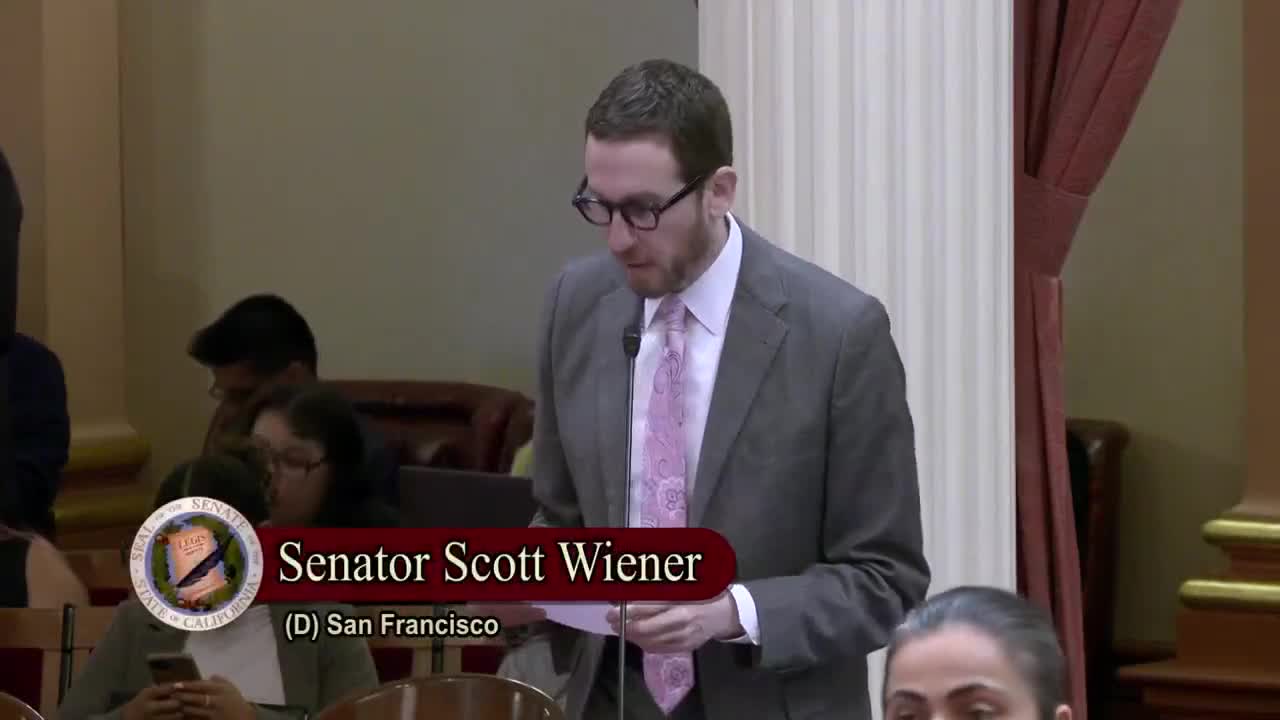



Bill Author