SCR 52: Special Districts Week.
- Session Year: 2023-2024
- House: Senate
- Latest Version Date: 2023-06-06
Current Status:
Passed
(2023-06-06: Chaptered by Secretary of State. Res. Chapter 88, Statutes of 2023.)
Introduced
In Committee
First Chamber
In Committee
Second Chamber
Enacted
This measure proclaims the week of May 14, 2023, to May 20, 2023, to be Special Districts Week.
This measure proclaims the week of May 14, 2023, to May 20, 2023, to be Special Districts Week.
This measure proclaims the week of May 14, 2023, to May 20, 2023, to be Special Districts Week.
WHEREAS, Special districts are local governmental entities created by a communitys residents, funded by those residents, and overseen by those residents, to provide specialized services and infrastructure; and
WHEREAS, Today, just over 2,000 independent special districts provide millions of Californians with essential services, including services related to water, sanitation, and water recycling, fire protection, electricity, parks and recreation, health care, open space, ports and harbors, flood protection, mosquito abatement, cemeteries, resource conservation, airports, transit, road maintenance, veterans facilities, and more; and
WHEREAS, Special districts first arose when San Joaquin Valley farmers needed a way to access their local water supply; and
WHEREAS, Under the Wright Act of 1887, the Turlock Irrigation District became Californias first special district and made it possible for local farmers to intensify and diversify agriculture in Californias central valley; and
WHEREAS, In the 20th century, special districts increased dramatically in both number and scope, and during the periods of prosperity and population growth that followed both world wars when the demand for all types of public services increased, and special districts met that need; and
WHEREAS, The statutory authorization for mosquito abatement districts was enacted in 1915 to combat the salt marsh mosquitoes around the San Francisco Bay and higher than average malaria cases in rural counties; and
WHEREAS, Fire protection districts can trace their origins to a 1923 state law, and in 1931, the Legislature authorized recreation districts, the forerunners of todays recreation and park districts; and
WHEREAS, Hospital districts arose in 1945 because of a statewide shortage of hospital beds. In 1994, the Legislature then expanded their breadth and renamed them health care districts in recognition of the diverse, modern needs of Californias communities and the importance of proactive, affordable health care beyond the walls of a hospital building; and
WHEREAS, Although originally created to provide individual services, in 1961, the Legislature authorized special districts to address multiple needs when it provided for multipurpose, community services districts; and
WHEREAS, Special districts vary in size and scope and serve diverse communities throughout California, from small rural neighborhoods, such as the Pine Cove Water District in the San Jacinto Mountains in the County of Riverside, to large urban regions, such as the East Bay Municipal Utility District spanning much of the Counties of Alameda and Contra Costa; and
WHEREAS, Local residents own special districts and govern them through locally elected or appointed boards. A series of sunshine laws ensure special districts remain transparent and accountable to the communities they serve, as these laws require open and public meetings, public access to records, regular audits, online posting of finances and compensation, and more; and
WHEREAS, To prevent overlapping services and ensure that local agencies are operating effectively and efficiently to meet community needs, special districts are formed, reviewed, consolidated, or dissolved through a methodical local process that includes the oversight of a local agency formation commission and the consent of local voters; and
WHEREAS, In 1969, several independent special districts formed a statewide association called the California Special Districts Association, commonly referred to as the CSDA, to promote good governance and improved essential local services through professional development, advocacy, and other services for all types of independent special districts; and
WHEREAS, The Legislature seeks to promote democratic institutions, community-based services, local control, and self-determination; and
WHEREAS, The Legislature seeks to promote and educate the public about their local public service providers, including awareness and understanding of special districts; now, therefore, be it
Resolved by the Senate of the State of California, the Assembly thereof concurring, That the Legislature hereby proclaims the week of May 14, 2023, to May 20, 2023, inclusive, to be Special Districts Week and encourages all Californians to be involved in their communities and be civically engaged with their local government; and be it further
Resolved, That the Secretary of the Senate transmit copies of this resolution to the author for appropriate distribution.
|
Date
|
Status
|
|---|---|
| Jun 6, 2023 | Chaptered by Secretary of State. Res. Chapter 88, Statutes of 2023. |
| Jun 6, 2023 | Enrolled and filed with the Secretary of State at 2 p.m. |
| Jun 1, 2023 | In Senate. Ordered to engrossing and enrolling. |
| May 31, 2023 | Coauthors revised. |
| May 31, 2023 | Read. Adopted. (Ayes 78. Noes 0. Page 2086.) Ordered to the Senate. |
| May 26, 2023 | From committee: Be adopted. Ordered to consent calendar. (Ayes 12. Noes 0.) (May 26). |
| May 18, 2023 | Referred to Com. on RLS. |
| May 15, 2023 | In Assembly. Held at Desk. |
| May 15, 2023 | Read. Adopted. (Ayes 38. Noes 0. Page 1072.) Ordered to the Assembly. |
| Apr 19, 2023 | From committee: Ordered to third reading. |
| Apr 10, 2023 | Introduced. Referred to Com. on RLS. |
|
Date
|
Description
|
Location
|
Votes
|
|
|---|---|---|---|---|
| May 31, 2023 | SCR 52 Alvarado-Gil Consent Calendar Second Day Regular Session | Assembly Floor |
Passed |
|
| May 26, 2023 | Be adopted. To Consent Calendar. | Assembly Standing Committee on Rules |
Passed |
|
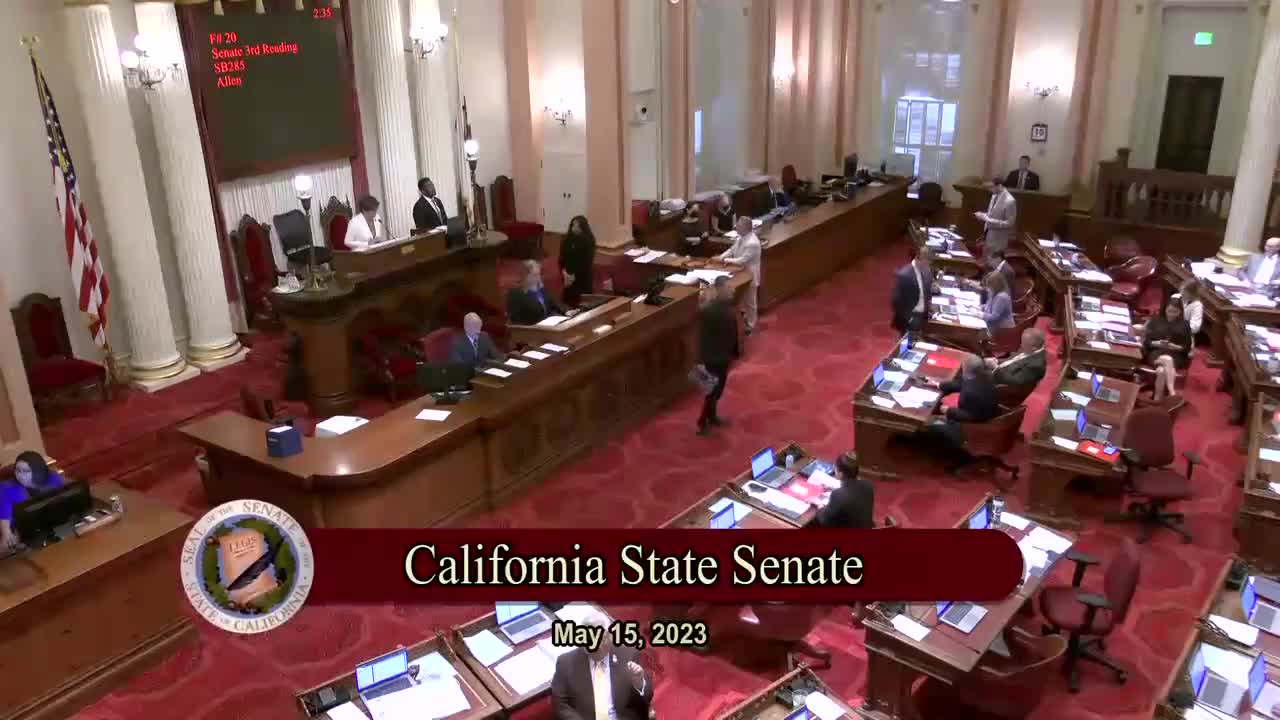
| May 15, 2023 | Senate 3rd Reading SCR52 Alvarado-Gil | Senate Floor |
Passed |
This list shows positions taken on this bill by organizations on the date displayed, which is linked to the original source.
Positions by individuals are not included.
|
Organization
|
Position
|
Date
|
|---|---|---|
| California Special Districts Association | ** Support |
Date of Hearing: May 26, 2023
ASSEMBLY COMMITTEE ON
, Chair
SBPCA Bill Id:
Author:() – As Ver:April 10, 2023
SENATE VOTE: 38-0
SUBJECT:
SUMMARY: Proclaims the week of May 14, 2023, to May 20, 2023, to be Special Districts Week and encourages all Californians to be involved in their communities and be civically engaged with their local government. Specifically, this resolution makes the following legislative findings:
- Special districts are local governmental entities created by a community’s residents, funded by those residents, and overseen by those residents, to provide specialized services and infrastructure.
- Today, just over 2,000 independent special districts provide millions of Californians with essential services, including services related to water, sanitation and water recycling, fire protection, electricity, parks and recreation, health care, open space, ports and harbors, flood protection, mosquito abatement, cemeteries, resource conservation, airports, transit, road maintenance, veterans’ facilities, and more.
- In the 20th century, special districts increased dramatically in both number and scope, and during the periods of prosperity and population growth that followed both world wars when the demand for all types of public services increased, and special districts met that need.
- Although originally created to provide individual services, in 1961 the Legislature authorized special districts to address multiple needs, when it provided for multipurpose, community services districts.
- Special districts vary in size and scope and serve diverse communities throughout California, from small rural neighborhoods, such as the Pine Cove Water District in the San Jacinto Mountains in the County of Riverside, to large urban regions, such as the East Bay Municipal Utility District spanning much of the Counties of Alameda and Contra Costa.
- Local residents own special districts and govern them through locally elected or appointed boards. A series of sunshine laws ensure special districts remain transparent and accountable to the communities they serve, as these laws require open and public meetings, public access to records, regular audits, online posting of finances and compensation, and more.
- To prevent overlapping services and ensure that local agencies are operating effectively and efficiently to meet community needs, special districts are formed, reviewed, consolidated, or dissolved through a methodical local process that includes the oversight of a local agency formation commission and the consent of local voters.
- The Legislature seeks to promote and educate the public about their local public service providers, including awareness and understanding of special districts.
FISCAL EFFECT: None
REGISTERED SUPPORT / OPPOSITION:
Support
None on file
Opposition
None on file
Analysis Prepared by:
SENATE RULES COMMITTEE Office of Senate Floor Analyses (916) 651-1520 Fax: (916) 327-4478 | SCR 52 |
THIRD READING
Bill No: SCR 52
Author: Alvarado-Gil (D)
Introduced: 4/10/23
Vote: 21
SUBJECT: Special Districts Week
SOURCE: California Special Districts Association
DIGEST:
This resolution proclaims the week of May 14, 2023, to May 20, 2023, to be Special Districts Week.
ANALYSIS: This resolution makes the following legislative findings:
- Special districts are local governmental entities created by a community’s residents, funded by those residents, and overseen by those residents, to provide specialized services and infrastructure.
- Today, just over 2,000 independent special districts provide millions of Californians with essential services, including services related to water, sanitation, and water recycling, fire protection, electricity, parks and recreation, health care, open space, ports and harbors, flood protection, mosquito abatement, cemeteries, resource conservation, airports, transit, road maintenance, veterans’ facilities, and more.
- Under the Wright Act of 1887, the Turlock Irrigation District became California’s first special district and made it possible for local farmers to intensify and diversify agriculture in California’s central valley.
- Although originally created to provide individual services, in 1961, the Legislature authorized special districts to address multiple needs when it provided for multipurpose, community services districts.
- Local residents own special districts and govern them through locally elected or appointed boards. A series of sunshine laws ensure special districts remain transparent and accountable to the communities they serve, as these laws require open and public meetings, public access to records, regular audits, online posting of finances and compensation, and more.
- To prevent overlapping services and ensure that local agencies are operating effectively and efficiently to meet community needs, special districts are formed, reviewed, consolidated, or dissolved through a methodical local process that includes the oversight of a local agency formation commission and the consent of local voters.
- In 1969, several independent special districts formed a statewide association called the California Special Districts Association, commonly referred to as the CSDA, to promote good governance and improved essential local services through professional development, advocacy, and other services for all types of independent special districts.
This resolution proclaims the week of May 14, 2023, to May 20, 2023, inclusive, to be Special Districts Week and encourages all Californians to be involved in their communities and be civically engaged with their local government.
Related/Prior Legislation
The following are the most recent measures proclaiming Special Districts Week:
- ACR 180 (Bauer-Kahan, Resolution Chapter 86, Statutes of 2022).
- ACR 17 (Voepel, Resolution Chapter 54, Statutes of 2021).
- ACR 179 (Voepel, 2020) – Died in the Assembly Rules Committee.
- ACR 89 (Cooley, Resolution Chapter 130, Statutes of 2019).
FISCAL EFFECT: Appropriation: No Fiscal Com.: No Local: No
SUPPORT: (Verified 4/17/23)
California Special Districts Association (source)
OPPOSITION: (Verified 4/17/23)
None received
Prepared by: Karen Chow / SFA / (916) 651-1520
4/19/23 15:19:58
**** END ****
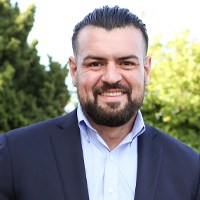
Bill Author
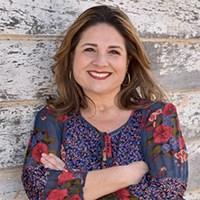
Bill Co-Author(s):