SCR 72: The 70th anniversary of the Mutual Defense Treaty between the United States and the Republic of Korea.
- Session Year: 2023-2024
- House: Senate
- Latest Version Date: 2023-08-17
Current Status:
Failed
(2023-09-14: Ordered to inactive file.)
Introduced
In Committee
First Chamber
In Committee
Second Chamber
Enacted
What does this bill do?
The California Legislature commemorates the 70th anniversary of the Mutual Defense Treaty between the United States and the Republic of Korea, recognizing the long security and diplomatic alliance. The resolution also highlights shared history from the Korean War and Korean immigration to deep trade and investment ties, California’s large Korean and Korean American community, and sister-city and summit connections.
The summary is provided by generative AI which can make mistakes. For original language, please view the details in the table below.
This measure would commemorate the 70th anniversary of the alliance between the United States and the Republic of Korea.
This measure would commemorate the 70th anniversary of the alliance between the United States and the Republic of Korea.
WHEREAS, the Mutual Defense Treaty between the United States and the Republic of Korea was signed on October 1, 1953; and
WHEREAS, In 2023, the alliance between the United States and the Republic of Korea (U.S.-ROK (U.S.-R.O.K. alliance) marks 70 years since the cessation of hostilities in the Korean war, War, the signing of the Korean Armistice Agreement on July 27, 1953, which remains in place today, and that the terms of the agreement have neither formally ended the Korean war, War, nor constituted a permanent settlement of peace on the Korean Peninsula; and
WHEREAS, The year 2023 also marks 120 years since the first immigration of Koreans to the United States, who later came to America through San Francisco, California; and
WHEREAS, The U.S.-ROK U.S.-R.O.K. alliance is rooted in mutual trust, shared sacrifice, common values, economic interests, and generations of people-to-people ties that provide a foundation for one of the strongest, most robust, and successful alliances in the world; and
WHEREAS, The U.S.-ROK U.S.-R.O.K. alliance was forged in shared sacrifice, with 1,789,000 United States soldiers, sailors, airmen, and marines serving during the Korean war, War, of whom over 36,000 paid the ultimate sacrifice with their lives in defense of the Republic of Korea, including over 7,000 Korean Augmentation to the United States Army soldiers, and over 7,500 members of the United States Armed Forces remain classified by the United States Department of Defense as missing in action; and
WHEREAS, Since its founding, the Republic of Korea has become a thriving democracy with a vibrant press and commitment to the rule of law and a free market economy; and
WHEREAS, The Republic of Korea is the sixth largest trading partner of the United States with over $160,000,000,000 in total trade goods and over $30,000,000,000 in total trade services, for more than $194,400,000,000 combined trade during 2021; and
WHEREAS, The Republic of Korea is one of the top sources of foreign direct investment for both the United States and California, with Korean companies such as Samsung Electronics, LG Electronics, and SK hynix creating over 13,000 jobs in California in 2021; and
WHEREAS, The trade volume between the Republic of Korea and California amounted to well over $40,000,000,000 in 2022. California exported over $11,000,000,000 to the Republic of Korea, which makes the Republic of Korea the fourth largest export destination of California trade; and
WHEREAS, In addition to its longstanding relationship with the United States as a whole, the Republic of Korea has a strong connection to California in particular. California is home to over 800,000 Koreans and Korean Americans that have made significant contributions to every facet of American society and its leadership, including State Senator Dave Min, members of the House of Representatives, Young Kim, and Michelle Steel of California; leadership; and
WHEREAS, The Cities of San Francisco, California and Seoul, Republic of Korea have been sister cities since 1975, acknowledging the ties between California and the Republic of Korea and encouraging cultural and economic exchanges; and
WHEREAS, California is a host city state of the 2023 Asia-Pacific Economic Cooperation Creating Economic Opportunity Summit in November 2023, where the Republic of Korea will participate; now, therefore therefore, be it
Resolved by the Senate of the State of California, the Assembly thereof concurring, That the Legislature hereby commemorates the 70th anniversary of the U.S.-ROK U.S.-R.O.K. alliance; and, and be it further
Resolved, That the Secretary of the Senate transmit copies of this resolution to the author for appropriate distribution.
WHEREAS, the Mutual Defense Treaty between the United States and the Republic of Korea was signed on October 1, 1953; and
WHEREAS, In 2023, the alliance between the United States and the Republic of Korea (U.S.-ROK alliance) marks 70 years since the cessation of hostilities in the Korean war, the signing of the Korean Armistice Agreement on July 27, 1953, which remains in place today, and that the terms of the agreement have neither formally ended the Korean war, nor constituted a permanent settlement of peace on the Korean Peninsula; and
WHEREAS, The year 2023 also marks 120 years since the first immigration of Koreans to the United States, who later came to America through San Francisco, California; and
WHEREAS, The U.S.-ROK alliance is rooted in mutual trust, shared sacrifice, common values, economic interests, and generations of people-to-people ties that provide a foundation for one of the strongest, most robust, and successful alliances in the world; and
WHEREAS, The U.S.-ROK alliance was forged in shared sacrifice, with 1,789,000 United States soldiers, sailors, airmen, and marines serving during the Korean war, of whom over 36,000 paid the ultimate sacrifice with their lives in defense of the Republic of Korea, including over 7,000 Korean Augmentation to the United States Army soldiers, and over 7,500 members of the United States Armed Forces remain classified by the United States Department of Defense as missing in action; and
WHEREAS, Since its founding, the Republic of Korea has become a thriving democracy with a vibrant press and commitment to the rule of law and a free market economy; and
WHEREAS, The Republic of Korea is the sixth largest trading partner of the United States with over $160,000,000,000 in total trade goods and over $30,000,000,000 in total trade services, for more than $194,400,000,000 combined trade during 2021; and
WHEREAS, The Republic of Korea is one of the top sources of foreign direct investment for both the United States and California, with Korean companies such as Samsung Electronics, LG Electronics, and SK hynix creating over 13,000 jobs in California in 2021; and
WHEREAS, The trade volume between the Republic of Korea and California amounted to well over $40,000,000,000 in 2022. California exported over $11,000,000,000 to the Republic of Korea, which makes the Republic of Korea the fourth largest export destination of California trade; and
WHEREAS, In addition to its longstanding relationship with the United States as a whole, the Republic of Korea has a strong connection to California in particular. California is home to over 800,000 Koreans and Korean Americans that have made significant contributions to every facet of American society and its leadership, including State Senator Dave Min, members of the House of Representatives, Young Kim, and Michelle Steel of California; and
WHEREAS, The Cities of San Francisco, California and Seoul, Republic of Korea have been sister cities since 1975, acknowledging the ties between California and the Republic of Korea and encouraging cultural and economic exchanges; and
WHEREAS, California is a host city of the 2023 Asia-Pacific Economic Cooperation Creating Economic Opportunity Summit in November 2023, where the Republic of Korea will participate; now, therefore be it
Resolved by the Senate of the State of California, the Assembly thereof concurring, That the Legislature hereby commemorates the 70th anniversary of the U.S.-ROK alliance; and, be it further
Resolved, That the Secretary of Senate transmit copies of this resolution to the author for appropriate distribution.
|
Date
|
Status
|
|---|---|
| Sep 14, 2023 | Ordered to inactive file. |
| Sep 1, 2023 | In Senate. Concurrence in Assembly amendments pending. |
| Aug 31, 2023 | Coauthors revised. |
| Aug 31, 2023 | Read. Adopted. (Ayes 79. Noes 0. Page 2866.) Ordered to the Senate. |
| Aug 24, 2023 | From committee: Be adopted. Ordered to consent calendar. (Ayes 11. Noes 0.) (August 24). |
| Aug 17, 2023 | From committee with author's amendments. Read second time and amended. Re-referred to Com. on RLS. |
| Aug 17, 2023 | Referred to Com. on RLS. |
| Jun 29, 2023 | In Assembly. Held at Desk. |
| Jun 29, 2023 | Read. Adopted. (Ayes 39. Noes 0. Page 1826.) Ordered to the Assembly. |
| Jun 27, 2023 | Read second time. Ordered to consent calendar. |
| Jun 26, 2023 | From committee: Be adopted. Ordered to consent calendar. (Ayes 13. Noes 0. Page 1731.) (June 26). |
| Jun 16, 2023 | Set for hearing June 26. |
| Jun 14, 2023 | Re-referred to Com. on B., P. & E. D. |
| May 31, 2023 | Introduced. Referred to Com. on RLS. |
|
Date
|
Description
|
Location
|
Votes
|
|
|---|---|---|---|---|
| Aug 31, 2023 | SCR 72 Min Consent Calendar Second Day Regular Session | Assembly Floor |
Passed |
|
| Aug 24, 2023 | Be adopted. To Consent Calendar. | Assembly Standing Committee on Rules |
Passed |
|
| Jun 29, 2023 | Consent Calendar SCR72 Min et al. | Senate Floor |
Passed |
|
| Jun 26, 2023 | Be adopted and be ordered to the Consent Calendar | Senate Standing Committee on Business, Professions and Economic Development |
Passed |
This list shows positions taken on this bill by organizations on the date displayed, which is linked to the original source.
Positions by individuals are not included.
SENATE RULES COMMITTEE Office of Senate Floor Analyses (916) 651-1520 Fax: (916) 327-4478 | SCR 72 |
UNFINISHED BUSINESS
Bill No: SCR 72
Author: Min (D), et al.
Amended: 8/17/23
Vote: 21
SENATE BUS., PROF. & ECON. DEV. COMMITTEE: 13-0, 6/26/23
AYES: Roth, Nguyen, Alvarado-Gil, Archuleta, Ashby, Becker, Dodd, Eggman, Glazer, Niello, Smallwood-Cuevas, Wahab, Wilk
SENATE FLOOR: 39-0, 6/29/23 (Consent)
AYES: Allen, Archuleta, Ashby, Atkins, Becker, Blakespear, Bradford, Caballero, Cortese, Dahle, Dodd, Durazo, Eggman, Glazer, Gonzalez, Grove, Hurtado, Jones, Laird, Limón, McGuire, Menjivar, Min, Newman, Nguyen, Niello, Ochoa Bogh, Padilla, Portantino, Roth, Rubio, Seyarto, Skinner, Smallwood-Cuevas, Stern, Umberg, Wahab, Wiener, Wilk
NO VOTE RECORDED: Alvarado-Gil
ASSEMBLY FLOOR: 75-0, 8/31/23 (Consent) - See last page for vote
SUBJECT: The 70th anniversary of the Mutual Defense Treaty between the United States and the Republic of Korea
SOURCE: Author
DIGEST:
This resolution commemorates the alliance between the United States and the Republic of Korea (U.S.-ROK alliance).
Assembly Amendments
make various technical changes.
ANALYSIS:
Existing federal law:
- Gives the federal government the power to enter into treaties and trade agreements. Federal law requires Congress to approve international agreements. (United States (U.S.) Constitution, Article II)
- States that treaties and international agreements are laws of the U.S. and as such, are supreme over the laws of the States. (U.S. Constitution Article VI)
- Establishes, by executive order, the United States Trade Representative (USTR) as an agency within the Executive Office of the President to be responsible for international trade negotiations. (Executive Order 12188)
Existing law:
- Establishes the Governor’s Office of Business and Economic Development (GO-Biz) within the Governor's Office for the purpose of serving as the lead state entity for economic strategy and marketing of California on issues relating to business development, private sector investment and economic growth. (Government Code (GC) §§ 12096 – 12098.5)
- Specifies that GO-Biz is the primary state agency authorized to attract foreign investments, cooperate in international public infrastructure projects, and support California businesses in accessing markets, and requires the Director of GO-Biz to develop an international trade and investment program attracting employment-producing direct foreign investment to the state and provides support for California businesses in accessing international markets and increasing exports. (GC § 13996.41)
- Authorizes GO-Biz to establish international trade and investment (ITI) offices outside of the U.S. according to certain requirements. (GC § 13996.42)
- Establishes the California Foreign Investment Program and states that GO-Biz is the lead state entity for overseeing the state’s participation with the United States Citizenship and Immigration Services’ EB-5 Investment Program. (GC § 12100.50 et. seq.)
- Establishes the Commission on Asian and Pacific Islander (APIA) American Affairs and tasks the Commission with advising the Governor, the Legislature, and state agencies, departments, and commissions on issues relating to the social and economic development, and the rights and interests of APIA communities and on how to respond most effectively to the views, needs, and concerns of the state’s APIA communities; assisting the state in maintaining effective liaison and outreach with APIA communities in California by, among other means, disseminating information about Asian American resources to the public and engaging in effective outreach with APIA communities; examining issues of access and cultural and language sensitivity by state agencies, departments, and commissions and compile research about APIA communities relative to the use of state services, including the development and maintenance of data relative to this use; providing assistance to policymakers and state agencies on identifying the needs or problems affecting APIA communities and in developing appropriate responses and programs and; educating the public about hate crimes against APIA communities and other key issue areas identified by the Commission. (GC § 8255 et. seq.)
This resolution:
- States that the Mutual Defense Treaty between the United States and the Republic of Korea was signed on October 1, 1953 and in 2023, the U.S.-ROK alliance marks 70 years since the cessation of hostilities in the Korean war, the signing of the Korean Armistice Agreement on July 27, 1953, which remains in place today, and that the terms of the agreement have neither formally ended the Korean war, nor constituted a permanent settlement of peace on the Korean Peninsula. States that 2023 also marks 120 years since the first immigration of Koreans to the United States, who later came to America through San Francisco, California.
- States that the U.S.-ROK alliance is rooted in mutual trust, shared sacrifice, common values, economic interests, and generations of people-to-people ties that provide a foundation for one of the strongest, most robust, and successful alliances in the world. States that the U.S.-ROK alliance was forged in shared sacrifice, with 1,789,000 United States soldiers, sailors, airmen, and marines serving during the Korean war, of whom over 36,000 paid the ultimate sacrifice with their lives in defense of the Republic of Korea, including over 7,000 Korean Augmentation to the United States Army soldiers, and over 7,500 members of the United States Armed Forces remain classified by the United States Department of Defense as missing in action.
- States that since its founding, the Republic of Korea has become a thriving democracy with a vibrant press and commitment to the rule of law and a free market economy and the Republic of Korea is the sixth largest trading partner of the United States with over $160,000,000,000 in total trade goods and over $30,000,000,000 in total trade services, for more than $194,400,000,000 combined trade during 2021.
- States that the Republic of Korea is one of the top sources of foreign direct investment for both the United States and California, with Korean companies such as Samsung Electronics, LG Electronics, and SK hynix creating over 13,000 jobs in California in 2021 and the trade volume between the Republic of Korea and California amounted to well over $40 billion in 2022. California exported over $11 billion to the Republic of Korea, which makes the Republic of Korea the fourth largest export destination of California trade.
- States that in addition to its longstanding relationship with the United States as a whole, the Republic of Korea has a strong connection to California in particular. California is home to over 800,000 Koreans and Korean Americans that have made significant contributions to every facet of American society and its leadership.
- States that the cities of San Francisco, California and Seoul, Republic of Korea have been sister cities since 1975, acknowledging the ties between California and the Republic of Korea and encouraging cultural and economic exchanges and California is a host city of the 2023 Asia-Pacific Economic Cooperation Creating Economic Opportunity Summit in November 2023, where the Republic of Korea will participate.
- Resolves that the Legislature commemorates the 70th anniversary of the U.S.-ROK alliance.
Background
U.S.-ROK Alliance. According to the U.S. Department of State, “Forged during the Korean War and codified in the 1953 Mutual Defense Treaty, the U.S.-ROK Alliance has evolved into a global comprehensive strategic partnership which serves as a linchpin for security and stability in the Indo-Pacific. Over 28,500 U.S. military personnel are stationed in the ROK and work closely with the ROK military and United Nations Command member countries to deter and defend against the threat from the Democratic People’s Republic of Korea (DPRK) and maintain the Korean Armistice Agreement. To deter DPRK provocations and attacks, the U.S.-ROK Alliance maintains a strong defensive military posture which includes annual combined exercises, robust military sales, consistent reaffirmations of United States’ commitment to the security of the ROK through an enduring combined command structure, and close, consultative relations between U.S. and ROK senior leadership on security issues. The United States supports the ROK’s defense modernization efforts through defense sales in order to facilitate the ROK’s eventual leadership of the combined defense forces and strengthen its role as a regional security partner. The United States has more than $30 billion in active government-to-government sales cases with the ROK under the Foreign Military Sales system…
The ROK is a significant contributor of troops to United Nations peacekeeping operations, with more than 600 personnel deployed to six missions. In coordination with the U.S. Global Peace Operations Initiative, the ROK partners with United States Indo-Pacific Command by providing instructors to regional training events and participating in peacekeeping exercises…”
Trade with Korea. According to USTR, The U.S.-Korea Free Trade Agreement entered into force on March 15, 2012 after being signed on June 30, 2007.
U.S. goods and services trade with Korea totaled an estimated $154.9 billion in 2020. Exports were $69.0 billion; imports were $85.9 billion. Korea is currently our 6th largest goods trading partner with $127.2 billion in total (two way) goods trade during 2020. Goods exports totaled $51.2 billion; goods imports totaled $76.0 billion. Trade in services with Korea (exports and imports) totaled an estimated $27.7 billion in 2020. Services exports were $17.8 billion; services imports were $9.8 billion. The U.S. services trade surplus with Korea was $8.0 billion in 2020.
According to the Department of Commerce, U.S. exports of goods and services to Korea supported an estimated 256,000 jobs in 2019.
Korea was the United States' seventh largest goods export market in 2020. U.S. goods exports to Korea in 2020 were $51.2 billion and U.S. exports to Korea account for 3.6 percent of overall U.S. exports in 2020. Korea was the United States' seventh largest supplier of goods imports in 2020 and totaled $76.0 billion in 2020.
Korea's foreign direct investment in the United States (stock) was $61.8 billion in 2019, up 9.2% from 2018. Korea's direct investment in the U.S. is led by wholesale trade, manufacturing, and depository institutions.
Department of Commerce data shows that Korea is California’s fifth largest export destination and one of the top exporting states to Korea, making up nearly 16 percent of U.S. exports. In 2022, California exported more than $11.58 billion to Korea. Top products from California to Korea included non-electrical machinery, computers and electronics, transportation equipment, and processed foods. Imports to California from South Korea totaled $31 billion, an increase from the previous year which totaled $26 billion. Top imports were made up of computer and electronic products making up over $13.2 billion of the total, followed by transportation equipment and electrical equipment. According to a 2022 report, Foreign Direct Investment in California, 2022, the 13th largest source of foreign direct investment through foreign-owned enterprises (FOEs) is South Korea. In 2021, South Korean FOEs in California provided 13,021 jobs through 390 firms amounting to $1.289 billion in wages. The top jobs by sector are: information, transportation/warehousing/utilities, professional/business services, wholesale trade and manufacturing.
FISCAL EFFECT: Appropriation: No Fiscal Com.: No Local: No
SUPPORT: (Verified 8/31/23)
None received
OPPOSITION: (Verified 8/31/23)
None received
ASSEMBLY FLOOR: 75-0, 8/31/23
AYES: Addis, Aguiar-Curry, Alanis, Alvarez, Arambula, Bains, Bauer-Kahan, Bennett, Berman, Boerner, Bonta, Calderon, Juan Carrillo, Wendy Carrillo, Cervantes, Chen, Connolly, Megan Dahle, Davies, Essayli, Flora, Mike Fong, Vince Fong, Friedman, Gabriel, Gallagher, Garcia, Gipson, Grayson, Haney, Hart, Holden, Hoover, Irwin, Jackson, Jones-Sawyer, Kalra, Lackey, Lee, Low, Lowenthal, Maienschein, Mathis, McKinnor, Stephanie Nguyen, Ortega, Pacheco, Papan, Jim Patterson, Joe Patterson, Pellerin, Petrie-Norris, Quirk-Silva, Ramos, Rendon, Reyes, Luz Rivas, Rodriguez, Blanca Rubio, Santiago, Schiavo, Soria, Ta, Ting, Valencia, Villapudua, Waldron, Wallis, Ward, Weber, Wicks, Wilson, Wood, Zbur, Robert Rivas
NO VOTE RECORDED: Bryan, Dixon, McCarty, Muratsuchi, Sanchez
Prepared by: Sarah Mason / B., P. & E.D. /
8/31/23 16:18:13
**** END ****
Date of Hearing: August 24, 2023
ASSEMBLY COMMITTEE ON RULES
James Ramos, Chair
SBPCA Bill Id:SCR 72
Author:(Min) – As Amended Ver:
SENATE VOTE:
SUBJECT: The 70th anniversary of the Mutual Defense Treaty between the United States and the Republic of Korea.
SUMMARY: Commemorates the 70th anniversary of the alliance between the United States and the Republic of Korea. Specifically, this resolution makes the following legislative findings:
- The Mutual Defense Treaty between the United States and the Republic of Korea was signed on October 1, 1953.
- In 2023, the alliance between the United States and the Republic of Korea (U.S.-R.O.K. alliance) marks 70 years since the cessation of hostilities in the Korean War, the signing of the Korean Armistice Agreement on July 27, 1953, which remains in place today, and that the terms of the agreement have neither formally ended the Korean War, nor constituted a permanent settlement of peace on the Korean Peninsula.
- The U.S.-R.O.K. alliance is rooted in mutual trust, shared sacrifice, common values, economic interests, and generations of people-to-people ties that provide a foundation for one of the strongest, most robust, and successful alliances in the world.
- The U.S.-R.O.K. alliance was forged in shared sacrifice. 1,789,000 United States soldiers, sailors, airmen, and marines served during the Korean War, of whom over 36,000 paid the ultimate sacrifice with their lives in defense of the Republic of Korea, including over 7,000 Korean Augmentation to the United States Army soldiers; and, over 7,500 members of the United States Armed Forces remain classified by the United States Department of Defense as missing in action.
- Since its founding, the Republic of Korea has become a thriving democracy with a vibrant press and commitment to the rule of law and a free market economy. The Republic of Korea is the sixth largest trading partner of the United States with over $160 billion in total trade goods and over $30 billion in total trade services, for more than $194.4 billion combined trade during 2021.
- The Republic of Korea is one of the top sources of foreign direct investment for both the United States and California, with Korean companies such as Samsung Electronics, LG Electronics, and SK hynix creating over 13,000 jobs in California in 2021.
- The trade volume between the Republic of Korea and California amounted to well over $40 billion in 2022. California exported over $11 billion to the Republic of Korea, which makes the Republic of Korea the fourth largest export destination of California trade.
- In addition to its longstanding relationship with the United States as a whole, the Republic of Korea has a strong connection to California in particular. California is home to over 800,000 Koreans and Korean Americans that have made significant contributions to every facet of American society and its leadership.
- The year 2023 also marks 120 years since the first immigration of Koreans to the United States, who later came to America through San Francisco, California.
- The Cities of San Francisco, California and Seoul, Republic of Korea have been sister cities since 1975, acknowledging the ties between California and the Republic of Korea and encouraging cultural and economic exchanges. California is a host state of the 2023 Asia-Pacific Economic Cooperation Creating Economic Opportunity Summit in November 2023, where the Republic of Korea will participate.
FISCAL EFFECT: None
REGISTERED SUPPORT / OPPOSITION:
Support
None on file
Opposition
None on file
Analysis Prepared by: Michael Erke / RLS. / (916) 319-2800
SENATE RULES COMMITTEE Office of Senate Floor Analyses (916) 651-1520 Fax: (916) 327-4478 | SCR 72 |
CONSENT
Bill No: SCR 72
Author: Min (D), et al.
Introduced: 5/31/23
Vote: 21
SENATE BUS., PROF. & ECON. DEV. COMMITTEE: 13-0, 6/26/23
AYES: Roth, Nguyen, Alvarado-Gil, Archuleta, Ashby, Becker, Dodd, Eggman, Glazer, Niello, Smallwood-Cuevas, Wahab, Wilk
SUBJECT: The 70th anniversary of the Mutual Defense Treaty between the United States and the Republic of Korea
SOURCE: Author
DIGEST:
This resolution commemorates the alliance between the United States and the Republic of Korea (U.S.-ROK alliance).
ANALYSIS:
Existing federal law:
- Gives the federal government the power to enter into treaties and trade agreements. Federal law requires Congress to approve international agreements. (United States (U.S.) Constitution, Article II)
- States that treaties and international agreements are laws of the U.S. and as such, are supreme over the laws of the States. (U.S. Constitution Article VI)
- Establishes, by executive order, the United States Trade Representative (USTR) as an agency within the Executive Office of the President to be responsible for international trade negotiations. (Executive Order 12188)
Existing state law:
- Establishes the Governor’s Office of Business and Economic Development (GO-Biz) within the Governor's Office for the purpose of serving as the lead state entity for economic strategy and marketing of California on issues relating to business development, private sector investment and economic growth. (Government Code (GC) §§ 12096 – 12098.5)
- Specifies that GO-Biz is the primary state agency authorized to attract foreign investments, cooperate in international public infrastructure projects, and support California businesses in accessing markets, and requires the Director of GO-Biz to develop an international trade and investment program attracting employment-producing direct foreign investment to the state and provides support for California businesses in accessing international markets and increasing exports. (GC § 13996.41)
- Authorizes GO-Biz to establish international trade and investment (ITI) offices outside of the U.S. according to certain requirements. (GC § 13996.42)
- Establishes the California Foreign Investment Program and states that GO-Biz is the lead state entity for overseeing the state’s participation with the United States Citizenship and Immigration Services’ EB-5 Investment Program. (GC § 12100.50 et. seq.)
- Establishes the Commission on Asian and Pacific Islander (APIA) American Affairs and tasks the Commission with advising the Governor, the Legislature, and state agencies, departments, and commissions on issues relating to the social and economic development, and the rights and interests of APIA communities and on how to respond most effectively to the views, needs, and concerns of the state’s APIA communities; assisting the state in maintaining effective liaison and outreach with APIA communities in California by, among other means, disseminating information about Asian American resources to the public and engaging in effective outreach with APIA communities; examining issues of access and cultural and language sensitivity by state agencies, departments, and commissions and compile research about APIA communities relative to the use of state services, including the development and maintenance of data relative to this use; providing assistance to policymakers and state agencies on identifying the needs or problems affecting APIA communities and in developing appropriate responses and programs and; educating the public about hate crimes against APIA communities and other key issue areas identified by the Commission. (GC § 8255 et. seq.)
This resolution:
- States that the Mutual Defense Treaty between the United States and the Republic of Korea was signed on October 1, 1953, and in 2023, the U.S.-ROK alliance marks 70 years since the cessation of hostilities in the Korean war, the signing of the Korean Armistice Agreement on July 27, 1953, which remains in place today, and that the terms of the agreement have neither formally ended the Korean war, nor constituted a permanent settlement of peace on the Korean Peninsula. States that 2023 also marks 120 years since the first immigration of Koreans to the United States, who later came to America through San Francisco, California.
- States that the U.S.-ROK alliance is rooted in mutual trust, shared sacrifice, common values, economic interests, and generations of people-to-people ties that provide a foundation for one of the strongest, most robust, and successful alliances in the world. States that the U.S.-ROK alliance was forged in shared sacrifice, with 1,789,000 United States soldiers, sailors, airmen, and marines serving during the Korean war, of whom over 36,000 paid the ultimate sacrifice with their lives in defense of the Republic of Korea, including over 7,000 Korean Augmentation to the United States Army soldiers, and over 7,500 members of the United States Armed Forces remain classified by the United States Department of Defense as missing in action.
- States that since its founding, the Republic of Korea has become a thriving democracy with a vibrant press and commitment to the rule of law and a free market economy and the Republic of Korea is the sixth largest trading partner of the United States with over $160 billion in total trade goods and over $30 billion in total trade services, for more than $194.4 billion combined trade during 2021.
- States that the Republic of Korea is one of the top sources of foreign direct investment for both the United States and California, with Korean companies such as Samsung Electronics, LG Electronics, and SK hynix creating over 13,000 jobs in California in 2021 and the trade volume between the Republic of Korea and California amounted to well over $40 billion in 2022. California exported over $11 billion to the Republic of Korea, which makes the Republic of Korea the fourth largest export destination of California trade.
- States that in addition to its longstanding relationship with the United States as a whole, the Republic of Korea has a strong connection to California in particular. California is home to over 800,000 Koreans and Korean Americans that have made significant contributions to every facet of American society and its leadership, including State Senator Dave Min, members of the House of Representatives, Young Kim, and Michelle Steel of California.
- States that the cities of San Francisco, California and Seoul, Republic of Korea have been sister cities since 1975, acknowledging the ties between California and the Republic of Korea and encouraging cultural and economic exchanges and California is a host city of the 2023 Asia-Pacific Economic Cooperation Creating Economic Opportunity Summit in November 2023, where the Republic of Korea will participate.
- Resolves that the Legislature commemorates the 70th anniversary of the U.S.-ROK alliance.
Background
U.S.-ROK Alliance. According to the U.S. Department of State:
Forged during the Korean War and codified in the 1953 Mutual Defense Treaty, the U.S.-ROK Alliance has evolved into a global comprehensive strategic partnership which serves as a linchpin for security and stability in the Indo-Pacific. Over 28,500 U.S. military personnel are stationed in the ROK and work closely with the ROK military and United Nations Command member countries to deter and defend against the threat from the Democratic People’s Republic of Korea (DPRK)and maintain the Korean Armistice Agreement. To deter DPRK provocations and attacks, the U.S.-ROK Alliance maintains a strong defensive military posture which includes annual combined exercises, robust military sales, consistent reaffirmations of United States’ commitment to the security of the ROK through an enduring combined command structure, and close, consultative relations between U.S. and ROK senior leadership on security issues. The United States supports the ROK’s defense modernization efforts through defense sales in order to facilitate the ROK’s eventual leadership of the combined defense forces and strengthen its role as a regional security partner. The United States has more than $30 billion in active government-to-government sales cases with the ROK under the Foreign Military Sales system…
The ROK is a significant contributor of troops to United Nations peacekeeping operations, with more than 600 personnel deployed to six missions. In coordination with the U.S. Global Peace Operations Initiative, the ROK partners with United States Indo-Pacific Command by providing instructors to regional training events and participating in peacekeeping exercises…
Trade with Korea. According to USTR, The U.S.-Korea Free Trade Agreement entered into force on March 15, 2012, after being signed on June 30, 2007.
U.S. goods and services trade with Korea totaled an estimated $154.9 billion in 2020. Exports were $69.0 billion; imports were $85.9 billion. Korea is currently our 6th largest goods trading partner with $127.2 billion in total (two way) goods trade during 2020. Goods exports totaled $51.2 billion; goods imports totaled $76.0 billion. Trade in services with Korea (exports and imports) totaled an estimated $27.7 billion in 2020. Services exports were $17.8 billion; services imports were $9.8 billion. The U.S. services trade surplus with Korea was $8.0 billion in 2020.
According to the Department of Commerce, U.S. exports of goods and services to Korea supported an estimated 256,000 jobs in 2019.
Korea was the United States' 7th largest goods export market in 2020. U.S. goods exports to Korea in 2020 were $51.2 billion and U.S. exports to Korea account for 3.6 percent of overall U.S. exports in 2020. Korea was the United States' 7th largest supplier of goods imports in 2020 and totaled $76.0 billion in 2020.
Korea's foreign direct investment in the United States (stock) was $61.8 billion in 2019, up 9.2% from 2018. Korea's direct investment in the U.S. is led by wholesale trade, manufacturing, and depository institutions.
Department of Commerce data shows that Korea is California’s 5th largest export destination and one of the top exporting states to Korea, making up nearly 16 percent of U.S. exports. In 2022, California exported more than $11.58 billion to Korea. Top products from California to Korea included non-electrical machinery, computers and electronics, transportation equipment, and processed foods. Imports to California from South Korea totaled $31 billion, an increase from the previous year which totaled $26 billion. Top imports were made up of computer and electronic products making up over $13.2 billion of the total, followed by transportation equipment and electrical equipment. According to a 2022 report, Foreign Direct Investment in California, 2022, the 13th largest source of foreign direct investment through foreign-owned enterprises (FOEs) is South Korea. In 2021, South Korean FOEs in California provided 13,021 jobs through 390 firms amounting to $1.289 billion in wages. The top jobs by sector are: information, transportation/warehousing/utilities, professional/business services, wholesale trade and manufacturing.
FISCAL EFFECT: Appropriation: No Fiscal Com.: No Local: No
SUPPORT: (Verified 6/26/23)
None received
OPPOSITION: (Verified 6/26/23)
None received
Prepared by: Sarah Mason / B., P. & E.D. /
6/28/23 11:22:14
**** END ****
SENATE COMMITTEE ON
BUSINESS, PROFESSIONS AND ECONOMIC DEVELOPMENT
Senator Richard Roth, Chair
2023 - 2024 Regular
Bill No: Hearing Date: June 26, 2023
Author: | |||
Version: | May 31, 2023 | ||
Urgency: |
| Fiscal: | No |
Consultant: | Sarah Mason | ||
Subject:
SUMMARY:
Commemorates the alliance between the United States and the Republic of Korea (U.S.-ROK alliance).
Existing federal law:
- Gives the federal government the power to enter into treaties and trade agreements. Federal law requires Congress to approve international agreements.
(United States (U.S.) Constitution, Article II) - States that treaties and international agreements are laws of the U.S. and as such, are supreme over the laws of the States. (U.S. Constitution Article VI)
- Establishes, by executive order, the United States Trade Representative (USTR) as an agency within the Executive Office of the President to be responsible for international trade negotiations. (Executive Order 12188)
Existing law:
- Establishes the Governor’s Office of Business and Economic Development (GO-Biz) within the Governor's Office for the purpose of serving as the lead state entity for economic strategy and marketing of California on issues relating to business development, private sector investment and economic growth. (Government Code (GC) §§ 12096 – 12098.5)
- Specifies that GO-Biz is the primary state agency authorized to attract foreign investments, cooperate in international public infrastructure projects, and support California businesses in accessing markets, and requires the Director of GO-Biz to develop an international trade and investment program attracting employment-producing direct foreign investment to the state and provides support for California businesses in accessing international markets and increasing exports.
(GC § 13996.41) - Authorizes GO-Biz to establish international trade and investment (ITI) offices outside of the U.S. according to certain requirements. (GC § 13996.42)
- Establishes the California Foreign Investment Program and states that GO-Biz is the lead state entity for overseeing the state’s participation with the United States Citizenship and Immigration Services’ EB-5 Investment Program. (GC § 12100.50 et. seq.)
- Establishes the Commission on Asian and Pacific Islander (APIA) American Affairs and tasks the Commission with advising the Governor, the Legislature, and state agencies, departments, and commissions on issues relating to the social and economic development, and the rights and interests of APIA communities and on how to respond most effectively to the views, needs, and concerns of the state’s APIA communities; assisting the state in maintaining effective liaison and outreach with APIA communities in California by, among other means, disseminating information about Asian American resources to the public and engaging in effective outreach with APIA communities; examining issues of access and cultural and language sensitivity by state agencies, departments, and commissions and compile research about APIA communities relative to the use of state services, including the development and maintenance of data relative to this use; providing assistance to policymakers and state agencies on identifying the needs or problems affecting APIA communities and in developing appropriate responses and programs and; educating the public about hate crimes against APIA communities and other key issue areas identified by the Commission. (GC § 8255 et. seq.)
This Resolution:
- States that the Mutual Defense Treaty between the United States and the Republic of Korea was signed on October 1, 1953 and in 2023, the U.S.-ROK alliance marks 70 years since the cessation of hostilities in the Korean war, the signing of the Korean Armistice Agreement on July 27, 1953, which remains in place today, and that the terms of the agreement have neither formally ended the Korean war, nor constituted a permanent settlement of peace on the Korean Peninsula. States that 2023 also marks 120 years since the first immigration of Koreans to the United States, who later came to America through San Francisco, California.
- States that the U.S.-ROK alliance is rooted in mutual trust, shared sacrifice, common values, economic interests, and generations of people-to-people ties that provide a foundation for one of the strongest, most robust, and successful alliances in the world. States that the U.S.-ROK alliance was forged in shared sacrifice, with 1,789,000 United States soldiers, sailors, airmen, and marines serving during the Korean war, of whom over 36,000 paid the ultimate sacrifice with their lives in defense of the Republic of Korea, including over 7,000 Korean Augmentation to the United States Army soldiers, and over 7,500 members of the United States Armed Forces remain classified by the United States Department of Defense as missing in action.
- States that since its founding, the Republic of Korea has become a thriving democracy with a vibrant press and commitment to the rule of law and a free market economy and the Republic of Korea is the sixth largest trading partner of the United States with over $160,000,000,000 in total trade goods and over $30,000,000,000 in total trade services, for more than $194,400,000,000 combined trade during 2021.
- States that the Republic of Korea is one of the top sources of foreign direct investment for both the United States and California, with Korean companies such as Samsung Electronics, LG Electronics, and SK hynix creating over 13,000 jobs in California in 2021 and the trade volume between the Republic of Korea and California amounted to well over $40,000,000,000 in 2022. California exported over $11,000,000,000 to the Republic of Korea, which makes the Republic of Korea the fourth largest export destination of California trade.
- States that in addition to its longstanding relationship with the United States as a whole, the Republic of Korea has a strong connection to California in particular. California is home to over 800,000 Koreans and Korean Americans that have made significant contributions to every facet of American society and its leadership, including State Senator Dave Min, members of the House of Representatives, Young Kim, and Michelle Steel of California.
- States that the cities of San Francisco, California and Seoul, Republic of Korea have been sister cities since 1975, acknowledging the ties between California and the Republic of Korea and encouraging cultural and economic exchanges and California is a host city of the 2023 Asia-Pacific Economic Cooperation Creating Economic Opportunity Summit in November 2023, where the Republic of Korea will participate.
- Resolves that the Legislature commemorates the 70th anniversary of the U.S.-ROK alliance.
FISCAL EFFECT:
Unknown. This resolution is not keyed fiscal.
COMMENTS:
- Purpose. The Author is the Sponsor of this resolution. According to the Author, “this resolution does not seek to address issues in existing law – its purpose is to commemorate the anniversary of the treaty.”
- Background.
U.S.-ROK Alliance. According to the U.S. Department of State,
“Forged during the Korean War and codified in the 1953 Mutual Defense Treaty, the U.S.-ROK Alliance has evolved into a global comprehensive strategic partnership which serves as a linchpin for security and stability in the Indo-Pacific. Over 28,500 U.S. military personnel are stationed in the ROK and work closely with the ROK military and United Nations Command member countries to deter and defend against the threat from the Democratic People’s Republic of Korea (DPRK)and maintain the Korean Armistice Agreement. To deter DPRK provocations and attacks, the U.S.-ROK Alliance maintains a strong defensive military posture which includes annual combined exercises, robust military sales, consistent reaffirmations of United States’ commitment to the security of the ROK through an enduring combined command structure, and close, consultative relations between U.S. and ROK senior leadership on security issues. The United States supports the ROK’s defense modernization efforts through defense sales in order to facilitate the ROK’s eventual leadership of the combined defense forces and strengthen its role as a regional security partner. The United States has more than $30 billion in active government-to-government sales cases with the ROK under the Foreign Military Sales system…
The ROK is a significant contributor of troops to United Nations peacekeeping operations, with more than 600 personnel deployed to six missions. In coordination with the U.S. Global Peace Operations Initiative, the ROK partners with United States Indo-Pacific Command by providing instructors to regional training events and participating in peacekeeping exercises…”
Trade with Korea. According to USTR, The U.S.-Korea Free Trade Agreement entered into force on March 15, 2012 after being signed on June 30, 2007.
U.S. goods and services trade with Korea totaled an estimated $154.9 billion in 2020. Exports were $69.0 billion; imports were $85.9 billion. Korea is currently our 6th largest goods trading partner with $127.2 billion in total (two way) goods trade during 2020. Goods exports totaled $51.2 billion; goods imports totaled $76.0 billion. Trade in services with Korea (exports and imports) totaled an estimated $27.7 billion in 2020. Services exports were $17.8 billion; services imports were $9.8 billion. The U.S. services trade surplus with Korea was $8.0 billion in 2020.
According to the Department of Commerce, U.S. exports of goods and services to Korea supported an estimated 256,000 jobs in 2019.
Korea was the United States' 7th largest goods export market in 2020. U.S. goods exports to Korea in 2020 were $51.2 billion and U.S. exports to Korea account for 3.6 percent of overall U.S. exports in 2020. Korea was the United States' 7th largest supplier of goods imports in 2020 and totaled $76.0 billion in 2020.
Korea's foreign direct investment in the United States (stock) was $61.8 billion in 2019, up 9.2% from 2018. Korea's direct investment in the U.S. is led by wholesale trade, manufacturing, and depository institutions.
Department of Commerce data shows that Korea is California’s 5th largest export destination and one of the top exporting states to Korea, making up nearly 16 percent of U.S. exports. In 2022, California exported more than $11.58 billion to Korea. Top products from California to Korea included non-electrical machinery, computers and electronics, transportation equipment, and processed foods. Imports to California from South Korea totaled $31 billion, an increase from the previous year which totaled $26 billion. Top imports were made up of computer and electronic products making up over $13.2 billion of the total, followed by transportation equipment and electrical equipment. According to a 2022 report, Foreign Direct Investment in California, 2022, the 13th largest source of foreign direct investment through foreign-owned enterprises (FOEs) is South Korea. In 2021, South Korean FOEs in California provided 13,021 jobs through 390 firms amounting to $1.289 billion in wages. The top jobs by sector are: information, transportation/warehousing/utilities, professional/business services, wholesale trade and manufacturing.
SUPPORT AND OPPOSITION:
Support:
None received
Opposition:
None received
-- END --
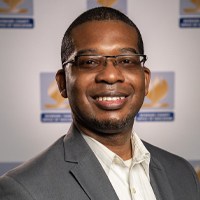
Bill Author
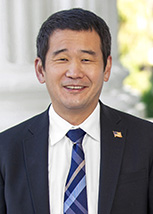
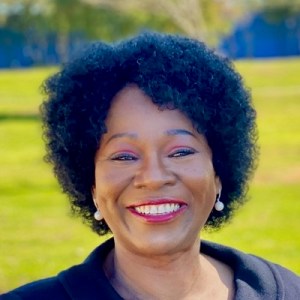
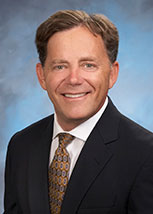
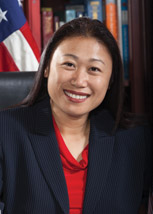
Bill Co-Author(s):