SCR 73: Latina Equal Pay Day.
- Session Year: 2023-2024
- House: Senate
- Latest Version Date: 2023-07-11
Current Status:
Passed
(2023-07-11: Chaptered by Secretary of State. Res. Chapter 118, Statutes of 2023.)
Introduced
In Committee
First Chamber
In Committee
Second Chamber
Enacted
This measure would proclaim October 5, 2023, as Latina Equal Pay Day in California, in recognition of the need to eliminate the gender gap in earnings by women and to promote policies to ensure equal pay for all.
This measure would proclaim October 5, 2023, as Latina Equal Pay Day in California, in recognition of the need to eliminate the gender gap in earnings by women and to promote policies to ensure equal pay for all.
This measure would proclaim October 5, 2023, as Latina Equal Pay Day in California, in recognition of the need to eliminate the gender gap in earnings by women and to promote policies to ensure equal pay for all.
WHEREAS, More than 50 years after the passing of the federal Equal Pay Act, women, especially women of color, continue to suffer the consequences of unequal pay; and
WHEREAS, According to the United States Census Bureau, Latinas make 57 cents for every dollar a White male is paid; and
WHEREAS, Latinas are the fastest growing demographic, with 30,600,000 Latinas making up 9.4 percent of the total United States population; and
WHEREAS, Twelve million two hundred thousand Latinas make up 7.4 percent of the United States labor force and are projected to represent 9.3 percent of the labor force from 2019 to 2029, inclusive; and
WHEREAS, Nearly 4 in 10 mothers are the primary breadwinners in their households, and nearly two-thirds of mothers are the primary or significant earners, making pay equity critical to the economic security of their families; and
WHEREAS, A lifetime of lower pay means women have less income to save for retirement and less income counted in a Social Security or pension benefit formula; and
WHEREAS, One in five people in the State of California is Latina; and
WHEREAS, Latinas earn 42 cents on the dollar compared to their White non-Hispanic male peers in California; and
WHEREAS, Latinas in California would have to work until 116 years of age to earn what a White non-Hispanic male earns by 60 years of age due to the wage gap; and
WHEREAS, The lifetime cost of the wage gap over a 40-year career for the average Latina in California is $1,930,120 compared to their White non-Hispanic male peers; and
WHEREAS, In California, Latinas are typically paid $39,301 less than White non-Hispanic men; and
WHEREAS, If the gender wage gap were eliminated, on average, a Latina working in California would be able to pay for 32 months of premiums for employer-provided health insurance, 3.2 years of childcare, and pay off student loans in 0.9 years; and
WHEREAS, According to the National Womens Law Center, Californias Latina wage gap is ranked the highest at number 50 in the country, with a 44-cent gap; and
WHEREAS, Latinas face barriers in the workforce exacerbating the effect of the wage gap, such as overrepresentation in low-wage service occupations, discrimination, and limited access to health, leave, and retirement benefits; and
WHEREAS, The wage gap harms Latinas, their families, and the economy, and fair pay in California would strengthen the security of individuals and families today, regardless of education or socioeconomic status, while enhancing our statewide economy; and
WHEREAS, October 5 symbolizes the day in 2023 Latina Equal Pay Day is recognized nationwide; now, therefore, be it
Resolved by the Senate of the State of California, the Assembly thereof concurring, That the Legislature proclaims October 5, 2023, as Latina Equal Pay Day in California, in recognition of the need to eliminate the gender gap in earnings by women and to promote policies to ensure equal pay for all; and be it further
Resolved, That the Secretary of the Senate transmit copies of this resolution to the author for appropriate distribution.
|
Date
|
Status
|
|---|---|
| Jul 11, 2023 | Chaptered by Secretary of State. Res. Chapter 118, Statutes of 2023. |
| Jul 11, 2023 | Enrolled and filed with the Secretary of State at 2 p.m. |
| Jul 6, 2023 | In Senate. Ordered to engrossing and enrolling. |
| Jul 6, 2023 | Read. Adopted. (Ayes 70. Noes 0. Page 2572.) Ordered to the Senate. |
| Jun 30, 2023 | Coauthors revised. |
| Jun 30, 2023 | From committee: Be adopted. Ordered to consent calendar. (Ayes 7. Noes 0.) (June 29). |
| Jun 29, 2023 | Referred to Com. on RLS. |
| Jun 22, 2023 | In Assembly. Held at Desk. |
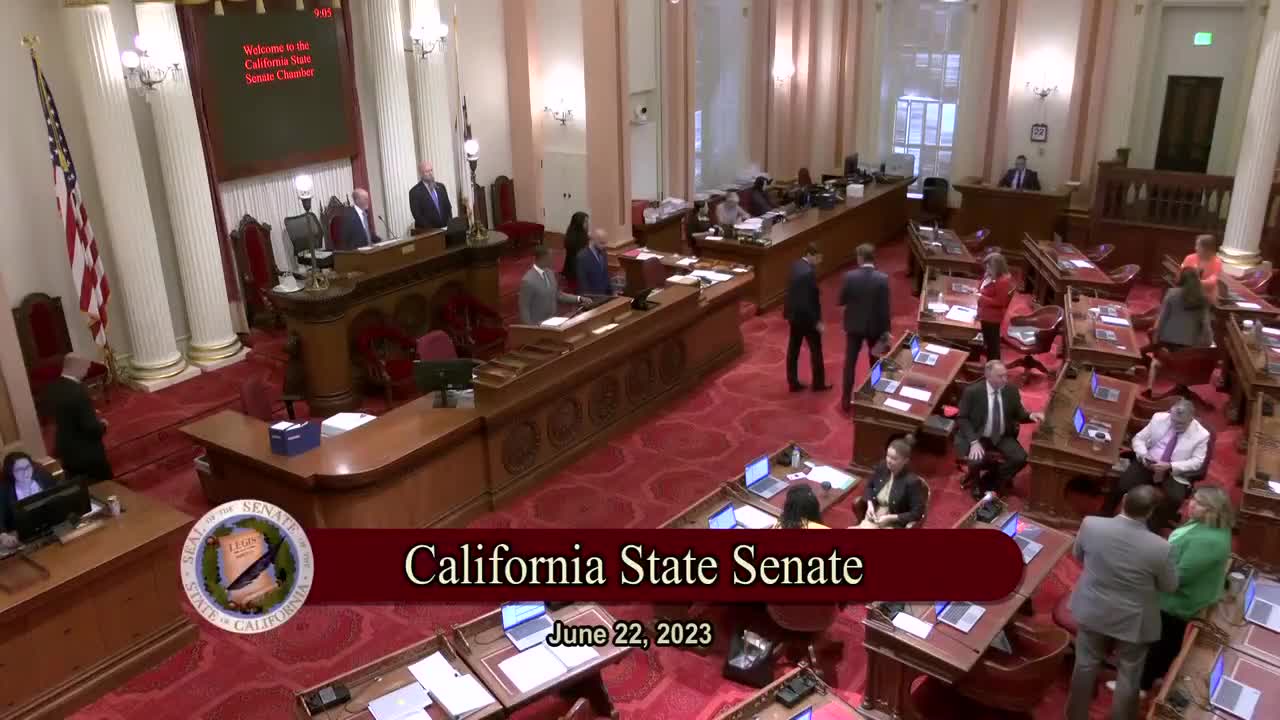
| Jun 22, 2023 | Read. Adopted. (Ayes 39. Noes 0. Page 1680.) Ordered to the Assembly. |
| Jun 14, 2023 | From committee: Ordered to third reading. |
| Jun 1, 2023 | Introduced. Referred to Com. on RLS. |
|
Date
|
Description
|
Location
|
Votes
|
|
|---|---|---|---|---|
| Jul 6, 2023 | SCR 73 Gonzalez Consent Calendar Second Day Regular Session | Assembly Floor |
Passed |
|
| Jun 29, 2023 | Be adopted. To Consent Calendar. | Assembly Standing Committee on Rules |
Passed |
|
| Jun 22, 2023 | Senate 3rd Reading SCR73 Gonzalez et al. | Senate Floor |
Passed |
This list shows positions taken on this bill by organizations on the date displayed, which is linked to the original source.
Positions by individuals are not included.
Date of Hearing: June 29, 2023
ASSEMBLY COMMITTEE ON
, Chair
SBPCA Bill Id:
Author:() – As Ver:June 1, 2023
SENATE VOTE: 39-0
SUBJECT:
SUMMARY: Proclaims October 5, 2023, as Latina Equal Pay Day in California, in recognition of the need to eliminate the gender gap in earnings by women and to promote policies to ensure equal pay for all. Specifically, this resolution makes the following legislative findings:
- More than 50 years after the passing of the federal Equal Pay Act, women, especially women of color, continue to suffer the consequences of unequal pay. According to the United States Census Bureau, Latinas make 57 cents for every dollar a White male is paid.
- Nearly 4 in 10 mothers are the primary breadwinners in their households, and nearly two-thirds of mothers are the primary or significant earners, making pay equity critical to the economic security of their families. A lifetime of lower pay means women have less income to save for retirement and less income counted in Social Security or pension benefit formula.
- One in five people in the State of California is Latina. Latinas earn 42 cents on the dollar compared to their White non-Hispanic male peers in California. Latinas in California would have to work until 116 years of age to earn what a White non-Hispanic male earns by 60 years of age due to the wage gap.
- If the gender wage gap were eliminated, on average, a Latina working in California would be able to pay for 32 months of premiums for employer-provided health insurance, 3.2 years of childcare, and pay off student loans in 0.9 years.
- The wage gap harms Latinas, their families, and the economy, and fair pay in California would strengthen the security of individuals and families today, regardless of education or socioeconomic status, while enhancing our statewide economy.
- October 5 symbolizes the day in 2023 Latina Equal Pay Day is recognized nationwide.
FISCAL EFFECT: None
REGISTERED SUPPORT / OPPOSITION:
Support
None on file
Opposition
None on file
Analysis Prepared by:
SENATE RULES COMMITTEE Office of Senate Floor Analyses (916) 651-1520 Fax: (916) 327-4478 | SCR 73 |
THIRD READING
Bill No: SCR 73
Author: Gonzalez (D), et al.
Introduced: 6/1/23
Vote: 21
SOURCE: Author
DIGEST:
This resolution proclaims October 5, 2023, as Latina Equal Pay Day in California, in recognition of the need to eliminate the gender gap in earnings by women and to promote policies to ensure equal pay for all.
ANALYSIS: This resolution makes the following legislative findings:
- More than 50 years after the passing of the federal Equal Pay Act, women, especially women of color, continue to suffer the consequences of unequal pay.
- A lifetime of lower pay means women have less income to save for retirement and less income counted in a Social Security or pension benefit formula.
- One in five people in the state of California is Latina.
- Latinas earn 42 cents on the dollar compared to their White male peers in California.
- Latinas in California would have to work until 116 years of age to earn what a White male earns by 60 years of age due to the wage gap.
- The lifetime cost of the wage gap over a 40-year career for the average Latina in California is $ 1,930,120 compared to their White male peer.
- Latinas face barriers in the workforce exacerbating the effect of the wage gap, such as overrepresentation in low-wage service occupations, discrimination, and limited access to health, leave, and retirement benefits.
- The wage gap harms Latinas, their families, and the economy, and fair pay in California would strengthen the security of individuals and families today, regardless of education or socioeconomic status, while enhancing our statewide economy.
This resolution proclaims October 5, 2023, as Latina Equal Pay Day in California, in recognition of the need to eliminate the gender gap in earnings by women and to promote policies to ensure equal pay for all.
Related/Prior Legislation
SCR 114 (Gonzalez, Resolution Chapter 151, Statutes of 2022) proclaimed December 8, 2022, as Latina Equal Pay Day in California
ACR 126 (Fletcher, Resolution Chapter 204, Statutes of 2017) proclaimed November 2, 2017, as National Latina Equal Pay Day in California.
FISCAL EFFECT: Appropriation: No Fiscal Com.: No Local: No
SUPPORT: (Verified 6/12/23)
None received
OPPOSITION: (Verified 6/12/23)
None received
Prepared by: Jonas Austin / SFA / (916) 651-1520
6/14/23 13:18:49
**** END ****
Discussed in Hearing
View Older Hearings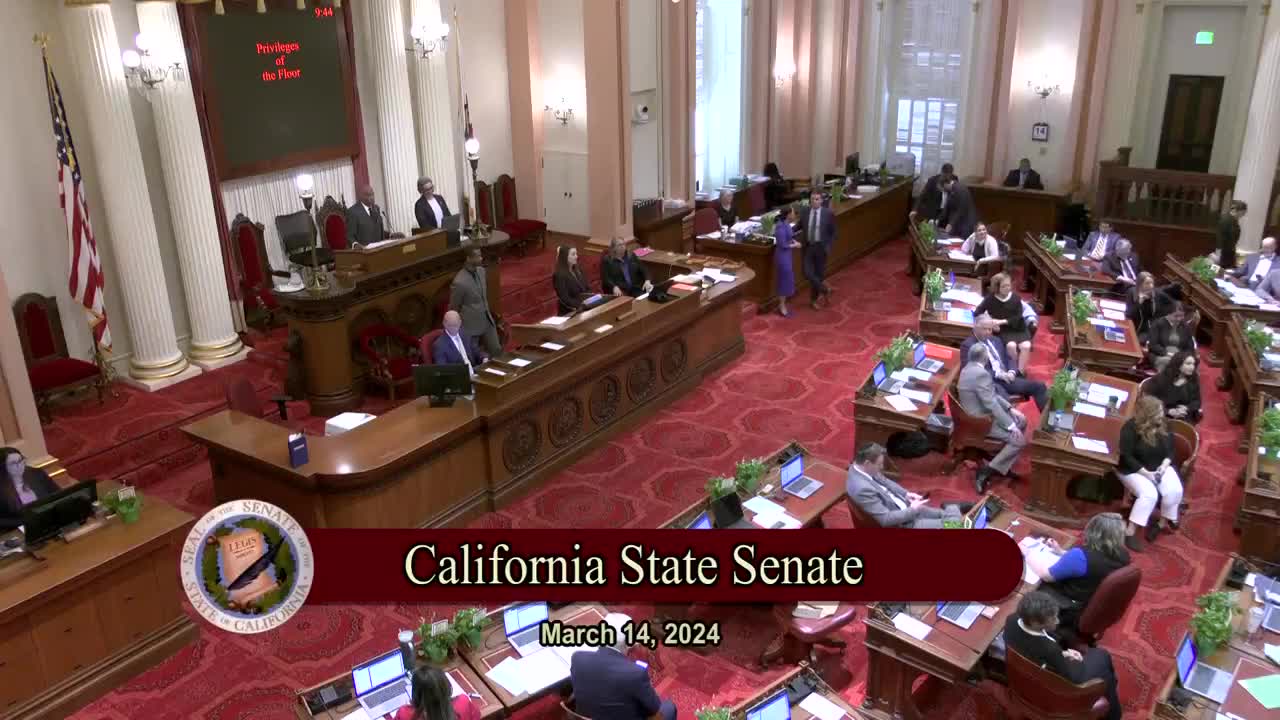
Bill Author

Bill Co-Author(s):