SCR 84: California Runaway and Homeless Youth Prevention Month.
- Session Year: 2023-2024
- House: Senate
- Latest Version Date: 2023-09-12
Current Status:
Passed
(2023-09-12: Chaptered by Secretary of State. Res. Chapter 162, Statutes of 2023.)
Introduced
In Committee
First Chamber
In Committee
Second Chamber
Enacted
This measure would proclaim the month of November 2023 as California Runaway and Homeless Youth Prevention Month to recognize the need for individuals, schools, communities, businesses, local governments, and the state to take action on behalf of runaway and homeless youth in California.
This measure would proclaim the month of November 2023 as California Runaway and Homeless Youth Prevention Month to recognize the need for individuals, schools, communities, businesses, local governments, and the state to take action on behalf of runaway and homeless youth in California.
This measure would proclaim the month of November 2023 as California Runaway and Homeless Youth Prevention Month to recognize the need for individuals, schools, communities, businesses, local governments, and the state to take action on behalf of runaway and homeless youth in California.
WHEREAS, Runaway and homeless youth are young people between 12 to 24 years of age, inclusive, who have the least access to essential opportunities and supports; and
WHEREAS, The prevalence of runaway and homeless youth is staggering, with studies suggesting that, nationally, between 1,600,000 and 2,800,000 youth up to 24 years of age experience homelessness every year, of which gay, lesbian, bisexual, and transgender youth are overrepresented compared to the general youth population; and
WHEREAS, Based on national surveys and Californias youth population, an estimated 200,000 youth under 18 years of age, and thousands more who are 18 to 24 years of age, inclusive, are homeless for one or more days each year; and
WHEREAS, The United States Department of Housing and Urban Developments 2022 Point-in-Time Count showed that the number of unaccompanied homeless youth in California was 9,590, and there were another 1,909 parenting youth and their children experiencing homelessness; and
WHEREAS, A study released in November 2017 by the University of Chicagos Chapin Hall found that 1 in 10 young adults 18 to 25 years of age, inclusive, and at least 1 in 30 adolescents 13 to 17 years of age, inclusive, experiences homelessness over the course of a year; and
WHEREAS, The percentage of unaccompanied homeless youth who are unsheltered in California stands at 70.5 percent, which is the highest in the country. California also has 32 percent of the homeless youth in the country, the largest number of homeless youth of any state; and
WHEREAS, Runaway and homeless youth flee conflict, abuse, neglect, and, increasingly, poverty in their homes. They have become disconnected from educational systems and the workforce, and do not have the skills and financial resources to live on their own. The factors impacting youth homelessness are complex and differ from those impacting other homeless populations; and
WHEREAS, Runaway and homeless youth who live on the street are victims of physical abuse, sexual exploitation, human trafficking, and crime in untold numbers. An estimated 300,000 youth are either victims or at risk of becoming victims of the commercial sexual exploitation of children each year, of which 60 percent of these victimized children are homeless; and
WHEREAS, Homeless youth tend to have started using drugs at a younger age, often before 15 years of age. Early drug use and abuse is predictive of serious adult addiction problems and long-term homelessness; and
WHEREAS, Youth who age out of the foster care system are at an increased risk of homelessness and represent an estimated 20 percent of the 20,000 youth who leave foster care and are currently homeless; and
WHEREAS, Many of these youth are on the street because they feel there are no other options open to them; and
WHEREAS, Providing safe, stable, and permanent housing for runaway and homeless youth is a family, community, state, and national priority, and homeless youth are considered a unique population in the homeless community by the United States Interagency Council on Homelessness; and
WHEREAS, The future well-being of our state depends on the value we place on our youth, and, in particular, on our actions to provide the most vulnerable young people in the state with opportunities to acquire the knowledge, skills, and abilities they need to find and maintain stable housing and develop into healthy and productive adults; and
WHEREAS, The COVID-19 pandemic, and its lasting impacts, are being felt by youth through high unemployment rates and increased demand for youth-centered care and mental health services, technology, and access to hygiene, food, shelter, and safety; and
WHEREAS, When targeted resources are invested, we see a significant increase in the number of communities with youth-specific housing and programs that will help prevent youth from becoming chronically homeless. California has increased the number of youth beds from 3,159 in 2015, to 5,994 in 2022; and
WHEREAS, The California Coalition for Youth has operated the California Youth Crisis Line (1-800-843-5200), 24 hours per day, seven days per week, for over 30 years as the states only emergency response system for youth in crisis, and which began offering chat-to-text counseling services in 2016; and
WHEREAS, November is National Runaway and Homeless Youth Prevention Month; and
WHEREAS, The California Coalition for Youth, along with other community-based organizations, providers, and advocates, are sponsoring Californias 12th annual Runaway and Homeless Youth Prevention Month to increase awareness and action on behalf of youth who are at risk or currently living on the street; and
WHEREAS, Awareness of the tragedy of youth experiencing homelessness and its causes must be heightened to ensure greater support for effective programs aimed at preventing homelessness and helping youth remain off the streets; now, therefore, be it
Resolved by the Senate of the State of California, the Assembly thereof concurring, That the Legislature recognizes the need for individuals, schools, communities, businesses, local governments, and the state to take action on behalf of runaway and homeless youth in California; and be it further
Resolved, That the Legislature hereby designates the month of November 2023 as California Runaway and Homeless Youth Prevention Month; and be it further,
Resolved, That the Secretary of the Senate transmit copies of this resolution to the author for appropriate distribution.
|
Date
|
Status
|
|---|---|
| Sep 12, 2023 | Chaptered by Secretary of State. Res. Chapter 162, Statutes of 2023. |
| Sep 12, 2023 | Enrolled and filed with the Secretary of State at 2 p.m. |
| Sep 6, 2023 | In Senate. Ordered to engrossing and enrolling. |
| Sep 5, 2023 | Coauthors revised. |
| Sep 5, 2023 | Read. Adopted. (Ayes 79. Noes 0. Page 2940.) Ordered to the Senate. |
| Aug 31, 2023 | From committee: Be adopted. Ordered to consent calendar. (Ayes 10. Noes 0.) (August 31). |
| Aug 31, 2023 | Referred to Com. on RLS. |
| Aug 28, 2023 | In Assembly. Held at Desk. |
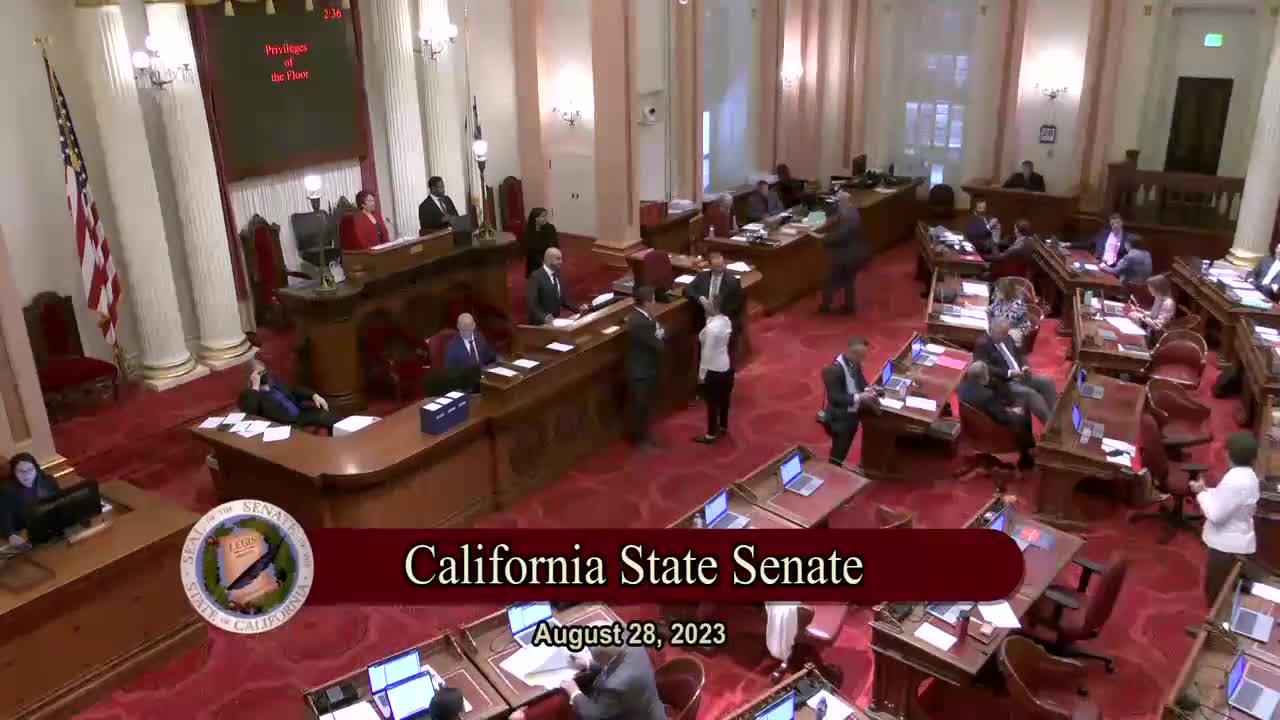
| Aug 28, 2023 | Read. Adopted. (Ayes 39. Noes 0. Page 2191.) Ordered to the Assembly. |
| Aug 16, 2023 | From committee: Ordered to third reading. |
| Jul 13, 2023 | Introduced. Referred to Com. on RLS. |
|
Date
|
Description
|
Location
|
Votes
|
|
|---|---|---|---|---|
| Sep 5, 2023 | SCR 84 Alvarado-Gil Consent Calendar Second Day Regular Session | Assembly Floor |
Passed |
|
| Aug 31, 2023 | Be adopted. To Consent Calendar. | Assembly Standing Committee on Rules |
Passed |
|
| Aug 28, 2023 | Senate 3rd Reading SCR84 Alvarado-Gil | Senate Floor |
Passed |
This list shows positions taken on this bill by organizations on the date displayed, which is linked to the original source.
Positions by individuals are not included.
|
Organization
|
Position
|
Date
|
|---|---|---|
| California Coalition For Youth | ** Support |
Date of Hearing: August 31, 2023
ASSEMBLY COMMITTEE ON RULES
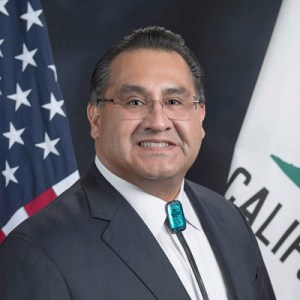
James Ramos, Chair
SBPCA Bill Id:SCR 84
Author:(Alvarado-Gil) – As Introduced Ver:
SENATE VOTE:
SUBJECT: California Runaway and Homeless Youth Prevention Month.
SUMMARY: Proclaims the month of November 2023 as California Runaway and Homeless Youth Prevention Month, in recognition of the need for individuals, schools, communities, businesses, local governments, and the state to take action on behalf of runaway and homeless youth in California. Specifically, this resolution makes the following legislative findings:
- Runaway and homeless youth are young people 12 to 24 years of age, inclusive, who have the least access to essential opportunities and support.
- Based on national surveys and California’s youth population, an estimated 200,000 youth under 18 years of age and thousands more who are 18 to 24 years of age, inclusive, are homeless for one or more days each year.
- The percentage of unaccompanied homeless youth who are unsheltered in California stands at 70.5 percent, which is the highest in the country. California also has 32 percent of the homeless youth population in the country, the largest number of homeless youth of any state.
- Runaway and homeless youth flee conflict, abuse, neglect, or, increasingly, poverty in their homes. They have become disconnected from educational systems and the workforce and do not have the skills and financial resources to live on their own. The factors impacting youth homelessness are complex and differ from those impacting other homeless populations.
- Providing safe, stable, and permanent housing for runaway and homeless youth is a family, community, state, and national priority, and homeless youth are considered one of the unique populations in the homeless community by the U.S. Interagency Council on Homelessness.
- The future well-being of our state depends on the value we place on our youth and, in particular, on our actions to provide the most vulnerable young people in the state with opportunities to acquire the knowledge, skills, and abilities they need to find and maintain stable housing and to develop into healthy and productive adults.
- Awareness of the tragedy of youth experiencing homelessness and its causes must be heightened to ensure greater support for effective programs aimed at preventing homelessness and helping youth remain off the streets.
FISCAL EFFECT: None
REGISTERED SUPPORT / OPPOSITION:
Support
California Coalition for Youth (CCY)
Opposition
None on file
Analysis Prepared by: Michael Erke / RLS. / (916) 319-2800
SENATE RULES COMMITTEE Office of Senate Floor Analyses (916) 651-1520 Fax: (916) 327-4478 | SCR 84 |
THIRD READING
Bill No: SCR 84
Author: Alvarado-Gil (D)
Introduced: 7/13/23
Vote: 21
SUBJECT: California Runaway and Homeless Youth Prevention Month
SOURCE: California Coalition for Youth
DIGEST:
This resolution proclaims the month of November 2023 as California Runaway and Homeless Youth Prevention Month to recognize the need for individuals, schools, communities, businesses, local governments, and the state to take action on behalf of runaway and homeless youth in California.
ANALYSIS: This resolution makes the following legislative findings:
- Runaway and homeless youth are young people between 12 to 24 years of age, inclusive, who have the least access to essential opportunities and supports.
- The prevalence of runaway and homeless youth is staggering, with studies suggesting that, nationally, between 1,600,000 and 2,800,000 youth up to 24 years of age experience homelessness every year, of which gay, lesbian, bisexual, and transgender youth are overrepresented compared to the general youth population.
- Based on national surveys and California’s youth population, an estimated 200,000 youth under 18 years of age, and thousands more who are 18 to 24 years of age, inclusive, are homeless for one or more days each year. The United States Department of Housing and Urban Development’s 2022 Point-in-Time Count showed that the number of unaccompanied homeless youth in California was 9,590, and there were another 1,909 parenting youth and their children experiencing homelessness.
- Runaway and homeless youth flee conflict, abuse, neglect, and, increasingly, poverty in their homes. They have become disconnected from educational systems and the workforce, and do not have the skills and financial resources to live on their own. The factors impacting youth homelessness are complex and differ from those impacting other homeless populations.
- Runaway and homeless youth who live on the street are victims of physical abuse, sexual exploitation, human trafficking, and crime in untold numbers. An estimated 300,000 youth are either victims or at risk of becoming victims of the commercial sexual exploitation of children each year, of which 60 percent of these victimized children are homeless.
- Youth who “age out” of the foster care system are at an increased risk of homelessness and represent an estimated 20 percent of the 20,000 youth who leave foster care and are currently homeless.
- The future well-being of our state depends on the value we place on our youth, and, in particular, on our actions to provide the most vulnerable young people in the state with opportunities to acquire the knowledge, skills, and abilities they need to find and maintain stable housing and develop into healthy and productive adults.
- When targeted resources are invested, we see a significant increase in the number of communities with youth-specific housing and programs that will help prevent youth from becoming chronically homeless. California has increased the number of youth beds from 3,159 in 2015, to 5,994 in 2022.
- Awareness of the tragedy of youth experiencing homelessness and its causes must be heightened to ensure greater support for effective programs aimed at preventing homelessness and helping youth remain off the streets.
This resolution proclaims the month of November 2023 as California Runaway and Homeless Youth Prevention Month to recognize the need for individuals, schools, communities, businesses, local governments, and the state to take action on behalf of runaway and homeless youth in California.
Related/Prior Legislation
The following are the most recent measures relating to Runaway and Homeless Youth Prevention Month:
- SCR 121 (Hurtado, 2022, held at Assembly Desk)
- SCR 57 (Hurtado, Resolution Chapter 145, Statutes of 2021).
- SCR 75 (Hurtado, Resolution Chapter 160, Statutes of 2019).
FISCAL EFFECT: Appropriation: No Fiscal Com.: No Local: No
SUPPORT: (Verified 8/14/23)
California Coalition for Youth (source)
OPPOSITION: (Verified 8/14/23)
None received
ARGUMENTS IN SUPPORT: According to the sponsor, California Coalition for Youth (CCY):
This resolution is important to raise the awareness about the issues runaway and homeless youth face as well as to educate the public about solutions aimed at preventing youth from running away from home. Almost 200,000 youth up to the age of 18 and many thousands more between the ages of 18 to 24 are or have experienced homelessness over the past year. Based on 2022 Point-In-Time homeless count, the number of unaccompanied homeless youth in California was 9,590, not including another 1,909-parenting youth and their children experiencing homelessness. Research has shown that homeless youth and young adults are at greater risk for physical abuse, sexual exploitation, mental health disabilities, chemical or alcohol dependency, and death.
The cost of youth homelessness to the State of California is considerable. While California has almost doubled the number of youth-specific housing, there are still 70.5% of youth who are unsheltered. This means we have a fraction of what is needed to fully address the needs of these young people. As we are too aware, the COVID-19 pandemic has added a layer of complexity to the typical concerns facing homeless young people. Changes in housing, education, and employment work together to amplify the instability these young people face every day and was a critical finding in a survey CCY conducted of homeless youth during the pandemic. We are committed to preventing and ending youth homelessness and applaud the Legislature’s leadership in addressing and responding to the needs of youth experiencing homelessness.
Prepared by: Jonas Austin / SFA / (916) 651-1520
8/16/23 10:11:39
Bill Author
Bill Co-Author(s):