AB 785: Community Violence Interdiction Grant Program.
- Session Year: 2025-2026
- House: Assembly
- Latest Version Date: 2025-04-09
Current Status:
In Progress
(2025-08-29: In committee: Held under submission.)
Introduced
In Committee
Awaiting First Chamber Vote
Passed First Chamber
In Committee
Awaiting Second Chamber Vote
Passed Second Chamber
Enacted
What does this bill do?
The bill creates the Community Violence Interdiction Grant Program, run by the state Health and Human Services Agency, to fund local, community-driven efforts to reduce violence in neighborhoods and schools. Grants may pay for outreach to gangs, recreation- and health-based youth programs during peak violence times, trauma-informed student supports, youth diversion programs, and school-based health centers, with preference for areas and community groups most affected by violence. It also creates a new state fund that will receive annual transfers based on calculated savings from closing state prisons to pay for the grants.
The summary is provided by generative AI which can make mistakes. For original language, please view the details in the table below.
Existing law establishes the California Violence Intervention and Prevention Grant Program, administered by the Board of State and Community Corrections, to award competitive grants for the purpose of violence intervention and prevention. Existing law establishes the Youth Reinvestment Grant Program within the Board of State and Community Corrections to grant funds, upon appropriation, to local jurisdictions and Indian tribes for the purpose of implementing trauma-informed diversion programs for minors, as specified.
Existing law requires the governing board of a school district to give diligent care to the health and physical development of pupils and authorizes the governing board of a school district to employ properly certified persons for the work. Existing law requires a school of a school district or county office of education and a charter school to notify pupils and parents or guardians of pupils no less than twice during the school year on how to initiate access to available pupil mental health services on campus or in the community, or both, as provided. Existing law requires the State Department of Public Health, in cooperation with the State Department of Education, to establish a Public School Health Center Support Program, upon appropriation by the Legislature, to assist school health centers, which are defined as centers or programs, located at or near local educational agencies, that provide age-appropriate health care services at the program site or through referrals, as specified.
This bill would create the Community Violence Interdiction Grant Program to be administered by the California Health and Human Services Agency to provide funding to local community programs for community-driven solutions to decrease violence in neighborhoods and schools. The bill would specify the types of programs the grant funds may be used for, including, but not limited to, programs that create and enhance recreation- and health-based interventions for youth during peak times of violence and the creation and operation of school-based health centers. The bill would require the agency to develop an application process and criteria for funding and would require the agency to administer the grant program, as specified. The bill would require, beginning July 31, 2025, 2026, and annually thereafter, the Director of Finance and the Legislative Analysts Office to calculate the savings to the state from the closure of state prisons, as specified, and would require the Director of Finance to certify the results of the calculation to the Controller no later than August 1 of each fiscal year. The bill would create the Community Violence Interdiction Grant Fund and would require moneys in the fund to be made available, only upon appropriation by the Legislature, to the agency for the purposes of the Community Violence Interdiction Grant Program. The bill would require that the Controller, before August 15, 2025, 2026, and annually thereafter, upon appropriation by the Legislature, transfer from the General Fund to the Community Violence Interdiction Grant Fund the total amount of savings from the closure of state prisons so calculated.
Existing law establishes the California Violence Intervention and Prevention Grant Program, administered by the Board of State and Community Corrections, to award competitive grants for the purpose of violence intervention and prevention. Existing law establishes the Youth Reinvestment Grant Program within the Board of State and Community Corrections to grant funds, upon appropriation, to local jurisdictions and Indian tribes for the purpose of implementing trauma-informed diversion programs for minors, as specified.
Existing law requires the governing board of a school district to give diligent care to the health and physical development of pupils and authorizes the governing board of a school district to employ properly certified persons for the work. Existing law requires a school of a school district or county office of education and a charter school to notify pupils and parents or guardians of pupils no less than twice during the school year on how to initiate access to available pupil mental health services on campus or in the community, or both, as provided. Existing law requires the State Department of Public Health, in cooperation with the State Department of Education, to establish a Public School Health Center Support Program, upon appropriation by the Legislature, to assist school health centers, which are defined as centers or programs, located at or near local educational agencies, that provide age-appropriate health care services at the program site or through referrals, as specified.
This bill would create the Community Violence Interdiction Grant Program to be administered by the California Health and Human Services Agency to provide funding to local community programs for community-driven solutions to decrease violence in neighborhoods and schools. The bill would specify the types of programs the grant funds may be used for, including, but not limited to, programs that create and enhance recreation- and health-based interventions for youth during peak times of violence and the creation and operation of school-based health centers. The bill would require the agency to develop an application process and criteria for funding and would require the agency to administer the grant program, as specified. The bill would require, beginning July 31, 2025, and annually thereafter, the Director of Finance and the Legislative Analysts Office to calculate the savings to the state from the closure of state prisons, as specified, and would require the Director of Finance to certify the results of the calculation to the Controller no later than August 1 of each fiscal year. The bill would create the Community Violence Interdiction Grant Fund and would require moneys in the fund to be made available, only upon appropriation by the Legislature, to the agency for the purposes of the Community Violence Interdiction Grant Program. The bill would require that the Controller, before August 15, 2025, and annually thereafter, upon appropriation by the Legislature, transfer from the General Fund to the Community Violence Interdiction Grant Fund the total amount of savings from the closure of state prisons so calculated.
(a)The California Health and Human Services Agency shall administer the Community Violence Interdiction Grant Program to provide funding to local community programs for community-driven solutions to decrease violence in neighborhoods and schools.
(b)Eligible programs shall include, but are not limited to, all of the following:
(1)Evidence-based, focused-deterrence collaborative programs that conduct outreach to targeted gangs and offer supportive services to preemptively reduce and eliminate violence and gang involvement.
(2)Programs that create and enhance recreation- and health-based interventions for youth during peak times of violence.
(3)Programs that implement evidence-based interventions for pupils impacted by trauma for the improvement in the health and well-being of the youth and school and community stability.
(4)Youth diversion programs that promote positive youth development by relying on responses that prevent a youths involvement or further involvement in the justice system.
(5)The creation and operation of school-based health centers.
8271.(a)The agency shall develop an application process and criteria for funding.
(b)Grants pursuant to this chapter shall be made on a competitive basis with preference to cities and local jurisdictions that are disproportionately impacted by violence and gang involvement and with preference to community-based organizations that serve the residents of those cities and local jurisdictions.
(c)In implementing the grant program, the agency shall work with relevant stakeholders to promote and implement the grant program in a manner that effectively reaches a wide geography throughout the state and ensures that regions most impacted by violence and gang involvement are adequately considered with an emphasis on addressing the violence prevention and gang deterrence needs within these regions.
(d)Applicants seeking grant funding to implement evidenced-based evidence-based interventions for pupils impacted by trauma shall demonstrate how they will prioritize interventions for pupils most impacted by trauma and typically unable to access traditional services, including, but not limited to, pupils who are low income or homeless, display symptoms of post-traumatic stress disorder or severe trauma-related symptoms, members of immigrant and refugee groups, pupils with exceptional needs, and pupils who interact with child protective systems or who have had contact with the juvenile justice system.
8272.(a)The Community Violence Interdiction Grant Fund is hereby created within the State Treasury. Moneys in the fund shall be made available, only upon appropriation by the Legislature, to the agency for the purposes of this chapter.
(b)On or before July 31, 2025, 2026, and each fiscal year thereafter, the Director of Finance and the Legislative Analysts Office shall calculate the savings that accrued to the state from the closure of state prisons during the preceding fiscal year. In making the calculation required by this subdivision, the Director of Finance and the Legislative Analysts Office shall use actual data or best available estimates where actual data is not available.
(c)The Director of Finance shall calculate the average of the two calculations made pursuant to subdivision (b). The calculation shall be final and shall not be adjusted for subsequent changes in the underlying data. The Director of Finance shall certify the results of the calculation to the Controller no later than August 1 of each fiscal year.
(d)Before August 15, 2025, 2026, and before August 15 of each fiscal year thereafter, upon appropriation by the Legislature, the Controller shall transfer from the General Fund to the Community Violence Interdiction Grant Fund the total amount calculated pursuant to subdivision (c).
(a)The California Health and Human Services Agency shall administer the Community Violence Interdiction Grant Program to provide funding to local community programs for community-driven solutions to decrease violence in neighborhoods and schools.
(b)Eligible programs shall include, but are not limited to, all of the following:
(1)Evidence-based, focused-deterrence collaborative programs that conduct outreach to targeted gangs and offer supportive services to preemptively reduce and eliminate violence and gang involvement.
(2)Programs that create and enhance recreation- and health-based interventions for youth during peak times of violence.
(3)Programs that implement evidence-based interventions for pupils impacted by trauma for the improvement in the health and well-being of the youth and school and community stability.
(4)Youth diversion programs that promote positive youth development by relying on responses that prevent a youths involvement or further involvement in the justice system.
(5)The creation and operation of school-based health centers.
8271.(a)The agency shall develop an application process and criteria for funding.
(b)Grants pursuant to this chapter shall be made on a competitive basis with preference to cities and local jurisdictions that are disproportionately impacted by violence and gang involvement and with preference to community-based organizations that serve the residents of those cities and local jurisdictions.
(c)In implementing the grant program, the agency shall work with relevant stakeholders to promote and implement the grant program in a manner that effectively reaches a wide geography throughout the state and ensures that regions most impacted by violence and gang involvement are adequately considered with an emphasis on addressing the violence prevention and gang deterrence needs within these regions.
(d)Applicants seeking grant funding to implement evidenced-based interventions for pupils impacted by trauma shall demonstrate how they will prioritize interventions for pupils most impacted by trauma and typically unable to access traditional services, including, but not limited to, pupils who are low income or homeless, display symptoms of post-traumatic stress disorder or severe trauma-related symptoms, members of immigrant and refugee groups, pupils with exceptional needs, and pupils who interact with child protective systems or who have had contact with the juvenile justice system.
8272.(a)The Community Violence Interdiction Grant Fund is hereby created within the State Treasury. Moneys in the fund shall be made available, only upon appropriation by the Legislature, to the agency for the purposes of this chapter.
(b)On or before July 31, 2025, and each fiscal year thereafter, the Director of Finance and the Legislative Analysts Office shall calculate the savings that accrued to the state from the closure of state prisons during the preceding fiscal year. In making the calculation required by this subdivision, the Director of Finance and the Legislative Analysts Office shall use actual data or best available estimates where actual data is not available.
(c)The Director of Finance shall calculate the average of the two calculations made pursuant to subdivision (b). The calculation shall be final and shall not be adjusted for subsequent changes in the underlying data. The Director of Finance shall certify the results of the calculation to the Controller no later than August 1 of each fiscal year.
(d)Before August 15, 2025, and before August 15 of each fiscal year thereafter, upon appropriation by the Legislature, the Controller shall transfer from the General Fund to the Community Violence Interdiction Grant Fund the total amount calculated pursuant to subdivision (c).
|
Date
|
Status
|
|---|---|
| Aug 29, 2025 | In committee: Held under submission. |
| Aug 18, 2025 | In committee: Referred to suspense file. |
| Jul 10, 2025 | From committee: Do pass and re-refer to Com. on APPR. (Ayes 9. Noes 1.) (July 9). Re-referred to Com. on APPR. |
| Jun 24, 2025 | From committee: Do pass and re-refer to Com. on HEALTH. (Ayes 5. Noes 1.) (June 24). Re-referred to Com. on HEALTH. |
| Jun 11, 2025 | Referred to Coms. on PUB. S. and HEALTH. |
| Jun 3, 2025 | In Senate. Read first time. To Com. on RLS. for assignment. |
| Jun 2, 2025 | Read third time. Passed. Ordered to the Senate. (Ayes 64. Noes 4. Page 1852.) |
| May 27, 2025 | Read second time. Ordered to third reading. |
| May 23, 2025 | From committee: Do pass. (Ayes 11. Noes 2.) (May 23). |
| May 7, 2025 | In committee: Set, first hearing. Referred to APPR. suspense file. |
| Apr 23, 2025 | From committee: Do pass and re-refer to Com. on APPR. (Ayes 13. Noes 0.) (April 22). Re-referred to Com. on APPR. |
| Apr 10, 2025 | Re-referred to Com. on HEALTH. |
| Apr 9, 2025 | From committee chair, with author's amendments: Amend, and re-refer to Com. on HEALTH. Read second time and amended. |
| Mar 26, 2025 | From committee: Do pass and re-refer to Com. on HEALTH. (Ayes 8. Noes 0.) (March 25). Re-referred to Com. on HEALTH. |
| Mar 3, 2025 | Referred to Coms. on PUB. S. and HEALTH. |
| Feb 19, 2025 | From printer. May be heard in committee March 21. |
| Feb 18, 2025 | Read first time. To print. |
|
Date
|
Description
|
Location
|
Votes
|
|
|---|---|---|---|---|
| Aug 18, 2025 | Placed on suspense file | Senate Standing Committee on Appropriations |
Passed |
|
| Jul 9, 2025 | Do pass, but first be re-referred to the Committee on [Appropriations] | Senate Standing Committee on Health |
Passed |
|
| Jun 24, 2025 | Do pass, but first be re-referred to the Committee on [Health] | Senate Standing Committee on Public Safety |
Passed |
|
| Jun 2, 2025 | AB 785 Sharp-Collins Assembly Third Reading | Assembly Floor |
Passed |
|
| May 23, 2025 | Do pass. | Assembly Standing Committee on Appropriations |
Passed |
|
| Apr 22, 2025 | Do pass and be re-referred to the Committee on [Appropriations] | Assembly Standing Committee on Health |
Passed |
|
| Mar 25, 2025 | Do pass and be re-referred to the Committee on [Health] | Assembly Standing Committee on Public Safety |
Passed |
This list shows positions taken on this bill by organizations on the date displayed, which is linked to the original source.
Positions by individuals are not included.
|
Organization
|
Position
|
Date
|
|---|---|---|
| Alliance College Ready Public Schools | ** Support | |
| Alliance San Diego | ** Support | |
| and Sonoma Counties | ** Support | |
| California Academy of Child and Adolescent Psychiatry | ** Support | |
| California Public Defenders Association | ** Support | |
| California School-Based Health Alliance | ** Support | |
| California Special Districts Association | ** Support | |
| California Youth Empowerment Network | ** Support | |
| Californians for Safety and Justice | ** Support | |
| Chinese for Affirmative Action | ** Support | |
| City of Long Beach | ** Support | |
| City Of San Diego | ** Support | |
| Ella Baker Center For Human Rights | ** Support | |
| Friends Committee On Legislation Of California | ** Support | |
| Greater Sacramento Urban League | ** Support | |
| Hadassah | ** Support | |
| Initiate Justice Action | ** Support | |
| JCC/Federation of San Luis Obispo | ** Support | |
| JCRC Bay Area | ** Support | |
| Jewish Community Federation and Empowerment Fund | ** Support | |
| Jewish Community Federation and Endowment Fund | ** Support | |
| Jewish Council for Public Affairs | ** Support | |
| Jewish Counsel for Public Affairs | ** Support | |
| Jewish Democratic Club of Marin | ** Support | |
| Jewish Family & Community Services East Bay | ** Support | |
| Jewish Family and Children’s Service | ** Support | |
| Jewish Family and Children’s Service of Long Beach and Orange County | ** Support | |
| Jewish Family and Children’s Services of San Francisco, the Peninsula, Marin, | ** Support | |
| Jewish Family Service LA | ** Support | |
| Jewish Family Services of Silicon Valley | ** Support | |
| Jewish Federation of The Greater San Gabriel and Pomona Valleys | ** Support | |
| Jewish Free Loan Association | ** Support | |
| Jewish Long Beach | ** Support | |
| Jewish Public Affairs Committee | ** Support | |
| Justice2jobs Coalition | ** Support | |
| JVS SoCal | ** Support | |
| LA Defensa | ** Support | |
| Prevention Institute | ** Support | |
| Sacramento LGBT Community Center | ** Support | |
| The Los Angeles Trust for Childrens Health | ** Support | |
| Youth Forward | ** Support |
SENATE COMMITTEE ON
Senator Anna Caballero, Chair
2025 - 2026 Regular Session
AB 785 (Sharp-Collins) - Community Violence Interdiction Grant Program
Version: | Policy Vote: |
Urgency: | Mandate: |
Hearing Date: | Consultant: |
Bill Summary:
AB 785 creates the Community Violence Interdiction Grant Program to be administered by the California Health and Human Services Agency (CalHHS).
Fiscal Impact:
- CalHHS anticipates $6,720,000 annually and ongoing (General Fund) to implement the requirements of the bill. CalHHS would require 4 full-time equivalent (FTEs), local assistance funding, a training and technical assistance contract, and a university research contract to effectively administer the grant program in this bill.
- Costs (General Fund) of an unknown amount to the Department of Finance (DOF) and Legislative Analyst’s Office (LAO) to annually calculate the savings accrued to the state from the closure of state prisons.
- Unknown, likely minor and absorbable administrative costs to the State Controller’s Office (SCO) (General Fund) to create and manage the newly created Survivor Support Fund account within the State Treasury
Background:
In recent years, the California Department of Corrections and Rehabilitation (CDCR) has closed several prison facilities and announced plans to close additional an additional facility. According to the LAO:
The prison population has declined significantly in recent years and is expected to remain low through June 2028. In 2021, CDCR completed a multiyear drawdown of people housed in contractor operated prisons made possible by the declining prison population. Since 2021, the administration has deactivated (1) two state owned prisons—the Deuel Vocational Institution (DVI) in Tracy and the California Correctional Center in Susanville, (2) eight yards at various state owned prisons, and (3) the California City Correctional Facility—a leased prison that was operated by CDCR staff. CDCR estimates that these deactivations resulted in ongoing General Fund savings totaling about $620 million annually. Deactivation also allowed the state to avoid funding infrastructure repairs that would otherwise have been needed to continue operating these facilities.
Proposed Law:
- Requires CalHHS to administer the Community Violence Interdiction Grant Program to provide funding to local community programs for community-driven solutions to decrease violence in neighborhoods and schools.
- Provides that eligible programs shall include, but are not limited to, all of the following:
- Evidence-based, focused-deterrence collaborative programs that conduct outreach to targeted gangs and offer supportive services to preemptively reduce and eliminate violence and gang involvement;
- Programs that create and enhance recreation- and health-based interventions for youth during peak times of violence;
- Programs that implement evidence-based interventions for pupils impacted by trauma for the improvement in the health and well-being of the youth and school and community stability;
- Youth diversion programs that promote positive youth development by relying on responses that prevent a youth’s involvement or further involvement in the justice system; and,
- The creation and operation of school-based health centers.
- Evidence-based, focused-deterrence collaborative programs that conduct outreach to targeted gangs and offer supportive services to preemptively reduce and eliminate violence and gang involvement;
- Requires CalHHS to develop an application process and criteria for funding.
- States that grants shall be made on a competitive basis with preference to cities and local jurisdictions that are disproportionately impacted by violence and gang involvement and with preference to community-based organizations that serve the residents of those cities and local jurisdictions.
- Provides that, in implementing the grant program, CalHSS must work with relevant stakeholders to promote and implement the grant program in a manner that effectively reaches a wide geography throughout the state and ensures that regions most impacted by violence and gang involvement are adequately considered with an emphasis on addressing the violence prevention and gang deterrence needs within these regions.
- Requires applicants seeking grant funding to implement evidence-based interventions for pupils impacted by trauma shall demonstrate how they will prioritize interventions for pupils most impacted by trauma and typically unable to access traditional services, including, but not limited to, pupils who are low income or homeless, display symptoms of post-traumatic stress disorder or severe trauma-related symptoms, members of immigrant and refugee groups, pupils with exceptional needs, and pupils who interact with child protective systems or who have had contact with the juvenile justice system.
- Establishes the Community Violence Interdiction Grant Fund within the State Treasury. Moneys in the fund shall be made available, only upon appropriation by the Legislature.
- Requires on or before July 31, 2026, and each fiscal year thereafter, the Director of Finance and the Legislative Analyst’s Office to calculate the savings that accrued to the state from the closure of state prisons during the preceding fiscal year. In making the calculation, the Director of Finance and the Legislative Analyst’s Office shall use actual data or best available estimates where actual data is not available.
Related Legislation:
AB 2064 (Jones-Sawyer), of the 2023-24 Legislative Session, was substantively the same as this bill. AB 2064 was held on this Committee’s suspense file.
-- END --
SENATE COMMITTEE ON HEALTH
Senator Caroline Menjivar, Chair
BILL NO: AB 785
AUTHOR: | Sharp-Collins | ||
VERSION: | April 9, 2025 | ||
HEARING DATE: | July 9, 2025 | ||
CONSULTANT: | Melanie Moreno and Wyatt Brownstein | ||
SUBJECT: Community Violence Interdiction Grant Program
SUMMARY:
Requires the California Health and Human Services Agency to administer the Community Violence Interdiction Grant Program to provide funding to local community programs for community-driven solutions to decrease violence in neighborhoods and schools.
Existing law:
- Establishes the California Health and Human Services Agency (CHHSA), consisting of the Departments of Aging, Community Services and Development, Developmental Services, Health Care Access and Information, Health Care Services, Managed Health Care, Public Health (CDPH), Rehabilitation, Social Services, and State Hospitals; and, the Emergency Medical Services Authority, the Office of Patient Advocate, the Office of Systems Integration, the Office of Law Enforcement Support, the Office of the Surgeon General, and the State Council on Developmental Disabilities. [HSC §12800 and §12803]
- Requires CDPH, to the extent funding is appropriated, to establish the Public School Health Center Support Program (PSHCSP), in collaboration with the California Department of Education, to assist in establishing, expanding, and sustaining school-based health centers (SBHCs). Requires CDPH to establish a grant program for local educational agencies (LEAs) for these purposes. [HSC §124174, et seq.]
- Establishes the California Violence Intervention and Prevention Grant Program (CalVIP), administered by the Board of State and Community Corrections (BSCC), for the purpose of making grants to cities and tribal governments to improve public health and safety by supporting effective community gun violence reduction initiatives in communities that are disproportionately impacted by community gun violence. [PEN §14131, et seq.]
- Establishes the Youth Reinvestment Grant Program (YRGP) within the BSCC for the purpose of granting funds to local governments and tribes. Requires that a percentage of funds be allocated for the purpose of implementing diversion programs for children that are trauma-informed, evidence-based, and culturally relevant, among other things. [WIC §450, et seq.]
- Establishes the Office of Youth and Community Restoration (OYCR) in CHHSA, with the mission of promoting trauma responsive, culturally informed services for youth involved in the juvenile justice system that support their successful transition to adulthood and help them become responsible, thriving, and engaged members of their communities. Requires OYCR to identify policy recommendations for improved outcomes and integrated programs and services to best support delinquent youth; identify and disseminate best practices to help inform rehabilitative and restorative youth practices, including education, diversion, re-entry, religious and victims’ services; and, provide technical assistance as requested to develop and expand local youth diversion opportunities to meet the varied needs of the delinquent youth population, including but not limited to sex offender, substance abuse, and mental health treatment. Requires all juvenile justice grant administration functions in the BSCC to be moved to the OYCR by January 1, 2025. [WIC §2200, et seq.]
This bill:
- Requires CHHSA to administer the Community Violence Interdiction Grant Program to provide funding to local community programs for community-driven solutions to decrease violence in neighborhoods and schools. Requires CHHSA to develop an application process and criteria for funding. Requires eligible programs to include, but not be limited to:
- Evidence-based, focused-deterrence collaborative programs that conduct outreach to targeted gangs and offer supportive services in order to preemptively reduce and eliminate violence and gang involvement;
- Programs that create and enhance recreation- and health-based interventions for youth during peak times of violence;
- Programs that implement evidence-based interventions for pupils impacted by trauma for the improvement in the health and well-being of the youth and school and community stability;
- Youth diversion programs that promote positive youth development by relying on responses that prevent a youth’s involvement or further involvement in the justice system; and,
- The creation and operation of school-based health centers.
- Requires grants to be made on a competitive basis with preference to cities and local jurisdictions that are disproportionately impacted by violence and gang involvement, and with preference to community-based organizations that serve the residents of those cities and local jurisdictions.
- Requires CHHSA to work with relevant stakeholders to promote and implement the grant program in a manner that effectively reaches a wide geography throughout the state and ensures that regions most impacted by violence and gang involvement are adequately considered with an emphasis on addressing the violence prevention and gang deterrence needs within these regions.
- Requires grant applications for funding to implement evidenced-based interventions for pupils impacted by trauma to demonstrate how they will prioritize interventions for pupils most impacted by trauma and typically unable to access traditional services, including, but not limited to, pupils who are low income or homeless, display symptoms of post-traumatic stress disorder or severe trauma-related symptoms, members of immigrant and refugee groups, pupils with exceptional needs, and pupils who interact with child protective systems or who have had contact with the juvenile justice system.
- Establishes the Community Violence Interdiction Grant Fund within the State Treasury, and requires fund moneys to be made available, only upon appropriation by the Legislature, to CHHSA for purposes of this bill.
- Requires the Director of the Department of Finance (DOF) and the Legislative Analyst’s Office (LAO), each fiscal year beginning July 31, 2026, to calculate the savings that accrued to the state from the closure of state prisons during the preceding fiscal year. Requires the two calculations to be averaged, and for that average to be the final calculation. Requires DOF to certify the results of the calculation to the Controller no later than August 1 of each fiscal year. Requires the Controller, before August 15 every year beginning in 2026, upon appropriation by the Legislature, to transfer from the General Fund to the Community Violence Interdiction Grant Fund the calculated amount.
FISCAL EFFECT:
According to the Assembly Appropriations Committee:
- Costs (General Fund) of an unknown amount, likely in the hundreds of millions of dollars annually, to fund the Community Violence Interdiction Grant Program. As described further below, this bill directs cost savings that result from the closure of state prison facilities into the grant program established by this bill. The bill does not specify how CHHSA’s administration of the grant program will be funded; if CHHSA does not receive a portion of the money allocated to the Community Violence Interdiction Grant Fund, the agency may seek additional General Fund support.
- Costs (General Fund) of an unknown amount to the DOF and LAO to annually calculate the savings accrued to the state from the closure of state prisons.
PRIOR VOTES:
Senate Public Safety Committee: 5-1
Assembly Floor: 64-4
Assembly Appropriations Committee: 11-2
Assembly Health Committee: 13-0
Assembly Public Safety Committee: 8-0
COMMENTS:
- Author’s statement. According to the author, the State Legislature has decreased the number of incarcerated people in California through smart investments in rehabilitative and diversion programs. It is imperative that the resulting savings be reinvested into effective strategies proven to further reduce crime and violence. This bill will capture the savings from the closure of prisons and reinvest those funds in programs with proven success. For too long, we have been told that there is not enough money for these programs. By keeping the funding within our crime prevention budget rather than sending it back to the General Fund, we send a message that our efforts to reduce crime are continuous and we provide much needed resources for some outstanding programs.
- Violence as a Public Health Issue. According to CDPH, violence is a leading cause of injury, disability, and death. It impacts the health and well-being of all Californians - our families, neighbors, coworkers, schools, and communities. The consequences of violence are costly, and influence nearly all health and mental health outcomes throughout life. In 2014, there were over 6,000 violent deaths, over 27,000 hospitalizations, and 154,000 emergency department visits for violent injuries in California. This came with an estimated annual cost of over $11 billion in medical costs and lost productivity. CDPH also reported that in 2018, there were nearly 6,600 violent deaths, and in 2021, there were 7,019. In 2022, non-fatal violence-related injuries resulted in over 30,000 hospitalizations and 160,000 emergency department visits. This data indicates that violent deaths and non-fatal injuries resulting in hospitalization and emergency room visits have been trending upwards over the past ten years. This data represents the best available estimates, although violence is often underreported which means that the full magnitude and consequences of violence are far more substantial than reflected in these figures. There are many different forms of violence that negatively impact individuals, relationships, communities and society. There are unique characteristics and different approaches for addressing each category of violence. These forms are also interconnected and share many of the same root causes, such as harmful social norms, substance abuse, social isolation, and poverty and income inequality. According to CDPH, violent deaths are, however, only the “tip of the iceberg” of harm from violence. Violence has far-reaching impacts through non-fatal injury and disability as well as health and mental health consequences across the lifespan and even generations for individuals, families and communities exposed to violence. Violence must be viewed in the context of broader socioeconomic factors, such as lack of educational and occupational opportunities. These factors may significantly impact the likelihood of violence by increasing or decreasing risk and protective factors, thus contributing to disparities and inequities.
- CDPH Violence Prevention Initiative (VPI). According to CDPH, the goal of the Violence Prevention Initiative is to reduce violence and create safer and healthier communities for all Californians. The purpose of VPI is to elevate violence as a departmental priority, integrating and aligning efforts across multiple CDPH programs, and framing the public health governmental role in addressing violence. Public health recognizes that violence is preventable and takes a primary prevention approach, working "upstream" to address underlying causes to prevent violence from happening in the first place. The public health approach to violence prevention focuses on the following:
- Define and monitor the problem – Analyze data such as the number of violence-related injuries and deaths.
- Identify risk and protective factors – These can increase or decrease the likelihood of a person becoming a victim or perpetrator of violence.
- Develop and test prevention strategies – Use data and findings from evaluation and research as an evidence-based approach to program planning.
- Assure widespread dissemination of effective practices – Share best practices through networking, training, and technical assistance.
- SBHCs. According to the California School-Based Health Alliance (CSBHA) website, there are over 400 SBHCs in California but over 10,000 schools, and their distribution is not a coordinated, statewide project, although individual districts have strategically worked to increase access to care. Many SBHCs are located in schools serving some of the state’s most vulnerable children: 87% of students attending schools with a SBHC receive free and reduced-priced lunches and 90% are students of color. SBHCs primarily serves low-income students and reduces health disparities for young people by increasing access to comprehensive health care. SBHCs also improve educational equity by reducing barriers to learning (e.g., missed school days due to illness), often disproportionately experienced by low-income students and students of color. The most common organizations serving as the health care providers and sponsors of SBHCs in California are community health centers and school districts. Other sponsoring organizations include county health departments, hospitals and medical centers, mental health agencies, nonprofit community-based organizations, and private physician groups. SBHCs are also funded through third-party reimbursement from state-sponsored programs, such as Medi-Cal. According to CSBHA, SBHCs provide a safe place for students and family members to talk about challenging issues (depression, behavior problems, academic performance, substance abuse, sexuality, or relationships, etc.). SBHCs can connect medical services and mental health services to classroom health education, group interventions, and other campus projects, clubs, or activities. SBHCs services are provided at no or low cost, and some of the common services (and the percentage of SBHCs offering them) include: medical services (62%); mental health services (80%); reproductive health services (42%); youth engagement services (48%); dental screening and/or fluoride varnish (45%); and comprehensive dental care (27%).
- Double referral. This bill was heard in the Senate Public Safety Committee on June 24, 2025, and passed with a 5-1 vote.
- Prior legislation. AB 2064 (Jones-Sawyer of 2024) was substantially similar to this bill. AB 2064 was held on the Senate Appropriations Committee suspense file.
- Support. The California School-Based Health Alliance (CSBHA) writes in strong support of this bill because it aligns with their mission to improve the health and academic success of California’s children and youth by expanding and strengthening school-based health services. Supporters write that since 2021, three planned prison closures have resulted in $450 million in annual ongoing savings. Additionally, $170 million in ongoing savings was generated by deactivating six facilities at different prisons. This bill would ensure that these prison closure savings are reinvested into programs that prevent incarceration in the first place, including outreach and supportive services to reduce gang involvement, improved recreational opportunities for youth during peak times of violence, and providing resources for the creation and operation of school-based health centers and trauma-informed care for youth. By investing in the Community Violence Interdiction Grant, we can support all children and youth in their time of learning and surround them with opportunities to be healthy and become thriving adults. The Greater Sacramento Urban League and Ella Baker Center for Human Rights also write in support of this bill because they believe that it’s a strong opportunity to empower Black, Latino, and other historically marginalized people throughout the region in securing economic self-reliance, educational fulfillment, social justice, and civil rights while living well, being well, and thriving. Providing these marginalized groups with supportive, community based solutions is a great alternative to straining schools and promoting the school-to-prison pipeline. It instead looks to address long-standing inequities that are impacting the health and development of our children. The City of San Diego also writes in strong support of this bill because they recognize that lasting solutions must come from within the communities most affected. This bill reflects a deep understanding of this principle by prioritizing investments in local initiatives that are rooted in trust, cultural competency, and direct engagement with youth, families, and schools. The California Public Defenders Association also writes in support of this bill because they strongly believe that well-funded programs and diversion options in the community will reduce community violence as well as directly lead to the reduction of youth and young adults in the criminal justice system. They also argue that similar programs in other large cities such as New York and Baltimore are credited with substantial reductions in gun violence and other crime. The Jewish Public Affairs Committee of California also supports this bill, arguing that it focuses on the preservation of life and the pursuit of peace – not just through enforcement, but also through community empowerment, in an era where too many communities continue to suffer from systemic disinvestment and preventable violence.
SUPPORT AND OPPOSITION:
Support: Alliance College Ready Public Schools
Alliance San Diego
California Academy of Child and Adolescent Psychiatry
California Public Defenders Association
California School-Based Health Alliance
California Special Districts Association
California Youth Empowerment Network
Californians for Safety and Justice
Chinese for Affirmative Action
City of Long Beach
City of San Diego
Ella Baker Center for Human Rights
Friends Committee on Legislation of California
Greater Sacramento Urban League
Hadassah
Initiate Justice Action
JCC/ Federation of San Luis Obispo
JCRC Bay Area
Jewish Community Federation and Empowerment Fund
Jewish Council for Public Affairs
Jewish Democratic Club of Marin
Jewish Family & Community Services East Bay
Jewish Family and Children’s Service
Jewish Family and Children’s Service of Long Beach and Orange County
Jewish Family and Children’s Services of San Francisco, the Peninsula, Marin,
and Sonoma Counties
Jewish Family Service LA
Jewish Family Services of Silicon Valley
Jewish Federation of the Greater San Gabriel and Pomona Valleys
Jewish Free Loan Association
Jewish Long Beach
Jewish Public Affairs Committee
Justice2Jobs Coalition
JVS SoCal
La Defensa
Prevention Institute
Sacramento LGBT Community Center
The Los Angeles Trust for Children’s Health
Youth Forward
Oppose: None Received
-- END --
SENATE COMMITTEE ON PUBLIC SAFETY
Senator Jesse Arreguín, Chair
2025 - 2026 Regular
Bill No: AB 785 Hearing Date: June 24, 2025
Author: | Sharp-Collins | ||
Version: | April 9, 2025 | ||
Urgency: | No | Fiscal: | Yes |
Consultant: | SJ | ||
Subject: Community Violence Interdiction Grant Program
HISTORY
Source: Author
Prior Legislation: AB 2064 (Jones-Sawyer), held in Senate Appropriations, 2024
AB 762 (Wicks), Ch. 421, Stats. of 2023
AB 912 (Jones-Sawyer), vetoed, 2023
AB 1603 (Wicks), Ch. 735, Stats. of 2019
AB 1454 (Jones-Sawyer), Ch. 584, Stats. of 2019
AB 1812 (Com. on Budget), Ch. 36, Stats. of 2018
AB 97 (Ting), Ch. 14, Stats. 2017
Support: California Academy of Child and Adolescent Psychiatry; California Special Districts Association; California Youth Empowerment Network; Chinese for Affirmative Action; City of San Diego; Ella Baker Center for Human Rights; Friends Committee on Legislation of California; Greater Sacramento Urban League; Hadassah; Initiate Justice; Initiate Justice Action; Jewish Community Federation and Endowment Fund; Jewish Counsel for Public Affairs; Jewish Democratic Club of Marin; Jewish Family & Community Services East Bay; Jewish Family and Children's Service of Long Beach and Orange County; Jewish Family and Children's Services of San Francisco, the Peninsula, Marin and Sonoma Counties; Jewish Family Service LA; Jewish Family Services of Silicon Valley; Jewish Federation of the Greater San Gabriel and Pomona Valleys; Jewish Free Loan Association; Jewish Long Beach; Jewish Public Affairs Committee of California; JCC/Federation of San Luis Obispo; JCRC Bay Area; Justice2Jobs Coalition; JVS SoCal; La Defensa; Prevention Institute
Opposition: None known
Assembly Floor Vote: 64 - 4
PURPOSE
This bill creates the Community Violence Interdiction Grant Program to be administered by the California Health and Human Services Agency (CalHHS) to provide funding to local community programs to decrease violence in neighborhoods and schools.
Existing law establishes the Youth Reinvestment Grant (YRG) Program within the Board of State and Community Corrections (BSCC) for the purpose of granting funds, as specified. (Welf. & Inst. Code, § 1450.)
Existing law requires that 94% of YRG funds are allocated to local jurisdictions through a competitive grant process for the purpose of implementing trauma-informed diversion programs for minors. Requires that services funded via the program are evidence based or research supported, trauma informed, culturally relevant, and developmentally appropriate. (Welf. & Inst. Code, § 1454, subds. (a) & (b).)
Existing law requires that 3% of YRG funds are allocated to Indian tribes for the purpose of implementing diversion programs for Indian children that use trauma-informed, community-based, and health-based interventions. (Welf. & Inst. Code, § 1453, subd. (a).)
Existing law requires that priority be given to diversion programs addressing the needs of Indian children who experience high rates of juvenile arrest, suicide, alcohol and substance abuse, and average high school graduation rates lower than 75%. (Welf. & Inst. Code, § 1453, subd. (b).)
Existing law requires YRG funds to be allocated by the BSCC through a competitive grant process. Provides that grants be awarded to a local governmental entity or nonprofit organization for no less $50,000 and no more than $2 million. Requires an applicant to provide at least a 25-percent cash or in-kind match to the grant, except as provided. (Welf. & Inst. Code, § 1458, subds. (a) & (b).)
Existing law requires 90% of YRG funds awarded to a local government entity to pass through to community-based organizations to deliver services in underserved communities with high rates of youth arrests. (Welf. & Inst. Code, § 1458, subd. (b)(3).)
Existing law provides that the BSCC is responsible for oversight and accountability of the YRG program. (Welf. & Inst. Code, § 1459.)
Existing law establishes the Office of Youth and Community Restoration (OYCR) in the CalHHS with a mission to promote trauma responsive, culturally informed services for youth involved in the juvenile justice system that support their successful transition to adulthood and help them become responsible, thriving, and engaged members of their communities. (Welf. & Inst. Code, § 2200, subds. (a) & (b).)
Existing law requires all juvenile justice grant administration functions in the BSCC to be moved to OYCR no later than January 1, 2025. (Welf. & Inst. Code, § 2200, subd. (h).)
Existing law establishes the California Violence Intervention Program (CalVIP) to be administered by the BSCC. (Pen. Code, § 14131, subd. (a).)
Existing law provides that the purpose of CalVIP is to improve public health and safety by supporting effective community gun violence reduction initiatives in communities that are disproportionately impacted by community gun violence. (Pen. Code, § 14131, subd. (b).)
Existing law requires CalVIP grants to be used to develop, support, expand, and replicate evidence-based community gun violence reduction initiatives, including, without limitation, hospital-based violence intervention programs, evidence-based street outreach programs, and focused deterrence strategies, that seek to interrupt cycles of community gun violence and retaliation in order to reduce the incidence of homicides, shootings, and aggravated assaults. (Pen. Code, § 14131, subd. (c).)
Existing law requires that CalVIP grants are made on a competitive basis to cities that are disproportionately impacted by community gun violence, to community-based organizations that serve the residents of those cities, including tribal governments, and to counties that have one or more cities disproportionately impacted by community gun violence within their jurisdiction. (Pen. Code, § 14131, subd. (d).)
Existing law requires the BSCC, in awarding CalVIP grants, to give preference to applicants whose grant proposals demonstrate the greatest likelihood of reducing the incidence of community gun violence in the applicant’s community, without contributing to mass incarceration. (Pen. Code, § 14131, subd. (g).)
Existing law requires the amount of CalVIP funds awarded to an applicant to be commensurate with the scope of the applicant’s proposal and the applicant’s demonstrated need for additional resources to address community gun violence in the applicant’s community. Authorizes the BSCC to award grants up to $2.5 million per applicant. (Pen. Code, § 14131, subd. (h).)
This bill requires CalHHS to administer the Community Violence Interdiction Grant Program to provide funding to local community programs for community-driven solutions to decrease violence in neighborhoods and schools.
This bill provides that eligible programs include, but are not limited to, all of the following:
- Evidence-based, focused-deterrence collaborative programs that conduct outreach to targeted gangs and offer supportive services to preemptively reduce and eliminate violence and gang involvement.
- Programs that create and enhance recreation- and health-based interventions for youth during peak times of violence.
- Programs that implement evidence-based interventions for pupils impacted by trauma for the improvement in the health and well-being of the youth and school and community stability.
- Youth diversion programs that promote positive youth development by relying on responses that prevent a youth’s involvement or further involvement in the justice system.
- The creation and operation of school-based health centers.
This bill requires CalHHS to develop an application process and criteria for funding.
This bill establishes a competitive grant program with preference to cities and local jurisdictions that are disproportionately impacted by violence and gang involvement and with preference to community-based organizations that serve the residents of those cities and local jurisdictions.
This bill requires CalHHS to work with relevant stakeholders to promote and implement the grant program in a manner that effectively reaches a wide geography throughout the state and ensures that regions most impacted by violence and gang involvement are adequately considered with an emphasis on addressing the violence prevention and gang deterrence needs within these regions.
This bill requires applicants seeking grant funding to implement evidence-based interventions for pupils impacted by trauma to demonstrate how they will prioritize interventions for pupils most impacted by trauma and typically unable to access traditional services, including, but not limited to, pupils who are low income or homeless, display symptoms of post-traumatic stress disorder or severe trauma-related symptoms, members of immigrant and refugee groups, pupils with exceptional needs, and pupils who interact with child protective systems or who have had contact with the juvenile justice system.
This bill establishes the Community Violence Interdiction Grant Fund within the State Treasury. Requires moneys in the fund to be made available, only upon appropriation by the Legislature, to CalHHS for the purpose of implementing the provisions of this bill.
This bill requires the Director of Finance and the Legislative Analyst’s Office to calculate the savings that accrued to the state from the closure of state prisons during the preceding fiscal year on or before July 31, 2026, and each fiscal year thereafter. Requires the Director of Finance and the Legislative Analyst’s Office to use actual data or best available estimates where actual data is not available in making the required calculation.
This bill requires the Director of Finance to calculate the average of the two calculations, as described above. Provides that the calculation is final and shall not be adjusted for subsequent changes in the underlying data. Requires the Director of Finance to certify the results of the calculation to the Controller no later than August 1 of each fiscal year.
This bill requires the Controller to transfer from the General Fund to the Community Violence Interdiction Grant Fund the total amount calculated before August 15, 2026, and before August 15 of each fiscal year thereafter, upon appropriation by the Legislature.
COMMENTS
- Need For This Bill
According to the author:
The State Legislature has decreased the number of incarcerated people in California through smart investments in rehabilitative and diversion programs. It is imperative that the resulting savings be reinvested into effective strategies proven to further reduce crime and violence. AB 785 will capture the savings from the closure of prisons and reinvest those funds in programs with proven success. For too long, we have been told that there is not enough money for these programs. By keeping the funding within our crime prevention budget rather than sending it back to the General Fund, we send a message that our efforts to reduce crime are continuous and we provide much needed resources for some outstanding programs.
- Other Violence and Crime Prevention Grant Programs
CalVIP
From 2007 to 2017, California’s budget acts appropriated $9.215 million per year to operate the California Gang Reduction, Intervention and Prevention (CalGRIP) program, which provided matching grants to cities for initiatives to reduce youth-and gang-related crime. The budget acts between 2007 and 2017 guaranteed $1 million annually for the City of Los Angeles, with the remainder distributed to other cities of all sizes through a competitive application process overseen by BSCC. In the 2017 Budget Act, the CalGRIP program—restructured to CalVIP—shifted the program away from initiatives targeting gang crime and affiliation toward evidence-based violence prevention programs.
AB 1603 (Wicks), Chapter 735, Statutes of 2019, codified CalVIP and established the program’s purpose as improving public health and safety by supporting effective violence reduction initiatives in communities that are disproportionately impacted by violence. AB 762 (Wicks), Chapter 241, Statutes of 2023, specified that CalVIP’s purpose is to reduce gun violence. CalVIP grants are used to develop, support, expand, and replicate evidence-based community gun violence reduction initiatives, including, hospital-based violence intervention programs, evidence-based street outreach programs, and focused deterrence strategies. CalVIP requires that funded initiatives are primarily focused on providing violence intervention services to the segment of the population that is identified as high risk of perpetrating or being victimized by gun violence in the near future.
CalVIP historically received $9 million in baseline funding from the General Fund. The 2021-22 Budget included a onetime augmentation of $200 million over three years. Beginning with the 2024-25 Budget, CalVIP is funded by the Gun Violence Prevention and School Safety fund, which receives its funds from an excise tax on retail sales of firearms and ammunition established via AB 28 (Gabriel), Chapter 231, Statutes of 2023. (Office of the Governor, California State Budget 2024-25, p. 79 available at <http://www.ebudget.ca.gov/2024-25/pdf/Enacted/BudgetSummary/FullBudgetSummary.pdf>.)
Four cohorts of grantees have received funding, with the Cohort 4’s funding running through the end of this year. Applications for Cohort 5 are due in August of this year, and the funding cycle runs from January 2026 to June 2029.
YRG
The YRG Program was created through the 2018 Budget Act and a related trailer bill. The program was amended by AB 1454 (Jones-Sawyer), Chapter 584, Statutes of 2019. The YRG Program is aimed at diverting youth who are at risk of juvenile justice involvement from initial contact with the juvenile justice system using approaches that are evidence-based, culturally relevant, trauma-informed, and developmentally appropriate. Two cohorts received over $40 million.
This bill creates another competitive grant program to address community violence. Specifically, this bill establishes the Community Violence Interdiction Grant Program to provide funding to local community programs to decrease violence in neighborhoods and schools. The bill provides that the following types of programs are eligible for funding: programs and services designed to reduce and eliminate violence and gang involvement; programs that create and enhance recreation- and health-based interventions for youth during peak times of violence; programs that implement evidence-based interventions for students impacted by trauma for the improvement in the health and well-being of the youth and school and community stability; youth diversion programs that promote positive youth development by relying on responses that prevent a youth’s involvement or further involvement in the justice system; and the creation and operation of school-based health centers, among others.
- Argument in Support
The City of San Diego writes:
…This forward-thinking legislation will provide critical funding to local community-based programs that work to address and reduce violence through community-driven, preventative, and restorative approaches.
San Diego, like many urban centers across California, continues to work proactively to address the complex challenges associated with community safety and violence prevention. While our City has made progress through a combination of policing, prevention, and intervention strategies, we recognize that lasting solutions must come from within the communities most affected. AB 785 reflects a deep understanding of this principle by prioritizing investments in local initiatives that are rooted in trust, cultural competency, and direct engagement with youth, families, and schools.
By establishing this interdiction program, AB 785 empowers local governments and community organizations to implement evidence-based, trauma-informed strategies that can interrupt cycles of violence, support at-risk individuals, and foster safer, more resilient neighborhoods. Moreover, it acknowledges the public health dimensions of community violence, elevating solutions that focus not only on enforcement but also on healing and prevention.
-- END --
ASSEMBLY THIRD READING
ATR Bill Id:AB 785
Author:(Sharp-Collins)
As Amended Ver:April 09, 2025
Majority vote
SUMMARY
Creates the Community Violence Interdiction Grant Program (CVIGP).
Major Provisions
- Establishes CVIGP and requires it to be administered by the California Health and Human Services Agency (HHSA) to provide funding to local community programs for community-driven solutions to decrease violence in neighborhoods and schools.
- Requires eligible programs to include, but are not limited to, all of the following:
- Evidence-based, focused-deterrence collaborative programs that conduct outreach to targeted gangs and offer supportive services in order to preemptively reduce and eliminate violence and gang involvement;
- Programs that create and enhance recreation- and health-based interventions for youth during peak times of violence;
- Programs that implement evidence-based interventions for pupils impacted by trauma for the improvement in the health and well-being of the youth and school and community stability;
- Youth diversion programs that promote positive youth development by relying on responses that prevent a youth's involvement or further involvement in the justice system; and,
- The creation and operation of school-based health centers.
- Requires the HHSA to develop an application process and criteria for funding.
- Provides that grants shall be made on a competitive basis with preference to cities and local jurisdictions that are disproportionately impacted by violence and gang involvement, and with preference to community-based organizations that serve the residents of those cities and local jurisdictions.
- Requires HHSA, when implementing the grant program, to work with relevant stakeholders to promote and implement the grant program in a manner that effectively reaches a wide geography throughout the state and ensures that regions most impacted by violence and gang involvement are adequately considered with an emphasis on addressing the violence prevention and gang deterrence needs within these regions.
- Requires applicants seeking grant funding to implement evidenced-based interventions for pupils impacted by trauma to demonstrate how they will prioritize interventions for pupils most impacted by trauma and typically unable to access traditional services, including, but not limited to:
- Pupils who are low income or homeless;
- Pupils who display symptoms of post-traumatic stress disorder or severe trauma-related symptoms;
- Pupils who are members of immigrant and refugee groups;
- Pupils with exceptional needs; and,
- Pupils who interact with child protective systems or who have had contact with the juvenile justice system.
- Establishes the CVIG Fund within the State Treasury and states that moneys in the fund shall be made available, only upon appropriation by the Legislature, to HHSA.
- Requires the Director of Finance and the Legislative Analyst's Office (LAO), on or before July 31, 2025, and every year thereafter, to calculate savings that accrued from the closure of state prisons during prior fiscal year.
- Requires the Director of Finance and the Legislative Analyst's Office, when calculating cost savings, to use actual data or best available estimates where actual data is not available.
- Requires the Director of Finance to calculate the average between actual data and best available estimates from prison closures and once finalized, cannot be adjusted.
- Provides that the Director of Finance shall certify the results of the calculation to the Controller no later than August 1 of each fiscal year.
- Provides that before August 15, 2025, and before August 15 of each fiscal year thereafter, upon appropriation by the Legislature, the Controller shall transfer money from the General Fund to the CVIGP based on the final calculations from the Director of Finance.
COMMENTS
According to the Author
"The State Legislature has decreased the number of incarcerated people in California through smart investments in rehabilitative and diversion programs. It is imperative that the resulting savings be reinvested into effective strategies proven to further reduce crime and violence. AB 785 will capture the savings from the closure of prisons and reinvest those funds in programs with proven success. For too long, we have been told that there is not enough money for these programs. By keeping the funding within our crime prevention budget rather than sending it back to the General Fund, we send a message that our efforts to reduce crime are continuous and we provide much needed resources for some outstanding programs."
Arguments in Support
According to Greater Sacramento Urban League, "Over the last few decades, the California State Legislature has passed numerous bills supporting criminal justice reform, resulting in a major reduction in the prison population and the shutdown of multiple prisons. Since 2021, three planned prison closures have resulted in $450 million in annual ongoing savings. Additionally, $170 million in ongoing savings was generated by deactivating six facilities at different prisons.
"AB 785 would ensure that prison closure savings are reinvested into programs known to prevent incarceration, including outreach and supportive service to reduce gang involvement, improve recreational opportunities for youth during peak times of violence, and provide resources for the creation and operation of school-based health centers and trauma-informed care for youth."
Arguments in Opposition
None on file.
FISCAL COMMENTS
According to the Assembly Appropriations Committee:
- Costs (General Fund) of an unknown amount, likely in the hundreds of millions of dollars annually, to fund the CVIGP. As described further below, this bill directs cost savings that result from the closure of state prison facilities into the grant program established by this bill. The bill does not specify how HHSA's administration of the grant program will be funded; if HHSA does not receive a portion of the money allocated to the Community Violence Interdiction Grant Fund, the agency may seek additional General Fund support.
- Costs (General Fund) of an unknown amount to the Department of Finance (DOF) and Legislative Analyst's Office (LAO) to annually calculate the savings accrued to the state from the closure of state prisons.
VOTES
ASM PUBLIC SAFETY: 8-0-1
YES: Schultz, Alanis, Mark González, Haney, Harabedian, Nguyen, Ramos, Sharp-Collins
ABS, ABST OR NV: Lackey
ASM HEALTH: 13-0-3
YES: Bonta, Addis, Aguiar-Curry, Rogers, Carrillo, Mark González, Krell, Patel, Patterson, Celeste Rodriguez, Schiavo, Sharp-Collins, Stefani
ABS, ABST OR NV: Chen, Flora, Sanchez
ASM APPROPRIATIONS: 11-2-2
YES: Wicks, Arambula, Calderon, Caloza, Elhawary, Fong, Mark González, Hart, Pacheco, Pellerin, Solache
NO: Dixon, Tangipa
ABS, ABST OR NV: Sanchez, Ta
UPDATED
VERSION: April 09, 2025
CONSULTANT: Samarpreet Kaur / PUB. S. / (916) 319-3744 FN: 0000722
Date of Hearing: May 7, 2025
ASSEMBLY COMMITTEE ON APPROPRIATIONS
Buffy Wicks, Chair
ABPCA Bill Id:AB 785
Author:(Sharp-Collins) – As Amended Ver:April 9, 2025
Policy Committee: | Public Safety | Vote: | 8 - 0 |
Health | 13 - 0 | ||
|
|
Urgency: No State Mandated Local Program: No Reimbursable: No
SUMMARY:
This bill establishes the Community Violence Interdiction Grant Program (CVIGP), to be administered by the California Health and Human Services Agency (HHSA), to provide grants to local community programs for community-driven solutions to decrease violence in neighborhoods and schools.
FISCAL EFFECT:
- Costs (General Fund) of an unknown amount, likely in the hundreds of millions of dollars annually, to fund the CVIGP. As described further below, this bill directs cost savings that result from the closure of state prison facilities into the grant program established by this bill. The bill does not specify how HHSA’s administration of the grant program will be funded; if HHSA does not receive a portion of the money allocated to the Community Violence Interdiction Grant Fund, the agency may seek additional General Fund support.
- Costs (General Fund) of an unknown amount to the Department of Finance (DOF) and Legislative Analyst’s Office (LAO) to annually calculate the savings accrued to the state from the closure of state prisons.
COMMENTS:
- Background. In recent years, the California Department of Corrections and Rehabilitation (CDCR) has closed several prison facilities and announced plans to close additional facilities in the future. According to the LAO:
The prison population has declined significantly in recent years and is expected to remain low through June 2028. In 2021, CDCR completed a multiyear drawdown of people housed in contractor‑operated prisons made possible by the declining prison population. Since 2021, the administration has deactivated (1) two state‑owned prisons—the Deuel Vocational Institution (DVI) in Tracy and the California Correctional Center in Susanville, (2) eight yards at various state‑owned prisons, and (3) the California City Correctional Facility—a leased prison that was operated by CDCR staff. CDCR estimates that these deactivations resulted in ongoing General Fund savings totaling about $620 million annually. Deactivation also allowed the state to avoid funding infrastructure repairs that would otherwise have been needed to continue operating these facilities.
This bill directs the DOF and the LAO to calculate the savings that accrued to the state from the closure of state prisons during the preceding fiscal year, and requires the Controller to transfer an equivalent amount of money from the General Fund to the Community Violence Interdiction Grant Fund each fiscal year. The bill requires HHSA to administer the CVIGP from that fund, and specifies application requirements and criteria for funding eligible community programs.
- Prior Legislation. AB 2064 (Jones-Sawyer), of the 2023-24 Legislative Session, was substantively the same as this bill. AB 2064 was held on the Senate Appropriations Committee’s suspense file.
Analysis Prepared by: Annika Carlson / APPR. / (916) 319-2081
Date of Hearing: April 22, 2025
ASSEMBLY COMMITTEE ON HEALTH
Mia Bonta, Chair
ABPCA Bill Id:AB 785
Author:(Sharp-Collins) – As Amended Ver:April 9, 2025
SUBJECT: Community Violence Interdiction Grant Program.
SUMMARY: Redirects money saved by closing prisons to community violence interdiction programs. Specifically, this bill:
- Creates the Community Violence Interdiction Grant Program (Program) to provide funding to programs for community-driven solutions to decrease violence in neighborhoods and schools, to be administered by the California Health and Human Services Agency (CalHHS).
- Defines eligible programs as including, but not limited to, the following:
- Evidence-based, focused-deterrence collaborative programs that conduct outreach to targeted gangs and offer supportive services in order to preemptively reduce and eliminate violence and gang involvement;
- Programs that create and enhance recreation- and health-based interventions for youth during peak times of violence;
- Programs that implement evidence-based interventions for pupils impacted by trauma for the improvement in the health and well-being of the youth and school and community stability;
- Youth diversion programs that promote positive youth development by relying on responses that prevent a youth’s involvement or further involvement in the justice system; and,
- The creation and operation of school-based health centers.
- Requires Program grants to be made on a competitive basis, with preference to cities and local jurisdictions disproportionately impacted by violence and gang involvement, and with preference to community-based organizations that serve those jurisdictions.
- Requires CalHHS to work with stakeholders to ensure the Program is geographically diverse and effectively targeted, and requires applicants seeking funding to demonstrate how they will prioritize specified populations of underserved pupils most impacted by trauma.
- Creates the Community Violence Interdiction Grant Fund for purposes of the Program, and makes the fund available upon appropriation by the Legislature to CalHHS for purposes of the Program.
- Requires, beginning July 31, 2026, and each fiscal year thereafter, the Director of Finance and the Legislative Analyst’s Office (LAO) to calculate the savings that accrued to the state from the closure of state prisons during the preceding fiscal year, requires these calculations be averaged to determine a final amount, and requires the Controller, upon appropriation by the Legislature, to transfer the final amount from the General Fund to the fund described in 5) above, to fund the Program.
EXISTING LAW:
- Establishes the Youth Reinvestment Grant Program (YRGP) within the Board of State and Community Corrections (BSCC) for the purpose of granting funds, as specified. [Welfare and Institutions Code (WIC) § 1450]
- Requires that a specified percentage of funds be allocated for the purpose of implementing diversion programs for children throughout local jurisdictions that are trauma-informed, evidence-based, and culturally relevant, among other things. [WIC § 1454 (a),(b)]
- Provides that BSCC is responsible for oversight and accountability of the program and that it must track funding, provide guidance to programs, and contract with a research firm to conduct a statewide evaluation of the grant, as specified. [WIC § 1455]
- Establishes the Office of Youth and Community Restoration (OYCR) in the CalHHS, whose mission is to promote trauma responsive, culturally informed services for youth involved in the juvenile justice system that support their successful transition to adulthood and help them become responsible, thriving, and engaged members of their communities. [WIC § 2200 (a),(b)]
- Requires all juvenile justice grant administration functions in the BSCC to be moved to the OYCR no later than January 1, 2025. [WIC § 2200 (h)]
California Violence Intervention Program (CalVIP)
- Establishes CalVIP, to be administered by the BSCC. [Penal Code (PEN) § 14131(a)]
- States that the purpose of CalVIP is to improve public health and safety by supporting effective community gun violence reduction initiatives in communities that are disproportionately impacted by community gun violence. [PEN § 14131 (b)]
- States CalVIP grants must be used to develop, support, expand, and replicate evidence-based community gun violence reduction initiatives, including, without limitation, hospital-based violence intervention programs, evidence-based street outreach programs, and focused-deterrence strategies that seek to interrupt cycles of community gun violence and retaliation in order to reduce the incidence of homicides, shootings, and aggravated assaults. [PEN § 14131 (c)]
Medi-Cal Community Health Worker (CHW)/Violence Prevention Professional Benefit
- Establishes the Medi-Cal Program, administered by the Department of Health Care Services (DHCS), to provide comprehensive health benefits to low-income individuals who meet specified eligibility criteria. [WIC § 14000 et seq.]
- Establishes a schedule of benefits under the Medi-Cal program, including violence prevention services, as defined as “evidence-based, trauma-informed, and culturally responsive preventive services provided to reduce the incidence of violent injury or reinjury, trauma, and related harms and promote trauma recovery, stabilization, and improved health outcomes.” [WIC § 14132(ag)]
- Establishes community health worker (CHW) services as a Medi-Cal benefit and requires DHCS, through existing and regular stakeholder processes, to inform stakeholders about, and accept input from stakeholders on, implementation of the CHW services benefit. [WIC § 14132.36]
- Defines CHW to mean a liaison, link, or intermediary between health and social services and the community to facilitate access to services and to improve the access and cultural competence of service delivery. States that CHWs include other nonlicensed health workers, including violence prevention professionals. Requires a CHW’s lived experience to align with and provide a connection to the community being served. [WIC § 18998]
Proposition 64 Youth Education, Prevention, Early Intervention and Treatment Fund
- Allocates revenue from taxes on cannabis. [Revenue and Taxation Code (RTC) § 34019]
- Allocates, after other specified disbursements, 60% of the remaining cannabis tax funds to the Youth Education Prevention, Early Intervention and Treatment Account to fund programs for youth that are designed to educate about and to prevent substance use disorders and to prevent harm from substance use. [RTC § 34019 (f)(1)]
School-Based Health Centers
- Establishes the Public School Health Center Support Program (PSHCSP) within the State Department of Public Health (DPH), in collaboration with the California Department of Education to perform specified functions, including providing technical assistance to school based health centers on effective outreach and enrollment strategies to identify children who are eligible but not enrolled in specified health care programs; serve as a liaison between organizations on prevention services, primary care, and family health; and, to provide technical assistance to facilitate and encourage the establishment, retention or expansion of health centers. [Health and Safety Code (HSC) § 124174.2]
- Requires DPH to establish a grant program, contingent upon appropriation, within the PSHCSP to provide technical assistance, and funding for the expansion, renovation, and retrofitting of existing school health centers and the development of new health centers, as specified. Makes available planning grants, facilities grants, and start-up grants. [HSC § 124174.6]
FISCAL EFFECT: Unknown. This bill has not yet been analyzed by a fiscal committee.
COMMENTS:
- PURPOSE OF THIS BILL. According to the author, by advancing sensible legislation and budget items to improve public safety and advance justice and equity, the Legislature has decreased the number of incarcerated people in California. The author argues it is imperative that the resulting savings be reinvested into effective strategies proven to further reduce crime and violence. Accordingly, the author states, this bill will capture the savings from the closure of prisons and reinvest those funds in programs with proven success. By keeping the funding within our crime prevention budget rather than sending it back to the General Fund, the author intends to send a message about the value of these programs and that our efforts to reduce crime are continuous.
- BACKGROUND.
- Violence as a Public Health Issue. According to the federal Office of the Assistant Secretary for Health, United States Department of Health and Human Services (OASH), addressing exposure to crime and violence as a public health issues may help prevent and reduce the harms to individual and community health and well-being. For instance, the federal Community Preventive Services Task Force, a federal entity that reviews the evidence basis for community-based prevention programs, recommends universal school-based programs that focus on building emotional self-awareness and control skills, social problem-solving, and teamwork skills to reduce or prevent violent behavior among school-aged children. Hospital-based violence intervention programs that involve screening and intensive case management have also been proven successful and cost-effective in reducing escalation and recurrence of violent injury.
The OASH administers the Healthy People 2030 initiative, which is a set of 10-year, measurable public health objectives. Violence-related objectives include:
- Reducing the rate of minors and young adults committing violent crimes;
- Reducing non-fatal physical assault injuries; and,
- Reducing firearm-related deaths.
DPH established a Violence Prevention Initiative (VPI), with the purpose of elevating violence as a departmental priority, integrating and aligning efforts across multiple DPH programs, and framing the public health governmental role in addressing violence. DPH emphasizes public health approaches work “upstream” to address underlying causes to prevent violence from happening in the first place. According to DPH, the public health approach to violence prevention focuses on the following four-step process:
- Define and monitor the problem – Analyze data such as the number of violence-related injuries and deaths;
- Identify risk and protective factors – These can increase or decrease the likelihood of a person becoming a victim or perpetrator of violence;
- Develop and test prevention strategies – Use data and findings from evaluation and research as an evidence-based approach to program planning; and,
- Assure widespread dissemination of effective practices – Share best practices through networking, training, and technical assistance.
The VPI appears to have been active until 2020. The VPI has conducted surveys, published reports and data briefs, and hosted a statewide convening in 2018.
- Current Public Safety-Focused Efforts on Violence Prevention.
- CalVIP. CalVIP provides grant funding for initiatives to reduce community gun violence, to communities disproportionately impacted by such violence. Funding is awarded to qualifying cities, counties, and community-based organizations on a competitive basis. The program was established in 2017 to replace a gang-related prevention and intervention program that began in 2007, and was narrowed to focus on community gun violence specifically through AB 762 (Wicks), Chapter 421, Statutes of 2023.
- Current Public Safety-Focused Efforts on Violence Prevention.
State law requires CalVIP grants be used to support, expand and replicate evidence-based violence reduction initiatives, including but not limited to:
- Hospital-based violence intervention programs;
- Evidence-based street outreach programs; and,
- Focused deterrence strategies.
These initiatives must be primarily focused on providing violence intervention services to the small segment of the population that is identified as at high risk of perpetrating or being victimized by community gun violence in the near future.
According to the BSCC, historically, CalVIP has been allocated approximately $9 million annually. In 2021, the state Budget Act also provided a one-time augmentation of $200 million across three fiscal years (2021-22, 2022-23, and 2023-24) to enhance CalVIP.
- YRGP. The goal of the YRGP is to divert youth from contact with the juvenile justice system by funding grantees that provide evidence-based, culturally relevant, trauma-informed, and developmentally appropriate programs to youth. Programs funded by the YRGP provided mental health referrals, mentoring, counseling, pro-social activities, restorative justice activities, and educational supports to participating youth.
The YRGP was enacted in the Budget Act of 2018 and related trailer bill, which included an initial $37.3 million appropriation for the program. The 2019 Budget Act augmented funding by an additional $5 million. According to the final evaluation reports from two rounds of grant funding, $40.9 million has now been disbursed. According to the statewide evaluation findings, grantees funded by the program reported positive outcomes for participating youth, many of whom had no further contact with the juvenile justice system during the reporting period. AB 2267 (Jones-Sawyer) of 2024 which was held on the suspense file of the Assembly Appropriations Committee, would have reestablished the YRGP and designated the OYCR to administer it. However, at this time it is unfunded.
- Current Health-Focused Efforts on Violence Prevention and Youth Development. In addition to funding focused violence prevention strategies, this bill would allocate funding to more generic supports such as recreation- and health-based interventions that offer alternatives to violence, evidence-based interventions for pupils impacted by trauma to improve health and well-being, youth diversion programs that promote positive youth development, and creation and operation of school-based health centers. There are several efforts administered by California state health departments that seek to support youth by enhancing school-based health, youth development and other protective factors in disadvantaged communities.
- Medi-Cal Coverage of Violence Prevention Services. CHW services, defined to include violence prevention services, were added as a Medi-Cal benefit starting July 1, 2022. The benefit was codified through AB 2697 (Aguiar-Curry), Chapter 488, Statutes of 2022. Key provisions relevant to violence prevention include:
- CHW services are defined to include those delivered by a variety of non-licensed public health workers, including violence prevention professionals;
- CHWs can address issues that include but are not limited to a number of diseases, conditions, and topics, including domestic violence and violence prevention; and,
- CHW services include health education; navigation to health care and other community resources that address health-related social needs; screening and assessment to identify the need for services; and individual support and advocacy that assists a beneficiary in preventing a health condition, injury, or violence.
- Medi-Cal Coverage of Violence Prevention Services. CHW services, defined to include violence prevention services, were added as a Medi-Cal benefit starting July 1, 2022. The benefit was codified through AB 2697 (Aguiar-Curry), Chapter 488, Statutes of 2022. Key provisions relevant to violence prevention include:
- Current Health-Focused Efforts on Violence Prevention and Youth Development. In addition to funding focused violence prevention strategies, this bill would allocate funding to more generic supports such as recreation- and health-based interventions that offer alternatives to violence, evidence-based interventions for pupils impacted by trauma to improve health and well-being, youth diversion programs that promote positive youth development, and creation and operation of school-based health centers. There are several efforts administered by California state health departments that seek to support youth by enhancing school-based health, youth development and other protective factors in disadvantaged communities.
CHW services became a benefit in July 2022; however, billing data shows little utilization so far. Because billing for violence prevention services would be subsumed under the reported utilization for CHW services overall, it is unknown whether the limited services billed so far reflect any billing specific to violence prevention services.
- Prop 64-Funded “Elevate Youth California.” In November 2016, Proposition 64 (Prop 64) was passed by voters allowing adults aged 21 years or older to possess and use cannabis for non-medical purposes. Prop 64 created new taxes, the revenues of which are deposited into the California Cannabis Tax Fund. Current law allocates, after other specified disbursements, 60% of the remaining California Cannabis Tax Fund to be deposited into the Prop 64 Youth Education Prevention, Early Intervention and Treatment Account (YPEIETA). Funds are then disbursed to DHCS, which in turn allocates funds to Elevate Youth California, a statewide program that makes grants with a specific focus on youth ages 12 to 26 living in communities disproportionately impacted by the war on drugs. These grants focus on empowering youth to create policy and system changes through civic engagement; youth development, peer support, and mentoring programs; using evidence-based and/or community-defined practices that help individuals and communities cope with adversity and heal trauma; and harm reduction and public health solutions that create resiliency and prevent substance use disorder. According to the Governor’s proposed 2025-26 Budget, DHCS estimates an allocation of $323 million in 2024-25 and $281 million in 2025-26 for the YEPEITA.
- School-Based Health Centers. A school-based health center is a health center that provides age-appropriate, clinical health care services on-site or near a school. Services are provided by qualified health professionals and organized through school, community, and health provider relationships. AB 2560 (Ridley-Thomas), Chapter 334, Statutes of 2006, established the PSHCSP, which requires DPH to provide technical assistance to school-based health centers and to establish a state liaison to school-based health centers. Further, SB 564 (Ridley-Thomas), Chapter 381, Statutes of 2008, created a grant program to provide technical assistance and funding for the expansion, renovation, and retrofitting of existing centers and the development of new centers. However, the grant program was contingent on an appropriation for this program’s purpose and, according to DPH, the PSHCSP was not established due to lack of such an appropriation. However, the legislation referenced above created a statutory framework for this grant program, which could be leveraged if funding was made available.
- Prison Closures, Cost Savings, and Unknown Impact of Proposition 36. According to the LAO’s analysis of the California Department of Corrections and Rehabilitation (CDCR) 2024-25 budget proposal, the prison population has declined significantly in recent years and is expected to remain low through June 2028. Last year, the LAO noted that in 2021, CDCR completed a multiyear drawdown of people housed in contractor‑operated prisons made possible by the declining prison population. Since 2021, the administration has also deactivated a number of other facilities and yards. The LAO notes CDCR estimates that these deactivations resulted in ongoing General Fund savings totaling about $620 million annually. Deactivation also allowed the state to avoid funding infrastructure repairs that would otherwise have been needed to continue operating these facilities—for example, the state was able to avoid a water‑treatment project in one prison, estimated in 2018 to cost $32 million, which would have been necessary to comply with drinking water standards.
However, in February 2025 the LAO estimated that Proposition 36, which was approved by the voters in November 2024 and increased punishment for various theft and drug crimes, could increase the state prison population by a few thousand people.
- Focus of This Bill and Relationship to Existing Efforts. This bill’s intent is to allocate funding, in an annual amount equal to the amount the state is saving on an ongoing basis due to the closure of state prisons, to various grants focused on youth, with an end goal of violence prevention. Some components of the grant program created by this bill may overlap with existing efforts, while other components appear complimentary to existing programs. Specifically:
- Diversion. This bill could fund diversion programs that promote positive youth development to prevent a youth’s involvement or further involvement in the justice system. This is similar to the goals of the YRGP, as described above, although it could be construed as broader because it could fund so-called “primary prevention,” or preventing a youth’s involvement with the justice system prior to any such contact. As noted above, the YRGP is currently unfunded.
- School-Based Health Centers. This bill could fund creation and operation of school-based health centers. As noted above, another unfunded grant program already exists to support the creation and operation of such centers, the framework of which could be leveraged if funding was available.
- Evidence-Based Violence Prevention. This bill could fund evidence-based, focused-deterrence collaborative programs that conduct outreach to targeted gangs and offer supportive services in order to preemptively reduce and eliminate violence and gang involvement. This component appears to align with the activities that have been funded through CalVIP.
- Interventions Not Addressed by Existing Efforts. Efforts eligible for funding through this bill that do not appear to be specifically addressed by existing efforts include: (1) programs that create and enhance recreation- and health-based interventions for youth; and, (2) programs that implement evidence-based interventions for pupils impacted by trauma. The latter may be implemented to some extent at the discretion of local educational agencies, and may be addressed at the state level to some extent by population-based mental health prevention programs that are to be administered by DPH under the provisions of Proposition 1, which was passed by California voters in March 2024. Otherwise, youth development and recreation programs are largely funded at the discretion of local communities and non-profit community-based organizations, pursuant to the availability of philanthropic, organizational or local funds.
- Focus of This Bill and Relationship to Existing Efforts. This bill’s intent is to allocate funding, in an annual amount equal to the amount the state is saving on an ongoing basis due to the closure of state prisons, to various grants focused on youth, with an end goal of violence prevention. Some components of the grant program created by this bill may overlap with existing efforts, while other components appear complimentary to existing programs. Specifically:
- SUPPORT. Greater Sacramento Urban League (GSUL), Youth Forward, and other organizations write in support, indicating that over the last few decades, the Legislature has passed numerous bills supporting criminal justice reform, resulting in a major reduction in the prison population and the shutdown of multiple prisons. Supporters argue that reinvesting into programs will prevent incarceration, and that since 2021, three planned prison closures have resulted in $450 million in annual ongoing savings and an additional $170 million in ongoing savings was generated by deactivating six facilities at different prisons. Initiate Justice Action writes in support that this bill seeks to address the root causes of harm and crime in our community.
- PREVIOUS LEGISLATION.
- AB 2064 (Jones-Sawyer) of 2024 would have established the Community Violence Interdiction Grant Program (CVIGP). This bill is a reintroduction of AB 2064, which was held on the suspense file of the Senate Appropriations Committee.
- AB 2267 (Jones-Sawyer) of 2024 would have re-established the YRGP and designated the OYCR to administer it. AB 2267 was held on the suspense file of the Assembly Appropriations Committee.
- AB 2052 (Jones-Sawyer) of 2024 would have made various changes to the framework of a grant program within the PSHCSP. AB 2052 was held on the suspense file of the Assembly Appropriations Committee.
- AB 912 (Jones-Sawyer) of 2023 would have reestablished the YRGP and provided for additional related grants, contingent upon appropriation. AB 912 was vetoed by the Governor, who cited cost pressure and the need to consider spending in the budget.
- AB 762 (Wicks), Chapter 241, Statutes of 2023, changes the purpose of CalVIP, as well as the eligibility requirements for the grant, and makes the program permanent. Removes the sunset date of January 1, 2025, and allows the CalVIP to operate indefinitely.
- AB 2697 (Aguiar-Curry) adds CHW services as a covered benefit under Medi-Cal.
- AB 1929 (Gabriel), Chapter 154, Statutes of 2022, adds violence prevention services, as defined, as a covered benefit under Medi-Cal. AB 166 (Gabriel) of 2019, was similar and was vetoed by Governor Newsom, who stated the 2019 Budget Act provided $30 million in the General Fund for the CalVIP.
- AB 1454 (Jones-Sawyer), Chapter 584, Statutes of 2019, revises and recasts the YRGP by increasing the maximum grant award from $1,000,000 to $2,000,000 and allowing nonprofit organizations to apply for grants through the program.
- AB 1603 (Jones-Sawyer), Chapter 735, Statutes of 2019, codified CalVIP and the authority and duties of BSCC in administering the program.
- POLICY COMMENTS. As this bill moves forward and the author continues to refine its provisions, the Committee offers the following suggestions for the author’s consideration:
- The calculation of savings from prison closures could be clarified to align with the intent to allocate the “running total” of the cumulative state funds saved due to prison closures, which would grow over the years as more prisons were closed. The current bill language could be construed this way, but could also be construed to mean if there were no closures in the preceding fiscal year, there would be no funding allocated.
- Some of the goals of the grant program established by the bill might be accomplished more efficiently by leveraging existing programs and efforts within BSCC, OCYR, or DPH, versus funding a new program.
- The Medi-Cal violence prevention services benefit has not been heavily utilized; if funding is allocated for violence prevention, allocating one-time funds to build up infrastructure for community-based organizations that offer violence prevention services to bill Medi-Cal could help create a long-term sustainable funding stream, which leverages federal matching funds ongoing, to support these programs.
REGISTERED SUPPORT / OPPOSITION:
Support
California Academy of Child and Adolescent Psychiatry
California Public Defenders Association (CPDA)
California Youth Empowerment Network
Californians for Safety and Justice
Chinese for Affirmative Action/AACRE
Ella Baker Center for Human Rights
Greater Sacramento Urban League
Initiate Justice
Initiate Justice Action
Sacramento LGBT Community Center
The Los Angeles Trust for Children’s Health
Youth Forward
Opposition
None on file
Analysis Prepared by: Lisa Murawski / HEALTH / (916) 319-2097
Date of Hearing: March 25, 2025
Consultant: Samarpreet Kaur
ASSEMBLY COMMITTEE ON PUBLIC SAFETY
Nick Schultz, Chair
ABPCA Bill Id:AB 785
Author:(Sharp-Collins) – As Introduced Ver:February 18, 2025
SUMMARY:
Creates the Community Violence Interdiction Grant Program (CVIGP).
Specifically, this bill:
- Establishes CVIGP and requires it to be administered by the California Health and Human Services Agency (HHSA) to provide funding to local community programs for community-driven solutions to decrease violence in neighborhoods and schools.
- Requires eligible programs to include, but are not limited to, all of the following:
- Evidence-based, focused-deterrence collaborative programs that conduct outreach to targeted gangs and offer supportive services in order to preemptively reduce and eliminate violence and gang involvement;
- Programs that create and enhance recreation- and health-based interventions for youth during peak times of violence;
- Programs that implement evidence-based interventions for pupils impacted by trauma for the improvement in the health and well-being of the youth and school and community stability;
- Youth diversion programs that promote positive youth development by relying on responses that prevent a youth’s involvement or further involvement in the justice system; and,
- The creation and operation of school-based health centers.
- Evidence-based, focused-deterrence collaborative programs that conduct outreach to targeted gangs and offer supportive services in order to preemptively reduce and eliminate violence and gang involvement;
- Requires the HHSA to develop an application process and criteria for funding.
- Provides that grants shall be made on a competitive basis with preference to cities and local jurisdictions that are disproportionately impacted by violence and gang involvement, and with preference to community-based organizations that serve the residents of those cities and local jurisdictions.
- Requires HHSA, when implementing the grant program, to work with relevant stakeholders to promote and implement the grant program in a manner that effectively reaches a wide geography throughout the state and ensures that regions most impacted by violence and gang involvement are adequately considered with an emphasis on addressing the violence prevention and gang deterrence needs within these regions.
- Requires applicants seeking grant funding to implement evidenced-based interventions for pupils impacted by trauma to demonstrate how they will prioritize interventions for pupils most impacted by trauma and typically unable to access traditional services, including, but not limited to:
- Pupils who are low income or homeless;
- Pupils who display symptoms of post-traumatic stress disorder or severe trauma-related symptoms;
- Pupils who are members of immigrant and refugee groups;
- Pupils with exceptional needs; and,
- Pupils who interact with child protective systems or who have had contact with the juvenile justice system.
- Pupils who are low income or homeless;
- Establishes the CVIG Fund within the State Treasury and states that moneys in the fund shall be made available, only upon appropriation by the Legislature, to HHSA.
- Requires the Director of Finance and the Legislative Analyst’s Office (LAO), on or before July 31, 2025, and every year thereafter, to calculate savings that accrued from the closure of state prisons during prior fiscal year.
- Requires the Director of Finance and the Legislative Analyst’s Office, when calculating cost savings, to use actual data or best available estimates where actual data is not available.
- Requires the Director of Finance to calculate the average between actual data and best available estimates from prison closures and once finalized, cannot be adjusted.
- Provides that the Director of Finance shall certify the results of the calculation to the Controller no later than August 1 of each fiscal year.
- Provides that before August 15, 2025, and before August 15 of each fiscal year thereafter, upon appropriation by the Legislature, the Controller shall transfer money from the General Fund to the CVIGP based on the final calculations from the Director of Finance.
EXISTING LAW:
- Establishes the Youth Reinvestment Grant Program (YRGP) within the Board of State and Community Corrections (BSCC) for the purpose of granting funds, as specified. (Welf. & Inst. Code, § 1450.)
- Requires that three percent of funds allocated to YRGP be used for the purpose of implementing diversion programs for Native American children that use trauma-informed, community-based, and health-based interventions. (Welf. & Inst. Code, § 1453, subd. (a).)
- States that priority must be given to diversion programs addressing the needs of Native American children who experience high rates of juvenile arrest, suicide, and alcohol abuse, among other things. (Welf. & Inst. Code, § 1453, subd. (b).)
- Requires that a specified percentage of funds be allocated for the purpose of implementing diversion programs for children throughout local jurisdictions that are trauma-informed, evidence-based, and culturally relevant, among other things. (Welf. & Inst. Code, § 1454 subds. (a) & (b).)
- States that jurisdictions with the highest need must be provide a certain minimum of funds and defines “highest needs” as areas with high juvenile arrest rates and high levels of racial or ethnic disparity in juveniles arrest rates. (Welf. & Inst. Code, §1454, subd. (b).)
- Provides that BSCC is responsible for oversight and accountability of the program and that it must track funding, provide guidance to programs, and contract with a research firm to conduct a statewide evaluation of the grant, as specified. (Welf. & Inst. Code, § 1455.)
- States that the YRGP funds must be allocated by the BSCC through a competitive grant process, as specified. (Welf. & Inst. Code, § 1458.)
- Establishes the Office of Youth and Community Restoration (OYCR) in the California Health and Human Services Agency, whose mission is to promote trauma responsive, culturally informed services for youth involved in the juvenile justice system that support their successful transition to adulthood and help them become responsible, thriving, and engaged members of the community. (Welf. & Inst. Code, § 2200, subds. (a) & (b).)
- Provides that all juvenile justice grant administration functions in the Board of State and Community Corrections shall be moved to the OYCR no later than January 1, 2025. (Welf. & Inst. Code, § 2200, subd. (h).) 10
- Establishes the California Violence Intervention Program (CalVIP), to be administered by the BSCC. (Pen. Code, § 14131, subd. (a).)
- States that the purpose of CalVIP is to improve public health and safety by supporting effective community gun violence reduction initiatives in communities that are disproportionately impacted by community gun violence. (Pen. Code, § 14131, subd. (b).)
- Defines “community gun violence” to mean intentional acts of interpersonal violence involving a firearm, generally committed in public areas by individuals who are not intimately related to the victim, and which result in physical injury, emotional harm, or death. (Pen. Code, § 14131, subd. (b).)
- States that CalVIP grants shall be used to develop, support, expand, and replicate evidence-based community gun violence reduction initiatives, including, without limitation, hospital-based violence intervention programs, evidence-based street outreach programs, and focused-deterrence strategies, that seek to interrupt cycles of community gun violence and retaliation in order to reduce the incidence of homicides, shootings, and aggravated assaults. (Pen. Code, § 14131, subd. (c).)
- States that CalVIP grants shall be made on a competitive basis to cities that are disproportionately impacted by community gun violence, to community-based organizations that serve the residents of those cities, including tribal governments, and to counties that have on or more cities disproportionately impacted by community gun violence within their jurisdictions. (Pen. Code, § 14131, subd. (d).)
- States that for purposes of CalVIP, a city is disproportionately impacted by community gun violence if any of the following are true:
- The city experienced 20 or more homicides per calendar year during two or more of the three calendar years immediately preceding the grant application;
- The city experienced 10 or more homicides per calendar year and had a homicide rate that was at least 50%higher than the statewide homicide rate during two or more of the three calendar years immediately preceding the grant application; or,
- An applicant otherwise demonstrates a unique and compelling need for additional resources to address the impact of community gun violence in the applicant’s community. (Pen. Code, § 14131, subd. (e)(1)-(3).)
- The city experienced 20 or more homicides per calendar year during two or more of the three calendar years immediately preceding the grant application;
- States that an applicant for a CalVIP grant shall submit a proposal, in a form prescribed by the board, as specified. (Pen. Code, § 14131, subd. (f).)
- States that in awarding CalVIP grants, the board shall give preference to applicants whose grant proposals demonstrate the greatest likelihood of reducing the incidence of community gun violence in the applicant’s community, without contributing to mass incarceration. (Pen. Code, § 14131, subd. (g).)
- Requires the amount of funds awarded to an applicant to be commensurate with the scope of the applicant’s proposal and the applicant’s demonstrated need for additional resources to address community gun violence in the applicant’s community. (Pen. Code, § 14131, subd. (h).)
FISCAL EFFECT:
Unknown
COMMENTS:
- Author's Statement: According to the author, “The State Legislature has decreased the number of incarcerated people in California through smart investments in rehabilitative and diversion programs. It is imperative that the resulting savings be reinvested into effective strategies proven to further reduce crime and violence. AB 785 will capture the savings from the closure of prisons and reinvest those funds in programs with proven success. For too long, we have been told that there is not enough money for these programs. By keeping the funding within our crime prevention budget rather than sending it back to the General Fund, we send a message that our efforts to reduce crime are continuous and we provide much needed resources for some outstanding programs.”
- California Prison Closures: The Realignment Act of 2011 (AB 109), Proposition 47 of 2014, and Proposition 57 of 2016 have all contributed to prison population declines and thus the closures of multiple California prisons over the past decade. Currently the state is operating 32 prisons. According to the LAO “The state could be in a position to deactivate around five additional prisons by 2028 while still remaining roughly 2,500 people below the court‑ordered population limit. Deactivation of five prisons could generate nearly $1 billion in annual ongoing operational cost savings, depending on which prisons are deactivated.”[1] In addition to prison closures the California Department of Corrections and Rehabilitation (CDCR) states that “In September 2020, Governor Newson signed Senate Bill 823 requiring state juvenile prisons to close by June 30, 2023, and transfer remaining youth back to their counties. On June 30, CDCR announced the last youths in the Division of Juvenile Justice (DJJ) were transferred to counties, completing juvenile justice realignment”[2] The funds required to operate these prisons and the DJJ go back to the General Fund.
AB 785 would require the Director of Finance and the LAO to calculate the savings that accrued from the closure of state prisons during the prior fiscal year. After the calculations of these funds are confirmed, the Controller will be required to transfer money from the General Fund to the CVIGP.
- Programs for Harm Reduction in California: The CalVIP grant program was established in 2017 and replaced the California Gang Reduction Intervention and Prevention grant program. According to the BSCC website “In October 2019 Governor Newsom signed the Break the Cycle of Violence Act (AB 1603). The grant is an initiative is aimed at enhancing public health and safety through support for community-based gun violence reduction efforts in communities that are disproportionately impacted by gun violence. The purpose of the grant is to disrupt cycles of violence and retaliatory actions in order to lower the rates of homicides, shootings, and aggravated assaults in affected communities. CalVIP grants fund a variety of evidence-based programs designed to reduce community gun violence, such as:
- Hospital-based violence intervention programs
- Street outreach initiatives, and
- Focused deterrence strategies.
“Key updates to the program came with the signing of Assembly Bill 762 in September 2023. Eligible applicants now include[3]:
- Cities disproportionately impacted by violence
- Community-based organizations (CBOs) serving these cities
- Counties with cities facing significant gun violence issues
- Tribal governments experiencing violence
The YRGP also has similar goals. In 2018, the YRGP was established for the purpose of implementing evidence-based and trauma-informed diversion programs for youth who are at risk of juvenile justice involvement.
This bill would establish the CVIGP within the HHSA to help and support communities by providing funding to local community programs for community-driven solutions to decrease violence in neighborhoods and schools.
- Argument in Support: According to Greater Sacramento Urban League, “Over the last few decades, the California State Legislature has passed numerous bills supporting criminal justice reform, resulting in a major reduction in the prison population and the shutdown of multiple prisons. Since 2021, three planned prison closures have resulted in $450 million in annual ongoing savings. Additionally, $170 million in ongoing savings was generated by deactivating six facilities at different prisons.
“AB 785 would ensure that prison closure savings are reinvested into programs known to prevent incarceration, including outreach and supportive service to reduce gang involvement, improve recreational opportunities for youth during peak times of violence, and provide resources for the creation and operation of school-based health centers and trauma-informed care for youth.”
- Prior Legislation:
- AB 762 (Wicks), Chapter 421, Statutes of 2023, changed the purpose of the California Violence Intervention and Prevention Grant Program (CalVIP), as well as the eligibility requirements for the grant, and makes the program permanent.
- AB 912 (Jones-Sawyer), of the 2023-2024 Legislative Session, would have provided for the establishment, expansion, and funding for early-violence-intervention programs, school-based physical and mental health services, and youth-recreational activities, contingent upon appropriation. AB 912 was vetoed by the Governor and stricken from the file.
- AB 1454 (Jones-Sawyer), Chapter 584, Statutes of 2019, revised and recast the Youth Reinvestment Grant Program by increasing the maximum grant award from $1,000,000 to $2,000,000 and allowing nonprofit organizations to apply for grants through the program.
- AB 1603 (Jones-Sawyer) Chapter 735, Statutes of 2019, codified the establishment of the California Violence Intervention and Prevention Grant Program and the authority and duties of BSCC in administering the program, including the selection criteria for grants and reporting requirements to the Legislature.
- AB 2064 (Jones-Sawyer), of the 2023-2024 Legislative Session, would have established the Community Violence Interdiction Grant Program (CVIGP). This bill is a reintroduction of AB 2064. AB 2064 was held on the Senate Appropriations Suspense calendar.
- SB 493 (Bradford), of the 2021-2022 Legislative Session, would have revised components of the Juvenile Justice Crime Prevention Act, including by requiring funded programs to be modeled on trauma-informed and youth development approaches in collaboration with community-based organizations (CBOs), requiring no less than 95 percent of specified funds appropriated to counties be allocated to CBOs and non-law enforcement government entities, and changing the composition of county juvenile justice coordinating councils. SB 493 was held on the Senate Appropriations Suspense calendar.
- AB 762 (Wicks), Chapter 421, Statutes of 2023, changed the purpose of the California Violence Intervention and Prevention Grant Program (CalVIP), as well as the eligibility requirements for the grant, and makes the program permanent.
REGISTERED SUPPORT / OPPOSITION:
Support
California Academy of Child and Adolescent Psychiatry
California Public Defenders Association (CPDA)
Californians for Safety and Justice
Ella Baker Center for Human Rights
Greater Sacramento Urban League
Initiate Justice
Initiate Justice Action
Sacramento Lgbt Community Center
Opposition
None on file.
Analysis Prepared by:
Samarpreet Kaur / PUB. S. / (916) 319-3744
The 2024-25 Budget: California Department of Corrections and Rehabilitation (Last Accessed March 18th, 2025.) ↑
Reduction/Closure Information - Prison Closures (Last accessed March 18th, 2025.) ↑
California Violence Intervention and Prevention (CalVIP) Program – BSCC (Last accessed March 18th, 2025.) ↑
Discussed in Hearing
 2MIN
Senate Standing Committee on Appropriations
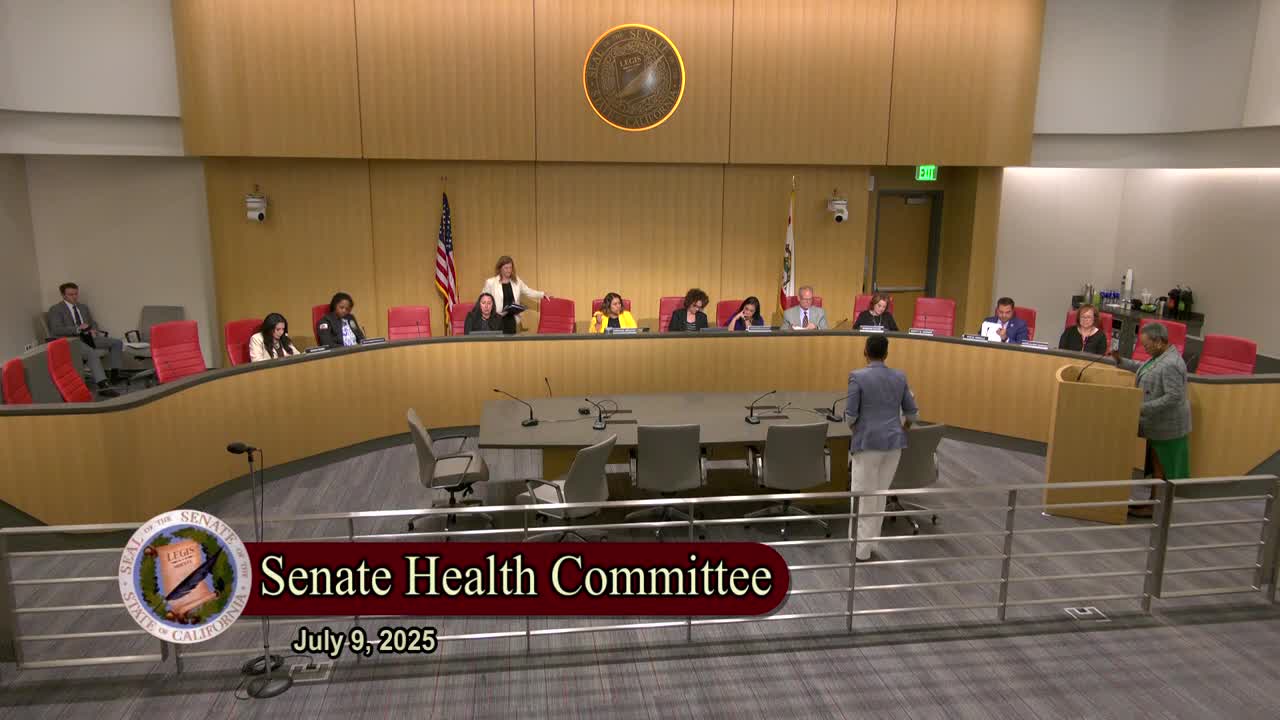 8MIN
Senate Standing Committee on Health
 7MIN
Senate Standing Committee on Public Safety
 2MIN
Assembly Floor
 8MIN
Assembly Standing Committee on Health
 8MIN