AB 1171: Part-Time Community College Faculty Health Insurance Program.
- Session Year: 2025-2026
- House: Assembly
- Latest Version Date: 2026-06-01
Current Status:
In Progress
(2026-08-13: In committee: Held under submission.)
Introduced
In Committee
Awaiting First Chamber Vote
Passed First Chamber
In Committee
Awaiting Second Chamber Vote
Passed Second Chamber
Enacted
Existing law establishes the California Community Colleges, administered by the Board of Governors of the California Community Colleges, as one of the segments of public postsecondary education in the state. Existing law requires the board to appoint a chief executive officer, known as the Chancellor of the California Community Colleges. Existing law establishes community college districts throughout the state, under the administration of community college district governing boards, and authorizes these districts to provide instruction at the community college campuses they operate. Existing law establishes the Part-Time Community College Faculty Health Insurance Program Program, which authorizes the governing board of a community college district to provide a program of health insurance for part-time faculty, multidistrict part-time faculty, and their dependents. Under existing law, a multidistrict part-time faculty member who individually purchases health insurance benefits is eligible to participate in the program, and existing law requires a community college district to reimburse a multidistrict part-time faculty member for the districts proportionate share of the total health insurance premium paid by the multidistrict part-time faculty member, as provided. Existing law requires the chancellor, by June 15 of each year, to apportion to each community college that establishes a program an amount that equals up to one-half1/2 of the total cost of the individual premiums required to be paid for the health insurance coverage of participating part-time faculty, multidistrict part-time faculty, and their dependents, and to apportion any remaining funds to each community college district that establishes a program and meets certain criteria, up to the total cost of the individual premiums required to be paid for the health insurance coverage of the participants, as provided. If funds appropriated for purposes of the program remain after those apportionments, existing law requires that the balance revert to the General Fund annually, as specified.
This bill would revise and recast the Part-Time Community College Faculty Health Insurance Program to, among other things, additionally make a part-time faculty member who individually purchases health insurance benefits eligible to participate in the program and require a community college district to reimburse a part-time faculty member for health insurance benefits purchased by the part-time faculty member, as specified. The bill would require the chancellor, on or before June 15 of each year, to apportion to each community college district an amount that equals the total cost of the reimbursements for part-time faculty, multidistrict part-time faculty, and their dependents, as provided. By imposing additional duties on community college districts, the bill would impose a state-mandated local program. instead require that the balance be deposited into the Part-Time Community College Faculty Health Insurance Program Fund, which the bill would create. The bill would continuously appropriate the moneys in the fund to the chancellor for purposes of the above-described apportionments, as specified.
This bill would annually appropriate $200,000,000, on or before June 30 of each fiscal year, from the General Fund to the Board of Governors of the California Community Colleges for purposes of augmenting funds appropriated for part-time faculty health insurance. state the intent of the Legislature that, by January 1, 2030, each community college district commence negotiations with the exclusive representatives for part-time community college faculty to offer health insurance benefits to part-time and multidistrict part-time community college faculty and their eligible dependents.
The California Constitution requires the state to reimburse local agencies and school districts for certain costs mandated by the state. Statutory provisions establish procedures for making that reimbursement.This bill would provide that, if the Commission on State Mandates determines that the bill contains costs mandated by the state, reimbursement for those costs shall be made pursuant to the statutory provisions noted above.Existing law establishes the California Community Colleges, administered by the Board of Governors of the California Community Colleges, as one of the segments of public postsecondary education in the state. Existing law requires the board to appoint a chief executive officer, known as the Chancellor of the California Community Colleges. Existing law establishes community college districts throughout the state, under the administration of community college district governing boards, and authorizes these districts to provide instruction at the community college campuses they operate. Existing law establishes the Part-Time Community College Faculty Health Insurance Program which authorizes the governing board of a community college district to provide a program of health insurance for part-time faculty, multidistrict part-time faculty, and their dependents. Under existing law, a multidistrict part-time faculty member who individually purchases health insurance benefits is eligible to participate in the program, and existing law requires a community college district to reimburse a multidistrict part-time faculty member for the districts proportionate share of the total health insurance premium paid by the multidistrict part-time faculty member, as provided. Existing law requires the chancellor, by June 15 of each year, to apportion to each community college that establishes a program an amount that equals up to one-half of the total cost of the individual premiums required to be paid for the health insurance coverage of participating part-time faculty, multidistrict part-time faculty, and their dependents, as provided.
This bill would revise and recast the Part-Time Community College Faculty Health Insurance Program to, among other things, instead provide that part-time faculty and multidistrict part-time faculty are eligible to participate in the program. The bill would additionally make a part-time faculty member who individually purchases health insurance benefits eligible to participate in the program and require a community college district to reimburse a part-time faculty member for health insurance benefits purchased by the part-time faculty member, as specified. The bill would require the chancellor, on or before June 15 of each year, to apportion to each community college district an amount that equals the total cost of the reimbursements for part-time faculty and faculty, multidistrict part-time faculty, and their dependents, as provided. By imposing additional duties on community college districts, the bill would impose a state-mandated local program.
This bill would annually appropriate $200,000,000, on or before June 30 of each fiscal year, from the General Fund to the Board of Governors of the California Community Colleges for purposes of augmenting funds appropriated for part-time faculty health insurance.
The California Constitution requires the state to reimburse local agencies and school districts for certain costs mandated by the state. Statutory provisions establish procedures for making that reimbursement.
This bill would provide that, if the Commission on State Mandates determines that the bill contains costs mandated by the state, reimbursement for those costs shall be made pursuant to the statutory provisions noted above.
Existing law establishes the California Community Colleges, administered by the Board of Governors of the California Community Colleges, as one of the segments of public postsecondary education in the state. Existing law requires the board to appoint a chief executive officer, known as the Chancellor of the California Community Colleges. Existing law establishes community college districts throughout the state, under the administration of community college district governing boards, and authorizes these districts to provide instruction at the community college campuses they operate. Existing law establishes the Part-Time Community College Faculty Health Insurance Program which authorizes the governing board of a community college district to provide a program of health insurance for part-time faculty, multidistrict part-time faculty, and their dependents. Under existing law, a multidistrict part-time faculty member who individually purchases health insurance benefits is eligible to participate in the program, and existing law requires a community college district to reimburse a multidistrict part-time faculty member for the districts proportionate share of the total health insurance premium paid by the multidistrict part-time faculty member, as provided. Existing law requires the chancellor, by June 15 of each year, to apportion to each community college that establishes a program an amount that equals up to one-half of the total cost of the individual premiums required to be paid for the health insurance coverage of participating part-time faculty, multidistrict part-time faculty, and their dependents, as provided.
This bill would revise and recast the Part-Time Community College Faculty Health Insurance Program to, among other things, instead provide that part-time faculty and multidistrict part-time faculty are eligible to participate in the program. The bill would additionally make a part-time faculty member who individually purchases health insurance benefits eligible to participate in the program and require a community college district to reimburse a part-time faculty member for health insurance benefits purchased by the part-time faculty member, as specified. The bill would require the chancellor, on or before June 15 of each year, to apportion to each community college district an amount that equals the total cost of the reimbursements for part-time faculty and multidistrict part-time faculty, as provided. By imposing additional duties on community college districts, the bill would impose a state-mandated local program.
This bill would annually appropriate $200,000,000, on or before June 30 of each fiscal year, from the General Fund to the Board of Governors of the California Community Colleges for purposes of augmenting funds appropriated for part-time faculty health insurance.
The California Constitution requires the state to reimburse local agencies and school districts for certain costs mandated by the state. Statutory provisions establish procedures for making that reimbursement.
This bill would provide that, if the Commission on State Mandates determines that the bill contains costs mandated by the state, reimbursement for those costs shall be made pursuant to the statutory provisions noted above.
Existing law establishes the California Community Colleges under the administration of the Board of Governors of the California Community Colleges. Existing law authorizes the establishment of community college districts under the administration of community college governing boards, and authorizes these districts to provide instruction at community college campuses throughout the state. Under existing law, a person employed to teach adult or community college classes for not more than 67% of the hours per week of a full-time employee having comparable duties, excluding substitute service, is classified as a temporary employee and not a contract employee.This bill would require a part-time faculty member whose total teaching assignments at 2 or more community college districts equals or exceeds a full-time teaching assignment to be provided the same benefits as a full-time faculty member.Existing law establishes the California Community Colleges under the administration of the Board of Governors of the California Community Colleges. Existing law authorizes the establishment of community college districts under the administration of community college governing boards, and authorizes these districts to provide instruction at community college campuses throughout the state. Under existing law, a person employed to teach adult or community college classes for not more than 67% of the hours per week of a full-time employee having comparable duties, excluding substitute service, is classified as a temporary employee and not a contract employee.
This bill would require a part-time faculty member whose total teaching assignments at 2 or more community college districts equals or exceeds a full-time teaching assignment to be provided the same benefits as a full-time faculty member.
(a)By June 15 of each year, the Chancellor of the California Community Colleges shall apportion to each community college district that establishes a program pursuant to this article an amount that equals up to one-half of the total cost of the individual premiums required to be paid for the health insurance coverage of participating part-time faculty, multidistrict part-time faculty, and their dependents in the district.
(b)By June 15 of each year, the chancellor shall apportion any remaining funds appropriated for this program to each community college district that establishes a program pursuant to this article and meets all of the following criteria, up to the total cost of the individual premiums required to be paid for the health insurance coverage of participating part-time faculty, multidistrict part-time faculty, and their dependents in the district:
(1)Offers health insurance coverage to all part-time faculty who meet the requirements in subdivision (c) of Section 87861.
(2)Offers part-time faculty the same health insurance benefits provided to the full-time faculty at the community college district.
(3)Limits individual premiums paid by part-time faculty to no more than the actual individual premium paid by full-time faculty in that district.
(4)Offers health insurance coverage to all multidistrict part-time faculty who meet the requirements in subdivision (b) of Section 87861, and pursuant to Section 87865.
(c)The chancellor shall distribute funds that have been appropriated specifically for this purpose, and pursuant to subdivisions (a) and (b), proportionally based on each community college districts total costs for premiums for those districts that submit verification of the costs of premiums for eligible employees for a fiscal year, but in no event shall the allocation to any district exceed the full cost of the verified premiums.
(d)If funds appropriated for this purpose remain after all apportionments for subdivisions (a) and (b) have been made, the balance that exceeds that amount shall revert to be deposited annually into the General Fund annually. Part-Time Community College Faculty Health Insurance Program Fund created pursuant to Section 87867.5.SEC. 2.Section 87867.5 is added to the Education Code, to read:87867.5.The Part-Time Community College Faculty Health Insurance Program Fund is hereby created in the State Treasury. Pursuant to subdivision (d) of Section 87867, funds remaining after all apportionments pursuant to subdivisions (a) and (b) of Section 87867 have been made shall be deposited into the fund. Notwithstanding Section 13340 of the Government Code, all moneys in the fund shall be continuously appropriated, without regard to fiscal year, to the chancellor for purposes of making the apportionments in subdivisions (a) and (b) of Section 87867 until reappropriated or reverted by the Legislature through the annual Budget Act or any other act.
SEC. 3.Section 87869 is added to the Education Code, to read:87869.It is the intent of the Legislature that, by January 1, 2030, each community college district commence negotiations with the exclusive representatives for part-time community college faculty to offer health insurance benefits to part-time and multidistrict part-time community college faculty and their eligible dependents.
SECTION 1.Section 87860 of the Education Code is amended to read:87860.It is the intent of the Legislature that part-time and multidistrict part-time community college faculty and their eligible dependents have continuous access to health insurance benefits.SEC. 2.Section 87860.5 of the Education Code is amended to read:87860.5.The Part-Time Community College Faculty Health Insurance Program is hereby established for the purpose of providing state-mandated and state-funded health insurance benefits for part-time faculty and multidistrict part-time community college faculty.SEC. 3.Section 87861 of the Education Code is amended to read:87861.For purposes of this article:(a)Health insurance benefits include medical benefits but do not include vision or dental benefits.(b)Multidistrict part-time faculty refers to any faculty member whose total teaching assignments at two or more community college districts equals or exceeds 40 percent of the cumulative equivalent of a minimum full-time teaching assignment. Multidistrict part-time faculty does not include part-time faculty as defined in subdivision (c).(c)Part-time faculty refers to any faculty member whose teaching assignment equals or exceeds 40 percent of the cumulative equivalent of a minimum full-time teaching assignment.(d)Program means the Part-time Community College Faculty Health Insurance Program established pursuant to this article.SEC. 4.Section 87862 of the Education Code is repealed.SEC. 5.Section 87863 of the Education Code is amended and renumbered to read:87862.(a)A part-time faculty member and their eligible dependents are eligible to participate in the program established pursuant to this article.(b)A multidistrict part-time faculty member and their eligible dependents are eligible to participate in the program established pursuant to this article.SEC. 6.Section 87864 of the Education Code is amended and renumbered to read:87863.A part-time faculty member, multidistrict part-time faculty member, or their dependents whose premiums for health insurance are paid by an employer other than a community college district are not eligible to participate in the program established pursuant to this article.SEC. 7.Section 87864 is added to the Education Code, to read:87864.(a)A part-time faculty member who individually purchases health insurance benefits is eligible to participate in the program established pursuant to this article.(b)A community college district shall reimburse a part-time faculty member for health insurance benefits purchased by the part-time faculty member. The reimbursement rate shall be 50 percent of the health insurance premium paid by the part-time faculty member, up to the full cost of the districts most commonly subscribed family coverage plan.(c)A community college district may require reasonable documentation from a part-time faculty member to determine the districts reimbursement rate share, as described in subdivision (b), which may include, but is not limited to, documentation verifying enrollment in a health insurance plan and the premium paid for the health insurance plan.SEC. 8.Section 87866 of the Education Code is amended to read:87866.The governing board of each community college district shall, by June 1 of each year, send verification to the Chancellor of the California Community Colleges of the number of participants in the program.SEC. 9.Section 87867 of the Education Code is amended to read:87867.(a)By June 15 of each year, the Chancellor of the California Community Colleges shall apportion to each community college district an amount that equals the total cost of the reimbursements for part-time faculty, multidistrict part-time faculty, and their dependents as determined by Sections 87864 and 87865. (b)The chancellor shall distribute funds that have been appropriated specifically for this purpose, and pursuant to subdivision (a), proportionally based on each community college districts total costs for reimbursements for those districts that submit verification of the costs of reimbursements for eligible employees for a fiscal year, but in no event shall the allocation to any district exceed the full cost of the verified reimbursements.(c)If funds appropriated for this purpose remain after all apportionments for subdivision (a) have been made, the balance that exceeds that amount shall revert to the General Fund annually.SEC. 10.Section 87868 of the Education Code is repealed.SEC. 11.Section 87868 is added to the Education Code, to read:87868.The sum of two hundred million dollars ($200,000,000) shall be annually appropriated, on or before June 30 of each fiscal year, from the General Fund to the Board of Governors of the California Community Colleges for purposes of augmenting Schedule (12) of Item 6870-101-0001 of Section 2.00 of the Budget Act for each fiscal year.SEC. 12.If the Commission on State Mandates determines that this act contains costs mandated by the state, reimbursement to local agencies and school districts for those costs shall be made pursuant to Part 7 (commencing with Section 17500) of Division 4 of Title 2 of the Government Code.It is the intent of the Legislature that part-time and multidistrict part-time community college faculty and their eligible dependents have continuous access to health insurance benefits.
SEC. 2.Section 87860.5 of the Education Code is amended to read:87860.5.The Part-Time Community College Faculty Health Insurance Program is hereby established for the purpose of providing state-mandated and state-funded health insurance benefits for part-time faculty and multidistrict part-time community college faculty.
SEC. 3.Section 87861 of the Education Code is amended to read:87861.For purposes of this article:
(a)Health insurance benefits include medical benefits but do not include vision or dental benefits.
(b)Multidistrict part-time faculty refers to any faculty member whose total teaching assignments at two or more community college districts equals or exceeds 40 percent of the cumulative equivalent of a minimum full-time teaching assignment. Multidistrict part-time faculty does not include part-time faculty as defined in subdivision (c).
(c)Part-time faculty refers to any faculty member whose teaching assignment equals or exceeds 40 percent of the cumulative equivalent of a minimum full-time teaching assignment.
(d)Program means the Part-time Community College Faculty Health Insurance Program established pursuant to this article.
SEC. 4.Section 87862 of the Education Code is repealed.SEC. 5.Section 87863 of the Education Code is amended and renumbered to read:87862.(a)A part-time faculty member is and their eligible dependents are eligible to participate in the program established pursuant to this article.
(b)A multidistrict part-time faculty member is and their eligible dependents are eligible to participate in the program established pursuant to this article.
SEC. 6.Section 87864 of the Education Code is amended and renumbered to read:87863.A part-time faculty member and a member, multidistrict part-time faculty member member, or their dependents whose premiums for health insurance are paid by an employer other than a community college district are not eligible to participate in the program established pursuant to this article.
SEC. 7.Section 87864 is added to the Education Code, to read:87864.(a)A part-time faculty member who individually purchases health insurance benefits is eligible to participate in the program established pursuant to this article.
(b)A community college district shall reimburse a part-time faculty member for health insurance benefits purchased by the part-time faculty member. The reimbursement rate shall be the lesser of either of the following: 50 percent of the health insurance premium paid by the part-time faculty member, up to the full cost of the districts most commonly subscribed family coverage plan.
(1)A community college district shall reimburse up to 50 percent of the total health insurance premium paid by the part-time faculty member for 12 months of health care benefits.(2)A community college district shall reimburse up to the districts proportionate share of the full cost of the districts most commonly subscribed family coverage plan.(c)A community college district may require reasonable documentation from a part-time faculty member to determine the districts reimbursement rate share, as described in subdivision (b), which may include, but is not limited to, documentation verifying enrollment in a health insurance plan and the premium paid for the health insurance plan.
SEC. 8.Section 87866 of the Education Code is amended to read:87866.The governing board of each community college district shall, by June 1 of each year, send verification to the Chancellor of the California Community Colleges of the number of participants in the program.
SEC. 9.Section 87867 of the Education Code is amended to read:87867.(a)By June 15 of each year, the Chancellor of the California Community Colleges shall apportion to each community college district an amount that equals the total cost of the reimbursements for part-time faculty and faculty, multidistrict part-time faculty faculty, and their dependents as determined by Sections 87864 and 87865.
(b)The chancellor shall distribute funds that have been appropriated specifically for this purpose, and pursuant to subdivision (a), proportionally based on each community college districts total costs for reimbursements for those districts that submit verification of the costs of reimbursements for eligible employees for a fiscal year, but in no event shall the allocation to any district exceed the full cost of the verified reimbursements.
(c)If funds appropriated for this purpose remain after all apportionments for subdivision (a) have been made, the balance that exceeds that amount shall revert to the General Fund annually.
SEC. 10.Section 87868 of the Education Code is repealed.SEC. 11.Section 87868 is added to the Education Code, to read:87868.The sum of two hundred million dollars ($200,000,000) shall be annually appropriated, on or before June 30 of each fiscal year, from the General Fund to the Board of Governors of the California Community Colleges for purposes of augmenting Schedule (12) of Item 6870-101-0001 of Section 2.00 of the Budget Act for each fiscal year.
SEC. 12.If the Commission on State Mandates determines that this act contains costs mandated by the state, reimbursement to local agencies and school districts for those costs shall be made pursuant to Part 7 (commencing with Section 17500) of Division 4 of Title 2 of the Government Code.
It is the intent of the Legislature that part-time and multidistrict part-time community college faculty and their eligible dependents have continuous access to health insurance benefits.
SEC. 2.Section 87860.5 of the Education Code is amended to read:87860.5.There is hereby established the The Part-Time Community College Faculty Health Insurance Program is hereby established for the purpose of providing a state incentive program to encourage community college districts to offer health insurance for part-time faculty. state-mandated and state-funded health insurance benefits for part-time faculty and multidistrict part-time community college faculty.
SEC. 3.Section 87861 of the Education Code is amended to read:87861.For purposes of this article:
(a)Health insurance benefits include medical benefits but do not include vision or dental benefits.
(b)Multidistrict part-time faculty refers to any faculty member whose total teaching assignments at two or more community college districts equals or exceeds 40 percent of the cumulative equivalent of a minimum full-time teaching assignment. Multidistrict part-time faculty does not include part-time faculty as defined in subdivision (c).
(c)Part-time faculty refers to any faculty member whose teaching assignment equals or exceeds 40 percent of the cumulative equivalent of a minimum full-time teaching assignment.
(d)The changes made to subdivision (c) during the 1999 portion of the 19992000 Regular Session of the Legislature shall be operative in any fiscal year only if funds are appropriated for purposes of those changes in the annual Budget Act or in another measure. If the amount appropriated in the annual Budget Act or in another measure for purposes of this section is insufficient to fully fund those changes for the fiscal year, the chancellor shall prorate the funds among the community college districts affected by this section.(d)Program means the Part-time Community College Faculty Health Insurance Program established pursuant to this article.
SEC. 4.Section 87862 of the Education Code is repealed.87862.The governing board of a community college district may provide a program of health insurance for part-time faculty, multidistrict part-time faculty, and their dependents.SEC. 5.Section 87863 of the Education Code is amended and renumbered to read:87863.87862.(a)A part-time faculty member and their eligible dependents are is eligible to participate in the program established pursuant to this article.
(b)A multidistrict part-time faculty member and their eligible dependents are is eligible to participate in the program established pursuant to this article.
(c)The changes made to subdivision (a) during the 1999 portion of the 19992000 Regular Session of the Legislature shall be operative in any fiscal year only if funds are appropriated for purposes of those changes in the annual Budget Act or in another measure. If the amount appropriated in the annual Budget Act or in another measure for purposes of this section is insufficient to fully fund those changes for the fiscal year, the chancellor shall prorate the funds among the community college districts affected by this section.(d)Any changes made pursuant to this section to the Part-time Community College Faculty Health Insurance Program shall not affect any part-time health insurance program in effect on January 1, 2000.SEC. 6.Section 87864 of the Education Code is amended and renumbered to read:87864.87863.A part-time faculty member, member and a multidistrict part-time faculty member, or their dependents member whose premiums for health insurance are paid by an employer other than a community college district are not eligible to participate in the program established pursuant to this article.
SEC. 7.Section 87864 is added to the Education Code, to read:87864.(a)A part-time faculty member who individually purchases health insurance benefits is eligible to participate in the program established pursuant to this article.
(b)A community college district shall reimburse a part-time faculty member for health insurance benefits purchased by the part-time faculty member. The reimbursement rate shall be the lesser of either of the following:
(1)A community college district shall reimburse up to 50 percent of the total health insurance premium paid by the part-time faculty member for 12 months of health care benefits.
(2)A community college district shall reimburse up to the districts proportionate share of the full cost of the districts most commonly subscribed family coverage plan.
(c)A community college district may require reasonable documentation from a part-time faculty member to determine the districts reimbursement rate share, as described in subdivision (b), which may include, but is not limited to, documentation verifying enrollment in a health insurance plan and the premium paid for the health insurance plan.
SEC. 8.Section 87866 of the Education Code is amended to read:87866.The governing board of each community college district that establishes a program pursuant to this article shall do both of the following: shall, by
(a)Negotiate with the exclusive representative as to the payment of the portion of the health insurance premium that is not funded by the state.(b)By June 1 of each year, send verification to the Chancellor of the California Community Colleges as to of the number of participants in the program.
SEC. 9.Section 87867 of the Education Code is amended to read:87867.(a)By June 15 of each year, the Chancellor of the California Community Colleges shall apportion to each community college district that establishes a program pursuant to this article an amount that equals up to one-half of the total cost of the individual premiums required to be paid for the health insurance coverage of participating part-time faculty, multidistrict part-time faculty, and their dependents in the district. reimbursements for part-time faculty and multidistrict part-time faculty as determined by Sections 87864 and 87865.
(b)By June 15 of each year, the chancellor shall apportion any remaining funds appropriated for this program to each community college district that establishes a program pursuant to this article and meets all of the following criteria, up to the total cost of the individual premiums required to be paid for the health insurance coverage of participating part-time faculty, multidistrict part-time faculty, and their dependents in the district:(1)Offers health insurance coverage to all part-time faculty who meet the requirements in subdivision (c) of Section 87861.(2)Offers part-time faculty the same health insurance benefits provided to the full-time faculty at the community college district.(3)Limits individual premiums paid by part-time faculty to no more than the actual individual premium paid by full-time faculty in that district.(4)Offers health insurance coverage to all multidistrict part-time faculty who meet the requirements in subdivision (b) of Section 87861, and pursuant to Section 87865.(c)(b)The chancellor shall distribute funds that have been appropriated specifically for this purpose, and pursuant to subdivisions (a) and (b), subdivision (a), proportionally based on each community college districts total costs for premiums reimbursements for those districts that submit verification of the costs of premiums reimbursements for eligible employees for a fiscal year, but in no event shall the allocation to any district exceed the full cost of the verified premiums. reimbursements.
(d)(c)If funds appropriated for this purpose remain after all apportionments for subdivisions (a) and (b) subdivision (a) have been made, the balance that exceeds that amount shall revert to the General Fund annually.
SEC. 10.Section 87868 of the Education Code is repealed.87868.It is the intent of the Legislature that ongoing funding for the purposes of this article be subject to annual Budget Act appropriations.SEC. 11.Section 87868 is added to the Education Code, to read:87868.The sum of two hundred million dollars ($200,000,000) shall be annually appropriated, on or before June 30 of each fiscal year, from the General Fund to the Board of Governors of the California Community Colleges for purposes of augmenting Schedule (12) of Item 6870-101-0001 of Section 2.00 of the Budget Act for each fiscal year.
SEC. 12.If the Commission on State Mandates determines that this act contains costs mandated by the state, reimbursement to local agencies and school districts for those costs shall be made pursuant to Part 7 (commencing with Section 17500) of Division 4 of Title 2 of the Government Code.
SECTION 1.Section 87482.2 is added to the Education Code, to read:87482.2.Notwithstanding any other law, a part-time faculty member whose total teaching assignments at two or more community college districts equals or exceeds a full-time teaching assignment shall be provided the same benefits as a full-time faculty member.Notwithstanding any other law, a part-time faculty member whose total teaching assignments at two or more community college districts equals or exceeds a full-time teaching assignment shall be provided the same benefits as a full-time faculty member.
|
Date
|
Status
|
|---|---|
| Aug 13, 2026 | In committee: Held under submission. |
| Jun 22, 2026 | In committee: Referred to APPR. suspense file. |
| Jun 10, 2026 | From committee: Do pass and re-refer to Com. on APPR. (Ayes 7. Noes 0.) (June 10). Re-referred to Com. on APPR. |
| Jun 1, 2026 | From committee chair, with author's amendments: Amend, and re-refer to committee. Read second time, amended, and re-referred to Com. on ED. |
| May 6, 2026 | Referred to Com. on ED. |
| Jan 29, 2026 | In Senate. Read first time. To Com. on RLS. for assignment. |
| Jan 29, 2026 | Read third time. Passed. Ordered to the Senate. (Ayes 63. Noes 5. Page 3869.) |
| Jan 22, 2026 | Assembly Rule 63 suspended. (Page 3806.) |
| Jan 22, 2026 | Read second time. Ordered to third reading. |
| Jan 22, 2026 | In committee: Set, first hearing. Referred to suspense file. |
| Jan 22, 2026 | From committee: Do pass. (Ayes 12. Noes 3.) (January 22). |
| Jan 16, 2026 | Re-referred to Com. on APPR. |
| Jan 15, 2026 | Read second time and amended. |
| Jan 14, 2026 | From committee: Amend, and do pass as amended and re-refer to Com. on APPR. (Ayes 7. Noes 1.) (January 13). |
| Jan 6, 2026 | Re-referred to Com. on HIGHER ED. |
| Jan 5, 2026 | From committee chair, with author's amendments: Amend, and re-refer to Com. on HIGHER ED. Read second time and amended. |
| Apr 22, 2025 | In committee: Set, first hearing. Hearing canceled at the request of author. |
| Mar 10, 2025 | Referred to Com. on HIGHER ED. |
| Feb 24, 2025 | Read first time. |
| Feb 22, 2025 | From printer. May be heard in committee March 24. |
| Feb 21, 2025 | Introduced. To print. |
|
Date
|
Description
|
Location
|
Votes
|
|
|---|---|---|---|---|
| Jun 22, 2026 | Placed on suspense file | Senate Standing Committee on Appropriations |
Passed |
|
| Jun 10, 2026 | Do pass, but first be re-referred to the Committee on [Appropriations] | Senate Standing Committee on Education |
Passed |
|
| Jan 29, 2026 | AB 1171 Patel Assembly Third Reading | Assembly Floor |
Passed |
|
| Jan 22, 2026 | Do pass. | Assembly Standing Committee on Appropriations |
Passed |
|
| Jan 13, 2026 | Do pass as amended and be re-referred to the Committee on [Appropriations] | Assembly Standing Committee on Higher Education |
Passed |
This list shows positions taken on this bill by organizations on the date displayed, which is linked to the original source.
Positions by individuals are not included.
|
Organization
|
Position
|
Date
|
|---|---|---|
| Association Of California Community College Administrators | ** Against | |
| Community College League of California | ** Against | |
| Faculty Association Of California Community Colleges | ** Support |
SENATE COMMITTEE ON
Senator Sabrina Cervantes, Chair
2025 - 2026 Regular Session
AB 1171 (Patel) - Part-Time Community College Faculty Health Insurance Program
Version: | Policy Vote: |
Urgency: | Mandate: |
Hearing Date: | Consultant: |
Bill Summary:
This bill requires that any unspent program funds from the Part-Time Community College Faculty Health Insurance Program be deposited annually into a newly created fund, rather than be reverted annually to the General Fund, and requires that these deposited funds continue to be used for eligible program expenditures.
Fiscal Impact:
- The Chancellor’s Office estimates Proposition 98 General Fund cost pressures in the hundreds of millions of dollars each year as a result of this bill. Specifically, there could be significant ongoing Proposition 98 General Fund costs resulting from the continuous appropriation of unspent Part-Time Faculty Health Insurance Program funds. Under current law, any remaining program funds after all eligible reimbursement claims are paid revert to the General Fund and made available for reappropriation. The Chancellor’s Office also estimates additional, unknown Proposition 98 General Fund cost pressures to expand the program based on the legislative intent for all districts to commence negotiations by January 1, 2030. Depending on how many new districts participate in the program, an additional 10,000 to 25,000 adjunct faculty members could become eligible based on recent survey data. It is unclear whether the program’s existing funding level would be sufficient to address the increased demand.
- There could be one-time General Fund costs ranging between $13,000 and $58,000 for the Chancellor’s Office to update its guidance pertaining to the program, track eligible reimbursements across districts, and provide technical assistance.
Background:
Existing law establishes the Part-Time Community College Faculty Health Insurance Program with the purpose of providing a state incentive program to encourage community college districts (CCDs) to offer health insurance for part-time faculty. “Health insurance benefits” are defined as medical benefits but do not include vision and dental benefits. Existing law defines “part-time faculty” as any faculty member whose teaching assignment is at least 40% of the cumulative equivalent of a minimum full-time teaching assignment.
Existing law permits the governing board of a CCD to provide health insurance for part-time faculty, multidistrict part-time faculty, and their dependents. The law prohibits a part-time faculty, multidistrict faculty member, or their dependents from participating in the Part-Time Community College Faculty Health Insurance Program if their premiums are paid by an employer other than a CCD.
Existing law requires a CCD to reimburse a multidistrict part-time faculty member for the CCD’s proportionate share of the total health insurance premium paid, and permits a CCD to require reasonable documentation from the multidistrict part-time faculty member, as specified.
Proposed Law:
This bill requires any unspent funds from the Part-Time Community College Faculty Health Insurance Program to be deposited annually into the Part-Time Community College Faculty Health Insurance Program Fund, rather than be reverted back to the General Fund.
This bill creates the Part-Time Community College Faculty Health Insurance Program Fund to be continuously appropriated, without regard to fiscal year, for the purpose of apportioning funds to CCDs for eligible expenditures for the Part-Time Community College Faculty Health Insurance Program, until reappropriated or reverted by the Legislature through the annual budget act or any other act.
This bill provides that it is the intent of the Legislature by January 1, 2030, each CCD commence negotiations with the exclusive representatives for part-time community college faculty to offer health insurance benefits to part-time and multidistrict part-time community college faculty and their eligible dependents.
Related Legislation:
AB 190 (Committee on Budget, Chapter 572, Statutes of 2022) expanded the program to include eligible part-time faculty working across multiple districts and allowed eligible CCDs to receive up to 100 percent reimbursement for the employer share of costs of offering health insurance to part-time faculty.
Staff Comments:
The Part-Time Community College Faculty Health Insurance Program encourages CCDs to offer health insurance for part-time faculty. Prior to the 2022 Budget Act, the program received an annual appropriation of $490,000 and was heavily oversubscribed, with participating CCDs being reimbursed for only a fraction of the cost of providing health insurance to part-time faculty. The 2022 Budget Act expanded the program to include eligible part-time faculty working across multiple districts and added $200 million for the program for a total of $200.5 million. However, despite increased participation in the program over the past several years since 2022, savings from the Part-Time Community College Faculty Health Insurance Program continue to be significant. There was approximately $130 million in savings in 2024-25 and over $100 million in savings is projected for 2025-26.
-- END --
SENATE COMMITTEE ON EDUCATION
Senator Sasha Renée Pérez, Chair
2025 - 2026 Regular
Bill No: Hearing Date: June 10, 2026
Author: | |||
Version: |
| ||
Urgency: | Fiscal: | ||
Consultant: | |||
Subject:
SUMMARY
This bill requires that any unspent program funds from the Part-Time Community College Faculty Health Insurance Program be deposited annually into a newly created fund, rather than be reverted annually to the General Fund, and requires that these deposited funds continue to be used for eligible program expenditures.
BACKGROUND
Existing law:
- Establishes the Part-Time Community College Faculty Health Insurance Program with the purpose of providing a state incentive program to encourage community college districts (CCDs) to offer health insurance for part-time faculty. (Education Code (EC) § 87860.5)
- Defines the following:
- “Health insurance benefits” as medical benefits but do not include vision and dental benefits.
- “Part-time faculty” as any faculty member whose teaching assignment is at least 40% of the cumulative equivalent of a minimum full-time teaching assignment.
- “Multidistrict part-time faculty” as any faculty member whose total teaching assignments at two or more CCDs is at least 40% of the cumulative equivalent of a minimum full-time teaching assignment. (EC § 87861)
- Permits the governing board of a CCD to provide health insurance for part-time faculty, multidistrict part-time faculty, and their dependents. (EC § 87862)
- Prohibits a part-time faculty, multidistrict faculty member, or their dependents from participating in the Part-Time Community College Faculty Health Insurance Program if their premiums are paid by an employer other than a CCD. (EC § 87864)
- Requires a CCD to reimburse a multidistrict part-time faculty member for the CCD’s proportionate share of the total health insurance premium paid, and permits a CCD to require reasonable documentation from the multidistrict part-time faculty member a) to verify the faculty member’s total cumulative assignments at other CCDs is at least 40% of the cumulative equivalent of a minimum full-time teaching assignment, and b) to determine district’s proportionate share as specified. (EC § 87865)
- Determines that a proportionate share for a CCD, for purposes of reimbursing the total health insurance premium paid by a multidistrict part-time faculty member, is calculated by dividing the total health insurance premium paid by the multidistrict part-time faculty member by the total number of CCDs in which the multidistrict part-time faculty member works, then multiplying that quotient by the percentage of health care cost paid by the CCD toward the total cost of the health insurance premium. (EC § 87865)
- Requires CCDs participating in the Part-Time Community College Faculty Health Insurance Program to do both of the following:
- Negotiate with the exclusive representative as to the payment of the portion of the health insurance premium that is not funded by the state.
- Send verification to the Chancellor of the California Community Colleges (CCCs) as to the number of participants in the program by June 1 of each year. (EC § 87866)
- Requires the Chancellor, by June 15 of each year, to apportion to each participating CCD an amount equal to half of the total cost of individual premiums required to be paid for the health insurance coverage of participating part-time faculty, multidistrict part-time faculty, and their dependents. (EC § 87867)
- Requires the Chancellor, by June 15 of each year, to apportion any remaining funds appropriated for this program to each participating CCD, after apportioning funds specified for #8, above and up to the total cost of the individual premiums to be paid for the health insurance coverage of participating part-time faculty, multidistrict part-time faculty, and their dependents in the CCD if they meet all of the following criteria:
- Offers health insurance coverage to all part-time faculty as defined for the Part-Time Community College Faculty Health Insurance Program.
- Offers part-time faculty the same health insurance benefits provided to full-time faculty at the CCD.
- Limits individual premiums paid by part-time faculty to no more than the actual individual premium paid by full-time faculty in that district.
- Offers health insurance coverage to all multidistrict part-time faculty as defined for the Part-Time Community College Faculty Health Insurance Program and reimburses a multidistrict part-time faculty for their health insurance premium as specified. (EC § 87867)
ANALYSIS
This bill:
- Requires that any unspent funds from the Part-Time Community College Faculty Health Insurance Program be deposited annually into the Part-Time Community College Faculty Health Insurance Program Fund, rather than be reverted annually to the General Fund.
- Creates the Part-Time Community College Faculty Health Insurance Program Fund to be continuously appropriated, without regard to fiscal year, for the purpose of apportioning funds to CCDs for eligible expenditures for the Part-Time Community College Faculty Health Insurance Program, until reappropriated or reverted by the Legislature through the annual budget act or any other act.
- Adds that it is the intent of the Legislature that, by January 1, 2030, each CCD commence negotiations with the exclusive representatives for part-time community college faculty to offer health insurance benefits to part-time and multidistrict part-time community college faculty and their eligible dependents.
STAFF COMMENTS
- Need for the bill. According to the author, “California appropriates $200 million annually to provide part-time faculty at community colleges with healthcare coverage through a program that incentivizes Community College Districts to offer healthcare to their part-time employees. Yet only 35% of those funds are reaching their intended purpose, while the rest revert to the General Fund each year, unspent and unable to address any hurdles that prevent participation.
This bill prevents funds appropriated for this purpose from reverting to the General Fund, giving the Legislature the capital necessary to address the structural hurdles that have long prevented part-time faculty from receiving the coverage they deserve. That urgency has only grown as rising premiums and Medi-Cal eligibility restrictions push more faculty into coverage gaps they cannot afford. AB 1171 does not ask for new money; it simply ensures that funds the Legislature and the Governor have already committed to faculty healthcare are used for exactly that purpose, and that we finally give ourselves the tools to make this program work.”
- Recent augmentation for the Part-Time Community College Faculty Health Insurance Program. The Part-Time Community College Faculty Health Insurance Program is a categorical program within the CCC system with the purpose of encouraging CCDs to offer health insurance for part-time faculty. Prior to the 2022 Budget Act, the program received an annual appropriation of $490,000 and was heavily oversubscribed, with participating CCDs being reimbursed for only a fraction of the cost of providing health insurance to part-time faculty. When AB 375 (Medina, 2021)—which would have redefined CCC part-time faculty course load as not to exceed 85% of a full-time assignment, rather than not to exceed 67% of a full-time assignment—was vetoed by Governor Newsom, his veto message included a note that he was committed to considering options to support CCC part-time faculty in the following Governor’s Budget.
Making good on the veto message’s promise, the 2022 Budget Act added $200 million for the program for an ongoing total of $200.5 million, expanded the program to include eligible part-time faculty working across multiple districts, and provided an avenue for CCDs to receive up to 100% reimbursement for the employer share of costs of offering health insurance to part-time faculty.
- Eligible part-time faculty. CCDs participating in the program are required to offer health insurance to eligible part-time faculty, multidistrict part-time faculty, and their dependents. Program statute defines part-time faculty and multidistrict part-time faculty relative to a full-time faculty teaching assignment. A full-time teaching load, which earns the employee a full salary, benefits, and tenure, is determined through collective bargaining and is 15 units on average.
Program statute defines eligible part-time faculty as any faculty member whose teaching assignment is at least 40% of the cumulative equivalent of a minimum full-time teaching assignment, and it provides a similar definition for “multidistrict part-time faculty”, though this courseload would be distributed across two or more CCDs. As of Fall 2024, there were roughly 39,000 part-time faculty working across the CCC system, but it is unclear how many of these faculty members meet the 40% threshold defined by program statute.
- Program’s reimbursement mechanism. Participating CCDs are eligible to be reimbursed for 50% of their total cost of health insurance provided to part-time faculty, multidistrict part-time faculty, and their dependents. Moreover, participating CCDs meeting additional requirements can be reimbursed in excess of 50% and up to 100% of their costs, depending on available program funding:
- For a CCD to be eligible to receive a 50% reimbursement, the governing board must establish a part-time faculty health insurance program, negotiate with the exclusive representative as to the payment of the portion of the health insurance premium that is not funded by the state, and submit a claim form to the California Community Colleges Chancellor’s Office (CCCCO) by June 1 every year, which includes the number of participants in the program and the total cost of the individual premiums paid by the CCD.
- For a CCD to receive reimbursement in excess of 50% and up to 100%, a CCD must be eligible to receive a 50% reimbursement, and a CCD must also meet the following additional requirements:
- Offers health insurance coverage to all eligible part-time faculty.
- Offers part-time faculty the same health insurance benefits provided to full-time faculty.
- Limits individual premiums paid by part-time faculty (i.e., employee contributions) to no more than the actual individual premium paid by full-time faculty in that CCD.
- Offers health insurance coverage, through a reimbursement plan, to all eligible multidistrict part-time faculty.
If a CCD is deemed eligible to receive reimbursement greater than 50% and up to 100%, their reimbursement percentage is determined by the amount of available funding after allocating funding for CCDs receiving a 50% reimbursement.
- Uptick in CCD participation and statewide spending since 2022-23. The Part-Time Community College Faculty Health Insurance Program does not require CCDs to offer health insurance to part-time faculty, which would constitute a mandate, but instead provides a fiscal incentive for participating CCDs by reimbursing at least 50% of their costs related to providing health insurance for eligible part-time faculty. Since 2022-23, there has been a steady uptick in district participation, the number of part-time faculty participants, and program expenditures, according to the CCCCO, as seen in the table below.
Fiscal Year | Participating CCDs | Part-Time Faculty Participants | Program Expenditures (in millions) |
2022-23 | 38 | 3,840 | $23.3 |
2023-24 | 44 | 4,711 | $37.7 |
2024-25 | 48 | 6,950 | $69.5 |
With regard to employer reimbursement, of the 48 participating CCDs in 2024-25, 21 were reimbursed for 50% of their costs, and the remaining 27 were reimbursed for 100% of their costs. With regard to employee coverage, 7 out of the 48 CCDs covered 100% of health insurance premiums, meaning employees paid no premiums, and 37 out of 48 CCDs covered at least 85% of the total health insurance premium, meaning employees paid a premium equivalent to 15%.
In addition, the CCCCO recently received preliminary data on 2025-26 participation in this program. In 2023-24 and 2024-25, the final counts grew by 10% and 17% compared to preliminary numbers, respectively. Using these numbers as a range, it’s possible that the final number of participating districts in 2025-26 is between 52 to 56 districts and the final program expenditures are between $72 million and $77 million. These amounts tend to grow between preliminary and final data because districts are sometimes late in submitting and finalizing their claim forms.
- Some districts have reservations about participating in this program. Though the potential reimbursement for participating CCDs through the Part-Time Community College Faculty Health Insurance Program is generous, and there is currently ample available funding in the program, some CCDs have reservations about participating in this program, even if they would like to provide access to health insurance for their part-time faculty and their families. Anecdotally, this is sometimes attributed to uncertainty about the state budget and program statute—including fears of a funding cut to the program, changes to program statute, or a scenario where all program funding is spent and the state must prorate funding to CCDs—and what it means for a CCD to offer a significant benefit to employees under one set of assumptions, and the fiscal implications if those assumptions change. To address this uncertainty, some CCDs have built in provisions in their collective bargaining agreements that reopens the agreements if they are reimbursed for less than 100% of their costs.
- This bill seeks to remove a provision requiring program savings to be reverted annually to the General Fund. Despite more CCDs participating in the program over the past several years since the 2022 Budget Act augmentation, the savings from the Part-Time Community College Faculty Health Insurance Program continue to be significant. Savings in 2024-25 were approximately $130 million, and they are projected to be over $100 million in 2025-26. Program savings from 2024-25 were reverted in the 2025 Budget Act and were used to fund other CCC priorities, such as apportionment deficits. The Committee may wish to consider the following questions when discussing this bill:
- With more districts participating in the program each year, might it be considered premature to remove the provision that reverts unused funding if district participation and program expenditures have not yet stabilized?
- This bill proposes that program savings should be redirected and reinvested into this program. Should available savings from the Part-Time Community College Faculty Health Insurance Program be used to provide one-time funding for other CCC needs, or should these savings be used for the original purpose of this program, which is health insurance for part-time faculty, even if there is currently more than enough funding available to fund all eligible expenditures?
- Related and Prior Legislation.
AB 190 (Committee on Budget, Chapter 572, Statutes of 2022) expanded the program to include eligible part-time faculty working across multiple districts and allowed eligible CCDs to receive up to 100% reimbursement for the employer share of costs of offering health insurance to part-time faculty.
AB 375 (Medina, 2021) would have redefined community college part-time faculty course load as not to exceed 85% of a full-time assignment, rather than not to exceed 67% of a full-time assignment. AB 375 was vetoed by the Governor.
SUPPORT
Faculty Association of California Community Colleges (sponsor)
OPPOSITION
Association of California Community College Administrators
Community College League of California
-- END --
ASSEMBLY THIRD READING
ATR Bill Id:AB 1171
Author:(Patel)
As Amended Ver:January 15, 2026
Majority vote
SUMMARY
Repeals portions of an existing optional part-time community college faculty health insurance program and establishes a statewide mandated for community college districts to participate in a program designed to provide reimbursements for health insurance benefits to qualifying part-time faculty, multidistrict faculty, and their dependents at community colleges.
Major Provisions
- Establishes a statewide mandate for community college districts to participate in a part-time community college faculty health insurance program where districts will offer all qualifying part-time and multidistrict community college faculty reimbursements for health insurance benefits.
- Prohibits a part-time faculty or multidistrict part-time faculty, whose health insurance is paid for by another employer other than a community college district, from participating in the part-time community college faculty health insurance program.
- Authorizes a community college district to provide a reimbursement of a determined amount to part-time faculty who have elected to self-purchase health care benefits. The district will reimburse the part-time faculty 50% of the health insurance premium paid by the part-time faculty member, up to the full cost of the district′s most commonly subscribed family coverage plan.
- Permits a community college district to require a part-time faculty member to provide documentation to verify the employee is enrolled in a health insurance plan and that the premiums for the health insurance plan are paid.
- Maintains the existing multidistrict part-time faculty health insurance reimbursement program as described in existing law of this analysis; however, requires community colleges to participate in the multidistrict part-time faculty health insurance reimbursement.
- Requires each community college to send verification to the Chancellor of the California Community Colleges (Chancellor) of the number of those participating in the part-time community college faculty health insurance program.
- Requires by June 15 of each year for the Chancellor to apportion to each community college district the amount equal to the reimbursements provided by the community college district to part-time and multidistrict part-time faculty who have elected to participate in the part-time community college faculty health insurance program.
- Authorizes the Chancellor to distribute funds that have been appropriated for the part-time community college faculty health insurance program to community college districts who have provided verification of the reimbursements provided to part-time and multidistrict part-time faculty and permits the Chancellor to allocate funding to the districts in an amount equal to the reimbursements; but, prohibits the Chancellor from allocating funds in excess of the reimbursements as provided by the districts to qualifying faculty.
- Returns at the end of the year any unused funds that are authorized for use by part-time community college faculty health insurance program to the General Fund.
- Annually appropriates $200 million from the State General Fund to the Board of Governors of the California Community College to be used exclusively for the part-time community college faculty health insurance program.
COMMENTS
The Existing Part-time Community College Faculty Health Care Program (program). In 2022, the Governor and the Legislature sought to increase the availability of state-funded, employer provided health insurance to part-time faculty. The Part-Time Faculty Health Insurance Program (program) was expanded to allow the participation of part-time faculty and multidistrict faculty whose course loads equaled 40% of a full-time course load. To accommodate the expansion in eligibility, the funding for the program was increased from $490,000 to $200 million annually.
For multidistrict faculty, a faculty member would self-purchase healthcare and then receive reimbursement from the various community college districts through a formula. The community college district (CCD) would then be eligible for State funding equal to either half or the full amount of the reimbursement that was provided by the CCD to the faculty. The formula to determine the amount the CCD would pay the multidistrict faculty is as follows: (A/B)*C
A = Total premium paid by the multidistrict part-time faculty.
B = Total number of district in which the multidistrict part-time faculty works.
C = Percent of health insurance cost paid by the district toward the total cost of the premiums for full-time faculty premiums or the most commonly subscribed premium offered by the district
The program places a cap on the total amount of reimbursement for multidistrict faculty for each CCD. The cap is equal to the total amount the district pays for the most commonly subscribed family coverage plan.
For non-multidistrict part-time faculty, the program allows a CCD to collectively bargain health insurance benefits the exclusive representation for part-time faculty and offers health insurance. The program places the responsibility on the CCD and the exclusive representation of the part-time faculty to negotiate the terms of the provision of health care benefits through the CCD′s collective bargaining process. The CCD is entitled to provide any amount of coverage for the part-time faculty; however, the amount of funding the CCD receives from the State to aid in the provision of health insurance to part-time faculty is entirely predicated on the level of health insurance provided.
For a CCD to receive state funding equal to 100% of the total cost of providing health insurance to both multidistrict and part-time faculty, the CCD would have to meet the following requirements:
- A CCD must offer the same health insurance coverage to all part-time faculty who have a minimum course load equal to 40% of a full-time course load;
- A CCD must offer the same health insurance benefits to all faculty (part-time and full-time) who qualify; and,
- The CCD must provide healthcare reimbursements to eligible multidistrict faculty, as illustrated above.
If a CCD does not meet the qualifications for full reimbursement from the state, the CCD will only receive 50% of the total cost of providing health insurance to both multidistrict and part-time faculty.
According to data provided by the Chancellor′s Office of the CCC in the 2024-2025 fiscal year, 49 of the 72 brick and mortar CCDs participate in the program and provided 6,824 part-time faculty with health insurance benefits. The program also provided 125 multidistrict faculty with health insurance reimbursements. Of the $200,490,000 appropriated for the program in the 2024-2025 fiscal year, only $69,489,565 was dispersed to participating CCDs to cover the cost of the health insurance. 27 of the 44 CCDs who received state funding received an amount equal to the full cost of providing health insurance to their part-time and multidistrict faculty.
Need for the measure. When the program was instituted in 1996, the scope of the program was narrow: it only provided healthcare for faculty with a full-time course load between multiple CCDs. In 1996, it was estimated that 1,300 faculty were employed by two or more CCDs and of those only 900 would qualify for health insurance through the program. The 1996 Assembly Committee on Appropriations analysis estimate the program would cost $1 million to provide health insurance to 900 faculty. Between 1996 and 2022, the participation in the program grew to 3,691 part-time faculty.
Since the modification to the program in 2022, participation in the program has increased by roughly 90% (6,947 faculty) with State reimbursements to CCDs nearly tripling in cost however, the total cost of the program, $69.5 million in the current year, has never come close to the total amount provided by the State, the full $200 million annually.
Concerns have been raised as to whether the existing annual appropriation of $200 million from the State is enough to address a statewide mandate expansion as proposed by this measure. The proposed statewide mandate does not change the existing eligibility restrictions for the program. A faculty member who receives health insurance from a non-community college source is not eligible. A faculty member whose course load is less than 40% of a full-time load is not eligible for the program. However, due to the decentralized nature of the CCC and the existence of local governance, the State does not have a reliable method of tracking: 1) the number of part-time faculty employed by multiple CCDs; 2) the course loads of faculty (full-time nor part-time) across the CCC system; and 3) the number of faculty without access to health insurance who would benefit from this measure.
Without clear data on faculty workloads and classifications across the system, it is impossible to determine if the fears and concerns of a statewide mandate are founded; however, what is clear is the concept of a voluntary program has not resulted in the original intent of the Legislature – to provide healthcare to those faculty who are working full-time course loads across multiple CCDs. AB 1171 would realize this intention by creating a statewide mandate health insurance reimbursement program for qualifying part-time and multidistrict faculty.
Please see the policy committee analysis for a full discussion of this bill.
According to the Author
As stated by the Author, ″AB 1171 expands health care coverage for part-time community college faculty by implementing a multidistrict strategy and using existing Part-Time Faculty Health Insurance Program funds. It aims to improve healthcare access for adjunct faculty at California Community Colleges who teach across multiple community college districts and face challenges in obtaining adequate insurance. The bill maintains current eligibility requirements and budget protections.″
Arguments in Support
Faculty Association of California Community Colleges states ″AB 1171 promotes equity by ensuring that part-time faculty working instructional assignments equivalent to full-time positions receive comparable access to health care benefits, appropriately recognizing the critical role educators play in supporting student success and maintaining instructional quality. Aligning benefits with workload enhances faculty well-being, promotes workforce stability, and ultimately leads to better student learning outcomes. When educators have access to health care and other essential benefits, they are better positioned to focus on instruction and student engagement. When districts offer comparable access to health care benefits for part-time faculty, it strengthens recruitment and retention of qualified educators. As the demand for quality instruction grows, attracting and retaining skilled faculty becomes increasingly important. By extending benefits to part-time faculty whose workloads are equivalent to full-time positions, AB 1171 creates a more uniform state policy on health benefits for community college faculty, ensuring students have access to experienced and dedicated educators. While funding for this program already exists, approximately $200 million, participation levels are expected to remain within this amount. Additionally, not all eligible part-time faculty are expected to enroll in the program. This bill would also require districts to reimburse part-time faculty and multidistrict faculty who purchase their own health insurance. Under AB 1171, districts would reimburse 50 percent of the health insurance premium paid by the faculty member, up to the cost of the district′s most commonly subscribed family coverage plan.″
Arguments in Opposition
None on file.
FISCAL COMMENTS
According to the Assembly Committee on Appropriations:
- Ongoing Proposition 98 General Fund cost pressures potentially in the tens of millions to low hundreds of millions of dollars annually to expand the Program to all eligible part-time faculty. This bill codifies an existing $200 million annual budget act appropriation.
Historically, this appropriation has significant surplus every year, with the 2024-25 fiscal year requiring only $69.5 million of the $200 million total available. Therefore, existing funding for this program may be sufficient to fund costs created by this bill in the initial years of implementation. The California Community Colleges Chancellor′s Office (CCCCO) notes that an estimated 10,000 to 25,000 additional faculty may become eligible for health benefits under the provisions of this bill. However, because the community college system does not have a statewide employment database to track faculty teaching loads across CCDs nor can it determine how many do not otherwise have existing health insurance coverage through their spouse, for example, it is impossible to calculate an exact estimate of cost exposure.
- Ongoing Proposition 98 costs in the hundreds of thousands of dollars for CCDs, cumulatively statewide, to implement an expanded reimbursement model requiring employee eligibility verification and calculation of each district′s reimbursement rate share.
- One-time General Fund costs ranging between $13,000 and $58,000 for the CCCCO to update its guidance and reimbursement forms pertaining to the Program, track eligible reimbursements across districts, and provide technical assistance.
VOTES
ASM HIGHER EDUCATION: 7-1-2
YES: Fong, Boerner, Jeff Gonzalez, Jackson, Patel, Ahrens, Sharp-Collins
NO: DeMaio
ABS, ABST OR NV: Muratsuchi, Tangipa
ASM APPROPRIATIONS: 12-3-0
YES: Wicks, Stefani, Calderon, Caloza, Fong, Mark González, Krell, Bauer-Kahan, Pacheco, Pellerin, Solache, Ta
NO: Hoover, Dixon, Tangipa
UPDATED
VERSION: January 15, 2026
CONSULTANT: Ellen Cesaretti-Monroy / HIGHER ED. / (916) 319-3960 FN: 0002255
Date of Hearing: January 22, 2026
ASSEMBLY COMMITTEE ON APPROPRIATIONS
Buffy Wicks, Chair
ABPCA Bill Id:AB 1171
Author:(Patel) – As Amended Ver:January 15, 2026
Policy Committee: | Higher Education | Vote: | 7 - 1 |
|
| ||
|
|
Urgency: No State Mandated Local Program: Yes Reimbursable: Yes
SUMMARY:
This bill makes several changes to the California Community College (CCC) Part-Time Community College Faculty Health Insurance Program (Program), most notably increasing access for part-time faculty and multi-district part-time faculty by establishing a statewide mandate for all community college districts (CCDs) to participate in the Program requiring them to offer all qualifying faculty reimbursements for health insurance.
FISCAL EFFECT:
- Ongoing Proposition 98 General Fund cost pressures potentially in the tens of millions to low hundreds of millions of dollars annually to expand the Program to all eligible part-time faculty. This bill codifies an existing $200 million annual budget act appropriation.
Historically, this appropriation has significant surplus every year, with the 2024-25 fiscal year requiring only $69.5 million of the $200 million total available. Therefore, existing funding for this program may be sufficient to fund costs created by this bill in the initial years of implementation. The California Community Colleges Chancellor’s Office (CCCCO) notes that an estimated 10,000 to 25,000 additional faculty may become eligible for health benefits under the provisions of this bill. However, because the community college system does not have a statewide employment database to track faculty teaching loads across CCDs nor can it determine how many do not otherwise have existing health insurance coverage through their spouse, for example, it is impossible to calculate an exact estimate of cost exposure.
- Ongoing Proposition 98 costs in the hundreds of thousands of dollars for CCDs, cumulatively statewide, to implement an expanded reimbursement model requiring employee eligibility verification and calculation of each district’s reimbursement rate share.
- One-time General Fund costs ranging between $13,000 and $58,000 for the CCCCO to update its guidance and reimbursement forms pertaining to the Program, track eligible reimbursements across districts, and provide technical assistance.
COMMENTS:
Unlike the University of California and California State University systems, the CCCs rely heavily on part-time and multi-district faculty, defined as faculty with less than 67% of a full-time teaching hours course load, determined through collective bargaining, and faculty may teach part-time course loads across multiple CCDs (“multi-district”).
Since 1996, the Program has provided health insurance to part-time faculty and provided participating CCDs with at least partial reimbursement from the state. More recently, in 2022, the Legislature expanded the program significantly, from an annual appropriation of $490,000 to $200 million, and increased the reimbursement share of each CCD’s cost from 2% of the cost to provide health insurance to part-time faculty up to 50 to 100% reimbursement, depending upon specified criteria. Additionally, part-time faculty may qualify for reimbursement for healthcare premium costs based on a formula prescribed in statute. According to data provided by the CCCCO, in the 2024-25 fiscal year, 49 of 72 total brick-and-mortar CCDs participated in the Program, with 27 receiving full reimbursement.
This bill would mandate participation in the Program for all CCDs, expand eligibility to all qualifying part-time and multi-district faculty, and provide full reimbursement to CCDs for the cost of providing health insurance to part-time and multi-district faculty.
Analysis Prepared by: Aaron Heredia / APPR. / (916) 319-2081
Date of Hearing: January 13, 2026
ASSEMBLY COMMITTEE ON HIGHER EDUCATION
Mike Fong, Chair
ABPCA Bill Id:AB 1171 (
Author:Patel) – As Amended Ver:January 05, 2026
SUBJECT: Part-Time Community College Faculty Health Insurance Program
SUMMARY: Repeals portions of an existing optional part-time community college faculty health insurance program and establishes a statewide mandated for community college districts to participate in a program designed to provide reimbursements for health insurance benefits to qualifying part-time faculty at community colleges. Specifically, this bill:
- Repeals the portions of the existing optional part-time community college faculty health insurance program.
- Establishes a statewide mandate for community college districts to participate in a part-time community college faculty health insurance program where districts will offer all qualifying part-time and multidistrict community college faculty reimbursements for health insurance benefits.
- States it is the intent of the Legislature to provide continuous access to health care benefits to part-time and multidistrict part-time faculty at community colleges throughout the state.
- Defines the following:
- “Health insurance benefits” as medical benefits that do not include vision or dental benefits;
- “Multidistrict part-time faculty” as any part-time faculty member whose total teaching course load at two or more community college districts equates to or exceeds 40% of a full-time course load;
- “Part-time faculty” as any faculty at a community college whose course load is equal to or exceeds 40% of what is considered a full-time course load but is less than a full-time course load; and,
- “Program” as the part-time community college faculty health insurance programs established by the measure.
- Permits a part-time faculty or multidistrict faculty, as defined above, to participate in the part-time community college faculty health insurance program.
- Prohibits a part-time faculty or multidistrict part-time faculty, whose health insurance is paid for by another employer other than a community college district, from participating in the part-time community college faculty health insurance program.
- Authorizes a community college district to provide a reimbursement of a determined amount to part-time faculty who have elected to self-purchase health care benefits. The district will reimburse the part-time faculty the lesser of the either of the following:
- 50% of the total health insurance premium paid by the part-time faculty for 12 months of health care benefits; or,
- The community college district’s proportionate share of the full cost of the district’s most commonly subscribed family coverage plan.
- Permits a community college district to require a part-time faculty member to provide documentation to verify the employee is enrolled in a health insurance plan and that the premiums for the health insurance plan are paid.
- Maintains the existing multidistrict part-time faculty health insurance reimbursement program as described in existing law of this analysis; however requires community colleges to participate in the multidistrict part-time faculty health insurance reimbursement (see (5) under existing law).
- Requires each community college to send verification to the Chancellor of the California Community Colleges (Chancellor) of the number of those participating in the part-time community college faculty health insurance program.
- Requires by June 15 of each year for the Chancellor to apportion to each community college district the amount equal to the reimbursements provided by the community college district to part-time and multidistrict part-time faculty who have elected to participate in the part-time community college faculty health insurance program.
- Authorizes the Chancellor to distribute funds that have been appropriated for the part-time community college faculty health insurance program to community college districts who have provided verification of the reimbursements provided to part-time and multidistrict part-time faculty and permits the Chancellor to allocate funding to the districts in an amount equal to the reimbursements; but, prohibits the Chancellor from allocating funds in excess of the reimbursements as provided by the districts to qualifying faculty.
- Returns at the end of the year any unused funds that are authorized for use by part-time community college faculty health insurance program to the General Fund.
- Annually appropriates $200 million from the State General Fund to the Board of Governors of the California Community College to be used exclusively for the part-time community college faculty health insurance program.
- States if the Commission on State Mandates determines there is a cost associated with the implementation of the measure, the State will reimburse local agencies and school districts for the determined cost.
EXISTING LAW:
- Establishes the part-time community college faculty health insurance program with the intent for the State to provide fiscal incentives for community college districts to offer health insurance for part-time faculty (Education Code (EDC) Section 87860.5).
- Defines the following:
- “Health insurance benefits” as medical benefits that do not extend to vision and dental benefits;
- A multidistrict part-time faculty as community college faculty whose course load at two or more community colleges equals or exceeds 40 % of a full-time course load.
- Part-time faculty as faculty whose course load equals or exceeds 40 % of a full-time course load (EDC Section 87861).
- Permits community colleges to provide health insurance to part-time faculty and multidistrict faculty and their dependents (EDC Section 87862).
- Prohibits a part-time faculty and multidistrict faculty member from participating in the part-time community college faculty health insurance program if the faculty member has health benefits paid by another employer (EDC Section 87864).
- Establishes a formula by which districts will reimburse multidistrict faculty for health insurance purchased by the individual faculty. The districts will reimburse the multidistrict faculty member the district’s proportionate share of the total cost of the health case. The maximum a district will reimburse a faculty member will be equal to the cost of the district’s most commonly subscribed family coverage plan. The district’s proportionate cost is determined by the dividing the total amount of the health insurance by the total number of districts and multiplying the quotient by the percentage of health care cost paid by the community college district toward district’s most commonly subscribed family coverage plan. Permits the community college district to require the multidistrict faculty to submit documentation of enrollment in a health care premium plan and documentation of employment by community college districts to verify the faculty’s course load is equal in totality (between the two or more districts) of at least 40% of a full-time course (EDC Section 87865).
- Requires community college districts who elect to provide health care to part-time or multi-district part-time faculty to complete the following:
- Negotiate with part-time union representation on the payment of the portion of health insurance premium that is not funded by the state; and,
- By June 1 of each year, send verification to the Chancellor of the California Community Colleges as to the number of participants in the program (EDC Section 87866).
- Establishes the criteria for community college districts to be reimbursed by the state for health care provided to qualifying part-time and multidistrict faculty. Requires the Chancellor’s Office of the community colleges by June 15 of each year, to provide a reimbursement to all participating community college districts of up to 50% of the total cost in providing health care for part-time or multidistrict part-time faculty. Permits up a community college district to receive up to 100% reimbursement for health care costs if the following occurs:
- Provides the same health care coverage for part-time faculty as full-time faculty;
- Limits the employee paid portion of health care for part-time faculty to the same amount paid by full-time faculty; and,
- Offers health insurance coverage to multidistrict part-time faculty (EDC Section 87867).
FISCAL EFFECT: Unknown.
COMMENTS: Author’s statement. As stated by the Author, “AB 1171 expands health care coverage for part-time community college faculty by implementing a multidistrict strategy and using existing Part-Time Faculty Health Insurance Program funds. It aims to improve healthcare access for adjunct faculty at California Community Colleges who teach across multiple community college districts and face challenges in obtaining adequate insurance. The bill maintains current eligibility requirements and budget protections.”
Part-Time Faculty at California Community Colleges (CCC). With 115 brick and mortar colleges and one exclusively online, the CCC continues to be the largest two-year college system in the nation. Each of the community colleges is assigned to a community college district (CCD) and is overseen by a locally elected governing board. In order to provide educational services to roughly 2.2 million Californians, each of the 73 CCDs employ part-time and full-time faculty.[1] A faculty member is considered part-time if the faculty’s course load is less than 67% of the teaching hours per of a full-time course load (Education Code (EDC) Section 87482.5). The EDC does not define the course load required to be considered full-time; and therefore, the course load for full-time faculty is subject to collective bargaining agreements between the faculty representatives and the governing board of each CCD.
In the latest data provided by the CCDs to the Chancellor’s Office, in fall 2024 there were 17,781 full-time faculty and 38,831 part-time faculty were employed by CCDs.[2] Given the close physical nature of a CCD, it is entirely possible for a part-time faculty member to have full-time course load or more than a full-time course load between two or more districts. For example, within the Sacramento region there are four CCDs which a faculty member could easily drive to within an hour. This phenomenon of a part-time faculty being employed full-time between two or more community colleges is known as freeway fliers and has been a concern raised by faculty for the last several decades.
Despite having a full-time course load, these faculty are still seen as part-time at each CCD rather than full-time by the system. Unlike their four-year counterparts, the CCC system is not seen as a single unit with one collective bargaining agreement for all faculty; instead, the CCC system is divided into 73 locally governed units who have individual autonomy to employ, promote, and discontinue the employment of faculty. These multidistrict faculty, despite having a full-time course load, are not afforded the same continuity of employment and benefits as their full-time counterparts. Committee staff note there are multiple lawsuits filed by part-time faculty moving through the California Judicial System regarding part-time faculty workloads, employer, and pay. While this measure would not have a direct impact on the lawsuits, it is possible this measure could introduce a costly statewide mandate that in addition to the looming settlements or payouts from the pending lawsuits could prove exponentially costly to the CCC system and the State.
Unlike their four-year counterparts, the CCC system is reliant on part-time faculty. In February 2023, the California State Auditor published an audit on the employment of part-time and full-time faculty at the community colleges and the various efforts of the Legislature to reduce the system’s reliance on part-time faculty. The Auditor rationalized the increase in part-time faculty employment to the fact “colleges can hire part-time faculty faster and at less cost than they can hire full-time faculty, they frequently rely on part-time hiring to fill faculty positions in the short term.”[3] Salaries and benefits provided to faculty at community colleges are determined by the conditions of a collective bargaining agreement between the community college governing board and the exclusive representatives of the faculty. Since there are 73 CCDs, there are 73 distinctly unique collective bargaining agreements which provide the terms and conditions for the educational services rendered by faculty to students within the CCD.
Healthcare Benefits at the CCC. One of the terms and conditions negotiated as part of a collective bargaining agreement is health care for faculty. Since there are 73 different collective bargaining agreements within the CCC system, the scope of health care benefits for faculty ranges widely throughout the state. While each CCD provides health care to full-time faculty, the scope of the health care, the cost of the co-payment for the employee, and the inclusion of dependents varies from district to district. Some CCDs for example provide multiple options for health care insurance to the faculty, some of which require a co-pay and some of which require no co-pay. Some CCDs include up to two dependents in the employer covered cost of insurance and others require the faculty to pay for the inclusion of dependents on the health insurance. Since each CCD operates as a medium size business, the governing board of each CCD is authorized to negotiate salaries, benefits, and work requirements for each employee union including part-time and full-time faculty. Therefore, the minimum provision of benefits for employees, unless stipulated in State or Federal Law is entirely negotiated by the CCD with the employee unions. Unlike their full-time counterparts, there is no Federal nor State law that requires health care benefits to be provided to part-time faculty. The provision of health insurance to part-time faculty is entirely predicated on the willingness of a CCD agree to the benefit as part of the CCD’s collective bargaining agreement for part-time faculty. AB 1171 (Patel) would remove the provision of health insurance from the collective bargaining process and instead creates a program by which every CCD would provide health insurance reimbursements to qualifying part-time and multidistrict faculty.
Part-time Community College Faculty Health Care Program - Version 1.0. While there is no statewide requirement for the CCDs to provide health insurance to part-time faculty, since 1996, there has been a program by which CCDs receive partial reimbursement from the State for the cost of providing health insurance to part-time faculty.
In 1996, the State Legislature sought to address concerns raised by faculty of the CCC system’s reliance on part-time faculty who were missing out on health insurance due to their part-time status despite having full-time course loads. AB 3099 (Campbell), Chapter 943, Statutes of 1996, established the part-time community college faculty healthcare program (program) to provide reimbursements to CCDs who provide health insurance to part-time faculty whose course load is the equivalent of full-time between two or more CCDs. The justification for the measure was addressed in the Assembly Floor Analysis in 1996:
“Part-time faculty, who teach up to 60% of a full-time load of 12 units, generally receive no benefits, are paid less proportionately than full-time faculty, and have no job security. There are more than 26,000 part-time faculty in the community college system. This bill is intended to provide health benefits to ‘freeway fliers,’ part-time faculty who teach the equivalent of a full-time course load between two or more districts. The Community College Chancellor's office estimates that there are approximately 1,300 ‘freeway fliers’ in the community college system, of which approximately 900 are employed more than 60% time. Although their course load meets or exceeds the minimum full-time load, ‘freeway fliers’ teaching the equivalent of a full-time load do not receive benefits as a full-time faculty member does.”[4]
The program received continuous appropriation each year until the program was amended in 2022. In the last year data was available for Version 1.0 of the program, 33 CCDs participated in the program and 3,691 part-time faculty received health insurance. The program received $490,000 in State funding and the reimbursement from the State covered 2% of each CCD’s cost to provide health insurance to part-time faculty. [5]
Part-time Community College Faculty Health Care Program - Version 2.0. In January 2022, the Governor proposed increasing the annual appropriation for the program from $490,000 to $200 million. The proposed increase was intended to “augment the Part-Time Faculty Health Insurance Program to expand healthcare coverage provided to part-time faculty by community college districts.”[6] The original proposal did not include trailer bill language to expand the program nor did the original proposal identify how the Governor expected the program to “expand healthcare coverage.”
During discussions on the 2022 budget proposal in the Assembly concerns were raised by the Legislative Analyst Office (LAO) as to the viability of the program long-term and whether the program provided the best form of healthcare to faculty. Version 1.0 of the program allowed CCDs to provide any form of healthcare to part-time faculty with no limit to the amount of co-pay required by the CCD for the healthcare. The LAO argued with the creation of the California Health Benefits Exchange conceivably Covered California could offer part-time faculty with more options and lower premiums than a CCD.5 Furthermore, the Chancellor’s Office of the CCC could not provide clear data on how many faculty would qualify for the program, how many part-time faculty were without health insurance, and whether the existing provision of health insurance by CCDs and the increase in funding would address the health care needs of faculty.5
To address concerns raised regarding the infusion of funding for the program, faculty groups worked alongside Senate and Assembly Budget staff to modify the program to include more faculty and to address concerns regarding the type of health care being provided to part-time faculty. The modifications established the version of the program which exists today. While still a voluntary program for CCDs to participate in, the program was expanded to provide health insurance to both faculty with a course load equal to or greater than 40% of a full-time equivalent course load. The changes adopted in 2022 created a two-part model whereby CCDs would provide access to health insurance to part-time and multidistrict faculty and then be eligible to for funding from the State.
For multidistrict faculty, a faculty member would self-purchase healthcare and then receive reimbursement from the various CCDs through a formula. The CCD would then be eligible for State funding equal to either half or the full amount of the reimbursement that was provided by the CCD to the faculty. The formula to determine the amount the CCD will pay for their portion of the multidistrict faculty’s self-purchased healthcare is as follows: (A/B)*C
A = Total premium paid by the multidistrict part-time faculty.
B = Total number of district in which the multidistrict part-time faculty works.
C = % of health insurance cost paid by the district toward the total cost of the premiums for full-time faculty premiums or the most commonly subscribed premium offered by the district
The program places a cap on the total amount of reimbursement for multidistrict faculty for each CCD. The cap is equal to the total amount the district pays for the most commonly subscribed family coverage plan. The below model describes how the existing program provides healthcare access for multidistrict faculty and how the CCD receives funding from the State through the program:
For non-multidistrict part-time faculty, Version 2.0 of the program allows a CCD to collectively bargain health insurance benefits the exclusive representation for part-time faculty and offers health insurance. The program places the responsibility on the CCD and the exclusive representation of the part-time faculty to negotiate the terms of the provision of health care benefits through the CCD’s collective bargaining process. The CCD is entitled to provide any amount of coverage for the part-time faculty; however, the amount of funding the CCD receives from the State to aid in the provision of health insurance to part-time faculty is entirely predicated on the level of health insurance provided.
For a CCD to receive state funding equal to 100% of the total cost of providing health insurance to both multidistrict and part-time faculty, the CCD would have to meet the following requirements:
- A CCD must offer the same health insurance coverage to all part-time faculty who have a minimum course load equal to 40% of a full-time course load;
- A CCD must offer the same health insurance benefits to all faculty (part-time and full-time) who qualify; and,
- The CCD must provide healthcare reimbursements to eligible multidistrict faculty, as illustrated above.
If a CCD does not meet the qualifications for full reimbursement from the state, the CCD will only receive 50% of the total cost of providing health insurance to both multidistrict and part-time faculty.
Along with the changes to the program, the Governor and the Legislature increased the funding for the part-time community college faculty health insurance program to $200,490,000; which has been continuously approved each year since June 2022.
According to data provided by the Chancellor’s Office of the CCC in the 2024-2025 fiscal year, 49 of the 72 brick and mortar CCDs participate in the program and provided 6,824 part-time faculty with health insurance benefits. The program also provided 125 multidistrict faculty with health insurance reimbursements. Of the $200,490,000 appropriated for the program in the 2024-2025 fiscal year, only $69,489,565 was dispersed to participating CCDs to cover the cost of the health insurance. 27 of the 44 CCDs who received state funding received an amount equal to the full cost of providing health insurance to their part-time and multidistrict faculty.[7]
Proposed Changes to the Existing Part-time Community College Faculty Health Care Program. AB 1171 (Patel) seeks to expand the program by making CCDs participation in the program a statewide mandate. AB 1171 (Patel) also seeks to make modifications to the existing program by establishing in state code a reimbursement plan for all qualifying part-time and multidistrict faculty. AB 1171 (Patel) repeals the existing program and seeks to provide an avenue for all CCDs to receive full funding from the state for the cost of providing reimbursements to part-time and multidistrict faculty. Instead of only permitting certain CCDs to receive full state funding for the cost of health insurance, under AB 1171 (Patel) all CCDs will receive funding to cover the total cost of providing health insurance to multidistrict and part-time faculty. The measure would also provide agency for all qualifying part-time faculty (regardless of multidistrict status) to purchase healthcare that addresses their unique health needs.
The measure modifies the existing reimbursement model for multidistrict faculty by ensuring that all CCDs receive state funding to cover the total cost of the health insurance reimbursement for multidistrict faculty. The measure establishes a reimbursement model for part-time faculty as follows:
Committee comments. When the program was instituted in 1996, the scope of the program was narrow: it only provided healthcare for faculty with a full-time course load between multiple CCDs and required the CCDs to voluntarily participate. In 1996, it was estimated that 1,300 faculty were employed by two or more CCDs and of those only 900 would qualify for health insurance through the program. The 1996 Assembly Committee on Appropriations analysis estimate the program would cost $1 million to provide health insurance to 900 faculty.[8] Between 1996 and 2022, the participation in the program grew to 3,691 part-time faculty.
Since the modification to the program in 2022, participation in the program has increased by roughly 90% with State funding to CCDs nearly tripling in cost; however, as noted in the chart below the cost has never come close to the total amount provided by the State.
Year | Number of participants | Cost to the State in reimbursements to CCDs |
2022-2023 | 3,840 | $23,270,785 |
2023-2024 | 4,711 | $37,730,254 |
2024-2025 | 6,950 | $69,489,565 |
Source: Chancellor’s Office of the CCC
In addition to the increase in number of CCDs and faculty participating in the program, healthcare premiums have exponentially increased since 1996. According to Covered California, a family of four in an urban area can spend up to $2,055 for basic health care coverage and in a rural area the cost increases to $2,550.[9] Additionally, the number of part-time faculty employed the CCDs has ballooned since 1996 from 26,000 to 38,831 in 2024.
Due to these dramatic increases, concerns have been raised as to whether the existing annual appropriation of $200 million from the State is enough to address a statewide mandate expansion as proposed by this measure. The proposed statewide mandate does not change the existing eligibility restrictions for the program. A faculty member who receives health insurance from a non-community college source is not eligible. A faculty member whose course load is less than 40% of a full-time load is not eligible for the program. However, concerns regarding the cost of the mandate are founded due to the lack of reliable data to determine the number of eligible faculty.
Due to the decentralized nature of the CCC and the existence of local governance, the State does not have a reliable method of tracking: 1) the number of part-time faculty employed by multiple CCDs; 2) the course loads of faculty (full-time nor part-time) across the CCC system; and 3) the number of faculty without access to health insurance who would benefit from this measure. These concerns were raised in 2022 during the Legislative Budget Process and have not been resolved. Committee staff note due to the lack of data it is impossible to know the true cost of the measure. However, if every existing participating CCD (48) were to have both the CCD’s contribution and the faculty contribution covered by a reimbursement ($80.2 million) and that sum was doubled ($160.2 million), it would still be less than the allocated $200 million.[10] If the three CCDs with the highest volume of participating part-time faculty, who provide the same health care for their part-time faculty as their full-time faculty, and subsequently receive the most in state funding, were to have their total state funding added together and multiplied by five it would still be less than $200 million.10
Faculty have suggested the existing program is not working as there are several CCDs who have elected to not participate in the program despite requests from the exclusive representation of part-time faculty. Since the current program is voluntary, CCDs are not required to include health insurance as part of their collective bargaining agreement with part-time faculty. CCDs have expressed concern in voluntarily participating in the program whose funding is categorical and could be removed in any given budget year. This concern has historical relevance as the program received an apportionment of $1 million from the state for several years, only for this amount to be reduced to $490,000 during the Great Recession.
Without clear data on faculty workloads and classifications across the system, it is impossible to determine if the fears and concerns of a statewide mandate are founded; however, what is clear is the concept of a voluntary program has not resulted in the original intent of the Legislature – to provide healthcare to those faculty who are working full-time course loads across multiple CCDs. AB 1171 would realize this intention by creating a statewide mandate health insurance reimbursement program for qualifying part-time and multidistrict faculty.
As previously mentioned, the existing program honors the local control of community college governing boards by allowing each CCD to negotiate through the collective bargaining process for the provision of health insurance. Concerns have been raised that the proposed language does not ensure a minimum level of quality of health insurance that would be available to community college faculty. AB 1171 (Patel) promotes equity across the system by allowing the individual faculty member to select any health insurance program that works for them rather than the health insurance provided by the CCD. Currently only half of participating CCDs provide the same health insurance to their full-time and part-time faculty. This measure would guarantee that all part-time faculty would at least be given a reimbursement equal to the “district’s most commonly subscribed family coverage plan” or half of faculty’s cost of the health insurance program.
Since AB 1171 creates a statewide mandate and outlines how CCDs are required to comply with the statewide mandate, the proposed language would supersede existing collective bargaining agreements. However, questions have been raised as to whether the proposed bill language would disrupt existing health insurance coverage that is subject to existing collective bargaining agreements. In the collective bargaining agreements examined by Committee staff of CCDs with healthcare coverage for part-time faculty, the agreements had a severability clause which stated if changes are made to the program or if funding was no longer available, the CCD was not required to provide part-time faculty with health insurance.
Moving forward the Author may wish to address this concern by including a clause that delays implementation for CCDs with existing agreements for the provision of healthcare.
Concerns have been raised that the deletion of “dependents” from existing program removes the ability for part-time faculty to have their dependents covered by the health insurance provided by AB 1171 (Patel). To address this concern and to address a drafting error, the Committee has suggested, and the Author has accepted the following amendments:
87860. It is the intent of the Legislature that part-time faculty and multidistrict part-time faculty and their eligible dependents have continuous access to health insurance benefits.
- Amends Education Code Section 87862 to read as follows:
87862. (a) A part-time faculty member and their eligible dependents are is eligible to participate in the program established pursuant to this article.
(b) A multidistrict part-time faculty member and their eligible dependents are eligible is eligible to participate in the program established pursuant to this article.
- Amends Education Code 87863 to read as follows:
87863. A part-time faculty member and a multidistrict part-time faculty member, or their dependents whose premiums for health insurance are paid by an employer other than a community college district are not eligible to participate in the program established pursuant to their article.
- Amends the Education Code Section 87864 subdivision (b) to read as follows:
(b) A community college district shall reimburse a part-time faculty member for health insurance benefits purchased by the part-time faculty member. The reimbursement rate shall be fifty percent of the health insurance premium paid by the part-time faculty member, up to the full cost of the district’s most commonly subscribed family coverage plan. be the lesser of either of the following:
(1) A community college district shall reimburse up to 50 percent of the total health insurance premium paid by the part-time faculty member for 12 months of health care benefits.
(2) A community college district shall reimburse up to the district’s proportionate share of the full cost of the district’s most commonly subscribed family coverage plan.
- Amends Education Code Section 87867 subdivision (a) to read as follows:
87867. (a) By June 15 of each year, the Chancellor of the California Community Colleges shall apportion to each community college district the total cost of the reimbursements for part-time faculty and multidistrict faculty, and their dependents as determined by Sections 87862 and 87865.
REGISTERED SUPPORT / OPPOSITION:
Support
None on file.
Opposition
None on file.
Analysis Prepared by: Ellen Cesaretti-Monroy / HIGHER ED. / (916) 319-3960
Student Count – Annual Search – 2024-2025 – CCC Chancellor’s Office Management Information Systems Data Mart. ↑
Headcount by District – 2024 – Annual Statewide staffing Reports - Faculty and Staff - CCC Chancellor’s Office Management Information Systems Data Mart. ↑
https://information.auditor.ca.gov/reports/2022-113/index.html ↑
California Archives – Assembly Floor Analysis – prepared by Alva Johnson – AB 3099 (Campbell), Chapter 943, Statues of 1996 ↑
https://abgt.assembly.ca.gov/sites/abgt.assembly.ca.gov/files/April%205%20Sub%202%20CCC%20Agenda%20FINAL.pdf ↑
https://ebudget.ca.gov/2022-23/pdf/BudgetSummary/HigherEducation.pdf ↑
https://www.cccco.edu/-/media/CCCCO-Website/docs/summary/2024-25-final-part-time-faculty-health-insurance-reimbursement-summary-a11y.pdf ↑
California Archives – Assembly Committee on Appropriations Analysis – AB 3099 (Campbell), Chapter 943, Statues of 1996. ↑
https://www.healthforcalifornia.com/plan-list?open-plan-wizard=0 and https://www.healthforcalifornia.com/plan-list?open-plan-wizard=0 ↑
https://www.cccco.edu/-/media/CCCCO-Website/docs/summary/2024-25-final-part-time-faculty-health-insurance-reimbursement-summary-a11y.pdf ↑
Discussed in Hearing
 24MIN
Senate Standing Committee on Education
 2MIN
Assembly Floor
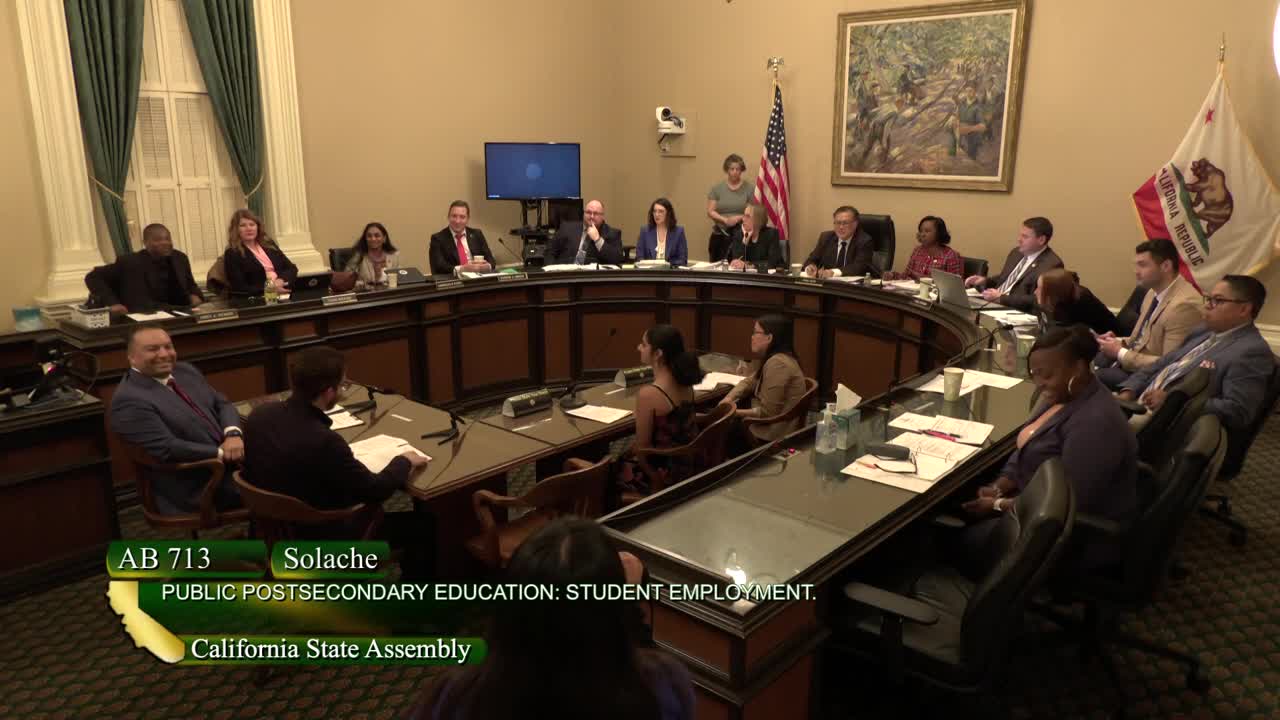 33MIN
Assembly Standing Committee on Higher Education
Bill Author
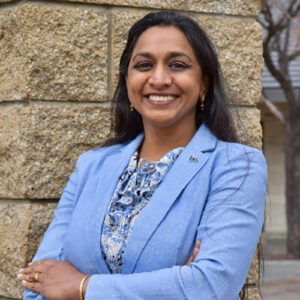
Bill Co-Author(s):