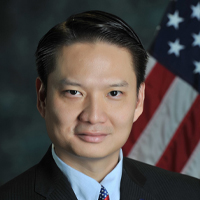
ACR 123: Duanwu Jie.
- Session Year: 2025-2026
- House: Assembly
- Latest Version Date: 2026-06-18
Current Status:
Passed
(2026-06-18: Chaptered by Secretary of State - Res. Chapter 105, Statutes of 2026.)
Introduced
In Committee
Awaiting First Chamber Vote
Passed First Chamber
In Committee
Awaiting Second Chamber Vote
Passed Second Chamber
Enacted
This measure would recognize June 19, 2026, as Duanwu Jie, also known as the Dragon Boat Festival, and would celebrate the cultural contributions and rich heritage of the communities who observe this important festival.
This measure would recognize June 19, 2026, as Duanwu Jie, also known as the Dragon Boat Festival, and would celebrate the cultural contributions and rich heritage of the communities who observe this important festival.
This measure would recognize June 19, 2026, as Duanwu Jie, also known as the Dragon Boat Festival, and would celebrate the cultural contributions and rich heritage of the communities who observe this important festival.
This measure would recognize June 19, 2026, as Duanwu Jie, also known as the Dragon Boat Festival, and would celebrate the cultural contributions and rich heritage of the communities who observe this important festival.
WHEREAS, Duanwu Jie, also known as the Dragon Boat Festival, is a holiday with more than 2,000 years of history and deep cultural significance; and
WHEREAS, Observed on the fifth day of the fifth lunar month, Duanwu Jie is traditionally associated with honoring the poet and statesman Qu Yuan, whose legacy represents loyalty, integrity, and devotion to the public good; and
WHEREAS, Over time, the festival has also become a celebration of community and cultural heritage; and
WHEREAS, Duanwu Jie is most famously marked by dragon boat races in which teams paddle in unison to the rhythm of drums symbolizing cooperation and perseverance; and
WHEREAS, Families and communities also celebrate by preparing and sharing zongzi, which is sticky rice wrapped in bamboo leaves, which reflects tradition, care, and togetherness. In many households, people hang herbs or wear protective charms, which are customs rooted in wishes for good health; and
WHEREAS, Today, Duanwu Jie continues to be celebrated around the world, bringing people together across generations and cultures; now, therefore, be it
Resolved by the Assembly of the State of California, the Senate thereof concurring, That the Legislature hereby recognizes June 19, 2026, as Duanwu Jie and celebrates the cultural contributions and rich heritage of the communities who observe this important festival; and be it further
Resolved, That the Chief Clerk of the Assembly transmit copies of this resolution to the author for appropriate distribution.
|
Date
|
Status
|
|---|---|
| Jun 18, 2026 | Chaptered by Secretary of State - Res. Chapter 105, Statutes of 2026. |
| Jun 18, 2026 | Enrolled and filed with the Secretary of State at 3 p.m. |
| Jun 11, 2026 | In Assembly. Ordered to Engrossing and Enrolling. |
| Jun 11, 2026 | Adopted and to Assembly. (Ayes 36. Noes 0.) |
| Jun 11, 2026 | Adopted and to Assembly. (Ayes 36. Noes 0. Page 4700.) |
| Jun 9, 2026 | Ordered to special consent calendar. |
| May 20, 2026 | From committee: Ordered to third reading. |
| May 12, 2026 | In Senate. To Com. on RLS. |
| May 11, 2026 | Coauthors revised. |
| May 11, 2026 | Adopted and to Senate. (Page 4999.) |
| May 11, 2026 | Adopted and to Senate. |
| May 4, 2026 | From committee: Be adopted. Ordered to Third Reading. (Ayes 9. Noes 0.) (May 4). |
| Apr 22, 2026 | Re-referred to Com. on RLS. |
| Apr 21, 2026 | From committee chair, with author's amendments: Amend, and re-refer to Com. on RLS. Amended. |
| Jan 26, 2026 | Referred to Com. on RLS. |
| Jan 21, 2026 | From printer. |
| Jan 20, 2026 | Introduced. To print. |
|
Date
|
Description
|
Location
|
Votes
|
|
|---|---|---|---|---|
| Jun 11, 2026 | Special Consent ACR123 Chen et al. | Senate Floor |
Passed |
|
| May 4, 2026 | Be adopted. To third reading. | Assembly Standing Committee on Rules |
Passed |
This list shows positions taken on this bill by organizations on the date displayed, which is linked to the original source.
Positions by individuals are not included.
SENATE RULES COMMITTEE Office of Senate Floor Analyses (916) 651-4171 | ACR 123 |
THIRD READING
Bill No: ACR 123
Author: Chen (R), et al.
Amended: 4/21/26 in Assembly
Vote: 21
SUBJECT: Duanwu Jie
SOURCE: Author
DIGEST:
This resolution recognizes June 19, 2026, as Duanwu Jie, also known as the Dragon Boat Festival, and celebrates the cultural contributions and rich heritage of the communities who observe this important festival.
ANALYSIS: This resolution makes the following legislative findings:
- Duanwu Jie, also known as the Dragon Boat Festival, is a holiday with more than 2,000 years of history and deep cultural significance
- Observed on the fifth day of the fifth lunar month, Duanwu Jie is traditionally associated with honoring the poet and statesman Qu Yuan, whose legacy represents loyalty, integrity, and devotion to the public good.
- Duanwu Jie is most famously marked by dragon boat races in which teams paddle in unison to the rhythm of drums symbolizing cooperation and perseverance.
- Families and communities also celebrate by preparing and sharing zongzi, which is sticky rice wrapped in bamboo leaves, which reflects tradition, care, and togetherness. In many households, people hang herbs or wear protective charms, which are customs rooted in wishes for good health.
- Today, Duanwu Jie continues to be celebrated around the world, bringing people together across generations and cultures.
This resolution recognizes June 19, 2026, as Duanwu Jie and celebrates the cultural contributions and rich heritage of the communities who observe this important festival.
FISCAL EFFECT: Appropriation: No Fiscal Com.: No Local: No
SUPPORT: (Verified 5/19/26)
None received
OPPOSITION: (Verified 5/19/26)
None received
Prepared by: Hunter Flynn / SFA / (916) 651-4171
5/20/26 14:08:01
**** END ****
ASSEMBLY THIRD READING
ATR Bill Id:ACR 123
Author:(Chen)
As Amended Ver:April 21, 2026
Majority vote
SUMMARY
Recognizes June 19, 2026, as Duanwu Jie and celebrates the cultural contributions and rich heritage of the communities who observe this important festival.
Major Provisions
- Duanwu Jie, also known as the Dragon Boat Festival, is a holiday with more than 2,000 years of history and deep cultural significance.
- Observed on the fifth day of the fifth lunar month, Duanwu Jie is traditionally associated with honoring the poet and statesman Qu Yuan, whose legacy represents loyalty, integrity, and devotion to the public good.
- Over time, the festival has also become a celebration of community and cultural heritage. Duanwu Jie is most famously marked by dragon boat races in which teams paddle in unison to the rhythm of drums symbolizing cooperation and perseverance.
- Families and communities also celebrate by preparing and sharing zongzi, which is sticky rice wrapped in bamboo leaves, which reflects tradition, care, and togetherness. In many households, people hang herbs or wear protective charms, which are customs rooted in wishes for good health.
- Today, Duanwu Jie continues to be celebrated around the world, bringing people together across generations and cultures.
COMMENTS
According to the Author
"This resolution recognizes June 19, 2026, as Duanwu Jie (Dragon Boat Festival) in California. It highlights the festival's over 2,000-year history, its connection to the poet Qu Yuan and values like loyalty and integrity, and its cultural traditions such as dragon boat races and eating zongzi. ACR 123 honors the festival's role in celebrating community, heritage, and global cultural contributions."
Arguments in Support
None on file
Arguments in Opposition
None on file
FISCAL COMMENTS
No fiscal impact. This resolution is keyed non-fiscal by Legislative Counsel.
VOTES
ASM RULES: 9-0-1
YES: Pacheco, Ahrens, Dixon, Garcia, Mark González, Irwin, Michelle Rodriguez, Sanchez, Zbur
ABS, ABST OR NV: Lackey
UPDATED
VERSION: April 21, 2026
CONSULTANT: Michael Erke / RLS. / (916) 319-2800 FN: 0002469
Date of Hearing: May 4, 2026
ASSEMBLY COMMITTEE ON RULES
Blanca Pacheco, Chair
ABPCA Bill Id:ACR 123 (
Author:Chen) – As Amended Ver:April 21, 2026
SUBJECT: Duanwu Jie.
SUMMARY: Recognizes June 19, 2026, as Duanwu Jie and celebrates the cultural contributions and rich heritage of the communities who observe this important festival. Specifically, this resolution makes the following legislative findings:
- Duanwu Jie, also known as the Dragon Boat Festival, is a holiday with more than 2,000 years of history and deep cultural significance.
- Observed on the fifth day of the fifth lunar month, Duanwu Jie is traditionally associated with honoring the poet and statesman Qu Yuan, whose legacy represents loyalty, integrity, and devotion to the public good.
- Over time, the festival has also become a celebration of community and cultural heritage. Duanwu Jie is most famously marked by dragon boat races in which teams paddle in unison to the rhythm of drums symbolizing cooperation and perseverance.
- Families and communities also celebrate by preparing and sharing zongzi, which is sticky rice wrapped in bamboo leaves, which reflects tradition, care, and togetherness. In many households, people hang herbs or wear protective charms, which are customs rooted in wishes for good health.
- Today, Duanwu Jie continues to be celebrated around the world, bringing people together across generations and cultures.
FISCAL EFFECT: This resolution is keyed non-fiscal by Legislative Counsel.
REGISTERED SUPPORT / OPPOSITION:
Support
None on file
Opposition
None on file
Analysis Prepared by: Michael Erke / RLS. / (916) 319-2800
Bill Author
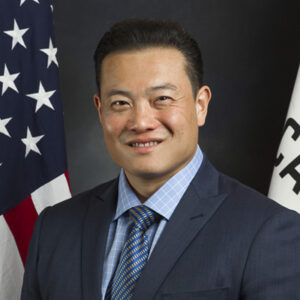
Bill Co-Author(s):