ACR 27: Teen Dating Violence Awareness and Prevention Month.
- Session Year: 2025-2026
- House: Assembly
- Latest Version Date: 2025-03-18
Current Status:
Passed
(2025-03-18: Chaptered by Secretary of State - Res. Chapter 23, Statutes of 2025.)
Introduced
In Committee
Awaiting First Chamber Vote
Passed First Chamber
In Committee
Awaiting Second Chamber Vote
Passed Second Chamber
Enacted
This measure would proclaim February 2025 as Teen Dating Violence Awareness and Prevention Month.
This measure would proclaim February 2025 as Teen Dating Violence Awareness and Prevention Month.
This measure would proclaim February 2025 as Teen Dating Violence Awareness and Prevention Month.
This measure would proclaim February 2025 as Teen Dating Violence Awareness and Prevention Month.
WHEREAS, Prevention approaches understand that changes in society require data-based, comprehensive, long-term approaches and that integrated changes are required at each level of society; and
WHEREAS, The only way to be effective in reducing and eliminating a public health problem, such as domestic violence, is by creating changes across our systems, environments, and policies that, over time, will create healthy protective environments and communities; and
WHEREAS, Teen dating violence intervention and prevention programs can help to ensure a positive school climate and safe learning environment for all youth 12 to 24 years of age, inclusive; and
WHEREAS, Education and outreach programs to community members address warning signs of teen dating violence among youth before behaviors escalate and protect the safety of targeted youth; and
WHEREAS, Consistent with the federal Centers for Disease Control and Prevention (CDC) recommendations for a comprehensive primary prevention program, multiple strategies are required, such as teaching safe and healthy relationship skills, engaging influential adults and peers, disrupting the developmental pathways toward partner violence, creating protective environments, strengthening economic supports for families, and supporting survivors to increase safety and lessen harm; and
WHEREAS, According to the CDC model, Dating Matters: Strategies to Promote Healthy Teen Relationships, one in three adolescents reports verbal, emotional, physical, or sexual dating abuse each year; and
WHEREAS, According to the American Psychological Association, one in three teens 14 to 20 years of age, inclusive, has experienced dating abuse, and about the same number say that they have committed dating abuse themselves; and
WHEREAS, According to the CDC, one in 11 female teens and one in 15 male teens reported experiencing physical violence in the last year; and
WHEREAS, According to the CDC, one in 9 female teens and one in 36 male teens reported experiencing sexual dating violence in the last year; and
WHEREAS, In 2021, the Youth Risk Behavior Survey found that 14 percent of American Indian or Alaska Native teens, 13 percent of Native Hawaiian or Pacific Islander teens, 8 percent of Black teens, and 7 percent of Hispanic teens reported experiencing physical dating violence; and
WHEREAS, Forty-three percent of lesbian, gay, or bisexual (LGB) teens reported experiencing physical dating violence, compared to 29 percent of heterosexual youth; and
WHEREAS, Fifty-nine percent of LGB teens reported emotional abuse, compared to 46 percent of heterosexual youth; and
WHEREAS, Fifty percent of transgender youth reported experiencing sexual violence at some point in their lives; and
WHEREAS, Teen dating violence has been linked to other forms of violence and aggression against peers, including bullying, sexual harassment, sexual violence, and physical violence; and
WHEREAS, Teen dating violence, also known as dating abuse, is a serious and growing problem throughout California; and
WHEREAS, Survivors of teen dating violence have increased risk for truancy, dropout, teen pregnancy, suicide, having eating disorders, and engaging in other harmful behaviors, such as use of alcohol, tobacco, and other drugs; and
WHEREAS, Youth who are survivors in high school are at higher risk for victimization during college, and adolescent perpetrators of dating violence are more likely to abuse their intimate partners as adults; and
WHEREAS, By preventing domestic violence, we also address significant long-term health impacts of domestic violence. Women who are survivors of violence are 80 percent more likely to suffer a stroke, 70 percent more likely to have heart disease, and 60 percent more likely to become asthmatic; and
WHEREAS, Black Women Revolt Against Domestic Violence and the Asian Womens Shelter in San Francisco plan to partner with the San Francisco Youth Commission to host a Teen Dating Violence Awareness and Prevention Month event and online awareness campaign to raise awareness about the impact of teen dating violence; and
WHEREAS, The San Francisco Youth Commission has recognized the month of February as Teen Dating Violence Awareness and Prevention Month in the city and county of San Francisco in an effort to affirm the right of all young people to experience healthy relationships free from dating abuse in adolescence and beyond; and
WHEREAS, The establishment of Teen Dating Violence Awareness and Prevention Month will benefit schools, communities, families, and all youth; now, therefore, be it
Resolved by the Assembly of the State of California, the Senate thereof concurring, That the Legislature proclaims the month of February 2025 as Teen Dating Violence Awareness and Prevention Month, and supports communities to empower teens to develop healthy and violence-free relationships throughout their lives; and be it further
Resolved, That the Legislature calls upon the people of California, including schools, community groups, families, and youth, to observe Teen Dating Violence Awareness and Prevention Month with programs and activities that raise awareness about the dynamics of teen dating violence and that support youth in learning the skills to have safe and healthy relationships; and be it further
Resolved, That the Chief Clerk of the Assembly transmit copies of this resolution to the author for appropriate distribution.
WHEREAS, Prevention approaches understand that changes in society require data-based, comprehensive, long-term approaches and that integrated changes are required at each level of society; and
WHEREAS, The only way to be effective in reducing and eliminating a public health problem, such as domestic violence, is by creating changes across our systems, environments, and policies that, over time, will create healthy protective environments and communities; and
WHEREAS, Teen dating violence intervention and prevention programs can help to ensure a positive school climate and safe learning environment for all youth 12 to 24 years of age, inclusive; and
WHEREAS, Education and outreach programs to community members address warning signs of teen dating violence among youth before behaviors escalate and protect the safety of targeted youth; and
WHEREAS, Consistent with the federal Centers for Disease Control and Prevention (CDC) recommendations for a comprehensive primary prevention program, multiple strategies are required, such as teaching safe and healthy relationship skills, engaging influential adults and peers, disrupting the developmental pathways toward partner violence, creating protective environments, strengthening economic supports for families, and supporting survivors to increase safety and lessen harm; and
WHEREAS, According to the CDC model, Dating Matters: Strategies to Promote Healthy Teen Relationships, one in three adolescents reports verbal, emotional, physical, or sexual dating abuse each year; and
WHEREAS, According to the American Psychological Association, one in three teens 14 to 20 years of age, inclusive, has experienced dating abuse, and about the same number say that they have committed dating abuse themselves; and
WHEREAS, According to the CDC, one in 11 female teens and one in 15 male teens reported experiencing physical violence in the last year; and
WHEREAS, According to the CDC, one in 9 female teens and one in 36 male teens reported experiencing sexual dating violence in the last year; and
WHEREAS, In 2021, the Youth Risk Behavior Survey found that 14 percent of American Indian or Alaska Native teens, 13 percent of Native Hawaiian or Pacific Islander teens, 8 percent of Black teens, and 7 percent of Hispanic teens reported experiencing physical dating violence; and
WHEREAS, Forty-three percent of lesbian, gay, or bisexual (LGB) teens reported experiencing physical dating violence, compared to 29 percent of heterosexual youth; and
WHEREAS, Fifty-nine percent of LGB teens reported emotional abuse, compared to 46 percent of heterosexual youth; and
WHEREAS, Fifty percent of transgender youth reported experiencing sexual violence at some point in their lives; and
WHEREAS, Teen dating violence has been linked to other forms of violence and aggression against peers, including bullying, sexual harassment, sexual violence, and physical violence; and
WHEREAS, Teen dating violence, also known as dating abuse, is a serious and growing problem throughout California; and
WHEREAS, Survivors of teen dating violence have increased risk for truancy, dropout, teen pregnancy, suicide, having eating disorders, and engaging in other harmful behaviors, such as use of alcohol, tobacco, and other drugs; and
WHEREAS, Youth who are survivors in high school are at higher risk for victimization during college, and adolescent perpetrators of dating violence are more likely to abuse their intimate partners as adults; and
WHEREAS, By preventing domestic violence, we also address significant long-term health impacts of domestic violence. Women who are survivors of violence are 80 percent more likely to suffer a stroke, 70 percent more likely to have heart disease, and 60 percent more likely to become asthmatic; and
WHEREAS, The establishment of Teen Dating Violence Awareness and Prevention Month will benefit schools, communities, families, and all youth; now, therefore, be it
Resolved by the Assembly of the State of California, the Senate thereof concurring, That the Legislature proclaims the month of February 2025 as Teen Dating Violence Awareness and Prevention Month, and supports communities to empower teens to develop healthy and violence-free relationships throughout their lives; and be it further
Resolved, That the Legislature calls upon the people of California, including schools, community groups, families, and youth, to observe Teen Dating Violence Awareness and Prevention Month with programs and activities that raise awareness about the dynamics of teen dating violence and that support youth in learning the skills to have safe and healthy relationships; and be it further
Resolved, That the Chief Clerk of the Assembly transmit copies of this resolution to the author for appropriate distribution.
|
Date
|
Status
|
|---|---|
| Mar 18, 2025 | Chaptered by Secretary of State - Res. Chapter 23, Statutes of 2025. |
| Mar 18, 2025 | Enrolled and filed with the Secretary of State at 3:30 p.m. |
| Mar 13, 2025 | In Assembly. Ordered to Engrossing and Enrolling. |
| Mar 13, 2025 | Adopted and to Assembly. (Ayes 36. Noes 0. Page 365.) |
| Mar 11, 2025 | Ordered to special consent calendar. |
| Mar 5, 2025 | From committee: Ordered to third reading. |
| Feb 26, 2025 | In Senate. To Com. on RLS. |
| Feb 24, 2025 | Adopted and to Senate. (Page 445.) |
| Feb 24, 2025 | Coauthors revised. |
| Feb 19, 2025 | From committee: Be adopted. Ordered to Third Reading. (Ayes 10. Noes 0.) (February 18). |
| Feb 14, 2025 | Re-referred to Com. on RLS. |
| Feb 13, 2025 | From committee chair, with author's amendments: Amend, and re-refer to Com. on RLS. Amended. |
| Feb 10, 2025 | Referred to Com. on RLS. |
| Feb 6, 2025 | From printer. |
| Feb 5, 2025 | Introduced. To print. |
|
Date
|
Description
|
Location
|
Votes
|
|
|---|---|---|---|---|
| Mar 13, 2025 | The committee on PBS recommend that the measure be PASSED, WITH AMENDMENTS. | Senate Floor |
Passed |
|
| Feb 18, 2025 | Be adopted. To third reading. | Assembly Standing Committee on Rules |
Passed |
This list shows positions taken on this bill by organizations on the date displayed, which is linked to the original source.
Positions by individuals are not included.
SENATE RULES COMMITTEE Office of Senate Floor Analyses (916) 651-1520 Fax: (916) 327-4478 | ACR 27 |
THIRD READING
Bill No: ACR 27
Author: Blanca Rubio (D) and Stefani (D), et al.
Amended: 2/13/25 in Assembly
Vote: 21
SUBJECT: Teen Dating Violence Awareness and Prevention Month
SOURCE: Author
DIGEST:
This resolution proclaims February 2025 as Teen Dating Violence Awareness and Prevention Month.
ANALYSIS: This resolution makes the following legislative findings:
- Teen dating violence intervention and prevention programs can help to ensure a positive school climate and safe learning environment for all youth 12 to 24 years of age, inclusive.
- Education and outreach programs to community members address warning signs of teen dating violence among youth before behaviors escalate and protect the safety of targeted youth.
- Consistent with the federal Centers for Disease Control and Prevention (CDC) recommendations for a comprehensive primary prevention program, multiple strategies are required, such as teaching safe and healthy relationship skills, engaging influential adults and peers, disrupting the developmental pathways toward partner violence, creating protective environments, strengthening economic supports for families, and supporting survivors to increase safety and lessen harm.
- Survivors of teen dating violence have increased risk for truancy, dropout, teen pregnancy, suicide, having eating disorders, and engaging in other harmful behaviors, such as use of alcohol, tobacco, and other drugs.
- According to the CDC model, Dating Matters: Strategies to Promote Healthy Teen Relationships, one in three adolescents reports verbal, emotional, physical, or sexual dating abuse each year.
This resolution proclaims the month of February 2025 as Teen Dating Violence Awareness and Prevention Month, and supports communities to empower teens to develop healthy and violence-free relationships throughout their lives.
Related/Prior Legislation
SR 17 (Rubio 2025) – Adopted in Senate.
SR 63 (Rubio, 2024) – Adopted in Senate.
SR 13 (Rubio, 2023) – Adopted in Senate.
SCR 65 (Rubio, Resolution Chapter 20, Statutes of 2022).
SCR 9 (Rubio, Resolution Chapter 4, Statutes of 2021).
FISCAL EFFECT: Appropriation: No Fiscal Com.: No Local: No
SUPPORT: (Verified 3/4/25)
None received
OPPOSITION: (Verified 3/4/25)
None received
Prepared by: Sofia Pachon-Mendez / SFA / (916) 651-1520
3/5/25 15:32:44
**** END ****
ASSEMBLY THIRD READING
ATR Bill Id:ACR 27
Author:(Blanca Rubio and Stefani)
As Amended Ver:February 13, 2025
Majority vote
SUMMARY
Proclaims February 2025 as Teen Dating Violence Awareness and Prevention Month to raise awareness about the dynamics of teen dating violence, and support youth in learning the skills to have safe and healthy relationships.
Major Provisions
- Teen dating violence, also known as dating abuse, is a serious and growing problem throughout California. Teen dating violence has been linked to other forms of violence and aggression against peers, including bullying, sexual harassment, sexual violence, and physical violence.
- The only way to be effective in reducing and eliminating a public health problem, such as domestic violence, is by creating changes across our systems, environments, and policies that, over time, will create healthy protective environments and communities.
- Teen dating violence intervention and prevention programs can help to ensure a positive school climate and safe learning environment for all youth 12 to 24 years of age, inclusive. Education and outreach programs to community members address warning signs of teen dating violence among youth before behaviors escalate and protect the safety of targeted youth.
- Consistent with the federal Centers for Disease Control and Prevention (CDC) recommendations for a comprehensive primary prevention program, multiple strategies are required, such as teaching safe and healthy relationship skills, engaging influential adults and peers, disrupting the developmental pathways toward partner violence, creating protective environments, strengthening economic supports for families, and supporting survivors to increase safety and lessen harm.
- According to the CDC model, Dating Matters: Strategies to Promote Healthy Teen Relationships, one in three adolescents reports verbal, emotional, physical, or sexual dating abuse each year.
- According to the American Psychological Association, one in three teens 14 to 20 years of age, inclusive, has experienced dating abuse, and about the same number say that they have committed dating abuse themselves.
- Survivors of teen dating violence have increased risk for truancy, dropout, teen pregnancy, suicide, having eating disorders, and engaging in other harmful behaviors, such as use of alcohol, tobacco, and other drugs.
- Black Women Revolt Against Domestic Violence and the Asian Women's Shelter in San Francisco plan to partner with the San Francisco Youth Commission to host a Teen Dating Violence Awareness and Prevention Month event and online awareness campaign to raise awareness about the impact of teen dating violence.
- The San Francisco Youth Commission has recognized the month of February as Teen Dating Violence Awareness and Prevention Month in the city and county of San Francisco in an effort to affirm the right of all young people to experience healthy relationships free from dating abuse in adolescence and beyond.
- The establishment of Teen Dating Violence Awareness and Prevention Month will benefit schools, communities, families, and all youth.
COMMENTS
According to the Author
ACR 27 will increase awareness around teen dating violence intervention to keep teens safe, healthy, and happy in their relationships.
Arguments in Support
None on file
Arguments in Opposition
None on file
FISCAL COMMENTS
No fiscal impact. This resolution is keyed non-fiscal by Legislative Counsel.
VOTES
ASM RULES: 10-0-1
YES: Pacheco, Lackey, Ahrens, Mark González, Irwin, Krell, Patel, Michelle Rodriguez, Sanchez, Zbur
ABS, ABST OR NV: Flora
UPDATED
VERSION: February 13, 2025
CONSULTANT: Michael Erke / RLS. / (916) 319-2800 FN: 0000026
Date of Hearing: February 18, 2025
ASSEMBLY COMMITTEE ON RULES
Blanca Pacheco, Chair
ABPCA Bill Id:ACR 27 (
Author:Blanca Rubio) – As Amended Ver:February 13, 2025
SUBJECT: Teen Dating Violence Awareness and Prevention Month.
SUMMARY: Proclaims February 2025 as Teen Dating Violence Awareness and Prevention Month to raise awareness about the dynamics of teen dating violence, and support youth in learning the skills to have safe and healthy relationships. Specifically, this resolution makes the following legislative findings:
- Teen dating violence, also known as dating abuse, is a serious and growing problem throughout California. Teen dating violence has been linked to other forms of violence and aggression against peers, including bullying, sexual harassment, sexual violence, and physical violence.
- The only way to be effective in reducing and eliminating a public health problem, such as domestic violence, is by creating changes across our systems, environments, and policies that, over time, will create healthy protective environments and communities.
- Teen dating violence intervention and prevention programs can help to ensure a positive school climate and safe learning environment for all youth 12 to 24 years of age, inclusive. Education and outreach programs to community members address warning signs of teen dating violence among youth before behaviors escalate and protect the safety of targeted youth.
- Consistent with the federal Centers for Disease Control and Prevention (CDC) recommendations for a comprehensive primary prevention program, multiple strategies are required, such as teaching safe and healthy relationship skills, engaging influential adults and peers, disrupting the developmental pathways toward partner violence, creating protective environments, strengthening economic supports for families, and supporting survivors to increase safety and lessen harm.
- According to the CDC model, Dating Matters: Strategies to Promote Healthy Teen Relationships, one in three adolescents reports verbal, emotional, physical, or sexual dating abuse each year.
- According to the American Psychological Association, one in three teens 14 to 20 years of age, inclusive, has experienced dating abuse, and about the same number say that they have committed dating abuse themselves.
- Survivors of teen dating violence have increased risk for truancy, dropout, teen pregnancy, suicide, having eating disorders, and engaging in other harmful behaviors, such as use of alcohol, tobacco, and other drugs.
- Black Women Revolt Against Domestic Violence and the Asian Women’s Shelter in San Francisco plan to partner with the San Francisco Youth Commission to host a Teen Dating Violence Awareness and Prevention Month event and online awareness campaign to raise awareness about the impact of teen dating violence.
- The San Francisco Youth Commission has recognized the month of February as Teen Dating Violence Awareness and Prevention Month in the city and county of San Francisco in an effort to affirm the right of all young people to experience healthy relationships free from dating abuse in adolescence and beyond.
- The establishment of Teen Dating Violence Awareness and Prevention Month will benefit schools, communities, families, and all youth.
FISCAL EFFECT: This resolution is keyed non-fiscal by Legislative Counsel.
REGISTERED SUPPORT / OPPOSITION:
Support
None on file
Opposition
None on file
Analysis Prepared by: Michael Erke / RLS. / (916) 319-2800
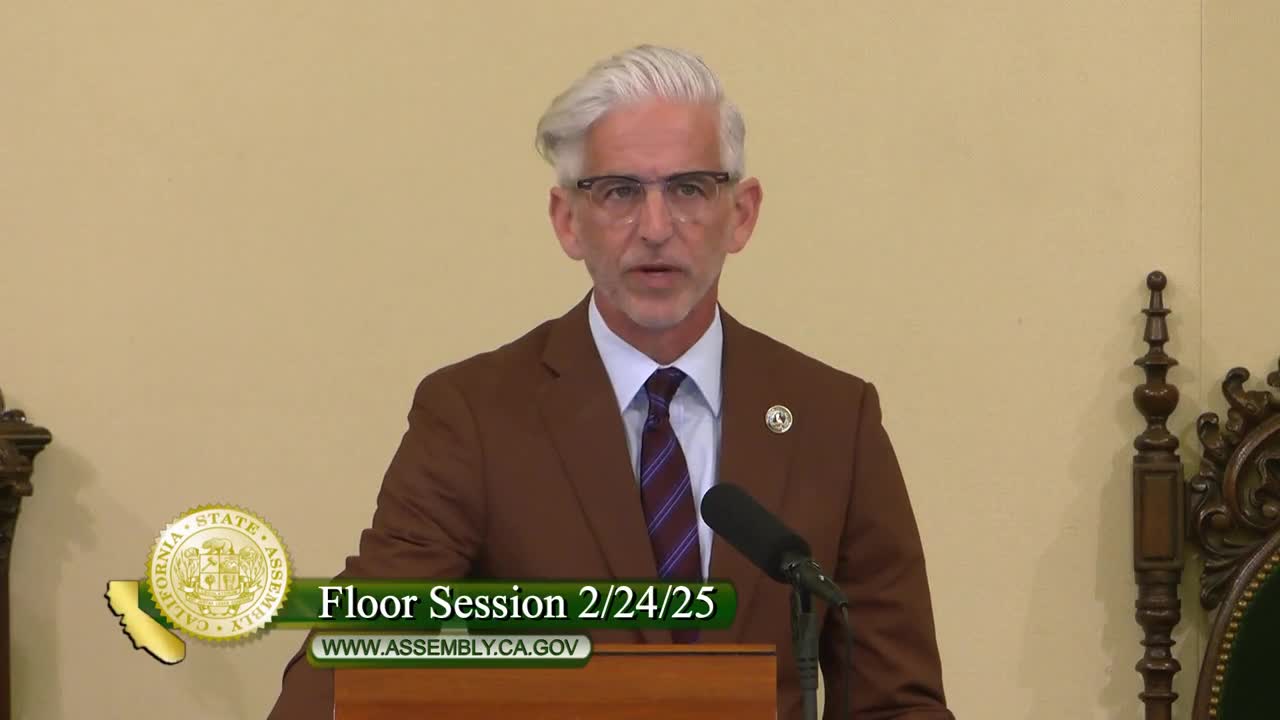


Bill Co-Author(s):