AB 309: Hypodermic needles and syringes.
- Session Year: 2025-2026
- House: Assembly
- Latest Version Date: 2025-10-13
Current Status:
Passed
(2025-10-13: Chaptered by Secretary of State - Chapter 685, Statutes of 2025.)
Introduced
In Committee
Awaiting First Chamber Vote
Passed First Chamber
In Committee
Awaiting Second Chamber Vote
Passed Second Chamber
Enacted
Existing law, the Pharmacy Law, provides for the licensure and regulation of pharmacists and pharmacies by the California State Board of Pharmacy. Existing law, until January 1, 2026, authorizes a physician or pharmacist to, without a prescription or permit, furnish hypodermic needles and syringes for human use to a person 18 years of age or older, and authorizes a person 18 years of age or older to, without a prescription or license, obtain hypodermic needles and syringes solely for personal use from a physician or pharmacist, as a public health measure, as specified. Existing law, until January 1, 2026, requires a pharmacy that furnishes nonprescription syringes to provide written information or verbal counseling to consumers, as specified, at the time of furnishing or sale of nonprescription hypodermic needles or syringes. Existing law, when no other penalty is provided, makes a knowing violation of the Pharmacy Law a misdemeanor and, in all other instances, makes a violation punishable as an infraction.
This bill would delete the January 1, 2026, repeal date, thereby extending those provisions indefinitely, and would make other conforming changes. By indefinitely extending an existing requirement under the Pharmacy Law, the violation of which is a crime, the bill would impose a state-mandated local program.
The California Constitution requires the state to reimburse local agencies and school districts for certain costs mandated by the state. Statutory provisions establish procedures for making that reimbursement.
This bill would provide that no reimbursement is required by this act for a specified reason.
(a)Notwithstanding any other provision of law, a pharmacist or physician may, without a prescription or a permit, furnish hypodermic needles and syringes for human use, and a person may, without a prescription or license, obtain hypodermic needles and syringes from a pharmacist or physician for human use, if the furnisher has previously been provided a prescription or other proof of a legitimate medical need requiring a hypodermic needle or syringe to administer a medicine or treatment.
(b)Notwithstanding any other provision of law, as a public health measure intended to prevent the transmission of HIV, viral hepatitis, and other bloodborne diseases among persons who use syringes and hypodermic needles, and to prevent subsequent infection of sexual partners, newborn children, or other persons, a physician or pharmacist may, without a prescription or a permit, furnish hypodermic needles and syringes for human use to a person 18 years of age or older, and a person 18 years of age or older may, without a prescription or license, obtain hypodermic needles and syringes solely for personal use from a physician or pharmacist.
(c)Notwithstanding any other provision of law, a pharmacist, veterinarian, or person licensed pursuant to Section 4141 may, without a prescription or license, furnish hypodermic needles and syringes for use on animals, and a person may, without a prescription or license, obtain hypodermic needles and syringes from a pharmacist, veterinarian, or person licensed pursuant to Section 4141 for use on animals.
(d)A pharmacy that furnishes nonprescription hypodermic needles and syringes shall store hypodermic needles and syringes in a manner that ensures that they are available only to authorized personnel, and are not accessible to other persons.
(e)In order to provide for the safe disposal of hypodermic needles and syringes, a pharmacy or hypodermic needle and syringe exchange program that furnishes nonprescription hypodermic needles and syringes shall counsel consumers on safe disposal and provide consumers with one or more of the following disposal options:
(1)It shall establish an onsite, safe, hypodermic needle and syringe collection and disposal program that meets applicable state and federal standards for collection and disposal of medical sharps waste.
(2)It shall furnish, or make available, mail-back sharps containers authorized by the United States Postal Service that meet applicable state and federal requirements for the transport of medical sharps waste, and shall provide tracking forms to verify destruction at a certified disposal facility.
(3)It shall furnish, or make available, a sharps container that meets applicable state and federal standards for collection and disposal of medical sharps waste.
(f)A pharmacy that furnishes nonprescription syringes shall provide written information or verbal counseling to consumers at the time of furnishing or sale of nonprescription hypodermic needles or syringes on how to do the following:
(1)Access drug treatment.
(2)Access testing and treatment for HIV and hepatitis C.
(3)Safely dispose of sharps waste.
SEC. 2.Section 11364 of the Health and Safety Code, as amended by Section 3 of Chapter 701 of the Statutes of 2024, is amended to read:11364.(a)It is unlawful to possess an opium pipe or any device, contrivance, instrument, or paraphernalia used for unlawfully injecting or smoking (1) a controlled substance specified in subdivision (b), (c), or (e) or paragraph (1) of subdivision (f) of Section 11054, specified in paragraph (14), (15), or (20) of subdivision (d) of Section 11054, specified in subdivision (b) or (c) of Section 11055, or specified in paragraph (2) of subdivision (d) of Section 11055, or (2) a controlled substance that is a narcotic drug classified in Schedule III, IV, or V.
(b)This section shall not apply to hypodermic needles or syringes that have been containerized for safe disposal in a container that meets state and federal standards for disposal of sharps waste.
(c)This section does not apply to an individual obtaining controlled substance checking services, as described in Article 5 (commencing with Section 11300) of Chapter 5.
(d)As a public health measure intended to prevent the transmission of HIV, viral hepatitis, and other bloodborne diseases among persons who use syringes and hypodermic needles, and to prevent subsequent infection of sexual partners, newborn children, or other persons, this section shall not apply to the possession solely for personal use of hypodermic needles or syringes.
SEC. 3.No reimbursement is required by this act pursuant to Section 6 of Article XIIIB of the California Constitution because the only costs that may be incurred by a local agency or school district will be incurred because this act creates a new crime or infraction, eliminates a crime or infraction, or changes the penalty for a crime or infraction, within the meaning of Section 17556 of the Government Code, or changes the definition of a crime within the meaning of Section 6 of Article XIIIB of the California Constitution.
(a)Notwithstanding any other provision of law, a pharmacist or physician may, without a prescription or a permit, furnish hypodermic needles and syringes for human use, and a person may, without a prescription or license, obtain hypodermic needles and syringes from a pharmacist or physician for human use, if the furnisher has previously been provided a prescription or other proof of a legitimate medical need requiring a hypodermic needle or syringe to administer a medicine or treatment.
(b)Notwithstanding any other provision of law, and until January 1, 2026, as a public health measure intended to prevent the transmission of HIV, viral hepatitis, and other bloodborne diseases among persons who use syringes and hypodermic needles, and to prevent subsequent infection of sexual partners, newborn children, or other persons, a physician or pharmacist may, without a prescription or a permit, furnish hypodermic needles and syringes for human use to a person 18 years of age or older, and a person 18 years of age or older may, without a prescription or license, obtain hypodermic needles and syringes solely for personal use from a physician or pharmacist.
(c)Notwithstanding any other provision of law, a pharmacist, veterinarian, or person licensed pursuant to Section 4141 may, without a prescription or license, furnish hypodermic needles and syringes for use on animals, and a person may, without a prescription or license, obtain hypodermic needles and syringes from a pharmacist, veterinarian, or person licensed pursuant to Section 4141 for use on animals.
(d)A pharmacy that furnishes nonprescription hypodermic needles and syringes shall store hypodermic needles and syringes in a manner that ensures that they are available only to authorized personnel, and are not accessible to other persons.
(e)In order to provide for the safe disposal of hypodermic needles and syringes, a pharmacy or hypodermic needle and syringe exchange program that furnishes nonprescription hypodermic needles and syringes shall counsel consumers on safe disposal and provide consumers with one or more of the following disposal options:
(1)It shall establish an onsite, safe, hypodermic needle and syringe collection and disposal program that meets applicable state and federal standards for collection and disposal of medical sharps waste.
(2)It shall furnish, or make available, mail-back sharps containers authorized by the United States Postal Service that meet applicable state and federal requirements for the transport of medical sharps waste, and shall provide tracking forms to verify destruction at a certified disposal facility.
(3)It shall furnish, or make available, a sharps container that meets applicable state and federal standards for collection and disposal of medical sharps waste.
(f)Until January 1, 2026, a A pharmacy that furnishes nonprescription syringes shall provide written information or verbal counseling to consumers at the time of furnishing or sale of nonprescription hypodermic needles or syringes on how to do the following:
(1)Access drug treatment.
(2)Access testing and treatment for HIV and hepatitis C.
(3)Safely dispose of sharps waste.
SEC. 2.Section 11364 of the Health and Safety Code, as amended by Section 3 of Chapter 701 of the Statutes of 2024, is amended to read:11364.(a)It is unlawful to possess an opium pipe or any device, contrivance, instrument, or paraphernalia used for unlawfully injecting or smoking (1) a controlled substance specified in subdivision (b), (c), or (e) or paragraph (1) of subdivision (f) of Section 11054, specified in paragraph (14), (15), or (20) of subdivision (d) of Section 11054, specified in subdivision (b) or (c) of Section 11055, or specified in paragraph (2) of subdivision (d) of Section 11055, or (2) a controlled substance that is a narcotic drug classified in Schedule III, IV, or V.
(b)This section shall not apply to hypodermic needles or syringes that have been containerized for safe disposal in a container that meets state and federal standards for disposal of sharps waste.
(c)This section does not apply to an individual obtaining controlled substance checking services, as described in Article 5 (commencing with Section 11300) of Chapter 5.
(d)Until January 1, 2026, as As a public health measure intended to prevent the transmission of HIV, viral hepatitis, and other bloodborne diseases among persons who use syringes and hypodermic needles, and to prevent subsequent infection of sexual partners, newborn children, or other persons, this section shall not apply to the possession solely for personal use of hypodermic needles or syringes.
SEC. 3.No reimbursement is required by this act pursuant to Section 6 of Article XIIIB of the California Constitution because the only costs that may be incurred by a local agency or school district will be incurred because this act creates a new crime or infraction, eliminates a crime or infraction, or changes the penalty for a crime or infraction, within the meaning of Section 17556 of the Government Code, or changes the definition of a crime within the meaning of Section 6 of Article XIIIB of the California Constitution.
REVISIONS: HeadingLine 2.|
Date
|
Status
|
|---|---|
| Oct 13, 2025 | Chaptered by Secretary of State - Chapter 685, Statutes of 2025. |
| Oct 13, 2025 | Approved by the Governor. |
| Sep 9, 2025 | Enrolled and presented to the Governor at 3 p.m. |
| Sep 3, 2025 | In Assembly. Ordered to Engrossing and Enrolling. |
| Sep 3, 2025 | Read third time. Passed. Ordered to the Assembly. (Ayes 28. Noes 11. Page 2459.). |
| Aug 20, 2025 | Read second time. Ordered to third reading. |
| Aug 19, 2025 | From committee: Be ordered to second reading pursuant to Senate Rule 28.8. |
| Jul 14, 2025 | From committee: Do pass and re-refer to Com. on APPR. (Ayes 8. Noes 3.) (July 14). Re-referred to Com. on APPR. |
| Jun 19, 2025 | From committee: Do pass and re-refer to Com. on B. P. & E.D. (Ayes 8. Noes 1.) (June 18). Re-referred to Com. on B. P. & E.D. |
| May 28, 2025 | Referred to Coms. on HEALTH and B. P. & E.D. |
| May 15, 2025 | In Senate. Read first time. To Com. on RLS. for assignment. |
| May 15, 2025 | Read third time. Passed. Ordered to the Senate. (Ayes 54. Noes 15. Page 1555.) |
| Apr 24, 2025 | Read second time. Ordered to third reading. |
| Apr 23, 2025 | From committee: Do pass. (Ayes 11. Noes 3.) (April 23). |
| Apr 23, 2025 | Coauthors revised. |
| Apr 9, 2025 | From committee: Do pass and re-refer to Com. on APPR. (Ayes 12. Noes 1.) (April 8). Re-referred to Com. on APPR. |
| Feb 10, 2025 | Referred to Com. on HEALTH. |
| Jan 24, 2025 | From printer. May be heard in committee February 23. |
| Jan 23, 2025 | Read first time. To print. |
|
Date
|
Description
|
Location
|
Votes
|
|
|---|---|---|---|---|
| Sep 3, 2025 | Assembly 3rd Reading AB309 Zbur et al. By Padilla Final Vote | Senate Floor |
Passed |
|
| Jul 14, 2025 | Do pass, but first be re-referred to the Committee on [Appropriations] | Senate Standing Committee on Business, Professions and Economic Development |
Passed |
|
| Jun 18, 2025 | Do pass, but first be re-referred to the Committee on [Business, Professions and Economic Development] | Senate Standing Committee on Health |
Passed |
|
| May 15, 2025 | AB 309 Zbur Assembly Third Reading | Assembly Floor |
Passed |
|
| Apr 23, 2025 | Do pass. | Assembly Standing Committee on Appropriations |
Passed |
|
| Apr 8, 2025 | Do pass and be re-referred to the Committee on [Appropriations] | Assembly Standing Committee on Health |
Passed |
This list shows positions taken on this bill by organizations on the date displayed, which is linked to the original source.
Positions by individuals are not included.
|
Organization
|
Position
|
Date
|
|---|---|---|
| Aids Healthcare Foundation | ** Support | |
| All of Us or None | ** Support | |
| American Civil Liberties Union California Action | ** Support | |
| APLA Health | ** Support | |
| Being Alive/People with AIDS Coalition | ** Support | |
| Berkeley Needle Exchange Emergency Distribution | ** Support | |
| Beyond AIDS Foundation | ** Support | |
| Bienestar Human Services | ** Support | |
| Black Women For Wellness Action Project | ** Support | |
| California Academy of Preventive Medicine | ** Support | |
| California Access Coalition | ** Support | |
| California Association of Alcohol and Drug Program Executives | ** Support | |
| California Chapter of the American College of Emergency Physicians | ** Support | |
| California Community Foundation | ** Support | |
| California Medical Association | ** Support | |
| California Narcotic Officers Association | ** Against | |
| California Pharmacists Association | ** Support | |
| California Pharmacists Association (co-source) | ** Support | |
| CALIFORNIA PRIMARY CARE ASSOCIATION ADVOCATES | ** Support | |
| California Society Of Health-System Pharmacists | ** Support | |
| California Syringe Exchange Program Coalition | ** Support | |
| California Youth Empowerment Network | ** Support | |
| Californians for Safety and Justice | ** Support | |
| Californians United for a Responsible Budget | ** Support | |
| Citizens for Choice | ** Support | |
| City and County of San Francisco | ** Support | |
| Community Clinic Association of Los Angeles | ** Support | |
| Community Health Project LA | ** Support | |
| Community Health Project Los Angeles | ** Support | |
| County Health Executives Association Of California | ** Support | |
| County Of Los Angeles | ** Support | |
| County of Los Angeles Board of Supervisors | ** Support | |
| County of Santa Clara | ** Support | |
| Courage California | ** Support | |
| DAP Health | ** Support | |
| Drug Policy Alliance | ** Support | |
| Drug Policy Alliance (co-source) | ** Support | |
| Drug User Health Advisory Committee of Santa Clara County | ** Support | |
| Drug User Health Advisory Committee of South Alameda County | ** Support | |
| east los angeles women's center | ** Support | |
| El Dorado County District Attorney's Office | ** Against | |
| Ella Baker Center For Human Rights | ** Support | |
| end hep c sf | ** Support | |
| End the Epidemics | ** Support | |
| Equality California | ** Support | |
| Friends Committee On Legislation Of California | ** Support | |
| Glide | ** Support | |
| Green Policy Initiative | ** Support | |
| Harm Reduction International Health Collective | ** Support | |
| Health Officers Association Of California | ** Support | |
| Health Officers’ Association of California (co-source) | ** Support | |
| HealthRight 360 | ** Support | |
| Hope in The Valley | ** Support | |
| Initiate Justice | ** Support | |
| Justice2Jobs | ** Support | |
| LA Defensa | ** Support | |
| Larkin Street Youth Services | ** Support | |
| Legal Services for Prisoners with Children | ** Support | |
| LGBTQ+ Inclusivity, Visibility, and Empowerment | ** Support | |
| Liver Coalition of San Diego | ** Support | |
| Los Angeles LGBT Center | ** Support | |
| Mental Health America of California | ** Support | |
| National Health Law Program | ** Support | |
| Orange County Sheriffs Department | ** Against | |
| Overdose | ** Support | |
| Planned Parenthood Affiliates Of California | ** Support | |
| Radiant Health Centers | ** Support | |
| Rubicon Programs | ** Support | |
| Sacramento LGBT Community Center | ** Support | |
| San Francisco Aids Foundation | ** Support | |
| San Francisco AIDS Foundation (co-source) | ** Support | |
| Sister Warriors Freedom Coalition | ** Support | |
| Smart Justice California | ** Support | |
| St. Luke's Family Practice | ** Support | |
| St. Luke’s Family Practice | ** Support | |
| Steinberg Institute | ** Support | |
| The Gubbio Project | ** Support | |
| University of California | ** Support | |
| Vera Institute Of Justice | ** Support | |
| Viet Voices | ** Support |
SENATE RULES COMMITTEE Office of Senate Floor Analyses (916) 651-1520 Fax: (916) 327-4478 | AB 309 |
THIRD READING
Bill No: AB 309
Author: Zbur (D), et al.
Introduced: 1/23/25
Vote: 21
SENATE HEALTH COMMITTEE: 8-1, 6/18/25
AYES: Menjivar, Durazo, Limón, Padilla, Richardson, Rubio, Weber Pierson, Wiener
NOES: Grove
NO VOTE RECORDED: Valladares, Gonzalez
SENATE BUS., PROF. & ECON. DEV. COMMITTEE: 8-3, 7/14/25
AYES: Ashby, Archuleta, Arreguín, Grayson, Menjivar, Smallwood-Cuevas, Umberg, Weber Pierson
NOES: Choi, Niello, Strickland
ASSEMBLY FLOOR: 54-15, 5/15/25 - See last page for vote
SUBJECT: Hypodermic needles and syringes
SOURCE: California Pharmacists Association
Drug Policy Alliance
Health Officers’ Association of California
San Francisco AIDS Foundation
DIGEST:
This bill deletes the January 1, 2026 sunset on existing law which permits physicians and pharmacists to furnish hypodermic needles and syringes without a prescription or a permit, for human use to a person 18 years or older and which permits a person 18 years or older, without a prescription or license, to obtain hypodermic needles and syringes solely for personal use from a physician or pharmacist.
ANALYSIS:
Existing law:
- Permits physicians and pharmacists to furnish, without a prescription or a permit, hypodermic needles and syringes for human use to a person 18 years of age or older. Permits a person 18 years of age or older to obtain, without a prescription or license, hypodermic needles and syringes solely for personal use from a physician or pharmacist. [Business and Professions Code (BPC) §4145.5(b)]
- Requires a pharmacy that furnishes nonprescription syringes to provide written information or verbal counseling to consumers at the time of furnishing or sale of nonprescription hypodermic needles or syringes on how to: a) access drug treatment; b) access testing and treatment for HIV and hepatitis C; and, c) safely dispose of sharps waste. [BPC §4145.5(f)]
- Sunsets this statute on January 1, 2026. [BPC §4145.5(b) and (f)]
This bill deletes the January 1, 2026 sunset on existing law which permits physicians and pharmacists to furnish hypodermic needles and syringes without a prescription or a permit, for human use to a person 18 years or older; and, which permits a person 18 years or older, without a prescription or license, to obtain hypodermic needles and syringes solely for personal use from a physician or pharmacist.
Comments
According to the author of this bill:
This bill will support California’s comprehensive strategy to prevent the spread of HIV and viral hepatitis by preserving existing laws that allow pharmacists to distribute sterile syringes and allow adults to possess syringes for personal use without a prescription. In doing so, this bill will reaffirm California’s commitment to research-driven and effective HIV and hepatitis prevention. The sharing of used syringes remains the most common mode of transmission of hepatitis B and hepatitis C, and the second most common mode of HIV transmission. After twenty years, extensive research and data collection has repeatedly proven that increased access to sterile syringes significantly lowers rates of transmission and saves lives without increasing rates of drug use.
Background
Injection drug use (IDU) and infectious disease. According to the Centers for Disease Control and Prevention (CDC), a deadly consequence of the opioid crisis is increased incidence of blood-borne infections, including hepatitis B virus and hepatitis C, HIV, and bacteria that cause heart infections (endocarditis). The use of contaminated injection drug equipment is a primary transmission route for both HIV and hepatitis C. Increasing IDU has placed new populations, including young people, at risk. According to the CDC, since 2015, there have been multiple HIV outbreaks associated with injection drug use; 11% of all people with an HIV diagnosis in 2018 reported IDU. The average lifetime HIV-related medical cost for one person with HIV is $510,000. More than 60% of cases have resulted in hospitalization, and 354 people have died. These outbreaks have resulted in illness and loss of life nationwide, as well as an estimated financial toll of at least $367 million in hospital costs alone. Rates of invasive MRSA associated with IDU more than doubled from 2010 to 2018 in the sites monitored by the Emerging Infections Program. Nationwide, hospitalization due to IDU-related infections (not including viral hepatitis and HIV) — such as endocarditis, MRSA, and other bacterial and fungal infections — cost over $700 million in 2012 alone. The CDC states that access to comprehensive prevention services is essential for all persons who inject drugs, and syringe services programs (SSPs) reduce syringe sharing and can help provide access to prevention and treatment services for HIV and other blood-borne diseases.
California data. According to the California Department of Public Health’s (CDPH) Ending the Epidemics Statewide Strategic Plan for 2022-2026, the communities most impacted by HIV, hepatitis C, and/or sexually transmitted infections include: people of color (especially Blacks/African Americans, Latinx, & Indigenous people); young people (ages 15-29 years); gay and bisexual men, and other men who have sex with men; people who use drugs (including people who inject drugs); people experiencing homelessness; people who are incarcerated; people who exchange sex for drugs, housing, and/or other resources; and, migrant and immigrant communities. The data shows that Black/African Americans, Whites, and American Indian/Alaska Native, have disproportionate rates of hepatitis C in California, and 36% of youth aged 15 to 29 who tested positive for hepatitis C, in a 2021 statewide assessment conducted, reported having injected drugs. According to a study published in the journal BMC Public Health in 2021, newly reported hepatitis C virus infections in California increased 50% between 2014 and 2016 among people 15 to 29 years old. National estimates suggest this increase was due to the opioid epidemic and associated increases in IDU.
According to CDPH, from 2018 through 2022, both the annual number and rate of new HIV diagnoses remained relatively the same in California. The number of new diagnoses increased by 0.4% from 4,863 in 2018 to 4,882 in 2022, while the rate of new diagnoses per 100,000 population declined by 0.8%, from 12.3 to 12.2 during the same time period. Although new HIV diagnoses have declined overall, disparities persist among racial/ethnic groups, gender, age, and transmission categories. Transmission by male-to-male sexual contact (MMSC), including MMSC/IDU, makes up the majority of the HIV epidemic in California (60% of new HIV diagnoses and 70% of those living with HIV in 2022). Additionally, the lowest rates of viral suppression by transmission category are for IDU. Rates of viral suppression were especially low among Latinx and White IDU even though linkage to care is similar to the statewide average, which suggests that retention in care may be an issue. CDPH states that continued support of medication for opioid use disorder, syringe services, and other harm reduction programs are important in order to improve retention in care.
Nonprescription Syringe Sales (NPSS). According to the CDPH Office of AIDS, harm reduction programs help people who use drugs to protect themselves from injury and infections and provide essential safety net services. Recent increases in hepatitis C infections and the rise of fentanyl have made harm reduction efforts such as SSPs, NPSS, and naloxone distribution programs even more critical to protect public health. According to an April 2022 CDPH Fact Sheet, lack of access to new, sterile injection equipment is one of the primary risk factors that may lead to sharing of hypodermic needles and syringes. California pharmacists are a part of the state’s strategy to prevent the spread of HIV, hepatitis C, and other infectious diseases.
History of California’s NPSS program. SB 1159 (Vasconcellos, Chapter 608, Statutes of 2004) established a five-year pilot program (called the Disease Prevention Demonstration Project, DPDP) to allow California pharmacies, when authorized by a local government, to sell up to ten syringes to adults without a prescription. According to the CDPH Office of AIDS, 16 counties and four cities in California authorized a DPDP (counties: Alameda, Contra Costa, Humboldt, Los Angeles, Mendocino, Marin, San Francisco, San Luis Obispo, San Mateo, Santa Barbara, Santa Clara, Santa Cruz, Solano, Sonoma, Yolo, and Yuba; cities: Long Beach, Los Angeles, Sacramento, and West Hollywood). By February 2010, over 650 pharmacies were registered to participate in the program.
According to an evaluation of DPDP published in July 2010 by CDPH, SB 1159 appeared to have the desired effect of augmenting access to sterile syringes to prevent transmission of blood-borne viral infections among people who inject drugs without many of the negative consequences that some had feared. CDPH's evaluation suggests that counties authorizing DPDP possess lower syringe sharing levels among people who inject drugs than counties that have not authorized NPSS. Additionally, since implementation of SB 1159, fewer clients presenting for testing for HIV at state-funded testing sites report IDU, suggesting that DPDP did not have the negative impact of increased IDU, a concern expressed by some prior to authorization. CDPH's evaluation found that, following implementation of SB 1159, accidental needle-stick injury to law enforcement officers remained rare in California. Between 2005 and 2009, post-authorization of DPDPs, 19 accidental needle-stick injuries were reported among law enforcement in local health jurisdictions (LHJs) that had authorized DPDPs and 15 accidental needle-stick injuries were reported among law enforcement in LHJs that had not authorized DPDPs. The variation in recent years is not great enough to suggest a statistically significant relationship to the authorization of DPDP. CDPH's evaluation found no increase in unsafe discard of syringes since implementation of SB 1159. Finally, comparing time periods prior to and following DPDP, CDPH found no evidence of an increase in drug use or crime in the state of California as a whole or in areas that authorized sale of syringes without a prescription. The overall findings are consistent with those of other states that have transitioned, as California has, from a complete prohibition on sale and possession of syringes to allowing NPSS. The program was considered successful by the localities that implemented it, and the DPDP was suspended when statewide sales were authorized by SB 41 (Yee, Chapter 738, Statutes of 2011).
Related/Prior Legislation
AB 2077 (Ting, Chapter 274, Statutes of 2020) extended the sunset, until January 1, 2026, on the authorization for pharmacists to sell syringes without a prescription.
AB 1743 (Ting, Chapter 331, Statutes of 2014) deleted the limit on the number of syringes a pharmacist has the discretion to sell to an adult without a prescription and extended, until January 1, 2021, the authorization for pharmacists to sell syringes without a prescription.
SB 41 (Yee, Chapter 738, Statutes of 2011) permitted non-prescription syringe sales of a maximum of 30 hypodermic needles or syringes to a person without a prescription through licensed pharmacies throughout the state until January 1, 2015 and makes inoperative until that date, portions of the law establishing the DPDP.
AB 1701 (Chesbro, Chapter 667, Statues of 2010) establishes, indefinitely, the DPDP, permitting cities or counties to authorize licensed pharmacists to sell or furnish ten or fewer hypodermic needles or syringes to a person for use without a prescription, as specified.
SB 1159 (Vasconcellos, Chapter 608, Statutes of 2004) established a five-year pilot program to allow California pharmacies, when authorized by a local government, to sell up to ten syringes to adults without a prescription.
FISCAL EFFECT: Appropriation: No Fiscal Com.: Yes Local: Yes
Senate Rule 28.8
SUPPORT: (Verified 8/18/25)
California Pharmacists Association (co-source)
Drug Policy Alliance (co-source)
Health Officers’ Association of California (co-source)
San Francisco AIDS Foundation (co-source)
AIDS Healthcare Foundation
All of Us or None
American Civil Liberties Union California Action
APLA Health
Being Alive/People with AIDS Coalition
Berkeley Needle Exchange Emergency Distribution
Beyond AIDS Foundation
Bienestar Human Services
Black Women for Wellness Action Project
California Academy of Preventive Medicine
California Access Coalition
California Association of Alcohol and Drug Program Executives
California Chapter of the American College of Emergency Physicians
California Community Foundation
California Medical Association
California Primary Care Association Advocates
California Youth Empowerment Network
Californians for Safety and Justice
Californians United for a Responsible Budget
Citizens for Choice
City and County of San Francisco
Community Clinic Association of Los Angeles
Community Health Project Los Angeles
County Health Executives Association of California
County of Los Angeles
County of Santa Clara
Courage California
Drug User Health Advisory Committee of Santa Clara County
Drug User Health Advisory Committee of South Alameda County
East Los Angeles Women’s Center
Ella Baker Center for Human Rights
End Hep C SF
End the Epidemics
Equality California
Friends Committee on Legislation of California
GLIDE
Green Policy Initiative
Harm Reduction International Health Collective
HealthRight 360
Hope in the Valley
Initiate Justice
Justice2Jobs
LA Defensa
Larkin Street Youth Services
Legal Services for Prisoners with Children
LGBTQ+ Inclusivity, Visibility, and Empowerment
Liver Coalition of San Diego
Los Angeles LGBT Center
Mental Health America of California
National Health Law Program
Planned Parenthood Affiliates of California
Radiant Health Centers
Rubicon Programs
Sacramento LGBT Community Center
Sister Warriors Freedom Coalition
Smart Justice California
St. Luke’s Family Practice
Steinberg Institute
The Gubbio Project
University of California
Vera Institute of Justice
Viet Voices
OPPOSITION: (Verified 8/18/25)
California Narcotic Officers’ Association
El Dorado County District Attorney’s Office
Orange County Sheriff’s Department
ARGUMENTS IN SUPPORT: The Health Officers Association of California states that this bill is a critical component of California’s comprehensive public health strategy to prevent the spread of HIV, hepatitis, and other diseases of public health concern, and will not result in new state costs. The bill maintains current practice and infrastructure, simply removing the sunset on a proven strategy already in effect. At the same time, it will generate long-term savings for the state by preventing the spread of HIV, hepatitis B, and hepatitis C—serious infections that can result in costly medical treatment, including liver transplants and lifelong care. Sterile syringe access is an evidence-based public health intervention that reduces disease transmission without increasing drug use or crime. Maintaining access through pharmacies ensures that Californians continue to benefit from this safe, cost-effective public health tool. Drug Policy Alliance writes that California has made significant progress in reducing the number of new HIV and hepatitis infections by adopting policies that improved access to sterile syringes, medications to treat HIV and viral hepatitis, and substance use disorder treatment. However, sharing contaminated syringes remains the most common cause of new hepatitis infections, and many HIV infections in California and the U.S. These diseases are costly to treat and potentially deadly. According to data from the CDC, published in the Journal of Sexually Transmitted Diseases, the lifetime HIV–related medical cost for persons with HIV in 2021 was estimated to be $420,285 per person. If a hepatitis C infection is identified and treated early, the cost to cure ranges from an estimated $11,500 to $17,000. However, untreated, late-stage liver disease and organ transplant is extremely costly to treat -- from hundreds of thousands to millions of dollars per patient. These costs are largely borne by public insurers, such as Medi-Cal. Allowing pharmacists the discretion to sell syringes to adults costs the taxpayers nothing. The cost is borne by the consumer, who is protecting their health, the health of their sexual partners, other drug users, and the wider community. The San Francisco AIDS Foundation writes that pharmacists play a key role in public health by educating patients, particularly regarding the safe use of nonprescription syringes. With the removal of a statutory sunset, pharmacists will continue to provide education on drug treatment programs, HIV and hepatitis testing, and safe sharps disposal. These efforts help prevent infectious diseases, reduce harm from drug use, and promote treatment, while also destigmatizing addiction. More than 200 studies from the U.S. and abroad have shown that improved syringe access reduces the rate of syringe sharing and disease transmission, without increasing rates of drug use, drug injection, crime, or the unsafe discard of syringes. To date, no study has found otherwise. Additionally, a five-year study supervised by CDPH found there was no evidence of an increase in drug use, crime or syringe litter associated with the nonprescription sale of syringes. The policy of allowing pharmacists the discretion to sell syringes without a prescription, along with health education, is endorsed by the American Medical Association, American Pharmacist Association, the National Alliance of State and Territorial AIDS Directors, as well as medical and public health associations in California. The California Pharmacists Association states that granting pharmacists the discretion to sell syringes without a prescription is a highly effective public health intervention that improves both individual and community health. By reducing syringe-sharing, this policy directly decreases the spread of infectious diseases among people who inject drugs and indirectly protects the broader population by lowering overall transmission rates. Additionally, it is not uncommon for patients receiving medications via mail-order pharmacies to be left without the necessary syringes for administering treatments such as insulin, progesterone, or hormone therapy. Ensuring that patients can obtain syringes without a prescription at a community pharmacy — along with proper guidance on injection techniques — is essential for their safety and adherence to prescribed treatments. This approach requires no additional state funding, making it a cost-effective strategy to curb the spread of preventable diseases. Investing in prevention through nonprescription syringe access ultimately reduces long-term healthcare expenditures and saves lives, reinforcing its role as a critical public health tool.
ARGUMENTS IN OPPOSITION: The California Narcotics Officers Association argues that these programs were originally put forth to combat rising HIV infections and to reduce the spread of the hepatitis C virus. However, now that modern medicine has been able to develop medications to combat these once-deadly diseases, they believe there is no longer a need to provide hypodermic needles to assist addicts in their illness. They also warn that this bill would have a number of negative consequences across California communities, including enabling continued drug use, costs to taxpayers, increased numbers of injection drug abusers, more needles in the community, and promoting crime near distribution sites. The El Dorado County District Attorney (DA) also opposes this bill, arguing that it is a “blank check for drug dealers,” and that it permanently green lights over-the-counter sales and possession of hypodermic needles. He also argues that this policy would not benefit the addicts – but that actually permissive policies like this one appear to worsen—not alleviate—the opioid crisis. His other concern is that it shifts unfunded costs onto counties and cities, and erodes accountability in Sacramento – jeopardizing public safety and leaving local law-enforcement agencies to shoulder the burden. The El Dorado DA writes that this bill fails to put public safety first and endangers our communities. The Orange County Sheriff’s Department states that used needles being found in public settings because they have been improperly disposed of puts community residents at risk. In a recent proposal reviewed in Orange County, it was estimated that only 60% of the 300,000 needles distributed annually under a SSP would be collected. Instead of being properly disposed and collected, they would be found in public places like parks where children play – endangering communities. Additionally, the Orange County Sheriff’s Department state that with regard to the drug epidemic we currently face in California with fentanyl and xylazine, there is no wisdom in increasing access to needles, which can then be used by someone suffering from addiction to inject a lethal dose of fentanyl.
ASSEMBLY FLOOR: 54-15, 5/15/25
AYES: Addis, Aguiar-Curry, Ahrens, Alvarez, Ávila Farías, Bains, Bauer-Kahan, Bennett, Berman, Boerner, Bonta, Bryan, Calderon, Caloza, Carrillo, Connolly, Elhawary, Flora, Fong, Gabriel, Garcia, Gipson, Mark González, Haney, Harabedian, Hart, Irwin, Jackson, Kalra, Krell, Lee, Lowenthal, McKinnor, Muratsuchi, Nguyen, Ortega, Pacheco, Papan, Patel, Pellerin, Ransom, Celeste Rodriguez, Rogers, Blanca Rubio, Schiavo, Schultz, Sharp-Collins, Solache, Soria, Ward, Wicks, Wilson, Zbur, Rivas
NOES: Chen, Davies, DeMaio, Dixon, Ellis, Gallagher, Jeff Gonzalez, Hadwick, Hoover, Lackey, Macedo, Patterson, Sanchez, Tangipa, Wallis
NO VOTE RECORDED: Alanis, Arambula, Castillo, Petrie-Norris, Quirk-Silva, Ramos, Michelle Rodriguez, Stefani, Ta, Valencia
Prepared by: Melanie Moreno / HEALTH / (916) 651-4111
8/20/25 23:06:53
**** END ****
SENATE COMMITTEE ON
BUSINESS, PROFESSIONS AND ECONOMIC DEVELOPMENT
Senator Angelique Ashby, Chair
2025 - 2026 Regular
Bill No: AB 309 Hearing Date: July 14, 2025
Author: | Zbur | ||
Version: |
| ||
Urgency: | Fiscal: | ||
Consultant: | |||
Subject: Hypodermic needles and syringes
SUMMARY:
Extends the authority for physicians and pharmacists to, without a prescription or a permit, furnish hypodermic needles and syringes to a person 18 and older indefinitely and indefinitely extends the statute specifying that it is not a crime to possess hypodermic needles or syringes solely for personal use.
NOTE: This measure was heard in the Senate Committee on Health on June 18, 2025. The bill passed with a vote of 8-1.
Existing law:
- Establishes the Pharmacy Law. (Business and Professions Code (BPC) §§ 4000 et seq.)
- Authorizes a pharmacist to do all of the following, among other permissible activities, as part of their scope of practice:
- Provide consultation, training, and education to patients about drug therapy, disease management, and disease prevention.
- Provide professional information, including clinical or pharmacological information, advice, or consultation to other health care professionals, and participate in multidisciplinary review of patient progress, including appropriate access to medical records.
- Order and interpret tests for the purpose of monitoring and managing the efficacy and toxicity of drug therapies in coordination with the patient’s provider or prescriber.
- Administer immunizations pursuant to a protocol with a prescriber.
- Furnish emergency contraception drug therapy, self-administered hormonal contraceptives, HIV preexposure and postexposure prophylaxis, and nicotine replacement products, subject to specified requirements.
- Administer drugs and biological products that have been ordered by a prescriber.
- (BPC § 4052)
- Prohibits a person from furnishing hypodermic needles or syringes, by sale or otherwise, without a Board of Pharmacy license, except as otherwise provided, including for the sale of sale of hypodermic syringes and needles at wholesale by pharmacies, drug wholesalers, drug manufacturers or manufacturers and dealers in surgical instruments to pharmacies, physicians, dentists, podiatrists, veterinarians, or other licensees. (Business and Professions Codes (BPC) §§ 4141, 4143, 4144.5)
- Authorizes a pharmacist or physician to, without a prescription or a permit, furnish hypodermic needles and syringes for human use. Authorizes a person without a prescription or license to obtain hypodermic needles and syringes from a pharmacist or physician for human use, if the furnisher has previously been provided a prescription or other proof of a legitimate medical need requiring a hypodermic needle or syringe to administer a medicine or treatment. Specifies requirements for storage. (BPC § 4145.5 (a))
- Until January 1, 2026, as a public health measure intended to prevent the transmission of HIV, viral hepatitis, and other bloodborne diseases among persons who use syringes and hypodermic needles, and to prevent subsequent infection of sexual partners, newborn children, or other persons, authorizes a physician or pharmacist to, without a prescription or a permit, furnish hypodermic needles and syringes for human use to a person 18 years of age or older. Authorizes a person 18 years of age or older to, without a prescription or license, obtain hypodermic needles and syringes solely for personal use from a physician or pharmacist. (BPC § 4145.5 (b))
- Requires, in order to provide for the safe disposal of hypodermic needles and syringes, a pharmacy or hypodermic needle and syringe exchange program that furnishes nonprescription hypodermic needles and syringes to counsel consumers on safe disposal and provide consumers with disposal options. (BPC § 4145.5 (e))
- Until January 1, 2026, requires a pharmacy that furnishes nonprescription syringes to provide written information or verbal counseling to consumers on how to: access drug treatment; how to access testing and treatment for HIV and hepatitis C and; how to safely dispose of sharps waste. (BPC § 4145.5 (f))
- Specifies how needles or syringes must be disposed of, contained, and treated and prohibits the discarding or disposal of a hypodermic needle or syringe upon the grounds of a playground, beach, park, or any public or private elementary, vocational, junior high, or high school. Makes a person who knowingly violates this provision guilty of a misdemeanor, and upon conviction, punished by a fine of not less than $200 and not more than $2,000, or by imprisonment in a county jail for up to six months, or by both that fine and imprisonment. (BPC § 4147)
This bill:
- Deletes the January 1, 2026 sunset date to indefinitely authorize a physician or pharmacist to furnish hypodermic needles and syringes and for a person 18 years of age or older to, without a prescription or license, obtain hypodermic needles and syringes solely for personal use from a physician or pharmacist.
- Deletes the January 1, 2026 sunset date to indefinitely require a pharmacy that furnishes nonprescription syringes to provide written information or verbal counseling on testing and treatment for diseases and needles and syringes disposal.
- Deletes the January 1, 2026 sunset date to indefinitely specify that, as a public health measure intended to prevent the transmission of HIV, viral hepatitis, and other bloodborne diseases among persons who use syringes and hypodermic needles, and to prevent subsequent infection of sexual partners, newborn children, or other persons, it is not a crime to possess hypodermic needles or syringes solely for personal use
FISCAL EFFECT:
This bill is keyed fiscal by Legislative Counsel. According to the Assembly Committee on Appropriations, this bill will not result in state costs.
COMMENTS:
- Purpose. This bill is sponsored by Drug Policy Alliance, California Pharmacist Association, Health Officers Association of California, and San Francisco AIDS Foundation. According to the Author, “AB 309 will support California’s comprehensive strategy to prevent the spread of HIV & viral Hepatitis by preserving existing laws that allow pharmacists to distribute sterile syringes and allow adults to possess syringes for personal use without a prescription. In doing so, this bill will reaffirm California’s commitment to research-driven and effective HIV and Hepatitis prevention. The sharing of used syringes remains the most common mode of transmission of Hepatitis B and Hepatitis C, and the second most common mode of HIV transmission. After twenty years, extensive research and data collection has repeatedly proven that increased access to sterile syringes significantly lowers rates of transmission and saves lives without increasing rates of drug use.”
- Background. The Board is the regulatory body within the Department of Consumer Affairs responsible for overseeing the practice of pharmacy in California. The Board is currently estimated to regulate over 50,700 pharmacists, 1,300 advanced practice pharmacists, 4,400 intern pharmacists, and 65,700 pharmacy technicians across a total of 32 licensing programs. In addition to regulating professionals, the Board oversees and licenses pharmacies, clinics, wholesalers, third-party logistic providers, and automated drug delivery systems.
According to the California Department of Public Health (CDPH), lack of access to new, sterile injection equipment is one of the primary risk factors that may lead to sharing of hypodermic needles and syringes, which puts people who inject drugs at high risk for HIV and Hepatitis C well as for hepatitis B infection. California pharmacists are a part of the state’s strategy to prevent the spread of HIV, HCV, and other infectious diseases. The law allows pharmacies to sell needles and syringes to adults age 18 and older without a prescription. There is no limit on the number of syringes an adult can buy. People may also lawfully possess syringes for personal use in California. There is no age restriction for personal possession. There is also no limit on the number of syringes a person can have. Pharmacies are not required to sell syringes without a prescription and pharmacists can choose how many syringes to sell to a customer. Needles and syringes need to be disposed of safely after use – they can’t legally be thrown in the garbage.
SB 1159 (Vasconcellos, Chapter 608, Statutes of 2004) established a five-year pilot program (called the Disease Prevention Demonstration Project, DPDP) to allow California pharmacies, when authorized by a local government, to sell up to ten syringes to adults without a prescription. According to the California Department of Public Health (CDPH) Office of AIDS, 16 counties and four cities in California authorized a DPDP. By February 2010, over 650 pharmacies were registered to participate in the program. According to an evaluation of DPDP published in July 2010 by CDPH, SB 1159 appeared to have the desired effect of augmenting access to sterile syringes to prevent transmission of blood-borne viral infections among people who inject drugs without many of the negative consequences that some had feared. CDPH's evaluation suggested that counties authorizing DPDP possessed lower syringe sharing levels among people who inject drugs than counties without nonprescription syringe sales. The program was considered successful by the localities that implemented it, and the DPDP was suspended when statewide sales were authorized by SB 41 (Yee, Chapter 738, Statutes of 2011). That bill permitted non-prescription syringe sales of a maximum of 30 hypodermic needles or syringes to a person without a prescription through licensed pharmacies throughout the state until January 1, 2015. AB 1743 (Ting, Chapter 331, Statutes of 2014) deleted the limit on the number of syringes a pharmacist has the discretion to sell to an adult without a prescription and extended, until January 1, 2021, the authorization for pharmacists to sell syringes without a prescription. AB 2077 (Ting, Chapter 274, Statutes of 2020) extended the sunset, until January 1, 2026, on the authorization for pharmacists to sell syringes without a prescription.
- Arguments in Support. Supporters note that “this bill will save lives and prevent needless suffering and high medical costs for patients and taxpayers. Sharing of used syringes remains the most common mode of transmission of hepatitis B1 and hepatitis C,2 and major risk factor in the spread of HIV in California and the U.S. These diseases are costly to treat and potentially deadly. More than 200 studies from the United States and abroad have shown that improved syringe access reduces the rate of syringe sharing and disease transmission, without increasing rates of drug use, drug injection, crime, or the unsafe discard of syringes. To date, no study has found otherwise. Additionally, a 5-year study supervised by the California Department of Public Health found there was no evidence of an increase in drug use, crime or syringe litter associated with the nonprescription sale of syringes.”
- Arguments in Opposition. The California Narcotics Officers Association writes that needle distribution programs have a number of negative consequences in our communities, including: Enabling continued drug use; Costs to taxpayers; Increasing number of injection drug abusers; More needles in the community and; Promoting crime near distribution sites. “On a daily basis, our officers witness first hand the devastation caused by narcotic addiction. Making it easier for addicts to inject their deadly drugs makes no sense to those on the front lines of this epidemic - especially in light of the overwhelming passage of Prop 36 where voters demanded more accountability for drug offenders, not less.
The El Dorado County District Attorney’s Office states that “AB 309 is billed as a public-health reform, but it dismantles key safeguards against dangerous drugs, shifts unfunded costs onto counties and cities, and erodes accountability in Sacramento. By weakening oversight and diverting resources from proven enforcement strategies, it jeopardizes public safety and leaves local law-enforcement agencies to shoulder the burden. Californians deserve policies that prioritize community safety, support the officers who keep our streets secure, and hold offenders—and policymakers—responsible. For those reasons, AB 309 should be rejected.”
According to the Orange County Sherriff’s Department, “The programs that provide distribution of needles and syringes generally do not have adequate provisions to ensure sufficient collection of the syringes distributed. In one recent proposal…it was estimated that only 60% of the proposed 300,000 needles distributed annually under the program would be collected. Such a failure to account for used needles exposed community residents to health risks, particularly since they can be improperly disposed of in public spaces like parks.”
SUPPORT AND OPPOSITION:
Support:
ACLU California Action
Aids Healthcare Foundation
All of US or None
All of US or None Los Angeles
APLA Health
Being Alive - Los Angeles
Berkeley Needle Exchange Emergency Distribution
Beyond Aids Foundation
Bienestar Human Services
Black Women for Wellness Action Project
California Academy of Preventive Medicine
California Access Coalition
California Association of Alcohol and Drug Program Executives, INC.
California Chapter of the American College of Emergency Physicians
California Community Foundation
California Medical Association
California Pharmacists Association
California Society of Health-system Pharmacists
California Syringe Exchange Program Coalition
California Youth Empowerment Network
Californians for Safety and Justice
Californians United for a Responsible Budget
Citizens for Choice
City and County of San Francisco
Community Clinic Association of Los Angeles County
Community Health Project LA
County Health Executives Association of California
County of Los Angeles Board of Supervisors
County of Santa Clara
Courage California
Cpca Advocates
Dap Health
Drug Policy Alliance
Drug User Health Advisory Committee of Santa Clara County
Drug User Health Advisory Committee of South Alameda County
East Los Angeles Women's Center
Ella Baker Center for Human Rights
End Hep C SF
End the Epidemics: Californians Mobilizing to End Hiv, Viral Hepatitis, Stis, and
Overdose
Equality California
Friends Committee on Legislation of California
Glide
Green Policy Initiative
Harm Reduction International Health Collective
Health Officers Association of California
Healthright 360
Hope in the Valley
Initiate Justice
Justice2jobs Coalition
LA Defensa
Larkin Street Youth Services
Legal Services for Prisoners With Children
Lgbtq+ Inclusivity, Visibility, and Empowerment
Liver Coalition of San Diego
Los Angeles Lgbt Center
Mental Health America of California
National Health Law Program
Planned Parenthood Affiliates of California
Radiant Health Centers
Rubicon Programs
Sacramento LGBT Community Center
San Francisco Aids Foundation
Sister Warriors Freedom Coalition
Smart Justice California, a Project of Tides Advocacy
St. Luke's Family Practice
Steinberg Institute
The Gubbio Project
University of California
Vera Institute of Justice
Viet Voices
Opposition:
California Narcotic Officers' Association
El Dorado County District Attorney's Office
Orange County Sheriff's Department
-- END --
SENATE COMMITTEE ON HEALTH
Senator Caroline Menjivar, Chair
BILL NO: AB 309
AUTHOR: | Zbur | ||
VERSION: | January 23, 2025 | ||
HEARING DATE: | June 18, 2025 | ||
CONSULTANT: | Melanie Moreno | ||
SUBJECT: Hypodermic needles and syringes
SUMMARY:
Deletes the January 1, 2026 sunset on existing law which permits physicians and pharmacists to furnish hypodermic needles and syringes without a prescription or a permit, for human use to a person 18 years or older and which permits a person 18 years or older, without a prescription or license, to obtain hypodermic needles and syringes solely for personal use from a physician or pharmacist.
Existing law:
- Permits physicians and pharmacists to furnish, without a prescription or a permit, hypodermic needles and syringes for human use to a person 18 years of age or older. Permits a person 18 years of age or older to obtain, without a prescription or license, hypodermic needles and syringes solely for personal use from a physician or pharmacist. [BPC §4145.5(b)]
- Requires a pharmacy that furnishes nonprescription syringes to provide written information or verbal counseling to consumers at the time of furnishing or sale of nonprescription hypodermic needles or syringes on how to: a) access drug treatment; b) access testing and treatment for HIV and hepatitis C; and, c) safely dispose of sharps waste. [BPC §4145.5(f)]
- Sunsets this statute on January 1, 2026. [BPC §4145.5(b) and (f)]
This bill: Deletes the January 1, 2026 sunset on existing law which permits physicians and pharmacists to furnish hypodermic needles and syringes without a prescription or a permit, for human use to a person 18 years or older; and, which permits a person 18 years or older, without a prescription or license, to obtain hypodermic needles and syringes solely for personal use from a physician or pharmacist.
FISCAL EFFECT:
According to the Assembly Appropriations Committee, this bill has no state costs.
PRIOR VOTES:
Assembly Floor: | 54 - 15 |
Assembly Appropriations Committee: | 11 - 3 |
Assembly Health Committee: | 12 - 1 |
COMMENTS:
- Author’s statement. According to the author, this bill will support California’s comprehensive strategy to prevent the spread of HIV and viral hepatitis by preserving existing laws that allow pharmacists to distribute sterile syringes and allow adults to possess syringes for personal use without a prescription. In doing so, this bill will reaffirm California’s commitment to research-driven and effective HIV and hepatitis prevention. The sharing of used syringes remains the most common mode of transmission of hepatitis B and hepatitis C, and the second most common mode of HIV transmission. After twenty years, extensive research and data collection has repeatedly proven that increased access to sterile syringes significantly lowers rates of transmission and saves lives without increasing rates of drug use.
- Injection drug use (IDU) and infectious disease. According to the Centers for Disease Control and Prevention (CDC), a deadly consequence of the opioid crisis is increased incidence of blood-borne infections, including hepatitis B virus and hepatitis C, HIV, and bacteria that cause heart infections (endocarditis). The use of contaminated injection drug equipment is a primary transmission route for both HIV and hepatitis C. Increasing IDU has placed new populations, including young people, at risk. According to the CDC, since 2015, there have been multiple HIV outbreaks associated with injection drug use; 11% of all people with an HIV diagnosis in 2018 reported IDU. The average lifetime HIV-related medical cost for one person with HIV is $510,000. More than 60% of cases have resulted in hospitalization, and 354 people have died. These outbreaks have resulted in illness and loss of life nationwide, as well as an estimated financial toll of at least $367 million in hospital costs alone. Rates of invasive MRSA associated with IDU more than doubled from 2010 to 2018 in the sites monitored by the Emerging Infections Program. Nationwide, hospitalization due to IDU-related infections (not including viral hepatitis and HIV) — such as endocarditis, MRSA, and other bacterial and fungal infections — cost over $700 million in 2012 alone. The CDC states that access to comprehensive prevention services is essential for all persons who inject drugs, and syringe services programs (SSPs) reduce syringe sharing and can help provide access to prevention and treatment services for HIV and other blood-borne diseases.
- California data. According to the California Department of Public Health’s (CDPH) Ending the Epidemics Statewide Strategic Plan for 2022-2026, the communities most impacted by HIV, hepatitis C, and/or sexually transmitted infections include: people of color (especially Blacks/African Americans, Latinx, & Indigenous people); young people (ages 15-29 years); gay and bisexual men, and other men who have sex with men; people who use drugs (including people who inject drugs); people experiencing homelessness; people who are incarcerated; people who exchange sex for drugs, housing, and/or other resources; and, migrant and immigrant communities. The data shows that Black/African Americans, Whites, and American Indian/Alaska Native, have disproportionate rates of hepatitis C in California, and 36% of youth aged 15 to 29 who tested positive for hepatitis C, in a 2021 statewide assessment conducted, reported having injected drugs. According to a study published in the journal BMC Public Health in 2021, newly reported hepatitis C virus infections in California increased 50% between 2014 and 2016 among people 15 to 29 years old. National estimates suggest this increase was due to the opioid epidemic and associated increases in IDU.
According to CDPH, from 2018 through 2022, both the annual number and rate of new HIV diagnoses remained relatively the same in California. The number of new diagnoses increased by 0.4% from 4,863 in 2018 to 4,882 in 2022, while the rate of new diagnoses per 100,000 population declined by 0.8%, from 12.3 to 12.2 during the same time period. Although new HIV diagnoses have declined overall, disparities persist among racial/ethnic groups, gender, age, and transmission categories. Transmission by male-to-male sexual contact (MMSC), including MMSC/IDU, makes up the majority of the HIV epidemic in California (60% of new HIV diagnoses and 70% of those living with HIV in 2022). Additionally, the lowest rates of viral suppression by transmission category are for IDU. Rates of viral suppression were especially low among Latinx and White IDU even though linkage to care is similar to the statewide average, which suggests that retention in care may be an issue. CDPH states that continued support of medication for opioid use disorder, syringe services, and other harm reduction programs are important in order to improve retention in care.
- Nonprescription Syringe Sales (NPSS). According to the CDPH Office of AIDS, harm reduction programs help people who use drugs to protect themselves from injury and infections and provide essential safety net services. Recent increases in hepatitis C infections and the rise of fentanyl have made harm reduction efforts such as SSPs, NPSS, and naloxone distribution programs even more critical to protect public health. According to an April 2022 CDPH Fact Sheet, lack of access to new, sterile injection equipment is one of the primary risk factors that may lead to sharing of hypodermic needles and syringes. California pharmacists are a part of the state’s strategy to prevent the spread of HIV, hepatitis C, and other infectious diseases.
- History of California’s NPSS program. SB 1159 (Vasconcellos, Chapter 608, Statutes of 2004) established a five-year pilot program (called the Disease Prevention Demonstration Project, DPDP) to allow California pharmacies, when authorized by a local government, to sell up to ten syringes to adults without a prescription. According to the CDPH Office of AIDS, 16 counties and four cities in California authorized a DPDP (counties: Alameda, Contra Costa, Humboldt, Los Angeles, Mendocino, Marin, San Francisco, San Luis Obispo, San Mateo, Santa Barbara, Santa Clara, Santa Cruz, Solano, Sonoma, Yolo, and Yuba; cities: Long Beach, Los Angeles, Sacramento, and West Hollywood). By February 2010, over 650 pharmacies were registered to participate in the program.
According to an evaluation of DPDP published in July 2010 by CDPH, SB 1159 appeared to have the desired effect of augmenting access to sterile syringes to prevent transmission of blood-borne viral infections among people who inject drugs without many of the negative consequences that some had feared. CDPH's evaluation suggests that counties authorizing DPDP possess lower syringe sharing levels among people who inject drugs than counties that have not authorized NPSS. Additionally, since implementation of SB 1159, fewer clients presenting for testing for HIV at state-funded testing sites report IDU, suggesting that DPDP did not have the negative impact of increased IDU, a concern expressed by some prior to authorization. CDPH's evaluation found that, following implementation of SB 1159, accidental needle-stick injury to law enforcement officers remained rare in California. Between 2005 and 2009, post-authorization of DPDPs, 19 accidental needle-stick injuries were reported among law enforcement in local health jurisdictions (LHJs) that had authorized DPDPs and 15 accidental needle-stick injuries were reported among law enforcement in LHJs that had not authorized DPDPs. The variation in recent years is not great enough to suggest a statistically significant relationship to the authorization of DPDP. CDPH's evaluation found no increase in unsafe discard of syringes since implementation of SB 1159. Finally, comparing time periods prior to and following DPDP, CDPH found no evidence of an increase in drug use or crime in the state of California as a whole or in areas that authorized sale of syringes without a prescription. The overall findings are consistent with those of other states that have transitioned, as California has, from a complete prohibition on sale and possession of syringes to allowing NPSS. The program was considered successful by the localities that implemented it, and the DPDP was suspended when statewide sales were authorized by SB 41 (Yee, Chapter 738, Statutes of 2011).
- Double referral. This bill has been double referred. Should it pass out of this Committee, it will be referred to the Business, Professions and Economic Development Committee.
- Prior legislation. AB 2077 (Ting, Chapter 274, Statutes of 2020) extended the sunset, until January 1, 2026, on the authorization for pharmacists to sell syringes without a prescription.
AB 1743 (Ting, Chapter 331, Statutes of 2014) deleted the limit on the number of syringes a pharmacist has the discretion to sell to an adult without a prescription and extended, until January 1, 2021, the authorization for pharmacists to sell syringes without a prescription.
SB 41 (Yee, Chapter 738, Statutes of 2011) permitted non-prescription syringe sales of a maximum of 30 hypodermic needles or syringes to a person without a prescription through licensed pharmacies throughout the state until January 1, 2015 and makes inoperative until that date, portions of the law establishing the DPDP.
AB 1701 (Chesbro, Chapter 667, Statues of 2010) establishes, indefinitely, the DPDP, permitting cities or counties to authorize licensed pharmacists to sell or furnish ten or fewer hypodermic needles or syringes to a person for use without a prescription, as specified.
SB 1159 (Vasconcellos, Chapter 608, Statutes of 2004) established a five-year pilot program to allow California pharmacies, when authorized by a local government, to sell up to ten syringes to adults without a prescription.
- Support. The Health Officers Association of California states that this bill is a critical component of California’s comprehensive public health strategy to prevent the spread of HIV, hepatitis, and other diseases of public health concern, and will not result in new state costs. The bill maintains current practice and infrastructure, simply removing the sunset on a proven strategy already in effect. At the same time, it will generate long-term savings for the state by preventing the spread of HIV, hepatitis B, and hepatitis C—serious infections that can result in costly medical treatment, including liver transplants and lifelong care. Sterile syringe access is an evidence-based public health intervention that reduces disease transmission without increasing drug use or crime. Maintaining access through pharmacies ensures that Californians continue to benefit from this safe, cost-effective public health tool. Drug Policy Alliance writes that California has made significant progress in reducing the number of new HIV and hepatitis infections by adopting policies that improved access to sterile syringes, medications to treat HIV and viral hepatitis, and substance use disorder treatment. However, sharing contaminated syringes remains the most common cause of new hepatitis infections, and many HIV infections in California and the U.S. These diseases are costly to treat and potentially deadly. According to data from the CDC, published in the Journal of Sexually Transmitted Diseases, the lifetime HIV–related medical cost for persons with HIV in 2021 was estimated to be $420,285 per person. If a hepatitis C infection is identified and treated early, the cost to cure ranges from an estimated $11,500 to $17,000. However, untreated, late-stage liver disease and organ transplant is extremely costly to treat -- from hundreds of thousands to millions of dollars per patient. These costs are largely borne by public insurers, such as Medi-Cal. Allowing pharmacists the discretion to sell syringes to adults costs the taxpayers nothing. The cost is borne by the consumer, who is protecting their health, the health of their sexual partners, other drug users, and the wider community. The San Francisco AIDS Foundation writes that pharmacists play a key role in public health by educating patients, particularly regarding the safe use of nonprescription syringes. With the removal of a statutory sunset, pharmacists will continue to provide education on drug treatment programs, HIV and hepatitis testing, and safe sharps disposal. These efforts help prevent infectious diseases, reduce harm from drug use, and promote treatment, while also destigmatizing addiction. More than 200 studies from the U.S. and abroad have shown that improved syringe access reduces the rate of syringe sharing and disease transmission, without increasing rates of drug use, drug injection, crime, or the unsafe discard of syringes. To date, no study has found otherwise. Additionally, a five-year study supervised by CDPH found there was no evidence of an increase in drug use, crime or syringe litter associated with the nonprescription sale of syringes. The policy of allowing pharmacists the discretion to sell syringes without a prescription, along with health education, is endorsed by the American Medical Association, American Pharmacist Association, the National Alliance of State and Territorial AIDS Directors, as well as medical and public health associations in California. The California Pharmacists Association states that granting pharmacists the discretion to sell syringes without a prescription is a highly effective public health intervention that improves both individual and community health. By reducing syringe-sharing, this policy directly decreases the spread of infectious diseases among people who inject drugs and indirectly protects the broader population by lowering overall transmission rates. Additionally, it is not uncommon for patients receiving medications via mail-order pharmacies to be left without the necessary syringes for administering treatments such as insulin, progesterone, or hormone therapy. Ensuring that patients can obtain syringes without a prescription at a community pharmacy — along with proper guidance on injection techniques — is essential for their safety and adherence to prescribed treatments. This approach requires no additional state funding, making it a cost-effective strategy to curb the spread of preventable diseases. Investing in prevention through nonprescription syringe access ultimately reduces long-term healthcare expenditures and saves lives, reinforcing its role as a critical public health tool.
- Opposition. The California Narcotics Officers Association argues that these programs were originally put forth to combat rising HIV infections and to reduce the spread of the hepatitis C virus. However, now that modern medicine has been able to develop medications to combat these once-deadly diseases, they believe there is no longer a need to provide hypodermic needles to assist addicts in their illness. They also warn that this bill would have a number of negative consequences across California communities, including enabling continued drug use, costs to taxpayers, increased numbers of injection drug abusers, more needles in the community, and promoting crime near distribution sites. The El Dorado County District Attorney (DA) also opposes this bill, arguing that it is a “blank check for drug dealers,” and that it permanently green lights over-the-counter sales and possession of hypodermic needles. He also argues that this policy would not benefit the addicts – but that actually permissive policies like this one appear to worsen—not alleviate—the opioid crisis. His other concern is that it shifts unfunded costs onto counties and cities, and erodes accountability in Sacramento – jeopardizing public safety and leaving local law-enforcement agencies to shoulder the burden. The El Dorado DA writes that this bill fails to put public safety first and endangers our communities. The Orange County Sheriff’s Department states that used needles being found in public settings because they have been improperly disposed of puts community residents at risk. In a recent proposal reviewed in Orange County, it was estimated that only 60% of the 300,000 needles distributed annually under a SSP would be collected. Instead of being properly disposed and collected, they would be found in public places like parks where children play – endangering communities. Additionally, the Orange County Sheriff’s Department state that with regard to the drug epidemic we currently face in California with fentanyl and xylazine, there is no wisdom in increasing access to needles, which can then be used by someone suffering from addiction to inject a lethal dose of fentanyl.
SUPPORT AND OPPOSITION:
Support: California Pharmacists Association (cosponsor)
Drug Policy Alliance (cosponsor)
Health Officers’ Association of California (cosponsor)
San Francisco AIDS Foundation (cosponsor)
AIDS Healthcare Foundation
All of Us or None
American Civil Liberties Union California Action
APLA Health
Being Alive/People with AIDS Coalition
Berkeley Needle Exchange Emergency Distribution
Beyond AIDS Foundation
Bienestar Human Services
Black Women for Wellness Action Project
California Academy of Preventive Medicine
California Access Coalition
California Association of Alcohol and Drug Program Executives
California Chapter of the American College of Emergency Physicians
California Community Foundation
California Medical Association
California Primary Care Association Advocates
California Youth Empowerment Network
Californians for Safety and Justice
Californians United for a Responsible Budget
Citizens for Choice
City and County of San Francisco
Community Clinic Association of Los Angeles
Community Health Project Los Angeles
County Health Executives Association of California
County of Los Angeles
County of Santa Clara
Courage California
Drug User Health Advisory Committee of Santa Clara County
Drug User Health Advisory Committee of South Alameda County
East Los Angeles Women’s Center
Ella Baker Center for Human Rights
End Hep C SF
End the Epidemics
Equality California
Friends Committee on Legislation of California
GLIDE
Green Policy Initiative
Harm Reduction International Health Collective
HealthRight 360
Hope in the Valley
Initiate Justice
Justice2Jobs
LA Defensa
Larkin Street Youth Services
Legal Services for Prisoners with Children
LGBTQ+ Inclusivity, Visibility, and Empowerment
Liver Coalition of San Diego
Los Angeles LGBT Center
Mental Health America of California
National Health Law Program
Planned Parenthood Affiliates of California
Radiant Health Centers
Rubicon Programs
Sacramento LGBT Community Center
Sister Warriors Freedom Coalition
Smart Justice California
St. Luke’s Family Practice
Steinberg Institute
The Gubbio Project
University of California
Vera Institute of Justice
Viet Voices
Oppose: California Narcotic Officers’ Association
El Dorado County District Attorney’s Office
Orange County Sheriff’s Department
-- END --
ASSEMBLY THIRD READING
ATR Bill Id:AB 309
Author:(Zbur)
As Introduced Ver:January 23, 2025
Majority vote
SUMMARY
Extends indefinitely the authorization for a physician or pharmacist to furnish to an adult, and for an adult to possess, hypodermic needles and syringes for personal use. Extends a requirement that a pharmacy that furnishes non-prescription hypodermic needles or syringes provide, at the time the needle or syringe is provided, written information or verbal counseling on how to access drug treatment, access testing and treatment for human immunodeficiency virus (HIV) and hepatitis C (HCV), and safely dispose of sharps waste.
Major Provisions
COMMENTS
Syringe Access. California has allowed the sale of hypodermic needles and syringes since 2004 with the passage of SB 1159 (Vasconcellos), Chapter 608, Statutes of 2004, which established a five-year pilot program to allow California pharmacies, when authorized by a local government, to sell up to 10 syringes to adults without a prescription. Statewide sales were authorized by SB 41 (Yee), Chapter 738, Statutes of 2011. SB 41 also required Department of Public Health (DPH) to evaluate the results of the pilot project. In July 2010, DPH published an evaluation of the pilot. The report had a number of findings. Among the most relevant findings were that an increased number of people who inject drugs (PWID) reported using pharmacies as a source of their syringes. The availability of these sterile syringes seemed to impact behavior. A significantly lower portion of PWID reported sharing of syringes and there was no evidence of increased unsafe discard of used hypodermic needles or syringes. DPH reported that the level of injection of illegal drugs decreased among publicly funded HIV testing clients. The report also found that drug related crime remained stable in the jurisdictions that authorized pilots. DPH concluded that the program appeared to be having the desired effect of augmenting access to sterile syringes.
Research. Public health experts, including the Centers for Disease Control and Prevention (CDC), have identified access to sterile syringes as one component of a comprehensive HIV prevention strategy designed to reduce HIV transmission among PWID. Over the years, a number of national organizations have endorsed deregulation to allow PWID to purchase and possess syringes and needles without a prescription, including the American Medical Association, the American Pharmaceutical Association, the National Association of Boards of Pharmacy, the National Alliance of State and Territorial AIDS Directors, and the Association of State and Territorial Health Officials.
In 2023, the National Association of Counties published an issue brief reporting that syringe service programs (SSPs) prevent overdose, link people to substance use disorder (SUD) treatment, reduce substance use, prevent disease, reduce the amount of syringe litter in the neighborhoods in which they operate, and do not increase or promote criminal activity. Also published in 2023, the United States Department of Veteran's Affairs studied the effectiveness of SSPs and reported that SSP utilization likely lowers HIV transmission and reduces injection risk behaviors, and may lower HCV transmission, promote carrying naloxone, increase exposure to overdose education, and facilitate referral to, and enrollment in, treatment services. The report also found that SSP use and presence in communities does not appear to increase injection frequency, unsafe syringe disposal practices, or neighborhood crime rates.
A 2021 modeling study published in Clinical Infectious Diseases assessed the cost-effectiveness of SSPs and found they provide the greatest cost savings in preventing HCV among PWID. The study determined that SSPs alone saved $363,821 per HCV case avoided per 100 opioid injections. The researchers concluded that SSPs substantially decrease public health costs, in addition to reducing disease transmission.
According to the Author
This bill will support California's comprehensive strategy to prevent the spread of HIV & viral hepatitis by preserving existing laws that allow pharmacists to distribute sterile syringes and allow adults to possess syringes for personal use without a prescription. The author states this bill will reaffirm California's commitment to research-driven and effective HIV and Hepatitis prevention. The author continues that the sharing of used syringes remains the most common mode of transmission of hepatitis B and HCV, and the second most common mode of HIV transmission. The author concludes that after twenty years, extensive research and data collection has repeatedly proven that increased access to sterile syringes significantly lowers rates of transmission and saves lives without increasing rates of drug use.
Arguments in Support
The California Pharmacists Association (CPA) is a co-sponsor of this bill and states that the sharing of used syringes remains the leading cause of hepatitis C transmission and is the second most common route for the spread of HIV and hepatitis B. CPA notes that these blood-borne infections pose a significant public health burden, leading to chronic disease, liver failure, and increased mortality, and argues that the associated healthcare costs are substantial, including expenses for antiviral treatments, liver transplants, and lifelong management of complications. CPA argues that continuing the programs allowed under this bill is a cost-effective strategy to reduce these infections and protect public health more broadly.
The Health Officers Association of California (HOAC) is also a co-sponsor of this bill. HOAC states that this bill is a critical component of California's comprehensive public health strategy to prevent the spread of HIV, hepatitis, and other diseases of public health concern. HOAC argues that these diseases impose substantial physical, emotional, and financial burdens on individuals and communities, and their prevention is a shared public health priority. According to HOAC, evidence-based interventions, such as syringe access, have proven to be effective in reducing transmission rates without increasing drug use, crime, or syringe litter.
Drug Policy Alliance (DPA) is also a co-sponsor of this bill, and states in support that sharing contaminated syringes remains the most common cause of new hepatitis infections, and many HIV infections in California and the United States. DPA argues pharmacy access to sterile syringes has prevented needless suffering and high medical costs for individuals, families, and taxpayers. DPA cites data from the CDC, published in the Journal of Sexually Transmitted Diseases, finding the lifetime HIV–related medical cost for persons with HIV in 2021 was estimated to be $420,285 per person, while allowing the sale of syringes is a cost born by PWID and costs taxpayers nothing.
Arguments in Opposition
California Narcotic Officers' Association (CNOA) states in opposition that these programs were established to combat rising HIV infections and to reduce the spread of the Hepatitis C virus. However, now that modern medicine has been able to develop medications to combat these once-deadly diseases, we believe that the government should no longer be in the business of providing taxpayer-funded hypodermic needles to assist addicts in their illness. CNOA argues that SSPs have a number of negative consequences in communities, including: enabling continued drug use, costs to taxpayers, increasing number of injection drug abusers, more needles in the community, and promoting crime near distribution sites.
The Orange County Sheriff's Department (OCSD) states in opposition this bill would be detrimental to the health and safety of communities across California. OCSD argues that a needle exchange program that previously operated in OC had a significant gap in syringes disposed of compared to those distributed. OCSD notes that in 2018 there were 14,000 improperly discarded needles at homeless encampments throughout the Santa Ana Riverbed. OCSD argues that programs that provide distribution of needles and syringes generally do not have adequate provisions to ensure sufficient collection. OCSD provides an estimate that only 60% of the proposed 300,000 syringes distributed annually in the county would be collected.
FISCAL COMMENTS
According to the Assembly Appropriations Committee, this bill has no state costs.
VOTES
ASM HEALTH: 12-1-2
YES: Bonta, Addis, Aguiar-Curry, Arambula, Carrillo, Mark González, Krell, Patel, Celeste Rodriguez, Schiavo, Sharp-Collins, Stefani
NO: Sanchez
ABS, ABST OR NV: Chen, Flora
ASM APPROPRIATIONS: 11-3-1
YES: Wicks, Arambula, Calderon, Caloza, Elhawary, Fong, Mark González, Hart, Pacheco, Pellerin, Solache
NO: Sanchez, Dixon, Tangipa
ABS, ABST OR NV: Ta
UPDATED
VERSION: January 23, 2025
CONSULTANT: Logan Hess / HEALTH / (916) 319-2097 FN: 0000279
Date of Hearing: April 23, 2025
ASSEMBLY COMMITTEE ON APPROPRIATIONS
Buffy Wicks, Chair
ABPCA Bill Id:AB 309
Author:(Zbur) – As Introduced Ver:January 23, 2025
Policy Committee: | Health | Vote: | 12 - 1 |
|
| ||
|
|
Urgency: No State Mandated Local Program: Yes Reimbursable: No
SUMMARY:
This bill extends indefinitely the authorization for a physician or pharmacist to furnish to an adult, and for an adult to possess, hypodermic needles and syringes for personal use. The bill also extends a requirement that a pharmacy that furnishes non-prescription hypodermic needles or syringes provide, at the time the needle or syringe is provided, written information or verbal counseling on how to access drug treatment, access testing and treatment for HIV and hepatitis C, and safely dispose of sharps waste.
FISCAL EFFECT:
No state costs.
COMMENTS:
- Purpose. This bill is sponsored by Drug Policy Alliance, California Pharmacist Association, Health Officers Association of California, and San Francisco AIDS Foundation. According to the author:
AB 309 will support California’s comprehensive strategy to prevent the spread of HIV and viral hepatitis by preserving existing laws that allow pharmacists to distribute sterile syringes and allow adults to possess syringes for personal use without a prescription. In doing so, this bill will reaffirm California’s commitment to research-driven and effective HIV and Hepatitis prevention. The sharing of used syringes remains the most common mode of transmission of Hepatitis B and Hepatitis C, and the second most common mode of HIV transmission. After twenty years, extensive research and data collection has repeatedly proven that increased access to sterile syringes significantly lowers rates of transmission and saves lives without increasing rates of drug use.
- Background. California has allowed the sale of hypodermic needles and syringes since the passage of SB 1159 (Vasconcellos), Chapter 608, Statutes of 2004, which established a five-year pilot program to allow a pharmacy, when authorized by a local government, to sell up to 10 syringes to an adult without a prescription. Statewide sales were authorized by SB 41 (Yee), Chapter 738, Statutes of 2011. In July 2010, CDPH published an evaluation of the pilot. CDPH found the number of people who inject drugs (PWID) and reported using pharmacies as a source of their syringes increased, and a lower proportion of PWID reported sharing syringes. There was no evidence of increased unsafe discarding of used hypodermic needles or syringes. CDPH also reported injection of illegal drugs decreased among publicly funded HIV testing clients, and drug-related crime remained stable in the jurisdictions that authorized pilots. CDPH concluded the program appeared to be having the desired effect of augmenting access to sterile syringes. Both domestic and international studies show provision of sterile hypodermic needles and syringes reduces HIV transmission.
A 2021 modeling study published in Clinical Infectious Diseases assessed the cost-effectiveness of syringe service programs (SSPs) and found SSPs provide the greatest cost savings in preventing hepatitis C among PWID. The study determined that SSPs alone saved $363,821 per hepatitis C case avoided per 100 opioid injections. The researchers concluded that SSPs substantially decrease public health costs, in addition to reducing disease transmission.
- Related Legislation.
AB 396 (Tangipa) requires an SSP to ensure that each needle or syringe dispensed includes a unique serial number and to keep records of the serial number of every needle and syringe dispensed, surrendered, and destroyed and disposed of by the SSP. The bill also requires the SSP to report the data quarterly to the local health officer, and be subject to penalties for inaccurate reporting and disposal. AB 496 is pending in the Assembly Health Committee.
AB 1037 (Elhawary) would update several SUD licensing and public health laws by indefinitely extending sterile syringe access authorization, expanding those authorized to receive opioid antagonists and eliminating the requirement that they receive training, removing testing equipment from the definition of drug paraphernalia and expanding those people allowed to keep paraphernalia for public health purposes, and requiring DHCS to offer a combined application for entities to be certified as an alcohol or other drug program and to provide incidental medical services. This bill is pending in the Assembly Committee on Judiciary. - Prior Legislation.
AB 2077 (Ting), Chapter 274, Statutes of 2020, extended until January 1, 2026 the authorization for a physician or pharmacist to furnish to an adult, and for an adult to possess, hypodermic needles and syringes for personal use.
AB 1743 (Ting), Chapter 331, Statutes of 2014, deletes the limit on the number of syringes a pharmacist may sell to an adult without a prescription and extends, until January 1, 2021, the statewide authorization for pharmacists to sell syringes without a prescription.
Analysis Prepared by: Allegra Kim / APPR. / (916) 319-2081
Date of Hearing: April 8, 2025
ASSEMBLY COMMITTEE ON HEALTH
Mia Bonta, Chair
ABPCA Bill Id:AB 309
Author:(Zbur) – As Introduced Ver:January 23, 2025
SUBJECT: Hypodermic needles and syringes.
SUMMARY: Extends indefinitely the authorization for a physician or pharmacist to furnish to an adult, and for an adult to possess, hypodermic needles and syringes for human use as a public health measure.
EXISTING LAW:
- Authorizes a physician or pharmacist, without a prescription or permit, to furnish hypodermic needles and syringes for human use to a person 18 years of age or older and requires a pharmacy that provides nonprescription syringes to provide information on access to drug treatment, access to testing, and treatment for human immunodeficiency virus (HIV) and hepatitis C (HCV), and safe disposal of sharps waste, until January 1, 2026. [Business and Professions Code § 4145.5]
- Authorizes a person 18 years of age or older to, without a prescription or license, obtain hypodermic needles and syringes solely for personal use from a physician or pharmacist, as a public health measure until January 1, 2026. [Health and Safety Code (HSC) § 11364]
- Authorizes a clean needle and syringe exchange project in any city, county, or city and county upon the action of a county board of supervisors and the local health officer or health commission of that county, or upon the action of the city council, the mayor, and the local health officer of a city with a health department, or upon the action of the city council and the mayor of a city without a health department [HSC § 121349 et seq.]
FISCAL EFFECT: Unknown. This bill has not yet been analyzed by a fiscal committee.
COMMENTS:
- PURPOSE OF THIS BILL. According to the author, this bill will support California’s comprehensive strategy to prevent the spread of HIV & viral hepatitis by preserving existing laws that allow pharmacists to distribute sterile syringes and allow adults to possess syringes for personal use without a prescription. The author states this bill will reaffirm California’s commitment to research-driven and effective HIV and Hepatitis prevention. The author continues that the sharing of used syringes remains the most common mode of transmission of hepatitis B and HCV, and the second most common mode of HIV transmission. The author concludes that after twenty years, extensive research and data collection has repeatedly proven that increased access to sterile syringes significantly lowers rates of transmission and saves lives without increasing rates of drug use.
- BACKGROUND.
- Prevalence of Substance Use Disorders (SUD) in California. A 2024 publication from Health Management Associates and the California Health Care Foundation titled, “Substance Use Disorder in California — a Focused Landscape Analysis” reported that approximately 9% of Californians ages 12 years and older met the criteria for SUD in 2022. According to the report, the prevalence of SUD among individuals 12 years of age and older increased to 8.8% in 2022 from 8.1% in 2015. While the health care system is moving toward acknowledging SUD as a chronic illness, only 6% of Americans and 10% of Californians ages 12 and older with an SUD received treatment for their condition in 2021. More than 19,335 Californians ages 12 years and older died from the effects of alcohol from 2020 to 2021, and the total annual number of alcohol-related deaths increased by approximately 18% in the state from 2020 and 2021. Overdose deaths from both opioids and psychostimulants (such as amphetamines), are soaring. This issue, compounded by the increased availability of fentanyl, has resulted in a 10-fold increase in fentanyl related deaths between 2015 and 2019. According to the California Department of Public Health’s (DPH) Overdose Prevention Initiative, 7,847 opioid-related overdose deaths occurred in California in 2023. In the first two quarters of 2024, 2,975 opioid-related overdose deaths were recorded in California.
- Syringe Access. California has allowed the sale of hypodermic needles and syringes since 2004 with the passage of SB 1159 (Vasconcellos), Chapter 608, Statutes of 2004, which established a five-year pilot program to allow California pharmacies, when authorized by a local government, to sell up to 10 syringes to adults without a prescription. Statewide sales were authorized by SB 41 (Yee), Chapter 738, Statutes of 2011. SB 41 also required DPH to evaluate the results of the pilot project.
In July 2010, DPH published an evaluation of the pilot. The report had a number of findings. Among the most relevant findings were that an increased number of people who inject drugs (PWID) reported using pharmacies as a source of their syringes. The availability of these sterile syringes seemed to impact behavior. A significantly lower portion of PWID reported sharing of syringes and there was no evidence of increased unsafe discard of used hypodermic needles or syringes. DPH reported that the level of injection of illegal drugs decreased among publicly funded HIV testing clients. The report also found that drug related crime remained stable in the jurisdictions that authorized pilots. DPH concluded that the program appeared to be having the desired effect of augmenting access to sterile syringes.
DPH stated that problems of data gathering and the short duration of the projects made it difficult to accurately measure the impact of pilots on HIV and AIDS incidence rates. However, there are a host of studies both domestically and internationally that provide evidence that provision of sterile hypodermic needles and syringes reduces HIV transmission.
- Research. Public health experts, including the Centers for Disease Control and Prevention (CDC), have identified access to sterile syringes as one component of a comprehensive HIV prevention strategy designed to reduce HIV transmission among PWID. Over the years, a number of national organizations have endorsed deregulation to allow PWID to purchase and possess syringes and needles without a prescription, including the American Medical Association, the American Pharmaceutical Association, the National Association of Boards of Pharmacy, the National Alliance of State and Territorial AIDS Directors, and the Association of State and Territorial Health Officials.
In 2023, the National Association of Counties published an issue brief reporting that syringe service programs (SSPs) prevent overdose, link people to SUD treatment, reduce substance use, prevent disease, reduce the amount of syringe litter in the neighborhoods in which they operate, and do not increase or promote criminal activity. Also published in 2023, the US Department of Veteran’s Affairs studied the effectiveness of SSPs and reported that SSP utilization likely lowers HIV transmission and reduces injection risk behaviors, and may lower HCV transmission, promote carrying naloxone, increase exposure to overdose education, and facilitate referral to, and enrollment in, treatment services. The report also found that SSP use and presence in communities does not appear to increase injection frequency, unsafe syringe disposal practices, or neighborhood crime rates.
A 2021 modeling study published in Clinical Infectious Diseases assessed the cost-effectiveness of SSPs and found they provide the greatest cost savings in preventing HCV among PWID. The study determined that SSPs alone saved $363,821 per HCV case avoided per 100 opioid injections. The researchers concluded that SSPs substantially decrease public health costs, in addition to reducing disease transmission.
- SUPPORT. The California Pharmacists Association (CPA) is a co-sponsor of this bill and states that the sharing of used syringes remains the leading cause of hepatitis C transmission and is the second most common route for the spread of HIV and hepatitis B. CPA notes that these blood-borne infections pose a significant public health burden, leading to chronic disease, liver failure, and increased mortality, and argues that the associated healthcare costs are substantial, including expenses for antiviral treatments, liver transplants, and lifelong management of complications. CPA argues that continuing the programs allowed under this bill is a cost-effective strategy to reduce these infections and protect public health more broadly.
The Health Officers Association of California (HOAC) is also a co-sponsor of this bill. HOAC states that this bill is a critical component of California’s comprehensive public health strategy to prevent the spread of HIV, hepatitis, and other diseases of public health concern. HOAC argues that these diseases impose substantial physical, emotional, and financial burdens on individuals and communities, and their prevention is a shared public health priority. According to HOAC, evidence-based interventions, such as syringe access, have proven to be effective in reducing transmission rates without increasing drug use, crime, or syringe litter.
Drug Policy Alliance (DPA) is also a co-sponsor of this bill, and states in support that sharing contaminated syringes remains the most common cause of new hepatitis infections, and many HIV infections in California and the United States. DPA argues pharmacy access to sterile syringes has prevented needless suffering and high medical costs for individuals, families, and taxpayers. DPA cites data from the CDC, published in the Journal of Sexually Transmitted Diseases, finding the lifetime HIV–related medical cost for persons with HIV in 2021 was estimated to be $420,285 per person, while allowing the sale of syringes is a cost born by PWID and costs taxpayers nothing.
Several harm reduction, health care, and social advocacy organizations also state in support that the efforts extended by this bill help prevent infectious diseases, reduce harm from drug use, and promote treatment, while also destigmatizing addiction. They argue that the policy of allowing pharmacists the discretion to sell syringes without a prescription, along with health education, is endorsed by the American Medical Association, American Pharmacist Association, the National Alliance of State and Territorial AIDS Directors, as well as medical and public health associations in California.
- RELATED LEGISLATION.
- AB 396 (Tangipa) would require an SSP to ensure that each needle or syringe dispensed includes a unique serial number and to keep records of the serial number of every needle and syringe dispensed, surrendered, and destroyed and disposed of by the SSP. The bill would also require the SSP to report the data quarterly to the local health officer, and be subject to penalties of $25,000 for the first instance of inaccurate reporting and of $40,000 and a suspension of operation for a subsequent violation within 5 years. AB 396 would require a penalty of $1,000 for each syringe distributed by an SSP later found improperly discarded. This bill is pending in the Assembly Health Committee.
- AB 1037 (Elhawary) would update several SUD licensing and public health laws by indefinitely extending sterile syringe access authorization, expanding those authorized to receive opioid antagonists and eliminating the requirement that they receive training, removing testing equipment from the definition of drug paraphernalia and expanding those people allowed to keep paraphernalia for public health purposes, and requiring DHCS to offer a combined application for entities to be certified as an alcohol or other drug program and to provide incidental medical services. This bill is pending in the Assembly Health Committee.
- PREVIOUS LEGISLATION.
- AB 1344 (Arambula), Chapter 480, Statutes of 2021, establishes an exemption from the California Environmental Quality Act for needle and syringe exchange program application submissions, authorizations, and operations performed pursuant to the Clean Needle and Syringe Exchange Program within the DPH, and states that the exemption added to statute by the bill is intended to be declaratory of existing law.
- AB 2077 (Ting), Chapter 274, Statutes of 2020, extends the sunset in existing law, until January 1, 2026, which permits pharmacists to furnish hypodermic needles and syringes without a prescription or a permit, for human use to a person 18 years of age or older and which permits a person 18 years of age or older, without a prescription or license, to obtain hypodermic needles and syringes solely for personal use from a physician or pharmacist.
- SB 212 (Jackson), Chapter 1004, Statutes of 2018, requires entities that sell drugs or sharps in the state to individually, or with other entities, develop and implement a statewide home-generated drug stewardship plan, or a home-generated sharps waste stewardship plan, or both for the collection and proper disposal of home-generated drug and sharps waste. Requires the Department of Resources, Recycling and Recovery to oversee and enforce each stewardship plan.
- AB 1743 (Ting), Chapter 331, Statutes of 2014, deletes the limit on the number of syringes a pharmacist has the discretion to sell to an adult without a prescription and extends, until January 1, 2021, the statewide authorization for pharmacists to sell syringes without a prescription, as specified.
- SB 41 (Yee), Chapter 738, Statutes of 2011 permits nonprescription syringe sales of a maximum of 30 hypodermic needles or syringes to a person without a prescription through licensed pharmacies throughout the state until January 1, 2015 and makes inoperative until that date, portions of the law establishing the Disease Prevention Demonstration Project (DPDP).
- AB 1701 (Chesbro), Chapter 667, Statues of 2010, extends the provisions establishing the DPDP until January 1, 2018, which permits cities or counties to authorize licensed pharmacists to sell or furnish 10 or fewer hypodermic needles or syringes to a person for use without a prescription, as specified.
- SB 1159 (Vasconcellos), Chapter 608, Statutes of 2004, establishes a five-year pilot program to allow California pharmacies, when authorized by a local government, to sell up to 10 syringes to adults without a prescription.
REGISTERED SUPPORT / OPPOSITION:
Support
California Pharmacists Association (Co-Sponsor)
Drug Policy Alliance (Co-Sponsor)
Health Officers Association of California (Co-Sponsor)
ACLU California Action
Aids Healthcare Foundation
All of Us or None Los Angeles
APLA Health
Being Alive - Los Angeles
Berkeley Needle Exchange Emergency Distribution
California Access Coalition
California Association of Alcohol and Drug Program Executives, INC.
California Chapter of The American College of Emergency Physicians
California Community Foundation
California Youth Empowerment Network
Californians for Safety and Justice (CSJ)
Californians United for A Responsible Budget
Citizens for Choice
Community Clinic Association of Los Angeles County (CCALAC)
County of Santa Clara
Courage California
CPCA Advocates
Drug User Health Advisory Committee of Santa Clara County
Drug User Health Advisory Committee of South Alameda County
East Los Angeles Women's Center
Ella Baker Center for Human Rights
End Hep C SF
End the Epidemics
Equality California
Friends Committee on Legislation of California
Glide
Harm Reduction International Health Collective
Healthright 360
Hope in The Valley
Initiate Justice
LA Defensa
Legal Services for Prisoners With Children
LGBTQ+ Inclusivity, Visibility, and Empowerment (LIVE)
Liver Coalition of San Diego
Los Angeles LGBT Center
Mental Health America of California
Radiant Health Centers
Rubicon Programs
Sister Warriors Freedom Coalition
Smart Justice California
Steinberg Institute
The Gubbio Project
University of California
Vera Institute of Justice
Opposition
None on file
Analysis Prepared by: Logan Hess / HEALTH / (916) 319-2097
Discussed in Hearing
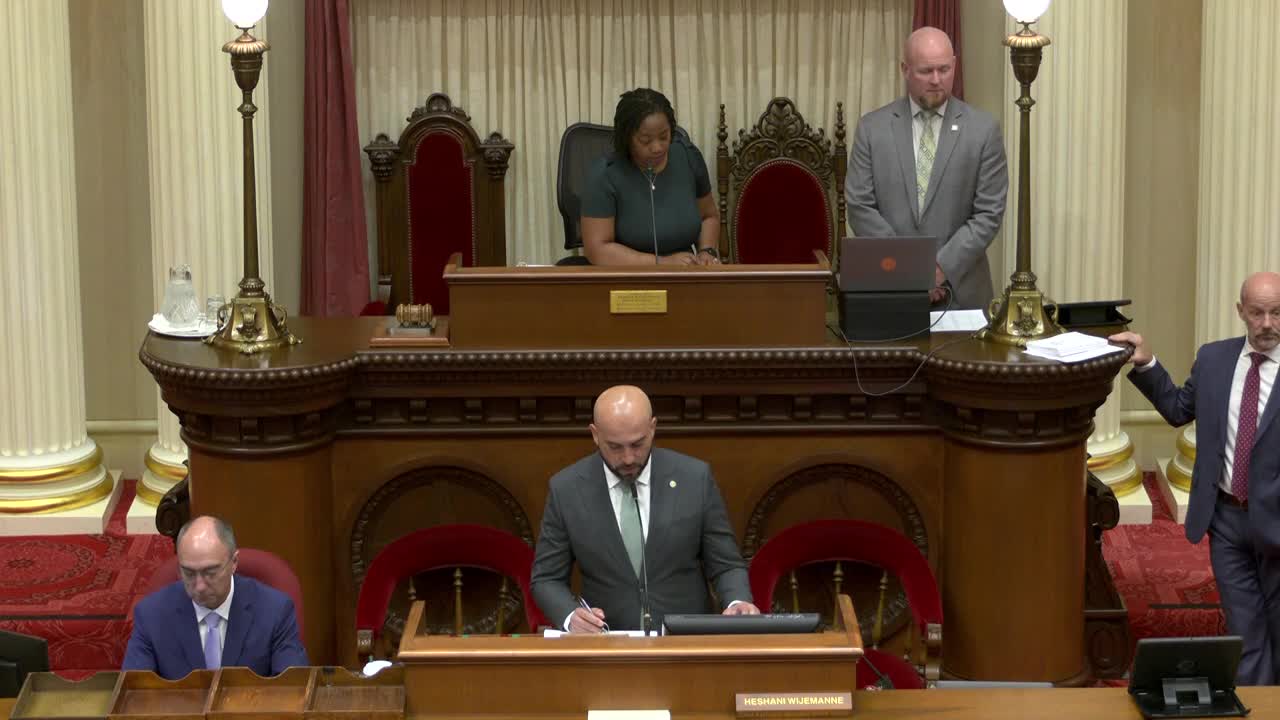 5MIN
Senate Floor
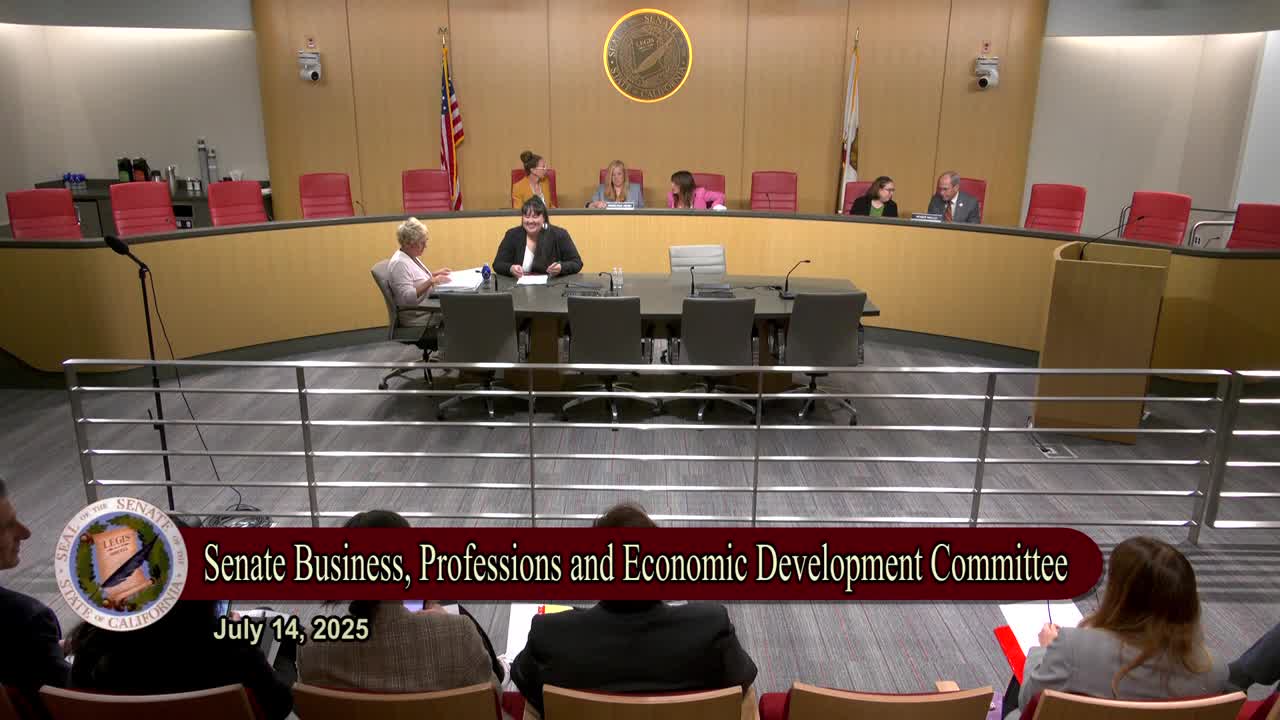 8MIN
Senate Standing Committee on Business, Professions and Economic Development
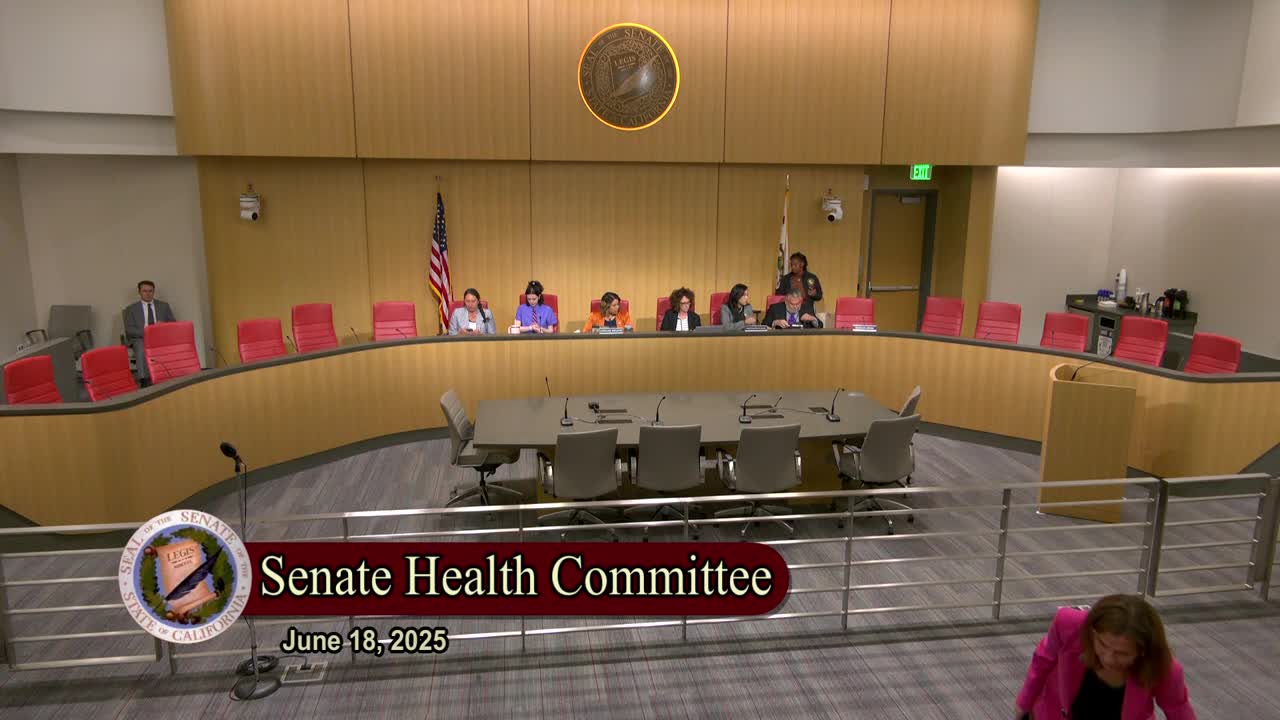 11MIN
Senate Standing Committee on Health
 1MIN
Assembly Floor
 5MIN
Assembly Standing Committee on Appropriations
 11MIN
Assembly Standing Committee on Health
Bill Author

Bill Co-Author(s):