AB 876: Nurse anesthetists: scope of practice.
- Session Year: 2025-2026
- House: Assembly
- Latest Version Date: 2025-10-01
Current Status:
Passed
(2025-10-01: Chaptered by Secretary of State - Chapter 169, Statutes of 2025.)
Introduced
In Committee
Awaiting First Chamber Vote
Passed First Chamber
In Committee
Awaiting Second Chamber Vote
Passed Second Chamber
Enacted
Existing law, the Nurse Anesthetists Act, provides for the certification and regulation of nurse anesthetists by the Board of Registered Nursing. Existing law requires the utilization of a nurse anesthetist to provide anesthesia services in an acute care facility to be approved by the acute care facility administration and the appropriate committee, as defined, and at the discretion of the physician, dentist, or podiatrist. Existing law makes a nurse anesthetist who is not an employee of an acute care facility subject to the bylaws of the facility.
This bill would expressly provide that a nurse anesthetist is authorized to perform anesthesia services. The bill would define anesthesia services for purposes of the act to mean, among other things, preoperative, intraoperative, and postoperative care and pain management provided by a nurse anesthetist for patients receiving anesthesia pursuant to an order by a physician, dentist, or podiatrist for anesthesia services. Under the bill, an order by a physician, dentist, or podiatrist for anesthesia services for a specific patient would be deemed the authorization for the nurse anesthetist to select and implement the modality of anesthesia for the patient and to abort or modify the modality of anesthesia during the course of care. The bill would provide that the selection and administration of medication by a nurse anesthetist for preoperative, intraoperative, and postoperative care and for pain management purposes pursuant to an order by a physician, dentist, or podiatrist shall not constitute a prescription as that term is defined in a specified provision of federal law.
The bill would state that the provisions of the Nurse Anesthetists Act are declaratory of existing law and of an advisory opinion, including specified case law.
Existing law, the Nurse Anesthetists Act, provides for the certification and regulation of nurse anesthetists by the Board of Registered Nursing. Existing law requires the utilization of a nurse anesthetist to provide anesthesia services in an acute care facility to be approved by the acute care facility administration and the appropriate committee, as defined, and at the discretion of the physician, dentist, or podiatrist. Existing law makes a nurse anesthetist who is not an employee of an acute care facility subject to the bylaws of the facility.
This bill would expressly provide that a nurse anesthetist is authorized to perform anesthesia services. The bill would define anesthesia services for purposes of the act to mean, among other things, preoperative, intraoperative, and postoperative care and pain management provided by a nurse anesthetist for patients receiving anesthesia pursuant to an order by a physician, dentist, or podiatrist for anesthesia services. Under the bill, an order by a physician, dentist, or podiatrist for anesthesia services for a specific patient would be deemed the authorization for the nurse anesthetist to select and implement the modality of anesthesia for the patient and to abort or modify the modality of anesthesia during the course of care. The bill would provide that the selection and administration of medication by a nurse anesthetist for preoperative, intraoperative, and postoperative care and for pain management purposes pursuant to an order by a physician, dentist, or podiatrist shall not constitute a prescription as that term is defined in a specified provision of federal law.
The bill would state that the provisions of the Nurse Anesthetists Act are declaratory of existing law and of an advisory opinion, including specified case law.
Existing law, the Nurse Anesthetists Act, provides for the certification and regulation of nurse anesthetists by the Board of Registered Nursing. Existing law requires the utilization of a nurse anesthetist to provide anesthesia services in an acute care facility to be approved by the acute care facility administration and the appropriate committee, as defined, and at the discretion of the physician, dentist, or podiatrist. Existing law makes a nurse anesthetist who is not an employee of an acute care facility subject to the bylaws of the facility.
This bill would provide that, in an acute care facility or outpatient setting where the nurse anesthetist has been credentialed to provide anesthesia, or in a dental office where the dentist holds a permit to administer or order the administration of deep sedation or general anesthesia, the anesthesia services include preoperative, intraoperative, and postoperative care and pain management for patients receiving anesthesia ordered by a physician, dentist, or podiatrist that are provided within the scope of practice of the nurse anesthetist. The bill would authorize a nurse anesthetist to provide direct and indirect patient care services that include the administration of medications and therapeutic agents, as specified. The bill would provide that an order entered on the chart or medical record of a patient constitutes authorization for the nurse anesthetist to select the modality of anesthesia and to abort or modify the modality during the course of care. The bill would state that ordering and administering controlled substances and other drugs pursuant to those provisions does not constitute a prescription. The bill would also provide that, in an acute care facility or outpatient setting, anesthesia services may also include services performed outside of the perioperative period, as provided, including, among others, providing emergency, critical care, and resuscitation services. The bill would define the terms acute care facility, outpatient setting, and dental office for purposes of the act. expressly provide that a nurse anesthetist is authorized to perform anesthesia services. The bill would define anesthesia services for purposes of the act to mean, among other things, preoperative, intraoperative, and postoperative care and pain management provided by a nurse anesthetist for patients receiving anesthesia pursuant to an order by a physician, dentist, or podiatrist for anesthesia services. Under the bill, an order by a physician, dentist, or podiatrist for anesthesia services for a specific patient would be deemed the authorization for the nurse anesthetist to select and implement the modality of anesthesia for the patient and to abort or modify the modality of anesthesia during the course of care. The bill would provide that the selection and administration of medication by a nurse anesthetist for preoperative, intraoperative, and postoperative care and for pain management purposes pursuant to an order by a physician, dentist, or podiatrist shall not constitute a prescription as that term is defined in a specified provision of federal law.
The bill would state that the provisions of the Nurse Anesthetists Act are declaratory of existing law and of an advisory opinion set forth in opinion, including specified case law.
Existing law, the Nurse Anesthetists Act, provides for the certification and regulation of nurse anesthetists by the Board of Registered Nursing. Existing law requires the utilization of a nurse anesthetist to provide anesthesia services in an acute care facility to be approved by the acute care facility administration and the appropriate committee, as defined, and at the discretion of the physician, dentist, or podiatrist. Existing law makes a nurse anesthetist who is not an employee of an acute care facility subject to the bylaws of the facility.
This bill would provide that, in an acute care facility, outpatient setting, or dental office facility or outpatient setting where the nurse anesthetist has been credentialed to provide anesthesia, or in a dental office where the dentist holds a permit to administer or order the administration of deep sedation or general anesthesia, the anesthesia services include preoperative, intraoperative, and postoperative care and pain management for patients receiving anesthesia requested ordered by a physician, dentist, or podiatrist. podiatrist that are provided within the scope of practice of the nurse anesthetist. The bill would authorize a nurse anesthetist to provide direct and indirect patient care services that include the administration of medications and therapeutic agents, as specified. The bill would provide that an order entered on the chart or medical record of a patient constitutes authorization for the nurse anesthetist to select the modality of anesthesia and to abort or modify the modality during the course of care. The bill would state that ordering and administering controlled substances and other drugs pursuant to those provisions does not constitute a prescription. The bill would also provide that, in an acute care facility, outpatient setting, or dental office, facility or outpatient setting, anesthesia services may also include services performed outside of the perioperative setting, period, as provided, including, among others, ordering, evaluating, and interpreting diagnostic laboratory and radiological studies, and initiating orders to registered nurses and other appropriate staff, as specified. The bill would require a trainee, as defined, to satisfy specified requirements to provide anesthesia services in an acute care facility, outpatient setting, or dental office, including being enrolled in an accredited doctoral program of nurse anesthesia. The bill would provide that a nurse anesthetist is not limited to the scope of practice of a registered nurse while performing anesthesia services and is not required to, among other things, perform nurse anesthesia services pursuant to standardized procedures. The bill would revise the definition of nurse anesthetist and providing emergency, critical care, and resuscitation services. The bill would define the terms acute care facility, outpatient setting, and dental office for purposes of the act.
The bill would state that the provisions of the Nurse Anesthetists Act are declaratory of existing law and of an advisory opinion set forth in specified case law.
Existing law, the Nurse Anesthetists Act, provides for the certification and regulation of nurse anesthetists by the Board of Registered Nursing. Existing law requires the utilization of a nurse anesthetist to provide anesthesia services in an acute care facility to be approved by the acute care facility administration and the appropriate committee, and at the discretion of the physician, dentist, or podiatrist. Existing law makes a nurse anesthetist who is not an employee of an acute care facility subject to the bylaws of the facility.
This bill would provide that, in an acute care facility, outpatient setting, or dental office where the nurse anesthetist has been credentialed to provide anesthesia, the anesthesia services include preoperative, intraoperative, and postoperative care and pain management for patients receiving anesthesia requested by a physician, dentist, or podiatrist. The bill would authorize a nurse anesthetist to provide direct and indirect patient care services that include the administration of medications and therapeutic agents, as specified. The bill would provide that an order entered on the chart or medical record of a patient constitutes authorization for the nurse anesthetist to select the modality of anesthesia and to abort or modify the modality during the course of care. The bill would state that ordering and administering controlled substances and other drugs pursuant to those provisions does not constitute a prescription. The bill would also provide that, in an acute care facility, outpatient setting, or dental office, anesthesia services may also include services performed outside of the perioperative setting, including, among others, ordering, evaluating, and interpreting diagnostic laboratory and radiological studies, and initiating orders to registered nurses and other appropriate staff, as specified. The bill would require a trainee, as defined, to satisfy specified requirements to provide anesthesia services in an acute care facility, outpatient setting, or dental office, including being enrolled in an accredited doctoral program of nurse anesthesia. The bill would provide that a nurse anesthetist is not limited to the scope of practice of a registered nurse while performing anesthesia services and is not required to, among other things, perform nurse anesthesia services pursuant to standardized procedures. The bill would revise the definition of nurse anesthetist and would define the terms acute care facility, outpatient setting, and dental office for purposes of the act.
As used in this article:
(a)Nurse anesthetist means a person who is a registered nurse licensed by the board who has met standards for certification from the board. In the certification and recertification process, the board shall consider the standards of the National Board of Certification and Recertification for Nurse Anesthetists, or a successor national professional organization approved by the board, and may develop new standards if there is a public safety need for standards more stringent than the councils standards. In determining the adequacy for public safety of the councils standards or in developing board standards, the board shall comply with the provisions of Chapter 3.5 (commencing with Section 11340) of Part 1 of Division 3 of Title 2 of the Government Code.
(b)Accredited program means a program for the education of nurse anesthetists that has received approval from the board. In the approval process, the board shall consider the standards of the Council on Accreditation of Nurse Anesthesia Education Programs and Schools and may develop new standards if the councils standards are determined to be inadequate for public safety. In determining the adequacy for public safety of the councils standards or in developing board standards, the board shall comply with the provisions of Chapter 3.5 (commencing with Section 11340) of Part 1 of Division 3 of Title 2 of the Government Code.
(c)Anesthesia services include all of the following:
(1)Preoperative, intraoperative, and postoperative care and pain management provided by a nurse anesthetist for patients receiving anesthesia pursuant to an order by a physician, dentist, or podiatrist for anesthesia services.
(2)Selecting and administering medication pursuant to an order for anesthesia services by a physician, dentist, or podiatrist.
(3)Providing emergency, critical care, and resuscitation services.
(d)Appropriate committee means the committee responsible for anesthesia practice that is responsible to the executive committee of the medical staff.
(e)Trainee means a registered nurse enrolled in an accredited program of nurse anesthesia.
(f)Graduate means a nurse anesthetist who is a graduate of an accredited program of nurse anesthesia awaiting initial certification results for not more than one year from the date of graduation.
SEC. 2.Section 2826.5 is added to the Business and Professions Code, to read:2826.5.A nurse anesthetist is authorized to perform anesthesia services.
SEC. 3.Section 2826.6 is added to the Business and Professions Code, to read:2826.6.An order by a physician, dentist, or podiatrist for anesthesia services for a specific patient shall be the authorization for the nurse anesthetist to select and implement the modality of anesthesia for the patient and to abort or modify the modality of anesthesia for the patient during the course of care.
SEC. 4.Section 2826.7 is added to the Business and Professions Code, to read:2826.7.The selection and administration of medication by a nurse anesthetist, including controlled substances, for preoperative, intraoperative, and postoperative care and for pain management purposes pursuant to an order by a physician, dentist, or podiatrist shall not constitute a prescription, as that term is defined in Section 1300.01 of Title 21 of the Code of Federal Regulations.
SEC. 5.Section 2833.6 of the Business and Professions Code is amended to read:2833.6.Nothing in this article shall be construed to restrict, expand, alter, or modify the existing scope of practice of, a nurse anesthetist and is declaratory of existing law and advisory opinion, including, but not limited to, California Society of Anesthesiologists v. Brown (2012) 204 Cal.App.4th 390.
As used in this article:
(a)Nurse anesthetist means a person who is a registered nurse licensed by the board who has met standards for certification from the board. In the certification and recertification process, the board shall consider the standards of the National Board of Certification and Recertification for Nurse Anesthetists, or a successor national professional organization approved by the board, and may develop new standards if there is a public safety need for standards more stringent than the councils standards. In determining the adequacy for public safety of the councils standards or in developing board standards, the board shall comply with the provisions of Chapter 3.5 (commencing with Section 11340) of Part 1 of Division 3 of Title 2 of the Government Code.
(b)Accredited program means a program for the education of nurse anesthetists that has received approval from the board. In the approval process, the board shall consider the standards of the Council on Accreditation of Nurse Anesthesia Education Programs and Schools and may develop new standards if the councils standards are determined to be inadequate for public safety. In determining the adequacy for public safety of the councils standards or in developing board standards, the board shall comply with the provisions of Chapter 3.5 (commencing with Section 11340) of Part 1 of Division 3 of Title 2 of the Government Code.
(c)Anesthesia services include all of the following:
(1)Preoperative, intraoperative, and postoperative care and pain management provided by a nurse anesthetist for patients receiving anesthesia pursuant to an order by a physician, dentist, or podiatrist for anesthesia services.
(2)Selecting and administering medication pursuant to an order for anesthesia services by a physician, dentist, or podiatrist.
(3)Providing emergency, critical care, and resuscitation services.
(d)Appropriate committee means the committee responsible for anesthesia practice that is responsible to the executive committee of the medical staff.
(e)Trainee means a registered nurse enrolled in an accredited program of nurse anesthesia.
(f)Graduate means a nurse anesthetist who is a graduate of an accredited program of nurse anesthesia awaiting initial certification results for not more than one year from the date of graduation.
SEC. 2.Section 2826.5 is added to the Business and Professions Code, to read:2826.5.A nurse anesthetist is authorized to perform anesthesia services.
SEC. 3.Section 2826.6 is added to the Business and Professions Code, to read:2826.6.An order by a physician, dentist, or podiatrist for anesthesia services for a specific patient shall be the authorization for the nurse anesthetist to select and implement the modality of anesthesia for the patient and to abort or modify the modality of anesthesia for the patient during the course of care.
SEC. 4.Section 2826.7 is added to the Business and Professions Code, to read:2826.7.The selection and administration of medication by a nurse anesthetist, including controlled substances, for preoperative, intraoperative, and postoperative care and for pain management purposes pursuant to an order by a physician, dentist, or podiatrist shall not constitute a prescription, as that term is defined in Section 1300.01 of Title 21 of the Code of Federal Regulations.
SEC. 5.Section 2833.6 of the Business and Professions Code is amended to read:2833.6.Nothing in this article shall be construed to restrict, expand, alter, or modify the existing scope of practice of, a nurse anesthetist and is declaratory of existing law and advisory opinion, including, but not limited to, California Society of Anesthesiologists v. Brown (2012) 204 Cal.App.4th 390.
As used in this article:
(a)Nurse anesthetist means a person who is a registered nurse licensed by the board who has met standards for certification from the board. In the certification and recertification process, the board shall consider the standards of the National Board of Certification and Recertification for Nurse Anesthetists, or a successor national professional organization approved by the board, and may develop new standards if there is a public safety need for standards more stringent than the councils standards. In determining the adequacy for public safety of the councils standards or in developing board standards, the board shall comply with the provisions of Chapter 3.5 (commencing with Section 11340) of Part 1 of Division 3 of Title 2 of the Government Code.
(b)Accredited Program program means a program for the education of nurse anesthetists that has received approval from the board. In the approval process, the board shall consider the standards of the Council on Accreditation of Nurse Anesthesia Education Programs and Schools and may develop new standards if the councils standards are determined to be inadequate for public safety. In determining the adequacy for public safety of the councils standards or in developing board standards, the board shall comply with the provisions of Chapter 3.5 (commencing with Section 11340) of Part 1 of Division 3 of Title 2 of the Government Code.
(c)Anesthesia services include all of the following:
(1)Preoperative, intraoperative, and postoperative care and pain management provided by a nurse anesthetist for patients receiving anesthesia pursuant to an order by a physician, dentist, or podiatrist for anesthesia services.
(2)Selecting and administering medication pursuant to an order for anesthesia services by a physician, dentist, or podiatrist.
(3)Providing emergency, critical care, and resuscitation services.
(c)(d)Appropriate committee means the committee responsible for anesthesia practice that is responsible to the executive committee of the medical staff.
(d)(e)Trainee means a registered nurse enrolled in an accredited program of nurse anesthesia.
(e)(f)Graduate means a nurse anesthetist who is a graduate of an accredited program of nurse anesthesia awaiting initial certification results for not more than one year from the date of graduation.
(f)Acute care facility means a general acute care hospital, acute psychiatric hospital, or other setting that is licensed and accredited pursuant to Chapter 2 (commencing with Section 1250) of Division 2 of the Health and Safety Code.(g)Outpatient setting means an ambulatory surgery center, clinic, facility, office, or other setting that is licensed and accredited pursuant to Chapter 1.3 (commencing with Section 1248) of Division 2 of the Health and Safety Code.(h)Dental office means the office of a dentist holding a permit pursuant to Section 2827.SEC. 2.Section 2827 of the Business and Professions Code is amended to read:2827.(a)The utilization of a nurse anesthetist to provide anesthesia services in an acute care facility shall be approved by the acute care facility administration and the appropriate committee, and at the discretion of the physician, dentist or podiatrist. If a general anesthetic agent is administered in a dental office, the dentist shall hold a permit authorized by Article 2.75 (commencing with Section 1646) of Chapter 4.(b)In an acute care facility or outpatient setting where the nurse anesthetist has been credentialed to provide anesthesia, or in a dental office where the dentist holds a permit authorized by Article 2.75 (commencing with Section 1646) of Chapter 4, the anesthesia services shall include preoperative, intraoperative, and postoperative care and pain management for patients receiving anesthesia ordered by a physician, dentist, or podiatrist that are provided within the scope of practice of the nurse anesthetist. A nurse anesthetist is authorized to provide direct and indirect patient care services, including administration of medications and therapeutic agents necessary to implement a treatment, for disease prevention, or a rehabilitative regimen ordered by, and within the scope of practice of, a physician, dentist, podiatrist, or clinical psychologist. An order entered on the chart or medical record of a patient shall be the authorization for the nurse anesthetist to select the modality of anesthesia for the patient and to abort or modify the modality of anesthesia for the patient during the course of care. Ordering and administering controlled substances and other drugs preoperatively, intraoperatively, and postoperatively shall not constitute a prescription, as that term is defined in Section 1300.01 of Title 21 of the Code of Federal Regulations.(c)In an acute care facility or outpatient setting where the nurse anesthetist has been credentialed to provide anesthesia, anesthesia services may also encompass services performed outside of the perioperative period in accordance with Section 2725, including, but not limited to:(1)Selecting and administering medication, therapeutic treatment, medication-assisted treatment, and adjuvants to psychotherapy in accordance with paragraph (2) of subdivision (b) of Section 2725.(2)Providing emergency, critical care, and resuscitation services.(3)Performing advanced airway management.(4)Performing point-of-care testing.(5)In accordance with the policies of the facility or office, initiating orders for functions authorized under Section 2725 and this article to registered nurses and other appropriate staff, as required, to provide preoperative and postoperative care related to the anesthesia service.SEC. 2.Section 2826.5 is added to the Business and Professions Code, to read:2826.5.A nurse anesthetist is authorized to perform anesthesia services.
SEC. 3.Section 2826.6 is added to the Business and Professions Code, to read:2826.6.An order by a physician, dentist, or podiatrist for anesthesia services for a specific patient shall be the authorization for the nurse anesthetist to select and implement the modality of anesthesia for the patient and to abort or modify the modality of anesthesia for the patient during the course of care.
SEC. 4.Section 2826.7 is added to the Business and Professions Code, to read:2826.7.The selection and administration of medication by a nurse anesthetist, including controlled substances, for preoperative, intraoperative, and postoperative care and for pain management purposes pursuant to an order by a physician, dentist, or podiatrist shall not constitute a prescription, as that term is defined in Section 1300.01 of Title 21 of the Code of Federal Regulations.
SEC. 3.SEC. 5.Section 2833.6 of the Business and Professions Code is amended to read:2833.6.Nothing in this article shall be construed to restrict, expand, alter, or modify the existing scope of practice of, a nurse anesthetist and is declaratory of existing law and the advisory opinion as set forth in advisory opinion, including, but not limited to, California Society of Anesthesiologists v. Brown (2012) 204 Cal.App.4th 390.
As used in this article:
(a)Nurse anesthetist means a certified registered nurse anesthetist, CRNA, nurse anesthesiologist, or anesthetist person who is a registered nurse licensed by the board who has met standards for certification from the board. In the certification and recertification process, the board shall consider the standards of the National Board of Certification and Recertification for Nurse Anesthetists, or a successor national professional organization approved by the board, and may develop new standards if there is a public safety need for standards more stringent than the councils standards. In determining the adequacy for public safety of the councils standards or in developing board standards, the board shall comply with the provisions of Chapter 3.5 (commencing with Section 11340) of Part 1 of Division 3 of Title 2 of the Government Code.
(b)Accredited Program means a program for the education of nurse anesthetists that has received approval from the board. In the approval process, the board shall consider the standards of the Council on Accreditation of Nurse Anesthesia Education Programs and Schools and may develop new standards if the councils standards are determined to be inadequate for public safety. In determining the adequacy for public safety of the councils standards or in developing board standards, the board shall comply with the provisions of Chapter 3.5 (commencing with Section 11340) of Part 1 of Division 3 of Title 2 of the Government Code.
(c)Appropriate committee means the committee responsible for anesthesia practice that is responsible to the executive committee of the medical staff.
(d)Trainee means a registered nurse enrolled in an accredited program of nurse anesthesia.
(e)Graduate means a nurse anesthetist who is a graduate of an accredited program of nurse anesthesia awaiting initial certification results for not more than one year from the date of graduation.
(f)Acute care facility means a general acute care hospital, acute psychiatric hospital, or other setting that is licensed and accredited pursuant to Chapter 2 (commencing with Section 1250) of Division 2 of the Health and Safety Code.
(g)Outpatient setting means an ambulatory surgery center, clinic, facility, office, or other setting that is licensed and accredited pursuant to Chapter 1.3 (commencing with Section 1248) of Division 2 of the Health and Safety Code.
(h)Dental office means the office of a dentist holding a permit pursuant to Section 2827.
SEC. 2.Section 2827 of the Business and Professions Code is amended to read:2827.(a)The utilization of a nurse anesthetist to provide anesthesia services in an acute care facility shall be approved by the acute care facility administration and the appropriate committee, and at the discretion of the physician, dentist or podiatrist. If a general anesthetic agent is administered in a dental office, the dentist shall hold a permit authorized by Article 2.75 (commencing with Section 1646) of Chapter 4.
(b)In an acute care facility, outpatient setting, or dental office facility or outpatient setting where the nurse anesthetist has been credentialed to provide anesthesia, or in a dental office where the dentist holds a permit authorized by Article 2.75 (commencing with Section 1646) of Chapter 4, the anesthesia services shall include preoperative, intraoperative, and postoperative care and pain management for patients receiving anesthesia requested ordered by a physician, dentist, or podiatrist that are provided within the scope of practice of the nurse anesthetist. A nurse anesthetist is authorized to provide direct and indirect patient care services, including administration of medications and therapeutic agents necessary to implement a treatment, for disease prevention, or a rehabilitative regimen ordered by, and within the scope of practice of, a physician, dentist, podiatrist, or clinical psychologist. An order entered on the chart or medical record of a patient shall be the authorization for the nurse anesthetist to select the modality of anesthesia for the patient and to abort or modify the modality of anesthesia for the patient during the course of care. Ordering and administering controlled substances and other drugs preoperatively, intraoperatively, and postoperatively shall not constitute a prescription, as that term is defined in Section 1300.01 of Title 21 of the Code of Federal Regulations.
(c)In an acute care facility, outpatient setting, or dental office facility or outpatient setting where the nurse anesthetist has been credentialed to provide anesthesia, anesthesia services may also encompass services performed outside of the perioperative setting, period in accordance with Section 2725, including, but not limited to:
(1)Selecting and administering medication, therapeutic treatment, medication-assisted treatment, and adjuvants to psychotherapy. psychotherapy in accordance with paragraph (2) of subdivision (b) of Section 2725.
(2)Providing emergency, critical care, and resuscitation services.
(3)Performing advanced airway management.
(4)Performing point-of-care testing.
(5)Ordering, evaluating, and interpreting diagnostic laboratory and radiological studies.(6)Using and supervising the use of ultrasound, fluoroscopy, and other technologies for diagnosis and care delivery.(7)Providing sedation and pain management for palliative care.(8)(5)In accordance with the policies of the facility or office, initiating orders for functions authorized under Section 2725 and this article to registered nurses and other appropriate staff, as required, to provide preoperative and postoperative care related to the anesthesia service.
(9)Ordering consults, treatments, or services relating to the patients care.(d)To provide anesthesia services in an acute care facility, outpatient setting, or dental office, a trainee, including a nurse anesthesiology resident, resident registered nurse anesthetist, or student registered nurse anesthetist, shall satisfy both of the following requirements:(1)Be enrolled in an accredited doctoral program of nurse anesthesia.(2)Practice under the supervision of a nurse anesthetist or physician anesthesiologist.SEC. 3.Section 2828 of the Business and Professions Code is amended to read:2828.(a)In an acute care facility, a nurse anesthetist who is not an employee of the facility shall, nonetheless, be subject to the bylaws of the facility and may be required by the facility to provide proof of current professional liability insurance coverage. Notwithstanding any other provision of law, a nurse anesthetist shall be responsible for their own professional conduct and may be held liable for those professional acts.(b)A nurse anesthetist is an advanced practice registered nurse who is authorized to perform independent anesthesia services and is not limited to the scope of practice of a registered nurse while performing anesthesia services. A nurse anesthetist shall not be required to do any of the following:(1)Perform the duties of a perioperative registered nurse or nurse circulator while engaged in the role of anesthesia provider in the perioperative setting.(2)Perform nurse anesthesia services pursuant to standardized procedures.(3)Perform anesthesia services under the supervision of the physician, podiatrist, or dentist who requested the anesthesia to be administered.(c)By virtue of being in the same location as a nurse anesthetist performing anesthesia services, a physician, podiatrist, dentist, or other health care provider shall not assume supervision of the nurse anesthetist.SEC. 3.Section 2833.6 of the Business and Professions Code is amended to read:2833.6.This chapter is not intended to address the scope of practice of, and nothing in this chapter Nothing in this article shall be construed to restrict, expand, alter, or modify the existing scope of practice of, a nurse anesthetist. anesthetist and is declaratory of existing law and the advisory opinion as set forth in California Society of Anesthesiologists v. Brown (2012) 204 Cal.App.4th 390.
As used in this article:
(a)Nurse anesthetist means a person a certified registered nurse anesthetist, CRNA, nurse anesthesiologist, or anesthetist who is a registered nurse licensed by the board who has met standards for certification from the board. In the certification and recertification process, the board shall consider the standards of the National Board of Certification and Recertification for Nurse Anesthetists, or a successor national professional organization approved by the board, and may develop new standards if there is a public safety need for standards more stringent than the councils standards. In determining the adequacy for public safety of the councils standards or in developing board standards, the board shall comply with the provisions of Chapter 3.5 (commencing with Section 11340) of Part 1 of Division 3 of Title 2 of the Government Code.
(b)Accredited Program means a program for the education of nurse anesthetists that has received approval from the board. In the approval process, the board shall consider the standards of the Council on Accreditation of Nurse Anesthesia Education Programs and Schools and may develop new standards if the councils standards are determined to be inadequate for public safety. In determining the adequacy for public safety of the councils standards or in developing board standards, the board shall comply with the provisions of Chapter 3.5 (commencing with Section 11340) of Part 1 of Division 3 of Title 2 of the Government Code.
(c)Appropriate committee means the committee responsible for anesthesia practice that is responsible to the executive committee of the medical staff.
(d)Trainee means a registered nurse enrolled in an accredited program of nurse anesthesia.
(e)Graduate means a nurse anesthetist who is a graduate of an accredited program of nurse anesthesia awaiting initial certification results for not more than one year from the date of graduation.
(f)Acute care facility means a general acute care hospital, acute psychiatric hospital, or other setting that is licensed and accredited pursuant to Chapter 2 (commencing with Section 1250) of Division 2 of the Health and Safety Code.
(g)Outpatient setting means an ambulatory surgery center, clinic, facility, office, or other setting that is licensed and accredited pursuant to Chapter 1.3 (commencing with Section 1248) of Division 2 of the Health and Safety Code.
(h)Dental office means the office of a dentist holding a permit pursuant to Section 2827.
SEC. 2.Section 2827 of the Business and Professions Code is amended to read:2827.(a)The utilization of a nurse anesthetist to provide anesthesia services in an acute care facility shall be approved by the acute care facility administration and the appropriate committee, and at the discretion of the physician, dentist or podiatrist. If a general anesthetic agent is administered in a dental office, the dentist shall hold a permit authorized by Article 2.7 (commencing with Section 1646) of Chapter 4 or, commencing January 1, 2022, Article 2.75 (commencing with Section 1646) of Chapter 4.
(b)In an acute care facility, outpatient setting, or dental office where the nurse anesthetist has been credentialed to provide anesthesia, the anesthesia services shall include preoperative, intraoperative, and postoperative care and pain management for patients receiving anesthesia requested by a physician, dentist, or podiatrist that are provided within the scope of practice of the nurse anesthetist. A nurse anesthetist is authorized to provide direct and indirect patient care services, including administration of medications and therapeutic agents necessary to implement a treatment, for disease prevention, or a rehabilitative regimen ordered by, and within the scope of practice of, a physician, dentist, podiatrist, or clinical psychologist. An order entered on the chart or medical record of a patient shall be the authorization for the nurse anesthetist to select the modality of anesthesia for the patient and to abort or modify the modality of anesthesia for the patient during the course of care. Ordering and administering controlled substances and other drugs preoperatively, intraoperatively, and postoperatively shall not constitute a prescription, as that term is defined in Section 1300.01 of Title 21 of the Code of Federal Regulations.
(c)In an acute care facility, outpatient setting, or dental office where the nurse anesthetist has been credentialed to provide anesthesia, anesthesia services may also encompass services performed outside of the perioperative setting, including, but not limited to:
(1)Selecting and administering medication, therapeutic treatment, medication-assisted treatment, and adjuvants to psychotherapy.
(2)Providing emergency, critical care, and resuscitation services.
(3)Performing advanced airway management.
(4)Performing point-of-care testing.
(5)Ordering, evaluating, and interpreting diagnostic laboratory and radiological studies.
(6)Using and supervising the use of ultrasound, fluoroscopy, and other technologies for diagnosis and care delivery.
(7)Providing sedation and pain management for palliative care.
(8)In accordance with the policies of the facility or office, initiating orders to registered nurses and other appropriate staff, as required, to provide preoperative and postoperative care related to the anesthesia service.
(9)Ordering consults, treatments, or services relating to the patients care.
(d)To provide anesthesia services in an acute care facility, outpatient setting, or dental office, a trainee, including a nurse anesthesiology resident, resident registered nurse anesthetist, or student registered nurse anesthetist, shall satisfy both of the following requirements:
(1)Be enrolled in an accredited doctoral program of nurse anesthesia.
(2)Practice under the supervision of a nurse anesthetist or physician anesthesiologist.
SEC. 3.Section 2828 of the Business and Professions Code is amended to read:2828.(a)In an acute care facility, a nurse anesthetist who is not an employee of the facility shall, nonetheless, be subject to the bylaws of the facility and may be required by the facility to provide proof of current professional liability insurance coverage. Notwithstanding any other provision of law, a nurse anesthetist shall be responsible for their own professional conduct and may be held liable for those professional acts.
(b)A nurse anesthetist is an advanced practice registered nurse who is authorized to perform independent anesthesia services and is not limited to the scope of practice of a registered nurse while performing anesthesia services. A nurse anesthetist shall not be required to do any of the following:
(1)Perform the duties of a perioperative registered nurse or nurse circulator while engaged in the role of anesthesia provider in the perioperative setting.
(2)Perform nurse anesthesia services pursuant to standardized procedures.
(3)Perform anesthesia services under the supervision of the physician, podiatrist, or dentist who requested the anesthesia to be administered.
(c)By virtue of being in the same location as a nurse anesthetist performing anesthesia services, a physician, podiatrist, dentist, or other health care provider shall not assume supervision of the nurse anesthetist.
|
Date
|
Status
|
|---|---|
| Oct 1, 2025 | Chaptered by Secretary of State - Chapter 169, Statutes of 2025. |
| Oct 1, 2025 | Approved by the Governor. |
| Sep 11, 2025 | Enrolled and presented to the Governor at 4 p.m. |
| Sep 4, 2025 | Senate amendments concurred in. To Engrossing and Enrolling. (Ayes 70. Noes 1. Page 2929.). |
| Sep 3, 2025 | In Assembly. Concurrence in Senate amendments pending. |
| Sep 3, 2025 | Reconsideration granted. (Ayes 40. Noes 0. Page 2438.) |
| Sep 3, 2025 | Read third time. Passed. Ordered to the Assembly. (Ayes 38. Noes 0. Page 2438.). |
| Sep 3, 2025 | Read third time. Passed. Ordered to the Assembly. (Ayes 33. Noes 0. Page 2437.). |
| Aug 26, 2025 | Read second time. Ordered to third reading. |
| Aug 25, 2025 | From committee: Be ordered to second reading pursuant to Senate Rule 28.8. |
| Jul 14, 2025 | From committee: Do pass and re-refer to Com. on APPR. (Ayes 9. Noes 0.) (July 14). Re-referred to Com. on APPR. |
| Jul 9, 2025 | From committee chair, with author's amendments: Amend, and re-refer to committee. Read second time, amended, and re-referred to Com. on B. P. & E.D. |
| May 28, 2025 | Referred to Com. on B. P. & E.D. |
| May 15, 2025 | In Senate. Read first time. To Com. on RLS. for assignment. |
| May 15, 2025 | Read third time. Passed. Ordered to the Senate. (Ayes 61. Noes 1. Page 1563.) |
| May 8, 2025 | Read second time. Ordered to third reading. |
| May 7, 2025 | From committee: Do pass. (Ayes 14. Noes 0.) (May 7). |
| Apr 24, 2025 | Re-referred to Com. on APPR. |
| Apr 23, 2025 | Read second time and amended. |
| Apr 22, 2025 | From committee: Amend, and do pass as amended and re-refer to Com. on APPR. (Ayes 15. Noes 1.) (April 22). |
| Mar 3, 2025 | Referred to Com. on B. & P. |
| Feb 20, 2025 | From printer. May be heard in committee March 22. |
| Feb 19, 2025 | Read first time. To print. |
|
Date
|
Description
|
Location
|
Votes
|
|
|---|---|---|---|---|
| Sep 4, 2025 | AB 876 Flora Concurrence in Senate Amendments | Assembly Floor |
Passed |
|
| Sep 3, 2025 | Assembly 3rd Reading AB876 Flora By Ashby | Senate Floor |
Passed |
|
| Sep 3, 2025 | Assembly 3rd Reading AB876 Flora By Ashby Reconsider | Senate Floor |
Passed |
|
| Sep 3, 2025 | Assembly 3rd Reading AB876 Flora By Ashby | Senate Floor |
Passed |
|
| Jul 14, 2025 | Do pass, but first be re-referred to the Committee on [Appropriations] | Senate Standing Committee on Business, Professions and Economic Development |
Passed |
|
| May 15, 2025 | AB 876 Flora Assembly Third Reading | Assembly Floor |
Passed |
|
| May 7, 2025 | Do pass. | Assembly Standing Committee on Appropriations |
Passed |
|
| Apr 22, 2025 | Do pass as amended and be re-referred to the Committee on [Appropriations] | Assembly Standing Committee on Business and Professions |
Passed |
This list shows positions taken on this bill by organizations on the date displayed, which is linked to the original source.
Positions by individuals are not included.
|
Organization
|
Position
|
Date
|
|---|---|---|
| American Academy Of Pediatrics, California | ** Against | |
| AMERICAN COLLEGE OF OBSTETRICIANS & GYNECOLOGISTS - DISTRICT IX | ** Against | |
| American Nurses Association California | ** Support | |
| Association of California Healthcare Districts | ** Support | |
| Bear Valley Community Healthcare District | ** Support | |
| Board of Registered Nursing | ** Support | |
| California Academy of Eye Physicians and Surgeons | ** Against | |
| California Ambulatory Surgery Association | ** Support | |
| California Association for Nurse Practitioners | ** Support | |
| California Association of Clinical Nurse Specialists | ** Support | |
| California Association of Nurse Anesthesiology | ** Support | |
| California Association Of Oral And Maxillofacial Surgeons | ** Against | |
| California Behavioral Health Association | ** Support | |
| California Chapter American College Of Cardiology | ** Against | |
| California Dental Association | ** Against | |
| California Hospital Association | ** Support | |
| California Medical Association | ** Against | |
| California Nurse-Midwives Association | ** Support | |
| California Nurses Association | ** Support | |
| California Orthopaedic Association | ** Against | |
| California Podiatric Medical Association | ** Against | |
| California Radiological Society | ** Against | |
| California Rheumatology Alliance | ** Against | |
| California Society Of Anesthesiologists | ** Against | |
| California Society Of Dermatology & Dermatologic Surgery | ** Against | |
| California Society Of Pathologists | ** Against | |
| California Society Of Plastic Surgeons | ** Against | |
| Central California Anesthesiology Solutions | ** Support | |
| Central Valley Anesthesia Partners | ** Support | |
| Fairchild Medical Center | ** Support | |
| Mayers Memorial Healthcare District | ** Support | |
| Modoc Medical Center | ** Support | |
| National Association of Pediatric Nurse Practitioners | ** Support | |
| National University | ** Support | |
| Numerous individuals | ** Support | |
| Osteopathic Medical Board of California | ** Against | |
| Osteopathic Physicians And Surgeons Of California | ** Against | |
| Samuel Merritt University | ** Support | |
| Sedaze Anesthesia Consultants | ** Support | |
| Seneca Healthcare District | ** Support | |
| Southern California Infusion Therapy | ** Support | |
| UNAC/UHCP | ** Support | |
| Valley Regional Anesthesia Associates | ** Support | |
| Western Slope Anesthesia, a Professional Nursing Corporation | ** Support |
CONCURRENCE IN SENATE AMENDMENTS
CSA1 Bill Id:AB 876
Author:(Flora)
As Amended Ver:July 9, 2025
Majority vote
SUMMARY
Defines "anesthesia services" for purposes of the provision of anesthesia by a certified registered nurse anesthetist (CRNA), specifies that an order by a physician, dentist, or podiatrist for anesthesia services for a specific patient shall be the authorization for the nurse anesthetist to select and implement the modality of anesthesia for the patient and to abort or modify the modality of anesthesia for the patient during the course of care, and makes other technical clarifications.
Senate Amendments
Reduced the bill to the definition of "anesthesia services" and the order required to provide services.
COMMENTS
Background. In healthcare, anesthesia services are procedures involving the use of drugs or other means to induce a loss of sensation to manage pain and other forms of discomfort and the care necessary to accomplish the procedures. Anesthesia can be used as a direct treatment or to facilitate a surgical operation or other non-surgical medical procedure, such as a colonoscopy. The RN providers of anesthesia services are CRNAs, who are advanced practice RNs specifically trained in anesthesia services and related care. The physician providers who specialize in anesthesia services are anesthesiologists.
CRNA Scope of Practice. The CRNA scope of practice has two components. First, as licensed RNs, they are authorized to perform health care functions that require a substantial amount of scientific knowledge or technical skill, including direct and indirect patient care; disease prevention and restorative measures; administration of medication and therapeutic agents upon order of a physician, dentist, podiatrist, or specified clinical psychologist; skin tests; immunizations; blood withdrawal; patient assessment, analysis, planning, and treatment implementation; and clinical laboratory testing.
Second, as CRNAs, they are authorized to perform anesthesia services. In acute care facilities, the facility must approve the services and the services must be provided at the discretion of the physician, dentist, or podiatrist. In dental offices where general anesthesia is administered, the dentist must hold a general anesthesia permit issued by the Dental Board of California (DBC).
CRNA Statutory Anesthesia Authority. The statutory authority for CRNAs to provide anesthesia services is vague—aside from what is implied under the RN scope of practice, there is no affirmative, specific authorization for a CRNA to provide anesthesia services, and there is no definition of anesthesia services. Instead, three sentences in the Nursing Practice Act work together and form the basis of the current understanding of CRNA authority to provide anesthesia services, which is that a CRNA is authorized to provide anesthesia services in any setting where anesthesia may lawfully be provided, subject to the following conditions:
- If administering anesthesia medications therapeutic agents, the administration must be pursuant to an order issued by a physician, dentist, podiatrist, or clinical psychologist who is authorized to order anesthesia.
- If providing anesthesia services in an acute care facility, the services must be approved by the acute care facility administration and the appropriate committee, and at the discretion of the physician, dentist, or podiatrist.
- If providing anesthesia services in a dental office where general anesthesia is administered, the dentist must hold a general anesthesia permit issued by the DBC.
The structure of this implied authority has raised many questions among stakeholders, including what must be contained in an "order" from a qualified licensee. In healthcare, the term "order" refers to the mechanism for delegating a healthcare function, such as the treatment of a condition or performance of tests, to another provider. When giving an order, the ordering provider is responsible for determining the medical necessity of the order. However, there is no statute or other requirement specifying whether the provider must maintain control of or otherwise supervise the ordered provider.
Advisory opinions from the Board of Registered Nursing, an Attorney General Opinion, and case law have interpreted the existing law and nursing scope to mean that, while an order is needed for a CRNA to provide anesthesia, the order does not mean and is not required to include supervision. This bill would codify that interpretation. For further detail, please see the Assembly Business and Professions Committee analysis of this bill.
According to the Author
This bill is sponsored by the California Association of Nurse Anesthesiology. According to the author, "[This bill] removes barriers that limit Certified Registered Nurse Anesthetists (CRNAs) from providing comprehensive anesthesia care, ensuring patients have greater access to safe and timely services.… It also clarifies CRNAs' authority to practice independently within the scope of their nationally accredited education and AANA guidelines, affirming their ability to provide high-quality care without unnecessary delays. By addressing provider shortages and improving efficiency, [this bill] strengthens California's healthcare system and enhances patient outcomes."
Arguments in Support
Supporters note, "This important legislation will provide much-needed statutory clarity regarding the authority of Certified Registered Nurse Anesthetists (CRNAs) to practice in alignment with long-standing case law and regulations. [This bill] reaffirms the ability of health care facilities to determine how anesthesia services are delivered locally, while ensuring consistency and certainty for both providers and patients."
Arguments in Opposition
Opponents note, "We appreciate that the scope of [this bill] has been narrowed and now focuses on defining anesthesia services, rather than expanding scope of practice. However, several provisions in the current language could still lead to confusion in practice settings that could lead to unintended consequences that could compromise patient safety."
FISCAL COMMENTS
According to the Senate Appropriations Committee, pursuant to rule 28.8, no significant state costs anticipated.
VOTES:
ASM BUSINESS AND PROFESSIONS: 15-1-2
YES: Berman, Flora, Ahrens, Alanis, Bauer-Kahan, Caloza, Chen, Elhawary, Hadwick, Haney, Jackson, Krell, Lowenthal, Macedo, Pellerin
NO: Bains
ABS, ABST OR NV: Irwin, Nguyen
ASM APPROPRIATIONS: 14-0-1
YES: Wicks, Sanchez, Calderon, Caloza, Dixon, Elhawary, Fong, Mark González, Hart, Pacheco, Pellerin, Solache, Ta, Tangipa
ABS, ABST OR NV: Arambula
ASSEMBLY FLOOR: 61-1-17
YES: Addis, Aguiar-Curry, Ahrens, Alvarez, Ávila Farías, Bauer-Kahan, Berman, Boerner, Bonta, Bryan, Calderon, Caloza, Carrillo, Chen, Connolly, Davies, DeMaio, Dixon, Elhawary, Ellis, Flora, Fong, Gabriel, Gallagher, Garcia, Gipson, Hadwick, Harabedian, Hoover, Jackson, Kalra, Krell, Lackey, Lee, Lowenthal, Macedo, Muratsuchi, Ortega, Pacheco, Papan, Patel, Patterson, Pellerin, Petrie-Norris, Ransom, Celeste Rodriguez, Rogers, Blanca Rubio, Sanchez, Schiavo, Schultz, Solache, Soria, Ta, Tangipa, Wallis, Ward, Wicks, Wilson, Zbur, Rivas
NO: Bains
ABS, ABST OR NV: Alanis, Arambula, Bennett, Castillo, Jeff Gonzalez, Mark González, Haney, Hart, Irwin, McKinnor, Nguyen, Quirk-Silva, Ramos, Michelle Rodriguez, Sharp-Collins, Stefani, Valencia
SENATE FLOOR: 33-0-7
YES: Allen, Alvarado-Gil, Archuleta, Arreguín, Ashby, Becker, Blakespear, Cabaldon, Caballero, Cervantes, Cortese, Dahle, Grayson, Grove, Hurtado, Jones, Laird, Limón, McGuire, McNerney, Niello, Ochoa Bogh, Padilla, Pérez, Reyes, Richardson, Rubio, Seyarto, Stern, Strickland, Umberg, Valladares, Wiener
ABS, ABST OR NV: Choi, Durazo, Gonzalez, Menjivar, Smallwood-Cuevas, Wahab, Weber Pierson
SENATE FLOOR: 40-0-0
YES: Allen, Alvarado-Gil, Archuleta, Arreguín, Ashby, Becker, Blakespear, Cabaldon, Caballero, Cervantes, Choi, Cortese, Dahle, Durazo, Gonzalez, Grayson, Grove, Hurtado, Jones, Laird, Limón, McGuire, McNerney, Menjivar, Niello, Ochoa Bogh, Padilla, Pérez, Reyes, Richardson, Rubio, Seyarto, Smallwood-Cuevas, Stern, Strickland, Umberg, Valladares, Wahab, Weber Pierson, Wiener
SENATE FLOOR: 38-0-2
YES: Allen, Alvarado-Gil, Archuleta, Arreguín, Ashby, Becker, Blakespear, Cabaldon, Caballero, Cervantes, Cortese, Dahle, Durazo, Gonzalez, Grayson, Grove, Hurtado, Jones, Laird, Limón, McGuire, McNerney, Menjivar, Niello, Ochoa Bogh, Padilla, Pérez, Reyes, Richardson, Rubio, Seyarto, Smallwood-Cuevas, Stern, Strickland, Umberg, Valladares, Wahab, Wiener
ABS, ABST OR NV: Choi, Weber Pierson
UPDATED
VERSION: July 9, 2025
CONSULTANT: Vincent Chee / B. & P. / (916) 319-3301 FN: 0000361
SENATE RULES COMMITTEE Office of Senate Floor Analyses (916) 651-1520 Fax: (916) 327-4478 | AB 876 |
THIRD READING
Bill No: AB 876
Author: Flora (R)
Amended: 7/9/25 in Senate
Vote: 21
SENATE BUS., PROF. & ECON. DEV. COMMITTEE: 9-0, 7/14/25
AYES: Ashby, Archuleta, Arreguín, Grayson, Menjivar, Niello, Smallwood-Cuevas, Strickland, Umberg
NO VOTE RECORDED: Choi, Weber Pierson
SENATE APPROPRIATIONS COMMITTEE: Senate Rule 28.8
ASSEMBLY FLOOR: 61-1, 5/15/25 - See last page for vote
SUBJECT: Nurse anesthetists: scope of practice
SOURCE: California Association of Nurse Anesthesiology
DIGEST:
This bill defines anesthesia services for purposes of clarifying the practice authority of a certified nurse anesthetist (CRNA), under the nurse anesthetist practice act (NA Act), as specified.
ANALYSIS:
Existing law:
- Establishes the Board of Registered Nursing (BRN) to license and regulated registered nurses (RN), certified nurse midwives (CNMs), nurse practitioners (NPs), CRNAs, clinical nurse specialists (CNS) and approve nursing education programs and sunsets the BRN and it authority to appoint an executive officer on January 1, 2027. (Business and Professions Code (BPC) § 2700 et seq.)
- Defines a “nurse anesthetist” to mean a person who is a RN licensed by the BRN who has met standards for certification from the BRN. (BPC § 2826(a))
- Requires a CRNA who provide anesthesia services in an acute care facility to be approved by the facility administration, the appropriate committee, and at the discretion of the physician, dentist or podiatrist, as specified. If a general anesthetic agent is administered in a dental office, the dentist must hold a dental sedation permit, as specified. (BPC § 2827)
- Subjects a CRNA to the bylaws of an acute care facility, when the CRNA is not an employee of the facility, and the CRBA may be required by the facility to provide proof of professional liability insurance coverage, and specifies that a CRNA is responsible for their own professional conduct and may be held liable for those professional acts. (BPC § 2828)
- Regulates health facilities, home health agencies, clinics, and referral agencies through licensure under the California Department of Public Health (CDPH). (Health and Safety Code (HSC) §§ 1200-1796.70)
This bill:
- Authorizes a CRNA to perform anesthesia services, defined as the following for purposes of the NA Act:
- Preoperative, intraoperative, and postoperative care and pain management provided by a nurse anesthetist for patients receiving anesthesia pursuant to an order by a physician, dentist, or podiatrist for anesthesia services.
- Selecting and administering medication pursuant to an order for anesthesia services by a physician, dentist, or podiatrist.
- Providing emergency, critical care, and resuscitation services.
- Makes an order by a physician, dentist, or podiatrist for anesthesia services for a specific patient the authorization for the CRNA to select and implement the modality of anesthesia for the patient and to abort or modify the modality of anesthesia for the patient during the course of care.
- States that the selection and administration of medication by a CRNA, including controlled substances, for preoperative, intraoperative, and postoperative care and for pain management purposes pursuant to an order by a physician, dentist, or podiatrist does not constitute a prescription, as that term is defined in Section 1300.01 of Title 21 of the Code of Federal Regulations.
- States that the provisions of this bill is to be declaratory of existing law and advisory opinion, including, but not limited to, California Society of Anesthesiologists v. Brown (2012) 204 Cal.App.4th 390.
Background.
CRNA Scope of Practice in California. The authorization for CRNA practice in California is specified in the NA Act. Because a CRNA also holds a license as an RN, the CRNA may perform all of those functions outlined in the Nursing Practice Act, including providing critical care services. The Nursing Practice Act specifies that RNs are permitted to provide services including, but not limited to, direct and indirect patient care; disease prevention and restorative measures; administration of medication and therapeutic agents upon order of a physician, dentist, podiatrist, or specified clinical psychologist; skin tests; immunizations; blood withdrawal; patient assessment, analysis, planning, and referral and reporting. RN practice also includes implementing or changing a treatment regimen or initiating emergency procedures, in accordance with standardized procedures (policies and protocols developed by a licensed health facility or organized health care system that is not a health facility, through collaboration among administrators and health professionals including physicians and nurses).
With the additional certification, a CRNA is able to provide anesthesia services. BPC § 2827 specifies that in an acute care facility, the facility must approve the anesthesia services, and the services must be provided at the discretion of the physician, dentist, or podiatrist. Pursuant to BPC § 2828, in an acute care facility where a CRNA is not an employee of the facility, the CRNA is subject to the bylaws of the facility and may be required to provide professional liability insurance. For those dental offices where general anesthesia is administered, a CRNA may only do so at a dental office where the licensed dentist holds a general anesthesia permit issued by the Dental Board of California (DBC).
Currently the NA Act does not define “anesthesia services” nor delineate services that constitute the practice of a CRNA. CRNAs practice according to their specific education and clinical training and are required to comply with facility-specific requirements, policies, and procedures that govern the operations of the settings where CRNA’s perform anesthesia services.
According to information provided by the BRN, the utilization of a nurse anesthetist to provide anesthesia services is at the discretion of the physician, dentist or podiatrist. “These services are delivered during the perianesthesia time period which includes pre-operative, intra-operative, and post-operative care that encompasses presurgical testing where the patient is evaluated for their ability to tolerate an anesthetic through delivery of anesthesia and emerging from anesthesia where the patient is monitored and cared for until they are stable enough to safely transfer to other areas for care or is discharged.. Anesthesia services can be provided in California by a CRNA when requested by a physician and without physician supervision or a requirement for standardized procedures.” However, because the above is not codified in statute or regulations, clarity is necessary. This bill is not intended to expand or alter the current scope of services that a CRNA is authorized to perform.
“Order” for Anesthesia. The use of the term “order” in healthcare can refer to a prescription of a physician regarding the treatment of a patient, (according to Miller-Keane Encyclopedia and Dictionary of Medicine, Nursing, and Allied Health). The term “order” can also refer to the mechanism for delegating a healthcare function, such as the treatment for a condition or the performance of tests by another provider. Current law is silent on what must be contained in the “order” from a qualified licensed physician and surgeon, podiatrist, or dentist for a CRNA to perform anesthesia services for a patient. Standard practice and the education and training of a CRNA make it clear that a CRNA is not authorized to “order” anesthesia services for a patient (determine that the patient’s condition or treatment necessitates anesthesia services); however; once that order is made by the appropriate provider, the CRNA is able to provide anesthesia services. This bill seeks to make it clear that an “order” by a physician, dentist or podiatrist for anesthesia services for a specific patient, is the authorization for the CRNA to select and implement the modality of the anesthesia. As part of the CRNA scope of practice as proposed to be clarified in this bill, the CRNA may select and administer medication pursuant to the order for anesthesia services, but this bill is not intended to authorize a CRNA to make the initial “order” for a patient to receive anesthesia services.
Health Facility and Practice Authority. Concerns have been raised that without specificity in the NA Act or BRN regulations, CRNA service delivery can be impacted or worse, a lack of clarity may leave gaps in access to care. Although CRNAs and the BRN are clear on the authority of a CRNA in their practice and BRN has taken very few enforcement actions in violation of CRNA practice, practice codification in the NA Act may enhance health care facility compliance with state and federal level oversight. CRNAs are authorized to provide anesthesia services in any setting authorized under current law to provide anesthesia services. In California, those facilities include:
- Acute Care Facilities: Including general acute care hospitals and other settings licensed under the CA Department of Public Health (CDPH)
- Outpatient Settings: As defined in the HSC to mean any facility, clinic, unlicensed clinic, center, office, or other setting that is not part of a general acute care facility, as specified.
- Dental Offices: Licensed dentists who hold a permit under BPC § 1646.2 issued by the DBC may administer general anesthesia in their offices.
The CDPH’s, Center for Health Care Quality, Licensing, and Certification Program licenses and certifies more than 30 types of healthcare facilities in California. Health care facility laws encompass a wide range of regulations that govern the operation and standards of care in various healthcare settings. The majority of healthcare facilities such as hospitals are required to obtain a license or certification from the state in order to operate legally. Facilities are responsible for determining staffing requirements, including abiding by mandated ratios for staff to patients, determining the level of care for patients, and the staff that are able to provide that care. In addition, health care facilities must abide by state and federal patient protection laws including privacy and consent, care standards including infection control, financial and operation regulations and only provide medical services, which are legally allowed at that facility. For example, in order for a dentist to provide anesthesia services in a dental office, the dentist must hold an anesthesia services permit from the Dental Board of California.
Pursuant to an all facilities letter from CDPH to licensed general acute care hospitals in this state, the hospital administration is required to approve the use of a CRNA in the facility to provide anesthesia services and they may only administer anesthesia related medications ordered by the physician, dentist, podiatrist, or clinical psychologist, as specified under current CRNA practice.
Designated health care facilities that receive federal funding are subject to federal oversight, in addition to state licensing and oversight requirements. As noted in the CDPH all facilities letter, federal requirements additionally specify that for a general acute care hospital to be authorized to provide anesthesia services, those services must be provided in a well-organized manner under the direction of a qualified doctor of medicine or osteopathy. The facility’s policies and procedures on anesthesia services must include the delineation of pre-anesthesia and post-anesthesia responsibilities “by an individual qualified to administer anesthesia. (As noted in Title 42 CFR section 482.52(b)). To verify compliance, Centers for Medicaid Services (CMS) surveys are conducted to assess healthcare facilities' compliance with federal regulations for Medicare and Medicaid participation. The CDPH is responsible for conducting certification surveys in California on behalf of CMS. These surveys are conducted to verify that health facilities receiving reimbursement under Medicare and Medicaid (referred to as Medi-Cal in California) are complying with all conditions for coverage and conditions of participation for the respective facility type. All health facilities receiving reimbursement under Medicare and Medi-Cal are subject to certification surveys.
By default, the federal Medicare program requires hospitals, ambulatory surgical centers, and critical access hospitals to require CRNAs to be supervised by an anesthesiologist physician in order to receive reimbursement under the program. However, if state law does not require CRNA supervision, the state‘s governor may submit a letter to the federal CMS, after consultation with the state's boards of medicine and nursing, requesting exemption from physician supervision of CRNAs. The letter must attest that the governor has consulted with boards of medicine and nursing about issues related to access to and the quality of anesthesia services in the state and has concluded that it is in the best interests of the state's citizens to opt-out of the current physician supervision requirement, and that the opt-out is consistent with state law. In 2009, former Governor Schwarzenegger submitted a letter to CMS opting out of the physician supervision requirement of CRNAs for purposes of the Medicare program. California continues to maintain its “opt out” position meaning CRNAs are not required by CMS standards to operate under physician supervision.
Clarification Provided by this Bill. To help address the need to delineate the scope of a CRNA in statute, this bill will generally do the following: 1) Define for purposes of the NA Act, the scope of work which constitutes anesthesia services and expressly authorize a CRNA to perform those anesthesia services; 2) clarify that an “order” from a physician, dentist, or podiatrist for anesthesia is the authorization for the CRNA to determine the modality for providing anesthesia services; and, 3) clarify that the selection and administration of medication related to providing anesthesia services, does not constitute a prescription by a CRNA. As noted by the Author, “These clarifications reflect the care California CRNAs have independently provided for more than 40 years and will help support the evolving needs of California’s diverse population.”
FISCAL EFFECT: Appropriation: No Fiscal Com.: Yes Local: No
SUPPORT: (Verified 8/25/25)
California Association of Nurse Anesthesiology (Source)
American Association of Nurse Anesthesiology
American Nurses Association California
Association of California Healthcare Districts
Bear Valley Community Healthcare District
California Ambulatory Surgery Association
California Association for Nurse Practitioners
California Association of Clinical Nurse Specialists
California Behavioral Health Association
California Hospital Association
California Nurse-Midwives Association
California Nurses Association
Central California Anesthesiology Solutions
Central Valley Anesthesia Partners
Fairchild Medical Center
Kaiser Permanente Nurse Anesthetists Association
Mayers Memorial Healthcare District
Modoc Medical Center
National Association of Pediatric Nurse Practitioners
National University
Samuel Merritt University
Sedaze Anesthesia Consultants
Southern California Infusion Therapy
UNAC/UHCP
Valley Regional Anesthesia Associates
Western Slope Anesthesia, Professional Nursing Corporation
OPPOSITION: (Verified 8/25/25)
American College of Obstetricians & Gynecologists - District IX
California Chapter American College of Cardiology
California Medical Association
California Podiatric Medical Association
California Radiological Society
California Rheumatology Alliance
California Society of Anesthesiologists
California Society of Pathologists
California Society of Plastic Surgeons
Osteopathic Physicians and Surgeons of California
ARGUMENTS IN SUPPORT: Supporters note, “This important legislation will provide much-needed statutory clarity regarding the authority of Certified Registered Nurse Anesthetists (CRNAs) to practice in alignment with long-standing case law and regulations. AB 876 reaffirms the ability of health care facilities to determine how anesthesia services are delivered locally, while ensuring consistency and certainty for both providers and patients.”
ARGUMENTS IN OPPOSITION: Opponents note, “We appreciate that the scope of AB 876 has been narrowed and now focuses on defining anesthesia services, rather than expanding scope of practice. However, several provisions in the current language could still lead to confusion in practice settings that could lead to unintended consequences that could compromise patient safety.”
ASSEMBLY FLOOR: 61-1, 5/15/25
AYES: Addis, Aguiar-Curry, Ahrens, Alvarez, Ávila Farías, Bauer-Kahan, Berman, Boerner, Bonta, Bryan, Calderon, Caloza, Carrillo, Chen, Connolly, Davies, DeMaio, Dixon, Elhawary, Ellis, Flora, Fong, Gabriel, Gallagher, Garcia, Gipson, Hadwick, Harabedian, Hoover, Jackson, Kalra, Krell, Lackey, Lee, Lowenthal, Macedo, Muratsuchi, Ortega, Pacheco, Papan, Patel, Patterson, Pellerin, Petrie-Norris, Ransom, Celeste Rodriguez, Rogers, Blanca Rubio, Sanchez, Schiavo, Schultz, Solache, Soria, Ta, Tangipa, Wallis, Ward, Wicks, Wilson, Zbur, Rivas
NOES: Bains
NO VOTE RECORDED: Alanis, Arambula, Bennett, Castillo, Jeff Gonzalez, Mark González, Haney, Hart, Irwin, McKinnor, Nguyen, Quirk-Silva, Ramos, Michelle Rodriguez, Sharp-Collins, Stefani, Valencia
Prepared by: Elissa Silva / B., P. & E.D. / 916-651-4104
8/27/25 12:12:29
**** END ****
SENATE COMMITTEE ON
BUSINESS, PROFESSIONS AND ECONOMIC DEVELOPMENT
Senator Angelique Ashby, Chair
2025 - 2026 Regular
Bill No: Hearing Date: July 14, 2025
Author: | |||
Version: | July 9, 2025 | ||
Urgency: | No | Fiscal: | Yes |
Consultant: | Elissa Silva | ||
Subject:
SUMMARY:
Defines anesthesia services for purposes of clarifying the practice authority of a certified nurse anesthetist (CRNA), under the nurse anesthetist practice act (NA Act), as specified.
Existing law:
- Establishes the Board of Registered Nursing (BRN) to license and regulated registered nurses (RN), certified nurse midwives (CNMs), nurse practitioners (NPs), certified nurse anesthetists (CRNAs), clinical nurse specialists (CNS) and approve nursing education programs and sunsets the BRN and it authority to appoint an executive officer (EO) on January 1, 2027. (BPC § 2700 et seq.)
- Specifies that the practice of nursing include, among other activities, direct and indirect patient care services, including, but not limited to, the administration of medications and therapeutic agents, necessary to implement a treatment, disease prevention, or rehabilitative regimen ordered by and within the scope of licensure of a physician, dentist, podiatrist, or clinical psychologist, as specified. The practice of nursing also includes observation of signs and symptoms of illness, reactions to treatment, general behavior, or general physical condition, and (A) determination of whether the signs, symptoms, reactions, behavior, or general appearance exhibit abnormal characteristics, and (B) implementation, based on observed abnormalities, of appropriate reporting, or referral, or standardized procedures, or changes in treatment regimen in accordance with standardized procedures, or the initiation of emergency procedures. Specifies that standardized procedures are policies and protocols developed by a licensed health facility through collaboration among administrators and health professionals including physicians and nurses as well as policies and protocols developed through collaboration among administrators and health professionals, including physicians and nurses, by an organized health care system, which is not a health facility. (BPC § 2725).
- Specifies that no state agency other than BRN may define or interpret the practice of nursing for those licensed pursuant to the Nursing Practice Act, or develop standardized procedures or protocols pursuant to the Nursing Practice Act, unless so authorized by the Nursing Practice Act, or specifically required under state or federal statute. “State agency” includes every state office, officer, department, division, bureau, board, authority, and commission. (Id)
- Defines an advanced practice registered nurse (APRN), as those licensed RNs who have met specified requirements for registration as Nurse Practitioners (NP), Nurse Anesthetists (CRNA), Nurse Midwives (CNM), and Clinical Nurse Specialists (CNS), as specified. (BPC § 2725.5)
- Establishes the NA Act (Act) within the Nursing Practice Act. (BPC § 2825 et. seq.)
- Defines a “nurse anesthetist” to mean a person who is a RN licensed by the BRN who has met standards for certification from the BRN. In the certification and recertification process, requires BRN to consider the standards of the National Board of Certification and Recertification for Nurse Anesthetists (NBCRNA), or a successor national professional organization approved by the BRN, and authorizes BRN to develop new standards if there is a public safety need for standards more stringent than the councils’ standards. (BPC § 2826(a))
- Makes it unlawful for a person to advertise or use any sign, title, card, or device to represent oneself as a CRNA without meeting the appropriate requirements for certification. (BPC § 2829)
- Requires every employer of a RN or an APRN, and every person acting as an agent for such a RN or APRN in obtaining employment, to ascertain that the RN is authorized to practice as a RN or APRN, as specified. (BPC § 2732.05(a)
- Defines “board-issued certification” to include, but is not limited to, certification as a NP, CRNA, CNM, public health nurse, clinical nurse specialist, or board listed psychiatric mental health nurse, as specified. (BPC § 2732.05(a))
- Requires the BRN to issue a certificate to practice nurse anesthesia to any person who qualifies under the NA Act and is a licensed by the BRN as an RN.
- Requires a CRNA who provide anesthesia services in an acute care facility to be approved by the facility administration, the appropriate committee, and at the discretion of the physician, dentist or podiatrist, as specified. If a general anesthetic agent is administered in a dental office, the dentist must hold a dental sedation permit, as specified. (BPC § 2827)
- Requires a CRNA to be subject to the bylaws of an acute care facility, when the CRNA is not an employee of the facility, and may further be required by the facility to provide proof of professional liability insurance coverage. (BPC § 2828)
- Specifies that a CRNA is responsible for their own professional conduct and may be held liable for those professional acts. (BPC § 2828)
- Regulates health facilities, home health agencies, clinics, and referral agencies through licensure under the California Department of Public Health (CDPH). (Health and Safety Code (HSC) §§ 1200-1796.70)
- Defines “outpatient setting” as any facility, clinic, unlicensed clinic, center, office, or other setting that is not part of a general acute care facility and where anesthesia, except local anesthesia or peripheral nerve blocks, or both, is used in compliance with the community standard of practice, in doses that, when administered have the probability of placing a patient at risk for loss of the patient’s life-preserving protective reflexes. (HSC § 1248(b)(1))
- Defines a “health facility” as any location where the diagnosis, care, prevention, and treatment of human illness, physical or mental, including convalescence and rehabilitation and including care during and after pregnancy, or for any one or more of these purposes, for one or more persons, to which the persons are admitted for a 24-hour stay or longer, as specified. (HSC § 1250)
- Defines “general acute care hospital” as a health facility having a duly constituted governing body with overall administrative and professional responsibility and an organized medical staff that provides 24-hour inpatient care, including the following basic services: medical, nursing, surgical, anesthesia, laboratory, radiology, pharmacy, and dietary services. (HSC § 1250(a))
This bill:
- States that “anesthesia services” for purposes of the NA Act includes all of the following:
- Preoperative, intraoperative, and postoperative care and pain management provided by a nurse anesthetist for patients receiving anesthesia pursuant to an order by a physician, dentist, or podiatrist for anesthesia services.
- Selecting and administering medication pursuant to an order for anesthesia services by a physician, dentist, or podiatrist.
- Providing emergency, critical care, and resuscitation services.
- Authorizes a CRNA to perform anesthesia services.
- Makes an order by a physician, dentist, or podiatrist for anesthesia services for a specific patient to the authorization for the CRNA to select and implement the modality of anesthesia for the patient and to abort or modify the modality of anesthesia for the patient during the course of care.
- States that the selection and administration of medication by a CRNA, including controlled substances, for preoperative, intraoperative, and postoperative care and for pain management purposes pursuant to an order by a physician, dentist, or podiatrist does not constitute a prescription, as that term is defined in Section 1300.01 of Title 21 of the Code of Federal Regulations.
- States that the provisions of this bill is to be declaratory of existing law and advisory opinion, including, but not limited to, California Society of Anesthesiologists v. Brown (2012) 204 Cal.App.4th 390.
FISCAL EFFECT:
Unknown. This bill is keyed fiscal by Legislative Counsel.
COMMENTS:
- Purpose. The California Association of Nurse Anesthesiology is the sponsor of this bill. According to the Author, “AB 876 removes barriers that limit Certified Registered Nurse Anesthetists (CRNAs) from providing comprehensive anesthesia care, ensuring patients have greater access to safe and timely services. By explicitly authorizing CRNAs to deliver preoperative, intraoperative, and postoperative anesthesia, as well as pain management, across acute care hospitals, outpatient facilities, dental offices, and other medical settings, the bill modernizes healthcare delivery while maintaining strong regulatory oversight. It also clarifies CRNAs' authority to practice independently within their scope as deemed by their national board certification, while affirming their ability to provide high-quality care without unnecessary delays. By preventing provider shortages and improving efficiencies, AB 876 strengthens California’s healthcare system and enhances access to care.”
- Background.
Board of Registered Nursing. The BRN regulates over 500,000 nurse-licensees in California. The BRN is responsible for setting educational standards for all nursing programs, approving educational programs, approving continuing education providers, evaluating and licensing applicants, administering discipline, managing an intervention program for licensees with substance use disorders or mental illness, and providing stakeholder information and outreach. In addition to issuing licenses to RNs, the BRN issues certificates to those RNs who meet additional training programs including CNMs, NPs, CRNAs, and CNSs. The BRN also issues certificates to Public Health Nurses, approves continuing education providers. The BRN also regulates and approves California educational prelicensure nursing programs, including but not limited to their curriculum, facility sites, and faculty, including the Nursing Program Director and Assistant Director, CNM programs (if requested), and NP programs both in-state and out-of-state.
Certified Nurse Anesthetists. CRNAs are RNs who have completed an additional education and training program and acquire both a national certification and a certification from the BRN. There are over 3,000 CRNAs regulated by the BRN. To obtain a certificate to practice as a nurse anesthetist in California, an RN must meet the following additional educational and clinical requirements:
- Obtain a Baccalaureate of Nursing.
- Obtain clinical care nursing experience prior to entering a nurse anesthetist program, and to obtain a Doctoral Degree from an educational institution approved by the COA.
- Pass a national certification examination administered by the NBCRNA and obtain the NBCRNA-certification.
- Obtain an additional certificate from the BRN.
- Additionally, NBCRNA certification holders must renew their national certification every four years. NBCRNA recertification includes a minimum of 60 hours of continuing education and 40 hours of professional development activities, as specified by the NBCRNA.
Anesthesia Services and Current CRNA Practice. According to information from the National Institute of General Medical Sciences (NIGMS), anesthesia is a medical intervention that prevents patients from feeling pain during procedures like surgery, certain screening and diagnostic tests, tissue sample removal (e.g., skin biopsies), and dental work. There are four main routes of anesthesia, according to the NIGMS, which include:
- General anesthesia affects the whole body, making patients unconscious and unable to move.
- Monitored sedation is like general anesthesia in that it relaxes the body and may induce sleep.
- Regional anesthesia numbs pain and sensation to only the part of the body that needs it, such as an arm, a leg, or everything below the waist.
- Local anesthesia affects only a small part of the body.
CRNA Scope of Practice in California. The authorization for CRNA practice in California is specified in the NA Act. Because a CRNA also holds a license as an RN, the CRNA may perform all of those functions outlined in the Nursing Practice Act. The Nursing Practice Act specifies that RNs are permitted to provide services including, but not limited to, direct and indirect patient care; disease prevention and restorative measures; administration of medication and therapeutic agents upon order of a physician, dentist, podiatrist, or specified clinical psychologist; skin tests; immunizations; blood withdrawal; patient assessment, analysis, planning, and referral and reporting. RN practice also includes implementing or changing a treatment regimen or initiating emergency procedures, in accordance with standardized procedures (policies and protocols developed by a licensed health facility or organized health care system that is not a health facility, through collaboration among administrators and health professionals including physicians and nurses).
With the additional certification, a CRNA is able to perform anesthesia services. BPC § 2827 specifies that in an acute care facility, the facility must approve the anesthesia services, and the services must be provided at the discretion of the physician, dentist, or podiatrist. Pursuant to BPC § 2828, in an acute care facility where a CRNA is not an employee of the facility, the CRNA is subject to the bylaws of the facility and may be required to provide professional liability insurance. For those dental offices where general anesthesia is administered, a CRNA may only do so at a dental office where the licensed dentist holds a general anesthesia permit issued by the Dental Board of California (DBC).
Current law under the NA Act does not define “anesthesia services” nor delineate services that constitute the practice of a CRNA, however many other practice acts specifically note the authorized services that a health care professional licensee ia authorized to provide under their license (e.g. optometrists, dental assistants, physical therapists, vocational nurses). CRNA’s practice according to their specific education and clinical training and are required to comply with facility-specific requirements, policies, and procedures that govern the operations of the settings where CRNA’s perform anesthesia services.
According to information provided by the BRN, the utilization of a nurse anesthetist to provide anesthesia services is at the discretion of the physician, dentist or podiatrist. “These services are delivered during the perianesthesia time period which includes pre-operative, intra-operative, and post-operative care that encompasses presurgical testing where the patient is evaluated for their ability to tolerate an anesthetic through delivery of anesthesia and emerging from anesthesia where the patient is monitored and cared for until they are stable enough to safely transfer to other areas for care or is discharged.. Anesthesia services can be provided in California by a CRNA when requested by a physician and without physician supervision or a requirement for standardized procedures.” However, because the above is not codified in statute or regulations, clarity is necessary. This bill is not intended to expand or alter the current scope of services that a CRNA is authorized to perform.
“Order” for Anesthesia. The use of the term “order” in healthcare can refer to a prescription of a physician regarding the treatment of a patient, (according to Miller-Keane Encyclopedia and Dictionary of Medicine, Nursing, and Allied Health). The term “order” can also refer to the mechanism for delegating a healthcare function, such as the treatment for a condition or the performance of tests by another provider. Current law is silent on what must be contained in the “order” from a qualified licensed physician and surgeon, podiatrist, or dentist for a CRNA to perform anesthesia services for a patient. Standard practice and the education and training of a CRNA make it clear that a CRNA is not authorized to “order” anesthesia services for a patient (determine that the patient’s condition or treatment necessitates anesthesia services); however; once that order is made by the appropriate provider, the CRNA is able to provide anesthesia services. This bill seeks to make it clear that an “order” by a physician, dentist or podiatrist for anesthesia services for a specific patient, is the authorization for the CRNA to select and implement the modality of the anesthesia. As part of the CRNA’s scope of practice as proposed to be clarified in this bill, the CRNA may select and administer medication pursuant to the order for anesthesia services, but this bill is not intended to authorize a CRNA to make the initial “order” for a patient to receive anesthesia services.
Health Facility and Practice Authority. Concerns have been raised that without specificity in the NA Act or BRN regulations, CRNA service delivery can be impacted or worse, a lack of clarity may leave gaps in access to care. Although CRNAs and the BRN are clear on the authority of a CRNA in their practice and BRN has taken very few enforcement actions in violation of CRNA practice, practice codification in the NA Act may enhance health care facility compliance with state and federal level oversight. CRNAs are authorized to provide anesthesia services in any setting authorized under current law to provide anesthesia services. In California, those facilities include:
- Acute Care Facilities: Including general acute care hospitals and other settings licensed under CDPH.
- Outpatient Settings: As defined in the HSC to mean any facility, clinic, unlicensed clinic, center, office, or other setting that is not part of a general acute care facility, as specified.
- Dental Offices: Licensed dentists who hold a permit under BPC § 1646.2 issued by the DBC may administer general anesthesia in their offices.
.
The California Department of Public Health (CDPH), Center for Health Care Quality, Licensing and Certification Program licenses and certifies more than 30 types of healthcare facilities in California. Health care facility laws encompass a wide range of regulations that govern the operation and standards of care in various healthcare settings. The majority of healthcare facilities such as hospitals are required to obtain a license or certification from the state in order to operate legally. Facilities are responsible for determining staffing requirements, including abiding by mandated ratios for staff to patients, determining the level of care for patients, and the staff that are able to provide that care. In addition, health care facilities must abide by state and federal patient protection laws including privacy and consent, care standards including infection control, financial and operation regulations and only provide medical services, which are legally allowed at that facility. For example, in order for a dentist to provide anesthesia services in a dental office, the dentist must hold an anesthesia services permit from the Dental Board of California.
Pursuant to an all facilities letter from CDPH to licensed general acute care hospitals in this state, the hospital administration is required to approve the use of a CRNA in the facility to provide anesthesia services and they may only administer anesthesia related medications ordered by the physician, dentist, podiatrist, or clinical psychologist, as specified under current CRNA practice.
Designated health care facilities that receive federal funding are subject to federal oversight, in addition to state licensing and oversight requirements. As noted in the CDPH all facilities letter, federal requirements additionally specify that for a general acute care hospital to be authorized to provide anesthesia services, those services must be provided in a well-organized manner under the direction of a qualified doctor of medicine or osteopathy. The facility’s policies and procedures on anesthesia services must include the delineation of pre-anesthesia and post-anesthesia responsibilities “by an individual qualified to administer anesthesia. (As noted in Title 42 CFR section 482.52(b)). To verify compliance, Centers for Medicaid Services (CMS) surveys are conducted to assess healthcare facilities' compliance with federal regulations for Medicare and Medicaid participation. The CDPH is responsible for conducting certification surveys in California on behalf of CMS. These surveys are conducted to verify that health facilities receiving reimbursement under Medicare and Medicaid (referred to as Medi-Cal in California) are complying with all conditions for coverage and conditions of participation for the respective facility type. All health facilities receiving reimbursement under Medicare and Medi-Cal are subject to certification surveys.
By default, the federal Medicare program requires hospitals, ambulatory surgical centers, and critical access hospitals to require CRNAs to be supervised by an anesthesiologist physician in order to receive reimbursement under the program. However, if state law does not require CRNA supervision, the state‘s governor may submit a letter to the federal CMS, after consultation with the state's boards of medicine and nursing, requesting exemption from physician supervision of CRNAs. The letter must attest that the governor has consulted with boards of medicine and nursing about issues related to access to and the quality of anesthesia services in the state and has concluded that it is in the best interests of the state's citizens to opt-out of the current physician supervision requirement, and that the opt-out is consistent with state law. In 2009, former Governor Schwarzenegger submitted a letter to CMS opting out of the physician supervision requirement of CRNAs for purposes of the Medicare program. California continues to maintain its “opt out” position meaning CRNAs are not required by CMS standards to operate under physician supervision.
Clarification Provided by the Bill. To help address the need to delineate the scope of a CRNA in statute, this bill will generally do the following: 1) Define for purposes of the NA Act, the scope of work which constitutes anesthesia services and expressly authorize a CRNA to perform those anesthesia services; 2) clarify that an “order” from a physician, dentist, or podiatrist for anesthesia is the authorization for the CRNA to determine the modality for providing anesthesia services; and, 3) clarify that the selection and administration of medication related to providing anesthesia services, does not constitute a prescription by a CRNA. As noted by the Author, “These clarifications reflect the care California CRNAs have independently provided for more than 40 years and will help support the evolving needs of California’s diverse population.”
- Arguments in Support. The California Association of Nurse Anesthetists writes in support and notes, “AB 876 passed through the Assembly with overwhelming bipartisan support, reflecting broad recognition that nurse anesthetists are highly trained, experienced, and have long provided safe, independent care in a wide range of settings. This bill does not expand our scope of practice—it simply affirms what is already established law and practice, including the 2012 appellate court decision in CSA v. Brown.”
The Certified Nurse Midwife Association writes in support and notes, CRNAs are essential partners in delivering safe, accessible care—particularly for women and families in labor and delivery settings. Their expertise in anesthesia, pain management, and emergency response makes them vital members of the maternal care team, especially in rural and underserved communities.”
- Arguments in Opposition. A coalition of physician groups write in opposition to the prior version of this bill. While they have not provided specific comments on this version of the bill, the previously expressed concerns that authorizing CRNAs to provide anesthesia services across a range of settings—including hospitals, ambulatory surgery centers, and dental offices—without any physician oversight would reduce the standard of care and remove necessary medical safeguards that protect patients, especially in high-risk or emergency scenarios.
Physician groups note “Anesthesia is one of the most complex and safety-critical areas of medical practice. Unexpected complications can arise in an instant, and rapid, expert-level intervention is often required. Removing physician input from anesthesia care increases the likelihood of delays, misjudgments, and poor outcomes—risks that are not theoretical but real, as recent cases in California have shown.
“While CRNAs and anesthesiologists both play important roles in patient care, their training, responsibilities, and clinical expertise are not equivalent. The physician-led Anesthesia Care Team model ensures that patients benefit from collaborative care while maintaining the highest safety standards. Weakening this model by eliminating physician involvement jeopardizes patient outcomes.”
SUPPORT AND OPPOSITION:
Support:
California Association of Nurse Anesthesiology (source)
California Nurse Midwives Association
Opposition:
American Academy of Pediatrics, California
American College of Obstetricians & Gynecologists - District IX
California Academy of Eye Physicians and Surgeons
California Association of Oral and Maxillofacial Surgeons
California Chapter American College of Cardiology
California Medical Association
California Orthopaedic Association
California Podiatric Medical Association
California Radiological Society
California Rheumatology Alliance
California Society of Anesthesiologists
California Society of Dermatology & Dermatologic Surgery
California Society of Pathologists
California Society of Plastic Surgeons
Osteopathic Medical Board of California
Osteopathic Physicians and Surgeons of California
-- END --
ASSEMBLY THIRD READING
ATR Bill Id:AB 876
Author:(Flora)
As Amended Ver:April 23, 2025
Majority vote
SUMMARY
Clarifies what constitutes an "order" for purposes of authorizing the provision of anesthesia by a certified registered nurse anesthetist (CRNA) and makes other clarifications to CRNA practice.
Major Provisions
- Defines "acute care facility" as a general acute care hospital, acute psychiatric hospital, or other setting that is licensed and accredited under the HSC.
- Defines "outpatient setting" as an ambulatory surgery center, clinic, facility, office, or other setting that is licensed and accredited under the HSC.
- Defines "dental office" means the office of a dentist holding a general anesthesia permit under the Dental Practice Act.
- Defines "anesthesia services," for purposes of an acute care facility or outpatient setting where a CRNA has been credentialed to provide anesthesia, or in a dental office where the dentist holds a general anesthesia permit, to include preoperative, intraoperative, and postoperative care and pain management for patients receiving anesthesia requested by a physician, dentist, or podiatrist that are provided within the scope of practice of the CRNA.
- Authorizes a CRNA to provide direct and indirect patient care services, including administration of medications and therapeutic agents necessary to implement a treatment, for disease prevention, or a rehabilitative regimen ordered by, and within the scope of practice of, a physician, dentist, podiatrist, or clinical psychologist.
- Specifies that an order entered on the chart or medical record of a patient is authorization for the CRNA to select the modality of anesthesia for the patient and to abort or modify the modality of anesthesia for the patient during the course of care.
- Clarifies that ordering and administering controlled substances and other drugs preoperatively, intraoperatively, and postoperatively is not constitute a prescription, as that term is defined in Section 1300.01 of Title 21 of the Code of Federal Regulations.
- Specifies that, in an acute care facility or outpatient setting where a CRNA has been credentialed to provide anesthesia, anesthesia services may also encompass services performed outside of the perioperative setting in accordance with the nursing scope of practice, including, but not limited to:
- Selecting and administering medication, therapeutic treatment, medication-assisted treatment, and adjuvants to psychotherapy in accordance with the nursing scope of practice requirements specific to those services.
- Providing emergency, critical care, and resuscitation services.
- Performing advanced airway management.
- Performing point-of-care testing.
- In accordance with the policies of the facility or office, initiating orders for functions CRNAs are authorized to perform to registered nurses and other appropriate staff, as required, to provide preoperative and postoperative care related to the anesthesia service.
- Declares that nothing in the Nurse Anesthetist Act shall be construed to restrict, expand, alter, or modify the existing scope of practice of, a nurse anesthetist and that it is declaratory of existing law and the advisory opinion as set forth in California Society of Anesthesiologists v. Brown (2012) 204 Cal.App.4th 390.
COMMENTS
Background. In healthcare, anesthesia services are procedures involving the use of drugs or other means to induce a loss of sensation to manage pain and other forms of discomfort and the care necessary to accomplish the procedures. Anesthesia can be used as a direct treatment or to facilitate a surgical operation or other non-surgical medical procedure, such as a colonoscopy. The RN providers of anesthesia services are CRNAs, who are advanced practice RNs specifically trained in anesthesia services and related care. The physician providers who specialize in anesthesia services are anesthesiologists.
CRNA Scope of Practice. The CRNA scope of practice has two components. First, as licensed RNs, they are authorized to perform health care functions that require a substantial amount of scientific knowledge or technical skill, including direct and indirect patient care; disease prevention and restorative measures; administration of medication and therapeutic agents upon order of a physician, dentist, podiatrist, or specified clinical psychologist; skin tests; immunizations; blood withdrawal; patient assessment, analysis, planning, and treatment implementation; and clinical laboratory testing.
Second, as CRNAs, they are authorized to perform anesthesia services. In acute care facilities, the facility must approve the services and the services must be provided at the discretion of the physician, dentist, or podiatrist. In dental offices where general anesthesia is administered, the dentist must hold a general anesthesia permit issued by the Dental Board of California (DBC).
CRNA Statutory Anesthesia Authority. The statutory authority for CRNAs to provide anesthesia services is vague—aside from what is implied under the RN scope of practice, there is no affirmative, specific authorization for a CRNA to provide anesthesia services, and there is no definition of anesthesia services. Instead, three sentences in the Nursing Practice Act work together and form the basis of the current understanding of CRNA authority to provide anesthesia services, which is that a CRNA is authorized to provide anesthesia services in any setting where anesthesia may lawfully be provided, subject to the following conditions:
- If administering anesthesia medications therapeutic agents, the administration must be pursuant to an order issued by a physician, dentist, podiatrist, or clinical psychologist who is authorized to order anesthesia.
- If providing anesthesia services in an acute care facility, the services must be approved by the acute care facility administration and the appropriate committee, and at the discretion of the physician, dentist, or podiatrist.
- If providing anesthesia services in a dental office where general anesthesia is administered, the dentist must hold a general anesthesia permit issued by the DBC.
The structure of this implied authority has raised many questions among stakeholders, including what must be contained in an "order" from a qualified licensee. In healthcare, the term "order" refers to the mechanism for delegating a healthcare function, such as the treatment of a condition or performance of tests, to another provider. When giving an order, the ordering provider is responsible for determining the medical necessity of the order. However, there is no statute or other requirement specifying whether the provider must maintain control of or otherwise supervise the ordered provider.
Advisory opinions from the Board of Registered Nursing, an Attorney General Opinion, and case law have interpreted the existing law and nursing scope to mean that, while an order is needed for a CRNA to provide anesthesia, the order does not mean and is not required to include supervision. This bill would codify that interpretation. For further detail, please see the Assembly Business and Professions Committee analysis of this bill.
According to the Author
This bill is sponsored by the California Association of Nurse Anesthesiology. According to the author, "[This bill] removes barriers that limit Certified Registered Nurse Anesthetists (CRNAs) from providing comprehensive anesthesia care, ensuring patients have greater access to safe and timely services. By explicitly authorizing CRNAs to deliver preoperative, intraoperative, and postoperative anesthesia, as well as pain management, across acute care hospitals, outpatient facilities, dental offices, and other medical settings, the bill modernizes healthcare delivery while maintaining strong regulatory oversight. It also clarifies CRNAs' authority to practice independently within the scope of their nationally accredited education and AANA guidelines, affirming their ability to provide high-quality care without unnecessary delays. By addressing provider shortages and improving efficiency, [this bill] strengthens California's healthcare system and enhances patient outcomes."
Arguments in Support
The California Association of Nurse Anesthesiology (CANA) (sponsor) writes in support:
We deeply appreciate the collaborative work and thoughtful amendments that allowed this bill to advance through the Assembly Business and Professions Committee with overwhelming bipartisan support. [This bill] is a careful and narrowly tailored measure that affirms existing California law and Attorney General opinions recognizing CRNAs as independent providers authorized to administer anesthesia upon the order of a licensed physician, dentist, or podiatrist.
Importantly, [This bill] does not alter the scope of practice for CRNAs, nor does it interfere with how individual facilities choose to credential or structure their anesthesia care teams. It simply provides clarity and consistency—helping to prevent the misapplication of regulatory authority and ensuring uninterrupted access to safe, timely anesthesia care, particularly in rural and underserved areas.
A coalition including the American Association of Nurse Anesthesiology; American Nurses Association – California; Bear Valley Community Healthcare District; California Association for Nurse Practitioners; California Association of Clinical Nurse Specialists; California Behavioral Health Association; California Nurse-Midwives Association; California Nurses Association; Central California Anesthesiology Solutions; Central Valley Anesthesia Partners; Fairchild Medical Center; Kaiser Permanente Nurse Anesthetists Association; Mayers Memorial Healthcare District; Modoc Medical Center; National University; Samuel Merritt University; Sedaze Anesthesia Consultants; Seneca Healthcare District; Southern California Infusion Therapy; United Nurses Associations of California/Union of Health Care Professionals; Valley Regional Anesthesia Associates; Western Slope Anesthesia, a Professional Nursing Corporation writes in support:
We, the undersigned organizations and stakeholders, write in strong support of [this bill], which codifies existing California law and practice regarding the administration of anesthesia services by Certified Registered Nurse Anesthetists (CRNAs). This bill provides clarity and consistency in the interpretation of CRNA scope of practice, ultimately ensuring uninterrupted access to essential anesthesia services across California, especially in rural and underserved areas.
[This bill] does not expand the current scope of practice—it simply codifies the 2012 appellate decision in California Society of Anesthesiologists v. Brown, confirming that CRNAs are authorized under the Nursing Practice Act to administer anesthesia upon a physician's order, without a supervision requirement. By incorporating this well-established legal interpretation into statute, [this bill] prevents misapplication of regulatory authority and protects against the cancellation of procedures due to confusion or misinformation, such as those that occurred in Central Valley communities in 2024.
This bill is timely, necessary, and long overdue. It strengthens workforce stability, reduces costly delays in care, and eliminates uncertainty for hospitals, surgical centers, and dental providers that rely on CRNAs every day. As critical access hospitals and outpatient facilities struggle with staffing shortages and regulatory ambiguity, [this bill] provides a practical and legally sound solution that affirms the current standard of care.
The Board of Registered Nursing writes in support that, "[This bill] would codify the way that Certified Registered Nurses Anesthetists currently function while delivering anesthesia services in alignment with their education and training. It would also preserve access to critical health care services for patients throughout California."
Arguments in Opposition
The California Society of Anesthesiologists writes in opposition:
Anesthesiology is a high-risk medical specialty requiring expert management of life-threatening situations and immediate response to complications. The physician-led Anesthesia Care Team (ACT) Model has long ensured the highest standard of care, yet [this bill] seeks to dismantle this system by chipping away at physician oversight and putting patients in harm’s way….
Proponents claim [this bill] will improve access to care, but there is no evidence that expanding nurse anesthetists’ scope of practice will do anything to increase access to care. It only increases risk. Physicians and nurses are both essential – but they are not interchangeable. The physician-led ACT Model is the right solution – there are different roles, different jobs, with different training. But physician leadership and involvement are essential to ensuring patient safety.
However, the most immediate and impactful solution is for the Legislature to allow licensure or title protection for Certified Anesthesiologist Assistants (CAAs) in California – immediately bringing in a new workforce of mid-level anesthesia providers into the state to help safely increase capacity of the Anesthesia Care Team (ACT) Model where each provider still works within their appropriate scope of practice.
FISCAL COMMENTS
According to the Assembly Appropriations Committee, no state costs.
VOTES
ASM BUSINESS AND PROFESSIONS: 15-1-2
YES: Berman, Flora, Ahrens, Alanis, Bauer-Kahan, Caloza, Chen, Elhawary, Hadwick, Haney, Jackson, Krell, Lowenthal, Macedo, Pellerin
NO: Bains
ABS, ABST OR NV: Irwin, Nguyen
ASM APPROPRIATIONS: 14-0-1
YES: Wicks, Sanchez, Calderon, Caloza, Dixon, Elhawary, Fong, Mark González, Hart, Pacheco, Pellerin, Solache, Ta, Tangipa
ABS, ABST OR NV: Arambula
UPDATED
VERSION: April 23, 2025
CONSULTANT: Vincent Chee / B. & P. / (916) 319-3301 FN: 0000361
Date of Hearing: May 7, 2025
ASSEMBLY COMMITTEE ON APPROPRIATIONS
Buffy Wicks, Chair
ABPCA Bill Id:AB 876
Author:(Flora) – As Amended Ver:April 23, 2025
Policy Committee: | Business and Professions | Vote: | 15 - 1 |
|
| ||
|
|
Urgency: No State Mandated Local Program: No Reimbursable: No
SUMMARY:
This bill clarifies scope of practice for nurse anesthetists.
Specifically, this bill:
- Defines “anesthesia services” to include preoperative, intraoperative, and postoperative care and pain management a nurse anesthetist provides for a patient receiving anesthesia ordered by a physician, dentist, or podiatrist in an acute care facility or outpatient setting where the nurse anesthetist has been credentialed to provide anesthesia, or in a dental office where the dentist has an appropriate permit.
- Clarifies a nurse anesthetist may provide direct and indirect patient care services, including administration of medications and therapeutic agents necessary to implement a treatment ordered by a physician, dentist, podiatrist, or clinical psychologist.
FISCAL EFFECT:
No state costs.
COMMENTS:
- Purpose. This bill is sponsored by the California Association of Nurse Anesthesiology (CANA), which writes:
[This bill] provides much-needed clarity and stability to the practice of anesthesia in California by codifying existing law and case precedent regarding the scope of practice for [nurse anesthetists]. [This bill] builds upon the landmark 2012 Court of Appeal decision in California Society of Anesthesiologists v. Brown, which affirmed that nurse anesthetists are legally authorized to administer anesthesia under the order of a physician without requiring additional supervision. This interpretation aligns with long-standing California law, the Nursing Practice Act, and the standard practice in most hospitals and surgical settings across the state.
The recent disruption in anesthesia services in California’s Central Valley—resulting in widespread cancellations of surgeries due to misinterpretation of nurse anesthetist scope—demonstrates the urgent need for this bill. [This bill] will ensure that patients are not harmed by unnecessary regulatory confusion and that providers can deliver safe, timely care as they have done for over a century.
This bill does not expand [nurse anesthetist] scope of practice. Rather, it simply restates and reaffirms what is already permitted under California law, judicial interpretation, and professional practice: that nurse anesthetists are independently responsible for the full delivery of anesthesia care upon a physician’s order.
- Background. Registered nurse (RN) providers of anesthesia services are nurse anesthetists, who are advanced practice RNs specifically trained in anesthesia services and related care. Physician providers who specialize in anesthesia services are anesthesiologists.
Nurse Anesthetist Training. To specialize as a nurse anesthetist, an RN must obtain additional education, training, and certification in anesthesia care. An applicant seeking to practice as a nurse anesthetist must (a) complete a Board of Registered Nursing (BRN)-approved, pre-licensure nurse training program, which includes a minimum of two years of education and 500 hours of clinical experience; (b) earn a bachelor’s degree in nursing (BSN) or a related field; (c) pass two national examinations and maintain certification from the National Board of Certification and Recertification for Nurse Anesthetists (NBCRNA); (d) obtain an RN license and a nurse anesthetist certificate from the BRN; (e) obtain at least one year of experience as a licensed RN in a critical care setting, such as an intensive care unit (ICU) or emergency room; and (f) obtain a doctoral degree from an accredited nurse anesthetist educational program.
Nurse Anesthetist Scope of Practice. The nurse anesthetist scope of practice has two components. First, as licensed RNs, nurse anesthetists are authorized to perform health care functions that require a substantial amount of scientific knowledge or technical skill, including direct and indirect patient care; disease prevention and restorative measures; administration of medication and therapeutic agents upon order of a physician, dentist, podiatrist, or specified clinical psychologist; skin tests; immunizations; blood withdrawal; patient assessment, analysis, planning, and treatment implementation; and clinical laboratory testing.
Second, nurse anesthetists are authorized to perform anesthesia services. In acute care facilities, the facility must approve the services and the services must be provided at the discretion of the physician, dentist, or podiatrist. In dental offices where general anesthesia is administered, the dentist must hold a general anesthesia permit issued by the Dental Board.
Nurse Anesthetist Statutory Anesthesia Authority. The statutory authority for nurse anesthetists to provide anesthesia services is vague—aside from what is implied under the RN scope of practice, there is no affirmative, specific authorization for a nurse anesthetist to provide anesthesia services, and there is no definition of anesthesia services. Instead, three sentences in the Nursing Practice Act together form the basis of nurse anesthetist authority to provide anesthesia services, as described in detail in the Assembly Business and Professions Committee analysis of this bill. Taken together, the three sentences authorize a nurse anesthetist to provide anesthesia services in any setting where anesthesia may lawfully be provided, subject to certain conditions. The structure of this implied authority has raised questions regarding the scope of “anesthesia services,” the necessary components of an “order” for anesthesia medication, and the liability implications for providers issuing an order.
- Related Legislation. AB 985 (Ahrens) establishes title protection for anesthesiologist assistants (AAs), prohibiting a person from holding themselves out as an AA unless they meet specified educational and certification requirements. The bill requires an AA to work under the direction and supervision of an anesthesiologist, as specified.
- Prior Legislation. AB 2526 (Gibson) of 2024 would have authorized a nurse anesthetist to administer anesthesia in a dental office without an order from a dentist or physician under specified conditions, including that the nurse anesthetist holds a general anesthesia permit issued by the DBC. AB 2526 was held in this committee.
Analysis Prepared by: Allegra Kim / APPR. / (916) 319-2081
Date of Hearing:
ASSEMBLY COMMITTEE ON BUSINESS AND PROFESSIONS
Marc Berman, Chair
ABPCA Bill Id:AB 876
Author:(Flora) – As Introduced Ver:February 19, 2025
SUBJECT: Nurse anesthetists: scope of practice.
SUMMARY: Codifies a definition of an “order” for purposes of the provision of anesthesia by a certified registered nurse anesthetist (CRNA); expands CRNA scope of practice; expands the settings a CRNA may provide anesthesia to include an outpatient setting, as defined; authorizes CRNA students to provide anesthesia services, as specified; prohibits requiring a CRNA to be supervised by a physician, podiatrist, or dentist; and makes other changes to CRNA practice.
EXISTING State LAW:
- Regulates the practice of medicine through the licensure of physician and surgeons under the Medical Practice Act and establishes, until January 1, 2028, the Medical Board of California (MBC) to administer and enforce the act. (Business and Professions Code (BPC) §§ 2000-2529.6)
- Makes it a crime for any person who practices or attempts to practice, or who advertises or holds themselves out as practicing, any system or mode of treating the sick or afflicted in this state, or who diagnoses, treats, operates for, or prescribes for any ailment, blemish, deformity, disease, disfigurement, disorder, injury, or other physical or mental condition of any person, without having at the time of so doing a valid, unrevoked, or unsuspended physician and surgeon or other authorizing license. (BPC § 2052(a))
- Prohibits a physician and surgeon from performing procedures in an outpatient setting using anesthesia, except local anesthesia or peripheral nerve blocks, or both, complying with the community standard of practice, in doses that, when administered, have the probability of placing a patient at risk for loss of the patient’s life-preserving protective reflexes, unless the setting is a licensed or otherwise authorized outpatient setting, as specified; excludes outpatient settings where anxiolytics and analgesics are administered in compliance with the community standard of practice in doses that do not have the probability of placing the patient at risk for loss of the patient’s life-preserving protective reflexes. (BPC § 2216)
- Regulates health facilities, home health agencies, clinics, and referral agencies through licensure under the California Department of Public Health (CDPH). (Health and Safety Code (HSC) §§ 1200-1796.70)
- Defines “outpatient setting” as any facility, clinic, unlicensed clinic, center, office, or other setting that is not part of a general acute care facility and where anesthesia, except local anesthesia or peripheral nerve blocks, or both, is used in compliance with the community standard of practice, in doses that, when administered have the probability of placing a patient at risk for loss of the patient’s life-preserving protective reflexes. (HSC § 1248(b)(1))
- Defines a “health facility” as any location where the diagnosis, care, prevention, and treatment of human illness, physical or mental, including convalescence and rehabilitation and including care during and after pregnancy, or for any one or more of these purposes, for one or more persons, to which the persons are admitted for a 24-hour stay or longer. (HSC § 1250)
- Defines “general acute care hospital” as a health facility having a duly constituted governing body with overall administrative and professional responsibility and an organized medical staff that provides 24-hour inpatient care, including the following basic services: medical, nursing, surgical, anesthesia, laboratory, radiology, pharmacy, and dietary services. (HSC § 1250(a))
- Prohibits the operation of an outpatient setting unless the setting is one of the following:
- An ambulatory surgical center that is certified to participate in the Medicare program under the federal Social Security Act. (HSC § 1248.1(a); 42 U.S.C. §§ 1395-1395III)
- Any clinic conducted, maintained, or operated by a federally recognized Indian tribe or tribal organization, as defined, and located on land recognized as tribal land by the federal government. (HSC § 1248.1(b))
- Any clinic directly conducted, maintained, or operated by the United States or by any of its departments, officers, or agencies. (HSC § 1248.1(c))
- Any primary care clinic licensed as a community clinic or free clinic and any licensed surgical clinic. (HSC § 1248.1(d))
- Any health facility licensed as a general acute care hospital. (HSC § 1248.1(e))
- Any outpatient setting to the extent that it is used by a dentist or physician and surgeon in compliance with the Dental Practice Act requirements relating to moderate and deep sedation and general anesthesia. (HSC § 1248.1(f))
- An outpatient setting accredited by an accreditation agency approved by the MBC. (HSC § 1248.1(g))
- A setting, including, but not limited to, a mobile van, in which equipment is used to treat patients admitted to a ambulatory surgical center certified to participate in Medicare, a primary care clinic licensed as a community clinic or free clinic, a licensed surgical clinic, or a health facility licensed as a general acute care hospital and in which the procedures performed are staffed by the medical staff of, or other healthcare practitioners with clinical privileges at, the facility and are subject to the peer review process of the facility but which setting is not a part of the facility. (HSC § 1248.1(h))
- Regulates the practice of nursing through the licensure of registered nurses (RNs) under the Nursing Practice Act. (Business and Professions Code (BPC) §§ 2700-2838.4)
- Establishes, until January 1, 2027, the Board of Registered Nursing (BRN) within the Department of Consumer Affairs (DCA) to administer and enforce the Nursing Practice Act. (BPC § 2701)
- Defines the RN scope of practice as functions, including basic healthcare, that help people cope with or treat difficulties in daily living that are associated with their actual or potential health or illness problems, and that require a substantial amount of scientific knowledge or technical skill. (BPC § 2725)
- Includes within the scope of RN practice all of the following:
- Direct and indirect patient care services that ensure the safety, comfort, personal hygiene, and protection of patients; and the performance of disease prevention and restorative measures. (BPC § 2725(b)(1))
- Direct and indirect patient care services, including the administration of medications and therapeutic agents, necessary to implement a treatment, disease prevention, or rehabilitative regimen ordered by and within the scope of licensure of a physician, dentist, podiatrist, or clinical psychologist. (BPC § 2725(b)(2))
- The performance of skin tests, immunization techniques, and the withdrawal of human blood from veins and arteries. (BPC § 2725(b)(3))
- Observation of signs and symptoms of illness, reactions to treatment, general behavior, or general physical condition, and determination of whether the signs, symptoms, reactions, behavior, or general appearance exhibit abnormal characteristics, and implementation, based on observed abnormalities, of appropriate reporting, or referral, or standardized procedures, or changes in treatment regimen in accordance with “standardized procedures,” or the initiation of emergency procedures. (BPC § 2725(b)(4))
- Defines “standardized procedures” as either of the following:
- Policies and protocols developed by a licensed health facility through collaboration among administrators and health professionals including physicians and nurses. (BPC § 2725(c)(1))
- Policies and protocols developed through collaboration among administrators and health professionals, including physicians and nurses, by an organized health care system that is not a licensed health facility. (BPC § 2725(c)(2))
- Specifies that no state agency other than the BRN may define or interpret the practice of nursing for RNs or develop standardized procedures or protocols unless authorized under the Nursing Practice Act or specifically required under state or federal statute. (BPC § 2725(e))
- Specifies that an RN is considered to be competent when they consistently demonstrate the ability to transfer scientific knowledge from social, biological and physical sciences in applying the nursing process, as follows:
- Formulates a nursing diagnosis through observation of the client's physical condition and behavior, and through interpretation of information obtained from the client and others, including the health team. (California Code of Regulations (CCR), Title 16, § 1443.5(1))
- Formulates a care plan, in collaboration with the client, which ensures that direct and indirect nursing care services provide for the client's safety, comfort, hygiene, and protection, and for disease prevention and restorative measures. (CCR, tit. 16, § 1443.5(2))
- Performs skills essential to the kind of nursing action to be taken, explains the health treatment to the client and family and teaches the client and family how to care for the client's health needs. (CCR, tit. 16, § 1443.5(3))
- Delegates tasks to subordinates based on the legal scopes of practice of the subordinates and on the preparation and capability needed in the tasks to be delegated, and effectively supervises nursing care being given by subordinates. (CCR, tit. 16 § 1443.5(4))
- Evaluates the effectiveness of the care plan through observation of the client's physical condition and behavior, signs and symptoms of illness, and reactions to treatment and through communication with the client and health team members, and modifies the plan as needed. (CCR, tit. 16 § 1443.5(5))
- Acts as the client's advocate, as circumstances require, by initiating action to improve health care or to change decisions or activities which are against the interests or wishes of the client, and by giving the client the opportunity to make informed decisions about health care before it is provided. (CCR, tit. 16 § 1443.5(6))
- Defines an approved school of nursing, or an approved nursing program, as one that has been approved by the BRN, gives the course of instruction approved by the BRN, covering not fewer than two academic years, is affiliated or conducted in connection with one or more hospitals, and is an institution of higher education. (BPC § 2786(a))
- Defines “nurse anesthetist” (CRNA) as a licensed RN who has met standards for certification from the BRN, which must consider the standards of the National Board of Certification and Recertification for Nurse Anesthetists, or a successor national professional organization approved by the BRN. (BPC § 2826(a))
- Requires the BRN to certify all CRNA applicants who can show certification by the National Board of Certification and Recertification for Nurse Anesthetists or a successor national professional organization approved by the BRN. (BPC § 2830.6)
- Authorizes a CRNA to provide anesthesia services in (1) an acute care facility if approved by the acute care facility administration and the appropriate committee, and at the discretion of the physician, dentist, or podiatrist, and (2) in a dental office, the dentist holds a general anesthesia permit. (BPC § 2827)
- Regulates the practice of pharmacy through the licensure of pharmacists under the Pharmacy Law and establishes, until January 1, 2026, the California State Board of Pharmacy to administer and enforce the law. (BPC §§ 4000-4427.8)
- Defines “administer” to mean the direct application of a drug or device to the body of a patient or research subject by injection, inhalation, ingestion, or other means. (BPC § 4016)
- Specifies that an “order,” entered on the chart or medical record of a patient registered in a hospital or a patient under emergency treatment in the hospital, by or on the order of a practitioner authorized by law to prescribe drugs, is authorization for the administration of the drug from hospital floor or ward stocks furnished by the hospital pharmacy or under a wholesale license, and is considered to be a prescription if the medication is to be furnished directly to the patient by the hospital pharmacy or another pharmacy furnishing prescribed drugs for hospital patients, provided that the chart or medical record of the patient contains all of the required prescription information and the order is signed by the practitioner authorized by law to prescribe drugs, if the practitioner is present when the drugs are given. If the practitioner is not present when the drugs are given, the order must be signed either by the attending physician responsible for the patient’s care at the time the drugs are given to the patient or by the practitioner who ordered the drugs for the patient on the practitioner’s next visit to the hospital. (BPC § 4019)
- Regulates the practice of dentistry through the licensure of dentists and dental auxiliaries under the Dental Practice Act and establishes, until January 1, 2029, the Dental Board of California (DBC) to administer and enforce the act. (BPC §§ 1600-1976)
- Defines “deep sedation” as a drug-induced depression of consciousness during which patients cannot be easily aroused but respond purposefully following repeated or painful stimulation. The ability to independently maintain ventilatory function may be impaired. Patients may require assistance in maintaining a patent airway, and spontaneous ventilation may be inadequate. Cardiovascular function is usually maintained. (BPC § 1646(a))
- Defines “general anesthesia” as a drug-induced loss of consciousness during which patients are not arousable, even by painful stimulation. The ability to independently maintain ventilatory function is often impaired. Patients often require assistance in maintaining a patent airway, and positive pressure ventilation may be required because of depressed spontaneous ventilation or drug-induced depression of neuromuscular function. Cardiovascular function may be impaired. (BPC § 1646(b))
- Requires a dentist, to administer or order the administration of deep sedation or general anesthesia on an outpatient basis for dental patients, to possess (1) a current license in good standing, a permit in oral and maxillofacial surgery, or a special teaching permit and (2) a DBC-issued general anesthesia permit. (BPC § 1646.1(a))
EXISTING Federal LAW:
- Regulates the manufacturing, importing, exporting, distributing, and dispensing of controlled substances under the Controlled Substances Act of 1970. (Title 21, U.S. Code (USC) §§ 800-971)
- Establishes five schedules of drugs and other substances, known as schedules I, II, III, IV, and V, based on potential for abuse, medical utility, and dependence. (21 USC §§ 811-814)
- Defines "controlled substance" as a drug or other substance, or immediate precursor, included in schedule I, II, III, IV, or V. (21 USC § 802(6))
- Defines "administer" as the direct application of a controlled substance to the body of a patient or research subject, whether the application is by injection, inhalation, ingestion, or any other means, by (1) a practitioner (or, in their presence, by their authorized agent), or (2) the patient or research subject at the direction and in the presence of the practitioner. (21 USC § 802(2))
- Defines “agent” as an authorized person who acts on behalf of or at the direction of a manufacturer, distributor, or dispenser, but not a common or contract carrier, public warehouseman, or employee of the carrier or warehouseman, when acting in the usual and lawful course of the carrier’s or warehouseman’s business. (21 USC § 802(3))
- Defines "dispense" as delivering a controlled substance to an ultimate user or research subject by, or under the lawful order of, a practitioner, including the prescribing and administering of a controlled substance and the packaging, labeling, or compounding necessary to prepare the substance for the delivery; defines “dispenser” as a practitioner who so delivers a controlled substance to an ultimate user or research subject. (21 USC § 802(10))
- Defines “prescription” as an order for medication which is dispensed to or for an ultimate user but as not including an order for medication which is dispensed for immediate administration to the ultimate user, “e.g., an order to dispense a drug to a bed patient for immediate administration in a hospital is not a prescription.” (Title 21, Code of Federal Regulations (CFR) § 1301.11)
- Defines “practitioner” as a physician, dentist, veterinarian, scientific investigator, pharmacy, hospital, or other person licensed, registered, or otherwise permitted, by the United States or the jurisdiction in which he practices or does research, to distribute, dispense, conduct research with respect to, administer, or use in teaching or chemical analysis, a controlled substance in the course of professional practice or research. (21 USC § 802(21))
- Requires every person who dispenses, or who proposes to dispense, any controlled substance, to register with the U.S. Drug Enforcement Administration (DEA). (21 USC § 822(a)(2); 28 CFR § 0.100; 21 CFR § 1301.11)
- Authorizes controlled substance registrants to possess, manufacture, distribute, or dispense the substances or chemicals to the extent authorized by their registration type. (21 USC § 822(b); 21 CFR § 1301.13)
- Defines “mid-level practitioner” as an individual practitioner, other than a physician, dentist, veterinarian, or podiatrist, who is licensed, registered, or otherwise permitted by the United States or the jurisdiction in which they practice, to dispense a controlled substance in the course of professional practice, including health care providers such as nurse practitioners, nurse midwives, CRNAs, clinical nurse specialists and physician assistants who are authorized to dispense controlled substances by the State in which they practice. (21 CFR § 1300.1)
- Establishes exemptions to the DEA registration requirement for: (1) an agent or employee of any registered manufacturer, distributor, or dispenser of any controlled substance if the agent or employee is acting in the usual course of their business or employment; (2) an individual practitioner who is an agent or employee of a non-mid-level practitioner registered to dispense controlled substances when acting in the normal course of business or employment; and (3) an individual practitioner who is an agent or employee of a registered hospital or other institution when acting in the normal course of business or employment. (21 USC § 822(c); 21 CFR § 1301.22)
THIS BILL:
- Amends the definition of a “nurse anesthetist” to mean, instead of any person, a CRNA, nurse anesthesiologist, or anesthetist.
- Defines “acute care facility” as a general acute care hospital, acute psychiatric hospital, or other setting that is licensed and accredited under the HSC.
- Defines “outpatient setting” as an ambulatory surgery center, clinic, facility, office, or other setting that is licensed and accredited under the HSC.
- Defines “dental office” means the office of a dentist holding a general anesthesia permit under the Dental Practice Act.
- Defines “anesthesia services” for purposes of an acute care facility, outpatient setting, or dental office where a CRNA has been credentialed to provide anesthesia, to include preoperative, intraoperative, and postoperative care and pain management for patients receiving anesthesia requested by a physician, dentist, or podiatrist that are provided within the scope of practice of the CRNA.
- Authorizes a CRNA to provide direct and indirect patient care services, including administration of medications and therapeutic agents necessary to implement a treatment, for disease prevention, or a rehabilitative regimen ordered by, and within the scope of practice of, a physician, dentist, podiatrist, or clinical psychologist.
- Specifies that an order entered on the chart or medical record of a patient is authorization for the CRNA to select the modality of anesthesia for the patient and to abort or modify the modality of anesthesia for the patient during the course of care.
- Clarifies that ordering and administering controlled substances and other drugs preoperatively, intraoperatively, and postoperatively is not constitute a prescription, as that term is defined in Section 1300.01 of Title 21 of the Code of Federal Regulations.
- Specifies that, in an acute care facility, outpatient setting, or dental office where a CRNA has been credentialed to provide anesthesia, anesthesia services may also encompass services performed outside of the perioperative setting, including, but not limited to:
- Selecting and administering medication, therapeutic treatment, medication-assisted treatment, and adjuvants to psychotherapy.
- Providing emergency, critical care, and resuscitation services.
- Performing advanced airway management.
- Performing point-of-care testing.
- Ordering, evaluating, and interpreting diagnostic laboratory and radiological studies.
- Using and supervising the use of ultrasound, fluoroscopy, and other technologies for diagnosis and care delivery.
- Providing sedation and pain management for palliative care.
- In accordance with the policies of the facility or office, initiating orders to registered nurses and other appropriate staff, as required, to provide preoperative and postoperative care related to the anesthesia service.
- Ordering consults, treatments, or services relating to the patient’s care.
- Specifies that, to provide anesthesia services in an acute care facility, outpatient setting, or dental office, a trainee, including a nurse anesthesiology resident, resident registered nurse anesthetist, or student registered nurse anesthetist, must satisfy both of the following requirements:
- Be enrolled in an accredited doctoral program of nurse anesthesia.
- Practice under the supervision of a nurse anesthetist or physician anesthesiologist.
- Specifies that a CRNA is an advanced practice RN who is authorized to perform independent anesthesia services and is not limited to the scope of practice of a registered nurse while performing anesthesia services.
- Prohibits requiring a CRNA from doing any of the following:
- Performing the duties of a perioperative or circulator RN while engaged in the role of anesthesia provider in the perioperative setting.
- Performing nurse anesthesia services pursuant to standardized procedures.
- Performing anesthesia services under the supervision of the physician, podiatrist, or dentist who requested the anesthesia to be administered.
- Specifies that a physician, podiatrist, dentist, or other health care provider may not assume supervision of a CRNA by virtue of being in the same location as the CRNA performing anesthesia services.
FISCAL EFFECT: Unknown. This bill is keyed fiscal by the Legislative Counsel.
COMMENTS:
Purpose. This bill is sponsored by the California Association of Nurse Anesthesiology. According to the author, “[This bill] removes barriers that limit Certified Registered Nurse Anesthetists (CRNAs) from providing comprehensive anesthesia care, ensuring patients have greater access to safe and timely services. By explicitly authorizing CRNAs to deliver preoperative, intraoperative, and postoperative anesthesia, as well as pain management, across acute care hospitals, outpatient facilities, dental offices, and other medical settings, the bill modernizes healthcare delivery while maintaining strong regulatory oversight. It also clarifies CRNAs' authority to practice independently within the scope of their nationally accredited education and AANA guidelines, affirming their ability to provide high-quality care without unnecessary delays. By addressing provider shortages and improving efficiency, [this bill] strengthens California’s healthcare system and enhances patient outcomes.”
Background. In healthcare, anesthesia services are procedures involving the use of drugs or other means to induce a loss of sensation to manage pain and other forms of discomfort and the care necessary to accomplish the procedures. Anesthesia can be used as a direct treatment or to facilitate a surgical operation or other non-surgical medical procedure, such as a colonoscopy.
Anesthesia services include:
- Local or regional anesthesia that numbs a specific area of the body.
- Sedative anesthesia that relaxes the patient, ranging from calming to inducing a sleep-like state.
- General anesthesia that renders a patient unconscious and inhibits pain signals and reflexes.
Anesthesia services, particularly sedative and general anesthesia, affect a patient’s nervous, respiratory, and cardiac systems, which can put the patient at risk for the loss of life-preserving protective reflexes. Patients may also experience complications resulting from preexisting tolerance to anesthesia drugs. As a result, anesthesia services require specific training to be performed safely. Among other things, anesthesia providers must be able to evaluate patient history and physical condition, monitor and manage patients during anesthesia procedures, respond to emergencies using airway management or resuscitative techniques, and assist in recovery from the anesthesia.
The RN providers of anesthesia services are CRNAs, who are advanced practice RNs specifically trained in anesthesia services and related care. The physician providers who specialize in anesthesia services are anesthesiologists. According to the Council on Accreditation of Nurse Anesthesia Educational Programs (COA):
Anesthesia and anesthesia-related care represent those services that anesthesia professionals provide upon request, assignment, and referral by the patient’s healthcare provider authorized by law, most often to facilitate diagnostic, therapeutic, and surgical procedures. In other instances, the referral or request for consultation or assistance may be for management of pain associated with obstetrical labor and delivery, management of acute and chronic mechanical ventilation, or management of acute and chronic pain through the performance of selected diagnostic and therapeutic blocks or other forms of pain management.[1]
CRNA Training. To specialize as a CRNA, an RN must obtain additional education, training, and certification in anesthesia care. An applicant seeking to practice as a CRNA must do all of the following:
- Complete a BRN-approved, pre-licensure nurse training program, which includes a minimum of two years of education and 500 hours of clinical experience. However, COA-accredited CRNA training programs require a bachelor’s degree in nursing (BSN) or a related field as a prerequisite.
- Pass the nursing licensing examination, the National Council Licensure Examination (NCLEX).
- Obtain an RN license from the BRN.
- Obtain at least one year of experience as a licensed RN in a critical care setting, such as an intensive care unit (ICU) or emergency room, although some programs may require more years of practice. This is a novel requirement unique to CRNAs.
- Maintain certification in Advanced Cardiac Life Support (ACLS) and Pediatric Advanced Life Support (PALS).
- Obtain a doctoral degree from a CRNA educational program accredited by the COA. Prior to 2015, COA also accredited master’s degree CRNA programs, the graduates of which are grandfathered in for purposes of licensure.[2] As of 2025, CRNA master's degree programs have been phased out. The current doctoral program requirements include:
- Content covering: advanced physiology/pathophysiology; advanced pharmacology; basic and advanced principles in nurse anesthesia; research; advanced health assessment, which includes assessment of all human systems, advanced assessment techniques, diagnosis, concepts, and approaches; human anatomy; chemistry; biochemistry; physics; genetics; acute and chronic pain management; 12-lead ECG interpretation; radiology; ultrasound; anesthesia equipment; professional role development; wellness and substance use disorder; informatics; ethical and multicultural healthcare; leadership and management; business of anesthesia/practice management; health policy; healthcare finance; and integration/clinical correlation.
- A minimum of 2,000 clinical hours spent in the actual administration of anesthesia and other clinical time under the guidance and supervision of a qualified physician anesthesiologist or CRNA. According to the COA, examples of other clinical time include in-house call, preanesthesia assessment, postanesthesia assessment, patient preparation, operating room preparation, and time spent participating in clinical rounds.
- Pass the CRNA certification examination, the National Certification Examination (NCE) offered by the National Board of Certification and Recertification for Nurse Anesthetists (NBCRNA) and obtain NBCRNA certification.
- Obtain a CRNA certificate from the BRN.
- Maintain continuous NBCRNA certification on a four-year cycle, which requires a minimum of 60 hours of continuing education and 40 hours of professional development activities with quarterly assessments under the NBCRNA’s Maintaining Anesthesia Certification (MAC) Program (previously the Continued Professional Certification Assessment (CPCA)).
While the COA establishes the minimum standards for CRNA training programs, many programs go beyond the minimum requirements and include a significantly higher number of clinical hours. According to the American Association of Nurse Anesthesiology, CRNA graduates obtain an average of 2,604 hours of clinical experience during their programs, and the average experience of RNs before they enter a CRNA educational program is 4.5 years.
CRNA Scope of Practice. The CRNA scope of practice has two components. First, as licensed RNs, they are authorized to perform health care functions that require a substantial amount of scientific knowledge or technical skill, including direct and indirect patient care; disease prevention and restorative measures; administration of medication and therapeutic agents upon order of a physician, dentist, podiatrist, or specified clinical psychologist; skin tests; immunizations; blood withdrawal; patient assessment, analysis, planning, and treatment implementation; and clinical laboratory testing.
Second, as CRNAs, they are authorized to perform anesthesia services. In acute care facilities, the facility must approve the services and the services must be provided at the discretion of the physician, dentist, or podiatrist. In dental offices where general anesthesia is administered, the dentist must hold a general anesthesia permit issued by the DBC.
CRNA Statutory Anesthesia Authority. The statutory authority for CRNAs to provide anesthesia services is vague—aside from what is implied under the RN scope of practice, there is no affirmative, specific authorization for a CRNA to provide anesthesia services, and there is no definition of anesthesia services. Instead, three sentences in the Nursing Practice Act work together and form the basis of the current understanding of CRNA authority to provide anesthesia services.
The first sentence is in the base scope of an RN, authorizing “the administration of medications and therapeutic agents, necessary to implement a treatment, disease prevention, or rehabilitative regimen ordered by and within the scope of licensure of a physician, dentist, podiatrist, or clinical psychologist.”[3] This authorizes a CRNA to administer any drugs that have been ordered by a qualified licensee.
Administer means to apply the drug directly to the patient onsite through injection, inhalation, or any other means. This includes anything from handing the patient a pill to consume, rubbing a topical cream on the skin, holding a face mask to provide gas, injection into the muscle through a syringe and needle, or giving the medication through an intravenous catheter.
Administration is distinguished from two related terms: (1) “prescription,” which is an order for medication that a patient can use to obtain drugs from a pharmacy or other person authorized to dispense, and (2) “dispensing,” which is supplying drugs to a patient for later use. CRNAs may not prescribe and may only dispense upon an order from an authorized prescriber or, in the case of hormonal contraceptives, under a standardized procedure.
The second sentence is in the Nurse Anesthetists Act portion of the Nursing Practice Act, which reads, “The utilization of a nurse anesthetist to provide anesthesia services in an acute care facility shall be approved by the acute care facility administration and the appropriate committee, and at the discretion of the physician, dentist or podiatrist.”[4] Instead of saying “a CRNA is authorized to provide anesthesia services,” the sentence implies the existence of the authority by placing requirements on the use of the implied authority in acute care facilities.
The third sentence follows the second sentence, and it is similarly a requirement on an implied authority rather than an affirmative authority, “If a general anesthetic agent is administered in a dental office, the dentist shall hold [a general anesthesia permit under the Dental Practice Act].”[5] This sentence implies that a CRNA is authorized to administer general anesthesia, and when doing so in a dental office, the dentist must hold a general anesthesia permit issued by the DBC.
Because there are no other prohibitions related to settings in the Nursing Practice Act, taken together, the three sentences are understood to mean that a CRNA is authorized to provide anesthesia services in any setting where anesthesia may lawfully be provided, subject to the following conditions:
- If administering anesthesia medications therapeutic agents, the administration must be pursuant to an order issued by a physician, dentist, podiatrist, or clinical psychologist who is authorized to order anesthesia.
- If providing anesthesia services in an acute care facility, the services must be approved by the acute care facility administration and the appropriate committee, and at the discretion of the physician, dentist, or podiatrist.
- If providing anesthesia services in a dental office where general anesthesia is administered, the dentist must hold a general anesthesia permit issued by the DBC.
The structure of this implied authority has raised many questions among stakeholders:
- What is the scope of “anesthesia services”?
- What are the necessary components of an order for anesthesia medication?
- What are the liability implications for providers issuing an order?
Definition of Anesthesia Services. As noted earlier in this analysis, there is no statutory definition specifying what is or is not included in anesthesia services for purposes of CRNA scope of practice. As a result, it falls back on the statutory RN scope of practice, CRNA training in functions falling within the RN scope of practice, the policies and procedures of the setting CRNAs are providing services, and accepted community practices and standard of care.
As the sole state agency responsible for determining the CRNA scope of practice,[6] the BRN has published the following interpretation of anesthesia services on its website: “These services are delivered during the perianesthesia time period which includes pre-operative, intra-operative, and post-operative care that encompasses presurgical testing where the patient is evaluated for their ability to tolerate an anesthetic through delivery of anesthesia and emerging from anesthesia where the patient is monitored and cared for until they are stable enough to safely transfer to other areas for care or is discharged.”[7]
In regulation, the California Department of Public Health provides the following definition, “Anesthesia service means the provision of anesthesia of the type and in the manner required by the patient's condition with appropriate staff, space, equipment, and supplies.”[8]
Order for Anesthesia. The law is silent on what must be contained in an order from a qualified licensee authorizing a CRNA to administer anesthesia. In healthcare, the term “order” refers to the mechanism for delegating a healthcare function, such as the treatment of a condition or performance of tests, to another provider. When giving an order, the ordering provider is responsible for determining the medical necessity of the order. However, there is no statute or other requirement specifying whether the provider must maintain control of or otherwise supervise the ordered provider.
In 1984, the Attorney General opined on the nature of orders in CRNA practice in an opinion upon a request from Senator Paul B. Carpenter asking, “May a Certified Registered Nurse Anesthetist lawfully administer regional anesthetics pursuant to a ‘standardized procedure.’”[9] The conclusion was that a CRNA “may lawfully administer a regional anesthetic when ordered by and within the scope of licensure of a physician, dentist or podiatrist but not pursuant to a ‘standardized procedure.’”
A standardized procedure is a written document developed with a health system, serving as a supervision mechanism that allows an RN to provide a service that would ordinarily be considered the practice of medicine outside the scope of practice of an RN. Distinguishing a standardized procedure from an order, the Attorney General wrote:
It would appear anomalous for the nurse anesthetist to administer an anesthetic in accordance with a "standardized procedure" as defined, rather than in accordance with the orders of the physician who is performing the surgery. This would mean that the manner in which the anesthetic is administered by the nurse anesthetist would be governed by the "policies and protocols" developed through collaboration among administrators and health professionals, including physicians and nurses by an organized health care system. We doubt that the Legislature intended to remove the control over an integral part of the surgical procedure from the physician responsible for the surgery and place it in the hands of a nurse acting in accordance with a standardized procedure. Standardized procedures were meant to govern the nurse's actions in situations when the physician responsible for the patient's care is absent and they do not apply when the responsible physician is present and orders a different procedure. This does not mean that the physician responsible for the patient's surgery may not direct the nurse anesthetist by means of some written instructions. It does mean that the physician responsible for the surgery retains control over the actions of the nurses involved in the surgery, including the nurse anesthetist, in spite of any standardized procedures which may have been developed. This is necessary to permit the physician to react to conditions which develop in the patient's best interest, which conditions may not have been foreseen at the time the standardized procedures for nurses were developed.[10]
The opinion notes the importance of ensuring that the physician who is responsible for a surgical operation maintains control of the care being delivered to the patient, including the care being provided by any other providers. However, the BRN further clarified the distinction in responsibilities between the physician responsible for the surgery and the anesthesia provider in a 1988 advisory letter:
In understanding the practice of the CRNA it is helpful to recognize that performing surgery and performing anesthesia, although collaborative, are separate functions. The surgeon is responsible for performing the surgery and evaluating the patient's response to the surgical procedure, while the CRNA is responsible for selecting and administering the anesthetic agent and monitoring the patient's response thereto.
In accord with policies of the employer the CRNA may initiate orders to RNs and other appropriate staff as required to provide preoperative and postoperative care related to the anesthesia experience. The Board of Registered Nursing has no requirement for the signature of the patient's physician, dentist or podiatrist on such orders since CRNA performance of this function is common and accepted practice.
Just prior to surgery the CRNA performs a preanesthesia evaluation of the patient's condition. In regard to discharging the patient from an outpatient facility, following surgery the physician evalutes [sic] the patient's condition at that time and determines whether or not the patient may be discharged; the CRNA later makes a decision regarding the time of discharge based on the patient's recovery from anesthesia as well as on the CRNA's determination that the patient's condition in response to the surgical procedure has remained stable. When both responses are satisfactory the CRNA discharges the patient.
In the acute care facility the CRNA evaluates the patient’s responses to surgery and anesthesia to determine when the patient may be discharged from the recovery room to a nursing unit.[11]
This is consistent with the fact that every form of healing art licensee, whether under supervision or not, is responsible for clinical decisions they make. For CRNAs, the Nurse Anesthetists Act further specifies, “In an acute care facility, a nurse anesthetist who is not an employee of the facility shall, nonetheless, be subject to the bylaws of the facility and may be required by the facility to provide proof of current professional liability insurance coverage. Notwithstanding any other provision of law, a nurse anesthetist shall be responsible for their own professional conduct and may be held liable for those professional acts.”
This bill would specify that an order entered on the chart or medical record of a patient is the authorization for a CRNA to select the modality of anesthesia for the patient and to abort or modify the modality of anesthesia for the patient during the course of care.
Order vs. Supervision. As noted earlier in this analysis, there is no state law that specifies what an order must contain to authorize the provision of anesthesia services by a CRNA. This has generated controversy in the state’s participation in the federal Medicare program. By default, the federal Medicare program requires hospitals, ambulatory surgical centers, and critical access hospitals to require CRNAs to be supervised by an anesthesiologist physician in order to receive reimbursement under the program.[12]
However, if state law does not require CRNA supervision, the state‘s governor may submit a letter to the federal Centers for Medicare and Medicaid Services (CMS), after consultation with the state's boards of medicine and nursing, requesting exemption from physician supervision of CRNAs. The letter must attest that the governor has consulted with boards of medicine and nursing about issues related to access to and the quality of anesthesia services in the state and has concluded that it is in the best interests of the state's citizens to opt-out of the current physician supervision requirement, and that the opt-out is consistent with state law.
In 2009, Governor Schwarzenegger submitted a letter to CMS opting out from the physician supervision requirement of CRNAs for purposes of the Medicare program. In response, the California Society of Anesthesiologists and the California Medical Association sued the administration, arguing that the governor abused his discretion in determining that CRNAs do not require supervision by physicians under state law. The trial court dismissed the suit, and the appellate court affirmed the decision.[13]
The appellate court wrote:
As the trial court recognized, the controlling statutory provision on the scope of practice of CRNAs in California does not require them to administer anesthesia under physician supervision. Instead, it permits CRNAs to administer anesthesia “ordered by” a physician. [citations omitted] We agree that the plain meaning of section 2725, subdivision (b)(2) does not require physician supervision of CRNA’s. [citations omitted] Consequently, we affirm the trial court‘s judgment.[14]
Current Related Legislation. AB 1215 (Flora) would clarify that dentists, podiatrists, clinical psychologists, nurse practitioners, CRNAs, nurse midwives, and other licensed healthcare professionals may serve on the medical staff. AB 1215 is pending in this committee.
Prior Related Legislation. AB 2526 (Gibson) of 2024 would have authorized a CRNA to administer anesthesia in a dental office without an order from a dentist or physician under specified conditions, including that the CRNA holds a general anesthesia permit issued by the DBC. AB 2526 was held on the Assembly Appropriations Committee suspense file.
ARGUMENTS IN SUPPORT:
The California Association of Nurse Anesthesiology (CANA) (sponsor) writes in support:
CANA is proud to sponsor this important legislation, which provides much-needed clarity and stability to the practice of anesthesia in California by codifying existing law and case precedent regarding the scope of practice for Certified Registered Nurse Anesthetists (CRNAs). [This bill] builds upon the landmark 2012 Court of Appeal decision in California Society of Anesthesiologists v. Brown, which affirmed that CRNAs are legally authorized to administer anesthesia under the order of a physician without requiring additional supervision. This interpretation aligns with long-standing California law, the Nursing Practice Act, and the standard practice in most hospitals and surgical settings across the state.
By codifying this existing authority in statute, [this bill] will:
- Reinforce legal clarity for hospitals, administrators, and regulators;
- Guard against regulatory overreach and misinterpretation;
- Protect patient access to anesthesia services, especially in rural and underserved areas where CRNAs are often the sole providers; and
- Promote consistency in patient safety standards across all settings where anesthesia is delivered.
The recent disruption in anesthesia services in California’s Central Valley—resulting in widespread cancellations of surgeries due to misinterpretation of CRNA scope—demonstrates the urgent need for this bill. [This bill] will ensure that patients are not harmed by unnecessary a century.
This bill does not expand CRNA scope of practice. Rather, it simply restates and reaffirms what is already permitted under California law, judicial interpretation, and professional practice: that CRNAs are independently responsible for the full delivery of anesthesia care upon a physician’s order.
A coalition including the American Association of Nurse Anesthesiology; American Nurses Association – California; Bear Valley Community Healthcare District; California Association for Nurse Practitioners; California Association of Clinical Nurse Specialists; California Behavioral Health Association; California Nurse-Midwives Association; California Nurses Association; Central California Anesthesiology Solutions; Central Valley Anesthesia Partners; Fairchild Medical Center; Kaiser Permanente Nurse Anesthetists Association; Mayers Memorial Healthcare District; Modoc Medical Center; National University; Samuel Merritt University; Sedaze Anesthesia Consultants; Seneca Healthcare District; Southern California Infusion Therapy; United Nurses Associations of California/Union of Health Care Professionals; Valley Regional Anesthesia Associates; Western Slope Anesthesia, a Professional Nursing Corporation writes in support:
We, the undersigned organizations and stakeholders, write in strong support of [this bill], which codifies existing California law and practice regarding the administration of anesthesia services by Certified Registered Nurse Anesthetists (CRNAs). This bill provides clarity and consistency in the interpretation of CRNA scope of practice, ultimately ensuring uninterrupted access to essential anesthesia services across California, especially in rural and underserved areas.
[This bill] does not expand the current scope of practice—it simply codifies the 2012 appellate decision in California Society of Anesthesiologists v. Brown, confirming that CRNAs are authorized under the Nursing Practice Act to administer anesthesia upon a physician’s order, without a supervision requirement. By incorporating this well-established legal interpretation into statute, [this bill] prevents misapplication of regulatory authority and protects against the cancellation of procedures due to confusion or misinformation, such as those that occurred in Central Valley communities in 2024.
This bill is timely, necessary, and long overdue. It strengthens workforce stability, reduces costly delays in care, and eliminates uncertainty for hospitals, surgical centers, and dental providers that rely on CRNAs every day. As critical access hospitals and outpatient facilities struggle with staffing shortages and regulatory ambiguity, [this bill] provides a practical and legally sound solution that affirms the current standard of care.
The Board of Registered Nursing writes in support that, “[This bill] would codify the way that Certified Registered Nurses Anesthetists currently function while delivering anesthesia services in alignment with their education and training. It would also preserve access to critical health care services for patients throughout California.”
ARGUMENTS IN OPPOSITION:
A coalition of physician associations, including the American Academy of Pediatrics, California American College of Obstetricians & Gynecologists - District IX, California Academy of Eye Physicians and Surgeons, California Association of Oral and Maxillofacial Surgeons, California Chapter American College of Cardiology, California Medical Association (CMA), California Orthopaedic Association, California Podiatric Medical Association, California Radiological Society, California Rheumatology Alliance, California Society of Anesthesiologists, California Society of Dermatology & Dermatologic Surgery, California Society of Pathologists, California Society of Plastic Surgeons, Osteopathic Physicians and Surgeons of California, write in opposition:
Proponents claim [this bill] will improve access to care, but there is no evidence that removing oversight by anesthesiologists or the involvement of other physicians increases access to care. It only increases risk. Although well intended, this bill is terribly misguided and fosters inequity by creating a two-tiered system where only affluent or urban patients have access to physician-led anesthesia care, while lower-income, ethnically diverse, and rural communities receive a lower standard. All patients deserve equity and access to a physician, regardless of where they live or their financial status.
While proponents will also argue that allowing nurse anesthetists to practice with less oversight will alleviate shortages or improve access, evidence indicates that such policy changes do not result in real, measurable improvements in patient access to care. Instead, maintaining a robust, physician-led anesthesia care team ensures high safety standards and efficient care delivery.
Physicians and nurses are both essential – but they are not interchangeable. The physician-led ACT Model is the right solution – there are distinct roles, different jobs, with different training. But physician leadership and involvement are essential to ensuring patient safety.
To that end, anesthesiologist-led anesthesia care is the nationally recognized best practice and is the prevailing model at all the University of California Medical Centers, Kaiser Permanente Hospitals, Stanford Medical Center, Loma Linda Medical Center, and the Veterans Administration Hospital system.
Although nurse anesthetists may be able to administer anesthesia without physician “supervision,” they cannot administer anesthesia independent of physicians and surgeons. Nurse anesthetists must practice under the prescriptive order from a qualified physician, dentist, podiatrist, or clinical psychologist to undertake “the administration of medications and therapeutic agents.”1 Nurse anesthetists do not have federal Drug Enforcement Agency (DEA) registration and are not authorized to administer controlled substances independently.
This bill would also revise the title of nurse anesthetist and introduces the bogus term “nurse anesthesiologist,” in addition to fictitious terminology such as “nurse anesthesiology resident” and “resident registered nurse anesthetist,” which are terms not recognized anywhere in healthcare, in any state law, or anywhere within the federal government. Such changes would promote medical title misappropriation, rather than promote title transparency. It is irresponsible to promote terminology that incorrectly implies the professional has a license to practice medicine.
When a non-physician uses "physician equivalent" nomenclature it increases confusion and threatens the ability of patients to make informed decisions about their care. That is why 16 other states legally require that ONLY physicians can use terms traditionally associated with physicians such as “-ologist”. In a recent survey of California voters, 88% of respondents agree that California should also ensure that ONLY physicians use this terminology.2
Lastly, and perhaps most alarming, this bill would prohibit ANY physician, podiatrist or dentist supervision or oversight of a nurse anesthetist or establishment of ANY standardized procedures or protocols for nurse anesthetists practicing in ANY California licensed “acute care facility” which includes ANY “facility, place, or building that is organized, maintained, and operated for the diagnosis, care, prevention, and treatment of human illness, physical or mental, including convalescence and rehabilitation and including care during and after pregnancy, or for any one or more of these purposes, for one or more persons, to which the persons are admitted for a 24-hour stay or longer.”3
These facilities include a general acute care hospital, acute psychiatric hospital, skilled nursing facility, intermediate care facility, congregate living health facility, correctional treatment center, and hospice facility. Some of the sickest and most medically compromised Californians seek care in these acute care facilities with multiple complications and life-threatening comorbidities. It is unconscionable to us why the Legislature would PROHIBIT ANY physician, podiatrist or dentist involvement, oversight, or supervision of nurse anesthetists in these sites of service. Not only is this extremely dangerous, but also LIMITS and RESTRICTS patient access to care, which according to the proponents, would run counter to the intent of [this bill].
There are a variety of solutions to help increase access to anesthesia care without compromising patient safety. These solutions include increasing education and training slots for both anesthesiologists and nurse anesthetists, creating incentives for providers to work in underserved communities, and increasing anesthesia provider rates in the Medi-Cal program.
The American Society of Radiologic Technologists (ASRT) is opposed to this bill unless it is amended, writing:
ASRT believes that all patients deserve the best care possible and that while CRNAs have excellent patient care skills and advanced education in nursing practice, they do not have the specialized training, skills and experience required to perform safe, high-quality fluoroscopic imaging and fluoroscopically guided procedures. California currently requires physician assistants who wish to perform fluoroscopic procedures to obtain a limited permit in fluoroscopy. In order to obtain the permit, physician assistants must complete 40 hours of clinical and 40 hours of didactic training and pass the ARRT Fluoroscopy exam. As there is no additional specialized training or education that a CRNA receives that would make them more clinically competent and qualified to perform fluoroscopic procedures than a physician assistant, CRNAs should be held to the same standard and be required to obtain a limited permit. By permitting health care professionals who are not experts in managing radiation dose, patient positioning techniques, equipment protocols and medical imaging physics and who may not have specialized training to perform imaging procedures, this bill puts patients at risk for errors, repeat exams and possible radiation overexposure.
In its letter, ASRT requests this amendment:
For section 2827 (c)(5):
(5) Ordering, evaluating, and interpreting diagnostic laboratory and radiological studies.
(6) Using and supervising the use of ultrasound, fluoroscopy, and other technologies for diagnosis and care delivery.
POLICY ISSUES FOR CONSIDERATION:
- Physician Supervision. Opposition to this bill argues that this would reduce access to physician-led anesthesia care. However, the bill intends to codify the current CRNA scope of practice. If this bill passes this committee, the author may wish to continue working with the opposition and other stakeholders to ensure there is no change to the current legal practice of CRNAs.
- Anesthesiologist Titles. Opposition to this bill argues that there are titles included under this bill that may create confusion among stakeholders.
- Additional Services. This bill specifies that CRNAs are authorized to provide specified services “outside of the perioperative setting.” Opposition to this bill has raised concerns around the definition of “outside of the perioperative setting” and the anesthesia services that are included in this authorization. If this bill passes this committee, the author may wish to work with the opposition to clarify what services are authorized in non-perioperative settings.
- Dental Practice. The California Dental Association (CDA) is opposed to this bill because it believes this bill authorizes CRNAs to provide anesthesia services in a dental office where the dentist does not hold a general anesthesia permit. However, this bill does not change dental practice. A prior bill heard by this committee, AB 2526 (Gibson) of 2024, which was held on the Assembly Appropriations suspense file, would have authorized a CRNA to administer anesthesia in a dental office without an order from a dentist or physician if the CRNA obtained a general anesthesia permit under the DBC created under that bill.
The CDA writes in opposition to this bill, in reference to AB 2526, that the CDA “recognizes the important role of CRNAs in anesthesia care and has supported previous legislative efforts to allow them to obtain dental anesthesia permits. However, [this bill] raises serious concerns about increased liability risks for dentists. Any effort to establish or clarify CRNAs’ independent practice must also address their inability to obtain DEA registration, which significantly limits their autonomy and shifts unnecessary liability risks onto dentists.”
In a letter addressing AB 2526 in 2024, the CDA wrote, “CDA supports the recent amendments to [AB 2526 (Gibson)] that create an ability for CRNAs to receive a dental board general anesthesia/ deep sedation permit the same way that physician and dentist anesthesiologists currently do. The current permitting process ensures that the anesthesia provider is the health care provider responsible for holding the appropriate education and training to order and administer anesthesia as well as ensuring the appropriate facility, space, equipment, staff, and rescue medications are present. This responsibility cannot and should not be shifted to a treating dentist if that dentist is not also trained and permitted to order and administer anesthesia.”
However, this bill does not shift any responsibility or liability to or from any dentists. This bill maintains that deep sedation and general anesthesia cannot be performed in a dental office unless the dentist is trained in anesthesia and has a general anesthesia permit issued by the DBC, and a CRNA may only administer anesthesia in a dental office where the dentist has the general anesthesia permit. This bill also specifies that ordering anesthesia must be within the dentist’s scope of practice (BPC § 1646.1(a)). The new definition of “dental office” under this bill (BPC §2826(h)) affirms this permit requirement.
The concerns around DEA registration are also unclear. The federal Controlled Substances Act requires every person who dispenses any controlled substance to register with the DEA (21 U.S.C. § 822(a)(2)). The federal law defers to state law as to whether a practitioner is a dispenser for purposes of the registration requirement (21 U.S.C. § 822(c)(1), 21 CFR § 1300.01(b), “dispenser,” “individual practitioner,” “institutional practitioner,” “mid-level practitioner”). As a result, federal law exempts CRNAs from the registration requirement because, under state law, they may only administer controlled substances pursuant to an order from a physician, dentist, or other authorized practitioner. As a result, CRNAs are exempted as either employees or “agents, ” defined as an authorized person who acts on behalf of or at the direction of a manufacturer, distributor, or dispenser of a DEA registrant. (21 USC § 802(3))
This bill does not remove the requirement that CRNAs provide anesthesia services pursuant to an order. Instead, it codifies the requirement. If this bill were to authorize a CRNA to prescribe, dispense, or administer medication without an order from a registered licensee or in the regular course of their employment by a registrant, then federal law would automatically require a California CRNA to register with the DEA. There is no other change to state law required to activate the federal registration requirement. Therefore, there is no way to address the CDA’s concerns within the scope of this bill.
AMENDMENTS:
- To delete references to titles, amend the bill as follows:
On page 2 of the bill, lines 4-6:
(a) “Nurse anesthetist” means a certified registered nurse anesthetist, CRNA, nurse anesthesiologist, or anesthetist person who is a registered nurse licensed by the board who has met
- To clarify that a dentist must hold a general anesthesia permit issued by the DBC if a CRNA provides general anesthesia in that setting and delete the undefined term “requested”:
Page 4, lines 1-20:
(b) In an acute care facility, outpatient setting, or dental office facility or outpatient setting where the nurse anesthetist has been credentialed to provide anesthesia, or in a dental office where the dentist holds a permit authorized by Article 2.75 (commencing with Section 1646) of Chapter 4, the anesthesia services shall include preoperative, intraoperative, and postoperative care and pain management for patients receiving anesthesia requested ordered by a physician, dentist, or podiatrist that are provided within the scope of practice of the nurse anesthetist. A nurse anesthetist is authorized to provide direct and indirect patient care services, including administration of medications and therapeutic agents necessary to implement a treatment, for disease prevention, or a rehabilitative regimen ordered by, and within the scope of practice of, a physician, dentist, podiatrist, or clinical psychologist. An order entered on the chart or medical record of a patient shall be the authorization for the nurse anesthetist to select the modality of anesthesia for the patient and to abort or modify the modality of anesthesia for the patient during the course of care. Ordering and administering controlled substances and other drugs preoperatively, intraoperatively, and postoperatively shall not constitute a prescription, as that term is defined in Section 1300.01 of Title 21 of the Code of Federal Regulations.
- To delete dental settings from non-perioperative settings; clarify that non-perioperative refers to the perioperative period, and not settings generally; and that any anesthesia services are specific to nursing scope of practice, amend the bill as follows:
Page 4, lines 21-32:
(c) In an acute care facility, outpatient setting, or dental office facility or outpatient setting where the nurse anesthetist has been credentialed to provide anesthesia, anesthesia services may also encompass services performed outside of the perioperative setting, period in accordance with Section 2725, including, but not limited to:
(1) Selecting and administering medication, therapeutic treatment, medication-assisted treatment, and adjuvants to psychotherapy. psychotherapy in accordance with paragraph (2) of subdivision (b) of Section 2725.
(2) Providing emergency, critical care, and resuscitation services.
(3) Performing advanced airway management.
(4) Performing point-of-care testing.
4) To delete other services, including fluoroscopy per the American Society of Radiologic Technologists, but clarify the orders CRNAs may issue order to other RNs if within their scope of practice:
Pages 4-6:
(5) Ordering, evaluating, and interpreting diagnostic laboratory and radiological studies.
(6) Using and supervising the use of ultrasound, fluoroscopy, and other technologies for diagnosis and care delivery.
(7) Providing sedation and pain management for palliative care.
(8) (5) In accordance with the policies of the facility or office, initiating orders for functions authorized under Section 2725 and this article to registered nurses and other appropriate staff, as required, to provide preoperative and postoperative care related to the anesthesia service.
(9) Ordering consults, treatments, or services relating to the patient’s care.
(d) To provide anesthesia services in an acute care facility, outpatient setting, or dental office, a trainee, including a nurse anesthesiology resident, resident registered nurse anesthetist, or student registered nurse anesthetist, shall satisfy both of the following requirements:
(1) Be enrolled in an accredited doctoral program of nurse anesthesia.
(2) Practice under the supervision of a nurse anesthetist or physician anesthesiologist.
SEC. 3. Section 2828 of the Business and Professions Code is amended to read:
2828. (a) In an acute care facility, a nurse anesthetist who is not an employee of the facility shall, nonetheless, be subject to the bylaws of the facility and may be required by the facility to provide proof of current professional liability insurance coverage. Notwithstanding any other provision of law, a nurse anesthetist shall be responsible for their own professional conduct and may be held liable for those professional acts.
(b) A nurse anesthetist is an advanced practice registered nurse who is authorized to perform independent anesthesia services and is not limited to the scope of practice of a registered nurse while performing anesthesia services. A nurse anesthetist shall not be required to do any of the following:
(1) Perform the duties of a perioperative registered nurse or nurse circulator while engaged in the role of anesthesia provider in the perioperative setting.
(2) Perform nurse anesthesia services pursuant to standardized procedures.
(3) Perform anesthesia services under the supervision of the physician, podiatrist, or dentist who requested the anesthesia to be administered.
(c) By virtue of being in the same location as a nurse anesthetist performing anesthesia services, a physician, podiatrist, dentist, or other health care provider shall not assume supervision of the nurse anesthetist.
5) To clarify that the changes under this bill are declarative of existing law:
On page 6, insert:
SEC. 3. Section 2833.6 of the Business and Professions Code is amended to read:
2833.6. This chapter is not intended to address the scope of practice of, and nothing in this chapter Nothing in this article shall be construed to restrict, expand, alter, or modify the existing scope of practice of, a nurse anesthetist. anesthetist and is declaratory of existing law and advisory opinion as set forth in California Society of Anesthesiologists v. Brown (2012) 204 Cal.App.4th 390.
REGISTERED SUPPORT:
California Association of Nurse Anesthesiology (sponsor)
American Association of Nurse Anesthesiology
American Nurses Association - California
Bear Valley Community Healthcare District
Board of Registered Nursing
California Association for Nurse Practitioners
California Association of Clinical Nurse Specialists
California Behavioral Health Association
California Nurse-Midwives Association
California Nurses Association
Central California Anesthesiology Solutions
Central Valley Anesthesia Partners
Fairchild Medical Center
Kaiser Permanente Nurse Anesthetists Association
Mayers Memorial Healthcare District
Modoc Medical Center
National University
Samuel Merritt University
Sedaze Anesthesia Consultants
Seneca Healthcare District
Southern California Infusion Therapy
United Nurses Associations of California/Union of Health Care Professionals
Valley Regional Anesthesia Associates
Western Slope Anesthesia, a Professional Nursing Corporation
Numerous individuals
REGISTERED OPPOSITION:
American Academy of Pediatrics, California
American College of Obstetricians & Gynecologists - District IX
American Society of Radiologic Technologists (unless amended)
California Academy of Eye Physicians and Surgeons
California Association of Oral and Maxillofacial Surgeons
California Chapter American College of Cardiology
California Dental Association
California Medical Association
California Orthopaedic Association
California Podiatric Medical Association
California Radiological Society
California Rheumatology Alliance
California Society of Anesthesiologists
California Society of Dermatology & Dermatologic Surgery
California Society of Pathologists
California Society of Plastic Surgeons
Osteopathic Physicians and Surgeons of California
Analysis Prepared by: Vincent Chee / B. & P. / (916) 319-3301
Standards for Accreditation of Nurse Anesthesia Programs - Practice Doctorate, COA, revised January 30, 2021, page 35, https://www.coacrna.org/wp-content/uploads/2021/03/Standards-for-Accreditation-of-Nurse-Anesthesia-Programs-Practice-Doctorate-revised-January-2021.pdf. ↑
Accreditation Policies and Procedures, COA, updated February 2025, page 157, https://www.coacrna.org/wp-content/uploads/2025/02/Accreditation-Policies-and-Procedures-Manual-rev-Feb-2025.pdf. ↑
BPC § 2725(b)(2). ↑
BPC § 2827. ↑
Id. ↑
BPC § 2725(e). ↑
“Certified Registered Nurse Anesthetist,” BRN, accessed April 2025, https://www.rn.ca.gov/practice/crna.shtml. ↑
CCR, tit. 22, § 70231. ↑
AG Opinion 67 Ops.Cal.Atty.Gen. 122 (1984). ↑
Id at 23. ↑
BRN, letter to “Interested Persons” regarding “Practice of the CRNA,” October 11, 1988. ↑
42 CFR § 482.52(a)(4). ↑
California Society of Anesthesiologists et al., Plaintiffs and Appellants, v. Edmund G. Brown, Jr., as Governor, etc., Defendant And Respondent; California Association of Nurse Anesthetists, Intervener and Respondent., 204 Cal. App. 4th 390. ↑
Id. at 2. ↑
Date of Hearing:
ASSEMBLY COMMITTEE ON BUSINESS AND PROFESSIONS
Marc Berman, Chair
ABPCA Bill Id:AB 876
Author:(Flora) – As Introduced Ver:February 19, 2025
SUBJECT: Nurse anesthetists: scope of practice.
SUMMARY: Codifies a definition of an “order” for purposes of the provision of anesthesia by a certified registered nurse anesthetist (CRNA); expands CRNA scope of practice; expands the settings a CRNA may provide anesthesia to include an outpatient setting, as defined; authorizes CRNA students to provide anesthesia services, as specified; prohibits requiring a CRNA to be supervised by a physician, podiatrist, or dentist; and makes other changes to CRNA practice.
EXISTING State LAW:
- Regulates the practice of medicine through the licensure of physician and surgeons under the Medical Practice Act and establishes, until January 1, 2028, the Medical Board of California (MBC) to administer and enforce the act. (Business and Professions Code (BPC) §§ 2000-2529.6)
- Makes it a crime for any person who practices or attempts to practice, or who advertises or holds themselves out as practicing, any system or mode of treating the sick or afflicted in this state, or who diagnoses, treats, operates for, or prescribes for any ailment, blemish, deformity, disease, disfigurement, disorder, injury, or other physical or mental condition of any person, without having at the time of so doing a valid, unrevoked, or unsuspended physician and surgeon or other authorizing license. (BPC § 2052(a))
- Prohibits a physician and surgeon from performing procedures in an outpatient setting using anesthesia, except local anesthesia or peripheral nerve blocks, or both, complying with the community standard of practice, in doses that, when administered, have the probability of placing a patient at risk for loss of the patient’s life-preserving protective reflexes, unless the setting is a licensed or otherwise authorized outpatient setting, as specified; excludes outpatient settings where anxiolytics and analgesics are administered in compliance with the community standard of practice in doses that do not have the probability of placing the patient at risk for loss of the patient’s life-preserving protective reflexes. (BPC § 2216)
- Regulates health facilities, home health agencies, clinics, and referral agencies through licensure under the California Department of Public Health (CDPH). (Health and Safety Code (HSC) §§ 1200-1796.70)
- Defines “outpatient setting” as any facility, clinic, unlicensed clinic, center, office, or other setting that is not part of a general acute care facility and where anesthesia, except local anesthesia or peripheral nerve blocks, or both, is used in compliance with the community standard of practice, in doses that, when administered have the probability of placing a patient at risk for loss of the patient’s life-preserving protective reflexes. (HSC § 1248(b)(1))
- Defines a “health facility” as any location where the diagnosis, care, prevention, and treatment of human illness, physical or mental, including convalescence and rehabilitation and including care during and after pregnancy, or for any one or more of these purposes, for one or more persons, to which the persons are admitted for a 24-hour stay or longer. (HSC § 1250)
- Defines “general acute care hospital” as a health facility having a duly constituted governing body with overall administrative and professional responsibility and an organized medical staff that provides 24-hour inpatient care, including the following basic services: medical, nursing, surgical, anesthesia, laboratory, radiology, pharmacy, and dietary services. (HSC § 1250(a))
- Prohibits the operation of an outpatient setting unless the setting is one of the following:
- An ambulatory surgical center that is certified to participate in the Medicare program under the federal Social Security Act. (HSC § 1248.1(a); 42 U.S.C. §§ 1395-1395III)
- Any clinic conducted, maintained, or operated by a federally recognized Indian tribe or tribal organization, as defined, and located on land recognized as tribal land by the federal government. (HSC § 1248.1(b))
- Any clinic directly conducted, maintained, or operated by the United States or by any of its departments, officers, or agencies. (HSC § 1248.1(c))
- Any primary care clinic licensed as a community clinic or free clinic and any licensed surgical clinic. (HSC § 1248.1(d))
- Any health facility licensed as a general acute care hospital. (HSC § 1248.1(e))
- Any outpatient setting to the extent that it is used by a dentist or physician and surgeon in compliance with the Dental Practice Act requirements relating to moderate and deep sedation and general anesthesia. (HSC § 1248.1(f))
- An outpatient setting accredited by an accreditation agency approved by the MBC. (HSC § 1248.1(g))
- A setting, including, but not limited to, a mobile van, in which equipment is used to treat patients admitted to a ambulatory surgical center certified to participate in Medicare, a primary care clinic licensed as a community clinic or free clinic, a licensed surgical clinic, or a health facility licensed as a general acute care hospital and in which the procedures performed are staffed by the medical staff of, or other healthcare practitioners with clinical privileges at, the facility and are subject to the peer review process of the facility but which setting is not a part of the facility. (HSC § 1248.1(h))
- Regulates the practice of nursing through the licensure of registered nurses (RNs) under the Nursing Practice Act. (Business and Professions Code (BPC) §§ 2700-2838.4)
- Establishes, until January 1, 2027, the Board of Registered Nursing (BRN) within the Department of Consumer Affairs (DCA) to administer and enforce the Nursing Practice Act. (BPC § 2701)
- Defines the RN scope of practice as functions, including basic healthcare, that help people cope with or treat difficulties in daily living that are associated with their actual or potential health or illness problems, and that require a substantial amount of scientific knowledge or technical skill. (BPC § 2725)
- Includes within the scope of RN practice all of the following:
- Direct and indirect patient care services that ensure the safety, comfort, personal hygiene, and protection of patients; and the performance of disease prevention and restorative measures. (BPC § 2725(b)(1))
- Direct and indirect patient care services, including the administration of medications and therapeutic agents, necessary to implement a treatment, disease prevention, or rehabilitative regimen ordered by and within the scope of licensure of a physician, dentist, podiatrist, or clinical psychologist. (BPC § 2725(b)(2))
- The performance of skin tests, immunization techniques, and the withdrawal of human blood from veins and arteries. (BPC § 2725(b)(3))
- Observation of signs and symptoms of illness, reactions to treatment, general behavior, or general physical condition, and determination of whether the signs, symptoms, reactions, behavior, or general appearance exhibit abnormal characteristics, and implementation, based on observed abnormalities, of appropriate reporting, or referral, or standardized procedures, or changes in treatment regimen in accordance with “standardized procedures,” or the initiation of emergency procedures. (BPC § 2725(b)(4))
- Defines “standardized procedures” as either of the following:
- Policies and protocols developed by a licensed health facility through collaboration among administrators and health professionals including physicians and nurses. (BPC § 2725(c)(1))
- Policies and protocols developed through collaboration among administrators and health professionals, including physicians and nurses, by an organized health care system that is not a licensed health facility. (BPC § 2725(c)(2))
- Specifies that no state agency other than the BRN may define or interpret the practice of nursing for RNs or develop standardized procedures or protocols unless authorized under the Nursing Practice Act or specifically required under state or federal statute. (BPC § 2725(e))
- Specifies that an RN is considered to be competent when they consistently demonstrates the ability to transfer scientific knowledge from social, biological and physical sciences in applying the nursing process, as follows:
- Formulates a nursing diagnosis through observation of the client's physical condition and behavior, and through interpretation of information obtained from the client and others, including the health team. (California Code of Regulations (CCR), Title 16, § 1443.5(1))
- Formulates a care plan, in collaboration with the client, which ensures that direct and indirect nursing care services provide for the client's safety, comfort, hygiene, and protection, and for disease prevention and restorative measures. (CCR, tit. 16, § 1443.5(2))
- Performs skills essential to the kind of nursing action to be taken, explains the health treatment to the client and family and teaches the client and family how to care for the client's health needs. (CCR, tit. 16, § 1443.5(3))
- Delegates tasks to subordinates based on the legal scopes of practice of the subordinates and on the preparation and capability needed in the tasks to be delegated, and effectively supervises nursing care being given by subordinates. (CCR, tit. 16 § 1443.5(4))
- Evaluates the effectiveness of the care plan through observation of the client's physical condition and behavior, signs and symptoms of illness, and reactions to treatment and through communication with the client and health team members, and modifies the plan as needed. (CCR, tit. 16 § 1443.5(5))
- Acts as the client's advocate, as circumstances require, by initiating action to improve health care or to change decisions or activities which are against the interests or wishes of the client, and by giving the client the opportunity to make informed decisions about health care before it is provided. (CCR, tit. 16 § 1443.5(6))
- Defines an approved school of nursing, or an approved nursing program, as one that has been approved by the BRN, gives the course of instruction approved by the BRN, covering not fewer than two academic years, is affiliated or conducted in connection with one or more hospitals, and is an institution of higher education. (BPC § 2786(a))
- Defines “nurse anesthetist” (CRNA) as a licensed RN who has met standards for certification from the BRN, which must consider the standards of the National Board of Certification and Recertification for Nurse Anesthetists, or a successor national professional organization approved by the BRN. (BPC § 2826(a))
- Requires the BRN to certify all CRNA applicants who can show certification by the National Board of Certification and Recertification for Nurse Anesthetists or a successor national professional organization approved by the BRN. (BPC § 2830.6)
- Authorizes a CRNA to provide anesthesia services in (1) an acute care facility if approved by the acute care facility administration and the appropriate committee, and at the discretion of the physician, dentist, or podiatrist, and (2) in a dental office, the dentist holds a general anesthesia permit. (BPC § 2827)
- Regulates the practice of pharmacy through the licensure of pharmacists under the Pharmacy Law and establishes, until January 1, 2026, the California State Board of Pharmacy to administer and enforce the law. (BPC §§ 4000-4427.8)
- Defines “administer” to mean the direct application of a drug or device to the body of a patient or research subject by injection, inhalation, ingestion, or other means. (BPC § 4016)
- Specifies that an “order,” entered on the chart or medical record of a patient registered in a hospital or a patient under emergency treatment in the hospital, by or on the order of a practitioner authorized by law to prescribe drugs, is authorization for the administration of the drug from hospital floor or ward stocks furnished by the hospital pharmacy or under a wholesale license, and is considered to be a prescription if the medication is to be furnished directly to the patient by the hospital pharmacy or another pharmacy furnishing prescribed drugs for hospital patients, provided that the chart or medical record of the patient contains all of the required prescription information and the order is signed by the practitioner authorized by law to prescribe drugs, if the practitioner is present when the drugs are given. If the practitioner is not present when the drugs are given, the order must be signed either by the attending physician responsible for the patient’s care at the time the drugs are given to the patient or by the practitioner who ordered the drugs for the patient on the practitioner’s next visit to the hospital. (BPC § 4019)
- Regulates the practice of dentistry through the licensure of dentists and dental auxiliaries under the Dental Practice Act and establishes, until January 1, 2029, the Dental Board of California (DBC) to administer and enforce the act. (BPC §§ 1600-1976)
- Defines “deep sedation” as a drug-induced depression of consciousness during which patients cannot be easily aroused but respond purposefully following repeated or painful stimulation. The ability to independently maintain ventilatory function may be impaired. Patients may require assistance in maintaining a patent airway, and spontaneous ventilation may be inadequate. Cardiovascular function is usually maintained. (BPC § 1646(a))
- Defines “general anesthesia” as a drug-induced loss of consciousness during which patients are not arousable, even by painful stimulation. The ability to independently maintain ventilatory function is often impaired. Patients often require assistance in maintaining a patent airway, and positive pressure ventilation may be required because of depressed spontaneous ventilation or drug-induced depression of neuromuscular function. Cardiovascular function may be impaired. (BPC § 1646(b))
- Requires a dentist, to administer or order the administration of deep sedation or general anesthesia on an outpatient basis for dental patients, to possess (1) a current license in good standing, a permit in oral and maxillofacial surgery, or a special teaching permit and (2) a DBC-issued general anesthesia permit. (BPC § 1646.1(a))
EXISTING Federal LAW:
- Regulates the manufacturing, importing, exporting, distributing, and dispensing of controlled substances under the Controlled Substances Act of 1970. (Title 21, U.S. Code (USC) §§ 800-971)
- Establishes five schedules of drugs and other substances, known as schedules I, II, III, IV, and V, based on potential for abuse, medical utility, and dependence. (21 USC §§ 811-814)
- Defines "controlled substance" as a drug or other substance, or immediate precursor, included in schedule I, II, III, IV, or V. (21 USC § 802(6))
- Defines "administer" as the direct application of a controlled substance to the body of a patient or research subject, whether the application is by injection, inhalation, ingestion, or any other means, by (1) a practitioner (or, in their presence, by their authorized agent), or (2) the patient or research subject at the direction and in the presence of the practitioner. (21 USC § 802(2))
- Defines “agent” as an authorized person who acts on behalf of or at the direction of a manufacturer, distributor, or dispenser, but not a common or contract carrier, public warehouseman, or employee of the carrier or warehouseman, when acting in the usual and lawful course of the carrier’s or warehouseman’s business. (21 USC § 802(3))
- Defines "dispense" as delivering a controlled substance to an ultimate user or research subject by, or under the lawful order of, a practitioner, including the prescribing and administering of a controlled substance and the packaging, labeling, or compounding necessary to prepare the substance for the delivery; defines “dispenser” as a practitioner who so delivers a controlled substance to an ultimate user or research subject. (21 USC § 802(10))
- Defines “prescription” as an order for medication which is dispensed to or for an ultimate user but as not including an order for medication which is dispensed for immediate administration to the ultimate user, “e.g., an order to dispense a drug to a bed patient for immediate administration in a hospital is not a prescription.” (Title 21, Code of Federal Regulations (CFR) § 1301.11)
- Defines “practitioner” as a physician, dentist, veterinarian, scientific investigator, pharmacy, hospital, or other person licensed, registered, or otherwise permitted, by the United States or the jurisdiction in which he practices or does research, to distribute, dispense, conduct research with respect to, administer, or use in teaching or chemical analysis, a controlled substance in the course of professional practice or research. (21 USC § 802(21))
- Requires every person who dispenses, or who proposes to dispense, any controlled substance, to register with the U.S. Drug Enforcement Administration (DEA). (21 USC § 822(a)(2); 28 CFR § 0.100; 21 CFR § 1301.11)
- Authorizes controlled substance registrants to possess, manufacture, distribute, or dispense the substances or chemicals to the extent authorized by their registration type. (21 USC § 822(b); 21 CFR § 1301.13)
- Defines “mid-level practitioner” as an individual practitioner, other than a physician, dentist, veterinarian, or podiatrist, who is licensed, registered, or otherwise permitted by the United States or the jurisdiction in which they practice, to dispense a controlled substance in the course of professional practice, including health care providers such as nurse practitioners, nurse midwives, CRNAs, clinical nurse specialists and physician assistants who are authorized to dispense controlled substances by the State in which they practice. (21 CFR § 1300.1)
- Establishes exemptions to the DEA registration requirement for: (1) an agent or employee of any registered manufacturer, distributor, or dispenser of any controlled substance if the agent or employee is acting in the usual course of their business or employment; (2) an individual practitioner who is an agent or employee of a non-mid-level practitioner registered to dispense controlled substances when acting in the normal course of business or employment; and (3) an individual practitioner who is an agent or employee of a registered hospital or other institution when acting in the normal course of business or employment. (21 USC § 822(c); 21 CFR § 1301.22)
THIS BILL:
- Amends the definition of a “nurse anesthetist” to mean, instead of any person, a CRNA, nurse anesthesiologist, or anesthetist.
- Defines “acute care facility” as a general acute care hospital, acute psychiatric hospital, or other setting that is licensed and accredited under the HSC.
- Defines “outpatient setting” as an ambulatory surgery center, clinic, facility, office, or other setting that is licensed and accredited under the HSC.
- Defines “dental office” means the office of a dentist holding a general anesthesia permit under the Dental Practice Act.
- Defines “anesthesia services” for purposes of an acute care facility, outpatient setting, or dental office where a CRNA has been credentialed to provide anesthesia, to include preoperative, intraoperative, and postoperative care and pain management for patients receiving anesthesia requested by a physician, dentist, or podiatrist that are provided within the scope of practice of the CRNA.
- Authorizes a CRNA to provide direct and indirect patient care services, including administration of medications and therapeutic agents necessary to implement a treatment, for disease prevention, or a rehabilitative regimen ordered by, and within the scope of practice of, a physician, dentist, podiatrist, or clinical psychologist.
- Specifies that an order entered on the chart or medical record of a patient is authorization for the CRNA to select the modality of anesthesia for the patient and to abort or modify the modality of anesthesia for the patient during the course of care.
- Clarifies that ordering and administering controlled substances and other drugs preoperatively, intraoperatively, and postoperatively is not constitute a prescription, as that term is defined in Section 1300.01 of Title 21 of the Code of Federal Regulations.
- Specifies that, in an acute care facility, outpatient setting, or dental office where a CRNA has been credentialed to provide anesthesia, anesthesia services may also encompass services performed outside of the perioperative setting, including, but not limited to:
- Selecting and administering medication, therapeutic treatment, medication-assisted treatment, and adjuvants to psychotherapy.
- Providing emergency, critical care, and resuscitation services.
- Performing advanced airway management.
- Performing point-of-care testing.
- Ordering, evaluating, and interpreting diagnostic laboratory and radiological studies.
- Using and supervising the use of ultrasound, fluoroscopy, and other technologies for diagnosis and care delivery.
- Providing sedation and pain management for palliative care.
- In accordance with the policies of the facility or office, initiating orders to registered nurses and other appropriate staff, as required, to provide preoperative and postoperative care related to the anesthesia service.
- Ordering consults, treatments, or services relating to the patient’s care.
- Specifies that, to provide anesthesia services in an acute care facility, outpatient setting, or dental office, a trainee, including a nurse anesthesiology resident, resident registered nurse anesthetist, or student registered nurse anesthetist, must satisfy both of the following requirements:
- Be enrolled in an accredited doctoral program of nurse anesthesia.
- Practice under the supervision of a nurse anesthetist or physician anesthesiologist.
- Specifies that a CRNA is an advanced practice RN who is authorized to perform independent anesthesia services and is not limited to the scope of practice of a registered nurse while performing anesthesia services.
- Prohibits requiring a CRNA from doing any of the following:
- Performing the duties of a perioperative or circulator RN while engaged in the role of anesthesia provider in the perioperative setting.
- Performing nurse anesthesia services pursuant to standardized procedures.
- Performing anesthesia services under the supervision of the physician, podiatrist, or dentist who requested the anesthesia to be administered.
- Specifies that a physician, podiatrist, dentist, or other health care provider may not assume supervision of a CRNA by virtue of being in the same location as the CRNA performing anesthesia services.
FISCAL EFFECT: Unknown. This bill is keyed fiscal by the Legislative Counsel.
COMMENTS:
Purpose. This bill is sponsored by the California Association of Nurse Anesthesiology. According to the author, “[This bill] removes barriers that limit Certified Registered Nurse Anesthetists (CRNAs) from providing comprehensive anesthesia care, ensuring patients have greater access to safe and timely services. By explicitly authorizing CRNAs to deliver preoperative, intraoperative, and postoperative anesthesia, as well as pain management, across acute care hospitals, outpatient facilities, dental offices, and other medical settings, the bill modernizes healthcare delivery while maintaining strong regulatory oversight. It also clarifies CRNAs' authority to practice independently within the scope of their nationally accredited education and AANA guidelines, affirming their ability to provide high-quality care without unnecessary delays. By addressing provider shortages and improving efficiency, [this bill] strengthens California’s healthcare system and enhances patient outcomes.”
Background. In healthcare, anesthesia services are procedures involving the use of drugs or other means to induce a loss of sensation to manage pain and other forms of discomfort and the care necessary to accomplish the procedures. Anesthesia can be used as a direct treatment or to facilitate a surgical operation or other non-surgical medical procedure, such as a colonoscopy.
Anesthesia services include:
- Local or regional anesthesia that numbs a specific area of the body.
- Sedative anesthesia that relaxes the patient, ranging from calming to inducing a sleep-like state.
- General anesthesia that renders a patient unconscious and inhibits pain signals and reflexes.
Anesthesia services, particularly sedative and general anesthesia, affect a patient’s nervous, respiratory, and cardiac systems, which can put the patient at risk for the loss of life-preserving protective reflexes. Patients may also experience complications resulting from preexisting tolerance to anesthesia drugs. As a result, anesthesia services require specific training to be performed safely. Among other things, anesthesia providers must be able to evaluate patient history and physical condition, monitor and manage patients during anesthesia procedures, respond to emergencies using airway management or resuscitative techniques, and assist in recovery from the anesthesia.
The RN providers of anesthesia services are CRNAs, who are advanced practice RNs specifically trained in anesthesia services and related care. The physician providers who specialize in anesthesia services are anesthesiologists. According to the Council on Accreditation of Nurse Anesthesia Educational Programs (COA):
Anesthesia and anesthesia-related care represent those services that anesthesia professionals provide upon request, assignment, and referral by the patient’s healthcare provider authorized by law, most often to facilitate diagnostic, therapeutic, and surgical procedures. In other instances, the referral or request for consultation or assistance may be for management of pain associated with obstetrical labor and delivery, management of acute and chronic mechanical ventilation, or management of acute and chronic pain through the performance of selected diagnostic and therapeutic blocks or other forms of pain management.[1]
CRNA Training. To specialize as a CRNA, an RN must obtain additional education, training, and certification in anesthesia care. An applicant seeking to practice as a CRNA must do all of the following:
- Complete a BRN-approved, pre-licensure nurse training program, which includes a minimum of two years of education and 500 hours of clinical experience. However, COA-accredited CRNA training programs require a bachelor’s degree in nursing (BSN) or a related field as a prerequisite.
- Pass the nursing licensing examination, the National Council Licensure Examination (NCLEX).
- Obtain an RN license from the BRN.
- Obtain at least one year of experience as a licensed RN in a critical care setting, such as an intensive care unit (ICU) or emergency room, although some programs may require more years of practice. This is a novel requirement unique to CRNAs.
- Maintain certification in Advanced Cardiac Life Support (ACLS) and Pediatric Advanced Life Support (PALS).
- Obtain a doctoral degree from a CRNA educational program accredited by the COA. Prior to 2015, COA also accredited master’s degree CRNA programs, the graduates of which are grandfathered in for purposes of licensure.[2] As of 2025, CRNA master's degree programs have been phased out. The current doctoral program requirements include:
- Content covering: advanced physiology/pathophysiology; advanced pharmacology; basic and advanced principles in nurse anesthesia; research; advanced health assessment, which includes assessment of all human systems, advanced assessment techniques, diagnosis, concepts, and approaches; human anatomy; chemistry; biochemistry; physics; genetics; acute and chronic pain management; 12-lead ECG interpretation; radiology; ultrasound; anesthesia equipment; professional role development; wellness and substance use disorder; informatics; ethical and multicultural healthcare; leadership and management; business of anesthesia/practice management; health policy; healthcare finance; and integration/clinical correlation.
- A minimum of 2,000 clinical hours spent in the actual administration of anesthesia and other clinical time under the guidance and supervision of a qualified physician anesthesiologist or CRNA. According to the COA, examples of other clinical time include in-house call, preanesthesia assessment, postanesthesia assessment, patient preparation, operating room preparation, and time spent participating in clinical rounds.
- Pass the CRNA certification examination, the National Certification Examination (NCE) offered by the National Board of Certification and Recertification for Nurse Anesthetists (NBCRNA) and obtain NBCRNA certification.
- Obtain a CRNA certificate from the BRN.
- Maintain continuous NBCRNA certification on a four-year cycle, which requires a minimum of 60 hours of continuing education and 40 hours of professional development activities with quarterly assessments under the NBCRNA’s Maintaining Anesthesia Certification (MAC) Program (previously the Continued Professional Certification Assessment (CPCA)).
While the COA establishes the minimum standards for CRNA training programs, many programs go beyond the minimum requirements and include a significantly higher number of clinical hours. According to the American Association of Nurse Anesthesiology, CRNA graduates obtain an average of 2,604 hours of clinical experience during their programs, and the average experience of RNs before they enter a CRNA educational program is 4.5 years.
CRNA Scope of Practice. The CRNA scope of practice has two components. First, as licensed RNs, they are authorized to perform health care functions that require a substantial amount of scientific knowledge or technical skill, including direct and indirect patient care; disease prevention and restorative measures; administration of medication and therapeutic agents upon order of a physician, dentist, podiatrist, or specified clinical psychologist; skin tests; immunizations; blood withdrawal; patient assessment, analysis, planning, and treatment implementation; and clinical laboratory testing.
Second, as CRNAs, they are authorized to perform anesthesia services. In acute care facilities, the facility must approve the services and the services must be provided at the discretion of the physician, dentist, or podiatrist. In dental offices where general anesthesia is administered, the dentist must hold a general anesthesia permit issued by the DBC.
CRNA Statutory Anesthesia Authority. The statutory authority for CRNAs to provide anesthesia services is vague—aside from what is implied under the RN scope of practice, there is no affirmative, specific authorization for a CRNA to provide anesthesia services, and there is no definition of anesthesia services. Instead, three sentences in the Nursing Practice Act work together and form the basis of the current understanding of CRNA authority to provide anesthesia services.
The first sentence is in the base scope of an RN, authorizing “the administration of medications and therapeutic agents, necessary to implement a treatment, disease prevention, or rehabilitative regimen ordered by and within the scope of licensure of a physician, dentist, podiatrist, or clinical psychologist.”[3] This authorizes a CRNA to administer any drugs that have been ordered by a qualified licensee.
Administer means to apply the drug directly to the patient onsite through injection, inhalation, or any other means. This includes anything from handing the patient a pill to consume, rubbing a topical cream on the skin, holding a face mask to provide gas, injection into the muscle through a syringe and needle, or giving the medication through an intravenous catheter.
Administration is distinguished from two related terms: (1) “prescription,” which is an order for medication that a patient can use to obtain drugs from a pharmacy or other person authorized to dispense, and (2) “dispensing,” which is supplying drugs to a patient for later use. CRNAs may not prescribe and may only dispense upon an order from an authorized prescriber or, in the case of hormonal contraceptives, under a standardized procedure.
The second sentence is in the Nurse Anesthetists Act portion of the Nursing Practice Act, which reads, “The utilization of a nurse anesthetist to provide anesthesia services in an acute care facility shall be approved by the acute care facility administration and the appropriate committee, and at the discretion of the physician, dentist or podiatrist.”[4] Instead of saying “a CRNA is authorized to provide anesthesia services,” the sentence implies the existence of the authority by placing requirements on the use of the implied authority in acute care facilities.
The third sentence follows the second sentence, and it is similarly a requirement on an implied authority rather than an affirmative authority, “If a general anesthetic agent is administered in a dental office, the dentist shall hold [a general anesthesia permit under the Dental Practice Act].”[5] This sentence implies that a CRNA is authorized to administer general anesthesia, and when doing so in a dental office, the dentist must hold a general anesthesia permit issued by the DBC.
Because there are no other prohibitions related to settings in the Nursing Practice Act, taken together, the three sentences are understood to mean that a CRNA is authorized to provide anesthesia services in any setting where anesthesia may lawfully be provided, subject to the following conditions:
- If administering anesthesia medications therapeutic agents, the administration must be pursuant to an order issued by a physician, dentist, podiatrist, or clinical psychologist who is authorized to order anesthesia.
- If providing anesthesia services in an acute care facility, the services must be approved by the acute care facility administration and the appropriate committee, and at the discretion of the physician, dentist, or podiatrist.
- If providing anesthesia services in a dental office where general anesthesia is administered, the dentist must hold a general anesthesia permit issued by the DBC.
The structure of this implied authority has raised many questions among stakeholders:
- What is the scope of “anesthesia services”?
- What are the necessary components of an order for anesthesia medication?
- What are the liability implications for providers issuing an order?
Definition of Anesthesia Services. As noted earlier in this analysis, there is no statutory definition specifying what is or is not included in anesthesia services for purposes of CRNA scope of practice. As a result, it falls back on the statutory RN scope of practice, CRNA training in functions falling within the RN scope of practice, the policies and procedures of the setting CRNAs are providing services, and accepted community practices and standard of care.
As the sole state agency responsible for determining the CRNA scope of practice,[6] the BRN has published the following interpretation of anesthesia services on its website: “These services are delivered during the perianesthesia time period which includes pre-operative, intra-operative, and post-operative care that encompasses presurgical testing where the patient is evaluated for their ability to tolerate an anesthetic through delivery of anesthesia and emerging from anesthesia where the patient is monitored and cared for until they are stable enough to safely transfer to other areas for care or is discharged.”[7]
In regulation, the California Department of Public Health provides the following definition, “Anesthesia service means the provision of anesthesia of the type and in the manner required by the patient's condition with appropriate staff, space, equipment, and supplies.”[8]
Order for Anesthesia. The law is silent on what must be contained in an order from a qualified licensee authorizing a CRNA to administer anesthesia. In healthcare, the term “order” refers to the mechanism for delegating a healthcare function, such as the treatment of a condition or performance of tests, to another provider. When giving an order, the ordering provider is responsible for determining the medical necessity of the order. However, there is no statute or other requirement specifying whether the provider must maintain control of or otherwise supervise the ordered provider.
In 1984, the Attorney General opined on the nature of orders in CRNA practice in an opinion upon a request from Senator Paul B. Carpenter asking, “May a Certified Registered Nurse Anesthetist lawfully administer regional anesthetics pursuant to a ‘standardized procedure.’”[9] The conclusion was that a CRNA “may lawfully administer a regional anesthetic when ordered by and within the scope of licensure of a physician, dentist or podiatrist but not pursuant to a ‘standardized procedure.’”
A standardized procedure is a written document developed with a health system, serving as a supervision mechanism that allows an RN to provide a service that would ordinarily be considered the practice of medicine outside the scope of practice of an RN. Distinguishing a standardized procedure from an order, the Attorney General wrote:
It would appear anomalous for the nurse anesthetist to administer an anesthetic in accordance with a "standardized procedure" as defined, rather than in accordance with the orders of the physician who is performing the surgery. This would mean that the manner in which the anesthetic is administered by the nurse anesthetist would be governed by the "policies and protocols" developed through collaboration among administrators and health professionals, including physicians and nurses by an organized health care system. We doubt that the Legislature intended to remove the control over an integral part of the surgical procedure from the physician responsible for the surgery and place it in the hands of a nurse acting in accordance with a standardized procedure. Standardized procedures were meant to govern the nurse's actions in situations when the physician responsible for the patient's care is absent and they do not apply when the responsible physician is present and orders a different procedure. This does not mean that the physician responsible for the patient's surgery may not direct the nurse anesthetist by means of some written instructions. It does mean that the physician responsible for the surgery retains control over the actions of the nurses involved in the surgery, including the nurse anesthetist, in spite of any standardized procedures which may have been developed. This is necessary to permit the physician to react to conditions which develop in the patient's best interest, which conditions may not have been foreseen at the time the standardized procedures for nurses were developed.[10]
The opinion notes the importance of ensuring that the physician who is responsible for a surgical operation maintains control of the care being delivered to the patient, including the care being provided by any other providers. However, the BRN further clarified the distinction in responsibilities between the physician responsible for the surgery and the anesthesia provider in a 1988 advisory letter:
In understanding the practice of the CRNA it is helpful to recognize that performing surgery and performing anesthesia, although collaborative, are separate functions. The surgeon is responsible for performing the surgery and evaluating the patient's response to the surgical procedure, while the CRNA is responsible for selecting and administering the anesthetic agent and monitoring the patient's response thereto.
In accord with policies of the employer the CRNA may initiate orders to RNs and other appropriate staff as required to provide preoperative and postoperative care related to the anesthesia experience. The Board of Registered Nursing has no requirement for the signature of the patient's physician, dentist or podiatrist on such orders since CRNA performance of this function is common and accepted practice.
Just prior to surgery the CRNA performs a preanesthesia evaluation of the patient's condition. In regard to discharging the patient from an outpatient facility, following surgery the physician evalutes [sic] the patient's condition at that time and determines whether or not the patient may be discharged; the CRNA later makes a decision regarding the time of discharge based on the patient's recovery from anesthesia as well as on the CRNA's determination that the patient's condition in response to the surgical procedure has remained stable. When both responses are satisfactory the CRNA discharges the patient.
In the acute care facility the CRNA evaluates the patient’s responses to surgery and anesthesia to determine when the patient may be discharged from the recovery room to a nursing unit.[11]
This bill would specify that an order entered on the chart or medical record of a patient is the authorization for a CRNA to select the modality of anesthesia for the patient and to abort or modify the modality of anesthesia for the patient during the course of care.
Order vs. Supervision. As noted earlier in this analysis, there is no state law that specifies what an order must contain to authorize the provision of anesthesia services by a CRNA. This has generated controversy in the state’s participation in the federal Medicare program. By default, the federal Medicare program requires hospitals, ambulatory surgical centers, and critical access hospitals to require CRNAs to be supervised by an anesthesiologist physician in order to receive reimbursement under the program.[12]
However, if state law does not require CRNA supervision, the state‘s governor may submit a letter to the federal Centers for Medicare and Medicaid Services (CMS), after consultation with the state's boards of medicine and nursing, requesting exemption from physician supervision of CRNAs. The letter must attest that the governor has consulted with boards of medicine and nursing about issues related to access to and the quality of anesthesia services in the state and has concluded that it is in the best interests of the state's citizens to opt-out of the current physician supervision requirement, and that the opt-out is consistent with state law.
In 2009, Governor Schwarzenegger submitted a letter to CMS opting out from the physician supervision requirement of CRNAs for purposes of the Medicaid program. In response, the California Society of Anesthesiologists and the California Medical Association sued the administration, arguing that the governor abused his discretion in determining that CRNAs do not require supervision by physicians under state law. The trial court dismissed the suit, and the appellate court affirmed the decision.[13]
The appellate court wrote:
As the trial court recognized, the controlling statutory provision on the scope of practice of CRNAs in California does not require them to administer anesthesia under physician supervision. Instead, it permits CRNAs to administer anesthesia “ordered by” a physician. [citations omitted] We agree that the plain meaning of section 2725, subdivision (b)(2) does not require physician supervision of CRNA’s. [citations omitted] Consequently, we affirm the trial court‘s judgment.[14]
Current Related Legislation. AB 1215 (Flora) would clarify that dentists, podiatrists, clinical psychologists, nurse practitioners, CRNAs, nurse midwives, and other licensed healthcare professionals may serve on the medical staff. AB 1215 is pending in this committee.
Prior Related Legislation. AB 2526 (Gibson) of 2024 would have authorized a CRNA to administer anesthesia in a dental office without an order from a dentist or physician under specified conditions, including that the CRNA holds a general anesthesia permit issued by the DBC. AB 2526 was held on the Assembly Appropriations Committee suspense file.
ARGUMENTS IN SUPPORT:
The California Association of Nurse Anesthesiology (CANA) (sponsor) writes in support:
CANA is proud to sponsor this important legislation, which provides much-needed clarity and stability to the practice of anesthesia in California by codifying existing law and case precedent regarding the scope of practice for Certified Registered Nurse Anesthetists (CRNAs). [This bill] builds upon the landmark 2012 Court of Appeal decision in California Society of Anesthesiologists v. Brown, which affirmed that CRNAs are legally authorized to administer anesthesia under the order of a physician without requiring additional supervision. This interpretation aligns with long-standing California law, the Nursing Practice Act, and the standard practice in most hospitals and surgical settings across the state.
By codifying this existing authority in statute, [this bill] will:
- Reinforce legal clarity for hospitals, administrators, and regulators;
- Guard against regulatory overreach and misinterpretation;
- Protect patient access to anesthesia services, especially in rural and underserved areas where CRNAs are often the sole providers; and
- Promote consistency in patient safety standards across all settings where anesthesia is delivered.
The recent disruption in anesthesia services in California’s Central Valley—resulting in widespread cancellations of surgeries due to misinterpretation of CRNA scope—demonstrates the urgent need for this bill. [This bill] will ensure that patients are not harmed by unnecessary a century.
This bill does not expand CRNA scope of practice. Rather, it simply restates and reaffirms what is already permitted under California law, judicial interpretation, and professional practice: that CRNAs are independently responsible for the full delivery of anesthesia care upon a physician’s order.
A coalition including the American Association of Nurse Anesthesiology; American Nurses Association – California; Bear Valley Community Healthcare District; California Association for Nurse Practitioners; California Association of Clinical Nurse Specialists; California Behavioral Health Association; California Nurse-Midwives Association; California Nurses Association; Central California Anesthesiology Solutions; Central Valley Anesthesia Partners; Fairchild Medical Center; Kaiser Permanente Nurse Anesthetists Association; Mayers Memorial Healthcare District; Modoc Medical Center; National University; Samuel Merritt University; Sedaze Anesthesia Consultants; Seneca Healthcare District; Southern California Infusion Therapy; United Nurses Associations of California/Union of Health Care Professionals; Valley Regional Anesthesia Associates; Western Slope Anesthesia, a Professional Nursing Corporation writes in support:
We, the undersigned organizations and stakeholders, write in strong support of [this bill], which codifies existing California law and practice regarding the administration of anesthesia services by Certified Registered Nurse Anesthetists (CRNAs). This bill provides clarity and consistency in the interpretation of CRNA scope of practice, ultimately ensuring uninterrupted access to essential anesthesia services across California, especially in rural and underserved areas.
[This bill] does not expand the current scope of practice—it simply codifies the 2012 appellate decision in California Society of Anesthesiologists v. Brown, confirming that CRNAs are authorized under the Nursing Practice Act to administer anesthesia upon a physician’s order, without a supervision requirement. By incorporating this well-established legal interpretation into statute, [this bill] prevents misapplication of regulatory authority and protects against the cancellation of procedures due to confusion or misinformation, such as those that occurred in Central Valley communities in 2024.
This bill is timely, necessary, and long overdue. It strengthens workforce stability, reduces costly delays in care, and eliminates uncertainty for hospitals, surgical centers, and dental providers that rely on CRNAs every day. As critical access hospitals and outpatient facilities struggle with staffing shortages and regulatory ambiguity, [this bill] provides a practical and legally sound solution that affirms the current standard of care.
The Board of Registered Nursing writes in support that, “[This bill] would codify the way that Certified Registered Nurses Anesthetists currently function while delivering anesthesia services in alignment with their education and training. It would also preserve access to critical health care services for patients throughout California.”
ARGUMENTS IN OPPOSITION:
A coalition of physician associations, including the American Academy of Pediatrics, California American College of Obstetricians & Gynecologists - District IX, California Academy of Eye Physicians and Surgeons, California Association of Oral and Maxillofacial Surgeons, California Chapter American College of Cardiology, California Medical Association (CMA), California Orthopaedic Association, California Podiatric Medical Association, California Radiological Society, California Rheumatology Alliance, California Society of Anesthesiologists, California Society of Dermatology & Dermatologic Surgery, California Society of Pathologists, California Society of Plastic Surgeons, Osteopathic Physicians and Surgeons of California, write in opposition:
Proponents claim [this bill] will improve access to care, but there is no evidence that removing oversight by anesthesiologists or the involvement of other physicians increases access to care. It only increases risk. Although well intended, this bill is terribly misguided and fosters inequity by creating a two-tiered system where only affluent or urban patients have access to physician-led anesthesia care, while lower-income, ethnically diverse, and rural communities receive a lower standard. All patients deserve equity and access to a physician, regardless of where they live or their financial status.
While proponents will also argue that allowing nurse anesthetists to practice with less oversight will alleviate shortages or improve access, evidence indicates that such policy changes do not result in real, measurable improvements in patient access to care. Instead, maintaining a robust, physician-led anesthesia care team ensures high safety standards and efficient care delivery.
Physicians and nurses are both essential – but they are not interchangeable. The physician-led ACT Model is the right solution – there are distinct roles, different jobs, with different training. But physician leadership and involvement are essential to ensuring patient safety.
To that end, anesthesiologist-led anesthesia care is the nationally recognized best practice and is the prevailing model at all the University of California Medical Centers, Kaiser Permanente Hospitals, Stanford Medical Center, Loma Linda Medical Center, and the Veterans Administration Hospital system.
Although nurse anesthetists may be able to administer anesthesia without physician “supervision,” they cannot administer anesthesia independent of physicians and surgeons. Nurse anesthetists must practice under the prescriptive order from a qualified physician, dentist, podiatrist, or clinical psychologist to undertake “the administration of medications and therapeutic agents.”1 Nurse anesthetists do not have federal Drug Enforcement Agency (DEA) registration and are not authorized to administer controlled substances independently.
This bill would also revise the title of nurse anesthetist and introduces the bogus term “nurse anesthesiologist,” in addition to fictitious terminology such as “nurse anesthesiology resident” and “resident registered nurse anesthetist,” which are terms not recognized anywhere in healthcare, in any state law, or anywhere within the federal government. Such changes would promote medical title misappropriation, rather than promote title transparency. It is irresponsible to promote terminology that incorrectly implies the professional has a license to practice medicine.
When a non-physician uses "physician equivalent" nomenclature it increases confusion and threatens the ability of patients to make informed decisions about their care. That is why 16 other states legally require that ONLY physicians can use terms traditionally associated with physicians such as “-ologist”. In a recent survey of California voters, 88% of respondents agree that California should also ensure that ONLY physicians use this terminology.2
Lastly, and perhaps most alarming, this bill would prohibit ANY physician, podiatrist or dentist supervision or oversight of a nurse anesthetist or establishment of ANY standardized procedures or protocols for nurse anesthetists practicing in ANY California licensed “acute care facility” which includes ANY “facility, place, or building that is organized, maintained, and operated for the diagnosis, care, prevention, and treatment of human illness, physical or mental, including convalescence and rehabilitation and including care during and after pregnancy, or for any one or more of these purposes, for one or more persons, to which the persons are admitted for a 24-hour stay or longer.”3
These facilities include a general acute care hospital, acute psychiatric hospital, skilled nursing facility, intermediate care facility, congregate living health facility, correctional treatment center, and hospice facility. Some of the sickest and most medically compromised Californians seek care in these acute care facilities with multiple complications and life-threatening comorbidities. It is unconscionable to us why the Legislature would PROHIBIT ANY physician, podiatrist or dentist involvement, oversight, or supervision of nurse anesthetists in these sites of service. Not only is this extremely dangerous, but also LIMITS and RESTRICTS patient access to care, which according to the proponents, would run counter to the intent of [this bill].
There are a variety of solutions to help increase access to anesthesia care without compromising patient safety. These solutions include increasing education and training slots for both anesthesiologists and nurse anesthetists, creating incentives for providers to work in underserved communities, and increasing anesthesia provider rates in the Medi-Cal program.
POLICY ISSUES FOR CONSIDERATION:
- Physician Supervision. Opposition to this bill argues that this would reduce access to physician-led anesthesia care. However, the bill intends to codify the current CRNA scope of practice. If this bill passes this committee, the author may wish to continue working with the opposition and other stakeholders to ensure there is no change to the current legal practice of CRNAs.
- Anesthesiologist Titles. Opposition to this bill argues that there are titles included under this bill that may create confusion among stakeholders.
- Additional Services. This bill specifies that CRNAs are authorized to provide specified services “outside of the perioperative setting.” Opposition to this bill has raised concerns around the definition of “outside of the perioperative setting” and the anesthesia services that are included in this authorization. If this bill passes this committee, the author may wish to work with the opposition to clarify what services are authorized in non-perioperative settings.
- Dental Practice. The California Dental Association (CDA) is opposed to this bill because it believes this bill authorizes CRNAs to provide anesthesia services in a dental office where the dentist does not hold a general anesthesia permit. However, this bill does not change dental practice. A prior bill heard by this committee, AB 2526 (Gibson) of 2024, which was held on the Assembly Appropriations suspense file, would have authorized a CRNA to administer anesthesia in a dental office without an order from a dentist or physician if the CRNA obtained a general anesthesia permit under the DBC created under that bill.
The CDA writes in opposition to this bill, in reference to AB 2526, that the CDA “recognizes the important role of CRNAs in anesthesia care and has supported previous legislative efforts to allow them to obtain dental anesthesia permits. However, [this bill] raises serious concerns about increased liability risks for dentists. Any effort to establish or clarify CRNAs’ independent practice must also address their inability to obtain DEA registration, which significantly limits their autonomy and shifts unnecessary liability risks onto dentists.”
In a letter addressing AB 2526 in 2024, the CDA wrote, “CDA supports the recent amendments to [AB 2526 (Gibson)] that create an ability for CRNAs to receive a dental board general anesthesia/ deep sedation permit the same way that physician and dentist anesthesiologists currently do. The current permitting process ensures that the anesthesia provider is the health care provider responsible for holding the appropriate education and training to order and administer anesthesia as well as ensuring the appropriate facility, space, equipment, staff, and rescue medications are present. This responsibility cannot and should not be shifted to a treating dentist if that dentist is not also trained and permitted to order and administer anesthesia.”
However, this bill does not shift any responsibility or liability to or from any dentists. This bill maintains that deep sedation and general anesthesia cannot be performed in a dental office unless the dentist is trained in anesthesia and has a general anesthesia permit issued by the DBC, and a CRNA may only administer anesthesia in a dental office where the dentist has the general anesthesia permit. This bill also specifies that ordering anesthesia must be within the dentist’s scope of practice (BPC § 1646.1(a)). The new definition of “dental office” under this bill (BPC §2826(h)) affirms this permit requirement.
The concerns around DEA registration are also unclear. The federal Controlled Substances Act requires every person who dispenses any controlled substance to register with the DEA (21 U.S.C. § 822(a)(2)). The federal law defers to state law as to whether a practitioner is a dispenser for purposes of the registration requirement (21 U.S.C. § 822(c)(1), 21 CFR § 1300.01(b), “dispenser,” “individual practitioner,” “institutional practitioner,” “mid-level practitioner”). As a result, federal law exempts CRNAs from the registration requirement because, under state law, they may only administer controlled substances pursuant to an order from a physician, dentist, or other authorized practitioner. As a result, CRNAs are exempted as either employees or “agents, ” defined as an authorized person who acts on behalf of or at the direction of a manufacturer, distributor, or dispenser of a DEA registrant. (21 USC § 802(3))
This bill does not remove the requirement that CRNAs provide anesthesia services pursuant to an order. Instead, it codifies the requirement. If this bill were to authorize a CRNA to prescribe, dispense, or administer medication without an order from a registered licensee or in the regular course of their employment by a registrant, then federal law would automatically require a California CRNA to register with the DEA. There is no other change to state law required to activate the federal registration requirement. Therefore, there is no way to address the CDA’s concerns within the scope of this bill.
AMENDMENTS:
- To delete references to titles, amend the bill as follows:
On page 2 of the bill, lines 4-6:
(a) “Nurse anesthetist” means a certified registered nurse anesthetist, CRNA, nurse anesthesiologist, or anesthetist person who is a registered nurse licensed by the board who has met
- To clarify that a dentist must hold a general anesthesia permit issued by the DBC if a CRNA provides general anesthesia in that setting:
Page 4, lines 1-20:
(b) In an acute care facility, outpatient setting, or dental office facility or outpatient setting where the nurse anesthetist has been credentialed to provide anesthesia, or in a dental office where the dentist holds a permit authorized by Article 2.75 (commencing with Section 1646) of Chapter 4, the anesthesia services shall include preoperative, intraoperative, and postoperative care and pain management for patients receiving anesthesia requested ordered by a physician, dentist, or podiatrist that are provided within the scope of practice of the nurse anesthetist. A nurse anesthetist is authorized to provide direct and indirect patient care services, including administration of medications and therapeutic agents necessary to implement a treatment, for disease prevention, or a rehabilitative regimen ordered by, and within the scope of practice of, a physician, dentist, podiatrist, or clinical psychologist. An order entered on the chart or medical record of a patient shall be the authorization for the nurse anesthetist to select the modality of anesthesia for the patient and to abort or modify the modality of anesthesia for the patient during the course of care. Ordering and administering controlled substances and other drugs preoperatively, intraoperatively, and postoperatively shall not constitute a prescription, as that term is defined in Section 1300.01 of Title 21 of the Code of Federal Regulations.
- To delete dental settings from non-perioperative settings; clarify that non-perioperative refers to the perioperative period, and not settings generally; and that any anesthesia services are specific to nursing scope of practice, amend the bill as follows:
Page 4, lines 21-32:
(c) In an acute care facility, outpatient setting, or dental office facility or outpatient setting where the nurse anesthetist has been credentialed to provide anesthesia, anesthesia services may also encompass services performed outside of the perioperative setting, period in accordance with Section 2725, including, but not limited to:
(1) Selecting and administering medication, therapeutic treatment, medication-assisted treatment, and adjuvants to psychotherapy. psychotherapy in accordance with paragraph (2) of subdivision (b) of Section 2725.
(2) Providing emergency, critical care, and resuscitation services.
(3) Performing advanced airway management.
(4) Performing point-of-care testing.
4) To delete other services, including fluoroscopy per the American Society of Radiologic Technologists, but clarify the orders CRNAs may issue order to other RNs if within their scope of practice:
Pages 4-6:
(5) Ordering, evaluating, and interpreting diagnostic laboratory and radiological studies.
(6) Using and supervising the use of ultrasound, fluoroscopy, and other technologies for diagnosis and care delivery.
(7) Providing sedation and pain management for palliative care.
(8) (5) In accordance with the policies of the facility or office, initiating orders for functions authorized under Section 2725 and this article to registered nurses and other appropriate staff, as required, to provide preoperative and postoperative care related to the anesthesia service.
(9) Ordering consults, treatments, or services relating to the patient’s care.
(d) To provide anesthesia services in an acute care facility, outpatient setting, or dental office, a trainee, including a nurse anesthesiology resident, resident registered nurse anesthetist, or student registered nurse anesthetist, shall satisfy both of the following requirements:
(1) Be enrolled in an accredited doctoral program of nurse anesthesia.
(2) Practice under the supervision of a nurse anesthetist or physician anesthesiologist.
SEC. 3. Section 2828 of the Business and Professions Code is amended to read:
2828. (a) In an acute care facility, a nurse anesthetist who is not an employee of the facility shall, nonetheless, be subject to the bylaws of the facility and may be required by the facility to provide proof of current professional liability insurance coverage. Notwithstanding any other provision of law, a nurse anesthetist shall be responsible for their own professional conduct and may be held liable for those professional acts.
(b) A nurse anesthetist is an advanced practice registered nurse who is authorized to perform independent anesthesia services and is not limited to the scope of practice of a registered nurse while performing anesthesia services. A nurse anesthetist shall not be required to do any of the following:
(1) Perform the duties of a perioperative registered nurse or nurse circulator while engaged in the role of anesthesia provider in the perioperative setting.
(2) Perform nurse anesthesia services pursuant to standardized procedures.
(3) Perform anesthesia services under the supervision of the physician, podiatrist, or dentist who requested the anesthesia to be administered.
(c) By virtue of being in the same location as a nurse anesthetist performing anesthesia services, a physician, podiatrist, dentist, or other health care provider shall not assume supervision of the nurse anesthetist.
5) To clarify that the changes under this bill are declarative of existing law:
On page 6, insert:
SEC. 3. Section 2833.6 of the Business and Professions Code is amended to read:
2833.6. This chapter is not intended to address the scope of practice of, and nothing in this chapter Nothing in this article shall be construed to restrict, expand, alter, or modify the existing scope of practice of, a nurse anesthetist. anesthetist and is declaratory of existing law and advisory opinion as set forth in California Society of Anesthesiologists v. Brown (2012) 204 Cal.App.4th 390.
REGISTERED SUPPORT:
California Association of Nurse Anesthesiology (sponsor)
American Association of Nurse Anesthesiology
American Nurses Association - California
Bear Valley Community Healthcare District
Board of Registered Nursing
California Association for Nurse Practitioners
California Association of Clinical Nurse Specialists
California Behavioral Health Association
California Nurse-Midwives Association
California Nurses Association
Central California Anesthesiology Solutions
Central Valley Anesthesia Partners
Fairchild Medical Center
Kaiser Permanente Nurse Anesthetists Association
Mayers Memorial Healthcare District
Modoc Medical Center
National University
Samuel Merritt University
Sedaze Anesthesia Consultants
Seneca Healthcare District
Southern California Infusion Therapy
United Nurses Associations of California/Union of Health Care Professionals
Valley Regional Anesthesia Associates
Western Slope Anesthesia, a Professional Nursing Corporation
Numerous individuals
REGISTERED OPPOSITION:
American Academy of Pediatrics, California
American College of Obstetricians & Gynecologists - District IX
American Society of Radiologic Technologists (unless amended)
California Academy of Eye Physicians and Surgeons
California Association of Oral and Maxillofacial Surgeons
California Chapter American College of Cardiology
California Dental Association
California Medical Association
California Orthopaedic Association
California Podiatric Medical Association
California Radiological Society
California Rheumatology Alliance
California Society of Anesthesiologists
California Society of Dermatology & Dermatologic Surgery
California Society of Pathologists
California Society of Plastic Surgeons
Osteopathic Physicians and Surgeons of California
Analysis Prepared by: Vincent Chee / B. & P. / (916) 319-3301
Standards for Accreditation of Nurse Anesthesia Programs - Practice Doctorate, COA, revised January 30, 2021, page 35, https://www.coacrna.org/wp-content/uploads/2021/03/Standards-for-Accreditation-of-Nurse-Anesthesia-Programs-Practice-Doctorate-revised-January-2021.pdf. ↑
Accreditation Policies and Procedures, COA, updated February 2025, page 157, https://www.coacrna.org/wp-content/uploads/2025/02/Accreditation-Policies-and-Procedures-Manual-rev-Feb-2025.pdf. ↑
BPC § 2725(b)(2). ↑
BPC § 2827. ↑
Id. ↑
BPC § 2725(e). ↑
“Certified Registered Nurse Anesthetist,” BRN, accessed April 2025, https://www.rn.ca.gov/practice/crna.shtml. ↑
CCR, tit. 22, § 70231. ↑
AG Opinion 67 Ops.Cal.Atty.Gen. 122 (1984). ↑
Id at 23. ↑
BRN, letter to “Interested Persons” regarding “Practice of the CRNA,” October 11, 1988. ↑
42 CFR § 482.52(a)(4). ↑
California Society of Anesthesiologists et al., Plaintiffs and Appellants, v. Edmund G. Brown, Jr., as Governor, etc., Defendant And Respondent; California Association of Nurse Anesthetists, Intervener and Respondent., 204 Cal. App. 4th 390. ↑
Id. at 2. ↑
Discussed in Hearing
 1MIN
Assembly Floor
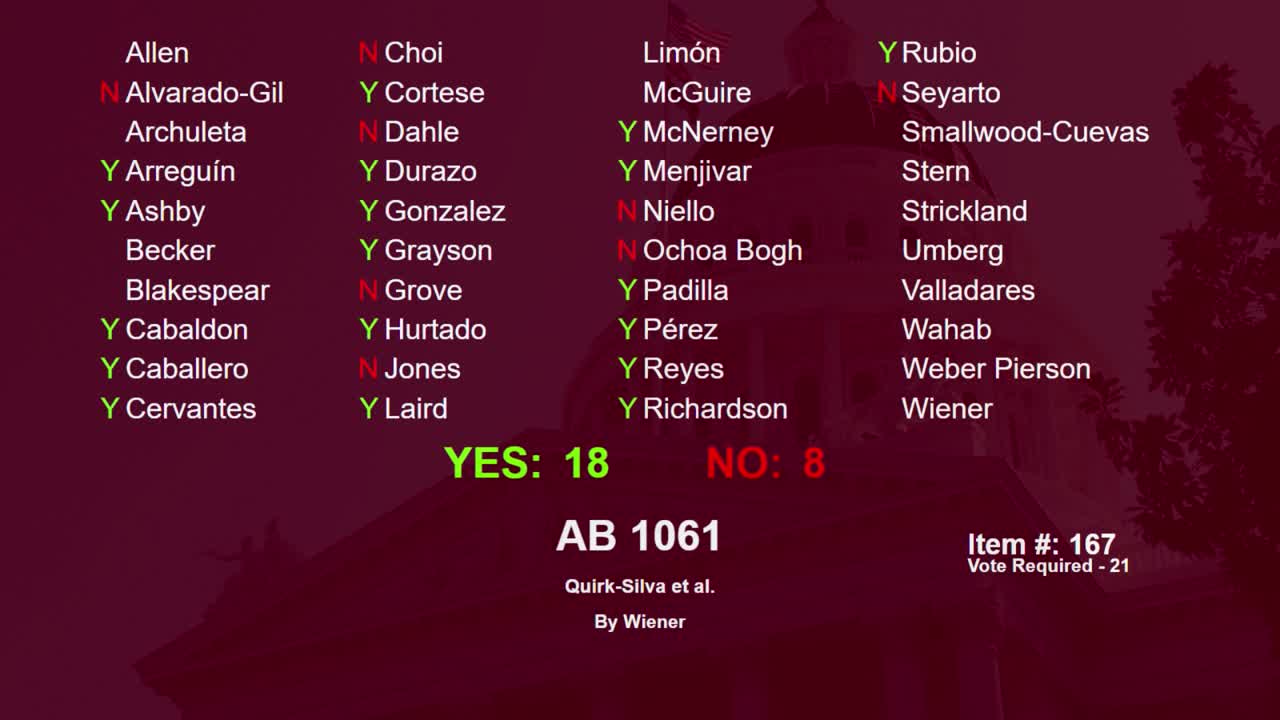 3MIN
Senate Floor
 9MIN
Senate Standing Committee on Business, Professions and Economic Development
 2MIN
Assembly Floor
 5MIN
Assembly Standing Committee on Appropriations
 15MIN
Assembly Standing Committee on Business and Professions
Bill Author

Bill Co-Author(s):