SB 670: Adult Education Program: immigrant integration.
- Session Year: 2025-2026
- House: Senate
- Latest Version Date: 2025-10-13
Current Status:
Passed
(2025-10-13: Chaptered by Secretary of State. Chapter 779, Statutes of 2025.)
Introduced
In Committee
Awaiting First Chamber Vote
Passed First Chamber
In Committee
Awaiting Second Chamber Vote
Passed Second Chamber
Enacted
Existing law establishes the Adult Education Program under the administration of the Chancellor of the California Community Colleges and the Superintendent of Public Instruction. Existing law requires the chancellor and the Superintendent, with the advice of the executive director of the State Board of Education, to divide the state into adult education regions and approve one adult education consortium in each of those regions. Existing law requires, on or before February 1 of each fiscal year for which funds are appropriated for the program, the chancellor and the Superintendent to report to the Director of Finance, the Statewide Director of Immigrant Integration, the state board, and the Legislature about the use of specified funds and outcomes for adults statewide and in each adult education region, including, among other things, any recommendations related to delivery of education, immigrant integration, and workforce services for adults. Existing law requires, consistent with that reporting requirement, the chancellor and the Superintendent, with input from the Statewide Director of Immigrant Integration and adult education program providers, to identify common measures for meeting the needs of immigrant and refugee adults seeking integration, as specified.
This bill would define immigrant integration for purposes of the program.
Existing law establishes the Adult Education Program under the administration of the Chancellor of the California Community Colleges and the Superintendent of Public Instruction. Existing law requires the chancellor and the Superintendent, with the advice of the executive director of the State Board of Education, to divide the state into adult education regions and approve one adult education consortium in each of those regions. Existing law requires, on or before February 1 of each fiscal year for which funds are appropriated for the program, the chancellor and the Superintendent to report to the Director of Finance, the Statewide Director of Immigrant Integration, the state board, and the Legislature about the use of the specified funds and outcomes for adults statewide and in each adult education region, including, among other things, any recommendations related to delivery of education, immigrant integration, and workforce services for adults. Existing law requires, consistent with that reporting requirement, the chancellor and the Superintendent, with input from the Statewide Director of Immigrant Integration and adult education program providers, to identify common measures for meeting the needs of immigrant and refugee adults seeking integration, as specified.
This bill would define immigrant integration for purposes of the program.
Existing law establishes adult basic education as the responsibility of high school and unified school districts except in those instances where by mutual agreement the responsibility is assigned to a community college district.This bill would state the intent of the Legislature to enact future legislation that would address the challenges and barriers of accessing adult education for immigration integration, with a focus on English as a second language programs in local schools.Existing law establishes adult basic education as the responsibility of high school and unified school districts except in those instances where by mutual agreement the responsibility is assigned to a community college district.
This bill would state the intent of the Legislature to enact future legislation that would address the challenges and barriers of accessing adult education for immigration integration, with a focus on English as a second language programs in local schools.
For purposes of this article, the following definitions shall apply, unless otherwise specified:
(a)Adult means a person 18 years of age or older.
(b)Carryover means the amount of unspent adult education program funds from the prior fiscal year, certified on or before September 1 of the current fiscal year, expressed as a percentage of the prior fiscal years allocation.
(c)Consortium means an adult education consortium approved pursuant to this article.
(d)Executive director means the executive director of the State Board of Education.
(e)Immigrant integration means a two-way process in which immigrants and the receiving society work together to build secure, thriving, cohesive, and inclusive communities. In the process, immigrants are embraced and welcomed by the receiving society with effective, culturally relevant, and linguistically accessible programs and services that facilitate their linguistic, economic, civic, and social integration and provide upward social and economic mobility, increased civic participation, and multigenerational integration, and service providers encourage immigrants to maximize their contributions to the economic and civic life of their communities.
(f)Program means the Adult Education Program established by Section 84900.
For purposes of this article, the following definitions shall apply, unless otherwise specified:
(a)Adult means a person 18 years of age or older.
(b)Carryover means the amount of unspent adult education program funds from the prior fiscal year, certified on or before September 1 of the current fiscal year, expressed as a percentage of the prior fiscal years allocation.
(c)Consortium means an adult education consortium approved pursuant to this article.
(d)Executive director means the executive director of the State Board of Education.
(e)Immigrant integration means a two-way process in which immigrants and the receiving society work together to build secure, thriving, cohesive, and inclusive communities. In the process, immigrants are embraced and welcomed by the receiving society with effective, culturally relevant, and linguistically accessible programs and services that facilitate their linguistic, economic, civic, and social integration and provide upward social and economic mobility, increased civic participation, and multigenerational integration to build secure, thriving, and inclusive communities. integration, and service providers encourage immigrants to maximize their contributions to the economic and civic life of their communities.
(f)Program means the Adult Education Program established by Section 84900.
REVISIONS: HeadingLine 2.For purposes of this article, the following definitions shall apply, unless otherwise specified:
(a)Adult means a person 18 years of age or older.
(b)Carryover means the amount of unspent adult education program funds from the prior fiscal year, certified on or before September 1 of the current fiscal year, expressed as a percentage of the prior fiscal years allocation.
(c)Consortium means an adult education consortium approved pursuant to this article.
(d)Executive director means the executive director of the State Board of Education.
(e)Immigrant integration means a two-way process in which immigrants are embraced and welcomed by the receiving society with effective, culturally relevant, and linguistically accessible programs and services that facilitate and provide upward social and economic mobility, increased civic participation, and multigenerational integration to build secure, thriving, and inclusive communities.
(e)(f)Program means the Adult Education Program established by Section 84900.
SECTION 1.It is the intent of the Legislature to enact future legislation that would address the challenges and barriers of accessing adult education for immigration integration, with a focus on English as a second language programs in local schools.It is the intent of the Legislature to enact future legislation that would address the challenges and barriers of accessing adult education for immigration integration, with a focus on English as a second language programs in local schools.
|
Date
|
Status
|
|---|---|
| Oct 13, 2025 | Chaptered by Secretary of State. Chapter 779, Statutes of 2025. |
| Oct 13, 2025 | Approved by the Governor. |
| Sep 16, 2025 | Enrolled and presented to the Governor at 3 p.m. |
| Sep 8, 2025 | In Senate. Ordered to engrossing and enrolling. |
| Sep 8, 2025 | Read third time. Passed. (Ayes 78. Noes 0. Page 2986.) Ordered to the Senate. |
| Aug 21, 2025 | Read second time. Ordered to third reading. |
| Aug 20, 2025 | From committee: Do pass. (Ayes 15. Noes 0.) (August 20). |
| Aug 20, 2025 | Coauthors revised. |
| Jul 17, 2025 | From committee: Do pass and re-refer to Com. on APPR. with recommendation: To consent calendar. (Ayes 9. Noes 0.) (July 16). Re-referred to Com. on APPR. |
| Jun 25, 2025 | From committee: Do pass and re-refer to Com. on ED. (Ayes 9. Noes 0.) (June 24). Re-referred to Com. on ED. |
| Jun 9, 2025 | Referred to Coms. on HIGHER ED. and ED. |
| Jun 3, 2025 | In Assembly. Read first time. Held at Desk. |
| Jun 2, 2025 | Read third time. Passed. (Ayes 37. Noes 0. Page 1359.) Ordered to the Assembly. |
| May 6, 2025 | Read second time. Ordered to third reading. |
| May 5, 2025 | From committee: Be ordered to second reading pursuant to Senate Rule 28.8. |
| Apr 25, 2025 | Set for hearing May 5. |
| Apr 23, 2025 | From committee: Do pass and re-refer to Com. on APPR. (Ayes 7. Noes 0. Page 866.) (April 23). Re-referred to Com. on APPR. |
| Apr 10, 2025 | From committee with author's amendments. Read second time and amended. Re-referred to Com. on ED. |
| Apr 4, 2025 | Set for hearing April 23. |
| Apr 2, 2025 | Re-referred to Com. on ED. |
| Mar 26, 2025 | From committee with author's amendments. Read second time and amended. Re-referred to Com. on RLS. |
| Mar 5, 2025 | Referred to Com. on RLS. |
| Feb 21, 2025 | From printer. May be acted upon on or after March 23. |
| Feb 20, 2025 | Introduced. Read first time. To Com. on RLS. for assignment. To print. |
|
Date
|
Description
|
Location
|
Votes
|
|
|---|---|---|---|---|
| Sep 8, 2025 | SB 670 Cervantes Senate Third Reading By Pacheco | Assembly Floor |
Passed |
|
| Aug 20, 2025 | Do pass. | Assembly Standing Committee on Appropriations |
Passed |
|
| Jul 16, 2025 | Do pass and be re-referred to the Committee on [Appropriations] with recommendation: To Consent Calendar | Assembly Standing Committee on Education |
Passed |
|
| Jun 24, 2025 | Do pass and be re-referred to the Committee on [Education] | Assembly Standing Committee on Higher Education |
Passed |
|
| Jun 2, 2025 | Senate 3rd Reading SB670 Cervantes | Senate Floor |
Passed |
|
| Apr 23, 2025 | Do pass, but first be re-referred to the Committee on [Appropriations] | Senate Standing Committee on Education |
Passed |
This list shows positions taken on this bill by organizations on the date displayed, which is linked to the original source.
Positions by individuals are not included.
|
Organization
|
Position
|
Date
|
|---|---|---|
| Association Of California School Administrators | ** Support | |
| Association Of Community And Continuing Education | ** Support | |
| California Adult Education Administrators Association (CAEAA) | ** Support | |
| California Charter Schools Association | ** Support | |
| California Council for Adult Education (CCAE) | ** Support |
SENATE THIRD READING
STR Bill Id:SB 670
Author:(Cervantes)
As Amended Ver:April 10, 2025
Majority vote
SUMMARY
Updates the definition of immigrant integration for purposes of Adult Education Programs in California.
Major Provisions
- Amends the definition located within an article of Education Code pertaining to Adult Education Programs in the State of California to read as follows:
- "Immigrant integration" means a two-way process in which immigrants and the receiving society work together to build secure, thriving, cohesive, and inclusive communities. In the process, immigrants are embraced and welcomed by the receiving society with effective, culturally relevant, and linguistically accessible programs and services that facilitate their linguistic, economic, civic, and social integration and provide upward social and economic mobility, increased civic participation, and multigenerational integration, and service providers encourage immigrants to maximize their contribution to the economic and civic life of their communities.
COMMENTS
Adult Education in California. Adult education is a public education program, which offers free to low-cost classes to those considered to be adults, ages 18 or older. In California, adult education courses are offered by the California Community Colleges (CCC), libraries, community-based organizations, and adult schools operated by local education agencies. These providers address the evolving need of adults with pre-collegiate skills and knowledge necessary to be productive citizens, workers, and family members.
In 2013, the Legislature in partnership with Governor Brown passed AB 86 (Committee on Budget), Chapter 48, Statutes of 2013 which restructured California's adult education system by creating the adult education regional consortia. The intention was to address longstanding concerns from providers about the lack of coordination by requiring each provider to become a member of a consortia and work collaboratively with other providers to create an adult education plan to meet the civic and basic skill needs of adults in a specific region. Consortia membership is limited to local education agencies, community college districts, county offices of education, and joint powers agencies.
Currently, there are 71 adult education regional consortiums throughout the state, who in 2023-2024 provided educational services to 690,858 adults. The 71 regional consortia consist of 72 community college districts and close to 300 school districts who work together to provide educational services to adults across the state. Each consortium is self-governed by a board made of members of the consortium who collectively create an education plan and disburse funding for the provision of adult education courses. Consortium members are authorized and receive state funding for the following courses or programs: courses in parenting, courses in elementary and secondary basic skills, courses required for a high school diploma, courses in English as a second language, courses to assist immigrants in obtaining citizenship, courses for adults with disabilities, courses for short-term career education, courses for senior citizens, courses in home economics, courses in health and safety education, and pre-apprenticeship programs.
Each year the Chancellor and the SPI are statutorily required to produce a report on the outcomes of adult learners who participated in adult education programs. The last available report contains enrollment, skill gains, and outcome data from academic year 2020-2021. Of the 429,203 adult learners served:
- 340,587 completed 12 or more hours of instruction;
- 12,354 obtained a high school diploma or a GED;
- 41,968 completed a postsecondary education credential;
- 60,418 transitioned to postsecondary education;
- 26,475 English as a second language learners transitioned to non-developmental credit college course; and
- 65,774 English as a second language learners transitioned to career technical education programs.
Immigrant integration. Adult Education Programs provide educational services that would enable adults to achieve competency in the English language and acquire the skills necessary to function effectively as parents, workers, and citizens in the United States. Despite this duty, adult education programs have not always provided progress data on the achievements of adult learners who also identify as immigrants and refugees. To address the missing metric, AB 2098 (McCarty and Thurmond), Chapter 751, Statutes of 2018, required the Chancellor and the SPI to create a method for assessing the effectiveness of adult education programs in providing immigrant integration for immigrants and refugee adults seeking services.
The Chancellor's Office 2020-2021 Adult Education Program report, confirms: "a new metric was created—Participants Who Completed an Immigrant Integration Milestone—and integrated into the Adult Education Pipeline Dashboard."
The Adult Education Pipeline Dashboard identifies "Participants Who Completed an Immigrant Integration Milestone" as participations who have completed an El Civics Course or a Civic Objective and Additional Assessment Plan milestone. In 2021-2022, the dashboard identified 57,733 students as completing an Immigrant Integration Milestone.
AB 670 (Cervantes) would statutorily adopt a recommendation from the AB 2098 workgroup by adopting a definition of immigrant integration into the Education Code sections pertaining to adult education programs.
According to the Author
"California is home to a vibrant and diverse population of over 10.6 million immigrants, representing 22% of the nation's foreign-born residents. Despite their significant presence, many immigrant adults encounter a range of complex and interrelated challenges that hinder their economic advancement and integration into the fabric of our state and country. These challenges often include limited proficiency in English, which can restrict job opportunities and social interactions. Many find themselves trapped in low-wage employment, struggling to make ends meet, while others lack permanent legal status, leaving them vulnerable and without access to certain benefits and protections. Additionally, low levels of formal education can further impede their ability to secure higher-paying jobs, and a lack of familiarity with American culture, societal norms, and institutions can create barriers to navigating everyday life. To combat these issues, adult education programs operating within workforce development and adult education systems strive to provide essential services aimed at reducing these barriers and facilitating integration. However, the policies and program designs that underpin these initiatives frequently fail to recognize the distinct needs and characteristics of immigrant populations compared to their U.S.-born counterparts. This oversight can lead to a mismatch between available resources and the actual needs of immigrant adults, resulting in programming that is neither effective nor equitable in helping them achieve their goals."
The Author contends the need for SB 670 as the measure "seeks to establish a clear definition of immigrant integration in order to enhance both the effectiveness and equity of adult education programs. The legislation recognizes that successful integration depends not only on English proficiency but also on civic participation and economic inclusion. These elements are vital for the success of immigrants, their families, and the communities they choose to call home. By focusing on creating more responsive and integration-centered programming, SB 670 aims to offer support that helps via its integrated definition the ability to navigate the complex landscape of services available to them. This includes providing accessible pathways that enable them to engage with other important resources, such as education, job training, and community services. Given that immigrants often constitute a significant demographic within adult skills systems—frequently making up a large minority or even the majority of individuals enrolled in programs, especially those lacking a high school diploma or its equivalent—this initiative is especially important. Enhancing these programs to better cater to the needs and experiences of immigrants will ultimately strengthen the fabric of our communities and promote a more inclusive society."
Arguments in Support
As stated by the sponsors of the measure, California Council for Adult Education (CCAE ) and the California Adult Education Administrators Association (CAEAA), "SB 670 rightly defines immigrant integration as a two-way process that not only describes the role of the receiving community (embracing and welcoming immigrants) but also solidifies the importance of active engagement, contributions, expectations and responsibilities of immigrants. Literature emphasizes the importance of collaboration and co-creation of cohesive communities by both immigrants and the established community as a dynamic process. Further, the inclusion of multigenerational integration is of great value given its alignment with the California Adult Education program area of 'parents supporting K-12 success.'"
Arguments in Opposition
None on file.
FISCAL COMMENTS
According to the Assembly Committee on Appropriations, there is no fiscal effect.
VOTES
SENATE FLOOR: 37-0-3
YES: Allen, Alvarado-Gil, Archuleta, Arreguín, Ashby, Becker, Blakespear, Cabaldon, Caballero, Cervantes, Choi, Cortese, Dahle, Durazo, Gonzalez, Grayson, Grove, Jones, Laird, Limón, McGuire, McNerney, Menjivar, Niello, Ochoa Bogh, Padilla, Pérez, Richardson, Rubio, Seyarto, Smallwood-Cuevas, Strickland, Umberg, Valladares, Wahab, Weber Pierson, Wiener
ABS, ABST OR NV: Hurtado, Reyes, Stern
ASM HIGHER EDUCATION: 9-0-1
YES: Fong, Boerner, Jeff Gonzalez, Jackson, Muratsuchi, Patel, Celeste Rodriguez, Sharp-Collins, Tangipa
ABS, ABST OR NV: DeMaio
ASM EDUCATION: 9-0-0
YES: Muratsuchi, Hoover, Addis, Alvarez, Bonta, Castillo, Garcia, Lowenthal, Patel
ASM APPROPRIATIONS: 15-0-0
YES: Wicks, Arambula, Calderon, Caloza, Dixon, Elhawary, Fong, Mark González, Hart, Pacheco, Pellerin, Jeff Gonzalez, Solache, Ta, Tangipa
UPDATED
VERSION: April 10, 2025
CONSULTANT: Ellen Cesaretti-Monroy / HIGHER ED. / (916) 319-3960 FN: 0001192
Date of Hearing: August 20, 2025
ASSEMBLY COMMITTEE ON APPROPRIATIONS
Buffy Wicks, Chair
SBPCA Bill Id:SB 670
Author:(Cervantes) – As Amended Ver:April 10, 2025
Policy Committee: | Higher Education | Vote: | 9 - 0 |
Education | 9 - 0 | ||
|
|
Urgency: No State Mandated Local Program: No Reimbursable: No
SUMMARY:
This bill defines “immigrant integration” for purposes of the Adult Education Program as a two-way process in which immigrants and the receiving society work together to build secure, thriving, cohesive, and inclusive communities through which immigrants are embraced and welcomed by the receiving society with effective, culturally relevant, and linguistically accessible programs and services that facilitate their linguistic, economic, civic, and social integration and provide upward social and economic mobility, increased civic participation, and multigenerational integration, and service providers encourage immigrants to maximize their contributions to the economic and civic life of their communities.
FISCAL EFFECT:
No fiscal effect.
COMMENTS:
- Purpose. According to the author:
SB 670 seeks to establish a clear definition of immigrant integration in order to enhance both the effectiveness and equity of adult skills programs. The legislation recognizes that successful integration depends not only on English proficiency but also on civic participation and economic inclusion. These elements are vital for the success of immigrants, their families, and the communities they choose to call home.
- Background. Primarily school districts and community colleges provide adult education programs in California. Adult education provides adults with valuable skills and education to help enable them to earn a high school diploma or a general educational development certificate, become United States citizens, acquire specific job skills, learn English, and/or become independent and productive parents and members of their community.
SB 84 (Committee on Budget and Fiscal Review), Chapter 25, Statutes of 2015, established the position of Statewide Director of Immigrant Integration to serve as the statewide lead for the planning and coordination of immigrant services and policies. Later, AB 2098 (McCarty), Chapter 751, Statutes of 2018, required the California Community Colleges Chancellor and the Superintendent of Public Instruction, with input from the Statewide Director of Immigration Integration and adult education program providers, to identify common measures for meeting the needs of immigrant and refugee adults seeking integration, and to identify measures for assessing the effectiveness of adult education consortia providing immigrant integration.
A workgroup authorized by AB 2098 issued recommendations in 2019 to “promote California’s civic and economic health by developing coordinated statewide immigrant integration policies and initiatives” which included a definition of immigrant integration that is similar to the definition in this bill. Additionally, the Networks for Integrating New Americans (NINA) released a framework regarding adult education and immigration integration that includes a definition of “immigrant integration” that addresses the engagement, contributions, expectations and responsibilities of immigrants. The definition proposed by this bill blends definitions from the AB 2098 workgroup recommendations and the NINA framework.
Analysis Prepared by: Aaron Heredia / APPR. / (916) 319-2081
Date of Hearing: July 16, 2025
ASSEMBLY COMMITTEE ON EDUCATION
Al Muratsuchi, Chair
SBPCA Bill Id:SB 670
Author:(Cervantes) – As Amended Ver:April 10, 2025
[Note: This bill is double referred to the Assembly Higher Education Committee and was heard by that Committee as it relates to issues under its jurisdiction.]
SENATE VOTE:
SUBJECT: Adult Education Program: immigrant integration
SUMMARY: Defines “immigrant integration” for the purposes of the Adult Education Program. Specifically, this bill:
- Defines “immigrant integration” within the Adult Education Program as a two-way process in which immigrants and the receiving society work together to build secure, thriving, cohesive, and inclusive communities. In the process, immigrants are embraced and welcomed by the receiving society with effective, culturally relevant, and linguistically accessible programs and services that facilitate their linguistic, economic, civic, and social integration and provide upward social and economic mobility, increased civic participation, and multigenerational integration, and service providers encourage immigrants to maximize their contributions to the economic and civic life of their communities.
EXISTING LAW:
- Establishes the Adult Education Program under the administration of the Chancellor of the California Community Colleges (Chancellor) and the Superintendent of Public Instruction (SPI). (Education Code (EC) 84900)
- Requires the Chancellor and the SPI, with the advice of the executive director of the State Board of Education (SBE), to divide the state into adult education regions and approve one adult education consortium in each adult education region. (EC 84903 and 84904)
- Requires the Chancellor and the SPI to determine the amount to be allocated to each consortium based on specified criteria. (EC 84909)
- Requires the Chancellor and the SPI to determine the need for adult education, to consider, at a minimum, measures related to adult population, employment, immigration, educational attainment, and adult literacy. (EC 84911)
- Requires that funds apportioned for the Adult Education Program to be used only for support of the following:
- Programs in elementary and secondary basic skills, including programs leading to a high school diploma or high school equivalency certificate;
- Programs for immigrants eligible for educational services in citizenship, English as a second language, and workforce preparation;
- Programs for adults, including, but not limited to, older adults, that are primarily related to entry or reentry into the workforce;
- Programs for adults, including, but not limited to, older adults, that are primarily designed to develop knowledge and skills to assist elementary and secondary school children to succeed academically in school;
- Programs for adults with disabilities;
- Programs in career technical education that are short term in nature and have high employment potential;
- Programs offering pre-apprenticeship training activities conducted in coordination with one or more apprenticeship programs approved by the Division of Apprenticeship Standards for the occupation and geographic area; and
- Indirect costs of the program’s consortium members, as specified. (EC 84913)
- Programs in elementary and secondary basic skills, including programs leading to a high school diploma or high school equivalency certificate;
- Requires the Chancellor and the SPI to inform actions taken by the Governor and the Legislature related to adult education, to report to the Director of Finance, the Statewide Director of Immigrant Integration, the SBE, and the Legislature about:
- The use of the funds available to the members of the consortium, entities that provide education and workforce services to adults in the region, and entities that are impacted by, or that have a fundamental interest in, the provision of those services; and
- Outcomes for adults statewide and in each adult education region. (EC 84917)
- The use of the funds available to the members of the consortium, entities that provide education and workforce services to adults in the region, and entities that are impacted by, or that have a fundamental interest in, the provision of those services; and
- Requires each report to be based on all data available at the time of its submission, and include, among other things, any recommendations related to delivery of education, immigrant integration, and workforce services for adults, including recommendations related to improved alignment of state programs. (EC 84917)
- Requires the chancellor and the SPI, with input from the Statewide Director of Immigrant Integration and adult education program providers, to identify common measures consistent with, but not limited to, the English literacy and civics education program’s Civic Objectives and Additional Assessment Plans under Title II of the federal Workforce Innovation and Opportunity Act for meeting the needs of immigrant and refugee adults seeking integration. (EC 84920)
- Requires the chancellor and the SPI, with input from the Statewide Director of Immigrant Integration, to accomplish both of the following:
- Define the specific data each consortium may collect; and
- Establish a menu of common assessments and policies regarding placement of adults seeking immigrant integration into adult education programs to be used by each consortium to measure educational needs of adults and the effectiveness of providers in addressing those needs. (EC 84920)
- Define the specific data each consortium may collect; and
- Establishes the position of Statewide Director of Immigrant Integration, appointed by the Governor, to serve as the statewide lead for the planning and coordination of immigrant services and policies in California. (Government (GOV) Code 65050)
- Requires the Statewide Director of Immigrant Integration to develop a comprehensive statewide report on programs and services that serve immigrants, develop an online clearinghouse of immigrant services, resources, and programs, and monitor the implementation of statewide laws and regulations that service immigrants. (GOV 65050)
FISCAL EFFECT: According to the Senate Appropriations Committee, pursuant to Senate Rule 28.8, negligible state costs.
COMMENTS:
Need for the bill. According to the author, “California is home to a vibrant and diverse population of over 10.6 million immigrants, representing 22% of the nation’s foreign-born residents. Despite their significant presence, many immigrant adults encounter a range of complex and interrelated challenges that hinder their economic advancement and integration into the fabric of our state and country. These challenges often include limited proficiency in English, which can restrict job opportunities and social interactions. Many find themselves trapped in low-wage employment, struggling to make ends meet, while others lack permanent legal status, leaving them vulnerable and without access to certain benefits and protections. Additionally, low levels of formal education can further impede their ability to secure higher-paying jobs, and a lack of familiarity with American culture, societal norms, and institutions can create barriers to navigating everyday life. To combat these issues, adult skills programs operating within workforce development and adult education systems strive to provide essential services aimed at reducing these barriers and facilitating integration. However, the policies and program designs that underpin these initiatives frequently fail to recognize the distinct needs and characteristics of immigrant populations compared to their U.S.-born counterparts. This oversight can lead to a mismatch between available resources and the actual needs of immigrant adults, resulting in programming that is neither effective nor equitable in helping them achieve their goals.
SB 670 seeks to establish a clear definition of immigrant integration in order to enhance both the effectiveness and equity of adult skills programs. The legislation recognizes that successful integration depends not only on English proficiency but also on civic participation and economic inclusion. These elements are vital for the success of immigrants, their families, and the communities they choose to call home. By focusing on creating more responsive and integration-centered programming, SB 670 aims to offer support that helps via its integrated definition the ability to navigate the complex landscape of services available to them. This includes providing accessible pathways that enable them to engage with other important resources, such as education, job training, and community services. Given that immigrants often constitute a significant demographic within adult skills systems—frequently making up a large minority or even the majority of individuals enrolled in programs, especially those lacking a high school diploma or its equivalent—this initiative is especially important. Enhancing these programs to better cater to the needs and experiences of immigrants will ultimately strengthen the fabric of our communities and promote a more inclusive society.”
Defining immigrant integration. In 2015, SB 84 (Committee on Budget and Fiscal Review), Chapter 25, Statutes of 2015, established the position of Statewide Director of Immigrant Integration to serve as the statewide lead for the planning and coordination of immigrant services and policies. In 2018, AB 2098 (McCarty) Chapter 751, Statutes of 2018, required the Chancellor and the SPI, with input from the Statewide Director of Immigration Integration and adult education program providers, to identify common measures for meeting the needs of immigrant and refugee adults seeking integration, and to identify measures for assessing the effectiveness of adult education consortia providing immigrant integration.
A workgroup resulting from AB 2098 issued recommendations in 2019 to “… promote California’s civic and economic health by developing coordinated statewide immigrant integration policies and initiatives.” The workgroup offered a definition of immigrant integration that is similar to the definition in this bill. However, as noted by the California Council for Adult Education and the California Adult Education Administrators Association, the Networks for Integrating New Americans (NINA) released a framework regarding adult education and immigration integration that includes a definition of “immigrant integration” that addresses the engagement, contributions, expectations and responsibilities of immigrants. Further, that definition is carried forward into the Alliance for Language Learners’ Integration, Education and Success “Immigrant Integration Framework from English Learning to Full Participation.”
The definition of “immigrant integration” contained in this bill blends the definitions from the AB 2098 workgroup and the NINA framework.
Background on Adult Education. Adult education in California is part of a large, complex, and diverse multi-provider system. It is a vital and integral part of the larger educational system that provides adults with the skills and education that enable them to earn a high school diploma or a general educational development certificate, become United States citizens, acquire specific job skills, learn English, and/or become independent and productive parents and members of their community. Enabling adults to acquire English skills also help parents to be more involved in their children's education. Adult education is provided by a number of delivery systems, but the two main providers are school districts and the California Community Colleges (CCCs).
California Adult Education Program. The Fiscal Year 2015-16 Budget provided $500 million for the Adult Education Block Grant Program, enacted through the education budget trailer bill, AB 104 (Committee on Budget), Chapter 13, Statutes of 2015. The program is built upon 71 regional consortia. Beginning in 2016-17, funds are distributed to each consortium by the SPI and the chancellor, with the advice of the Executive Director of the State Board of Education, based on 1) the amount of funds apportioned in the previous year; 2) a consortium's share of the statewide need for adult education; and 3) the consortium's effectiveness in meeting the educational needs of adults in the region based on available data. Funds are allocated according to a plan developed by each consortium to provide the following services:
- Adult Basic and Secondary Education: programs in elementary and secondary basic skills, including programs leading to a high school diploma or high school equivalency;
- English as a Second Language and Citizenship: programs for immigrants eligible for educational services in citizenship, English as a second language, and workforce preparation;
- Career Technical Education: a variety of career training programs that deliver customized curriculum needed to meet the diverse training and development needs of businesses, promote a skilled workforce with high growth and high wage employment potential, leading to industry certifications or meeting the required prerequisites and foundations for advanced career pathways;
- Workforce Reentry: programs for adults, including, but not limited to, older adults, that are primarily related to entry or re-entry into the workforce;
- Training to Support Child School Success: programs for adults, including, but not limited to, older adults, that are primarily designed to develop knowledge and skills to assist elementary and secondary school children to succeed academically in school;
- Programs for Adults with Disabilities: programs for individuals with physical, cognitive, mental, sensory, or other medical disabilities who may need special education assistance, or who require a modified program; and
- Pre-Apprenticeship: programs offering training activities conducted in coordination with one or more apprenticeship programs approved by the Division of Apprenticeship Standards for the occupation and geographic area.
Arguments in support. According to the California Adult Education Administrators Association, “Adult education is a public education program offering free to low-cost classes for adults 18 and older. Students can gain high school equivalency, learn to read, write and speak English, develop the skills to become a U.S. citizen, and obtain short term career training.
We appreciate the fact that SB 670 rightly defines immigrant integration as a two-way process that not only describes the role of the receiving community (embracing and welcoming immigrants) but also solidifies the importance of active engagement, contributions, expectations and responsibilities of immigrants. Literature emphasizes the importance of collaboration and co-creation of cohesive communities by both immigrants and the established community as a dynamic process. Further, the inclusion of multigenerational integration is of great value given its alignment with the California Adult Education program area of parents supporting K-12 success.”
Related legislation. SB 12 (Gonzalez) of the 2025-26 Session would have established the Office of Immigrant and Refugee Affairs within a newly created Immigrant and Refugee Affairs Agency. The bill would also have established the duties and responsibilities of the Agency and the Office, including, among other duties, establishing a permanent structure within the state to serve immigrants and refugees, and assisting other state agencies in evaluating programs for accessibility and effectiveness in providing services to immigrants and refugees. This bill was held in the Senate Appropriations Committee.
AB 2098 (McCarty) Chapter 751, Statutes of 2018, requires the Chancellor of the California Community Colleges and the SPI, with input from the Statewide Director of Immigration Integration and adult education providers, to identify common measures for meeting the needs of immigrant and refugee adults seeking integration, and to identify common measures for assessing the effectiveness of adult education consortia providing immigrant integration.
SB 84 (Committee on Budget and Fiscal Review) Chapter 25, Statutes of 2015, establishes the position of Statewide Director of Immigrant Integration to serve as the statewide lead for the planning and coordination of immigrant services and policies.
REGISTERED SUPPORT / OPPOSITION:
Support
Association of California School Administrators |
Association of Community and Continuing Education |
California Adult Education Administrators Association |
California Charter Schools Association |
California Council for Adult Education |
Opposition
None on file
Analysis Prepared by: Debbie Look / ED. / (916) 319-2087
Date of Hearing: July 16, 2025
ASSEMBLY COMMITTEE ON EDUCATION
Al Muratsuchi, Chair
SBPCA Bill Id:SB 670
Author:(Cervantes) – As Amended Ver:April 10, 2025
SENATE VOTE:
SUBJECT: Adult Education Program: immigrant integration
SUMMARY: Defines “immigrant integration” for the purposes of the Adult Education Program. Specifically, this bill:
- Defines “immigrant integration” within the Adult Education Program as a two-way process in which immigrants and the receiving society work together to build secure, thriving, cohesive, and inclusive communities. In the process, immigrants are embraced and welcomed by the receiving society with effective, culturally relevant, and linguistically accessible programs and services that facilitate their linguistic, economic, civic, and social integration and provide upward social and economic mobility, increased civic participation, and multigenerational integration, and service providers encourage immigrants to maximize their contributions to the economic and civic life of their communities.
EXISTING LAW:
- Establishes the Adult Education Program under the administration of the Chancellor of the California Community Colleges (Chancellor) and the Superintendent of Public Instruction (SPI). (Education Code (EC) 84900)
- Requires the Chancellor and the SPI, with the advice of the executive director of the State Board of Education (SBE), to divide the state into adult education regions and approve one adult education consortium in each adult education region. (EC 84903 and 84904)
- Requires the Chancellor and the SPI to determine the amount to be allocated to each consortium based on specified criteria. (EC 84909)
- Requires the Chancellor and the SPI to determine the need for adult education, to consider, at a minimum, measures related to adult population, employment, immigration, educational attainment, and adult literacy. (EC 84911)
- Requires that funds apportioned for the Adult Education Program to be used only for support of the following:
- Programs in elementary and secondary basic skills, including programs leading to a high school diploma or high school equivalency certificate;
- Programs for immigrants eligible for educational services in citizenship, English as a second language, and workforce preparation;
- Programs for adults, including, but not limited to, older adults, that are primarily related to entry or reentry into the workforce;
- Programs for adults, including, but not limited to, older adults, that are primarily designed to develop knowledge and skills to assist elementary and secondary school children to succeed academically in school;
- Programs for adults with disabilities;
- Programs in career technical education that are short term in nature and have high employment potential;
- Programs offering pre-apprenticeship training activities conducted in coordination with one or more apprenticeship programs approved by the Division of Apprenticeship Standards for the occupation and geographic area; and
- Indirect costs of the program’s consortium members, as specified. (EC 84913)
- Programs in elementary and secondary basic skills, including programs leading to a high school diploma or high school equivalency certificate;
- Requires the Chancellor and the SPI to inform actions taken by the Governor and the Legislature related to adult education, to report to the Director of Finance, the Statewide Director of Immigrant Integration, the SBE, and the Legislature about:
- The use of the funds available to the members of the consortium, entities that provide education and workforce services to adults in the region, and entities that are impacted by, or that have a fundamental interest in, the provision of those services; and
- Outcomes for adults statewide and in each adult education region. (EC 84917)
- The use of the funds available to the members of the consortium, entities that provide education and workforce services to adults in the region, and entities that are impacted by, or that have a fundamental interest in, the provision of those services; and
- Requires each report to be based on all data available at the time of its submission, and include, among other things, any recommendations related to delivery of education, immigrant integration, and workforce services for adults, including recommendations related to improved alignment of state programs. (EC 84917)
- Requires the chancellor and the SPI, with input from the Statewide Director of Immigrant Integration and adult education program providers, to identify common measures consistent with, but not limited to, the English literacy and civics education program’s Civic Objectives and Additional Assessment Plans under Title II of the federal Workforce Innovation and Opportunity Act for meeting the needs of immigrant and refugee adults seeking integration. (EC 84920)
- Requires the chancellor and the SPI, with input from the Statewide Director of Immigrant Integration, to accomplish both of the following:
- Define the specific data each consortium may collect; and
- Establish a menu of common assessments and policies regarding placement of adults seeking immigrant integration into adult education programs to be used by each consortium to measure educational needs of adults and the effectiveness of providers in addressing those needs. (EC 84920)
- Define the specific data each consortium may collect; and
- Establishes the position of Statewide Director of Immigrant Integration, appointed by the Governor, to serve as the statewide lead for the planning and coordination of immigrant services and policies in California. (Government (GOV) Code 65050)
- Requires the Statewide Director of Immigrant Integration to develop a comprehensive statewide report on programs and services that serve immigrants, develop an online clearinghouse of immigrant services, resources, and programs, and monitor the implementation of statewide laws and regulations that service immigrants. (GOV 65050)
FISCAL EFFECT: According to the Senate Appropriations Committee, pursuant to Senate Rule 28.8, negligible state costs.
COMMENTS:
Need for the bill. According to the author, “California is home to a vibrant and diverse population of over 10.6 million immigrants, representing 22% of the nation’s foreign-born residents. Despite their significant presence, many immigrant adults encounter a range of complex and interrelated challenges that hinder their economic advancement and integration into the fabric of our state and country. These challenges often include limited proficiency in English, which can restrict job opportunities and social interactions. Many find themselves trapped in low-wage employment, struggling to make ends meet, while others lack permanent legal status, leaving them vulnerable and without access to certain benefits and protections. Additionally, low levels of formal education can further impede their ability to secure higher-paying jobs, and a lack of familiarity with American culture, societal norms, and institutions can create barriers to navigating everyday life. To combat these issues, adult skills programs operating within workforce development and adult education systems strive to provide essential services aimed at reducing these barriers and facilitating integration. However, the policies and program designs that underpin these initiatives frequently fail to recognize the distinct needs and characteristics of immigrant populations compared to their U.S.-born counterparts. This oversight can lead to a mismatch between available resources and the actual needs of immigrant adults, resulting in programming that is neither effective nor equitable in helping them achieve their goals.
SB 670 seeks to establish a clear definition of immigrant integration in order to enhance both the effectiveness and equity of adult skills programs. The legislation recognizes that successful integration depends not only on English proficiency but also on civic participation and economic inclusion. These elements are vital for the success of immigrants, their families, and the communities they choose to call home. By focusing on creating more responsive and integration-centered programming, SB 670 aims to offer support that helps via its integrated definition the ability to navigate the complex landscape of services available to them. This includes providing accessible pathways that enable them to engage with other important resources, such as education, job training, and community services. Given that immigrants often constitute a significant demographic within adult skills systems—frequently making up a large minority or even the majority of individuals enrolled in programs, especially those lacking a high school diploma or its equivalent—this initiative is especially important. Enhancing these programs to better cater to the needs and experiences of immigrants will ultimately strengthen the fabric of our communities and promote a more inclusive society.”
Defining immigrant integration. In 2015, SB 84 (Committee on Budget and Fiscal Review), Chapter 25, Statutes of 2015, established the position of Statewide Director of Immigrant Integration to serve as the statewide lead for the planning and coordination of immigrant services and policies. In 2018, AB 2098 (McCarty) Chapter 751, Statutes of 2018, required the Chancellor and the SPI, with input from the Statewide Director of Immigration Integration and adult education program providers, to identify common measures for meeting the needs of immigrant and refugee adults seeking integration, and to identify measures for assessing the effectiveness of adult education consortia providing immigrant integration.
A workgroup resulting from AB 2098 issued recommendations in 2019 to “… promote California’s civic and economic health by developing coordinated statewide immigrant integration policies and initiatives.” The workgroup offered a definition of immigrant integration that is similar to the definition in this bill. However, as noted by the California Council for Adult Education and the California Adult Education Administrators Association, the Networks for Integrating New Americans (NINA) released a framework regarding adult education and immigration integration that includes a definition of “immigrant integration” that addresses the engagement, contributions, expectations and responsibilities of immigrants. Further, that definition is carried forward into the Alliance for Language Learners’ Integration, Education and Success “Immigrant Integration Framework from English Learning to Full Participation.”
The definition of “immigrant integration” contained in this bill blends the definitions from the AB 2098 workgroup and the NINA framework.
Background on Adult Education. Adult education in California is part of a large, complex, and diverse multi-provider system. It is a vital and integral part of the larger educational system that provides adults with the skills and education that enable them to earn a high school diploma or a general educational development certificate, become United States citizens, acquire specific job skills, learn English, and/or become independent and productive parents and members of their community. Enabling adults to acquire English skills also help parents to be more involved in their children's education. Adult education is provided by a number of delivery systems, but the two main providers are school districts and the California Community Colleges (CCCs).
California Adult Education Program. The Fiscal Year 2015-16 Budget provided $500 million for the Adult Education Block Grant Program, enacted through the education budget trailer bill, AB 104 (Committee on Budget), Chapter 13, Statutes of 2015. The program is built upon 71 regional consortia. Beginning in 2016-17, funds are distributed to each consortium by the SPI and the chancellor, with the advice of the Executive Director of the State Board of Education, based on 1) the amount of funds apportioned in the previous year; 2) a consortium's share of the statewide need for adult education; and 3) the consortium's effectiveness in meeting the educational needs of adults in the region based on available data. Funds are allocated according to a plan developed by each consortium to provide the following services:
- Adult Basic and Secondary Education: programs in elementary and secondary basic skills, including programs leading to a high school diploma or high school equivalency;
- English as a Second Language and Citizenship: programs for immigrants eligible for educational services in citizenship, English as a second language, and workforce preparation;
- Career Technical Education: a variety of career training programs that deliver customized curriculum needed to meet the diverse training and development needs of businesses, promote a skilled workforce with high growth and high wage employment potential, leading to industry certifications or meeting the required prerequisites and foundations for advanced career pathways;
- Workforce Reentry: programs for adults, including, but not limited to, older adults, that are primarily related to entry or re-entry into the workforce;
- Training to Support Child School Success: programs for adults, including, but not limited to, older adults, that are primarily designed to develop knowledge and skills to assist elementary and secondary school children to succeed academically in school;
- Programs for Adults with Disabilities: programs for individuals with physical, cognitive, mental, sensory, or other medical disabilities who may need special education assistance, or who require a modified program; and
- Pre-Apprenticeship: programs offering training activities conducted in coordination with one or more apprenticeship programs approved by the Division of Apprenticeship Standards for the occupation and geographic area.
Arguments in support. According to the California Adult Education Administrators Association, “Adult education is a public education program offering free to low-cost classes for adults 18 and older. Students can gain high school equivalency, learn to read, write and speak English, develop the skills to become a U.S. citizen, and obtain short term career training.
We appreciate the fact that SB 670 rightly defines immigrant integration as a two-way process that not only describes the role of the receiving community (embracing and welcoming immigrants) but also solidifies the importance of active engagement, contributions, expectations and responsibilities of immigrants. Literature emphasizes the importance of collaboration and co-creation of cohesive communities by both immigrants and the established community as a dynamic process. Further, the inclusion of multigenerational integration is of great value given its alignment with the California Adult Education program area of parents supporting K-12 success.”
Related legislation. SB 12 (Gonzalez) of the 2025-26 Session would have established the Office of Immigrant and Refugee Affairs within a newly created Immigrant and Refugee Affairs Agency. The bill would also have established the duties and responsibilities of the Agency and the Office, including, among other duties, establishing a permanent structure within the state to serve immigrants and refugees, and assisting other state agencies in evaluating programs for accessibility and effectiveness in providing services to immigrants and refugees. This bill was held in the Senate Appropriations Committee.
AB 2098 (McCarty) Chapter 751, Statutes of 2018, requires the Chancellor of the California Community Colleges and the SPI, with input from the Statewide Director of Immigration Integration and adult education providers, to identify common measures for meeting the needs of immigrant and refugee adults seeking integration, and to identify common measures for assessing the effectiveness of adult education consortia providing immigrant integration.
SB 84 (Committee on Budget and Fiscal Review) Chapter 25, Statutes of 2015, establishes the position of Statewide Director of Immigrant Integration to serve as the statewide lead for the planning and coordination of immigrant services and policies.
REGISTERED SUPPORT / OPPOSITION:
Support
Association of California School Administrators |
Association of Community and Continuing Education |
California Adult Education Administrators Association |
California Charter Schools Association |
California Council for Adult Education |
Opposition
None on file
Analysis Prepared by: Debbie Look / ED. / (916) 319-2087
Date of Hearing: June 24, 2025
ASSEMBLY COMMITTEE ON HIGHER EDUCATION
Mike Fong, Chair
SBPCA Bill Id:SB 670
Author:(Cervantes) – As Amended Ver:April 10, 2025
[Note: This bill is double referred to the Assembly Committee on education, where the Committee will hear it as it relates to issues under the Committee’s jurisdiction.]
SENATE VOTE: 37-0
SUBJECT: Adult Education Program: immigrant integration
SUMMARY: Updates the definition of immigrant integration for purposes of Adult Education Programs in California. Specifically, this bill:
- Amends the definition located within an article of Education Code pertaining to Adult Education Programs in the State of California to read as follows:
- “Immigrant integration” means a two-way process in which immigrants and the receiving society work together to build secure, thriving, cohesive, and inclusive communities. In the process, immigrants are embraced and welcomed by the receiving society with effective, culturally relevant, and linguistically accessible programs and services that facilitate their linguistic, economic, civic, and social integration and provide upward social and economic mobility, increased civic participation, and multigenerational integration, and service providers encourage immigrants to maximize their contribution to the economic and civic life of their communities.
EXISTING LAW:
- Establishes the Adult Education Program under the administration of the Chancellor of the California Community Colleges (Chancellor) and the Superintendent of Public Instruction (SPI) (Education Code (EDC) Section 84900).
- Authorizes the Chancellor and the SPI, with advice from the executive director of the State Board of Education to divide the state into adult education regions based on specified factors and approve one adult consortium for each adult education region (EDC Section 84902 and 84904).
- Authorizes the Chancellor and the SPI, with advice from the executive director to approve the rules and procedures for each consortium regarding membership, funding and use of funds, governing structure, and decision making procedures, as defined. Permits any community college district, school district, county office of education, or any combination residing in the adult education region to be a member of the adult education consortium (EDC Section 84905).
- Requires the Chancellor and the Superintendent, when determining the need for adult education, to consider measures related to adult population, employment, educational attainment, and adult literacy (EDC Section 84911).
- Stipulates funds provided to Adult Education Programs are to be used to support the following:
- Programs in elementary and secondary basic skills, including the procurement of a high school diploma or a high school equivalency certificate (GED);
- Programs for immigrants eligible for educational services in citizenship, English as a second language (ESL), and workforce preparation;
- Programs for adults that are related to entry or reentry to the workforce;
- Programs for adults with disabilities;
- Programs in career technical education that are short term and have high employment potential;
- Programs offering pre-apprenticeship training activities; which, are offered in coordination with one or more approved apprenticeship programs, as defined;
- Indirect cost related to Adult Education Programs, as defined (EDC Section 84913, subdivision (a)).
- Requires the Chancellor and the SPI to report to the Department of Finance, the Statewide Director of Immigrant Integration, the California State Board of Education, and the Legislature about the use of funds by Adult Education Programs and the educational outcomes for adults with each region of the state. The report shall include the following:
- A summary of the adult education plan operative for each consortium;
- The fiscal distribution schedule for each consortium;
- The types and levels of services provided by each consortium;
- The effectiveness of each consortium in meeting the educational needs of adults in its respective region; and,
- Any recommendations related to the delivery of education, immigration integration, and workforce services for adults, including recommendations related to improvement alignment of state programs (EDC Section 84917, subdivision (a)).
- Requires Chancellor and SPI, in consultation with the Statewide Director of Immigrant Integration and adult education providers, to identify common measures for meeting the needs of immigrant and refugee adults seeking integration. Stipulates at a minimum the Chancellors, SPI and the Statewide Director of Immigrant Immigration:
- Define the specific data each consortium may collect; and,
- Establish a menu of common assessment and policies to be used by adult education programs for the placement of adult seeking immigrant integration into adult education (EDC Section 84920, subdivision (a and b)).
- Requires by July 1, 2019, for the Chancellors, SPI, and Statewide Director of Immigrant Integration to identify measurements for evaluating the effectiveness of a consortia in providing services to adults. The data will include:
- How many adult are served by members of the consortium;
- How many adults improved their literacy skills;
- How many adults received immigration integration in the areas consistent with English literacy and civils, as defined;
- How many adults received high school diplomas or earned a GED;
- How many adults completed postsecondary education certificates, degrees, or training programs;
- How many adults were placed into jobs; and,
- How many adults saw their wages improve as a result of the Adult Education Program (EDC Section 84920 subdivision (e)).
FISCAL EFFECT: The Senate Committee on Appropriations determined the cost associated with the measure was minor and absorbable pursuant to Senate Rule 28.8.
COMMENTS: Need for the measure. As explained by the Author, “California is home to a vibrant and diverse population of over 10.6 million immigrants, representing 22% of the nation’s foreign-born residents. Despite their significant presence, many immigrant adults encounter a range of complex and interrelated challenges that hinder their economic advancement and integration into the fabric of our state and country. These challenges often include limited proficiency in English, which can restrict job opportunities and social interactions. Many find themselves trapped in low-wage employment, struggling to make ends meet, while others lack permanent legal status, leaving them vulnerable and without access to certain benefits and protections. Additionally, low levels of formal education can further impede their ability to secure higher-paying jobs, and a lack of familiarity with American culture, societal norms, and institutions can create barriers to navigating everyday life. To combat these issues, adult education programs operating within workforce development and adult education systems strive to provide essential services aimed at reducing these barriers and facilitating integration. However, the policies and program designs that underpin these initiatives frequently fail to recognize the distinct needs and characteristics of immigrant populations compared to their U.S.-born counterparts. This oversight can lead to a mismatch between available resources and the actual needs of immigrant adults, resulting in programming that is neither effective nor equitable in helping them achieve their goals.”
The Author contends the need for SB 670 as the measure “seeks to establish a clear definition of immigrant integration in order to enhance both the effectiveness and equity of adult education programs. The legislation recognizes that successful integration depends not only on English proficiency but also on civic participation and economic inclusion. These elements are vital for the success of immigrants, their families, and the communities they choose to call home. By focusing on creating more responsive and integration-centered programming, SB 670 aims to offer support that helps via its integrated definition the ability to navigate the complex landscape of services available to them. This includes providing accessible pathways that enable them to engage with other important resources, such as education, job training, and community services. Given that immigrants often constitute a significant demographic within adult skills systems—frequently making up a large minority or even the majority of individuals enrolled in programs, especially those lacking a high school diploma or its equivalent—this initiative is especially important. Enhancing these programs to better cater to the needs and experiences of immigrants will ultimately strengthen the fabric of our communities and promote a more inclusive society.”
Adult Education in California. Adult education is a public education program, which offers free to low-cost classes to those considered to be adults, ages 18 or older. In California, adult education courses are offered by the California Community Colleges (CCC), libraries, community-based organizations, and adult schools operated by local education agencies. These providers address the evolving need of adults with pre-collegiate skills and knowledge necessary to be productive citizens, workers, and family members.
In 2013, the Legislature in partnership with Governor Brown passed AB 86 (Committee on Budget), Chapter 48, Statutes of 2013 which restructured California’s adult education system by creating the adult education regional consortia. The intention was to address longstanding concerns from providers about the lack of coordination by requiring each provider to become a member of a consortia and work collaboratively with other providers to create an adult education plan to meet the civic and basic skill needs of adults in a specific region. Consortia membership is limited to local education agencies, community college districts, county offices of education, and joint powers agencies.
Currently, there are 71 adult education regional consortiums throughout the state, who in 2023-2024 provided educational services to 690,858 adults.[1] The 71 regional consortia consist of 72 community college districts and close to 300 school districts who work together to provide educational services to adults across the state. Each consortium is self-governed by a board made of members of the consortium who collectively create an education plan and disburse funding for the provision of adult education courses. Consortium members are authorized and receive state funding for the following courses or programs: courses in parenting, courses in elementary and secondary basic skills, courses required for a high school diploma, courses in English as a second language, courses to assist immigrants in obtaining citizenship, courses for adults with disabilities, courses for short-term career education, courses for senior citizens, courses in home economics, courses in health and safety education, and pre-apprenticeship programs.
Each year the Chancellor and the SPI are statutorily required to produce a report on the outcomes of adult learners who participated in adult education programs. The last available report contains enrollment, skill gains, and outcome data from academic year 2020-2021. Of the 429,203 adult learners served:
- 340,587 completed 12 or more hours of instruction;
- 12,354 obtained a high school diploma or a GED;
- 41,968 completed a postsecondary education credential;
- 60,418 transitioned to postsecondary education;
- 26,475 English as a second language learners transitioned to non-developmental credit college course; and
- 65,774 English as a second language learners transitioned to career technical education programs.[2]
Immigrant integration. Adult Education Programs provide educational services that would enable adults to achieve competency in the English language and acquire the skills necessary to function effectively as parents, workers, and citizens in the United States. Despite this duty, adult education programs have not always provided progress data on the achievements of adult learners who also identify as immigrants and refugees. To address the missing metric, AB 2098 (McCarty and Thurmond), Chapter 751, Statutes of 2018, required the Chancellor and the SPI to create a method for assessing the effectiveness of adult education programs in providing immigrant integration for immigrants and refugee adults seeking services. AB 2098 (McCarty and Thurmond) required the SPI and Chancellor to work in concert with the Statewide Director of Immigrant Integration and adult education providers.
To achieve the requirements delineated by AB 2098 (McCarty and Thurmond), a workgroup was formed to complete a report with recommendations for how adult education consortiums could collect data to improve the outcomes of immigrant integration. The workgroup included the California Department of Education, the Chancellor’s Office of the CCC, the Governor’s Office and 10 additional members representing K-12 adult schools, community colleges, the California State Labor and Workforce Agency, California Department of Social Services, California Immigrant Policy Center, and Chinese for Affirmative Action.2 The workgroup concluded its work in 2019 and published a report with five recommendations with specific action steps for how each recommendation could be fulfilled.[3]
At the time of the publication of this analysis, Committee staff were unable to ascertain if all recommendations from the AB 2098 Workgroup Report were implemented by adult education programs. A research brief from the Higher Roads Alliance suggests the recommendations from the AB 2098 Workgroup Report were assimilated into a Ten-Element Immigrant Integration Framework (see graphic below) and each adult education consortium addresses the elements through a range of services.[4]

The Chancellor’s Office 2020-2021 Adult Education Program report, confirms:
“The California Adult Education Program office developed short-term and long-term goals aligned to the recommendations in the report, including identifying metrics that would help capture COAPPS and other immigrant integration measures, such as Civics course enrollment. A new metric was created—Participants Who Completed an Immigrant Integration Milestone—and integrated into the Adult Education Pipeline Dashboard.”2
The Adult Education Pipeline Dashboard identifies “Participants Who Completed an Immigrant Integration Milestone” as participations who have completed an El Civics Course or a Civic Objective and Additional Assessment Plan milestone.[5] In 2021-2022, the dashboard identified 57,733 students as completing an Immigrant Integration Milestone.[6]
AB 670 (Cervantes) would statutorily adopt a recommendation from the AB 2098 workgroup by adopting a definition of immigrant integration into the Education Code sections pertaining to adult education programs.
Arguments in support. As stated by the sponsors of the measure, California Council for Adult Education (CCAE ) and the California Adult Education Administrators Association (CAEAA), “SB 670 rightly defines immigrant integration as a two-way process that not only describes the role of the receiving community (embracing and welcoming immigrants) but also solidifies the importance of active engagement, contributions, expectations and responsibilities of immigrants. Literature emphasizes the importance of collaboration and co-creation of cohesive communities by both immigrants and the established community as a dynamic process. Further, the inclusion of multigenerational integration is of great value given its alignment with the California Adult Education program area of 'parents supporting K-12 success.’”
REGISTERED SUPPORT / OPPOSITION:
Support
Association of California School Administrators
Association of Community and Continuing Education
California Adult Education Administrators Association
California Charter Schools Association
California Council for Adult Education
Opposition
None on file.
Analysis Prepared by: Ellen Cesaretti-Monroy / HIGHER ED. / (916) 319-3960
https://datavista.cccco.edu/data_views/caep_score_card ↑
https://www.cccco.edu/-/media/CCCCO-Website/docs/report/2020-21-california-adult-education-program-a11y.pdf?la=en&hash=C7DD4247F8239F45CDE8D3E080885D0087A922FE ↑
https://caladulted.org/DownloadFile/925 ↑
https://caladulted.org/DownloadFile/1120 ↑
https://www.calpassplus.org/LaunchBoard/Adult-Education-Pipeline-MDD?metric=400#_Toc120795680 ↑
https://www.calpassplus.org/LaunchBoard/Adult-Education-Pipeline.aspx ↑
SENATE RULES COMMITTEE Office of Senate Floor Analyses (916) 651-1520 Fax: (916) 327-4478 | SB 670 |
THIRD READING
Bill No: SB 670
Author: Cervantes (D)
Amended: 4/10/25
Vote: 21
SENATE EDUCATION COMMITTEE: 7-0, 4/23/25
AYES: Pérez, Ochoa Bogh, Cabaldon, Choi, Cortese, Gonzalez, Laird
SENATE APPROPRIATIONS COMMITTEE: Senate Rule 28.8
SUBJECT: Adult Education Program: immigrant integration
SOURCE: Author
DIGEST:
This bill defines “immigrant integration” for the purposes of the Adult Education Program.
ANALYSIS:
Existing law:
- Establishes the Adult Education Program under the administration of the Chancellor of the California Community Colleges (chancellor) and the Superintendent of Public Instruction (SPI). (Education Code (EC) § 84900)
- Requires the chancellor and the SPI, with the advice of the executive director of the State Board of Education (SBE), to divide the state into adult education regions and, with the advice of the executive director, approve one adult education consortium in each adult education region. (EC § 84903 and § 84904)
- Requires the chancellor and the SPI to determine the amount to be allocated to each consortium based on specified criteria. (EC § 84909)
- Requires the chancellor and the SPI, to determine the need for adult education, to consider, at a minimum, measures related to adult population, employment, immigration, educational attainment, and adult literacy. (EC § 84911)
- Requires that funds apportioned for the Adult Education Program to be used only for support of the following:
- Programs in elementary and secondary basic skills, including programs leading to a high school diploma or high school equivalency certificate.
- Programs for immigrants eligible for educational services in citizenship, English as a second language, and workforce preparation.
- Programs for adults, including, but not limited to, older adults, that are primarily related to entry or reentry into the workforce.
- Programs for adults, including, but not limited to, older adults, that are primarily designed to develop knowledge and skills to assist elementary and secondary school children to succeed academically in school.
- Programs for adults with disabilities.
- Programs in career technical education that are short term in nature and have high employment potential.
- Programs offering pre-apprenticeship training activities conducted in coordination with one or more apprenticeship programs approved by the Division of Apprenticeship Standards for the occupation and geographic area.
- Indirect costs of the program’s consortium members, as specified. (EC § 83913)
- Requires the chancellor and the SPI, to inform actions taken by the Governor and the Legislature related to adult education, to report to the Director of Finance, the Statewide Director of Immigrant Integration, the SBE, and the Legislature about:
- The use of the funds available to the members of the consortium, entities that provide education and workforce services to adults in the region, and entities that are impacted by, or that have a fundamental interest in, the provision of those services.
- Outcomes for adults statewide and in each adult education region. (EC § 84917)
- Requires each report to be based on all data available at the time of its submission, and include among other things, any recommendations related to delivery of education, immigrant integration, and workforce services for adults, including recommendations related to improved alignment of state programs. (EC § 84917)
- Requires the chancellor and the SPI, with input from the Statewide Director of Immigrant Integration and adult education program providers, to identify common measures consistent with, but not limited to, the English literacy and civics education program’s Civic Objectives and Additional Assessment Plans under Title II of the federal Workforce Innovation and Opportunity Act for meeting the needs of immigrant and refugee adults seeking integration. (EC § 84920)
- Requires the chancellor and the SPI, with input from the Statewide Director of Immigrant Integration, to accomplish both of the following:
- Define the specific data each consortium may collect.
- Establish a menu of common assessments and policies regarding placement of adults seeking immigrant integration into adult education programs to be used by each consortium to measure educational needs of adults and the effectiveness of providers in addressing those needs. (EC § 84920)
This bill defines “immigrant integration,” for the purposes of the Adult Education Program, as a two-way process in which immigrants and the receiving society work together to build secure, thriving, cohesive, and inclusive communities. In the process, immigrants are embraced and welcomed by the receiving society with effective, culturally relevant, and linguistically accessible programs and services that facilitate their linguistic, economic, civic, and social integration and provide upward social and economic mobility, increased civic participation, and multigenerational integration, and service providers encourage immigrants to maximize their contributions to the economic and civic life of their communities.
Comments
Need for the bill. According to the author, “California is home to a vibrant and diverse population of over 10.6 million immigrants, representing 22% of the nation’s foreign-born residents. Despite their significant presence, many immigrant adults encounter a range of complex and interrelated challenges that hinder their economic advancement and integration into the fabric of our state and country.
“These challenges often include limited proficiency in English, which can restrict job opportunities and social interactions. Many find themselves trapped in low-wage employment, struggling to make ends meet, while others lack permanent legal status, leaving them vulnerable and without access to certain benefits and protections. Additionally, low levels of formal education can further impede their ability to secure higher-paying jobs, and a lack of familiarity with American culture, societal norms, and institutions can create barriers to navigating everyday life.
“To combat these issues, adult skills programs operating within workforce development and adult education systems strive to provide essential services aimed at reducing these barriers and facilitating integration. However, the policies and program designs that underpin these initiatives frequently fail to recognize the distinct needs and characteristics of immigrant populations compared to their U.S.-born counterparts. This oversight can lead to a mismatch between available resources and the actual needs of immigrant adults, resulting in programming that is neither effective nor equitable in helping them achieve their goals.
“SB 670 seeks to establish a clear definition of immigrant integration in order to enhance both the effectiveness and equity of adult skills programs. The legislation recognizes that successful integration depends not only on English proficiency but also on civic participation and economic inclusion. These elements are vital for the success of immigrants, their families, and the communities they choose to call home.”
Immigrant integration. In 2015, SB 84 (Committee on Budget and Fiscal Review, Chapter 25, Statutes of 2015) established the position of Statewide Director of Immigrant Integration to serve as the statewide lead for the planning and coordination of immigrant services and policies. In 2018, AB 2098 (McCarty, Chapter 751, Statutes of 2018) required the chancellor and the SPI, with input from the Statewide Director of Immigration Integration and adult education program providers, to identify common measures for meeting the needs of immigrant and refugee adults seeking integration, and to identify measures for assessing the effectiveness of adult education consortia providing immigrant integration.
A workgroup resulting from AB 2098 issued recommendations in 2019 to “… promote California’s civic and economic health by developing coordinated statewide immigrant integration policies and initiatives.” The workgroup offered a definition of immigrant integration that is similar to the definition in this bill. However, as noted by the California Council for Adult Education and California Adult Education Administrators Association, the Networks for Integrating New Americans (NINA) released a framework regarding adult education and immigration integration that includes a definition of “immigrant integration” that addresses the engagement, contributions, expectations and responsibilities of immigrants. Further, that definition is carried forward into the Alliance for Language Learners’ Integration, Education and Success “Immigrant Integration Framework from English Learning to Full Participation.”
The definition of “immigrant integration” contained in this bill blends the definitions from the AB 2098 workgroup and the NINA framework.
Related/Prior legislation
SB 12 (Gonzalez, 2025) would establish the Office of Immigrant and Refugee Affairs (Office) within a newly created Immigrant and Refugee Affairs Agency (Agency). The bill would establish the duties and responsibilities of the Agency and the Office, which includes, among other duties, establishing a permanent structure within the state to serve immigrants and refugees, and assisting other state agencies in evaluating programs for accessibility and effectiveness in providing services to immigrants and refugees. SB 12 is pending in the Senate Appropriations Committee.
FISCAL EFFECT: Appropriation: No Fiscal Com.: Yes Local: No
SUPPORT: (Verified 5/6/25)
California Adult Education Administrators Association
California Council for Adult Education
OPPOSITION: (Verified 5/6/25)
Prepared by: Lynn Lorber / ED. / (916) 651-4105
5/7/25 16:05:33
**** END ****
SENATE COMMITTEE ON EDUCATION
Senator Sasha Renée Pérez, Chair
2025 - 2026 Regular
Bill No: Hearing Date: April 23, 2025
Author: | Cervantes | ||
Version: |
| ||
Urgency: | Fiscal: | ||
Consultant: | Lynn Lorber | ||
Subject: .
SUMMARY
This bill defines “immigrant integration” for the purposes of the Adult Education Program.
BACKGROUND
Existing law:
- Establishes the Adult Education Program under the administration of the Chancellor of the California Community Colleges and the Superintendent of Public Instruction (SPI). (Education Code (EC) § 84900)
- Requires the chancellor and the SPI, with the advice of the executive director of the State Board of Education (SBE), to divide the state into adult education regions and, with the advice of the executive director, approve one adult education consortium in each adult education region. (EC § 84903 and § 84904)
- Requires the chancellor and the SPI to determine the amount to be allocated to each consortium based on specified criteria. (EC § 84909)
- Requires the chancellor and the SPI, to determine the need for adult education, to consider, at a minimum, measures related to adult population, employment, immigration, educational attainment, and adult literacy. (EC § 84911)
- Requires that funds apportioned for the Adult Education Program to be used only for support of the following:
- Programs in elementary and secondary basic skills, including programs leading to a high school diploma or high school equivalency certificate.
- Programs for immigrants eligible for educational services in citizenship, English as a second language, and workforce preparation.
- Programs for adults, including, but not limited to, older adults, that are primarily related to entry or reentry into the workforce.
- Programs for adults, including, but not limited to, older adults, that are primarily designed to develop knowledge and skills to assist elementary and secondary school children to succeed academically in school.
- Programs for adults with disabilities.
- Programs in career technical education that are short term in nature and have high employment potential.
- Programs offering pre-apprenticeship training activities conducted in coordination with one or more apprenticeship programs approved by the Division of Apprenticeship Standards for the occupation and geographic area.
- Indirect costs of the program’s consortium members, as specified. (EC § 83913)
- Requires the chancellor and the SPI, to inform actions taken by the Governor and the Legislature related to adult education, to report to the Director of Finance, the Statewide Director of Immigrant Integration, the SBE, and the Legislature about:
- The use of the funds available to the members of the consortium, entities that provide education and workforce services to adults in the region, and entities that are impacted by, or that have a fundamental interest in, the provision of those services.
- Outcomes for adults statewide and in each adult education region. (EC § 84917)
- Requires each report to be based on all data available at the time of its submission, and include among other things, any recommendations related to delivery of education, immigrant integration, and workforce services for adults, including recommendations related to improved alignment of state programs. (EC § 84917)
- Requires the chancellor and the SPI, with input from the Statewide Director of Immigrant Integration and adult education program providers, to identify common measures consistent with, but not limited to, the English literacy and civics education program’s Civic Objectives and Additional Assessment Plans under Title II of the federal Workforce Innovation and Opportunity Act for meeting the needs of immigrant and refugee adults seeking integration. (EC § 84920)
- Requires the chancellor and the SPI, with input from the Statewide Director of Immigrant Integration, to accomplish both of the following:
- Define the specific data each consortium may collect.
- Establish a menu of common assessments and policies regarding placement of adults seeking immigrant integration into adult education programs to be used by each consortium to measure educational needs of adults and the effectiveness of providers in addressing those needs. (EC § 84920)
ANALYSIS
This bill defines “immigrant integration,” for the purposes of the Adult Education Program, as a two-way process in which immigrants and the receiving society work together to build secure, thriving, cohesive, and inclusive communities. In the process, immigrants are embraced and welcomed by the receiving society with effective, culturally relevant, and linguistically accessible programs and services that facilitate their linguistic, economic, civic, and social integration and provide upward social and economic mobility, increased civic participation, and multigenerational integration, and service providers encourage immigrants to maximize their contributions to the economic and civic life of their communities.
STAFF COMMENTS
- Need for the bill. According to the author, “California is home to a vibrant and diverse population of over 10.6 million immigrants, representing 22% of the nation’s foreign-born residents. Despite their significant presence, many immigrant adults encounter a range of complex and interrelated challenges that hinder their economic advancement and integration into the fabric of our state and country.
“These challenges often include limited proficiency in English, which can restrict job opportunities and social interactions. Many find themselves trapped in low-wage employment, struggling to make ends meet, while others lack permanent legal status, leaving them vulnerable and without access to certain benefits and protections. Additionally, low levels of formal education can further impede their ability to secure higher-paying jobs, and a lack of familiarity with American culture, societal norms, and institutions can create barriers to navigating everyday life.
“To combat these issues, adult skills programs operating within workforce development and adult education systems strive to provide essential services aimed at reducing these barriers and facilitating integration. However, the policies and program designs that underpin these initiatives frequently fail to recognize the distinct needs and characteristics of immigrant populations compared to their U.S.-born counterparts. This oversight can lead to a mismatch between available resources and the actual needs of immigrant adults, resulting in programming that is neither effective nor equitable in helping them achieve their goals.
“SB 670 seeks to establish a clear definition of immigrant integration in order to enhance both the effectiveness and equity of adult skills programs. The legislation recognizes that successful integration depends not only on English proficiency but also on civic participation and economic inclusion. These elements are vital for the success of immigrants, their families, and the communities they choose to call home.” - Immigrant integration. In 2015, SB 84 (Committee on Budget and Fiscal Review, Chapter 25, Statutes of 2015) established the position of Statewide Director of Immigrant Integration to serve as the statewide lead for the planning and coordination of immigrant services and policies. In 2018, AB 2098 (McCarty, Chapter 751, Statutes of 2018) required the chancellor and the SPI, with input from the Statewide Director of Immigration Integration and adult education program providers, to identify common measures for meeting the needs of immigrant and refugee adults seeking integration, and to identify measures for assessing the effectiveness of adult education consortia providing immigrant integration.
A workgroup resulting from AB 2098 issued recommendations in 2019 to “… promote California’s civic and economic health by developing coordinated statewide immigrant integration policies and initiatives.” The workgroup offered a definition of immigrant integration that is similar to the definition in this bill. However, as noted by the California Council for Adult Education and California Adult Education Administrators Association, the Networks for Integrating New Americans (NINA) released a framework regarding adult education and immigration integration that includes a definition of “immigrant integration” that addresses the engagement, contributions, expectations and responsibilities of immigrants. Further, that definition is carried forward into the Alliance for Language Learners’ Integration, Education and Success (ALLIES) “Immigrant Integration Framework from English Learning to Full Participation.”
The definition of “immigrant integration” contained in this bill blends the definitions from the AB 2098 workgroup and the NINA framework. - Related legislation.
SB 12 (Gonzalez, 2025) would establish the Office of Immigrant and Refugee Affairs (Office) within a newly created Immigrant and Refugee Affairs Agency (Agency). The bill would establish the duties and responsibilities of the Agency and the Office, which includes, among other duties, establishing a permanent structure within the state to serve immigrants and refugees, and assisting other state agencies in evaluating programs for accessibility and effectiveness in providing services to immigrants and refugees. SB 12 is pending in the Senate Appropriations Committee.
SUPPORT
California Adult Education Administrators Association
California Council for Adult Education
OPPOSITION
None received
-- END --

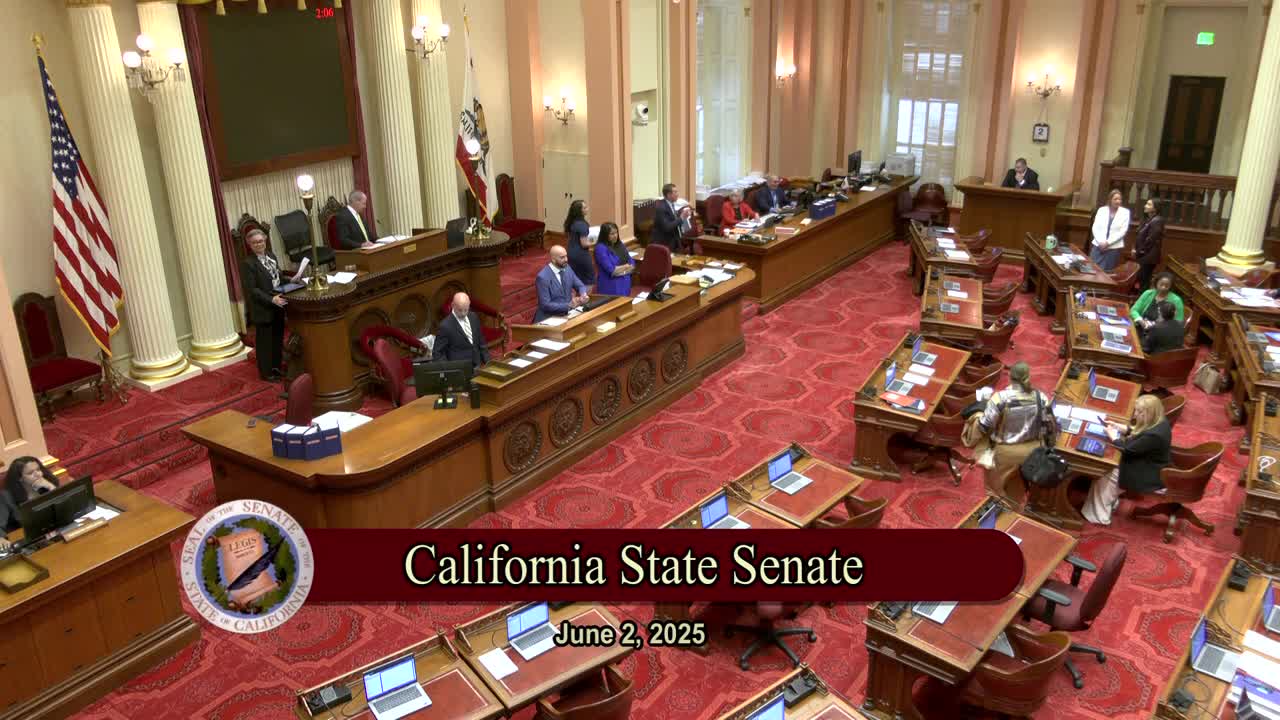
Bill Author

Bill Co-Author(s):
