SCR 44: World Autism Awareness Day.
- Session Year: 2025-2026
- House: Senate
- Latest Version Date: 2025-04-29
Current Status:
Passed
(2025-04-29: Chaptered by Secretary of State. Res. Chapter 50, Statutes of 2025.)
Introduced
In Committee
Awaiting First Chamber Vote
Passed First Chamber
In Committee
Awaiting Second Chamber Vote
Passed Second Chamber
Enacted
This measure would recognize April 2, 2025, as World Autism Awareness Day in California.
This measure would recognize April 2, 2025, as World Autism Awareness Day in California.
This measure would recognize April 2, 2025, as World Autism Awareness Day in California.
WHEREAS, The federal Centers for Disease Control and Preventions Autism and Developmental Disabilities Monitoring Network reports that approximately 1 in 36 children and 1 in 45 adults have been identified with autism spectrum disorder (ASD), highlighting the urgent need for continued awareness, research, and support; and
WHEREAS, ASD is a lifelong developmental condition resulting from neurological differences that affect brain function, impacting individuals in diverse ways across all backgrounds, regardless of gender, race, ethnicity, or socioeconomic status; and
WHEREAS, Individuals with ASD experience a wide range of strengths and challenges, often including differences in social communication, sensory processing, and patterns of behavior or interest, which require individualized support and understanding from their communities; and
WHEREAS, Many individuals with ASD also experience co-occurring conditions such as epilepsy, sleep disorders, gastrointestinal symptoms, and mental health challenges, underscoring the necessity for comprehensive medical, therapeutic, and educational services to improve their quality of life; and
WHEREAS, Early diagnosis and intervention are key to ensuring individuals with ASD have access to critical resources, therapies, and educational opportunities that foster development, independence, and well-being; and
WHEREAS, ASD is diagnosed more frequently in boys than girls, with research indicating that approximately 4 in 100 boys and 1 in 100 girls are identified with the condition, though many girls and women with ASD remain underdiagnosed or misdiagnosed due to differences in presentation; and
WHEREAS, Raising a child with ASD comes with significant financial and emotional challenges for families, with annual costs estimated at sixty thousand dollars per child and lifetime support for individuals with severe ASD potentially exceeding three million dollars, reinforcing the need for accessible healthcare, education, and community support systems; and
WHEREAS, Employment opportunities for individuals with ASD remain disproportionately limited, with only 21 percent of individuals with disabilities, including those with ASD, securing employment. However, vocational rehabilitation programs have demonstrated success, with 60 percent of individuals with ASD gaining employment after receiving such services, highlighting the importance of workforce inclusion and job training programs; and
WHEREAS, Individuals with ASD are at increased risk of adverse encounters with the criminal justice system due to differences in communication, emotional regulation, and behavior, with studies showing that 19.5 percent of autistic youth and 18 percent of autistic adults have been stopped or arrested by police, reinforcing the need for improved training, awareness, and accommodations within law enforcement and the legal system; and
WHEREAS, Through the advocacy of Suzanne and Bob Wright, the United Nations General Assembly adopted Resolution 62/139 on December 18, 2007, establishing April 2 as World Autism Awareness Day, a momentous occasion to increase understanding and promote acceptance of ASD worldwide; and
WHEREAS, The United Nations Convention on the Rights of the Child and the Convention on the Rights of Persons with Disabilities affirm the right of individuals with ASD and other disabilities to live with dignity, enjoy full participation in society, and access the same fundamental freedoms and opportunities as all individuals; and
WHEREAS, The observance of World Autism Awareness Day serves as a call to action for communities, educators, employers, healthcare providers, and policymakers to foster inclusivity, expand resources, and create pathways for individuals with ASD to thrive; and
WHEREAS, April 2, 2025, marks the 18th anniversary of the first World Autism Awareness Day, providing an opportunity to celebrate the achievements, resilience, and contributions of individuals with ASD and their families while advocating for policies that promote lifelong support and acceptance; now, therefore, be it
Resolved by the Senate of the State of California, the Assembly thereof concurring, That the Legislature recognizes April 2, 2025, as World Autism Awareness Day and encourages all Californians to participate in efforts to promote ASD awareness, acceptance, and inclusion in schools, workplaces, and communities; and be it further
Resolved, That the Legislature recognizes the importance of expanding access to early intervention services, inclusive education, employment opportunities, and community-based supports to empower individuals with ASD and their families; and be it further
Resolved, That the Secretary of the Senate transmit copies of this resolution to the author for appropriate distribution.
|
Date
|
Status
|
|---|---|
| Apr 29, 2025 | Chaptered by Secretary of State. Res. Chapter 50, Statutes of 2025. |
| Apr 29, 2025 | Enrolled and filed with the Secretary of State at 2 p.m. |
| Apr 24, 2025 | In Senate. Ordered to engrossing and enrolling. |
| Apr 24, 2025 | Read. Adopted. (Ayes 75. Noes 0. Page 1282.) Ordered to the Senate. |
| Apr 21, 2025 | From committee: Be adopted. Ordered to consent calendar. (Ayes 10. Noes 0.) (April 21). |
| Apr 7, 2025 | Referred to Com. on RLS. |
| Apr 1, 2025 | In Assembly. Held at Desk. |
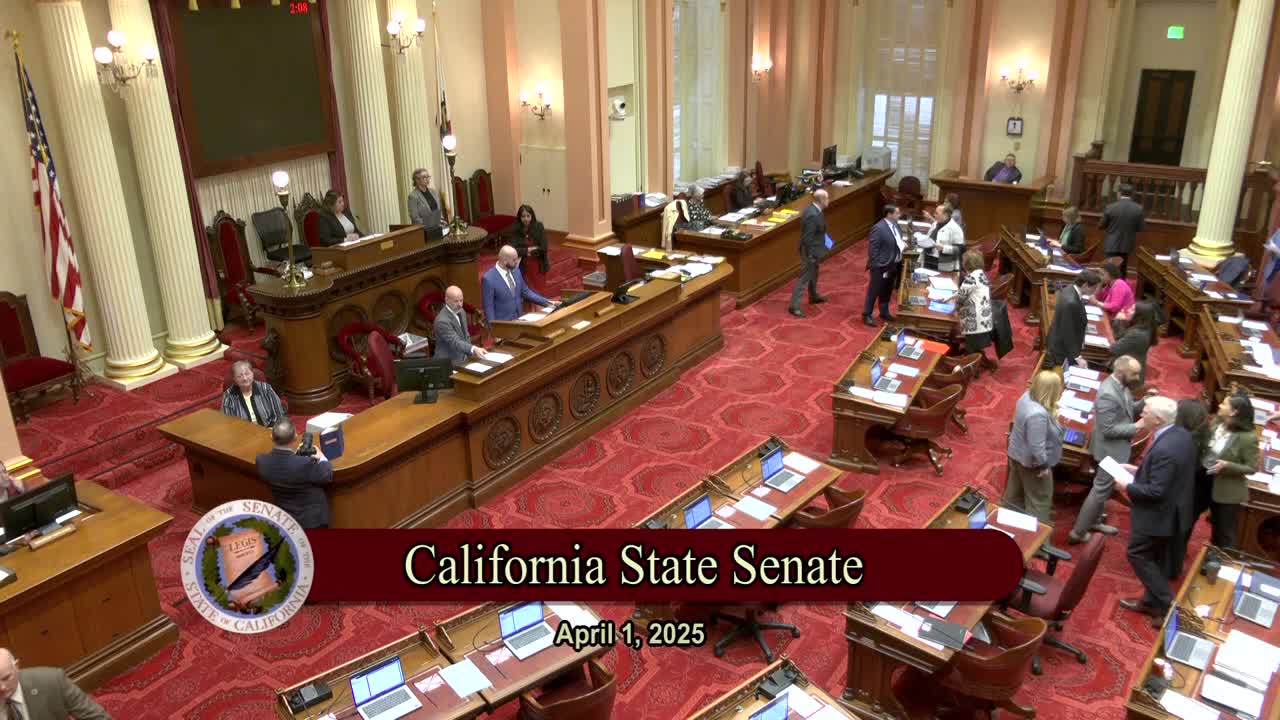
| Apr 1, 2025 | Read. Adopted. (Ayes 39. Noes 0. Page 603.) Ordered to the Assembly. |
| Mar 26, 2025 | From committee: Ordered to third reading. |
| Mar 24, 2025 | Introduced. Referred to Com. on RLS. |
|
Date
|
Description
|
Location
|
Votes
|
|
|---|---|---|---|---|
| Apr 24, 2025 | SCR 44 Valladares Consent Calendar Second Day Regular Session | Assembly Floor |
Passed |
|
| Apr 21, 2025 | Be adopted. To Consent Calendar. | Assembly Standing Committee on Rules |
Passed |
|
| Apr 1, 2025 | Senate 3rd Reading SCR44 Valladares | Senate Floor |
Passed |
This list shows positions taken on this bill by organizations on the date displayed, which is linked to the original source.
Positions by individuals are not included.
Date of Hearing: April 21, 2025
ASSEMBLY COMMITTEE ON RULES
Blanca Pacheco, Chair
SBPCA Bill Id:SCR 44
Author:(Valladares) – As Introduced Ver:
SENATE VOTE:
SUBJECT: World Autism Awareness Day.
SUMMARY: Recognizes April 2, 2025, as World Autism Awareness Day and recognizes the importance of expanding access to early intervention services, inclusive education, employment opportunities, and community-based supports to empower individuals with ASD and their families. Specifically, this resolution makes the following legislative findings:
- The federal Centers for Disease Control and Prevention’s Autism and Developmental Disabilities Monitoring Network reports that approximately 1 in 36 children and 1 in 45 adults have been identified with autism spectrum disorder (ASD), highlighting the urgent need for continued awareness, research, and support.
- ASD is a lifelong developmental condition resulting from neurological differences that affect brain function, impacting individuals in diverse ways across all backgrounds, regardless of gender, race, ethnicity, or socioeconomic status.
- Individuals with ASD experience a wide range of strengths and challenges, often including differences in social communication, sensory processing, and patterns of behavior or interest, which require individualized support and understanding from their communities.
- Early diagnosis and intervention are key to ensuring individuals with ASD have access to critical resources, therapies, and educational opportunities that foster development, independence, and well-being.
- Raising a child with ASD comes with significant financial and emotional challenges for families, with annual costs estimated at sixty thousand dollars per child and lifetime support for individuals with severe ASD potentially exceeding three million dollars, reinforcing the need for accessible healthcare, education, and community support systems.
- The United Nations Convention on the Rights of the Child and the Convention on the Rights of Persons with Disabilities affirm the right of individuals with ASD and other disabilities to live with dignity, enjoy full participation in society, and access the same fundamental freedoms and opportunities as all individuals.
- The observance of World Autism Awareness Day serves as a call to action for communities, educators, employers, healthcare providers, and policymakers to foster inclusivity, expand resources, and create pathways for individuals with ASD to thrive.
FISCAL EFFECT: This resolution is keyed non-fiscal by Legislative Counsel.
REGISTERED SUPPORT / OPPOSITION:
Support
None on file
Opposition
None on file
Analysis Prepared by: Michael Erke / RLS. / (916) 319-2800
SENATE RULES COMMITTEE Office of Senate Floor Analyses (916) 651-1520 Fax: (916) 327-4478 | SCR 44 |
THIRD READING
Bill No: SCR 44
Author: Valladares (R)
Introduced: 3/24/25
Vote: 21
SUBJECT: World Autism Awareness Day
SOURCE: Author
DIGEST:
This resolution recognizes April 2, 2025, as World Autism Awareness Day in California.
ANALYSIS: This resolution makes the following legislative findings:
- The federal Centers for Disease Control and Prevention’s Autism and Developmental Disabilities Monitoring Network reports that approximately 1 in 36 children and 1 in 45 adults have been identified with autism spectrum disorder (ASD), highlighting the urgent need for continued awareness, research, and support.
- ASD is diagnosed more frequently in boys than girls, with research indicating that approximately 4 in 100 boys and 1 in 100 girls are identified with the condition, though many girls and women with ASD remain underdiagnosed or misdiagnosed due to differences in presentation.
- Employment opportunities for individuals with ASD remain disproportionately limited, with only 21% of individuals with disabilities, including those with ASD, securing employment. However, vocational rehabilitation programs have demonstrated success, with 60% of individuals with ASD gaining employment after receiving such services, highlighting the importance of workforce inclusion and job training programs.
- April 2, 2025, marks the 18th anniversary of the first World Autism Awareness Day, providing an opportunity to celebrate the achievements, resilience, and contributions of individuals with ASD and their families while advocating for policies that promote lifelong support and acceptance.
This resolution recognizes the importance of expanding access to early intervention services, inclusive education, employment opportunities, and community-based supports to empower individuals with ASD and their families.
Related/Prior Legislation
ACR 165 (Valladares, Resolution Chapter 52, Statutes of 2022)
ACR 35 (Chau, Resolution Chapter 24, Statutes of 2021)
FISCAL EFFECT: Appropriation: No Fiscal Com.: No Local: No
SUPPORT: (Verified 3/26/25)
None received
OPPOSITION: (Verified 3/26/25)
None received
Prepared by: Aizenia Randhawa / SFA / (916) 651-1520
3/27/25 15:58:07
**** END ****
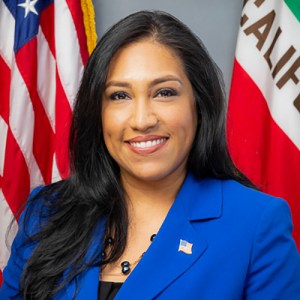
Bill Author
Bill Co-Author(s):