SCR 65: California Fairgrounds Appreciation Month.
- Session Year: 2025-2026
- House: Senate
- Latest Version Date: 2025-07-03
Current Status:
Passed
(2025-07-03: Chaptered by Secretary of State. Res. Chapter 122, Statutes of 2025.)
Introduced
In Committee
Awaiting First Chamber Vote
Passed First Chamber
In Committee
Awaiting Second Chamber Vote
Passed Second Chamber
Enacted
This measure would designate the month of May 2025 as California Fairgrounds Appreciation Month in appreciation for the services provided to California by the 77 fairgrounds in the state.
This measure would designate the month of May 2025 as California Fairgrounds Appreciation Month in appreciation for the services provided to California by the 77 fairgrounds in the state.
This measure would designate the month of May 2025 as California Fairgrounds Appreciation Month in appreciation for the services provided to California by the 77 fairgrounds in the state.
WHEREAS, The history of fairgrounds in California dates back to the mid-19th century, a time when communities were beginning to take shape in the rapidly developing state. These fairs quickly grew in popularity as they provided a platform for farmers, artisans, and inventors to display their innovations; and
WHEREAS, The earliest recorded fair in California was held in 1854 in the City of San Francisco, where agricultural exhibitions were organized to showcase local produce and livestock; and
WHEREAS, Over time, the tradition of holding fairs spread throughout the state, with each region developing its own unique flavor and focus. These early fairs laid the groundwork for what would become a beloved institution in Californias cultural heritage; and
WHEREAS, Californias 77 fairgrounds serve the entire state, from the County of San Diego to the County of Del Norte, and from the County of Monterey to the County of Mariposa; and
WHEREAS, California counties enjoy the year-round economic, recreational, cultural, and social impacts of their local fairgrounds; and
WHEREAS, Fairgrounds play a crucial role in economic development and business growth by serving as vibrant hubs for community engagement, commerce, and tourism, and are pivotal in nurturing economic vitality and fostering a thriving business ecosystem across the state; and
WHEREAS, Fairgrounds host a wide array of events, from county fairs and agricultural expositions to concerts, trade shows, and festivals, attracting millions of visitors annually. This influx of visitors stimulates local economies by driving demand for hospitality services, including hotels, restaurants, and retail establishments; and
WHEREAS, Fairgrounds provide businesses with unique opportunities to showcase products, launch new offerings, and engage directly with consumers, fostering brand visibility and market expansion. In addition, fairgrounds often partner with local educational institutions to promote agricultural education and innovation, contributing to workforce development in key sectors; and
WHEREAS, Fairgrounds expend and generate hundreds of millions of new dollars for nonprofit organizations, youth organizations, cities and counties, small businesses, and the states General Fund; and
WHEREAS, Fairgrounds serve as a communal hub where people from all walks of life come together to share experiences and create memories; and
WHEREAS, Fairgrounds offer a space for community engagement and interaction, where the bonds of friendship and community are strengthened. From the thrilling rides and games to the educational exhibits and competitions, fairgrounds provide entertainment and learning opportunities for all ages; and
WHEREAS, Fairgrounds are a place where tradition and modernity meet, offering a glimpse into both the history and the future of Californias diverse communities; and
WHEREAS, Californias fairgrounds provide safe public facilities specifically designed for animals, pets, and livestock during good times and bad; and
WHEREAS, One of the primary functions of fairgrounds is to celebrate and preserve Californias rich agricultural heritage and emphasize the significance of agriculture, helping to ensure that this vital industry continues to thrive; and
WHEREAS, Fairs offer a platform for programs foundational to the agricultural education of youth, such as Future Farmers of America (FFA) and the National 4-H Council, to educate the public and students by hosting displays of livestock, produce, and horticulture. These events offer insight into sustainable farming practices and the latest advancements in agricultural technology; and
WHEREAS, Competitions, such as those for best livestock or produce, encourage excellence and innovation in the agricultural sector; and
WHEREAS, During a state of emergency, a natural disaster, or the ongoing impacts of climate change, California fairgrounds are called into service as medical sites, staging areas for emergency equipment and emergency personnel, and evacuation sites to assist those displaced by a fire or flood; and
WHEREAS, The future of fairgrounds lies in their ability to adapt to changing social and economic landscapes while preserving the traditions that make them so beloved. As California continues to grow and evolve, so too must these iconic venues; and
WHEREAS, Investments in infrastructure and technology will be crucial to maintaining the relevance and appeal of fairgrounds; and
WHEREAS, Californias 77 fairgrounds continue to serve as the recreational, social, and economic hubs of their respective communities; and
WHEREAS, By continuing to provide a space for community gathering, economic activity, and cultural celebration, fairgrounds will remain an integral part of Californias identity. They are not just a part of the states history but a vibrant and essential element of its future; now, therefore, be it
Resolved by the Senate of the State of California, the Assembly thereof concurring, That the Legislature hereby designates the month of May 2025 as California Fairgrounds Appreciation Month in appreciation for the services provided to California by the 77 fairgrounds in the state; and be it further
Resolved, That the Legislature extends its warmest regards and appreciation to the thousands of fair volunteers, directors, CEOs, and staff, business supporters, sponsors, and associations who keep the network of California fairgrounds strong, vibrant, relevant, and successful; and be it further
Resolved, That the Secretary of the Senate transmit copies of this resolution to the author for appropriate distribution.
|
Date
|
Status
|
|---|---|
| Jul 3, 2025 | Chaptered by Secretary of State. Res. Chapter 122, Statutes of 2025. |
| Jul 3, 2025 | Enrolled and filed with the Secretary of State at 2 p.m. |
| Jun 27, 2025 | In Senate. Ordered to engrossing and enrolling. |
| Jun 27, 2025 | Read. Adopted. (Ayes 75. Noes 0. Page 2344.) Ordered to the Senate. |
| Jun 23, 2025 | Coauthors revised. |
| Jun 23, 2025 | From committee: Be adopted. Ordered to consent calendar. (Ayes 10. Noes 0.) (June 23). |
| May 29, 2025 | Referred to Com. on RLS. |
| May 19, 2025 | In Assembly. Held at Desk. |
| May 19, 2025 | Read. Adopted. (Ayes 36. Noes 0. Page 1110.) Ordered to the Assembly. |
| May 7, 2025 | From committee: Ordered to third reading. |
| Apr 24, 2025 | Introduced. Referred to Com. on RLS. |
|
Date
|
Description
|
Location
|
Votes
|
|
|---|---|---|---|---|
| Jun 27, 2025 | SCR 65 Alvarado-Gil Consent Calendar Second Day Regular Session | Assembly Floor |
Passed |
|
| Jun 23, 2025 | Be adopted. To Consent Calendar. | Assembly Standing Committee on Rules |
Passed |
|
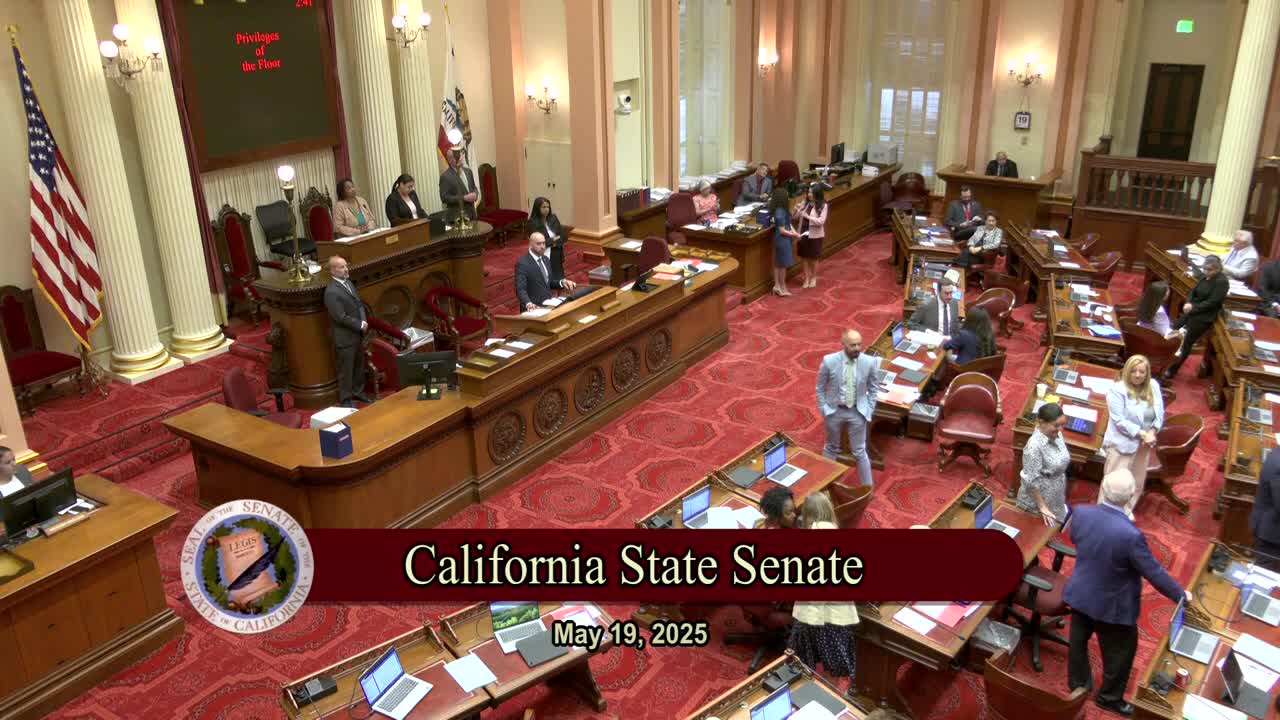
| May 19, 2025 | Senate 3rd Reading SCR65 Alvarado-Gil et al. | Senate Floor |
Passed |
This list shows positions taken on this bill by organizations on the date displayed, which is linked to the original source.
Positions by individuals are not included.
Date of Hearing: June 23, 2025
ASSEMBLY COMMITTEE ON
, Chair
SBPCA Bill Id:
Author:() – As Ver:April 24, 2025
SENATE VOTE: 36-0
SUBJECT:
SUMMARY: Designates the month of May 2025 as California Fairgrounds Appreciation Month in appreciation for the services provided to California by the 77 fairgrounds in the state. Specifically, this resolution makes the following legislative findings:
- The earliest recorded fair in California was held in 1854 in the City of San Francisco, where agricultural exhibitions were organized to showcase local produce and livestock.
- Over time, the tradition of holding fairs spread throughout the state, with each region developing its own unique flavor and focus. These early fairs laid the groundwork for what would become a beloved institution in California’s cultural heritage.
- California’s 77 fairgrounds serve the entire state, from the County of San Diego to the County of Del Norte, and from the County of Monterey to the County of Mariposa.
- Fairgrounds play a crucial role in economic development and business growth by serving as vibrant hubs for community engagement, commerce, and tourism, and are pivotal in nurturing economic vitality and fostering a thriving business ecosystem across the state.
- Fairgrounds expend and generate hundreds of millions of new dollars for nonprofit organizations, youth organizations, cities and counties, small businesses, and the state’s General Fund.
- During a state of emergency, a natural disaster, or the ongoing impacts of climate change, California fairgrounds are called into service as medical sites, staging areas for emergency equipment and emergency personnel, and evacuation sites to assist those displaced by a fire or flood.
FISCAL EFFECT: This resolution is keyed non-fiscal by Legislative Counsel.
REGISTERED SUPPORT / OPPOSITION:
Support
None on file
Opposition
None on file
Analysis Prepared by:
SENATE RULES COMMITTEE Office of Senate Floor Analyses (916) 651-1520 Fax: (916) 327-4478 | SCR 65 |
THIRD READING
Bill No: SCR 65
Author: Alvarado-Gil (R), et al.
Introduced: 4/24/25
Vote: 21
SUBJECT: California Fairgrounds Appreciation Month
SOURCE: Author
DIGEST:
This resolution designates the month of May 2025 as California Fairgrounds Appreciation Month in appreciation for the services provided to California by the 77 fairgrounds in the state.
ANALYSIS: This resolution makes the following legislative findings:
- The history of fairgrounds in California dates back to the mid-19th century, a time when communities were beginning to take shape in the rapidly developing state. These fairs quickly grew in popularity as they provided a platform for farmers, artisans, and inventors to display their innovations.
- California’s 77 fairgrounds serve the entire state, from the County of San Diego to the County of Del Norte, and from the County of Monterey to the County of Mariposa.
- California counties enjoy the year-round economic, recreational, cultural, and social impacts of their local fairgrounds.
- Fairgrounds play a crucial role in economic development and business growth by serving as vibrant hubs for community engagement, commerce, and tourism, and are pivotal in nurturing economic vitality and fostering a thriving business ecosystem across the state.
This resolution extends its warmest regards and appreciation to the thousands of fair volunteers, directors, CEOs, and staff, business supporters, sponsors, and associations who keep the network of California fairgrounds strong, vibrant, relevant, and successful.
Related/Prior Legislation
SR 97 (Alvarado-Gil, 2024) – Adopted by the Senate.
SR 40 (Alvarado-Gil, 2023) – Adopted by the Senate.
ACR 181 (Bigelow, Resolution Chapter 93, 2022).
FISCAL EFFECT: Appropriation: No Fiscal Com.: No Local: No
SUPPORT: (Verified 5/6/25)
None received
OPPOSITION: (Verified 5/6/25)
None received
Prepared by: Sofia Pachon-Mendez / SFA / (916) 651-1520
5/7/25 16:20:48
**** END ****
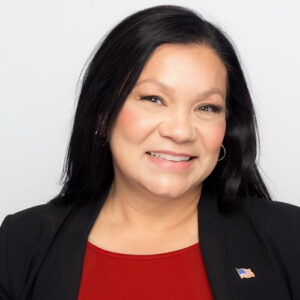
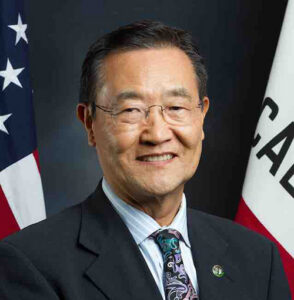
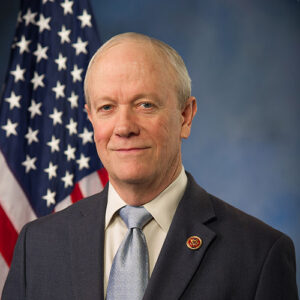
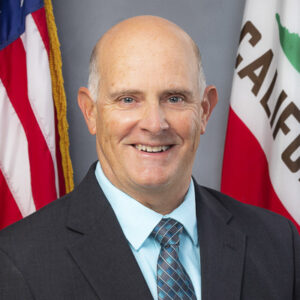
Bill Author