AB 1547: University of California: branch campus of a school of medicine in the County of Kern: feasibility study.
- Session Year: 2025-2026
- House: Assembly
- Latest Version Date: 2026-08-30
Current Status:
Failed
(2026-09-18: Vetoed by Governor.)
Introduced
In Committee
Awaiting First Chamber Vote
Passed First Chamber
In Committee
Awaiting Second Chamber Vote
Passed Second Chamber
Enacted
Existing law establishes the University of California Kern County Medical Education Endowment Fund. Upon appropriation by the Legislature, existing law requires moneys in the endowment fund to be allocated to the University of California to support the annual operating costs for the development, operation, and maintenance of a branch campus of an existing University of California School of Medicine in the County of Kern, and to conduct a feasibility study related to that campus.
This bill would require the University of California, on or before January 1, 2028, to complete a feasibility study, and reasonably attempt to consult with local stakeholders, to determine the steps necessary to establish a branch campus of an existing University of California medical school in the County of Kern, and to submit the feasibility study, including detailed findings, recommendations, and an implementation timeline, to the Governor and Legislature, as provided. The bill would require the feasibility study to include a comprehensive analysis of the requirements, challenges, and opportunities related to establishing a branch campus of an existing University of California medical school in the County of Kern, as provided.
This bill would declare that it is to take effect immediately as an urgency statute.
This act shall be known, and may be cited, as the Kern School of Medicine Feasibility Act.
SEC. 2.Section 92170 is added to the Education Code, immediately following Section 92169, to read:92170.(a)The Legislature finds and declares all of the following:
(1)There is a growing need for health care professionals in California, particularly in underserved regions, including the County of Kern.
(2)Establishing a branch campus of an existing University of California medical school in the County of Kern will help address this need by training the next generation of medical professionals and improving access to health care in the region.
(3)The state has established an endowment fund to support the development of a branch campus of an existing University of California medical school in the County of Kern.
(4)A comprehensive feasibility study is necessary to determine the specific requirements and steps for establishing a branch campus of an existing medical school, including site selection, construction needs, faculty recruitment, adequate resources, clinical practice agreements, curriculum development, and accreditation.
(b)Notwithstanding Section 67400, the University of California shall, on or before January 1, 2028, do both of the following:
(1)(A)Complete a feasibility study and reasonably attempt to consult with local stakeholders, including, but not limited to, the Kern County Medical Society, the Kern Medical Hospital Authority, Kern Family Health Care, at least one labor union representing University of California patient care and technical employees, and at least one labor union representing health care workers in the County of Kern, to determine the steps necessary to establish a branch campus of an existing University of California medical school in the County of Kern.
(B)The feasibility study shall include a comprehensive analysis of the requirements, challenges, and opportunities related to establishing a branch campus of an existing University of California medical school in the County of Kern, including, but not limited to, all of the following:
(i)The identification of potential sites for the branch campus of a medical school.
(ii)An assessment of construction and infrastructure needs for the branch campus of a medical school, and an assessment of the ability to comply with all the resource requirements of the Liaison Committee on Medical Education.
(iii)Recommended recruitment strategies for qualified faculty and staff.
(iv)An evaluation of the ability to comply with the accreditation requirements of the Liaison Committee on Medical Education as a branch campus.
(v)Development of a medical education curriculum.
(vi)A financial analysis, including, but not limited to, projected costs and potential funding sources.
(vii)A review of graduate medical education opportunities in the County of Kern and recommendations on how to ensure that graduates of the branch campus of a medical school in the County of Kern have access to a medical residency in the County of Kern.
(2)(A)Notwithstanding Section 10231.5 of the Government Code, submit the feasibility study, including detailed findings, recommendations, and an implementation timeline, to the Governor and the Legislature, consistent with Section 9795 of the Government Code.
(B)The University of California shall make the feasibility study submitted pursuant to subparagraph (A) also available in an electronic format on its internet website.
SEC. 3.This act is an urgency statute necessary for the immediate preservation of the public peace, health, or safety within the meaning of Article IV of the California Constitution and shall go into immediate effect. The facts constituting the necessity are:
In order to address the significant adverse health impacts of the shortage of physicians serving the residents of the County of Kern, it is necessary that this act take effect immediately.
|
Date
|
Status
|
|---|---|
| Sep 18, 2026 | Vetoed by Governor. |
| Sep 3, 2026 | Enrolled and presented to the Governor at 4 p.m. |
| Aug 27, 2026 | In Assembly. Ordered to Engrossing and Enrolling. |
| Aug 26, 2026 | Read third time. Urgency clause adopted. Passed. Ordered to the Assembly. (Ayes 39. Noes 0.). |
| Aug 26, 2026 | Read third time. Urgency clause adopted. Passed. Ordered to the Assembly. (Ayes 39. Noes 0. Page 5880.). |
| Aug 13, 2026 | Read second time. Ordered to third reading. |
| Aug 13, 2026 | From committee: Do pass. (Ayes 7. Noes 0.) (August 13). |
| Aug 3, 2026 | In committee: Referred to APPR. suspense file. |
| Jun 25, 2026 | From committee: Do pass and re-refer to Com. on APPR. (Ayes 6. Noes 1.) (June 24). Re-referred to Com. on APPR. |
| Jun 17, 2026 | In committee: Set, first hearing. Hearing canceled at the request of author. |
| Jun 3, 2026 | Referred to Com. on ED. |
| May 22, 2026 | In Senate. Read first time. To Com. on RLS. for assignment. |
| May 22, 2026 | Read third time. Urgency clause adopted. Passed. Ordered to the Senate. (Ayes 75. Noes 0.). |
| May 22, 2026 | Read third time. Urgency clause adopted. Passed. Ordered to the Senate. (Ayes 75. Noes 0. Page 5250.). |
| May 18, 2026 | Read second time. Ordered to third reading. |
| May 14, 2026 | From committee: Do pass. (Ayes 15. Noes 0.) (May 14). |
| May 6, 2026 | In committee: Set, first hearing. Referred to APPR. suspense file. |
| Apr 22, 2026 | From committee: Do pass and re-refer to Com. on APPR. (Ayes 10. Noes 0.) (April 21). Re-referred to Com. on APPR. |
| Feb 2, 2026 | Referred to Com. on HIGHER ED. |
| Jan 7, 2026 | From printer. May be heard in committee February 6. |
| Jan 6, 2026 | Read first time. To print. |
|
Date
|
Description
|
Location
|
Votes
|
|
|---|---|---|---|---|
| Aug 26, 2026 | Assembly 3rd Reading AB1547 Bains By Hurtado Urgency Clause | Senate Floor |
Passed |
|
| Aug 13, 2026 | Do pass | Senate Standing Committee on Appropriations |
Passed |
|
| Aug 3, 2026 | Placed on suspense file | Senate Standing Committee on Appropriations |
Passed |
|
| Jun 24, 2026 | Do pass, but first be re-referred to the Committee on [Appropriations] | Senate Standing Committee on Education |
Passed |
|
| May 22, 2026 | AB 1547 Bains Third Reading Urgency | Assembly Floor |
Passed |
|
| May 14, 2026 | Do pass. | Assembly Standing Committee on Appropriations |
Passed |
|
| Apr 21, 2026 | Do pass and be re-referred to the Committee on [Appropriations] | Assembly Standing Committee on Higher Education |
Passed |
This list shows positions taken on this bill by organizations on the date displayed, which is linked to the original source.
Positions by individuals are not included.
|
Organization
|
Position
|
Date
|
|---|---|---|
| California Academy Of Family Physicians | ** Support | |
| County Of Kern | ** Support | |
| CPCA Advocates | ** Support | |
| Kern County Superintendent Of Schools | ** Support |
GOVERNOR'S VETO
GV Bill Id:AB 1547
Author:(Bains)
As Enrolled Ver:August 30, 2026
2/3 vote
SUMMARY
Requires the University of California (UC), on or before January 1, 2028, to complete a feasibility study for the establishment of a UC medical school branch campus in Kern County.
- Requires the University of California (UC), on or before January 1, 2028, to do both of the following:
- Complete a feasibility study and reasonably attempt to consult with local stakeholders, including, but not limited to, the Kern County Medical Society, the Kern Medical Hospital Authority, Kern Family Health Care, at least one labor union representing UC patient care and technical employees, and at least one labor union representing health care workers in the County of Kern, to determine the steps necessary to establish a branch campus of an existing UC medical school in Kern County; and,
- The feasibility study must include a comprehensive analysis of the requirements, challenges, and opportunities related to establishing a branch campus of an existing UC medical school in Kern County including, but not limited to, all of the following:
- The identification of potential sites for the branch campus of a medical school;
- An assessment of construction and infrastructure needs for the branch campus of a medical school, and an assessment of the ability to comply with all the resource requirements of the Liaison Committee on Medical Education (LCME);
- Recommended recruitment strategies for qualified faculty and staff;
- An evaluation of the ability to comply with the accreditation requirements of the LCME as a branch campus;
- Development of a medical education curriculum;
- A financial analysis, including, but not limited to, projected costs and potential funding sources; and,
- A review of graduate medical education opportunities in Kern County and recommendations on how to ensure that graduates of the branch campus of a medical school in Kern County have access to a medical residency in Kern County.
- The feasibility study must include a comprehensive analysis of the requirements, challenges, and opportunities related to establishing a branch campus of an existing UC medical school in Kern County including, but not limited to, all of the following:
- Submit the feasibility study, including detailed findings, recommendations, and an implementation timeline, to the Governor and the Legislature, as specified.
- Complete a feasibility study and reasonably attempt to consult with local stakeholders, including, but not limited to, the Kern County Medical Society, the Kern Medical Hospital Authority, Kern Family Health Care, at least one labor union representing UC patient care and technical employees, and at least one labor union representing health care workers in the County of Kern, to determine the steps necessary to establish a branch campus of an existing UC medical school in Kern County; and,
- Requires the UC to make the feasibility study submitted, pursuant to (1)(b) above, also available in an electronic format on the UC's internet website.
- Contains an urgency clause in order to address the significant adverse health impacts of the shortage of physicians serving the residents of Kern County.
- States the following findings and declarations of the Legislature:
- There is a growing need for health care professionals in California, particularly in underserved regions, including Kern County;
- Establishing a branch campus of an existing UC medical school in the Kern County will help address this need by training the next generation of medical professionals and improving access to health care in the region;
- The State has established an endowment fund to support the development of a branch campus of an existing UC medical school in the Kern County; and,
- A comprehensive feasibility study is necessary to determine the specific requirements and steps for establishing a branch campus of an existing medical school, including site selection, construction needs, faculty recruitment, adequate resources, clinical practice agreements, curriculum development, and accreditation.
Governor's Veto Message
"This bill, an urgency, measure requires the University of California (UC) to complete a feasibility study to establish a UC medical school branch campus in Kern County by January 1. 2028.
I am unable to sign this bill because it requires significant General Fund resources that are not included in the 2026 Budget Act. Additionally, in 2024, I signed AB 2357 (Bains) Chapter 959, Statutes of 2024, which established the UC Kern County Medical Education Endowment Fund to Support the operating costs associated with establishing a UC Medical School in Kern County. That bill specified the endowment funds could be used to conduct a feasibility study.
In partnership with the Legislature this year, my administration has enacted a balanced budget that recognizes the challenging fiscal landscape our state faces while maintaining our commitment to working families and our state faces while maintaining our commitment to working families and our most vulnerable communities. With significant fiscal pressures and the federal government's hostile economic policies it is vital that we remain disciplined when considering bills with significant fiscal implications that are not included in the budget, such as this measure."
COMMENTS
Urgency clause. This measure contains an urgency clause in order to immediately address the significant adverse health impacts of the shortage of physicians serving the residents of Kern County.
San Joaquin Valley (SJV). The SJV is defined as encompassing the Fresno, Kern, Kings, Madera, Merced, San Joaquin, Stanislaus, and Tulare counties. According to a report by the UC, entitled, Improving Health Care Access in the San Joaquin Valley – A Regional Approach through Collaboration and Innovation, the SJV has long-standing shortages of physicians and other health care professionals. A health workforce assessment of the SJV conducted by the UC found that the region has the lowest ratios of licensed MDs, doctors of osteopathic medicine, nurse practitioners, registered nurses, marriage and family therapists, licensed counselors, and licensed social workers per 100,000 population in California and the second lowest ratios of physician assistants, clinical nurse specialists, and psychologists per capita. These and other findings show that action will be needed to ensure that the SJV has sufficient supplies of health professionals for meeting its future needs.
According to an article entitled, "A UC Merced Medical Program is Slowly Taking Shape," published by CalMatters on July 8, 2024, the SJV is home to approximately 4.3 million people. The area is also known for having terrible air quality, high levels of chronic disease like diabetes and obesity, and insufficient medical providers. It is found that the SJV has 47 primary care doctors for every 100,000 residents. Comparing that data point to the San Francisco Bay Area it is found that said area has 80 primary care physicians for every 100,000 people; and, when it comes to specialty care, 81 specialists per 100,000 people work in SJV, but the Bay Area has more than twice that number. The article also found that some residents of the SJV schedule medical appointments over a year in advance because of the lack of doctors available to see them.
This measure requires UC to complete a feasibility study, in consultation with local stakeholders, to determine the steps necessary to establish a UC medical school branch campus in Kern County. The study will consist of a comprehensive analysis of the requirements, challenges, and opportunities related to establishing the campus.
UC Medical Education in the SJV. The UC San Francisco (UCSF) Fresno was established in 1975 as a graduate medical education campus of the UCSF School of Medicine, with support from the State Legislature and the Veteran's Administration to address the severe shortage of physicians in California's San Joaquin Valley.
According to the January 2026 California Health Care Almanac Regional Market Report, by the California Health Care Foundation, the UCSF Fresno program, in its 50th year, trains third- and fourth-year medical students and residents and fellows each year. The SJV Program in Medical Education (PRIME) trains a cohort of 12 medical students to address the needs of underserved populations in the broader Central Valley. The graduate medical education (GME) training programs include family and community medicine, internal medicine, obstetrics/gynecology, orthopedic surgery, pediatrics, psychiatry, and several other specialties.
UCSF Fresno faculty and residents in training provide access to crucial specialty services through multispecialty training. Saint Agnes Medical Center has six accredited GME training programs, several of which are affiliated with UCSF Fresno. Many UCSF Fresno faculty members are affiliated with Inspire Health Medical Group. One regional expert noted that UCSF Fresno was the only provider in the region for some specialty services.
UCSF Fresno has created programs across educational settings to inspire and prepare students to enter medicine. For example, the UCSF Fresno Junior Doctors Academy starts in middle school. In Fresno high schools, there are two Doctors Academies and internship programs. Added to this continuum are premed training and career development programs at regional community colleges, UC Merced, UCSF Fresno, and Fresno State University.
The PRIME+ program, a collaboration among UCSF, UCSF Fresno, and UC Merced, plans to increase the training cohort to 50 and to include bachelor's and medical degrees. The plan, launched in 2023, established UC Merced as a regional branch of the UCSF Medical School. By 2027, UC Merced will welcome the first class of PRIME+ students to the regional UCSF medical school on the UC Merced campus. Together UC Merced and UCSF Fresno will become a full four-year regional medical school campus of UCSF. To accomplish this, the PRIME+ partners will seek to increase training capacity at local hospitals and clinics, recruit and diversify physician faculty members, and seek additional GME funding.
Lastly, the report shared that an expert observed that the San Joaquin Valley, compared to more urban areas, has less infrastructure to support medical training and that developing these resources and partnership has taken time.
According to the UCOP in one of its reports to the UC Regents Board on March 20, 2025, in 2020, the UCSF School of Medicine received a base budget augmentation of $15 million in ongoing state support to develop an eight-year baccalaureate/MD program based in the SJV in partnership with the UCSF Fresno regional campus and UC Merced. Built on the success of the SJV PRIME program launched in 2010, SJV PRIME+ was designed for students from the SJV region who wish to remain in the area for both college and medical school, which will increase the likelihood of them practicing there upon graduation.
In fall 2023, the inaugural class of 15 students, all of whom have deep ties to the SJV enrolled in an enhanced baccalaureate degree program at UC Merced, designed to prepare them for success in medical school. This new track will enable UC Merced to build the capacity to offer the classroom-based medical school curriculum, which the students will complete during the first 18 months of medical school starting in fall 2027. Students will complete their clinical experiences during the remaining 2.5 years of medical school at the UCSF Fresno regional campus.
Both SJV PRIME and SJV PRIME+ represent the first part of a three-phased approach to expanding medical education in the SJV. During phase two, the goal is to increase enrollment from 12 to15 students to 50 per year starting in 2027, which will result in 200 total students enrolled in the program by 2030. Building the infrastructure and capacity to reach phase two will be foundational to advancing to phase three which has the goal of establishing an independent medical school at UC Merced. The achievement of these phased goals will require long-term partnerships with affiliate health care facilities to provide reliable clinical training experiences, increases in medical school faculty, additional resource support for accreditation compliance, new infrastructure at UC Merced and UCSF Fresno, and additional residency positions commensurate with the increase in the number of medical students.
According to the Author
According to the author, "with some of the lowest ratios of healthcare providers in the state and a declining number of medical students from rural backgrounds, urgent action is needed to ensure access to quality care. By requiring a feasibility study for a UC medical school in Kern County, AB 1547 paves the way for expanding medical education in the region, ultimately helping to train and retain doctors who understand and are committed to serving rural populations. This investment is essential to building a healthier future for some of California's most underserved communities."
Arguments in Support
According to the Kern County Superintendent of Schools, "Kern County is home to a diverse student population of which approximately 73% are socioeconomically disadvantaged. For many of these students, the jump from high school to a stable, well-paying career often feels uncertain or out of reach. AB 1547 (Bains) helps bridge that gap by expanding career-connected learning and increasing access to industry-aligned training in high school and beyond. For many young people in our region, seeing a future in higher education begins with seeing a future in a career. AB 1547 (Bains) helps ignite that spark. The reality of a medical school in Kern County would expand partnerships between schools, employers, and workforce programs, creating new opportunities for students to build skills, earn certifications, and find meaningful purpose in the workforce."
Arguments in Opposition
None on file.
FISCAL COMMENTS
According to the Senate Appropriations Committee analysis, this bill would have the following fiscal impact:
- The UC estimates General Fund costs of between $2.6 million and $3.6 million to conduct the feasibility study. This estimate includes staffing costs to lead the project, conduct convenings and stakeholder engagement, consult with experts, collect and analyze data, provide recommendations, and write the feasibility report.
- This bill could lead to one-time General Fund cost pressures in the low hundreds of millions for a new medical education building and ongoing General Fund cost pressures of between $40 million and $45 million each year for operational costs.
VOTES
ASM HIGHER EDUCATION: 10-0-0
YES: Fong, DeMaio, Boerner, Macedo, Jackson, Muratsuchi, Patel, Ramos, Sharp-Collins, Tangipa
ASM APPROPRIATIONS: 15-0-0
YES: Wicks, Hoover, Aguiar-Curry, Calderon, Caloza, Dixon, Fong, Mark González, Krell, Pacheco, Pellerin, Sharp-Collins, Solache, Ta, Tangipa
ASSEMBLY FLOOR: 75-0-5
YES: Addis, Aguiar-Curry, Ahrens, Alanis, Alvarez, Ávila Farías, Bains, Bauer-Kahan, Bennett, Berman, Boerner, Bonta, Bryan, Calderon, Caloza, Carrillo, Castillo, Connolly, Davies, DeMaio, Dixon, Elhawary, Ellis, Flora, Fong, Garcia, Gipson, Jeff Gonzalez, Mark González, Hadwick, Haney, Harabedian, Hart, Hoover, Irwin, Jackson, Johnson, Kalra, Krell, Lackey, Lee, Lowenthal, Macedo, McKinnor, Muratsuchi, Nguyen, Ortega, Pacheco, Papan, Patel, Patterson, Pellerin, Petrie-Norris, Quirk-Silva, Ramos, Ransom, Michelle Rodriguez, Rogers, Blanca Rubio, Sanchez, Schiavo, Schultz, Sharp-Collins, Solache, Soria, Stefani, Ta, Tangipa, Valencia, Wallis, Ward, Wicks, Wilson, Zbur, Rivas
ABS, ABST OR NV: Arambula, Chen, Gabriel, Gallagher, Celeste Rodriguez
SENATE FLOOR: 39-0-1
YES: Allen, Alvarado-Gil, Archuleta, Arreguín, Ashby, Becker, Blakespear, Caballero, Cervantes, Choi, Cortese, Dahle, Durazo, Gonzalez, Grayson, Grove, Hurtado, Jones, Laird, Limón, McGuire, McNerney, Menjivar, Niello, Ochoa Bogh, Padilla, Pérez, Reyes, Richardson, Rubio, Seyarto, Smallwood-Cuevas, Stern, Strickland, Umberg, Valladares, Wahab, Weber Pierson, Wiener
ABS, ABST OR NV: Cabaldon
UPDATED
VERSION: August 30, 2026
CONSULTANT: Jeanice Warden / HIGHER ED. / (916) 319-3960 FN: 0004576
SENATE RULES COMMITTEE Office of Senate Floor Analyses (916) 651-4171 | AB 1547 |
THIRD READING
Bill No: AB 1547
Author: Bains (D)
Introduced: 1/6/26
Vote: 27 - Urgency
SENATE EDUCATION COMMITTEE: 6-1, 6/24/26
AYES: Pérez, Ochoa Bogh, Choi, Cortese, Gonzalez, Reyes
NOES: Cabaldon
SENATE APPROPRIATIONS COMMITTEE: 7-0, 8/13/26
AYES: Cervantes, Seyarto, Cabaldon, Dahle, Grayson, Richardson, Wahab
ASSEMBLY FLOOR: 75-0, 5/22/26 - See last page for vote
SUBJECT: University of California: branch campus of a school of medicine in the County of Kern: feasibility study
SOURCE: Author
DIGEST:
This bill, an urgency measure, requires the University of California (UC), by January 1, 2028, to complete a feasibility study for the establishment of a UC medical school branch campus in Kern County.
ANALYSIS:
Existing law:
- Establishes the UC as a public trust to be administered by the Regents of the UC; and, grants the Regents full powers of organization and government, subject only to such legislative control as may be necessary to insure security of its funds, compliance with the terms of its endowments, statutory requirements around competitive bidding and contracts, sales of property and the purchase of materials, goods and services. (California Constitution Article IX, § (9)(a))
- Establishes UC, California State University (CSU), and California Community Colleges (CCC) as the three segments of public higher education. (Education Code (EC) § 66010, et seq.)
- Grants the UC the exclusive jurisdiction in public higher education over instruction in the profession of law and over graduate instruction in the professions of medicine, dentistry, and veterinary medicine. Stipulates that the UC has the sole authority in public higher education to award the doctoral degree in all fields of learning, except that it may agree with the CSU to award joint doctoral degrees in selected fields. Mandates that the UC be the primary state-supported academic agency for research. (EC § 66010.4)
- Creates the UC San Francisco (UCSF), San Joaquin Valley Regional Campus Medical Education Endowment Fund. Stipulates that upon appropriation by the Legislature, moneys in the endowment fund must be allocated to the UC to support the annual operating costs for the development, operation, and maintenance of a branch campus of the UC San Francisco, School of Medicine in the San Joaquin Valley. (EC § 92162, et seq.)
- Requires, upon appropriation by the Legislature and a determination by the Controller of sufficient funds in the endowment fund, that moneys in the fund to be used to cover the UC’s estimated costs of applying for and obtaining approval and accreditation from the Liaison Committee on Medical Education (LCME), as provided. (EC § 92162, et seq.)
- Requires moneys in the endowment fund to initially be invested with the goal of achieving capital appreciation to create a balance of $500 hundred million to generate ongoing earnings to cover the estimated annual operating costs associated with the development, operation, and maintenance of the branch campus, and, upon the determination of the Controller that the endowment fund balance is $500 hundred million, requires moneys in the endowment fund to be invested to generate earnings to fund annual operating costs associated with the development, operation, and maintenance of the branch campus. (EC § 92162, et seq.)
- Creates the UC Kern County Medical Education Endowment Fund in the State Treasury to support potential development of a UC medical school in Kern County. Funds received by the UC or the Controller, for specified purposes of the fund must be deposited into the UC Kern County Medical Education Endowment Fund. Defines “endowment fund” as the UC Kern County Medical Education Endowment Fund. (EC § 92168, et seq.)
This bill:
- Requires the UC, by January 1, 2028, to do both of the following:
- Complete a feasibility study and reasonably attempt to consult with
the specified local stakeholders, to determine the steps necessary to establish a branch campus of an existing UC medical school in Kern County, and include in the feasibility study a comprehensive analysis of the requirements, challenges, and opportunities related to establishing a branch campus of an existing UC medical school in Kern County, including, but not limited to, all of the following:
- The identification of potential sites for the branch campus of a
medical school.
- An assessment of construction and infrastructure needs for the
branch campus of a medical school and an assessment of the ability to comply with all the resource requirements of the LCME.
- Recommended recruitment strategies for qualified faculty and
staff.
- An evaluation of the ability to comply with the accreditation
requirements of the LCME as a branch campus.
- Development of a medical education curriculum.
- A financial analysis, including, but not limited to, projected
costs and potential funding sources.
- A review of graduate medical education opportunities in the
Kern County and recommendations on how to ensure that graduates of the branch campus of a medical school in Kern County have access to a medical residency in Kern County.
- Submit the feasibility study, including detailed findings,
recommendations, and an implementation timeline to the Governor and the Legislature, as specified and available on its website.
- Declares the bill an urgency measure in order to address the
significant adverse health impacts of the shortage of physicians serving the residents of Kern County.
- States various findings and declarations relating to the need for health
care professionals in Kern County.
Comments
- Need for the bill. According to the author, “With some of the lowest ratios of healthcare providers in the state and a declining number of medical students from rural backgrounds, urgent action is needed to ensure access to quality care. By requiring a feasibility study for a UC medical school in Kern County, AB 1547 paves the way for expanding medical education in the region, ultimately helping to train and retain doctors who understand and are committed to serving rural populations. This investment is essential to building a healthier future for some of California’s most underserved communities.”
- UC Medical Education in the Central Valley. The UCSF Fresno was established in 1975 as a graduate medical education campus of the UCSF School of Medicine, with support from the Legislature and the Veteran’s Administration, to address the severe shortage of physicians in California’s San Joaquin Valley. Today, UCSF Fresno is the largest academic physician training program between San Francisco, Sacramento, and Los Angeles. Further, as a way for UC Merced (UCM) to begin to build partnerships with existing UC medical schools and facilitate its involvement with academic medicine, UCM partnered with the UC Davis (UCD) School of Medicine to help develop a new medical education program focusing on the health needs of the region. UCD, in partnership with UCSF Fresno and UCM, launched the San Joaquin Valley Program in Medical Education (PRIME) in 2010 to recruit and prepare students for future careers in medicine within the San Joaquin Valley. The San Joaquin Valley extends 250 miles from the San Joaquin Valley in the North to Kern County in the South. San Joaquin Valley PRIME students complete their basic sciences/pre-clinical education at UCD, then complete most of their required third-year core clerkships at UCSF Fresno, with options for selecting the amount of time spent in the fourth year at UCSF Fresno or UCD. In 2018-19, management and oversight of the San Joaquin Valley PRIME program transitioned from UCD to UCSF.
In 2020, the UCSF School of Medicine received a base budget augmentation of 15 million in ongoing state support to develop an eight-year baccalaureate/M.D. program based in the San Joaquin Valley in partnership with UCSF Fresno regional campus and UCM. Built on the success of the San Joaquin Valley PRIME program, San Joaquin Valley PRIME + was designed for students from the San Joaquin Valley region who wish to remain in the area for both college and medical school, which will increase the likelihood of practicing there upon graduation. In fall 2023, the inaugural class of 15 students, all of whom have deep ties to the San Joaquin Valley, enrolled in an enhanced baccalaureate degree program at UCM, designed to prepare them for success in medical school. This new track will enable UCM to build the capacity to offer the classroom-based medical school curriculum, which the students will complete during the first 18 months of medical school starting in fall 2027. Students will complete their clinical experiences during the remaining 2.5 years of medical school at the UCSF Fresno regional campus.
According to UC, both San Joaquin Valley PRIME and San Joaquin Valley PRIME+ represent the first part of a three-phased approach to expanding medical education in the San Joaquin Valley. During phase two, the goal is to increase enrollment from 12 to 15 students to 50 per year starting in 2027, which will result in 200 total students enrolled in the program by 2030. Phase three has the goal of establishing an independent medical school at UCM.
The UC has made several efforts to expand physician training opportunities in the San Joaquin Valley, the feasibility study required by this bill would provide additional information regarding whether a branch medical school campus in Kern County could serve as a viable strategy for increasing medical education capacity and addressing regional workforce needs in that county.
- Feasibility of a new medical school in Kern County. A substantial barrier for establishing a new medical school is ensuring sufficient, ongoing resources can support the operating budget of a high-quality UC medical education program. Existing law creates the UC Kern County Medical Education Endowment Fund in the State Treasury to support potential development of a UC medical school in Kern County. The author contends that while existing law established an endowment fund in support of a UC Kern medical school, a pathway towards the creation of the campus is not identified. This bill requires the completion of a feasibility study regarding the establishment of a branch campus of an existing UC medical school in Kern County, including an analysis of potential sites, infrastructure needs, accreditation requirements, faculty recruitment strategies, curriculum development, financial needs, and graduate medical education opportunities.
FISCAL EFFECT: Appropriation: No Fiscal Com.: Yes Local: No
According to the Senate Appropriations Committee analysis, this bill would have the following fiscal impact:
- The UC estimates General Fund costs of between $2.6 million and $3.6 million to conduct the feasibility study. This estimate includes staffing costs to lead the project, conduct convenings and stakeholder engagement, consult with experts, collect and analyze data, provide recommendations, and write the feasibility report.
- This bill could lead to one-time General Fund cost pressures in the low hundreds of millions for a new medical education building and ongoing General Fund cost pressures of between $40 million and $45 million each year for operational costs.
SUPPORT: (Verified 8/14/26)
California Academy of Family Physicians
County of Kern
CPCA Advocates
Kern County Superintendent of Schools Office
OPPOSITION: (Verified 8/14/26)
None received
ASSEMBLY FLOOR: 75-0, 5/22/26
AYES: Addis, Aguiar-Curry, Ahrens, Alanis, Alvarez, Ávila Farías, Bains, Bauer-Kahan, Bennett, Berman, Boerner, Bonta, Bryan, Calderon, Caloza, Carrillo, Castillo, Connolly, Davies, DeMaio, Dixon, Elhawary, Ellis, Flora, Fong, Garcia, Gipson, Jeff Gonzalez, Mark González, Hadwick, Haney, Harabedian, Hart, Hoover, Irwin, Jackson, Johnson, Kalra, Krell, Lackey, Lee, Lowenthal, Macedo, McKinnor, Muratsuchi, Nguyen, Ortega, Pacheco, Papan, Patel, Patterson, Pellerin, Petrie-Norris, Quirk-Silva, Ramos, Ransom, Michelle Rodriguez, Rogers, Blanca Rubio, Sanchez, Schiavo, Schultz, Sharp-Collins, Solache, Soria, Stefani, Ta, Tangipa, Valencia, Wallis, Ward, Wicks, Wilson, Zbur, Rivas
NO VOTE RECORDED: Arambula, Chen, Gabriel, Gallagher, Celeste Rodriguez
Prepared by: Olgalilia Ramirez / ED. / (916) 651-4105
8/15/26 13:45:07
**** END ****
SENATE COMMITTEE ON
Senator Sabrina Cervantes, Chair
2025 - 2026 Regular Session
AB 1547 (Bains) - University of California: branch campus of a school of medicine in the County of Kern: feasibility study
Version: | Policy Vote: |
Urgency: | Mandate: |
Hearing Date: | Consultant: |
Bill Summary:
This bill requires the University of California (UC), by January 1, 2028, to complete a feasibility study for the establishment of a UC medical school branch campus in Kern County.
Fiscal Impact:
- The UC estimates General Fund costs of between $2.6 million and $3.6 million to conduct the feasibility study. This estimate includes staffing costs to lead the project, conduct convenings and stakeholder engagement, consult with experts, collect and analyze data, provide recommendations, and write the feasibility report.
- This bill could lead to one-time General Fund cost pressures in the low hundreds of millions for a new medical education building and ongoing General Fund cost pressures of between $40 million and $45 million each year for operational costs.
Background:
Existing law, under Section 9, Article IX of the State Constitution creates the UC to be administered by the Regents with full powers of organization and government, subject only to such legislative control as may be necessary to ensure security of its funds, compliance with the terms of its endowments, statutory requirements around competitive bidding and contracts, sales of property and the purchase of materials, goods and services.
Existing law creates the UC Kern County Medical Education Endowment Fund in the State Treasury to support potential development of a UC medical school in Kern County. Funds received by the UC or the Controller, for specified purposes of the fund must be deposited into the UC Kern County Medical Education Endowment Fund.
Existing law creates the UC San Francisco (UCSF), San Joaquin Valley Regional Campus Medical Education Endowment Fund. It stipulates that upon appropriation by the Legislature, moneys in the endowment fund must be allocated to the UC to support the annual operating costs for the development, operation, and maintenance of a branch campus of the UCSF School of Medicine in the San Joaquin Valley. Existing law requires, upon appropriation by the Legislature and a determination by the Controller of sufficient funds in the endowment fund, moneys in the fund to be used to cover the UC’s estimated costs of applying for and obtaining approval and accreditation from the Liaison Committee on Medical Education, as provided.
Proposed Law:
This bill requires the UC, by January 1, 2028, to complete a feasibility study and reasonably attempt to consult with the specified local stakeholders, to determine the steps necessary to establish a branch campus of an existing UC medical school in Kern County, and include in the feasibility study a comprehensive analysis of the requirements, challenges, and opportunities related to establishing a branch campus of an existing UC medical school in Kern County, including, but not limited to, the identification of potential sites for the branch campus of a medical school; an assessment of construction and infrastructure needs for the branch campus of a medical school and an assessment of the ability to comply with all the resource requirements of the LCME; recommended recruitment strategies for qualified faculty and staff; and an evaluation of the ability to comply with the accreditation requirements of the LCME as a branch campus.
This bill requires the UC to submit the feasibility study, including detailed findings, recommendations, and an implementation timeline to the Governor and the Legislature, as specified and available on its website.
This bill declares the bill as an urgency measure in order to address the significant adverse health impacts of the shortage of physicians serving the residents of Kern County.
Related Legislation:
AB 1852 (Bains, 2026) would create a fallback mechanism for establishing a public medical school in Kern County if, by July 1, 2027, the UC Office of the President has not taken formal steps to establish a school of medicine in Kern County. AB 1852 failed passage in the Assembly Higher Education Committee.
AB 2357 (Bains, Chapter 959, Statutes of 2024) in part, establishes the UC Kern County Medical Education Endowment Fund for the purposes of supporting the operating costs associated with establishing a branch campus of an existing UC medical school in Kern County.
Staff Comments:
This bill requires the completion of a feasibility study regarding the establishment of a branch campus of an existing UC medical school in Kern County, including an analysis of potential sites, infrastructure needs, accreditation requirements, faculty recruitment strategies, curriculum development, financial needs, and graduate medical education opportunities. According to the author, “With some of the lowest ratios of healthcare providers in the state and a declining number of medical students from rural backgrounds, urgent action is needed to ensure access to quality care. By requiring a feasibility study for a UC medical school in Kern County, AB 1547 paves the way for expanding medical education in the region, ultimately helping to train and retain doctors who understand and are committed to serving rural populations. This investment is essential to building a healthier future for some of California’s most underserved communities.”
-- END --
SENATE COMMITTEE ON EDUCATION
Senator Sasha Renée Pérez, Chair
2025 - 2026 Regular
Bill No: Hearing Date: June 24, 2026
Author: | |||
Version: |
| ||
Urgency: | Fiscal: | ||
Consultant: | |||
Subject: .
SUMMARY
This bill, an urgency measure, requires the University of California (UC), by January 1, 2028, to complete a feasibility study for the establishment of a UC medical school branch campus in Kern County.
BACKGROUND
Existing law:
- Establishes the UC as a public trust to be administered by the Regents of the UC; and, grants the Regents full powers of organization and government, subject only to such legislative control as may be necessary to insure security of its funds, compliance with the terms of its endowments, statutory requirements around competitive bidding and contracts, sales of property and the purchase of materials, goods and services. (California Constitution Article IX, § (9)(a))
- Establishes UC, California State University (CSU), and California Community Colleges (CCC) as the three segments of public higher education. (Education Code (EC) § 66010, et seq.)
- Grants the UC the exclusive jurisdiction in public higher education over instruction in the profession of law and over graduate instruction in the professions of medicine, dentistry, and veterinary medicine. Stipulates that the UC has the sole authority in public higher education to award the doctoral degree in all fields of learning, except that it may agree with the CSU to award joint doctoral degrees in selected fields. Mandates that the UC be the primary state-supported academic agency for research. (EC § 66010.4)
- Creates the UC San Francisco (UCSF), San Joaquin Valley Regional Campus Medical Education Endowment Fund. Stipulates that upon appropriation by the Legislature, moneys in the endowment fund must be allocated to the UC to support the annual operating costs for the development, operation, and maintenance of a branch campus of the UC San Francisco, School of Medicine in the San Joaquin Valley. (EC § 92162, et seq.)
- Requires, upon appropriation by the Legislature and a determination by the Controller of sufficient funds in the endowment fund, that moneys in the fund to be used to cover the UC’s estimated costs of applying for and obtaining approval and accreditation from the Liaison Committee on Medical Education (LCME), as provided. (EC § 92162, et seq.)
- Requires moneys in the endowment fund to initially be invested with the goal of achieving capital appreciation to create a balance of $500 hundred million to generate ongoing earnings to cover the estimated annual operating costs associated with the development, operation, and maintenance of the branch campus, and, upon the determination of the Controller that the endowment fund balance is $500 hundred million, requires moneys in the endowment fund to be invested to generate earnings to fund annual operating costs associated with the development, operation, and maintenance of the branch campus. (EC § 92162, et seq.)
- Creates the UC Kern County Medical Education Endowment Fund in the State Treasury to support potential development of a UC medical school in Kern County. Funds received by the UC or the Controller, for specified purposes of the fund must be deposited into the UC Kern County Medical Education Endowment Fund. Defines “endowment fund” as the UC Kern County Medical Education Endowment Fund. (EC § 92168, et seq.)
ANALYSIS
This bill:
- Requires the UC, by January 1, 2028, to do both of the following:
- Complete a feasibility study and reasonably attempt to consult with the
specified local stakeholders, to determine the steps necessary to establish a branch campus of an existing UC medical school in Kern County, and include in the feasibility study a comprehensive analysis of the
requirements, challenges, and opportunities related to establishing a branch campus of an existing UC medical school in Kern County, including, but not limited to, all of the following:
- The identification of potential sites for the branch campus of a
medical school.
- An assessment of construction and infrastructure needs for the
branch campus of a medical school and an assessment of the ability to comply with all the resource requirements of the LCME.
- Recommended recruitment strategies for qualified faculty and staff.
- An evaluation of the ability to comply with the accreditation
requirements of the LCME as a branch campus.
- Development of a medical education curriculum.
- A financial analysis, including, but not limited to, projected costs
and potential funding sources.
- A review of graduate medical education opportunities in the Kern
County and recommendations on how to ensure that graduates of the branch campus of a medical school in Kern County have access to a medical residency in Kern County.
- Submit the feasibility study, including detailed findings, recommendations,
and an implementation timeline to the Governor and the Legislature, as specified and available on its website.
- Declares the bill an urgency measure in order to address the significant
adverse health impacts of the shortage of physicians serving the residents of Kern County.
- States various findings and declarations relating to the need for health
care professionals in Kern County.
STAFF COMMENTS
- Need for the bill. According to the author, “With some of the lowest ratios of healthcare providers in the state and a declining number of medical students from rural backgrounds, urgent action is needed to ensure access to quality care. By requiring a feasibility study for a UC medical school in Kern County, AB 1547 paves the way for expanding medical education in the region, ultimately helping to train and retain doctors who understand and are committed to serving rural populations. This investment is essential to building a healthier future for some of California’s most underserved communities.”
- UC Medical Education in the Central Valley. The UCSF Fresno was established in 1975 as a graduate medical education campus of the UCSF School of Medicine, with support from the Legislature and the Veteran’s Administration, to address the severe shortage of physicians in California’s San Joaquin Valley. Today, UCSF Fresno is the largest academic physician training program between San Francisco, Sacramento, and Los Angeles. Further, as a way for UC Merced (UCM) to begin to build partnerships with existing UC medical schools and facilitate its involvement with academic medicine, UCM partnered with the UC Davis (UCD) School of Medicine to help develop a new medical education program focusing on the health needs of the region. UCD, in partnership with UCSF Fresno and UCM, launched the San Joaquin Valley Program in Medical Education (PRIME) in 2010 to recruit and prepare students for future careers in medicine within the San Joaquin Valley. The San Joaquin Valley extends 250 miles from the San Joaquin Valley in the North to Kern County in the South. San Joaquin Valley PRIME students complete their basic sciences/pre-clinical education at UCD, then complete most of their required third-year core clerkships at UCSF Fresno, with options for selecting the amount of time spent in the fourth year at UCSF Fresno or UCD. In 2018-19, management and oversight of the San Joaquin Valley PRIME program transitioned from UCD to UCSF.
In 2020, the UCSF School of Medicine received a base budget augmentation of 15 million in ongoing state support to develop an eight-year baccalaureate/M.D. program based in the San Joaquin Valley in partnership with UCSF Fresno regional campus and UCM. Built on the success of the San Joaquin Valley PRIME program, San Joaquin Valley PRIME + was designed for students from the San Joaquin Valley region who wish to remain in the area for both college and medical school, which will increase the likelihood of practicing there upon graduation. In fall 2023, the inaugural class of 15 students, all of whom have deep ties to the San Joaquin Valley, enrolled in an enhanced baccalaureate degree program at UCM, designed to prepare them for success in medical school. This new track will enable UCM to build the capacity to offer the classroom-based medical school curriculum, which the students will complete during the first 18 months of medical school starting in fall 2027. Students will complete their clinical experiences during the remaining 2.5 years of medical school at the UCSF Fresno regional campus.
According to UC, both San Joaquin Valley PRIME and San Joaquin Valley PRIME+ represent the first part of a three-phased approach to expanding medical education in the San Joaquin Valley. During phase two, the goal is to increase enrollment from 12 to 15 students to 50 per year starting in 2027, which will result in 200 total students enrolled in the program by 2030. Phase three has the goal of establishing an independent medical school at UCM.
The UC has made several efforts to expand physician training opportunities in the San Joaquin Valley, the feasibility study required by this bill would provide additional information regarding whether a branch medical school campus in Kern County could serve as a viable strategy for increasing medical education capacity and addressing regional workforce needs in that county.
- Feasibility of a new medical school in Kern County. A substantial barrier for establishing a new medical school is ensuring sufficient, ongoing resources can support the operating budget of a high-quality UC medical education program. Existing law creates the UC Kern County Medical Education Endowment Fund in the State Treasury to support potential development of a UC medical school in Kern County. The author contends that while existing law established an endowment fund in support of a UC Kern medical school, a pathway towards the creation of the campus is not identified. This bill requires the completion of a feasibility study regarding the establishment of a branch campus of an existing UC medical school in Kern County, including an analysis of potential sites, infrastructure needs, accreditation requirements, faculty recruitment strategies, curriculum development, financial needs, and graduate medical education opportunities.
- Related and Prior legislation.
AB 1852 (Bains, 2026), in part, creates a fallback mechanism for establishing a public medical school in Kern County if, by July 1, 2027, the UC Office of the President has not taken formal, verifiable steps to establish a school of medicine in Kern County. Further, the measure authorizes CSU Bakersfield and the Kern Community College District, acting through a newly authorized local public agency called the Kern Medical Education Authority, to establish and operate a medical school in Kern County, subject to accreditation. AB 1852 failed passage in the Assembly Higher Education Committee.
AB 58 (Soria, 2025), in part, would have requested the UC to submit a report to the Legislature, on or before August 31, 2026, on the financial requirements necessary to expand the current UCSF and UCM medical education collaboration, the San Joaquin Valley PRIME+ program, and to transition the program into a fully independent medical school operated by UCM. AB 58 was held on suspense in the Assembly Committee on Appropriations.
AB 730 (Arambula, 2025), in part, would have, by July 1, 2026, and each July 1 thereafter, appropriated $15,000,000 from the General Fund to the UC Regents for allocation to the UCM Medical Education Collaborative, as defined. AB 730 was held on suspense in the Assembly Committee on Appropriations.
AB 1361 (Bains, 2025), in part, would have required the UC, by January 1, 2027, to complete a feasibility study, in consultation with local voluntary stakeholders, including, but not limited to, the Kern County Medical Society, the Kern Medical Hospital Authority, Kern Family Health Care, at least one labor union representing UC patient care and technical employees, and at least one labor union representing health care workers in the County of Kern, to determine the steps necessary to establish a UC medical school in Kern County. AB 1361 was held on suspense in the Assembly Committee on Appropriations.
AB 2357 (Bains, Chapter 959, Statutes of 2024) in part, establishes the UC Kern County Medical Education Endowment Fund for the purposes of supporting the operating costs associated with establishing a branch campus of an existing UC medical school in Kern County.
AB 3081 (Arambula, 2023) would have appropriated $15 million from the General Fund to the Regents of the UC on or before July 1, 2025, and each July 1 thereafter, for allocation to the UCM Medical Education Collaborative, and requires UCM Medical Education Collaborative, as a condition of receiving the appropriation, to develop a program, consistent with its mission, and in conjunction with the health facilities of its medical residency programs, to identify eligible medical residents and to assist those medical residents in applying for physician retention programs. AB 3081 was held on suspense in the Assembly Committee on Appropriations.
AB 2202 (Gray, Chapter 756, Statutes of 2018), which, in part, established the UCSF San Joaquin Valley Regional Campus Medical Education Endowment Fund to support the annual operating costs of a branch campus of UCSF School of Medicine in the San Joaquin Valley.
AB 174 (Gray, 2015), SB 841 (Cannella, 2014), and SB 131 (Cannella, 2015) Valley PRIME Programs, all of which would have appropriated funds for the San Joaquin Valley PRIME Program, were held on suspense in the Senate Committee on Appropriations.
SUPPORT
California Academy of Family Physicians
County of Kern
CPCA Advocates
Kern County Superintendent of Schools Office
OPPOSITION
None received
-- END --
SENATE COMMITTEE ON EDUCATION
Senator Sasha Renée Pérez, Chair
2025 - 2026 Regular
Bill No: Hearing Date: June 17, 2026
Author: | |||
Version: |
| ||
Urgency: | Fiscal: | ||
Consultant: | |||
Subject: .
SUMMARY
This bill, an urgency measure, requires the University of California (UC), by January 1, 2028, to complete a feasibility study for the establishment of a UC medical school branch campus in Kern County.
BACKGROUND
Existing law:
- Establishes the UC as a public trust to be administered by the Regents of the UC; and, grants the Regents full powers of organization and government, subject only to such legislative control as may be necessary to insure security of its funds, compliance with the terms of its endowments, statutory requirements around competitive bidding and contracts, sales of property and the purchase of materials, goods and services. (California Constitution Article IX, § (9)(a))
- Establishes UC, California State University (CSU), and California Community Colleges (CCC) as the three segments of public higher education. (Education Code (EC) § 66010, et seq.)
- Grants the UC the exclusive jurisdiction in public higher education over instruction in the profession of law and over graduate instruction in the professions of medicine, dentistry, and veterinary medicine. Stipulates that the UC has the sole authority in public higher education to award the doctoral degree in all fields of learning, except that it may agree with the CSU to award joint doctoral degrees in selected fields. Mandates that the UC be the primary state-supported academic agency for research. (EC § 66010.4)
- Creates the UC San Francisco (UCSF), San Joaquin Valley Regional Campus Medical Education Endowment Fund. Stipulates that upon appropriation by the Legislature, moneys in the endowment fund must be allocated to the UC to support the annual operating costs for the development, operation, and maintenance of a branch campus of the UC San Francisco, School of Medicine in the San Joaquin Valley. (EC § 92162, et seq.)
- Requires, upon appropriation by the Legislature and a determination by the Controller of sufficient funds in the endowment fund, that moneys in the fund to be used to cover the UC’s estimated costs of applying for and obtaining approval and accreditation from the Liaison Committee on Medical Education (LCME), as provided. (EC § 92162, et seq.)
- Requires moneys in the endowment fund to initially be invested with the goal of achieving capital appreciation to create a balance of $500 hundred million to generate ongoing earnings to cover the estimated annual operating costs associated with the development, operation, and maintenance of the branch campus, and, upon the determination of the Controller that the endowment fund balance is $500 hundred million, requires moneys in the endowment fund to be invested to generate earnings to fund annual operating costs associated with the development, operation, and maintenance of the branch campus. (EC § 92162, et seq.)
- Creates the UC Kern County Medical Education Endowment Fund in the State Treasury to support potential development of a UC medical school in Kern County. Funds received by the UC or the Controller, for specified purposes of the fund must be deposited into the UC Kern County Medical Education Endowment Fund. Defines “endowment fund” as the UC Kern County Medical Education Endowment Fund. (EC § 92168, et seq.)
ANALYSIS
This bill:
- Requires the UC, by January 1, 2028, to do both of the following:
- Complete a feasibility study and reasonably attempt to consult with the
specified local stakeholders, to determine the steps necessary to establish a branch campus of an existing UC medical school in Kern County, and include in the feasibility study a comprehensive analysis of the
requirements, challenges, and opportunities related to establishing a branch campus of an existing UC medical school in Kern County, including, but not limited to, all of the following:
- The identification of potential sites for the branch campus of a
medical school.
- An assessment of construction and infrastructure needs for the
branch campus of a medical school and an assessment of the ability to comply with all the resource requirements of the LCME.
- Recommended recruitment strategies for qualified faculty and staff.
- An evaluation of the ability to comply with the accreditation
requirements of the LCME as a branch campus.
- Development of a medical education curriculum.
- A financial analysis, including, but not limited to, projected costs
and potential funding sources.
- A review of graduate medical education opportunities in the Kern
County and recommendations on how to ensure that graduates of the branch campus of a medical school in Kern County have access to a medical residency in Kern County.
- Submit the feasibility study, including detailed findings, recommendations,
and an implementation timeline to the Governor and the Legislature, as specified and available on its website.
- Declares the bill an urgency measure in order to address the significant
adverse health impacts of the shortage of physicians serving the residents of Kern County.
- States various findings and declarations relating to the need for health
care professionals in Kern County.
STAFF COMMENTS
- Need for the bill. According to the author, “With some of the lowest ratios of healthcare providers in the state and a declining number of medical students from rural backgrounds, urgent action is needed to ensure access to quality care. By requiring a feasibility study for a UC medical school in Kern County, AB 1547 paves the way for expanding medical education in the region, ultimately helping to train and retain doctors who understand and are committed to serving rural populations. This investment is essential to building a healthier future for some of California’s most underserved communities.”
- UC Medical Education in the Central Valley. The UCSF Fresno was established in 1975 as a graduate medical education campus of the UCSF School of Medicine, with support from the Legislature and the Veteran’s Administration, to address the severe shortage of physicians in California’s San Joaquin Valley. Today, UCSF Fresno is the largest academic physician training program between San Francisco, Sacramento, and Los Angeles. Further, as a way for UC Merced (UCM) to begin to build partnerships with existing UC medical schools and facilitate its involvement with academic medicine, UCM partnered with the UC Davis (UCD) School of Medicine to help develop a new medical education program focusing on the health needs of the region. UCD, in partnership with UCSF Fresno and UCM, launched the San Joaquin Valley Program in Medical Education (PRIME) in 2010 to recruit and prepare students for future careers in medicine within the San Joaquin Valley. The San Joaquin Valley extends 250 miles from the San Joaquin Valley in the North to Kern County in the South. San Joaquin Valley PRIME students complete their basic sciences/pre-clinical education at UCD, then complete most of their required third-year core clerkships at UCSF Fresno, with options for selecting the amount of time spent in the fourth year at UCSF Fresno or UCD. In 2018-19, management and oversight of the San Joaquin Valley PRIME program transitioned from UCD to UCSF.
In 2020, the UCSF School of Medicine received a base budget augmentation of 15 million in ongoing state support to develop an eight-year baccalaureate/M.D. program based in the San Joaquin Valley in partnership with UCSF Fresno regional campus and UCM. Built on the success of the San Joaquin Valley PRIME program, San Joaquin Valley PRIME + was designed for students from the San Joaquin Valley region who wish to remain in the area for both college and medical school, which will increase the likelihood of practicing there upon graduation. In fall 2023, the inaugural class of 15 students, all of whom have deep ties to the San Joaquin Valley, enrolled in an enhanced baccalaureate degree program at UCM, designed to prepare them for success in medical school. This new track will enable UCM to build the capacity to offer the classroom-based medical school curriculum, which the students will complete during the first 18 months of medical school starting in fall 2027. Students will complete their clinical experiences during the remaining 2.5 years of medical school at the UCSF Fresno regional campus.
According to UC, both San Joaquin Valley PRIME and San Joaquin Valley PRIME+ represent the first part of a three-phased approach to expanding medical education in the San Joaquin Valley. During phase two, the goal is to increase enrollment from 12 to 15 students to 50 per year starting in 2027, which will result in 200 total students enrolled in the program by 2030. Phase three has the goal of establishing an independent medical school at UCM.
The UC has made several efforts to expand physician training opportunities in the San Joaquin Valley, the feasibility study required by this bill would provide additional information regarding whether a branch medical school campus in Kern County could serve as a viable strategy for increasing medical education capacity and addressing regional workforce needs in that county.
- Feasibility of a new medical school in Kern County. A substantial barrier for establishing a new medical school is ensuring sufficient, ongoing resources can support the operating budget of a high-quality UC medical education program. Existing law creates the UC Kern County Medical Education Endowment Fund in the State Treasury to support potential development of a UC medical school in Kern County. The author contends that while existing law established an endowment fund in support of a UC Kern medical school, a pathway towards the creation of the campus is not identified. This bill requires the completion of a feasibility study regarding the establishment of a branch campus of an existing UC medical school in Kern County, including an analysis of potential sites, infrastructure needs, accreditation requirements, faculty recruitment strategies, curriculum development, financial needs, and graduate medical education opportunities.
- Related and Prior legislation.
AB 1852 (Bains, 2026), in part, creates a fallback mechanism for establishing a public medical school in Kern County if, by July 1, 2027, the UC Office of the President has not taken formal, verifiable steps to establish a school of medicine in Kern County. Further, the measure authorizes CSU Bakersfield and the Kern Community College District, acting through a newly authorized local public agency called the Kern Medical Education Authority, to establish and operate a medical school in Kern County, subject to accreditation. AB 1852 failed passage in the Assembly Higher Education Committee.
AB 58 (Soria, 2025), in part, would have requested the UC to submit a report to the Legislature, on or before August 31, 2026, on the financial requirements necessary to expand the current UCSF and UCM medical education collaboration, the San Joaquin Valley PRIME+ program, and to transition the program into a fully independent medical school operated by UCM. AB 58 was held on suspense in the Assembly Committee on Appropriations.
AB 730 (Arambula, 2025), in part, would have, by July 1, 2026, and each July 1 thereafter, appropriated $15,000,000 from the General Fund to the UC Regents for allocation to the UCM Medical Education Collaborative, as defined. AB 730 was held on suspense in the Assembly Committee on Appropriations.
AB 1361 (Bains, 2025), in part, would have required the UC, by January 1, 2027, to complete a feasibility study, in consultation with local voluntary stakeholders, including, but not limited to, the Kern County Medical Society, the Kern Medical Hospital Authority, Kern Family Health Care, at least one labor union representing UC patient care and technical employees, and at least one labor union representing health care workers in the County of Kern, to determine the steps necessary to establish a UC medical school in Kern County. AB 1361 was held on suspense in the Assembly Committee on Appropriations.
AB 2357 (Bains, Chapter 959, Statutes of 2024) in part, establishes the UC Kern County Medical Education Endowment Fund for the purposes of supporting the operating costs associated with establishing a branch campus of an existing UC medical school in Kern County.
AB 3081 (Arambula, 2023) would have appropriated $15 million from the General Fund to the Regents of the UC on or before July 1, 2025, and each July 1 thereafter, for allocation to the UCM Medical Education Collaborative, and requires UCM Medical Education Collaborative, as a condition of receiving the appropriation, to develop a program, consistent with its mission, and in conjunction with the health facilities of its medical residency programs, to identify eligible medical residents and to assist those medical residents in applying for physician retention programs. AB 3081 was held on suspense in the Assembly Committee on Appropriations.
AB 2202 (Gray, Chapter 756, Statutes of 2018), which, in part, established the UCSF San Joaquin Valley Regional Campus Medical Education Endowment Fund to support the annual operating costs of a branch campus of UCSF School of Medicine in the San Joaquin Valley.
AB 174 (Gray, 2015), SB 841 (Cannella, 2014), and SB 131 (Cannella, 2015) Valley PRIME Programs, all of which would have appropriated funds for the San Joaquin Valley PRIME Program, were held on suspense in the Senate Committee on Appropriations.
SUPPORT
California Academy of Family Physicians
County of Kern
CPCA Advocates
OPPOSITION
None received
-- END --
ASSEMBLY THIRD READING
ATR Bill Id:AB 1547
Author:(Bains)
As Introduced Ver:January 6, 2026
2/3 vote
SUMMARY
Requires the University of California (UC), on or before January 1, 2028, to complete a feasibility study for the establishment of a UC medical school branch campus in Kern County.
Major Provisions
- Requires the University of California (UC), on or before January 1, 2028, to do both of the following:
- Complete a feasibility study and reasonably attempt to consult with local stakeholders, including, but not limited to, the Kern County Medical Society, the Kern Medical Hospital Authority, Kern Family Health Care, at least one labor union representing UC patient care and technical employees, and at least one labor union representing health care workers in the County of Kern, to determine the steps necessary to establish a branch campus of an existing UC medical school in Kern County; and,
- The feasibility study must include a comprehensive analysis of the requirements, challenges, and opportunities related to establishing a branch campus of an existing UC medical school in Kern County including, but not limited to, all of the following:
- The identification of potential sites for the branch campus of a medical school;
- An assessment of construction and infrastructure needs for the branch campus of a medical school, and an assessment of the ability to comply with all the resource requirements of the Liaison Committee on Medical Education (LCME);
- Recommended recruitment strategies for qualified faculty and staff;
- An evaluation of the ability to comply with the accreditation requirements of the LCME as a branch campus;
- Development of a medical education curriculum;
- A financial analysis, including, but not limited to, projected costs and potential funding sources; and,
- A review of graduate medical education opportunities in Kern County and recommendations on how to ensure that graduates of the branch campus of a medical school in Kern County have access to a medical residency in Kern County.
- The feasibility study must include a comprehensive analysis of the requirements, challenges, and opportunities related to establishing a branch campus of an existing UC medical school in Kern County including, but not limited to, all of the following:
- Submit the feasibility study, including detailed findings, recommendations, and an implementation timeline, to the Governor and the Legislature, as specified.
- Complete a feasibility study and reasonably attempt to consult with local stakeholders, including, but not limited to, the Kern County Medical Society, the Kern Medical Hospital Authority, Kern Family Health Care, at least one labor union representing UC patient care and technical employees, and at least one labor union representing health care workers in the County of Kern, to determine the steps necessary to establish a branch campus of an existing UC medical school in Kern County; and,
- Requires the UC to make the feasibility study submitted, pursuant to (1)(b) above, also available in an electronic format on the UC's internet website.
- Contains an urgency clause in order to address the significant adverse health impacts of the shortage of physicians serving the residents of Kern County.
- States the following findings and declarations of the Legislature:
- There is a growing need for health care professionals in California, particularly in underserved regions, including Kern County;
- Establishing a branch campus of an existing UC medical school in the Kern County will help address this need by training the next generation of medical professionals and improving access to health care in the region;
- The State has established an endowment fund to support the development of a branch campus of an existing UC medical school in the Kern County; and,
- A comprehensive feasibility study is necessary to determine the specific requirements and steps for establishing a branch campus of an existing medical school, including site selection, construction needs, faculty recruitment, adequate resources, clinical practice agreements, curriculum development, and accreditation.
COMMENTS
Urgency clause. This measure contains an urgency clause in order to immediately address the significant adverse health impacts of the shortage of physicians serving the residents of Kern County.
San Joaquin Valley (SJV). The SJV is defined as encompassing the Fresno, Kern, Kings, Madera, Merced, San Joaquin, Stanislaus, and Tulare counties. According to a report by the UC, entitled, Improving Health Care Access in the San Joaquin Valley – A Regional Approach through Collaboration and Innovation, the SJV has long-standing shortages of physicians and other health care professionals. A health workforce assessment of the SJV conducted by the UC found that the region has the lowest ratios of licensed MDs, doctors of osteopathic medicine, nurse practitioners, registered nurses, marriage and family therapists, licensed counselors, and licensed social workers per 100,000 population in California and the second lowest ratios of physician assistants, clinical nurse specialists, and psychologists per capita. These and other findings show that action will be needed to ensure that the SJV has sufficient supplies of health professionals for meeting its future needs.
According to an article entitled, "A UC Merced Medical Program is Slowly Taking Shape," published by CalMatters on July 8, 2024, the SJV is home to approximately 4.3 million people. The area is also known for having terrible air quality, high levels of chronic disease like diabetes and obesity, and insufficient medical providers. It is found that the SJV has 47 primary care doctors for every 100,000 residents. Comparing that data point to the San Francisco Bay Area it is found that said area has 80 primary care physicians for every 100,000 people; and, when it comes to specialty care, 81 specialists per 100,000 people work in SJV, but the Bay Area has more than twice that number. The article also found that some residents of the SJV schedule medical appointments over a year in advance because of the lack of doctors available to see them.
This measure requires UC to complete a feasibility study, in consultation with local stakeholders, to determine the steps necessary to establish a UC medical school branch campus in Kern County. The study will consist of a comprehensive analysis of the requirements, challenges, and opportunities related to establishing the campus.
UC Medical Education in the SJV. The UC San Francisco (UCSF) Fresno was established in 1975 as a graduate medical education campus of the UCSF School of Medicine, with support from the State Legislature and the Veteran's Administration to address the severe shortage of physicians in California's San Joaquin Valley.
According to the January 2026 California Health Care Almanac Regional Market Report, by the California Health Care Foundation, the UCSF Fresno program, in its 50th year, trains third- and fourth-year medical students and residents and fellows each year. The SJV Program in Medical Education (PRIME) trains a cohort of 12 medical students to address the needs of underserved populations in the broader Central Valley. The graduate medical education (GME) training programs include family and community medicine, internal medicine, obstetrics/gynecology, orthopedic surgery, pediatrics, psychiatry, and several other specialties.
UCSF Fresno faculty and residents in training provide access to crucial specialty services through multispecialty training. Saint Agnes Medical Center has six accredited GME training programs, several of which are affiliated with UCSF Fresno. Many UCSF Fresno faculty members are affiliated with Inspire Health Medical Group. One regional expert noted that UCSF Fresno was the only provider in the region for some specialty services.
UCSF Fresno has created programs across educational settings to inspire and prepare students to enter medicine. For example, the UCSF Fresno Junior Doctors Academy starts in middle school. In Fresno high schools, there are two Doctors Academies and internship programs. Added to this continuum are premed training and career development programs at regional community colleges, UC Merced, UCSF Fresno, and Fresno State University.
The PRIME+ program, a collaboration among UCSF, UCSF Fresno, and UC Merced, plans to increase the training cohort to 50 and to include bachelor's and medical degrees. The plan, launched in 2023, established UC Merced as a regional branch of the UCSF Medical School. By 2027, UC Merced will welcome the first class of PRIME+ students to the regional UCSF medical school on the UC Merced campus. Together UC Merced and UCSF Fresno will become a full four-year regional medical school campus of UCSF. To accomplish this, the PRIME+ partners will seek to increase training capacity at local hospitals and clinics, recruit and diversify physician faculty members, and seek additional GME funding.
Lastly, the report shared that an expert observed that the San Joaquin Valley, compared to more urban areas, has less infrastructure to support medical training and that developing these resources and partnership has taken time.
According to the UCOP in one of its reports to the UC Regents Board on March 20, 2025, in 2020, the UCSF School of Medicine received a base budget augmentation of $15 million in ongoing state support to develop an eight-year baccalaureate/MD program based in the SJV in partnership with the UCSF Fresno regional campus and UC Merced. Built on the success of the SJV PRIME program launched in 2010, SJV PRIME+ was designed for students from the SJV region who wish to remain in the area for both college and medical school, which will increase the likelihood of them practicing there upon graduation.
In fall 2023, the inaugural class of 15 students, all of whom have deep ties to the SJV enrolled in an enhanced baccalaureate degree program at UC Merced, designed to prepare them for success in medical school. This new track will enable UC Merced to build the capacity to offer the classroom-based medical school curriculum, which the students will complete during the first 18 months of medical school starting in fall 2027. Students will complete their clinical experiences during the remaining 2.5 years of medical school at the UCSF Fresno regional campus.
Both SJV PRIME and SJV PRIME+ represent the first part of a three-phased approach to expanding medical education in the SJV. During phase two, the goal is to increase enrollment from 12 to15 students to 50 per year starting in 2027, which will result in 200 total students enrolled in the program by 2030. Building the infrastructure and capacity to reach phase two will be foundational to advancing to phase three which has the goal of establishing an independent medical school at UC Merced. The achievement of these phased goals will require long-term partnerships with affiliate health care facilities to provide reliable clinical training experiences, increases in medical school faculty, additional resource support for accreditation compliance, new infrastructure at UC Merced and UCSF Fresno, and additional residency positions commensurate with the increase in the number of medical students.
According to the Author
According to the author, "with some of the lowest ratios of healthcare providers in the state and a declining number of medical students from rural backgrounds, urgent action is needed to ensure access to quality care. By requiring a feasibility study for a UC medical school in Kern County, AB 1547 paves the way for expanding medical education in the region, ultimately helping to train and retain doctors who understand and are committed to serving rural populations. This investment is essential to building a healthier future for some of California's most underserved communities."
Arguments in Support
According to the Kern County Superintendent of Schools, "Kern County is home to a diverse student population of which approximately 73% are socioeconomically disadvantaged. For many of these students, the jump from high school to a stable, well-paying career often feels uncertain or out of reach. AB 1547 (Bains) helps bridge that gap by expanding career-connected learning and increasing access to industry-aligned training in high school and beyond. For many young people in our region, seeing a future in higher education begins with seeing a future in a career. AB 1547 (Bains) helps ignite that spark. The reality of a medical school in Kern County would expand partnerships between schools, employers, and workforce programs, creating new opportunities for students to build skills, earn certifications, and find meaningful purpose in the workforce."
Arguments in Opposition
None on file.
FISCAL COMMENTS
According to the Assembly Committee on Appropriations, one-time General Fund costs to the UC are likely between $2.6 million and $3.6 million, to cover staffing costs to lead the study project, conduct required stakeholder engagement, consult with experts, collect and analyze data, write the feasibility report, and provide recommendations.
The Legislative Analyst's Office recently warned of General Fund structural deficits of around $35 billion per year in the 2027-28 fiscal year and ongoing.
VOTES
ASM HIGHER EDUCATION: 10-0-0
YES: Fong, DeMaio, Boerner, Macedo, Jackson, Muratsuchi, Patel, Ramos, Sharp-Collins, Tangipa
ASM APPROPRIATIONS: 15-0-0
YES: Wicks, Hoover, Aguiar-Curry, Calderon, Caloza, Dixon, Fong, Mark González, Krell, Pacheco, Pellerin, Sharp-Collins, Solache, Ta, Tangipa
UPDATED
VERSION: January 6, 2026
CONSULTANT: Jeanice Warden / HIGHER ED. / (916) 319-3960 FN: 0002759
Date of Hearing: May 6, 2026
ASSEMBLY COMMITTEE ON APPROPRIATIONS
Buffy Wicks, Chair
ABPCA Bill Id:AB 1547
Author:(Bains) – As Introduced Ver:January 6, 2026
Policy Committee: | Higher Education | Vote: | 10 - 0 |
|
| ||
|
|
Urgency: Yes State Mandated Local Program: No Reimbursable: No
SUMMARY:
This bill requires the University of California (UC), on or before January 1, 2028, to complete a feasibility study for the establishment of a UC medical school branch campus in Kern County. The bill goes into effect immediately as an urgency measure.
FISCAL EFFECT:
One-time General Fund costs to the UC likely between $2.6 million and $3.6 million, to cover staffing costs to lead the study project, conduct required stakeholder engagement, consult with experts, collect and analyze data, write the feasibility report, and provide recommendations.
The Legislative Analyst’s Office recently warned of General Fund structural deficits of around $35 billion per year in the 2027-28 fiscal year and ongoing.
COMMENTS:
- Purpose. According to the author:
With some of the lowest ratios of healthcare providers in the state and a declining number of medical students from rural backgrounds, urgent action is needed to ensure access to quality care. By requiring a feasibility study for a UC medical school in Kern County, AB 1547 paves the way for expanding medical education in the region, ultimately helping to train and retain doctors who understand and are committed to serving rural populations. This investment is essential to building a healthier future for some of California’s most underserved communities.
- Background. Medical Professionals in the San Joaquin Valley (SJV). According to a CalMatters article from 2024 entitled, “A UC Merced Medical Program is Slowly Taking Shape,” the SJV is home to approximately 4.3 million people. The area is also known for having unhealthy air quality, high levels of chronic disease like diabetes and obesity, and insufficient medical providers. The SJV has 47 primary care doctors for every 100,000 residents, in contrast to the San Francisco Bay Area with 80 primary care physicians for every 100,000 people. Similarly, 81 specialists per 100,000 people work in SJV, but the Bay Area has more than twice that number. The article also found that some residents of the SJV schedule medical appointments over a year in advance because of the lack of doctors available to see them.
Existing UC Medical Education Programs Serving the SJV. Established in 1975, the UC San Francisco (UCSF) Fresno is a graduate medical education campus of the UCSF School of Medicine positioned to address the severe shortage of physicians in the SJV. According to the 2022-23 UCSF Fresno Annual Report, “Improving Health in the San Joaquin Valley,” UCSF Fresno is now the largest academic physician training program in between San Francisco, Sacramento, and Los Angeles. Further, to facilitate UC Merced (UCM) building partnerships with existing UC medical schools and its involvement with academic medicine, UCM partnered with the UC Davis (UCD) School of Medicine to help develop a new medical education program focusing on the health needs of the region. UCSF Fresno, UCM, and UCD partnered to launch the SJV Program in Medical Education (PRIME) in 2011 to recruit and prepare students for future careers in medicine in the SJV. PRIME students complete their basic sciences/pre-clinical education at UCD, then complete most of their required third-year core clerkships at UCSF Fresno, with options for selecting the amount of time spent in the fourth year at UCSF Fresno or UCD.
- Related Legislation. AB 1361 (Bains), of the current legislative session, is substantially similar to this bill. AB 1361 was held on this committee’s suspense file.
Analysis Prepared by: Aaron Heredia / APPR. / (916) 319-2081
Date of Hearing: April 21, 2026
ASSEMBLY COMMITTEE ON HIGHER EDUCATION
Mike Fong, Chair
ABPCA Bill Id:AB 1547 (
Author:Bains) – As Introduced Ver:January 6, 2026
SUBJECT: University of California: branch campus of a school of medicine in the County of Kern: feasibility study.
SUMMARY: Establishes the Kern School of Medicine Feasibility Act. Specifically, this bill:
- Requires the University of California (UC), on or before January 1, 2028, to do both of the following:
- Complete a feasibility study and reasonably attempt to consult with local stakeholders, including, but not limited to, the Kern County Medical Society, the Kern Medical Hospital Authority, Kern Family Health Care, at least one labor union representing UC patient care and technical employees, and at least one labor union representing health care workers in the County of Kern, to determine the steps necessary to establish a branch campus of an existing UC medical school in Kern County; and,
- The feasibility study must include a comprehensive analysis of the requirements, challenges, and opportunities related to establishing a branch campus of an existing UC medical school in Kern County including, but not limited to, all of the following:
- The identification of potential sites for the branch campus of a medical school;
- An assessment of construction and infrastructure needs for the branch campus of a medical school, and an assessment of the ability to comply with all the resource requirements of the Liaison Committee on Medical Education (LCME);
- Recommended recruitment strategies for qualified faculty and staff;
- An evaluation of the ability to comply with the accreditation requirements of the LCME as a branch campus;
- Development of a medical education curriculum;
- A financial analysis, including, but not limited to, projected costs and potential funding sources; and,
- A review of graduate medical education opportunities in Kern County and recommendations on how to ensure that graduates of the branch campus of a medical school in Kern County have access to a medical residency in Kern County.
- The feasibility study must include a comprehensive analysis of the requirements, challenges, and opportunities related to establishing a branch campus of an existing UC medical school in Kern County including, but not limited to, all of the following:
- Submit the feasibility study, including detailed findings, recommendations, and an implementation timeline, to the Governor and the Legislature, as specified.
- Complete a feasibility study and reasonably attempt to consult with local stakeholders, including, but not limited to, the Kern County Medical Society, the Kern Medical Hospital Authority, Kern Family Health Care, at least one labor union representing UC patient care and technical employees, and at least one labor union representing health care workers in the County of Kern, to determine the steps necessary to establish a branch campus of an existing UC medical school in Kern County; and,
- Requires the UC to make the feasibility study submitted, pursuant to (1)(b) above, also available in an electronic format on the UC’s internet website.
- Contains an urgency clause in order to address the significant adverse health impacts of the shortage of physicians serving the residents of Kern County.
- States the following findings and declarations of the Legislature:
- There is a growing need for health care professionals in California, particularly in underserved regions, including Kern County;
- Establishing a branch campus of an existing UC medical school in the Kern County will help address this need by training the next generation of medical professionals and improving access to health care in the region;
- The State has established an endowment fund to support the development of a branch campus of an existing UC medical school in the Kern County; and,
- A comprehensive feasibility study is necessary to determine the specific requirements and steps for establishing a branch campus of an existing medical school, including site selection, construction needs, faculty recruitment, adequate resources, clinical practice agreements, curriculum development, and accreditation.
EXISTING LAW:
- Establishes the UC as a public trust to be administered by the Regents of the UC; and, grants the Regents full powers of organization and government, subject only to such legislative control as may be necessary to insure security of its funds, compliance with the terms of its endowments, statutory requirements around competitive bidding and contracts, sales of property and the purchase of materials, goods and services (Article IX, Section (9)(a) of the California Constitution).
- Establishes UC, CSU, and California Community Colleges (CCC) as the three segments of public higher education (Education Code (EC) Section 66010, et seq.).
- Grants the UC the exclusive jurisdiction in public higher education over instruction in the profession of law and over graduate instruction in the professions of medicine, dentistry, and veterinary medicine. Stipulates that the UC has the sole authority in public higher education to award the doctoral degree in all fields of learning, except that it may agree with the CSU to award joint doctoral degrees in selected fields. Mandates that the UC to be the primary state-supported academic agency for research (EC Section 66010.4).
- Creates the UC San Francisco, San Joaquin Valley Regional Campus Medical Education Endowment Fund. Stipulates that upon appropriation by the Legislature, moneys in the endowment fund must be allocated to the UC to support the annual operating costs for the development, operation, and maintenance of a branch campus of the UC San Francisco, School of Medicine in the San Joaquin Valley;
- Requires, upon appropriation by the Legislature and a determination by the Controller of sufficient funds in the endowment fund, moneys in the fund to be used to cover the UC’s estimated costs of applying for and obtaining approval and accreditation from the LCME, as provided; and,
- Requires moneys in the endowment fund to initially be invested with the goal of achieving capital appreciation to create a balance of $500 hundred million to generate ongoing earnings to cover the estimated annual operating costs associated with the development, operation, and maintenance of the branch campus, and, upon the determination of the Controller that the endowment fund balance is $500 hundred million, requires moneys in the endowment fund to be invested to generate earnings to fund annual operating costs associated with the development, operation, and maintenance of the branch campus (Education Code (EC) Section 92162, et seq.).
- Creates the UC Kern County Medical Education Endowment Fund in the State Treasury to support potential development of a UC medical school in Kern County. Funds received by the UC or the Controller, for specified purposes of the fund must be deposited into the UC Kern County Medical Education Endowment Fund. Defines “endowment fund” as the UC Kern County Medical Education Endowment Fund (EC Section 92168, et seq.).
FISCAL EFFECT: Unknown
COMMENTS: Urgency clause. This measure contains an urgency clause in order to immediately address the significant adverse health impacts of the shortage of physicians serving the residents of Kern County.
Purpose. According to the author, “with some of the lowest ratios of healthcare providers in the state and a declining number of medical students from rural backgrounds, urgent action is needed to ensure access to quality care. By requiring a feasibility study for a UC medical school in Kern County, AB 1547 paves the way for expanding medical education in the region, ultimately helping to train and retain doctors who understand and are committed to serving rural populations. This investment is essential to building a healthier future for some of California’s most underserved communities.”
San Joaquin Valley (SJV). The SJV is defined as encompassing the Fresno, Kern, Kings, Madera, Merced, San Joaquin, Stanislaus, and Tulare counties. According to a report by the UC, entitled, Improving Health Care Access in the San Joaquin Valley – A Regional Approach through Collaboration and Innovation, the SJV has long-standing shortages of physicians and other health care professionals. A health workforce assessment of the SJV conducted by the UC found that the region has the lowest ratios of licensed MDs, doctors of osteopathic medicine, nurse practitioners, registered nurses, marriage and family therapists, licensed counselors, and licensed social workers per 100,000 population in California and the second lowest ratios of physician assistants, clinical nurse specialists, and psychologists per capita. These and other findings show that action will be needed to ensure that the SJV has sufficient supplies of health professionals for meeting its future needs.
According to an article entitled, “A UC Merced Medical Program is Slowly Taking Shape,” published by CalMatters on July 8, 2024, the SJV is home to approximately 4.3 million people. The area is also known for having terrible air quality, high levels of chronic disease like diabetes and obesity, and insufficient medical providers. It is found that the SJV has 47 primary care doctors for every 100,000 residents. Comparing that data point to the San Francisco Bay Area it is found that said area has 80 primary care physicians for every 100,000 people; and, when it comes to specialty care, 81 specialists per 100,000 people work in SJV, but the Bay Area has more than twice that number. The article also found that some residents of the SJV schedule medical appointments over a year in advance because of the lack of doctors available to see them.
This measure requires UC to complete a feasibility study, in consultation with local stakeholders, to determine the steps necessary to establish a UC medical school branch campus in Kern County. The study will consist of a comprehensive analysis of the requirements, challenges, and opportunities related to establishing the campus.
UC Medical Education in the SJV. The UC San Francisco (UCSF) Fresno was established in 1975 as a graduate medical education campus of the UCSF School of Medicine, with support from the State Legislature and the Veteran's Administration to address the severe shortage of physicians in California's San Joaquin Valley.
According to the January 2026 California Health Care Almanac Regional Market Report, by the California Health Care Foundation, the UCSF Fresno program, in its 50th year, trains third- and fourth-year medical students and residents and fellows each year. The SJV Program in Medical Education (PRIME) trains a cohort of 12 medical students to address the needs of underserved populations in the broader Central Valley. The graduate medical education (GME) training programs include family and community medicine, internal medicine, obstetrics/gynecology, orthopedic surgery, pediatrics, psychiatry, and several other specialties.
UCSF Fresno faculty and residents in training provide access to crucial specialty services through multispecialty training. Saint Agnes Medical Center has six accredited GME training programs, several of which are affiliated with UCSF Fresno. Many UCSF Fresno faculty members are affiliated with Inspire Health Medical Group. One regional expert noted that UCSF Fresno was the only provider in the region for some specialty services.
UCSF Fresno has created programs across educational settings to inspire and prepare students to enter medicine. For example, the UCSF Fresno Junior Doctors Academy starts in middle school. In Fresno high schools, there are two Doctors Academies and internship programs. Added to this continuum are premed training and career development programs at regional community colleges, UC Merced, UCSF Fresno, and Fresno State University.
The PRIME+ program, a collaboration among UCSF, UCSF Fresno, and UC Merced, plans to increase the training cohort to 50 and to include bachelor’s and medical degrees. The plan, launched in 2023, established UC Merced as a regional branch of the UCSF Medical School. By 2027, UC Merced will welcome the first class of PRIME+ students to the regional UCSF medical school on the UC Merced campus. Together UC Merced and UCSF Fresno will become a full four-year regional medical school campus of UCSF. To accomplish this, the PRIME+ partners will seek to increase training capacity at local hospitals and clinics, recruit and diversify physician faculty members, and seek additional GME funding.
Lastly, the report shared that an expert observed that the San Joaquin Valley, compared to more urban areas, has less infrastructure to support medical training and that developing these resources and partnership has taken time.
According to the UCOP in one of its reports to the UC Regents Board on March 20, 2025, in 2020, the UCSF School of Medicine received a base budget augmentation of $15 million in ongoing state support to develop an eight-year baccalaureate/MD program based in the SJV in partnership with the UCSF Fresno regional campus and UC Merced. Built on the success of the SJV PRIME program launched in 2010, SJV PRIME+ was designed for students from the SJV region who wish to remain in the area for both college and medical school, which will increase the likelihood of them practicing there upon graduation.
In fall 2023, the inaugural class of 15 students, all of whom have deep ties to the SJV enrolled in an enhanced baccalaureate degree program at UC Merced, designed to prepare them for success in medical school. This new track will enable UC Merced to build the capacity to offer the classroom-based medical school curriculum, which the students will complete during the first 18 months of medical school starting in fall 2027. Students will complete their clinical experiences during the remaining 2.5 years of medical school at the UCSF Fresno regional campus.
Both SJV PRIME and SJV PRIME+ represent the first part of a three-phased approach to expanding medical education in the SJV. During phase two, the goal is to increase enrollment from 12 to15 students to 50 per year starting in 2027, which will result in 200 total students enrolled in the program by 2030. Building the infrastructure and capacity to reach phase two will be foundational to advancing to phase three which has the goal of establishing an independent medical school at UC Merced. The achievement of these phased goals will require long-term partnerships with affiliate health care facilities to provide reliable clinical training experiences, increases in medical school faculty, additional resource support for accreditation compliance, new infrastructure at UC Merced and UCSF Fresno, and additional residency positions commensurate with the increase in the number of medical students.
Arguments in support. According to the Kern County Superintendent of Schools, “Kern County is home to a diverse student population of which approximately 73% are socioeconomically disadvantaged. For many of these students, the jump from high school to a stable, well-paying career often feels uncertain or out of reach. AB 1547 (Bains) helps bridge that gap by expanding career-connected learning and increasing access to industry-aligned training in high school and beyond. For many young people in our region, seeing a future in higher education begins with seeing a future in a career. AB 1547 (Bains) helps ignite that spark. The reality of a medical school in Kern County would expand partnerships between schools, employers, and workforce programs, creating new opportunities for students to build skills, earn certifications, and find meaningful purpose in the workforce.”
Related legislation. AB 1852 (Bains), which failed passage in this Committee, in part, creates a fallback mechanism for establishing a public medical school in Kern County if, by July 1, 2027, the UC Office of the President has not taken formal, verifiable steps to establish a school of medicine in Kern County. Further, the measure authorizes the California State University Bakersfield and the Kern Community College District, acting through a newly authorized local public agency called the Kern Medical Education Authority, to establish and operate a medical school in Kern County, subject to accreditation.
Prior legislation. AB 58 (Soria) of 2025, which was held on suspense in the Assembly Committee on Appropriations, in part, requests the UC to submit a report to the Legislature, on or before August 31, 2026, on the financial requirements necessary to expand the current UCSF and UC Merced medical education collaboration, the San Joaquin Valley PRIME+ program, and to transition the program into a fully independent medical school operated by the UC Merced.
AB 1361 (Bains) of 2025, which was held on suspense in the Assembly Committee on Appropriations, is similar to this measure.
AB 730 (Arambula) of 2025, which was held on suspense in the Assembly Committee on Appropriations, in part, on or before July 1, 2026, and each July 1 thereafter, appropriate $15,000,000 from the General Fund (GF) to the UC Regents for allocation to the UC Merced Medical Education Collaborative, as defined.
AB 1361 (Bains) of 2025, which was held on suspense in the Assembly Committee on Appropriations, in part, required the UC, on or before January 1, 2027, to complete a feasibility study, in consultation with local voluntary stakeholders, including, but not limited to, the Kern County Medical Society, the Kern Medical Hospital Authority, Kern Family Health Care, at least one labor union representing UC patient care and technical employees, and at least one labor union representing health care workers in the County of Kern, to determine the steps necessary to establish a UC medical school in Kern County.
AB 2357 (Bains), Chapter 959, Statutes of 2024, in part, establishes the UC Kern County Medical Education Endowment Fund for the purposes of supporting the operating costs associated with establishing a branch campus of an existing UC medical school in Kern County.
AB 3081 (Arambula) of the 2023-24 Legislative Session, which was held on suspense in the Assembly Committee on Appropriations, would have appropriated $15 million from the GF to the Regents of the UC on or before July 1, 2025, and each July 1 thereafter, for allocation to the UC Merced (UCM) Medical Education Collaborative, and requires UCM Medical Education Collaborative, as a condition of receiving the appropriation, to develop a program, consistent with its mission, and in conjunction with the health facilities of its medical residency programs, to identify eligible medical residents and to assist those medical residents in applying for physician retention programs.
AB 2202 (Gray), Chapter 756, Statutes of 2018, which, in part, established the UCSF San Joaquin Valley Regional Campus Medical Education Endowment Fund to support the annual operating costs of a branch campus of UCSF School of Medicine in the SJV.
AB 2232 (Gray) of 2014, AB 174 (Gray) of 2015, SB 841 (Cannella) of 2014, and SB 131 (Cannella) of 2015, all of which appropriated funds for the SJV PRIME Program, were held on the suspense in the Senate Committee on Appropriations.
REGISTERED SUPPORT / OPPOSITION:
Support
County of Kern
Kern County Superintendent of Schools Office
Opposition
None on file.
Analysis Prepared by: Jeanice Warden / HIGHER ED. / (916) 319-3960
Discussed in Hearing
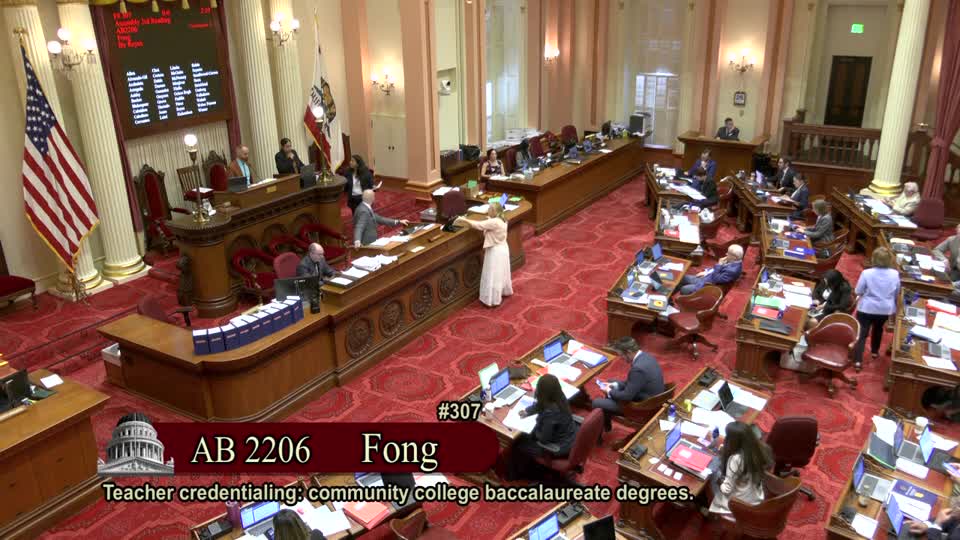 7MIN
Senate Floor
 9MIN
Senate Standing Committee on Education
 1MIN
Assembly Floor
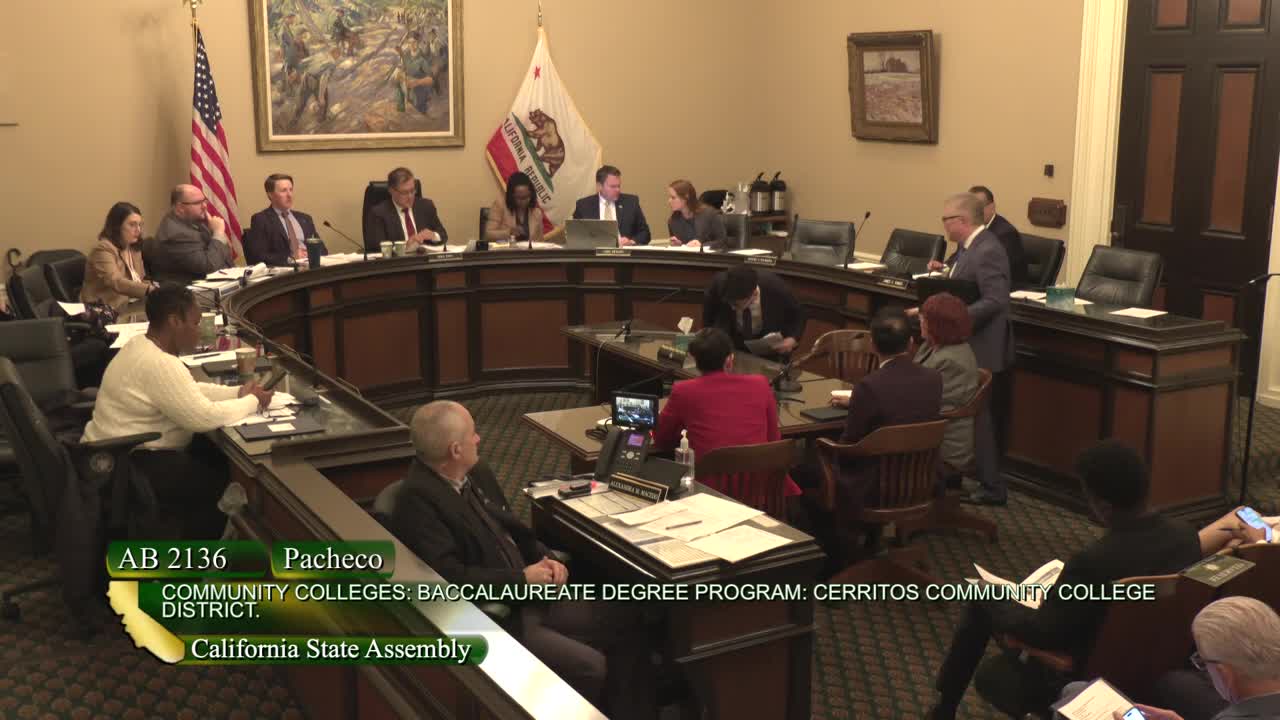 2MIN
Assembly Standing Committee on Higher Education
Bill Author
Bill Co-Author(s):