AB 1860: School facilities: design-build: alternative design-build: county superintendents of schools.
- Session Year: 2025-2026
- House: Assembly
- Latest Version Date: 2026-09-30
Current Status:
Passed
(2026-09-30: Chaptered by Secretary of State - Chapter 902, Statutes of 2026.)
Introduced
In Committee
Awaiting First Chamber Vote
Passed First Chamber
In Committee
Awaiting Second Chamber Vote
Passed Second Chamber
Enacted
What does this bill do?
The bill lets county superintendents of schools use and, for county offices of education and county school boards, have sole authority to award design-build and alternative design-build contracts for school construction, selecting either the lowest bid or a "best value" (choice based on price and other factors). It also allows school districts to bundle multiple similar shade-structure projects into a single solicitation when the total exceeds $1 million and each project is $10 million or less, requires standard conflict-of-interest rules for those procurements, and permits those bundled solicitations through December 31, 2031.
The summary is provided by generative AI which can make mistakes. For original language, please view the details in the table below.
(1)Existing law authorizes a school district, with the approval of the governing board of the school district, to procure design-build contracts for public works projects in excess of $1,000,000, awarding the contract to either the low bid or the best value, as provided. Existing law requires specified information relating to design-build bid proposals to be verified under penalty of perjury. Existing law, until January 1, 2029, authorizes a school district, with the approval of its governing board, to procure alternative design-build contracts for public works projects in excess of $5,000,000, awarding the contract to either the low bid or the best value, as provided.
Existing law authorizes county boards of education that have had all or a portion of certain duties and functions relating to expenses transferred to them by the county board of supervisors to acquire, lease, lease-purchase, hold, and convey real property for purposes of housing the offices and the services of the county superintendent of schools.
This bill would authorize county superintendents of schools to procure the same above-described design-build and alternative design-build contracts, subject to the same requirements that are applicable to school districts, except that the bill would, notwithstanding any other law, require county superintendents of schools to have exclusive authority to award design-build and alternative design-build contracts on behalf of a county office of education and county board of education. The bill would include findings that these provisions address a matter of statewide concern and, therefore, apply to all counties, including charter counties. By expanding the crime of perjury, the bill would impose a state-mandated local program.
(2)This bill would incorporate additional changes to Section 17250.20 of the Education Code proposed by SB 1107 to be operative only if this bill and SB 1107 are enacted and this bill is enacted last.
(3)The California Constitution requires the state to reimburse local agencies and school districts for certain costs mandated by the state. Statutory provisions establish procedures for making that reimbursement.
This bill would provide that no reimbursement is required by this act for a specified reason.
(1)Existing law authorizes a school district, with the approval of the governing board of the school district, to procure design-build contracts for public works projects in excess of $1,000,000, awarding the contract to either the low bid or the best value, as provided. Existing law requires specified information relating to design-build bid proposals to be verified under penalty of perjury. Existing law, until January 1, 2029, authorizes a school district, with the approval of its governing board, to procure alternative design-build contracts for public works projects in excess of $5,000,000, awarding the contract to either the low bid or the best value, as provided.
Existing law authorizes county boards of education that have had all or a portion of certain duties and functions relating to expenses transferred to them by the county board of supervisors to acquire, lease, lease-purchase, hold, and convey real property for purposes of housing the offices and the services of the county superintendent of schools.
This bill would authorize county superintendents of schools to procure the same above-described design-build and alternative design-build contracts, subject to the same requirements that are applicable to school districts, except that the bill would, notwithstanding any other law, require county superintendents of schools to have exclusive authority to award design-build and alternative design-build contracts on behalf of a county office of education and county board of education. The bill would include findings that these provisions address a matter of statewide concern and, therefore, apply to all counties, including charter counties. By expanding the crime of perjury, the bill would impose a state-mandated local program.
(2)This bill would incorporate additional changes to Section 17250.20 of the Education Code proposed by SB 1107 to be operative only if this bill and SB 1107 are enacted and this bill is enacted last.
(2)(3)The California Constitution requires the state to reimburse local agencies and school districts for certain costs mandated by the state. Statutory provisions establish procedures for making that reimbursement.
This bill would provide that no reimbursement is required by this act for a specified reason.
Existing law authorizes county boards of education that have had all or a portion of certain duties and functions relating to expenses transferred to them by the county board of supervisors to acquire, lease, lease-purchase, hold, and convey real property for purposes of housing the offices and the services of the county superintendent of schools.
This bill would authorize county offices of education, with the approval of the county board of education, superintendents of schools to procure those the same above-described design-build and alternative design-build contracts, subject to the same requirements that are applicable to school districts. districts, except that the bill would, notwithstanding any other law, require county superintendents of schools to have exclusive authority to award design-build and alternative design-build contracts on behalf of a county office of education and county board of education. The bill would include findings that these provisions address a matter of statewide concern and, therefore, apply to all counties, including charter counties. By expanding the crime of perjury, the bill would impose a state-mandated local program.
(2)Existing law, the Leroy F. Greene School Facilities Act of 1998, provides for the adoption of rules, regulations, and procedures, under the administration of the Director of General Services, for the allocation of state funds by the State Allocation Board for the construction and modernization of public school facilities.The Local Agency Public Construction Act regulates, among other things, the letting of contracts by school district governing boards involving an expenditure of more than $50,000 for specified purposes, including the purchase of equipment, materials, or supplies to be furnished, sold, or leased to the school district, services other than construction services, and repairs, including maintenance, as defined. The act requires school district governing board to let any contract involving an expenditure of $15,000 or more to the lowest responsible bidder, as specified.The act requires a prospective bidder for a construction contract for certain school facility projects to submit a prequalification questionnaire and financial statement, under oath, as part of the bidding process, and requires each prospective bidder to submit a bid by completing and executing a standardized proposal form. That act applies these requirements only to public projects, as defined, for which the governing board of the school district uses state general funds, the Leroy F. Greene School Facilities Act of 1998, or from future state school bonds, that involves a projected expenditure of $1,000,000 or more, as specified.This bill, notwithstanding any other law, would apply the Local Agency Public Construction Act to county offices of education in the same manner that it is applied to school districts. By expanding the crime of perjury, this bill would establish a state-mandated local program.(3)(2)The California Constitution requires the state to reimburse local agencies and school districts for certain costs mandated by the state. Statutory provisions establish procedures for making that reimbursement.
This bill would provide that no reimbursement is required by this act for a specified reason.(1)Existing law authorizes a school district, with the approval of the governing board of the school district, to procure design-build contracts for public works projects in excess of $1,000,000, awarding the contract to either the low bid or the best value, as provided. Existing law, until January 1, 2029, authorizes a school district, with the approval of its governing board, to procure alternative design-build contracts for public works projects in excess of $5,000,000, awarding the contract to either the low bid or the best value, as provided.
This bill would authorize county offices of education, with the approval of the county board of education, to procure those same design-build and alternative design-build contracts, subject to the same requirements that are applicable to school districts.
(2)Existing law, the Leroy F. Greene School Facilities Act of 1998, provides for the adoption of rules, regulations, and procedures, under the administration of the Director of General Services, for the allocation of state funds by the State Allocation Board for the construction and modernization of public school facilities.
The Local Agency Public Construction Act regulates, among other things, the letting of contracts by school district governing boards involving an expenditure of more than $50,000 for specified purposes, including the purchase of equipment, materials, or supplies to be furnished, sold, or leased to the school district, services other than construction services, and repairs, including maintenance, as defined. The act requires school district governing board to let any contract involving an expenditure of $15,000 or more to the lowest responsible bidder, as specified.
The act requires a prospective bidder for a construction contract for certain school facility projects to submit a prequalification questionnaire and financial statement, under oath, as part of the bidding process, and requires each prospective bidder to submit a bid by completing and executing a standardized proposal form. That act applies these requirements only to public projects, as defined, for which the governing board of the school district uses state general funds, the Leroy F. Greene School Facilities Act of 1998, or from future state school bonds, that involves a projected expenditure of $1,000,000 or more, as specified.
This bill, notwithstanding any other law, would apply the Local Agency Public Construction Act to county offices of education in the same manner that it is applied to school districts. By expanding the crime of perjury, this bill would establish a state-mandated local program.
(3)The California Constitution requires the state to reimburse local agencies and school districts for certain costs mandated by the state. Statutory provisions establish procedures for making that reimbursement.
This bill would provide that no reimbursement is required by this act for a specified reason.
(a)The Legislature finds and declares that the design-build method of project delivery, using a best value procurement methodology, has been authorized for various agencies that have reported benefits from those projects, including reduced project costs, expedited project completion, and design features that are not achievable through the traditional design-bid-build method.
(b)It is the intent of the Legislature that:
(1)This chapter provide general authorization for school districts and county offices of education to use the design-build method for projects.
(2)This chapter shall not be deemed to express a preference for the design-build method over other procurement methodologies.
SEC. 2.Section 17250.15 of the Education Code is amended to read:17250.15.For purposes of this chapter, except as otherwise provided, the following definitions apply:
(a)(1)Best value means a value determined by evaluation of objective criteria that may include, but are not limited to, price, features, functions, life-cycle costs, experience, and past performance.
(2)A best value determination may involve the selection of the lowest cost proposal meeting the interests of the school district and the objectives of the project, selection of the best proposal for a stipulated sum established by the procuring school district, or a tradeoff between price and other factors.
(b)Construction subcontract means a subcontract awarded by the design-build entity to a subcontractor that will perform work or labor or will render service to the design-build entity in or about the construction of the work or improvement, or a subcontractor licensed by the state which, under subcontract to the design-build entity, specially fabricates and installs a portion of the work or improvement according to detailed drawings contained in the plans and specifications produced by the design-build team.
(c)Design-build means a project delivery process in which both the design and construction of a project are procured from a single entity.
(d)Design-build entity means a corporation, limited liability company, partnership, joint venture, or other legal entity that is able to provide appropriately licensed contracting, architectural, and engineering services, as needed, pursuant to a design-build contract.
(e)(1)Design-build team means the design-build entity and the individuals or other entities identified by the design-build entity as members of its team.
(2)Members shall include the general contractor and, if utilized in the design of the project, all electrical, mechanical, and plumbing contractors.
(f)Project means the construction of any school facility.
(g)Except for subdivision (a) of Section 17250.20, school district means a school district or a county superintendent of schools.
SEC. 3.Section 17250.20 of the Education Code is amended to read:17250.20.(a)(1)A school district, with approval of its governing board, or a county superintendent of schools, may procure design-build contracts for projects in excess of one million dollars ($1,000,000), awarding the contract to either the low bid or the best value.
(2)Notwithstanding any other law, the county superintendent of schools shall have exclusive authority to award design-build contracts pursuant to this chapter on behalf of a county office of education and county board of education.
(b)The school district shall develop guidelines for a standard organizational conflict-of-interest policy, consistent with applicable law, regarding the ability of a person or entity that performs services for the school district relating to the solicitation of a design-build project, to submit a proposal as a design-build entity, or to join a design-build team. This conflict-of-interest policy shall apply to each school district entering into design-build contracts authorized under this chapter.
(c)This chapter shall apply to bid requests issued on or after July 1, 2016.
SEC. 3.5.Section 17250.20 of the Education Code is amended to read:17250.20.(a)(1)A school district, with approval of its governing board, or a county superintendent of schools, may procure design-build contracts for projects in excess of one million dollars ($1,000,000), awarding the contract to either the low bid or the best value.
(2)Notwithstanding any other law, the county superintendent of schools shall have exclusive authority to award design-build contracts pursuant to this chapter on behalf of a county office of education and county board of education.
(3)On or before December 31, 2031, a school district, with approval of its governing board, may procure multiple design-build contracts for comparable shade structure projects at various sites, bundled through a single solicitation, even if the values of any individual projects are less than one million dollars ($1,000,000) but do not exceed ten million dollars ($10,000,000), if the total value of the projects exceeds one million dollars ($1,000,000), awarding the bundled contracts to either the low bid or the best value. Each contract awarded through a bundled solicitation shall be a separate contract for a single project with an individual contract value, scope of work, location, schedule, design, and construction. A contract entered into on or before December 31, 2031, may be completed after that date.
(b)The school district shall develop guidelines for a standard organizational conflict-of-interest policy, consistent with applicable law, regarding the ability of a person or entity that performs services for the school district relating to the solicitation of a design-build project, to submit a proposal as a design-build entity, or to join a design-build team. This conflict-of-interest policy shall apply to each school district entering into design-build contracts authorized under this chapter.
(c)This chapter shall apply to bid requests issued on or after July 1, 2016.
SEC. 4.Section 17250.60 of the Education Code is amended to read:17250.60.For purposes of this chapter, except as otherwise provided, the following definitions apply:
(a)Alternative design-build means a project delivery process in which both the design and construction of a project are procured from a single design-build entity based on its proposed design cost, general conditions, overhead, and profit as a component of the project price.
(b)(1)Best value means a value determined by evaluation of objective criteria that may include, but are not limited to, price, features, functions, life-cycle costs, experience, and past performance.
(2)A best value determination may involve the selection of the lowest cost proposal meeting the interests of the school district and the objectives of the project, selection of the best proposal for a stipulated sum established by the procuring school district, or a tradeoff between price and other factors.
(c)Construction subcontract means a subcontract awarded by the design-build entity to a subcontractor that will perform work or labor or will render service to the design-build entity in or about the construction of the work or improvement, or a subcontractor licensed by the state which, under subcontract to the design-build entity, specially fabricates and installs a portion of the work or improvement according to detailed drawings contained in the plans and specifications produced by the design-build team.
(d)Design-build entity means a corporation, limited liability company, partnership, joint venture, or other legal entity that is able to provide appropriately licensed contracting, architectural, and engineering services, as needed, pursuant to an alternative design-build contract.
(e)(1)Design-build team means the design-build entity and the individuals or other entities identified by the design-build entity as members of its team.
(2)Members shall include the general contractor and, if utilized in the design of the project, all electrical, mechanical, and plumbing contractors.
(f)Project means the construction of any school facility.
(g)Except for subdivision (a) of Section 17250.61, school district means a school district or a county superintendent of schools.
SEC. 5.Section 17250.61 of the Education Code is amended to read:17250.61.(a)(1)A school district, with approval of its governing board, or a county superintendent of schools, may procure alternative design-build contracts for projects in excess of five million dollars ($5,000,000), awarding the contract to either the low bid or the best value.
(2)Notwithstanding any other law, the county superintendent of schools shall have exclusive authority to award alternative design-build contracts pursuant to this chapter on behalf of a county office of education and county board of education.
(b)The school district shall develop guidelines for a standard organizational conflict-of-interest policy, consistent with applicable law, regarding the ability of a person or entity that performs services for the school district relating to the solicitation of an alternative design-build project, to submit a proposal as a design-build entity, or to join a design-build team. This conflict-of-interest policy shall apply to each school district entering into alternative design-build contracts authorized under this chapter.
SEC. 6.The Legislature finds and declares that Section 3 or 3.5 of this act, as applicable, amending Section 17250.20 of the Education Code, and Section 5 of this act, amending Section 17250.61 of the Education Code, address a matter of statewide concern. Therefore, Section 3 or 3.5, as applicable, and Section 5, of this act, apply to all counties, including charter counties, and the provisions of those sections shall supersede any inconsistent provisions in the charter of any county.
SEC. 7.Section 3.5 of this bill incorporates amendments to Section 17250.20 of the Education Code proposed by both this bill and Senate Bill 1107. That section of this bill shall only become operative if (1) both bills are enacted and become effective on or before January 1, 2027, (2) each bill amends Section 17250.20 of the Education Code, and (3) this bill is enacted after Senate Bill 1107, in which case Section 3 of this bill shall not become operative.
SEC. 8.No reimbursement is required by this act pursuant to Section 6 of Article XIIIB of the California Constitution because the only costs that may be incurred by a local agency or school district will be incurred because this act creates a new crime or infraction, eliminates a crime or infraction, or changes the penalty for a crime or infraction, within the meaning of Section 17556 of the Government Code, or changes the definition of a crime within the meaning of Section 6 of Article XIIIB of the California Constitution.
(a)The Legislature finds and declares that the design-build method of project delivery, using a best value procurement methodology, has been authorized for various agencies that have reported benefits from those projects, including reduced project costs, expedited project completion, and design features that are not achievable through the traditional design-bid-build method.
(b)It is the intent of the Legislature that:
(1)This chapter provide general authorization for school districts and county offices of education to use the design-build method for projects.
(2)This chapter shall not be deemed to express a preference for the design-build method over other procurement methodologies.
SEC. 2.Section 17250.15 of the Education Code is amended to read:17250.15.For purposes of this chapter, except as otherwise provided, the following definitions apply:
(a)(1)Best value means a value determined by evaluation of objective criteria that may include, but are not limited to, price, features, functions, life-cycle costs, experience, and past performance.
(2)A best value determination may involve the selection of the lowest cost proposal meeting the interests of the school district and the objectives of the project, selection of the best proposal for a stipulated sum established by the procuring school district, or a tradeoff between price and other factors.
(b)Construction subcontract means a subcontract awarded by the design-build entity to a subcontractor that will perform work or labor or will render service to the design-build entity in or about the construction of the work or improvement, or a subcontractor licensed by the state which, under subcontract to the design-build entity, specially fabricates and installs a portion of the work or improvement according to detailed drawings contained in the plans and specifications produced by the design-build team.
(c)Design-build means a project delivery process in which both the design and construction of a project are procured from a single entity.
(d)Design-build entity means a corporation, limited liability company, partnership, joint venture, or other legal entity that is able to provide appropriately licensed contracting, architectural, and engineering services, as needed, pursuant to a design-build contract.
(e)(1)Design-build team means the design-build entity and the individuals or other entities identified by the design-build entity as members of its team.
(2)Members shall include the general contractor and, if utilized in the design of the project, all electrical, mechanical, and plumbing contractors.
(f)Project means the construction of any school facility.
(g)Except for subdivision (a) of Section 17250.20, school district means a school district or a county superintendent of schools.
SEC. 3.Section 17250.20 of the Education Code is amended to read:17250.20.(a)(1)A school district, with approval of its governing board, or a county superintendent of schools, may procure design-build contracts for projects in excess of one million dollars ($1,000,000), awarding the contract to either the low bid or the best value.
(2)Notwithstanding any other law, the county superintendent of schools shall have exclusive authority to award design-build contracts pursuant to this chapter on behalf of a county office of education and county board of education.
(b)The school district shall develop guidelines for a standard organizational conflict-of-interest policy, consistent with applicable law, regarding the ability of a person or entity that performs services for the school district relating to the solicitation of a design-build project, to submit a proposal as a design-build entity, or to join a design-build team. This conflict-of-interest policy shall apply to each school district entering into design-build contracts authorized under this chapter.
(c)This chapter shall apply to bid requests issued on or after July 1, 2016.
SEC. 3.5.Section 17250.20 of the Education Code is amended to read:17250.20.(a)(1)A school district, with approval of its governing board, or a county superintendent of schools, may procure design-build contracts for projects in excess of one million dollars ($1,000,000), awarding the contract to either the low bid or the best value.
(2)Notwithstanding any other law, the county superintendent of schools shall have exclusive authority to award design-build contracts pursuant to this chapter on behalf of a county office of education and county board of education.
(3)On or before December 31, 2031, a school district, with approval of its governing board, may procure multiple design-build contracts for comparable shade structure projects at various sites, bundled through a single solicitation, even if the values of any individual projects are less than one million dollars ($1,000,000) but do not exceed ten million dollars ($10,000,000), if the total value of the projects exceeds one million dollars ($1,000,000), awarding the bundled contracts to either the low bid or the best value. Each contract awarded through a bundled solicitation shall be a separate contract for a single project with an individual contract value, scope of work, location, schedule, design, and construction. A contract entered into on or before December 31, 2031, may be completed after that date.
(b)The school district shall develop guidelines for a standard organizational conflict-of-interest policy, consistent with applicable law, regarding the ability of a person or entity that performs services for the school district relating to the solicitation of a design-build project, to submit a proposal as a design-build entity, or to join a design-build team. This conflict-of-interest policy shall apply to each school district entering into design-build contracts authorized under this chapter.
(c)This chapter shall apply to bid requests issued on or after July 1, 2016.
SEC. 4.Section 17250.60 of the Education Code is amended to read:17250.60.For purposes of this chapter, except as otherwise provided, the following definitions apply:
(a)Alternative design-build means a project delivery process in which both the design and construction of a project are procured from a single design-build entity based on its proposed design cost, general conditions, overhead, and profit as a component of the project price.
(b)(1)Best value means a value determined by evaluation of objective criteria that may include, but are not limited to, price, features, functions, life-cycle costs, experience, and past performance.
(2)A best value determination may involve the selection of the lowest cost proposal meeting the interests of the school district and the objectives of the project, selection of the best proposal for a stipulated sum established by the procuring school district, or a tradeoff between price and other factors.
(c)Construction subcontract means a subcontract awarded by the design-build entity to a subcontractor that will perform work or labor or will render service to the design-build entity in or about the construction of the work or improvement, or a subcontractor licensed by the state which, under subcontract to the design-build entity, specially fabricates and installs a portion of the work or improvement according to detailed drawings contained in the plans and specifications produced by the design-build team.
(d)Design-build entity means a corporation, limited liability company, partnership, joint venture, or other legal entity that is able to provide appropriately licensed contracting, architectural, and engineering services, as needed, pursuant to an alternative design-build contract.
(e)(1)Design-build team means the design-build entity and the individuals or other entities identified by the design-build entity as members of its team.
(2)Members shall include the general contractor and, if utilized in the design of the project, all electrical, mechanical, and plumbing contractors.
(f)Project means the construction of any school facility.
(g)Except for subdivision (a) of Section 17250.61, school district means a school district or a county superintendent of schools.
SEC. 5.Section 17250.61 of the Education Code is amended to read:17250.61.(a)(1)A school district, with approval of its governing board, or a county superintendent of schools, may procure alternative design-build contracts for projects in excess of five million dollars ($5,000,000), awarding the contract to either the low bid or the best value.
(2)Notwithstanding any other law, the county superintendent of schools shall have exclusive authority to award alternative design-build contracts pursuant to this chapter on behalf of a county office of education and county board of education.
(b)The school district shall develop guidelines for a standard organizational conflict-of-interest policy, consistent with applicable law, regarding the ability of a person or entity that performs services for the school district relating to the solicitation of an alternative design-build project, to submit a proposal as a design-build entity, or to join a design-build team. This conflict-of-interest policy shall apply to each school district entering into alternative design-build contracts authorized under this chapter.
SEC. 6.The Legislature finds and declares that Sections 3 and 5 Section 3 or 3.5 of this act, as applicable, amending Sections 17250.20 and 17250.61, respectively, Section 17250.20 of the Education Code, and Section 5 of this act, amending Section 17250.61 of the Education Code, address a matter of statewide concern. Therefore, Sections 3 Section 3 or 3.5, as applicable, and 5 Section 5, of this act act, apply to all counties, including charter counties, and the provisions of those sections shall supersede any inconsistent provisions in the charter of any county.
SEC. 7.Section 3.5 of this bill incorporates amendments to Section 17250.20 of the Education Code proposed by both this bill and Senate Bill 1107. That section of this bill shall only become operative if (1) both bills are enacted and become effective on or before January 1, 2027, (2) each bill amends Section 17250.20 of the Education Code, and (3) this bill is enacted after Senate Bill 1107, in which case Section 3 of this bill shall not become operative.
SEC. 7.SEC. 8.No reimbursement is required by this act pursuant to Section 6 of Article XIIIB of the California Constitution because the only costs that may be incurred by a local agency or school district will be incurred because this act creates a new crime or infraction, eliminates a crime or infraction, or changes the penalty for a crime or infraction, within the meaning of Section 17556 of the Government Code, or changes the definition of a crime within the meaning of Section 6 of Article XIIIB of the California Constitution.
(a)The Legislature finds and declares that the design-build method of project delivery, using a best value procurement methodology, has been authorized for various agencies that have reported benefits from those projects, including reduced project costs, expedited project completion, and design features that are not achievable through the traditional design-bid-build method.
(b)It is the intent of the Legislature that:
(1)This chapter provide general authorization for school districts and county offices of education to use the design-build method for projects.
(2)This chapter shall not be deemed to express a preference for the design-build method over other procurement methodologies.
SEC. 2.Section 17250.15 of the Education Code is amended to read:17250.15.For purposes of this chapter, except as otherwise provided, the following definitions apply:
(a)(1)Best value means a value determined by evaluation of objective criteria that may include, but are not limited to, price, features, functions, life-cycle costs, experience, and past performance.
(2)A best value determination may involve the selection of the lowest cost proposal meeting the interests of the school district and the objectives of the project, selection of the best proposal for a stipulated sum established by the procuring school district, or a tradeoff between price and other factors.
(b)Construction subcontract means a subcontract awarded by the design-build entity to a subcontractor that will perform work or labor or will render service to the design-build entity in or about the construction of the work or improvement, or a subcontractor licensed by the state which, under subcontract to the design-build entity, specially fabricates and installs a portion of the work or improvement according to detailed drawings contained in the plans and specifications produced by the design-build team.
(c)Design-build means a project delivery process in which both the design and construction of a project are procured from a single entity.
(d)Design-build entity means a corporation, limited liability company, partnership, joint venture, or other legal entity that is able to provide appropriately licensed contracting, architectural, and engineering services, as needed, pursuant to a design-build contract.
(e)(1)Design-build team means the design-build entity and the individuals or other entities identified by the design-build entity as members of its team.
(2)Members shall include the general contractor and, if utilized in the design of the project, all electrical, mechanical, and plumbing contractors.
(f)Project means the construction of any school facility.
(g)School Except for subdivision (a) of Section 17250.20, school district means a school district or a county office of education. superintendent of schools.
SEC. 3.Section 17250.20 of the Education Code is amended to read:17250.20.(a)(1)A school district, with approval of its governing board, or a county superintendent of schools, may procure design-build contracts for projects in excess of one million dollars ($1,000,000), awarding the contract to either the low bid or the best value.
(2)Notwithstanding any other law, the county superintendent of schools shall have exclusive authority to award design-build contracts pursuant to this chapter on behalf of a county office of education and county board of education.
(b)The school district shall develop guidelines for a standard organizational conflict-of-interest policy, consistent with applicable law, regarding the ability of a person or entity that performs services for the school district relating to the solicitation of a design-build project, to submit a proposal as a design-build entity, or to join a design-build team. This conflict-of-interest policy shall apply to each school district entering into design-build contracts authorized under this chapter.
(c)This chapter shall apply to bid requests issued on or after July 1, 2016.
SEC. 3.SEC. 4.Section 17250.60 of the Education Code is amended to read:17250.60.For purposes of this chapter, except as otherwise provided, the following definitions apply:
(a)Alternative design-build means a project delivery process in which both the design and construction of a project are procured from a single design-build entity based on its proposed design cost, general conditions, overhead, and profit as a component of the project price.
(b)(1)Best value means a value determined by evaluation of objective criteria that may include, but are not limited to, price, features, functions, life-cycle costs, experience, and past performance.
(2)A best value determination may involve the selection of the lowest cost proposal meeting the interests of the school district and the objectives of the project, selection of the best proposal for a stipulated sum established by the procuring school district, or a tradeoff between price and other factors.
(c)Construction subcontract means a subcontract awarded by the design-build entity to a subcontractor that will perform work or labor or will render service to the design-build entity in or about the construction of the work or improvement, or a subcontractor licensed by the state which, under subcontract to the design-build entity, specially fabricates and installs a portion of the work or improvement according to detailed drawings contained in the plans and specifications produced by the design-build team.
(d)Design-build entity means a corporation, limited liability company, partnership, joint venture, or other legal entity that is able to provide appropriately licensed contracting, architectural, and engineering services, as needed, pursuant to an alternative design-build contract.
(e)(1)Design-build team means the design-build entity and the individuals or other entities identified by the design-build entity as members of its team.
(2)Members shall include the general contractor and, if utilized in the design of the project, all electrical, mechanical, and plumbing contractors.
(f)Project means the construction of any school facility.
(g)School Except for subdivision (a) of Section 17250.61, school district means a school district or a county office of education. superintendent of schools.
SEC. 4.Section 20110 of the Public Contract Code is amended to read:20110.Notwithstanding any other law, this part shall apply to contracts awarded by any of the following: (a)School districts subject to Part 21 (commencing with Section 35000) of Division 3 of Title 2 of the Education Code.(b)(1)County offices of education subject to Part 2 (commencing with Section 1000) of Division 1 of Title 1 of the Education Code.(2)For purposes of this article, a county office of education shall be deemed a school district and the governing body of a county office of education shall be deemed the county board of education, and a reference to a school district or the governing board of a school district shall be deemed to also reference a county office of education or the county board of education, as applicable.SEC. 5.Section 17250.61 of the Education Code is amended to read:17250.61.(a)(1)A school district, with approval of its governing board, or a county superintendent of schools, may procure alternative design-build contracts for projects in excess of five million dollars ($5,000,000), awarding the contract to either the low bid or the best value.
(2)Notwithstanding any other law, the county superintendent of schools shall have exclusive authority to award alternative design-build contracts pursuant to this chapter on behalf of a county office of education and county board of education.
(b)The school district shall develop guidelines for a standard organizational conflict-of-interest policy, consistent with applicable law, regarding the ability of a person or entity that performs services for the school district relating to the solicitation of an alternative design-build project, to submit a proposal as a design-build entity, or to join a design-build team. This conflict-of-interest policy shall apply to each school district entering into alternative design-build contracts authorized under this chapter.
SEC. 6.The Legislature finds and declares that Sections 3 and 5 of this act, amending Sections 17250.20 and 17250.61, respectively, of the Education Code, address a matter of statewide concern. Therefore, Sections 3 and 5 of this act apply to all counties, including charter counties, and the provisions of those sections shall supersede any inconsistent provisions in the charter of any county.
SEC. 5.SEC. 7.No reimbursement is required by this act pursuant to Section 6 of Article XIIIB of the California Constitution because the only costs that may be incurred by a local agency or school district will be incurred because this act creates a new crime or infraction, eliminates a crime or infraction, or changes the penalty for a crime or infraction, within the meaning of Section 17556 of the Government Code, or changes the definition of a crime within the meaning of Section 6 of Article XIIIB of the California Constitution.(a)The Legislature finds and declares that the design-build method of project delivery, using a best value procurement methodology, has been authorized for various agencies that have reported benefits from those projects, including reduced project costs, expedited project completion, and design features that are not achievable through the traditional design-bid-build method.
(b)It is the intent of the Legislature that:
(1)This chapter provide general authorization for school districts and county offices of education to use the design-build method for projects.
(2)This chapter shall not be deemed to express a preference for the design-build method over other procurement methodologies.
SEC. 2.Section 17250.15 of the Education Code is amended to read:17250.15.For purposes of this chapter, the following definitions apply:
(a)(1)Best value means a value determined by evaluation of objective criteria that may include, but are not limited to, price, features, functions, life-cycle costs, experience, and past performance.
(2)A best value determination may involve the selection of the lowest cost proposal meeting the interests of the school district and the objectives of the project, selection of the best proposal for a stipulated sum established by the procuring school district, or a tradeoff between price and other factors.
(b)Construction subcontract means a subcontract awarded by the design-build entity to a subcontractor that will perform work or labor or will render service to the design-build entity in or about the construction of the work or improvement, or a subcontractor licensed by the state which, under subcontract to the design-build entity, specially fabricates and installs a portion of the work or improvement according to detailed drawings contained in the plans and specifications produced by the design-build team.
(c)Design-build means a project delivery process in which both the design and construction of a project are procured from a single entity.
(d)Design-build entity means a corporation, limited liability company, partnership, joint venture, or other legal entity that is able to provide appropriately licensed contracting, architectural, and engineering services, as needed, pursuant to a design-build contract.
(e)(1)Design-build team means the design-build entity and the individuals or other entities identified by the design-build entity as members of its team.
(2)Members shall include the general contractor and, if utilized in the design of the project, all electrical, mechanical, and plumbing contractors.
(f)Project means the construction of any school facility.
(g)School district means a school district or a county office of education.
SEC. 3.Section 17250.60 of the Education Code is amended to read:17250.60.For purposes of this chapter, the following definitions apply:
(a)Alternative design-build means a project delivery process in which both the design and construction of a project are procured from a single design-build entity based on its proposed design cost, general conditions, overhead, and profit as a component of the project price.
(b)(1)Best value means a value determined by evaluation of objective criteria that may include, but are not limited to, price, features, functions, life-cycle costs, experience, and past performance.
(2)A best value determination may involve the selection of the lowest cost proposal meeting the interests of the school district and the objectives of the project, selection of the best proposal for a stipulated sum established by the procuring school district, or a tradeoff between price and other factors.
(c)Construction subcontract means a subcontract awarded by the design-build entity to a subcontractor that will perform work or labor or will render service to the design-build entity in or about the construction of the work or improvement, or a subcontractor licensed by the state which, under subcontract to the design-build entity, specially fabricates and installs a portion of the work or improvement according to detailed drawings contained in the plans and specifications produced by the design-build team.
(d)Design-build entity means a corporation, limited liability company, partnership, joint venture, or other legal entity that is able to provide appropriately licensed contracting, architectural, and engineering services, as needed, pursuant to an alternative design-build contract.
(e)(1)Design-build team means the design-build entity and the individuals or other entities identified by the design-build entity as members of its team.
(2)Members shall include the general contractor and, if utilized in the design of the project, all electrical, mechanical, and plumbing contractors.
(f)Project means the construction of any school facility.
(g)School district means a school district or a county office of education.
SEC. 4.Section 20110 of the Public Contract Code is amended to read:20110.The provisions of Notwithstanding any other law, this part shall apply to contracts awarded by school any of the following:
(a)School districts subject to Part 21 (commencing with Section 35000) of Division 3 of Title 2 of the Education Code.
(b)(1)County offices of education subject to Part 2 (commencing with Section 1000) of Division 1 of Title 1 of the Education Code.
(2)For purposes of this article, a county office of education shall be deemed a school district and the governing body of a county office of education shall be deemed the county board of education, and a reference to a school district or the governing board of a school district shall be deemed to also reference a county office of education or the county board of education, as applicable.
SEC. 5.No reimbursement is required by this act pursuant to Section 6 of Article XIIIB of the California Constitution because the only costs that may be incurred by a local agency or school district will be incurred because this act creates a new crime or infraction, eliminates a crime or infraction, or changes the penalty for a crime or infraction, within the meaning of Section 17556 of the Government Code, or changes the definition of a crime within the meaning of Section 6 of Article XIIIB of the California Constitution.
|
Date
|
Status
|
|---|---|
| Sep 30, 2026 | Chaptered by Secretary of State - Chapter 902, Statutes of 2026. |
| Sep 30, 2026 | Approved by the Governor. |
| Aug 27, 2026 | Enrolled and presented to the Governor at 4 p.m. |
| Aug 20, 2026 | Senate amendments concurred in. To Engrossing and Enrolling. (Ayes 76. Noes 0.). |
| Aug 20, 2026 | Senate amendments concurred in. To Engrossing and Enrolling. (Ayes 76. Noes 0. Page 6320.). |
| Aug 20, 2026 | Senate amendments concurred in. To Engrossing and Enrolling. |
| Aug 19, 2026 | In Assembly. Concurrence in Senate amendments pending. |
| Aug 19, 2026 | Read third time. Passed. Ordered to the Assembly. (Ayes 32. Noes 5.). |
| Aug 19, 2026 | Read third time. Passed. Ordered to the Assembly. (Ayes 32. Noes 5. Page 5548.). |
| Aug 5, 2026 | Read second time. Ordered to third reading. |
| Aug 4, 2026 | Read third time and amended. Ordered to second reading. |
| Jun 16, 2026 | Read second time. Ordered to third reading. |
| Jun 15, 2026 | From committee: Be ordered to second reading pursuant to Senate Rule 28.8. |
| Jun 4, 2026 | From committee: Do pass and re-refer to Com. on APPR. (Ayes 5. Noes 1.) (June 3). Re-referred to Com. on APPR. |
| May 13, 2026 | Referred to Com. on ED. |
| May 5, 2026 | In Senate. Read first time. To Com. on RLS. for assignment. |
| May 4, 2026 | Read third time. Passed. Ordered to the Senate. (Ayes 76. Noes 0.) |
| May 4, 2026 | Read third time. Passed. Ordered to the Senate. (Ayes 76. Noes 0. Page 4913.) |
| May 4, 2026 | Read third time. Passed. Ordered to the Senate. |
| Apr 30, 2026 | Read second time. Ordered to third reading. |
| Apr 29, 2026 | From committee: Do pass. (Ayes 14. Noes 0.) (April 29). |
| Apr 14, 2026 | Re-referred to Com. on APPR. |
| Apr 13, 2026 | Read second time and amended. |
| Apr 9, 2026 | From committee: Amend, and do pass as amended and re-refer to Com. on APPR. (Ayes 9. Noes 0.) (April 8). |
| Mar 9, 2026 | In committee: Hearing postponed by committee. |
| Mar 2, 2026 | Referred to Com. on ED. |
| Feb 12, 2026 | From printer. May be heard in committee March 14. |
| Feb 11, 2026 | Read first time. To print. |
|
Date
|
Description
|
Location
|
Votes
|
|
|---|---|---|---|---|
| Aug 20, 2026 | AB 1860 McKinnor Concurrence in Senate Amendments | Assembly Floor |
Passed |
|
| Aug 19, 2026 | Assembly 3rd Reading AB1860 McKinnor By Pérez | Senate Floor |
Passed |
|
| Jun 3, 2026 | Do pass, but first be re-referred to the Committee on [Appropriations] | Senate Standing Committee on Education |
Passed |
|
| May 4, 2026 | AB 1860 McKinnor Assembly Third Reading | Assembly Floor |
Passed |
|
| Apr 29, 2026 | Do pass. | Assembly Standing Committee on Appropriations |
Passed |
|
| Apr 8, 2026 | Do pass as amended and be re-referred to the Committee on [Appropriations] | Assembly Standing Committee on Education |
Passed |
This list shows positions taken on this bill by organizations on the date displayed, which is linked to the original source.
Positions by individuals are not included.
|
Organization
|
Position
|
Date
|
|---|---|---|
| Alameda County Office Of Education | ** Against | |
| American Council of Engineering Companies of California | ** Support | |
| AMERICAN SOCIETY OF CIVIL ENGINEERS-REGION 9 | ** Support | |
| Associated General Contractors (AGC), the California Chapters | ** Against | |
| Associated General Contractors, California Chapters | ** Against | |
| California County Superintendents | ** Against | |
| California Federation of Labor Unions, Afl-cio | ** Support | |
| California State Association Of Electrical Workers | ** Support | |
| California State Pipe Trades Council | ** Support | |
| County School Facilities Consortium | ** Against | |
| DISTRICT COUNCIL 16, INTERNATIONAL UNION OF PAINTERS AND ALLIED TRADES | ** Support | |
| State Building and Construction Trades Council of California | ** Support | |
| Western Electrical Contractors Association | ** Against | |
| Western States Council Sheet Metal, Air, Rail And Transportation | ** Support |
CONCURRENCE IN SENATE AMENDMENTS
CSA1 Bill Id:AB 1860
Author:(McKinnor)
As Amended Ver:August 4, 2026
Majority vote
SUMMARY
Authorizes county superintendents of schools to use the same design-build and alternative design-build procurement methods currently available to school districts for eligible public works projects, including awarding contracts based on either lowest responsible bidder or best value.
Senate Amendments
Add double-jointing language to ensure that the amendments made by both this bill and SB 1107 (Stern) of the current legislative session to Education Code Section 17250.20 become operative if both bills are enacted and this bill is enacted last.
COMMENTS
Design-build. This bill would authorize county superintendents of schools to utilize design-build in the same manner as school districts. Under a design-build process, a K-12 school district or other public or private agency issues a bid for both design and construction of a facility. A general contractor may collaborate with an architect/engineer to submit a proposal, or a general contractor may submit the proposal and subcontract with an architect/engineer. The school district must also establish a process to prequalify design-build entities using a standard questionnaire developed by the Department of Industrial Relations. In addition to K-12 schools and California Community Colleges (CCC) districts, a number of design-build authorizations have been given to various cities and counties, state building projects, and transit districts.
Rather than selecting the contractor based solely on the lowest offer, a school district may use criteria in addition to cost, which may include qualification, experience, proposed design approach, life cycle costs, project features, and project functions. Based on the criteria selected by a governing board, the proposals are scored and awarded to the bidder whose proposal is considered to be the best value to the school district. Under a design-bid-build process, the architect works independently on the design of the facility. Once construction begins, any problems identified by the contractor must be resolved, frequently with the school district acting as the mediator. Under design-build, the architect and contractor are working together from the beginning of the project, thereby reducing conflicts, delays, and additional costs during the construction phase. Design-build contracting can expedite the construction of a project, avoid conflicts between architects/engineers and contractors, and according to experiences from school and community college districts, reduce costs by reducing change orders once construction begins. Design-build for school districts is only for projects over $1 million and requires the use of a skilled and trained workforce to perform all work on the project or contract that falls within an apprenticeable occupation in the building and construction trades.
Alternative design-build. This bill would authorize county superintendents of schools to utilize alternative design-build in the same manner as school districts. Alternative design-build is a project delivery process in which both the design and construction of a project are procured from a single design-build entity based on its proposed design cost, general conditions, overhead, and profit as a component of the project price. This procurement method is sometimes also referred to as progressive design-build. Projects include all construction, alteration, demolition, installation, repair, and maintenance work that is subject to a skilled and trained workforce (including subcontractors, unless the school district has entered into a project labor agreement) for public works projects over $5 million until January 1, 2029. The alternative design-build procurement method differs from design-build as follows:
- For projects using best value rather than lowest bidder, a proposing design-build entity's design cost, general conditions (project specific costs), overhead (administrative), and profit as a component of the project price are added to the initial evaluation.
- After a contract has been awarded, and presumably after a design has started or has been completed, the contract is subject to further negotiations and changes up to the sum of the costs of construction subcontracts.
- A school district is authorized to review subcontractor bids received by the design-build entity through an open book evaluation, and allows the school district to require the design-build entity to repeat the subcontractor bidding process if the school district determines that the costs of the construction subcontracts exceed the anticipated value of the project or if the school district determines any individual subcontract is unreasonable.
Any district choosing to utilize the alternative design-build method must submit a report to the appropriate policy and fiscal committees of the Legislature by January 1, 2028, with specified information about the projects awarded using this method.
According to the Author
According to the author, "AB 1860 would authorize design-build and progressive design-build for COE, align COE authority with K–12 districts and community colleges, and improve project coordination, reduce delays, and increase efficiency. This bill would also preserve all applicable prevailing wage and labor standards, such as public works contractor registration, apprenticeship utilization, and the use of a skilled and trained workforce. In addition, AB 1860 would ensure long-term workforce development in the skilled trades on COE projects by continuing to provide meaningful on-the-job training hours and prevent dishonest contractors who cut corners on wages, safety, or training from bypassing apprenticeship obligations."
Arguments in Support
The District Council 16, International Union of Painters and Allied Trades, writes, "County Offices of Education (COE) are responsible for building and maintaining some of the most complex and specialized educational facilities in the state. However, COE lack access to modern project delivery tools widely used across public education. Without design-build authority, COE face delays, higher costs, and fragmented oversight of projects. As COE construction needs grow, there is a risk that some contractors could exploit gaps in procurement authority to undercut wages, safety laws, and apprenticeship standards.
AB 1860 would authorize design-build and progressive design-build for COE, align COE authority with K–12 districts and community colleges, and improve project coordination, reduce delays, and increase efficiency. This bill would also preserve all applicable prevailing wage and labor standards, such as public works contractor registration, apprenticeship utilization, and the use of a skilled and trained workforce. In addition, AB 1860 would ensure long-term workforce development in the skilled trades on COE projects by continuing to provide meaningful on-the job training hours and preventing dishonest contractors who cut corners on wages, safety, or training from bypassing apprenticeship obligations."
Arguments in Opposition
Associated General Contractors (AGC), the California Chapters writes, "AB 1860 raises significant concerns because it extends alternative design-build authority to county offices of education under Public Contract Code provisions that already incorporate skilled and trained workforce (STW) requirements. There are many areas where apprenticeship programs are limited and graduation rates are low across many trades. Imposing STW requirements would exclude a substantial portion of the local contractor workforce, reduce the number of eligible bidders, and significantly increase project costs. In some cases, agencies facing STW shortages are forced toward project labor agreements as a compliance mechanism, which further restricts participation by small, local, and minority owned firms."
FISCAL COMMENTS
According to the Senate Appropriations Committee, pursuant to Senate Rule 28.8, negligible state costs.
VOTES:
ASM EDUCATION: 9-0-0
YES: Patel, Hoover, Alvarez, Bonta, Castillo, Garcia, Lowenthal, Pellerin, Zbur
ASM APPROPRIATIONS: 14-0-1
YES: Wicks, Hoover, Arambula, Calderon, Caloza, Dixon, Fong, Mark González, Krell, Pacheco, Pellerin, Solache, Ta, Tangipa
ABS, ABST OR NV: Muratsuchi
ASSEMBLY FLOOR: 76-0-4
YES: Addis, Aguiar-Curry, Ahrens, Alanis, Alvarez, Ávila Farías, Bains, Bauer-Kahan, Berman, Boerner, Bonta, Bryan, Calderon, Carrillo, Castillo, Connolly, Davies, DeMaio, Dixon, Elhawary, Ellis, Flora, Fong, Gabriel, Gallagher, Garcia, Gipson, Jeff Gonzalez, Mark González, Hadwick, Haney, Harabedian, Hart, Hoover, Irwin, Jackson, Johnson, Kalra, Krell, Lackey, Lee, Lowenthal, Macedo, McKinnor, Muratsuchi, Nguyen, Ortega, Pacheco, Papan, Patel, Patterson, Pellerin, Petrie-Norris, Quirk-Silva, Ramos, Ransom, Celeste Rodriguez, Michelle Rodriguez, Rogers, Blanca Rubio, Sanchez, Schiavo, Schultz, Sharp-Collins, Solache, Soria, Stefani, Ta, Tangipa, Valencia, Wallis, Ward, Wicks, Wilson, Zbur, Rivas
ABS, ABST OR NV: Arambula, Bennett, Caloza, Chen
UPDATED
VERSION: August 4, 2026
CONSULTANT: Marguerite Ries / ED. / (916) 319-2087 FN: 0003796
SENATE RULES COMMITTEE Office of Senate Floor Analyses (916) 651-4171 | AB 1860 |
THIRD READING
Bill No: AB 1860
Author: McKinnor (D)
Amended: 8/4/26 in Senate
Vote: 21
SENATE EDUCATION COMMITTEE: 5-1, 6/3/26
AYES: Pérez, Cabaldon, Cortese, Gonzalez, Reyes
NOES: Ochoa Bogh
NO VOTE RECORDED: Choi
SENATE APPROPRIATIONS COMMITTEE: Senate Rule 28.8
ASSEMBLY FLOOR: 76-0, 5/4/26 - See last page for vote
SUBJECT: School facilities: design-build: alternative design-build: county superintendents of schools
SOURCE: International Union of Painters and Allied Trades
State Building and Construction Trades Council
DIGEST:
This bill authorizes county superintendents of schools to use the same design-build and alternative design-build procurement methods currently available to school districts for eligible public works projects, including awarding contracts based on either lowest responsible bidder or best value.
Senate Floor amendments of 8/4/26 add double-jointing language to ensure that the amendments made by both this bill and SB 1107 to Education Code Section 17250.20 become operative if both bills are enacted and this bill is enacted last.
ANALYSIS:
Existing law:
- Authorizes a school district, with approval of its governing board, to use the design-build procurement method for public works projects in excess of $1 million.
- Authorizes a school district to award a design-build contract based on either lowest responsible bidder or best value, as specified.
- Requires specified information submitted as part of a design-build proposal to be verified under penalty of perjury.
- Requires school district design-build projects to comply with various labor and workforce requirements, including the use of a skilled and trained workforce for work falling within apprenticeable occupations in the building and construction trades.
- Authorizes a school district, until January 1, 2029, to use the alternative design-build procurement method for public works projects in excess of $5 million.
- Defines “alternative design-build” as a project delivery process in which both the design and construction of a project are procured from a single design-build entity based on specified project cost components.
- Defines “best value” for purposes of design-build procurement as a value determined through objective criteria that may include price, experience, project features, functions, and lifecycle costs.
- Authorizes certain county boards of education to acquire, lease, lease-purchase, hold, and convey real property for purposes related to housing county office operations and services.
This bill:
- Authorizes a county superintendent of schools to procure design-build contracts for public works projects in excess of $1 million, subject to the same requirements currently applicable to school districts.
- Authorizes a county superintendent of schools to award design-build contracts based on either lowest responsible bidder or best value.
- Authorizes a county superintendent of schools to procure alternative design-build contracts for public works projects in excess of $5 million, subject to the same requirements currently applicable to school districts.
- Applies to county offices of education (COEs) the existing statutory framework governing school district design-build and alternative design-build procurement processes, including requirements related to contractor prequalification, proposal evaluation, labor compliance, and use of a skilled and trained workforce.
- Provides that, notwithstanding any other law, a county superintendent of schools has exclusive authority to award design-build and alternative design-build contracts on behalf of a COE and county board of education.
- Declares that this bill addresses a matter of statewide concern and therefore applies to all counties, including charter counties.
- Includes double-jointing language to ensure that the amendments made by both this bill and SB 1107 to Education Code Section 17250.20 become operative if both bills are enacted and this bill is enacted last.
Comments
Need for this bill. According to the author, “AB 1860 would authorize design-build and progressive design-build for COE, align COE authority with K–12 districts and community colleges, and improve project coordination, reduce delays, and increase efficiency. This bill would also preserve all applicable prevailing wage and labor standards, such as public works contractor registration, apprenticeship utilization, and the use of a skilled and trained workforce. In addition, AB 1860 would ensure long-term workforce development in the skilled trades on COE projects by continuing to provide meaningful on-the-job training hours and prevent dishonest contractors who cut corners on wages, safety, or training from bypassing apprenticeship obligations.”
Extends existing K-12 facilities procurement authority to COEs. This bill largely seeks to place COEs on equal footing with school districts with respect to facilities procurement authority. Existing law already authorizes school districts and community college districts to utilize design-build procurement methods for certain large public works projects. This bill extends that same authority to county superintendents of schools acting on behalf of COEs.
Under a traditional “design-bid-build” model, a public entity separately contracts for design and construction services, often resulting in a sequential process in which construction cannot begin until design is substantially complete. By contrast, design-build procurement consolidates responsibility for both design and construction within a single entity. Supporters argue this can reduce project fragmentation, accelerate timelines, reduce change orders, and improve coordination between architects, engineers, and contractors.
Alternative design-build authority remains time-limited under existing law. This bill also extends to COEs the alternative design-build authority currently available to school districts until January 1, 2029. Alternative design-build, sometimes referred to as “progressive design-build,” differs from traditional design-build in that project costs continue to be negotiated after initial contract award and after portions of the design process have begun. Under existing law, school districts utilizing this authority must report specified project information to the Legislature by January 1, 2028.
Unlike traditional low-bid procurement models, both design-build and alternative design-build allow contracts to be awarded based on “best value” criteria that may include experience, qualifications, project approach, lifecycle costs, and other non-price factors. Supporters contend this flexibility is particularly useful for complex facilities projects where project coordination and long-term performance are important considerations.
Preserves existing labor and workforce standards. This bill does not create a new procurement framework for COEs, but instead imports the same statutory requirements already applicable to school district design-build projects. As such, projects procured pursuant to this authority would remain subject to existing prevailing wage laws, apprenticeship requirements, contractor registration requirements, and skilled and trained workforce requirements.
Supporters view these workforce provisions as important safeguards against contractors undercutting labor standards or bypassing apprenticeship obligations.
Clarifies governance authority for county office projects. This bill additionally specifies that county superintendents of schools have exclusive authority to award design-build and alternative design-build contracts on behalf of COEs and county boards of education. This provision appears intended to avoid ambiguity regarding whether such authority would otherwise reside with a county board of education, particularly given the differing governance structures that exist among county offices statewide.
FISCAL EFFECT: Appropriation: No Fiscal Com.: Yes Local: Yes
SUPPORT: (Verified 8/5/26)
International Union of Painters and Allied Trades (co-source)
State Building and Construction Trades Council of California (co-source)
American Council of Engineering Companies of California
American Society of Civil Engineers-Region 9
California Federation of Labor Unions, AFL-CIO
California State Association of Electrical Workers
California State Pipe Trades Council
Western States Council Sheet Metal, Air, Rail and Transportation
OPPOSITION: (Verified 8/5/26)
Associated General Contractors, California Chapters
Western Electrical Contractors Association
ASSEMBLY FLOOR: 76-0, 5/4/26
AYES: Addis, Aguiar-Curry, Ahrens, Alanis, Alvarez, Ávila Farías, Bains, Bauer-Kahan, Berman, Boerner, Bonta, Bryan, Calderon, Carrillo, Castillo, Connolly, Davies, DeMaio, Dixon, Elhawary, Ellis, Flora, Fong, Gabriel, Gallagher, Garcia, Gipson, Jeff Gonzalez, Mark González, Hadwick, Haney, Harabedian, Hart, Hoover, Irwin, Jackson, Johnson, Kalra, Krell, Lackey, Lee, Lowenthal, Macedo, McKinnor, Muratsuchi, Nguyen, Ortega, Pacheco, Papan, Patel, Patterson, Pellerin, Petrie-Norris, Quirk-Silva, Ramos, Ransom, Celeste Rodriguez, Michelle Rodriguez, Rogers, Blanca Rubio, Sanchez, Schiavo, Schultz, Sharp-Collins, Solache, Soria, Stefani, Ta, Tangipa, Valencia, Wallis, Ward, Wicks, Wilson, Zbur, Rivas
NO VOTE RECORDED: Arambula, Bennett, Caloza, Chen
Prepared by: Ian Johnson / ED. / (916) 651-4105
8/5/26 16:20:51
**** END ****
SENATE RULES COMMITTEE Office of Senate Floor Analyses (916) 651-4171 | AB 1860 |
THIRD READING
Bill No: AB 1860
Author: McKinnor (D)
Amended: 4/13/26 in Assembly
Vote: 21
SENATE EDUCATION COMMITTEE: 5-1, 6/3/26
AYES: Pérez, Cabaldon, Cortese, Gonzalez, Reyes
NOES: Ochoa Bogh
NO VOTE RECORDED: Choi
SENATE APPROPRIATIONS COMMITTEE: Senate Rule 28.8
ASSEMBLY FLOOR: 76-0, 5/4/26 - See last page for vote
SUBJECT: School facilities: design-build: alternative design-build: county superintendents of schools
SOURCE: International Union of Painters and Allied Trades
State Building and Construction Trades Council
DIGEST:
This bill authorizes county superintendents of schools to use the same design-build and alternative design-build procurement methods currently available to school districts for eligible public works projects, including awarding contracts based on either lowest responsible bidder or best value.
ANALYSIS:
Existing law:
- Authorizes a school district, with approval of its governing board, to use the design-build procurement method for public works projects in excess of $1 million.
- Authorizes a school district to award a design-build contract based on either lowest responsible bidder or best value, as specified.
- Requires specified information submitted as part of a design-build proposal to be verified under penalty of perjury.
- Requires school district design-build projects to comply with various labor and workforce requirements, including the use of a skilled and trained workforce for work falling within apprenticeable occupations in the building and construction trades.
- Authorizes a school district, until January 1, 2029, to use the alternative design-build procurement method for public works projects in excess of $5 million.
- Defines “alternative design-build” as a project delivery process in which both the design and construction of a project are procured from a single design-build entity based on specified project cost components.
- Defines “best value” for purposes of design-build procurement as a value determined through objective criteria that may include price, experience, project features, functions, and lifecycle costs.
- Authorizes certain county boards of education to acquire, lease, lease-purchase, hold, and convey real property for purposes related to housing county office operations and services.
This bill:
- Authorizes a county superintendent of schools to procure design-build contracts for public works projects in excess of $1 million, subject to the same requirements currently applicable to school districts.
- Authorizes a county superintendent of schools to award design-build contracts based on either lowest responsible bidder or best value.
- Authorizes a county superintendent of schools to procure alternative design-build contracts for public works projects in excess of $5 million, subject to the same requirements currently applicable to school districts.
- Applies to county offices of education (COEs) the existing statutory framework governing school district design-build and alternative design-build procurement processes, including requirements related to contractor prequalification, proposal evaluation, labor compliance, and use of a skilled and trained workforce.
- Provides that, notwithstanding any other law, a county superintendent of schools has exclusive authority to award design-build and alternative design-build contracts on behalf of a COE and county board of education.
- Declares that this bill addresses a matter of statewide concern and therefore applies to all counties, including charter counties.
Comments
- Need for this bill. According to the author, “AB 1860 would authorize design-build and progressive design-build for COE, align COE authority with K–12 districts and community colleges, and improve project coordination, reduce delays, and increase efficiency. This bill would also preserve all applicable prevailing wage and labor standards, such as public works contractor registration, apprenticeship utilization, and the use of a skilled and trained workforce. In addition, AB 1860 would ensure long-term workforce development in the skilled trades on COE projects by continuing to provide meaningful on-the-job training hours and prevent dishonest contractors who cut corners on wages, safety, or training from bypassing apprenticeship obligations.”
- Extends existing K-12 facilities procurement authority to COEs. This bill largely seeks to place COEs on equal footing with school districts with respect to facilities procurement authority. Existing law already authorizes school districts and community college districts to utilize design-build procurement methods for certain large public works projects. This bill extends that same authority to county superintendents of schools acting on behalf of COEs.
Under a traditional “design-bid-build” model, a public entity separately contracts for design and construction services, often resulting in a sequential process in which construction cannot begin until design is substantially complete. By contrast, design-build procurement consolidates responsibility for both design and construction within a single entity. Supporters argue this can reduce project fragmentation, accelerate timelines, reduce change orders, and improve coordination between architects, engineers, and contractors.
- Alternative design-build authority remains time-limited under existing law. This bill also extends to COEs the alternative design-build authority currently available to school districts until January 1, 2029. Alternative design-build, sometimes referred to as “progressive design-build,” differs from traditional design-build in that project costs continue to be negotiated after initial contract award and after portions of the design process have begun. Under existing law, school districts utilizing this authority must report specified project information to the Legislature by January 1, 2028.
Unlike traditional low-bid procurement models, both design-build and alternative design-build allow contracts to be awarded based on “best value” criteria that may include experience, qualifications, project approach, lifecycle costs, and other non-price factors. Supporters contend this flexibility is particularly useful for complex facilities projects where project coordination and long-term performance are important considerations.
- Preserves existing labor and workforce standards. This bill does not create a new procurement framework for COEs, but instead imports the same statutory requirements already applicable to school district design-build projects. As such, projects procured pursuant to this authority would remain subject to existing prevailing wage laws, apprenticeship requirements, contractor registration requirements, and skilled and trained workforce requirements.
Supporters view these workforce provisions as important safeguards against contractors undercutting labor standards or bypassing apprenticeship obligations.
- Clarifies governance authority for county office projects. This bill additionally specifies that county superintendents of schools have exclusive authority to award design-build and alternative design-build contracts on behalf of COEs and county boards of education. This provision appears intended to avoid ambiguity regarding whether such authority would otherwise reside with a county board of education, particularly given the differing governance structures that exist among county offices statewide.
FISCAL EFFECT: Appropriation: No Fiscal Com.: Yes Local: Yes
SUPPORT: (Verified 6/16/26)
International Union of Painters and Allied Trades (co-source)
State Building and Construction Trades Council (co-source)
American Council of Engineering Companies of California
American Society of Civil Engineers-region 9
California Federation of Labor Unions, AFL-CIO
California State Association of Electrical Workers
California State Pipe Trades Council
State Building & Construction Trades Council of California
Western States Council Sheet Metal, Air, Rail and Transportation
OPPOSITION: (Verified 6/16/26)
Associated General Contractors, California Chapters
Western Electrical Contractors Association
ASSEMBLY FLOOR: 76-0, 5/4/26
AYES: Addis, Aguiar-Curry, Ahrens, Alanis, Alvarez, Ávila Farías, Bains, Bauer-Kahan, Berman, Boerner, Bonta, Bryan, Calderon, Carrillo, Castillo, Connolly, Davies, DeMaio, Dixon, Elhawary, Ellis, Flora, Fong, Gabriel, Gallagher, Garcia, Gipson, Jeff Gonzalez, Mark González, Hadwick, Haney, Harabedian, Hart, Hoover, Irwin, Jackson, Johnson, Kalra, Krell, Lackey, Lee, Lowenthal, Macedo, McKinnor, Muratsuchi, Nguyen, Ortega, Pacheco, Papan, Patel, Patterson, Pellerin, Petrie-Norris, Quirk-Silva, Ramos, Ransom, Celeste Rodriguez, Michelle Rodriguez, Rogers, Blanca Rubio, Sanchez, Schiavo, Schultz, Sharp-Collins, Solache, Soria, Stefani, Ta, Tangipa, Valencia, Wallis, Ward, Wicks, Wilson, Zbur, Rivas
NO VOTE RECORDED: Arambula, Bennett, Caloza, Chen
Prepared by: Ian Johnson / ED. / (916) 651-4105
6/17/26 16:28:12
**** END ****
SENATE COMMITTEE ON EDUCATION
Senator Sasha Renée Pérez, Chair
2025 - 2026 Regular
Bill No: Hearing Date: June 3, 2026
Author: | |||
Version: |
| ||
Urgency: | Fiscal: | ||
Consultant: | |||
Subject: .
SUMMARY
This bill authorizes county superintendents of schools to use the same design-build and alternative design-build procurement methods currently available to school districts for eligible public works projects, including awarding contracts based on either lowest responsible bidder or best value.
BACKGROUND
Existing law:
- Authorizes a school district, with approval of its governing board, to use the design-build procurement method for public works projects in excess of $1 million.
- Authorizes a school district to award a design-build contract based on either lowest responsible bidder or best value, as specified.
- Requires specified information submitted as part of a design-build proposal to be verified under penalty of perjury.
- Requires school district design-build projects to comply with various labor and workforce requirements, including the use of a skilled and trained workforce for work falling within apprenticeable occupations in the building and construction trades.
- Authorizes a school district, until January 1, 2029, to use the alternative design-build procurement method for public works projects in excess of $5 million.
- Defines “alternative design-build” as a project delivery process in which both the design and construction of a project are procured from a single design-build entity based on specified project cost components.
- Defines “best value” for purposes of design-build procurement as a value determined through objective criteria that may include price, experience, project features, functions, and lifecycle costs.
- Authorizes certain county boards of education to acquire, lease, lease-purchase, hold, and convey real property for purposes related to housing county office operations and services.
ANALYSIS
This bill:
- Authorizes a county superintendent of schools to procure design-build contracts for public works projects in excess of $1 million, subject to the same requirements currently applicable to school districts.
- Authorizes a county superintendent of schools to award design-build contracts based on either lowest responsible bidder or best value.
- Authorizes a county superintendent of schools to procure alternative design-build contracts for public works projects in excess of $5 million, subject to the same requirements currently applicable to school districts.
- Applies to county offices of education (COEs) the existing statutory framework governing school district design-build and alternative design-build procurement processes, including requirements related to contractor prequalification, proposal evaluation, labor compliance, and use of a skilled and trained workforce.
- Provides that, notwithstanding any other law, a county superintendent of schools has exclusive authority to award design-build and alternative design-build contracts on behalf of a COE and county board of education.
- Declares that the bill addresses a matter of statewide concern and therefore applies to all counties, including charter counties.
STAFF COMMENTS
- Need for the bill. According to the author, “AB 1860 would authorize design-build and progressive design-build for COE, align COE authority with K–12 districts and community colleges, and improve project coordination, reduce delays, and increase efficiency. This bill would also preserve all applicable prevailing wage and labor standards, such as public works contractor registration, apprenticeship utilization, and the use of a skilled and trained workforce. In addition, AB 1860 would ensure long-term workforce development in the skilled trades on COE projects by continuing to provide meaningful on-the-job training hours and prevent dishonest contractors who cut corners on wages, safety, or training from bypassing apprenticeship obligations.”
- Extends existing K-12 facilities procurement authority to COEs. This bill largely seeks to place COEs on equal footing with school districts with respect to facilities procurement authority. Existing law already authorizes school districts and community college districts to utilize design-build procurement methods for certain large public works projects. This bill extends that same authority to county superintendents of schools acting on behalf of COEs.
Under a traditional “design-bid-build” model, a public entity separately contracts for design and construction services, often resulting in a sequential process in which construction cannot begin until design is substantially complete. By contrast, design-build procurement consolidates responsibility for both design and construction within a single entity. Supporters argue this can reduce project fragmentation, accelerate timelines, reduce change orders, and improve coordination between architects, engineers, and contractors.
- Alternative design-build authority remains time-limited under existing law. This bill also extends to COEs the alternative design-build authority currently available to school districts until January 1, 2029. Alternative design-build, sometimes referred to as “progressive design-build,” differs from traditional design-build in that project costs continue to be negotiated after initial contract award and after portions of the design process have begun. Under existing law, school districts utilizing this authority must report specified project information to the Legislature by January 1, 2028.
Unlike traditional low-bid procurement models, both design-build and alternative design-build allow contracts to be awarded based on “best value” criteria that may include experience, qualifications, project approach, lifecycle costs, and other non-price factors. Supporters contend this flexibility is particularly useful for complex facilities projects where project coordination and long-term performance are important considerations.
- Preserves existing labor and workforce standards. The bill does not create a new procurement framework for COEs, but instead imports the same statutory requirements already applicable to school district design-build projects. As such, projects procured pursuant to this authority would remain subject to existing prevailing wage laws, apprenticeship requirements, contractor registration requirements, and skilled and trained workforce requirements.
Supporters view these workforce provisions as important safeguards against contractors undercutting labor standards or bypassing apprenticeship obligations.
- Clarifies governance authority for county office projects. The bill additionally specifies that county superintendents of schools have exclusive authority to award design-build and alternative design-build contracts on behalf of COEs and county boards of education. This provision appears intended to avoid ambiguity regarding whether such authority would otherwise reside with a county board of education, particularly given the differing governance structures that exist among county offices statewide.
- Arguments in Support. The District Council 16, International Union of Painters and Allied Trades, writes, “County Offices of Education (COE) are responsible for building and maintaining some of the most complex and specialized educational facilities in the state. However, COE lack access to modern project delivery tools widely used across public education. Without design-build authority, COE face delays, higher costs, and fragmented oversight of projects. As COE construction needs grow, there is a risk that some contractors could exploit gaps in procurement authority to undercut wages, safety laws, and apprenticeship standards.
AB 1860 would authorize design-build and progressive design-build for COE, align COE authority with K–12 districts and community colleges, and improve project coordination, reduce delays, and increase efficiency. This bill would also preserve all applicable prevailing wage and labor standards, such as public works contractor registration, apprenticeship utilization, and the AB 1860 Page 3 use of a skilled and trained workforce. In addition, AB 1860 would ensure long-term workforce development in the skilled trades on COE projects by continuing to provide meaningful on-the job training hours and preventing dishonest contractors who cut corners on wages, safety, or training from bypassing apprenticeship obligations.”
SUPPORT
District Council 16, International Union of Painters and Allied Trades (co-sponsor)
State Building and Construction Trades Council (co-sponsor)
American Council of Engineering Companies of California
California Federation of Labor Unions
California State Association of Electrical Workers
California State Pipe Trades Council
Western States Council Sheet Metal, Air, Rail and Transportation
OPPOSITION
Associated General Contractors, California Chapters
Western Electrical Contractors Association
-- END --
ASSEMBLY THIRD READING
ATR Bill Id:AB 1860
Author:(McKinnor)
As Amended Ver:April 13, 2026
Majority vote
SUMMARY
Authorizes a county office of education (COE) to use the design-build and alternative design-build method for facilities projects in excess of $1 million and $5 million, respectively, subject to approval of the county superintendent of schools, and provides the county superintendent of schools with exclusive authority to award design-build contracts.
Major Provisions
- Authorizes a county superintendent of school, to procure design-build contracts for projects in excess of $1 million, awarding the contract to either the low bid or best value.
- Authorizes a county superintendent of school, to procure alternative design-build contracts for projects in excess of $5 million, awarding the contract to either the low bid or best value.
COMMENTS
Design-build. This bill would authorize COEs to utilize design-build in the same manner as school districts. Under a design-build process, a K-12 school district or other public or private agency issues a bid for both design and construction of a facility. A general contractor may collaborate with an architect/engineer to submit a proposal, or a general contractor may submit the proposal and subcontract with an architect/engineer. The school district must also establish a process to prequalify design-build entities using a standard questionnaire developed by the Department of Industrial Relations. In addition to K-12 schools and California Community Colleges (CCC) districts, a number of design-build authorizations have been given to various cities and counties, state building projects, and transit districts.
Rather than selecting the contractor based solely on the lowest offer, a school district may use criteria in addition to cost, which may include qualification, experience, proposed design approach, life cycle costs, project features, and project functions. Based on the criteria selected by a governing board, the proposals are scored and awarded to the bidder whose proposal is considered to be the best value to the school district. Under a design-bid-build process, the architect works independently on the design of the facility. Once construction begins, any problems identified by the contractor must be resolved, frequently with the school district acting as the mediator. Under design-build, the architect and contractor are working together from the beginning of the project, thereby reducing conflicts, delays, and additional costs during the construction phase. Design-build contracting can expedite the construction of a project, avoid conflicts between architects/engineers and contractors, and according to experiences from school and community college districts, reduce costs by reducing change orders once construction begins. Design-build for school districts is only for projects over $1 million, and requires the use of a skilled and trained workforce to perform all work on the project or contract that falls within an apprenticeable occupation in the building and construction trades.
Alternative design-build. This bill would authorize COEs to utilize alternative design-build in the same manner as school districts. Alternative design-build is a project delivery process in which both the design and construction of a project are procured from a single design-build entity based on its proposed design cost, general conditions, overhead, and profit as a component of the project price. This procurement method is sometimes also referred to as progressive design-build. Projects include all construction, alteration, demolition, installation, repair, and maintenance work that is subject to a skilled and trained workforce (including subcontractors, unless the school district has entered into a project labor agreement) for public works projects over $5 million. The alternative design-build procurement method differs from design-build as follows:
- For projects using best value rather than lowest bidder, a proposing design-build entity's design cost, general conditions (project specific costs), overhead (administrative), and profit as a component of the project price are added to the initial evaluation.
- After a contract has been awarded, and presumably after a design has started or has been completed, the contract is subject to further negotiations and changes up to the sum of the costs of construction subcontracts.
- A school district is authorized to review subcontractor bids received by the design-build entity through an open book evaluation, and allows the school district to require the design-build entity to repeat the subcontractor bidding process if the school district determines that the costs of the construction subcontracts exceed the anticipated value of the project or if the school district determines any individual subcontract is unreasonable.
Any district choosing to utilize the alternative design-build method must submit a report to the appropriate policy and fiscal committees of the Legislature by January 1, 2028, with specified information about the projects awarded using this method.
According to the Author
According to the author, "AB 1860 would authorize design-build and progressive design-build for COE, align COE authority with K–12 districts and community colleges, and improve project coordination, reduce delays, and increase efficiency. This bill would also preserve all applicable prevailing wage and labor standards, such as public works contractor registration, apprenticeship utilization, and the use of a skilled and trained workforce. In addition, AB 1860 would ensure long-term workforce development in the skilled trades on COE projects by continuing to provide meaningful on-the-job training hours and prevent dishonest contractors who cut corners on wages, safety, or training from bypassing apprenticeship obligations."
Arguments in Support
The District Council 16, International Union of Painters and Allied Trades, writes, "County Offices of Education (COE) are responsible for building and maintaining some of the most complex and specialized educational facilities in the state. However, COE lack access to modern project delivery tools widely used across public education. Without design-build authority, COE face delays, higher costs, and fragmented oversight of projects. As COE construction needs grow, there is a risk that some contractors could exploit gaps in procurement authority to undercut wages, safety laws, and apprenticeship standards.
AB 1860 would authorize design-build and progressive design-build for COE, align COE authority with K–12 districts and community colleges, and improve project coordination, reduce delays, and increase efficiency. This bill would also preserve all applicable prevailing wage and labor standards, such as public works contractor registration, apprenticeship utilization, and the use of a skilled and trained workforce. In addition, AB 1860 would ensure long-term workforce development in the skilled trades on COE projects by continuing to provide meaningful on-the job training hours and preventing dishonest contractors who cut corners on wages, safety, or training from bypassing apprenticeship obligations."
Arguments in Opposition
None on file
FISCAL COMMENTS
According to the Assembly Appropriations Committee, "No new state costs."
VOTES
ASM EDUCATION: 9-0-0
YES: Patel, Hoover, Alvarez, Bonta, Castillo, Garcia, Lowenthal, Pellerin, Zbur
ASM APPROPRIATIONS: 14-0-1
YES: Wicks, Hoover, Arambula, Calderon, Caloza, Dixon, Fong, Mark González, Krell, Pacheco, Pellerin, Solache, Ta, Tangipa
ABS, ABST OR NV: Muratsuchi
UPDATED
VERSION: April 13, 2026
CONSULTANT: Marguerite Ries / ED. / (916) 319-2087 FN: 0002453
Date of Hearing: April 29, 2026
ASSEMBLY COMMITTEE ON APPROPRIATIONS
Buffy Wicks, Chair
ABPCA Bill Id:AB 1860
Author:(McKinnor) – As Amended Ver:April 13, 2026
Policy Committee: | Education | Vote: | 9 - 0 |
|
| ||
|
|
Urgency: No State Mandated Local Program: Yes Reimbursable: Yes
SUMMARY:
This bill authorizes a county office of education (COE) to use the design-build and alternative design-build method for facilities projects in excess of $1 million and $5 million, respectively, subject to approval of the county superintendent of schools, and provides the county superintendent of schools with exclusive authority to award design-build contracts.
FISCAL EFFECT:
No new state costs.
COMMENTS:
- Purpose. According to the author:
AB 1860 would authorize design-build and progressive design-build for COE, align COE authority with K–12 districts and community colleges, and improve project coordination, reduce delays, and increase efficiency.
- Background. Current law authorizes school districts to use either the more traditional “design-bid-build” construction delivery method or the more recently authorized “design-build” and “alternative design-build” construction delivery methods when pursuing public works projects.
In simple terms, with design-bid-build, an entity, such as a school district, first engages an architect or engineer to design a project. Thereafter, the school district contracts with a general contractor, who often subcontracts with third parties who build the project. With design-build, the school district first engages a general contractor, and the general contractor engages an architect or engineer to design the project and then subcontracts with a third party who builds the project. According to the Legislative Analyst’s Office, each method has its advantages and disadvantages. For example, design-bid-build may result in a more objective contract award than design-build. On the other hand, design-build leads to greater price certainty than design-bid-build and is oftentimes an overall quicker process.
Existing law defines the similar “alternative design-build” method as a project delivery process in which both the design and construction of a project are procured from a single design-build entity based on its proposed design cost, general conditions, overhead, and project as a component of the project price, and “best value” as a value determined by evaluation of objective criteria that may include, but are not limited to, price, features, functions, life-cycle costs, experience, and past performance. This bill would extend authorization for both the design-build and alternative design-build methods to a COE, subject to approval by the county superintendent of schools.
- Prior Legislation. AB 956 (Cortese), Chapter 177, Statutes of 2024, permanently authorized a school district to use the design-build method for projects in excess of $1 million.
AB 185 (Committee on Budget), Chapter 57, Statutes of 2022, authorized a school district, until January 1, 2029, to use the alternative design-build method for projects in excess of $5 million.
Analysis Prepared by: Aaron Heredia / APPR. / (916) 319-2081
Date of Hearing: April 8, 2026
ASSEMBLY COMMITTEE ON EDUCATION
Darshana Patel, Chair
ABPCA Bill Id:AB 1860 (
Author:McKinnor) – As Introduced Ver:February 11, 2026
SUBJECT: County offices of education: school facilities: design-build: public contracts
SUMMARY: Authorizes county offices of education (COEs), with the approval of its governing board, to procure design-build and alternative design-build contracts. Requires the components of the Local Agency Public Construction Act to apply to COEs in the same manner it is applied to school districts. Specifically, this bill:
- Authorizes a COE, with the approval of its governing board, to procure design-build contracts for projects in excess of $1 million, awarding the contract to either the low bid or best value.
- Authorizes a COE, with the approval of its governing board, to procure alternative design-build contracts for projects in excess of $5 million, awarding the contract to either the low bid or best value.
- Requires the components of the Local Agency Public Construction Act to COEs in the same manner it is applied to school districts, including the letting of contracts by COE governing boards involving an expenditure of $50,000 for specified purposes (including the purchase of equipment, materials, or supplies to be furnished, sold, or leased to the COE) to the lowest responsible bidder, and competitively bid any public works contract over $15,000 and award the contract to the lowest responsible bidder.
EXISTING LAW:
- Authorizes a superintendent of schools for each county to be elected by the qualified electors thereof at each gubernatorial election or to be appointed by the county board of education, and the manner of the selection shall be determined by a majority vote of the electors of the county voting on the question. (California Constitution, Article IX, Section 3)
- Establishes county boards of education, consisting of five or seven regular members to be determined by the county committee on school district organization. Requires each regular member of the county board of education to be an elector of the trustee area that the regular member represents, and to be elected by the electors of the trustee area. Requires, in chartered counties, the manner of selection of the county board of education to be prescribed in the county charter, or by the county board of supervisors. Requires, in a county unified school district or in a unified or elementary school district that includes all of the territory over which a county superintendent of schools has jurisdiction, the governing board of the district to serve as the county board of education. (Education Code (EC) 1000)
- Establishes a process for a school district governing board to enter into a design-build contract for both the design and construction of education facility projects over $1 million. (EC 17250.20)
- Finds and declares that the design-build method of project delivery, using a best value procurement methodology, has reported benefits, including reduced project costs, expedited project completion and design features that are not achievable through the traditional design-bid-build method. (EC 17250.10)
- Specifies the elements required to be included in a design-build request for proposal (including significant factors, subfactors, methodology, rating and weighting schemes for evaluating proposals) and establishes, among others, prequalification, bonding and labor compliance program requirements. Prohibits a design-build entity from being prequalified or short-listed unless the entity provides an enforceable commitment to the school district that that the entity and its subcontractors at every tier will use a skilled and trained workforce to perform all work on the project or contract that falls within an apprenticeable occupation in the building and construction trades. (EC 17250.15 – 17250.40)
- Establishes a process for a school district governing board to enter into an alternative design-build contract for both the design and construction of education facility projects over $5 million. (EC 17250.61)
- Specifies the elements required to be included in an alternative design-build request for proposal (including significant factors, subfactors, methodology, rating and weighting schemes for evaluating proposals) and establishes, among others, prequalification, bonding and labor compliance program requirements. Prohibits an alternative design-build entity from being prequalified or short-listed unless the entity provides an enforceable commitment to the school district that the entity and its subcontractors at every tier will use a skilled and trained workforce to perform all work on the project or contract that falls within an apprenticeable occupation in the building and construction trades. (EC 17250.60 – 17250.69)
- Authorizes the school district, in each alternative design-build request for proposals, to identify specific types of contractors that must be included in the design-build entity statement of qualifications and proposal. (EC 17250.65)
- Establishes the Local Agency Public Construction Act, which includes:
- Requires the governing board of a school district to competitively bid and award to the lowest bidder contracts involving the following:
- An expenditure of $50,000 or more for the purchase of equipment, materials, or supplies, services (except for construction services), and repairs. (Public Contract Code (PCC) 20111)
- An expenditure of $15,000 or more for a public contract project defined as construction, reconstruction, erection, alteration, renovation, improvement, demolition, repair, painting or repainting of any publicly owned, leased, or operated facility. (PCC 22002)
FISCAL EFFECT: This bill has been keyed as a possible state-mandated local program by the Office of Legislative Counsel.
COMMENTS:
Need for the bill. According to the author, “AB 1860 would authorize design-build and progressive design-build for COE, align COE authority with K–12 districts and community colleges, and improve project coordination, reduce delays, and increase efficiency. This bill would also preserve all applicable prevailing wage and labor standards, such as public works contractor registration, apprenticeship utilization, and the use of a skilled and trained workforce.
In addition, AB 1860 would ensure long-term workforce development in the skilled trades on COE projects by continuing to provide meaningful on-the-job training hours and prevent dishonest contractors who cut corners on wages, safety, or training from bypassing apprenticeship obligations.”
Key provisions of the bill. This bill has four components: 1) would make COEs eligible to use the design-build procurement process, 2) would make COEs eligible to use alternative design-build procurement process, 3) would assign the county office of education governing board, rather than the county superintendent of schools, the authority to approve both procurement processes, and 4) would add COEs to the Public Contract Code “Local Agency Public Construction Act” and would assign the county office of education governing board, rather than the county superintendent of schools, the authority to approve the various contracts and procurement processes included in the PCC.
Design-build. This bill would authorize COEs to utilize design-build in the same manner as school districts.
Under a design-build process, a K-12 school district or other public or private agency issues a bid for both design and construction of a facility. A general contractor may collaborate with an architect/engineer to submit a proposal, or a general contractor may submit the proposal and subcontract with an architect/engineer. The school district must also establish a process to prequalify design-build entities using a standard questionnaire developed by the Department of Industrial Relations. In addition to K-12 schools and California Community Colleges (CCC) districts, a number of design-build authorizations have been given to various cities and counties, state building projects, and transit districts.
Rather than selecting the contractor based solely on the lowest offer, a school district may use criteria in addition to cost, which may include qualification, experience, proposed design approach, life cycle costs, project features, and project functions. Based on the criteria selected by a governing board, the proposals are scored and awarded to the bidder whose proposal is considered to be the best value to the school district. Under a design-bid-build process, the architect works independently on the design of the facility. Once construction begins, any problems identified by the contractor must be resolved, frequently with the school district acting as the mediator. Under design-build, the architect and contractor are working together from the beginning of the project, thereby reducing conflicts, delays, and additional costs during the construction phase. Design-build contracting can expedite the construction of a project, avoid conflicts between architects/engineers and contractors, and according to experiences from school and community college districts, reduce costs by reducing change orders once construction begins. Design-build for school districts is only for projects over $1 million, and requires the use of a skilled and trained workforce to perform all work on the project or contract that falls within an apprenticeable occupation in the building and construction trades.
History of design-build contracting. AB 1402 (Simitian), Chapter 421, Statutes of 2001, established a process called “design-build” that enables a school district to issue a bid for both the design and construction of projects over $10 million and authorizes school districts to consider factors other than cost. AB 1402 had an initial sunset of January 1, 2007, and required the Legislative Analyst's Office to submit a report with information on the experiences of districts that used the design-build process and make recommendations to the Legislature. In 2007, the sunset was extended to January 1, 2014, and the threshold for eligible projects was reduced from $10 million to $2.5 million. In 2015, AB 1358 (Dababneh), Chapter 752, Statutes of 2015, aligned the process for school districts awarding contracts through the design-build method with the design-build process established for state and local agencies, reduced the threshold for participation from $2.5 million to $1 million, and extended the sunset date to January 1, 2025. SB 956 (Cortese), Chapter 177, Statutes of 2024, removed the sunset on the authority of a school district to utilize design-build contracts for certain public works projects.
Alternative design-build. This bill would authorize COEs to utilize alternative design-build in the same manner as school districts.
Alternative design-build is a project delivery process in which both the design and construction of a project are procured from a single design-build entity based on its proposed design cost, general conditions, overhead, and profit as a component of the project price. This procurement method is sometimes also referred to as progressive design-build. Projects include all construction, alteration, demolition, installation, repair, and maintenance work that is subject to a skilled and trained workforce (including subcontractors, unless the school district has entered into a project labor agreement) for public works projects over $5 million. Current law authorizes school districts to use this procurement method.
The alternative design-build procurement method differs from design-build as follows:
- For projects using best value rather than lowest bidder, a proposing design-build entity’s design cost, general conditions (project specific costs), overhead (administrative), and profit as a component of the project price are added to the initial evaluation.
- After a contract has been awarded, and presumably after a design has started or has been completed, the contract is subject to further negotiations and changes up to the sum of the costs of construction subcontracts.
- A school district is authorized to review subcontractor bids received by the design-build entity through an open book evaluation, and allows the school district to require the design-build entity to repeat the subcontractor bidding process if the school district determines that the costs of the construction subcontracts exceed the anticipated value of the project or if the school district determines any individual subcontract is unreasonable.
Any district choosing to utilize the alternative design-build method must submit a report to the appropriate policy and fiscal committees of the Legislature by January 1, 2028, with specified information about the projects awarded using this method.
Authorization for the alternative design-build procurement method for school districts was introduced by AB 902 (O’Donnell) of the 2021-22 Session, and adopted via AB 185 (Committee on Budget), Chapter 57, Statutes of 2022. Alternative design-build is authorized for school districts until January 1, 2029.
County superintendents of schools and county boards of education. Due to the independent constitutional and statutory duties required of the county superintendent and the county board, the interaction between the county and the county superintendent is very different from the relationship between a school district board and a district superintendent who is an employee of the board. The relationship between the county superintendent and the county board of education is not analogous to the relationship between a school district superintendent and the school district governing board. According to the California Attorney General, “[a] county superintendent is vested with the broad authority to carry on, and expend for, activities and programs that he or she determines to be necessary or desirable to meet the needs of the community, so long as the activities or programs are not in conflict with or inconsistent with the law.” (101 Ops.Cal.Atty.Gen. 56 (2018)). At the COE level, the practice is for the county superintendent to approve contracts as the person managing the day-to-day operations of the COE, rather than the county governing board.
Unlike a school district superintendent, a county superintendent is not an employee of the county board. The county superintendent and the county board have separate duties and responsibilities. This is true whether the superintendent is separately elected, as in most counties, or appointed by the county board of the board of supervisors. (The county boards in Sacramento, Santa Clara, and San Diego counties and the City and County of San Francisco appoint the county superintendent, and the board of supervisors in Los Angeles County appoints the county superintendent and the county board, based on the county charters.) In counties with only one school district, the county board members also serve as the district board members and may hire a district superintendent. COEs have many functions which must be carried out by employees and the county superintendent of schools is the sole employer of those employees.
County superintendents of schools are established in the California Constitution. To be elected or appointed county superintendent in Class I through Class VIII counties, a person must hold an administrative credential issued by the Commission on Teacher Credentialing and must file an affidavit to that effect with the nominating papers. County boards of education are established in the Education Code and must live in and be elected by voters in trustee areas.
This bill would stipulate that the county board of education, rather than the county superintendent of schools, approve contracts for design-build, alternative design-build, and all contract types included in the Local Agency Public Construction Act. The Committee may wish to consider that this change in contract approval authority would be a significant shift in authority from current customs and practice.
Local Agency Public Construction Act. Current law establishes the Local Agency Public Construction Act, which regulates, among other things, the letting of contracts by school district governing boards involving an expenditure of more than $50,000 for specified purposes, including the purchase of equipment, materials, or supplies to be furnished, sold, or leased to the school district, services other than construction services, and repairs, including maintenance, as defined. The Act requires a school district governing board to let any contract involving an expenditure of $15,000 or more to the lowest responsible bidder. Under this process for school construction, a school district would first hire an architect to design a school facility and then issue a bid for the construction phase, awarding the contract to the lowest responsible bidder. This process is commonly called “design-bid-build.”
The act further requires a prospective bidder for a construction contract for certain school facility projects to submit a prequalification questionnaire and financial statement, under oath, as part of the bidding process, and requires each prospective bidder to submit a bid by completing and executing a standardized proposal form. That act applies these requirements only to public projects, as defined, for which the governing board of the school district uses state general funds, the Leroy F. Greene School Facilities Act of 1998, or from future state school bonds, that involve a projected expenditure of $1 million or more, as specified.
This bill would apply all provisions of the Local Agency Public Construction Act to COEs in the same manner that it is applied to school districts. The Committee may wish to consider that in order to authorize COEs utilization of design-build and alternative design-build, it is unnecessary to add them to the Local Agency Public Construction Act.
Arguments in support. The District Council 16, International Union of Painters and Allied Trades, writes, “County Offices of Education (COE) are responsible for building and maintaining some of the most complex and specialized educational facilities in the state. However, COE lack access to modern project delivery tools widely used across public education. Without design-build authority, COE face delays, higher costs, and fragmented oversight of projects. As COE construction needs grow, there is a risk that some contractors could exploit gaps in procurement authority to undercut wages, safety laws, and apprenticeship standards.
AB 1860 would authorize design-build and progressive design-build for COE, align COE authority with K–12 districts and community colleges, and improve project coordination, reduce delays, and increase efficiency. This bill would also preserve all applicable prevailing wage and labor standards, such as public works contractor registration, apprenticeship utilization, and the use of a skilled and trained workforce. In addition, AB 1860 would ensure long-term workforce development in the skilled trades on COE projects by continuing to provide meaningful on-the job training hours and preventing dishonest contractors who cut corners on wages, safety, or training from bypassing apprenticeship obligations.”
Arguments in opposition. The California County Superintendents write, “As currently written AB 1860 would rewrite the longstanding governance and legal structures for county superintendents of schools and county boards of education, as defined by the State Constitution and California Education Code. We oppose AB 1860 for two reasons: 1. AB 1860 transfers longstanding governance authorities, such as contracting for goods and services, from county superintendents to county boards of education. 2. AB 1860 is overly broad, as it unnecessarily imposes the “Local Agency Public Construction Act” of the Public Contract Code to COEs — something that is not necessary to authorize design-build delivery to COEs.
Importantly, these two concerns can be addressed by amendments that preserve the author’s intent of authorizing the design-build delivery method for county offices of education. We provided these amendments to the author’s office and this committee on March 27, 2026. Addressing these two concerns would result in a “neutral” position by our organization. As a preliminary matter, if the goal of the bill is to subject county offices of education to progressive contract structures for construction, including specifically the requirement to use a skilled and trained workforce under the design-build delivery method, then the bill as written is too broad. See Section 4 of AB 1860. Alternative construction delivery methods are primarily authorized by the Education Code, not the Public Contract Code.
Incorporating county offices of education to the Local Agency Public Construction Act—either the Part or the Article (it’s unclear what the bill intends)—is not required to render alternative construction delivery methods applicable to county offices, including skilled/trained workforce requirements, which live in the Education Code. Leaving the language as it is currently written, however, will have wide-sweeping effects that go beyond construction contracts into contracts for any goods or services for the county office of education. This raises serious concerns for our members. The solution, as we proposed in our recommended amendments, is to omit Section 4 of the bill altogether.”
Recommended Committee Amendments. Staff recommends that the bill be amended as follows:
- Authorize county superintendents of schools, rather than county boards of education, to utilize design-build and alternative design-build. Clarify that county superintendents of schools have exclusive authority to award design-build or alternative design-build contracts on behalf the COE and county board of education.
- To meet the intent of the bill to authorize county superintendents to use design-build and alternative design-build amending the PCC is unnecessary and will be removed from the bill. The authorizations necessary for county superintendents to use design-build and alternative design-build are included in the EC (EC 17250.10-17250.52 for design-build, and EC 17250.60-17250.69 for alternative design-build)
Related legislation. SB 956 (Cortese), Chapter 177, Statutes of 2024, removes the sunset on the authority of a school district to utilize design-build contracts for certain public works projects.
AB 1433 (Rendon), Chapter 581, Statutes of 2023, expands the requirement of general contractors and specified subcontractors to complete and submit a prequalification questionnaire and financial statement prior to bidding on school construction projects to include projects using state General Fund resources.
AB 185 (Committee on Budget), Chapter 57, Statutes of 2022, authorized the alternative design-build until January 1, 2029, a procurement method which authorizes the governing board of a school district to procure alternative design-build contracts for public works projects in excess of $5 million, awarding the contract to either the low bid or the best value, as provided.
AB 902 (O’Donnell) of the 2021-22 Session would have established an alternative design-build pilot project for the procurement of school construction contracts. This bill was held in the Senate Appropriations Committee.
AB 137 (Committee on Budget), Chapter 77, Statutes of 2021, authorized the Department of General Services (DGS) to use progressive design-build for three state capital outlay projects.
SB 743 (Hertzberg), Chapter 275, Statutes of 2019, requires the Los Angeles Unified School District to meet certain requirements and include those requirements as terms and conditions in a design-build contract for the purpose of meeting contracting provisions related to the California Environmental Quality Act (CEQA).
SB 544 (McGuire), Chapter 395, Statutes of 2017, requires school districts to award contracts for the provision of child nutrition program supplies to the most responsive and responsible party and requires price to be the primary consideration, but not the only determining factor.
AB 1358 (Dababneh), Chapter 752, Statutes of 2015, aligns the process for school districts awarding contracts through the design-build method with the design-build process established for state and local agencies, lowered the threshold for projects eligible to use design-build to $1 million, and extended the authorization for school districts to use design-build contracting to January 1, 2025.
SB 785 (Wolk), Chapter 931, Statutes of 2014, aligned the design-build process for the DGS, the California Department of Corrections and Rehabilitation, and several local agencies.
SB 1509 (Simitian), Chapter 736, Statutes of 2012, extended the sunset for K-12 and CCC authorization to use design-build from January 1, 2014, to January 1, 2020.
AB 1402 (Simitian), Chapter 421, Statutes of 2001, established, until January 1, 2007, the authorization for school districts to use the design-build contracting method for projects over $10 million and authorized school districts to consider factors other than cost.
REGISTERED SUPPORT / OPPOSITION:
Support
American Council of Engineering Companies of California
California Federation of Labor Unions, AFL-CIO
California State Association of Electrical Workers
California State Pipe Trades Council
District Council 16, International Union of Painters and Allied Trades
State Building and Construction Trades Council
Western States Council Sheet Metal, Air, Rail and Transportation
Opposition
Alameda County Office of Education
California County Superintendents
County School Facilities Consortium
Analysis Prepared by: Marguerite Ries / ED. / (916) 319-2087
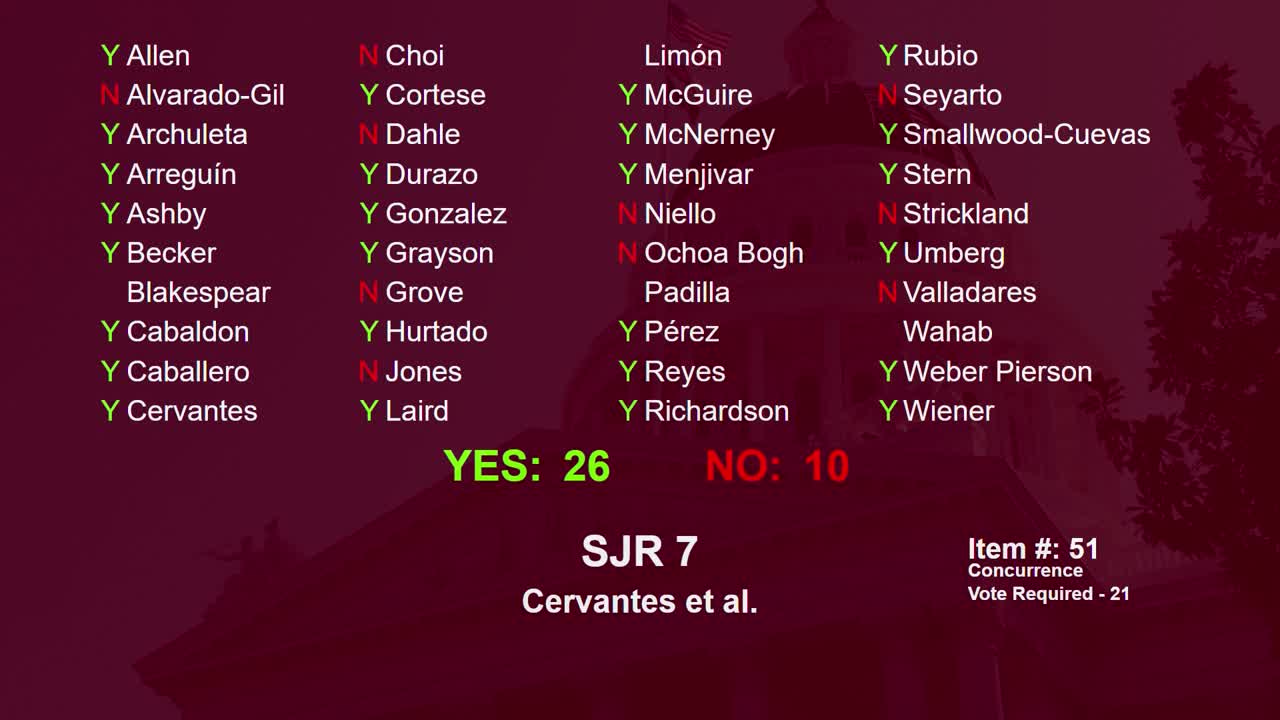
Bill Author

Bill Co-Author(s):