AB 2282: Health facilities: emergency medical services.
- Session Year: 2025-2026
- House: Assembly
- Latest Version Date: 2026-09-01
Current Status:
Failed
(2026-09-27: Vetoed by Governor.)
Introduced
In Committee
Awaiting First Chamber Vote
Passed First Chamber
In Committee
Awaiting Second Chamber Vote
Passed Second Chamber
Enacted
Existing law requires the State Department of Public Health to license and regulate various health facilities, including general acute care hospitals. Existing law requires the department to issue a special permit, in addition to a license, to a health facility to offer one or more special services, such as an emergency center, if specified requirements are met, including that the department finds that the standards of care and services are adequate and appropriate.
Existing law requires the department to issue a special permit to allow a general acute care hospital to offer emergency stabilization services at a location that is neither inside nor contiguous to the applicant hospital if the hospital provides satisfactory evidence to the department that, among other things, the hospital has a written transfer agreement with the hospital closest to the location where emergency stabilization services will be provided and satisfactory evidence to the department that this location meets certain requirements, including that the location is in the town of Paradise within the County of Butte and serves the same area previously served by Feather River Hospital.
This bill would require the department to issue a waiver, as specified, to a publicly owned and operated general acute care hospital, in collaboration with Del Puerto Health Care District, to operate one rural emergency stabilization care unit and waive designated general acute care hospital licensure requirements if specified conditions are met. The bill would limit the term of the waiver based on prescribed factors, including the completion of a hospital build within a 5-mile radius of the emergency stabilization care unit or within 10 years from the initial issuance of the waiver, except as specified.
This bill would make legislative findings and declarations as to the necessity of a special statute for Del Puerto Health Care District.
Existing law requires the State Department of Public Health to license and regulate various health facilities, including general acute care hospitals. Existing law requires the department to issue a special permit, in addition to a license, to a health facility to offer one or more special services, such as an emergency center, if specified requirements are met, including that the department finds that the standards of care and services are adequate and appropriate.
Existing law requires the department to issue a special permit to allow a general acute care hospital to offer emergency stabilization services at a location that is neither inside nor contiguous to the applicant hospital if the hospital provides satisfactory evidence to the department that, among other things, the hospital has a written transfer agreement with the hospital closest to the location where emergency stabilization services will be provided and satisfactory evidence to the department that this location meets certain requirements, including that the location is in the town of Paradise within the County of Butte and serves the same area previously served by Feather River Hospital.
This bill would require the department to issue a waiver, as specified, to a publicly owned and operated general acute care hospital, in collaboration with Del Puerto Health Care District, to operate one rural emergency stabilization care unit and waive designated general acute care hospital licensure requirements if specified conditions are met. The bill would limit the term of the waiver based on prescribed factors, including the completion of a hospital build within a 5-mile radius of the emergency stabilization care unit or within 10 years from the initial issuance of the waiver, except as specified.
This bill would make legislative findings and declarations as to the necessity of a special statute for Del Puerto Health Care District.
Existing law requires the State Department of Public Health to license and regulate various health facilities, including general acute care hospitals. Existing law requires the department to issue a special permit, in addition to a license, to a health facility to offer one or more special services, such as an emergency center, if specified requirements are met, including that the department finds that the standards of care and services are adequate and appropriate.
Existing law requires the department to issue a special permit to allow a general acute care hospital to offer emergency stabilization services at a location that is neither inside nor contiguous to the applicant hospital if the hospital provides satisfactory evidence to the department that, among other things, the hospital has a written transfer agreement with the hospital closest to the location where emergency stabilization services will be provided and satisfactory evidence to the department that this location meets certain requirements, including that the location is in the town of Paradise within the County of Butte and serves the same area previously served by Feather River Hospital.
This bill would require the department to issue a special permit, waiver, as specified, to Del Puerto Health Care District to authorize the district a publicly owned and operated general acute care hospital, in collaboration with Del Puerto Health Care District, to operate one rural emergency stabilization care unit and waive designated general acute care hospital licensure requirements if specified conditions are met, including that the district enter into and maintain written transport and transfer agreements with every general acute care hospital that maintains a licensed emergency department and is located within a 30-mile radius of the rural emergency stabilization care unit. met. The bill would limit the term of the special permit waiver based on prescribed factors, including the construction and licensure of a general acute care hospital with an operational emergency department, as specified. The bill would repeal this authorization one year after the rural emergency stabilization care unit ceases operations pursuant to these provisions. factors, including the completion of a hospital build within a 5-mile radius of the emergency stabilization care unit or within 10 years from the initial issuance of the waiver, except as specified.
This bill would make legislative findings and declarations as to the necessity of a special statute for Del Puerto Health Care District.
Existing law requires the State Department of Public Health to license and regulate various health facilities, including general acute care hospitals. Existing law requires the department to issue a special permit, in addition to a license, to a health facility to offer one or more special services, such as an emergency center, if specified requirements are met, including that the department finds that the standards of care and services are adequate and appropriate.
Existing law requires the department to issue a special permit to allow a general acute care hospital to offer emergency stabilization services at a location that is neither inside nor contiguous to the applicant hospital if the hospital provides satisfactory evidence to the department that, among other things, the hospital has a written transfer agreement with the hospital closest to the location where emergency stabilization services will be provided and satisfactory evidence to the department that this location meets certain requirements, including that the location is in the town of Paradise within the County of Butte and serves the same area previously served by Feather River Hospital.
This bill would require the department to issue a special permit, as specified, to Del Puerto Health Care District to authorize the district to operate one rural emergency stabilization center care unit and waive designated general acute care hospital licensure requirements if specified conditions are met, including that the district enter into and maintain written transport and transfer agreements with every general acute care hospital that maintains a licensed emergency department and is located within a 30-mile radius of the rural emergency stabilization center. care unit. The bill would limit the term of the special permit based on prescribed factors, including the construction and licensure of a general acute care hospital with an operational emergency department, as specified. The bill would repeal this authorization one year after the rural emergency stabilization center care unit ceases operations pursuant to these provisions.
This bill would make legislative findings and declarations as to the necessity of a special statute for Del Puerto Health Care District.
Existing law requires the State Department of Public Health to license and regulate various health facilities, including general acute care hospitals. Existing law requires the department to issue a special permit, in addition to a license, to a health facility to offer one or more special services, such as an emergency center, if specified requirements are met, including that the department finds that the standards of care and services are adequate and appropriate.
Existing law requires the department to issue a special permit to allow a general acute care hospital to offer emergency stabilization services at a location that is neither inside nor contiguous to the applicant hospital if the hospital provides satisfactory evidence to the department that, among other things, the hospital has a written transfer agreement with the hospital closest to the location where emergency stabilization services will be provided and satisfactory evidence to the department that this location meets certain requirements, including that the location is in the town of Paradise within the County of Butte and serves the same area previously served by Feather River Hospital.
This bill would require the department to issue a special permit, as specified, similar to the one issued above to allow a general acute care hospital to offer emergency stabilization services at a location that is neither inside nor contiguous to the applicant hospital if the hospital provides satisfactory evidence to the department that, among other things, the hospital has a written transfer agreement with the hospital closest to the location where emergency stabilization services will be provided and satisfactory evidence to the department that this location meets certain requirements, including that the location is in the City of Patterson in the County of Stanislaus and serves the same general population as is served by Del Puerto Health Care District.This bill would make legislative findings and declarations as to the necessity of a special statute for the City of Patterson in the County of Stanislaus.This bill would require the department to issue a special permit, as specified, to Del Puerto Health Care District to authorize the district to operate one rural emergency stabilization center and waive designated general acute care hospital licensure requirements if specified conditions are met, including that the district enter into and maintain written transport and transfer agreements with every general acute care hospital that maintains a licensed emergency department and is located within a 30-mile radius of the rural emergency stabilization center. The bill would limit the term of the special permit based on prescribed factors, including the construction and licensure of a general acute care hospital with an operational emergency department, as specified. The bill would repeal this authorization one year after the rural emergency stabilization center ceases operations pursuant to these provisions.
This bill would make legislative findings and declarations as to the necessity of a special statute for Del Puerto Health Care District.
Existing law requires the State Department of Public Health to license and regulate various health facilities, including general acute care hospitals. Existing law requires the department to issue a special permit, in addition to a license, to a health facility to offer one or more special services, such as an emergency center, if specified requirements are met, including that the department finds that the standards of care and services are adequate and appropriate.
Existing law requires the department to issue a special permit to allow a general acute care hospital to offer emergency stabilization services at a location that is neither inside nor contiguous to the applicant hospital if the hospital provides satisfactory evidence to the department that, among other things, the hospital has a written transfer agreement with the hospital closest to the location where emergency stabilization services will be provided and satisfactory evidence to the department that this location meets certain requirements, including that the location is in the town of Paradise within the County of Butte and serves the same area previously served by Feather River Hospital.
This bill would require the department to issue a special permit, as specified, similar to the one issued above to allow a general acute care hospital to offer emergency stabilization services at a location that is neither inside nor contiguous to the applicant hospital if the hospital provides satisfactory evidence to the department that, among other things, the hospital has a written transfer agreement with the hospital closest to the location where emergency stabilization services will be provided and satisfactory evidence to the department that this location meets certain requirements, including that the location is in the City of Patterson in the County of Stanislaus and serves the same general population as is served by Del Puerto Health Care District.
This bill would make legislative findings and declarations as to the necessity of a special statute for the City of Patterson in the County of Stanislaus.
(a)The Legislature finds and declares all of the following:
(1)Del Puerto Health Care District serves the residents of the City of Patterson and surrounding west side communities in the County of Stanislaus, providing essential health care services, including primary care, urgent care, ambulance services, and other outpatient and community-based services.
(2)Residents of Patterson and neighboring communities are largely rural and may have limited access to transportation and to health care resources located outside the districts service area, making local access to timely emergency and stabilization services particularly important.
(3)The community served by Del Puerto Health Care District includes a significant number of individuals with coverage under the federal Medicare Program and the Medi-Cal program, as well as uninsured and underinsured residents, for whom delays in access to appropriate levels of care can result in worsened health outcomes.
(4)Del Puerto Health Care District is planning and developing a health care campus in the City of Patterson that will include an ambulance and administration center, primary and behavioral health services, and, in later phases, higher acuity services such as skilled nursing and an acute care hospital, in order to meet current and future community health needs.
(5)During the period in which the district is planning, developing, and constructing new facilities and expanded services, including the construction of a full scale general acute care hospital, it is necessary to ensure that residents of the City of Patterson and surrounding communities have access to emergency stabilization services close to home, including services that can appropriately receive and stabilize patients prior to transport to a general acute care hospital when clinically indicated.
(6)Therefore, it is the intent of the Legislature in enacting this section to require the department to provide a waiver for a general acute care hospital, as defined in subdivision (a) of Section 1250, so long as it is publicly owned and operated, in collaboration with Del Puerto Health Care District, to provide emergency stabilization services at a location that is neither inside nor contiguous to the applicant hospital, in order to ensure that residents of the City of Patterson and the surrounding communities have access to emergency stabilization services during the development and implementation of the districts long-term health care campus plans.
(7)It is further the intent of the Legislature that this waiver be deemed a rural emergency stabilization care unit to provide the highest quality of emergency stabilization services feasible and be staffed by physicians who are board certified in emergency medicine or have equivalent training and experience in emergency care.
(8)It is not the intent of the Legislature to establish a model for a freestanding emergency department, which is currently, and remains, prohibited by state law.
(b)For purposes of this section, the following definitions apply:
(1)Department means the State Department of Public Health.
(2)District means Del Puerto Health Care District.
(3)General acute care hospital has the same meaning as in subdivision (a) of Section 1250.
(4)Rural emergency stabilization care unit means a facility operated by the district that is not licensed as a general acute care hospital pursuant to subdivision (a) of Section 1250, is not located inside or contiguous to a general acute care hospital, and provides 24-hour emergency medical screening, stabilization, and triage services for unscheduled patients who present with emergency medical conditions.
(c)Notwithstanding any other law, including Section 1250, the department shall issue a waiver for a general acute care hospital, as defined in subdivision (a) of Section 1250, so long as it is publicly owned and operated, in collaboration with Del Puerto Health Care District, to provide emergency stabilization services at a rural emergency stabilization care unit that is neither inside nor contiguous to the applicant hospital, and shall waive general acute care hospital licensure requirements that, by their terms, require inpatient beds, inpatient nursing units, or other services that cannot be provided onsite but are provided in a noncontiguous setting, if all of the following conditions are met:
(1)The location is within the City of Patterson in the County of Stanislaus and is intended to serve the same general population as is served by Del Puerto Health Care District.
(2)The location meets the regulatory requirements applicable to emergency departments described in subdivisions (a), (b), (d), (e), (f), (g), (h), (i), (k), (l), and (n) of, and paragraph (6) of subdivision (m) of, Section 70413 of, subdivision (a) of Section 70415 of, and Sections 70417, 70419, 70651, 70655, 70657, and 70841 of, Title 22 of the California Code of Regulations.
(3)The location meets the nurse-to-patient staffing requirements of a basic emergency department, as specified in the regulations adopted pursuant to Section 1276.4.
(4)The location complies with the hospitals existing collective bargaining agreements.
(5)The location is open 24 hours a day, 7 days a week.
(6)The location provides medical, pharmacy, nursing, clinical laboratory, and radiological services onsite in compliance with Article 3 (commencing with Section 70201) of Chapter 1 of Division 5 of Title 22 of the California Code of Regulations.
(7)The location complies with the federal Emergency Medical Treatment and Active Labor Act (Section 1395dd of Title 42 of the United States Code) and with Section 1317.
(8)The location has informed the local emergency medical services agency about the types of medical conditions and injuries that the facility cannot treat and for which the patient needs to be transported directly to a general acute care hospital emergency department.
(9)Notwithstanding subdivision (i) of Section 70651 of Title 22 of the California Code of Regulations, the wording of exterior signs states EMERGENCY STABILIZATION SERVICES, PHYSICIAN ON DUTY.
(10)The location stabilizes for transport or release a patient within 24 hours of registration. The location reports to the department any failure to stabilize a patient for transfer or release of the patient within 24 hours.
(11)Upon registration, the location provides a patient with a written notice that the patient should consult with their health care coverage carrier about which services may be covered and for which copayments and charges the patient may be responsible.
(12)The location posts information identifying the three nearest hospitals ranked by estimated driving time from the nearest to the farthest away.
(13)The location posts a sign, at or near any public entrance of the location, stating that patients requiring surgery, trauma care, or an inpatient bed will be transported to the nearest hospital.
(14)The location meets the physical plant requirements and has received clearance from the Department of Health Care Access and Information as appropriate for the setting and services being provided at the location.
(15)The applicant hospital has submitted and received approval on an application that meets the requirements of subdivision (d).
(d)(1)The application shall be submitted pursuant to Section 1265 and shall include all of the following:
(A)A plan of operation that shall, at a minimum, address the locations plan for patient care, infection control, waste disposal, and linen services.
(B)The policy and procedure that the location will implement for the emergency transportation of patients that cannot be served by the facility. The policy and procedure shall comply with the standards of practice and shall include all of the following:
(i)How the patient will be transported to the nearest general acute care hospital emergency department.
(ii)The timeframe for transfer to the nearest general acute care hospital with an emergency department.
(iii)How the location will ensure patient safety during the transfer.
(C)A written transfer agreement with all hospitals within a 25-mile radius with an emergency department.
(D)A community outreach and education plan to ensure the community is informed of the types of services that the facility is capable of providing. The plan shall include instructions identifying the care that the facility is capable of providing and indicating the types of injuries or conditions for which a patient should be transported directly to the nearest general acute care hospital emergency department.
(E)A triage algorithm that the location developed and will implement in collaboration with the local emergency medical services agency to determine appropriate patients for transport to the location.
(2)Notwithstanding Section 1267, a waiver issued pursuant to this section shall expire 2 years from the date of its issuance, and may be renewed every 2 years, for a combined period not to exceed 10 years from the initial date of issuance.
(3)If, prior to expiration of the waiver, the district has submitted complete construction documents to the Department of Health Care Access and Information for review of a general acute care hospital to be located within the district, the department shall extend the waiver until the issuance of a certificate of occupancy for that hospital.
(4)The department may deny a request for approval or renewal of the waiver if the location fails to meet the requirements of this chapter pursuant to Section 1269. The department may suspend or revoke the waiver pursuant to Article 5 (commencing with Section 1294).
(e)A hospital issued a waiver pursuant to this section shall report all of the following:
(1)For purposes of the Annual Report of Hospitals required by regulations adopted pursuant to Section 1250.8, report bed and service utilization data separately by any facility issued a license pursuant to this section.
(2)Hospital reporting requirements specified in Section 1279.1 regarding adverse events and the reporting requirements specified in Section 70737 of Title 22 of the California Code of Regulations.
(3)By March 1 of each year, a detailed report on the types of services, number of patients served, and any adverse patient outcomes during the prior calendar year.
(f)Notwithstanding any other law, the department may, without taking regulatory action pursuant to Chapter 3.5 (commencing with Section 11340) of Part 1 of Division 3 of Title 2 of the Government Code, implement, interpret, or make specific this section by means of an All Facilities Letter or similar instruction.
(g)This section shall remain operative only until a hospital build is completed within a five-mile radius of the emergency stabilization care unit or within 10 years from the initial issuance of the waiver issued pursuant to this section unless, prior to the expiration of that 10-year period, the district has submitted complete construction documents to the Department of Health Care Access and Information for review of a general acute care hospital or has commenced vertical construction of that hospital, in which case this section shall remain operative until issuance of a certificate of occupancy for that hospital.
SEC. 2.The Legislature finds and declares that a special statute is necessary and that a general statute cannot be made applicable within the meaning of Section 16 of Article IV of the California Constitution because of all of the following:
(a)Residents, workers, and visitors in the City of Patterson face comparableand in many cases more burdensomeaccess conditions to emergency medical services when compared to other designated areas.
(b)Average travel distances from the City of Patterson to the nearest full-service acute care hospital or trauma center are approximately 21 miles, with average drive times of 36 minutes or more.
(c)These access delays are driven by persistent geographic isolation, limited roadway options, agricultural and freight traffic, rail crossings, State Highway 33 congestion, and weather-related disruptions, including fog and flooding.
(d)The access challenges in the City of Patterson reflect structural constraints and ongoing gaps in timely emergency medical services in a rural, medically underserved community, rather than temporary emergencies such as wildfires.
(a)The Legislature finds and declares all of the following:
(1)Del Puerto Health Care District serves the residents of the City of Patterson and surrounding west side communities in the County of Stanislaus, providing essential health care services, including primary care, urgent care, ambulance services, and other outpatient and community-based services.
(2)Residents of Patterson and neighboring communities are largely rural and may have limited access to transportation and to health care resources located outside the districts service area, making local access to timely emergency and stabilization services particularly important.
(3)The community served by Del Puerto Health Care District includes a significant number of individuals with coverage under the federal Medicare Program and the Medi-Cal program, as well as uninsured and underinsured residents, for whom delays in access to appropriate levels of care can result in worsened health outcomes.
(4)Del Puerto Health Care District is planning and developing a health care campus in the City of Patterson that will include an ambulance and administration center, primary and behavioral health services, and, in later phases, higher acuity services such as skilled nursing and an acute care hospital, in order to meet current and future community health needs.
(5)During the period in which the district is planning, developing, and constructing new facilities and expanded services, including the construction of a full scale general acute care hospital, it is necessary to ensure that residents of the City of Patterson and surrounding communities have access to emergency stabilization services close to home, including services that can appropriately receive and stabilize patients prior to transport to a general acute care hospital when clinically indicated.
(6)Therefore, it is the intent of the Legislature in enacting this section to require the department to provide a waiver for a general acute care hospital, as defined in subdivision (a) of Section 1250, so long as it is publicly owned and operated, in collaboration with Del Puerto Health Care District, to provide emergency stabilization services at a location that is neither inside nor contiguous to the applicant hospital, in order to ensure that residents of the City of Patterson and the surrounding communities have access to emergency stabilization services during the development and implementation of the districts long-term health care campus plans.
(7)It is further the intent of the Legislature that this waiver be deemed a rural emergency stabilization care unit to provide the highest quality of emergency stabilization services feasible and be staffed by physicians who are board certified in emergency medicine or have equivalent training and experience in emergency care.
(8)It is not the intent of the Legislature to establish a model for a freestanding emergency department, which is currently, and remains, prohibited by state law.
(b)For purposes of this section, the following definitions apply:
(1)Department means the State Department of Public Health.
(2)District means Del Puerto Health Care District.
(3)General acute care hospital has the same meaning as in subdivision (a) of Section 1250.
(4)Hospital project means a general acute care hospital that is intended to serve substantially the same population as the district and that will include a licensed emergency department. (5)(4)Rural emergency stabilization care unit means a facility operated by the district that is not licensed as a general acute care hospital pursuant to subdivision (a) of Section 1250, is not located inside or contiguous to a general acute care hospital, and provides 24-hour emergency medical screening, stabilization, and triage services for unscheduled patients who present with emergency medical conditions.
(c)Notwithstanding any other law, including Section 1250, the department shall issue a waiver for a general acute care hospital, as defined in subdivision (a) of Section 1250, so long as it is publicly owned and operated, in collaboration with Del Puerto Health Care District, to provide emergency stabilization services at a rural emergency stabilization care unit that is neither inside nor contiguous to the applicant hospital, and shall waive general acute care hospital licensure requirements that, by their terms, require inpatient beds, inpatient nursing units, or other services that cannot be provided onsite but are provided in a noncontiguous setting, if all of the following conditions are met:
(1)The location is within the City of Patterson in the County of Stanislaus and is intended to serve the same general population as is served by Del Puerto Health Care District.
(2)The location meets the regulatory requirements applicable to emergency departments described in subdivisions (a), (b), (d), (e), (f), (g), (h), (i), (k), (l), and (n) of, and paragraph (6) of subdivision (m) of, Section 70413 of, subdivision (a) of Section 70415 of, and Sections 70417, 70419, 70651, 70655, 70657, and 70841 of, Title 22 of the California Code of Regulations.
(3)The location meets the nurse-to-patient staffing requirements of a basic emergency department, as specified in the regulations adopted pursuant to Section 1276.4.
(4)The location complies with the hospitals existing collective bargaining agreements.
(5)The location is open 24 hours a day, 7 days a week.
(6)The location provides medical, pharmacy, nursing, clinical laboratory, and radiological services onsite in compliance with Article 3 (commencing with Section 70201) of Chapter 1 of Division 5 of Title 22 of the California Code of Regulations.
(7)The location complies with the federal Emergency Medical Treatment and Active Labor Act (Section 1395dd of Title 42 of the United States Code) and with Section 1317.
(8)The location has informed the local emergency medical services agency about the types of medical conditions and injuries that the facility cannot treat and for which the patient needs to be transported directly to a general acute care hospital emergency department.
(9)Notwithstanding subdivision (i) of Section 70651 of Title 22 of the California Code of Regulations, the wording of exterior signs states EMERGENCY STABILIZATION SERVICES, PHYSICIAN ON DUTY.
(10)The location stabilizes for transport or release a patient within 24 hours of registration. The location reports to the department any failure to stabilize a patient for transfer or release of the patient within 24 hours.
(11)Upon registration, the location provides a patient with a written notice that the patient should consult with their health care coverage carrier about which services may be covered and for which copayments and charges the patient may be responsible.
(12)The location posts information identifying the three nearest hospitals ranked by estimated driving time from the nearest to the farthest away.
(13)The location posts a sign, at or near any public entrance of the location, stating that patients requiring surgery, trauma care, or an inpatient bed will be transported to the nearest hospital.
(14)The location meets the physical plant requirements and has received clearance from the Department of Health Care Access and Information as appropriate for the setting and services being provided at the location.
(15)The applicant hospital has submitted and received approval on an application that meets the requirements of subdivision (d).
(d)(1)The application shall be submitted pursuant to Section 1265 and shall include all of the following:
(A)A plan of operation that shall, at a minimum, address the locations plan for patient care, infection control, waste disposal, and linen services.
(B)The policy and procedure that the location will implement for the emergency transportation of patients that cannot be served by the facility. The policy and procedure shall comply with the standards of practice and shall include all of the following:
(i)How the patient will be transported to the nearest general acute care hospital emergency department.
(ii)The timeframe for transfer to the nearest general acute care hospital with an emergency department.
(iii)How the location will ensure patient safety during the transfer.
(C)A written transfer agreement with all hospitals within a 25-mile radius with an emergency department.
(D)A community outreach and education plan to ensure the community is informed of the types of services that the facility is capable of providing. The plan shall include instructions identifying the care that the facility is capable of providing and indicating the types of injuries or conditions for which a patient should be transported directly to the nearest general acute care hospital emergency department.
(E)A triage algorithm that the location developed and will implement in collaboration with the local emergency medical services agency to determine appropriate patients for transport to the location.
(2)Notwithstanding Section 1267, a waiver issued pursuant to this section shall expire two 2 years from the date of its issuance, and may be renewed every two 2 years, for a combined period not to exceed 10 years from the initial date of issuance.
(3)If, prior to expiration of the waiver, the district has submitted complete construction documents to the Department of Health Care Access and Information for review of a general acute care hospital to be located within the district, the department shall extend the waiver until the issuance of a certificate of occupancy for that hospital.
(4)The department may deny a request for approval or renewal of the waiver if the location fails to meet the requirements of this chapter pursuant to Section 1269. The department may suspend or revoke the waiver pursuant to Article 5 (commencing with Section 1294).
(e)A hospital issued a waiver pursuant to this section shall report all of the following:
(1)For purposes of the Annual Report of Hospitals required by regulations adopted pursuant to Section 1250.8, report bed and service utilization data separately by each any facility issued a single consolidated license pursuant to this section.
(2)Hospital reporting requirements specified in Section 1279.1 regarding adverse events and the reporting requirements specified in Section 70737 of Title 22 of the California Code of Regulations.
(3)By March 1 of each year, a detailed report on the types of services, number of patients served, and any adverse patient outcomes during the prior calendar year.
(f)Notwithstanding any other law, the department may, without taking regulatory action pursuant to Chapter 3.5 (commencing with Section 11340) of Part 1 of Division 3 of Title 2 of the Government Code, implement, interpret, or make specific this section by means of an All Facilities Letter or similar instruction.
(g)This section shall remain operative only until a hospital build is completed within a five-mile radius of the emergency stabilization care unit or within 10 years from the initial issuance of the waiver issued pursuant to this section unless, prior to the expiration of that 10-year period, the district has submitted complete construction documents to the Department of Health Care Access and Information for review of a general acute care hospital or has commenced vertical construction of that hospital, in which case this section shall remain operative until issuance of a certificate of occupancy for that hospital.
SEC. 2.The Legislature finds and declares that a special statute is necessary and that a general statute cannot be made applicable within the meaning of Section 16 of Article IV of the California Constitution because of all of the following:
(a)Residents, workers, and visitors in the City of Patterson face comparableand in many cases more burdensomeaccess conditions to emergency medical services when compared to other designated areas.
(b)Average travel distances from the City of Patterson to the nearest full-service acute care hospital or trauma center are approximately 21 miles, with average drive times of 36 minutes or more.
(c)These access delays are driven by persistent geographic isolation, limited roadway options, agricultural and freight traffic, rail crossings, State Highway 33 congestion, and weather-related disruptions, including fog and flooding.
(d)The access challenges in the City of Patterson reflect structural constraints and ongoing gaps in timely emergency medical services in a rural, medically underserved community, rather than temporary emergencies such as wildfires.
(a)The Legislature finds and declares all of the following:
(1)Del Puerto Health Care District serves the residents of the City of Patterson and surrounding west side communities in the County of Stanislaus, providing essential health care services, including primary care, urgent care, ambulance services, and other outpatient and community-based services.
(2)Residents of Patterson and neighboring communities are largely rural and may have limited access to transportation and to health care resources located outside the districts service area, making local access to timely emergency and stabilization services particularly important.
(3)The community served by Del Puerto Health Care District includes a significant number of individuals with coverage under the federal Medicare Program and the Medi-Cal program, as well as uninsured and underinsured residents, for whom delays in access to appropriate levels of care can result in worsened health outcomes.
(4)Del Puerto Health Care District is planning and developing a health care campus in the City of Patterson that will include an ambulance and administration center, primary and behavioral health services, and, in later phases, higher acuity services such as skilled nursing and an acute care hospital, in order to meet current and future community health needs.
(5)During the period in which the district is planning, developing, and constructing new facilities and expanded services, including the construction of a full scale general acute care hospital, it is necessary to ensure that residents of the City of Patterson and surrounding communities have access to emergency stabilization services close to home, including services that can appropriately receive and stabilize patients prior to transport to a general acute care hospital when clinically indicated.
(6)Therefore, it is the intent of the Legislature in enacting this section to permit require the department to provide a waiver for a general acute care hospital, as defined in subdivision (a) of Section 1250, so long as it is publicly owned and operated, in collaboration with Del Puerto Health Care District District, to provide emergency stabilization services at a rural emergency stabilization care unit location that is neither inside nor contiguous to a general acute care the applicant hospital, in order to ensure that residents of the City of Patterson and the surrounding communities have access to emergency stabilization services during the development and implementation of the districts long-term health care campus plans.
(7)It is further the intent of the Legislature that any such this waiver be deemed a rural emergency stabilization care unit to provide the highest quality of emergency stabilization services feasible and be staffed by physicians who are board certified in emergency medicine or have equivalent training and experience in emergency care.
(8)It is not the intent of the Legislature to establish a model for a freestanding emergency department, which is currently, and remains, prohibited by state law.
(b)For purposes of this section, the following definitions apply:
(1)Department means the State Department of Public Health.
(2)District means Del Puerto Health Care District.
(3)General acute care hospital has the same meaning as in subdivision (a) of Section 1250.
(4)Hospital project means a general acute care hospital that is intended to serve substantially the same population as the district and that will include a licensed emergency department.
(5)Rural emergency stabilization care unit means a facility operated by the district that is not licensed as a general acute care hospital pursuant to subdivision (a) of Section 1250, is not located inside or contiguous to a general acute care hospital, and provides 24-hour emergency medical screening, stabilization, and triage services for unscheduled patients who present with emergency medical conditions.
(c)Notwithstanding any other law, including Section 1250, the department may issue a special permit to the district authorizing the district to operate one rural emergency stabilization care unit, and may waive general acute care hospital licensure requirements that, by their terms, require inpatient beds, inpatient nursing units, or other services that cannot be provided at a rural emergency stabilization care unit, if all of the following conditions are met:(1)The rural emergency stabilization care unit complies with the requirements of this section and with all emergency department-related requirements that the department determines are necessary to protect patient health and safety.(2)The district has executed and maintains in effect written transport and transfer agreements that satisfy the requirements of subdivision (d).(3)The operation of the rural emergency stabilization care unit is consistent with, and does not abrogate, any applicable collective bargaining agreement covering employees of the district or of any contracting hospital or other health care entity providing services at the rural emergency stabilization care unit.(d)As a condition of operation under this section, the district shall enter into and maintain written transport and transfer agreements with every general acute care hospital that maintains a licensed emergency department and is located within a 30-mile radius of the rural emergency stabilization care unit, as measured along commonly used public roadways. Each agreement shall, at a minimum, address acceptance of transfers when clinically appropriate and subject to capacity, transfer timeframes, communication protocols, and coordination with ambulance providers serving the area.(e)A rural emergency stabilization care unit authorized under this section shall comply with all of the following requirements:(1)Provide medical screening, stabilization, and triage for all patients who present with an emergency medical condition, without regard to insurance status or ability to pay.(2)Comply with nurse-to-patient staffing requirements equivalent to those for a basic emergency department, as specified in regulations adopted pursuant to Section 1276.4.(3)Maintain onsite, at all times, at least one physician with training and experience in emergency medicine, as determined by the department, and sufficient additional qualified medical, nursing, and ancillary staff to provide safe emergency care.(4)Provide or contract for basic laboratory and radiology services, as determined by the department to be appropriate and feasible in a standalone setting.(5)Adopt and implement written policies and procedures for triage, transfer, and coordination with the local emergency medical services agency, including criteria for when patients shall be transported directly to a general acute care hospital emergency department rather than to the rural emergency stabilization care unit.(6)Operate in a manner that does not diminish or impair any right or protection afforded to employees under an applicable collective bargaining agreement, including, but not limited to, wages, hours, and working conditions.(f)(1)The rural emergency stabilization care unit shall not maintain licensed inpatient beds and shall not admit patients as inpatients. The rural emergency stabilization care unit shall, consistent with patient safety, transfer or discharge patients within 24 hours of registration, except in an emergency where a longer period is necessary to stabilize the patient for safe transfer.(2)The district shall report to the department any case in which a patient remains at the rural emergency stabilization care unit for more than 24 hours from registration.(g)(1)The district shall apply for the special permit on a form and in a manner prescribed by the department and shall submit any information the department deems necessary to evaluate compliance with this section.(2)The department may inspect the rural emergency stabilization care unit at any time to verify compliance and may deny, suspend, or revoke the special permit for noncompliance with this section or any other applicable law, following notice and an opportunity for hearing.(h)A rural emergency stabilization care unit authorized under this section shall submit utilization and outcomes data to the department, and to the Department of Health Care Access and Information if required, in the form and at intervals specified by the department.(i)This section applies only to Del Puerto Health Care District and to a single rural emergency stabilization care unit operated by the district. Another entity shall not rely on this section as authority to operate a rural emergency stabilization care unit.(j)(1)The special permit issued under this section shall have an initial term of two years and may be renewed by the department for successive terms of two years, not to exceed a cumulative total of 10 years from the date of initial issuance, except as provided in paragraphs (2) to (5), inclusive.(2)If, before the end of the cumulative 10-year period described in paragraph (1), the district submits complete construction documents for a hospital project to the Department of Health Care Access and Information for review, the department shall extend the term of the special permit until the earlier of either of the following:(A)Issuance of a certificate of occupancy for the hospital project.(B)Fifteen years from the date of initial issuance of the special permit.(3)If the Department of Health Care Access and Information (HCAI) approves the districts construction plans, the hospital shall report to the HCAI, in the manner required by the HCAI, on its progress to timely complete its plan, on a quarterly basis, as determined by the HCAI.(4)If, before the end of the cumulative periods described in paragraphs (1) and (2), the district commences vertical construction of the hospital project, the department shall further extend the term of the special permit until both of the following have occurred:(A)The hospital project has received a certificate of occupancy and an initial license as a general acute care hospital pursuant to Section 1250.(B)The governing board of the district has adopted a resolution finding that the hospitals emergency department is open and able to receive patients at the intended level of service.(5)Notwithstanding paragraphs (1) to (4), inclusive, the special permit shall not remain in effect later than one year after the date on which the hospital project first begins providing emergency department services to the public.(k)(1)Upon the later of the events described in subparagraphs (A) and (B) of paragraph (4) of subdivision (j), both of the following shall apply:(A)The special permit and any licensure waiver authorized by this section shall become inoperative for new patient registrations at the rural emergency stabilization care unit, except as necessary to complete the transfer or discharge of patients then under care.(B)The district shall wind down and cease operation of the rural emergency stabilization care unit as expeditiously as is consistent with patient safety and in no event later than one year after the date on which the hospital project first begins providing emergency department services to the public.(2)On January 1 of the year following the date on which the rural emergency stabilization care unit ceases operations pursuant to paragraph (1), this section is repealed.(c)Notwithstanding any other law, including Section 1250, the department shall issue a waiver for a general acute care hospital, as defined in subdivision (a) of Section 1250, so long as it is publicly owned and operated, in collaboration with Del Puerto Health Care District, to provide emergency stabilization services at a rural emergency stabilization care unit that is neither inside nor contiguous to the applicant hospital, and shall waive general acute care hospital licensure requirements that, by their terms, require inpatient beds, inpatient nursing units, or other services that cannot be provided onsite but are provided in a noncontiguous setting, if all of the following conditions are met:
(1)The location is within the City of Patterson in the County of Stanislaus and is intended to serve the same general population as is served by Del Puerto Health Care District.
(2)The location meets the regulatory requirements applicable to emergency departments described in subdivisions (a), (b), (d), (e), (f), (g), (h), (i), (k), (l), and (n) of, and paragraph (6) of subdivision (m) of, Section 70413 of, subdivision (a) of Section 70415 of, and Sections 70417, 70419, 70651, 70655, 70657, and 70841 of, Title 22 of the California Code of Regulations.
(3)The location meets the nurse-to-patient staffing requirements of a basic emergency department, as specified in the regulations adopted pursuant to Section 1276.4.
(4)The location complies with the hospitals existing collective bargaining agreements.
(5)The location is open 24 hours a day, 7 days a week.
(6)The location provides medical, pharmacy, nursing, clinical laboratory, and radiological services onsite in compliance with Article 3 (commencing with Section 70201) of Chapter 1 of Division 5 of Title 22 of the California Code of Regulations.
(7)The location complies with the federal Emergency Medical Treatment and Active Labor Act (Section 1395dd of Title 42 of the United States Code) and with Section 1317.
(8)The location has informed the local emergency medical services agency about the types of medical conditions and injuries that the facility cannot treat and for which the patient needs to be transported directly to a general acute care hospital emergency department.
(9)Notwithstanding subdivision (i) of Section 70651 of Title 22 of the California Code of Regulations, the wording of exterior signs states EMERGENCY STABILIZATION SERVICES, PHYSICIAN ON DUTY.
(10)The location stabilizes for transport or release a patient within 24 hours of registration. The location reports to the department any failure to stabilize a patient for transfer or release of the patient within 24 hours.
(11)Upon registration, the location provides a patient with a written notice that the patient should consult with their health care coverage carrier about which services may be covered and for which copayments and charges the patient may be responsible.
(12)The location posts information identifying the three nearest hospitals ranked by estimated driving time from the nearest to the farthest away.
(13)The location posts a sign, at or near any public entrance of the location, stating that patients requiring surgery, trauma care, or an inpatient bed will be transported to the nearest hospital.
(14)The location meets the physical plant requirements and has received clearance from the Department of Health Care Access and Information as appropriate for the setting and services being provided at the location.
(15)The applicant hospital has submitted and received approval on an application that meets the requirements of subdivision (d).
(d)(1)The application shall be submitted pursuant to Section 1265 and shall include all of the following:
(A)A plan of operation that shall, at a minimum, address the locations plan for patient care, infection control, waste disposal, and linen services.
(B)The policy and procedure that the location will implement for the emergency transportation of patients that cannot be served by the facility. The policy and procedure shall comply with the standards of practice and shall include all of the following:
(i)How the patient will be transported to the nearest general acute care hospital emergency department.
(ii)The timeframe for transfer to the nearest general acute care hospital with an emergency department.
(iii)How the location will ensure patient safety during the transfer.
(C)A written transfer agreement with all hospitals within a 25-mile radius with an emergency department.
(D)A community outreach and education plan to ensure the community is informed of the types of services that the facility is capable of providing. The plan shall include instructions identifying the care that the facility is capable of providing and indicating the types of injuries or conditions for which a patient should be transported directly to the nearest general acute care hospital emergency department.
(E)A triage algorithm that the location developed and will implement in collaboration with the local emergency medical services agency to determine appropriate patients for transport to the location.
(2)Notwithstanding Section 1267, a waiver issued pursuant to this section shall expire two years from the date of its issuance, and may be renewed every two years, for a combined period not to exceed 10 years from the initial date of issuance.
(3)If, prior to expiration of the waiver, the district has submitted complete construction documents to the Department of Health Care Access and Information for review of a general acute care hospital to be located within the district, the department shall extend the waiver until the issuance of a certificate of occupancy for that hospital.
(4)The department may deny a request for approval or renewal of the waiver if the location fails to meet the requirements of this chapter pursuant to Section 1269. The department may suspend or revoke the waiver pursuant to Article 5 (commencing with Section 1294).
(e)A hospital issued a waiver pursuant to this section shall report all of the following:
(1)For purposes of the Annual Report of Hospitals required by regulations adopted pursuant to Section 1250.8, report bed and service utilization data separately by each facility issued a single consolidated license pursuant to this section.
(2)Hospital reporting requirements specified in Section 1279.1 regarding adverse events and the reporting requirements specified in Section 70737 of Title 22 of the California Code of Regulations.
(3)By March 1 of each year, a detailed report on the types of services, number of patients served, and any adverse patient outcomes during the prior calendar year.
(f)Notwithstanding any other law, the department may, without taking regulatory action pursuant to Chapter 3.5 (commencing with Section 11340) of Part 1 of Division 3 of Title 2 of the Government Code, implement, interpret, or make specific this section by means of an All Facilities Letter or similar instruction.
(g)This section shall remain operative only until a hospital build is completed within a five-mile radius of the emergency stabilization care unit or within 10 years from the initial issuance of the waiver issued pursuant to this section unless, prior to the expiration of that 10-year period, the district has submitted complete construction documents to the Department of Health Care Access and Information for review of a general acute care hospital or has commenced vertical construction of that hospital, in which case this section shall remain operative until issuance of a certificate of occupancy for that hospital.
SEC. 2.The Legislature finds and declares that a special statute is necessary and that a general statute cannot be made applicable within the meaning of Section 16 of Article IV of the California Constitution because of all of the following:
(a)Residents, workers, and visitors in Del Puerto Health Care District in the County of Stanislaus face considerableand the City of Patterson face comparableand in many cases more burdensomeaccess conditions to emergency medical services when compared to other underserved designated areas.
(b)Average travel distances in from the City of Patterson located in Del Puerto Health Care District to the nearest full-service acute care hospital or trauma center are approximately 21 miles, with average drive times of 36 minutes or more.
(c)These access delays are driven by persistent geographic isolation, limited roadway options, agricultural and freight traffic, rail crossings, State Highway 33 congestion, and weather-related disruptions, including fog and flooding.
(d)The access challenges in Del Puerto Health District the City of Patterson reflect structural constraints and ongoing gaps in timely emergency medical services in a rural, medically underserved community, rather than temporary emergencies such as wildfires.
(a)The Legislature finds and declares all of the following:
(1)Del Puerto Health Care District serves the residents of the City of Patterson and surrounding west side communities in the County of Stanislaus, providing essential health care services, including primary care, urgent care, ambulance services, and other outpatient and community-based services.
(2)Residents of Patterson and neighboring communities are largely rural and may have limited access to transportation and to health care resources located outside the districts service area, making local access to timely emergency and stabilization services particularly important.
(3)The community served by Del Puerto Health Care District includes a significant number of individuals with coverage under the federal Medicare Program and the Medi-Cal program, as well as uninsured and underinsured residents, for whom delays in access to appropriate levels of care can result in worsened health outcomes.
(4)Del Puerto Health Care District is planning and developing a health care campus in the City of Patterson that will include an ambulance and administration center, primary and behavioral health services, and, in later phases, higher acuity services such as skilled nursing and an acute care hospital, in order to meet current and future community health needs.
(5)During the period in which the district is planning, developing, and constructing new facilities and expanded services, it is necessary to ensure that residents of the City of Patterson and surrounding communities have access to emergency stabilization services close to home, including services that can appropriately receive and stabilize patients prior to transport to a general acute care hospital when clinically indicated.
(6)Therefore, it is the intent of the Legislature in enacting this section to permit Del Puerto Health Care District to provide emergency stabilization services at a rural emergency stabilization center care unit that is neither inside nor contiguous to a general acute care hospital, in order to ensure that residents of the City of Patterson and the surrounding communities have access to emergency stabilization services during the development and implementation of the districts long-term health care campus plans.
(7)It is further the intent of the Legislature that any such rural emergency stabilization center care unit provide the highest quality of emergency stabilization services feasible and be staffed by physicians who are board certified in emergency medicine or have equivalent training and experience in emergency care.
(8)It is not the intent of the Legislature to establish a model for a freestanding emergency department, which is currently, and remains, prohibited by state law.
(b)For purposes of this section, the following definitions apply:
(1)Department means the State Department of Public Health.
(2)District means Del Puerto Health Care District.
(3)General acute care hospital has the same meaning as in subdivision (a) of Section 1250.
(4)Hospital project means a general acute care hospital that is intended to serve substantially the same population as the district and that will include a licensed emergency department.
(5)Rural emergency stabilization center care unit means a facility operated by the district that is not licensed as a general acute care hospital pursuant to subdivision (a) of Section 1250, is not located inside or contiguous to a general acute care hospital, and provides 24-hour emergency medical screening, stabilization, and triage services for unscheduled patients who present with emergency medical conditions.
(c)Notwithstanding any other law, including Section 1250, the department may issue a special permit to the district authorizing the district to operate one rural emergency stabilization center, care unit, and may waive general acute care hospital licensure requirements that, by their terms, require inpatient beds, inpatient nursing units, or other services that cannot be provided at a rural emergency stabilization center, care unit, if all of the following conditions are met:
(1)The rural emergency stabilization center care unit complies with the requirements of this section and with all emergency department-related requirements that the department determines are necessary to protect patient health and safety.
(2)The district has executed and maintains in effect written transport and transfer agreements that satisfy the requirements of subdivision (d).
(3)The operation of the rural emergency stabilization center care unit is consistent with, and does not abrogate, any applicable collective bargaining agreement covering employees of the district or of any contracting hospital or other health care entity providing services at the rural emergency stabilization center. care unit.
(d)As a condition of operation under this section, the district shall enter into and maintain written transport and transfer agreements with every general acute care hospital that maintains a licensed emergency department and is located within a 30-mile radius of the rural emergency stabilization center, care unit, as measured along commonly used public roadways. Each agreement shall, at a minimum, address acceptance of transfers when clinically appropriate and subject to capacity, transfer timeframes, communication protocols, and coordination with ambulance providers serving the area.
(e)A rural emergency stabilization center care unit authorized under this section shall comply with all of the following requirements:
(1)Provide medical screening, stabilization, and triage for all patients who present with an emergency medical condition, without regard to insurance status or ability to pay.
(2)Comply with nurse-to-patient staffing requirements equivalent to those for a basic emergency department, as specified in regulations adopted pursuant to Section 1276.4.
(3)Maintain onsite, at all times, at least one physician with training and experience in emergency medicine, as determined by the department, and sufficient additional qualified medical, nursing, and ancillary staff to provide safe emergency care.
(4)Provide or contract for basic laboratory and radiology services, as determined by the department to be appropriate and feasible in a standalone setting.
(5)Adopt and implement written policies and procedures for triage, transfer, and coordination with the local emergency medical services agency, including criteria for when patients shall be transported directly to a general acute care hospital emergency department rather than to the rural emergency stabilization center. care unit.
(6)Operate in a manner that does not diminish or impair any right or protection afforded to employees under an applicable collective bargaining agreement, including, but not limited to, wages, hours, and working conditions.
(f)(1)The rural emergency stabilization center care unit shall not maintain licensed inpatient beds and shall not admit patients as inpatients. The rural emergency stabilization center care unit shall, consistent with patient safety, transfer or discharge patients within 24 hours of registration, except in an emergency where a longer period is necessary to stabilize the patient for safe transfer.
(2)The district shall report to the department any case in which a patient remains at the rural emergency stabilization center care unit for more than 24 hours from registration.
(g)(1)The district shall apply for the special permit on a form and in a manner prescribed by the department and shall submit any information the department deems necessary to evaluate compliance with this section.
(2)The department may inspect the rural emergency stabilization center care unit at any time to verify compliance and may deny, suspend, or revoke the special permit for noncompliance with this section or any other applicable law, following notice and an opportunity for hearing.
(h)A rural emergency stabilization center care unit authorized under this section shall submit utilization and outcomes data to the department, and to the Department of Health Care Access and Information if required, in the form and at intervals specified by the department.
(i)This section applies only to Del Puerto Health Care District and to a single rural emergency stabilization center care unit operated by the district. Another entity shall not rely on this section as authority to operate a rural emergency stabilization center. care unit.
(j)(1)The special permit issued under this section shall have an initial term of two years and may be renewed by the department for successive terms of two years, not to exceed a cumulative total of 10 years from the date of initial issuance, except as provided in paragraphs (2) to (4), (5), inclusive.
(2)If, before the end of the cumulative 10-year period described in paragraph (1), the district submits complete construction documents for a hospital project to the Department of Health Care Access and Information for review, the department shall extend the term of the special permit until the earlier of either of the following:
(A)Issuance of a certificate of occupancy for the hospital project.
(B)Fifteen years from the date of initial issuance of the special permit.
(3)If the Department of Health Care Access and Information (HCAI) approves the districts construction plans, the hospital shall report to the HCAI, in the manner required by the HCAI, on its progress to timely complete its plan, on a quarterly basis, as determined by the HCAI.
(3)(4)If, before the end of the cumulative periods described in paragraphs (1) and (2), the district commences vertical construction of the hospital project, the department shall further extend the term of the special permit until both of the following have occurred:
(A)The hospital project has received a certificate of occupancy and an initial license as a general acute care hospital pursuant to Section 1250.
(B)The governing board of the district has adopted a resolution finding that the hospitals emergency department is open and able to receive patients at the intended level of service.
(4)(5)Notwithstanding paragraphs (1) to (3), (4), inclusive, the special permit shall not remain in effect later than one year after the date on which the hospital project first begins providing emergency department services to the public.
(k)(1)Upon the later of the events described in subparagraphs (A) and (B) of paragraph (3) (4) of subdivision (j), both of the following shall apply:
(A)The special permit and any licensure waiver authorized by this section shall become inoperative for new patient registrations at the rural emergency stabilization center, care unit, except as necessary to complete the transfer or discharge of patients then under care.
(B)The district shall wind down and cease operation of the rural emergency stabilization center care unit as expeditiously as is consistent with patient safety and in no event later than one year after the date on which the hospital project first begins providing emergency department services to the public.
(2)On January 1 of the year following the date on which the rural emergency stabilization center care unit ceases operations pursuant to paragraph (1), this section is repealed.
SEC. 2.The Legislature finds and declares that a special statute is necessary and that a general statute cannot be made applicable within the meaning of Section 16 of Article IV of the California Constitution because of all of the following:
(a)Residents, workers, and visitors in Del Puerto Health Care District in the County of Stanislaus face comparableand considerableand in many cases more burdensomeaccess conditions to emergency medical services when compared to other designated underserved areas.
(b)Average travel distances in the City of Patterson located in Del Puerto Health Care District to the nearest full-service acute care hospital or trauma center are approximately 21 miles, with average drive times of 36 minutes or more.
(c)These access delays are driven by persistent geographic isolation, limited roadway options, agricultural and freight traffic, rail crossings, State Highway 33 congestion, and weather-related disruptions, including fog and flooding.
(d)The access challenges in Del Puerto Health District reflect structural constraints and ongoing gaps in timely emergency medical services in a rural, medically underserved community, rather than temporary emergencies such as wildfires.
(a)The Legislature finds and declares all of the following:
(1)Del Puerto Health Care District serves the residents of the City of Patterson and surrounding west side communities in the County of Stanislaus, providing essential health care services, including primary care, urgent care, ambulance services, and other outpatient and community-based services.
(2)Residents of Patterson and neighboring communities are largely rural and may have limited access to transportation and to health care resources located outside the districts service area, making local access to timely emergency and stabilization services particularly important.
(3)The community served by Del Puerto Health Care District includes a significant number of individuals with coverage under the federal Medicare Program and the Medi-Cal program, as well as uninsured and underinsured residents, for whom delays in access to appropriate levels of care can result in worsened health outcomes.
(4)Del Puerto Health Care District is planning and developing a health care campus in the City of Patterson that will include an ambulance and administration center, primary and behavioral health services, and, in later phases, higher acuity services such as skilled nursing and an acute care hospital, in order to meet current and future community health needs.
(5)During the period in which the district is planning, developing, and constructing new facilities and expanded services, it is necessary to ensure that residents of the City of Patterson and surrounding communities have access to emergency stabilization services close to home, including services that can appropriately receive and stabilize patients prior to transport to a general acute care hospital when clinically indicated.
(6)Therefore, it is the intent of the Legislature in enacting this section to permit Del Puerto Health Care District to provide emergency stabilization services at a rural emergency stabilization center that is neither inside nor contiguous to a general acute care hospital, in order to ensure that residents of the City of Patterson and the surrounding communities have access to emergency stabilization services during the development and implementation of the districts long-term health care campus plans.
(7)It is further the intent of the Legislature that any such rural emergency stabilization center provide the highest quality of emergency stabilization services feasible and be staffed by physicians who are board certified in emergency medicine or have equivalent training and experience in emergency care.
(8)It is not the intent of the Legislature to establish a model for a freestanding emergency department, which is currently, and remains, prohibited by state law.
(b)For purposes of this section, the following definitions apply:
(1)Department means the State Department of Public Health.
(2)District means Del Puerto Health Care District.
(3)General acute care hospital has the same meaning as in subdivision (a) of Section 1250.
(4)Hospital project means a general acute care hospital that is intended to serve substantially the same population as the district and that will include a licensed emergency department.
(5)Rural emergency stabilization center means a facility operated by the district that is not licensed as a general acute care hospital pursuant to subdivision (a) of Section 1250, is not located inside or contiguous to a general acute care hospital, and provides 24-hour emergency medical screening, stabilization, and triage services for unscheduled patients who present with emergency medical conditions.
(c)Notwithstanding any other law, including Section 1250, the department may issue a special permit to the district authorizing the district to operate one rural emergency stabilization center, and may waive general acute care hospital licensure requirements that, by their terms, require inpatient beds, inpatient nursing units, or other services that cannot be provided at a rural emergency stabilization center, if all of the following conditions are met:
(1)The rural emergency stabilization center complies with the requirements of this section and with all emergency department-related requirements that the department determines are necessary to protect patient health and safety.
(2)The district has executed and maintains in effect written transport and transfer agreements that satisfy the requirements of subdivision (d).
(3)The operation of the rural emergency stabilization center is consistent with, and does not abrogate, any applicable collective bargaining agreement covering employees of the district or of any contracting hospital or other health care entity providing services at the rural emergency stabilization center.
(d)As a condition of operation under this section, the district shall enter into and maintain written transport and transfer agreements with every general acute care hospital that maintains a licensed emergency department and is located within a 30-mile radius of the rural emergency stabilization center, as measured along commonly used public roadways. Each agreement shall, at a minimum, address acceptance of transfers when clinically appropriate and subject to capacity, transfer timeframes, communication protocols, and coordination with ambulance providers serving the area.
(e)A rural emergency stabilization center authorized under this section shall comply with all of the following requirements:
(1)Provide medical screening, stabilization, and triage for all patients who present with an emergency medical condition, without regard to insurance status or ability to pay.
(2)Comply with nurse-to-patient staffing requirements equivalent to those for a basic emergency department, as specified in regulations adopted pursuant to Section 1276.4.
(3)Maintain onsite, at all times, at least one physician with training and experience in emergency medicine, as determined by the department, and sufficient additional qualified medical, nursing, and ancillary staff to provide safe emergency care.
(4)Provide or contract for basic laboratory and radiology services, as determined by the department to be appropriate and feasible in a standalone setting.
(5)Adopt and implement written policies and procedures for triage, transfer, and coordination with the local emergency medical services agency, including criteria for when patients shall be transported directly to a general acute care hospital emergency department rather than to the rural emergency stabilization center.
(6)Operate in a manner that does not diminish or impair any right or protection afforded to employees under an applicable collective bargaining agreement, including, but not limited to, wages, hours, and working conditions.
(f)(1)The rural emergency stabilization center shall not maintain licensed inpatient beds and shall not admit patients as inpatients. The rural emergency stabilization center shall, consistent with patient safety, transfer or discharge patients within 24 hours of registration, except in an emergency where a longer period is necessary to stabilize the patient for safe transfer.
(2)The district shall report to the department any case in which a patient remains at the rural emergency stabilization center for more than 24 hours from registration.
(g)(1)The district shall apply for the special permit on a form and in a manner prescribed by the department and shall submit any information the department deems necessary to evaluate compliance with this section.
(2)The department may inspect the rural emergency stabilization center at any time to verify compliance and may deny, suspend, or revoke the special permit for noncompliance with this section or any other applicable law, following notice and an opportunity for hearing.
(h)A rural emergency stabilization center authorized under this section shall submit utilization and outcomes data to the department, and to the Department of Health Care Access and Information if required, in the form and at intervals specified by the department.
(i)This section applies only to Del Puerto Health Care District and to a single rural emergency stabilization center operated by the district. Another entity shall not rely on this section as authority to operate a rural emergency stabilization center.
(j)(1)The special permit issued under this section shall have an initial term of two years and may be renewed by the department for successive terms of two years, not to exceed a cumulative total of 10 years from the date of initial issuance, except as provided in paragraphs (2) to (4), inclusive.
(2)If, before the end of the cumulative 10-year period described in paragraph (1), the district submits complete construction documents for a hospital project to the Department of Health Care Access and Information for review, the department shall extend the term of the special permit until the earlier of either of the following:
(A)Issuance of a certificate of occupancy for the hospital project.
(B)Fifteen years from the date of initial issuance of the special permit.
(3)If, before the end of the cumulative periods described in paragraphs (1) and (2), the district commences vertical construction of the hospital project, the department shall further extend the term of the special permit until both of the following have occurred:
(A)The hospital project has received a certificate of occupancy and an initial license as a general acute care hospital pursuant to Section 1250.
(B)The governing board of the district has adopted a resolution finding that the hospitals emergency department is open and able to receive patients at the intended level of service.
(4)Notwithstanding paragraphs (1) to (3), inclusive, the special permit shall not remain in effect later than one year after the date on which the hospital project first begins providing emergency department services to the public.
(k)(1)Upon the later of the events described in subparagraphs (A) and (B) of paragraph (3) of subdivision (j), both of the following shall apply:
(A)The special permit and any licensure waiver authorized by this section shall become inoperative for new patient registrations at the rural emergency stabilization center, except as necessary to complete the transfer or discharge of patients then under care.
(B)The district shall wind down and cease operation of the rural emergency stabilization center as expeditiously as is consistent with patient safety and in no event later than one year after the date on which the hospital project first begins providing emergency department services to the public.
(2)On January 1 of the year following the date on which the rural emergency stabilization center ceases operations pursuant to paragraph (1), this section is repealed.
SEC. 2.The Legislature finds and declares that a special statute is necessary and that a general statute cannot be made applicable within the meaning of Section 16 of Article IV of the California Constitution because of all of the following:
(a)Residents, workers, and visitors in the City of Patterson Del Puerto Health Care District in the County of Stanislaus face comparableand in many cases more burdensomeaccess conditions to emergency medical services when compared to other designated areas.
(b)Average travel distances in the City of Patterson located in Del Puerto Health Care District to the nearest full-service acute care hospital or trauma center are approximately 21 miles, with average drive times of 36 minutes or more.
(c)These access delays are driven by persistent geographic isolation, limited roadway options, agricultural and freight traffic, rail crossings, State Highway 33 congestion, and weather-related disruptions, including fog and flooding.
(d)The access challenges in the City of Patterson Del Puerto Health District reflect structural constraints and ongoing gaps in timely emergency medical services in a rural, medically underserved community, rather than temporary emergencies such as wildfires.
(a)The Legislature finds and declares all of the following:
(1)Del Puerto Health Care District serves the residents of the City of Patterson and surrounding west side communities in the County of Stanislaus, providing essential health care services, including primary care, urgent care, ambulance services, and other outpatient and community-based services.
(2)Residents of Patterson and neighboring communities are largely rural and may have limited access to transportation and to health care resources located outside the districts service area, making local access to timely emergency and stabilization services particularly important.
(3)The community served by Del Puerto Health Care District includes a significant number of individuals with coverage under the federal Medicare Program and the Medi-Cal program, as well as uninsured and underinsured residents, for whom delays in access to appropriate levels of care can result in worsened health outcomes.
(4)Del Puerto Health Care District is planning and developing a health care campus in the City of Patterson that will include an ambulance and administration center, primary and behavioral health services, and, in later phases, higher acuity services such as skilled nursing and an acute care hospital, in order to meet current and future community health needs.
(5)During the period in which the district is planning, developing, and constructing new facilities and expanded services, it is necessary to ensure that residents of the City of Patterson and surrounding communities have access to emergency stabilization services close to home, including services that can appropriately receive and stabilize patients prior to transport to a general acute care hospital when clinically indicated.
(6)Therefore, it is the intent of the Legislature in enacting this section to permit a general acute care hospital, as defined in subdivision (a) of Section 1250, in collaboration with Del Puerto Health Care District, to provide emergency stabilization services at a location that is neither inside nor contiguous to the applicant hospital, in order to ensure that residents of the City of Patterson and the surrounding communities have access to emergency stabilization services during the development and implementation of the districts long-term health care campus plans.
(7)It is further the intent of the Legislature that any such location provide the highest quality of emergency stabilization services feasible and be staffed by physicians who are board certified in emergency medicine or have equivalent training and experience in emergency care.
(8)It is not the intent of the Legislature to establish a model for a freestanding emergency department, which is currently, and remains, prohibited by state law.
(b)The department shall issue a special permit, as defined in Section 1251.5, to allow a general acute care hospital, as defined in subdivision (a) of Section 1250, to offer emergency stabilization services at a location that is neither inside nor contiguous to the applicant hospital, including serving as an emergency medical services receiving site if authorized to do so by the medical director of the local emergency medical services agency pursuant to Section 1798.101, if the hospital provides satisfactory evidence to the department that the hospital has a written transfer agreement with the hospital closest to the location where emergency stabilization services will be provided pursuant to this section, and any other hospital necessary to ensure the safe and effective transfer of patients needing services outside the capacity of the closest hospital, and if the applicant hospital submits and has received approval for an application pursuant to subdivision (c) and meets all of the following requirements:
(1)The location is within the City of Patterson in the County of Stanislaus and is intended to serve the same general population as is served by Del Puerto Health Care District.
(2)The location meets the regulatory requirements applicable to emergency departments, as described in subdivisions (a), (b), (d), (e), (f), (g), (h), (i), (k), (l), and (n) of, and paragraph (6) of subdivision (m) of, Section 70413 of, subdivision (a) of Section 70415 of, and Sections 70417, 70419, 70651, 70655, 70657, and 70841 of, Title 22 of the California Code of Regulations.
(3)The location meets the nurse-to-patient staffing requirements of a basic emergency department, as specified in the regulations adopted pursuant to Section 1276.4.
(4)The location complies with the hospitals existing collective bargaining agreements.
(5)The location is open 24 hours a day, 7 days a week.
(6)The location provides medical, pharmacy, nursing, clinical laboratory, and radiological services onsite in compliance with Article 3 (commencing with Section 70201) of Chapter 1 of Division 5 of Title 22 of the California Code of Regulations.
(7)The location provides nutritional services to patients. The location may comply with this paragraph by providing those services directly or by contracting with an outside entity.
(8)The location complies with the federal Emergency Medical Treatment and Active Labor Act (Section 1395dd of Title 42 of the United States Code) and with Section 1317 of this code.
(9)The location has informed the local emergency medical services agency about the types of medical conditions and injuries that the facility cannot treat and for which the patient needs to be transported directly to a general acute care hospital emergency department.
(10)Notwithstanding subdivision (i) of Section 70651 of Title 22 of the California Code of Regulations, the wording of exterior signs states EMERGENCY STABILIZATION SERVICES, PHYSICIAN ON DUTY.
(11)The location stabilizes for transport or release a patient within 24 hours of registration. The location reports to the department any failure to stabilize a patient for transfer or release of the patient within 24 hours.
(12)Upon registration, the location provides a patient with a written notice that the patient should consult with their health care coverage carrier about which services may be covered and for which copayments and charges the patient may be responsible.
(13)The location posts information identifying the three nearest hospitals ranked by estimated driving time from the nearest to the farthest away.
(14)The location posts a sign, at or near any public entrance of the location, stating that patients requiring surgery, trauma care, or an inpatient bed will be transported to the nearest hospital.
(15)The location meets the physical plant requirements and has received clearance from the Department of Health Care Access and Information as appropriate for the setting and services being provided at the location.
(16)The applicant hospital has submitted and received approval on an application that meets the requirements of subdivision (c).
(c)(1)The application shall be submitted pursuant to Section 1265 and shall include all of the following:
(A)A plan of operation that shall, at a minimum, address the locations plan for patient care, infection control, waste disposal, and linen services.
(B)The policy and procedure that the location will implement for the emergency transportation of patients that cannot be served by the facility. The policy and procedure shall comply with the standards of practice and shall include all of the following:
(i)How the patient will be transported to the nearest general acute care hospital emergency department.
(ii)The timeframe for transfer to the nearest general acute care hospital with an emergency department.
(iii)How the location will ensure patient safety during the transfer.
(C)A written transfer agreement with the nearest hospital with an emergency department.
(D)A community outreach and education plan to ensure the community is informed of the types of services that the facility is capable of providing. The plan shall include instructions identifying the care that the facility is capable of providing and indicating the types of injuries or conditions for which a patient should be transported directly to the nearest general acute care hospital emergency department.
(E)A triage algorithm that the location developed and will implement in collaboration with the local emergency medical services agency to determine appropriate patients for transport to the location.
(2)The special permit application fee shall be fifteen thousand dollars ($15,000).
(3)Notwithstanding Section 1267, a special permit issued pursuant to this section shall expire 2 years from the date of its issuance, and may be renewed every 2 years, for a combined period not to exceed 10 years from the initial date of issuance.
(4)If, prior to expiration of the special permit, the district has submitted complete construction documents to the Department of Health Care Access and Information for review of a general acute care hospital to be located within the district, the department shall extend the special permit until the issuance of a certificate of occupancy for that hospital.
(5)The department may deny a request for approval or renewal of a special permit if the location fails to meet the requirements of this chapter pursuant to Section 1269. The department may suspend or revoke a special permit pursuant to Article 5 (commencing with Section 1294).
(d)A hospital issued a special permit pursuant to this section shall report all of the following:
(1)For purposes of the Annual Report of Hospitals required by regulations adopted pursuant to Section 1250.8, report bed and service utilization data separately by each facility issued a single consolidated license pursuant to this section.
(2)Hospital reporting requirements specified in Section 1279.1 regarding adverse events and the reporting requirements specified in Section 70737 of Title 22 of the California Code of Regulations.
(3)By March 1 of each year, a detailed report on the types of services, number of patients served, and any adverse patient outcomes during the prior calendar year.
(e)Notwithstanding any other law, the department may, without taking regulatory action pursuant to Chapter 3.5 (commencing with Section 11340) of Part 1 of Division 3 of Title 2 of the Government Code, implement, interpret, or make specific this section by means of an All Facilities Letter or similar instruction.
(f)This section shall remain in effect only until a hospital build is completed within a five-mile radius of the emergency stabilization location or within 10 years from the initial issuance of the special permit unless, prior to the expiration of that 10-year period, the district has submitted complete construction documents to the Department of Health Care Access and Information for review of a general acute care hospital or has commenced vertical construction of that hospital, in which case this section shall remain operative until issuance of a certificate of occupancy for that hospital.
SEC. 2.The Legislature finds and declares that a special statute is necessary and that a general statute cannot be made applicable within the meaning of Section 16 of Article IV of the California Constitution because of all of the following:
(a)Residents, workers, and visitors in the City of Patterson face comparableand in many cases more burdensomeaccess conditions to emergency medical services when compared to other designated areas.
(b)Average travel distances in the City of Patterson to the nearest full-service acute care hospital or trauma center are approximately 21 miles, with average drive times of 36 minutes or more.
(c)These access delays are driven by persistent geographic isolation, limited roadway options, agricultural and freight traffic, rail crossings, State Highway 33 congestion, and weather-related disruptions, including fog and flooding.
(d)The access challenges in the City of Patterson reflect structural constraints and ongoing gaps in timely emergency medical services in a rural, medically underserved community, rather than temporary emergencies such as wildfires.
|
Date
|
Status
|
|---|---|
| Sep 27, 2026 | Vetoed by Governor. |
| Sep 4, 2026 | Enrolled and presented to the Governor at 4 p.m. |
| Aug 27, 2026 | Senate amendments concurred in. To Engrossing and Enrolling. (Ayes 77. Noes 0.). |
| Aug 27, 2026 | Senate amendments concurred in. To Engrossing and Enrolling. (Ayes 77. Noes 0. Page 6677.). |
| Aug 25, 2026 | In Assembly. Concurrence in Senate amendments pending. |
| Aug 25, 2026 | Read third time. Passed. Ordered to the Assembly. (Ayes 37. Noes 2. Page 5765.). |
| Aug 25, 2026 | Read third time. Passed. Ordered to the Assembly. (Ayes 36. Noes 2.). |
| Aug 17, 2026 | Read second time. Ordered to third reading. |
| Aug 13, 2026 | Read second time and amended. Ordered returned to second reading. |
| Aug 13, 2026 | From committee: Amend, and do pass as amended. (Ayes 7. Noes 0.) (August 13). |
| Aug 3, 2026 | In committee: Referred to APPR. suspense file. |
| Jul 2, 2026 | From committee: Do pass and re-refer to Com. on APPR. (Ayes 6. Noes 1.) (July 1). Re-referred to Com. on APPR. |
| Jun 22, 2026 | From committee chair, with author's amendments: Amend, and re-refer to committee. Read second time, amended, and re-referred to Com. on HEALTH. |
| Jun 10, 2026 | Referred to Com. on HEALTH. |
| Jun 1, 2026 | In Senate. Read first time. To Com. on RLS. for assignment. |
| May 28, 2026 | Read third time. Passed. Ordered to the Senate. (Ayes 76. Noes 0.) |
| May 28, 2026 | Read third time. Passed. Ordered to the Senate. (Ayes 76. Noes 0. Page 5527.) |
| May 18, 2026 | Read second time. Ordered to third reading. |
| May 14, 2026 | Joint Rule 62(a), file notice suspended. (Page 5030.) |
| May 14, 2026 | Joint Rule 62(a), file notice suspended. |
| May 14, 2026 | From committee: Do pass. (Ayes 15. Noes 0.) (May 14). |
| May 13, 2026 | In committee: Set, first hearing. Referred to APPR. suspense file. |
| Apr 27, 2026 | Re-referred to Com. on APPR. |
| Apr 23, 2026 | Read second time and amended. |
| Apr 22, 2026 | From committee: Amend, and do pass as amended and re-refer to Com. on APPR. (Ayes 16. Noes 0.) (April 21). |
| Apr 14, 2026 | Re-referred to Com. on HEALTH. |
| Apr 13, 2026 | From committee chair, with author's amendments: Amend, and re-refer to Com. on HEALTH. Read second time and amended. |
| Apr 6, 2026 | In committee: Hearing postponed by committee. |
| Mar 24, 2026 | In committee: Hearing postponed by committee. |
| Mar 9, 2026 | Referred to Com. on HEALTH. |
| Feb 20, 2026 | From printer. May be heard in committee March 22. |
| Feb 19, 2026 | Read first time. To print. |
|
Date
|
Description
|
Location
|
Votes
|
|
|---|---|---|---|---|
| Aug 27, 2026 | AB 2282 Alanis Concurrence in Senate Amendments | Assembly Floor |
Passed |
|
| Aug 25, 2026 | Assembly 3rd Reading AB2282 Alanis et al. By Caballero | Senate Floor |
Passed |
|
| Aug 13, 2026 | Do pass as amended | Senate Standing Committee on Appropriations |
Passed |
|
| Aug 3, 2026 | Placed on suspense file | Senate Standing Committee on Appropriations |
Passed |
|
| Jul 1, 2026 | Do pass, but first be re-referred to the Committee on [Appropriations] | Senate Standing Committee on Health |
Passed |
|
| May 28, 2026 | AB 2282 Alanis Assembly Third Reading | Assembly Floor |
Passed |
|
| May 14, 2026 | Do pass. | Assembly Standing Committee on Appropriations |
Passed |
|
| Apr 21, 2026 | Do pass as amended and be re-referred to the Committee on [Appropriations] | Assembly Standing Committee on Health |
Passed |
This list shows positions taken on this bill by organizations on the date displayed, which is linked to the original source.
Positions by individuals are not included.
|
Organization
|
Position
|
Date
|
|---|---|---|
| American Nurses Association/California | ** Support | |
| Association of California Health Care Districts | ** Support | |
| California Ambulance Association | ** Support | |
| California Chapter of the American College of Emergency Physicians | ** Against | |
| California Special Districts Association | ** Support | |
| City of Patterson | ** Support | |
| City of Patterson Fire Department | ** Support | |
| Del Puerto Health Care District | ** Support | |
| Desert Healthcare District and Foundation | ** Support | |
| National Alliance on Mental Illness - Stanislaus | ** Support | |
| Patterson Joint Unified School District | ** Support | |
| Stanislaus County Deputy Sheriff's Association | ** Support | |
| Stanislaus Latino Chamber of Commerce | ** Support | |
| United Steelworkers District 12 | ** Support |
GOVERNOR'S VETO
GV Bill Id:AB 2282
Author:(Alanis)
As Enrolled Ver:September 1, 2026
2/3 vote
SUMMARY
Requires the California Department of Public Health (DPH) to issue a waiver for a publicly owned general acute care hospital (GACH), located within the City of Patterson, to provide emergency stabilization services at a rural emergency stabilization care unit (RESCU) that is neither inside nor contiguous to the applicant hospital, if certain requirements are met, including that the locations meets regulatory requirements applicable to emergency departments, as specified.
Senate Amendments
Delete the requirement that DPH provide a special permit to allow the Del Puerto Health Care District (the district) to operate one rural emergency stabilization center (RESC) and waive specified general acute care hospital licensure requirements if certain conditions are met, to instead require DPH to issue a waiver for a publicly owned GACH located in the City of Patterson to provide emergency stabilization services, as specified.
Governor's Veto Message
While I share the author's goal to provide emergency care access for rural communities, freestanding emergency departments have never legally operated in California. State law has long required that any emergency department be physically located within the hospital to ensure immediate access to necessary care. This bill would undermine patient safety by allowing the operation of an emergency department that lacks the statutorily required medical infrastructure of a GACH. In situations where every minute counts, evaluating and transferring patients to and from such a freestanding facility introduces unnecessary risks and delays, jeopardizing those with life-threatening conditions.
COMMENTS
Health Care Districts. The Local Hospital District Law was established in 1945 to authorize special districts to build and operate hospitals and other health care facilities in underserved areas. Legislation in 1994 renamed it the Local Health Care District Law to reflect the fact health care was increasingly being provided outside of the hospital setting. Health care districts are a form of special district. Special districts are local governments that are legally separate from counties and cities, and they have the authority to build public works projects and run programs, and the power to impose taxes to raise funds to pay for these services. Special districts have the ability to enter into contracts, purchase property, exercise eminent domain, issue debt, and hire staff. Each health care district is governed by a locally elected five-member board of directors and are subject to state policies and regulations as applied by each county's Local Agency Formation Commission.
Del Puerto Health Care District. Del Puerto Health Care District was originally established in 1946 as the Patterson Hospital District. In 1949-1950, it opened a hospital in downtown Patterson, and in 1976 launched its own ambulance service, Patterson District Ambulance. According to the District, the hospital was forced to close in 1998 due to financial challenges, doctor shortages, and the restructuring of medical insurance networks. At this time, the District was renamed the Del Puerto Health Care District. It opened the Del Puerto Health Center in 2003, which is a community clinic open Monday through Friday from 8:00 am to 5:00 pm, with urgent care on Tuesdays and Thursdays from 5:00 pm to 8:00 pm. The Patterson District Ambulance provides 24-hour emergency medical services to Patterson and the surrounding communities, including Event Standby Services. The District has developed a Mixed-Use Campus Master Plan that would consolidate a number of primary care and support services into a coordinated system, and would include a critical access hospital.
Hospitals closest to the District. The City of Patterson is located in western Stanislaus County, along a stretch of Interstate 5 without freeway access to any nearby hospitals. The closest hospitals require heading east along surface streets or smaller highways to Emanuel Medical Center in Turlock, about 19 miles/30 minutes away without traffic according to Google Maps, or one of several hospitals in Modesto, where the closest hospital is Doctor's Medical Center, which is about 21 miles/32 minutes away without traffic.
This bill requires a licensed hospital to apply for a waiver to work with the District to offer the RESCU. The licensed hospital is required to be publicly owned and operated. The closest publicly owned and operated hospital is Oak Valley Hospital in Oakdale, operated by the Oak Valley Hospital District. Oak Valley Hospital is about 35 miles/50 minutes away with no traffic. However, this bill still requires transfer agreements with all hospitals with emergency departments (EDs) within a 25-mile radius.
Description of regulations this bill requires the RESCU to meet. Among other requirements, this bill requires the RESCU location to meet certain specified regulatory requirements. These regulatory requirements are to the "basic" level of a hospital ED, which requires an emergency physician on duty at all times. The specified regulations include almost all the requirements of a regular hospital ED except for the requirement to physically be in a hospital. However, it excludes the requirement to have surgical services immediately available along with postanesthesia recovery services, or to have intensive care service capabilities.
Freestanding Emergency Departments. In California, in order to offer emergency medical services, a facility must provide certain services, such as intensive care, radiology, and surgical services that are immediately available for life-threatening situations, which essentially requires an ED to be part of a hospital. In other states, some freestanding EDs operate as part of a hospital system and must be within a certain distance of the affiliated hospital and some freestanding EDs are independent and not affiliated with a hospital. California does not have licensed freestanding EDs.
Alternative method of providing urgent/emergency care in rural areas. One example of a rural region's approach to provide urgent medical care services is on the North Coast of California. The Coast Life Support District (CLSD) was established in 1986 to provide emergency medical services (EMS) in portions of Sonoma and Mendocino Counties, covering 60 miles of coastline. There are no hospitals within the district. From its center, the closest medical facilities with 24-hour medical care are a minimum of 90 minutes to two hours travel time traversing the coast highway. These are some of the longest transports in California to tertiary care. CLSD provides ambulance transport (both a 24-7 advanced life support ambulance and an on-call basic life support ambulance), as well as emergency response training for fire departments, and cardiopulmonary resuscitation/automated external defibrillator (CPR/AED) training to the community. CLSD has entered into, or funded, contracts with health care professionals and otherwise augmented the provision of urgent and immediate care services in Gualala (where the district is headquartered), as well as EMS throughout CLSD. Care is provided at Redwood Coast Medical Services (RCMS), which is a Federally Qualified Health Center (FQHC). Because this FQHC is in a rural area, it also provides immediate and urgent care services that are more expansive than their urban counterparts. RCMS has been approved as an Alternative EMS Receiving Facility for the Coastal Valleys EMS Region (the local emergency medical services agency for that region), which means it can receive 911 ambulance transports for patients that meet criteria eligible to be seen at RCMS.
Patterson, California. Access to care is Stanislaus County's top health issue. One in three Patterson residents reported being unable to access needed medical care in the past year. According to recent census data, 28% depend on Medi-Cal. The community is overwhelmingly working-class and predominantly Latino, with a median age of just 31. The ambulance gap is a community safety crisis. When a Patterson resident calls 911, the responding unit is out of service for a minimum of 1 hour and 20 minutes per transport — leaving the entire west side uncovered while the unit travels to, offloads at, and returns from an already-overwhelmed regional hospital. Patterson is one of California's fastest-growing cities, having grown by 100% from under 12,000 residents in 2000 to over 26,000 today, Patterson has grown more than 109%.
According to the Author
This bill will help ensure families in Patterson have access to emergency care when they need it most. Today, individuals experiencing medical emergencies must travel more than 20 miles to reach the nearest hospital. When someone is suffering a heart attack, stroke, or traumatic injury, those extra miles can mean the difference between life and death. The author states that this bill provides a practical and temporary solution by allowing a licensed hospital to operate a 24/7 emergency stabilization site in the community, while a permanent hospital facility is being planned and constructed.
Arguments in Support
This bill is sponsored by the Del Puerto Health Care District and supported by the Association of California Health Care Districts, Patterson Joint Unified School District, and the Stanislaus Latino Chamber of Commerce among others. The supporters of this bill note that Patterson, located in western Stanislaus County, is one of California's fastest-growing and most medically underserved rural cities. With a population of over 25,000, overwhelmingly working-class, predominantly Latino, and over 25% dependent on Medi-Cal, Patterson residents face a stark reality: when a medical emergency strikes, there is no local ED. They must endure a minimum 25-minute ambulance ride to reach the nearest hospital ED, where high demand can contribute to delays in patient handoff and placement. The supporters argue that this bill does not ask California to fund a new facility, create a new regulatory framework, or make a permanent change to state law. It authorizes a single, narrowly scoped waiver that allows a trusted community institution serving the west side of Stanislaus County since 1946, to operate a RESCU in Patterson while its permanent hospital campus is under development. The supporters conclude that Patterson families cannot wait until 2040 for access to emergency care and that this bill is a carefully designed, fiscally responsible, and time-limited solution to a gap that has left tens of thousands of Californians without a lifeline in their most vulnerable moments.
Arguments in Opposition
The California Chapter of the American College of Emergency Physicians (California ACEP) is opposed to this bill and states that free-standing emergency departments are facilities that provide urgent care but are not attached to acute care hospitals. California ACEP notes that the organizations has historically opposed legislative efforts to allow freestanding EDs to operate in California out of concern for jeopardizing patient safety and their impacts to the emergency care safety net.
FISCAL COMMENTS
According to the Senate Appropriations Committee, the Department of Health Care Access and Information (HCAI) estimates $650,000 in one-time costs for consulting and professional services expertise and execution of emergency regulations. Costs would also cover updates to the eServices Portal to receive and process the requirements of the project. HCAI also estimates $672,000 in 2026-27 and ongoing thereafter for staffing resources. Positions include a Senior Architect to develop and implement emergency regulations for a new building category designation and perform plan review, and a District Structural Engineer responsible for seismic safety compliance. DPH anticipates minor and absorbable costs for licensure and enforcement activities.
VOTES
ASM HEALTH: 16-0-0
YES: Bonta, Chen, Addis, Aguiar-Curry, Ahrens, Caloza, Carrillo, Mark González, Johnson, Patel, Patterson, Rogers, Sanchez, Schiavo, Sharp-Collins, Stefani
ASM APPROPRIATIONS: 15-0-0
YES: Wicks, Hoover, Aguiar-Curry, Calderon, Caloza, Dixon, Fong, Mark González, Krell, Pacheco, Pellerin, Sharp-Collins, Solache, Ta, Tangipa
ASSEMBLY FLOOR: 76-0-4
YES: Addis, Aguiar-Curry, Ahrens, Alanis, Alvarez, Arambula, Ávila Farías, Bains, Bauer-Kahan, Bennett, Berman, Boerner, Bonta, Bryan, Calderon, Caloza, Carrillo, Castillo, Chen, Connolly, Davies, DeMaio, Dixon, Elhawary, Ellis, Flora, Fong, Gabriel, Gallagher, Garcia, Gipson, Jeff Gonzalez, Mark González, Hadwick, Haney, Harabedian, Hart, Hoover, Irwin, Johnson, Kalra, Krell, Lackey, Lowenthal, Macedo, McKinnor, Muratsuchi, Nguyen, Ortega, Pacheco, Papan, Patel, Patterson, Pellerin, Petrie-Norris, Ramos, Ransom, Michelle Rodriguez, Rogers, Blanca Rubio, Sanchez, Schiavo, Schultz, Sharp-Collins, Solache, Soria, Stefani, Ta, Tangipa, Valencia, Wallis, Ward, Wicks, Wilson, Zbur, Rivas
ABS, ABST OR NV: Jackson, Lee, Quirk-Silva, Celeste Rodriguez
SENATE FLOOR: 37-2-1
YES: Allen, Alvarado-Gil, Archuleta, Arreguín, Ashby, Becker, Blakespear, Cabaldon, Caballero, Cervantes, Choi, Cortese, Dahle, Durazo, Gonzalez, Grayson, Grove, Hurtado, Jones, Laird, Limón, McGuire, McNerney, Niello, Ochoa Bogh, Pérez, Reyes, Richardson, Rubio, Seyarto, Smallwood-Cuevas, Stern, Strickland, Umberg, Valladares, Wahab, Wiener
NO: Menjivar, Weber Pierson
ABS, ABST OR NV: Padilla
ASSEMBLY FLOOR: 77-0-2
YES: Addis, Aguiar-Curry, Ahrens, Alanis, Alvarez, Arambula, Ávila Farías, Bains, Bauer-Kahan, Bennett, Berman, Boerner, Bonta, Bryan, Calderon, Caloza, Carrillo, Castillo, Chen, Connolly, Davies, DeMaio, Dixon, Elhawary, Ellis, Flora, Fong, Gabriel, Garcia, Gipson, Jeff Gonzalez, Mark González, Hadwick, Haney, Harabedian, Hart, Hoover, Irwin, Jackson, Johnson, Kalra, Krell, Lackey, Lowenthal, Macedo, Muratsuchi, Nguyen, Ortega, Pacheco, Papan, Patel, Patterson, Pellerin, Petrie-Norris, Quirk-Silva, Ramos, Ransom, Celeste Rodriguez, Michelle Rodriguez, Rogers, Blanca Rubio, Sanchez, Schiavo, Schultz, Sharp-Collins, Solache, Soria, Stefani, Ta, Tangipa, Valencia, Wallis, Ward, Wicks, Wilson, Zbur, Rivas
ABS, ABST OR NV: Lee, McKinnor
UPDATED
VERSION: September 1, 2026
CONSULTANT: Lara Flynn / HEALTH / (916) 319-2097 FN: 0004630
CONCURRENCE IN SENATE AMENDMENTS
CSA1 Bill Id:AB 2282
Author:(Alanis)
As Amended Ver:August 13, 2026
Majority vote
SUMMARY
Requires the California Department of Public Health (DPH) to issue a waiver for a publicly owned general acute care hospital (GACH), located within the City of Patterson, to provide emergency stabilization services at a rural emergency stabilization care unit (RESCU) that is neither inside nor contiguous to the applicant hospital, if certain requirements are met, including that the locations meets regulatory requirements applicable to emergency departments, as specified.
Senate Amendments
Delete the requirement that DPH provide a special permit to allow the Del Puerto Health Care District (the district) to operate one rural emergency stabilization center (RESC) and waive specified general acute care hospital licensure requirements if certain conditions are met, to instead require DPH to issue a waiver for a publicly owned GACH located in the City of Patterson to provide emergency stabilization services, as specified.
COMMENTS
Health Care Districts. The Local Hospital District Law was established in 1945 to authorize special districts to build and operate hospitals and other health care facilities in underserved areas. Legislation in 1994 renamed it the Local Health Care District Law to reflect the fact health care was increasingly being provided outside of the hospital setting. Health care districts are a form of special district. Special districts are local governments that are legally separate from counties and cities, and they have the authority to build public works projects and run programs, and the power to impose taxes to raise funds to pay for these services. Special districts have the ability to enter into contracts, purchase property, exercise eminent domain, issue debt, and hire staff. Each health care district is governed by a locally elected five-member board of directors and are subject to state policies and regulations as applied by each county’s Local Agency Formation Commission.
Del Puerto Health Care District. Del Puerto Health Care District was originally established in 1946 as the Patterson Hospital District. In 1949-1950, it opened a hospital in downtown Patterson, and in 1976 launched its own ambulance service, Patterson District Ambulance. According to the District, the hospital was forced to close in 1998 due to financial challenges, doctor shortages, and the restructuring of medical insurance networks. At this time, the District was renamed the Del Puerto Health Care District. It opened the Del Puerto Health Center in 2003, which is a community clinic open Monday through Friday from 8:00 am to 5:00 pm, with urgent care on Tuesdays and Thursdays from 5:00 pm to 8:00 pm. The Patterson District Ambulance provides 24-hour emergency medical services to Patterson and the surrounding communities, including Event Standby Services. The District has developed a Mixed-Use Campus Master Plan that would consolidate a number of primary care and support services into a coordinated system, and would include a critical access hospital.
Hospitals closest to the District. The City of Patterson is located in western Stanislaus County, along a stretch of Interstate 5 without freeway access to any nearby hospitals. The closest hospitals require heading east along surface streets or smaller highways to Emanuel Medical Center in Turlock, about 19 miles/30 minutes away without traffic according to Google Maps, or one of several hospitals in Modesto, where the closest hospital is Doctor’s Medical Center, which is about 21 miles/32 minutes away without traffic.
This bill requires a licensed hospital to apply for a waiver to work with the District to offer the RESCU. The licensed hospital is required to be publicly owned and operated. The closest publicly owned and operated hospital is Oak Valley Hospital in Oakdale, operated by the Oak Valley Hospital District. Oak Valley Hospital is about 35 miles/50 minutes away with no traffic. However, this bill still requires transfer agreements with all hospitals with emergency departments (EDs) within a 25-mile radius.
Description of regulations this bill requires the RESCU to meet. Among other requirements, this bill requires the RESCU location to meet certain specified regulatory requirements. These regulatory requirements are to the “basic” level of a hospital ED, which requires an emergency physician on duty at all times. The specified regulations include almost all the requirements of a regular hospital ED except for the requirement to physically be in a hospital. However, it excludes the requirement to have surgical services immediately available along with postanesthesia recovery services, or to have intensive care service capabilities.
Freestanding Emergency Departments. In California, in order to offer emergency medical services, a facility must provide certain services, such as intensive care, radiology, and surgical services that are immediately available for life-threatening situations, which essentially requires an ED to be part of a hospital. In other states, some freestanding EDs operate as part of a hospital system and must be within a certain distance of the affiliated hospital and some freestanding EDs are independent and not affiliated with a hospital. California does not have licensed freestanding EDs.
Alternative method of providing urgent/emergency care in rural areas. One example of a rural region's approach to provide urgent medical care services is on the North Coast of California. The Coast Life Support District (CLSD) was established in 1986 to provide emergency medical services (EMS) in portions of Sonoma and Mendocino Counties, covering 60 miles of coastline. There are no hospitals within the district. From its center, the closest medical facilities with 24-hour medical care are a minimum of 90 minutes to two hours travel time traversing the coast highway. These are some of the longest transports in California to tertiary care. CLSD provides ambulance transport (both a 24-7 advanced life support ambulance and an on-call basic life support ambulance), as well as emergency response training for fire departments, and cardiopulmonary resuscitation/automated external defibrillator (CPR/AED) training to the community. CLSD has entered into, or funded, contracts with health care professionals and otherwise augmented the provision of urgent and immediate care services in Gualala (where the district is headquartered), as well as EMS throughout CLSD. Care is provided at Redwood Coast Medical Services (RCMS), which is a Federally Qualified Health Center (FQHC). Because this FQHC is in a rural area, it also provides immediate and urgent care services that are more expansive than their urban counterparts. RCMS has been approved as an Alternative EMS Receiving Facility for the Coastal Valleys EMS Region (the local emergency medical services agency for that region), which means it can receive 911 ambulance transports for patients that meet criteria eligible to be seen at RCMS. CLSD uses the proceeds from a local benefit assessment to contract with RCMS to provide urgent care from 8:00 a.m. to 6:00 p.m., seven days per week.
Patterson, California. Access to care is Stanislaus County's top health issue. One in three Patterson residents reported being unable to access needed medical care in the past year. According to recent census data, 28% depend on Medi-Cal. The community is overwhelmingly working-class and predominantly Latino, with a median age of just 31. The ambulance gap is a community safety crisis. When a Patterson resident calls 911, the responding unit is out of service for a minimum of 1 hour and 20 minutes per transport — leaving the entire west side uncovered while the unit travels to, offloads at, and returns from an already-overwhelmed regional hospital.
Patterson is one of California's fastest-growing cities, having grown by 100% from under 12,000 residents in 2000 to over 26,000 today, Patterson has grown more than 109%. With 10,000 new homes approved, the population is projected to reach 66,000 to 70,000 within 10 to 15 years, with no corresponding growth in local healthcare infrastructure.
According to the Author
This bill will help ensure families in Patterson have access to emergency care when they need it most. Today, individuals experiencing medical emergencies must travel more than 20 miles to reach the nearest hospital. When someone is suffering a heart attack, stroke, or traumatic injury, those extra miles can mean the difference between life and death. The author states that this bill provides a practical and temporary solution by allowing a licensed hospital to operate a 24/7 emergency stabilization site in the community, while a permanent hospital facility is being planned and constructed. The author concludes that every Californian deserves timely access to EMS, regardless of where they live and this bill will help close a critical gap in care, improve health outcomes, and bring life-saving services closer to our residents who need them most.
Arguments in Support
This bill is sponsored by the Del Puerto Health Care District and supported by the Association of California Health Care Districts, Patterson Joint Unified School District, and the Stanislaus Latino Chamber of Commerce among others. The supporters of this bill note that Patterson, located in western Stanislaus County, is one of California's fastest-growing and most medically underserved rural cities. With a population of over 25,000, overwhelmingly working-class, predominantly Latino, and over 25% dependent on Medi-Cal, Patterson residents face a stark reality: when a medical emergency strikes, there is no local ED. They must endure a minimum 25-minute ambulance ride to reach the nearest hospital ED, where high demand can contribute to delays in patient handoff and placement. The supporters state that this is not a minor inconvenience. It is a public health emergency in slow motion. The supporters argue that this bill does not ask California to fund a new facility, create a new regulatory framework, or make a permanent change to state law. It authorizes a single, narrowly scoped waiver that allows a trusted community institution serving the west side of Stanislaus County since 1946, to operate a RESCU in Patterson while its permanent hospital campus is under development. The supporters conclude that Patterson families cannot wait until 2040 for access to emergency care and that this bill is a carefully designed, fiscally responsible, and time-limited solution to a gap that has left tens of thousands of Californians without a lifeline in their most vulnerable moments.
Arguments in Opposition
The California Chapter of the American College of Emergency Physicians (California ACEP) is opposed to this bill and states that free-standing emergency departments are facilities that provide urgent care but are not attached to acute care hospitals. California ACEP notes that the organizations has historically opposed legislative efforts to allow freestanding EDs to operate in California out of concern for jeopardizing patient safety and their impacts to the emergency care safety net.
FISCAL COMMENTS
According to the Senate Appropriations Committee, the Department of Health Care Access and Information (HCAI) estimates $650,000 in one-time costs for consulting and professional services expertise and execution of emergency regulations. Costs would also cover updates to the eServices Portal to receive and process the requirements of the project. HCAI also estimates $672,000 in 2026-27 and ongoing thereafter for staffing resources. Positions include a Senior Architect to develop and implement emergency regulations for a new building category designation and perform plan review, and a District Structural Engineer responsible for seismic safety compliance.
DPH anticipates minor and absorbable costs for licensure and enforcement activities.
VOTES:
ASM HEALTH: 16-0-0
YES: Bonta, Chen, Addis, Aguiar-Curry, Ahrens, Caloza, Carrillo, Mark González, Johnson, Patel, Patterson, Rogers, Sanchez, Schiavo, Sharp-Collins, Stefani
ASM APPROPRIATIONS: 15-0-0
YES: Wicks, Hoover, Aguiar-Curry, Calderon, Caloza, Dixon, Fong, Mark González, Krell, Pacheco, Pellerin, Sharp-Collins, Solache, Ta, Tangipa
ASSEMBLY FLOOR: 76-0-4
YES: Addis, Aguiar-Curry, Ahrens, Alanis, Alvarez, Arambula, Ávila Farías, Bains, Bauer-Kahan, Bennett, Berman, Boerner, Bonta, Bryan, Calderon, Caloza, Carrillo, Castillo, Chen, Connolly, Davies, DeMaio, Dixon, Elhawary, Ellis, Flora, Fong, Gabriel, Gallagher, Garcia, Gipson, Jeff Gonzalez, Mark González, Hadwick, Haney, Harabedian, Hart, Hoover, Irwin, Johnson, Kalra, Krell, Lackey, Lowenthal, Macedo, McKinnor, Muratsuchi, Nguyen, Ortega, Pacheco, Papan, Patel, Patterson, Pellerin, Petrie-Norris, Ramos, Ransom, Michelle Rodriguez, Rogers, Blanca Rubio, Sanchez, Schiavo, Schultz, Sharp-Collins, Solache, Soria, Stefani, Ta, Tangipa, Valencia, Wallis, Ward, Wicks, Wilson, Zbur, Rivas
ABS, ABST OR NV: Jackson, Lee, Quirk-Silva, Celeste Rodriguez
UPDATED
VERSION: August 13, 2026
CONSULTANT: Lara Flynn / HEALTH / (916) 319-2097 FN: 0004167
SENATE RULES COMMITTEE Office of Senate Floor Analyses (916) 651-4171 | AB 2282 |
THIRD READING
Bill No: AB 2282
Author: Alanis (R), et al.
Amended: 8/13/26 in Senate
Vote: 21
SENATE HEALTH COMMITTEE: 6-1, 7/1/26
AYES: Valladares, Caballero, Durazo, Grove, Pérez, Smallwood-Cuevas
NOES: Weber Pierson
NO VOTE RECORDED: Gonzalez, Menjivar, Padilla, Rubio
SENATE APPROPRIATIONS COMMITTEE: 7-0, 8/13/26
AYES: Cervantes, Seyarto, Cabaldon, Dahle, Grayson, Richardson, Wahab
ASSEMBLY FLOOR: 76-0, 5/28/26 - See last page for vote
SUBJECT: Health facilities: emergency medical services
SOURCE: Del Puerto Health Care District
DIGEST:
This bill requires the California Department of Public Health to issue a waiver for a publicly owned general acute care hospital, located within the City of Patterson, to provide emergency stabilization services at a rural emergency stabilization care unit that is neither inside nor contiguous to the applicant hospital, if certain requirements are met, including that the locations meets regulatory requirements applicable to emergency departments, as specified.
ANALYSIS:
Existing law:
- Licenses general acute care hospitals under the California Department of Public Health (CDPH). Defines “general acute care hospitals” as hospitals that provide 24-hour inpatient care, including the following basic services: medical, nursing, surgical, anesthesia, laboratory, radiology, pharmacy, and dietary services. [Health and Safety Code (HSC) §1250(a)]
- Establishes, in regulation, requirements for different levels of emergency services that a hospital can be approved to provide as a special service, including “Basic Emergency Medical Service, Physician on Duty,” “Comprehensive Emergency Medical Service,” and “Standby Emergency Medical Service, Physician on Call.” [22 California Code of Regulations (CCR) §70411 et seq., §70451 et seq., and §70651 et seq.]
- Prohibits any person or public agency to advertise itself as, or hold itself out as, providing emergency medical services, by using any words which suggest that it is staffed and equipped to provide emergency medical services unless the person or public agency meets one of the following two requirements:
- Is a general acute care hospital providing approved standby, basic, or comprehensive emergency medical services; or,
- Meets specified minimum standards, including having emergency services available in the facility seven days a week, 24 hours a day, has equipment, medication and personnel experienced in the provision of services needed to treat life-threatening conditions, and diagnostic radiology and clinical laboratory services are provided by persons on duty or on call and available when needed. [HSC §1798.175]
- Permits, in rural areas, when the use of a hospital having a basic emergency department (ED) is precluded because of geographic or other extenuating circumstances, the local emergency medical services agency (LEMSA) to authorize another facility to receive patients requiring emergency medical services (EMS) if the facility has adequate staff and equipment to provide these services, as determined by the LEMSA. [HSC §1798.101]
- Requires CDPH to issue a special permit to allow a general acute care hospital to offer emergency stabilization services at a location in the town of Paradise within Butte County, serving the same area previously served by Feather River Hospital that was destroyed by the Camp Fire in 2018, at a location that is neither inside nor contiguous to the applicant hospital, if the hospital meets certain requirements, as specified. States that it is not the intent of the Legislature to establish a model for a freestanding ED, which is currently, and remains, prohibited by state law. Sunsets these provisions on January 1, 2028. [HSC §1251.6]
This bill:
- Requires CDPH, notwithstanding any other law, to issue a waiver for a general acute care hospital, so long as it is publicly owned and operated, in collaboration with the Del Puerto Health Care District (District) in Stanislaus County, to provide emergency stabilization services at a rural emergency stabilization care unit that is neither inside nor contiguous to the applicant hospital.
- Defines “rural emergency stabilization care unit” as a facility operated by the District that is not licensed as a hospital, is not located inside or contiguous to a hospital, and provides 24-hour emergency medical screening, stabilization, and triage services for unscheduled patients who present with emergency medical conditions.
- Requires CDPH to waive the general acute care hospital licensure requirements that require inpatient beds, inpatient nursing units, or other services that cannot be provided onsite at the emergency stabilization care unit, but are provided in a noncontiguous setting, if all of the following conditions are met:
- The location is within the City of Patterson in the County of Stanislaus and is intended to serve the same general population as is served by the District;
- The location meets specified regulatory requirements applicable to EDs described in specified provisions of California Title 22 regulations (though not all requirements, as described in Comment 4) below);
- The location complies with the hospital’s collective bargaining agreements;
- The location is open 24 hours a day, 7 days a week;
- The location provides medical, pharmacy, nursing, clinical laboratory, and radiological services onsite in compliance with existing regulations;
- The location complies with the federal Emergency Medical Treatment and Labor Act and similar California provisions of law which require hospitals and EDs to provide emergency screening and stabilization services without regard to the patient’s insurance status or ability to pay;
- The location has informed the LEMSA about the types of medical conditions and injuries that the facility cannot treat and for which the patient needs to be transported directly to a general acute care hospital ED;
- The wording of exterior signs states “EMERGENCY STABILIZATION SERVICES, PHYSICIAN ON DUTY”;
- The location stabilizes for transport or releases a patient within 24 hours of registration. Requires the location to report to CDPH any failure to stabilize a patient for transfer or release of the patient within 24 hours;
- The location provides a patient, upon registration, with a written notice that the patient should consult with their health care coverage carrier about which services may be covered and what charges are the patient’s responsibility;
- The location posts information identifying the three nearest hospitals ranked by estimated driving time from the nearest to the farthest away;
- The location posts a sign, at or near any public entrance of the location, stating that patients requiring surgery, trauma care, or an inpatient bed will be transported to the nearest hospital;
- The location meets the physical plant requirements and has received clearance from the Department of Health Care Access and Information (HCAI) as appropriate for the services being provided at the location; and,
- The applicant hospital has submitted and received approval on an application that meets the requirements of 4) below.
- Requires the application to be submitted to CDPH pursuant to the application requirements of existing law, as specified, and to include all of the following:
- A plan of operation that, at a minimum, addresses the location’s plan for patient care, infection control, waste disposal, and linen services;
- The policy and procedure that the location will implement for the emergency transportation of patients that cannot be served by the facility. Requires this policy to comply with the standards of practice and to include how the patient will be transported to the nearest hospital ED, the timeframe for transfer, and how the location will ensure patient safety during the transfer;
- A written transfer agreement with all hospitals within a 25-mile radius;
- A community outreach and education plan to ensure the community is informed of the types of services that the facility is capable of providing, including instructions indicating the types of injuries or conditions for which a patient should be transported directly to the nearest hospital ED; and,
- A triage algorithm that the location developed and will implement in collaboration with the LEMSA to determine appropriate patients for transport to the location.
- Requires a waiver issued pursuant to this bill to expire two years from the date of its issuance, and permits the waiver to be renewed every two years, for a combined period not to exceed 10 years from the initial date of issuance. However, if prior to the expiration of the waiver, the District has submitted complete construction documents to HCAI for review of a hospital to be located within the District, requires CDPH to extend the waiver until the issuance of a certificate of occupancy for that hospital.
- Permits CDPH to deny a request for approval or renewal of the waiver if the location fails to meet the requirements of this bill, or suspend or revoke the waiver, pursuant to provisions of existing law.
- Requires a hospital issued a waiver under this bill to report all of the following:
- For purposes of the Annual Report of Hospitals, as required under existing law, to report bed and service utilization data separately by facility;
- Hospital adverse event and reportable disease reports, as specified; and,
- By March 1 of each year, a detailed report on the types of services, number of patients served, and any adverse patient outcomes during the prior calendar year.
- Permits CDPH, without taking regulatory action, to implement, interpret, or make specific this bill by means of an All Facilities Letter or similar instruction.
- Specifies that the provisions of this bill will only remain operative until a hospital building is completed within a five-mile radius of the emergency stabilization care unit or within ten years from the initial issuance of the waiver, unless the District has submitted complete hospital construction documents to the HCAI for review or has commenced vertical construction of that hospital, in which case the provisions of this bill will remain operative until issuance of a certificate of occupancy for the hospital.
Background
Del Puerto Health Care District. Del Puerto Health Care District was originally established in 1946 as the Patterson Hospital District. In 1949-1950, it opened a hospital in downtown Patterson, and in 1976 launched its own ambulance service, Patterson District Ambulance. According to the District, the hospital was forced to close in 1998 due to financial challenges, doctor shortages, and the restructuring of medical insurance networks. At this time, the District was renamed the Del Puerto Health Care District. It opened the Del Puerto Health Center in 2003, which is a community clinic open Monday through Friday from 8:00 am to 5:00 pm, with urgent care on Tuesdays and Thursdays from 5:00 pm to 8:00 pm. The Patterson District Ambulance provides 24-hour emergency medical services to Patterson and the surrounding communities, including Event Standby Services. The District has developed a Mixed-Use Campus Master Plan that would consolidate a number of primary care and support services into a coordinated system, and would include a critical access hospital.
Hospitals closest to the District. The City of Patterson is located in western Stanislaus County, along a stretch of Interstate 5 without freeway access to any nearby hospitals. The closest hospitals require heading east along surface streets or smaller highways to Emanuel Medical Center in Turlock, about 19 miles/30 minutes away without traffic according to Google Maps, or one of several hospitals in Modesto, where the closest hospital is Doctor’s Medical Center, which is about 21 miles/32 minutes away without traffic. This bill requires a licensed hospital to apply for a waiver to work with the District to offer the rural emergency stabilization care unit. The licensed hospital is required to be publicly owned and operated. The closest publicly owned and operated hospital is Oak Valley Hospital in Oakdale, operated by the Oak Valley Hospital District. Oak Valley Hospital is about 35 miles/50 minutes away with no traffic. However, this bill still requires transfer agreements with all hospitals with EDs within a 25-mile radius.
Description of regulations this bill requires the emergency stabilization care unit to meet. Among other requirements, this bill requires the rural emergency stabilization care unit location to meet certain specified regulatory requirements. These regulatory requirements are to the “basic” level of a hospital ED, which requires an emergency physician on duty at all times. The specified regulations include almost all the requirements of a regular hospital ED except for the requirement to physically be in a hospital. However, it excludes the requirement to have surgical services immediately available along with postanesthesia recovery services, or to have intensive care service capabilities.
Modeled on legislative authorization for Adventist Health to operate an emergency stabilization service at the site of the former Feather River Hospital destroyed by 2018 Camp Fire never implemented. Following the destruction of the Feather River Hospital in the town of Paradise by the 2018 Camp Fire, SB 156 (Nielsen, Chapter 839, Statutes of 2019) was enacted to require CDPH to issue a special permit to allow Adventist Health to offer emergency stabilization services at the site of the former Feather River Hospital in Paradise for up to six years, without being attached to hospital, if certain requirements were met. The intent was to provide the community of Paradise with access to emergency stabilization services as it began the rebuilding process, and to provide a temporary period of time to assess whether and to what extent the town of Paradise will return and make construction of a new hospital viable. This bill is closely modeled on SB 156, including the specific emergency room regulations that these emergency stabilization services are required to meet. While the provisions enacted by SB 156 are still in statute until the sunset date of January 1, 2028, Adventist Health ultimately decided not to move forward with this option. According to information provided by Adventist Health, the area does not have the necessary volume of population, providers, or medical needs to support a freestanding ED or a full-scale hospital.
Background on freestanding EDs (FEDs). There are currently no FEDs licensed in California, although they do operate in other states. In California, in order to offer emergency medical services, a facility must provide certain services, such as intensive care, radiology, and surgical services that are immediately available for life-threatening situations, which essentially require an ED to be part of a full-fledged hospital. In other states, FEDs generally fall into two categories: those that are part of a hospital system and must be within 35 miles of the affiliated hospital (often called satellite FEDs), and those that are independent and are not affiliated with a hospital. As an example of the latter, First Choice ER is a for-profit chain of freestanding, 24-hour emergency rooms that operate in Texas and Colorado. The Centers for Medicare and Medicaid Services (CMS) only certifies hospital-affiliated FEDs for Medicare and Medicaid, so independent FEDs are not eligible for federal reimbursement.
Both satellite and independent FEDs have undergone massive growth in the past 20 years or so. According to a 2019 article in the Annals of Emergency Medicine, entitled “Freestanding Emergency Departments: What is Their Role in Emergency Care?” there were 80 operational FEDs in the U.S. in 2007, and 91% of those were affiliated with a hospital. In September 2015, the Medicare Payment Advisory Commission reported 559 FEDs, with 69% being hospital affiliated, and 31% independent FEDs. Texas has by far the highest number of FEDs, with Colorado and Ohio also reporting having a significant number. In March 2024, researchers at Texas A&M University School of Public Health published a paper in the journal Health Services Research that examined the characteristics of patient visits to FEDs in Texas compared to traditional hospital-based EDs. According to this article, as of May 2023, Texas had 338 FEDs, of which 211 were independent, and 127 were satellites of a hospital. According to the researchers, about 24% of all ED visits in Texas occurred at FEDs and that “these patients were younger, healthier, and less likely to be identified as non-Hispanic Black or Hispanic. They also were more likely to have private insurance and their visits were more likely to be due to issues that could have been managed in a primary care setting.” The health issues of patients visiting satellite and independent FEDs were more likely to be moderate and low intensity and potentially avoidable.
EDs cost more than urgent care. When a patient is seen in an ED, there is the physician services fee, a technical component that might include any diagnostic tests, and a facility fee to cover the cost of the facility itself. All of these are higher in EDs; Medi-Cal, for example, pays a higher rate for medical and surgery services when the service is provided in an ED. A study published in the Annals of Emergency Medicine in December of 2017, “Comparing Utilization and Costs of Care in Freestanding Emergency Departments, Hospital Emergency Departments, and Urgent Care Centers,” compared utilization, price per visit, and the types of care delivered across FEDs, hospital-based EDs, and urgent care centers in Texas. According to this article, in 2015, the average price per visit for a hospital-based ED was $2,259, and almost as much in FEDs ($2,199). However, the average price per visit in an urgent care center was only $168. There was a 75% overlap in the 20 most common diagnoses at FEDs versus urgent care centers, and 60% overlap for hospital-based EDs and urgent care centers. However, prices for patients with the same diagnosis were on average almost ten times higher at freestanding and hospital-based EDs relative to urgent care centers. The study author’s conclusion was that higher prices at FEDs and hospital-based EDs relative to urgent care centers, despite substantial overlap in services delivered, imply potential inefficient use of emergency facilities.
Comments
According to the author of this bill:
This bill helps ensure families in Patterson have access to emergency care when they need it most. Today, individuals experiencing medical emergencies must travel more than 20 miles to reach the nearest hospital. When someone is suffering a heart attack, stroke, or traumatic injury, those extra miles can mean the difference between life and death. This bill provides a practical and temporary solution by allowing a licensed hospital to operate a 24/7 rural emergency stabilization care unit in the community, while a permanent hospital facility is being planned and constructed. Every Californian deserves timely access to emergency medical services, regardless of where they live. This bill will help close a critical gap in care, improve health outcomes, and bring life-saving services closer to our residents who need them most.
FISCAL EFFECT: Appropriation: No Fiscal Com.: Yes Local: No
According to the Senate Appropriations Committee, unknown one-time and ongoing General Fund costs, potentially hundreds of thousands, for the Department of Health Care Access and Information for state administration.
Unknown costs, likely minor, for the CDPH for licensure and enforcement activities.
Del Puerto Health Care District (source)
American Nurses Association/California
Association of California Healthcare Districts
California Ambulance Association
California Special Districts Association
City of Patterson
City of Patterson Fire Department
Desert Healthcare District and Foundation
National Alliance on Mental Illness - Stanislaus
Patterson Joint Unified School District
Stanislaus County Deputy Sheriff's Association
Stanislaus Latino Chamber of Commerce
United Steelworkers District 12
OPPOSITION: (Verified 8/14/26)
California Chapter of the American College of Emergency Physicians
ARGUMENTS IN SUPPORT: This bill is co-sponsored by the Del Puerto Health Care District and the Association of California Healthcare Districts, and supported by a number of organizations. According to proponents, Patterson is one of California’s fastest-growing and most medically underserved rural cities. With a population of more than 25,000, Patterson residents face a stark reality: when a medical emergency strikes, there is no local emergency room. They must endure a minimum 25-minute ambulance ride to reach the nearest hospital ED, where high demand can contribute to delays in patient handoff and placement. Access to care has been identified as Stanislaus County’s number one health issue. Supporters note that this bill does not ask California to fund a new facility, create a new regulatory framework, or make a permanent change to state law. Instead, it authorizes a single, narrowly scoped special permit to allow the District to operate an emergency stabilization unit while its permanent hospital campus is under development. The sponsors state that a campus groundbreaking is anticipated in 2027, and a full hospital expected between 2035 and 2040.
ARGUMENTS IN OPPOSITION: The California Chapter of the American College of Emergency Physicians (California ACEP) states in opposition that FEDs are facilities that provide urgent care but are not attached to acute care hospitals. California ACEP has historically opposed legislative efforts to allow FEDs to operate in California out of concern for jeopardizing patient safety and their impacts to the emergency care safety net. FEDs threaten the precarious financial stability of hospital-based care, because when an FED is built, it changes the payer mix of existing hospitals in the surrounding region and can jeopardize their fragile funding. Given the passage of HR 1 and the loss of Medi-Cal coverage to an estimated 2 million Californians, now is not the time to pursue policy changes that may further undermine the fragility of hospital-based care in our communities.
ASSEMBLY FLOOR: 76-0, 5/28/26
AYES: Addis, Aguiar-Curry, Ahrens, Alanis, Alvarez, Arambula, Ávila Farías, Bains, Bauer-Kahan, Bennett, Berman, Boerner, Bonta, Bryan, Calderon, Caloza, Carrillo, Castillo, Chen, Connolly, Davies, DeMaio, Dixon, Elhawary, Ellis, Flora, Fong, Gabriel, Gallagher, Garcia, Gipson, Jeff Gonzalez, Mark González, Hadwick, Haney, Harabedian, Hart, Hoover, Irwin, Johnson, Kalra, Krell, Lackey, Lowenthal, Macedo, McKinnor, Muratsuchi, Nguyen, Ortega, Pacheco, Papan, Patel, Patterson, Pellerin, Petrie-Norris, Ramos, Ransom, Michelle Rodriguez, Rogers, Blanca Rubio, Sanchez, Schiavo, Schultz, Sharp-Collins, Solache, Soria, Stefani, Ta, Tangipa, Valencia, Wallis, Ward, Wicks, Wilson, Zbur, Rivas
NO VOTE RECORDED: Jackson, Lee, Quirk-Silva, Celeste Rodriguez
Prepared by: Vincent D. Marchand / HEALTH / (916) 651-4111
8/17/26 10:13:51
SENATE COMMITTEE ON
Senator Sabrina Cervantes, Chair
2025 - 2026 Regular Session
AB 2282 (Alanis) - Health facilities: emergency medical services
Version: | Policy Vote: |
Urgency: | Mandate: |
Hearing Date: | Consultant: |
Bill Summary:
AB 2282 would require the California Department of Public Health (CDPH) to issue a waiver for a general acute care hospital, so long as it is publicly owned and operated, in collaboration with Del Puerto Health Care District, to provide emergency stabilization services at a rural emergency stabilization care unit, as specified.
*********** ANALYSIS ADDENDUM – SUSPENSE FILE ***********
The following information is revised to reflect amendments
adopted by the committee on August 13, 2026
Fiscal Impact:
- Unknown one-time and ongoing General Fund costs, potentially hundreds of thousands, for the Department of Health Care Access and Information (HCAI) for state administration.
- Unknown costs, likely minor, for the CDPH for licensure and enforcement activities.
Author Amendments:
Add co-authors, delete the definition of “hospital project,” and make other clarifying changes.
-- END --
SENATE COMMITTEE ON
Senator Sabrina Cervantes, Chair
2025 - 2026 Regular Session
AB 2282 (Alanis) - Health facilities: emergency medical services
Version: | Policy Vote: |
Urgency: | Mandate: |
Hearing Date: | Consultant: |
Bill Summary:
AB 2282 would require the California Department of Public Health (CDPH) to issue a waiver for a general acute care hospital, so long as it is publicly owned and operated, in collaboration with Del Puerto Health Care District, to provide emergency stabilization services at a rural emergency stabilization care unit, as specified.
Fiscal Impact:
- The Department of Health Care Access and Information (HCAI) estimates the following General Fund costs:
- $650,000 in one-time costs for consulting and professional services expertise and execution of emergency regulations. Costs would also cover updates to the eServices Portal to receive and process the requirements of the project.
- $672,000 in 2026-27 and ongoing thereafter for staffing resources. Positions include a Senior Architect to develop and implement emergency regulations for a new building category designation and perform plan review, and a District Structural Engineer responsible for seismic safety compliance.
- The CDPH anticipates minor and absorbable costs for licensure and enforcement activities.
Background:
Freestanding Emergency Departments. In California, in order to offer emergency medical services, a facility must provide certain services, such as intensive care, radiology, and surgical services that are immediately available for life-threatening situations, which essentially requires an emergency department (ED) to be part of a hospital. In other states, some freestanding EDs operate as part of a hospital system and must be within a certain distance of the affiliated hospital and some freestanding EDs are independent and not affiliated with a hospital. California does not have licensed freestanding EDs.
Del Puerto Health Care District. The Del Puerto Health Care District was originally established in 1946 as the Patterson Hospital District. The district opened a hospital in downtown Patterson, and in 1976 launched the Patterson District Ambulance. According to the district, the hospital was forced to close in 1998 due to financial challenges, doctor shortages, and the restructuring of medical insurance networks. At this time, the district was renamed the Del Puerto Health Care District. The district opened the Del Puerto Health Center in 2003, which operates a community clinic and also provides urgent care services. The Patterson District Ambulance provides 24-hour emergency medical services to Patterson and the surrounding communities, including event standby services. The district has developed a mixed-use campus master plan that would consolidate a number of primary care and support services into a coordinated system, and would include a critical access hospital.
Proposed Law:
Specific provisions of the bill would:
- Require CDPH to issue a waiver for a general acute care hospital, so long as it is publicly owned and operated, in collaboration with Del Puerto Health Care District, to provide emergency stabilization services at a rural emergency stabilization care unit that is neither inside nor contiguous to the applicant hospital; and require CDPH to waive general acute care hospital licensure requirements that, by their terms, require inpatient beds, inpatient nursing units, or other services that cannot be provided onsite but are provided in a noncontiguous setting, if specified conditions are met.
- Define “rural emergency stabilization care unit” to mean a facility operated by the district that is not licensed as a general acute care hospital, is not located inside or contiguous to a general acute care hospital, and provides 24-hour emergency medical screening, stabilization, and triage services for unscheduled patients who present with emergency medical conditions.
- State that it is not the intent of the Legislature to establish a model for a freestanding ED, which is currently, and remains, prohibited by state law.
- Provide that these provisions remain operative only until a hospital build is completed within a five-mile radius of the emergency stabilization care unit or within 10 years from the initial issuance of the waiver issued unless, prior to the expiration of that 10-year period, the district has submitted complete construction documents to the HCAI for review of a general acute care hospital or has commenced vertical construction of that hospital, in which case these provisions must remain operative until issuance of a certificate of occupancy for that hospital.
-- END --
SENATE COMMITTEE ON HEALTH
Senator Akilah Weber Pierson, Chair
BILL NO: AB 2282
AUTHOR: | Alanis | ||
VERSION: | June 22, 2026 | ||
HEARING DATE: | July 1, 2026 | ||
CONSULTANT: | Vincent D. Marchand | ||
SUBJECT: Health facilities: emergency medical services
SUMMARY:
Requires the California Department of Public Health to issue a waiver for a publicly owned general acute care hospital, located within the City of Patterson, to provide emergency stabilization services at a rural emergency stabilization care unit that is neither inside nor contiguous to the applicant hospital, if certain requirements are met, including that the locations meets regulatory requirements applicable to emergency departments, as specified.
Existing law:
- Licenses general acute care hospitals under the California Department of Public Health (CDPH). Defines “general acute care hospitals” as hospitals that provide 24-hour inpatient care, including the following basic services: medical, nursing, surgical, anesthesia, laboratory, radiology, pharmacy, and dietary services. [HSC §1250(a)]
- Permits general acute care hospitals, in addition to the basic services all hospitals are required to offer, to be approved by CDPH to offer special services, including, but not limited to, a radiation therapy department, a burn center, an emergency center, a hemodialysis center or unit, psychiatric services, intensive care newborn nursery, cardiac surgery, cardiac catheterization laboratory, and renal transplant. [HSC §1255]
- Establishes, in regulation, requirements for different levels of emergency services that a hospital can be approved to provide as a special service, including “Basic Emergency Medical Service, Physician on Duty,” “Comprehensive Emergency Medical Service,” and “Standby Emergency Medical Service, Physician on Call.” [22 CCR §70411 et seq., §70451 et seq., and §70651 et seq.]
- Prohibits any person or public agency to advertise itself as, or hold itself out as, providing emergency medical services, by using any words which suggest that it is staffed and equipped to provide emergency medical services unless the person or public agency meets one of the following two requirements:
- Is a general acute care hospital providing approved standby, basic, or comprehensive emergency medical services; or,
- Meets specified minimum standards, including having emergency services available in the facility seven days a week, 24 hours a day, has equipment, medication and personnel experienced in the provision of services needed to treat life-threatening conditions, and diagnostic radiology and clinical laboratory services are provided by persons on duty or on call and available when needed. [HSC §1798.175]
- Permits, in rural areas, when the use of a hospital having a basic emergency department (ED) is precluded because of geographic or other extenuating circumstances, the local emergency medical services agency (LEMSA) to authorize another facility to receive patients requiring emergency medical services (EMS) if the facility has adequate staff and equipment to provide these services, as determined by the medical director of the LEMSA. [HSC §1798.101]
- Requires CDPH to issue a single consolidated license to a general acute care hospital that includes more than one physical plant maintained and operated on separate premises or that has multiple licenses for a single health facility on the same premises if the general acute care hospital meets certain criteria and applicable requirements of licensure. Requires the physical plants to be covered by the single consolidated license to be located no more than 15 miles apart, with certain exceptions, including if one of the physical plants is located in a rural area. [HSC §1250.8]
- Requires CDPH to issue a special permit to allow a general acute care hospital to offer emergency stabilization services at a location in the town of Paradise within Butte County, serving the same area previously served by Feather River Hospital that was destroyed by the Camp Fire in 2018, at a location that is neither inside nor contiguous to the applicant hospital, if the hospital meets certain requirements, as specified. States that it is not the intent of the Legislature to establish a model for a freestanding ED, which is currently, and remains, prohibited by state law. Sunsets these provisions on January 1, 2028. [HSC §1251.6]
This bill:
- Requires CDPH, notwithstanding any other law, to issue a waiver for a general acute care hospital, so long as it is publicly owned and operated, in collaboration with the Del Puerto Health Care District (District) in Stanislaus County, to provide emergency stabilization services at a rural emergency stabilization care unit that is neither inside nor contiguous to the applicant hospital.
- Defines “rural emergency stabilization care unit” as a facility operated by the District that is not licensed as a hospital, is not located inside or contiguous to a hospital, and provides 24-hour emergency medical screening, stabilization, and triage services for unscheduled patients who present with emergency medical conditions.
- Requires CDPH to waive the general acute care hospital licensure requirements that require inpatient beds, inpatient nursing units, or other services that cannot be provided onsite at the emergency stabilization care unit, but are provided in a noncontiguous setting, if all of the following conditions are met:
- The location is within the City of Patterson in the County of Stanislaus and is intended to serve the same general population as is served by the District;
- The location meets specified regulatory requirements applicable to EDs described in specified provisions of California Title 22 regulations (though not all requirements, as described in Comment 4) below);
- The location complies with the hospital’s existing collective bargaining agreements;
- The location is open 24 hours a day, 7 days a week;
- The location provides medical, pharmacy, nursing, clinical laboratory, and radiological services onsite in compliance with existing regulations, as specified;
- The location complies with the federal Emergency Medical Treatment and Labor Act and similar California provisions of law which require hospitals and EDs to provide emergency screening and stabilization services without regard to the patient’s insurance status or ability to pay;
- The location has informed the LEMSA about the types of medical conditions and injuries that the facility cannot treat and for which the patient needs to be transported directly to a general acute care hospital ED;
- The wording of exterior signs states “EMERGENCY STABILIZATION SERVICES, PHYSICIAN ON DUTY;”
- The location stabilizes for transport or releases a patient within 24 hours of registration. Requires the location to report to CDPH any failure to stabilize a patient for transfer or release of the patient within 24 hours;
- The location provides a patient, upon registration, with a written notice that the patient should consult with the health care coverage carrier about which services may be covered and for which copayments and charges the patient may be responsible;
- The location posts information identifying the three nearest hospitals ranked by estimated driving time from the nearest to the farthest away;
- The location posts a sign, at or near any public entrance of the location, stating that patients requiring surgery, trauma care, or an inpatient bed will be transported to the nearest hospital;
- The location meets the physical plant requirements and has received clearance from the Department of Health Care Access and Information (HCAI) as appropriate for the setting and services being provided at the location; and,
- The applicant hospital has submitted and received approval on an application that meets the requirements of 4) below.
- Requires the application to be submitted to CDPH pursuant to the application requirements of existing law, as specified, and to include all of the following:
- A plan of operation that, at a minimum, addresses the location’s plan for patient care, infection control, waste disposal, and linen services;
- The policy and procedure that the location will implement for the emergency transportation of patients that cannot be served by the facility. Requires this policy to comply with the standards of practice and to include how the patient will be transported to the nearest hospital ED, the timeframe for transfer, and how the location will ensure patient safety during the transfer;
- A written transfer agreement with all hospitals within a 25-mile radius with an ED;
- A community outreach and education plan to ensure the community is informed of the types of services that the facility is capable of providing, including instructions indicating the types of injuries or conditions for which a patient should be transported directly to the nearest hospital ED; and,
- A triage algorithm that the location developed and will implement in collaboration with the LEMSA to determine appropriate patients for transport to the location.
- Requires a waiver issued pursuant to this bill to expire two years from the date of its issuance, and permits the waiver to be renewed every two years, for a combined period not to exceed 10 years from the initial date of issuance. However, if prior to the expiration of the waiver, the District has submitted complete construction documents to HCAI for review of a hospital to be located within the District, requires CDPH to extend the waiver until the issuance of a certificate of occupancy for that hospital.
- Permits CDPH to deny a request for approval or renewal of the waiver if the location fails to meet the requirements of this bill, or suspend or revoke the waiver, pursuant to provisions of existing law.
- Requires a hospital issued a waiver under this bill to report all of the following:
- For purposes of the Annual Report of Hospitals, as required under existing law, to report bed and service utilization data separately by each facility;
- Hospital adverse event reports and reportable disease reports, as specified; and,
- By March 1 of each year, a detailed report on the types of services, number of patients served, and any adverse patient outcomes during the prior calendar year.
- Permits CDPH, without taking regulatory action, to implement, interpret, or make specific this bill by means of an All Facilities Letter or similar instruction.
- Specifies that the provisions of this bill will only remain operative until a hospital building is completed within a five-mile radius of the emergency stabilization care unit or within ten years from the initial issuance of the waiver, unless the District has submitted complete hospital construction documents to the HCAI for review or has commenced vertical construction of that hospital, in which case the provisions of this bill will remain operative until issuance of a certificate of occupancy for the hospital.
- Makes legislative findings and declarations that a special statute is necessary because of all of the following:
- Residents, workers, and visitors in the City of Patterson face comparable, and in many cases more burdensome, access conditions to emergency medical services when compared to other designated areas;
- Average travel distances from Patterson to the nearest full-service acute care hospital or trauma center are approximately 21 miles, with average drive times of 36 minutes or more;
- These access delays are driven by persistent geographic isolation, limited roadway options, agricultural and freight traffic, rail crossings, State Highway 33 congestion, and weather-related disruptions, including fog and flooding; and,
- The access challenges in Patterson reflect structural constraints and ongoing gaps in timely emergency medical services in a rural, medically underserved community, rather than temporary emergencies such as wildfires.
FISCAL EFFECT:
According to the Assembly Appropriations Committee analysis of a prior version of this bill, costs to CDPH of an unknown, but likely minor and absorbable, amount (Licensing and Certification Fund). HCAI estimates one-time General Fund costs of approximately $650,000 for consulting and professional services expertise and adoption of emergency regulations, including entries for federal Centers for Medicare and Medicaid Services regulations and other state and federal requirements, as well as updates to its eServices Portal.
HCAI states it also needs $672,000 in fiscal year 2026-27 and ongoing for two positions: one Senior Architect to develop and implement the Emergency Regulations for a new building category designation and to perform plan review, and one structural engineer to ensure seismic safety compliance.
PRIOR VOTES:
Assembly Floor: | 76 - 0 |
Assembly Appropriations Committee: | 15 - 0 |
Assembly Health Committee: | 16 - 0 |
COMMENTS:
- Author’s statement. According to the author, this bill helps ensure families in Patterson have access to emergency care when they need it most. Today, individuals experiencing medical emergencies must travel more than 20 miles to reach the nearest hospital. When someone is suffering a heart attack, stroke, or traumatic injury, those extra miles can mean the difference between life and death. This bill provides a practical and temporary solution by allowing a licensed hospital to operate a 24/7 rural emergency stabilization care unit in the community, while a permanent hospital facility is being planned and constructed. Every Californian deserves timely access to emergency medical services, regardless of where they live. This bill will help close a critical gap in care, improve health outcomes, and bring life-saving services closer to our residents who need them most.
- Del Puerto Health Care District. Del Puerto Health Care District was originally established in 1946 as the Patterson Hospital District. In 1949-1950, it opened a hospital in downtown Patterson, and in 1976 launched its own ambulance service, Patterson District Ambulance. According to the District, the hospital was forced to close in 1998 due to financial challenges, doctor shortages, and the restructuring of medical insurance networks. At this time, the District was renamed the Del Puerto Health Care District. It opened the Del Puerto Health Center in 2003, which is a community clinic open Monday through Friday from 8:00 am to 5:00 pm, with urgent care on Tuesdays and Thursdays from 5:00 pm to 8:00 pm. The Patterson District Ambulance provides 24-hour emergency medical services to Patterson and the surrounding communities, including Event Standby Services. The District has developed a Mixed-Use Campus Master Plan that would consolidate a number of primary care and support services into a coordinated system, and would include a critical access hospital.
- Hospitals closest to the District. The City of Patterson is located in western Stanislaus County, along a stretch of Interstate 5 without freeway access to any nearby hospitals. The closest hospitals require heading east along surface streets or smaller highways to Emanuel Medical Center in Turlock, about 19 miles/30 minutes away without traffic according to Google Maps, or one of several hospitals in Modesto, where the closest hospital is Doctor’s Medical Center, which is about 21 miles/32 minutes away without traffic.
This bill requires a licensed hospital to apply for a waiver to work with the District to offer the rural emergency stabilization care unit. The licensed hospital is required to be publicly owned and operated. The closest publicly owned and operated hospital is Oak Valley Hospital in Oakdale, operated by the Oak Valley Hospital District. Oak Valley Hospital is about 35 miles/50 minutes away with no traffic. However, this bill still requires transfer agreements with all hospitals with EDs within a 25-mile radius. - Description of regulations this bill requires the emergency stabilization care unit to meet. Among other requirements, this bill requires the rural emergency stabilization care unit location to meet certain specified regulatory requirements. These regulatory requirements are to the “basic” level of a hospital ED, which requires an emergency physician on duty at all times. The specified regulations include almost all the requirements of a regular hospital ED except for the requirement to physically be in a hospital. However, it excludes the requirement to have surgical services immediately available along with postanesthesia recovery services, or to have intensive care service capabilities.
- Modeled on legislative authorization for Adventist Health to operate an emergency stabilization service at the site of the former Feather River Hospital destroyed by 2018 Camp Fire never implemented. Following the destruction of the Feather River Hospital in the town of Paradise by the 2018 Camp Fire, SB 156 (Nielsen, Chapter 839, Statutes of 2019) was enacted to require CDPH to issue a special permit to allow Adventist Health to offer emergency stabilization services at the site of the former Feather River Hospital in Paradise for up to six years, without being attached to hospital, if certain requirements were met. The intent was to provide the community of Paradise with access to emergency stabilization services as it began the rebuilding process, and to provide a temporary period of time to assess whether and to what extent the town of Paradise will return and make construction of a new hospital viable. This bill is closely modeled on SB 156, including the specific emergency room regulations that these emergency stabilization services are required to meet.
While the provisions enacted by SB 156 are still in statute until the sunset date of January 1, 2028, Adventist Health ultimately decided not to move forward with this option. According to information provided by Adventist Health, the area does not have the necessary volume of population, providers, or medical needs to support a freestanding ED or a full-scale hospital. Additionally, Adventist Health pointed out that following the passage of the bill, the COVID-19 pandemic began, which represented a major shift in the health care delivery system, health care financing, health care staffing, and community needs. - Background on freestanding EDs (FEDs). There are currently no FEDs licensed in California, although they do operate in other states. In California, in order to offer emergency medical services, a facility must provide certain services, such as intensive care, radiology, and surgical services that are immediately available for life-threatening situations, which essentially require an ED to be part of a full-fledged hospital. In other states, FEDs generally fall into two categories: those that are part of a hospital system and must be within 35 miles of the affiliated hospital (often called satellite FEDs), and those that are independent and are not affiliated with a hospital. As an example of the latter, First Choice ER is a for-profit chain of freestanding, 24-hour emergency rooms that operate in Texas and Colorado. The Centers for Medicare and Medicaid Services (CMS) only certifies hospital-affiliated FEDs for Medicare and Medicaid, so independent FEDs are not eligible for federal reimbursement. This also means that independent FEDs are not subject to the federal Emergency Medical Treatment and Labor Act (EMTALA), which requires hospitals with EDs and emergency physicians to provide emergency treatment to everyone regardless of their ability to pay. FEDs that are part of a hospital system, however, are subject to EMTALA.
The California Health Care Foundation (CHCF) published an issue brief in July of 2009, entitled “Freestanding Emergency Departments: Do They Have a Role in California?” According to the CHCF report, the growth of FEDs has prompted discussions regarding their regulation and effect on the health care system. The CHCF report states that these facilities differ from urgent care centers in that they can accommodate additional procedures such as defibrillation, intubation, and conscious sedation. Additionally, most FEDs are staffed by trained emergency physicians and nurses, and some have been permitted to receive ambulance patients.
Both satellite and independent FEDs have undergone massive growth in the past 20 years or so. According to a 2019 article in the Annals of Emergency Medicine, entitled “Freestanding Emergency Departments: What is Their Role in Emergency Care?” there were 80 operational FEDs in the U.S. in 2007, and 91% of those were affiliated with a hospital. In September 2015, the Medicare Payment Advisory Commission reported 559 FEDs, with 69% being hospital affiliated, and 31% independent FEDs. Texas has by far the highest number of FEDs, with Colorado and Ohio also reporting having a significant number. In March 2024, researchers at Texas A&M University School of Public Health published a paper in the journal Health Services Research that examined the characteristics of patient visits to FEDs in Texas compared to traditional hospital-based EDs. According to this article, as of May 2023, Texas had 338 FEDs, of which 211 were independent, and 127 were satellites of a hospital. According to the researchers, about 24% of all ED visits in Texas occurred at FEDs and that “these patients were younger, healthier, and less likely to be identified as non-Hispanic Black or Hispanic. They also were more likely to have private insurance and their visits were more likely to be due to issues that could have been managed in a primary care setting.” The health issues of patients visiting satellite and independent FEDs were more likely to be moderate and low intensity and potentially avoidable. - EDs cost more than urgent care. When a patient is seen in an ED, there is the physician services fee, a technical component that might include any diagnostic tests, and a facility fee to cover the cost of the facility itself. All of these are higher in EDs; Medi-Cal, for example, pays a higher rate for medical and surgery services when the service is provided in an ED. A study published in the Annals of Emergency Medicine in December of 2017, “Comparing Utilization and Costs of Care in Freestanding Emergency Departments, Hospital Emergency Departments, and Urgent Care Centers,” compared utilization, price per visit, and the types of care delivered across FEDs, hospital-based EDs, and urgent care centers in Texas. According to this article, in 2015, the average price per visit for a hospital-based ED was $2,259, and almost as much in FEDs ($2,199). However, the average price per visit in an urgent care center was only $168. There was a 75% overlap in the 20 most common diagnoses at FEDs versus urgent care centers, and 60% overlap for hospital-based EDs and urgent care centers. However, prices for patients with the same diagnosis were on average almost ten times higher at freestanding and hospital-based EDs relative to urgent care centers. The study author’s conclusion was that higher prices at FEDs and hospital-based EDs relative to urgent care centers, despite substantial overlap in services delivered, imply potential inefficient use of emergency facilities.
- Recent federal authorization for “Rural Emergency Hospitals.” CMS published a final rule, effective January 1, 2023, establishing a new Medicare provider type called “Rural Emergency Hospitals” (REHs), which is basically a type of FED. As more rural hospitals across the country closed, and with ongoing concern about the financial viability of the remaining rural facilities, the creation of REHs was intended to reinforce access to outpatient medical services and reduce health disparities in areas that may not be able to sustain a full-service hospital. Under the final rule, struggling rural hospitals could continue to operate with outpatient and emergency services only, instead of closing. Eligibility is limited to facilities that were operating as a Critical Access Hospital (rural hospitals with no more than 25 beds) or as a rural hospital with no more than 50 beds, as of December 27, 2020. So, if a small rural hospital had recently closed, it can reopen to provide emergency services as an REH, or an existing small rural hospital can convert to an REH. However, an REH is required to meet applicable state licensing, staffing and other requirements. Since California does not permit FEDs, REHs are not permitted in California.
- Pilot project at Centinela Airport Clinic. Using statutory authority that permits a LEMSA to “approve or conduct any scientific or trial study of the efficacy of the pre-hospital emergency use of any drug, device, or treatment procedure within the local EMS system,” the Los Angeles County LEMSA approved a two-year pilot project beginning in 2004 to allow the Centinela Airport Clinic at Los Angeles International Airport to receive 911 transports of basic life-support patients. Some people cite this example as California’s first and only attempt at permitting a FED. However, both CDPH and the state Emergency Medical Services Agency disagreed that the LEMSA had the authority to permit the operation of such a facility. Ultimately, this FED pilot project ended after one year, partly as a result of the low volume that resulted from a restrictive county ambulance triage policy that limited the severity of patients that could be transported to this location.
- Alternative method of providing urgent/emergency care in rural areas. One example of a rural region’s approach to provide urgent medical care services is on the North Coast of California. The Coast Life Support District (CLSD) was established in 1986 to provide EMS in portions of Sonoma and Mendocino Counties, covering 60 miles of coastline. There are no hospitals within the district. From its center, the closest medical facilities with 24-hour medical care are a minimum of 90 minutes to two hours travel time traversing the coast highway. These are some of the longest transports in California to tertiary care. CLSD provides ambulance transport (both a 24-7 advanced life support ambulance and an on-call basic life support ambulance), as well as emergency response training for fire departments, and CPR/AED training to the community. CLSD has entered into, or funded, contracts with health care professionals and otherwise augmented the provision of urgent and immediate care services in Gualala (where the district is headquartered), as well as EMS throughout CLSD. Care is provided at Redwood Coast Medical Services (RCMS), which is a Federally Qualified Health Center (FQHC). Because this FQHC is in a rural area, it also provides immediate and urgent care services that are more expansive than their urban counterparts. RCMS has been approved as an Alternative EMS Receiving Facility for the Coastal Valleys EMS Region (the LEMSA for that region), which means it can receive 911 ambulance transports for patients that meet criteria eligible to be seen at RCMS. CLSD uses the proceeds from a local benefit assessment to contract with RCMS to provide urgent care from 8:00 a.m. to 6:00 p.m., seven days a week.
- Prior legislation. SB 588 (Ochoa Bogh of 2025) would have required the Department of Health Care Access and Information to conduct a comprehensive feasibility study on the implementation of freestanding EDs in rural, disadvantaged, and underserved areas with limited access to emergency care, and to report its findings and recommendations to the Legislature by January 1, 2027. SB 588 was heard for testimony in this Committee on April 30, 2025, but no vote was taken.
SB 156 (Nielsen, Chapter 839, Statutes of 2019) required CDPH to issue a special permit to a hospital to offer emergency stabilization services at the site of the former Feather River Hospital in Paradise for up to six years, if certain requirements were met.
SB 787 (Bates of 2015) and AB 911 (Brough of 2015) would have permitted Saddleback Memorial Medical Center to operate an ED at its San Clemente campus, subject to approval by CDPH, even if the San Clemente campus stopped providing acute care services (thereby permitting an FED), subject to specified conditions. SB 787 failed passage in the Senate Health Committee. AB 911 failed passage in the Assembly Health Committee.
AB 717 (Gordon of 2005) would have allowed the Centinela Airport Clinic to receive private and government reimbursement rates equivalent to that of a contiguous ED of a general acute care hospital if certain specified requirements were met. AB 717 failed passage in the Senate Health Committee.
AB 1050 (Gordon of 2005) would have created a demonstration project that required the Department of Health Services to issue a special permit to up to four general acute care hospital applicants in Los Angeles County to operate freestanding emergency receiving centers. AB 1050 was not heard in the Assembly Health Committee. - Support. This bill is co-sponsored by the Del Puerto Health Care District and the Association of California Healthcare Districts, and supported by a number of organizations. According to proponents, Patterson is one of California’s fastest-growing and most medically underserved rural cities. With a population of more than 25,000, Patterson residents face a stark reality: when a medical emergency strikes, there is no local emergency room. They must endure a minimum 25-minute ambulance ride to reach the nearest hospital ED, where high demand can contribute to delays in patient handoff and placement. Access to care has been identified as Stanislaus County’s number one health issue. Supporters note that this bill does not ask California to fund a new facility, create a new regulatory framework, or make a permanent change to state law. Instead, it authorizes a single, narrowly scoped special permit to allow the District to operate an emergency stabilization unit while its permanent hospital campus is under development. The sponsors state that a campus groundbreaking is anticipated in 2027, and a full hospital expected between 2035 and 2040.
- Opposition. The California Chapter of the American College of Emergency Physicians (California ACEP) states in opposition that FEDs are facilities that provide urgent care but are not attached to acute care hospitals. California ACEP has historically opposed legislative efforts to allow FEDs to operate in California out of concern for jeopardizing patient safety and their impacts to the emergency care safety net. FEDs threaten the precarious financial stability of hospital-based care, because when an FED is built, it changes the payer mix of existing hospitals in the surrounding region and can jeopardize their fragile funding. Given the passage of HR 1 and the loss of Medi-Cal coverage to an estimated 2 million Californians, now is not the time to pursue policy changes that may further undermine the fragility of hospital-based care in our communities.
SUPPORT AND OPPOSITION:
Support: Del Puerto Health Care District (sponsor)
American Nurses Association/California
Association of California Healthcare Districts
California Ambulance Association
California Special Districts Association
City of Patterson
City of Patterson Fire Department
Desert Healthcare District and Foundation
National Alliance on Mental Illness - Stanislaus
Patterson Joint Unified School District
Stanislaus County Deputy Sheriff's Association
Stanislaus Latino Chamber of Commerce
United Steelworkers District 12
Oppose: California Chapter of the American College of Emergency Physicians
-- END --
ASSEMBLY THIRD READING
ATR Bill Id:AB 2282
Author:(Alanis)
As Amended Ver:April 23, 2026
Majority vote
SUMMARY
Requires the Department of Public Health (DPH) to issue a special permit to allow the Del Puerto Health Care District (the district) to operate one rural emergency stabilization care unit (RESCU) and waive specified general acute care hospital licensure requirements if certain conditions are met, including that the district enter into and maintain written transport and transfer agreements with every general acute care hospital (GACH) that maintains a licensed emergency department (ED) and is located within a 30-mile radius of the RESC. Limits the term of the special permit based on prescribed factors, including the construction and licensure of a GACH with an operational ED.
Major Provisions
COMMENTS
Health Care Districts. The Local Hospital District Law was established in 1945 to authorize special districts to build and operate hospitals and other health care facilities in underserved areas. Legislation in 1994 renamed it the Local Health Care District Law to reflect the fact health care was increasingly being provided outside of the hospital setting. Health care districts are a form of special district. Special districts are local governments that are legally separate from counties and cities, and they have the authority to build public works projects and run programs, and the power to impose taxes to raise funds to pay for these services. Special districts have the ability to enter into contracts, purchase property, exercise eminent domain, issue debt, and hire staff. Each health care district is governed by a locally elected five-member board of directors and are subject to state policies and regulations as applied by each county's Local Agency Formation Commission.
Emergency Medical Services Authority (EMSA) and Emergency Medical Services (EMS). EMSA is the lead agency and centralized resource to oversee emergency and disaster medical services. Day-to-day EMS system management is the responsibility of the local and regional emergency service authorities (LEMSAs). California has 34 LEMSA systems that provide EMS for California's 58 counties. Regional systems are usually comprised of small, more rural, less-populated counties and single-county systems generally exist in the larger and more urban counties. There are seven regional EMS agencies comprised of 32 counties and 26 single-county LEMSAs. Both single and multi-county LEMSAs develop and submit five-year EMS plans and annual updates to EMSA for a local emergency EMS system according to the state system standards and guidelines. The purpose of the local EMS plans is to meet community EMS needs through the effective utilization of local resources.
Alternative method of providing urgent/emergency care in rural areas. One example of a rural region's approach to provide urgent medical care services is on the North Coast of California. The Coast Life Support District (CLSD) was established in 1986 to provide EMS in portions of Sonoma and Mendocino Counties, covering 60 miles of coastline. There are no hospitals within the district. From its center, the closest medical facilities with 24-hour medical care are a minimum of 90 minutes to two hours travel time traversing the coast highway. These are some of the longest transports in California to tertiary care. CLSD provides ambulance transport (both a 24-7 advanced life support ambulance and an on-call basic life support ambulance), as well as emergency response training for fire departments, and CPR/AED training to the community. CLSD has entered into, or funded, contracts with health care professionals and otherwise augmented the provision of urgent and immediate care services in Gualala (where the district is headquartered), as well as EMS throughout CLSD. Care is provided at Redwood Coast Medical Services (RCMS), which is a Federally Qualified Health Center (FQHC). Because this FQHC is in a rural area, it also provides immediate and urgent care services that are more expansive than their urban counterparts. RCMS has been approved as an Alternative EMS Receiving Facility for the Coastal Valleys EMS Region (the LEMSA for that region), which means it can receive 911 ambulance transports for patients that meet criteria eligible to be seen at RCMS. CLSD uses the proceeds from a local benefit assessment to contract with RCMS to provide urgent care from 8:00 a.m. to 6:00 p.m., seven days per week.
Del Puerto Health Care District (DPHCD) and the community of Patterson. Founded in 1946 as the Patterson Hospital District, DPHCD has served the 366-square-mile west Stanislaus County region for nearly eight decades, operating a hospital (1950–1998), a Rural Health Clinic (2003–present), and a 24/7 ALS ambulance service since 1970. The hospital closed in 1998. Regionalization, insurance restructuring, and physician shortages forced the closure. Patterson has had no local emergency room or inpatient hospital for over 26 years, leaving residents more than 18 miles from the nearest acute care facility via 15 miles of secondary roads.
Access to care is Stanislaus County's top health issue. One in three Patterson residents reported being unable to access needed medical care in the past year. According to recent census data, 28% depend on Medi-Cal. The community is overwhelmingly working-class and predominantly Latino, with a median age of just 31. The ambulance gap is a community safety crisis. When a Patterson resident calls 911, the responding unit is out of service for a minimum of 1 hour and 20 minutes per transport — leaving the entire west side uncovered while the unit travels to, offloads at, and returns from an already-overwhelmed regional hospital.
Patterson is one of California's fastest-growing cities, having grown by 100% from under 12,000 residents in 2000 to over 26,000 today, Patterson has grown more than 109%. With 10,000 new homes approved, the population is projected to reach 66,000 to 70,000 within 10 to 15 years, with no corresponding growth in local healthcare infrastructure.
Temporary solution. This bill authorizes DPHCD to operate a 24/7 RESCU facility in Patterson staffed by board-certified emergency physicians with hospital-level standards while a permanent hospital is built. Approved by the DPHCD Board in December 2025 and submitted to the City of Patterson in March 2026, the proposed campus includes a new ambulance hub, behavioral health center, 80,000 sq ft medical office building, assisted living facility, and a 25-bed Critical Access Hospital with heliport. Groundbreaking is set for 2027. The hospital is projected to open between 2040 and 2045. DPHCD is using a public-private partnership model, mixed-use revenue cross-subsidies, and special district investment authority to make the financing viable.
According to the Author
This bill will help ensure families in Patterson have access to emergency care when they need it most. Today, individuals experiencing medical emergencies must travel more than 20 miles to reach the nearest hospital. When someone is suffering a heart attack, stroke, or traumatic injury, those extra miles can mean the difference between life and death. The author states that this bill provides a practical and temporary solution by allowing a licensed hospital to operate a 24/7 emergency stabilization site in the community, while a permanent hospital facility is being planned and constructed. The author concludes that every Californian deserves timely access to EMS, regardless of where they live and this bill will help close a critical gap in care, improve health outcomes, and bring life-saving services closer to our residents who need them most.
Arguments in Support
This bill is sponsored by the Del Puerto Health Care District and supported by the Association of California Health Care Districts, Patterson Joint Unified School District, and the Stanislaus Latino Chamber of Commerce among others. The supporters of this bill note that Patterson, located in western Stanislaus County, is one of California's fastest-growing and most medically underserved rural cities. With a population of over 25,000, overwhelmingly working-class, predominantly Latino, and over 25% dependent on Medi-Cal, Patterson residents face a stark reality: when a medical emergency strikes, there is no local ED. They must endure a minimum 25-minute ambulance ride to reach the nearest hospital ED, where high demand can contribute to delays in patient handoff and placement.
The supporters state that this is not a minor inconvenience. It is a public health emergency in slow motion. The supporters argue that this bill does not ask California to fund a new facility, create a new regulatory framework, or make a permanent change to state law. It authorizes a single, narrowly scoped special permit that allows DPHCD, a trusted community institution serving the west side of Stanislaus County since 1946, to operate a rural emergency stabilization center in Patterson while its permanent hospital campus is under development, with campus groundbreaking anticipated in 2027 and a full hospital expected between 2040 and 2045. Supporters continue that this bill holds DPHCD accountable to its own construction timeline while protecting residents in the meantime. The supporters conclude that Patterson families cannot wait until 2040 for access to emergency care and that this bill is a carefully designed, fiscally responsible, and time-limited solution to a gap that has left tens of thousands of Californians without a lifeline in their most vulnerable moments.
Arguments in Opposition
The California Chapter of the American College of Emergency Physicians (California ACEP), states that in 2019 California ACEP negotiated amendments to SB 156 (Nielsen) which allowed for the permitting of a free standing emergency department (FSED) after the destruction of Feather River Hospital by the Camp Fire in 2018 and appreciate the authors' inclusion of patient safety conditions into this bill. California ACEP notes that even with those patient safety protections, this does not address their around the stability of the safety net for communities beyond Patterson. California ACEP contends that FSEDs threaten the precarious financial stability of the emergency care safety net and of hospital-based care. Hospitals are reimbursed based on the insurance of the patients they treat. Hospitals with low-reimbursing payer mixes are in unstable financial situations. When a FSED is built, it changes the payer mix of existing hospitals in the surrounding region and can jeopardize their fragile funding. California ACEP argues that allowing the construction of a FSED as authorized by SB 156 did not threaten the payer mix of nearby hospitals, since Feather River Hospital was already treating patients there. The same would not be true if a FSED is allowed to be built in Patterson and patients who were seeking care elsewhere got treatment in Patterson instead.
FISCAL COMMENTS
According to the Assembly Appropriations Committee, Costs to the Department of Public Health of an unknown, but likely minor and absorbable, amount (Licensing and Certification Fund).
The Department of Health Care Access and Information (HCAI) estimates one-time General Fund costs of approximately $650,000 for consulting and professional services expertise and adoption of emergency regulations, including entries for federal Centers for Medicare and Medicaid Services regulations and other state and federal requirements, as well as updates to its eServices Portal.
HCAI states it also needs $672,000 in fiscal year 2026-27 and ongoing for two positions: one Senior Architect to develop and implement the Emergency Regulations for a new building category designation and to perform plan review, and one structural engineer to ensure seismic safety compliance.
VOTES
ASM HEALTH: 16-0-0
YES: Bonta, Chen, Addis, Aguiar-Curry, Ahrens, Caloza, Carrillo, Mark González, Johnson, Patel, Patterson, Rogers, Sanchez, Schiavo, Sharp-Collins, Stefani
ASM APPROPRIATIONS: 15-0-0
YES: Wicks, Hoover, Aguiar-Curry, Calderon, Caloza, Dixon, Fong, Mark González, Krell, Pacheco, Pellerin, Sharp-Collins, Solache, Ta, Tangipa
UPDATED
VERSION: April 23, 2026
CONSULTANT: Lara Flynn / HEALTH / (916) 319-2097 FN: 0002972
ASSEMBLY COMMITTEE ON APPROPRIATIONS
Buffy Wicks, Chair
ABPCA Bill Id:AB 2282
Author:(Alanis) – As Amended Ver:April 23, 2026
Policy Committee: | Health | Vote: | 16 - 0 |
|
| ||
|
|
Urgency: No State Mandated Local Program: No Reimbursable: No
SUMMARY:
This bill requires the California Department of Public Health (CDPH) to issue a special permit to allow the Del Puerto Health Care District (district) to operate one rural emergency stabilization care unit (RESCU) and waive specified general acute care hospital licensure requirements if certain conditions are met.
This bill also:
- Finds and declares the following:
- The district is planning and developing a health care campus in the City of Patterson that will include an ambulance and administration center, primary and behavioral health services, and, in later phases, higher acuity services such as skilled nursing and an acute care hospital, in order to meet current and future community health needs.
- During the period in which the district is planning, developing, and constructing new facilities and expanded services, it is necessary to ensure that residents of the City of Patterson and surrounding communities have access to emergency stabilization services close to home, including services that can appropriately receive and stabilize patients prior to transport to a general acute care hospital (GACH) when clinically indicated.
- It is the intent of the Legislature in enacting this section to permit the district to provide emergency stabilization services at a RESCU that is neither inside nor contiguous to a GACH, to ensure that residents of the City of Patterson and the surrounding communities have access to emergency stabilization services during the development and implementation of the district’s long-term health care campus plans.
- The district is planning and developing a health care campus in the City of Patterson that will include an ambulance and administration center, primary and behavioral health services, and, in later phases, higher acuity services such as skilled nursing and an acute care hospital, in order to meet current and future community health needs.
- Requires the district to enter into and maintain written transport and transfer agreements with every GACH that maintains an emergency department (ED) and is located within a 30-mile radius of the RESCU, to address acceptance of transfers, transfer timeframes, communication protocols, and coordination with ambulance providers.
- Requires the RESCU to comply with specified requirements related to services provided, nurse staffing ratios, laboratory and radiology services, presence of an emergency medicine physician and sufficient additional staffing, and the adoption of written policies and procedures for triage, transfer, and coordination with the local emergency medical services agency (LEMSA), including criteria for when patients must be transported directly to a GACH ED rather than to the RESCU.
- Requires the hospital to report quarterly to HCAI on its progress to timely complete its plan.
- Prohibits the RESCU from maintaining inpatient beds and admitting patients as inpatients and requires the RESCU, consistent with patient safety, to transfer or discharge patients within 24 hours of registration, except as specified.
- Requires the RESCU to submit utilization and outcomes data to CDPH and to HCAI.
- Requires the special permit and any licensure waiver authorized by this bill to become inoperative for new patient registrations at the RESCU, and the district to wind down and cease operation of the RESCU as expeditiously as is consistent with patient safety and no later than one year after the date on which the hospital project first begins providing ED services to the public.
- Repeals all of the provisions above on January 1 of the year following the date on which the RESCU ceases operations.
FISCAL EFFECT:
Costs to CDPH of an unknown, but likely minor and absorbable, amount (Licensing and Certification Fund).
HCAI estimates one-time General Fund (GF) costs of approximately $650,000 for consulting and professional services expertise and adoption of emergency regulations, including entries for federal Centers for Medicare and Medicaid Services regulations and other state and federal requirements, as well as updates to its eServices Portal.
HCAI states it also needs $672,000 in fiscal year 2026-27 and ongoing for two positions: one Senior Architect to develop and implement the Emergency Regulations for a new building category designation and to perform plan review, and one structural engineer to ensure seismic safety compliance.
The Legislative Analyst’s Office recently warned of General Fund structural deficits of around $35 billion per year in the 2027-28 fiscal year and ongoing.
COMMENTS:
- Purpose. This bill is sponsored by Del Puerto Health Care District. According to the author:
[This bill] helps ensure families in Patterson have access to emergency care when they need it most. Today, individuals experiencing medical emergencies must travel more than 20 miles to reach the nearest hospital. When someone is suffering a heart attack, stroke, or traumatic injury, those extra miles can mean the difference between life and death.
This bill provides a practical and temporary solution by allowing a licensed hospital to operate a 24/7 emergency stabilization site in the community, while a permanent hospital facility is being planned and constructed.
Every Californian deserves timely access to emergency medical services, regardless of where they live. AB 2282 will help close a critical gap in care, improve health outcomes, and bring life-saving services closer to our residents who need them most
- Background. Founded in 1946 as the Patterson Hospital District, the district has served the 366-square-mile west Stanislaus County region for nearly eight decades, operating a hospital (1950–1998), a Rural Health Clinic (2003–present), and a 24/7 ambulance service since 1970. According to the Assembly Health Committee analysis, regionalization, insurance restructuring, and physician shortages forced the hospital to close in 1998. Meanwhile, Patterson’s population has grown more than 109% since 2000, from 12,000 residents to more than 26,000 residents today. With 10,000 new homes approved, the population is projected to reach 66,000 to 70,000 within 10 to 15 years. Patterson has had no local emergency room or inpatient hospital for over 26 years, leaving residents more than 18 miles from the nearest acute care facility via 15 miles of secondary roads. When a Patterson resident calls 911, the responding unit is out of service for a minimum of 1 hour and 20 minutes per transport, leaving the entire west side uncovered while the unit travels to, offloads at, and returns from an already-overwhelmed regional hospital.
Analysis Prepared by: Allegra Kim / APPR. / (916) 319-2081
Date of Hearing: April 21, 2026
ASSEMBLY COMMITTEE ON HEALTH
Mia Bonta, Chair
ABPCA Bill Id:AB 2282
Author:(Alanis) – As Amended Ver:April 13, 2026
SUBJECT: Health facilities: emergency medical services.
SUMMARY: Requires the Department of Public Health (DPH) to issue a special permit to allow the Del Puerto Health Care District (the district) to operate one rural emergency stabilization center (RESC) and waive specified general acute care hospital licensure requirements if certain conditions are met, including that the district enter into and maintain written transport and transfer agreements with every general acute care hospital (GACH) that maintains a licensed emergency department (ED) and is located within a 30-mile radius of the RESC. Limits the term of the special permit based on prescribed factors, including the construction and licensure of a GACH with an operational ED. Specifically, this bill:
- Requires DPH, notwithstanding any other law, to issue a special permit to the district authorizing the district to operate one rural emergency stabilization center, and authorizes DPH to waive GACH licensure requirements that, by their terms, require inpatient beds, inpatient nursing units, or other services that cannot be provided at a rural emergency stabilization center, if all of the following conditions are met:
- The RESC complies with the requirements of this bill and with all ED-related requirements that DPH determines are necessary to protect patient health and safety;
- The district has executed and maintains in effect written transport and transfer agreements that satisfy the requirements of 2) below; and,
- The operation of the RESC is consistent with, and does not abrogate, any applicable collective bargaining agreement covering employees of the district or of any contracting hospital or other health care entity providing services at the RESC.
- Requires, as a condition of operation under this bill, the district to enter into and maintain written transport and transfer agreements with every GACH that maintains an ED and is located within a 30-mile radius of the RESC, as measured along commonly used public roadways. Requires each agreement, at a minimum, to address acceptance of transfers when clinically appropriate and subject to capacity, transfer timeframes, communication protocols, and coordination with ambulance providers serving the area.
- Requires a RESC to comply with all of the following requirements:
- Provide medical screening, stabilization, and triage for all patients who present with an emergency medical condition, without regard to insurance status or ability to pay;
- Comply with nurse-to-patient staffing requirements equivalent to those for a basic ED, as
specified in regulations adopted pursuant to 3) of Existing Law, below; - Maintain onsite, at all times, at least one physician with training and experience in emergency medicine, as determined by DPH, and sufficient additional qualified medical, nursing, and ancillary staff to provide safe emergency care;
- Provide or contract for basic laboratory and radiology services, as determined by DPH to be appropriate and feasible in a RESC setting;
- Adopt and implement written policies and procedures for triage, transfer, and coordination with the local emergency medical services agency (LEMSA), including criteria for when patients shall be transported directly to a GACH ED rather than to the RESC; and,
- Operate in a manner that does not diminish or impair any right or protection afforded to employees under an applicable collective bargaining agreement, including, but not limited to, wages, hours, and working conditions.
- Prohibits the RESC from maintaining licensed inpatient beds and admitting patients as inpatients. Requires the RESC, consistent with patient safety, to transfer or discharge patients within 24 hours of registration, except in an emergency where a longer period is necessary to stabilize the patient for safe transfer.
- Requires the district to report to DPH any case in which a patient remains at the RESC for more than 24 hours from registration.
- Requires the district to apply for the special permit on a form and in a manner prescribed by DPH and to submit any information DPH deems necessary to evaluate compliance with this bill.
- Authorizes DPH to inspect the RESC at any time to verify compliance and to deny, suspend, or revoke the special permit for noncompliance with this bill or any other applicable law, following notice and an opportunity for hearing.
- Requires a RESC authorized under this bill to submit utilization and outcomes data to DPH, and to the Department of Health Care Access and Information (HCAI) if required, in the form and at intervals specified by DPH.
- States that this bill applies only to the district and to a single RESC operated by the district. Prohibits another entity from relying on this bill as authority to operate a RESC.
- Requires the special permit issued under this bill to have an initial term of two years and authorizes DPH to renew the permit for successive terms of two years, not to exceed a cumulative total of 10 years from the date of initial issuance, except as provided in 11) -13) below.
- Requires DPH if, before the end of the cumulative 10-year period described in 10) above, the district submits complete construction documents for a hospital project to HCAI for review, DPH to extend the term of the special permit until the earlier of either of the following:
- Issuance of a certificate of occupancy for the hospital project; or,
- Fifteen years from the date of initial issuance of the special permit.
- Requires DPH, if, before the end of the cumulative periods described in 10) or 11) above, the district commences construction of the hospital project, DPH to further extend the term of the special permit until both of the following have occurred:
- The hospital project has received a certificate of occupancy and an initial license as a GACH as defined in 1) of Existing Law below.
- The governing board of the district has adopted a resolution finding that the hospital’s ED is open and able to receive patients at the intended level of service.
- Prohibits the special permit from remaining in effect later than one year after the date on which the hospital project first begins providing ED services to the public.
- Requires, upon the latter of the events described in 12) above, both of the following to apply:
- The special permit and any licensure waiver authorized by this bill to become inoperative for new patient registrations at the RESC, except as necessary to complete the transfer or discharge of patients then under care; and,
- The district to wind down and cease operation of the RESC as expeditiously as is consistent with patient safety and in no event later than one year after the date on which the hospital project first begins providing ED services to the public.
- Repeals all of the provisions above on January 1 of the year following the date on which the RESC ceases operations pursuant to 14), this section is repealed.
- Finds and declares that a special statute is necessary and that a general statute cannot be made applicable within the meaning of Section 16 of Article IV of the California Constitution because of all of the following:
- Residents, workers, and visitors in the City of Patterson Del Puerto Health Care District in the County of Stanislaus face comparable—and in many cases more burdensome—access conditions to emergency medical services when compared to other designated areas;
- Average travel distances in the City of Patterson located in Del Puerto Health Care District to the nearest full-service acute care hospital or trauma center are approximately 21 miles, with average drive times of 36 minutes or more;
- These access delays are driven by persistent geographic isolation, limited roadway options, agricultural and freight traffic, rail crossings, State Highway 33 congestion, and weather-related disruptions, including fog and flooding; and,
- The access challenges in the City of Patterson Del Puerto Health District reflect structural constraints and ongoing gaps in timely emergency medical services in a rural, medically underserved community, rather than temporary emergencies such as wildfires.
EXISTING LAW:
- Licenses GACHs under DPH. Defines GACHs as hospitals that provide 24-hour inpatient care, including the following basic services: medical, nursing, surgical, anesthesia, laboratory, radiology, pharmacy, and dietary services. [HSC § 1250(a)]
- Permits GACHs, in addition to the basic services all hospitals are required to offer, to be approved by DPH to offer special services, including, but not limited to, a radiation therapy department, a burn center, an emergency center, a hemodialysis center or unit, psychiatric services, intensive care newborn nursery, cardiac surgery, cardiac catheterization laboratory, and renal transplant. [HSC § 1255]
- Requires DPH to adopt regulations that establish minimum, specific, and numerical licensed nurse-to-patient ratios, by licensed nurse classification and by hospital unit, for hospitals, and requires these ratios to constitute the minimum number of registered and licensed nurses that must be allocated. [HSC § 1276.4]
- Prohibits any person or public agency to advertise itself as, or hold itself out as, providing emergency medical services (EMS), by using any words which suggest that it is staff and equipped to provide EMS unless the person or public agency meets one of the following:
- Is a GACH providing approved standby, basic, or comprehensive EMS; or,
- Meets specified minimum standards, including having EMS available in the facility seven days a week, 24 hours a day, has equipment, medication and personnel experienced in the provision of services needed to treat life-threatening conditions, and diagnostic radiology and clinical laboratory services are provided by persons on duty or on call and available when needed. [HSC § 1798.175]
- Permits, in rural areas, when the use of a hospital having a basic ED is precluded because of geographic or other extenuating circumstances, the local emergency medical services agency (LEMSA) to authorize another facility to receive patients requiring EMS if the facility has adequate staff and equipment to provide these services, as determined by the medical director of the LEMSA. [HSC § 1798.101]
- Requires DPH to issue a special permit to allow a GACH to offer emergency stabilization services at a location in the town of Paradise within Butte County, serving the same area previously served by Feather River Hospital that was destroyed by the Camp Fire in 2018, at a location that is neither inside nor contiguous to the applicant hospital, if the hospital meets certain requirements, as specified. States that it is not the intent of the Legislature to establish a model for a freestanding emergency department, which is currently, and remains, prohibited by state law. Sunsets these provisions on January 1, 2028. [HSC § 1251.6]
FISCAL EFFECT: Unknown. This bill has not been analyzed by a fiscal committee.
COMMENTS:
- PURPOSE OF THIS BILL. According to the author, this bill will help ensure families in Patterson have access to emergency care when they need it most. Today, individuals experiencing medical emergencies must travel more than 20 miles to reach the nearest hospital. When someone is suffering a heart attack, stroke, or traumatic injury, those extra miles can mean the difference between life and death. The author states that this bill provides a practical and temporary solution by allowing a licensed hospital to operate a 24/7 emergency stabilization site in the community, while a permanent hospital facility is being planned and constructed. The author concludes that every Californian deserves timely access to EMS, regardless of where they live and this bill will help close a critical gap in care, improve health outcomes, and bring life-saving services closer to our residents who need them most.
- BACKGROUND.
- Health Care Districts. The Local Hospital District Law was established in 1945 to authorize special districts to build and operate hospitals and other health care facilities in underserved areas. Legislation in 1994 renamed it the Local Health Care District Law to reflect the fact health care was increasingly being provided outside of the hospital setting. Health care districts are a form of special district. Special districts are local governments that are legally separate from counties and cities, and they have the authority to build public works projects and run programs, and the power to impose taxes to raise funds to pay for these services. Special districts have the ability to enter into contracts, purchase property, exercise eminent domain, issue debt, and hire staff. Each health care district is governed by a locally elected five-member board of directors and are subject to state policies and regulations as applied by each county’s Local Agency Formation Commission.
There are currently 77 health care districts, and most of these were established in the first two decades following enactment of the Local Hospital District Law. Of these, 33 own and operate hospitals, while a handful of others own either the hospital or the land and lease the hospital to another entity to operate the hospital. The remainder operate ambulance services, clinics, skilled nursing facilities, or do not provide any direct health services. Most health care districts receive a share of local property taxes, which varies among districts. Health care districts can also generate revenues from other resources, including property lease income and interest earnings from investments, or by creating debt to borrow money for capital projects.
- Emergency Medical Services Authority (EMSA) and EMS. EMSA is the lead agency and centralized resource to oversee emergency and disaster medical services. Day-to-day EMS system management is the responsibility of the local and regional LEMSAs. California has 34 LEMSA systems that provide EMS for California's 58 counties. Regional systems are usually comprised of small, more rural, less-populated counties and single-county systems generally exist in the larger and more urban counties. There are seven regional EMS agencies comprised of 32 counties and 26 single-county LEMSAs. Both single and multi-county LEMSAs develop and submit five-year EMS plans and annual updates to EMSA for a local emergency EMS system according to the state system standards and guidelines. The purpose of the local EMS plans is to meet community EMS needs through the effective utilization of local resources.
- Alternative method of providing urgent/emergency care in rural areas. One example of a rural region’s approach to provide urgent medical care services is on the North Coast of California. The Coast Life Support District (CLSD) was established in 1986 to provide EMS in portions of Sonoma and Mendocino Counties, covering 60 miles of coastline. There are no hospitals within the district. From its center, the closest medical facilities with 24-hour medical care are a minimum of 90 minutes to two hours travel time traversing the coast highway. These are some of the longest transports in California to tertiary care. CLSD provides ambulance transport (both a 24-7 advanced life support ambulance and an on-call basic life support ambulance), as well as emergency response training for fire departments, and CPR/AED training to the community. CLSD has entered into, or funded, contracts with health care professionals and otherwise augmented the provision of urgent and immediate care services in Gualala (where the district is headquartered), as well as EMS throughout CLSD. Care is provided at Redwood Coast Medical Services (RCMS), which is a Federally Qualified Health Center (FQHC). Because this FQHC is in a rural area, it also provides immediate and urgent care services that are more expansive than their urban counterparts. RCMS has been approved as an Alternative EMS Receiving Facility for the Coastal Valleys EMS Region (the LEMSA for that region), which means it can receive 911 ambulance transports for patients that meet criteria eligible to be seen at RCMS. CLSD uses the proceeds from a local benefit assessment to contract with RCMS to provide urgent care from 8:00 a.m. to 6:00 p.m., seven days per week.
- Del Puerto Health Care District (DPHCD) and the community of Patterson. Founded in 1946 as the Patterson Hospital District, DPHCD has served the 366-square-mile west Stanislaus County region for nearly eight decades, operating a hospital (1950–1998), a Rural Health Clinic (2003–present), and a 24/7 ALS ambulance service since 1970.
The hospital closed in 1998. Regionalization, insurance restructuring, and physician shortages forced the closure. Patterson has had no local emergency room or inpatient hospital for over 26 years, leaving residents more than 18 miles from the nearest acute care facility via 15 miles of secondary roads.
Access to care is Stanislaus County's top health issue. One in three Patterson residents reported being unable to access needed medical care in the past year. According to recent census data, 28% depend on Medi-Cal. The community is overwhelmingly working-class and predominantly Latino, with a median age of just 31. The ambulance gap is a community safety crisis. When a Patterson resident calls 911, the responding unit is out of service for a minimum of 1 hour and 20 minutes per transport — leaving the entire west side uncovered while the unit travels to, offloads at, and returns from an already-overwhelmed regional hospital.
Patterson is one of California's fastest-growing cities, having grown by 100% from under 12,000 residents in 2000 to over 26,000 today, Patterson has grown more than 109%. With 10,000 new homes approved, the population is projected to reach 66,000 to 70,000 within 10 to 15 years, with no corresponding growth in local healthcare infrastructure.
- Temporary solution. This bill authorizes DPHCD to operate a 24/7 RESC facility in Patterson staffed by board-certified emergency physicians with hospital-level standards while a permanent hospital is built. Approved by the DPHCD Board in December 2025 and submitted to the City of Patterson in March 2026, the proposed campus includes a new ambulance hub, behavioral health center, 80,000 sq ft medical office building, assisted living facility, and a 25-bed Critical Access Hospital with heliport. Groundbreaking is set for 2027. The hospital is projected to open between 2040 and 2045. DPHCD is using a public-private partnership model, mixed-use revenue cross-subsidies, and special district investment authority to make the financing viable.
- SUPPORT. This bill is sponsored by the Del Puerto Health Care District and supported by the Association of California Health Care Districts, Patterson Joint Unified School District, and the Stanislaus Latino Chamber of Commerce among others. The supporters of this bill note that Patterson, located in western Stanislaus County, is one of California's fastest-growing and most medically underserved rural cities. With a population of over 25,000, overwhelmingly working-class, predominantly Latino, and over 25% dependent on Medi-Cal, Patterson residents face a stark reality: when a medical emergency strikes, there is no local ED. They must endure a minimum 25-minute ambulance ride to reach the nearest hospital ED, where high demand can contribute to delays in patient handoff and placement.
The supporters state that this is not a minor inconvenience. It is a public health emergency in slow motion. The supporters argue that this bill does not ask California to fund a new facility, create a new regulatory framework, or make a permanent change to state law. It authorizes a single, narrowly scoped special permit that allows DPHCD, a trusted community institution serving the west side of Stanislaus County since 1946, to operate a rural emergency stabilization center in Patterson while its permanent hospital campus is under development, with campus groundbreaking anticipated in 2027 and a full hospital expected between 2040 and 2045. Supporters continue that this bill holds DPHCD accountable to its own construction timeline while protecting residents in the meantime. The supporters conclude that Patterson families cannot wait until 2040 for access to emergency care and that this bill is a carefully designed, fiscally responsible, and time-limited solution to a gap that has left tens of thousands of Californians without a lifeline in their most vulnerable moments.
- PREVIOUS LEGISLATION.
- SB 588 (Ochoa Bogh) of 2025 would have required HCAI to conduct a comprehensive feasibility study on the implementation of freestanding emergency departments in rural, disadvantaged, and underserved areas with limited access to emergency care, and to report its findings and recommendations to the Legislature by January 1, 2027. SB 588 was held in the Senate Health Committee.
- SB 156 (Nielsen), Chapter 839, Statutes of 2019, required DPH to issue a special permit to a hospital to offer emergency stabilization services at the site of the former Feather River Hospital in Paradise for up to six years, if certain requirements were met.
- SB 787 (Bates) of 2015 and AB 911 (Brough) of 2015 would have permitted Saddleback Memorial Medical Center to operate an ED at its San Clemente campus, subject to approval by DPH, even if the San Clemente campus stopped providing acute care services (thereby permitting a freestanding ED), subject to specified conditions. SB 787 failed passage in the Senate Health Committee. AB 911 failed passage in the Assembly Health Committee.
- AB 717 (Gordon) of 2005 would have allowed the Centinela Airport Clinic to receive private and government reimbursement rates equivalent to that of a contiguous ED of a GACH if certain specified requirements were met. AB 717 failed passage in the Senate Health Committee.
- AMENDMENTS. As currently drafted, this bill requires the special permit issued under this bill to have an initial term of two years and authorizes DPH to renew the permit for successive terms of two years, not to exceed a cumulative total of 10 years from the date of initial issuance, with the opportunity for extensions, and sunsets the authorization for the RESC one year after the completion of the hospital. The Committee may wish to amend this bill to also require the DPHCD to provide construction updates to HCAI once the new hospital is under construction.
REGISTERED SUPPORT / OPPOSITION:
Support
Del Puerto Health Care District (sponsor)
American Nurses Association
Association of California Healthcare Districts
California Special Districts Association
Del Puerto Health Care District
Stanislaus Latino Chamber of Commerce
Opposition
None on file
Analysis Prepared by: Lara Flynn / HEALTH / (916) 319-2097

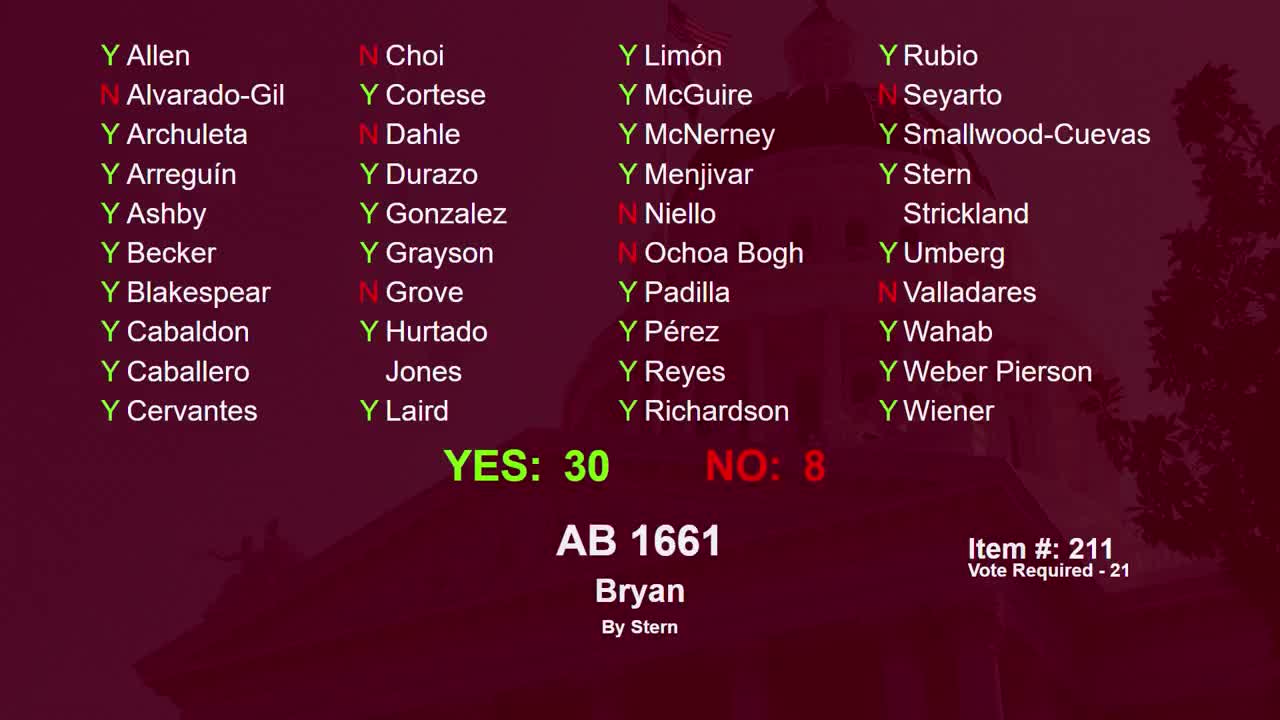
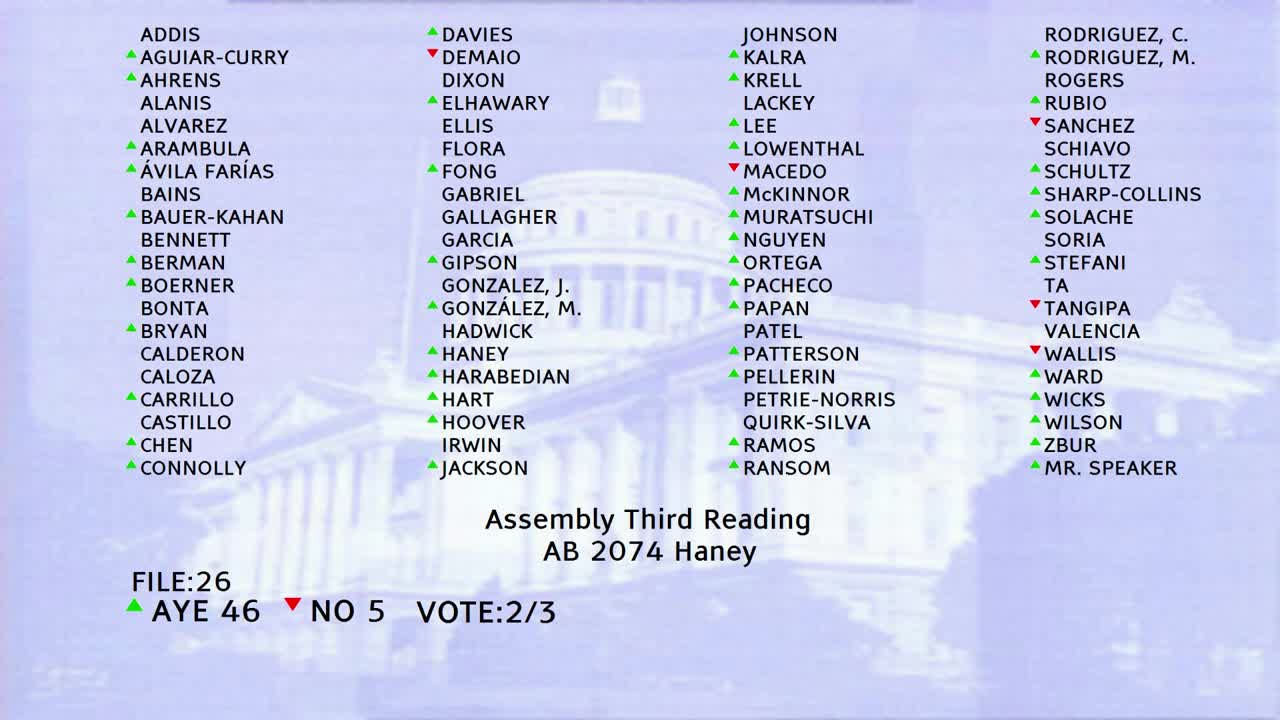
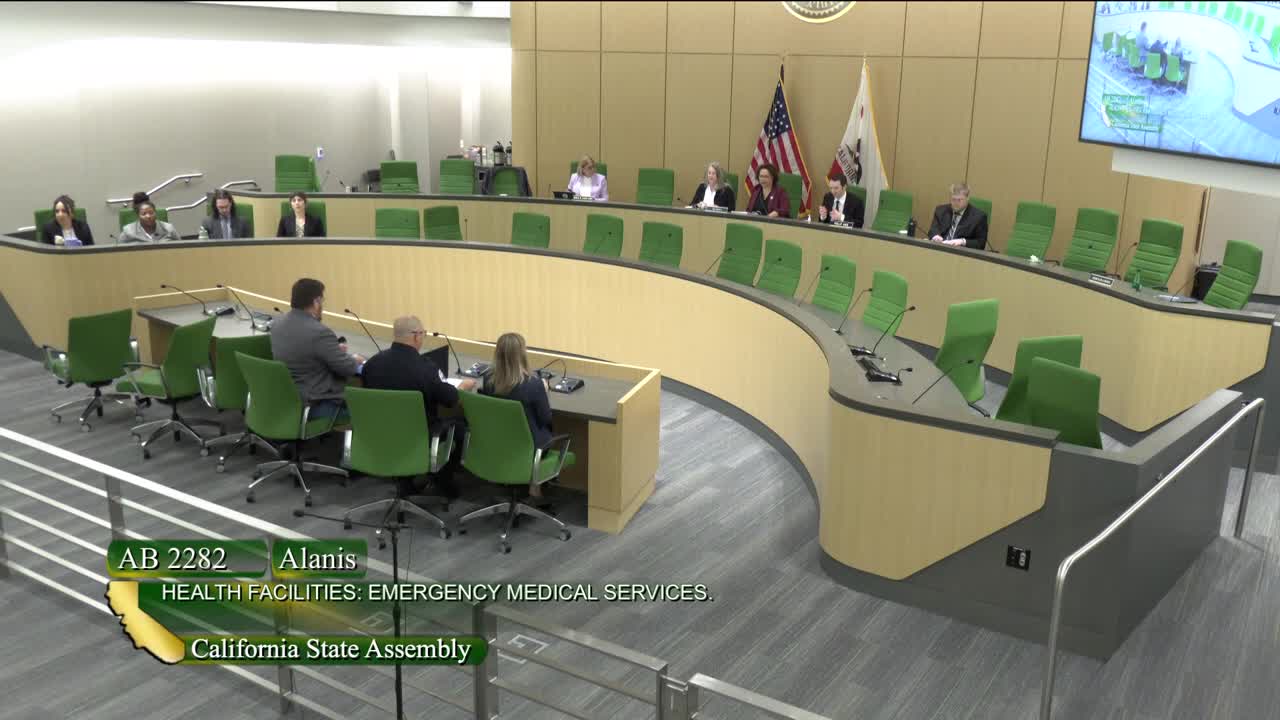
Bill Author