AB 2507: Office of Tribal Affairs.
- Session Year: 2025-2026
- House: Assembly
- Latest Version Date: 2026-09-25
Current Status:
Passed
(2026-09-25: Chaptered by Secretary of State - Chapter 449, Statutes of 2026.)
Introduced
In Committee
Awaiting First Chamber Vote
Passed First Chamber
In Committee
Awaiting Second Chamber Vote
Passed Second Chamber
Enacted
What does this bill do?
The bill establishes the Office of Tribal Affairs in the Governor’s office, led by a Secretary of Tribal Affairs appointed by the Governor who must be an enrolled member of a federally recognized California tribe, to serve as the Governor’s principal adviser on tribal matters. It requires state agencies that affect tribal governments to name a tribal liaison in their executive office and adopt tribal consultation policies, and creates a nine-member Tribal Advisory Committee to advise the office and help coordinate training, technical assistance, and public lists of tribal liaisons and consultation policies.
The summary is provided by generative AI which can make mistakes. For original language, please view the details in the table below.
Existing law establishes within the office of the Governor, the office of the Governors Tribal Advisor, which is headed by the Governors Tribal Advisor who is appointed by and serves at the pleasure of the Governor.
This bill would, instead, establish within the Office of the Governor, the Office of Tribal Affairs (office), which is headed by the Secretary of Tribal Affairs who is appointed by and serves at the pleasure of the Governor, as specified. The bill would require each state agency that engages, or has programs, services, or responsibilities affecting tribal governments to, among other things, designate a tribal liaison, as described. The bill would require the office to be advised by a Tribal Advisory Committee, as described, and would require the committee to, among other things, provide recommendations and tribal perspectives to assist the office in strengthening government-to-government engagement and improving the design, access, and implementation of state programs and services affecting tribal governments. The bill would require the office to, among other things, support the implementation of consultation policies, facilitate direct engagement between state agencies and tribal governments, and provide training, guidance, and technical assistance to tribal liaisons and state agency personnel, as specified.
The Legislature finds and declares all of the following:
(a)(1)The Governors Office of the Tribal Advisor and Tribal Advisor position were created in 2011 by Executive Order B-10-11 executed by then Governor Jerry Brown.
(2)In that executive order, the Office of the Tribal Advisor and the Tribal Advisor were charged with the responsibilities to oversee and implement effective government-to-government consultation between the administration and tribes on policies that affect California tribal communities, by doing all of the following:
(A)Serve as a direct link between the tribes and the Governor of the State of California.
(B)Facilitate communication and consultations among the tribes, the Office of the Governor, state agencies, and agency tribal liaisons.
(C)Review state legislation and regulations affecting tribes and make recommendations on these proposals.
(3)In that executive order, both of the following were ordered:
(A)That the Office of the Governor is required to meet regularly with the elected officials of California Indian Tribes to discuss state policies that may affect tribal communities.
(B)That it is the policy of this administration that every state agency and department subject to the executive control is required to encourage communication and consultation with California Indian Tribes. Agencies and departments are required to permit elected officials and other representatives of tribal governments to provide meaningful input into the development of legislation, regulations, rules, and policies on matters that may affect tribal communities.
(b)The Governors Office of Tribal Advisor and the Governors Tribal Advisor position were codified in Section 12012.3 of the Government Code in 2018 by Assembly Bill 880 (Chapter 801 of the Statutes of 2018).
(c)In 2019, Governor Newsom executed Executive Order N-15-19 that did both of the following:
(1)Acknowledged and apologized on behalf of the state for the historical violence, exploitation, dispossession and the attempted destruction of tribal communities, which dislocated California Native Americans from their ancestral land and sacred practices. The destructive impacts of this forceful separation persist today, and meaningful, reparative action from the State of California (state) can begin to address these wrongs in an effort to heal its relationship with California Native Americans.
(2)Reaffirmed and incorporated by reference to the principles of government-to-government engagement established by Executive Order B-10-11 (it is the policy of the administration that every state agency and department subject to executive control is to encourage communication and consultation with California Native American tribes). The state continues to work with California tribes on a government-to-government basis to address issues concerning Native American tribal self-government and tribal trust resources.
(d)In 2022, the Governor created within his administration the Office of Tribal Affairs and the Secretary of Tribal Affairs, who heads the Office of Tribal Affairs. The administration created office and secretarial positions to effectively replace and assume the responsibilities of the Governors office of the tribal advisor, headed by the Governors Tribal Advisor.
(e)Pursuant to Executive Orders B-10-11 and N-15-19, state agencies and departments have adopted tribal consultation policies intended to guide engagement with tribal governments on policies, programs, and actions that may affect tribal communities. Not every agency or department has a consultation policy and, of the ones that do, their policies vary in content, structure, implementation, and often were not developed in collaboration with tribes potentially impacting their usefulness and success.
(f)State agencies and departments that engage or have programs of interest to tribal governments employ or designate tribal liaisons or tribal policy advisors to facilitate communication, consultation, and coordination with tribal governments. These positions and programs exist at different organizational levels across agencies and departments, and the placement and authority of these positions varies, affecting accessibility, collaboration, and effectiveness of intergovernmental engagement.
(g)The state maintains a tribal liaison contact list intended to identify points of contact within state agencies and departments for tribal governments. This is a helpful tool that needs to be easily accessible and be kept current.
(h)The purpose of this act is to strengthen and institutionalize government-to-government relations between the State of California and California Indian Tribes by establishing clear, consistent, and durable administrative structures for engagement within state government. Tribes are not only sovereign nations but also proud Californians and Americans, contributing to the state and nation through their governance, service, and leadership. For example, Native Americans serve in the United States Armed Forces at a higher rate, five times higher, than any other ethnic group, exemplifying their enduring commitment to shared ideals and collective responsibility.
(i)As governments, tribes administer many of the same programs as their federal, state, and local counterparts to enhance the well-being of their citizens and neighboring communities. Tribes are vital economic drivers, employers, health care providers, emergency responders, and more. Their contributions often alleviate pressures on state and local governments and their resources, particularly in rural areas, and expand access to critical services and strengthen community resilience. These contributions enrich the fabric of governance across California, bolstering the states economy, public health, and safety.
(j)Genuine collaboration with tribes demands direct, meaningful, and respectful engagement that fully recognizes tribal sovereignty. This collaboration must go beyond perfunctory consultations and embrace sustained efforts that seek tribal input, incorporate their perspectives, and foster shared ownership of solutions. This approach builds trust, mutual understanding, and better outcomes for all Californians, ensuring that policies and programs reflect the collective strengths and diverse voices of the state.
(k)To advance these principles, California must prioritize integrating tribal expertise and perspectives into its governance structures. Each agency and department executive should establish tribal consultation policies in collaboration with tribes to strengthen and promote government-to-government relationships and to provide meaningful input into the development of policies, rules, regulations, programs, projects, plans, and activities that may affect tribal communities.
(l)Agencies and departments should locate their tribal liaisons within the executive office to provide direct access to the chief executive and executive team. These positions are the natural touch points for tribal governments to engage the State of California and will serve as essential conduits for meaningful tribal engagement. In the states commitment to work with tribes, the tribal liaisons should be located at the highest level in each agency or department so tribes can easily and intuitively know where and with whom they should contact.
(m)Establishing a Tribal Advisory Committee to support the Governors Office of Tribal Affairs is critical to institutionalizing effective government-to-government relations. This advisory committee will provide invaluable insight and guidance on the development, coordination, and implementation of policies impacting tribal governments and their surrounding communities.
(n)By formalizing these structures, California reaffirms its commitment to fostering enduring partnerships with tribes, respecting their sovereignty, and ensuring that their voices are integral to shaping the states future. These steps will strengthen the collaborative fabric of governance, improve outcomes for all Californians, and set a standard for inclusive leadership nationwide.
SEC. 2.Section 12012.3 of the Government Code is amended to read:12012.3.(a)There is within the office of the Governor, the Office of Tribal Affairs, which shall be headed by the Secretary of Tribal Affairs.
(b)(1)The Secretary of Tribal Affairs shall be appointed by, and serve at the pleasure of, the Governor.
(2)The Secretary of Tribal Affairs shall serve as the Governors principal advisor on tribal affairs and facilitate, to the extent feasible, government-to-government engagement between tribal governments and state agencies.
(3)The Secretary of Tribal Affairs shall be an enrolled member of a federally recognized tribe in California.
(c)Each state agency that engages, or has programs, services, or responsibilities affecting tribal governments shall do all of the following:
(1)Designate a tribal liaison.
(2)Place the position of the tribal liaison in the executive office of the state agency, or in a position reporting directly to the chair or chief executive of the state agency, department, board, or commission of state government, as applicable.
(3)Ensure the position serves as the primary point of contact for tribal governments and facilitates communication, coordination, and engagement necessary to support effective government-to-government relations.
(4)Notify the office within 30 days of vacancy, appointment, or replacement of a tribal liaison.
(5)Adopt a tribal consultation policy consistent with Executive Orders B-10-11 and N-15-19.
(d)(1)The Office of Tribal Affairs shall be advised by a Tribal Advisory Committee consisting of nine tribal chair members, with three nominated by tribes in the northern region, three in the central region, and three in the southern region.
(2)(A)Members shall be appointed by the Governor from tribal nominations, no later than the second quarter of 2027.
(B)(i)The term of office of the members shall be three years and the terms shall be staggered at one-year intervals.
(ii)Upon initial appointment, one member from each region shall be appointed for a term ending January 1, 2028, one member from each region shall be appointed for a term ending January 1, 2029, and one member from each region shall be appointed for a term ending January 1, 2030. Thereafter, each appointed member shall serve a three-year term.
(3)(A)Commencing the second quarter of 2027 after being appointed by the Governor, the committee shall meet regularly, but not fewer than three times annually, at the call of the secretary.
(B)Commencing the first quarter of 2028, the committee shall meet regularly, but not fewer than four times annually, at the call of the secretary.
(4)(A)The committee shall provide guidance, recommendations, and tribal perspectives to assist the office in strengthening government-to-government engagement and improving the design, access, and implementation of state programs and services affecting tribal governments.
(B)The committee shall not supplant formal consultation processes or exercise approval authority over state agency actions.
(5)The committee shall be subject to the Bagley-Keene Open Meeting Act (Article 9 (commencing with Section 11120) of Chapter 1 of Part 1 of Division 3).
(6)The members of the committee shall serve without compensation, but shall be reimbursed for all necessary expenses actually incurred in the performance of their duties.
(e)The office, in conjunction with the committee, shall do all of the following:
(1)Review and recommend improvements to the consultation policies and consultation practices of each state agency and consistency across state agencies.
(2)Identify barriers that limit tribal governments ability to access, participate in, or benefit from state programs, services, and funding, including contracting practices, timelines, administrative requirements, or confidentiality concerns.
(3)Recommend statewide strategies that recognize and leverage tribal sovereignty, governmental authority, regulatory frameworks, taxation systems, and operational capacity to advance shared state and tribal goals.
(4)Develop guidance for state agencies on effective tribal engagement, including communication protocols, timelines for consultation, and opportunities to incorporate tribal expertise, knowledge, and stewardship practices early in the design, implementation, operation, and evaluation of state programs and services.
(5)Identify cross-agency issues that affect tribal governments and recommend coordinated approaches to improve efficiency, alignment, and outcomes.
(6)Provide recommendations on the appropriate responsibilities, authority, qualifications, and expectations for tribal liaisons and tribal policy advisors.
(f)The office shall do all of the following:
(1)Support the implementation of consultation policies and facilitate direct engagement between state agencies and tribal governments.
(2)Provide training, guidance, and technical assistance to tribal liaisons and state agency personnel to promote consistent, culturally informed, and effective government-to-government engagement practices.
(3)Improve cross-agency communication and coordination to ensure consistent approaches to tribal matters and avoid conflicting processes or requirements.
(4)Keep tribal governments informed of state-level policy developments affecting their programs, responsibilities, or interests.
(5)Track whether state agencies have established or updated consultation policies and employed or designated tribal liaisons consistent with this section.
(6)Maintain an online, publicly accessible and up-to-date tribal liaison contact list for all state agencies, and a publicly accessible and up-to-date list of adopted tribal consultation policies.
(g)For purposes of this section, the following definitions apply:
(1)Committee means the Tribal Advisory Committee.
(2)Office means the Office of Tribal Affairs.
(3)Secretary means the Secretary of Tribal Affairs.
(4)State agency means any agency, department, board, or commission of state government.
The Legislature finds and declares all of the following:
(a)(1)The Governors Office of the Tribal Advisor and Tribal Advisor position were created in 2011 by Executive Order B-10-11 executed by then Governor Jerry Brown.
(2)In that executive order, the Office of the Tribal Advisor and the Tribal Advisor were charged with the responsibilities to oversee and implement effective government-to-government consultation between the administration and tribes on policies that affect California tribal communities, by doing all of the following:
(A)Serve as a direct link between the tribes and the Governor of the State of California.
(B)Facilitate communication and consultations among the tribes, the Office of the Governor, state agencies, and agency tribal liaisons.
(C)Review state legislation and regulations affecting tribes and make recommendations on these proposals.
(3)In that executive order, both of the following were ordered:
(A)That the Office of the Governor is required to meet regularly with the elected officials of California Indian Tribes to discuss state policies that may affect tribal communities.
(B)That it is the policy of this administration that every state agency and department subject to the executive control is required to encourage communication and consultation with California Indian Tribes. Agencies and departments are required to permit elected officials and other representatives of tribal governments to provide meaningful input into the development of legislation, regulations, rules, and policies on matters that may affect tribal communities.
(b)The Governors Office of Tribal Advisor and the Governors Tribal Advisor position were codified in Section 12012.3 of the Government Code in 2018 by Assembly Bill 880 (Chapter 801 of the Statutes of 2018).
(c)In 2019, Governor Newsom executed Executive Order N-15-19 that did both of the following:
(1)Acknowledged and apologized on behalf of the state for the historical violence, violence, exploitation, dispossession and the attempted destruction of tribal communities communities, which dislocated California Native Americans from their ancestral land and sacred practices. The destructive impacts of this forceful separation persist today, and meaningful, reparative action from the State of California (State) (state) can begin to address these wrongs in an effort to heal its relationship with California Native Americans.
(2)Reaffirmed and incorporated by reference to the principles of government-to-government engagement established by Executive Order B-10-11 (it is the policy of the administration that every state agency and department subject to executive control is to encourage communication and consultation with California Native American tribes). The state continues to work with California tribes on a government-to-government basis to address issues concerning Native American tribal self-government and tribal trust resources.
(d)In 2022, the Governor created within his administration the Office of Tribal Affairs and the Secretary of Tribal Affairs, who heads the Office of Tribal Affairs. The administration created office and secretarial position positions to effectively replace and assume the responsibilities of the Governors office of the tribal advisor, headed by the Governors Tribal Advisor.
(e)Pursuant to Executive Orders B-10-11 and N-15-19, state agencies and departments have adopted tribal consultation policies intended to guide engagement with tribal governments on policies, programs, and actions that may affect tribal communities. Not every agency or department has a consultation policy and and, of the ones that do, their policies vary in content, structure, implementation, and often were not developed in collaboration with tribes potentially impacting their usefulness and success.
(f)State agencies and departments that engage or have programs of interest to tribal governments employ or designate tribal liaisons or tribal policy advisors to facilitate communication, consultation, and coordination with tribal governments. These positions and programs exist at different organizational levels across agencies and departments, and the placement and authority of these positions varies, affecting accessibility, collaboration, and effectiveness of intergovernmental engagement.
(g)The state maintains a tribal liaison contact list intended to identify points of contact within state agencies and departments for tribal governments. This is a helpful tool that needs to be easily accessible and be kept current.
(h)The purpose of this act is to strengthen and institutionalize government-to-government relations between the State of California and California Indian Tribes by establishing clear, consistent, and durable administrative structures for engagement within state government. Tribes are not only sovereign nations but also proud Californians and Americans, contributing to the state and nation through their governance, service, and leadership. For example, Native Americans serve in the United States Armed Forces at a higher rate, five-times five times higher, than any other ethnic group, exemplifying their enduring commitment to shared ideals and collective responsibility.
(i)As governments, tribes administer many of the same programs as their federal, state, and local counterparts to enhance the well-being of their citizens and neighboring communities. Tribes are vital economic drivers, employers, healthcare health care providers, emergency responders, and more. Their contributions often alleviate pressures on state and local governments and their resources, particularly in rural areas, and expand access to critical services and strengthen community resilience. These contributions enrich the fabric of governance across California, bolstering the states economy, public health, and safety.
(j)Genuine collaboration with tribes demands direct, meaningful, and respectful engagement that fully recognizes tribal sovereignty. This collaboration must go beyond perfunctory consultations and embrace sustained efforts that seek tribal input, incorporate their perspectives, and foster shared ownership of solutions. This approach builds trust, mutual understanding, and better outcomes for all Californians, ensuring that policies and programs reflect the collective strengths and diverse voices of the state.
(k)To advance these principles, California must prioritize integrating tribal expertise and perspectives into its governance structures. Each agency and department executive should establish tribal consultation policies in collaboration with tribes to strengthen and promote government-to-government relationships and to provide meaningful input into the development of policies, rules, regulations, programs, projects, plans, and activities that may affect tribal communities.
(l)Agencies and departments should locate their tribal liaisons within the executive office to provide direct access to the chief executive and executive team. These positions are the natural touch points for tribal governments to engage the State of California and will serve as essential conduits for meaningful tribal engagement. In the states commitment to work with tribes, the tribal liaisons should be located at the highest level in each agency or department so tribes can easily and intuitively know where and with whom they should contact.
(m)Establishing a Tribal Advisory Committee to support the Governors Office of Tribal Affairs is critical to institutionalizing effective government-to-government relations. This advisory committee will provide invaluable insight and guidance on the development, coordination, and implementation of policies impacting tribal governments and their surrounding communities.
(n)By formalizing these structures, California reaffirms its commitment to fostering enduring partnerships with tribes, respecting their sovereignty, and ensuring that their voices are integral to shaping the states future. These steps will strengthen the collaborative fabric of governance, improve outcomes for all Californians, and set a standard for inclusive leadership nationwide.
SEC. 2.Section 12012.3 of the Government Code is amended to read:12012.3.(a)There is within the office of the Governor, the Office of Tribal Affairs, which shall be headed by the Secretary of Tribal Affairs.
(b)(1)The Secretary of Tribal Affairs shall be appointed by, and serve at the pleasure of, the Governor.
(2)The Secretary of Tribal Affairs shall serve as the Governors principal advisor on tribal affairs and facilitate, to the extent feasible, government-to-government engagement between tribal governments and state agencies.
(3)The Secretary of Tribal Affairs shall be an enrolled member of a federally recognized tribe in California.
(c)Each state agency that engages, or has programs, services, or responsibilities affecting tribal governments shall do all of the following:
(1)Designate a tribal liaison.
(2)Place the position of the tribal liaison in the executive office of the state agency, or in a position reporting directly to the chair or chief executive of the state agency, department, board, or commission of state government, as applicable.
(3)Ensure the position serves as the primary point of contact for tribal governments and facilitates communication, coordination, and engagement necessary to support effective government-to-government relations.
(4)Notify the office within 30 days of vacancy, appointment, or replacement of a tribal liaison.
(5)Adopt a tribal consultation policy consistent with Executive Orders B-10-11 and N-15-19.
(d)(1)The Office of Tribal Affairs shall be advised by a Tribal Advisory Committee consisting of nine tribal chair members, with three nominated by tribes in the northern region, three in the central region, and three in the southern region.
(2)(A)Members shall be appointed by the Governor from tribal nominations, no later than the second quarter of 2027.
(B)(i)The term of office of the members shall be three years and the terms shall be staggered at one-year intervals.
(ii)Upon initial appointment, one member from each region shall be appointed for a term ending January 1, 2028, one member from each region shall be appointed for a term ending January 1, 2029, and one member from each region shall be appointed for a term ending January 1, 2030. Thereafter, each appointed member shall serve a three-year term.
(3)(A)Commencing the second quarter of 2027 after being appointed by the Governor, the committee shall meet regularly, but not fewer than three times annually, at the call of the secretary.
(B)Commencing the first quarter of 2028, the committee shall meet regularly, but not fewer than four times annually, at the call of the secretary.
(4)(A)The committee shall provide guidance, recommendations, and tribal perspectives to assist the office in strengthening government-to-government engagement and improving the design, access, and implementation of state programs and services affecting tribal governments.
(B)The committee shall not supplant formal consultation processes or exercise approval authority over state agency actions.
(5)The committee shall be subject to the Bagley-Keene Open Meeting Act (Article 9 (commencing with Section 11120) of Chapter 1 of Part 1 of Division 3).
(6)The members of the committee shall serve without compensation, but shall be reimbursed for all necessary expenses actually incurred in the performance of their duties.
(e)The office, in conjunction with the committee, shall do all of the following:
(1)Review and recommend improvements to the consultation policies and consultation practices of each state agency and consistency across state agencies.
(2)Identify barriers that limit tribal governments ability to access, participate in, or benefit from state programs, services, and funding, including contracting practices, timelines, administrative requirements, or confidentiality concerns.
(3)Recommend statewide strategies that recognize and leverage tribal sovereignty, governmental authority, regulatory frameworks, taxation systems, and operational capacity to advance shared state and tribal goals.
(4)Develop guidance for state agencies on effective tribal engagement, including communication protocols, timelines for consultation, and opportunities to incorporate tribal expertise, knowledge, and stewardship practices early in the design, implementation, operation, and evaluation of state programs and services.
(5)Identify cross-agency issues that affect tribal governments and recommend coordinated approaches to improve efficiency, alignment, and outcomes.
(6)Provide recommendations on the appropriate responsibilities, authority, qualifications, and expectations for tribal liaisons and tribal policy advisors.
(f)The office shall do all of the following:
(1)Support the implementation of consultation policies and facilitate direct engagement between state agencies and tribal governments.
(2)Provide training, guidance, and technical assistance to tribal liaisons and state agency personnel to promote consistent, culturally informed, and effective government-to-to-government government-to-government engagement practices.
(3)Improve cross-agency communication and coordination to ensure consistent approaches to tribal matters and avoid conflicting processes or requirements.
(4)Keep tribal governments informed of state-level policy developments affecting their programs, responsibilities, or interests.
(5)Track whether state agencies have established or updated consultation policies and employed or designated tribal liaisons consistent with this section.
(6)Maintain an online, publicly accessible and up-to-date tribal liaison contact list for all state agencies, and a publicly accessible and up-to-date list of adopted tribal consultation policies.
(g)For purposes of this section, the following definitions apply:
(1)Committee means the Tribal Advisory Committee.
(2)Office means the Office of Tribal Affairs.
(3)Secretary means the Secretary of Tribal Affairs.
(4)State agency means any agency, department, board, or commission of state government.
The Legislature finds and declares all of the following:
(a)(1)The Governors Office of the Tribal Advisor and Tribal Advisor position were created in 2011 by Executive Order B-10-11 executed by then Governor Jerry Brown.
(2)In that executive order, the Office of the Tribal Advisor and the Tribal Advisor were charged with the responsibilities to oversee and implement effective government-to-government consultation between the administration and tribes on policies that affect California tribal communities, by doing all of the following:
(A)Serve as a direct link between the tribes and the Governor of the State of California.
(B)Facilitate communication and consultations among the tribes, the Office of the Governor, state agencies, and agency tribal liaisons.
(C)Review state legislation and regulations affecting tribes and make recommendations on these proposals.
(3)In that executive order, both of the following were ordered:
(A)That the Office of the Governor is required to meet regularly with the elected officials of California Indian Tribes to discuss state policies that may affect tribal communities.
(B)That it is the policy of this administration that every state agency and department subject to the executive control is required to encourage communication and consultation with California Indian Tribes. Agencies and departments are required to permit elected officials and other representatives of tribal governments to provide meaningful input into the development of legislation, regulations, rules, and policies on matters that may affect tribal communities.
(b)The Governors Office of Tribal Advisor and the Governors Tribal Advisor position were codified in Section 12012.3 of the Government Code in 2018 by Assembly Bill 880 (Chapter 801 of Statutes of 2018).
(c)In 2019, Governor Newsom executed Executive Order N-15-19 that did both of the following:
(1)Acknowledged and apologized on behalf of the state for the historical violence, exploitation, dispossession and the attempted destruction of tribal communities which dislocated California Native Americans from their ancestral land and sacred practices. The destructive impacts of this forceful separation persist today, and meaningful, reparative action from the State of California (State) can begin to address these wrongs in an effort to heal its relationship with California Native Americans.
(2)Reaffirmed and incorporated by reference the principles of government-to-government engagement established by Executive Order B-10-11 (it is the policy of the administration that every state agency and department subject to executive control is to encourage communication and consultation with California Native American tribes). The state continues to work with California tribes on a government-to-government basis to address issues concerning Native American tribal self-government and tribal trust resources.
(d)In 2022, the Governor created within his administration the Office of Tribal Affairs and the Secretary of Tribal Affairs, who heads the Office of Tribal Affairs. The administration created office and secretarial position to effectively replace and assume the responsibilities of the Governors office of the tribal advisor, headed by the Governors Tribal Advisor.
(e)Pursuant to Executive Orders B-10-11 and N-15-19, state agencies and departments have adopted tribal consultation policies intended to guide engagement with tribal governments on policies, programs, and actions that may affect tribal communities. Not every agency or department has a consultation policy and of the ones that do, their policies vary in content, structure, implementation, and often were not developed in collaboration with tribes potentially impacting their usefulness and success.
(f)State agencies and departments that engage or have programs of interest to tribal governments employ or designate tribal liaisons or tribal policy advisors to facilitate communication, consultation, and coordination with tribal governments. These positions and programs exist at different organizational levels across agencies and departments, and the placement and authority of these positions varies, affecting accessibility, collaboration, and effectiveness of intergovernmental engagement.
(g)The state maintains a tribal liaison contact list intended to identify points of contact within state agencies and departments for tribal governments. This is a helpful tool that needs to be easily accessible and be kept current.
(h)The purpose of this act is to strengthen and institutionalize government-to-government relations between the State of California and California Indian Tribes by establishing clear, consistent, and durable administrative structures for engagement within state government. Tribes are not only sovereign nations but also proud Californians and Americans, contributing to the state and nation through their governance, service, and leadership. For example, Native Americans serve in the United States Armed Forces at a higher rate, five-times higher, than any other ethnic group, exemplifying their enduring commitment to shared ideals and collective responsibility.
(i)As governments, tribes administer many of the same programs as their federal, state, and local counterparts to enhance the well-being of their citizens and neighboring communities. Tribes are vital economic drivers, employers, healthcare providers, emergency responders, and more. Their contributions often alleviate pressures on state and local governments and their resources, particularly in rural areas, and expand access to critical services and strengthen community resilience. These contributions enrich the fabric of governance across California, bolstering the states economy, public health, and safety.
(j)Genuine collaboration with tribes demands direct, meaningful, and respectful engagement that fully recognizes tribal sovereignty. This collaboration must go beyond perfunctory consultations and embrace sustained efforts that seek tribal input, incorporate their perspectives, and foster shared ownership of solutions. This approach builds trust, mutual understanding, and better outcomes for all Californians, ensuring that policies and programs reflect the collective strengths and diverse voices of the state.
(k)To advance these principles, California must prioritize integrating tribal expertise and perspectives into its governance structures. Each agency and department executive should establish tribal consultation policies in collaboration with tribes to strengthen and promote government-to-government relationships and to provide meaningful input into the development of policies, rules, regulations, programs, projects, plans, and activities that may affect tribal communities.
(l)Agencies and departments should locate their tribal liaisons within the executive office to provide direct access to the chief executive and executive team. These positions are the natural touch points for tribal governments to engage the State of California and will serve as essential conduits for meaningful tribal engagement. In the states commitment to work with tribes, the tribal liaisons should be located at the highest level in each agency or department so tribes can easily and intuitively know where and with whom they should contact.
(m)Establishing a Tribal Advisory Committee to support the Governors Office of Tribal Affairs is critical to institutionalizing effective government-to-government relations. This advisory committee will provide invaluable insight and guidance on the development, coordination, and implementation of policies impacting tribal governments and their surrounding communities.
(n)By formalizing these structures, California reaffirms its commitment to fostering enduring partnerships with tribes, respecting their sovereignty, and ensuring that their voices are integral to shaping the states future. These steps will strengthen the collaborative fabric of governance, improve outcomes for all Californians, and set a standard for inclusive leadership nationwide.
SEC. 2.Section 12012.3 of the Government Code is amended to read:12012.3.(a)There is within the office of the Governor, the Office of Tribal Affairs, which shall be headed by the Secretary of Tribal Affairs.
(b)(1)The Secretary of Tribal Affairs shall be appointed by, and serve at the pleasure of, the Governor.
(2)The Secretary of Tribal Affairs shall serve as the Governors principal advisor on tribal affairs and facilitate, to the extent feasible, government-to-government engagement between tribal governments and state agencies.
(3)The Secretary of Tribal Affairs shall be an enrolled member of a federally recognized tribe in California.
(c)Each state agency that engages, or has programs, services, or responsibilities affecting tribal governments shall do all of the following:
(1)Designate a tribal liaison.
(2)Place the position of the tribal liaison in the executive office, reporting directly to the chief executive of the state agency. office of the state agency, or in a position reporting directly to the chair or chief executive of the state agency, department, board, or commission of state government, as applicable.
(3)Ensure the position serves as the primary point of contact for tribal governments and facilitates communication, coordination, and engagement necessary to support effective government-to-government relations relations.
(4)Notify the office within 30 days of vacancy, appointment, or replacement of a tribal liaison.
(5)Adopt a tribal consultation policy consistent with Executive Orders B-10-11 and N-15-19.
(d)(1)The Office of Tribal Affairs shall be advised by a Tribal Advisory Committee consisting of nine tribal chair members, with three nominated by tribes in the northern region, three in the central region, and three in the southern region.
(2)(A)Members shall be appointed by the Governor from tribal nominations, no later than the second quarter of 2027.
(B)(i)The term of office of the members shall be three years and the terms shall be staggered at one-year intervals.
(ii)Upon initial appointment, one member from each region shall be appointed for a term ending January 1, 2028, one member from each region shall be appointed for a term ending January 1, 2029, and one member from each region shall be appointed for a term ending January 1, 2030. Thereafter, each appointed member shall serve a three-year term.
(3)(A)Commencing the second quarter of 2027 after being appointed by the Governor, the committee shall meet regularly, but not fewer than three times annually, at the call of the secretary.
(B)Commencing the first quarter of 2028, the committee shall meet regularly, but not fewer than four times annually, at the call of the secretary.
(4)(A)The committee shall provide guidance, recommendations, and tribal perspectives to assist the office in strengthening government-to-government engagement and improving the design, access, and implementation of state programs and services affecting tribal governments.
(B)The committee shall not supplant formal consultation processes or exercise approval authority over state agency actions.
(5)The committee shall be subject to the Bagley-Keene Open Meeting Act (Article 9 (commencing with Section 11120) of Chapter 1 of Part 1 of Division 3).
(6)The members of the committee shall serve without compensation, but shall be reimbursed for all necessary expenses actually incurred in the performance of their duties.
(e)The office, in conjunction with the committee, shall do all of the following:
(1)Review and recommend improvements to the consultation policies and consultation practices of each state agency and consistency across state agencies.
(2)Identify barriers that limit tribal governments ability to access, participate in, or benefit from state programs, services, and funding, including contracting practices, timelines, administrative requirements, or confidentiality concerns.
(3)Recommend statewide strategies that recognize and leverage tribal sovereignty, governmental authority, regulatory frameworks, taxation systems, and operational capacity to advance shared state and tribal goals.
(4)Develop guidance for state agencies on effective tribal engagement, including communication protocols, timelines for consultation, and opportunities to incorporate tribal expertise, knowledge, and stewardship practices early in the design, implementation, operation, and evaluation of state programs and services.
(5)Identify cross-agency issues that affect tribal governments and recommend coordinated approaches to improve efficiency, alignment, and outcomes.
(6)Provide recommendations on the appropriate responsibilities, authority, qualifications, and expectations for tribal liaisons and tribal policy advisors.
(f)The office shall do all of the following:
(1)Support the implementation of consultation policies and facilitate direct engagement between state agencies and tribal governments.
(2)Provide training, guidance, and technical assistance to tribal liaisons and state agency personnel to promote consistent, culturally informed, and effective government-to-to-government engagement practices.
(3)Improve cross-agency communication and coordination to ensure consistent approaches to tribal matters and avoid conflicting processes or requirements.
(4)Keep tribal governments informed of state-level policy developments affecting their programs, responsibilities, or interests.
(5)Track whether state agencies have established or updated consultation policies and employed or designated tribal liaisons consistent with this section.
(6)Maintain an online, publicly accessible and up-to-date tribal liaison contact list for all state agencies, and a publicly accessible and up-to-date list of adopted tribal consultation policies.
(g)For purposes of this section, the following definitions apply:
(1)Committee means the Tribal Advisory Committee.
(2)Office means the Office of Tribal Affairs.
(3)Secretary means the Secretary of Tribal Affairs.
(4)State agency means any agency, department, board, or commission of state government.
The Legislature finds and declares all of the following:
(a)(1)The Governors Office of the Tribal Advisor and Tribal Advisor position were created in 2011 by Executive Order B-10-11 executed by then Governor Jerry Brown.
(2)In that executive order, the Office of the Tribal Advisor and the Tribal Advisor were charged with the responsibilities to oversee and implement effective government-to-government consultation between the administration and tribes on policies that affect California tribal communities, by doing all of the following:
(A)Serve as a direct link between the tribes and the Governor of the State of California.
(B)Facilitate communication and consultations among the tribes, the Office of the Governor, state agencies, and agency tribal liaisons.
(C)Review state legislation and regulations affecting tribes and make recommendations on these proposals.
(3)In that executive order, both of the following were ordered:
(A)That the Office of the Governor is required to meet regularly with the elected officials of California Indian Tribes to discuss state policies that may affect tribal communities.
(B)That it is the policy of this administration that every state agency and department subject to the executive control is required to encourage communication and consultation with California Indian Tribes. Agencies and departments are required to permit elected officials and other representatives of tribal governments to provide meaningful input into the development of legislation, regulations, rules, and policies on matters that may affect tribal communities.
(b)The Governors Office of Tribal Advisor and the Governors Tribal Advisor position were codified in Section 12012.3 of the Government Code in 2018 by Assembly Bill 880 (Chapter 801 of Statutes of 2018).
(c)In 2019, Governor Newsom executed Executive Order N-15-19 that did both of the following:
(1)Acknowledged and apologized on behalf of the state for the historical violence, exploitation, dispossession and the attempted destruction of tribal communities which dislocated California Native Americans from their ancestral land and sacred practices. The destructive impacts of this forceful separation persist today, and meaningful, reparative action from the State of California (State) can begin to address these wrongs in an effort to heal its relationship with California Native Americans.
(2)Reaffirmed and incorporated by reference the principles of government-to-government engagement established by Executive Order B-10-11 (it is the policy of the administration that every state agency and department subject to executive control is to encourage communication and consultation with California Native American tribes). The state continues to work with California tribes on a government-to-government basis to address issues concerning Native American tribal self-government and tribal trust resources.
(d)In 2022, the Governor created within his administration the Office of Tribal Affairs and the Secretary of Tribal Affairs, who heads the Office of Tribal Affairs. The administration created office and secretarial position to effectively replace and assume the responsibilities of the Governors office of the tribal advisor, headed by the Governors Tribal Advisor.
(e)Pursuant to Executive Orders B-10-11 and N-15-19, state agencies and departments have adopted tribal consultation policies intended to guide engagement with tribal governments on policies, programs, and actions that may affect tribal communities. Not every agency or department has a consultation policy and of the ones that do, their policies vary in content, structure, implementation, and often were not developed in collaboration with tribes potentially impacting their usefulness and success.
(f)State agencies and departments that engage or have programs of interest to tribal governments employ or designate tribal liaisons or tribal policy advisors to facilitate communication, consultation, and coordination with tribal governments. These positions and programs exist at different organizational levels across agencies and departments, and the placement and authority of these positions varies, affecting accessibility, collaboration, and effectiveness of intergovernmental engagement.
(g)The state maintains a tribal liaison contact list intended to identify points of contact within state agencies and departments for tribal governments. This is a helpful tool that needs to be easily accessible and be kept current.
(h)The purpose of this act is to strengthen and institutionalize government-to-government relations between the State of California and California Indian Tribes by establishing clear, consistent, and durable administrative structures for engagement within state government. Tribes are not only sovereign nations but also proud Californians and Americans, contributing to the state and nation through their governance, service, and leadership. For example, Native Americans serve in the United States Armed Forces at a higher rate, five-times higher, than any other ethnic group, exemplifying their enduring commitment to shared ideals and collective responsibility.
(i)As governments, tribes administer many of the same programs as their federal, state, and local counterparts to enhance the well-being of their citizens and neighboring communities. Tribes are vital economic drivers, employers, healthcare providers, emergency responders, and more. Their contributions often alleviate pressures on state and local governments and their resources, particularly in rural areas, and expand access to critical services and strengthen community resilience. These contributions enrich the fabric of governance across California, bolstering the states economy, public health, and safety.
(j)Genuine collaboration with tribes demands direct, meaningful, and respectful engagement that fully recognizes tribal sovereignty. This collaboration must go beyond perfunctory consultations and embrace sustained efforts that seek tribal input, incorporate their perspectives, and foster shared ownership of solutions. This approach builds trust, mutual understanding, and better outcomes for all Californians, ensuring that policies and programs reflect the collective strengths and diverse voices of the state.
(k)To advance these principles, California must prioritize integrating tribal expertise and perspectives into its governance structures. Each agency and department executive should establish tribal consultation policies in collaboration with tribes to strengthen and promote government-to-government relationships and to provide meaningful input into the development of policies, rules, regulations, programs, projects, plans, and activities that may affect tribal communities.
(l)Agencies and departments should locate their tribal liaisons within the executive office to provide direct access to the chief executive and executive team. These positions are the natural touch points for tribal governments to engage the State of California and will serve as essential conduits for meaningful tribal engagement. In the states commitment to work with tribes, the tribal liaisons should be located at the highest level in each agency or department so tribes can easily and intuitively know where and with whom they should contact.
(m)Establishing a Tribal Advisory Committee to support the Governors Office of Tribal Affairs is critical to institutionalizing effective government-to-government relations. This advisory committee will provide invaluable insight and guidance on the development, coordination, and implementation of policies impacting tribal governments and their surrounding communities.
(n)By formalizing these structures, California reaffirms its commitment to fostering enduring partnerships with tribes, respecting their sovereignty, and ensuring that their voices are integral to shaping the states future. These steps will strengthen the collaborative fabric of governance, improve outcomes for all Californians, and set a standard for inclusive leadership nationwide.
SEC. 2.Section 12012.3 of the Government Code is amended to read:12012.3.(a)There is within the office of the Governor, the office of the Governors Tribal Advisor, Office of Tribal Affairs, which shall be headed by the Governors Tribal Advisor. Secretary of Tribal Affairs.
(b)(1)The Governors Tribal Advisor Secretary of Tribal Affairs shall be appointed by, and serve at the pleasure of, the Governor.
(2)The Secretary of Tribal Affairs shall serve as the Governors principal advisor on tribal affairs and facilitate, to the extent feasible, government-to-government engagement between tribal governments and state agencies.
(c)(3)The Governors Tribal Advisor Secretary of Tribal Affairs shall be an enrolled member of a federally recognized tribe in California.
(c)Each state agency that engages, or has programs, services, or responsibilities affecting tribal governments shall do all of the following:
(1)Designate a tribal liaison.
(2)Place the position of the tribal liaison in the executive office, reporting directly to the chief executive of the state agency.
(3)Ensure the position serves as the primary point of contact for tribal governments and facilitates communication, coordination, and engagement necessary to support effective government-to-government relations
(4)Notify the office within 30 days of vacancy, appointment, or replacement of a tribal liaison.
(5)Adopt a tribal consultation policy consistent with Executive Orders B-10-11 and N-15-19.
(d)(1)The Office of Tribal Affairs shall be advised by a Tribal Advisory Committee consisting of nine tribal chair members, with three nominated by tribes in the northern region, three in the central region, and three in the southern region.
(2)(A)Members shall be appointed by the Governor from tribal nominations, no later than the second quarter of 2027.
(B)(i)The term of office of the members shall be three years and the terms shall be staggered at one-year intervals.
(ii)Upon initial appointment, one member from each region shall be appointed for a term ending January 1, 2028, one member from each region shall be appointed for a term ending January 1, 2029, and one member from each region shall be appointed for a term ending January 1, 2030. Thereafter, each appointed member shall serve a three-year term.
(3)(A)Commencing the second quarter of 2027 after being appointed by the Governor, the committee shall meet regularly, but not fewer than three times annually, at the call of the secretary.
(B)Commencing the first quarter of 2028, the committee shall meet regularly, but not fewer than four times annually, at the call of the secretary.
(4)(A)The committee shall provide guidance, recommendations, and tribal perspectives to assist the office in strengthening government-to-government engagement and improving the design, access, and implementation of state programs and services affecting tribal governments.
(B)The committee shall not supplant formal consultation processes or exercise approval authority over state agency actions.
(5)The committee shall be subject to the Bagley-Keene Open Meeting Act (Article 9 (commencing with Section 11120) of Chapter 1 of Part 1 of Division 3).
(6)The members of the committee shall serve without compensation, but shall be reimbursed for all necessary expenses actually incurred in the performance of their duties.
(e)The office, in conjunction with the committee, shall do all of the following:
(1)Review and recommend improvements to the consultation policies and consultation practices of each state agency and consistency across state agencies.
(2)Identify barriers that limit tribal governments ability to access, participate in, or benefit from state programs, services, and funding, including contracting practices, timelines, administrative requirements, or confidentiality concerns.
(3)Recommend statewide strategies that recognize and leverage tribal sovereignty, governmental authority, regulatory frameworks, taxation systems, and operational capacity to advance shared state and tribal goals.
(4)Develop guidance for state agencies on effective tribal engagement, including communication protocols, timelines for consultation, and opportunities to incorporate tribal expertise, knowledge, and stewardship practices early in the design, implementation, operation, and evaluation of state programs and services.
(5)Identify cross-agency issues that affect tribal governments and recommend coordinated approaches to improve efficiency, alignment, and outcomes.
(6)Provide recommendations on the appropriate responsibilities, authority, qualifications, and expectations for tribal liaisons and tribal policy advisors.
(f)The office shall do all of the following:
(1)Support the implementation of consultation policies and facilitate direct engagement between state agencies and tribal governments.
(2)Provide training, guidance, and technical assistance to tribal liaisons and state agency personnel to promote consistent, culturally informed, and effective government-to-to-government engagement practices.
(3)Improve cross-agency communication and coordination to ensure consistent approaches to tribal matters and avoid conflicting processes or requirements.
(4)Keep tribal governments informed of state-level policy developments affecting their programs, responsibilities, or interests.
(5)Track whether state agencies have established or updated consultation policies and employed or designated tribal liaisons consistent with this section.
(6)Maintain an online, publicly accessible and up-to-date tribal liaison contact list for all state agencies, and a publicly accessible and up-to-date list of adopted tribal consultation policies.
(g)For purposes of this section, the following definitions apply:
(1)Committee means the Tribal Advisory Committee.
(2)Office means the Office of Tribal Affairs.
(3)Secretary means the Secretary of Tribal Affairs.
(4)State agency means any agency, department, board, or commission of state government.
REVISIONS: HeadingLine 2.|
Date
|
Status
|
|---|---|
| Sep 25, 2026 | Chaptered by Secretary of State - Chapter 449, Statutes of 2026. |
| Sep 25, 2026 | Approved by the Governor. |
| Sep 4, 2026 | Enrolled and presented to the Governor at 4 p.m. |
| Aug 27, 2026 | Senate amendments concurred in. To Engrossing and Enrolling. (Ayes 77. Noes 0.). |
| Aug 27, 2026 | Senate amendments concurred in. To Engrossing and Enrolling. (Ayes 77. Noes 0. Page 6721.). |
| Aug 27, 2026 | In Assembly. Concurrence in Senate amendments pending. |
| Aug 26, 2026 | Read third time. Passed. Ordered to the Assembly. (Ayes 39. Noes 0.). |
| Aug 24, 2026 | Read second time. Ordered to third reading. |
| Aug 21, 2026 | Read third time and amended. Ordered to second reading. |
| Aug 17, 2026 | Read second time. Ordered to third reading. |
| Aug 13, 2026 | Read second time and amended. Ordered returned to second reading. |
| Aug 13, 2026 | From committee: Amend, and do pass as amended. (Ayes 7. Noes 0.) (August 13). |
| Aug 3, 2026 | In committee: Referred to APPR. suspense file. |
| Jun 23, 2026 | From committee: Do pass and re-refer to Com. on APPR. with recommendation: To Consent Calendar. (Ayes 14. Noes 0.) (June 23). Re-referred to Com. on APPR. |
| Jun 10, 2026 | Referred to Com. on G.O. |
| May 27, 2026 | In Senate. Read first time. To Com. on RLS. for assignment. |
| May 26, 2026 | Read third time. Passed. Ordered to the Senate. (Ayes 78. Noes 0.) |
| May 26, 2026 | Read third time. Passed. Ordered to the Senate. (Ayes 78. Noes 0. Page 5327.) |
| May 26, 2026 | Read third time. Passed. Ordered to the Senate. |
| May 18, 2026 | Read second time. Ordered to third reading. |
| May 14, 2026 | From committee: Do pass. (Ayes 15. Noes 0.) (May 14). |
| May 6, 2026 | In committee: Set, first hearing. Referred to APPR. suspense file. |
| Apr 23, 2026 | From committee: Do pass and re-refer to Com. on APPR. (Ayes 21. Noes 0.) (April 22). Re-referred to Com. on APPR. |
| Apr 23, 2026 | Coauthors revised. |
| Mar 9, 2026 | Referred to Com. on G.O. |
| Feb 21, 2026 | From printer. May be heard in committee March 23. |
| Feb 20, 2026 | Read first time. To print. |
|
Date
|
Description
|
Location
|
Votes
|
|
|---|---|---|---|---|
| Aug 27, 2026 | AB 2507 Nguyen Concurrence in Senate Amendments | Assembly Floor |
Passed |
|
| Aug 26, 2026 | Assembly 3rd Reading AB2507 Nguyen et al. By Cervantes | Senate Floor |
Passed |
|
| Aug 13, 2026 | Do pass as amended | Senate Standing Committee on Appropriations |
Passed |
|
| Aug 3, 2026 | Placed on suspense file | Senate Standing Committee on Appropriations |
Passed |
|
| Jun 23, 2026 | Do pass, but first be re-referred to the Committee on [Appropriations] with the recommendation: To Consent Calendar | Senate Standing Committee on Governmental Organization |
Passed |
|
| May 26, 2026 | AB 2507 Nguyen Assembly Third Reading | Assembly Floor |
Passed |
|
| May 14, 2026 | Do pass. | Assembly Standing Committee on Appropriations |
Passed |
|
| Apr 22, 2026 | Do pass and be re-referred to the Committee on [Appropriations] | Assembly Standing Committee on Governmental Organization |
Passed |
This list shows positions taken on this bill by organizations on the date displayed, which is linked to the original source.
Positions by individuals are not included.
|
Organization
|
Position
|
Date
|
|---|---|---|
| California Municipal Utilities Association | ** Support | |
| California Tribal Business Alliance | ** Support | |
| East Bay Regional Park District | ** Support | |
| Habematolel Pomo Of Upper Lake | ** Support | |
| Pala Band Of Mission Indians | ** Support | |
| Santa Ynez Band Of Chumash Indians | ** Support | |
| Wilton Rancheria | ** Support | |
| Yurok Tribe | ** Support |
CONCURRENCE IN SENATE AMENDMENTS
CSA1 Bill Id:AB 2507
Author:(Nguyen and Soria)
As Amended Ver:August 21, 2026
Majority vote
SUMMARY
This bill would rename the Office of the Governor's Tribal Advisor to the Office of Tribal Affairs (OTA) and expands its responsibilities for facilitating state agencies' engagement with tribal governments. AB 2507 also requires state agencies to adopt tribal consultation policies and designate dedicated liaisons, as specified.
Senate Amendments
- Place the position of the tribal liaison in the executive office of the state agency, or in a position reporting directly to the chair or chief executive of the state agency, department, board, or commission of state government, as applicable.
- Make a technical and clarifying changes.
- Add coauthors.
COMMENTS
Background.
According to most recent census data, California is home to more people of Native American/ Alaska Native heritage than any other state in the Country. There are currently 109 federally recognized Indian tribes in California and several non-federally recognized tribes petitioning for federal recognition through the Bureau of Indian Affairs - Office of Federal Acknowledgement.
Tribes in California currently have nearly 100 separate reservations or Rancherias. There are also a number of individual Indian trust allotments. These lands constitute ″Indian Country″, and a different jurisdictional applies in Indian Country. Some are near highly populated cities like Los Angeles, San Francisco, San Diego, and Sacramento. While others are in rural areas some 20 miles from the nearest hospital. Some are in the mountains of northern and eastern California, others in the high deserts of southern and southeastern California. While some are located on the coast, on the rivers, and around the lakes.
According to the 2010 U.S. report, California represents 12% of the total Native American population (approximately 720,000) identifying themselves as Native American. California′s tribes are as small as five members and as large as 5,000 members.
Federally recognized tribes have a unique government to government relationship with local, state and federal governments, and are recognized as sovereign nations. Rooted in long-standing legal frameworks, tribal sovereignty is strengthened through economic self-reliance. Tribes can create their own laws, governmental structure and enrollment or membership rules for the land and citizens of their nation. California′s tribes work closely with the state on environmental, legal, and cultural matters, with many maintaining tribal lands. California tribes are known for a profound, sustainable relationship with the land. For instance, the Karuk Tribe is currently leading efforts in traditional cultural burning for environmental management.
Tribes throughout the state have experienced a significant resurgence in cultural and economic self-reliance, including the development of local governments, economic activity, and gaming enterprises.
Executive Orders issued. For decades, tribal communities have been excluded from benefiting from state-administered programs. To improve communication and consideration of the needs of tribes, Governor Brown issued Executive Order (EO) B-10-11 in 2011. This order established the Governor′s Office of the Tribal Advisor and requires all state agencies and departments to encourage early consideration, communication, and consultation with tribes when developing legislation, guidelines, regulations, rules, or policies on matters that affect tribes and their communities. AB 880 (Gray), Chapter 801, Statutes of 2018, codified the office and Tribal Advisor position within the Governor′s office.
In 2019, Governor Newsom issued EO N-15-19, which reaffirmed the previous EO and added a formal apology to California′s First Nations for atrocities committed and discriminatory practices enacted by the State against tribal communities. This marked a major step forward in California′s commitment to acknowledge past wrongdoings and build relationships with tribes. The work to explore the historical relationship between California′s First Nations and the State as well as to recommend paths forward continues through the California Truth & Healing Council.
Governor′s Office of Tribal Affairs. The Governor′s Office of Tribal Affairs is responsible for overseeing and implementing effective government-to-government consultation between the Newsom Administration and California tribes on policies that affect California tribal communities. Led by the Tribal Affairs Secretary, the Office serves as a direct link between California tribes and the Governor, advises the Governor and Executive Administration Officials, facilitates communication and consultation between tribes and state agencies, reviews and provides recommendations on state legislation and regulations affecting tribes and formulates and implements the Administration′s Native American policy priorities.
The mission of the Governor′s Office of Tribal Affairs is to elevate issues of mutual importance to tribal nations and the Governor′s Administration as informed by meaningful government-to-government consultation and collaboration.
In implementing the Governor′s policy priorities related to tribal nations, Native communities and Indigenous peoples, the Office continues to work with tribal nations to:
- Improve government-to-government relations,
- Advance justice and equity for California Native peoples,
- Explore remedial actions to address past atrocities,
- Expand tribal stewardship of ancestral lands and natural and cultural resources,
- Promote visibility of the rich diversity and history of California Native cultures, and
- Partner with tribal governments to bolster sound and sustainable economic development in California Indian Country.
Tribal Advisory Committees. Many state agencies have created Tribal Advisory Committees (TAC) as specialized bodies designed to facilitate government-to-government consultation between Native American tribes and state or federal agencies. They address critical issues such as health, environmental protection, transportation, and natural resources, ensuring tribal input on policies and projects. Key tribal advisory committees in California include: CalEPA Tribal Advisory Committee (CalEPA TAC): Advises on environmental issues, cultural resource protection, and land stewardship; the California Department of Social Services (CDSS) Tribal Advisory Committee (TAC): Improves communication and advises on social services impacting tribes; and Caltrans Native American Advisory Committee (NAAC): Provides guidance on transportation programs and policies.
Native American Heritage Commission. In recognition of the growing sophistication of California Indian governments, the state legislature created the Native American Heritage Commission (NAHC) in 1976 (Chapter 1332, Statutes of 1976). This nine-member body, appointed by the Governor, works as a liaison between state, federal, and tribal governments. The NAHC identifies, catalogs, and protects cultural resources—including ancient places of special religious or social significance, as well as known graves and cemeteries—on both private and public lands in California. Additionally, the NAHC ensures tribal access to sacred sites on public lands and oversees the treatment and disposition of inadvertently discovered Native American human remains and burial items.
Department of the Interior. In 2021, the U.S. Department of the Interior (DOI) established the Secretary′s Tribal Advisory Committee (STAC) to create a permanent forum for Tribal leaders to engage directly and consistently with the Secretary and other senior Department officials. The STAC is intended to ensure that Tribal leaders, along with current and future Secretaries, have a dedicated space to build consensus, exchange perspectives, share information, and provide advice and recommendations on programs and funding affecting Tribes across the DOI.
According to the Author
According to the author's office, "AB 2507 reflects the importance of maintaining a strong government-to-government relationship with Tribal governments. In my district, Wilton Rancheria is an important part of the Elk Grove community, and that relationship has made it clear how important consistent consultation and engagement with Tribal governments across state agencies. California has taken important steps to strengthen its relationship with Tribal governments. However, consultation and engagement practices can still vary from one agency to another. AB 2507 builds on that progress by codifying the OTA, clarifying tribal liaison roles, and establishing a Tribal Advisory Committee. These changes will help create a more consistent and coordinated approach to government-to-government engagement and ensure Tribal governments are engaged early when decisions may affect their communities."
Arguments in Support
According to the Wilton Rancheria, "for decades, tribal governments primarily engaged with the federal government, consistent with the federal trust responsibility. Over the last fifteen years, California has taken important steps to engage tribal governments through consultation and by opening state programs to tribal participation. These steps were necessary and meaningful, but they also revealed a fundamental challenge: many state programs affecting tribal governments were not designed with tribal governments in mind. We have seen this most clearly in housing. Programs were created with good intentions, but without sufficient tribal input, resulting in barriers that made them difficult to access or ineffective in practice. By codifying the Office of Tribal Affairs within the Governor's Office, establishing a Tribal advisory Committee, and ensuring tribal liaisons are located within agency executive offices, this bill creates a clearer and more consistent framework for engagement."
Arguments in Opposition
None on file.
FISCAL COMMENTS
- According to the Senate Committee on Appropriations analysis, "Unknown, potentially significant costs for state agencies to designate tribal liaisons and adopt consultation policies (General Fund and various special funds). Actual costs will range from absorbable to the low hundreds of thousands of dollars per entity, depending on whether an agency has already implemented these requirements.
- Unknown cost pressures for the OTA to review and support the implementation of state agencies' tribal consultation policies, to the extent additional staff time or resources are required to meet the office's expanded responsibilities.
- Unknown costs to support the Tribal Advisory Committee (TAC), including travel and other necessary expenses for conducting meetings and providing recommendations to the OTA and state agencies (General Fund)."
VOTES:
ASM GOVERNMENTAL ORGANIZATION: 21-0-1
YES: Blanca Rubio, Davies, Berman, Bryan, Carrillo, Dixon, Fong, Gabriel, Gallagher, Gipson, Macedo, McKinnor, Nguyen, Pacheco, Ramos, Michelle Rodriguez, Solache, Soria, Ta, Valencia, Wallis
ABS, ABST OR NV: Alvarez
ASM APPROPRIATIONS: 15-0-0
YES: Wicks, Hoover, Aguiar-Curry, Calderon, Caloza, Dixon, Fong, Mark González, Krell, Pacheco, Pellerin, Sharp-Collins, Solache, Ta, Tangipa
ASSEMBLY FLOOR: 78-0-2
YES: Addis, Aguiar-Curry, Ahrens, Alanis, Alvarez, Arambula, Ávila Farías, Bains, Bauer-Kahan, Bennett, Berman, Boerner, Bonta, Bryan, Calderon, Caloza, Carrillo, Castillo, Chen, Connolly, Davies, DeMaio, Dixon, Elhawary, Ellis, Flora, Fong, Gabriel, Gallagher, Garcia, Gipson, Jeff Gonzalez, Mark González, Hadwick, Haney, Harabedian, Hart, Hoover, Irwin, Jackson, Johnson, Kalra, Krell, Lackey, Lee, Lowenthal, Macedo, McKinnor, Nguyen, Ortega, Pacheco, Papan, Patel, Patterson, Pellerin, Petrie-Norris, Quirk-Silva, Ramos, Ransom, Michelle Rodriguez, Rogers, Blanca Rubio, Sanchez, Schiavo, Schultz, Sharp-Collins, Solache, Soria, Stefani, Ta, Tangipa, Valencia, Wallis, Ward, Wicks, Wilson, Zbur, Rivas
ABS, ABST OR NV: Muratsuchi, Celeste Rodriguez
UPDATED
VERSION: August 21, 2026
CONSULTANT: Eric Johnson / G.O. / (916) 319-2531 FN: 0004018
SENATE RULES COMMITTEE Office of Senate Floor Analyses (916) 651-4171 | AB 2507 |
THIRD READING
Bill No: AB 2507
Author: Nguyen (D) and Soria (D), et al.
Amended: 8/21/26 in Senate
Vote: 21
SENATE GOVERNMENTAL ORG. COMMITTEE: 14-0, 6/23/26
AYES: Rubio, Valladares, Archuleta, Ashby, Blakespear, Cervantes, Dahle, Hurtado, Ochoa Bogh, Padilla, Richardson, Smallwood-Cuevas, Wahab, Weber Pierson
NO VOTE RECORDED: Alvarado-Gil
SENATE APPROPRIATIONS COMMITTEE: 7-0, 8/13/26
AYES: Cervantes, Seyarto, Cabaldon, Dahle, Grayson, Richardson, Wahab
ASSEMBLY FLOOR: 78-0, 5/26/26 - See last page for vote
SUBJECT: Office of Tribal Affairs
SOURCE: Wilton Rancheria
DIGEST: This bill 1) restructures the office of the Governor’s Tribal Advisor (Advisor) to instead become the Office of Tribal Affairs (OTA); and 2) requires the OTA, among other things, to facilitate direct engagement between state agencies and tribal governments, among other responsibilities.
Senate Floor Amendment of 8/21/26 add coauthors.
ANALYSIS:
Existing law:
- Establishes, within the office of the Governor, the office of the Governor’s Tribal Advisor, which is headed by the Advisor who is appointed by and serves at the pleasure of the Governor. The Advisor is required to be an enrolled member of a federally recognized tribe in California.
- Requires the Governor’s Tribal Advisor to provide an annual report to the Legislature on the status of the Tribal Nation Grant Fund (TNGF) relating to the program's activities and resources needed to maintain the program, as specified.
- Encourages the state and its agencies to consult on a government-to-government basis with federally recognized tribes and as specified, with nonfederally recognized tribes, in order to allow tribal officials, the opportunity to provide meaningful input in the development of policies, processes, programs, and projects that have tribal implications.
- Encourages and authorizes all state agencies to cooperate with funds and recognized California tribes on matters of economic development and improvement of the tribes, including providing information on programs available to assist Indian tribes, providing technical assistance on the preparation of grants and applications for public and private funds, and conducting meetings and workshops.
This bill:
- Restructures the Office of Tribal Affairs to instead become the OTA, which shall be headed by the Secretary of Tribal Affairs.
- Requires the Secretary of Tribal Affairs to serve as the Governor’s principal advisor on tribal affairs and facilitate, to the extent feasible, government-to-government engagement between tribal governments and state agencies.
- Requires the OTA to do all of the following:
- Support the implementation of consultation policies and facilitate direct engagement between state agencies and tribal governments.
- Provide training, guidance, and assistance to tribal liaisons and state agency personnel to promote consistent, culturally informed, and effective government-to-government engagement practices.
- Improve cross-agency communication and coordination to ensure consistent approaches to tribal matters.
- Keep tribal governments informed of state-level policy developments.
- Track whether state agencies have established or updated consultation policies and employed or designated tribal liaisons consistent with the provisions of this bill.
- Maintain an online, publicly accessible and up-to-date tribal liaison contact list for all state agencies, and a publicly accessible and up-to-date list of adopted tribal consultation policies.
- Requires each state agency that engages, or has services affecting tribal governments to do all of the following:
- Designate a tribal liaison and place the position in the executive office of the state agency, or in a position reporting directly to the chair or the chief executive of the state agency, department, board, or commission of state government, as applicable.
- Ensure the position serves at the primary contact for tribal governments.
- Notify the office within 30 days of a vacancy, appointment, or replacement of a tribal liaison.
- Adopt a tribal consultation policy, as specified.
- Requires the OTA to be advised by a Tribal Advisory Committee (TAC) consisting of nine tribal chair members, with three nominated by tribes in the northern region, three in the central region, and three in the southern region, as specified.
- Requires the TAC to provide guidance, recommendations, and tribal perspectives to assist the OTA in strengthening government-to-government engagement and improving the design, access, and implementation of state programs and services affecting tribal governments.
- Provides that the TAC shall not supplant formal consultation processes or exercise approval authority over state agency actions.
- Requires the OTA, in conjunction with the TAC to do all of the following:
- Review and recommend improvements to the consultation policies and practices of state agencies.
- Identify barriers that limit tribal government’s ability to access, participate, or benefit from state programs.
- Recommend statewide strategies to advance shared state and tribal goals.
- Develop guidance for state agencies on effective tribal engagement, as specified.
- Identify cross agency issues that affect tribal governments and recommend coordinated approaches to improve efficiency.
- Provide recommendations on the appropriate responsibilities, authority, qualifications, and expectations for tribal liaisons and tribal policy advisors.
Background
Author Statement. According to the author’s office, “AB 2507 reflects the importance of maintaining a strong government-to-government relationship with Tribal governments. In my district, Wilton Rancheria is an important part of the Elk Grove community, and that relationship has made it clear how important consistent consultation and engagement with Tribal governments across state agencies. California has taken important steps to strengthen its relationship with Tribal governments. However, consultation and engagement practices can still vary from one agency to another. AB 2507 builds on that progress by codifying the Office of Tribal Affairs, clarifying tribal liaison roles, and establishing a Tribal Advisory Committee. These changes will help create a more consistent and coordinated approach to government-to-government engagement and ensure Tribal governments are engaged early when decisions may affect their communities.”
Tribal Governments in California. According to the most recent census data, California is home to more residents of Native American and Alaska Native heritage than any other state in the nation. The state currently has 109 federally recognized Indian tribes, as well as several non-federally recognized tribes petitioning for federal recognition through the Bureau of Indian Affairs, Office of Federal Acknowledgment.
California tribes hold nearly 100 separate reservations or rancherias, in addition to a number of individual Indian trust allotments. Collectively, these lands constitute "Indian Country," a designation that carries distinct jurisdictional implications. These lands span a wide range of geographies — from areas near major metropolitan centers such as Los Angeles, San Francisco, San Diego, and Sacramento, to rural communities located more than 20 miles from the nearest hospital. Tribal lands extend across the mountains of northern and eastern California, the high deserts of the south and southeast, and along the state's coastlines, rivers, and lakeshores.
Federally recognized tribes maintain a unique government-to-government relationship with local, state, and federal governments and are recognized as sovereign nations. Grounded in long-standing legal frameworks, tribal sovereignty is further reinforced through economic self-reliance. Tribes retain the authority to establish their own laws, governmental structures, and enrollment criteria for the lands and citizens of their nations.
This bill seeks to reaffirm the state's commitment to building enduring partnerships with California's tribes, honoring their sovereignty, and ensuring their voices remain central to shaping the state's future. The author’s office believes these efforts will strengthen collaborative governance, improve outcomes for all Californians, and establish a national model for inclusive and respectful leadership.
State Action and Executive Orders. On September 19, 2011, Governor Brown issued Executive Order B-10-11, which established the Office of the Governor’s Tribal advisor to oversee and implement effective government-to-government consultation between the Administration and Tribes on policies that affect California tribal communities. The Office of the Tribal Advisor was formally placed in statute by AB 880 (Gray, Chapter 801, Statutes of 2018).
On June 18, 2019, Governor Newsom issued Executive Order N-15-19, which acknowledges and apologizes on behalf of the state for the historical “violence, exploitation, dispossession and the attempted destruction of tribal communities” which dislocated California Native Americans from their ancestral land and sacred practices and established the California Truth and Healing Council. In addition, Executive Order N-15-19 reaffirms and incorporates by reference the principles of government-to-government engagements.
In 2022, Governor Gavin Newsom signed AB 923 (Ramos, Chapter 475, Statutes of 2022) which encourages the state and its agencies to consult on a government-to-government basis with federally recognized and, as specified, with nonfederally recognized tribes, in order to allow tribal officials the opportunity to provide meaningful input in the development of policies, processes, programs, and projects that have tribal implications.
Governor’s Office of Tribal Affairs. The OTA would be responsible for supporting the implementation of agency consultation policies, providing training and guidance to tribal liaisons and state agency personnel, improving cross-agency coordination on tribal matters, and keeping tribal governments informed of relevant state policy developments. The OTA would also track agency compliance with this bill's consultation and liaison requirements, and maintain publicly accessible, up-to-date lists of tribal liaison contacts and adopted tribal consultation policies for all state agencies.
Each state agency that engages with or provides services affecting tribal governments would be required to designate a tribal liaison positioned within the agency's executive office, reporting directly to the agency head and serving as the primary point of contact for tribal governments. Agencies would also be required to adopt a tribal consultation policy and notify the OTA within 30 days of any vacancy, appointment, or change in their tribal liaison.
The OTA would be advised by the TAC consisting of nine tribal chairs — three nominated from each of the state's northern, central, and southern regions. The TAC would provide guidance, recommendations, and tribal perspectives to assist the OTA in strengthening government-to-government engagement and improving the design, accessibility, and delivery of state programs affecting tribal governments.
Jointly, the OTA and TAC would review and recommend improvements to agency consultation practices, identify barriers limiting tribal governments' access to state programs, develop guidance on effective tribal engagement, surface cross-agency issues affecting tribal governments, and recommend coordinated strategies to advance shared state and tribal goals — including defining appropriate qualifications, responsibilities, and expectations for tribal liaisons and tribal policy advisors.
Related/Prior Legislation
AB 923 (Ramos, Chapter 475, Statutes of 2022) encourages the state and its agencies to consult on a government-to-government basis with federally recognized and as specified, with nonfederally recognized tribes, in order to allow tribal officials the opportunity to provide meaningful input in the development of policies, processes, programs, and projects that have tribal implications.
AB 1878 (Garcia Chapter 266, Statutes of 2024) creates the Tribal Housing Grant Program Fund Advisory Committee within the Department of Housing and Community Development (HCD), upon appropriation; makes changes to tribal liaison and technical assistance requirements that apply to HCD; and limit HCD’s ability to require tribes to waive sovereign immunity to access funding, as specified.
AB 1965 (B. Rubio, 2024) would have established the Office of Tribal Affairs within the California Department of Public Health, required that the Office of Tribal Affairs be led by the Tribal Health Liaison,, required the Tribal Health Liaison, among other duties, to regularly consult with California tribal representatives, as specified, and oversee the department’s tribal health equity meetings, advisory groups, and workgroups. (Held in the Senate Appropriations Suspense File)
SB 1187 (McGuire, Chapter 295, Statutes of 2024) created a new tribal housing program, the Tribal Housing Grant Program, in the Department of Housing and Community Development for the construction and rehabilitation of rental and for-sale housing.
AB 1495 (Nguyen, 2023) would have established a Deputy of Tribal Affairs in every state agency, as defined, and in every constitutional office, as defined. The bill would have established a Tribal Advisor position in the executive office of every state agency, as defined. The bill would also have required the Governor to appoint a Tribal Advisory Committee, as specified, to the Secretary of the Office of Tribal Affairs. (Held in the Assembly Rules Committee)
FISCAL EFFECT: Appropriation: No Fiscal Com.: Yes Local: No
According to the Senate Appropriations Committee, unknown, potentially significant costs for state agencies to designate tribal liaisons and adopt consultation policies (General Fund and various special funds). Actual costs will range from absorbable to the low hundreds of thousands of dollars per entity, depending on whether an agency has already implemented these requirements.
Additionally, unknown cost pressures for the OTA to review and support the implementation of state agencies’ tribal consultation policies, to the extent additional staff time or resources are required to meet the office’s expanded responsibilities.
Finally, unknown costs to support the Tribal Advisory Committee (TAC), including travel and other necessary expenses for conducting meetings and providing recommendations to the OTA and state agencies (General Fund).
SUPPORT: (Verified 8/21/26)
Wilton Rancheria (Source)
California Municipal Utilities Association
California Tribal Business Alliance
East Bay Regional Park District
Habematolel Pomo of Upper Lake
Pala Band of Mission Indians
Santa Ynez Band of Chumash Indians
Wilton Rancheria
Yurok Tribe
OPPOSITION: (Verified 8/21/26)
None received
ARGUMENTS IN SUPPORT: According to the Wilton Rancheria, “for decades, tribal governments primarily engaged with the federal government, consistent with the federal trust responsibility. Over the last fifteen years, California has taken important steps to engage tribal governments through consultation and by opening state programs to tribal participation. These steps were necessary and meaningful, but they also revealed a fundamental challenge: many state programs affecting tribal governments were not designed with tribal governments in mind. We have seen this most clearly in housing. Programs were created with good intentions, but without sufficient tribal input, resulting in barriers that made them difficult to access or ineffective in practice. By codifying the Office of Tribal Affairs within the Governor’s Office, establishing a Tribal advisory Committee, and ensuring tribal liaisons are located within agency executive offices, this bill creates a clearer and more consistent framework for engagement.”
ASSEMBLY FLOOR: 78-0, 5/26/26
AYES: Addis, Aguiar-Curry, Ahrens, Alanis, Alvarez, Arambula, Ávila Farías, Bains, Bauer-Kahan, Bennett, Berman, Boerner, Bonta, Bryan, Calderon, Caloza, Carrillo, Castillo, Chen, Connolly, Davies, DeMaio, Dixon, Elhawary, Ellis, Flora, Fong, Gabriel, Gallagher, Garcia, Gipson, Jeff Gonzalez, Mark González, Hadwick, Haney, Harabedian, Hart, Hoover, Irwin, Jackson, Johnson, Kalra, Krell, Lackey, Lee, Lowenthal, Macedo, McKinnor, Nguyen, Ortega, Pacheco, Papan, Patel, Patterson, Pellerin, Petrie-Norris, Quirk-Silva, Ramos, Ransom, Michelle Rodriguez, Rogers, Blanca Rubio, Sanchez, Schiavo, Schultz, Sharp-Collins, Solache, Soria, Stefani, Ta, Tangipa, Valencia, Wallis, Ward, Wicks, Wilson, Zbur, Rivas
NO VOTE RECORDED: Muratsuchi, Celeste Rodriguez
Prepared by: Felipe Lopez / G.O. / (916) 651-1530
8/24/26 12:12:34
**** END ****
SENATE RULES COMMITTEE Office of Senate Floor Analyses (916) 651-4171 | AB 2507 |
THIRD READING
Bill No: AB 2507
Author: Nguyen (D) and Soria (D), et al.
Introduced: 2/20/26
Vote: 21
SENATE GOVERNMENTAL ORG. COMMITTEE: 14-0, 6/23/26
AYES: Rubio, Valladares, Archuleta, Ashby, Blakespear, Cervantes, Dahle, Hurtado, Ochoa Bogh, Padilla, Richardson, Smallwood-Cuevas, Wahab, Weber Pierson
NO VOTE RECORDED: Alvarado-Gil
SENATE APPROPRIATIONS COMMITTEE: 7-0, 8/13/26
AYES: Cervantes, Seyarto, Cabaldon, Dahle, Grayson, Richardson, Wahab
ASSEMBLY FLOOR: 78-0, 5/26/26 - See last page for vote
SUBJECT: Office of Tribal Affairs
SOURCE: Wilton Rancheria
DIGEST: This bill 1) restructures the office of the Governor’s Tribal Advisor (Advisor) to instead become the Office of Tribal Affairs (OTA); and 2) requires the OTA, among other things, to facilitate direct engagement between state agencies and tribal governments, among other responsibilities.
ANALYSIS:
Existing law:
- Establishes, within the office of the Governor, the office of the Governor’s Tribal Advisor, which is headed by the Advisor who is appointed by and serves at the pleasure of the Governor. The Advisor is required to be an enrolled member of a federally recognized tribe in California.
- Requires the Governor’s Tribal Advisor to provide an annual report to the Legislature on the status of the Tribal Nation Grant Fund (TNGF) relating to the program's activities and resources needed to maintain the program, as specified.
- Encourages the state and its agencies to consult on a government-to-government basis with federally recognized tribes and as specified, with nonfederally recognized tribes, in order to allow tribal officials, the opportunity to provide meaningful input in the development of policies, processes, programs, and projects that have tribal implications.
- Encourages and authorizes all state agencies to cooperate with funds and recognized California tribes on matters of economic development and improvement of the tribes, including providing information on programs available to assist Indian tribes, providing technical assistance on the preparation of grants and applications for public and private funds, and conducting meetings and workshops.
This bill:
- Restructures the Office of Tribal Affairs to instead become the OTA, which shall be headed by the Secretary of Tribal Affairs.
- Requires the Secretary of Tribal Affairs to serve as the Governor’s principal advisor on tribal affairs and facilitate, to the extent feasible, government-to-government engagement between tribal governments and state agencies.
- Requires the OTA to do all of the following:
- Support the implementation of consultation policies and facilitate direct engagement between state agencies and tribal governments.
- Provide training, guidance, and assistance to tribal liaisons and state agency personnel to promote consistent, culturally informed, and effective government-to-government engagement practices.
- Improve cross-agency communication and coordination to ensure consistent approaches to tribal matters.
- Keep tribal governments informed of state-level policy developments.
- Track whether state agencies have established or updated consultation policies and employed or designated tribal liaisons consistent with the provisions of this bill.
- Maintain an online, publicly accessible and up-to-date tribal liaison contact list for all state agencies, and a publicly accessible and up-to-date list of adopted tribal consultation policies.
- Requires each state agency that engages, or has services affecting tribal governments to do all of the following:
- Designate a tribal liaison and place the position in the executive office of the state agency, or in a position reporting directly to the chair or the chief executive of the state agency, department, board, or commission of state government, as applicable.
- Ensure the position serves at the primary contact for tribal governments.
- Notify the office within 30 days of a vacancy, appointment, or replacement of a tribal liaison.
- Adopt a tribal consultation policy, as specified.
- Requires the OTA to be advised by a Tribal Advisory Committee (TAC) consisting of nine tribal chair members, with three nominated by tribes in the northern region, three in the central region, and three in the southern region, as specified.
- Requires the TAC to provide guidance, recommendations, and tribal perspectives to assist the OTA in strengthening government-to-government engagement and improving the design, access, and implementation of state programs and services affecting tribal governments.
- Provides that the TAC shall not supplant formal consultation processes or exercise approval authority over state agency actions.
- Requires the OTA, in conjunction with the TAC to do all of the following:
- Review and recommend improvements to the consultation policies and practices of state agencies.
- Identify barriers that limit tribal government’s ability to access, participate, or benefit from state programs.
- Recommend statewide strategies to advance shared state and tribal goals.
- Develop guidance for state agencies on effective tribal engagement, as specified.
- Identify cross agency issues that affect tribal governments and recommend coordinated approaches to improve efficiency.
- Provide recommendations on the appropriate responsibilities, authority, qualifications, and expectations for tribal liaisons and tribal policy advisors.
Background
Author Statement. According to the author’s office, “AB 2507 reflects the importance of maintaining a strong government-to-government relationship with Tribal governments. In my district, Wilton Rancheria is an important part of the Elk Grove community, and that relationship has made it clear how important consistent consultation and engagement with Tribal governments across state agencies. California has taken important steps to strengthen its relationship with Tribal governments. However, consultation and engagement practices can still vary from one agency to another. AB 2507 builds on that progress by codifying the Office of Tribal Affairs, clarifying tribal liaison roles, and establishing a Tribal Advisory Committee. These changes will help create a more consistent and coordinated approach to government-to-government engagement and ensure Tribal governments are engaged early when decisions may affect their communities.”
Tribal Governments in California. According to the most recent census data, California is home to more residents of Native American and Alaska Native heritage than any other state in the nation. The state currently has 109 federally recognized Indian tribes, as well as several non-federally recognized tribes petitioning for federal recognition through the Bureau of Indian Affairs, Office of Federal Acknowledgment.
California tribes hold nearly 100 separate reservations or rancherias, in addition to a number of individual Indian trust allotments. Collectively, these lands constitute "Indian Country," a designation that carries distinct jurisdictional implications. These lands span a wide range of geographies — from areas near major metropolitan centers such as Los Angeles, San Francisco, San Diego, and Sacramento, to rural communities located more than 20 miles from the nearest hospital. Tribal lands extend across the mountains of northern and eastern California, the high deserts of the south and southeast, and along the state's coastlines, rivers, and lakeshores.
Federally recognized tribes maintain a unique government-to-government relationship with local, state, and federal governments and are recognized as sovereign nations. Grounded in long-standing legal frameworks, tribal sovereignty is further reinforced through economic self-reliance. Tribes retain the authority to establish their own laws, governmental structures, and enrollment criteria for the lands and citizens of their nations.
This bill seeks to reaffirm the state's commitment to building enduring partnerships with California's tribes, honoring their sovereignty, and ensuring their voices remain central to shaping the state's future. The author’s office believes these efforts will strengthen collaborative governance, improve outcomes for all Californians, and establish a national model for inclusive and respectful leadership.
State Action and Executive Orders. On September 19, 2011, Governor Brown issued Executive Order B-10-11, which established the Office of the Governor’s Tribal advisor to oversee and implement effective government-to-government consultation between the Administration and Tribes on policies that affect California tribal communities. The Office of the Tribal Advisor was formally placed in statute by AB 880 (Gray, Chapter 801, Statutes of 2018).
On June 18, 2019, Governor Newsom issued Executive Order N-15-19, which acknowledges and apologizes on behalf of the state for the historical “violence, exploitation, dispossession and the attempted destruction of tribal communities” which dislocated California Native Americans from their ancestral land and sacred practices and established the California Truth and Healing Council. In addition, Executive Order N-15-19 reaffirms and incorporates by reference the principles of government-to-government engagements.
In 2022, Governor Gavin Newsom signed AB 923 (Ramos, Chapter 475, Statutes of 2022) which encourages the state and its agencies to consult on a government-to-government basis with federally recognized and, as specified, with nonfederally recognized tribes, in order to allow tribal officials the opportunity to provide meaningful input in the development of policies, processes, programs, and projects that have tribal implications.
Governor’s Office of Tribal Affairs. The OTA would be responsible for supporting the implementation of agency consultation policies, providing training and guidance to tribal liaisons and state agency personnel, improving cross-agency coordination on tribal matters, and keeping tribal governments informed of relevant state policy developments. The OTA would also track agency compliance with this bill's consultation and liaison requirements, and maintain publicly accessible, up-to-date lists of tribal liaison contacts and adopted tribal consultation policies for all state agencies.
Each state agency that engages with or provides services affecting tribal governments would be required to designate a tribal liaison positioned within the agency's executive office, reporting directly to the agency head and serving as the primary point of contact for tribal governments. Agencies would also be required to adopt a tribal consultation policy and notify the OTA within 30 days of any vacancy, appointment, or change in their tribal liaison.
The OTA would be advised by the TAC consisting of nine tribal chairs — three nominated from each of the state's northern, central, and southern regions. The TAC would provide guidance, recommendations, and tribal perspectives to assist the OTA in strengthening government-to-government engagement and improving the design, accessibility, and delivery of state programs affecting tribal governments.
Jointly, the OTA and TAC would review and recommend improvements to agency consultation practices, identify barriers limiting tribal governments' access to state programs, develop guidance on effective tribal engagement, surface cross-agency issues affecting tribal governments, and recommend coordinated strategies to advance shared state and tribal goals — including defining appropriate qualifications, responsibilities, and expectations for tribal liaisons and tribal policy advisors.
Related/Prior Legislation
AB 923 (Ramos, Chapter 475, Statutes of 2022) encourages the state and its agencies to consult on a government-to-government basis with federally recognized and as specified, with nonfederally recognized tribes, in order to allow tribal officials the opportunity to provide meaningful input in the development of policies, processes, programs, and projects that have tribal implications.
AB 1878 (Garcia Chapter 266, Statutes of 2024) creates the Tribal Housing Grant Program Fund Advisory Committee within the Department of Housing and Community Development (HCD), upon appropriation; makes changes to tribal liaison and technical assistance requirements that apply to HCD; and limit HCD’s ability to require tribes to waive sovereign immunity to access funding, as specified.
AB 1965 (B. Rubio, 2024) would have established the Office of Tribal Affairs within the California Department of Public Health, required that the Office of Tribal Affairs be led by the Tribal Health Liaison,, required the Tribal Health Liaison, among other duties, to regularly consult with California tribal representatives, as specified, and oversee the department’s tribal health equity meetings, advisory groups, and workgroups. (Held in the Senate Appropriations Suspense File)
SB 1187 (McGuire, Chapter 295, Statutes of 2024) created a new tribal housing program, the Tribal Housing Grant Program, in the Department of Housing and Community Development for the construction and rehabilitation of rental and for-sale housing.
AB 1495 (Nguyen, 2023) would have established a Deputy of Tribal Affairs in every state agency, as defined, and in every constitutional office, as defined. The bill would have established a Tribal Advisor position in the executive office of every state agency, as defined. The bill would also have required the Governor to appoint a Tribal Advisory Committee, as specified, to the Secretary of the Office of Tribal Affairs. (Held in the Assembly Rules Committee)
FISCAL EFFECT: Appropriation: No Fiscal Com.: Yes Local: No
According to the Senate Appropriations Committee, unknown, potentially significant costs for state agencies to designate tribal liaisons and adopt consultation policies (General Fund and various special funds). Actual costs will range from absorbable to the low hundreds of thousands of dollars per entity, depending on whether an agency has already implemented these requirements.
Additionally, unknown cost pressures for the OTA to review and support the implementation of state agencies’ tribal consultation policies, to the extent additional staff time or resources are required to meet the office’s expanded responsibilities.
Finally, unknown costs to support the Tribal Advisory Committee (TAC), including travel and other necessary expenses for conducting meetings and providing recommendations to the OTA and state agencies (General Fund).
SUPPORT: (Verified 8/13/26)
Wilton Rancheria (Source)
California Municipal Utilities Association
California Tribal Business Alliance
East Bay Regional Park District
Habematolel Pomo of Upper Lake
Pala Band of Mission Indians
Santa Ynez Band of Chumash Indians
Wilton Rancheria
Yurok Tribe
OPPOSITION: (Verified 8/13/26)
None received
ARGUMENTS IN SUPPORT: According to the Wilton Rancheria, “for decades, tribal governments primarily engaged with the federal government, consistent with the federal trust responsibility. Over the last fifteen years, California has taken important steps to engage tribal governments through consultation and by opening state programs to tribal participation. These steps were necessary and meaningful, but they also revealed a fundamental challenge: many state programs affecting tribal governments were not designed with tribal governments in mind. We have seen this most clearly in housing. Programs were created with good intentions, but without sufficient tribal input, resulting in barriers that made them difficult to access or ineffective in practice. By codifying the Office of Tribal Affairs within the Governor’s Office, establishing a Tribal advisory Committee, and ensuring tribal liaisons are located within agency executive offices, this bill creates a clearer and more consistent framework for engagement.”
ASSEMBLY FLOOR: 78-0, 5/26/26
AYES: Addis, Aguiar-Curry, Ahrens, Alanis, Alvarez, Arambula, Ávila Farías, Bains, Bauer-Kahan, Bennett, Berman, Boerner, Bonta, Bryan, Calderon, Caloza, Carrillo, Castillo, Chen, Connolly, Davies, DeMaio, Dixon, Elhawary, Ellis, Flora, Fong, Gabriel, Gallagher, Garcia, Gipson, Jeff Gonzalez, Mark González, Hadwick, Haney, Harabedian, Hart, Hoover, Irwin, Jackson, Johnson, Kalra, Krell, Lackey, Lee, Lowenthal, Macedo, McKinnor, Nguyen, Ortega, Pacheco, Papan, Patel, Patterson, Pellerin, Petrie-Norris, Quirk-Silva, Ramos, Ransom, Michelle Rodriguez, Rogers, Blanca Rubio, Sanchez, Schiavo, Schultz, Sharp-Collins, Solache, Soria, Stefani, Ta, Tangipa, Valencia, Wallis, Ward, Wicks, Wilson, Zbur, Rivas
NO VOTE RECORDED: Muratsuchi, Celeste Rodriguez
Prepared by: Felipe Lopez / G.O. / (916) 651-1530
8/17/26 9:58:45
**** END ****
SENATE COMMITTEE ON
Senator Sabrina Cervantes, Chair
2025 - 2026 Regular Session
AB 2507 (Nguyen) - Office of Tribal Affairs
Version: | Policy Vote: |
Urgency: | Mandate: |
Hearing Date: | Consultant: |
Bill Summary:
AB 2507 renames the Office of the Governor’s Tribal Advisor to the Office of Tribal Affairs (OTA) and expands its responsibilities for facilitating state agencies’ engagement with tribal governments. AB 2507 also requires state agencies to adopt tribal consultation policies and designate dedicated liaisons, as specified.
*********** ANALYSIS ADDENDUM – SUSPENSE FILE ***********
The following information is revised to reflect amendments
adopted by the committee on August 13, 2026
Fiscal Impact:
- Unknown, potentially significant costs for state agencies to designate tribal liaisons and adopt consultation policies (General Fund and various special funds). Actual costs will range from absorbable to the low hundreds of thousands of dollars per entity, depending on whether an agency has already implemented these requirements.
- Unknown cost pressures for the OTA to review and support the implementation of state agencies’ tribal consultation policies, to the extent additional staff time or resources are required to meet the office’s expanded responsibilities.
- Unknown costs to support the Tribal Advisory Committee (TAC), including travel and other necessary expenses for conducting meetings and providing recommendations to the OTA and state agencies (General Fund).
Author Amendments:
Clarify that the placement of the tribal liaison be in the executive office of the state agency or in a position reporting directly to the chair or chief executive of the state agency, department, board, or commission of state government, as applicable.
-- END --
SENATE COMMITTEE ON
Senator Sabrina Cervantes, Chair
2025 - 2026 Regular Session
AB 2507 (Nguyen) - Office of Tribal Affairs
Version: | Policy Vote: |
Urgency: | Mandate: |
Hearing Date: | Consultant: |
Bill Summary:
AB 2507 renames the Office of the Governor’s Tribal Advisor to the Office of Tribal Affairs (OTA) and expands its responsibilities for facilitating state agencies’ engagement with tribal governments. AB 2507 also requires state agencies to adopt tribal consultation policies and designate dedicated liaisons, as specified.
Fiscal Impact:
- Unknown, potentially significant costs for state agencies to designate tribal liaisons and adopt consultation policies (General Fund and various special funds). Actual costs will range from absorbable to the low hundreds of thousands of dollars per entity, depending on whether an agency has already implemented these requirements. (See Staff Comments for additional detail.)
- Unknown cost pressures for the OTA to review and support the implementation of state agencies’ tribal consultation policies, to the extent additional staff time or resources are required to meet the office’s expanded responsibilities.
- Unknown costs to support the Tribal Advisory Committee (TAC), including travel and other necessary expenses for conducting meetings and providing recommendations to the OTA and state agencies (General Fund).
Background:
On September 19, 2011, Governor Brown issued Executive Order B-10-11, which established the Office of the Governor’s Tribal Advisor to oversee and implement effective government-to-government consultation between the Administration and Tribes on policies that affect California tribal communities. The Office of the Tribal Advisor was formally placed in statute by AB 880 (Gray, Chapter 801, Statutes of 2018).
On June 18, 2019, Governor Newsom issued Executive Order N-15-19, which acknowledges and apologizes on behalf of the state for the historical “violence, exploitation, dispossession and the attempted destruction of tribal communities” which dislocated California Native Americans from their ancestral land and sacred practices and established the California Truth and Healing Council. In addition, Executive Order N-15-19 reaffirms and incorporates by reference the principles of government-to-government engagements.
In 2022, Governor Gavin Newsom signed AB 923 (Ramos, Chapter 475, Statutes of 2022) which encourages the state and its agencies to consult on a government-to-government basis with federally recognized and, as specified, with nonfederally recognized tribes, in order to allow tribal officials the opportunity to provide meaningful input in the development of policies, processes, programs, and projects that have tribal implications.
Proposed Law:
- Renames the Office of the Governor’s Tribal Advisor to the OTA, to be headed by the Secretary of Tribal Affairs.
- Requires the Secretary of Tribal Affairs to serve as the Governor’s principal advisor on tribal affairs and facilitate, to the extent feasible, government-to-government engagement between tribal governments and state agencies.
- Requires the OTA to do all of the following:
- Support the implementation of consultation policies and facilitate direct engagement between state agencies and tribal governments.
- Provide training, guidance, and assistance to tribal liaisons and state agency personnel to promote consistent, culturally informed, and effective government-to-government engagement practices.
- Improve cross-agency communication and coordination to ensure consistent approaches to tribal matters.
- Keep tribal governments informed of state-level policy developments.
- Track whether state agencies have established or updated consultation policies and employed or designated tribal liaisons consistent with the provisions of this bill.
- Maintain an online, publicly accessible and up-to-date tribal liaison contact list for all state agencies, and a publicly accessible and up-to-date list of adopted tribal consultation policies.
- Requires each state agency that engages, or has services affecting tribal governments to do all of the following:
- Designate a tribal liaison, place the position within the executive office, and require the position to report directly to the chief executive of the agency.
- Ensure the position serves as the primary contact for tribal governments.
- Notify the office within 30 days of a vacancy, appointment, or replacement of a tribal liaison.
- Adopt a tribal consultation policy, as specified.
- Requires the OTA to be advised by a TAC consisting of nine tribal chair members, with three nominated by tribes in the northern region, three in the central region, and three in the southern region, as specified.
- Requires the TAC to provide guidance, recommendations, and tribal perspectives to assist the OTA in strengthening government-to-government engagement and improving the design, access, and implementation of state programs and services affecting tribal governments.
- Provides that the TAC shall not supplant formal consultation processes or exercise approval authority over state agency actions.
- Requires the OTA, in conjunction with the TAC, to do all of the following:
- Review and recommend improvements to the consultation policies and practices of state agencies.
- Identify barriers that limit tribal governments’ ability to access, participate, or benefit from state programs.
- Recommend statewide strategies to advance shared state and tribal goals.
- Develop guidance for state agencies on effective tribal engagement, as specified.
- Identify cross agency issues that affect tribal governments and recommend coordinated approaches to improve efficiency.
- Provide recommendations on the appropriate responsibilities, authority, qualifications, and expectations for tribal liaisons and tribal policy advisors.
- States legislative findings and declarations.
Staff Comments:
Costs for impacted agencies will vary according to their existing tribal consultation policies and whether they have a designated tribal liaison. For comparison:
- The Commission for Behavioral Health estimates costs of $135,000 in FY 2026-27 and $270,000 annually ongoing to establish a tribal liaison position (Behavioral Health Services Fund).
- The California State Library (CSL) estimates ongoing costs of $165,000, as it does not have an existing position that can be repurposed or reassigned to serve as a tribal liaison (General Fund). While CSL received permanent position authority for 1.0 Library Programs Consultant in FY 2024-25, this position is supported solely by federal funds from the Institute of Museum and Library Services and cannot absorb the duties specified in this bill.
- The Department of Social Services estimates ongoing costs of $220,000 to fund one position to act as a tribal policy advisor and coordinate tribal engagement for its programs (General Fund).
- The California Energy Commission estimates ongoing costs of $179,000 for a new permanent personnel year (PY) (General Fund).
- The Department of Real Estate (DRE) estimates a one-time cost of $30,000 to develop its tribal consultation policy (Real Estate Fund). DRE notes that it already has an established tribal liaison reporting to the Chief Deputy Director. Given its limited interactions with local and interstate governments, DRE anticipates a low volume of outreach and expects existing staff to absorb the bill's ongoing workload.
- The California Department of Transportation (Caltrans) estimates ongoing costs of $180,000 for 1.0 PY to update policies to align with new statewide standards and provide meaningful consultation.
- The California Department of Corrections and Rehabilitation, California Department of Insurance, California Department of Public Health, Department of General Services, Department of Justice, Office of Emergency Services, and Department of State Hospitals anticipate costs to be absorbable. Staff notes this estimate assumes the bill does not explicitly mandate the creation of a new position to fulfill the tribal liaison designation.
-- END --
SENATE COMMITTEE ON GOVERNMENTAL ORGANIZATION
Senator Susan Rubio
Chair
2025 - 2026 Regular
Bill No: Hearing Date: 6/23/2026
Author: | , et al. | ||
Version: | Introduced | ||
Urgency: | Fiscal: | ||
Consultant: | |||
SUBJECT:
DIGEST: This bill restructures the office of the Governor’s Tribal Advisor (Advisor) to instead become the Office of Tribal Affairs (OTA) and requires the OTA, among other things, to facilitate direct engagement between state agencies and tribal governments, among other responsibilities.
ANALYSIS:
Existing law:
- Establishes, within the office of the Governor, the office of the Governor’s Tribal Advisor, which is headed by the Advisor who is appointed by and serves at the pleasure of the Governor. The Advisor is required to be an enrolled member of a federally recognized tribe in California.
- Requires the Governor’s Tribal Advisor to provide an annual report to the Legislature on the status of the Tribal Nation Grant Fund (TNGF) relating to the program's activities and resources needed to maintain the program, as specified.
- Encourages the state and its agencies to consult on a government-to-government basis with federally recognized tribes and as specified, with nonfederally recognized tribes, in order to allow tribal officials, the opportunity to provide meaningful input in the development of policies, processes, programs, and projects that have tribal implications.
- Encourages and authorizes all state agencies to cooperate with funds and recognized California tribes on matters of economic development and improvement of the tribes, including providing information on programs available to assist Indian tribes, providing technical assistance on the preparation of grants and applications for public and private funds, and conducting meetings and workshops.
- Establishes the TNGF, administered by the California Gambling Control Commission, for the receipt and deposit of monies received by the state from Indian tribes pursuant to the terms of tribal-state gaming compacts. Under existing law, monies in the TNGF are available, upon appropriation by the Legislature, for the discretionary distribution of funds to nongaming and limited-gaming tribes, as specified.
- Establishes the TNGF Program and authorizes the TNGF Panel to award grants from available monies within the fund and make other distributions from the fund to eligible tribes, as specified.
This bill:
- Restructures the Office of Tribal Affairs to instead become the OTA, which shall be headed by the Secretary of Tribal Affairs.
- Requires the Secretary of Tribal Affairs to serve as the Governor’s principal advisor on tribal affairs and facilitate, to the extent feasible, government-to-government engagement between tribal governments and state agencies.
- Requires the OTA to do all of the following:
- Support the implementation of consultation policies and facilitate direct engagement between state agencies and tribal governments.
- Provide training, guidance, and assistance to tribal liaisons and state agency personnel to promote consistent, culturally informed, and effective government-to-government engagement practices.
- Improve cross-agency communication and coordination to ensure consistent approaches to tribal matters.
- Keep tribal governments informed of state-level policy developments.
- Track whether state agencies have established or updated consultation policies and employed or designated tribal liaisons consistent with the provisions of this bill.
- Maintain an online, publicly accessible and up-to-date tribal liaison contact list for all state agencies, and a publicly accessible and up-to-date list of adopted tribal consultation policies.
- Requires each state agency that engages, or has services affecting tribal governments to do all of the following:
- Designate a tribal liaison and place the position in the executive office, and report directly to the chief of the executive of the agency.
- Ensure the position serves at the primary contact for tribal governments.
- Notify the office within 30 days of a vacancy, appointment, or replacement of a tribal liaison.
- Adopt a tribal consultation policy, as specified.
- Requires the OTA to be advised by a Tribal Advisory Committee (TAC) consisting of nine tribal chair members, with three nominated by tribes in the northern region, three in the central region, and three in the southern region, as specified.
- Requires the TAC to provide guidance, recommendations, and tribal perspectives to assist the OTA in strengthening government-to-government engagement and improving the design, access, and implementation of state programs and services affecting tribal governments.
- Provides that the TAC shall not supplant formal consultation processes or exercise approval authority over state agency actions.
- Requires the OTA, in conjunction with the TAC to do all of the following:
- Review and recommend improvements to the consultation policies and practices of state agencies.
- Identify barriers that limit tribal government’s ability to access, participate, or benefit from state programs.
- Recommend statewide strategies to advance shared state and tribal goals.
- Develop guidance for state agencies on effective tribal engagement, as specified.
- Identify cross agency issues that affect tribal governments and recommend coordinated approaches to improve efficiency.
- Provide recommendations on the appropriate responsibilities, authority, qualifications, and expectations for tribal liaisons and tribal policy advisors.
Background
Author Statement. According to the author’s office, “AB 2507 reflects the importance of maintaining a strong government-to-government relationship with Tribal governments. In my district, Wilton Rancheria is an important part of the Elk Grove community, and that relationship has made it clear how important consistent consultation and engagement with Tribal governments across state agencies. California has taken important steps to strengthen its relationship with Tribal governments. However, consultation and engagement practices can still vary from one agency to another. AB 2507 builds on that progress by codifying the Office of Tribal Affairs, clarifying tribal liaison roles, and establishing a Tribal Advisory Committee. These changes will help create a more consistent and coordinated approach to government-to-government engagement and ensure Tribal governments are engaged early when decisions may affect their communities.”
Tribal Governments in California. According to the most recent census data, California is home to more residents of Native American and Alaska Native heritage than any other state in the nation. The state currently has 109 federally recognized Indian tribes, as well as several non-federally recognized tribes petitioning for federal recognition through the Bureau of Indian Affairs, Office of Federal Acknowledgment.
California tribes hold nearly 100 separate reservations or rancherias, in addition to a number of individual Indian trust allotments. Collectively, these lands constitute "Indian Country," a designation that carries distinct jurisdictional implications. These lands span a wide range of geographies — from areas near major metropolitan centers such as Los Angeles, San Francisco, San Diego, and Sacramento, to rural communities located more than 20 miles from the nearest hospital. Tribal lands extend across the mountains of northern and eastern California, the high deserts of the south and southeast, and along the state's coastlines, rivers, and lakeshores.
Federally recognized tribes maintain a unique government-to-government relationship with local, state, and federal governments and are recognized as sovereign nations. Grounded in long-standing legal frameworks, tribal sovereignty is further reinforced through economic self-reliance. Tribes retain the authority to establish their own laws, governmental structures, and enrollment criteria for the lands and citizens of their nations.
This bill seeks to reaffirm the state's commitment to building enduring partnerships with California's tribes, honoring their sovereignty, and ensuring their voices remain central to shaping the state's future. The author’s office believes these efforts will strengthen collaborative governance, improve outcomes for all Californians, and establish a national model for inclusive and respectful leadership.
State Action and Executive Orders. On September 19, 2011, Governor Brown issued Executive Order B-10-11, which established the Office of the Governor’s Tribal advisor to oversee and implement effective government-to-government consultation between the Administration and Tribes on policies that affect California tribal communities. The Office of the Tribal Advisor was formally placed in statute by AB 880 (Gray, Chapter 801, Statutes of 2018).
On June 18, 2019, Governor Newsom issued Executive Order N-15-19, which acknowledges and apologizes on behalf of the state for the historical “violence, exploitation, dispossession and the attempted destruction of tribal communities” which dislocated California Native Americans from their ancestral land and sacred practices and established the California Truth and Healing Council. In addition, Executive Order N-15-19 reaffirms and incorporates by reference the principles of government-to-government engagements.
In 2022, Governor Gavin Newsom signed AB 923 (Ramos, Chapter 475, Statutes of 2022) which encourages the state and its agencies to consult on a government-to-government basis with federally recognized and, as specified, with nonfederally recognized tribes, in order to allow tribal officials the opportunity to provide meaningful input in the development of policies, processes, programs, and projects that have tribal implications.
Governor’s Office of Tribal Affairs. The OTA would be responsible for supporting the implementation of agency consultation policies, providing training and guidance to tribal liaisons and state agency personnel, improving cross-agency coordination on tribal matters, and keeping tribal governments informed of relevant state policy developments. The OTA would also track agency compliance with this bill's consultation and liaison requirements, and maintain publicly accessible, up-to-date lists of tribal liaison contacts and adopted tribal consultation policies for all state agencies.
Each state agency that engages with or provides services affecting tribal governments would be required to designate a tribal liaison positioned within the agency's executive office, reporting directly to the agency head and serving as the primary point of contact for tribal governments. Agencies would also be required to adopt a tribal consultation policy and notify the OTA within 30 days of any vacancy, appointment, or change in their tribal liaison.
The OTA would be advised by the TAC consisting of nine tribal chairs — three nominated from each of the state's northern, central, and southern regions. The TAC would provide guidance, recommendations, and tribal perspectives to assist the OTA in strengthening government-to-government engagement and improving the design, accessibility, and delivery of state programs affecting tribal governments.
Jointly, the OTA and TAC would review and recommend improvements to agency consultation practices, identify barriers limiting tribal governments' access to state programs, develop guidance on effective tribal engagement, surface cross-agency issues affecting tribal governments, and recommend coordinated strategies to advance shared state and tribal goals — including defining appropriate qualifications, responsibilities, and expectations for tribal liaisons and tribal policy advisors.
Prior/Related Legislation
AB 923 (Ramos, Chapter 475, Statutes of 2022) encourages the state and its agencies to consult on a government-to-government basis with federally recognized and as specified, with nonfederally recognized tribes, in order to allow tribal officials the opportunity to provide meaningful input in the development of policies, processes, programs, and projects that have tribal implications.
AB 1878 (Garcia Chapter 266, Statutes of 2024) creates the Tribal Housing Grant Program Fund Advisory Committee within the Department of Housing and Community Development (HCD), upon appropriation; makes changes to tribal liaison and technical assistance requirements that apply to HCD; and limit HCD’s ability to require tribes to waive sovereign immunity to access funding, as specified.
AB 1965 (B. Rubio, 2024) would have established the Office of Tribal Affairs within the California Department of Public Health, required that the Office of Tribal Affairs be led by the Tribal Health Liaison,, required the Tribal Health Liaison, among other duties, to regularly consult with California tribal representatives, as specified, and oversee the department’s tribal health equity meetings, advisory groups, and workgroups. (Held in the Senate Appropriations Suspense File)
SB 1187 (McGuire, Chapter 295, Statutes of 2024) created a new tribal housing program, the Tribal Housing Grant Program, in the Department of Housing and Community Development for the construction and rehabilitation of rental and for-sale housing.
AB 1495 (Nguyen, 2023) would have established a Deputy of Tribal Affairs in every state agency, as defined, and in every constitutional office, as defined. The bill would have established a Tribal Advisor position in the executive office of every state agency, as defined. The bill would also have required the Governor to appoint a Tribal Advisory Committee, as specified, to the Secretary of the Office of Tribal Affairs. (Held in the Assembly Rules Committee)
FISCAL EFFECT: Appropriation: Fiscal Com.: Local:
SUPPORT:
Wilton Rancheria (Source)
California Municipal Utilities Association
California Tribal Business Alliance
Habematolel Pomo of Upper Lake
Pala Band of Mission Indians
Santa Ynez Band of Chumash Indians
Wilton Rancheria
Yurok Tribe
OPPOSITION:
None received
ARGUMENTS IN SUPPORT: According to the Wilton Rancheria, “for decades, tribal governments primarily engaged with the federal government, consistent with the federal trust responsibility. Over the last fifteen years, California has taken important steps to engage tribal governments through consultation and by opening state programs to tribal participation. These steps were necessary and meaningful, but they also revealed a fundamental challenge: many state programs affecting tribal governments were not designed with tribal governments in mind. We have seen this most clearly in housing. Programs were created with good intentions, but without sufficient tribal input, resulting in barriers that made them difficult to access or ineffective in practice. By codifying the Office of Tribal Affairs within the Governor’s Office, establishing a Tribal advisory Committee, and ensuring tribal liaisons are located within agency executive offices, this bill creates a clearer and more consistent framework for engagement.”
ASSEMBLY THIRD READING
ATR Bill Id:AB 2507
Author:(Nguyen and Soria)
As Introduced Ver:February 20, 2026
Majority vote
SUMMARY
This bill restructures the office of the Governor′s Tribal Advisor to become the Office of Tribal Affairs (Office or OTA) and provides specific duties for the OTA.
Major Provisions
- Codifies further the Office, which is headed by the Secretary of Tribal Affairs who is appointed by and serves at the pleasure of the Governor, as specified.
- Provides each state agency that engages, or has programs, services, or responsibilities affecting tribal governments shall do all of the following:
- Designate a tribal liaison.
- Place the position of the tribal liaison in the executive office, reporting directly to the chief executive of the state agency.
- Ensure the position serves as the primary point of contact for tribal governments and facilitates communication, coordination, and engagement necessary to support effective government-to-government relations,
- Notify the office within 30 days of vacancy, appointment, or replacement of a tribal liaison.
- Adopt a tribal consultation policy consistent with Executive Orders B-10-11 and N-15-19.
- Provides the OTA shall be advised by a Tribal Advisory Committee consisting of nine tribal chair members, with three nominated by tribes in the northern region, three in the central region, and three in the southern region. Members shall be appointed by the Governor from tribal nominations, no later than the second quarter of 2027. The members of the committee shall serve without compensation, but shall be reimbursed for all necessary expenses actually incurred in the performance of their duties.
- Provides each appointed member shall serve a three-year term. Commencing the first quarter of 2028, the committee shall meet regularly, but not fewer than four times annually, at the call of the secretary. Provides the committee shall provide guidance, recommendations, and tribal perspectives to assist the office in strengthening government-to-government engagement and improving the design, access, and implementation of state programs and services affecting tribal governments.
- Provides the committee shall not supplant formal consultation processes or exercise approval authority over state agency actions.
- States the committee shall be subject to the Bagley-Keene Open Meeting Act.
- Provides the OTA, in conjunction with the committee, shall do all of the following:
- Review and recommend improvements to the consultation policies and consultation practices of each state agency and consistency across state agencies.
- Identify barriers that limit tribal governments′ ability to access, participate in, or benefit from state programs, services, and funding, including contracting practices, timelines, administrative requirements, or confidentiality concerns.
- Recommend statewide strategies that recognize and leverage tribal sovereignty, governmental authority, regulatory frameworks, taxation systems, and operational capacity to advance shared state and tribal goals.
- Develop guidance for state agencies on effective tribal engagement, including communication protocols, timelines for consultation, and opportunities to incorporate tribal expertise, knowledge, and stewardship practices early in the design, implementation, operation, and evaluation of state programs and services.
- Identify cross-agency issues that affect tribal governments and recommend coordinated approaches to improve efficiency, alignment, and outcomes.
- Provide recommendations on the appropriate responsibilities, authority, qualifications, and expectations for tribal liaisons and tribal policy advisors.
- Provides the Office shall do all of the following:
- Support the implementation of consultation policies and facilitate direct engagement between state agencies and tribal governments.
- Provide training, guidance, and technical assistance to tribal liaisons and state agency personnel to promote consistent, culturally informed, and effective government-to-government engagement practices.
- Improve cross-agency communication and coordination to ensure consistent approaches to tribal matters and avoid conflicting processes or requirements.
- Keep tribal governments informed of state-level policy developments affecting their programs, responsibilities, or interests.
- Track whether state agencies have established or updated consultation policies and employed or designated tribal liaisons consistent with this section.
- Maintain an online, publicly accessible and up-to-date tribal liaison contact list for all state agencies, and a publicly accessible and up-to-date list of adopted tribal consultation policies.
COMMENTS
Background.
According to most recent census data, California is home to more people of Native American/ Alaska Native heritage than any other state in the Country. There are currently 109 federally recognized Indian tribes in California and several non-federally recognized tribes petitioning for federal recognition through the Bureau of Indian Affairs - Office of Federal Acknowledgement.
Tribes in California currently have nearly 100 separate reservations or Rancherias. There are also a number of individual Indian trust allotments. These lands constitute ″Indian Country″, and a different jurisdictional applies in Indian Country. Some are near highly populated cities like Los Angeles, San Francisco, San Diego, and Sacramento. While others are in rural areas some 20 miles from the nearest hospital. Some are in the mountains of northern and eastern California, others in the high deserts of southern and southeastern California. While some are located on the coast, on the rivers, and around the lakes.
According to the 2010 U.S. report, California represents 12 percent of the total Native American population (approximately 720,000) identifying themselves as Native American. California′s tribes are as small as five members and as large as 5,000 members.
Federally recognized tribes have a unique government to government relationship with local, state and federal governments, and are recognized as sovereign nations. Rooted in long-standing legal frameworks, tribal sovereignty is strengthened through economic self-reliance. Tribes can create their own laws, governmental structure and enrollment or membership rules for the land and citizens of their nation. California′s tribes work closely with the state on environmental, legal, and cultural matters, with many maintaining tribal lands. California tribes are known for a profound, sustainable relationship with the land. For instance, the Karuk Tribe is currently leading efforts in traditional cultural burning for environmental management.
Tribes throughout the state have experienced a significant resurgence in cultural and economic self-reliance, including the development of local governments, economic activity, and gaming enterprises.
Executive Orders issued. For decades, tribal communities have been excluded from benefiting from state-administered programs. To improve communication and consideration of the needs of tribes, Governor Brown issued Executive Order (EO) B-10-11 in 2011. This order established the Governor′s Office of the Tribal Advisor and requires all state agencies and departments to encourage early consideration, communication, and consultation with tribes when developing legislation, guidelines, regulations, rules, or policies on matters that affect tribes and their communities. AB 880 (Gray), Chapter 801, Statutes of 2018, codified the office and Tribal Advisor position within the Governor′s office.
In 2019, Governor Newsom issued EO N-15-19, which reaffirmed the previous EO and added a formal apology to California′s First Nations for atrocities committed and discriminatory practices enacted by the State against tribal communities. This marked a major step forward in California′s commitment to acknowledge past wrongdoings and build relationships with tribes. The work to explore the historical relationship between California′s First Nations and the State as well as to recommend paths forward continues through the California Truth & Healing Council.
Governor′s Office of Tribal Affairs. The Governor′s Office of Tribal Affairs is responsible for overseeing and implementing effective government-to-government consultation between the Newsom Administration and California tribes on policies that affect California tribal communities. Led by the Tribal Affairs Secretary, the Office serves as a direct link between California tribes and the Governor, advises the Governor and Executive Administration Officials, facilitates communication and consultation between tribes and state agencies, reviews and provides recommendations on state legislation and regulations affecting tribes and formulates and implements the Administration′s Native American policy priorities.
The mission of the Governor′s Office of Tribal Affairs is to elevate issues of mutual importance to tribal nations and the Governor′s Administration as informed by meaningful government-to-government consultation and collaboration.
In implementing the Governor′s policy priorities related to tribal nations, Native communities and Indigenous peoples, the Office continues to work with tribal nations to:
- Improve government-to-government relations,
- Advance justice and equity for California Native peoples,
- Explore remedial actions to address past atrocities,
- Expand tribal stewardship of ancestral lands and natural and cultural resources,
- Promote visibility of the rich diversity and history of California Native cultures, and
- Partner with tribal governments to bolster sound and sustainable economic development in California Indian Country.
Tribal Advisory Committees. Many state agencies have created Tribal Advisory Committees (TAC) as specialized bodies designed to facilitate government-to-government consultation between Native American tribes and state or federal agencies. They address critical issues such as health, environmental protection, transportation, and natural resources, ensuring tribal input on policies and projects. Key tribal advisory committees in California include: CalEPA Tribal Advisory Committee (CalEPA TAC): Advises on environmental issues, cultural resource protection, and land stewardship; the California Department of Social Services (CDSS) Tribal Advisory Committee (TAC): Improves communication and advises on social services impacting tribes; and Caltrans Native American Advisory Committee (NAAC): Provides guidance on transportation programs and policies.
Native American Heritage Commission. In recognition of the growing sophistication of California Indian governments, the state legislature created the Native American Heritage Commission (NAHC) in 1976 (Chapter 1332, Statutes of 1976). This nine-member body, appointed by the Governor, works as a liaison between state, federal, and tribal governments. The NAHC identifies, catalogs, and protects cultural resources—including ancient places of special religious or social significance, as well as known graves and cemeteries—on both private and public lands in California. Additionally, the NAHC ensures tribal access to sacred sites on public lands and oversees the treatment and disposition of inadvertently discovered Native American human remains and burial items.
Department of the Interior. In 2021, the U.S. Department of the Interior (DOI) established the Secretary′s Tribal Advisory Committee (STAC) to create a permanent forum for Tribal leaders to engage directly and consistently with the Secretary and other senior Department officials. The STAC is intended to ensure that Tribal leaders, along with current and future Secretaries, have a dedicated space to build consensus, exchange perspectives, share information, and provide advice and recommendations on programs and funding affecting Tribes across the DOI.
According to the Author
According to the author, ″AB 2507 reflects the importance of maintaining a strong government-to-government relationship with Tribal governments. In my district, Wilton Rancheria is an important part of the Elk Grove community, and that relationship has made clear how important consistent consultation and engagement with Tribal governments is across state agencies. Today, many parts of the state′s tribal affairs framework exist through executive orders and agency policies rather than clearly in statute, and consultation practices can vary from one agency to another. This bill helps bring greater clarity and consistency by codifying the Governor′s Office of Tribal Affairs, clarifying tribal liaison roles, and establishing a Tribal Advisory Committee. This bill helps ensure California′s engagement with Tribal governments is structured, transparent, and consistent moving forward.″
Arguments in Support
The California Tribal Business Alliance writes, ″AB 2507 will strengthen the state′s administrative framework for government-to-government (G2G) relations with tribal governments to improve the development, coordination, and effectiveness of the state′s tribal programs. Over the last fifteen years, California began an important shift in tribal-state policy through executive actions that established the Office of the Tribal Advisor and advanced consultation with tribal governments. The shift gained momentum as the Legislature began opening state programs to tribal governments. This bill addresses current structural problems by establishing a clearer administrative framework to enhance G2G relations and the effectiveness of tribal-state policies and programs.″
Arguments in Opposition
None on file
FISCAL COMMENTS
According to the Committee on Appropriations analysis, ″Costs of an unknown amount, potentially in the high hundreds of thousands of dollars annually, across state agencies to maintain a tribal liaison and tribal consultation policy (General Fund (GF) or special fund). Although state agencies are already required to have such liaisons and policies pursuant to existing EOs, this bill would prohibit an agency from redirecting staff resources towards other workload if a subsequent governor was to modify or repeal the existing requirement. Additionally, costs of an unknown amount to support the work of the Tribal Advisory Committee (GF). Although committee members will serve without compensation, members must be reimbursed for related necessary expenses, and it is likely the committee itself will incur expenses related to hosting public meetings. The Legislative Analyst′s Office recently warned of GF structural deficits of around $35 billion per year in the 2027-28 fiscal year and ongoing.″
VOTES
ASM GOVERNMENTAL ORGANIZATION: 21-0-1
YES: Blanca Rubio, Davies, Berman, Bryan, Carrillo, Dixon, Fong, Gabriel, Gallagher, Gipson, Macedo, McKinnor, Nguyen, Pacheco, Ramos, Michelle Rodriguez, Solache, Soria, Ta, Valencia, Wallis
ABS, ABST OR NV: Alvarez
ASM APPROPRIATIONS: 15-0-0
YES: Wicks, Hoover, Aguiar-Curry, Calderon, Caloza, Dixon, Fong, Mark González, Krell, Pacheco, Pellerin, Sharp-Collins, Solache, Ta, Tangipa
UPDATED
VERSION: February 20, 2026
CONSULTANT: Eric Johnson / G.O. / (916) 319-2531 FN: 0002781
Date of Hearing: May 6, 2026
ASSEMBLY COMMITTEE ON APPROPRIATIONS
Buffy Wicks, Chair
ABPCA Bill Id:AB 2507
Author:(Nguyen) – As Introduced Ver:February 20, 2026
Policy Committee: | Governmental Organization | Vote: | 21 - 0 |
|
| ||
|
|
Urgency: No State Mandated Local Program: No Reimbursable: No
SUMMARY:
This bill restructures the office of the Governor’s Tribal Advisor to become the Office of Tribal Affairs (OTA) and provides specific duties for the OTA.
Specifically, this bill:
- Restructures the office of the Governor’s Tribal Advisor to the OTA, led by the Secretary of Tribal Affairs as an evolution of the Governor’s Tribal Advisor, and requires the OTA to facilitate direct engagement between state agencies and tribal governments, among other responsibilities.
- Requires each state agency that engages or has programs, services, or responsibilities affecting a tribal government to designate a tribal liaison and adopt a tribal consultation policy consistent with related Executive Orders (EOs).
- Requires the OTA be advised by a Tribal Advisory Committee, consisting of nine tribal chair members, which must meet regularly at least four times per year, to provide guidance, recommendations, and tribal perspectives and improve the design, access, and implementation of state programs and services affecting tribal governments.
FISCAL EFFECT:
Costs of an unknown amount, potentially in the high hundreds of thousands of dollars annually, across state agencies to maintain a tribal liaison and tribal consultation policy (General Fund (GF) or special fund). Although state agencies are already required to have such liaisons and policies pursuant to existing EOs, this bill would prohibit an agency from redirecting staff resources towards other workload if a subsequent governor was to modify or repeal the existing requirement. Additionally, costs of an unknown amount to support the work of the Tribal Advisory Committee (GF). Although committee members will serve without compensation, members must be reimbursed for related necessary expenses, and it is likely the committee itself will incur expenses related to hosting public meetings.
The Legislative Analyst’s Office recently warned of GF structural deficits of around $35 billion per year in the 2027-28 fiscal year and ongoing.
COMMENTS:
- Purpose. According to the author:
Today, many parts of the state’s tribal affairs framework exist through executive orders and agency policies rather than clearly in statute, and consultation practices can vary from one agency to another. AB 2507 helps bring greater clarity and consistency by codifying the Governor’s Office of Tribal Affairs, clarifying tribal liaison roles, and establishing a Tribal Advisory Committee. This bill helps ensure California’s engagement with Tribal governments is structured, transparent, and consistent moving forward.
This bill is sponsored by Wilton Rancheria and supported by other tribal nations and the California Tribal Business Alliance.
- Governor’s Tribal Advisor. Governor Brown issued EO B-10-11 in 2011, which established the Governor’s Office of the Tribal Advisor and required all state agencies to encourage early consideration, communication, and consultation with tribes when developing legislation, guidelines, regulations, rules, or policies on matters that affect tribes and their communities. AB 880 (Gray), Chapter 801, Statutes of 2018, codified the office and Tribal Advisor position within the Governor’s office. This bill renames the office and position to the OTA and Secretary of Tribal Affairs, respectively, prescribes the OTA’s duties and responsibilities, codifies the requirement for each applicable state agency to have a tribal liaison and adopt a tribal consultation policy, and establishes a Tribal Advisory Committee to advise the OTA.
Analysis Prepared by: Irene Ho / APPR. / (916) 319-2081
Date of Hearing: April 22, 2026
ASSEMBLY COMMITTEE ON GOVERNMENTAL ORGANIZATION
Blanca Rubio, Chair
ABPCA Bill Id:AB 2507 (
Author:Nguyen and Soria) – As Introduced Ver:February 20, 2026
SUBJECT: Office of Tribal Affairs.
SUMMARY: This bill would further establish within the Office of the Governor, the Office of Tribal Affairs (Office), which is headed by the Secretary of Tribal Affairs who is appointed by and serves at the pleasure of the Governor, as specified. The Secretary of Tribal Affairs shall serve as the Governor’s principal advisor on tribal affairs and facilitate, to the extent feasible, government-to-government engagement between tribal governments and state agencies.
The bill would require each state agency that engages, or has programs, services, or responsibilities affecting tribal governments to, among other things, designate a tribal liaison, as described. The bill would require the Office to be advised by a Tribal Advisory Committee, as described, and would require the committee to, among other things, provide recommendations and tribal perspectives to assist the office in strengthening government-to-government engagement and improving the design, access, and implementation of state programs and services affecting tribal governments, as specified. Specifically, this bill:
1) Codifies further the Office, which is headed by the Secretary of Tribal Affairs who is appointed by and serves at the pleasure of the Governor, as specified.
2) Provides each state agency that engages, or has programs, services, or responsibilities affecting tribal governments shall do all of the following:
- Designate a tribal liaison.
- Place the position of the tribal liaison in the executive office, reporting directly to the chief executive of the state agency.
- Ensure the position serves as the primary point of contact for tribal governments and facilitates communication, coordination, and engagement necessary to support effective government-to-government relations,
- Notify the office within 30 days of vacancy, appointment, or replacement of a tribal liaison.
- Adopt a tribal consultation policy consistent with Executive Orders B-10-11 and N-15-19.
3) Provides the Office shall be advised by a Tribal Advisory Committee consisting of nine tribal chair members, with three nominated by tribes in the northern region, three in the central region, and three in the southern region. Members shall be appointed by the Governor from tribal nominations, no later than the second quarter of 2027. The members of the committee shall serve without compensation, but shall be reimbursed for all necessary expenses actually incurred in the performance of their duties.
4) Provides the term of office of the members shall be three years and the terms shall be staggered at one-year intervals. Upon initial appointment, one member from each region shall be appointed for a term ending January 1, 2028, one member from each region shall be appointed for a term ending January 1, 2029, and one member from each region shall be appointed for a term ending January 1, 2030. Thereafter, each appointed member shall serve a three-year term.
5) States commencing the second quarter of 2027 after being appointed by the Governor, the committee shall meet regularly, but not fewer than three times annually, at the call of the secretary. Commencing the first quarter of 2028, the committee shall meet regularly, but not fewer than four times annually, at the call of the secretary.
6) Provides the committee shall provide guidance, recommendations, and tribal perspectives to assist the office in strengthening government-to-government engagement and improving the design, access, and implementation of state programs and services affecting tribal governments.
7) Provides the committee shall not supplant formal consultation processes or exercise approval authority over state agency actions.
8) States the committee shall be subject to the Bagley-Keene Open Meeting Act.
9) Provides the office, in conjunction with the committee, shall do all of the following:
- Review and recommend improvements to the consultation policies and consultation practices of each state agency and consistency across state agencies.
- Identify barriers that limit tribal governments’ ability to access, participate in, or benefit from state programs, services, and funding, including contracting practices, timelines, administrative requirements, or confidentiality concerns.
- Recommend statewide strategies that recognize and leverage tribal sovereignty, governmental authority, regulatory frameworks, taxation systems, and operational capacity to advance shared state and tribal goals.
- Develop guidance for state agencies on effective tribal engagement, including communication protocols, timelines for consultation, and opportunities to incorporate tribal expertise, knowledge, and stewardship practices early in the design, implementation, operation, and evaluation of state programs and services.
- Identify cross-agency issues that affect tribal governments and recommend coordinated approaches to improve efficiency, alignment, and outcomes.
- Provide recommendations on the appropriate responsibilities, authority, qualifications, and expectations for tribal liaisons and tribal policy advisors.
10) Provides the office shall do all of the following:
- Support the implementation of consultation policies and facilitate direct engagement between state agencies and tribal governments.
- Provide training, guidance, and technical assistance to tribal liaisons and state agency personnel to promote consistent, culturally informed, and effective government-to-government engagement practices.
- Improve cross-agency communication and coordination to ensure consistent approaches to tribal matters and avoid conflicting processes or requirements.
- Keep tribal governments informed of state-level policy developments affecting their programs, responsibilities, or interests.
- Track whether state agencies have established or updated consultation policies and employed or designated tribal liaisons consistent with this section.
- Maintain an online, publicly accessible and up-to-date tribal liaison contact list for all state agencies, and a publicly accessible and up-to-date list of adopted tribal consultation policies.
11) Contains various definitions that apply to the bill.
12) Makes legislative findings and declarations.
EXISTING LAW:
1) Establishes, within the office of the Governor, the office of the Governor’s Tribal Advisor, which is headed by the Governor’s Tribal Advisor (Advisor) who is appointed by and serves at the pleasure of the Governor. The Governor’s Tribal Advisor shall be an enrolled member of a federally recognized tribe in California.
2) Establishes the Tribal Nation Grant Fund (TNGF), administered by the California Gambling Control Commission, for the receipt and deposit of monies received by the state from Indian tribes pursuant to the terms of tribal-state gaming compacts. Under existing law, monies in the TNGF are available, upon appropriation by the Legislature, for the discretionary distribution of funds to nongaming and limited-gaming tribes, as specified.
3) Establishes the TNGF Program and authorizes TNGF Panel to award grants from available monies within the fund and make other distributions from the fund to eligible tribes, as specified.
4) Requires the Governor’s Tribal Advisor to provide an annual report to the Legislature on the status of the TNGF relating to the program's activities and resources needed to maintain the program, as specified.
5) Through federal law, provides for the negotiation and execution of tribal-state gaming
compacts for the purpose of authorizing certain types of gaming on Indian lands within the state
Indian Gaming Regulatory Act of 1988 (IGRA), 18 U.S.C. Sections 1166 to 1168, inclusive and
25 U.S.C. Section 2701, et. seq.
6) Authorizes the Governor to negotiate and conclude gaming compacts, subject to ratification
by the Legislature, with specified Indian tribes.
FISCAL EFFECT: This bill is keyed fiscal by Legislative Counsel.
COMMENTS:
Purpose of the bill. According to the author, “AB 2507 reflects the importance of maintaining a strong government-to-government relationship with Tribal governments. In my district, Wilton Rancheria is an important part of the Elk Grove community, and that relationship has made clear how important consistent consultation and engagement with Tribal governments is across state agencies.
Today, many parts of the state’s tribal affairs framework exist through executive orders and agency policies rather than clearly in statute, and consultation practices can vary from one agency to another. AB 2507 helps bring greater clarity and consistency by codifying the Governor’s Office of Tribal Affairs, clarifying tribal liaison roles, and establishing a Tribal Advisory Committee. This bill helps ensure California’s engagement with Tribal governments is structured, transparent, and consistent moving forward.”
What problem does this bill solve? According to information provided by the author’s office, “Over the past 15 years, California has undertaken administrative and legislative actions to include tribal governments in state programs addressing tribal needs. However, these policies and programs were often developed without sufficient tribal consultation, resulting in barriers to tribal participation and underperforming outcomes.
In response, tribal governments undertook significant outreach efforts to collaborate with state agencies and improve program performance. Tribes hosted educational sessions, tours, listening sessions, and other events to help state personnel better understand their needs. They also pursued legislation to remove barriers from state programs and supported the creation of Tribal Advisory Committees (TACs) to guide improvements to existing programs.
Despite these efforts, more work still needs to be done. The structures supporting tribal engagement across state government remain inconsistent and fragmented. Tribal liaisons’ roles vary widely in placement and authority across agencies, consultation practices differ among departments, and TACs are often created on a program-by program basis rather than through a coordinated statewide framework. These conditions make it difficult for tribal governments to effectively engage state agencies and limit the state’s ability to design programs that successfully meet their intended policy goals.”
More recently, tribes launched a coordinated educational effort, inviting the Administration’s housing leaders and state lawmakers to participate in tribal housing tours, listening sessions, and roundtable discussions. These collaborative engagements produced incremental improvements and ultimately contributed to the enactment of SB 1187 (McGuire, Statutes of 2024) and AB 1878 (Garcia, Statutes of 2024). Together, these measures established a Tribal Housing Grant Program Advisory Committee charged with identifying barriers, inconsistencies, and necessary program adjustments.
However, the passage of these bills also underscored broader structural challenges. Many tribal programs across state agencies continue to be developed without sufficient tribal consultation or input. Programmatic barriers persist, including inconsistent contracting requirements—such as limited waivers of sovereign immunity. Additionally, agencies and departments often introduce amendments late in the legislative process, leaving little opportunity for meaningful collaboration with tribes.
Background.
According to most recent census data, California is home to more people of Native American/ Alaska Native heritage than any other state in the Country. There are currently 109 federally recognized Indian tribes in California and several non-federally recognized tribes petitioning for federal recognition through the Bureau of Indian Affairs - Office of Federal Acknowledgement.
Tribes in California currently have nearly 100 separate reservations or Rancherias. There are also a number of individual Indian trust allotments. These lands constitute “Indian Country”, and a different jurisdictional applies in Indian Country. Some are near highly populated cities like Los Angeles, San Francisco, San Diego, and Sacramento. While others are in rural areas some 20 miles from the nearest hospital. Some are in the mountains of northern and eastern California, others in the high deserts of southern and southeastern California. While some are located on the coast, on the rivers, and around the lakes.
According to the 2010 U.S. report, California represents 12 percent of the total Native American population (approximately 720,000) identifying themselves as Native American. California’s tribes are as small as five members and as large as 5,000 members.
In recent decades, indigenous communities have demonstrated remarkable resilience and adaptability, showing continued commitment to defending tribal sovereignty, retaining traditional practices, and pursuing legal avenues to reverse termination and gain federal recognition.
The narrative of California's first people is a testament to the indomitable spirit of indigenous communities in the face of relentless adversity. Despite centuries of colonization, forced assimilation, land dispossession, and discriminatory policies, these communities continue to assert their rights, champion their cultural heritage, and endeavor towards a future that acknowledges and respects their sovereignty.
Federally recognized tribes have a unique government to government relationship with local, state and federal governments, and are recognized as sovereign nations. Rooted in long-standing legal frameworks, tribal sovereignty is strengthened through economic self-reliance. Tribes can create their own laws, governmental structure and enrollment or membership rules for the land and citizens of their nation.
California’s tribes work closely with the state on environmental, legal, and cultural matters, with many maintaining tribal lands. California tribes are known for a profound, sustainable relationship with the land. For instance, the Karuk Tribe is currently leading efforts in traditional cultural burning for environmental management.
Tribes throughout the state have experienced a significant resurgence in cultural and economic self-reliance, including the development of local governments, economic activity, and gaming enterprises.
The author notes that this measure reaffirms the state’s commitment to building enduring partnerships with tribes, respecting their sovereignty, and ensuring their voices remain integral in shaping the state’s future. These actions will strengthen collaborative governance, improve outcomes for all Californians, and set a national standard for inclusive and respectful leadership.
Executive Orders issued. For decades, tribal communities have been excluded from benefiting from state-administered programs. To improve communication and consideration of the needs of tribes, Governor Brown issued Executive Order (EO) B-10-11 in 2011. This order established the Governor's Office of the Tribal Advisor and requires all state agencies and departments to encourage early consideration, communication, and consultation with tribes when developing legislation, guidelines, regulations, rules, or policies on matters that affect tribes and their communities.
In 2019, Governor Newsom issued EO N-15-19, which reaffirmed the previous executive order and added a formal apology to California’s First Nations for atrocities committed and discriminatory practices enacted by the State against tribal communities. This marked a major step forward in California's commitment to acknowledge past wrongdoings and build relationships with tribes. The work to explore the historical relationship between California’s First Nations and the State as well as to recommend paths forward continues through the California Truth & Healing Council.
Governor’s Office of Tribal Affairs. The Governor’s Office of Tribal Affairs is responsible for overseeing and implementing effective government-to-government consultation between the Newsom Administration and California tribes on policies that affect California tribal communities. Led by the Tribal Affairs Secretary, the Office serves as a direct link between California tribes and the Governor, advises the Governor and Executive Administration Officials, facilitates communication and consultation between tribes and state agencies, reviews and provides recommendations on state legislation and regulations affecting tribes and formulates and implements the Administration’s Native American policy priorities.
The mission of the Governor’s Office of Tribal Affairs is to elevate issues of mutual importance to tribal nations and the Governor’s Administration as informed by meaningful government-to-government consultation and collaboration.
In implementing the Governor’s policy priorities related to tribal nations, Native communities and Indigenous peoples, the Office continues to work with tribal nations to:
- Improve government-to-government relations,
- Advance justice and equity for California Native peoples,
- Explore remedial actions to address past atrocities,
- Expand tribal stewardship of ancestral lands and natural and cultural resources,
- Promote visibility of the rich diversity and history of California Native cultures, and
- Partner with tribal governments to bolster sound and sustainable economic development in California Indian Country.
Tribal Advisory Committees. Many state agencies have created Tribal Advisory Committees (TAC) as specialized bodies designed to facilitate government-to-government consultation between Native American tribes and state or federal agencies. They address critical issues such as health, environmental protection, transportation, and natural resources, ensuring tribal input on policies and projects.
Key tribal advisory committees in California include: CalEPA Tribal Advisory Committee (CalEPA TAC): Advises on environmental issues, cultural resource protection, and land stewardship; the California Department of Social Services (CDSS) Tribal Advisory Committee (TAC): Improves communication and advises on social services impacting tribes; and Caltrans Native American Advisory Committee (NAAC): Provides guidance on transportation programs and policies.
At the federal level the California Area Tribal Advisory Committee (established in March 1998) within the U.S. Department of Health and Human Services: Focuses on health issues and acts as a liaison with the Indian Health Service; and in 2015, the US Department of Agriculture initiated the California Tribal Advisory Committee: The TAC is a forum for the Native American Tribes and tribal members in California to address natural resource issues on tribal lands; and
Generally, these committees often meet quarterly and are composed of tribal representatives from different regions of the state.
Native American Heritage Commission. In recognition of the growing sophistication of California Indian governments, the state legislature created the Native American Heritage Commission (NAHC) in 1976 (Chapter 1332, Statutes of 1976). This nine-member body, appointed by the Governor, works as a liaison between state, federal, and tribal governments. The NAHC identifies, catalogs, and protects cultural resources—including ancient places of special religious or social significance, as well as known graves and cemeteries—on both private and public lands in California. Additionally, the NAHC ensures tribal access to sacred sites on public lands and oversees the treatment and disposition of inadvertently discovered Native American human remains and burial items.
Department of the Interior. In 2021, the U.S. Department of the Interior (DOI) established the Secretary’s Tribal Advisory Committee (STAC) to create a permanent forum for Tribal leaders to engage directly and consistently with the Secretary and other senior Department officials. The STAC is intended to ensure that Tribal leaders, along with current and future Secretaries, have a dedicated space to build consensus, exchange perspectives, share information, and provide advice and recommendations on programs and funding affecting Tribes across the Department. The Committee is composed of 24 representatives: one primary Tribal representative and one alternate from each of the 12 Bureau of Indian Affairs (BIA) regions.
In support. The California Tribal Business Alliance writes, “AB 2507 will strengthen the state’s administrative framework for government-to-government (G2G) relations with tribal governments to improve the development, coordination, and effectiveness of the state’s tribal programs. Over the last fifteen years, California began an important shift in tribal-state policy through executive actions that established the Office of the Tribal Advisor and advanced consultation with tribal governments. The shift gained momentum as the Legislature began opening state programs to tribal governments. One important example was AB 1010 (Garcia, Statutes of 2019), which allowed tribes to participate in state housing programs and included flexibility for the state to modify or waive program requirements to adapt the programs to tribal governments. Despite the flexibility, many of the state’s tribal housing programs were developed without tribal consultation, contained programmatic barriers limiting tribal access, and underperformed. This bill addresses the structural problems by establishing a clearer administrative framework to enhance G2G relations and the effectiveness of tribal-state policies and programs.”
The Pala Band of Mission Indians writes, “For decades, tribal governments primarily engaged with the federal government, consistent with the federal trust responsibility. California has taken important steps to include tribal governments in state programs. Those efforts were necessary, but they also exposed a consistent problem: many programs affecting tribal governments were not designed with tribal governments in mind. We have seen this firsthand. Programs roll out with barriers, requirements that do not fit tribal governments, and limited access to funding. Tribal leaders then step in, educating agencies, identifying issues, and working with policymakers to fix what should have been addressed from the start. This pattern is not isolated. It repeats across housing, public safety, health, natural resources, and other areas of state government. Too often, the fixes come late in the process, without the benefit of meaningful collaboration. AB 2507 provides a better path. By strengthening the state’s administrative framework for tribal engagement, this bill ensures tribal governments are brought into the process earlier, agencies are better coordinated, and programs are designed to work as intended.”
The Wilton Rancheria writes, “By codifying the Office of Tribal Affairs within the Governor’s Office, establishing a Tribal Advisory Committee representing Northern, Central, and Southern California, and ensuring tribal liaisons are located within agency executive offices, this bill creates a clearer and more consistent framework for engagement. It helps ensure tribal perspectives are incorporated earlier, agencies are better coordinated, and programs are designed to work as intended. AB 2507 will strengthen G2G relations between California and tribal governments, leading to better policy, more effective programs, and stronger communities for all Californians.”
Prior legislation. AB 221 (Ramos), Chapter 129, Statutes of 2025. Made various changes to the TNGF and the processes used by the TNGF Panel (Panel) for awarding grants from the fund’s available resources and for distributing funds to eligible tribes, as specified. Specifically, this bill revised the grant distribution by authorizing the Panel to award grants as specific distribution grants to fund a specifically described purpose or project, or as equal shares grants for distribution to eligible tribes in equal amounts, as specified.
AB 1878 (Garcia), Chapter 266, Statutes of 2024. Created the Tribal Housing Grant Program Fund Advisory Committee within the Department of Housing and Community Development (HCD), upon appropriation; makes changes to tribal liaison and technical assistance requirements that apply to HCD; and limit HCD’s ability to require tribes to waive sovereign immunity to access funding, as specified.
AB 1965 (B. Rubio) of 2024. This bill would have established the Office of Tribal Affairs within the California Department of Public Health. Would have required that the Office of Tribal Affairs be led by the Tribal Health Liaison, who must be appointed by and serve at the pleasure of the State Public Health Officer. Would have required the Tribal Health Liaison, among other duties, to regularly consult with California tribal representatives, as specified, and oversee the department’s tribal health equity meetings, advisory groups, and workgroups. (Senate Committee on Appropriations – Held on Suspense File)
SB 1187 (McGuire), Chapter 295, Statutes of 2024. Created a new tribal housing program, the Tribal Housing Grant Program, in the Department of Housing and Community Development for the construction and rehabilitation of rental and for-sale housing.
AB 1495 (Nguyen) of 2023. This bill would have established a Deputy of Tribal Affairs in every state agency, as defined, and in every constitutional office, as defined. The bill would have established a Tribal Advisor position in the executive office of every state agency, as defined. The bill would require the Governor to appoint a Tribal Advisory Committee, as specified, to the Secretary of the Office of Tribal Affairs. (Never referred to a policy committee)
AB 1010 (Garcia), Chapter 660, Statutes of 2019. Made the governing body of Indian reservations and Rancherias eligible to receive funding from various state affordable housing programs.
AB 880 (Gray), Chapter 801 of Statutes of 2018. Established within the office of the Governor, the office of the Governor’s Tribal Advisor, to be headed by the Governor’s Tribal Advisor, who is to be appointed by, and serve at the pleasure of, the Governor. The bill also established the TNGF program and the TNGF Panel, and authorized the Panel to award grants from available funds in the TNGF to nongaming, and limited-gaming tribes, as specified.
AB 1355 (Gray), Chapter 118, Statutes of 2016. Specified that the TNGF reflects a vision of facilitating the development of tribal institutions and improving the quality of life of tribal people throughout the state.
REGISTERED SUPPORT / OPPOSITION:
Support
California Tribal Business Alliance
Habematolel Pomo of Upper Lake
Pala Band of Mission Indians
Wilton Rancheria
Opposition
None on file
Analysis Prepared by: Eric Johnson / G.O. / (916) 319-2531
Discussed in Hearing
 49SEC
Assembly Floor
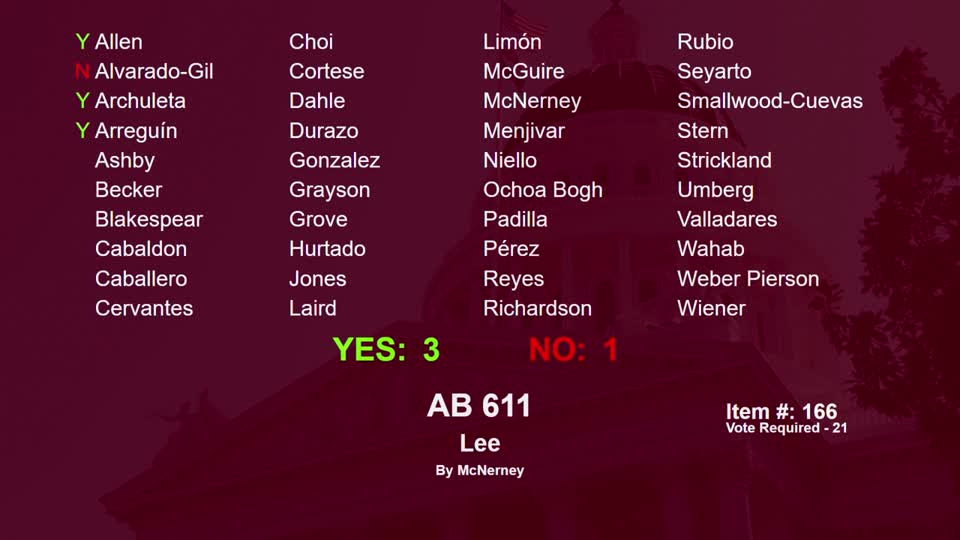 51SEC
Senate Floor
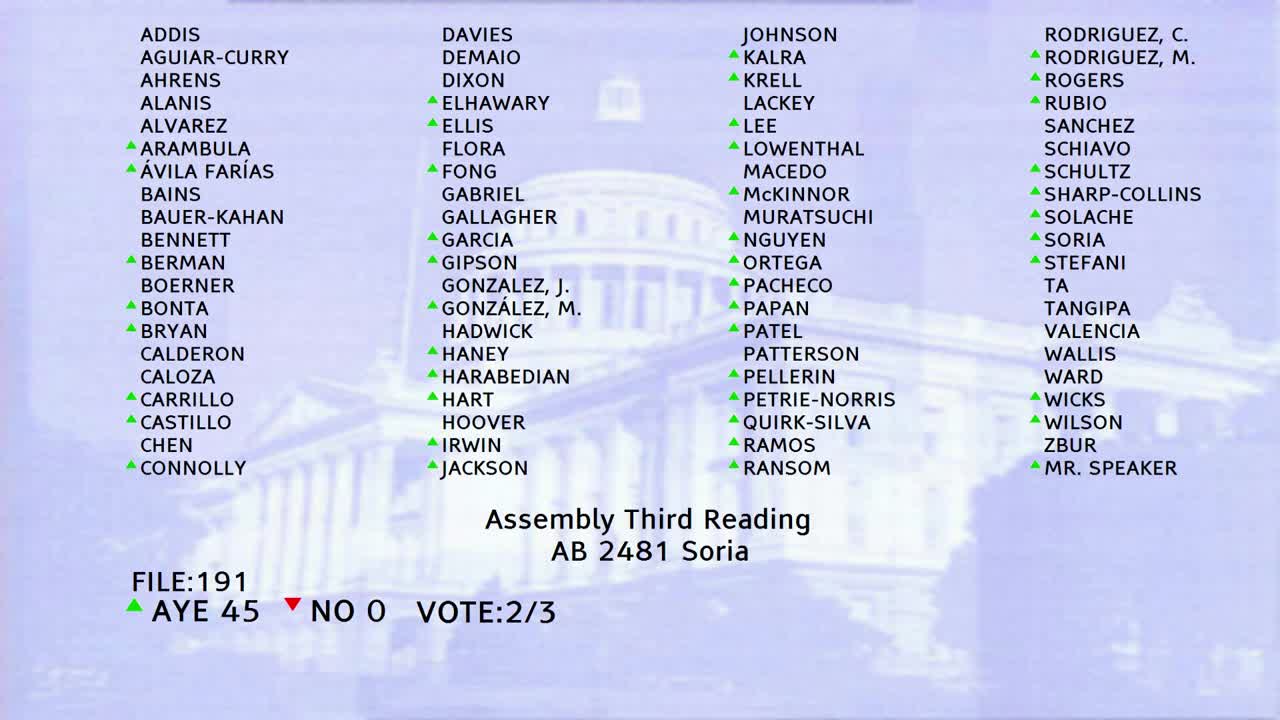 2MIN
Assembly Floor
 7MIN