SB 964: Prescription drug coverage: dose adjustments.
- Session Year: 2025-2026
- House: Senate
- Latest Version Date: 2026-09-27
Current Status:
Passed
(2026-09-27: Chaptered by Secretary of State. Chapter 663, Statutes of 2026.)
Introduced
In Committee
Awaiting First Chamber Vote
Passed First Chamber
In Committee
Awaiting Second Chamber Vote
Passed Second Chamber
Enacted
What does this bill do?
The bill lets a patient’s contracted treating provider ask a health plan or insurer to change the dose or how often a covered drug is given to meet the patient’s needs without getting prior approval or facing later utilization review, and the plan must respond in writing within 72 hours. The plan must grant the request if the drug was already covered for the patient’s serious chronic condition or cancer and the provider still prescribes it, the drug is not an opioid or other scheduled controlled substance, and the dose hasn’t been changed more than twice; most off‑label uses and Medi‑Cal managed care plans are excluded.
The summary is provided by generative AI which can make mistakes. For original language, please view the details in the table below.
Existing law, the Knox-Keene Health Care Service Plan Act of 1975, provides for the licensure and regulation of health care service plans by the Department of Managed Health Care, and makes a willful violation of the act a crime. Existing law provides for the regulation of health insurers by the Department of Insurance. Existing law generally authorizes a health care service plan or health insurer to use utilization review, under which a licensed physician or a licensed health care professional who is competent to evaluate specific clinical issues may approve, modify, delay, or deny requests for health care services based on medical necessity. Existing law also prohibits a health care service plan that covers prescription drug benefits from limiting or excluding coverage for a drug that was previously approved for coverage if an enrollee continues to be prescribed that drug, as specified.
This bill would authorize an enrollees or insureds treating contracting provider to submit a written request to a health care service plan or health insurer requesting the authority to adjust the dose or frequency of a drug to meet the specific medical needs of the enrollee or insured without prior authorization or subsequent utilization management. The bill would require the plan or insurer to issue a written response within 72 hours and to authorize the request if specified conditions are established in the request. Because a willful violation of these provisions by a health care service plan would be a crime, the bill would impose a state-mandated local program.
The California Constitution requires the state to reimburse local agencies and school districts for certain costs mandated by the state. Statutory provisions establish procedures for making that reimbursement.
This bill would provide that no reimbursement is required by this act for a specified reason.
Existing law, the Knox-Keene Health Care Service Plan Act of 1975, provides for the licensure and regulation of health care service plans by the Department of Managed Health Care, and makes a willful violation of the act a crime. Existing law provides for the regulation of health insurers by the Department of Insurance. Existing law generally authorizes a health care service plan or health insurer to use utilization review, under which a licensed physician or a licensed health care professional who is competent to evaluate specific clinical issues may approve, modify, delay, or deny requests for health care services based on medical necessity. Existing law also prohibits a health care service plan that covers prescription drug benefits from limiting or excluding coverage for a drug that was previously approved for coverage if an enrollee continues to be prescribed that drug, as specified.
This bill would authorize an enrollees or insureds treating contracting provider to request, and would require that they be granted, submit a written request to a health care service plan or health insurer requesting the authority to adjust the dose or frequency of a drug to meet the specific medical needs of the enrollee or insured without prior authorization or subsequent utilization management. The bill would require the plan or insurer to issue a written response within 72 hours and to authorize the request if specified conditions are met. established in the request. Because a willful violation of these provisions by a health care service plan would be a crime, the bill would impose a state-mandated local program.
The California Constitution requires the state to reimburse local agencies and school districts for certain costs mandated by the state. Statutory provisions establish procedures for making that reimbursement.
This bill would provide that no reimbursement is required by this act for a specified reason.
Existing law, the Knox-Keene Health Care Service Plan Act of 1975, provides for the licensure and regulation of health care service plans by the Department of Managed Health Care, and makes a willful violation of the act a crime. Existing law provides for the regulation of health insurers by the Department of Insurance. Existing law generally authorizes a health care service plan or health insurer to use utilization review, under which a licensed physician or a licensed health care professional who is competent to evaluate specific clinical issues may approve, modify, delay, or deny requests for health care services based on medical necessity. Existing law also prohibits a health care service plan that covers prescription drug benefits from limiting or excluding coverage for a drug that was previously approved for coverage if an enrollee continues to be prescribed that drug, as specified.
This bill would authorize an enrollees or insureds treating provider to request, and would require that they be granted, the authority to adjust the dose or frequency of a drug to meet the specific medical needs of the enrollee or insured without prior authorization if specified conditions are met. Because a willful violation of these provisions by a health care service plan would be a crime, the bill would impose a state-mandated local program.
The California Constitution requires the state to reimburse local agencies and school districts for certain costs mandated by the state. Statutory provisions establish procedures for making that reimbursement.
This bill would provide that no reimbursement is required by this act for a specified reason.
Existing law, the Knox-Keene Health Care Service Plan Act of 1975, provides for the licensure and regulation of health care service plans by the Department of Managed Health Care, and makes a willful violation of the act a crime. Existing law provides for the regulation of health insurers by the Department of Insurance. Existing law generally authorizes a health care service plan or health insurer to use utilization review, under which a licensed physician or a licensed health care professional who is competent to evaluate specific clinical issues may approve, modify, delay, or deny requests for health care services based on medical necessity. Existing law also prohibits a health care service plan that covers prescription drug benefits from limiting or excluding coverage for a drug that was previously approved for coverage if an enrollee continues to be prescribed that drug, as specified.
This bill would authorize a licensed health care professional an enrollees or insureds treating provider to request, and would require that they be granted, the authority to adjust the dose or frequency of a drug to meet the specific medical needs of the enrollee or insured without prior authorization if specified conditions are met. Under the bill, if the enrollee or insured has been continuously using a prescription drug selected by their prescribing provider for the medical condition under consideration while covered by their current or previous health coverage, the health care service plan or health insurance policy would be prohibited from limiting or excluding coverage of that prescription. Because a willful violation of these provisions by a health care service plan would be a crime, the bill would impose a state-mandated local program.
The California Constitution requires the state to reimburse local agencies and school districts for certain costs mandated by the state. Statutory provisions establish procedures for making that reimbursement.
This bill would provide that no reimbursement is required by this act for a specified reason.
Existing law, the Knox-Keene Health Care Service Plan Act of 1975, provides for the licensure and regulation of health care service plans by the Department of Managed Health Care, and makes a willful violation of the act a crime. Existing law provides for the regulation of health insurers by the Department of Insurance. Existing law generally authorizes a health care service plan or health insurer to use utilization review, under which a licensed physician or a licensed health care professional who is competent to evaluate specific clinical issues may approve, modify, delay, or deny requests for health care services based on medical necessity. Existing law also prohibits a health care service plan that covers prescription drug benefits from limiting or excluding coverage for a drug that was previously approved for coverage if an enrollee continues to be prescribed that drug, as specified.
This bill would authorize a licensed health care professional to request, and would require that they be granted, the authority to adjust the dose or frequency of a drug to meet the specific medical needs of the enrollee or insured without prior authorization if specified conditions are met. Under the bill, if the enrollee or insured has been continuously using a prescription drug selected by their prescribing provider for the medical condition under consideration while covered by their current or previous health coverage, the health care service plan or health insurance policy would be prohibited from limiting or excluding coverage of that prescription. Because a willful violation of these provisions by a health care service plan would be a crime, the bill would impose a state-mandated local program.
The California Constitution requires the state to reimburse local agencies and school districts for certain costs mandated by the state. Statutory provisions establish procedures for making that reimbursement.
This bill would provide that no reimbursement is required by this act for a specified reason.
(a)An enrollees treating contracting provider may submit a written request to a health care service plan requesting the authority to adjust the dose or frequency of a drug to meet the specific medical needs of the enrollee without prior authorization or subsequent utilization management. A health care service plan shall issue a written response to the requesting provider within 72 hours of receipt of the request, which shall authorize the request if all of the following conditions are established in the request:
(1)The drug previously had been approved for coverage by the plan for an enrollees serious chronic condition, as defined in Section 1373.96, or cancer treatment and the enrollees treating provider continues to prescribe the drug for the enrollees serious chronic condition or cancer treatment.
(2)The drug is not an opioid or a scheduled controlled substance.
(3)The dose has not been adjusted more than two times without prior authorization.
(b)Subdivision (a) does not apply to a drug, or an adjusted dose or frequency of a drug, that is for a use that is different than the one for which that drug has been approved for marketing by the United States Food and Drug Administration, unless it additionally meets the conditions in subdivision (a) of Section 1367.21.
(c)This section does not apply to a Medi-Cal managed care plan contracting with the State Department of Health Care Services pursuant to Chapter 7 (commencing with Section 14000), Chapter 8 (commencing with Section 14200), or Chapter 8.75 (commencing with Section 14591) of Part 3 of Division 9 of the Welfare and Institutions Code.
SEC. 2.Section 10123.1934 is added to the Insurance Code, to read:10123.1934.(a)An insureds treating contracting provider may submit a written request to a health insurer requesting the authority to adjust the dose or frequency of a drug to meet the specific medical needs of the insured without prior authorization or subsequent utilization management. A health insurer shall issue a written response to the requesting provider within 72 hours of receipt of the request, which shall authorize the request if all of the following conditions are established in the request:
(1)The drug previously had been approved for coverage by the insurer for an insureds serious chronic condition, as defined in Section 10133.56, or cancer treatment and the insureds treating provider continues to prescribe the drug for the insureds serious chronic condition or cancer treatment.
(2)The drug is not an opioid or a scheduled controlled substance.
(3)The dose has not been adjusted more than two times without prior authorization.
(b)Subdivision (a) does not apply to a drug, or an adjusted dose or frequency of a drug, that is for a use that is different than the one for which that drug has been approved for marketing by the United States Food and Drug Administration, unless it additionally meets the conditions in subdivision (a) of Section 10123.195.
SEC. 3.No reimbursement is required by this act pursuant to Section 6 of Article XIIIB of the California Constitution because the only costs that may be incurred by a local agency or school district will be incurred because this act creates a new crime or infraction, eliminates a crime or infraction, or changes the penalty for a crime or infraction, within the meaning of Section 17556 of the Government Code, or changes the definition of a crime within the meaning of Section 6 of Article XIIIB of the California Constitution.
(a)An enrollees treating contracting provider may request, and shall be granted, submit a written request to a health care service plan requesting the authority to adjust the dose or frequency of a drug to meet the specific medical needs of the enrollee without prior authorization or subsequent utilization management management. A health care service plan shall issue a written response to the requesting provider within 72 hours of receipt of the request, which shall authorize the request if all of the following conditions are met: established in the request:
(1)The drug previously had been approved for coverage by the plan for an enrollees chronic medical condition serious chronic condition, as defined in Section 1373.96, or cancer treatment and the enrollees treating provider continues to prescribe the drug for the enrollees serious chronic medical condition or cancer treatment.
(2)The drug is not an opioid or a scheduled controlled substance.
(3)The dose has not been adjusted more than two times without prior authorization.
(4)If the adjusted dose or frequency is for an off-label use, two articles from major peer-reviewed medical journals have presented data supporting the proposed off-label use as generally safe and effective as described in subparagraph (C) of paragraph (3) of subdivision (a) of Section 1367.21.(b)Subdivision (a) does not apply to a drug, or an adjusted dose or frequency of a drug, that is for a use that is different than the one for which that drug has been approved for marketing by the United States Food and Drug Administration, unless it additionally meets the conditions in subdivision (a) of Section 1367.21.
(b)(c)This section does not apply to a Medi-Cal managed care plan contracting with the State Department of Health Care Services pursuant to Chapter 7 (commencing with Section 14000), Chapter 8 (commencing with Section 14200), or Chapter 8.75 (commencing with Section 14591) of Part 3 of Division 9 of the Welfare and Institutions Code.
SEC. 2.Section 10123.1934 is added to the Insurance Code, to read:10123.1934.(a)An insureds treating contracting provider may request, and shall be granted, submit a written request to a health insurer requesting the authority to adjust the dose or frequency of a drug to meet the specific medical needs of the insured without prior authorization or subsequent utilization management management. A health insurer shall issue a written response to the requesting provider within 72 hours of receipt of the request, which shall authorize the request if all of the following conditions are met: established in the request:
(a)(1)The drug previously had been approved for coverage by the insurer for an insureds chronic medical condition serious chronic condition, as defined in Section 10133.56, or cancer treatment and the insureds treating provider continues to prescribe the drug for the insureds serious chronic medical condition or cancer treatment.
(b)(2)The drug is not an opioid or a scheduled controlled substance.
(c)(3)The dose has not been adjusted more than two times without prior authorization.
(d)If the adjusted dose or frequency is for an off-label use, two articles from major peer-reviewed medical journals have presented data supporting the proposed off-label use as generally safe and effective as described in subparagraph (C) of paragraph (3) of subdivision (a) of Section 10123.195.(b)Subdivision (a) does not apply to a drug, or an adjusted dose or frequency of a drug, that is for a use that is different than the one for which that drug has been approved for marketing by the United States Food and Drug Administration, unless it additionally meets the conditions in subdivision (a) of Section 10123.195.
SEC. 3.No reimbursement is required by this act pursuant to Section 6 of Article XIIIB of the California Constitution because the only costs that may be incurred by a local agency or school district will be incurred because this act creates a new crime or infraction, eliminates a crime or infraction, or changes the penalty for a crime or infraction, within the meaning of Section 17556 of the Government Code, or changes the definition of a crime within the meaning of Section 6 of Article XIIIB of the California Constitution.
(a)An enrollees treating provider may request, and shall be granted, the authority to adjust the dose or frequency of a drug to meet the specific medical needs of the enrollee without prior authorization or subsequent utilization management if all of the following conditions are met:
(1)The drug previously had been approved for coverage by the plan for an enrollees chronic medical condition or cancer treatment and the enrollees treating provider continues to prescribe the drug for the enrollees chronic medical condition or cancer treatment.
(2)The drug is not an opioid or a scheduled controlled substance.
(3)The dose has not been adjusted more than two times without prior authorization.
(4)If the adjusted dose or frequency is for an off-label use, two articles from major peer-reviewed medical journals have presented data supporting the proposed off-label use as generally safe and effective as described in subparagraph (C) of paragraph (3) of subdivision (a) of Section 1367.21.
(b)This section does not apply to a Medi-Cal managed care plan contracting with the State Department of Health Care Services pursuant to Chapter 7 (commencing with Section 14000), Chapter 8 (commencing with Section 14200), or Chapter 8.75 (commencing with Section 14591) of Part 3 of Division 9 of the Welfare and Institutions Code.
SEC. 2.Section 10123.1934 is added to the Insurance Code, to read:10123.1934.An insureds treating provider may request, and shall be granted, the authority to adjust the dose or frequency of a drug to meet the specific medical needs of the insured without prior authorization or subsequent utilization management if all of the following conditions are met:
(a)The drug previously had been approved for coverage by the insurer for an insureds chronic medical condition or cancer treatment and the insureds treating provider continues to prescribe the drug for the insureds chronic medical condition or cancer treatment.
(b)The drug is not an opioid or a scheduled controlled substance.
(c)The dose has not been adjusted more than two times without prior authorization.
(d)If the adjusted dose or frequency is for an off-label use, two articles from major peer-reviewed medical journals have presented data supporting the proposed off-label use as generally safe and effective as described in subparagraph (C) of paragraph (3) of subdivision (a) of Section 10123.195.
SEC. 3.No reimbursement is required by this act pursuant to Section 6 of Article XIIIB of the California Constitution because the only costs that may be incurred by a local agency or school district will be incurred because this act creates a new crime or infraction, eliminates a crime or infraction, or changes the penalty for a crime or infraction, within the meaning of Section 17556 of the Government Code, or changes the definition of a crime within the meaning of Section 6 of Article XIIIB of the California Constitution.
(a)A licensed health care professional An enrollees treating provider may request, and shall be granted, the authority to adjust the dose or frequency of a drug to meet the specific medical needs of the enrollee without prior authorization or subsequent utilization management if all of the following conditions are met:
(1)The drug previously had been approved for coverage by the plan for an enrollees chronic medical condition or cancer treatment and the plans prescribing enrollees treating provider continues to prescribe the drug for the enrollees chronic medical condition or cancer treatment.
(2)The drug is not an opioid or a scheduled controlled substance.
(3)The dose has not been adjusted more than two times without prior authorization.
(b)If the enrollee has been continuously using a prescription drug selected by the enrollees prescribing provider for the medical condition under consideration while covered by their current or previous health coverage, the health care service plan shall not limit or exclude coverage of that prescription.(c)(b)This section does not apply to a Medi-Cal managed care plan contracting with the State Department of Health Care Services pursuant to Chapter 7 (commencing with Section 14000), Chapter 8 (commencing with Section 14200), or Chapter 8.75 (commencing with Section 14591) of Part 3 of Division 9 of the Welfare and Institutions Code.
SEC. 2.Section 10123.1934 is added to the Insurance Code, to read:10123.1934.(a)A licensed health care professional An insureds treating provider may request, and shall be granted, the authority to adjust the dose or frequency of a drug to meet the specific medical needs of the insured without prior authorization or subsequent utilization management if all of the following conditions are met:
(1)(a)The drug previously had been approved for coverage by the insurer for an insureds chronic medical condition or cancer treatment and the insurers prescribing insureds treating provider continues to prescribe the drug for the insureds chronic medical condition or cancer treatment.
(2)(b)The drug is not an opioid or a scheduled controlled substance.
(3)(c)The dose has not been adjusted more than two times without prior authorization.
(b)If the insured has been continuously using a prescription drug selected by the insureds prescribing provider for the medical condition under consideration while covered by their current or previous health coverage, the insurer shall not limit or exclude coverage of that prescription.SEC. 3.No reimbursement is required by this act pursuant to Section 6 of Article XIIIB of the California Constitution because the only costs that may be incurred by a local agency or school district will be incurred because this act creates a new crime or infraction, eliminates a crime or infraction, or changes the penalty for a crime or infraction, within the meaning of Section 17556 of the Government Code, or changes the definition of a crime within the meaning of Section 6 of Article XIIIB of the California Constitution.
(a)A licensed health care professional may request, and shall be granted, the authority to adjust the dose or frequency of a drug to meet the specific medical needs of the enrollee without prior authorization or subsequent utilization management if all of the following conditions are met:
(1)The drug previously had been approved for coverage by the plan for an enrollees chronic medical condition or cancer treatment and the plans prescribing provider continues to prescribe the drug for the enrollees chronic medical condition or cancer treatment.
(2)The drug is not an opioid or a scheduled controlled substance.
(3)The dose has not been adjusted more than two times without prior authorization.
(b)If the enrollee has been continuously using a prescription drug selected by the enrollees prescribing provider for the medical condition under consideration while covered by their current or previous health coverage, the health care service plan shall not limit or exclude coverage of that prescription.
(c)This section does not apply to a Medi-Cal managed care plan contracting with the State Department of Health Care Services pursuant to Chapter 7 (commencing with Section 14000), Chapter 8 (commencing with Section 14200), or Chapter 8.75 (commencing with Section 14591) of Part 3 of Division 9 of the Welfare and Institutions Code.
SEC. 2.Section 10123.1934 is added to the Insurance Code, to read:10123.1934.(a)A licensed health care professional may request, and shall be granted, the authority to adjust the dose or frequency of a drug to meet the specific medical needs of the insured without prior authorization or subsequent utilization management if all of the following conditions are met:
(1)The drug previously had been approved for coverage by the insurer for an insureds chronic medical condition or cancer treatment and the insurers prescribing provider continues to prescribe the drug for the insureds chronic medical condition or cancer treatment.
(2)The drug is not an opioid or a scheduled controlled substance.
(3)The dose has not been adjusted more than two times without prior authorization.
(b)If the insured has been continuously using a prescription drug selected by the insureds prescribing provider for the medical condition under consideration while covered by their current or previous health coverage, the insurer shall not limit or exclude coverage of that prescription.
SEC. 3.No reimbursement is required by this act pursuant to Section 6 of Article XIIIB of the California Constitution because the only costs that may be incurred by a local agency or school district will be incurred because this act creates a new crime or infraction, eliminates a crime or infraction, or changes the penalty for a crime or infraction, within the meaning of Section 17556 of the Government Code, or changes the definition of a crime within the meaning of Section 6 of Article XIIIB of the California Constitution.
|
Date
|
Status
|
|---|---|
| Sep 27, 2026 | Chaptered by Secretary of State. Chapter 663, Statutes of 2026. |
| Sep 27, 2026 | Approved by the Governor. |
| Aug 30, 2026 | Enrolled and presented to the Governor at 6 p.m. |
| Aug 25, 2026 | Assembly amendments concurred in. (Ayes 40. Noes 0.) Ordered to engrossing and enrolling. |
| Aug 25, 2026 | Assembly amendments concurred in. (Ayes 40. Noes 0. Page 5740.) Ordered to engrossing and enrolling. |
| Aug 24, 2026 | In Senate. Concurrence in Assembly amendments pending. |
| Aug 24, 2026 | Read third time. Passed. (Ayes 77. Noes 0. Page 6390.) Ordered to the Senate. |
| Aug 24, 2026 | Read third time. Passed. Ordered to the Senate. |
| Aug 17, 2026 | Read third time and amended. |
| Aug 17, 2026 | Ordered to third reading. |
| Aug 13, 2026 | Read second time. Ordered to third reading. |
| Aug 13, 2026 | From committee: Do pass. (Ayes 15. Noes 0.) (August 13). |
| Aug 13, 2026 | Assembly Rule 63 suspended. |
| Jun 24, 2026 | June 24 set for first hearing. Placed on suspense file. |
| Jun 10, 2026 | From committee: Do pass and re-refer to Com. on APPR. (Ayes 15. Noes 0.) (June 9). Re-referred to Com. on APPR. |
| May 26, 2026 | Referred to Com. on HEALTH. |
| May 20, 2026 | In Assembly. Read first time. Held at Desk. |
| May 19, 2026 | Read third time. Passed. (Ayes 39. Noes 0.) Ordered to the Assembly. |
| May 19, 2026 | Read third time. Passed. (Ayes 39. Noes 0. Page 4357.) Ordered to the Assembly. |
| May 18, 2026 | Read second time. Ordered to third reading. |
| May 14, 2026 | Read second time and amended. Ordered to second reading. |
| May 14, 2026 | From committee: Do pass as amended. (Ayes 7. Noes 0.) (May 14). |
| May 14, 2026 | From committee: Do pass as amended. (Ayes 7. Noes 0. Page 4259.) (May 14). |
| May 8, 2026 | Set for hearing May 14. |
| Apr 13, 2026 | April 13 hearing: Placed on APPR. suspense file. |
| Apr 13, 2026 | Set for hearing April 13. |
| Apr 10, 2026 | Set for hearing April 13. |
| Apr 6, 2026 | Read second time and amended. Re-referred to Com. on APPR. |
| Mar 26, 2026 | From committee: Do pass as amended and re-refer to Com. on APPR. (Ayes 11. Noes 0.) (March 25). |
| Mar 26, 2026 | From committee: Do pass as amended and re-refer to Com. on APPR. (Ayes 11. Noes 0. Page 3689.) (March 25). |
| Mar 9, 2026 | Set for hearing March 25. |
| Feb 11, 2026 | Referred to Com. on HEALTH. |
| Feb 4, 2026 | From printer. May be acted upon on or after March 6. |
| Feb 3, 2026 | Introduced. Read first time. To Com. on RLS. for assignment. To print. |
|
Date
|
Description
|
Location
|
Votes
|
|
|---|---|---|---|---|
| Aug 25, 2026 | Unfinished Business SB964 Smallwood-Cuevas Concurrence | Senate Floor |
Passed |
|
| Aug 24, 2026 | SB 964 Smallwood-Cuevas Senate Third Reading By Arambula | Assembly Floor |
Passed |
|
| Aug 13, 2026 | Do pass. | Assembly Standing Committee on Appropriations |
Passed |
|
| Jun 9, 2026 | Do pass and be re-referred to the Committee on [Appropriations] | Assembly Standing Committee on Health |
Passed |
|
| May 19, 2026 | Senate 3rd Reading SB964 Smallwood-Cuevas | Senate Floor |
Passed |
|
| May 14, 2026 | Do pass as amended | Senate Standing Committee on Appropriations |
Passed |
|
| Apr 13, 2026 | Placed on suspense file | Senate Standing Committee on Appropriations |
Passed |
|
| Mar 25, 2026 | Do pass as amended, but first amend, and re-refer to the Committee on [Appropriations] | Senate Standing Committee on Health |
Passed |
This list shows positions taken on this bill by organizations on the date displayed, which is linked to the original source.
Positions by individuals are not included.
|
Organization
|
Position
|
Date
|
|---|---|---|
| Alliance for Headache Disorders Advocacy | ** Support | |
| Association Of California Life & Health Insurance Companies | ** Against | |
| Association Of Northern California Oncologists | ** Support | |
| Bleeding Disorders Council of California | ** Support | |
| California Academy of Child and Adolescent Psychiatry | ** Support | |
| California Academy Of Family Physicians | ** Support | |
| California Access Coalition | ** Support | |
| California Association Of Health Plans | ** Against | |
| California Chapter American College Of Cardiology | ** Support | |
| California Chronic Care Coalition | ** Support | |
| California Hospital Association | ** Support | |
| California Life Sciences Association | ** Support | |
| California Long-Term Care Ombudsman Association | ** Support | |
| California Medical Association | ** Support | |
| California Pharmacists Association | ** Support | |
| California Retired Teachers Association | ** Support | |
| California Rheumatology Alliance | ** Support | |
| Cedars-Sinai Health System | ** Support | |
| Crohn’s and Colitis Foundation | ** Support | |
| Health Access California | ** Support | |
| Kheir Clinic | ** Support | |
| National Health Law Program | ** Support | |
| National Infusion Center Association | ** Support | |
| Physician Association of California | ** Support | |
| St. John's Community Health | ** Support | |
| St. John’s Community Health | ** Support | |
| U.S. Pain Foundation | ** Support | |
| University Muslim Medical Association Health | ** Support | |
| Western Center on Law & Poverty, INC. | ** Support | |
| Westside Family Health Center | ** Support |
SENATE RULES COMMITTEE Office of Senate Floor Analyses (916) 651-4171 | SB 964 |
UNFINISHED BUSINESS
Bill No: SB 964
Author: Smallwood-Cuevas (D)
Amended: 8/17/26
Vote: 21
SENATE HEALTH COMMITTEE: 11-0, 3/25/26
AYES: Weber Pierson, Valladares, Caballero, Durazo, Gonzalez, Grove, Menjivar, Padilla, Pérez, Rubio, Smallwood-Cuevas
SENATE APPROPRIATIONS COMMITTEE: 7-0, 5/14/26
AYES: Cervantes, Seyarto, Cabaldon, Dahle, Grayson, Richardson, Wahab
SENATE FLOOR: 39-0, 5/19/26
AYES: Allen, Alvarado-Gil, Archuleta, Arreguín, Ashby, Becker, Blakespear, Cabaldon, Caballero, Cervantes, Choi, Cortese, Dahle, Durazo, Gonzalez, Grayson, Grove, Hurtado, Jones, Laird, Limón, McGuire, McNerney, Menjivar, Ochoa Bogh, Padilla, Pérez, Reyes, Richardson, Rubio, Seyarto, Smallwood-Cuevas, Stern, Strickland, Umberg, Valladares, Wahab, Weber Pierson, Wiener
NO VOTE RECORDED: Niello
ASSEMBLY FLOOR: 77-0, 8/24/26 - See last page for vote
SUBJECT: Prescription drug coverage: dose adjustments
SOURCE: Crohn’s and Colitis Foundation
DIGEST:
This bill authorizes a treating health care provider to request, and be granted, the authority (from health plans and insurers) to adjust the dose or frequency of a drug to meet the specific medical needs of an enrollee or insured with a serious chronic condition or cancer, without prior authorization or subsequent utilization management, under specified conditions.
Assembly Amendments apply this bill to contracting providers, require a provider to submit a written request, and require the plan or insurer to respond within 72 hours of receipt of the request with the authorization if the conditions of this bill are established in the request. Replace “chronic medical condition” with “series chronic condition, as specified.” Delete the condition related to off-label use and instead require that any off-label use of a drug or adjusted dose or frequency that is for a use that is different than what has been approved by the United States Food and Drug Administration, must additionally meet conditions described in existing off-label use law, as specified.
ANALYSIS:
Existing law:
- Establishes the Department of Managed Health Care (DMHC) to regulate health plans under the Knox-Keene Health Care Service Plan Act of 1975 (Knox-Keene Act) and the California Department of Insurance (CDI) to regulate health and other insurers under the Insurance Code. [Health and Safety Code (HSC) §1340, et seq., and Insurance Code (INS) §106, et seq.]
- Prohibits a health plan contract or insurance policy that covers prescription drug benefits from limiting or excluding coverage for a drug on the basis that the drug is prescribed for a use that is different from the use for which that drug has been approved for marketing by the federal Food and Drug Administration (FDA), provided that all of the following conditions have been met (This is referred to as “off-label” requirements):
- The drug is approved by the FDA;
- The drug is prescribed by a participating licensed health care professional for the treatment of a life-threatening condition; or the drug is prescribed by a participating licensed health care professional for the treatment of a chronic and seriously debilitating condition, the drug is medically necessary to treat that condition, and the drug is on the plan formulary. Requires, if the drug is not on the plan formulary, the participating subscriber’s request to be considered pursuant to an expeditious process;
- The drug has been recognized for treatment of that condition by any of the following:
- The American Hospital Formulary Service’s Drug Information;
- One of the following compendia, if recognized by the federal Centers for Medicare and Medicaid Services as part of an anticancer chemotherapeutic regimen:
- The Elsevier Gold Standard’s Clinical Pharmacology;
- The National Comprehensive Cancer Network Drug and Biologics Compendium; or,
- The Thomson Micromedex DrugDex; and,
- Two articles from major peer reviewed medical journals that present data supporting the proposed off-label use or uses as generally safe and effective unless there is clear and convincing contradictory evidence presented in a major peer reviewed medical journal. [HSC §1367.21 and INS §10123.195]
- Requires any coverage required pursuant to 2) above to also include medically necessary services associated with the administration of a drug, subject to the conditions of the contract. States that 2) shall not be construed to prohibit the use of a formulary, copayment, technology assessment panel, or similar mechanism as a means for appropriately controlling the utilization of a drug that is prescribed for a use that is different from the use for which that drug has been approved for marketing by the FDA. [HSC §1367.21 and INS §10123.195]
- Requires health plans to maintain an expeditious process by which the prescribing provider may obtain authorization for a medically necessary nonformulary prescription drug, except the process is not required for nonformulary drugs that have been prescribed pursuant to 5) above. [HSC §1367.24]
- Defines a serious chronic condition as a medical condition due to disease, illness, or other medical problem or medical disorder that is serious in nature and that persists without full cure or worsens over an extended period of time or requires ongoing treatment to maintain remission or prevent deterioration. [HSC §1373.96(c)(2) and INS §10133.56 (a)(1)(B)]
This bill:
- Authorizes a treating contracting provider to submit a written request to a health plan or insurer requesting the authority to adjust the dose or frequency of a drug to meet the specific medical needs of the enrollee or insured, without prior authorization or subsequent utilization management. Requires the plan or insurer to issue a written response to the requesting provider within 72 hours of receipt of the request, which authorizes the request if all of the following conditions are established in the request:
- The drug was previously approved for the enrollee/insured for a serious chronic medical condition, as defined, or cancer treatment and the drug continues to be prescribed by the treating provider for the serious condition or cancer treatment;
- The drug is not an opioid or a scheduled controlled substance; and,
- The dose has not been adjusted more than two times without prior authorization.
- Indicates 1) above does not apply to a drug, or an adjusted dose or frequency or a drug that is for a use that is different than the one for which that drug has been approved for marketing by the FDA, unless it additionally meets the conditions in existing off-label use law.
- Exempts from this bill Medi-Cal managed care plans, as specified.
Comments
According to the author of this bill:
More than 16 million Californians live with at least one chronic condition, and many depend on prescription medications to manage their health and, in some cases, to survive. For these patients, adjustments in dosage or frequency are often a routine and medically necessary part of effective treatment — not a new or different therapy. Yet under current insurance practices, even minor, clinically appropriate adjustments are frequently treated as entirely new treatments. This triggers burdensome prior authorization requirements, denials, and lengthy appeals processes that delay care, disrupt treatment plans, and place unnecessary administrative strain on patients and providers. These delays can lead to worsened health outcomes due to preventable complications or disease progression. This bill addresses that gap by ensuring that patients with chronic, complex conditions — such as Crohn’s disease — may receive up to two clinically justified dose or frequency adjustments per covered medication without repeated prior authorization barriers. By protecting continuity of care while maintaining appropriate clinical safeguards, the measure supports better health outcomes, reduces avoidable delays, and promotes a more efficient and patient-centered healthcare system.
FISCAL EFFECT: Appropriation: No Fiscal Com.: Yes Local: Yes
According to the Assembly Committee on Appropriation:
- DMHC estimates minor and absorbable costs.
- CDI anticipates minor and absorbable costs in FY 2026-27 and FY 2027-28 to review insurance policy documents (Insurance Fund).
- The California Public Employee Retirement System (CalPERS) estimates increases in premiums for CalPERS members in DMHC-regulated health plans of around $310,000, of which the state’s share is approximately $150,000 (General Fund). CalPERS costs for CDI-regulated policies would likely be less than $150,000 (General Fund).
SUPPORT: (Verified 8/20/26)
Crohn’s and Colitis Foundation (source)
Alliance for Headache Disorders Advocacy
Association of Northern California Oncologists
Bleeding Disorders Council of California
California Academy of Child and Adolescent Psychiatry
California Academy of Family Physicians
California Access Coalition
California Chapter American College of Cardiology
California Chronic Care Coalition
California Hospital Association
California Long-Term Care Ombudsman Association
California Medical Association
California Pharmacists Association
California Retired Teachers Association
California Rheumatology Alliance
Cedars-Sinai Health System
Health Access California
Kheir Clinic
National Health Law Program
National Infusion Center Association
Physician Association of California
St. John’s Community Health
University Muslim Medical Association Health
U.S. Pain Foundation
Western Center on Law & Poverty, Inc.
Westside Family Health Center
OPPOSITION: (Verified 8/20/26)
Association of California Life & Health Insurance Companies
California Association of Health Plans
ARGUMENTS IN SUPPORT: The Crohn’s and Colitis Foundation, the source of this bill, states that some patients require treatment tailored to the individual and when a patient is stable, disrupting treatment because of insurance company denials of medication or dose optimization of approved prescriptions puts patients at risk of hospitalization and even death. According to the sponsor, currently every dose adjustment requires approval by the health plan which often results in delays, and denials if the dose is different from the dose on the medication label. The California Advocacy Team of the U.S. Pain Foundation writes that for patients living with chronic pain and other chronic conditions, treatment plans are often carefully recalibrated over time. Even short delays in medication adjustments can result in avoidable suffering, functional decline, and increased reliance on urgent or emergency services. These supporters believe this bill promotes continuity and stability by ensuring that patients who have been continuously using prescribed medication do not face sudden loss of coverage due to administrative barriers. The California Hospital Association writes that this bill offers thoughtful and balanced reform that meaningfully reduces administrative barriers to care while preserving appropriate safeguards. Health Access California writes under existing practice, health plans often require new prior authorization for each dose or frequency adjustment, even when medically necessary, and when these requests are denied, and later overturned on appeal, this creates avoidable delays that can negatively affect patients’ care and health. Health Access believes this bill would prevent unnecessary delays in access for consumers with chronic conditions and cancer by prohibiting a health plan or insurer from excluding from or limiting coverage for a prescription that the consumer has been continuously using while covered by their existing or previous health coverage.
ARGUMENTS IN OPPOSITION: The Association of California Life and Health Insurance Companies and the California Association of Health Plans are concerned this bill may create patient safety concerns and write that when they limit a drug or specific dose of a drug, it is generally for safety reasons, including potential abuse or overuse, inconsistent usage with FDA-approved labeling or to prevent use at doses that have not been studied or shown to be efficacious. The opposition also believes this bill will increase costs and will undermine utilization management protocols.
ASSEMBLY FLOOR: 77-0, 8/24/26
AYES: Addis, Aguiar-Curry, Ahrens, Alanis, Alvarez, Arambula, Ávila Farías, Bains, Bauer-Kahan, Bennett, Berman, Boerner, Bonta, Bryan, Calderon, Caloza, Carrillo, Castillo, Chen, Connolly, Davies, DeMaio, Dixon, Elhawary, Ellis, Flora, Fong, Gabriel, Garcia, Gipson, Jeff Gonzalez, Mark González, Hadwick, Haney, Harabedian, Hart, Hoover, Irwin, Jackson, Johnson, Kalra, Krell, Lee, Lowenthal, Macedo, Muratsuchi, Nguyen, Ortega, Pacheco, Papan, Patel, Patterson, Pellerin, Petrie-Norris, Quirk-Silva, Ramos, Ransom, Celeste Rodriguez, Michelle Rodriguez, Rogers, Blanca Rubio, Sanchez, Schiavo, Schultz, Sharp-Collins, Solache, Soria, Stefani, Ta, Tangipa, Valencia, Wallis, Ward, Wicks, Wilson, Zbur, Rivas
NO VOTE RECORDED: Lackey, McKinnor
Prepared by: Teri Boughton / HEALTH / (916) 651-4111
10/12/26 9:32:00
**** END ****
SENATE RULES COMMITTEE Office of Senate Floor Analyses (916) 651-4171 | SB 964 |
UNFINISHED BUSINESS
Bill No: SB 964
Author: Smallwood-Cuevas (D)
Amended: 8/17/26
Vote: 21
SENATE HEALTH COMMITTEE: 11-0, 3/25/26
AYES: Weber Pierson, Valladares, Caballero, Durazo, Gonzalez, Grove, Menjivar, Padilla, Pérez, Rubio, Smallwood-Cuevas
SENATE APPROPRIATIONS COMMITTEE: 7-0, 5/14/26
AYES: Cervantes, Seyarto, Cabaldon, Dahle, Grayson, Richardson, Wahab
SENATE FLOOR: 39-0, 5/19/26
AYES: Allen, Alvarado-Gil, Archuleta, Arreguín, Ashby, Becker, Blakespear, Cabaldon, Caballero, Cervantes, Choi, Cortese, Dahle, Durazo, Gonzalez, Grayson, Grove, Hurtado, Jones, Laird, Limón, McGuire, McNerney, Menjivar, Ochoa Bogh, Padilla, Pérez, Reyes, Richardson, Rubio, Seyarto, Smallwood-Cuevas, Stern, Strickland, Umberg, Valladares, Wahab, Weber Pierson, Wiener
NO VOTE RECORDED: Niello
ASSEMBLY FLOOR: Passed, 8/24/26
SUBJECT: Prescription drug coverage: dose adjustments
SOURCE: Crohn’s and Colitis Foundation
DIGEST:
This bill authorizes a treating health care provider to request, and be granted, the authority (from health plans and insurers) to adjust the dose or frequency of a drug to meet the specific medical needs of an enrollee or insured with a serious chronic condition or cancer, without prior authorization or subsequent utilization management, under specified conditions.
Assembly Amendments apply this bill to contracting providers, require a provider to submit a written request, and require the plan or insurer to respond within 72 hours of receipt of the request with the authorization if the conditions of this bill are established in the request. Replace “chronic medical condition” with “series chronic condition, as specified.” Delete the condition related to off-label use and instead require that any off-label use of a drug or adjusted dose or frequency that is for a use that is different than what has been approved by the United States Food and Drug Administration, must additionally meet conditions described in existing off-label use law, as specified.
ANALYSIS:
Existing law:
- Establishes the Department of Managed Health Care (DMHC) to regulate health plans under the Knox-Keene Health Care Service Plan Act of 1975 (Knox-Keene Act) and the California Department of Insurance (CDI) to regulate health and other insurers under the Insurance Code. [Health and Safety Code (HSC) §1340, et seq., and Insurance Code (INS) §106, et seq.]
- Prohibits a health plan contract or insurance policy that covers prescription drug benefits from limiting or excluding coverage for a drug on the basis that the drug is prescribed for a use that is different from the use for which that drug has been approved for marketing by the federal Food and Drug Administration (FDA), provided that all of the following conditions have been met (This is referred to as “off-label” requirements):
- The drug is approved by the FDA;
- The drug is prescribed by a participating licensed health care professional for the treatment of a life-threatening condition; or the drug is prescribed by a participating licensed health care professional for the treatment of a chronic and seriously debilitating condition, the drug is medically necessary to treat that condition, and the drug is on the plan formulary. Requires, if the drug is not on the plan formulary, the participating subscriber’s request to be considered pursuant to an expeditious process;
- The drug has been recognized for treatment of that condition by any of the following:
- The American Hospital Formulary Service’s Drug Information;
- One of the following compendia, if recognized by the federal Centers for Medicare and Medicaid Services as part of an anticancer chemotherapeutic regimen:
- The Elsevier Gold Standard’s Clinical Pharmacology;
- The National Comprehensive Cancer Network Drug and Biologics Compendium; or,
- The Thomson Micromedex DrugDex; and,
- Two articles from major peer reviewed medical journals that present data supporting the proposed off-label use or uses as generally safe and effective unless there is clear and convincing contradictory evidence presented in a major peer reviewed medical journal. [HSC §1367.21 and INS §10123.195]
- Requires any coverage required pursuant to 2) above to also include medically necessary services associated with the administration of a drug, subject to the conditions of the contract. States that 2) shall not be construed to prohibit the use of a formulary, copayment, technology assessment panel, or similar mechanism as a means for appropriately controlling the utilization of a drug that is prescribed for a use that is different from the use for which that drug has been approved for marketing by the FDA. [HSC §1367.21 and INS §10123.195]
- Requires health plans to maintain an expeditious process by which the prescribing provider may obtain authorization for a medically necessary nonformulary prescription drug, except the process is not required for nonformulary drugs that have been prescribed pursuant to 5) above. [HSC §1367.24]
- Defines a serious chronic condition as a medical condition due to disease, illness, or other medical problem or medical disorder that is serious in nature and that persists without full cure or worsens over an extended period of time or requires ongoing treatment to maintain remission or prevent deterioration. [HSC §1373.96(c)(2) and INS §10133.56 (a)(1)(B)]
This bill:
- Authorizes a treating contracting provider to submit a written request to a health plan or insurer requesting the authority to adjust the dose or frequency of a drug to meet the specific medical needs of the enrollee or insured, without prior authorization or subsequent utilization management. Requires the plan or insurer to issue a written response to the requesting provider within 72 hours of receipt of the request, which authorizes the request if all of the following conditions are established in the request:
- The drug was previously approved for the enrollee/insured for a serious chronic medical condition, as defined, or cancer treatment and the drug continues to be prescribed by the treating provider for the serious condition or cancer treatment;
- The drug is not an opioid or a scheduled controlled substance; and,
- The dose has not been adjusted more than two times without prior authorization.
- Indicates 1) above does not apply to a drug, or an adjusted dose or frequency or a drug that is for a use that is different than the one for which that drug has been approved for marketing by the FDA, unless it additionally meets the conditions in existing off-label use law.
- Exempts from this bill Medi-Cal managed care plans, as specified.
Comments
According to the author of this bill:
More than 16 million Californians live with at least one chronic condition, and many depend on prescription medications to manage their health and, in some cases, to survive. For these patients, adjustments in dosage or frequency are often a routine and medically necessary part of effective treatment — not a new or different therapy. Yet under current insurance practices, even minor, clinically appropriate adjustments are frequently treated as entirely new treatments. This triggers burdensome prior authorization requirements, denials, and lengthy appeals processes that delay care, disrupt treatment plans, and place unnecessary administrative strain on patients and providers. These delays can lead to worsened health outcomes due to preventable complications or disease progression. This bill addresses that gap by ensuring that patients with chronic, complex conditions — such as Crohn’s disease — may receive up to two clinically justified dose or frequency adjustments per covered medication without repeated prior authorization barriers. By protecting continuity of care while maintaining appropriate clinical safeguards, the measure supports better health outcomes, reduces avoidable delays, and promotes a more efficient and patient-centered healthcare system.
FISCAL EFFECT: Appropriation: No Fiscal Com.: Yes Local: Yes
According to the Assembly Committee on Appropriation:
- DMHC estimates minor and absorbable costs.
- CDI anticipates minor and absorbable costs in FY 2026-27 and FY 2027-28 to review insurance policy documents (Insurance Fund).
- The California Public Employee Retirement System (CalPERS) estimates increases in premiums for CalPERS members in DMHC-regulated health plans of around $310,000, of which the state’s share is approximately $150,000 (General Fund). CalPERS costs for CDI-regulated policies would likely be less than $150,000 (General Fund).
SUPPORT: (Verified 8/20/26)
Crohn’s and Colitis Foundation (source)
Alliance for Headache Disorders Advocacy
Association of Northern California Oncologists
Bleeding Disorders Council of California
California Academy of Child and Adolescent Psychiatry
California Academy of Family Physicians
California Access Coalition
California Chapter American College of Cardiology
California Chronic Care Coalition
California Hospital Association
California Long-Term Care Ombudsman Association
California Medical Association
California Pharmacists Association
California Retired Teachers Association
California Rheumatology Alliance
Cedars-Sinai Health System
Health Access California
Kheir Clinic
National Health Law Program
National Infusion Center Association
Physician Association of California
St. John’s Community Health
University Muslim Medical Association Health
U.S. Pain Foundation
Western Center on Law & Poverty, Inc.
Westside Family Health Center
OPPOSITION: (Verified 8/20/26)
Association of California Life & Health Insurance Companies
California Association of Health Plans
ARGUMENTS IN SUPPORT: The Crohn’s and Colitis Foundation, the source of this bill, states that some patients require treatment tailored to the individual and when a patient is stable, disrupting treatment because of insurance company denials of medication or dose optimization of approved prescriptions puts patients at risk of hospitalization and even death. According to the sponsor, currently every dose adjustment requires approval by the health plan which often results in delays, and denials if the dose is different from the dose on the medication label. The California Advocacy Team of the U.S. Pain Foundation writes that for patients living with chronic pain and other chronic conditions, treatment plans are often carefully recalibrated over time. Even short delays in medication adjustments can result in avoidable suffering, functional decline, and increased reliance on urgent or emergency services. These supporters believe this bill promotes continuity and stability by ensuring that patients who have been continuously using prescribed medication do not face sudden loss of coverage due to administrative barriers. The California Hospital Association writes that this bill offers thoughtful and balanced reform that meaningfully reduces administrative barriers to care while preserving appropriate safeguards. Health Access California writes under existing practice, health plans often require new prior authorization for each dose or frequency adjustment, even when medically necessary, and when these requests are denied, and later overturned on appeal, this creates avoidable delays that can negatively affect patients’ care and health. Health Access believes this bill would prevent unnecessary delays in access for consumers with chronic conditions and cancer by prohibiting a health plan or insurer from excluding from or limiting coverage for a prescription that the consumer has been continuously using while covered by their existing or previous health coverage.
ARGUMENTS IN OPPOSITION: The Association of California Life and Health Insurance Companies and the California Association of Health Plans are concerned this bill may create patient safety concerns and write that when they limit a drug or specific dose of a drug, it is generally for safety reasons, including potential abuse or overuse, inconsistent usage with FDA-approved labeling or to prevent use at doses that have not been studied or shown to be efficacious. The opposition also believes this bill will increase costs and will undermine utilization management protocols.
Prepared by: Teri Boughton / HEALTH / (916) 651-4111
8/24/26 16:57:36
SENATE RULES COMMITTEE Office of Senate Floor Analyses (916) 651-4171 | SB 964 |
UNFINISHED BUSINESS
Bill No: SB 964
Author: Smallwood-Cuevas (D)
Amended: 8/17/26
Vote: 21
SENATE HEALTH COMMITTEE: 11-0, 3/25/26
AYES: Weber Pierson, Valladares, Caballero, Durazo, Gonzalez, Grove, Menjivar, Padilla, Pérez, Rubio, Smallwood-Cuevas
SENATE APPROPRIATIONS COMMITTEE: 7-0, 5/14/26
AYES: Cervantes, Seyarto, Cabaldon, Dahle, Grayson, Richardson, Wahab
SENATE FLOOR: 39-0, 5/19/26
AYES: Allen, Alvarado-Gil, Archuleta, Arreguín, Ashby, Becker, Blakespear, Cabaldon, Caballero, Cervantes, Choi, Cortese, Dahle, Durazo, Gonzalez, Grayson, Grove, Hurtado, Jones, Laird, Limón, McGuire, McNerney, Menjivar, Ochoa Bogh, Padilla, Pérez, Reyes, Richardson, Rubio, Seyarto, Smallwood-Cuevas, Stern, Strickland, Umberg, Valladares, Wahab, Weber Pierson, Wiener
NO VOTE RECORDED: Niello
ASSEMBLY FLOOR: Passed, 8/24/26
SUBJECT: Prescription drug coverage: dose adjustments
SOURCE: Crohn’s and Colitis Foundation
DIGEST:
This bill authorizes a treating health care provider to request, and be granted, the authority (from health plans and insurers) to adjust the dose or frequency of a drug to meet the specific medical needs of an enrollee or insured with a serious chronic condition or cancer, without prior authorization or subsequent utilization management, under specified conditions.
Assembly Amendments apply this bill to contracting providers, require a provider to submit a written request, and require the plan or insurer to respond within 72 hours of receipt of the request with the authorization if the conditions of this bill are established in the request. Replace “chronic medical condition” with “series chronic condition, as specified.” Delete the condition related to off-label use and instead require that any off-label use of a drug or adjusted dose or frequency that is for a use that is different than what has been approved by the United States Food and Drug Administration, must additionally meet conditions described in existing off-label use law, as specified.
ANALYSIS:
Existing law:
- Establishes the Department of Managed Health Care (DMHC) to regulate health plans under the Knox-Keene Health Care Service Plan Act of 1975 (Knox-Keene Act) and the California Department of Insurance (CDI) to regulate health and other insurers under the Insurance Code. [Health and Safety Code (HSC) §1340, et seq., and Insurance Code (INS) §106, et seq.]
- Prohibits a health plan contract or insurance policy that covers prescription drug benefits from limiting or excluding coverage for a drug on the basis that the drug is prescribed for a use that is different from the use for which that drug has been approved for marketing by the federal Food and Drug Administration (FDA), provided that all of the following conditions have been met (This is referred to as “off-label” requirements):
- The drug is approved by the FDA;
- The drug is prescribed by a participating licensed health care professional for the treatment of a life-threatening condition; or the drug is prescribed by a participating licensed health care professional for the treatment of a chronic and seriously debilitating condition, the drug is medically necessary to treat that condition, and the drug is on the plan formulary. Requires, if the drug is not on the plan formulary, the participating subscriber’s request to be considered pursuant to an expeditious process;
- The drug has been recognized for treatment of that condition by any of the following:
- The American Hospital Formulary Service’s Drug Information;
- One of the following compendia, if recognized by the federal Centers for Medicare and Medicaid Services as part of an anticancer chemotherapeutic regimen:
- The Elsevier Gold Standard’s Clinical Pharmacology;
- The National Comprehensive Cancer Network Drug and Biologics Compendium; or,
- The Thomson Micromedex DrugDex; and,
- Two articles from major peer reviewed medical journals that present data supporting the proposed off-label use or uses as generally safe and effective unless there is clear and convincing contradictory evidence presented in a major peer reviewed medical journal. [HSC §1367.21 and INS §10123.195]
- Requires any coverage required pursuant to 2) above to also include medically necessary services associated with the administration of a drug, subject to the conditions of the contract. States that 2) shall not be construed to prohibit the use of a formulary, copayment, technology assessment panel, or similar mechanism as a means for appropriately controlling the utilization of a drug that is prescribed for a use that is different from the use for which that drug has been approved for marketing by the FDA. [HSC §1367.21 and INS §10123.195]
- Requires health plans to maintain an expeditious process by which the prescribing provider may obtain authorization for a medically necessary nonformulary prescription drug, except the process is not required for nonformulary drugs that have been prescribed pursuant to 5) above. [HSC §1367.24]
- Defines a serious chronic condition as a medical condition due to disease, illness, or other medical problem or medical disorder that is serious in nature and that persists without full cure or worsens over an extended period of time or requires ongoing treatment to maintain remission or prevent deterioration. [HSC §1373.96(c)(2) and INS §10133.56 (a)(1)(B)]
This bill:
- Authorizes a treating contracting provider to submit a written request to a health plan or insurer requesting the authority to adjust the dose or frequency of a drug to meet the specific medical needs of the enrollee or insured, without prior authorization or subsequent utilization management. Requires the plan or insurer to issue a written response to the requesting provider within 72 hours of receipt of the request, which authorizes the request if all of the following conditions are established in the request:
- The drug was previously approved for the enrollee/insured for a serious chronic medical condition, as defined, or cancer treatment and the drug continues to be prescribed by the treating provider for the serious condition or cancer treatment;
- The drug is not an opioid or a scheduled controlled substance; and,
- The dose has not been adjusted more than two times without prior authorization.
- Indicates 1) above does not apply to a drug, or an adjusted dose or frequency or a drug that is for a use that is different than the one for which that drug has been approved for marketing by the FDA, unless it additionally meets the conditions in existing off-label use law.
- Exempts from this bill Medi-Cal managed care plans, as specified.
Comments
According to the author of this bill:
More than 16 million Californians live with at least one chronic condition, and many depend on prescription medications to manage their health and, in some cases, to survive. For these patients, adjustments in dosage or frequency are often a routine and medically necessary part of effective treatment — not a new or different therapy. Yet under current insurance practices, even minor, clinically appropriate adjustments are frequently treated as entirely new treatments. This triggers burdensome prior authorization requirements, denials, and lengthy appeals processes that delay care, disrupt treatment plans, and place unnecessary administrative strain on patients and providers. These delays can lead to worsened health outcomes due to preventable complications or disease progression. This bill addresses that gap by ensuring that patients with chronic, complex conditions — such as Crohn’s disease — may receive up to two clinically justified dose or frequency adjustments per covered medication without repeated prior authorization barriers. By protecting continuity of care while maintaining appropriate clinical safeguards, the measure supports better health outcomes, reduces avoidable delays, and promotes a more efficient and patient-centered healthcare system.
FISCAL EFFECT: Appropriation: No Fiscal Com.: Yes Local: Yes
According to the Assembly Committee on Appropriation:
- DMHC estimates minor and absorbable costs.
- CDI anticipates minor and absorbable costs in FY 2026-27 and FY 2027-28 to review insurance policy documents (Insurance Fund).
- The California Public Employee Retirement System (CalPERS) estimates increases in premiums for CalPERS members in DMHC-regulated health plans of around $310,000, of which the state’s share is approximately $150,000 (General Fund). CalPERS costs for CDI-regulated policies would likely be less than $150,000 (General Fund).
SUPPORT: (Verified 8/20/26)
Crohn’s and Colitis Foundation (source)
Alliance for Headache Disorders Advocacy
Association of Northern California Oncologists
Bleeding Disorders Council of California
California Academy of Child and Adolescent Psychiatry
California Academy of Family Physicians
California Access Coalition
California Chapter American College of Cardiology
California Chronic Care Coalition
California Hospital Association
California Long-Term Care Ombudsman Association
California Medical Association
California Pharmacists Association
California Retired Teachers Association
California Rheumatology Alliance
Cedars-Sinai Health System
Health Access California
Kheir Clinic
National Health Law Program
National Infusion Center Association
Physician Association of California
St. John’s Community Health
University Muslim Medical Association Health
U.S. Pain Foundation
Western Center on Law & Poverty, Inc.
Westside Family Health Center
OPPOSITION: (Verified 8/20/26)
Association of California Life & Health Insurance Companies
California Association of Health Plans
ARGUMENTS IN SUPPORT: The Crohn’s and Colitis Foundation, the source of this bill, states that some patients require treatment tailored to the individual and when a patient is stable, disrupting treatment because of insurance company denials of medication or dose optimization of approved prescriptions puts patients at risk of hospitalization and even death. According to the sponsor, currently every dose adjustment requires approval by the health plan which often results in delays, and denials if the dose is different from the dose on the medication label. The California Advocacy Team of the U.S. Pain Foundation writes that for patients living with chronic pain and other chronic conditions, treatment plans are often carefully recalibrated over time. Even short delays in medication adjustments can result in avoidable suffering, functional decline, and increased reliance on urgent or emergency services. These supporters believe this bill promotes continuity and stability by ensuring that patients who have been continuously using prescribed medication do not face sudden loss of coverage due to administrative barriers. The California Hospital Association writes that this bill offers thoughtful and balanced reform that meaningfully reduces administrative barriers to care while preserving appropriate safeguards. Health Access California writes under existing practice, health plans often require new prior authorization for each dose or frequency adjustment, even when medically necessary, and when these requests are denied, and later overturned on appeal, this creates avoidable delays that can negatively affect patients’ care and health. Health Access believes this bill would prevent unnecessary delays in access for consumers with chronic conditions and cancer by prohibiting a health plan or insurer from excluding from or limiting coverage for a prescription that the consumer has been continuously using while covered by their existing or previous health coverage.
ARGUMENTS IN OPPOSITION: The Association of California Life and Health Insurance Companies and the California Association of Health Plans are concerned this bill may create patient safety concerns and write that when they limit a drug or specific dose of a drug, it is generally for safety reasons, including potential abuse or overuse, inconsistent usage with FDA-approved labeling or to prevent use at doses that have not been studied or shown to be efficacious. The opposition also believes this bill will increase costs and will undermine utilization management protocols.
Prepared by: Teri Boughton / HEALTH / (916) 651-4111
8/24/26 16:59:56
**** END ****
SENATE THIRD READING
STR Bill Id:SB 964
Author:(Smallwood-Cuevas)
As Amended Ver:August 17, 2026
Majority vote
SUMMARY
Authorizes a treating contracting provider to request the authority to adjust the dose or frequency of a drug to meet the specific medical needs of an enrollee or insured without prior authorization (PA) or subsequent utilization management (UM), as specified. Requires a health plan or insurer to issue a written response to the provider within 72 hours and to authorize the request if specified conditions are met.
Major Provisions
COMMENTS
UM and Utilization Review (UR). UM and UR are processes used by health plans to evaluate and manage the use of health care services. UR can occur prospectively, retrospectively, or concurrently and a plan can approve, modify, delay or deny in whole or in part a request based on its medical necessity. PA is a UR technique used by health plans that requires patients to obtain approval of a service or medication before care is provided. PA is intended to allow plans to evaluate whether care that has been prescribed is medically necessary for purposes of coverage. PA is one type of UM tool that′s used by health plans, along with others such as concurrent review and step therapy, to control costs, limit unnecessary care, and evaluate safety and appropriateness of a service.
Overall impact of PA. In 2023, the California Health Benefit Review Program (CHBRP) published a report to help the Legislature better understand the ways in which PA is used in California. CHBRP noted that PA is an imperfect instrument that is utilized in a myriad of ways. This poses a challenge for policymakers, payers, patients, and providers since PA is generally intended to decrease costs, but it may also contribute to delays in treatment and additional barriers to care. Currently, evidence is limited as to the extent to which health insurance uses PA and its impact on the performance of the health care system, patient access to appropriate care, and the health and financial interests of the general public. Despite the limited evidence, there is clear frustration from both patients and providers regarding PA practices. According to CHBRP, complaints range from the time required to complete the initial authorization request and pursue denials, to delays in care, to a general lack of transparency regarding the process and criteria used to evaluate PA requests. CHBRP further notes that people with disabilities, younger patients, African Americans, and people with lower incomes are more likely to report administrative burdens, including delays in care, due to PA.
Prescription drug coverage. According to CHBRP, almost all enrollees in plans and policies regulated by the Department of Managed Health Care (DMHC) and California Department of Insurance (CDI) have pharmacy benefit coverage. Pharmacy benefits cover outpatient prescription drugs by covering prescriptions that are generally filled at a retail pharmacy, a mail-order pharmacy, or a specialty pharmacy. Plans and policies that include a pharmacy benefit may apply UM techniques, including prior authorization, step therapy, and formulary requirements. UM techniques are generally applied to new prescriptions, but they may also be applied if there is a change in dose or dosage form (inhaled vs. oral, immediate vs. extended release, etc.) for a recurring prescription. Additionally, they may be applied to recurring prescriptions, should the enrollee′s plan or policy alter applicable UM techniques or if an enrollee switches from one plan or policy to another. Prescribers submit medical documentation along with a prior authorization request for an enrollee seeking to fill a prescription for a drug when UM requirements are present. Plans and insurers regulated by DMHC and CDI must complete UR for a completed prior authorization request within 72 hours (within 24 hours in emergency circumstances) or coverage for the script is required. UR may result in the plan or insurer covering the drug or denying coverage. Should a plan or insurer review a prior authorization request and then deny coverage, an enrollee, with assistance from the prescriber, may appeal the decision to the plan or insurer. Plans and insurers regulated by DMHC and CDI generally must review and respond to completed appeals within 30 days. The plan or insurer may agree to the appeal and cover the drug or may uphold their original denial. Should a plan or insurer review an appeal and uphold their denial, an enrollee, with assistance from the prescriber, may appeal the second denial to the appropriate regulator for state regulated health insurance. The regulator may uphold the denial or may require the plan or insurer to cover the drug.
Continuity Provisions of California Law. California law with respect to continuity of coverage requires that plans regulated by DMHC or CDI that include a pharmacy benefit not limit or exclude coverage for a drug for an enrollee when: i) the drug previously had been approved for coverage by the plan for a medical condition of the enrollee; ii) the plan′s prescribing provider continues to prescribe the drug for the medical condition; and, iii) provided that the drug is appropriately prescribed and is considered safe and effective for treating the enrollee′s medical condition. This bill amends existing law to allow a prescriber to adjust the dose or frequency of a drug previously approved for a chronic medical condition or cancer. This authorization does not apply to opioids or a scheduled controlled substance.
According to the Author
More than 16 million Californians live with at least one chronic condition, and many depend on prescription medications to manage their health and, in some cases, to survive. The author states that for these patients, adjustments in dosage or frequency are often a routine and medically necessary part of effective treatment — not a new or different therapy. The author continues that under current insurance practices, even minor, clinically appropriate adjustments are frequently treated as entirely new treatments. The author notes that this triggers burdensome prior authorization requirements, denials, and lengthy appeals processes that delay care, disrupt treatment plans, and place unnecessary administrative strain on patients and providers. The author argues that these delays can lead to worsened health outcomes due to preventable complications or disease progression. The author states that this bill addresses that gap by ensuring that patients with chronic, complex conditions — such as Crohn′s disease — may receive up to two clinically justified dose or frequency adjustments per covered medication without repeated prior authorization barriers. The author concludes that by protecting continuity of care while maintaining appropriate clinical safeguards, the measure supports better health outcomes, reduces avoidable delays, and promotes a more efficient and patient-centered healthcare system.
Arguments in Support
The Crohn′s & Colitis Foundation, sponsor of this bill, states that many chronic diseases are well-managed with the regular use of the right medication at the right dose. The sponsor continues that when providers work with patients to find an effective medication, over time they may require adjustment of the amount given, either by increasing the dose or decreasing the dosing interval to achieve an effective therapeutic response. The sponsor notes that every single dose adjustment requires approval by the health plan, which, unfortunately, are often routinely denied requiring an appeal, particularly if the necessary dose is different than what′s on the label. The sponsor argues that most prescriptions for dose adjustment that are initially denied are ultimately approved when appealed. The sponsor cites that in 2021, 87.5% of inflammatory bowel disease (IBD) patients who appealed their insurance medication denials through DMHC′s Independent Medical Review process eventually had their request approved. The sponsor notes this means that patients were denied an effective dose of a life preserving medication for an unnecessary period. The sponsor continues that IBD is just one of many chronic illnesses for which an inadequate dose can cause serious or life threating complications. The sponsor argues that if insurance companies are allowed to continue to deny prescribed changes in dosage levels, chronically ill patients will be unable to receive the critical treatment they need. The sponsor concludes that this bill addresses this problem by ensuring patients have appropriate access to the right dose of a life-sustaining drug that meets their specific medical needs as determined by their physician.
Arguments in Opposition
The California Association of Health Plans (CAHP) and Association of California Life and Health Insurance Companies (ACLHIC) oppose this bill unless it is amended. CAHP and ACLHIC state that this bill may create potential patient safety concerns for their enrollees given that it specifically excludes language that requires that a drug must be prescribed consistent with FDA-labeled dosages or prescribed for something that is consistent with the use for which the drug has been approved for marketing by the FDA. CAHP and ACLHIC continue that limiting a health plan or insurer′s oversight may cause potentially adverse reactions to enrollees if a dosage change is not done correctly. Furthermore, CAHP and ACLHIC believe that this bill will add costs to our healthcare delivery system by encouraging the use of expensive specialty and brand name drugs when a generic or lower cost brand equivalent is available and clinically appropriate, thereby impacting affordability of health care coverage in the state. Lastly, CAHP and ACLHIC argue that this bill would undermine existing UM protocols for prescription drugs by nullifying these processes and allowing a provider to increase the dosage of a drug up to two times without giving a health plan or insurer the ability to ensure clinically appropriate use. CAHP and ACLHIC appreciate recent amendments requiring two articles from major peer-reviewed medical journals supporting proposed off-label use as safe and effective, however it does not fully address concerns raised around patient safety. CAHP and ACLHIC request amendments to require the dose and frequency of the drugs prescribed under this bill to conform to FDA-approved labeling and applicable FDA guidance.
FISCAL COMMENTS
According to the Assembly Committee on Appropriations:
- DMHC estimates minor and absorbable costs.
- CDI anticipates minor and absorbable costs in fiscal year (FY) 2026-27 and FY 2027-28 to review insurance policy documents.
- The California Public Employee Retirement System (CalPERS) estimates increases in premiums for CalPERS members in DMHC-regulated health plans of around $310,000, of which the state′s share is approximately $150,000 (General Fund). CalPERS costs for CDI-regulated policies would likely be less than $150,000 (General Fund).
VOTES
SENATE FLOOR: 39-0-1
YES: Allen, Alvarado-Gil, Archuleta, Arreguín, Ashby, Becker, Blakespear, Cabaldon, Caballero, Cervantes, Choi, Cortese, Dahle, Durazo, Gonzalez, Grayson, Grove, Hurtado, Jones, Laird, Limón, McGuire, McNerney, Menjivar, Ochoa Bogh, Padilla, Pérez, Reyes, Richardson, Rubio, Seyarto, Smallwood-Cuevas, Stern, Strickland, Umberg, Valladares, Wahab, Weber Pierson, Wiener
ABS, ABST OR NV: Niello
ASM HEALTH: 15-0-1
YES: Bonta, Chen, Addis, Aguiar-Curry, Ahrens, Caloza, Carrillo, Elhawary, Johnson, Patel, Patterson, Celeste Rodriguez, Sanchez, Sharp-Collins, Stefani
ABS, ABST OR NV: Schiavo
ASM APPROPRIATIONS: 15-0-0
YES: Wicks, Hoover, Arambula, Calderon, Caloza, Dixon, Fong, Mark González, Krell, Pacheco, Pellerin, Sharp-Collins, Solache, Ta, Tangipa
UPDATED
VERSION: August 17, 2026
CONSULTANT: Riana King / HEALTH / (916) 319-2097 FN: 0003722
SENATE THIRD READING
STR Bill Id:SB 964
Author:(Smallwood-Cuevas)
As Amended Ver:May 14, 2026
Majority vote
SUMMARY
Authorizes a treating provider to request, and requires they be granted, the authority to adjust the dose or frequency of a drug to meet the specific medical needs of an enrollee or insured without prior authorization (PA) or subsequent utilization management (UM), as specified.
Major Provisions
COMMENTS
UM and Utilization Review (UR). UM and UR are processes used by health plans to evaluate and manage the use of health care services. UR can occur prospectively, retrospectively, or concurrently and a plan can approve, modify, delay or deny in whole or in part a request based on its medical necessity. PA is a UR technique used by health plans that requires patients to obtain approval of a service or medication before care is provided. PA is intended to allow plans to evaluate whether care that has been prescribed is medically necessary for purposes of coverage. PA is one type of UM tool that′s used by health plans, along with others such as concurrent review and step therapy, to control costs, limit unnecessary care, and evaluate safety and appropriateness of a service.
Overall impact of PA. In 2023, the California Health Benefit Review Program (CHBRP) published a report to help the Legislature better understand the ways in which PA is used in California. CHBRP noted that PA is an imperfect instrument that is utilized in a myriad of ways. This poses a challenge for policymakers, payers, patients, and providers since PA is generally intended to decrease costs, but it may also contribute to delays in treatment and additional barriers to care. Currently, evidence is limited as to the extent to which health insurance uses PA and its impact on the performance of the health care system, patient access to appropriate care, and the health and financial interests of the general public. Despite the limited evidence, there is clear frustration from both patients and providers regarding PA practices. According to CHBRP, complaints range from the time required to complete the initial authorization request and pursue denials, to delays in care, to a general lack of transparency regarding the process and criteria used to evaluate PA requests. CHBRP further notes that people with disabilities, younger patients, African Americans, and people with lower incomes are more likely to report administrative burdens, including delays in care, due to PA.
Prescription drug coverage. According to CHBRP, almost all enrollees in plans and policies regulated by the Department of Managed Health Care (DMHC) and California Department of Insurance (CDI) have pharmacy benefit coverage. Pharmacy benefits cover outpatient prescription drugs by covering prescriptions that are generally filled at a retail pharmacy, a mail-order pharmacy, or a specialty pharmacy. Plans and policies that include a pharmacy benefit may apply UM techniques, including prior authorization, step therapy, and formulary requirements. UM techniques are generally applied to new prescriptions, but they may also be applied if there is a change in dose or dosage form (inhaled vs. oral, immediate vs. extended release, etc.) for a recurring prescription. Additionally, they may be applied to recurring prescriptions, should the enrollee′s plan or policy alter applicable UM techniques or if an enrollee switches from one plan or policy to another. Prescribers submit medical documentation along with a prior authorization request for an enrollee seeking to fill a prescription for a drug when UM requirements are present. Plans and insurers regulated by DMHC and CDI must complete UR for a completed prior authorization request within 72 hours (within 24 hours in emergency circumstances) or coverage for the script is required. UR may result in the plan or insurer covering the drug or denying coverage. Should a plan or insurer review a prior authorization request and then deny coverage, an enrollee, with assistance from the prescriber, may appeal the decision to the plan or insurer. Plans and insurers regulated by DMHC and CDI generally must review and respond to completed appeals within 30 days. The plan or insurer may agree to the appeal and cover the drug or may uphold their original denial. Should a plan or insurer review an appeal and uphold their denial, an enrollee, with assistance from the prescriber, may appeal the second denial to the appropriate regulator for state regulated health insurance. The regulator may uphold the denial or may require the plan or insurer to cover the drug.
Continuity Provisions of California Law. California law with respect to continuity of coverage requires that plans regulated by DMHC or CDI that include a pharmacy benefit not limit or exclude coverage for a drug for an enrollee when: i) the drug previously had been approved for coverage by the plan for a medical condition of the enrollee; ii) the plan′s prescribing provider continues to prescribe the drug for the medical condition; and, iii) provided that the drug is appropriately prescribed and is considered safe and effective for treating the enrollee′s medical condition. This bill amends existing law to allow a prescriber to adjust the dose or frequency of a drug previously approved for a chronic medical condition or cancer. This authorization does not apply to opioids or a scheduled controlled substance.
According to the Author
More than 16 million Californians live with at least one chronic condition, and many depend on prescription medications to manage their health and, in some cases, to survive. The author states that for these patients, adjustments in dosage or frequency are often a routine and medically necessary part of effective treatment — not a new or different therapy. The author continues that under current insurance practices, even minor, clinically appropriate adjustments are frequently treated as entirely new treatments. The author notes that this triggers burdensome prior authorization requirements, denials, and lengthy appeals processes that delay care, disrupt treatment plans, and place unnecessary administrative strain on patients and providers. The author argues that these delays can lead to worsened health outcomes due to preventable complications or disease progression. The author states that this bill addresses that gap by ensuring that patients with chronic, complex conditions — such as Crohn′s disease — may receive up to two clinically justified dose or frequency adjustments per covered medication without repeated prior authorization barriers. The author concludes that by protecting continuity of care while maintaining appropriate clinical safeguards, the measure supports better health outcomes, reduces avoidable delays, and promotes a more efficient and patient-centered healthcare system.
Arguments in Support
The Crohn′s & Colitis Foundation, sponsor of this bill, states that many chronic diseases are well-managed with the regular use of the right medication at the right dose. The sponsor continues that when providers work with patients to find an effective medication, over time they may require adjustment of the amount given, either by increasing the dose or decreasing the dosing interval to achieve an effective therapeutic response. The sponsor notes that every single dose adjustment requires approval by the health plan, which, unfortunately, are often routinely denied requiring an appeal, particularly if the necessary dose is different than what′s on the label. The sponsor argues that most prescriptions for dose adjustment that are initially denied are ultimately approved when appealed. The sponsor cites that in 2021, 87.5% of inflammatory bowel disease (IBD) patients who appealed their insurance medication denials through DMHC′s Independent Medical Review process eventually had their request approved. The sponsor notes this means that patients were denied an effective dose of a life preserving medication for an unnecessary period. The sponsor continues that IBD is just one of many chronic illnesses for which an inadequate dose can cause serious or life threating complications. The sponsor argues that if insurance companies are allowed to continue to deny prescribed changes in dosage levels, chronically ill patients will be unable to receive the critical treatment they need. The sponsor concludes that this bill addresses this problem by ensuring patients have appropriate access to the right dose of a life-sustaining drug that meets their specific medical needs as determined by their physician.
Arguments in Opposition
The California Association of Health Plans (CAHP) and Association of California Life and Health Insurance Companies (ACLHIC) oppose this bill unless it is amended. CAHP and ACLHIC state that this bill may create potential patient safety concerns for their enrollees given that it specifically excludes language that requires that a drug must be prescribed consistent with FDA-labeled dosages or prescribed for something that is consistent with the use for which the drug has been approved for marketing by the FDA. CAHP and ACLHIC continue that limiting a health plan or insurer′s oversight may cause potentially adverse reactions to enrollees if a dosage change is not done correctly. Furthermore, CAHP and ACLHIC believe that this bill will add costs to our healthcare delivery system by encouraging the use of expensive specialty and brand name drugs when a generic or lower cost brand equivalent is available and clinically appropriate, thereby impacting affordability of health care coverage in the state. Lastly, CAHP and ACLHIC argue that this bill would undermine existing UM protocols for prescription drugs by nullifying these processes and allowing a provider to increase the dosage of a drug up to two times without giving a health plan or insurer the ability to ensure clinically appropriate use. CAHP and ACLHIC appreciate recent amendments requiring two articles from major peer-reviewed medical journals supporting proposed off-label use as safe and effective, however it does not fully address concerns raised around patient safety. CAHP and ACLHIC request amendments to require the dose and frequency of the drugs prescribed under this bill to conform to FDA-approved labeling and applicable FDA guidance.
FISCAL COMMENTS
According to the Assembly Committee on Appropriations:
- DMHC estimates minor and absorbable costs.
- CDI anticipates minor and absorbable costs in fiscal year (FY) 2026-27 and FY 2027-28 to review insurance policy documents.
- The California Public Employee Retirement System (CalPERS) estimates increases in premiums for CalPERS members in DMHC-regulated health plans of around $310,000, of which the state′s share is approximately $150,000 (General Fund). CalPERS costs for CDI-regulated policies would likely be less than $150,000 (General Fund).
VOTES
SENATE FLOOR: 39-0-1
YES: Allen, Alvarado-Gil, Archuleta, Arreguín, Ashby, Becker, Blakespear, Cabaldon, Caballero, Cervantes, Choi, Cortese, Dahle, Durazo, Gonzalez, Grayson, Grove, Hurtado, Jones, Laird, Limón, McGuire, McNerney, Menjivar, Ochoa Bogh, Padilla, Pérez, Reyes, Richardson, Rubio, Seyarto, Smallwood-Cuevas, Stern, Strickland, Umberg, Valladares, Wahab, Weber Pierson, Wiener
ABS, ABST OR NV: Niello
ASM HEALTH: 15-0-1
YES: Bonta, Chen, Addis, Aguiar-Curry, Ahrens, Caloza, Carrillo, Elhawary, Johnson, Patel, Patterson, Celeste Rodriguez, Sanchez, Sharp-Collins, Stefani
ABS, ABST OR NV: Schiavo
ASM APPROPRIATIONS: 15-0-0
YES: Wicks, Hoover, Arambula, Calderon, Caloza, Dixon, Fong, Mark González, Krell, Pacheco, Pellerin, Sharp-Collins, Solache, Ta, Tangipa
UPDATED
VERSION: May 14, 2026
CONSULTANT: Riana King / HEALTH / (916) 319-2097 FN: 0003607
Date of Hearing: June 24, 2026
ASSEMBLY COMMITTEE ON APPROPRIATIONS
Buffy Wicks, Chair
SBPCA Bill Id:SB 964
Author:(Smallwood-Cuevas) – As Amended Ver:May 14, 2026
Policy Committee: | Health | Vote: | 15 - 0 |
|
| ||
|
|
Urgency: No State Mandated Local Program: Yes Reimbursable: No
SUMMARY:
This bill prohibits a health care service plan or health insurance policy (collectively, health plan) from requiring prior authorization (PA) or subsequent utilization management (UM) for a health care provider to adjust a dose or frequency of a drug that is already prescribed to a patient to meet the patient’s specific medical needs.
Specifically, this bill:
- Authorizes a treating provider to request, and requires a health plan to grant, the authority to adjust the dose or frequency of a drug to meet the specific medical needs of an enrollee or insured without PA or subsequent UM if all the following conditions are met:
- The health plan had previously approved coverage of the drug for a patient’s chronic medical condition or cancer treatment and the treating provider continues to prescribe the drug for the chronic medical condition or cancer treatment.
- The drug is not an opioid or a controlled substance.
- The dose has not been adjusted more than two times without PA.
- For an adjusted dose or frequency for an off-label use, two articles from major peer-reviewed medical journals have presented data supporting the proposed off-label use as generally safe and effective, unless there is clear and convincing contradictory evidence presented in a major peer reviewed medical journal.
- The health plan had previously approved coverage of the drug for a patient’s chronic medical condition or cancer treatment and the treating provider continues to prescribe the drug for the chronic medical condition or cancer treatment.
2) Exempts Medi-Cal managed care plans.
FISCAL EFFECT:
- The Department of Managed Health Care (DMHC) estimates special fund costs of $24,000 in fiscal year (FY) 2026-27, $1.23 million in FY 2027-28, $1.84 million in FY 2028-29, and $1.82 million in FY 2029-30 and annually thereafter (Managed Care Fund). DMHC would incur these costs to conduct independent medical reviews, revise survey methodology and compliance monitoring tools, review health plan filings of UM processes, provide guidance to health plans, contract with clinical and statistical consultants for medical surveys and assessment activities, take enforcement actions, and for general administrative and technological support.
- The Department of Insurance (CDI) anticipates minor and absorbable costs in FY 2026-27 and FY 2027-28 to review insurance policy documents (Insurance Fund).
- The California Public Employee Retirement System (CalPERS) estimates increases in premiums for CalPERS members in DMHC-regulated health plans of around $310,000, of which the state’s share is approximately $150,000 (General Fund). CalPERS costs for CDI-regulated policies would likely be less than $150,000 (General Fund).
COMMENTS:
- Purpose. This bill is sponsored by the Crohn's and Colitis Foundation. According to the author:
More than 16 million Californians live with at least one chronic condition, and many depend on prescription medications to manage their health and, in some cases, to survive. For these patients, adjustments in dosage or frequency are often a routine and medically necessary part of effective treatment — not a new or different therapy.
Yet under current insurance practices, even minor, clinically appropriate adjustments are frequently treated as entirely new treatments. This triggers burdensome prior authorization requirements, denials, and lengthy appeals processes that delay care, disrupt treatment plans, and place unnecessary administrative strain on patients and providers. These delays can lead to worsened health outcomes due to preventable complications or disease progression.
This bill addresses that gap by ensuring that patients with chronic, complex conditions — such as Crohn’s disease — may receive up to two clinically justified dose or frequency adjustments per covered medication without repeated prior authorization barriers.
- Background. According to the California Health Benefit Review Program (CHBRP), almost all enrollees in health plans regulated by DMHC and CDI have coverage for pharmacy benefits, including outpatient prescription drugs that are generally filled at a retail pharmacy, a mail-order pharmacy, or a specialty pharmacy. Health plans may apply UM, including PA, step therapy, and formulary requirements to a prescription. Health plans generally apply UM to new prescriptions, but may also apply UM to a change in dose or dosage form (for example, inhaled vs. oral, or immediate vs. extended release) for a recurring prescription.
Statute requires health plans regulated by DMHC or CDI that include a pharmacy benefit not limit or exclude coverage for a drug for an enrollee when: (a) the drug was previously approved for coverage by the plan for a medical condition of the enrollee, (b) the enrollee’s prescribing provider continues to prescribe the drug for the medical condition, and (c) the drug is appropriately prescribed and is considered safe and effective for treating the enrollee’s medical condition. This bill amends existing law to allow a prescriber to adjust the dose or frequency of a drug previously approved for a chronic medical condition or cancer, unless the drug is an opioid or a controlled substance. - Oppose Unless Amended. The California Association of Health Plans (CAHP) and Association of California Life and Health Insurance Companies (ACLHIC) oppose this bill unless it is amended to require the dose and frequency of the drugs prescribed under this bill to conform to FDA-approved labeling for dosages and applicable FDA guidance. CAHP and ACLHIC state that this bill may create potential patient safety concerns for their enrollees by not requiring that a drug be prescribed consistent with FDA-labeled dosages or prescribed for something that is consistent with the use for which the FDA has approved marketing the drug. CAHP and ACLHIC continue that limiting a health plan or insurer’s oversight may cause potentially adverse reactions to enrollees if a dosage change is not done correctly.
- Prior Legislation.
- SB 306 (Becker), Chapter 408, Statutes of 2025, exempts from health plan PA requirements specified covered health care services that the health plan has approved 90% or more of the time as determined by DMHC and CDI. SB 306 also requires health plans to report specified data to DMHC and CDI to determine PA approval frequencies.
- AB 2169 (Bauer-Kahan), of the 2023-24 Legislative Session, was substantially similar to this bill. AB 2169 was held on suspense in the Senate Appropriations Committee.
- SB 70 (Wiener), of the 2023-24 Legislative Session, would have prohibited a health plan from limiting or excluding coverage of a drug, dose of a drug, or dosage form of a drug that is prescribed for off-label use for a life-threatening or chronic and seriously debilitating condition or cancer, if the health plan or insurer previously covered the drug for the patient, regardless of whether the drug, dose, or dosage form is on the plan’s or insurer’s formulary. SB 70 also would have prohibited a health plan from requiring additional cost sharing for a drug that was previously approved for coverage. SB 70 was held on suspense in this committee.
- SB 853 (Wiener), of the 2021-22 Legislative Session, would have required a health plan to provide coverage for a drug, dose of a drug, or dosage form of a drug (for example, oral or injectable) prescribed by a health care provider if that drug had been previously approved for coverage by the health plan for an enrollee’s medical condition during the entire duration of utilization review and any appeals of utilization review. SB 853 also would have prohibited a health plan from imposing additional cost sharing for covering a drug as prescribed during the utilization review and any appeals, under specified circumstances. SB 853 was held on suspense in this committee.
Analysis Prepared by: Allegra Kim / APPR. / (916) 319-2081
Date of Hearing: June 9, 2026
ASSEMBLY COMMITTEE ON HEALTH
Mia Bonta, Chair
SBPCA Bill Id:SB 964
Author:(Smallwood-Cuevas) – As Amended Ver:May 14, 2026
SENATE VOTE: 39-0
SUBJECT: Prescription drug coverage: dose adjustments.
SUMMARY: Authorizes a treating provider to request, and requires they be granted, the authority to adjust the dose or frequency of a drug to meet the specific medical needs of an enrollee or insured without prior authorization (PA) or subsequent utilization management (UM), as specified. Specifically, this bill:
- Authorizes a treating provider to request, and requires they be granted, the authority to adjust the dose or frequency of a drug to meet the specific medical needs of an enrollee or insured without PA or subsequent UM if all the following conditions are met:
- The drug previously had been approved for coverage by the plan for an enrollee or insured’s chronic medical condition or cancer treatment and the treating provider continues to prescribe the drug for the chronic medical condition or cancer treatment;
- The drug is not an opioid or a scheduled controlled substance;
- The dose has not been adjusted more than two times without PA; and,
- If the adjusted dose or frequency is for an off-label use, two articles from major peer-reviewed medical journals have presented data supporting the proposed off-label use as generally safe and effective as described in existing law.
EXISTING LAW:
- Establishes the Department of Managed Health Care (DMHC) to regulate health plans under the Knox-Keene Health Care Service Plan Act of 1975 and the California Department of Insurance (CDI) to regulate health insurers. [Health and Safety Code (HSC) § 1340, et seq., and Insurance Code (INS) § 106, et seq.]
- Establishes as California's essential health benefits (EHBs) benchmark, the Kaiser Small Group Health Maintenance Organization contract, existing California mandates, and 10 federal Patient Protection and Affordable Care Act mandated benefits, including prescription drugs. [HSC § 1367.005 and INS § 10112.27]
- Prohibits a health plan contract or insurance policy that covers prescription drug benefits from limiting or excluding coverage for a drug on the basis that the drug is prescribed for a use that is different from the use for which that drug has been approved for marketing by the federal Food and Drug Administration (FDA), provided that all of the following conditions have been met:
- The drug is approved by the FDA;
- The drug is prescribed by a participating licensed health care professional for the treatment of a life-threatening condition; or the drug is prescribed by a participating licensed health care professional for the treatment of a chronic and seriously debilitating condition, the drug is medically necessary to treat that condition, and the drug is on the plan formulary. Requires, if the drug is not on the plan formulary, the participating subscriber’s request to be considered pursuant to an expeditious process;
- The drug has been recognized for treatment of that condition by any of the following:
- The American Hospital Formulary Service’s Drug Information;
- One of the following compendia, if recognized by the federal Centers for Medicare and Medicaid Services as part of an anticancer chemotherapeutic regimen:
- The Elsevier Gold Standard’s Clinical Pharmacology;
- The National Comprehensive Cancer Network Drug and Biologics Compendium; or,
- The Thomson Micromedex DrugDex; and,
- Two articles from major peer reviewed medical journals that present data supporting the proposed off-label use or uses as generally safe and effective unless there is clear and convincing contradictory evidence presented in a major peer reviewed medical journal. [HSC § 1367.21 and INS § 10123.195]
- Requires any coverage required pursuant to 2) above to also include medically necessary services associated with the administration of a drug, subject to the conditions of the contract. States that 2) above shall not be construed to prohibit the use of a formulary, copayment, technology assessment panel, or similar mechanism as a means for appropriately controlling the utilization of a drug that is prescribed for a use that is different from the use for which that drug has been approved for marketing by the FDA. [HSC § 1367.21 and INS § 10123.195]
- Defines “chronic and seriously debilitating” as diseases or conditions that require ongoing treatment to maintain remission or prevent deterioration and cause significant long-term morbidity. [HSC § 1367.21 and INS § 10123.195]
- Prohibits a health plan, on or after July 1, 1999, from limiting or excluding coverage for a drug for an enrollee if the drug previously had been approved for coverage by the plan for a medical condition of the enrollee and the plan’s prescribing provider continues to prescribe the drug for the medical condition, provided that the drug is appropriately prescribed and is considered safe and effective for treating the enrollee’s medical condition. Exempts drugs that are prescribed for a use that is different from the use for which that drug has been approved for marketing by the FDA. [HSC § 1367.22]
- Requires every health plan that provides prescription drug benefits to maintain an expeditious process by which prescribing providers may obtain authorization for a medically necessary nonformulary prescription drug. Requires, on or before July 1, 1999, every health plan that provides prescription drug benefits to file with DMHC a description of its process, including timelines, for responding to authorization requests for nonformulary drugs. Requires any changes to this process to be filed with DMHC. Requires each plan to provide a written description of its most current process, including timelines, to its prescribing providers. [HSC § 1367.24]
FISCAL EFFECT: According to the Senate Appropriations Committee, unknown ongoing costs, likely low millions for DMHC (Managed Care Fund). Unknown one-time costs, likely minor, for CDI for state administration (Insurance Fund).
COMMENTS:
- PURPOSE OF THIS BILL. According to the author, more than 16 million Californians live with at least one chronic condition, and many depend on prescription medications to manage their health and, in some cases, to survive. The author states that for these patients, adjustments in dosage or frequency are often a routine and medically necessary part of effective treatment — not a new or different therapy. The author continues that under current insurance practices, even minor, clinically appropriate adjustments are frequently treated as entirely new treatments. The author notes that this triggers burdensome prior authorization requirements, denials, and lengthy appeals processes that delay care, disrupt treatment plans, and place unnecessary administrative strain on patients and providers. The author argues that these delays can lead to worsened health outcomes due to preventable complications or disease progression. The author states that this bill addresses that gap by ensuring that patients with chronic, complex conditions — such as Crohn’s disease — may receive up to two clinically justified dose or frequency adjustments per covered medication without repeated prior authorization barriers. The author concludes that by protecting continuity of care while maintaining appropriate clinical safeguards, the measure supports better health outcomes, reduces avoidable delays, and promotes a more efficient and patient-centered healthcare system.
- BACKGROUND.
- UM and Utilization Review (UR). UM and UR are processes used by health plans to evaluate and manage the use of health care services. UR can occur prospectively, retrospectively, or concurrently and a plan can approve, modify, delay or deny in whole or in part a request based on its medical necessity. PA is a UR technique used by health plans that requires patients to obtain approval of a service or medication before care is provided. PA is intended to allow plans to evaluate whether care that has been prescribed is medically necessary for purposes of coverage. PA is one type of UM tool that’s used by health plans, along with others such as concurrent review and step therapy, to control costs, limit unnecessary care, and evaluate safety and appropriateness of a service.
- Overall impact of PA. In 2023, the California Health Benefit Review Program (CHBRP) published a report to help the Legislature better understand the ways in which PA is used in California. CHBRP noted that PA is an imperfect instrument that is utilized in a myriad of ways. This poses a challenge for policymakers, payers, patients, and providers since PA is generally intended to decrease costs, but it may also contribute to delays in treatment and additional barriers to care. Currently, evidence is limited as to the extent to which health insurance uses PA and its impact on the performance of the health care system, patient access to appropriate care, and the health and financial interests of the general public. Despite the limited evidence, there is clear frustration from both patients and providers regarding PA practices. According to CHBRP, complaints range from the time required to complete the initial authorization request and pursue denials, to delays in care, to a general lack of transparency regarding the process and criteria used to evaluate PA requests. CHBRP further notes that people with disabilities, younger patients, African Americans, and people with lower incomes are more likely to report administrative burdens, including delays in care, due to PA.
- Prescription drug coverage. According to CHBRP, almost all enrollees in plans and policies regulated by DMHC and CDI have pharmacy benefit coverage. Pharmacy benefits cover outpatient prescription drugs by covering prescriptions that are generally filled at a retail pharmacy, a mail-order pharmacy, or a specialty pharmacy. Plans and policies that include a pharmacy benefit may apply UM techniques, including prior authorization, step therapy, and formulary requirements. UM techniques are generally applied to new prescriptions, but they may also be applied if there is a change in dose or dosage form (inhaled vs. oral, immediate vs. extended release, etc.) for a recurring prescription. Additionally, they may be applied to recurring prescriptions, should the enrollee’s plan or policy alter applicable UM techniques or if an enrollee switches from one plan or policy to another. Prescribers submit medical documentation along with a prior authorization request for an enrollee seeking to fill a prescription for a drug when UM requirements are present. Plans and insurers regulated by DMHC and CDI must complete UR for a completed prior authorization request within 72 hours (within 24 hours in emergency circumstances) or coverage for the script is required. UR may result in the plan or insurer covering the drug or denying coverage. Should a plan or insurer review a prior authorization request and then deny coverage, an enrollee, with assistance from the prescriber, may appeal the decision to the plan or insurer. Plans and insurers regulated by DMHC and CDI generally must review and respond to completed appeals within 30 days. The plan or insurer may agree to the appeal and cover the drug or may uphold their original denial. Should a plan or insurer review an appeal and uphold their denial, an enrollee, with assistance from the prescriber, may appeal the second denial to the appropriate regulator for state regulated health insurance. The regulator may uphold the denial or may require the plan or insurer to cover the drug.
- Continuity Provisions of California Law. California law with respect to continuity of coverage requires that plans regulated by DMHC or CDI that include a pharmacy benefit not limit or exclude coverage for a drug for an enrollee when: i) the drug previously had been approved for coverage by the plan for a medical condition of the enrollee; ii) the plan’s prescribing provider continues to prescribe the drug for the medical condition; and, iii) provided that the drug is appropriately prescribed and is considered safe and effective for treating the enrollee’s medical condition. This bill amends existing law to allow a prescriber to adjust the dose or frequency of a drug previously approved for a chronic medical condition or cancer. This authorization does not apply to opioids or a scheduled controlled substance.
- UM and Utilization Review (UR). UM and UR are processes used by health plans to evaluate and manage the use of health care services. UR can occur prospectively, retrospectively, or concurrently and a plan can approve, modify, delay or deny in whole or in part a request based on its medical necessity. PA is a UR technique used by health plans that requires patients to obtain approval of a service or medication before care is provided. PA is intended to allow plans to evaluate whether care that has been prescribed is medically necessary for purposes of coverage. PA is one type of UM tool that’s used by health plans, along with others such as concurrent review and step therapy, to control costs, limit unnecessary care, and evaluate safety and appropriateness of a service.
- SUPPORT. The Crohn’s & Colitis Foundation, sponsor of this bill, states that many chronic diseases are well-managed with the regular use of the right medication at the right dose. The sponsor continues that when providers work with patients to find an effective medication, over time they may require adjustment of the amount given, either by increasing the dose or decreasing the dosing interval to achieve an effective therapeutic response. The sponsor notes that every single dose adjustment requires approval by the health plan, which, unfortunately, are often routinely denied requiring an appeal, particularly if the necessary dose is different than what’s on the label. The sponsor argues that most prescriptions for dose adjustment that are initially denied are ultimately approved when appealed. The sponsor cites that in 2021, 87.5% of inflammatory bowel disease (IBD) patients who appealed their insurance medication denials through DMHC’s Independent Medical Review process eventually had their request approved. The sponsor notes this means that patients were denied an effective dose of a life preserving medication for an unnecessary period. The sponsor continues that IBD is just one of many chronic illnesses for which an inadequate dose can cause serious or life threating complications. The sponsor argues that if insurance companies are allowed to continue to deny prescribed changes in dosage levels, chronically ill patients will be unable to receive the critical treatment they need. The sponsor concludes that this bill addresses this problem by ensuring patients have appropriate access to the right dose of a life-sustaining drug that meets their specific medical needs as determined by their physician.
- OPPOSED UNLESS AMENDED. The California Association of Health Plans (CAHP) and Association of California Life and Health Insurance Companies (ACLHIC) oppose this bill unless it is amended. CAHP and ACLHIC state that this bill may create potential patient safety concerns for their enrollees given that it specifically excludes language that requires that a drug must be prescribed consistent with FDA-labeled dosages or prescribed for something that is consistent with the use for which the drug has been approved for marketing by the FDA. CAHP and ACLHIC continue that limiting a health plan or insurer’s oversight may cause potentially adverse reactions to enrollees if a dosage change is not done correctly. Furthermore, CAHP and ACLHIC believe that this bill will add costs to our healthcare delivery system by encouraging the use of expensive specialty and brand name drugs when a generic or lower cost brand equivalent is available and clinically appropriate, thereby impacting affordability of health care coverage in the state. Lastly, CAHP and ACLHIC argue that this bill would undermine existing UM protocols for prescription drugs by nullifying these processes and allowing a provider to increase the dosage of a drug up to two times without giving a health plan or insurer the ability to ensure clinically appropriate use. CAHP and ACLHIC appreciate recent amendments requiring two articles from major peer-reviewed medical journals supporting proposed off-label use as safe and effective, however it does not fully address concerns raised around patient safety. CAHP and ACLHIC request amendments to require the dose and frequency of the drugs prescribed under this bill to conform to FDA-approved labeling and applicable FDA guidance.
- PREVIOUS LEGISLATION.
- SB 306 (Becker), Chapter 408, Statutes of 2025, excludes, from health plan and insurer PA requirements, specified covered health care services that have been approved by the plan or insurer 90% or more times as determined by DMHC and CDI after health plan and insurer reporting and evaluation by DMHC and CDI. SB 306 sunsets on January 1, 2034.
- AB 2169 (Bauer-Kahan) of 2024 was substantially similar to this bill. AB 2169 was held on the Senate Appropriations Committee suspense file.
- SB 70 (Wiener) of 2023 would have prohibited health plans and insurers from limiting or excluding coverage for a drug, dose of a drug, or dosage form of a drug on the basis that a drug, dose of a drug, or dosage form of a drug is different from the use approved for marketing by the FDA if specified conditions are met, including that the drug has been previously covered for a chronic condition or cancer. SB 70 also would have prohibited plans/insurers from limiting or excluding coverage, or requiring additional cost-sharing for a drug, dosage, or dosage form of a drug that was previously approved. SB 70 was held on the Assembly Appropriations Committee suspense file.
- SB 853 (Wiener) of 2022 would have prohibited a health plan or insurer that provides coverage for prescription drugs from limiting or declining to cover a drug or dose of a drug as prescribed or imposing additional cost-sharing for covering a drug as prescribed, if specified criteria apply. SB 853 would have provided that a reduction or termination of an ongoing and approved course of treatment before the end of the treatment or the end or amendment of the policy is an adverse benefit determination, and required a health plan or insurer to notify an enrollee or insured, or their representative, and the enrollee’s or insured’s provider in writing, as specified. SB 853 also would have required a plan or insurer that has approved an ongoing course of treatment to provide continuing coverage pending appeal or review. Finally, SB 853 would have prohibited a health plan or insurer from limiting or declining to cover a drug or dose of a drug as prescribed, or impose additional cost-sharing for covering a drug as prescribed, if specified provisions apply, including that the drug was previously covered by the plan or insurer or the enrollees or insured’s prior private or public health care coverage for the enrollees or insurer’s medical condition. SB 853 was held on the Assembly Appropriations Committee suspense file.
- POLICY COMMENT. Amendments taken in the Senate allow dose adjustment and frequency changes that differ from FDA-approved label usage if there are two articles from major peer-reviewed medical journals that present data supporting the proposed off-label use as generally safe and effective. While this language cross-references and mirrors a similar process in existing law, it does not include the current statute’s exemption if “there is clear and convincing contradictory evidence presented in a major peer reviewed medical journal.” The author and sponsors may wish to consider if such an exemption should be explicitly permitted in this bill.
REGISTERED SUPPORT / OPPOSITION:
Support
Crohn’s and Colitis Foundation (sponsor)
California Chapter American College of Cardiology
California Chronic Care Coalition
California Hospital Association
California Medical Association
California Pharmacists Association
California Retired Teachers Association
California Rheumatology Alliance
Health Access California
St. John's Community Health
Western Center on Law & Poverty
Opposition
None on file
Analysis Prepared by: Riana King / HEALTH / (916) 319-2097
SENATE RULES COMMITTEE Office of Senate Floor Analyses (916) 651-4171 | SB 964 |
THIRD READING
Bill No: SB 964
Author: Smallwood-Cuevas (D)
Amended: 5/14/26
Vote: 21
SENATE HEALTH COMMITTEE: 11-0, 3/25/26
AYES: Weber Pierson, Valladares, Caballero, Durazo, Gonzalez, Grove, Menjivar, Padilla, Pérez, Rubio, Smallwood-Cuevas
SENATE APPROPRIATIONS COMMITTEE: 7-0, 5/14/26
AYES: Cervantes, Seyarto, Cabaldon, Dahle, Grayson, Richardson, Wahab
SUBJECT: Prescription drug coverage: dose adjustments
SOURCE: Crohn’s and Colitis Foundation
DIGEST:
This bill authorizes a treating health care provider to request, and be granted, the authority (from health plans and insurers) to adjust the dose or frequency of a drug to meet the specific medical needs of an enrollee or insured with a chronic condition or cancer, without prior authorization or subsequent utilization management, under specified conditions.
ANALYSIS:
Existing law:
- Establishes the Department of Managed Health Care (DMHC) to regulate health plans under the Knox-Keene Health Care Service Plan Act of 1975 (Knox-Keene Act) and the California Department of Insurance (CDI) to regulate health and other insurers under the Insurance Code. [Health and Safety Code (HSC) §1340, et seq., and Insurance Code (INS) §106, et seq.]
- Prohibits a health plan contract or insurance policy that covers prescription drug benefits from limiting or excluding coverage for a drug on the basis that the drug is prescribed for a use that is different from the use for which that drug has been approved for marketing by the federal Food and Drug Administration (FDA), provided that all of the following conditions have been met (This is referred to “off-label” requirements):
- The drug is approved by the FDA;
- The drug is prescribed by a participating licensed health care professional for the treatment of a life-threatening condition; or the drug is prescribed by a participating licensed health care professional for the treatment of a chronic and seriously debilitating condition, the drug is medically necessary to treat that condition, and the drug is on the plan formulary. Requires, if the drug is not on the plan formulary, the participating subscriber’s request to be considered pursuant to an expeditious process;
- The drug has been recognized for treatment of that condition by any of the following:
- The American Hospital Formulary Service’s Drug Information;
- One of the following compendia, if recognized by the federal Centers for Medicare and Medicaid Services as part of an anticancer chemotherapeutic regimen:
- The Elsevier Gold Standard’s Clinical Pharmacology;
- The National Comprehensive Cancer Network Drug and Biologics Compendium; or,
- The Thomson Micromedex DrugDex; and,
- Two articles from major peer reviewed medical journals that present data supporting the proposed off-label use or uses as generally safe and effective unless there is clear and convincing contradictory evidence presented in a major peer reviewed medical journal. [HSC §1367.21 and INS §10123.195]
- Requires any coverage required pursuant to 2) above to also include medically necessary services associated with the administration of a drug, subject to the conditions of the contract. States that 2) shall not be construed to prohibit the use of a formulary, copayment, technology assessment panel, or similar mechanism as a means for appropriately controlling the utilization of a drug that is prescribed for a use that is different from the use for which that drug has been approved for marketing by the FDA. [HSC §1367.21 and INS §10123.195]
- Prohibits a health plan contract from limiting or excluding coverage for a drug for an enrollee if the drug previously had been approved for coverage by the plan for a medical condition of the enrollee and the plan’s prescribing provider continues to prescribe the drug for the medical condition, provided that the drug is appropriately prescribed and is considered safe and effective for treating the enrollee’s condition. This does not preclude the prescriber from prescribing another covered drug that is medically appropriate or a generic substitution. This does not apply to off-label use of drugs. This does not prohibit a health plan from charging a subscriber or enrollee a copayment or a deductible for prescription drug benefits or from setting forth, by contract, limitations on maximum coverage of prescription drug benefits. [HSC §1367.22]
- Requires health plans to maintain an expeditious process by which the prescribing provider may obtain authorization for a medically necessary nonformulary prescription drug, except the process is not required for nonformulary drugs that have been prescribed pursuant to 5) above. [HSC §1367.24]
This bill:
- Authorizes a health care professional to request, and be granted, the authority to adjust the dose or frequency of a drug to meet the specific medical needs of the enrollee or insured, without prior authorization or subsequent utilization management if the following conditions are met:
- The drug was previously approved for the enrollee/insured for a chronic medical condition or cancer treatment and the drug continues to be prescribed by the treating provider for the condition or treatment;
- The drug is not an opioid or a scheduled controlled substance; and,
- The dose has not been adjusted more than two times without prior authorization.
- If the adjusted dose or frequency is for an off-label use, two articles from major peer-reviewed medical journals have presented data supporting the proposed off-label use as generally safe and effective as described in existing law, as specified.
- Exempts from this bill Medi-Cal managed care plans, as specified.
Comments
According to the author of this bill:
More than 16 million Californians live with at least one chronic condition, and many depend on prescription medications to manage their health and, in some cases, to survive. For these patients, adjustments in dosage or frequency are often a routine and medically necessary part of effective treatment — not a new or different therapy. Yet under current insurance practices, even minor, clinically appropriate adjustments are frequently treated as entirely new treatments. This triggers burdensome prior authorization requirements, denials, and lengthy appeals processes that delay care, disrupt treatment plans, and place unnecessary administrative strain on patients and providers. These delays can lead to worsened health outcomes due to preventable complications or disease progression. This bill addresses that gap by ensuring that patients with chronic, complex conditions — such as Crohn’s disease — may receive up to two clinically justified dose or frequency adjustments per covered medication without repeated prior authorization barriers. By protecting continuity of care while maintaining appropriate clinical safeguards, the measure supports better health outcomes, reduces avoidable delays, and promotes a more efficient and patient-centered healthcare system.
Background
Pharmacy benefits and utilization management. The California Health Benefits Review Program indicates that almost all enrollees in plans and policies regulated by DMHC and CDI have pharmacy benefit coverage. Pharmacy benefits cover outpatient prescription drugs by covering prescriptions that are generally filled at a retail pharmacy, a mail-order pharmacy, or a specialty pharmacy. Plans and policies that include a pharmacy benefit may apply utilization management techniques, including prior authorization, step therapy, and formulary requirements. Utilization management generally applies to new prescriptions, but they may also be applied if there is a change in dose or dosage form (inhaled vs. oral, immediate vs. extended release, etc.) for a recurring prescription. Additionally, they may be applied to recurring prescriptions, should the enrollee’s plan or policy alter utilization management or if an enrollee switches from one plan or policy to another. Prescribers submit medical documentation along with a prior authorization request for an enrollee seeking to fill a prescription for a drug when utilization management is required.
Chronic conditions almanac. According to the 2024 Edition of the California Health Care Foundation’s Quality of Care: Chronic Conditions Almanac, many adults in California have been diagnosed with chronic conditions such as asthma, diabetes, heart disease, high blood pressure, and obesity. Diabetes and heart disease are the leading cause of illness, disability, and death in the U.S. Mortality rates for breast, prostate, lung, and colorectal cancer vary by race and ethnicity. American Indian and Alaska Native Californians experienced mortality rates for lung and colorectal cancer and breast cancer among women, more than two times higher than the state’s overall rate. The prostate cancer mortality rate for Black men was more than two times higher than the overall rate in California.
FISCAL EFFECT: Appropriation: No Fiscal Com.: Yes Local: Yes
According to the Senate Appropriations Committee, unknown ongoing costs, likely low millions for DMHC (Managed Care Fund). Unknown one-time costs, likely minor, for CDI for state administration (Insurance Fund).
SUPPORT: (Verified 5/14/26)
Crohn’s and Colitis Foundation (source)
Alliance for Headache Disorders Advocacy
Bleeding Disorders Council of California
California Academy of Family Physicians
California Access Coalition
California Chapter American College of Cardiology
California Chronic Care Coalition
California Hospital Association
California Pharmacists Association
California Retired Teachers Association
California Rheumatology Alliance
Cedars-Sinai Health System
Health Access California
National Health Law Program
U.S. Pain Foundation
Western Center on Law & Poverty, Inc.
OPPOSITION: (Verified 5/14/26)
Association of California Life & Health Insurance Companies
California Association of Health Plans
ARGUMENTS IN SUPPORT: The Crohn’s and Colitis Foundation, the source of this bill, states that some patients require treatment tailored to the individual and when a patient is stable, disrupting treatment because of insurance company denials of medication or dose optimization of approved prescriptions puts patients at risk of hospitalization and even death. According to the sponsor, currently every dose adjustment requires approval by the health plan which often results in delays, and denials if the dose is different from the dose on the medication label. The California Advocacy Team of the U.S. Pain Foundation writes that for patients living with chronic pain and other chronic conditions, treatment plans are often carefully recalibrated over time. Even short delays in medication adjustments can result in avoidable suffering, functional decline, and increased reliance on urgent or emergency services. These supporters believe this bill promotes continuity and stability by ensuring that patients who have been continuously using prescribed medication do not face sudden loss of coverage due to administrative barriers. The California Hospital Association writes that this bill offers thoughtful and balanced reform that meaningfully reduces administrative barriers to care while preserving appropriate safeguards. Health Access California writes under existing practice, health plans often require new prior authorization for each dose or frequency adjustment, even when medically necessary, and when these requests are denied, and later overturned on appeal, this creates avoidable delays that can negatively affect patients’ care and health. Health Access believes this bill would prevent unnecessary delays in access for consumers with chronic conditions and cancer by prohibiting a health plan or insurer from excluding from or limiting coverage for a prescription that the consumer has been continuously using while covered by their existing or previous health coverage.
ARGUMENTS IN OPPOSITION: The Association of California Life and Health Insurance Companies and the California Association of Health Plans are concerned this bill may create patient safety concerns and write that when they limit a drug or specific dose of a drug, it is generally for safety reasons, including potential abuse or overuse, inconsistent usage with FDA-approved labeling or to prevent use at doses that have not been studied or shown to be efficacious. The opposition also believes this bill will increase costs and will undermine utilization management protocols.
Prepared by: Teri Boughton / HEALTH / (916) 651-4111
5/18/26 15:16:25
**** END ****
SENATE COMMITTEE ON
Senator Sabrina Cervantes, Chair
2025 - 2026 Regular Session
SB 964 (Smallwood-Cuevas) - Prescription drug coverage: dose adjustments
Version: | Policy Vote: |
Urgency: | Mandate: |
Hearing Date: | Consultant: |
Bill Summary:
SB 964 would provide that a treating provider may request, and must be granted by the health plan or insurer, the authority to adjust the dose or frequency of a drug without prior authorization or subsequent utilization management if specified conditions are met.
*********** ANALYSIS ADDENDUM – SUSPENSE FILE ***********
The following information is revised to reflect amendments
adopted by the committee on May 14, 2026
Fiscal Impact:
- Unknown ongoing costs, likely low millions, for the Department of Managed Health Care (DMHC) for state administration (Managed Care Fund).
- Unknown one-time costs, likely minor, for the California Department of Insurance (CDI) for state administration (Insurance Fund).
Author Amendments:
Require that if the adjusted dose or frequency is for an off-label use, two articles from major peer-reviewed medical journals must have presented data supporting the proposed off-label use as generally safe and effective, as specified.
-- END --
SENATE COMMITTEE ON
Senator Sabrina Cervantes, Chair
2025 - 2026 Regular Session
SB 964 (Smallwood-Cuevas) - Prescription drug coverage: dose adjustments
Version: | Policy Vote: |
Urgency: | Mandate: |
Hearing Date: | Consultant: |
Bill Summary:
SB 964 would provide that a treating provider may request, and must be granted by the health plan or insurer, the authority to adjust the dose or frequency of a drug without prior authorization or subsequent utilization management if specified conditions are met.
Fiscal Impact:
- The Department of Managed Health Care (DMHC) estimates costs of approximately $24,000 in 2026-27, $1,233,000 in 2027-28, $1,838,000 in 2028-29, and $1,822,000 in 2029-30 and annually thereafter for state administration (Managed Care Fund).
- The California Department of Insurance (CDI) estimates costs of $3,000 in 2026-27 and $16,000 in 2027-28 for state administration (Insurance Fund).
Background:
The DMHC regulates health plans under the Knox-Keene Act and the CDI regulates health insurance. Health plans and insurers that cover prescription drugs are subject to state law provisions governing the coverage of prescription drugs. Health plans and insurers may also use various utilization management techniques related to the provision of prescription drugs.
Utilization Management. Prior authorization is when the health plan/insurer or pharmacy benefit manager must authorize a particular prescription before it can be filled. Step therapy is a type of prior authorization for drugs that begins medication for a medical condition with the most preferred drug therapy and progresses to other therapies only if necessary. Prior authorization also may be used in conjunction with a step therapy system, so that a patient might be required to try a less expensive drug before receiving authorization to receive the drug originally requested. According to the California Health Benefits Review Program (CHBRP), these utilization management techniques are generally applied to new prescriptions, but they may also be applied if there is a change in dose for a recurring prescription or for off-label use of a drug.
Off-Label Use. Current law prohibits a health plan/insurer that covers prescription drug benefits from limiting or excluding coverage for a drug on the basis that the drug is prescribed for a use that is different from the use for which that drug has been approved for marketing by the United States Food and Drug Administration (FDA), provided that all of the following conditions have been met:
- The drug is approved by the FDA.
- The drug is prescribed by a participating/contracting licensed health care professional for the treatment of a life-threatening condition; or
The drug is prescribed by a participating/contracting licensed health care professional for the treatment of a chronic and seriously debilitating condition, the drug is medically necessary to treat that condition, and the drug is on the plan’s/insurer’s formulary.
- The drug has been recognized for treatment of that condition by any of the following:
- The American Hospital Formulary Service’s Drug Information.
- One of the following compendia, if recognized by the federal Centers for Medicare and Medicaid Services as part of an anticancer chemotherapeutic regimen:
- The Elsevier Gold Standard’s Clinical Pharmacology.
- The National Comprehensive Cancer Network Drug and Biologics Compendium.
- The Thomson Micromedex DrugDex.
- Two articles from major peer reviewed medical journals that present data supporting the proposed off-label use or uses as generally safe and effective unless there is clear and convincing contradictory evidence presented in a major peer reviewed medical journal.
Proposed Law:
Specific provisions of the bill would:
- Provide that an enrollee’s/insured’s treating provider may request, and must be granted by the health plan/insurer, the authority to adjust the dose or frequency of a drug to meet the specific medical needs of the enrollee/insured without prior authorization or subsequent utilization management if the following are met:
- The drug previously had been approved for coverage by the plan/insurer for an enrollee’s/insured’s chronic medical condition or cancer treatment and the enrollee’s/insured’s treating provider continues to prescribe the drug for the enrollee’s/insured’s chronic medical condition or cancer treatment.
- The drug is not an opioid or a scheduled controlled substance.
- The dose has not been adjusted more than two times without prior authorization.
- Exempt Medi-Cal managed care plans.
Related Legislation:
AB 2169 (Bauer-Kahan, 2024) was similar to this bill. The bill was held on the suspense file in this committee.
-- END --
SENATE COMMITTEE ON HEALTH
Senator Dr. Akilah Weber Pierson, Chair
BILL NO: SB 964
AUTHOR: | Smallwood-Cuevas | ||
VERSION: | February 3, 2026 | ||
HEARING DATE: | March 25, 2026 | ||
CONSULTANT: | Teri Boughton | ||
SUBJECT: Prescription drug coverage: dose adjustments
SUMMARY:
- Authorizes a health care professional to request, and be granted, the authority (from health plans and insurers) to adjust the dose or frequency of a drug to meet the specific medical needs of an enrollee or insured with a chronic condition or cancer, without prior authorization or subsequent utilization management, under specified conditions. Prohibits a plan or insurer from limiting or excluding coverage of a drug an enrollee or insured has been continuously using.
Existing law:
- Establishes the Department of Managed Health Care (DMHC) to regulate health plans under the Knox-Keene Health Care Service Plan Act of 1975 (Knox-Keene Act) and the California Department of Insurance (CDI) to regulate health and other insurers under the Insurance Code. [HSC §1340, et seq., and INS §106, et seq.]
- Prohibits a health plan contract or insurance policy that covers prescription drug benefits from limiting or excluding coverage for a drug on the basis that the drug is prescribed for a use that is different from the use for which that drug has been approved for marketing by the federal Food and Drug Administration (FDA), provided that all of the following conditions have been met:
- The drug is approved by the FDA;
- The drug is prescribed by a participating licensed health care professional for the treatment of a life-threatening condition; or the drug is prescribed by a participating licensed health care professional for the treatment of a chronic and seriously debilitating condition, the drug is medically necessary to treat that condition, and the drug is on the plan formulary. Requires, if the drug is not on the plan formulary, the participating subscriber’s request to be considered pursuant to an expeditious process;
- The drug has been recognized for treatment of that condition by any of the following:
- The American Hospital Formulary Service’s Drug Information;
- One of the following compendia, if recognized by the federal Centers for Medicare and Medicaid Services as part of an anticancer chemotherapeutic regimen:
- The Elsevier Gold Standard’s Clinical Pharmacology;
- The National Comprehensive Cancer Network Drug and Biologics Compendium; or,
- The Thomson Micromedex DrugDex; and,
- Two articles from major peer reviewed medical journals that present data supporting the proposed off-label use or uses as generally safe and effective unless there is clear and convincing contradictory evidence presented in a major peer reviewed medical journal. [HSC §1367.21 and INS §10123.195]
- Requires any coverage required pursuant to 2) above to also include medically necessary services associated with the administration of a drug, subject to the conditions of the contract. States that 2) shall not be construed to prohibit the use of a formulary, copayment, technology assessment panel, or similar mechanism as a means for appropriately controlling the utilization of a drug that is prescribed for a use that is different from the use for which that drug has been approved for marketing by the FDA. [HSC §1367.21 and INS §10123.195]
- Defines “chronic and seriously debilitating” as diseases or conditions that require ongoing treatment to maintain remission or prevent deterioration and cause significant long-term morbidity. [HSC §1367.21 and INS §10123.195]
- Prohibits a health plan contract from limiting or excluding coverage for a drug for an enrollee if the drug previously had been approved for coverage by the plan for a medical condition of the enrollee and the plan’s prescribing provider continues to prescribe the drug for the medical condition, provided that the drug is appropriately prescribed and is considered safe and effective for treating the enrollee’s condition. This does not preclude the prescriber from prescribing another covered drug that is medically appropriate or a generic substitution. This does not apply to off-label use of drugs. This does not prohibit a health plan from charging a subscriber or enrollee a copayment or a deductible for prescription drug benefits or from setting forth, by contract, limitations on maximum coverage of prescription drug benefits. [HSC §1367.22]
- Requires health plans to maintain an expeditious process by which the prescribing provider may obtain authorization for a medically necessary nonformulary prescription drug, except the process is not required for nonformulary drugs that have been prescribed pursuant to 5) above. [HSC §1367.24]
This bill:
- Authorizes a health care professional to request, and be granted, the authority to adjust the dose or frequency of a drug to meet the specific medical needs of the enrollee or insured, without prior authorization or subsequent utilization management if the following conditions are met:
- The drug was previously approved for the enrollee/insured for a chronic medical condition or cancer treatment and the drug continues to be prescribed by the plan’s/insurer’s condition or treatment;
- The drug is not an opioid or a scheduled controlled substance; and,
- The dose has not been adjusted more than two times without prior authorization.
- Prohibits a plan or insurer from limiting or excluding coverage of the prescription if the enrollee/insured has been continuously using a prescription drug selected by the enrollee’s/insured’s prescribing provider for the condition while covered by their current or previous coverage.
- Exempts from this bill Medi-Cal managed care plans, as specified.
FISCAL EFFECT:
This bill has not been analyzed by a fiscal committee.
COMMENTS:
- Author’s statement. According to the author, more than 16 million Californians live with at least one chronic condition, and many depend on prescription medications to manage their health and, in some cases, to survive. For these patients, adjustments in dosage or frequency are often a routine and medically necessary part of effective treatment — not a new or different therapy. Yet under current insurance practices, even minor, clinically appropriate adjustments are frequently treated as entirely new treatments. This triggers burdensome prior authorization requirements, denials, and lengthy appeals processes that delay care, disrupt treatment plans, and place unnecessary administrative strain on patients and providers. These delays can lead to worsened health outcomes due to preventable complications or disease progression. This bill addresses that gap by ensuring that patients with chronic, complex conditions — such as Crohn’s disease — may receive up to two clinically justified dose or frequency adjustments per covered medication without repeated prior authorization barriers. By protecting continuity of care while maintaining appropriate clinical safeguards, the measure supports better health outcomes, reduces avoidable delays, and promotes a more efficient and patient-centered healthcare system.
- Pharmacy benefits and utilization management. The California Health Benefits Review Program indicates that almost all enrollees in plans and policies regulated by DMHC and CDI have pharmacy benefit coverage. Pharmacy benefits cover outpatient prescription drugs by covering prescriptions that are generally filled at a retail pharmacy, a mail-order pharmacy, or a specialty pharmacy. Plans and policies that include a pharmacy benefit may apply utilization management techniques, including prior authorization, step therapy, and formulary requirements. Utilization management generally applies to new prescriptions, but they may also be applied if there is a change in dose or dosage form (inhaled vs. oral, immediate vs. extended release, etc.) for a recurring prescription. Additionally, they may be applied to recurring prescriptions, should the enrollee’s plan or policy alter utilization management or if an enrollee switches from one plan or policy to another. Prescribers submit medical documentation along with a prior authorization request for an enrollee seeking to fill a prescription for a drug when utilization management is required.
- Chronic conditions almanac. According to the 2024 Edition of the California Health Care Foundation (CHCF) Quality of Care: Chronic Conditions Almanac, many adults in California have been diagnosed with chronic conditions such as asthma, diabetes, heart disease, high blood pressure, and obesity. Diabetes and heart disease are the leading cause of illness, disability, and death in the U.S. Mortality rates for breast, prostate, lung, and colorectal cancer vary by race and ethnicity. American Indian and Alaska Native Californians experienced mortality rates for lung and colorectal cancer and breast cancer among women, more than two times higher than the state’s overall rate. The prostate cancer mortality rate for Black men was more than two times higher than the overall rate in California.
- Prior legislation. SB 306 (Becker, Chapter 408, Statutes of 2025) excludes, from health plan and insurer prior authorization requirements, specified covered health care service that have been approved by the plan or insurer 90% or more times as determined by DMHC and CDI after health plan and insurer reporting and evaluation by DMHC and CDI. SB 306 sunsets on January 1, 2034.
AB 2169 (Bauer-Kahan of 2024) was substantially similar to this bill. AB 2169 was held on the Senate Appropriations Committee suspense file.
SB 70 (Wiener of 2023) would have prohibited health plans and insurers from limiting or excluding coverage for a drug, dose of a drug, or dosage form of a drug on the basis that a drug, dose of a drug, or dosage form of a drug is different from the use approved for marketing by the FDA if specified conditions are met, including that the drug has been previously covered for a chronic condition or cancer. SB 70 would also have prohibited plans/insurers from limiting or excluding coverage, or requiring additional cost-sharing for a drug, dosage, or dosage form of a drug that was previously approved. SB 70 was held on the Assembly Appropriations suspense file.
SB 853 (Wiener of 2022) would have prohibited a health plan or insurer that provides coverage for prescription drugs from limiting or declining to cover a drug or dose of a drug as prescribed or imposing additional cost-sharing for covering a drug as prescribed, if specified criteria apply. SB 853 would have provided that a reduction or termination of an ongoing and approved course of treatment before the end of the treatment or the end or amendment of the policy is an adverse benefit determination, and required a health plan or insurer to notify an enrollee or insured, or their representative, and the enrollee’s or insured’s provider in writing, as specified. SB 853 would also have required a plan or insurer that has approved an ongoing course of treatment to provide continuing coverage pending appeal or review. Finally, SB 853 would have prohibited a health plan or insurer from limiting or declining to cover a drug or dose of a drug as prescribed, or impose additional cost-sharing for covering a drug as prescribed, if specified provisions apply, including that the drug was previously covered by the plan or insurer or the enrollees or insured’s prior private or public health care coverage for the enrollees or insurer’s medical condition. SB 853 was held on the Assembly Appropriations Committee suspense file.
- Support. The Crohn’s and Colitis Foundation, the sponsor of this bill, states that some patients require treatment tailored to the individual and when a patient is stable, disrupting treatment because of insurance company denials of medication or dose optimization of approved prescriptions puts patients at risk of hospitalization and even death. According to the sponsor, currently every dose adjustment requires approval by the health plan which often results in delays, and denials if the dose is different from the dose on the medication label. The California Advocacy Team of the U.S. Pain Foundation writes that for patients living with chronic pain and other chronic conditions, treatment plans are often carefully recalibrated over time. Even short delays in medication adjustments can result in avoidable suffering, functional decline, and increased reliance on urgent or emergency services. These supporters believe this bill promotes continuity and stability by ensuring that patients who have been continuously using prescribed medication do not face sudden loss of coverage due to administrative barriers. The California Hospital Association writes that this bill offers thoughtful and balanced reform that meaningfully reduces administrative barriers to care while preserving appropriate safeguards. Health Access California writes under existing practice, health plans often require new prior authorization for each dose or frequency adjustment, even when medically necessary, and when these requests are denied, and later overturned on appeal, this creates avoidable delays that can negatively affect patients’ care and health. Health Access believes this bill would prevent unnecessary delays in access for consumers with chronic conditions and cancer by prohibiting a health plan or insurer from excluding from or limiting coverage for a prescription that the consumer has been continuously using while covered by their existing or previous health coverage.
- Opposition. The Association of California Life and Health Insurance Companies and the California Association of Health Plans are concerned this bill may create patient safety concerns and write that when they limit a drug or specific dose of a drug, it is generally for safety reasons, including potential abuse or overuse, inconsistent usage with FDA-approved labeling or to prevent use at doses that have not been studied or shown to be efficacious. The opposition also believes this bill will increase costs and will undermine utilization management protocols.
- Policy comments.
- SB 306 process. Beginning in July 2026, plans and insurers will report information to their regulators about prior authorization approval rates, and no later than January 1, 2028, health plans and insurers will cease requiring prior authorizations for covered services identified by the regulators with high approval rates. However, SB 306 allows health plans and insurers to continue prior authorizations on services that are used differently from the use approved or cleared by the FDA. The dosing changes that are the subject of this bill may fall into the category of this type of off-label use and therefore may not be included as part of the SB 306 prior authorization exemptions.
- SB 306 process. Beginning in July 2026, plans and insurers will report information to their regulators about prior authorization approval rates, and no later than January 1, 2028, health plans and insurers will cease requiring prior authorizations for covered services identified by the regulators with high approval rates. However, SB 306 allows health plans and insurers to continue prior authorizations on services that are used differently from the use approved or cleared by the FDA. The dosing changes that are the subject of this bill may fall into the category of this type of off-label use and therefore may not be included as part of the SB 306 prior authorization exemptions.
- Amendments.
- The author is requesting the committee adopt an amendment to clarify that the health care professional and the enrollee’s or insured’s prescribing provider is the enrollee’s or insured’s treating provider.
- Subdivision (b) of the bill appears to be duplicative of existing law.
SUPPORT AND OPPOSITION:
Support: Crohn’s and Colitis Foundation (sponsor)
Alliance for Headache Disorders Advocacy
California Chapter American College of Cardiology
California Chronic Care Coalition
California Hospital Association
California Life Sciences Association
California Pharmacists Association
California Retired Teachers Association
California Rheumatology Alliance
Health Access California
U.S. Pain Foundation
Western Center on Law & Poverty, Inc.
Oppose: Association of California Life & Health Insurance Companies
California Association of Health Plans
-- END --

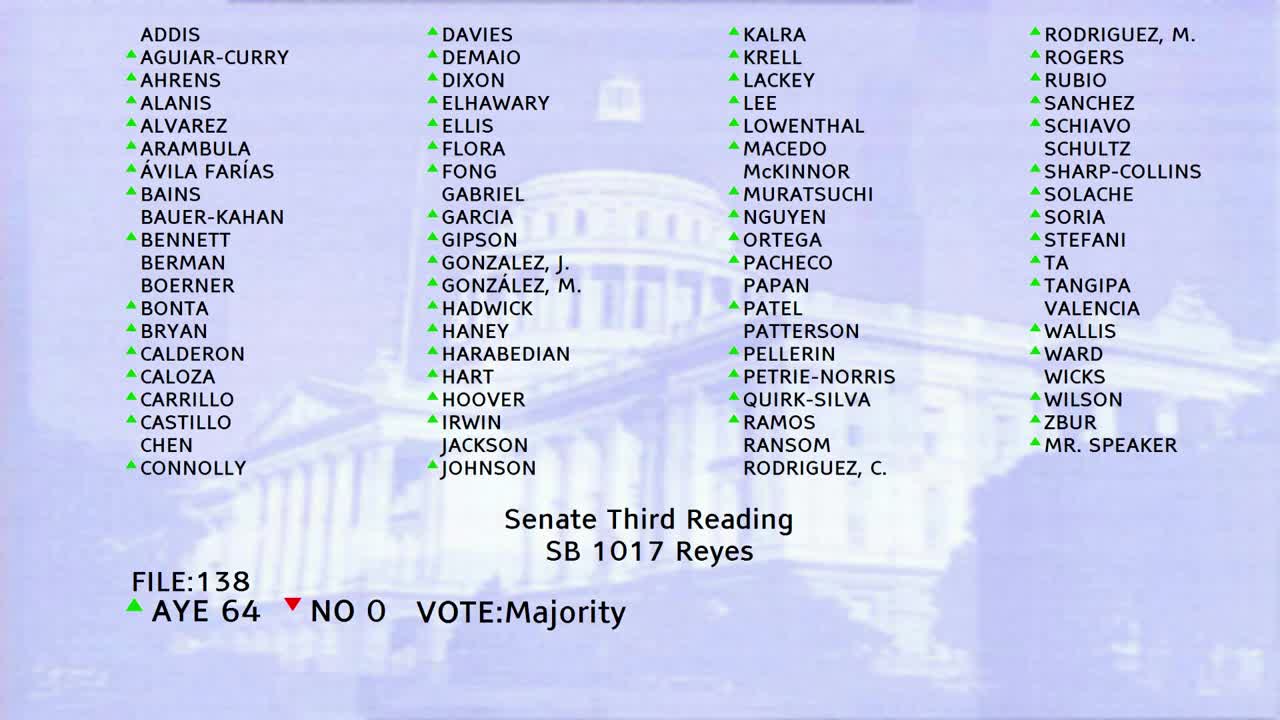

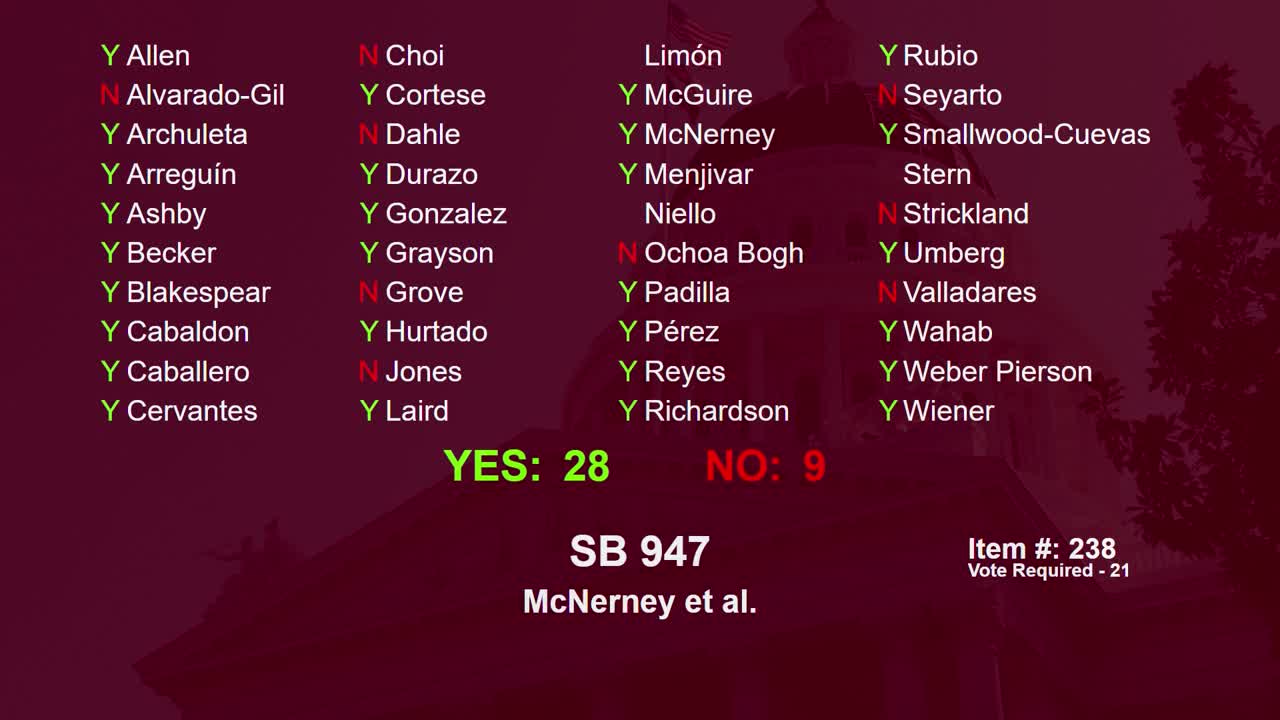
Bill Author

Bill Co-Author(s):