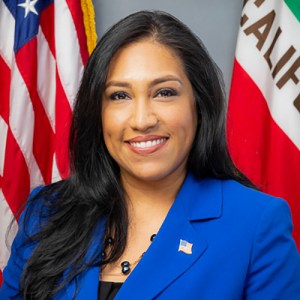
SJR 17: Korean American veterans.
- Session Year: 2025-2026
- House: Senate
- Latest Version Date: 2026-08-11
Current Status:
Passed
(2026-08-11: Chaptered by Secretary of State. Res. Chapter 168, Statutes of 2026.)
Introduced
In Committee
Awaiting First Chamber Vote
Passed First Chamber
In Committee
Awaiting Second Chamber Vote
Passed Second Chamber
Enacted
What does this bill do?
This resolution asks the U.S. Congress and President to allow states to provide burial and memorial benefits in state veterans cemeteries to Republic of Korea veterans who served in the Vietnam War and later became U.S. citizens.
The summary is provided by generative AI which can make mistakes. For original language, please view the details in the table below.
This measure would urge the Congress and President of the United States to permit states to extend burial and memorial benefits in state cemeteries to Republic of Korea veterans who served in the Vietnam War and who subsequently became United States citizens.
This measure would urge the Congress and President of the United States to permit states to extend burial and memorial benefits in state cemeteries to Republic of Korea veterans who served in the Vietnam War and who subsequently became United States citizens.
This measure would urge the Congress and President of the United States to permit states to extend burial and memorial benefits in state cemeteries to Republic of Korea veterans who served in the Vietnam War and who subsequently became United States citizens.
WHEREAS, At the request of the United States, the Republic of Korea provided more military support to the United States during the Vietnam War, alongside United States soldiers, than any other ally, with approximately 320,000 Republic of Korea soldiers serving in Vietnam between 1965 and 1973, inclusive; and
WHEREAS, Republic of Korea forces suffered 5,099 casualties and an additional 10,962 soldiers were injured in action during the war, and this was approximately the same rate of injury sustained, per capita, as United States forces; and
WHEREAS, An estimated 2,000,000 Korean Americans live in the United States, with more than 29 percent calling California their home, making California the state with the highest population of Korean Americans in the county; and
WHEREAS, There are approximately 3,000 Korean American veterans of the Vietnam War who are naturalized citizens of the United States; and
WHEREAS, A citizen of the United States who, during any war in which the United States has or may be engaged, served in the Armed Forces of any government allied with the United States during that war, whose last active service was terminated honorably by death or otherwise, and who was a citizen of the United States at the time of entry into service and at the time of death, is eligible for burial in a national cemetery; and
WHEREAS, In 2018, the federal government extended burial benefits in national veterans cemeteries to certain Hmong refugees who served in American-backed guerrilla units during the Vietnam War and who subsequently became naturalized United States citizens; and
WHEREAS, States are still unable to permit Hmong veterans to be buried in a state veterans cemetery without risk of losing funding from the United States Department of Veterans Affairs Veterans Cemetery Grant Program; now, therefore, be it
Resolved by the Senate and the Assembly of the State of California, jointly, That the Legislature respectfully urges the Congress of the United States and the President of the United States to permit states to extend burial and memorial benefits in state cemeteries to Republic of Korea veterans who served in the Vietnam War and who subsequently became United States citizens; and be it further
Resolved, That the Legislature stands in solidarity with the Republic of Korea veterans who served in Vietnam; and be it further
Resolved, That the Secretary of the Senate transmit copies of this resolution to the President and Vice President of the United States, to the Majority Leader of the United States Senate, to the Speaker of the United States House of Representatives, to each Senator and Representative from California in the United States Congress, and to the author for appropriate distribution.
|
Date
|
Status
|
|---|---|
| Aug 11, 2026 | Chaptered by Secretary of State. Res. Chapter 168, Statutes of 2026. |
| Aug 11, 2026 | Enrolled and filed with the Secretary of State at 1 p.m. |
| Aug 4, 2026 | In Senate. Ordered to engrossing and enrolling. |
| Aug 3, 2026 | Read. Adopted. Ordered to the Senate. |
| Aug 3, 2026 | Read. Adopted. (Ayes 74. Noes 0. Page 6041.) Ordered to the Senate. |
| Jul 1, 2026 | From committee: Be adopted. Ordered to consent calendar. (Ayes 8. Noes 0.) (June 30). |
| Jun 22, 2026 | Referred to Com. on M. & V.A. |
| Jun 15, 2026 | In Assembly. Held at Desk. |
| Jun 15, 2026 | Read. Adopted. (Ayes 39. Noes 0. Page 4759.) Ordered to the Assembly. |
| Jun 15, 2026 | Read. Adopted. (Ayes 39. Noes 0.) Ordered to the Assembly. |
| Jun 9, 2026 | From committee: Be adopted. Ordered to third reading. (Ayes 5. Noes 0. Page 4620.) (June 8). |
| Jun 9, 2026 | From committee: Be adopted. Ordered to third reading. (Ayes 5. Noes 0.) (June 8). |
| Jun 8, 2026 | Set for hearing June 8. |
| May 20, 2026 | Re-referred to Com. on M. & V.A. |
| May 12, 2026 | Introduced. Referred to Com. on RLS. |
|
Date
|
Description
|
Location
|
Votes
|
|
|---|---|---|---|---|
| Aug 3, 2026 | SJR 17 Choi Consent Calendar Second Day Regular Session | Assembly Floor |
Passed |
|
| Jun 30, 2026 | Be adopted. To Consent Calendar. | Assembly Standing Committee on Military and Veterans Affairs |
Passed |
|
| Jun 15, 2026 | Senate 3rd Reading SJR17 Choi et al. | Senate Floor |
Passed |
|
| Jun 8, 2026 | Be adopted. Ordered to third reading | Senate Standing Committee on Military and Veterans Affairs |
Passed |
This list shows positions taken on this bill by organizations on the date displayed, which is linked to the original source.
Positions by individuals are not included.
|
Organization
|
Position
|
Date
|
|---|---|---|
| ** Against |
Date of Hearing: June 30, 2026
ASSEMBLY COMMITTEE ON MILITARY AND VETERANS AFFAIRS
Pilar Schiavo, Chair
SBPCA Bill Id:SJR 17
Author:(Choi) – As Introduced Ver:May 12, 2026
SENATE VOTE: 39-0
SUBJECT: Korean American veterans.
SUMMARY: Urges Congress and the President of the United States (U.S.) to permit states to extend burial and memorial benefits in state veterans cemeteries to Republic of Korea veterans who served in the Vietnam War and subsequently became U.S. citizens. Specifically, this resolution:
- Urges Congress and the President of the United States to permit states to extend burial and memorial benefits in state veterans cemeteries to Republic of Korea veterans who served in the Vietnam War and subsequently became United States citizens.
- Declares that the Legislature stands in solidarity with Republic of Korea veterans who served in Vietnam.
- Requires the Secretary of the Senate to transmit copies of the resolution to the President and Vice President of the United States, congressional leadership, each Senator and Representative from California in the United States Congress, and the author for appropriate distribution.
EXISTING LAW:
- Authorizes the Secretary of the United States Department of Veterans Affairs to make grants to states for the purpose of establishing, expanding, improving, operating, and maintaining state veterans’ cemeteries. (38 U.S. Code § 2408(a)(1))
- Limits eligibility for burial in a federally funded state veterans cemetery to eligible veterans and certain family members, including spouses, surviving spouses, minor children, certain unmarried adult children with disabilities, and eligible parents of certain deceased service members. (38 Code of Federal Regulations (C.F.R.) § 39.10)
- Provides that a United States citizen who served honorably in the armed forces of a government allied with the United States during a war may be eligible for burial in a national cemetery if the person was a United States citizen at the time of entry into service and at the time of death. (38 C.F.R. § 38.620(d))
FISCAL EFFECT: None.
COMMENTS:
- PURPOSE OF THIS RESOLUTION. According to the author: “Many Koreans served besides American soldiers in the Vietnam War, supporting them and fighting the same fight to protect democracy. Some of those veterans immigrated to the U.S. to pursue the American Dream, then became citizens, and have been living the remainder of their lives in this country. I believe SJR 17 is a great way to recognize these veteran’s service and bravery. This resolution only urges Congress to provide the option for these Korean American Vietnam veterans to be buried alongside the soldiers they fought with, after they passed on, a right I believe they have done more than enough to deserve.”
- BACKGROUND.
- Burial Benefits. This resolution seeks to expand state burial and memorial benefits to Republic of Korea veterans who served alongside United States forces during the Vietnam War and later became U.S. citizens. Although federal law recognizes certain allied military service for purposes of burial in Department of Veterans Affairs (VA) national cemeteries, eligibility generally depends on the person having been a U.S. citizen at the time they entered that allied military service. This requirement excludes Republic of Korea veterans who served in Vietnam, later immigrated and became naturalized citizens after their service ended.
- Federal Law. Federal law has already begun to recognize allied veterans who served alongside United States forces in Vietnam. Congress enacted the Hmong Veterans’ Naturalization Act of 2000 to provide special naturalization consideration to certain Hmong and Laotian veterans who served in U.S.-backed guerrilla forces during the war and later sought to become U.S. citizens. Additionally, in 2023 Congress enacted the Korean American VALOR Act, which expanded eligibility for certain VA medical benefits to veterans of the South Korean armed forces who served in Vietnam between January 9, 1962, and May 7, 1975, subject to a request by South Korea and a reciprocity agreement reimbursing VA for the cost of care.
- Other States. State legislatures have also begun to address this issue. Pennsylvania recently enacted HB 304, which extends state-level rights, benefits, recognition, and privileges to eligible United States-resident veterans of the Korean Armed Forces who served during the Vietnam War. These federal and state efforts provide precedent for SJR 17’s request that Congress clarify federal law so states may extend burial and memorial benefits to similarly situated Republic of Korea veterans without jeopardizing federal cemetery funding.
- Policy Issue. This resolution raises potential questions about extending veteran cemetery benefits to individuals who served in foreign armed forces alongside U.S. troops during wartime. Since veteran benefits typically require service in the U.S. Armed Forces, this expansion for Republic of Korea veterans may prompt concerns about where Congress should draw the line and whether other allied groups might pursue similar recognition. Importantly, it does not create new benefits; it seeks federal clarification on whether states can honor these veterans without jeopardizing federal cemetery funding. Any federal response could still enforce limits, documentation requirements, and safeguards to keep the benefit focused.
- PREVIOUS LEGISLATION.
- AB 200 (Patterson) of 2019 would have permitted interment in state veterans cemeteries for certain individuals naturalized under the federal Hmong Veterans’ Naturalization Act of 2000 and residing in California at the time of death. AB 200 was referred to but never set for hearing in the Assembly Committee on Veterans Affairs.
- AJR 35 (Choi) of 2020 would have urged Congress and the President to permit states to extend veterans cemetery burial and memorial benefits to Republic of Korea veterans who served in the Vietnam War and subsequently became U.S. citizens. AJR 35 was held at the Assembly Desk.
- AJR 10 (Choi) of 2021 would have urged Congress and the President to permit states to extend burial and memorial benefits in state veterans cemeteries, and to extend burial and memorial benefits in national cemeteries, to Republic of Korea and Republic of Vietnam veterans who served in the Vietnam War and subsequently became U.S. citizens. AJR 10 was referred to the Assembly Committee on Military and Veterans Affairs pursuant to Assembly Rule 77.2, but it was never set for hearing.
- AJR 7 (Patterson), Resolution Chapter 117, Statutes of 2021, urged Congress and the President to permit states to extend burial and memorial benefits to Hmong veterans at state veterans cemeteries.
- AJR 13 (Nguyen) of 2021 would have urged Congress and the President to permit states to extend burial and memorial benefits in state veterans cemeteries to Republic of Vietnam veterans who served in the Vietnam War and who subsequently became U.S. citizens. AJR 13 was referred to the Assembly Committee on Military and Veterans Affairs, but it was never set for hearing.
REGISTERED SUPPORT / OPPOSITION:
Support
None on file.
Opposition
None on file.
Analysis Prepared by: Patty Patten / M. & V.A. / (916) 319-3550
SENATE RULES COMMITTEE Office of Senate Floor Analyses (916) 651-4171 | SJR 17 |
THIRD READING
Bill No: SJR 17
Author: Choi (R), et al.
Introduced: 5/12/26
Vote: 21
SENATE MILITARY & VETERANS COMMITTEE: 5-0, 6/8/26
AYES: Archuleta, Grove, McNerney, Menjivar, Umberg
SUBJECT: Korean American veterans
SOURCE: Author
DIGEST:
This resolution urges Congress and President of the United States to permit states to extend burial and memorial benefits in state veterans cemeteries to Republic of Korea veterans who served in the Vietnam War and subsequently became United States citizens.
ANALYSIS:
Existing law:
- Authorizes the Secretary of the United States Department of Veterans Affairs to make grants to states for the purpose of establishing, expanding, improving, operating, and maintaining state veterans’ cemeteries. (38 United States Code § 2408(a)(1))
- Limits eligibility for burial in a federally funded state veterans cemetery to eligible veterans and certain family members, including spouses, surviving spouses, minor children, certain unmarried adult children with disabilities, and eligible parents of certain deceased service members. (38 Code of Federal Regulations (C.F.R.) § 39.10)
- Provides that a United States citizen who served honorably in the armed forces of a government allied with the United States during a war may be eligible for burial in a national cemetery if the person was a United States citizen at the time of entry into service and at the time of death. (38 C.F.R. § 38.620(d))
This bill:
- Urges Congress and the President of the United States to permit states to extend burial and memorial benefits in state veterans cemeteries to Republic of Korea veterans who served in the Vietnam War and subsequently became United States citizens.
- Declare that the Legislature stands in solidarity with Republic of Korea veterans who served in Vietnam.
- Require the Secretary of the Senate to transmit copies of the resolution to the President and Vice President of the United States, congressional leadership, each Senator and Representative from California in the United States Congress, and the author for appropriate distribution.
Background
During the Vietnam War, the Republic of Korea was one of the United States’ major military allies. At the request of the United States, South Korea deployed approximately 320,000 soldiers to Vietnam between 1965 and 1973, making it one of the largest allied contributors to the war effort outside of the United States. Republic of Korea forces served alongside United States forces and sustained significant losses, including 5,099 deaths and 10,962 injuries. Following the war, some Republic of Korea veterans immigrated to the United States, became naturalized citizens, and built their lives in this country. Approximately 3,000 Korean American Vietnam War veterans are naturalized United States citizens. California has a direct connection to this population, as the state is home to the largest Korean American population in the country.
Federal law governs eligibility for burial and memorial benefits in national veteran’s cemeteries and also affects state veterans cemeteries that receive federal support. Under federal law, certain allied military service may qualify a person for burial in a VA national cemetery if the person served during a war involving the United States in the armed forces of a government allied with the United States and that service ended honorably. However, VA eligibility rules generally require the individual to have been a United States citizen when the allied military service began and at the time of death. As a result, Republic of Korea veterans who served alongside United States forces in Vietnam, but became United States citizens only after their military service, generally do not qualify for burial in a VA national cemetery based solely on that service.
The United States Department of Veterans Affairs administers the Veterans Cemetery Grants Program, which was established in 1978 to help states, territories, and tribal governments provide gravesites in areas where VA national cemeteries cannot fully meet burial needs. Since 1980, the program has awarded 525 grants totaling $1.87 billion to establish, expand, improve, operate, or maintain veteran’s cemeteries. VA grant-funded cemeteries must be operated in accordance with federal requirements, including restrictions on who may be interred. Because of these conditions, states that receive VA cemetery grant funding may be limited in their ability to expand burial eligibility beyond categories clearly authorized under federal law without raising compliance concerns.
Congress has previously addressed a related issue involving certain non-U.S. forces connected to the Vietnam War. The Hmong Veterans’ Naturalization Act of 2000 provided special naturalization consideration to certain Hmong and Laotian veterans who supported United States military operations during the war. Federal law was later amended to extend national cemetery burial eligibility to certain Hmong veterans who served in American-backed units and later became naturalized United States citizens. However, federal law governing state veteran’s cemeteries has not been fully conformed in the same way, leaving states with uncertainty when attempting to extend comparable cemetery benefits to similarly situated allied veterans.
Comments
According to the author: “Many Koreans served besides American soldiers in the Vietnam War, supporting them and fighting the same fight to protect democracy. Some of those veterans immigrated to the United States to pursue the American Dream, and then became citizens and have been living the remainder of their lives in this country. I believe SJR 17 is a great way to recognize these veteran’s service and bravery. This resolution only urges Congress to provide the option for these Korean American Vietnam veterans to be buried alongside the soldiers they fought with, after they passed on, a right I believe they have done more than enough to deserve.”
FISCAL EFFECT: Appropriation: Fiscal Com.: No Local:
SUPPORT: (Verified 6/9/26)
None received
OPPOSITION: (Verified 6/9/26)
None received
Prepared by: Diego Nelson / M.&V.A. / (916) 651-1503
6/10/26 16:52:22
**** END ****
SENATE COMMITTEE ON MILITARY AND VETERANS AFFAIRS
Senator Bob Archuleta, Chair
2025 - 2026 Regular
Bill No: SJR 17 Hearing Date: 6/8/26
Author: | Choi | ||
Version: | 5/12/26 | ||
Urgency: |
| Fiscal: | No |
Consultant: | Diego Nelson | ||
Subject: Korean American veterans
DESCRIPTION
Summary:
This measure urges Congress and President of the United States to permit states to extend burial and memorial benefits in state veterans cemeteries to Republic of Korea veterans who served in the Vietnam War and subsequently became United States citizens.
Existing law:
- Authorizes the Secretary of the United States Department of Veterans Affairs to make grants to states for the purpose of establishing, expanding, improving, operating, and maintaining state veterans’ cemeteries. (38 U.S.C. § 2408(a)(1))
- Limits eligibility for burial in a federally funded state veterans cemetery to eligible veterans and certain family members, including spouses, surviving spouses, minor children, certain unmarried adult children with disabilities, and eligible parents of certain deceased service members. (38 C.F.R. § 39.10)
- Provides that a United States citizen who served honorably in the armed forces of a government allied with the United States during a war may be eligible for burial in a national cemetery if the person was a United States citizen at the time of entry into service and at the time of death. (38 C.F.R. § 38.620(d))
This bill:
- Urges Congress and the President of the United States to permit states to extend burial and memorial benefits in state veterans cemeteries to Republic of Korea veterans who served in the Vietnam War and subsequently became United States citizens.
- Declare that the Legislature stands in solidarity with Republic of Korea veterans who served in Vietnam.
- Require the Secretary of the Senate to transmit copies of the resolution to the President and Vice President of the United States, congressional leadership, each Senator and Representative from California in the United States Congress, and the author for appropriate distribution.
BACKGROUND
During the Vietnam War, the Republic of Korea was one of the United States’ major military allies. At the request of the United States, South Korea deployed approximately 320,000 soldiers to Vietnam between 1965 and 1973, making it one of the largest allied contributors to the war effort outside of the United States. Republic of Korea forces served alongside United States forces and sustained significant losses, including 5,099 deaths and 10,962 injuries. Following the war, some Republic of Korea veterans immigrated to the United States, became naturalized citizens, and built their lives in this country. Approximately 3,000 Korean American Vietnam War veterans are naturalized United States citizens. California has a direct connection to this population, as the state is home to the largest Korean American population in the country.
Federal law governs eligibility for burial and memorial benefits in national veteran’s cemeteries and also affects state veterans cemeteries that receive federal support. Under federal law, certain allied military service may qualify a person for burial in a VA national cemetery if the person served during a war involving the United States in the armed forces of a government allied with the United States and that service ended honorably. However, VA eligibility rules generally require the individual to have been a United States citizen when the allied military service began and at the time of death. As a result, Republic of Korea veterans who served alongside United States forces in Vietnam, but became United States citizens only after their military service, generally do not qualify for burial in a VA national cemetery based solely on that service.
The United States Department of Veterans Affairs administers the Veterans Cemetery Grants Program, which was established in 1978 to help states, territories, and tribal governments provide gravesites in areas where VA national cemeteries cannot fully meet burial needs. Since 1980, the program has awarded 525 grants totaling $1.87 billion to establish, expand, improve, operate, or maintain veteran’s cemeteries. VA grant-funded cemeteries must be operated in accordance with federal requirements, including restrictions on who may be interred. Because of these conditions, states that receive VA cemetery grant funding may be limited in their ability to expand burial eligibility beyond categories clearly authorized under federal law without raising compliance concerns.
Congress has previously addressed a related issue involving certain non-U.S. forces connected to the Vietnam War. The Hmong Veterans’ Naturalization Act of 2000 provided special naturalization consideration to certain Hmong and Laotian veterans who supported United States military operations during the war. Federal law was later amended to extend national cemetery burial eligibility to certain Hmong veterans who served in American-backed units and later became naturalized United States citizens. However, federal law governing state veteran’s cemeteries has not been fully conformed in the same way, leaving states with uncertainty when attempting to extend comparable cemetery benefits to similarly situated allied veterans.
COMMENT
According to the author: “Many Koreans served besides American soldiers in the Vietnam War, supporting them and fighting the same fight to protect democracy. Some of those veterans immigrated to the United States to pursue the American Dream, and then became citizens and have been living the remainder of their lives in this country. I believe SJR 17 is a great way to recognize these veteran’s service and bravery. This resolution only urges Congress to provide the option for these Korean American Vietnam veterans to be buried alongside the soldiers they fought with, after they passed on, a right I believe they have done more than
enough to deserve.”
SJR 17 seeks to expand state burial and memorial benefits to Republic of Korea veterans who served alongside United States forces during the Vietnam War and later became United States citizens. Although federal law recognizes certain allied military service for purposes of burial in VA national cemeteries, eligibility generally depends on the person having been a United States citizen at the time they entered that allied military service. This requirement excludes Republic of Korea veterans who served in Vietnam, later immigrated to the United States, and became naturalized citizens after their service ended.
Federal law has already begun to recognize allied veterans who served alongside United States forces in Vietnam. Congress enacted the Hmong Veterans’ Naturalization Act of 2000 to provide special naturalization consideration to certain Hmong and Laotian veterans who served in U.S.-backed guerrilla forces during the war and later sought to become United States citizens. Additionally, in 2023 Congress enacted the Korean American VALOR Act, which expanded eligibility for certain VA medical benefits to veterans of the South Korean armed forces who served in Vietnam between January 9, 1962, and May 7, 1975, subject to a request by South Korea and a reciprocity agreement reimbursing VA for the cost of care.
State legislatures have also begun to address this issue. Pennsylvania recently enacted HB 304, which extends state-level rights, benefits, recognition, and privileges to eligible United States-resident veterans of the Korean Armed Forces who served during the Vietnam War. These federal and state efforts provide precedent for SJR 17’s request that Congress clarify federal law so states may extend burial and memorial benefits to similarly situated Republic of Korea veterans without jeopardizing federal cemetery funding.
SJR 17 may raise questions about whether veteran’s cemetery benefits should be extended to individuals who served in the armed forces of another country, even if they served alongside United States forces during wartime. Because veteran’s benefits are generally tied to service in the U.S. Armed Forces, expanding eligibility to Republic of Korea veterans could raise concerns about where Congress should draw the line and whether other allied veteran groups may seek similar recognition in the future.
At the same time, SJR 17 does not itself expand eligibility or create a new state benefit. It asks the federal government to clarify whether states may honor these veterans without risking federal cemetery funding. Any federal action could still include limits, documentation requirements, and safeguards to ensure the benefit remains narrowly tailored.
Pervious Legislation
AB 200 (Patterson, 2019) would have amended state law to permit interment in state veterans cemeteries for certain individuals naturalized under the federal Hmong Veterans’ Naturalization Act of 2000 and residing in California at the time of death. The measure died in the Assembly Committee on Military and Veterans Affairs.
AJR 35 (Choi, 2020) would have urged Congress and the President to permit states to extend veterans cemetery burial and memorial benefits to Republic of Korea veterans who served in the Vietnam War and subsequently became United States citizens. The measure was held at the Assembly Desk.
AJR 10 (Choi, 2021) would have urged Congress and the President to permit states to extend burial and memorial benefits in state veterans cemeteries, and to extend burial and memorial benefits in national cemeteries, to Republic of Korea and Republic of Vietnam veterans who served in the Vietnam War and subsequently became United States citizens. The measure died in the Assembly Committee on Military and Veterans Affairs.
AJR 7 (Patterson, 2021) urged Congress and the President to permit states to extend burial and memorial benefits to Hmong veterans at state veterans cemeteries.
AJR 13 (Nguyen, 2021) would have urged the United States Congress and the President of the United States to permit states to extend burial and memorial benefits in state veterans cemeteries to Republic of Vietnam veterans who served in the Vietnam War and who subsequently became United States citizens.
POSITIONS
Sponsor: Author.
Support: None
Oppose: None
-- END --
Discussed in Hearing
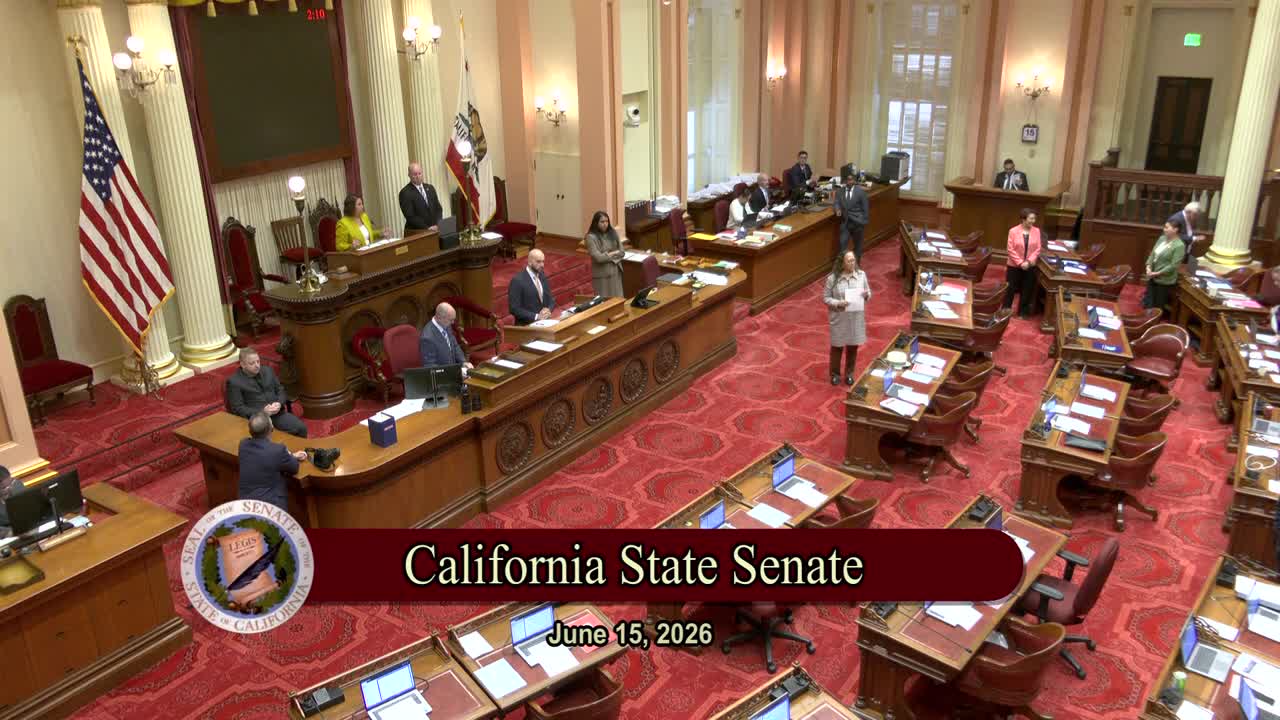 3MIN
Senate Floor
 4MIN